

通货膨胀在经济中的作用
The Role of Inflation in Economies
Inflation 是一个关键的经济 indicator,与市场 prices 和 monetary 供应相关。当其过度时,exorbitant 的价格上涨减少了人们的 purchasing power,影响了 discretionary 支出。
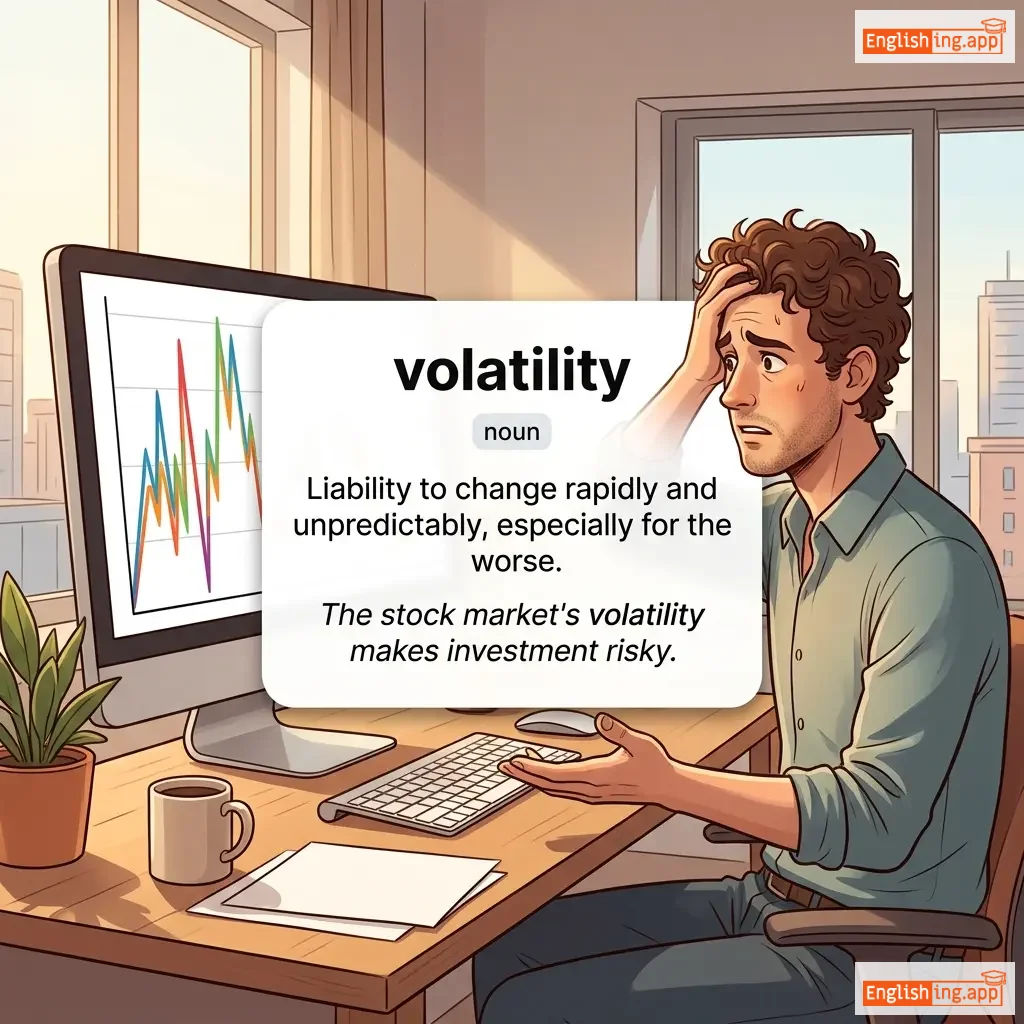
它有时会导致 contraction,有时会导致 proliferation。Inflation 通常由 speculation 和市场 volatility 增加引起。其负面影响体现在国家的 sovereign 债务和 fiscal 政策中。
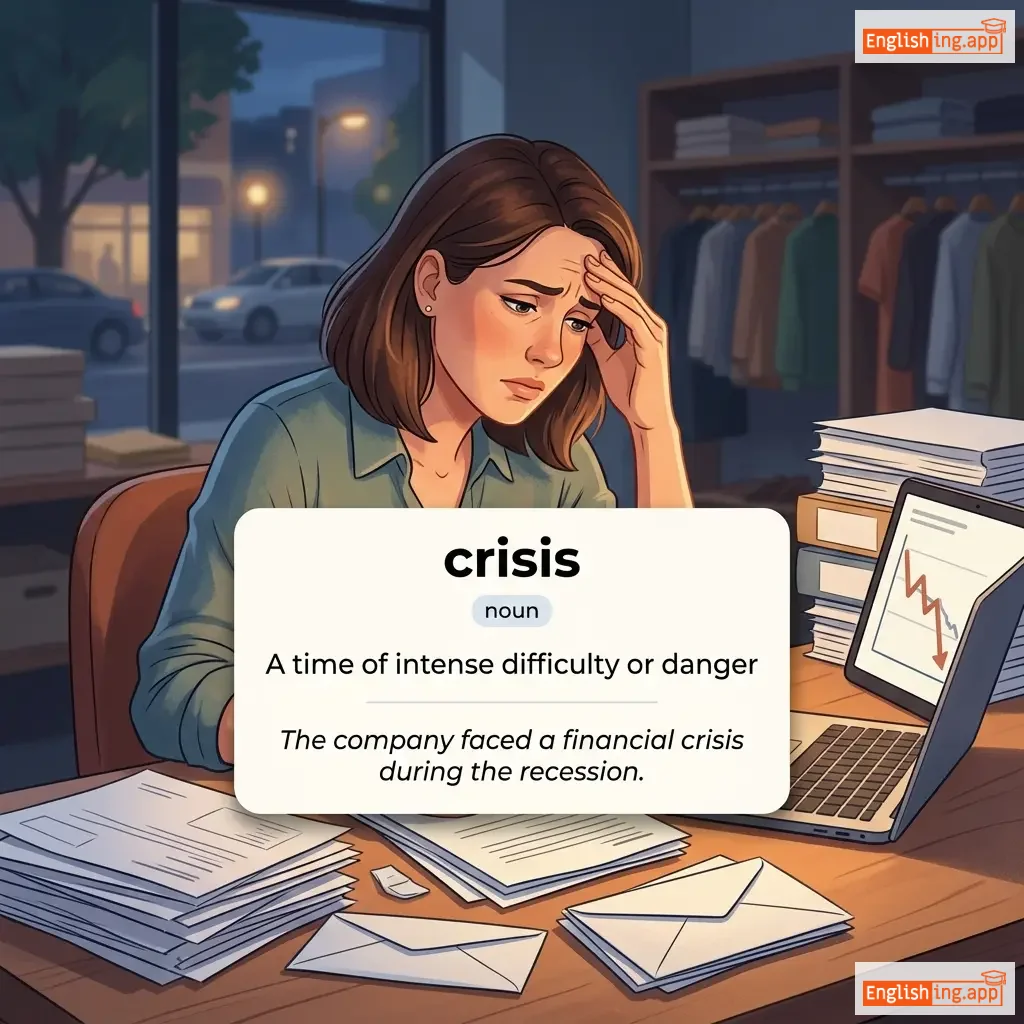
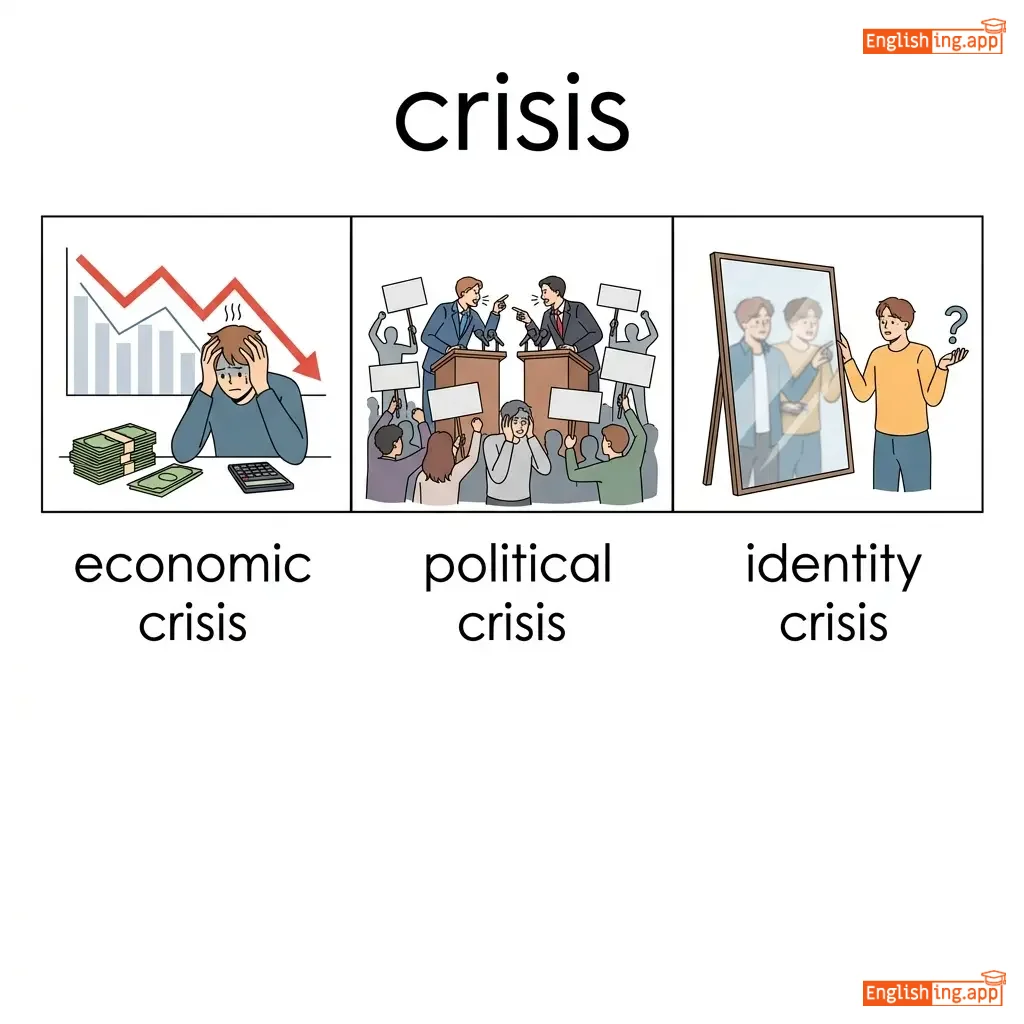
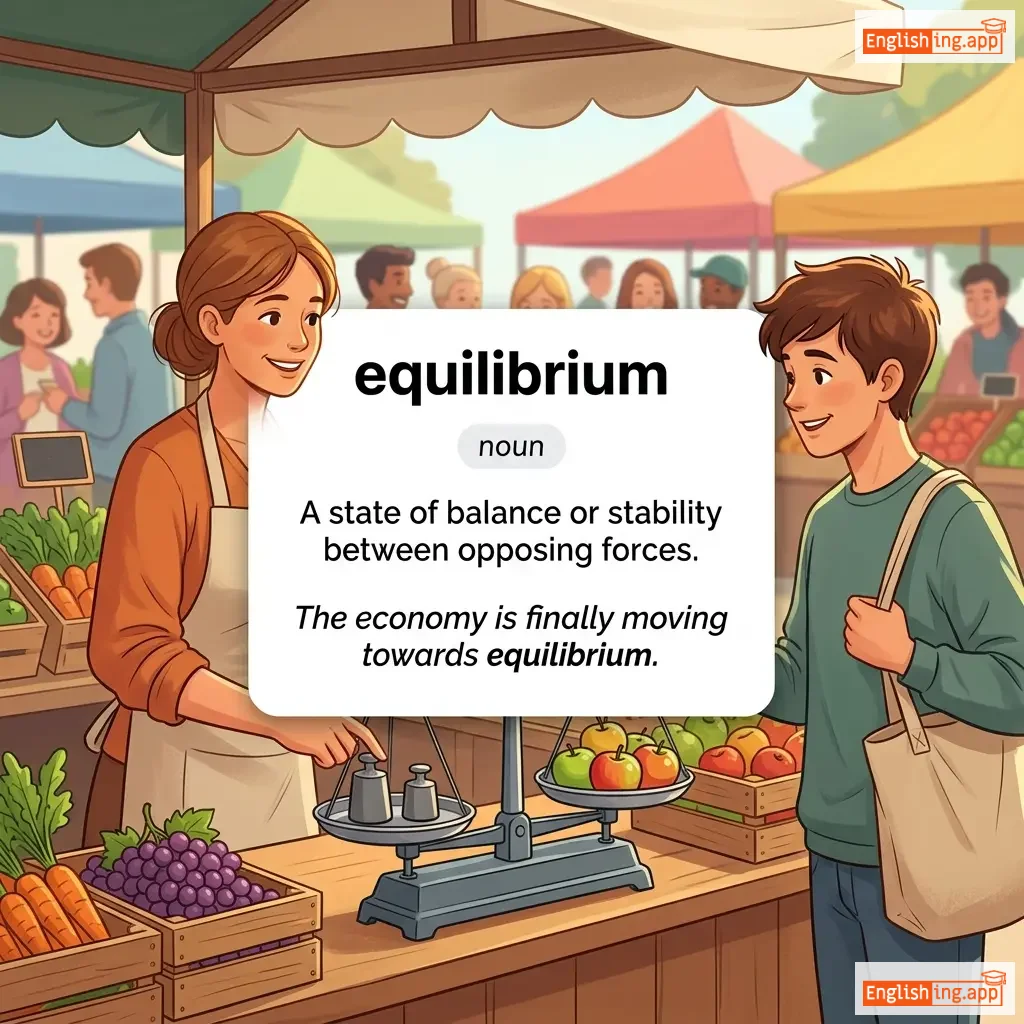
当市场发生 deflation 时,经济可能陷入 stagnation 或 recession,这对政府来说是一个 crisis。然而,在某些情况下,inflation 如果得到适当控制并提供 incentives,可以创造健康的 equilibrium。
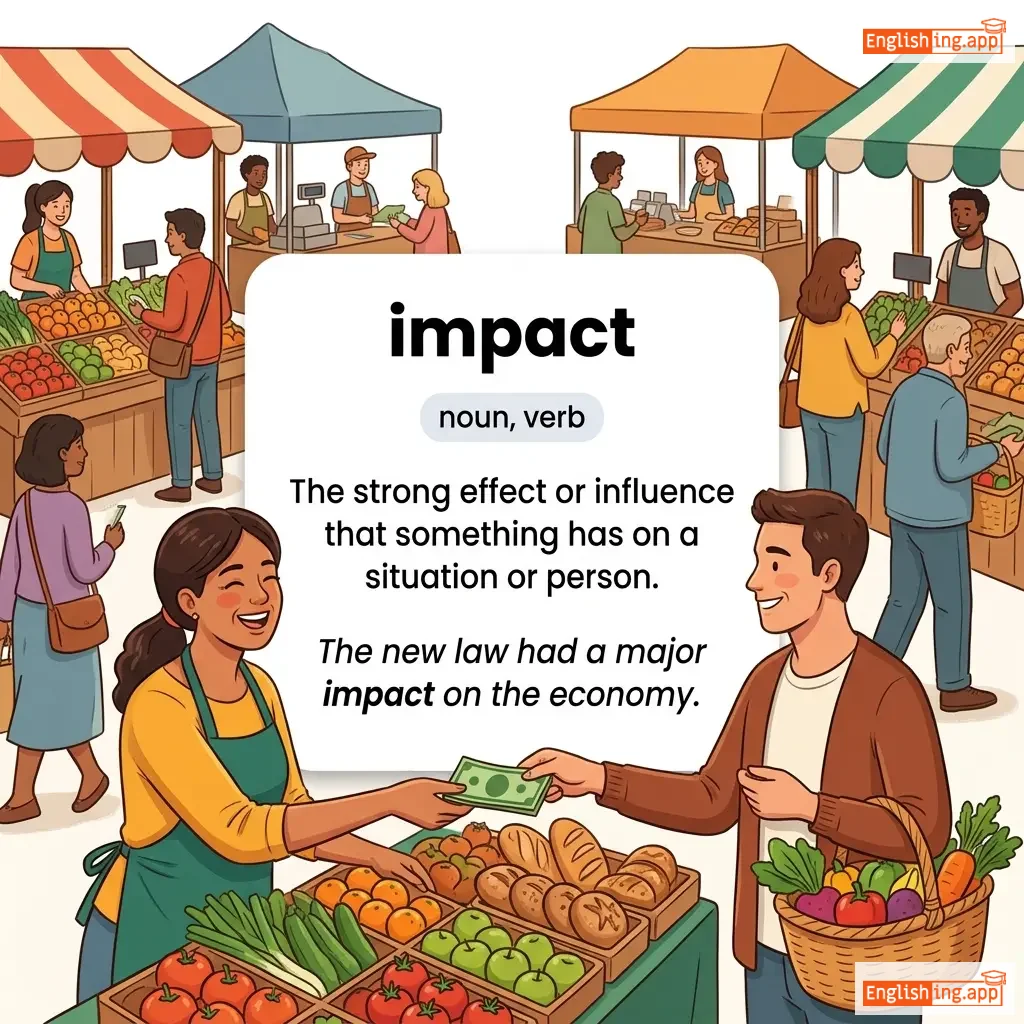
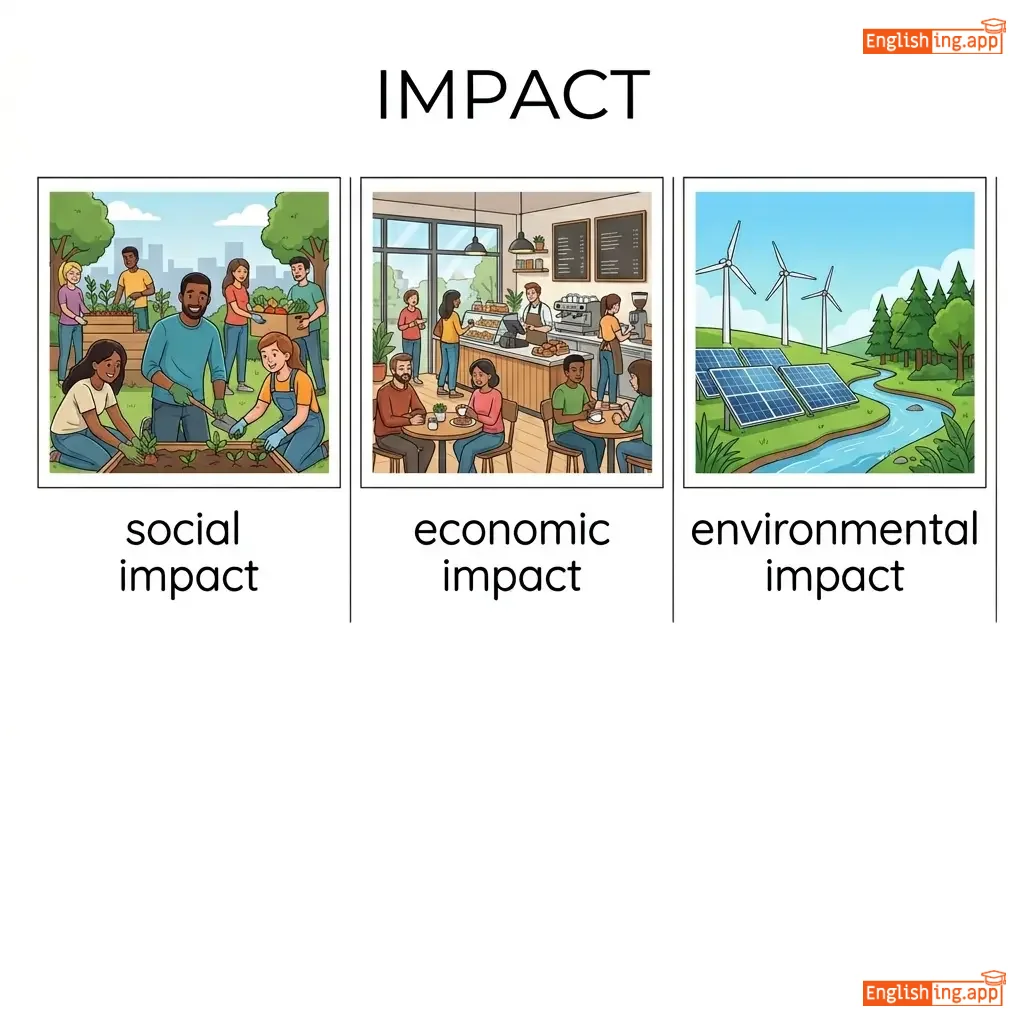
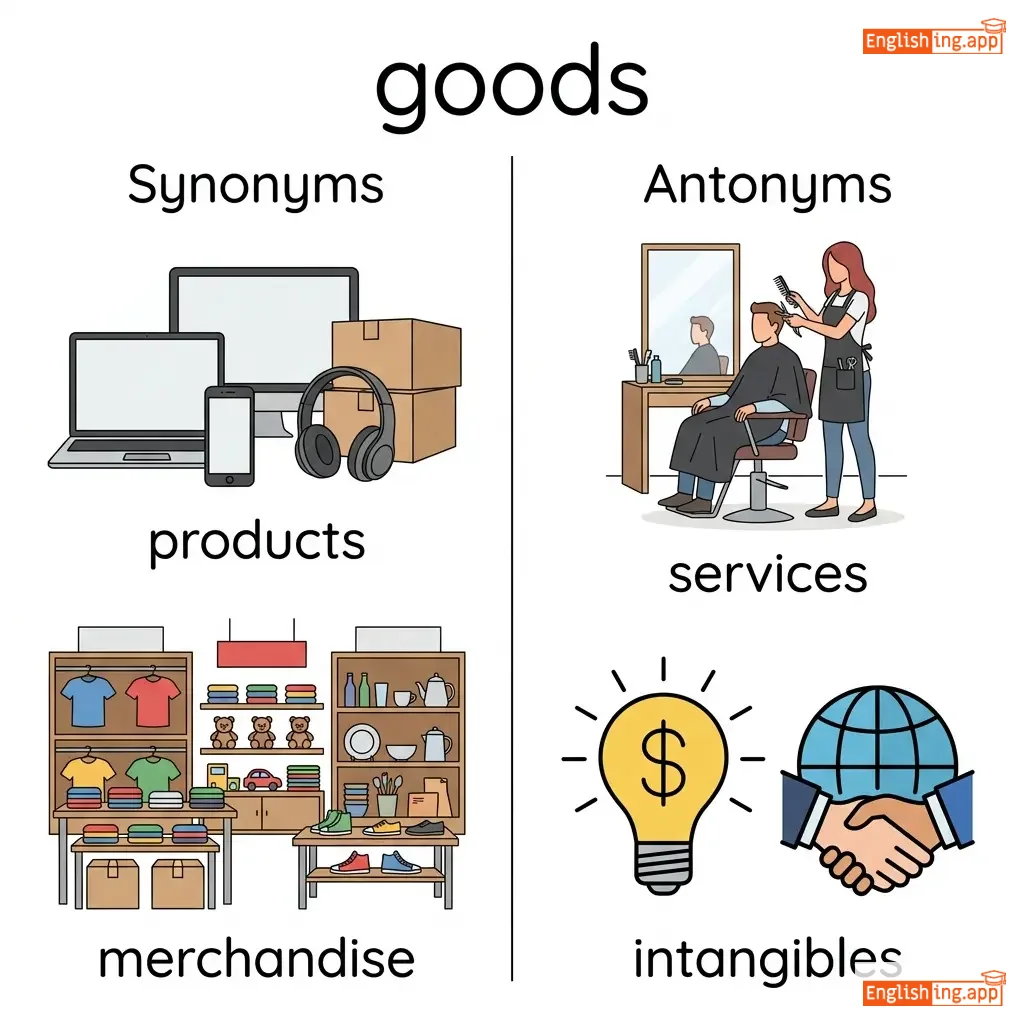
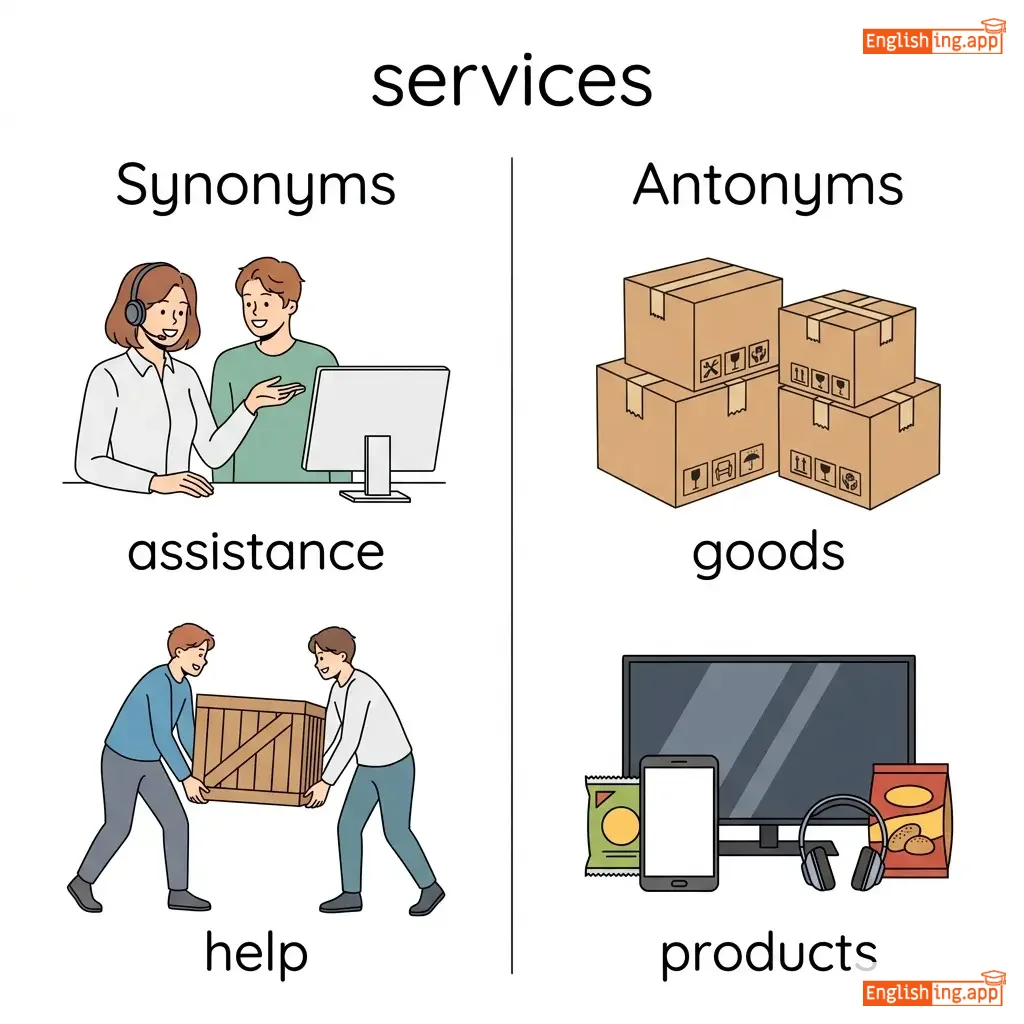
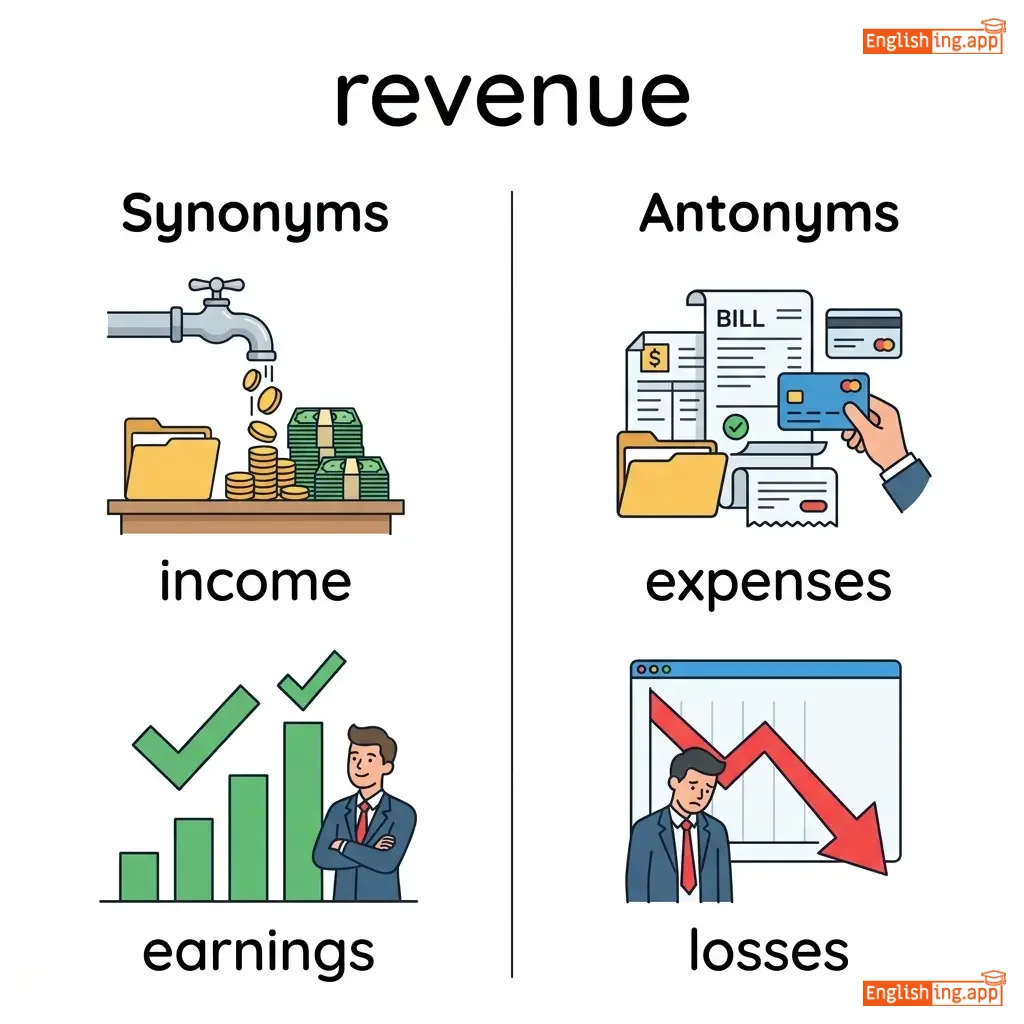
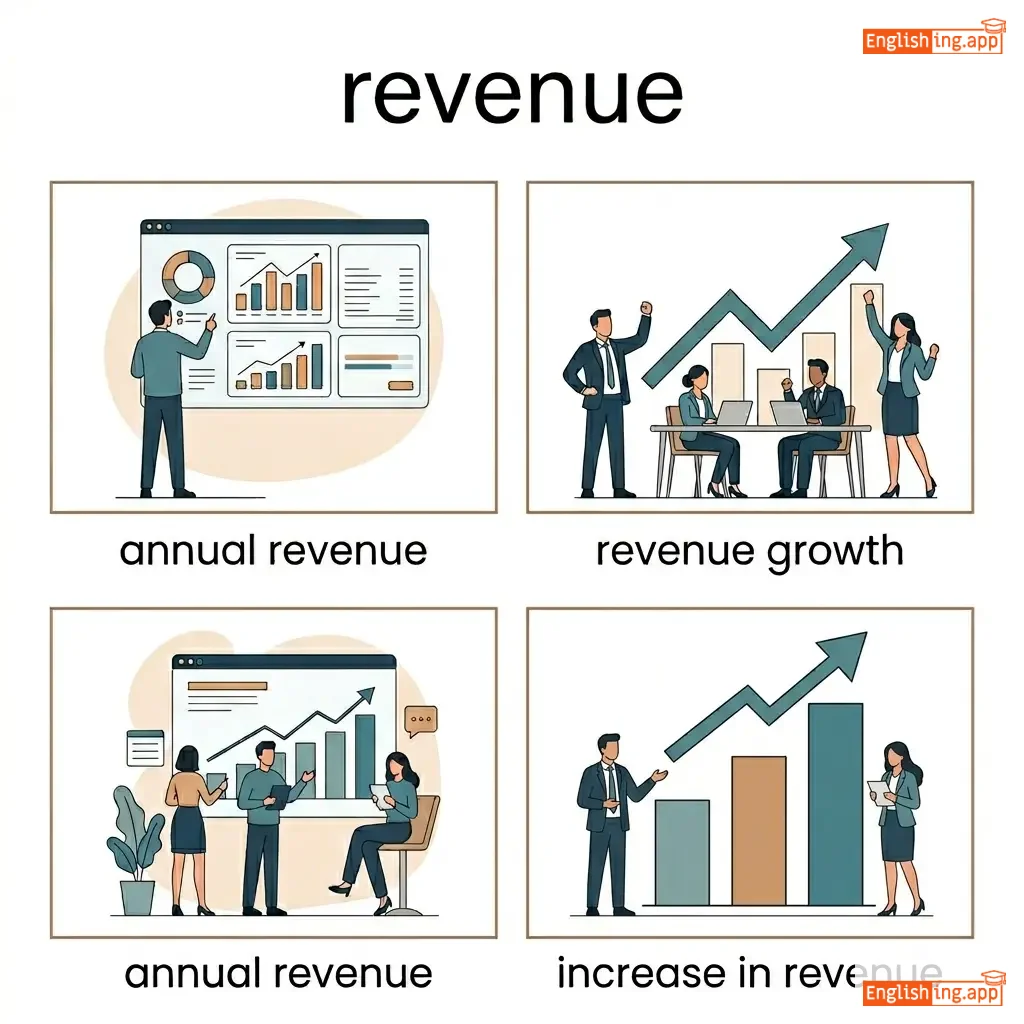
这是全球每个经济体都面临的重要问题,其 impact 在 goods、services 和 revenue 中清晰可见。













Swipe left or right, or use the buttons. Tap image to zoom.
例句翻译
单词
The Role of Inflation in EconomiesThe Role of Inflation in Economies - 遮罩切换
|
表情符号
|
单词 | Images | 翻译 | 含义 | 例句 | 例句翻译 | 同义词 | 反义词 | 助记符 |
|---|---|---|---|---|---|---|---|---|---|
|
#3547
📈
|
ɪnˈfleɪʃən
noun
(通货膨胀)
••••••
|
|
通货膨胀
tōnghuò péngzhàng
••••••
|
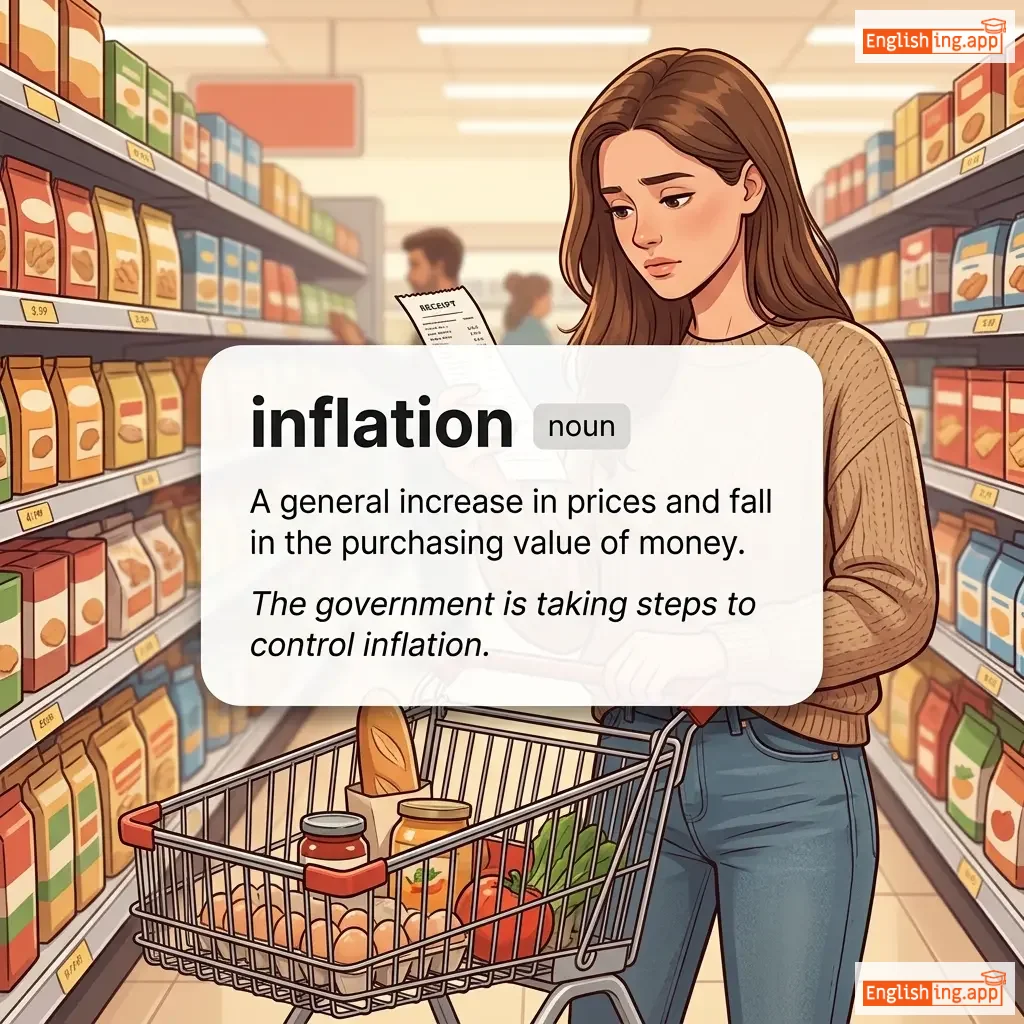
A general increase in prices and fall in the purchasing value of money.
••••••
|
Inflation reduces the purchasing power of money.
通货膨胀降低了货币的购买力。
••••••
|
通货膨胀降低了货币的购买力。
Tōnghuò péngzhàng jiàngdīle huòbì de gòumǎi lì.
••••••
|
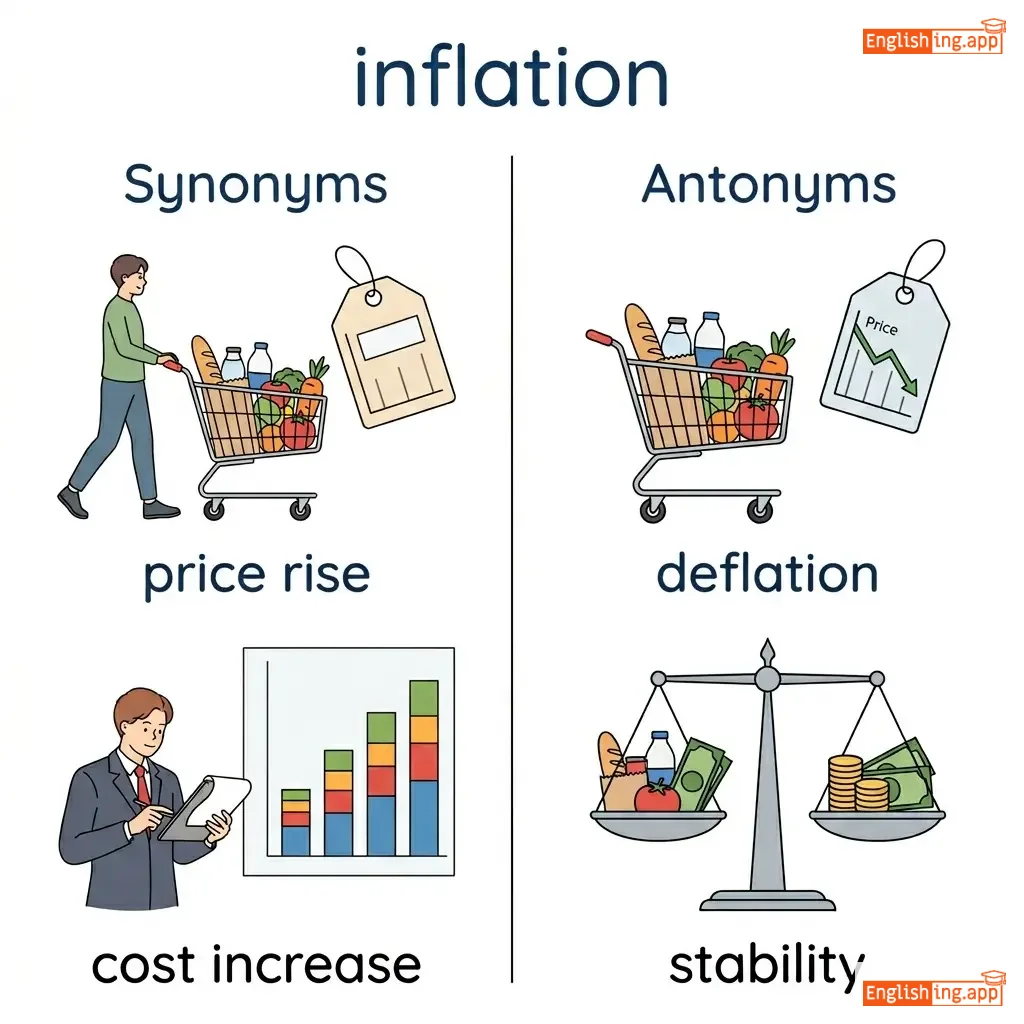
price rise, cost increase
••••••
|
deflation, decrease
••••••
|
通货膨胀 = 货币购买力下降。
••••••
|
|
#3548
💼
|
ˌiːkəˈnɒmɪk
adjective
(伊科诺米克)
••••••
|
|
经济的
yikenuomike
••••••
|
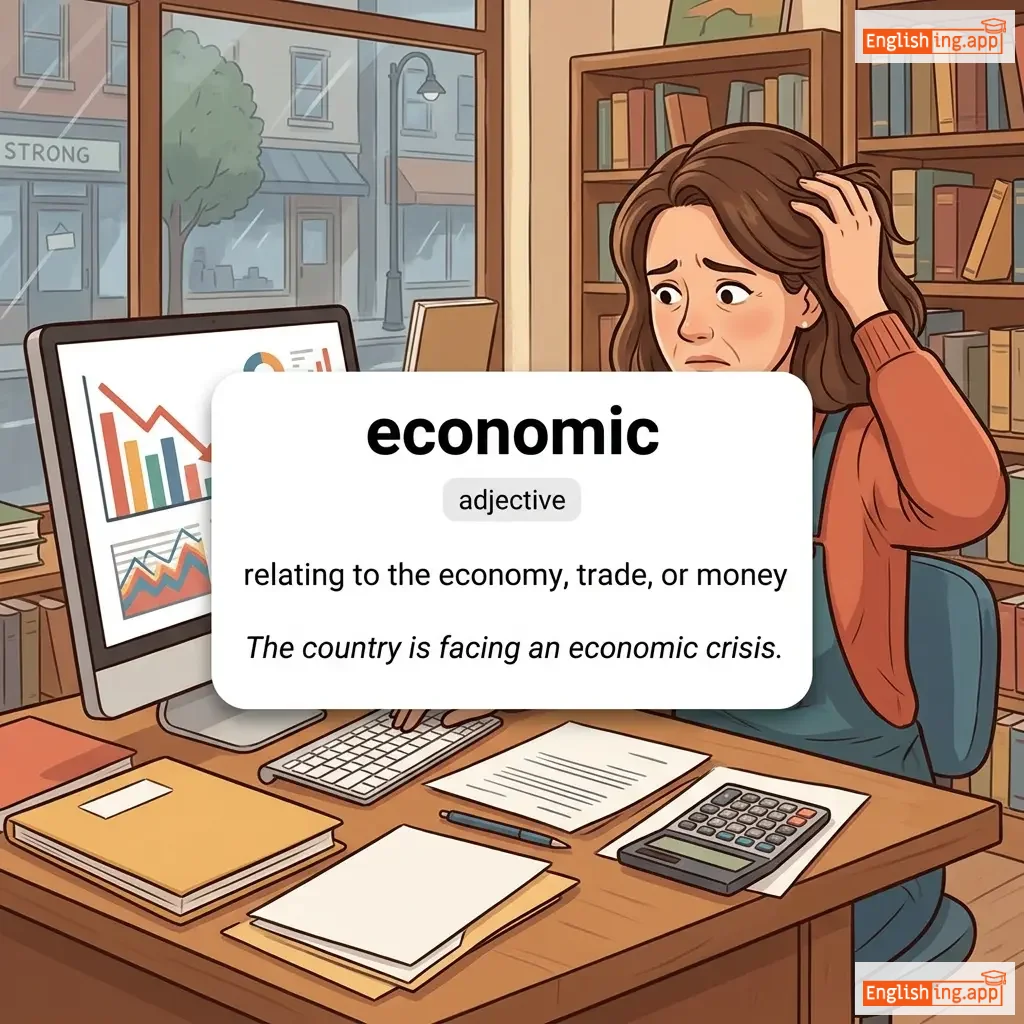
Relating to economics or the economy.
••••••
|
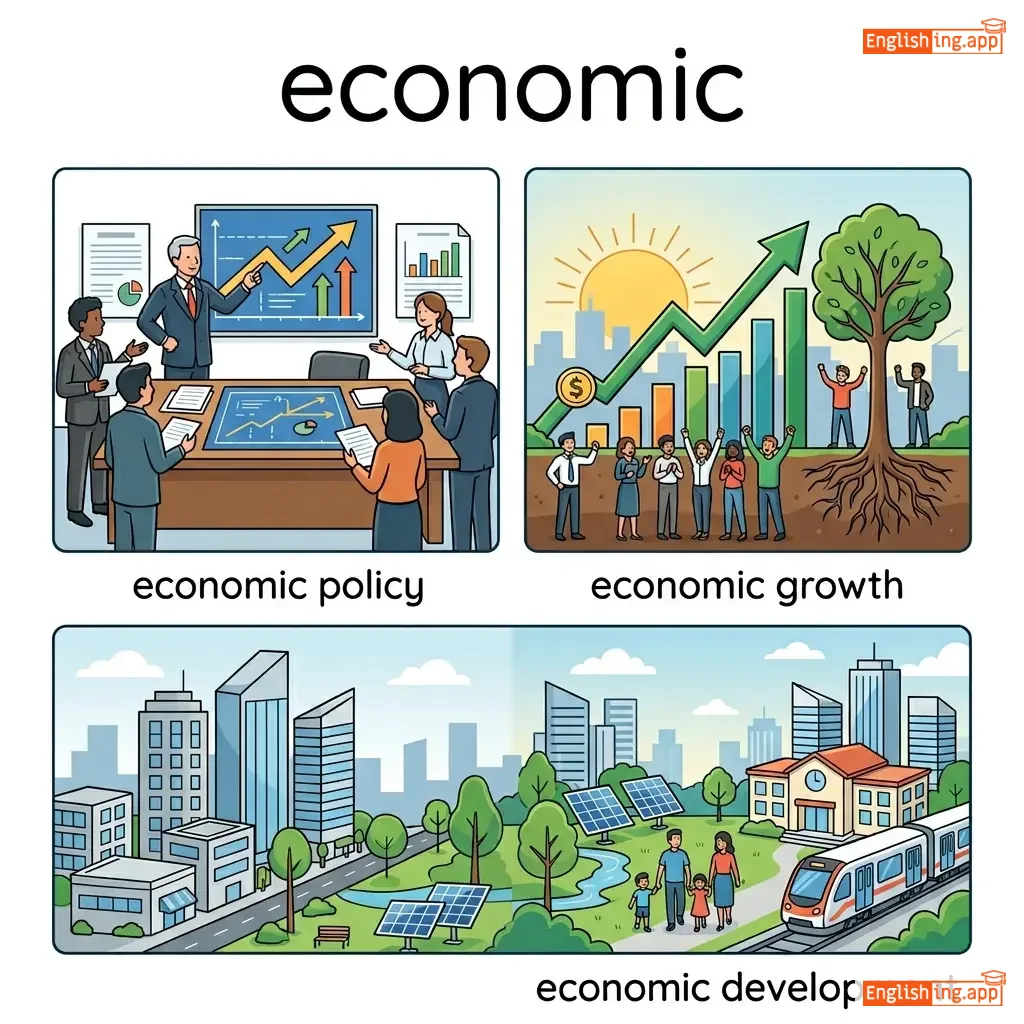
Economic growth is crucial for national prosperity.
经济增长对国家繁荣至关重要。
••••••
|
经济增长对国家繁荣至关重要。
jingjizengzhangduiguojiafanrongzhiguanzhongyao
••••••
|
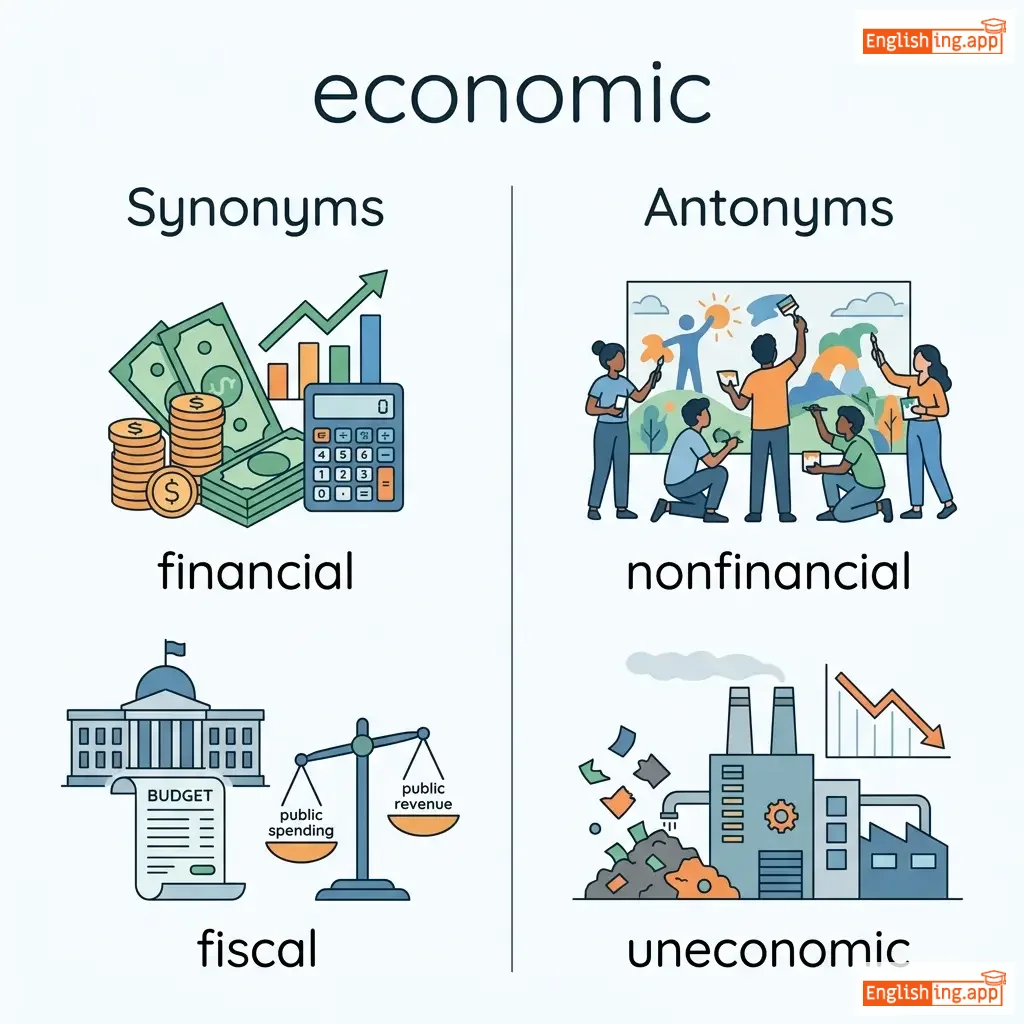
financial, fiscal
••••••
|
non-economic, unrelated
••••••
|
I ke nuo mi ke, 想象一个 economist 在讲解 economy, 记住 economic 就是 伊科诺米克, 与经济有关
••••••
|
|
#3549
📊
|
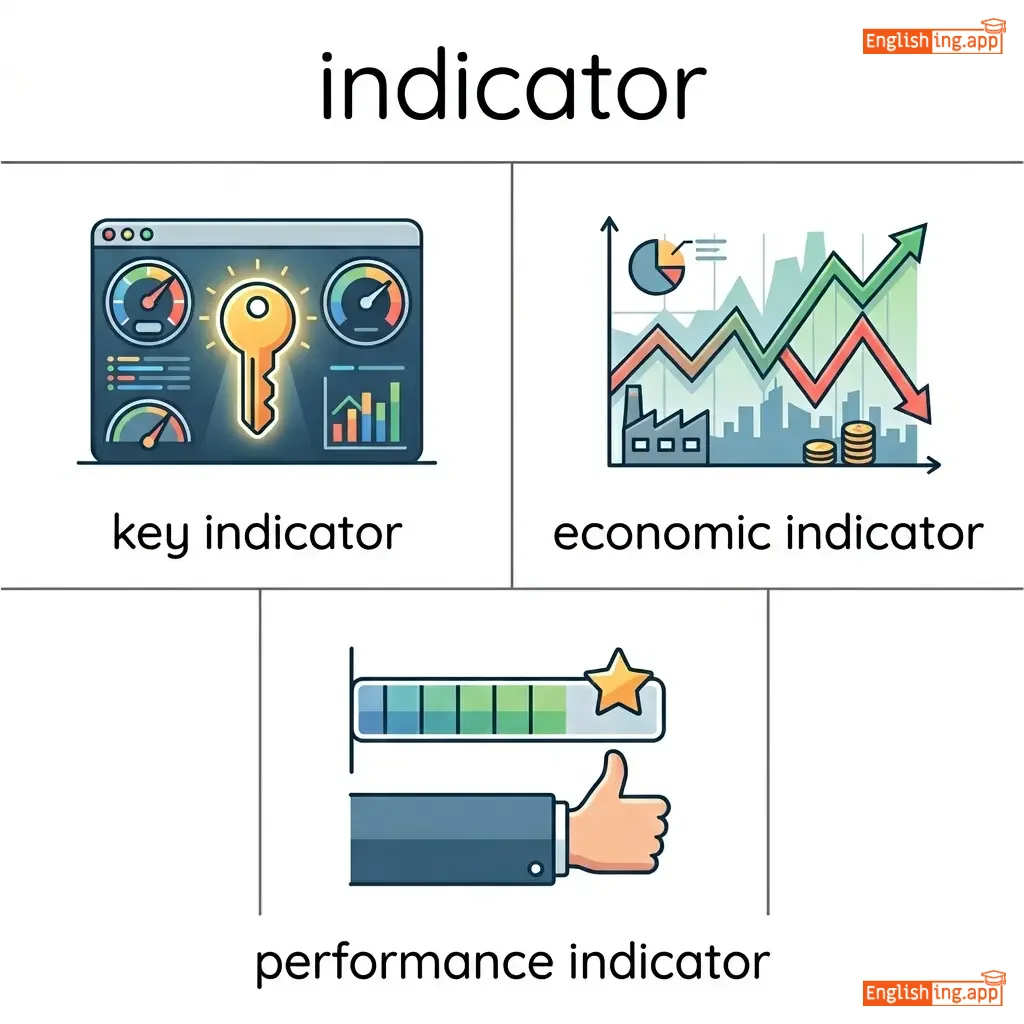
ˈɪndɪkeɪtə
noun
(yǐn dì kè tè ér)
••••••
|
|
指标
zhǐbiāo
••••••
|
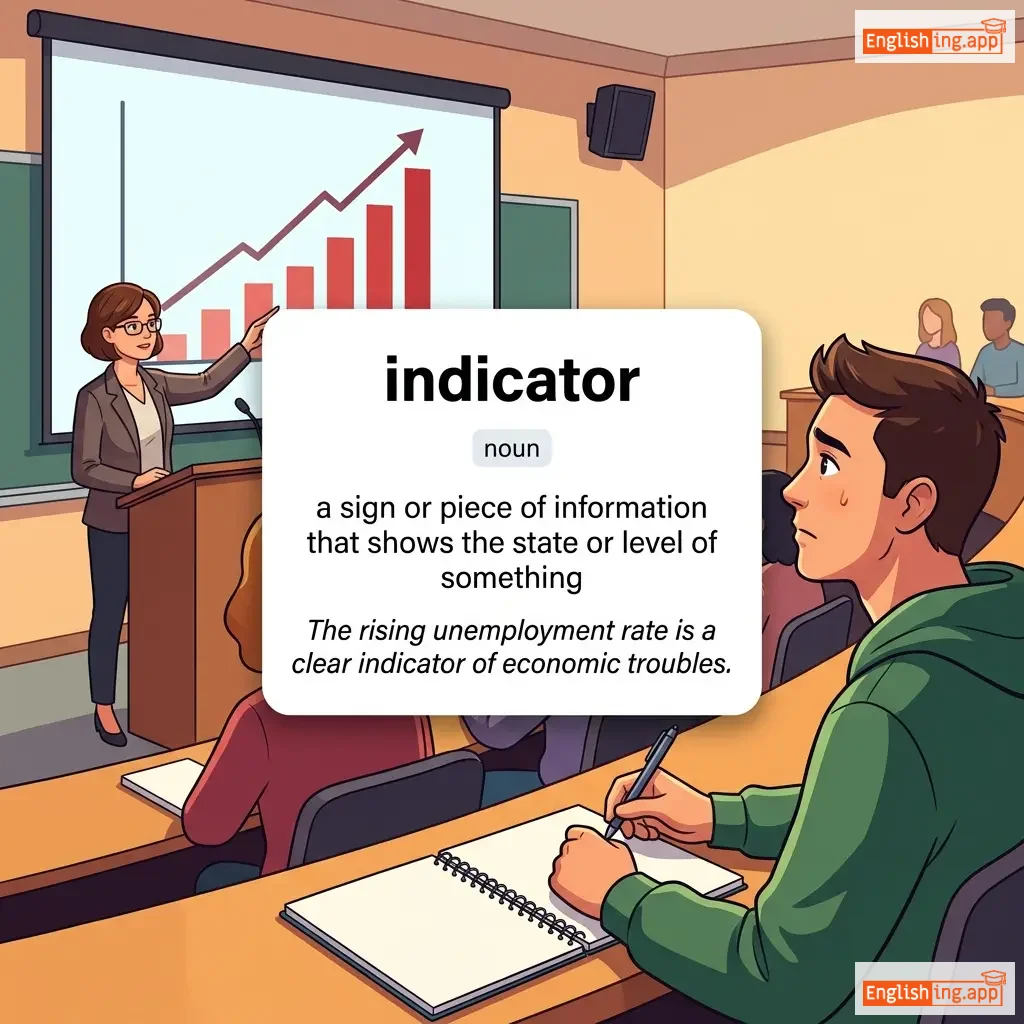
A thing that indicates the state or level of something.
••••••
|
The unemployment rate is a key indicator of economic health.
失业率是经济健康的重要指标。
••••••
|
失业率是经济健康的重要指标。
Shīyè lǜ shì jīngjì jiànkāng de zhòngyào zhǐbiāo.
••••••
|
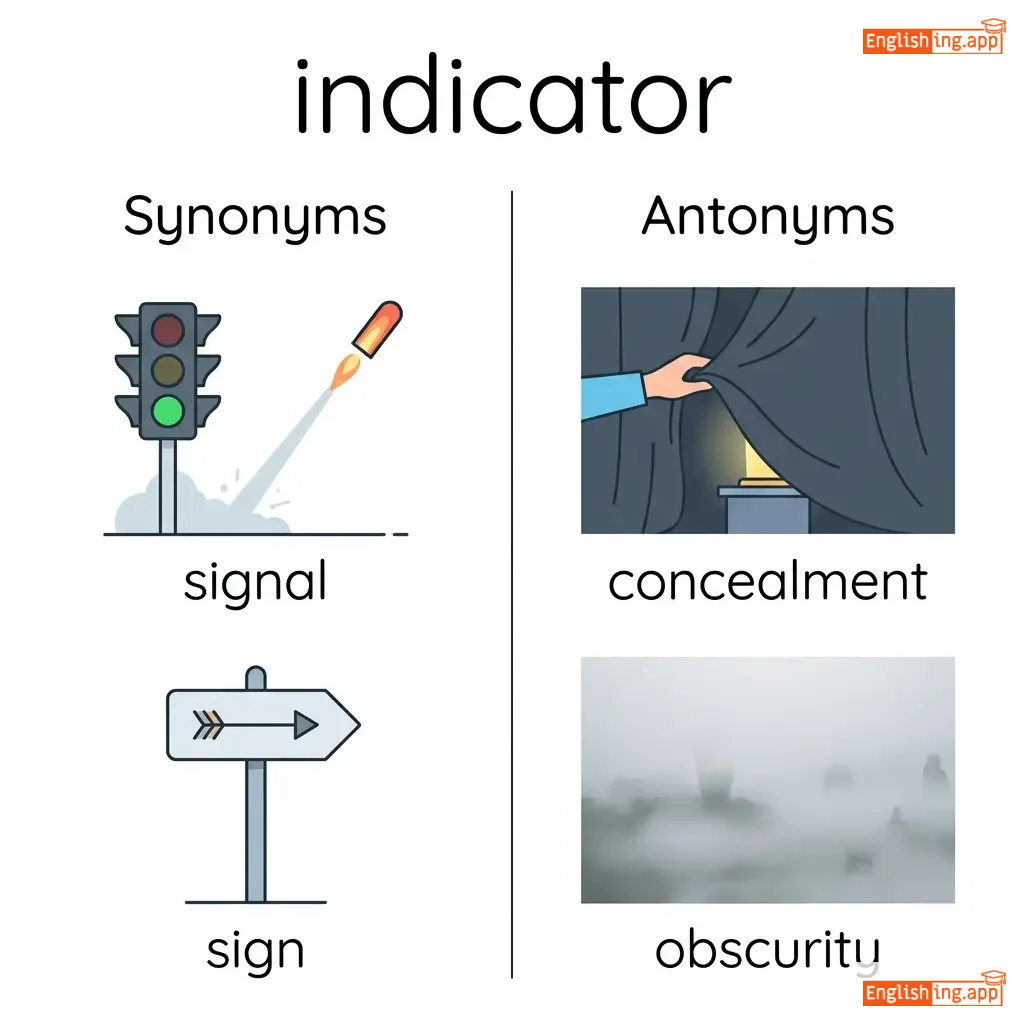
signal, pointer
••••••
|
obscurity, uncertainty
••••••
|
指标 = 指示健康的指标,像一根指示标。
••••••
|
|
#3550
💰
|
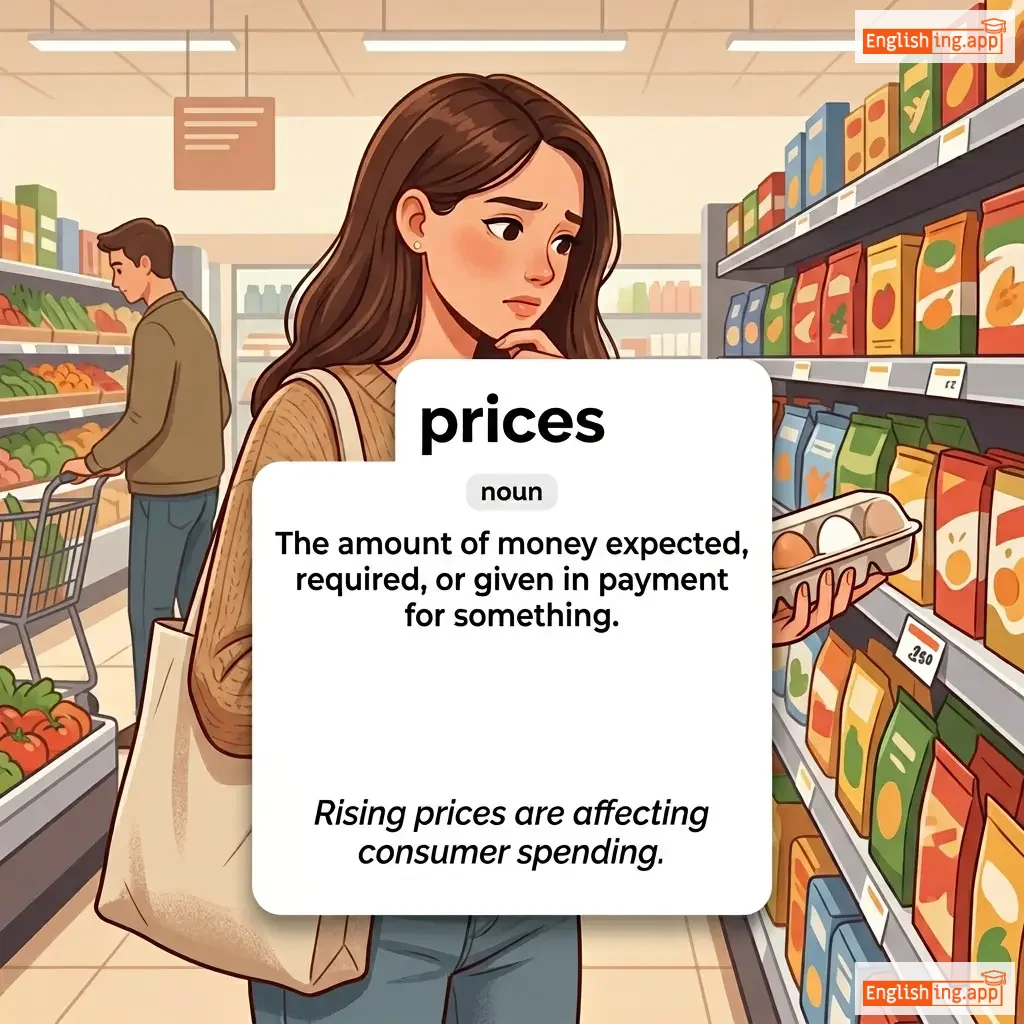
ˈpraɪsɪz
noun
(praise-si)
••••••
|
|
价格
jiàgé
••••••
|
The amount of money expected, required, or given in payment for something.
••••••
|
Rising prices are affecting consumer spending.
不断上涨的价格影响着消费者的支出。
••••••
|
不断上涨的价格影响着消费者的支出。
Bùduàn shàngzhǎng de jiàgé yǐngxiǎngzhe xiāofèi zhě de zhīchū.
••••••
|
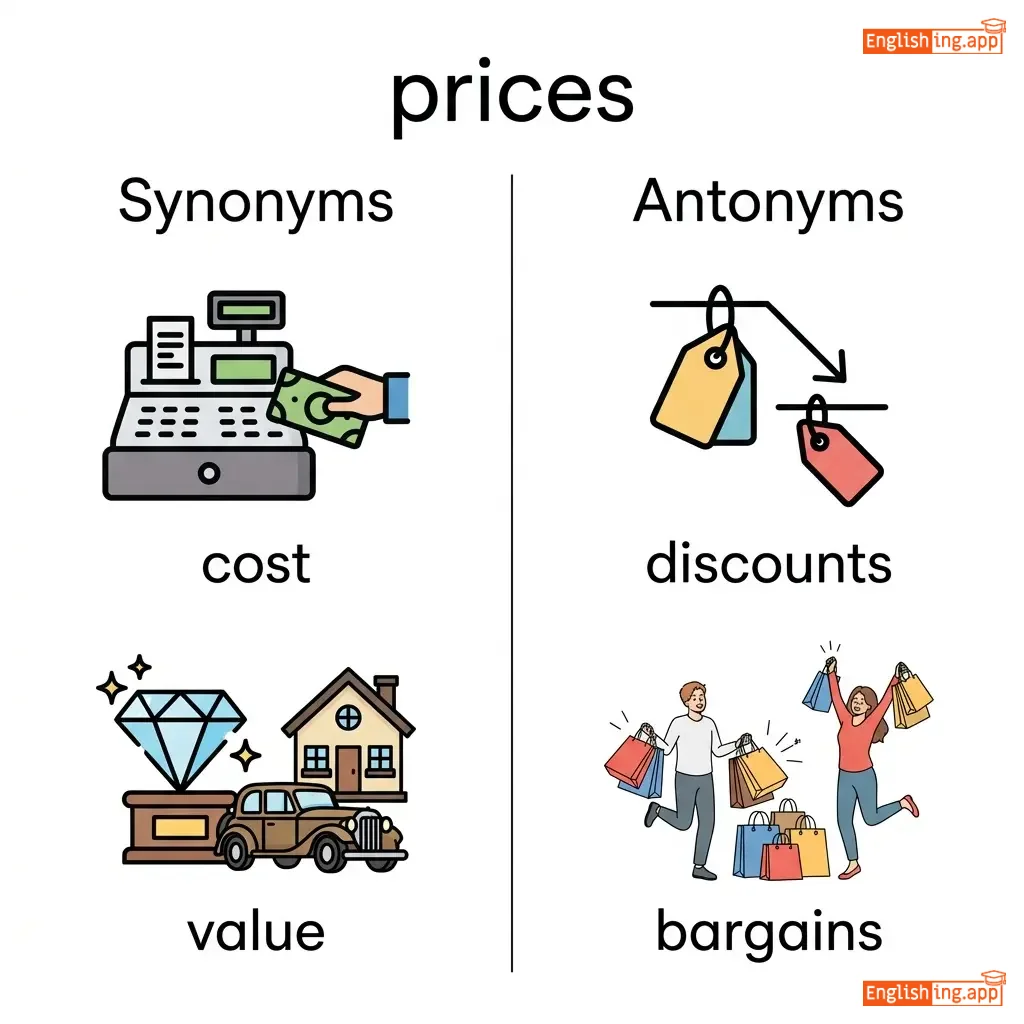
cost, value
••••••
|
discounts, bargains
••••••
|
价格是我们为购买物品所支付的金额。
••••••
|
|
#3551
💵
|
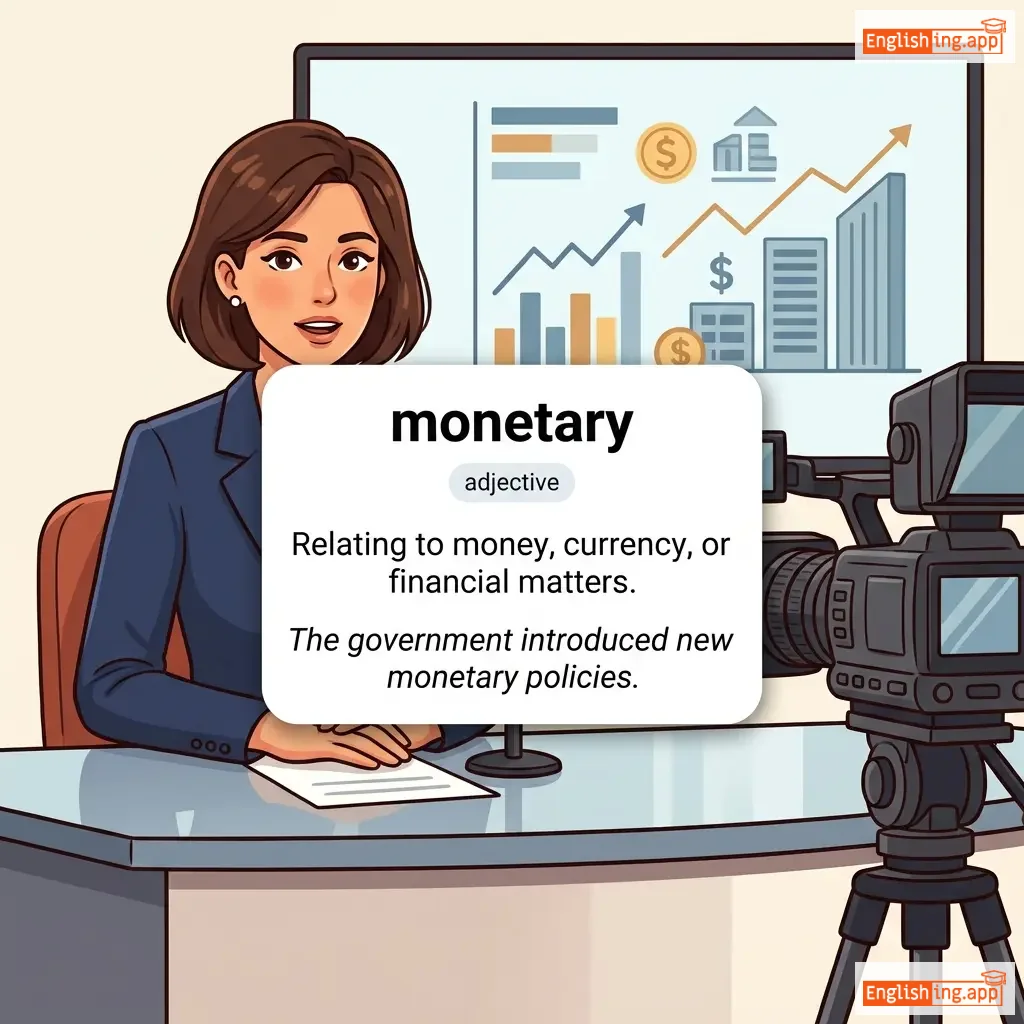
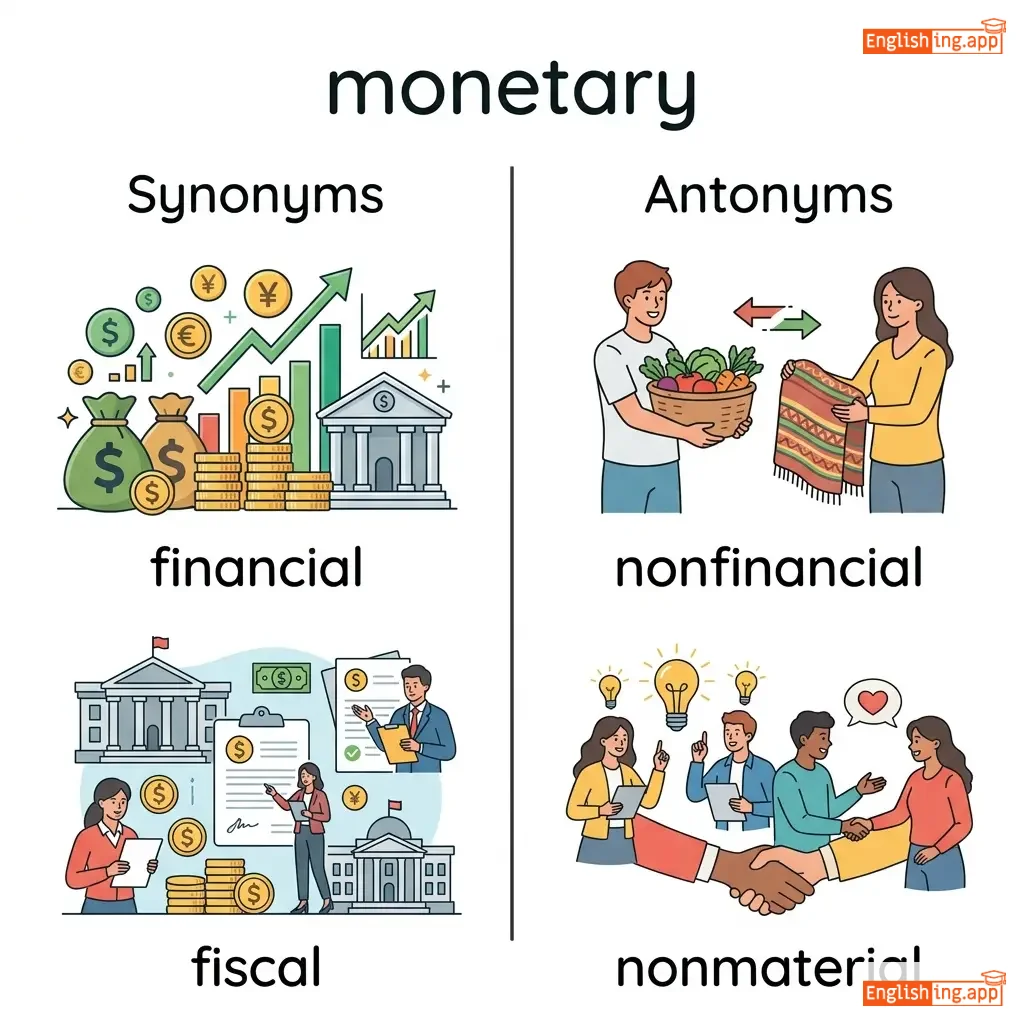
ˈmʌnɪtəri
adjective
(货币的)
••••••
|
|
货币的
huòbì de
••••••
|
Relating to money or currency.
••••••
|
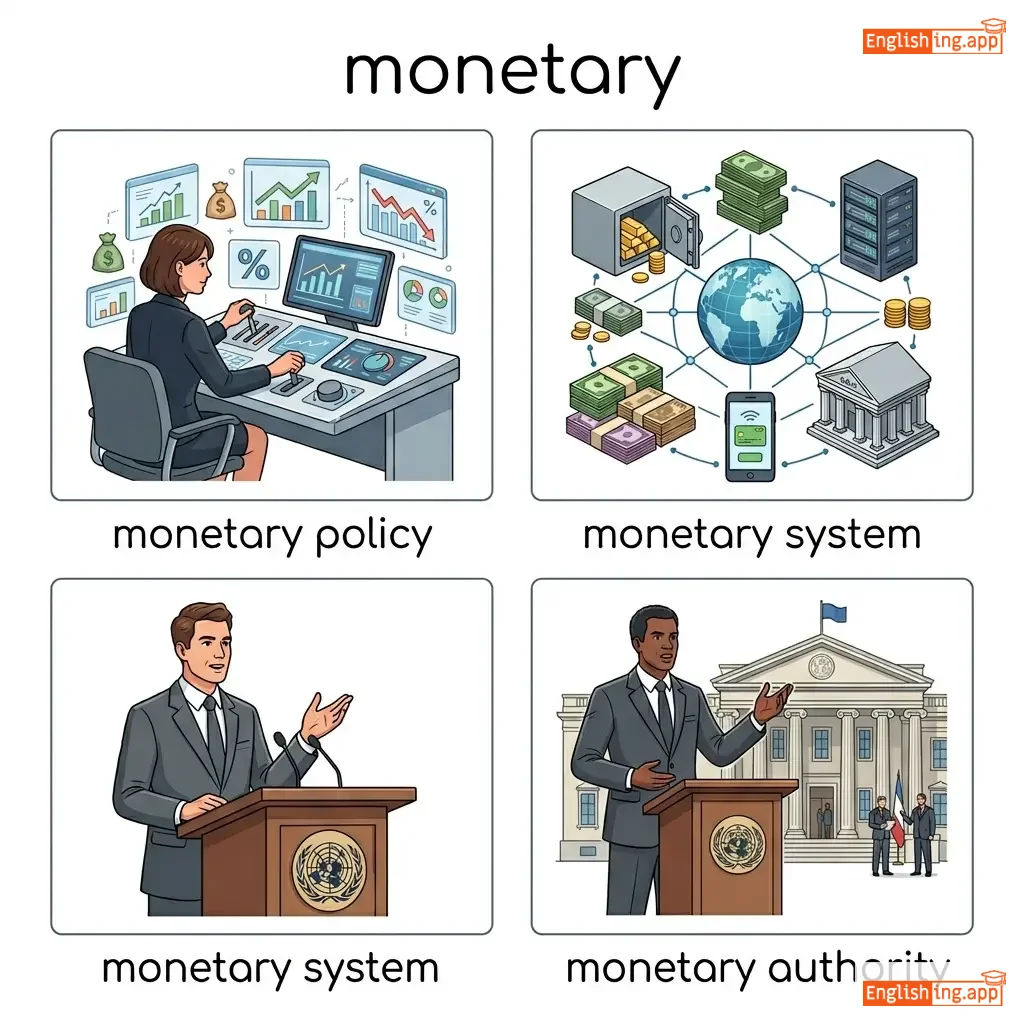
The central bank controls monetary policy to stabilize the economy. |
中央银行控制货币政策以稳定经济。
Zhōngyāng yínháng kòngzhì huòbì zhèngcè yǐ wěndìng jīngjì.
••••••
|
financial, fiscal
••••••
|
non-monetary, in-kind
••••••
|
货币的 = 与金钱有关
••••••
|
|
#3552
💸
|
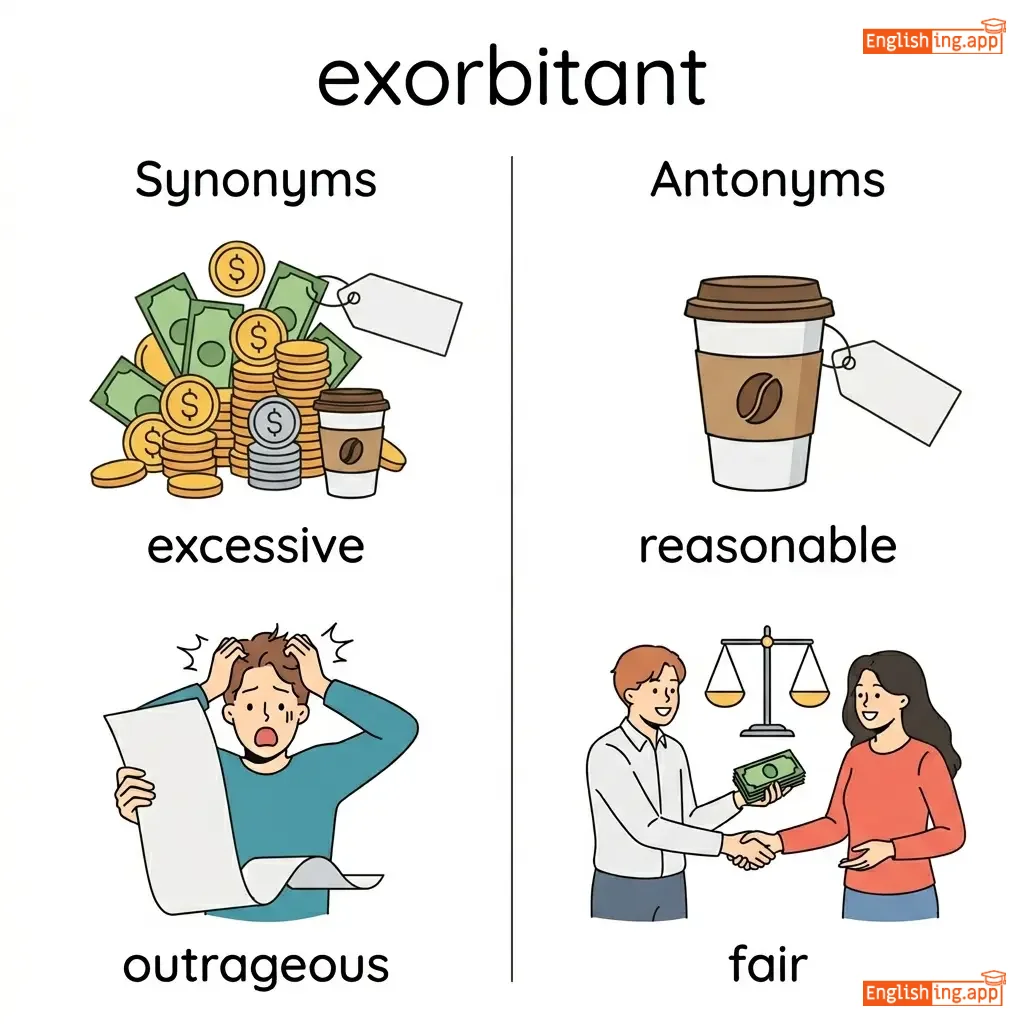
ɪɡˈzɔːbɪtənt
adjective
(埃克索比坦特)
••••••
|
|
过高的, 天价
guo gao de, tian jia
••••••
|
Unreasonably high (of a price or amount charged).
••••••
|
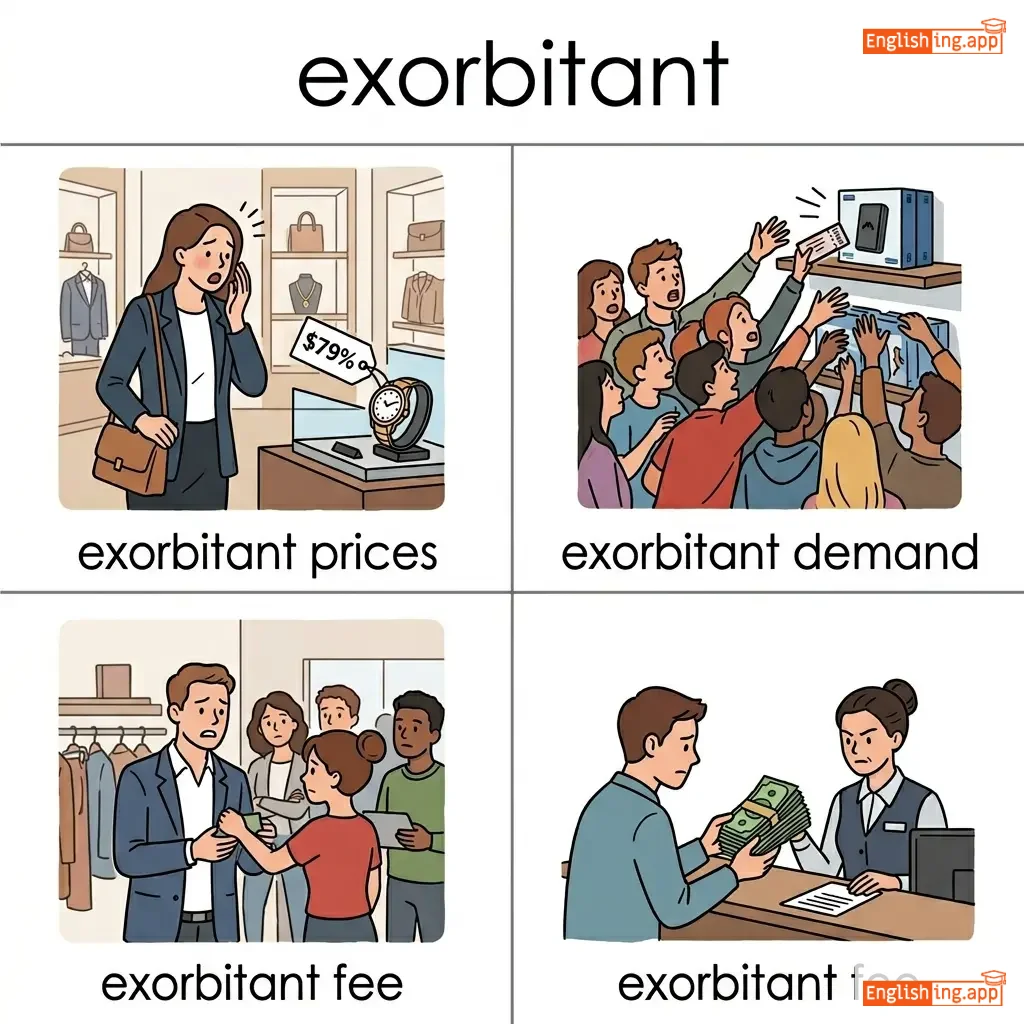
The prices of the new smartphones are exorbitant.
新智能手机的价格非常高。
••••••
|
新智能手机的价格过高。
Xin zhinen shouji de jiage guo gao.
••••••
|
excessive, overpriced
••••••
|
reasonable, moderate
••••••
|
天价手机,超出常规
••••••
|
|
#3553
💪
|
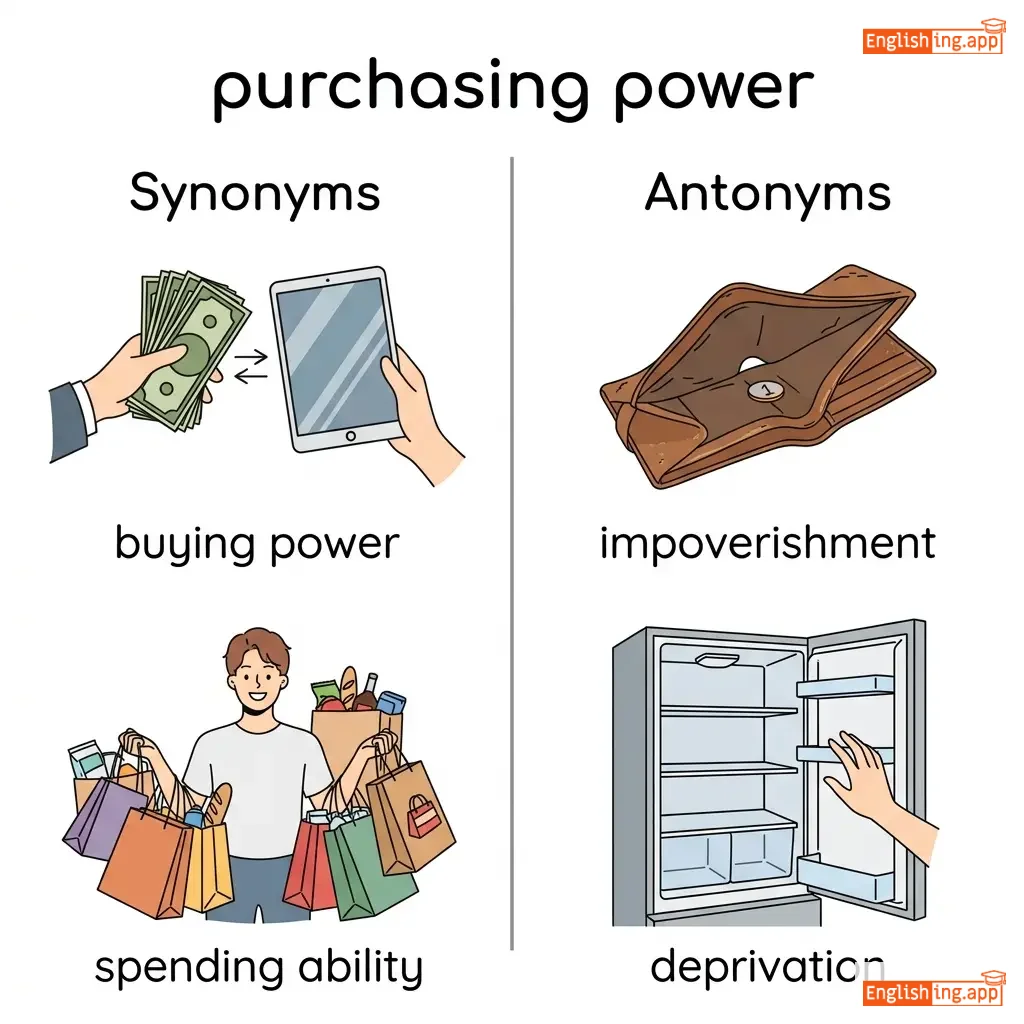
ˈpɜːtʃəsɪŋ ˈpaʊər
noun
(purchasing power)
••••••
|
|
购买力
goumai li
••••••
|
The financial ability of a person or entity to buy goods and services.
••••••
|
Inflation decreases the purchasing power of the currency.
通货膨胀降低了货币的购买力。
••••••
|
通货膨胀降低了货币的购买力。
Tonghuo pengzhang jiangdi le huobi de goumali.
••••••
|
buying power, spending ability
••••••
|
impoverishment, deprivation
••••••
|
购买力 = 购买的能力,就像一个强大的买家
••••••
|
|
#3554
🎯
|
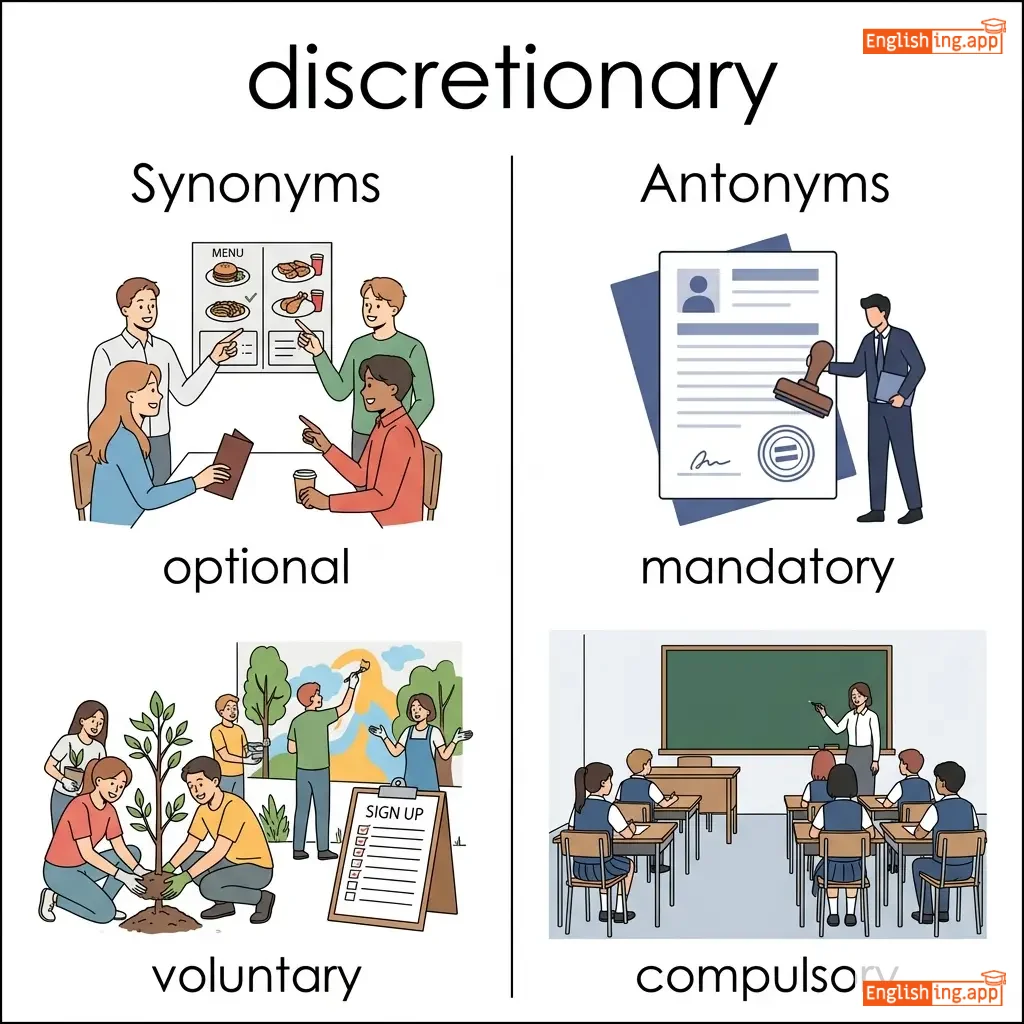
dɪˈskrɛʃəneri
adjective
(自由支配的)
••••••
|
|
自由支配的
zìyóu zhīpèi de
••••••
|
Available for use at the discretion of the user; optional.
••••••
|
Discretionary spending is the money left over after essential expenses.
自由支配的开销是必要开销后的剩余钱。
••••••
|
自由支配的开销是必要开销后的剩余钱。
Zìyóu zhīpèi de kāi xiāo shì bìyào kāi xiāo hòu de shèngyú qián.
••••••
|
optional, voluntary
••••••
|
mandatory, obligatory
••••••
|
自由支配的 = 选择性的,依据用户需要。
••••••
|
|
#3555
📉
|
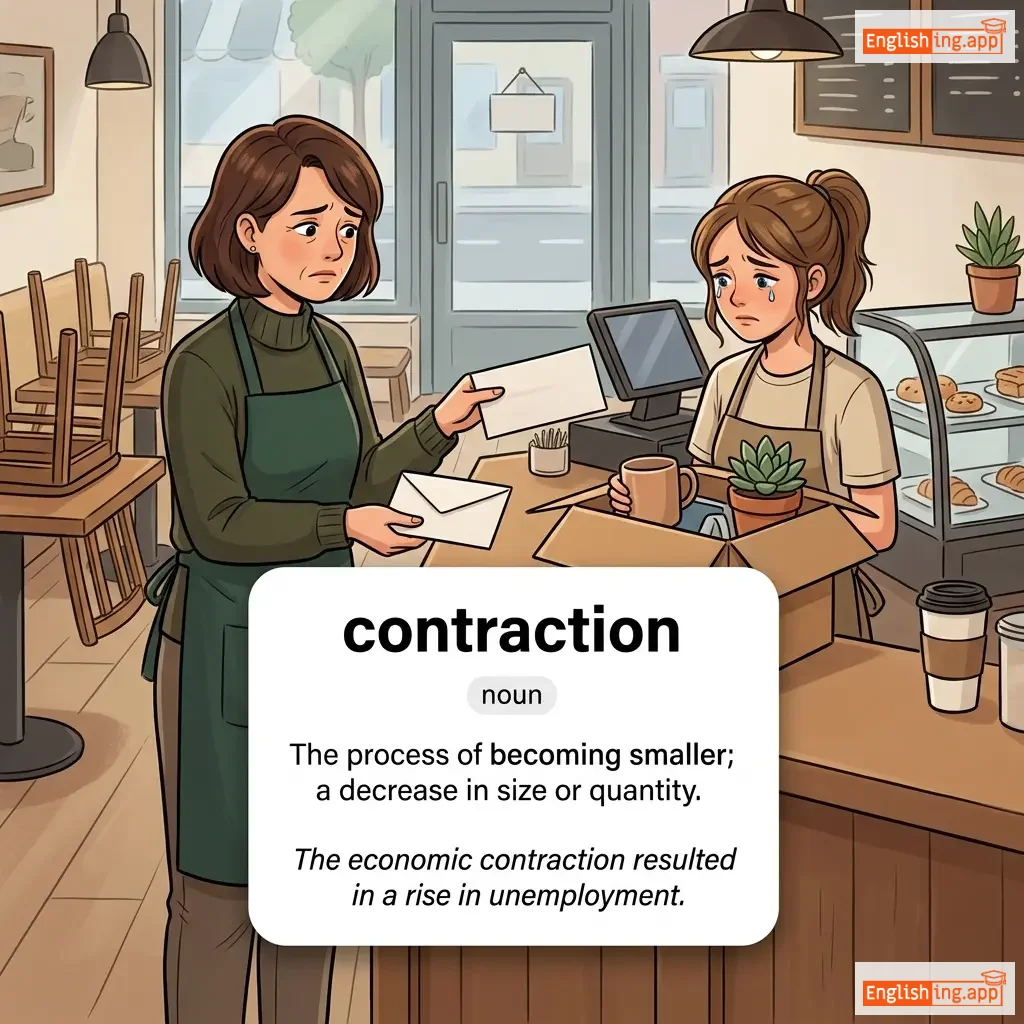
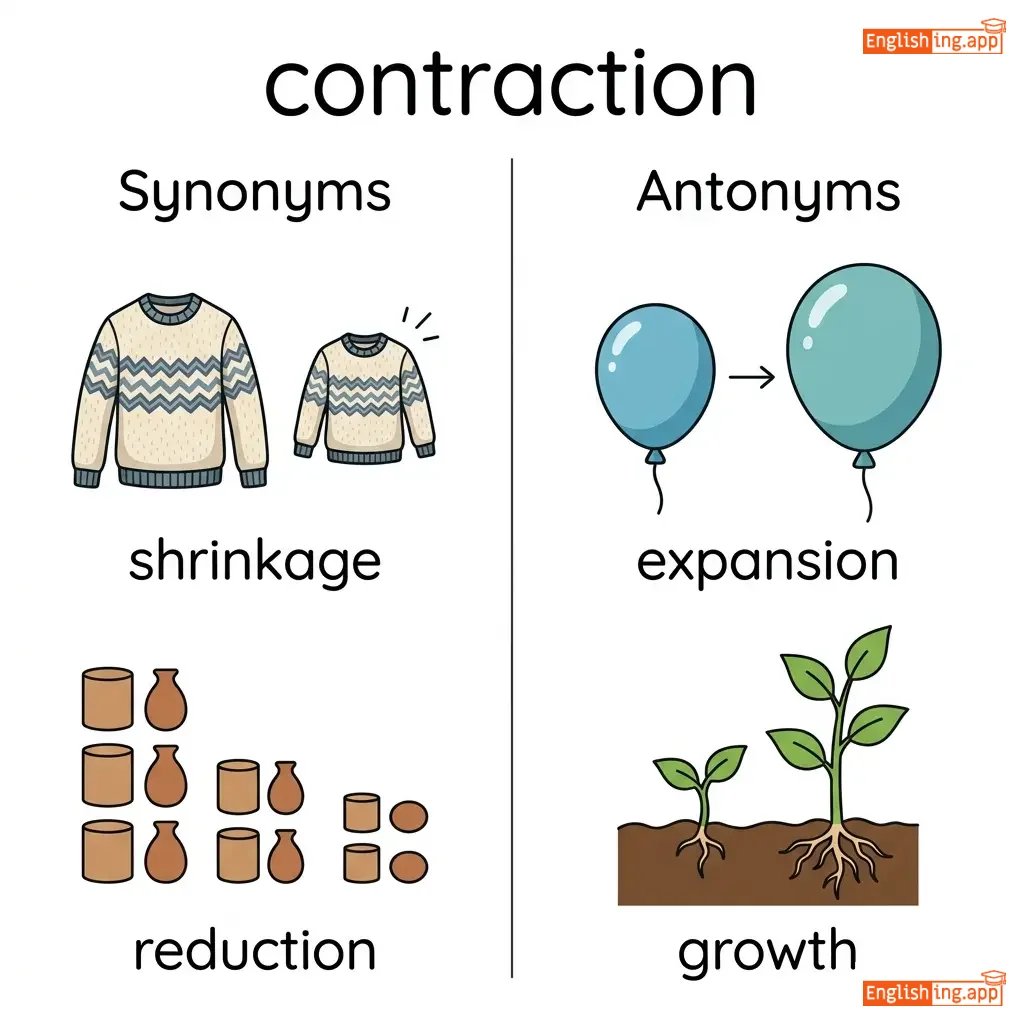
kənˈtrækʃən
noun
(kòntràkshèn)
••••••
|
|
收缩
shōusuō
••••••
|
The process of becoming smaller; a decrease in size or quantity.
••••••
|
The economic contraction resulted in a rise in unemployment. |
经济收缩导致失业率上升。
Jīngjì shōusuō dǎozhì shīyè lǜ shàngshēng.
••••••
|
shrinkage, reduction
••••••
|
expansion, growth
••••••
|
想象气球收缩的过程,经济也会收缩
••••••
|
|
#3556
📈
|
prəˌlɪfəˈreɪʃən
noun
(增殖)
••••••
|
|
扩增, 增长
kuò zēng, zēng zhǎng
••••••
|
Rapid increase in numbers; rapid reproduction or spread.
••••••
|
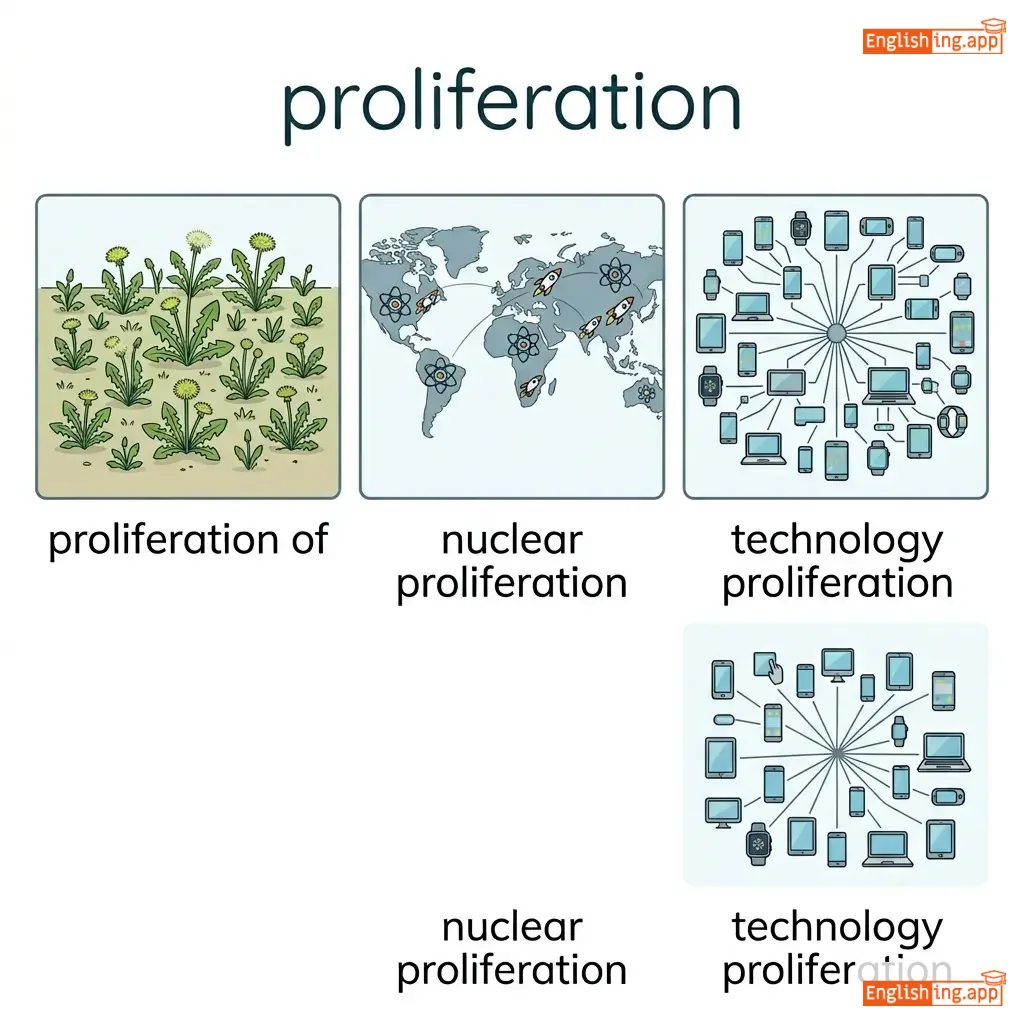
The proliferation of technology has greatly impacted all industries.
技术的增殖对所有行业产生了深远的影响。
••••••
|
技术的增殖对所有行业产生了深远的影响。
Jìshù de zēngzhí duì suǒyǒu hángyè chǎnshēngle shēnyuǎn de yǐngxiǎng.
••••••
|
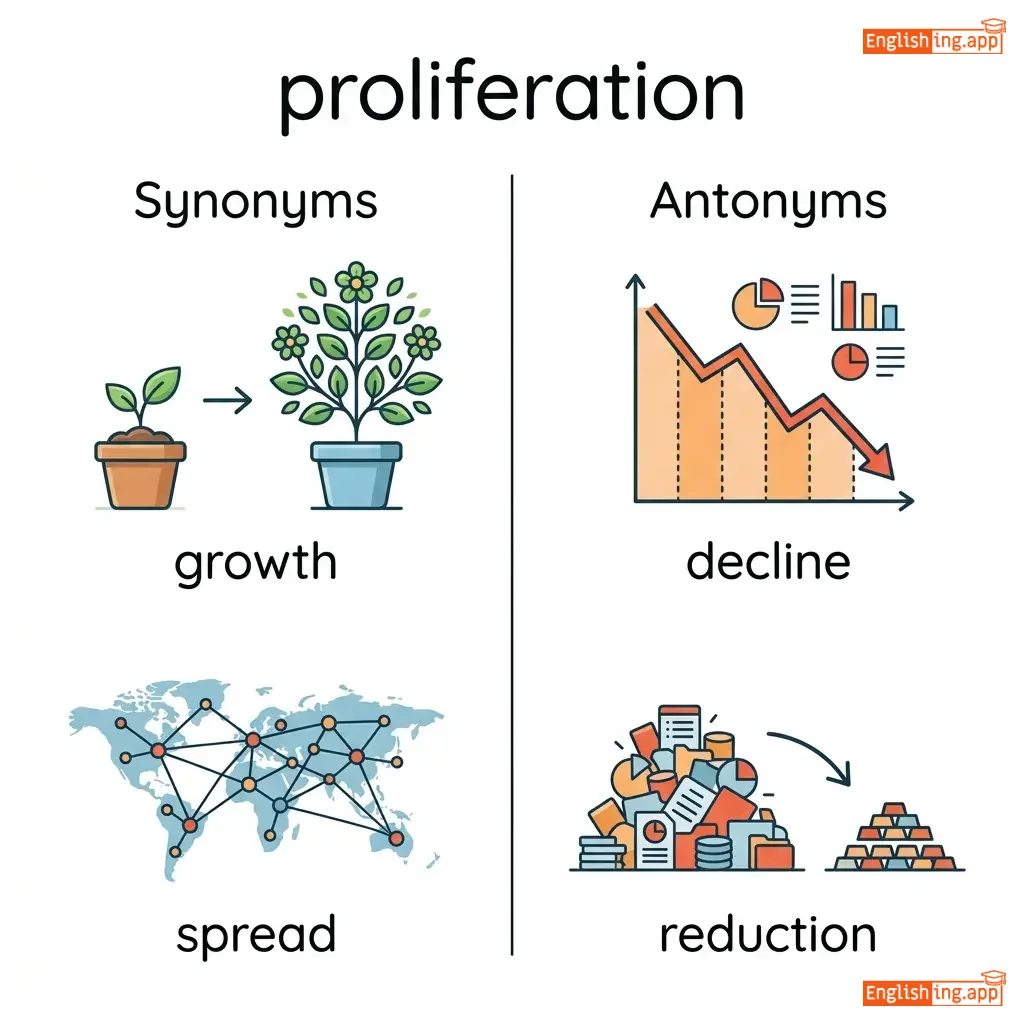
spread, increase
••••••
|
reduction, decline
••••••
|
Rapid spread of technology changing the global market.
••••••
|
|
#3557
🤔
|
ˌspɛkjʊˈleɪʃən
noun
(ˈspɛkjʊˌleɪʃən)
••••••
|
|
推测
tuīcè
••••••
|
The forming of a theory or conjecture without firm evidence.
••••••
|
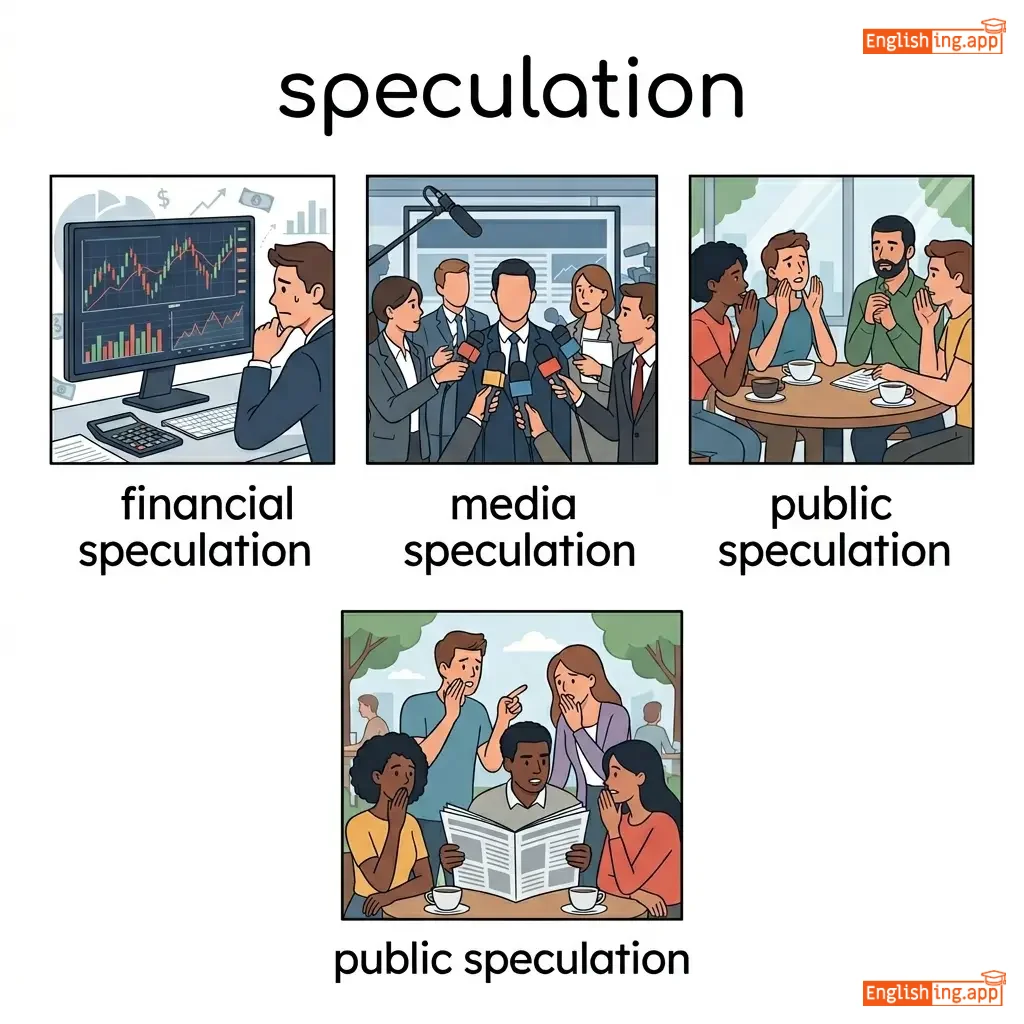
Speculation about the economy's future is rife among experts.
对经济未来的猜测在专家中很普遍。
••••••
|
对经济未来的猜测在专家中很普遍。
Dui jingji weilai de caice zai zhuanjia zhong hen pubian.
••••••
|
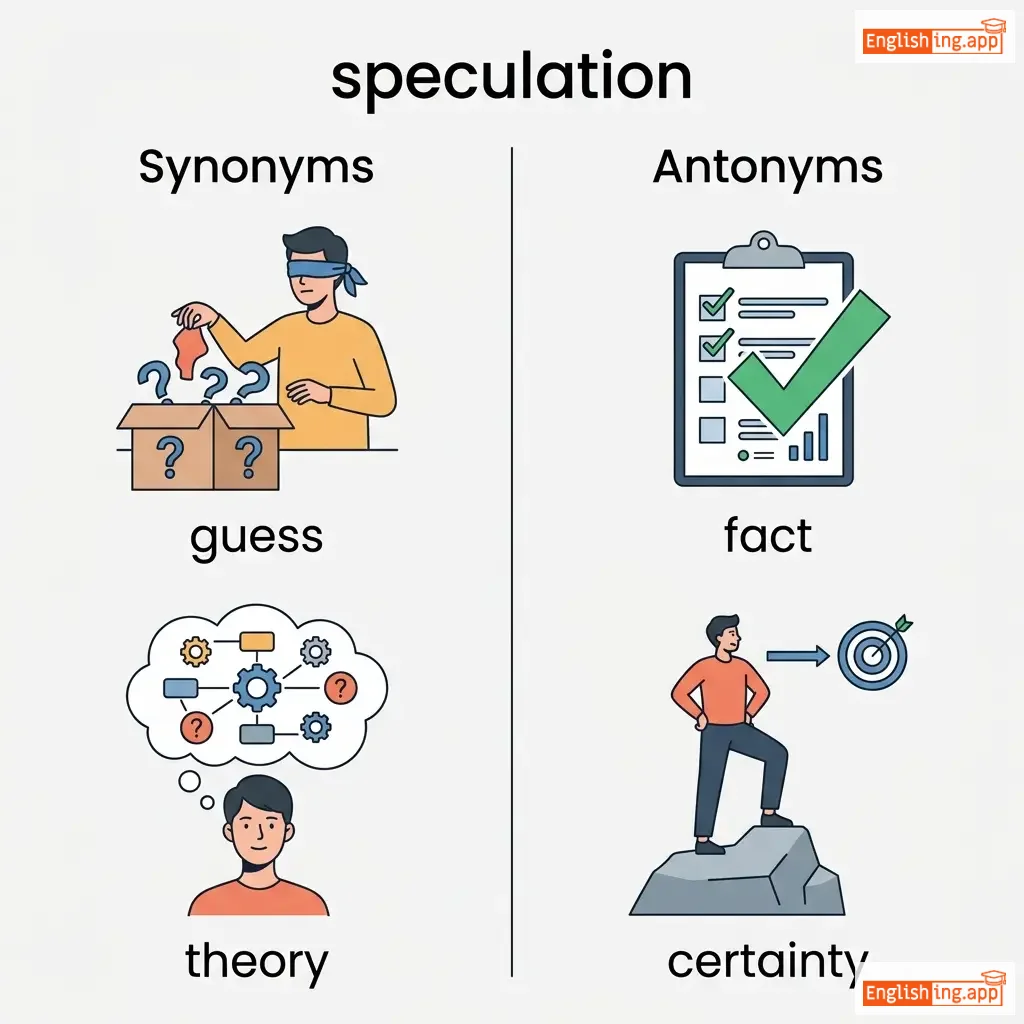
conjecture, guess
••••••
|
certainty, fact
••••••
|
推测是没有事实依据的猜想。
••••••
|
|
#3558
🎢
|
ˌvɒləˈtɪləti
noun
(波动性)
••••••
|
|
波动性
bōdòngxìng
••••••
|
Liability to change rapidly and unpredictably, especially for the worse.
••••••
|
The stock market is known for its volatility, with prices changing rapidly.
股市因其波动性而闻名,价格快速变化。
••••••
|
股市因其波动性而闻名,价格快速变化。
Gǔshì yīn qí bōdòngxìng ér wénmíng, jiàgé kuàisù biànhuà.
••••••
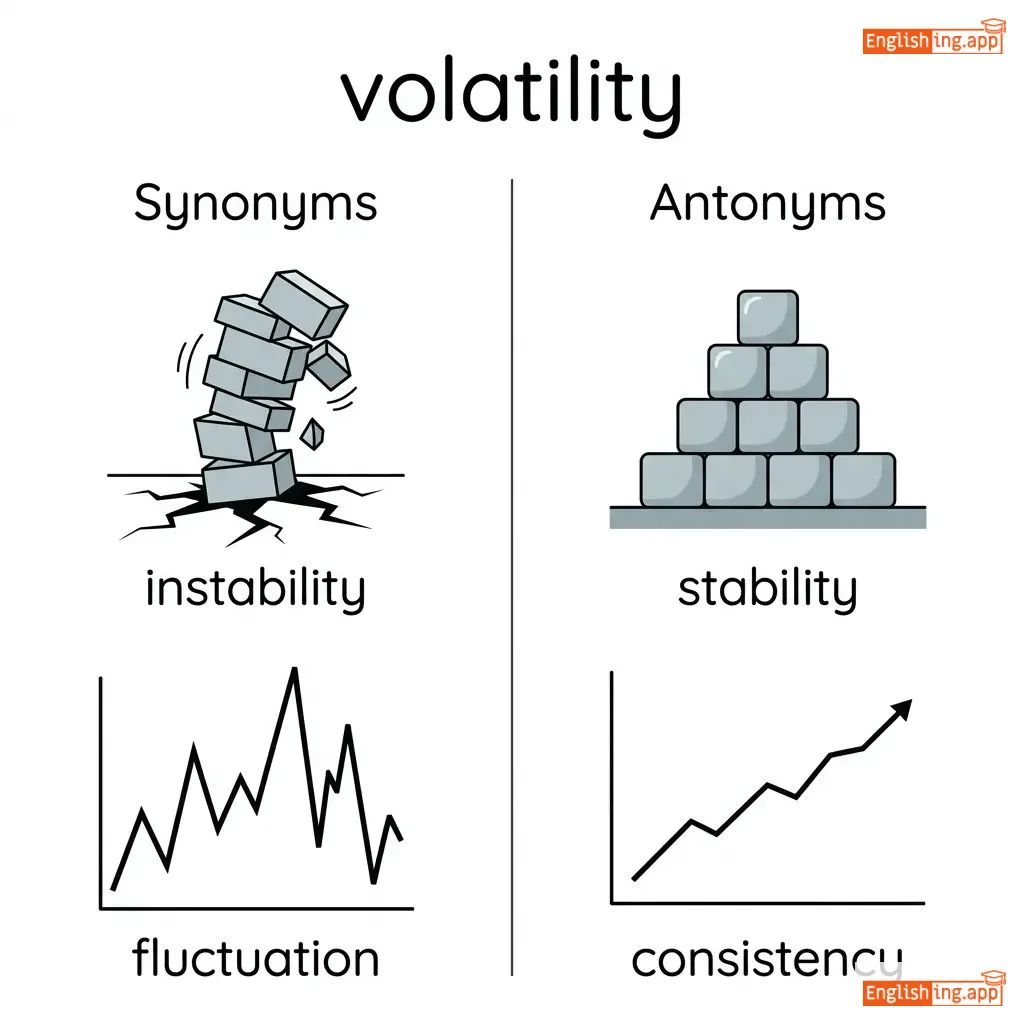
|
instability, fluctuation
••••••
|
stability, consistency
••••••
|
波动性: 市场像海浪一样波动。
••••••
|
|
#3559
👑
|
ˈsɒvrɪn
adjective
(suówèilín)
••••••
|
|
主权的, 最高的
zhǔquán de, zuìgāo de
••••••
|
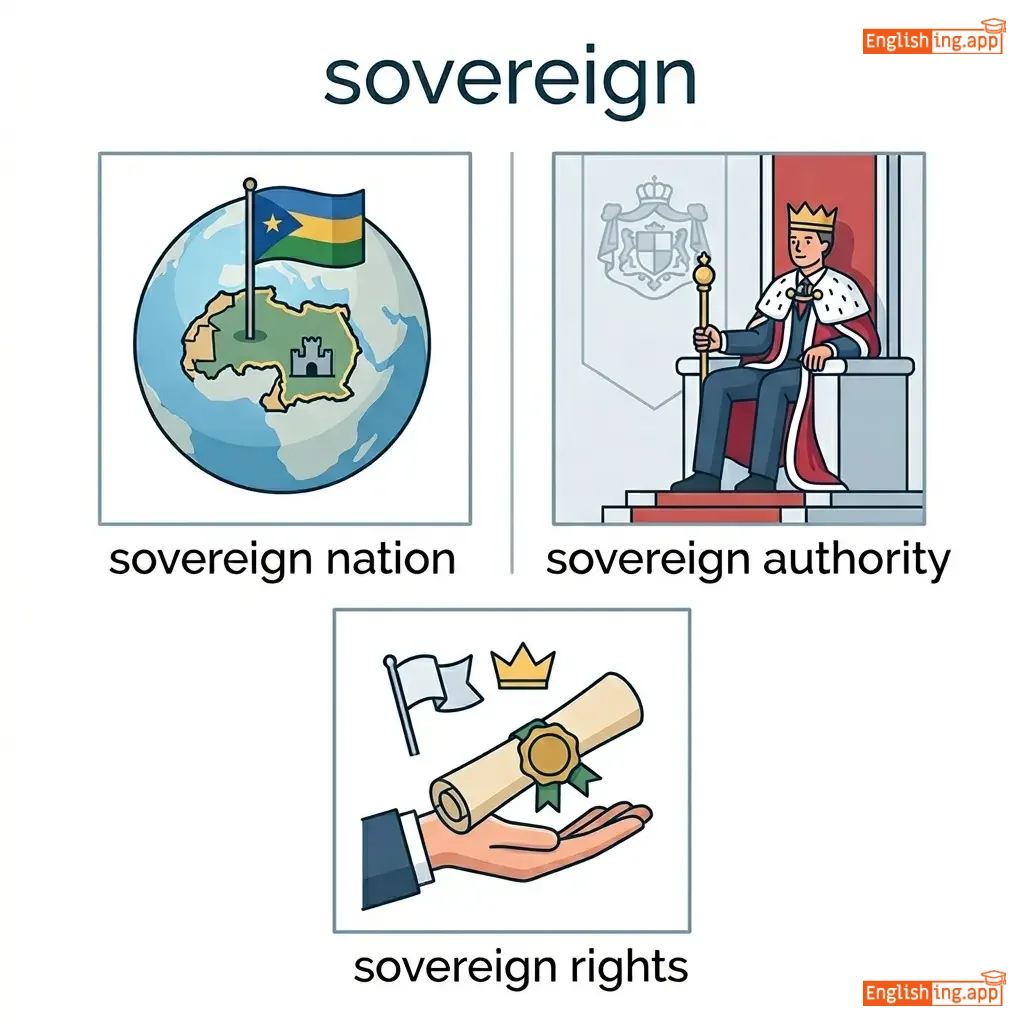
Possessing supreme or ultimate power; independent.
••••••
|
The sovereign government has control over its currency. |
主权政府控制着自己的货币。
Zhǔquán zhèngfǔ kòngzhìzhe zìjǐ de huòbì.
••••••
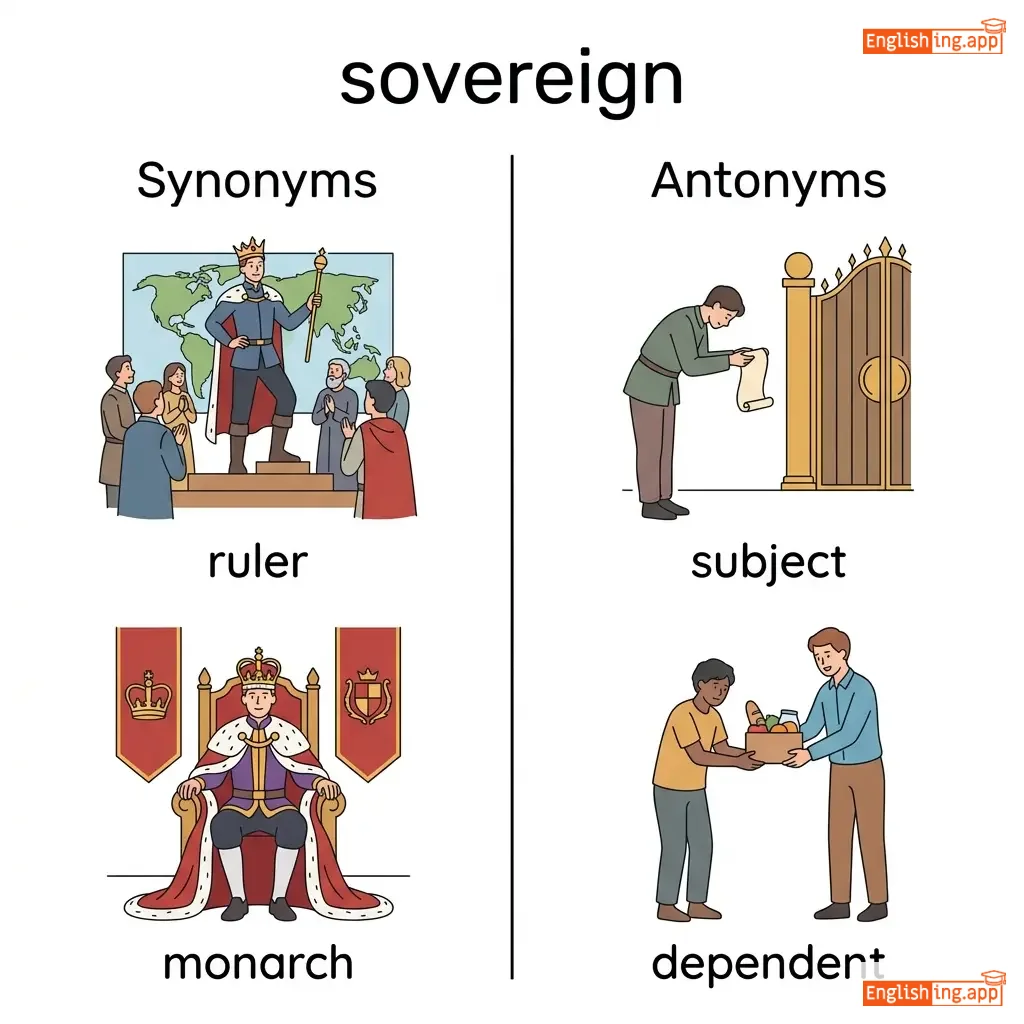
|
supreme, autonomous
••••••
|
subordinate, dependent
••••••
|
主权的(sovereign)就像是拥有完全控制的国王。
••••••
|
|
#3560
💳
|
dɛt
noun
(dèt)
••••••
|
|
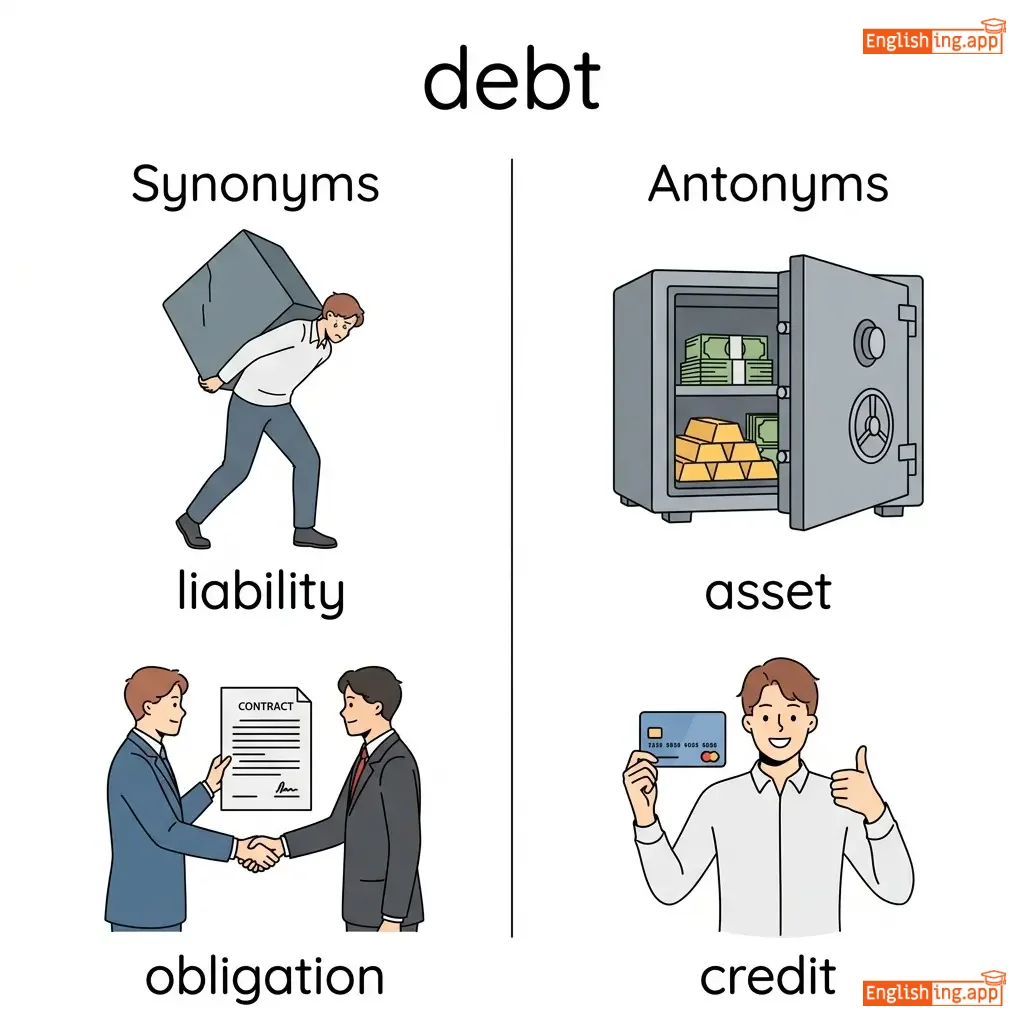
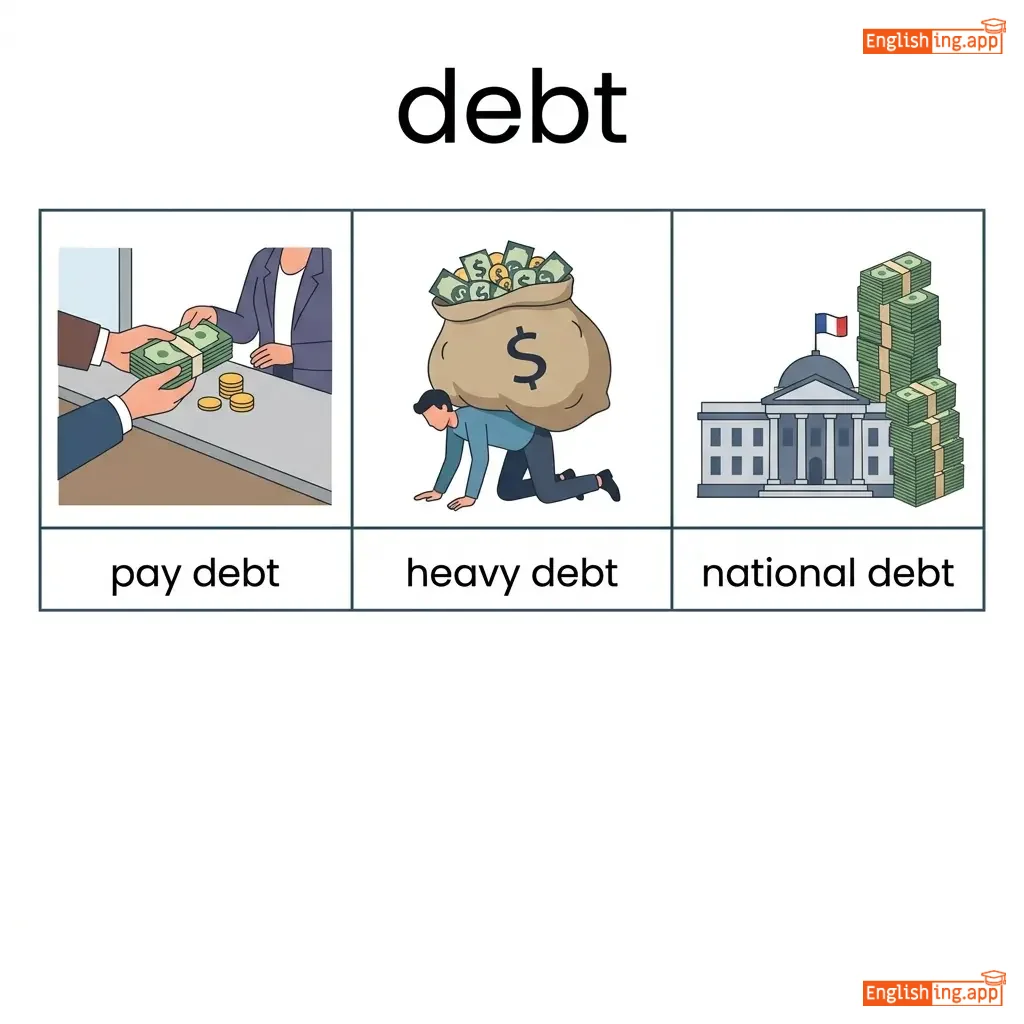
债务
zhàiwù
••••••
|
A sum of money that is owed or due.
••••••
|
High levels of debt can lead to a financial crisis.
高债务水平可能导致金融危机。
••••••
|
高债务水平可能导致金融危机。
Gāo zhàiwù shuǐpíng kěnéng dǎozhì jīnróng wéijī.
••••••
|
liability, obligation
••••••
|
credit, surplus
••••••
|
债务是你借的钱,必须还钱。
••••••
|
|
#3561
📊
|
ˈfɪskəl
adjective
(财政)
••••••
|
|
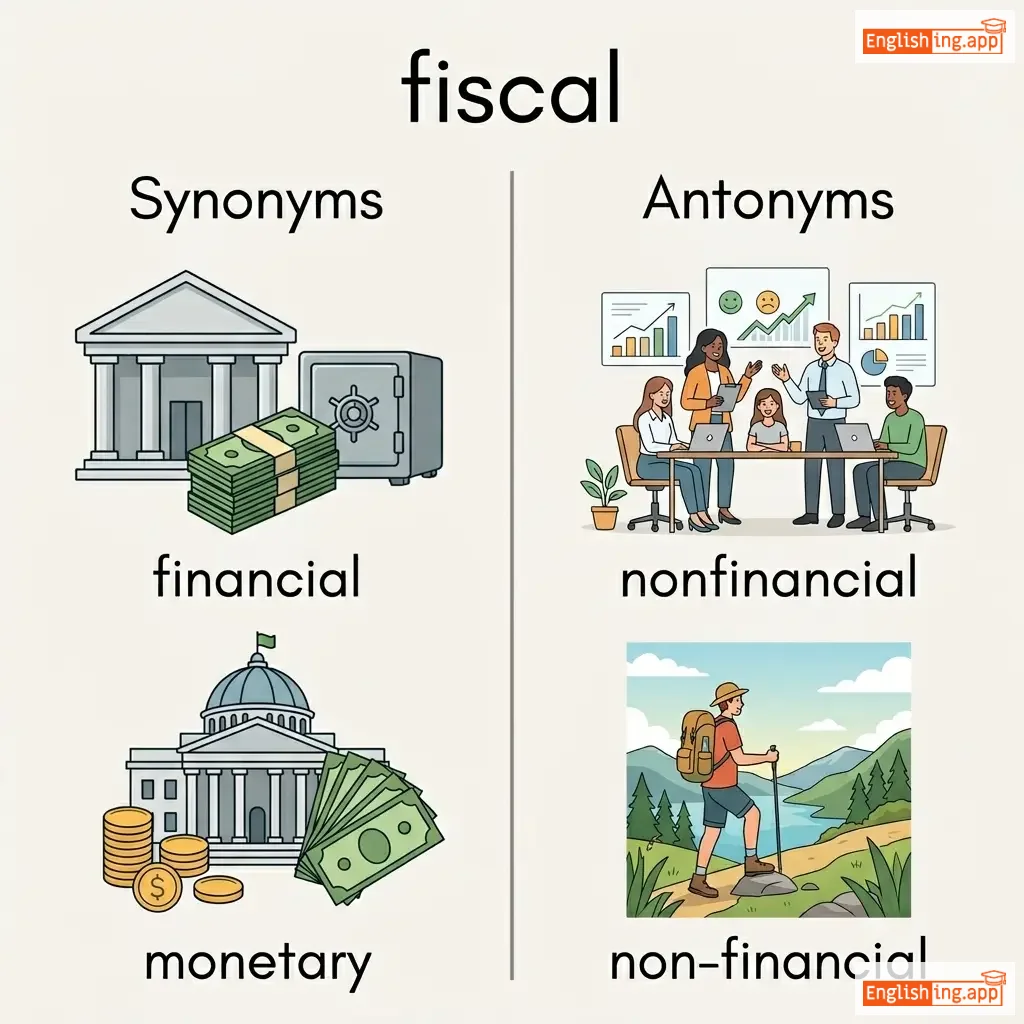
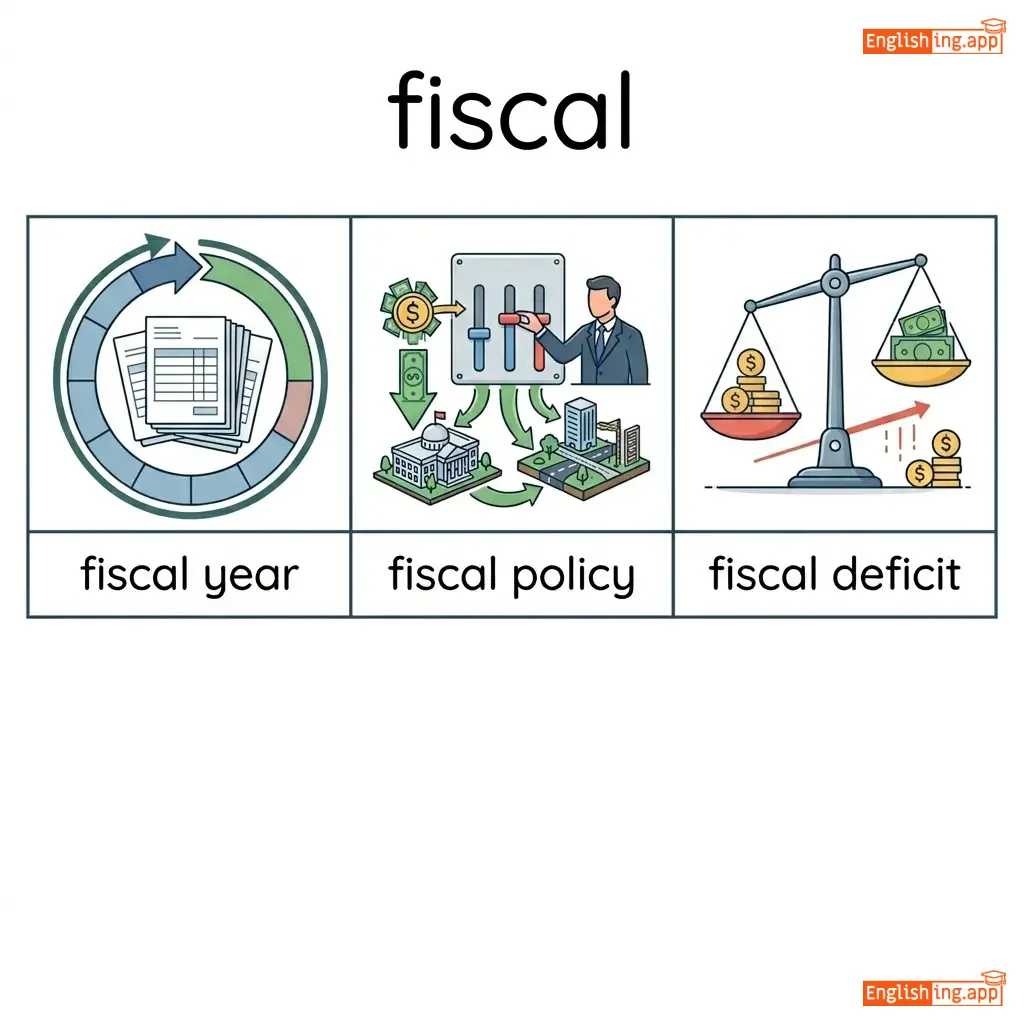
财政的
cáizhèng de
••••••
|
Relating to government revenue, especially taxes.
••••••
|
The fiscal policy of the government influences inflation. |
政府的财政政策影响通货膨胀。
zhèngfǔ de cáizhèng zhèngcè yǐngxiǎng tōnghuò péngzhàng.
••••••
|
budgetary, monetary
••••••
|
non-financial, irrelevant
••••••
|
财政 = 政府的经济管理
••••••
|
|
#3562
📉
|
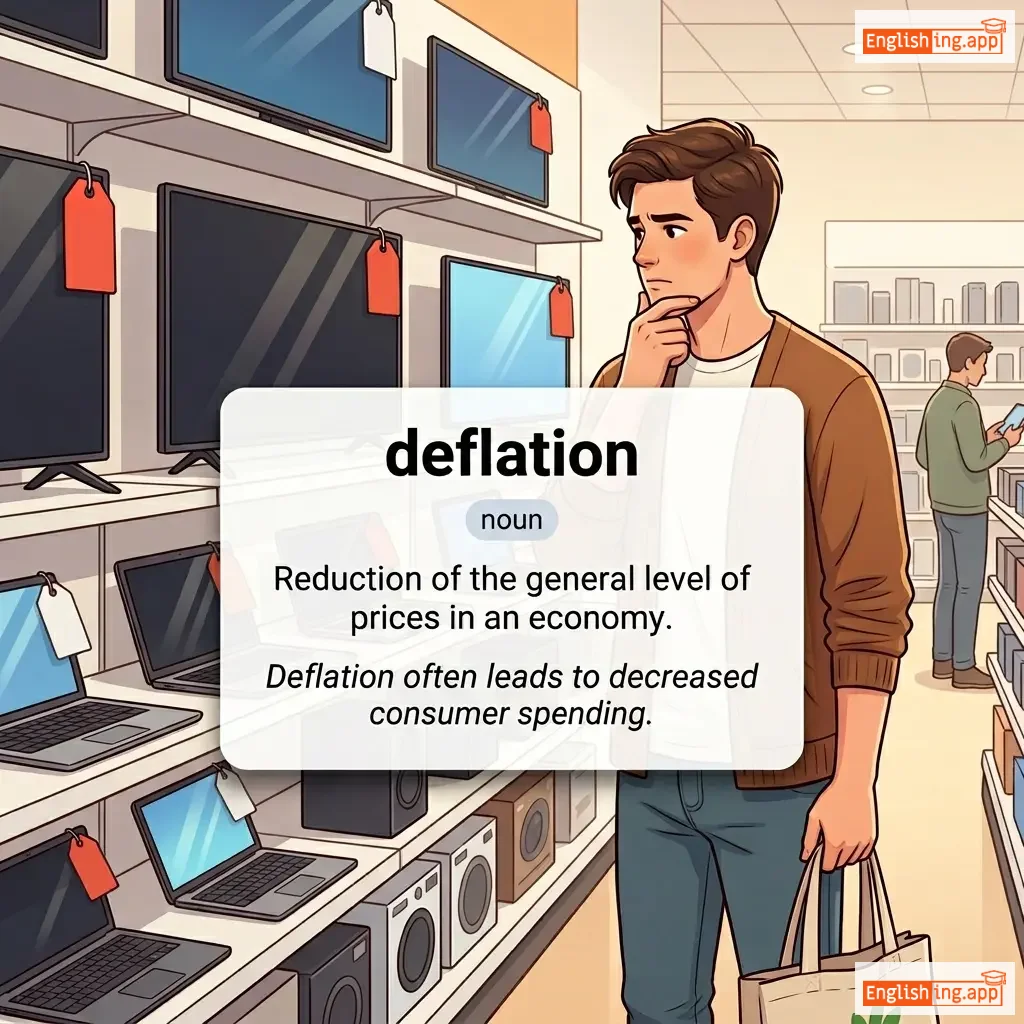
dɪˈfleɪʃən
noun
(迪弗雷申)
••••••
|
|
通货紧缩
deflayshun
••••••
|
Reduction of the general level of prices in an economy.
••••••
|
Deflation often leads to decreased consumer spending.
通货紧缩往往导致消费者支出减少。
••••••
|
通货紧缩往往导致消费者支出减少。
tong huo jin suo wang wang dao zhi xiao fei zhe zhi chu jian shao
••••••
|
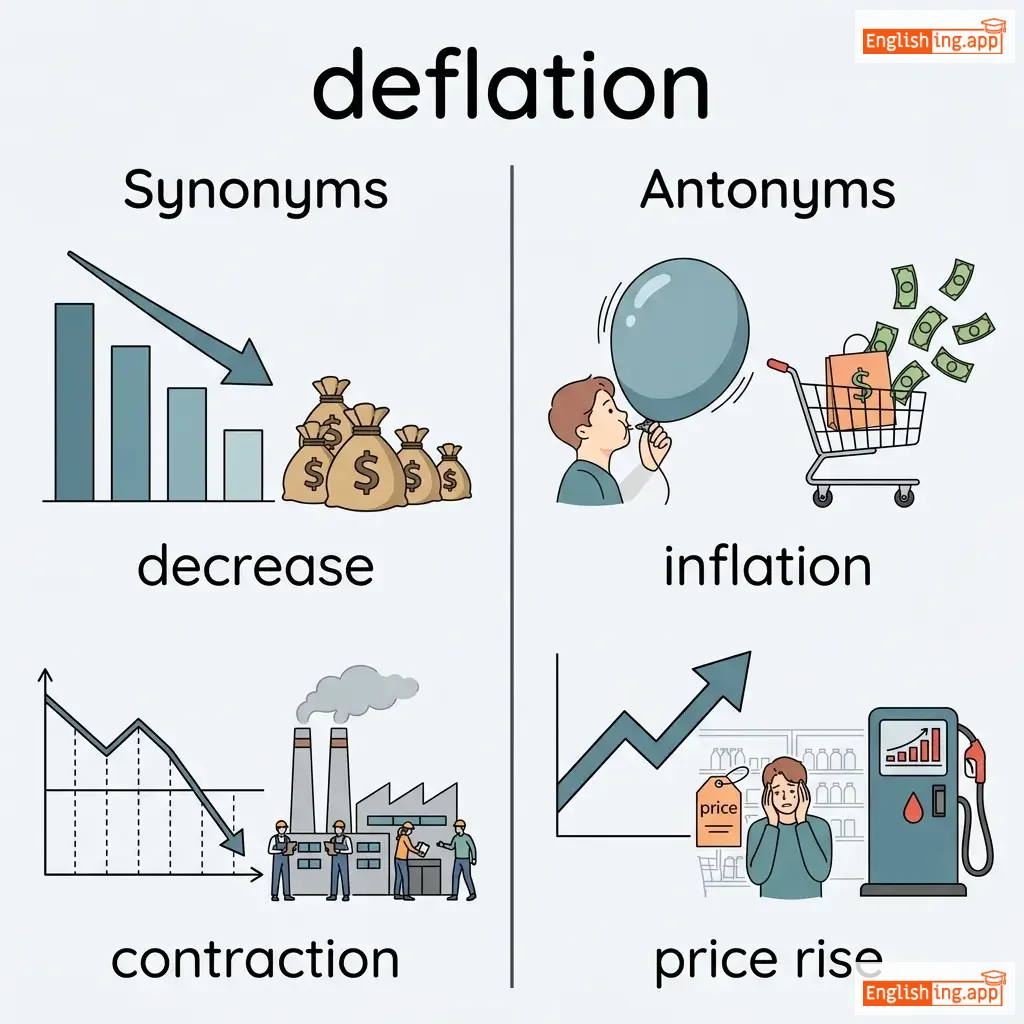
decrease, contraction
••••••
|
inflation, price rise
••••••
|
Mnemonic: Decrease prices Flatten wallets Ion state 记住 Deflation 就是 prices overall fall
••••••
|
|
#3563
⏸️
|
stæɡˈneɪʃən
noun
(停滯)
••••••
|
|
停滯
tíngzhì
••••••
|
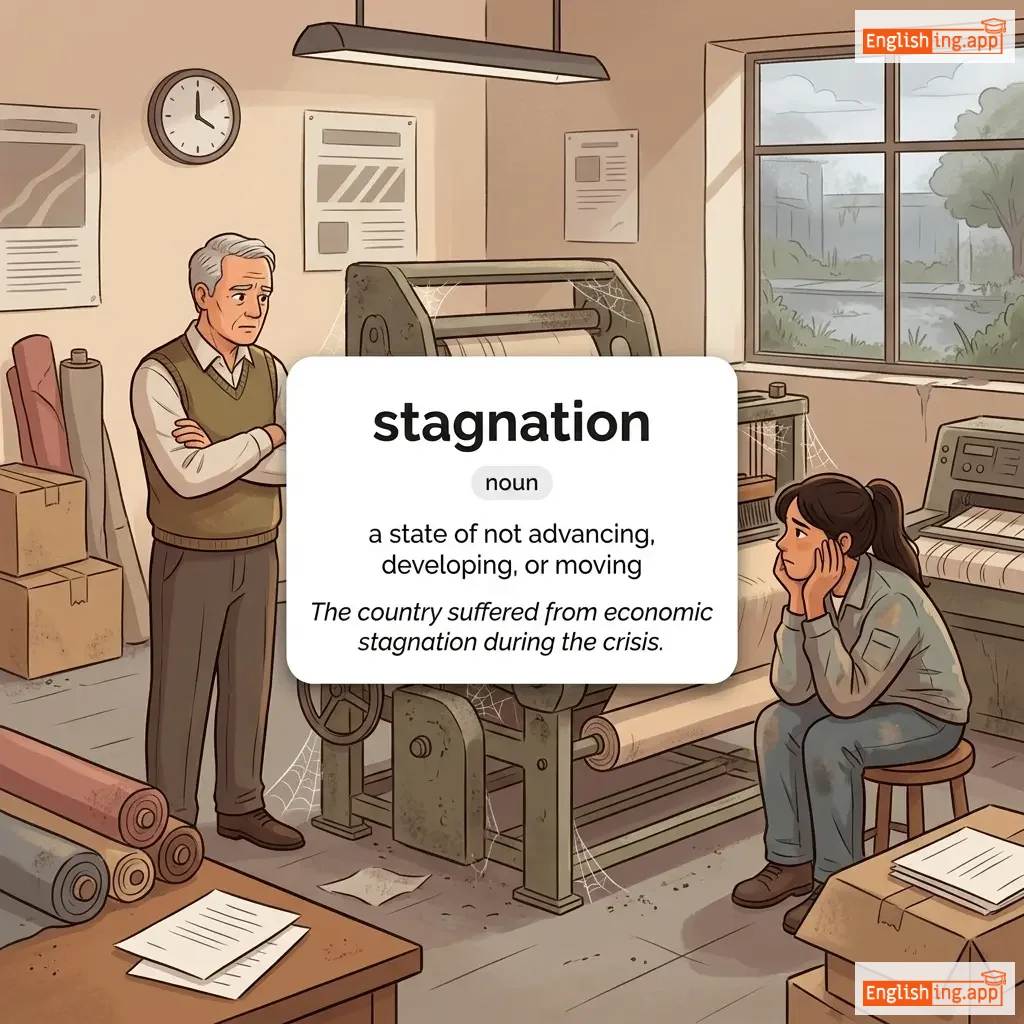
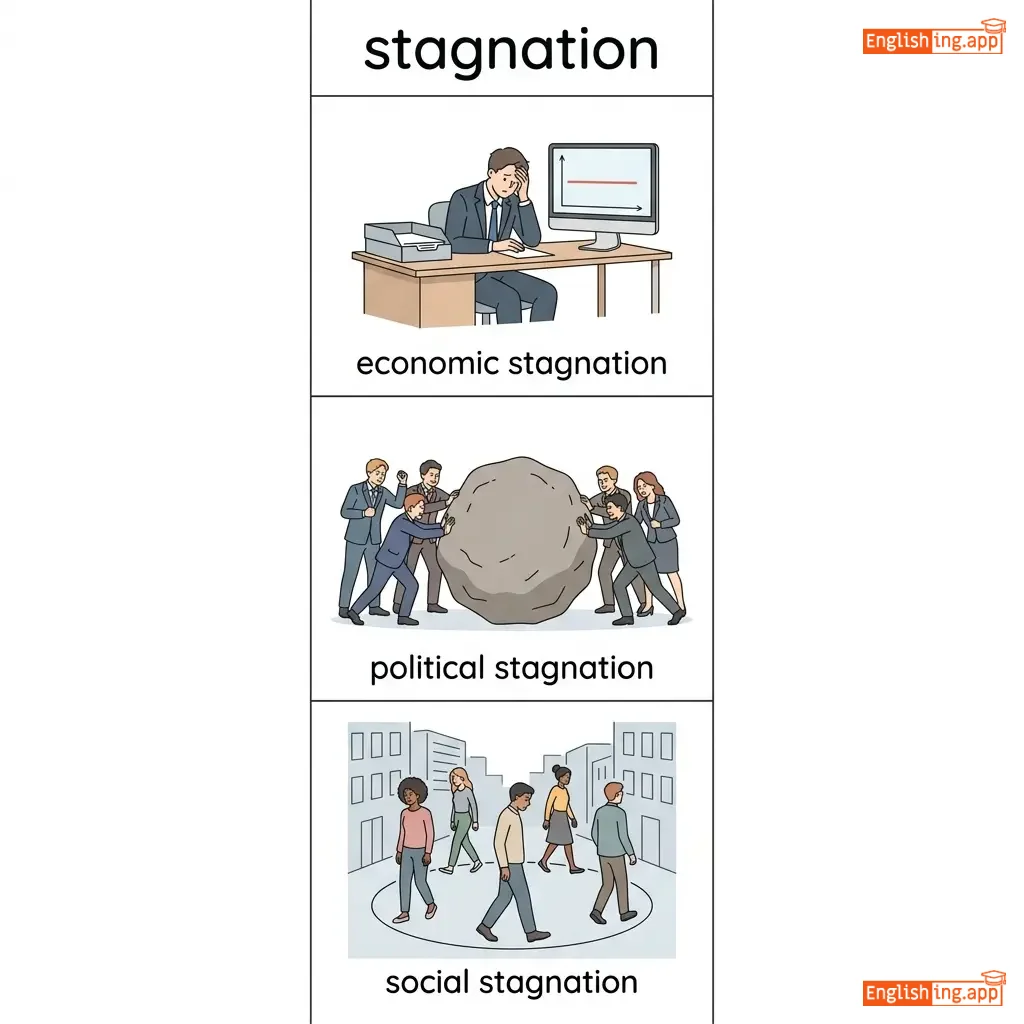
A period of little or no growth in an economy.
••••••
|
Economic stagnation leads to a lack of growth in the job market. |
经济停滞导致就业市场缺乏增长。
jīngjì tíngzhì dǎozhì jiùyè shìchǎng quēfá zēngzhǎng.
••••••
|
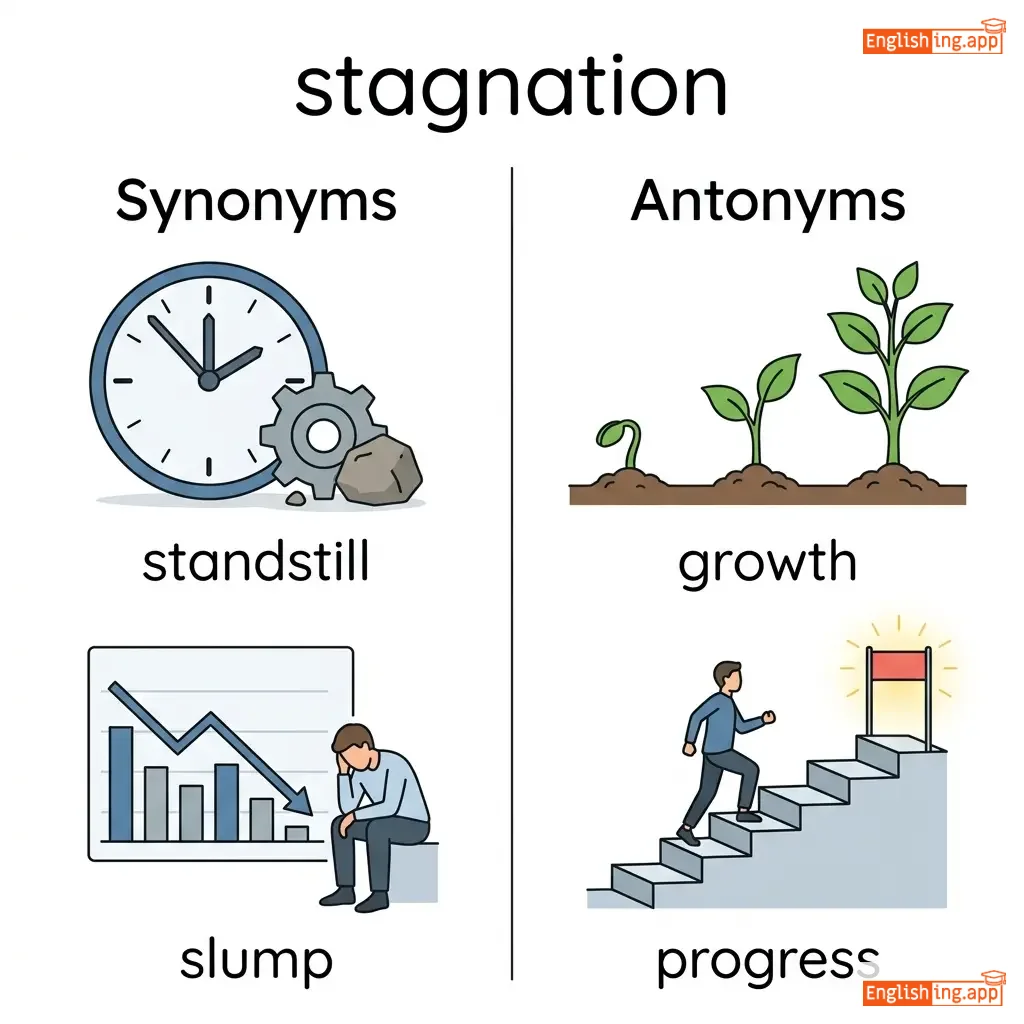
inactivity, stasis
••••••
|
progress, advancement
••••••
|
Chinese: 经济停止发展时,就会停滞。
••••••
|
|
#3564
📉
|
rɪˈsɛʃən
noun
(rishèxùn)
••••••
|
|
衰退, 收缩
shuāituì, shōusuō
••••••
|
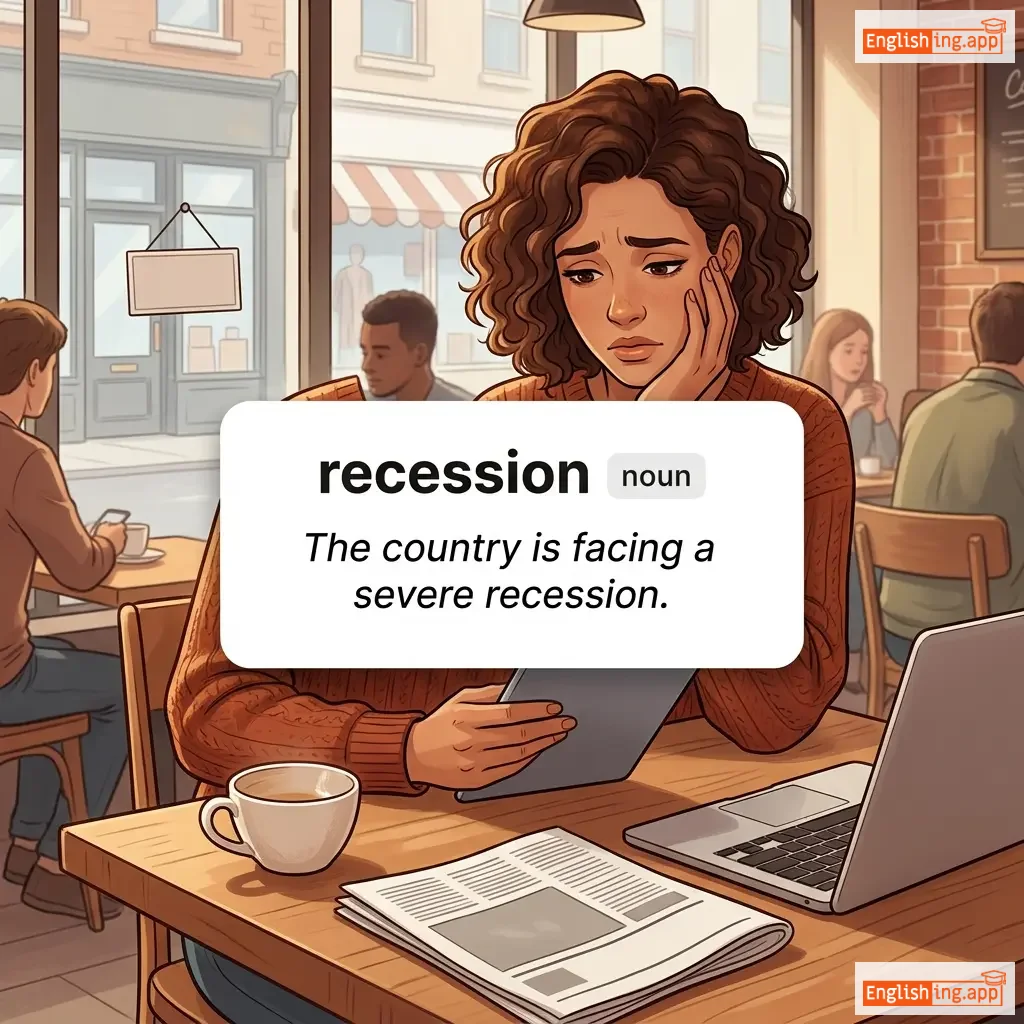
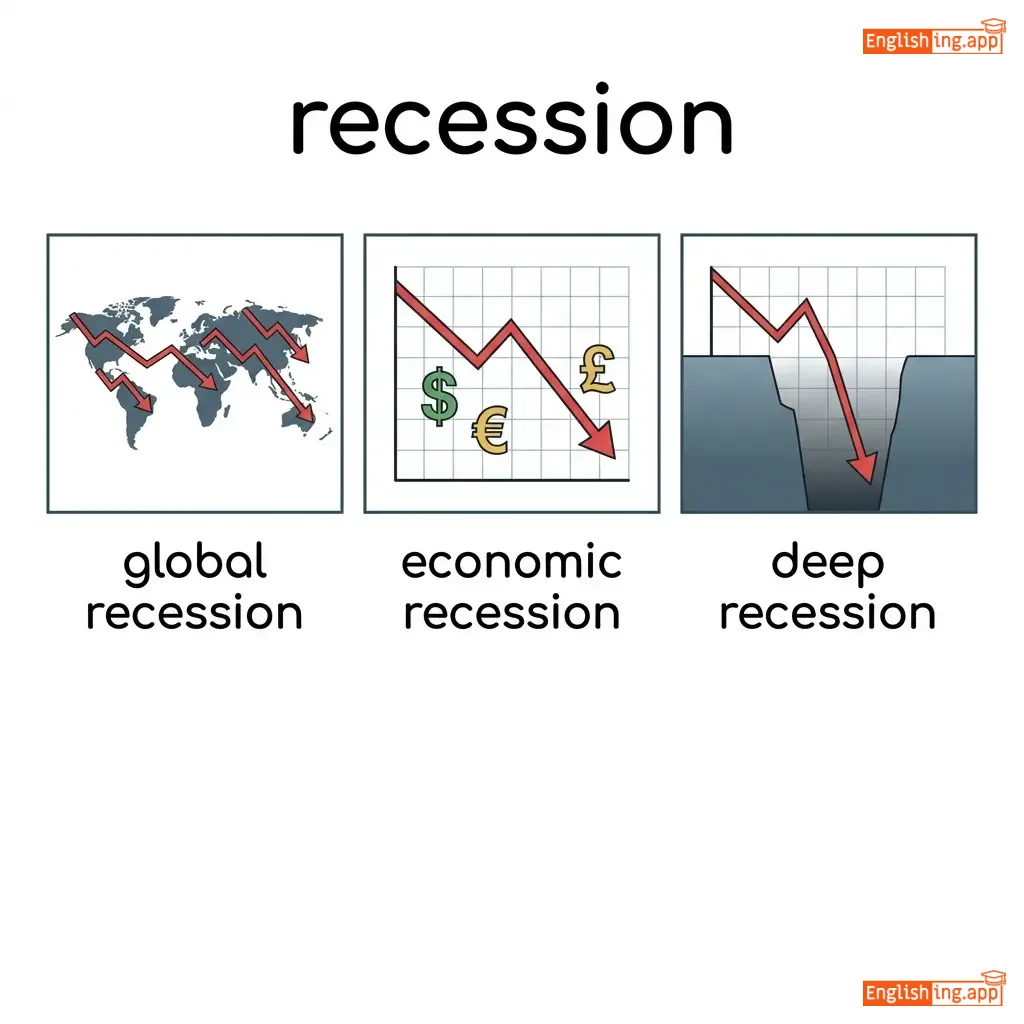
A period of temporary economic decline during which trade and industrial activity are reduced.
••••••
|
The economy is experiencing a recession due to external factors.
经济因外部因素而经历衰退。
••••••
|
经济因外部因素而经历衰退。
Jīngjì yīn wàibù yīnsù ér jīnglì shuāituì.
••••••
|
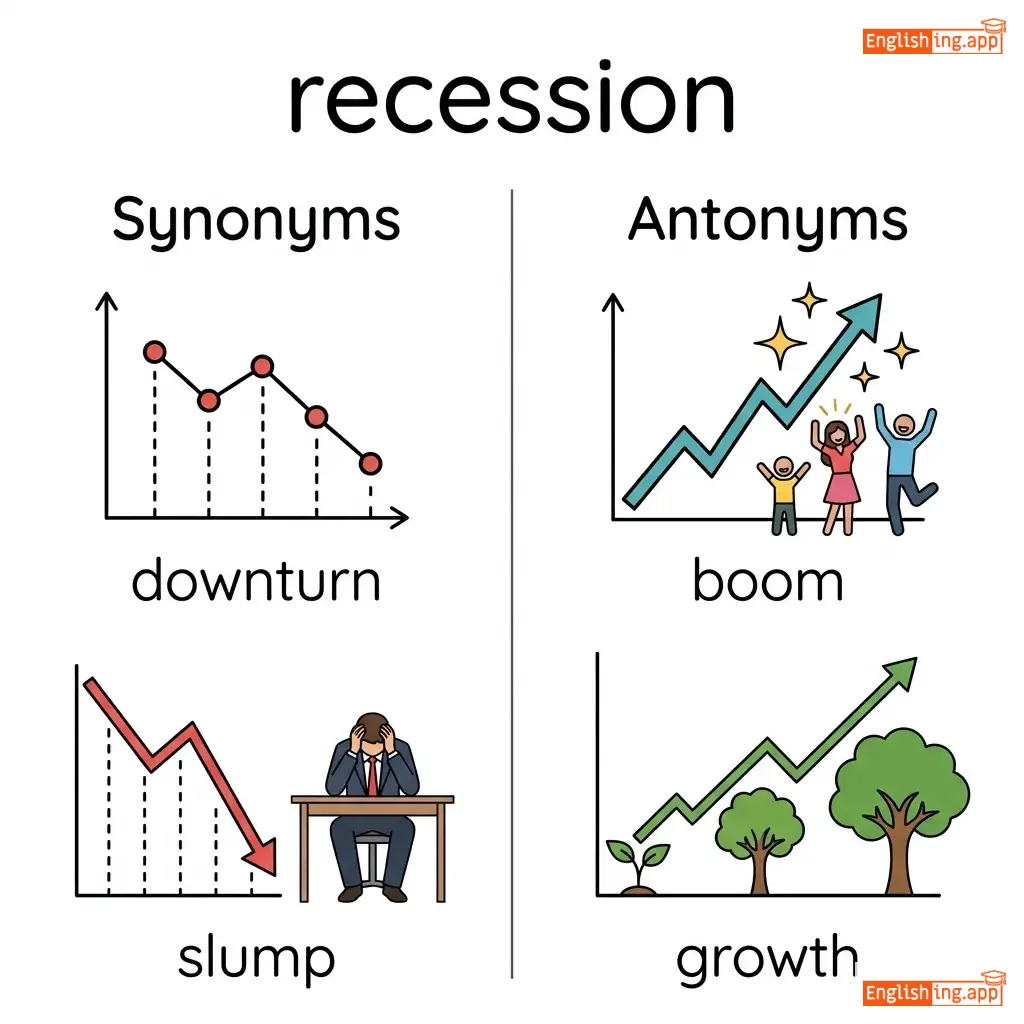
downturn, decline
••••••
|
growth, recovery
••••••
|
衰退让经济减少活动。
••••••
|
|
#3565
⚠️
|
ˈkraɪsɪs
noun
(克莱西斯)
••••••
|
|
危机
weiji
••••••
|
A time of intense difficulty, trouble, or danger.
••••••
|
The financial crisis affected global markets.
金融危机影响了全球市场。
••••••
|
金融危机影响了全球市场。
jinrong weiji yingxiang le quanqiu shichang
••••••
|
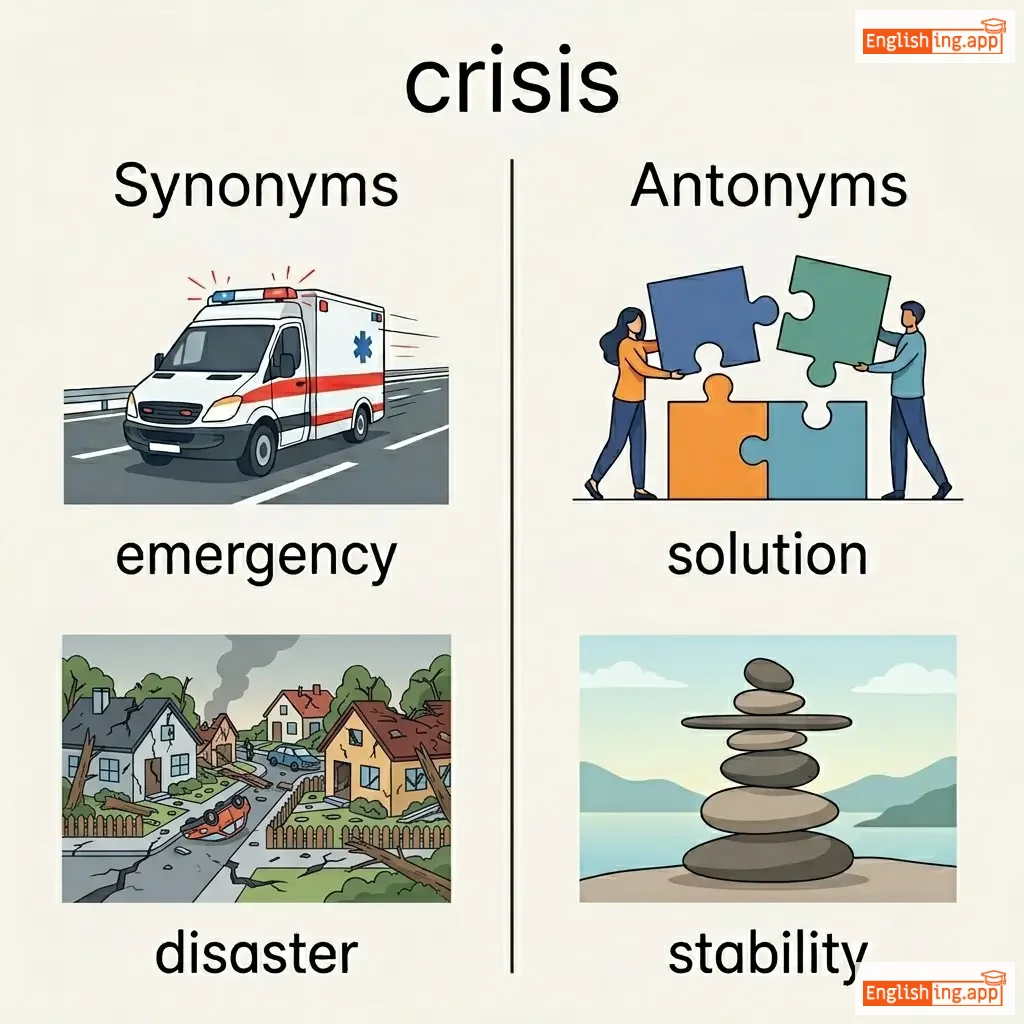
disaster, emergency
••••••
|
stability, solution
••••••
|
危机CRISIS: 危 (danger) + 机 (opportunity) 的组合, 看CRISIS就想起危+机, 在危机中也有机会
••••••
|
|
#3566
⚖️
|
ˌikwɪˈlɪbrɪəm
noun
(ékwílíbrīum)
••••••
|
|
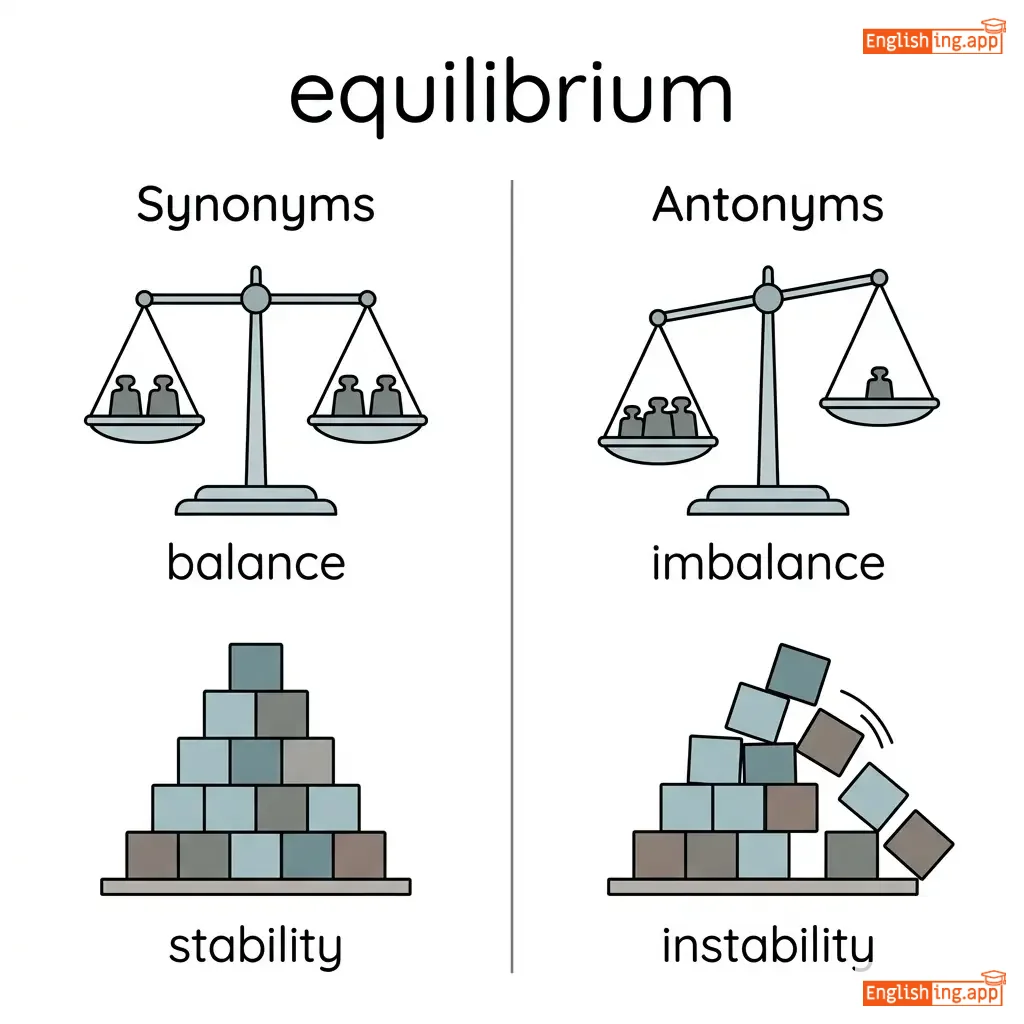
平衡
pingheng
••••••
|
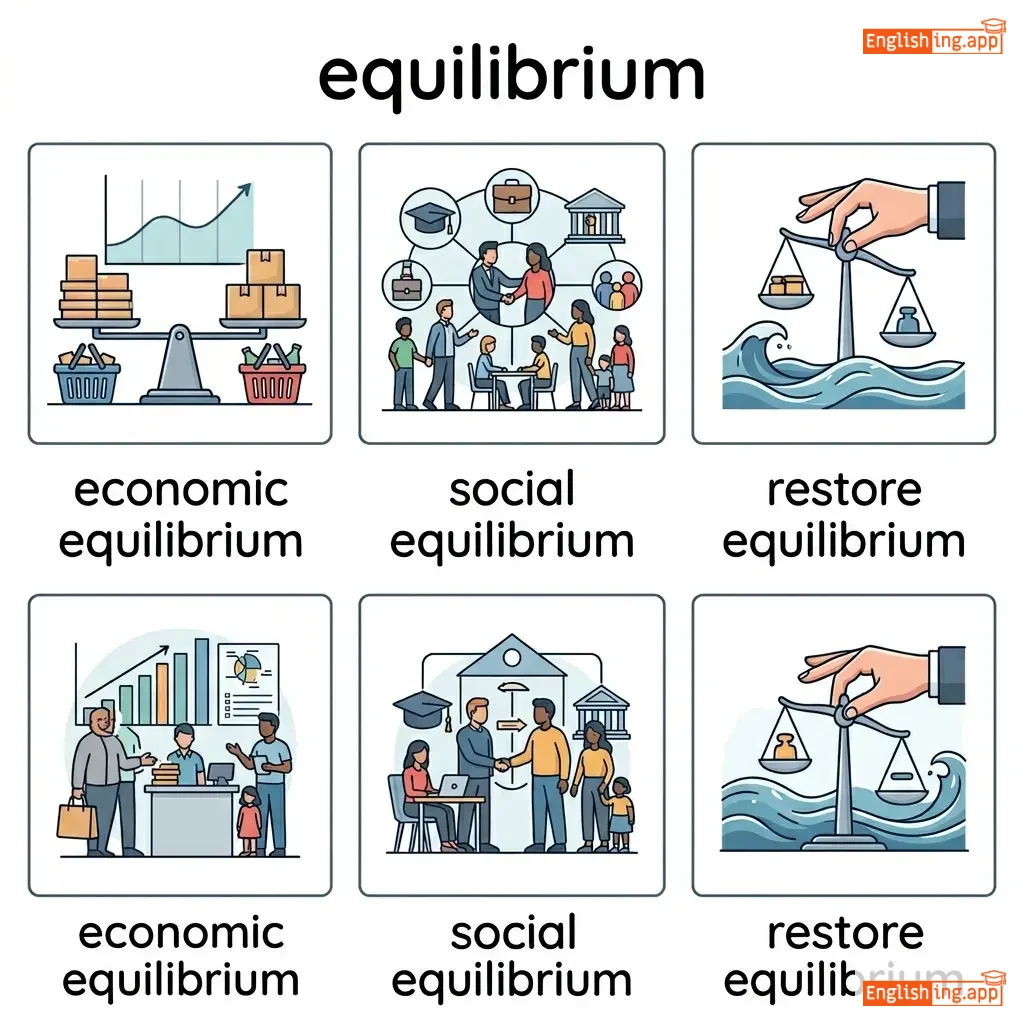
A state in which opposing forces or influences are balanced.
••••••
|
Achieving economic equilibrium is essential for long-term stability. |
实现经济平衡对长期稳定至关重要。
Shíxiàn jīngjì pínghéng duì chángqī wěndìng zhìguān zhòngyào.
••••••
|
balance, harmony
••••••
|
imbalance, disruption
••••••
|
平衡代表着所有力量处于一个稳定的状态,这与经济发展一样重要。
••••••
|
|
#3567
🎁
|
ɪnˈsɛntɪvz
noun
(ɪnˈsɛntɪvz)
••••••
|
|
激励
jīlì
••••••
|
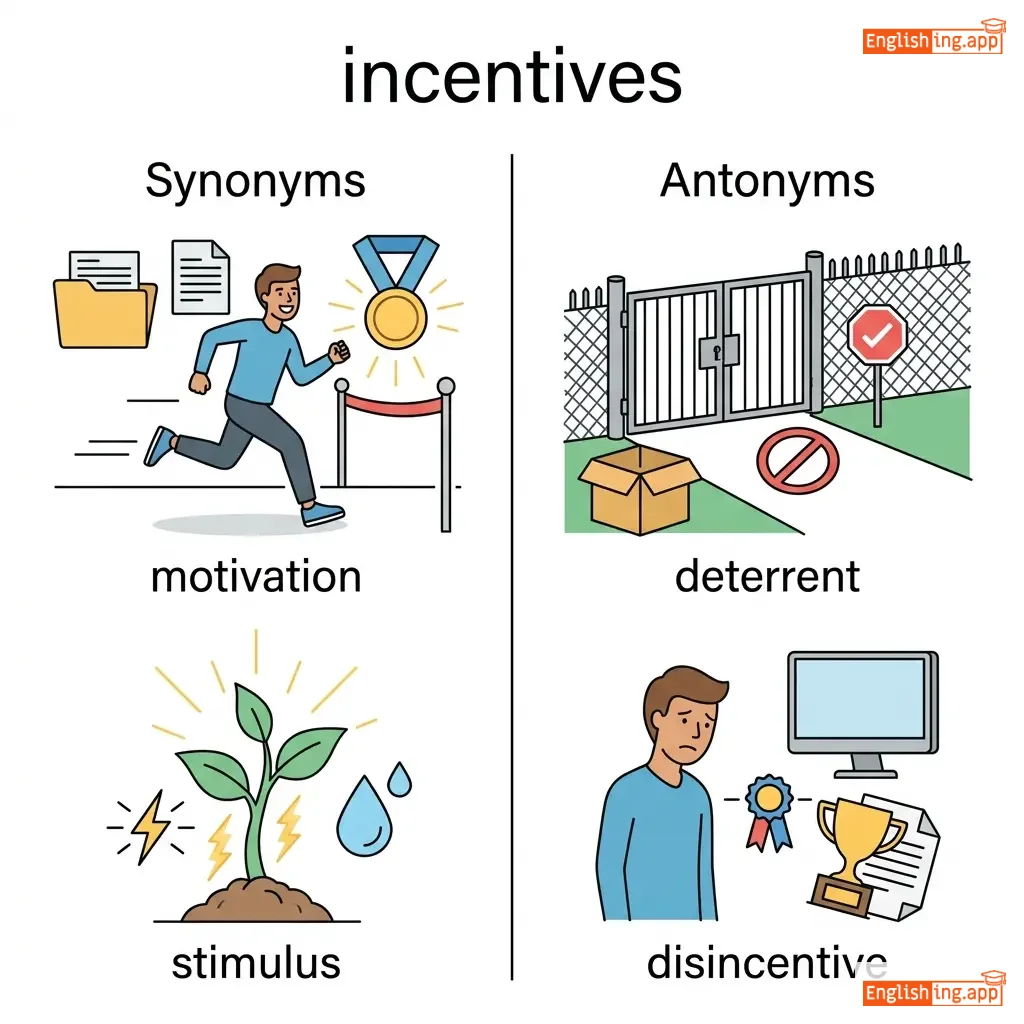
Things that motivate or encourage one to do something.
••••••
|
Tax incentives are used to encourage investment in renewable energy. |
税收激励用于鼓励对可再生能源的投资。
Shuìshōu jīlì yòng yú gǔlì duì kě zàishēng néngyuán de tóuzī.
••••••
|
motivation, stimulus
••••••
|
deterrent, disincentive
••••••
|
No •••••• |
|
#3568
🌍
|
ɪˈkɒnəmiːz
noun
(经济学)
••••••
|
|
经济
jingji
••••••
|
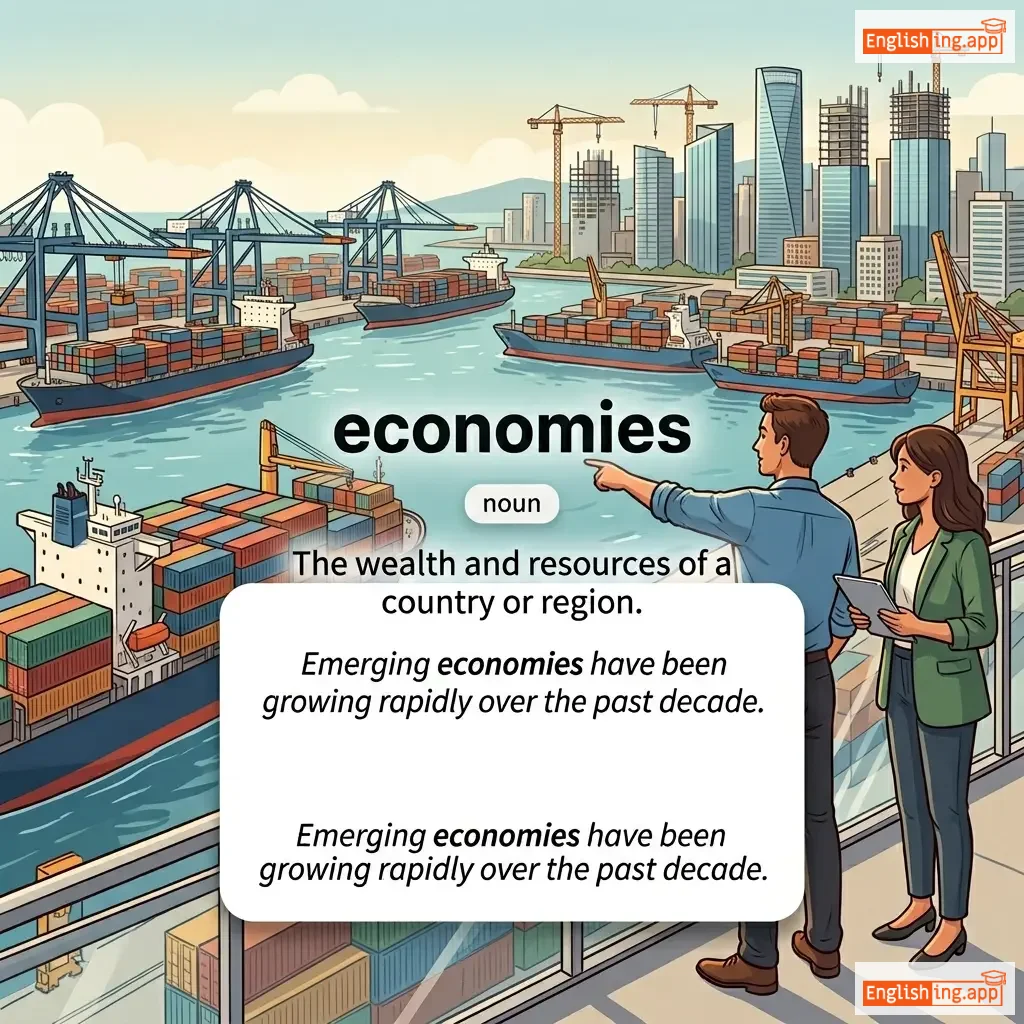
The wealth and resources of a country or region.
••••••
|
Emerging economies have been growing rapidly over the past decade.
新兴经济体在过去十年中迅速增长。
••••••
|
新兴经济体在过去十年中迅速增长。
Xin xing jing ji ti zai guo qu shi nian zhong xun su zeng zhang.
••••••
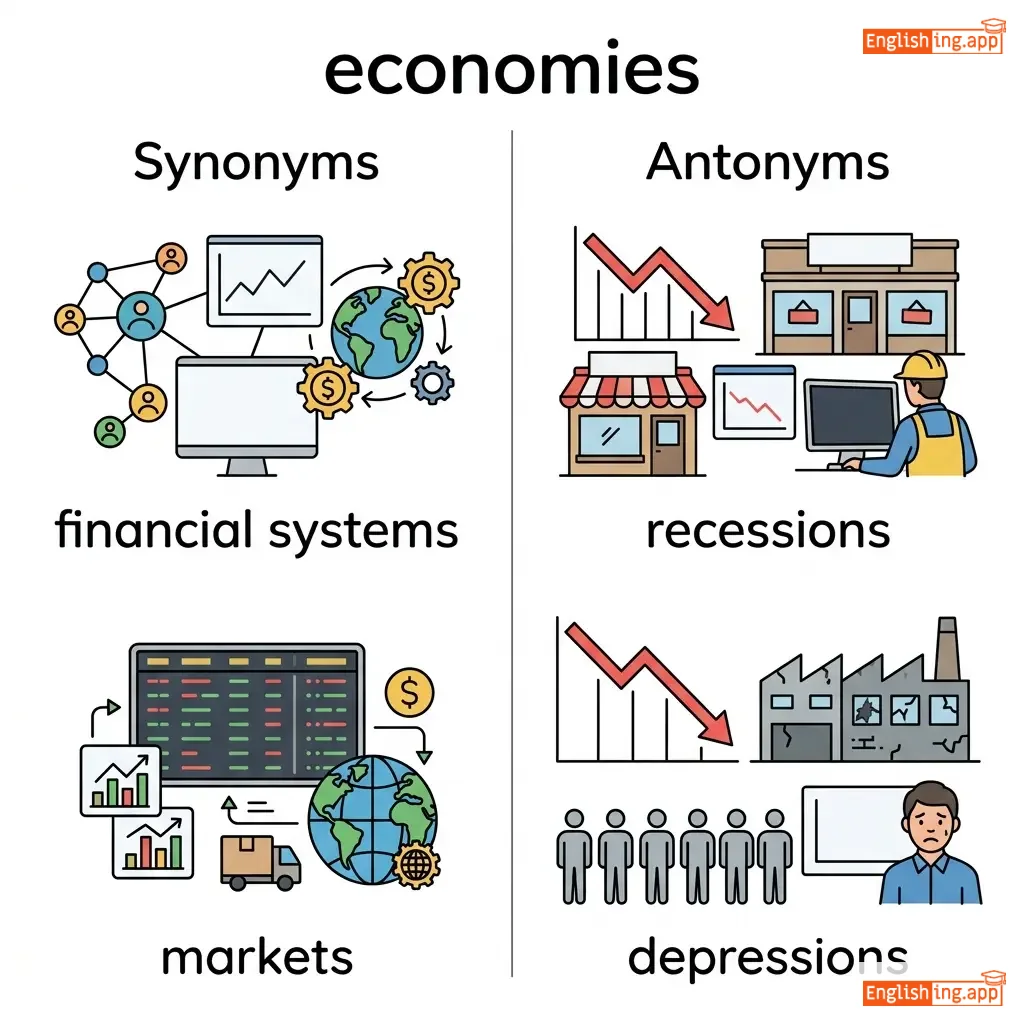
|
financial systems, markets
••••••
|
recessions, depressions
••••••
|
想象一个国家的经济资源如何推动其发展。
••••••
|
|
#3569
💥
|
ˈɪmpækt
noun
(影响)
••••••
|
|
影响
yingxiang
••••••
|
The action of one object coming forcibly into contact with another; a marked effect or influence.
••••••
|
The impact of climate change can be seen in rising sea levels. |
气候变化的影响可以通过海平面上升看到。
Qìhòu biànhuà de yǐngxiǎng kěyǐ tōngguò hǎi píngmiàn shàngshēng kàn dào.
••••••
|
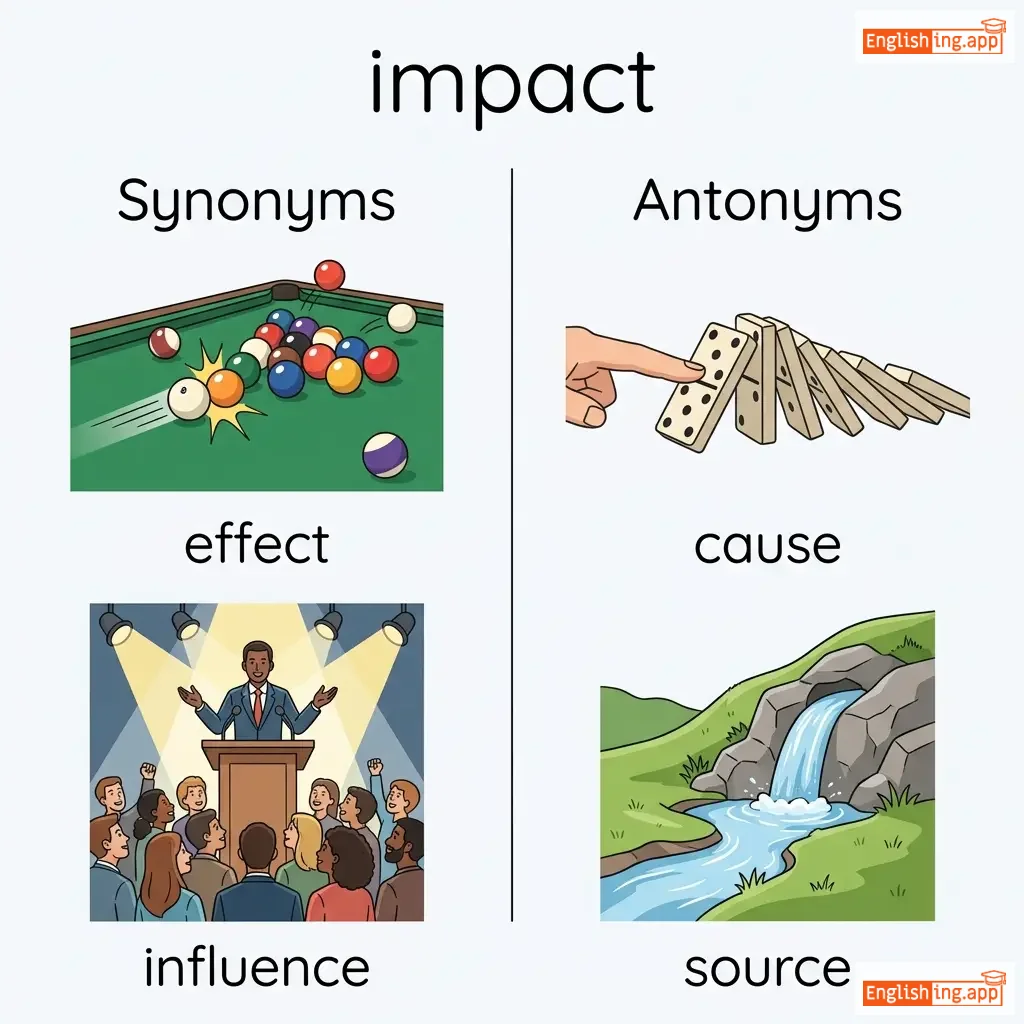
effect, consequence
••••••
|
inaction, indifference
••••••
|
影响就像在你身边的波动,能够看到它的改变。
••••••
|
|
#3570
📦
|
ɡʊdz
noun
(古德斯)
••••••
|
|
商品
gudz
••••••
|
Merchandise or possessions; things that are bought and sold.
••••••
|
The company produces high-quality goods for export.
该公司生产用于出口的高质量商品。
••••••
|
该公司为出口生产高质量的商品。
Gai gongsi wei chukou shengchan gao zhiliang de shangpin.
••••••
|
products, merchandise
••••••
|
services, intangibles
••••••
|
Gao de goods: 想象一个高高的货架 上摆满 高质量 的 商品, goods 就是 商品
••••••
|
|
#3571
🤝
|
ˈsɜːvɪsɪz
noun
(fuwu)
••••••
|
|
服务
fuwu
••••••
|
The action of helping or doing work for someone.
••••••
|
Services in the healthcare industry are essential for well-being. |
医疗行业的服务对于健康至关重要。
Yiliao hangye de fuwu dui yu jiankang zhiguan zhongyao.
••••••
|
assistance, help
••••••
|
goods, products
••••••
|
服务帮助他人,创造健康。
••••••
|
|
#3572
💰
|
ˈrɛvənuː
noun
(rèwénu)
••••••
|
|
收入
shōurù
••••••
|
Income, especially when of a company or organization.
••••••
|
The company's revenue grew by 10% this year.
公司收入今年增长了10%。
••••••
|
公司的收入今年增长了10%。
Gōngsī de shōurù jīnnián zēngzhǎng le 10%.
••••••
|
income, earnings
••••••
|
loss, deficit
••••••
|
收入反映了公司的成功。
••••••
|
Vocabulary Quiz
Test your vocabulary by matching words with their translations or meanings.
Login to take the quiz
Comments (0)
Share your thoughts and join the discussion.
Join the discussion by logging in
Login to CommentNo comments yet
Be the first to share your thoughts!