

农民如何提高作物产量
How Farmers Can Improve Crop Yield
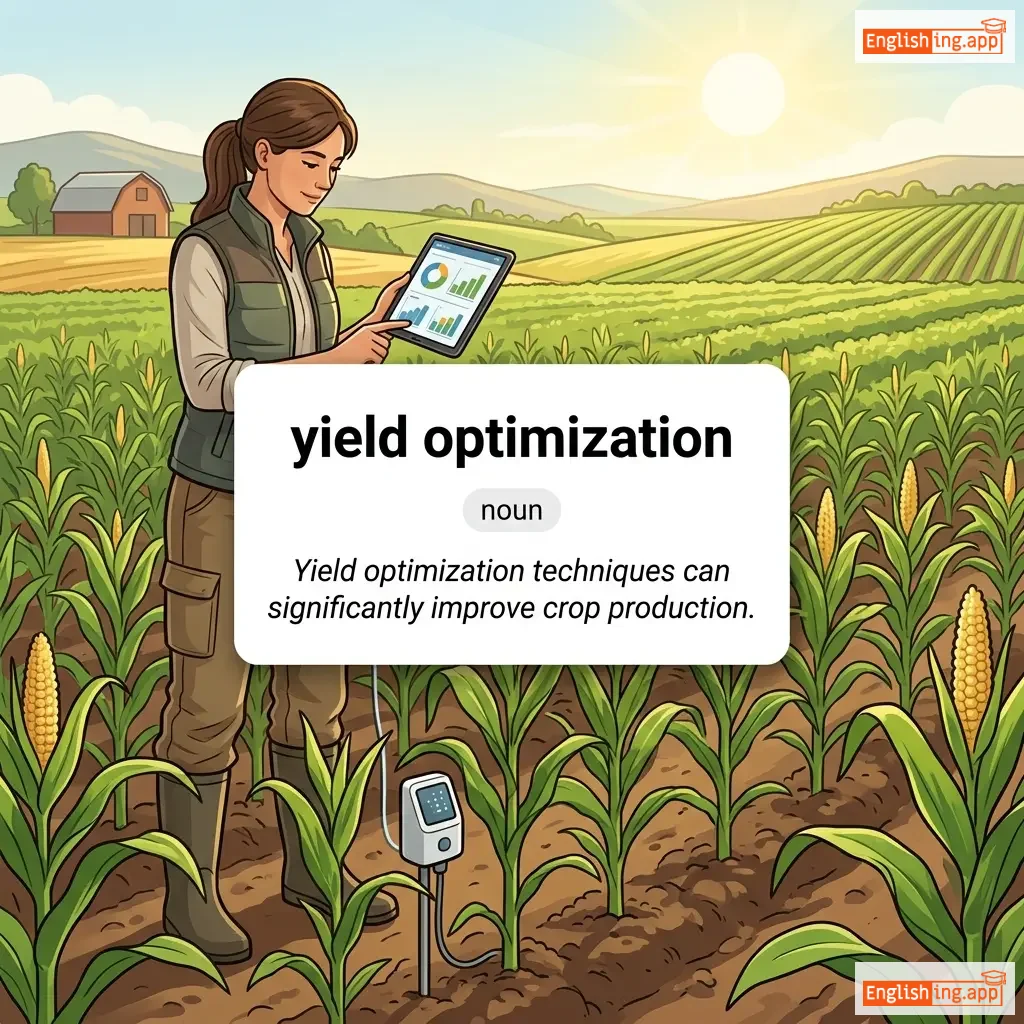
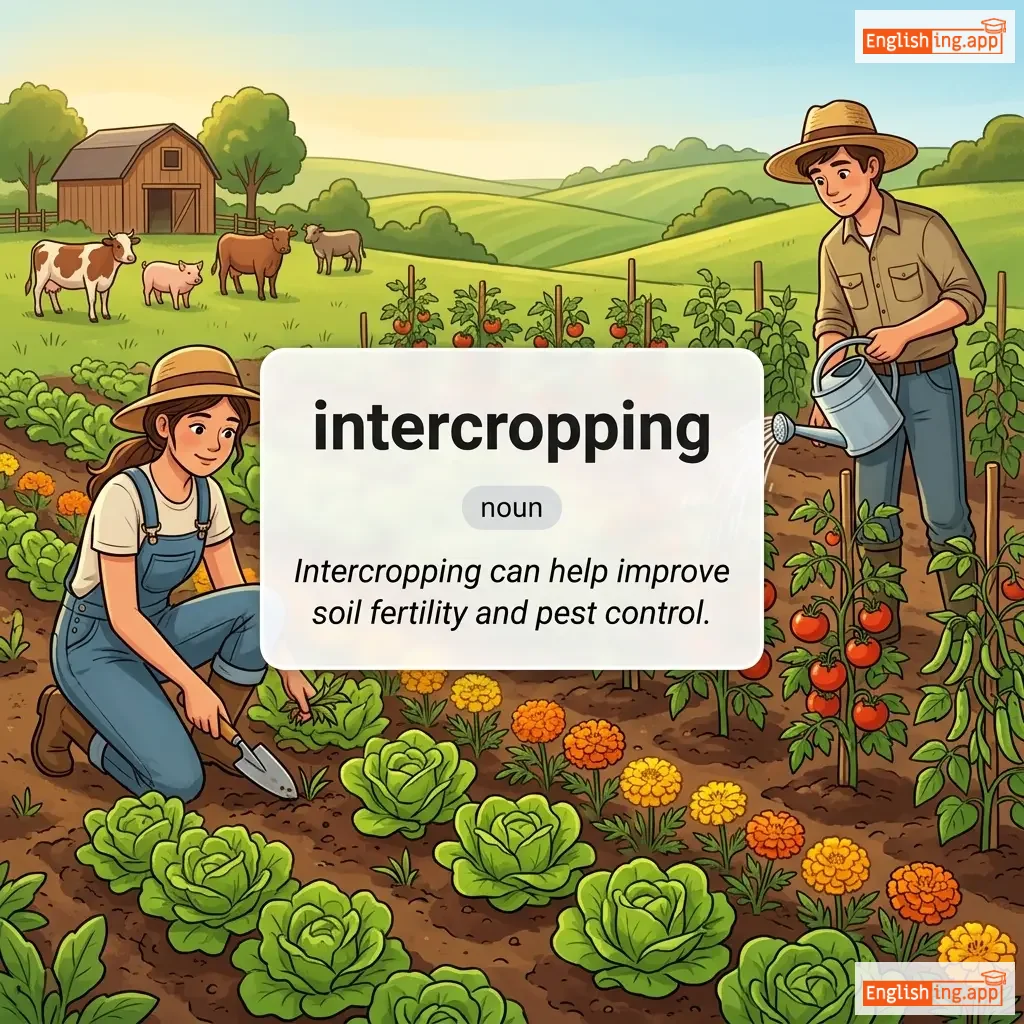
农民可以利用 agronomy 和现代农业技术来实现作物的 yield optimization。Intercropping 方法有助于保持土壤健康并减少 monoculture 的 detrimental 影响。
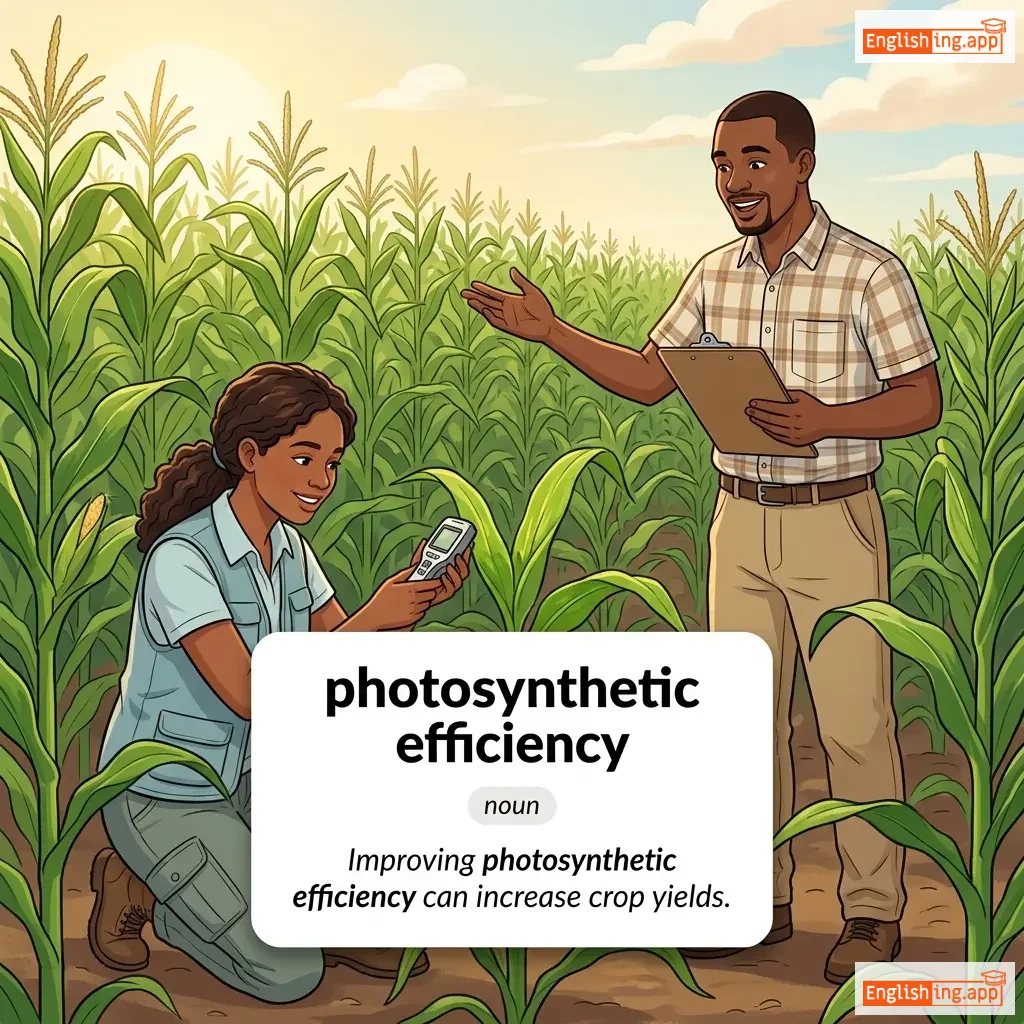
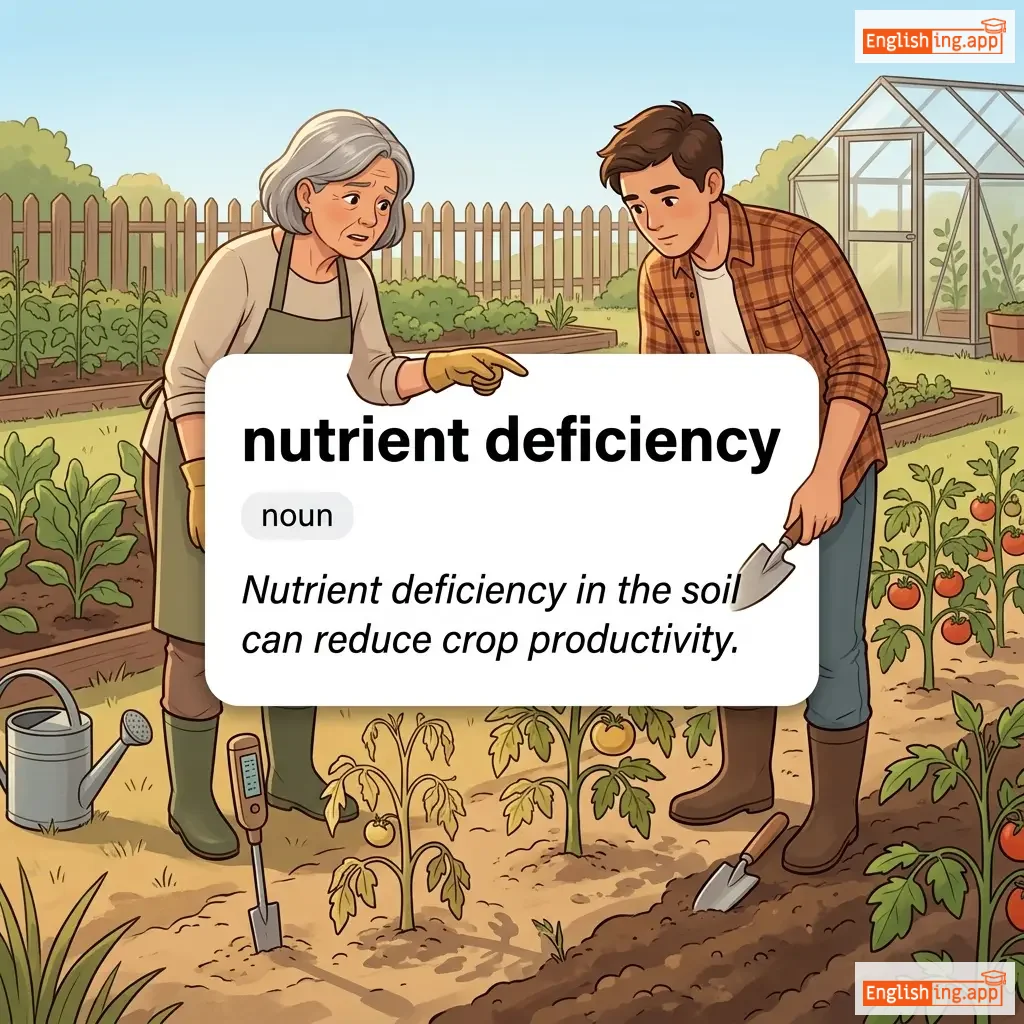
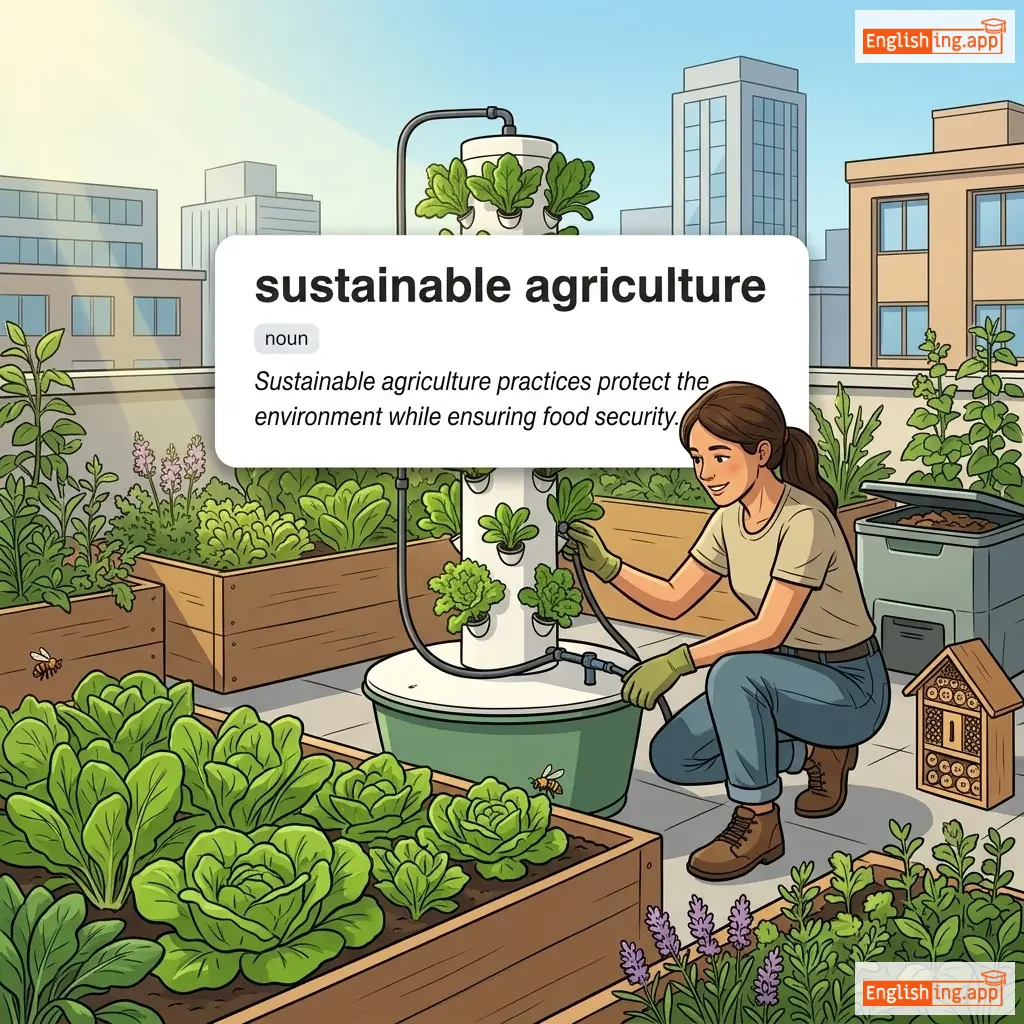
通过改善 microclimate 和 photosynthetic efficiency,可以提高作物质量。然而,实施 sustainable agriculture 对消除 nutrient deficiency 并保持土壤肥力至关重要。
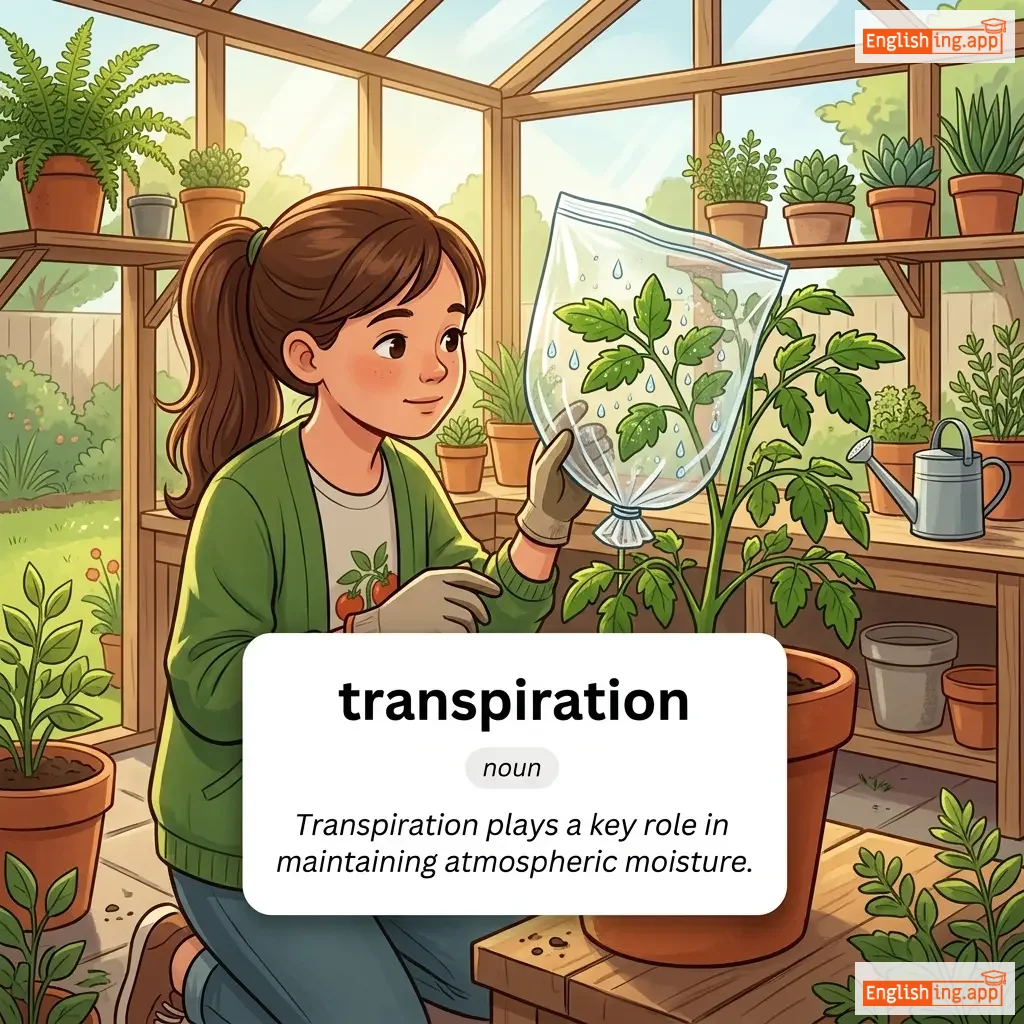
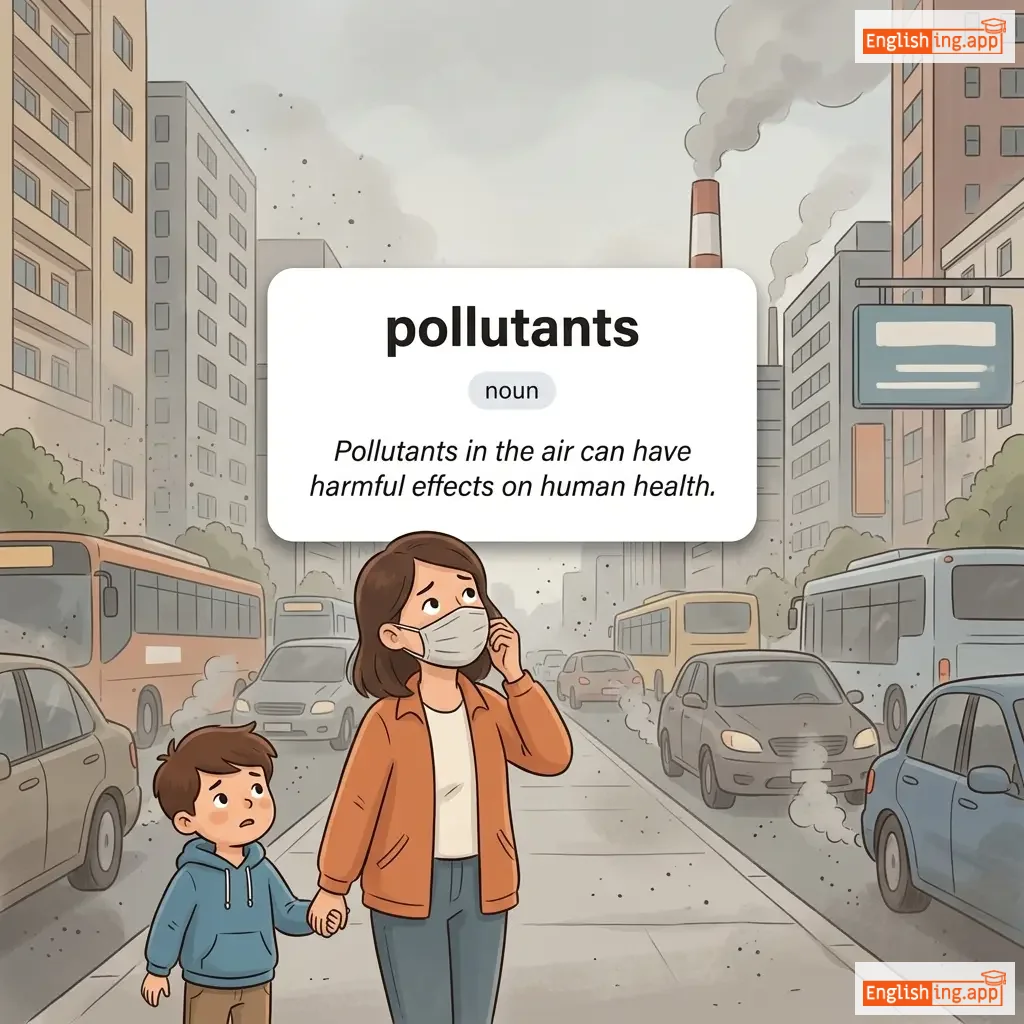
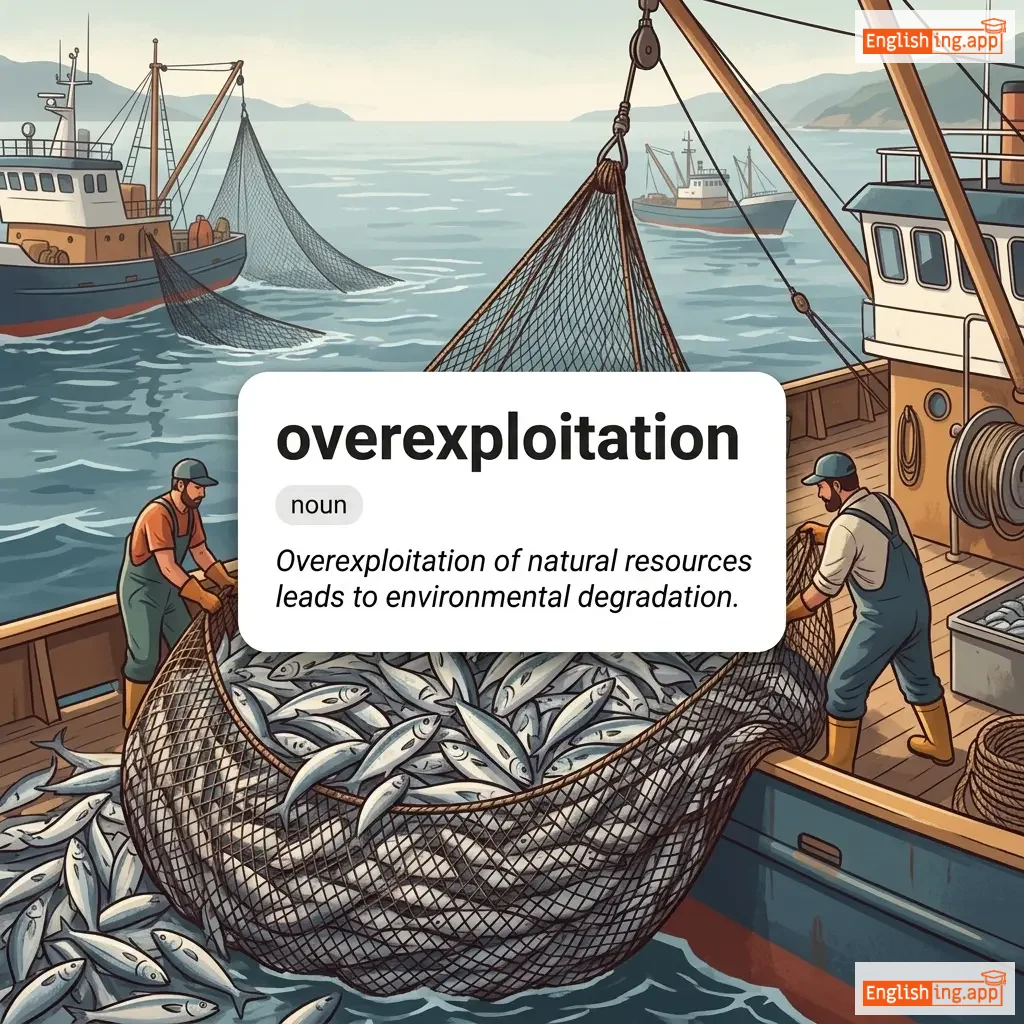
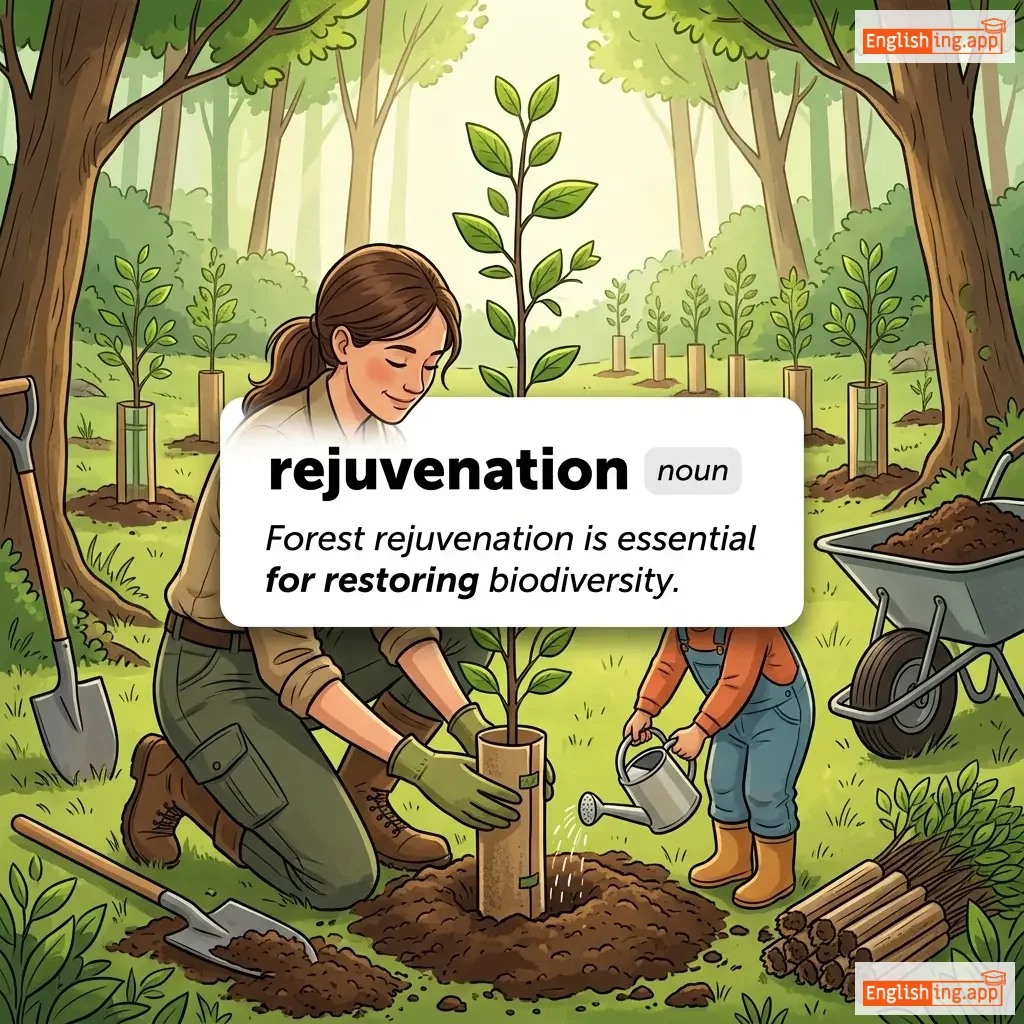
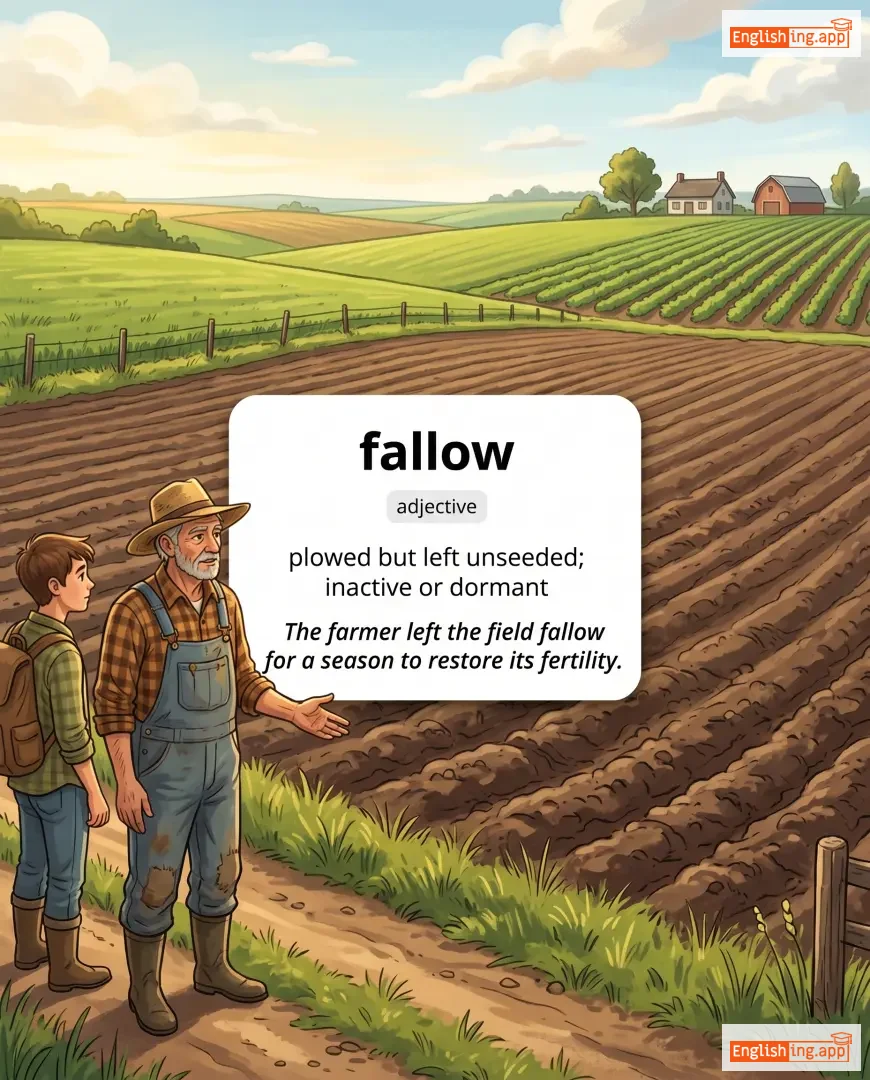
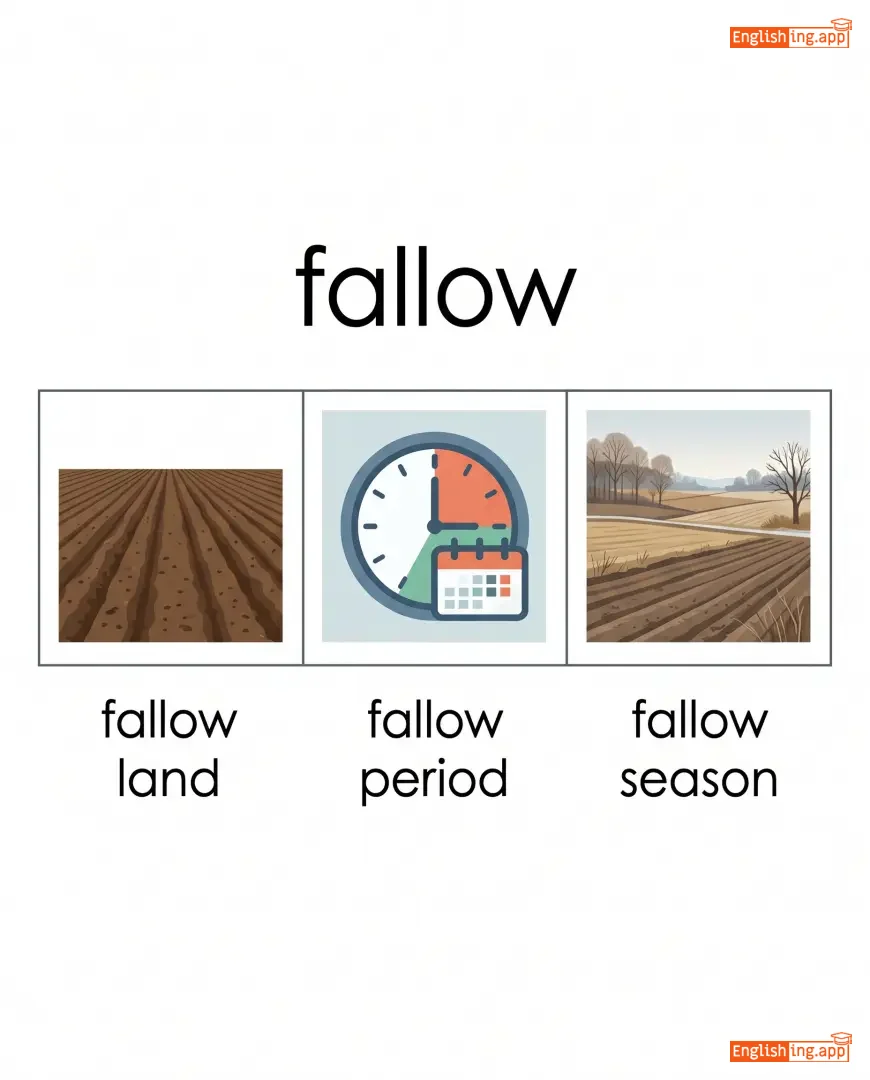
此外,为作物创造良好的环境对于管理 transpiration 和去除 pollutants 是必要的。通过避免 overexploitation,并专注于 rejuvenation 和土壤 fallow 状况,农民可以获得更高效的产量。
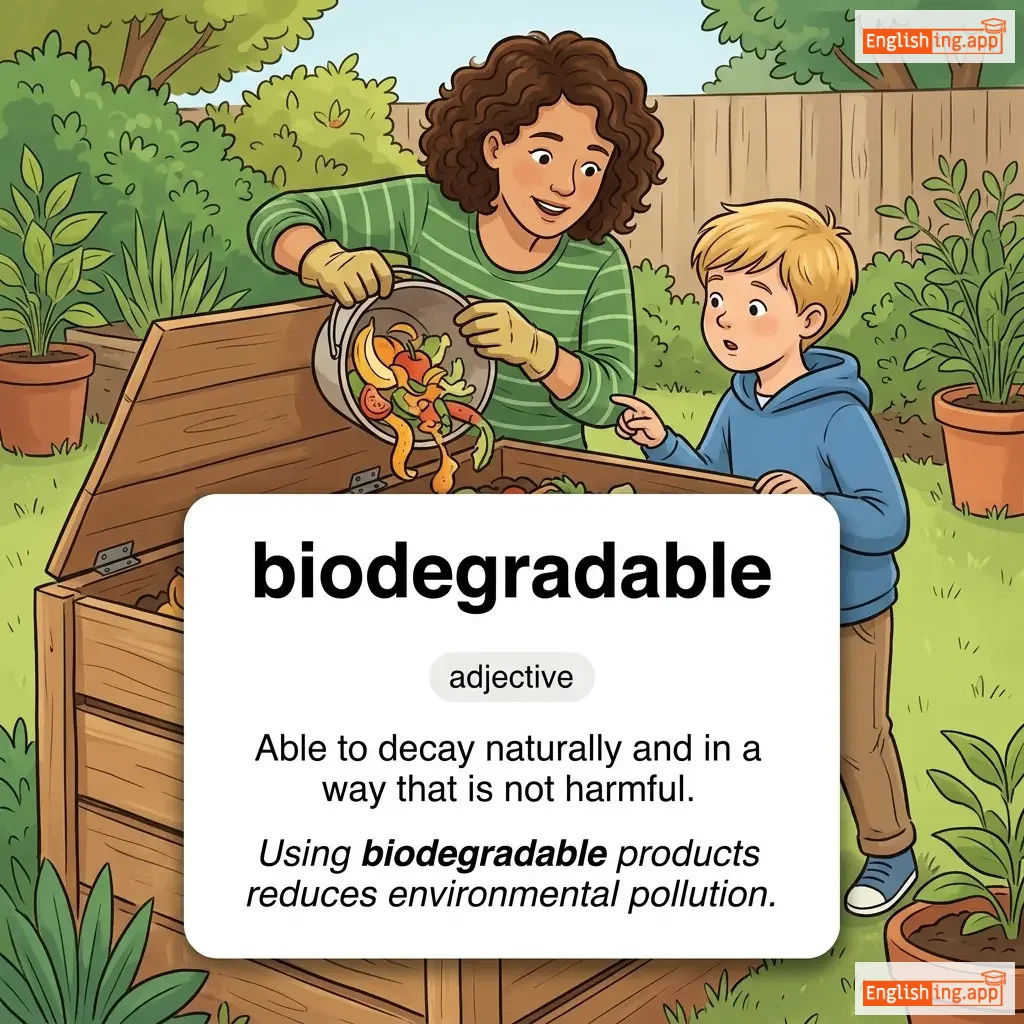
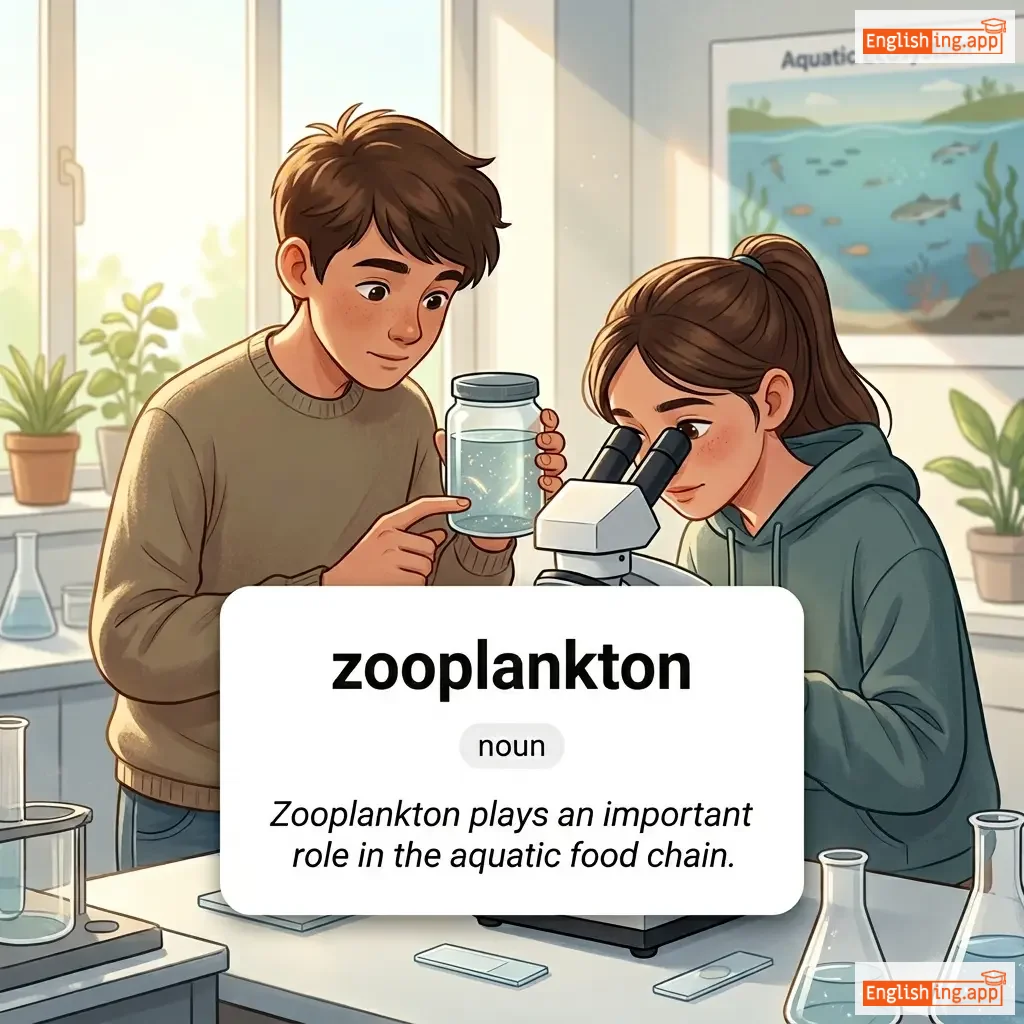
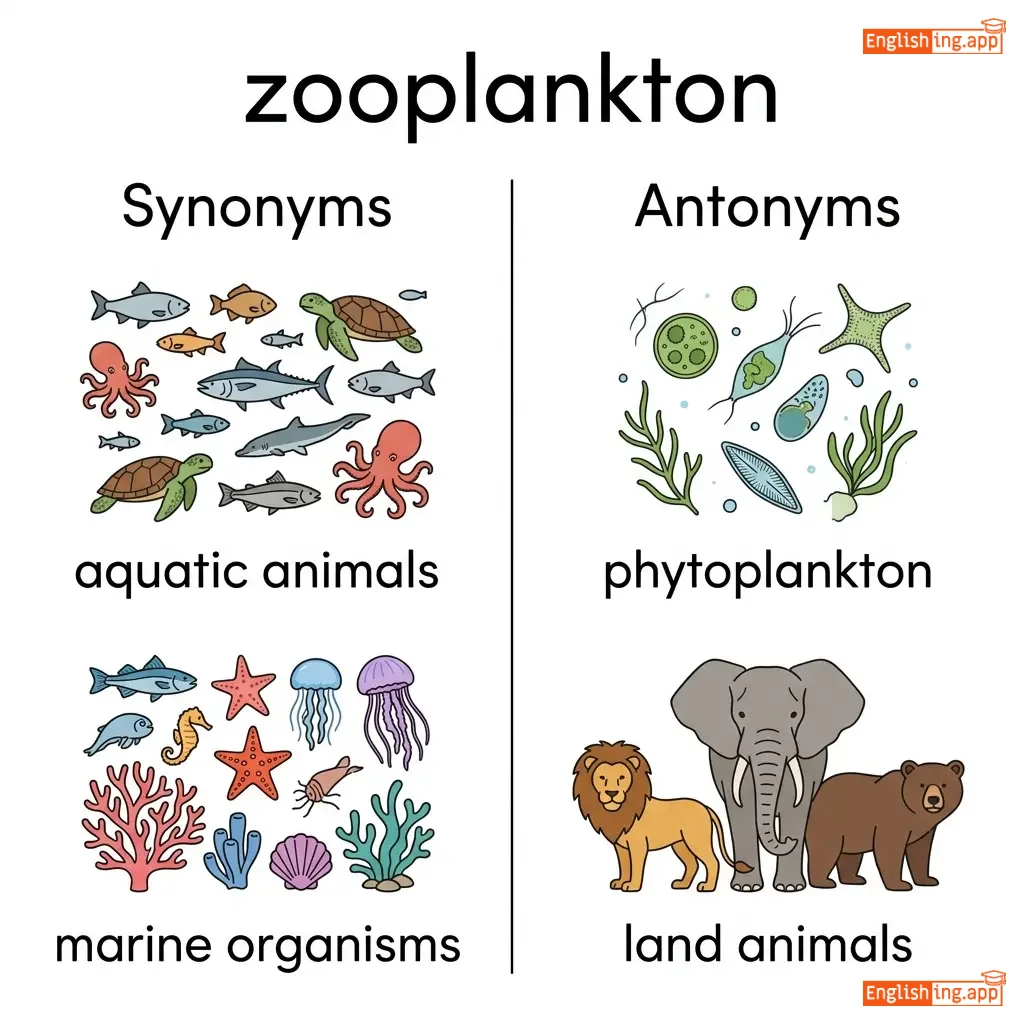
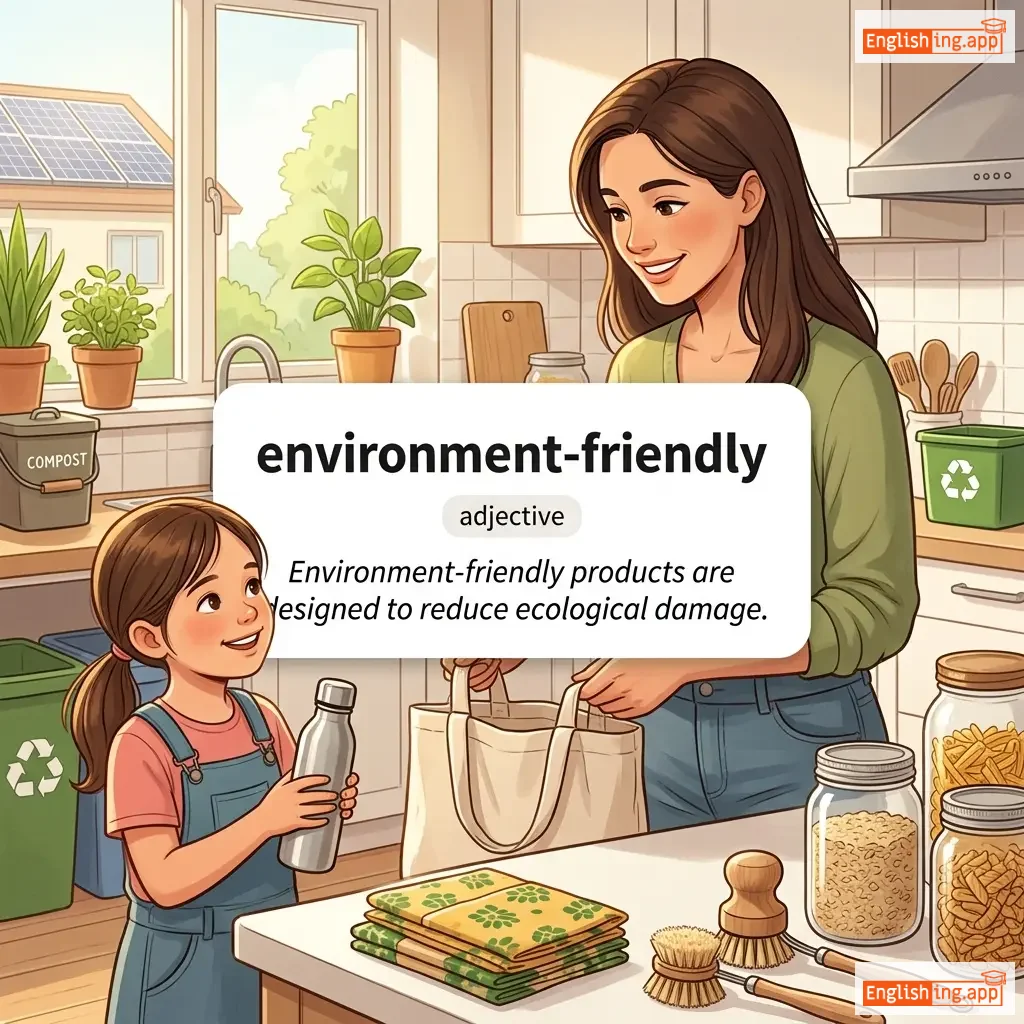
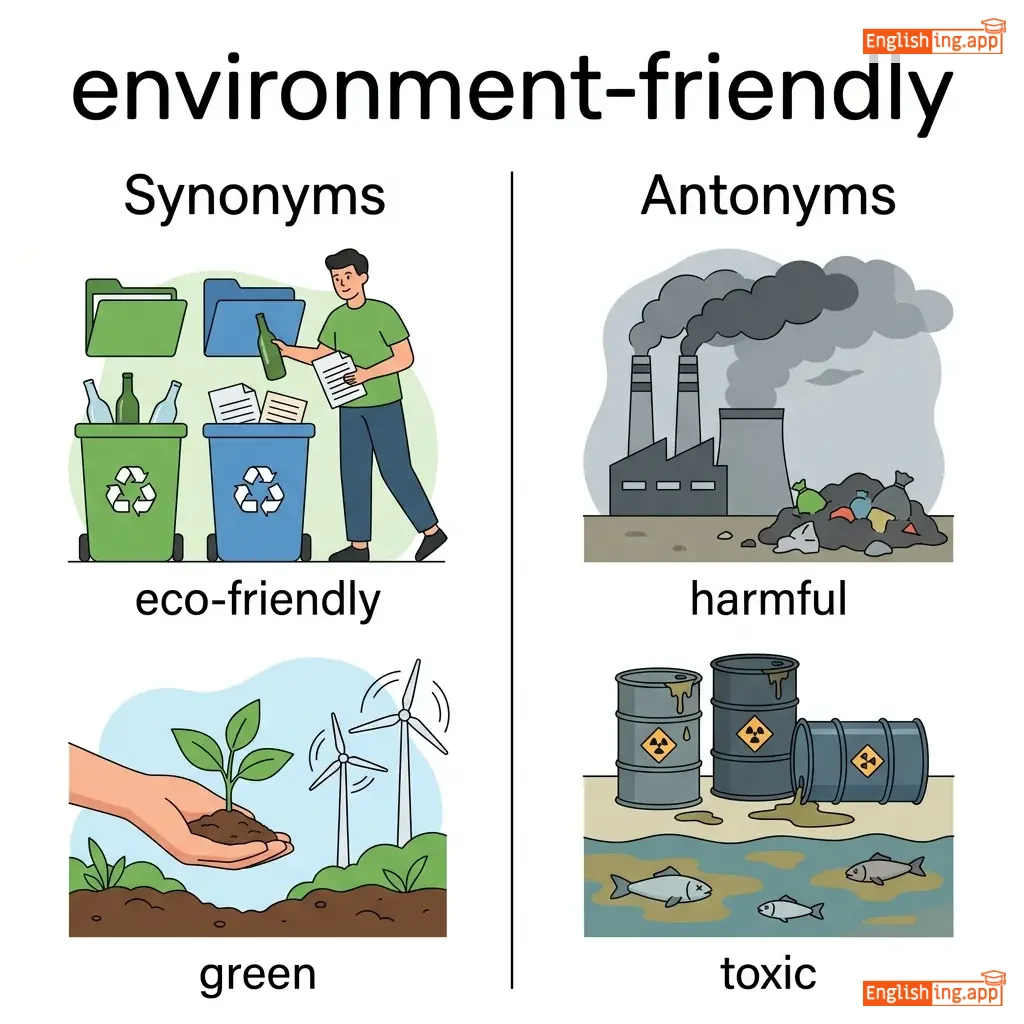
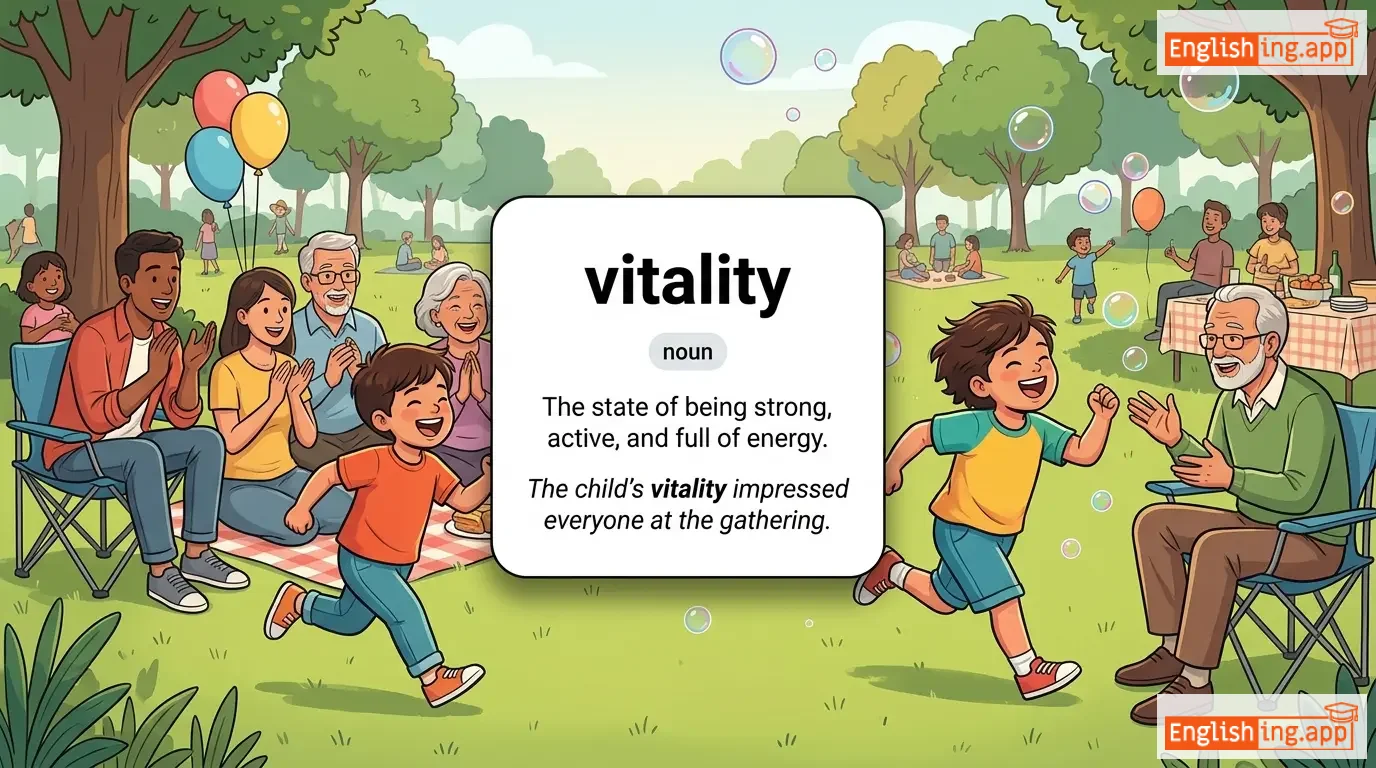
使用更多 biodegradable 材料并控制 zooplankton,可以使农业生产更加 environment-friendly,从而提高 vitality。

Swipe left or right, or use the buttons. Tap image to zoom.
例句翻译
单词
How Farmers Can Improve Crop YieldHow Farmers Can Improve Crop Yield - 遮罩切换
|
表情符号
|
单词 | Images | 翻译 | 含义 | 例句 | 例句翻译 | 同义词 | 反义词 | 助记符 |
|---|---|---|---|---|---|---|---|---|---|
|
#1875
📈
|
/jiːld ˌɒptɪmaɪˈzeɪʃən/
noun
(yīld òptìmáizéishùn)
••••••
|
|
产量优化
chǎnliàng yōuhuà
••••••
|
The process of maximizing the productivity or efficiency of crop production through various agricultural techniques and practices.
••••••
|
Yield optimization techniques can significantly improve crop production. |
产量优化技术可以显著提高作物生产。
Chǎnliàng yōuhuà jìshù kěyǐ xiǎnzhù tígāo zuòwù shēngchǎn.
••••••
|
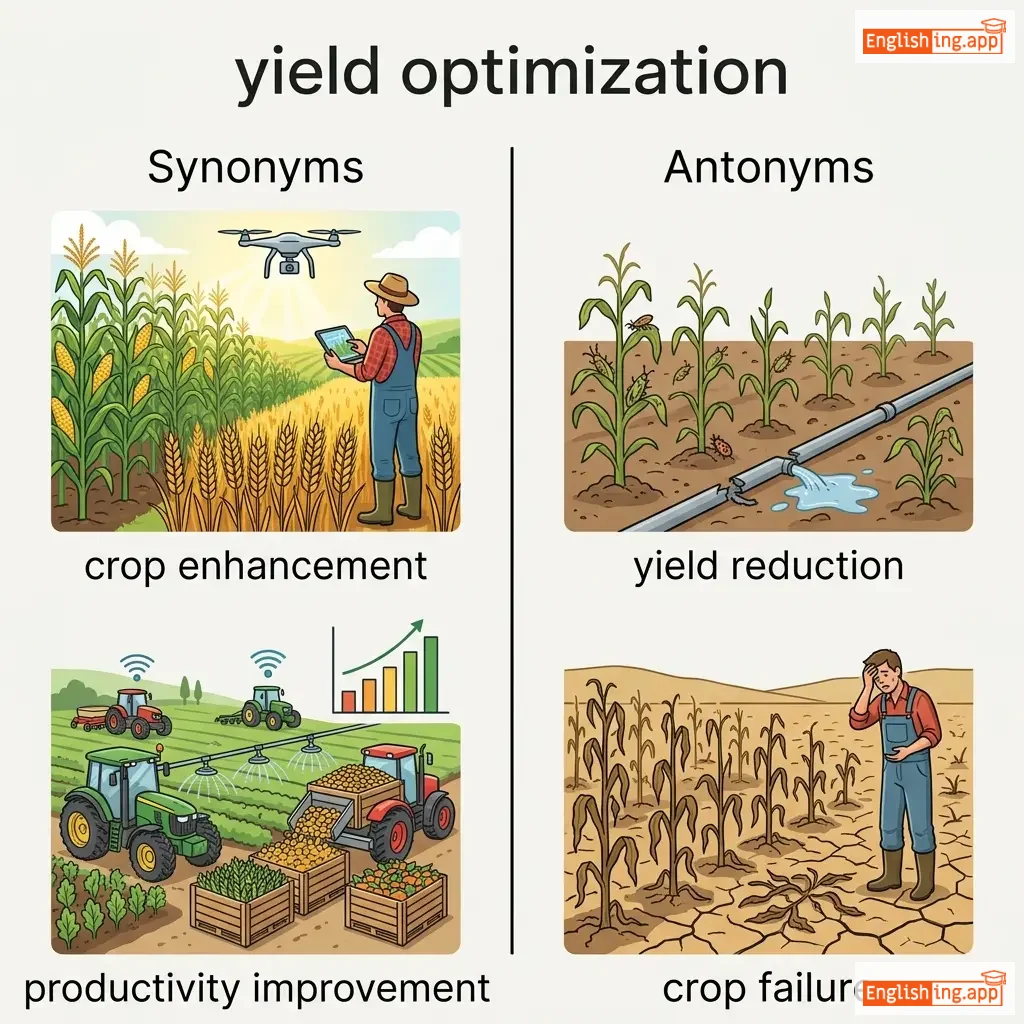
crop enhancement, productivity improvement
••••••
|
yield reduction, crop failure
••••••
|
Chinese: '产量' (yield) + '优化' (optimization) = Yield optimization
••••••
|
|
#1876
🌾
|
/əˈɡrɒnəmi/
noun
(农业学)
••••••
|
|
农业学
nongye xue
••••••
|
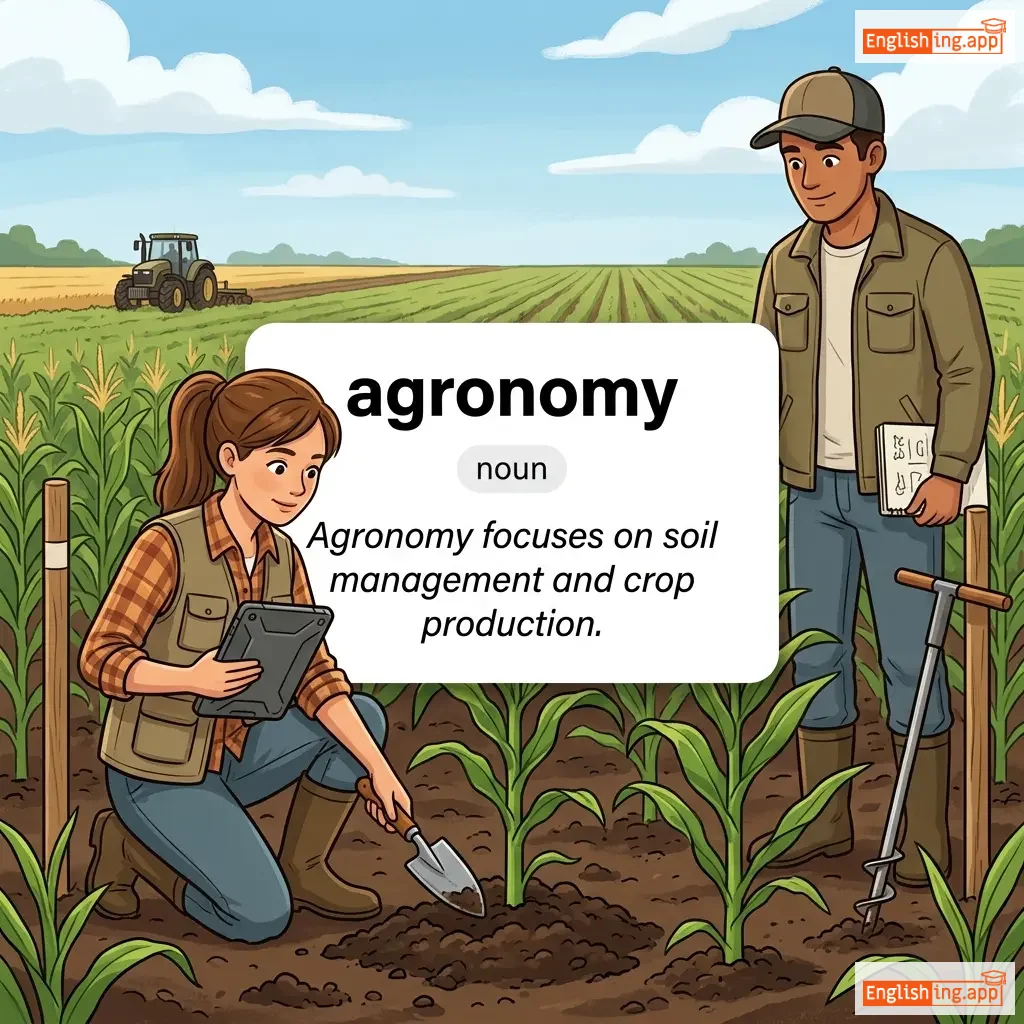
The science and practice of soil management and crop production, focusing on the principles of plant and soil science to optimize agricultural productivity.
••••••
|
Agronomy focuses on soil management and crop production. |
农业学专注于土壤管理和作物生产。
Nóngyè xué zhuānzhù yú tǔrǎng guǎnlǐ hé zuòwù shēngchǎn.
••••••
|
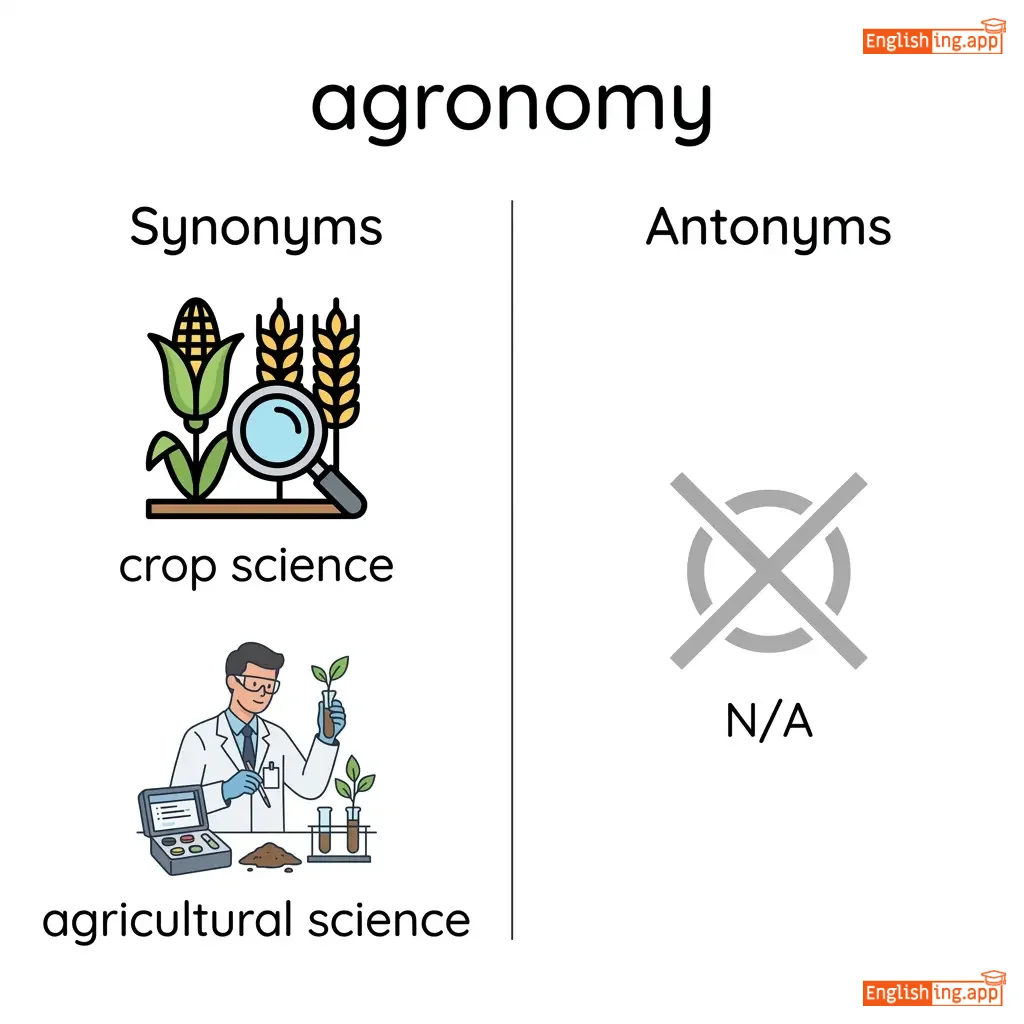
crop science, agricultural science
••••••
|
N/A
••••••
|
农业学 = 农业与科学的结合,创造更好的农业产出。
••••••
|
|
#1877
🌱
|
/ˈɪntəˌkrɒpɪŋ/
noun
(间作)
••••••
|
|
间作农业
jianzuo nongye
••••••
|
The agricultural practice of cultivating two or more crops simultaneously in the same field to maximize land use efficiency and improve soil health.
••••••
|
Intercropping can help improve soil fertility and pest control. |
间作农业有助于改善土壤肥力和害虫控制。
Jianzuo nongye you zhu yu gaishan turan feili he haichong kongzhi.
••••••
|
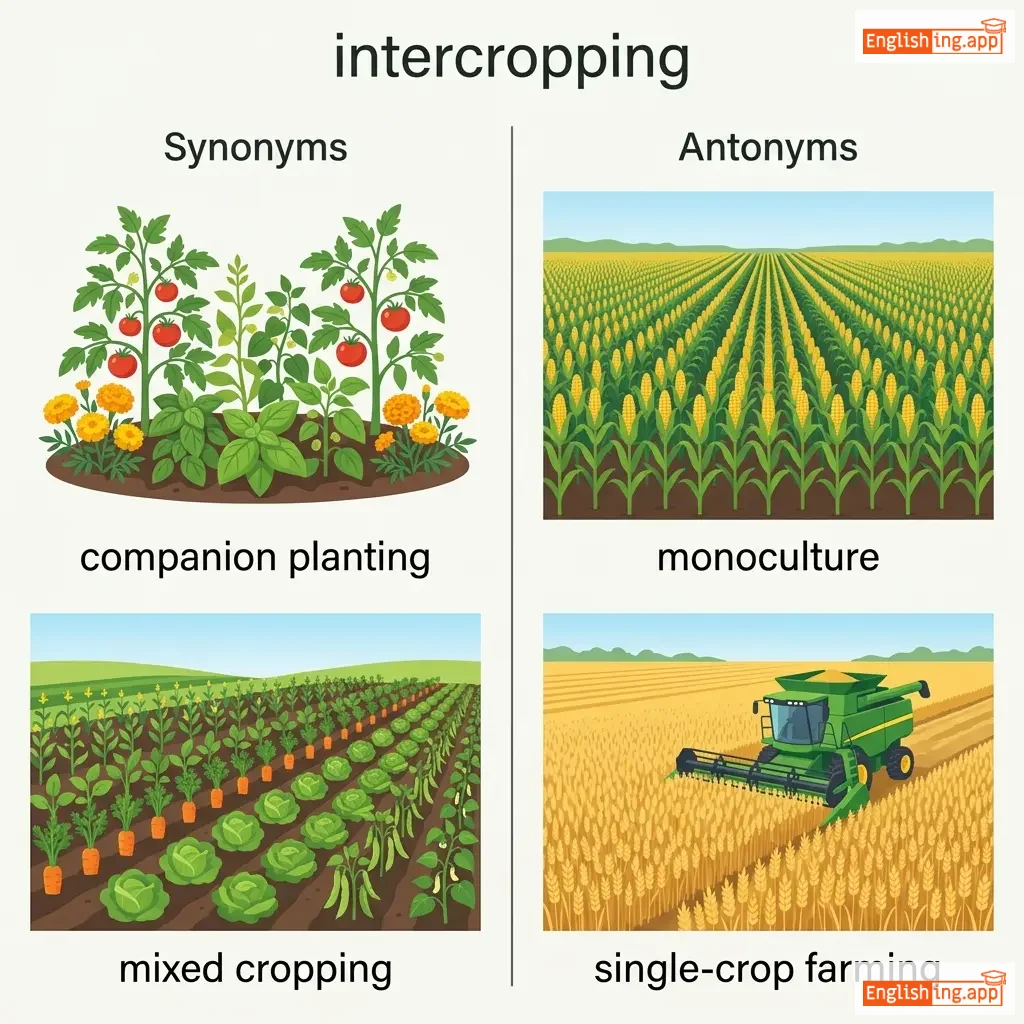
companion planting, mixed cropping
••••••
|
monoculture, single-crop farming
••••••
|
间作农业帮助提高土地利用率并改善土壤质量。
••••••
|
|
#1878
🌾
|
/ˈmɒnəʊˌkʌltʃər/
noun
(单一种植)
••••••
|
|
单一种植
dān yī zhǒng zhí
••••••
|
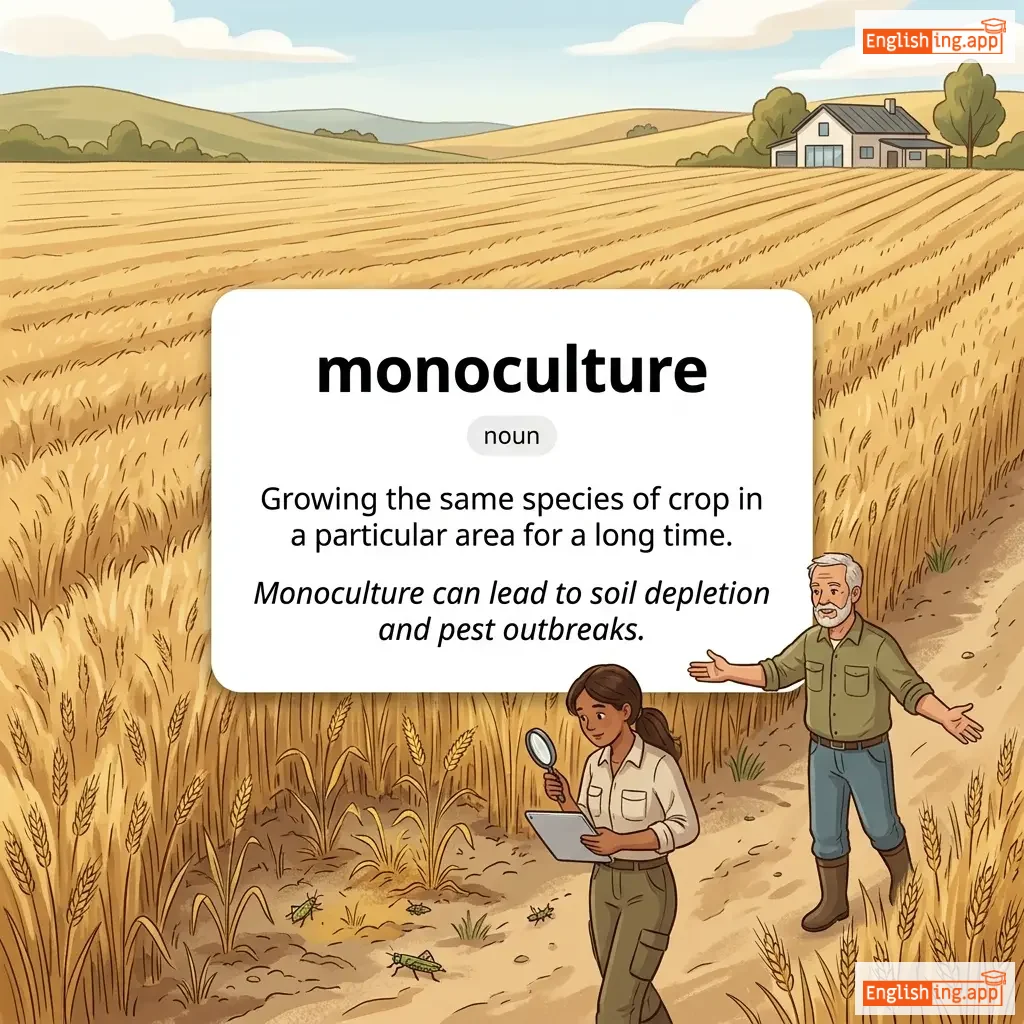
The agricultural practice of growing only one type of crop over a large area and for many consecutive years, which can lead to increased vulnerability to pests and diseases.
••••••
|
Monoculture can lead to soil depletion and increased pest vulnerability. |
单一种植可能导致土壤退化并增加对害虫的脆弱性。
Dān yī zhǒng zhí kěnéng dǎozhì tǔrǎng tuìhuà bìng zēngjiā duì hàichóng de cuìruòxìng.
••••••
|
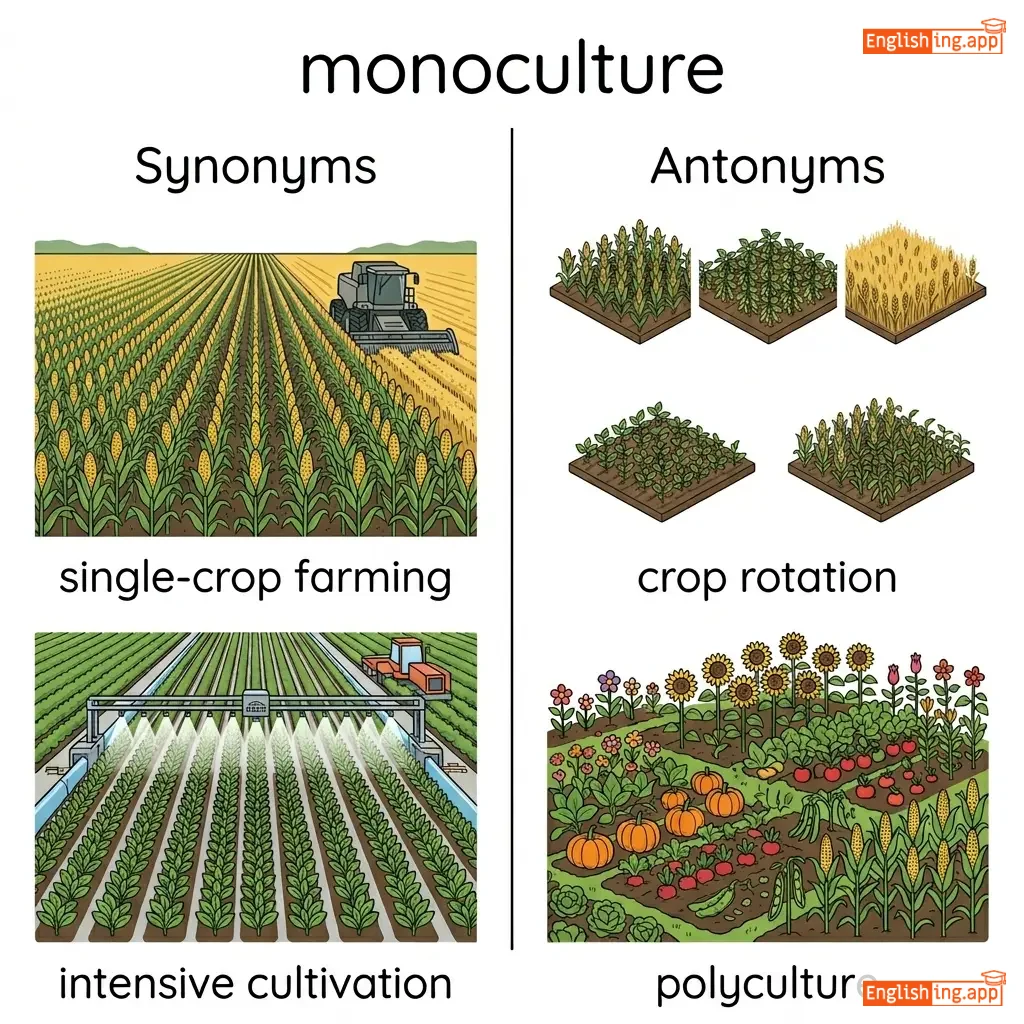
single-crop farming, uniform agriculture
••••••
|
intercropping, polyculture
••••••
|
单一种植就像只种一种植物,土地容易受到害虫的威胁。
••••••
|
|
#1879
⚠️
|
/ˌdɛtrɪˈmɛntəl/
adjective
(detrimental)
••••••
|
|
有害的
youhai de
••••••
|
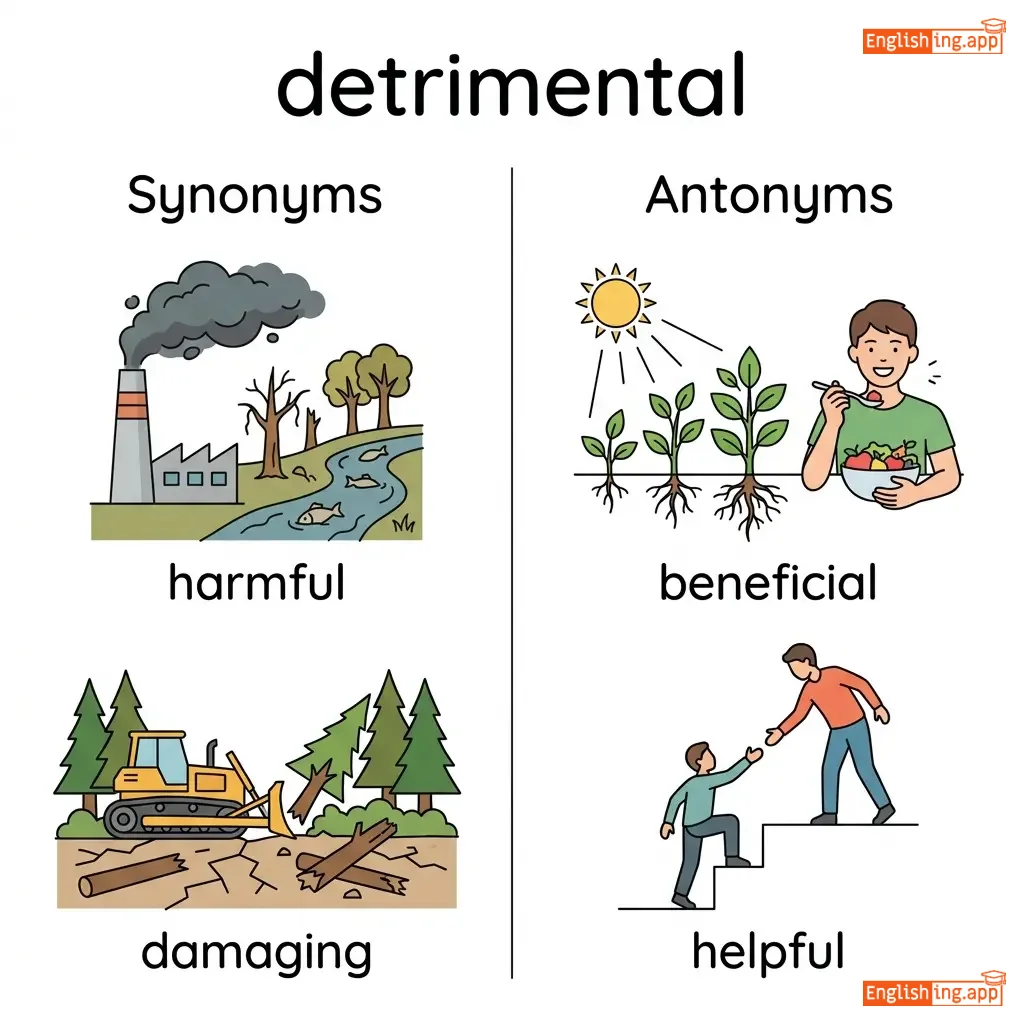
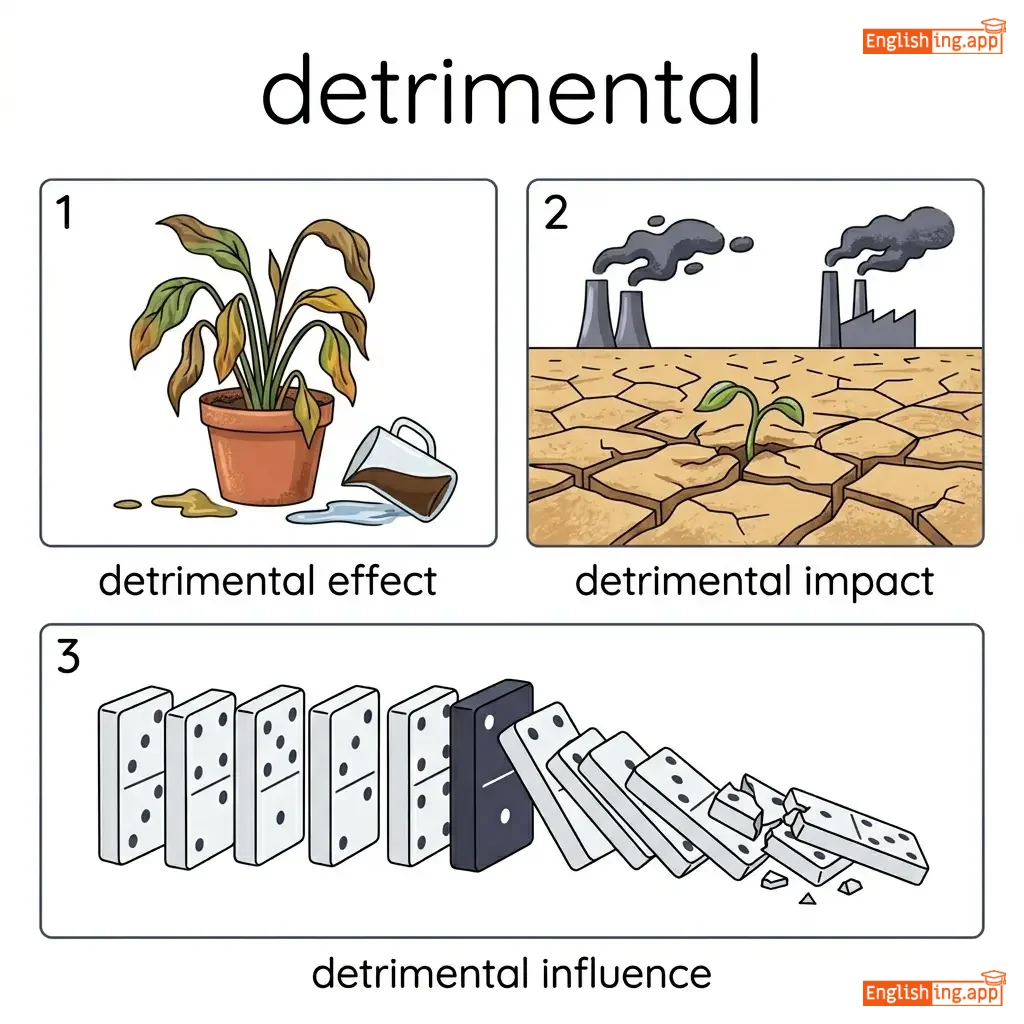
Causing harm or damage; tending to obstruct or harm progress or development.
••••••
|
Excessive pesticide use can have detrimental effects on the environment.
过度使用农药可能对环境产生不利影响。
••••••
|
过度使用农药可能对环境产生不利影响。
Guòdù shǐyòng nóngyào kěnéng duì huánjìng chǎnshēng bùlì yǐngxiǎng.
••••••
|
harmful, damaging
••••••
|
beneficial, positive
••••••
|
有害的就像坏的,总是带来伤害。
••••••
|
|
#1880
🌤️
|
/ˈmaɪkrəʊˌklaɪmæt/
noun
(微气候)
••••••
|
|
微气候
weiqihou
••••••
|
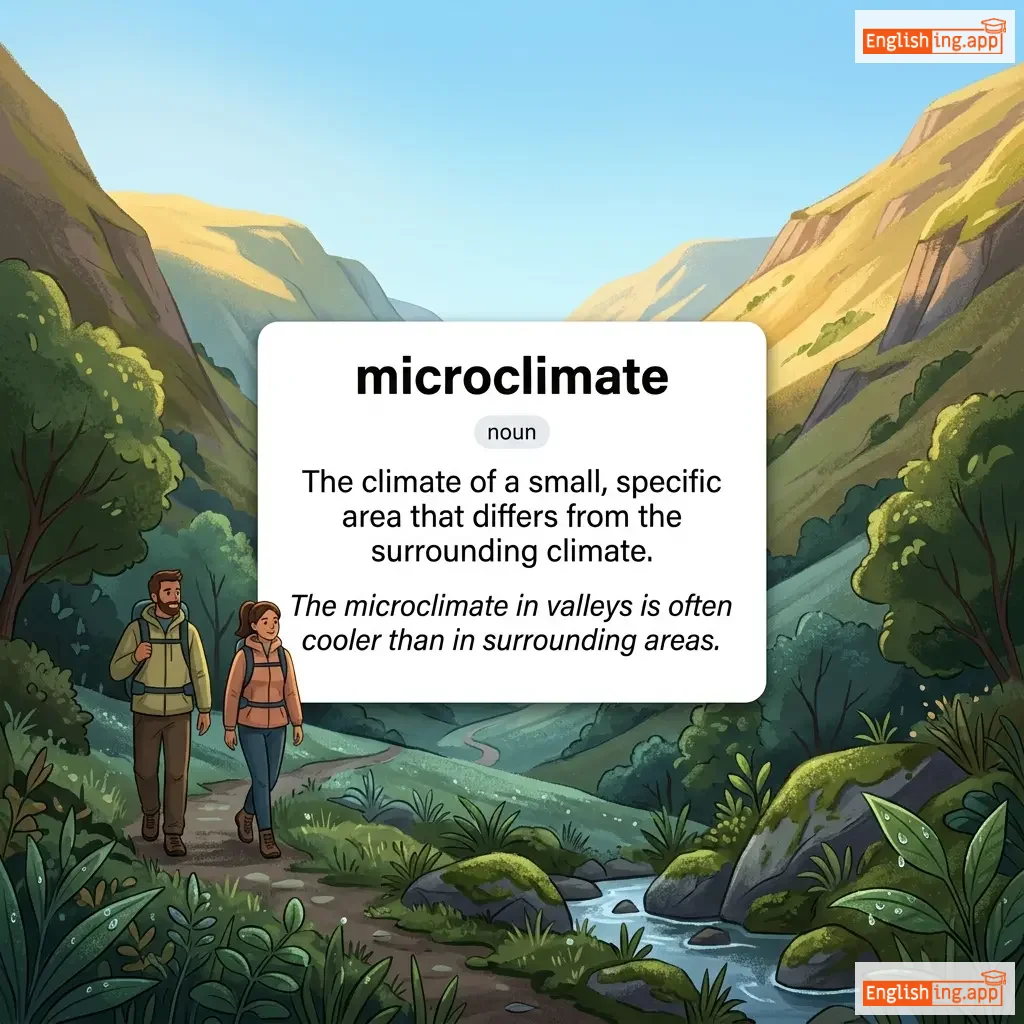
The climate of a small, specific area that may differ from the general climate of the surrounding region, often influenced by local factors like terrain, vegetation, or buildings.
••••••
|
A microclimate can have a significant impact on plant growth. |
微气候可能对植物的生长产生重要影响。
Wēi qìhòu kěnéng duì zhíwù de shēngzhǎng chǎnshēng zhòngyào yǐngxiǎng.
••••••
|
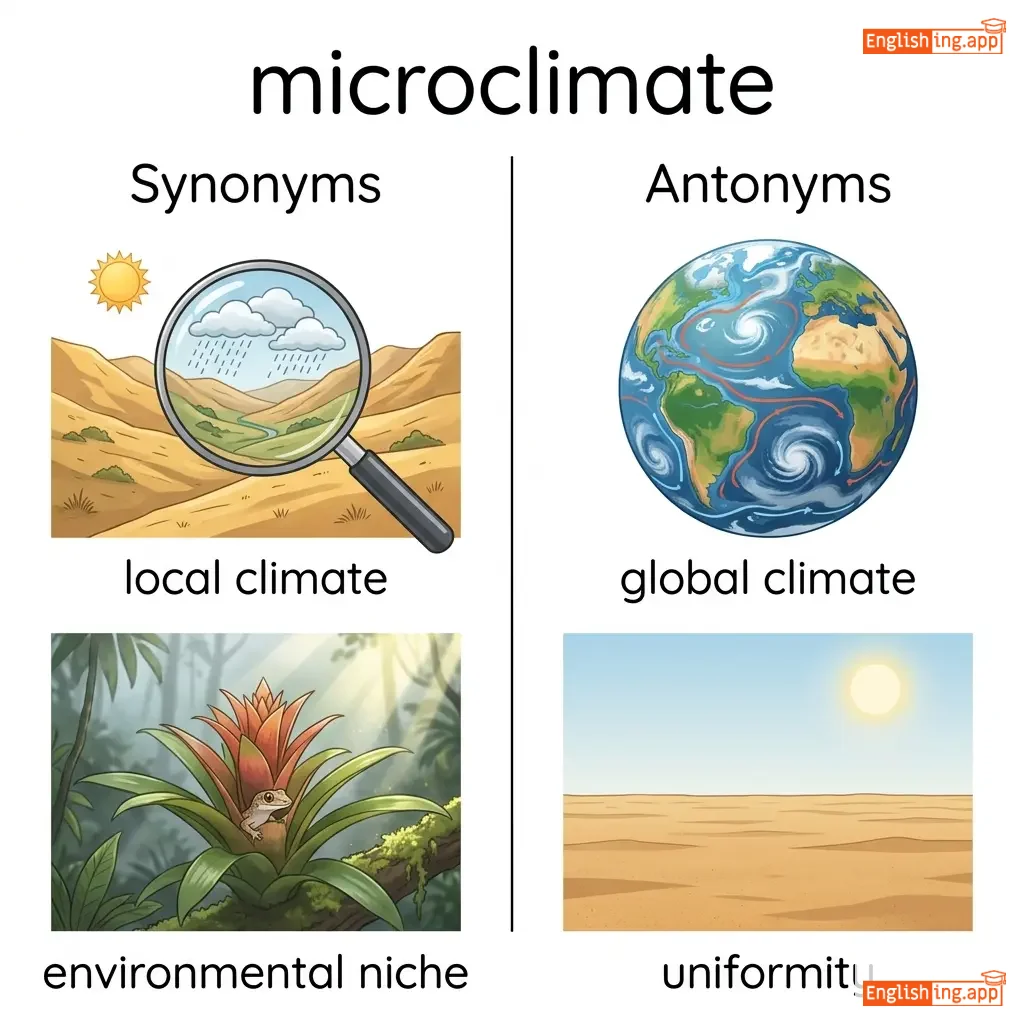
local climate, small-scale climate
••••••
|
general climate, macroclimate
••••••
|
No •••••• |
|
#1881
🌞
|
/ˌfəʊtəʊˈsɪnθɛtɪk ɪˈfɪʃənsi/
noun
(佛托森西提克 伊菲希恩西)
••••••
|
|
光合作用效率
guang he zuo yong xiao lv
••••••
|
The measure of how effectively plants convert light energy into chemical energy through the process of photosynthesis, directly affecting plant growth and crop yield.
••••••
|
Improving photosynthetic efficiency can increase crop yields.
提高光合作用效率可以增加作物产量。
••••••
|
提高光合作用效率可以增加作物产量。
ti gao guang he zuo yong xiao lv ke yi zeng jia zuo wu chan liang
••••••
|
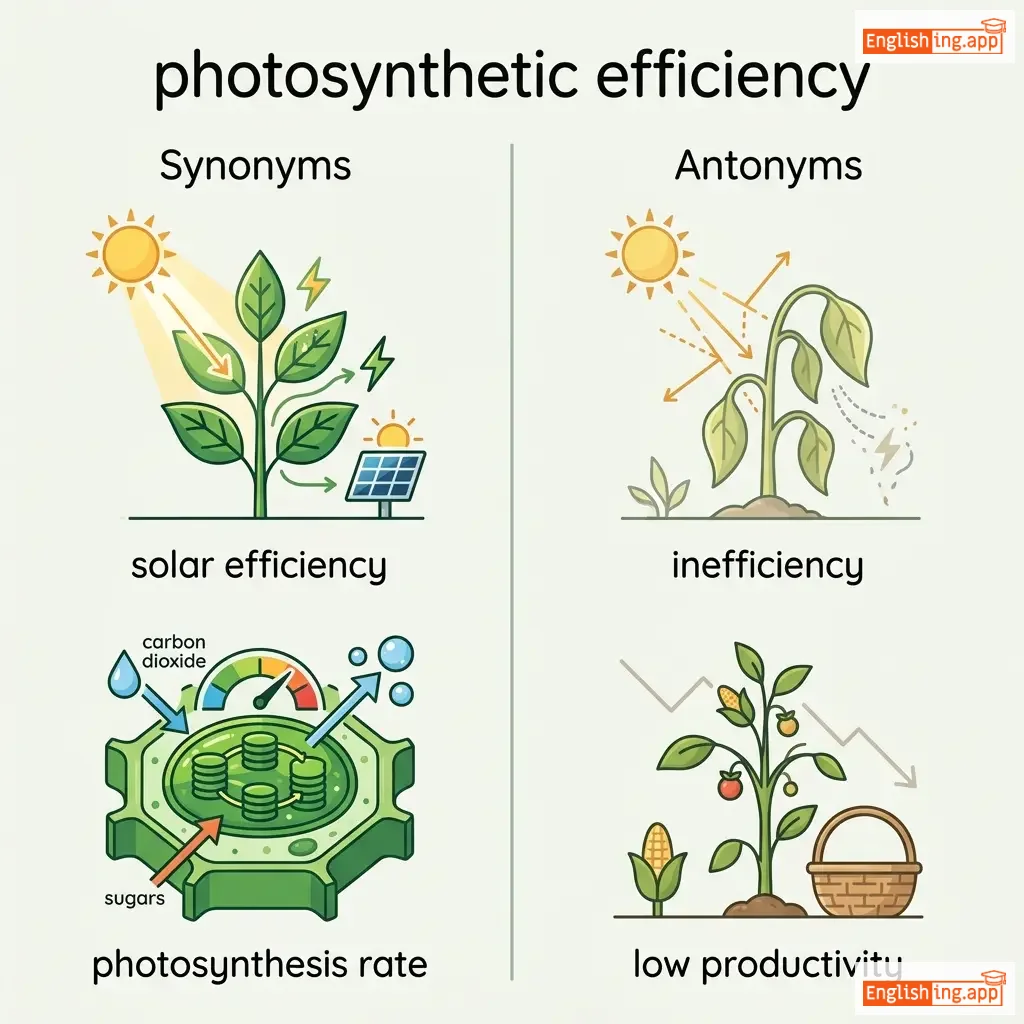
solar efficiency, photosynthesis rate
••••••
|
inefficiency, low productivity
••••••
|
GoPhoto 高效成就 crops, 光能变成产量的钥匙
••••••
|
|
#1882
🩺
|
/ˈnjuːtrɪənt dɪˈfɪʃənsi/
noun
(nyutrient deficiency)
••••••
|
|
营养不足
yingyang buzhu
••••••
|
A lack of essential nutrients required for healthy plant growth, which can result in poor crop development, reduced yields, and increased susceptibility to diseases.
••••••
|
Nutrient deficiency in the soil can reduce crop productivity. |
土壤中的营养不足会降低作物的生产力。
Tǔrǎng zhōng de yíngyǎng bùzú huì jiàngdī zuòwù de shēngchǎnlì.
••••••
|
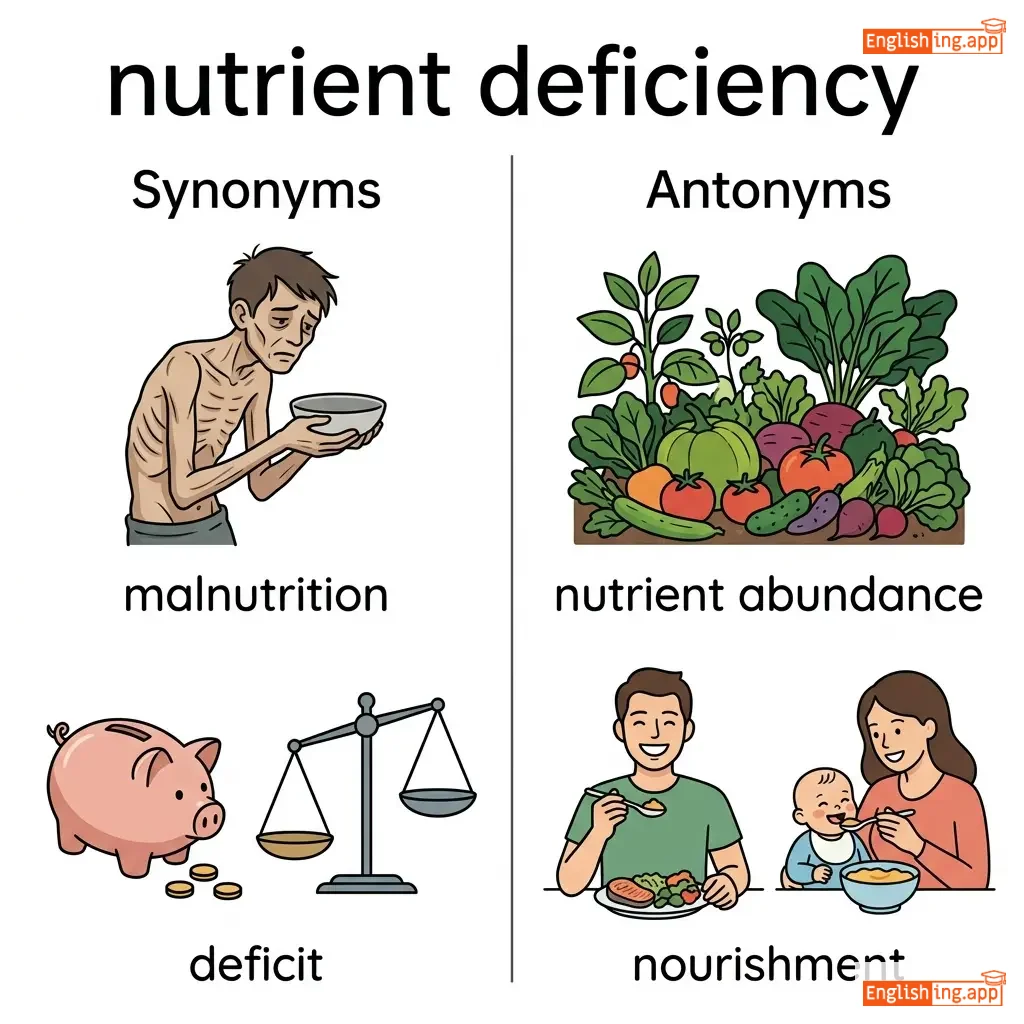
malnutrition, deficit
••••••
|
nutrient abundance, nourishment
••••••
|
营养不足=作物长不好
••••••
|
|
#1883
🌿
|
/səˈsteɪnəbl ˈæɡrɪkʌltʃər/
noun
(səsˈteɪnəbl æɡrɪˈkʌltʃər)
••••••
|
|
可持续农业
kě chíxù nóngyè
••••••
|
Farming practices that meet current food needs while preserving environmental resources and maintaining the ability to produce food for future generations through ecologically sound methods.
••••••
|
Sustainable agriculture practices protect the environment while ensuring food security. |
可持续农业实践在保护环境的同时确保粮食安全。
Kě chíxù nóngyè shíjiàn zài bǎohù huánjìng de tóngshí quèbǎo liángshí ānquán.
••••••
|
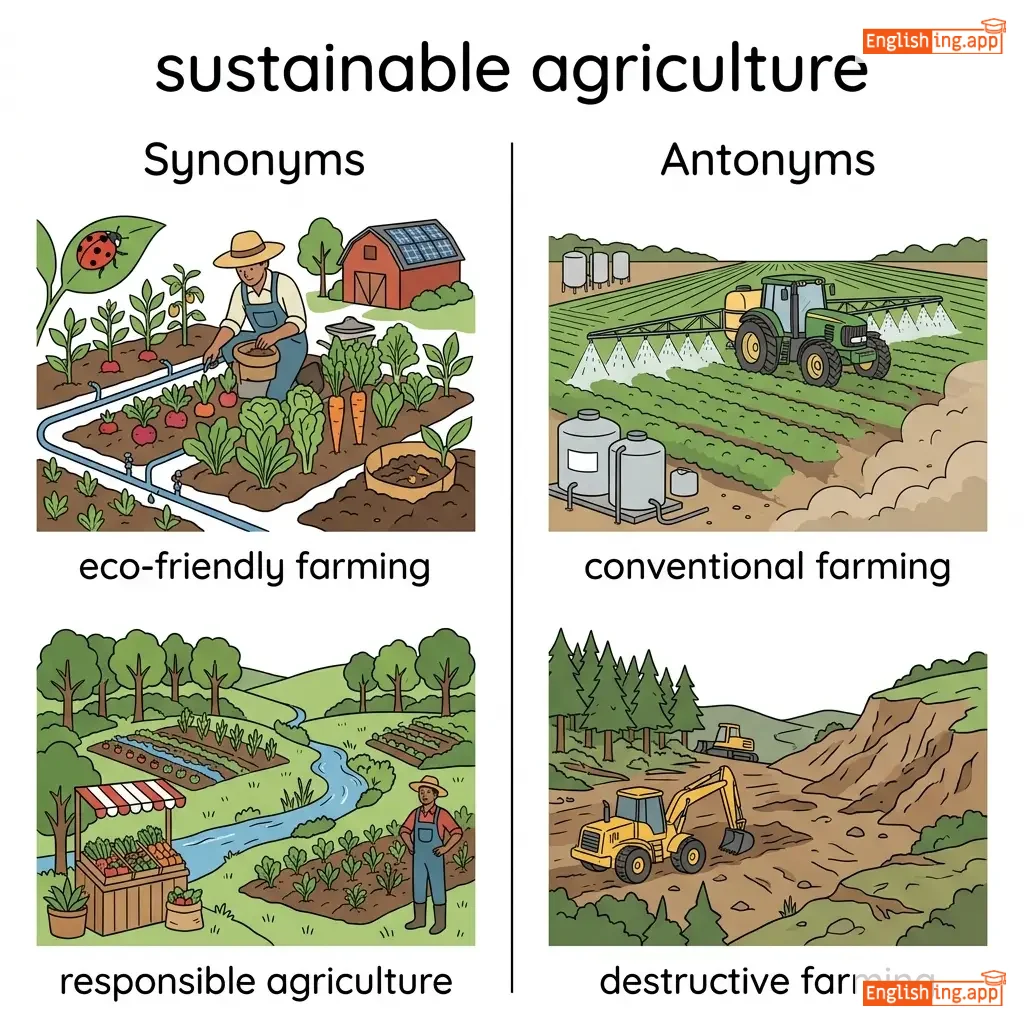
eco-friendly farming, responsible agriculture
••••••
|
conventional farming, destructive farming
••••••
|
可持续农业就像绿色的桥梁,连接现在与未来。
••••••
|
|
#1884
💨
|
/ˌtrænsˈpɪəreɪʃən/
noun
(蒸腾)
••••••
|
|
蒸腾作用
zhengtengzuoyong
••••••
|
The process by which plants lose water through their leaves, which plays a crucial role in plant cooling, nutrient transport, and the water cycle.
••••••
|
Transpiration plays a key role in the water cycle and plant growth. |
蒸腾作用在水循环和植物生长中发挥着关键作用。
Zhengtengzuoyong zai shuǐ huíhuán hé zhíwù shēngzhǎng zhōng fāhuīzhe guānjiàn zuòyòng.
••••••
|
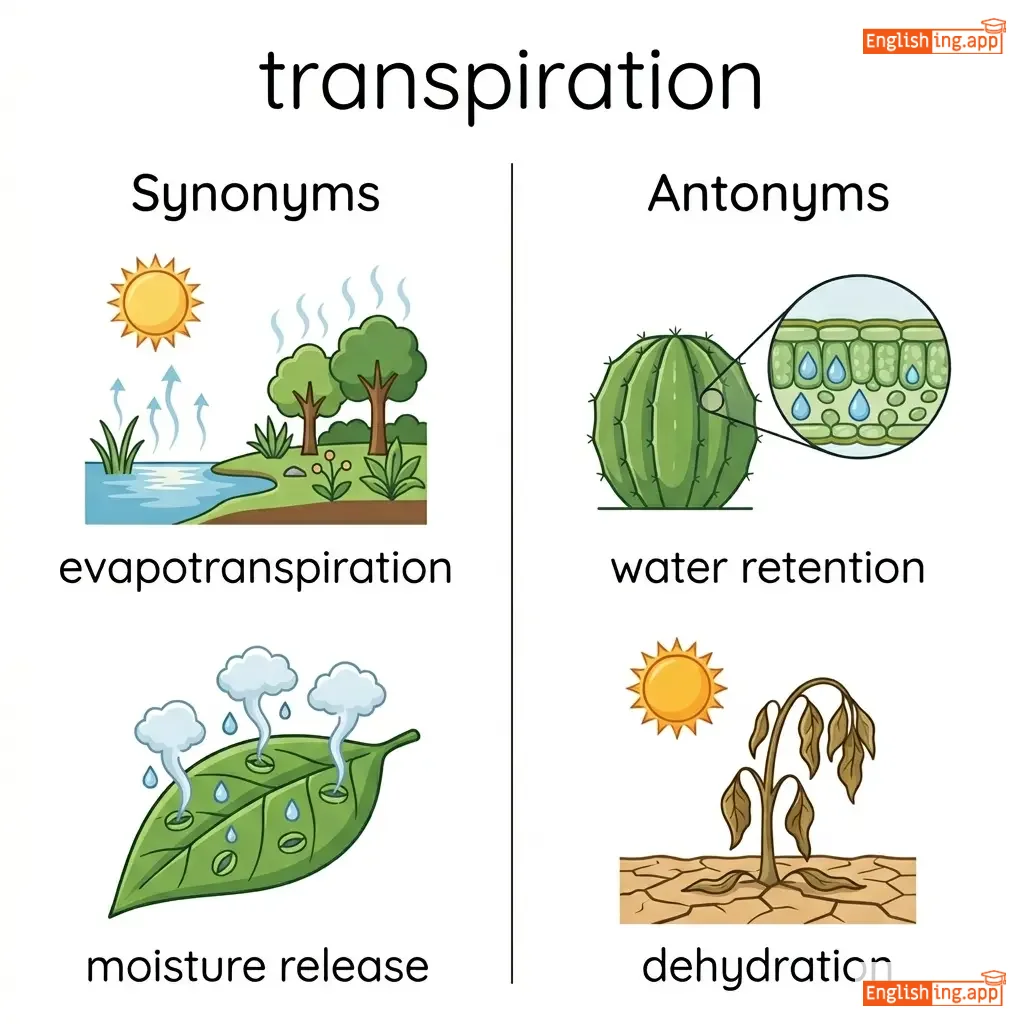
evaporation, water loss
••••••
|
water absorption, precipitation
••••••
|
就像我们出汗一样,蒸腾作用帮助植物保持凉爽。
••••••
|
|
#1885
☢️
|
/pəˈluːtənts/
noun
(póluːtænts)
••••••
|
|
污染物
wūrǎn wù
••••••
|
Harmful substances that contaminate the environment, including air, water, and soil, potentially causing damage to living organisms and ecosystems.
••••••
|
Pollutants in the air can have harmful effects on human health. |
空气中的污染物可能对人类健康产生有害影响。
Kōngqì zhōng de wūrǎn wù kěnéng duì rénlèi jiànkāng chǎnshēng yǒuhài yǐngxiǎng.
••••••
|
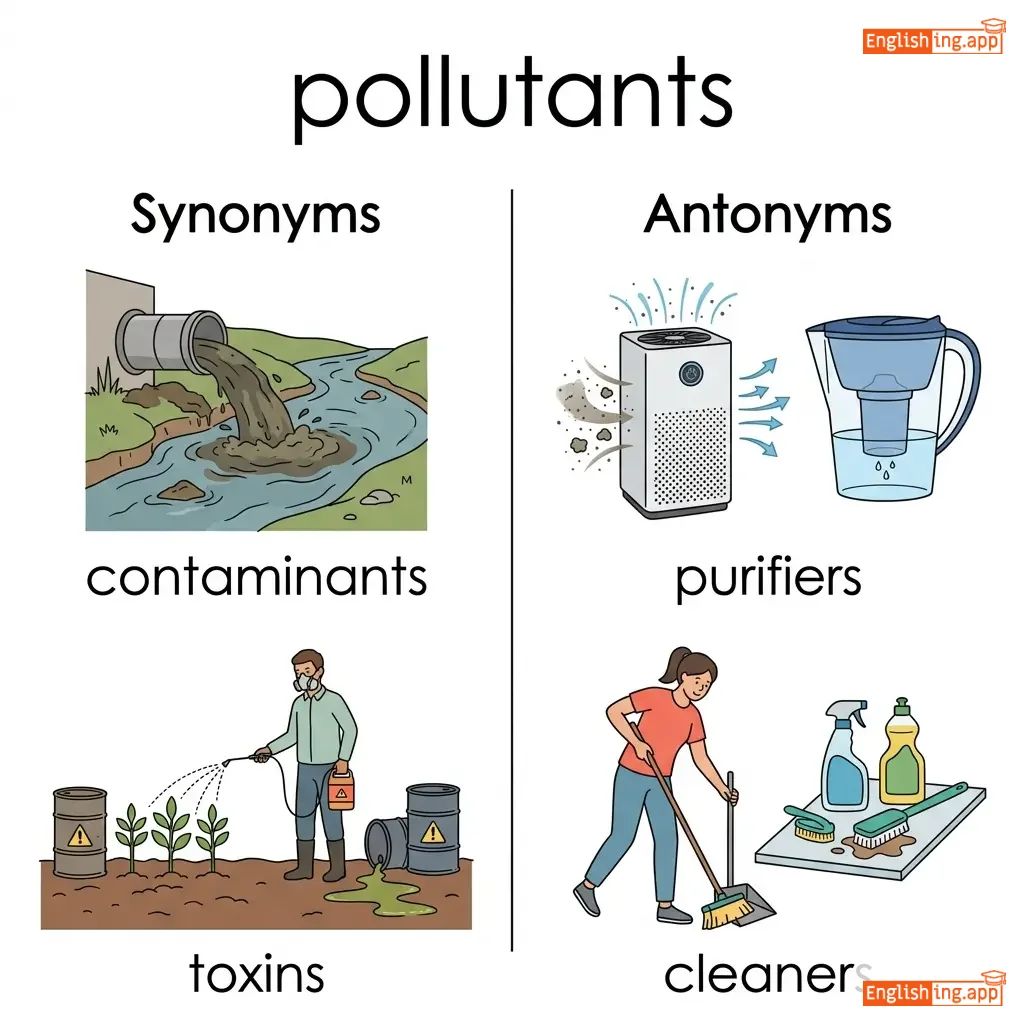
contaminants, toxins
••••••
|
purifiers, cleaners
••••••
|
污染物 = 污染 + 物
••••••
|
|
#1886
⛏️
|
/ˌəʊvərɪksˌplɔɪˈteɪʃən/
noun
(过度开发)
••••••
|
|
过度开发
guòdù kāifā
••••••
|
The unsustainable use of natural resources at a rate that exceeds their ability to regenerate, leading to depletion and environmental degradation.
••••••
|
Overexploitation of natural resources leads to environmental degradation. |
过度开发自然资源会导致环境退化。
Guòdù kāifā zìrán zīyuán huì dǎozhì huánjìng tuìhuà.
••••••
|
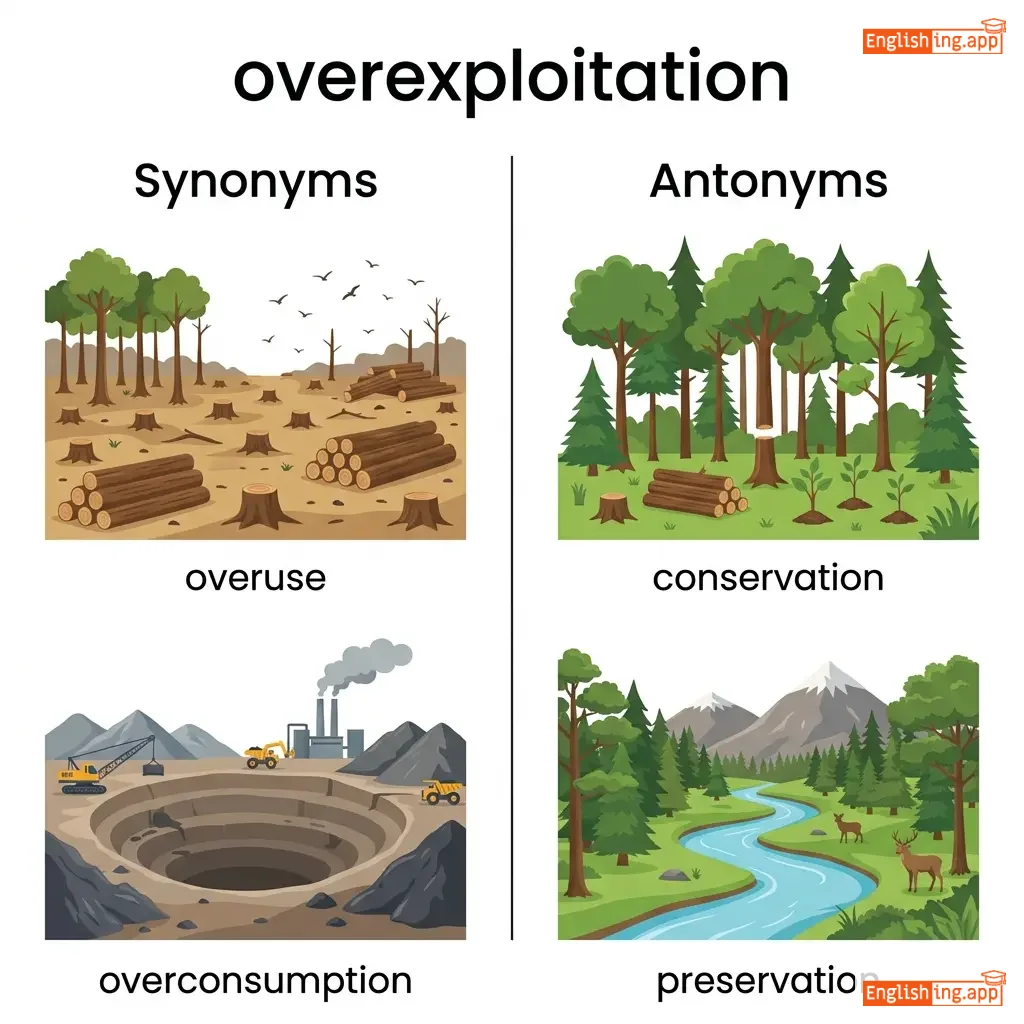
overuse, overconsumption
••••••
|
conservation, preservation
••••••
|
过度开发 = 过度使用资源导致环境问题
••••••
|
|
#1887
🌱
|
/rɪˌdʒuːvəˈneɪʃən/
noun
(rì jìu wèi nà shēn)
••••••
|
|
焕新
huanxin
••••••
|
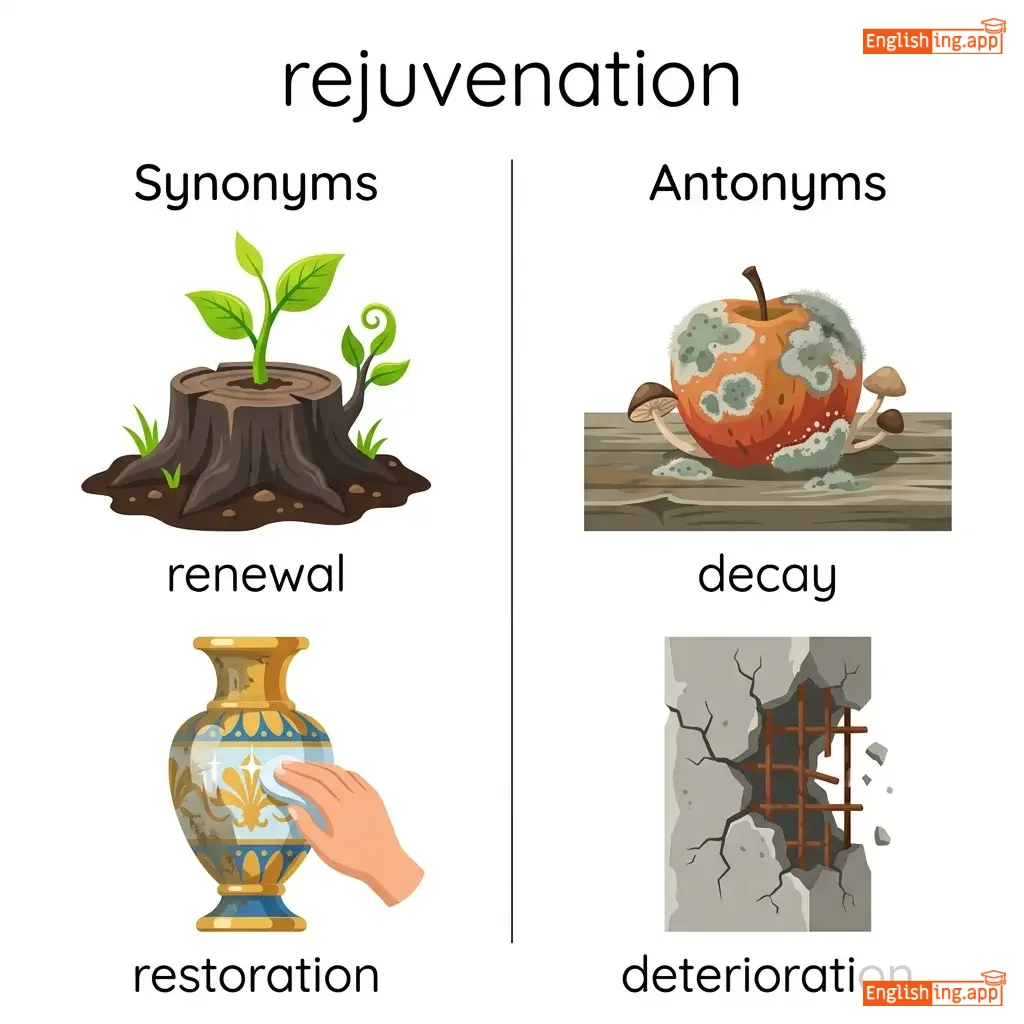
The process of restoring something to a former better state, especially referring to renewing soil fertility or revitalizing agricultural land through various restoration practices.
••••••
|
Rejuvenation of soil is necessary for sustainable agriculture. |
土壤的焕新对于可持续农业至关重要。
Tǔrǎng de huànxīn duìyú kěchíxù nóngyè zhìguān zhòngyào.
••••••
|
renewal, revitalization
••••••
|
degeneration, deterioration
••••••
|
Huanxin in Chinese refers to renewing or rejuvenating, like rejuvenation.
••••••
|
|
#1888
🌾
|
/ˈfæl.oʊ/
adjective
(法罗)
••••••
|
|
休耕地
xiū gēng dì
••••••
|
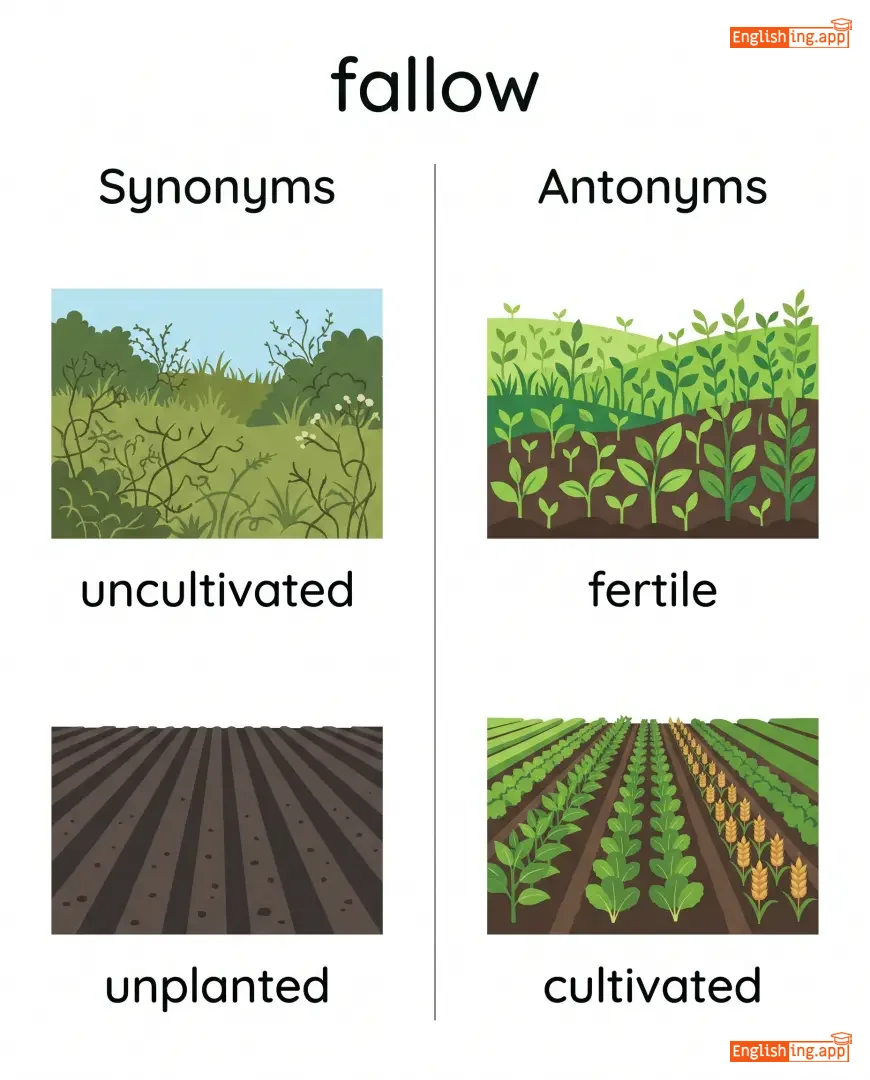
Describing land that is left unplanted for a period to restore its fertility, allowing soil to recover nutrients and break pest and disease cycles.
••••••
|
Farmers leave their fields fallow to restore soil fertility.
农民将土地休耕,以恢复土壤肥力。
••••••
|
农民将土地休耕,以恢复土壤肥力。
Nóngmín jiāng tǔdì xiū gēng, yǐ huīfù tǔrǎng féilì.
••••••
|
uncultivated, idle
••••••
|
fertile, productive
••••••
|
Fallow (休耕地) is land taking a break to regain strength.
••••••
|
|
#1889
♻️
|
/ˌbaɪəʊdɪˈɡreɪdəbl/
adjective
(bàiyàodí gèlèidèbù)
••••••
|
|
可生物降解的
kě shēngwù xiángjiě de
••••••
|
Capable of being decomposed by natural biological processes, typically by bacteria or other living organisms, without causing harm to the environment.
••••••
|
Biodegradable materials break down naturally without harming the environment. |
可生物降解的材料自然分解,不会对环境造成伤害。
Kě shēngwù xiángjiě de cáiliào zìrán fēn jiě, bù huì duì huánjìng zàochéng shānghài.
••••••
|
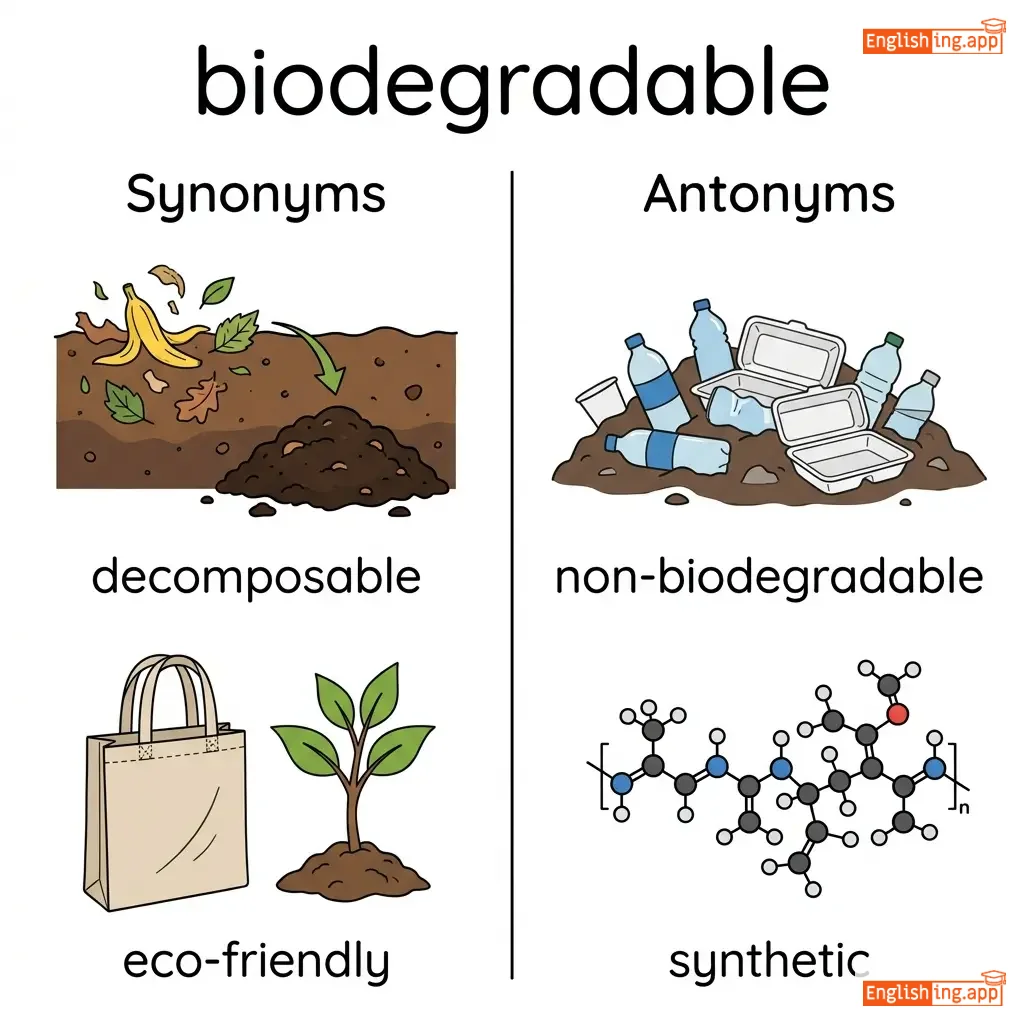
environmentally friendly, decomposable
••••••
|
non-biodegradable, synthetic
••••••
|
“可生物降解的”就像“生物”,它意味着可以回到自然。
••••••
|
|
#1890
🦠
|
/ˈzuːəʊˌplæŋktən/
noun
(zooˈplæŋktən)
••••••
|
|
浮游动物
fúyóu dòngwù
••••••
|
Microscopic aquatic animals that drift in water bodies and form an essential part of the aquatic food chain, serving as food for fish and other marine organisms.
••••••
|
Zooplankton plays an important role in the aquatic food chain. |
浮游动物在水生食物链中起着重要作用。
Fúyóu dòngwù zài shuǐshēng shíwù liàn zhōng qǐzhe zhòngyào zuòyòng.
••••••
|
aquatic animals, marine organisms
••••••
|
phytoplankton, land animals
••••••
|
Zooplankton - 小的水生生物,漂浮在水中,是鱼类食物来源。
••••••
|
|
#1891
🌍
|
/ɪnˈvaɪrənmənt ˈfrɛndli/
adjective
(ɪnvaɪrənmənt frɛndli)
••••••
|
|
环保
huánbǎo
••••••
|
Designed or produced in a way that causes minimal harm to the environment, often using sustainable materials and processes that reduce ecological impact.
••••••
|
Environment-friendly products are designed to reduce ecological damage.
环保产品旨在减少生态损害。
••••••
|
环保产品旨在减少生态损害。
Huánbǎo chǎnpǐn zhǐ zài jiǎnshǎo shēngtài sǔnhài.
••••••
|
eco-friendly, green
••••••
|
harmful, toxic
••••••
|
想象一个有环保标志的产品,帮助我们保护环境。
••••••
|
|
#1892
⚡
|
/vaɪˈtæləti/
noun
(vitaliti)
••••••
|
|
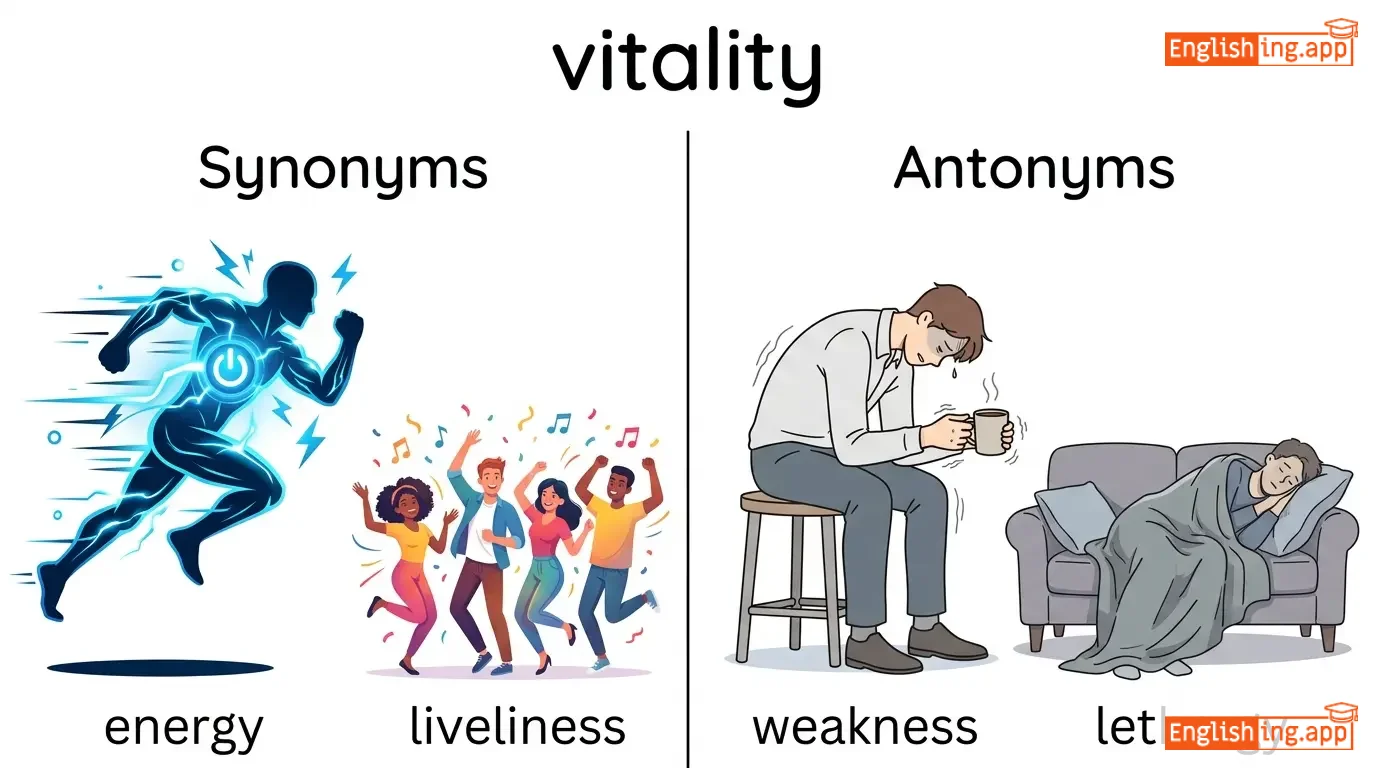
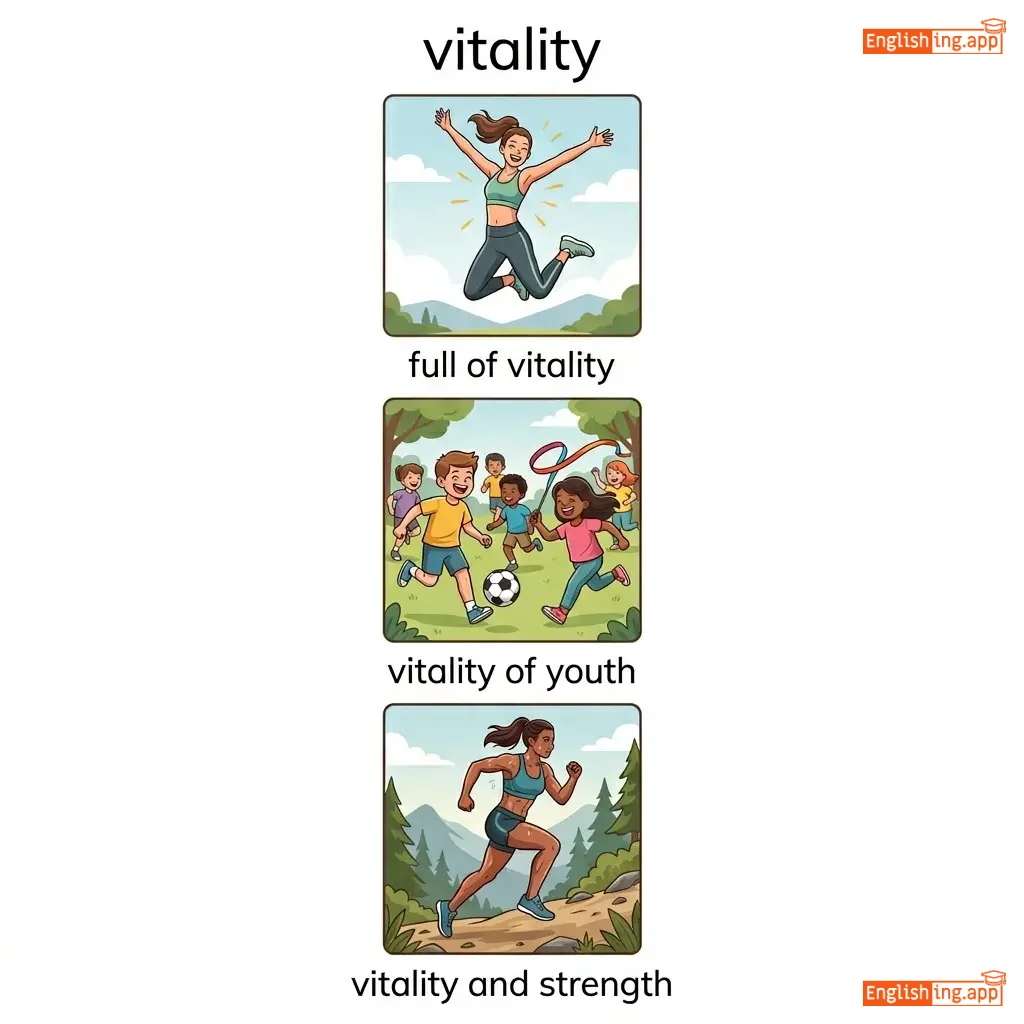
活力,力量
huólì, lìliàng
••••••
|
The state of being strong, active, and energetic; in agriculture, it refers to the overall health and vigor of plants, soil, or farming systems.
••••••
|
The vitality of the community is evident in their collective efforts.
社区的活力在他们的集体努力中显而易见。
••••••
|
社区的活力在他们的集体努力中显而易见。
Shequ de huólì zài tāmen de jítǐ nǔlì zhōng xiǎn'ér yìjiàn.
••••••
|
energy, vigour
••••••
|
weakness, lethargy
••••••
|
活力像是生命中的能量,永不停止!
••••••
|
Vocabulary Quiz
Test your vocabulary by matching words with their translations or meanings.
Login to take the quiz
Comments (0)
Share your thoughts and join the discussion.
Join the discussion by logging in
Login to CommentNo comments yet
Be the first to share your thoughts!