

有助长寿的健康生活习惯
Healthy Lifestyle Habits for Longevity
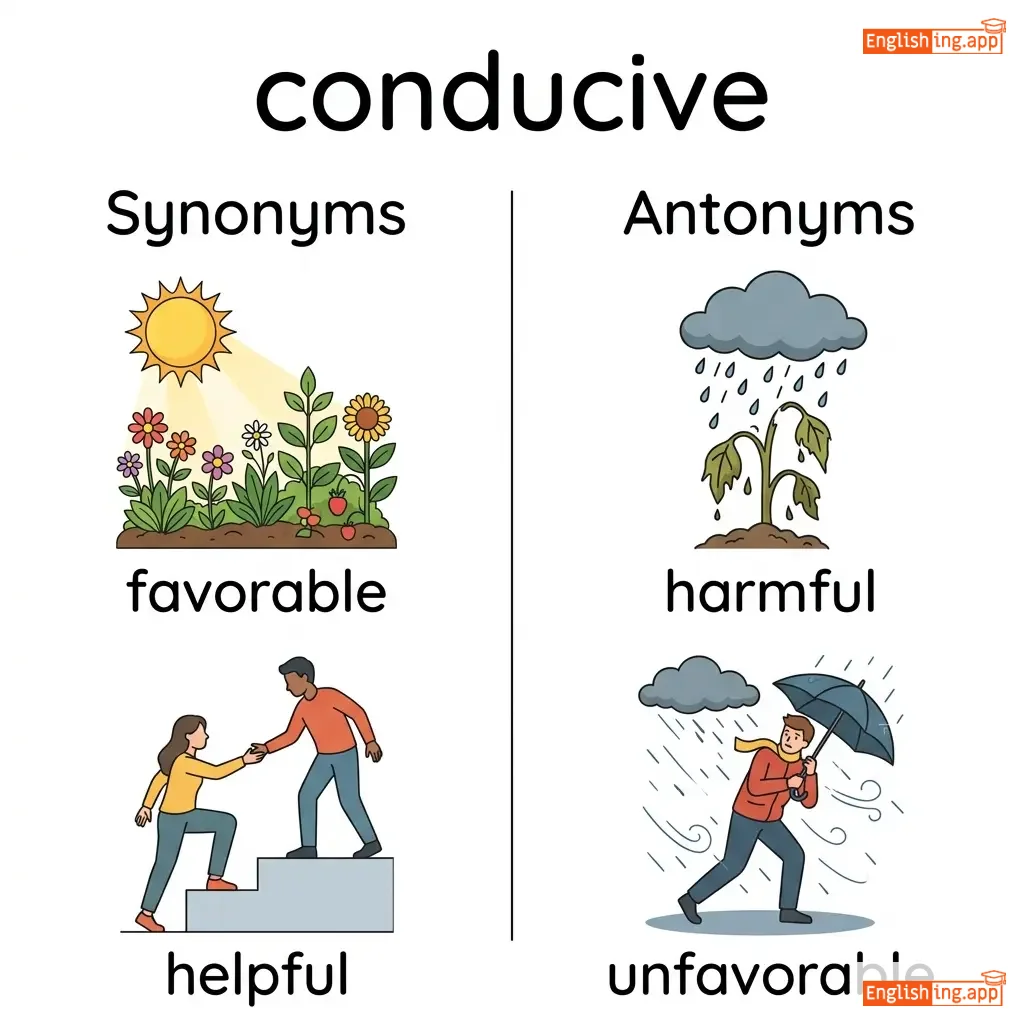
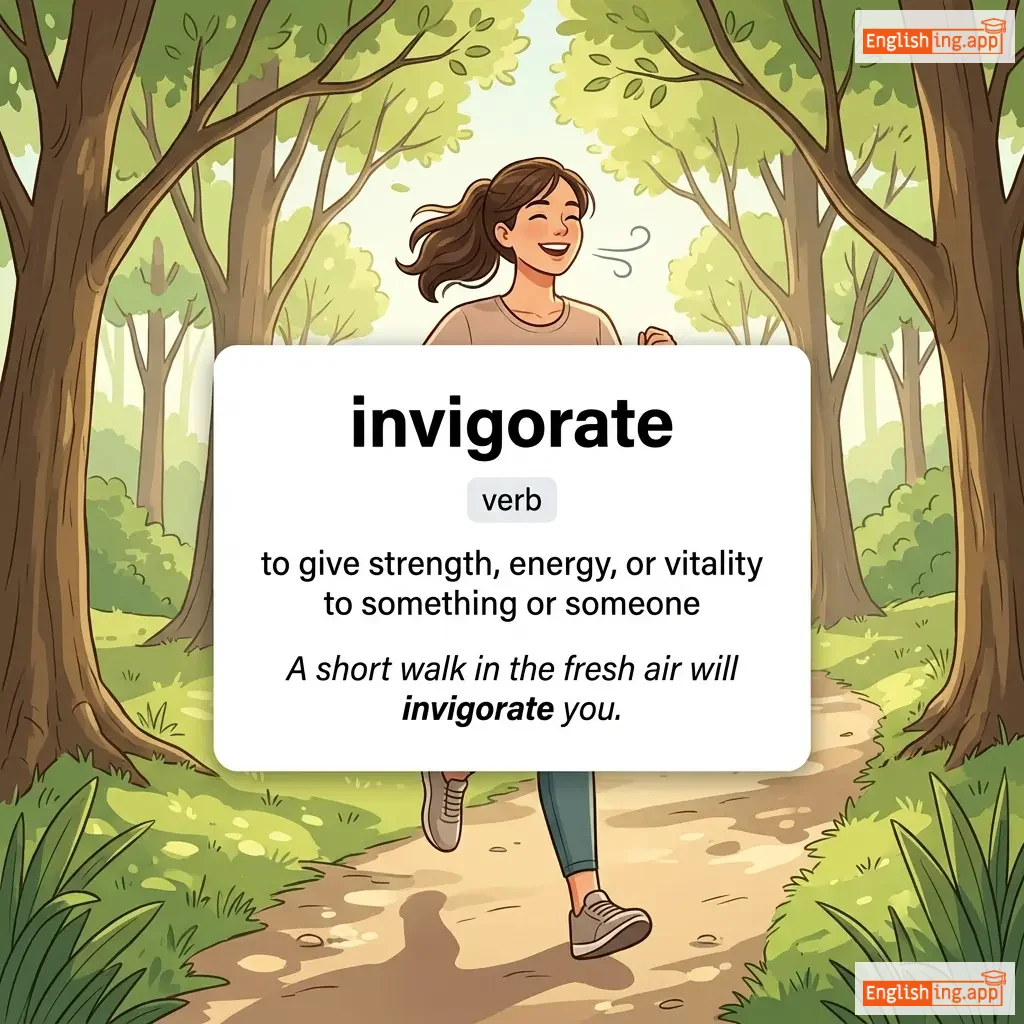
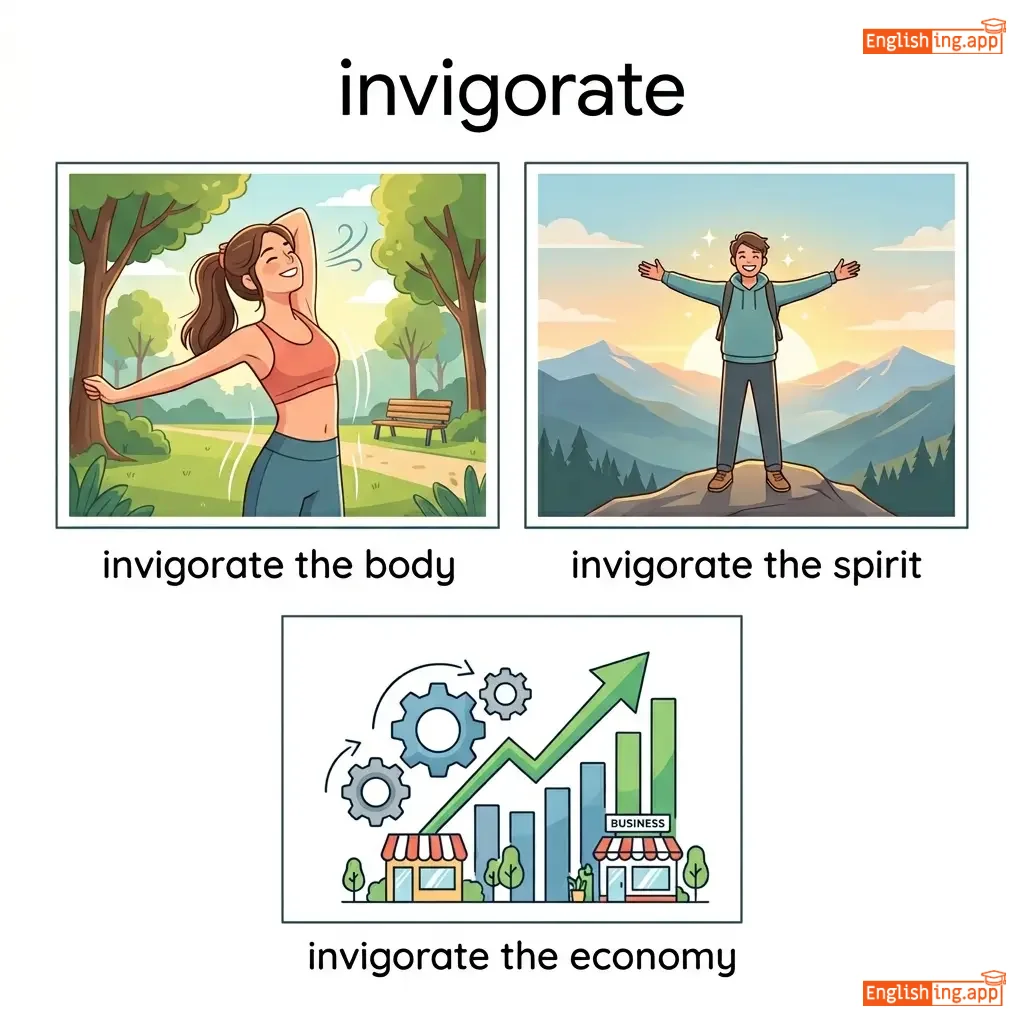
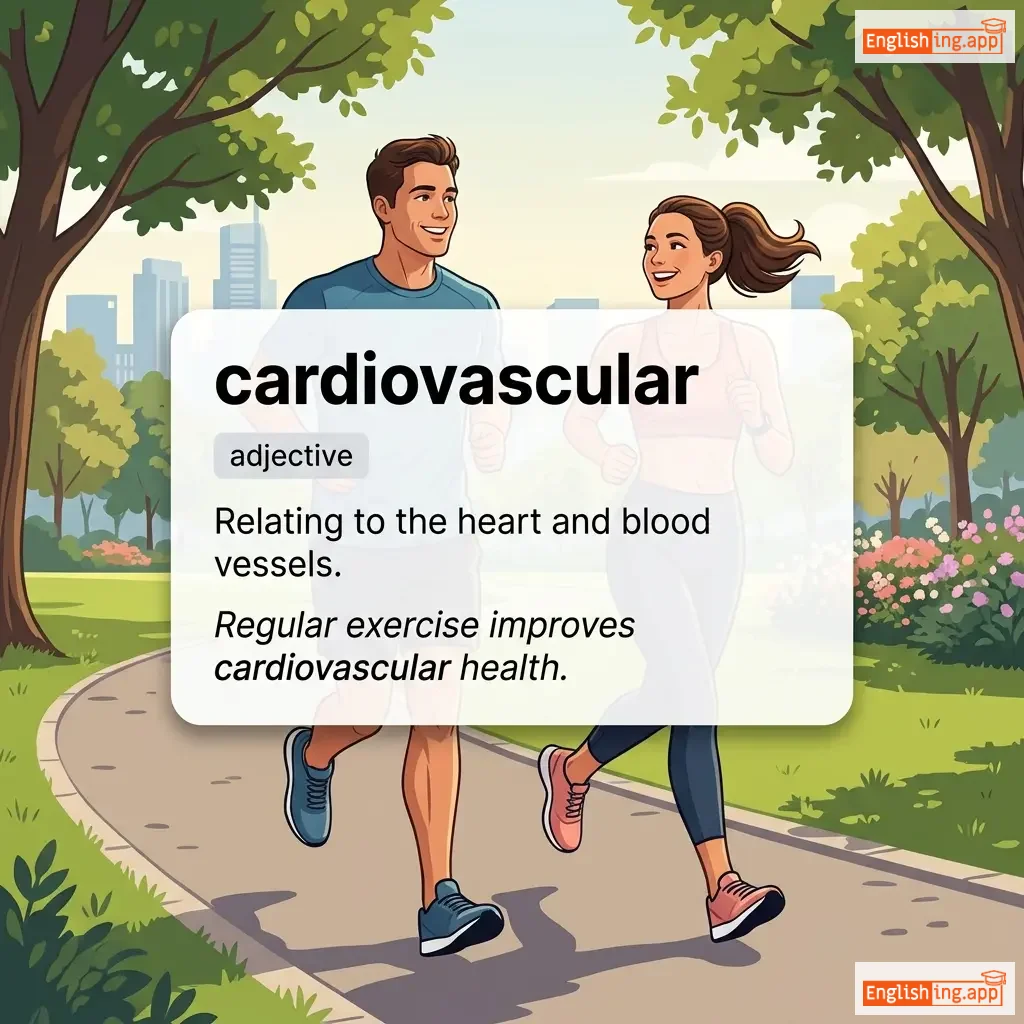
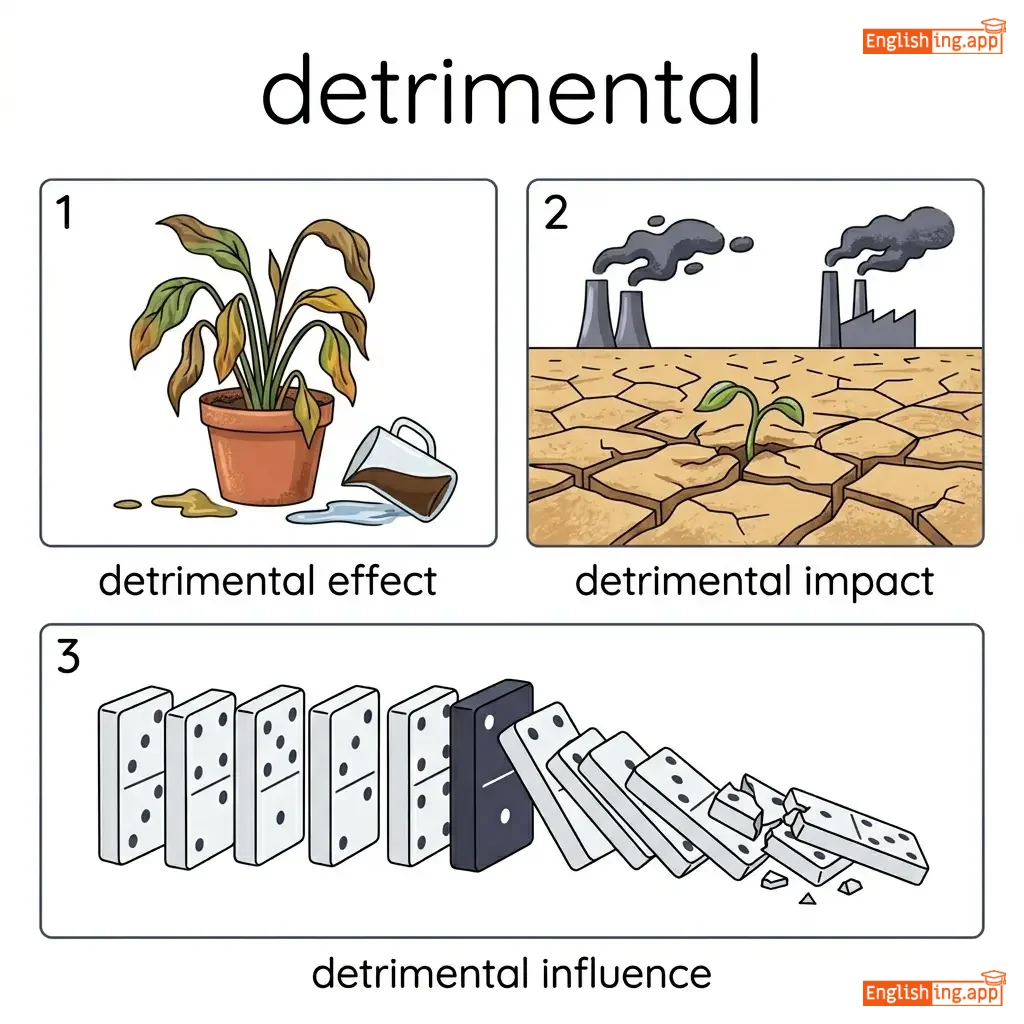
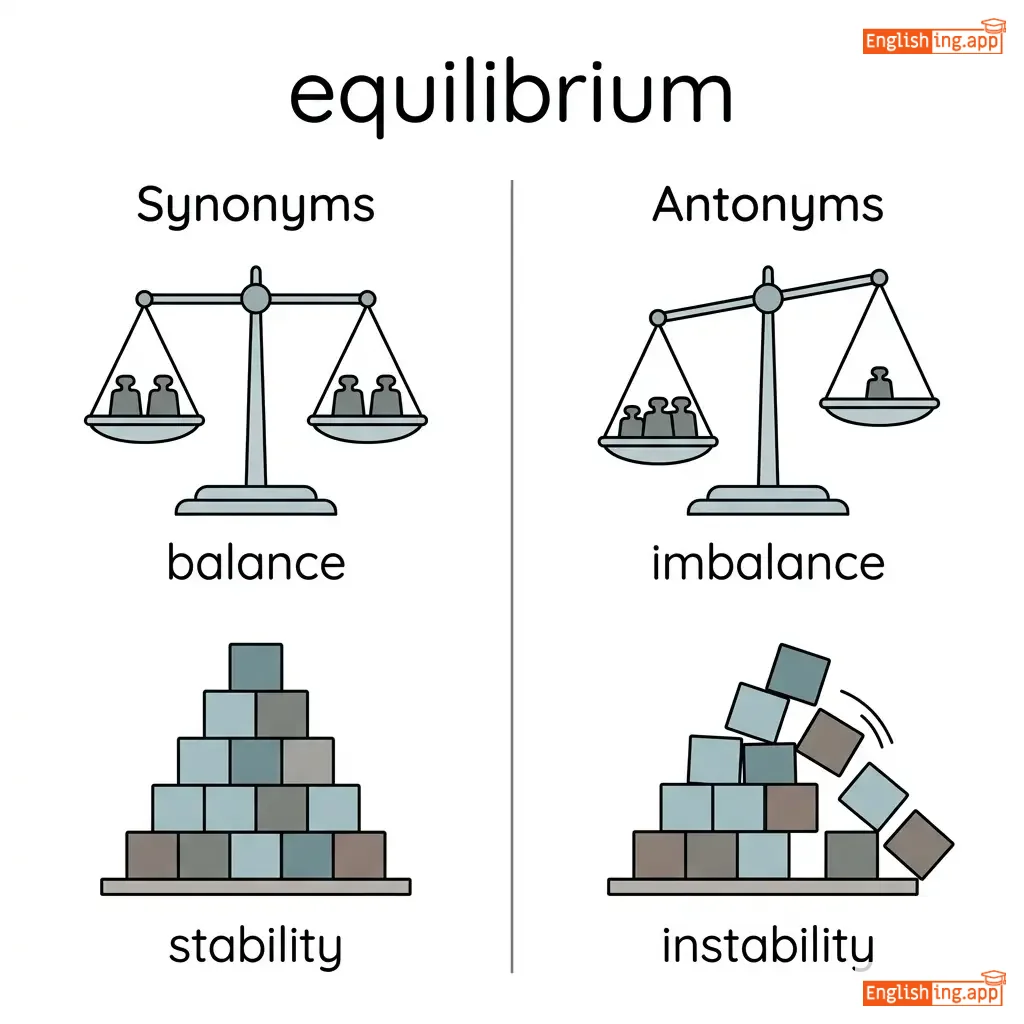
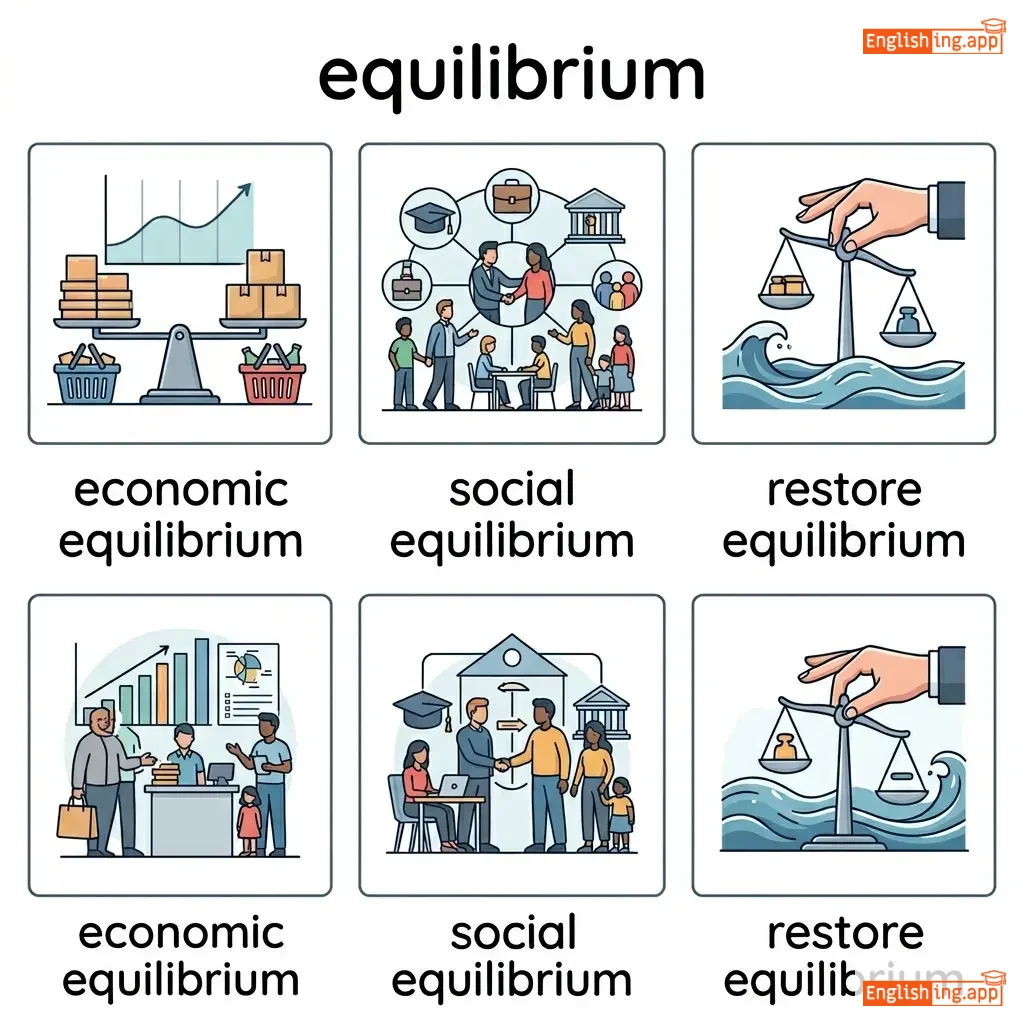
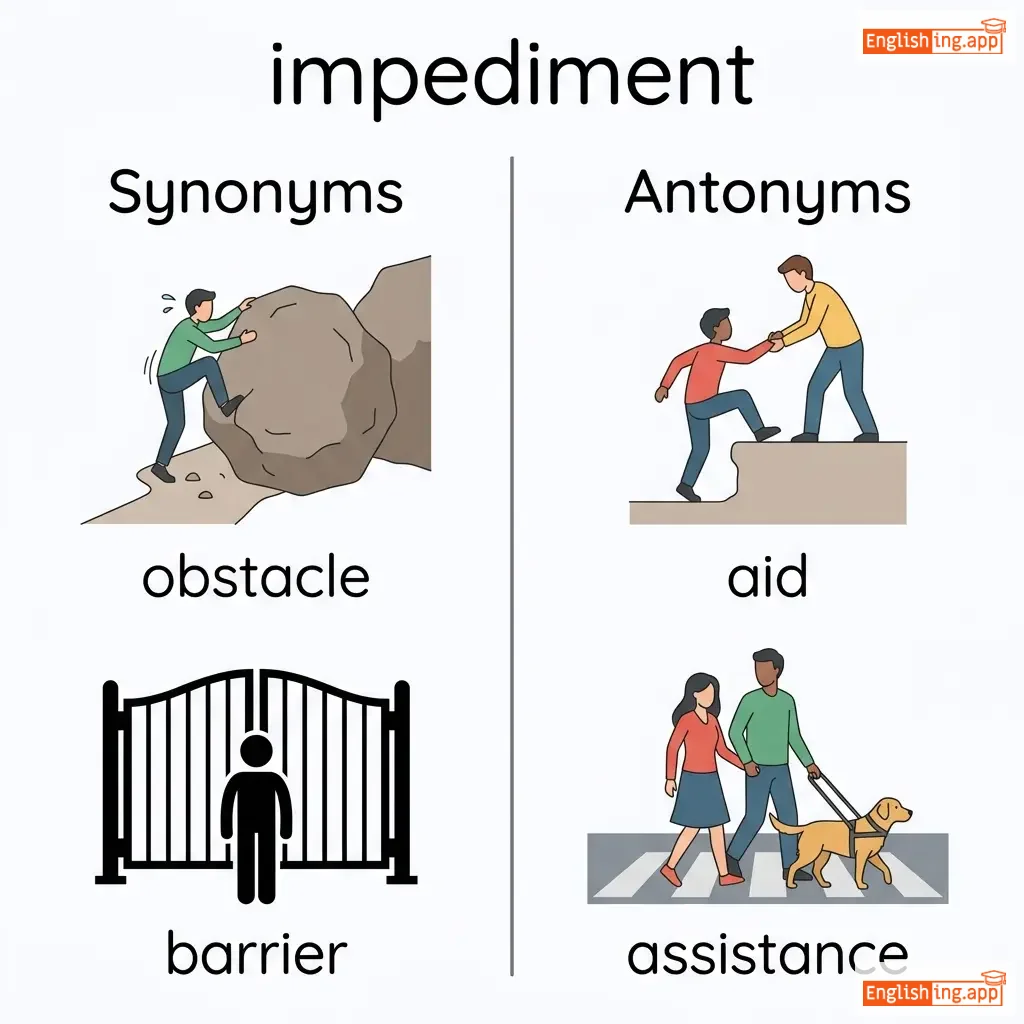
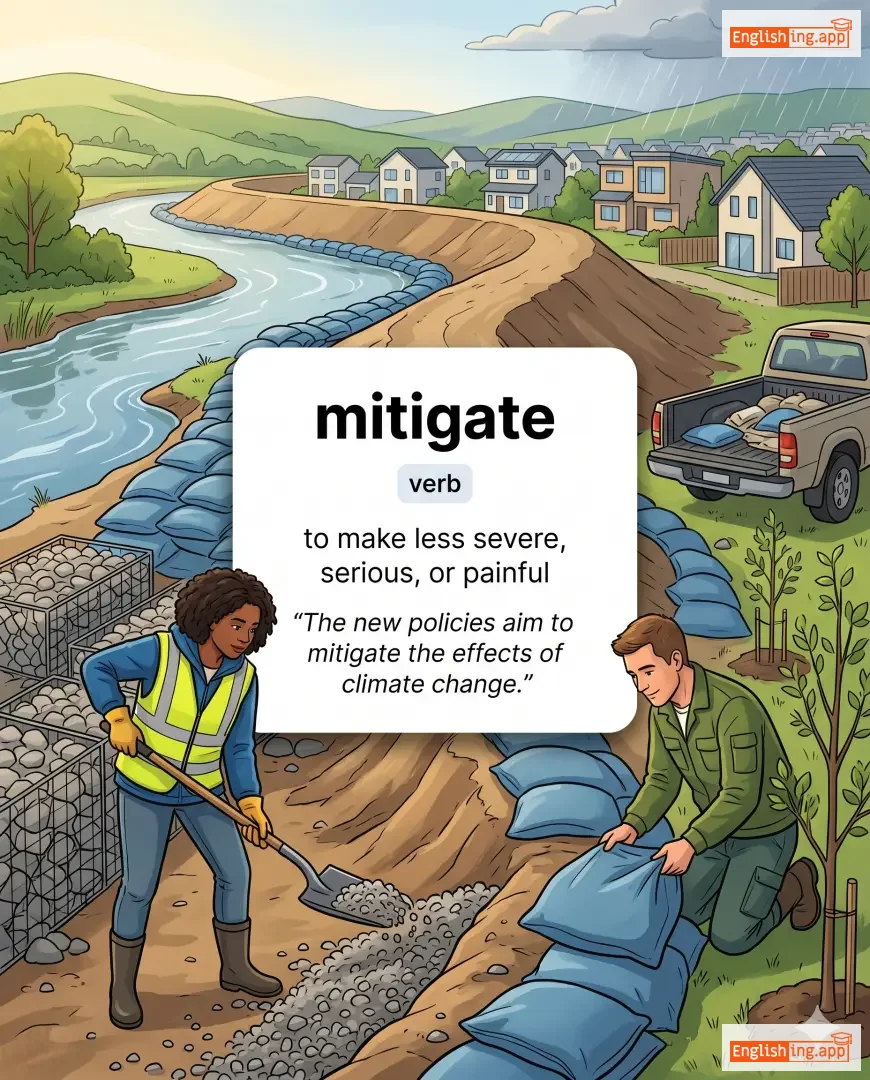
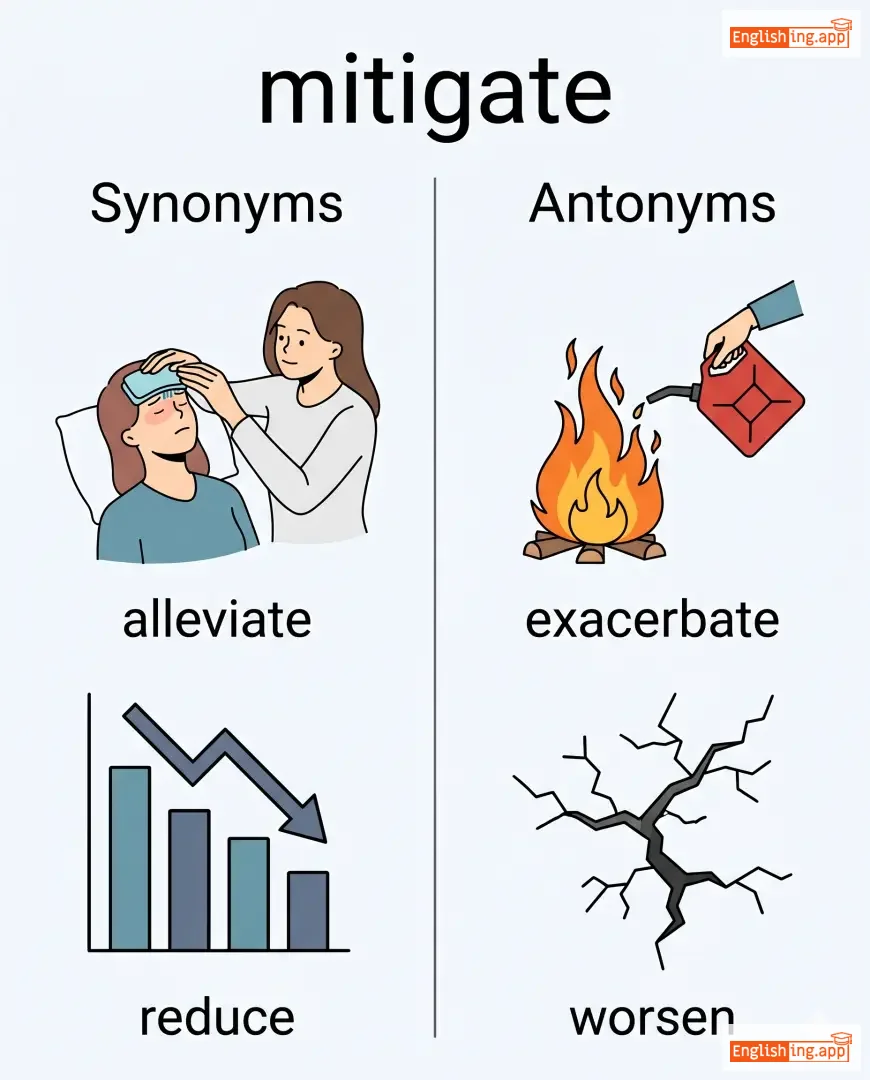
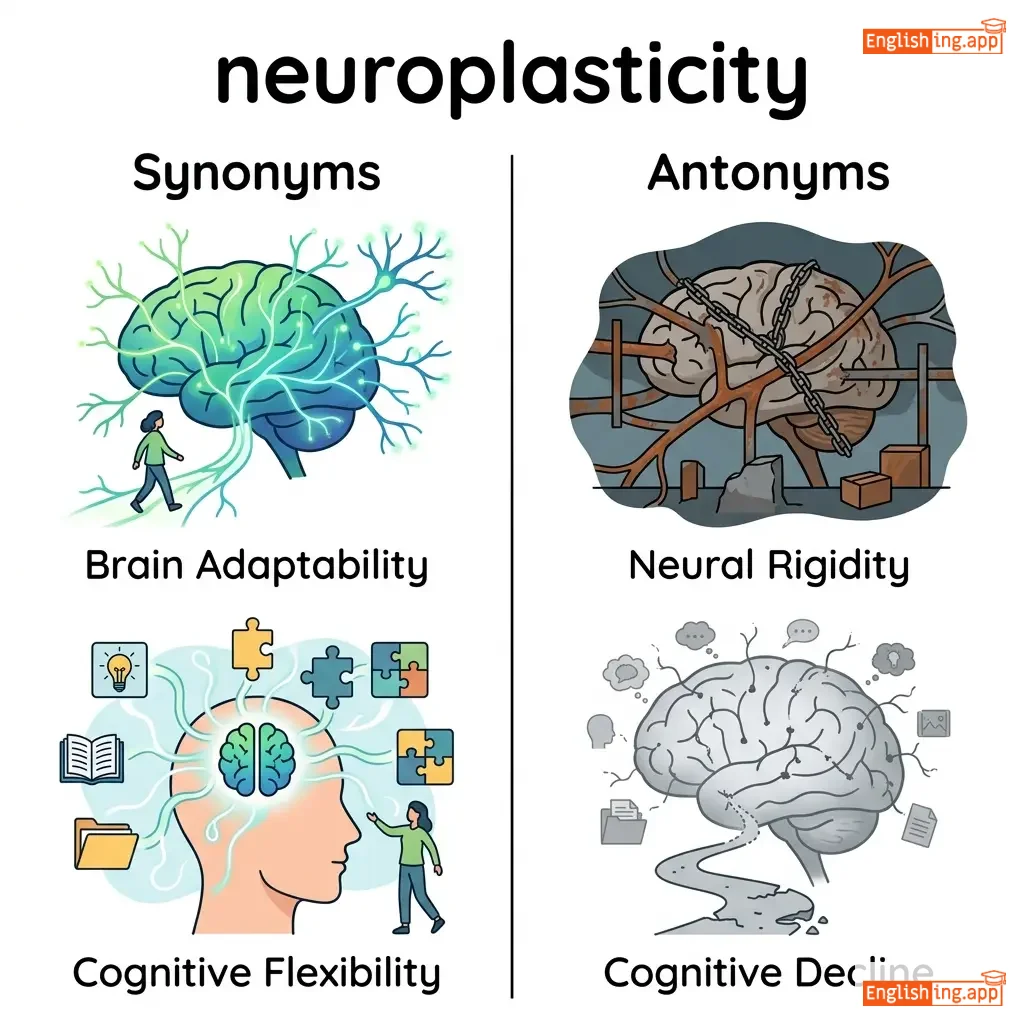
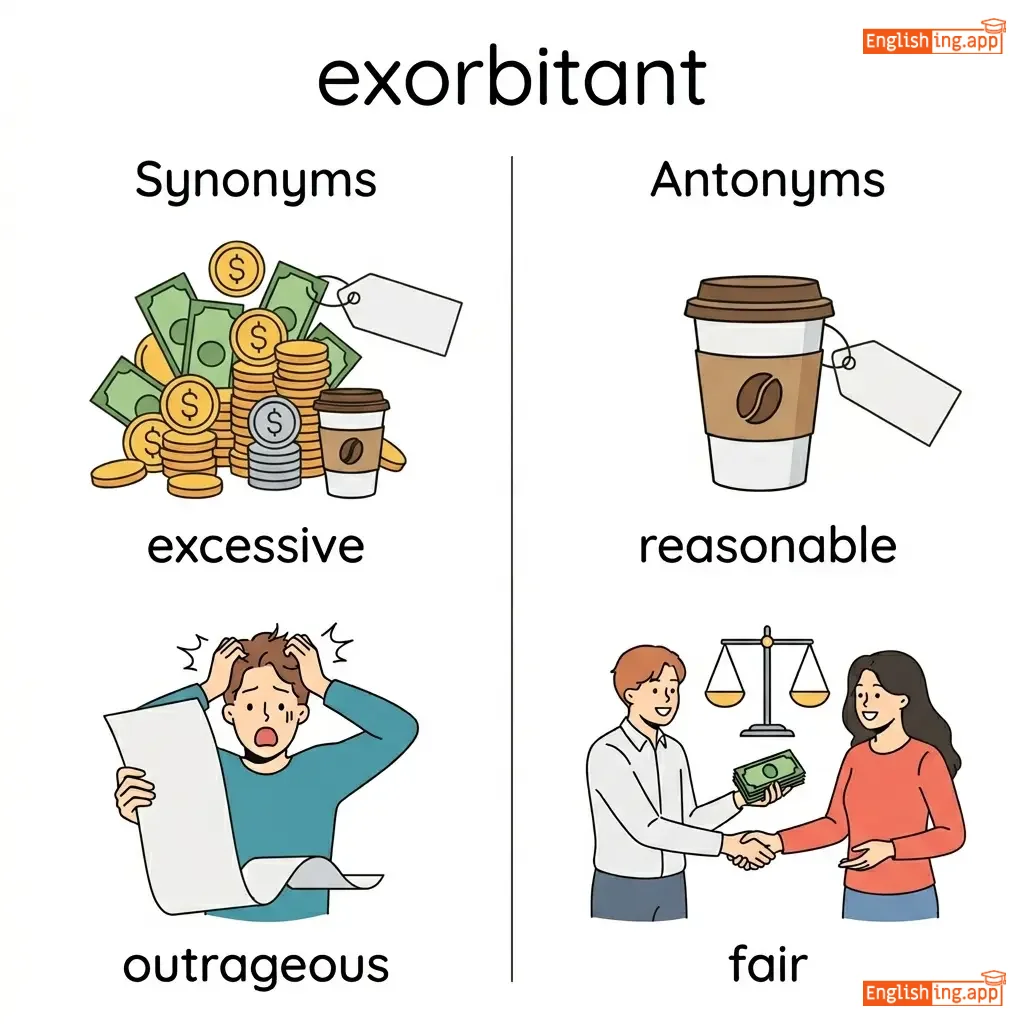
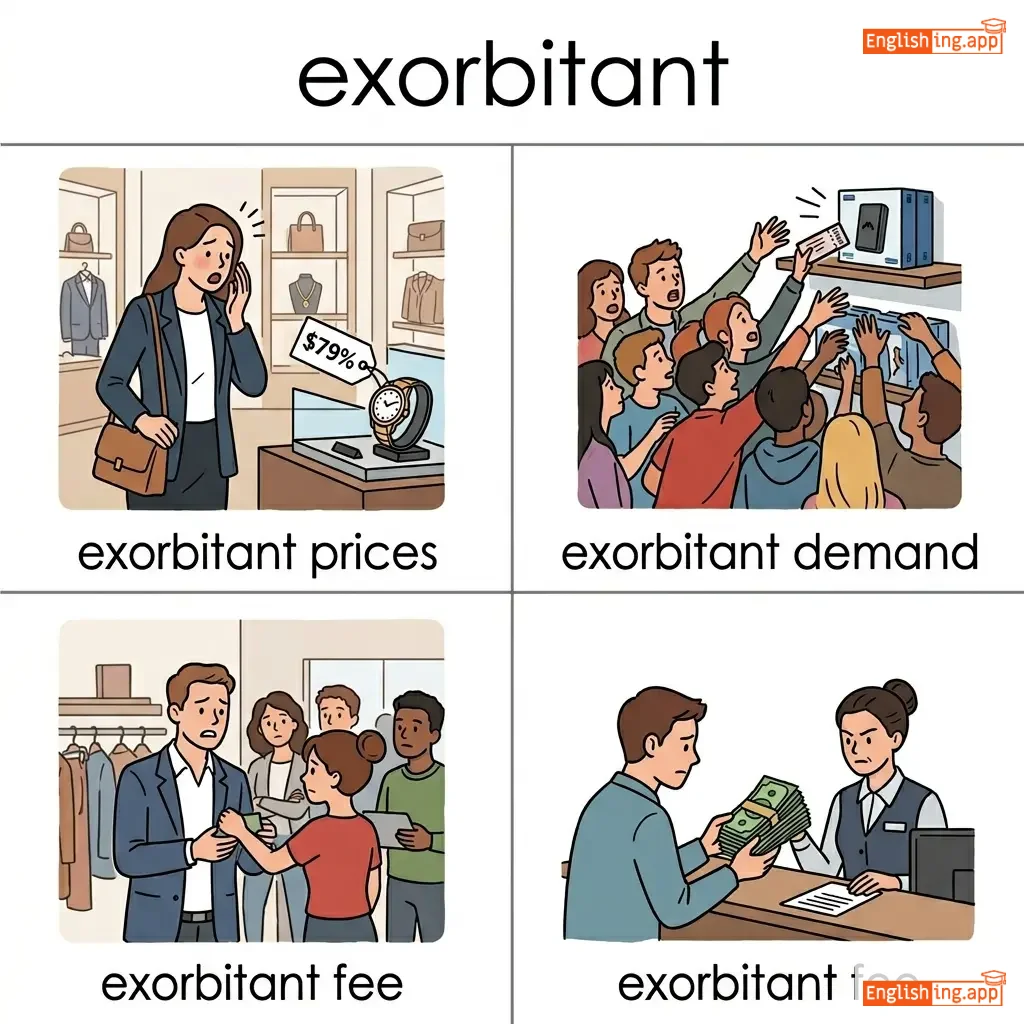
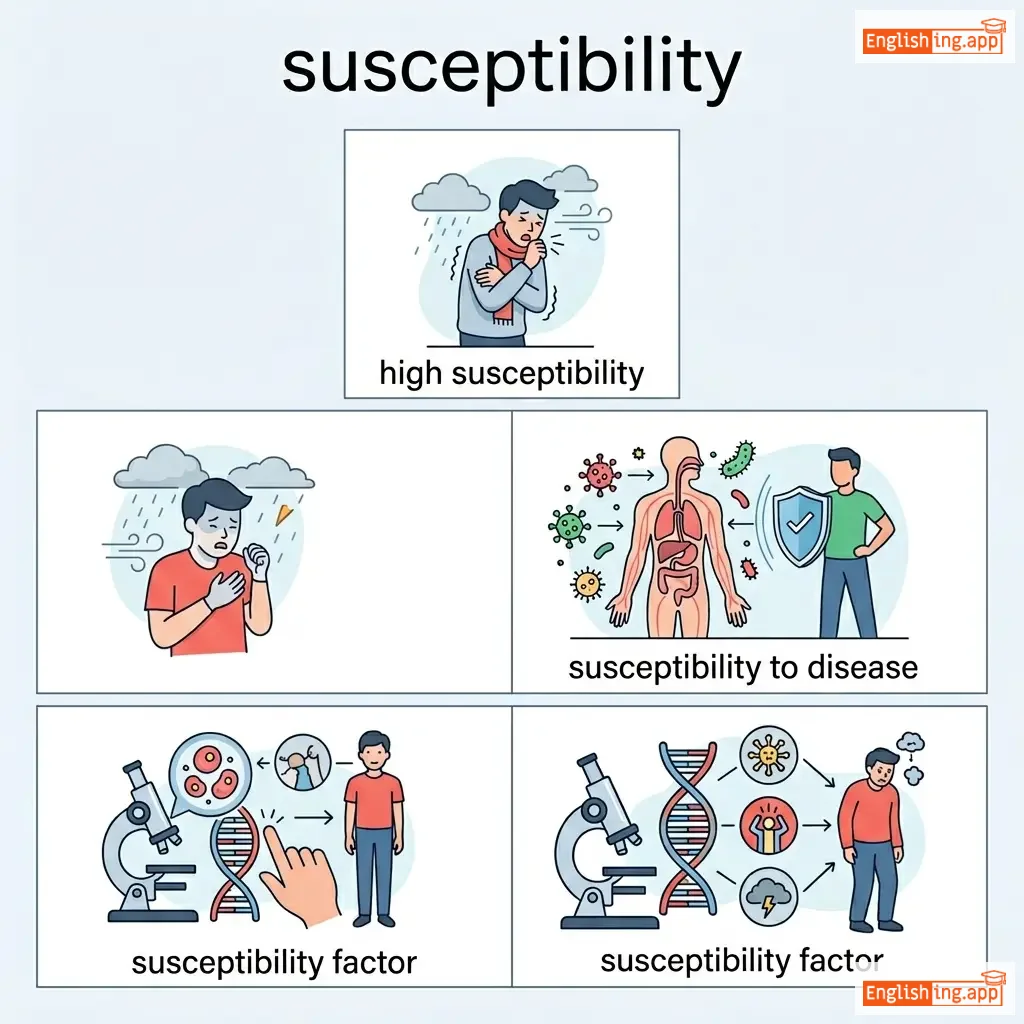
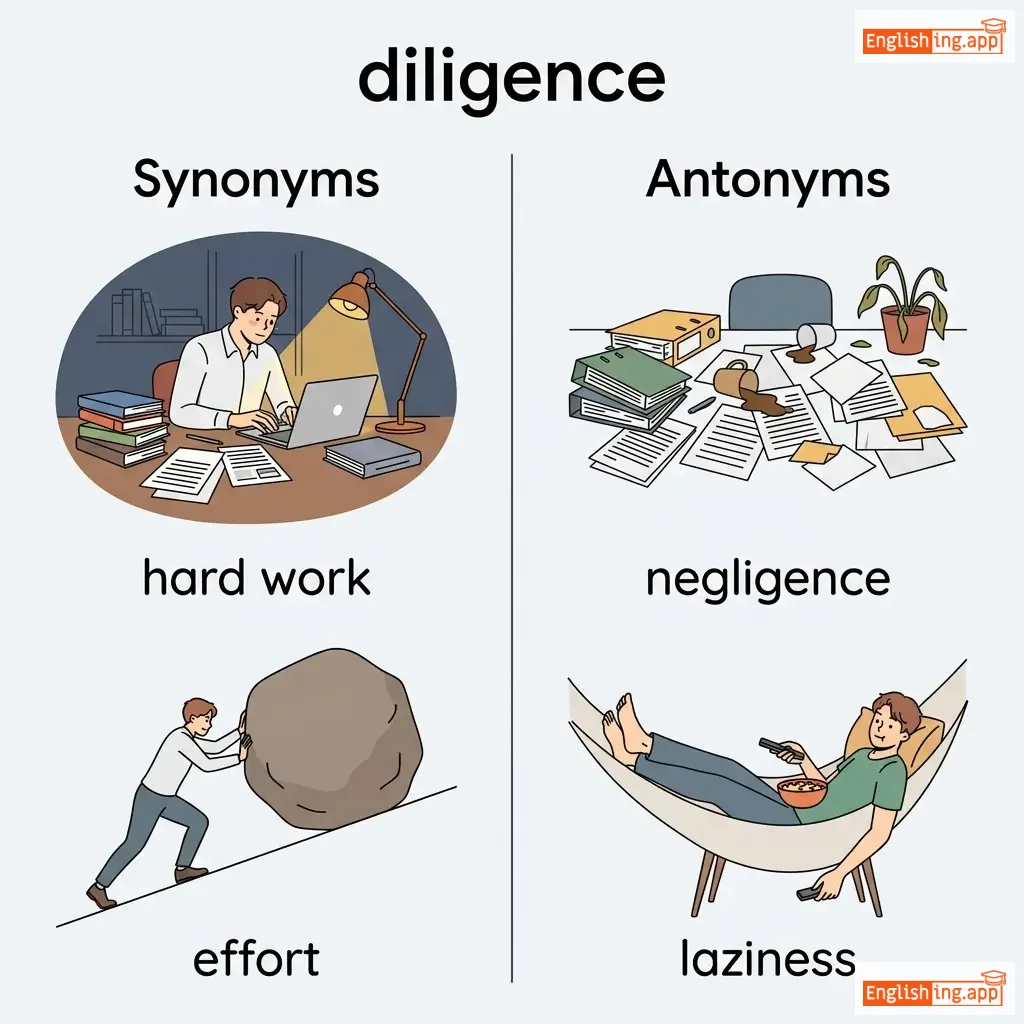
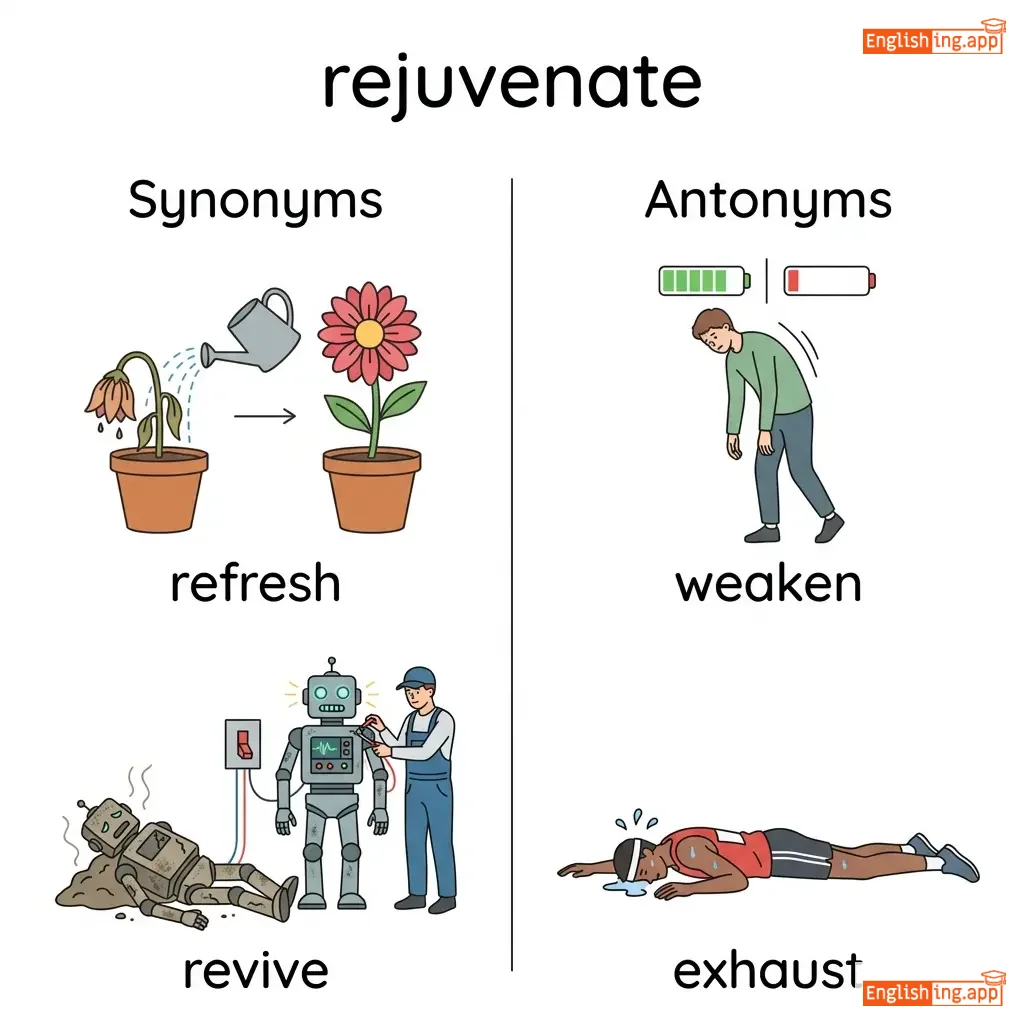
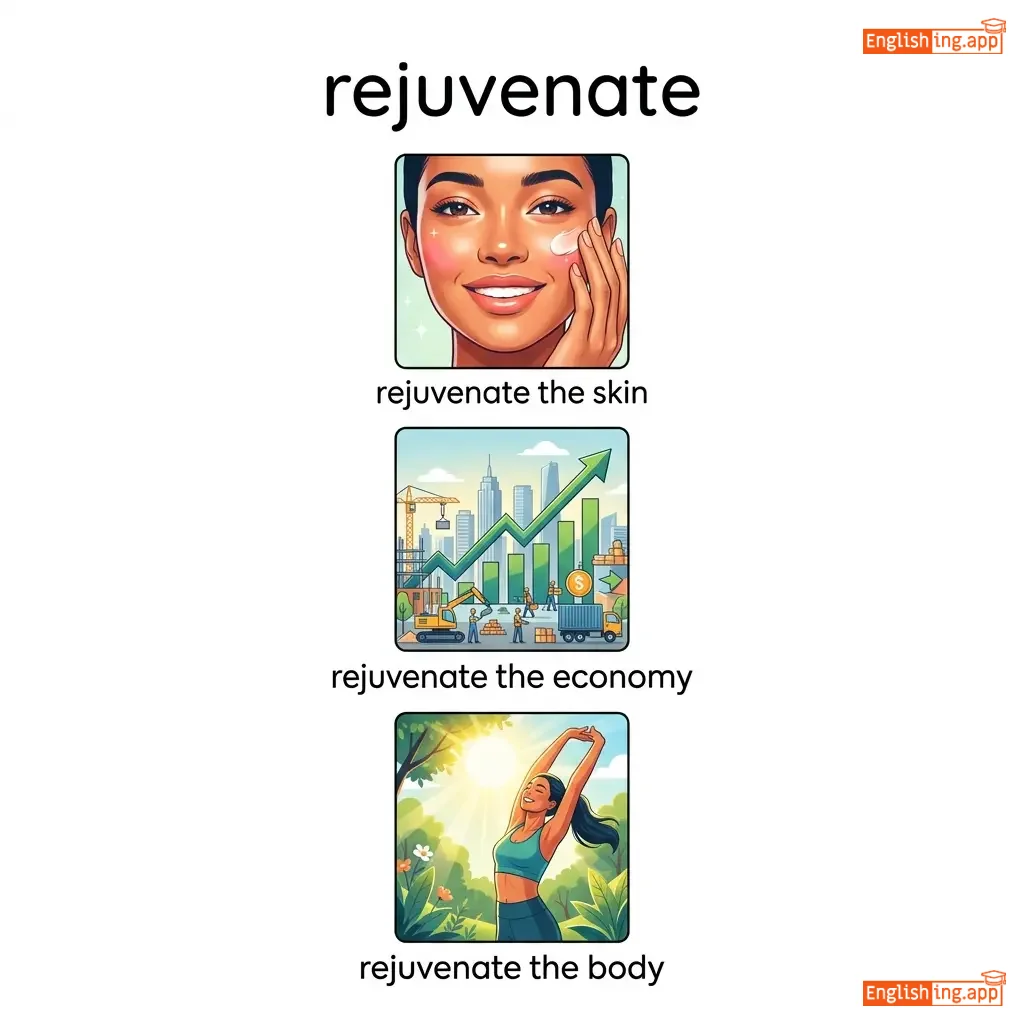
健康的生活方式非常 conducive 于确保长寿。适当的 nourishment、规律的锻炼和心理平静能 invigorate 我们的生活,并改善 cardiovascular 健康。Sedentary 的生活方式对健康 detrimental,因为它会增加肥胖、高血压和心脏病的风险。因此,积极的生活方式有助于我们保持 equilibrium 并防止长期的 impediments。为了确保 holistic 健康,我们必须 mitigate 精神压力并获得充足的睡眠,这会提高 neuroplasticity 并保持大脑的功能。此外,我们应避免 exorbitant 的饮食习惯,因为它们会改变身体的 predisposition 并增加疾病的 susceptibility。建立健康的习惯需要 diligence,它能 rejuvenates 身体并促进积极的 proliferation。通过健康的生活方式,我们可以 augment 健康并 bolster 长寿。


















Swipe left or right, or use the buttons. Tap image to zoom.
例句翻译
单词
Healthy Lifestyle Habits for LongevityHealthy Lifestyle Habits for Longevity - 遮罩切换
|
表情符号
|
单词 | Images | 翻译 | 含义 | 例句 | 例句翻译 | 同义词 | 反义词 | 助记符 |
|---|---|---|---|---|---|---|---|---|---|
|
#1747
✅
|
/kənˈdjuː.sɪv/
adjective
(kənˈdjuːsɪv)
••••••
|
|
有利的
yǒulì de
••••••
|
Making a certain situation or outcome likely or possible; contributing to or helping to bring about.
••••••
|
A quiet environment is conducive to studying. |
安静的环境有利于学习。
Ān jìng de huánjìng yǒulì yú xuéxí.
••••••
|
favorable, advantageous, beneficial
••••••
|
unfavorable, obstructive, detrimental
••••••
|
Yǒulì de (有利的) sounds like 'advantageous', linking to 'conducive'.
••••••
|
|
#1748
🍎
|
/ˈnʌr.ɪʃ.mənt/
noun
(努里什门特)
••••••
|
|
营养
yingyang
••••••
|
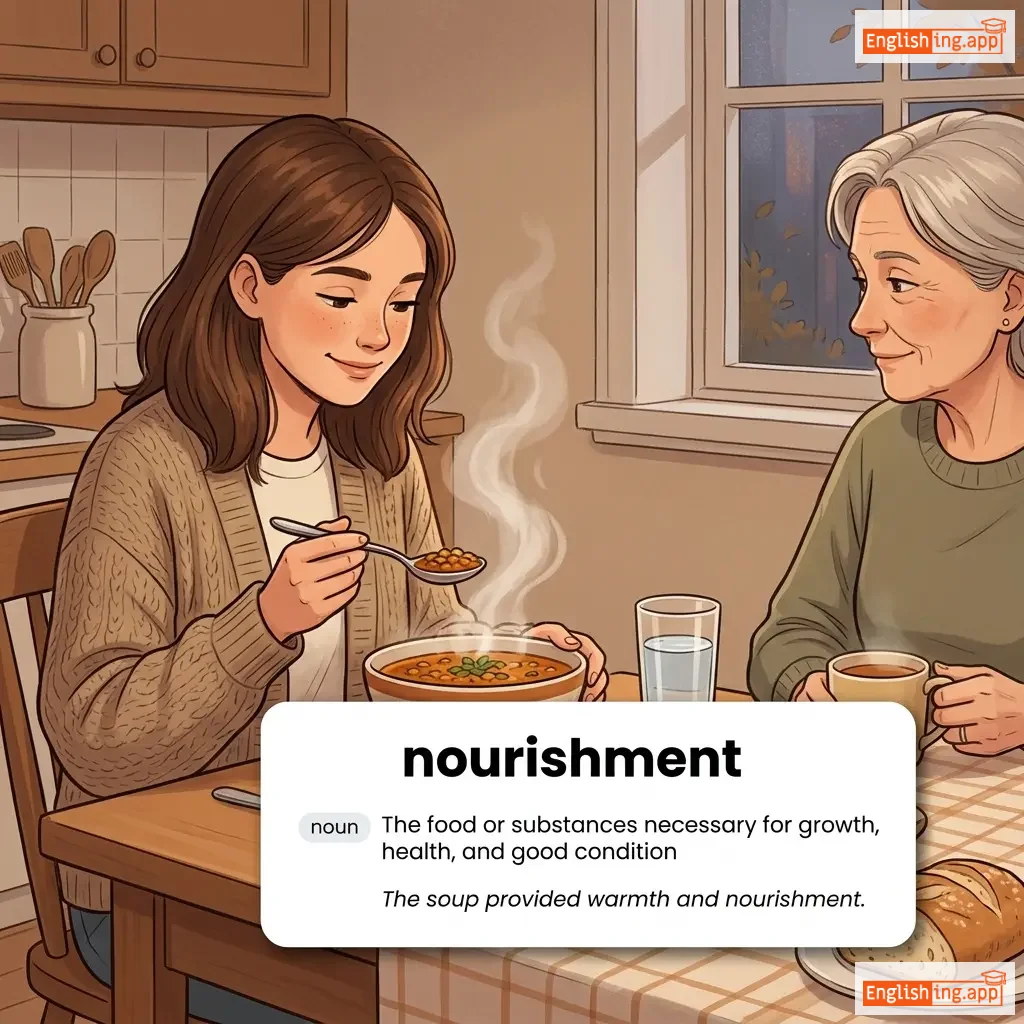
The food or other substances necessary for growth, health, and good condition.
••••••
|
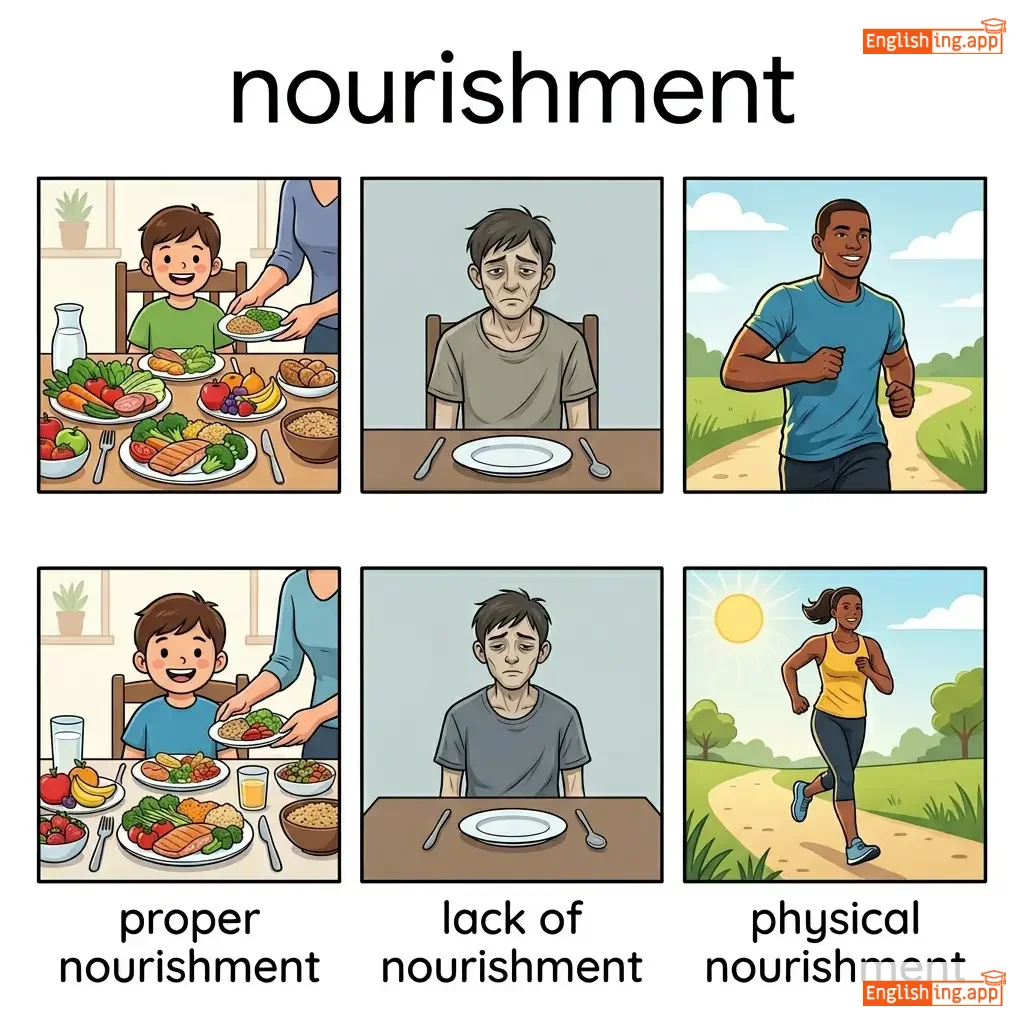
Proper nourishment is essential for child development.
适当的营养对儿童成长至关重要。
••••••
|
适当的营养对儿童成长至关重要。
Shidang de yingyang dui ertong chengzhang zhiguang zhongyao.
••••••
|
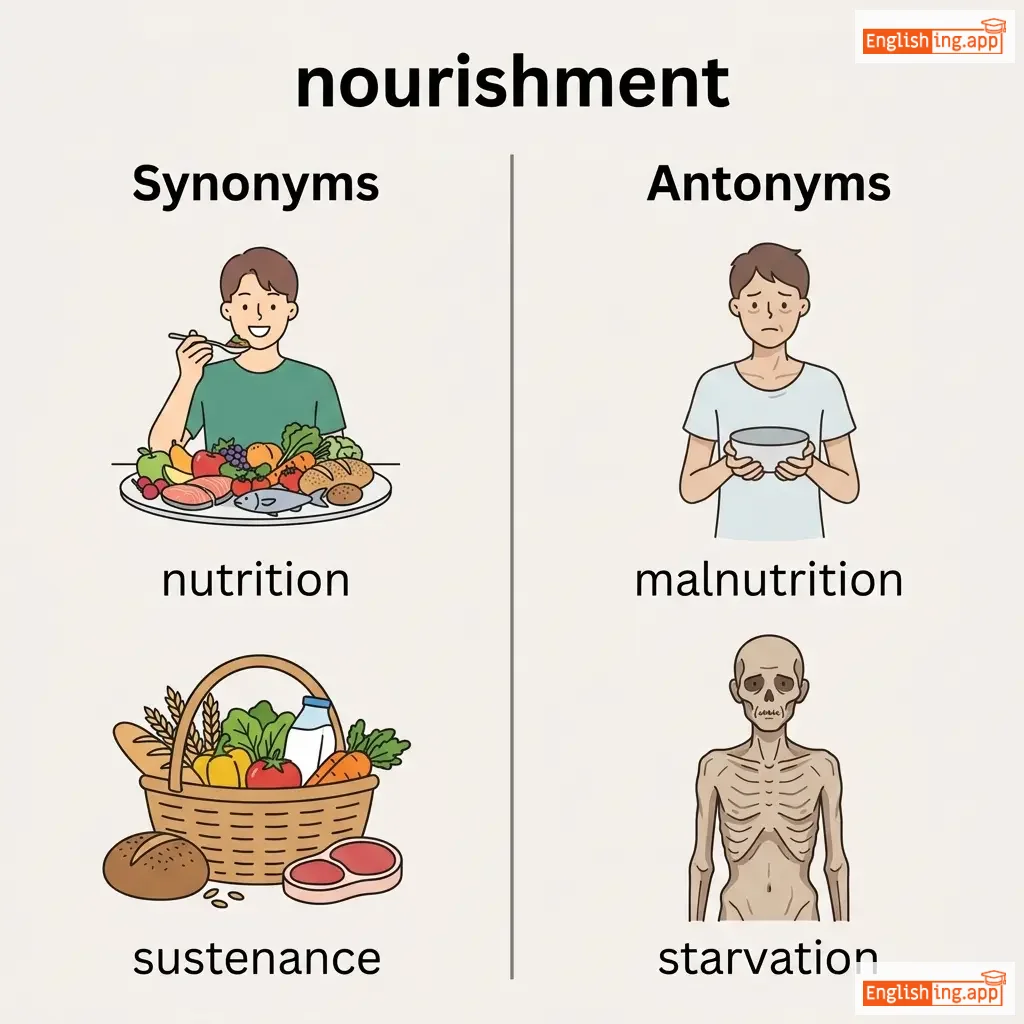
nutrition, sustenance, food
••••••
|
starvation, malnourishment, deficiency
••••••
|
营养 = 让生命茁壮成长的食物。
••••••
|
|
#1749
⚡
|
/ɪnˈvɪɡ.ər.eɪt/
verb
(yīn wéí gǒu rèt)
••••••
|
|
振兴
zhènxīng
••••••
|
To give strength or energy to; to make more vigorous.
••••••
|
A morning workout invigorates the body and mind.
晨间锻炼激发身体和思维。
••••••
|
晨间锻炼激发身体和思维。
Chénjiān duànliàn jīfā shēntǐ hé sīwéi.
••••••
|
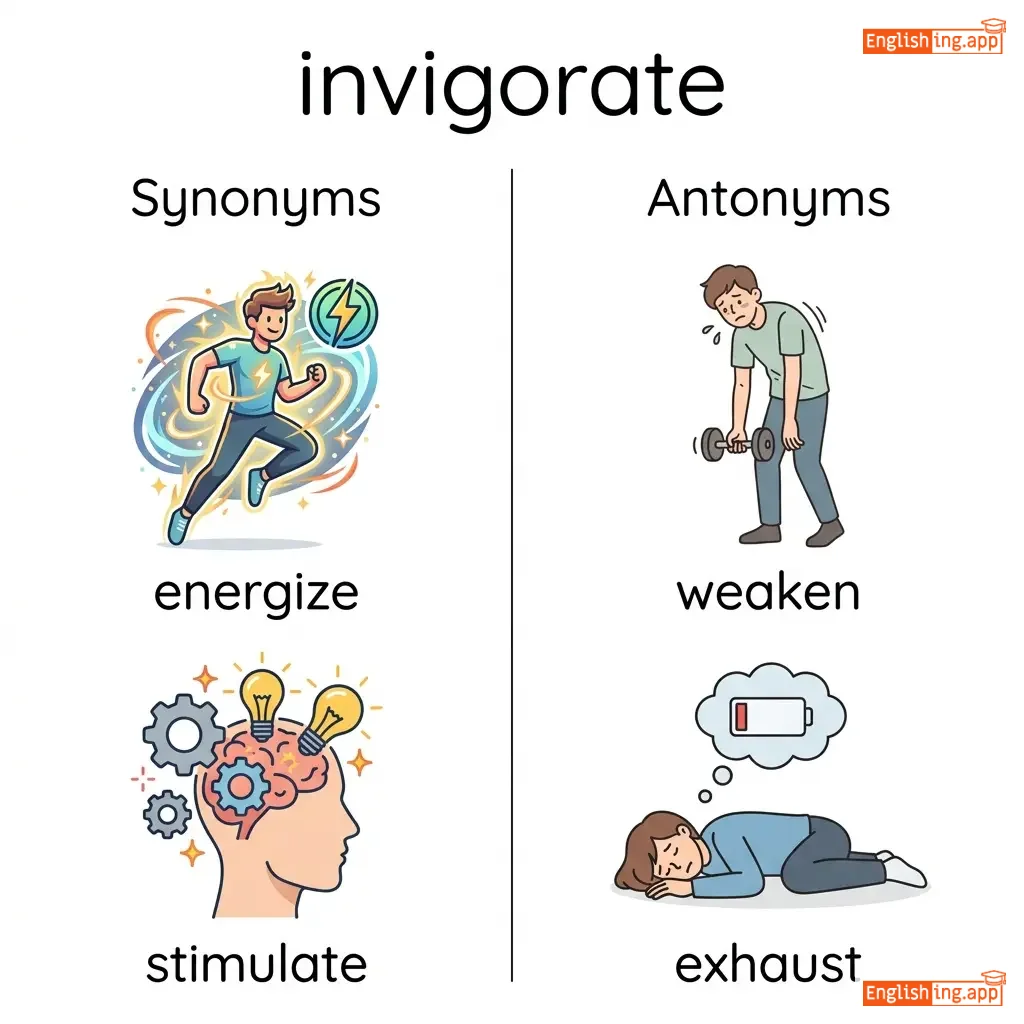
energize, revitalize, stimulate
••••••
|
weaken, drain, exhaust
••••••
|
振兴让你更有活力,像早晨锻炼带来的能量一样。
••••••
|
|
#1750
❤️
|
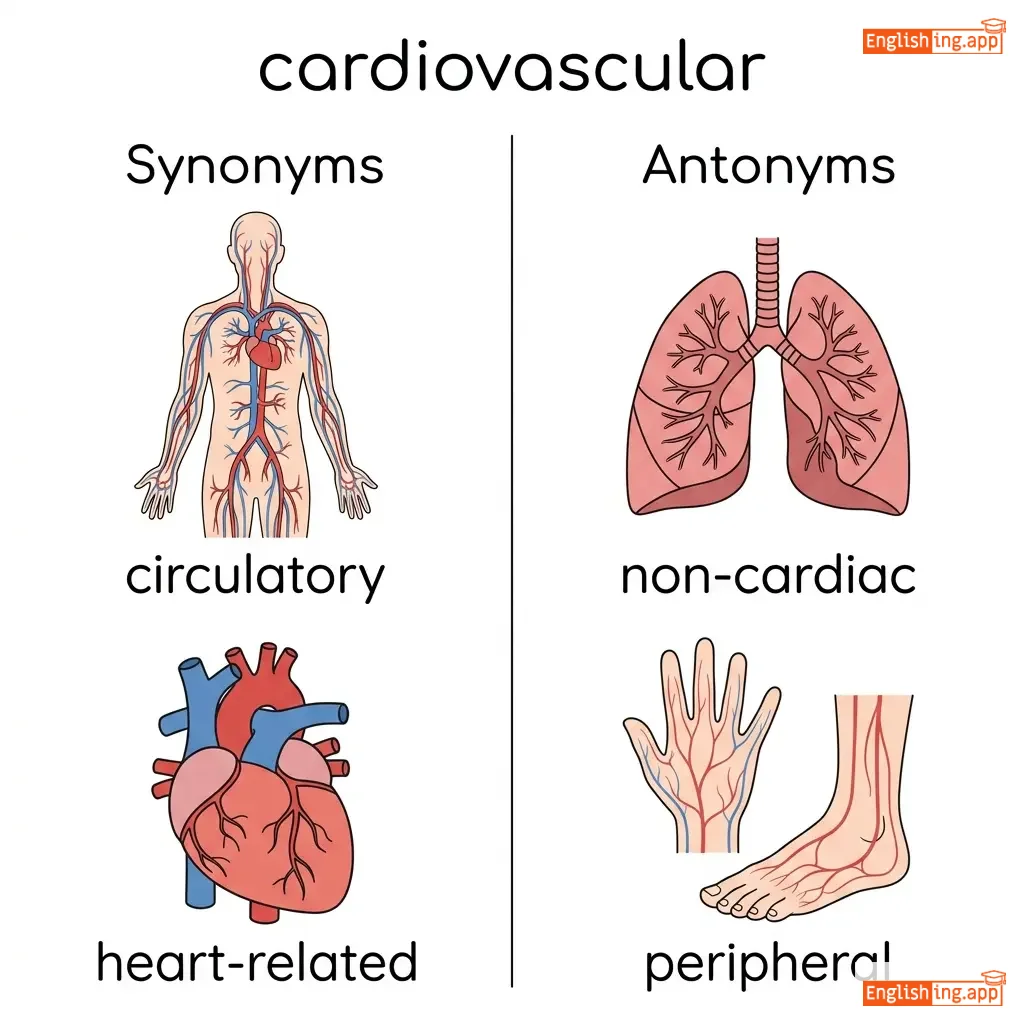
/ˌkɑː.di.əʊˈvæs.kjʊ.lər/
adjective
(心血管)
••••••
|
|
与心脏和血管相关的
yǔ xīn zàng hé xuè guǎn xiāng guān de
••••••
|
Relating to the heart and blood vessels.
••••••
|
Regular exercise improves cardiovascular health.
定期锻炼有助于改善心血管健康。
••••••
|
定期锻炼有助于改善心血管健康。
Dìngqī duànliàn yǒuzhù yú gǎishàn xīnxiěguǎn jiànkāng.
••••••
|
circulatory, heart-related, blood flow
••••••
|
non-cardiac, peripheral, external
••••••
|
Cardio vascular means related to the heart and blood vessels.
••••••
|
|
#1751
🪑
|
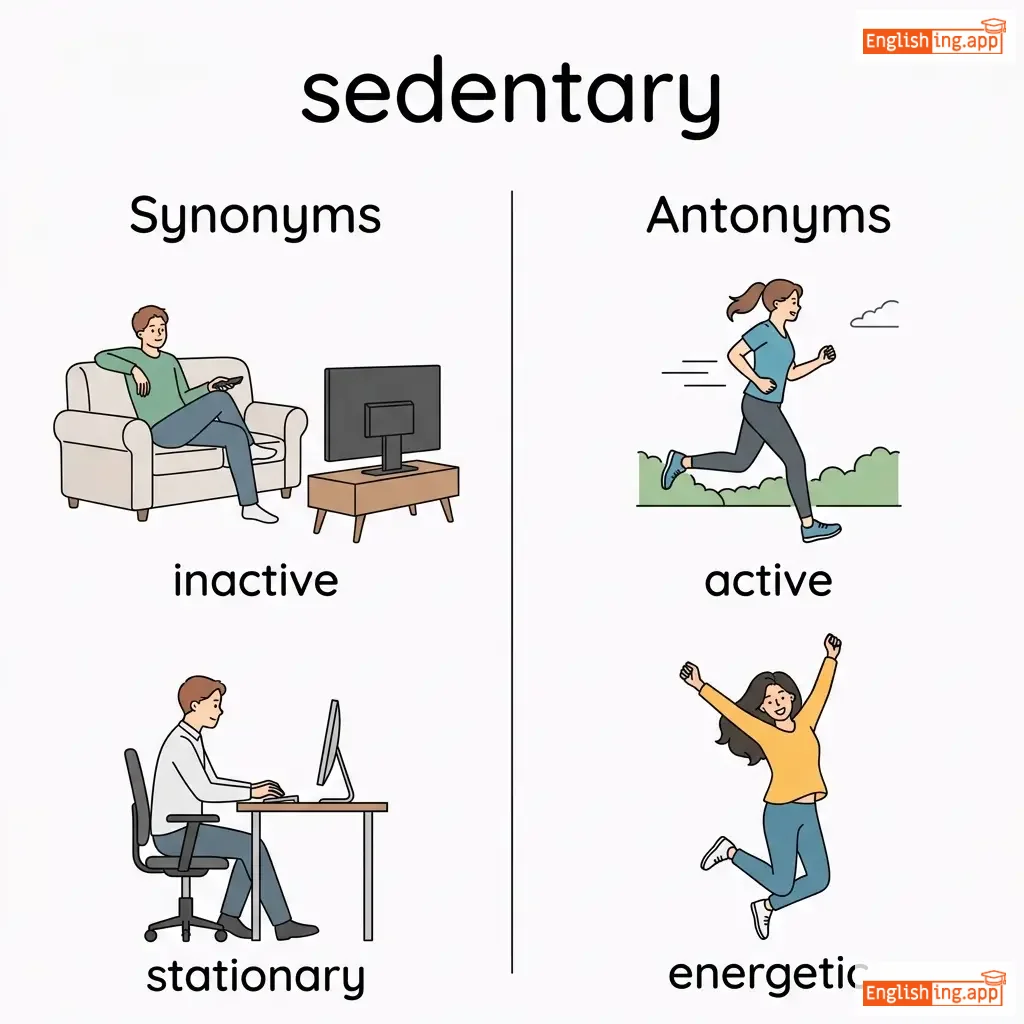
/ˈsed.ən.tər.i/
adjective
(静态)
••••••
|
|
久坐
jiu zuo
••••••
|
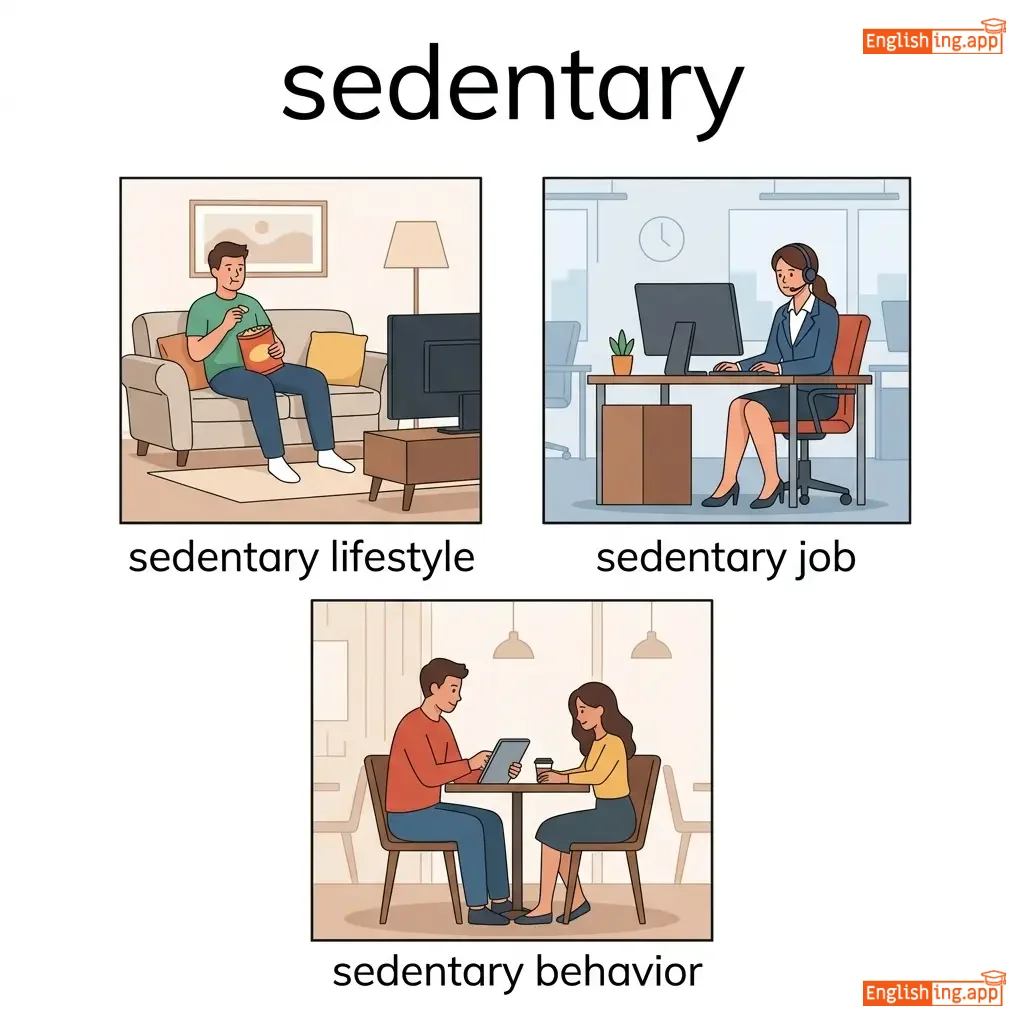
Involving much sitting and little physical activity.
••••••
|
A sedentary lifestyle can lead to obesity and heart disease. |
久坐的生活方式可能导致肥胖和心脏病。
Jiù zuò de shēnghuó fāngshì kěnéng dǎozhì féipàng hé xīnzàng bìng.
••••••
|
inactive, stationary, desk-bound
••••••
|
active, mobile, energetic
••••••
|
久坐 (jiu zuo) 生活方式导致体重增加和健康问题。
••••••
|
|
#1752
⚠️
|
/ˌdet.rɪˈmen.təl/
adjective
(德特里门特尔)
••••••
|
|
有害的
yǒuhài de
••••••
|
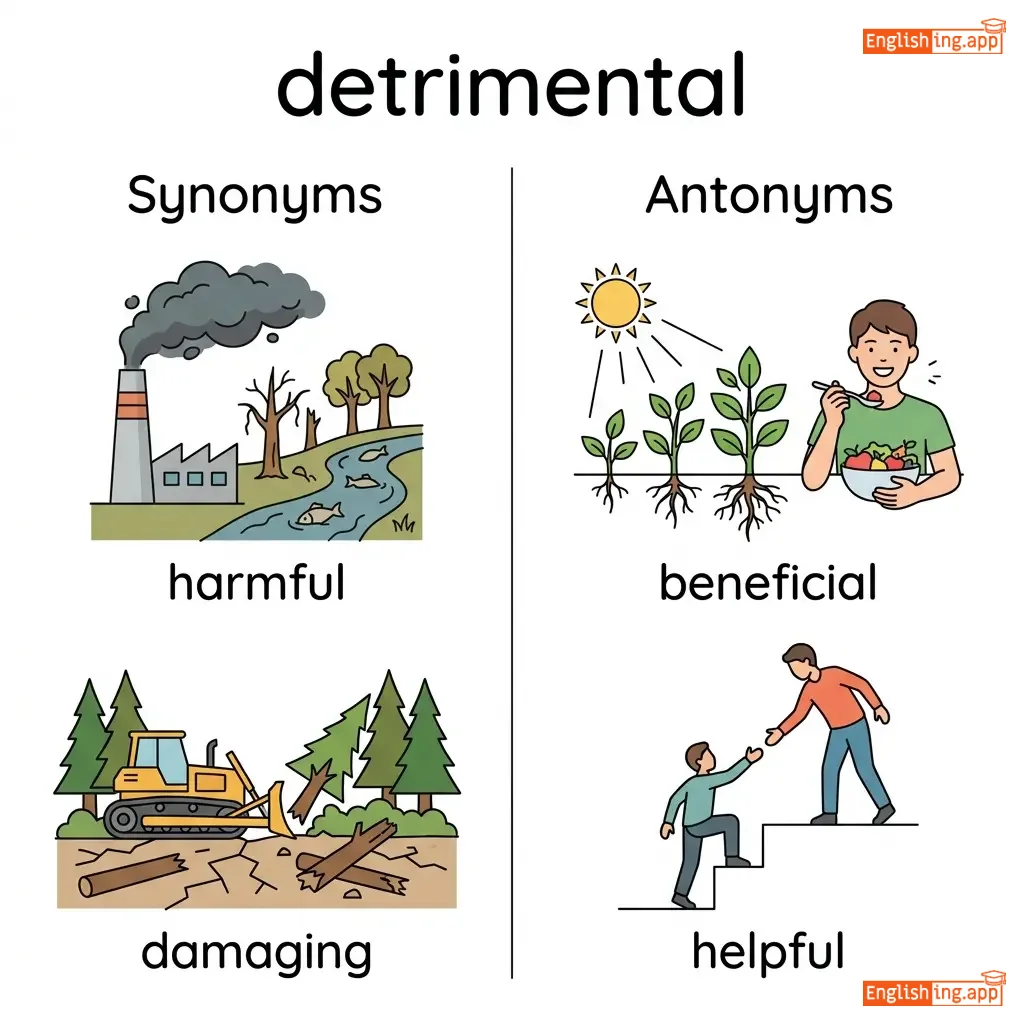
Tending to cause harm; damaging or harmful.
••••••
|
Smoking is detrimental to health.
吸烟对健康有害。
••••••
|
吸烟对健康有害。
Xīyān duì jiànkāng yǒuhài.
••••••
|
harmful, damaging, adverse
••••••
|
beneficial, helpful, advantageous
••••••
|
Chinese '有害' means harmful, directly linking to 'detrimental'.
••••••
|
|
#1753
⚖️
|
/ˌiː.kwɪˈlɪb.ri.əm/
noun
(均衡)
••••••
|
|
平衡
pingheng
••••••
|
A state in which opposing forces or influences are balanced.
••••••
|
The economy must maintain equilibrium to prevent a crisis.
经济必须保持均衡,以防止危机。
••••••
|
经济必须保持平衡,以防止危机。
Jingji bixu baochi pingheng, yi fangzhi weiji.
••••••
|
balance, stability, harmony
••••••
|
imbalance, instability, disequilibrium
••••••
|
Pingheng = Balance (in Chinese)
••••••
|
|
#1754
🚧
|
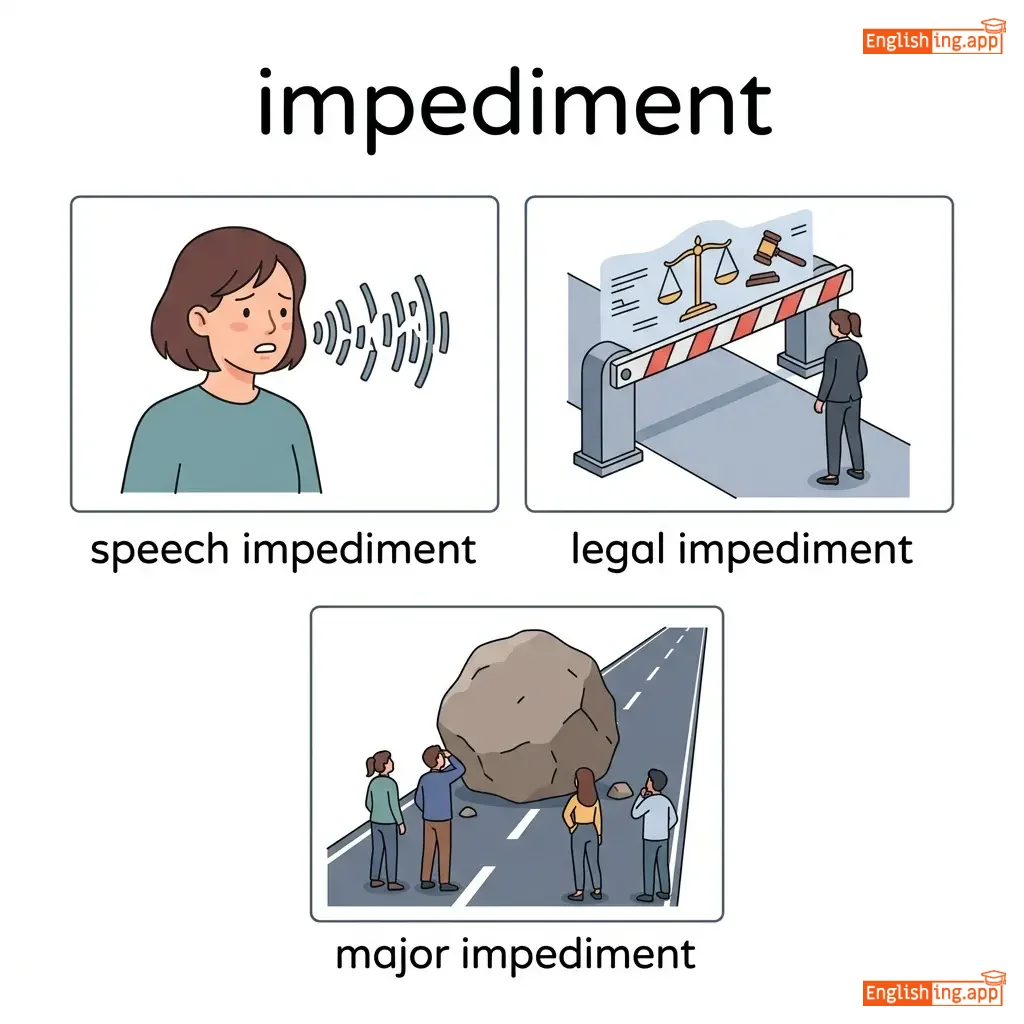
/ɪmˈped.ɪ.mənt/
noun
(障碍)
••••••
|
|
障碍
zhàng'ài
••••••
|
A hindrance or obstruction in doing something.
••••••
|
Lack of education is a major impediment to social progress. |
缺乏教育是社会进步的主要障碍。
Quēfá jiàoyù shì shèhuì jìnbù de zhǔyào zhàng'ài.
••••••
|
obstruction, barrier, hindrance
••••••
|
aid, assistance, facilitation
••••••
|
障碍就像你前进的墙,需要克服它。
••••••
|
|
#1755
🌐
|
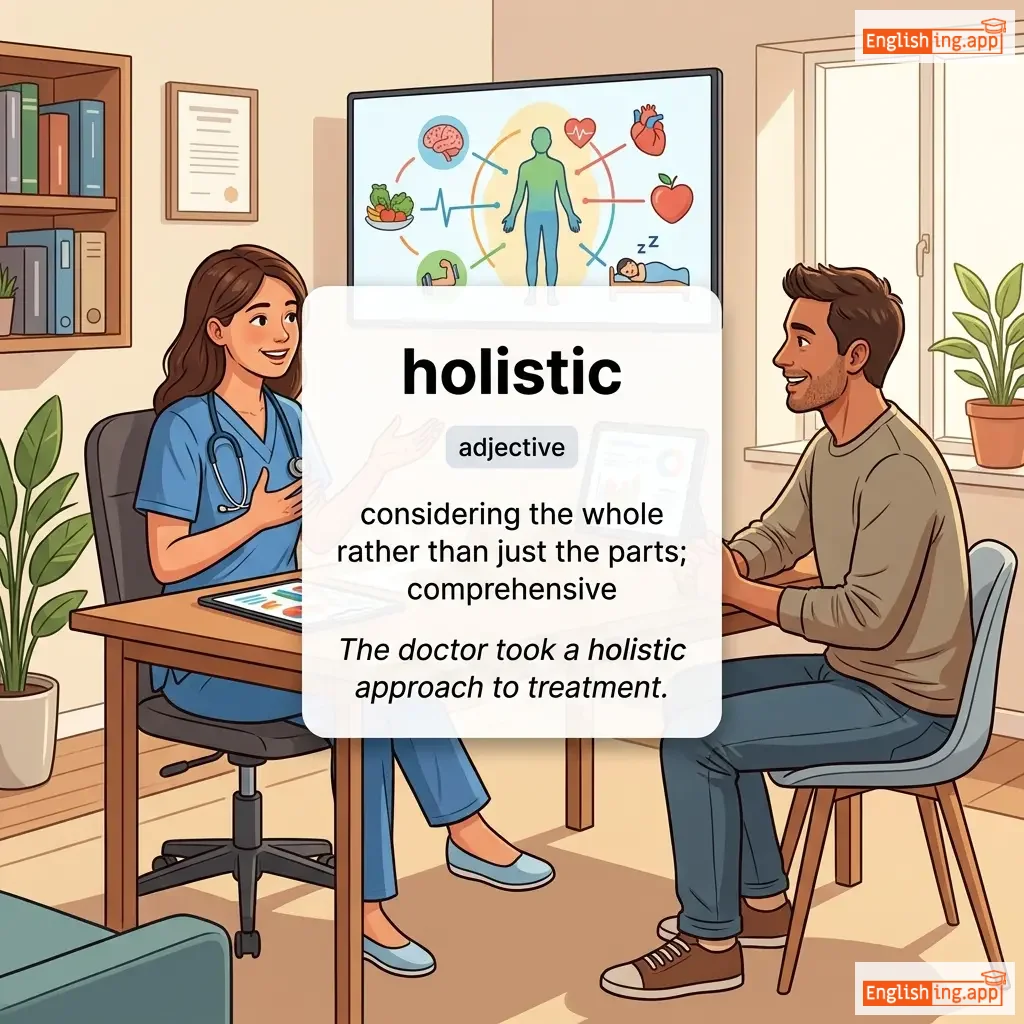
/həʊˈlɪs.tɪk/
adjective
(霍利斯蒂克)
••••••
|
|
整体的
zhěngtǐ de
••••••
|
Considering the whole of something or someone and not just a part.
••••••
|
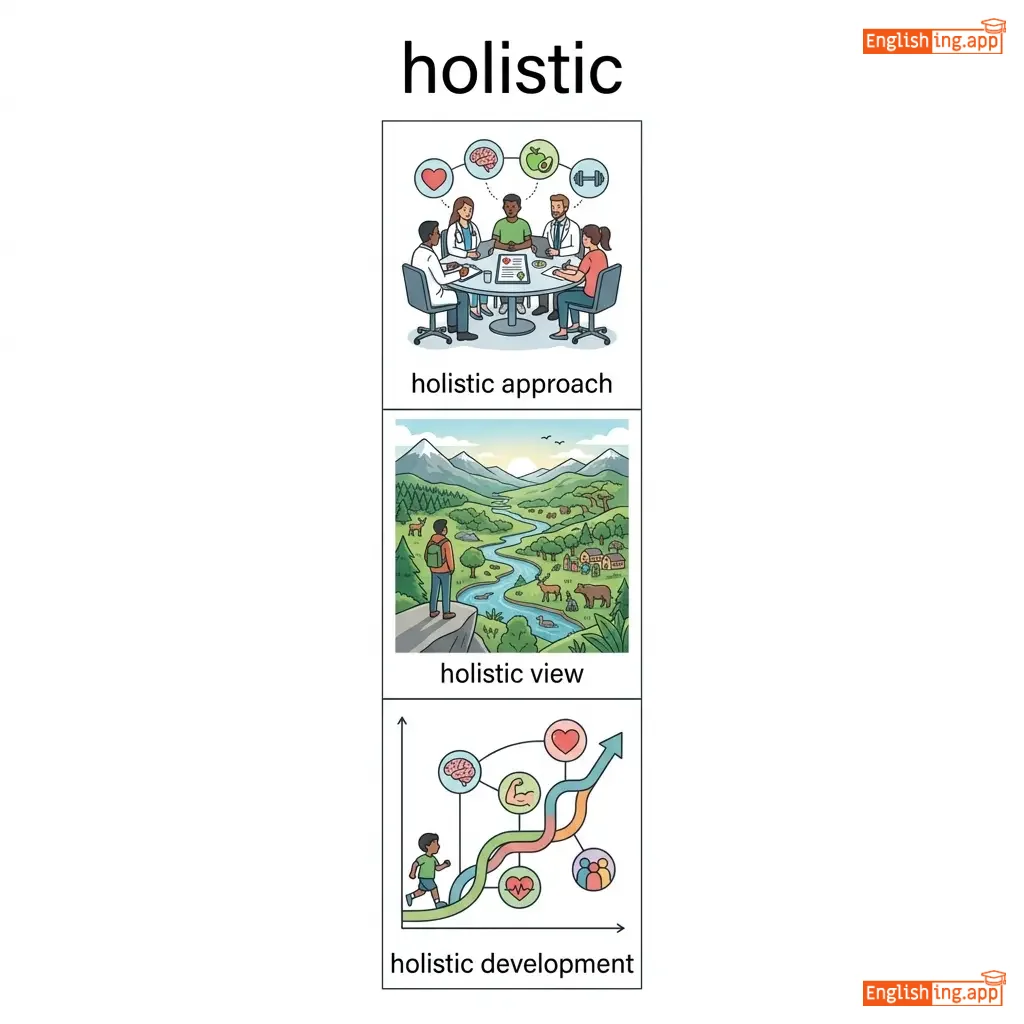
Holistic health care considers both mind and body.
整体健康护理考虑了心灵和身体。
••••••
|
整体健康护理考虑了心灵和身体。
Zhěngtǐ jiànkāng hùlǐ kǎolǜle xīnlíng hé shēntǐ.
••••••
|
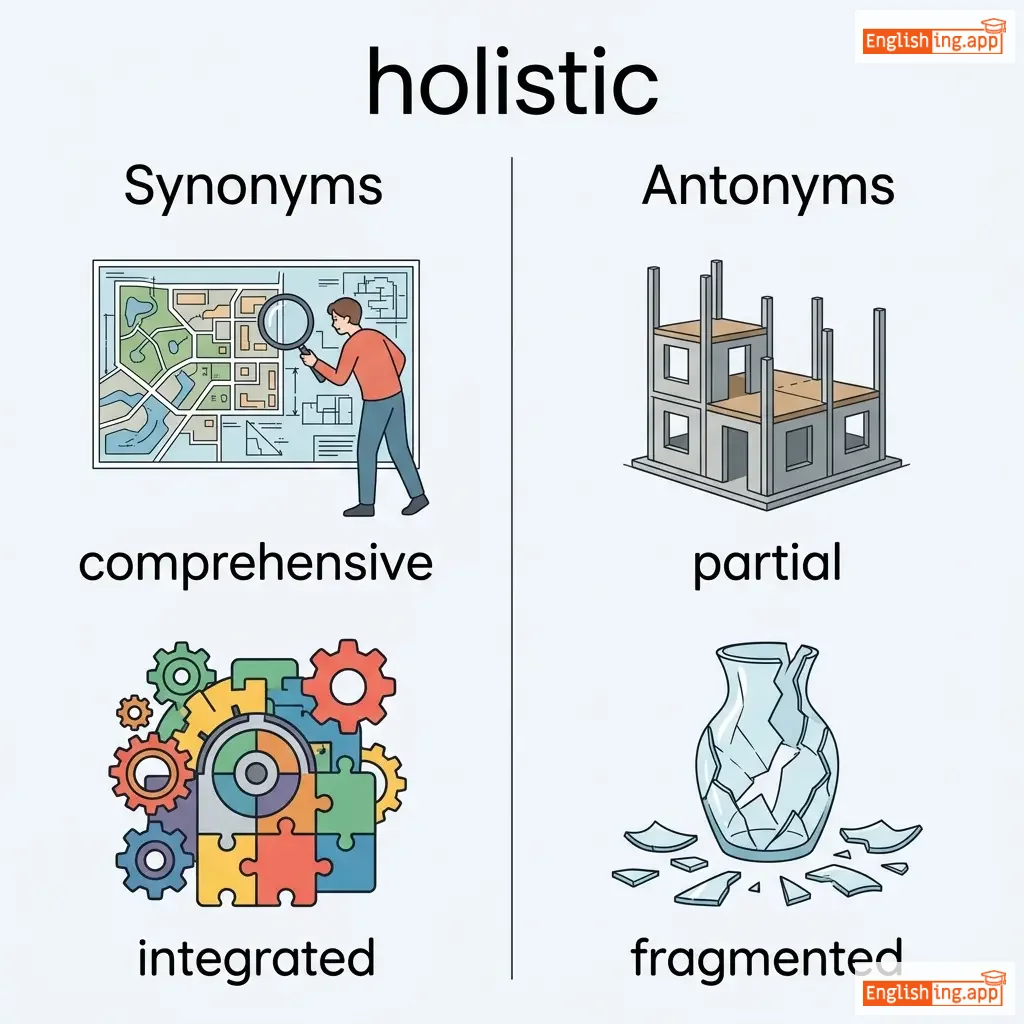
comprehensive, all-encompassing, integrated
••••••
|
partial, fragmented, narrow
••••••
|
整体的: 健康包括身心的各个方面。
••••••
|
|
#1756
🛡️
|
/ˈmɪt.ɪ.ɡeɪt/
verb
(米蒂盖特)
••••••
|
|
缓解
huǎn jiě
••••••
|
To make less severe, serious, or painful.
••••••
|
Measures were taken to mitigate the effects of climate change.
采取了措施来减轻气候变化的影响。
••••••
|
采取了措施来减轻气候变化的影响。
Cǎiqǔle cuòshī lái jiǎnqīng qìhòu biànhuà de yǐngxiǎng.
••••••
|
alleviate, reduce, diminish
••••••
|
intensify, aggravate, worsen
••••••
|
缓解 - 就是减少不良影响
••••••
|
|
#1757
🧠
|
/ˌnjʊə.rəʊ.plæsˈtɪs.ɪ.ti/
noun
(神经可塑性)
••••••
|
|
神经可塑性
shenjing kexuxing
••••••
|
The ability of the brain to form and reorganize synaptic connections, especially in response to learning or experience.
••••••
|
Neuroplasticity allows the brain to adapt and learn new skills.
神经可塑性使大脑能够适应并学习新技能。
••••••
|
神经可塑性使大脑能够适应并学习新技能。
Shenjing kexuxing shi dainao nenggou shiying bing xuexi xin jineng.
••••••
|
brain adaptability, neural flexibility, cognitive modification
••••••
|
rigidity, fixation, inflexibility
••••••
|
神经可塑性就像大脑可以重建自己,学习新技能。
••••••
|
|
#1758
💰
|
/ɪɡˈzɔː.bɪ.tənt/
adjective
(ik'sɔːrbitənt)
••••••
|
|
过高的
guò gāo de
••••••
|
Unreasonably high in price or amount.
••••••
|
The hotel charged an exorbitant amount for a one-night stay.
酒店收取了高得离谱的一晚住宿费用。
••••••
|
酒店收取了高得离谱的一晚住宿费用。
Jiǔdiàn shōu qǔle gāo dé lí pǔ de yī wǎn zhùsù fèiyòng.
••••••
|
excessive, outrageous, overpriced
••••••
|
reasonable, moderate, affordable
••••••
|
高得离谱的价格,让人想要逃离。
••••••
|
|
#1759
🧬
|
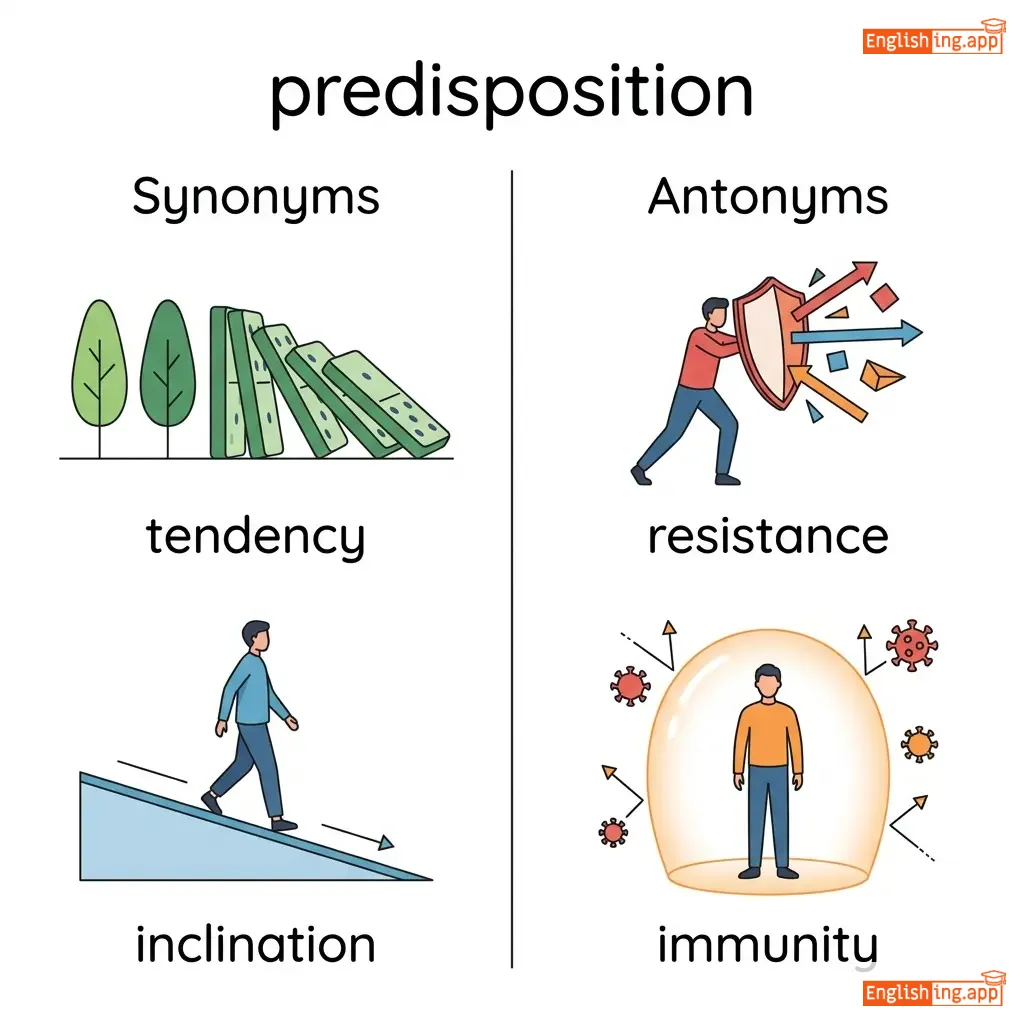
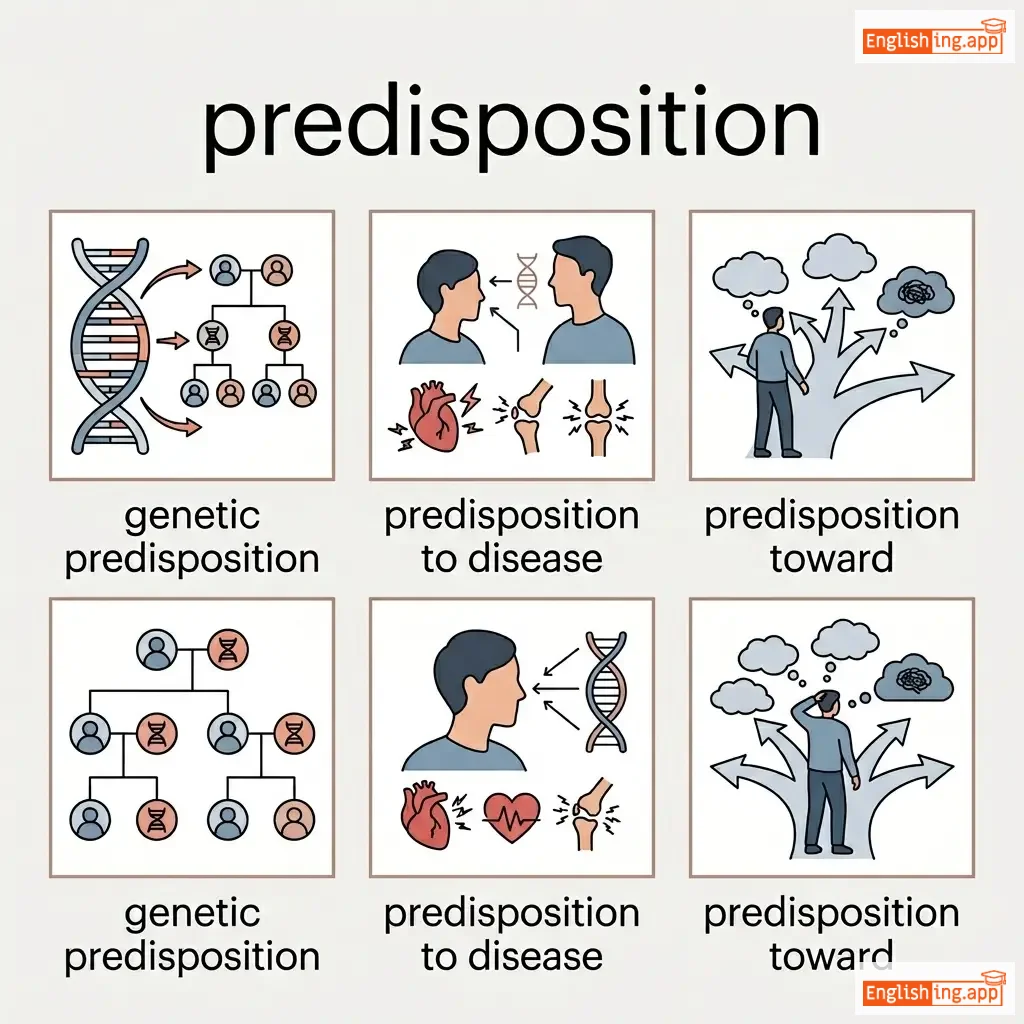
/ˌpriː.dɪs.pəˈzɪʃ.ən/
noun
(倾向)
••••••
|
|
倾向
qingxiang
••••••
|
A liability or tendency to suffer from a particular condition, hold a particular attitude, or act in a particular way.
••••••
|
A family history of diabetes increases a predisposition to the disease.
糖尿病的家族史增加了患病的倾向。
••••••
|
糖尿病的家族史增加了患病的倾向。
Tangniaobing de jiazushi zengjia le huanbing de qingxiang.
••••••
|
inclination, propensity, susceptibility
••••••
|
resistance, immunity, aversion
••••••
|
倾向(qingxiang)表示倾向于某种状态。
••••••
|
|
#1760
🛡️
|
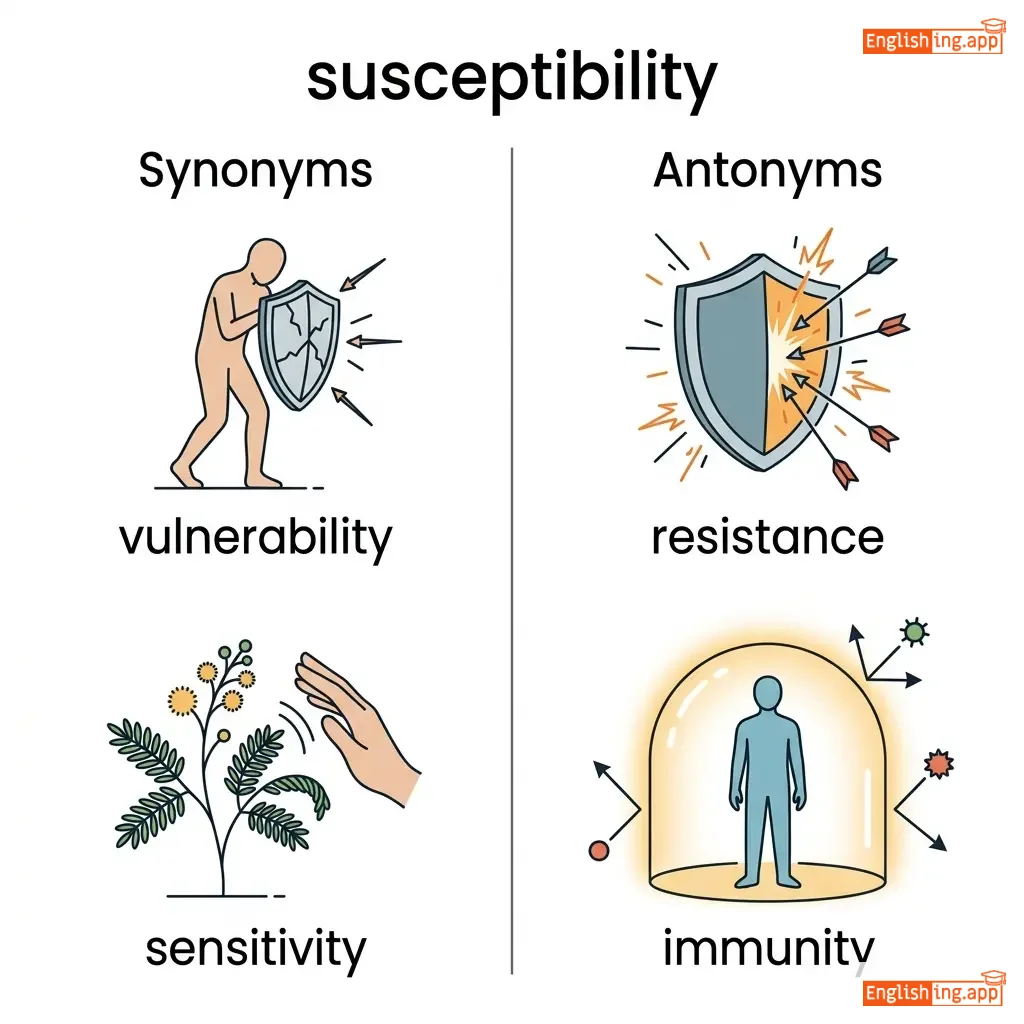
/səˌsep.təˈbɪl.ɪ.ti/
noun
(易感性)
••••••
|
|
易感性
yìgǎn xìng
••••••
|
The state or fact of being likely or liable to be influenced or harmed by a particular thing.
••••••
|
Lack of sleep increases susceptibility to illnesses.
Lack of sleep increases susceptibility to illnesses.
••••••
|
缺乏睡眠增加了易感性,容易生病。
Quēfá shuìmián zēngjiāle yìgǎn xìng, róngyì shēngbìng.
••••••
|
vulnerability, sensitivity, receptivity
••••••
|
immunity, resistance, protection
••••••
|
易感性 = 你对外部因素的敏感性.
••••••
|
|
#1761
🎯
|
/ˈdɪl.ɪ.dʒəns/
noun
(迪利根斯)
••••••
|
|
勤奋
qínfèn
••••••
|
Careful and persistent work or effort.
••••••
|
His diligence in studying led to outstanding results. |
他在学习上的勤奋导致了卓越的成果。
Tā zài xuéxí shàng de qínfèn dǎozhìle zhuóyuè de chéngguǒ.
••••••
|
perseverance, hard work, meticulousness
••••••
|
laziness, negligence, carelessness
••••••
|
勤奋是成功的基础。
••••••
|
|
#1762
🌱
|
/rɪˈdʒuː.vən.eɪt/
verb
(rijuvenet)
••••••
|
|
使恢复活力
shi huifu huoli
••••••
|
To make or feel young, healthy, or energetic again.
••••••
|
A vacation helps to rejuvenate both body and mind. |
度假有助于恢复身心的活力。
Dùjià yǒu zhù yú huīfù shēn xīn de huólì.
••••••
|
revitalize, refresh, renew
••••••
|
exhaust, deplete, drain
••••••
|
使恢复活力 = 假期充电,让你恢复能量
••••••
|
|
#1763
📈
|
/prəˌlɪf.ərˈeɪ.ʃən/
noun
(增殖)
••••••
|
|
增殖
zengzhi
••••••
|
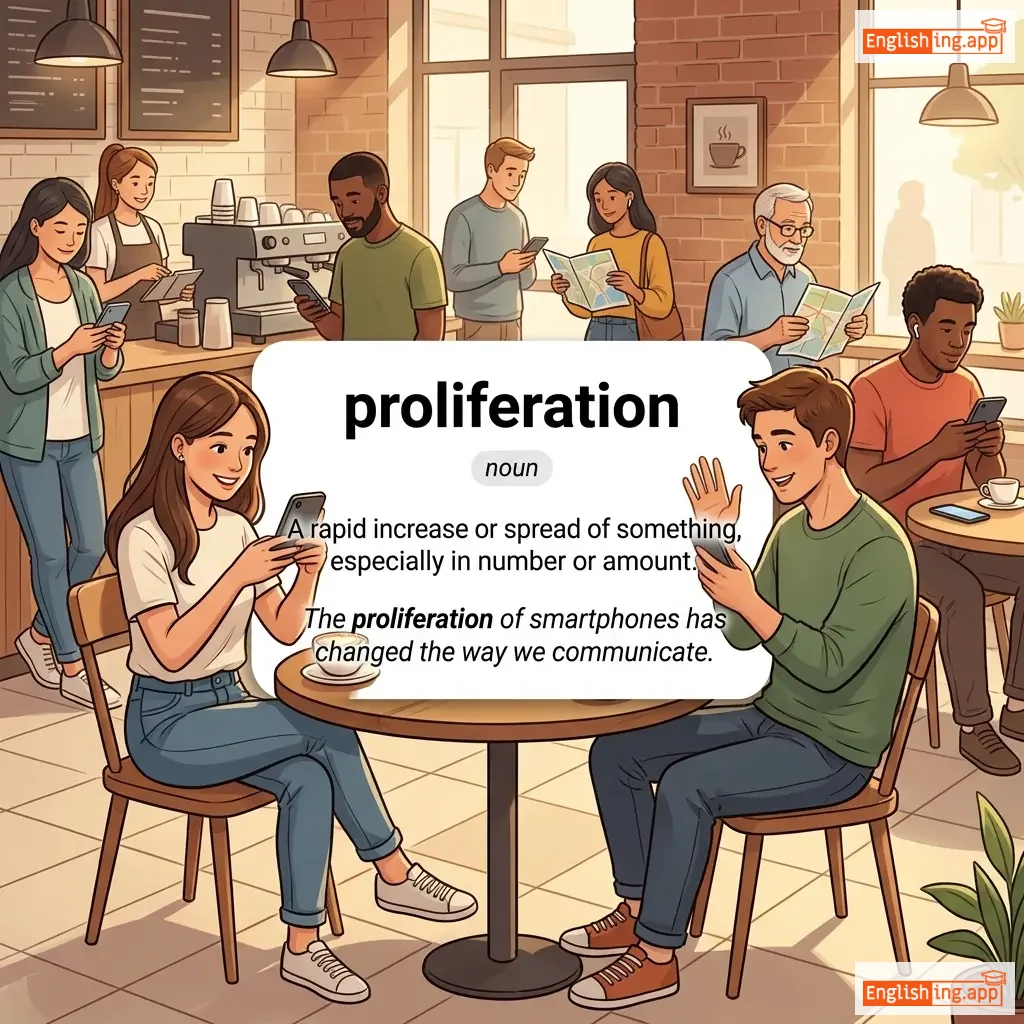
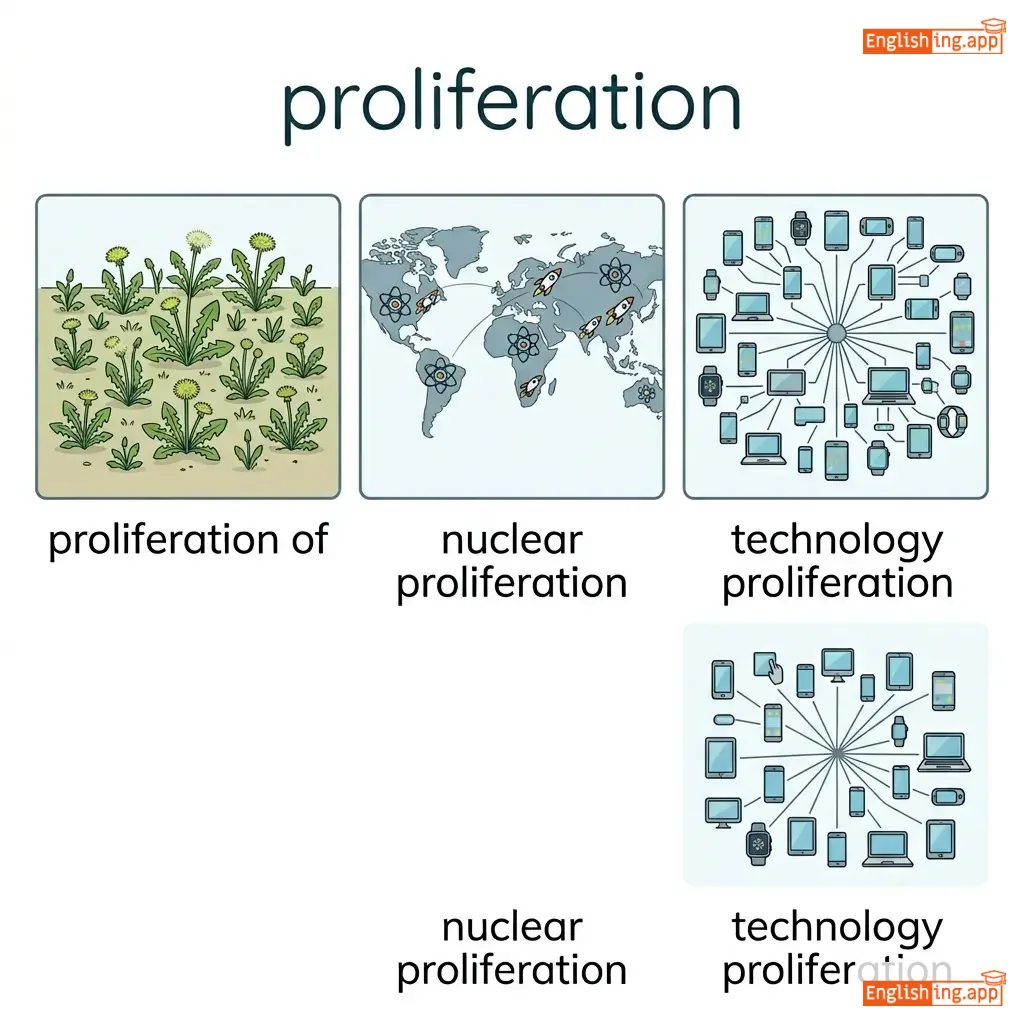
Rapid increase in the number or amount of something.
••••••
|
The proliferation of smartphones has transformed communication. |
智能手机的增殖改变了通信。
Zhinneng shouji de zengzhi gaibian le tongxin.
••••••
|
expansion, growth, multiplication
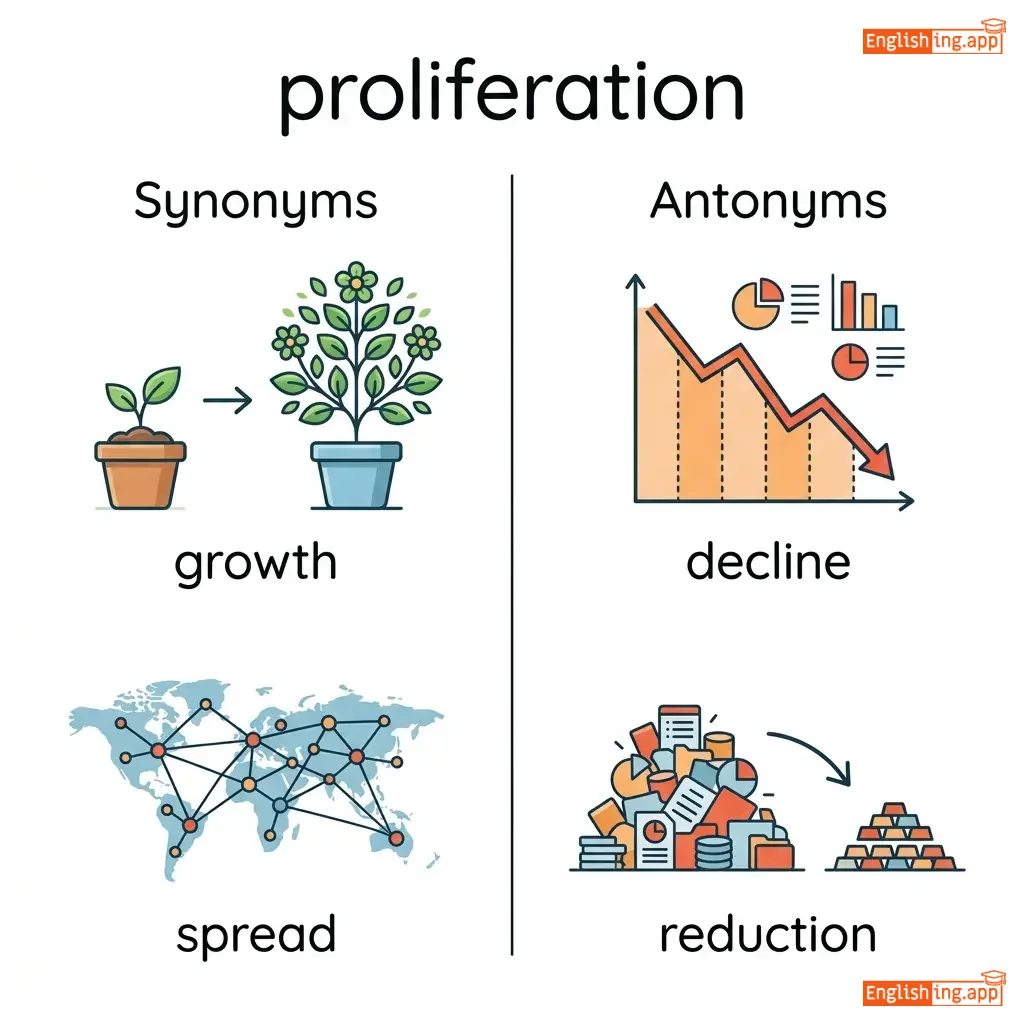
••••••
|
decline, reduction, contraction
••••••
|
增殖的智能手机改变了通信。
••••••
|
|
#1764
⬆️
|
/ɔːɡˈment/
verb
(奥格门特)
••••••
|
|
增加
zengjia
••••••
|
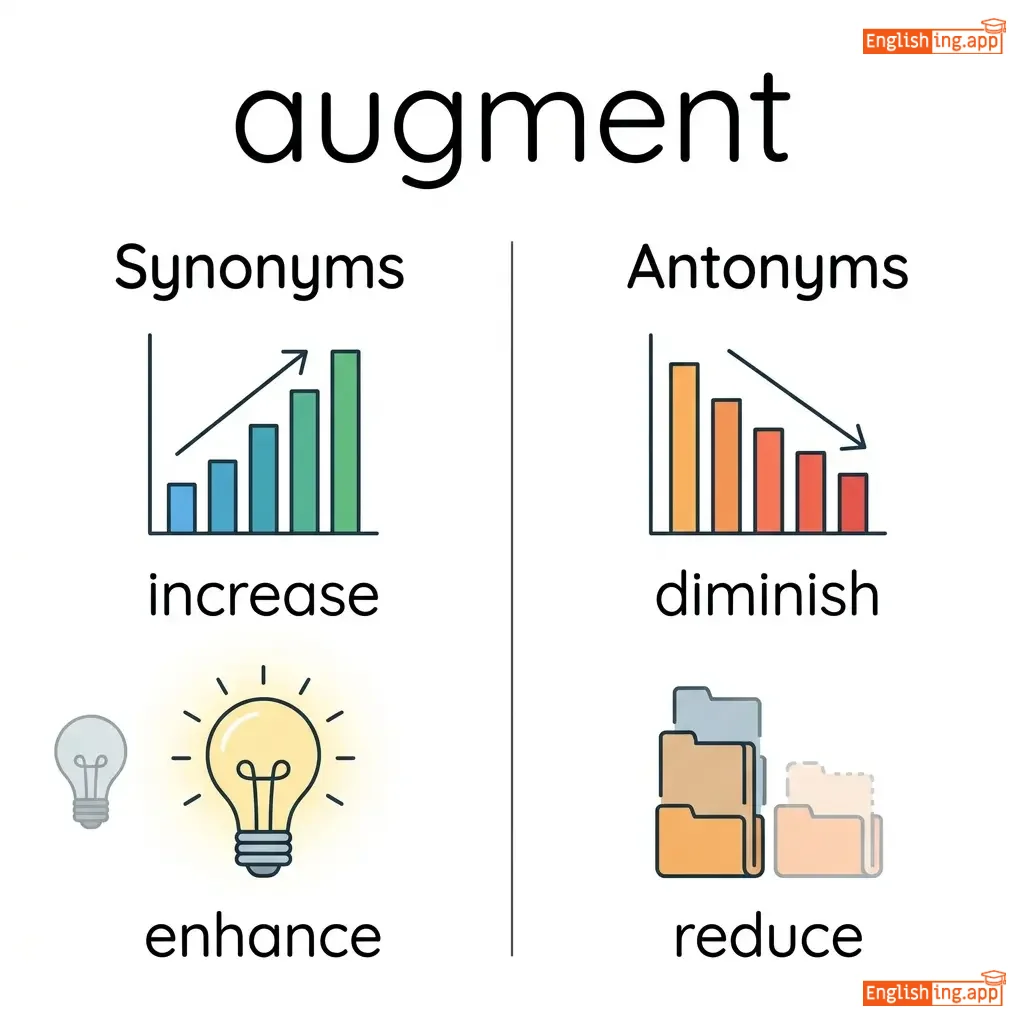
To make greater by adding to it; increase.
••••••
|
The company plans to augment its workforce next year.
公司计划明年增加其员工人数。
••••••
|
公司计划明年增加其员工人数。
Gōngsī jìhuà míngnián zēngjiā qí yuángōng rénshù.
••••••
|
enhance, amplify, expand
••••••
|
decrease, lessen, diminish
••••••
|
Augment = 增加 (Increase = 增加)
••••••
|
|
#1765
💪
|
/ˈbəʊl.stər/
verb
(博尔斯特)
••••••
|
|
加强
jiāqiáng
••••••
|
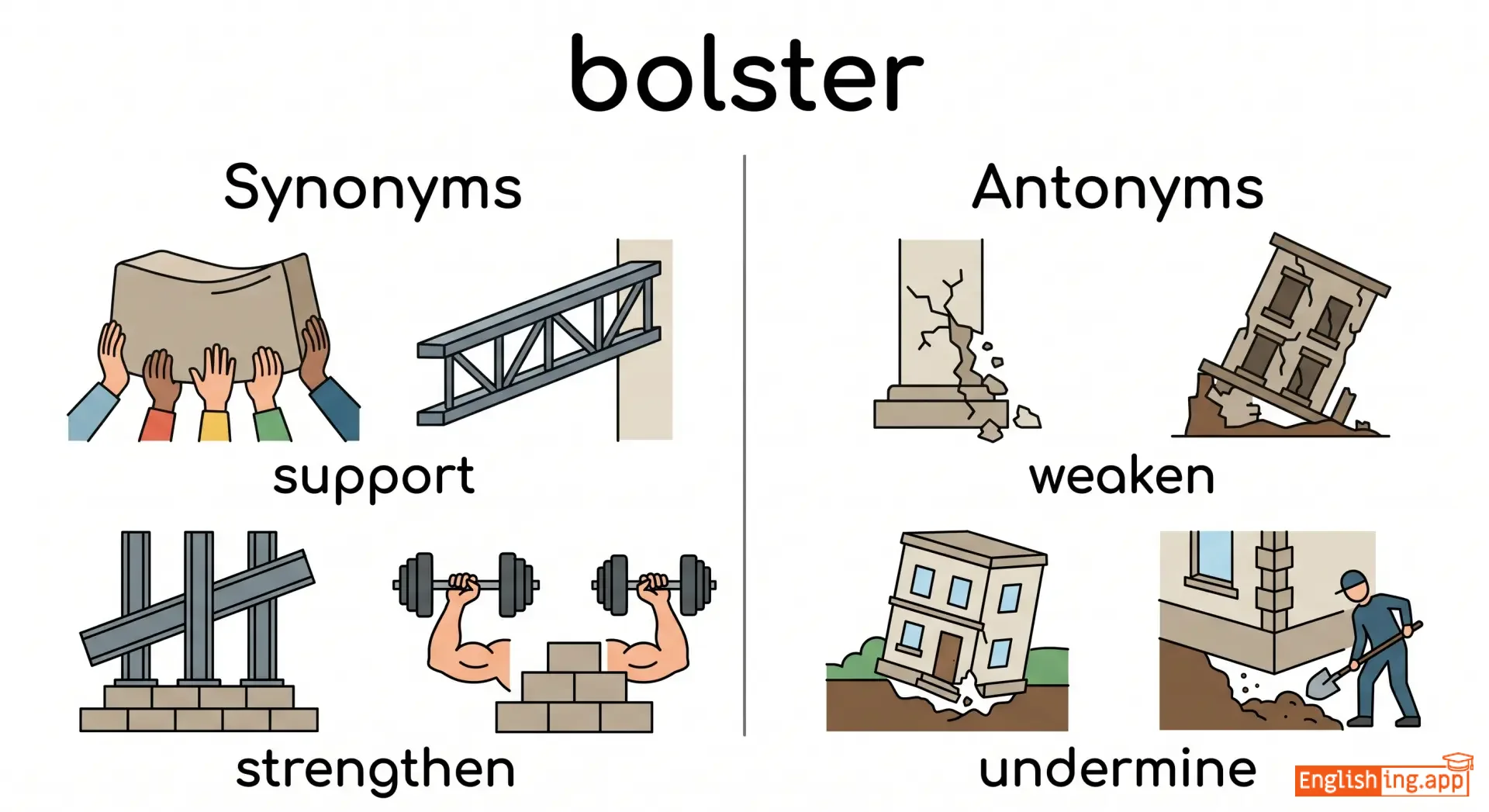
To support or strengthen; to prop up.
••••••
|
The government aims to bolster economic growth.
政府旨在促进经济增长。
••••••
|
政府旨在加强经济增长。
Zhèngfǔ zhǐ zài jiāqiáng jīngjì zēngzhǎng.
••••••
|
strengthen, support, reinforce
••••••
|
weaken, undermine, deplete
••••••
|
加强 - 就像用力量加速某事一样,是做得更强的意思。
••••••
|
Vocabulary Quiz
Test your vocabulary by matching words with their translations or meanings.
Login to take the quiz
Comments (0)
Share your thoughts and join the discussion.
Join the discussion by logging in
Login to CommentNo comments yet
Be the first to share your thoughts!