

**Mnemonics** 如何提高学习能力
How Mnemonics Enhance Learning Ability
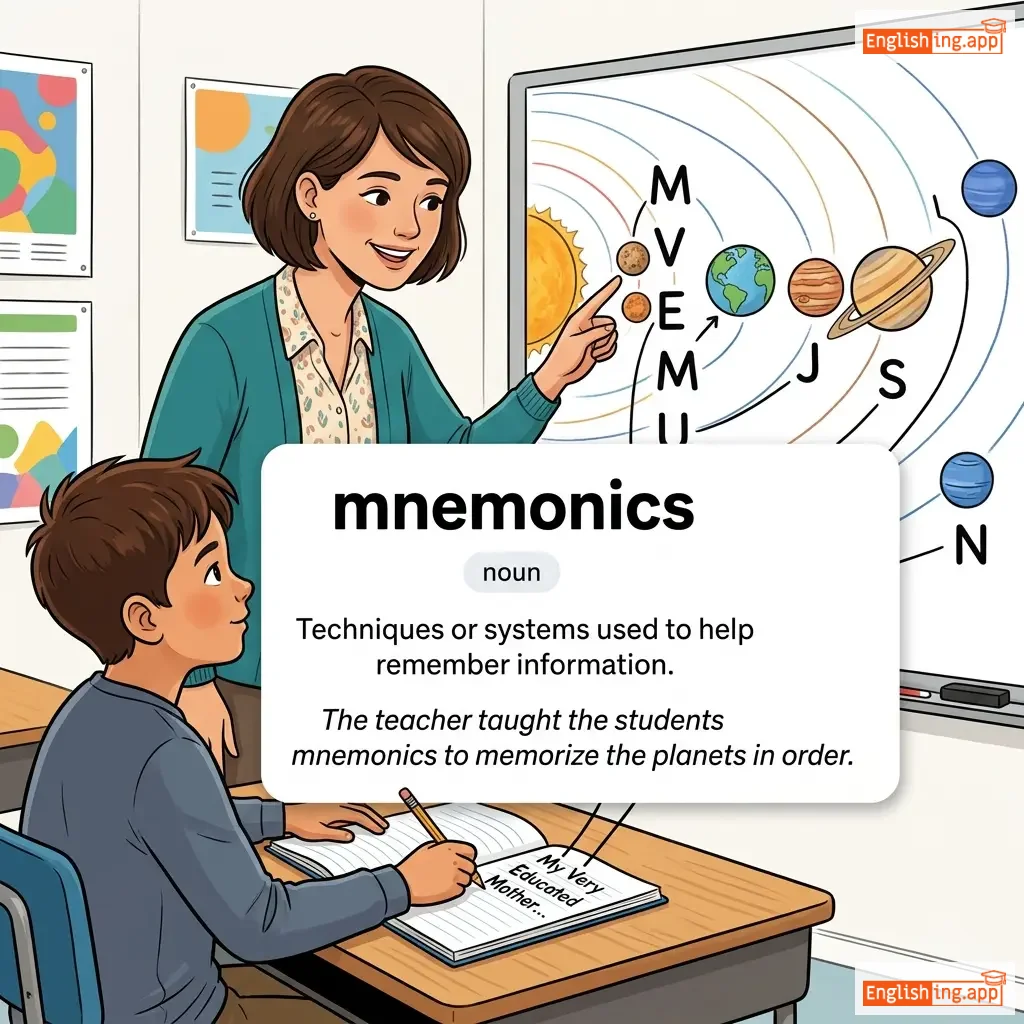
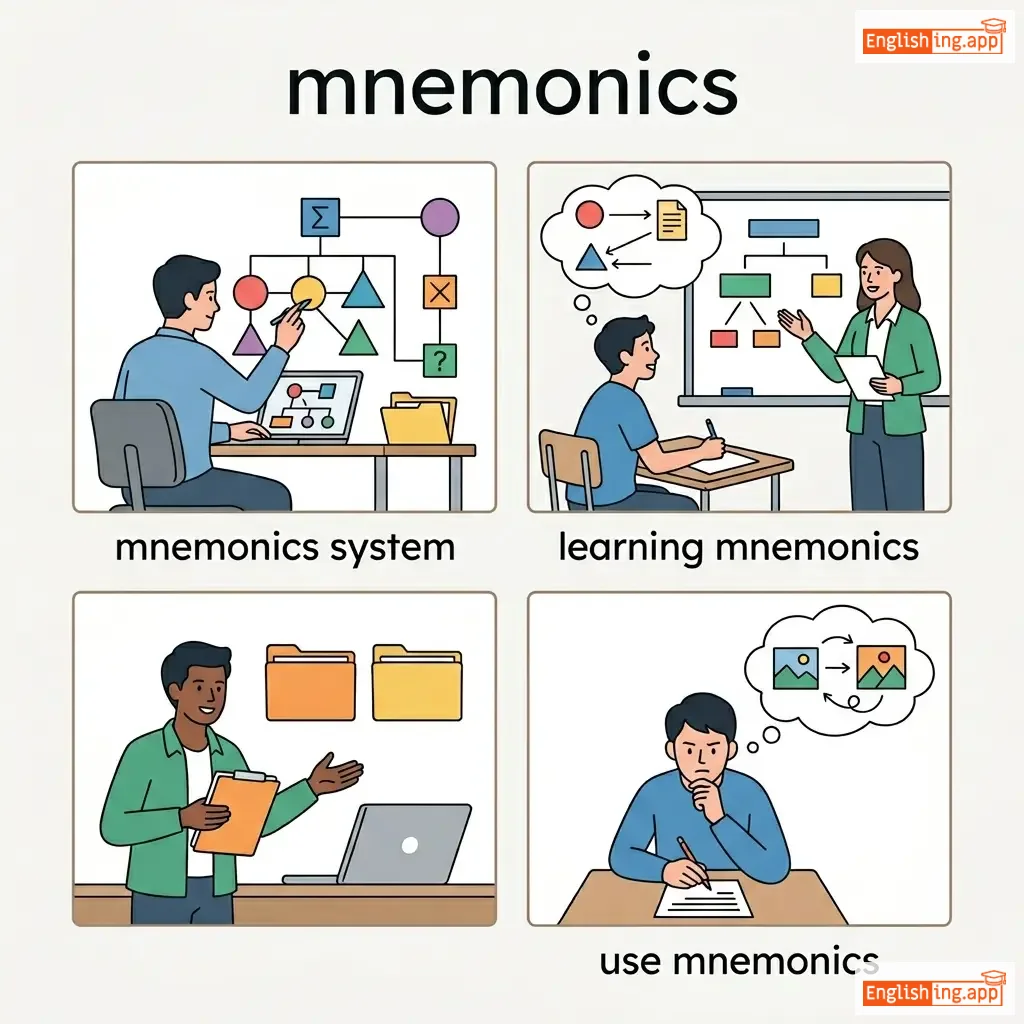
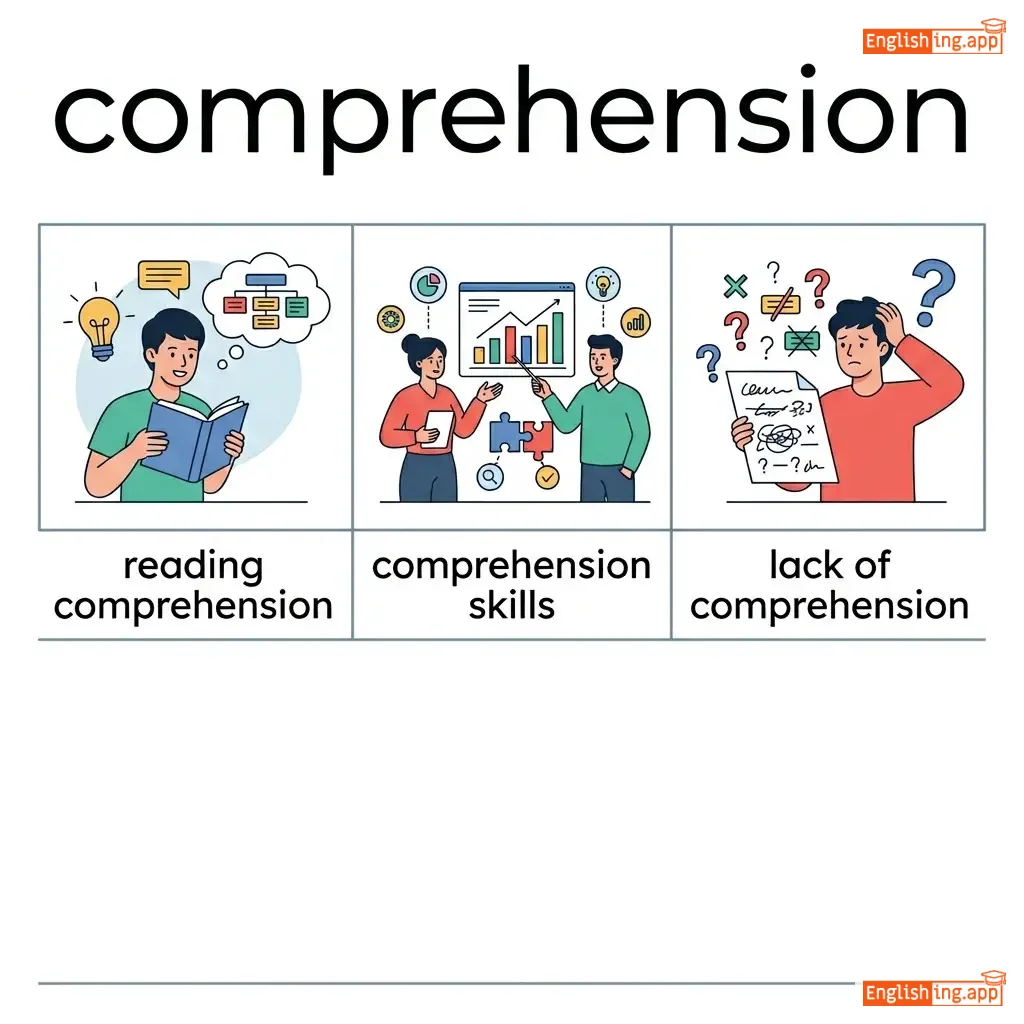
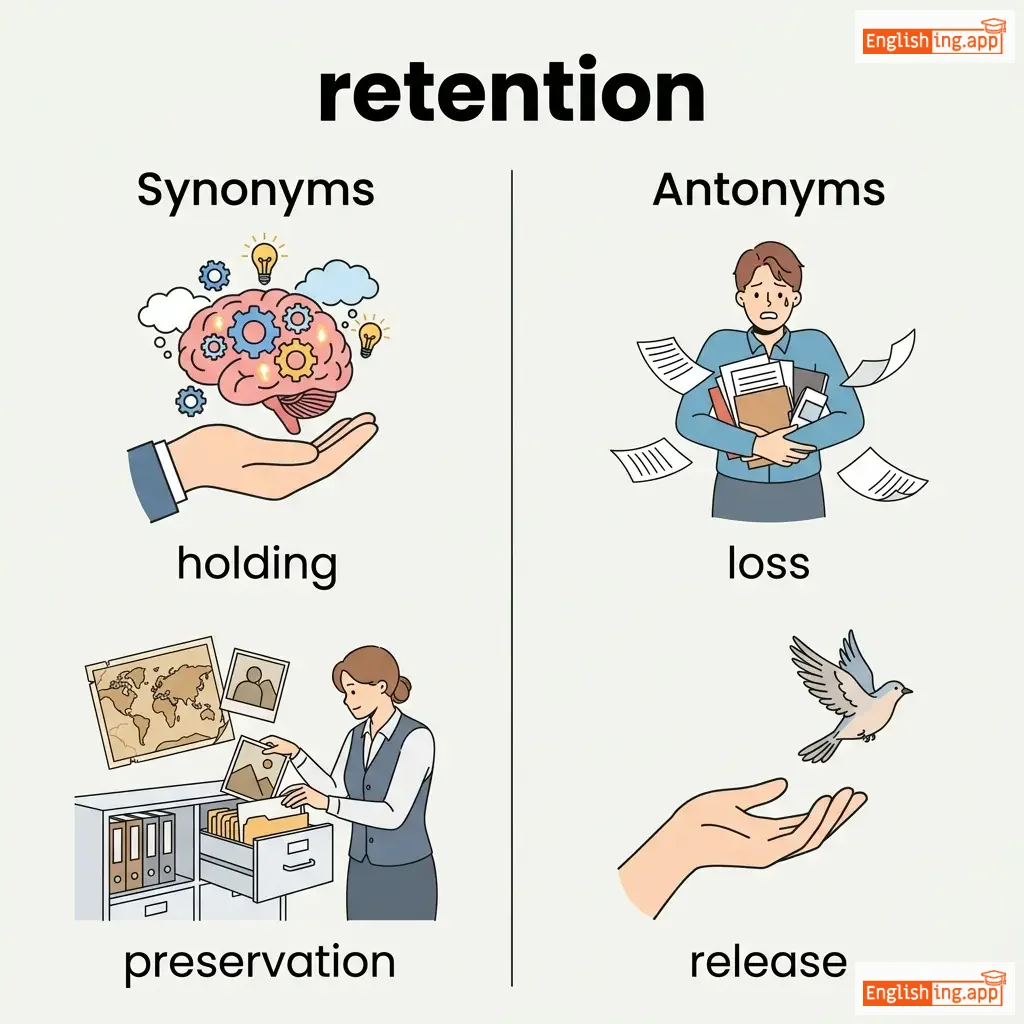
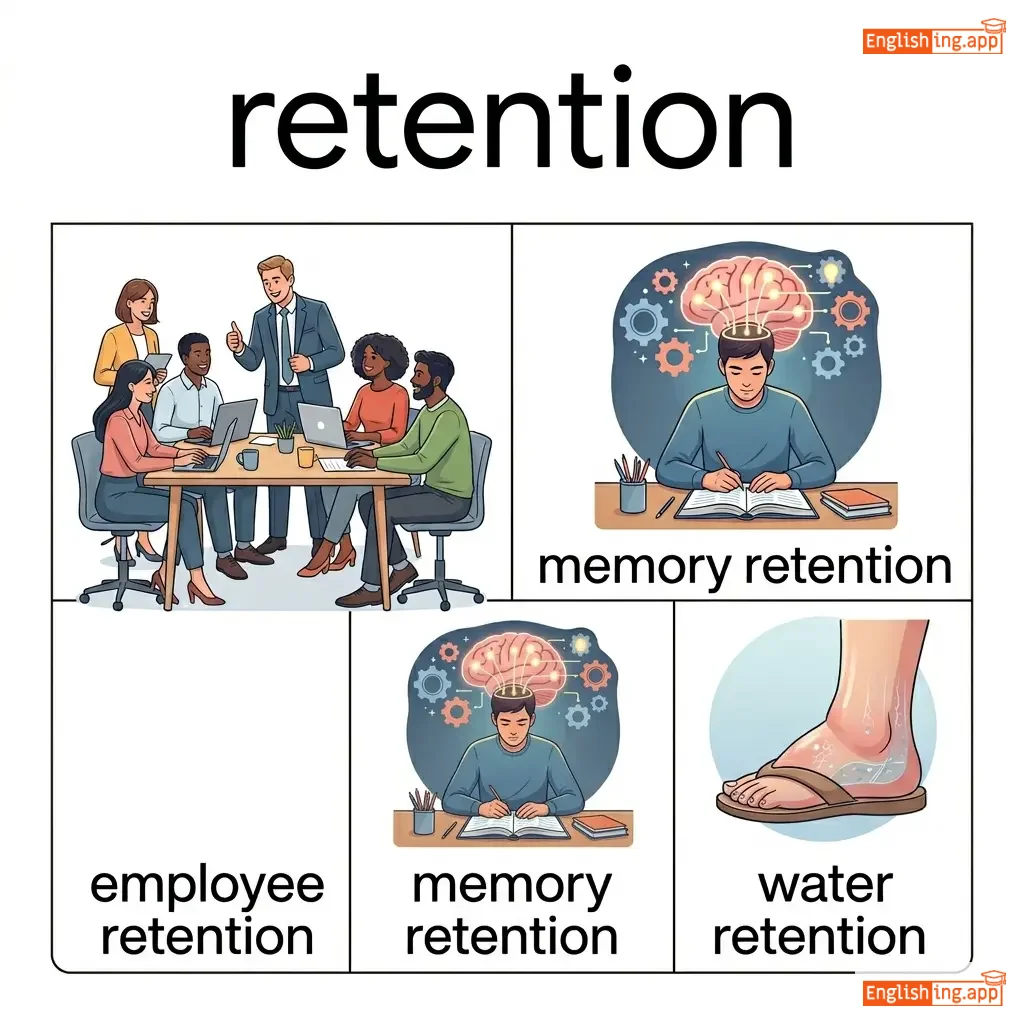
Mnemonics 是一种提高学习技能的有效技巧。它有助于增强学习的 comprehension,并提高大脑的 retention 能力。
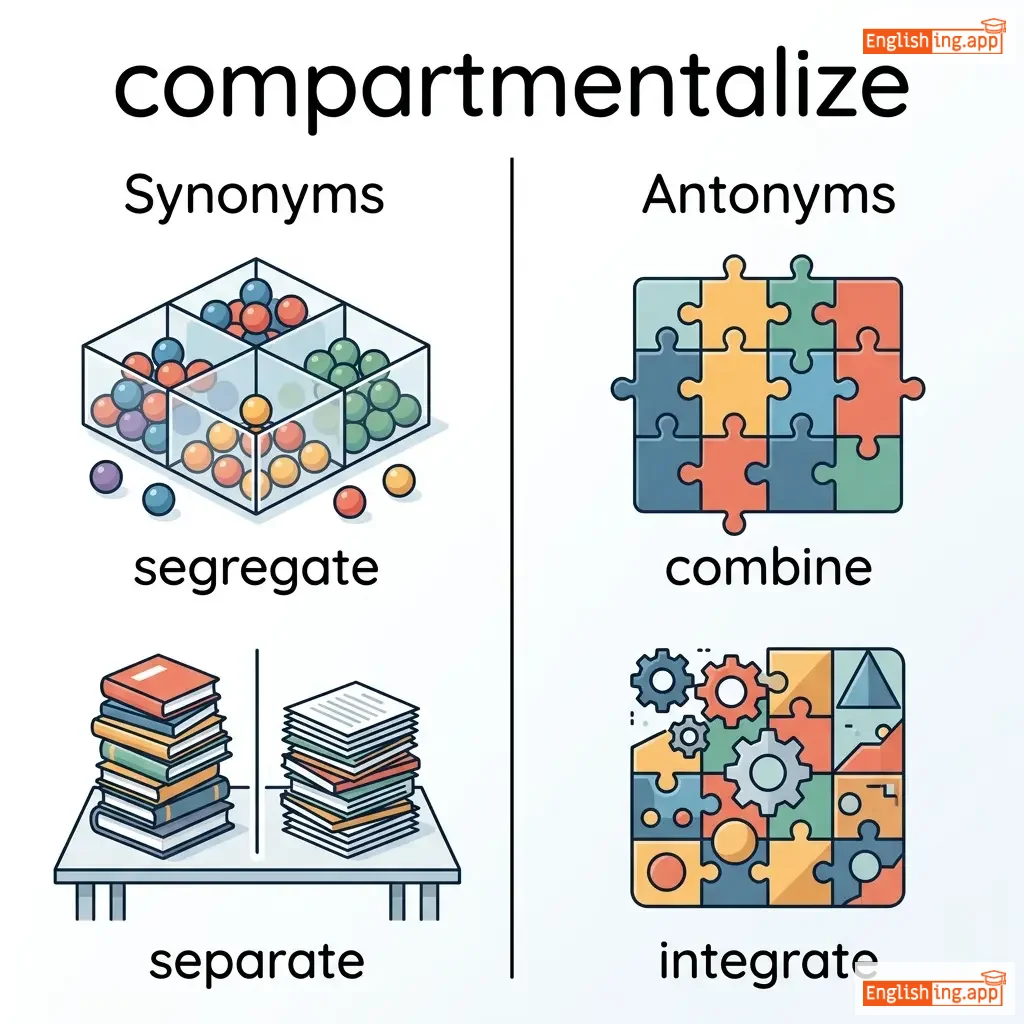
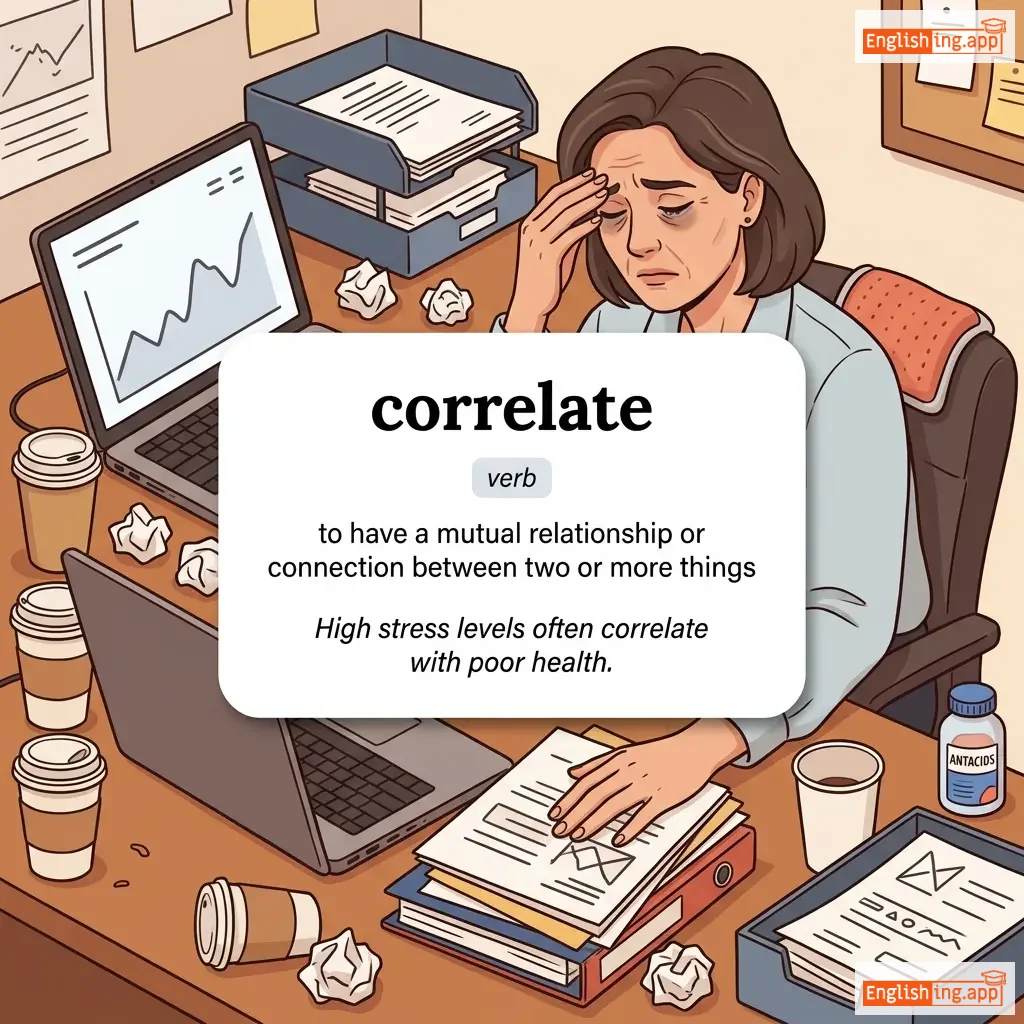
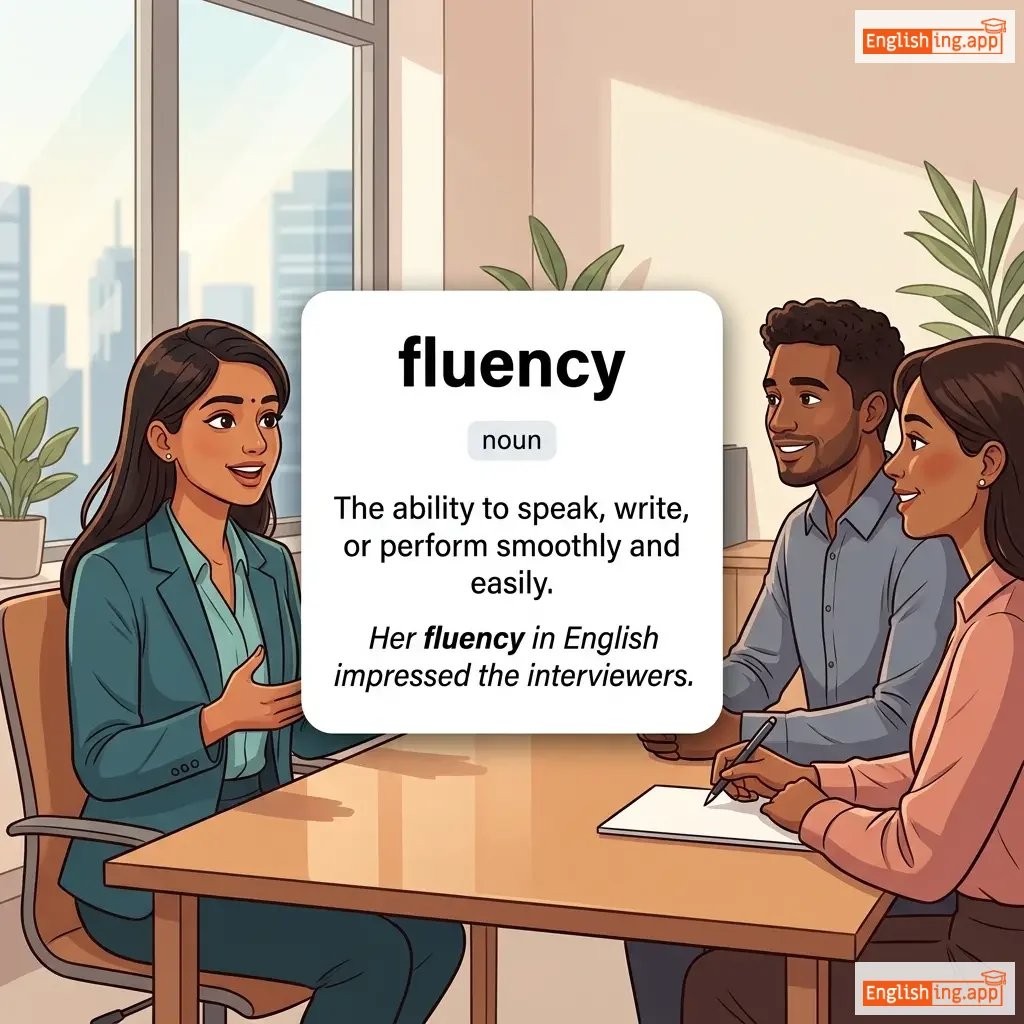
我们的大脑会 compartmentalize 并储存信息。然而,当学习新知识时,需要能够轻松地 correlate 这些信息。此时,mnemonics 起着重要作用,因为它能提高学习的 fluency 并改善 cognition。
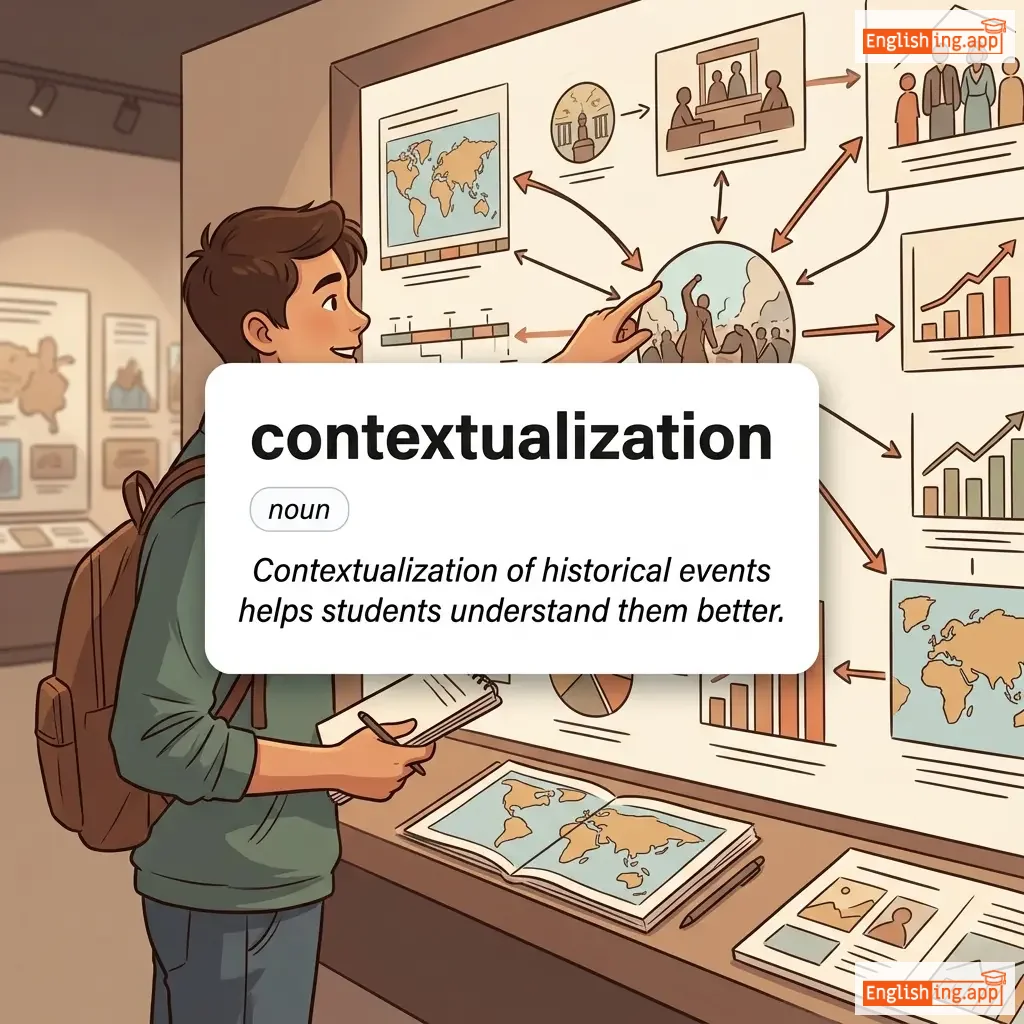
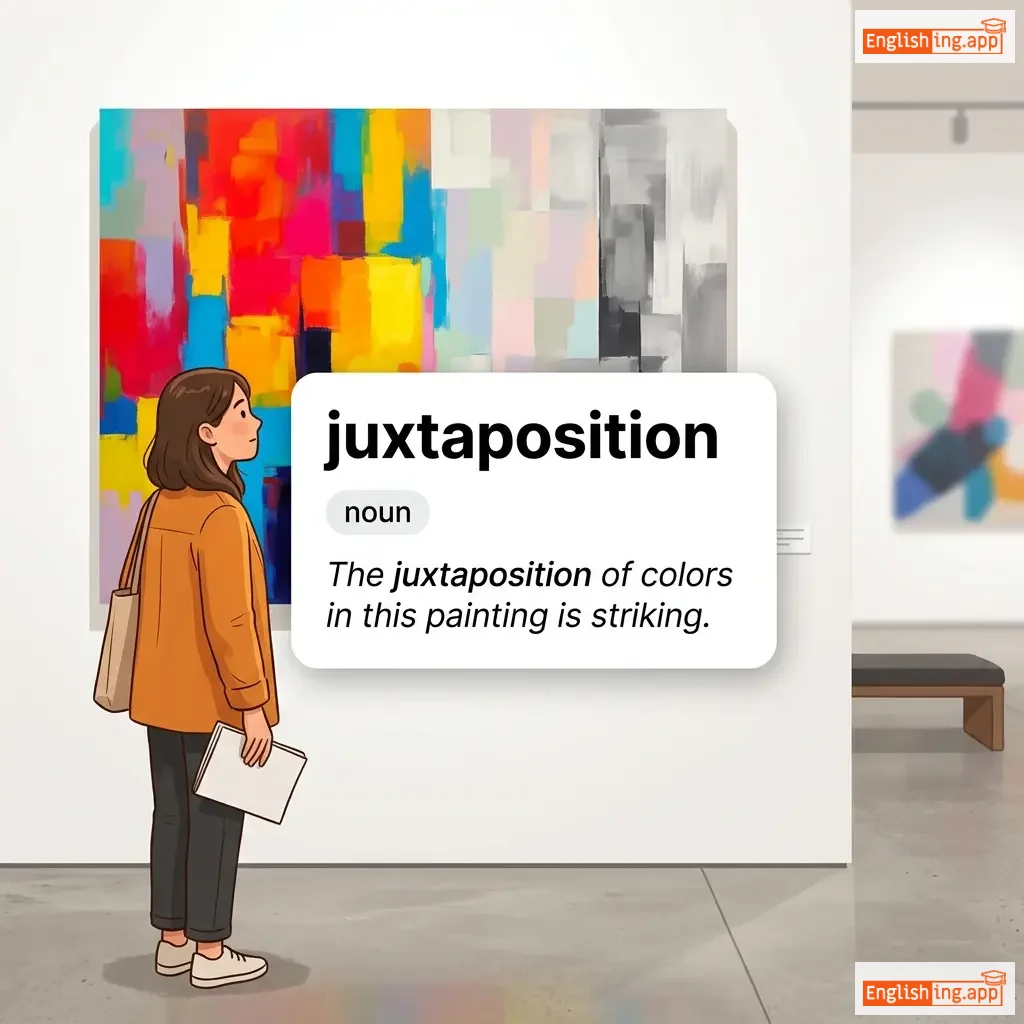
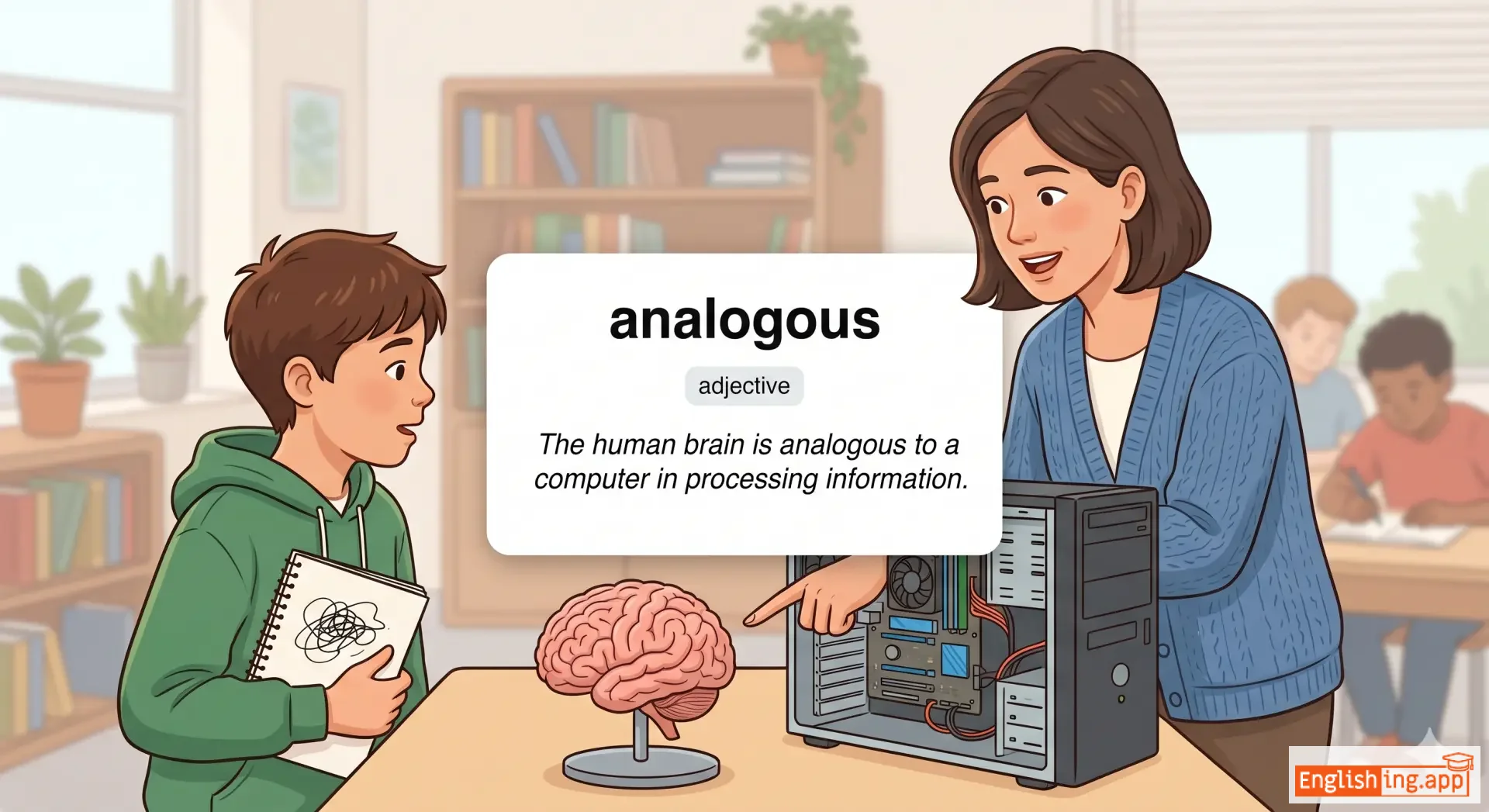
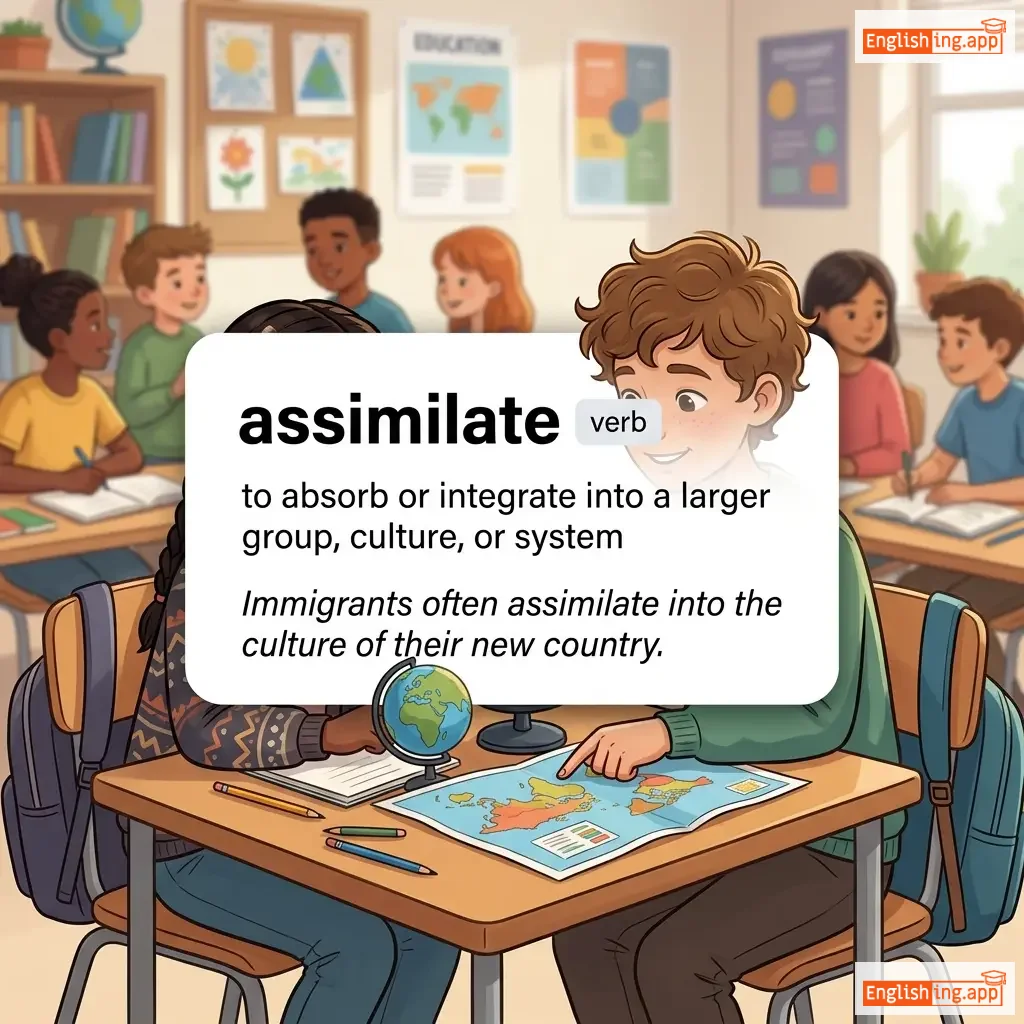
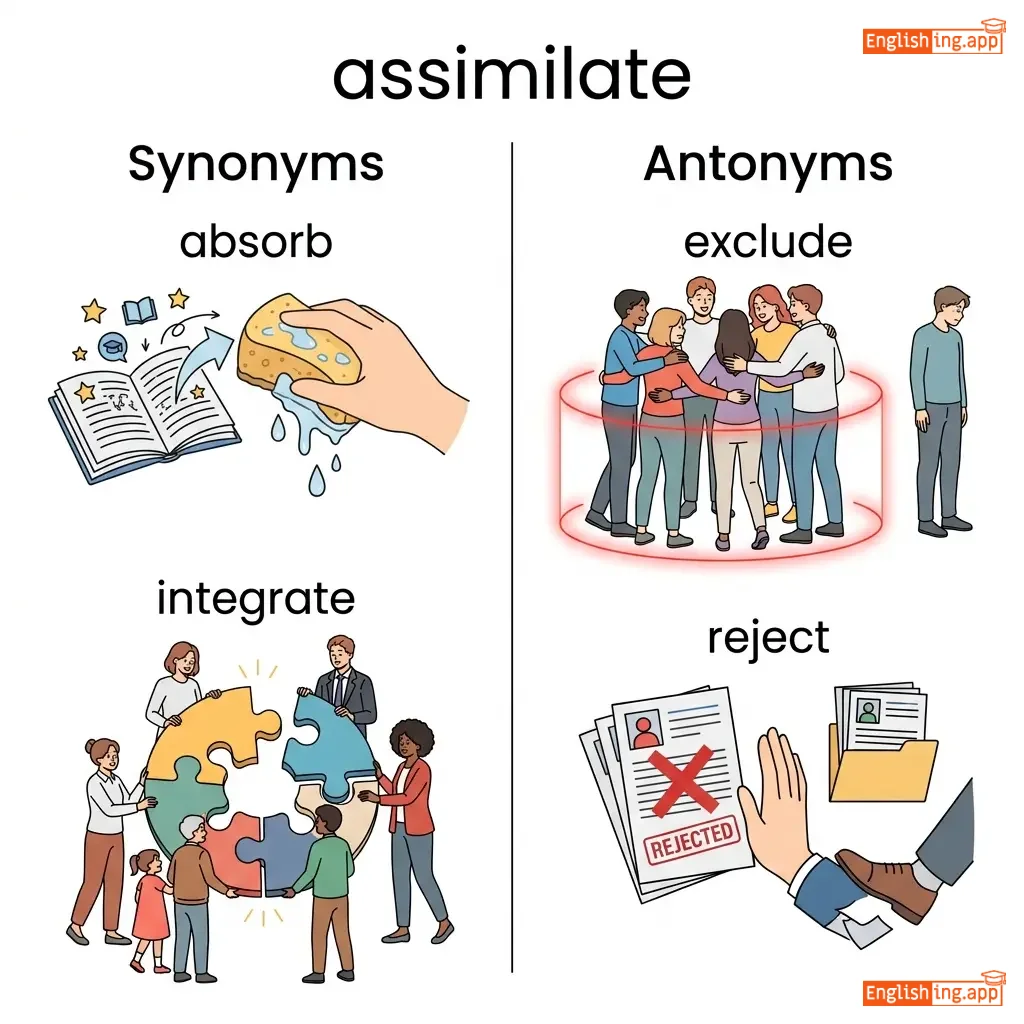
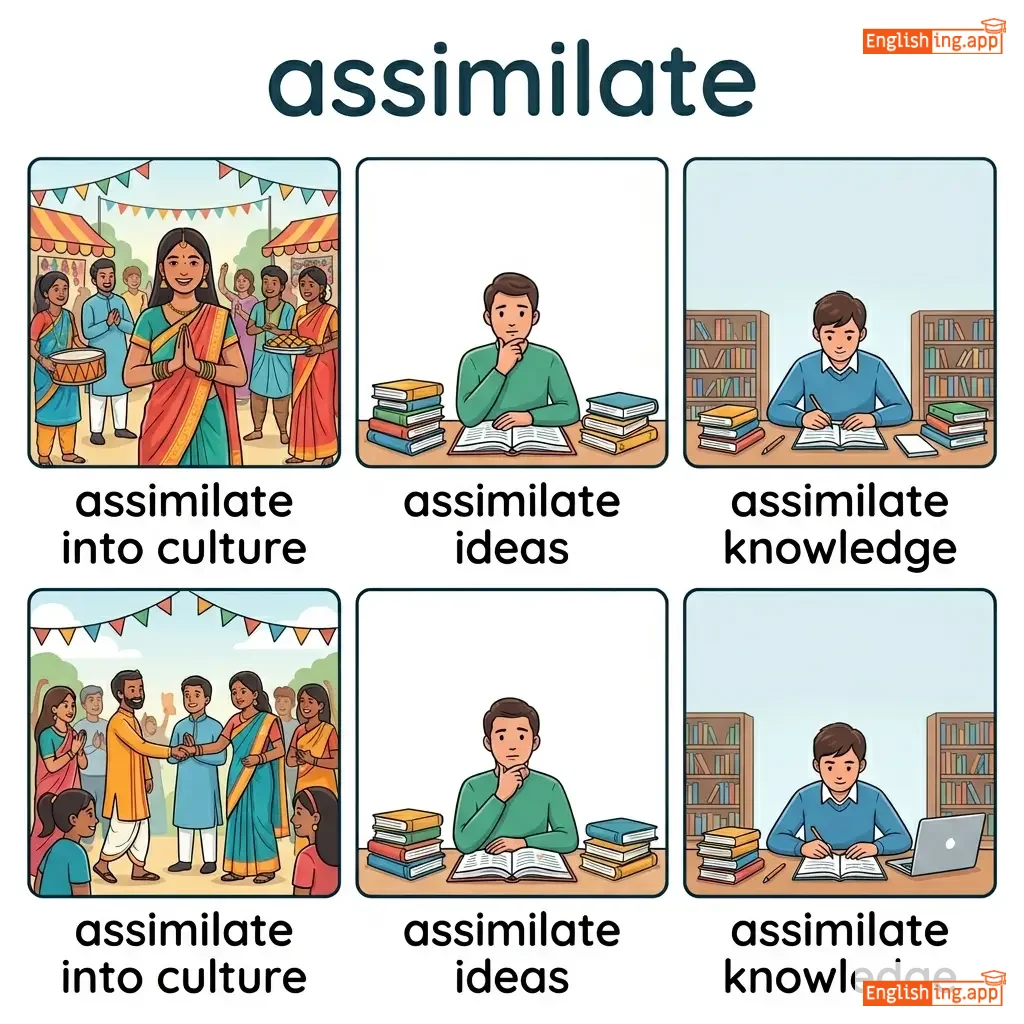
例如,当我们想记住困难的单词时,使用 contextualization 会更容易。通过使用 juxtaposition 将单词以 analogous 模式呈现,大脑可以更容易地 assimilate 它们。
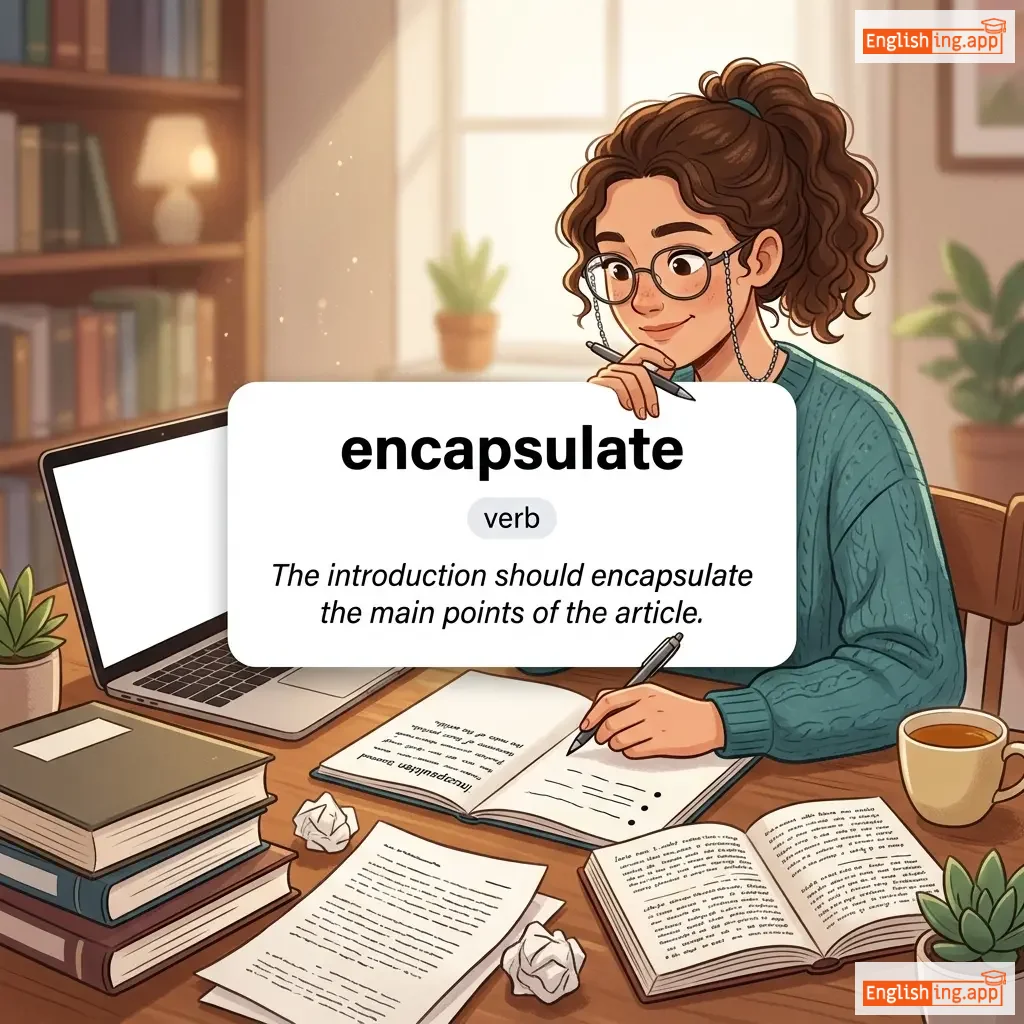
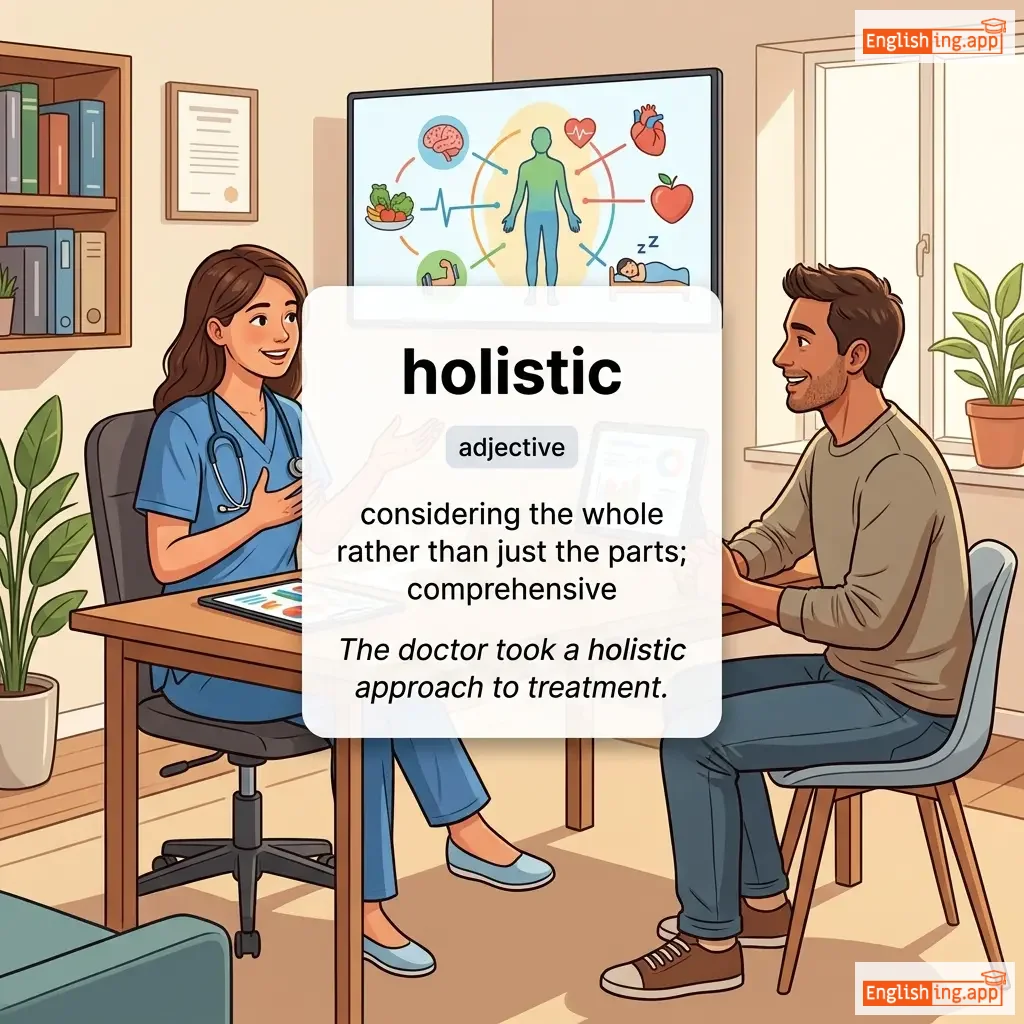
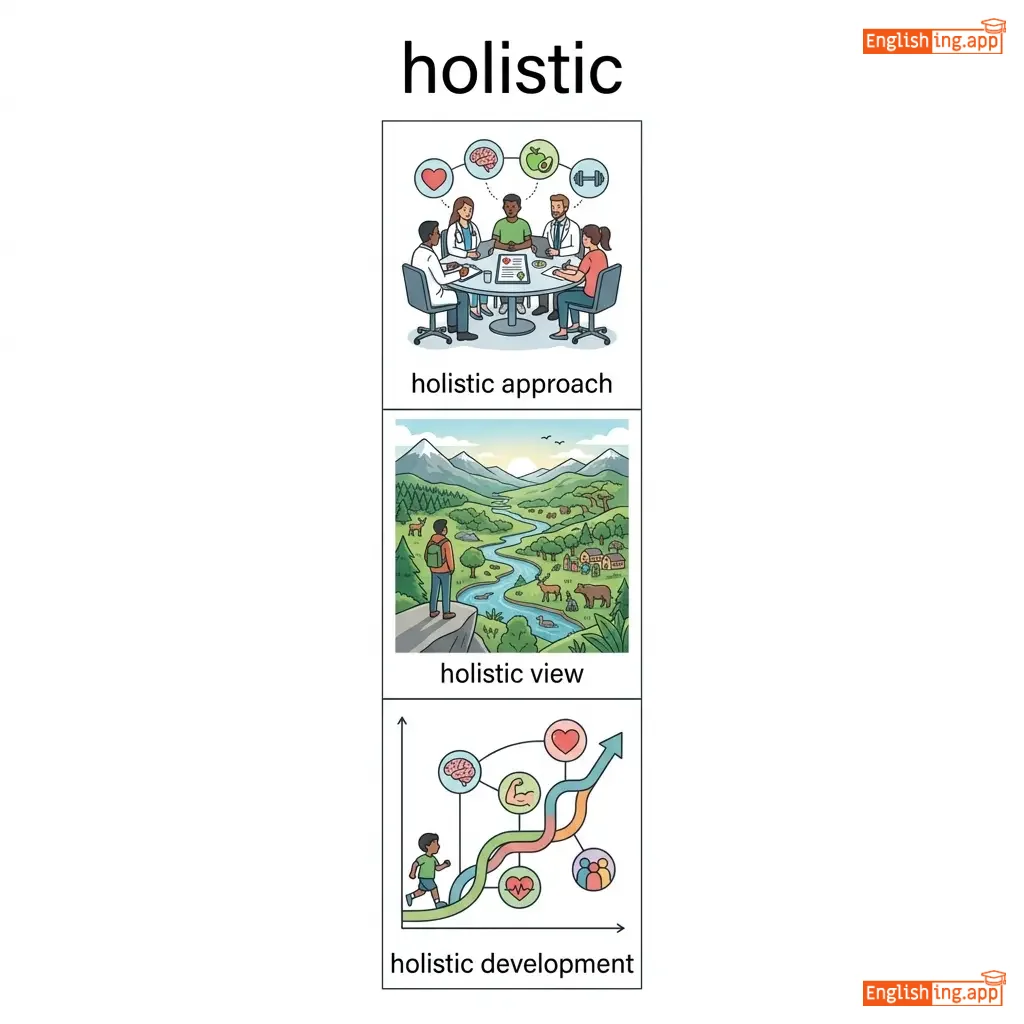
善于使用 mnemonics 的学生可以快速 encapsulate 信息。这使教育变得更加 holistic,而不仅仅是记忆游戏,从而 facilitates 真实的学习能力。





Swipe left or right, or use the buttons. Tap image to zoom.
例句翻译
单词
How Mnemonics Enhance Learning AbilityHow Mnemonics Enhance Learning Ability - 遮罩切换
|
表情符号
|
单词 | Images | 翻译 | 含义 | 例句 | 例句翻译 | 同义词 | 反义词 | 助记符 |
|---|---|---|---|---|---|---|---|---|---|
|
#2017
🧠
|
/nɪˈmɒn.ɪks/
noun
(mnemonics)
••••••
|
|
记忆技巧
jìyì jìqiǎo
••••••
|
A technique of improving learning skills and memory retention through memory aids and strategies.
••••••
|
Using mnemonics helps students remember complex formulas.
使用助记法帮助学生记住复杂的公式。
••••••
|
使用助记法帮助学生记住复杂的公式。
shǐyòng zhùjìfǎ bāngzhù xuéshēng jìzhù fùzá de gōngshì.
••••••
|
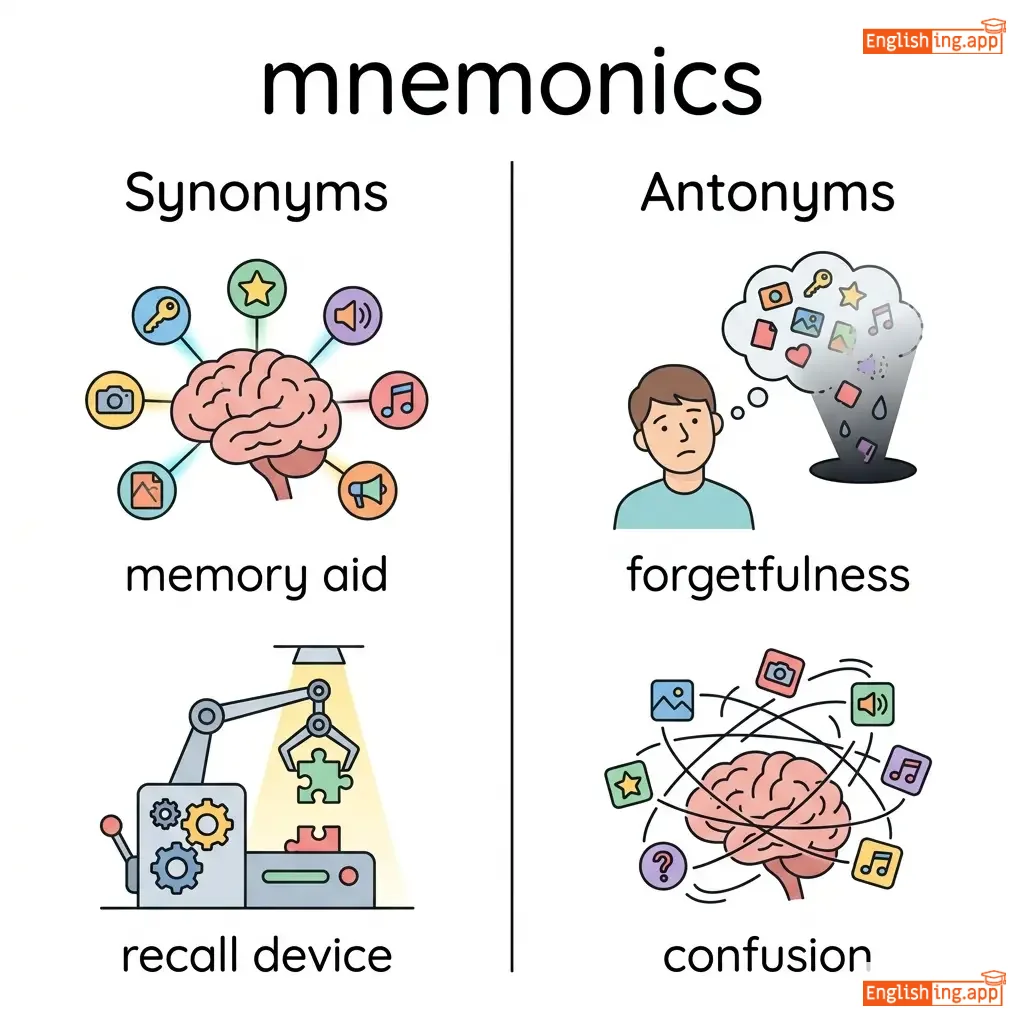
memory aid, memorization technique, recall strategy
••••••
|
forgetfulness, amnesia, neglect
••••••
|
把'记忆技巧'想象成记住公式的方式。
••••••
|
|
#2018
💡
|
/ˌkɒm.prɪˈhen.ʃən/
noun
(kom-pre-hen-shun)
••••••
|
|
理解
lijie
••••••
|
The ability to understand something; understanding or perception.
••••••
|
His comprehension of scientific theories is impressive.
他的科学理论理解令人印象深刻。
••••••
|
他对科学理论的理解令人印象深刻。
Tā duì kēxué lǐlùn de lǐjiě lìng rén yìnxiàng shēnkè.
••••••
|
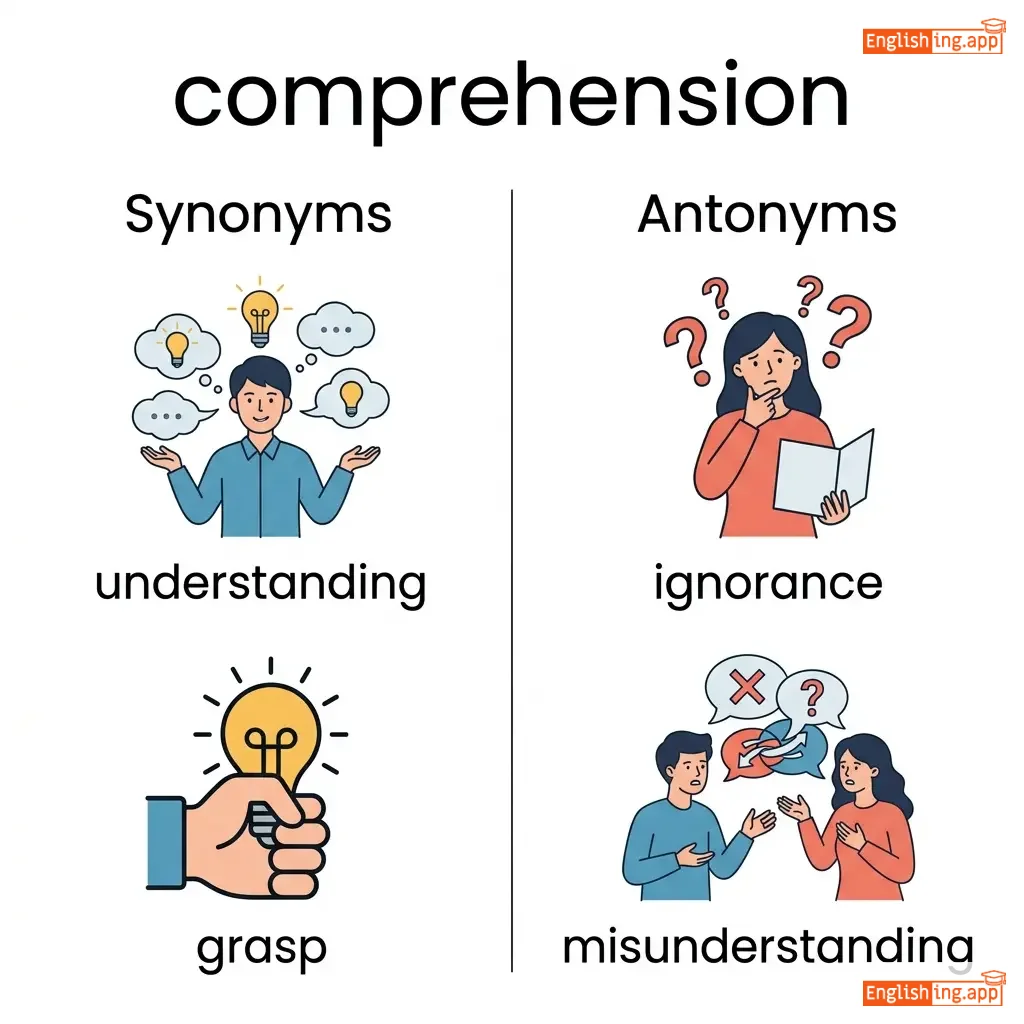
understanding, interpretation, perception
••••••
|
misinterpretation, confusion, incomprehension
••••••
|
理解事物,就能洞察世界
••••••
|
|
#2019
💾
|
/rɪˈten.ʃən/
noun
(rɪˈten.ʃən)
••••••
|
|
保持
baochi
••••••
|
The continued possession, use, or control of something; memory preservation.
••••••
|
Regular revision improves information retention. |
定期复习可以提高信息保持能力。
Dìngqī fùxí kěyǐ tígāo xìnxī bǎochí nénglì.
••••••
|
preservation, memory, recollection
••••••
|
loss, forgetting, discarding
••••••
|
保持在中文中代表了英文学到的retain,寓意记住信息。
••••••
|
|
#2020
📂
|
/ˌkɒm.pɑːtˈmen.təl.aɪz/
verb
(kòngbǎntèmén táilái zī)
••••••
|
|
划分
huàfēn
••••••
|
To divide into sections or categories; to separate things into compartments.
••••••
|
To increase efficiency, he compartmentalized his work tasks. |
为了提高效率,他将工作任务划分开来。
Wèile tígāo xiàolǜ, tā jiāng gōngzuò rènwù huàfēn kāi lái.
••••••
|
categorize, segregate, classify
••••••
|
integrate, unite, merge
••••••
|
划分就是将工作任务分类,像整理文件一样。
••••••
|
|
#2021
🔗
|
/ˈkɒr.ə.leɪt/
verb
(关联)
••••••
|
|
建立关系
jianli guanxi
••••••
|
To have a mutual relationship or connection; to establish a relationship between two or more things.
••••••
|
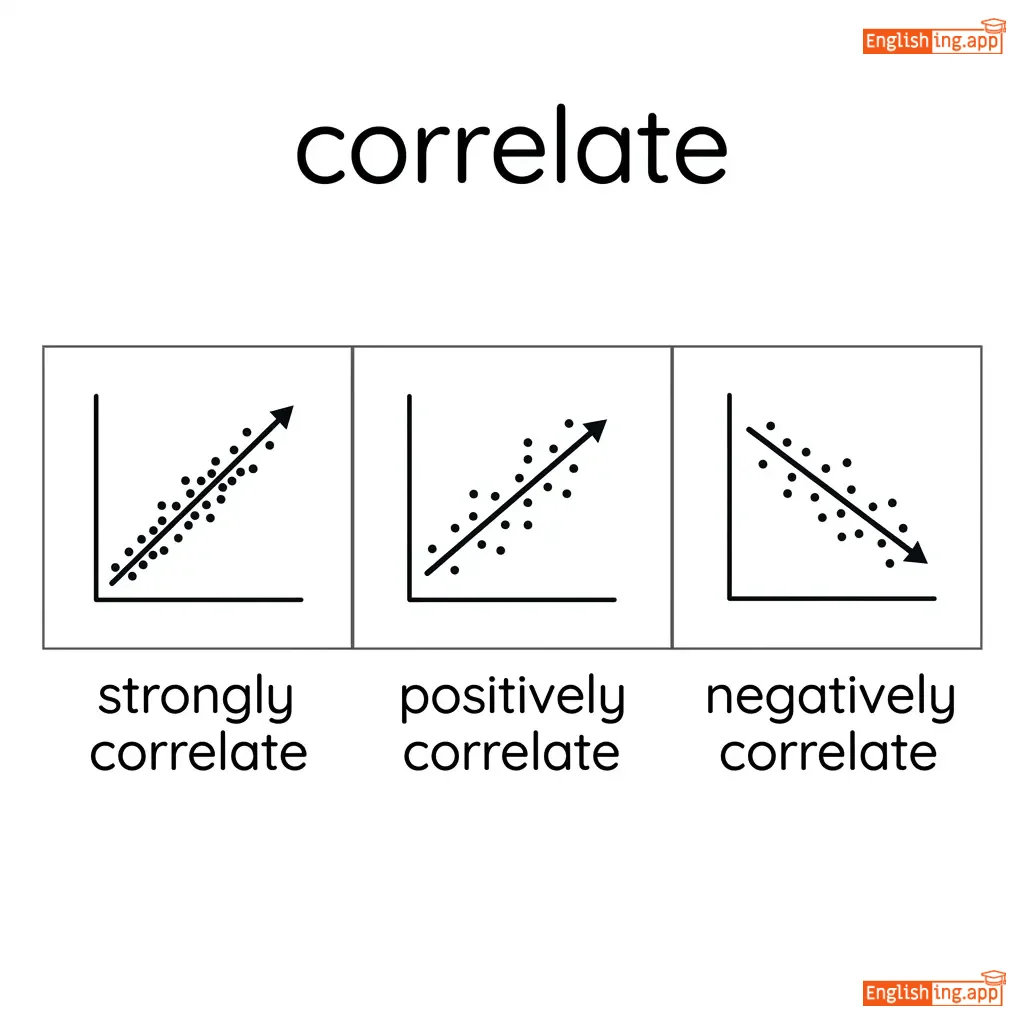
Researchers found that diet and mental health correlate strongly. |
研究人员发现饮食和心理健康之间有强烈的相关性。
Yanjiu renyuan faxian yinshi he xinli jiankang zhijian you qianglie de xiangguanxing.
••••••
|
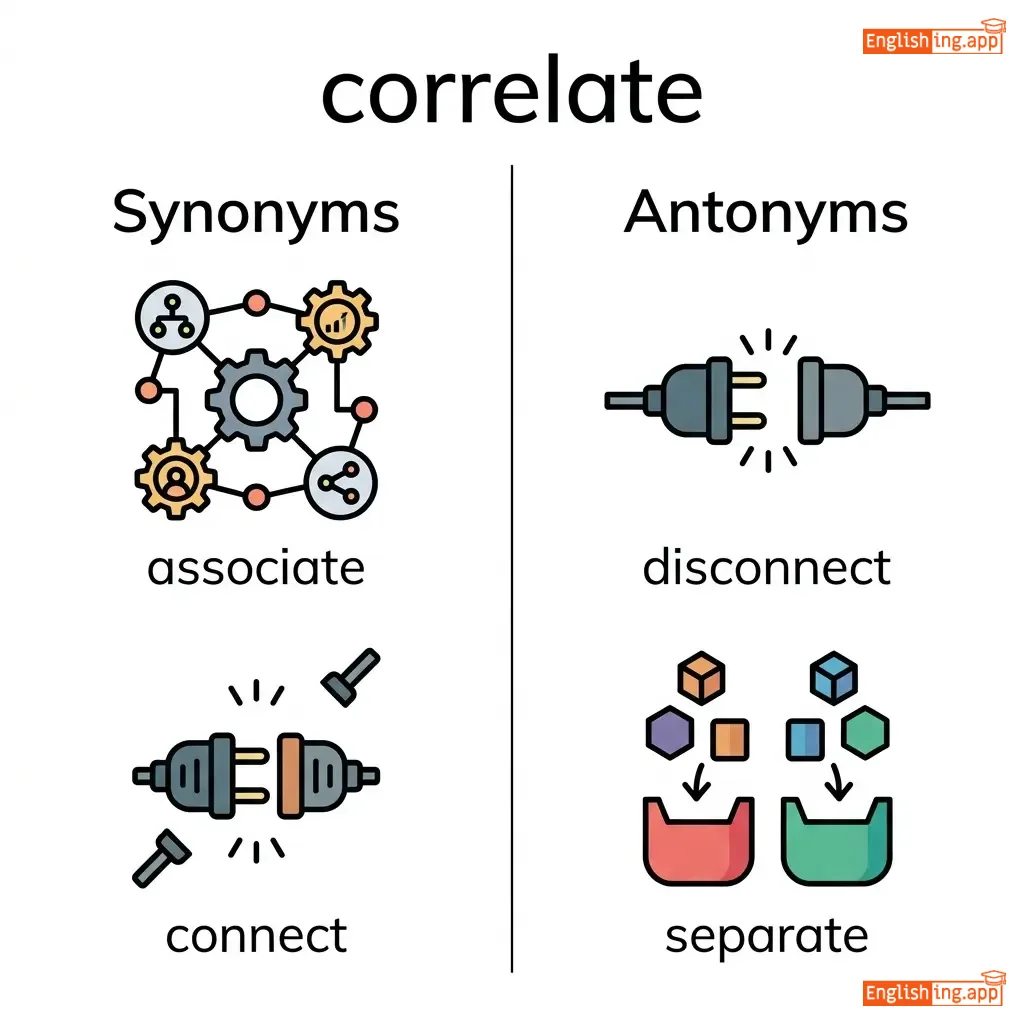
associate, connect, link
••••••
|
disassociate, separate, disconnect
••••••
|
关联就像建立联系,连接事物。
••••••
|
|
#2022
🗣️
|
/ˈfluː.ən.si/
noun
(flu-en-si)
••••••
|
|
流利
liú lì
••••••
|
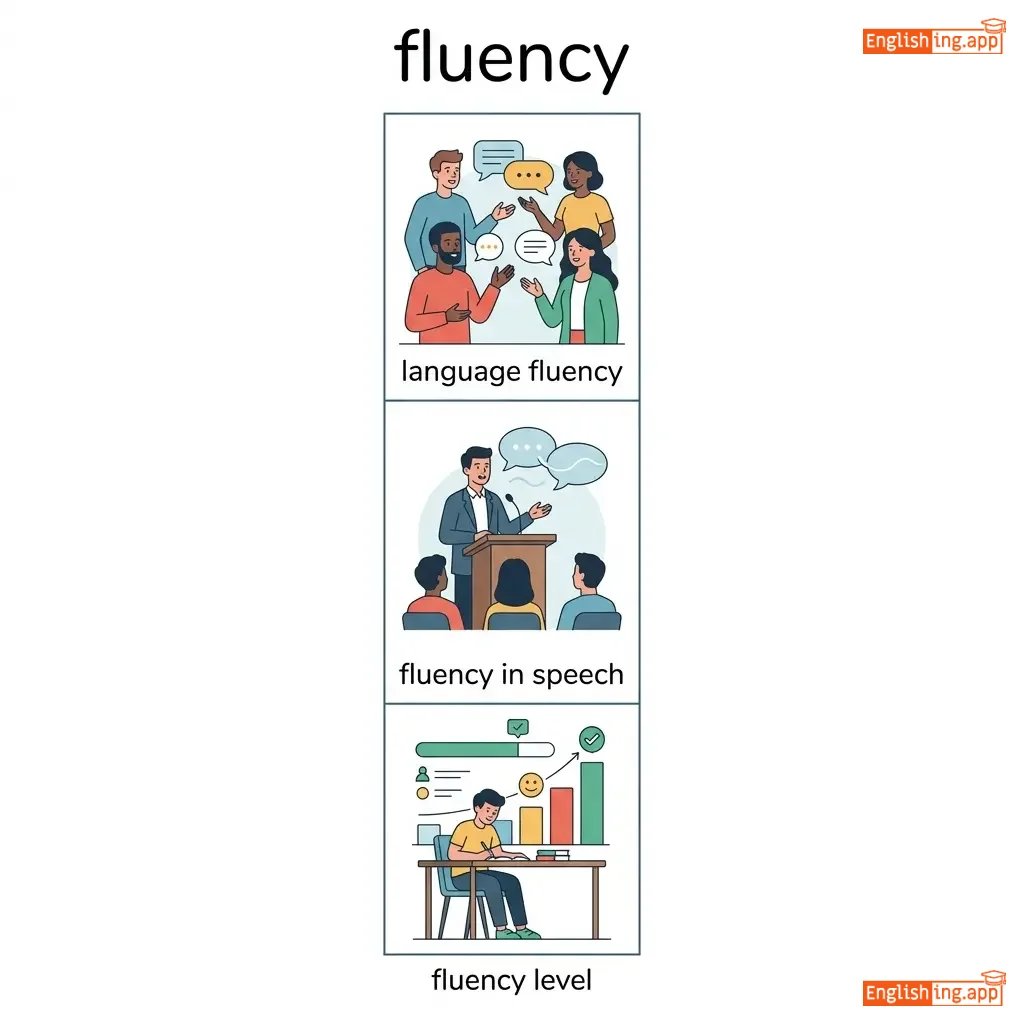
The ability to speak or write a language easily and accurately; smoothness and ease.
••••••
|
She speaks French with remarkable fluency.
她讲法语时流利无比。
••••••
|
她讲法语时流利无比。
Tā jiǎng fǎyǔ shí liúlì wúbǐ.
••••••
|
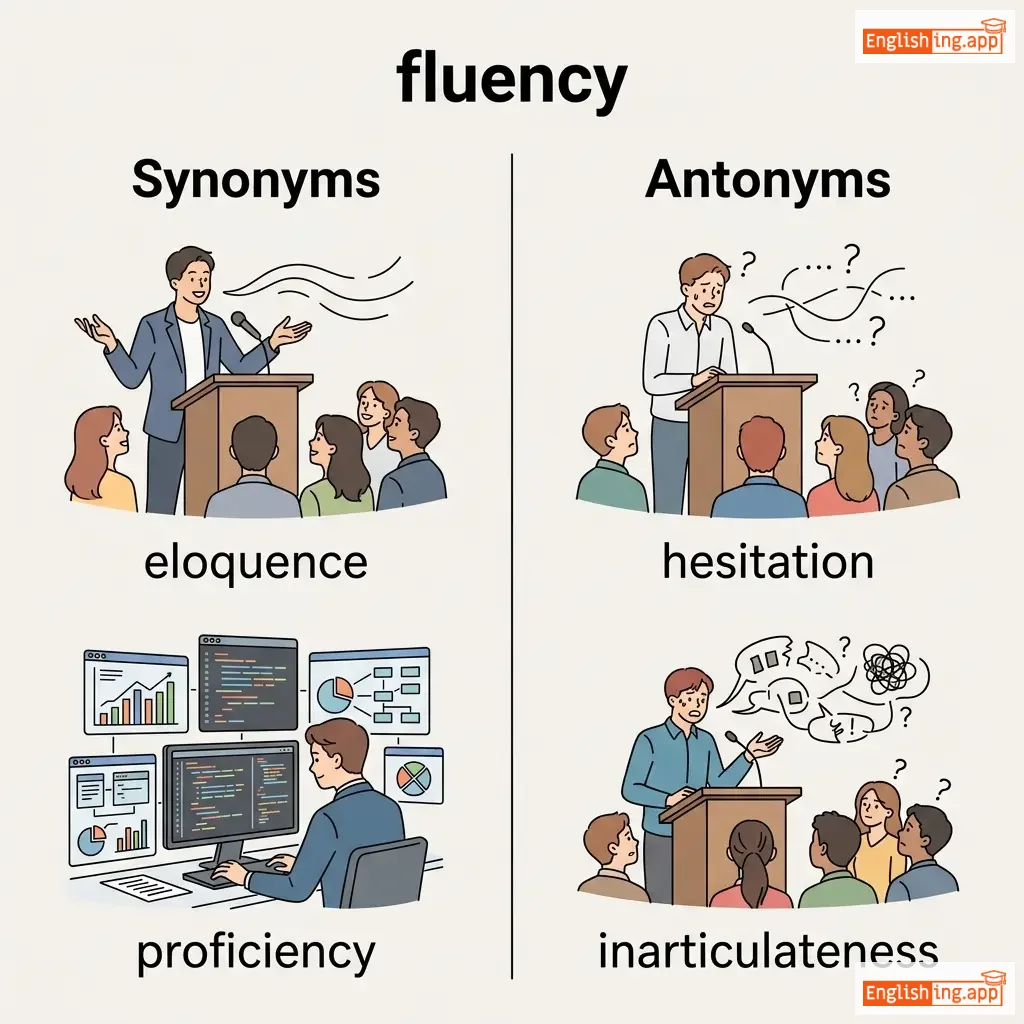
proficiency, eloquence, articulateness
••••••
|
hesitation, incoherence, struggle
••••••
|
流利就像流淌的河水一样顺畅。
••••••
|
|
#2023
🧠
|
/kɒɡˈnɪʃ.ən/
noun
(认知)
••••••
|
|
认知过程
rènzhī guòchéng
••••••
|
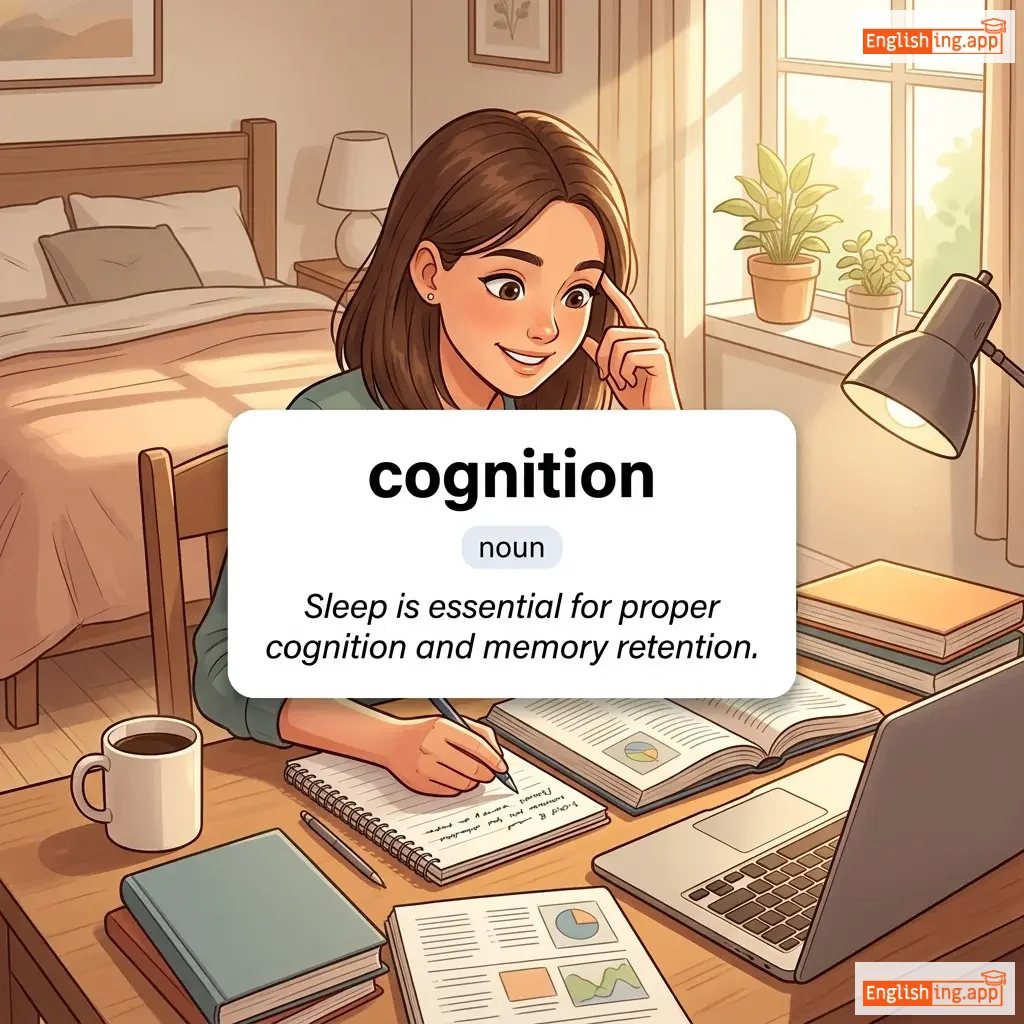
The mental action or process of acquiring knowledge and understanding through thought, experience, and the senses.
••••••
|
Cognition plays a crucial role in learning and memory.
认知在学习和记忆中扮演着至关重要的角色。
••••••
|
认知在学习和记忆中扮演着至关重要的角色。
Rènzhī zài xuéxí hé jìyì zhōng bànyǎn zhe zhìguān zhòngyào de juésè.
••••••
|
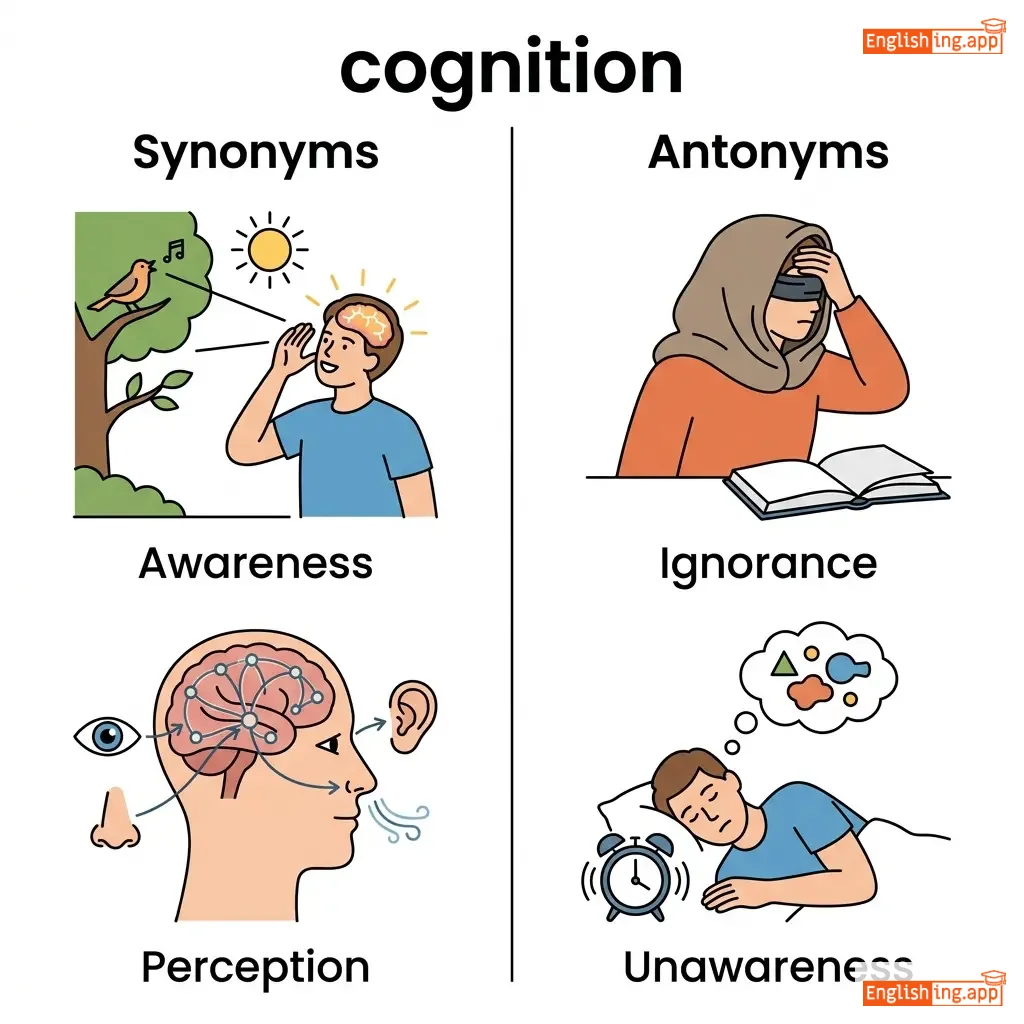
perception, awareness, thought process
••••••
|
ignorance, unawareness, misunderstanding
••••••
|
认知过程类似于如何使用大脑获取信息。
••••••
|
|
#2024
🎯
|
/kɒnˌtek.stʃu.ə.laɪˈzeɪ.ʃən/
noun
(kāngtèkè chuǎn lì zhuān zhèng)
••••••
|
|
情境化
qingjinghua
••••••
|
The process of placing something in its proper context or setting to understand it better.
••••••
|
Contextualization of historical events helps students understand them better. |
历史事件的情境化帮助学生更好地理解它们。
Lìshǐ shìjiàn de qíngjìng huà bāngzhù xuéshēng gèng hǎo de lǐjiě tāmen.
••••••
|
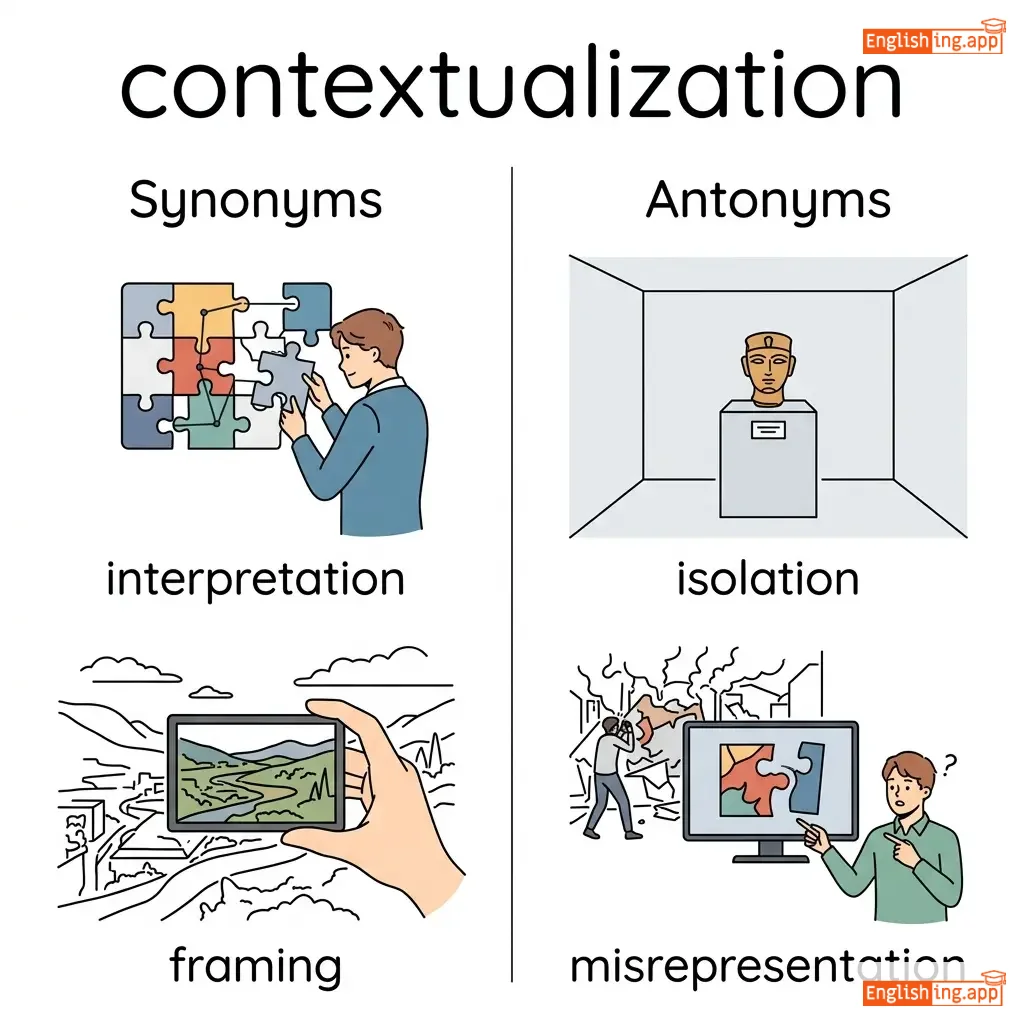
interpretation, framing, explanation
••••••
|
isolation, misrepresentation, detachment
••••••
|
情境 + 分析 = 通过正确的情境理解事物
••••••
|
|
#2025
⚖️
|
/ˌdʒʌk.stə.pəˈzɪʃ.ən/
noun
(dʒʌkstəpəˈzɪʃən)
••••••
|
|
并置
bingzhi
••••••
|
The fact of two things being seen or placed close together with contrasting effect.
••••••
|
The artist's work features a striking juxtaposition of light and shadow. |
这位艺术家的作品展示了光与影的鲜明并置。
Zhè wèi yìshùjiā de zuòpǐn zhǎnshìle guāng yǔ yǐng de xiānmíng bìngzhì.
••••••
|
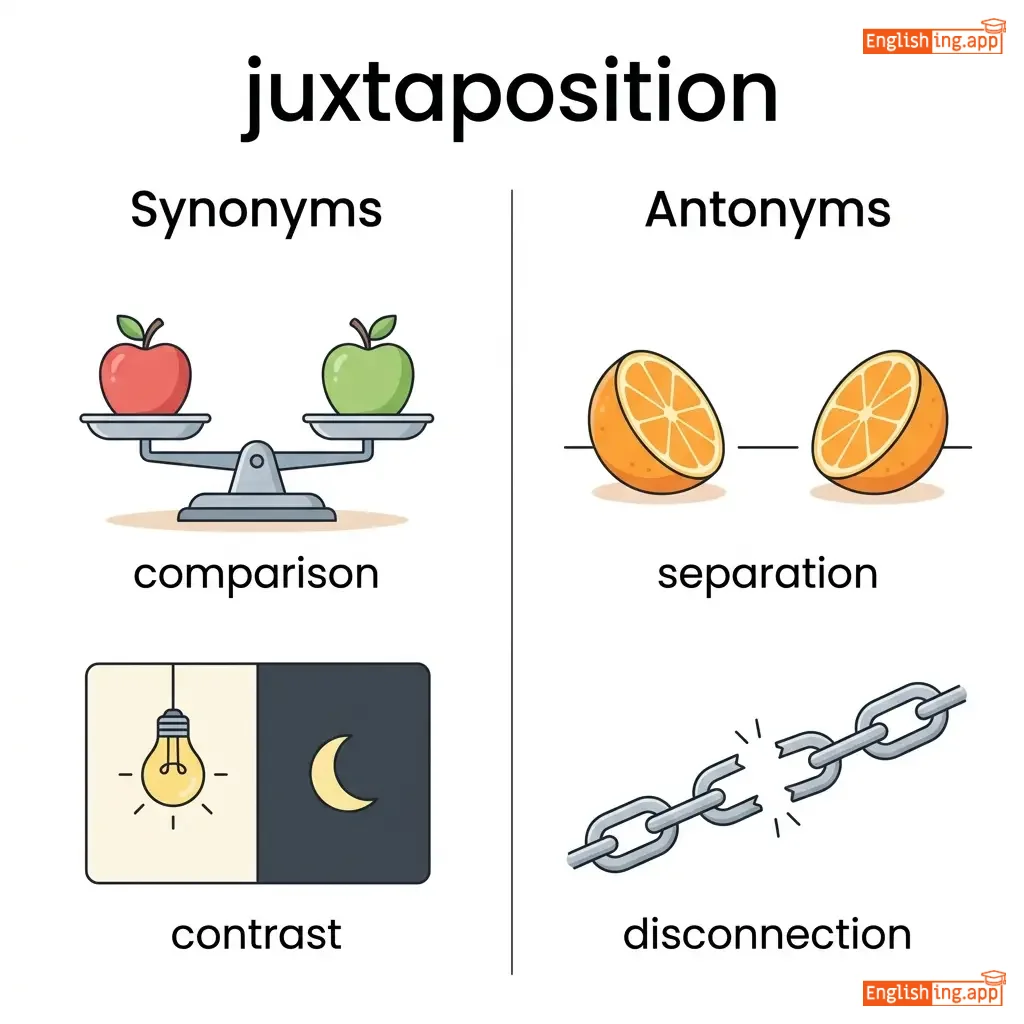
contrast, comparison, alignment
••••••
|
separation, distance, disassociation
••••••
|
并置 (并 = 放在一起, 置 = 放置)
••••••
|
|
#2026
🔄
|
/əˈnæl.ə.ɡəs/
adjective
(类似的)
••••••
|
|
类似的
lèisì de
••••••
|
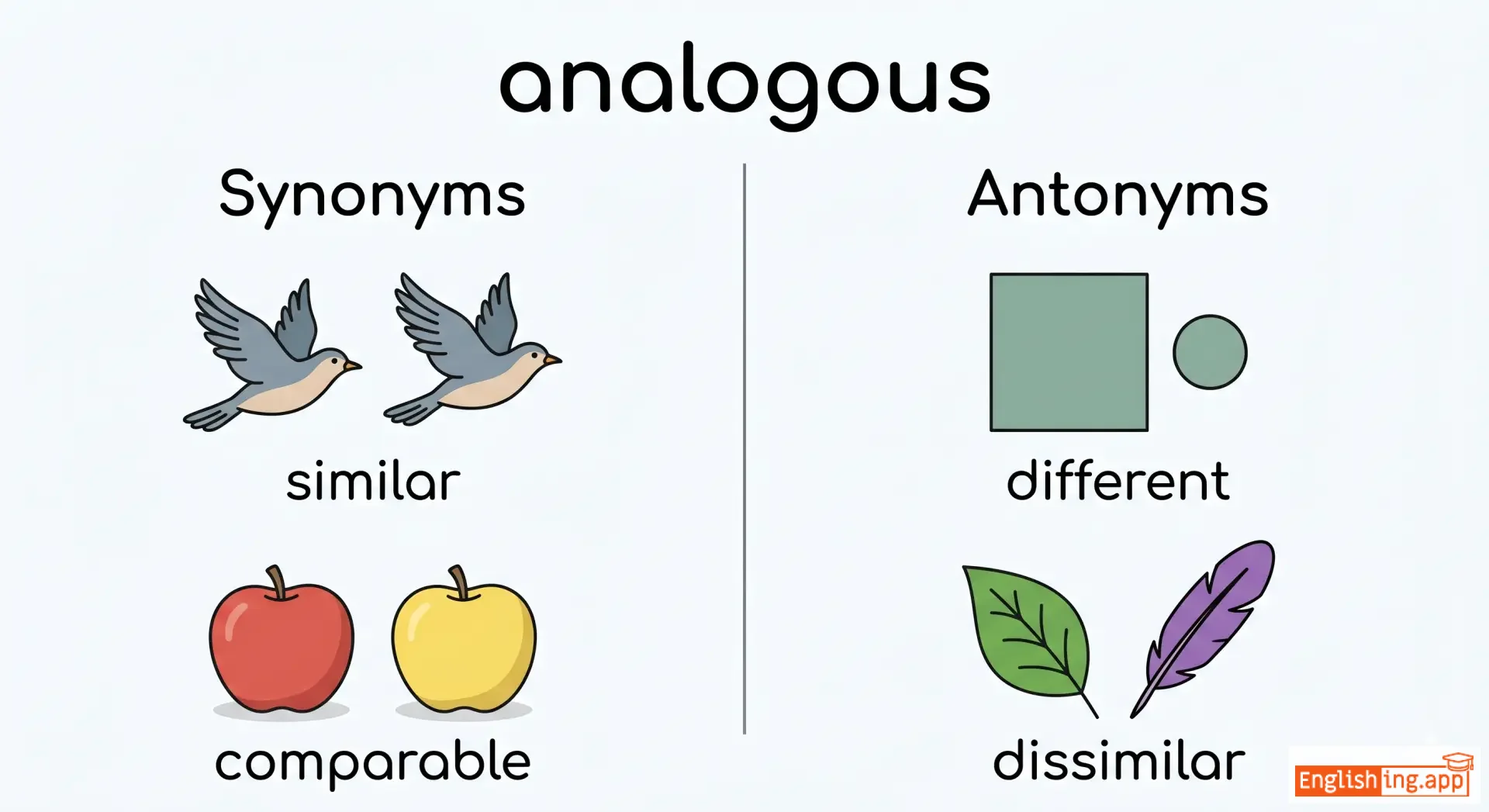
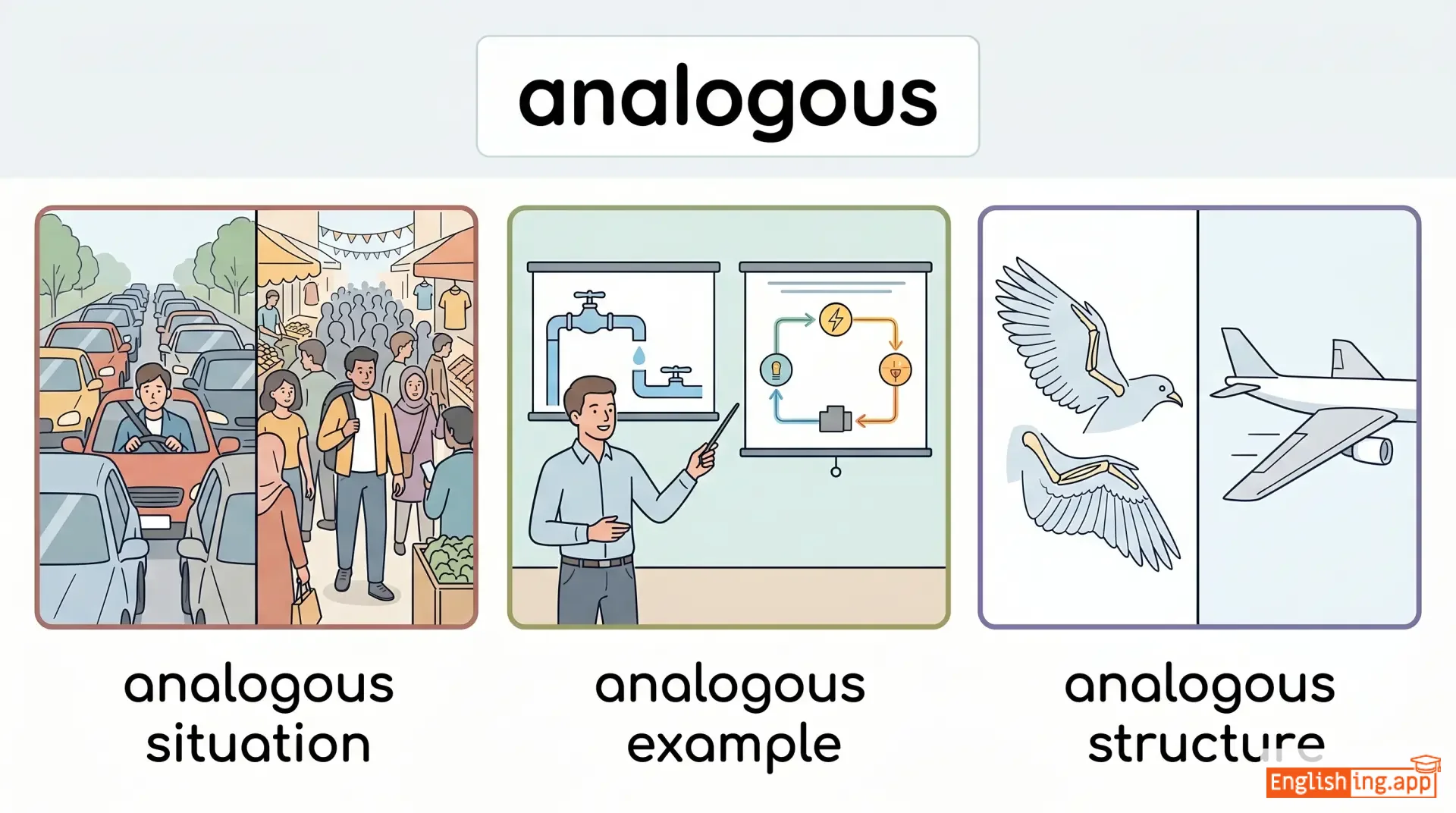
Comparable in certain respects, typically in a way that makes clearer the nature of the things compared.
••••••
|
The structure of an atom is analogous to the solar system.
一个原子的结构类似于太阳系。
••••••
|
一个原子的结构类似于太阳系。
Yīgè yuánzǐ de jiégòu lèisì yú tàiyángxì.
••••••
|
comparable, similar, equivalent
••••••
|
dissimilar, unrelated, contrasting
••••••
|
类似的 = 相似的,像原子结构与太阳系相似
••••••
|
|
#2027
🧽
|
/əˈsɪm.ɪ.leɪt/
verb
(同化)
••••••
|
|
同化
tónghuà
••••••
|
To take in and understand fully; to absorb and integrate ideas, knowledge, or information.
••••••
|
Immigrants often struggle to assimilate into a new culture.
移民往往在融入新文化方面面临困难。
••••••
|
移民往往在融入新文化方面面临困难。
Yímín wǎngwǎng zài róngrù xīn wénhuà fāngmiàn miànlín kùnnán.
••••••
|
absorb, integrate, incorporate
••••••
|
reject, exclude, isolate
••••••
|
同化 = Assimilate = 吸收和理解
••••••
|
|
#2028
🎯
|
/əˈdept/
adjective
(阿德普特)
••••••
|
|
熟练
shulian
••••••
|
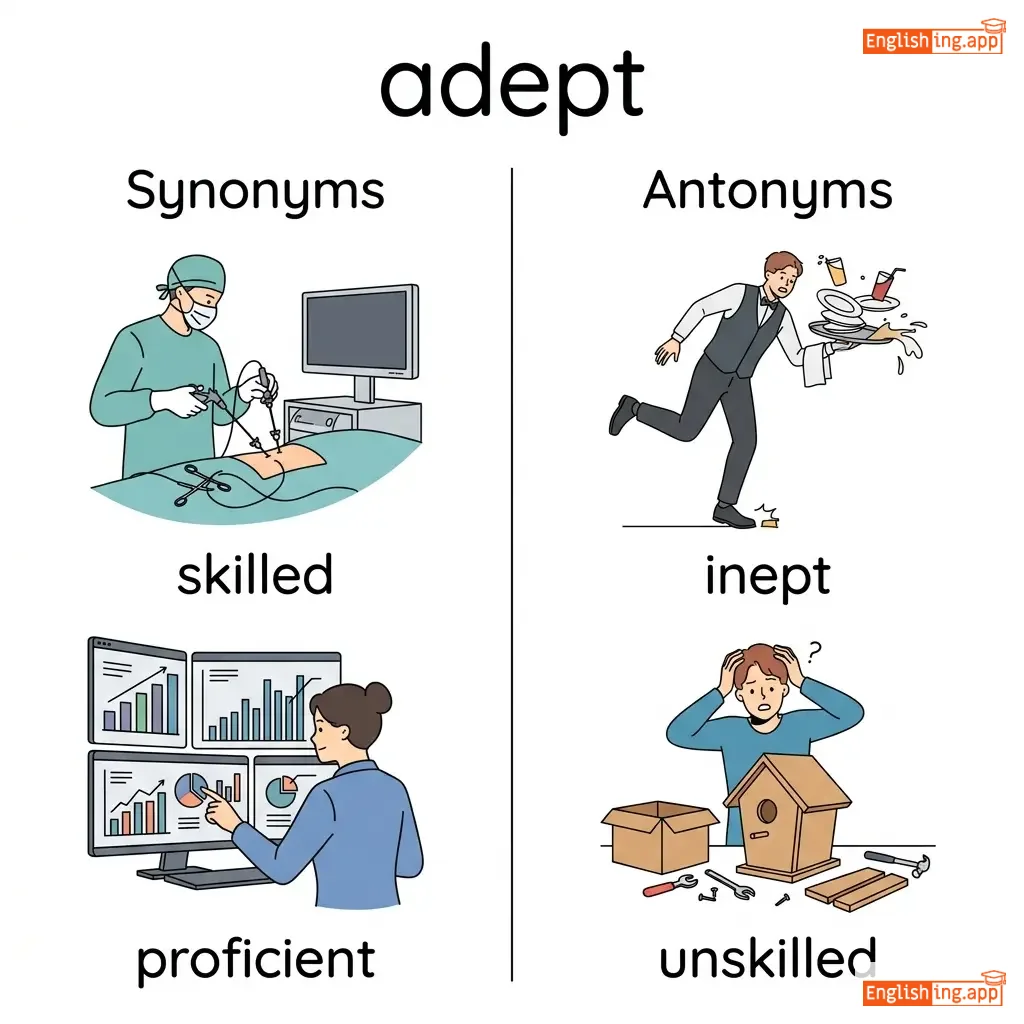
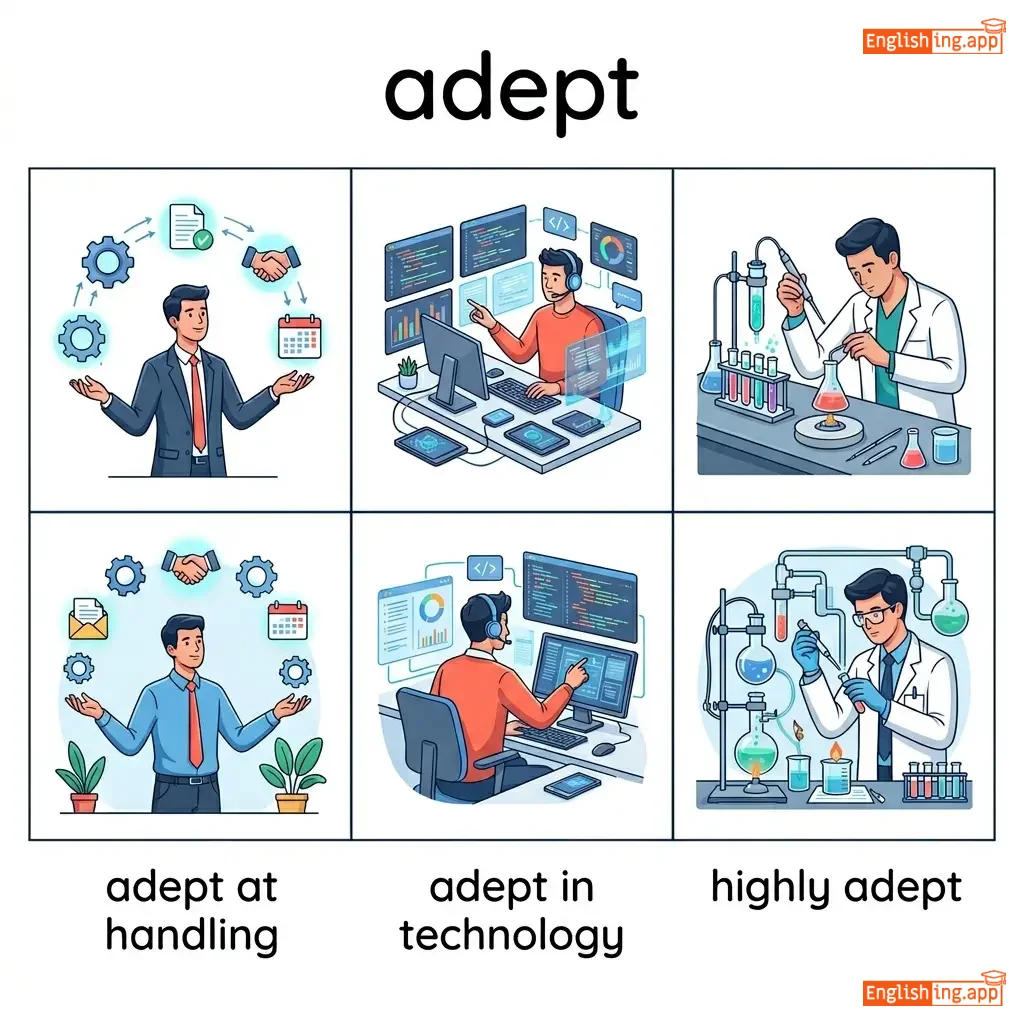
Very skilled or proficient at something; expert.
••••••
|
She is adept at solving complex mathematical problems.
她擅长解决复杂的数学问题。
••••••
|
她擅长解决复杂的数学问题。
Ta shanchang jiejue fuzhuo de shuxue wenti.
••••••
|
skilled, proficient, expert
••••••
|
inept, unskilled, incompetent
••••••
|
熟练 - Think of being 'shulian' or skilled at a task.
••••••
|
|
#2029
📦
|
/ɪnˈkæp.sjʊ.leɪt/
verb
(en-kap-syu-lei-te)
••••••
|
|
概括
gai kua
••••••
|
To express the essential features of something succinctly; to summarize or contain within.
••••••
|
The introduction should encapsulate the main points of the article. |
引言应该概括文章的主要观点。
Yǐnyán yīnggāi gàikuò wénzhāng de zhǔyào guāndiǎn.
••••••
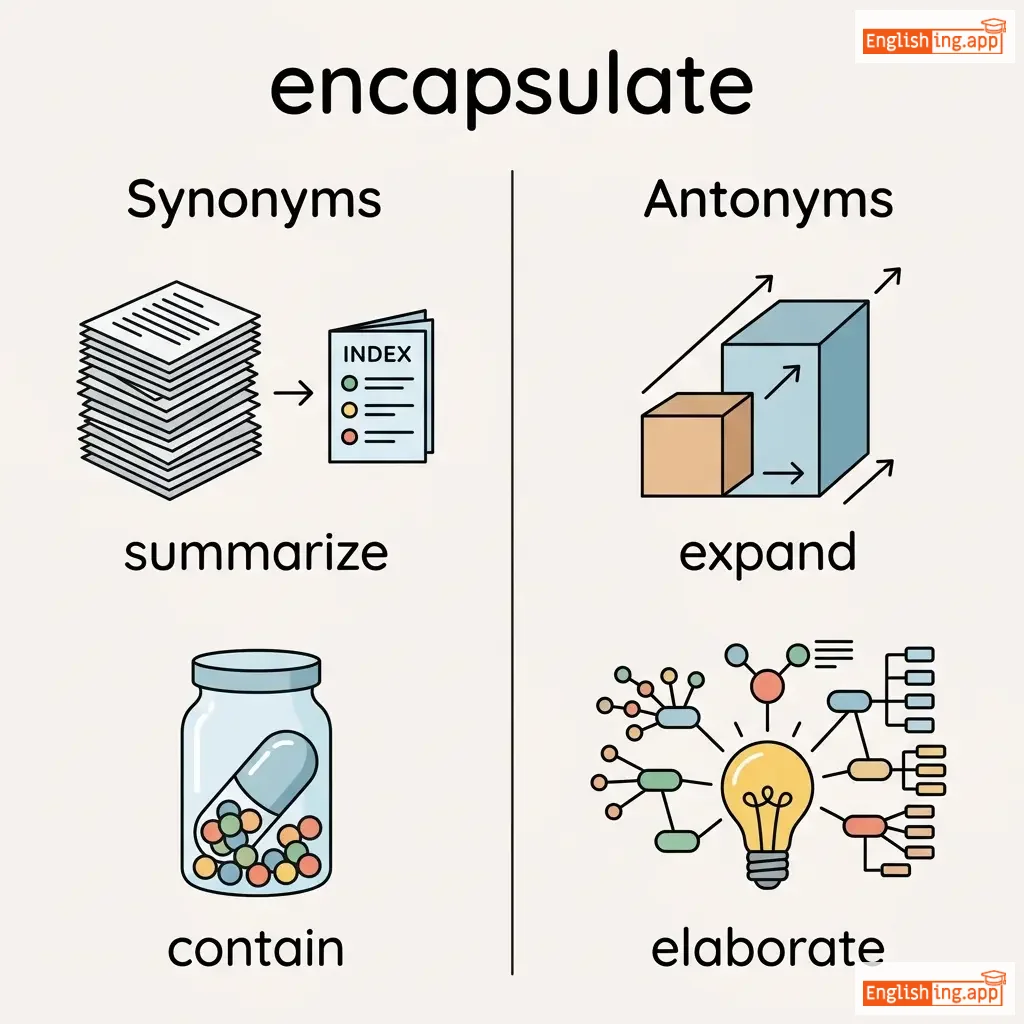
|
summarize, contain, enclose
••••••
|
expand, elaborate, lengthen
••••••
|
Chinese-English: '概括' means summarizing, like encapsulating the essence.
••••••
|
|
#2030
🌟
|
/həʊˈlɪs.tɪk/
adjective
(整体)
••••••
|
|
整体的
zhěngtǐ de
••••••
|
Characterized by comprehension of the parts of something as intimately interconnected and explicable only by reference to the whole.
••••••
|
Holistic medicine considers both the mind and the body in treatment. |
整体医学在治疗中考虑了身心两方面。
Zhěngtǐ yīxué zài zhìliáo zhōng kǎolǜle shēn xīn liǎng fāngmiàn.
••••••
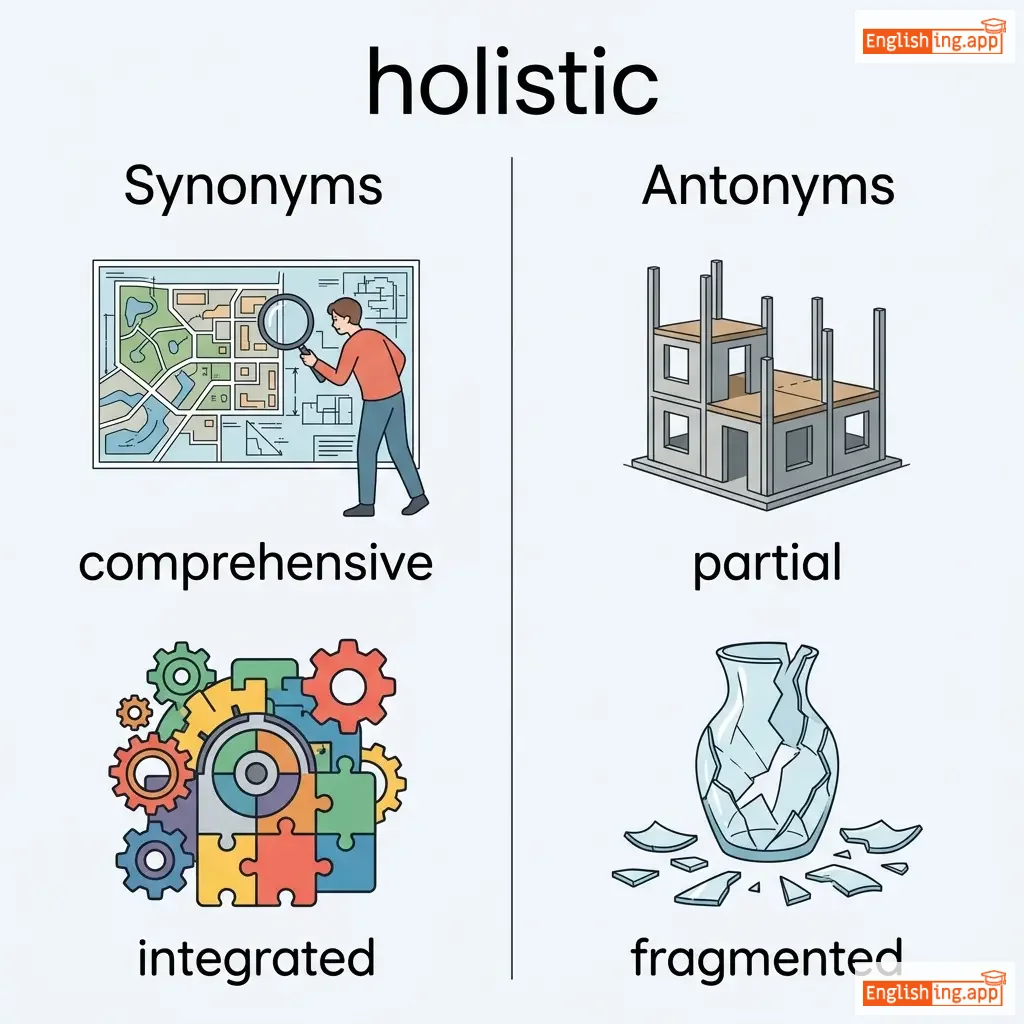
|
comprehensive, integrated, whole
••••••
|
fragmented, partial, incomplete
••••••
|
Holistic = 一切都是互相关联的
••••••
|
|
#2031
🚀
|
/fəˈsɪl.ɪ.teɪt/
verb
(促进)
••••••
|
|
促进
cùjìn
••••••
|
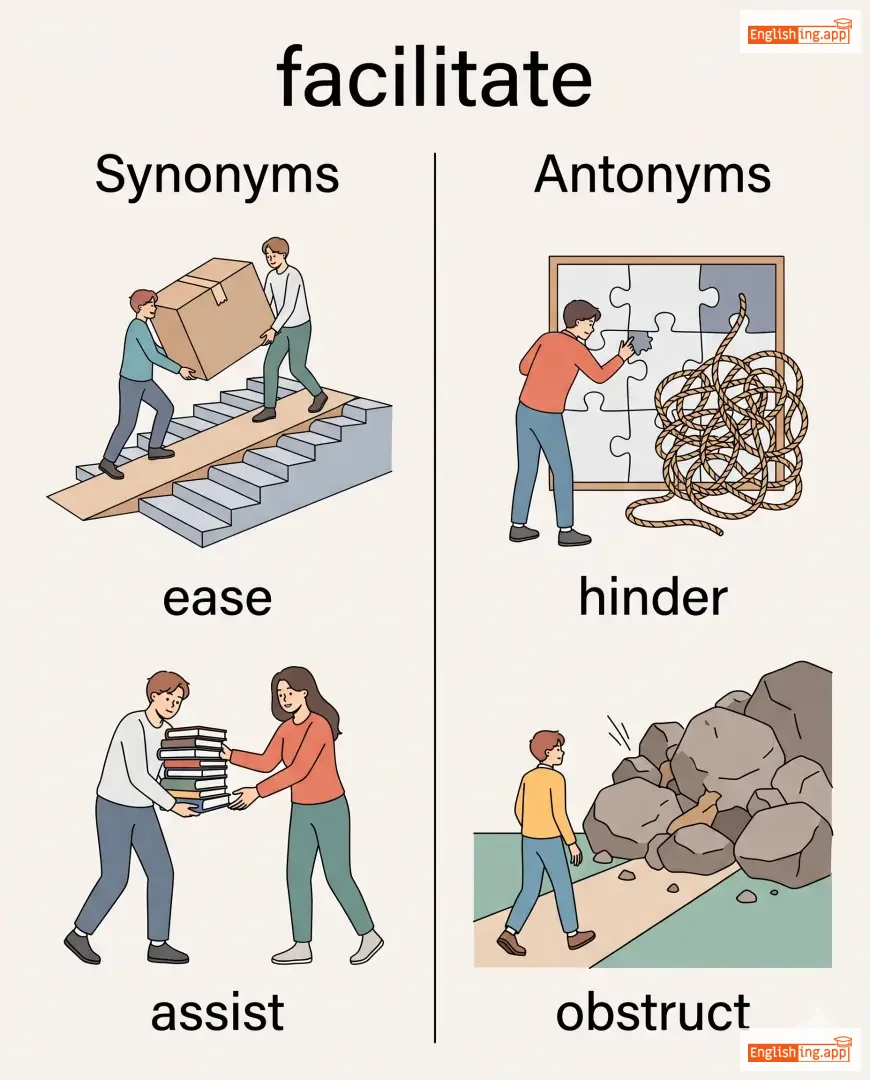
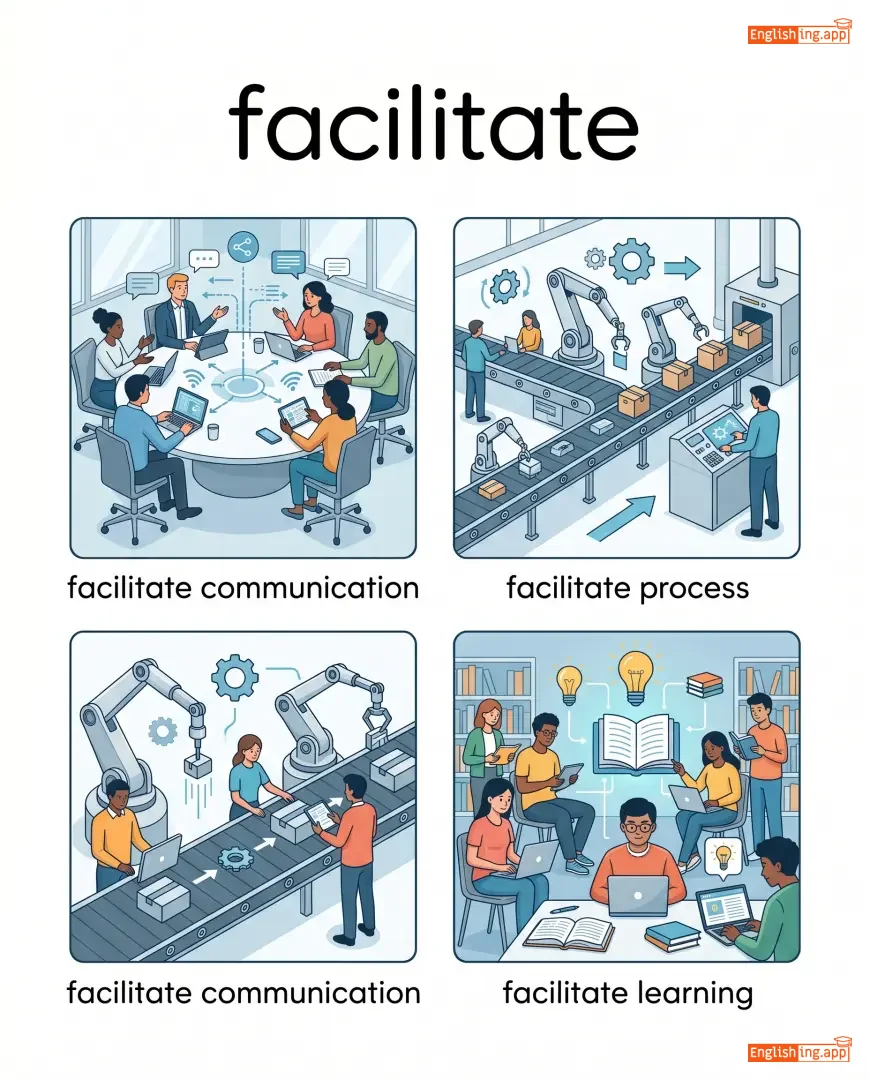
To make an action or process easier or help bring about; to assist the progress of.
••••••
|
Technology facilitates faster communication.
技术促进了更快的沟通。
••••••
|
技术促进了更快的沟通。
Jìshù cùjìnle gèng kuài de gōutōng.
••••••
|
enable, assist, simplify
••••••
|
hinder, obstruct, complicate
••••••
|
Chinese: '促进' means to promote or facilitate, just like the English word 'facilitate'.
••••••
|
Vocabulary Quiz
Test your vocabulary by matching words with their translations or meanings.
Login to take the quiz
Comments (0)
Share your thoughts and join the discussion.
Join the discussion by logging in
Login to CommentNo comments yet
Be the first to share your thoughts!