

为什么有些经济体增长得更快
Why Some Economies Grow Faster
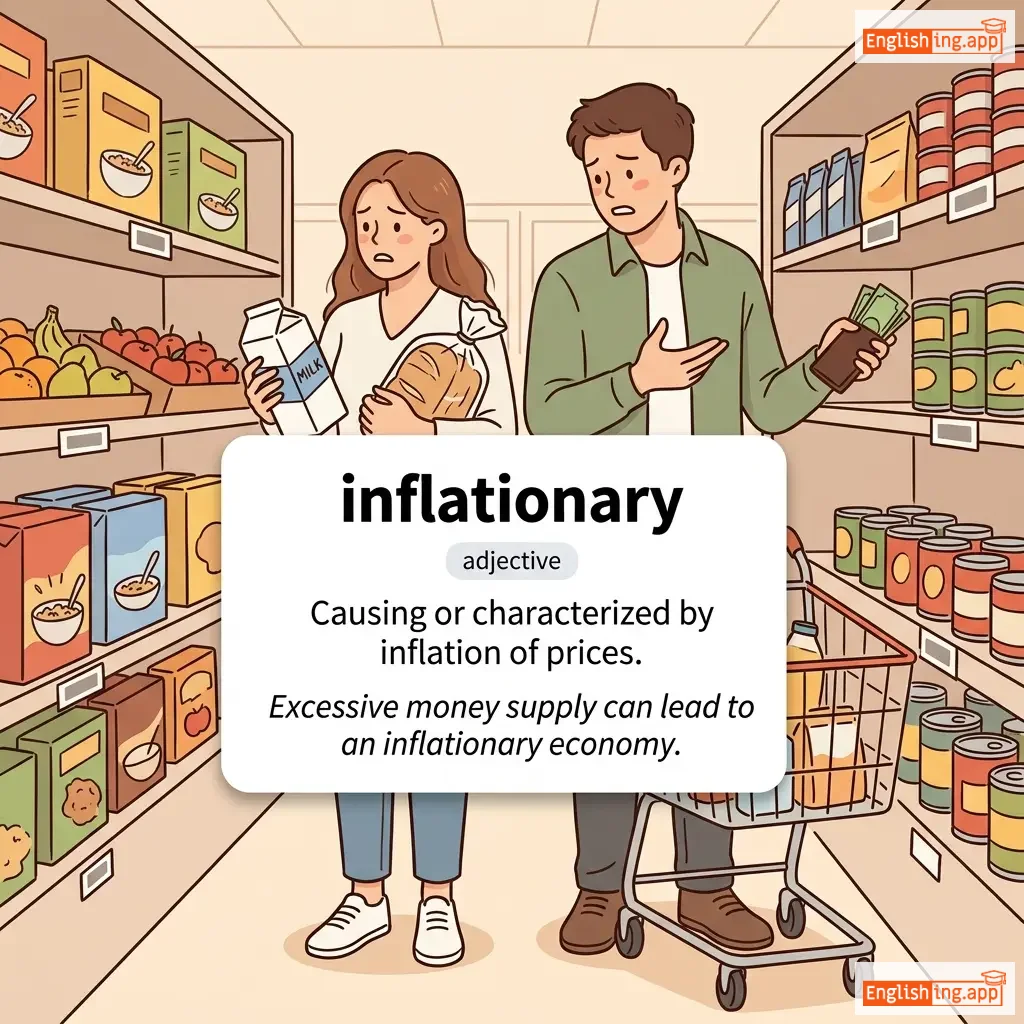
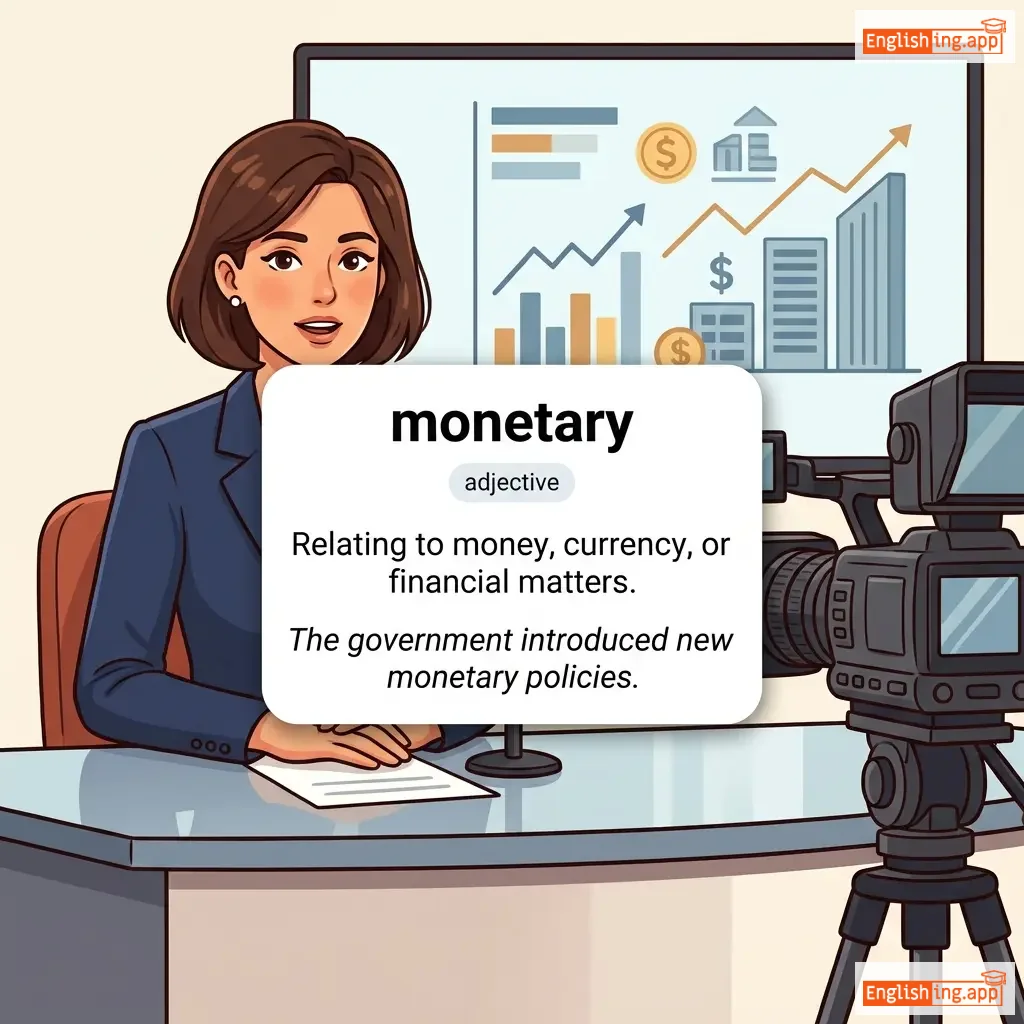
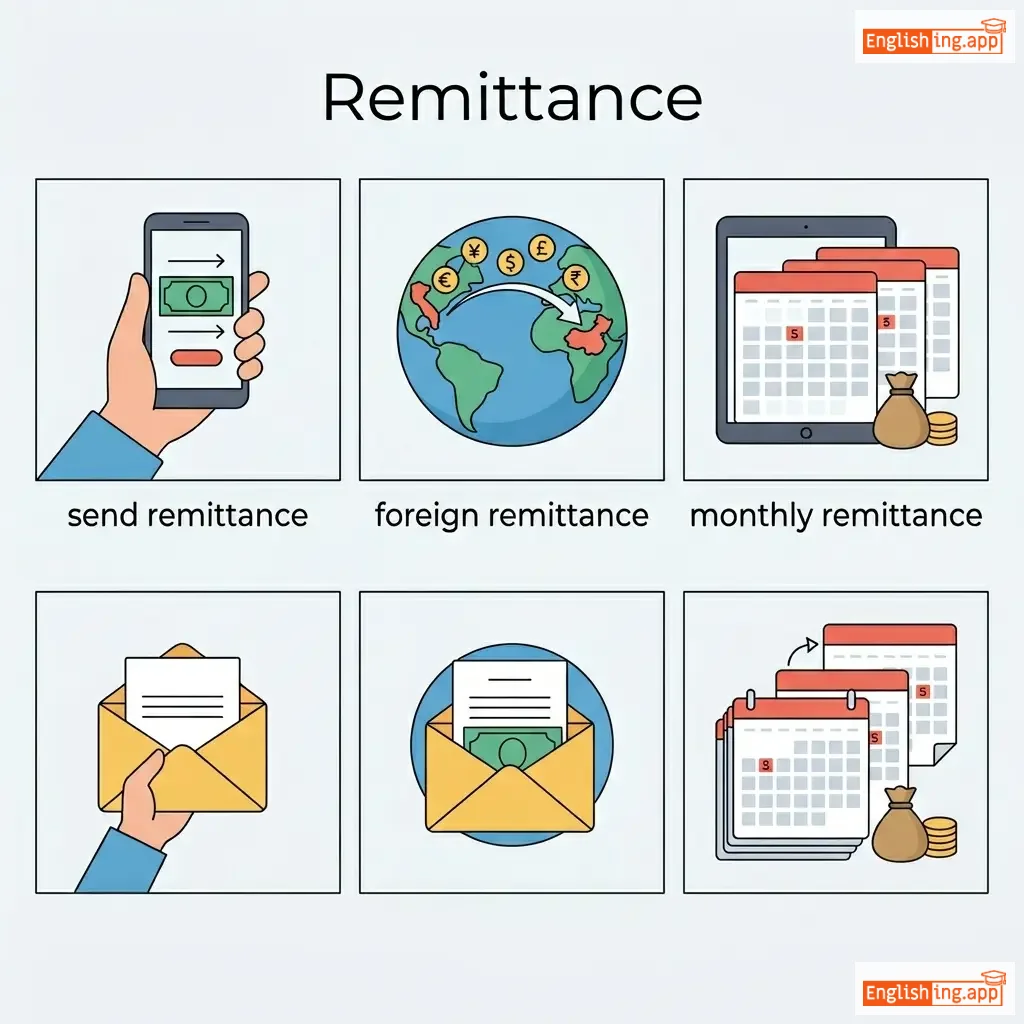
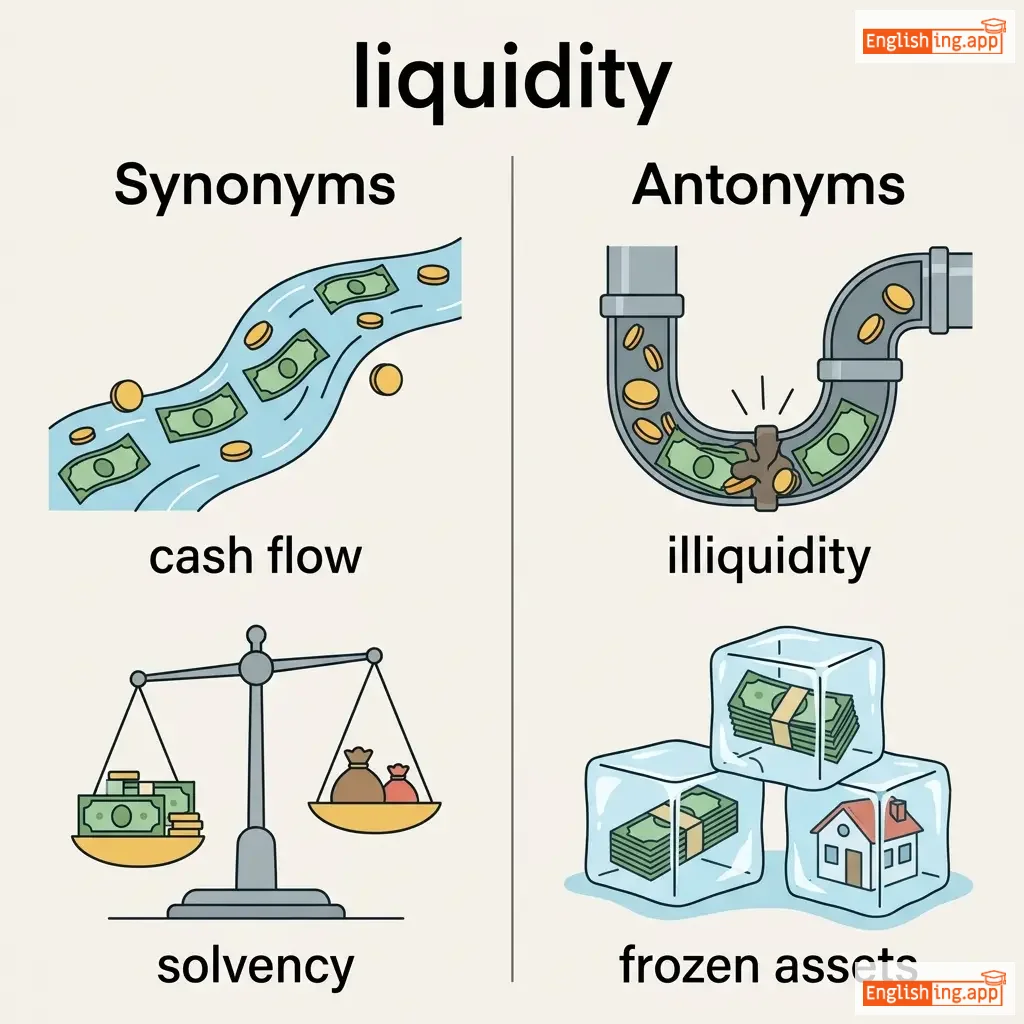
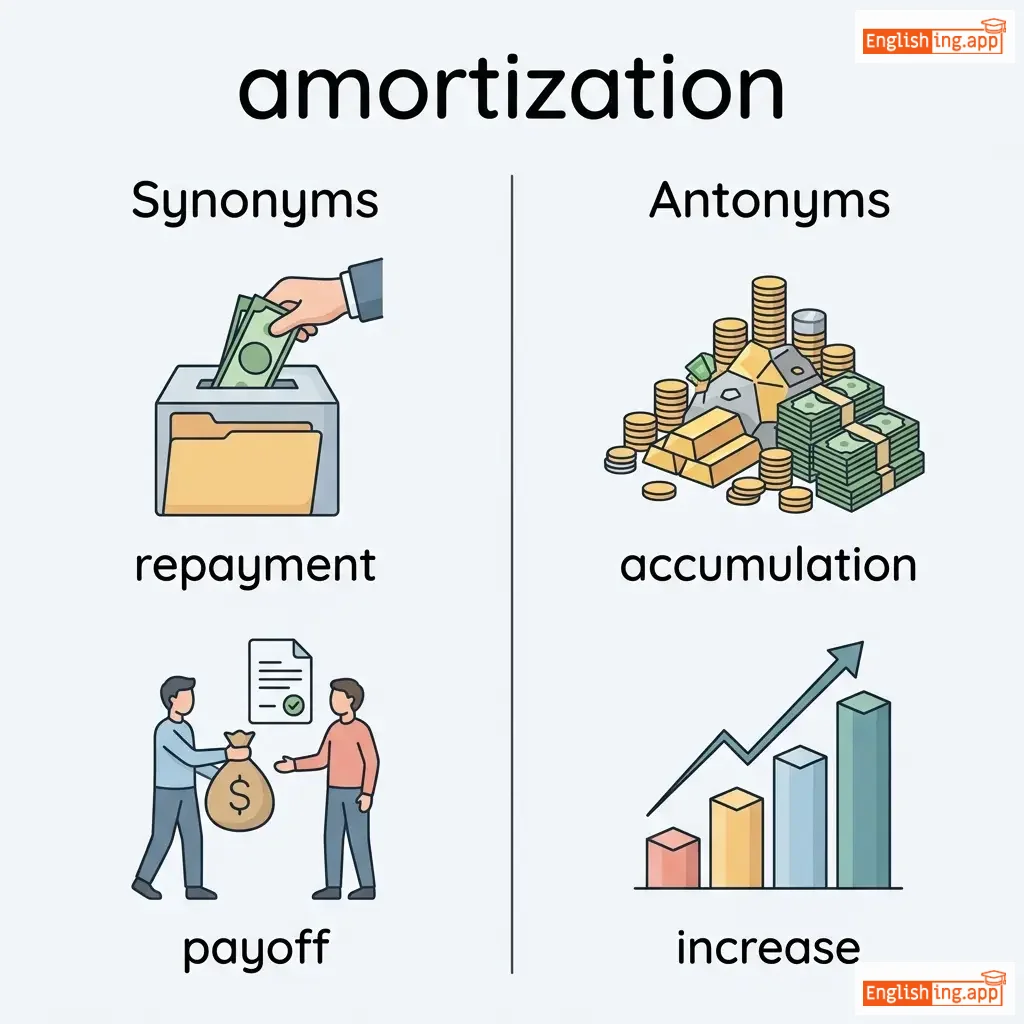
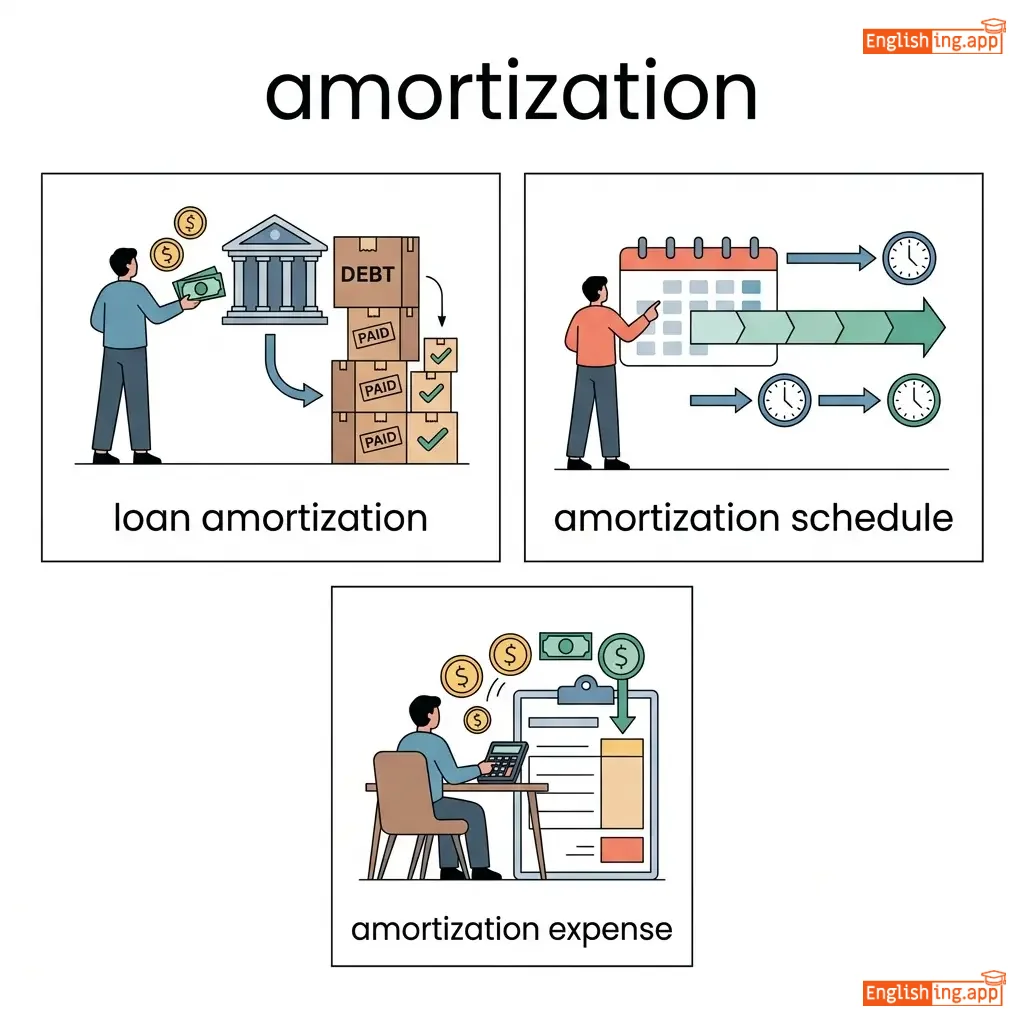
不同国家的 economic growth 速度各不相同,有些经济体迅速实现 affluence,而另一些则停滞不前。快速增长背后有几个重要因素,如 entrepreneurial 创新、diversification 和正确的 macroeconomic 政策。能够通过 capitalization 和 privatization 有效利用资源的国家通常发展较快。同样地,当 regulatory 框架简化时,企业和 conglomerate 的建立变得更容易。另一方面,过度的 bureaucracy 和政府 subsidization 会对经济造成 inflationary 压力,从而减缓发展速度。此外,薄弱的 fiduciary 政策和 monetary 管理不善会增加经济 volatility。然而,如果 remittance 流动和 liquidity 充足,投资就会增加,这可以通过长期的 amortization 和增加的 consumption 来减少 economic disparity。














Swipe left or right, or use the buttons. Tap image to zoom.
例句翻译
单词
Why Some Economies Grow FasterWhy Some Economies Grow Faster - 遮罩切换
|
表情符号
|
单词 | Images | 翻译 | 含义 | 例句 | 例句翻译 | 同义词 | 反义词 | 助记符 |
|---|---|---|---|---|---|---|---|---|---|
|
#4044
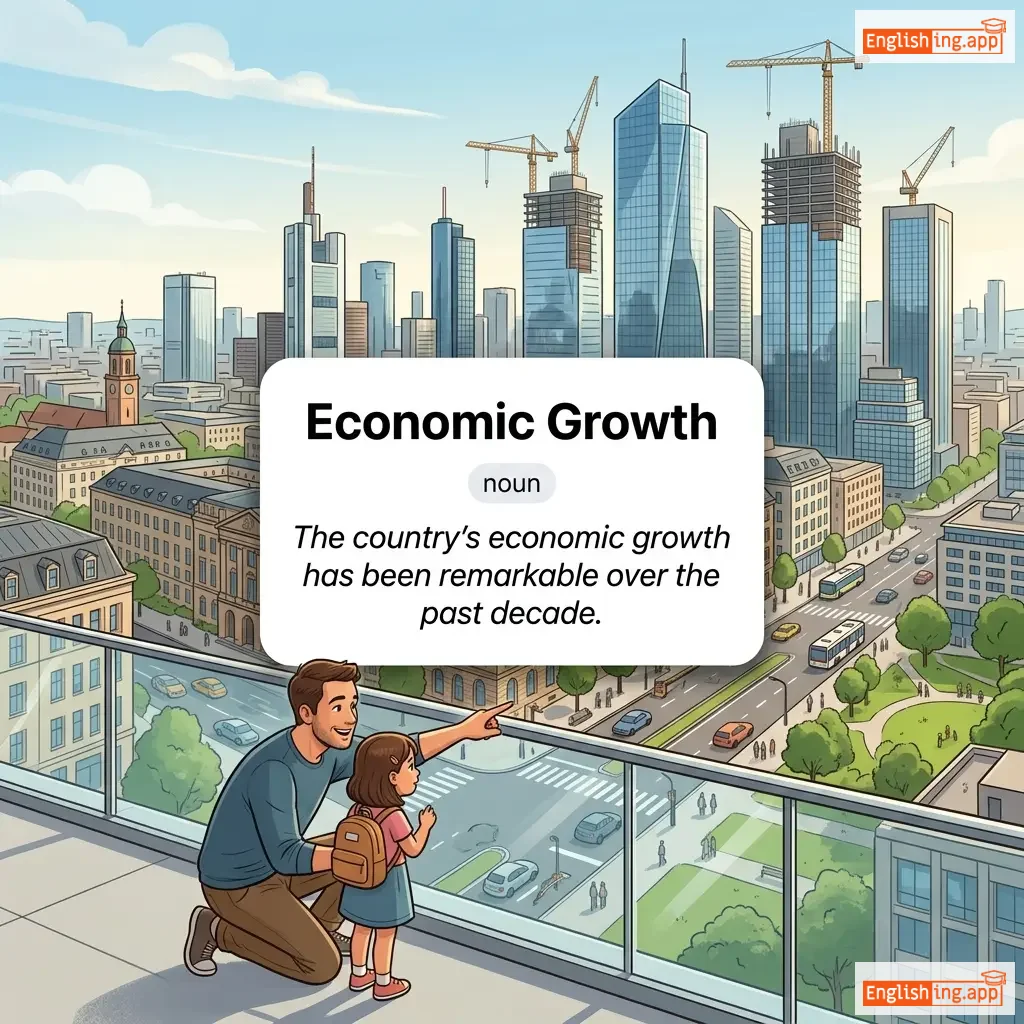
📈
|
/ˌiː.kəˈnɒm.ɪk ɡrəʊθ/
noun
(经济增长)
••••••
|
|
经济增长
jingji zengzhang
••••••
|
The increase in the production of goods and services in an economy over time, measured by the expansion of economic output, income, and investment.
••••••
|
The country's economic growth has been remarkable over the past decade.
该国的经济增长在过去十年中表现出色。
••••••
|
该国的经济增长在过去十年中表现出色。
Gāi guó de jīngjì zēngzhǎng zài guòqù shí nián zhōng biǎoxiàn chūsè.
••••••
|
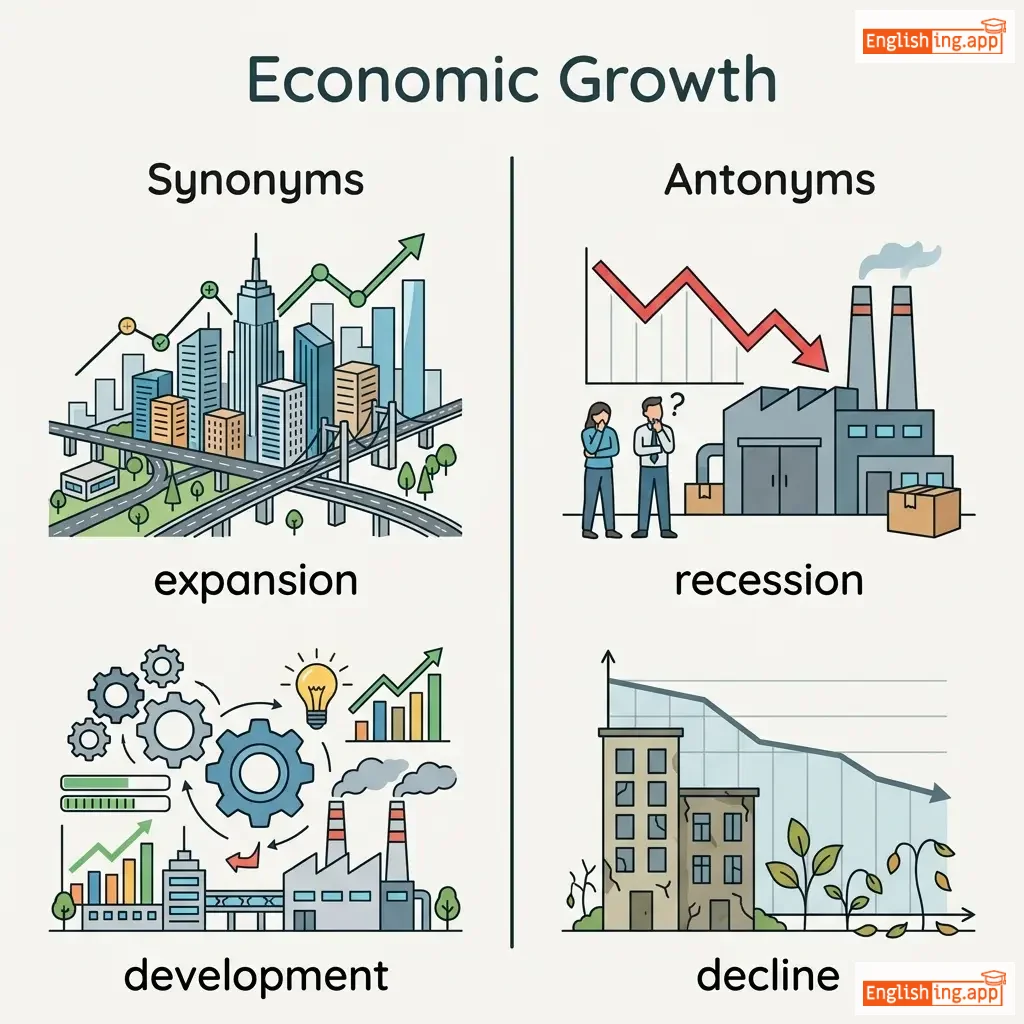
expansion, development, progress
••••••
|
recession, decline, stagnation
••••••
|
经济增长是国家富裕的基石!
••••••
|
|
#4045
💰
|
/ˈæf.lu.əns/
noun
(áfúluēnsī)
••••••
|
|
财富
cáifù
••••••
|
A state of having a great deal of money; wealth and prosperity.
••••••
|
His affluence is evident in his luxurious lifestyle.
他的财富在他奢华的生活方式中显而易见。
••••••
|
他的财富在他奢华的生活方式中显而易见。
Tā de cáifù zài tā shēhuá de shēnghuó fāngshì zhōng xiǎn ér yìjiàn.
••••••
|
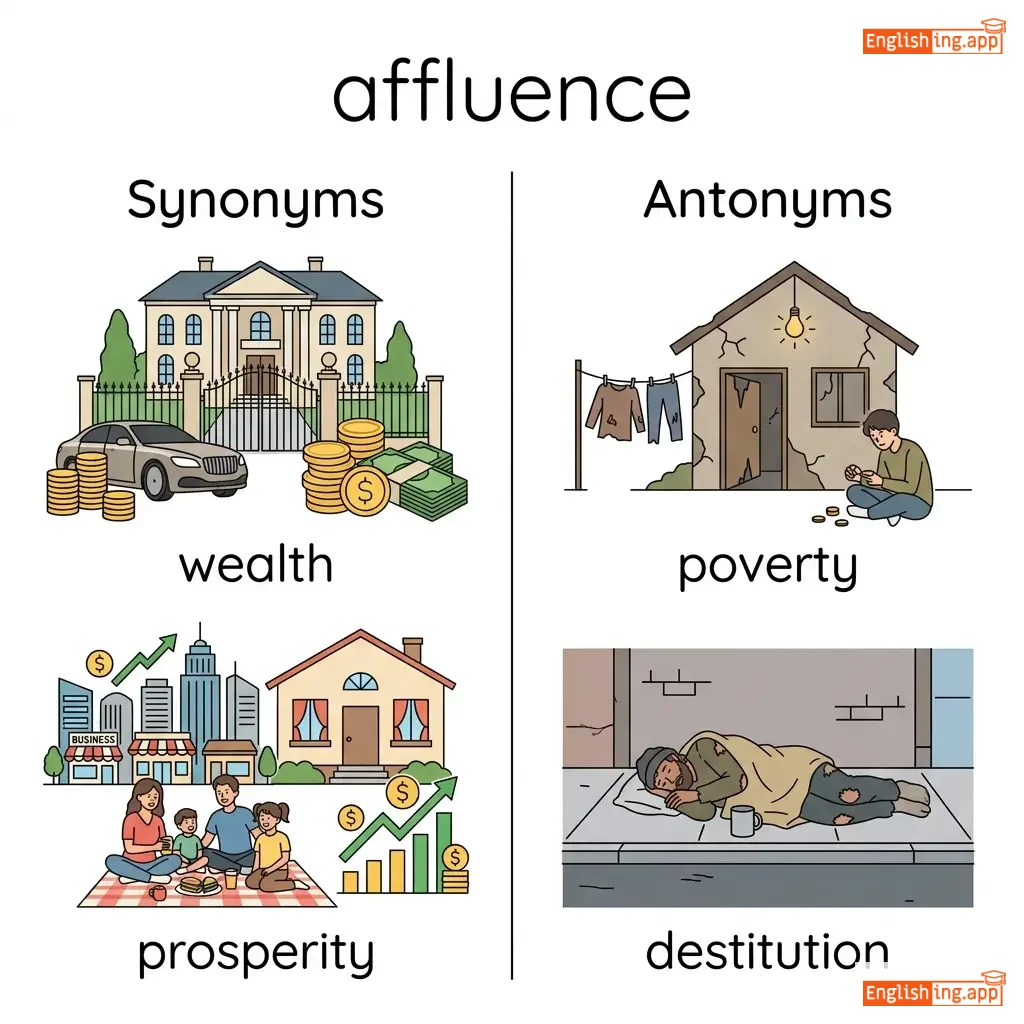
wealth, prosperity, opulence
••••••
|
poverty, scarcity, destitution
••••••
|
财富 = 金钱 + 繁荣,容易记住!
••••••
|
|
#4046
🚀
|
/ˌɒn.trə.prəˈnɜː.ri.əl/
adjective
(企业家精神)
••••••
|
|
创业精神
chuangye jingshen
••••••
|
Having the characteristics of an entrepreneur; showing initiative and willingness to undertake new ventures.
••••••
|
Her entrepreneurial mindset led to the launch of a successful startup. |
她的创业精神促成了一个成功创业公司的诞生。
Ta de chuangye jingshen cuchengle yige chenggong chuangye gongsi de dansheng.
••••••
|
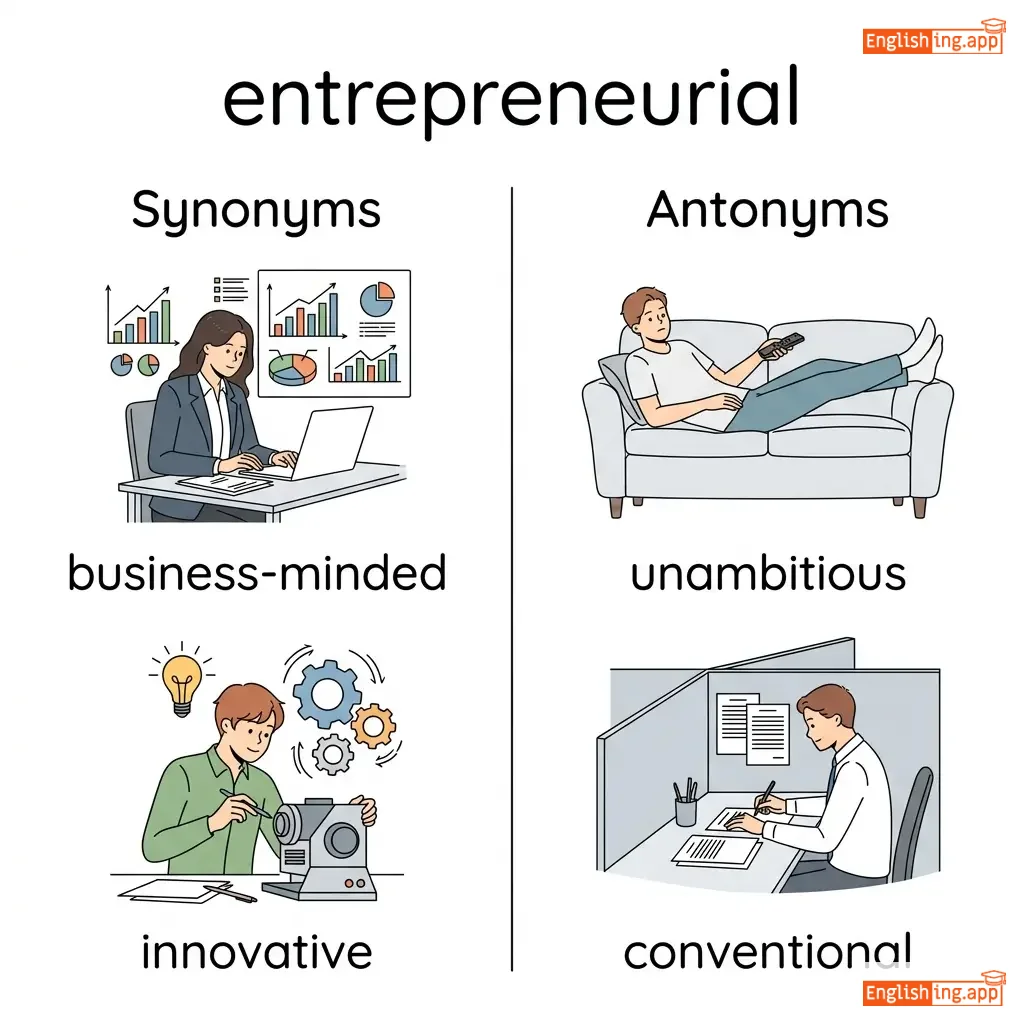
business-minded, innovative, risk-taking
••••••
|
unambitious, conventional, risk-averse
••••••
|
No •••••• |
|
#4047
🔄
|
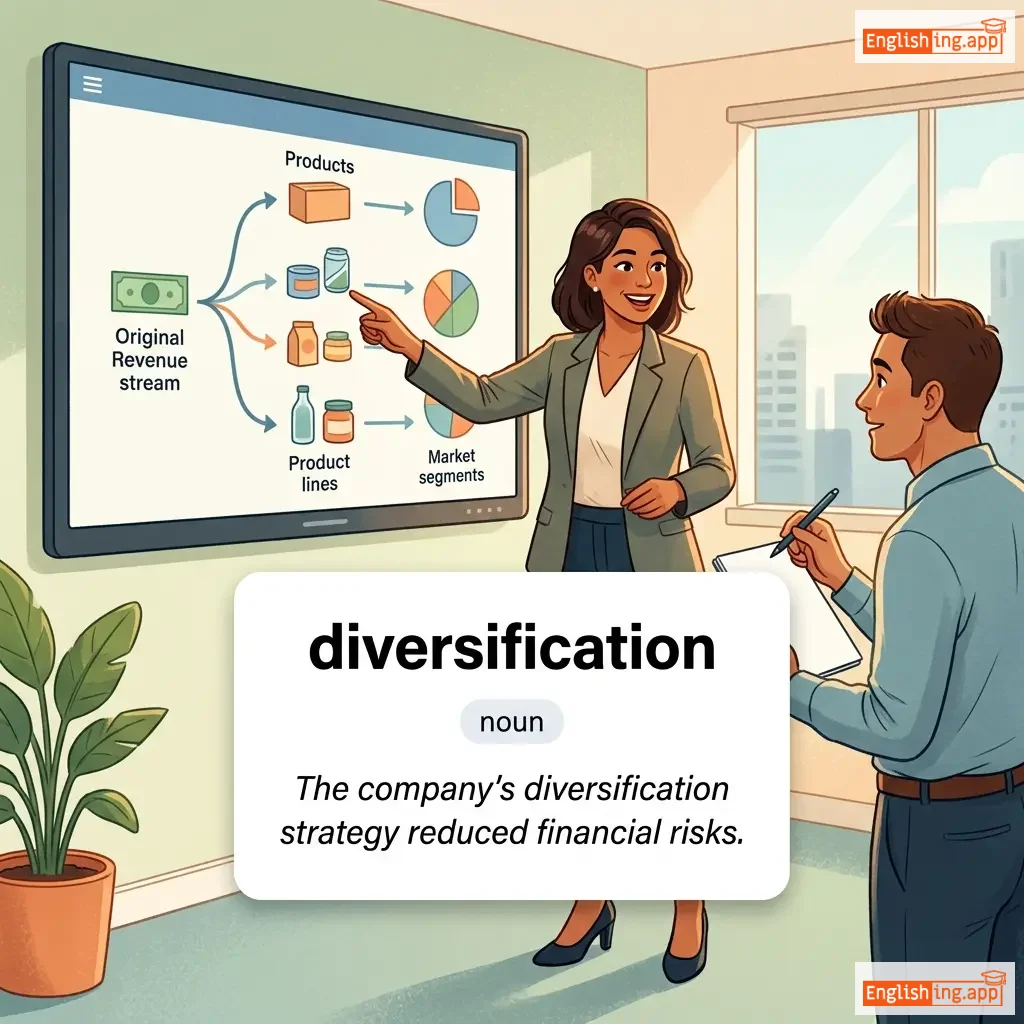
/daɪˌvɜː.sɪ.fɪˈkeɪ.ʃən/
noun
(戴维西菲卡申)
••••••
|
|
多元化
dai ver si fi kai shun
••••••
|
The process of a business expanding into different product lines or markets to spread risk and reduce dependence on a single source of income.
••••••
|
The company's diversification strategy reduced financial risks.
公司的多元化策略降低了金融风险
••••••
|
公司的多元化策略降低了金融风险。
gong si de duo yuan hua ce lu e jiang le jin rong feng xian
••••••
|
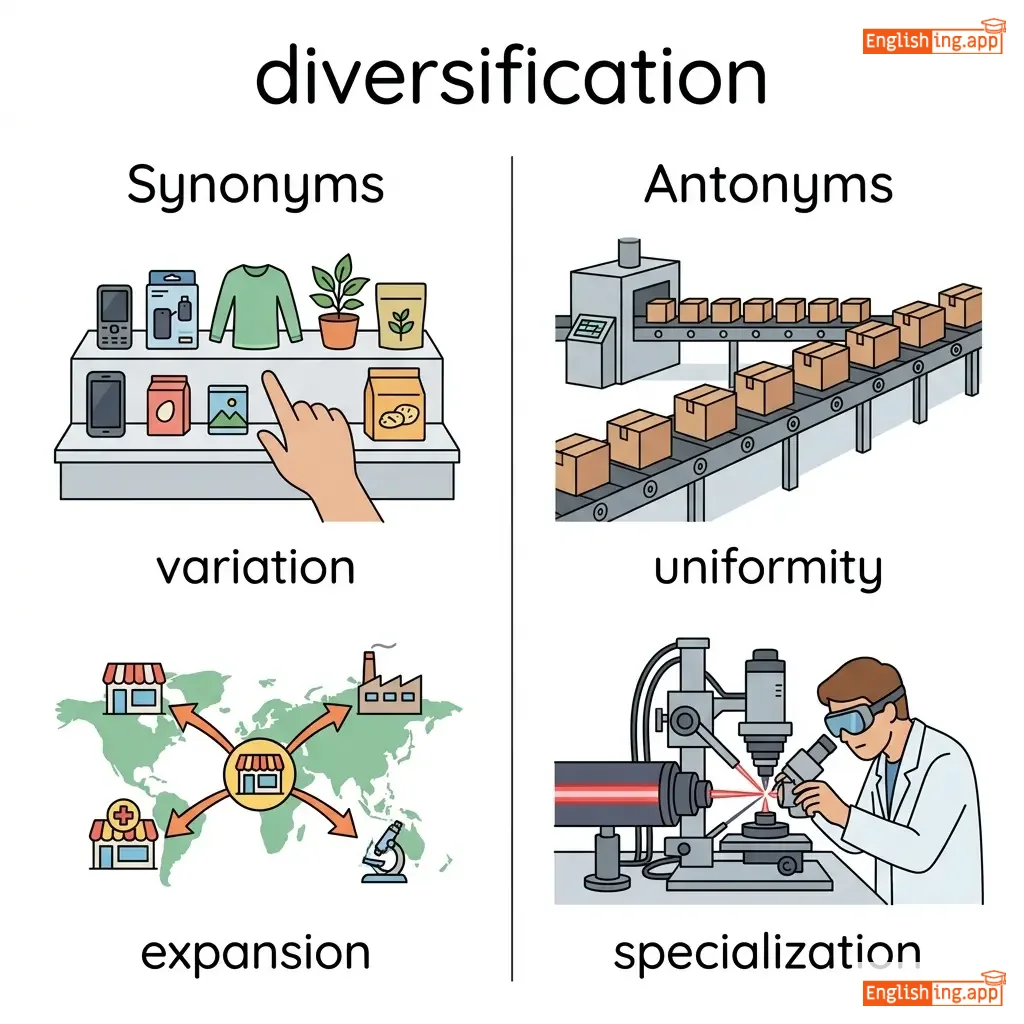
variation, expansion, multiplication
••••••
|
uniformity, specialization, homogeneity
••••••
|
Daiwei SiFi KaShen - 多元化的路标 让 风险 分散
••••••
|
|
#4048
🌍
|
/ˌmæk.rəʊ.iː.kəˈnɒm.ɪk/
adjective
(宏观经济的)
••••••
|
|
宏观经济的
hóngguān jīngjì de
••••••
|
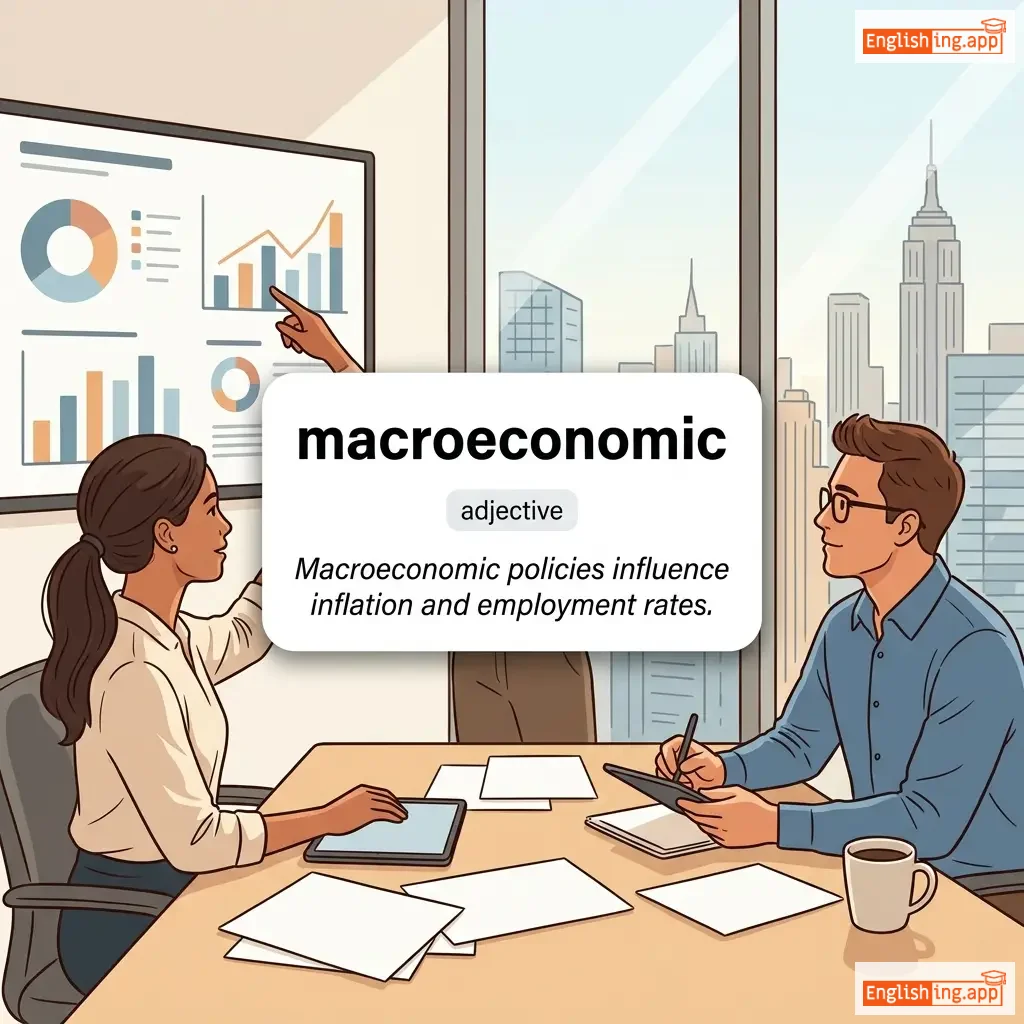
Relating to macroeconomics or the large-scale or general economic factors, such as interest rates and national productivity.
••••••
|
Macroeconomic policies influence inflation and employment rates.
宏观经济政策影响通货膨胀和就业率。
••••••
|
宏观经济政策影响通货膨胀和就业率。
Hóngguān jīngjì zhèngcè yǐngxiǎng tōnghuò péngzhàng hé jiùyè lǜ.
••••••
|
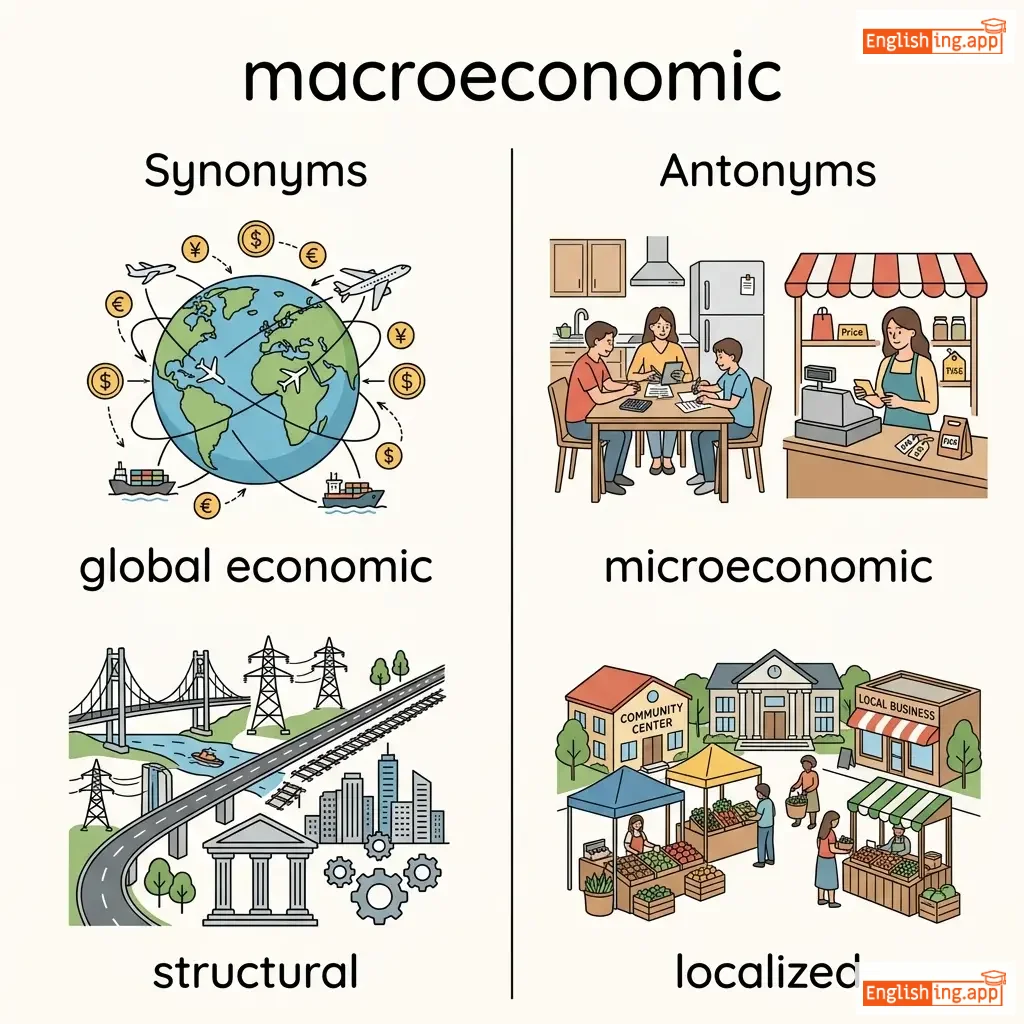
global economic, structural, national
••••••
|
microeconomic, localized, sectoral
••••••
|
宏观是大,经济学也是大的,宏观经济的就是这么简单!
••••••
|
|
#4049
📊
|
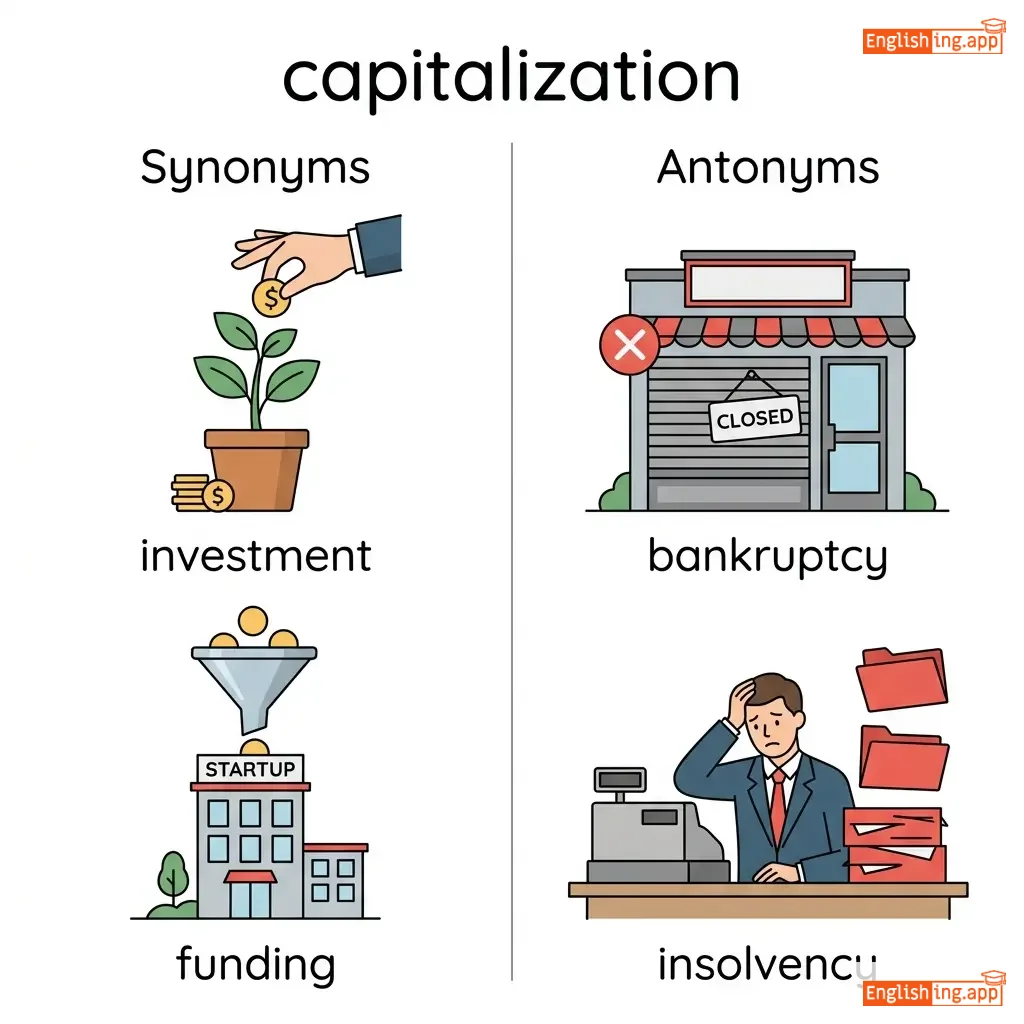
/ˌkæp.ɪ.təl.aɪˈzeɪ.ʃən/
noun
(资本化)
••••••
|
|
资本化
zīběnhuà
••••••
|
The provision of capital for a company or the total value of a company's shares.
••••••
|
The startup secured significant capitalization from investors.
初创公司从投资者那里获得了重要的资本化。
••••••
|
初创公司从投资者那里获得了重要的资本化。
Chū chuàng gōngsī cóng tóuzī zhě nàlǐ huòdéle zhòngyào de zīběnhuà.
••••••
|
investment, funding, asset utilization
••••••
|
bankruptcy, insolvency, undercapitalization
••••••
|
资本化与投资相关,'资本'代表资金的提供。
••••••
|
|
#4050
🏭
|
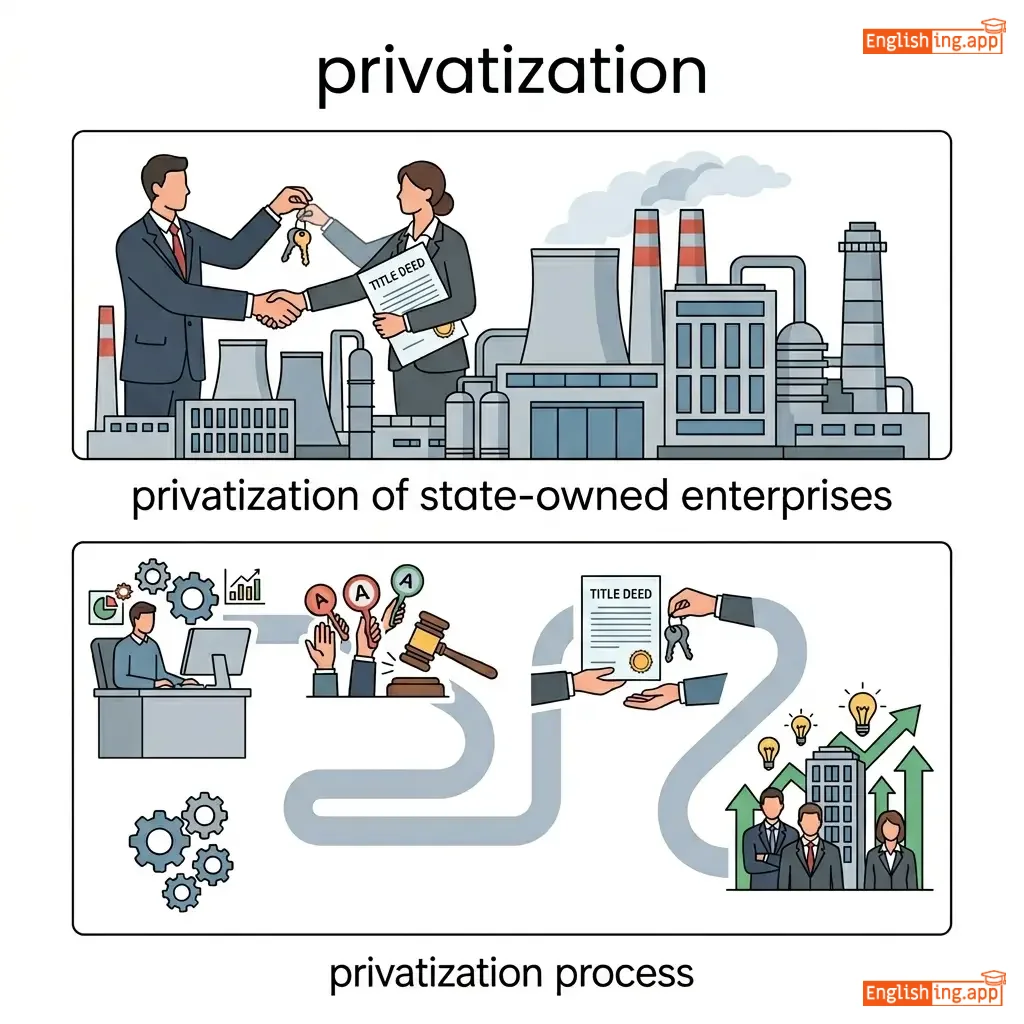
/ˌpraɪ.və.taɪˈzeɪ.ʃən/
noun
(私有化)
••••••
|
|
私有化
sī yǒu huà
••••••
|
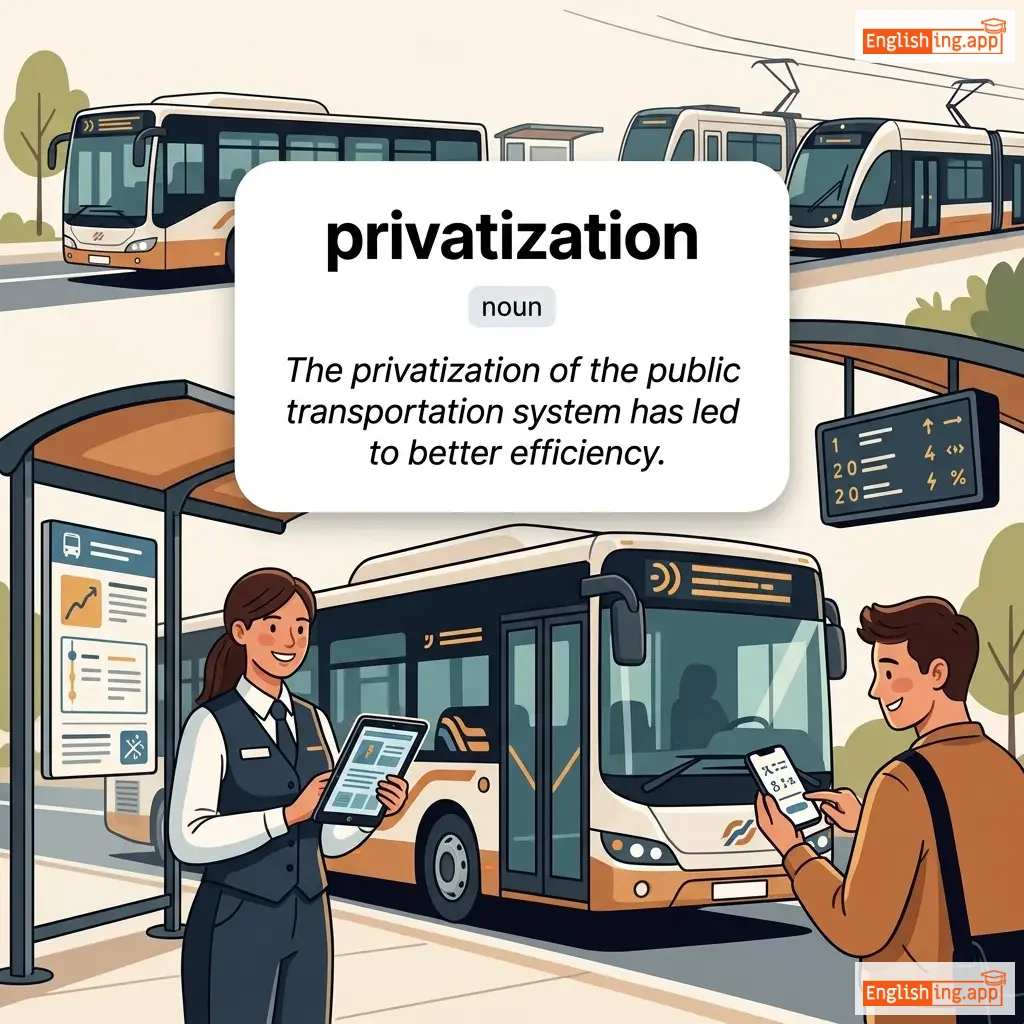
The transfer of ownership of a business, enterprise, agency, or public service from the public sector to the private sector.
••••••
|
The privatization of public enterprises led to improved efficiency. |
公共企业的私有化提高了效率。
Gōng gòng qǐ yè de sī yǒu huà tí gāo le xiào lǜ.
••••••
|
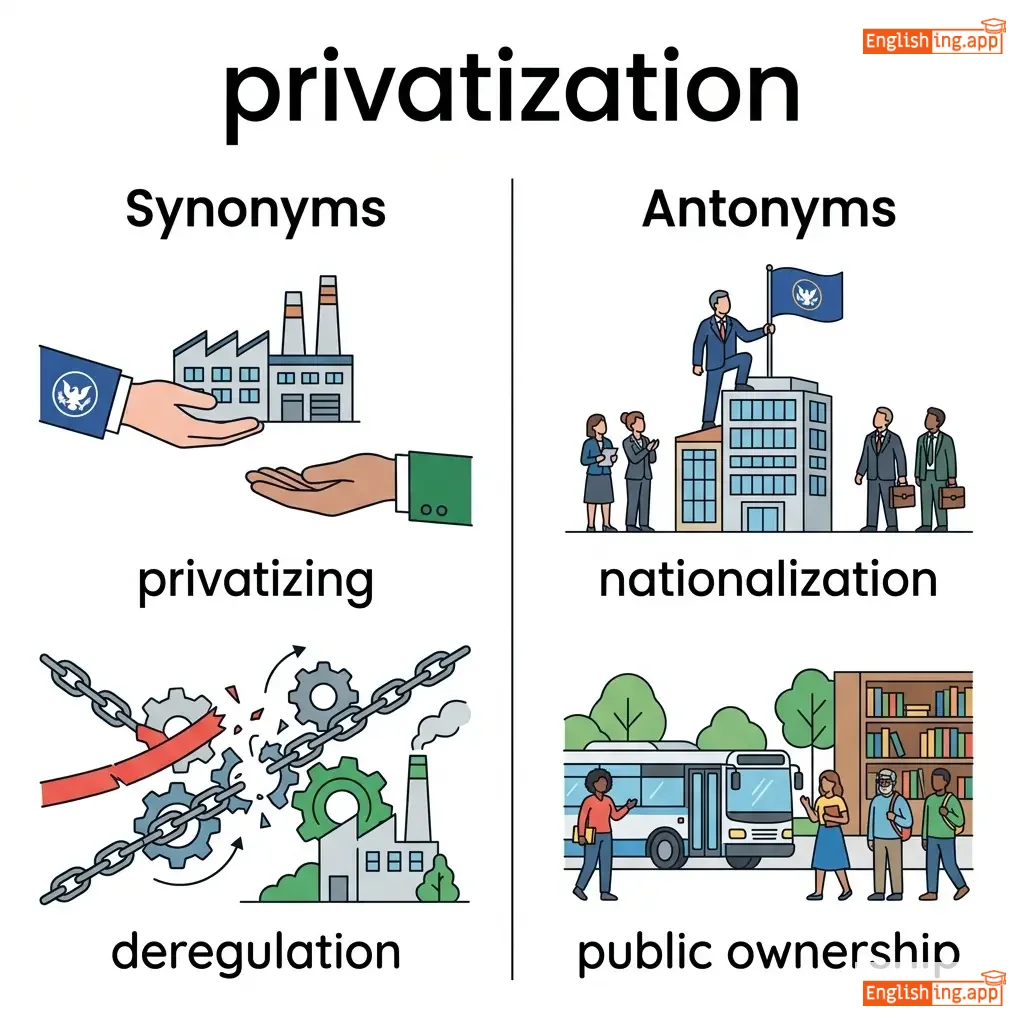
deregulation, market liberalization, commercialization
••••••
|
nationalization, public ownership, socialization
••••••
|
私有化是将公共的东西变为私人的,就像你自己管理的秘密。
••••••
|
|
#4051
📋
|
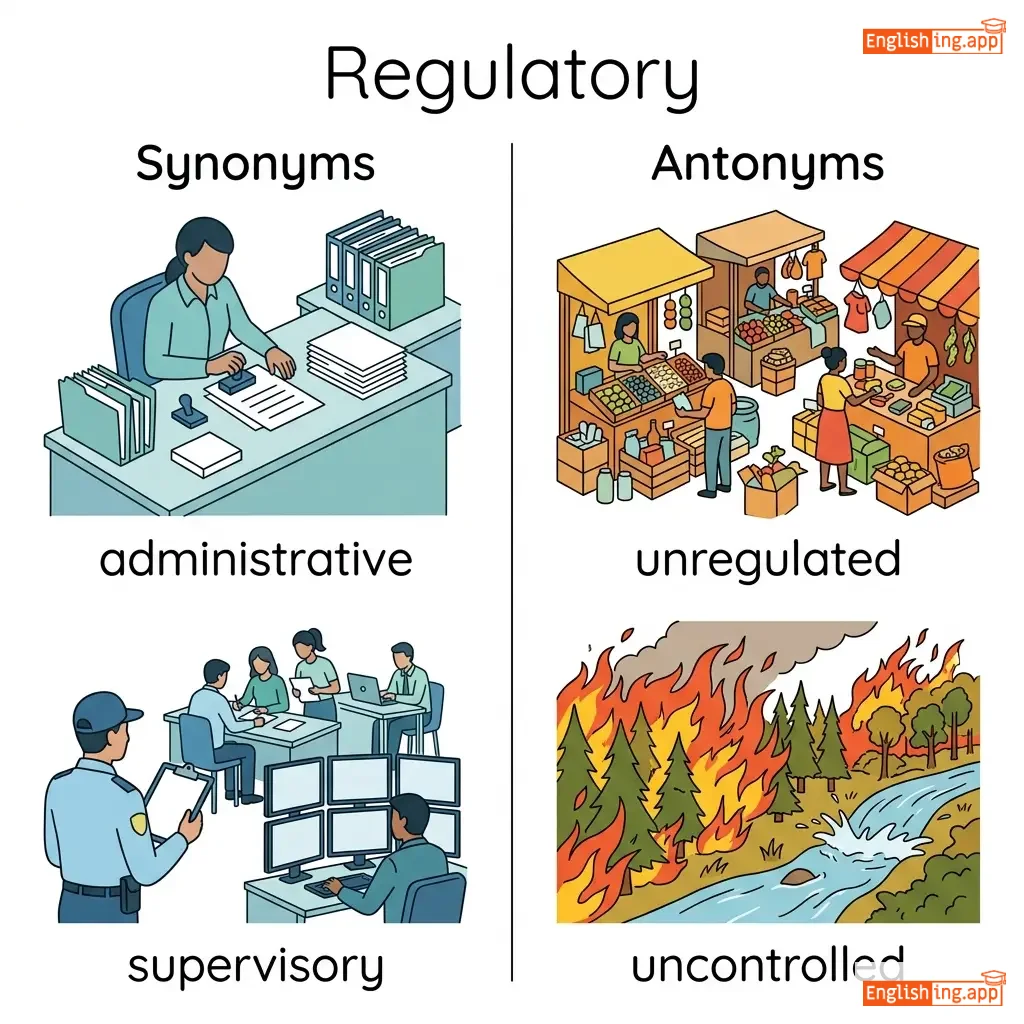
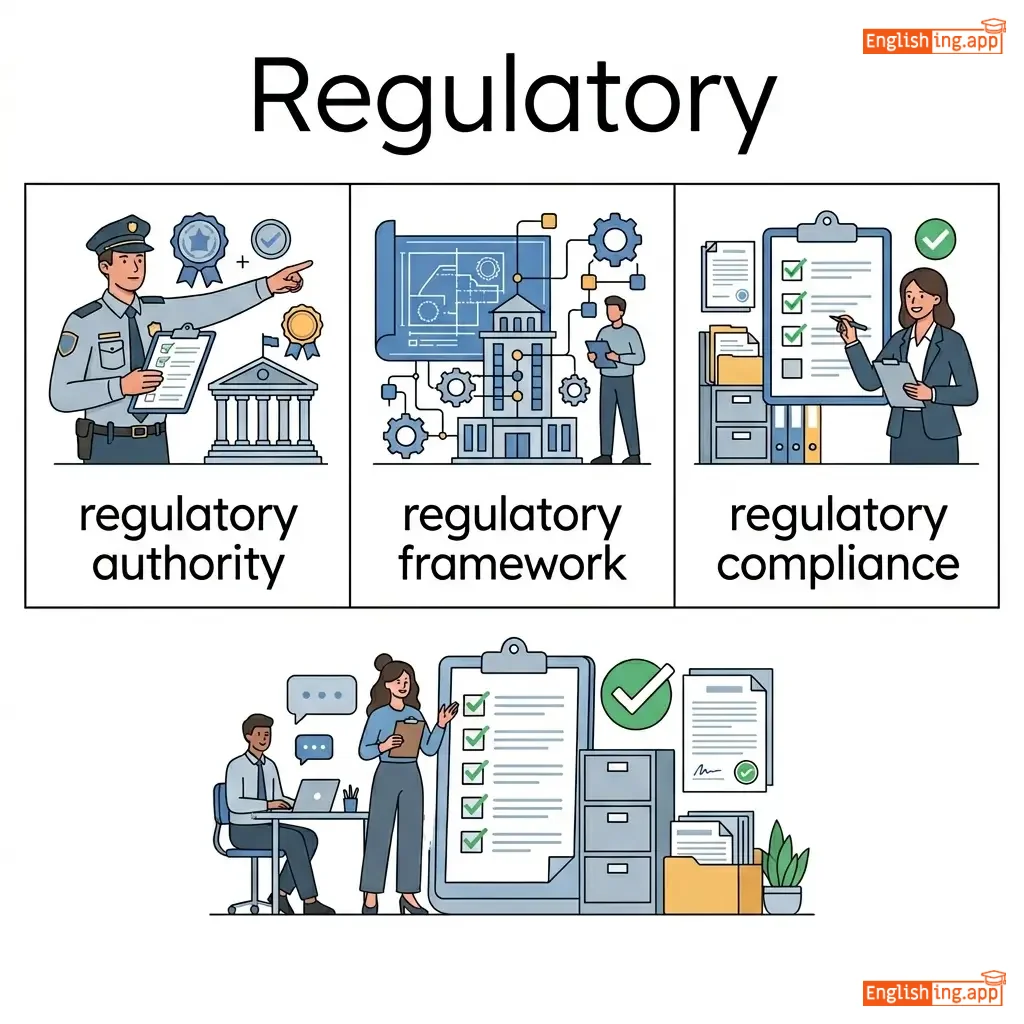
/ˈreɡ.jʊ.lə.tər.i/
adjective
(régulétori)
••••••
|
|
监管
jiānguǎn
••••••
|
Having the power to control or govern something through rules and regulations.
••••••
|
The government enforces regulatory policies for financial stability.
政府执行金融稳定的监管政策。
••••••
|
政府执行金融稳定的监管政策。
Zhèngfǔ zhíxíng jīnróng wěndìng de jiānguǎn zhèngcè.
••••••
|
supervisory, controlling, administrative
••••••
|
unregulated, deregulated, unrestricted
••••••
|
Jiānguǎn = Jiān (监视) + Guǎn (管制), 监视和管制规则。
••••••
|
|
#4052
🏢
|
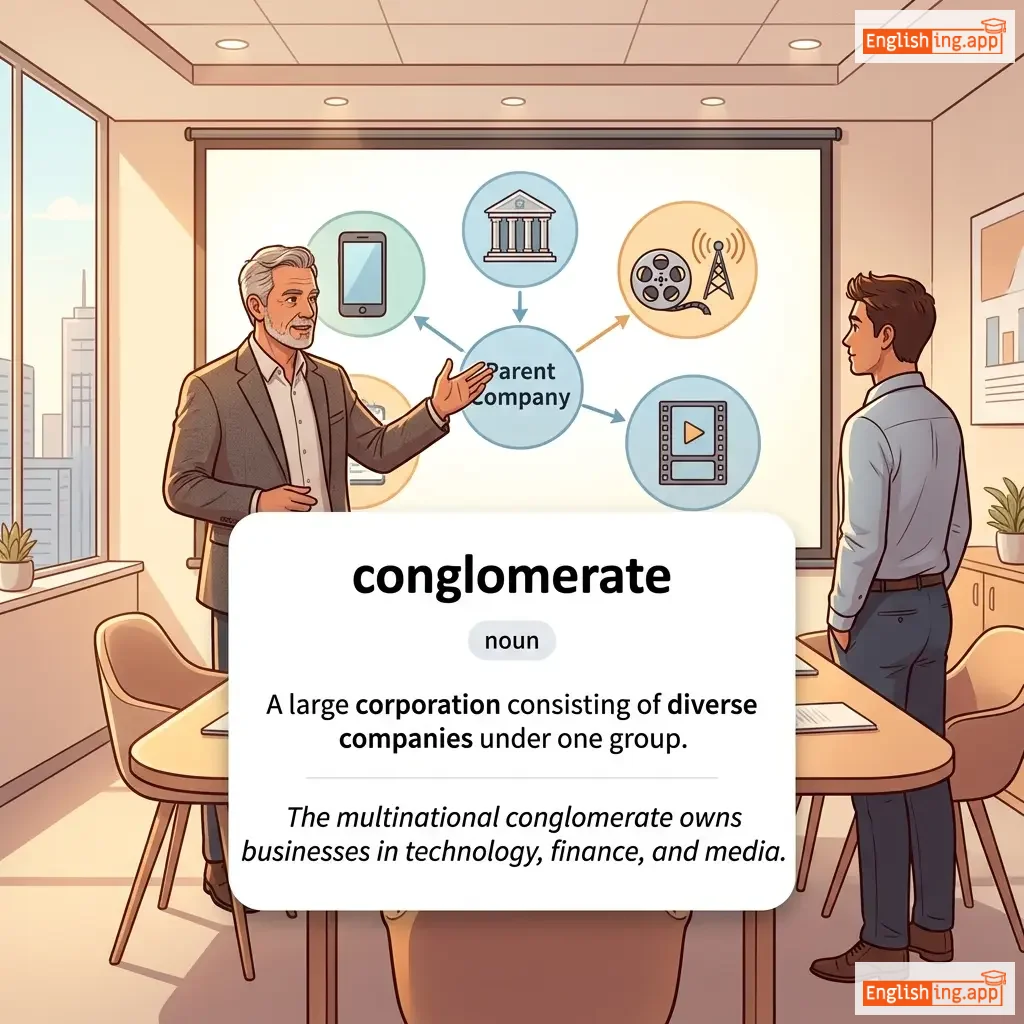
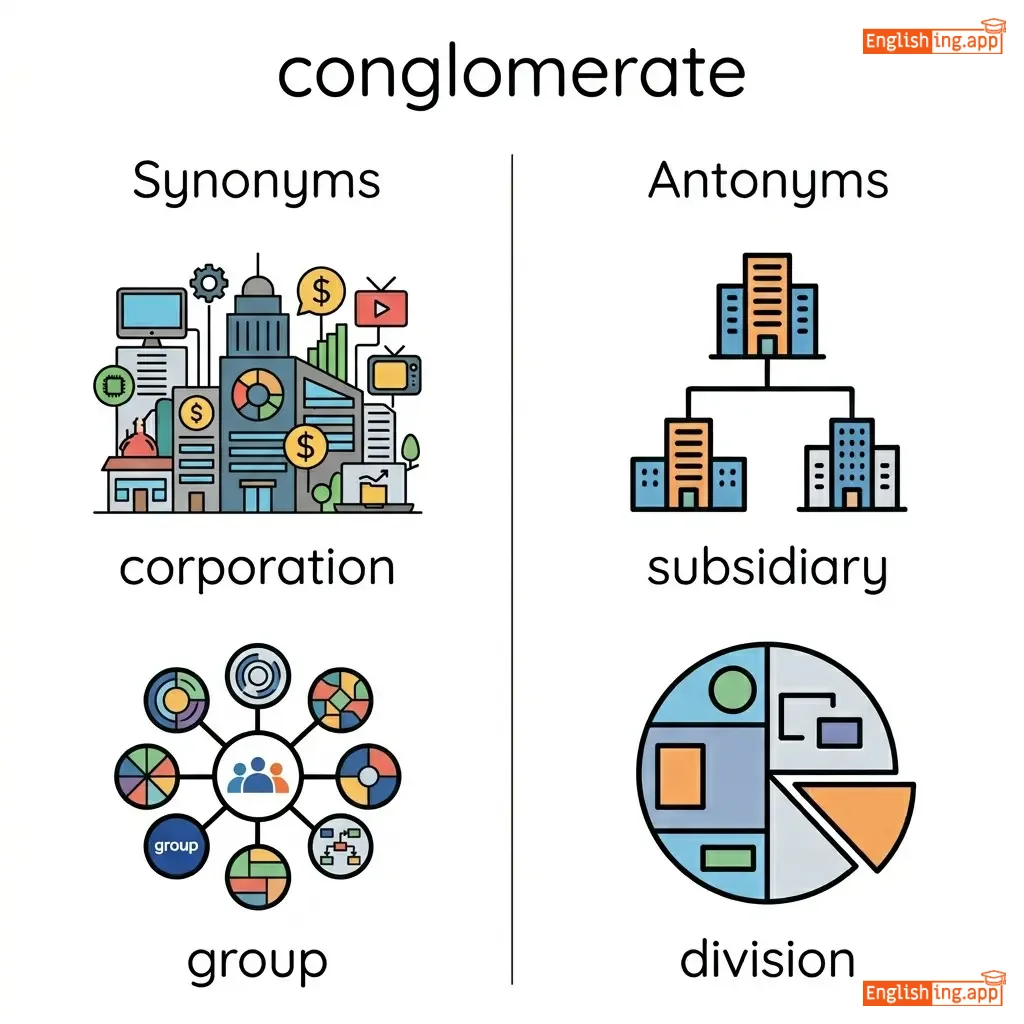
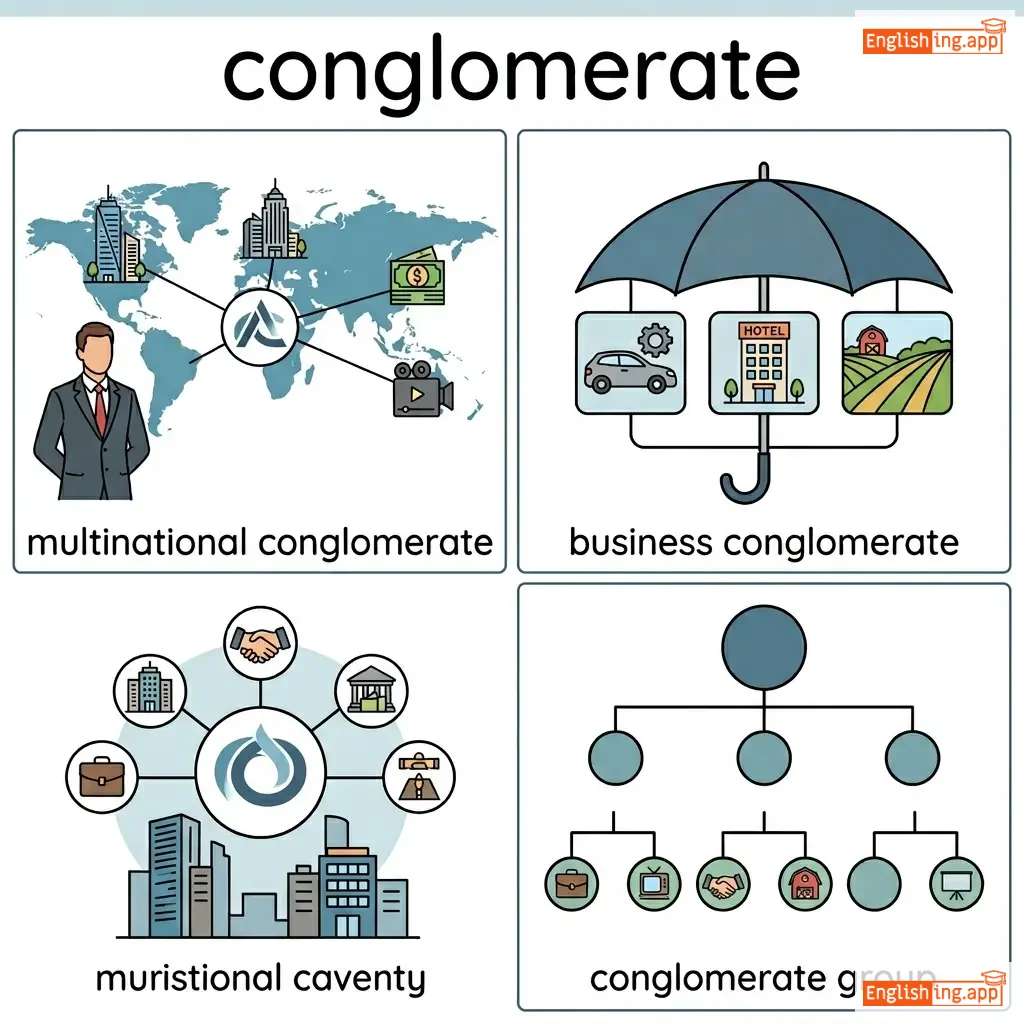
/kənˈɡlɒm.ər.ət/
noun
(kòngluómìlè)
••••••
|
|
企业集团
qǐyè jítuán
••••••
|
A large corporation made up of a number of different companies that operate in different markets.
••••••
|
The conglomerate owns companies in multiple industries.
该公司拥有多个行业的企业。
••••••
|
该公司拥有多个行业的企业。
Gāi gōngsī yǒngyǒu duō gè hángyè de qǐyè.
••••••
|
corporation, multinational, business empire
••••••
|
independent business, startup, small-scale enterprise
••••••
|
企业集团是一个包含多家公司的大公司,遍布不同的行业。
••••••
|
|
#4053
📁
|
/ˈbjʊə.rə.krə.si/
noun
(bìyuèlùokèlè)
••••••
|
|
官僚制度
guānliáo zhìdù
••••••
|
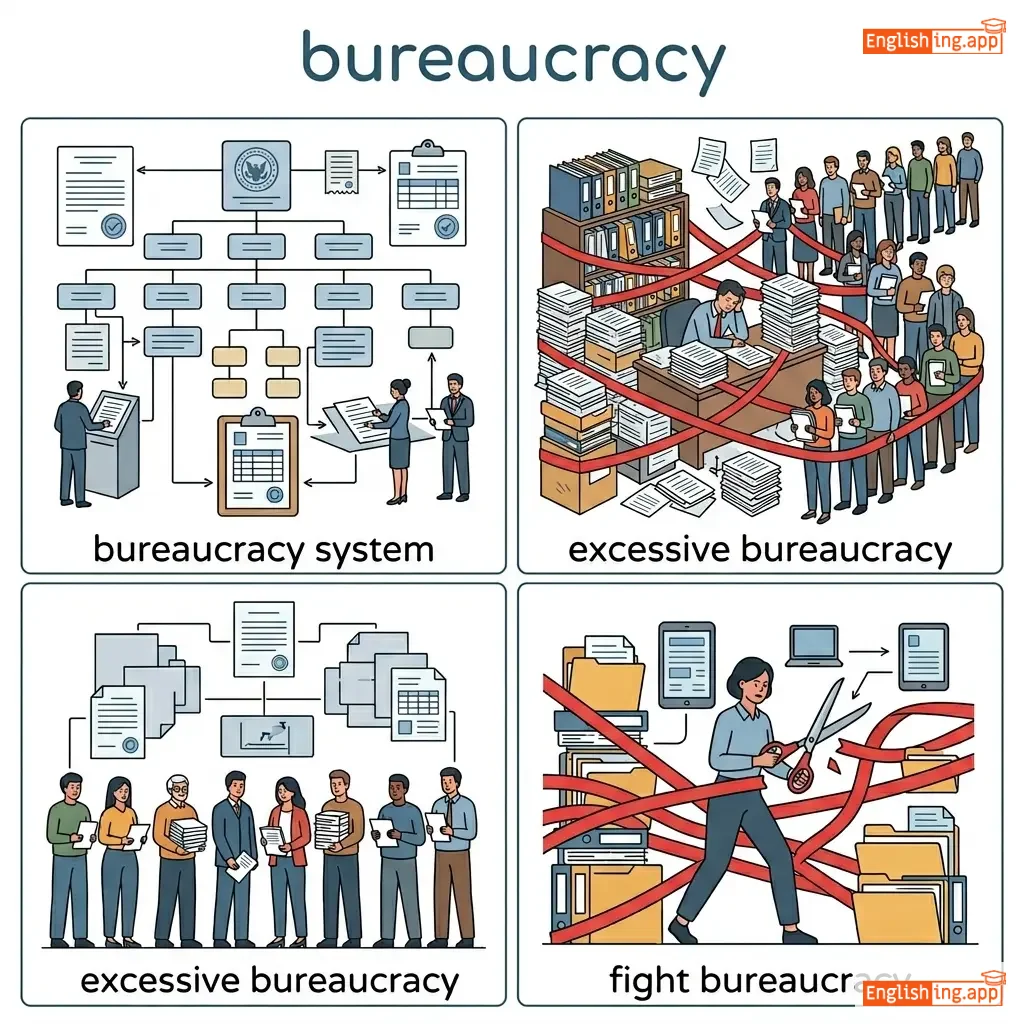
A system of government in which most of the important decisions are made by state officials rather than by elected representatives.
••••••
|
The complex bureaucracy delayed the approval process.
复杂的官僚主义延迟了审批过程。
••••••
|
复杂的官僚主义延迟了审批过程。
Fùzá de guānliáo zhìdù yánchíle shěnpī guòchéng.
••••••
|
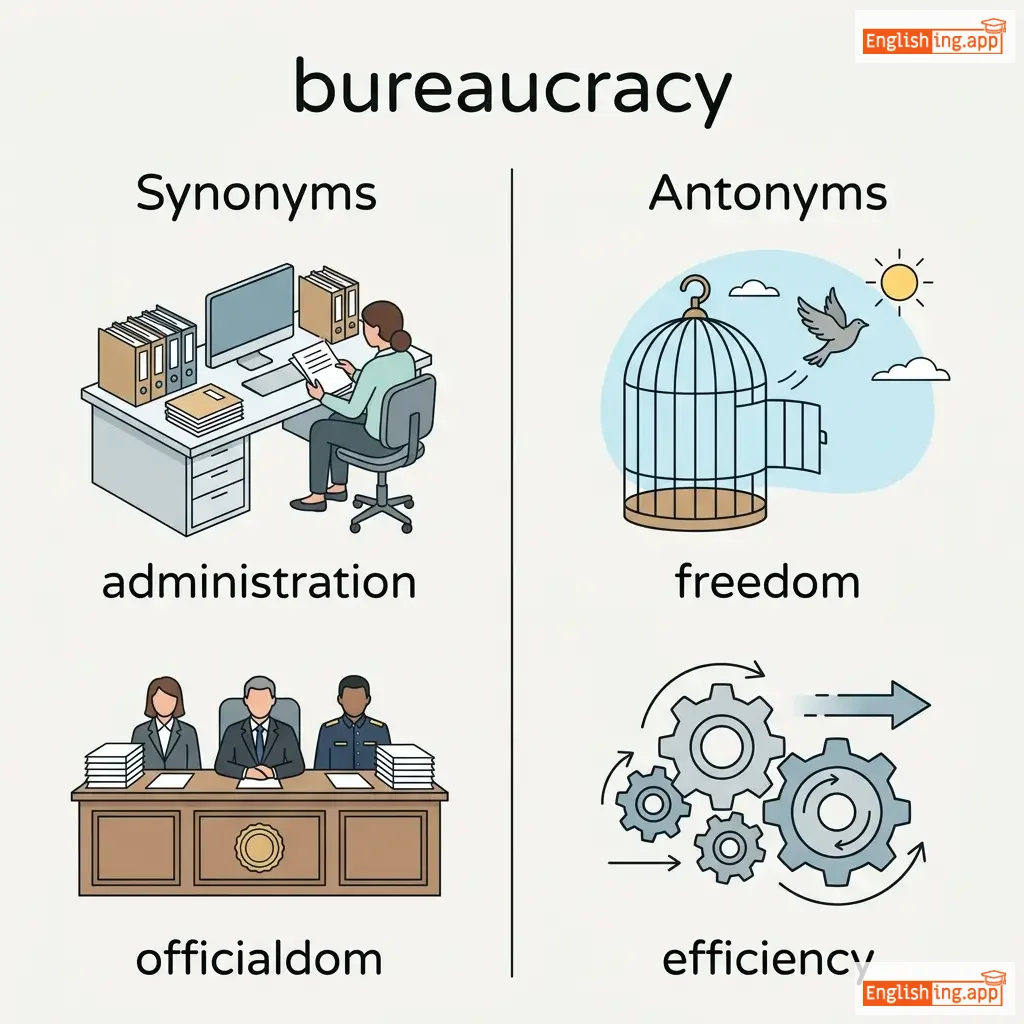
administration, officialdom, red tape
••••••
|
efficiency, flexibility, decentralization
••••••
|
官僚制度就像复杂的流程,决策需要经历层层审核。
••••••
|
|
#4054
💸
|
/ˌsʌbsɪdaɪˈzeɪʃən/
noun
(补贴)
••••••
|
|
补贴
butie
••••••
|
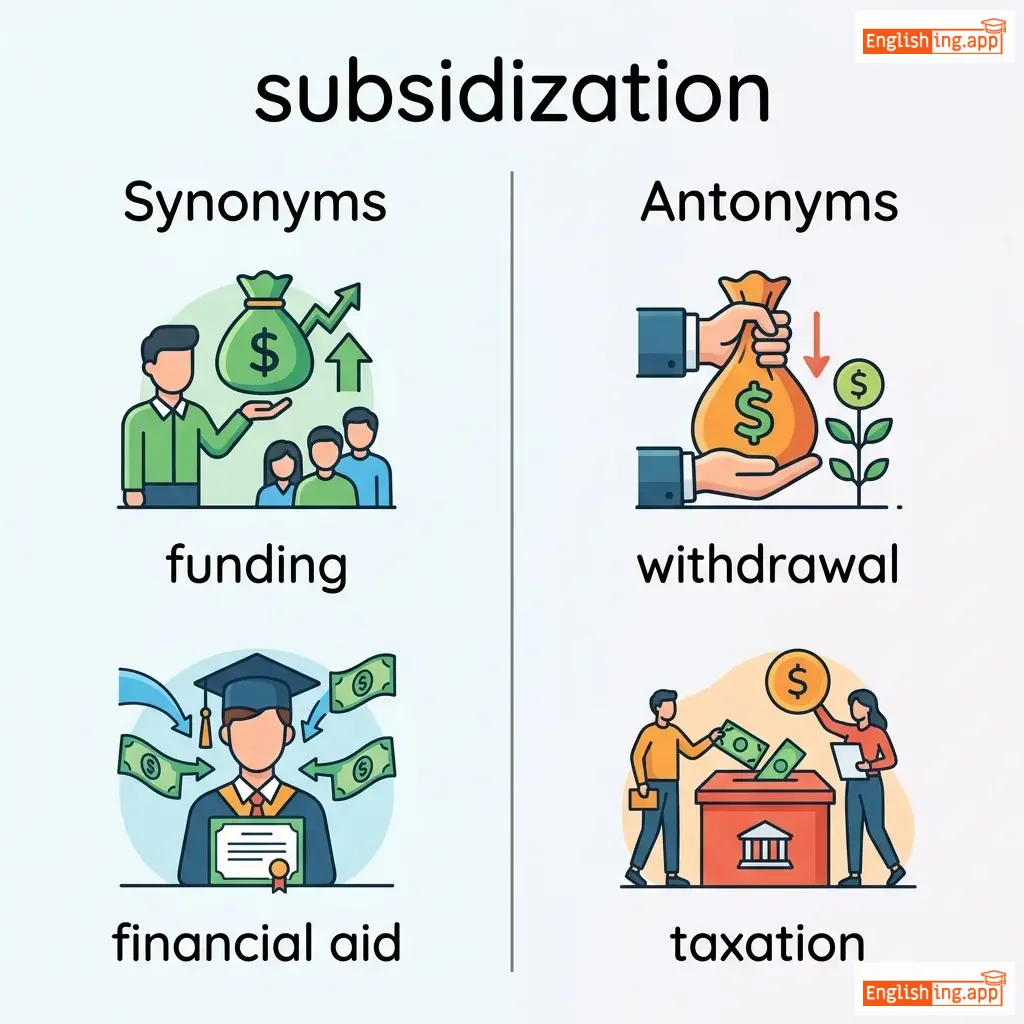
The action of supporting an organization or activity financially.
••••••
|
The government's subsidization of agriculture helped farmers.
政府对农业的补贴帮助了农民。
••••••
|
政府对农业的补贴帮助了农民。
Zhèngfǔ duì nóngyè de bǔtiē bāngzhùle nóngmín.
••••••
|
funding, financial aid, grant
••••••
|
withdrawal, taxation, self-funding
••••••
|
补贴是政府经济支持的一种形式。
••••••
|
|
#4055
📈
|
/ɪnˈfleɪ.ʃə.ner.i/
adjective
(通货膨胀的)
••••••
|
|
通货膨胀的
tōnghuò péngzhàng de
••••••
|
Causing or characterized by inflation of prices.
••••••
|
Excessive money supply can lead to an inflationary economy. |
过量的货币供应可能导致通货膨胀经济。
Guòliàng de huòbì gōngyìng kěnéng dǎozhì tōnghuò péngzhàng jīngjì.
••••••
|
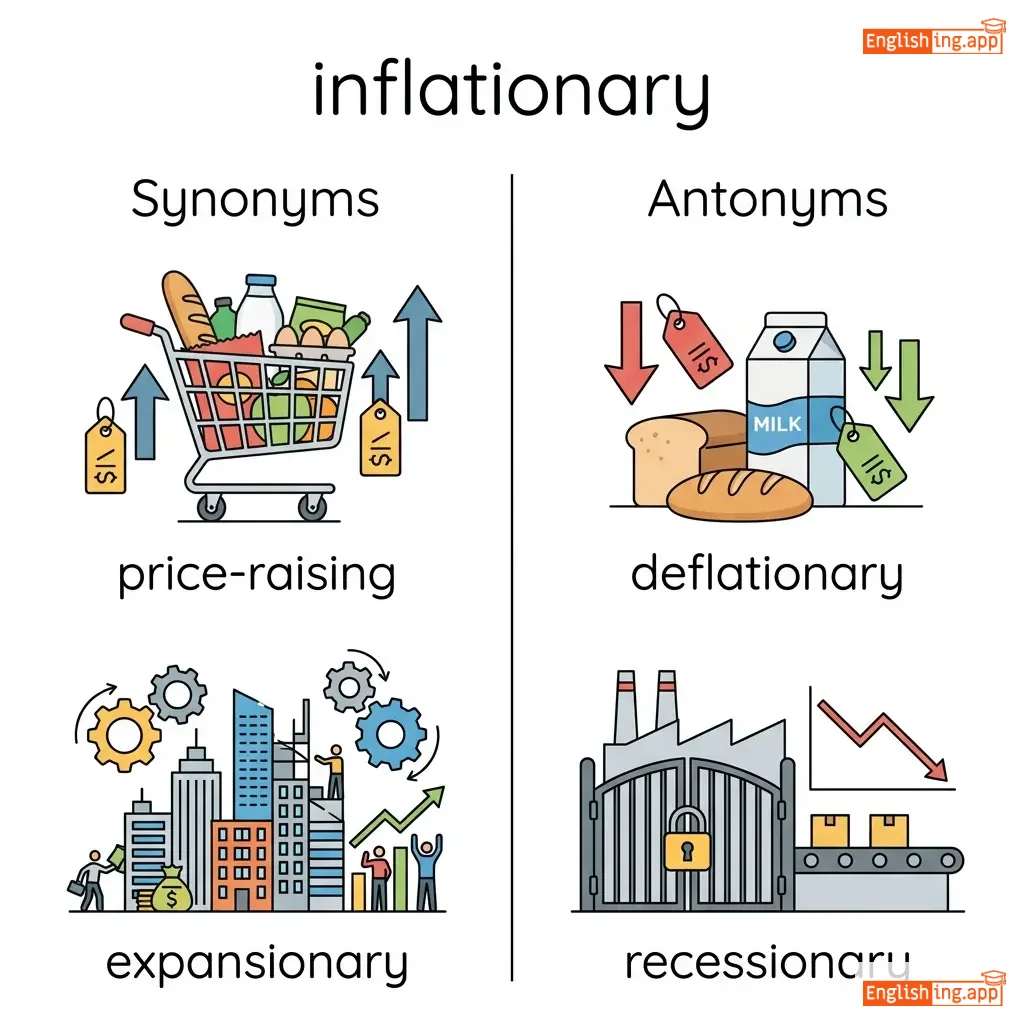
price-raising, expansionary, costly
••••••
|
deflationary, recessionary, stabilizing
••••••
|
Tōnghuò (currency) + péngzhàng (inflation) = tōnghuò péngzhàng de
••••••
|
|
#4056
🤝
|
/fɪˈduː.ʃi.er.i/
adjective, noun
(fiduciari)
••••••
|
|
信托责任
xìntuō zérèn
••••••
|
Involving trust, especially with regard to the relationship between a trustee and a beneficiary.
••••••
|
Bankers have a fiduciary duty to protect customers' investments.
银行家有信托义务保护客户的投资。
••••••
|
银行家有信托义务保护客户的投资。
Yínhángjiā yǒu xìntuō yìwù bǎohù kèhù de tóuzī.
••••••
|
trustee, guardian, custodian
••••••
|
untrustworthy, irresponsible, fraudulent
••••••
|
信托责任是保护客户投资的信任责任。
••••••
|
|
#4057
💱
|
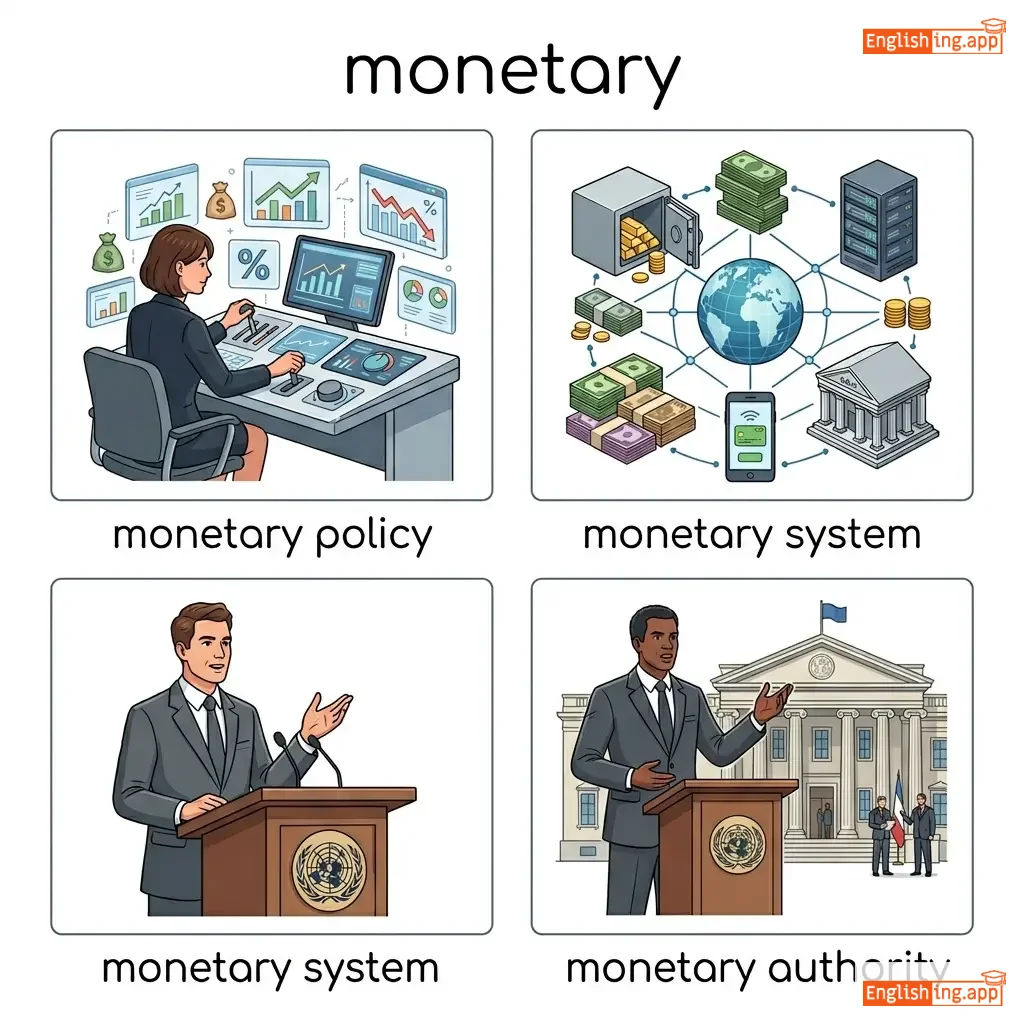
/ˈmʌn.ɪ.tri/
adjective
(货币的)
••••••
|
|
货币的
huòbì de
••••••
|
Relating to money or currency.
••••••
|
The central bank controls the monetary policy of a country.
中央银行控制着一个国家的货币政策。
••••••
|
中央银行控制着一个国家的货币政策。
Zhōngyāng yínháng kòngzhì zhe yīgè guójiā de huòbì zhèngcè.
••••••
|
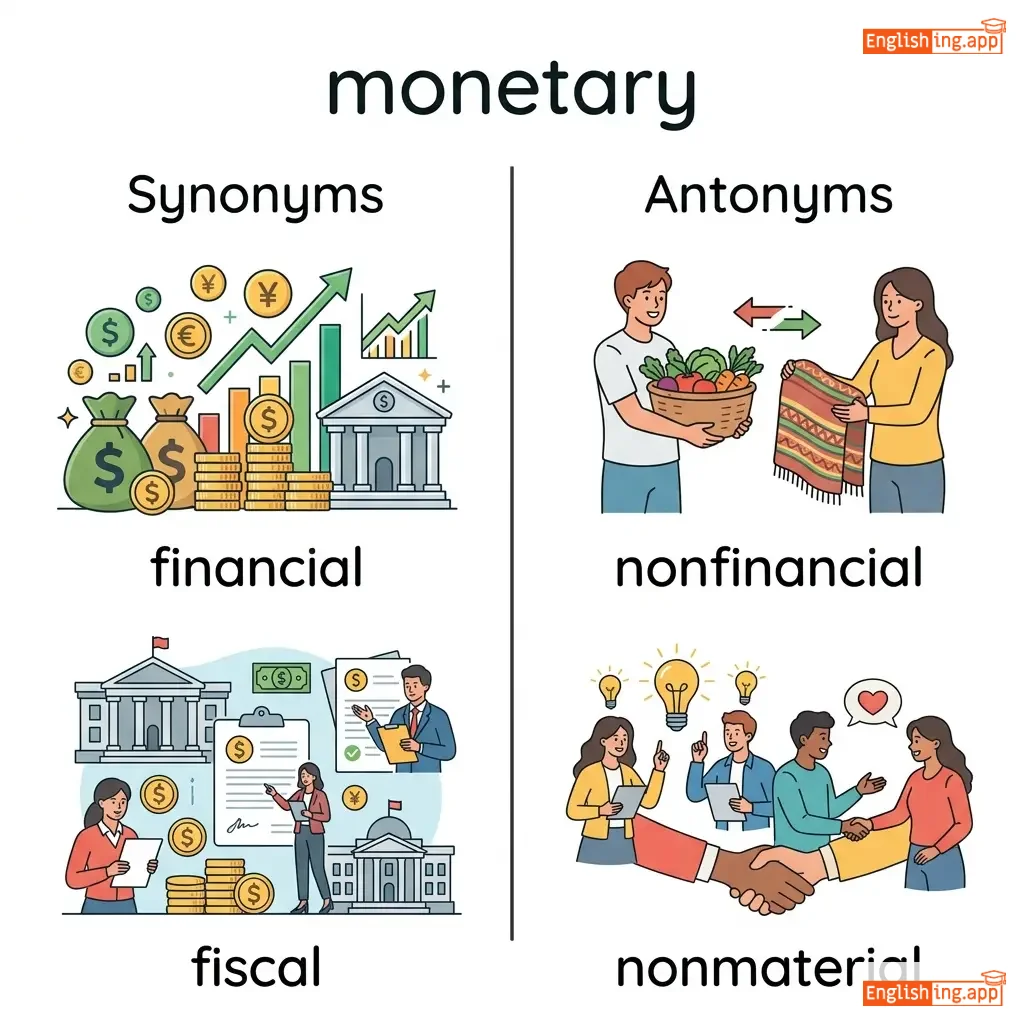
fiscal, financial, capital-related
••••••
|
non-financial, barter-based, material
••••••
|
货币的意思是与货币和钱相关的。
••••••
|
|
#4058
⚡
|
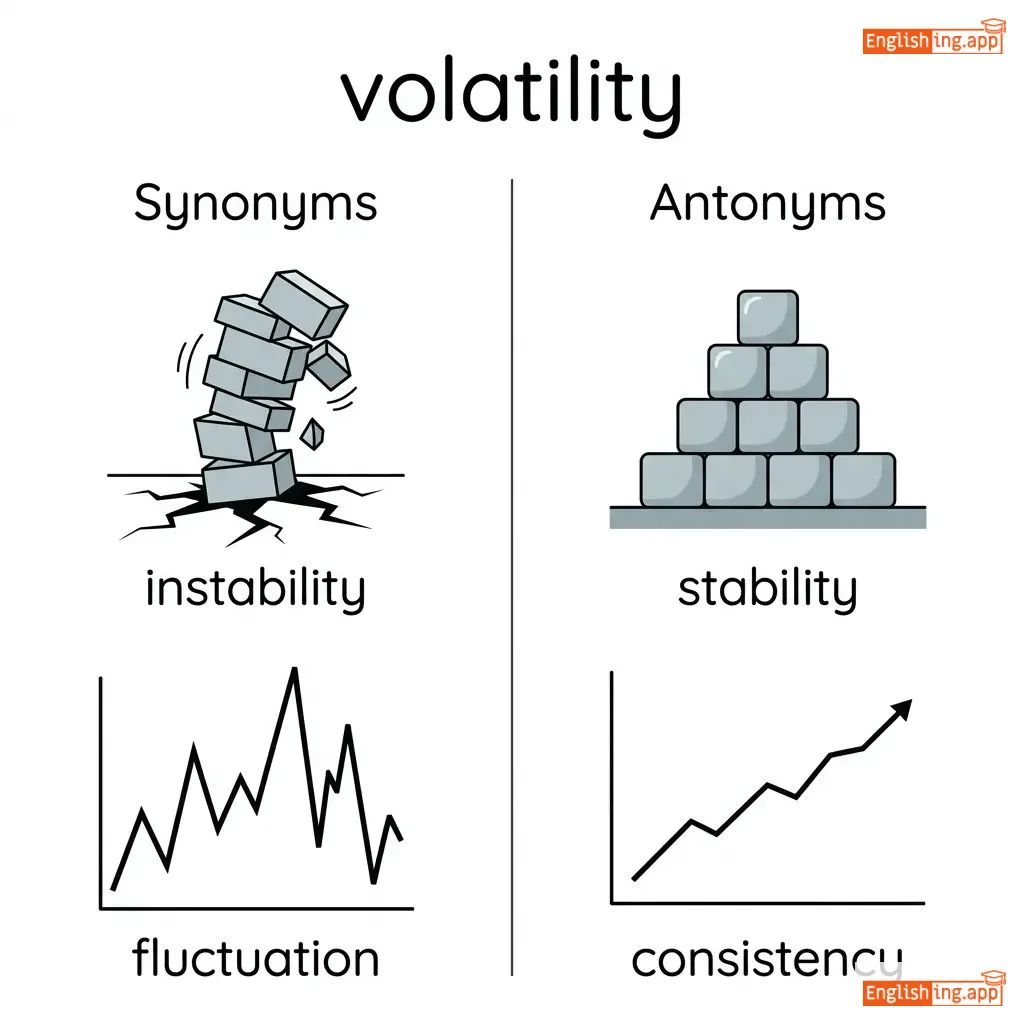
/ˌvɒl.əˈtɪl.ɪ.ti/
noun
(波动性)
••••••
|
|
波动性
bodongxing
••••••
|
Liability to change rapidly and unpredictably, especially for the worse.
••••••
|
The stock market's volatility makes investment risky. |
股市的波动性使投资变得风险很大。
Gushi de bodongxing shi touzi biande fengxian hen da.
••••••
|
instability, fluctuation, unpredictability
••••••
|
stability, consistency, predictability
••••••
|
The word '波动性' sounds like 'bodongxing', which aligns with 'volatility' and its unpredictable nature.
••••••
|
|
#4059
💌
|
/rɪˈmɪt.əns/
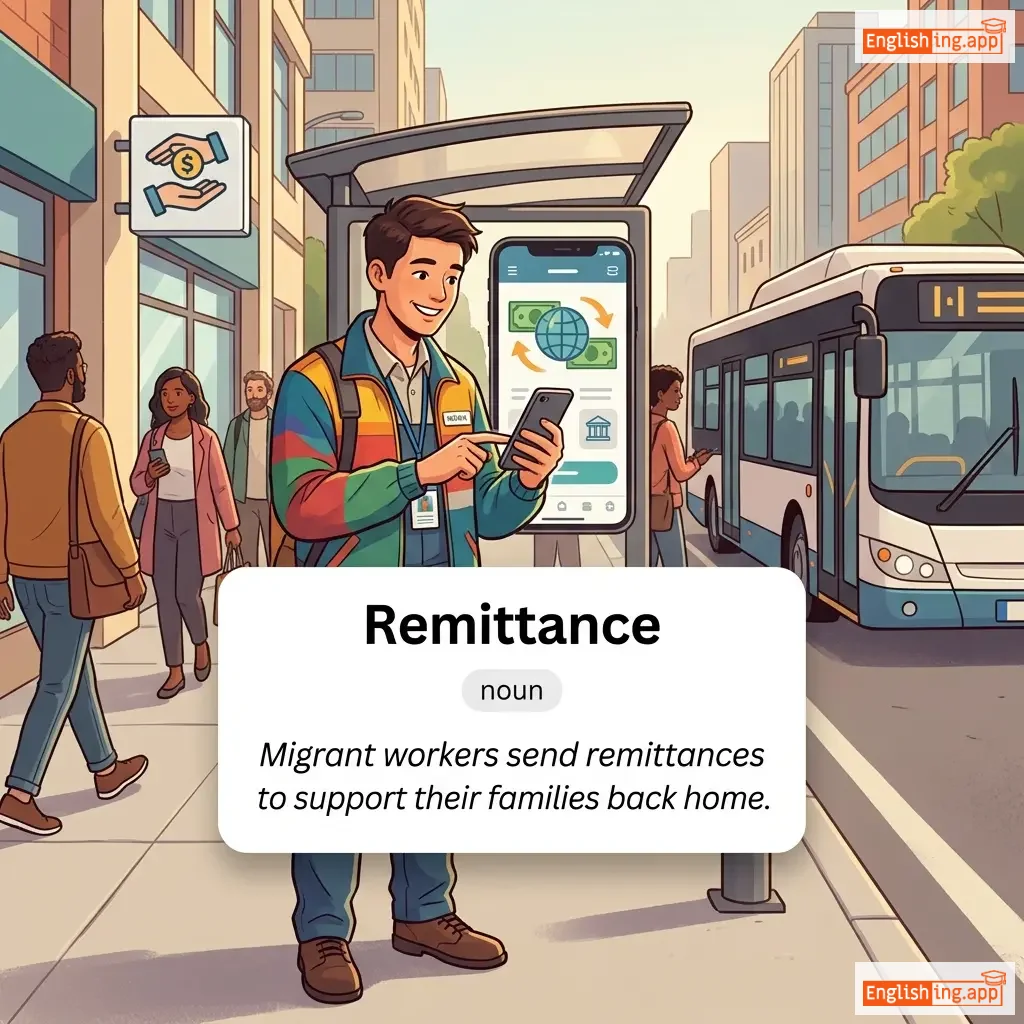
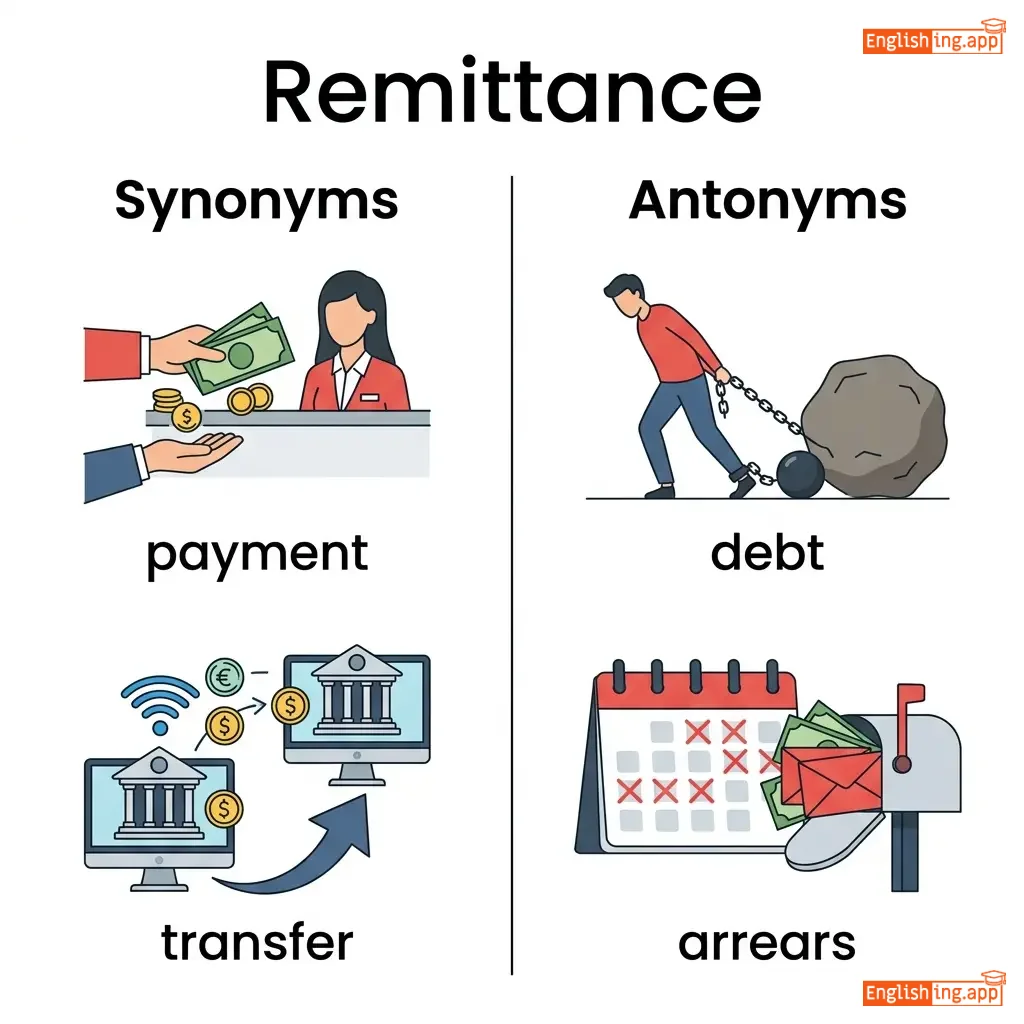
noun
(瑞米坦斯)
••••••
|
|
汇款
huì kuǎn
••••••
|
A sum of money sent in payment or as a gift.
••••••
|
The country's economy benefits from expatriate remittance. |
该国的经济从侨汇中受益。
Gāi guó de jīngjì cóng qiáo huì zhōng shòuyì.
••••••
|
money transfer, payment, wire transfer
••••••
|
withholding, non-payment, default
••••••
|
汇款帮助国家的经济发展。
••••••
|
|
#4060
💧
|
/lɪkˈwɪd.ə.ti/
noun
(lì kuì dí tì)
••••••
|
|
流动性
liúdòngxìng
••••••
|
The availability of liquid assets to a market or company.
••••••
|
A business must maintain liquidity to cover expenses.
企业必须保持流动性以支付费用。
••••••
|
企业必须保持流动性以支付费用。
Qǐyè bìxū bǎochí liúdòngxìng yǐ zhīfù fèiyòng.
••••••
|
cash flow, solvency, convertibility
••••••
|
illiquidity, frozen assets, insolvency
••••••
|
流动性 - 管理公司资金和费用的流动!
••••••
|
|
#4061
📅
|
/əˌmɔːr.tɪˈzeɪ.ʃən/
noun
(摊销)
••••••
|
|
债务摊销
zhàiwù tānxiāo
••••••
|
The process of paying off a debt with a fixed repayment schedule in regular installments.
••••••
|
The bank offers low-interest amortization plans. |
银行提供低利率的摊销计划。
Yínháng tígōng dī lìlǜ de tānxiāo jìhuà.
••••••
|
debt repayment, depreciation, installment
••••••
|
accumulation, indebtedness, default
••••••
|
摊销 - '摊'类似于‘分摊’,‘债务’即指债务。
••••••
|
|
#4062
🛒
|
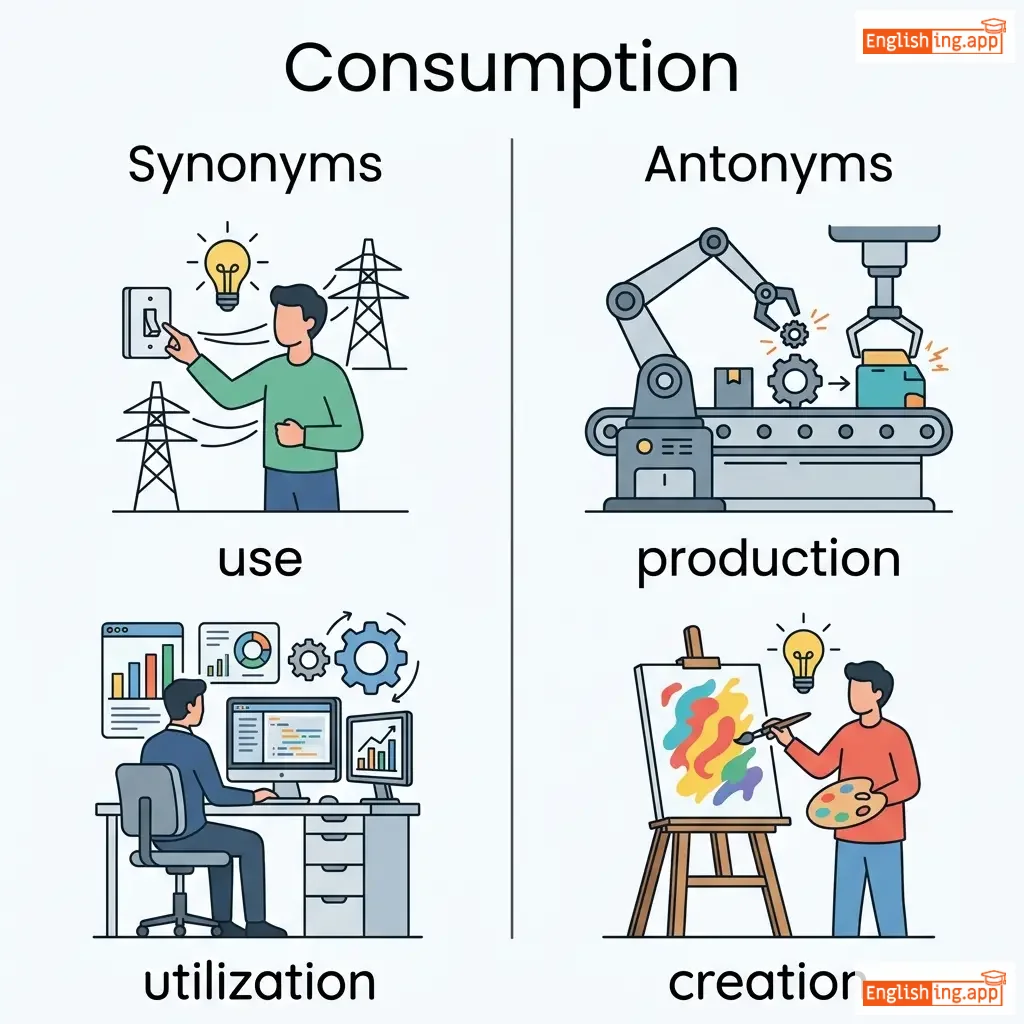
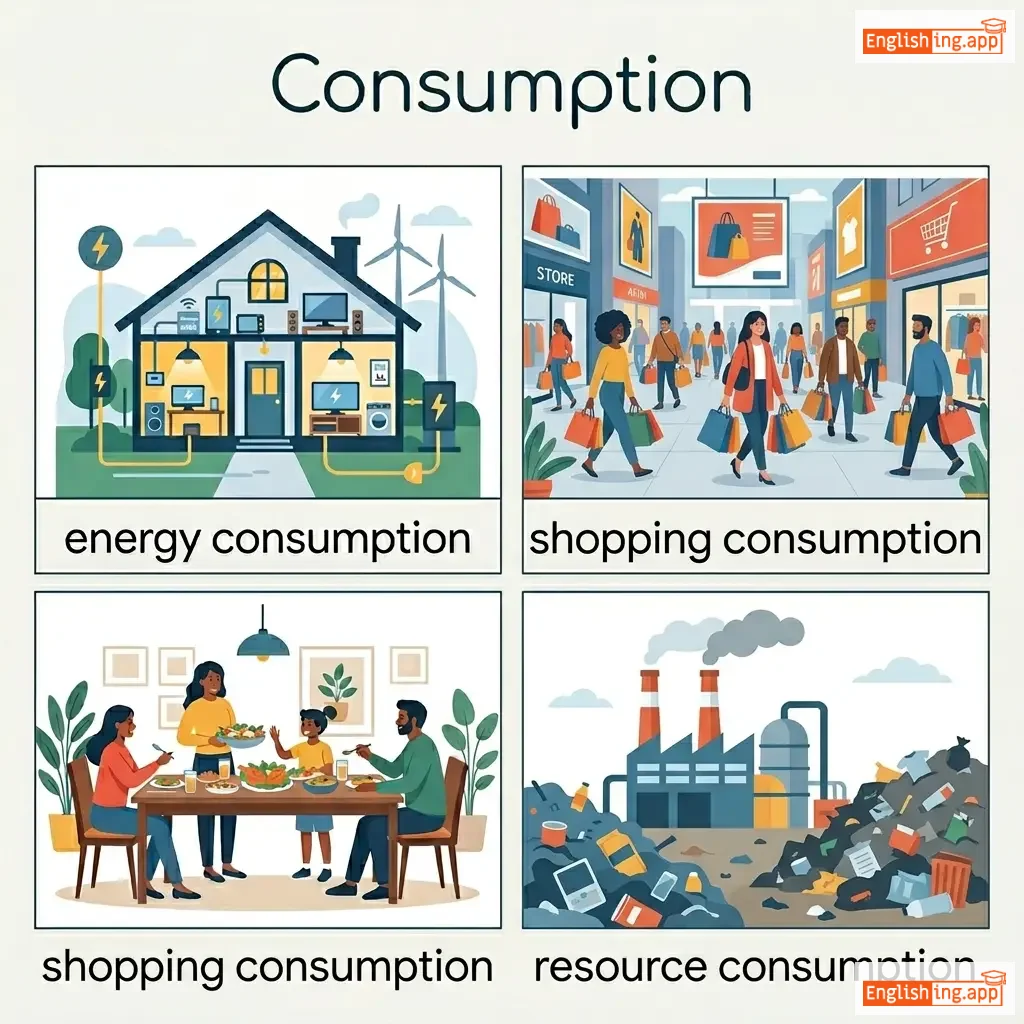
/kənˈsʌmp.ʃən/
noun
(kənˈsʌmp.ʃən)
••••••
|
|
消费
xiaofei
••••••
|
The using up of a resource or the amount of a product consumed by consumers.
••••••
|
High energy consumption leads to increased electricity bills. |
高能耗导致电费增加。
Gao neng hao daozhi dian fei zengjia.
••••••
|
utilization, expenditure, usage
••••••
|
conservation, preservation, saving
••••••
|
消费 (Xiaofei): 想象你消费了一个资源或产品,来记住这个词。
••••••
|
|
#4063
⚖️
|
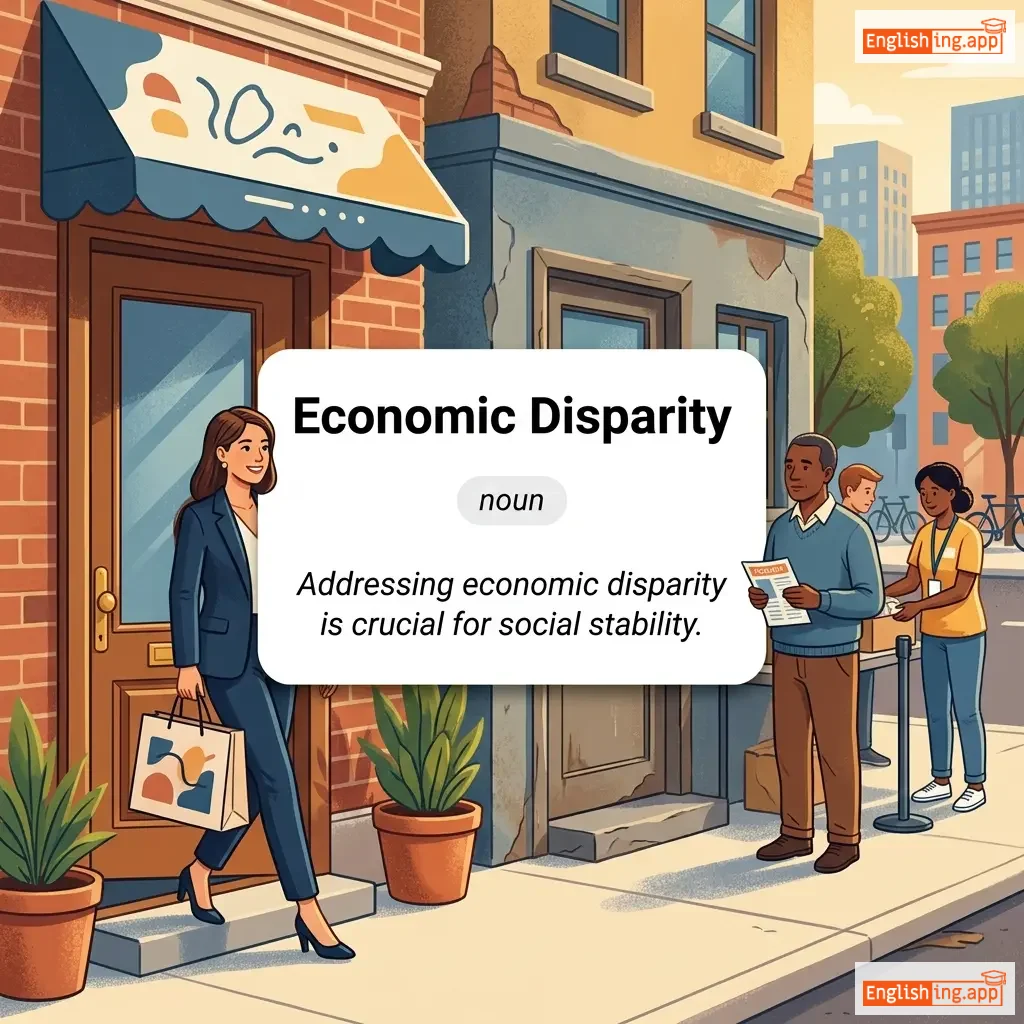
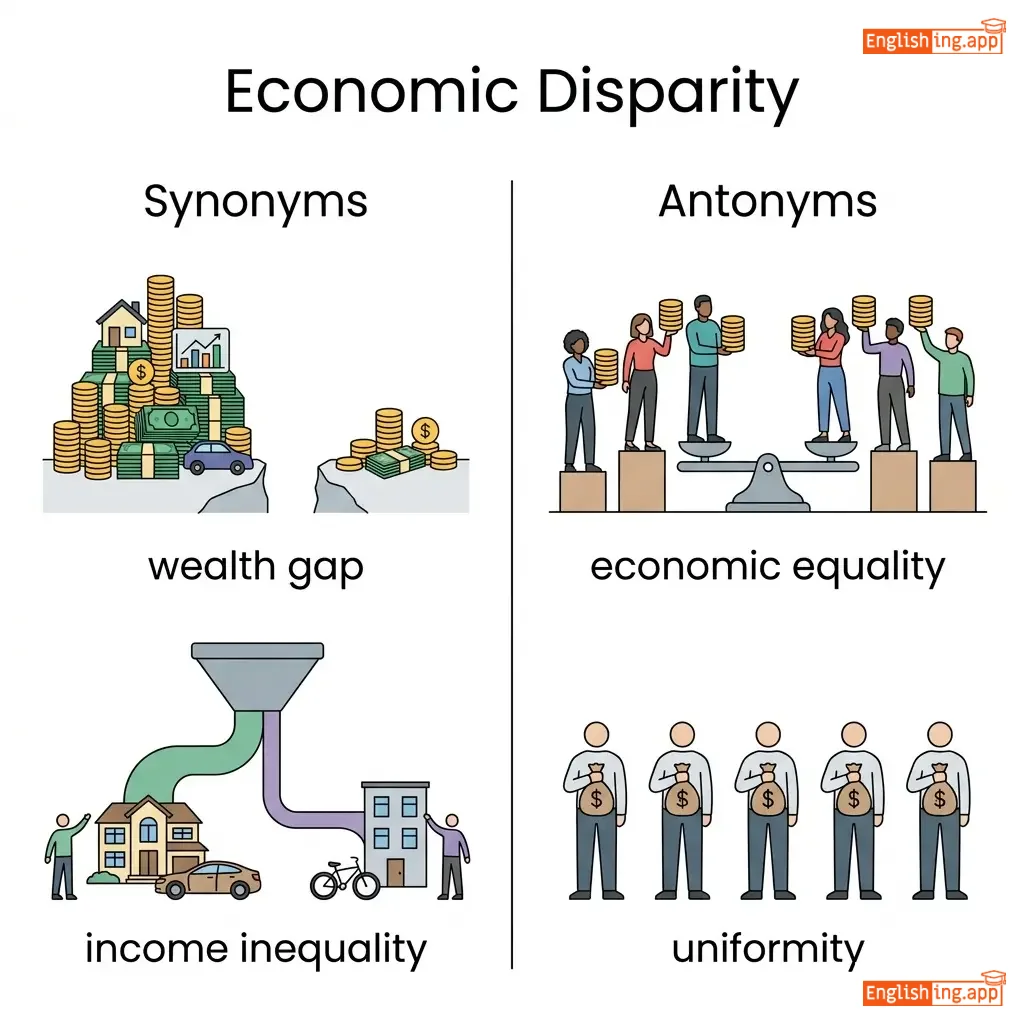
/ˌiː.kəˈnɒm.ɪk dɪˈspær.ɪ.ti/
noun
(经济不平等)
••••••
|
|
经济不平等
jingji bu pingdeng
••••••
|
The unequal distribution of income and opportunity between different groups in society.
••••••
|
Addressing economic disparity is crucial for social stability. |
解决经济不平等问题对社会稳定至关重要。
Jiejue jingji bupingdeng wenti dui shehui wending zhiguang zhongyao.
••••••
|
wealth gap, income inequality, financial divide
••••••
|
economic equality, uniformity, fairness
••••••
|
经济不平等就像财富在社会中分配不均的情况。
••••••
|
Vocabulary Quiz
Test your vocabulary by matching words with their translations or meanings.
Login to take the quiz
Comments (0)
Share your thoughts and join the discussion.
Join the discussion by logging in
Login to CommentNo comments yet
Be the first to share your thoughts!