

如何创建一家创业公司
How to Start a Startup
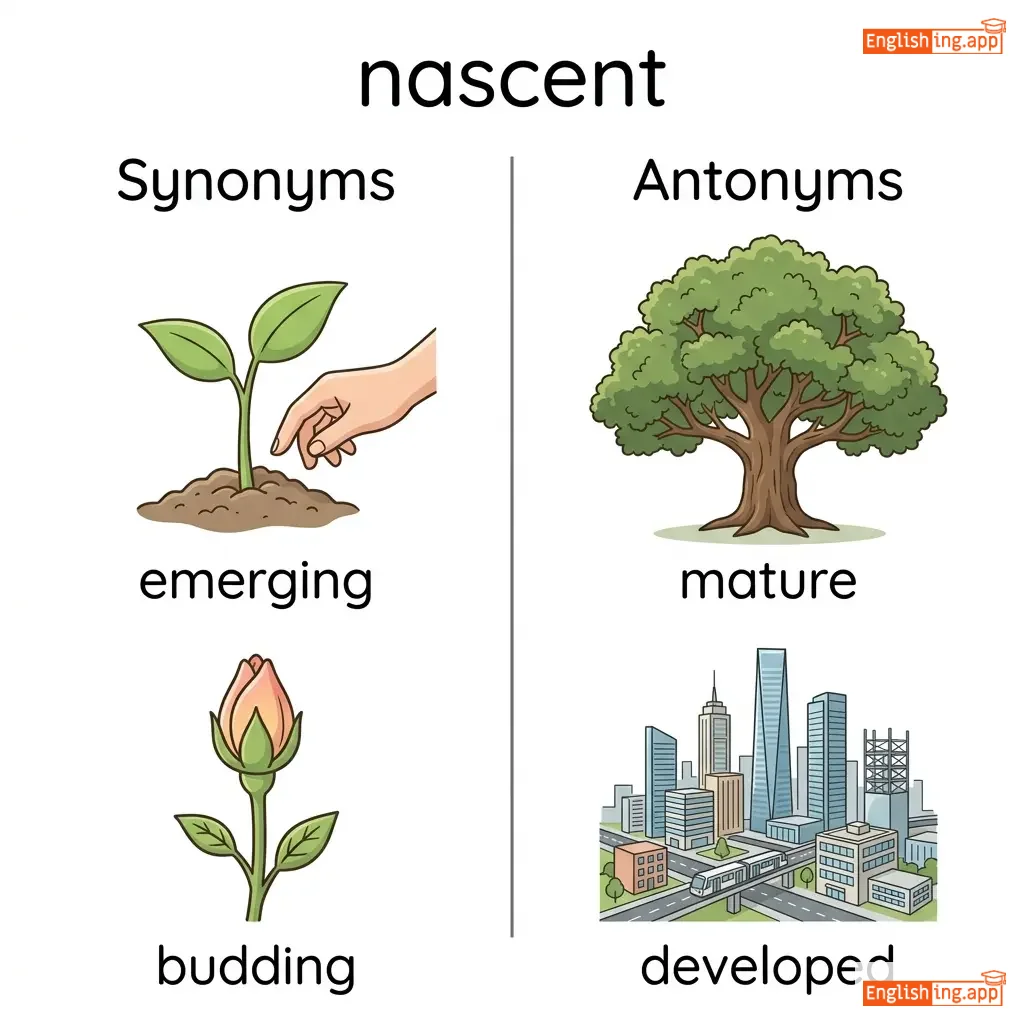
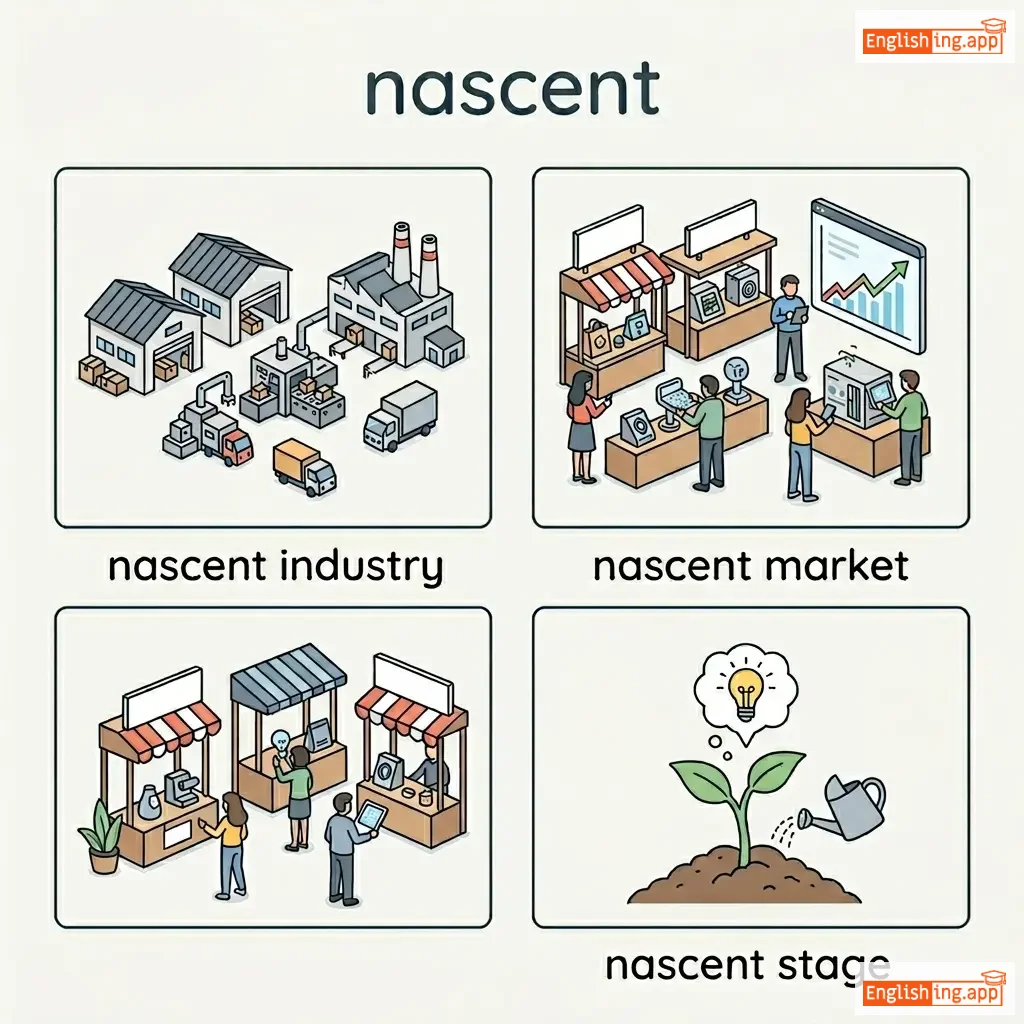
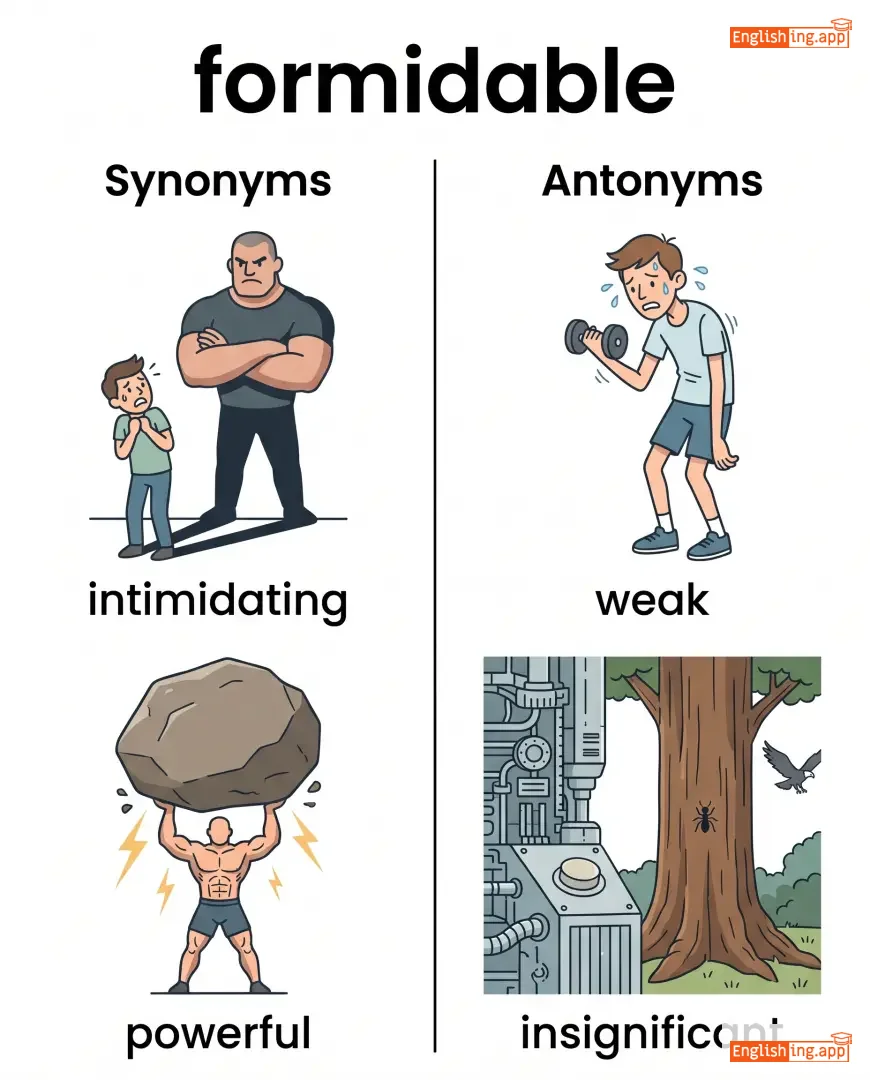
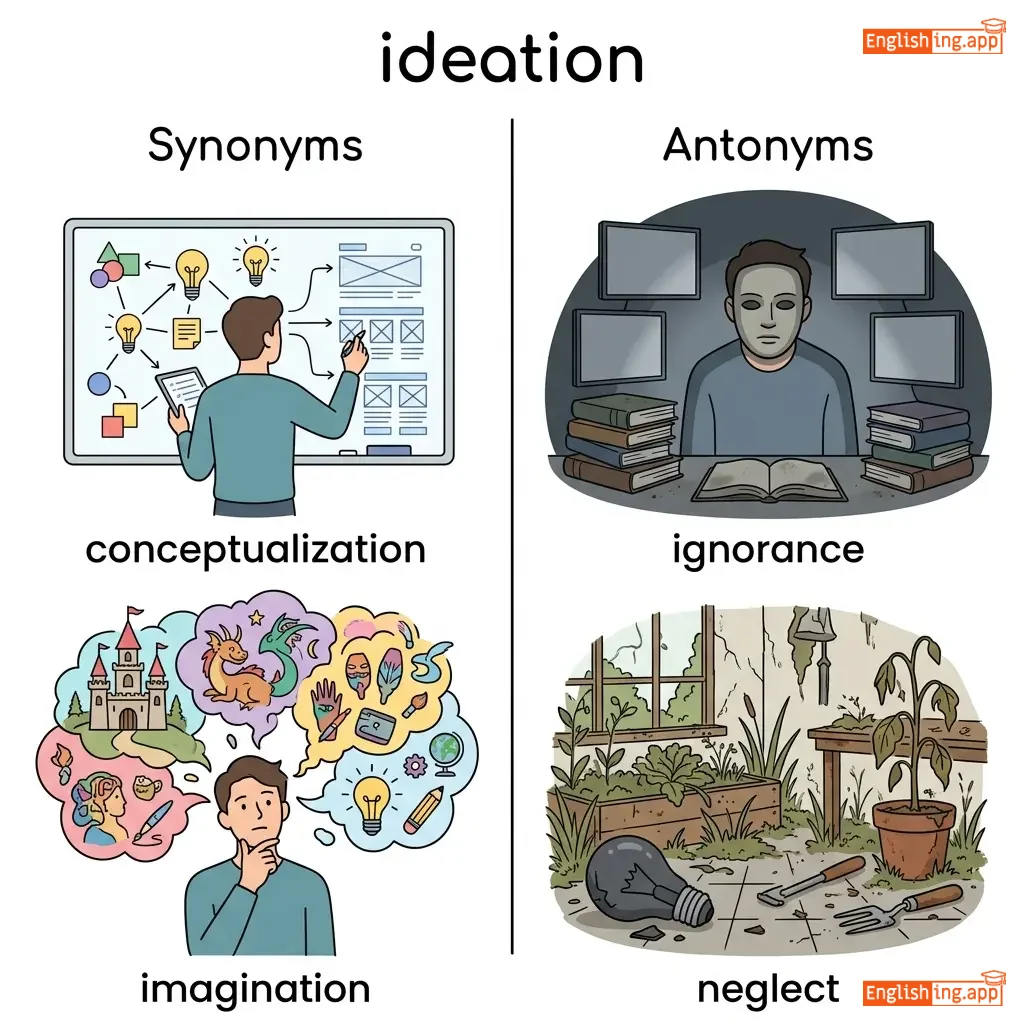
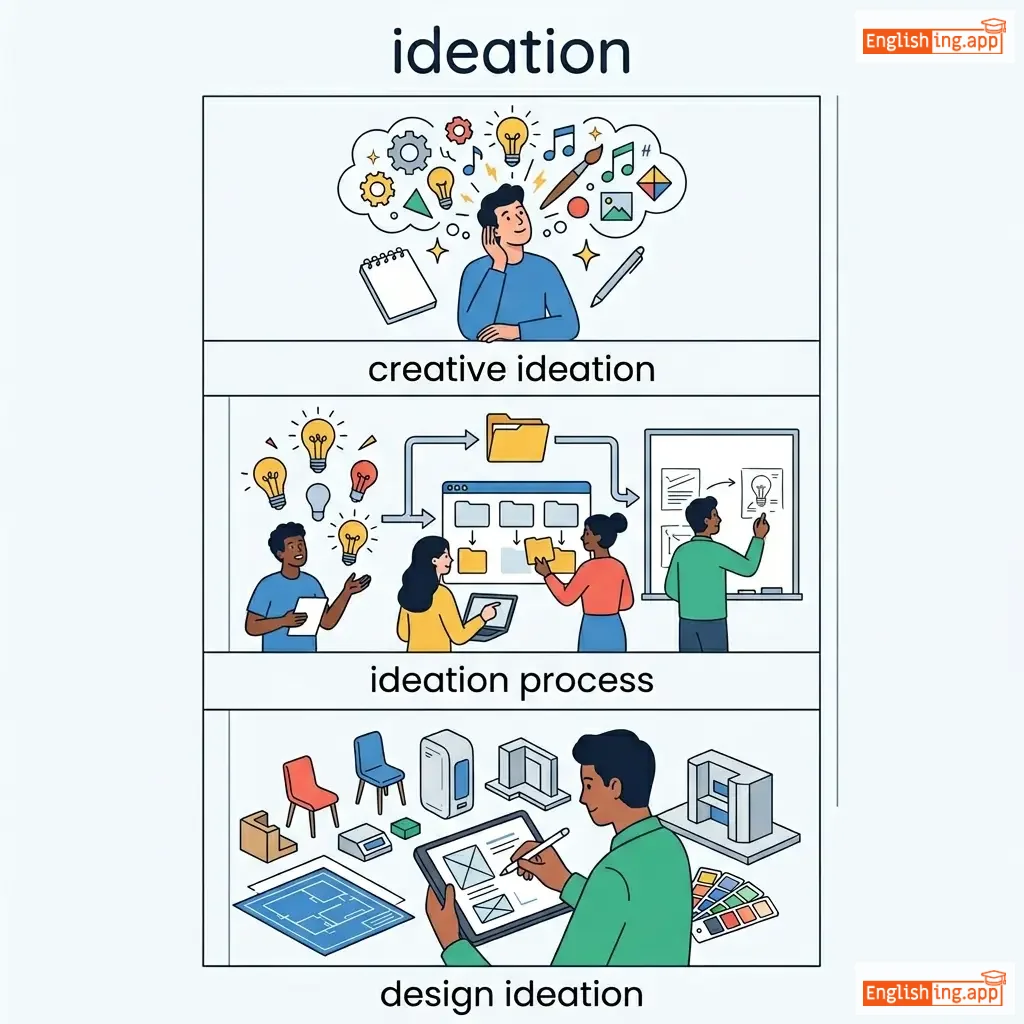
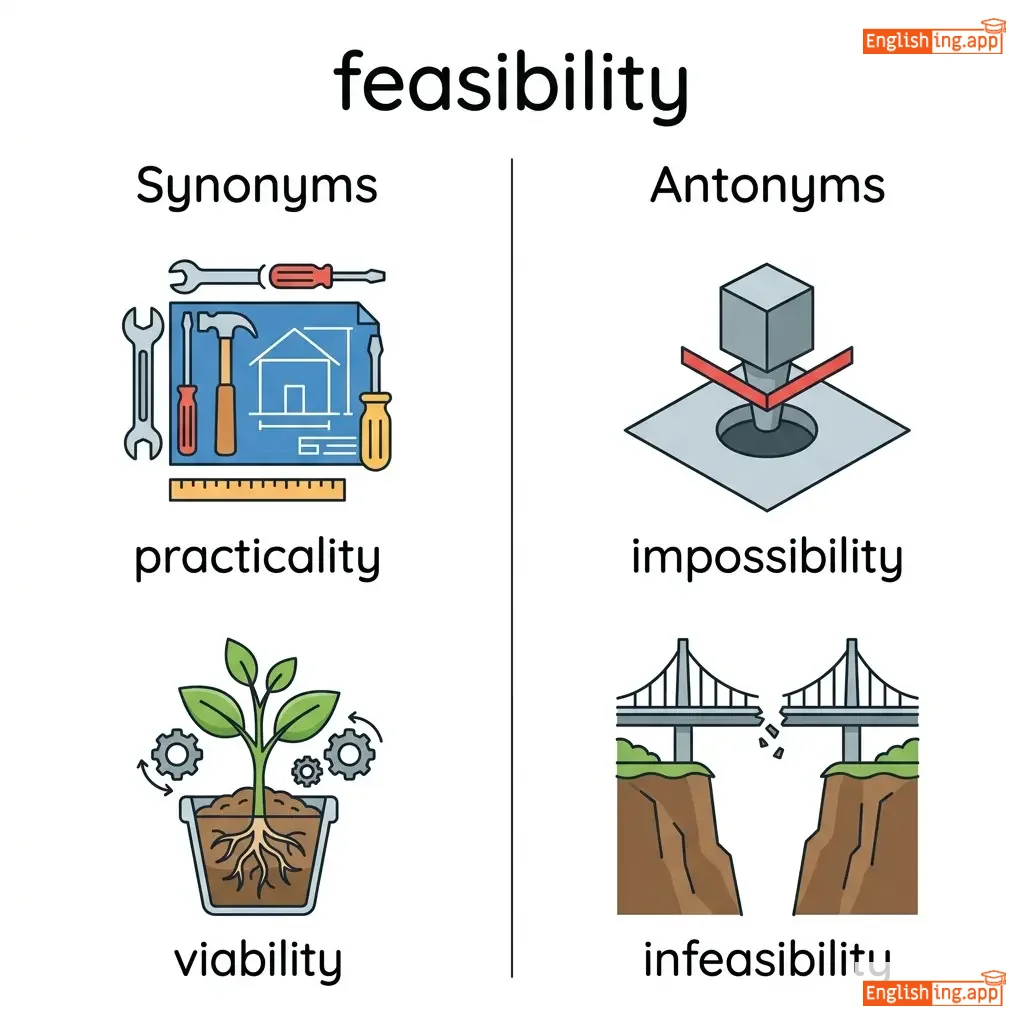
创办一个 nascent 初创公司并不是一件容易的事,而是一个 formidable 的挑战。成功的企业家首先会进行 ideation 和研究,以执行 feasibility 分析,从而确保他们的概念是可实施的。
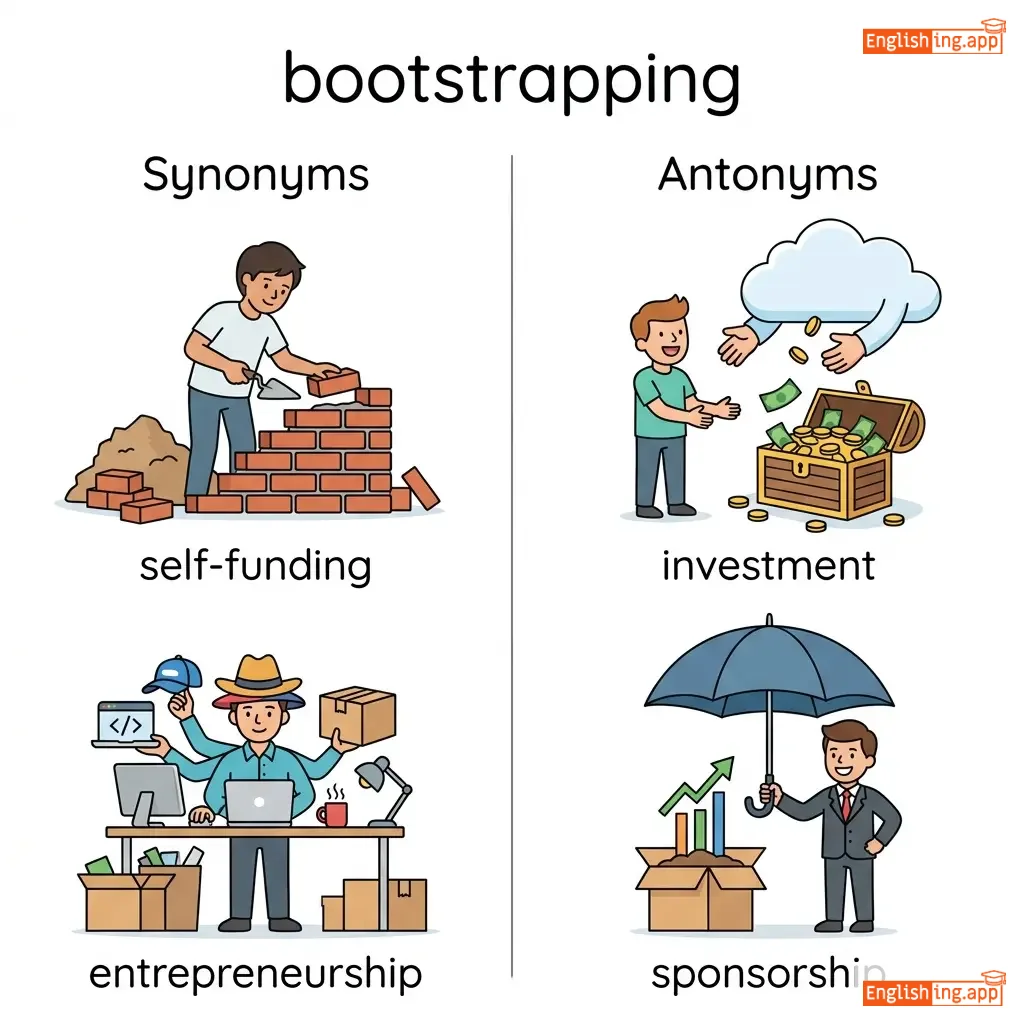
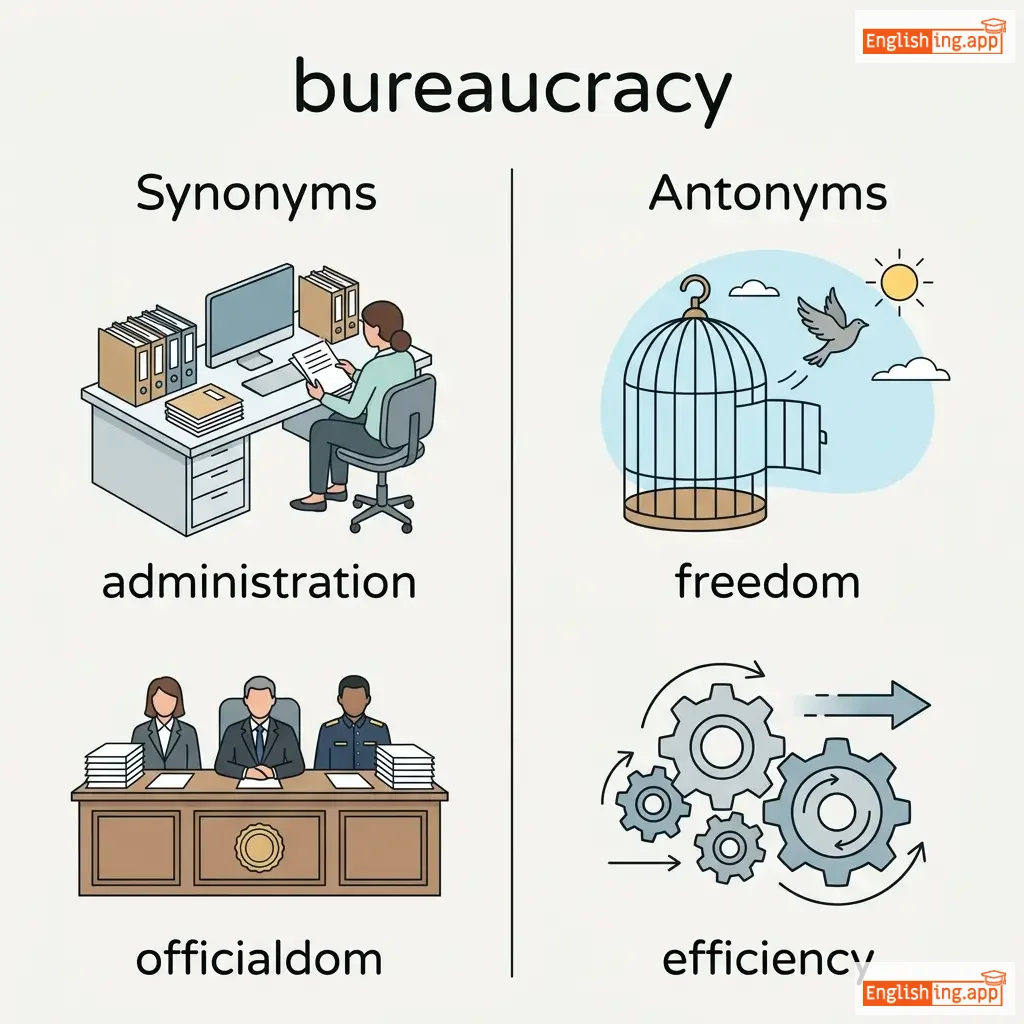
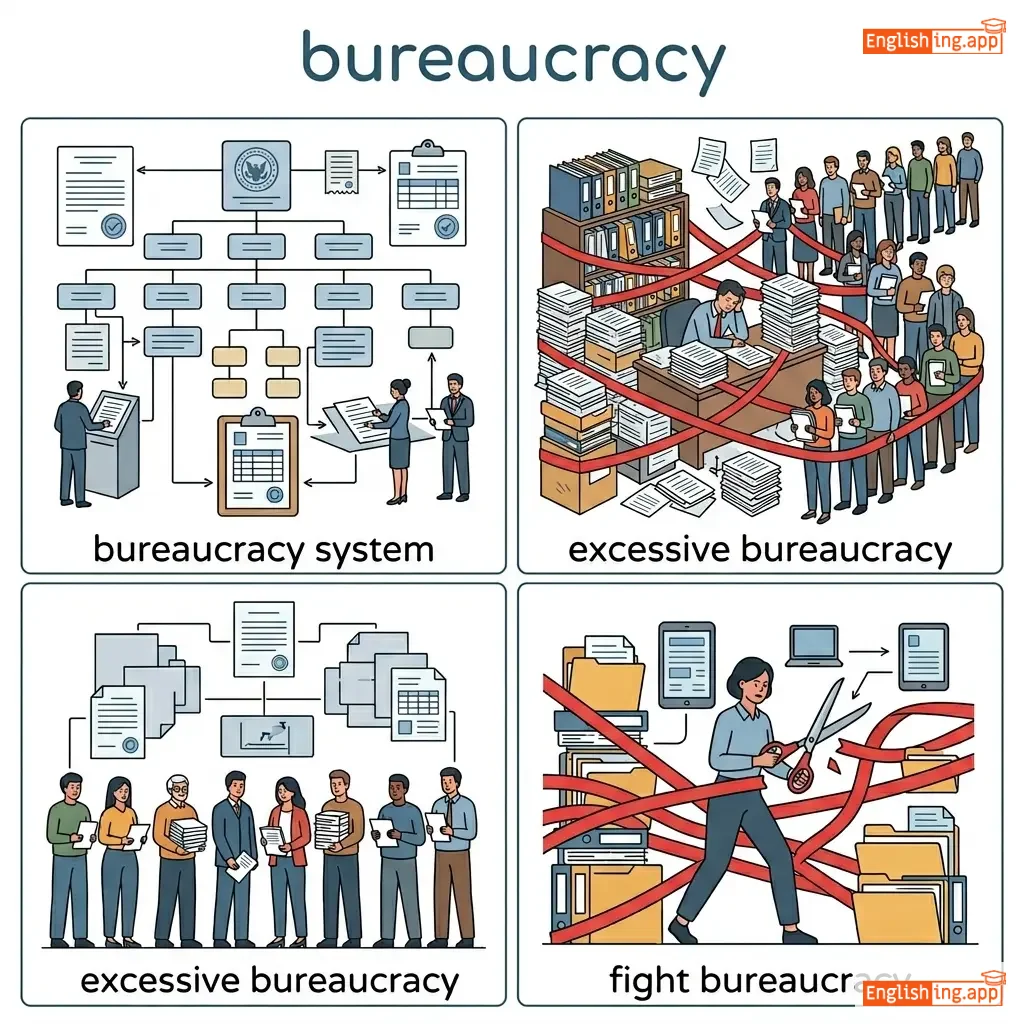
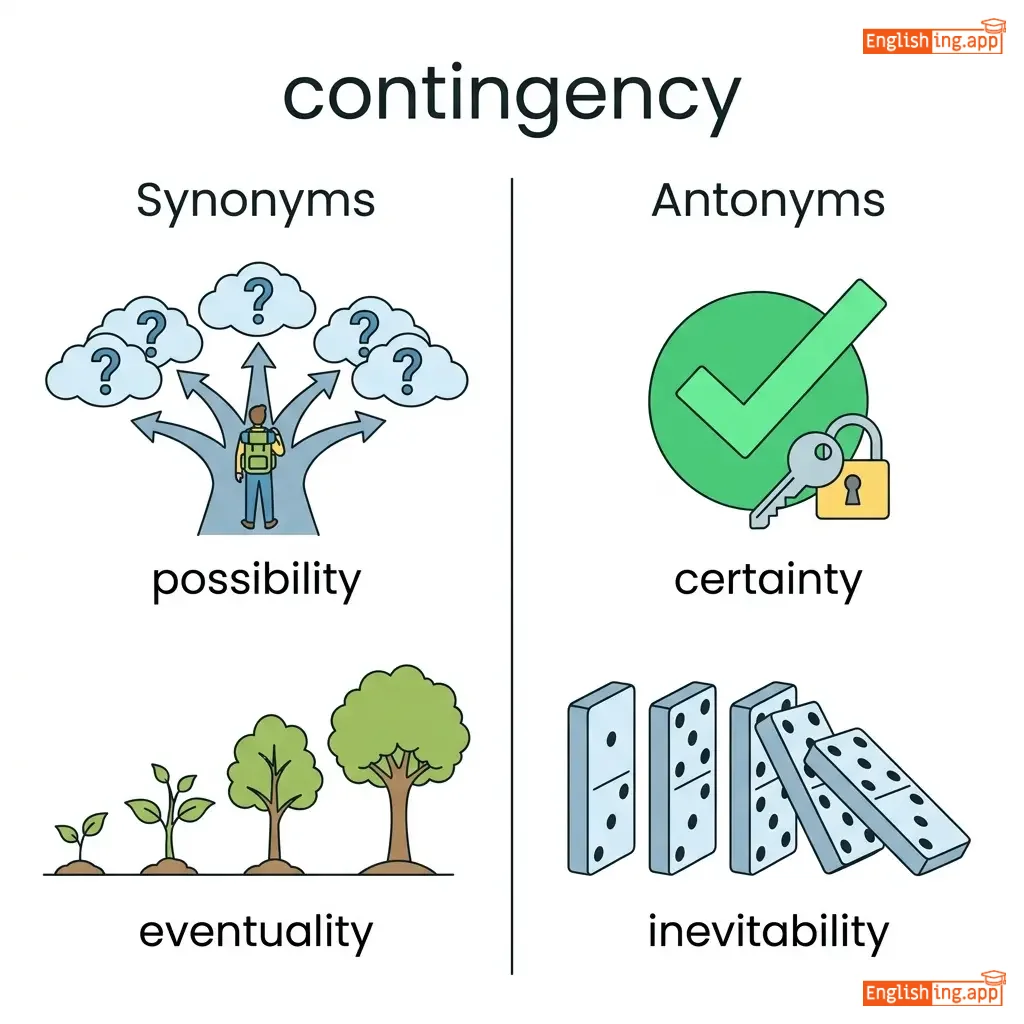
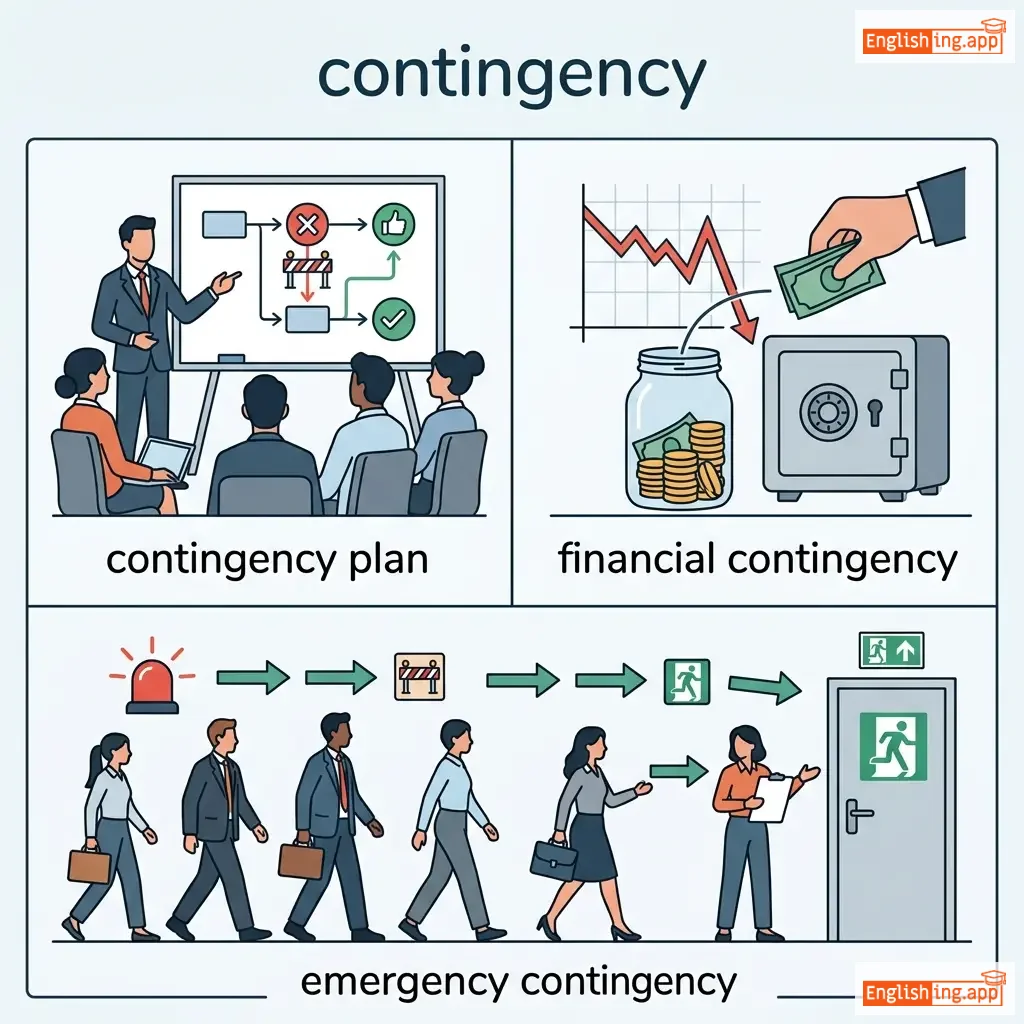
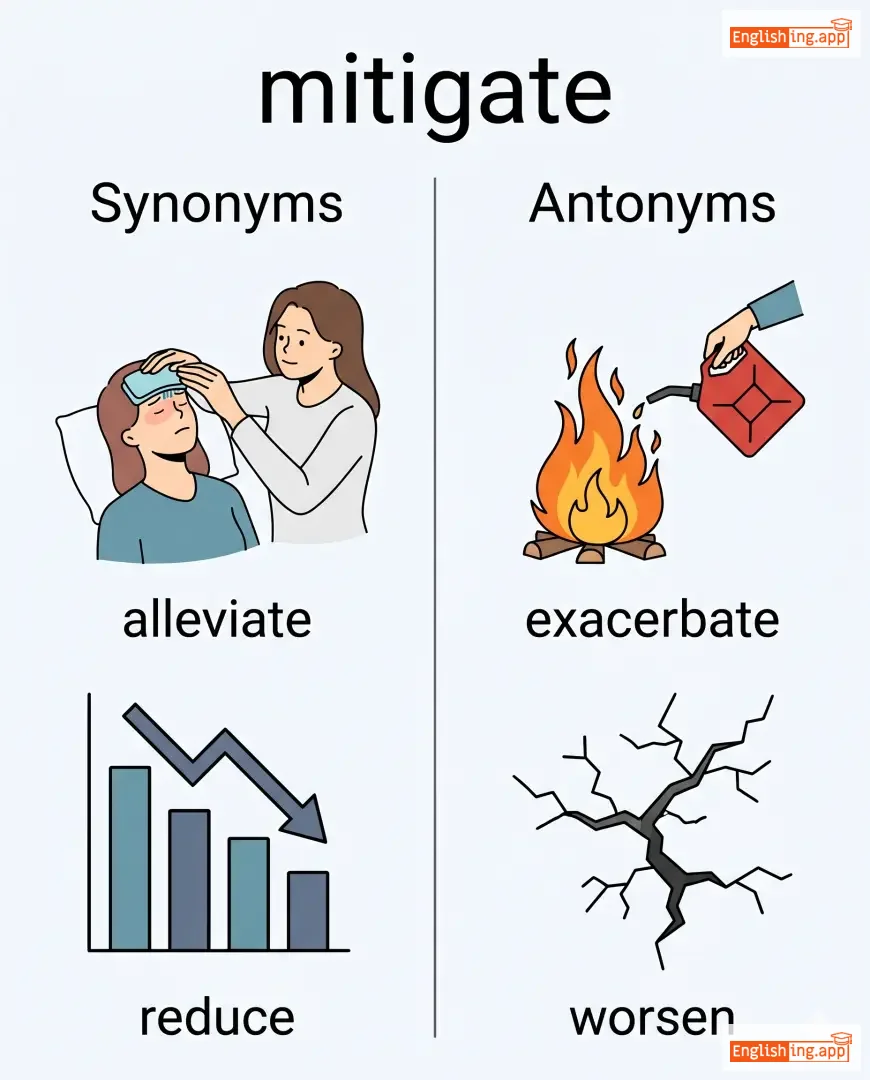
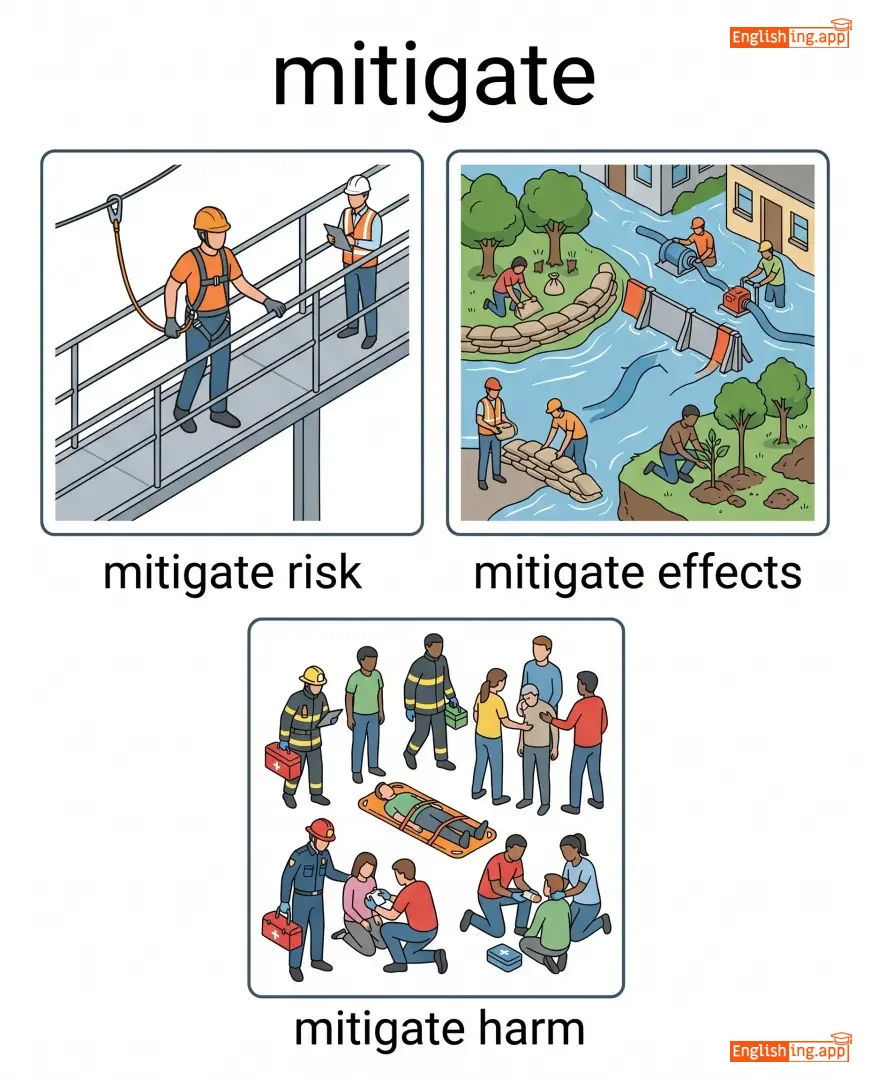
在初期,他们可能需要进行 bootstrapping,即利用个人资源或小额投资来启动业务。然而,bureaucracy 和各种行政障碍常常会减缓进展。通过适当的规划和 contingency 计划,可以 mitigated 风险。
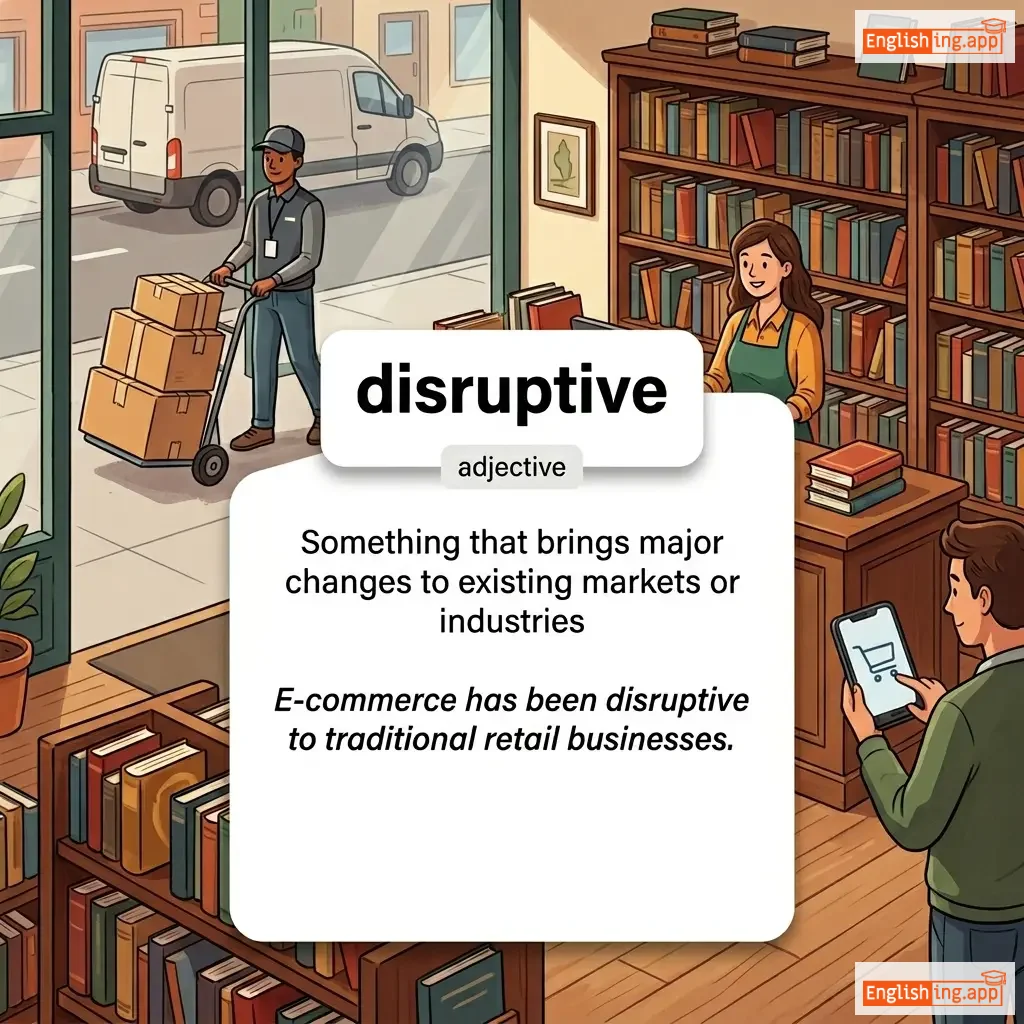
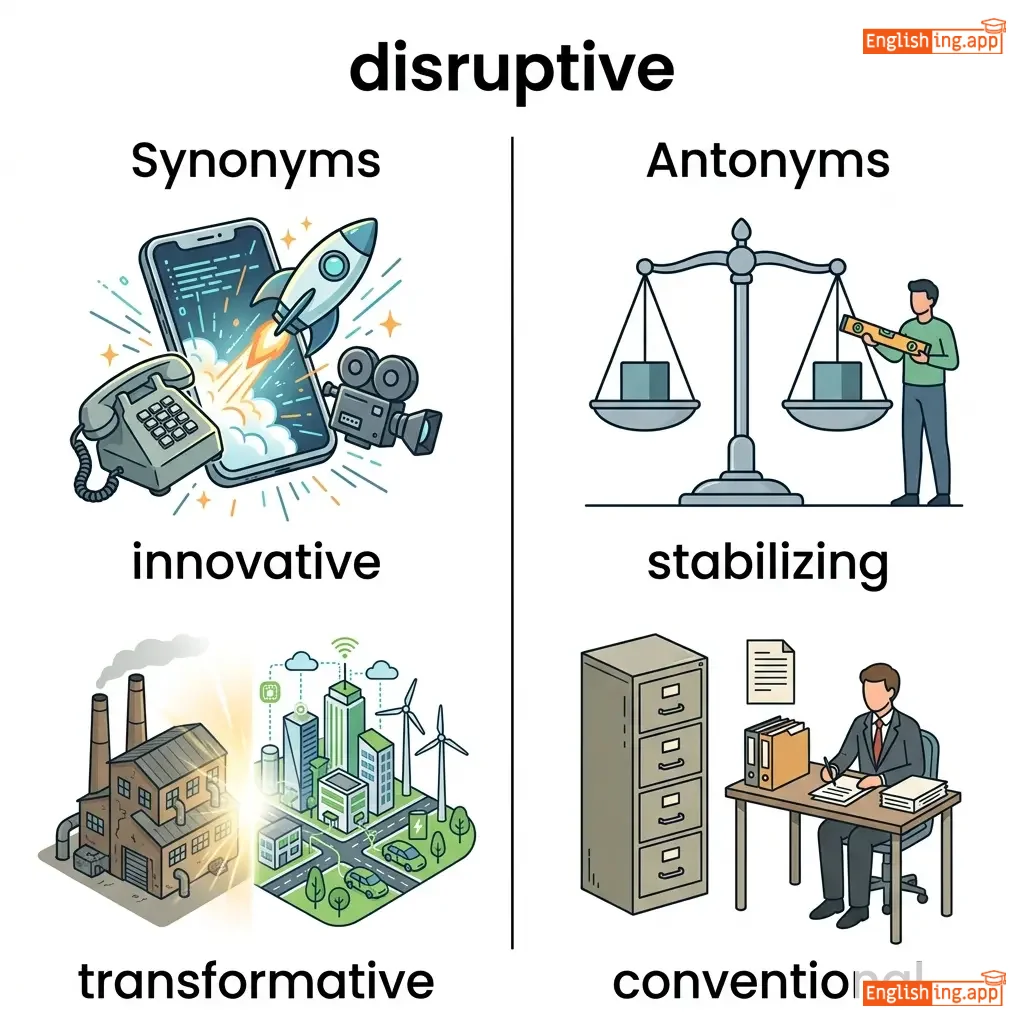
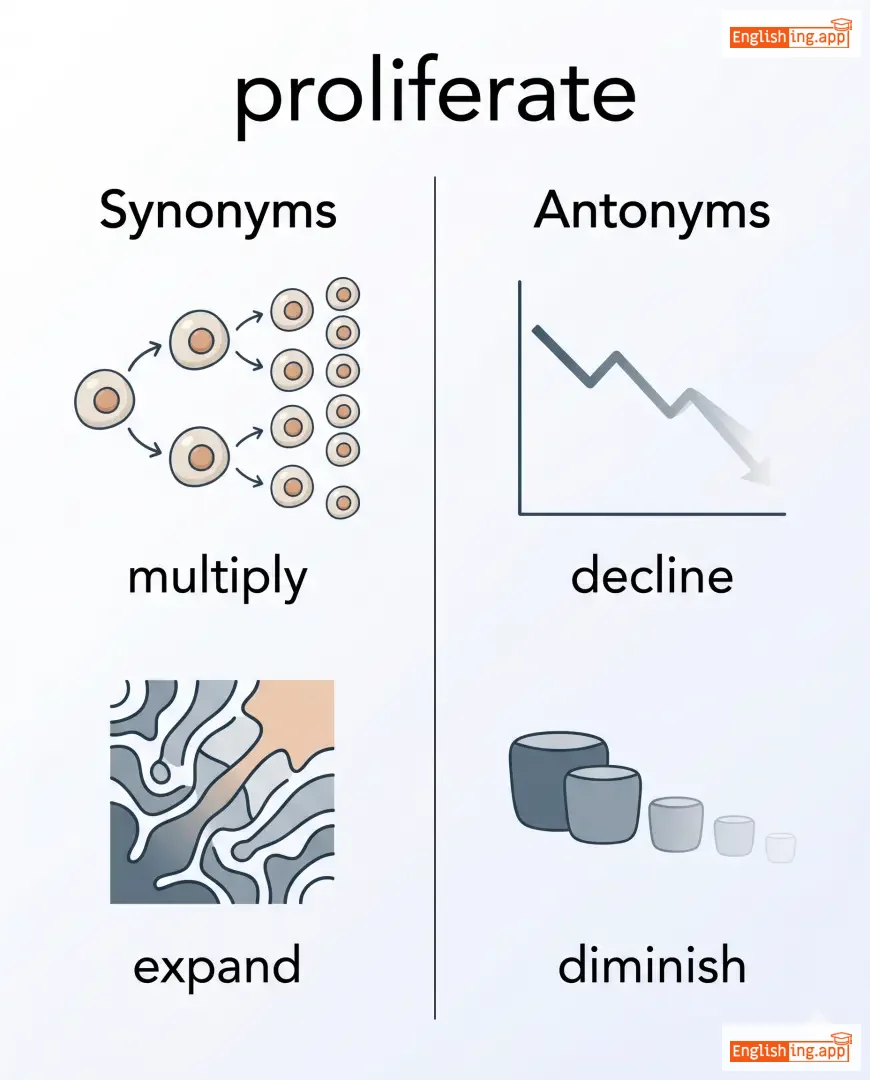
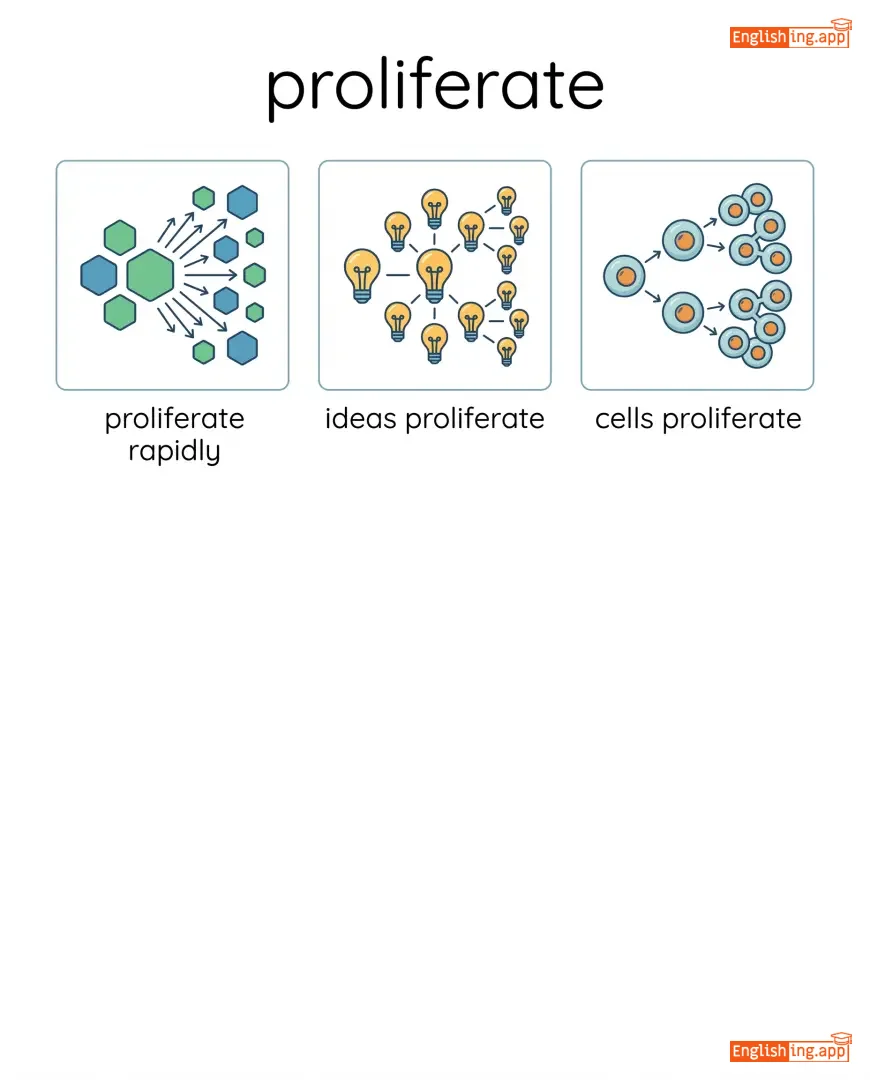
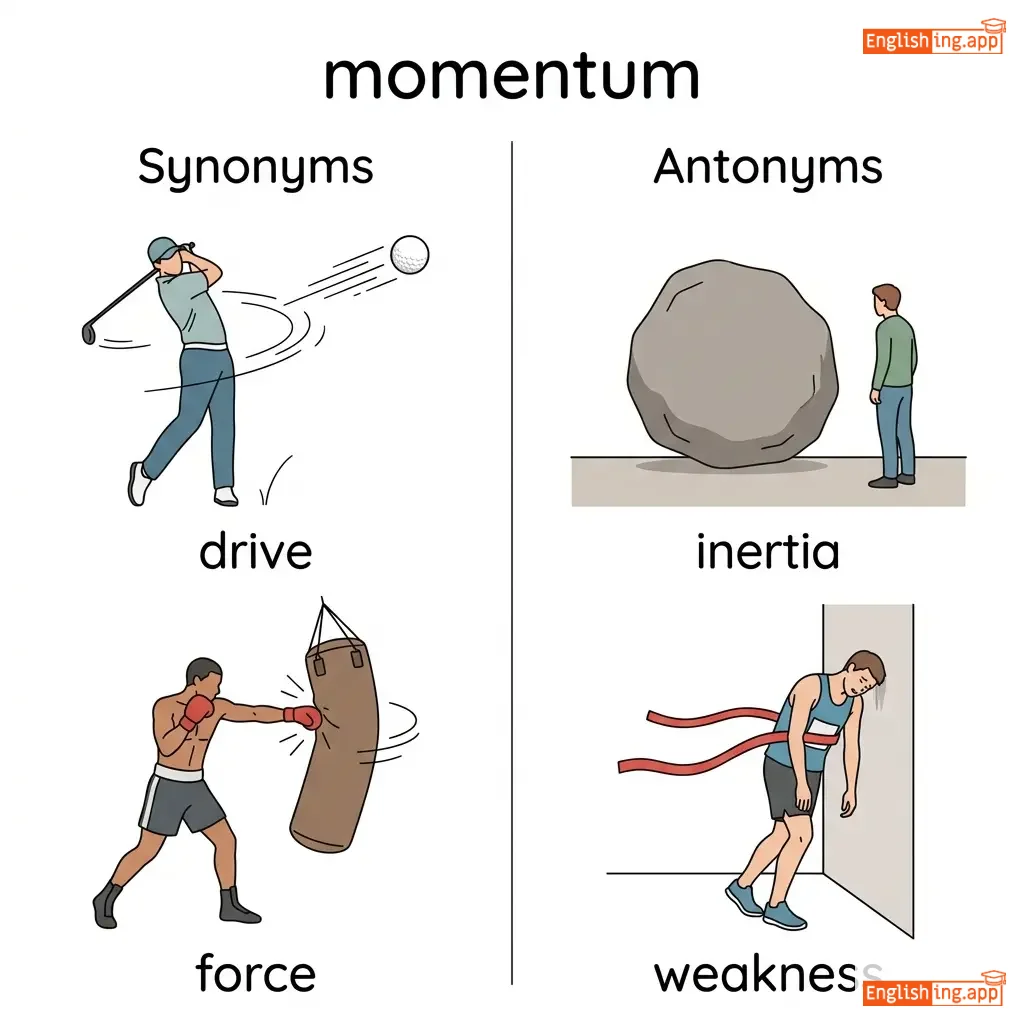
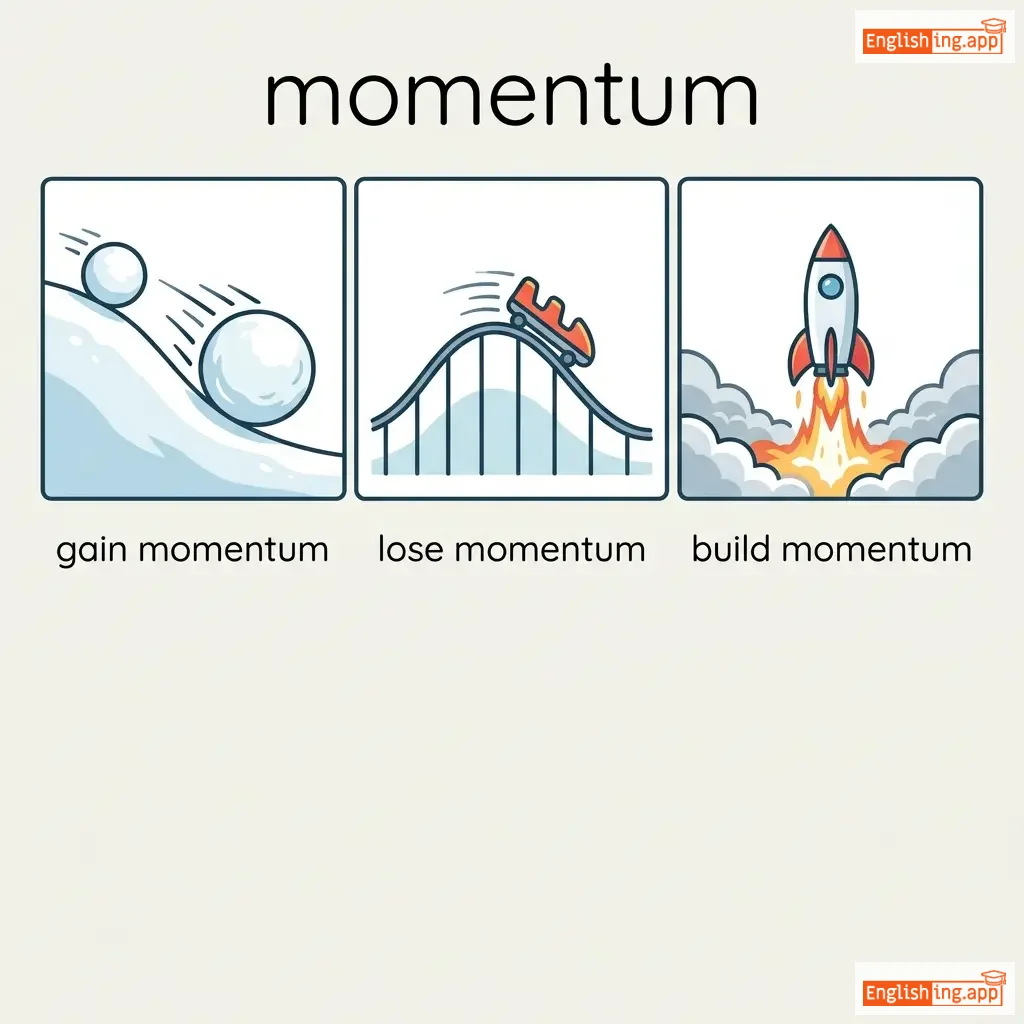
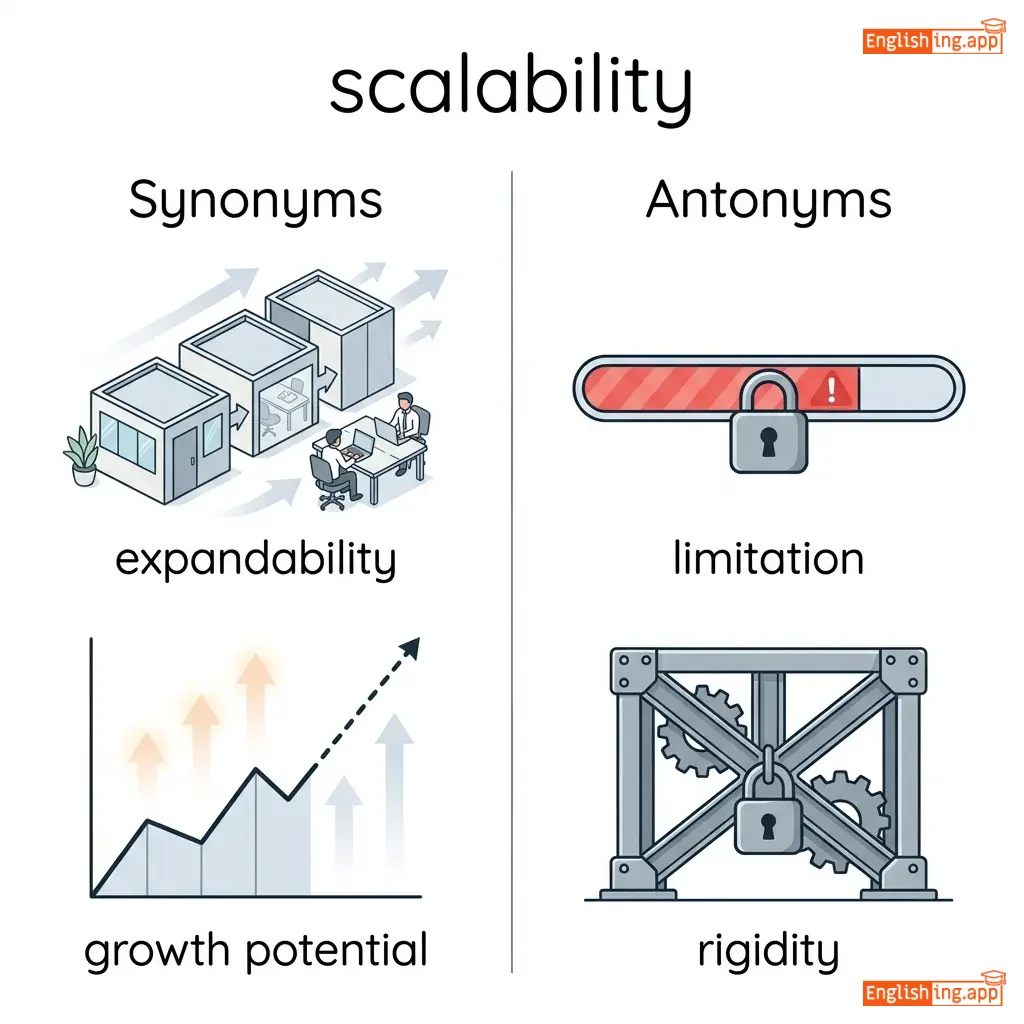
如果一个 disruptive 概念得以正确实施,它可以迅速 proliferate 并帮助维持业务的 momentum。但如果没有确保 scalability,它可能无法长期存活。
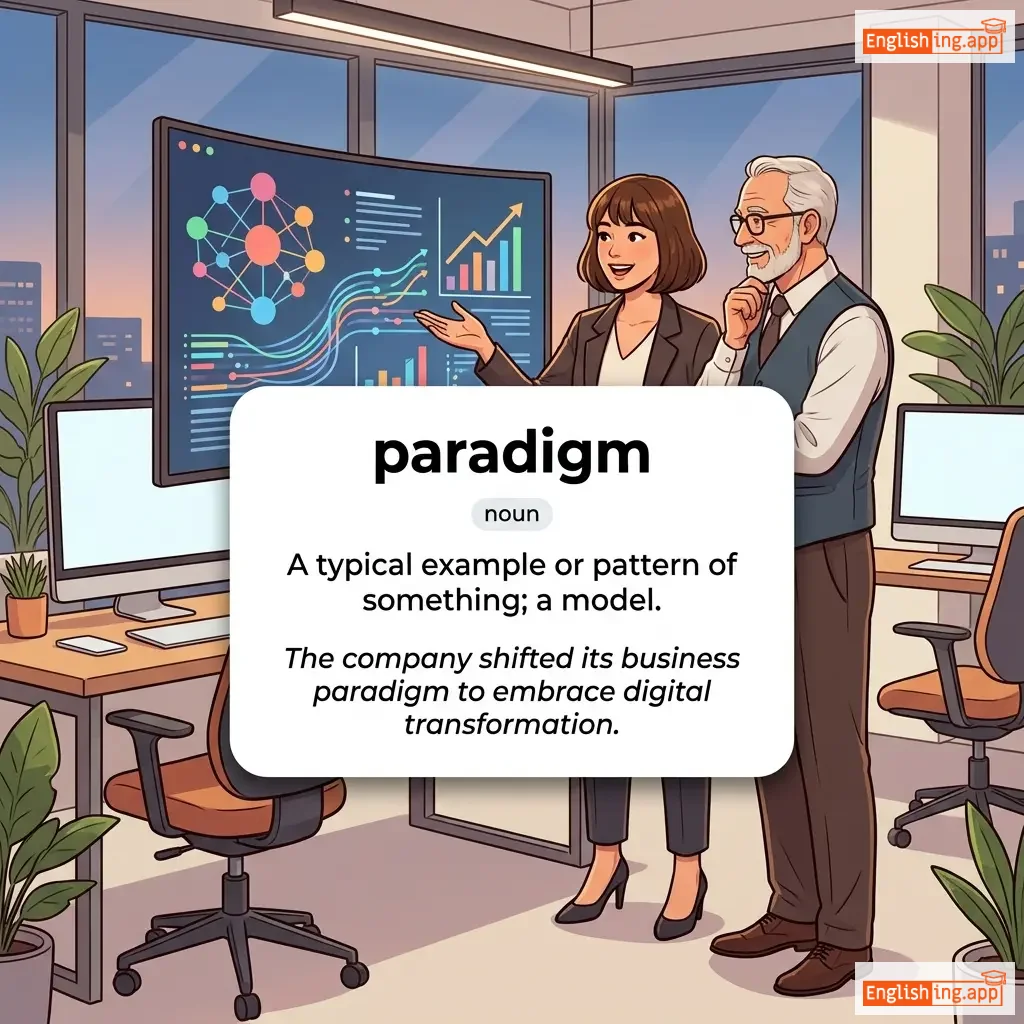
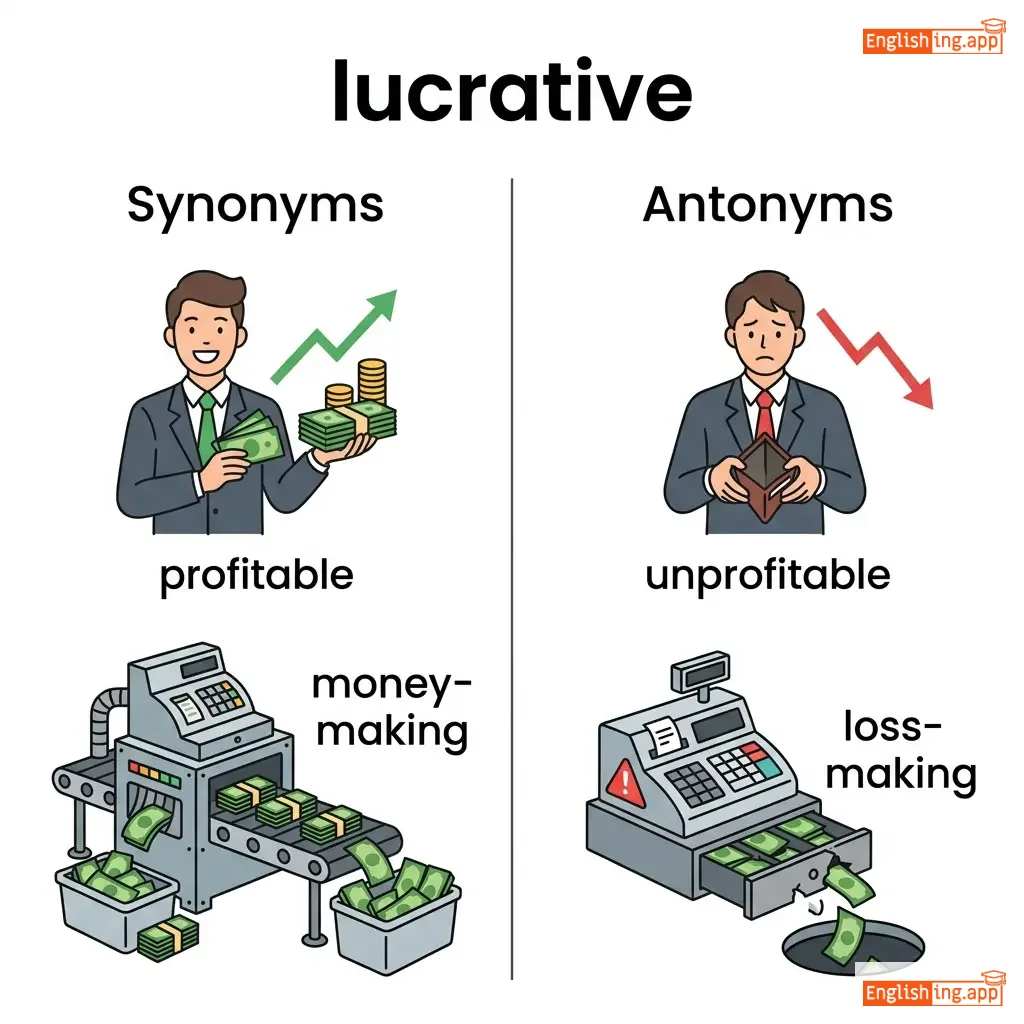
因此,企业家应保持 dexterity,建立适应 paradigm 转变的业务,这些业务将是 lucrative 的,并能在市场上占据永久地位。


















Swipe left or right, or use the buttons. Tap image to zoom.
例句翻译
单词
How to Start a StartupHow to Start a Startup - 遮罩切换
|
表情符号
|
单词 | Images | 翻译 | 含义 | 例句 | 例句翻译 | 同义词 | 反义词 | 助记符 |
|---|---|---|---|---|---|---|---|---|---|
|
#2352
🌱
|
/ˈnæs.ənt/
adjective
(内森特)
••••••
|
|
初现或发展中
chuxian huo fazhanzhong
••••••
|
Just coming into existence and beginning to display signs of future potential; emerging or developing.
••••••
|
The nascent technology sector is attracting many investors. |
新兴技术行业正在吸引许多投资者。
Xinxing jishu hangye zhengzai xiqing xu duo touzizhe.
••••••
|
emerging, developing, budding
••••••
|
established, mature, declining
••••••
|
像一个新生的技术正在崭露头角,拥有巨大的发展潜力。
••••••
|
|
#2353
🚀
|
/ˈstɑːrt.ʌp/
noun
(初创公司)
••••••
|
|
初创企业
chū chuàng qǐ yè
••••••
|
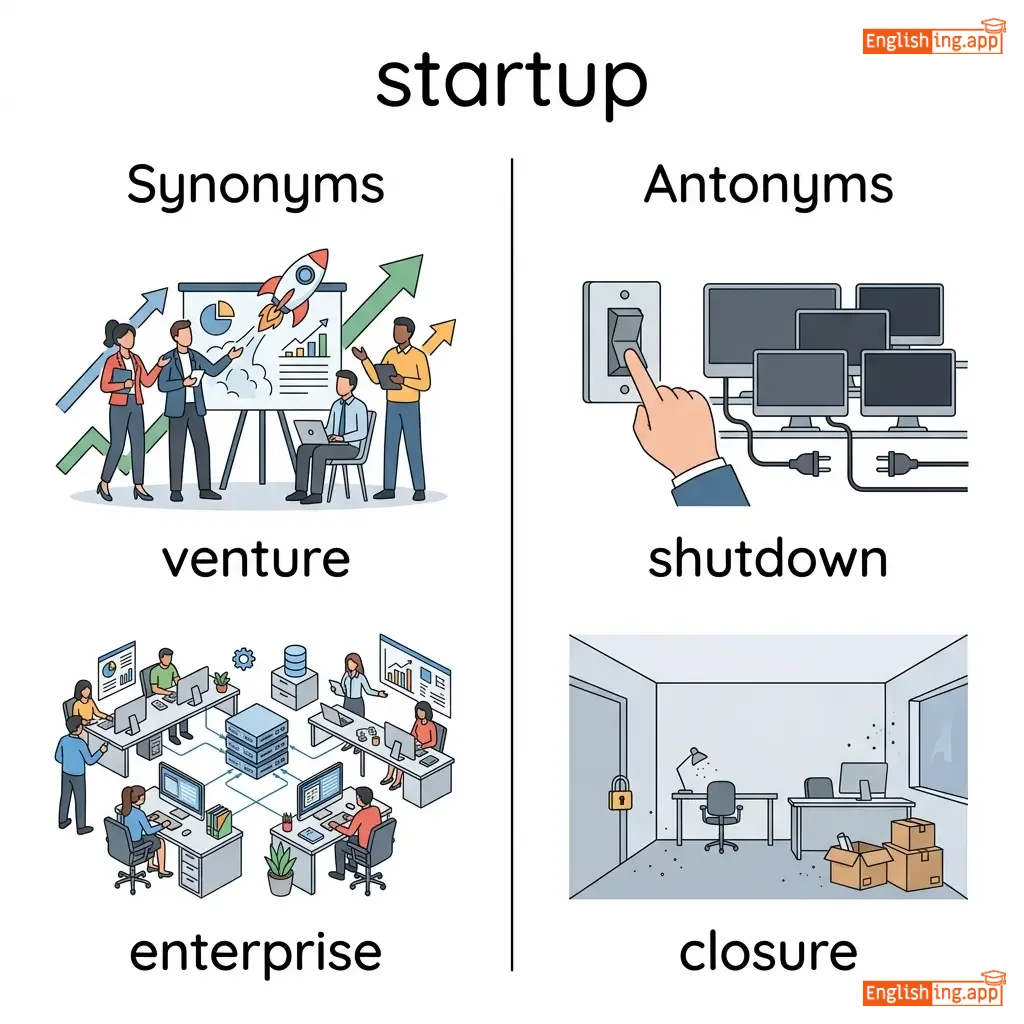
A newly established business, especially a small technology or business company that is just beginning operations.
••••••
|
The startup secured funding from investors. |
这家初创公司获得了投资者的资金。
Zhè jiā chū chuàng gōngsī huò dé le tóuzī zhě de zījīn.
••••••
|
new business, venture, emerging company
••••••
|
established firm, corporation, traditional business
••••••
|
初创公司就像一个全新的开始,迈向成功的第一步。
••••••
|
|
#2354
💪
|
/ˈfɔːr.mɪ.də.bəl/
adjective
(fó mí dé bō)
••••••
|
|
可怕的
kě pà de
••••••
|
Very skilled, powerful, or challenging; inspiring fear or respect through being impressively large, powerful, or capable.
••••••
|
He faced a formidable opponent in the debate. |
他在辩论中面对一个可怕的对手。
Tā zài biànlùn zhōng miànduì yīgè kě pà de duìshǒu.
••••••
|
powerful, intimidating, impressive
••••••
|
weak, unthreatening, feeble
••••••
|
可怕的 = 像一个强大、令人敬畏的对手。
••••••
|
|
#2355
💡
|
/ˌaɪ.diˈeɪ.ʃən/
noun
(艾迪诶申)
••••••
|
|
构思过程
ai di ei shen
••••••
|
The process of forming and developing new ideas or concepts through creative thinking and brainstorming.
••••••
|
The team engaged in ideation sessions to generate new product ideas.
团队进行了头脑风暴会议,以产生新的产品创意。
••••••
|
The team conducted brainstorming sessions to generate new product ideas.
tuandui jinxing le tounao fengbao huiyi yi chansheng xinde chanpin chuangyi
••••••
|
conceptualization, brainstorming, innovation
••••••
|
execution, implementation, reality
••••••
|
IDEA 四步记忆法: Imagine, Design, Explore, Act - 想象/设计/探索/行动 共同 构成 ideation 的 构思 过程
••••••
|
|
#2356
📊
|
/ˌfiː.zəˈbɪl.ɪ.ti/
noun
(fēizhìbǐlìtì)
••••••
|
|
可行性
kexingxing
••••••
|
The state or degree of being easily or conveniently done; the practicality of a proposed plan or project.
••••••
|
The company conducted a feasibility study before launching the project.
公司在启动项目之前进行了可行性研究。
••••••
|
公司在启动项目之前进行了可行性研究。
Gōngsī zài qǐdòng xiàngmù zhīqián jìnxíngle kěxíngxìng yánjiū.
••••••
|
viability, practicality, workability
••••••
|
impracticality, infeasibility, impossibility
••••••
|
Chinese '可行性' (kěxíngxìng) links with 'viable', aiding the feasibility concept.
••••••
|
|
#2357
🥾
|
/ˈbuːt.stræp.ɪŋ/
noun
(布特斯特拉平)
••••••
|
|
自筹资金
zì chóu zījīn
••••••
|
Starting a business with personal resources or small investments without external funding or venture capital.
••••••
|
Many entrepreneurs rely on bootstrapping to launch their businesses.
许多企业家依靠自筹资金启动他们的业务。
••••••
|
许多企业家依靠自筹资金启动他们的业务。
Xǔduō qǐyèjiā yīkào zìchóu zījīn qǐdòng tāmen de yèwù.
••••••
|
self-funding, self-sufficiency, independent growth
••••••
|
venture capital, external investment, funding reliance
••••••
|
Bootstrapping = 用自己的资金启动业务,而不依赖外部投资。
••••••
|
|
#2358
📋
|
/bjʊˈrɒk.rə.si/
noun
(官僚主义)
••••••
|
|
官僚主义
guān liáo zhǔ yì
••••••
|
A system of government or management characterized by complex rules, procedures, and administrative processes.
••••••
|
Excessive bureaucracy slows down business processes.
过度的官僚主义减缓了商业流程。
••••••
|
过度的官僚主义减缓了商业流程。
Guòdù de guān liáo zhǔ yì jiǎn huǎn le shāng yè liú chéng.
••••••
|
red tape, administrative system, officialdom
••••••
|
efficiency, simplicity, decentralization
••••••
|
官僚主义:繁琐且缓慢的管理
••••••
|
|
#2359
⚠️
|
/kənˈtɪn.dʒən.si/
noun
(kənˈtɪndʒənsi)
••••••
|
|
可能的未来事件或情况,但无法确定地预测
keneng de weilai shijian huo qingkuang, dan wu fa queding de yuce
••••••
|
A future event or circumstance that is possible but cannot be predicted with certainty; a provision for an unforeseen event or circumstance.
••••••
|
Companies must have a contingency plan for financial crises.
公司必须为财务危机制定应急预案。
••••••
|
公司必须为财务危机制定应急预案。
Gongsi bixi wei caiwu weiji zhiding yingji yuan.
••••••
|
emergency plan, backup, alternative strategy
••••••
|
certainty, assurance, predictability
••••••
|
每个公司都应该准备好应对任何可能发生的意外事件。
••••••
|
|
#2360
🛡️
|
/ˈmɪt.ɪ.ɡeɪt/
verb
(米蒂盖特)
••••••
|
|
缓解
huǎn jiě
••••••
|
To make less severe, serious, or painful; to reduce the intensity or impact of something harmful.
••••••
|
Proper planning can mitigate financial risks.
适当的规划可以缓解财务风险。
••••••
|
适当的规划可以缓解财务风险。
Shìdàng de guīhuà kěyǐ huǎn jiě cáiwù fēngxiǎn.
••••••
|
alleviate, reduce, lessen
••••••
|
aggravate, exacerbate, intensify
••••••
|
Mitigate means to reduce, just like how we reduce intensity in Chinese with '缓解'.
••••••
|
|
#2361
⚡
|
/dɪsˈrʌp.tɪv/
adjective
(dɪsˈrʌptɪv)
••••••
|
|
颠覆性的
diānfùxìng de
••••••
|
Causing or tending to cause disruption; innovative in a way that challenges or changes existing systems or markets.
••••••
|
Disruptive technology has changed the way businesses operate. |
颠覆性技术改变了企业的运营方式。
Diānfùxìng jìshù gǎibiànle qǐyè de yùnyíng fāngshì.
••••••
|
innovative, radical, transformative
••••••
|
stable, conventional, predictable
••••••
|
新的技术颠覆了传统商业,带来改变。
••••••
|
|
#2362
📈
|
/prəˈlɪf.ə.reɪt/
verb
(扩散)
••••••
|
|
扩散
kuòsàn
••••••
|
To increase rapidly in numbers; to grow or spread quickly and extensively.
••••••
|
Startups tend to proliferate in a thriving economy. |
初创公司在繁荣的经济中往往会迅速扩展。
Chūchuàng gōngsī zài fánróng de jīngjì zhōng wǎngwǎng huì xùnsù kuòzhǎn.
••••••
|
multiply, expand, escalate
••••••
|
decrease, diminish, decline
••••••
|
就像细胞在繁殖中迅速扩展一样。
••••••
|
|
#2363
🎯
|
/moʊˈmɛn.təm/
noun
(动量)
••••••
|
|
动能
dongneng
••••••
|
The quantity of motion of a moving body; the impetus and driving force gained by the development of a process or course of events.
••••••
|
The company gained momentum after launching a new product. |
公司在推出新产品后获得了动能。
Gōngsī zài tuīchū xīn chǎnpǐn hòu huòdé le dòngnéng.
••••••
|
drive, acceleration, progress
••••••
|
stagnation, slowdown, regression
••••••
|
动能让事物快速推进。
••••••
|
|
#2364
📏
|
/ˌskeɪ.ləˈbɪl.ɪ.ti/
noun
(es-kæ-lə-bɪl-ɪ-ti)
••••••
|
|
可扩展性
ke kuò zhǎn xìng
••••••
|
The capacity to be changed in size or scale; the ability of a system, network, or process to handle a growing amount of work.
••••••
|
Cloud computing offers great scalability for businesses.
云计算为企业提供了出色的可扩展性。
••••••
|
云计算为企业提供了出色的可扩展性。
Yún jìsuàn wèi qǐyè tígōngle chū sè de kě kuò zhǎn xìng.
••••••
|
expandability, growth potential, flexibility
••••••
|
limitation, constraint, inflexibility
••••••
|
可扩展性指的是系统可以根据需求增加更多的资源。
••••••
|
|
#2365
🤹
|
/dɛkˈstɛr.ɪ.ti/
noun
(dexteriti)
••••••
|
|
灵巧
lingqiao
••••••
|
Skill in performing tasks, especially with the hands; mental skill or quickness; adroitness.
••••••
|
Surgeons require high dexterity during operations.
外科医生在手术中需要高超的灵巧。
••••••
|
外科医生在手术中需要高超的灵巧。
Waike yisheng zai shoushu zhong xuyao gaochao de lingqiao.
••••••
|
skillfulness, agility, proficiency
••••••
|
clumsiness, incompetence, inefficiency
••••••
|
灵巧 = Dexterity; 想象外科医生在手术中非常灵巧地工作。
••••••
|
|
#2366
🎭
|
/ˈpær.ə.daɪm/
noun
(pa-lai-dai-mu)
••••••
|
|
范式或模式
fan shi huo mo shi
••••••
|
A typical example or pattern of something; a model or framework that defines how something should be done or understood.
••••••
|
The internet created a new paradigm for global communication. |
互联网为全球沟通创造了一个新的范式。
Hulianwang wei quanqiu gou tong chuangzao le yige xinde fanshi.
••••••
|
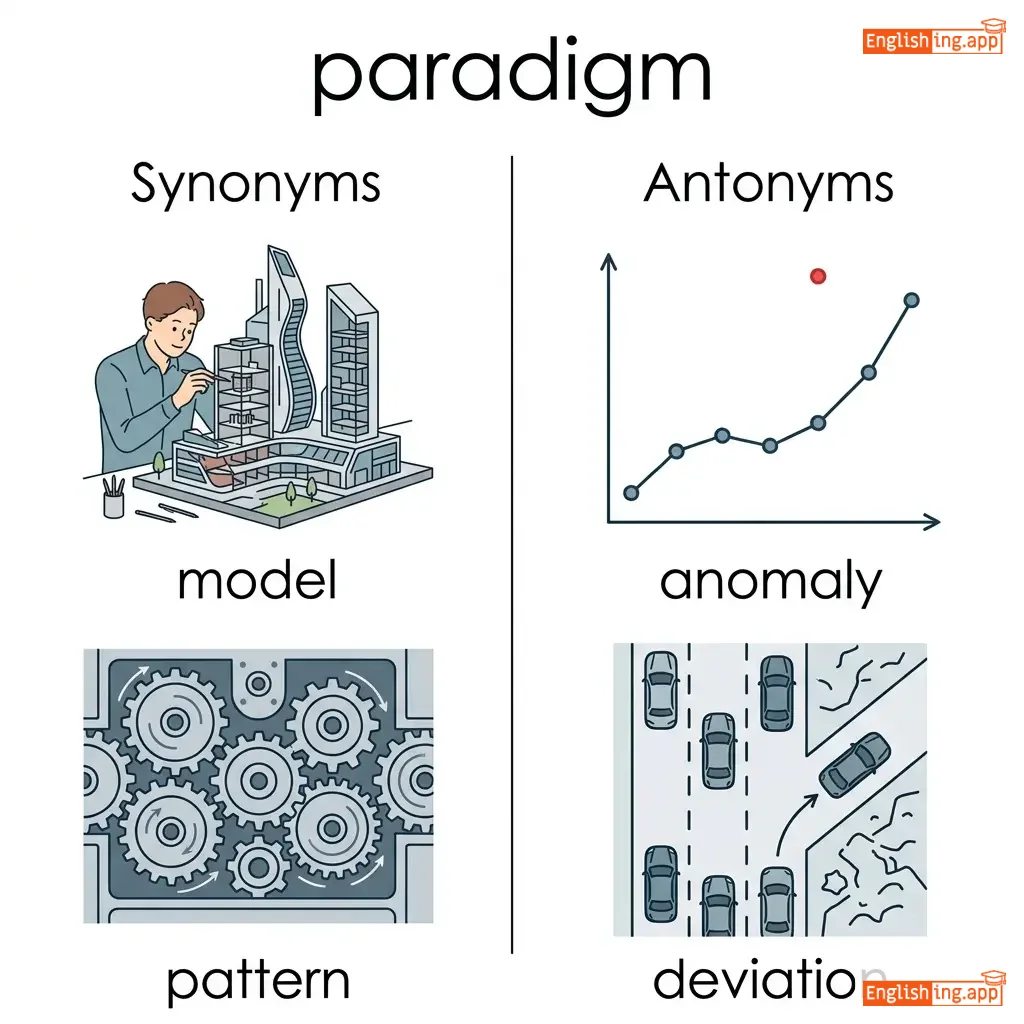
framework, model, prototype
••••••
|
disorganization, chaos, disorder
••••••
|
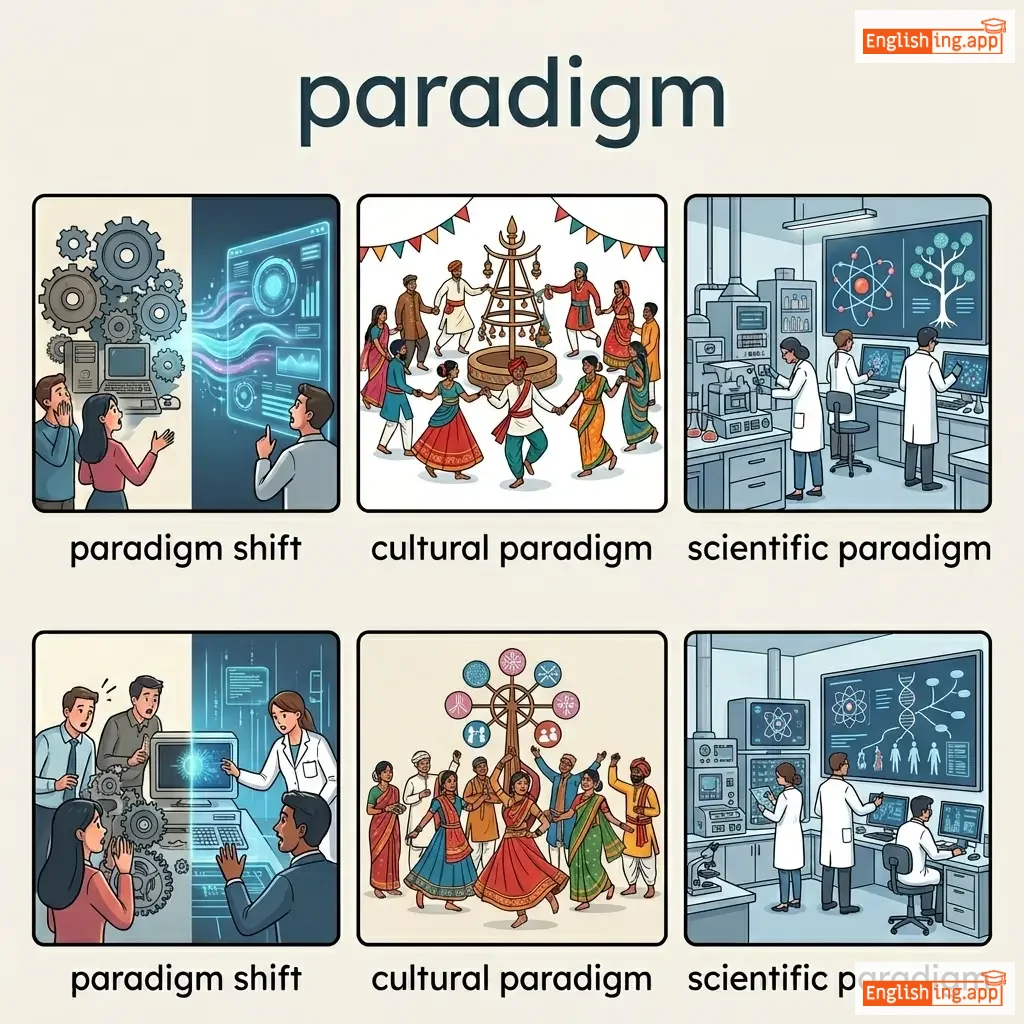
‘Paradigm’在中文中意为‘范式或模式’,并强调理解或进行某事的方式。
••••••
|
|
#2367
💰
|
/ˈluː.krə.tɪv/
adjective
(lù-kè-lì-tí-fū)
••••••
|
|
有利可图
yǒu lì kě tú
••••••
|
Producing a great deal of profit; highly profitable or financially rewarding.
••••••
|
The real estate business is highly lucrative in urban areas.
房地产行业在城市地区非常有利可图。
••••••
|
房地产行业在城市地区非常有利可图。
Fángdìchǎn hángyè zài chéngshì dìqū fēicháng yǒu lì kě tú.
••••••
|
profitable, rewarding, gainful
••••••
|
unprofitable, loss-making, worthless
••••••
|
'Yǒu lì kě tú' means profitable, just like a lucrative business!
••••••
|
Vocabulary Quiz
Test your vocabulary by matching words with their translations or meanings.
Login to take the quiz
Comments (0)
Share your thoughts and join the discussion.
Join the discussion by logging in
Login to CommentNo comments yet
Be the first to share your thoughts!