

即时平静的呼吸技巧
Breathing Techniques for Instant Calmness
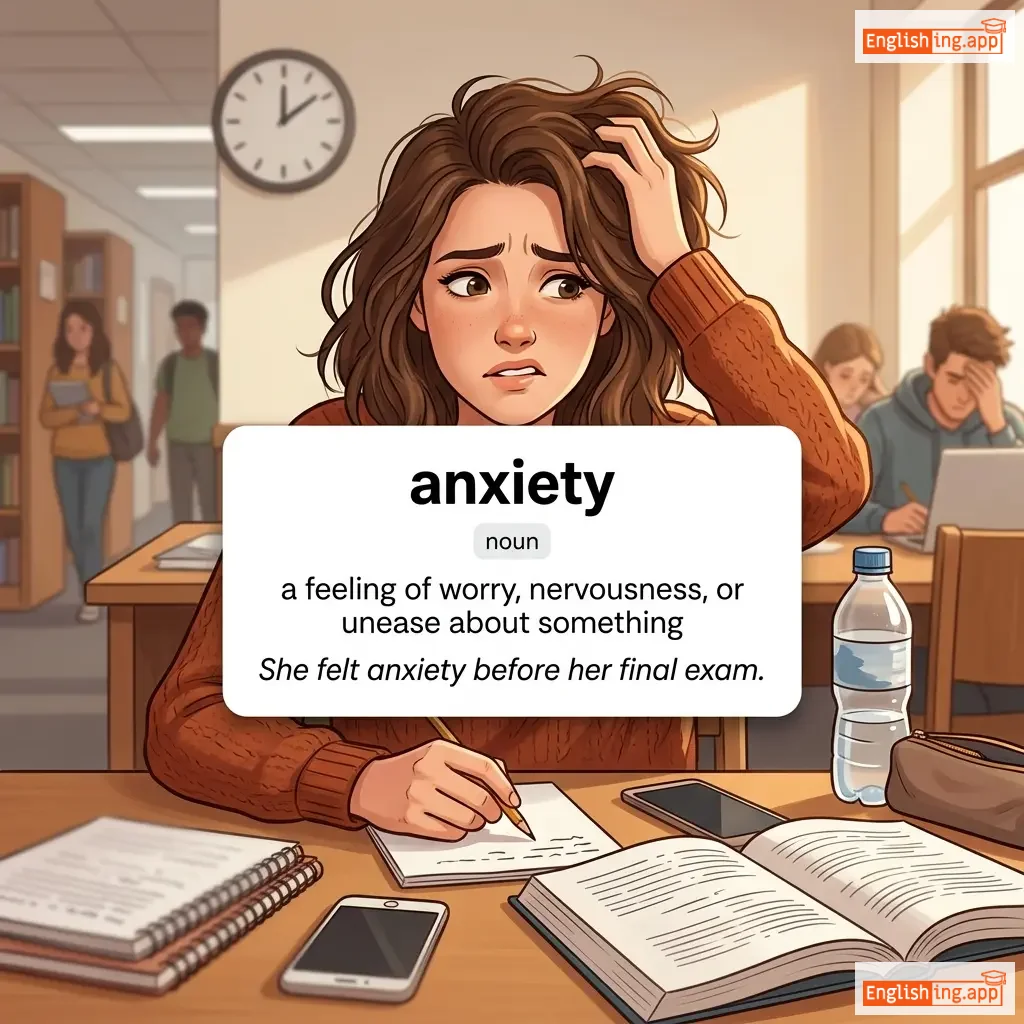
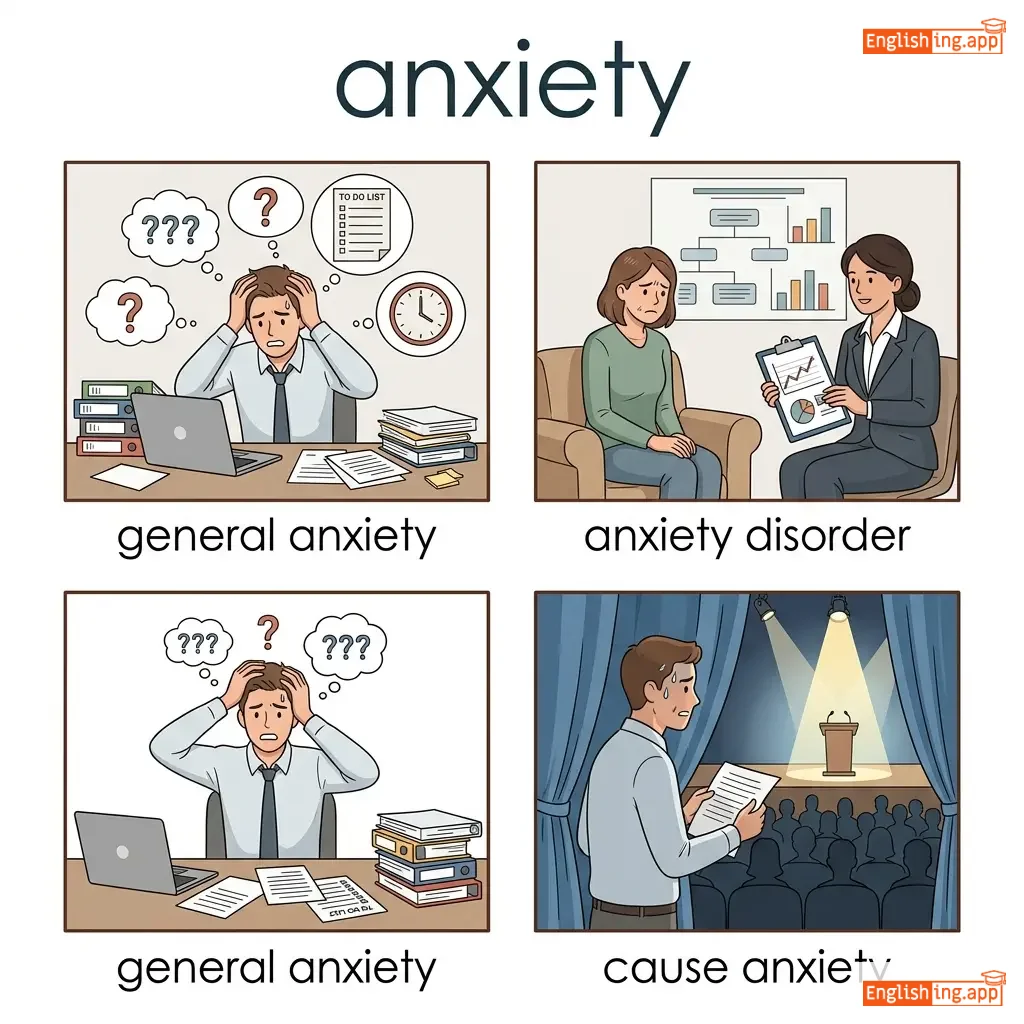
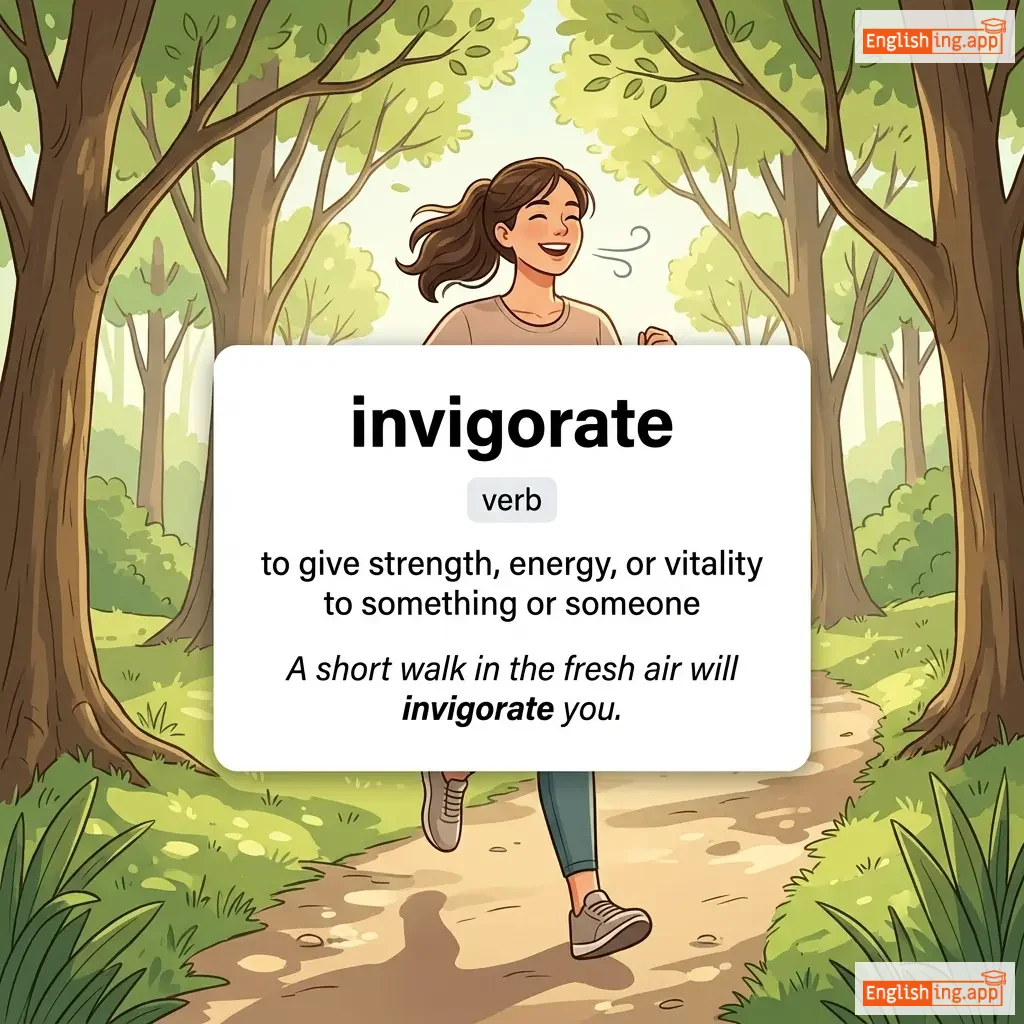
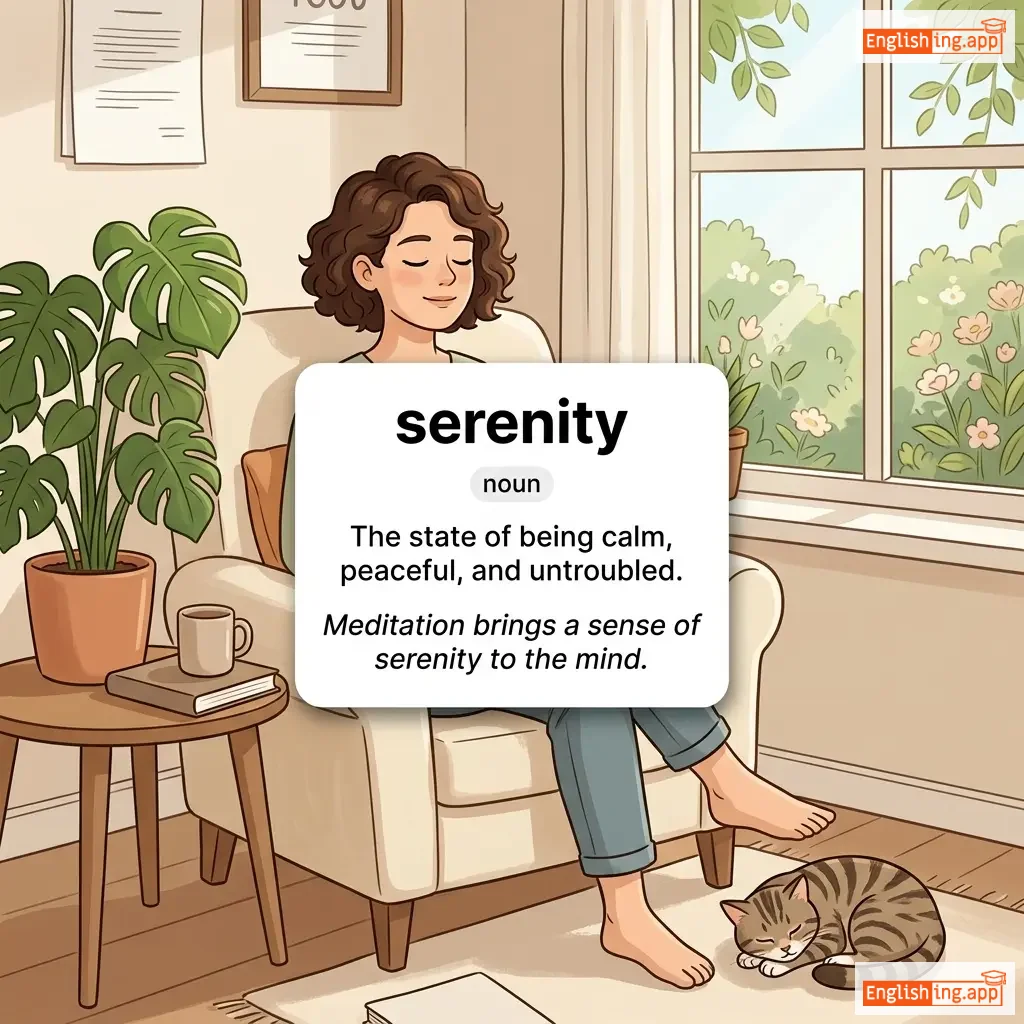
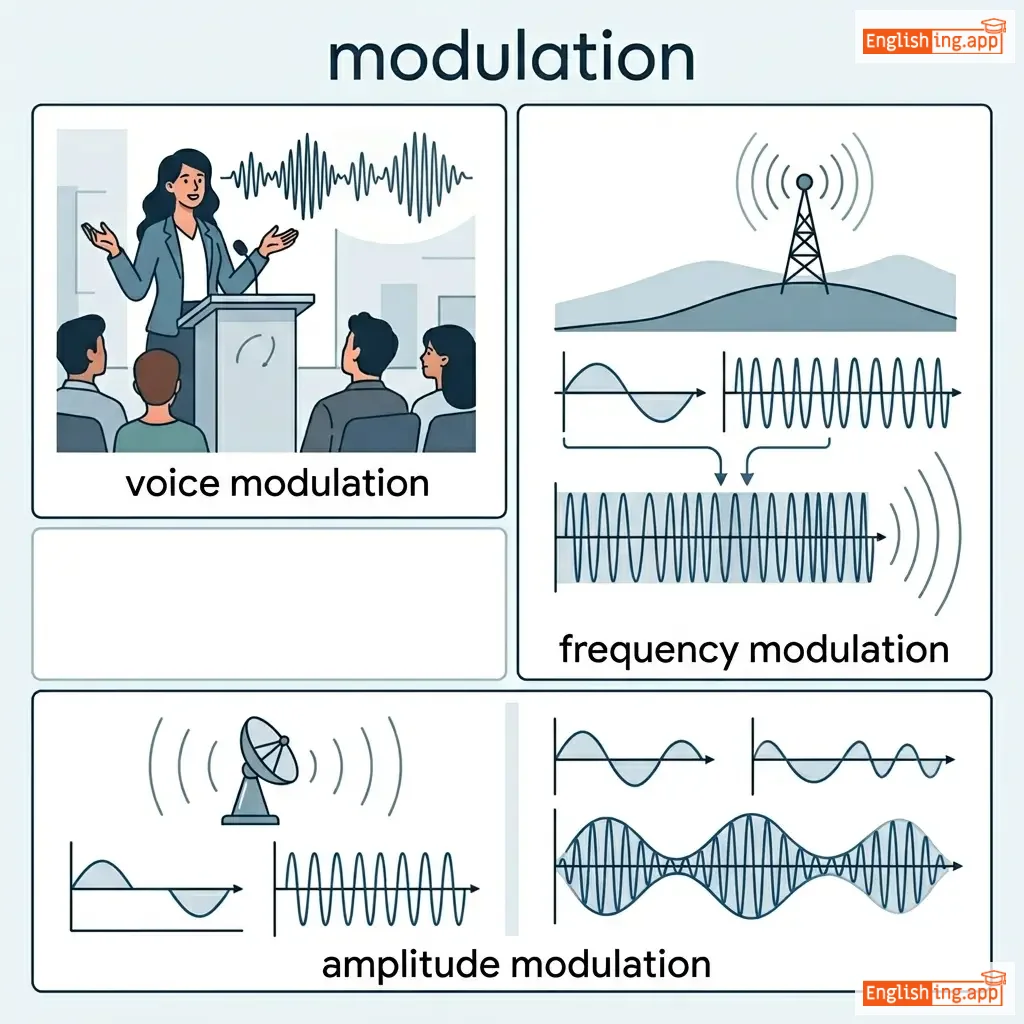
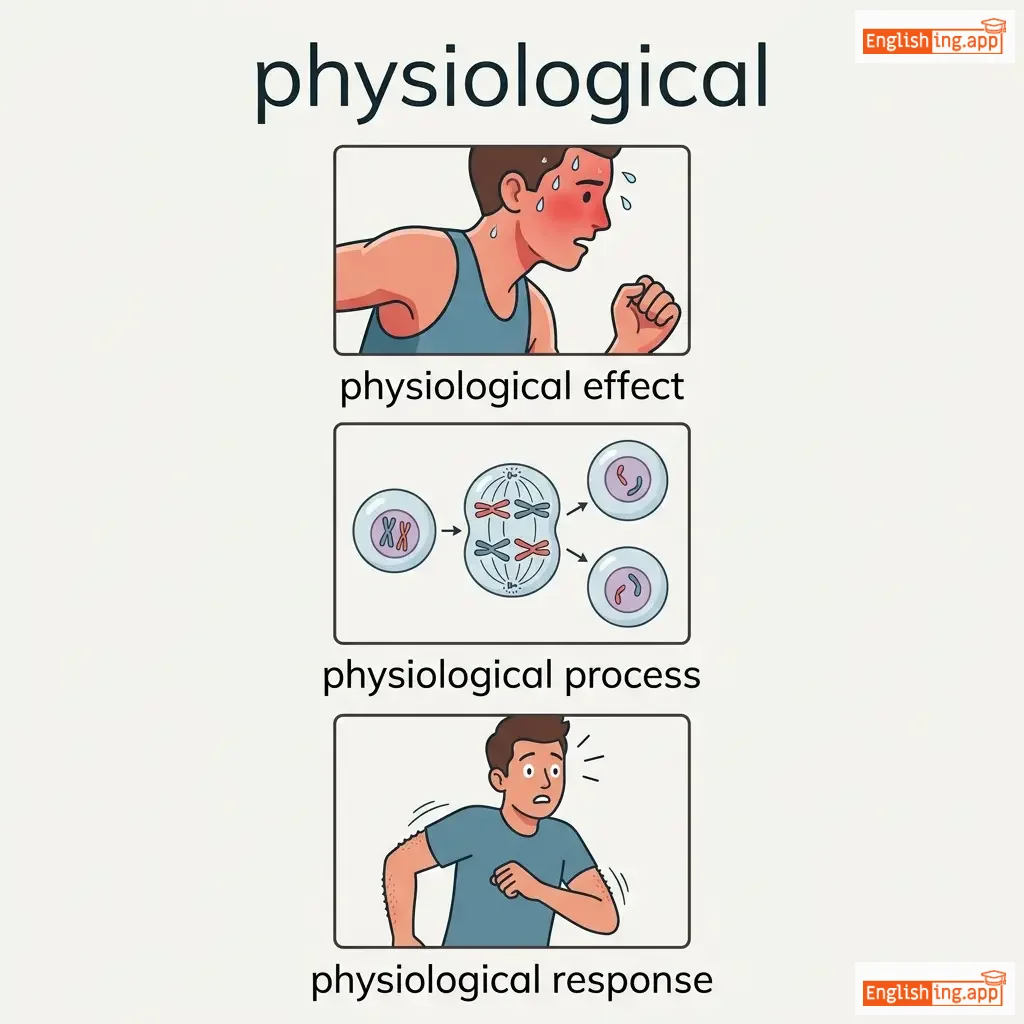
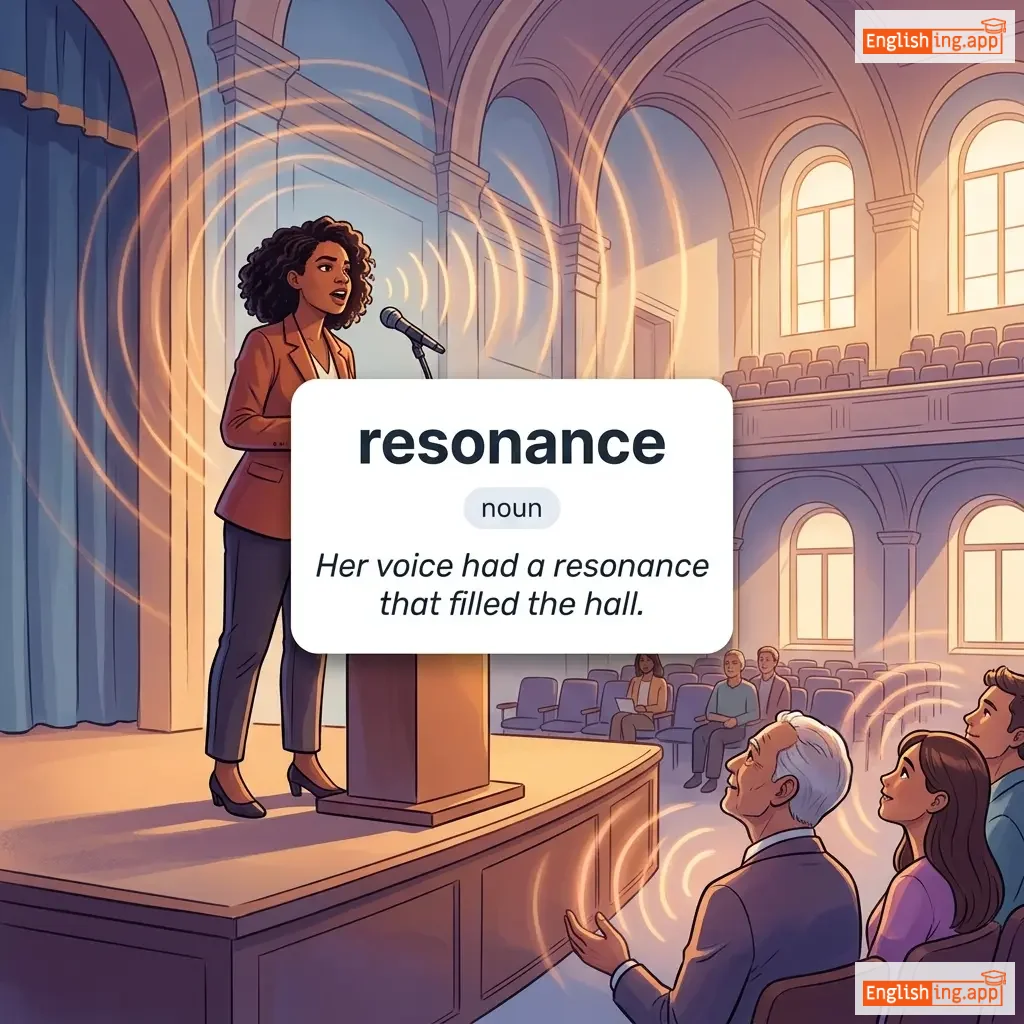
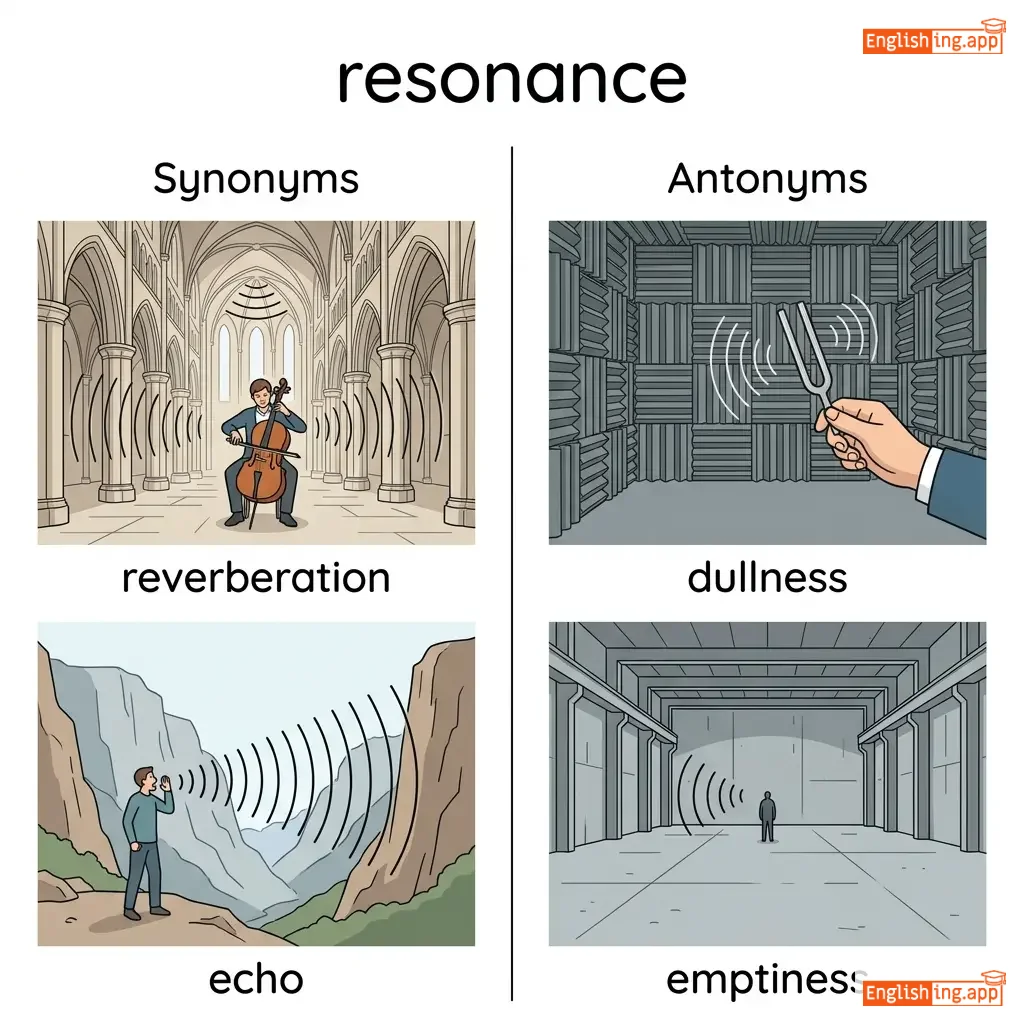
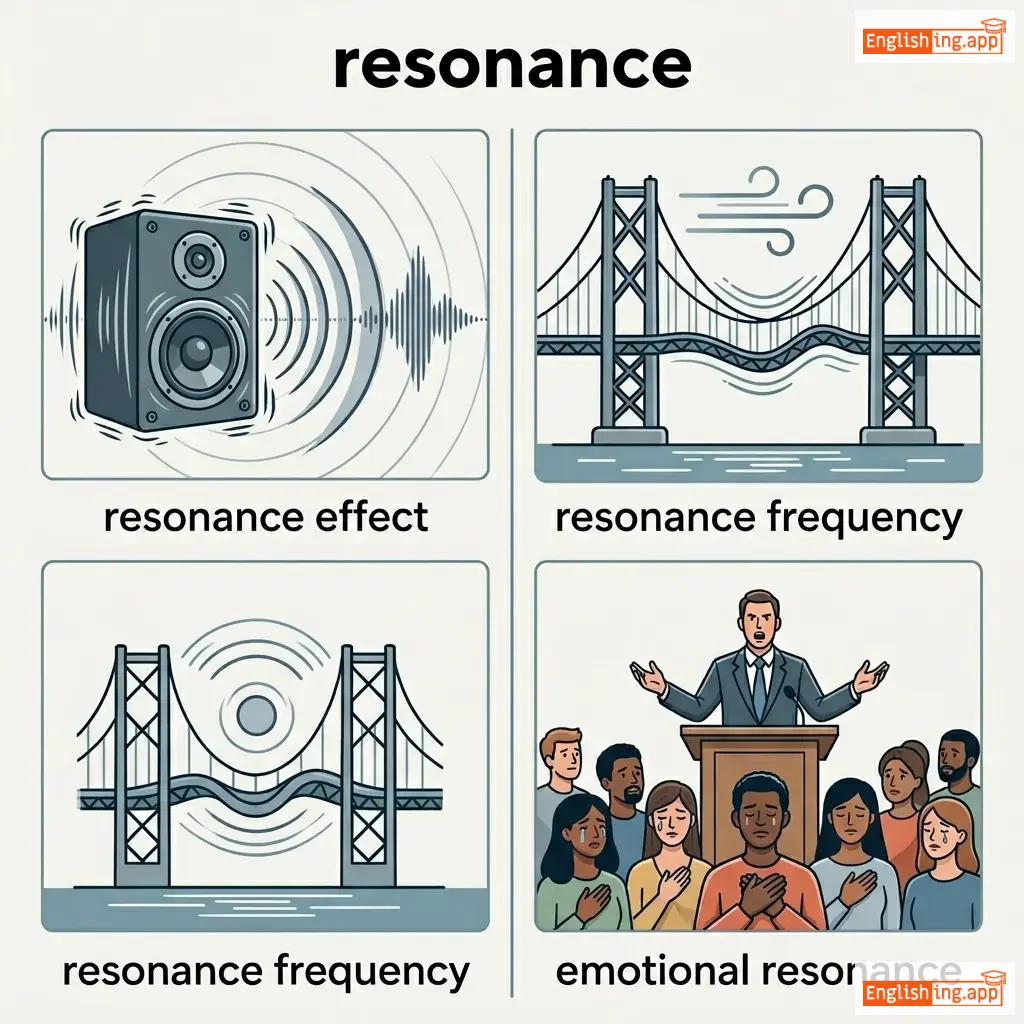
呼吸控制是一种强大的方法,有助于减少 anxiety 并恢复 composure。当我们使用正确的 breathing techniques 时,我们的 neurological 系统会平静下来,equilibrium 得以恢复。深度 exhalation 有助于身体 decompress,紧张 dissipates。增加的 oxygenation 有助于 invigorate 我们的大脑,使心灵更加 serenity。通过正确的 modulation,我们可以减缓呼吸,正常化 physiological 过程。这会产生 resonance,为身体和心灵带来和平。
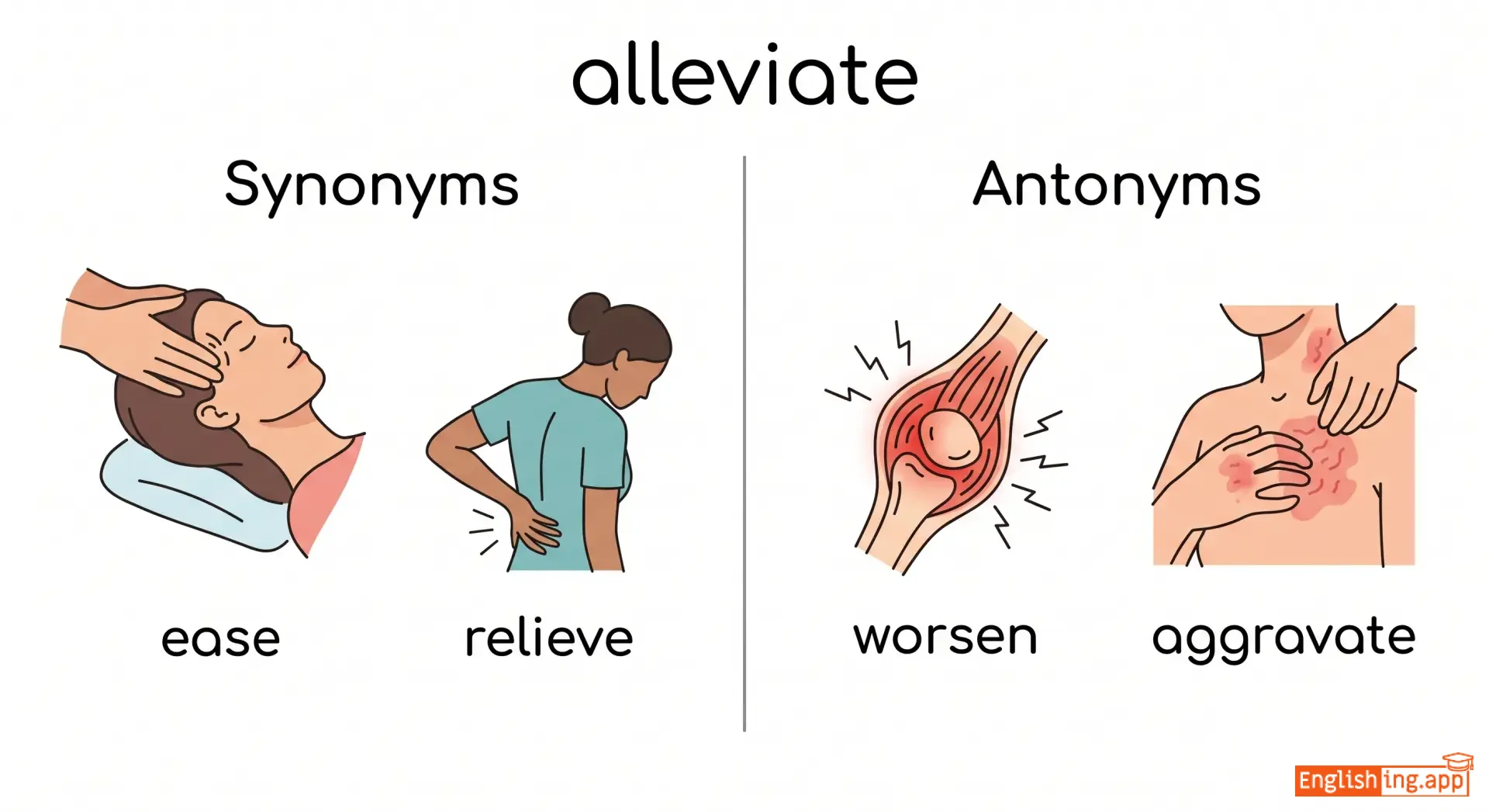
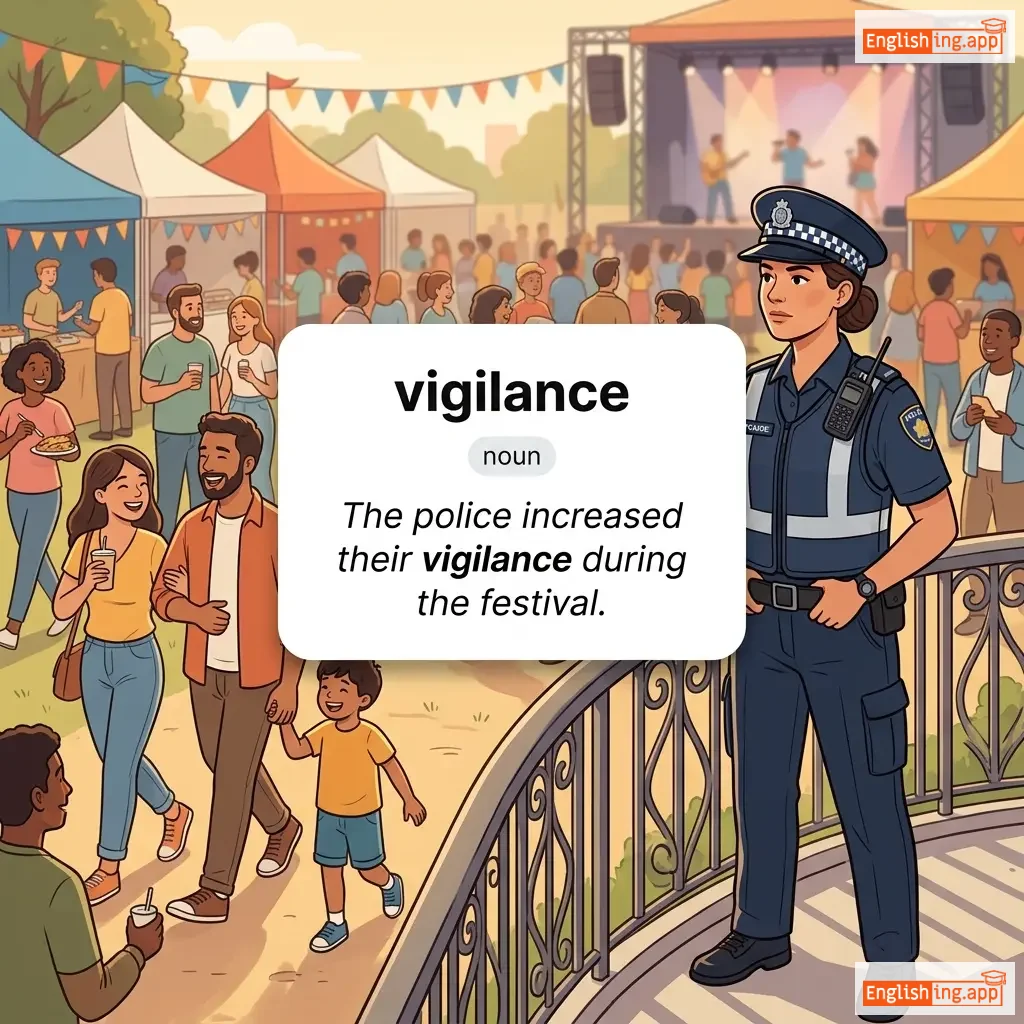
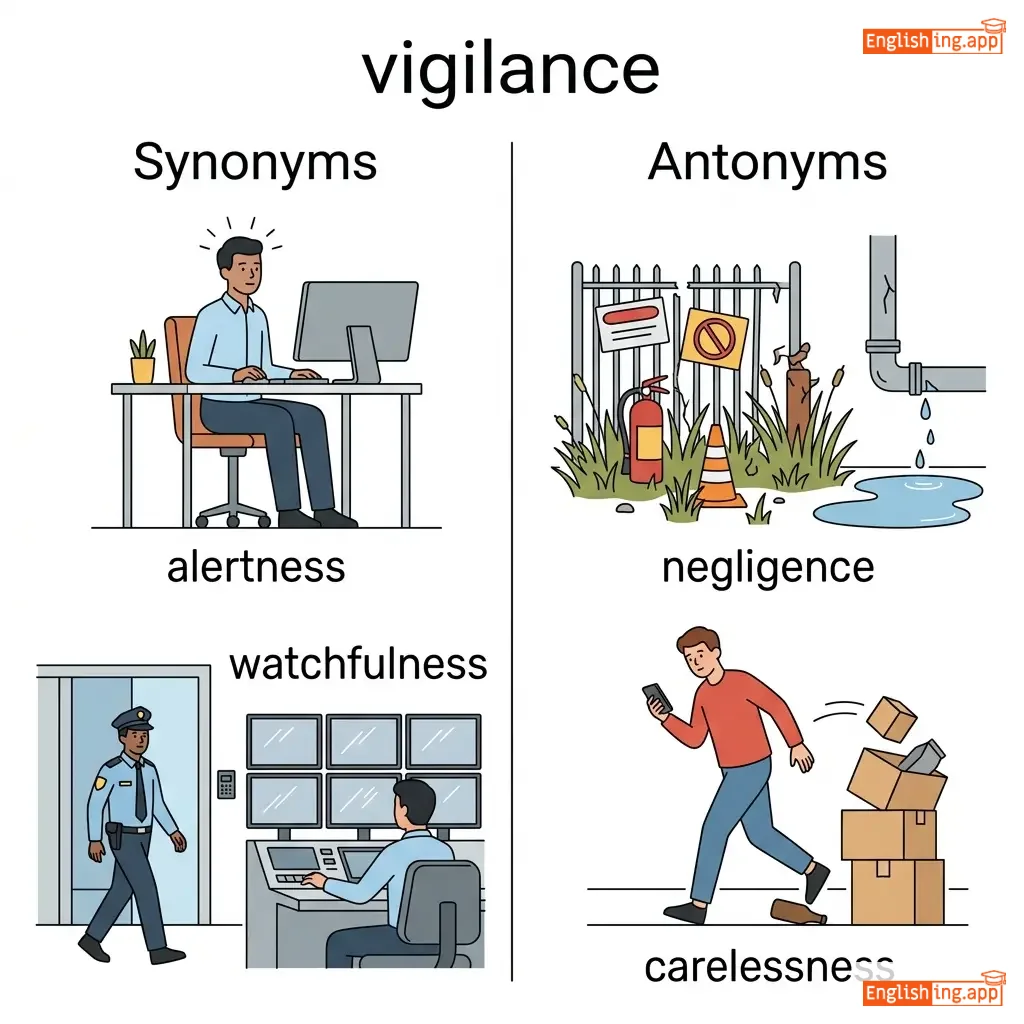
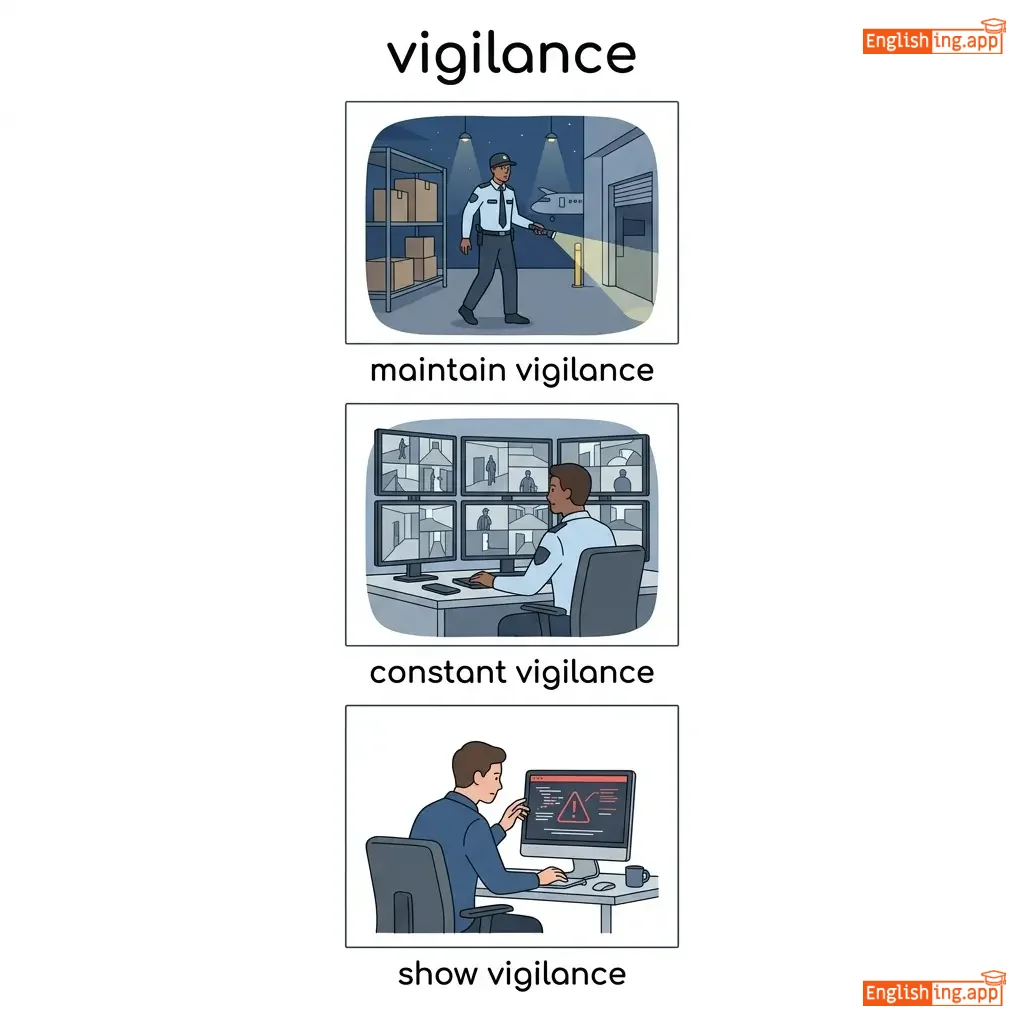
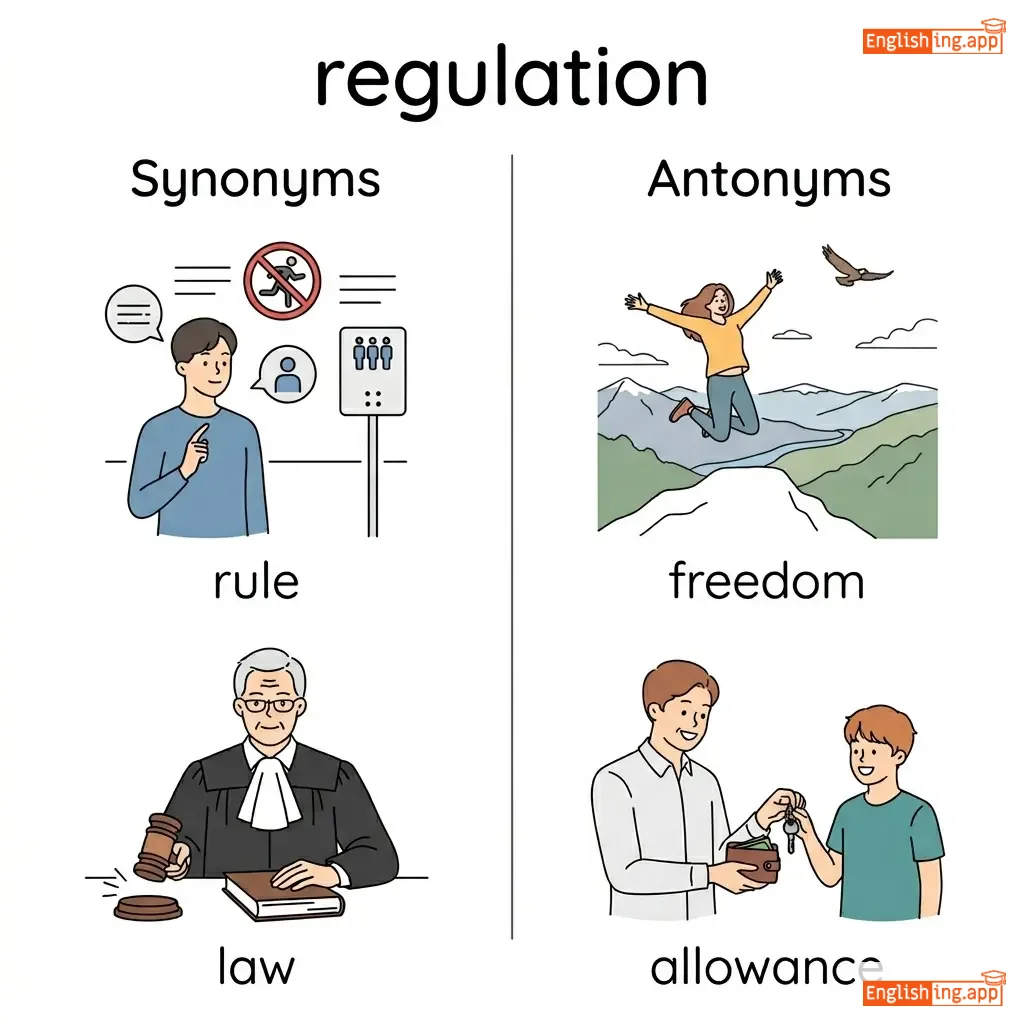
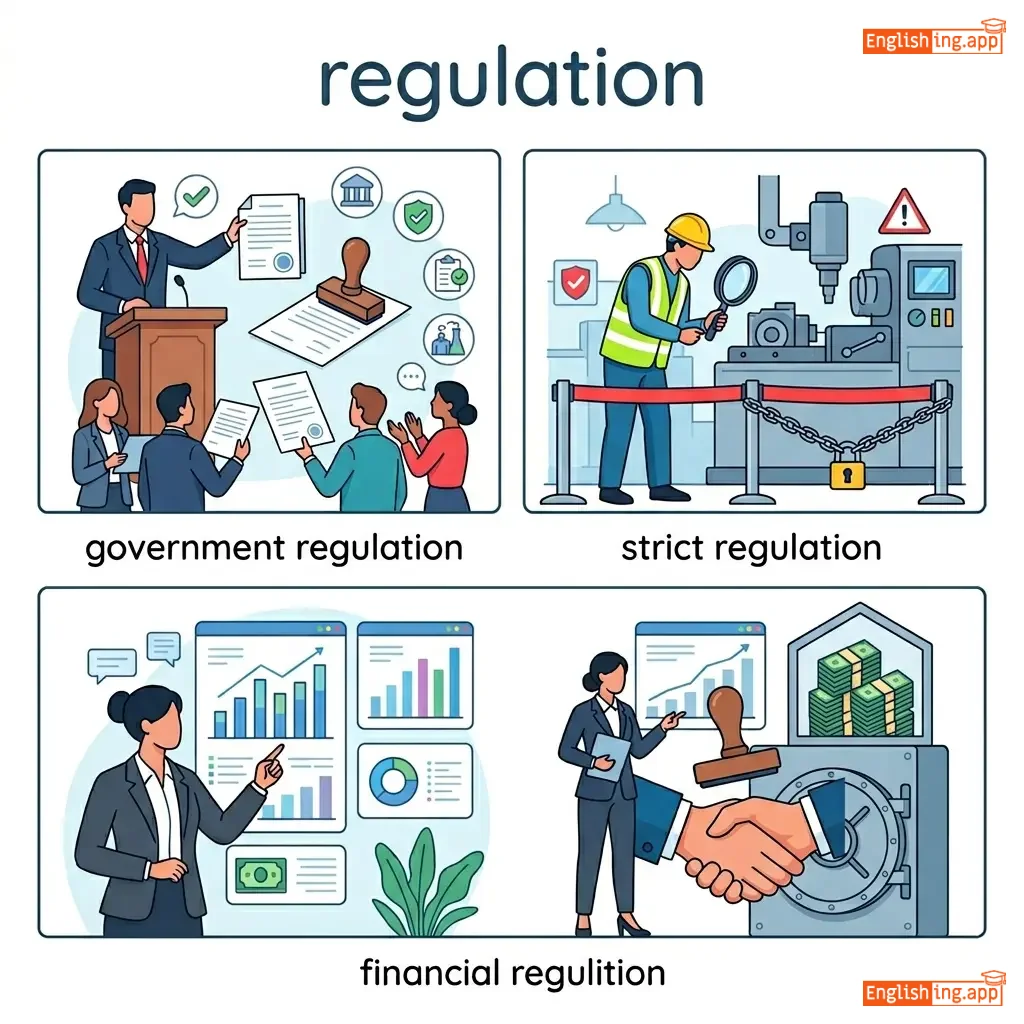
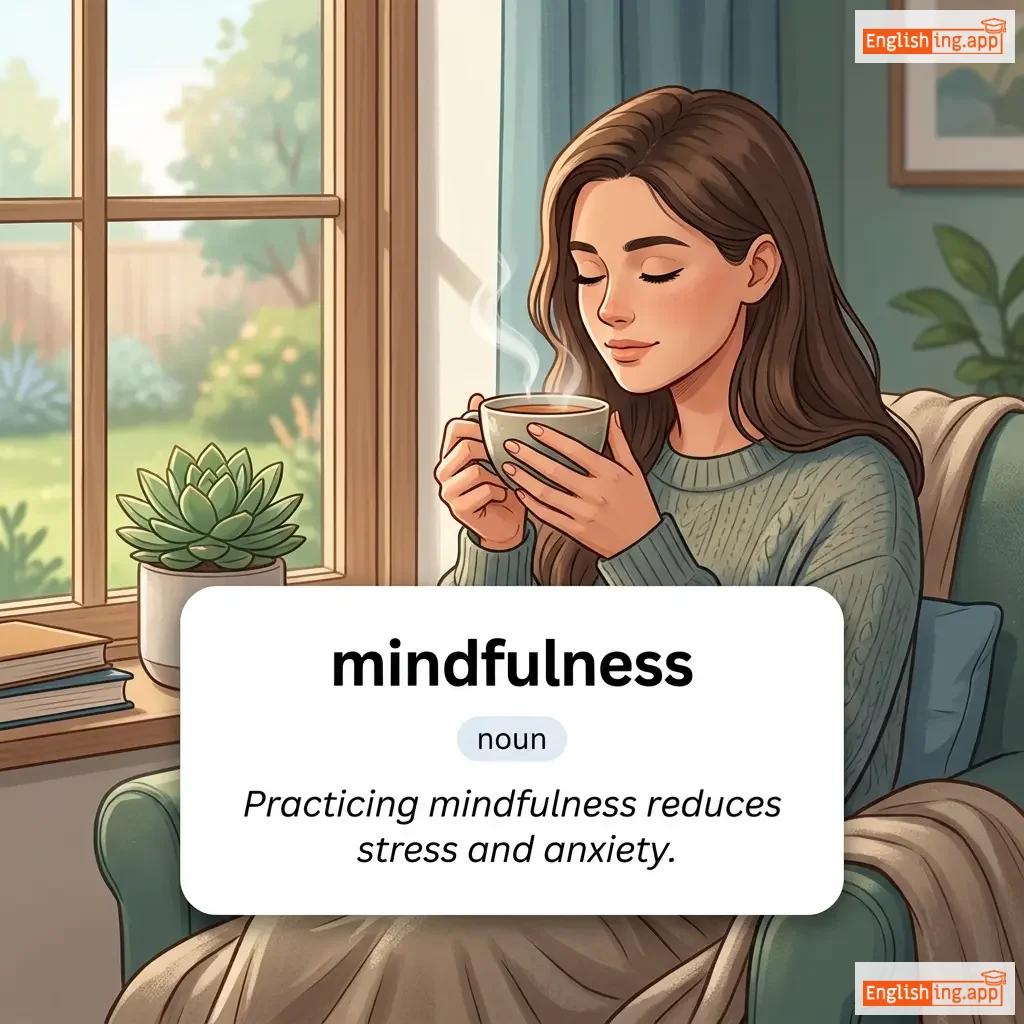
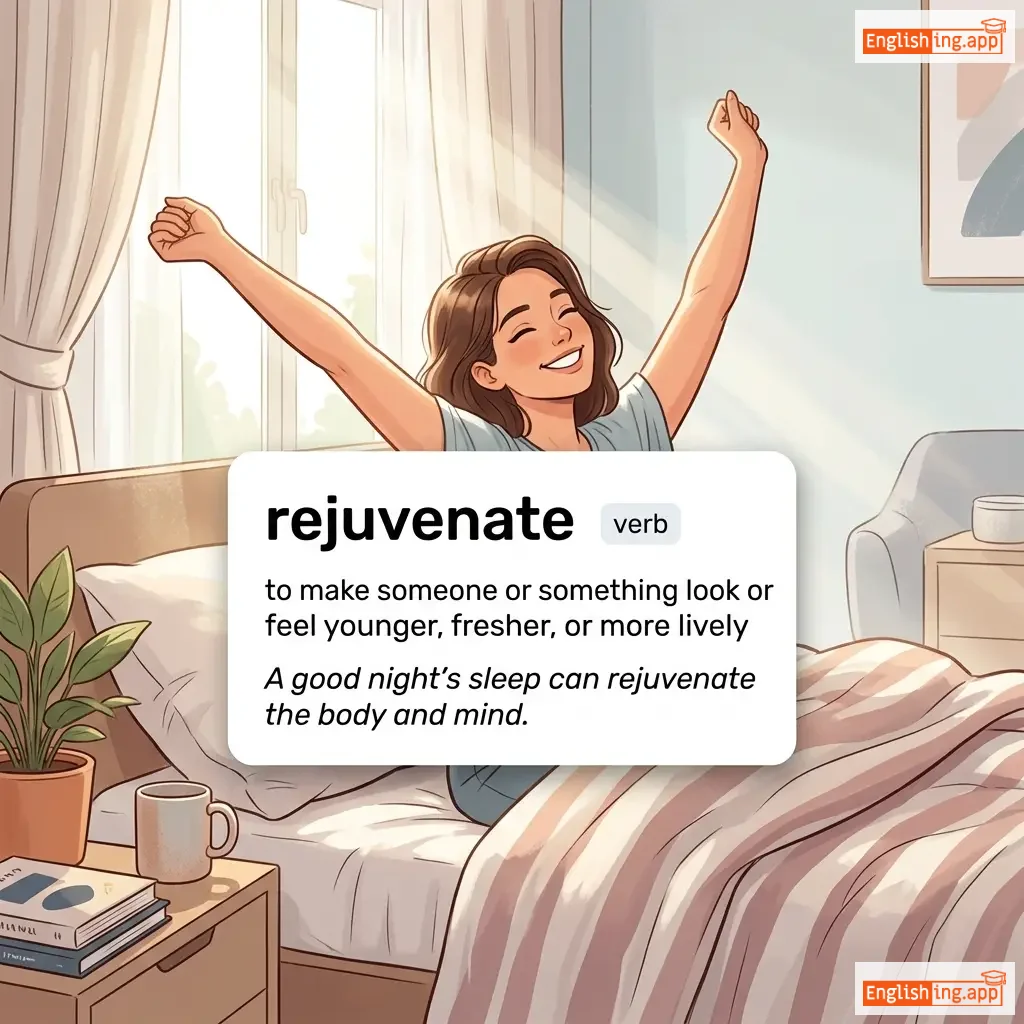
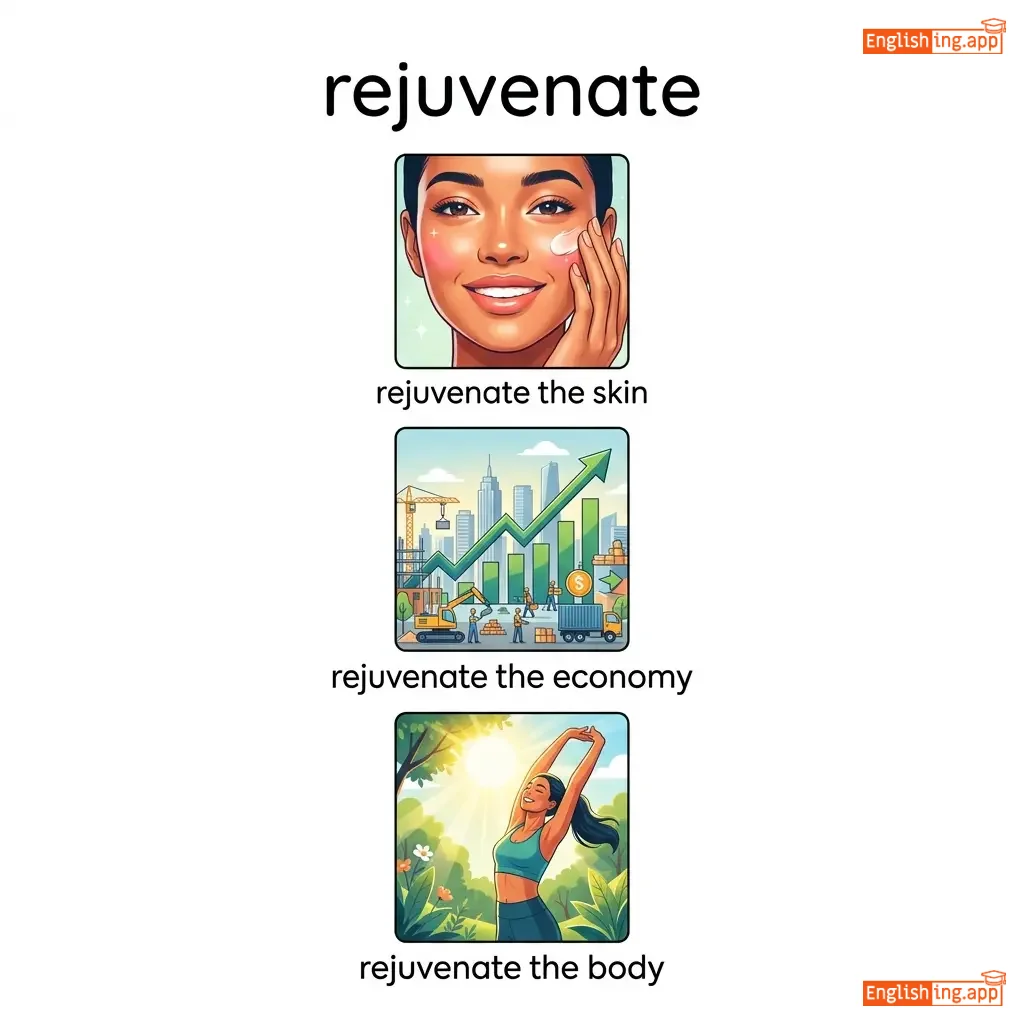
这些呼吸技巧不仅 alleviate 精神压力,还能提高我们的 vigilance 并帮助保持专注。因此,通过正确的 regulation 和 mindfulness 练习,我们可以轻松 rejuvenate 自己,并保持持久的 pacify 状态。







Swipe left or right, or use the buttons. Tap image to zoom.
例句翻译
单词
Breathing Techniques for Instant CalmnessBreathing Techniques for Instant Calmness - 遮罩切换
|
表情符号
|
单词 | Images | 翻译 | 含义 | 例句 | 例句翻译 | 同义词 | 反义词 | 助记符 |
|---|---|---|---|---|---|---|---|---|---|
|
#1186
😰
|
/æŋˈzaɪ.ə.ti/
noun
(ángzàièti)
••••••
|
|
焦虑或不安
jiaolv huò bù'ān
••••••
|
A feeling of worry, nervousness, or unease about something with an uncertain outcome.
••••••
|
Meditation helps reduce anxiety and stress.
冥想有助于减少焦虑和压力。
••••••
|
冥想有助于减少焦虑和压力。
Míngxiǎng yǒuzhù yú jiǎnshǎo jiāolǜ hé yālì.
••••••
|
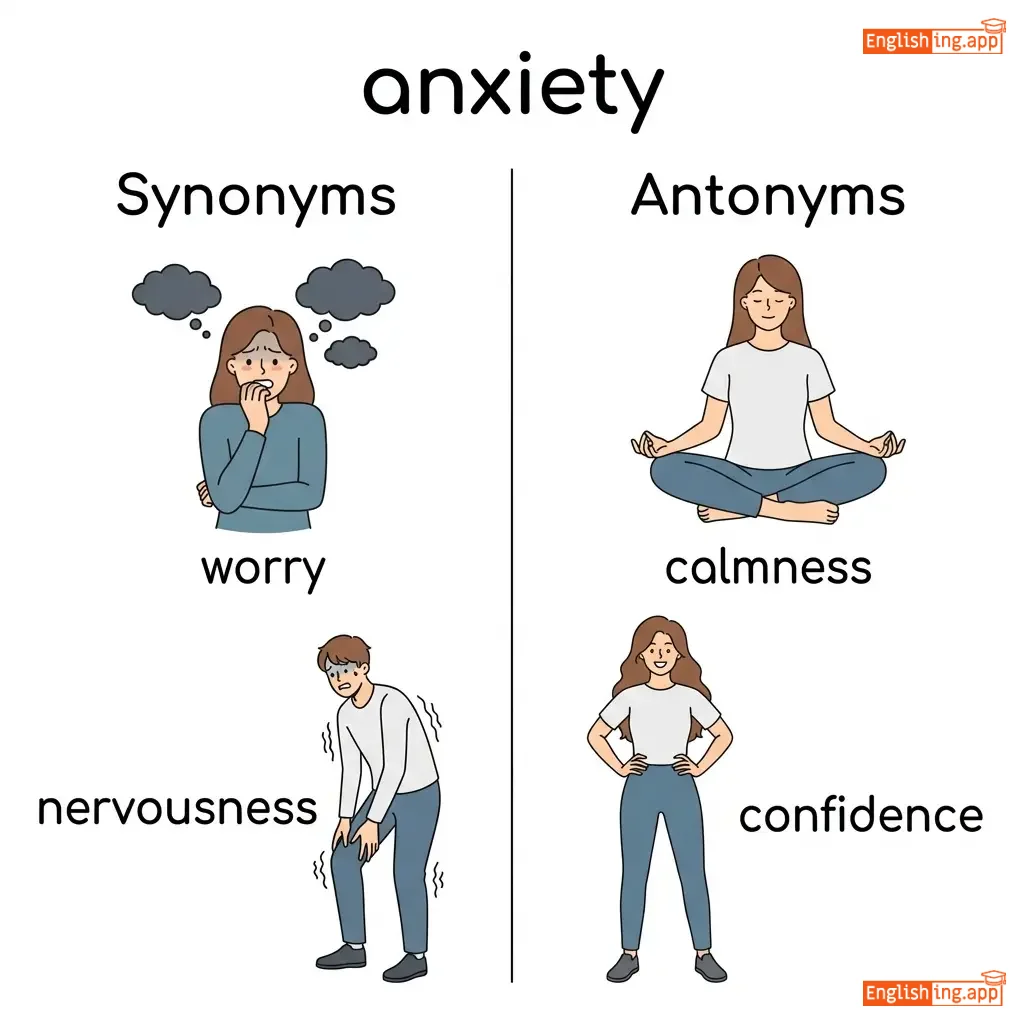
stress, nervousness, worry
••••••
|
calmness, relaxation, confidence
••••••
|
焦虑就像压力,冥想可以缓解。
••••••
|
|
#1187
🧘
|
/kəmˈpəʊ.ʒər/
noun
(作曲家)
••••••
|
|
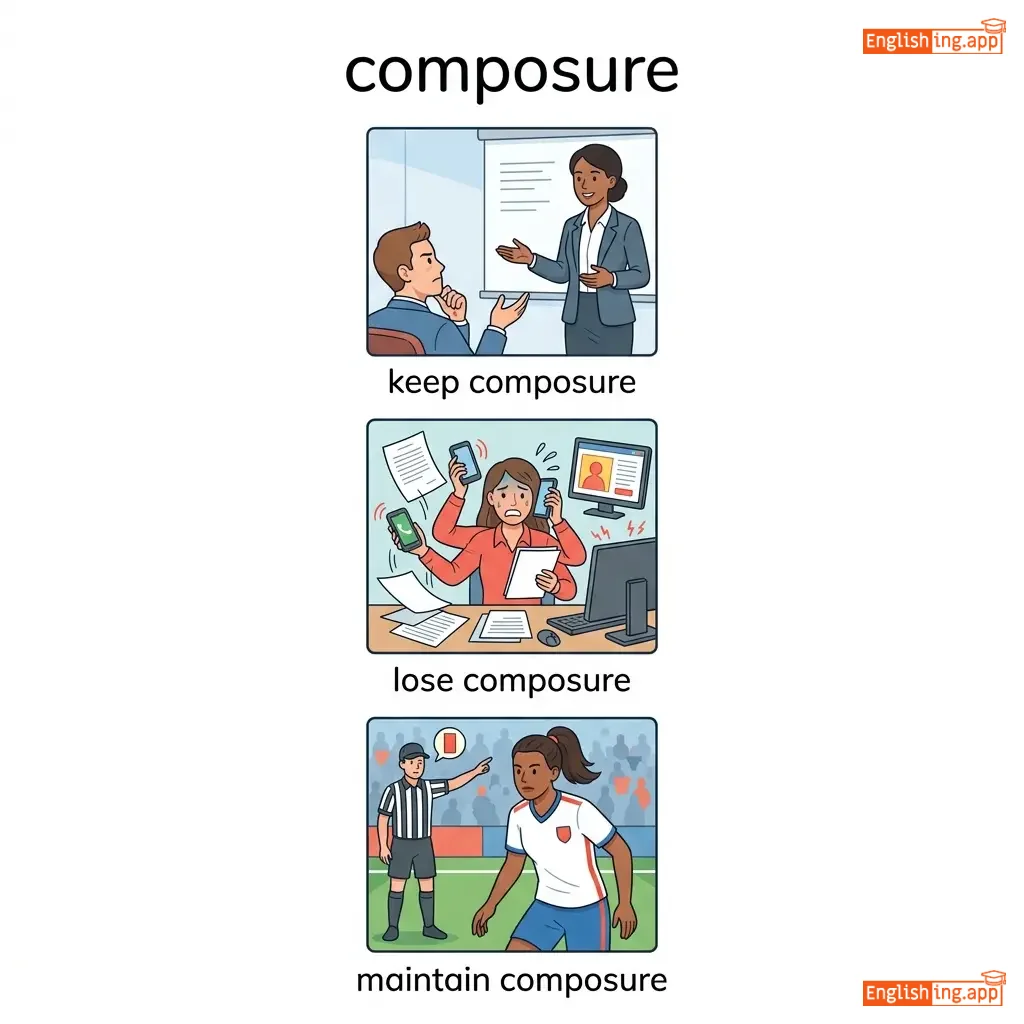
冷静和自我控制的状态
lěngjìng hé zìwǒ kòngzhì de zhuàngtài
••••••
|
The state or feeling of being calm and in control of oneself.
••••••
|
She maintained her composure during the interview. |
她在面试中保持了冷静。
Tā zài miànshì zhōng bǎochí le lěngjìng.
••••••
|
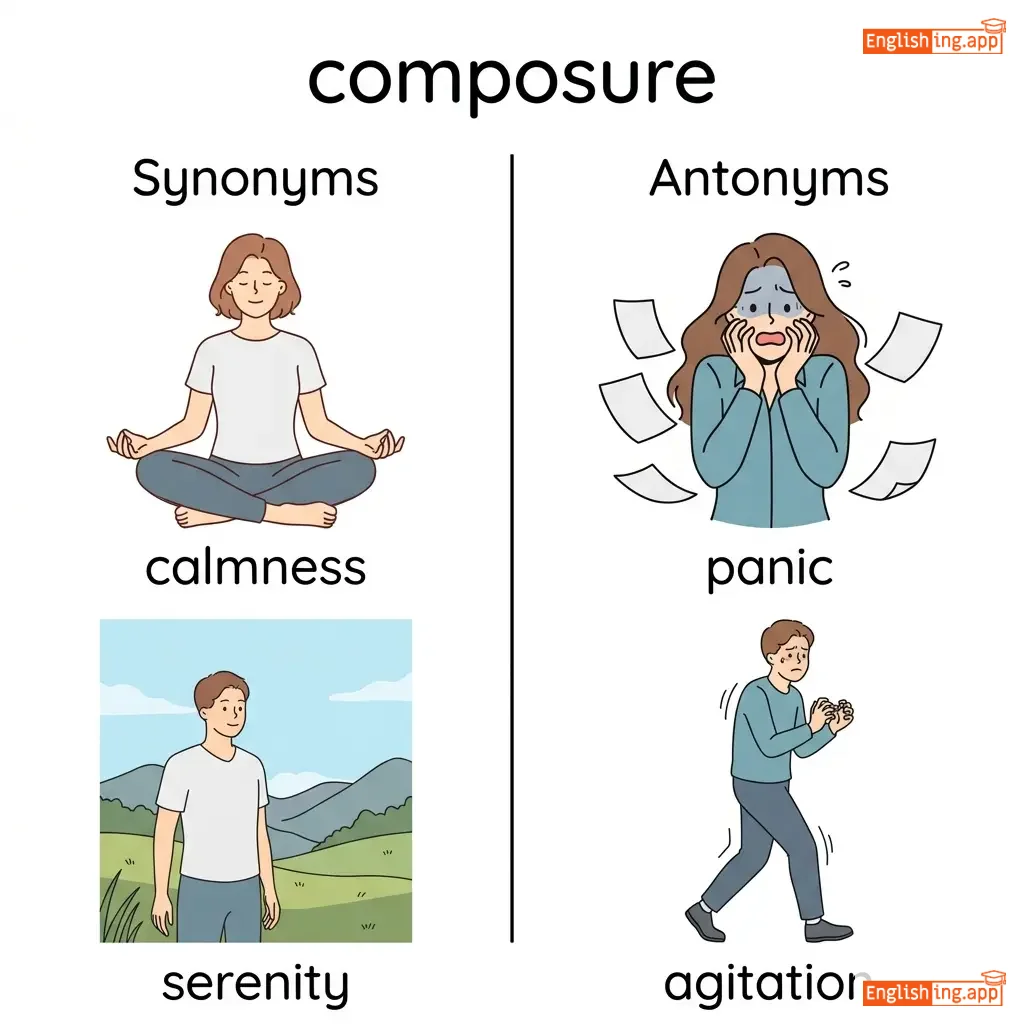
calmness, serenity, poise
••••••
|
agitation, anxiety, distress
••••••
|
composure 就是冷静和自控
••••••
|
|
#1188
🫁
|
/ˈbriː.ðɪŋ tɛkˌniːks/
noun
(呼吸技巧)
••••••
|
|
呼吸技巧
hūxī jìqiǎo
••••••
|
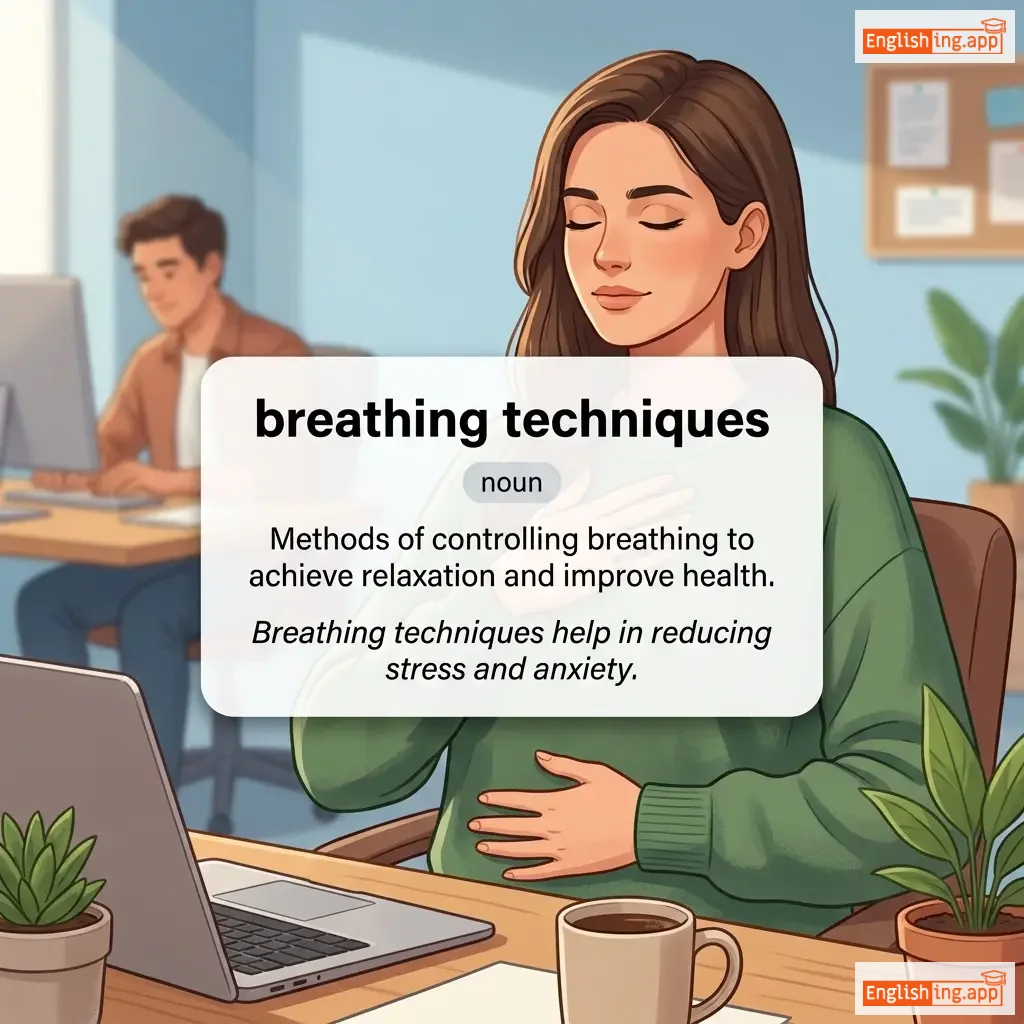
Methods of controlling breathing to achieve relaxation and improve health.
••••••
|
Breathing techniques help in reducing stress and anxiety. |
呼吸技巧有助于减少压力和焦虑。
Hūxī jìqiǎo yǒu zhù yú jiǎnshǎo yālì hé jiāolǜ.
••••••
|
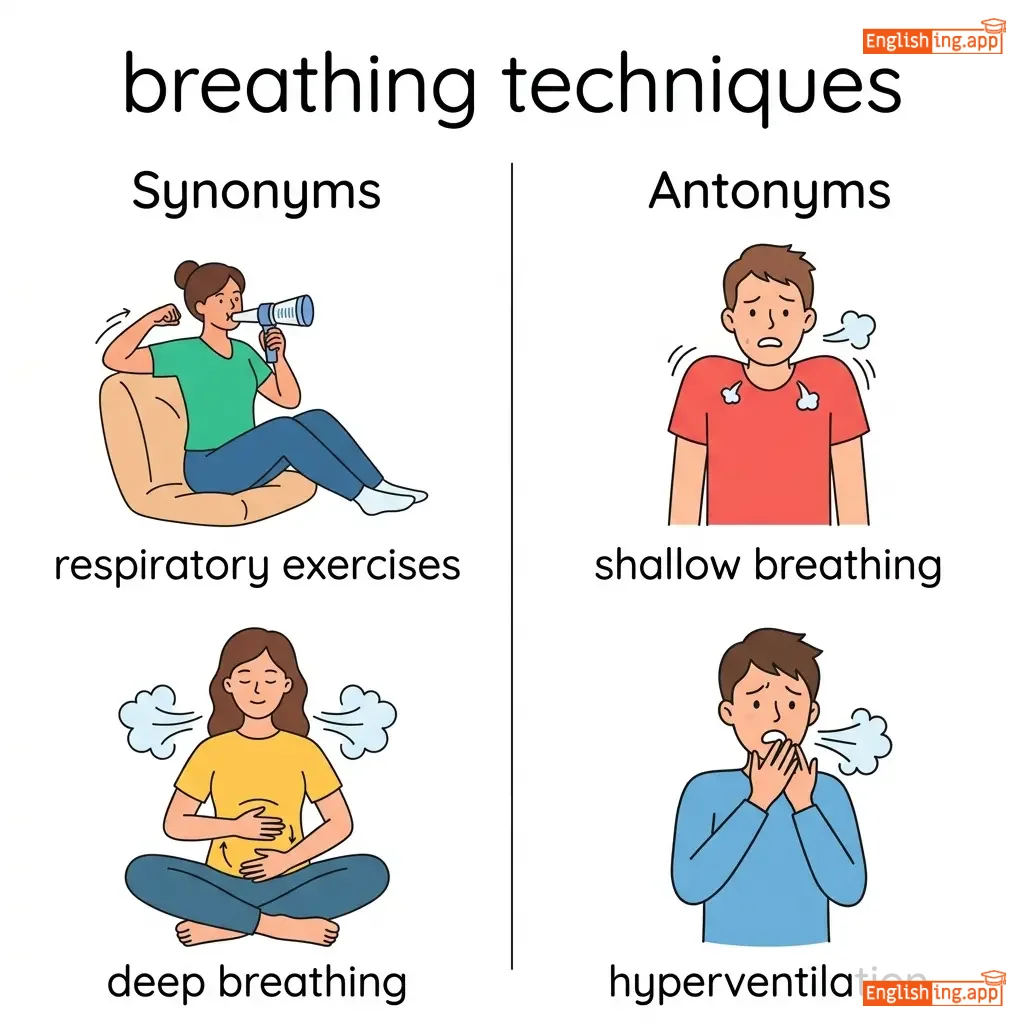
respiratory exercises, deep breathing, controlled breathing
••••••
|
shallow breathing, hyperventilation, unregulated breathing
••••••
|
深呼吸,放松心情,呼吸技巧助健康。
••••••
|
|
#1189
🧠
|
/ˌnjʊə.rəˈlɒdʒ.ɪ.kəl/
adjective
(niǔróulózhīkè)
••••••
|
|
神经学的
shenjīngxué de
••••••
|
Relating to the anatomy, functions, and organic disorders of nerves and the nervous system.
••••••
|
Meditation has positive neurological effects on mental health.
冥想对心理健康有积极的神经学影响。
••••••
|
冥想对心理健康有积极的神经学影响。
Míngxiǎng duì xīnlǐ jiànkāng yǒu jījí de shénjīngxué yǐngxiǎng.
••••••
|
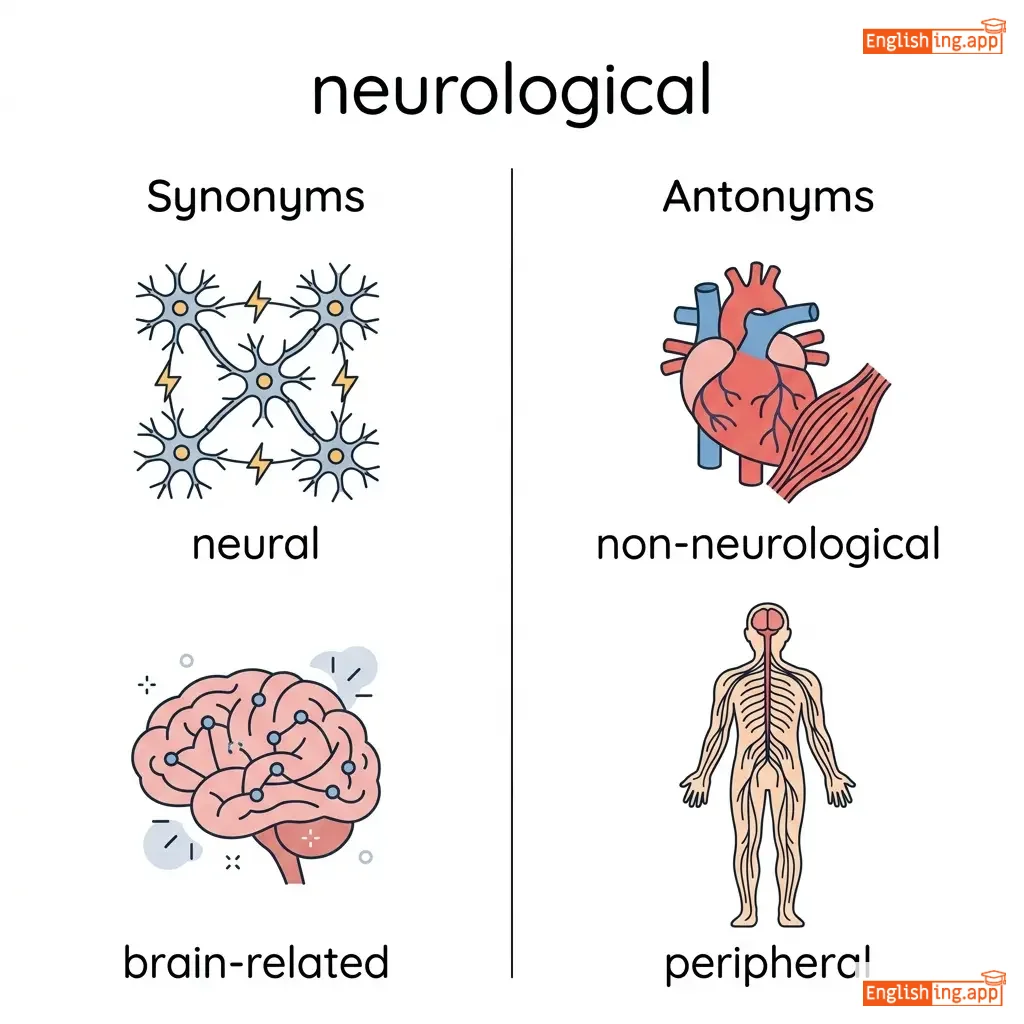
neural, brain-related, cognitive
••••••
|
non-neurological, peripheral, unrelated to brain
••••••
|
神经学的 - 研究神经系统的作用和影响.
••••••
|
|
#1190
⚖️
|
/ˌiː.kwɪˈlɪb.ri.əm/
noun
(平衡)
••••••
|
|
平衡
pingheng
••••••
|
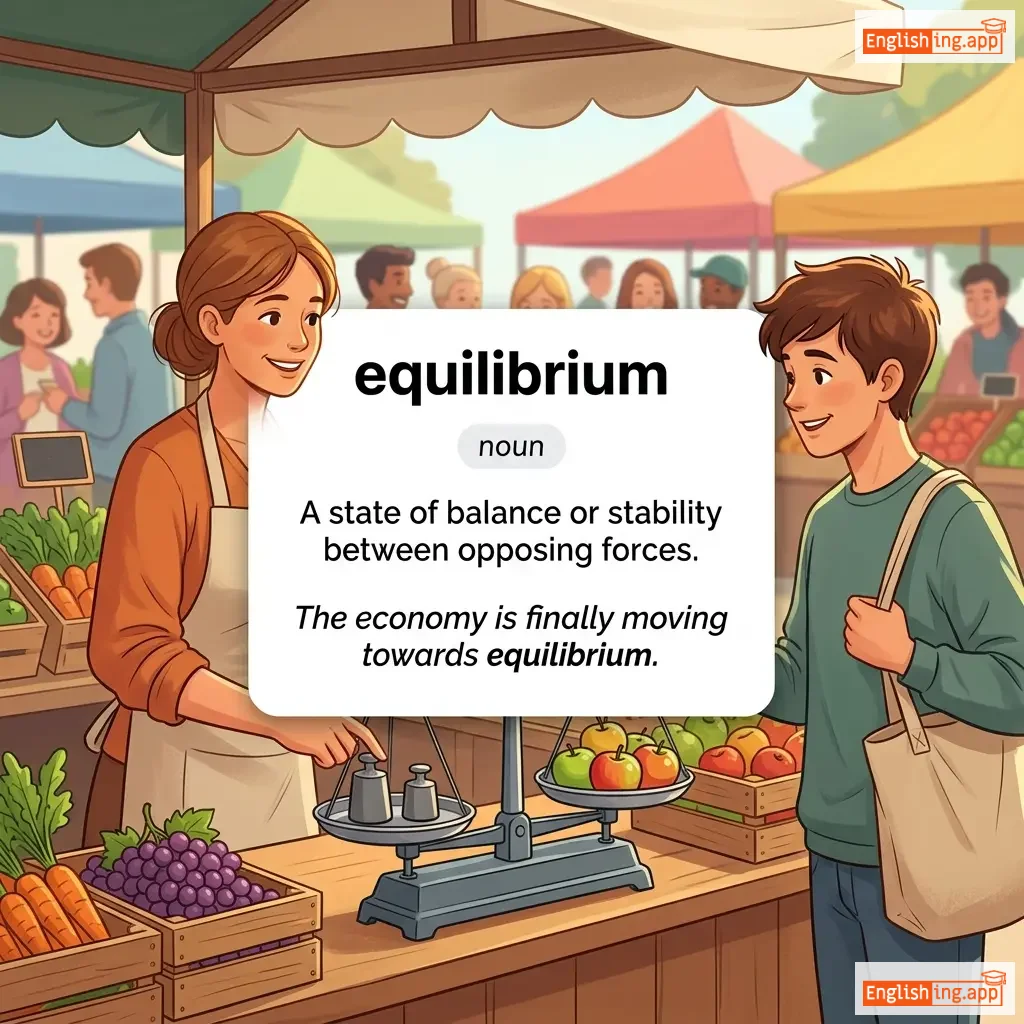
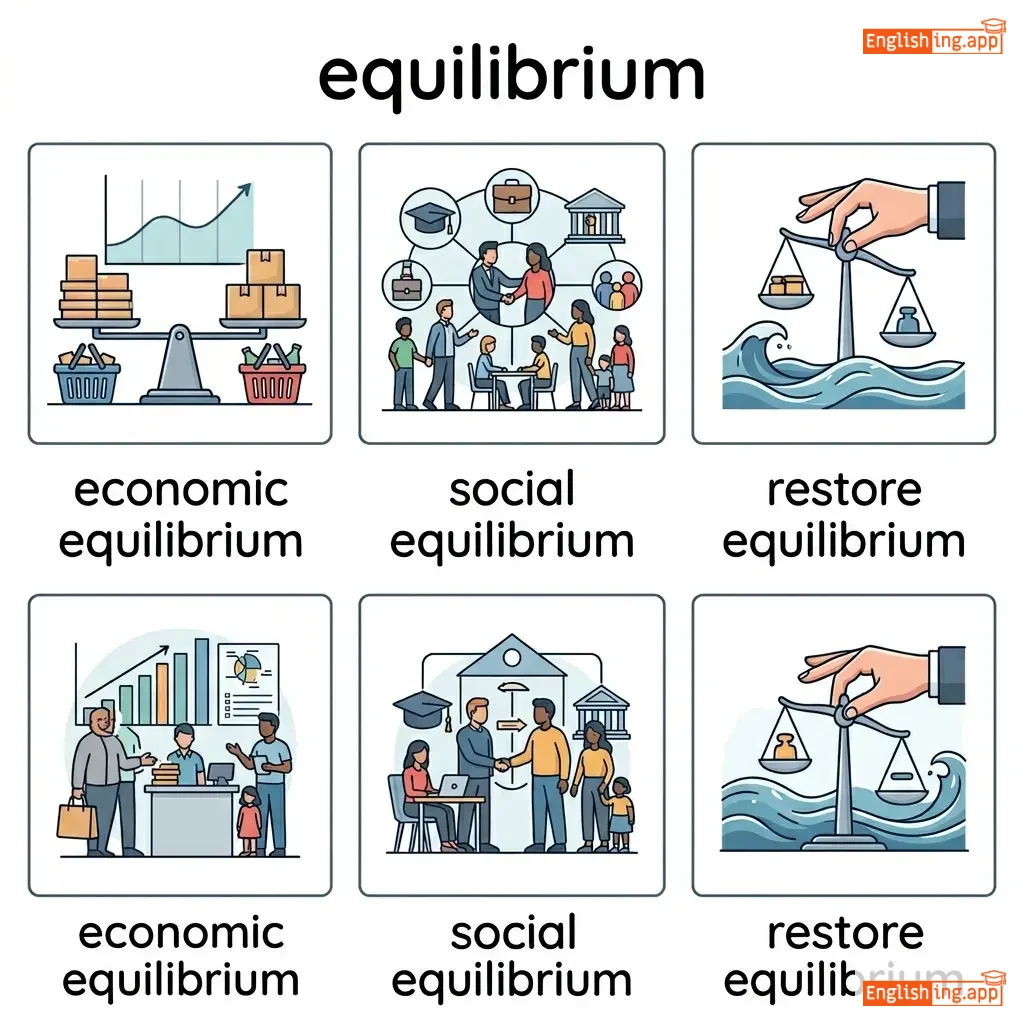
A state in which opposing forces or influences are balanced.
••••••
|
Yoga helps in achieving mental equilibrium. |
瑜伽有助于实现心理平衡。
Yújiā yǒuzhù yú shíxiàn xīnlǐ pínghéng.
••••••
|
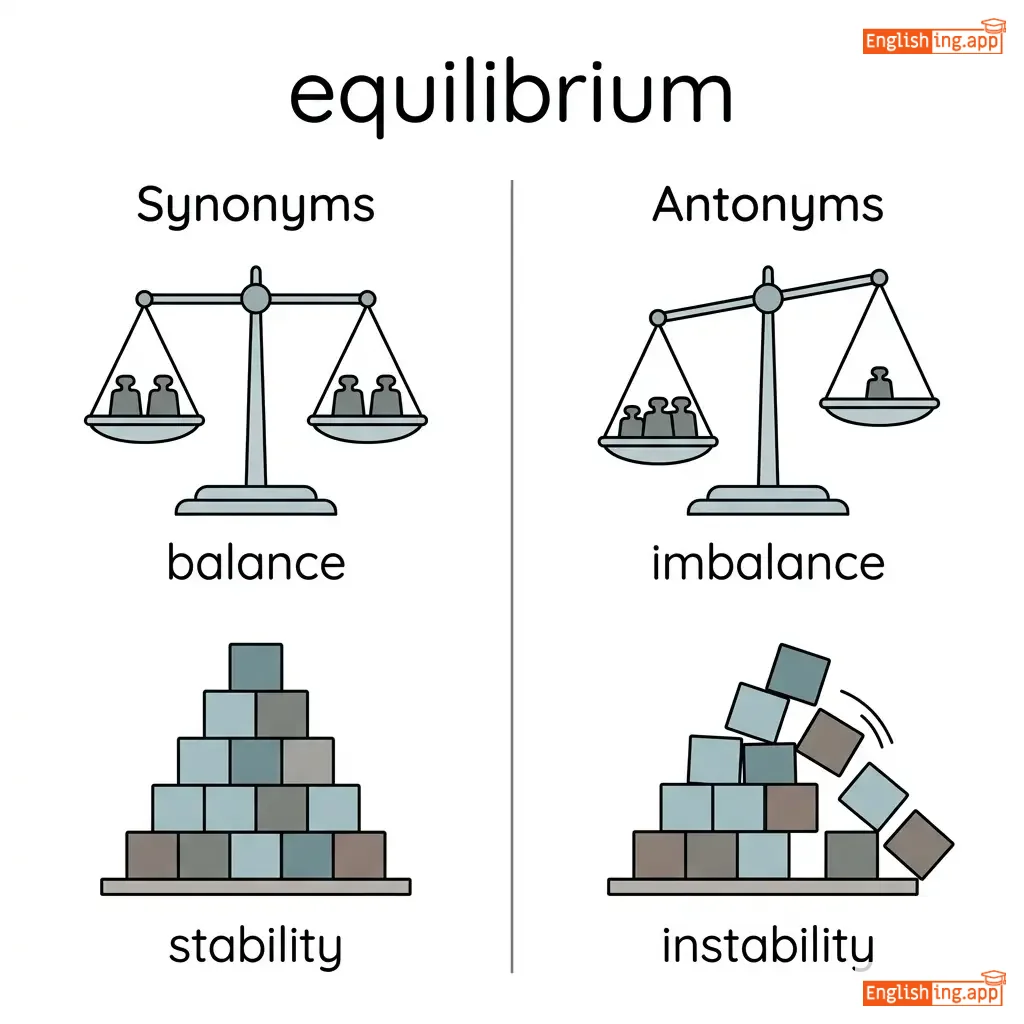
balance, stability, steadiness
••••••
|
imbalance, instability, disproportion
••••••
|
平衡是瑜伽的核心。
••••••
|
|
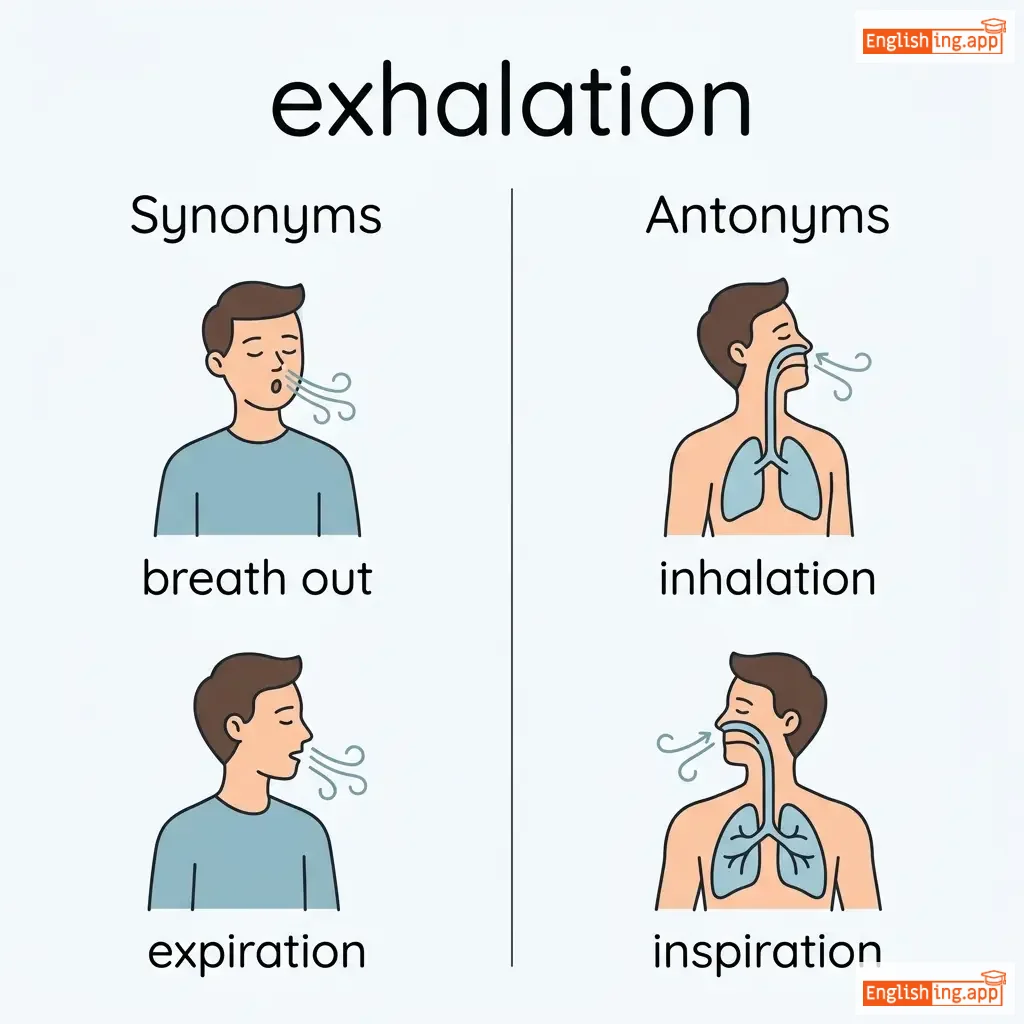
#1191
💨
|
/ˌɛks.həˈleɪ.ʃən/
noun
(呼气)
••••••
|
|
呼气
hūqì
••••••
|
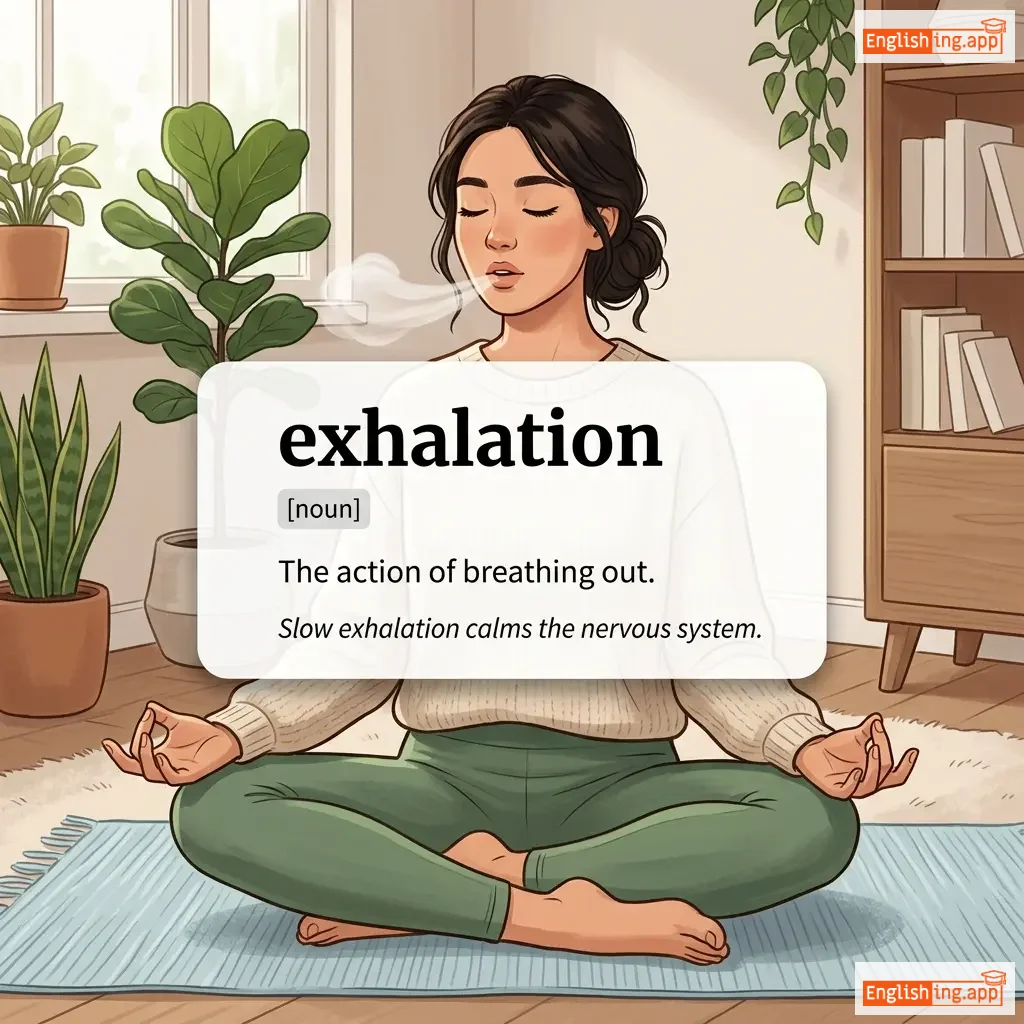
The action of breathing out.
••••••
|
Slow exhalation calms the nervous system. |
缓慢的呼气使神经系统平静。
huǎn màn de hū qì shǐ shén jīng xì tǒng píng jìng.
••••••
|
breath out, expiration, release
••••••
|
inhalation, inspiration, breathing in
••••••
|
在中文中,'呼气'就是指从肺部呼出的动作。
••••••
|
|
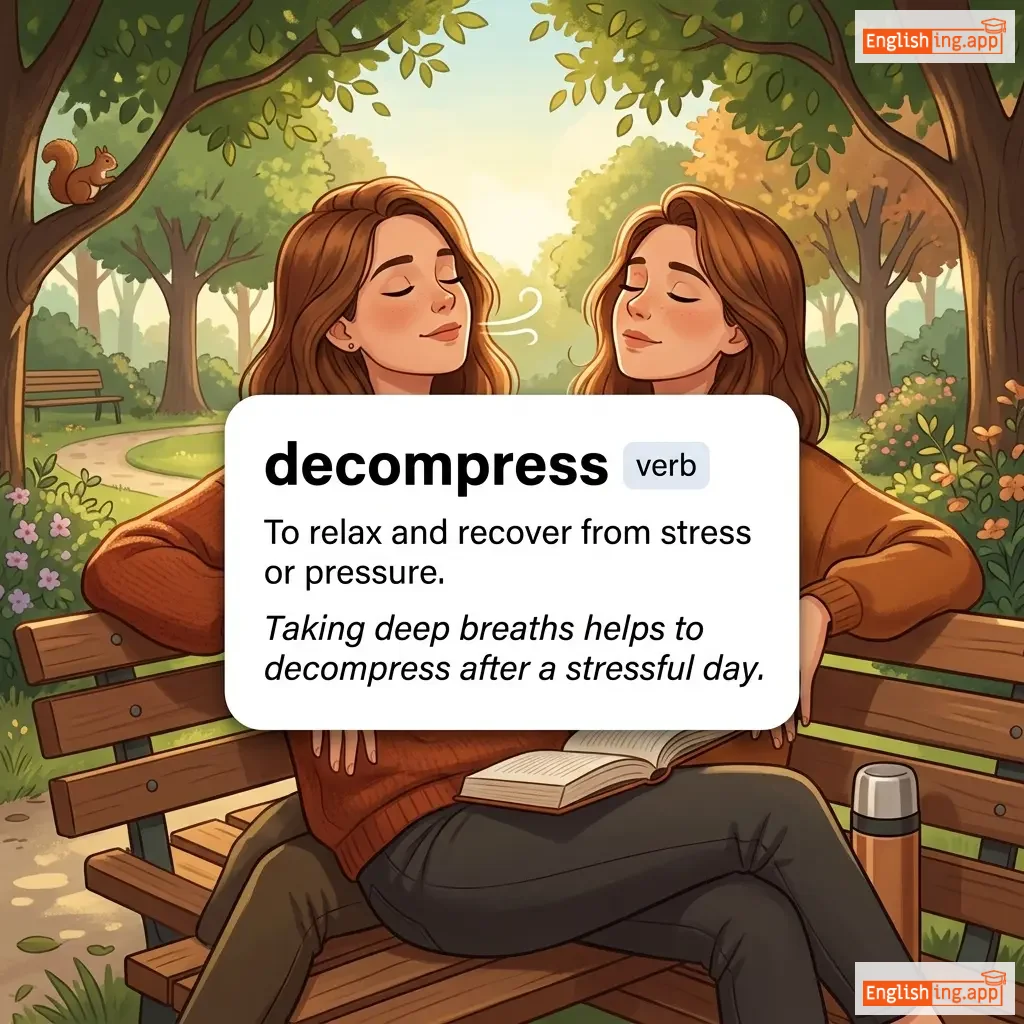
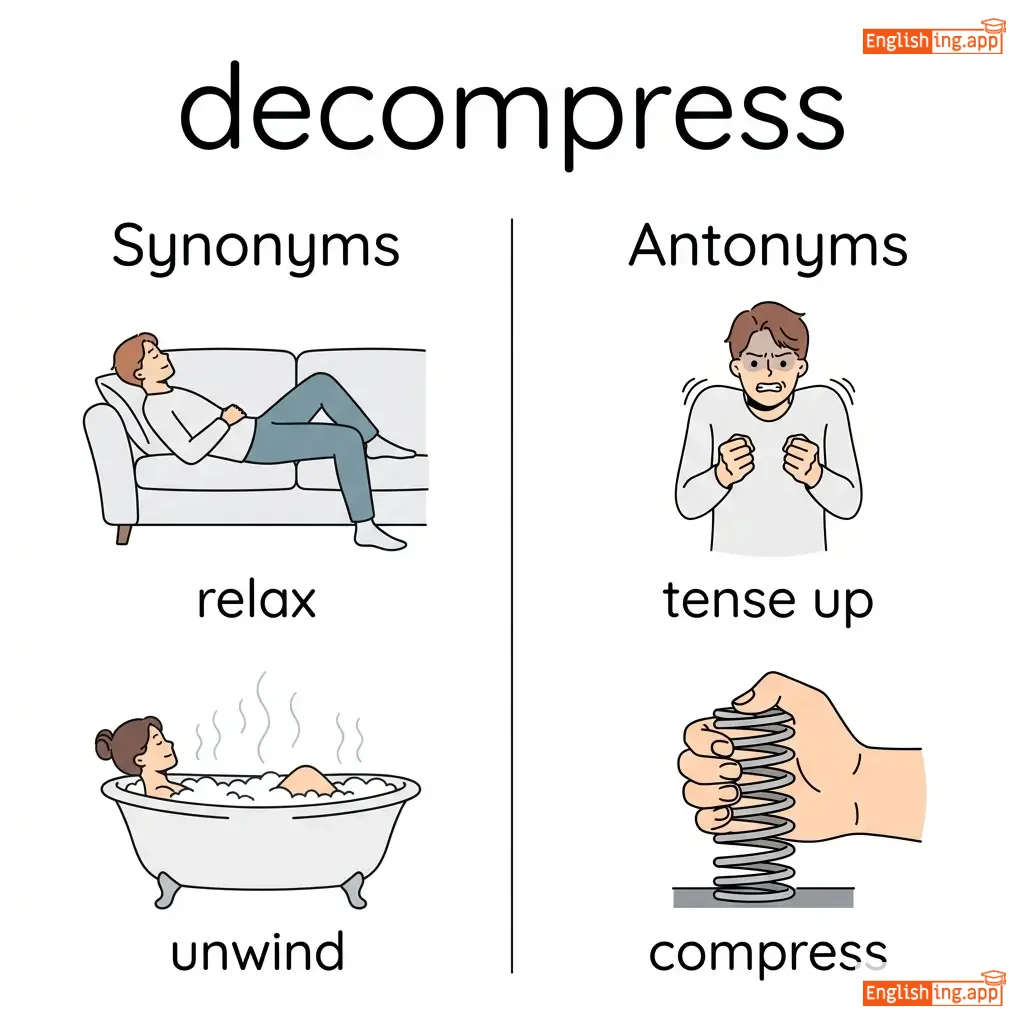
#1192
😌
|
/ˌdiː.kəmˈprɛs/
verb
(dī kǒng pù lè sī)
••••••
|
|
放松
fang song
••••••
|
To relax and recover from stress or pressure.
••••••
|
Taking deep breaths helps to decompress after a stressful day. |
深呼吸帮助在压力过大的日子后放松。
Shen huxi bangzhu zai yali guoda de rizi hou fangsong.
••••••
|
relax, unwind, destress
••••••
|
tense up, compress, strain
••••••
|
放松就像解压,让压力不再积累。
••••••
|
|
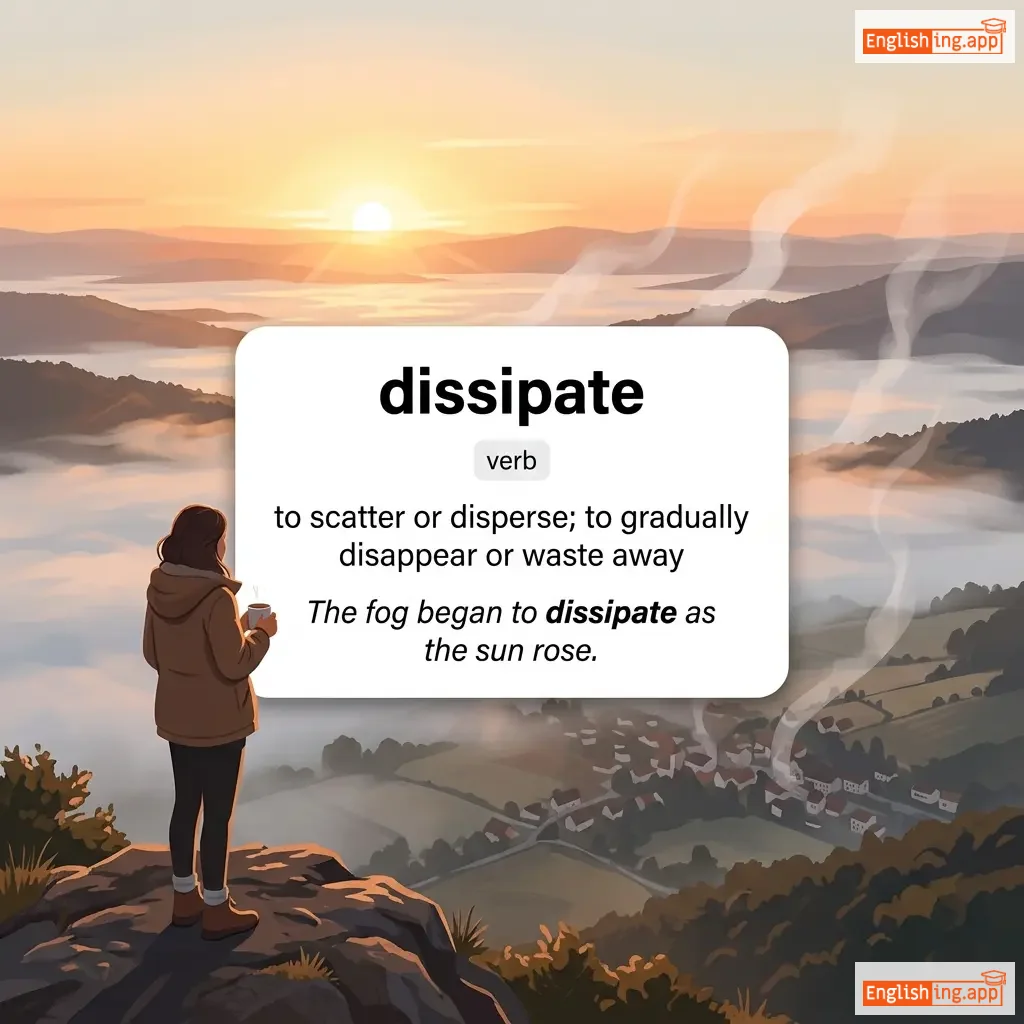
#1193
🌬️
|
/ˈdɪs.ɪ.peɪt/
verb
(迪西佩特)
••••••
|
|
逐渐消失
zhújiàn xiāoshī
••••••
|
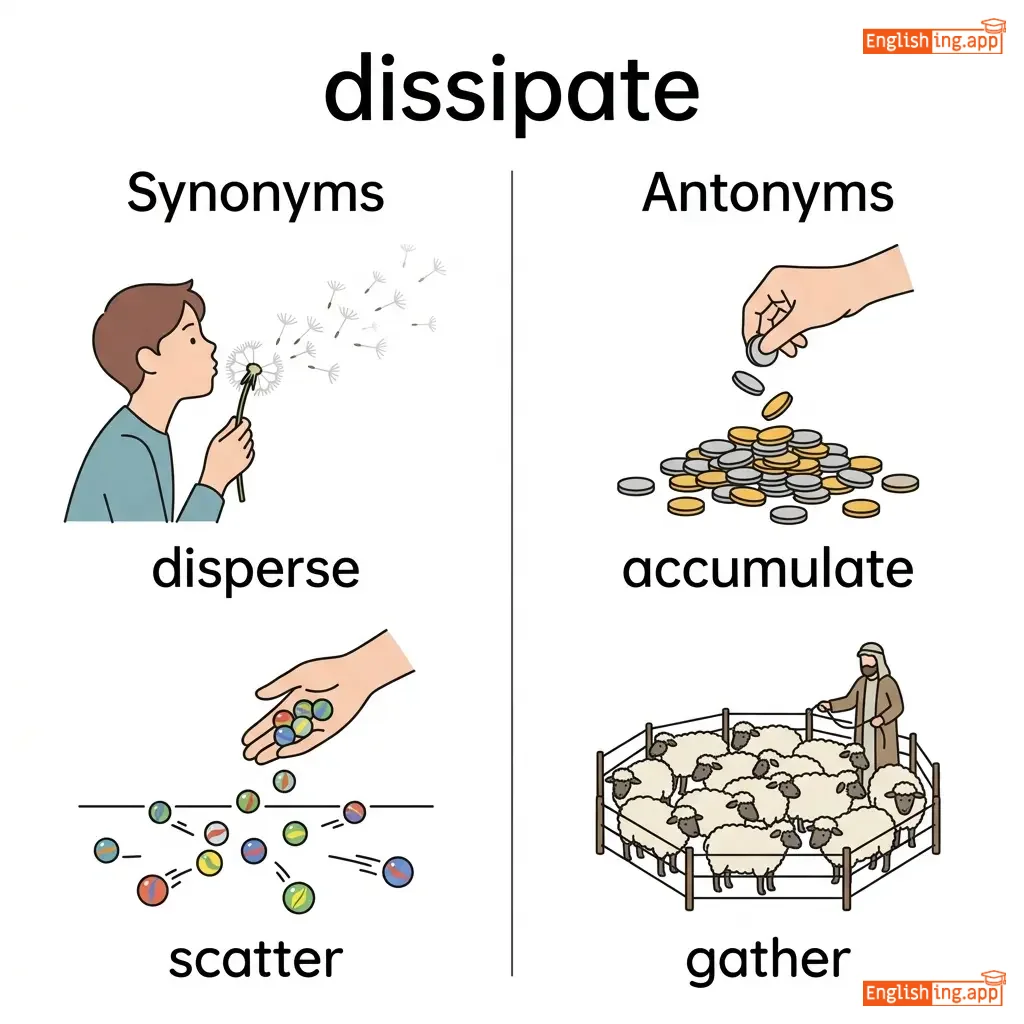
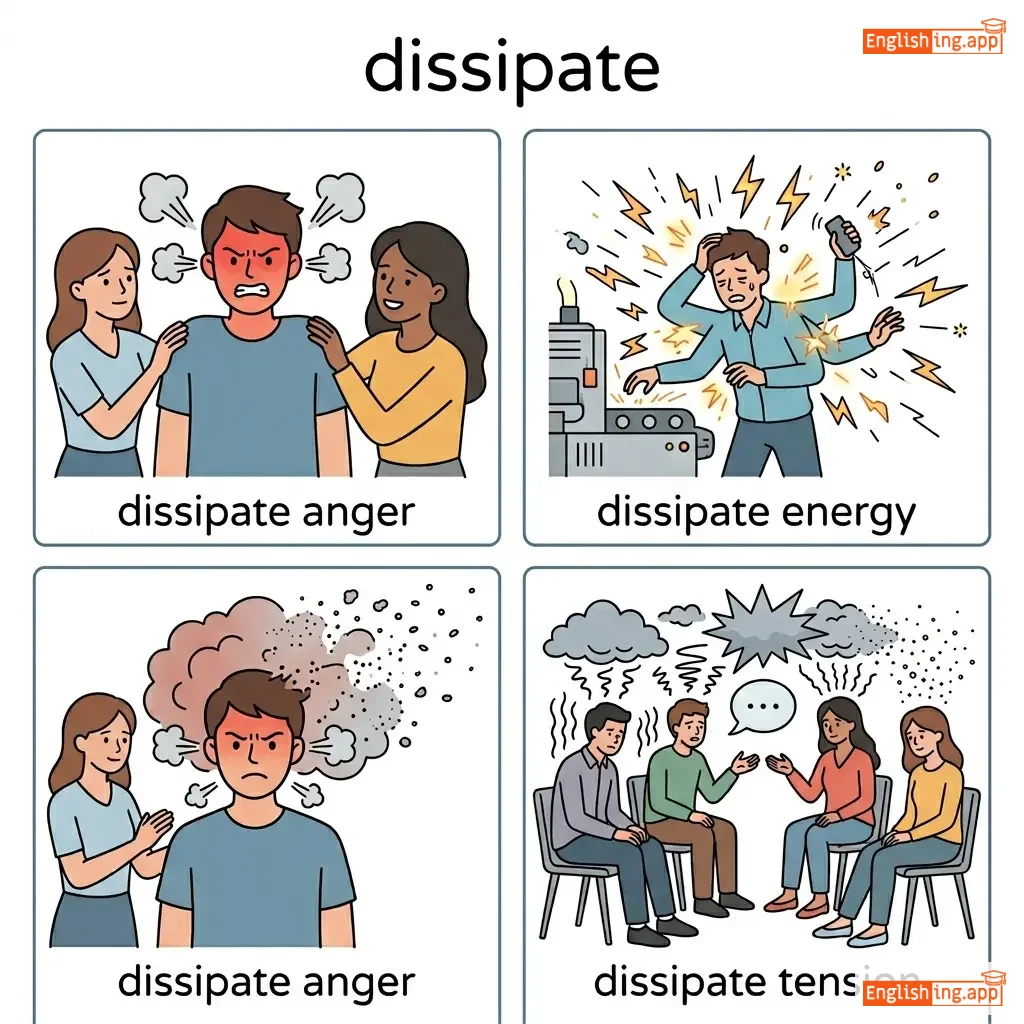
To disappear or cause to disappear gradually.
••••••
|
The tension in the room slowly dissipated. |
房间里的紧张气氛慢慢消失了。
Fángjiān lǐ de jǐnzhāng qìfēn mànmàn xiāoshī le.
••••••
|
disperse, fade, vanish
••••••
|
accumulate, intensify, gather
••••••
|
Dissipate: Think of fog dissipating, or '逐渐消失' in Chinese.
••••••
|
|
#1194
🫁
|
/ˌɒk.sɪ.dʒɪˈneɪ.ʃən/
noun
(ōk-sī-jí-nèi-shēn)
••••••
|
|
供氧或氧气治疗
gong yang huo yangqi zhiliao
••••••
|
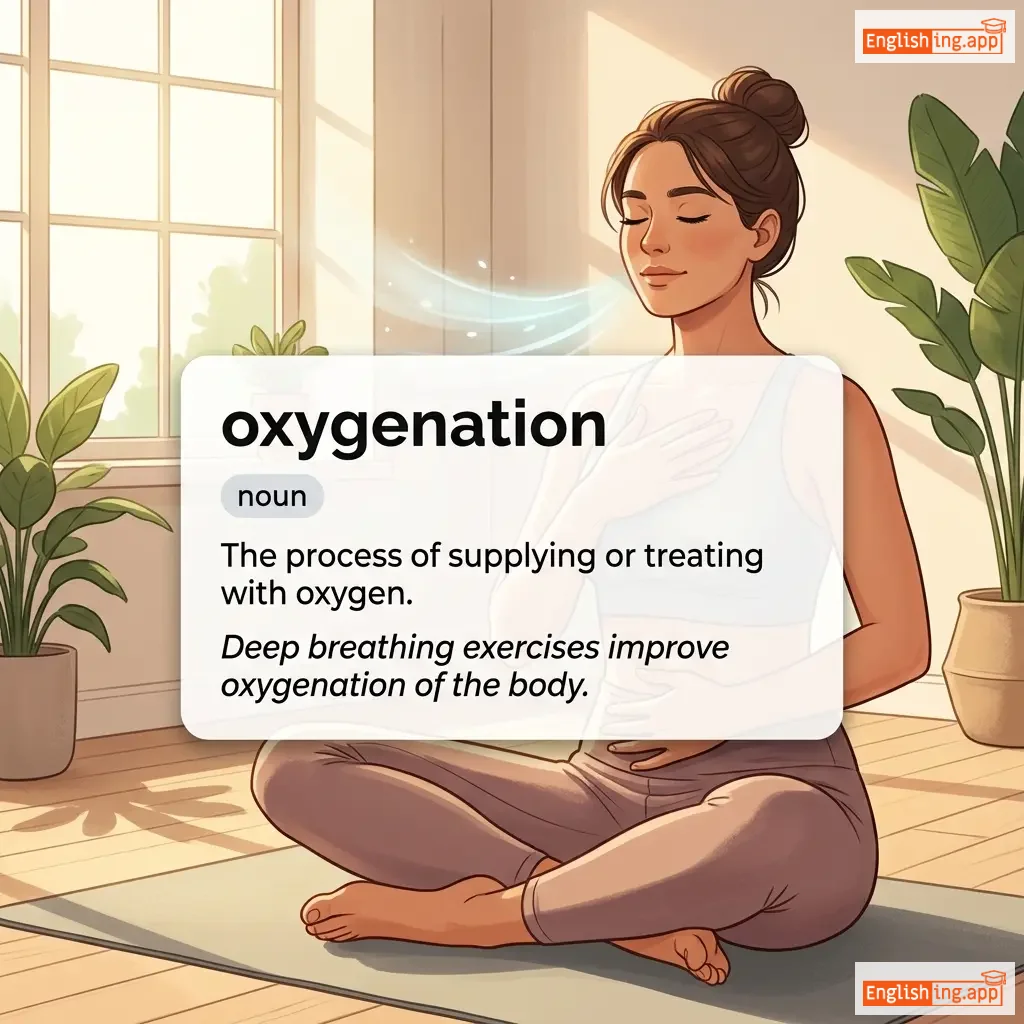
The process of supplying or treating with oxygen.
••••••
|
Deep breathing exercises improve oxygenation of the body. |
深呼吸练习有助于改善身体的供氧。
Shen huxi lianxi you zhu yu gaishan shenti de gongyang.
••••••
|
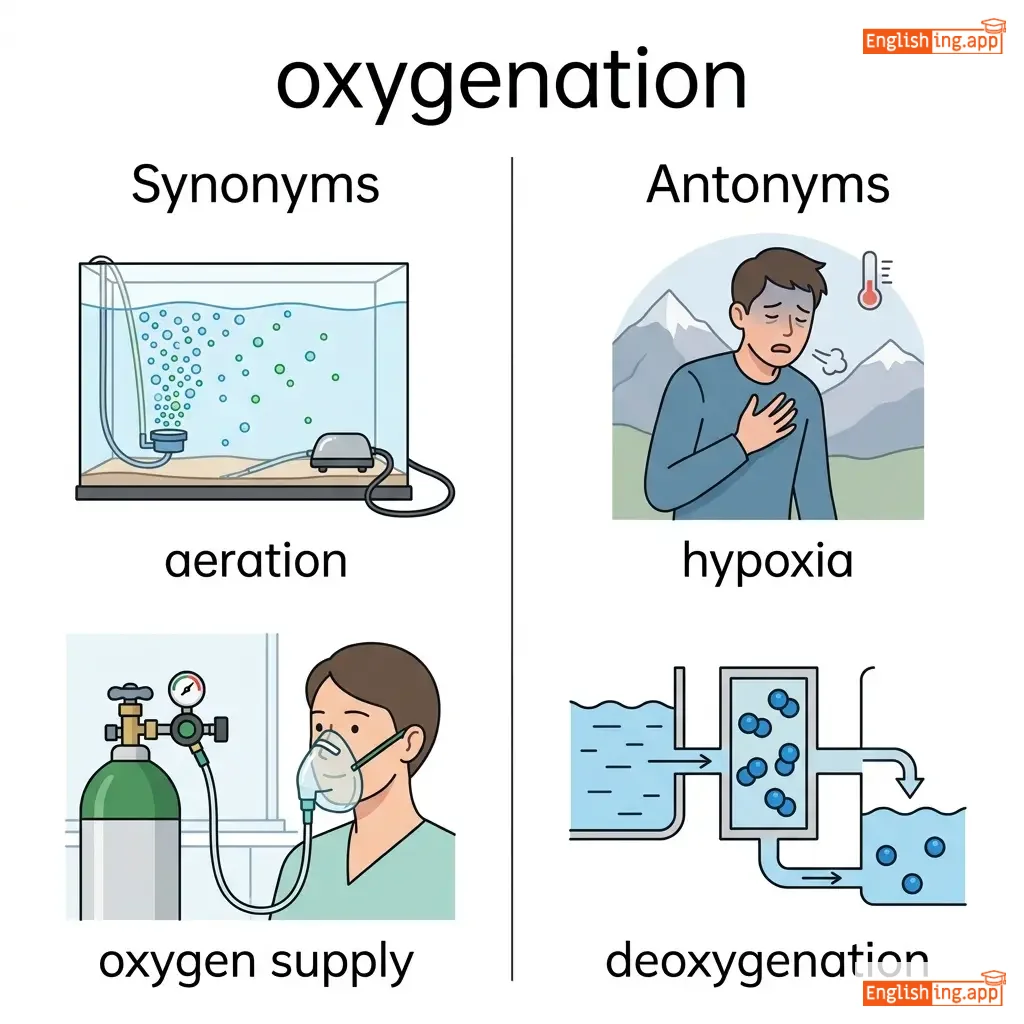
aeration, oxygen supply, respiration
••••••
|
hypoxia, deoxygenation, suffocation
••••••
|
深呼吸带来氧气,记得常做哦!
••••••
|
|
#1195
⚡
|
/ɪnˈvɪɡ.ər.eɪt/
verb
(ɪnˈvɪɡəˌreɪt)
••••••
|
|
振奋
zhenfen
••••••
|
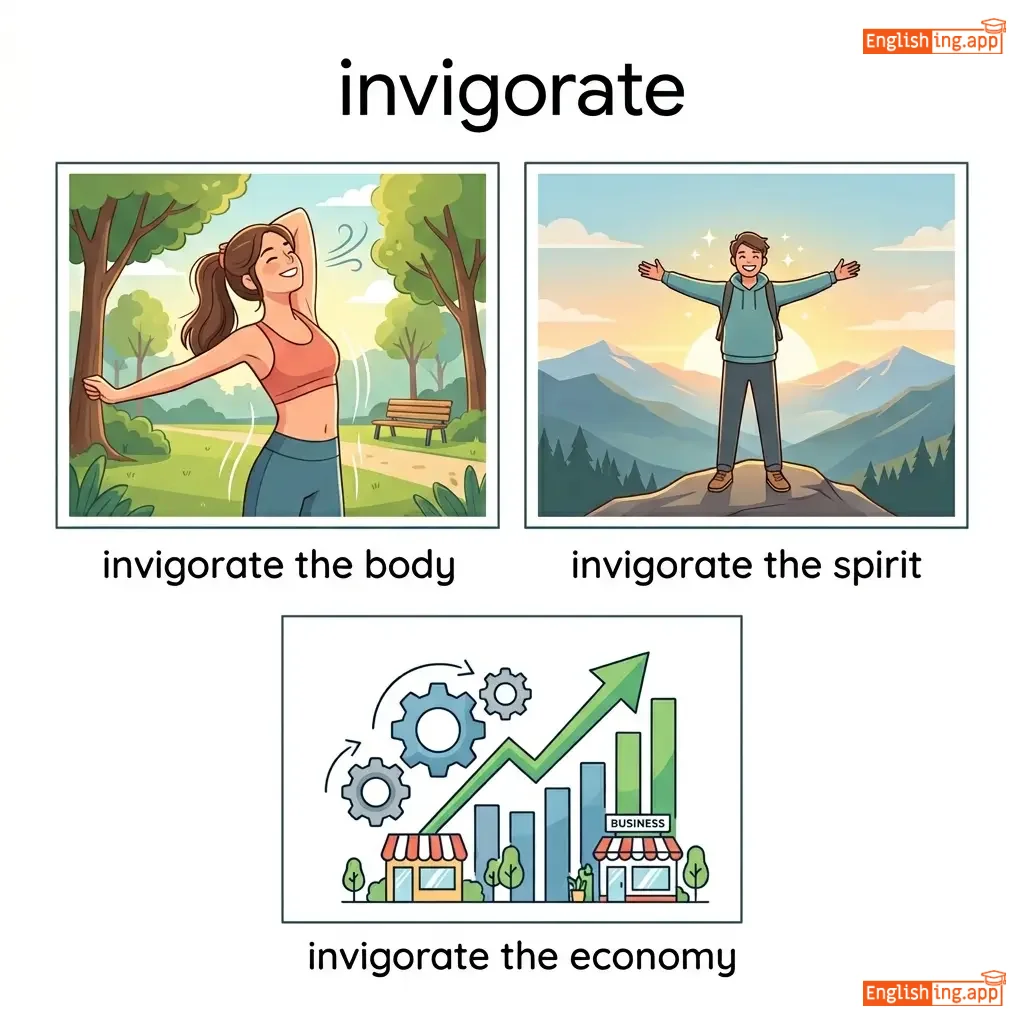
To give strength or energy to someone or something.
••••••
|
A morning walk can invigorate both body and mind. |
晨跑可以振奋身心。
Chenpao keyi zhenfen shenxin.
••••••
|
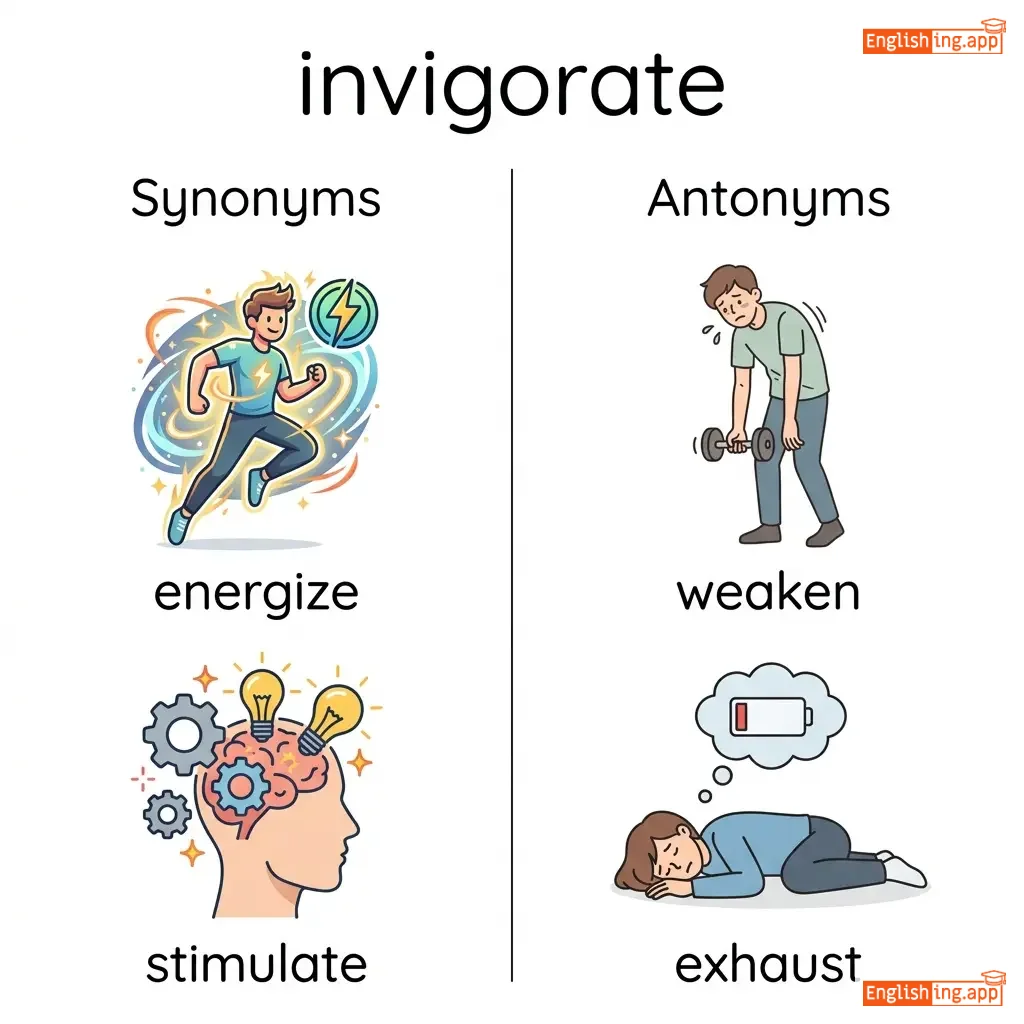
energize, refresh, stimulate
••••••
|
weaken, drain, exhaust
••••••
|
'Zhenfen' in Chinese gives a powerful kick like 'invigorate'!
••••••
|
|
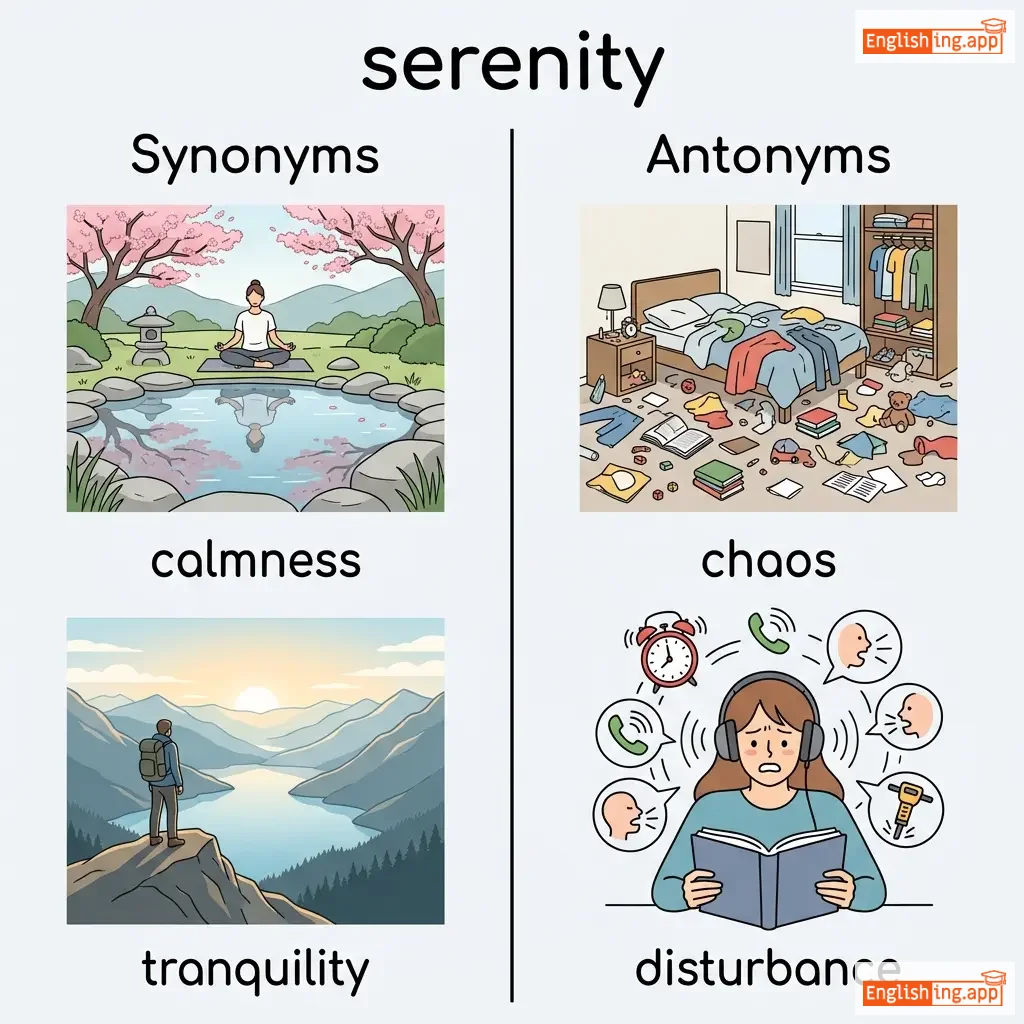
#1196
🕊️
|
/səˈrɛn.ɪ.ti/
noun
(塞雷尼提)
••••••
|
|
宁静
ningjing
••••••
|
The state of being calm, peaceful, and untroubled.
••••••
|
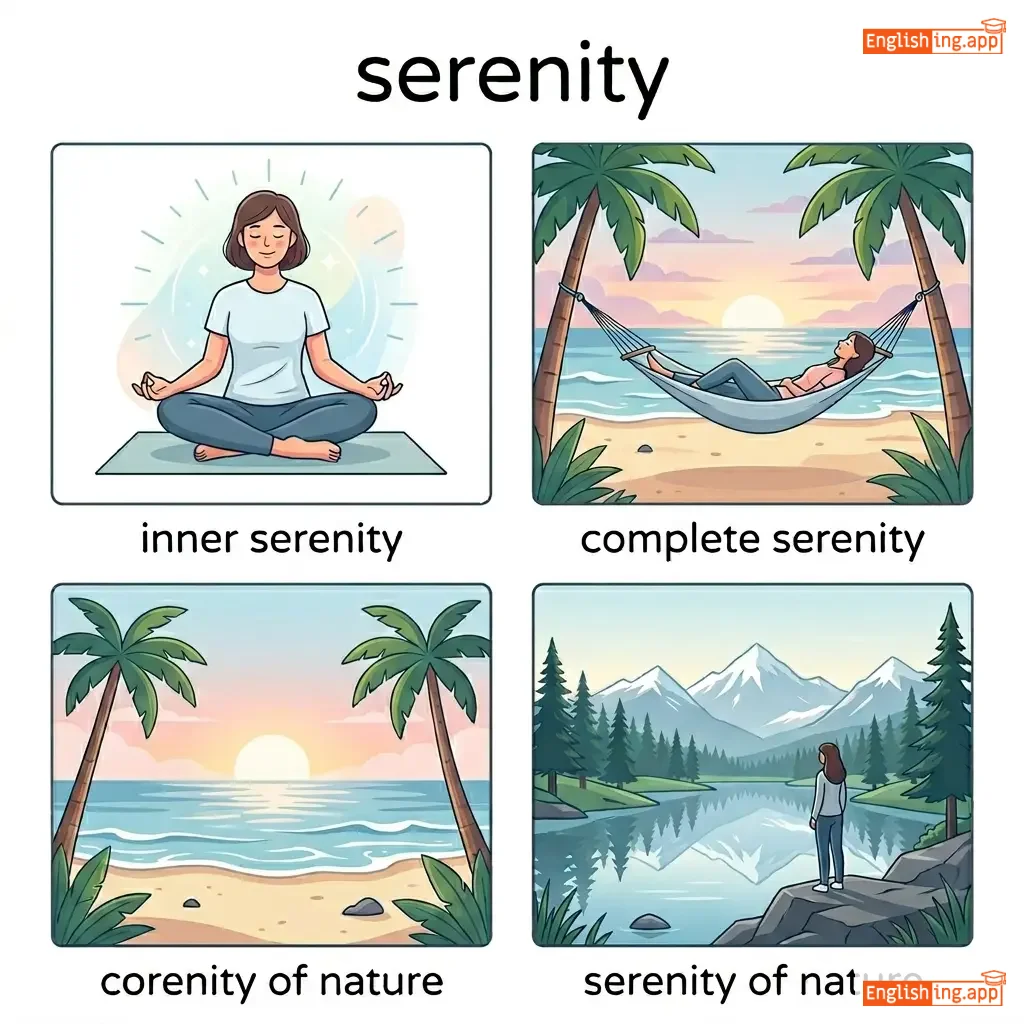
Meditation helps in achieving inner serenity.
冥想有助于实现内心的平静。
••••••
|
冥想有助于实现内心的平静。
Míngxiǎng yǒuzhù yú shíxiàn nèixīn de píngjìng.
••••••
|
calmness, tranquility, peace
••••••
|
anxiety, agitation, chaos
••••••
|
宁静象征着内心的平和与无忧。
••••••
|
|
#1197
🎛️
|
/ˌmɒd.jʊˈleɪ.ʃən/
noun
(调节)
••••••
|
|
声音控制
shēngyīn kòngzhì
••••••
|
The process of varying or controlling something.
••••••
|
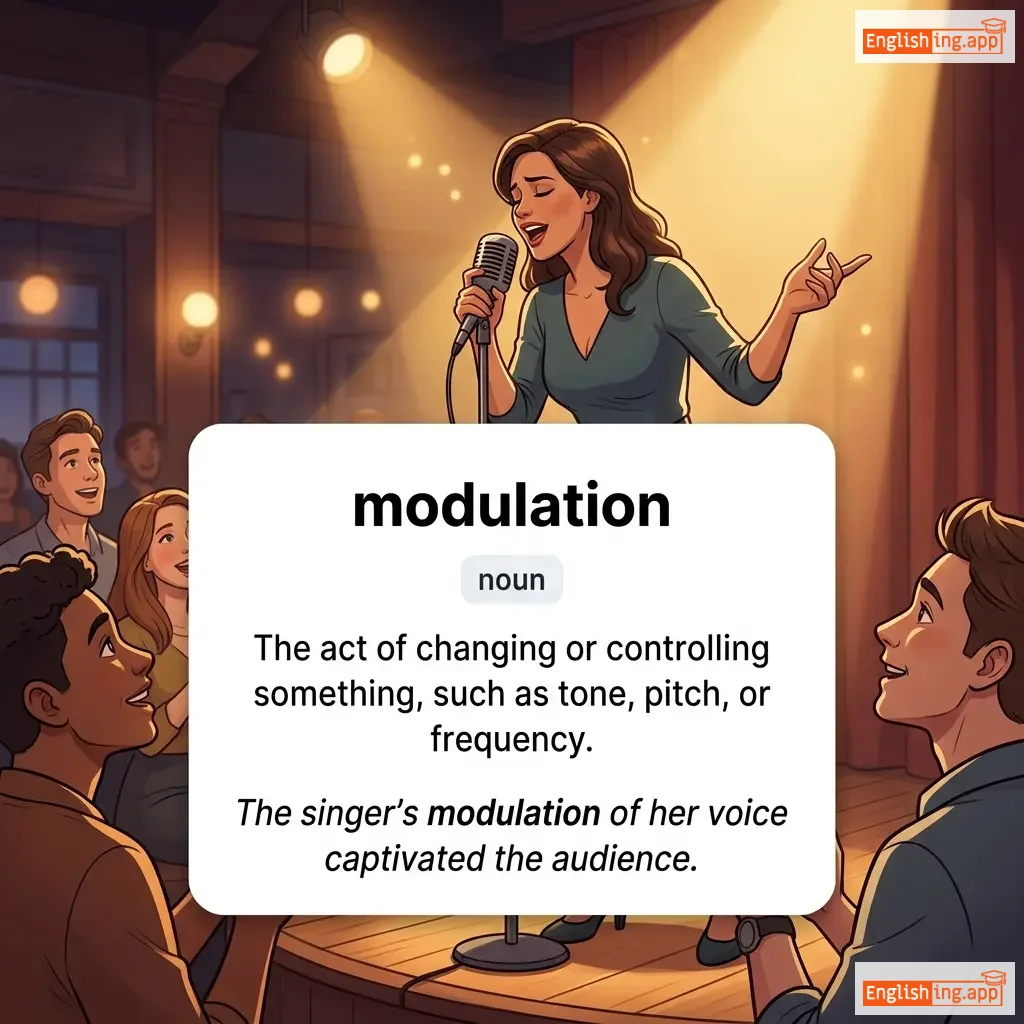
Proper modulation of voice enhances communication skills.
正确的语音调节提高了沟通技巧。
••••••
|
正确的语音调节提高了沟通技巧。
Zhèngquè de yǔyīn tiáojié tígāo le gōutōng jìqiǎo.
••••••
|
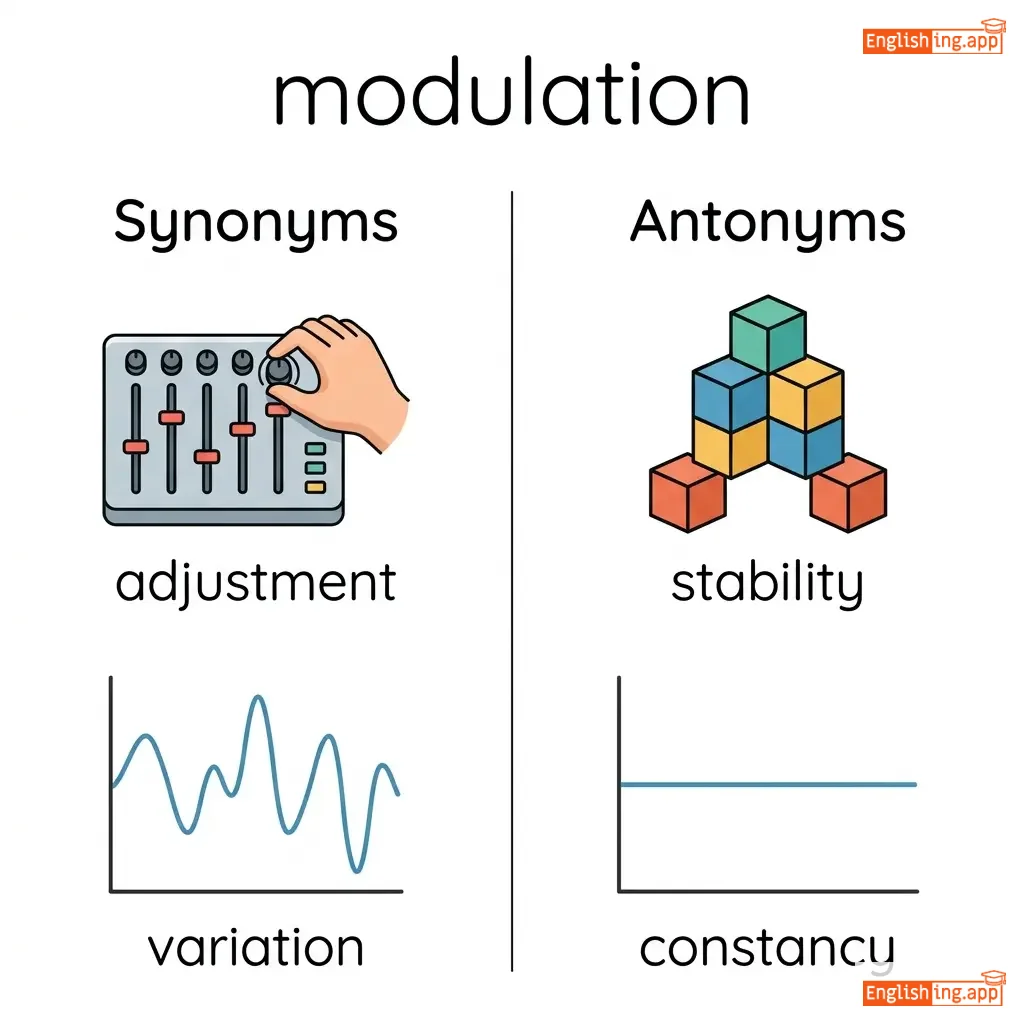
adjustment, variation, control
••••••
|
monotony, inflexibility, uniformity
••••••
|
调节: Tiáojié (调节) + 声音控制
••••••
|
|
#1198
🔬
|
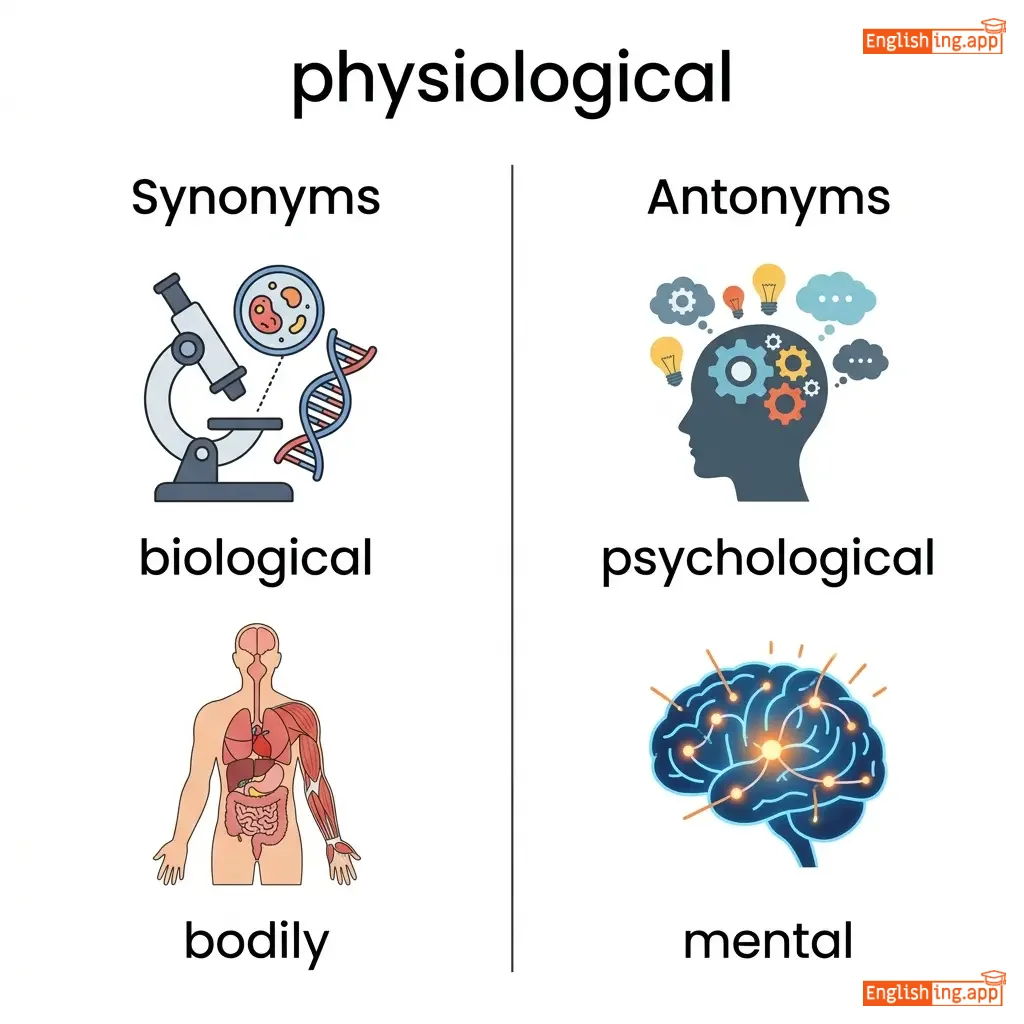
/ˌfɪz.i.əˈlɒdʒ.ɪ.kəl/
adjective
(生理的)
••••••
|
|
与身体功能和活动相关
yǔ shēntǐ gōngnéng hé huódòng xiāngguān
••••••
|
Relating to bodily functions and activities.
••••••
|
Exercise improves physiological functions of the body. |
运动改善身体的生理功能。
Yùndòng gǎishàn shēntǐ de shēnglǐ gōngnéng.
••••••
|
bodily, biological, physical
••••••
|
psychological, mental, abstract
••••••
|
生理功能和运动密切相关。
••••••
|
|
#1199
🎵
|
/ˈrɛz.ə.nəns/
noun
(共鸣)
••••••
|
|
共鸣
gòngmíng
••••••
|
A deep, reverberating sound or a quality of evoking response.
••••••
|
His speech had a deep resonance with the audience.
他的演讲在观众中产生了深刻的共鸣。
••••••
|
他的演讲在观众中产生了深刻的共鸣。
Tā de yǎnjiǎng zài guānzhòng zhōng chǎnshēngle shēnkè de gòngmíng.
••••••
|
echo, vibration, significance
••••••
|
dissonance, discord, silence
••••••
|
共鸣 sounds like resonance in Chinese and is also linked to sound and reactions.
••••••
|
|
#1200
💊
|
/əˈliː.vi.eɪt/
verb
(阿利维特)
••••••
|
|
缓解或减轻
huǎn jiě huò jiǎn qīng
••••••
|
To make suffering, deficiency, or a problem less severe.
••••••
|
Meditation helps alleviate stress and anxiety. |
冥想有助于缓解压力和焦虑。
Míngxiǎng yǒu zhù yú huǎn jiě yālì hé jiāolǜ.
••••••
|
relieve, reduce, ease
••••••
|
aggravate, intensify, worsen
••••••
|
阿利维特 (alleviate) 让你缓解焦虑和压力
••••••
|
|
#1201
👁️
|
/ˈvɪdʒ.ɪ.ləns/
noun
(警觉)
••••••
|
|
警觉
jingjue
••••••
|
The action or state of keeping careful watch for possible danger or difficulties.
••••••
|
Constant vigilance is required in cybersecurity. |
在网络安全中,持续的警觉是必需的。
Zai wangluo anquan zhong, chixu de jingjue shi bixu de.
••••••
|
alertness, watchfulness, awareness
••••••
|
carelessness, negligence, inattention
••••••
|
警觉就像是眼睛随时保持警觉。
••••••
|
|
#1202
📋
|
/ˌrɛɡ.jʊˈleɪ.ʃən/
noun
(规则)
••••••
|
|
由权威制定和维护的规则或指令
you quanwei zhiding he weihu de guize huo zhiling
••••••
|
A rule or directive made and maintained by an authority.
••••••
|
Government regulation ensures fair business practices.
政府规则确保公平的商业实践。
••••••
|
政府规则确保公平的商业实践。
Zhengfu guize quebao gongping de shangye shijian.
••••••
|
control, rule, management
••••••
|
disorder, deregulation, lawlessness
••••••
|
Regulation is the rule that keeps businesses fair.
••••••
|
|
#1203
🧘♂️
|
/ˈmaɪnd.fʊl.nəs/
noun
(mái'ndfúlénèss)
••••••
|
|
正念
zhèngniàn
••••••
|
The basic human ability to be fully present, aware of where we are and what we're doing.
••••••
|
Mindfulness practices improve focus and emotional balance.
正念练习可以改善专注力和情感平衡。
••••••
|
正念练习可以改善专注力和情感平衡。
Zhèngniàn liànxí kěyǐ gǎishàn zhuānzhù lì hé qínggǎn pínghéng.
••••••
|
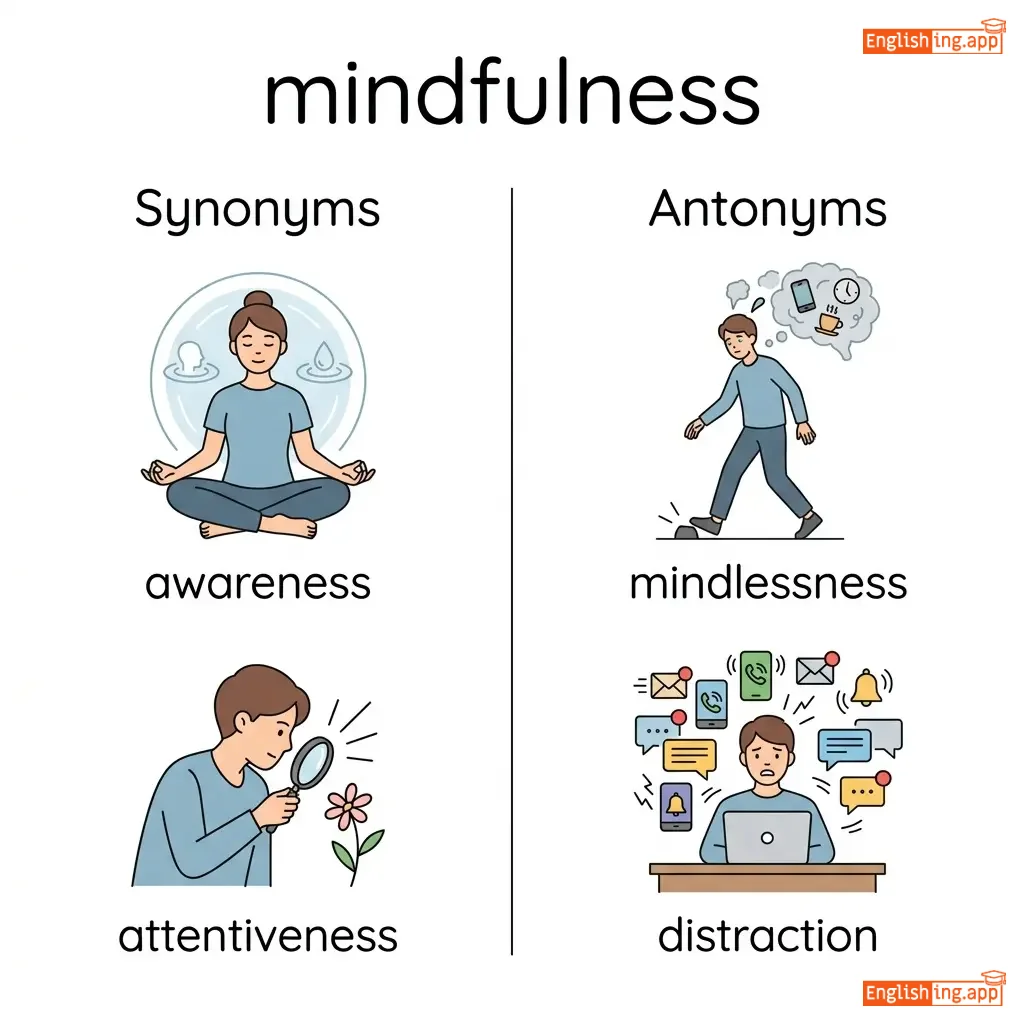
awareness, presence, attentiveness
••••••
|
absent-mindedness, distraction, carelessness
••••••
|
正念 = 专注于当下,保持心灵清明。
••••••
|
|
#1204
🌱
|
/rɪˈdʒuː.vɪ.neɪt/
verb
(rijuvenet)
••••••
|
|
恢复活力
huīfù huólì
••••••
|
To make or feel young, healthy, or energetic again.
••••••
|
A vacation can rejuvenate the mind and body.
度假可以使身心焕发活力。
••••••
|
度假可以使身心焕发活力。
Dùjià kěyǐ shǐ shēnxīn huànfā huólì.
••••••
|
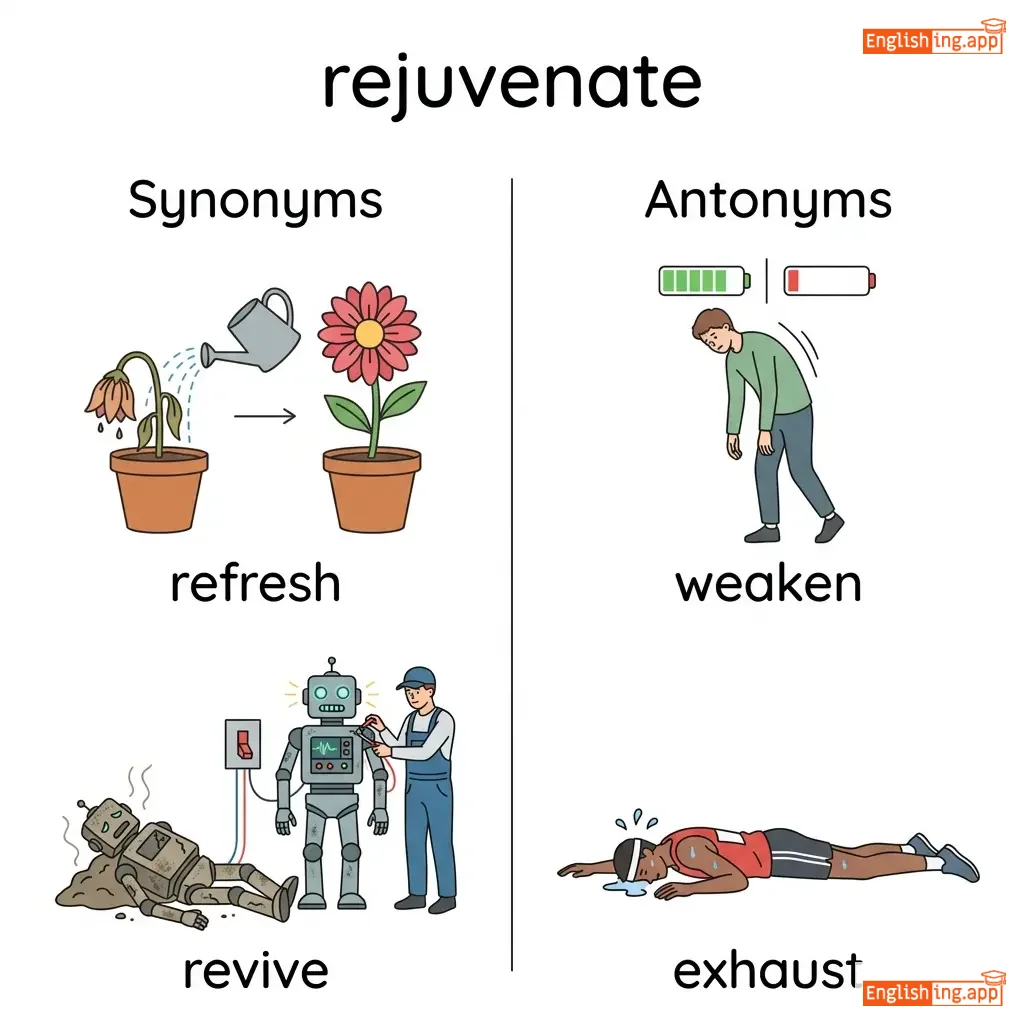
revitalize, refresh, renew
••••••
|
exhaust, weaken, drain
••••••
|
恢复活力 = 恢复 = 充满活力的
••••••
|
|
#1205
🕊️
|
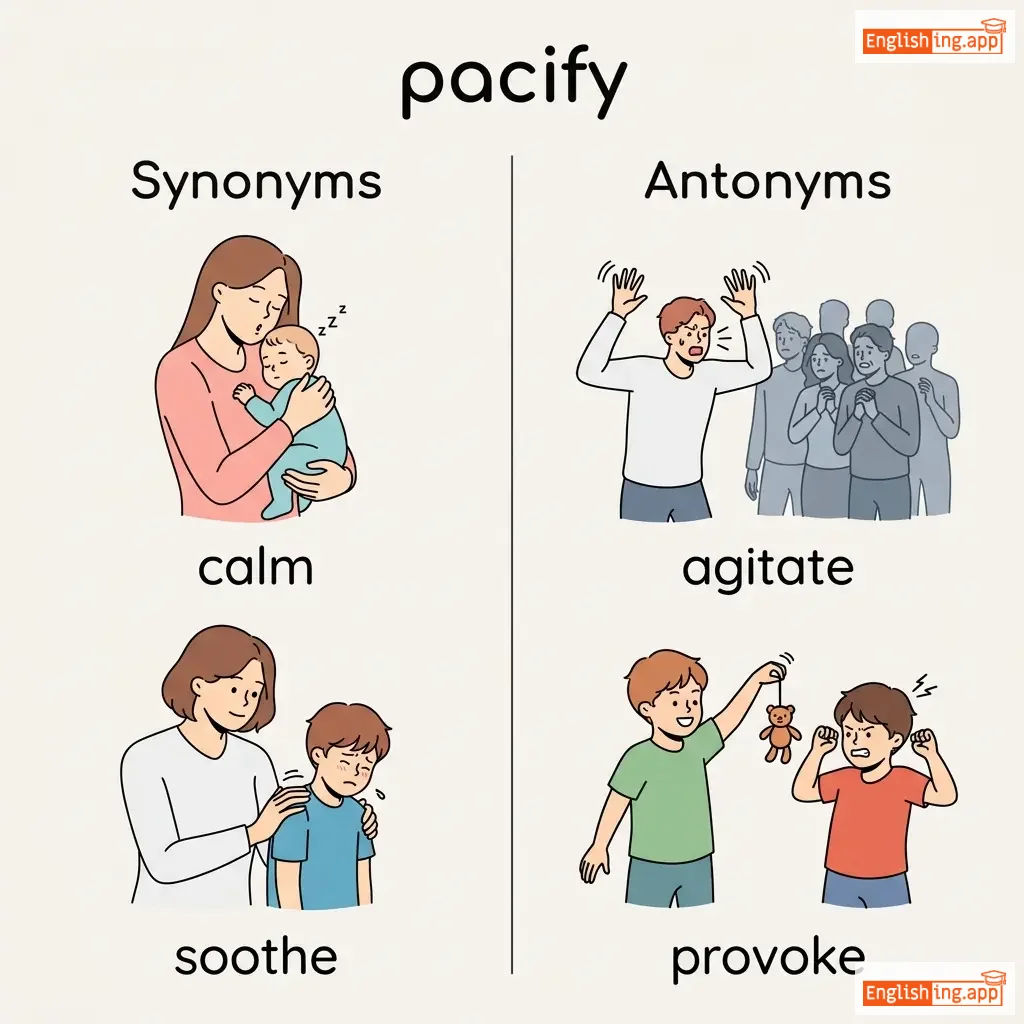
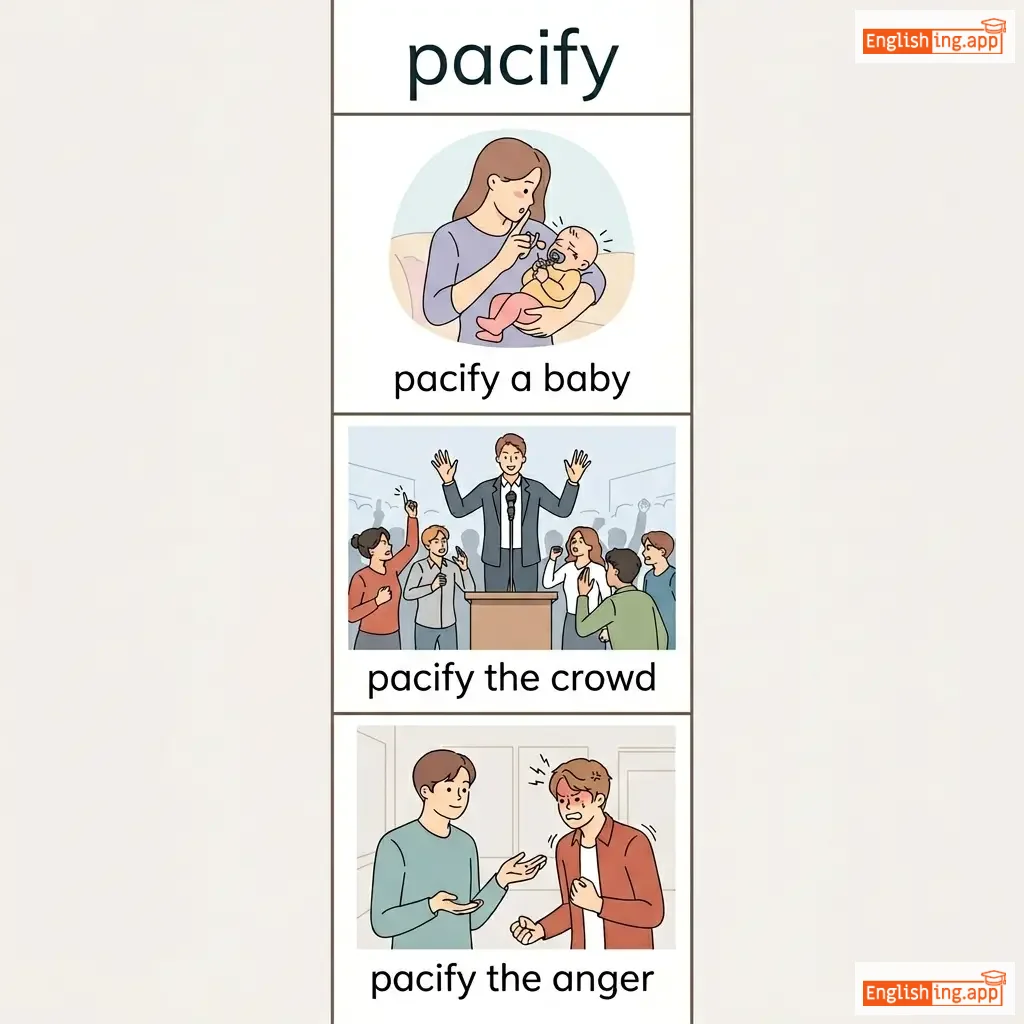
/ˈpæs.ɪ.faɪ/
verb
(帕西菲)
••••••
|
|
安抚;抚慰;平息
anfu
••••••
|
To quell the anger, agitation, or excitement of someone.
••••••
|
The mother tried to pacify her crying child.
妈妈试图安抚她正在哭泣的孩子。
••••••
|
妈妈试图安抚她正在哭泣的孩子。
mama shitu anfu ta zhengzai kuqi de haizi
••••••
|
calm, soothe, appease
••••••
|
agitate, provoke, enrage
••••••
|
An fu calm dragon: imagine 安抚 as a way to calm a fiery dragon; 缓和 anger by giving tea and comfort; Anfu means to soothe
••••••
|
Vocabulary Quiz
Test your vocabulary by matching words with their translations or meanings.
Login to take the quiz
Comments (0)
Share your thoughts and join the discussion.
Join the discussion by logging in
Login to CommentNo comments yet
Be the first to share your thoughts!