

如何提升 Public Speaking 能力
How to Improve Public Speaking
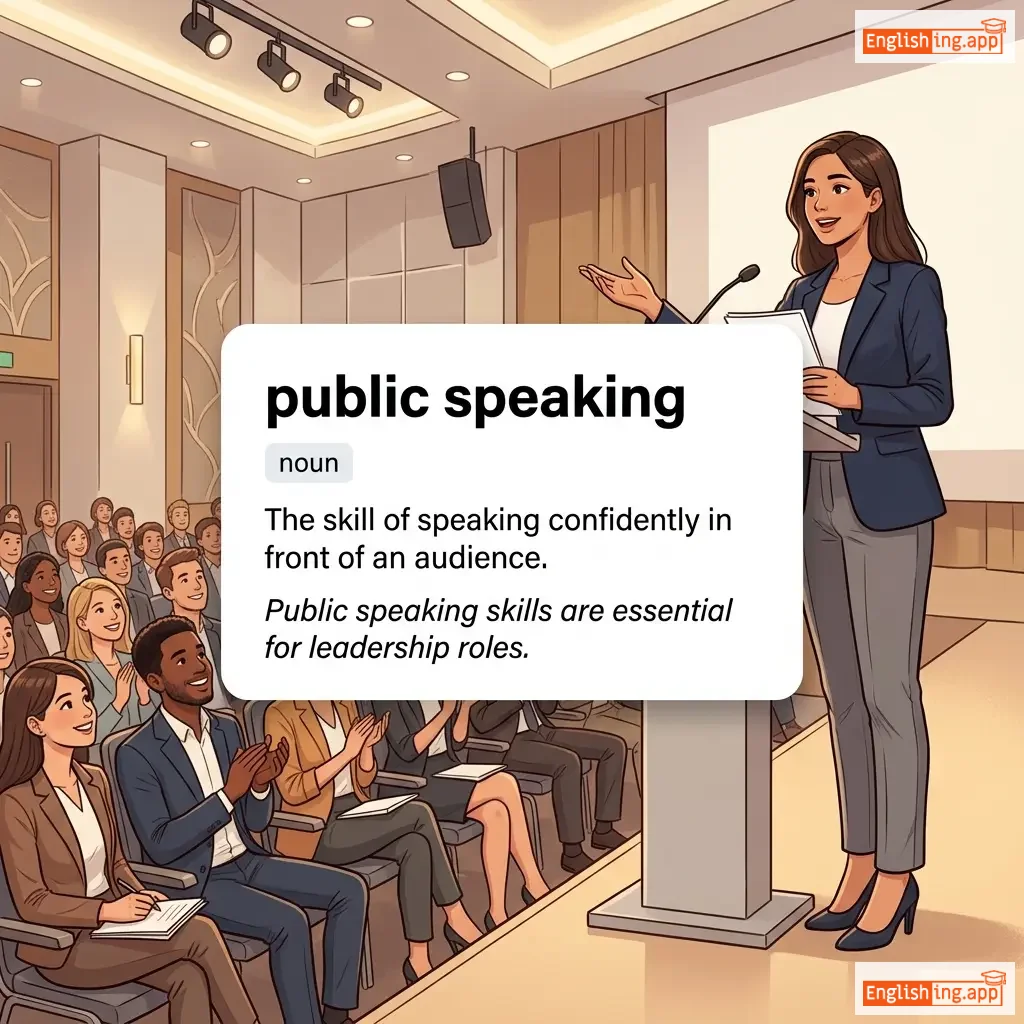
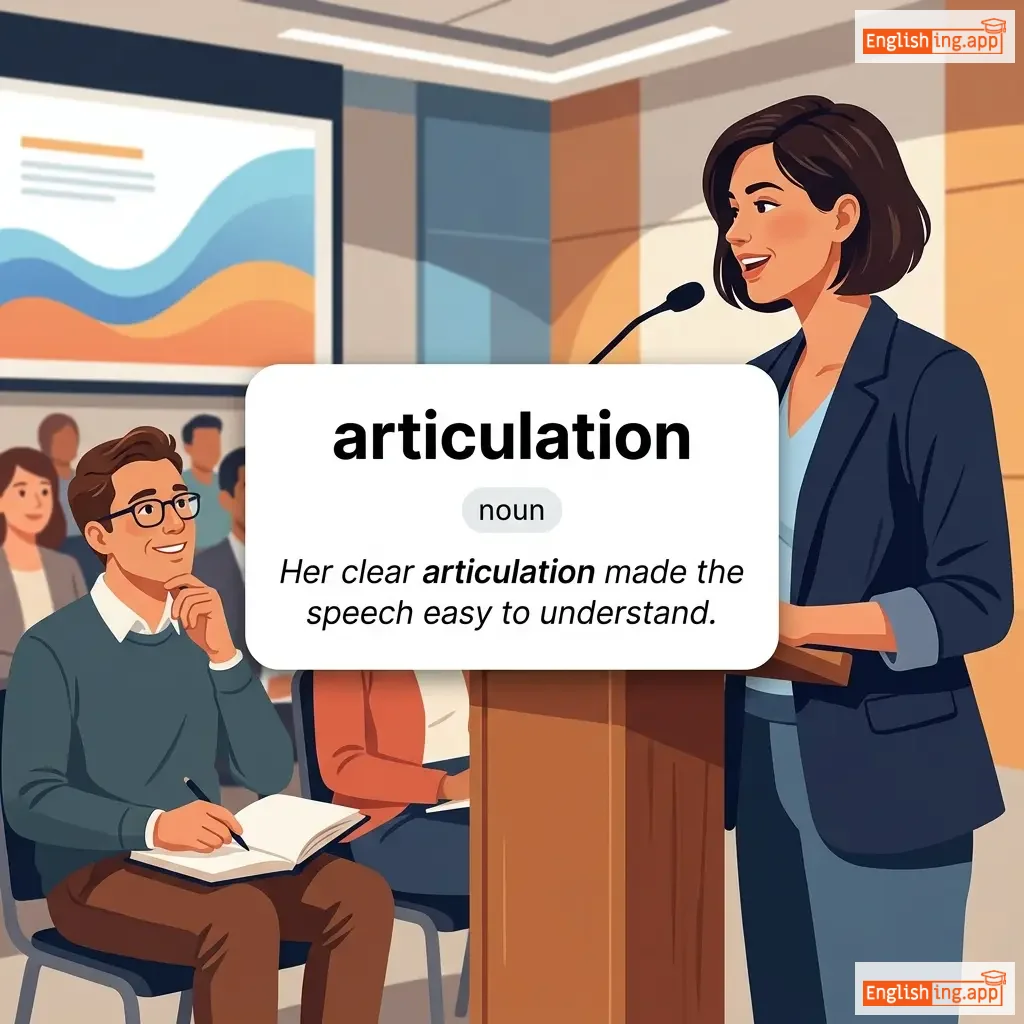
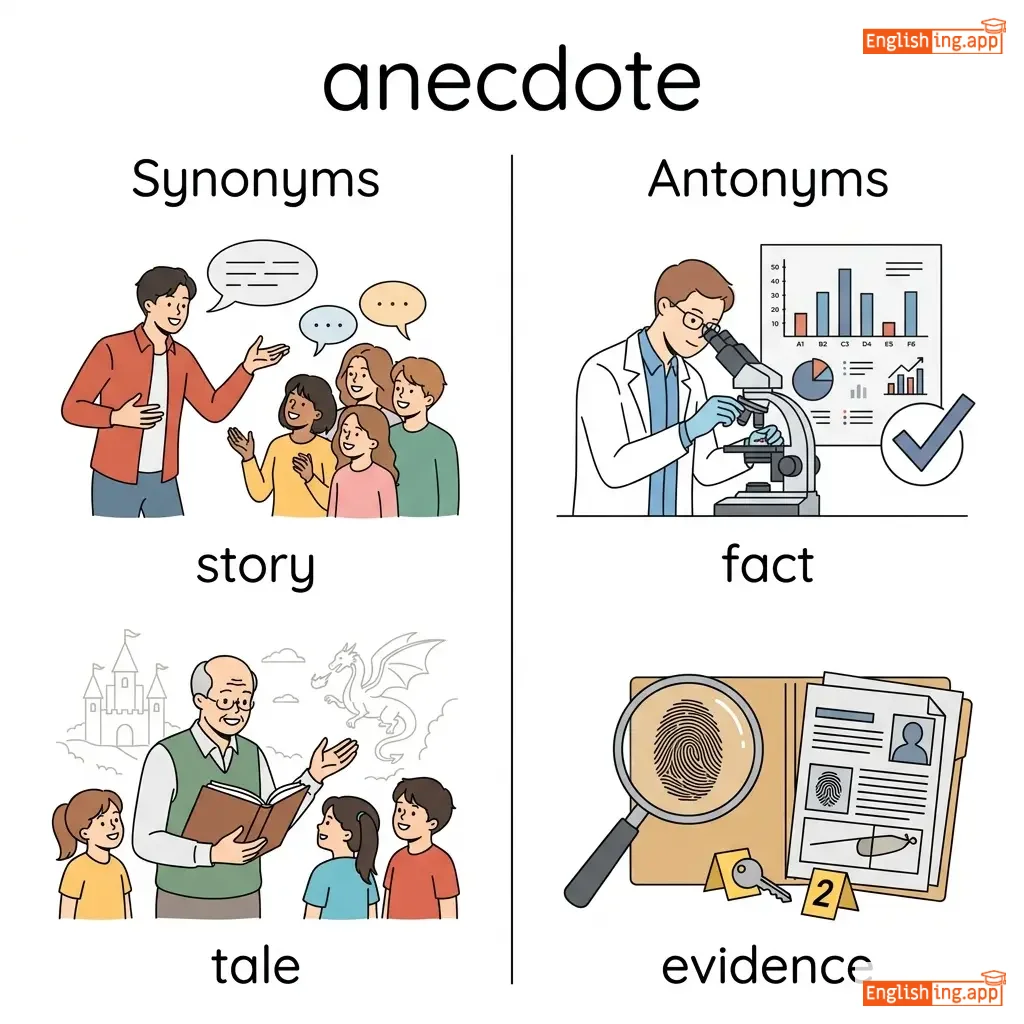
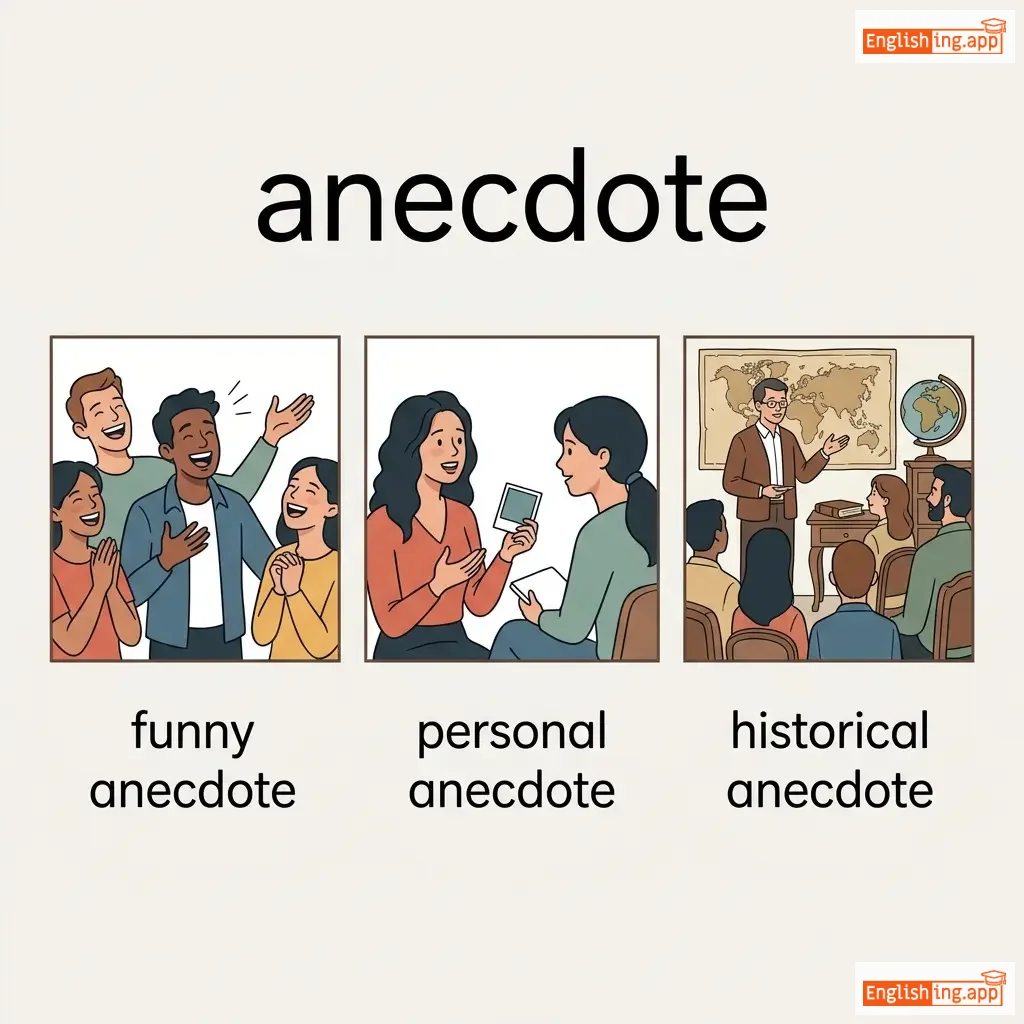
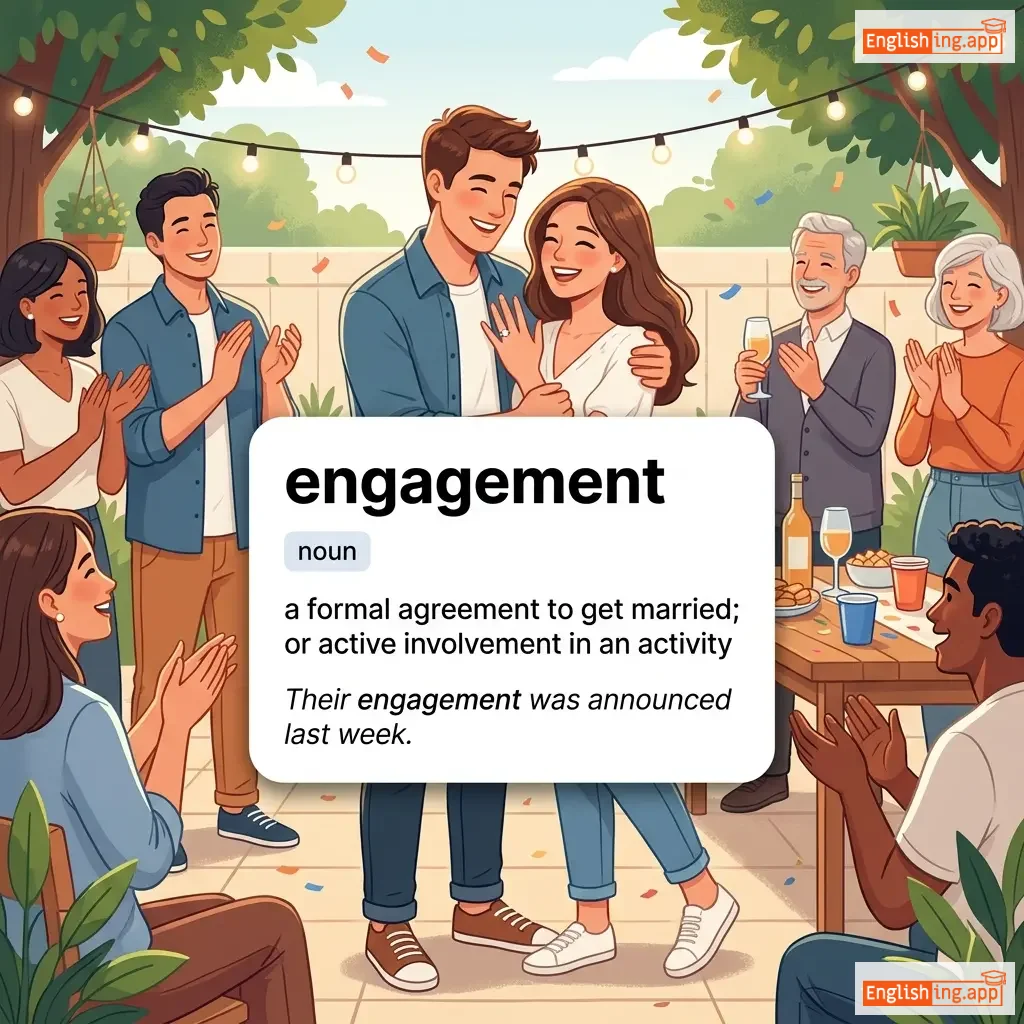
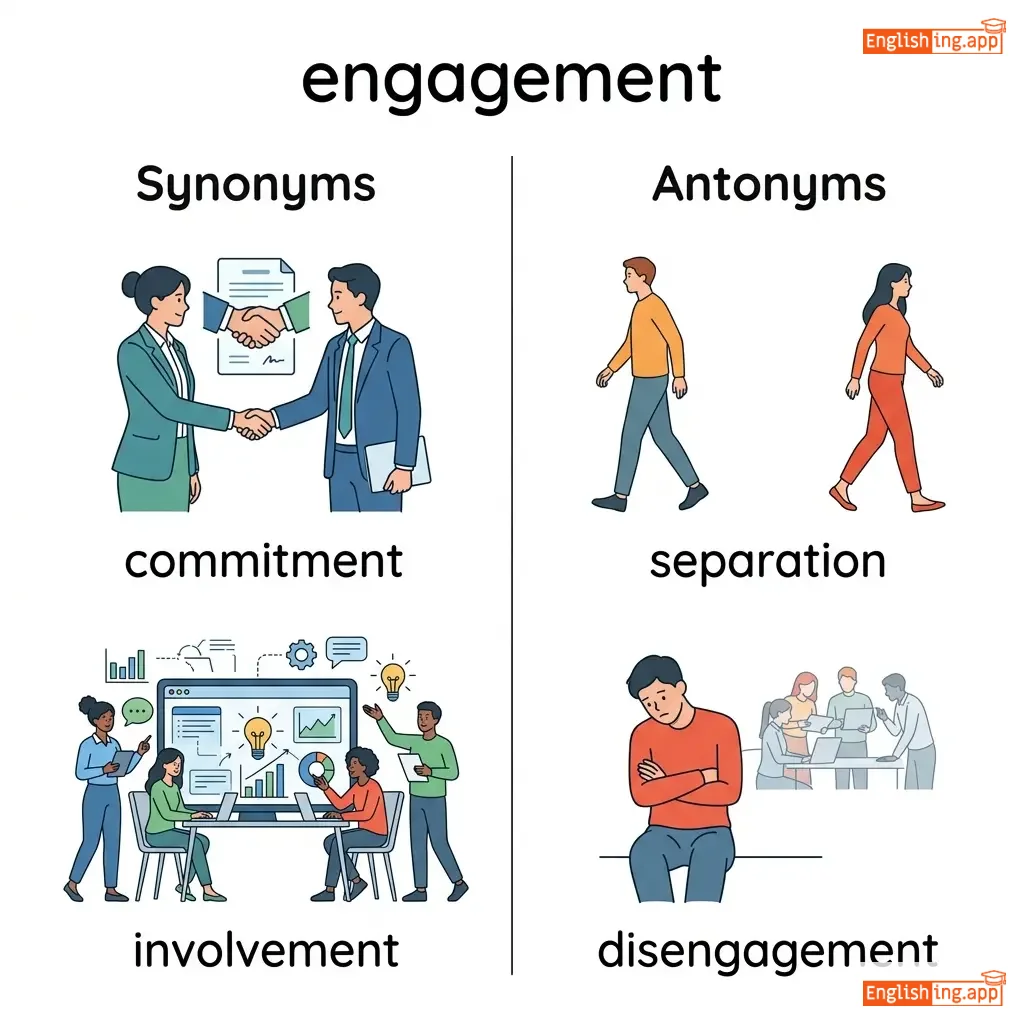
要提高 public speaking 技能,你需要完善 articulation 和 diction。演讲者的 cadence 和 modulation 对保持听众注意力至关重要。优秀的演讲者通过他们的 charisma 和 eloquence 吸引观众。在演讲中加入有力的 anecdote 可以带来更多的 engagement。
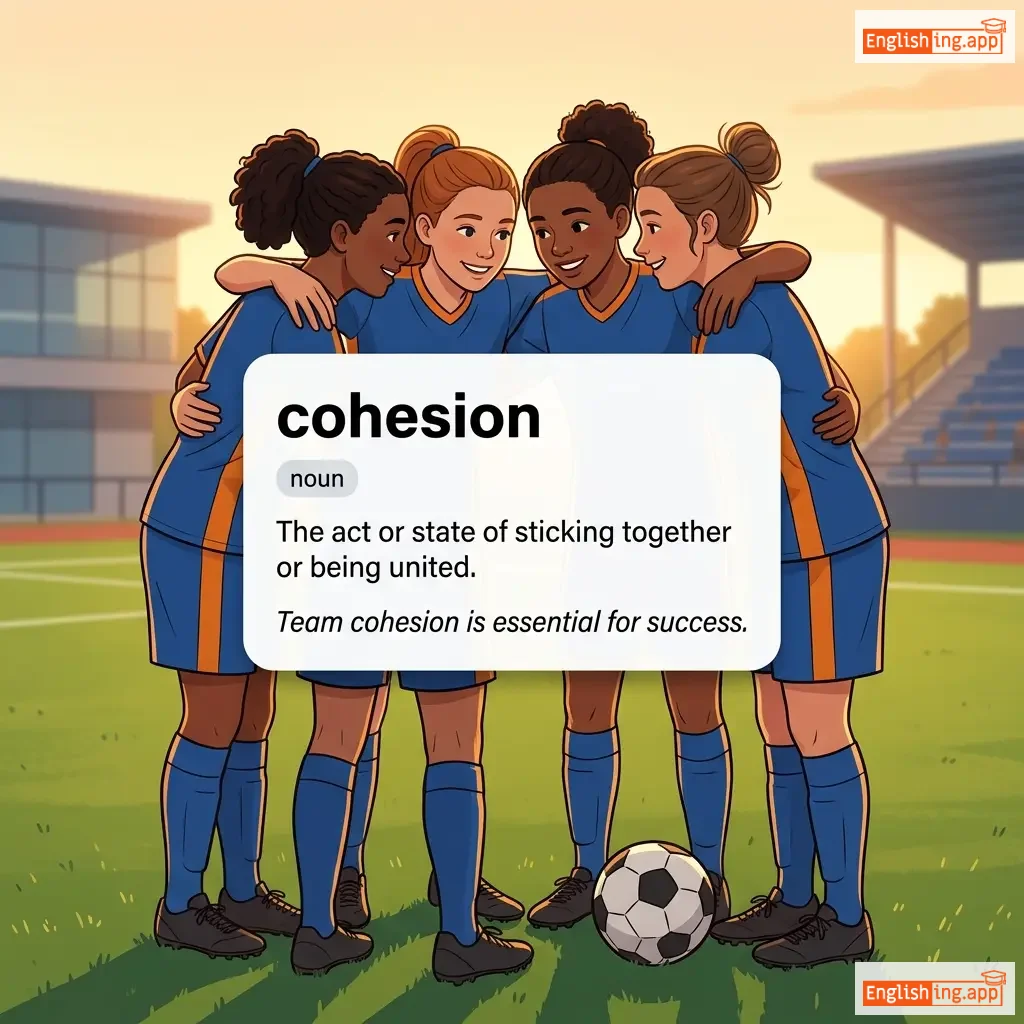
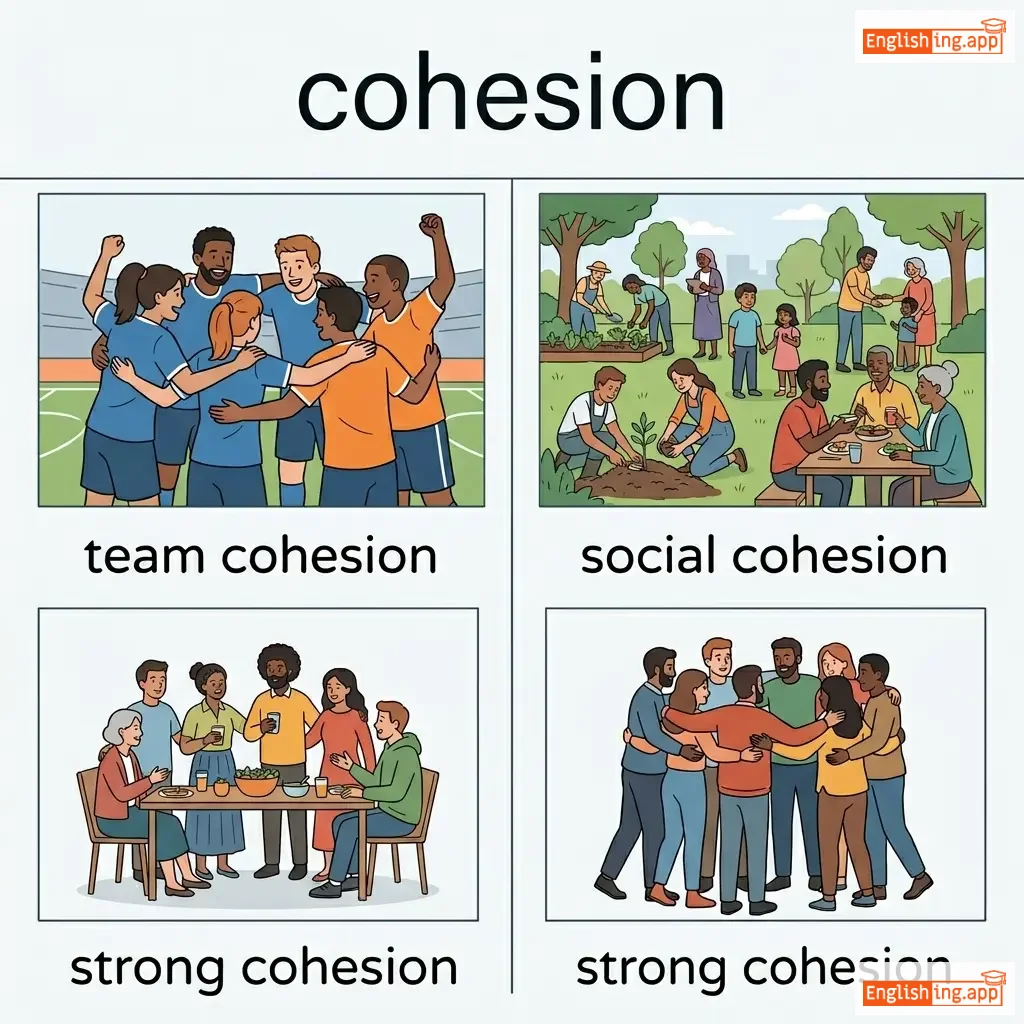
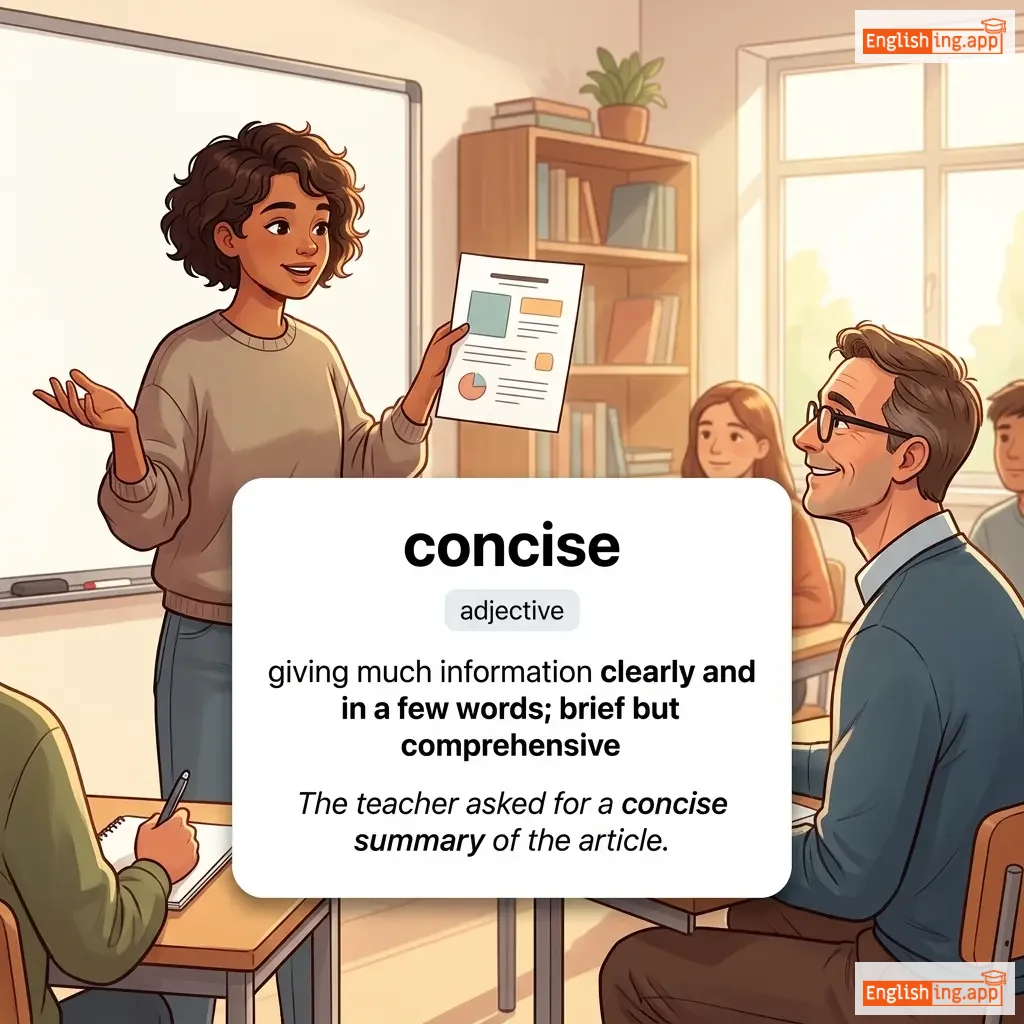
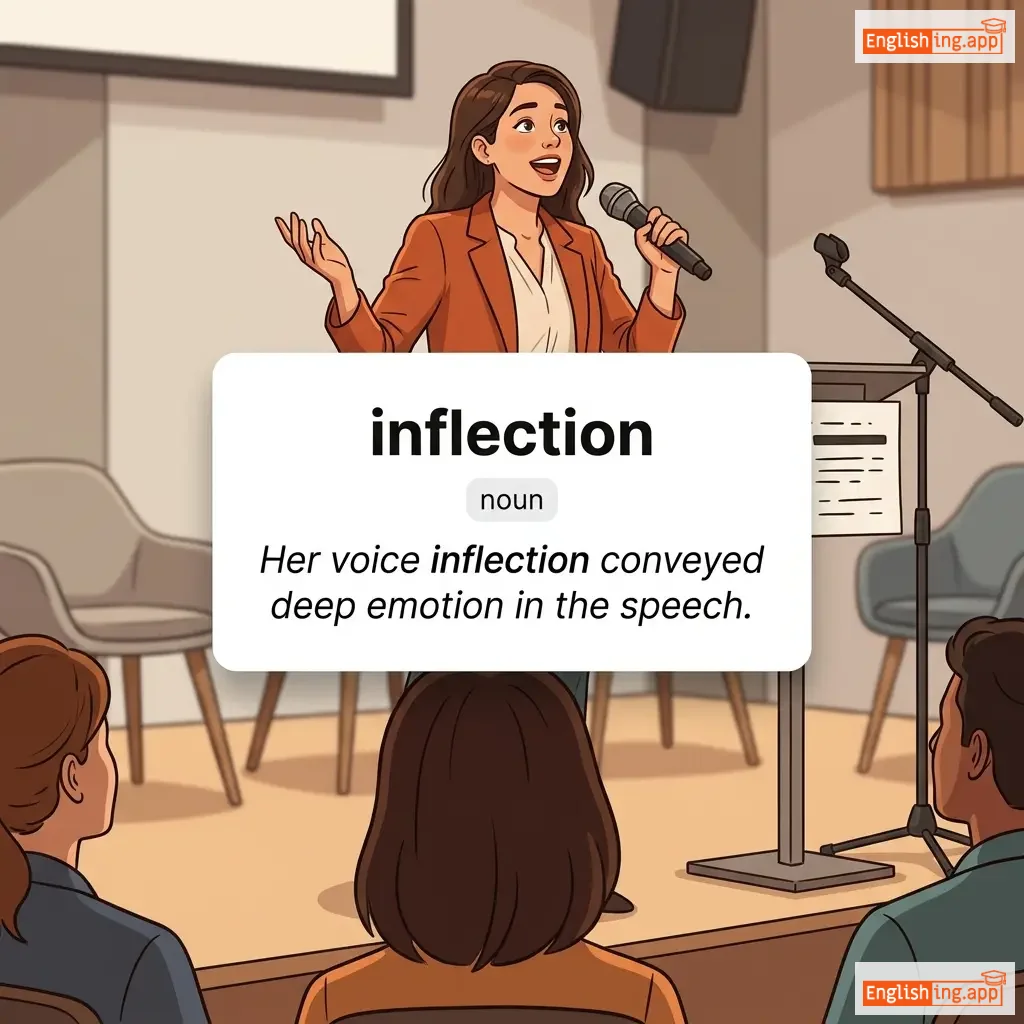
演讲需要有 cohesion,以确保信息传达连贯。Concise 的表达能提高听众兴趣,而 intonation 和 inflection 能让意思更清晰。
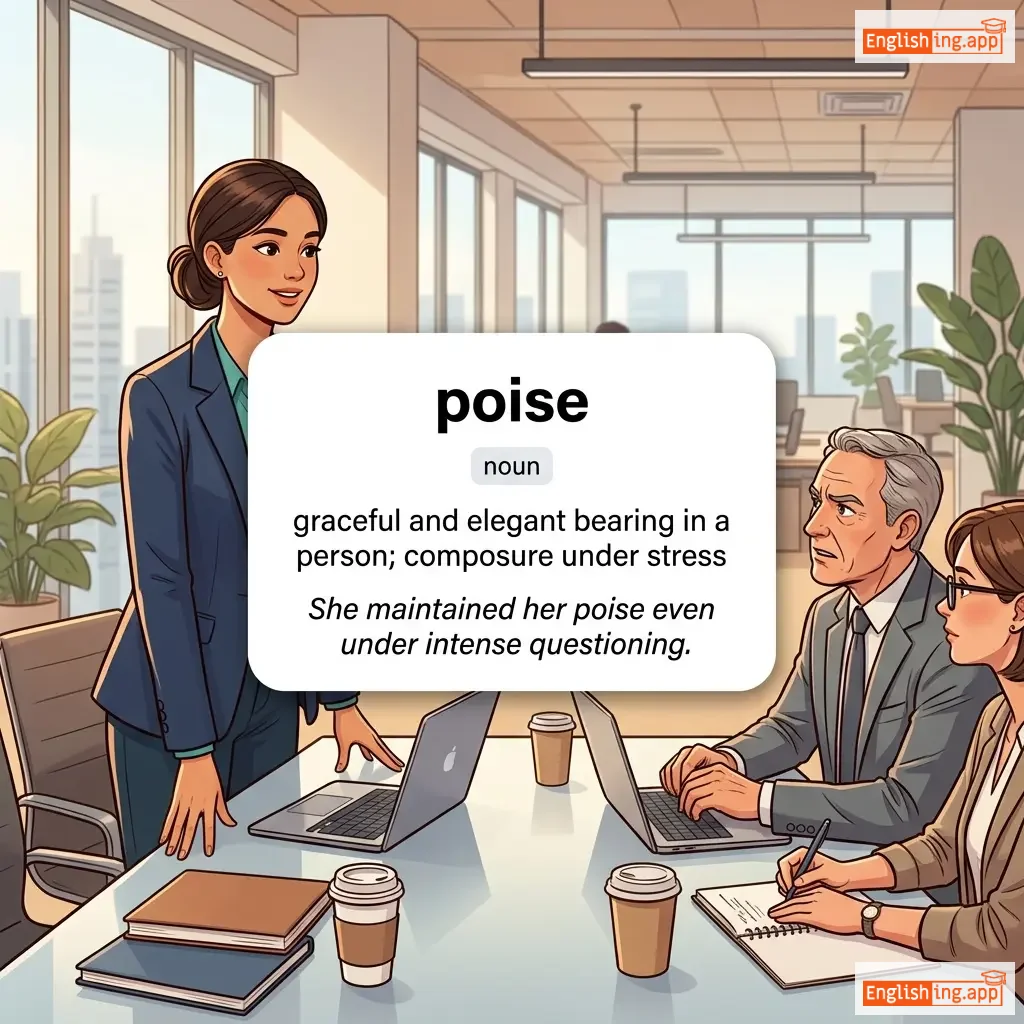
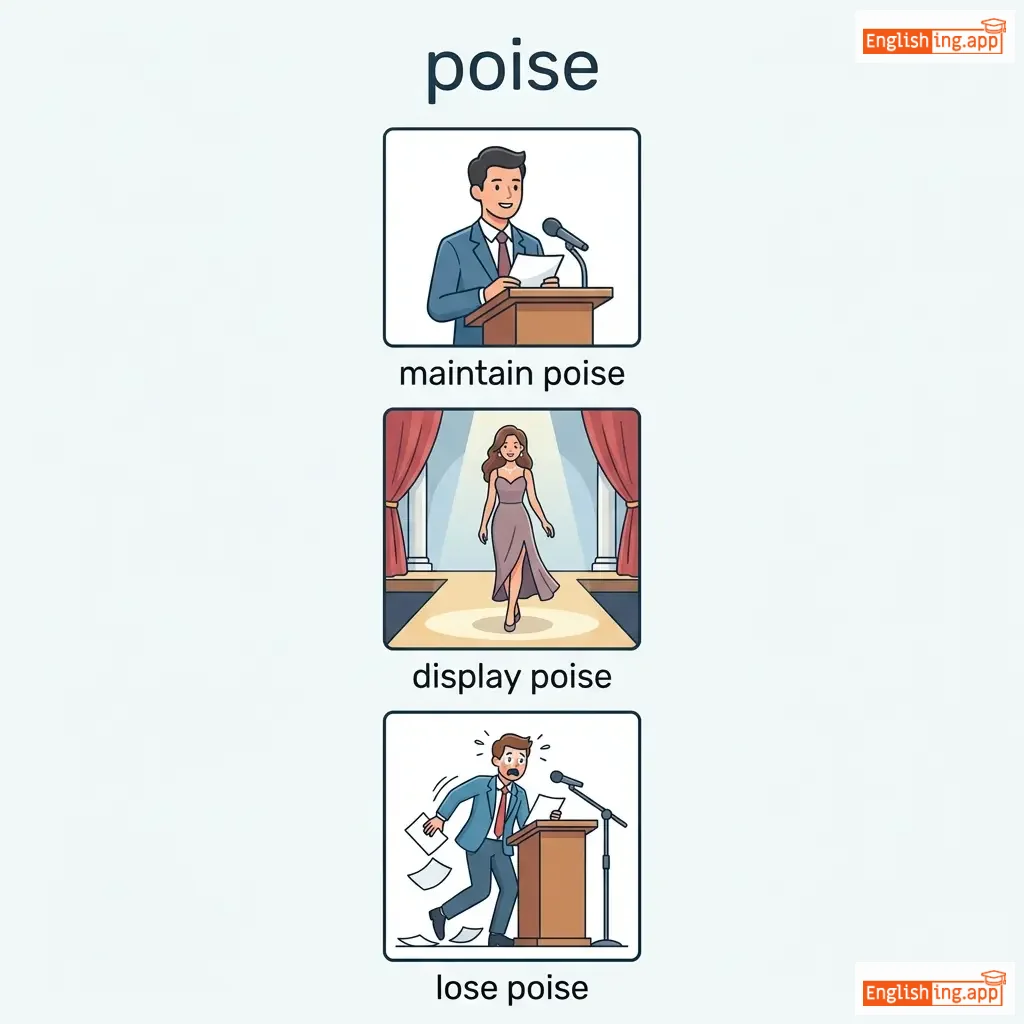
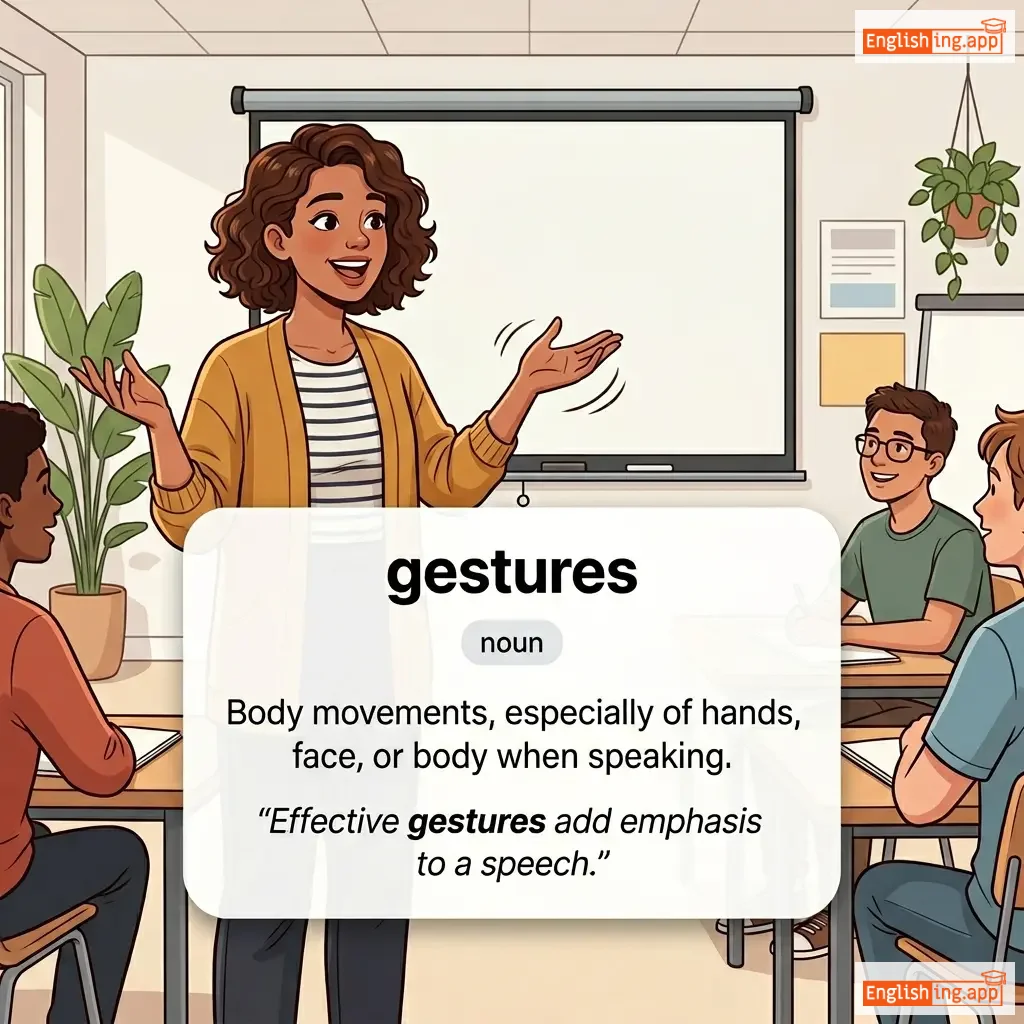
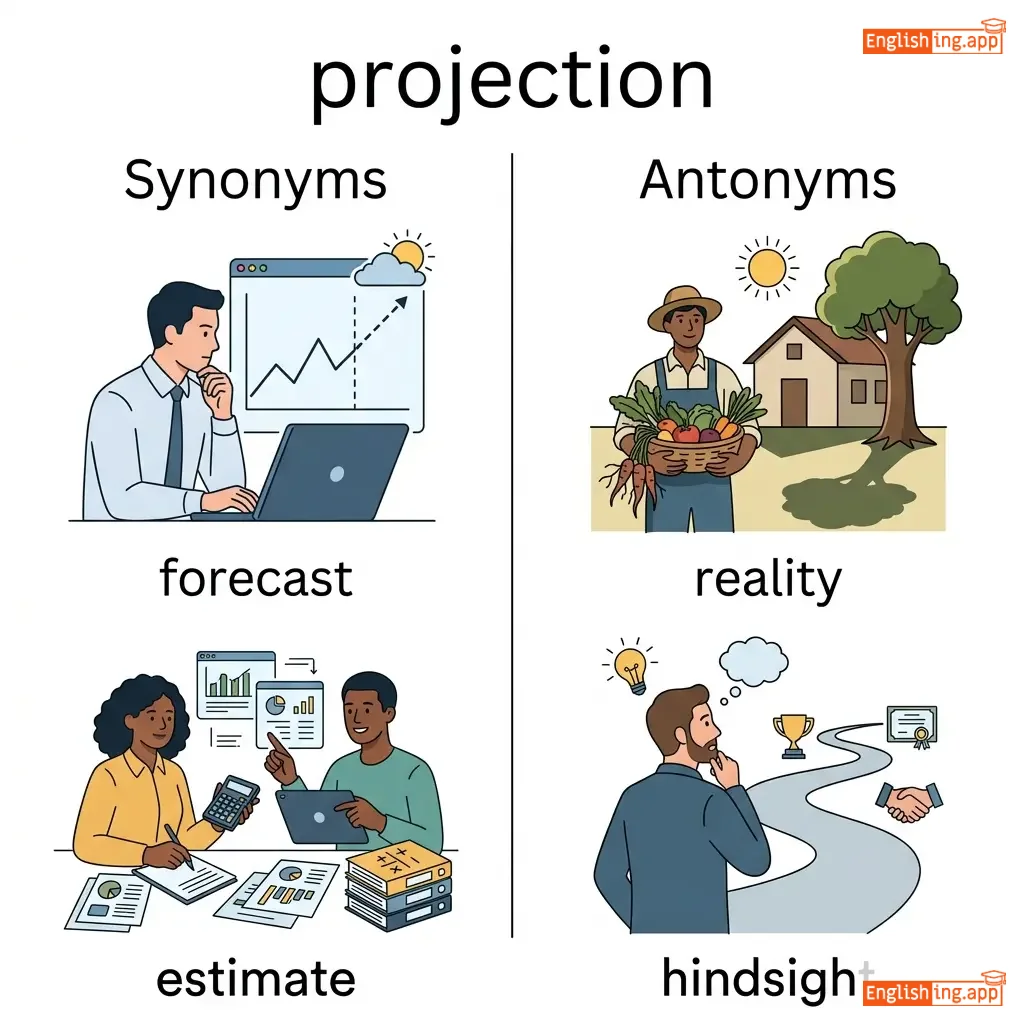
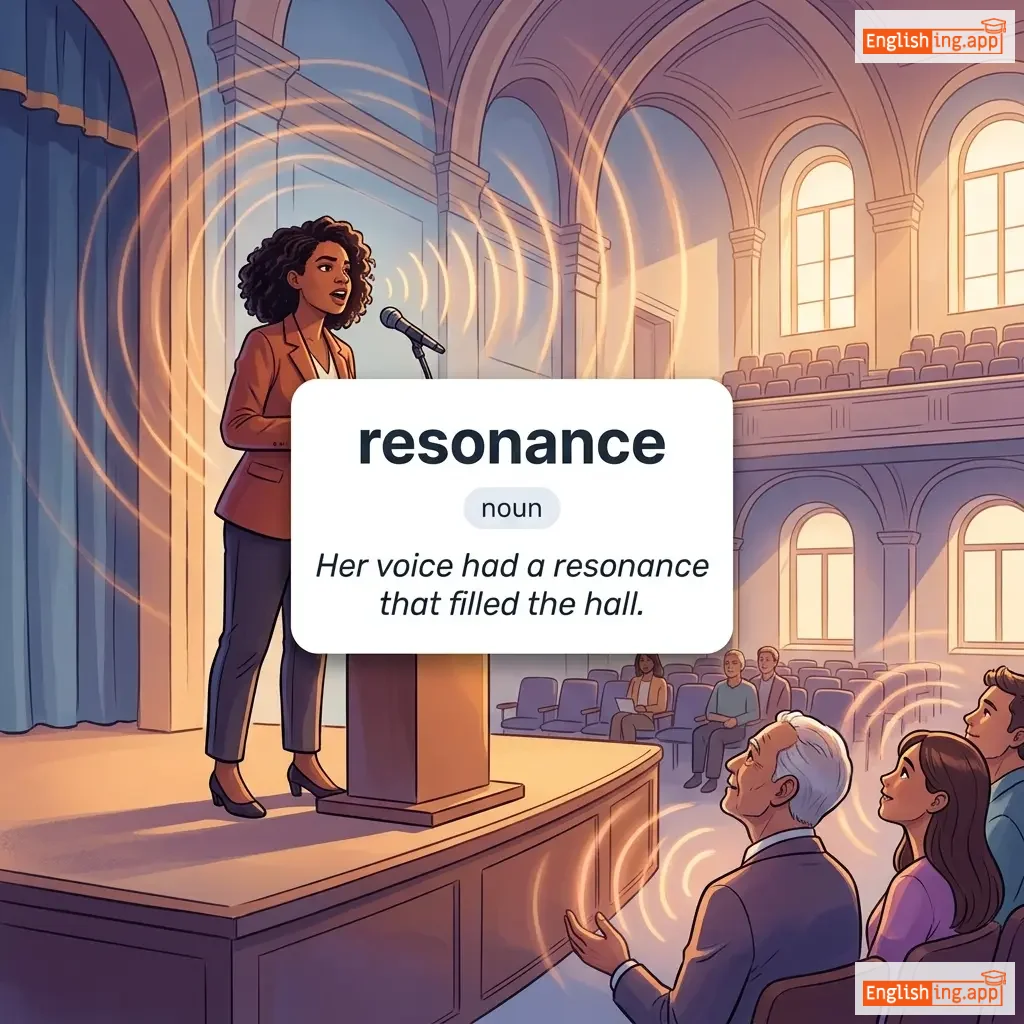
一位熟练的演讲者应保持自信的 poise,并用身体的 gestures 使信息更生动。声音中的 projection 和 resonance 能让演讲更有感染力。
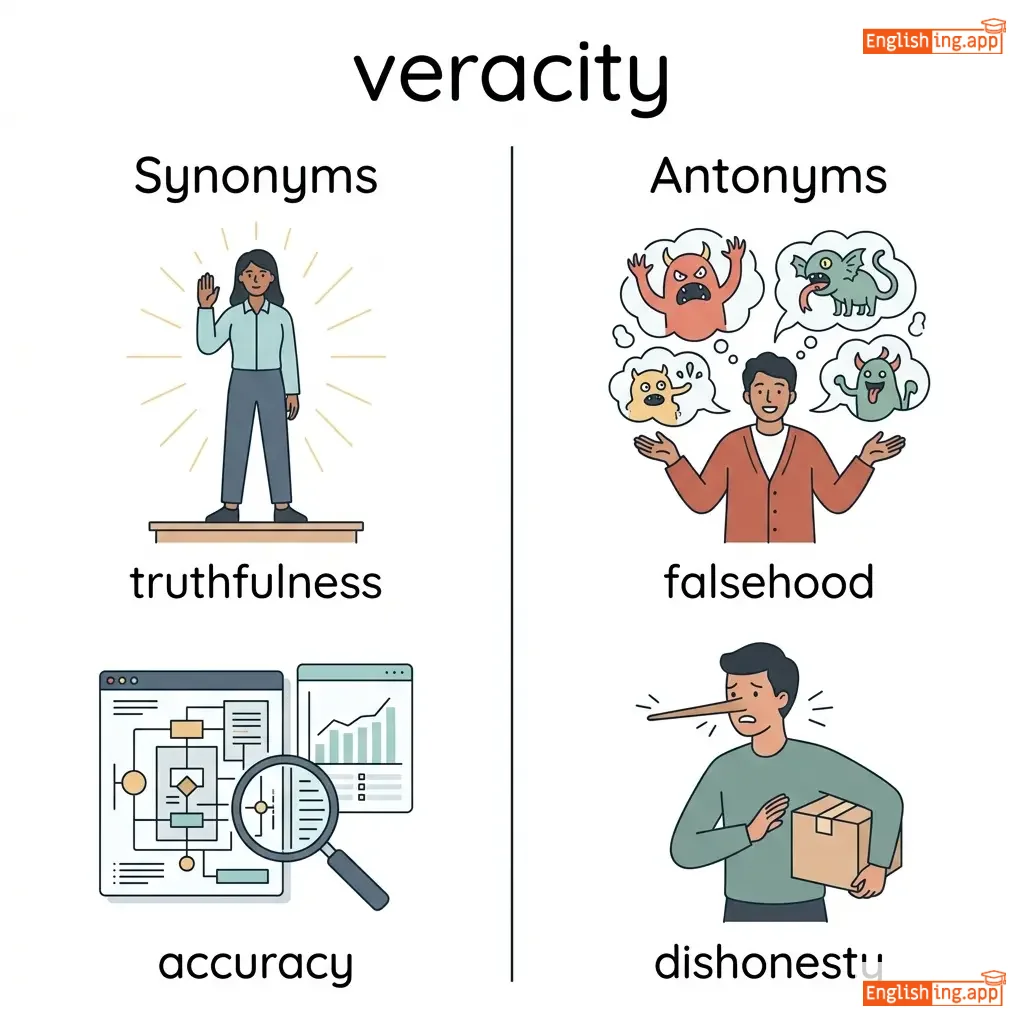
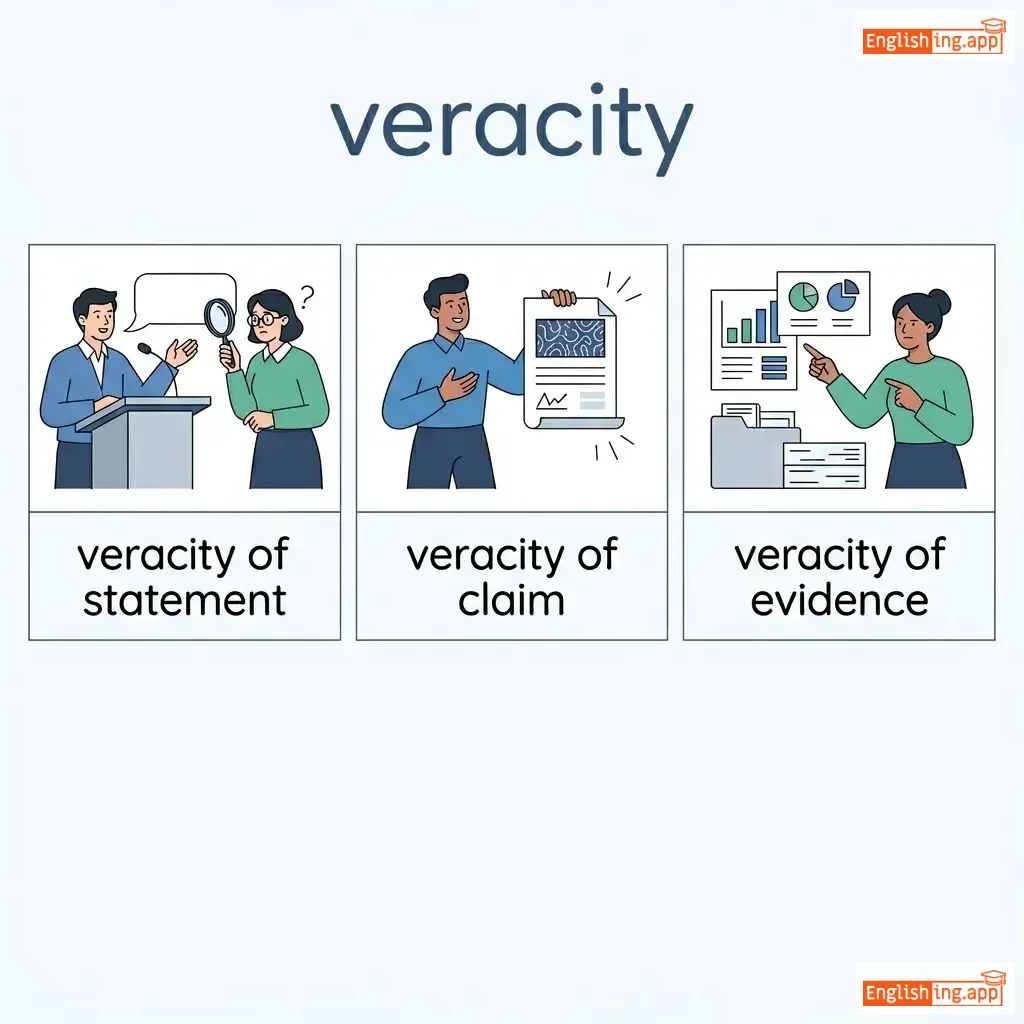
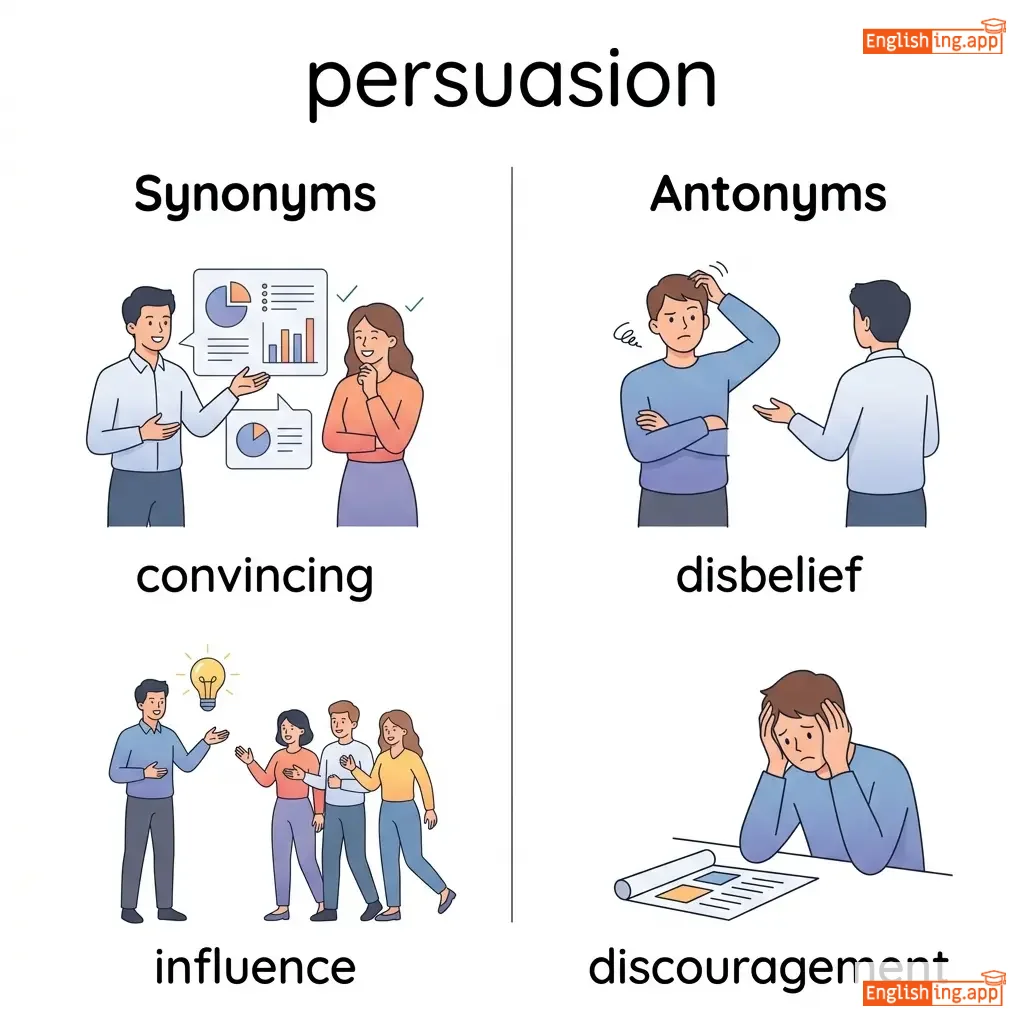
最重要的是,演讲者必须保持言语的 veracity,这样他们的 persuasion 能力才会更有效,听众也会信任他们的信息。
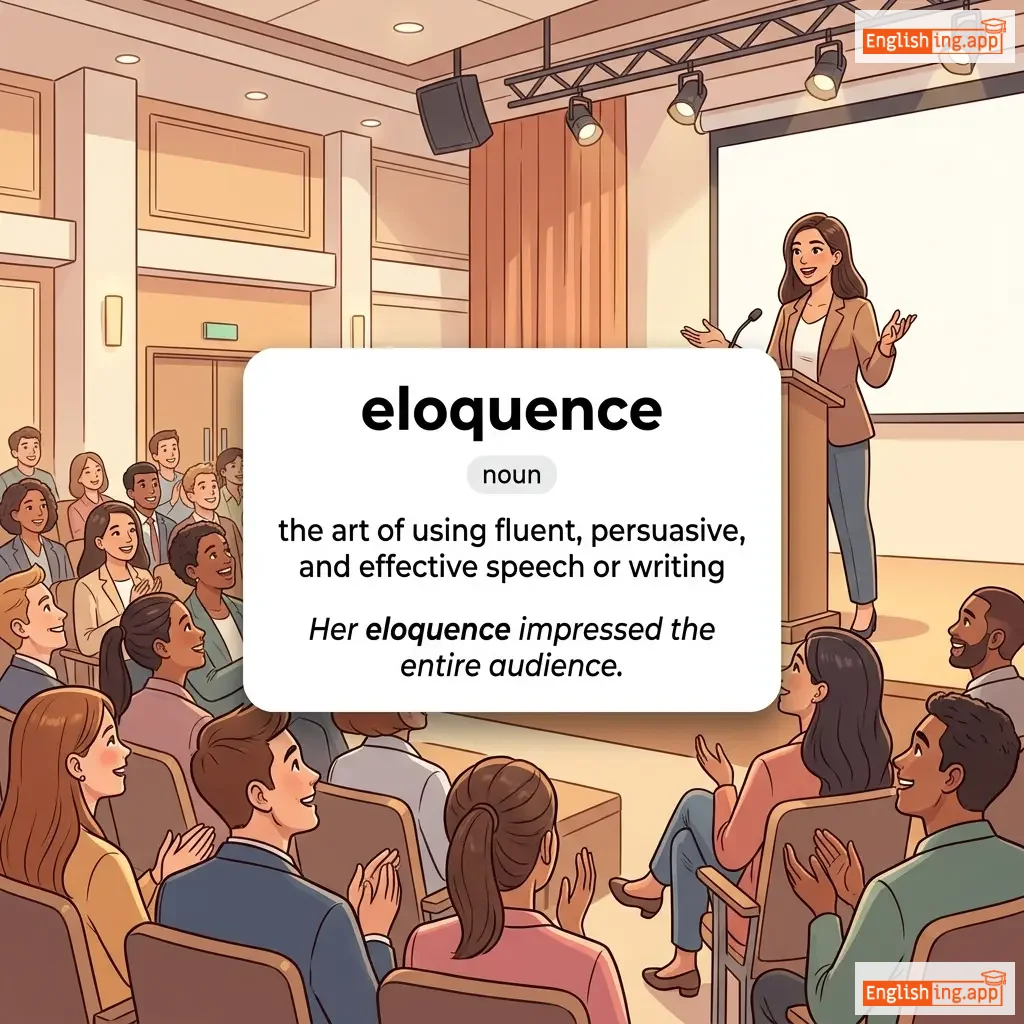
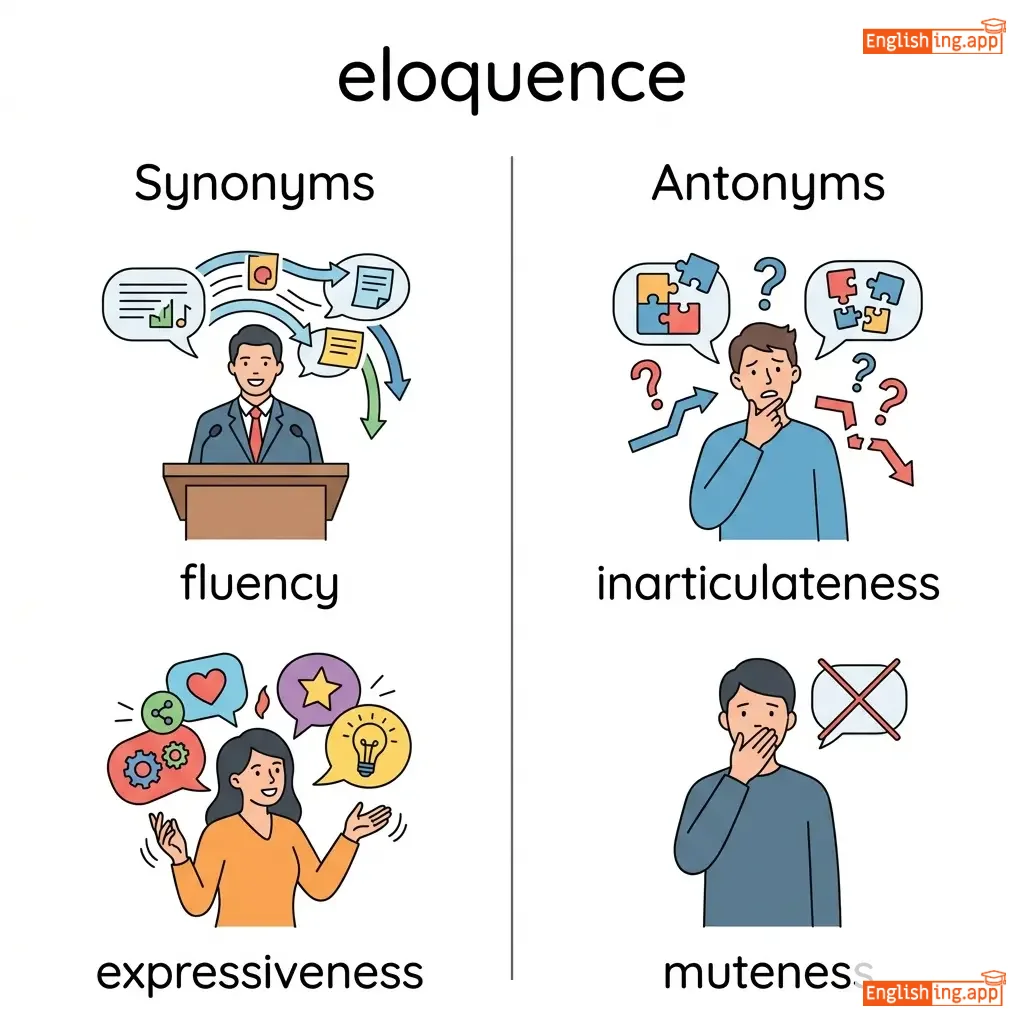
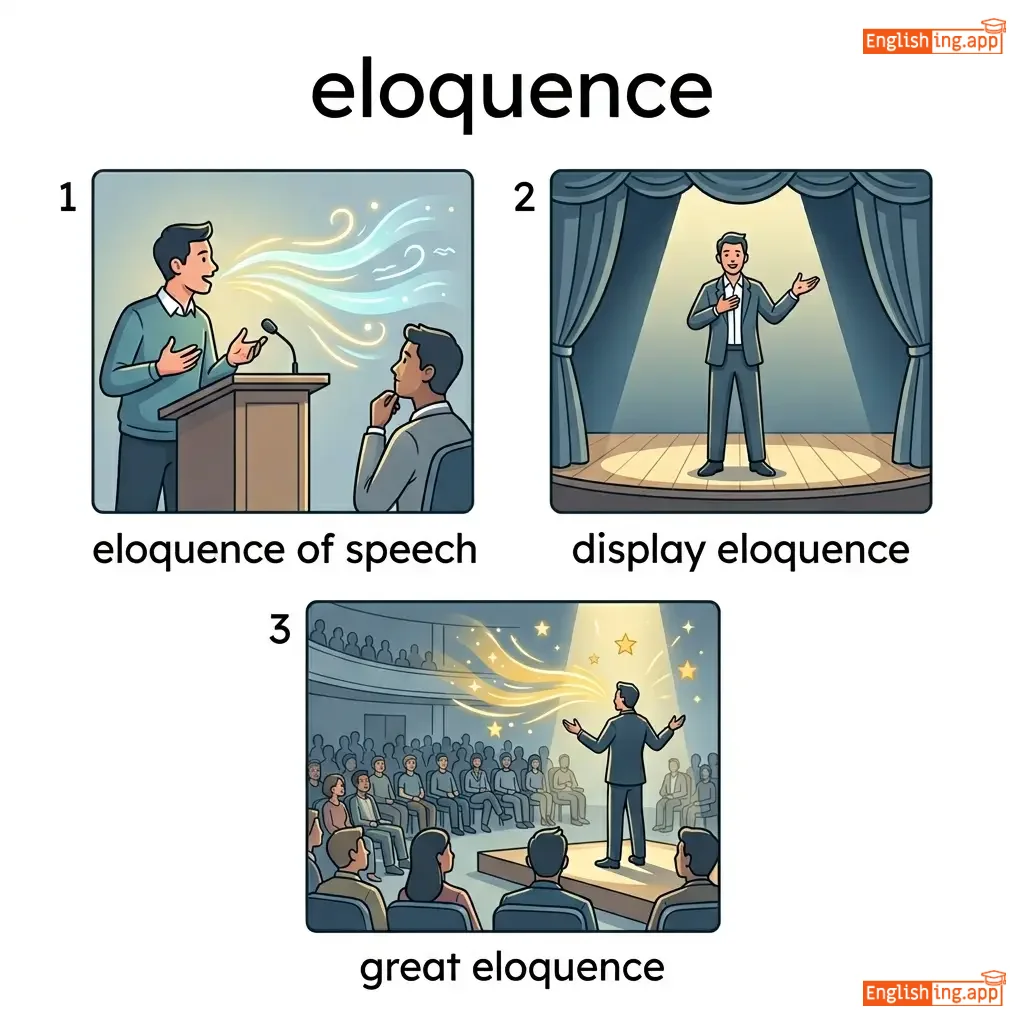
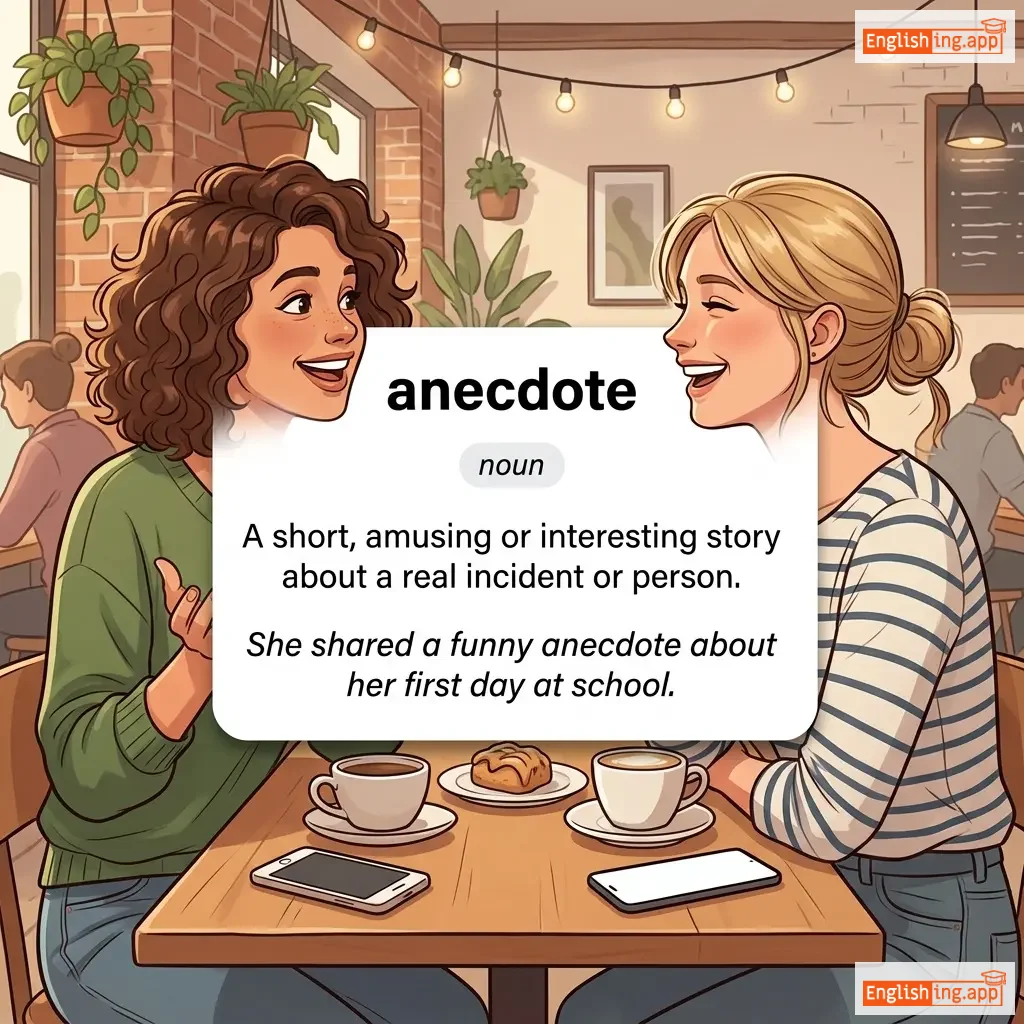





Swipe left or right, or use the buttons. Tap image to zoom.
例句翻译
单词
How to Improve Public SpeakingHow to Improve Public Speaking - 遮罩切换
|
表情符号
|
单词 | Images | 翻译 | 含义 | 例句 | 例句翻译 | 同义词 | 反义词 | 助记符 |
|---|---|---|---|---|---|---|---|---|---|
|
#2244
🎤
|
ˈpʌb.lɪk ˈspiː.kɪŋ
noun
(pʌblɪk spiːkɪŋ)
••••••
|
|
公共演讲
gonggong yanjiao
••••••
|
The skill of speaking confidently in front of an audience.
••••••
|
Public speaking skills are essential for leadership roles. |
公共演讲技巧对领导角色至关重要。
Gōnggòng yǎnjiǎng jìqiǎo duì lǐngdǎo juésè zhìguān zhòngyào.
••••••
|
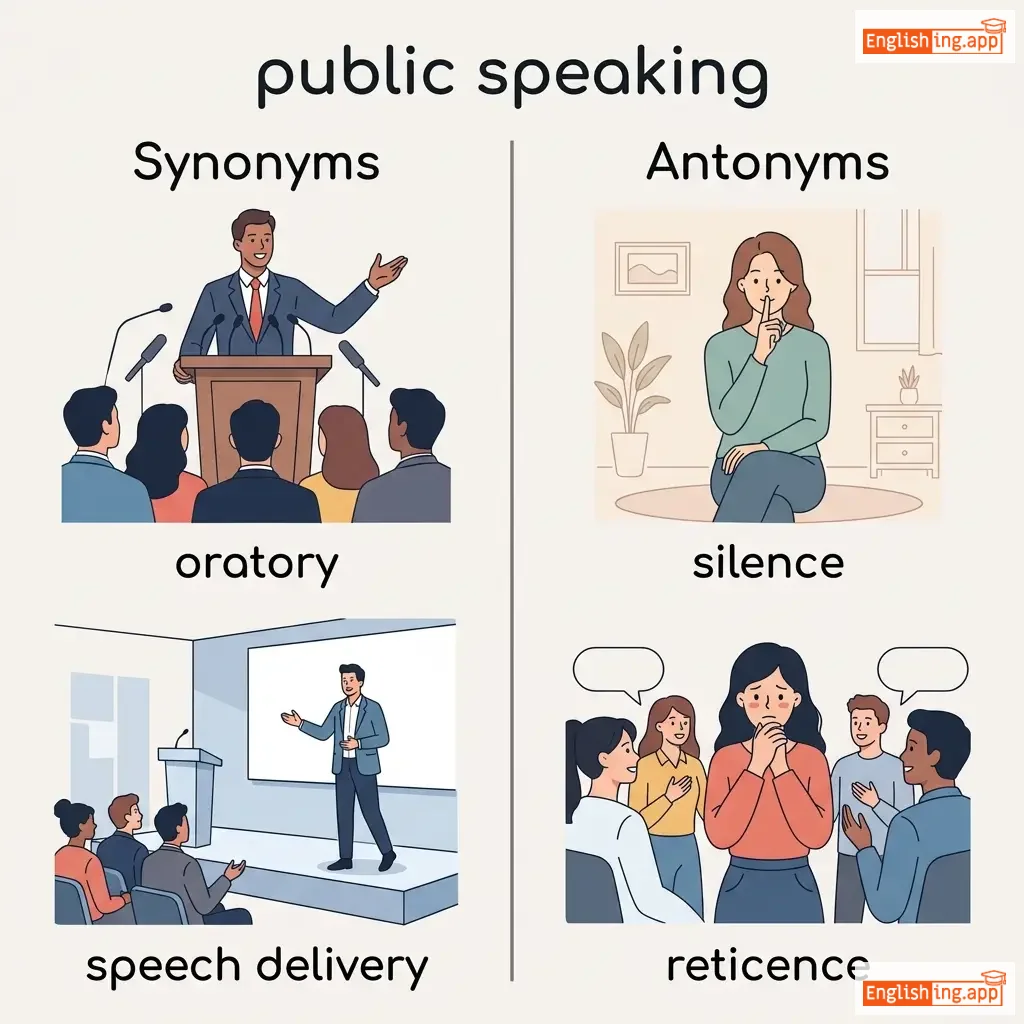
oratory, speech delivery, presentation
••••••
|
silence, reticence, inarticulateness
••••••
|
Public speaking in English sounds like 'pʌblɪk spiːkɪŋ', and in Chinese, '公共演讲' (gonggong yanjiao) is the translation.
••••••
|
|
#2245
🗣️
|
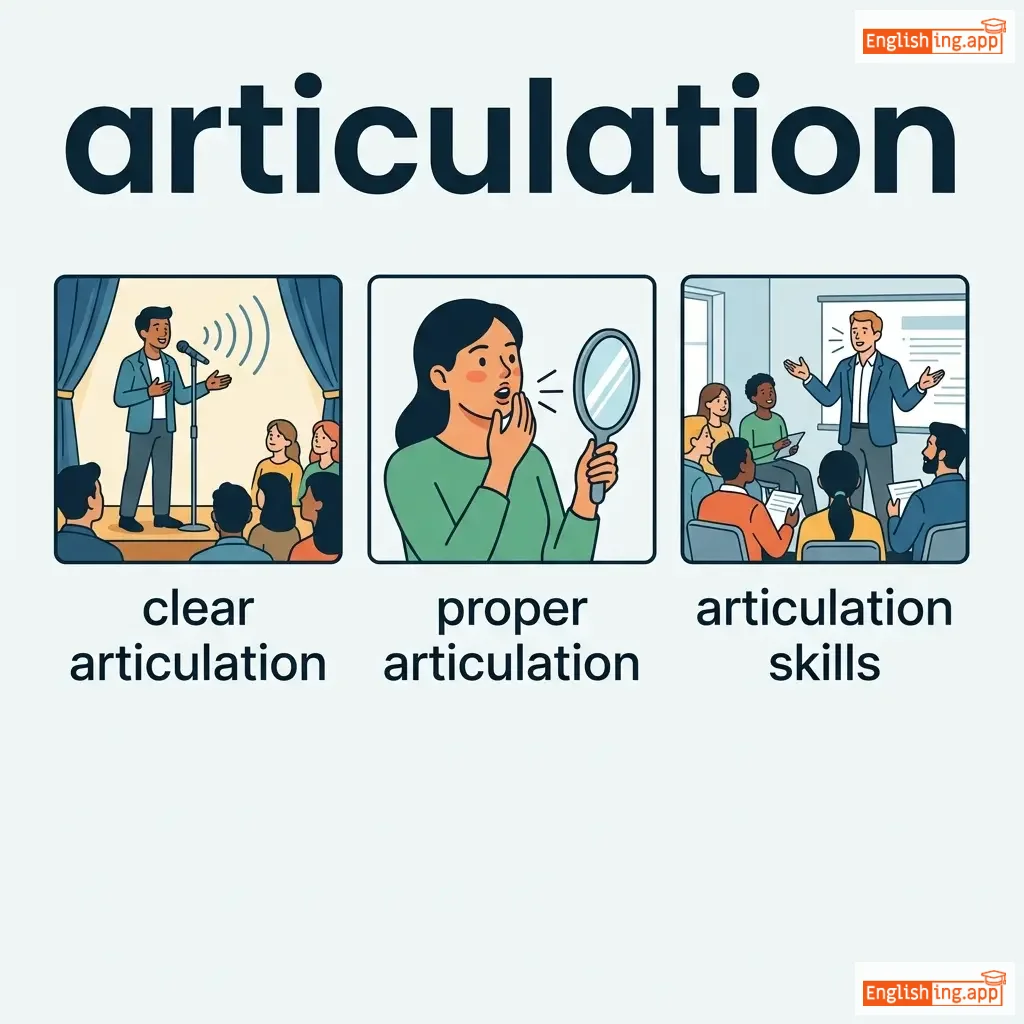
ɑːrˌtɪk.jəˈleɪ.ʃən
noun
(发音)
••••••
|
|
清晰发音
qīngxī fāyīn
••••••
|
The ability to express ideas or sounds clearly and distinctly.
••••••
|
Good articulation makes a speaker more persuasive.
良好的发音使演讲者更具说服力。
••••••
|
良好的发音使演讲者更具说服力。
Liánghǎo de fāyīn shǐ yǎnjiǎng zhě gèng jù shuōfúlì.
••••••
|
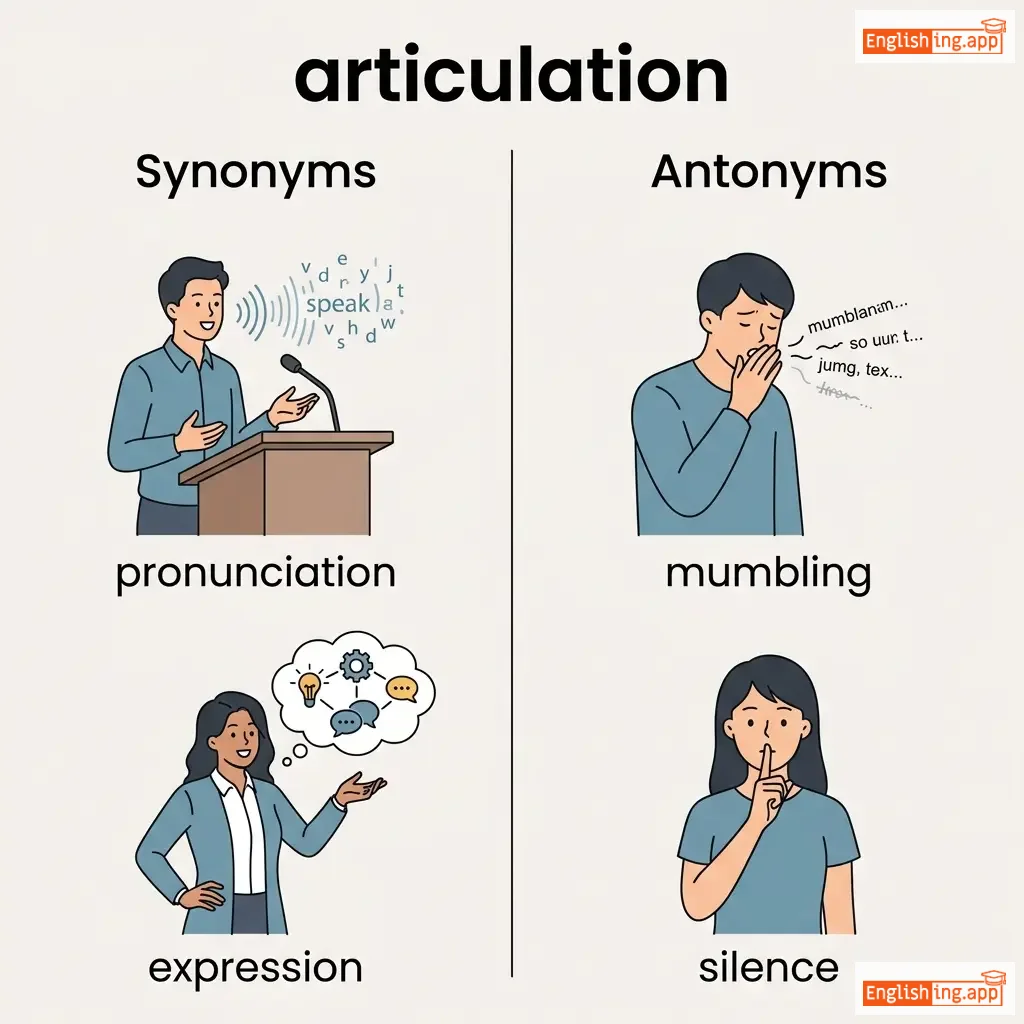
expression, enunciation, clarity
••••••
|
mumbling, incoherence, slurring
••••••
|
发音 = 清晰和明确
••••••
|
|
#2246
📝
|
ˈdɪk.ʃən
noun
(dīk-shùn)
••••••
|
|
发音和词语选择
fāyīn hé cíyǔ xuǎnzé
••••••
|
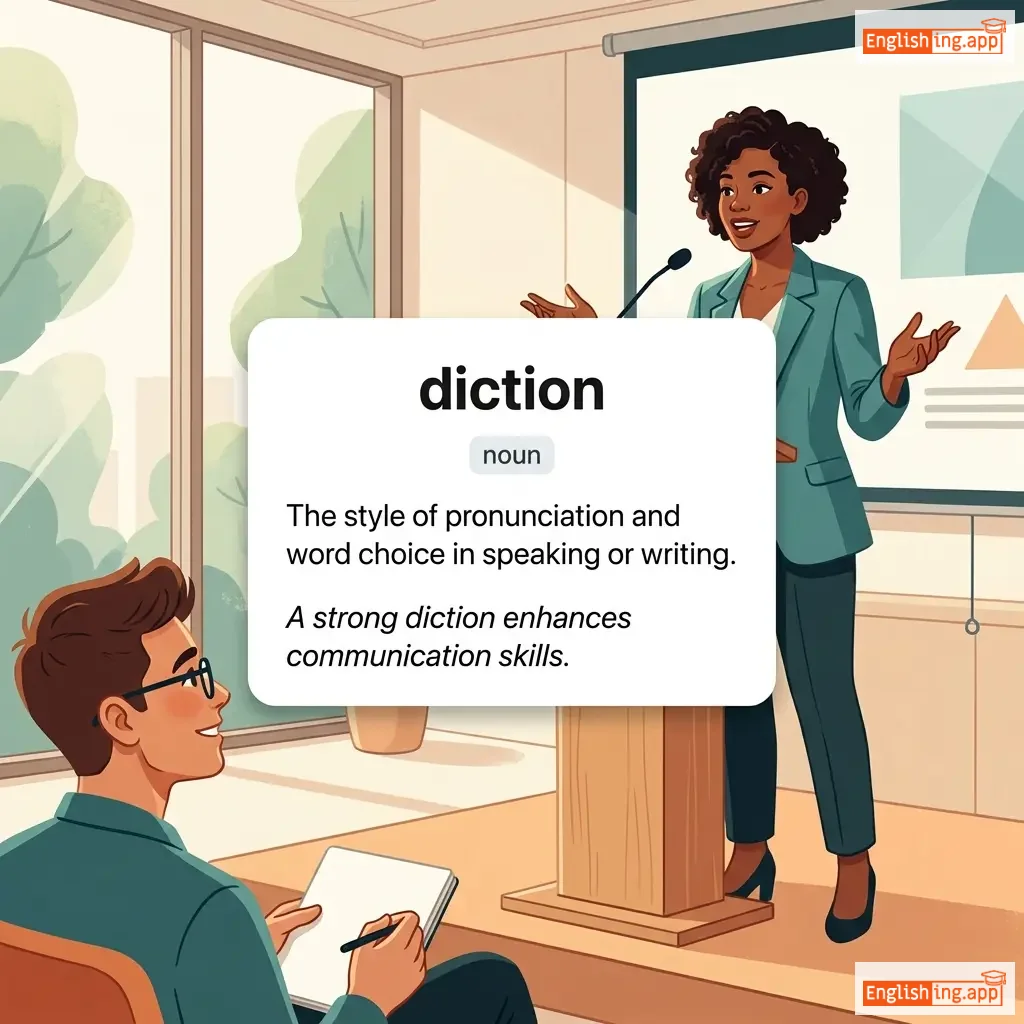
The style of pronunciation and word choice in speaking or writing.
••••••
|
A strong diction enhances communication skills.
强有力的发音增强了沟通技巧。
••••••
|
强有力的发音增强了沟通技巧。
Qiáng yǒulì de fāyīn zēngqiángle gōutōng jìqiǎo.
••••••
|
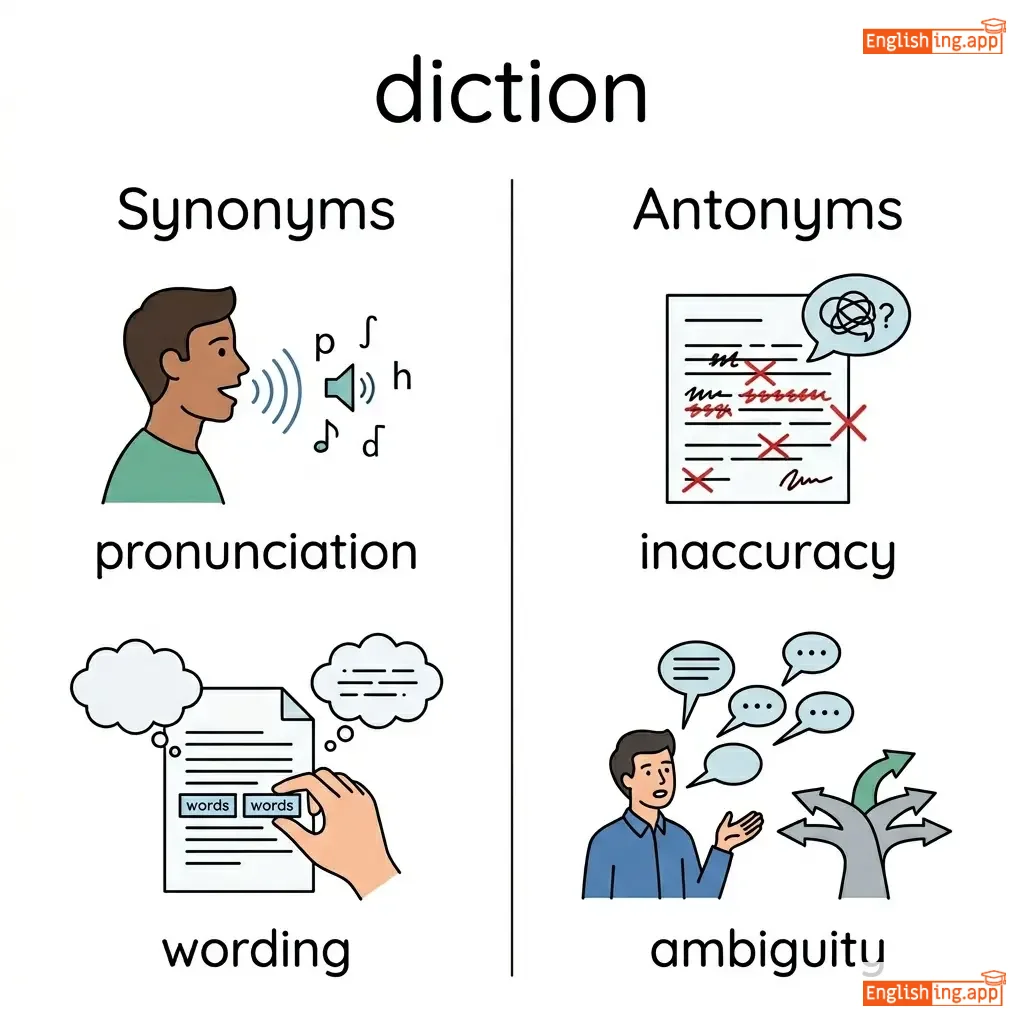
pronunciation, wording, expression
••••••
|
inaccuracy, ambiguity, mispronunciation
••••••
|
'Diction' sounds like '发音' in Chinese, and strong '发音' improves communication skills.
••••••
|
|
#2247
🎵
|
ˈkeɪ.dəns
noun
(凯登斯)
••••••
|
|
语音的节奏和升降调
yǔyīn de jiézòu hé shēngjiàng tiáo
••••••
|
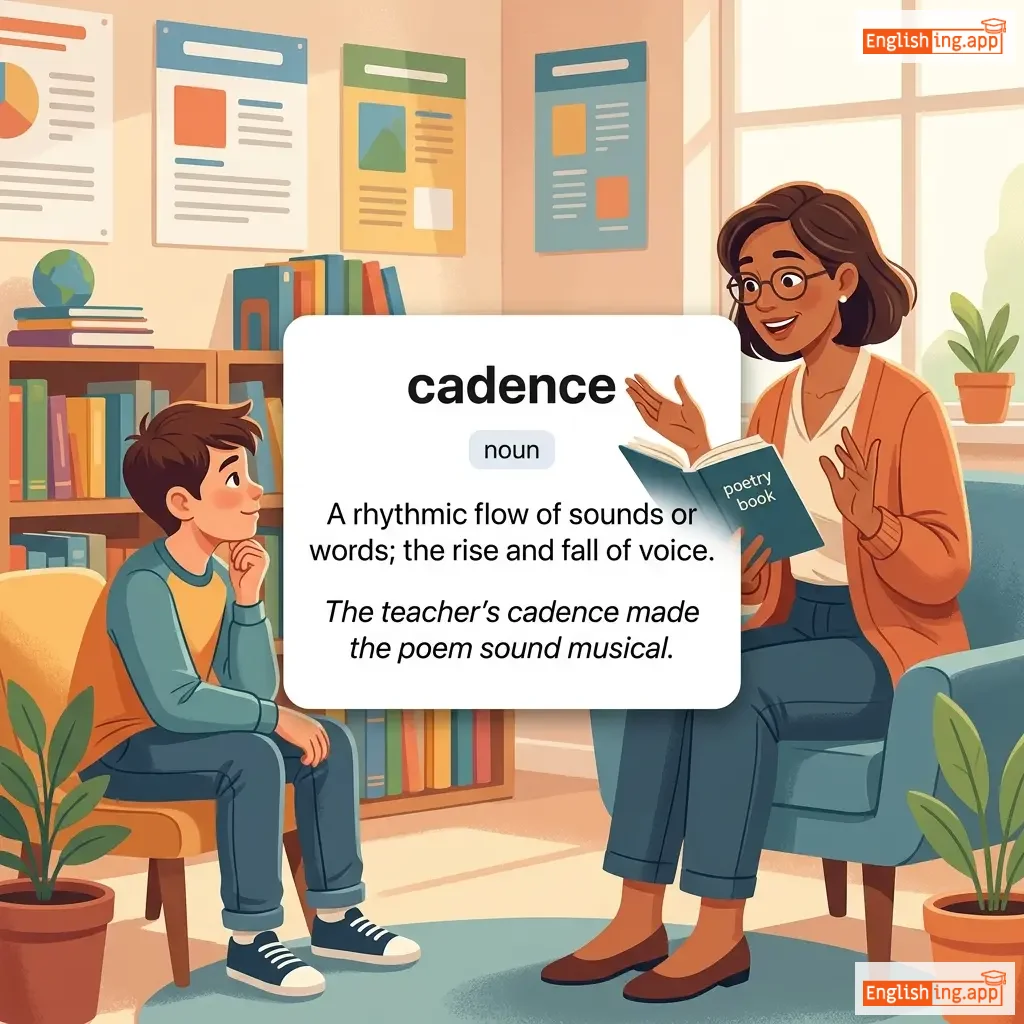
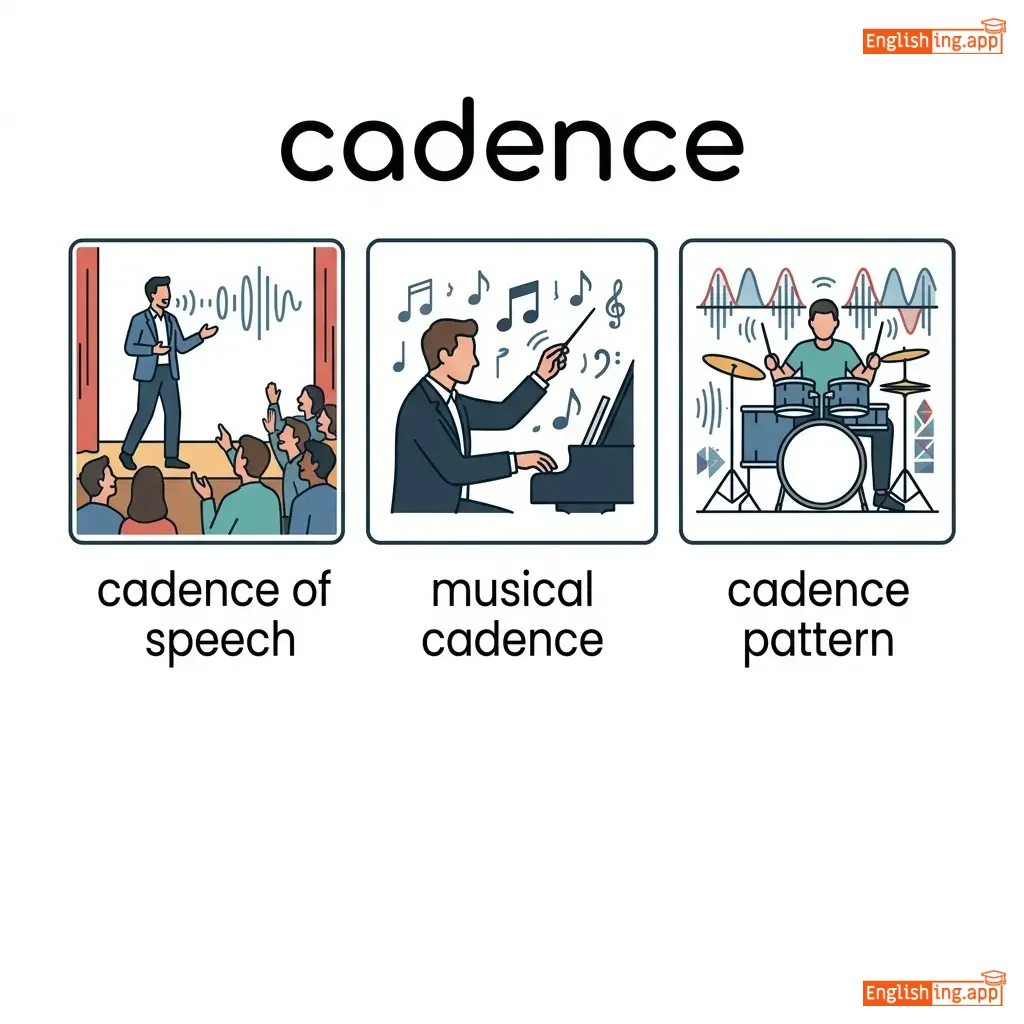
The rhythm and flow of speech with rise and fall in tone.
••••••
|
His speech had a natural cadence that captivated the audience.
他的演讲有一种自然的节奏,吸引了观众。
••••••
|
他的演讲有一种自然的节奏,吸引了观众。
Tā de yǎnjiǎng yǒu yī zhǒng zìrán de jiézòu, xīyǐnle guānzhòng.
••••••
|
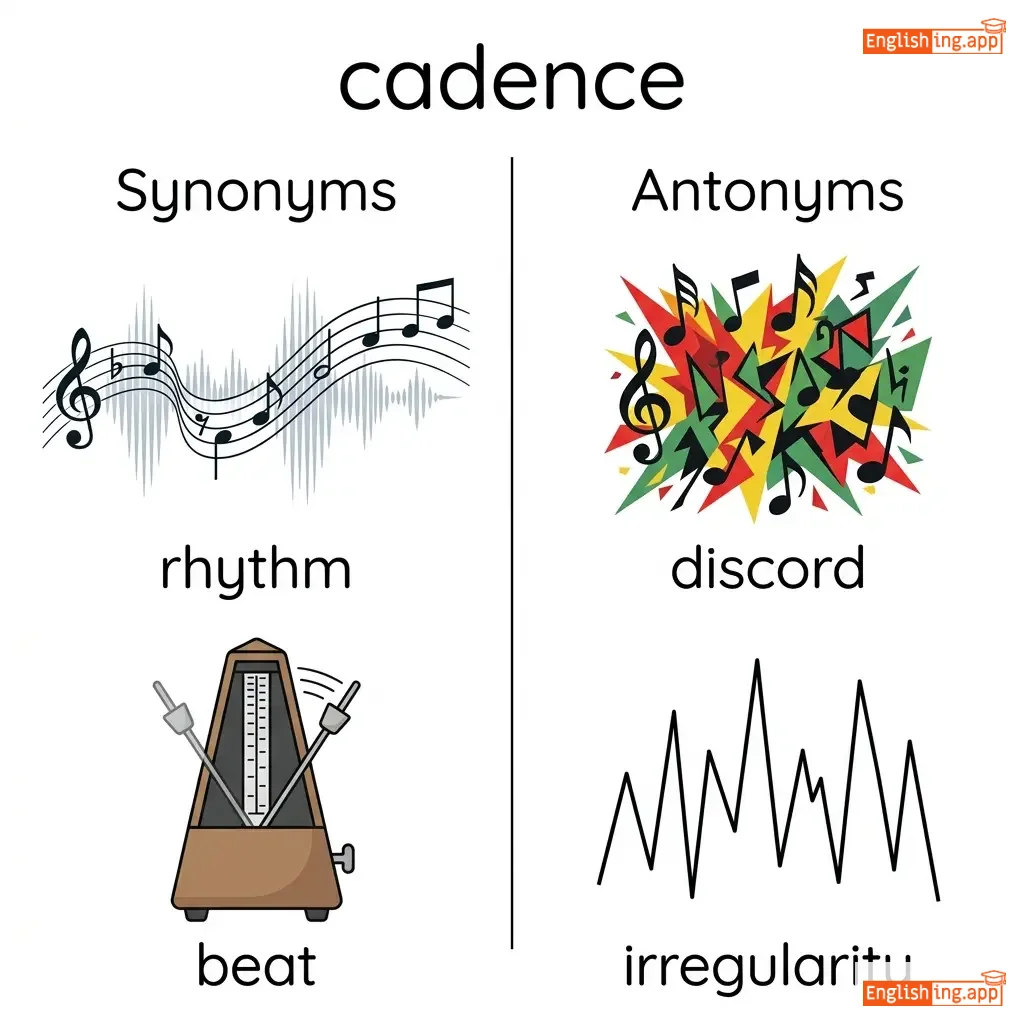
rhythm, intonation, flow
••••••
|
monotony, flatness, disruption
••••••
|
Cadence 表示说话时的语音节奏。
••••••
|
|
#2248
🔊
|
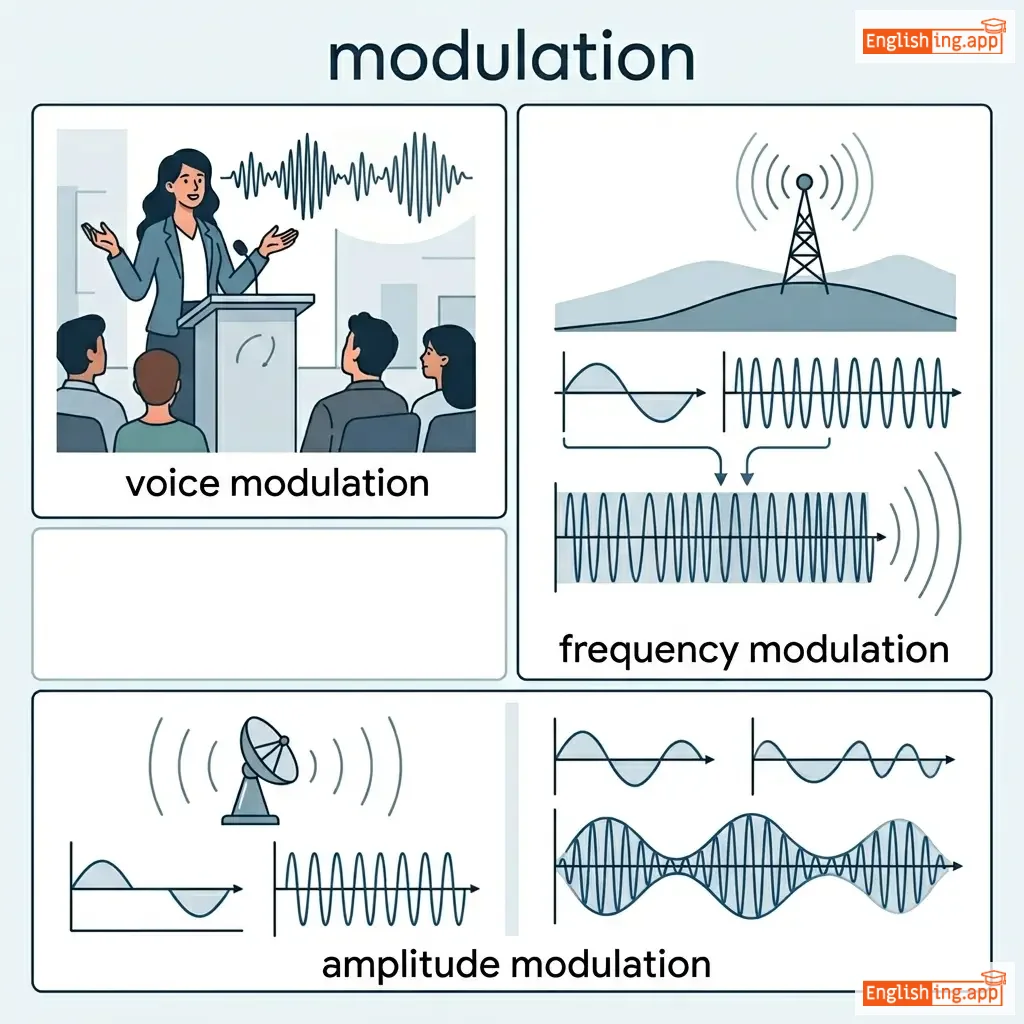
ˌmɑː.dʒəˈleɪ.ʃən
noun
(调制)
••••••
|
|
音调和音高的控制或变化
yīndiào hé yīngāo de kòngzhì huò biànhuà
••••••
|
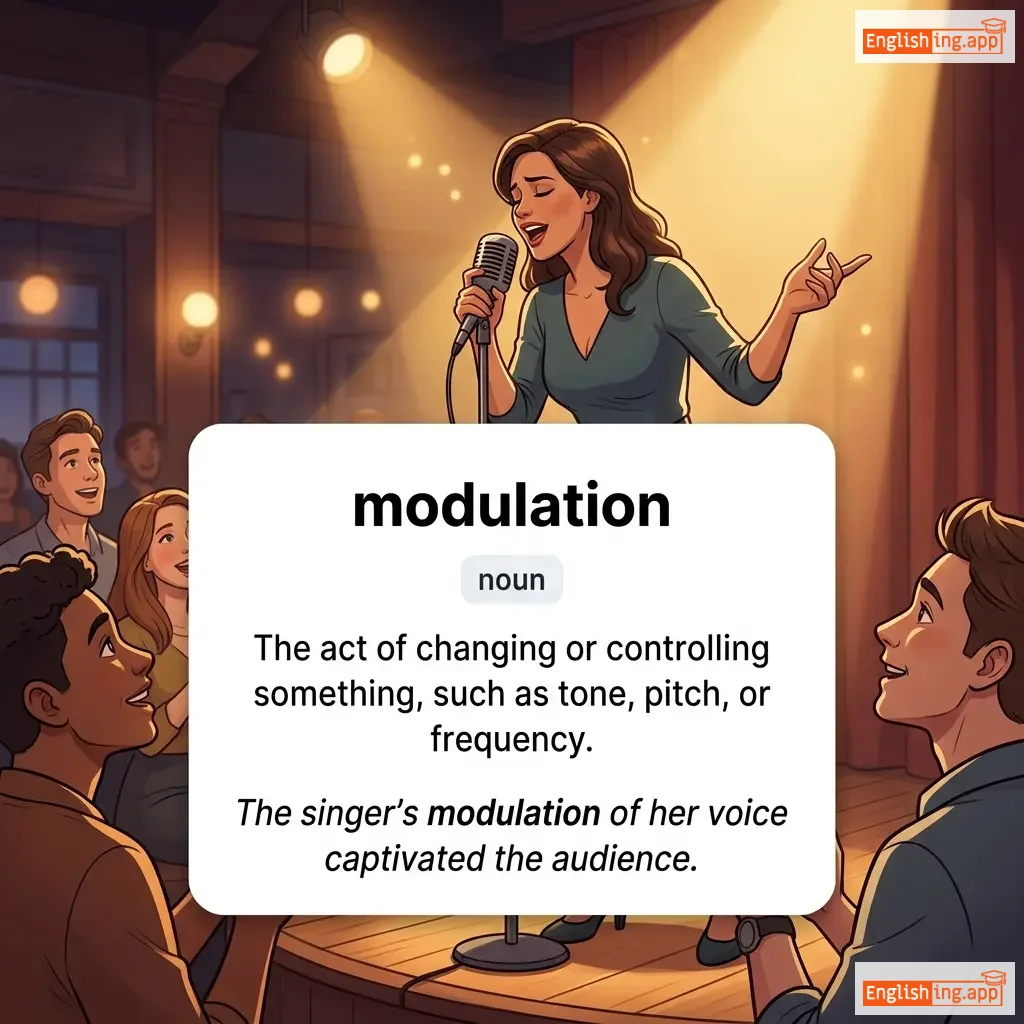
The natural variation and control of voice tone and pitch.
••••••
|
Proper modulation keeps the audience engaged in a speech. |
适当的调制使听众在演讲中保持兴趣。
Shìdàng de tiáozhì shǐ tīngzhòng zài yǎnjiǎng zhōng bǎochí xìngqù.
••••••
|
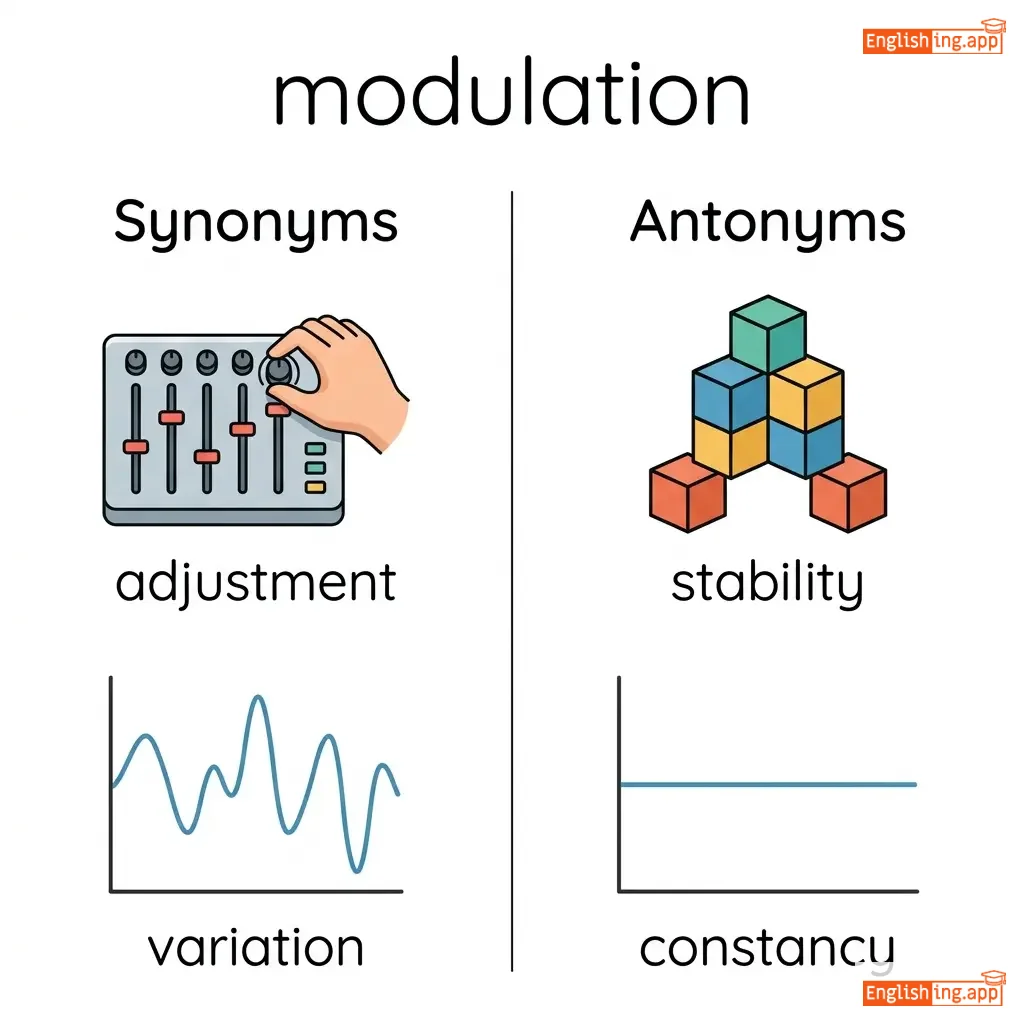
tone control, variation, inflection
••••••
|
monotony, uniformity, inflexibility
••••••
|
调制在中文就像控制声音的力量,让演讲更有吸引力。
••••••
|
|
#2249
✨
|
kəˈrɪz.mə
noun
(卡里兹马)
••••••
|
|
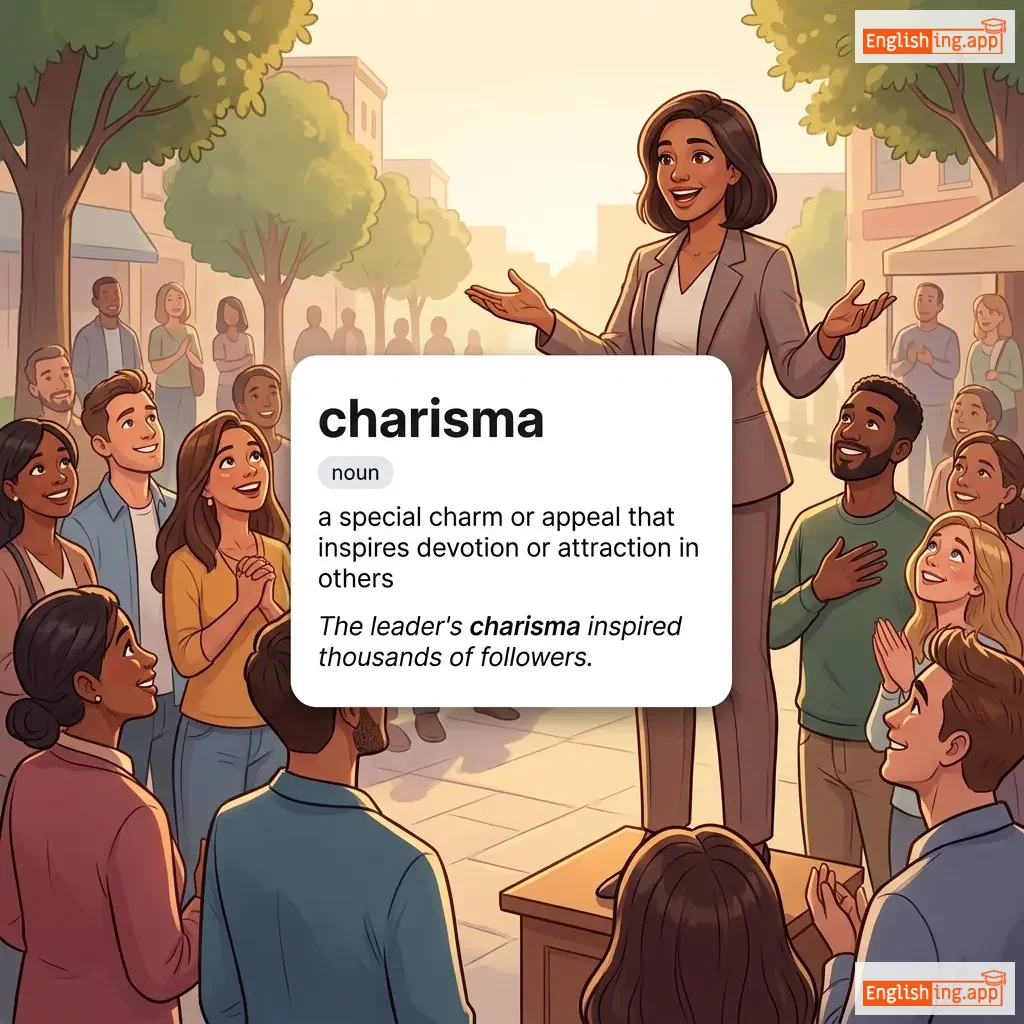
魅力
mèilì
••••••
|
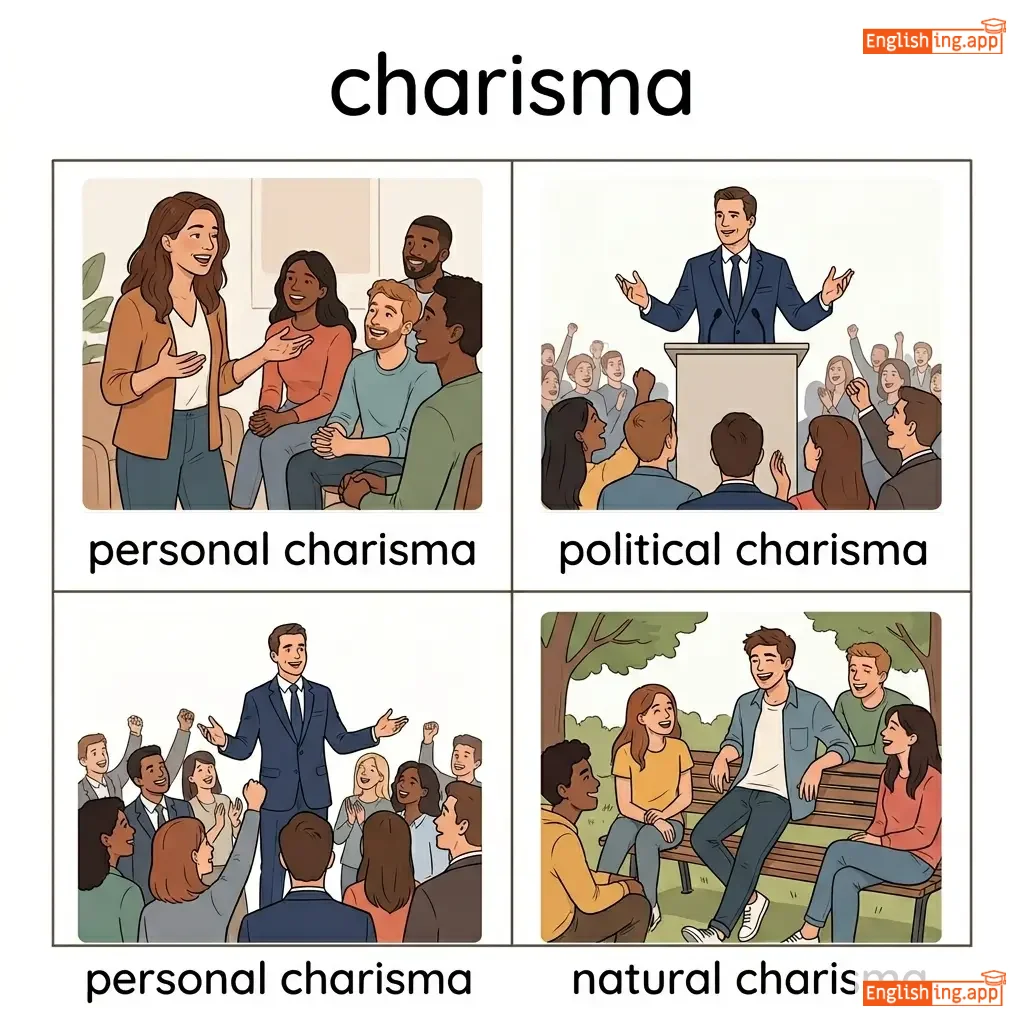
Natural charm and appeal that helps influence people.
••••••
|
A speaker with charisma can easily influence an audience. |
一个有魅力的演讲者可以轻松影响观众。
Yīgè yǒu mèilì de yǎnjiǎng zhě kěyǐ qīngsōng yǐngxiǎng guānzhòng.
••••••
|
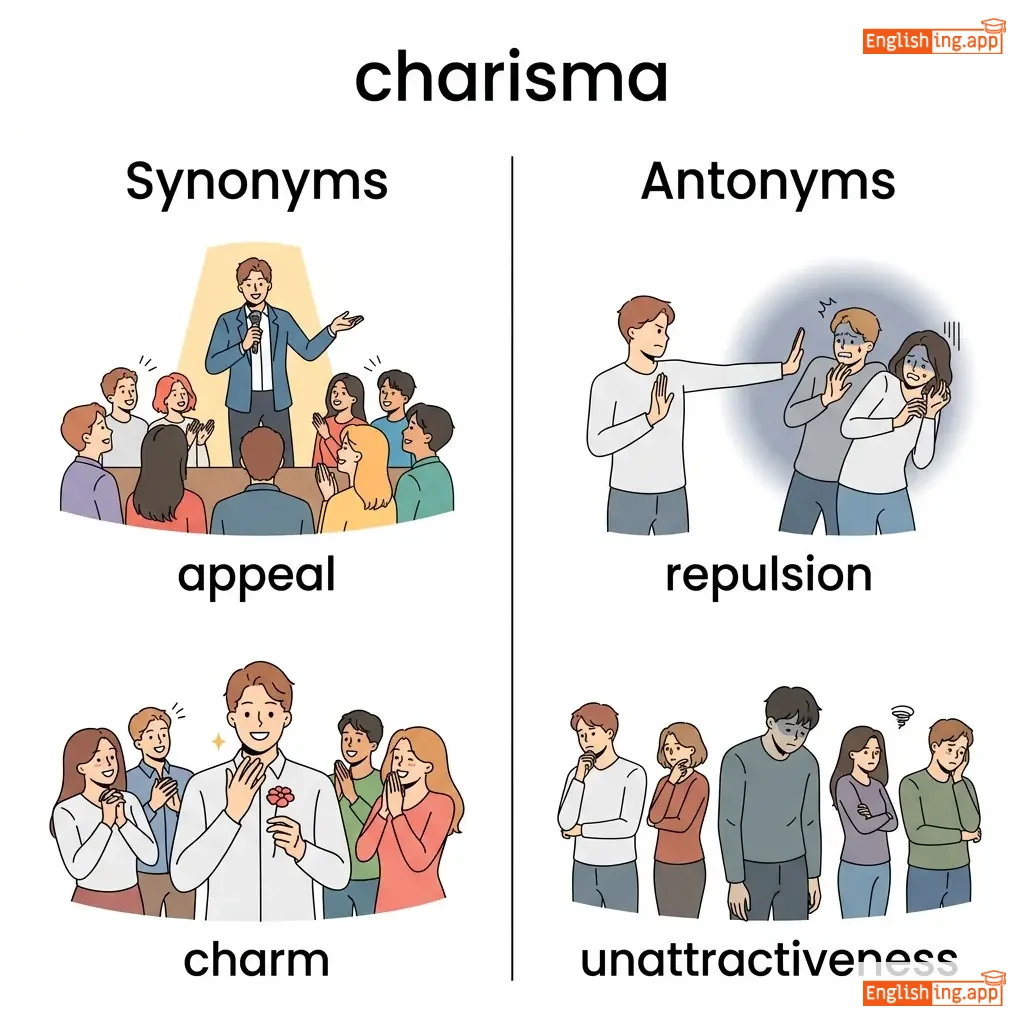
charm, magnetism, appeal
••••••
|
uninspiring, repulsiveness, dullness
••••••
|
魅力是沟通的桥梁。
••••••
|
|
#2250
💬
|
ˈɛl.ə.kwəns
noun
(雄辩)
••••••
|
|
雄辩
xióngbiàn
••••••
|
The ability to speak fluently, persuasively, and expressively.
••••••
|
His eloquence made the speech inspiring.
他的雄辩让演讲充满了启发。
••••••
|
他的雄辩让演讲充满了启发。
Tā de xióngbiàn ràng yǎnjiǎng chōngmǎnle qǐfā.
••••••
|
fluency, persuasiveness, expressiveness
••••••
|
inarticulateness, hesitation, ineffectiveness
••••••
|
雄辩像是水流一样,具有强大的说服力和感染力。
••••••
|
|
#2251
📖
|
ˈæn.ɪk.doʊt
noun
(anèkdòut)
••••••
|
|
在演讲或写作中使用的短小有趣的故事
zai yanjiang huo xiezuo zhong shiyong de duanxiao youqu de gushi
••••••
|
A short interesting story used in speeches or writing.
••••••
|
A well-placed anecdote makes a speech more relatable.
一个合适的位置插入小故事能让演讲更加容易理解。
••••••
|
一个合适的位置插入小故事能让演讲更加容易理解。
Yi ge heshi de weizhi charu xiao gushi neng rang yanjiang gengjia rongyi lijie.
••••••
|
short story, narrative, illustration
••••••
|
generalization, report, rambling
••••••
|
Anecdote sounds like 'a neck dot'. Picture a dot adding relatability to your speech.
••••••
|
|
#2252
🤝
|
ɪnˈɡeɪdʒ.mənt
noun
(engagement)
••••••
|
|
参与
can yu
••••••
|
The act of attracting and maintaining audience attention and connection.
••••••
|
Good speakers maintain strong engagement with their audience. |
好的演讲者与他们的观众保持强烈的参与感。
Hao de yanjiang zhe yu tamen de guanzhong baochi qianglie de can yu gan.
••••••
|
interaction, participation, involvement
••••••
|
disinterest, detachment, boredom
••••••
|
参与 (can yu) - 想象吸引观众就像 engagement!
••••••
|
|
#2253
🔗
|
koʊˈhiː.ʒən
noun
(kòu-xīng)
••••••
|
|
凝聚力
níngjùlì
••••••
|
The connection and logical flow between different parts of a speech or text.
••••••
|
Effective cohesion ensures a speech is easy to follow. |
有效的凝聚力确保演讲容易理解。
Yǒuxiào de níngjùlì quèbǎo yǎnjiǎng róngyì lǐjiě.
••••••
|
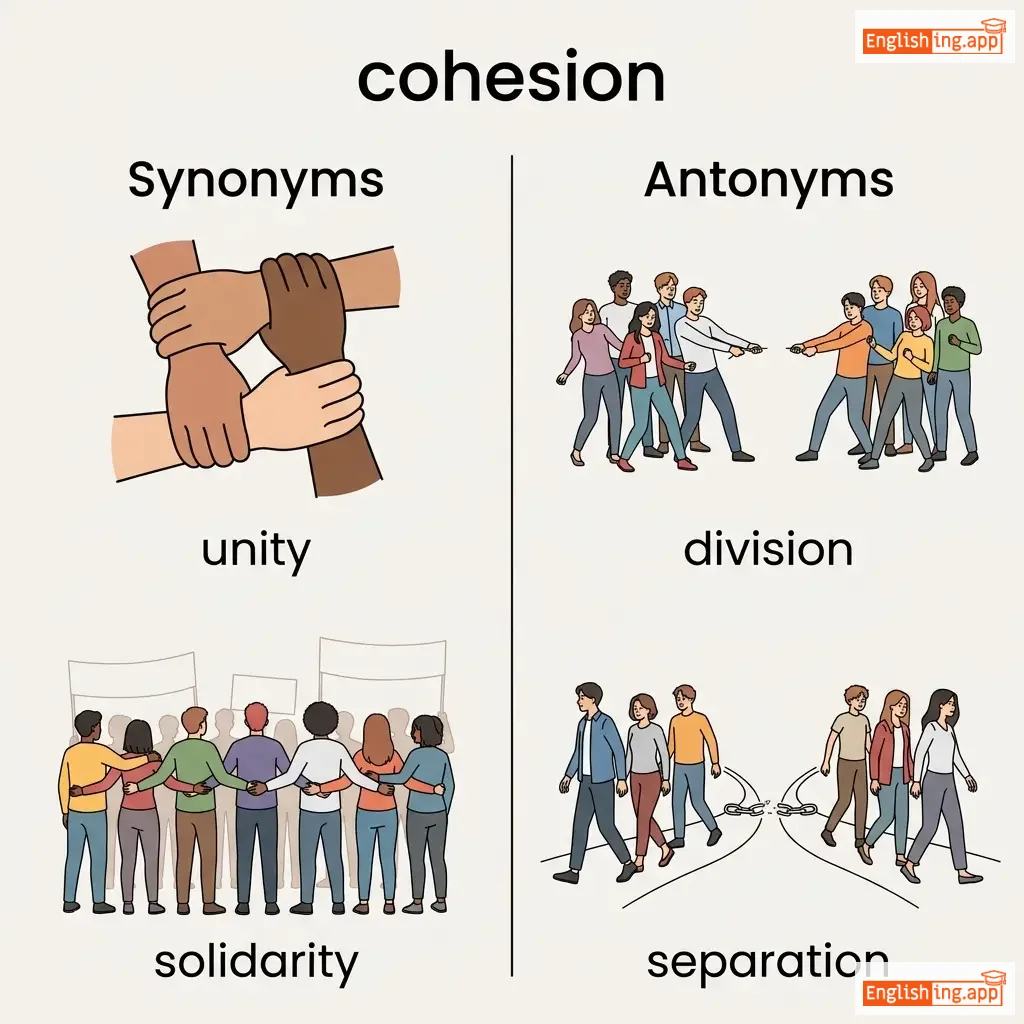
unity, consistency, logical flow
••••••
|
disorganization, fragmentation, incoherence
••••••
|
凝聚力就像是连接不同部分的力量,确保流畅的演讲。
••••••
|
|
#2254
📏
|
kənˈsaɪs
adjective
(kənˈsaɪs)
••••••
|
|
简洁
jianjie
••••••
|
Brief and clearly expressed without unnecessary details.
••••••
|
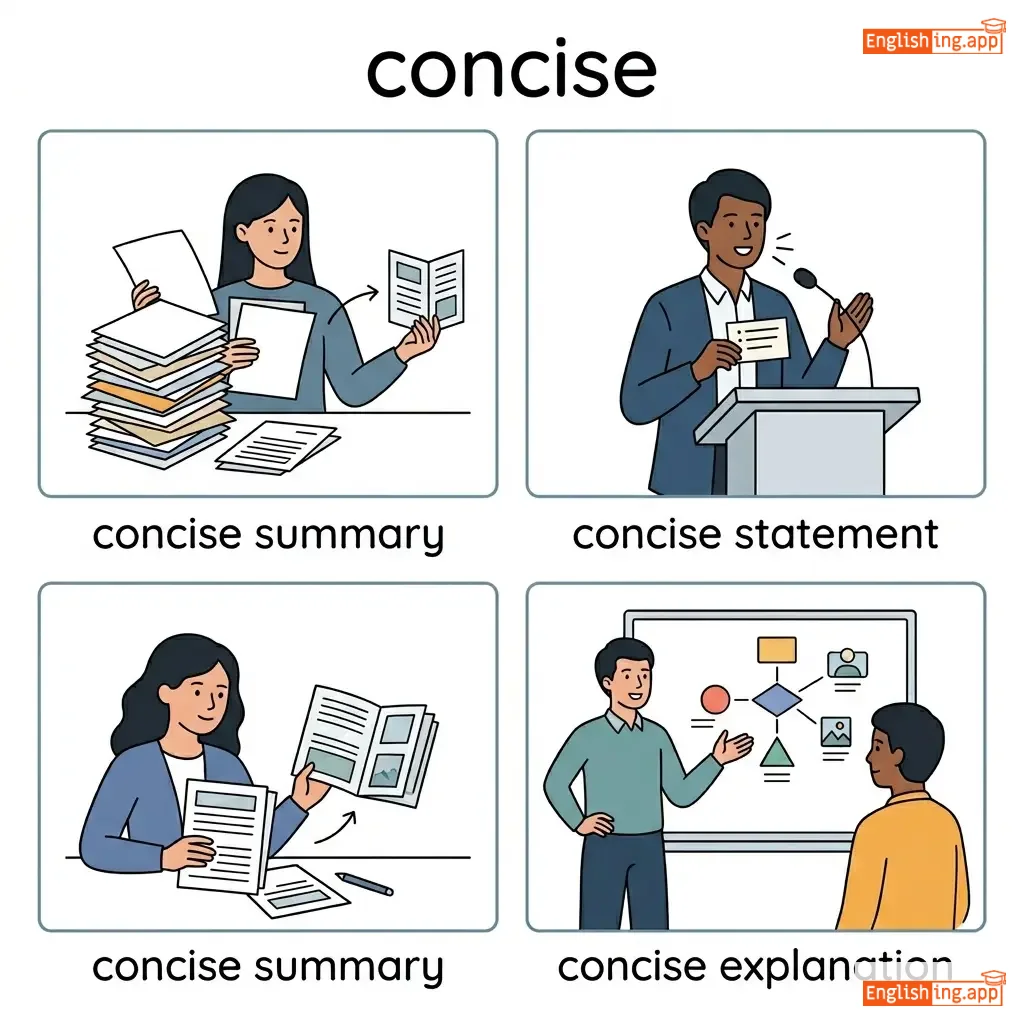
A concise speech is more impactful than a long one.
简洁的演讲比冗长的演讲更有影响力。
••••••
|
简洁的演讲比冗长的演讲更有影响力。
Jiǎnjié de yǎnjiǎng bǐ rǒngcháng de yǎnjiǎng gèng yǒu yǐngxiǎnglì.
••••••
|
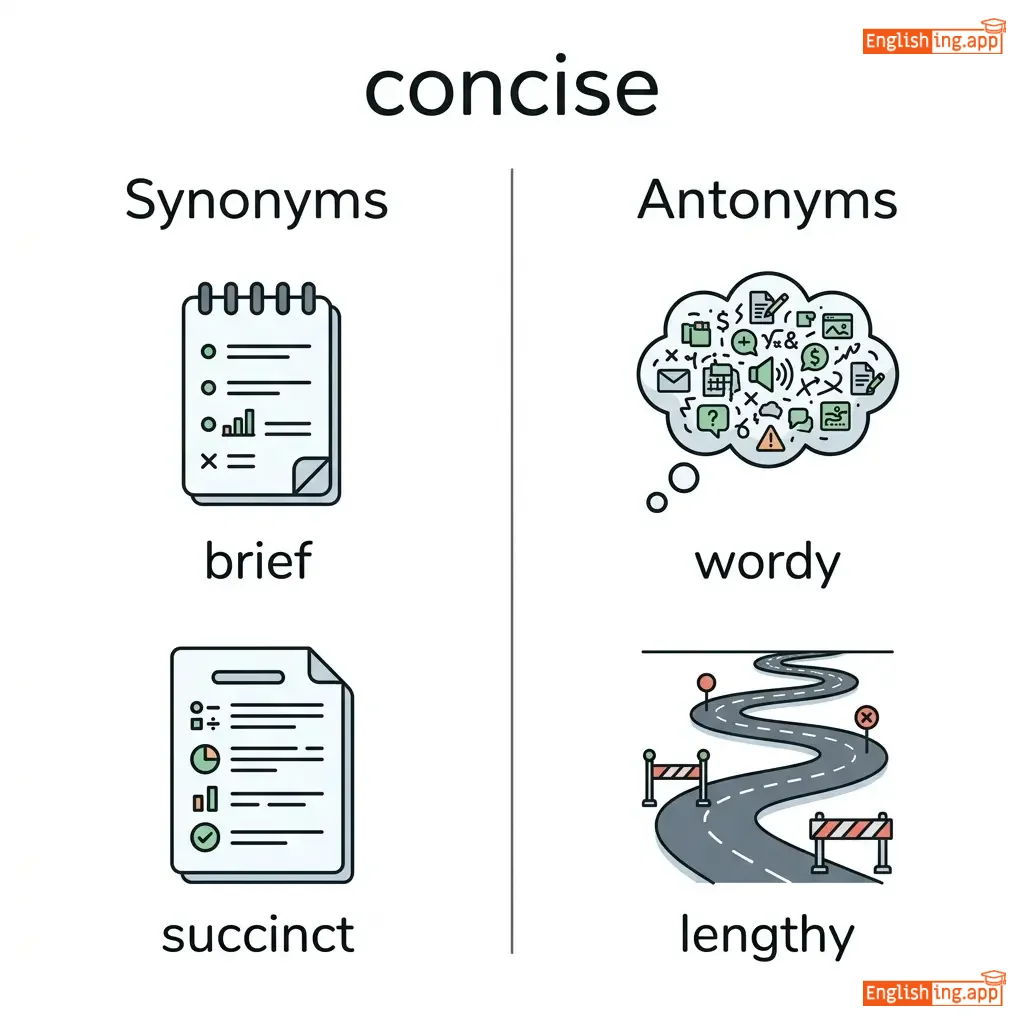
brief, succinct, compact
••••••
|
lengthy, wordy, redundant
••••••
|
简洁 = 简短又有力。
••••••
|
|
#2255
🎶
|
ˌɪn.toʊˈneɪ.ʃən
noun
(音调)
••••••
|
|
语调
yǔdiào
••••••
|
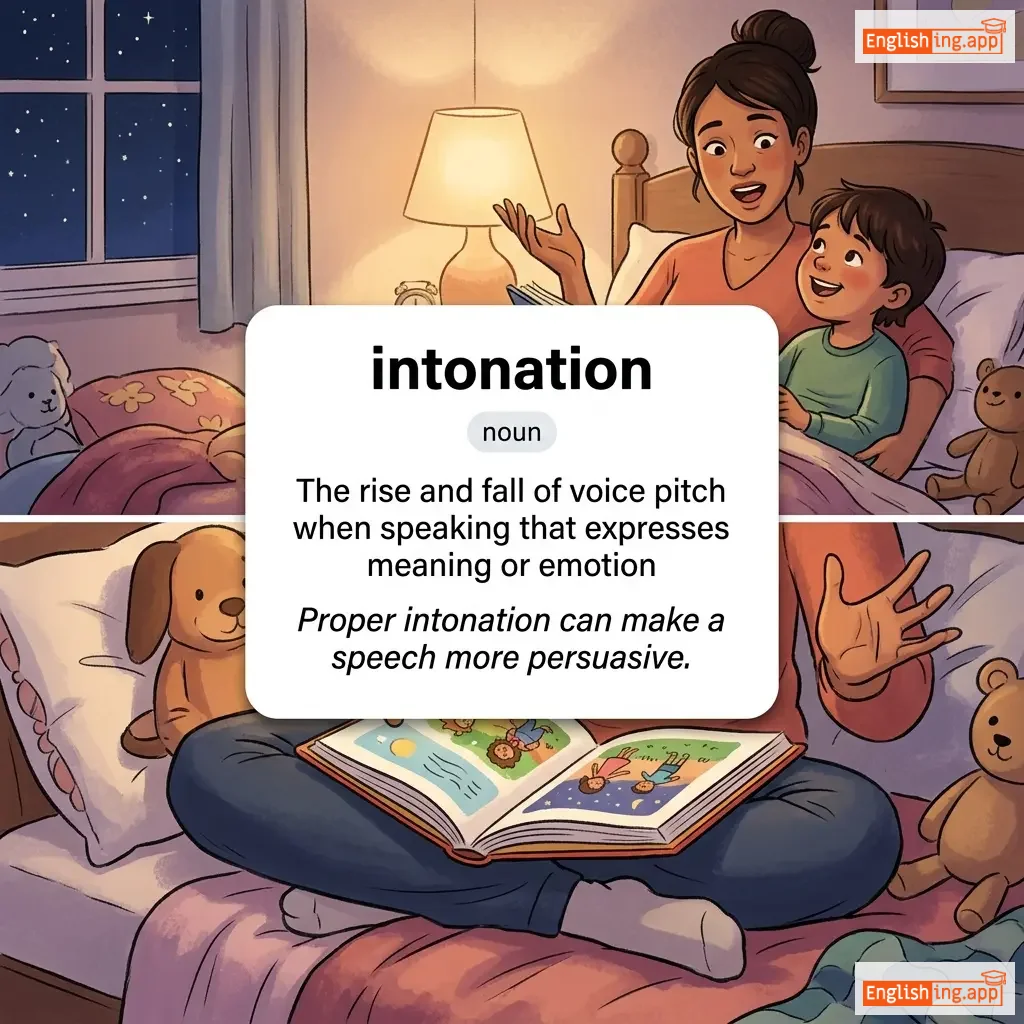
The rise and fall of tone in speech and pronunciation.
••••••
|
Proper intonation enhances the clarity of a speech.
正确的音调提高演讲的清晰度。
••••••
|
正确的语调提高演讲的清晰度。
Zhèngquè de yǔdiào tígāo yǎnjiǎng de qīngxī dù.
••••••
|
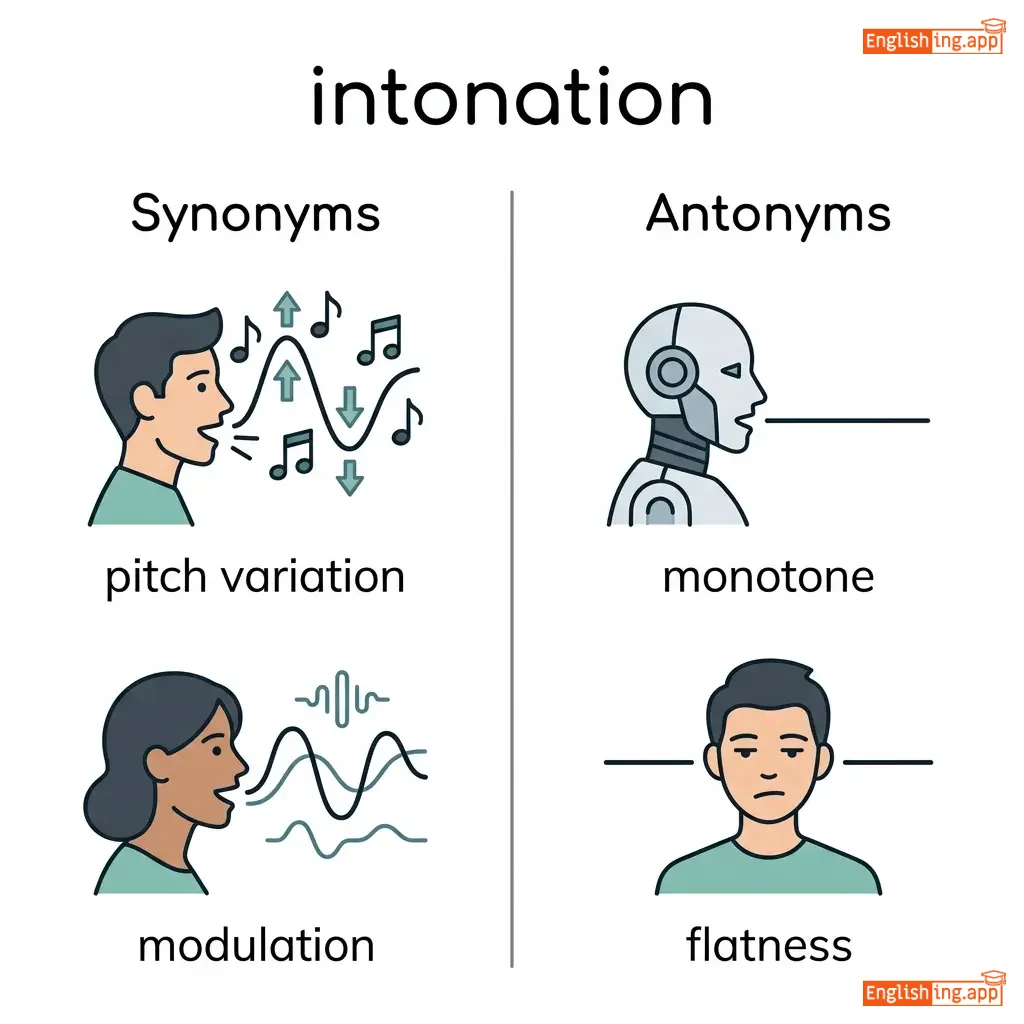
tone, modulation, pitch variation
••••••
|
monotone, flatness, inexpressiveness
••••••
|
In Chinese, '语调' refers to the rise and fall of tone, just like 'intonation' in English.
••••••
|
|
#2256
📈
|
ɪnˈflɛk.ʃən
noun
(ɪnˈflɛkʃən)
••••••
|
|
语调变化
yǔdiào biànhuà
••••••
|
The change in pitch or tone of voice when speaking for emphasis.
••••••
|
His inflection kept the audience engaged.
他的语调让观众保持关注。
••••••
|
他的语调让观众保持关注。
Tā de yǔdiào ràng guānzhòng bǎochí guānzhù.
••••••
|
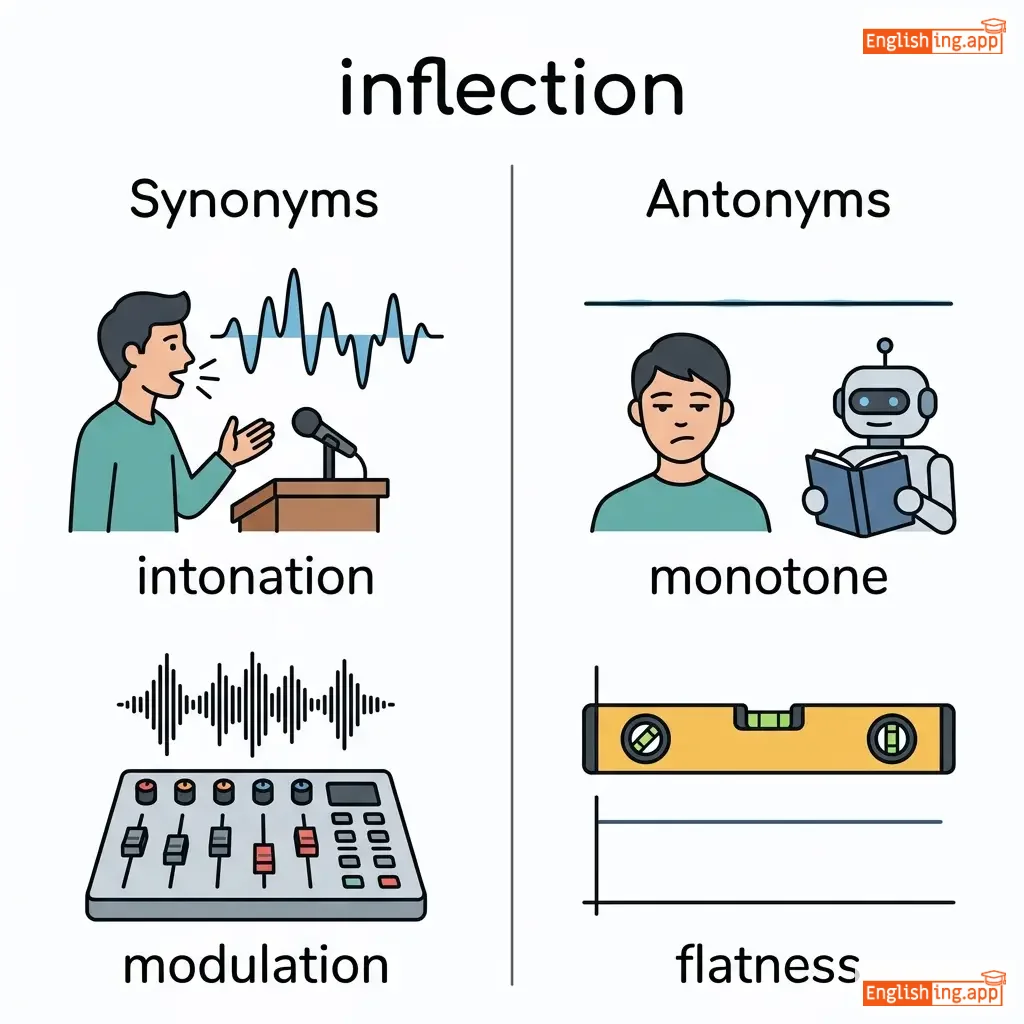
modulation, emphasis, variation
••••••
|
monotony, flatness, uniformity
••••••
|
语调变化在中文中意味着‘语调’和‘变化’,想象你改变音调强调重点。
••••••
|
|
#2257
🧘
|
pɔɪz
noun
(poiz)
••••••
|
|
自信与冷静
zixin yu lengjing
••••••
|
Natural confidence and composure maintained under pressure.
••••••
|
A good speaker maintains poise under pressure. |
一个好的演讲者在压力下保持冷静。
Yi ge hao de yanjiang zhe zai yali xia baochi lengjing.
••••••
|
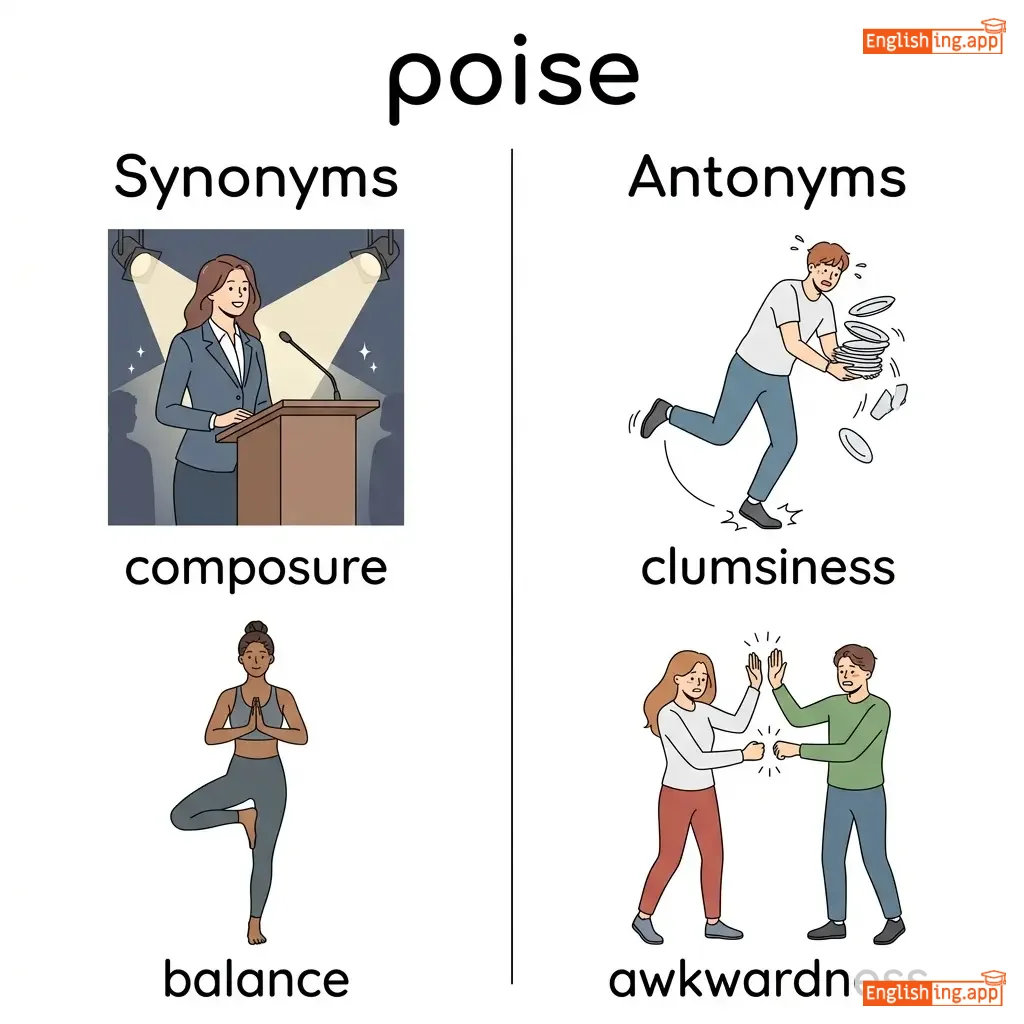
composure, balance, confidence
••••••
|
nervousness, instability, clumsiness
••••••
|
将自信与冷静组合在一起帮助记住。
••••••
|
|
#2258
🙌
|
ˈdʒes.tʃərz
noun
(ɡɛstʊrz)
••••••
|
|
手势
shǒushì
••••••
|
Body movements, especially of hands, face, or body when speaking.
••••••
|
Effective gestures add emphasis to a speech.
有效的手势为演讲增添了强调。
••••••
|
有效的手势为演讲增添了强调。
Yǒuxiào de shǒushì wèi yǎnjiǎng zēngtiān le qiángdiào.
••••••
|
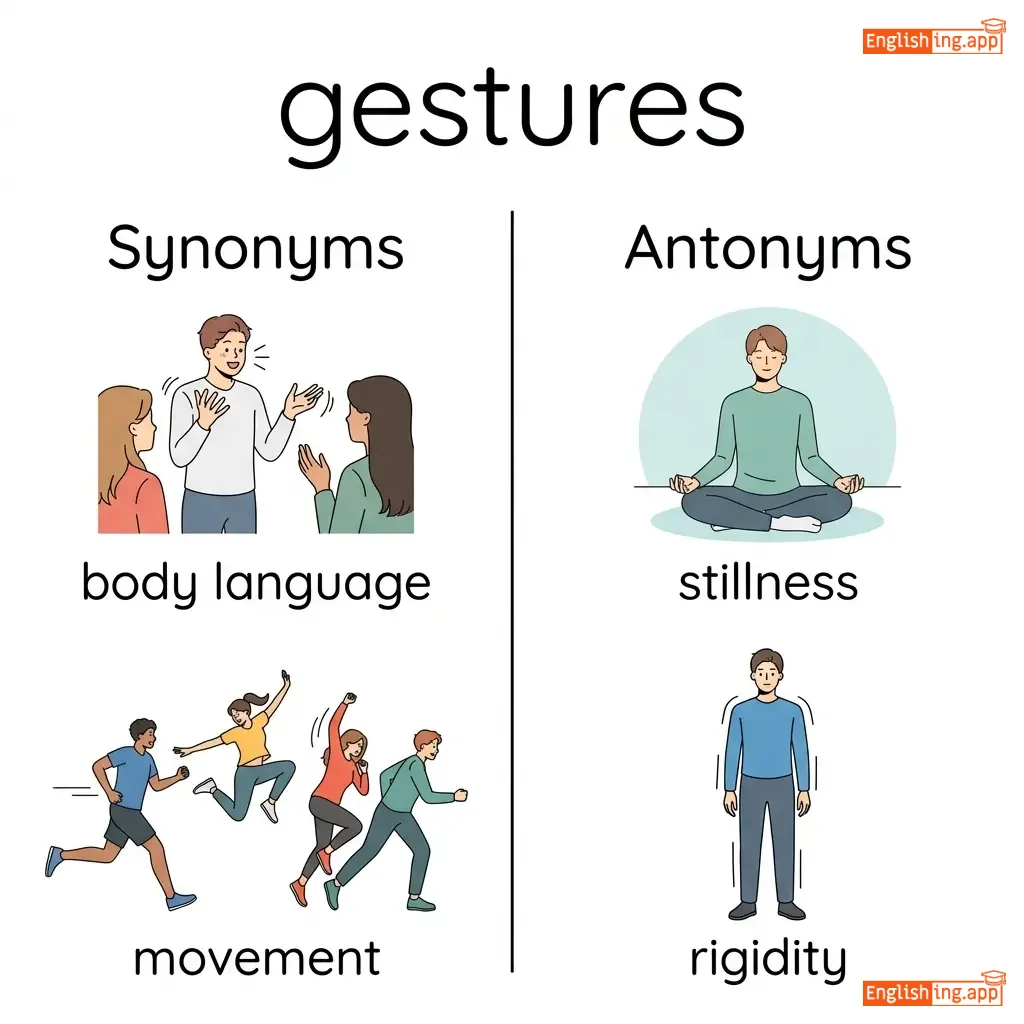
body language, movement, expression
••••••
|
stillness, rigidity, inaction
••••••
|
手势是传递信息的身体语言,用来强调说话的内容。
••••••
|
|
#2259
📢
|
prəˈdʒɛk.ʃən
noun
(投射)
••••••
|
|
声音投射
shēngyīn tóushè
••••••
|
The strength and range of voice when speaking.
••••••
|
Proper projection ensures that every listener hears clearly.
适当的投射确保每个听众都能清晰地听到。
••••••
|
适当的投射确保每个听众都能清晰地听到。
shìdàng de tóushè quèbǎo měi gè tīngzhòng dōu néng qīngxī de tīngdào.
••••••
|
voice amplification, loudness, clarity
••••••
|
muffled speech, softness, inaudibility
••••••
|
声音投射就像一道光,使每个听众都能清楚地听见你说的话。
••••••
|
|
#2260
🔊
|
ˈrɛz.ə.nəns
noun
(ruí zōu nán sī)
••••••
|
|
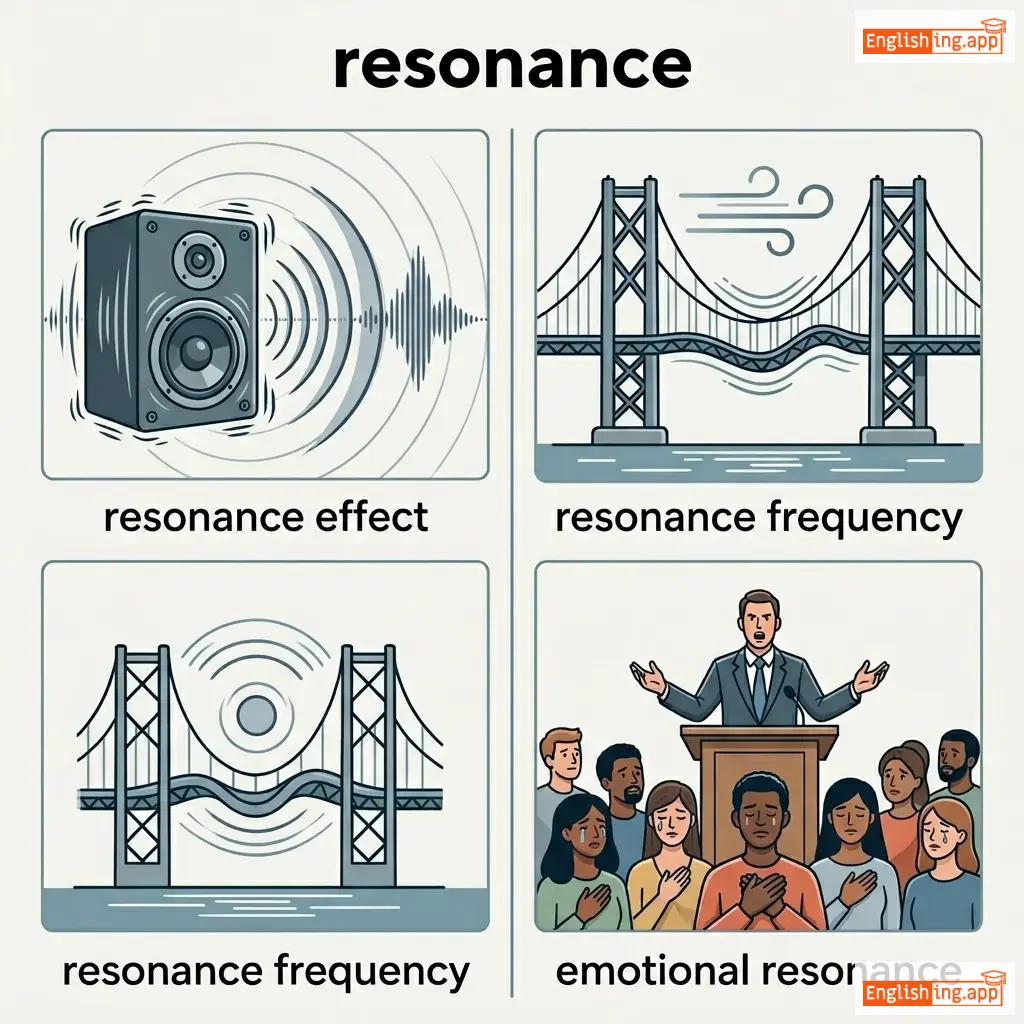
深沉、丰富、引人注目的声音,吸引观众的注意
shēnchén, fēngfù, yǐn rén zhùmù de shēngyīn, xīyǐn guānzhòng de zhùyì
••••••
|
Deep, rich, and appealing voice that attracts audience attention.
••••••
|
A speaker with strong resonance captivates the audience.
一个有强烈共鸣的演讲者能吸引观众的注意。
••••••
|
一个有强烈共鸣的演讲者能吸引观众的注意。
Yī gè yǒu qiángliè gòngmíng de yǎnjiǎng zhě néng xīyǐn guānzhòng de zhùyì.
••••••
|
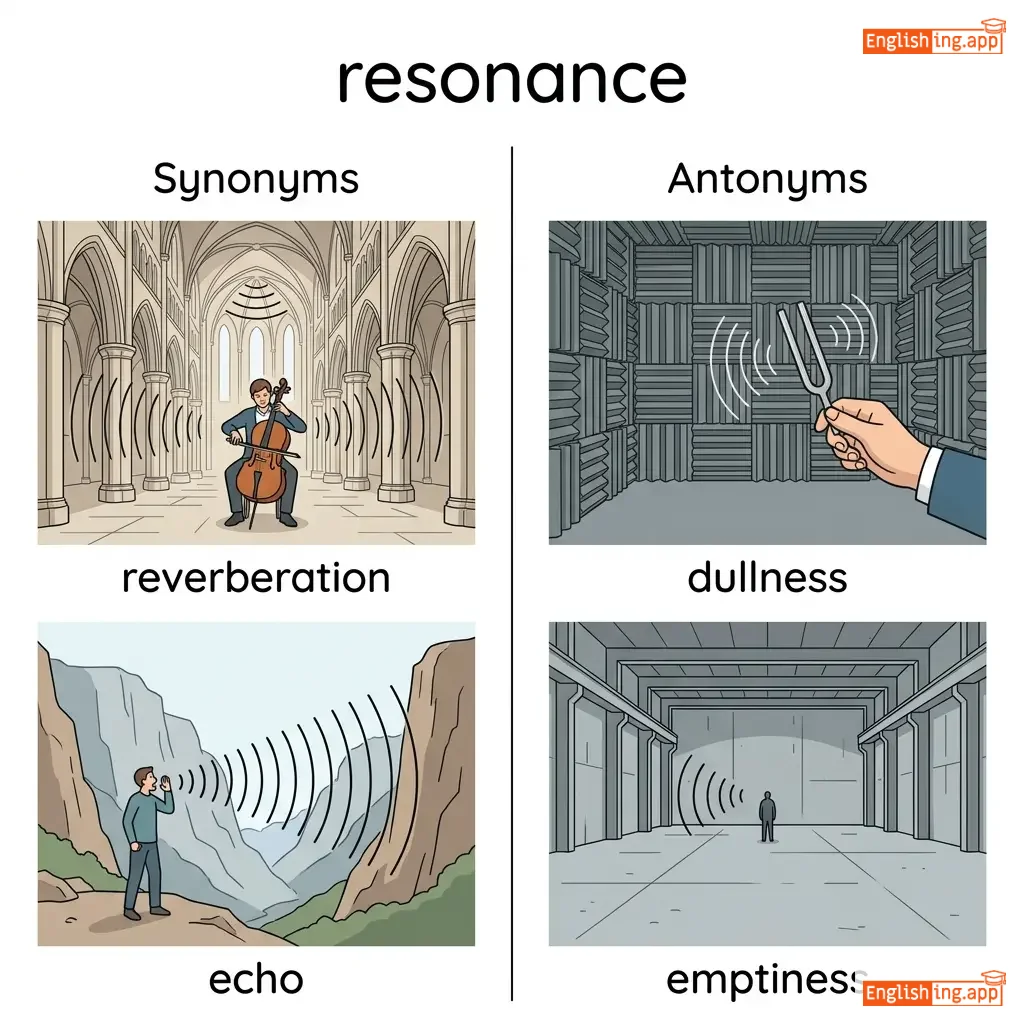
depth, vibration, richness
••••••
|
weakness, dullness, flatness
••••••
|
Resonance in Chinese sounds like 'ruí zōu nán sī' - reminding of a voice that captures attention.
••••••
|
|
#2261
✅
|
vəˈræs.ɪ.ti
noun
(维拉西提)
••••••
|
|
真实性
zhēn shí xìng
••••••
|
Truthfulness and reliability of information or statements.
••••••
|
A speaker's veracity builds trust with the audience. |
演讲者的真实性建立了与听众的信任。
Yǎnjiǎng zhě de zhēnshíxìng jiànlì le yǔ tīngzhòng de xìnrèn.
••••••
|
truthfulness, accuracy, credibility
••••••
|
falsehood, deception, inaccuracy
••••••
|
真实性是建立信任的基石。
••••••
|
|
#2262
🎯
|
pərˈsweɪ.ʒən
noun
(pèrsuāzhèn)
••••••
|
|
通过理性或情感说服某人
tōngguò lǐxìng huò qínggǎn shuōfú mǒurén
••••••
|
The act of convincing someone to change their viewpoint through reasoning or emotion.
••••••
|
Effective persuasion is key to a successful speech.
有效的劝说是成功演讲的关键。
••••••
|
有效的劝说是成功演讲的关键。
Yǒuxiào de quànshuō shì chénggōng yǎnjiǎng de guānjiàn.
••••••
|
influence, convincing, advocacy
••••••
|
disbelief, resistance, indifference
••••••
|
想象用理性或情感劝服某人,好像你正在做演讲。
••••••
|
Vocabulary Quiz
Test your vocabulary by matching words with their translations or meanings.
Login to take the quiz
Comments (0)
Share your thoughts and join the discussion.
Join the discussion by logging in
Login to CommentNo comments yet
Be the first to share your thoughts!