

为什么冬天会种更多的蔬菜
Why More Vegetables Grow in Winter
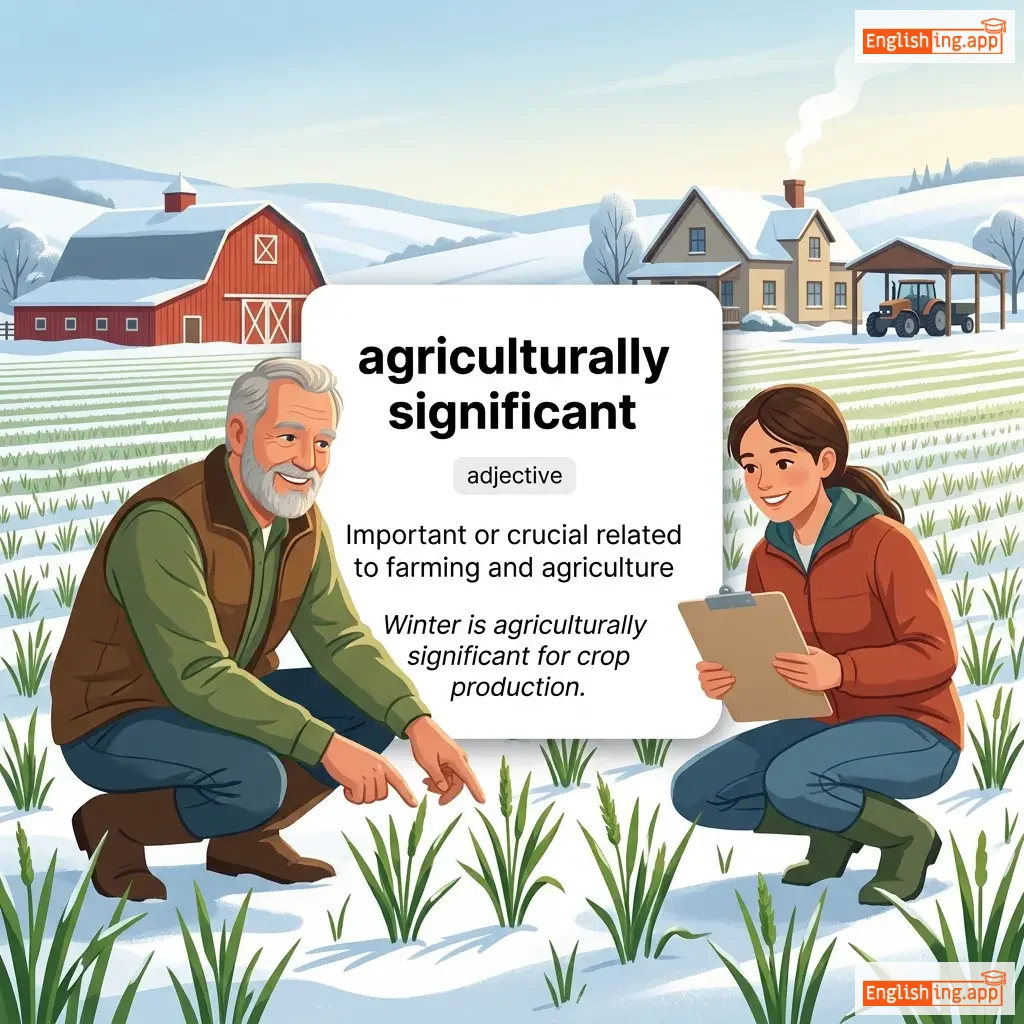
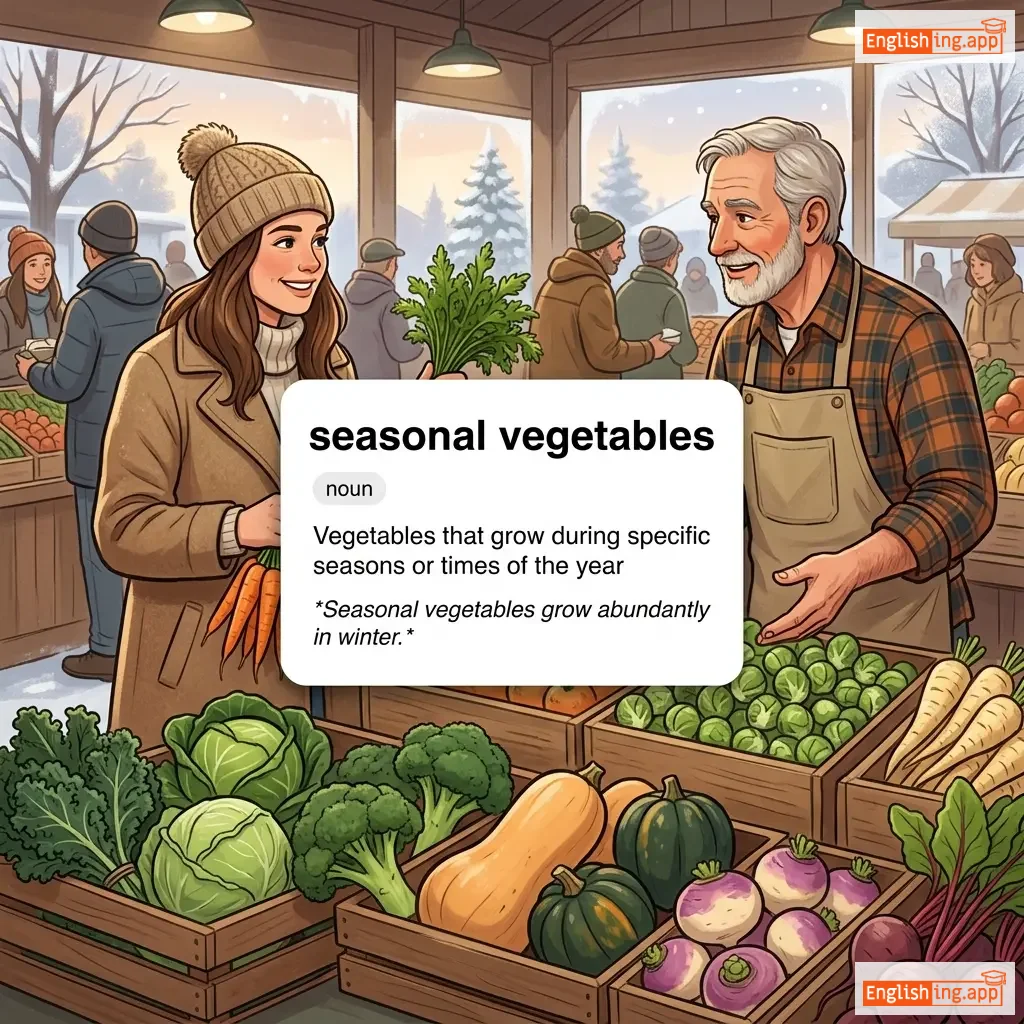
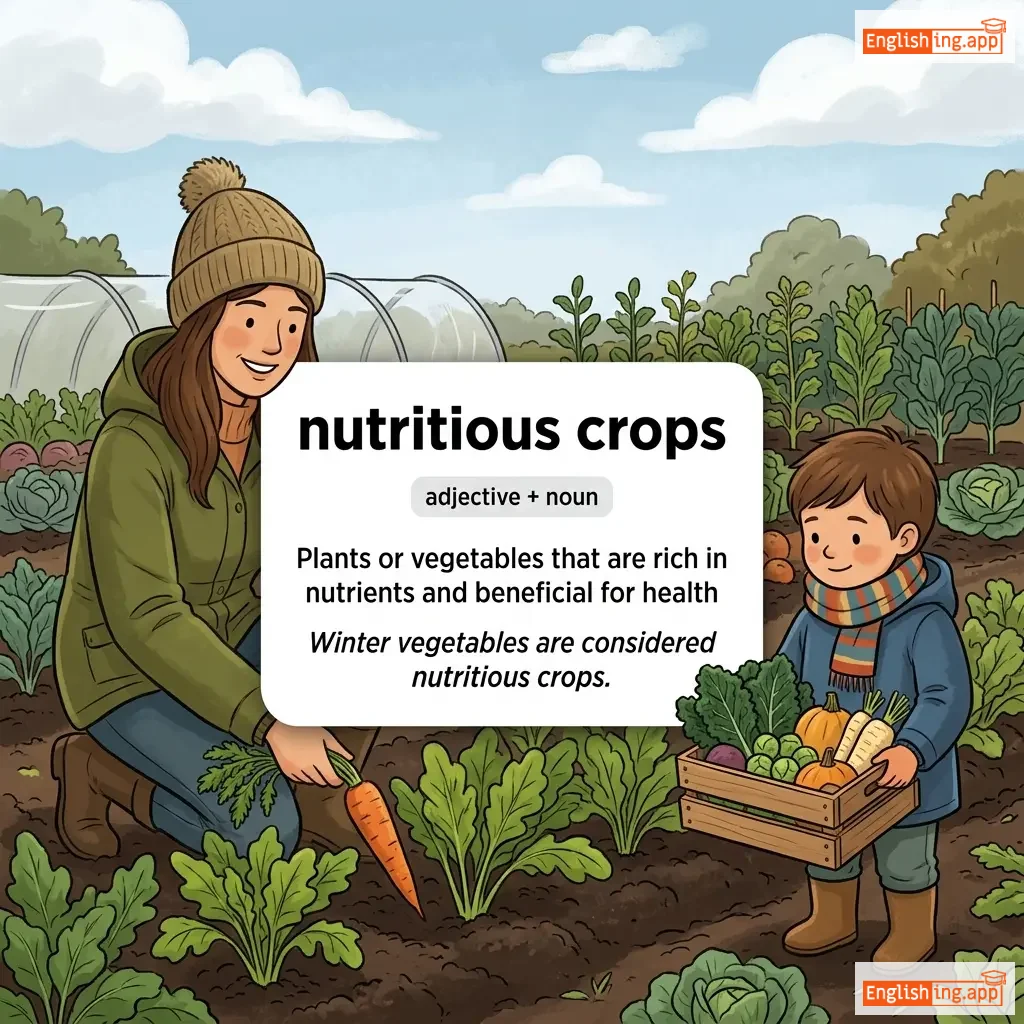
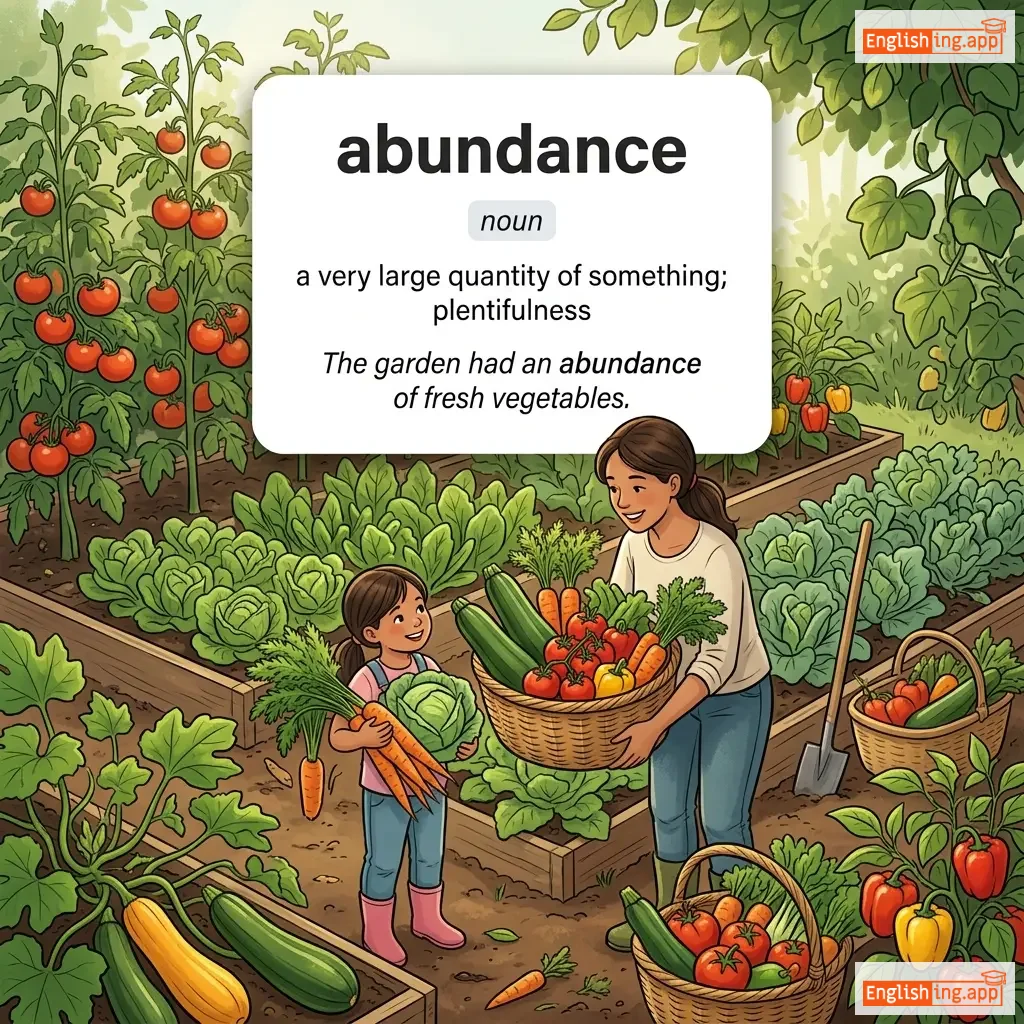
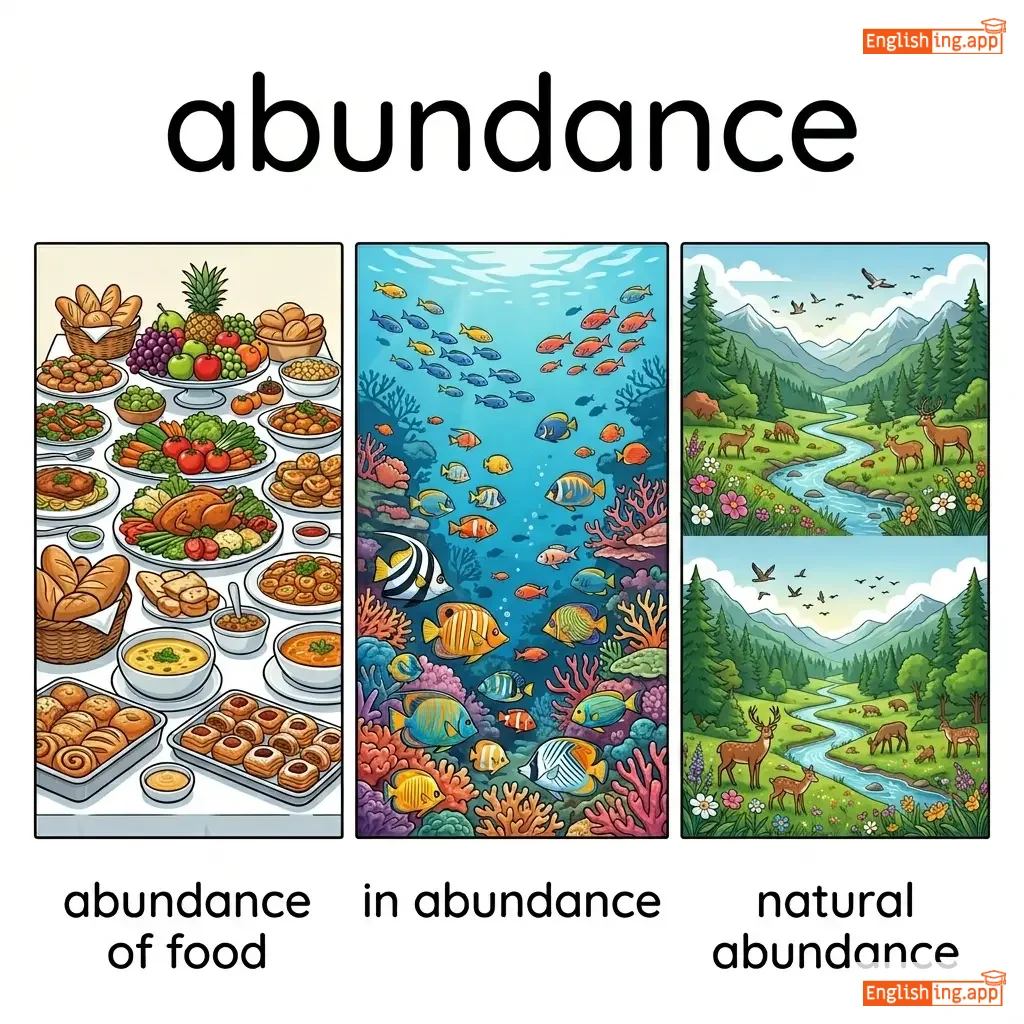
冬天对我们的国家来说是agriculturally significant的季节。除了稻米、小麦和玉米等主要作物外,冬季还种植各种seasonal vegetables。像卷心菜、花椰菜、胡萝卜和西红柿等nutritious crops,在冬天表现出其他季节少见的abundance。
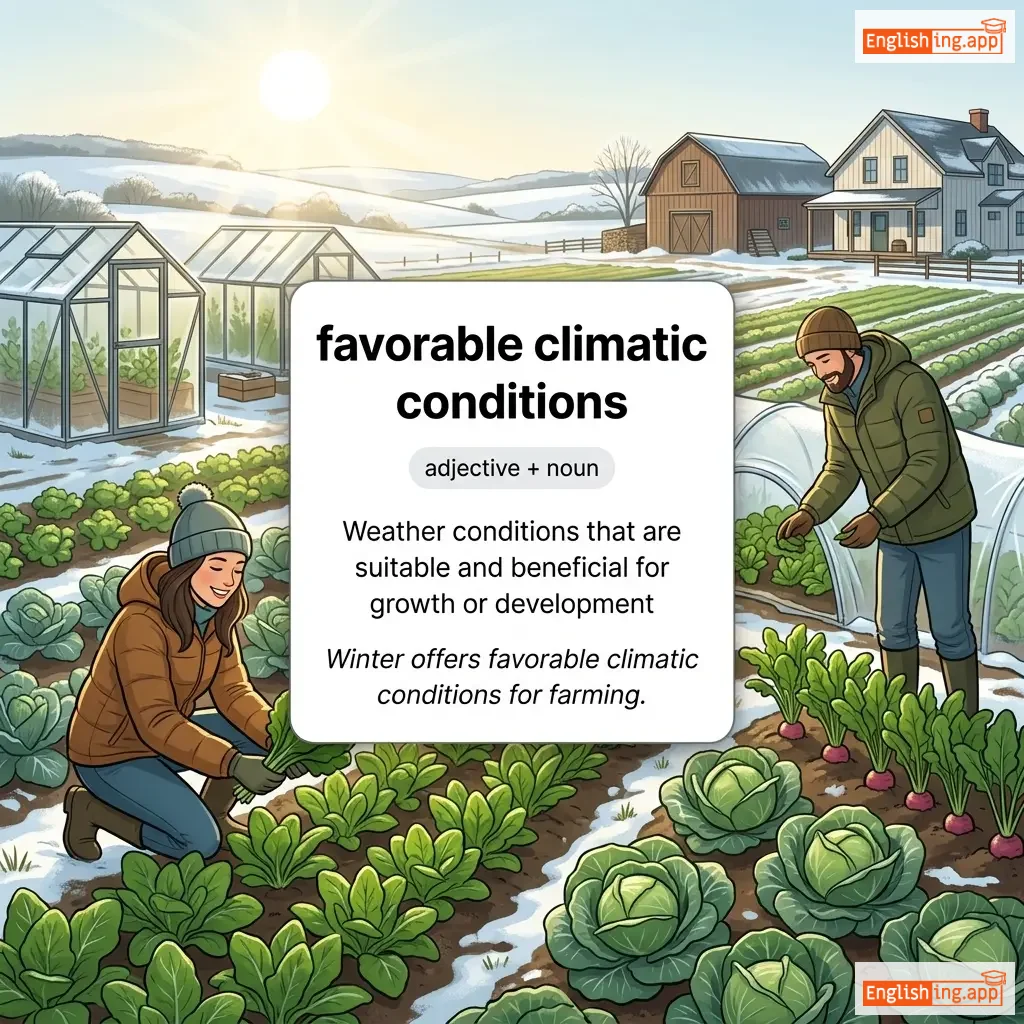
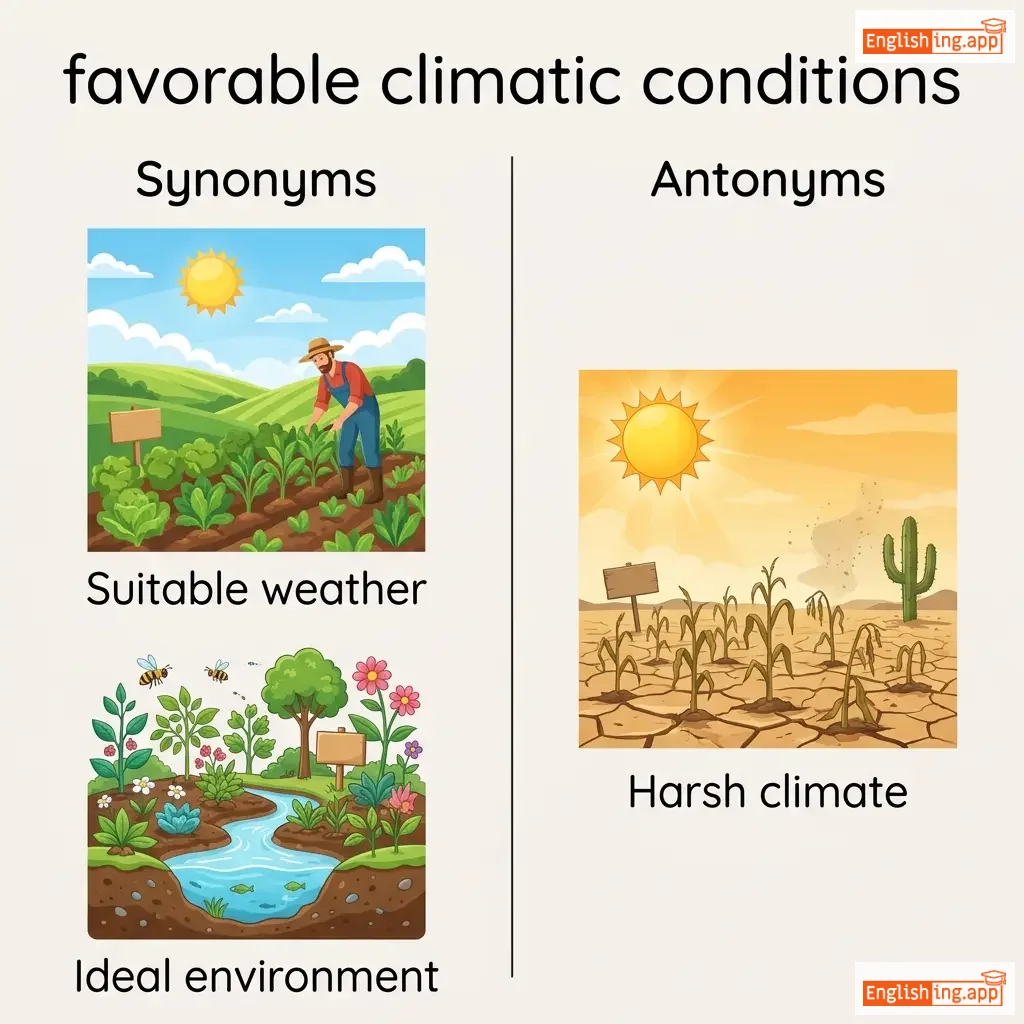
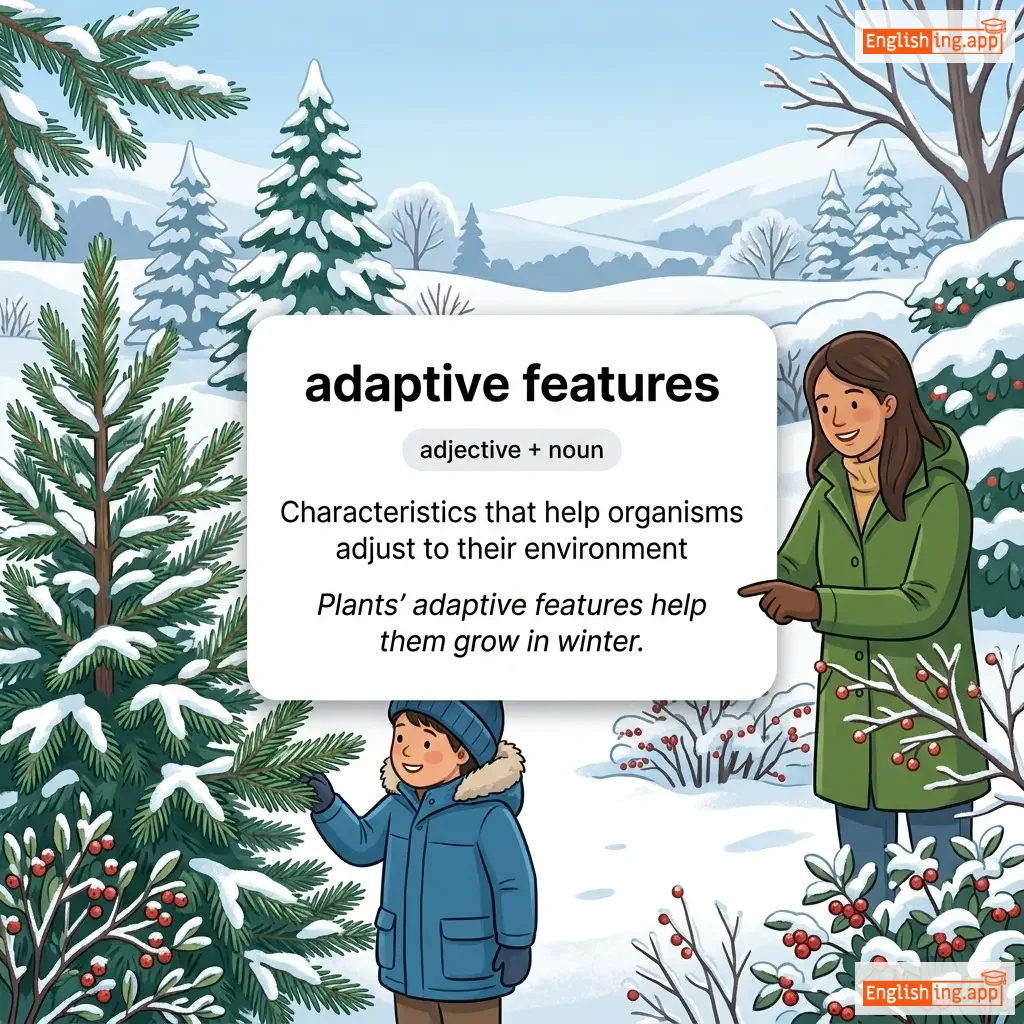
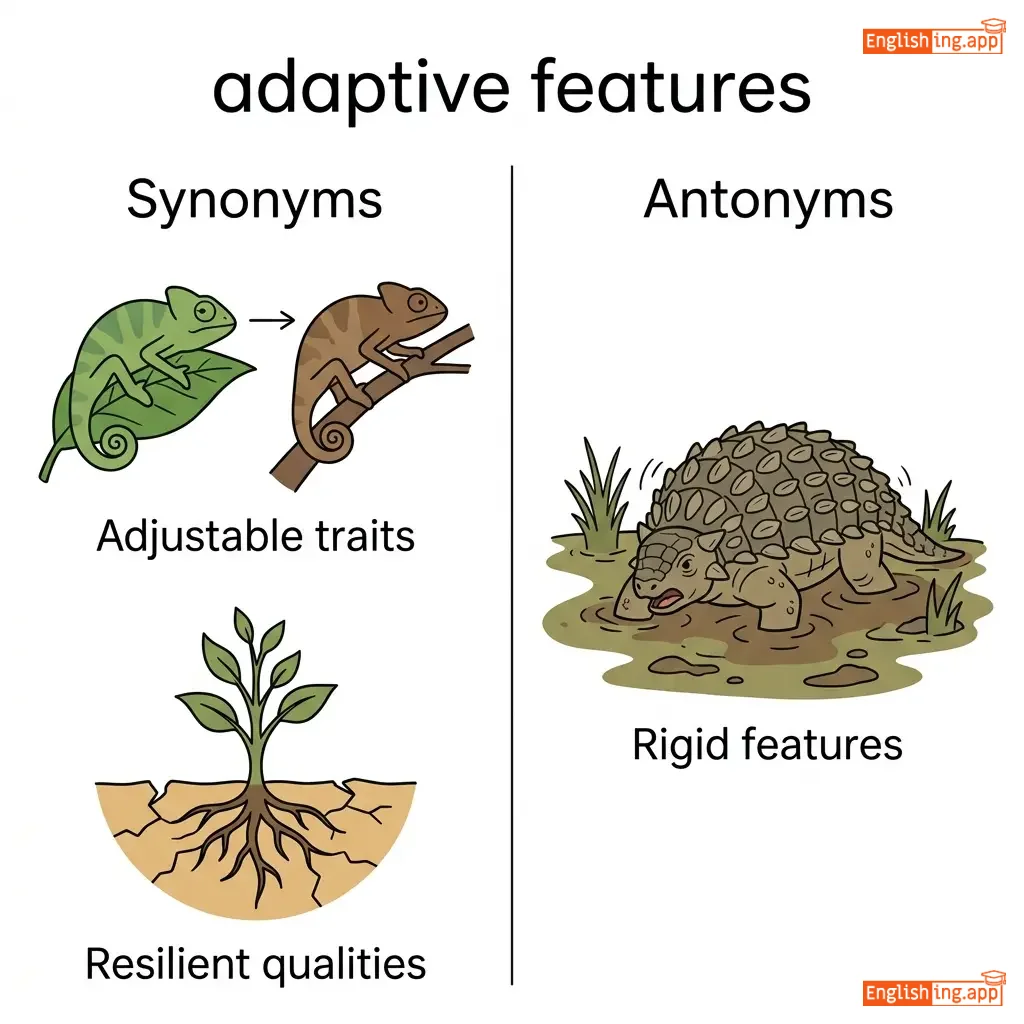
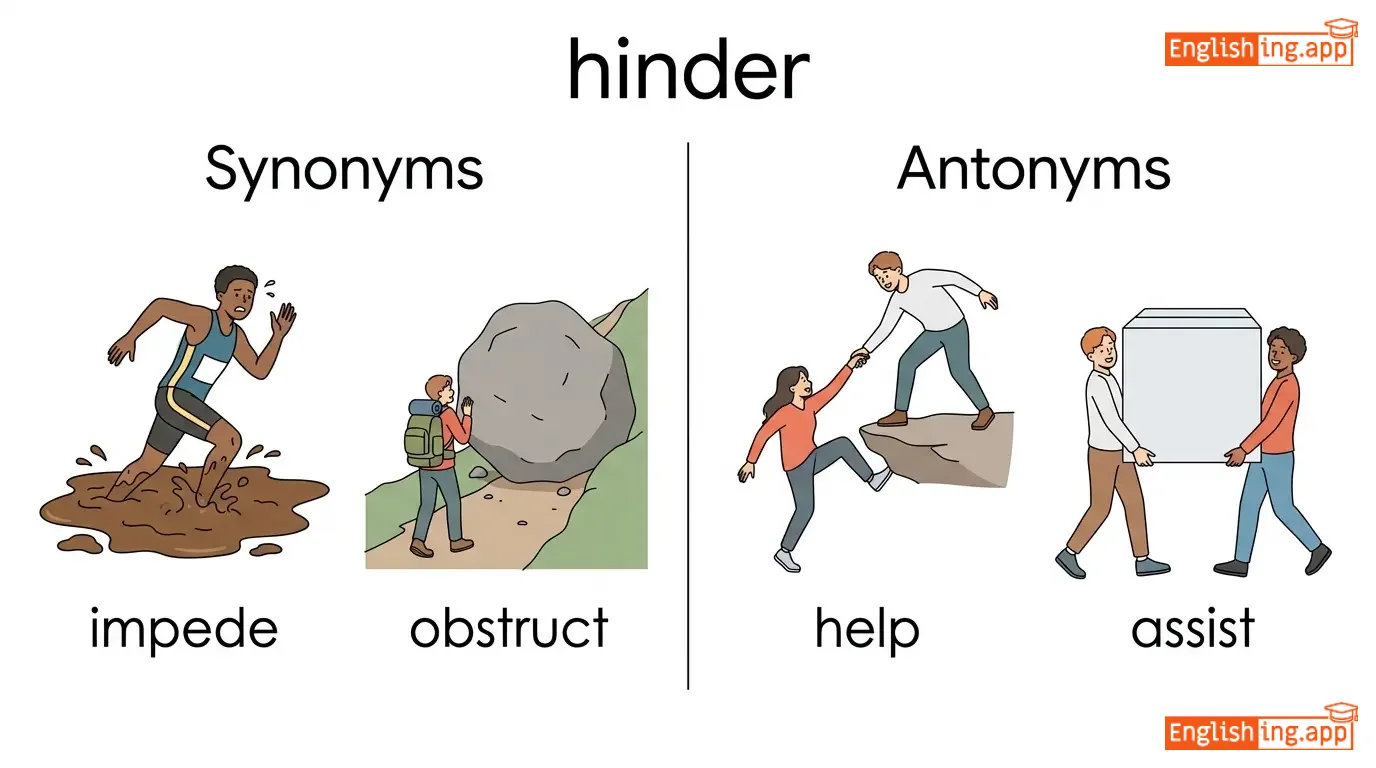
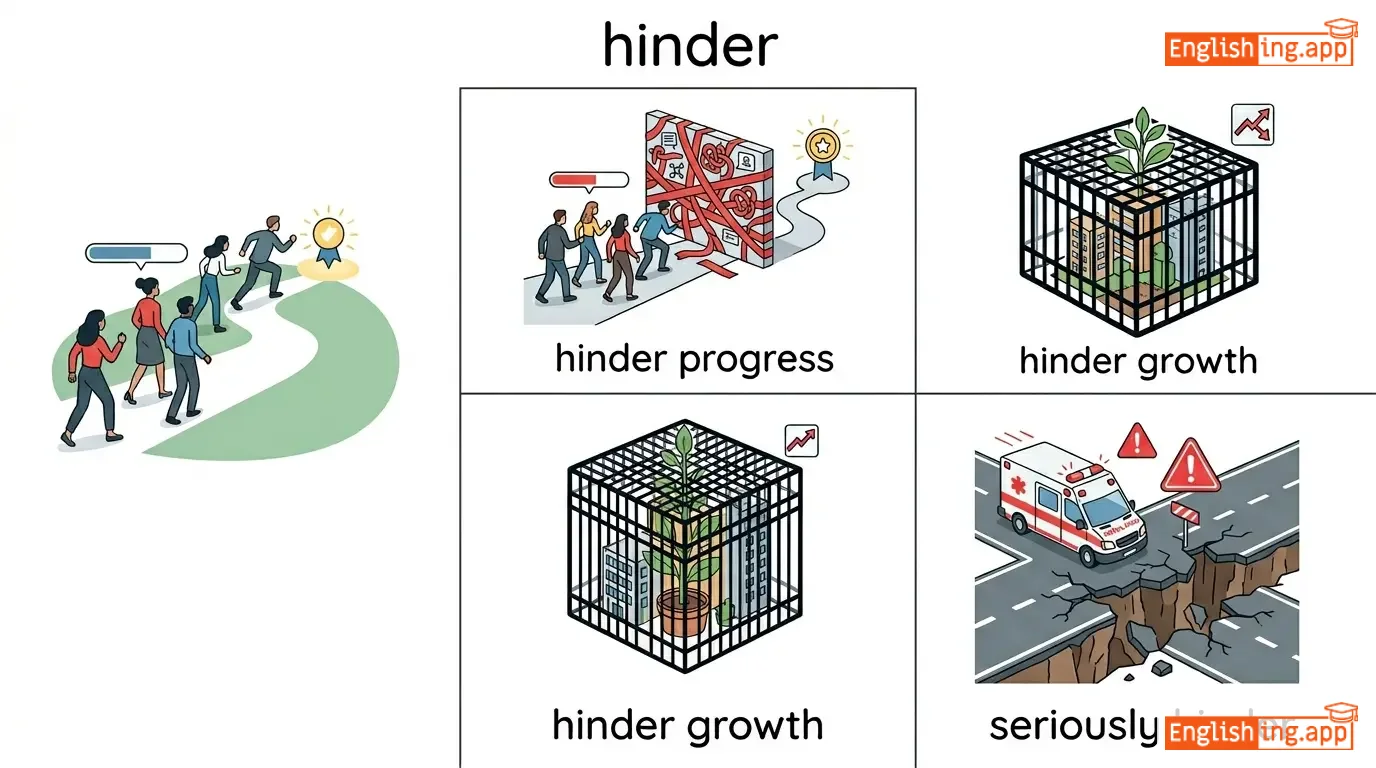
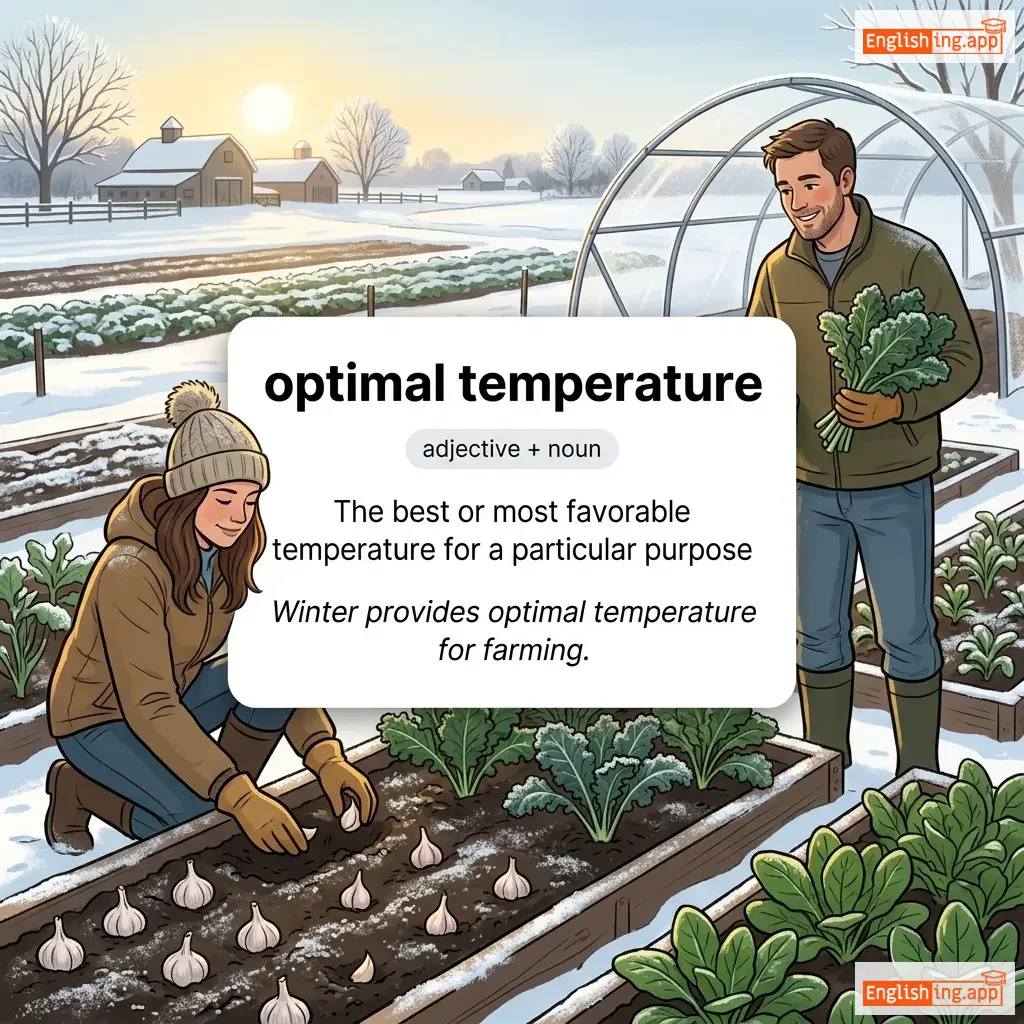
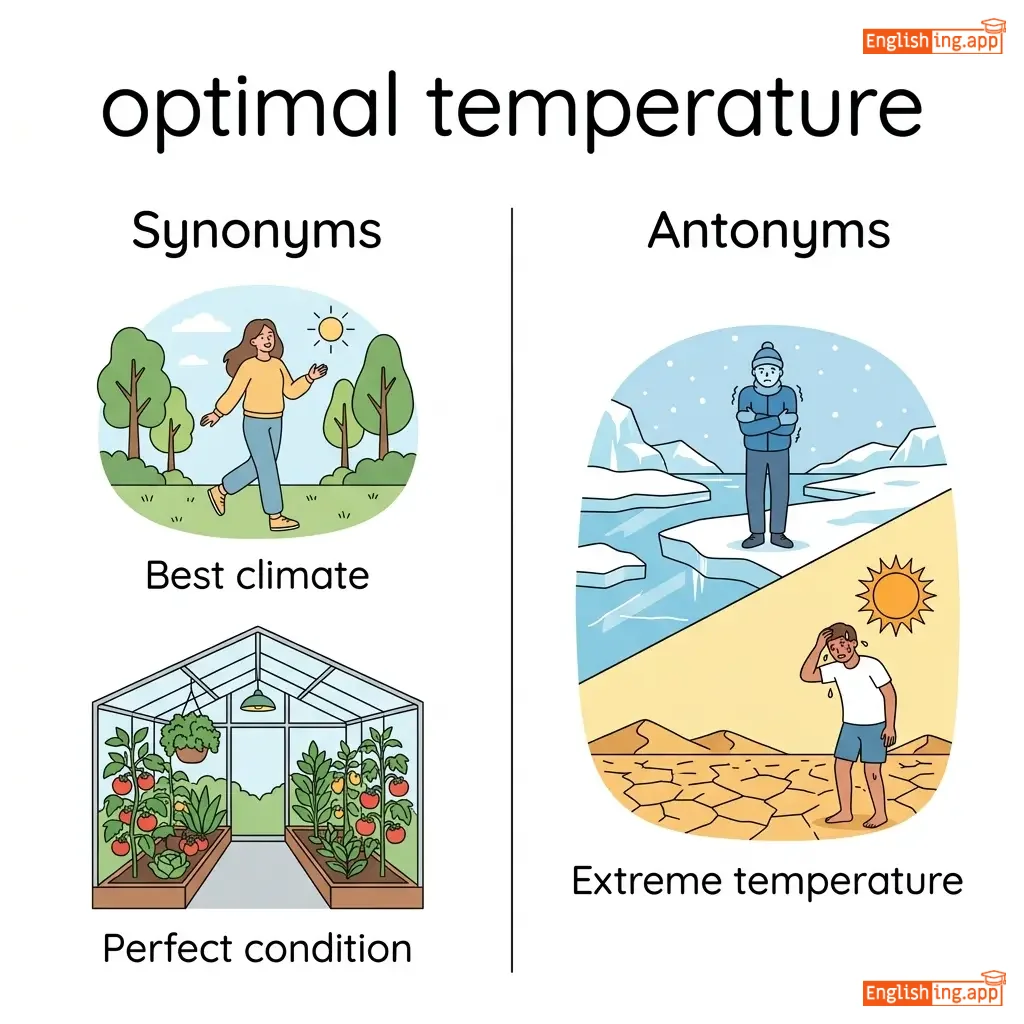
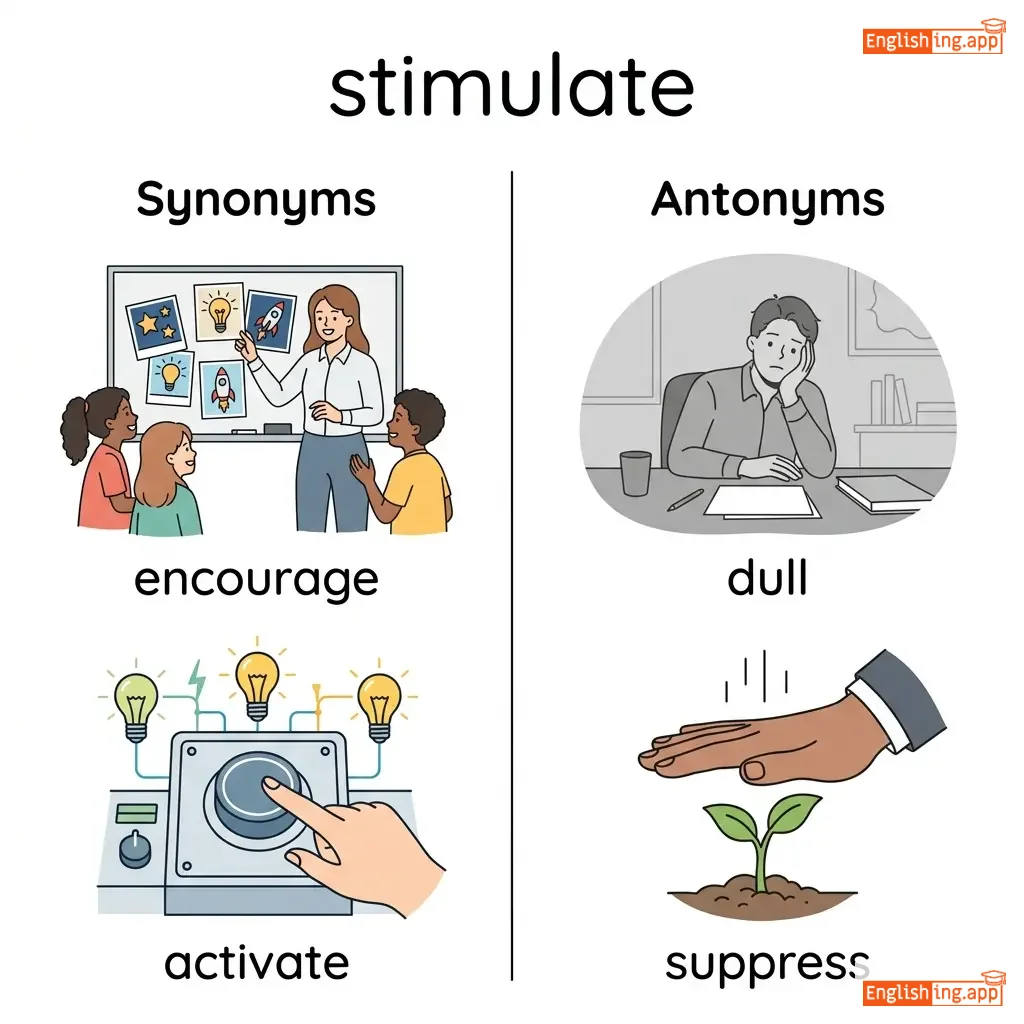
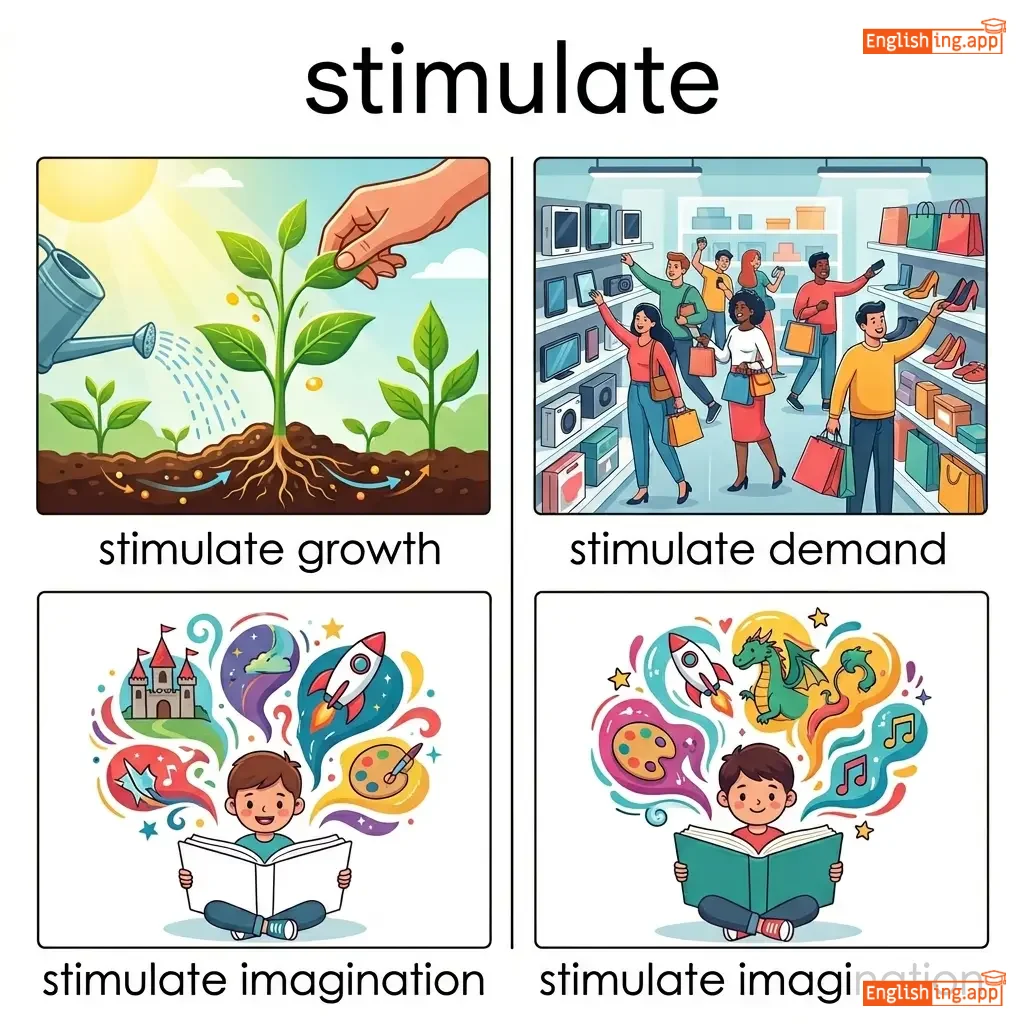
冬季蔬菜生长繁盛的原因在于favorable climatic conditions以及植物自身的adaptive features。通常,过热和降雨会hinder蔬菜的生长。但冬天的optimal temperature(约15到25摄氏度)以及10至12小时的日照能够stimulate plant growth。
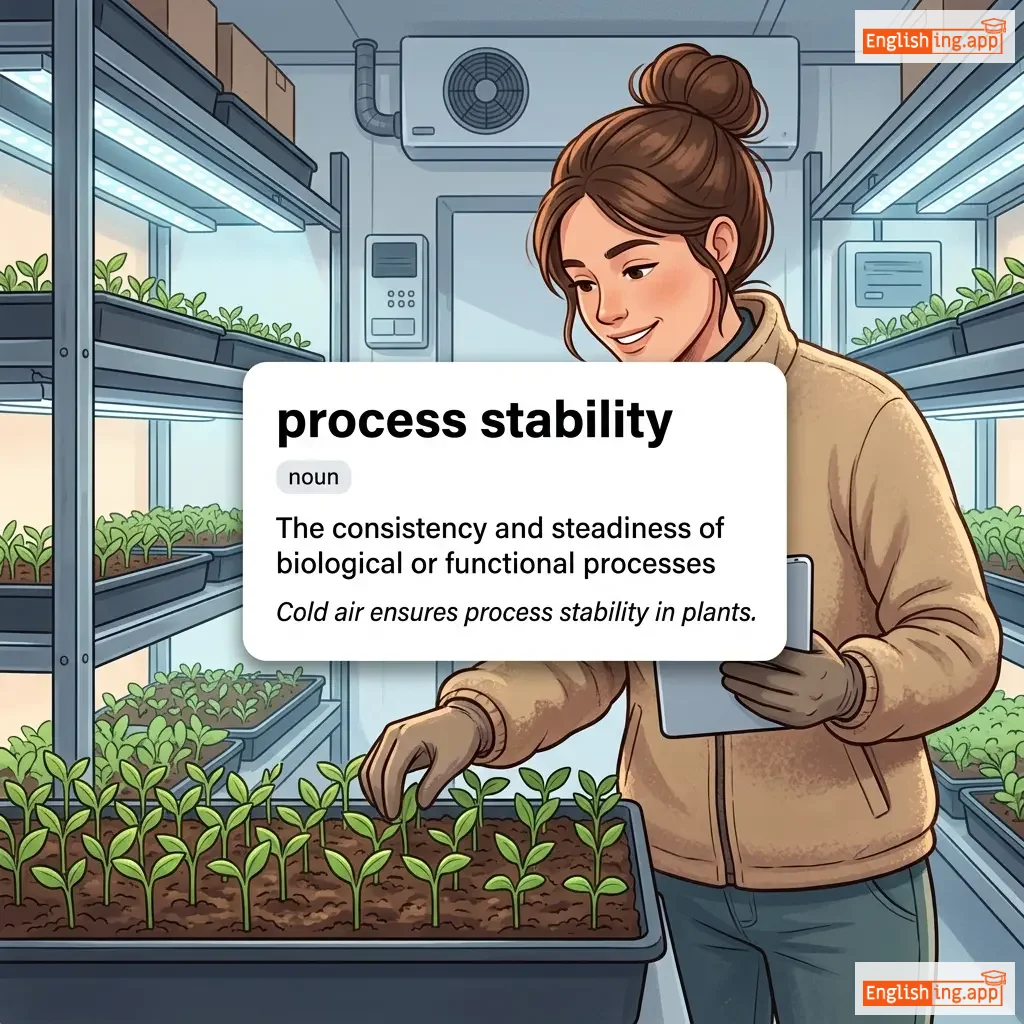
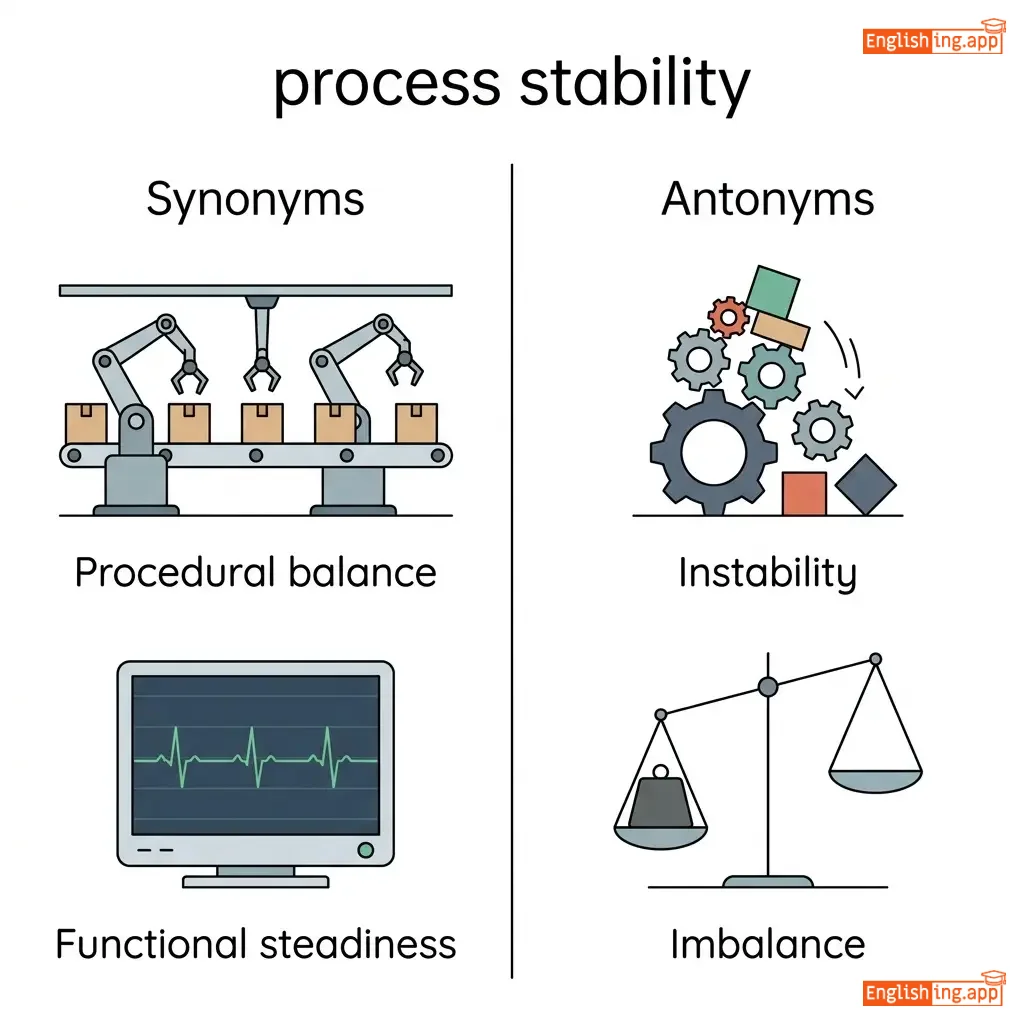
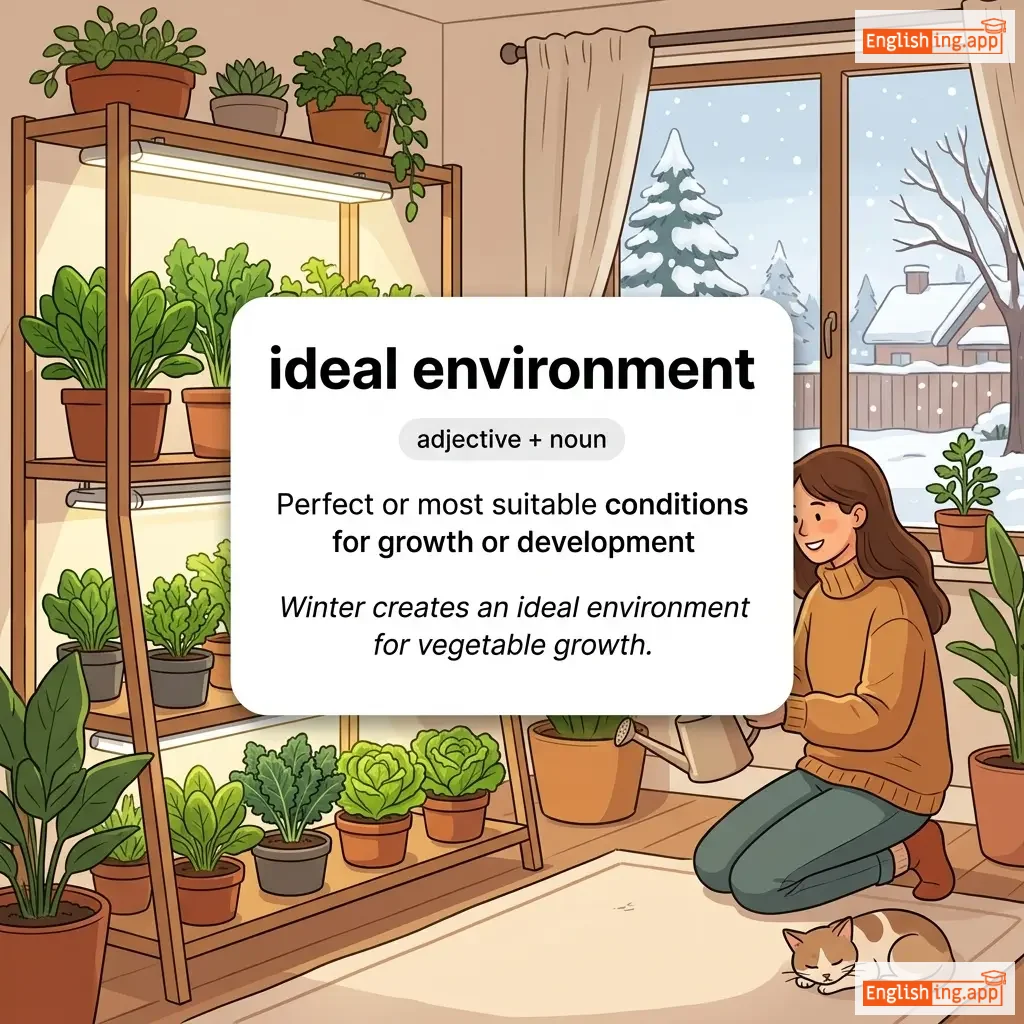
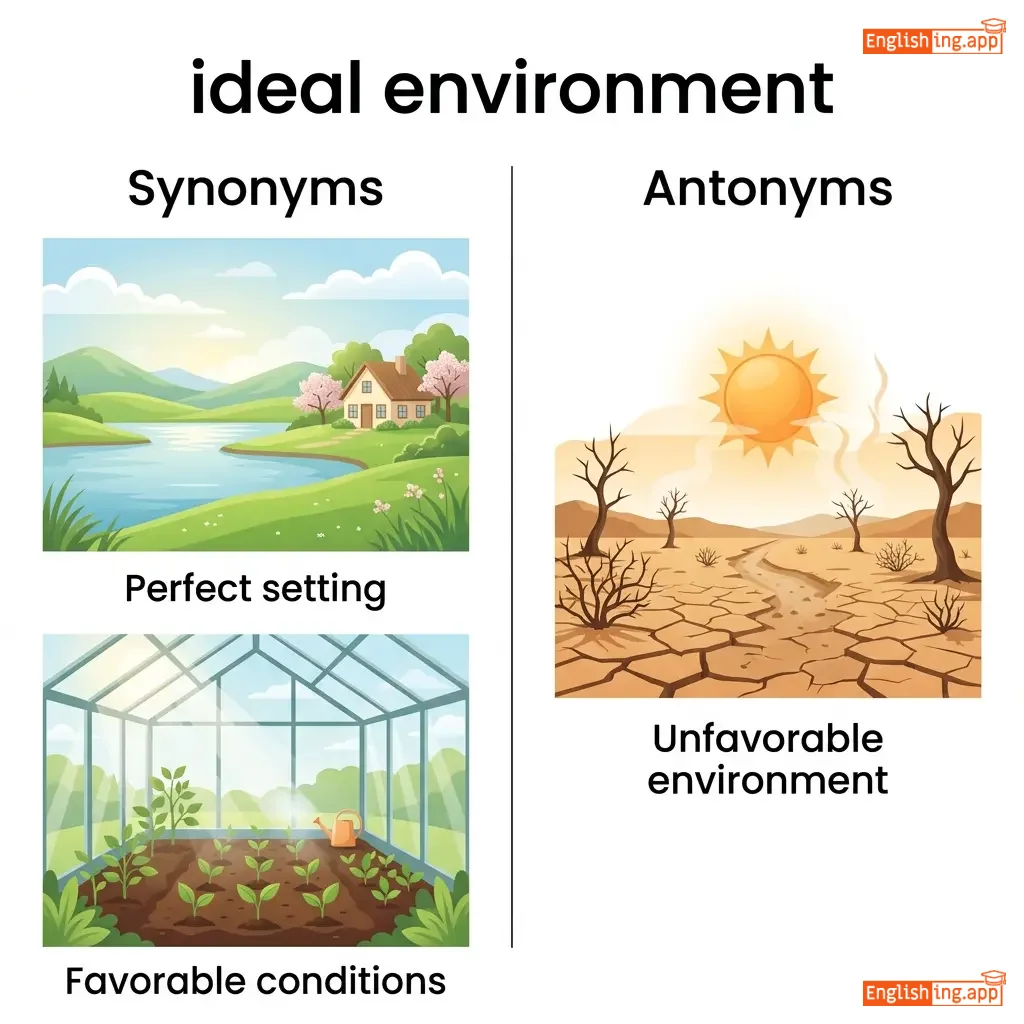
此外,雾气和冷空气维持植物生理过程的process stability,从而提高产量。冬天的这种ideal environment对植物来说真是一种祝福。


Swipe left or right, or use the buttons. Tap image to zoom.
例句翻译
单词
Why More Vegetables Grow in WinterWhy More Vegetables Grow in Winter - 遮罩切换
|
表情符号
|
单词 | Images | 翻译 | 含义 | 例句 | 例句翻译 | 同义词 | 反义词 | 助记符 |
|---|---|---|---|---|---|---|---|---|---|
|
#378
🌾
|
ˌæɡrɪˈkʌltʃərəli sɪɡˈnɪfɪkənt
adjective
(ˈæɡrɪˈkʌltʃərəli sɪɡˈnɪfɪkənt)
••••••
|
|
与农业相关的重要
yǔ nóngyè xiāngguān de zhòngyào
••••••
|
Important or crucial related to farming and agriculture
••••••
|
Winter is agriculturally significant for crop production. |
冬季对于作物生产至关重要。
Dōngjì duìyú zuòwù shēngchǎn zhìguān zhòngyào.
••••••
|
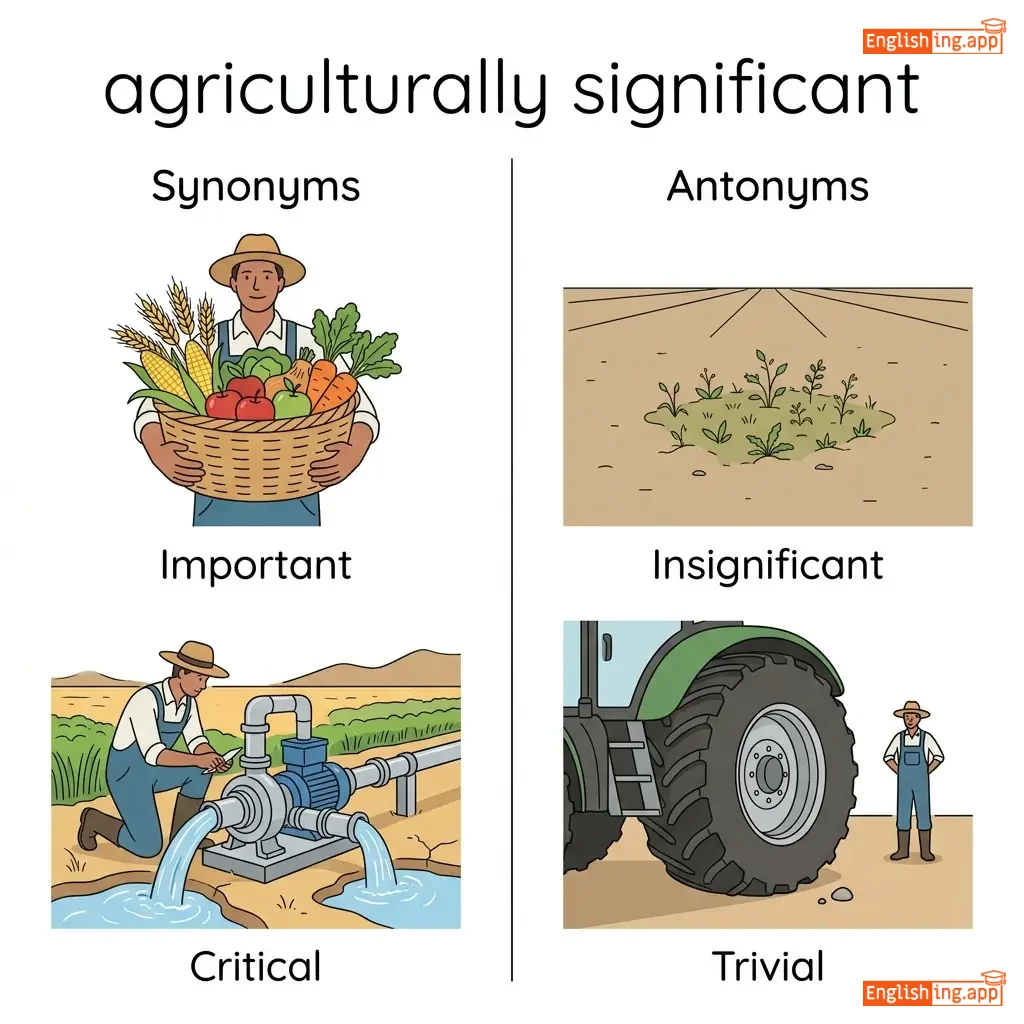
Important, Critical
••••••
|
Insignificant, Trivial
••••••
|
农业 + 重要 = 与农业相关的关键
••••••
|
|
#379
🥬
|
ˈsiːzənəl ˈvedʒtəbəlz
noun
(季节性蔬菜)
••••••
|
|
季节性蔬菜
jìjié xìng shūcài
••••••
|
Vegetables that grow during specific seasons or times of the year
••••••
|
Seasonal vegetables grow abundantly in winter. |
季节性蔬菜在冬季大量生长。
jìjié xìng shūcài zài dōngjì dàliàng shēngzhǎng.
••••••
|
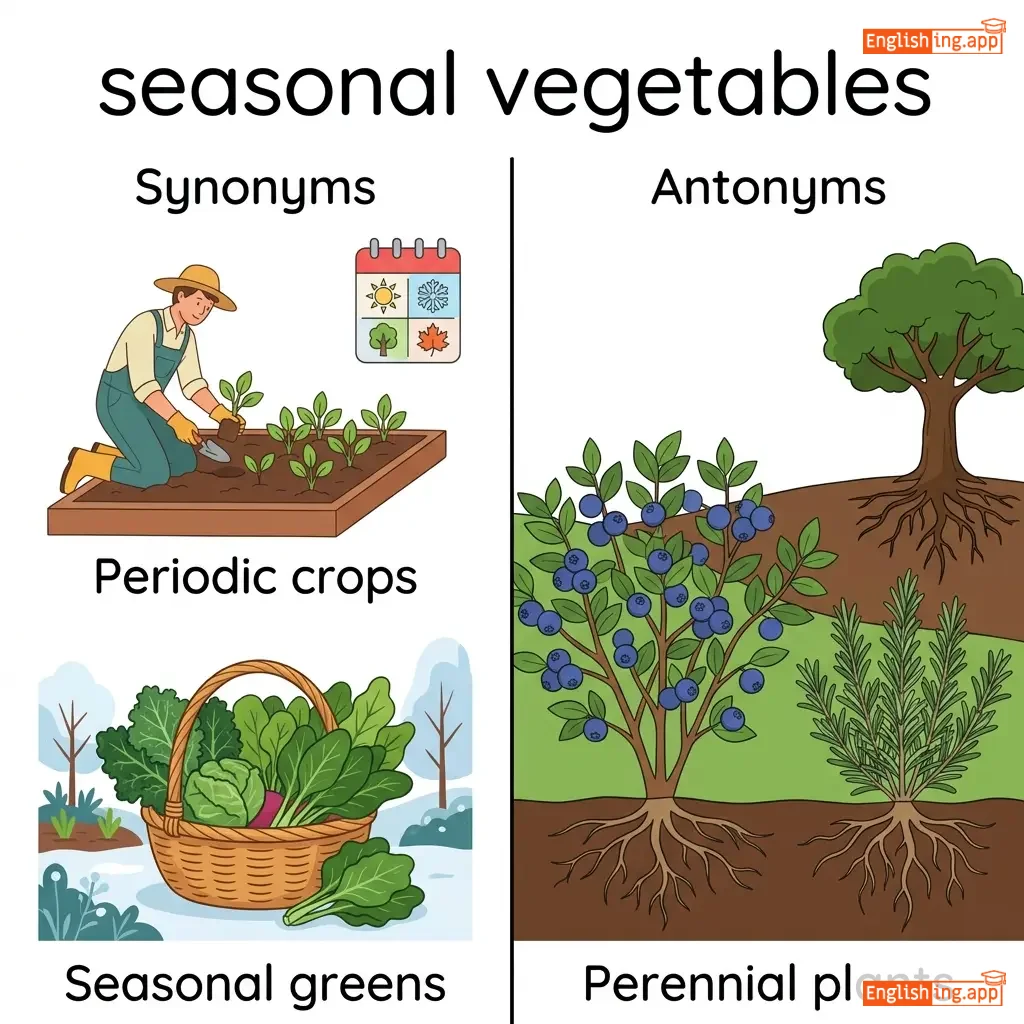
Periodic crops, Seasonal greens
••••••
|
Perennial plants
••••••
|
随着季节变化的蔬菜
••••••
|
|
#380
🌱
|
njuˈtrɪʃəs krɒps
adjective + noun
(niǔtrīshəs kè lù pǔ sī)
••••••
|
|
营养丰富的作物
yíngyǎng fēngfù de zuòwù
••••••
|
Plants or vegetables that are rich in nutrients and beneficial for health
••••••
|
Winter vegetables are considered nutritious crops.
冬季蔬菜被认为是营养丰富的作物。
••••••
|
冬季蔬菜被认为是营养丰富的作物。
Dōngjì shūcài bèi rènwéi shì yíngyǎng fēngfù de zuòwù.
••••••
|
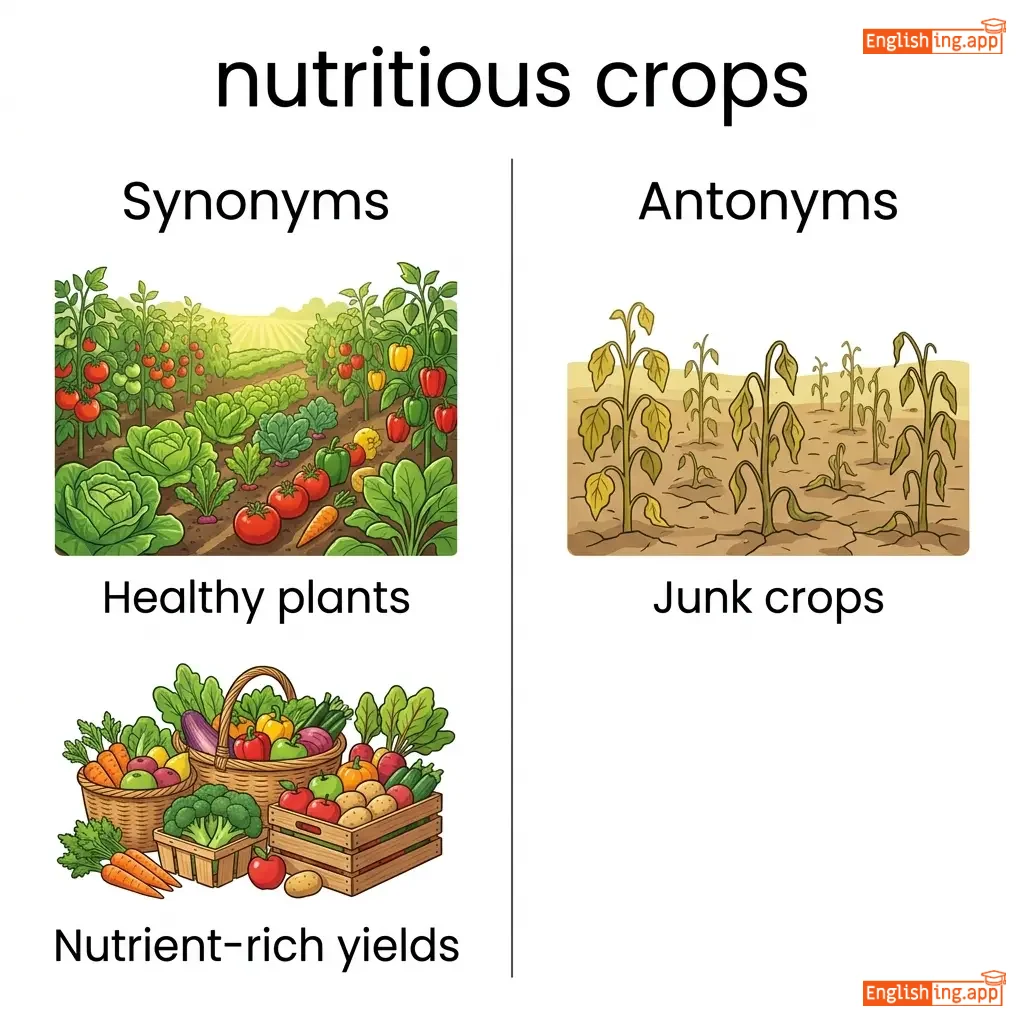
Healthy plants, Nutrient-rich yields
••••••
|
Junk crops
••••••
|
The Chinese term '营养' (yíngyǎng) means nutrition, and '作物' (zuòwù) means crops. Picture a nutritious garden growing strong plants.
••••••
|
|
#381
🌿
|
əˈbʌndəns
noun
(ā bùn dān sī)
••••••
|
|
丰富
fengfu
••••••
|
A very large quantity of something; plenty
••••••
|
The abundance of vegetables in winter is remarkable.
冬天蔬菜的丰富程度令人惊讶。
••••••
|
冬天蔬菜的丰富程度令人惊讶。
Dongtian shucai de fengfu chengdu lingren jingya.
••••••
|
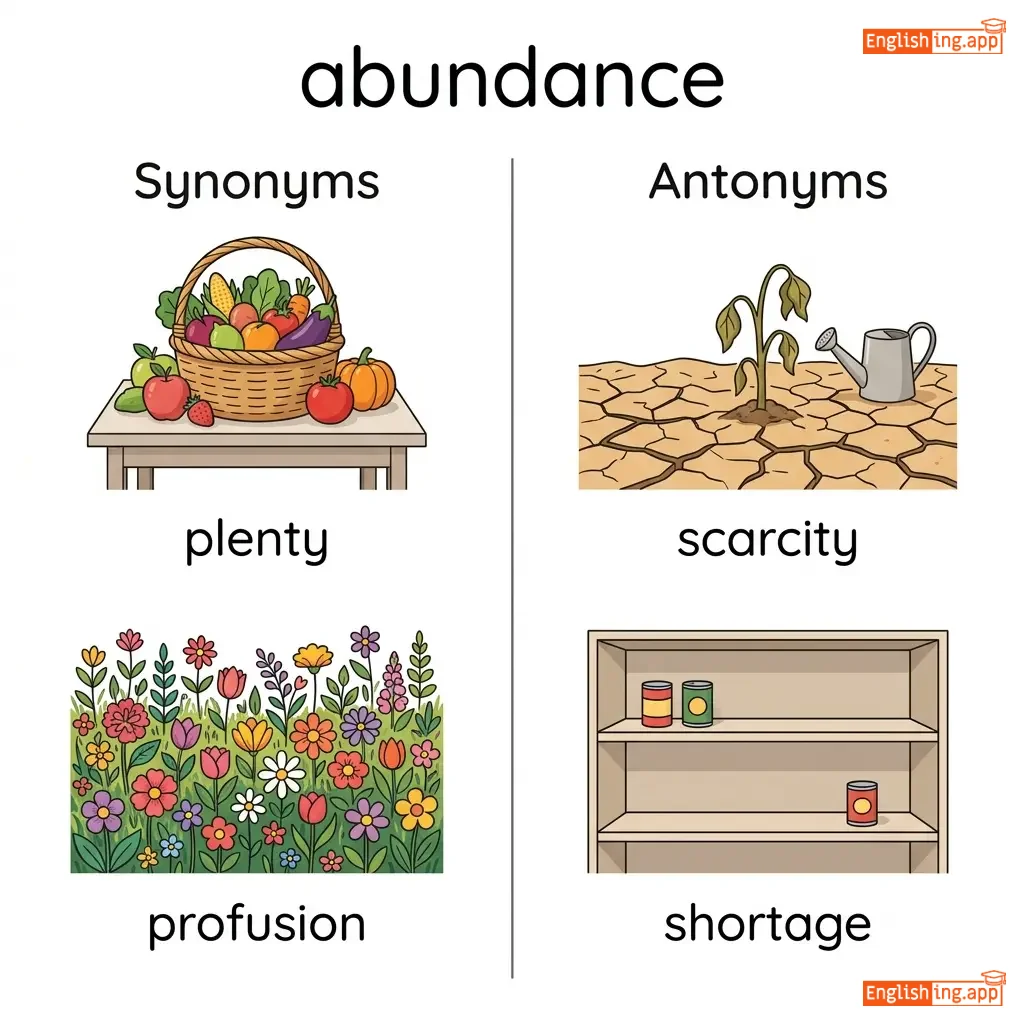
Plenty, Surplus
••••••
|
Scarcity, Shortage
••••••
|
Chinese '丰富' means abundance, think of bountiful harvests.
••••••
|
|
#382
🌤️
|
ˈfeɪvərəbəl klaɪˈmætɪk kənˈdɪʃənz
adjective + noun
(feɪvərəbəl klaɪˈmætɪk kənˈdɪʃənz)
••••••
|
|
有利的气候条件
youli de qihou tiaojian
••••••
|
Weather conditions that are suitable and beneficial for growth or development
••••••
|
Winter offers favorable climatic conditions for farming. |
冬天为农业提供有利的气候条件。
Dongtian wei nongye tigong youli de qihou tiaojian.
••••••
|
Suitable weather, Ideal environment
••••••
|
Harsh climate
••••••
|
冬天的气候有利于农业发展。
••••••
|
|
#383
🔄
|
əˈdæptɪv ˈfiːtʃərz
adjective + noun
(adaptive features)
••••••
|
|
适应性特征
shiyingxing tezheng
••••••
|
Characteristics that help organisms adjust to their environment
••••••
|
Plants' adaptive features help them grow in winter.
植物的适应性特征帮助它们在冬季生长。
••••••
|
植物的适应性特征帮助它们在冬季生长。
Zhiwu de shiyingxing tezheng bangzhu tamen zai dongji shengzhang.
••••••
|
Adjustable traits, Resilient qualities
••••••
|
Rigid features
••••••
|
适应环境!
••••••
|
|
#384
🚫
|
ˈhɪndər
verb
(辛德)
••••••
|
|
阻碍
zuhai
••••••
|
To obstruct or delay the progress of something
••••••
|
Excessive rain hinders vegetable growth.
过多的雨水阻碍了蔬菜的生长。
••••••
|
过多的雨水阻碍了蔬菜的生长。
Guo duo de yushui zu'ai le shucai de shengzhang.
••••••
|
Obstruct, Prevent
••••••
|
Facilitate, Promote
••••••
|
Hinder = 阻碍进步
••••••
|
|
#385
🌡️
|
ˈɒptɪməl ˈtempərətʃər
adjective + noun
(ˈɒptɪməl ˈtɛmpərətʃər)
••••••
|
|
最佳温度
zuì jiā wēn dù
••••••
|
The best or most favorable temperature for a particular purpose
••••••
|
Winter provides optimal temperature for farming.
冬天提供了农业的最佳温度。
••••••
|
冬天提供了农业的最佳温度。
Dōngtiān tígōngle nóngyè de zuì jiā wēn dù.
••••••
|
Best climate, Perfect condition
••••••
|
Extreme temperature
••••••
|
最佳温度 = 最适合农业的温度。
••••••
|
|
#386
⚡
|
ˈstɪmjəleɪt
verb
(斯蒂穆莱特)
••••••
|
|
刺激
cìjī
••••••
|
To encourage or promote the development or growth of something
••••••
|
Proper sunlight stimulates plant growth. |
适当的阳光刺激植物生长。
Shìdàng de yángguāng cìjī zhíwù shēngzhǎng.
••••••
|
Trigger, Activate
••••••
|
Suppress, Inhibit
••••••
|
Stimulate = Cìjī: Imagine 'stimulate' and 'cìjī' working together to promote growth.
••••••
|
|
#387
⚖️
|
ˈprəʊses stəˈbɪlɪti
noun
(proh-ses steh-bih-lee-tee)
••••••
|
|
过程稳定性
guòchéng wěndìng xìng
••••••
|
The consistency and steadiness of biological or functional processes
••••••
|
Cold air ensures process stability in plants.
kold air an-shu-res proh-ses steh-bih-lee-tee in plahnts.
••••••
|
冷空气确保植物的过程稳定性。
Lěng kōngqì quèbǎo zhíwù de guòchéng wěndìng xìng.
••••••
|
Procedural balance, Functional steadiness
••••••
|
Instability, Imbalance
••••••
|
过程稳定性像冷空气确保植物稳定一样。
••••••
|
|
#388
🌍
|
aɪˈdiːəl ɪnˈvaɪrənmənt
adjective + noun
(ideal envaironment)
••••••
|
|
理想环境
lǐxiǎng huánjìng
••••••
|
Perfect or most suitable conditions for growth or development
••••••
|
Winter creates an ideal environment for vegetable growth.
冬天为蔬菜生长创造了理想的环境。
••••••
|
冬天为蔬菜生长创造了理想的环境。
Dōngtiān wèi shūcài shēngzhǎng chuàngzàole lǐxiǎng de huánjìng.
••••••
|
Perfect setting, Favorable conditions
••••••
|
Unfavorable environment
••••••
|
理想 = ideal, 环境 = environment
••••••
|
Vocabulary Quiz
Test your vocabulary by matching words with their translations or meanings.
Login to take the quiz
Comments (0)
Share your thoughts and join the discussion.
Join the discussion by logging in
Login to CommentNo comments yet
Be the first to share your thoughts!