

育儿方式及其影响
Parenting Styles and Their Impact
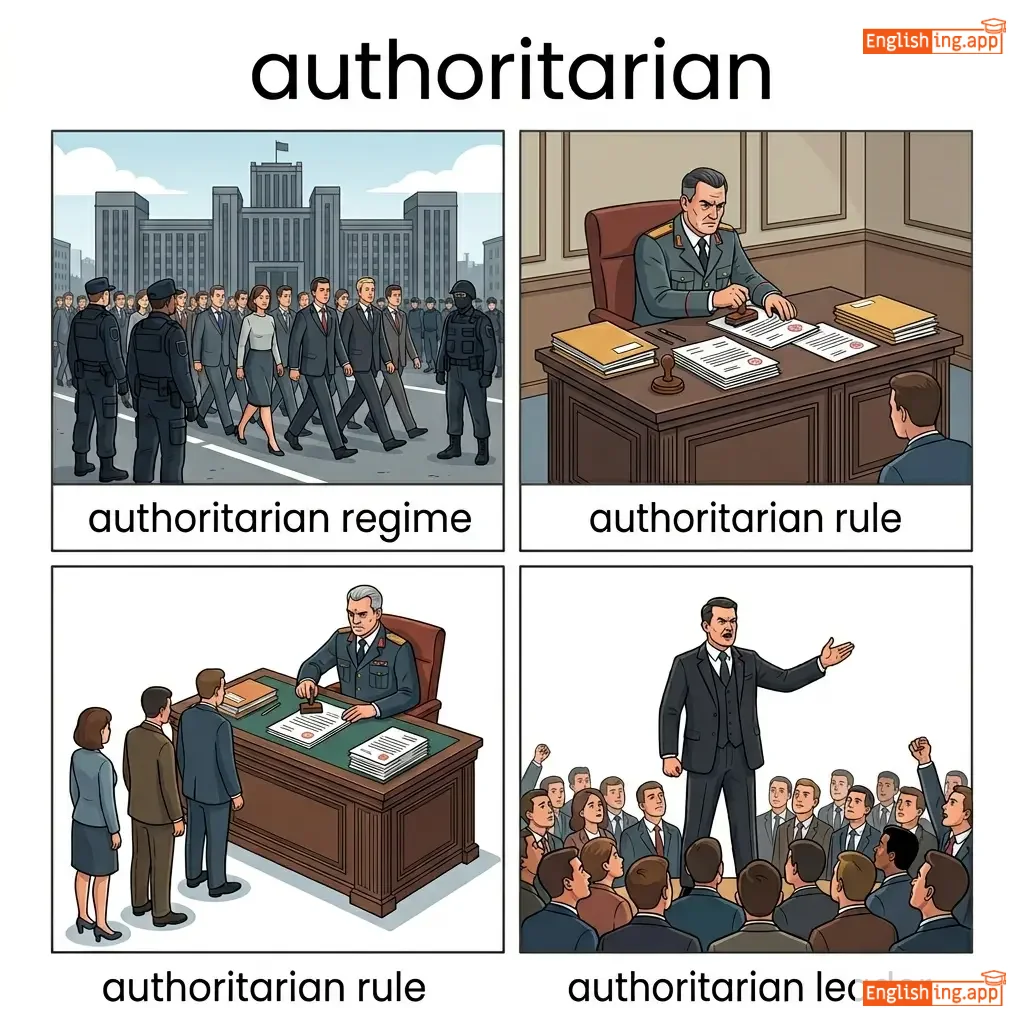
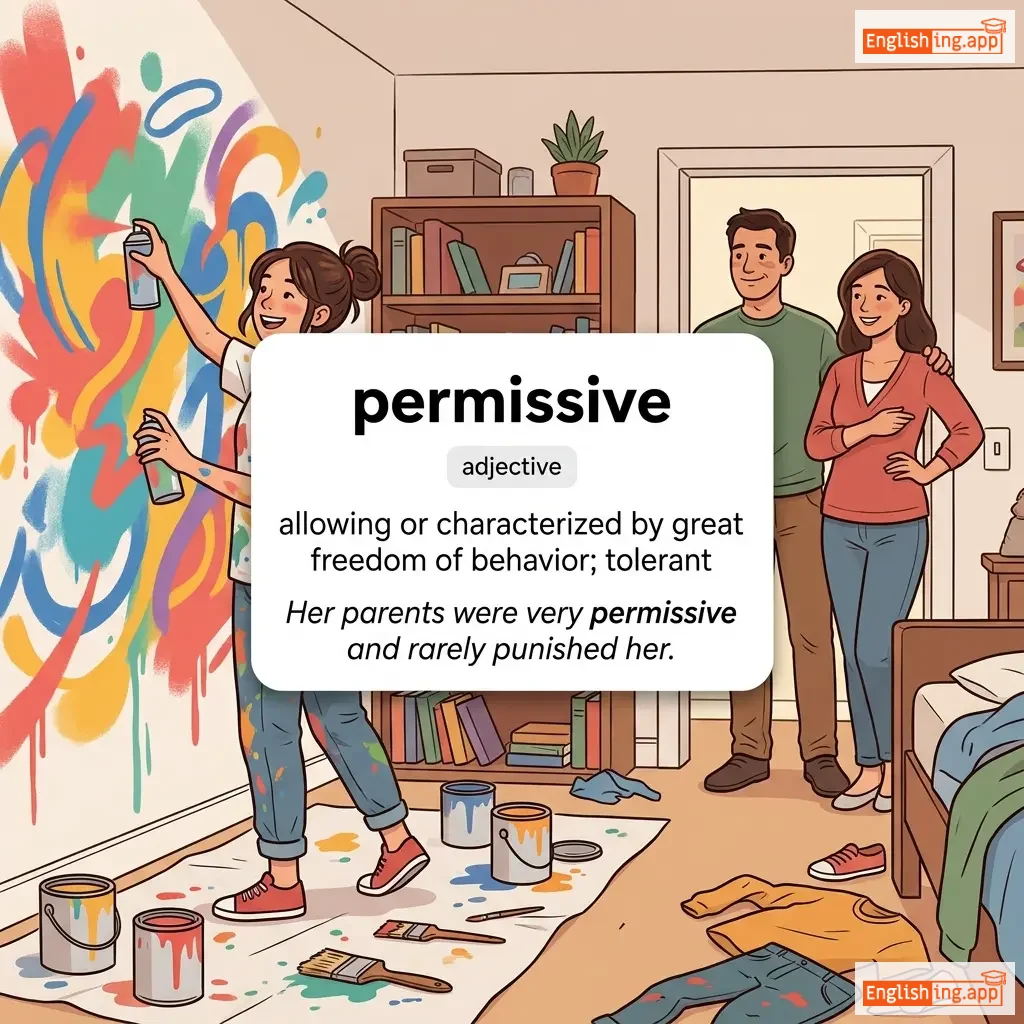
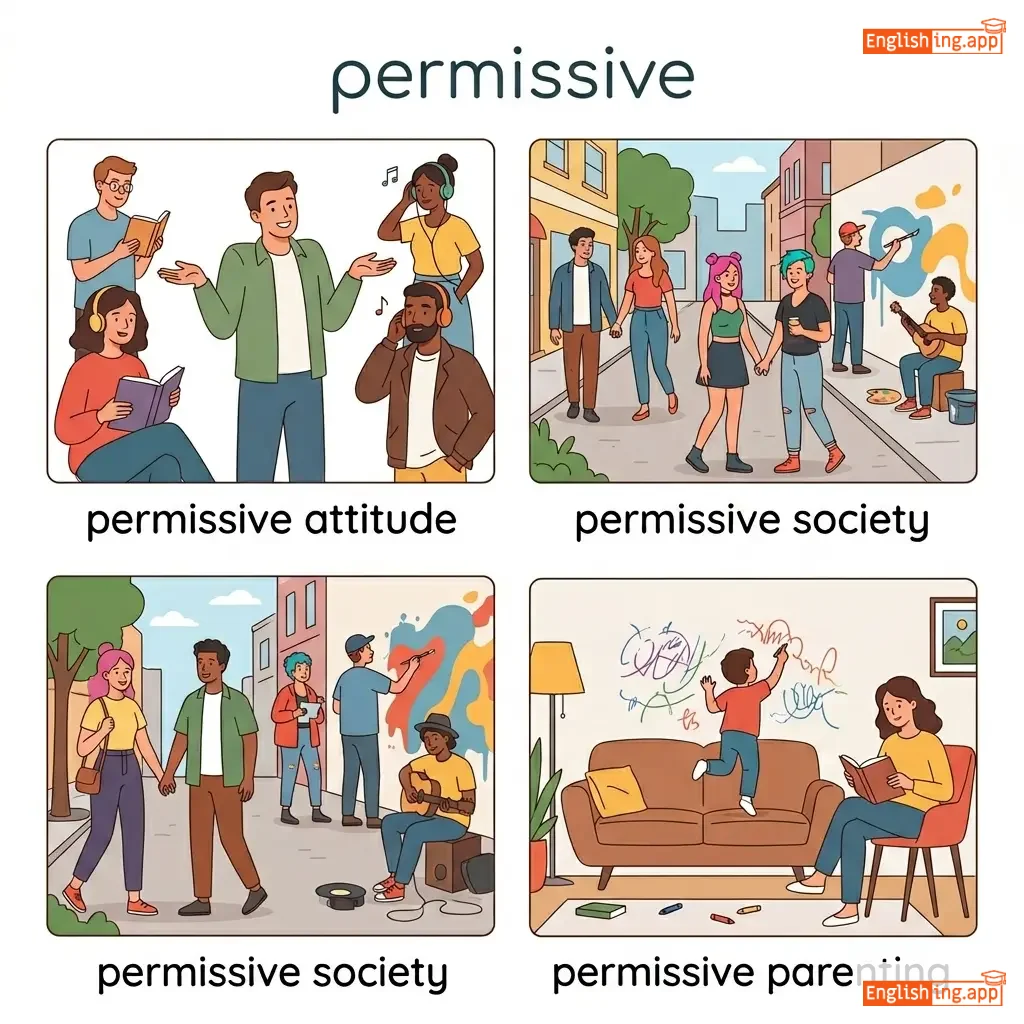
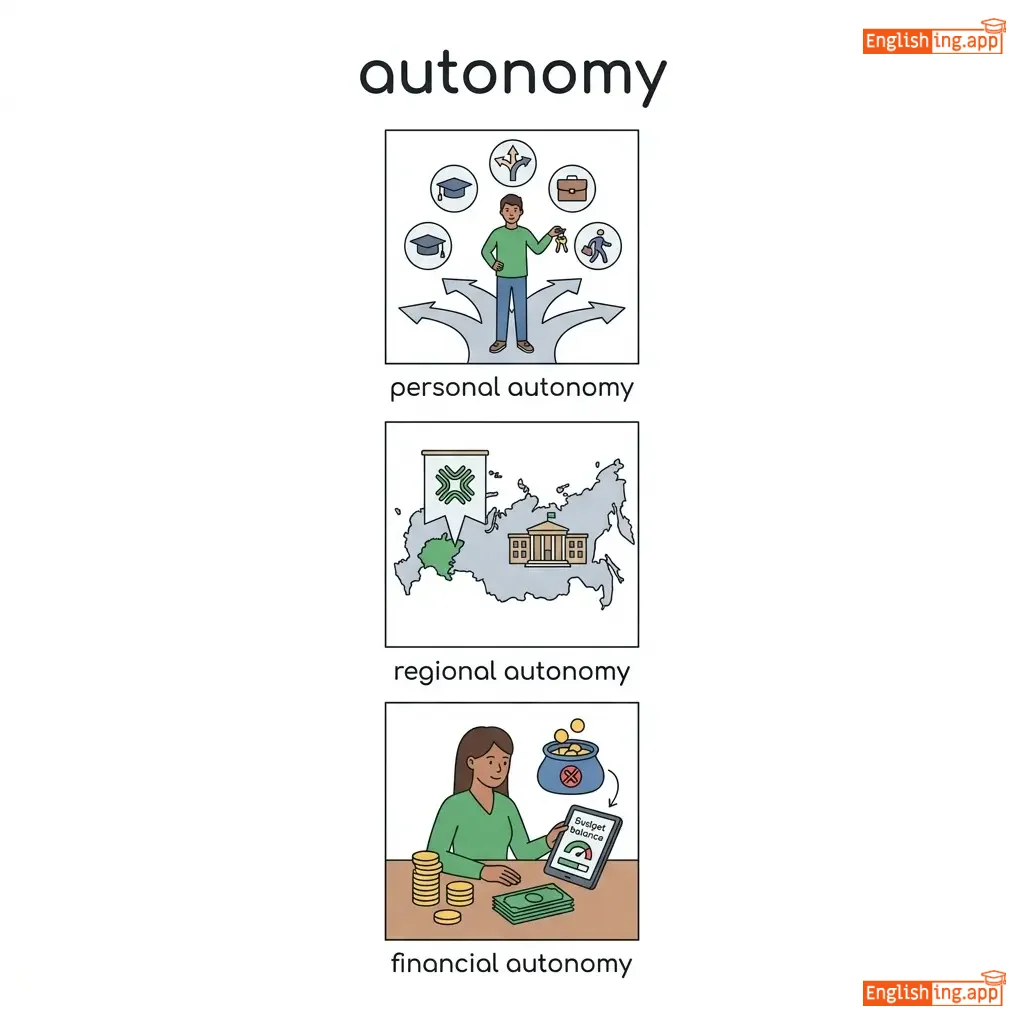
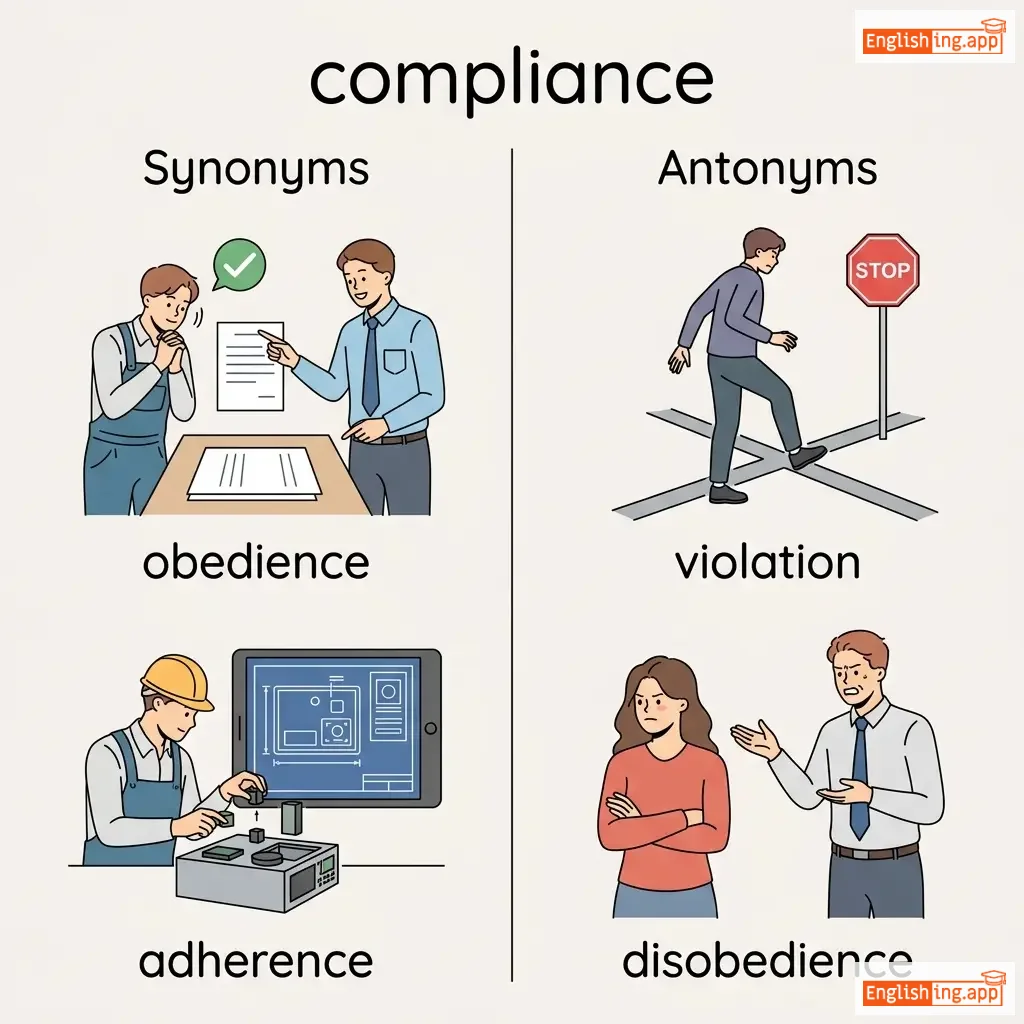
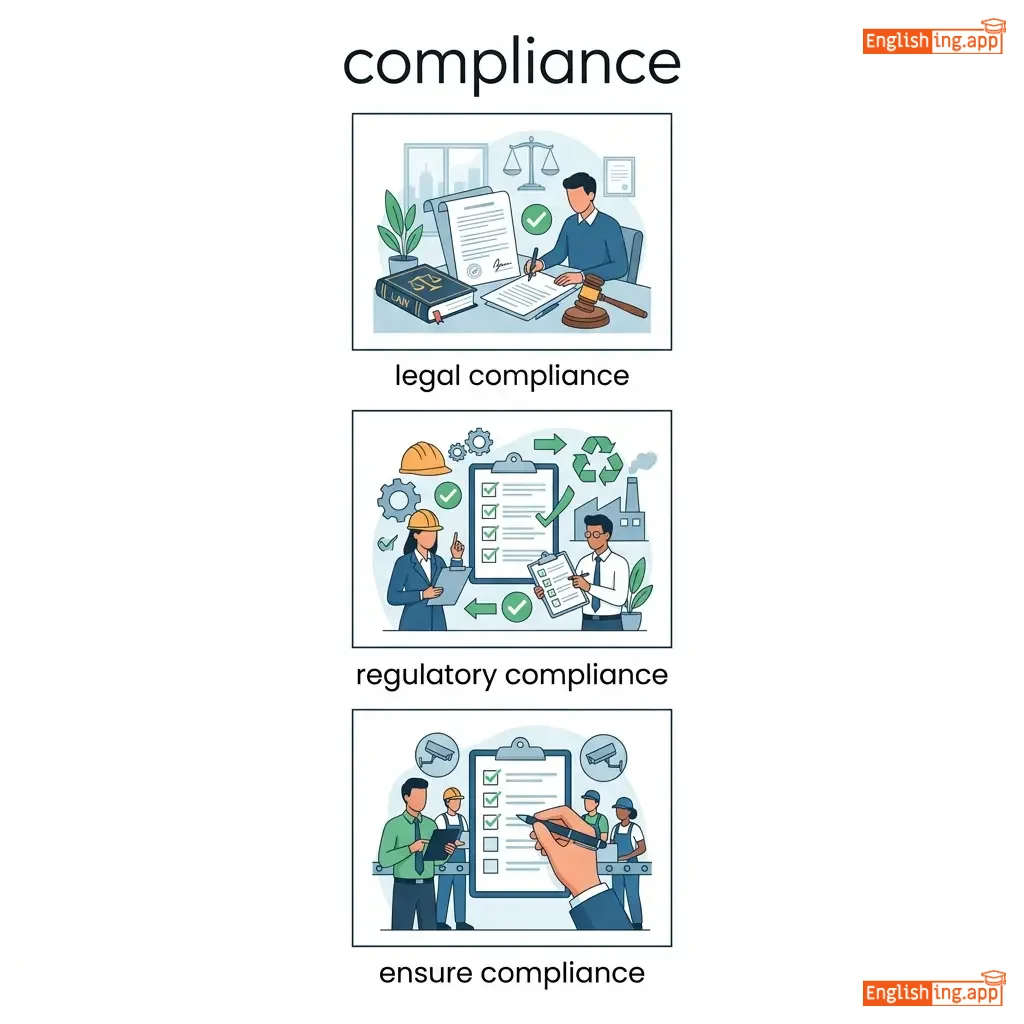
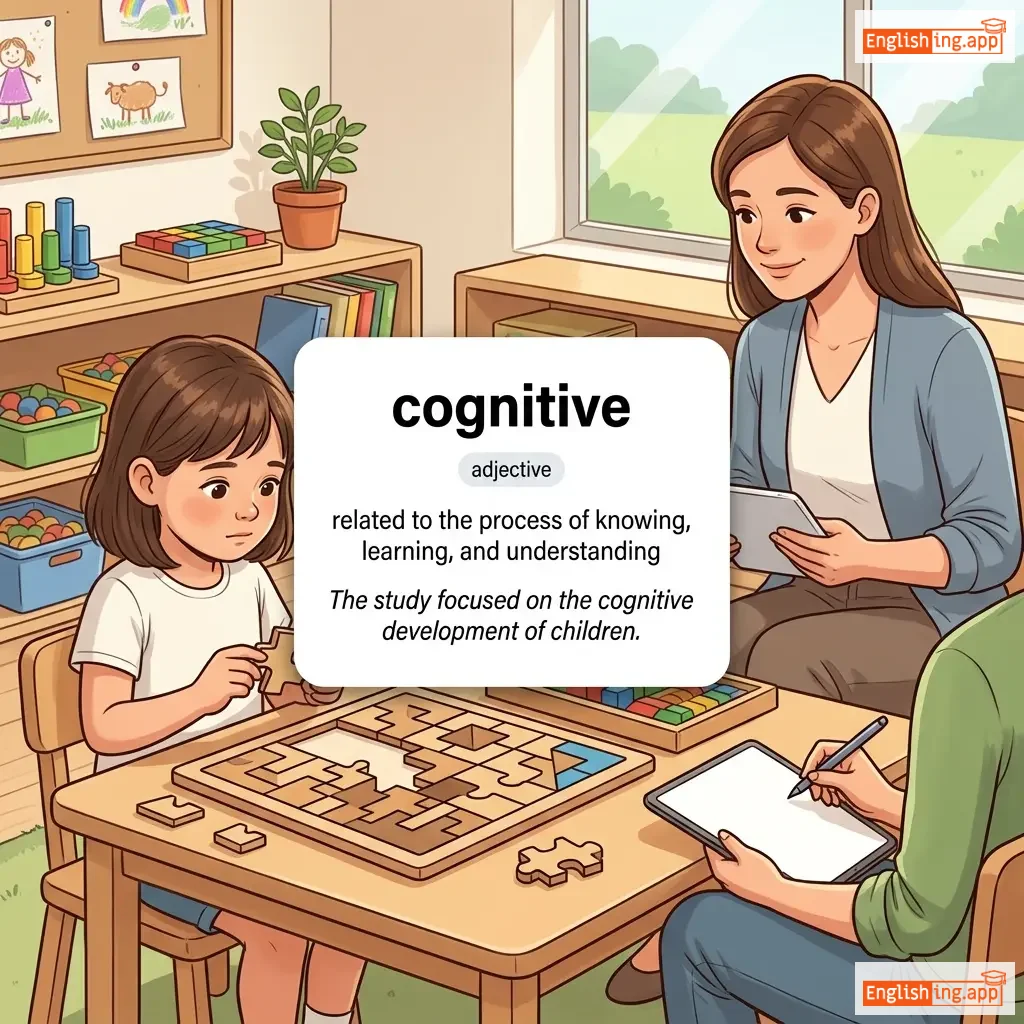
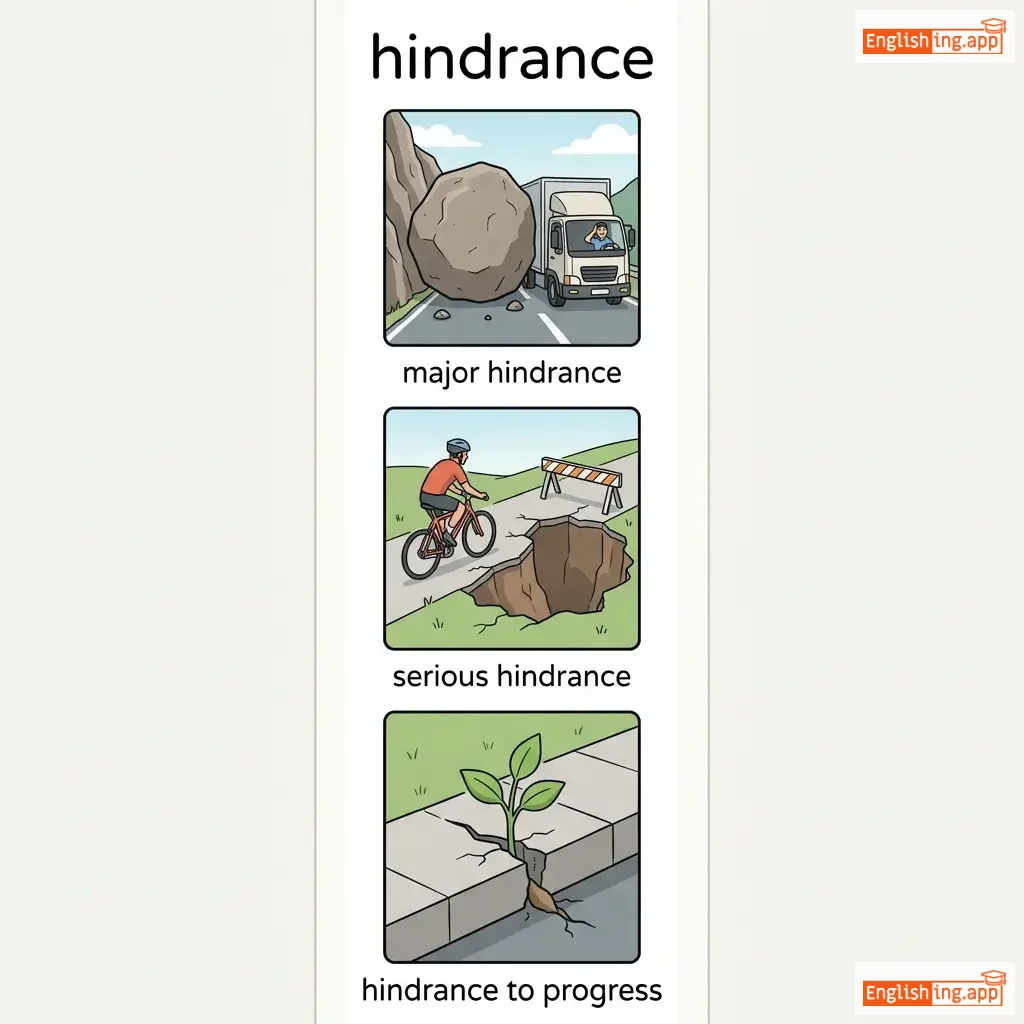
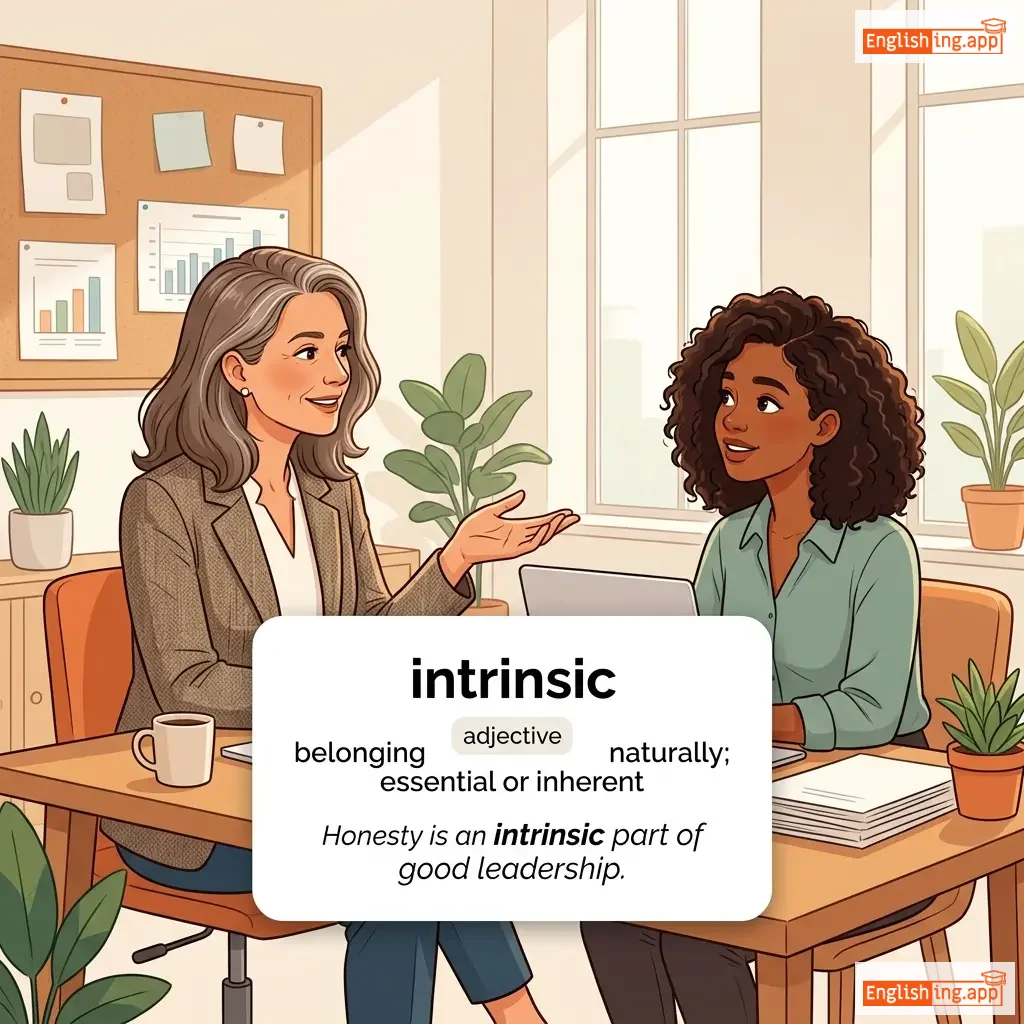
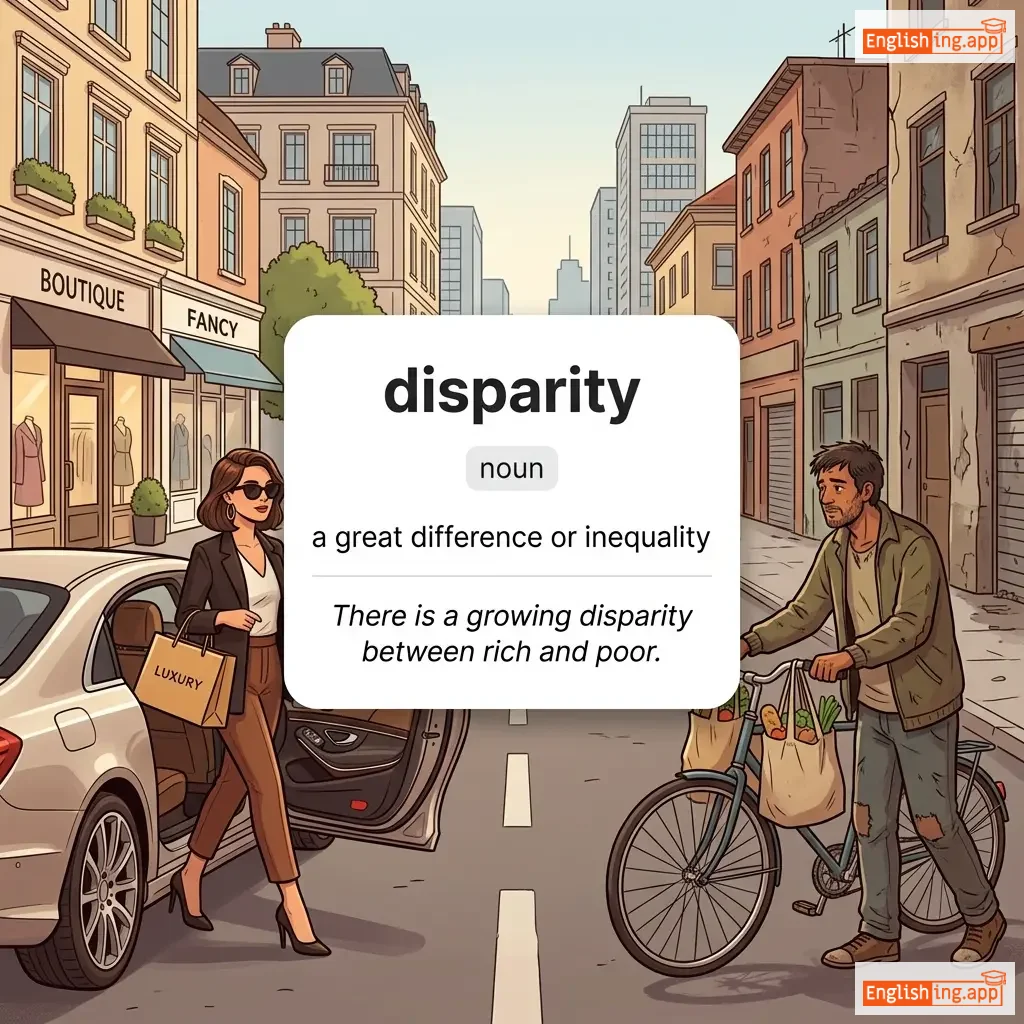
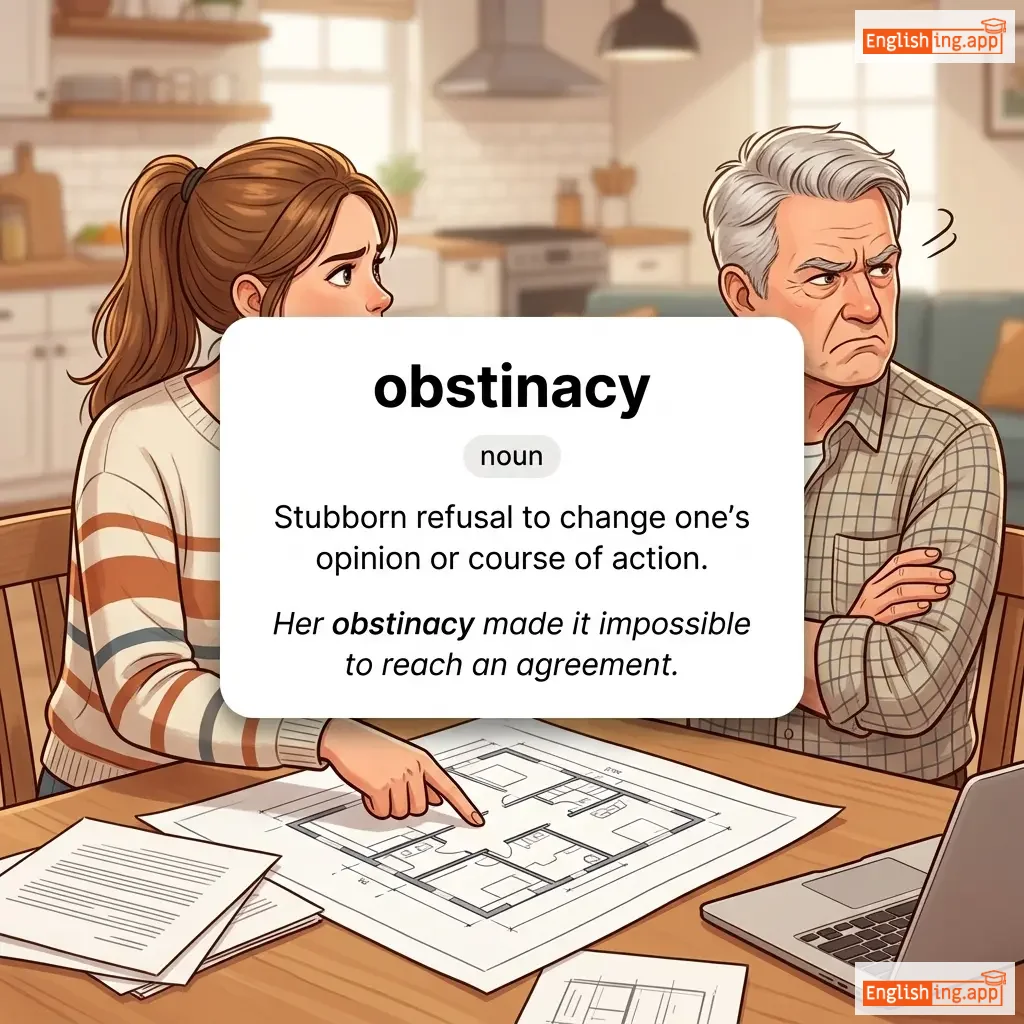
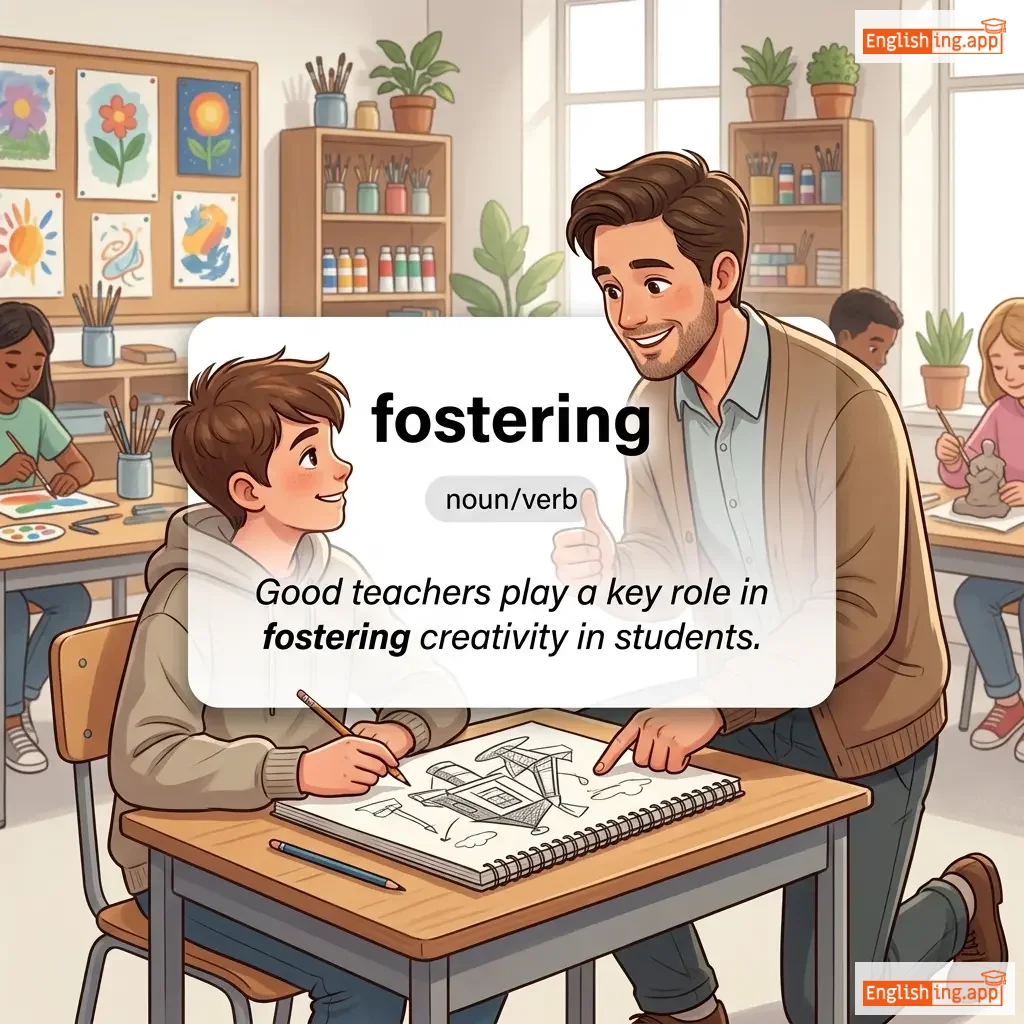
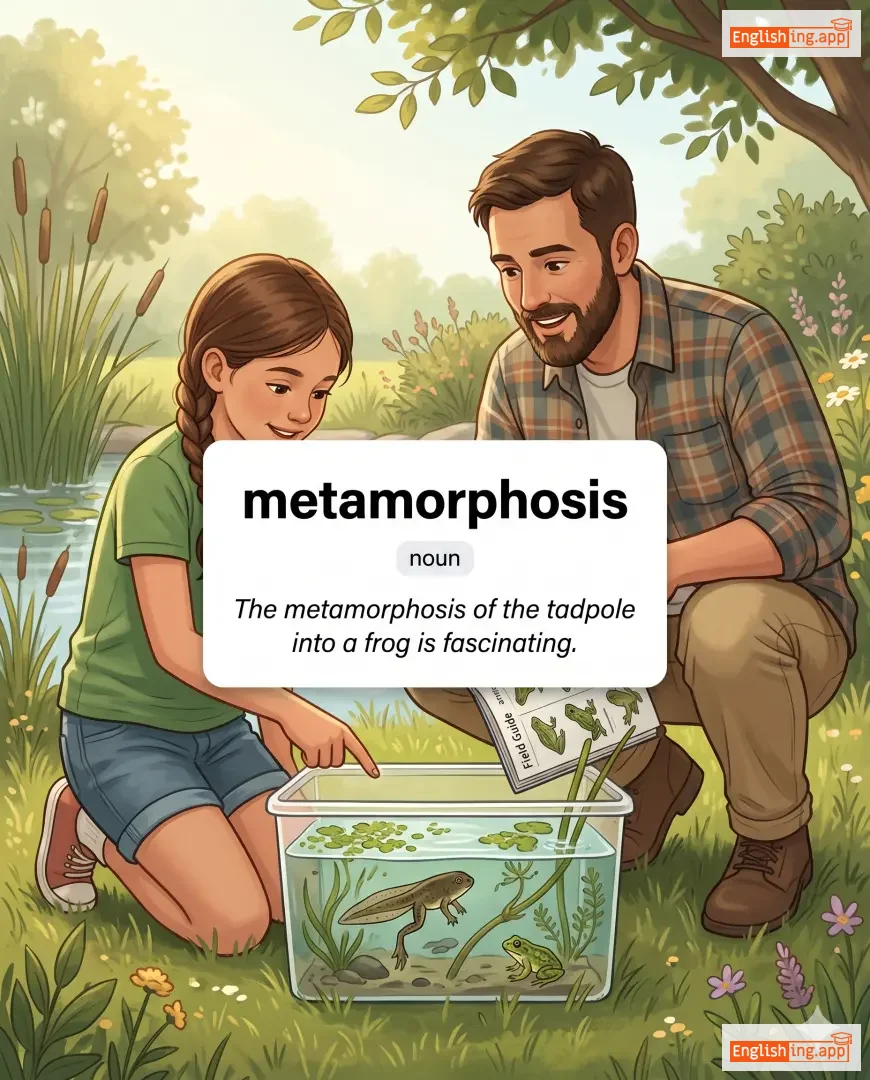
孩子的成长取决于他们的 parenting 风格。主要有三种 parenting 类型——authoritarian、permissive 和 equitable。在 authoritarian 方式中,父母制定严格的规则,孩子几乎没有 autonomy。孩子可能会学会 compliance,但不会学会自己做决定,这会对他们未来的 cognitive 发展造成 hindrance。另一方面,在 permissive 方式中,父母采取宽松的规则,结果孩子没有形成 intrinsic 自律。这导致了 disparity,一些孩子变得有责任感,而另一些则表现出 obstinacy。最有效的方法是 equitable parenting,它在纪律和 nurturing 之间形成一种 juxtaposition。这种 fostering 能建立孩子的自信,并确保他们的 metamorphosis,这对未来的成功至关重要。因此,应采取正确的 pedagogical 方法,以在孩子的心理发展中创造积极的 resonance,使他们能够建立自己的人生。


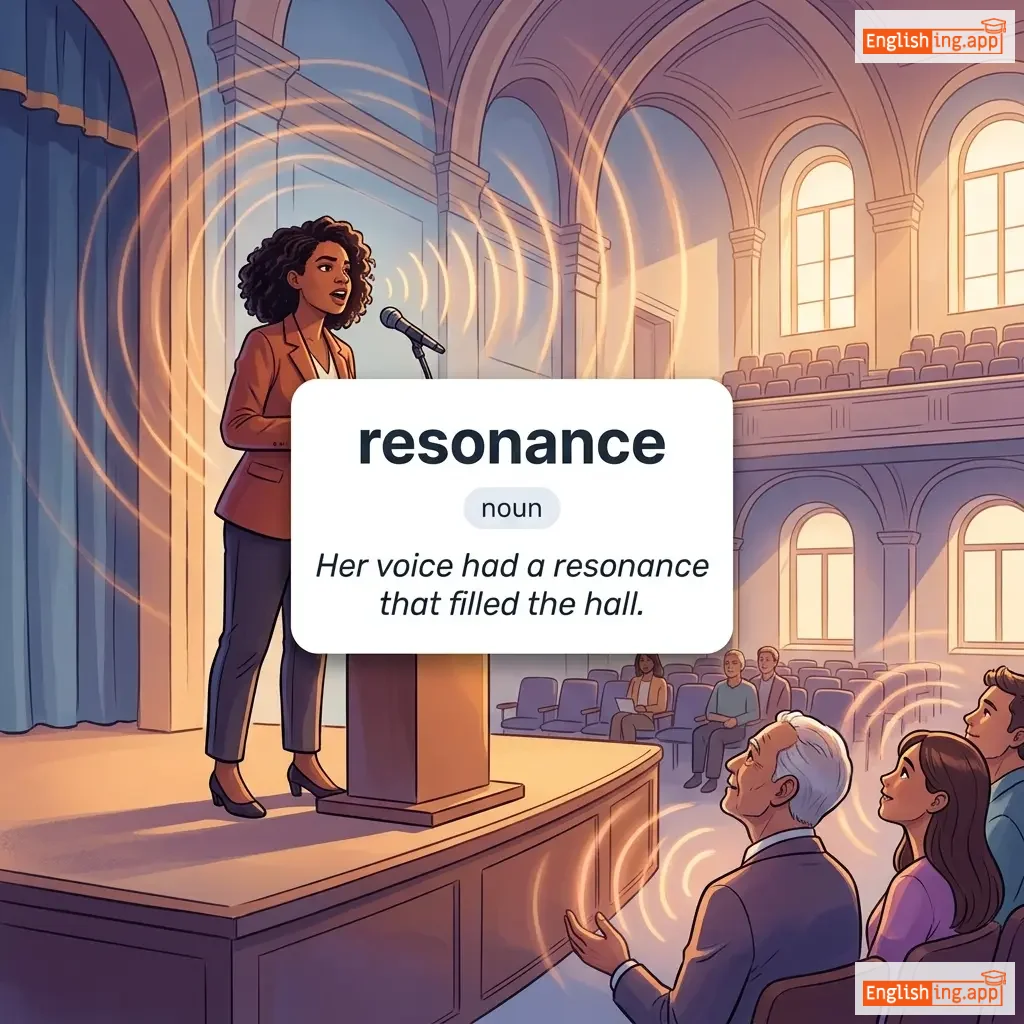
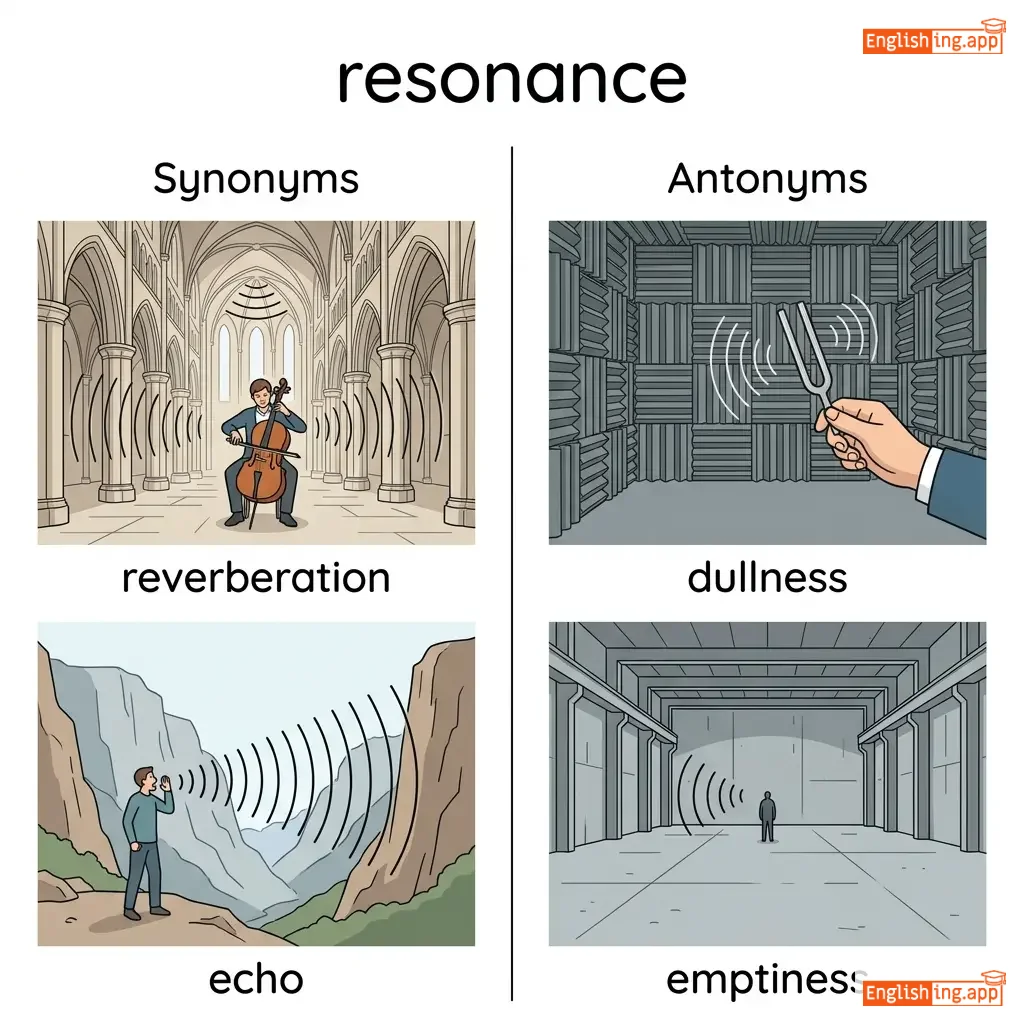
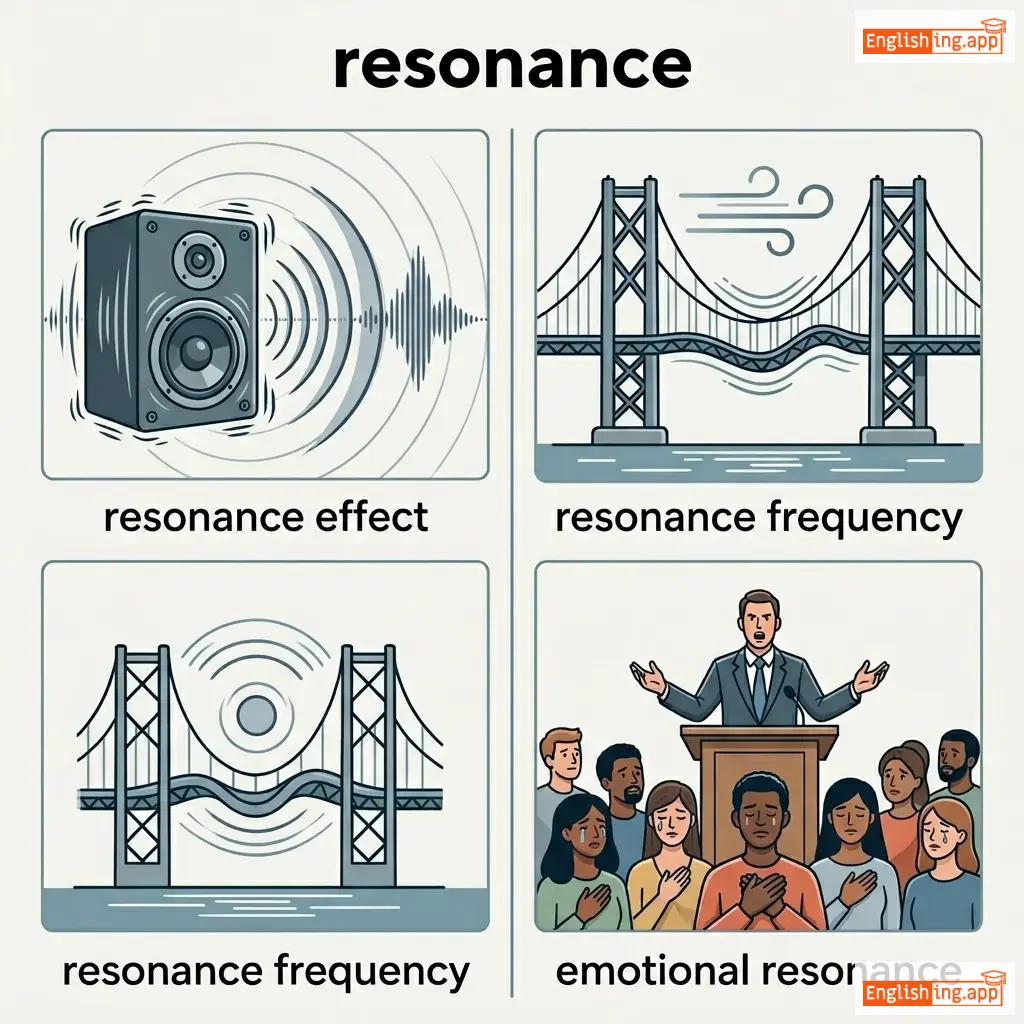
Swipe left or right, or use the buttons. Tap image to zoom.
例句翻译
单词
Parenting Styles and Their ImpactParenting Styles and Their Impact - 遮罩切换
|
表情符号
|
单词 | Images | 翻译 | 含义 | 例句 | 例句翻译 | 同义词 | 反义词 | 助记符 |
|---|---|---|---|---|---|---|---|---|---|
|
#2722
👨👩👧👦
|
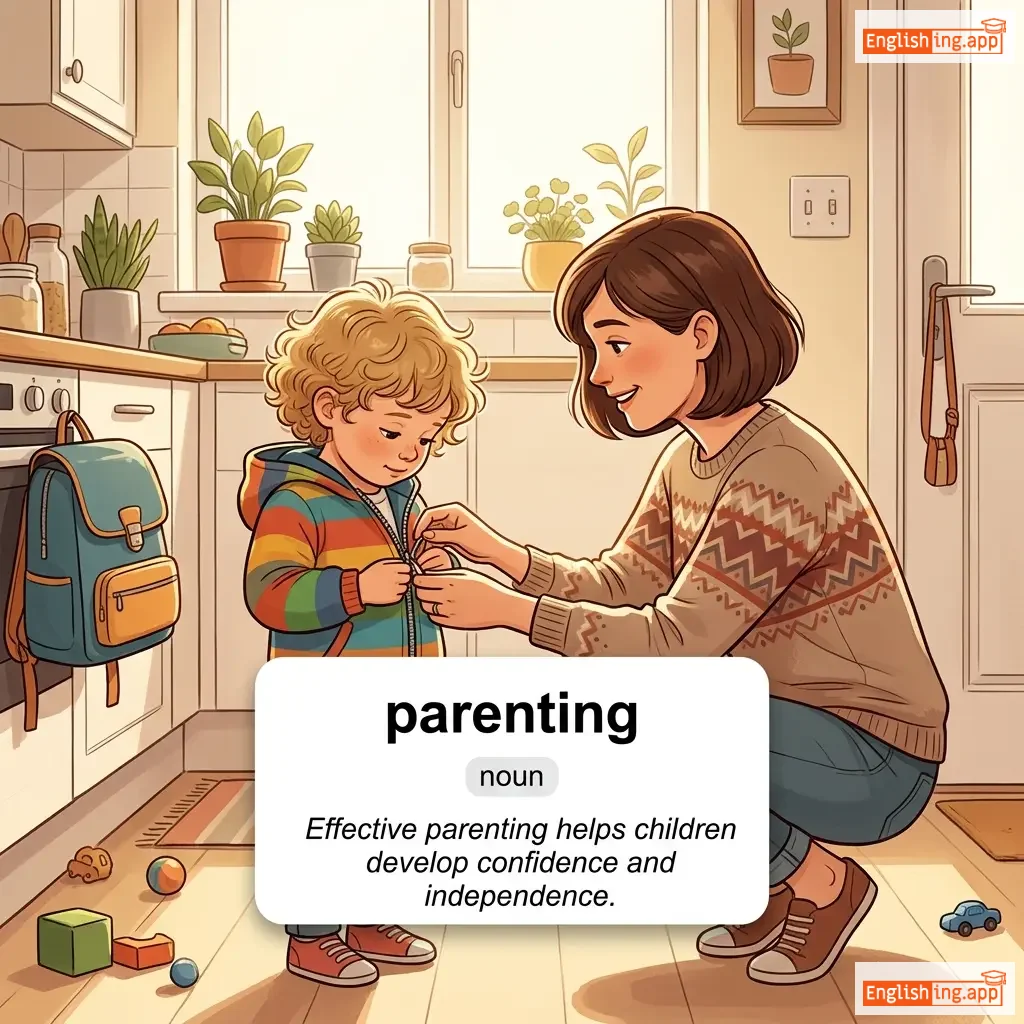
/ˈpeə.rən.tɪŋ/
noun
(parenting)
••••••
|
|
育儿
yù'ér
••••••
|
The care and training a child receives while growing up, involving the development of their mental, physical, and social aspects.
••••••
|
Effective parenting helps children develop confidence and independence.
有效的育儿帮助孩子们发展自信和独立。
••••••
|
有效的育儿帮助孩子们发展自信和独立。
Yǒuxiào de yù'ér bāngzhù háizimen fāzhǎn zìxìn hé dúlì.
••••••
|
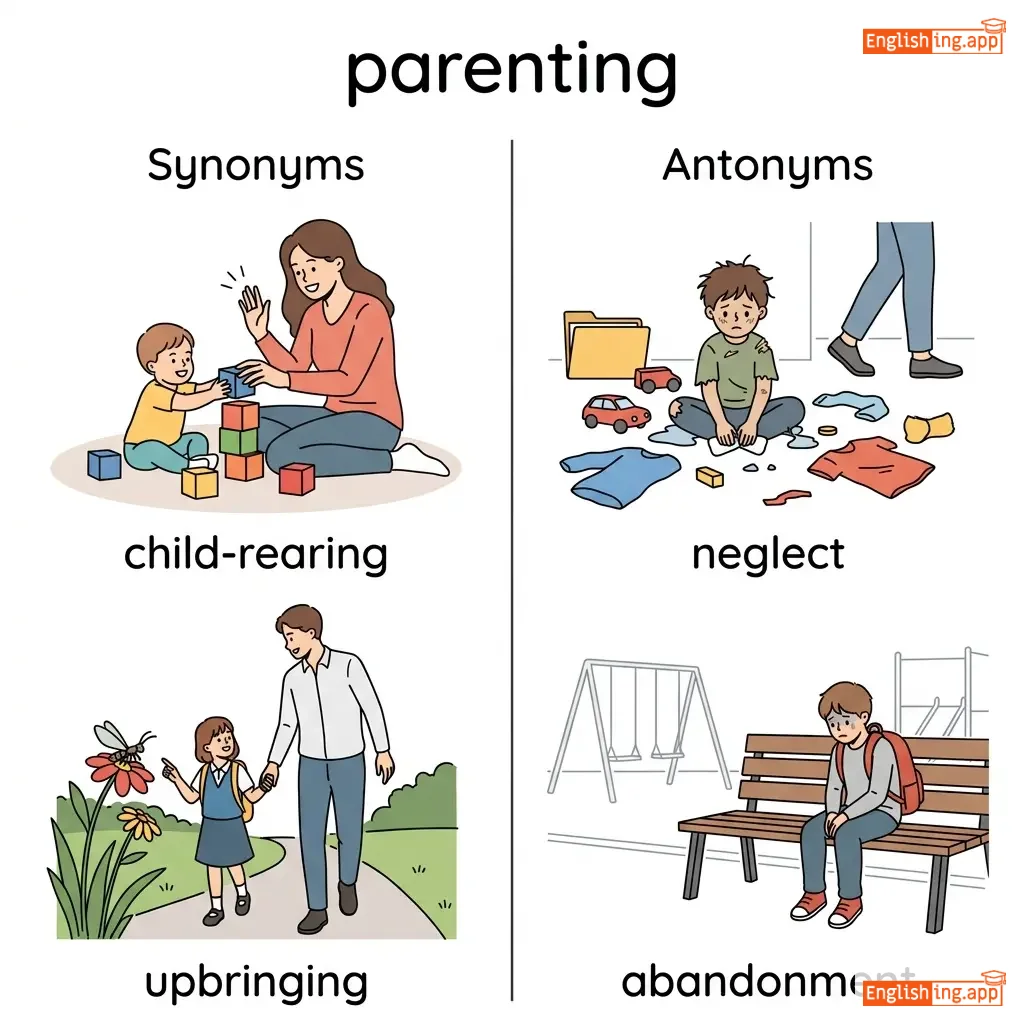
child-rearing, upbringing, nurturing
••••••
|
neglect, abandonment, indifference
••••••
|
育儿是孩子成长过程中最重要的部分。
••••••
|
|
#2723
👮
|
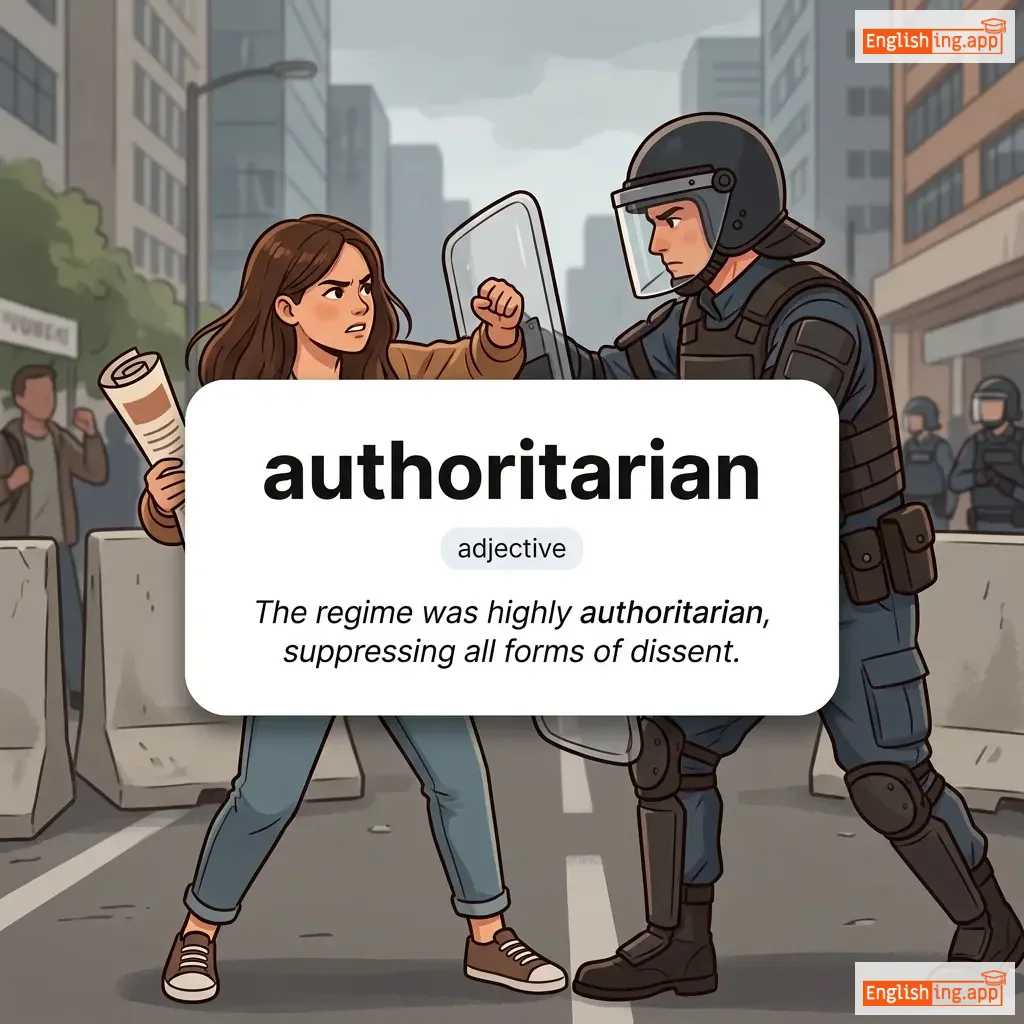
/ɔːˌθɒr.ɪˈteə.ri.ən/
adjective
(专制)
••••••
|
|
专制
zhuānzhì
••••••
|
Demanding absolute obedience to authority; excessively controlling or strict in governance.
••••••
|
Authoritarian parenting often limits a child's independence.
专制的育儿方式常常限制孩子的独立性。
••••••
|
专制的育儿方式常常限制孩子的独立性。
Zhuānzhì de yù'ér fāngshì chángcháng xiànzhì háizi de dúlìxìng.
••••••
|
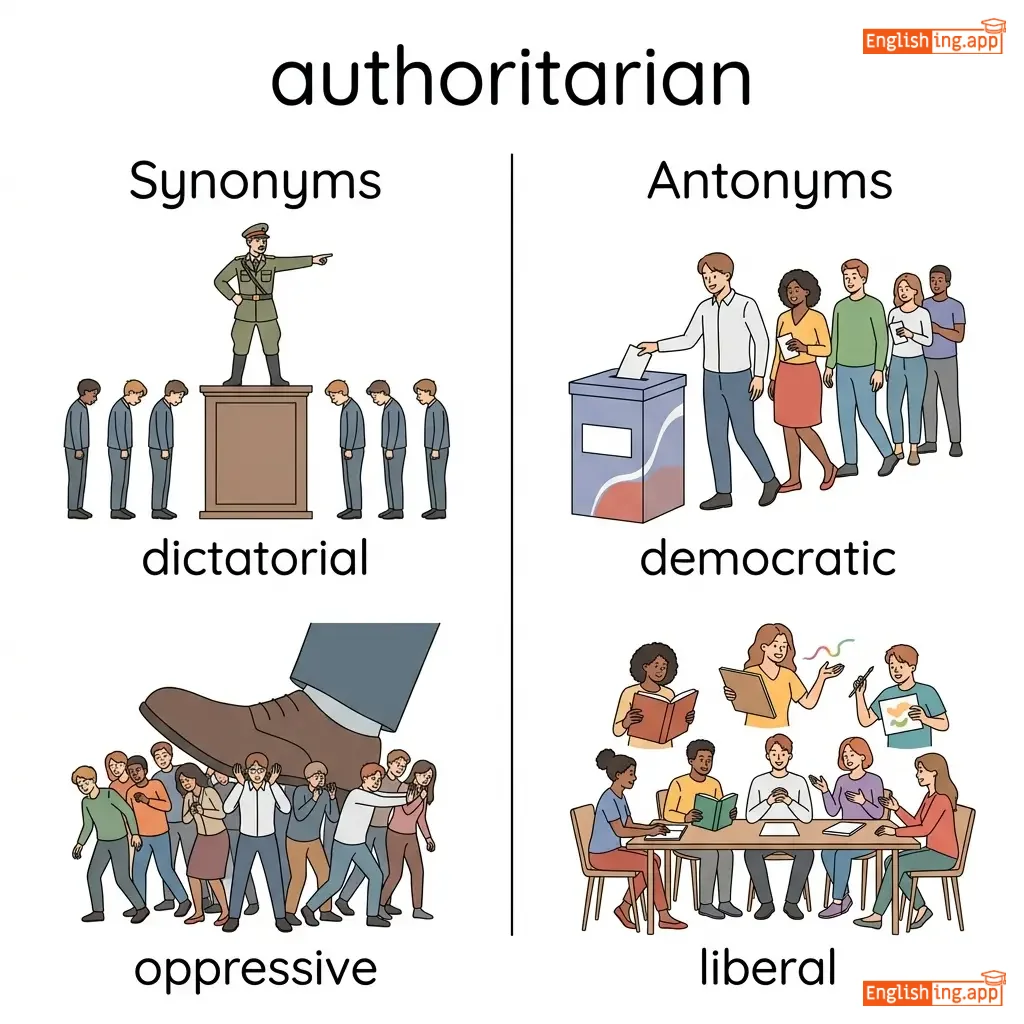
strict, controlling, dictatorial
••••••
|
lenient, democratic, permissive
••••••
|
专制的父母像极了独裁者,控制孩子的每个决定。
••••••
|
|
#2724
🤷
|
/pəˈmɪs.ɪv/
adjective
(pèrmìxīf)
••••••
|
|
宽容的
kuānróng de
••••••
|
Allowing or characterized by great or excessive freedom of behavior; very lenient or indulgent.
••••••
|
Permissive parenting can sometimes lead to a lack of discipline in children.
宽容的育儿方式有时可能导致孩子缺乏纪律。
••••••
|
宽容的育儿方式有时可能导致孩子缺乏纪律。
Kuānróng de yù'ér fāngshì yǒu shí kěnéng dǎozhì háizi quēfá jìlǜ.
••••••
|
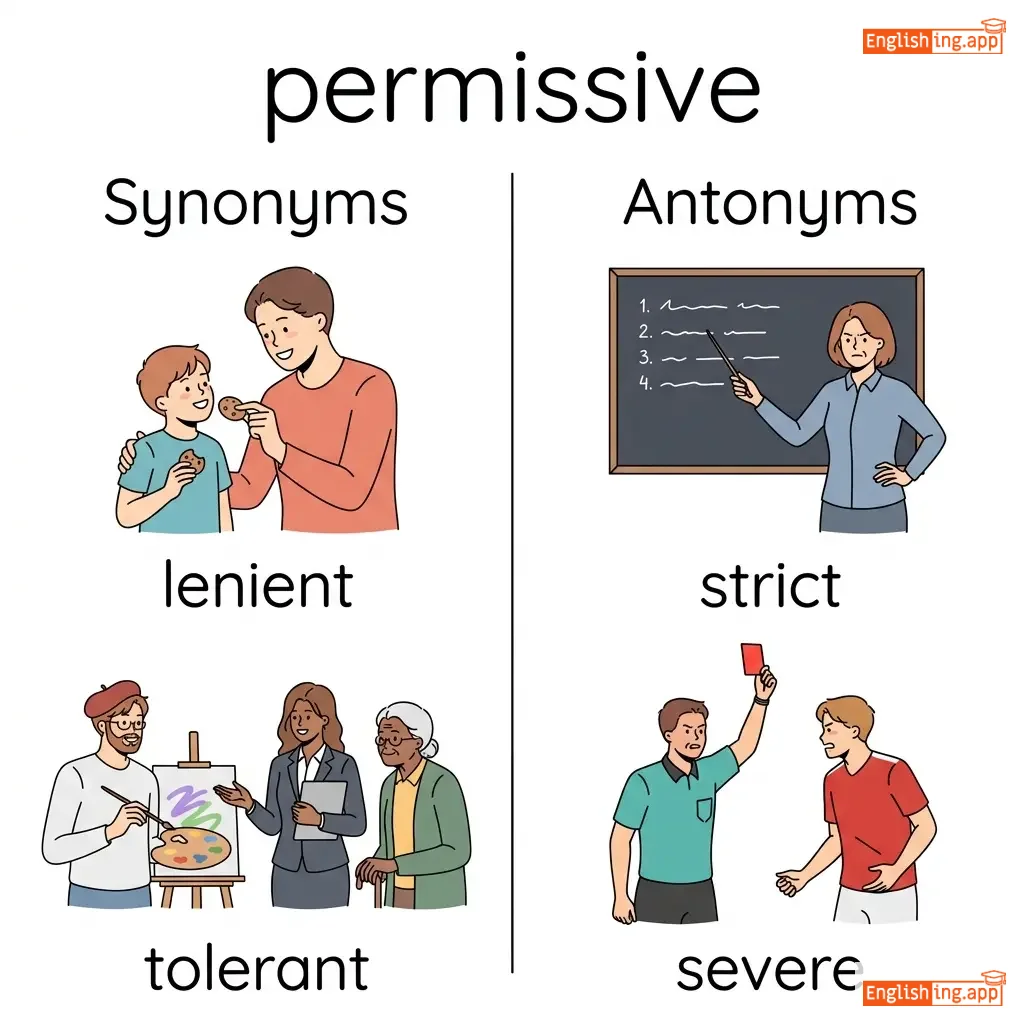
lenient, indulgent, relaxed
••••••
|
restrictive, strict, authoritarian
••••••
|
宽容的育儿方法给予孩子过多的自由,但有时会导致缺乏纪律。
••••••
|
|
#2725
⚖️
|
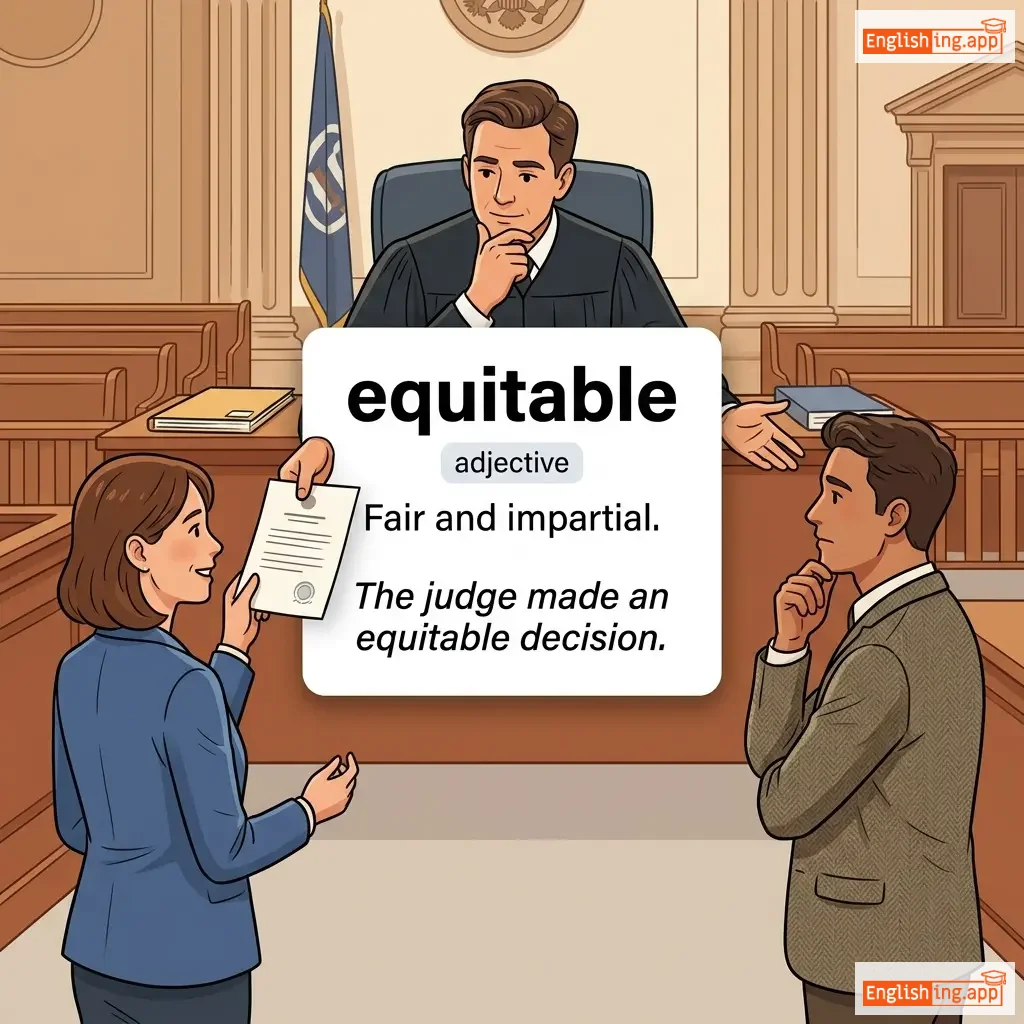
/ˈɛk.wɪ.tə.bəl/
adjective
(公平的)
••••••
|
|
公正的
gongzhengde
••••••
|
Fair and impartial; treating all parties with justice and without bias.
••••••
|
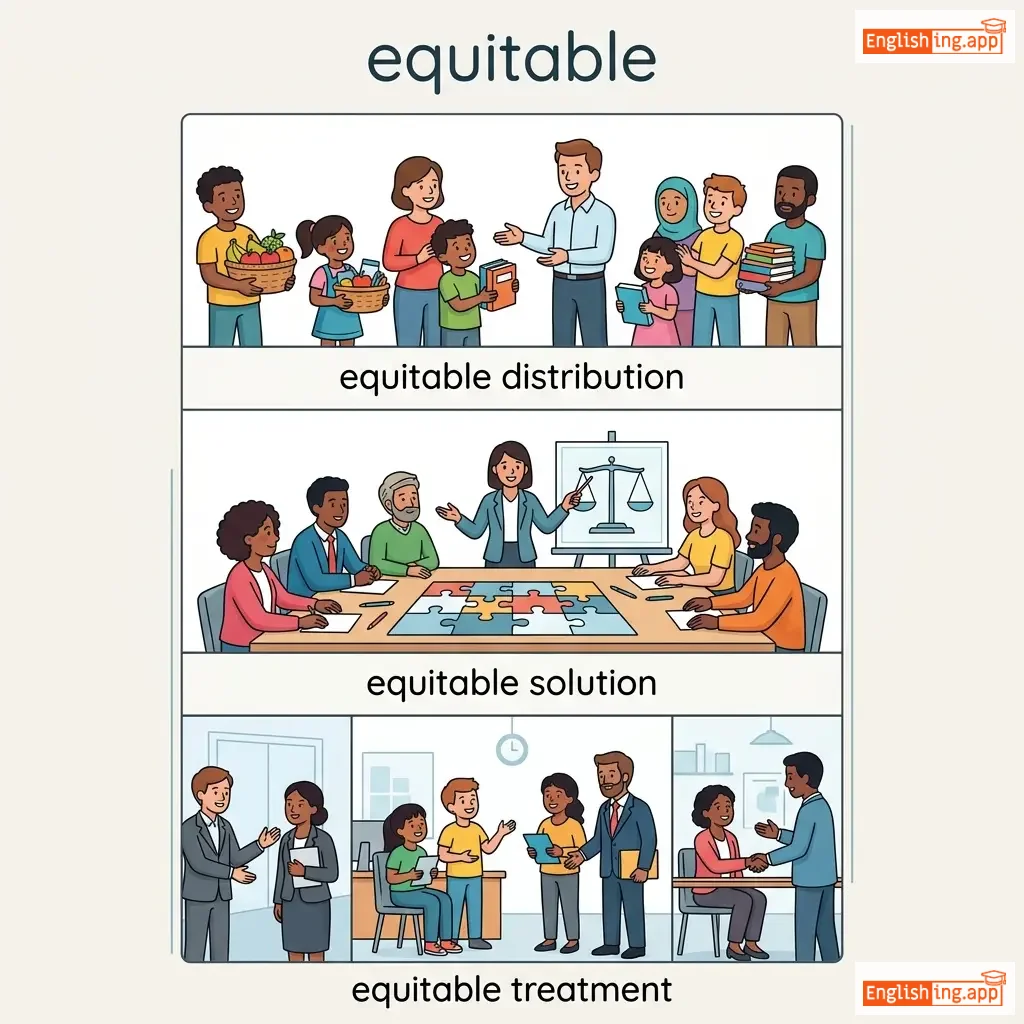
Equitable treatment in parenting fosters a healthy family environment.
公平的育儿方式促进了健康的家庭环境。
••••••
|
公平的育儿方式促进了健康的家庭环境。
Gongping de yuer fangshi cujin le jiankang de jiating huanjing.
••••••
|
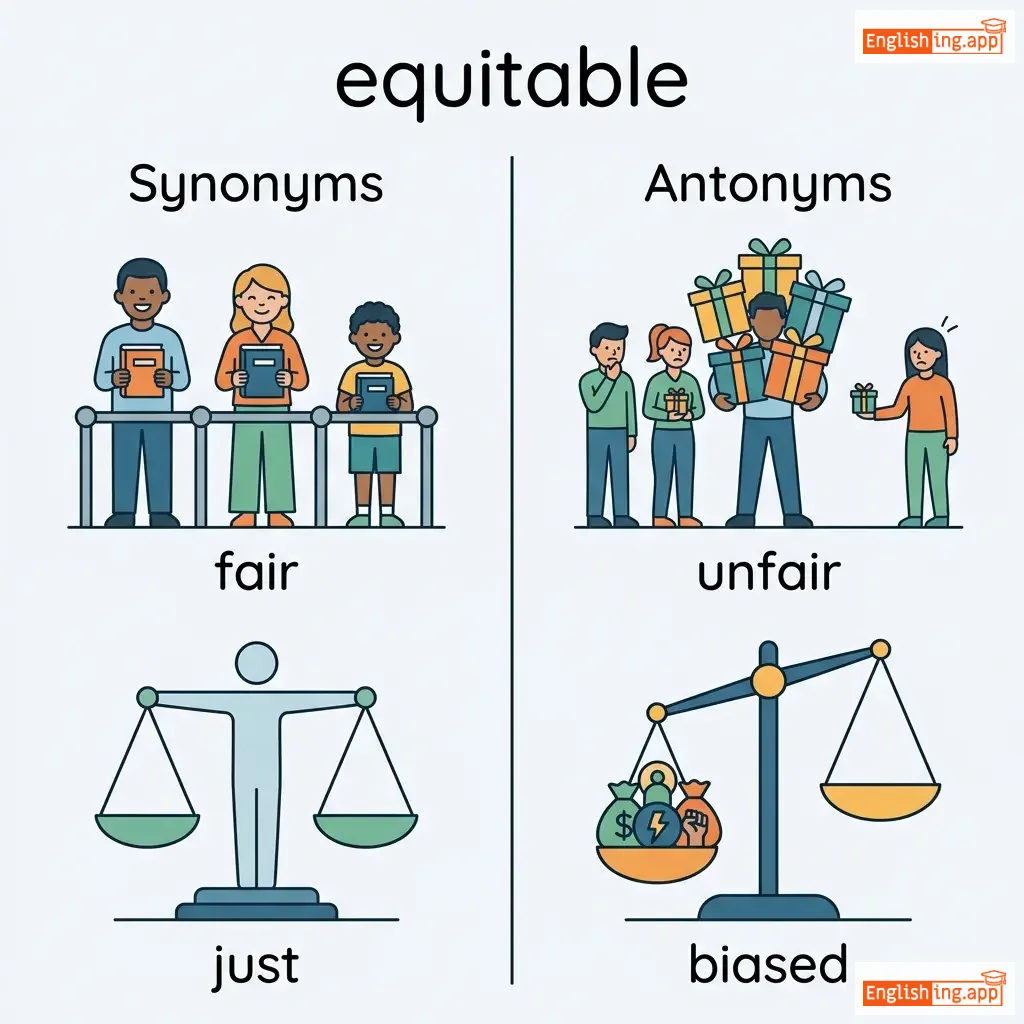
fair, just, impartial
••••••
|
unfair, biased, unequal
••••••
|
公平的家庭=健康的家庭。
••••••
|
|
#2726
🗽
|
/ɔːˈtɒn.ə.mi/
noun
(自主权)
••••••
|
|
自主权
zìzhǔquán
••••••
|
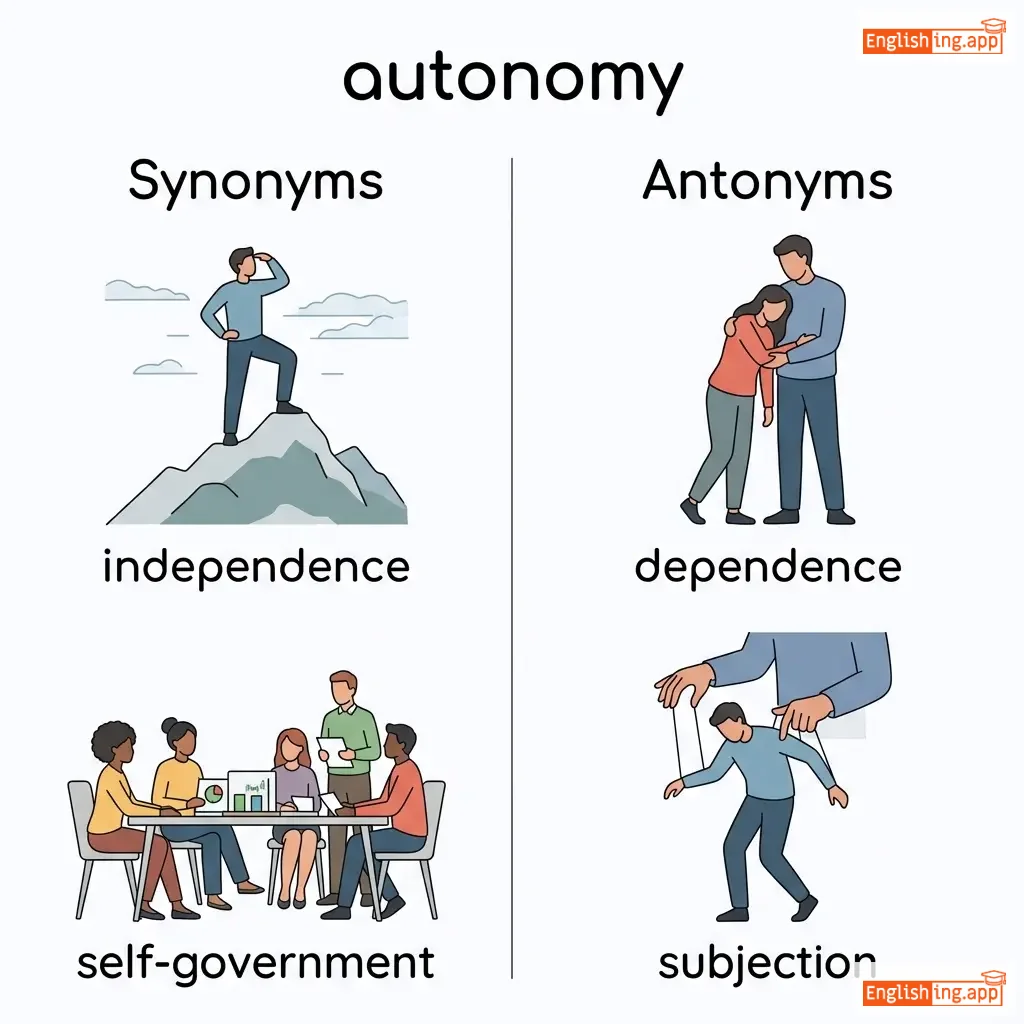
The right or condition of self-government; independence and the ability to make one's own decisions.
••••••
|
Encouraging autonomy in children helps them build confidence. |
鼓励孩子们的自主权帮助他们建立自信。
Gǔlì háizimen de zìzhǔquán bāngzhù tāmen jiànlì zìxìn.
••••••
|
independence, self-governance, freedom
••••••
|
dependence, subordination, restriction
••••••
|
自主权是做出自己选择的能力,就像孩子决定做什么。
••••••
|
|
#2727
✅
|
/kəmˈplaɪ.əns/
noun
(compliance)
••••••
|
|
遵守
zunshou
••••••
|
The practice of conforming to rules, regulations, or laws; obedience to orders or instructions.
••••••
|
Schools expect compliance with their rules and policies.
学校期望遵守他们的规则和政策。
••••••
|
学校期望遵守他们的规则和政策。
Xuexiao qiwang zunshou tamen de guize he zhengce.
••••••
|
obedience, adherence, conformity
••••••
|
defiance, resistance, rebellion
••••••
|
遵守和compliance在中文中具有相同的意义。
••••••
|
|
#2728
🧠
|
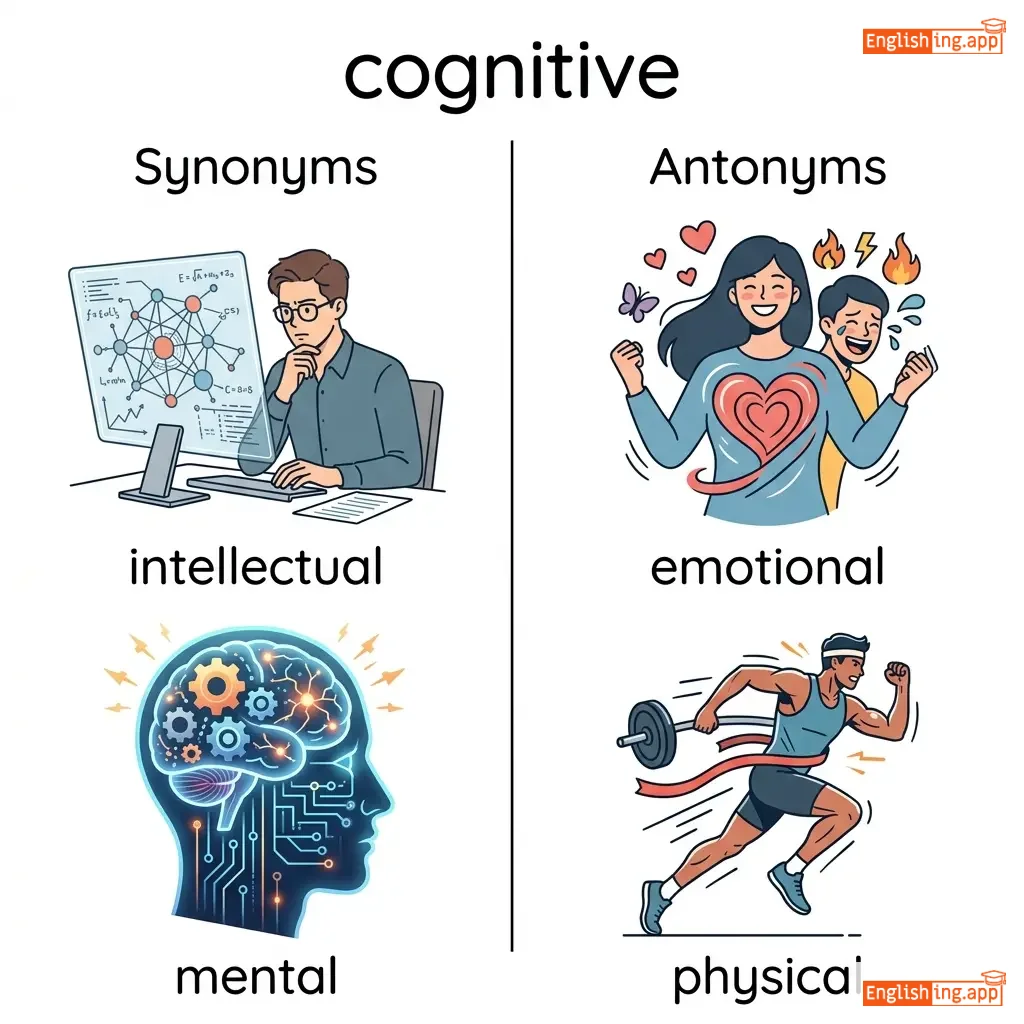
/ˈkɒɡ.nɪ.tɪv/
adjective
(认知的)
••••••
|
|
认知的
rènzhī de
••••••
|
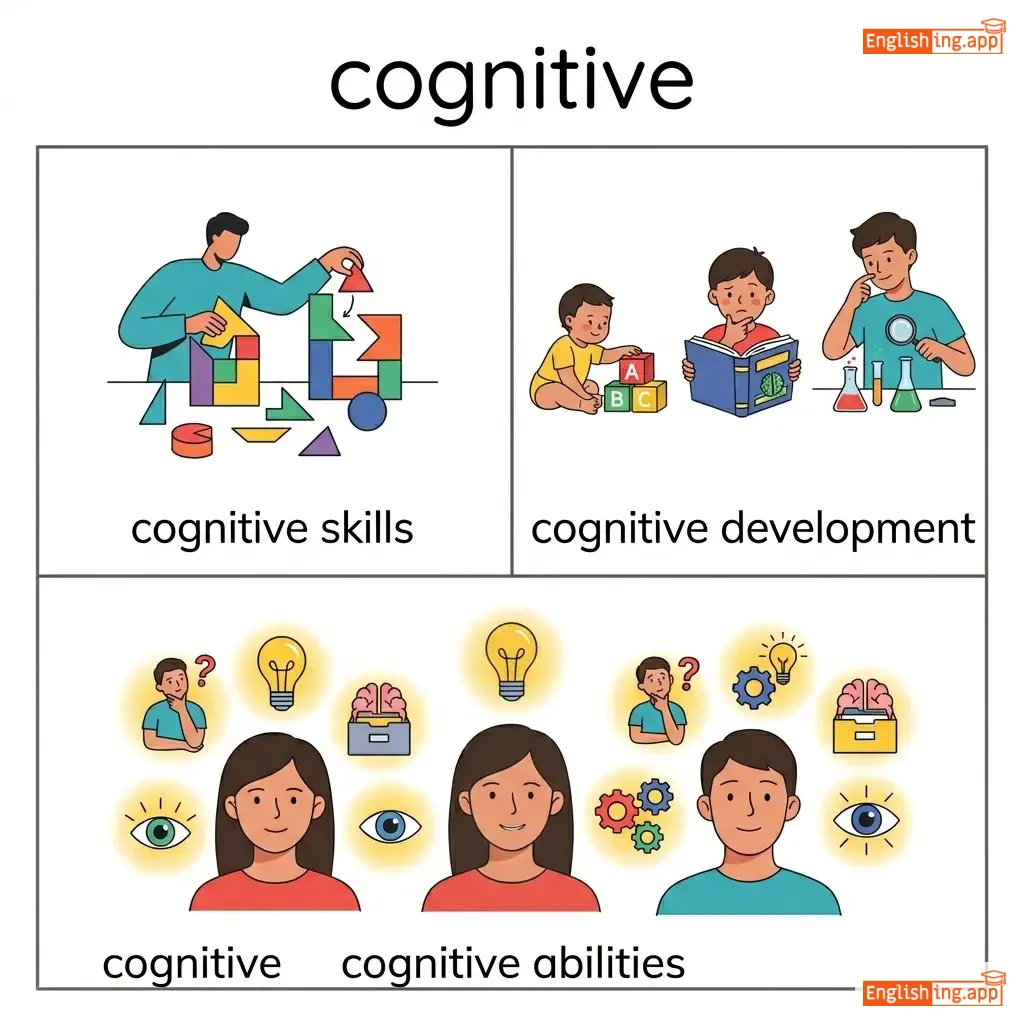
Related to the mental processes of perception, memory, judgment, and reasoning; concerning thinking and understanding.
••••••
|
Reading improves a child's cognitive skills.
阅读提高孩子的认知能力。
••••••
|
阅读提高孩子的认知能力。
Yuèdú tígāo háizi de rènzhī nénglì.
••••••
|
intellectual, mental, psychological
••••••
|
ignorant, unaware, uninformed
••••••
|
认知的代表与思考和理解相关的认知过程。
••••••
|
|
#2729
🚧
|
/ˈhɪn.drəns/
noun
(hindulens)
••••••
|
|
障碍
zhàng'ài
••••••
|
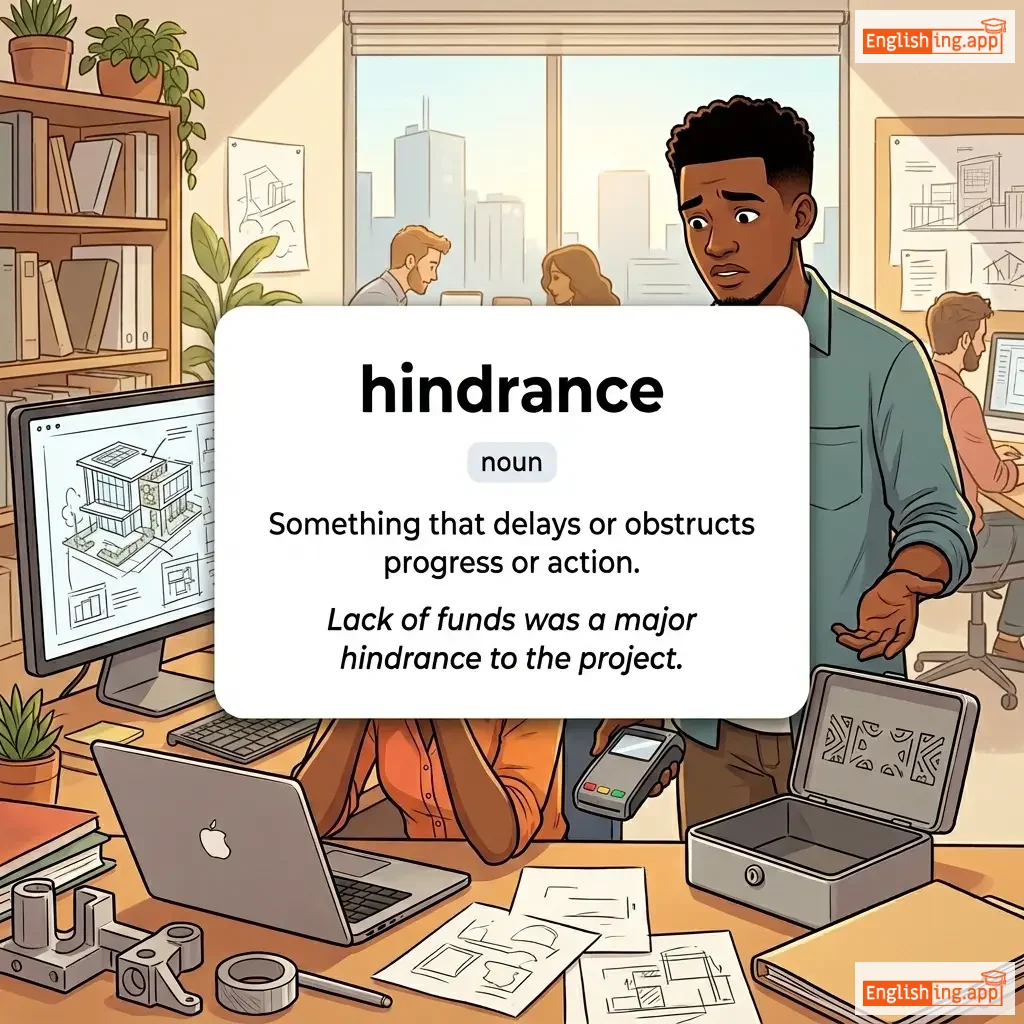
A thing that provides resistance, delay, or obstruction to something or someone; an impediment.
••••••
|
Lack of resources is a major hindrance to education. |
资源的缺乏是教育的一个重大障碍。
Zīyuán de quēfá shì jiàoyù de yīgè zhòngdà zhàng'ài.
••••••
|
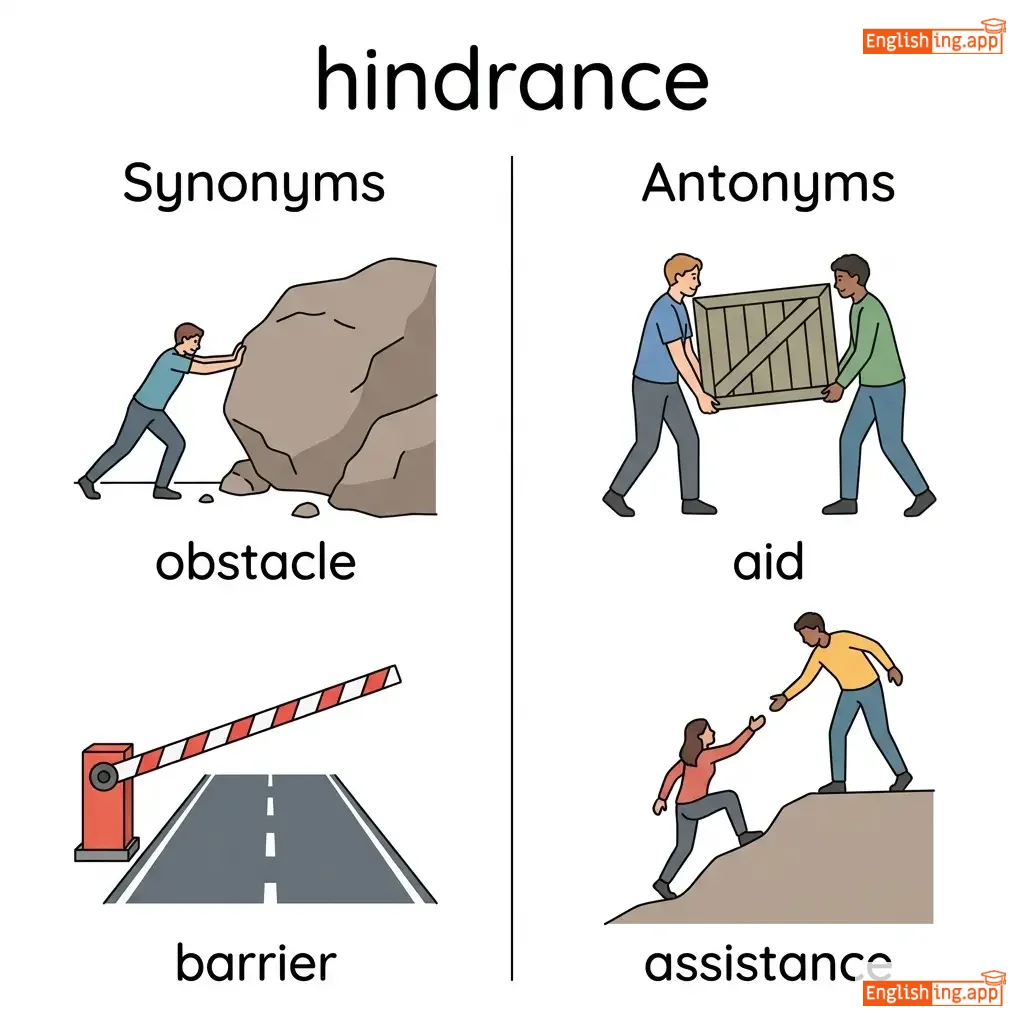
obstacle, impediment, barrier
••••••
|
aid, assistance, facilitation
••••••
|
障碍 - 像资源短缺一样,阻碍教育的进展。
••••••
|
|
#2730
💎
|
/ɪnˈtrɪn.zɪk/
adjective
(intrinsic)
••••••
|
|
内在的
neizai de
••••••
|
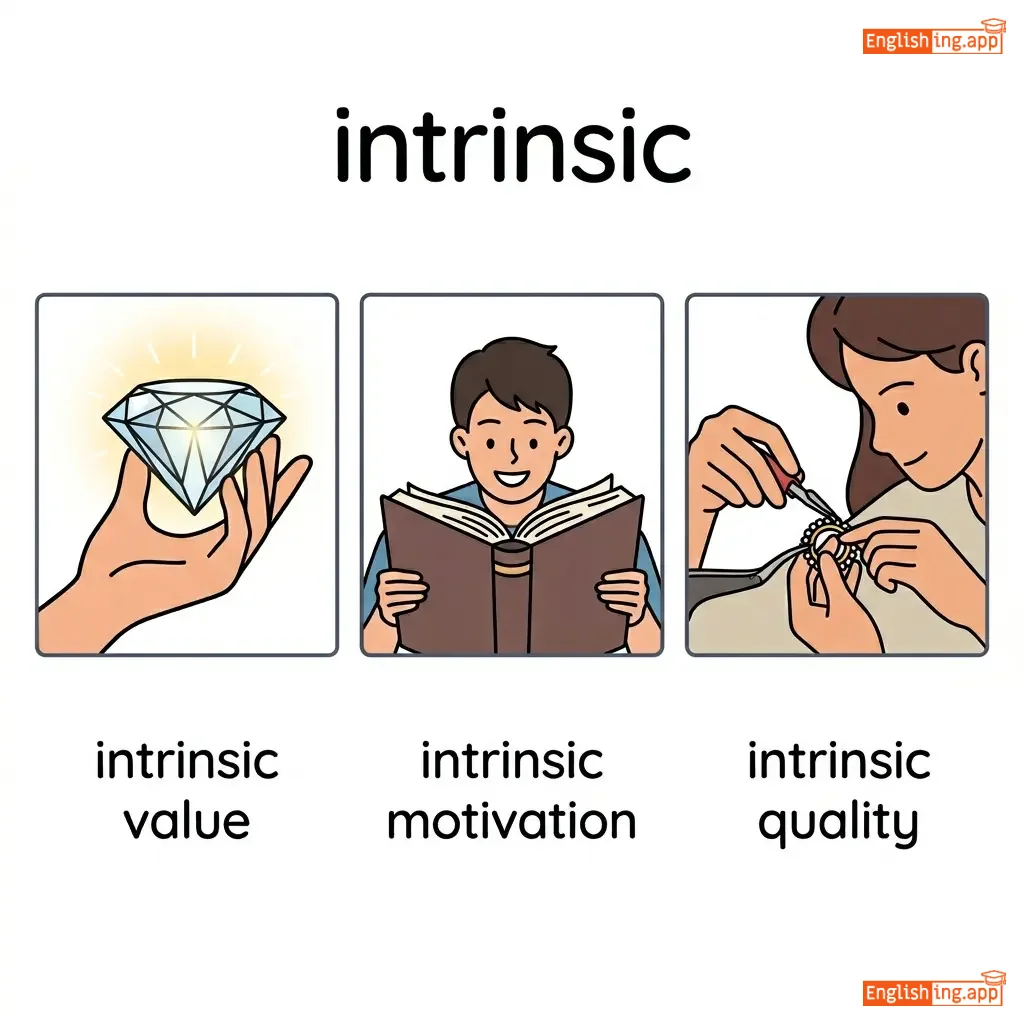
Belonging naturally; essential; inherent in the nature of something rather than coming from external factors.
••••••
|
A child's intrinsic curiosity drives them to learn.
孩子内在的好奇心推动着他们去学习。
••••••
|
孩子内在的好奇心推动着他们去学习。
Haizi neizai de haoqi xin tuidongzhe tamen qu xuexi.
••••••
|
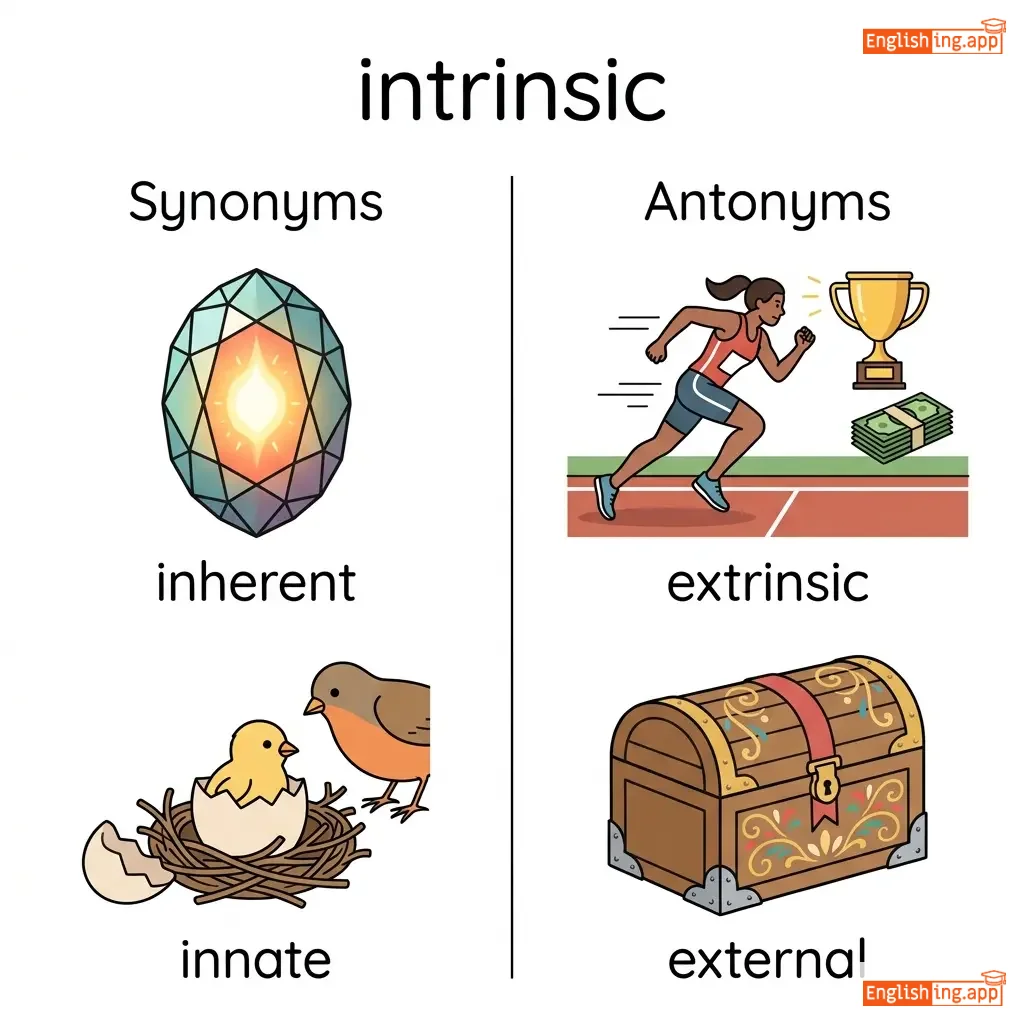
inherent, essential, fundamental
••••••
|
extrinsic, superficial, external
••••••
|
内在的好奇心是从内部来的。
••••••
|
|
#2731
⚖️
|
/dɪˈspær.ə.ti/
noun
(差异)
••••••
|
|
差距
chaju
••••••
|
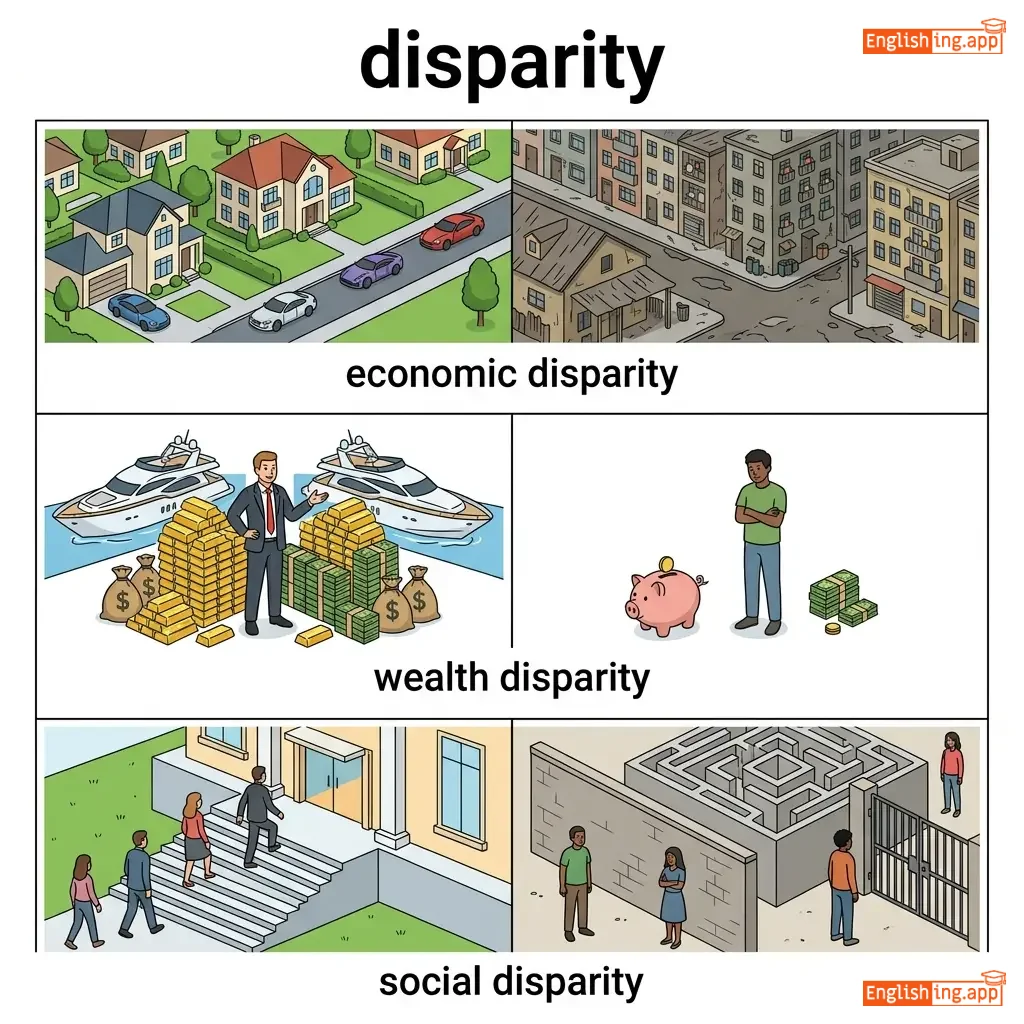
A great difference or inequality; lack of equality or similarity between things being compared.
••••••
|
The disparity in wealth distribution is a major global issue. |
财富分配中的差距是一个重大的全球性问题。
Cáifù fēnpèi zhōng de chā jù shì yí gè zhòngdà de quánqiúxìng wèntí.
••••••
|
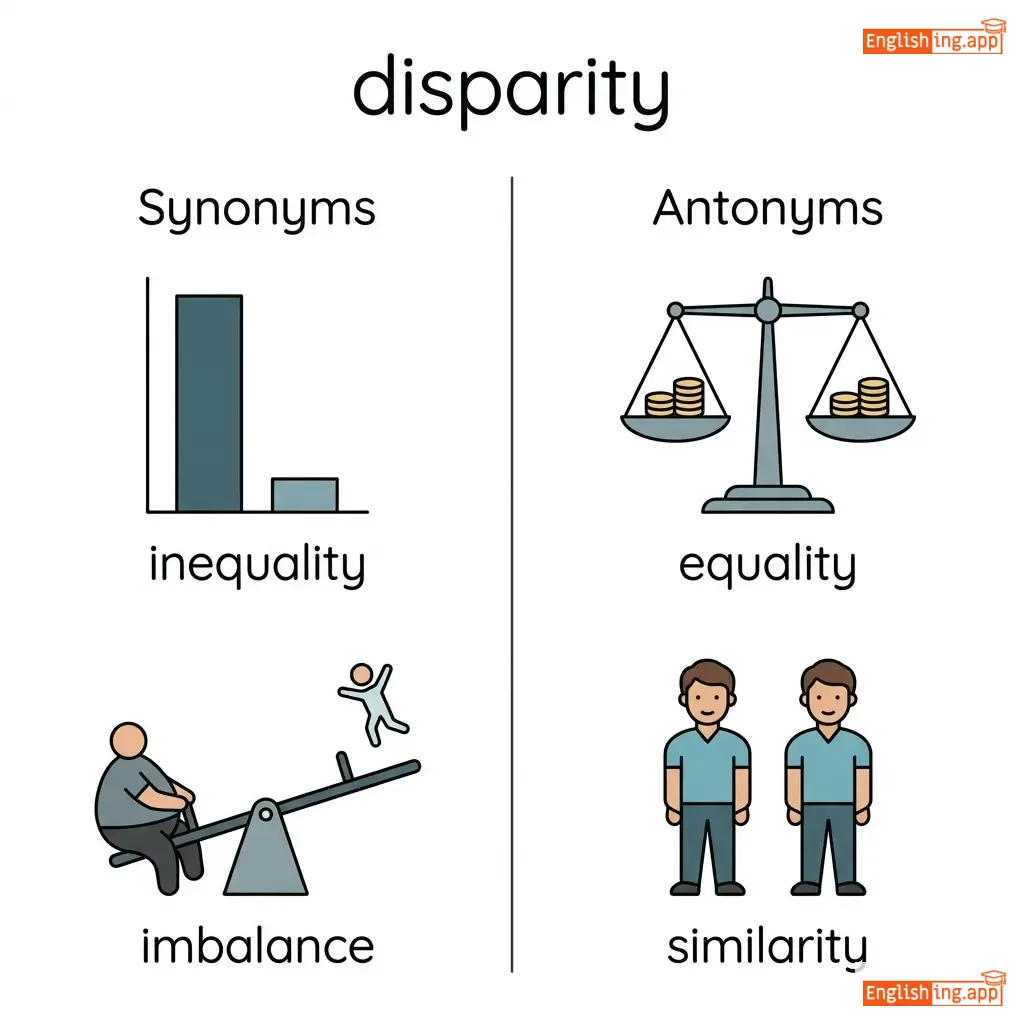
inequality, difference, imbalance
••••••
|
equality, similarity, parity
••••••
|
财富差距大,贫富差距显著。
••••••
|
|
#2732
😤
|
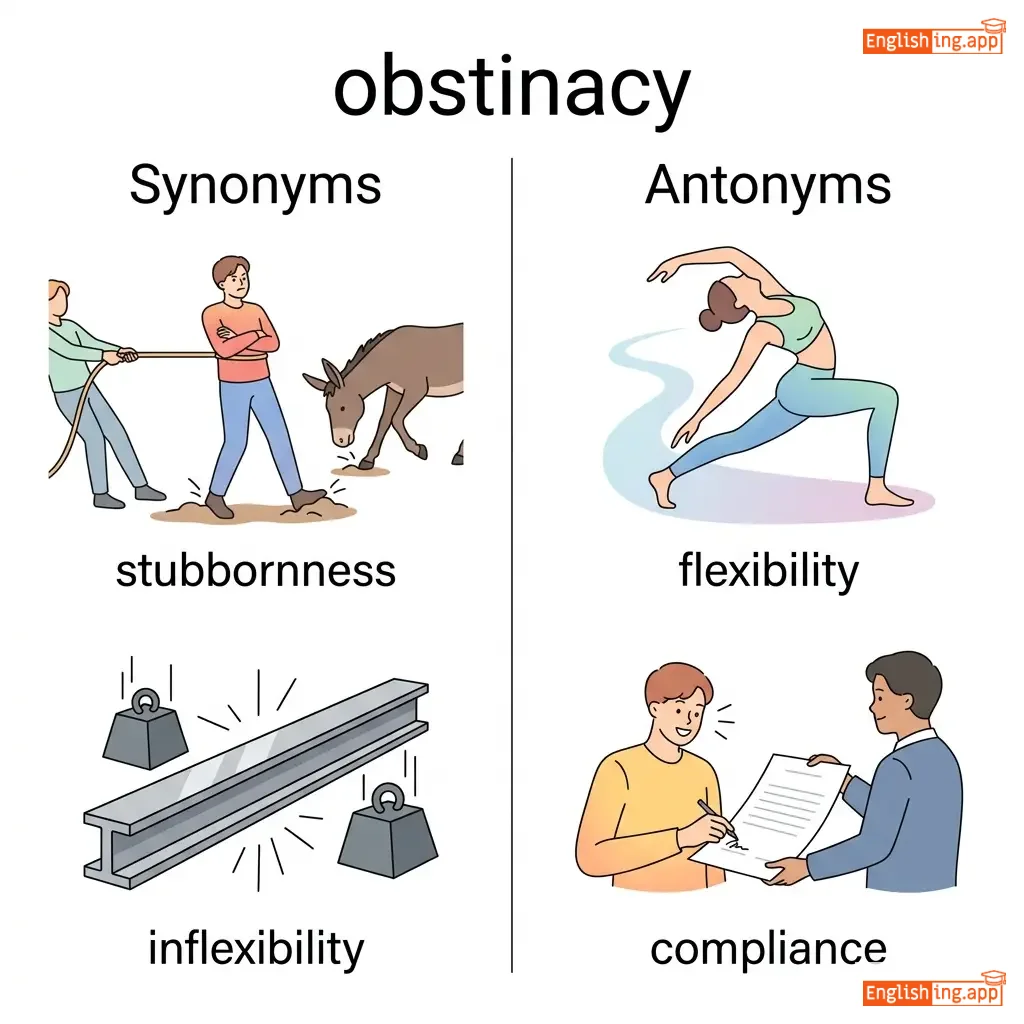
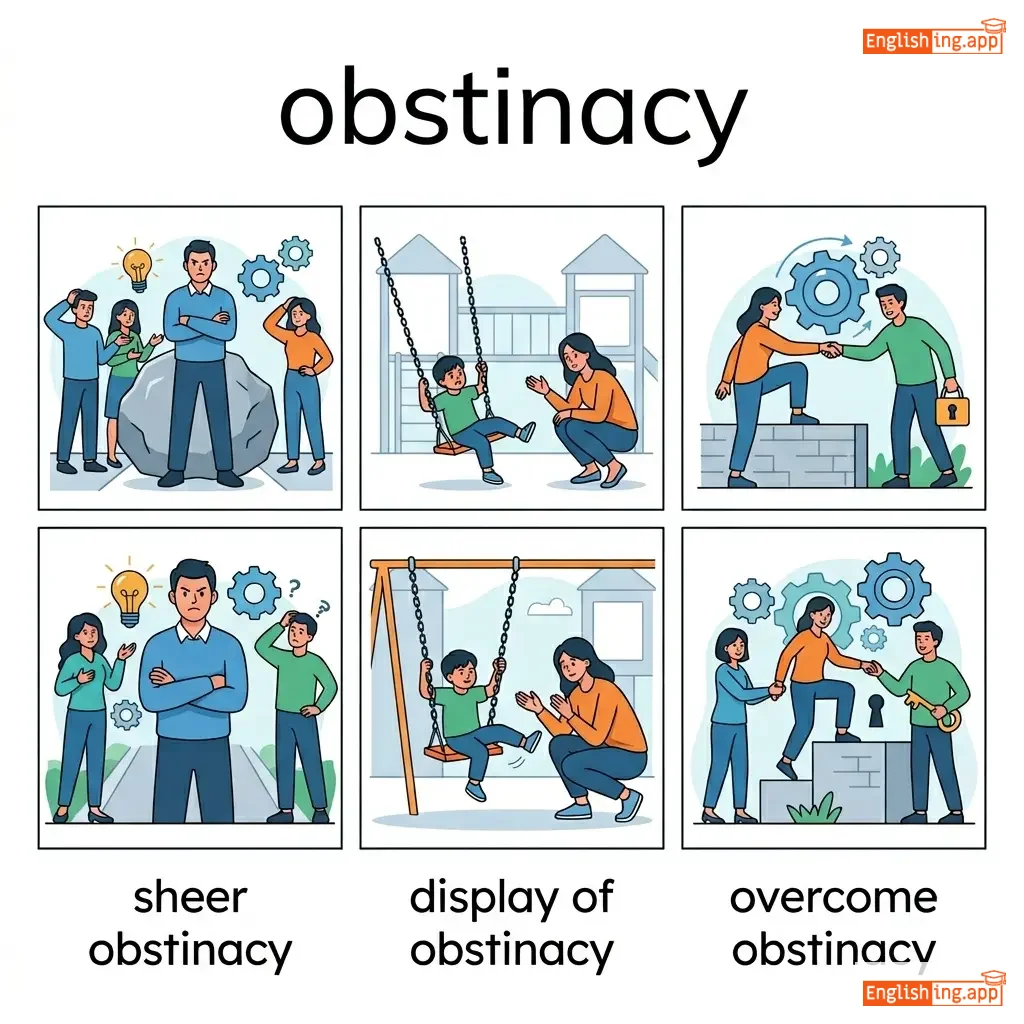
/ˈɒb.stɪ.nə.si/
noun
(obstination)
••••••
|
|
固执
gùzhí
••••••
|
Stubborn refusal to change one's opinion or chosen course of action, despite attempts to persuade one to do so.
••••••
|
His obstinacy made negotiations difficult.
His obstinacy made negotiations difficult.
••••••
|
他的固执使谈判变得困难。
Tā de gùzhí shǐ tánpàn biàn dé kùnnán.
••••••
|
stubbornness, inflexibility, tenacity
••••••
|
flexibility, open-mindedness, compliance
••••••
|
固执:固守自己的立场,不轻易改变。
••••••
|
|
#2733
🔄
|
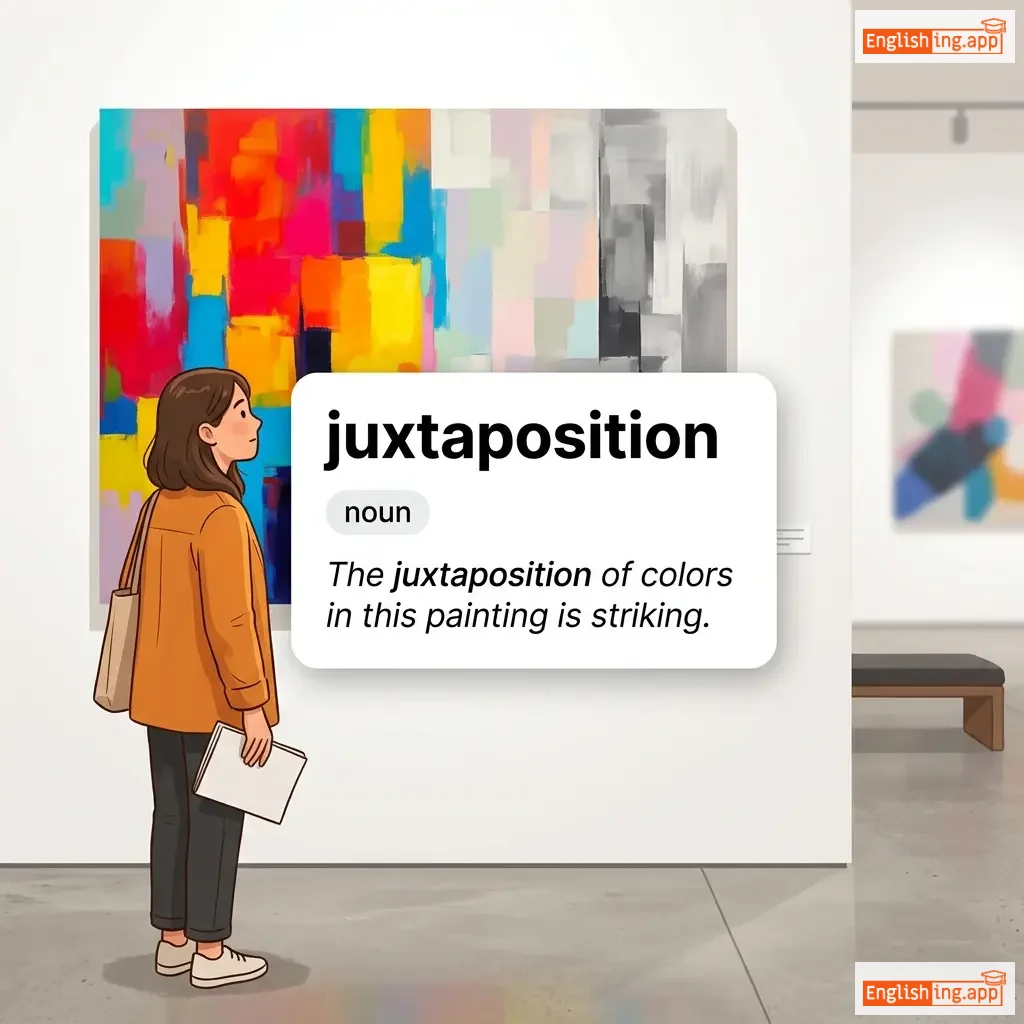
/ˌdʒʌk.stə.pəˈzɪʃ.ən/
noun
(jué kè sī pǒ zì xìn)
••••••
|
|
并列
binglie
••••••
|
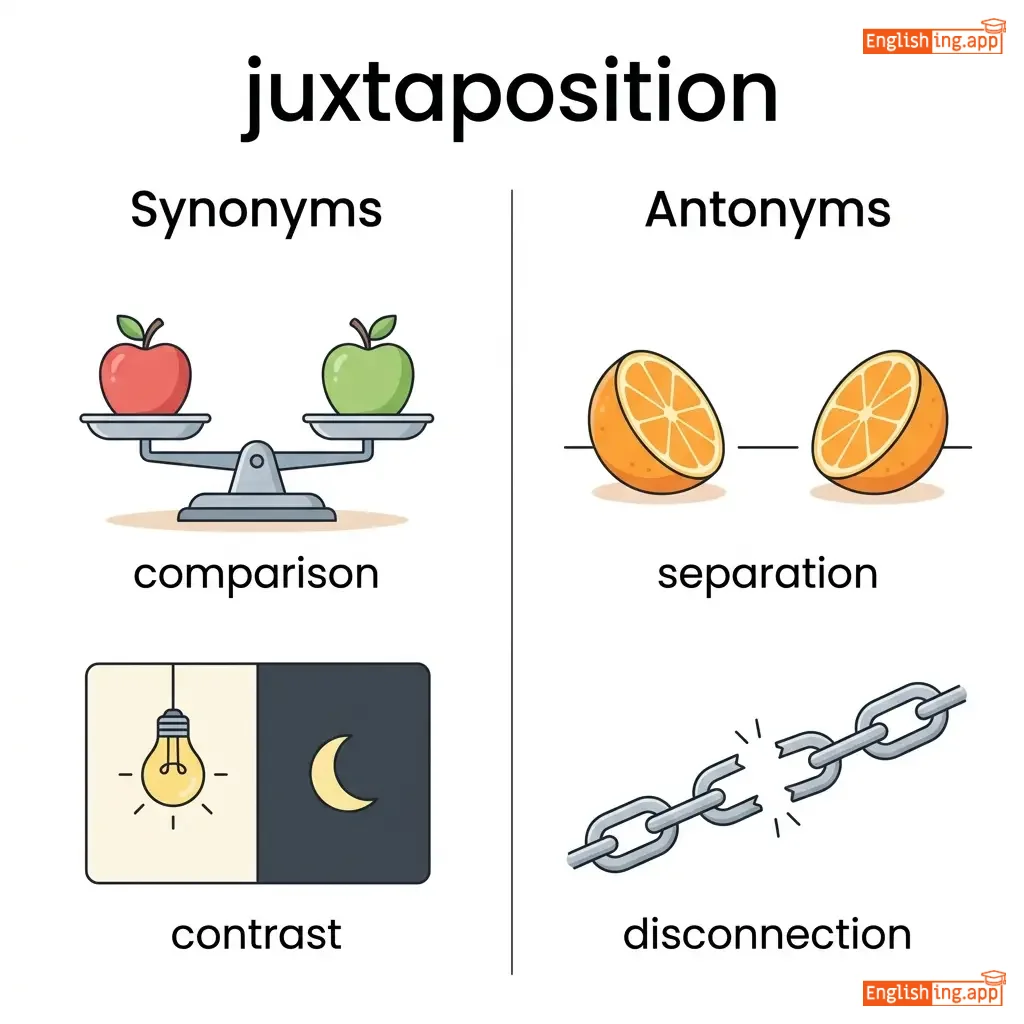
The fact of two things being seen or placed close together with contrasting effect; side-by-side comparison.
••••••
|
The juxtaposition of modern and traditional architecture was striking. |
现代与传统建筑的并列令人印象深刻。
Xiàndài yǔ chuántǒng jiànzhù de bìngliè lìng rén yìnxiàng shēnkè.
••••••
|
comparison, contrast, alignment
••••••
|
separation, disconnection, isolation
••••••
|
并列对比就像展示两种艺术风格在同一画廊里,展现出它们的独特魅力。
••••••
|
|
#2734
🌱
|
/ˈfɒs.tər.ɪŋ/
noun/verb
(fostering)
••••••
|
|
培养
pei yang
••••••
|
The process of encouraging or promoting the development or growth of something; nurturing and caring for.
••••••
|
Good teachers play a key role in fostering creativity in students.
好老师在促进学生创造力方面发挥着关键作用。
••••••
|
好老师在促进学生创造力方面发挥着关键作用。
Hao laoshi zai cujin xuesheng chuangzaolili fangmian fahui zhe guanjian zuoyong.
••••••
|
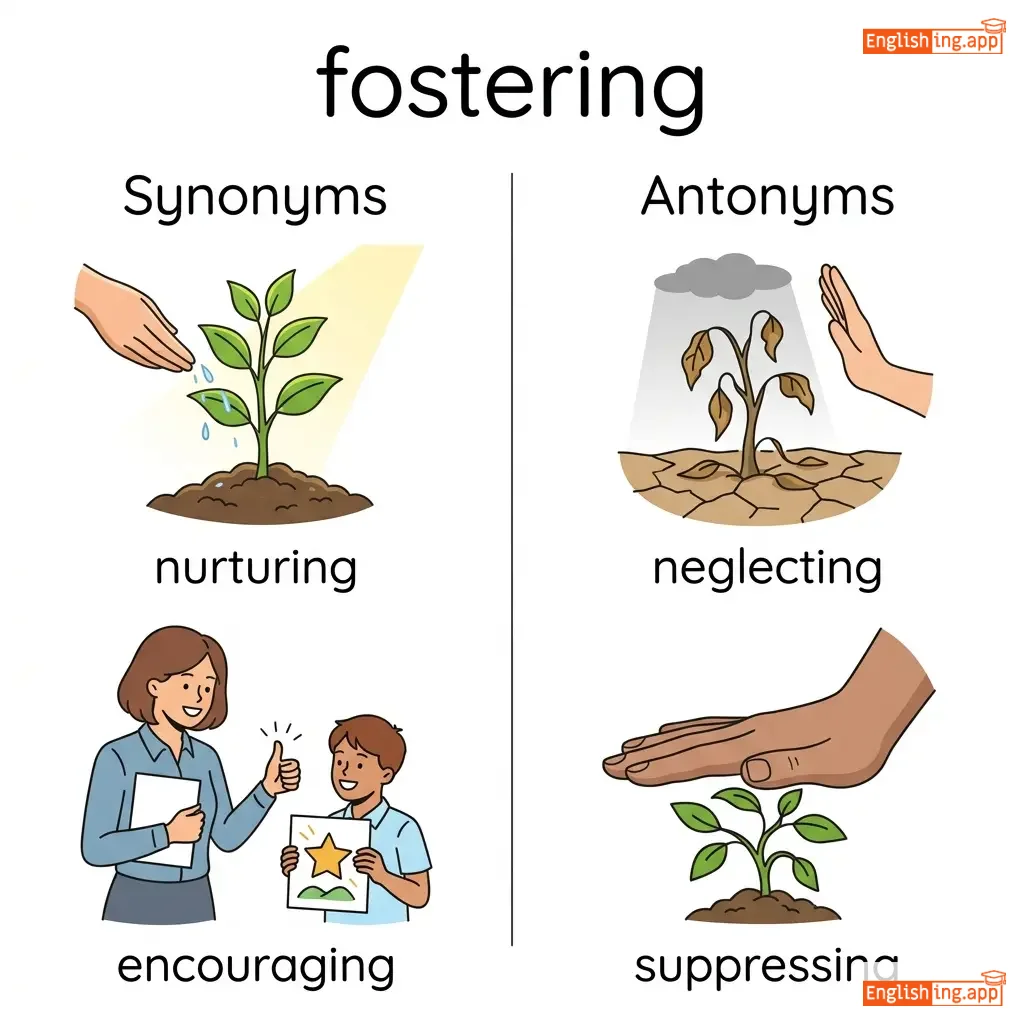
nurturing, encouraging, promoting
••••••
|
neglecting, suppressing, hindering
••••••
|
培养创造力就是照顾和促进其成长。
••••••
|
|
#2735
🦋
|
/ˌmɛt.əˈmɔːr.fə.sɪs/
noun
(梅塔莫尔佛西斯)
••••••
|
|
变形
bian xing
••••••
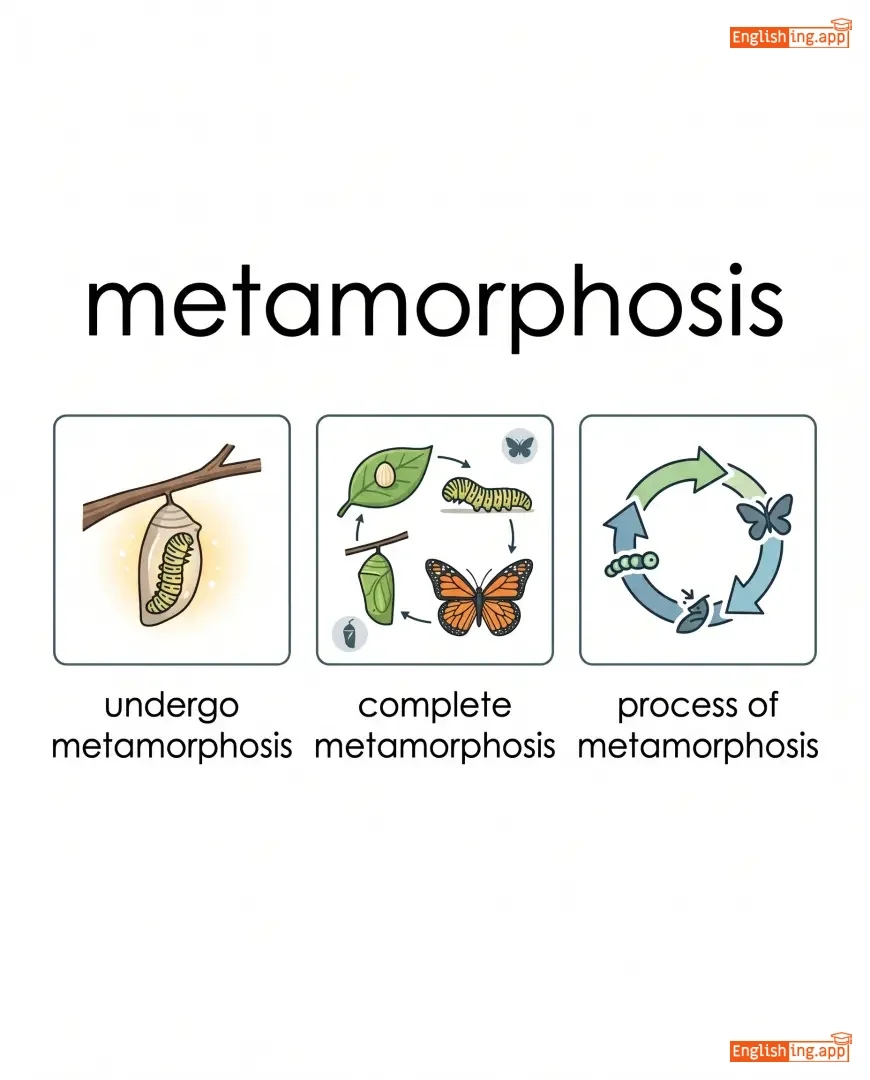
|
A change of the form or nature of a thing or person into a completely different one; transformation.
••••••
|
The caterpillar undergoes metamorphosis to become a butterfly.
毛毛虫经历变形成为蝴蝶。
••••••
|
毛毛虫经历变形成为蝴蝶。
mao mao chong jing li bian xing cheng wei hu die
••••••
|
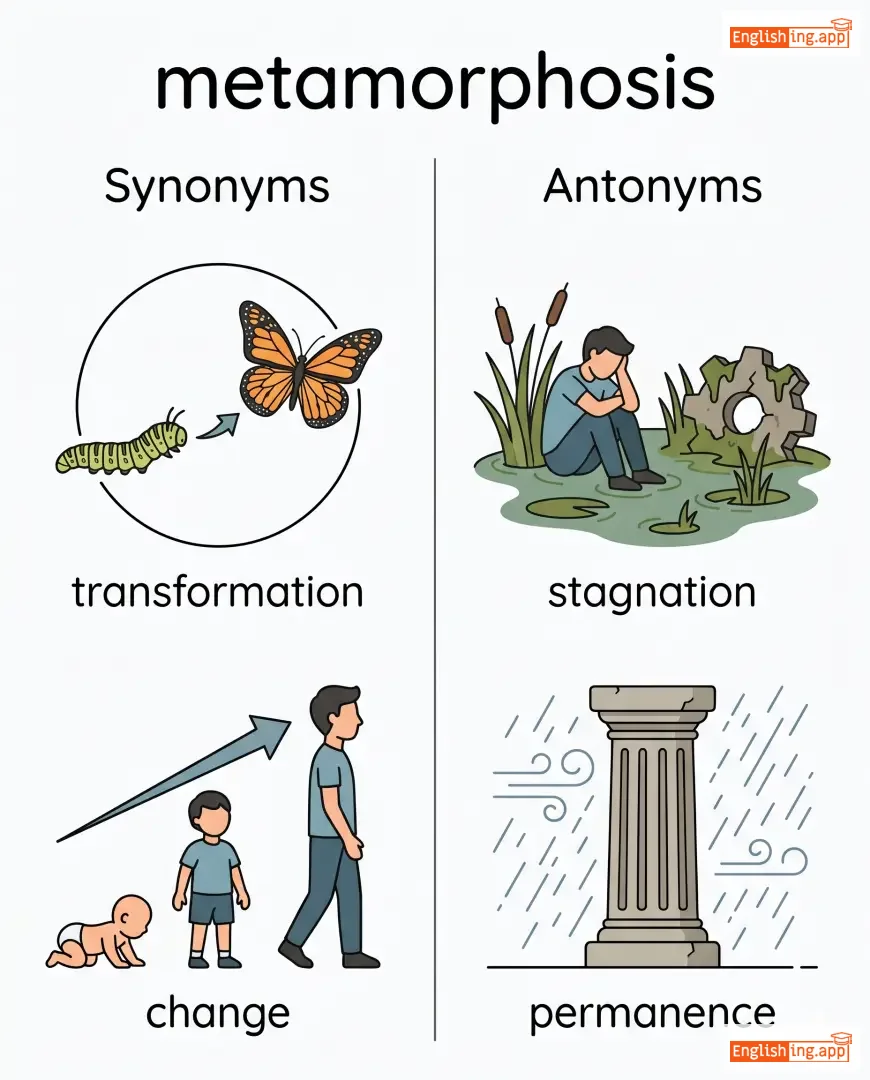
transformation, evolution, change
••••••
|
stagnation, stability, consistency
••••••
|
‘Bian xing’ means changing shape – like metamorphosis in nature!
••••••
|
|
#2736
📚
|
/ˌpɛd.əˈɡɒdʒ.ɪ.kəl/
adjective
(教育学的)
••••••
|
|
教育学的
jiaoyuxue de
••••••
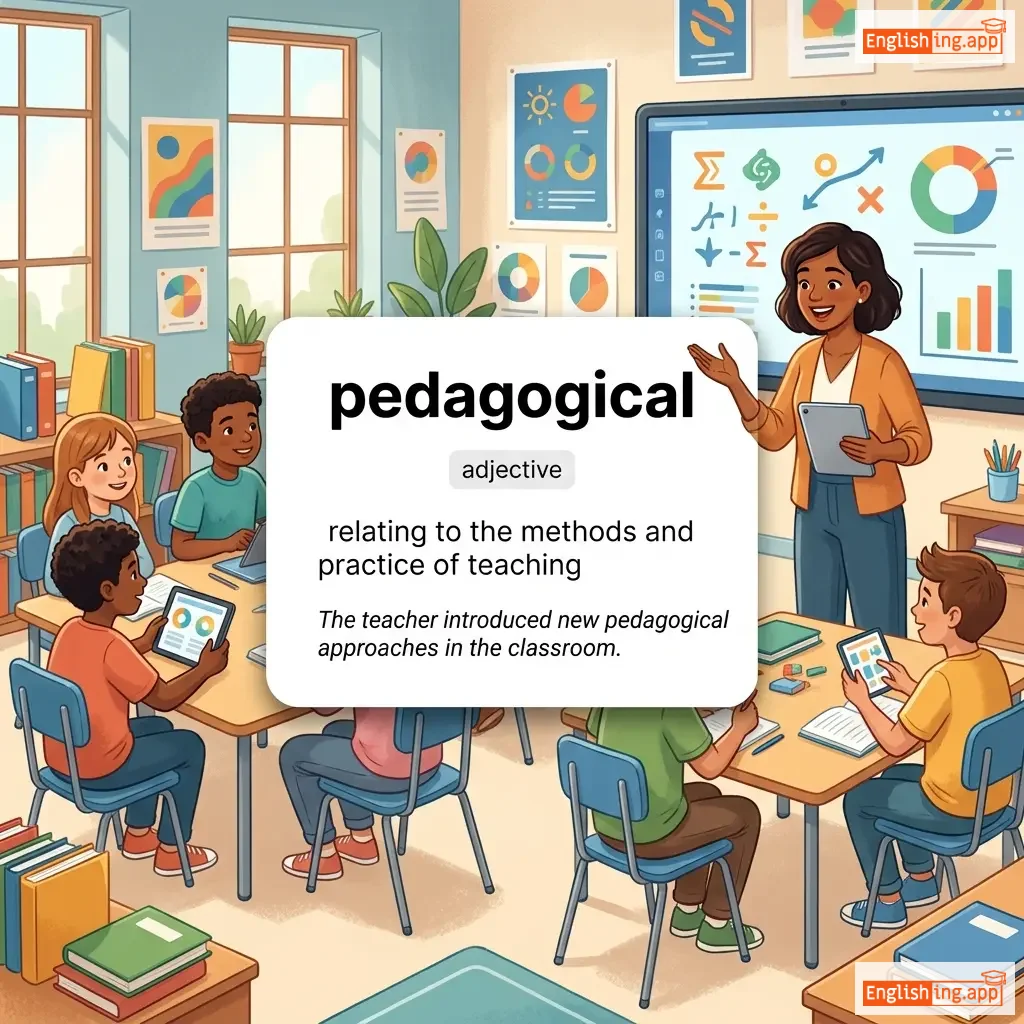
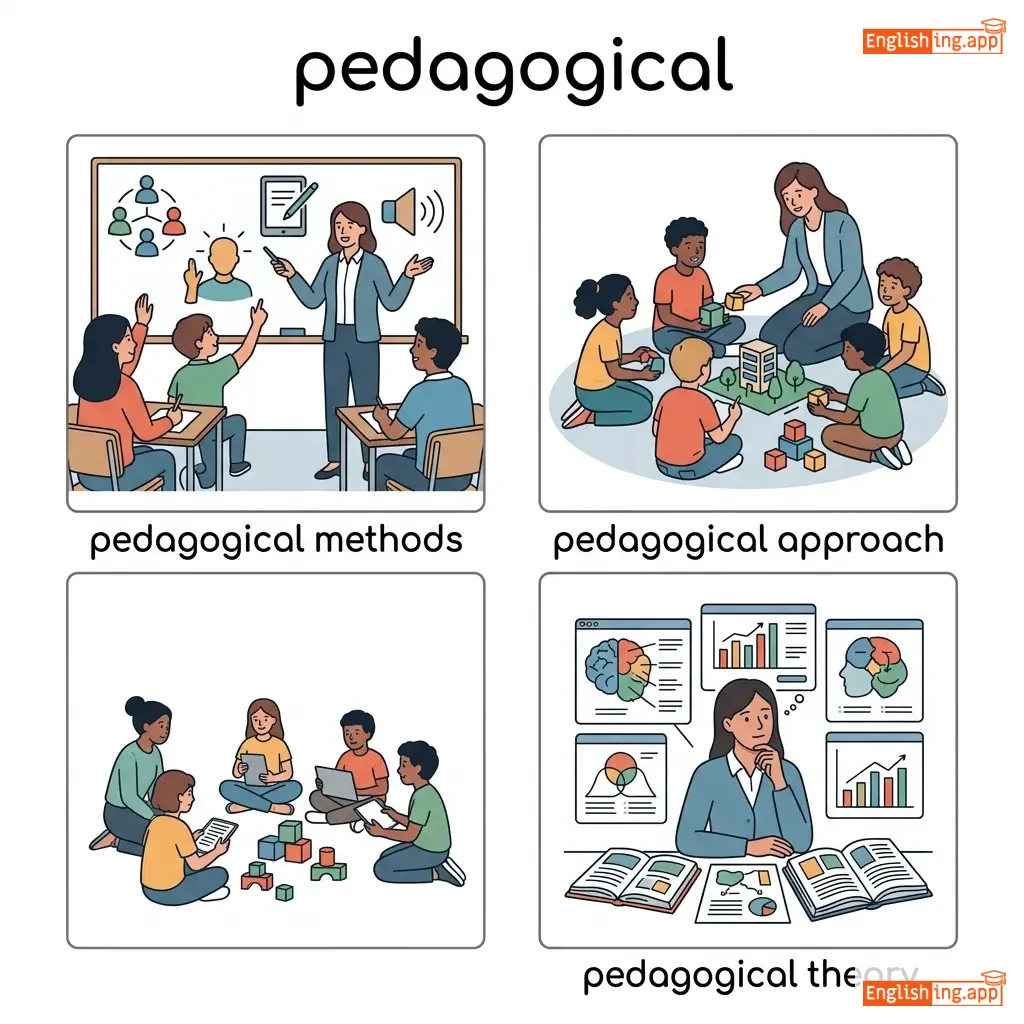
|
Relating to teaching and education; concerned with the methods and practice of teaching.
••••••
|
The school adopted new pedagogical techniques to improve learning. |
学校采用了新的教育学技术来改善学习。
Xuexiao caiyongle xinde jiaoyuxue jishu lai gaishan xuexi.
••••••
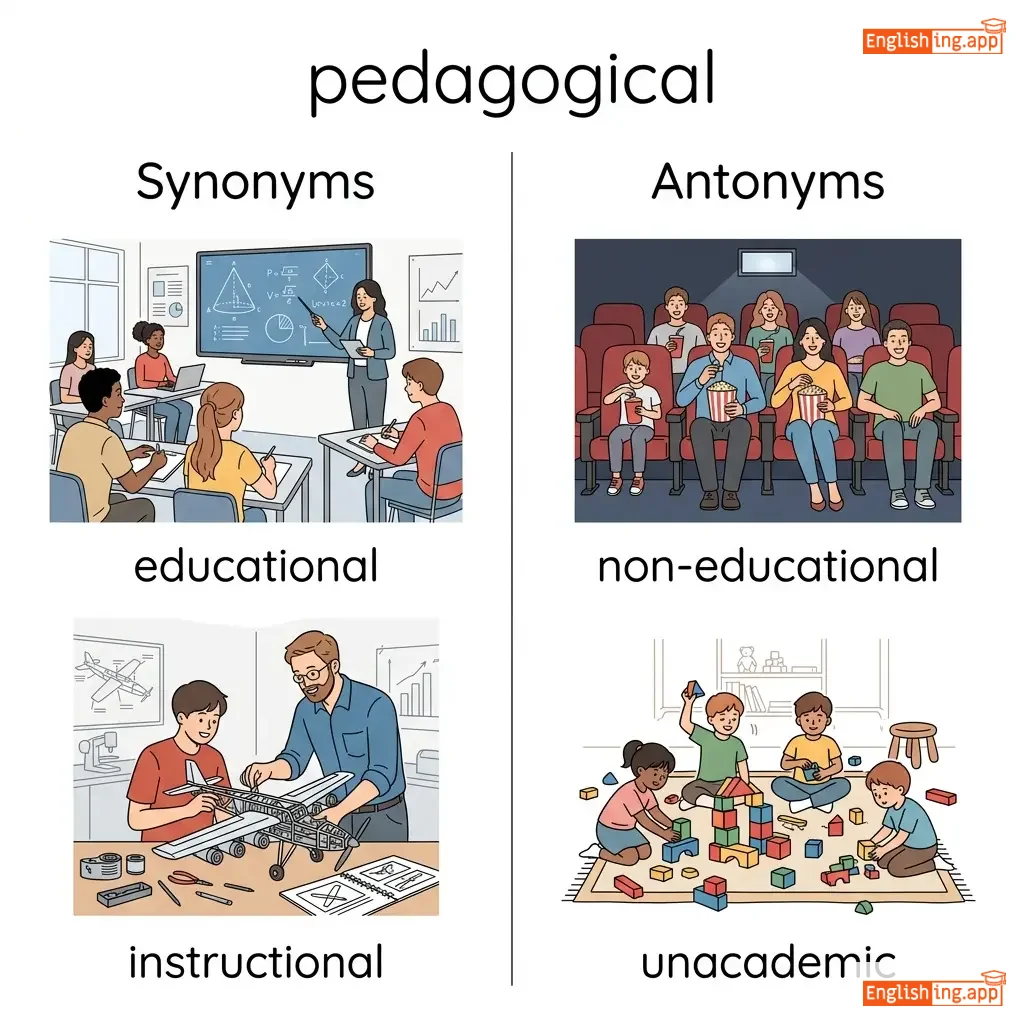
|
educational, instructional, teaching-related
••••••
|
uneducational, uninstructive, non-academic
••••••
|
教育学是用新的方法教授的艺术.
••••••
|
|
#2737
🔊
|
/ˈrɛz.ə.nəns/
noun
(rèzōnǎnsī)
••••••
|
|
共鸣
gongming
••••••
|
The quality of being deep, full, and reverberating; a deep and continuing impact or effect.
••••••
|
His speech had a strong resonance with the audience.
他的演讲在观众中产生了强烈的共鸣。
••••••
|
他的演讲在观众中产生了强烈的共鸣。
Tā de yǎnjiǎng zài guānzhòng zhōng chǎnshēngle qiángliè de gòngmíng.
••••••
|
reverberation, echo, impact
••••••
|
dissonance, insignificance, weakness
••••••
|
共鸣像在洞穴中的回响
••••••
|
Vocabulary Quiz
Test your vocabulary by matching words with their translations or meanings.
Login to take the quiz
Comments (0)
Share your thoughts and join the discussion.
Join the discussion by logging in
Login to CommentNo comments yet
Be the first to share your thoughts!