

健康饮食背后的科学
The Science Behind Healthy Eating
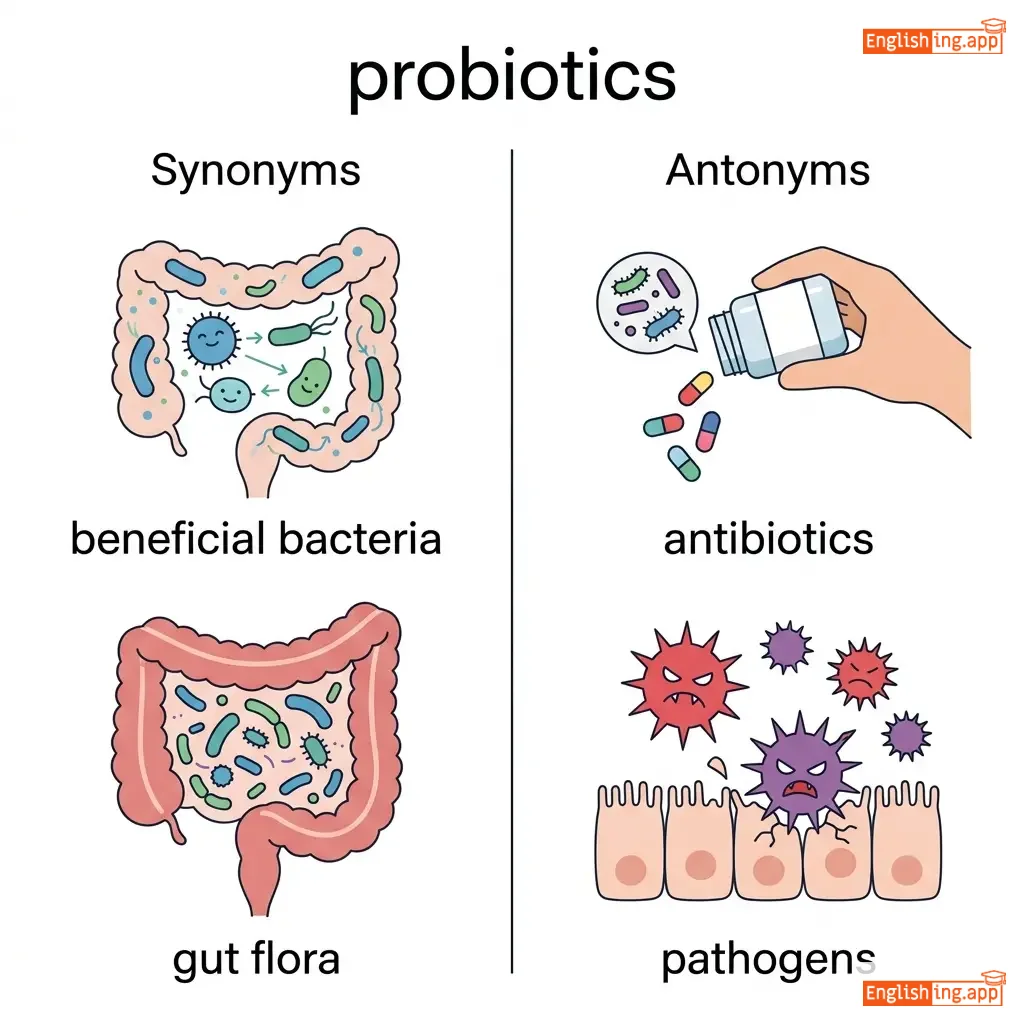
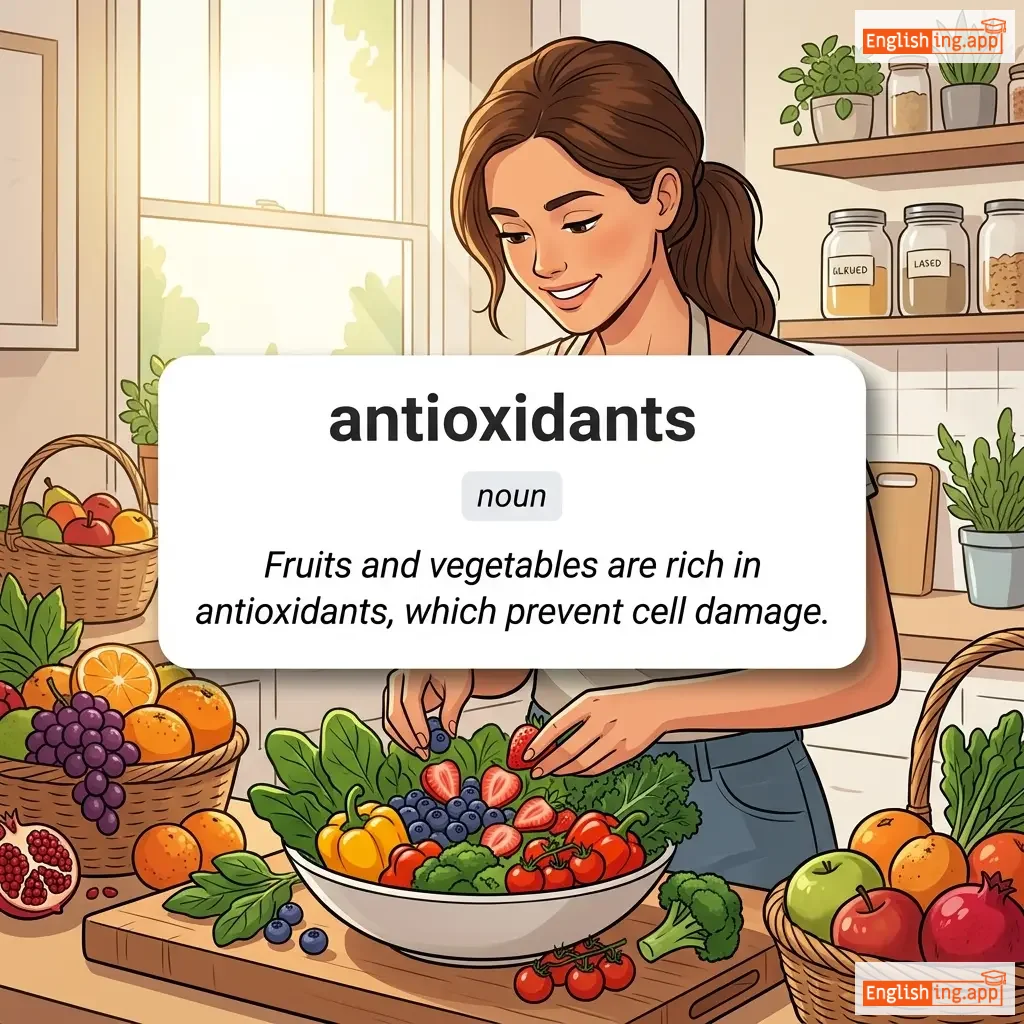
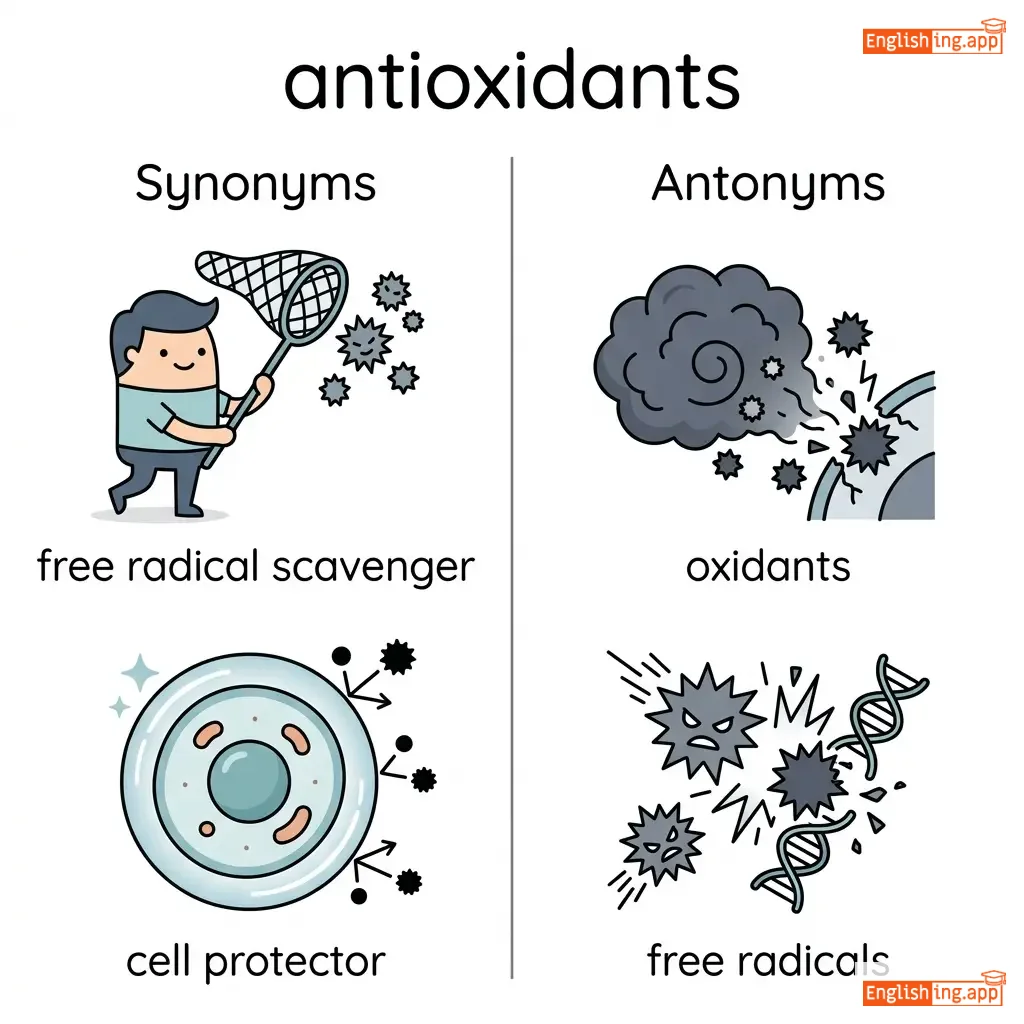
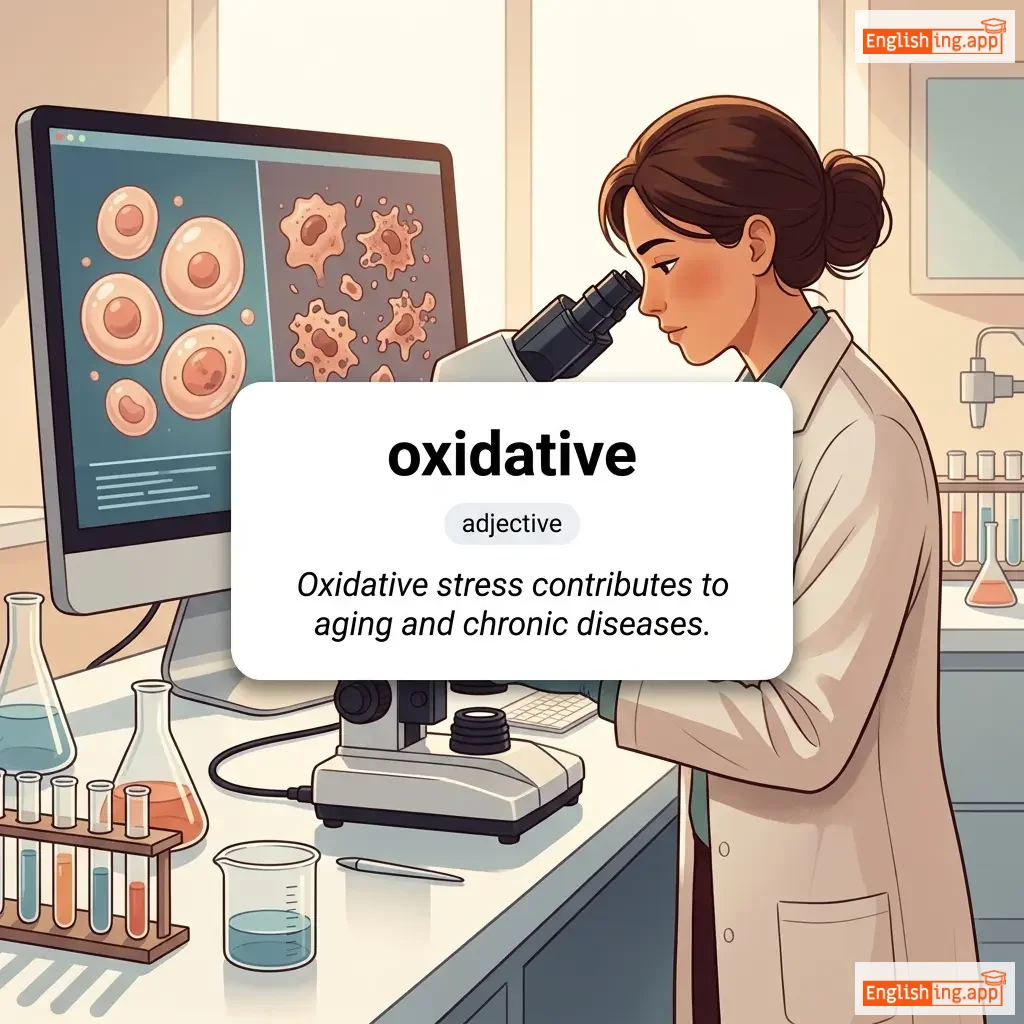
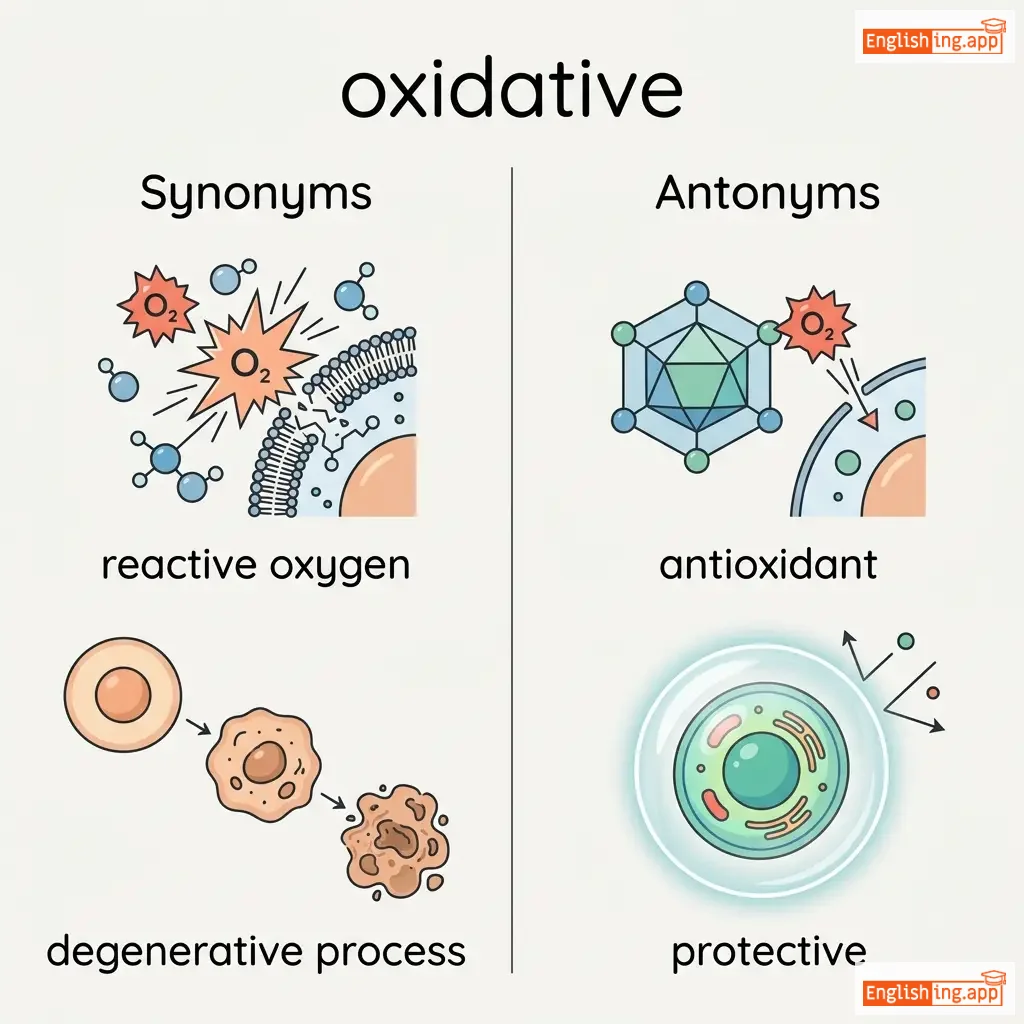
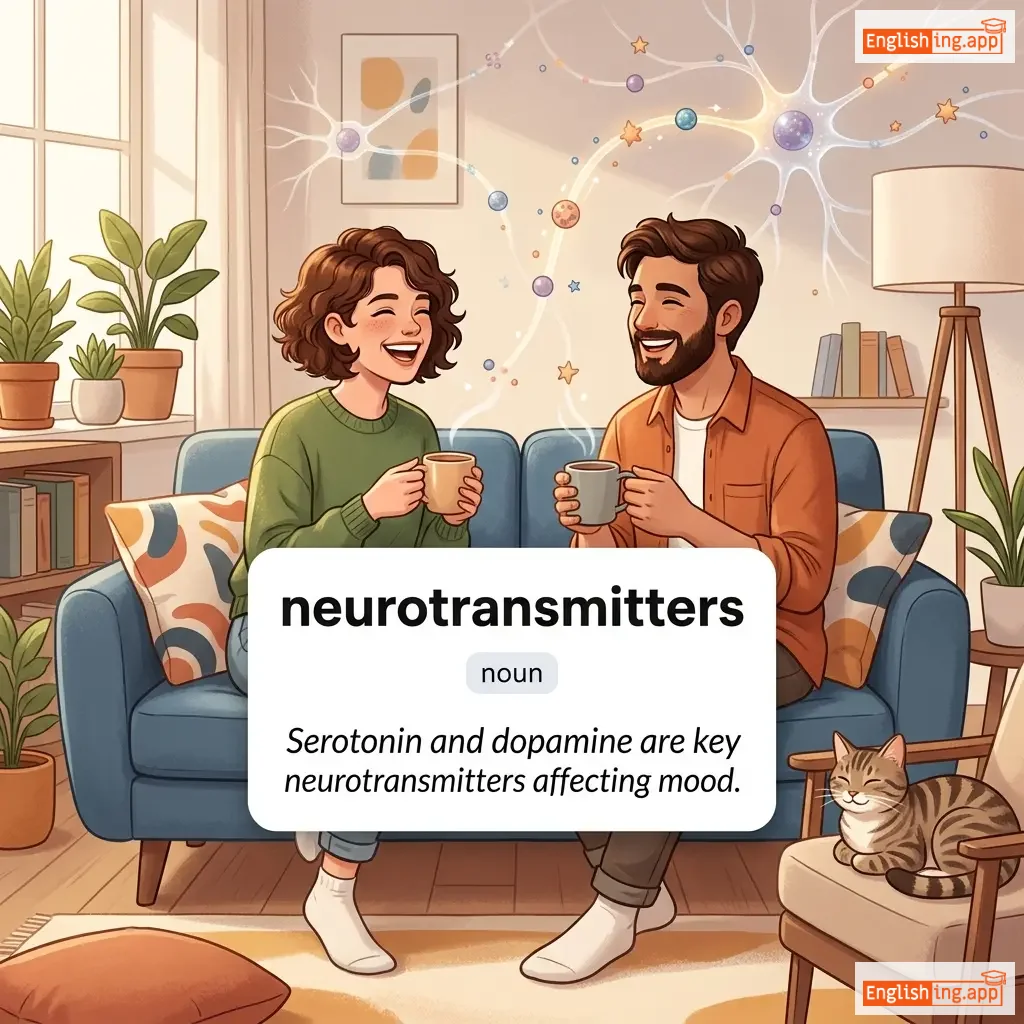
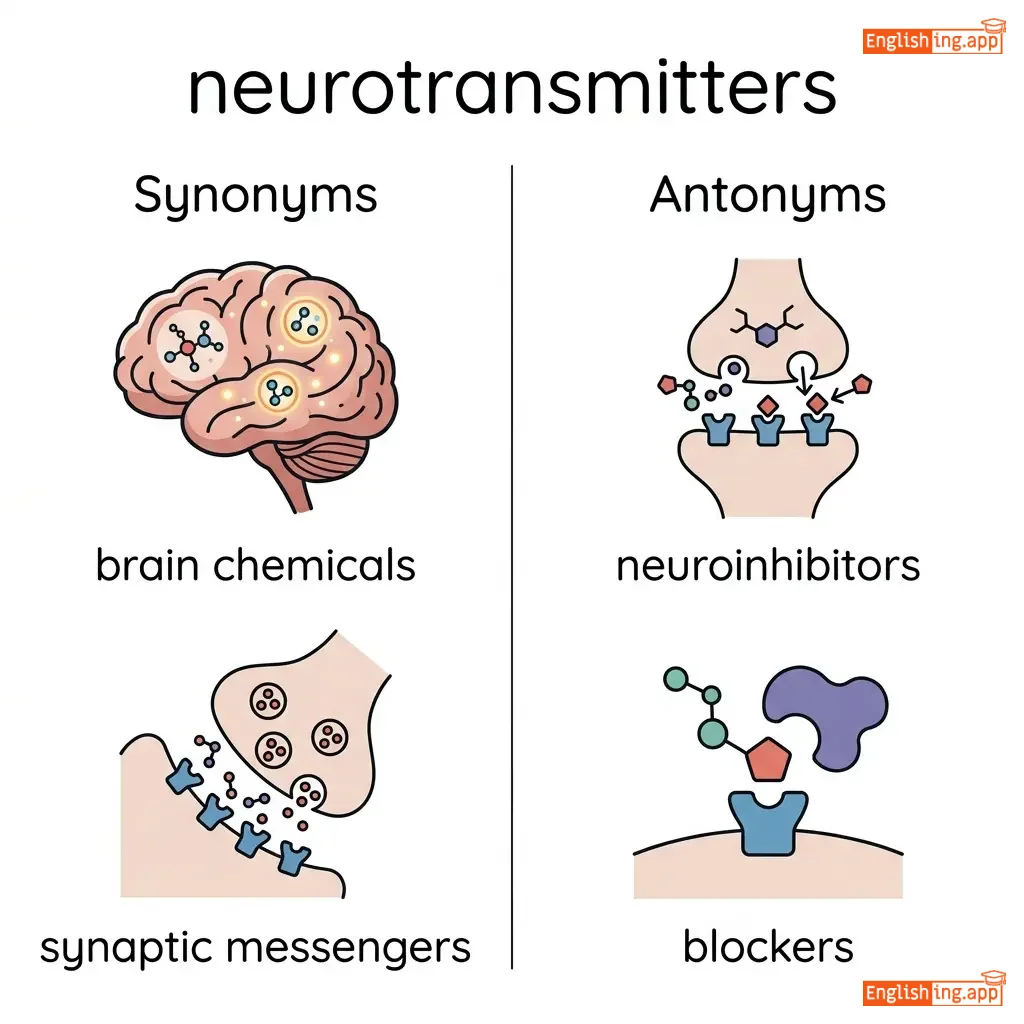
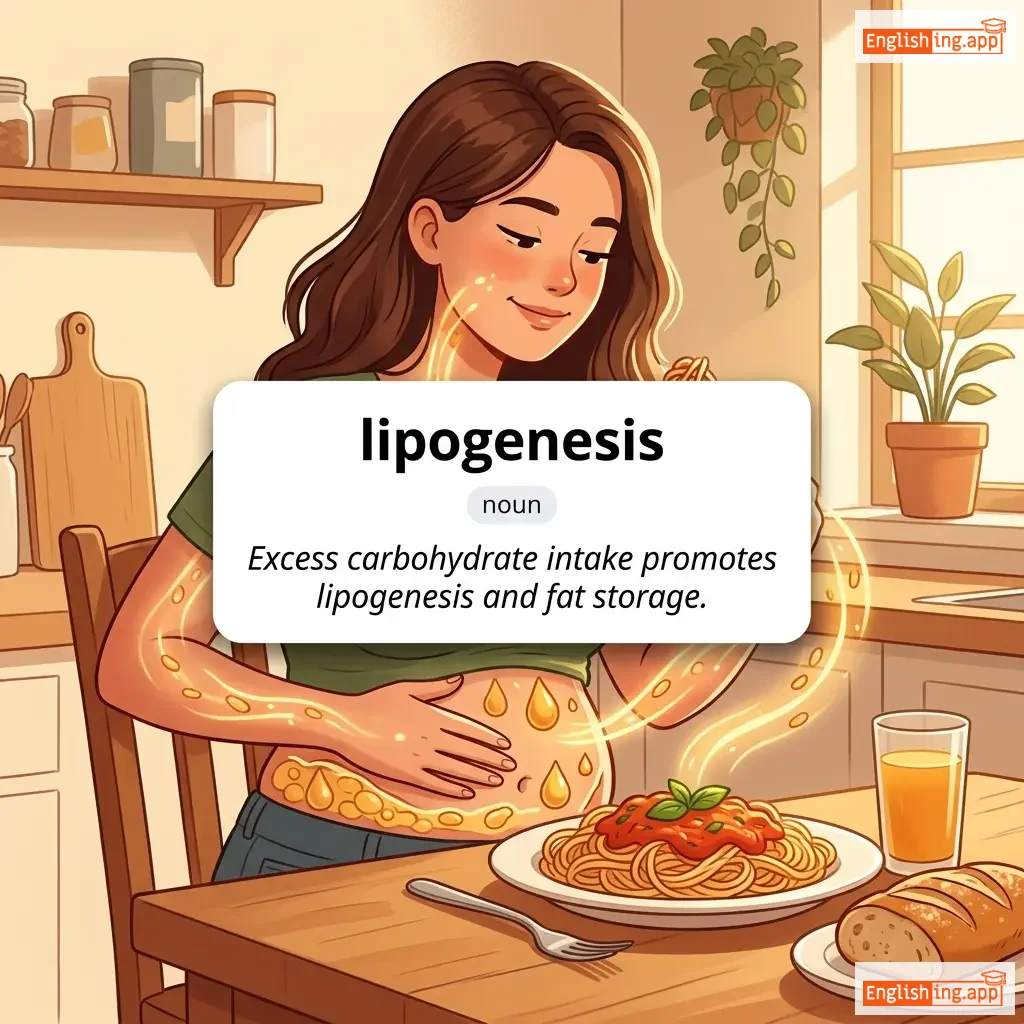
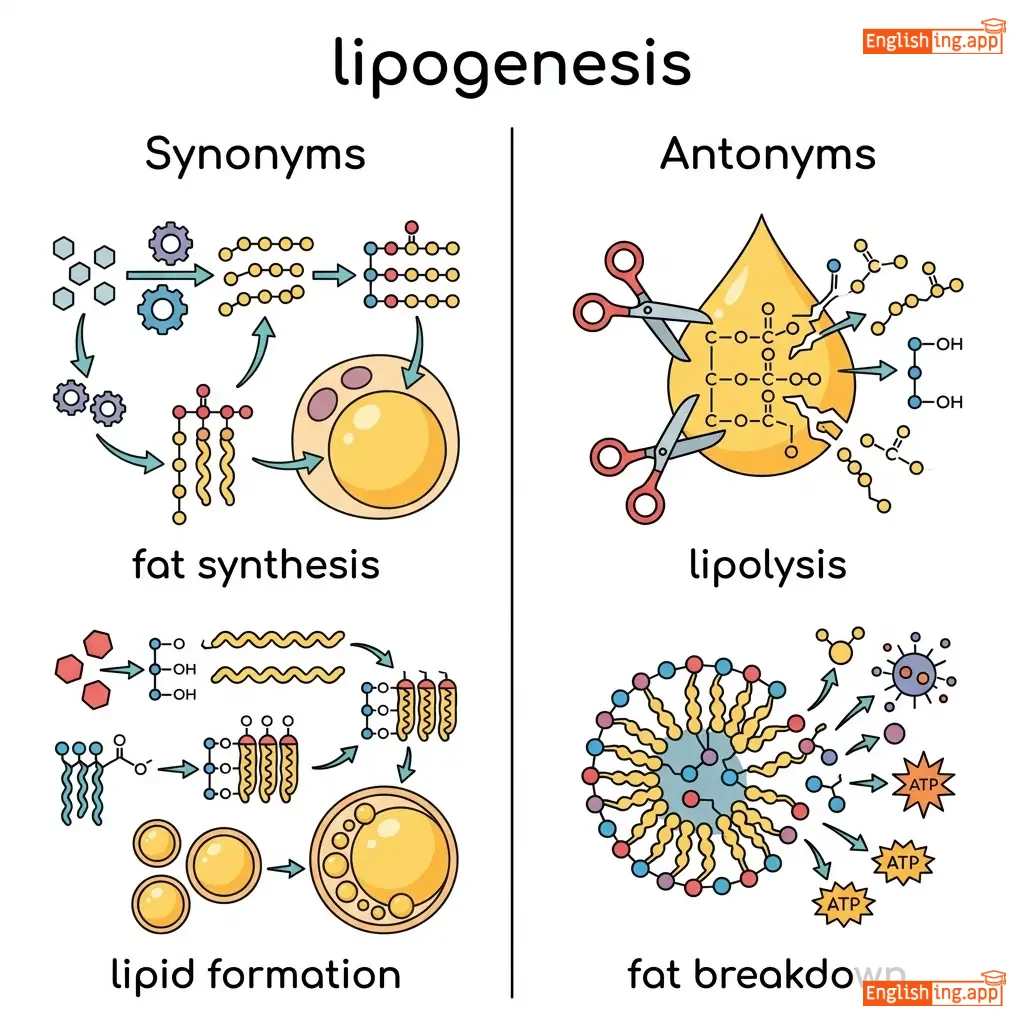
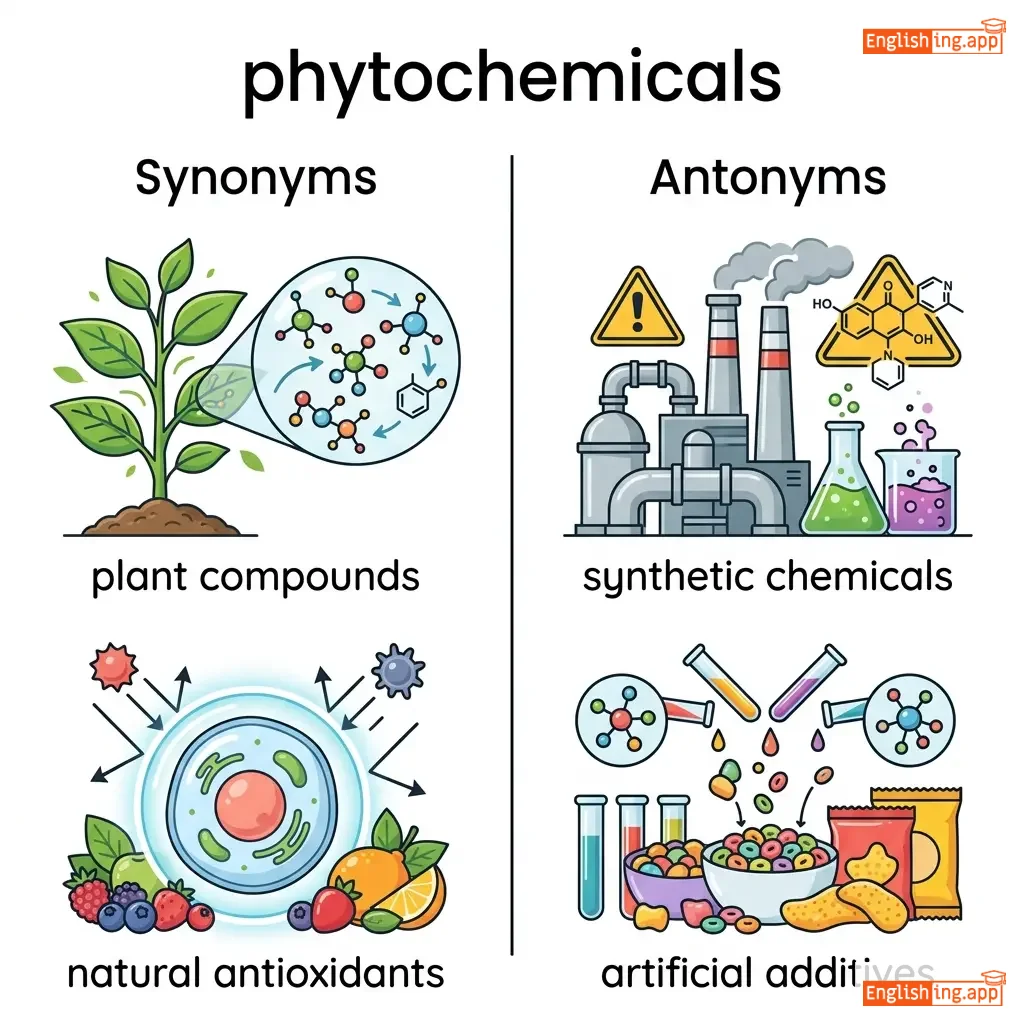
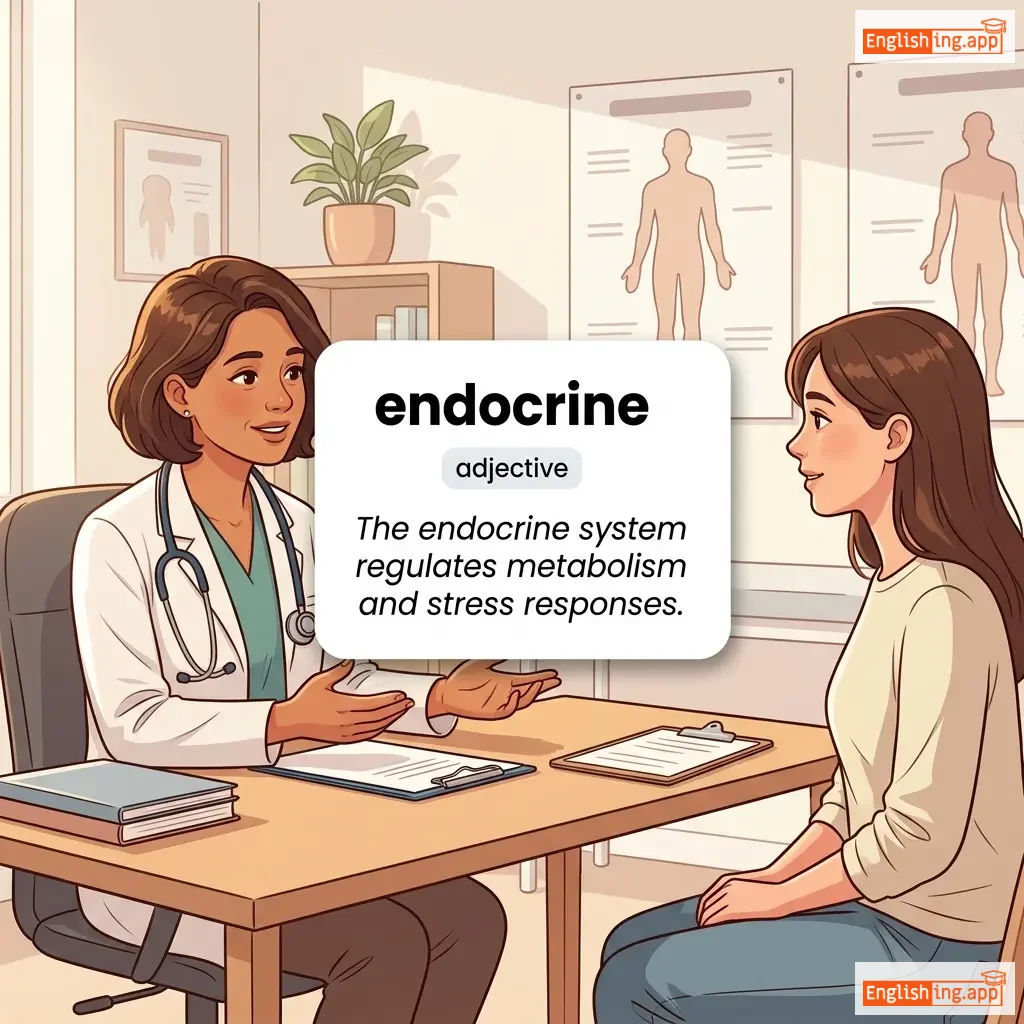
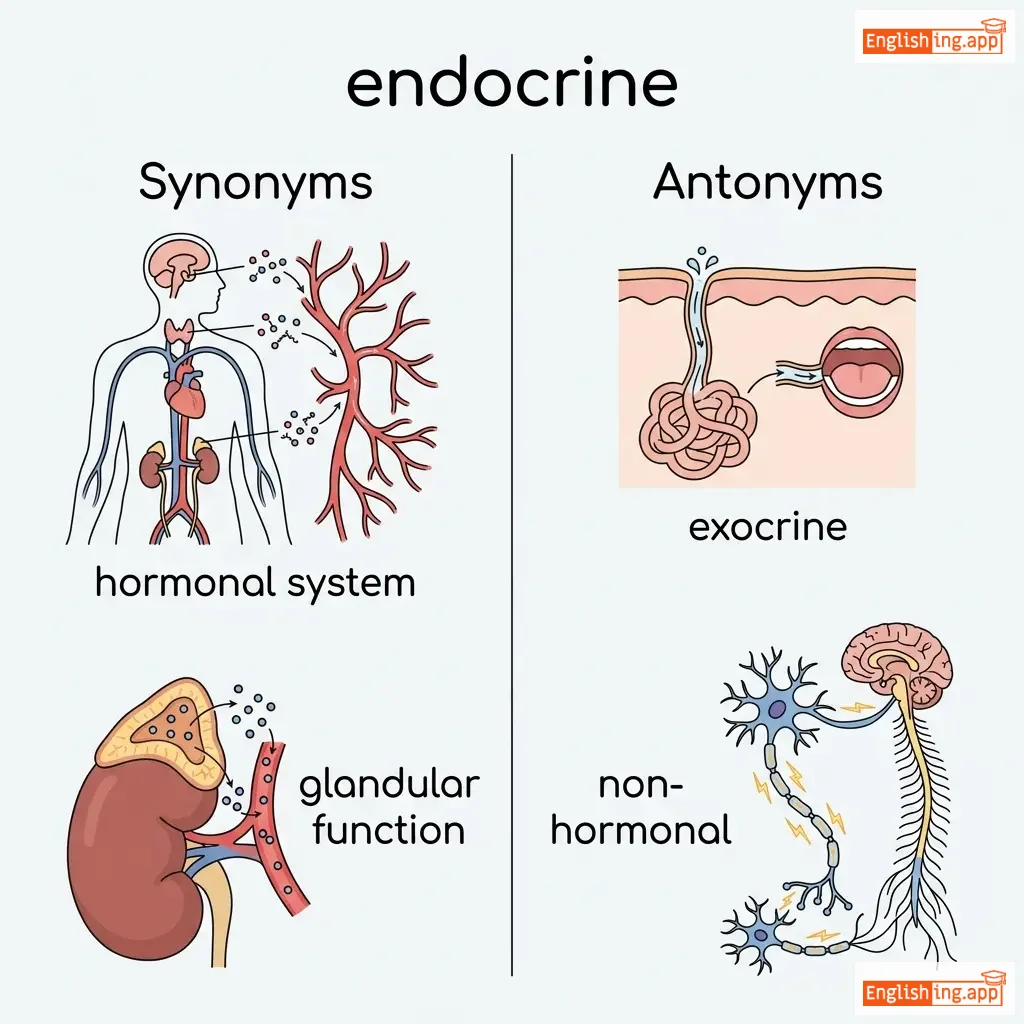
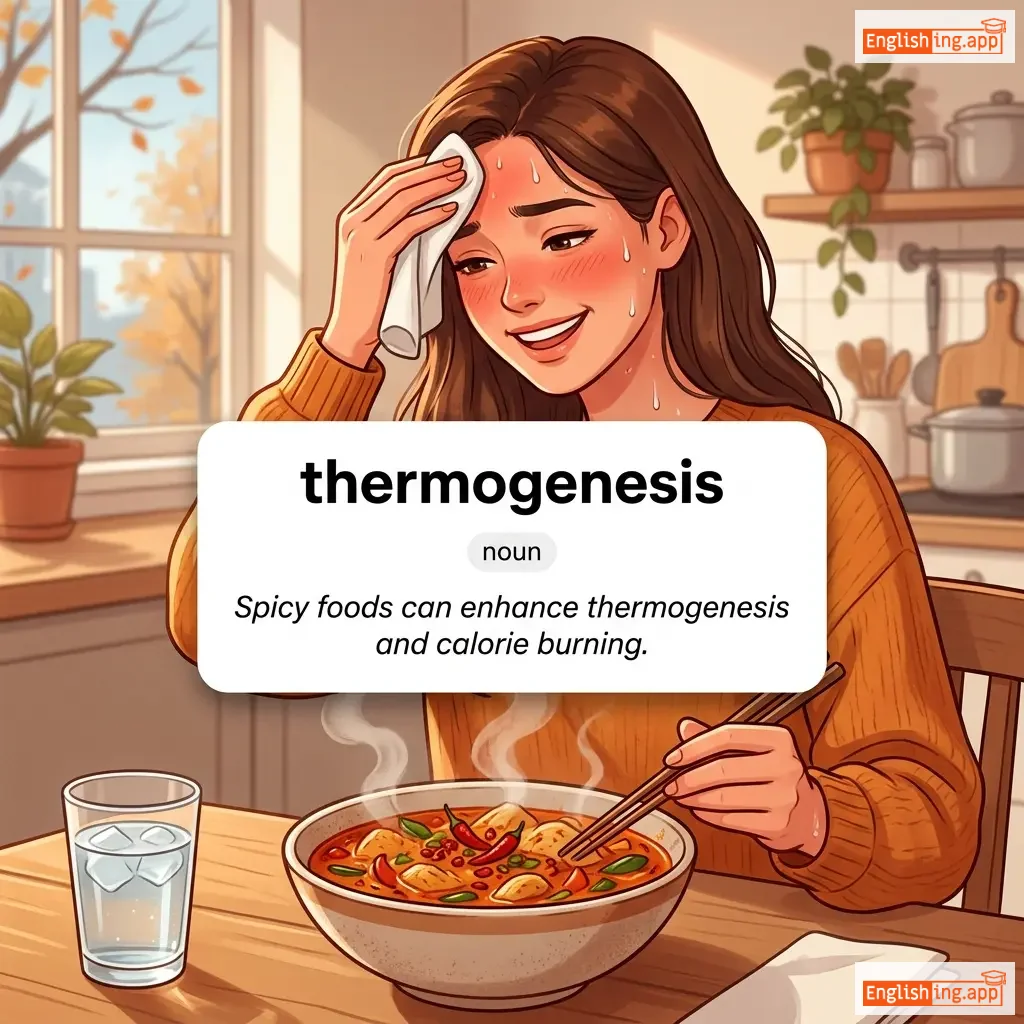
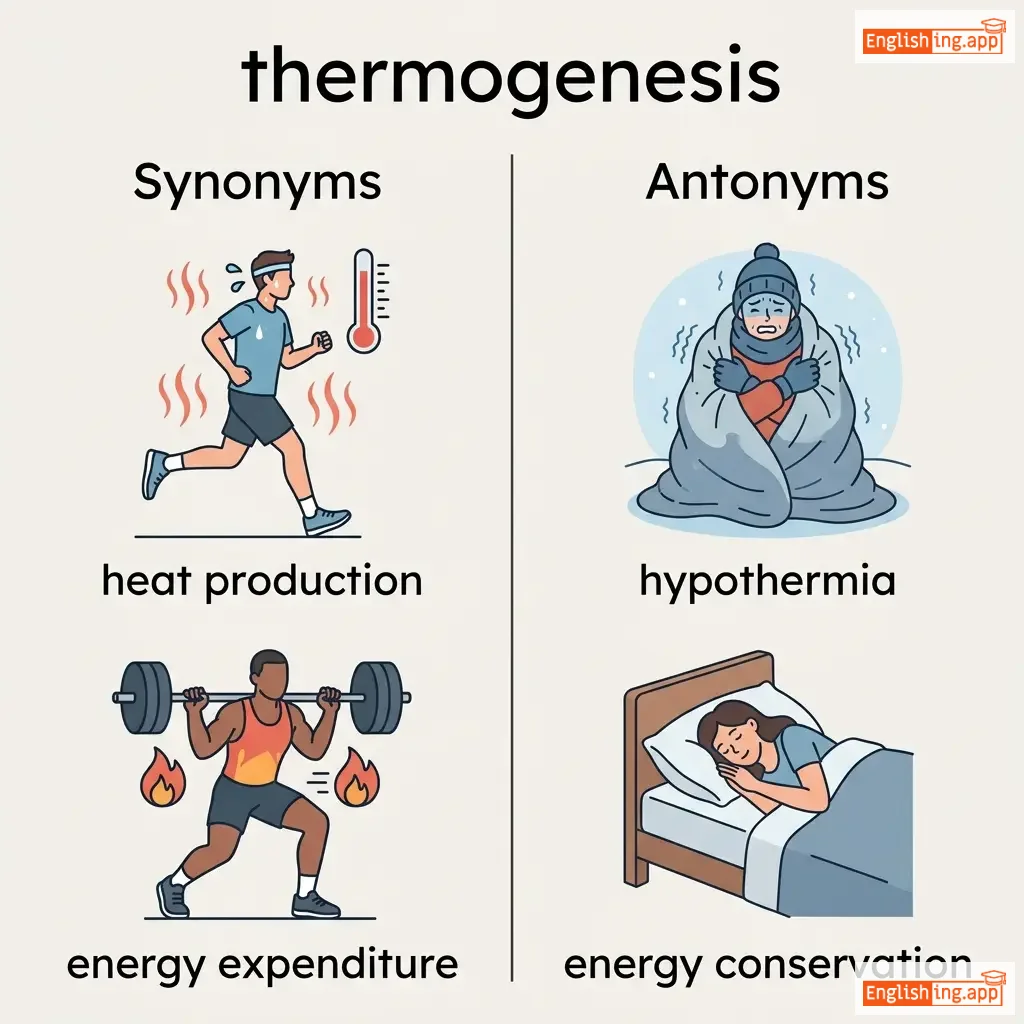
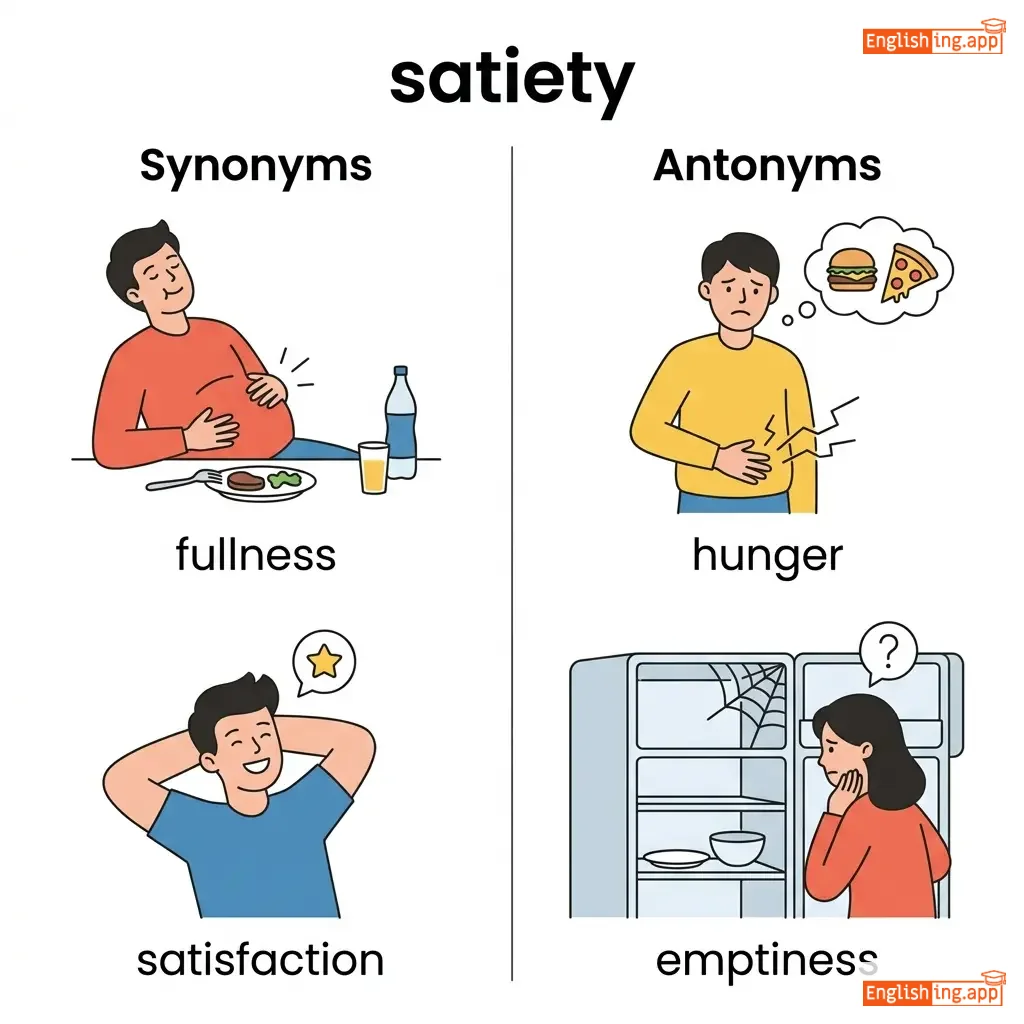
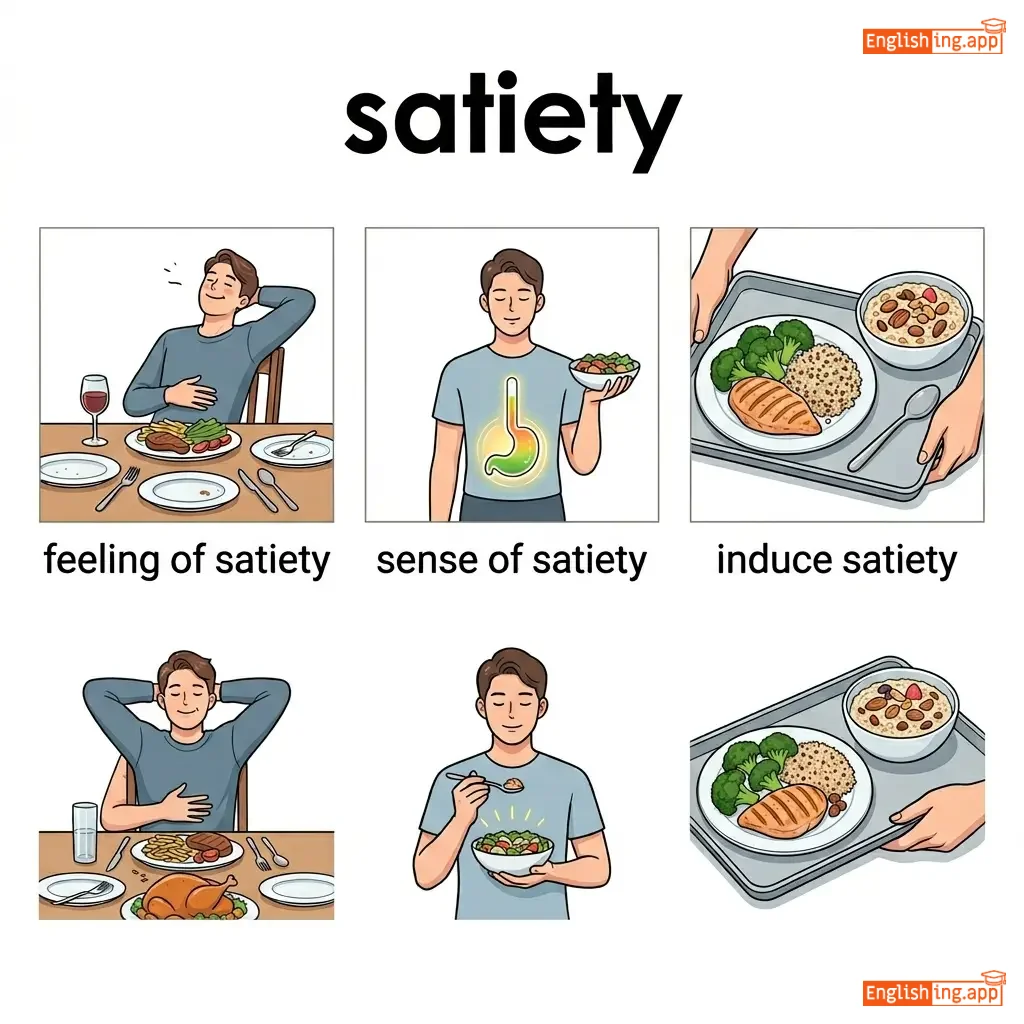
适当的代谢对保持健康至关重要。我们身体的合成代谢和分解代谢过程依赖于均衡的营养。像碳水化合物、蛋白质和脂肪这样的大营养素是主要的能量来源,而微量营养素则有助于体内的酶功能。食物的生物利用度取决于身体如何通过水解过程将其分解。具有适当血糖指数的食物能控制血糖水平,帮助维持稳态。益生菌有助于消化,抗氧化剂有助于减少体内的氧化压力。适当的营养通过控制神经递质来改善大脑功能。过多的脂肪生成增加体重,而酮体生成有助于燃烧脂肪。富含植物化学物质的食物改善内分泌功能。为了健康的生活方式,增加产热过程并保持饱腹感是必需的。

Swipe left or right, or use the buttons. Tap image to zoom.
例句翻译
单词
The Science Behind Healthy EatingThe Science Behind Healthy Eating - 遮罩切换
|
表情符号
|
单词 | Images | 翻译 | 含义 | 例句 | 例句翻译 | 同义词 | 反义词 | 助记符 |
|---|---|---|---|---|---|---|---|---|---|
|
#3650
⚡
|
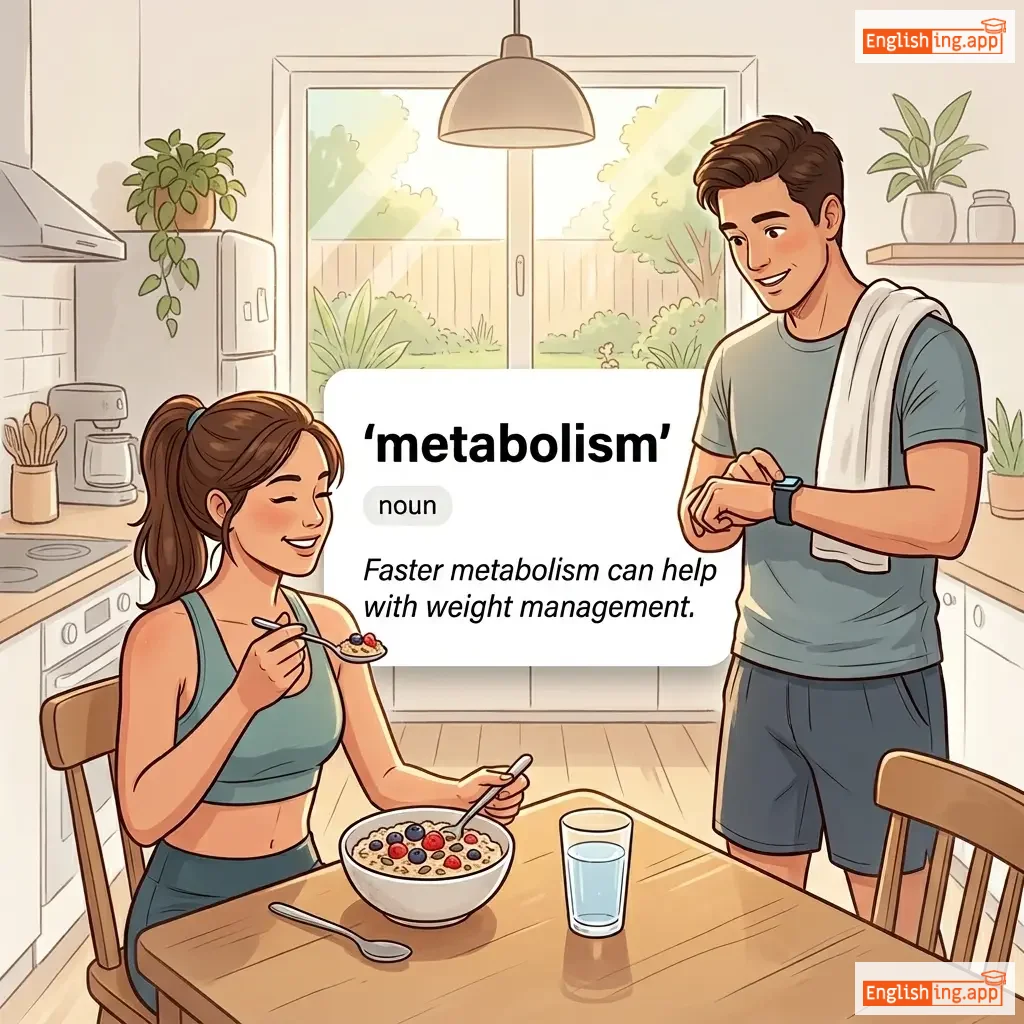
/məˈtæb.əl.ɪ.zəm/
noun
(代谢)
••••••
|
|
代谢
daixie
••••••
|
The chemical processes that occur within a living organism in order to maintain life, including energy production and cellular activity.
••••••
|
Proper hydration boosts metabolism and energy levels.
适当的水合作用可以促进代谢和能量水平。
••••••
|
适当的水合作用可以促进代谢和能量水平。
Shidang de shuihezuo yong keyi cujin daixie he nengliang shuiping.
••••••
|
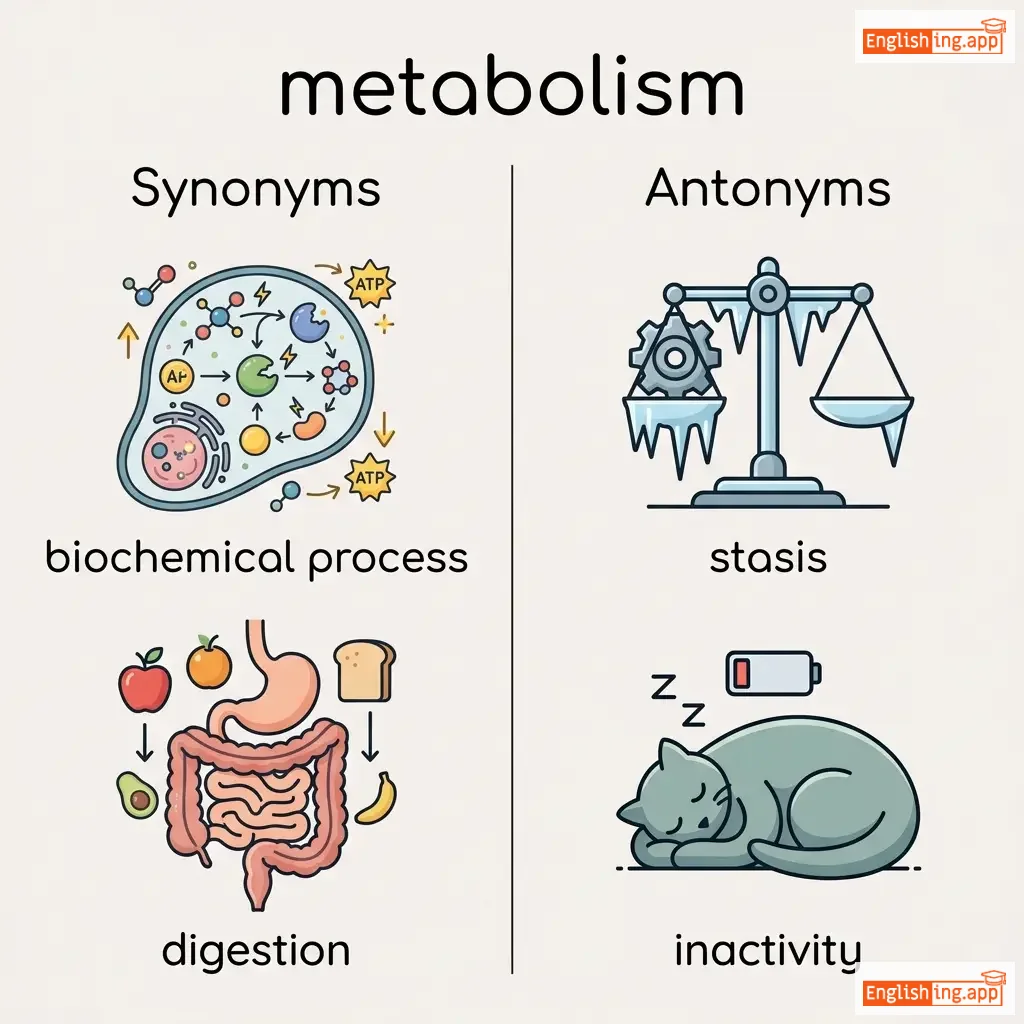
biochemical process, energy conversion, cellular activity
••••••
|
stagnation, inactivity, deterioration
••••••
|
代谢就像身体的能源工厂,不断产生生命的能量。
••••••
|
|
#3651
🔧
|
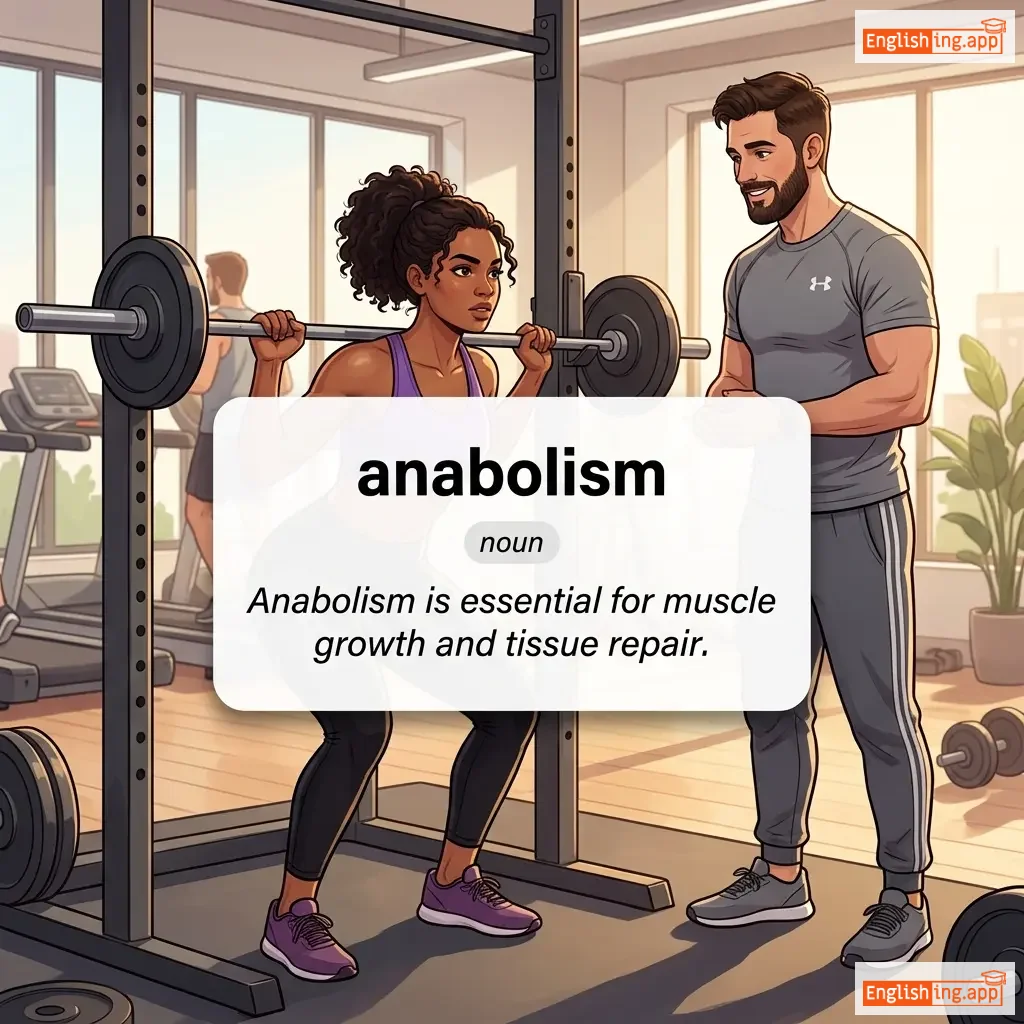
/əˈnæb.ə.lɪ.zəm/
noun
(合成代谢)
••••••
|
|
合成代谢
hecheng daixie
••••••
|
The set of metabolic pathways that construct molecules from smaller units, involving tissue repair and growth.
••••••
|
Anabolism is essential for muscle growth and tissue repair.
合成代谢对肌肉生长和组织修复至关重要。
••••••
|
合成代谢对肌肉生长和组织修复至关重要。
Hecheng daixie dui jirou shengzhang he zuzhi xiufu zhi guan zhongyao.
••••••
|
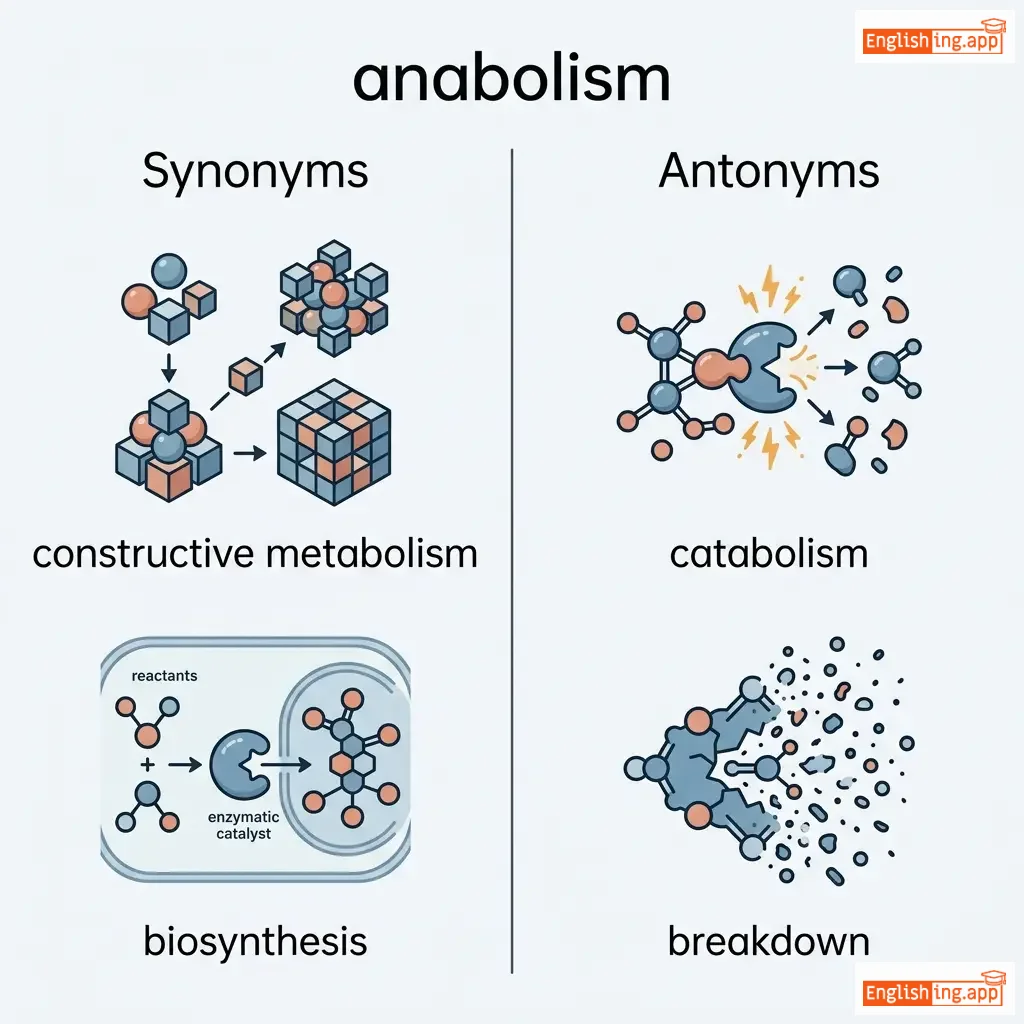
constructive metabolism, biosynthesis, growth mechanism
••••••
|
catabolism, breakdown, decomposition
••••••
|
合成代谢就像是用小积木建造肌肉和修复组织。
••••••
|
|
#3652
⚡
|
/kəˈtæb.ə.lɪ.zəm/
noun
(分解代谢)
••••••
|
|
分解代谢
fenjie daixie
••••••
|
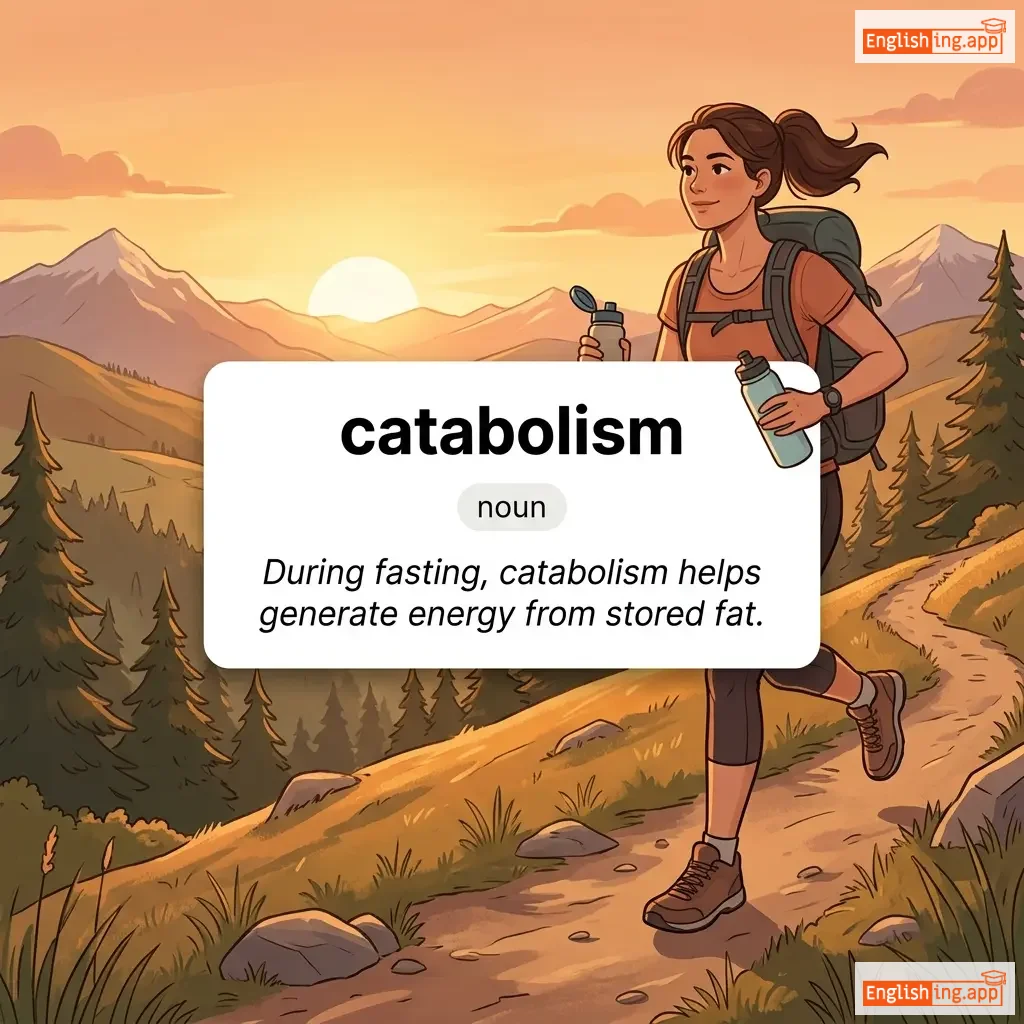
The breakdown of complex molecules in living organisms to form simpler ones together with the release of energy.
••••••
|
During fasting, catabolism helps generate energy from stored fat. |
在禁食期间,分解代谢帮助从储存的脂肪中产生能量。
Zai jinshi qijian, fenjie daixie bangzhu cong chucun de zhifang zhong chansheng nengliang.
••••••
|
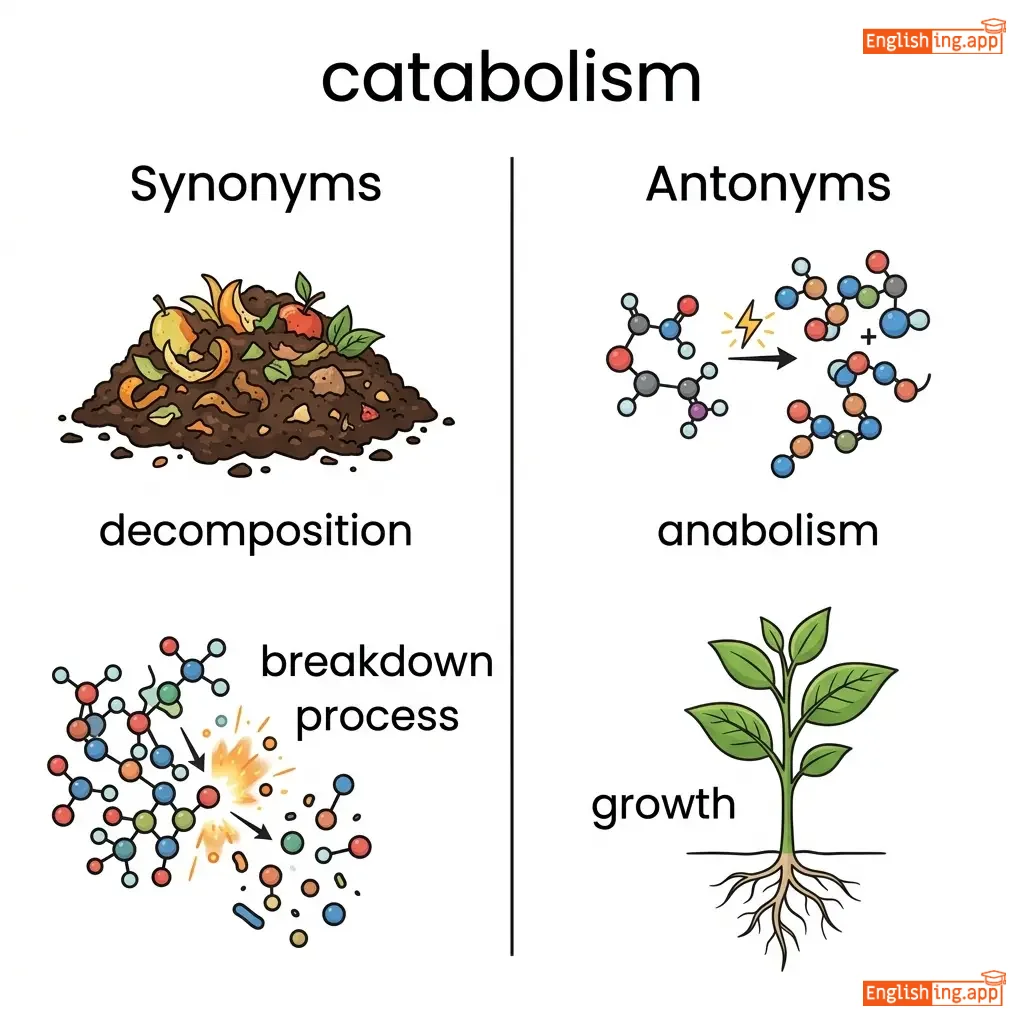
decomposition, breakdown process, oxidation
••••••
|
anabolism, growth, accumulation
••••••
|
分解代谢是身体在饥饿时利用储存的脂肪提供能量的过程。
••••••
|
|
#3653
🥗
|
/ˈmæk.rəʊˌnjuː.tri.ənts/
noun
(大营养素)
••••••
|
|
大营养素
da yingyang su
••••••
|
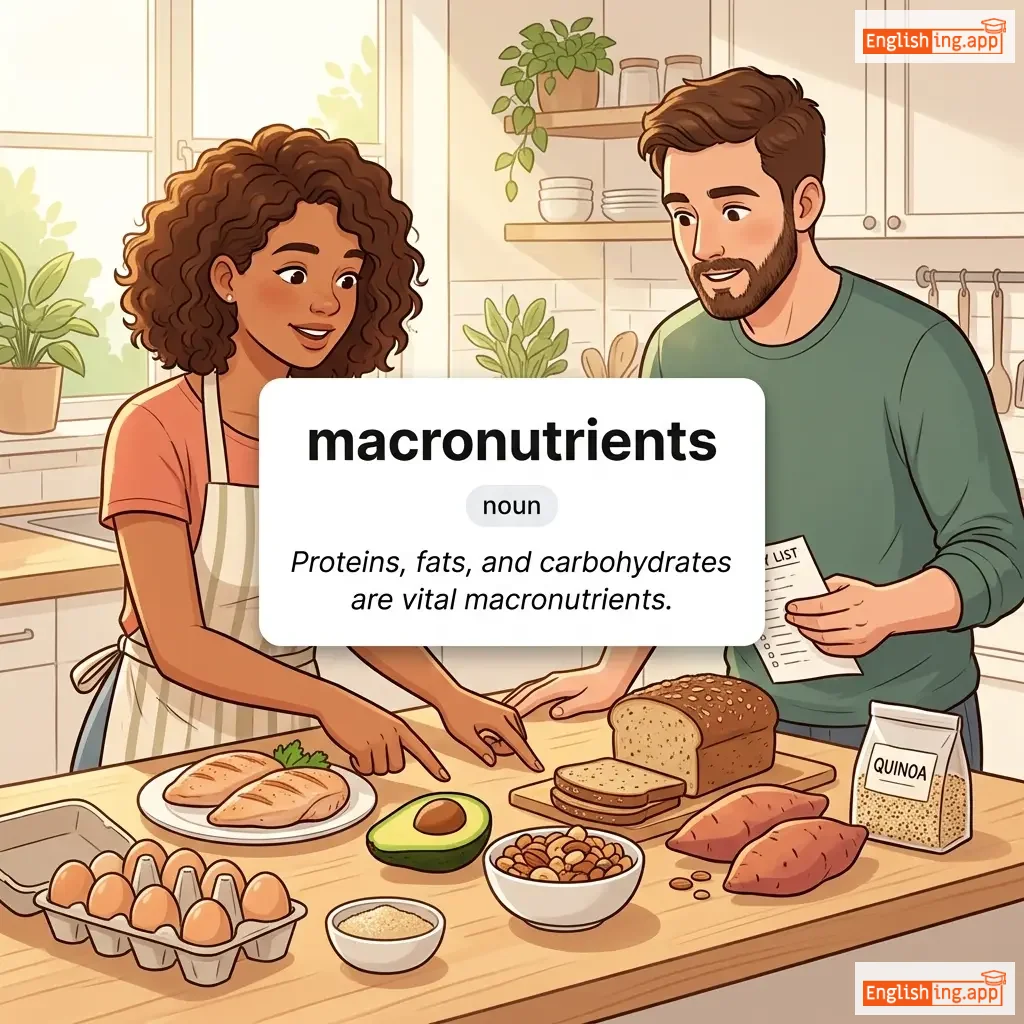
Nutrients that are needed in large amounts to provide energy and building materials for the body, including carbohydrates, proteins, and fats.
••••••
|
Proteins, fats, and carbohydrates are vital macronutrients. |
蛋白质、脂肪和碳水化合物是重要的大营养素。
Danbaizhi, zhifang he tanshuizhihuabu shi zhongyao de da yingyang su.
••••••
|
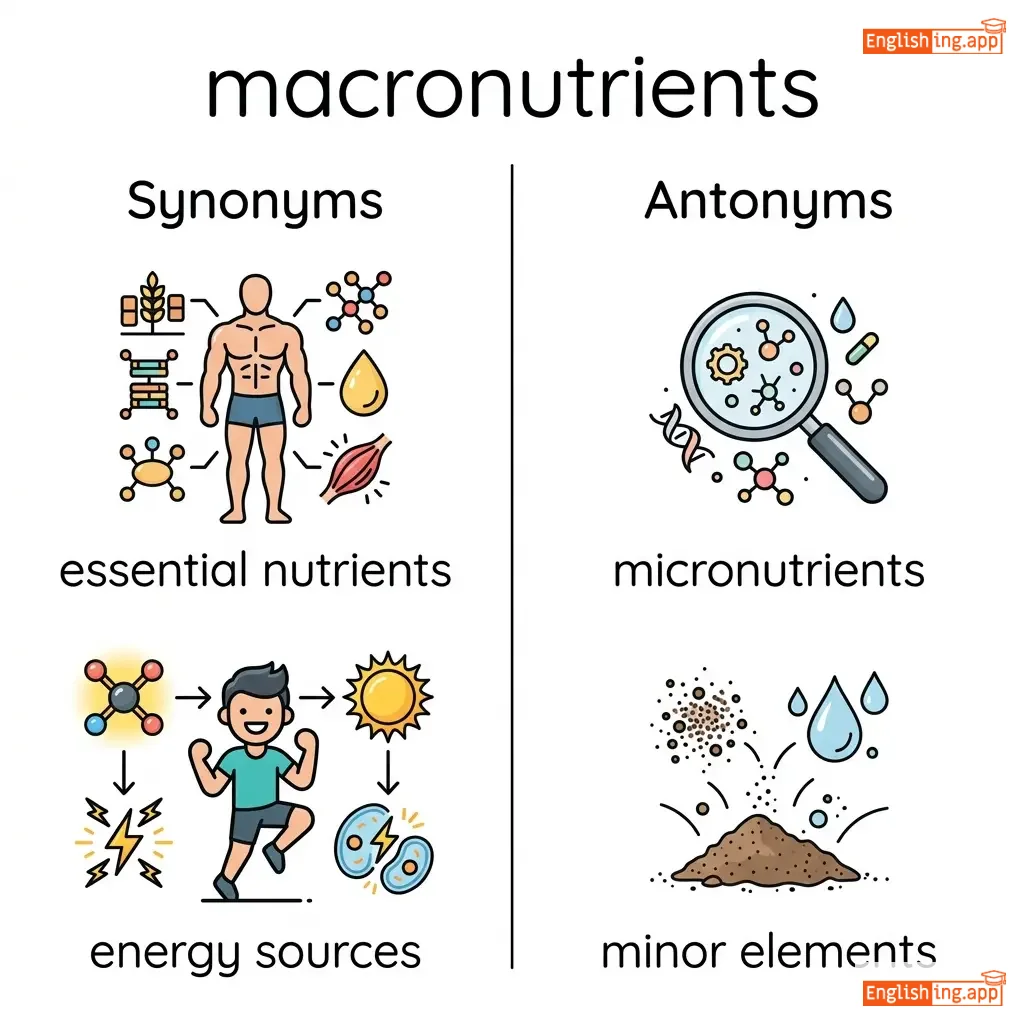
essential nutrients, energy sources, dietary components
••••••
|
micronutrients, minor elements, trace minerals
••••••
|
‘大’意味着重要,‘营养素’就是提供能量的物质。
••••••
|
|
#3654
🍞
|
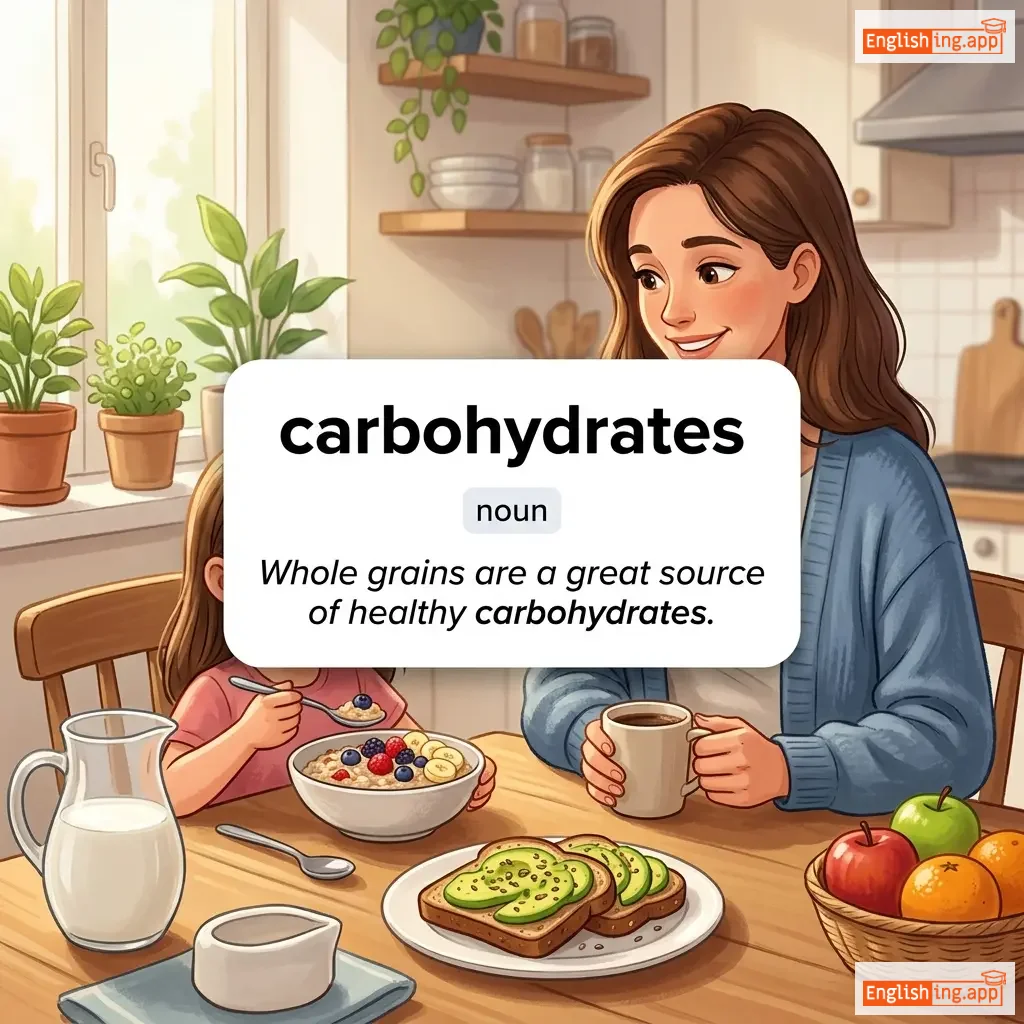
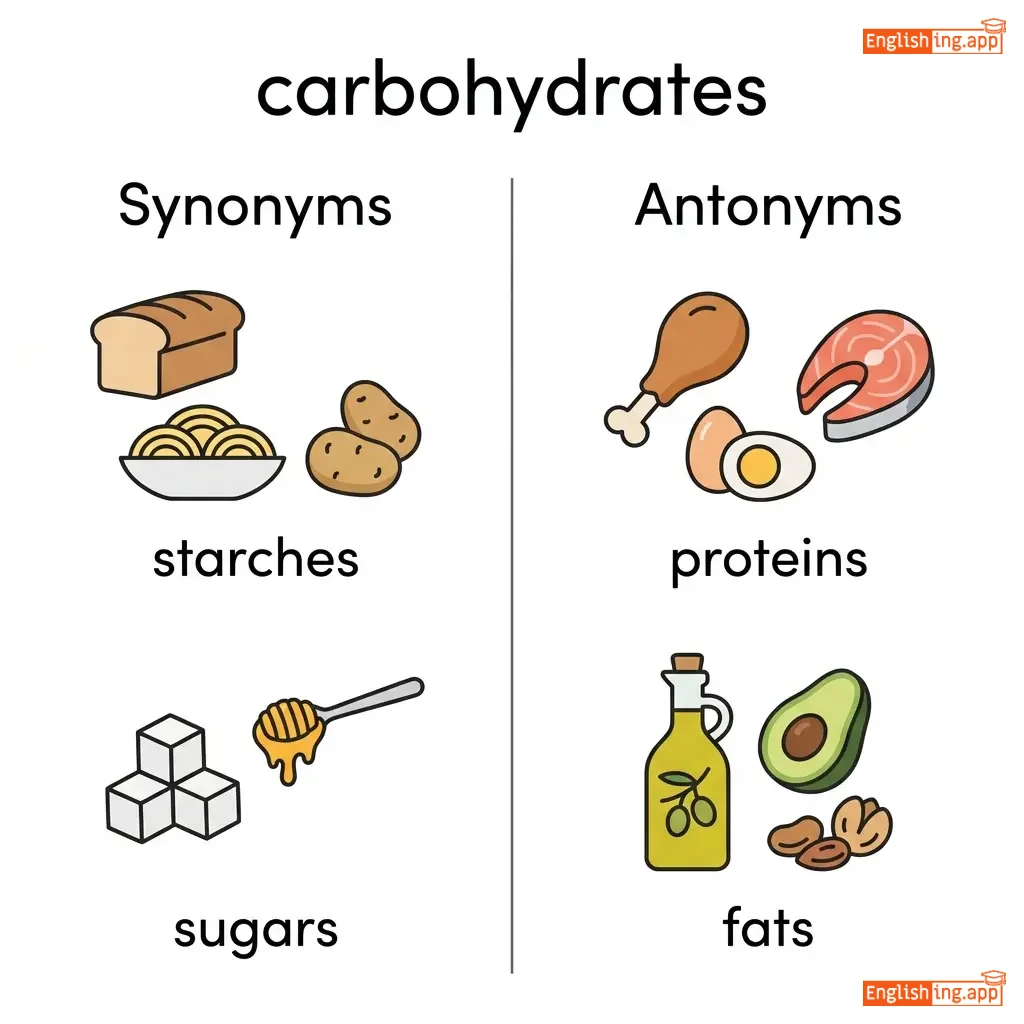
/ˌkɑː.bəʊˈhaɪ.dreɪts/
noun
(碳水化合物)
••••••
|
|
碳水化合物
tànshuǐ huàhéwù
••••••
|
Organic compounds consisting of carbon, hydrogen, and oxygen, serving as a primary source of energy for the body.
••••••
|
Whole grains are a great source of healthy carbohydrates.
全谷物是健康碳水化合物的极佳来源。
••••••
|
全谷物是健康碳水化合物的极佳来源。
Quán gǔwù shì jiànkāng tànshuǐ huàhéwù de jíjiā láiyuán.
••••••
|
starches, sugars, polysaccharides
••••••
|
proteins, fats, fibers
••••••
|
碳水化合物来自全谷物,是身体的能量来源。
••••••
|
|
#3655
🥩
|
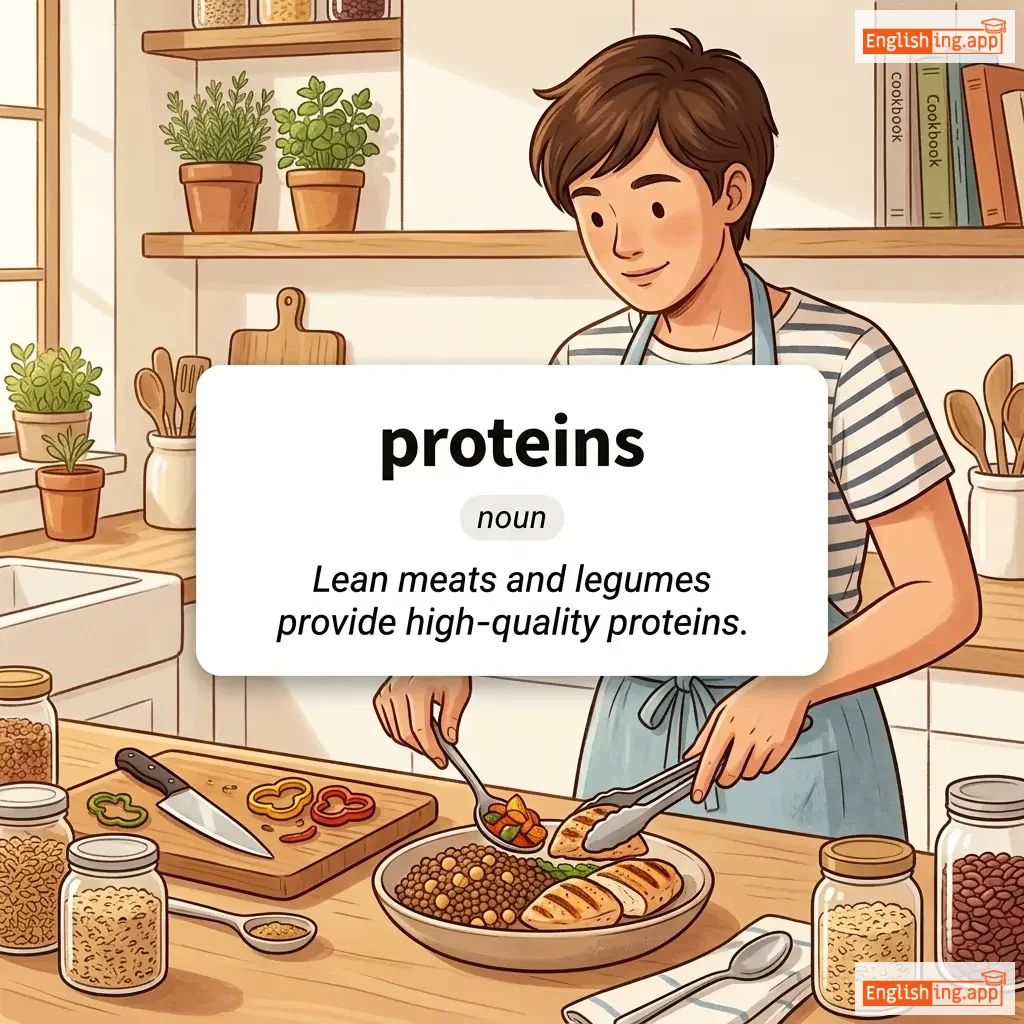
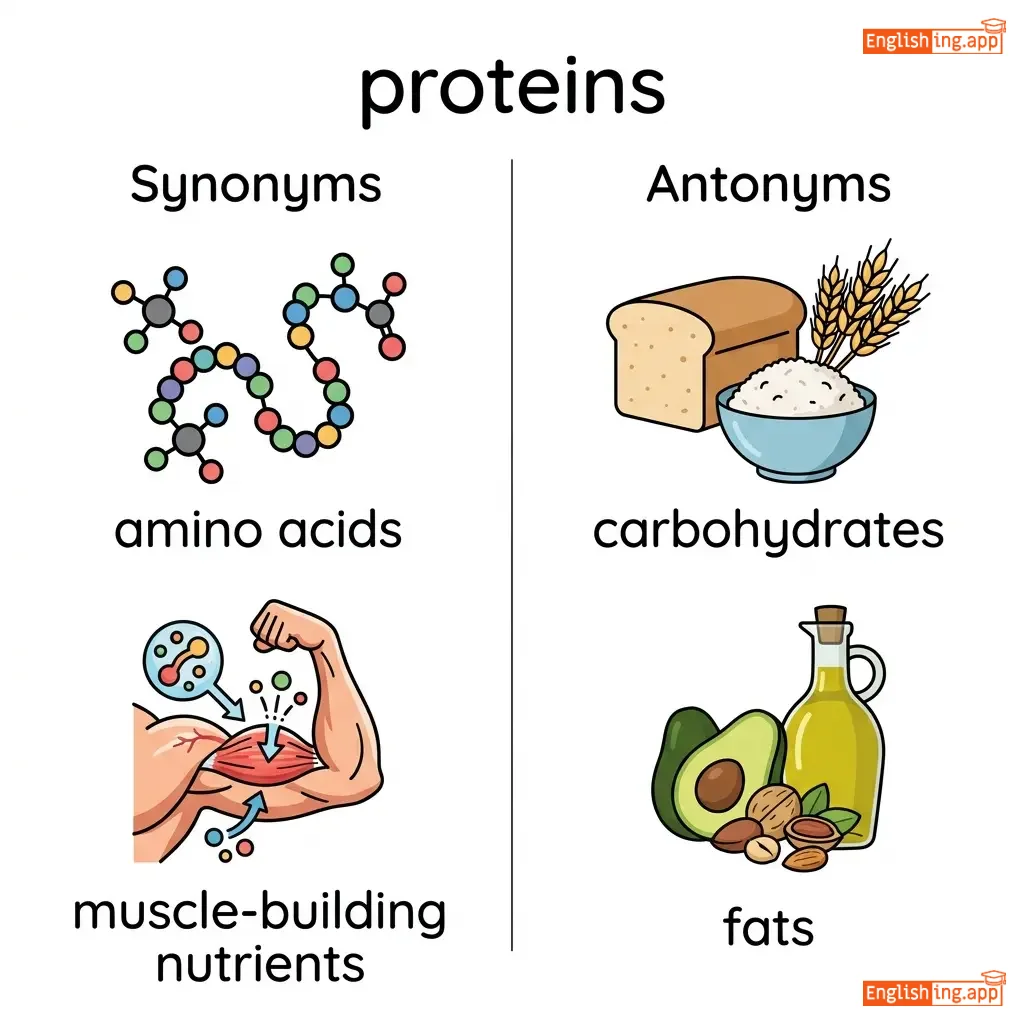
/ˈprəʊ.tiːnz/
noun
(蛋白质)
••••••
|
|
蛋白质
danbaizhi
••••••
|
Large biomolecules consisting of amino acids that perform essential functions in living organisms, including building and repairing tissues.
••••••
|
Lean meats and legumes provide high-quality proteins.
瘦肉和豆类提供高质量的蛋白质。
••••••
|
瘦肉和豆类提供高质量的蛋白质。
Shourou he doulei tigong gao zhiliang de danbaizhi.
••••••
|
amino acids, muscle-building nutrients, structural biomolecules
••••••
|
carbohydrates, fats, sugars
••••••
|
蛋白质是我们身体的构建块。
••••••
|
|
#3656
🥑
|
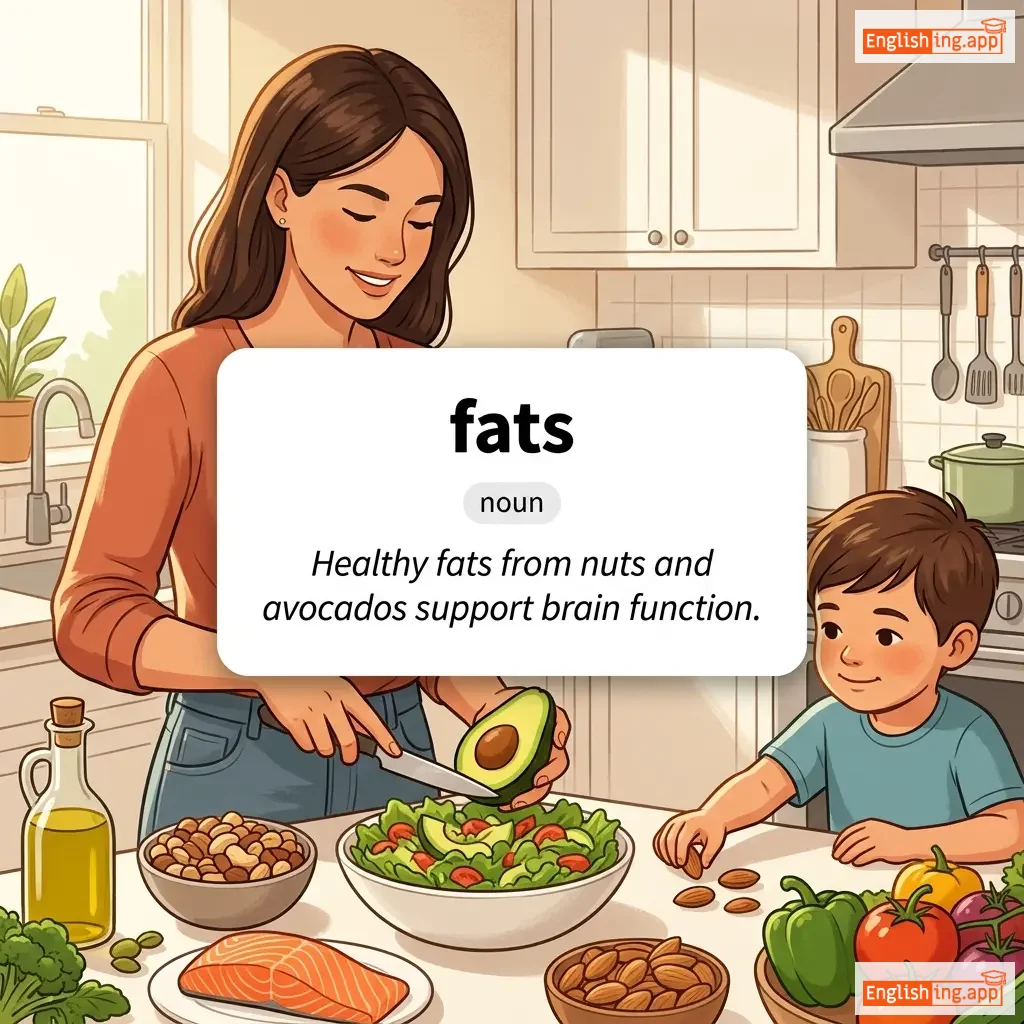
/fæts/
noun
(fats)
••••••
|
|
脂肪
zhīfáng
••••••
|
Essential macronutrients that provide energy, support cell growth, and protect organs while helping absorb vitamins.
••••••
|
Healthy fats from nuts and avocados support brain function. |
来自坚果和鳄梨的健康脂肪支持大脑功能。
Láizì jiānguǒ hé èlí de jiànkāng zhīfáng zhīchí dà nǎo gōngnéng.
••••••
|
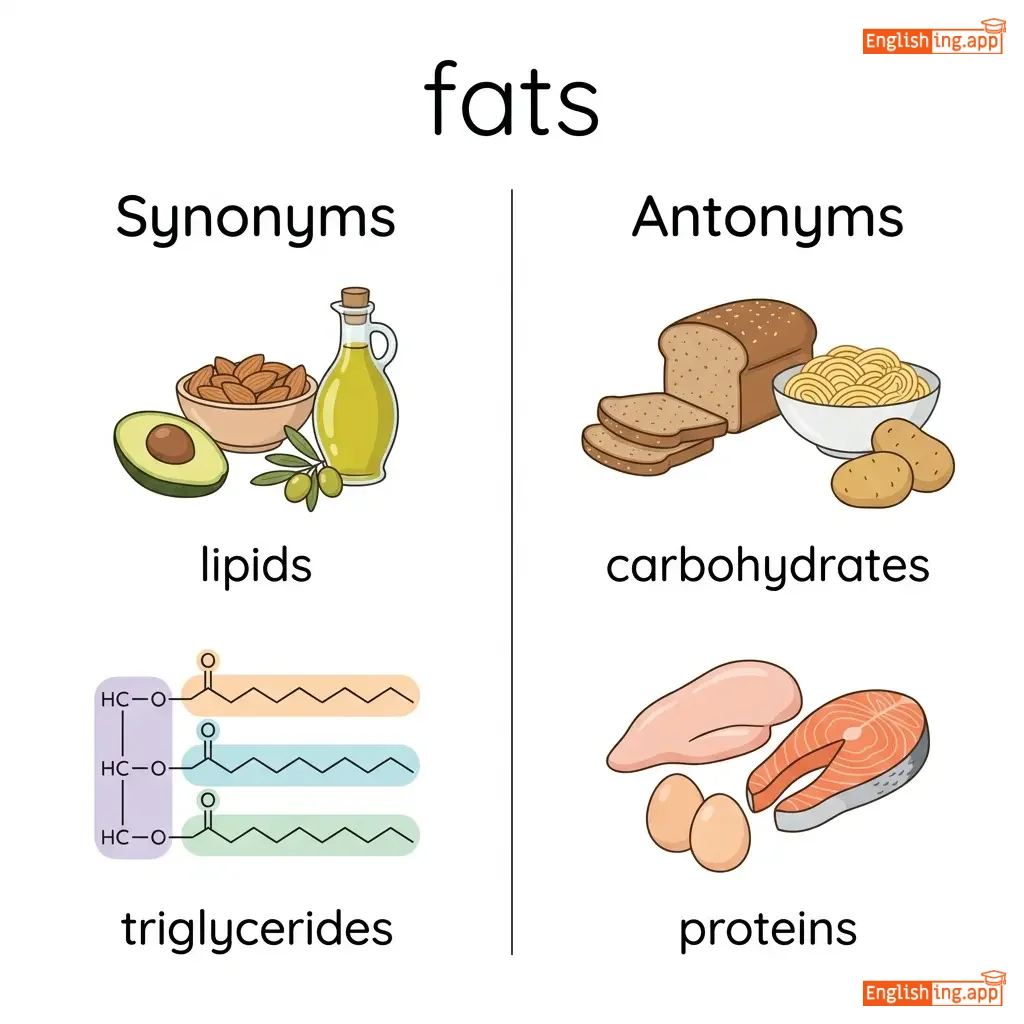
lipids, triglycerides, fatty acids
••••••
|
carbohydrates, proteins, fibers
••••••
|
脂肪(Zhīfáng)是你身体(Shēntǐ)获取能量和保护器官的关键。
••••••
|
|
#3657
💊
|
/ˈmaɪ.krəʊˌnjuː.tri.ənts/
noun
(微量营养素)
••••••
|
|
微量营养素
weiliang yingyangsu
••••••
|
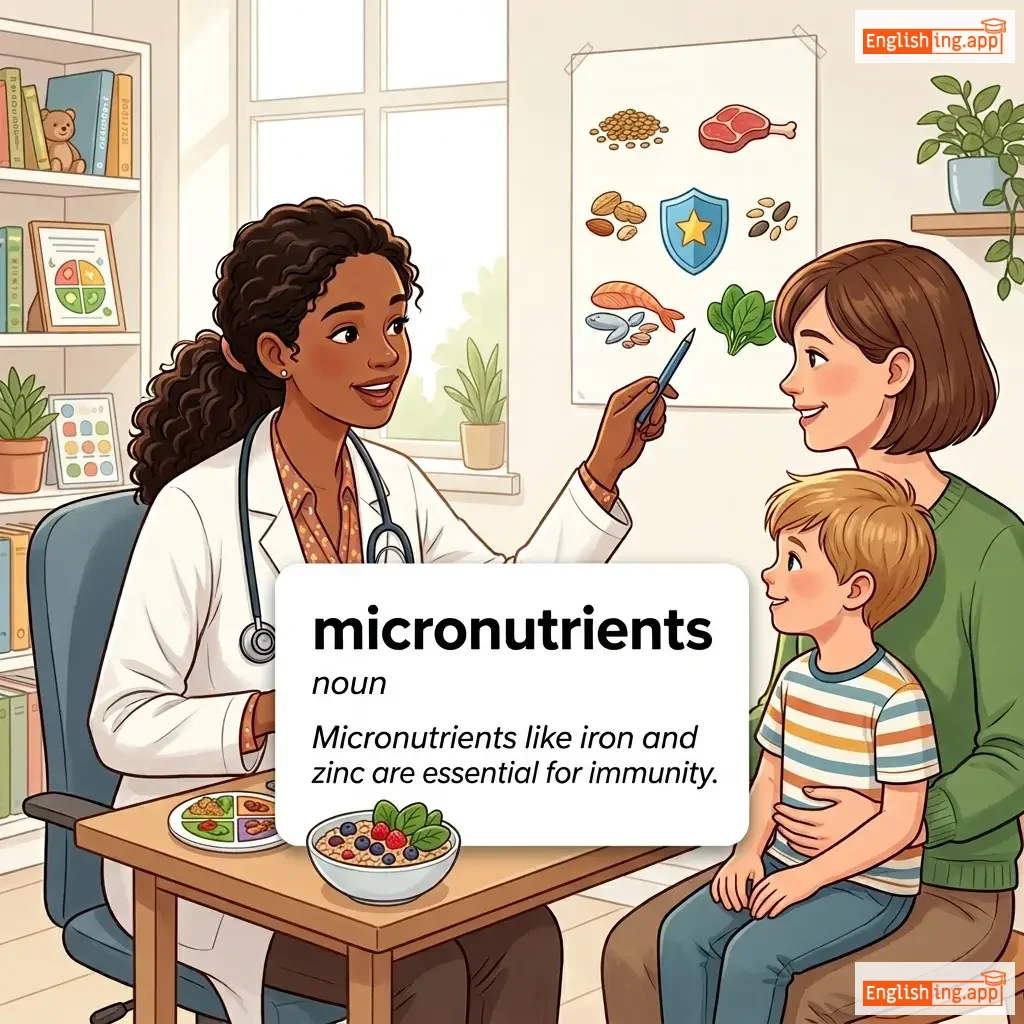
Essential nutrients required in small amounts for proper body function, including vitamins and minerals.
••••••
|
Micronutrients like iron and zinc are essential for immunity.
铁和锌等微量营养素对免疫力至关重要。
••••••
|
铁和锌等微量营养素对免疫力至关重要。
Tie he xin deng weiliang yingyangsu dui mi'yili zhi guang zhongyao.
••••••
|
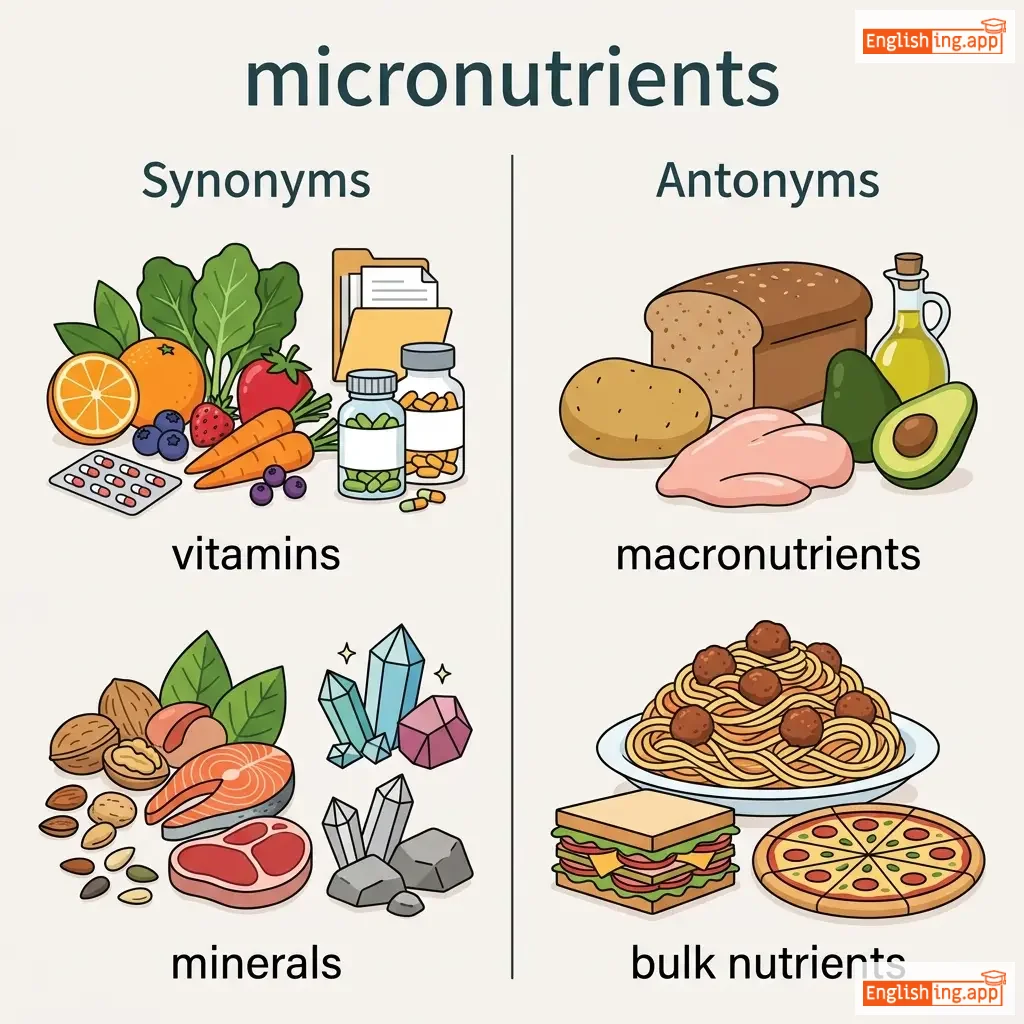
vitamins, minerals, trace elements
••••••
|
macronutrients, bulk nutrients, energy providers
••••••
|
微量营养素,是维持身体健康的小剂量营养成分。
••••••
|
|
#3658
🧬
|
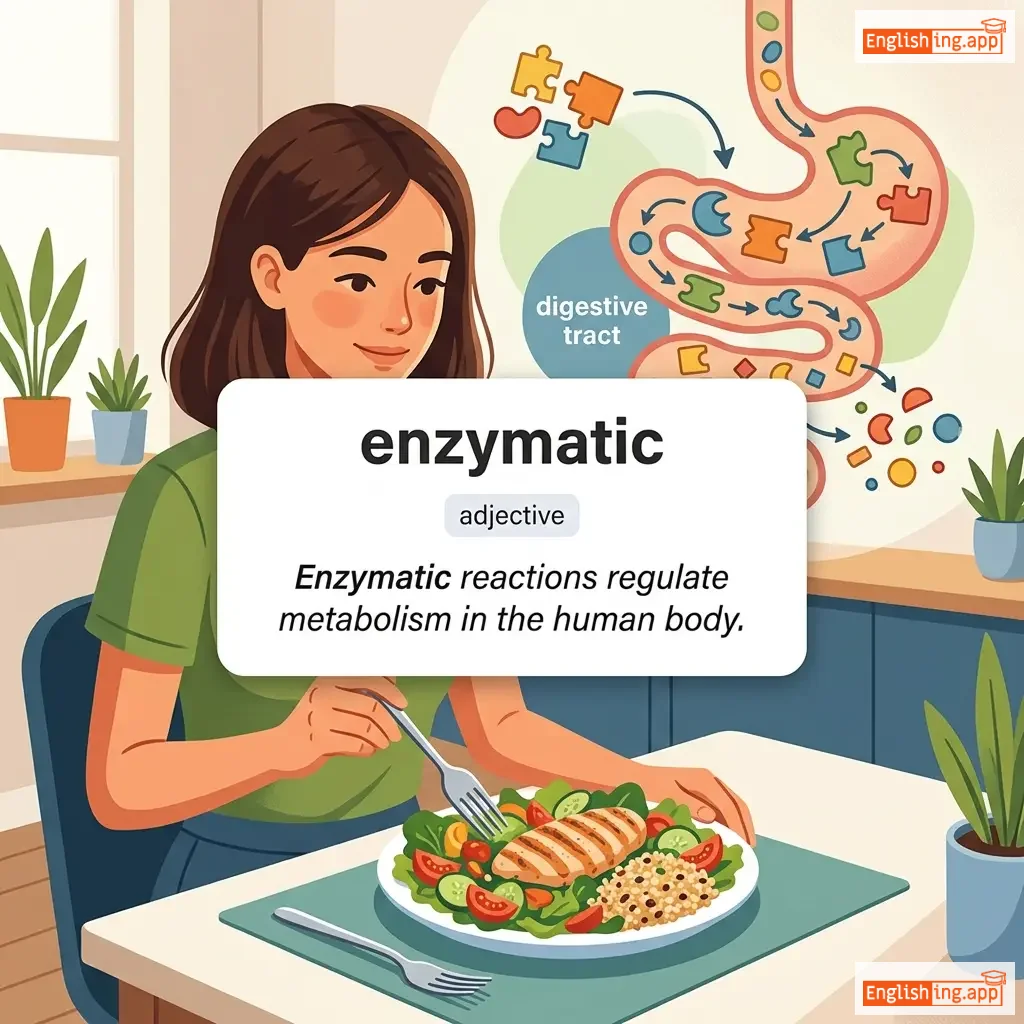
/ˌen.zɪˈmæt.ɪk/
adjective
(酶的)
••••••
|
|
与酶有关的
yǔ méi yǒuguān de
••••••
|
Relating to or involving enzymes, which are proteins that catalyze biochemical reactions in living organisms.
••••••
|
Enzymatic reactions regulate metabolism in the human body. |
酶反应调节人体的新陈代谢。
Méi fǎnyìng tiáojié réntǐ de xīnchén dàixiè.
••••••
|
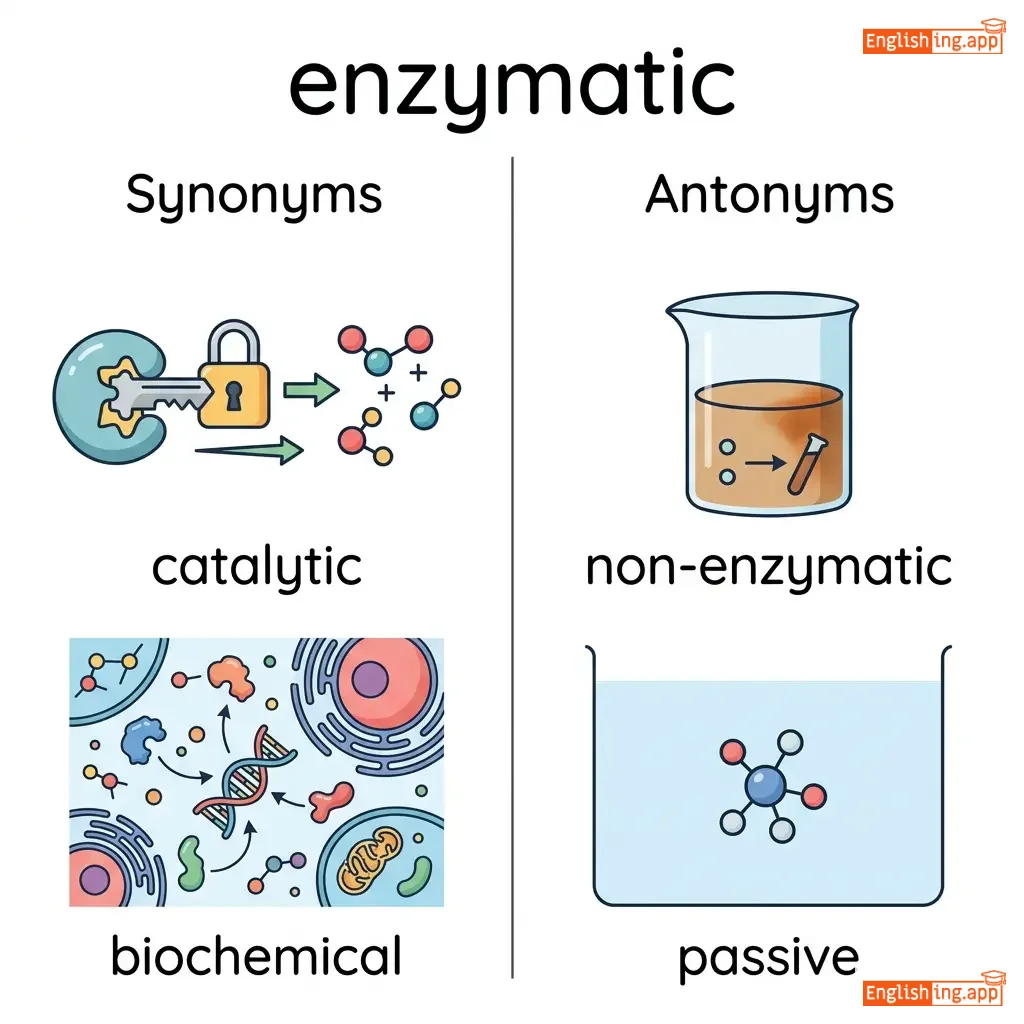
catalytic, biochemical, reactive
••••••
|
non-enzymatic, passive, inactive
••••••
|
酶是我们身体中的催化剂,负责调节代谢反应。
••••••
|
|
#3659
⚗️
|
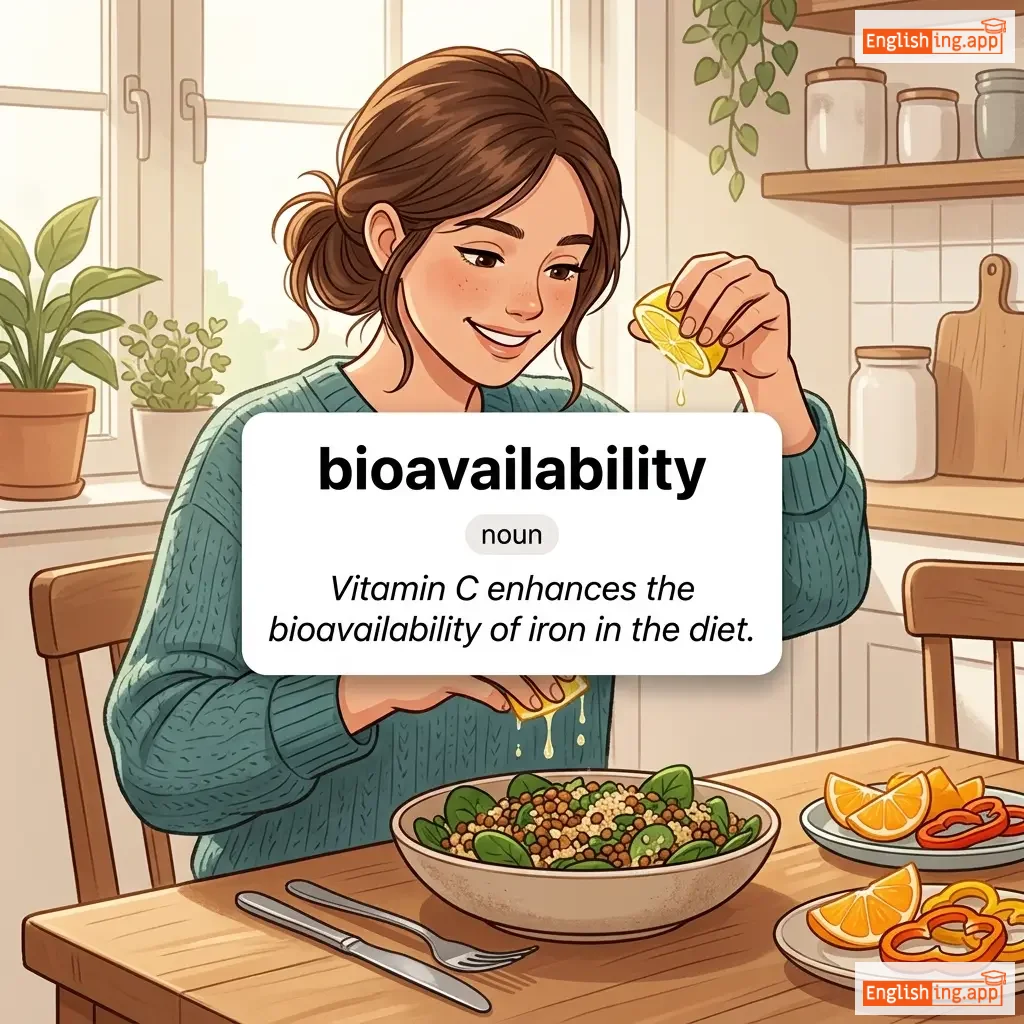
/ˌbaɪ.oʊ.əˌveɪ.ləˈbɪl.ə.ti/
noun
(bǎi oū ài wēi lè bì lǐ tì)
••••••
|
|
生物利用度
shengwu liyongdu
••••••
|
The degree and rate at which a substance is absorbed or becomes available at the site of physiological activity.
••••••
|
Vitamin C enhances the bioavailability of iron in the diet. |
维生素C增加了饮食中铁的生物利用度。
Wéishēngsù C zēngjiāle yǐnshí zhōng tiě de shēngwù lìyòngdù.
••••••
|
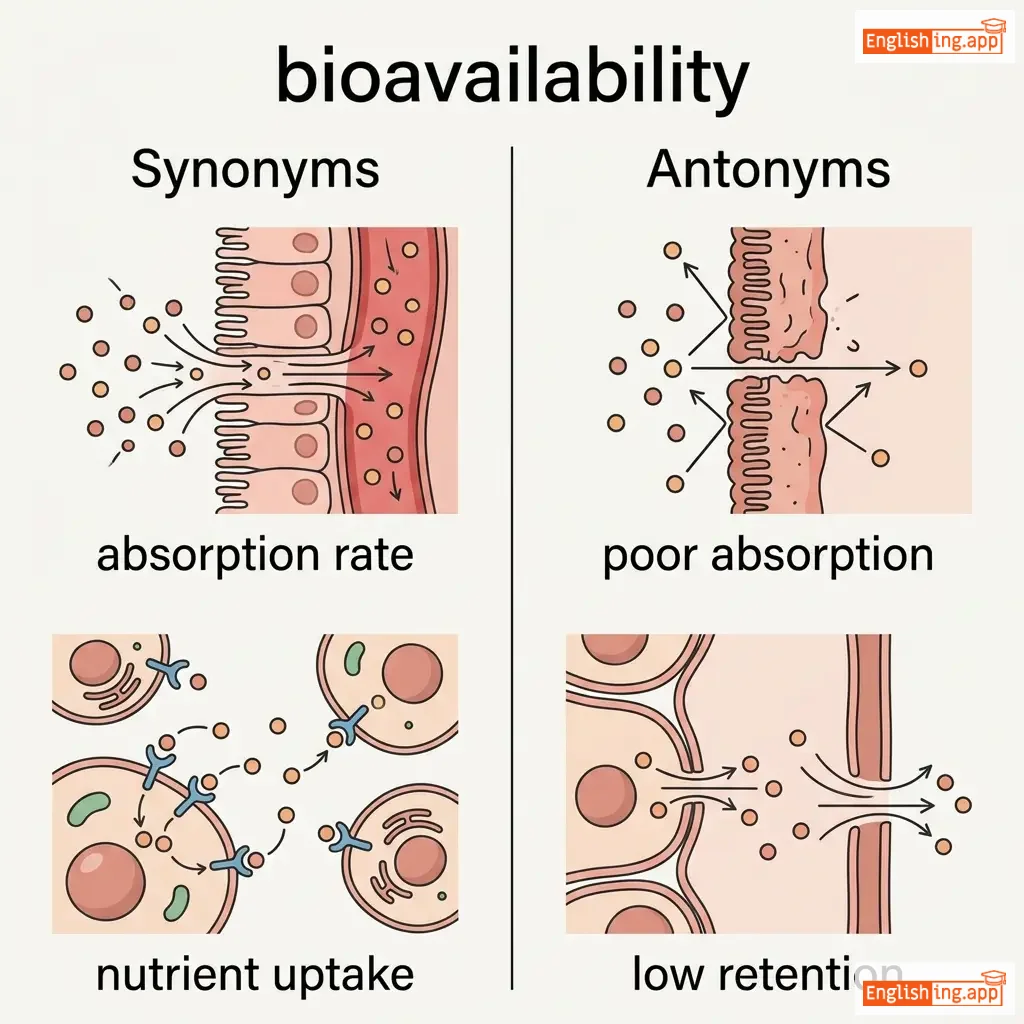
absorption rate, nutrient uptake, digestibility
••••••
|
poor absorption, low retention, limited uptake
••••••
|
Remember '生物' as biological and '利用度' as availability.
••••••
|
|
#3660
💧
|
/haɪˈdrɒl.ɪ.sɪs/
noun
(水解)
••••••
|
|
水解
shuǐjiě
••••••
|
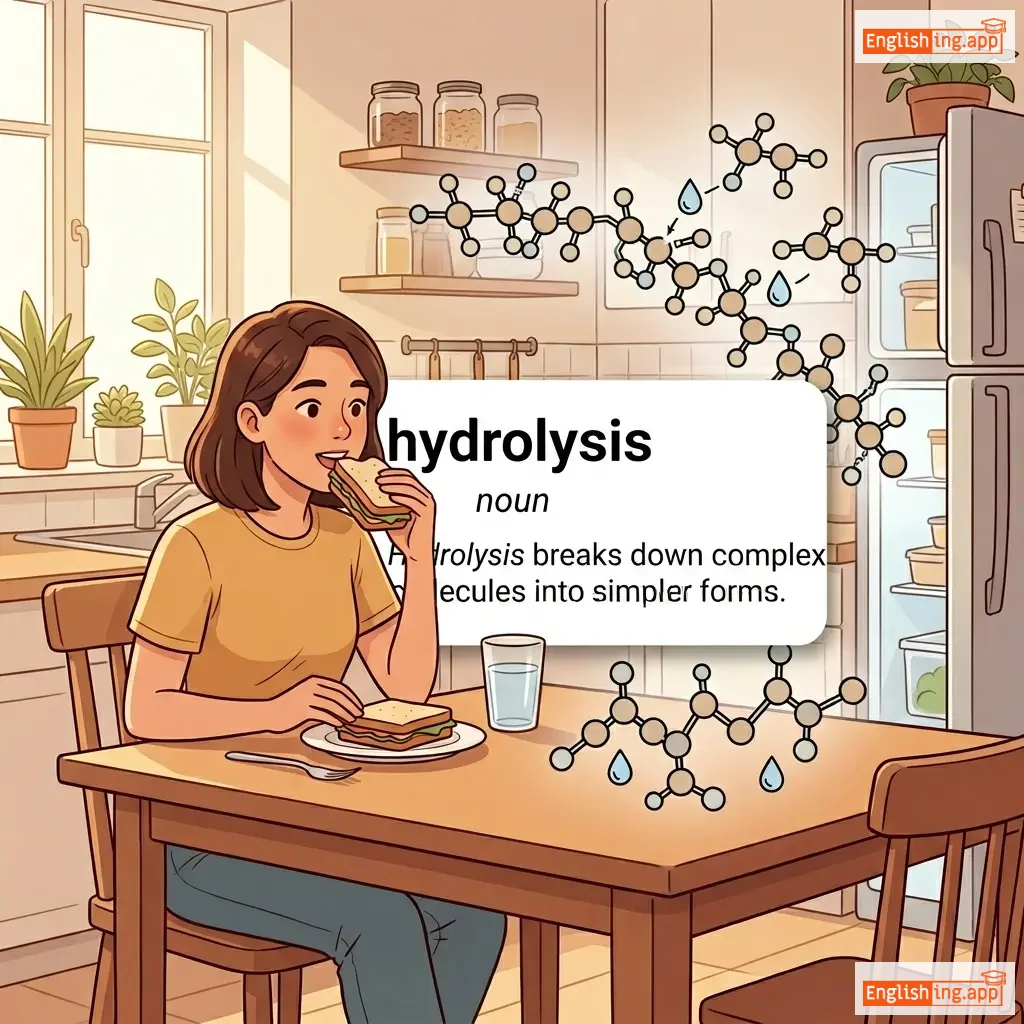
A chemical process that breaks down compounds by adding water, splitting complex molecules into simpler forms.
••••••
|
Hydrolysis breaks down complex molecules into simpler forms. |
水解将复杂的分子分解成更简单的形式。
Shuǐjiě jiāng fùzá de fēnzǐ fēnjiě chéng gèng jiǎndān de xíngshì.
••••••
|
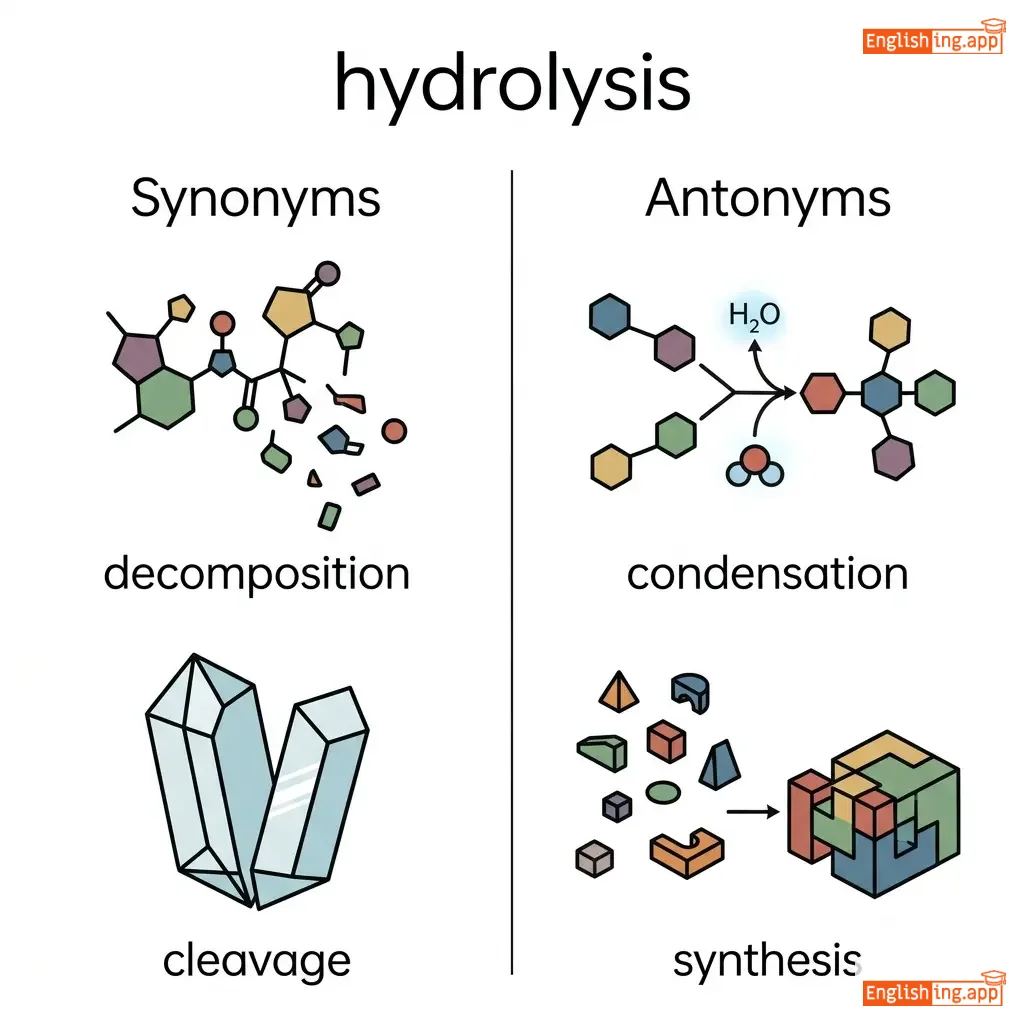
decomposition, cleavage, breakdown
••••••
|
condensation, synthesis, formation
••••••
|
水解就像水拆开大块分子,把它们分成小块。
••••••
|
|
#3661
📈
|
/ɡlaɪˈsiː.mɪk/
adjective
(gulai-ximike)
••••••
|
|
与葡萄糖相关
yu putaotang xiangguan
••••••
|
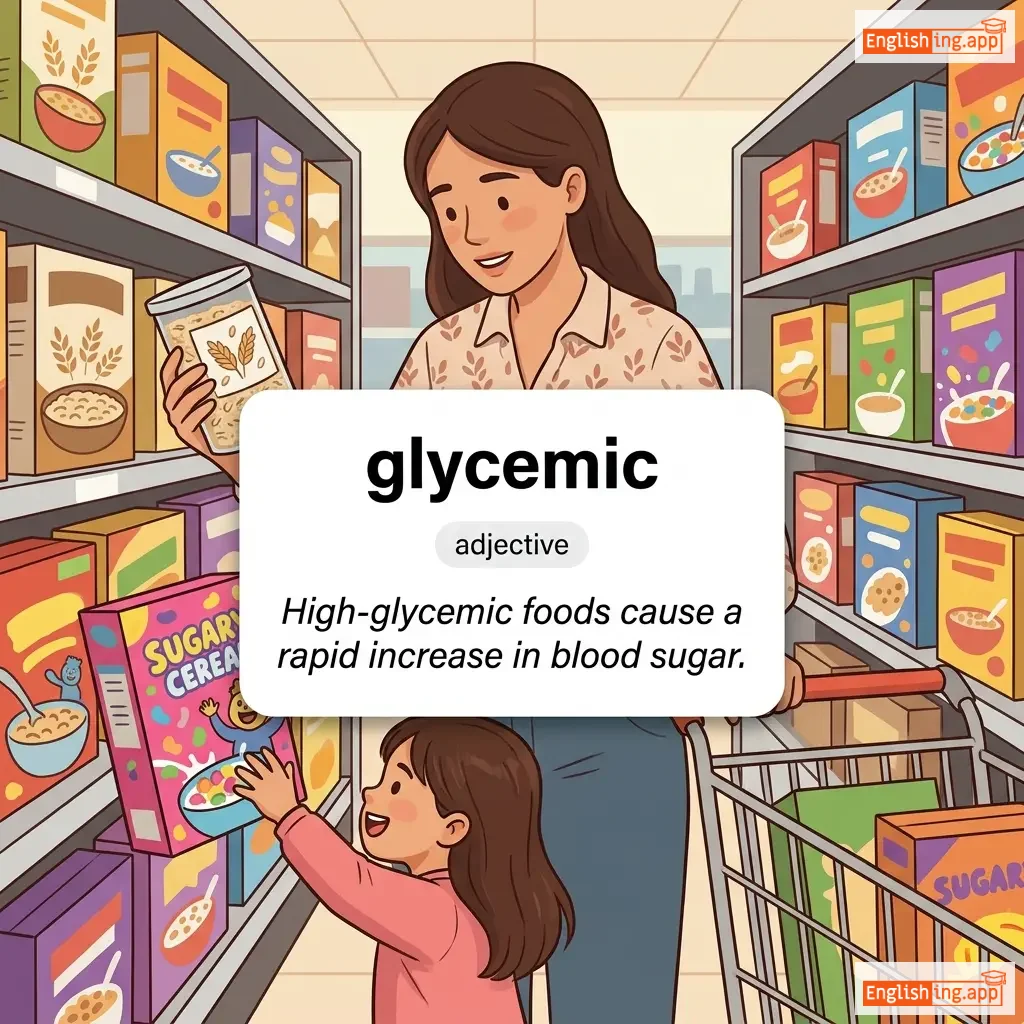
Relating to the presence of glucose in the blood and how foods affect blood sugar levels.
••••••
|
High-glycemic foods cause a rapid increase in blood sugar. |
高血糖指数的食物会迅速提高血糖水平。
Gao xue tang zhishu de shiwu hui xunzhu ti gao xuetang shuiping.
••••••
|
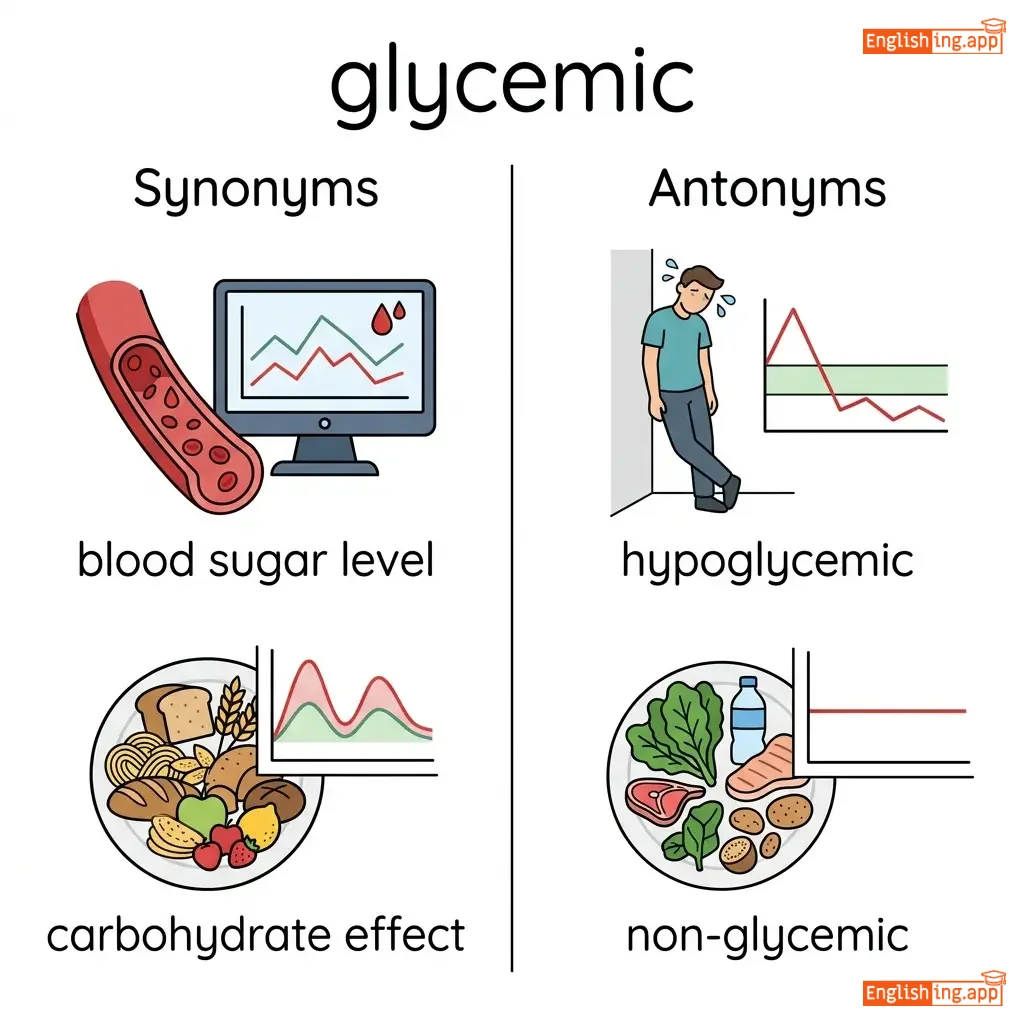
blood sugar level, carbohydrate effect, glucose response
••••••
|
hypoglycemic, non-glycemic, stable sugar level
••••••
|
葡萄糖 = 糖, 食物 = 影响
••••••
|
|
#3662
⚖️
|
/ˌhəʊ.mi.əʊˈsteɪ.sɪs/
noun
(霍米斯泰西斯)
••••••
|
|
稳态
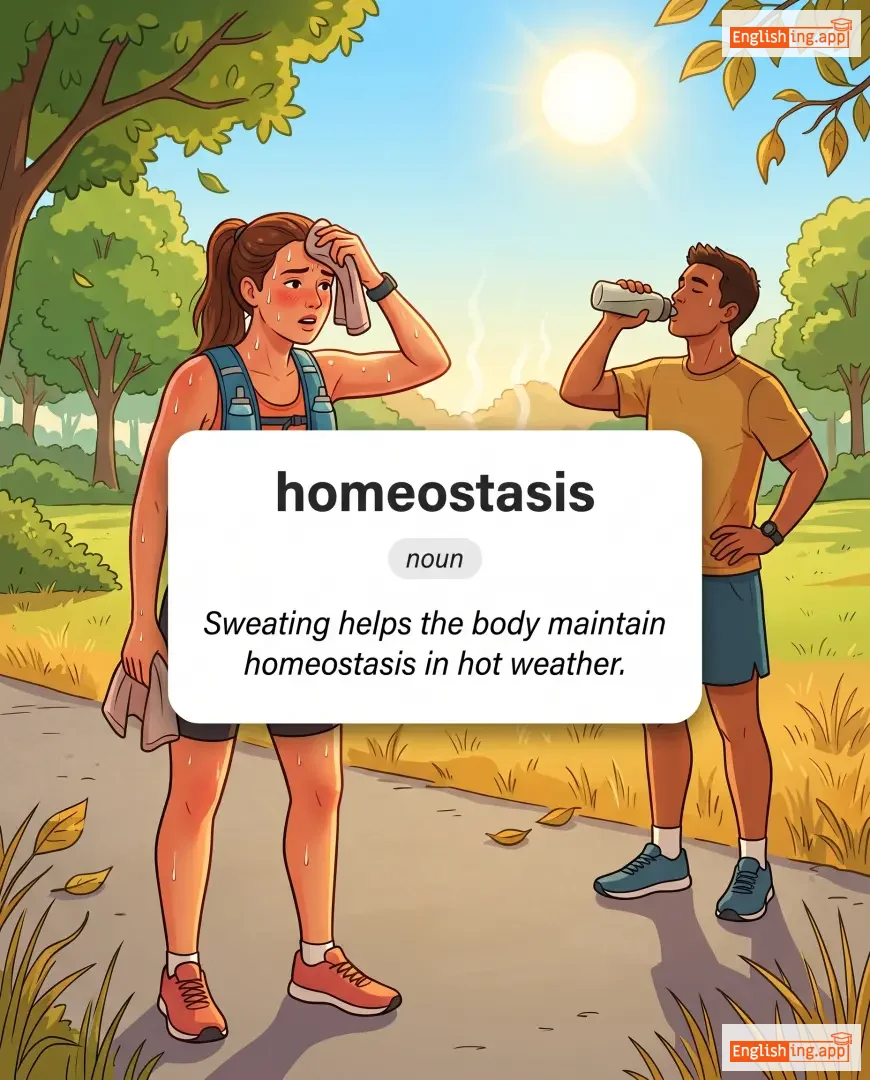
homeostasis
••••••
|
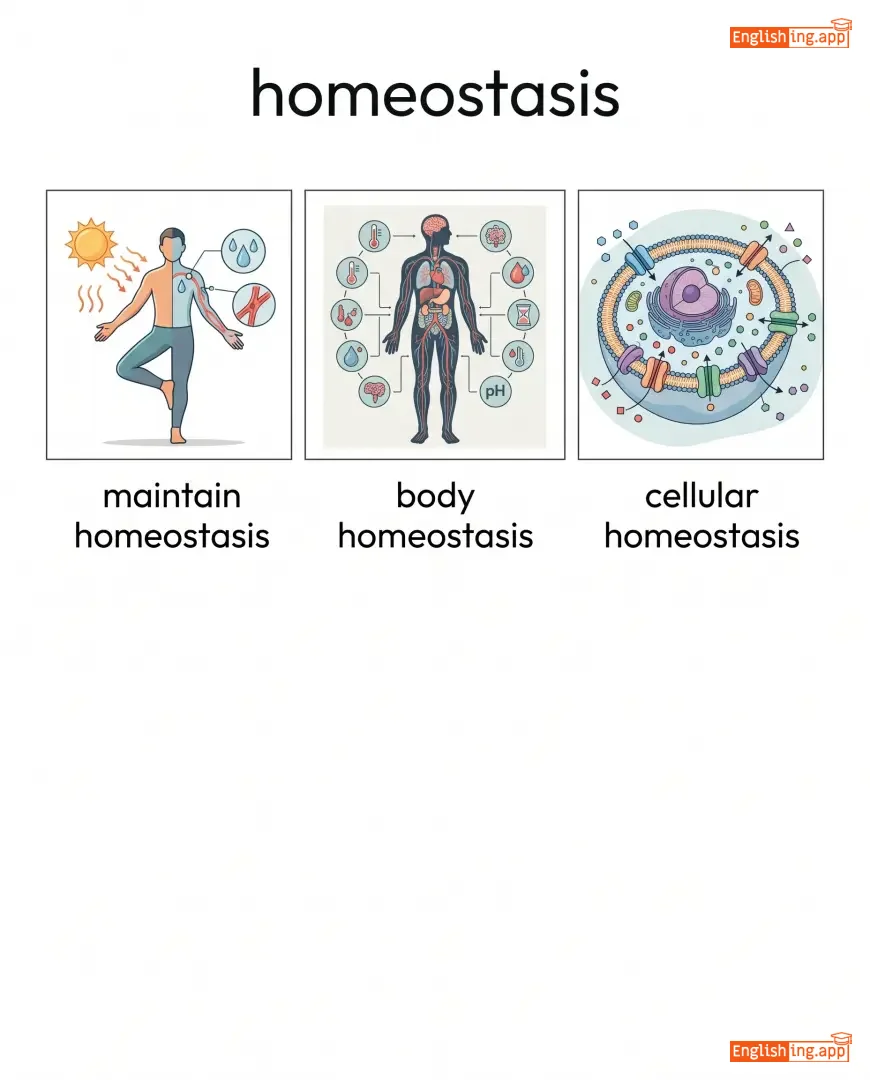
The tendency of a living organism to maintain internal equilibrium by adjusting its physiological processes.
••••••
|
The body maintains homeostasis through temperature regulation.
身体通过温度调节来维持体内稳态。
••••••
|
身体通过温度调节来维持体内稳态。
shen ti tong guo wen du tiao jie lai wei chi ti nei wen tai
••••••
|
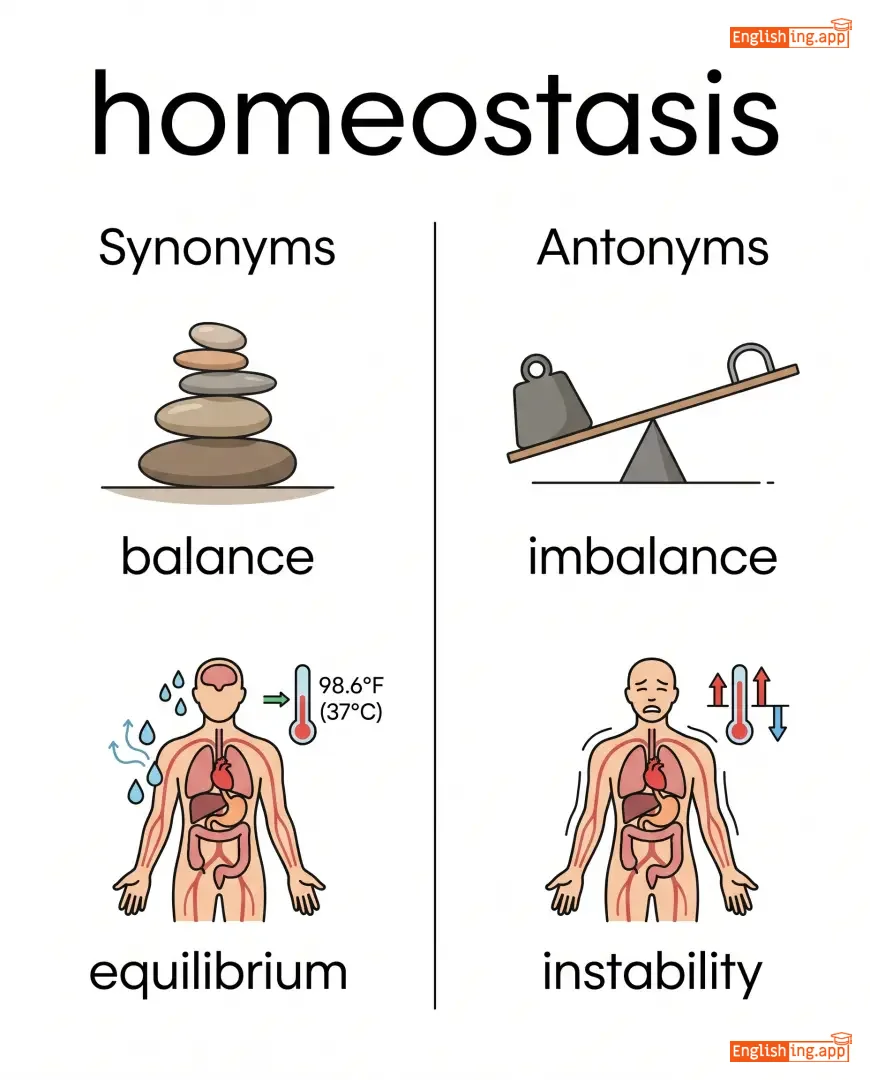
equilibrium, internal balance, physiological stability
••••••
|
imbalance, dysregulation, instability
••••••
|
home 在体内 保持 state 的 steady 记忆法: home=家, sta=稳, te=态, 合起来就是 稳态
••••••
|
|
#3663
🦠
|
/ˌprəʊ.baɪˈɒt.ɪks/
noun
(益生菌)
••••••
|
|
益生菌
yì shēng jūn
••••••
|
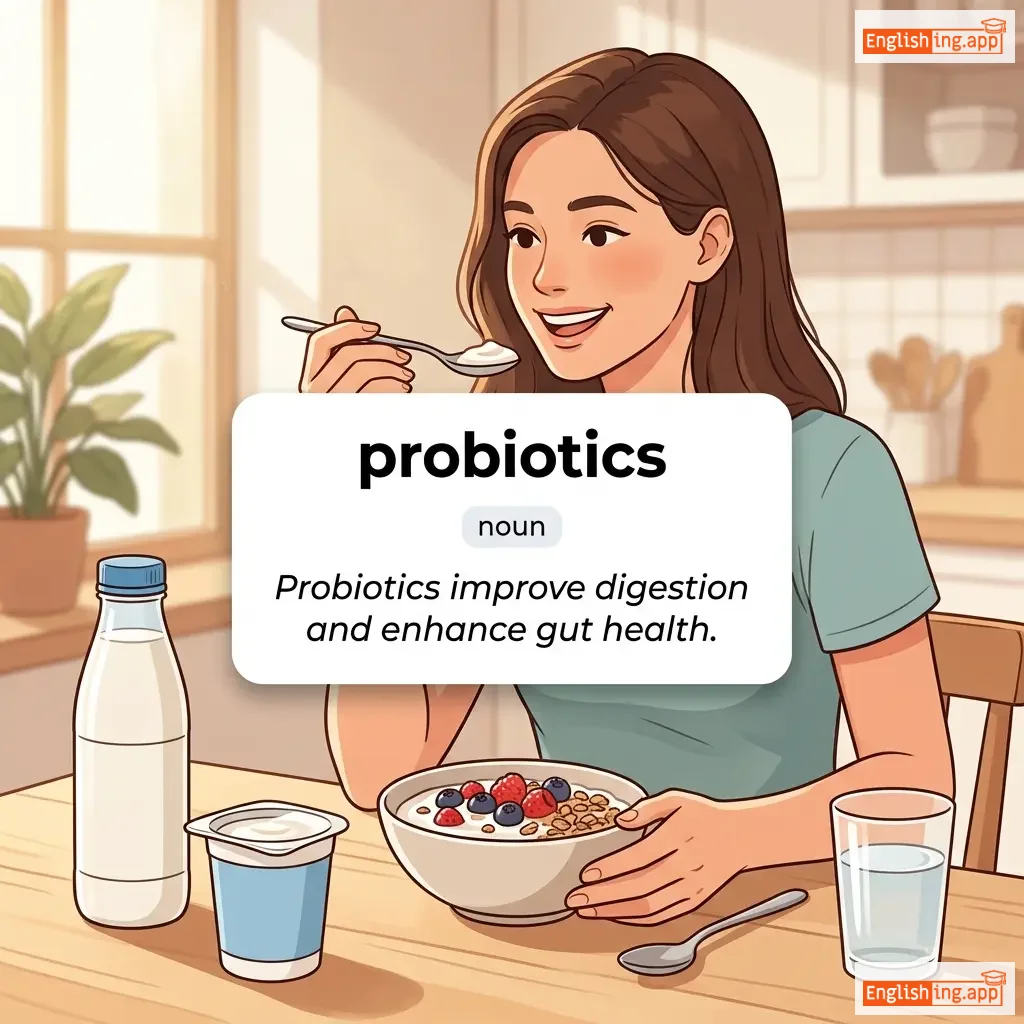
Live microorganisms that, when administered in adequate amounts, confer health benefits to the host, especially for digestive health.
••••••
|
Probiotics improve digestion and enhance gut health. |
益生菌有助于改善消化并增强肠道健康。
Yì shēng jūn yǒu zhù yú gǎi shàn xiāo huà bìng zēng qiáng cháng dào jiàn kāng.
••••••
|
beneficial bacteria, gut flora, digestive aid
••••••
|
antibiotics, pathogens, harmful microbes
••••••
|
益生菌 - 帮助消化和肠道健康
••••••
|
|
#3664
🛡️
|
/ˌæn.tiˈɒk.sɪ.dənts/
noun
(抗氧化剂)
••••••
|
|
抗氧化剂
kang yang hua ji
••••••
|
Substances that may prevent or delay cell damage caused by free radicals, potentially reducing the risk of certain diseases.
••••••
|
Fruits and vegetables are rich in antioxidants, which prevent cell damage.
水果和蔬菜富含抗氧化剂,能够防止细胞损伤。
••••••
|
水果和蔬菜富含抗氧化剂,能够防止细胞损伤。
shuiguo he shucai fuhan kangyanghuaji nenggou fangzhi xibao sunshang
••••••
|
free radical scavenger, cell protector, anti-aging compound
••••••
|
oxidants, free radicals, harmful agents
••••••
|
记忆口号: antiOX shield 抗氧化剂 protects 细胞; 想象 fruits and vegetables 组成 shield 来 防守 free radicals
••••••
|
|
#3665
🔥
|
/ˈɒk.sɪ.də.tɪv/
adjective
(氧化性)
••••••
|
|
氧化性的
yǎng huà xìng de
••••••
|
Relating to or involving oxidation, particularly processes that can cause cellular damage through free radical formation.
••••••
|
Oxidative stress contributes to aging and chronic diseases.
氧化应激有助于衰老和慢性疾病。
••••••
|
氧化应激有助于衰老和慢性疾病。
Yǎng huà yìng jī yǒu zhù yú shuāi lǎo hé màn xìng jí bìng.
••••••
|
reactive oxygen, degenerative process, free radical activity
••••••
|
antioxidant, protective, reductive
••••••
|
氧化性与自由基有关,导致身体的衰老和损伤。
••••••
|
|
#3666
🧠
|
/ˈnjʊə.rəʊ.trænsˌmɪt.ərs/
noun
(神经传导物质)
••••••
|
|
神经传导物质
shen jing chuan dao wu zhi
••••••
|
Chemical messengers that transmit signals across nerve synapses, affecting mood, behavior, and cognitive functions.
••••••
|
Serotonin and dopamine are key neurotransmitters affecting mood. |
血清素和多巴胺是影响情绪的关键神经传导物质。
Xue qing su he duo ba an shi ying xiang qing xu de guan jian shen jing chuan dao wu zhi.
••••••
|
brain chemicals, synaptic messengers, neurological signals
••••••
|
neuroinhibitors, blockers, suppressors
••••••
|
神经传导物质(shen jing chuan dao wu zhi)是传递大脑信号的化学信使!
••••••
|
|
#3667
🫁
|
/ˌlaɪ.pəˈdʒen.ɪ.sɪs/
noun
(làipóujīnéisī)
••••••
|
|
脂肪生成
zhīfáng shēngchéng
••••••
|
The metabolic process of fat synthesis where excess carbohydrates are converted into fatty acids and stored as triglycerides.
••••••
|
Excess carbohydrate intake promotes lipogenesis and fat storage. |
过多的碳水化合物摄入促进了脂肪生成和脂肪储存。
Guòduō de tànshuǐ huàhéwù shèrù cùjìnle zhīfáng shēngchéng hé zhīfáng chǔcún.
••••••
|
fat synthesis, lipid formation, energy storage
••••••
|
lipolysis, fat breakdown, energy expenditure
••••••
|
脂肪生成就像‘生成’过剩的糖分为脂肪。
••••••
|
|
#3668
⚡
|
/ˌkiː.təʊˈdʒen.ɪ.sɪs/
noun
(酮生成)
••••••
|
|
酮体生成过程
tóngtǐ shēngchéng guòchéng
••••••
|
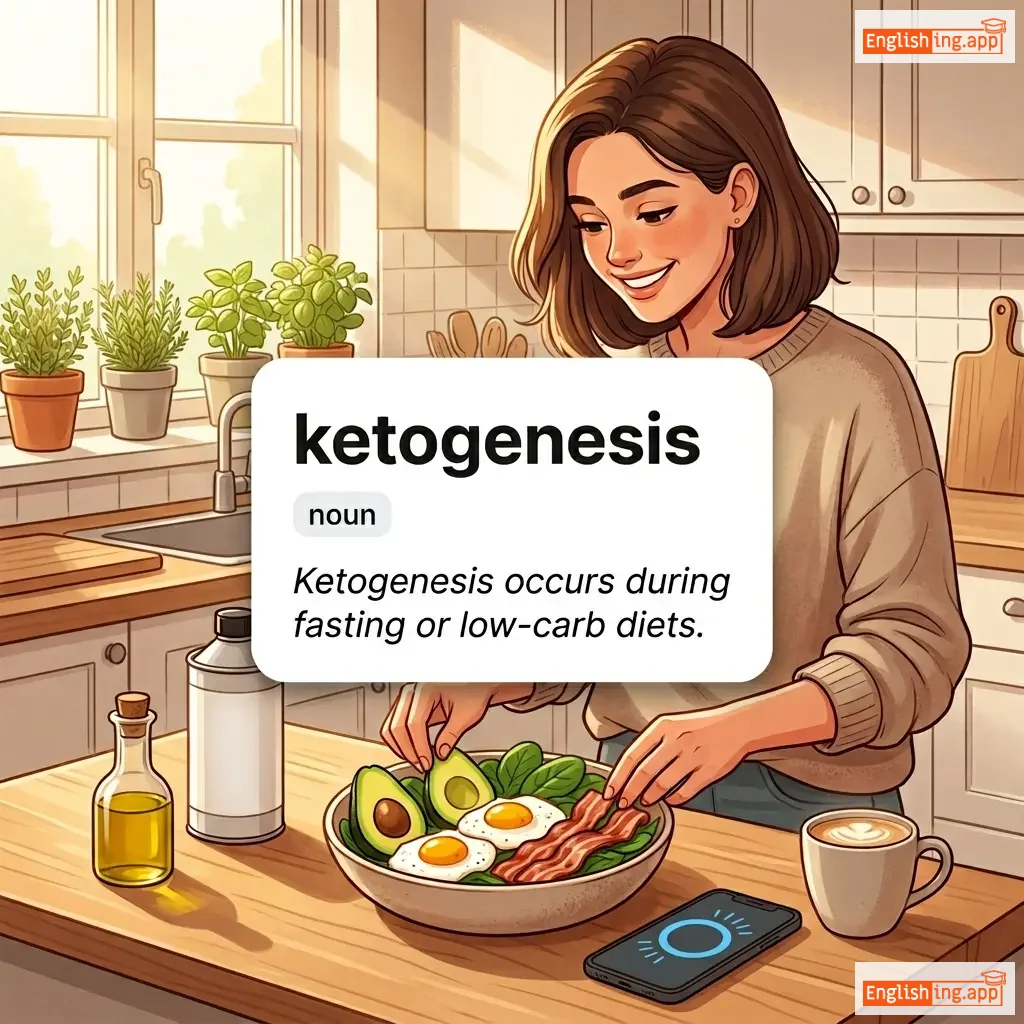
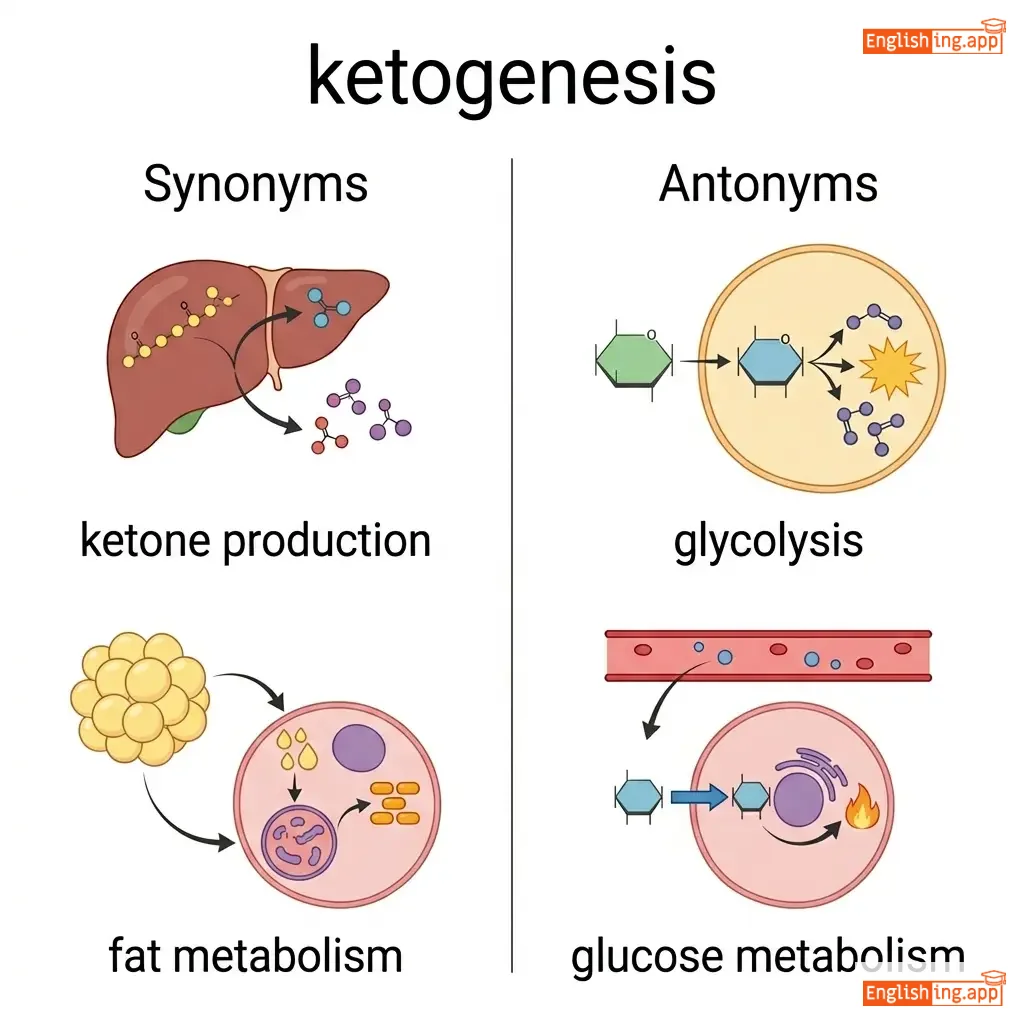
The metabolic process by which the liver produces ketones from fatty acids, providing an alternative energy source during low carbohydrate availability.
••••••
|
Ketogenesis occurs during fasting or low-carb diets. |
酮生成发生在禁食或低碳水化合物饮食时。
Tóngshēngchéng fāshēng zài jìnshí huò dī tànshuǐ huàhéwù yǐnshí shí.
••••••
|
ketone production, fat metabolism, energy alternative
••••••
|
glycolysis, glucose metabolism, sugar oxidation
••••••
|
酮生成是身体在缺少碳水化合物时,通过脂肪生成能量。
••••••
|
|
#3669
🌱
|
/ˌfaɪ.təʊˈkem.ɪ.kəlz/
noun
(fai-toh-keh-mi-kals)
••••••
|
|
植物化学物质
zhíwù huàxué wùzhì
••••••
|
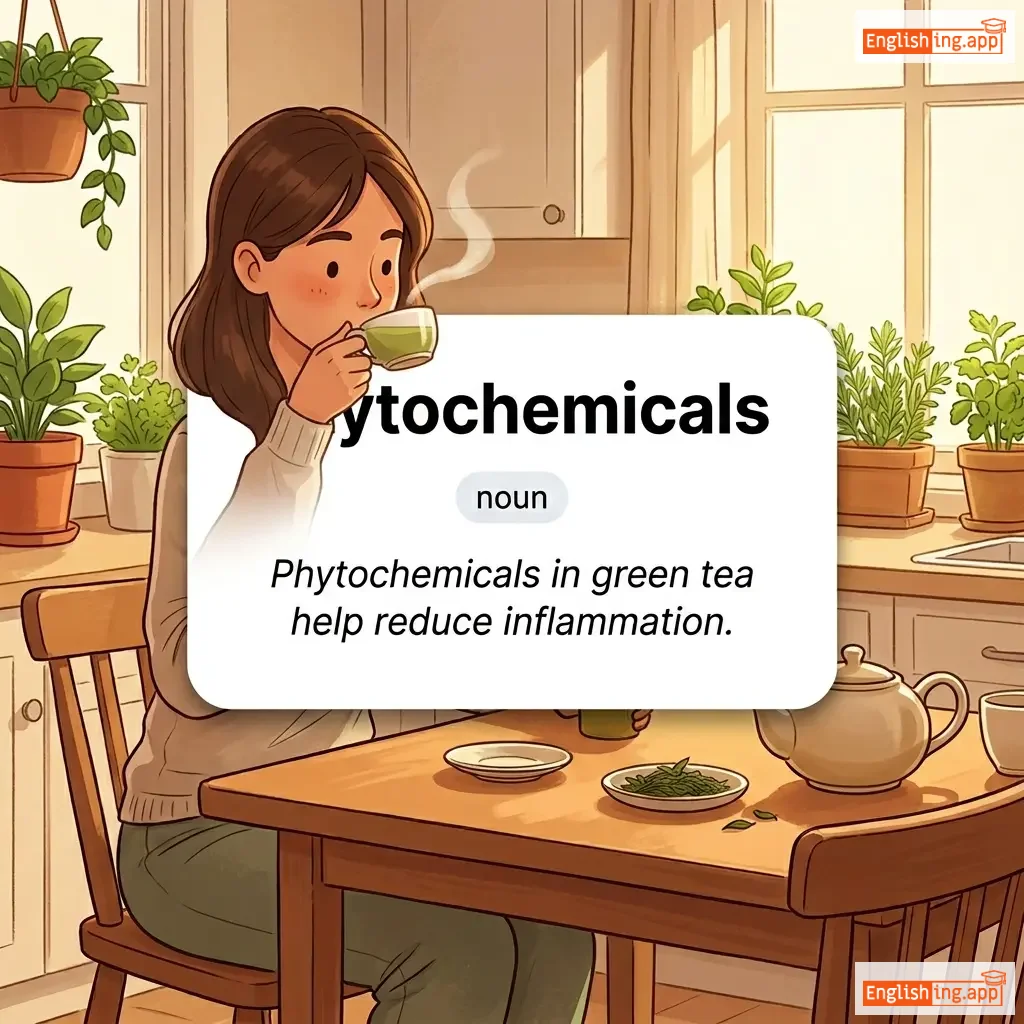
Natural chemical compounds produced by plants that provide health benefits beyond basic nutrition, often having antioxidant properties.
••••••
|
Phytochemicals in green tea help reduce inflammation. |
绿茶中的植物化学物质有助于减少炎症。
Lǜchá zhōng de zhíwù huàxué wùzhì yǒu zhù yú jiǎnshǎo yánzhèng.
••••••
|
plant compounds, natural antioxidants, bioactive molecules
••••••
|
synthetic chemicals, artificial additives, harmful substances
••••••
|
植物化学物质是大自然中的治疗师,就像一杯绿茶带来舒缓。
••••••
|
|
#3670
🏥
|
/ˈen.də.krɪn/
adjective
(内分泌)
••••••
|
|
与激素相关
yǔ jīsù xiāngguān
••••••
|
Relating to or denoting glands that secrete hormones directly into the bloodstream to regulate various body functions.
••••••
|
The endocrine system regulates metabolism and stress responses. |
内分泌系统调节代谢和应激反应。
Nèi fēnmì xìtǒng tiáojié dàixiè hé yìngjí fǎnyìng.
••••••
|
hormonal system, glandular function, regulatory mechanism
••••••
|
exocrine, non-hormonal, external secretion
••••••
|
内分泌系统 - 调节身体的激素系统。
••••••
|
|
#3671
🔥
|
/ˌθɜː.məʊˈdʒen.ɪ.sɪs/
noun
(热生热)
••••••
|
|
热量生产过程
relian shengchan guocheng
••••••
|
The process of heat production in living organisms, often associated with burning calories and energy expenditure.
••••••
|
Spicy foods can enhance thermogenesis and calorie burning. |
辛辣食物可以增强热生热和卡路里燃烧。
Xinla shiwu keyi zengqiang reshengre he kaluli ranshao.
••••••
|
heat production, energy expenditure, metabolic activation
••••••
|
hypothermia, energy conservation, cold exposure
••••••
|
热量生产过程,热量与能量
••••••
|
|
#3672
😌
|
/səˈtaɪ.ə.ti/
noun
(sàitì)
••••••
|
|
饱腹感
bǎofùgǎn
••••••
|
The feeling of fullness and satisfaction after eating, which helps control food intake and prevent overeating.
••••••
|
Protein-rich foods promote satiety and reduce cravings.
富含蛋白质的食物促进饱腹感,减少渴望。
••••••
|
富含蛋白质的食物促进饱腹感,减少渴望。
Fùhán dànbáizhí de shíwù cùjìn bǎofùgǎn, jiǎnshǎo kěwàng.
••••••
|
fullness, appetite control, satiation
••••••
|
hunger, appetite, starvation
••••••
|
饱腹感意味着吃饱后不再渴望食物
••••••
|
Vocabulary Quiz
Test your vocabulary by matching words with their translations or meanings.
Login to take the quiz
Comments (0)
Share your thoughts and join the discussion.
Join the discussion by logging in
Login to CommentNo comments yet
Be the first to share your thoughts!