

中国长城
The Great Wall of China
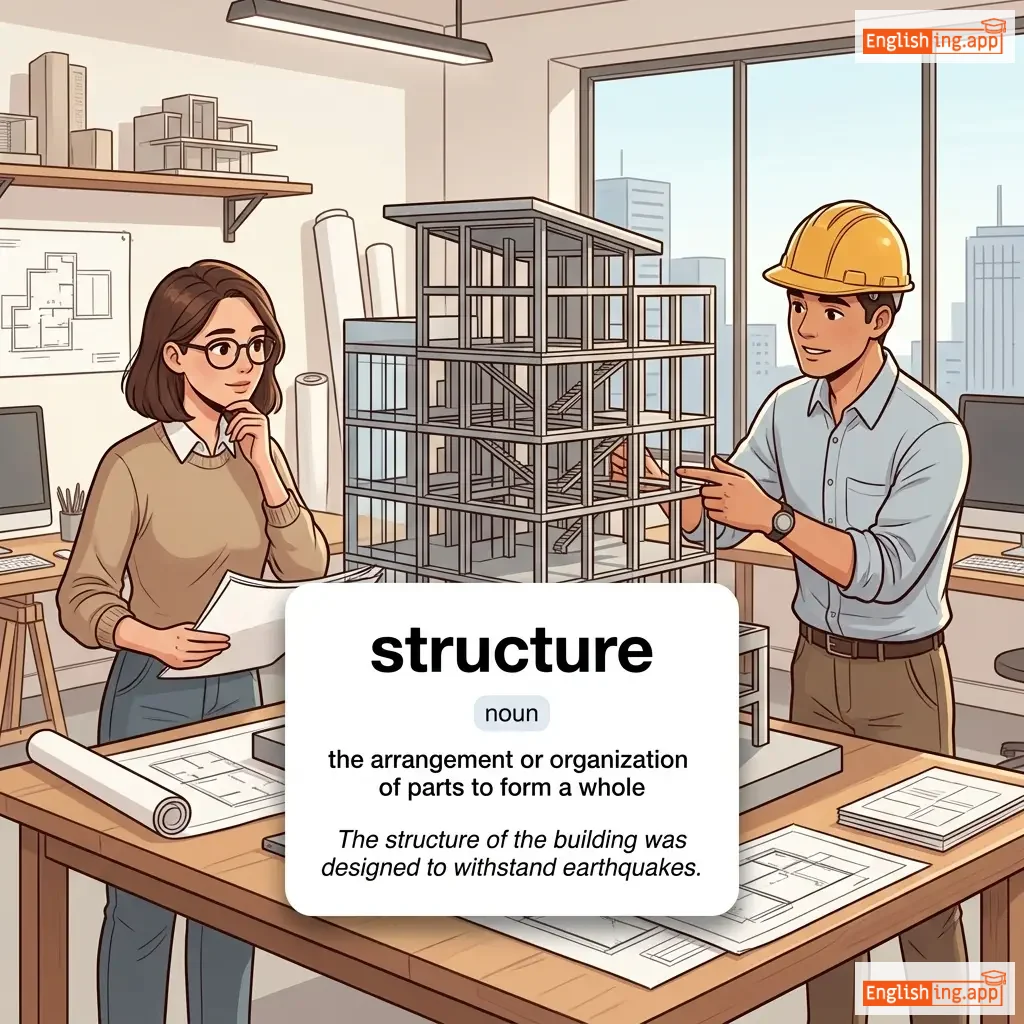
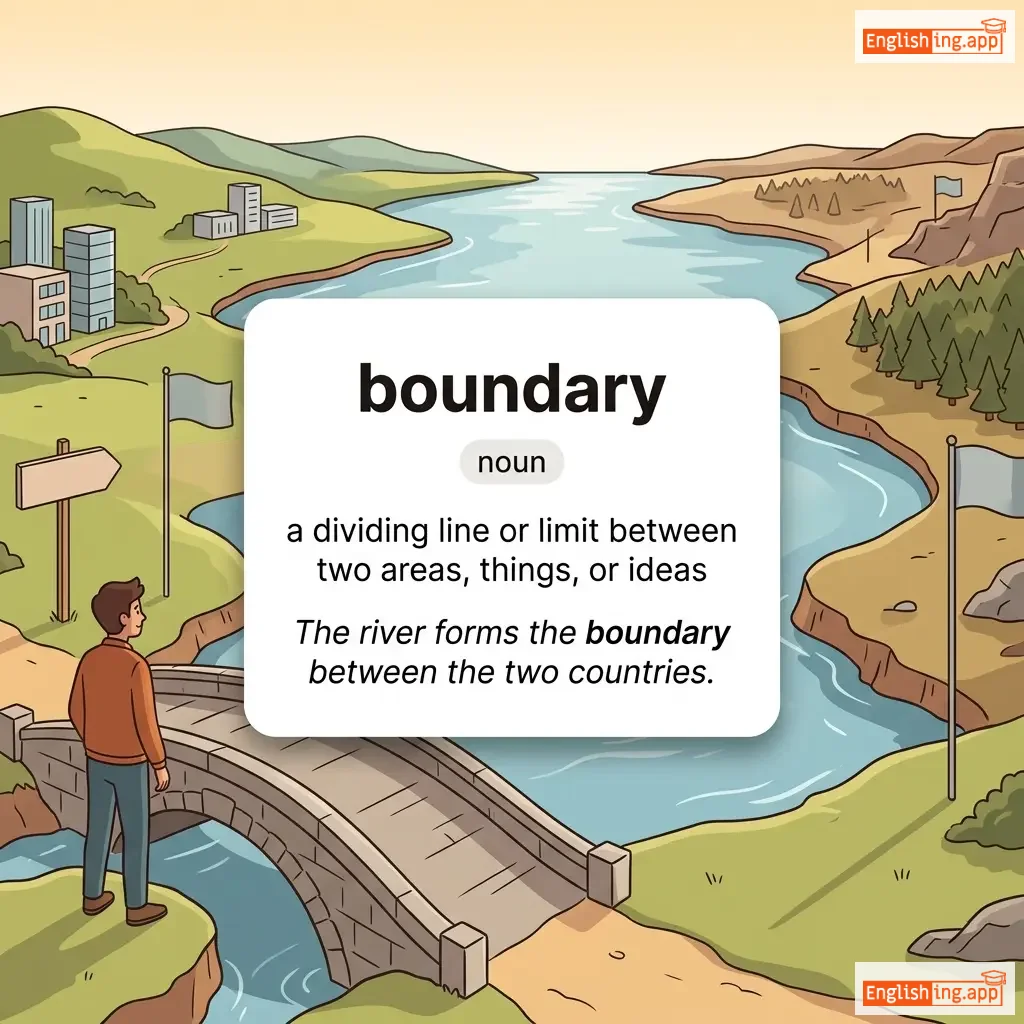
中国长城 是一座由石头和泥土建成的长 structure。它从公元前5世纪到公元16世纪修建并维护,用来保护中国北方的 boundary。许多类似的 fortifications 被修建过,但公元前220年至公元前200年间由中国第一位皇帝秦始皇修建的 barrier 最为著名。它位于现有城墙的北部,现存的 remnants 很少。现有的城墙建于明朝时期。
中国长城 是人类建造的地球上最大的 architecture。这道墙高约5至8米,长8851.8公里。它起始于上海附近,终止于一个名为罗布泊的地方。
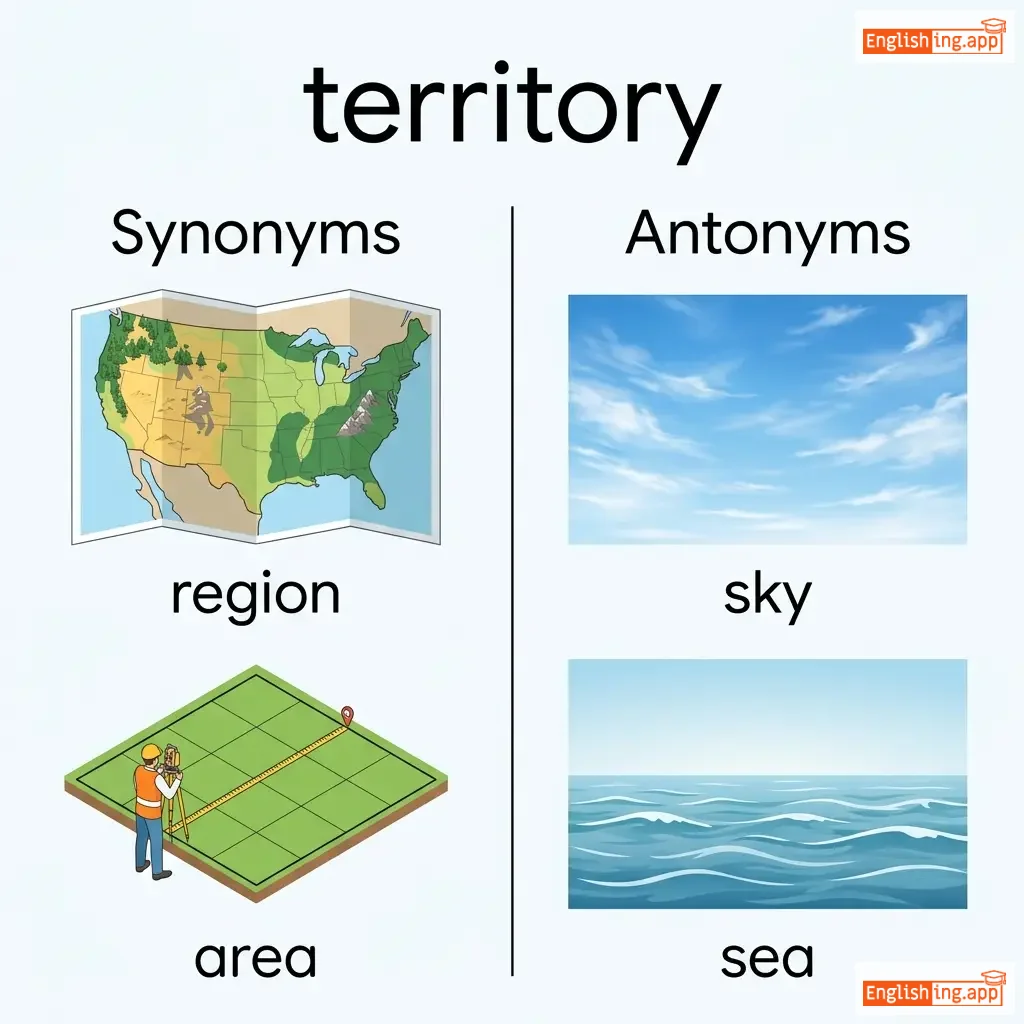
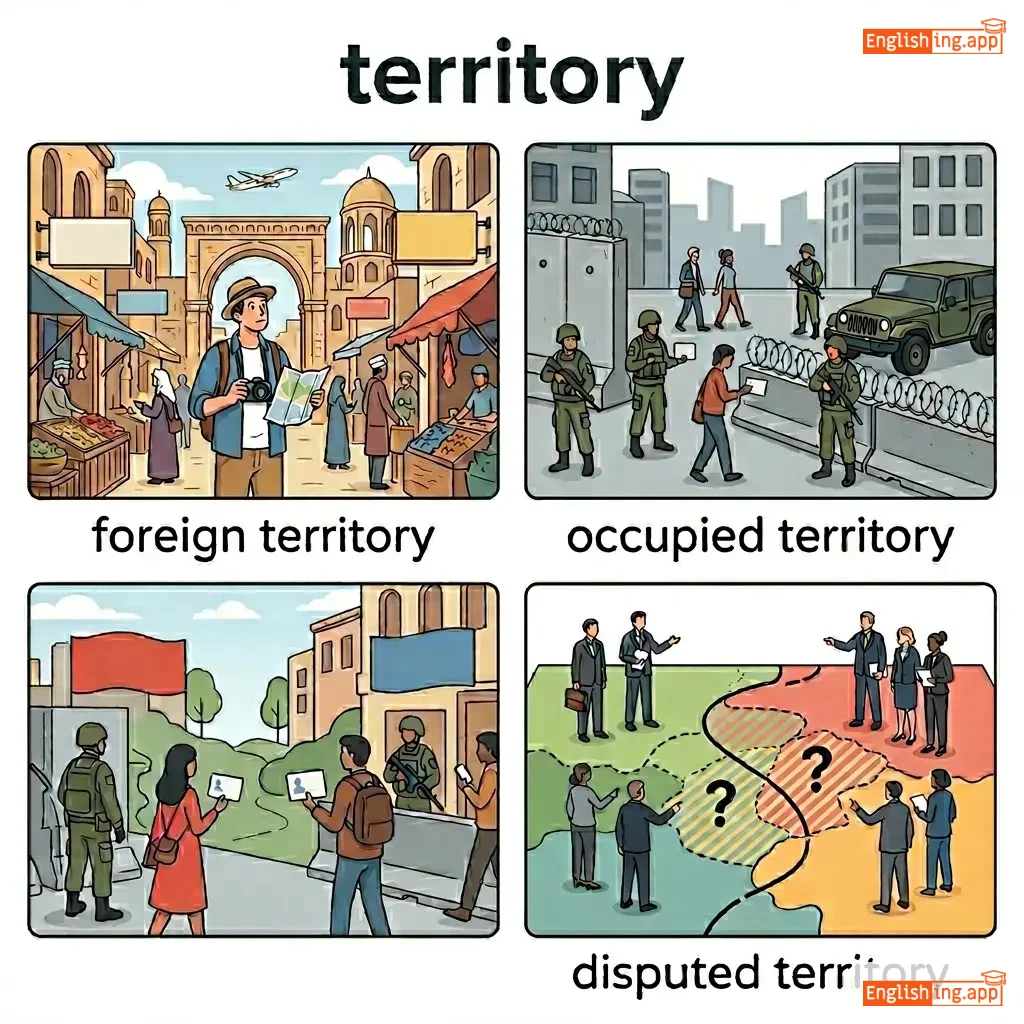
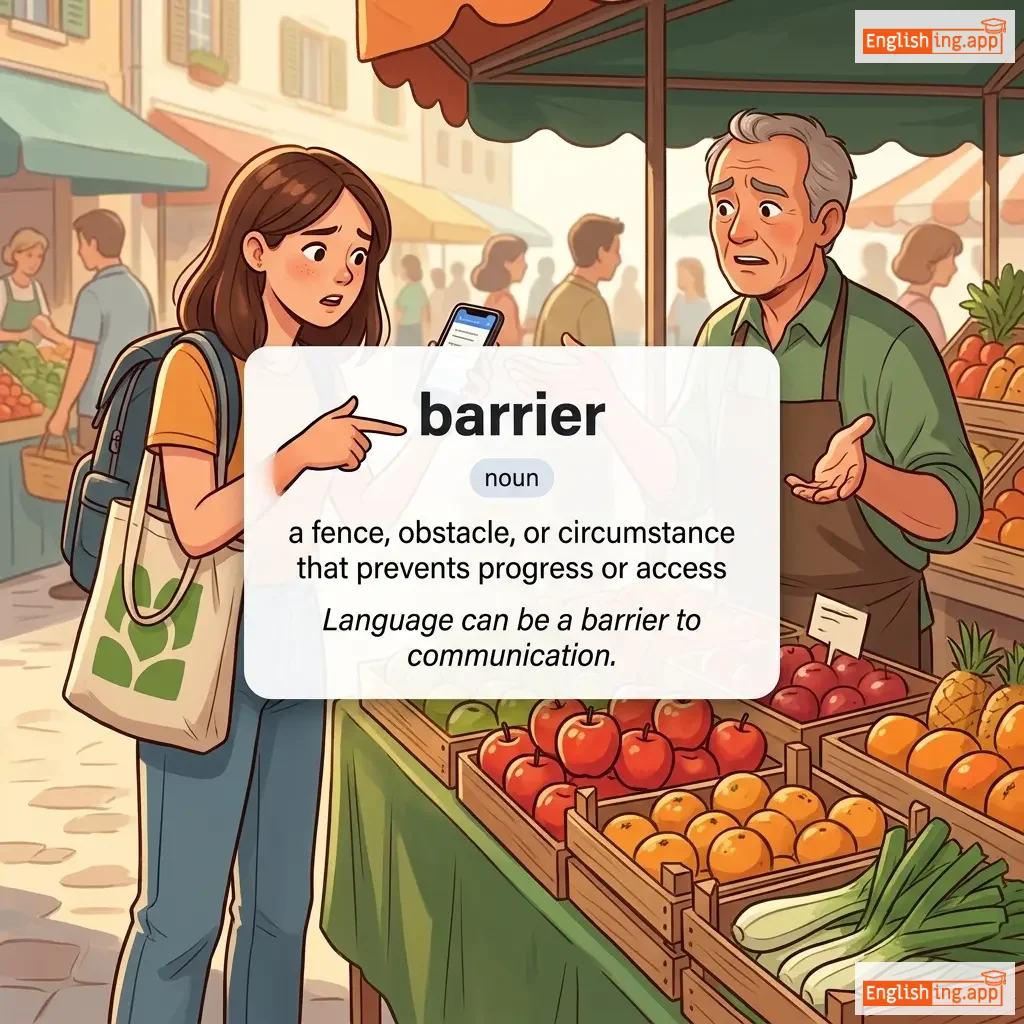
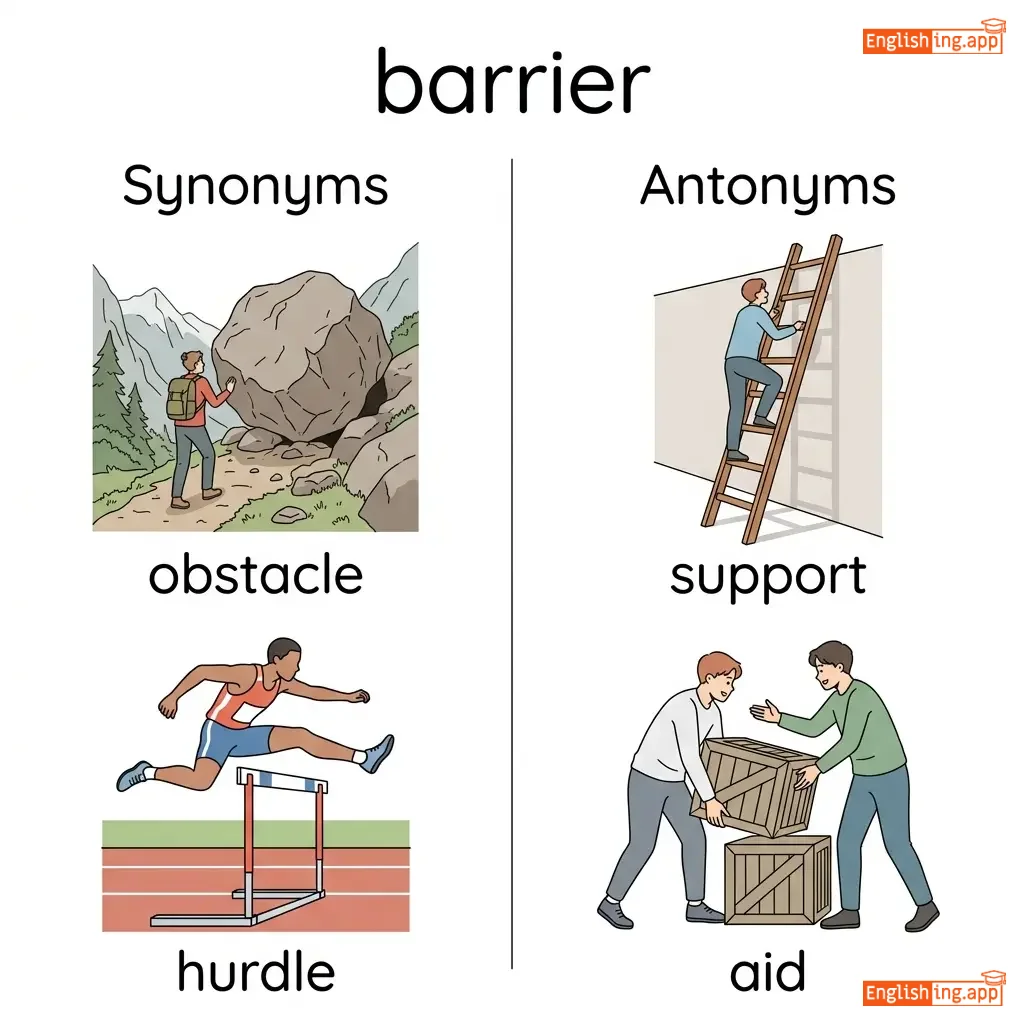
主要部分的建设始于公元前208年左右。工程由秦帝国时期的中国人开始。中国第一位皇帝秦始皇最早使用它,并加以延长以保护他的 territory 免受敌人侵扰。除了中国的自然 barriers 外,它还用于守卫其他地区,是对北方匈奴部落的第一道 defense 线。
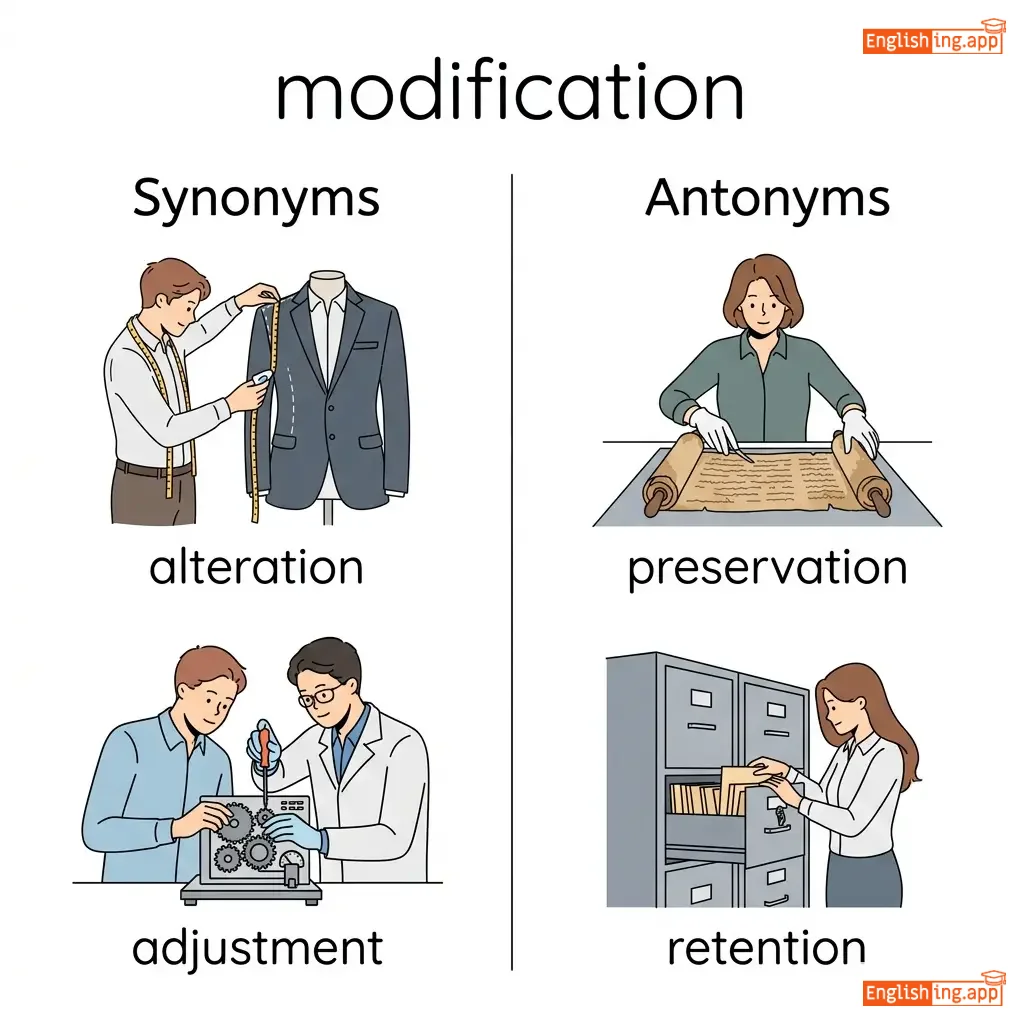
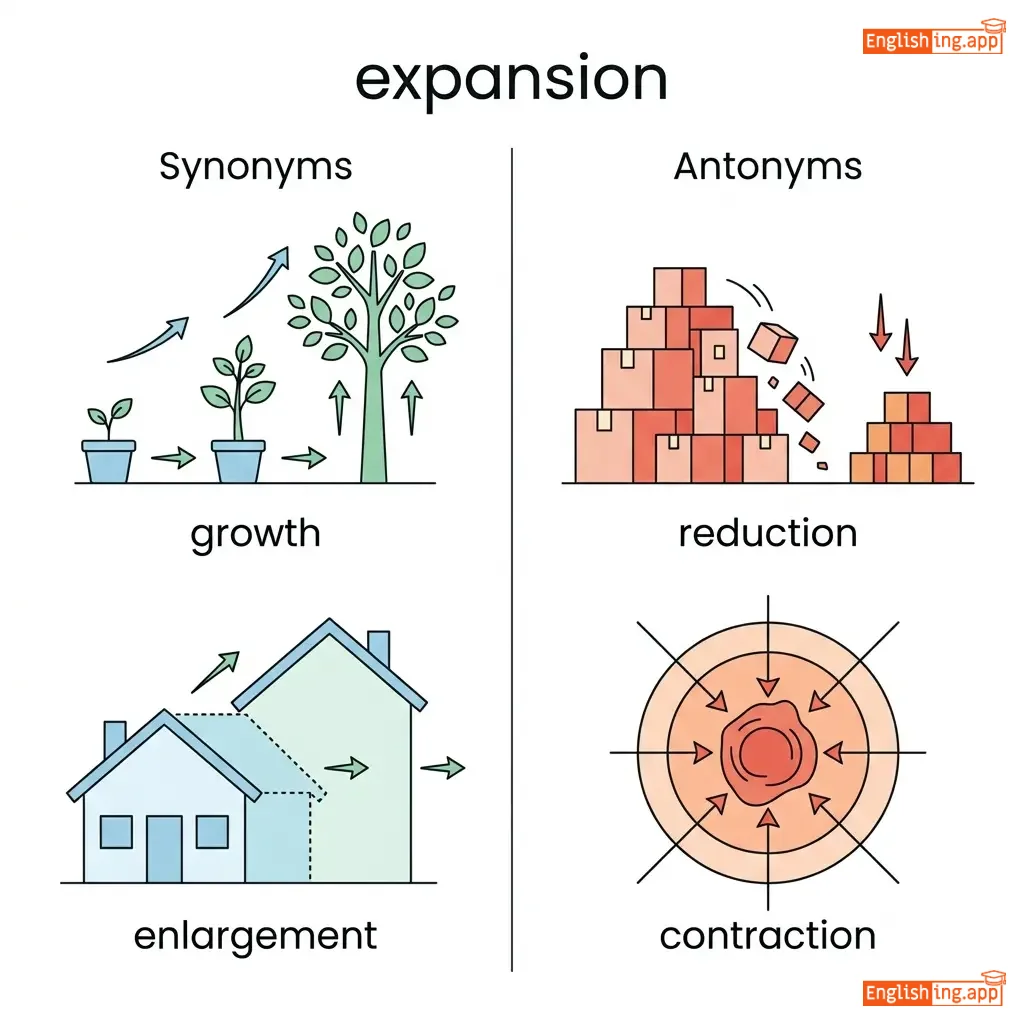
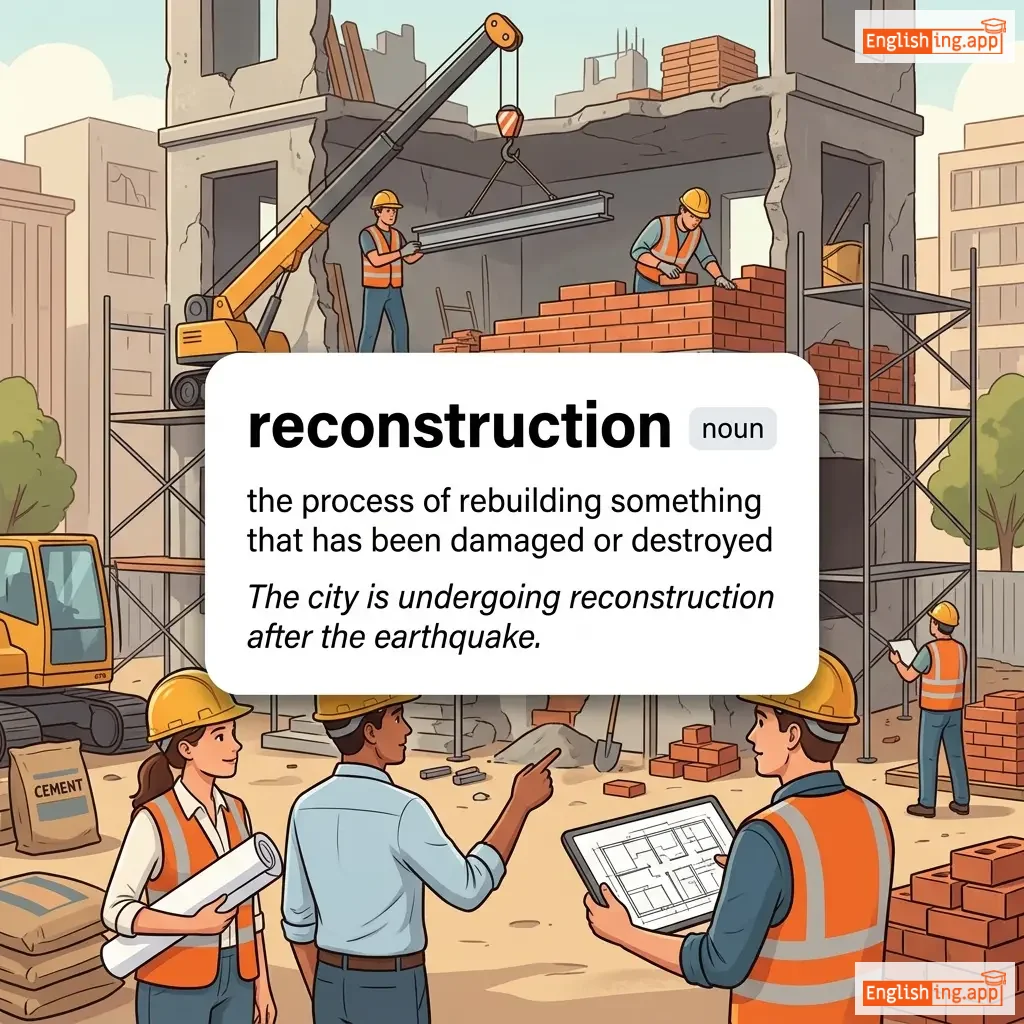
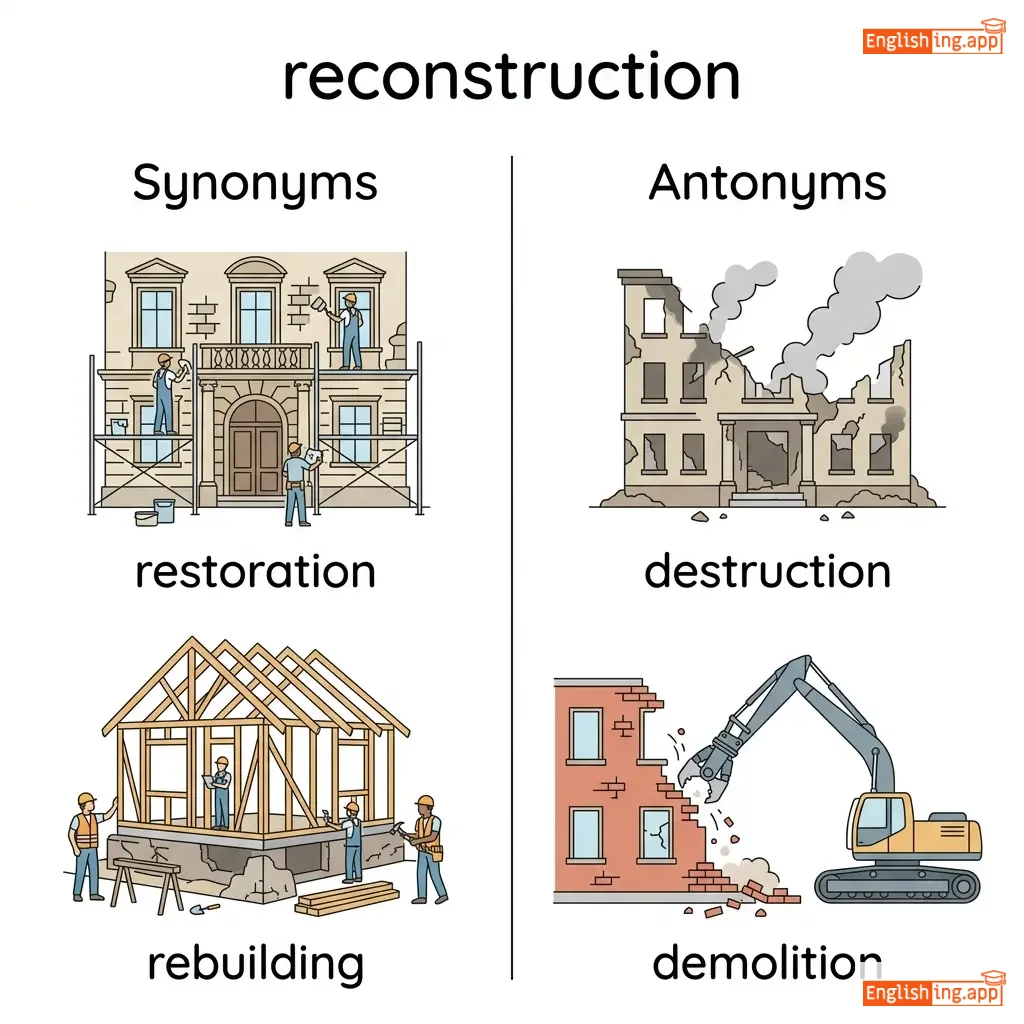
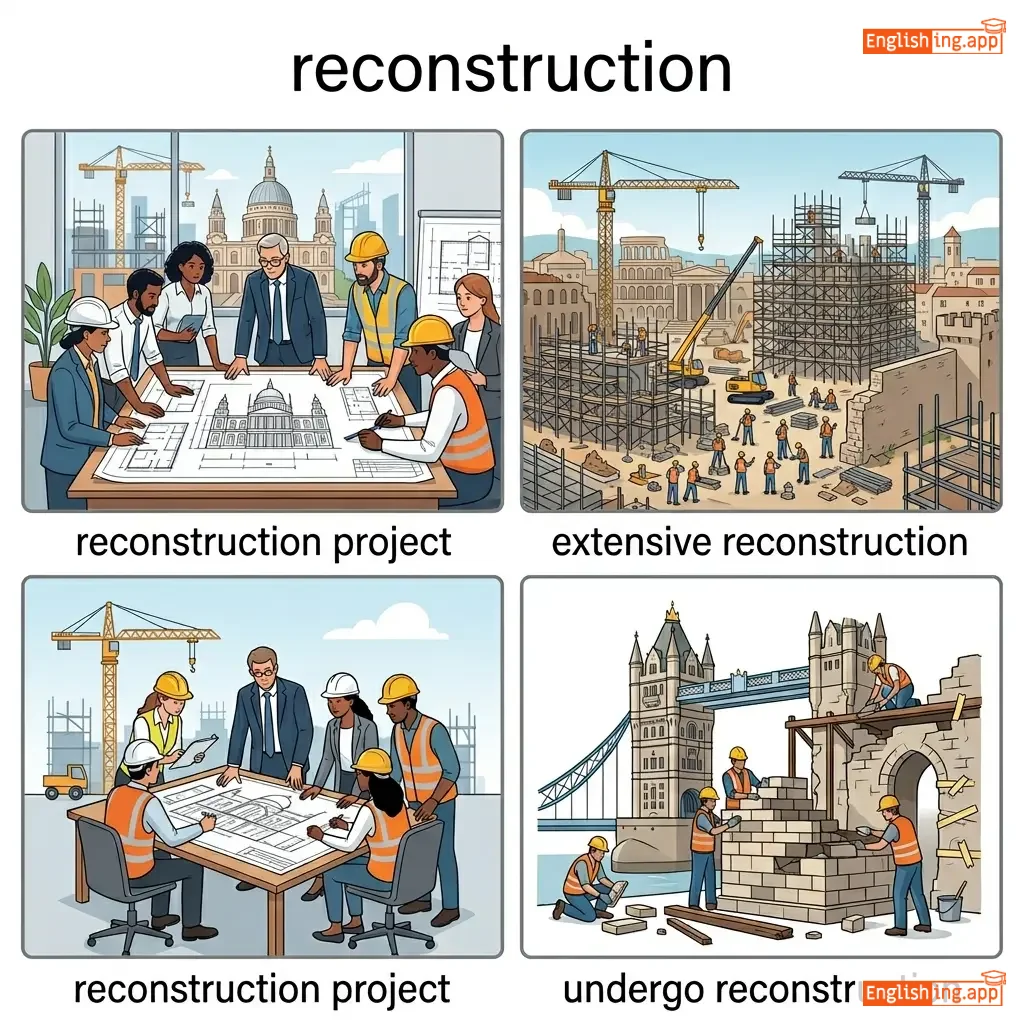
在汉、隋、北魏和金等朝代的历史中,都有关于长城 modification、expansion 和 reconstruction 的记载,其原因与最初修建时相同。








Swipe left or right, or use the buttons. Tap image to zoom.
例句翻译
单词
The Great Wall of ChinaThe Great Wall of China - 遮罩切换
|
表情符号
|
单词 | Images | 翻译 | 含义 | 例句 | 例句翻译 | 同义词 | 反义词 | 助记符 |
|---|---|---|---|---|---|---|---|---|---|
|
#586
🏗️
|
ˈstrʌktʃə(r)
noun
(结构)
••••••
|
|
结构
jiegou
••••••
|
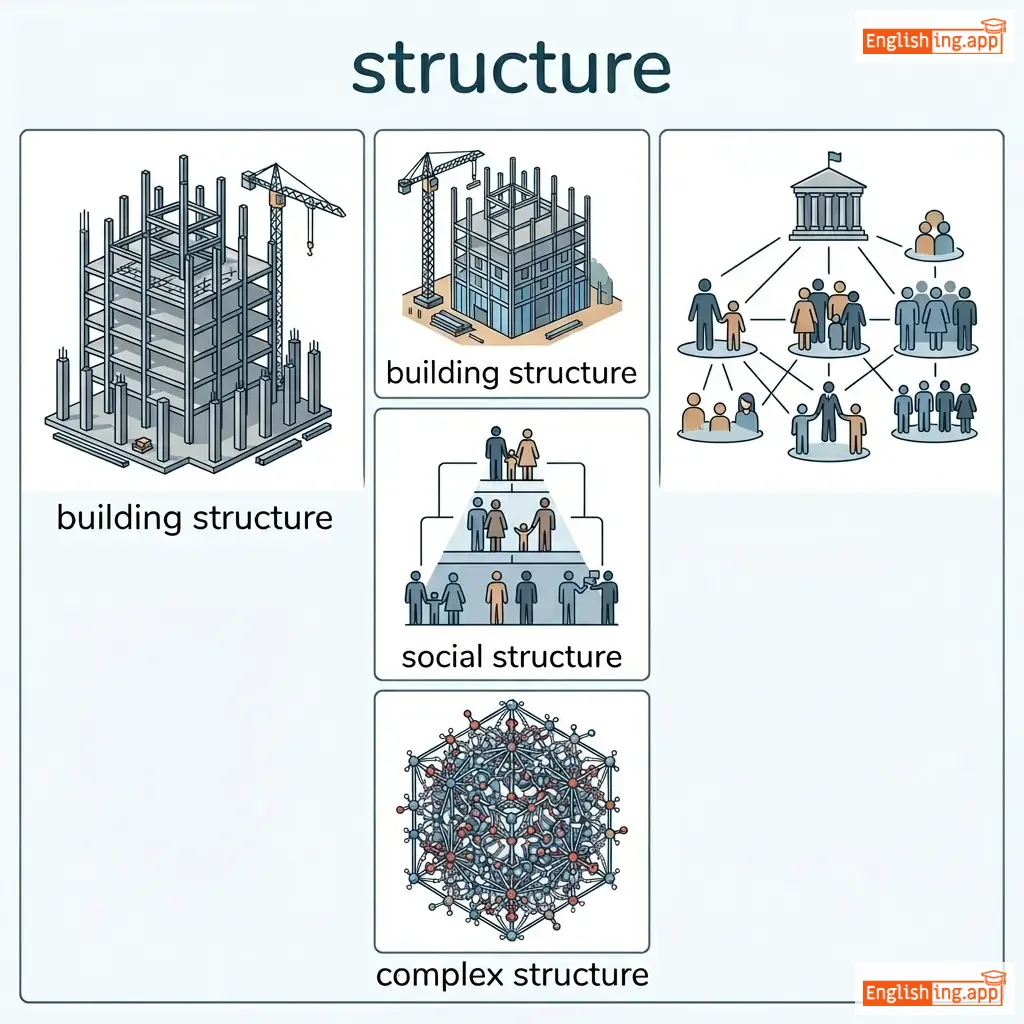
A building or other object constructed from several parts; the arrangement of and relations between the parts or elements of something complex.
••••••
|
The structure of the building was impressive. |
建筑物的结构令人印象深刻。
Jiànzhúwù de jiégòu lìng rén yìnxiàng shēnkè.
••••••
|
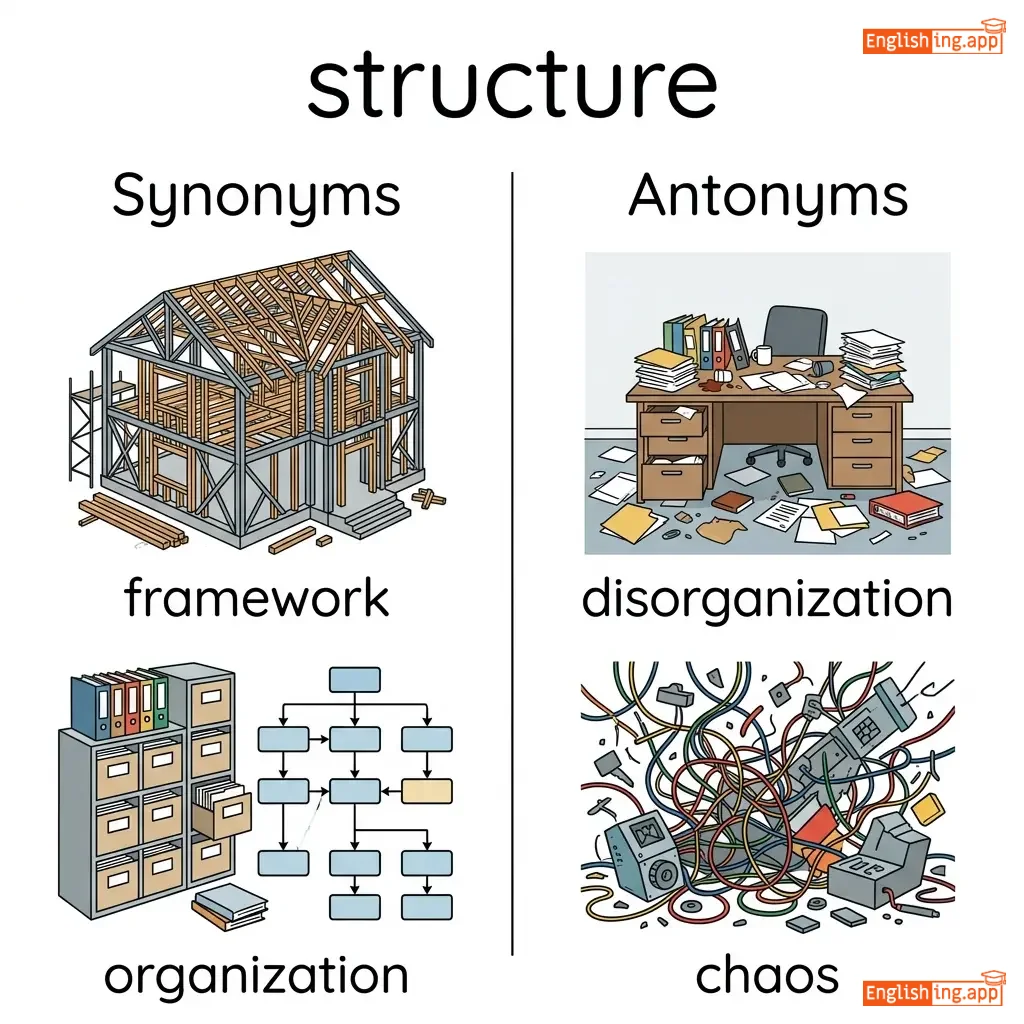
formation, framework
••••••
|
disorganization, chaos
••••••
|
结构与'结构'相同,表示一种有组织的安排。
••••••
|
|
#587
🔲
|
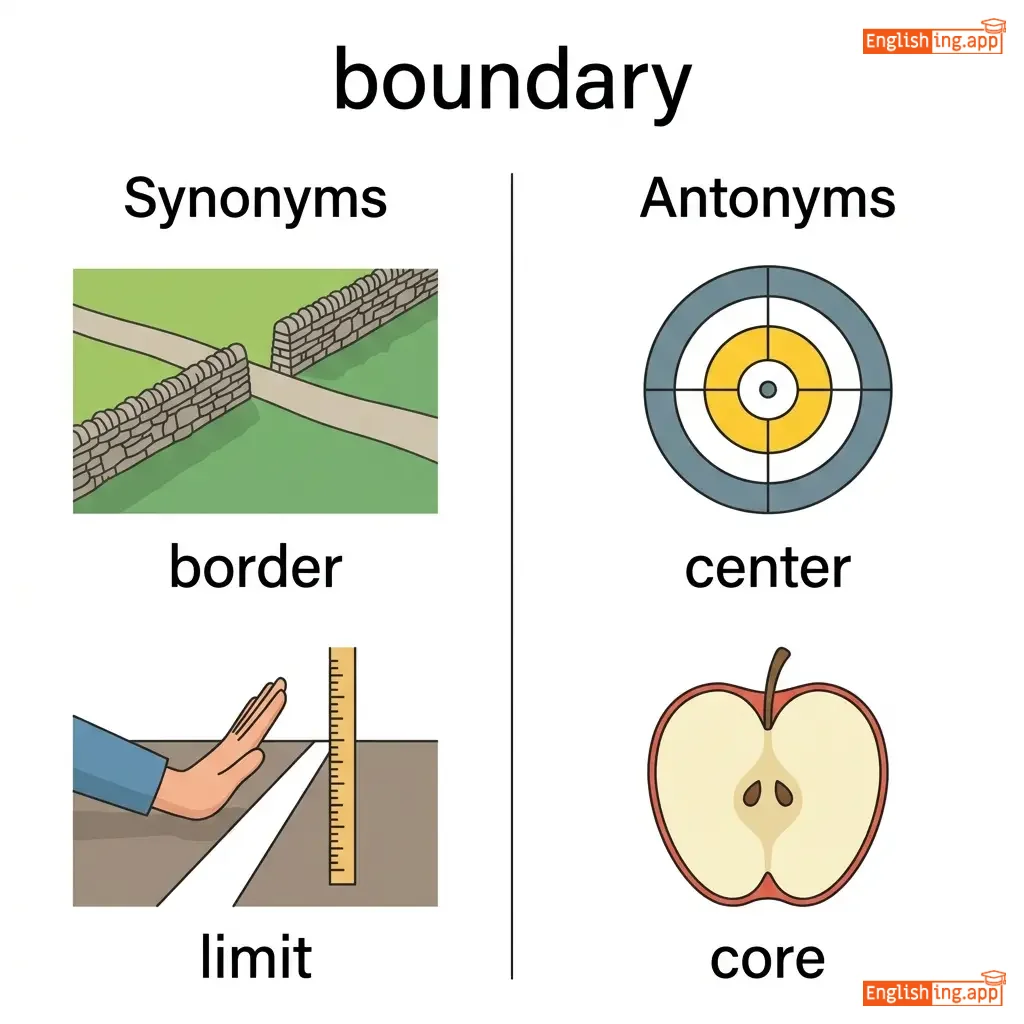
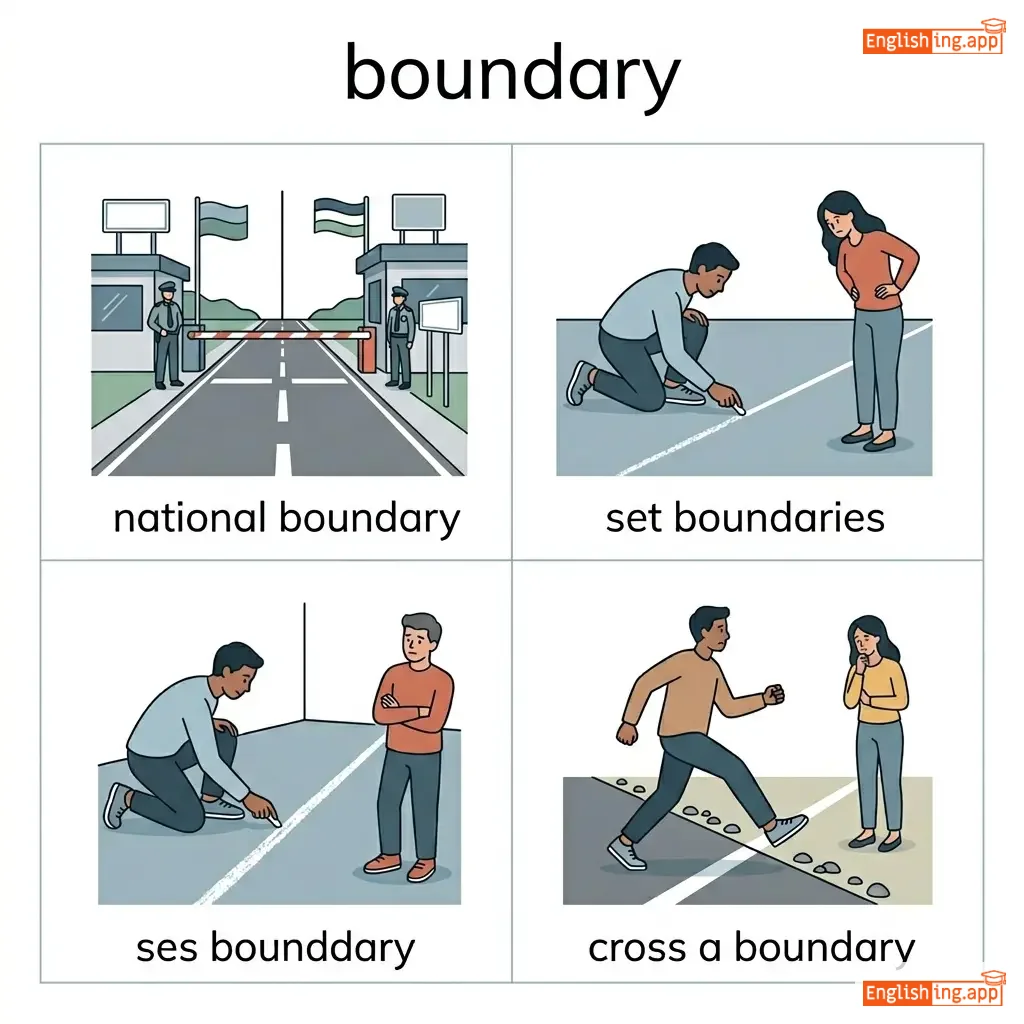
ˈbaʊndəri
noun
(baʊndari)
••••••
|
|
边界
bianjie
••••••
|
A line that marks the limits of an area; a dividing line.
••••••
|
The river marks the boundary. |
河流标记边界。
Heliu biaoji bianjie.
••••••
|
border, limit
••••••
|
center, interior
••••••
|
In Chinese, '边界' (bianjie) is similar to the English 'boundary' in marking limits.
••••••
|
|
#588
🏰
|
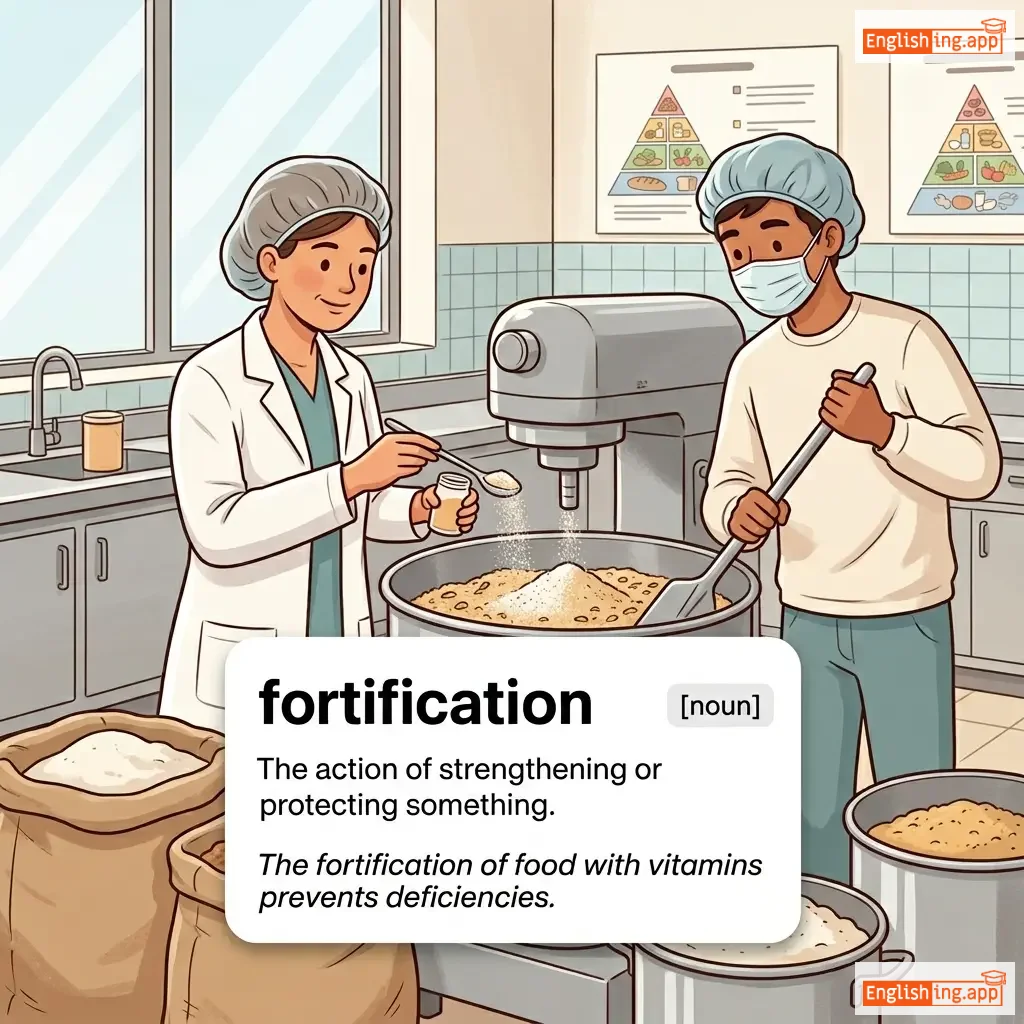
ˌfɔːtɪfɪˈkeɪʃn
noun
(防御工事)
••••••
|
|
防御工事
fangyu gongshi
••••••
|
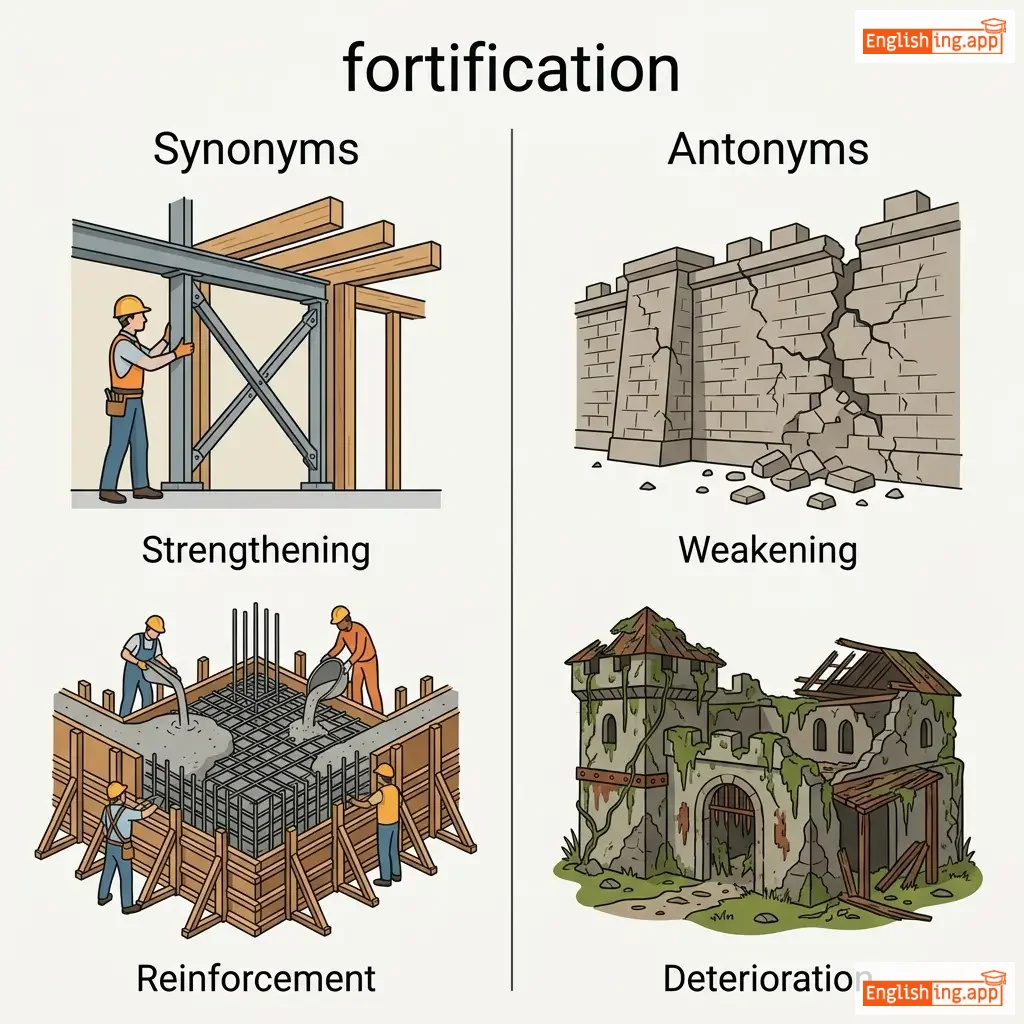
A defensive wall or other reinforcement built to strengthen a place against attack.
••••••
|
The fortifications protected the city.
防御工事保护了城市。
••••••
|
防御工事保护了城市。
Fangyu gongshi baohu le chengshi.
••••••
|
bastion, stronghold
••••••
|
weakness, vulnerability
••••••
|
防御工事,如古老的墙保护城市免受攻击。
••••••
|
|
#589
🧱
|
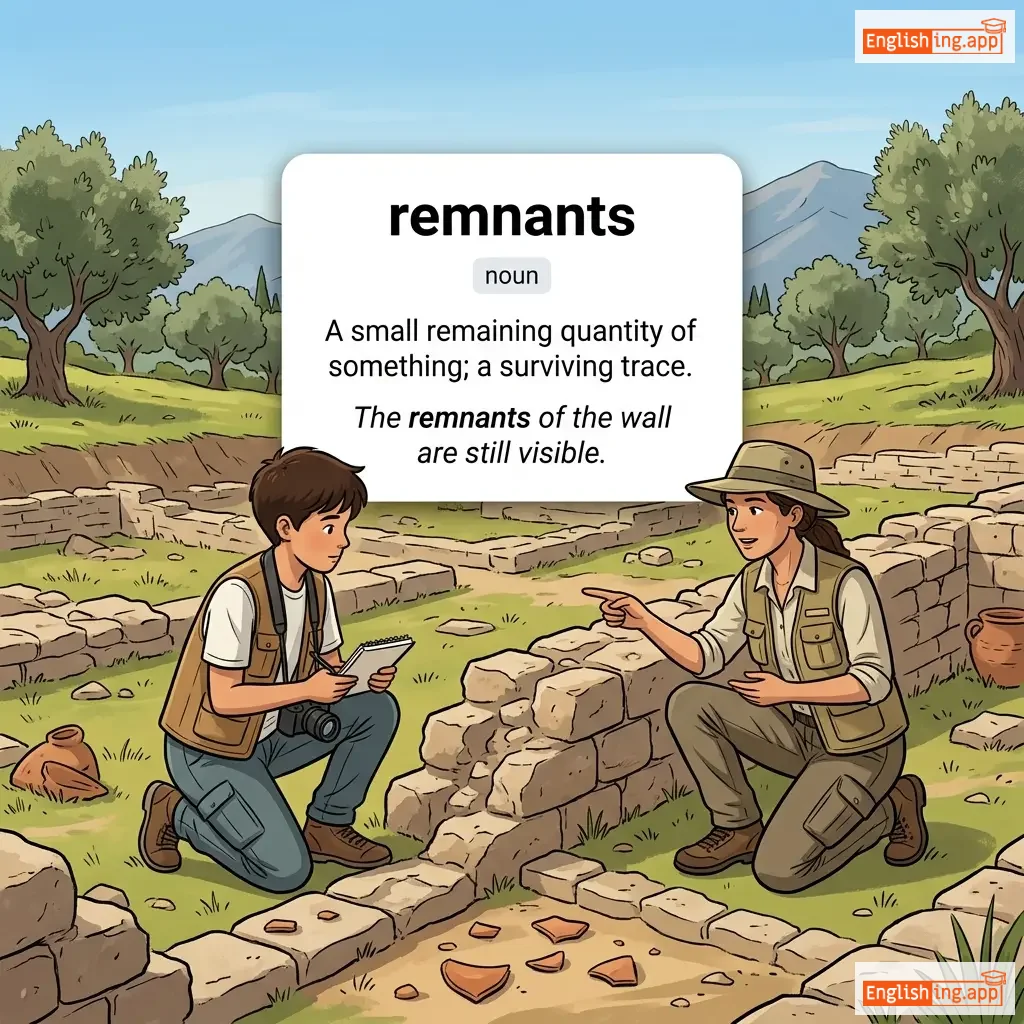
ˈremnənts
noun
(remnants)
••••••
|
|
残余
cányú
••••••
|
A small remaining quantity of something; a surviving trace.
••••••
|
The remnants of the wall are still visible. |
墙的残余部分仍然可见。
Qiáng de cányú bùfen réngrán kějiàn.
••••••
|
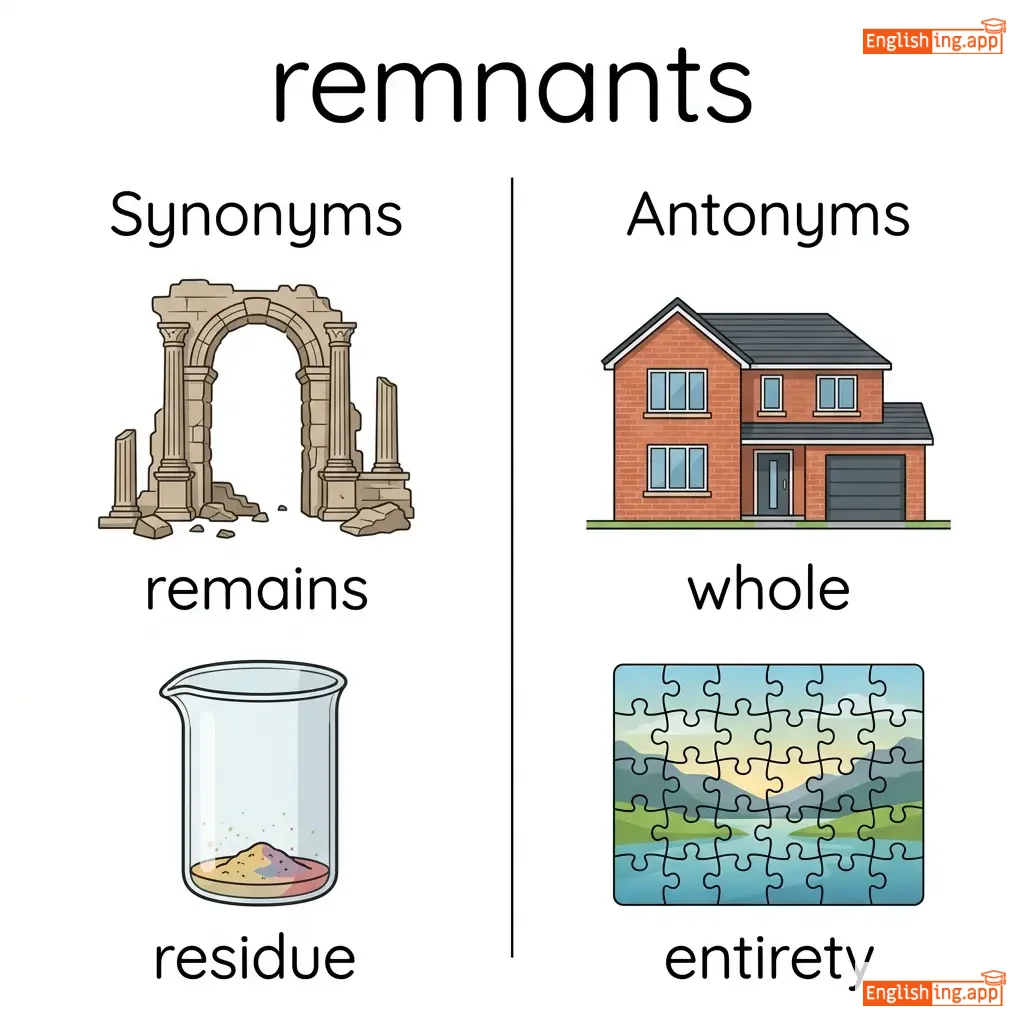
remains, residue
••••••
|
whole, entirety
••••••
|
Remnants = 残余 (Leftovers in Chinese)
••••••
|
|
#590
🏛️
|
ˈɑːkɪtektʃə(r)
noun
(建筑学)
••••••
|
|
建筑学
jianzhuxue
••••••
|
The art or science of designing and constructing buildings.
••••••
|
Ancient architecture is fascinating. |
古代建筑学令人着迷。
Gudai jianzhuxue lingren zhammi.
••••••
|
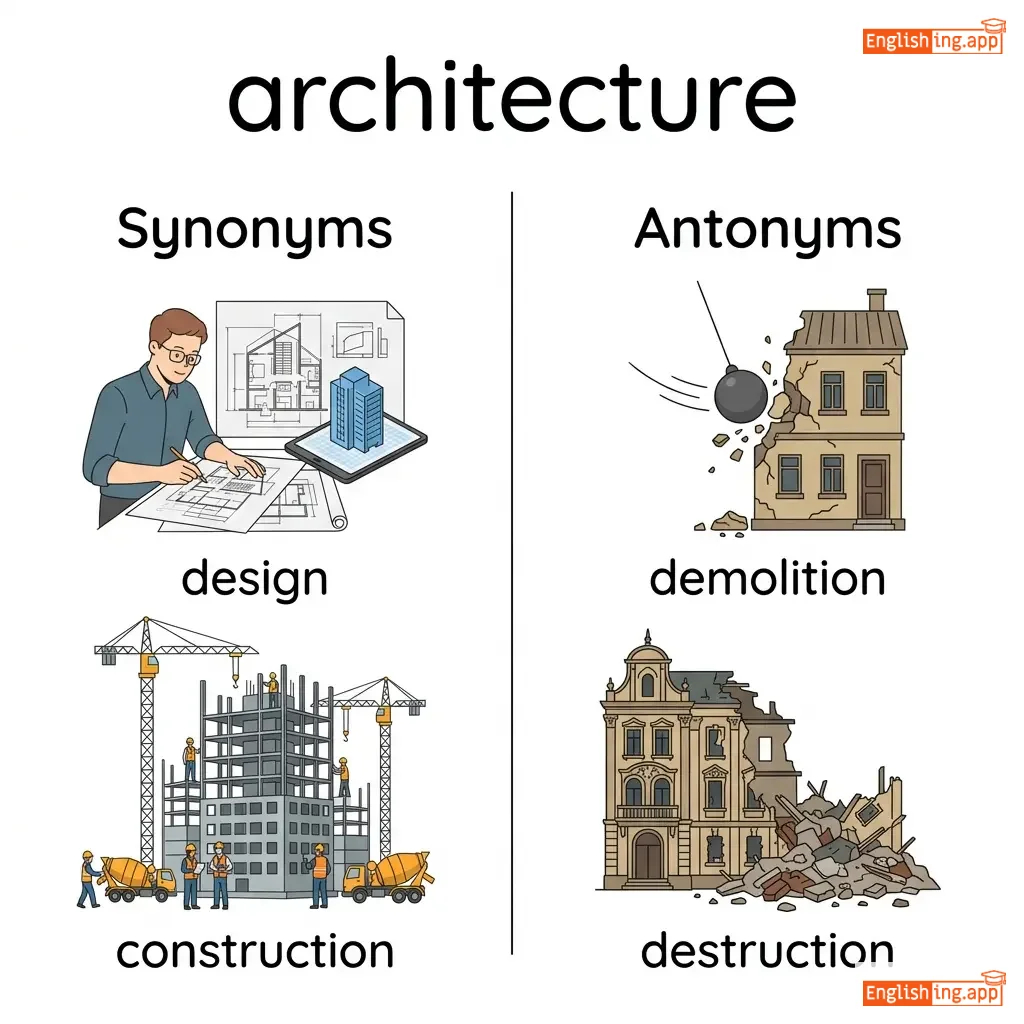
design, construction
••••••
|
demolition, deconstruction
••••••
|
建筑 = 建造 + 学问 = 建筑学
••••••
|
|
#591
🗺️
|
ˈterɪtəri
noun
(领土)
••••••
|
|
领土
lingtu
••••••
|
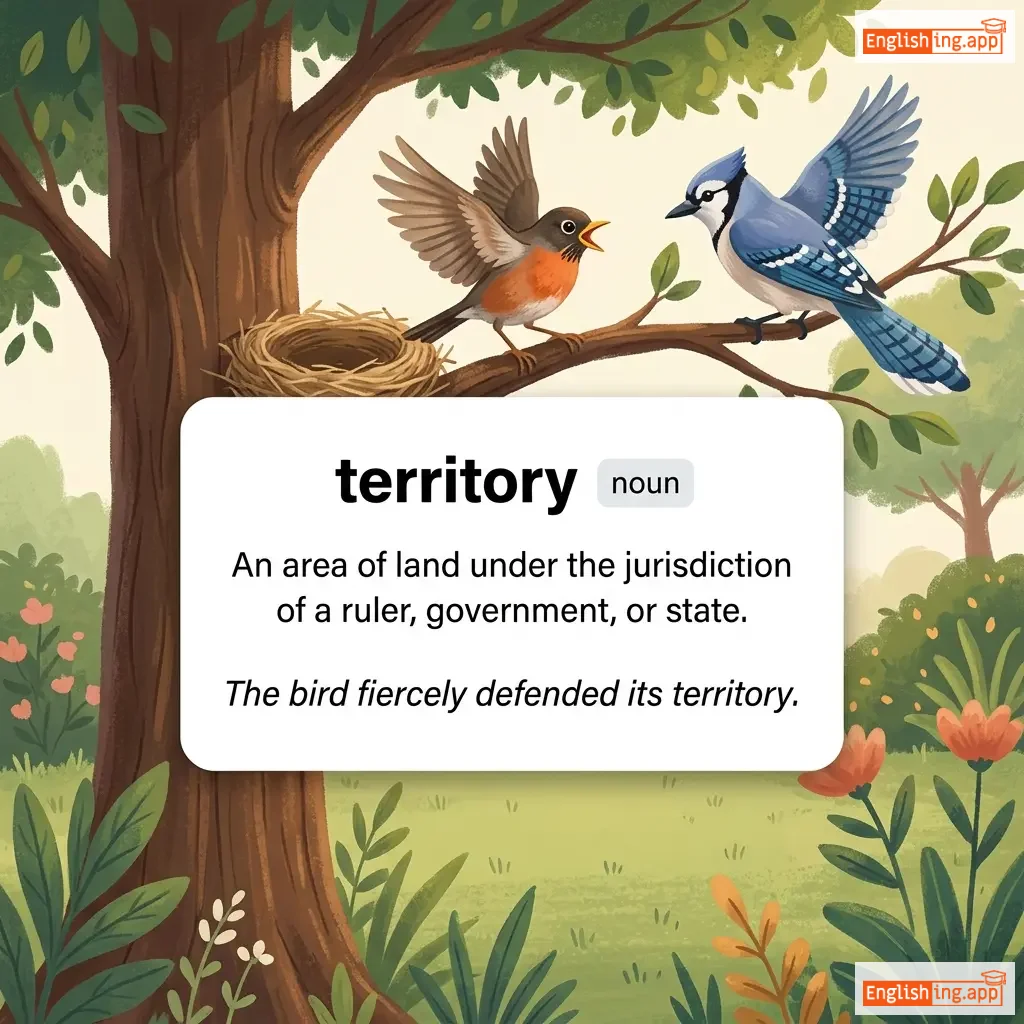
An area of land under the jurisdiction of a ruler or state.
••••••
|
The king expanded his territory. |
国王扩展了他的领土。
Guowang kuozhan le tā de lingtu.
••••••
|
region, domain
••••••
|
foreign land, expanse
••••••
|
‘领土’ (lingtu) means territory, as in land under rule.
••••••
|
|
#592
🚧
|
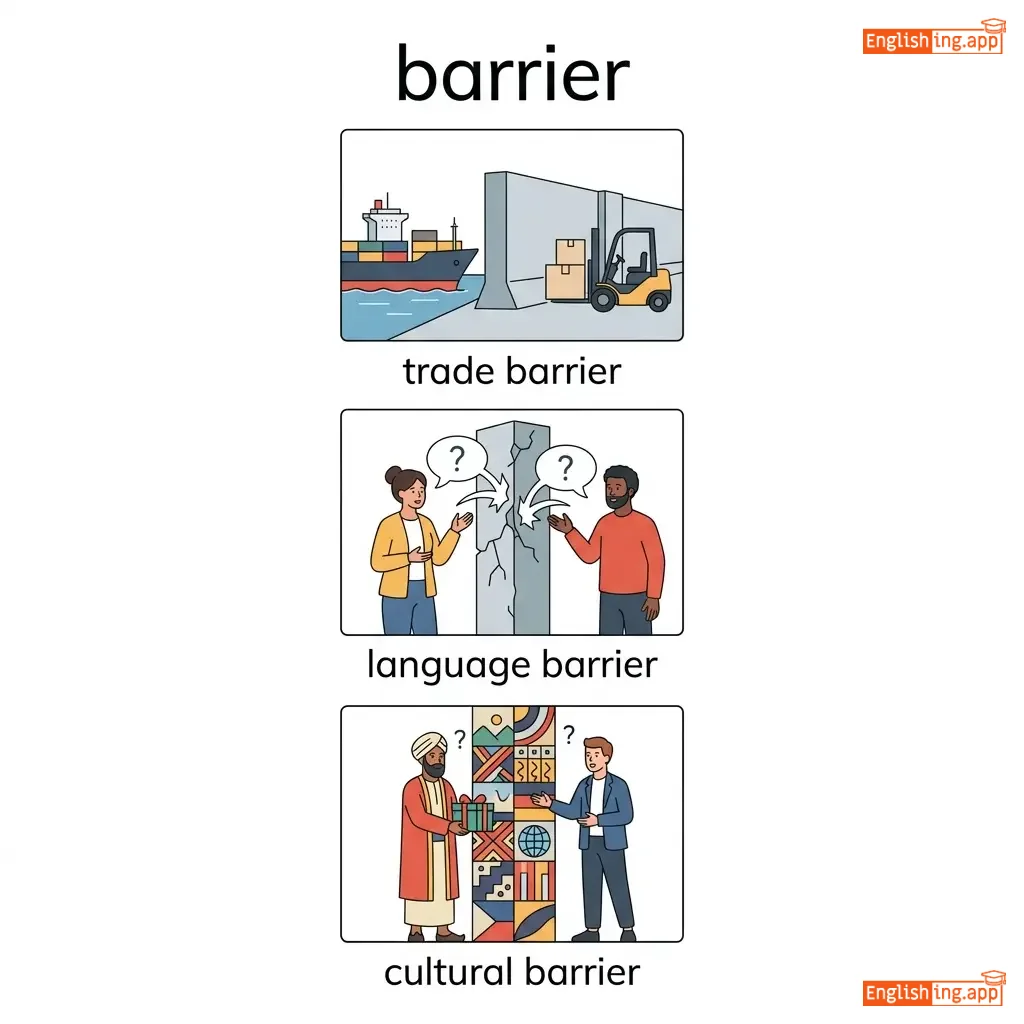
ˈbæriə(r)
noun
(bālíyè)
••••••
|
|
障碍
zhàng'ài
••••••
|
A fence or other obstacle that prevents movement or access.
••••••
|
The barrier prevented entry.
障碍阻止了进入。
••••••
|
障碍阻止了进入。
Zhàng'ài zǔzhǐle jìnrù.
••••••
|
obstacle, hurdle
••••••
|
access, opening
••••••
|
In Chinese, '障碍' (zhàng'ài) is an obstacle that stops movement.
••••••
|
|
#593
🛡️
|
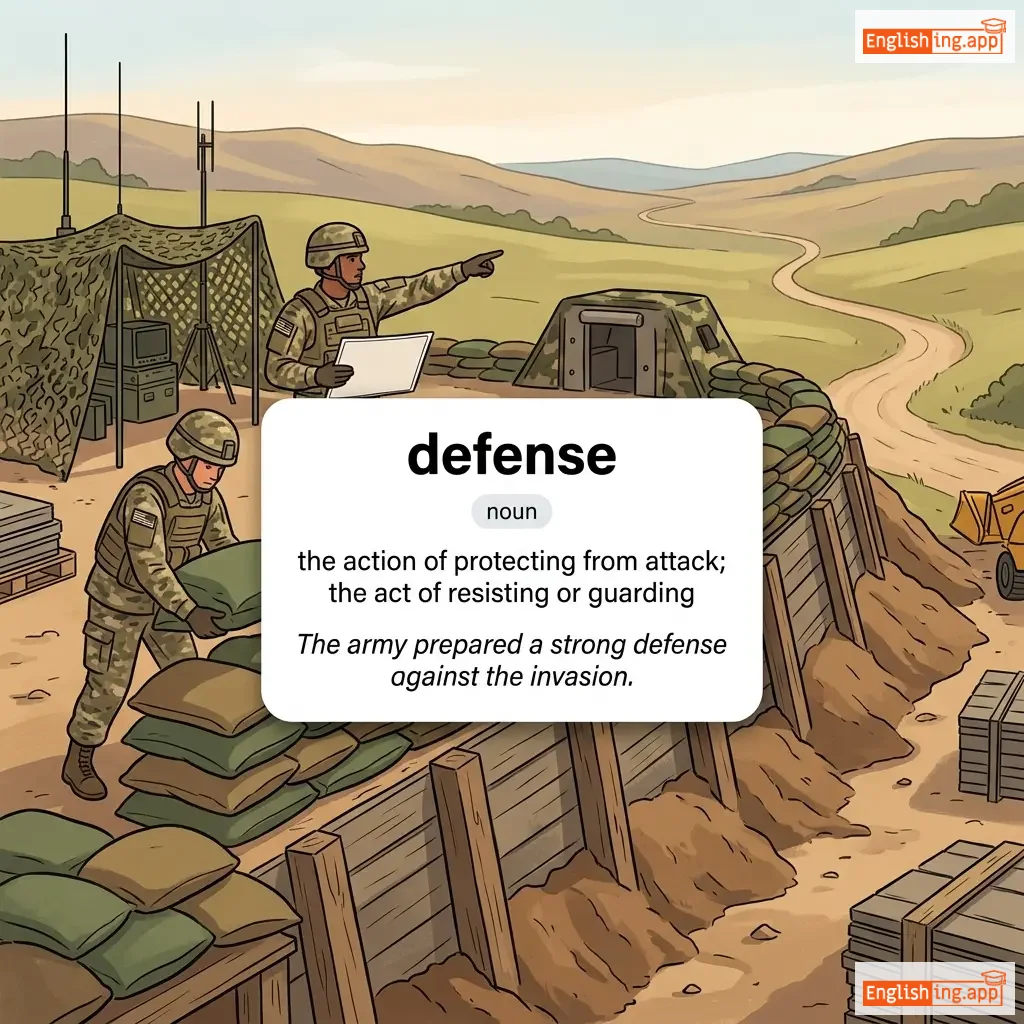
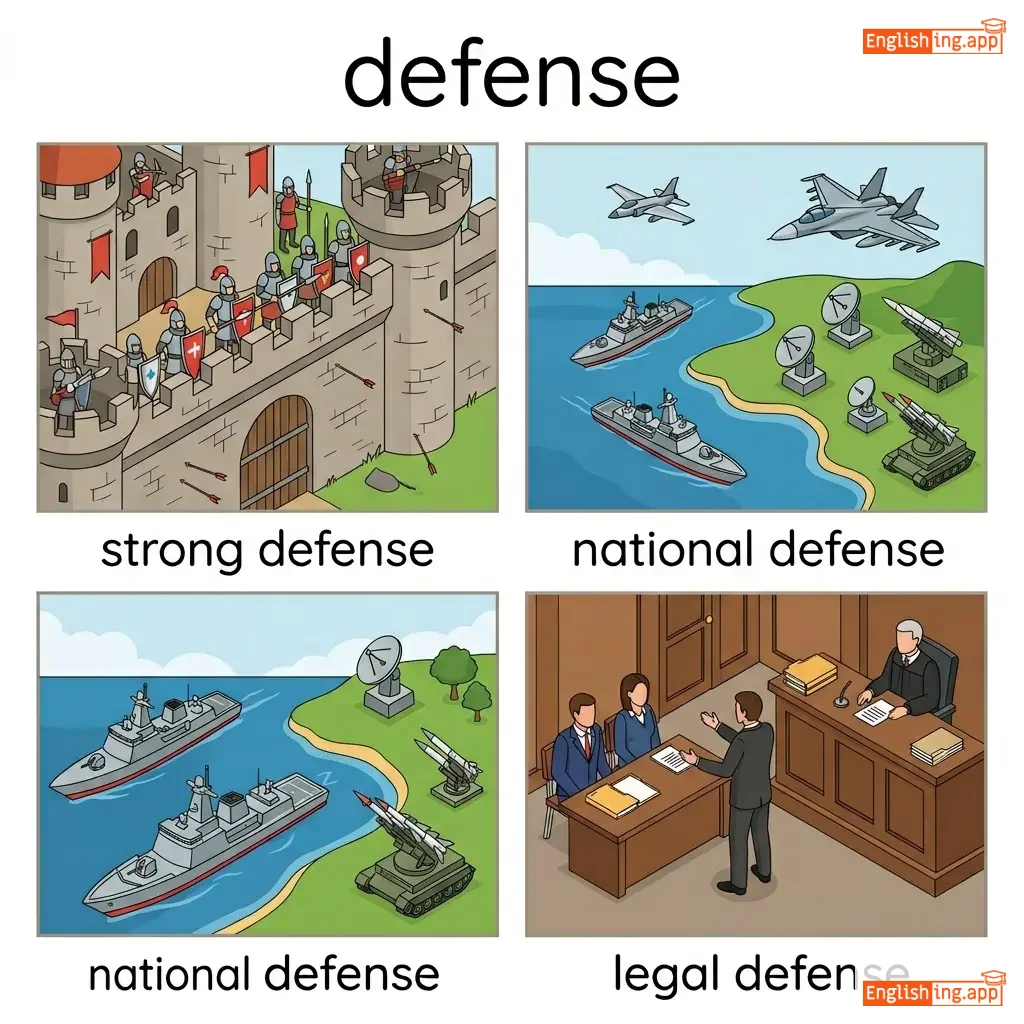
dɪˈfens
noun
(dɪˈfens)
••••••
|
|
防御
fangyu
••••••
|
The action of defending from or resisting attack.
••••••
|
The defense strategy was effective. |
防御策略很有效。
Fángyù cèlüè hěn yǒuxiào.
••••••
|
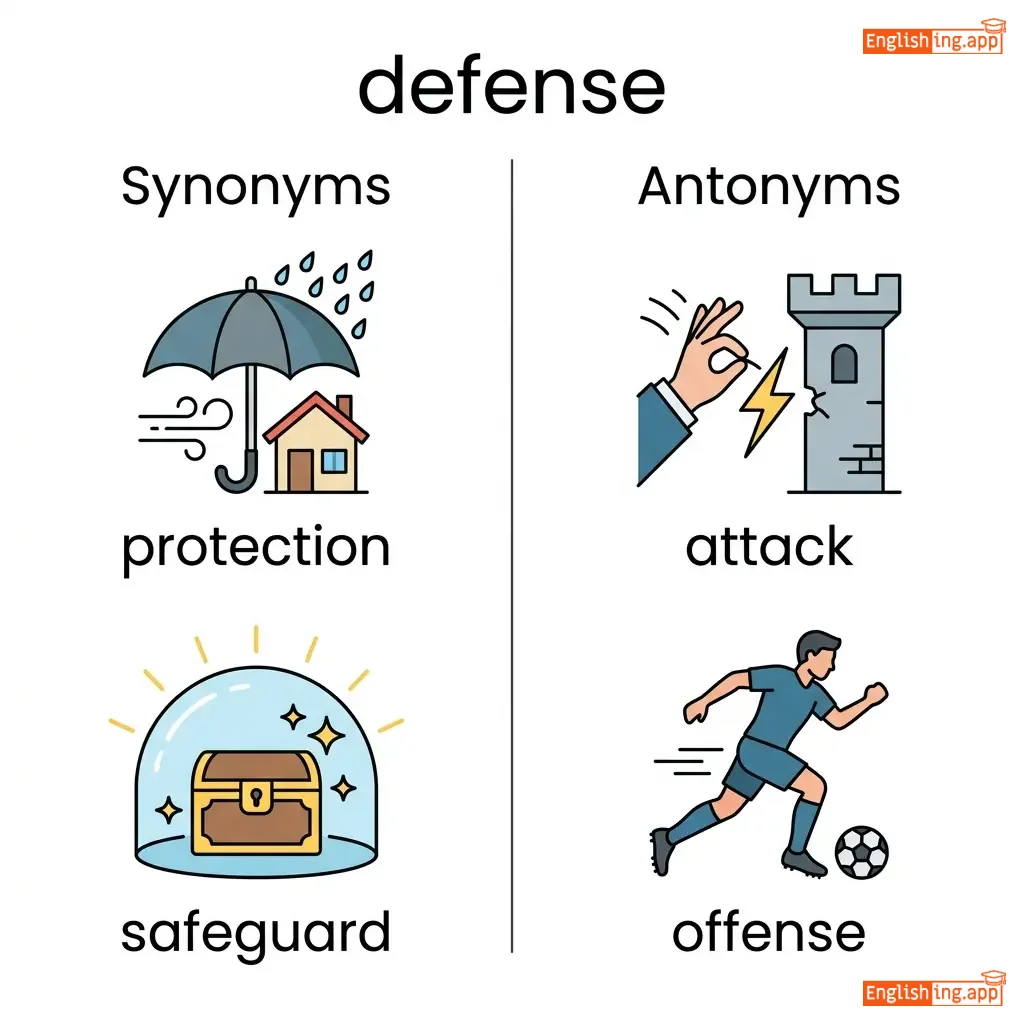
protection, security
••••••
|
attack, assault
••••••
|
防御如同防护罩,保护免受攻击。
••••••
|
|
#594
🔧
|
ˌmɒdɪfɪˈkeɪʃn
noun
(修改)
••••••
|
|
修改
xiugai
••••••
|
The action of making changes to something.
••••••
|
The plan required modification.
计划需要修改。
••••••
|
计划需要修改。
Jihua xuyao xiugai.
••••••
|
adjustment, alteration
••••••
|
preservation, constancy
••••••
|
修改,就像调整计划一样。
••••••
|
|
#595
📈
|
ɪkˈspænʃn
noun
(扩展)
••••••
|
|
扩展
kuòzhǎn
••••••
|
The action of becoming larger or more extensive.
••••••
|
Expansion of the wall was essential. |
墙壁的扩展是必要的。
Qiángbì de kuòzhǎn shì bìyào de.
••••••
|
enlargement, growth
••••••
|
reduction, contraction
••••••
|
扩展是某物变大,就像墙壁扩展一样。
••••••
|
|
#596
🔨
|
ˌriːkənˈstrʌkʃn
noun
(rikēnsītruòkèshén)
••••••
|
|
重建
chóngjiàn
••••••
|
The action or process of reconstructing or being reconstructed.
••••••
|
The reconstruction project took years.
重建项目花了几年时间。
••••••
|
重建项目花了几年时间。
Chongjian xiangmu huāle jǐ nián shíjiān.
••••••
|
rebuilding, renewal
••••••
|
destruction, ruin
••••••
|
重 (again) + 建 (build) = 重建 (rebuilding)
••••••
|
|
#597
🎯
|
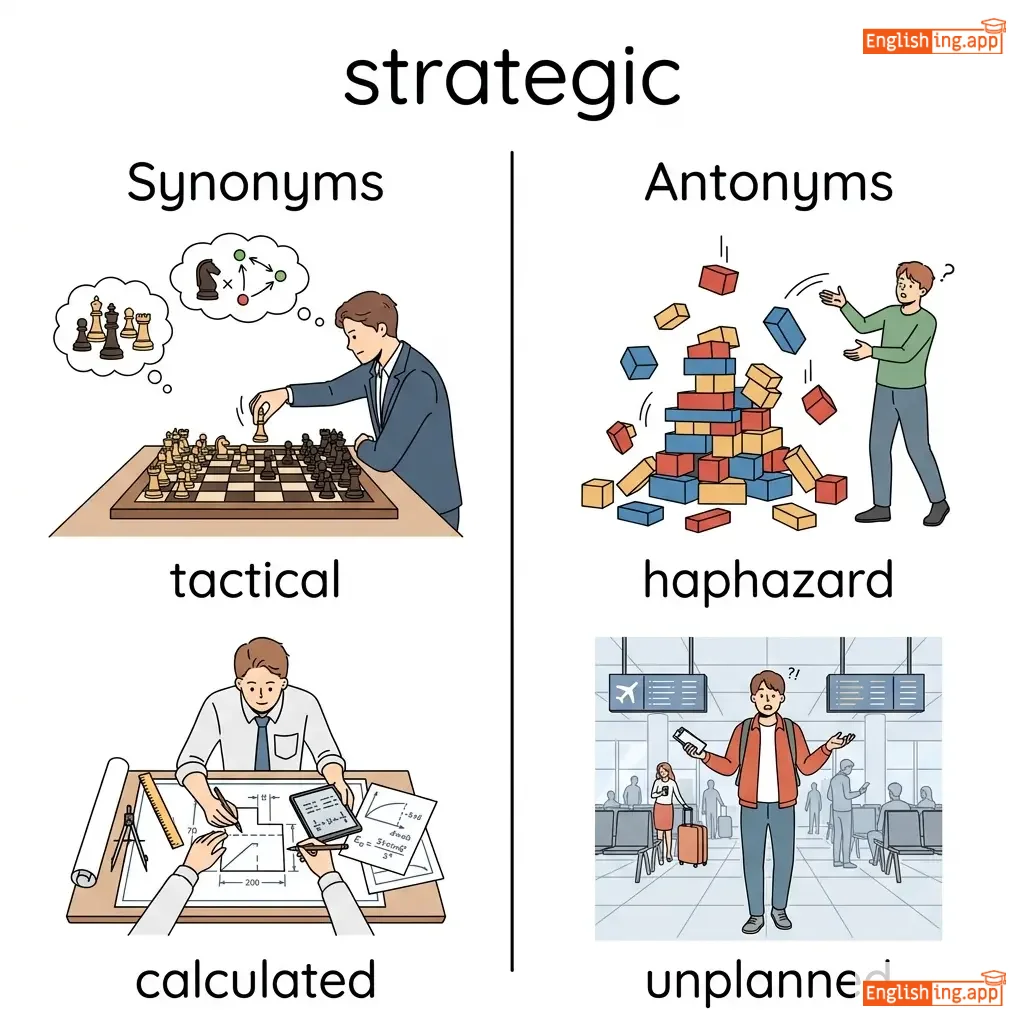
strəˈtiːdʒɪk
adjective
(战略的)
••••••
|
|
战略的
zhànlüè de
••••••
|
Relating to the identification of long-term or overall aims and interests and the means of achieving them.
••••••
|
Strategic decisions are vital for growth.
战略决策对于增长至关重要。
••••••
|
战略决策对于增长至关重要。
Zhànlüè juécè duìyú zēngzhǎng zhìguān zhòngyào.
••••••
|
tactical, planned
••••••
|
haphazard, unplanned
••••••
|
Strategic decisions are vital for growth.
••••••
|
Vocabulary Quiz
Test your vocabulary by matching words with their translations or meanings.
Login to take the quiz
Comments (0)
Share your thoughts and join the discussion.
Join the discussion by logging in
Login to CommentNo comments yet
Be the first to share your thoughts!