The Great Wall of China
中国长城 是一座由石头和泥土建成的长 structure。它从公元前5世纪到公元16世纪修建并维护,用来保护中国北方的 boundary。许多类似的 fortifications 被修建过,但公元前220年至公元前200年间由中国第一位皇帝秦始皇修建的 barrier 最为著名。它位于现有城墙的北部,现存的 remnants 很少。现有的城墙建于明朝时期。
中国长城 是人类建造的地球上最大的 architecture。这道墙高约5至8米,长8851.8公里。它起始于上海附近,终止于一个名为罗布泊的地方。
主要部分的建设始于公元前208年左右。工程由秦帝国时期的中国人开始。中国第一位皇帝秦始皇最早使用它,并加以延长以保护他的 territory 免受敌人侵扰。除了中国的自然 barriers 外,它还用于守卫其他地区,是对北方匈奴部落的第一道 defense 线。
在汉、隋、北魏和金等朝代的历史中,都有关于长城 modification、expansion 和 reconstruction 的记载,其原因与最初修建时相同。
|
表情符号
|
单词 | Images | 含义 | 例句 | 同义词 | 反义词 |
|---|---|---|---|---|---|---|
|
#586
🏗️
|
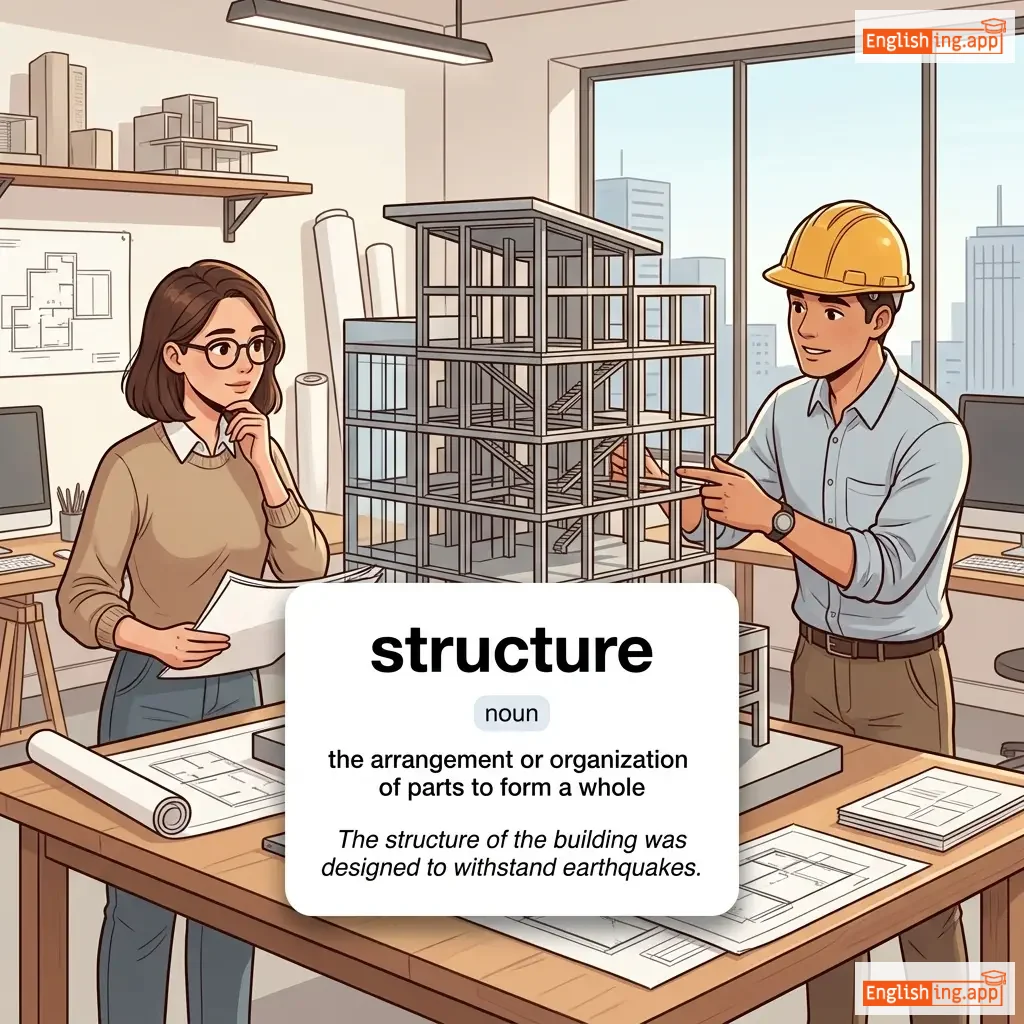
ˈstrʌktʃə(r)
noun
••••••
|
|
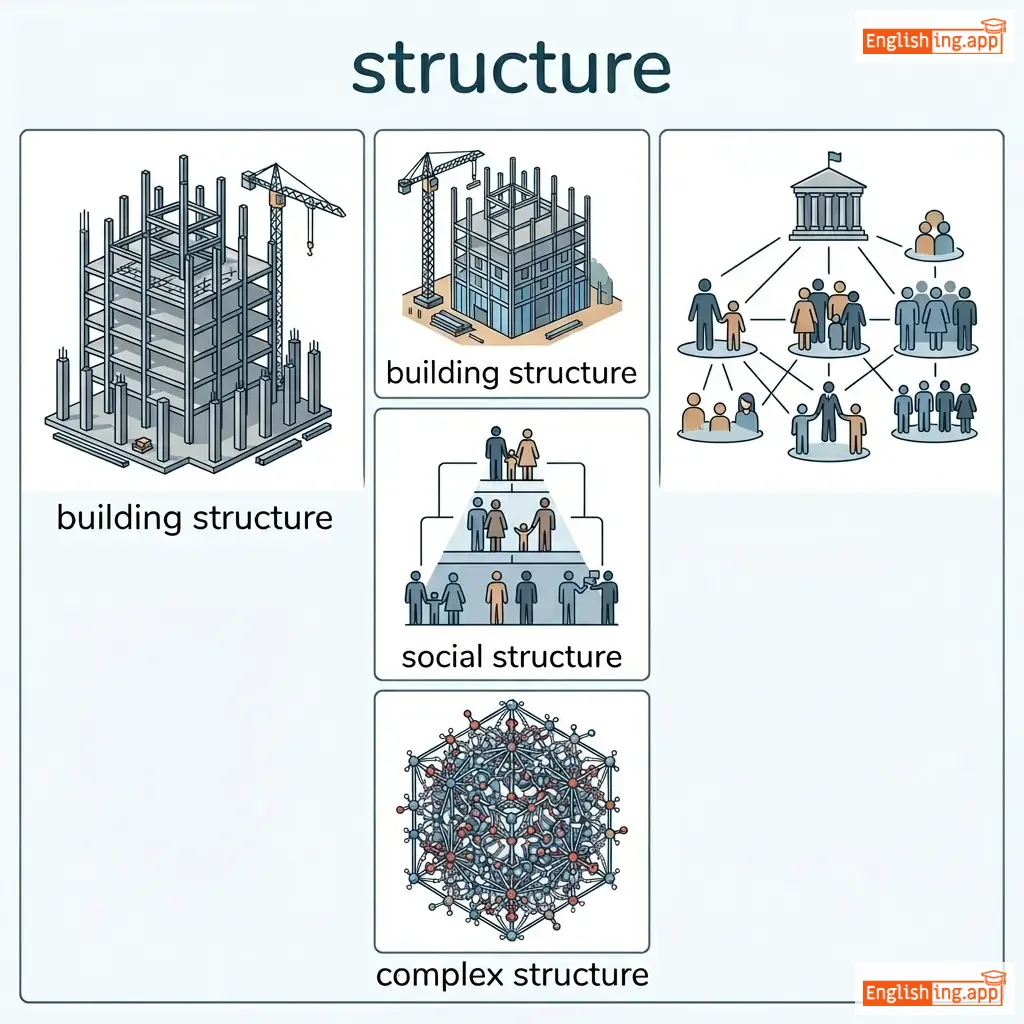
A building or other object constructed from several parts; the arrangement of and relations between the parts or elements of something complex.
••••••
|
The structure of the building was impressive. |
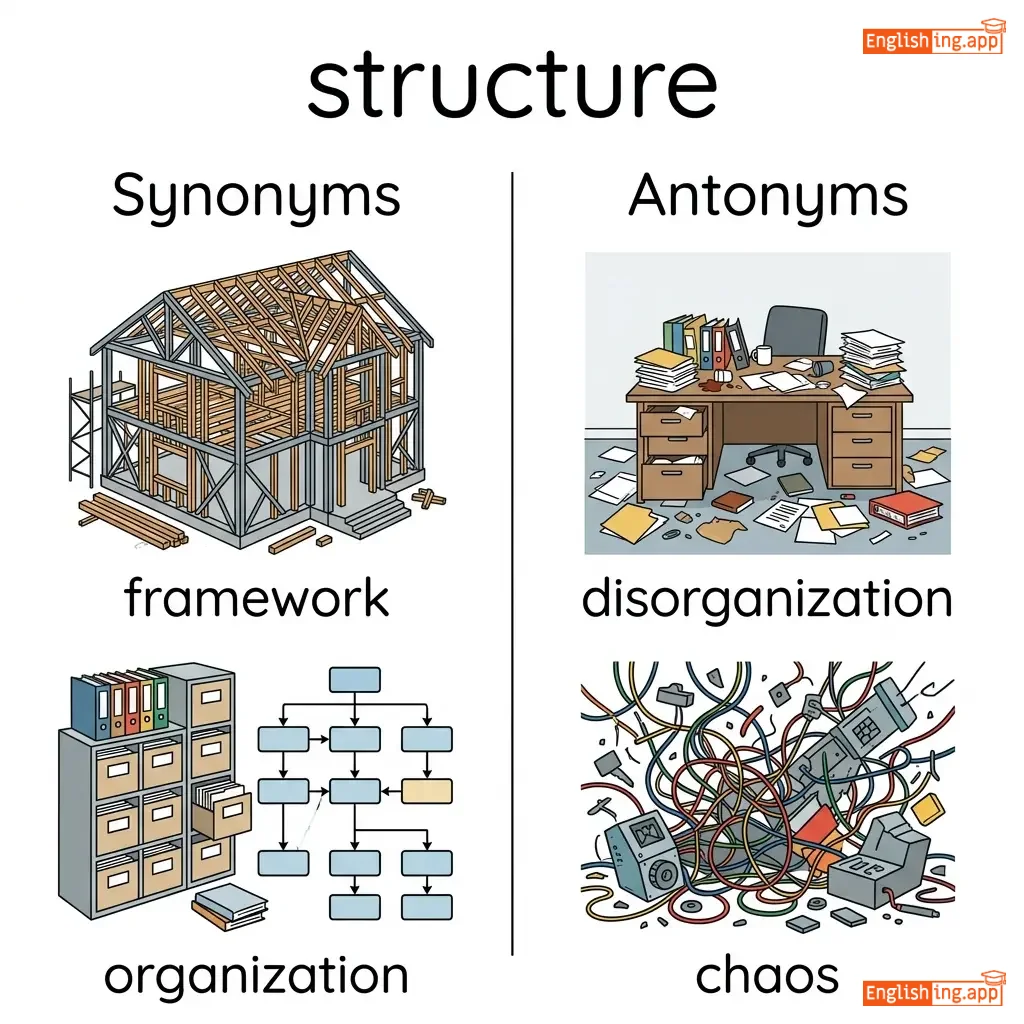
formation, framework
••••••
|
disorganization, chaos
••••••
|
|
#587
🔲
|
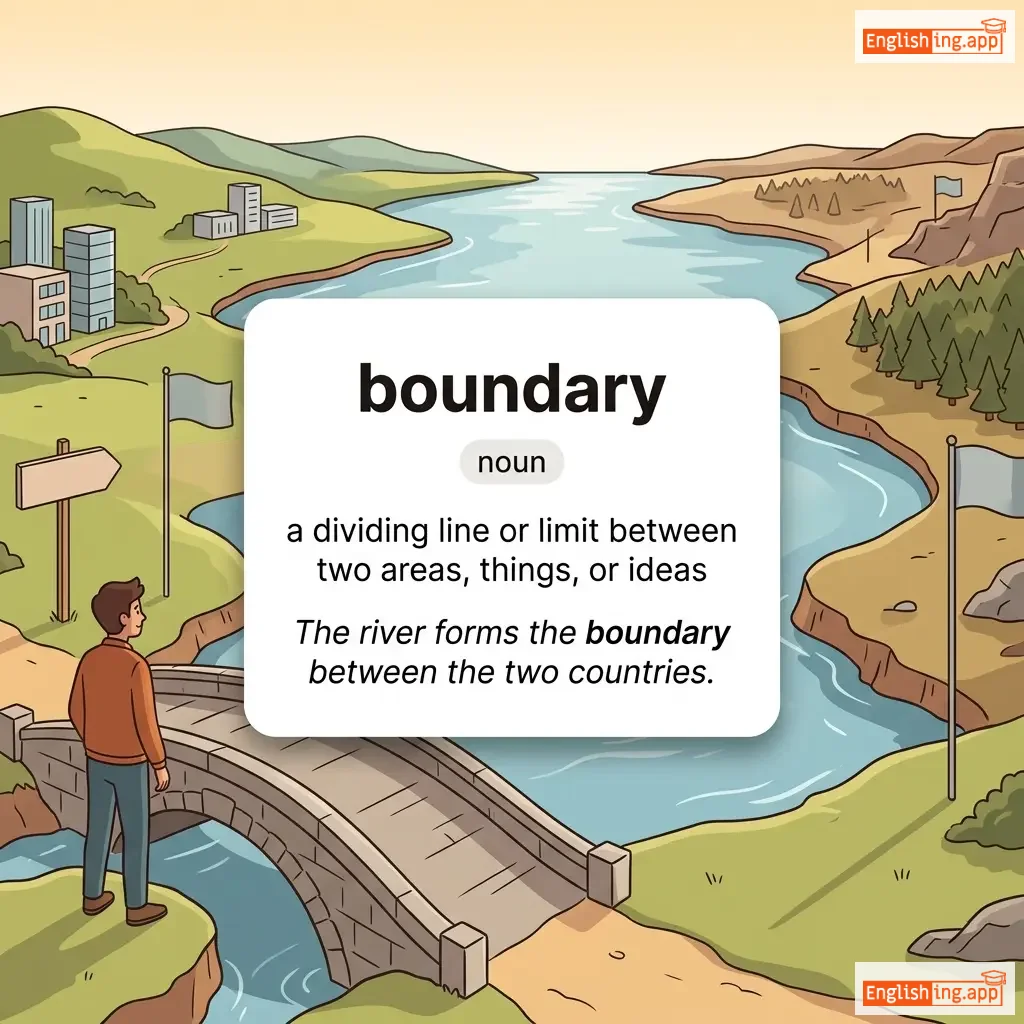
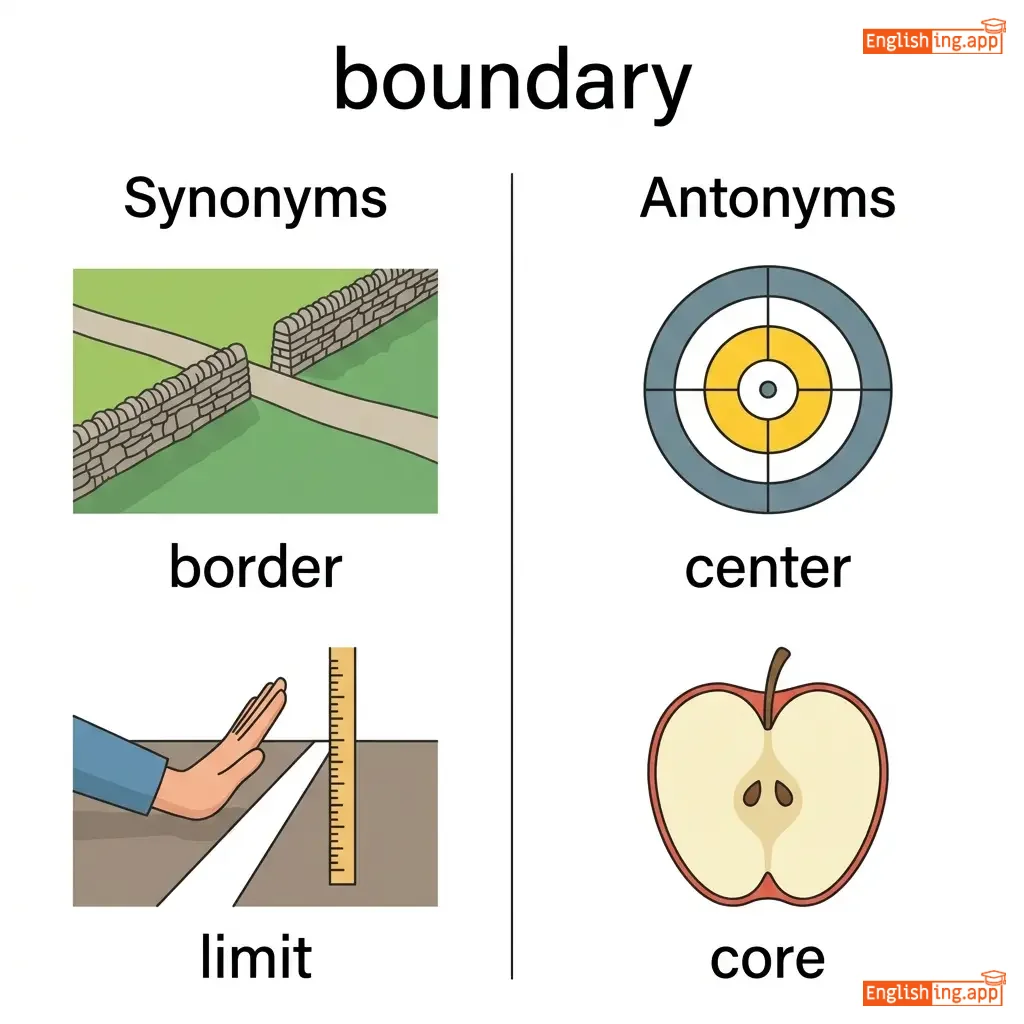
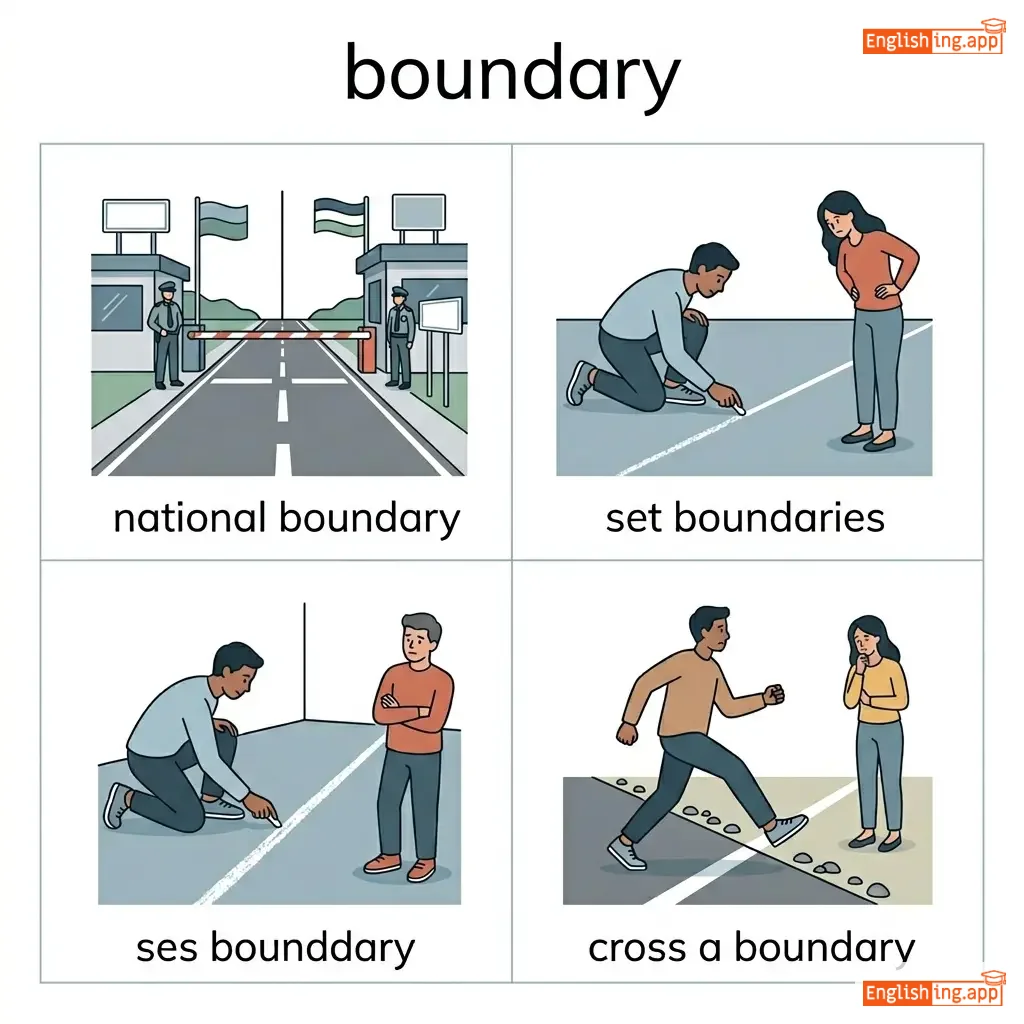
ˈbaʊndəri
noun
••••••
|
|
A line that marks the limits of an area; a dividing line.
••••••
|
The river marks the boundary. |
border, limit
••••••
|
center, interior
••••••
|
|
#588
🏰
|
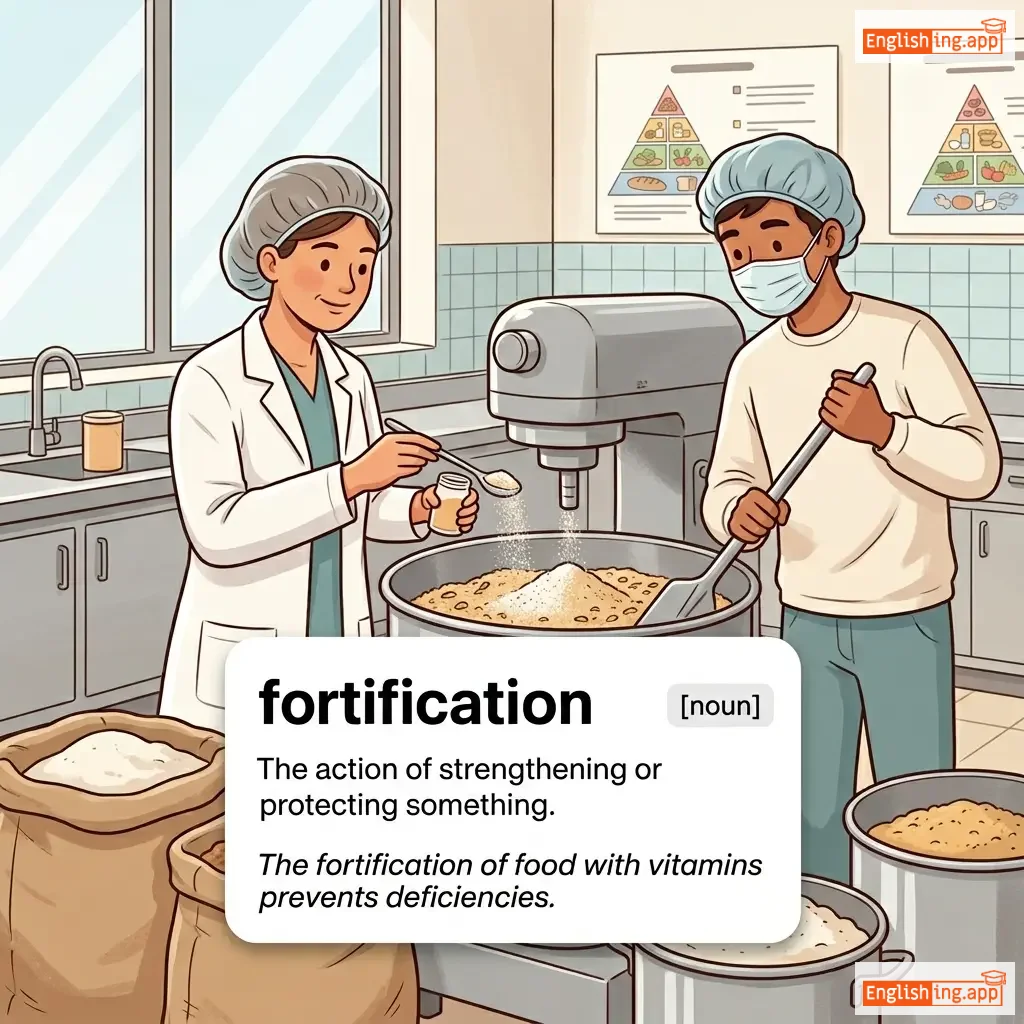
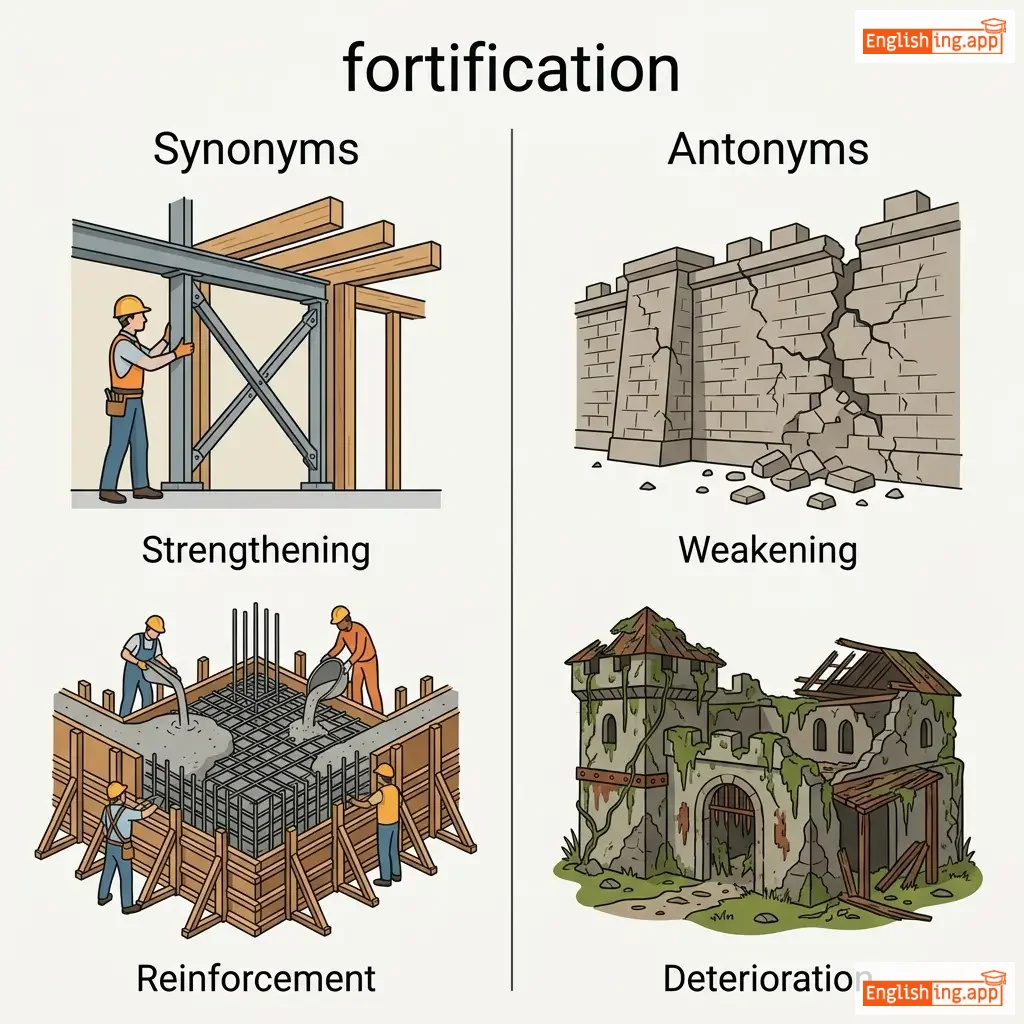
ˌfɔːtɪfɪˈkeɪʃn
noun
••••••
|
|
A defensive wall or other reinforcement built to strengthen a place against attack.
••••••
|
The fortifications protected the city. |
bastion, stronghold
••••••
|
weakness, vulnerability
••••••
|
|
#589
🧱
|
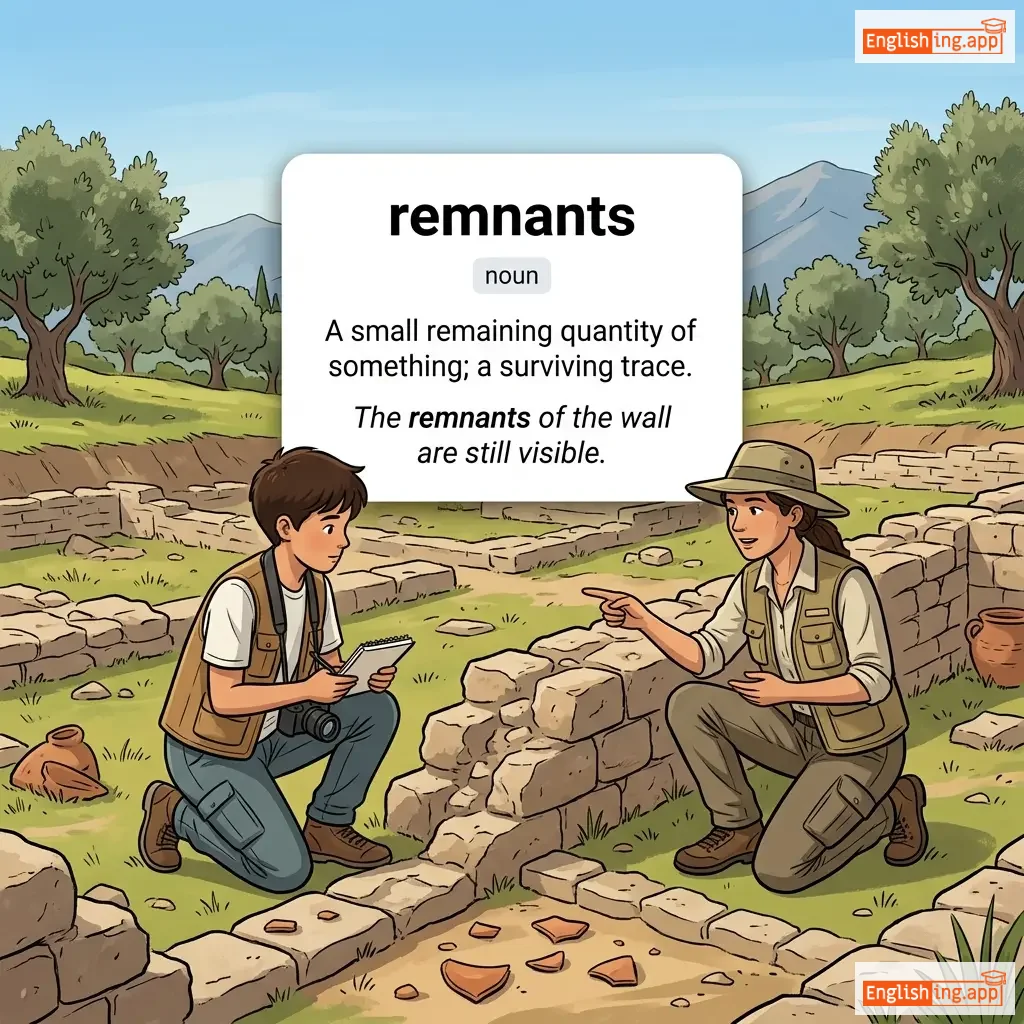
ˈremnənts
noun
••••••
|
|
A small remaining quantity of something; a surviving trace.
••••••
|
The remnants of the wall are still visible. |
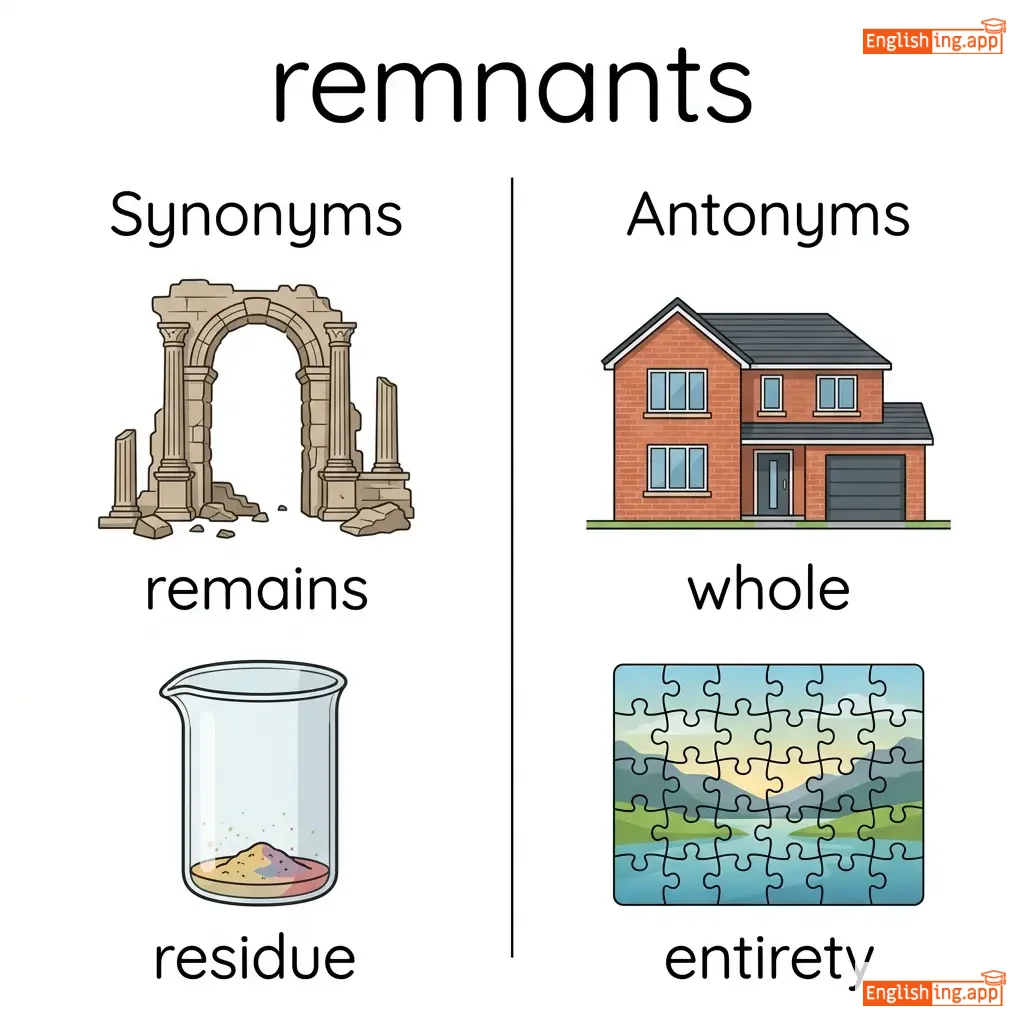
remains, residue
••••••
|
whole, entirety
••••••
|
|
#590
🏛️
|
ˈɑːkɪtektʃə(r)
noun
••••••
|


|
The art or science of designing and constructing buildings.
••••••
|
Ancient architecture is fascinating. |
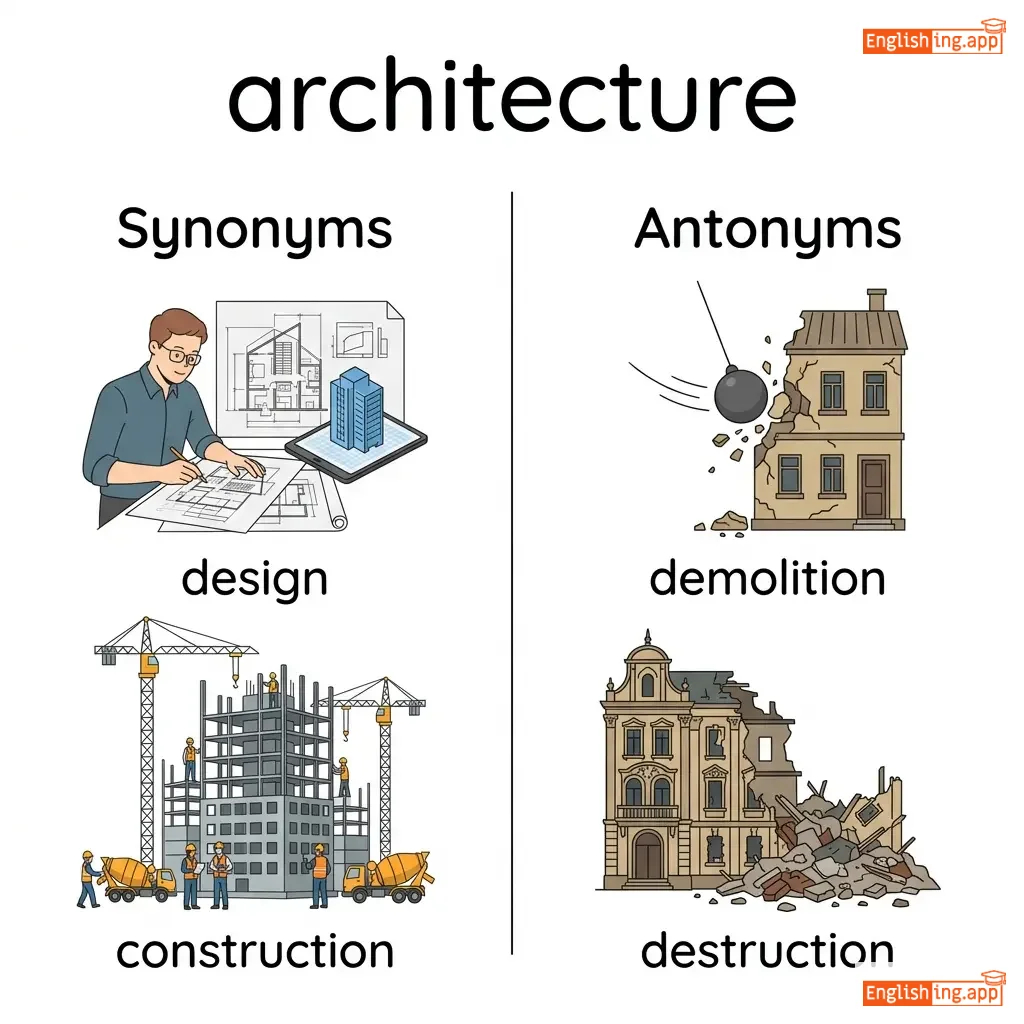
design, construction
••••••
|
demolition, deconstruction
••••••
|
|
#591
🗺️
|
ˈterɪtəri
noun
••••••
|
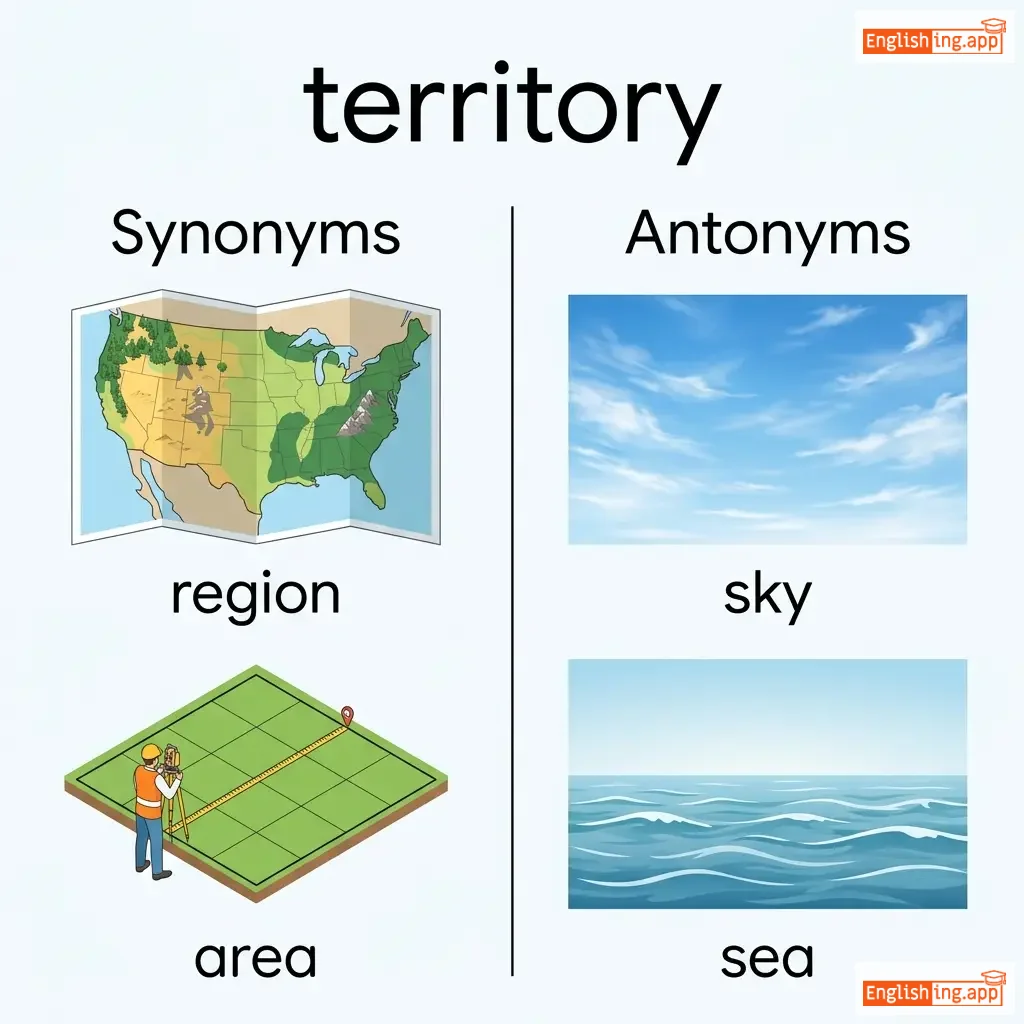
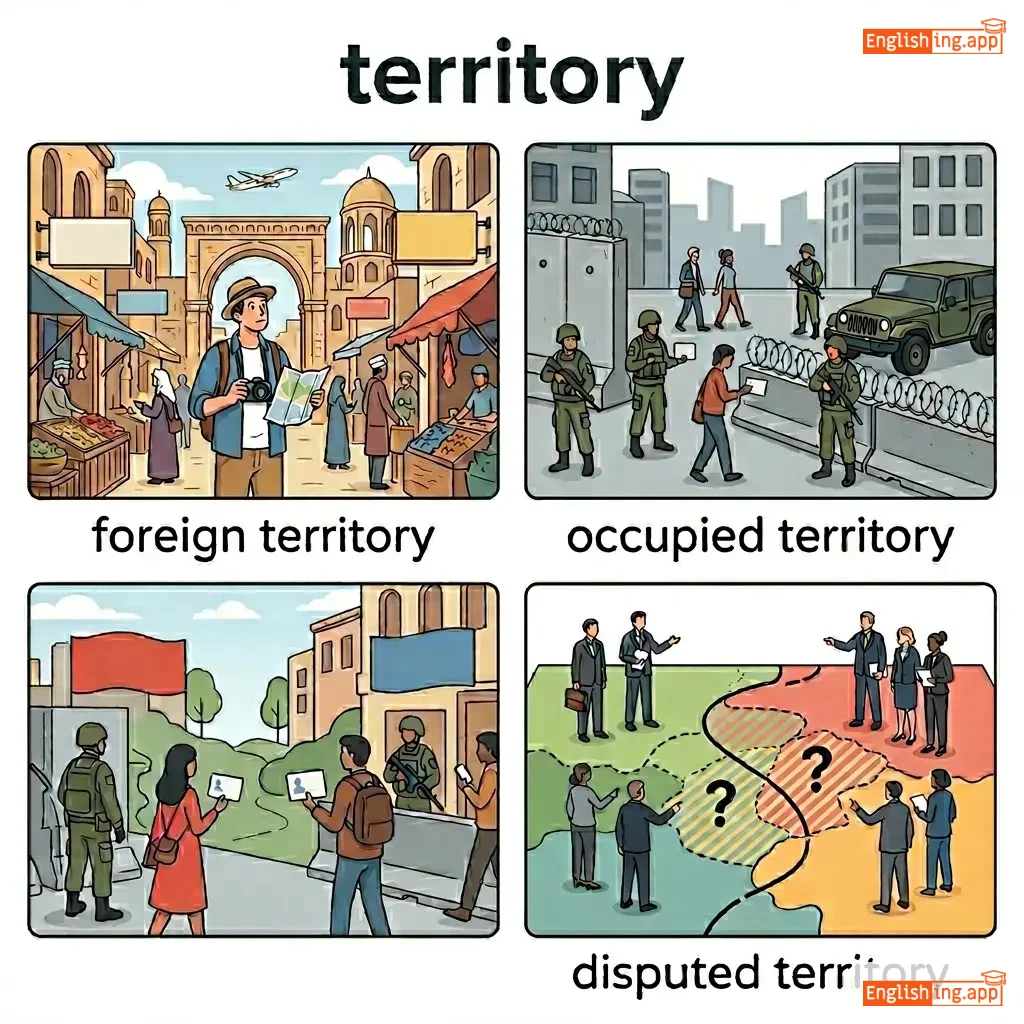
|
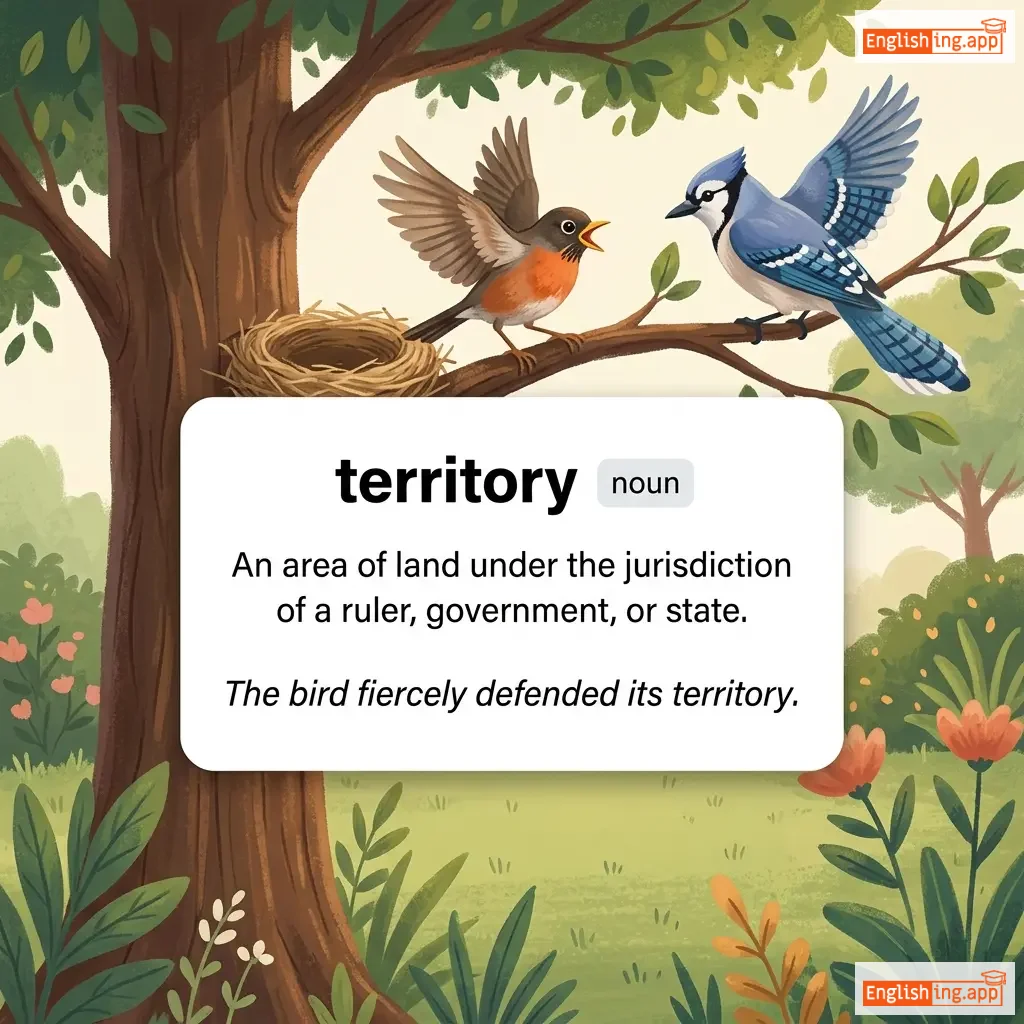
An area of land under the jurisdiction of a ruler or state.
••••••
|
The king expanded his territory. |
region, domain
••••••
|
foreign land, expanse
••••••
|
|
#592
🚧
|
ˈbæriə(r)
noun
••••••
|
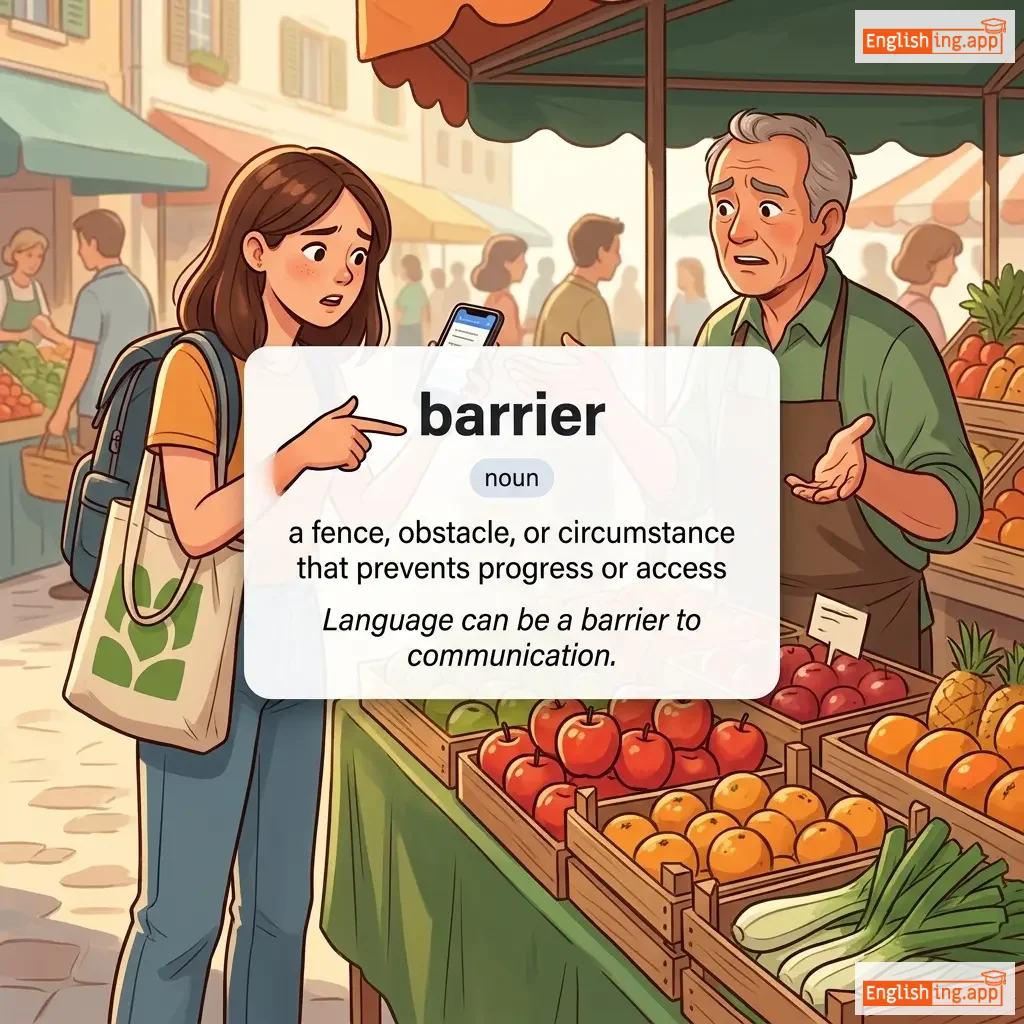
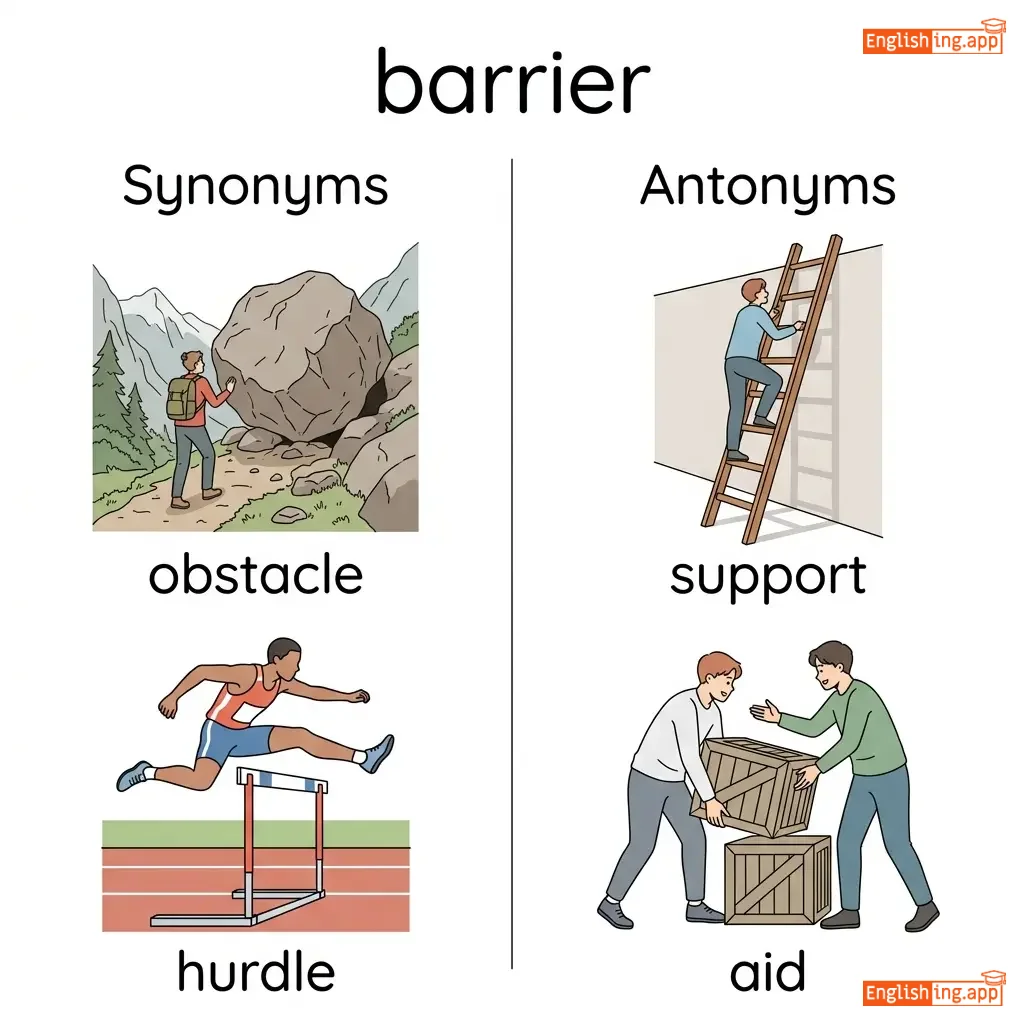
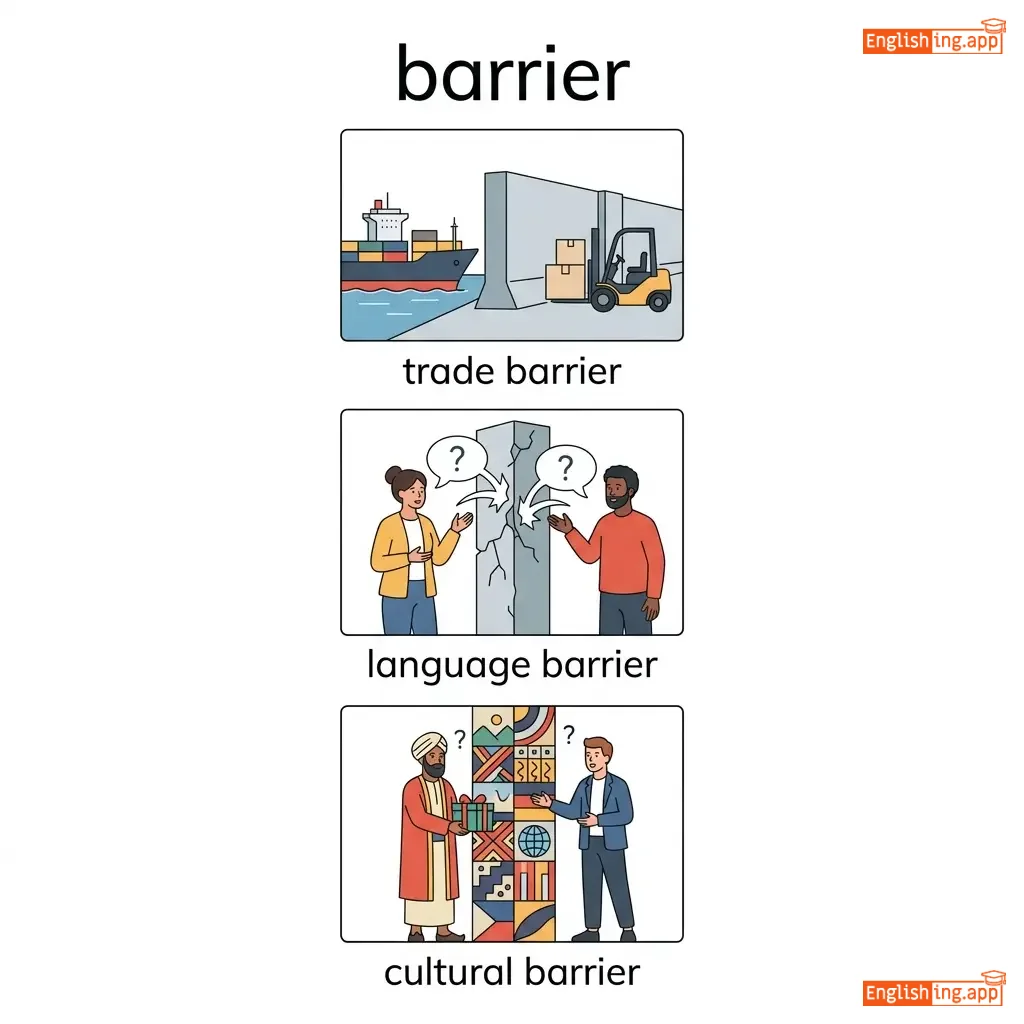
|
A fence or other obstacle that prevents movement or access.
••••••
|
The barrier prevented entry. |
obstacle, hurdle
••••••
|
access, opening
••••••
|
|
#593
🛡️
|
dɪˈfens
noun
••••••
|
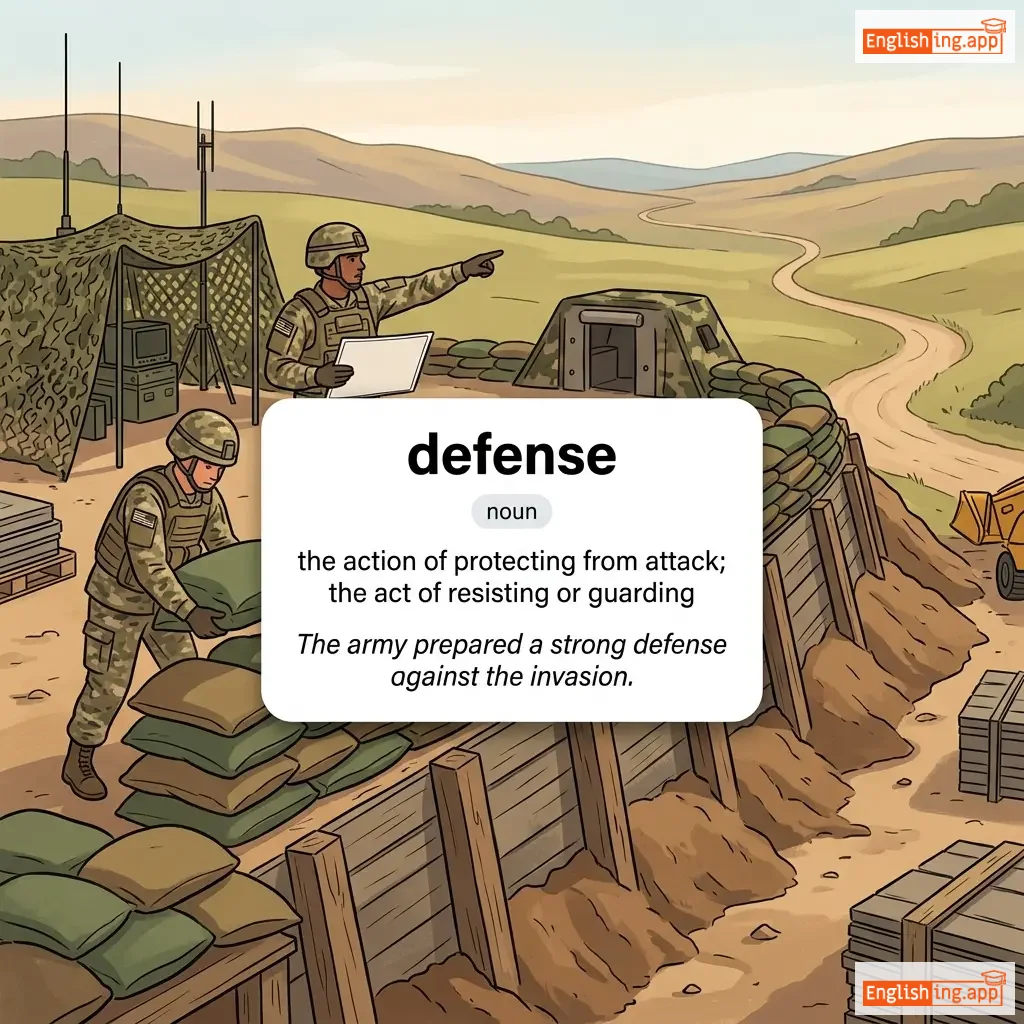
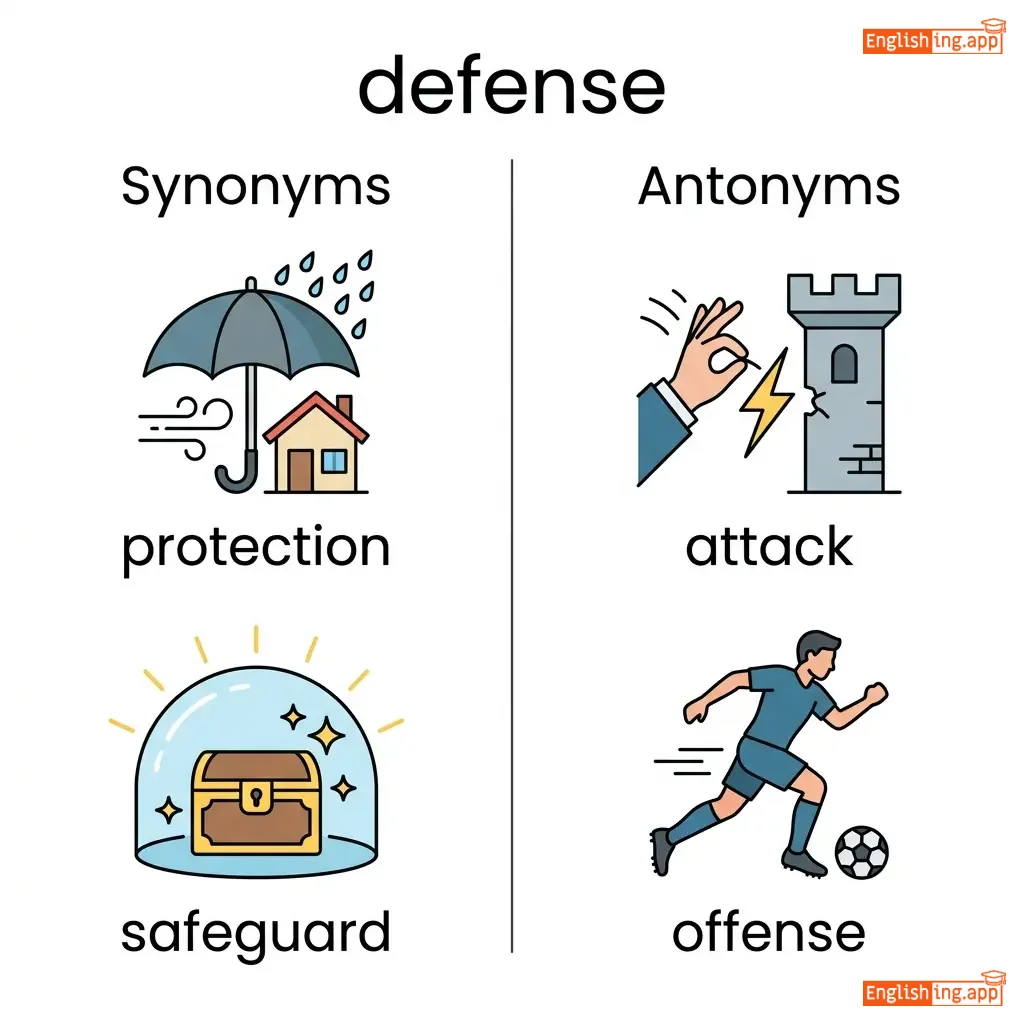
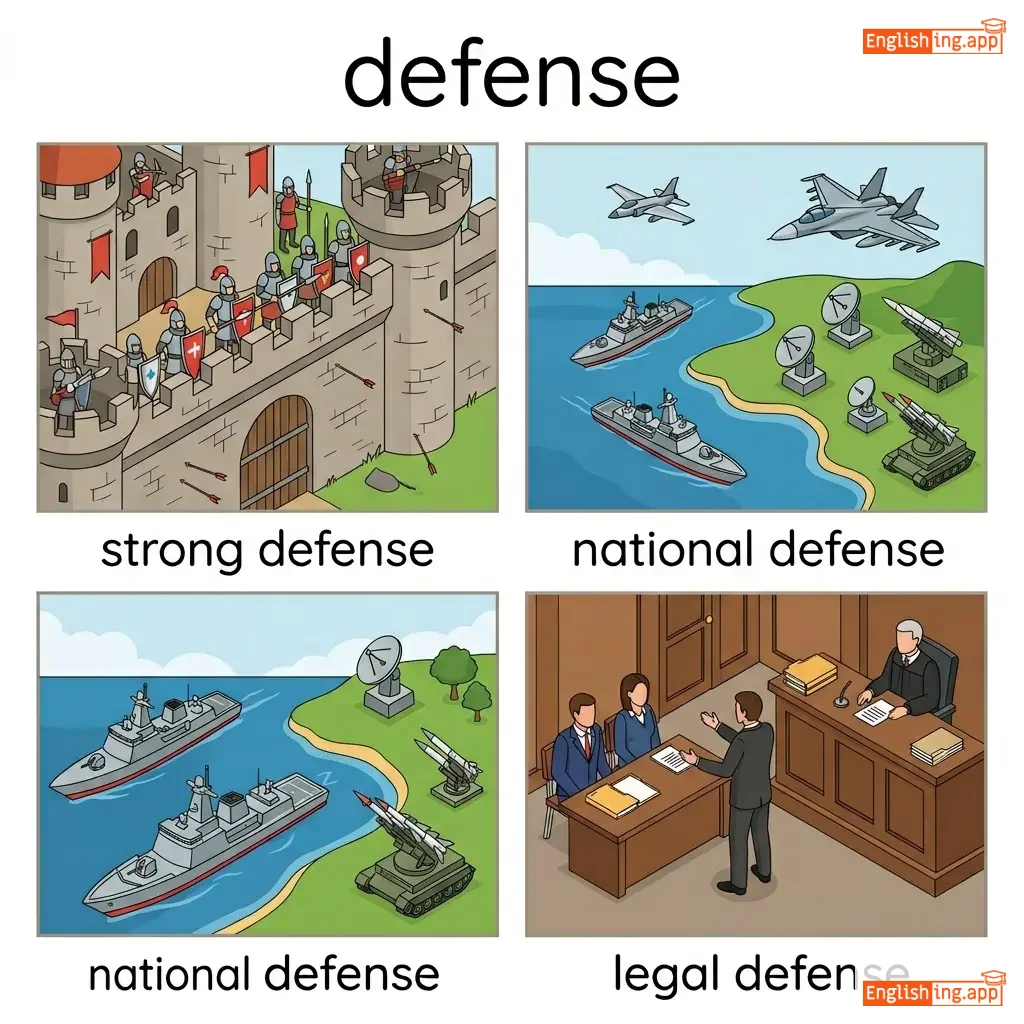
|
The action of defending from or resisting attack.
••••••
|
The defense strategy was effective. |
protection, security
••••••
|
attack, assault
••••••
|
|
#594
🔧
|
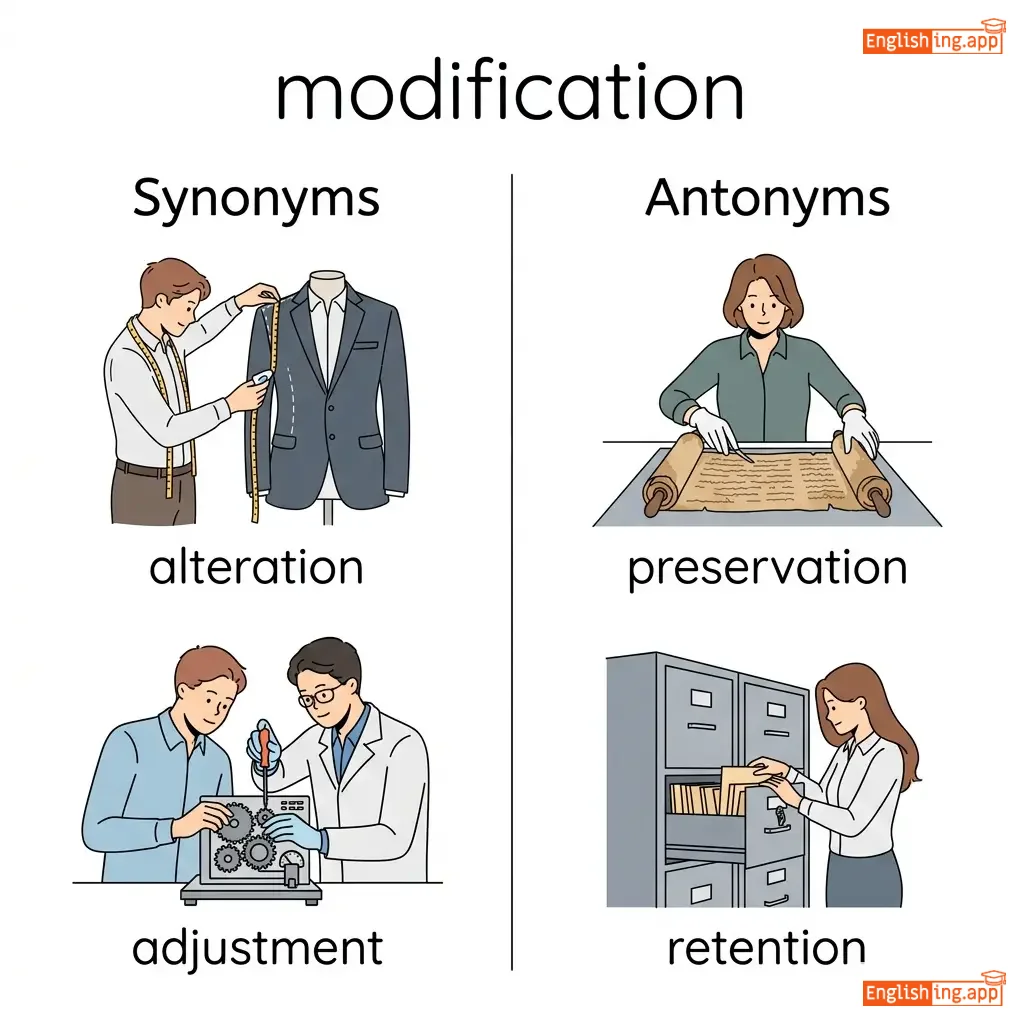
ˌmɒdɪfɪˈkeɪʃn
noun
••••••
|


|
The action of making changes to something.
••••••
|
The plan required modification. |
adjustment, alteration
••••••
|
preservation, constancy
••••••
|
|
#595
📈
|
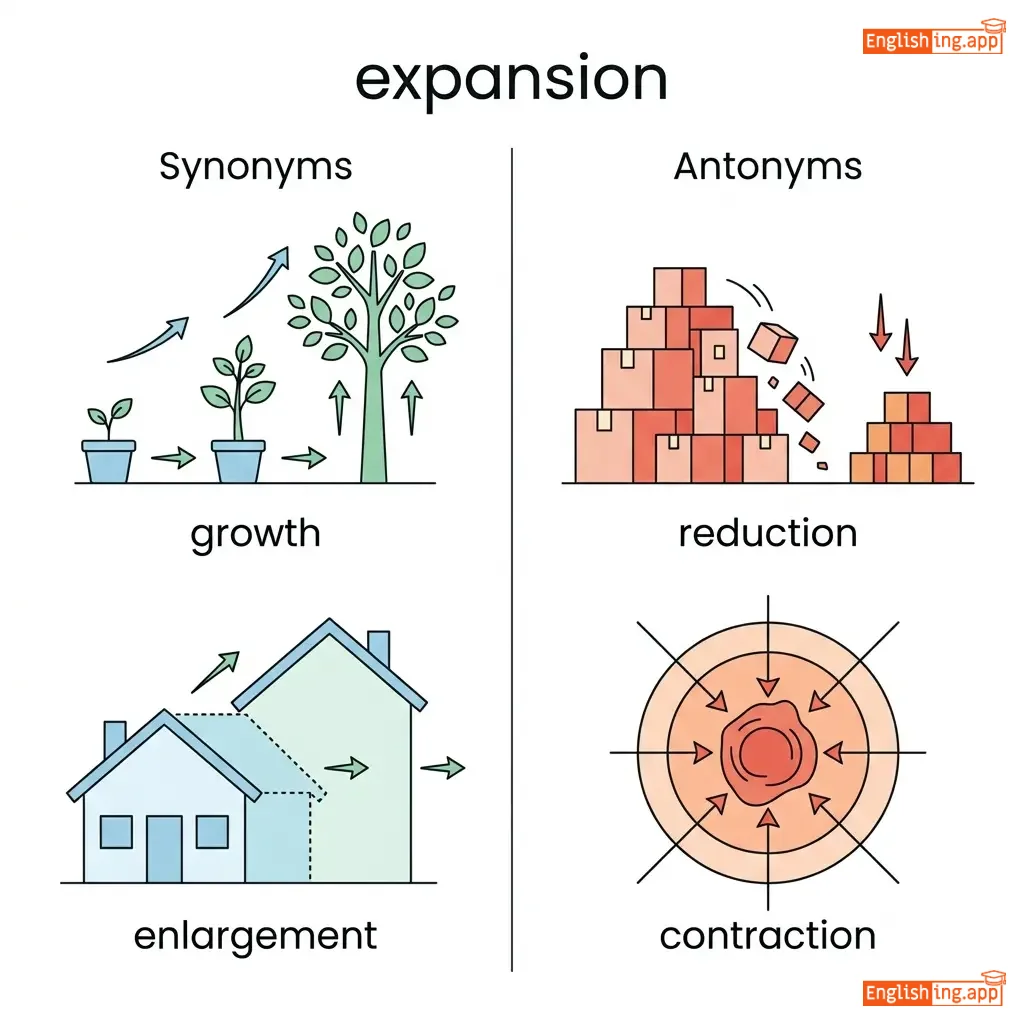
ɪkˈspænʃn
noun
••••••
|


|
The action of becoming larger or more extensive.
••••••
|
Expansion of the wall was essential. |
enlargement, growth
••••••
|
reduction, contraction
••••••
|
|
#596
🔨
|
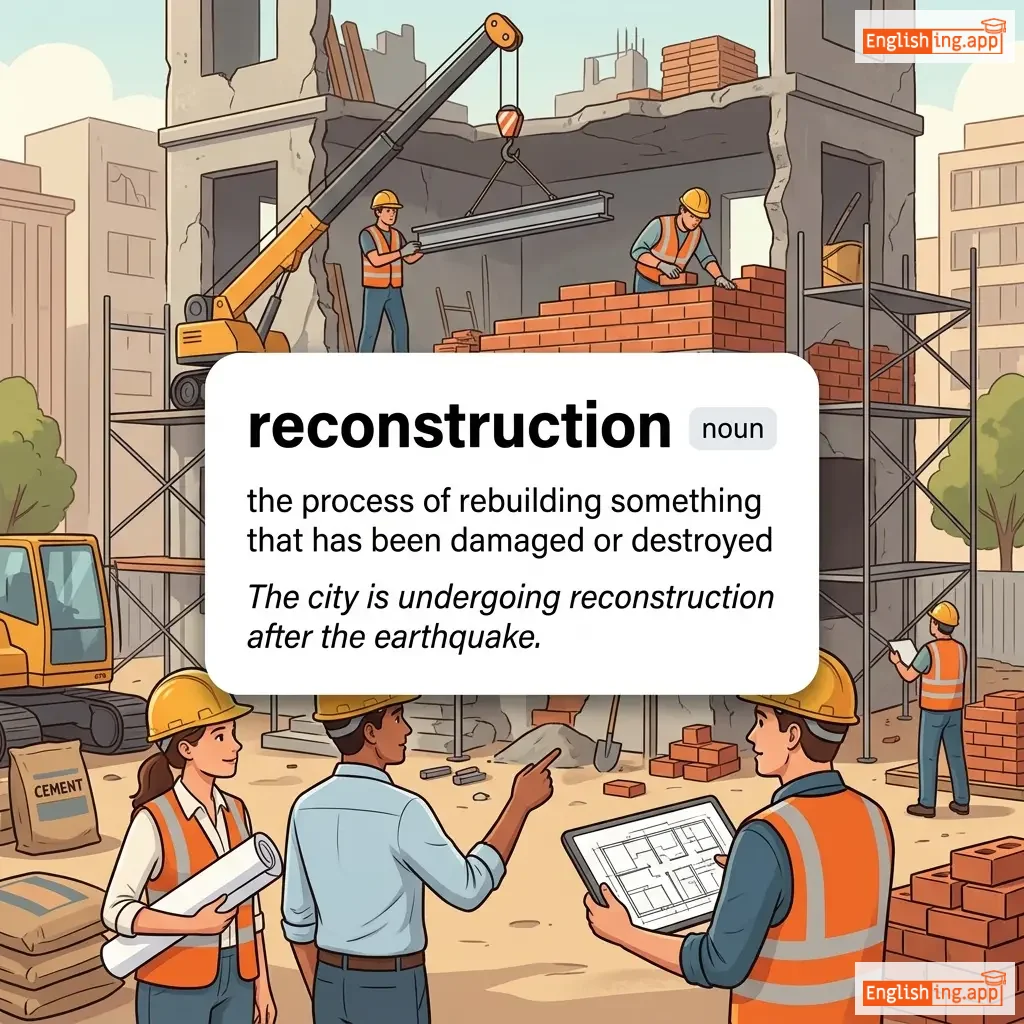
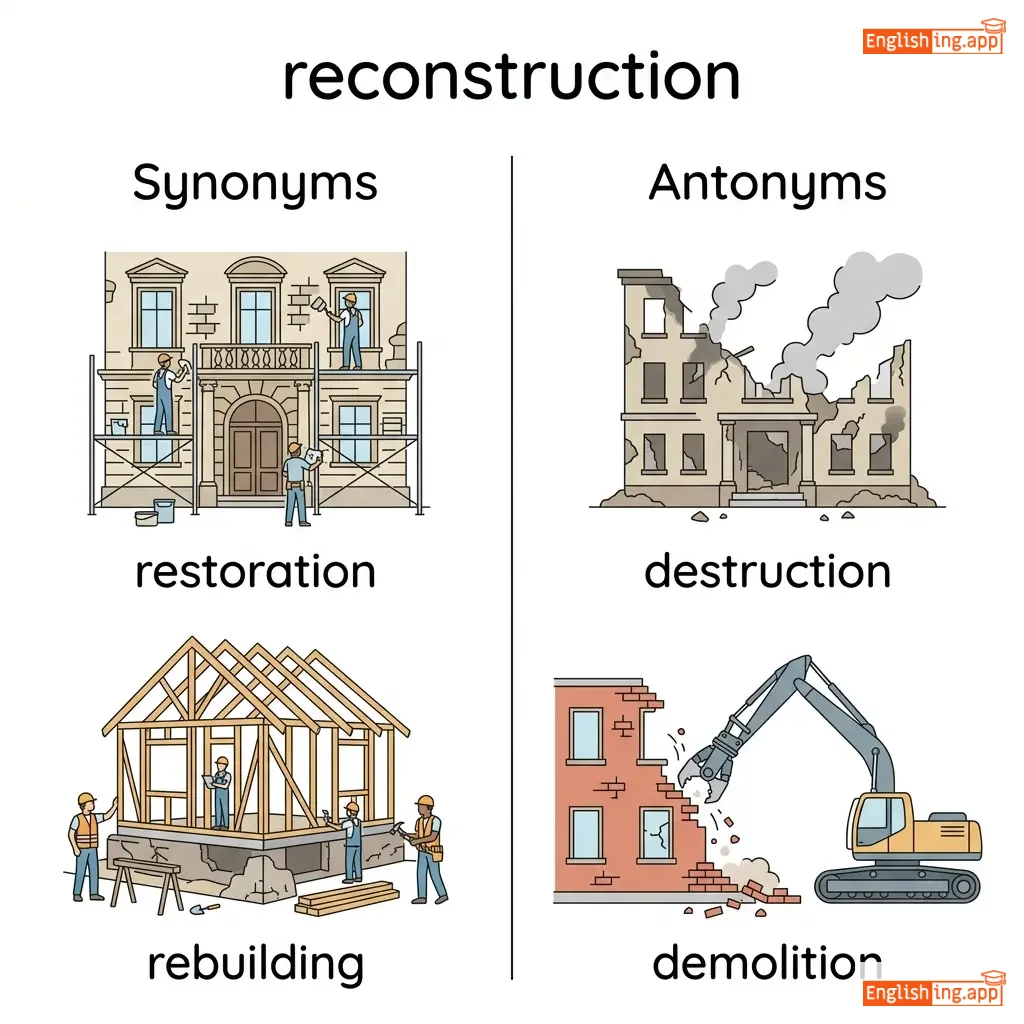
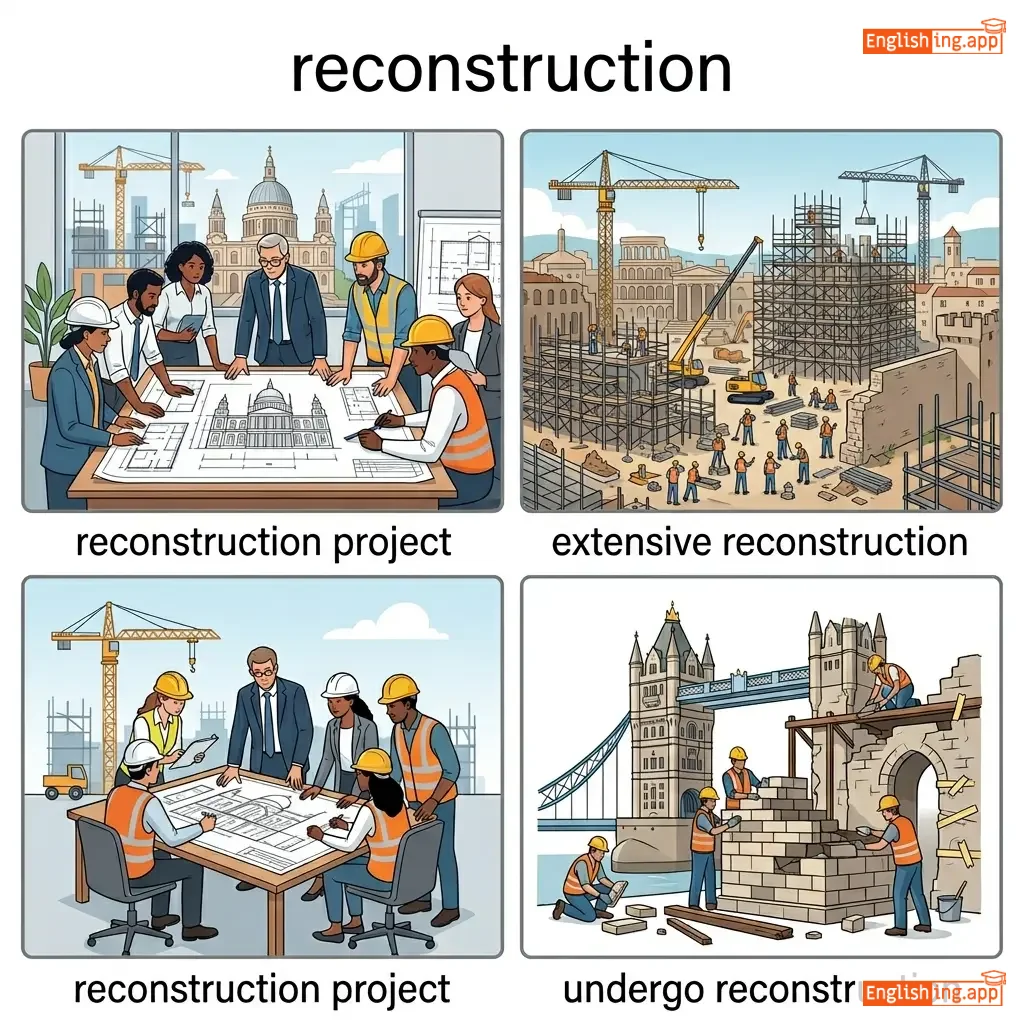
ˌriːkənˈstrʌkʃn
noun
••••••
|
|
The action or process of reconstructing or being reconstructed.
••••••
|
The reconstruction project took years. |
rebuilding, renewal
••••••
|
destruction, ruin
••••••
|
|
#597
🎯
|
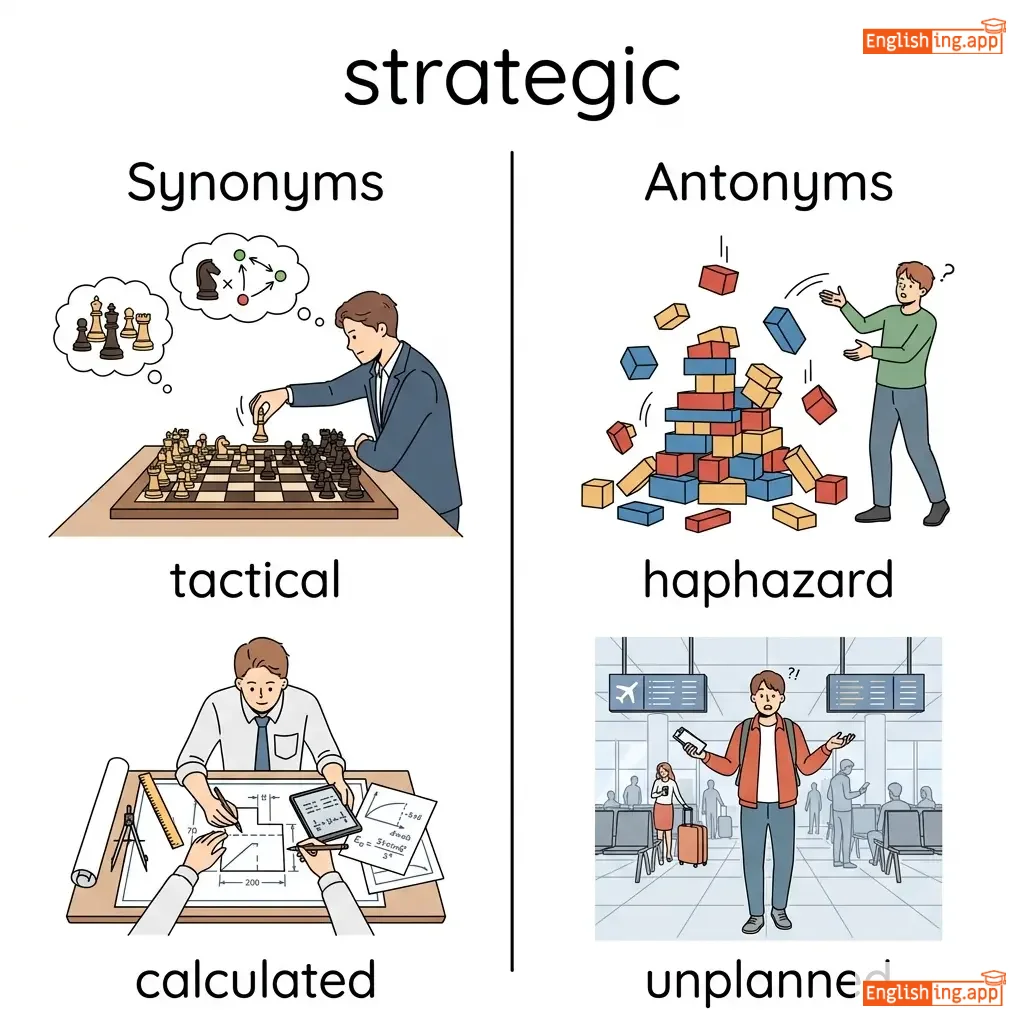
strəˈtiːdʒɪk
adjective
••••••
|


|
Relating to the identification of long-term or overall aims and interests and the means of achieving them.
••••••
|
Strategic decisions are vital for growth. |
tactical, planned
••••••
|
haphazard, unplanned
••••••
|

