Die Chinesische Mauer

The Great Wall of China

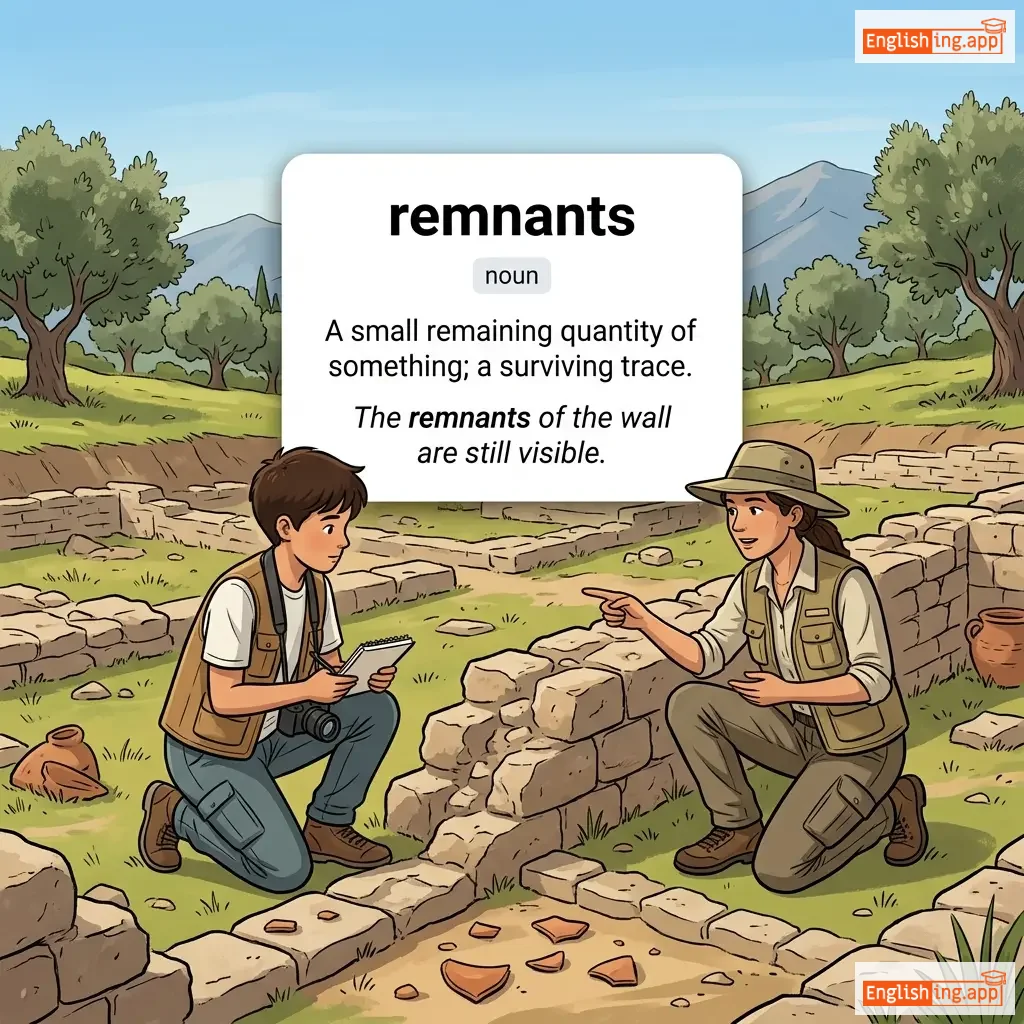
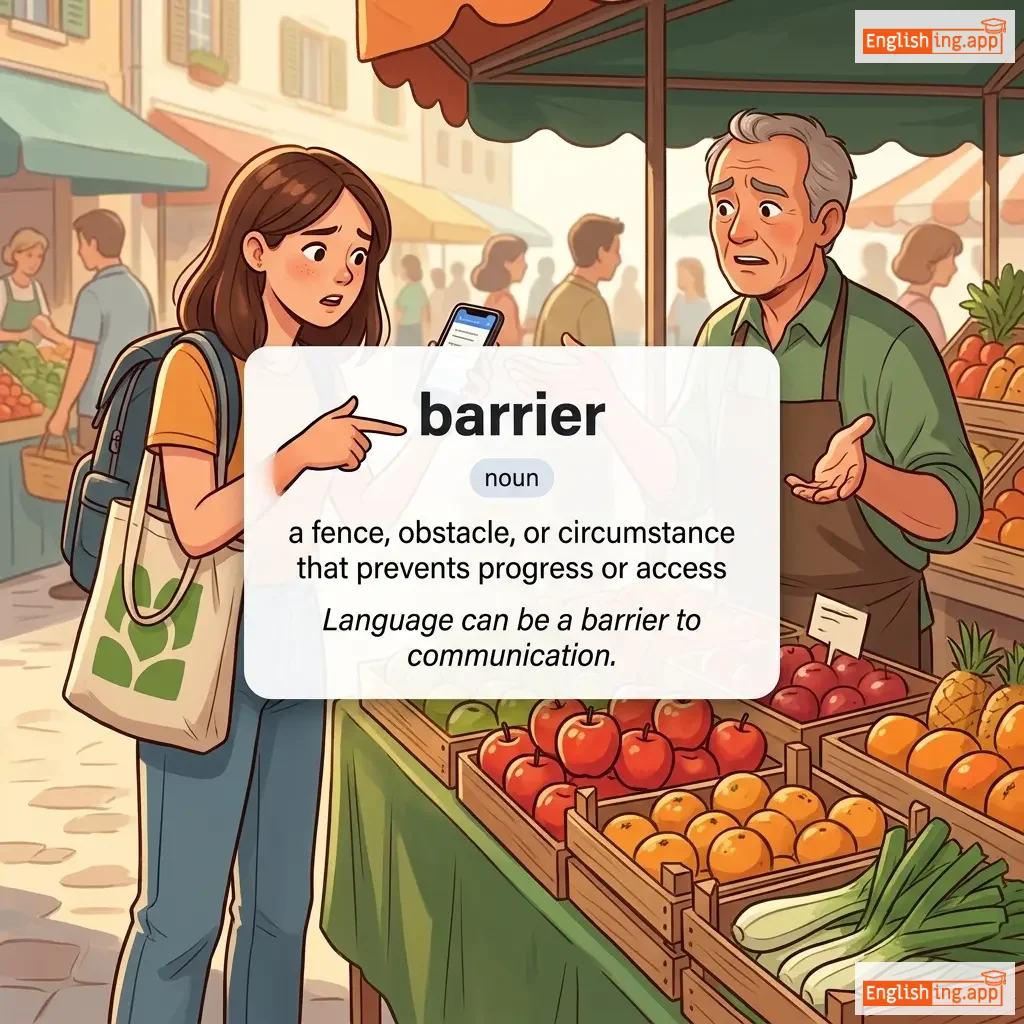
Die Chinesische Mauer ist eine lange structure aus Stein und Erde. Sie wurde vom 5. Jahrhundert v. Chr. bis zum 16. Jahrhundert n. Chr. gebaut und instand gehalten, um die nördliche boundary Chinas zu schützen. Viele solcher fortifications wurden errichtet, aber die barrier, die zwischen 220 v. Chr. und 200 v. Chr. vom ersten Kaiser Chinas, Shi Huang Ti, gebaut wurde, ist die berühmteste. Sie liegt weit nördlich der heutigen Mauer, und nur wenige remnants sind erhalten geblieben. Die heutige Mauer wurde während der Ming-Dynastie erbaut.

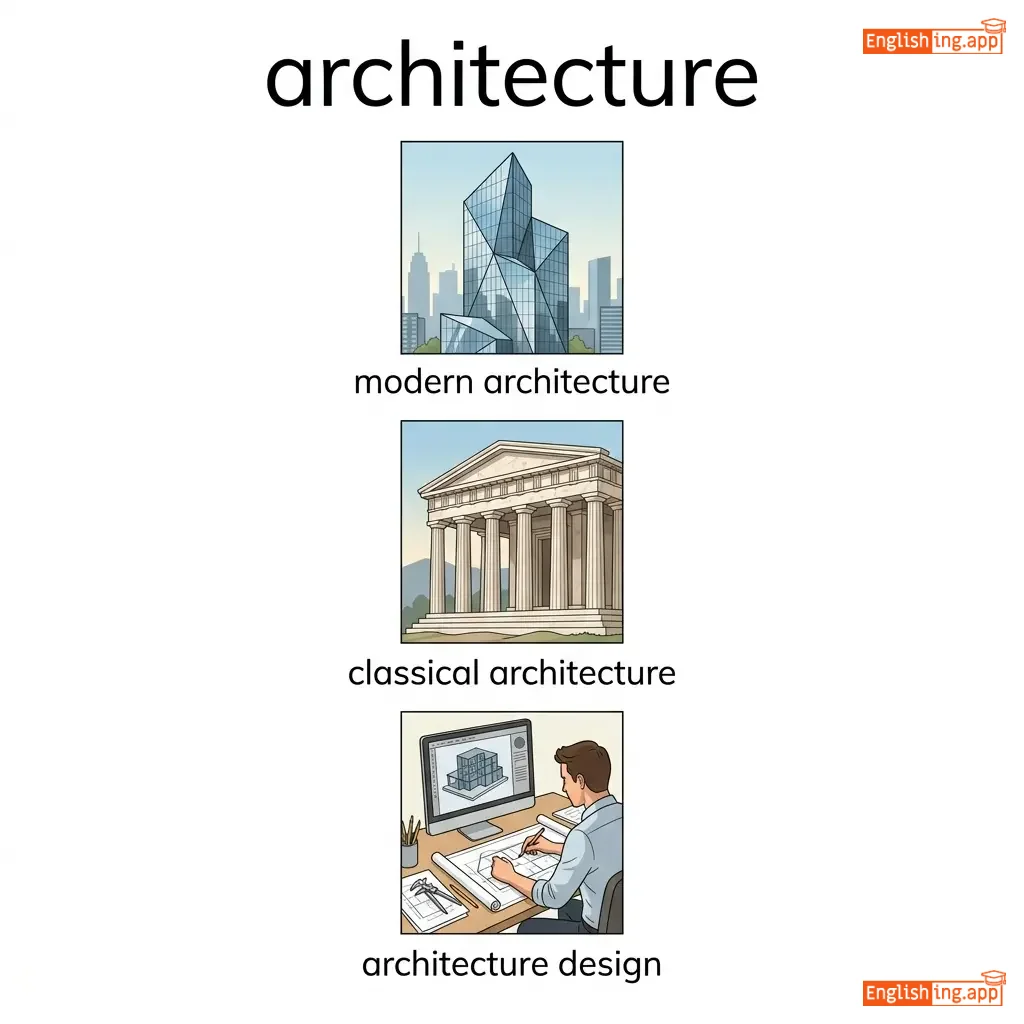
Die Chinesische Mauer ist die größte architecture der Welt, die von Menschenhand geschaffen wurde. Ihre Höhe beträgt etwa 5 bis 8 Meter, und ihre Länge liegt bei 8.851,8 Kilometern. Sie beginnt in der Nähe von Shanghai und endet an einem Ort namens Lopnur.

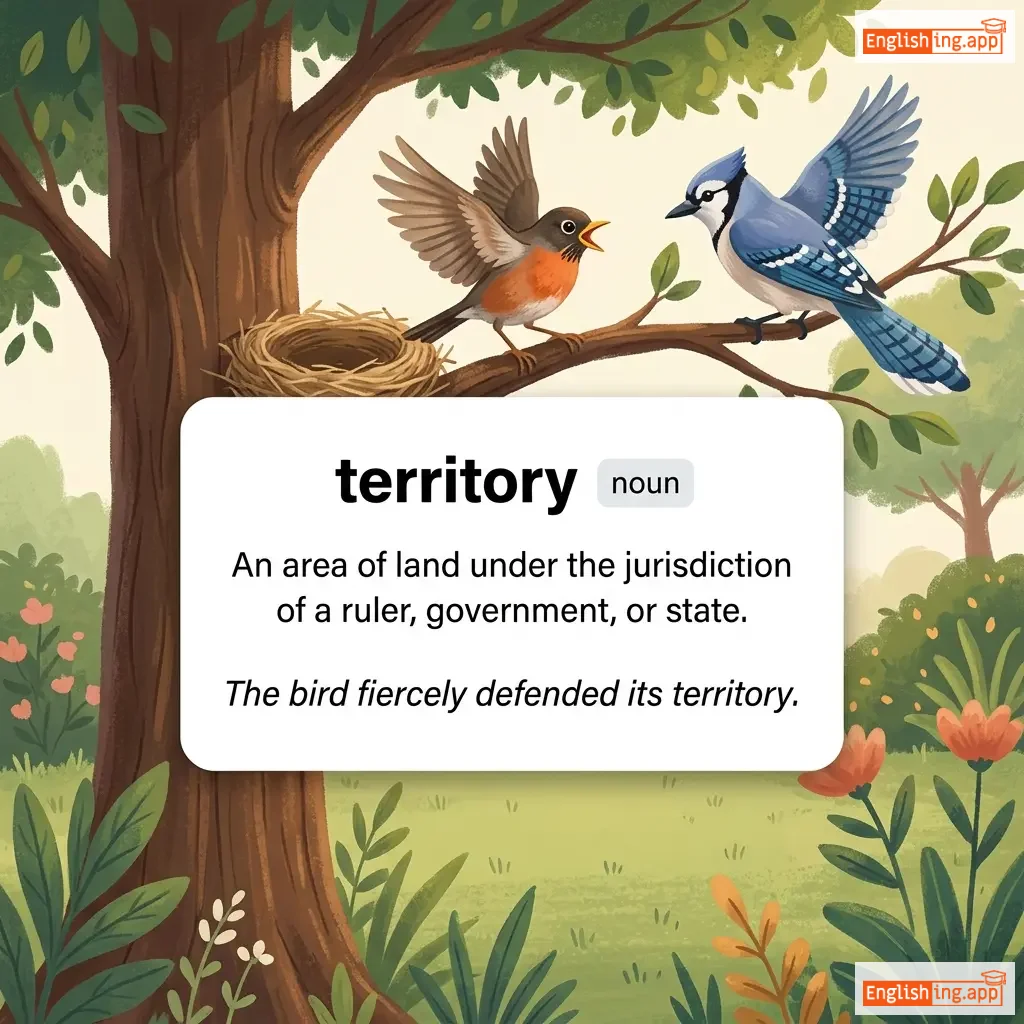
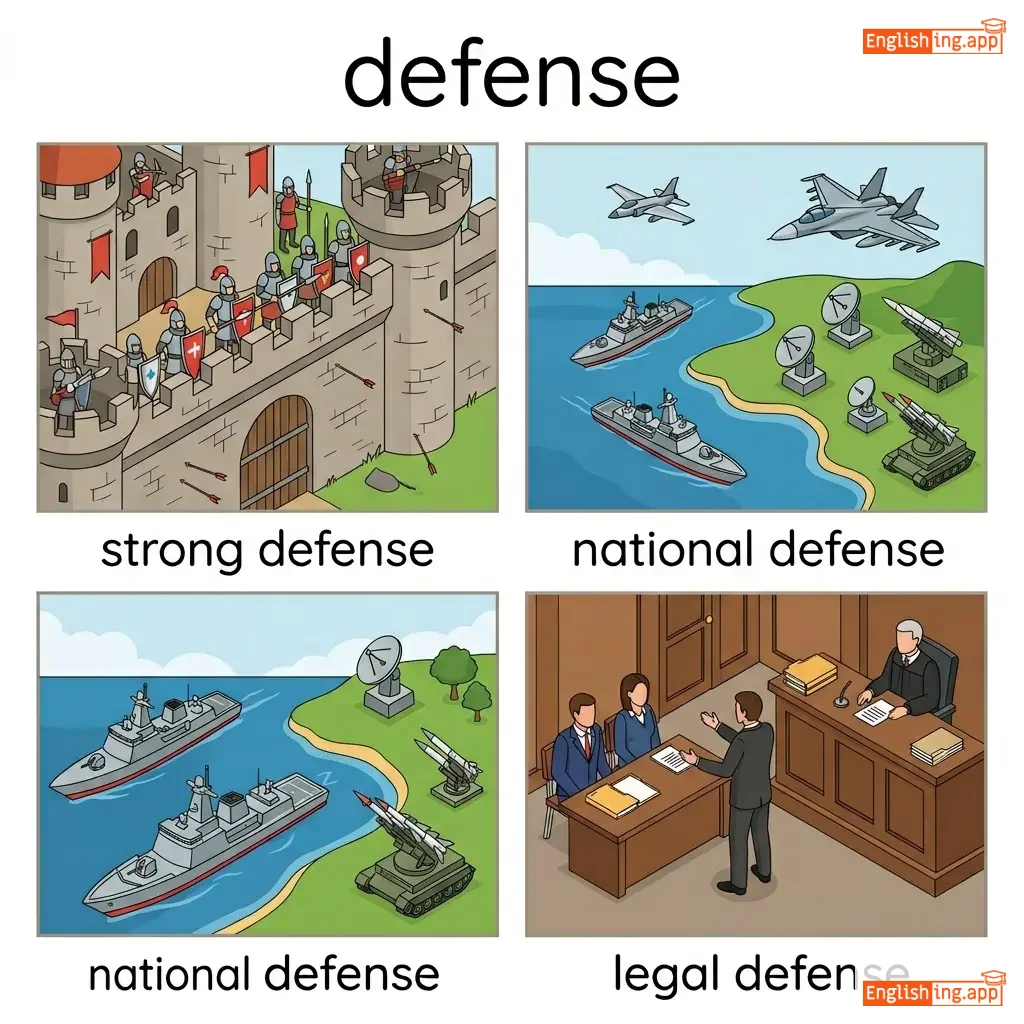
Der Bau ihres Hauptteils begann um 208 v. Chr. Die Bauarbeiten wurden während des Qin-Reiches begonnen. Der erste Kaiser Chinas, Qin Shi Huang, nutzte sie und verlängerte sie, um sein territory vor Feinden zu schützen. Neben den natürlichen barriers Chinas diente sie zur Überwachung anderer Gebiete und war die erste Linie der defense gegen die nördlichen Stämme der Xiongnu.

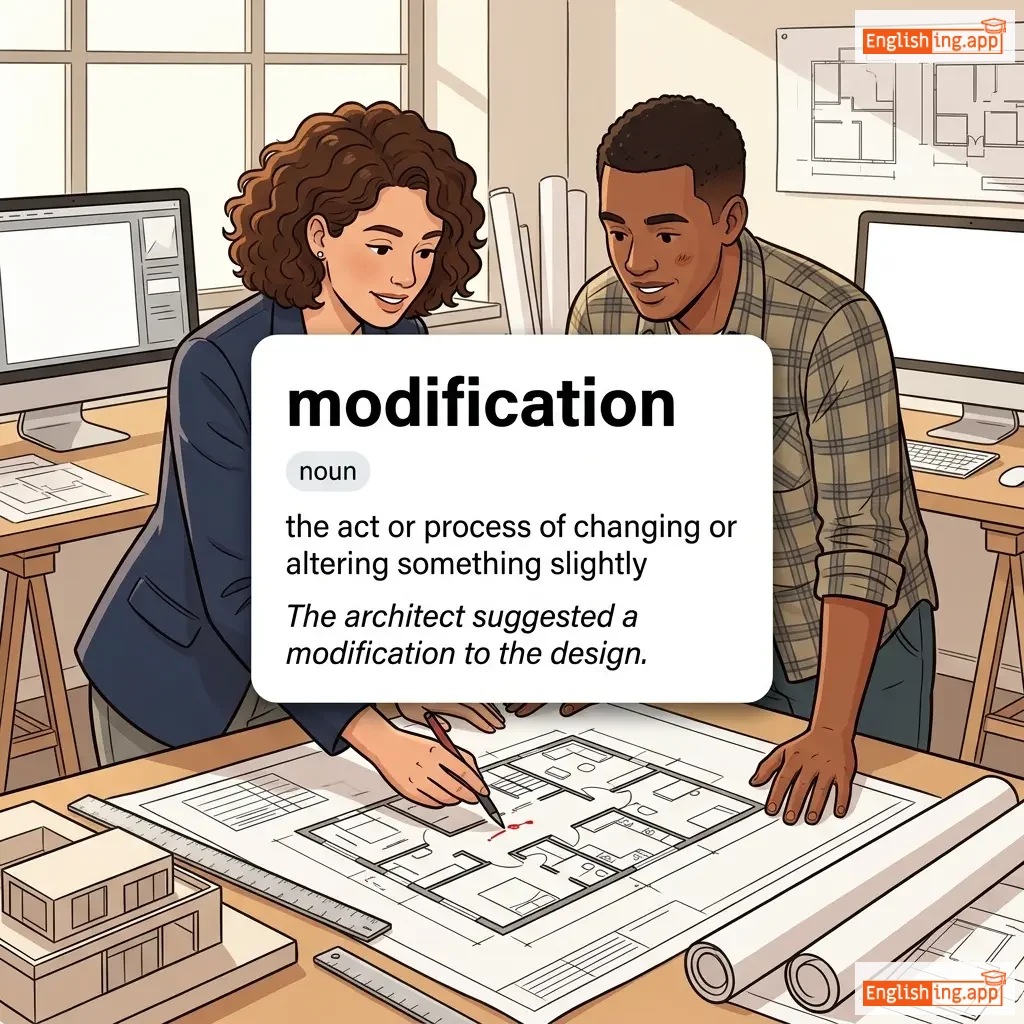
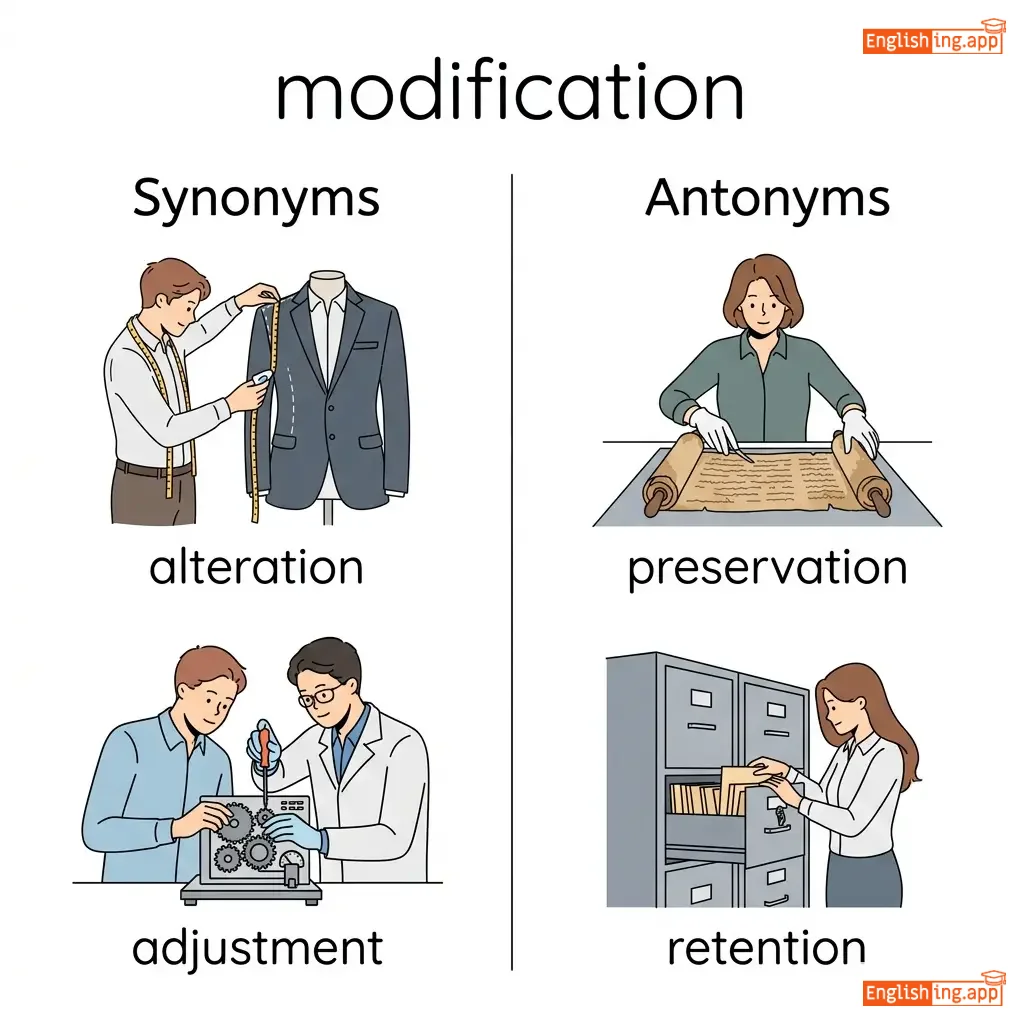
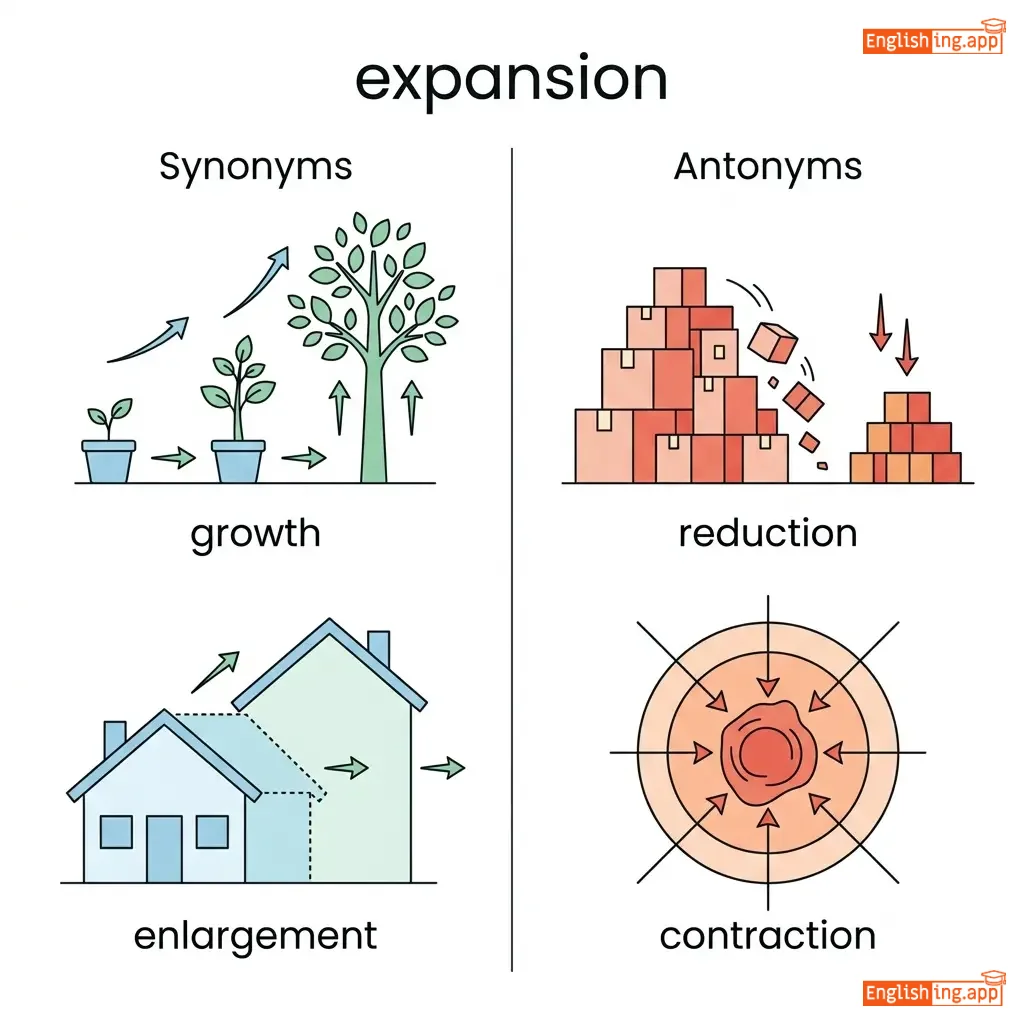
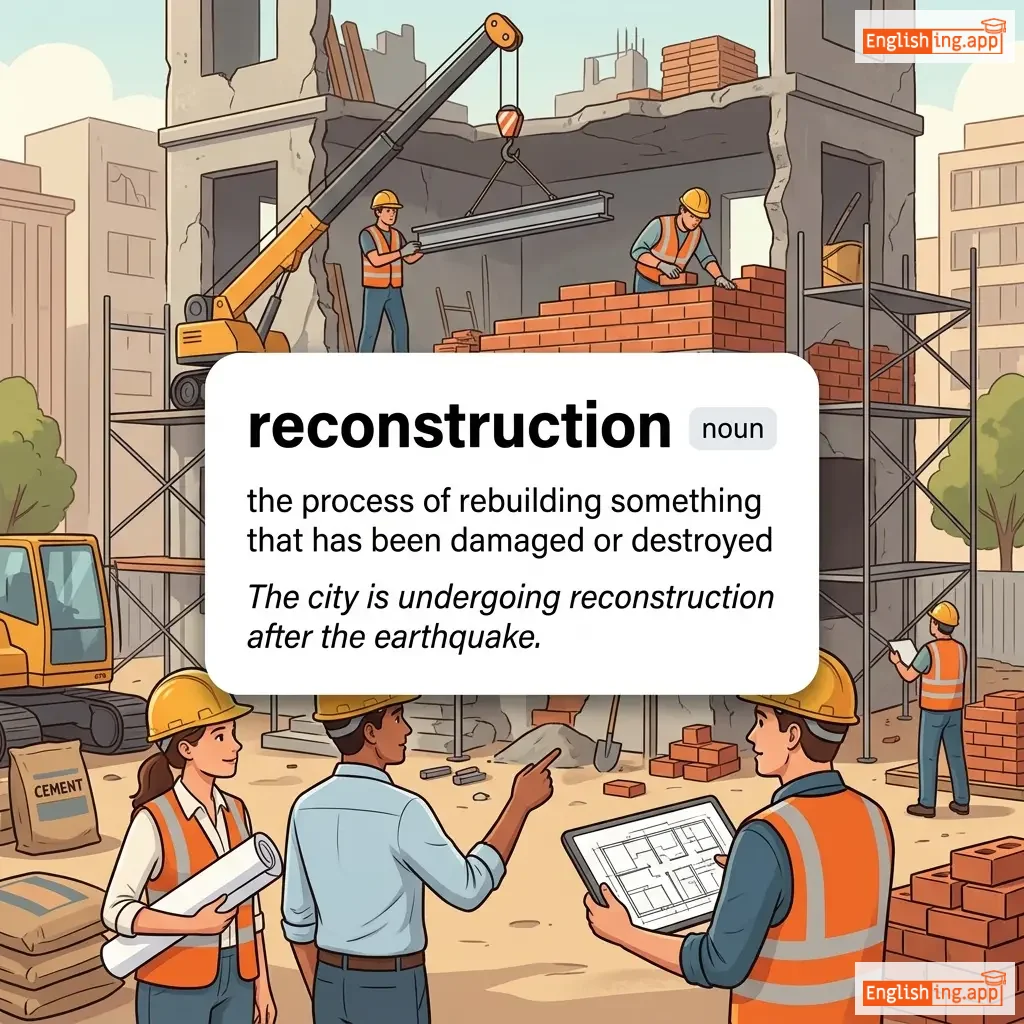
In den Geschichtsbüchern der Han-, Sui-, Nord- und Jin-Dynastien wird die modification, expansion und reconstruction der Mauer aus denselben Gründen erwähnt, aus denen sie ursprünglich gebaut wurde.

The Great Wall of ChinaDie Chinesische Mauer
/
/

The Great Wall of ChinaDie Chinesische Mauer - Maske umschalten

Emoji
Wort Images Bedeutung Beispielsatz Synonyme Antonyme
#586
🏗️
••••••
ˈstrʌktʃə(r)
noun
••••••
••••••
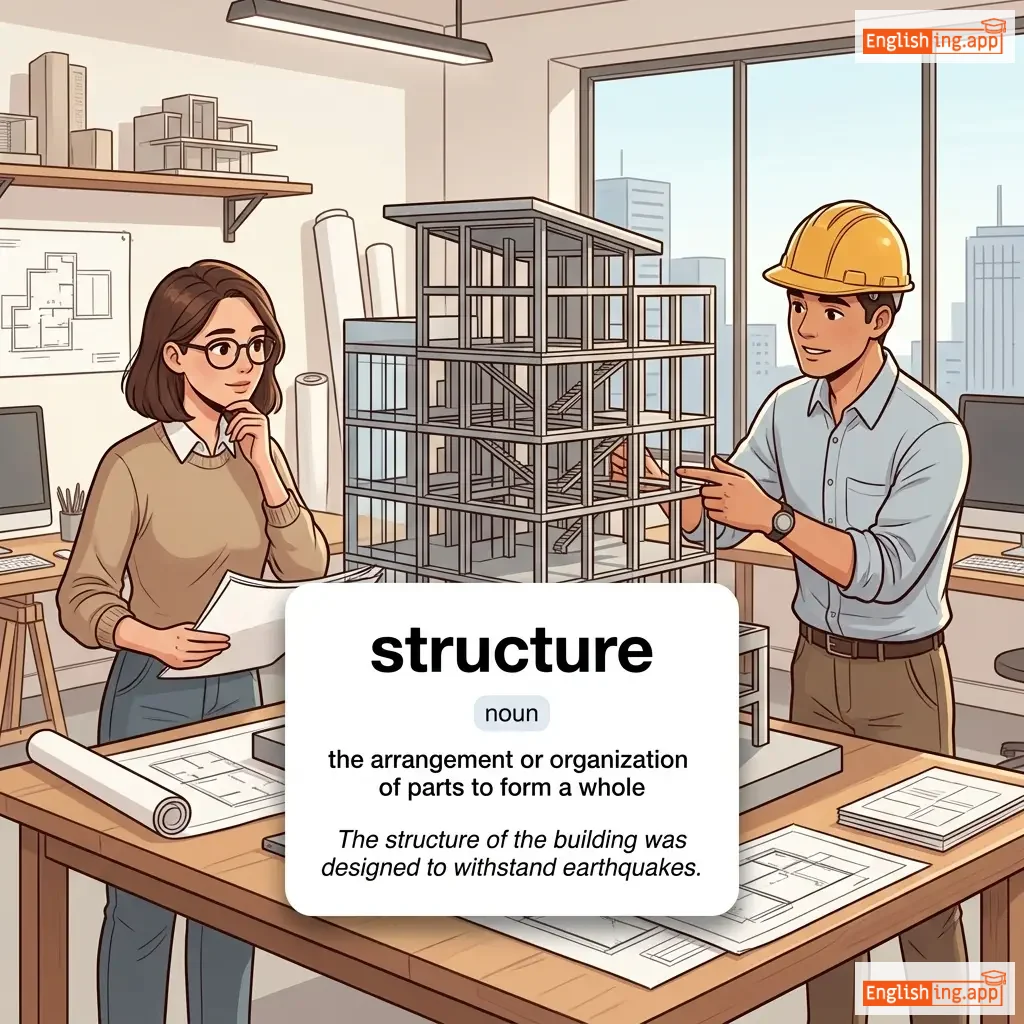
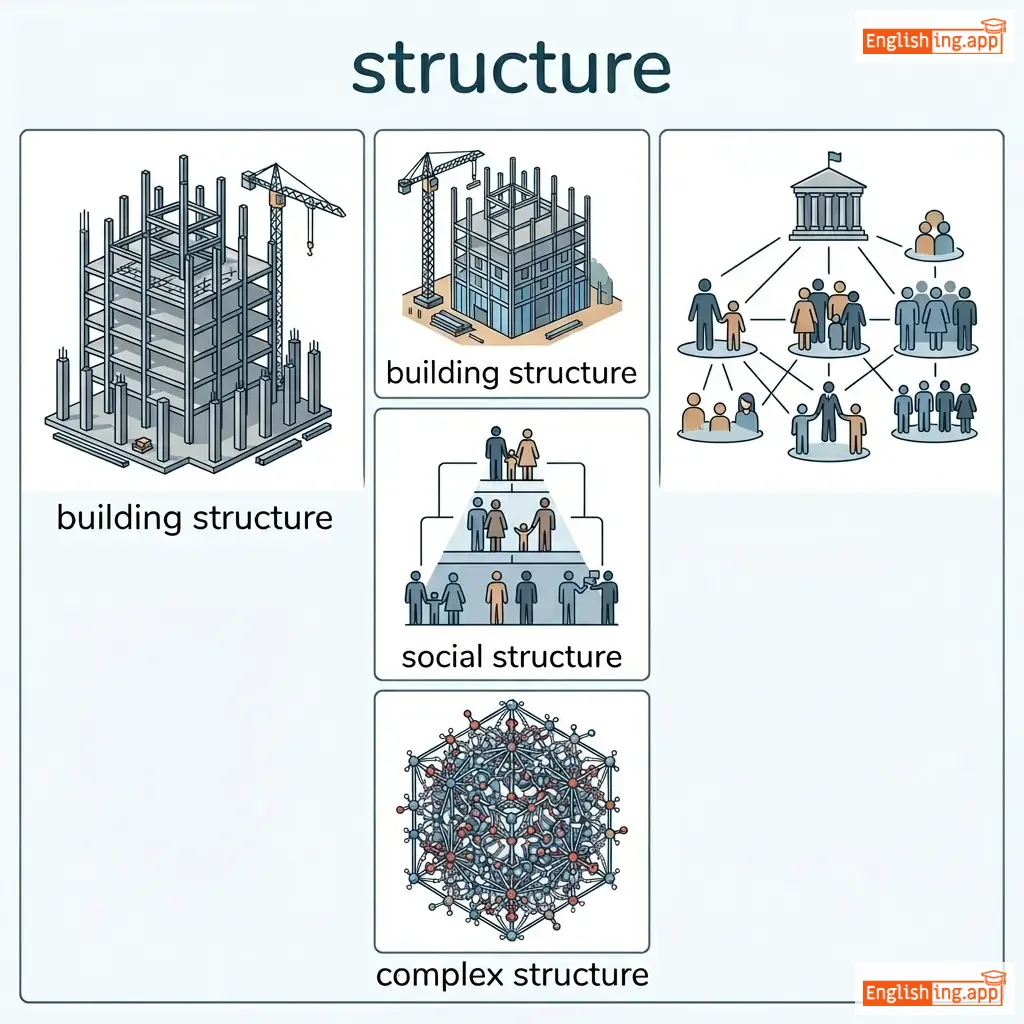
A building or other object constructed from several parts; the arrangement of and relations between the parts or elements of something complex.
••••••

The structure of the building was impressive.

••••••
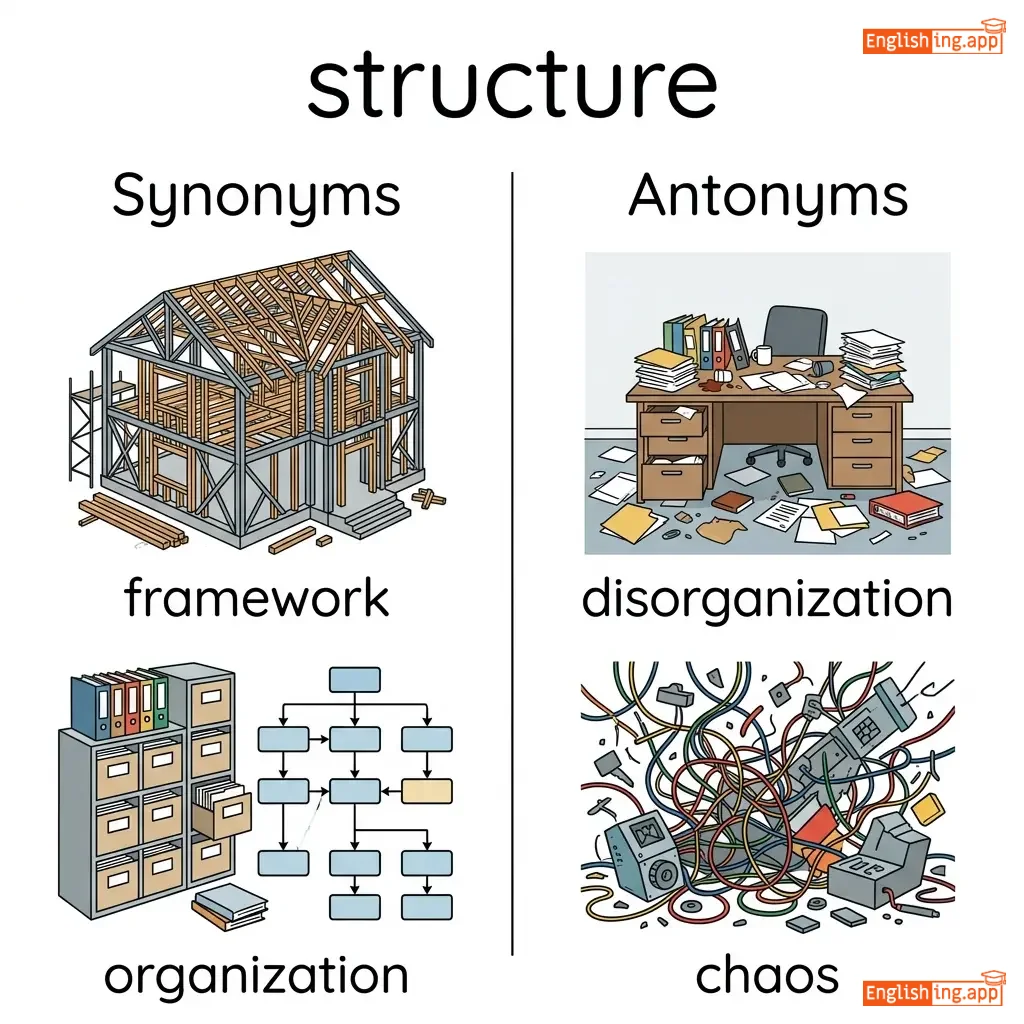
formation, framework
••••••
disorganization, chaos
••••••
#587
🔲
••••••
ˈbaʊndəri
noun
••••••
••••••
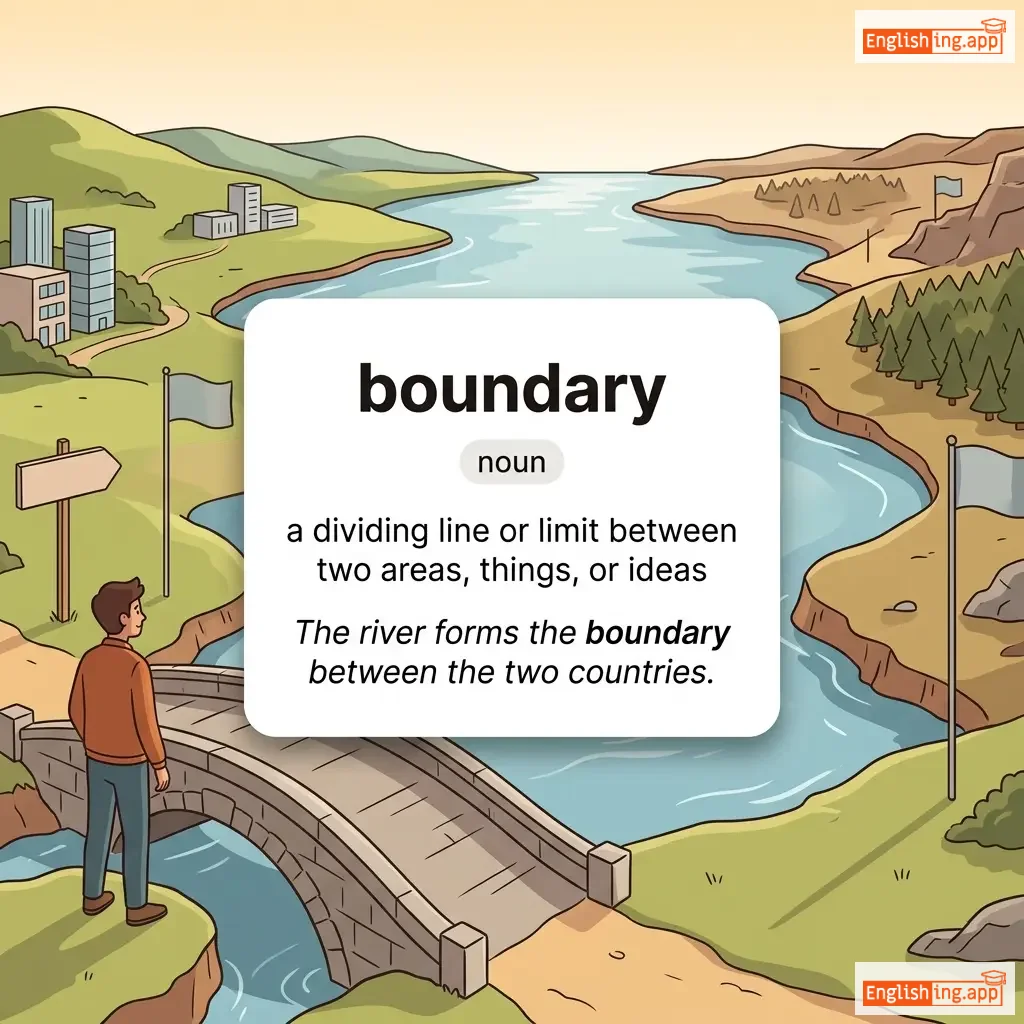
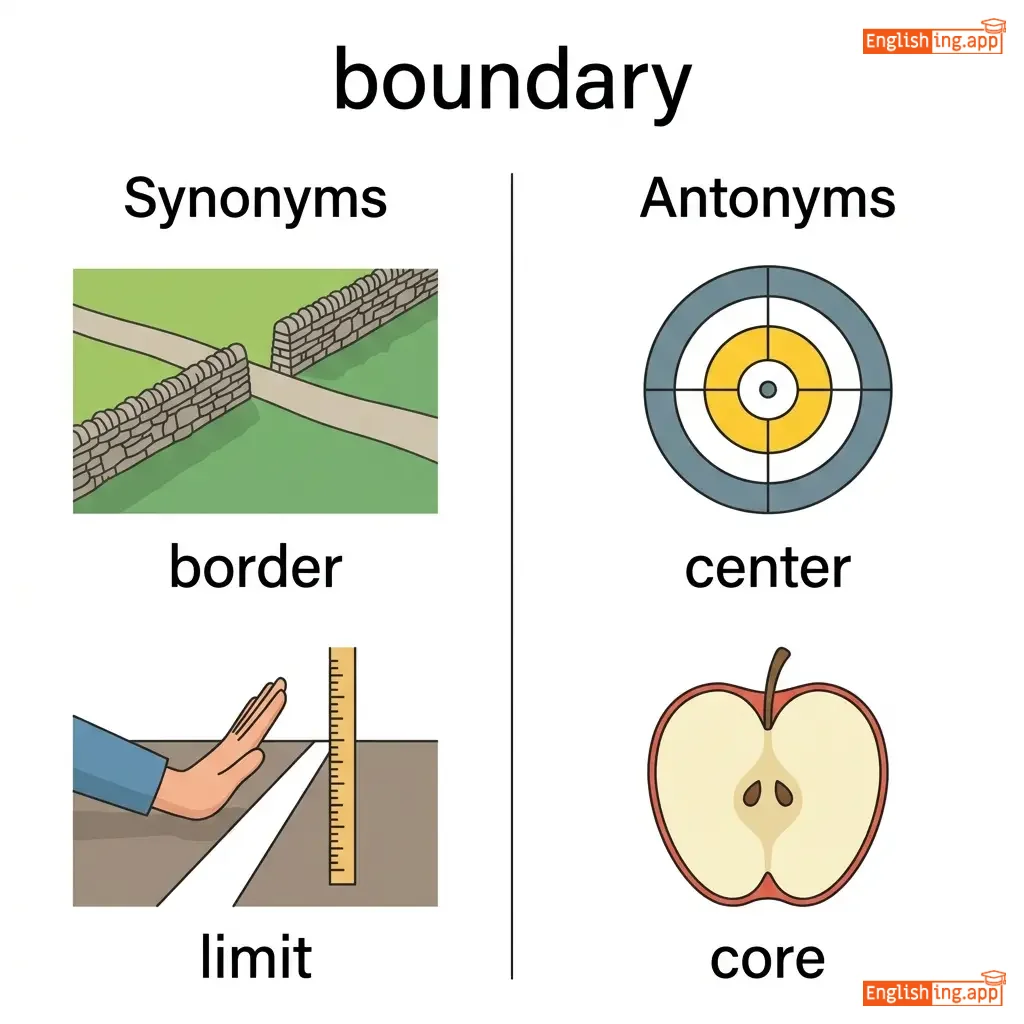
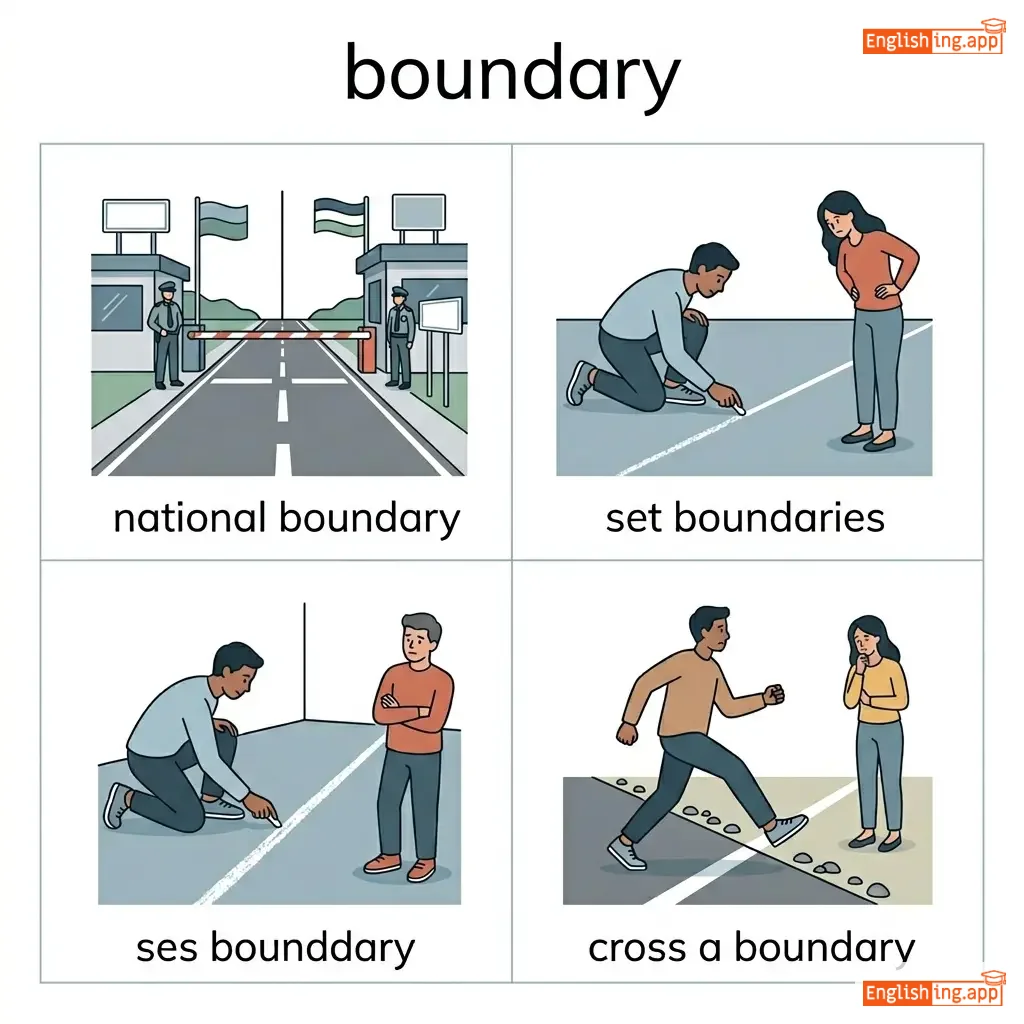
A line that marks the limits of an area; a dividing line.
••••••

The river marks the boundary.

••••••
border, limit
••••••
center, interior
••••••
#588
🏰
••••••
ˌfɔːtɪfɪˈkeɪʃn
noun
••••••
••••••
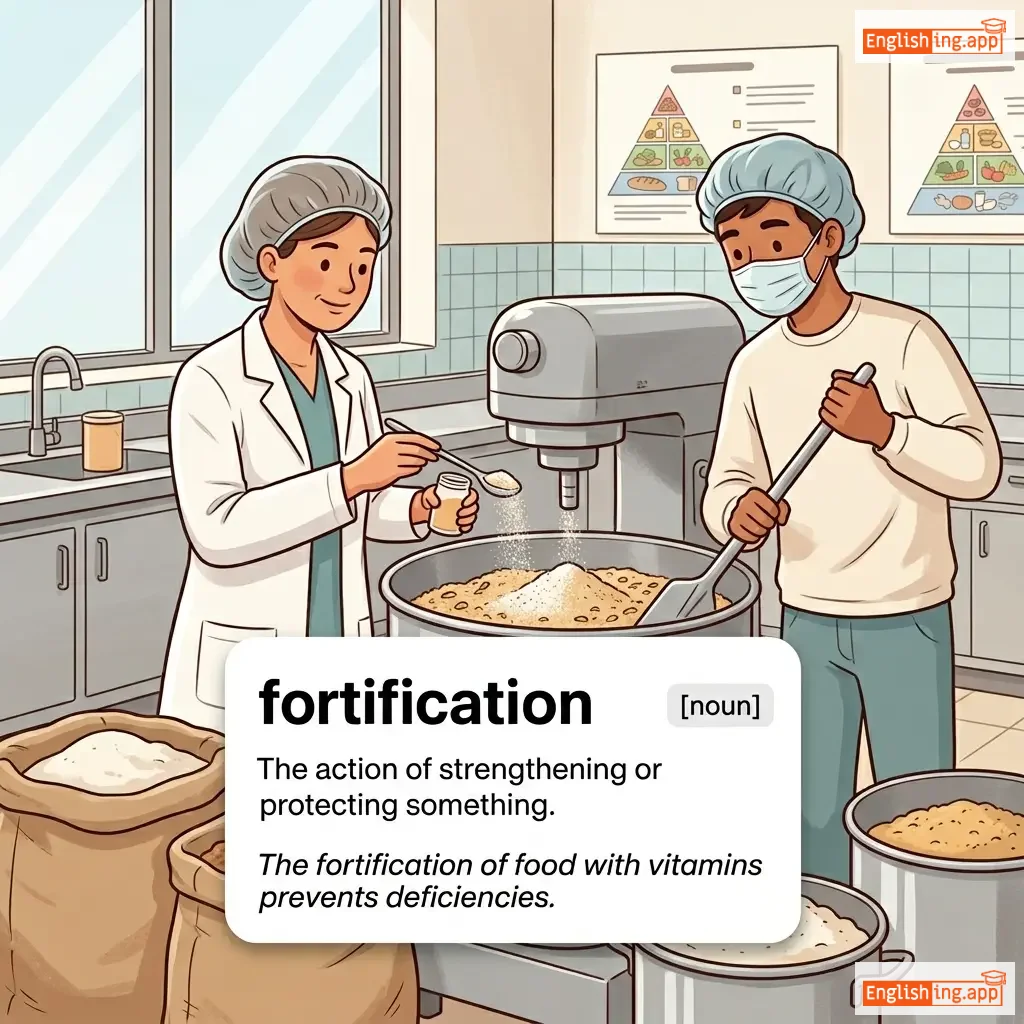
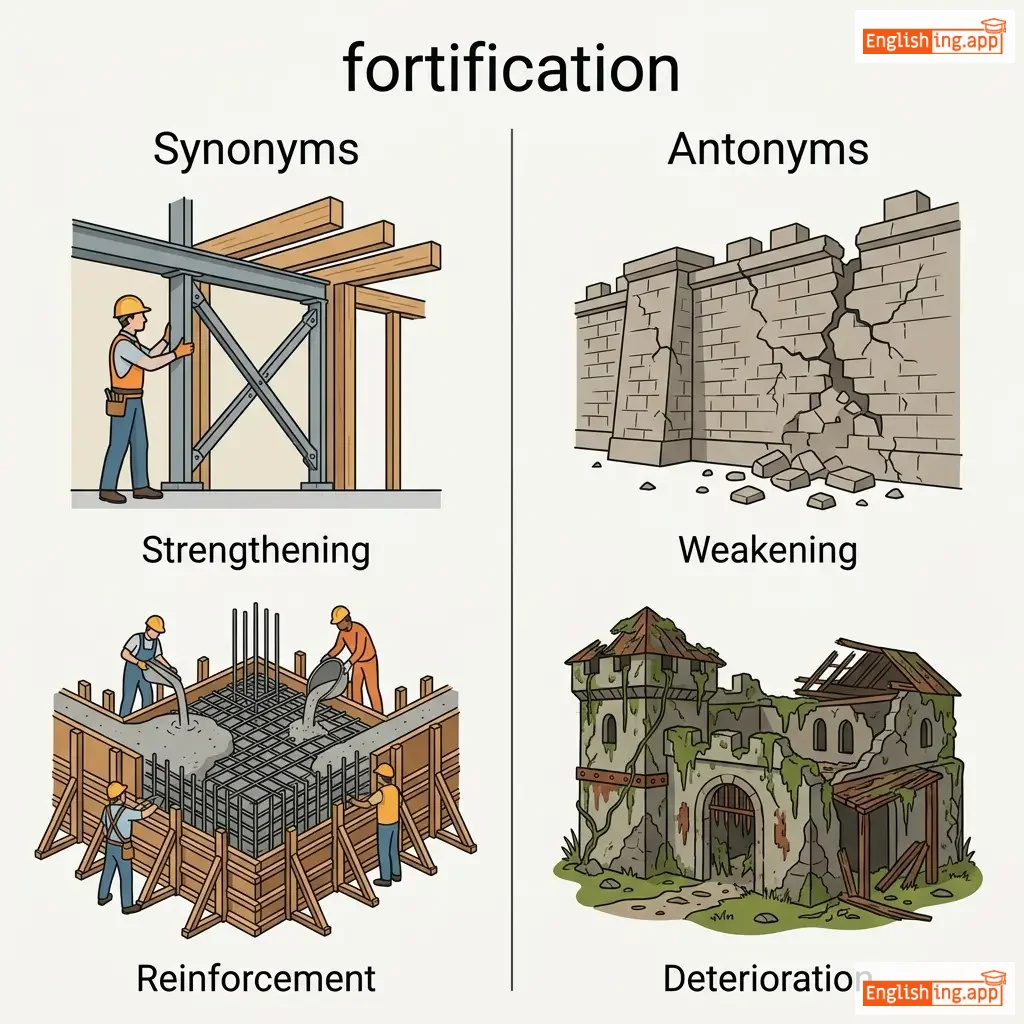
A defensive wall or other reinforcement built to strengthen a place against attack.
••••••

The fortifications protected the city.

••••••
bastion, stronghold
••••••
weakness, vulnerability
••••••
#589
🧱
••••••
ˈremnənts
noun
••••••
••••••
A small remaining quantity of something; a surviving trace.
••••••

The remnants of the wall are still visible.

••••••
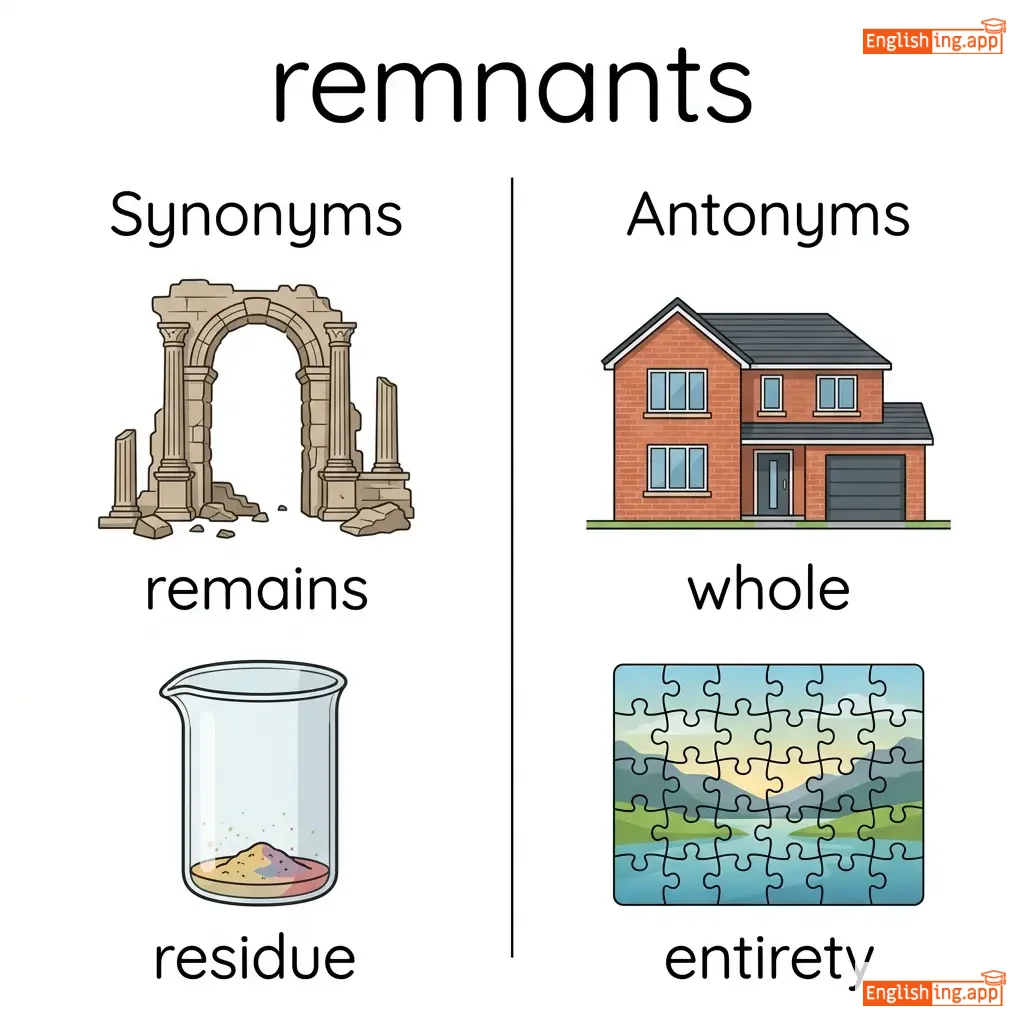
remains, residue
••••••
whole, entirety
••••••
#590
🏛️
••••••
ˈɑːkɪtektʃə(r)
noun
••••••
••••••
The art or science of designing and constructing buildings.
••••••

Ancient architecture is fascinating.

••••••
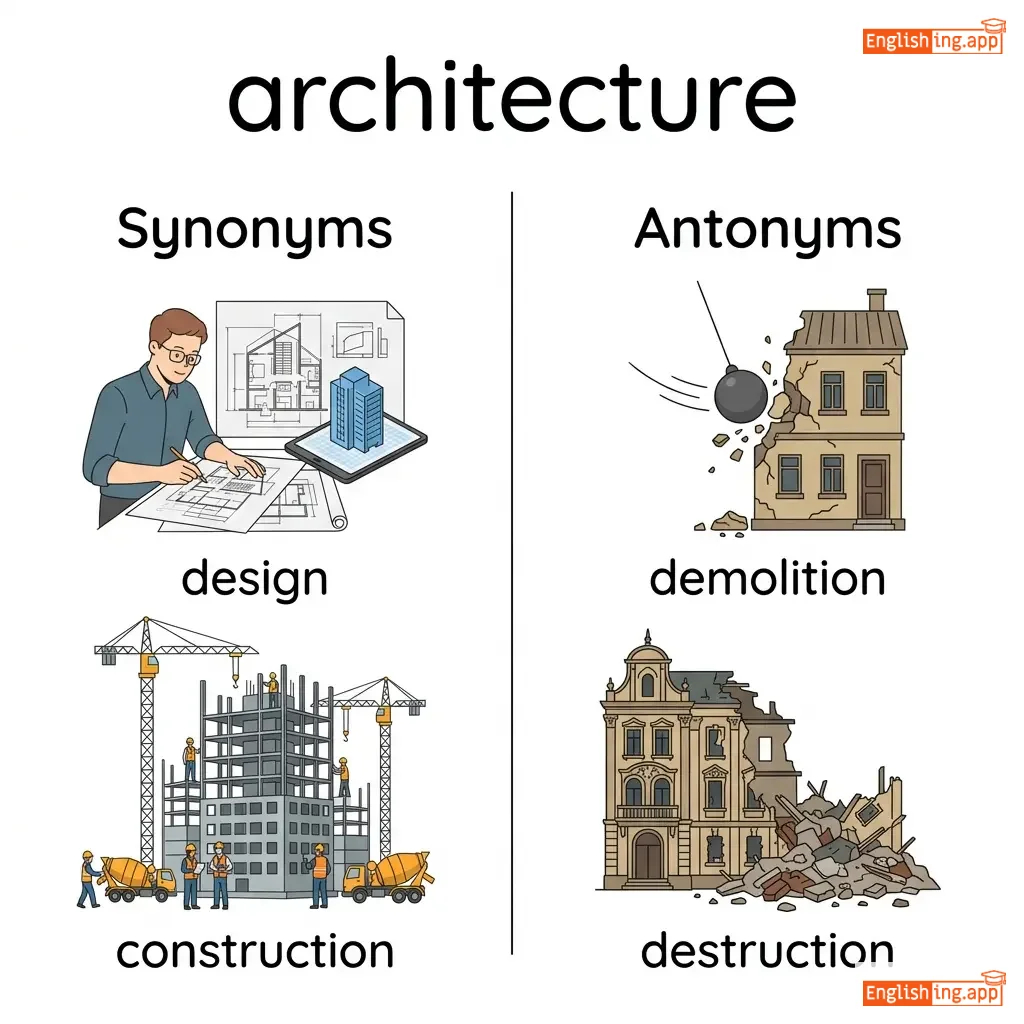
design, construction
••••••
demolition, deconstruction
••••••
#591
🗺️
••••••
ˈterɪtəri
noun
••••••
••••••
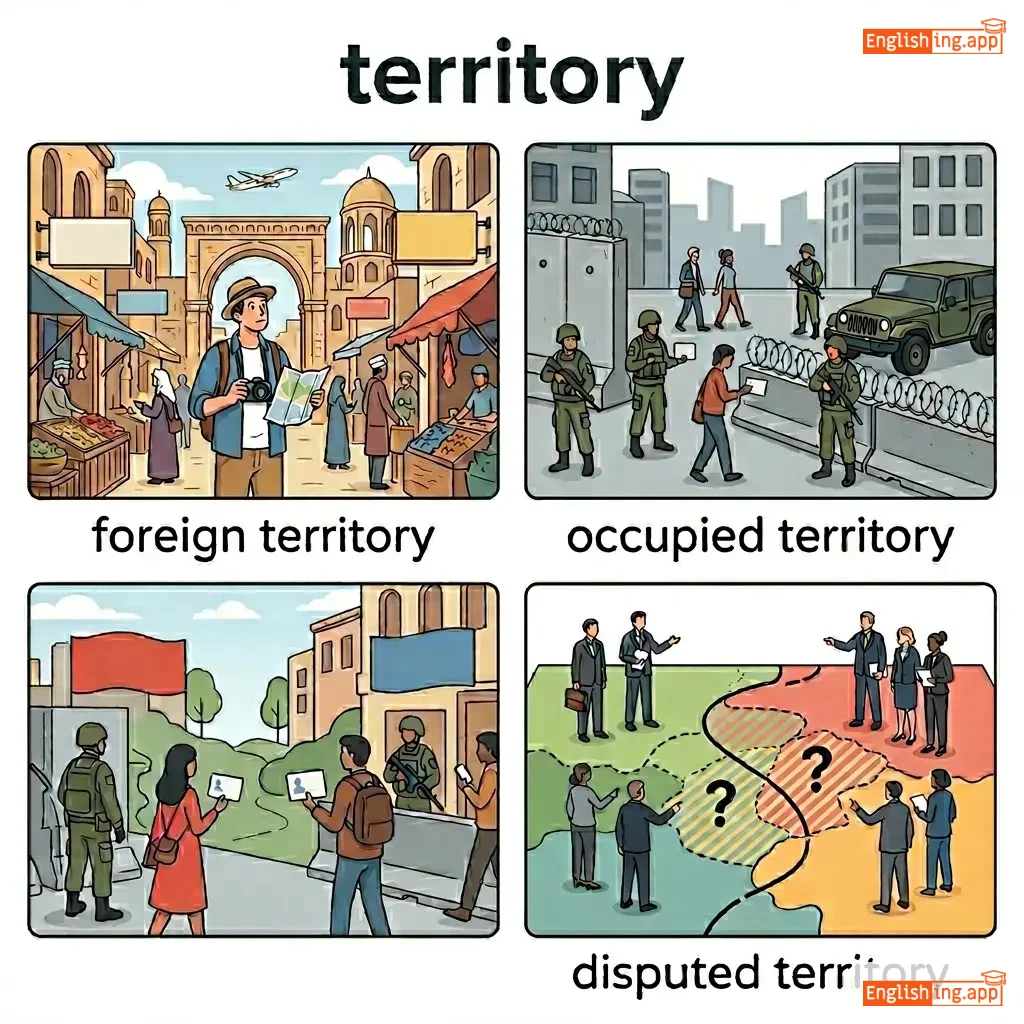
An area of land under the jurisdiction of a ruler or state.
••••••

The king expanded his territory.

••••••
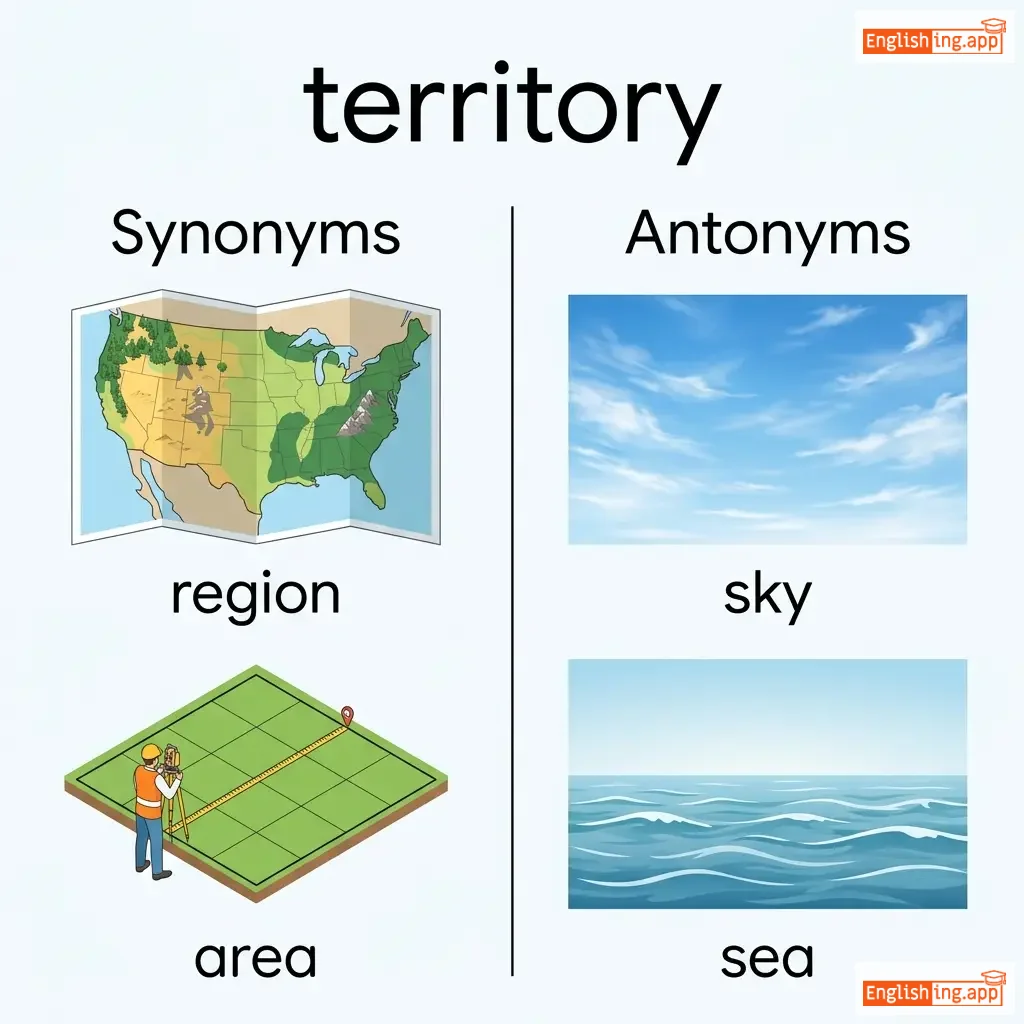
region, domain
••••••
foreign land, expanse
••••••
#592
🚧
••••••
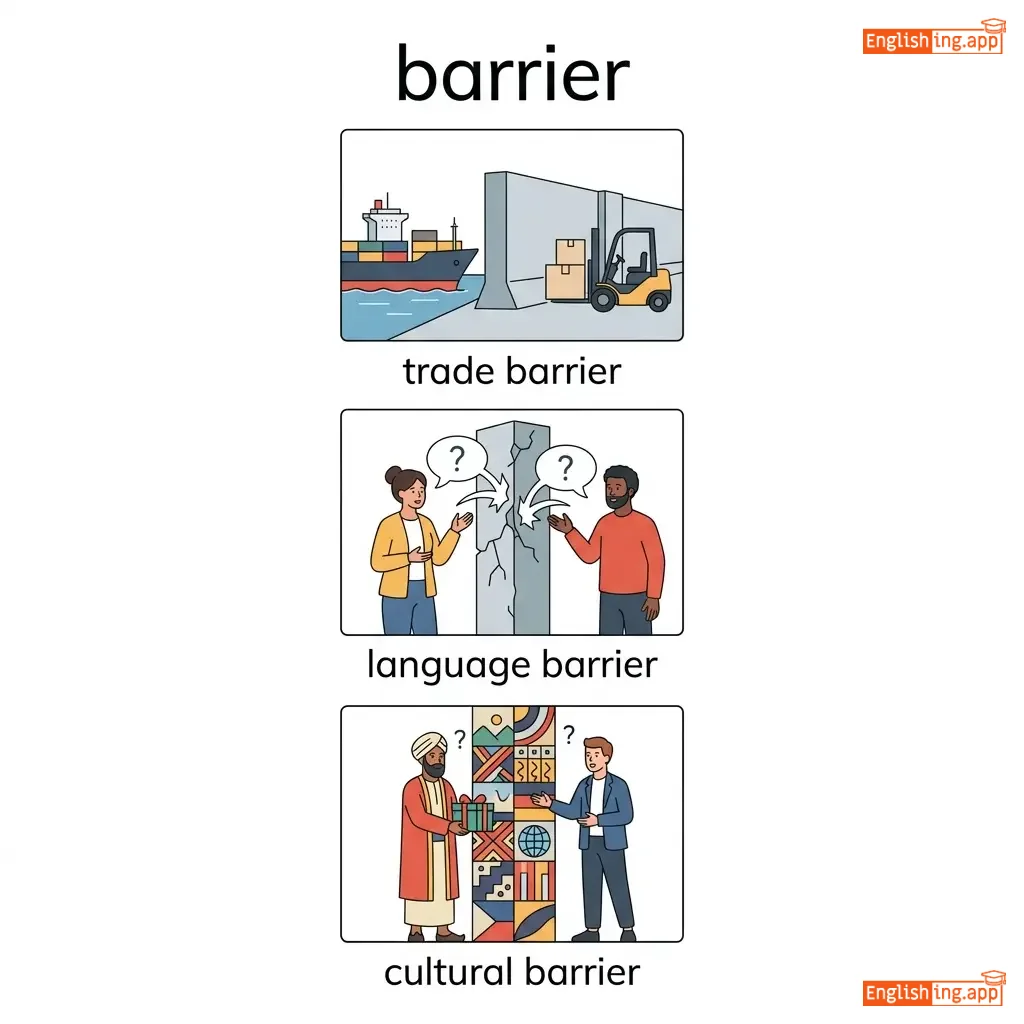
ˈbæriə(r)
noun
••••••
••••••
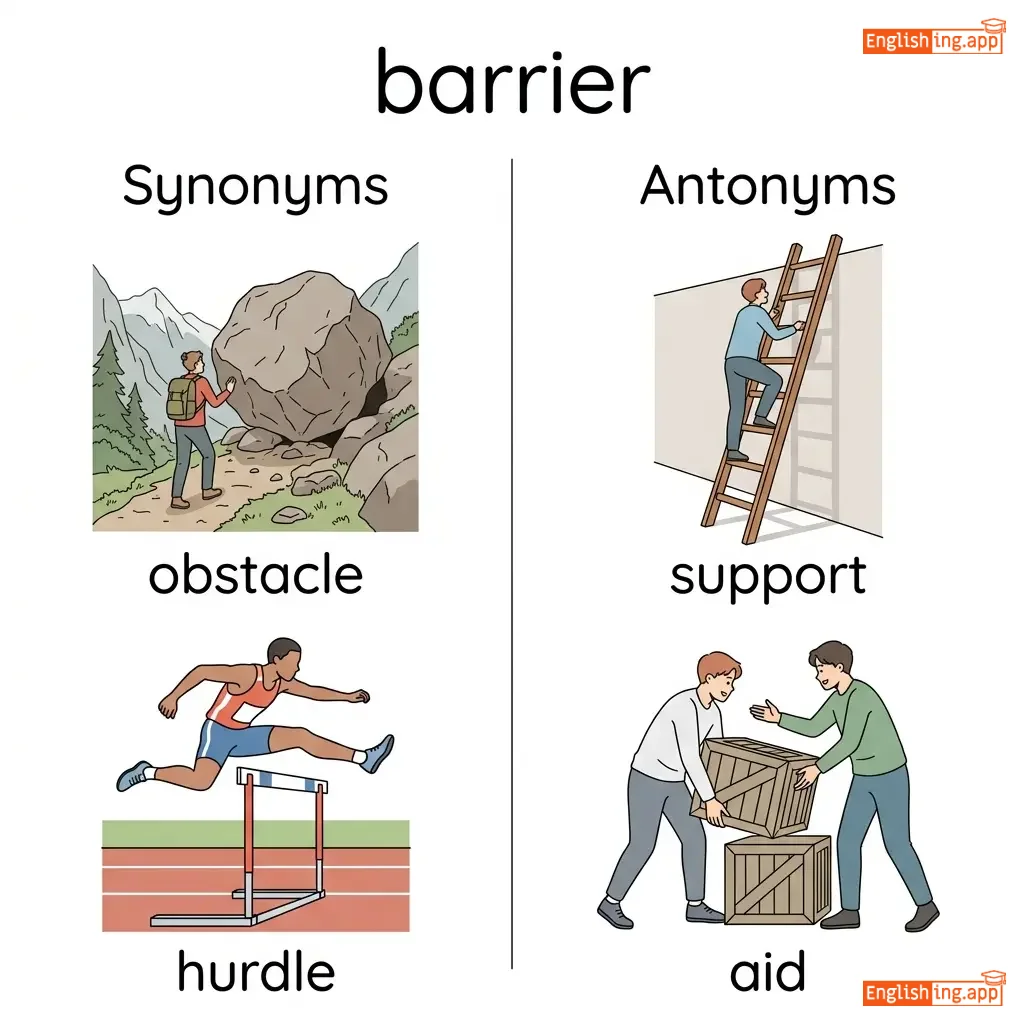
A fence or other obstacle that prevents movement or access.
••••••

The barrier prevented entry.

••••••
obstacle, hurdle
••••••
access, opening
••••••
#593
🛡️
••••••
dɪˈfens
noun
••••••
••••••
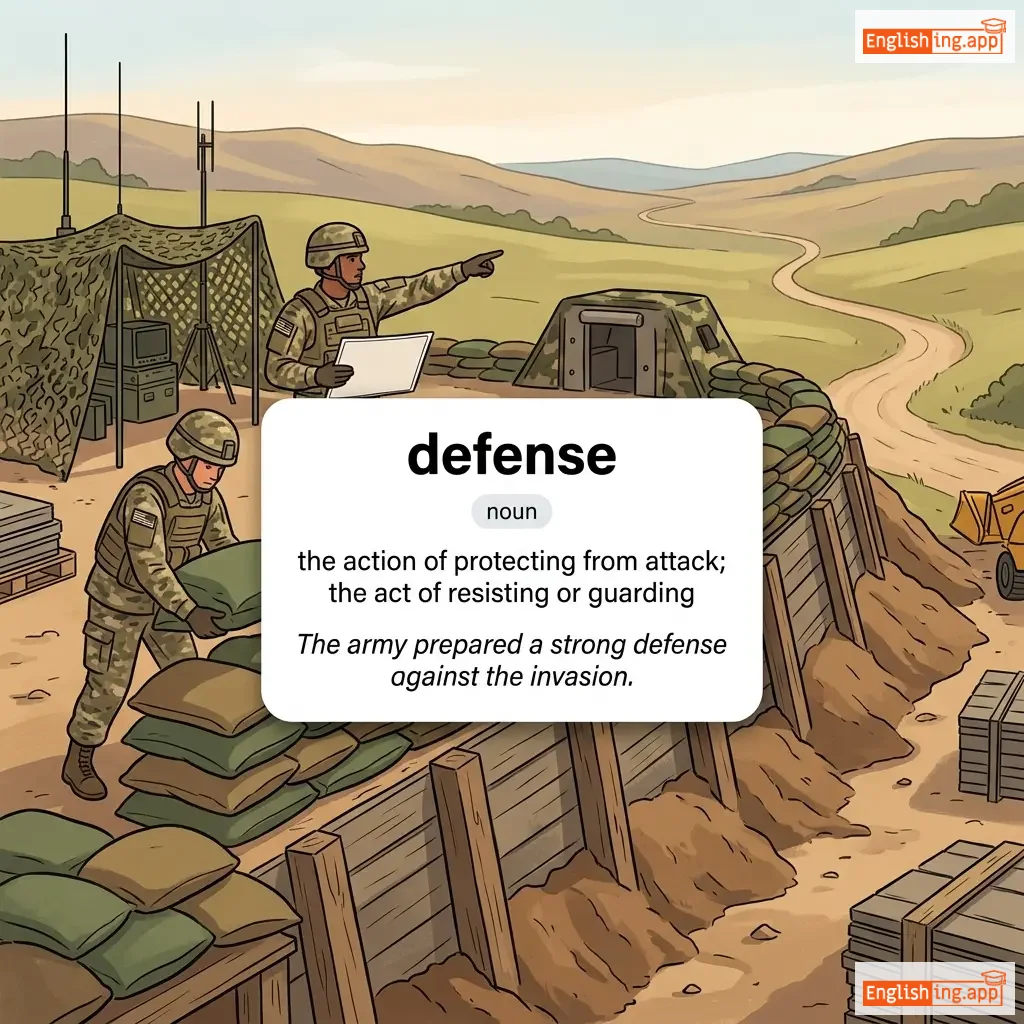
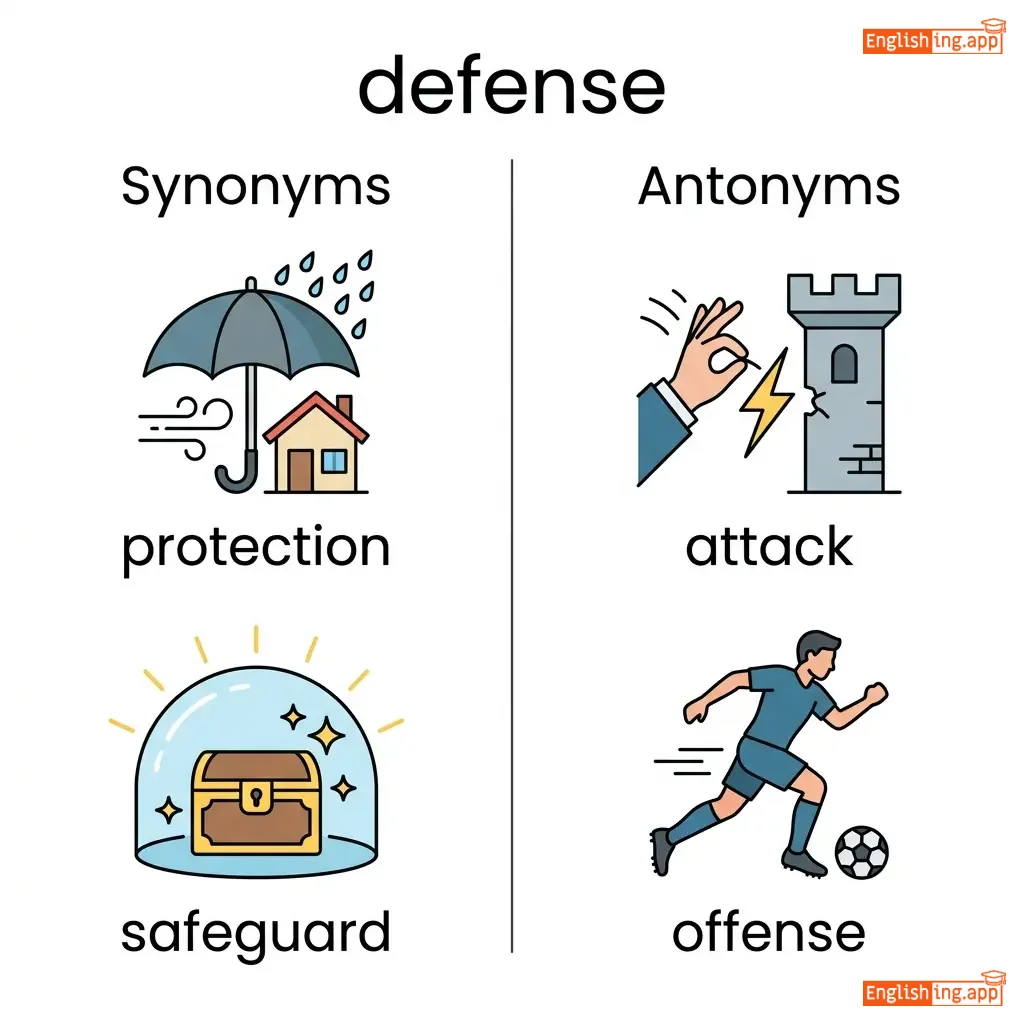
The action of defending from or resisting attack.
••••••

The defense strategy was effective.

••••••
protection, security
••••••
attack, assault
••••••
#594
🔧
••••••
ˌmɒdɪfɪˈkeɪʃn
noun
••••••
••••••
The action of making changes to something.
••••••

The plan required modification.

••••••
adjustment, alteration
••••••
preservation, constancy
••••••
#595
📈
••••••
ɪkˈspænʃn
noun
••••••
••••••
The action of becoming larger or more extensive.
••••••

Expansion of the wall was essential.

••••••
enlargement, growth
••••••
reduction, contraction
••••••
#596
🔨
••••••
ˌriːkənˈstrʌkʃn
noun
••••••
••••••
The action or process of reconstructing or being reconstructed.
••••••

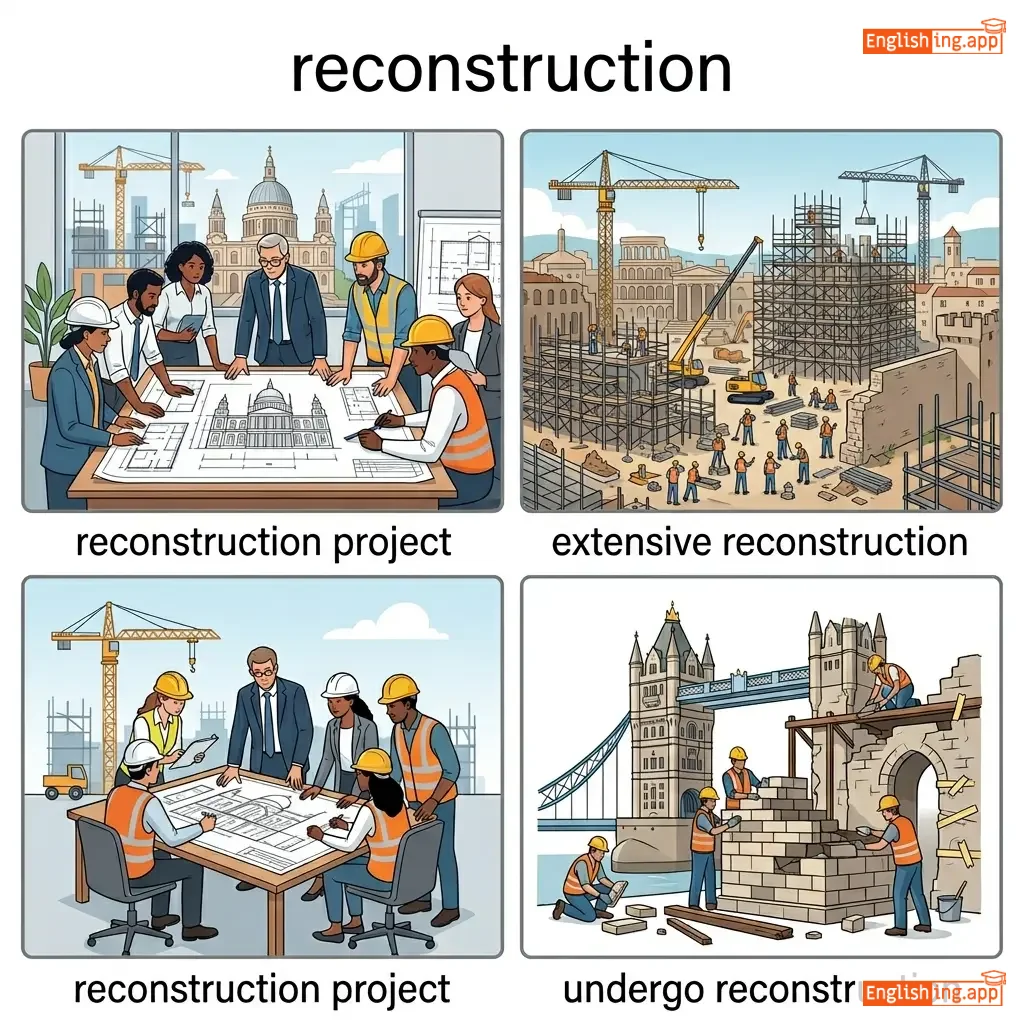
The reconstruction project took years.

••••••
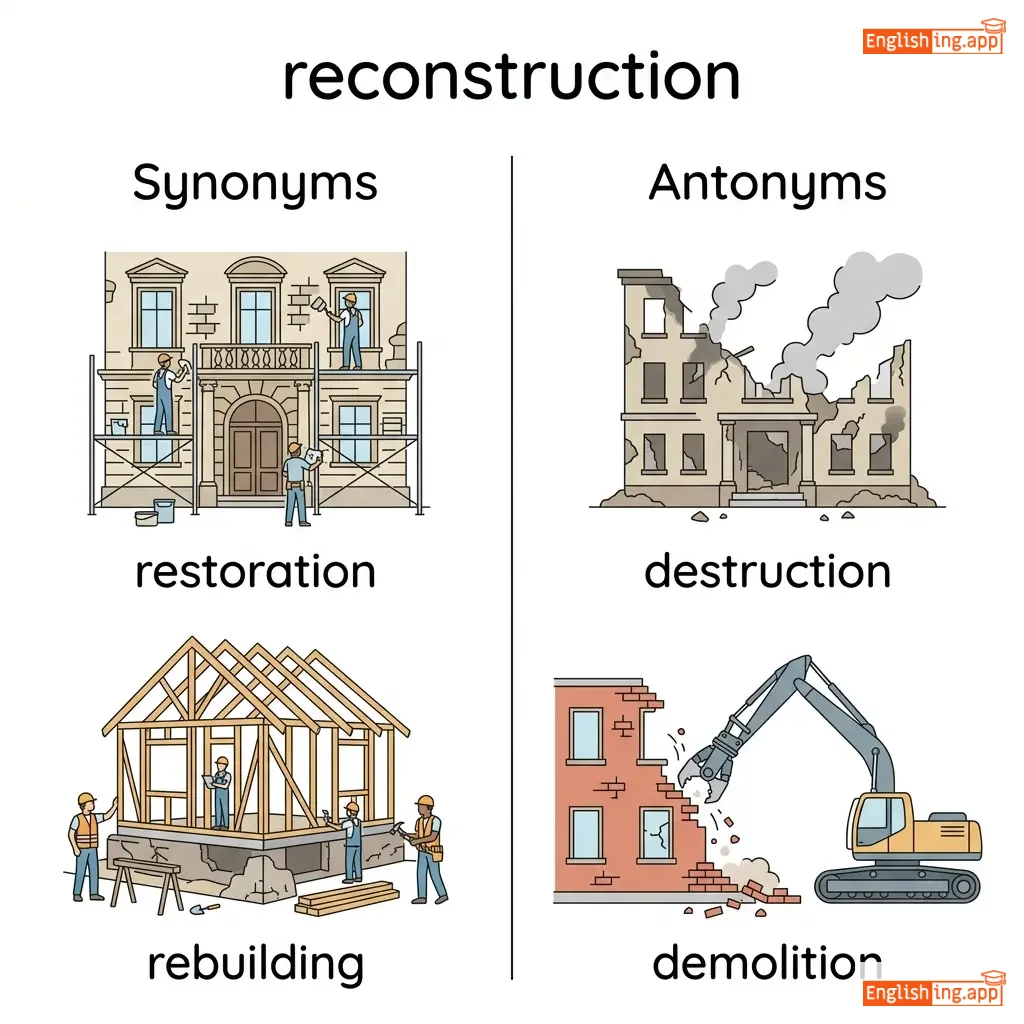
rebuilding, renewal
••••••
destruction, ruin
••••••
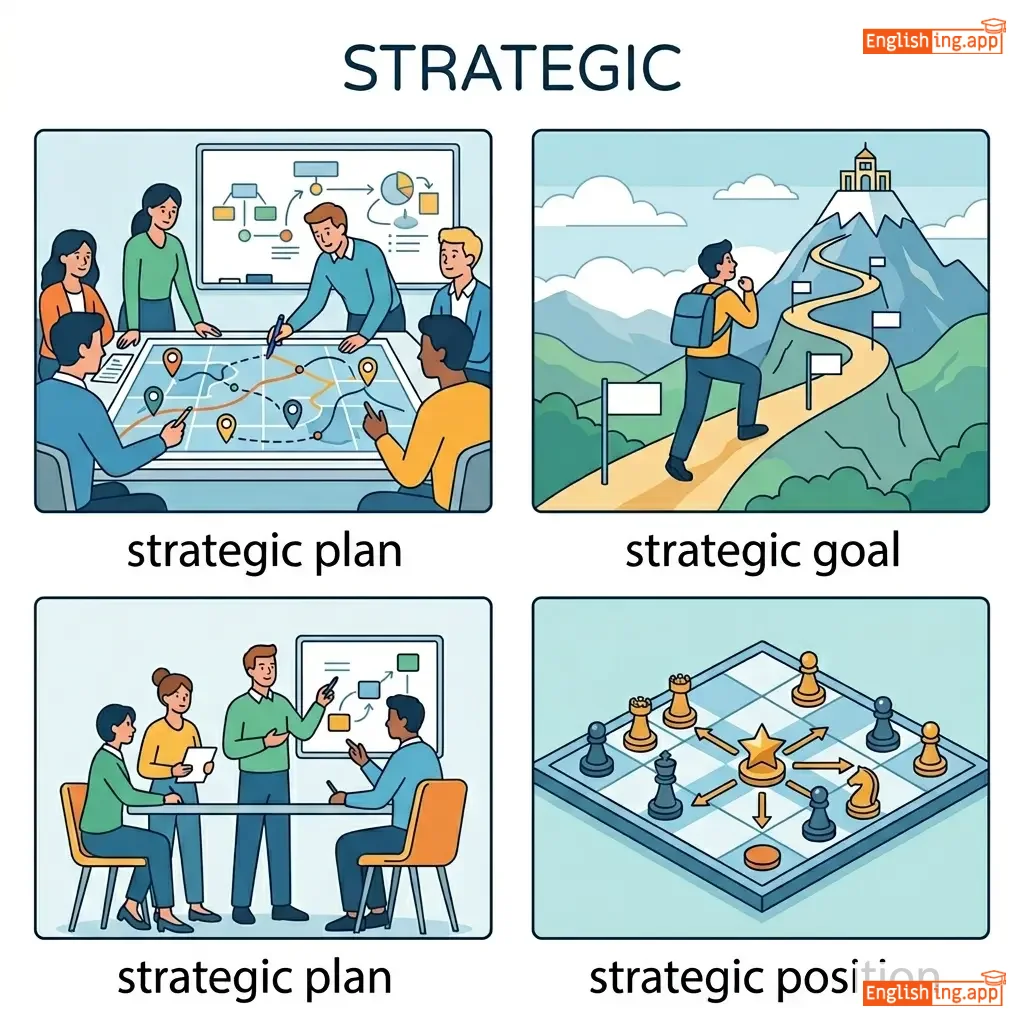
#597
🎯
••••••
strəˈtiːdʒɪk
adjective
••••••
••••••
Relating to the identification of long-term or overall aims and interests and the means of achieving them.
••••••

Strategic decisions are vital for growth.

••••••
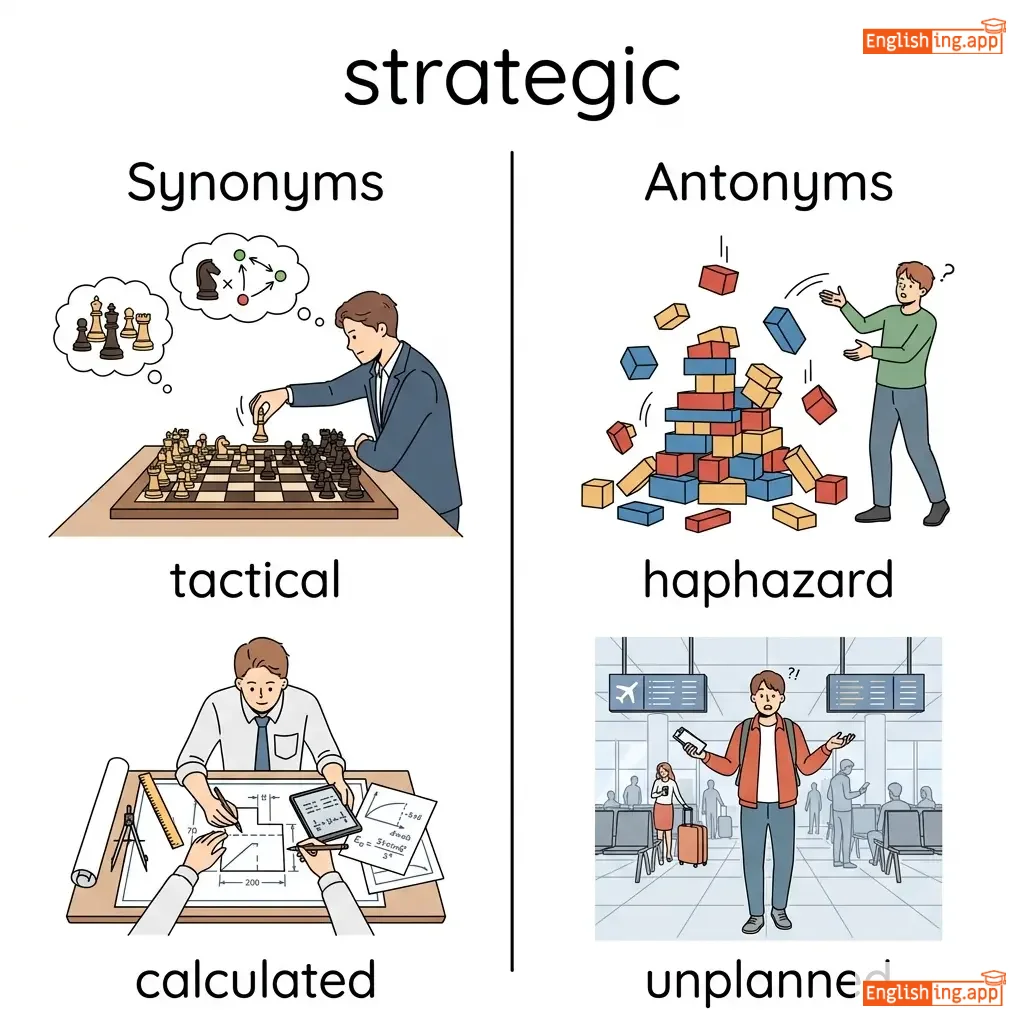
tactical, planned
••••••
haphazard, unplanned
••••••