

压力对身心健康的影响
Impact of Stress on Well-being
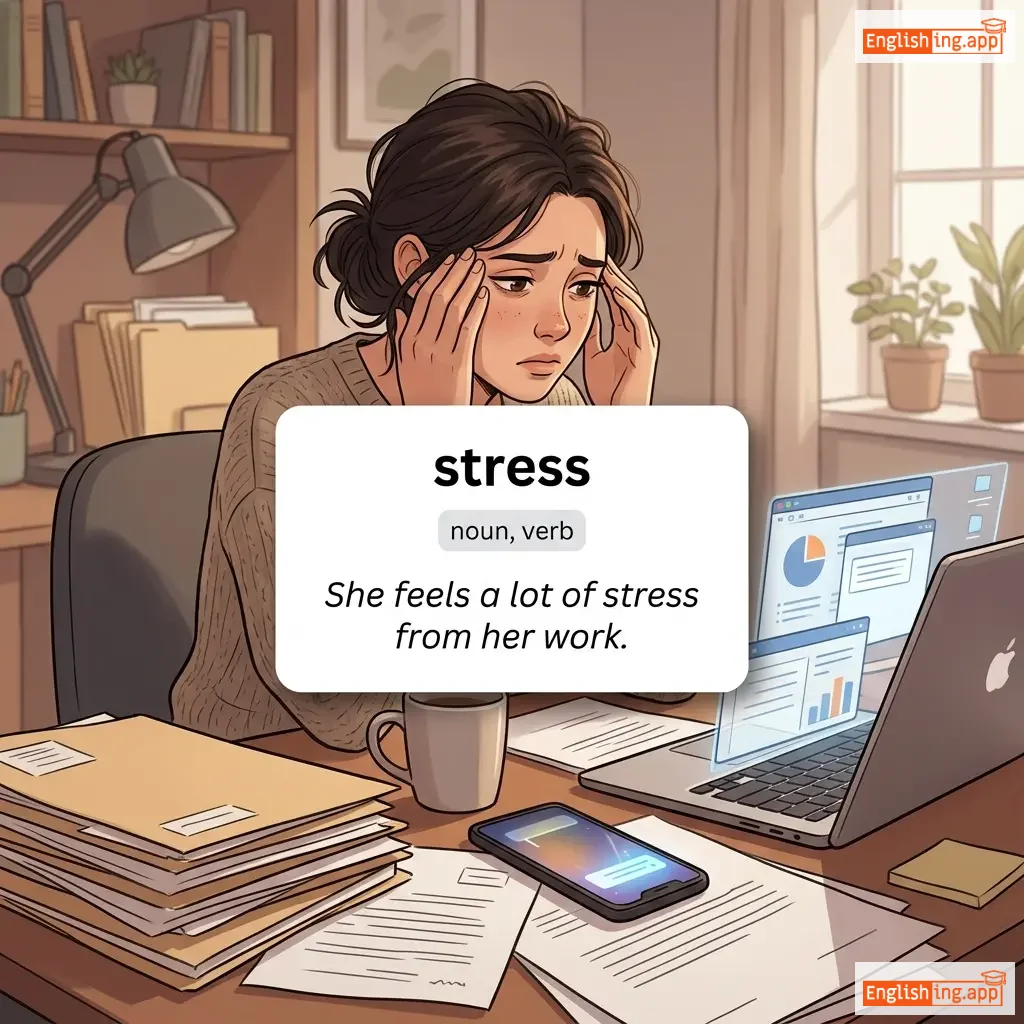
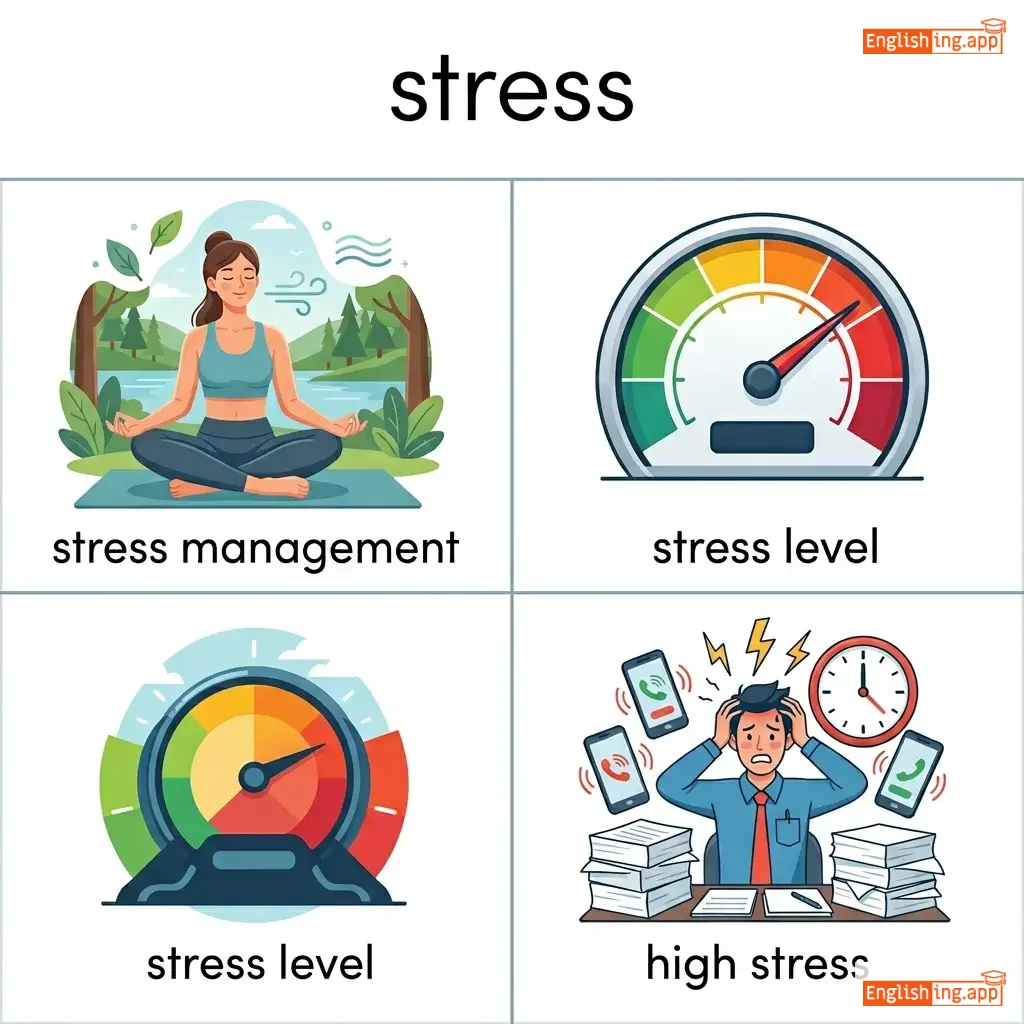
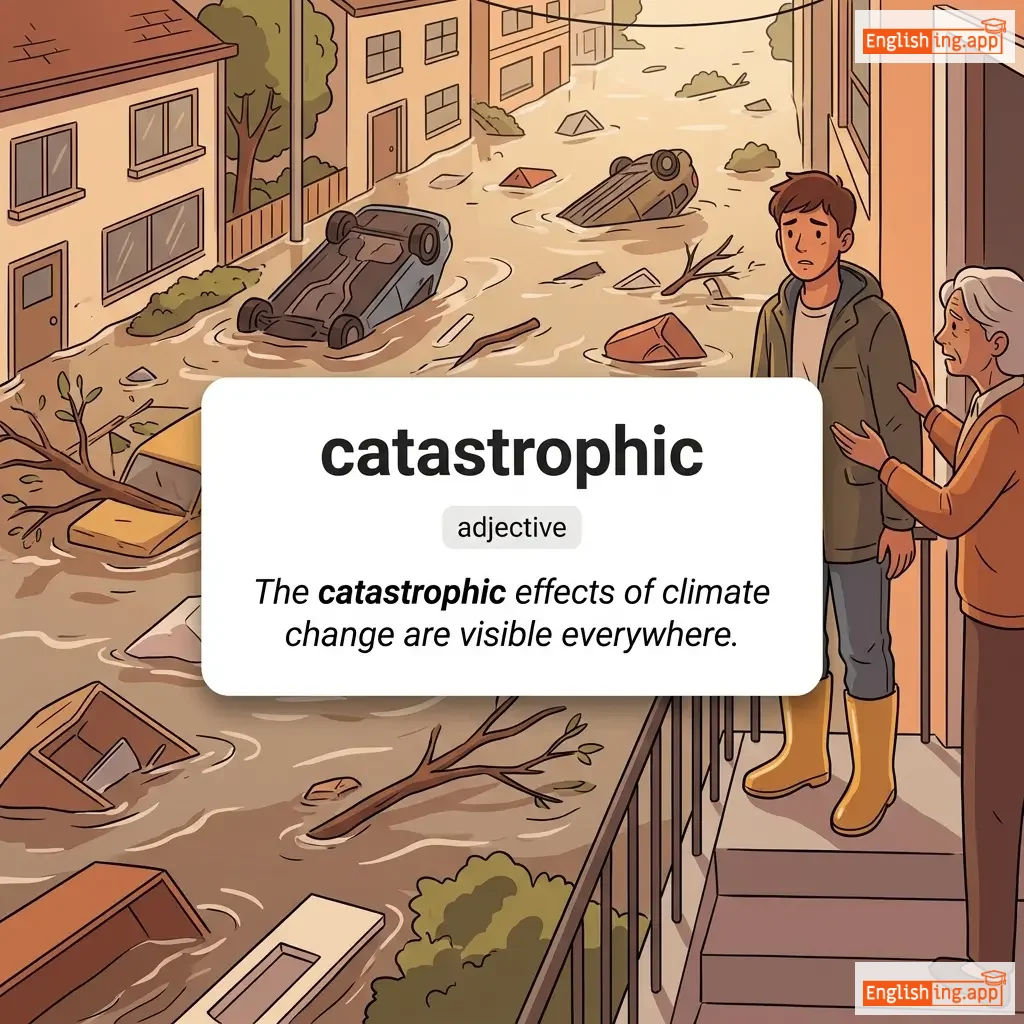
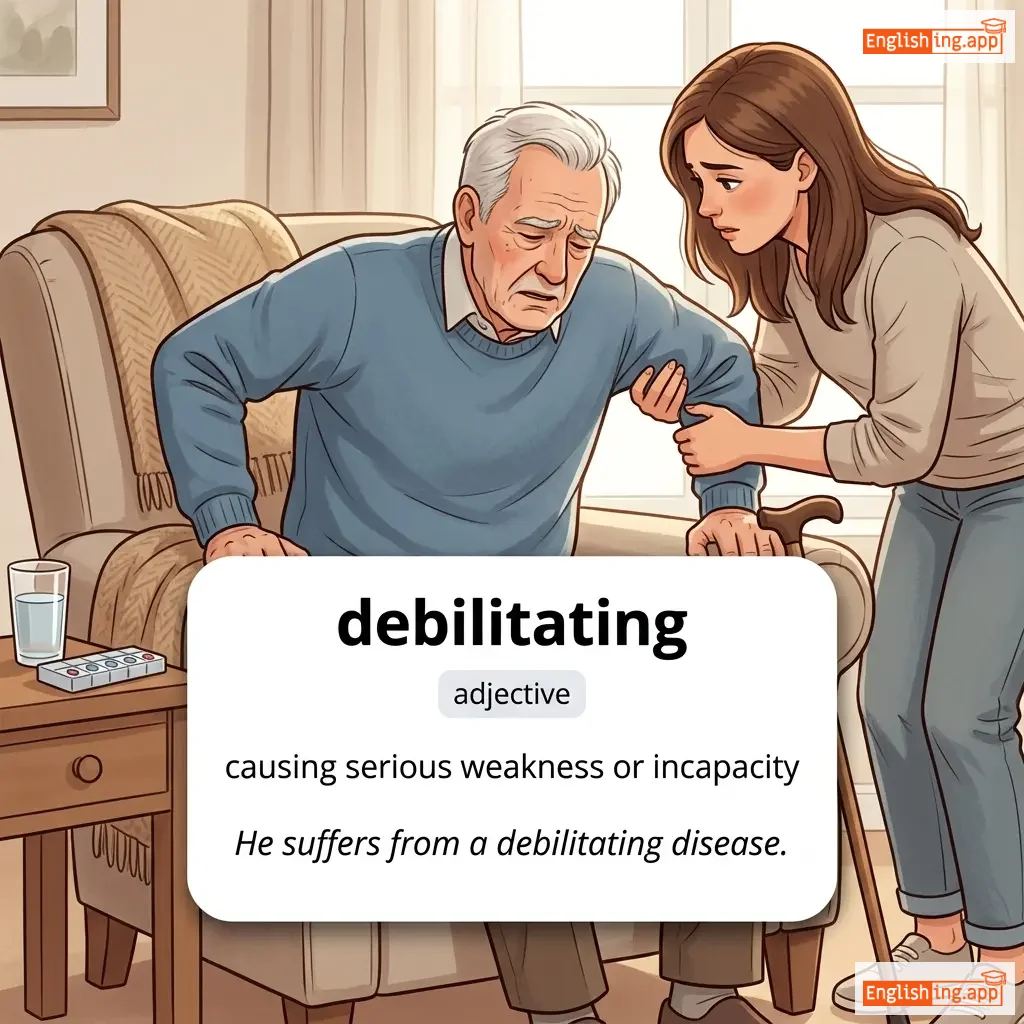
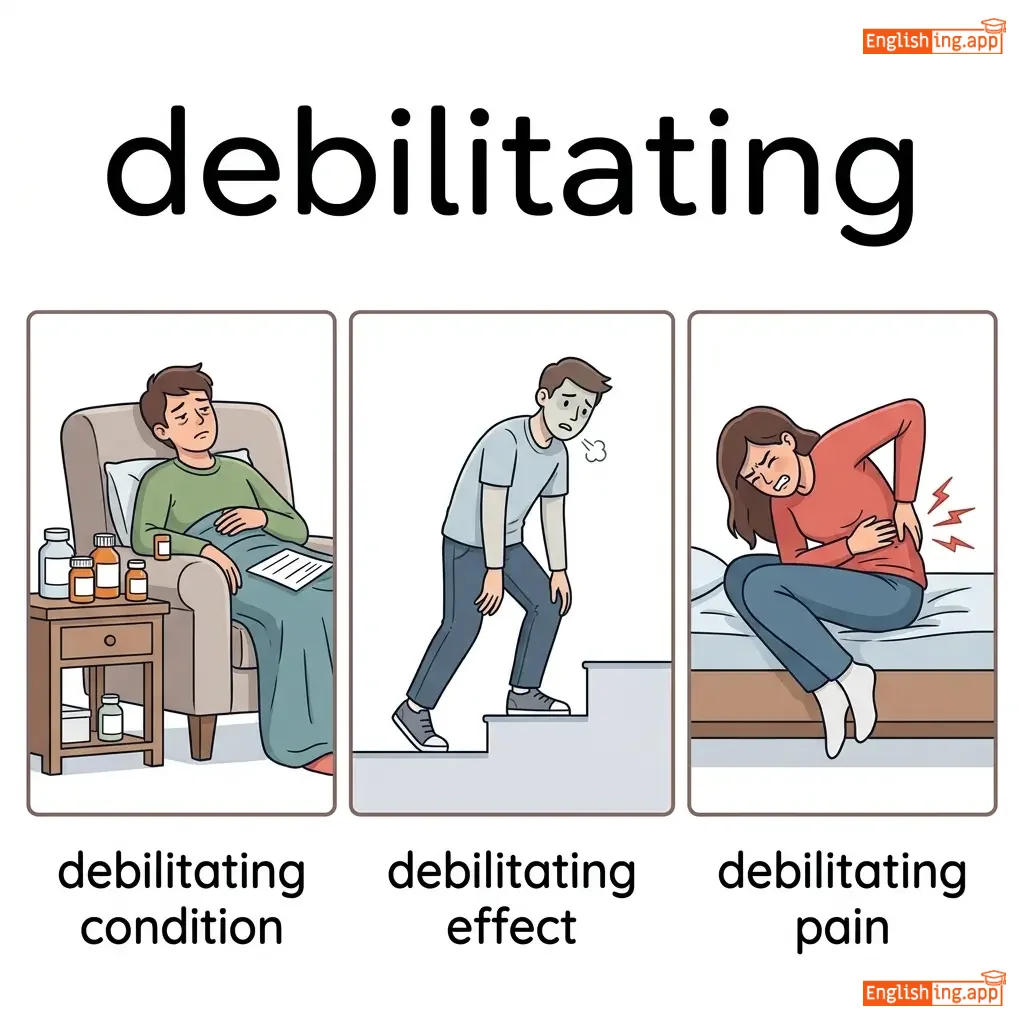
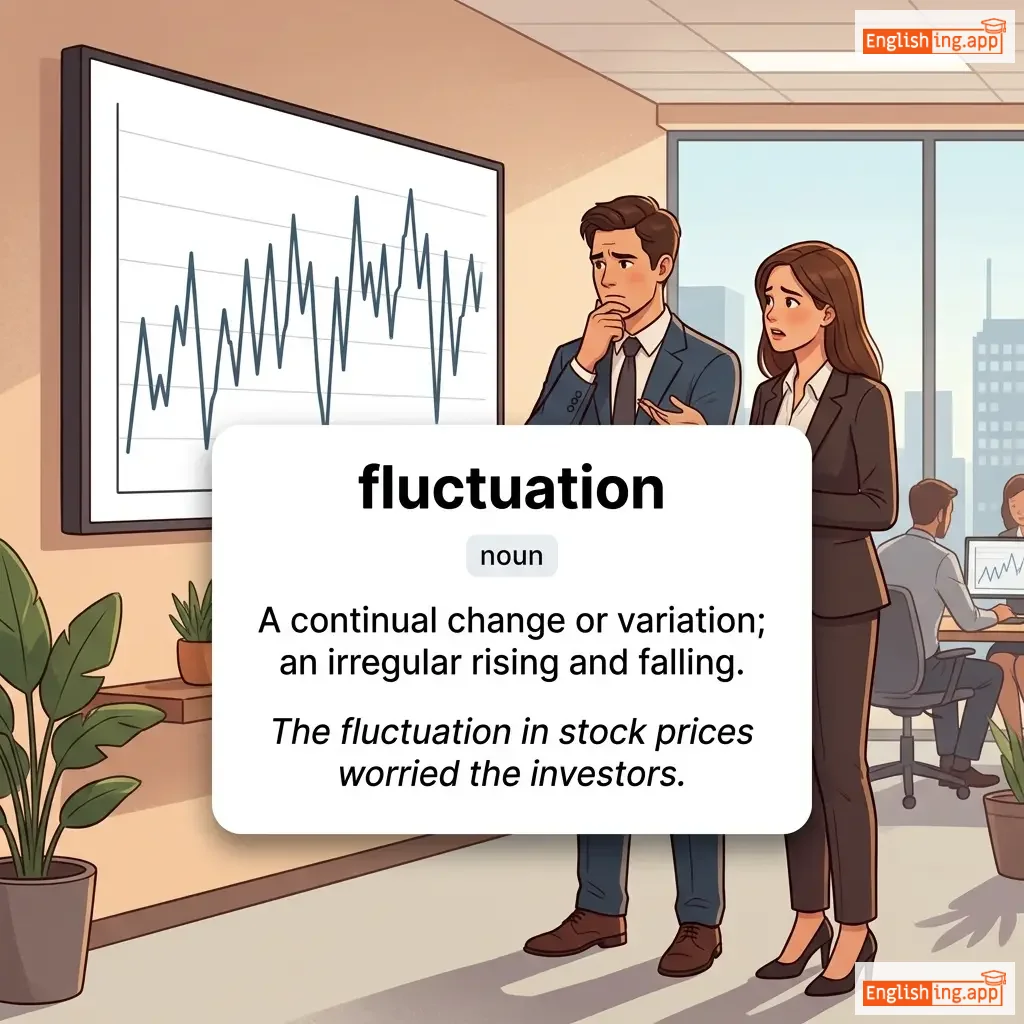
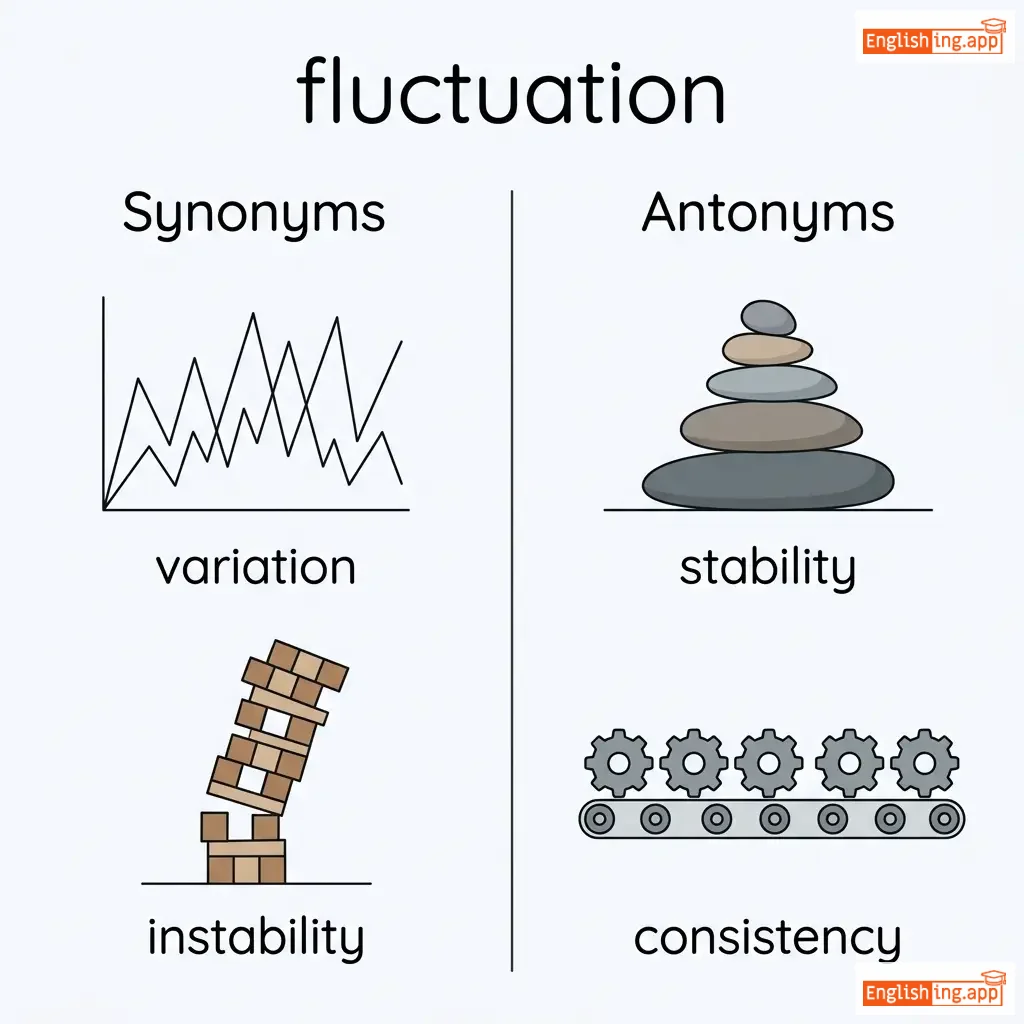
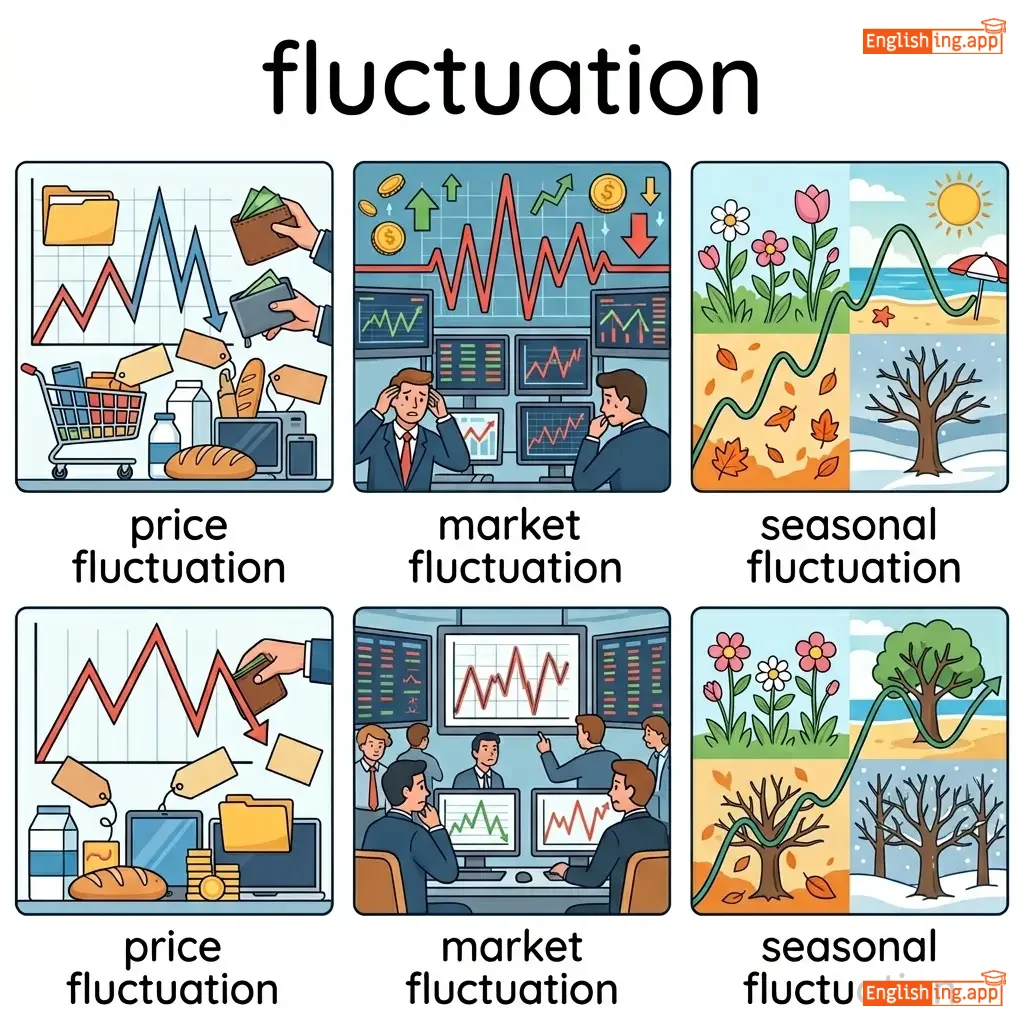
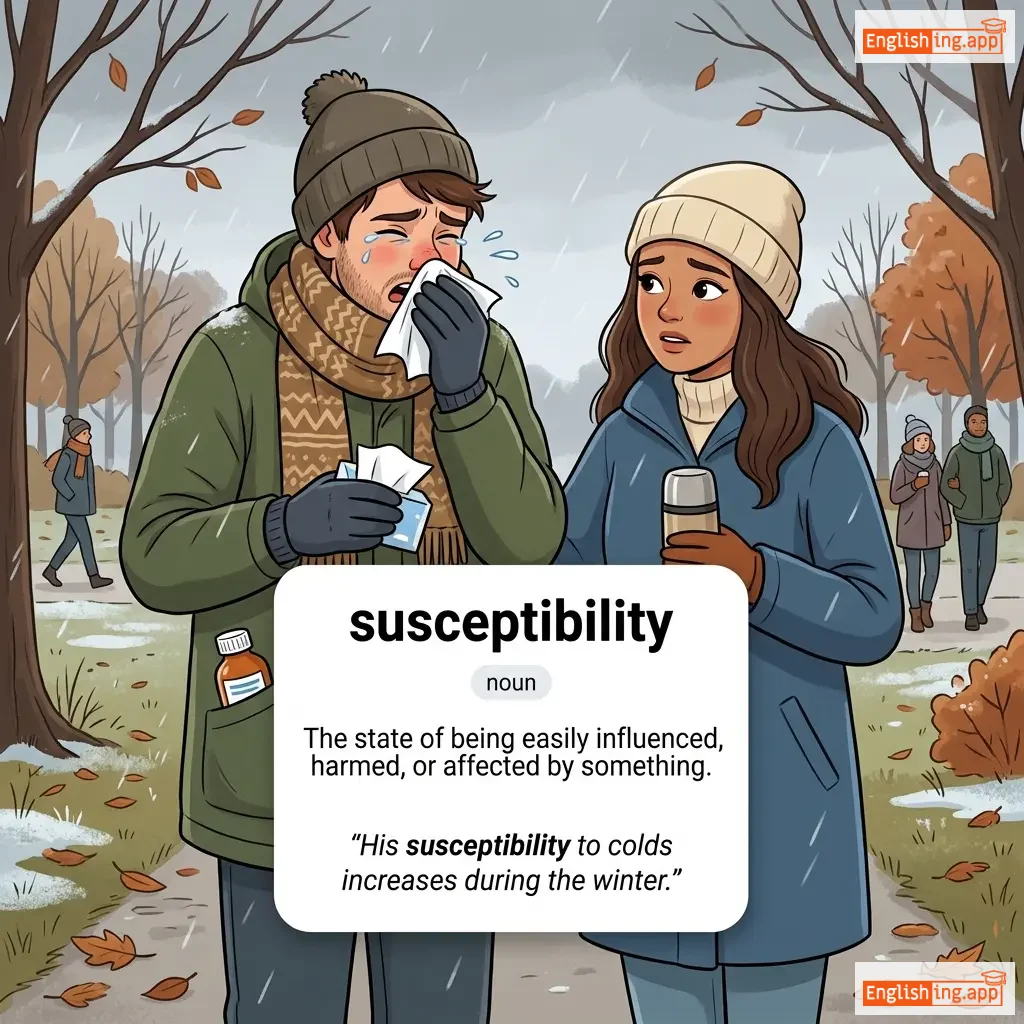
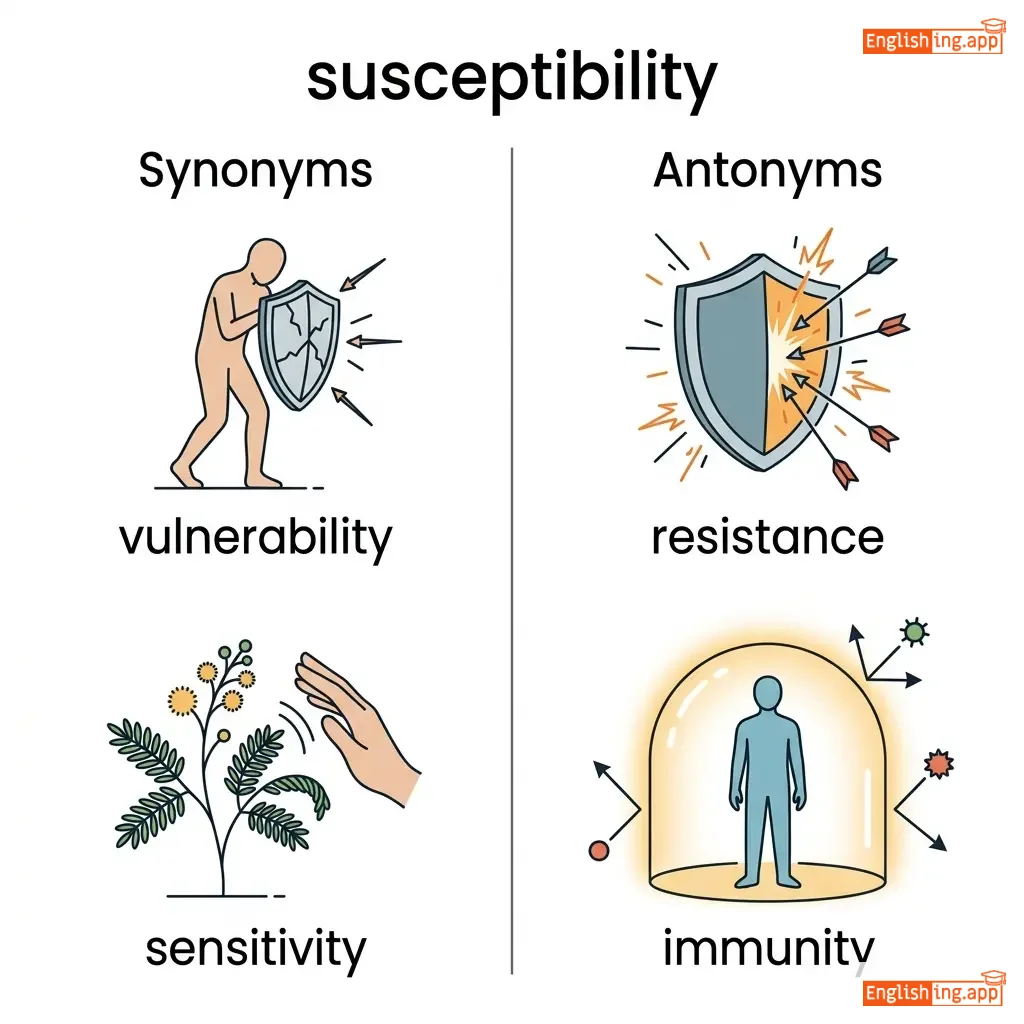
Stress 对我们的心理和身体健康有显著影响。如果不加控制,它可能导致 catastrophic 的后果。当人类感受到压力时,大脑会产生 dissonance,这可能对我们的思维能力造成 debilitating 的影响。逐渐的 fluctuation 会影响情绪并增加 susceptibility。
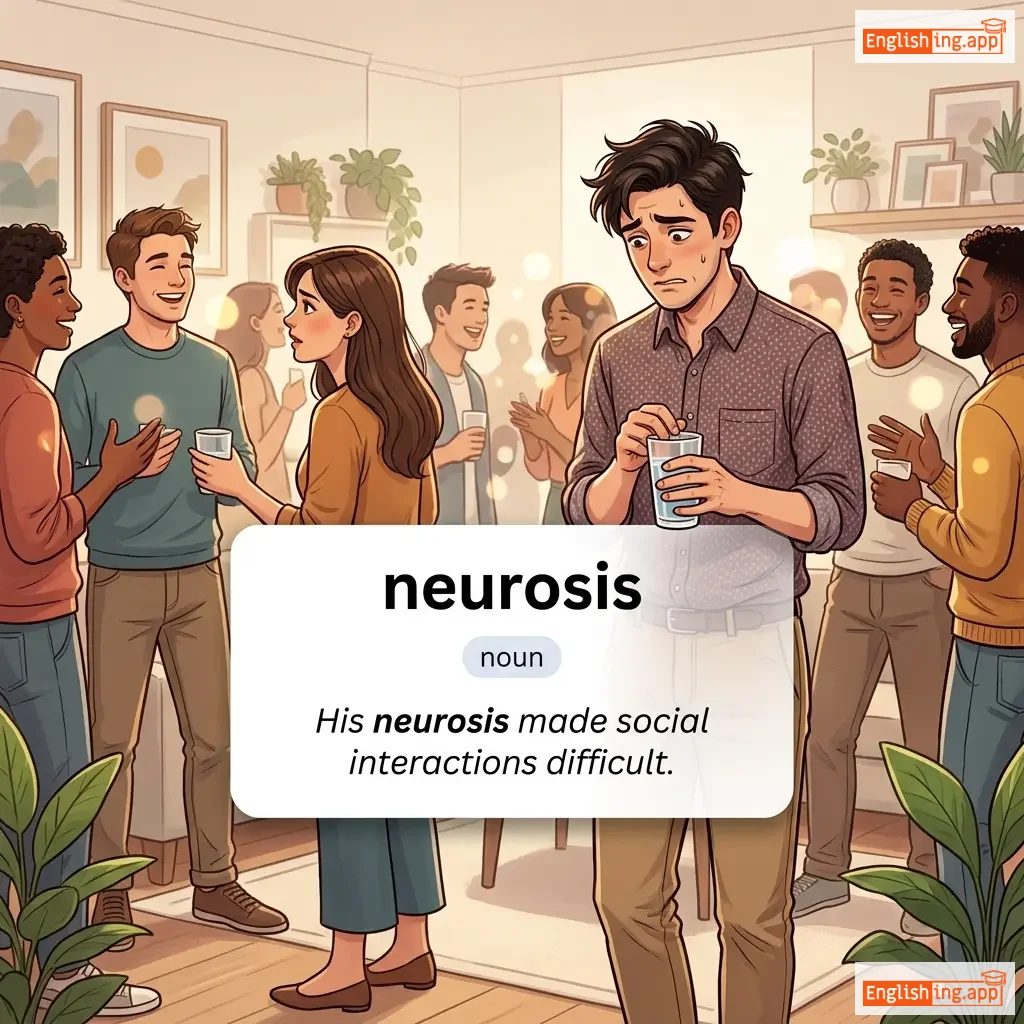
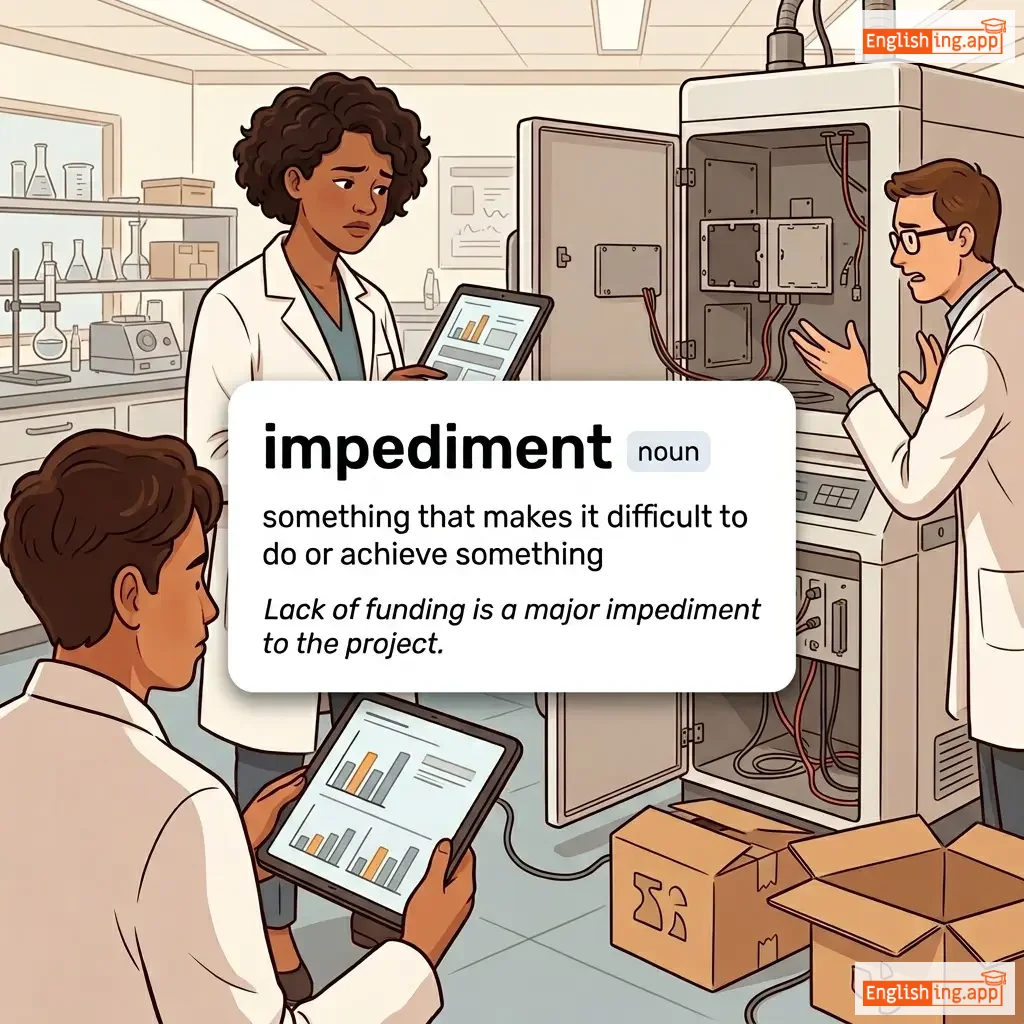
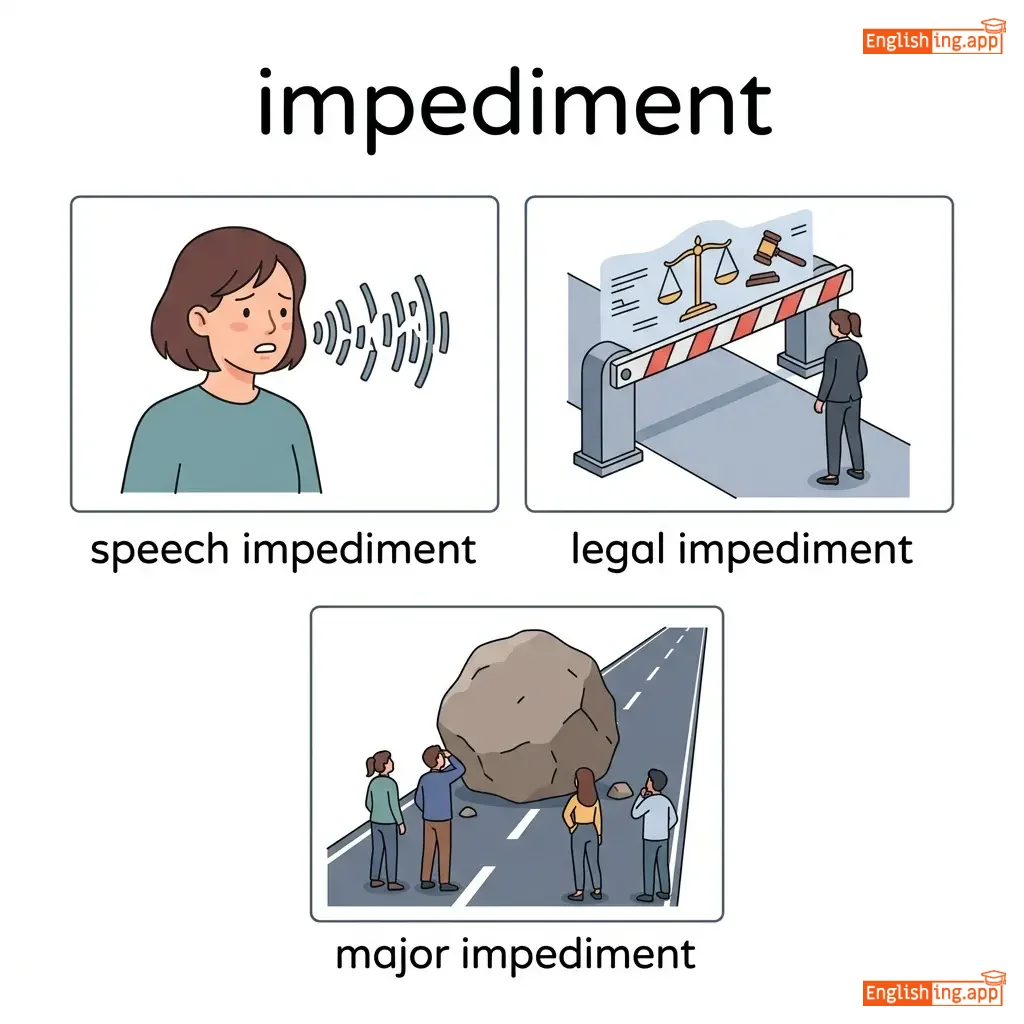
那些每天经历心理 turmoil 的人可能会长期患有 neurosis 或焦虑症。这不仅影响大脑,还会造成身体上的 impediments,妨碍正常生活。
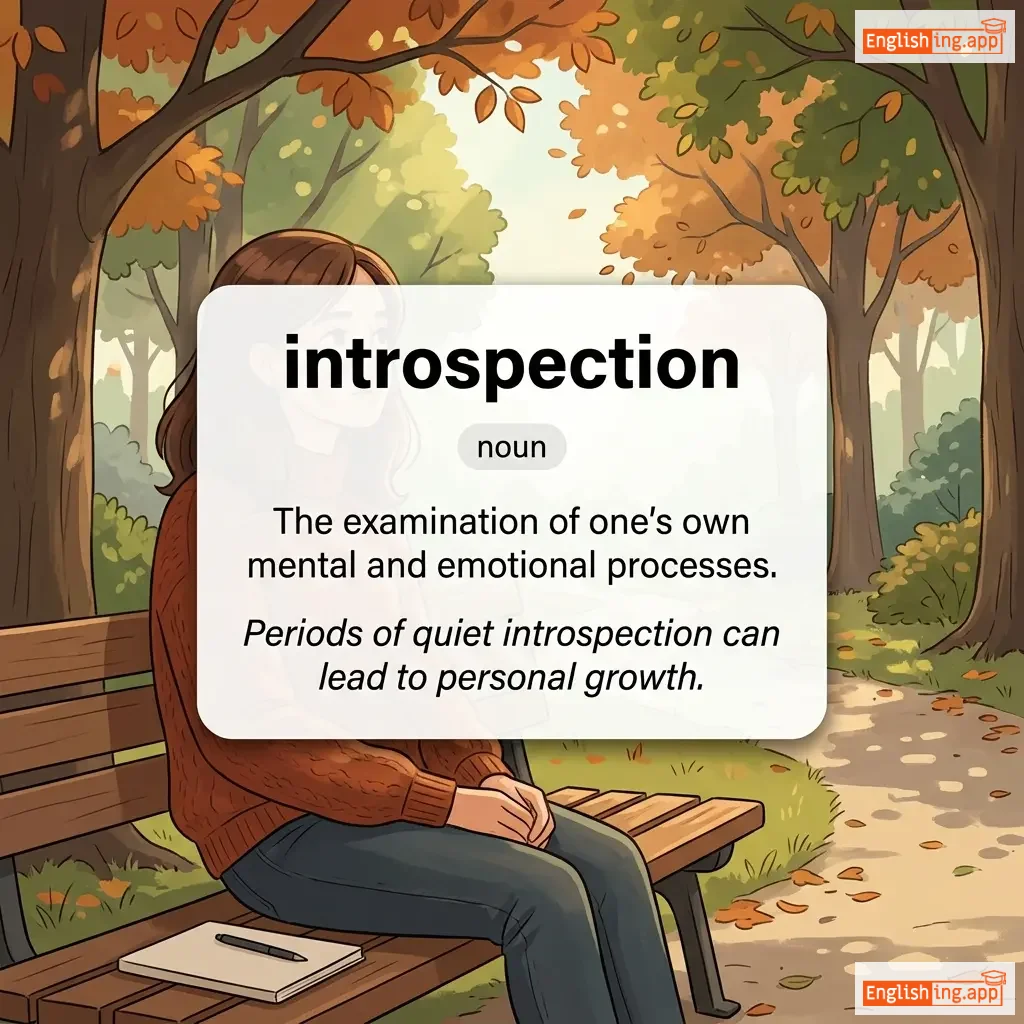
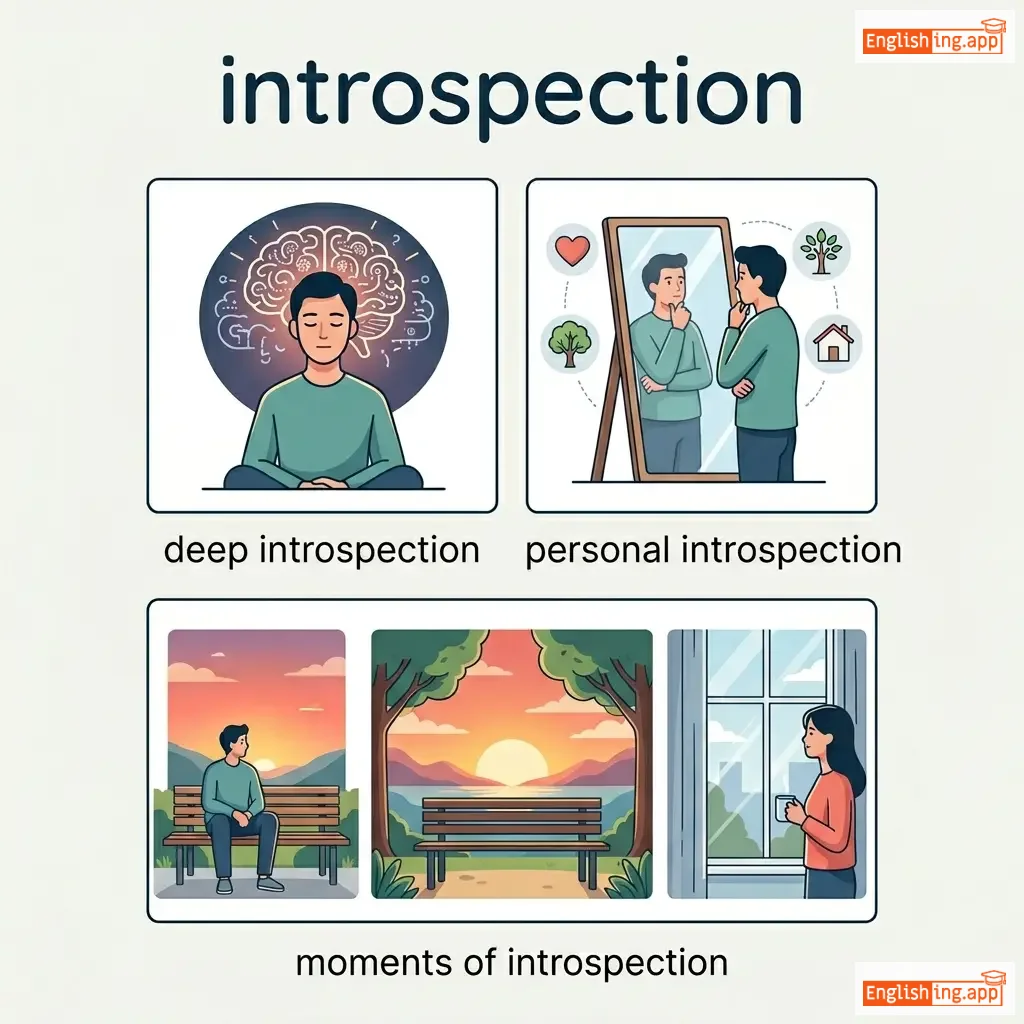
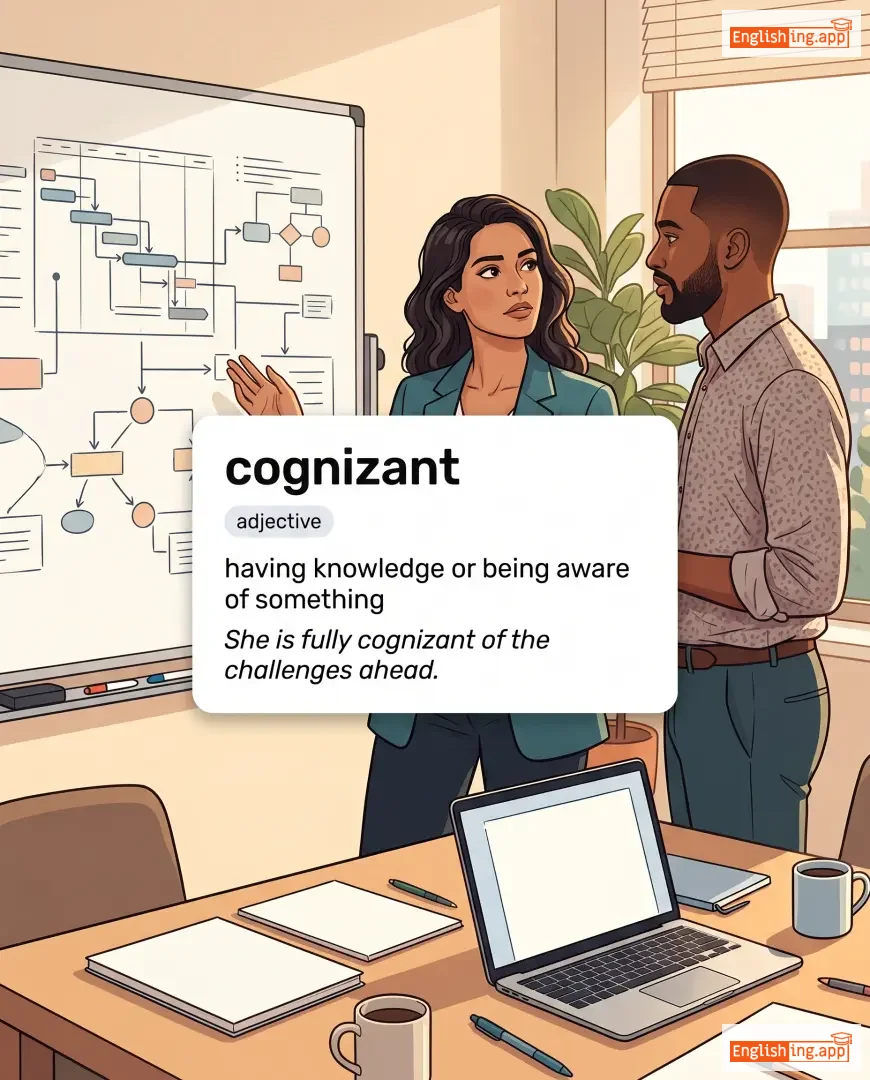
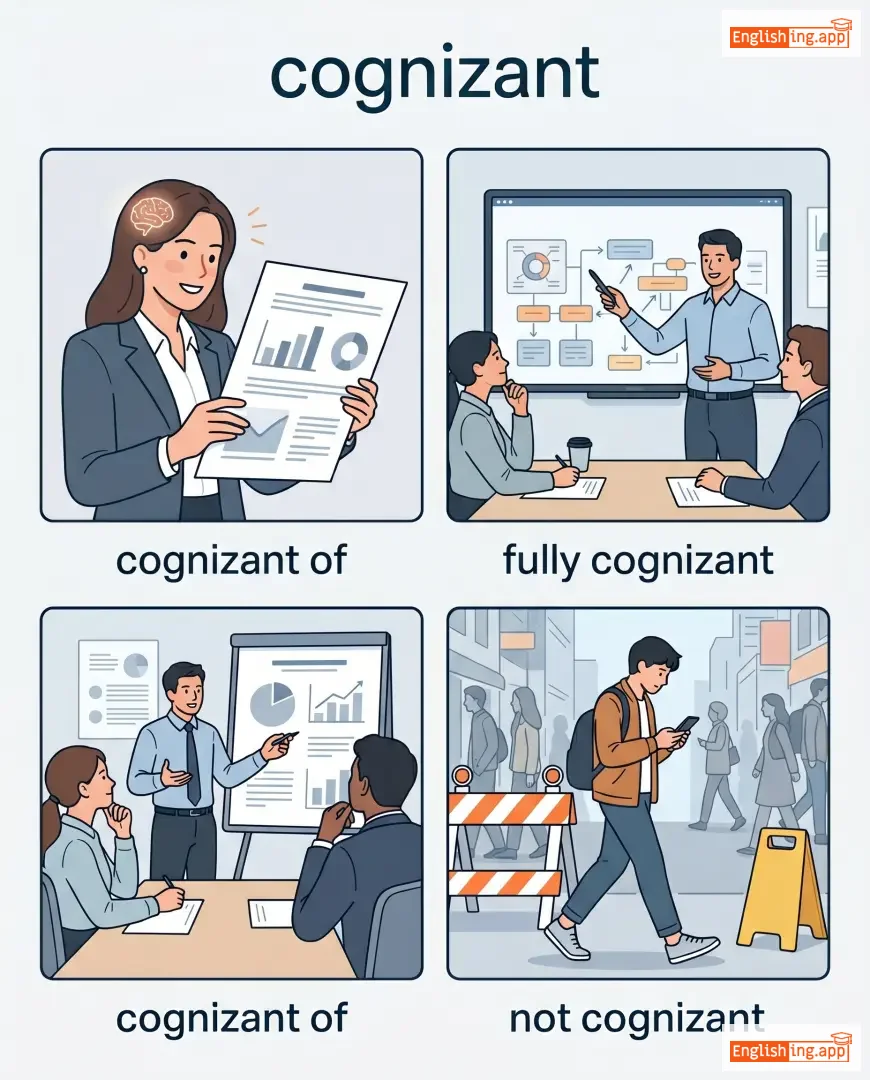
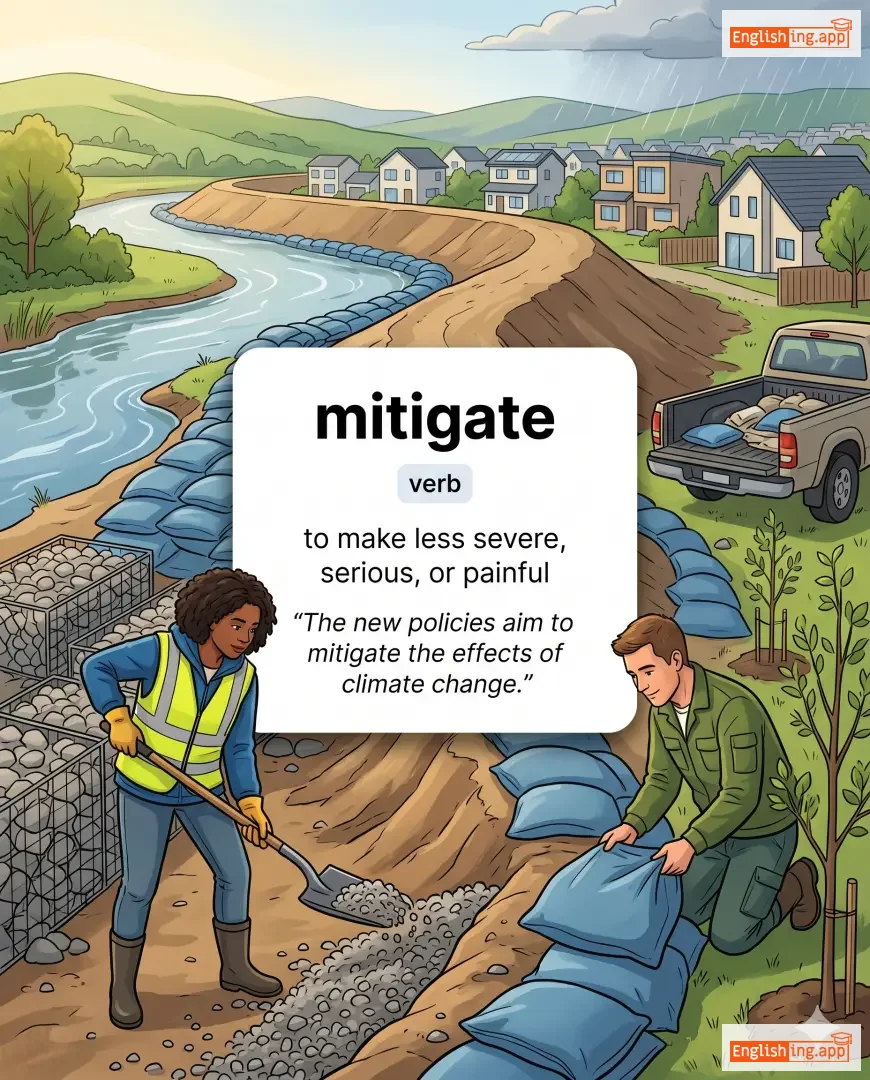
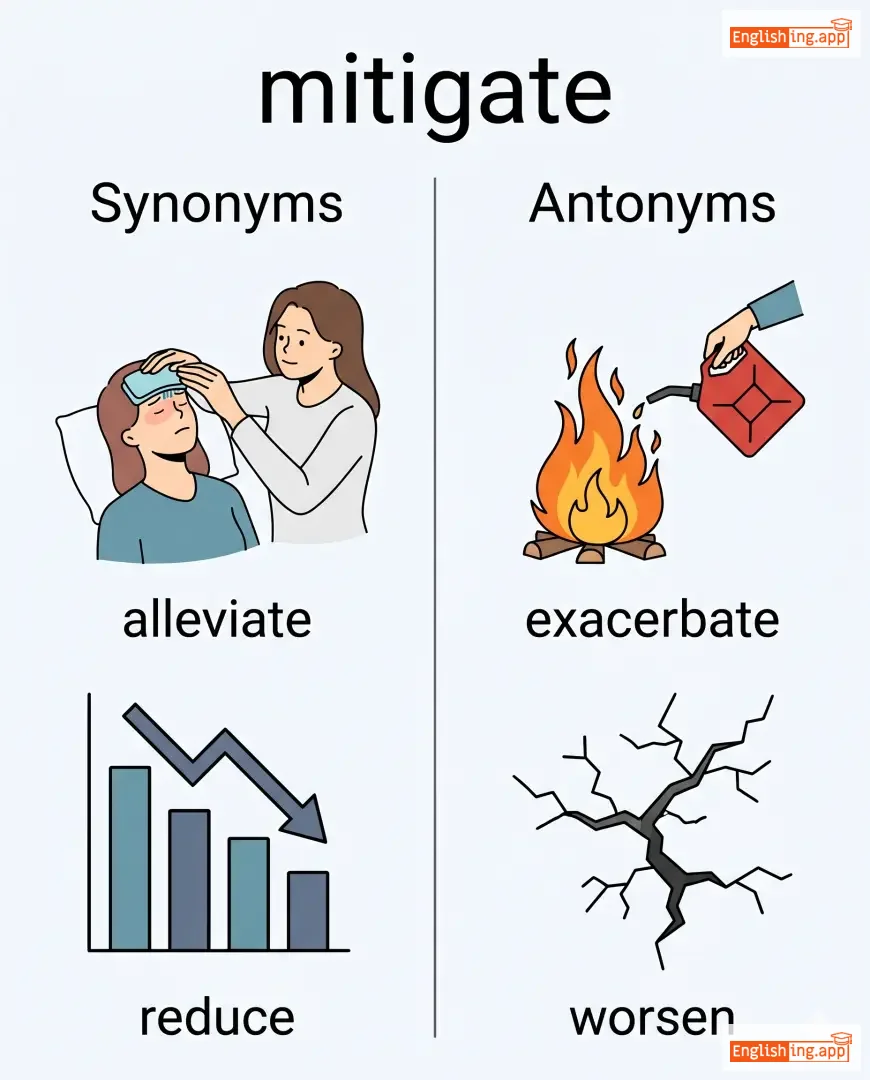
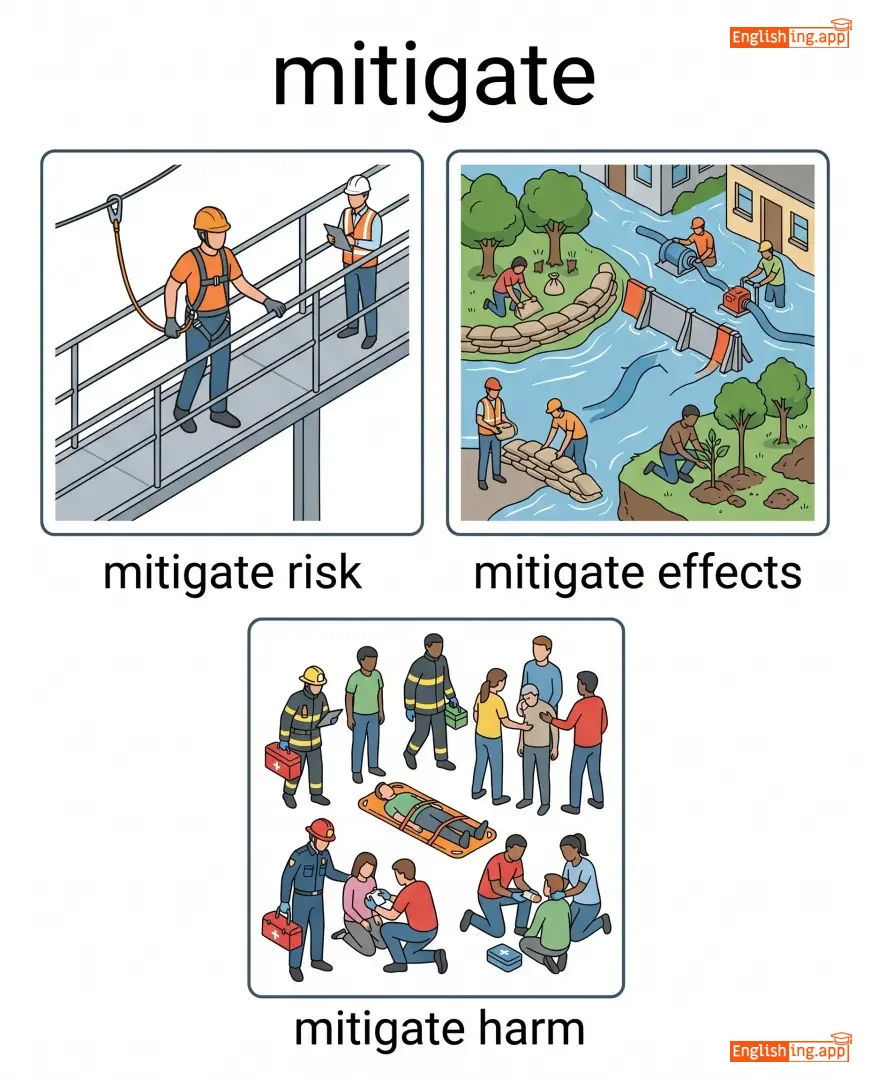
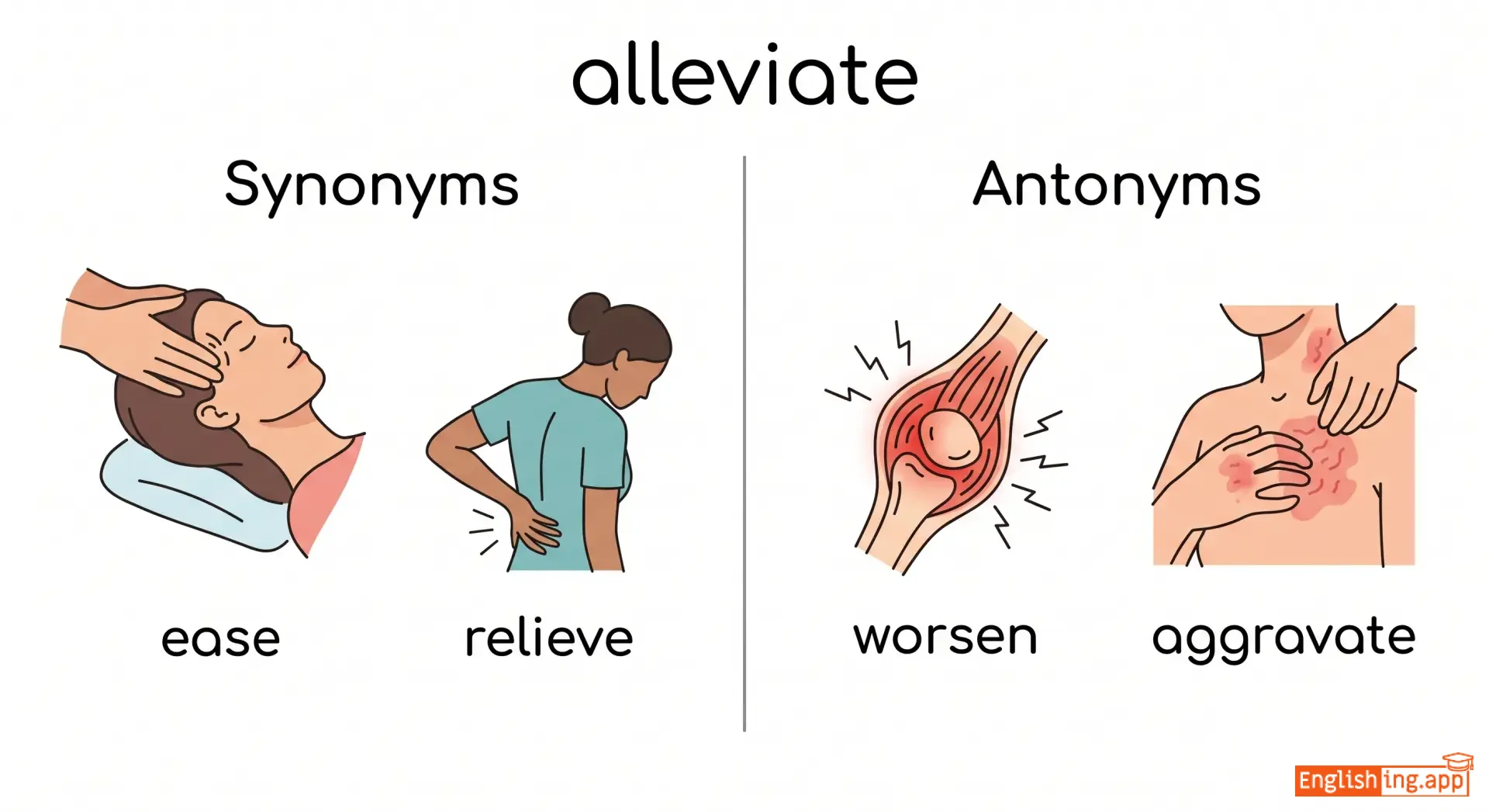
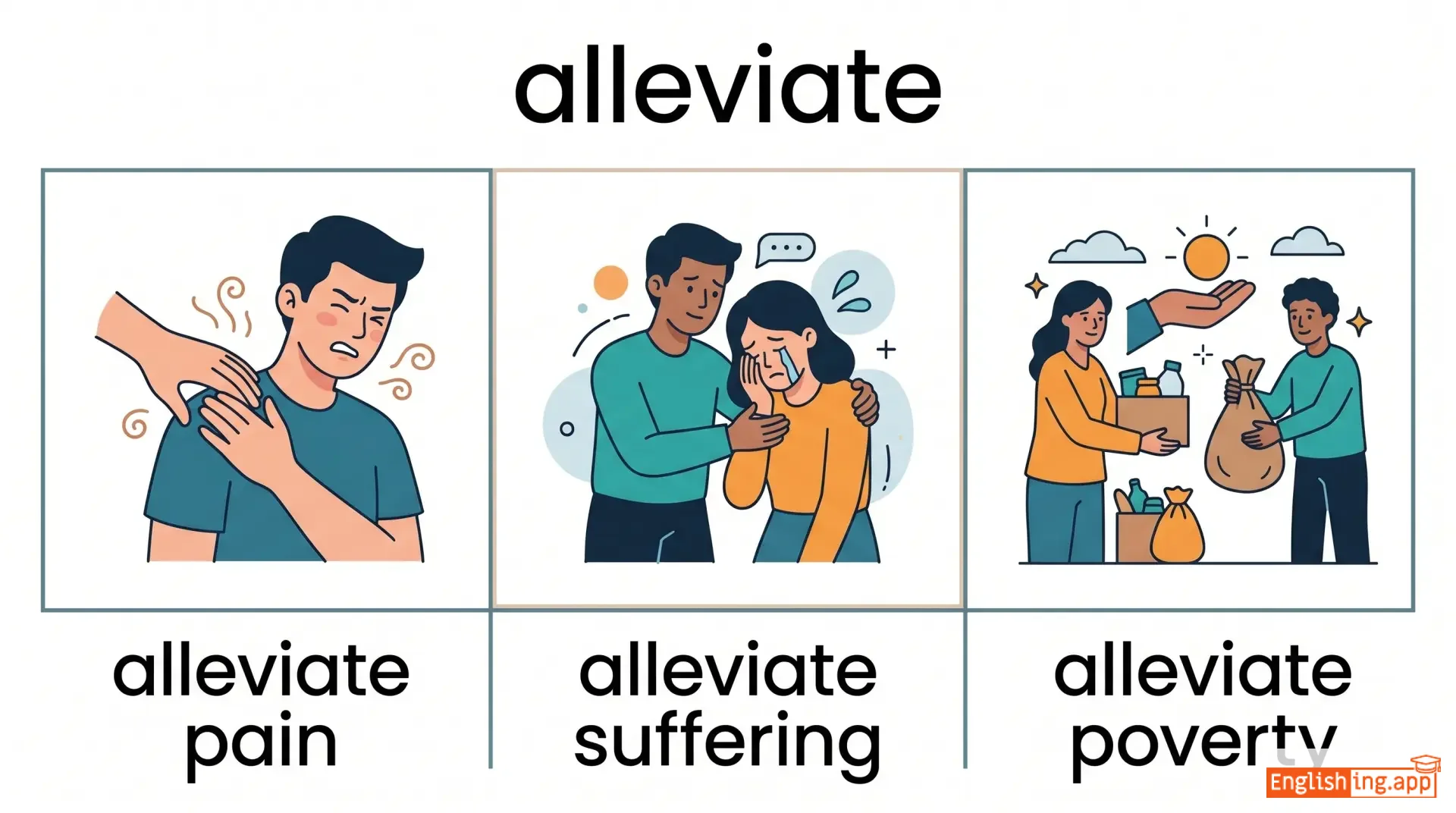
然而,通过 introspection 和保持 cognizant,我们可以 mitigate 这些问题。如果我们能够理解自己并做出必要的改变,压力会逐渐被 alleviate。
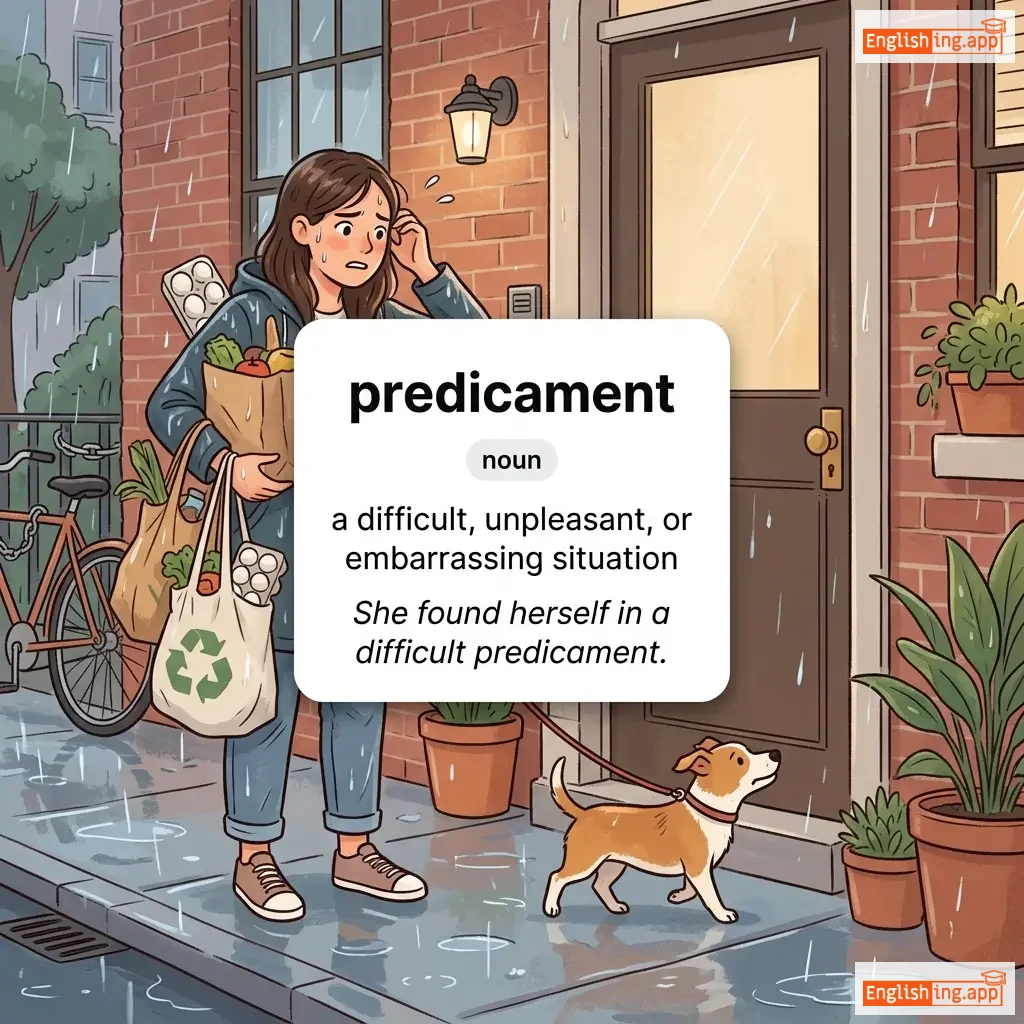
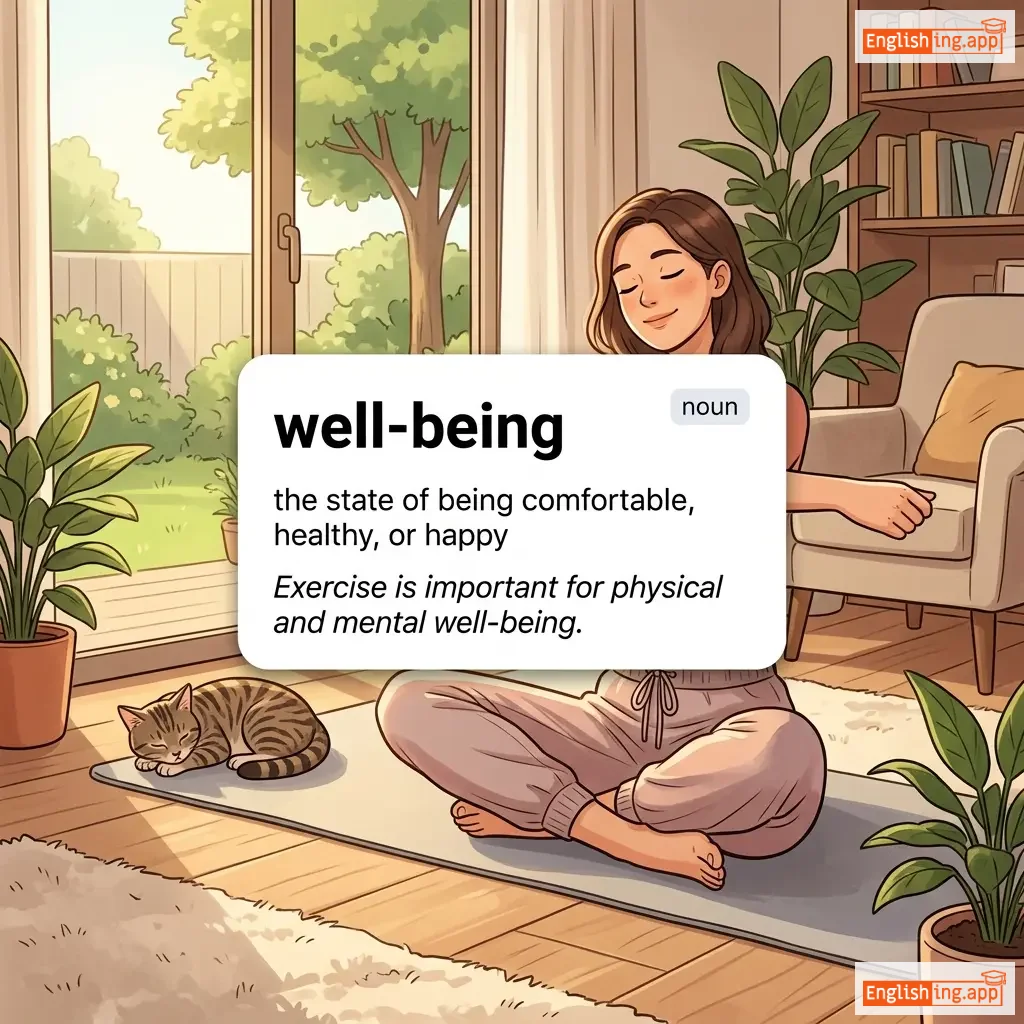
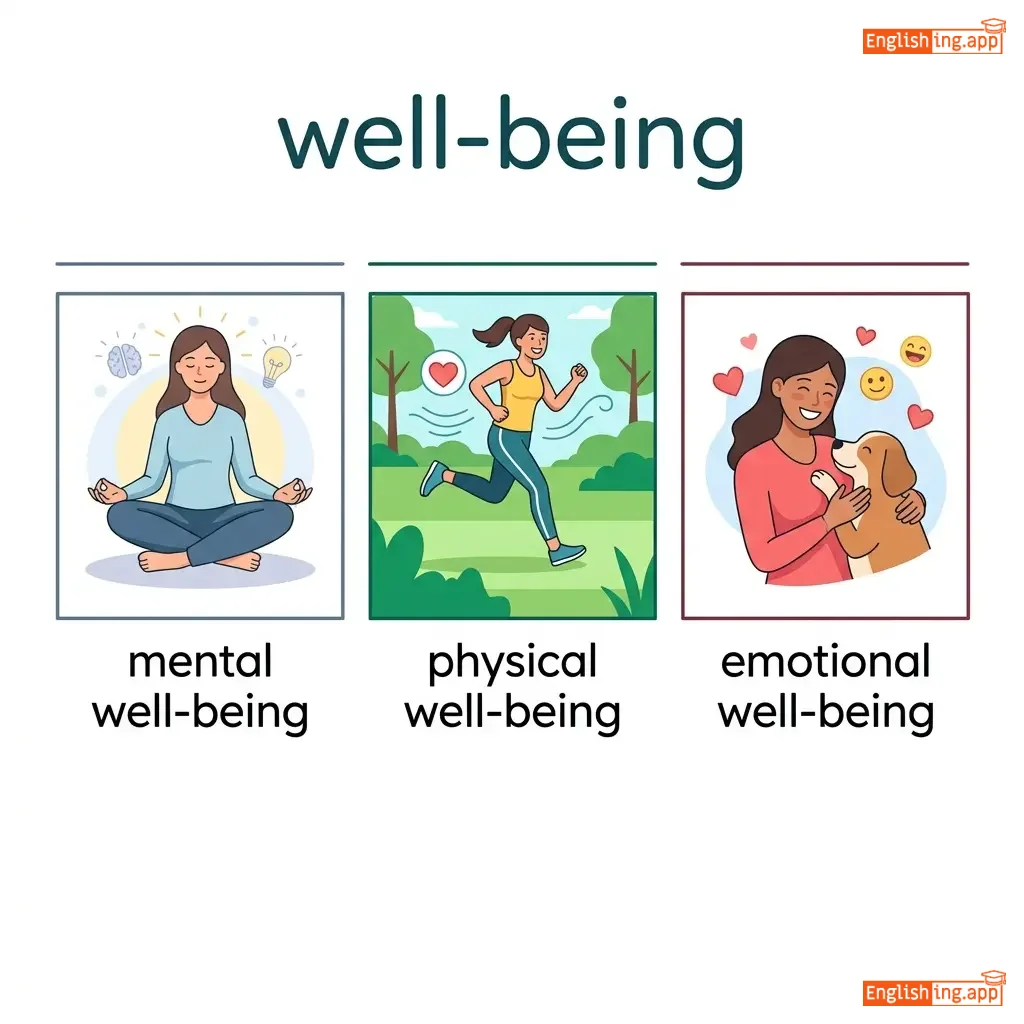
因此,压力不仅仅是一种 predicament,而是如何应对它决定了一个人的整体 well-being。
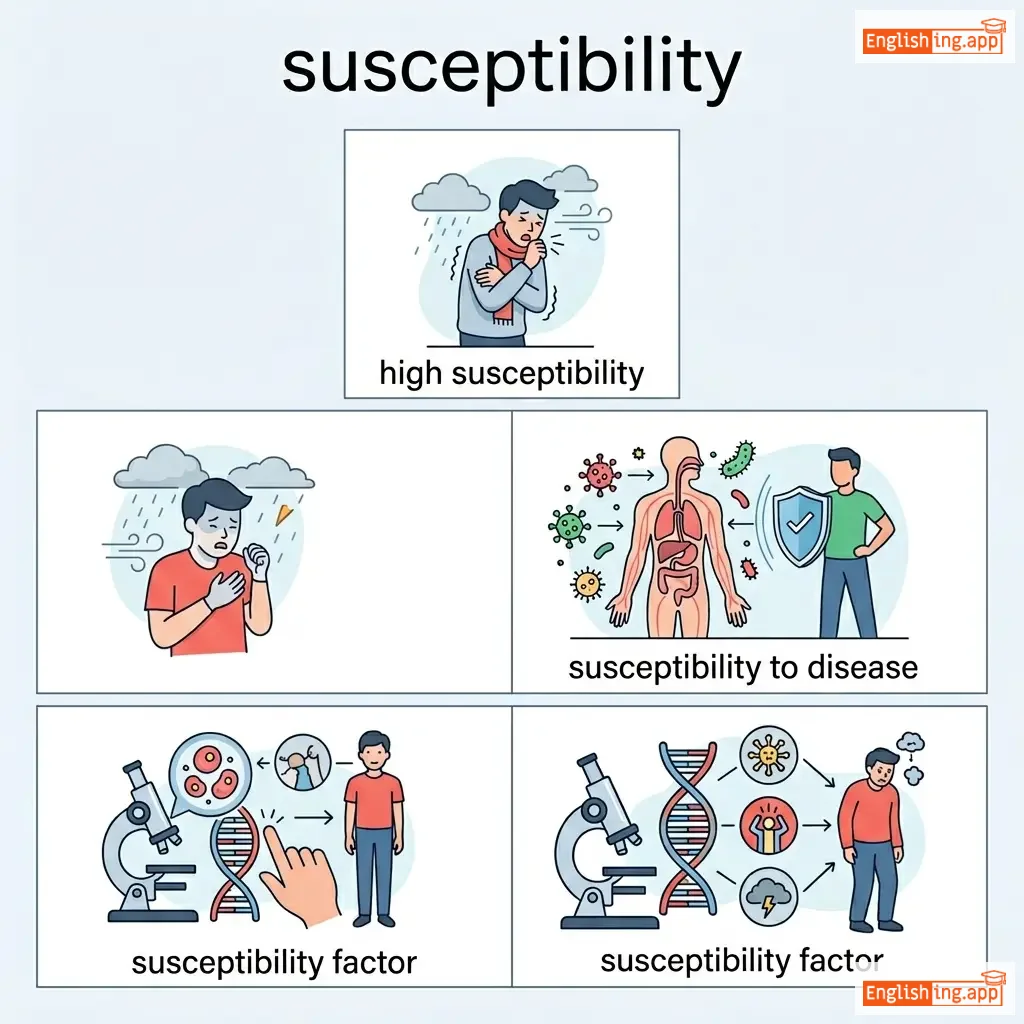
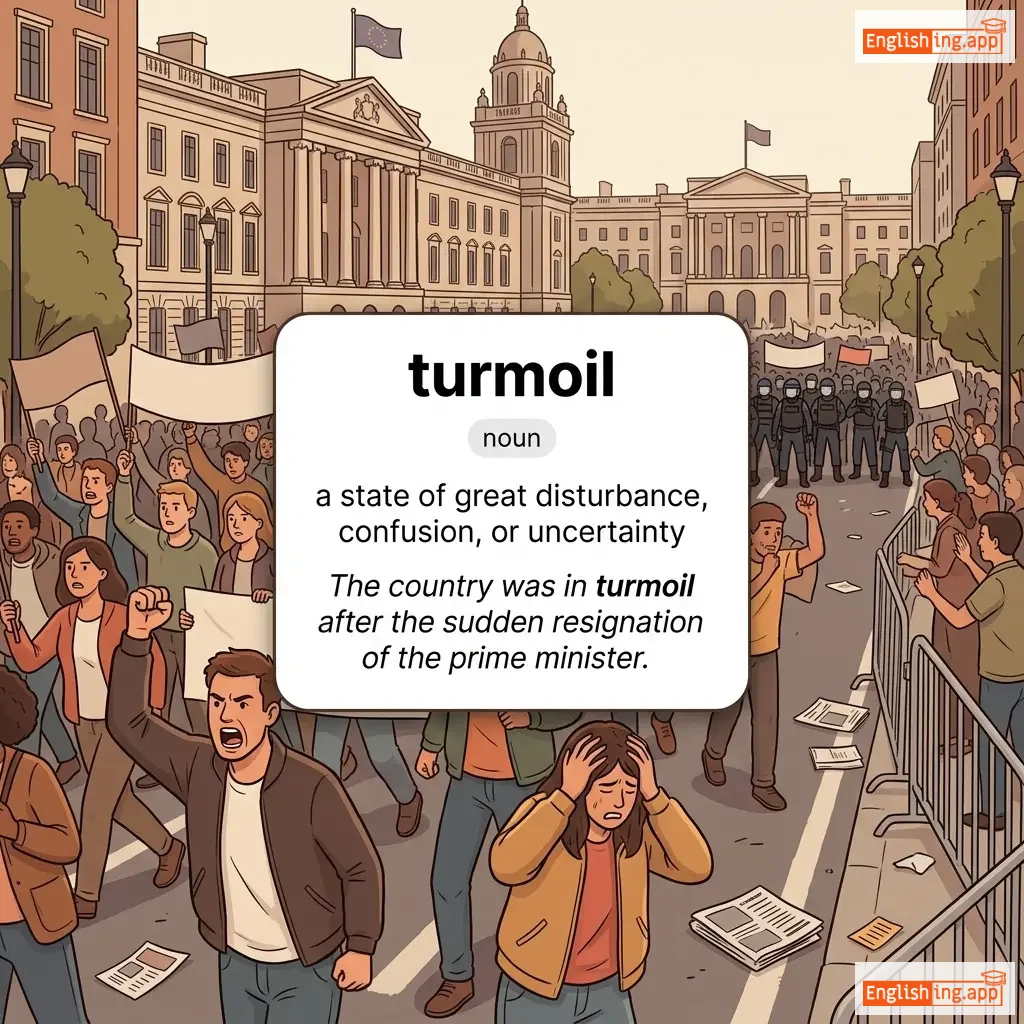
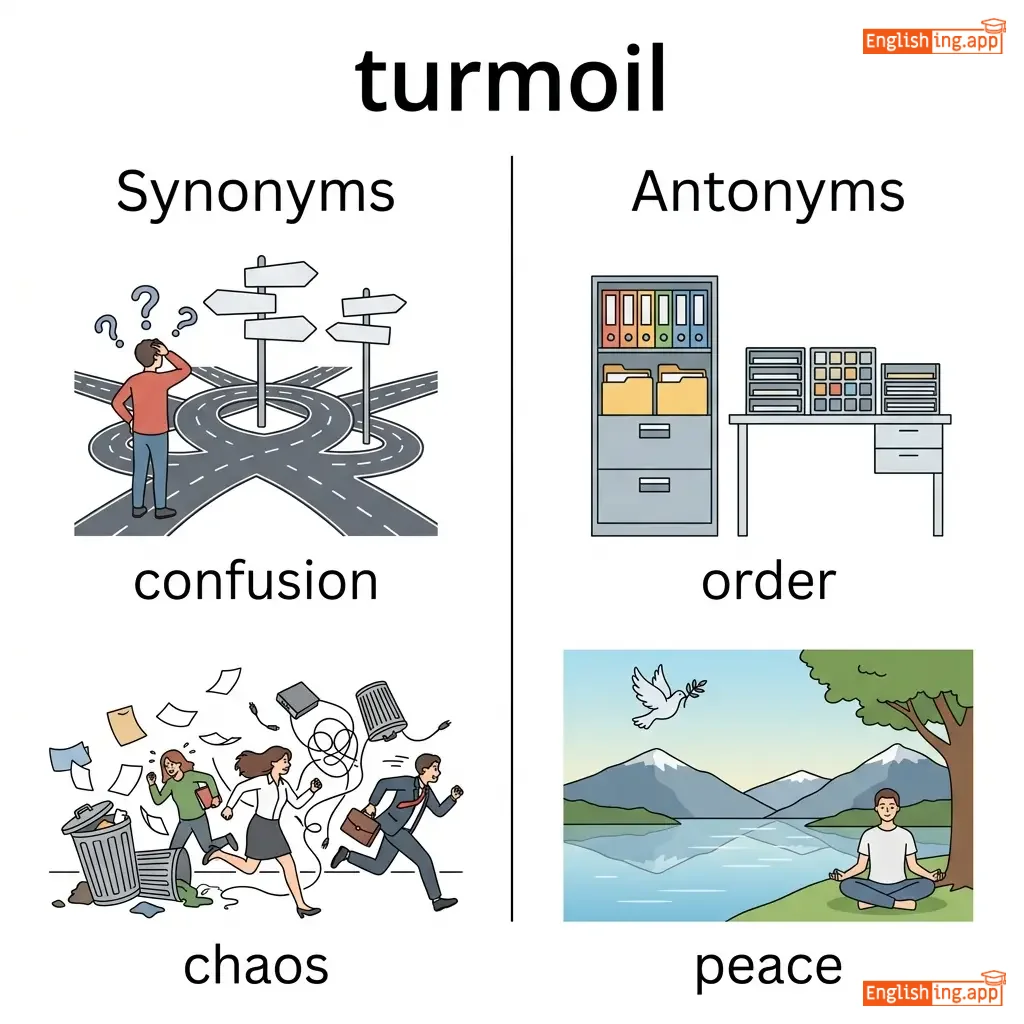
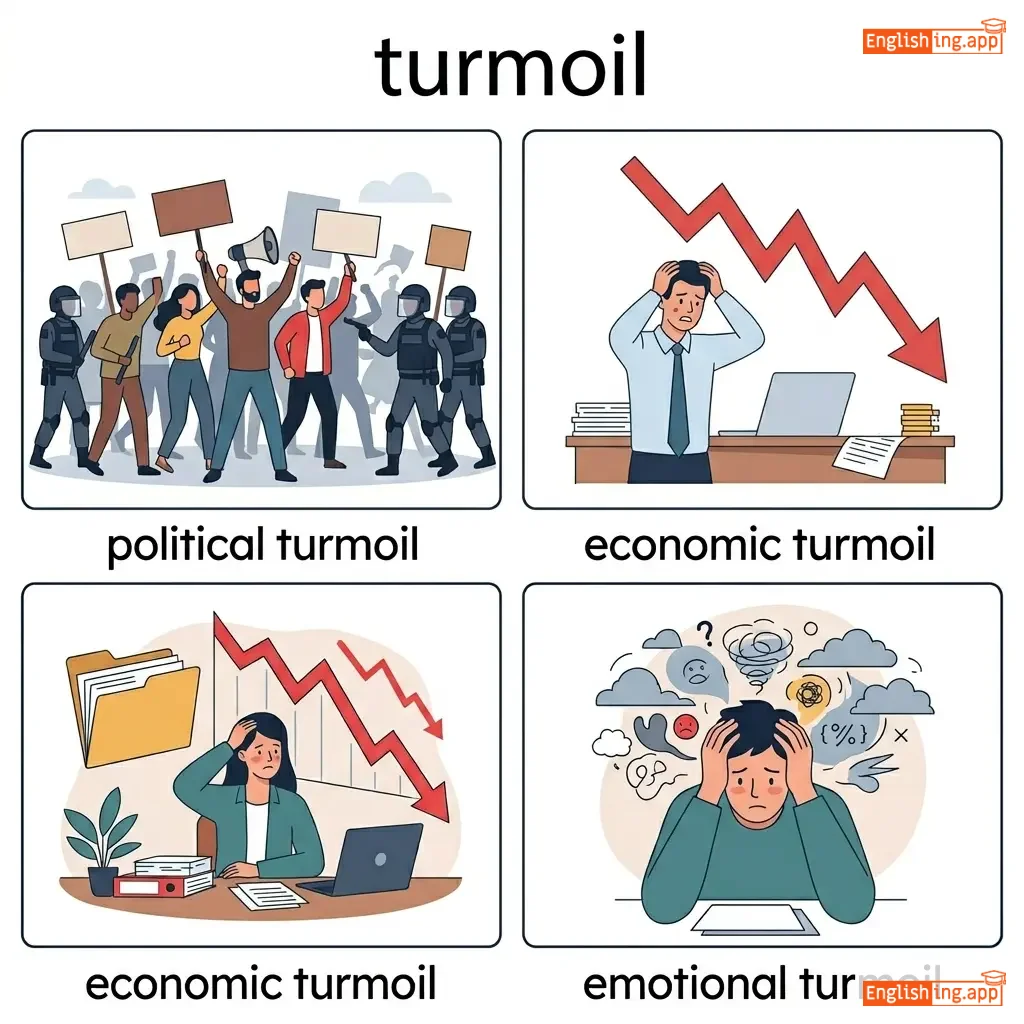

Swipe left or right, or use the buttons. Tap image to zoom.
例句翻译
单词
Impact of Stress on Well-beingImpact of Stress on Well-being - 遮罩切换
|
表情符号
|
单词 | Images | 翻译 | 含义 | 例句 | 例句翻译 | 同义词 | 反义词 | 助记符 |
|---|---|---|---|---|---|---|---|---|---|
|
#2406
😰
|
/stres/
noun
(斯特雷斯)
••••••
|
|
压力
yālì
••••••
|
Physical, mental, or emotional strain or tension.
••••••
|
Excessive stress can lead to health issues.
过度的压力可能导致健康问题。
••••••
|
过度的压力可能导致健康问题。
Guòdù de yālì kěnéng dǎozhì jiànkāng wèntí.
••••••
|
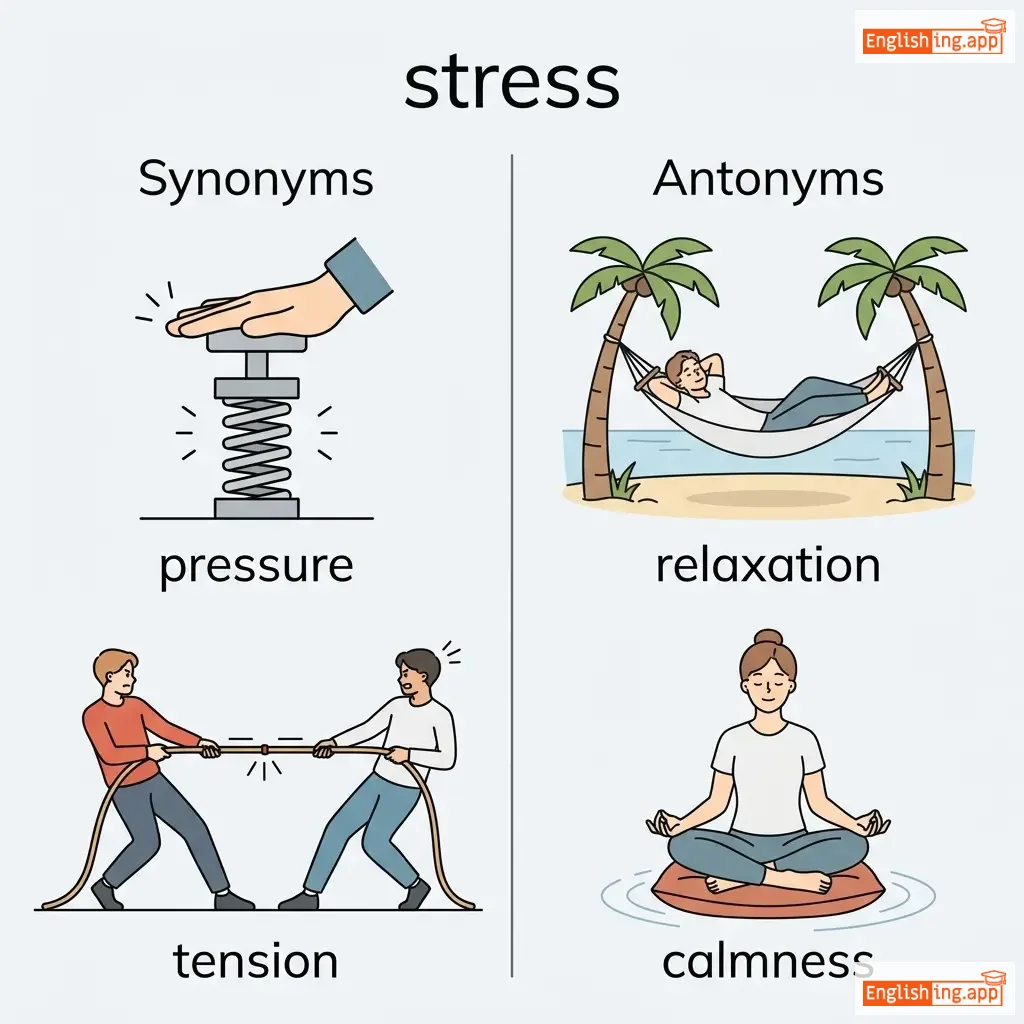
tension, anxiety, strain
••••••
|
relaxation, calmness, ease
••••••
|
压力就像是给身体和思想加重的负担。
••••••
|
|
#2407
💥
|
/ˌkæt.əˈstrɒf.ɪk/
adjective
(灾难性的)
••••••
|
|
灾难性的
zāinànxìng de
••••••
|
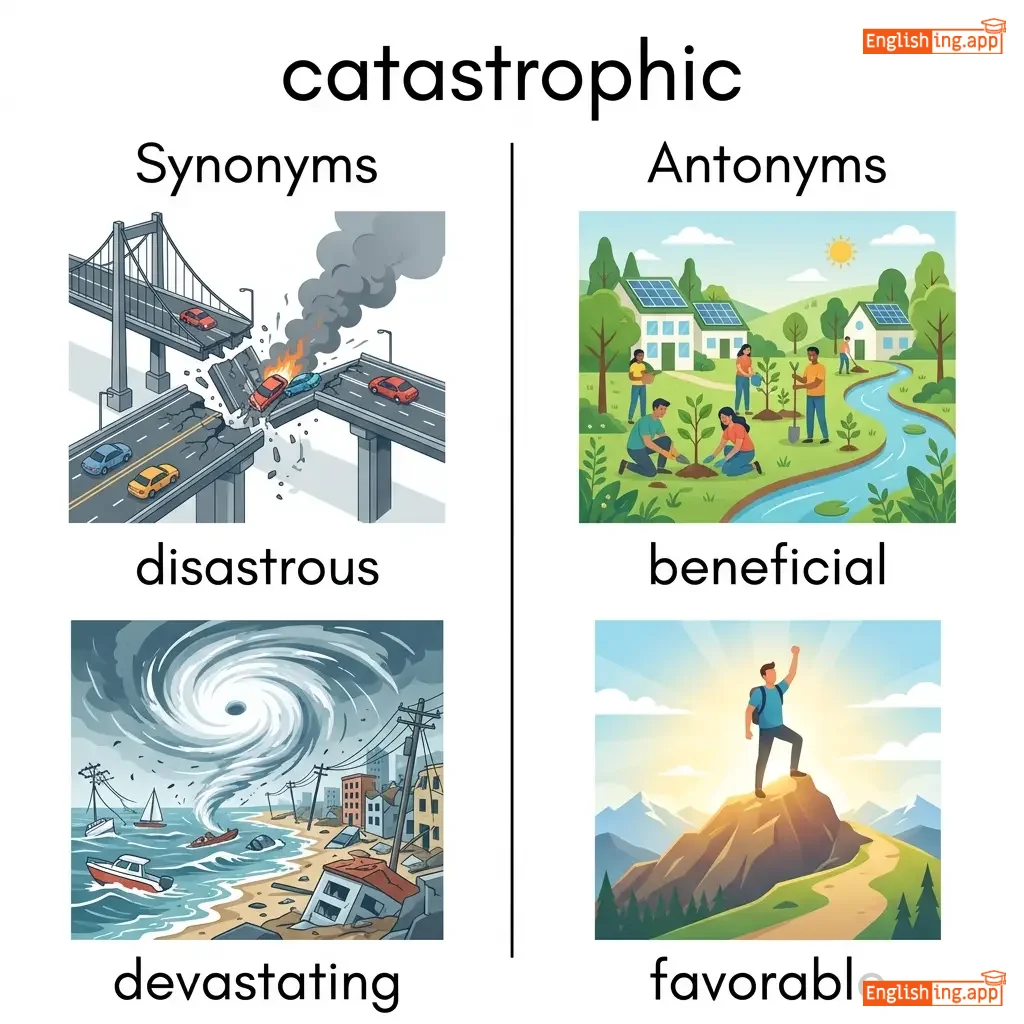
Extremely unfortunate or unsuccessful; involving or causing sudden great damage or suffering.
••••••
|
The earthquake had catastrophic consequences for the city. |
地震对城市造成了灾难性的后果。
Dìzhèn duì chéngshì zàochéngle zāinànxìng de hòuguǒ.
••••••
|
disastrous, devastating, ruinous
••••••
|
fortunate, beneficial, advantageous
••••••
|
‘灾难性的’像‘灾难’一样,意味着非常糟糕的事情。
••••••
|
|
#2408
⚡
|
/ˈdɪs.ə.nəns/
noun
(迪索南斯)
••••••
|
|
不和谐
bùhéxié
••••••
|
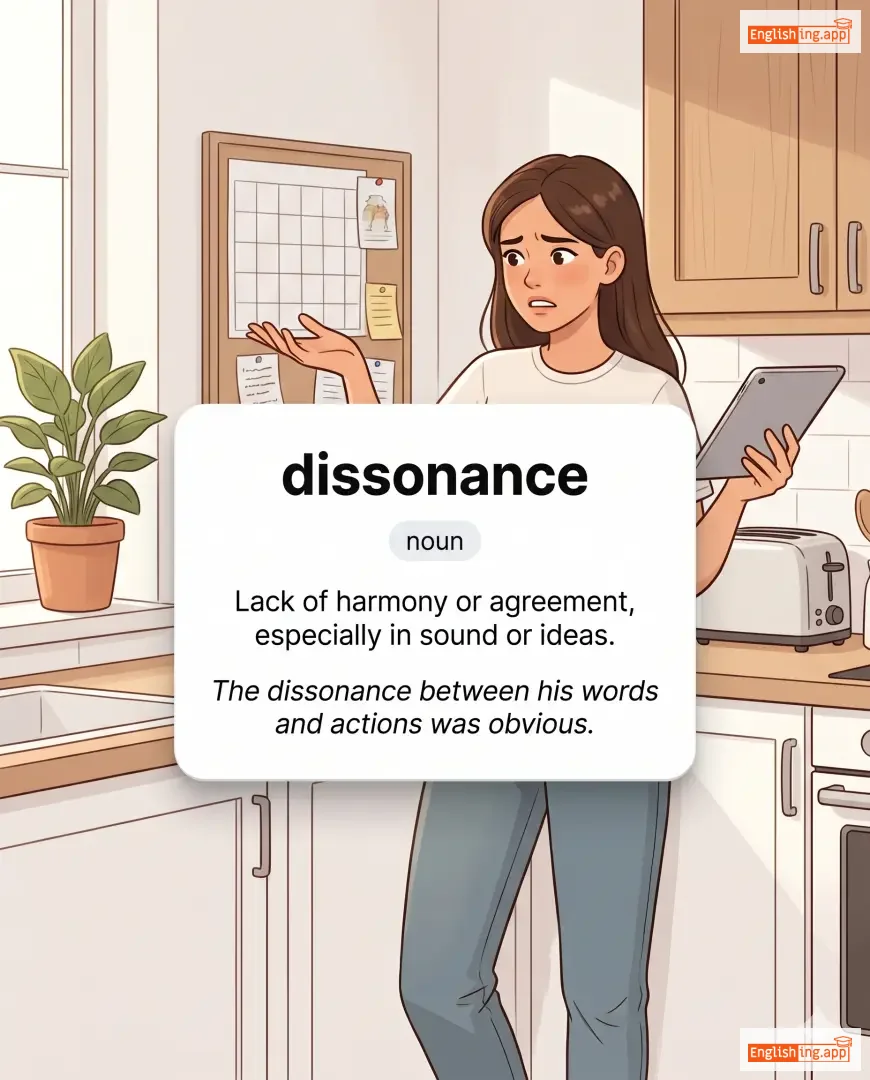
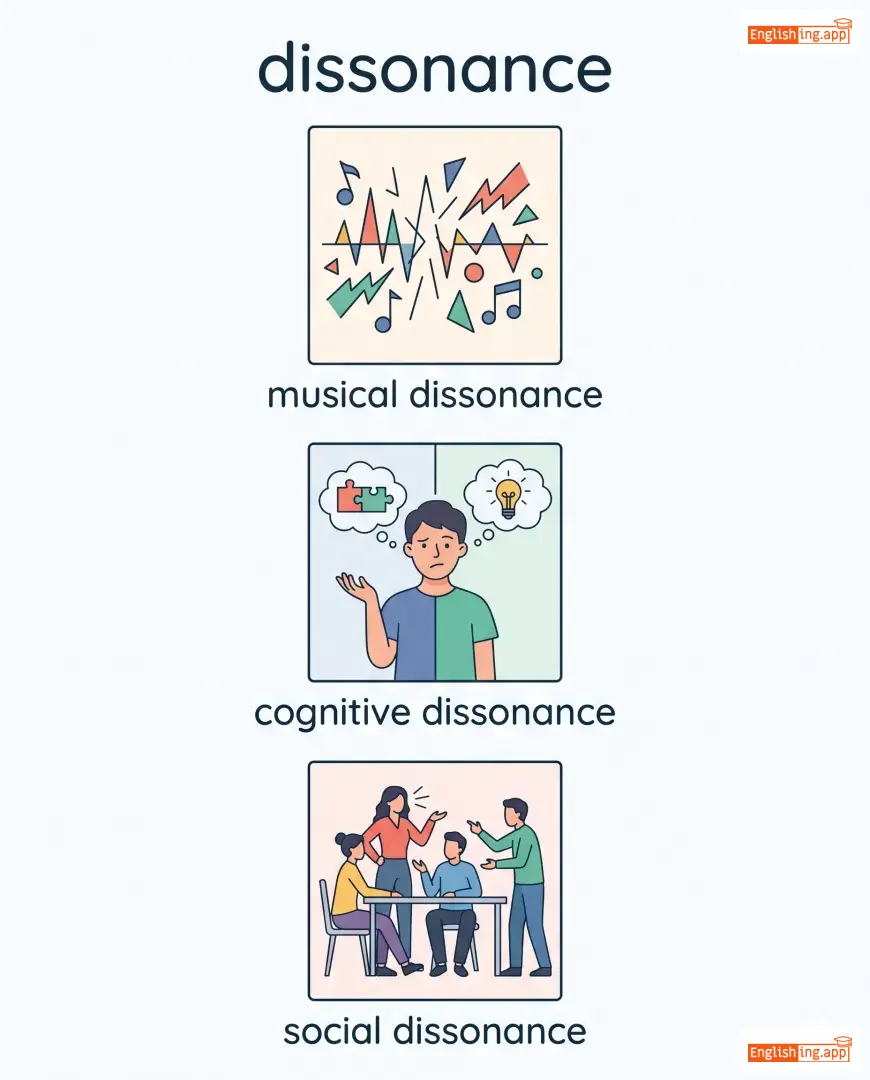
Lack of harmony among musical notes; disagreement or incongruity.
••••••
|
The political dissonance made decision-making difficult. |
政治不和谐使决策变得困难。
Zhèngzhì bùhéxié shǐ juécè biàn dé kùnnán.
••••••
|
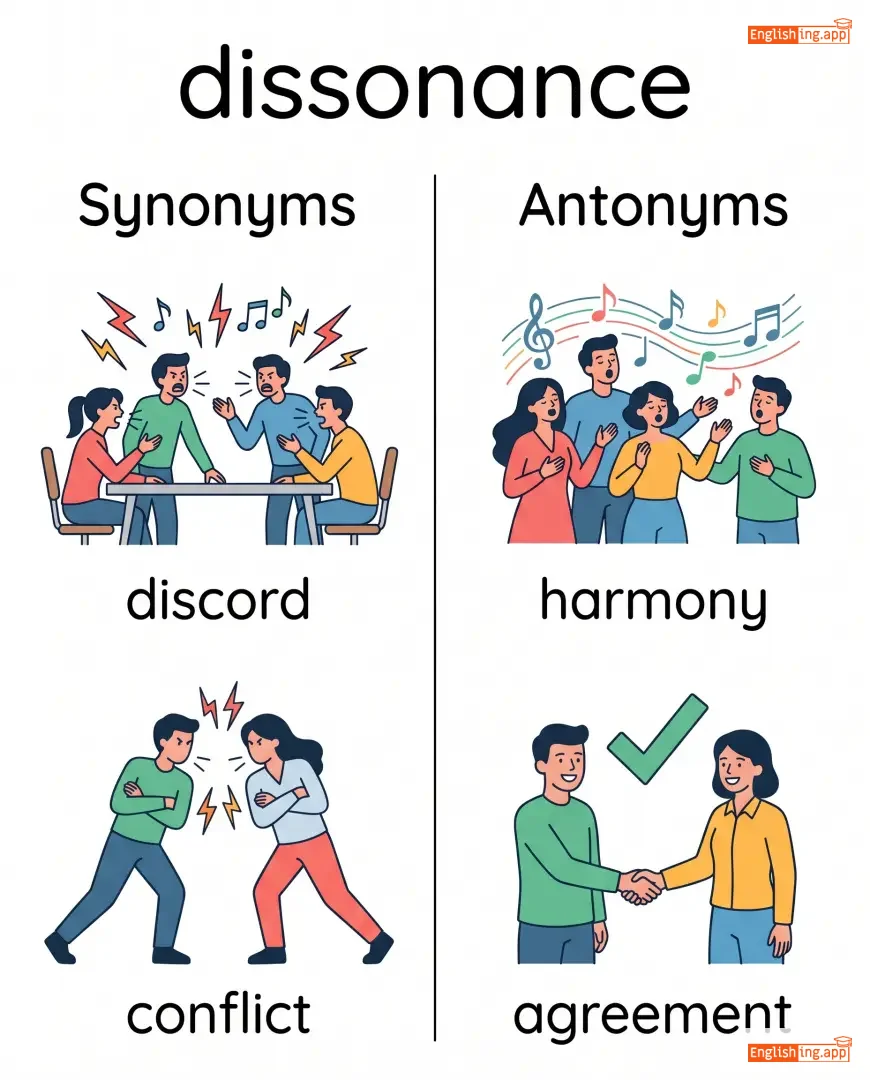
discord, conflict, discrepancy
••••••
|
harmony, agreement, concord
••••••
|
不和谐的政治让决策变得更难。
••••••
|
|
#2409
😵💫
|
/dɪˈbɪl.ɪ.teɪ.tɪŋ/
adjective
(衰弱的)
••••••
|
|
虚弱的
xūruò de
••••••
|
Making someone or something weak and infirm.
••••••
|
The disease had a debilitating effect on his health.
该疾病对他的健康产生了衰弱的影响。
••••••
|
该疾病对他的健康产生了衰弱的影响。
Gāi jíbìng duì tā de jiànkāng chǎnshēngle shuāiruò de yǐngxiǎng.
••••••
|
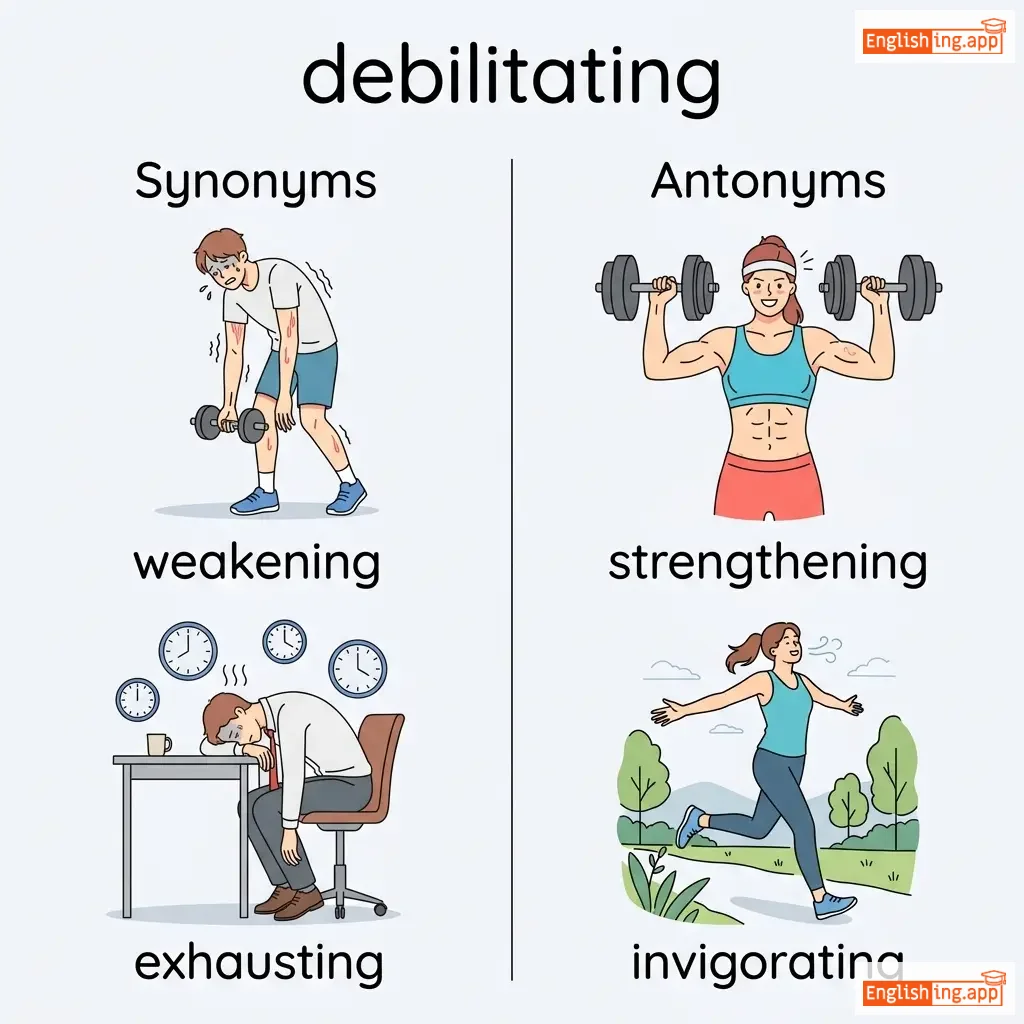
weakening, crippling, exhausting
••••••
|
strengthening, invigorating, energizing
••••••
|
把'虚弱的'与健康的虚弱联系起来。
••••••
|
|
#2410
📊
|
/ˌflʌk.tʃuˈeɪ.ʃən/
noun
(浮动)
••••••
|
|
波动
bodong
••••••
|
An irregular rising and falling in number or amount; a variation.
••••••
|
The stock market is experiencing constant fluctuation. |
股票市场正在经历持续的波动。
Gǔpiào shìchǎng zhèngzài jīnglì chíxù de bōdòng.
••••••
|
variation, instability, oscillation
••••••
|
stability, consistency, steadiness
••••••
|
Fluctuation in English becomes '波动' (波 = wave) in Chinese, reminding you of the rise and fall of waves!
••••••
|
|
#2411
🛡️
|
/səˌsɛp.təˈbɪl.ə.ti/
noun
(sú sī pǐ bǐ lǐ tì)
••••••
|
|
易感性
yì gǎn xìng
••••••
|
The state or fact of being likely or liable to be influenced or harmed by a particular thing.
••••••
|
Older adults have a higher susceptibility to infections.
老年人对感染的易感性更高。
••••••
|
老年人对感染的易感性更高。
Lǎonián rén duì gǎnrǎn de yì gǎn xìng gèng gāo.
••••••
|
vulnerability, sensitivity, inclination
••••••
|
immunity, resistance, invulnerability
••••••
|
随着年龄增长,易感性也增加。
••••••
|
|
#2412
🌪️
|
/ˈtɜː.mɔɪl/
noun
(动荡)
••••••
|
|
动荡
dongdang
••••••
|
A state of great disturbance, confusion, or uncertainty.
••••••
|
The political turmoil led to mass protests. |
政治动荡导致了大规模的抗议活动。
Zhèng zhì dòng dàng dǎo zhì le dà guī mó de kàng yì huó dòng.
••••••
|
chaos, disorder, unrest
••••••
|
peace, order, stability
••••••
|
动荡让一切变得不可预测,像台风一样破坏一切。
••••••
|
|
#2413
🧠
|
/njʊəˈrəʊ.sɪs/
noun
(神经症)
••••••
|
|
神经症
shenjingzheng
••••••
|
A relatively mild mental illness that is not caused by organic disease, involving symptoms of stress.
••••••
|
His neurosis made social interactions difficult.
他的神经症使得社交互动变得困难。
••••••
|
他的神经症使得社交互动变得困难。
Tā de shénjīng zhèng shǐdé shèjiāo hùdòng biàndé kùnnán.
••••••
|
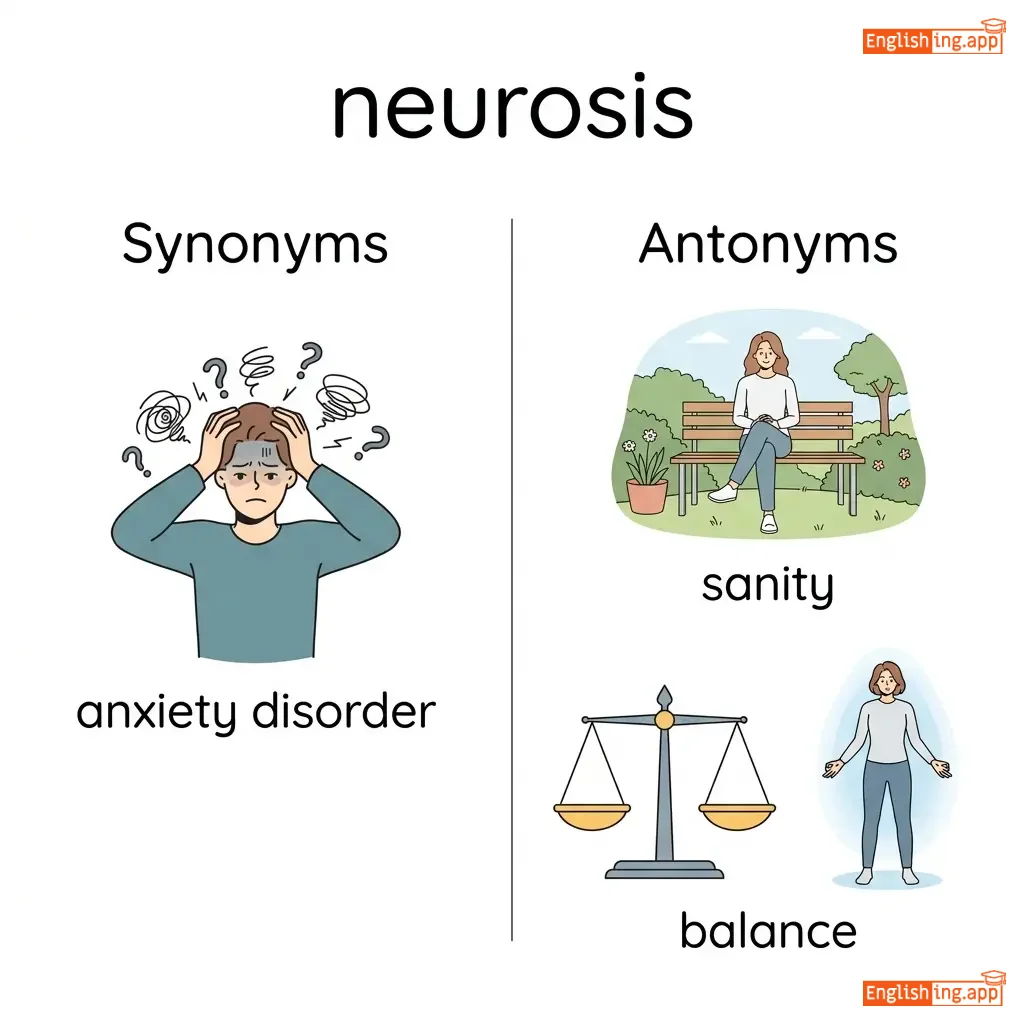
anxiety disorder, neurosis, obsession
••••••
|
sanity, balance, rationality
••••••
|
Chinese '神经症' directly translates to 'neurosis'.
••••••
|
|
#2414
🚧
|
/ɪmˈped.ɪ.mənt/
noun
(障碍)
••••••
|
|
障碍
zhàng'ài
••••••
|
A hindrance or obstruction in doing something.
••••••
|
Lack of resources was a major impediment to progress. |
资源短缺是进步的主要障碍。
Zīyuán duǎnquē shì jìnbù de zhǔyào zhàng'ài.
••••••
|
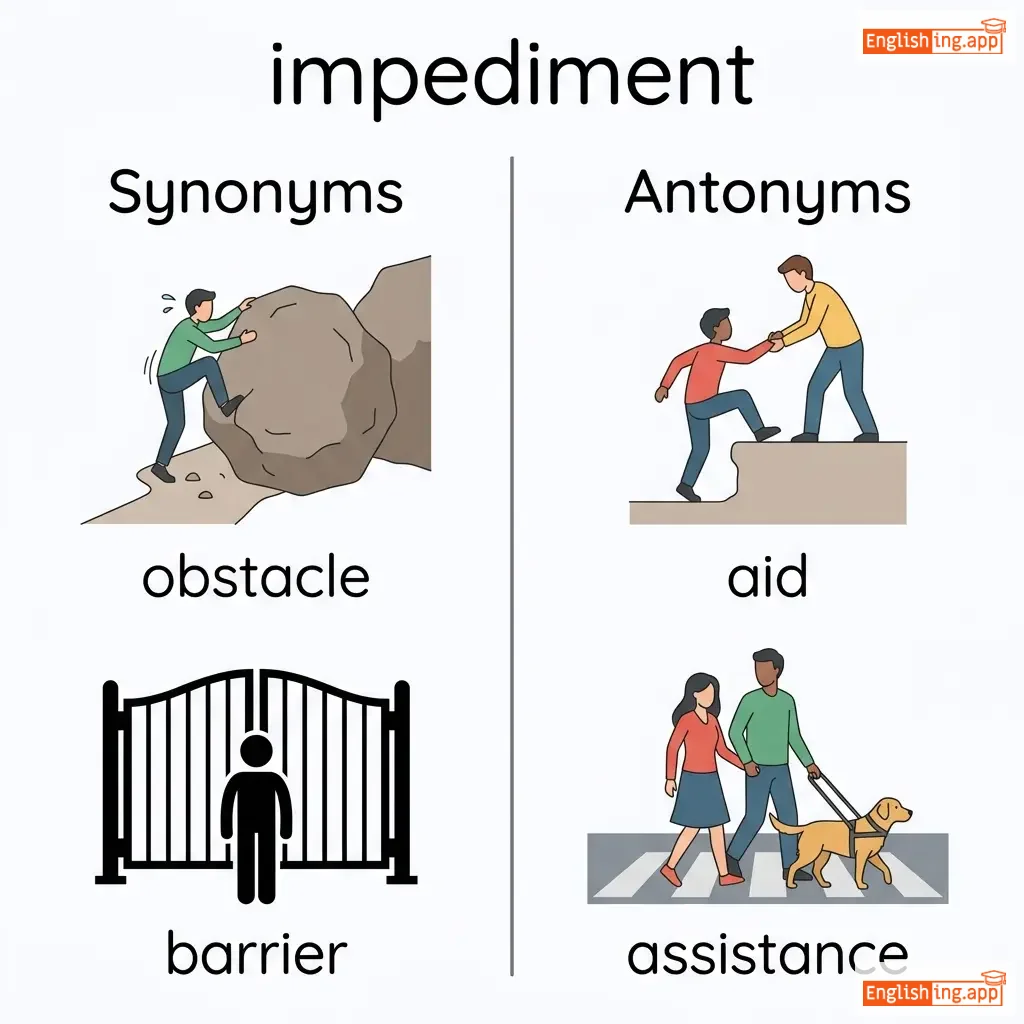
obstruction, hurdle, hindrance
••••••
|
assistance, facilitation, support
••••••
|
Zhàng'ài means impediment in Chinese, both block progress.
••••••
|
|
#2415
🤔
|
/ˌɪn.trəˈspek.ʃən/
noun
(内省)
••••••
|
|
内省
neixing
••••••
|
The examination or observation of one's own mental and emotional processes.
••••••
|
Introspection helps individuals understand their strengths and weaknesses. |
内省帮助个体理解自己的优点和弱点。
Neixing bangzhu geti lijie ziji de youdian he ruodian.
••••••
|
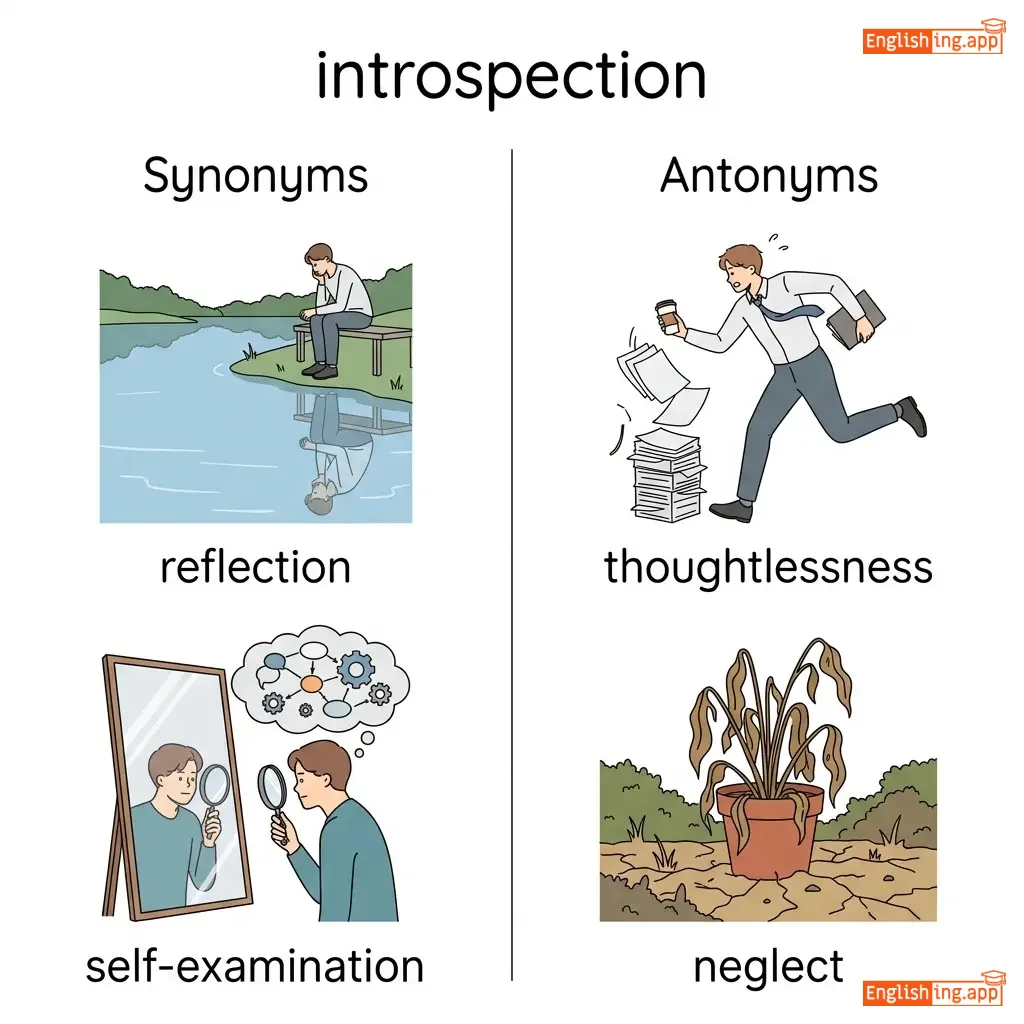
reflection, contemplation, self-examination
••••••
|
extroversion, disregard, heedlessness
••••••
|
内省:看向内心,了解自己的优缺点。
••••••
|
|
#2416
👁️
|
/ˈkɒɡ.nɪ.zənt/
adjective
(kègnízhènt)
••••••
|
|
意识到
yìshí dào
••••••
|
Having knowledge or awareness of something.
••••••
|
He is cognizant of the challenges in the industry.
他意识到行业中的挑战。
••••••
|
他意识到行业中的挑战。
Tā yìshí dào hángyè zhōng de tiǎozhàn.
••••••
|
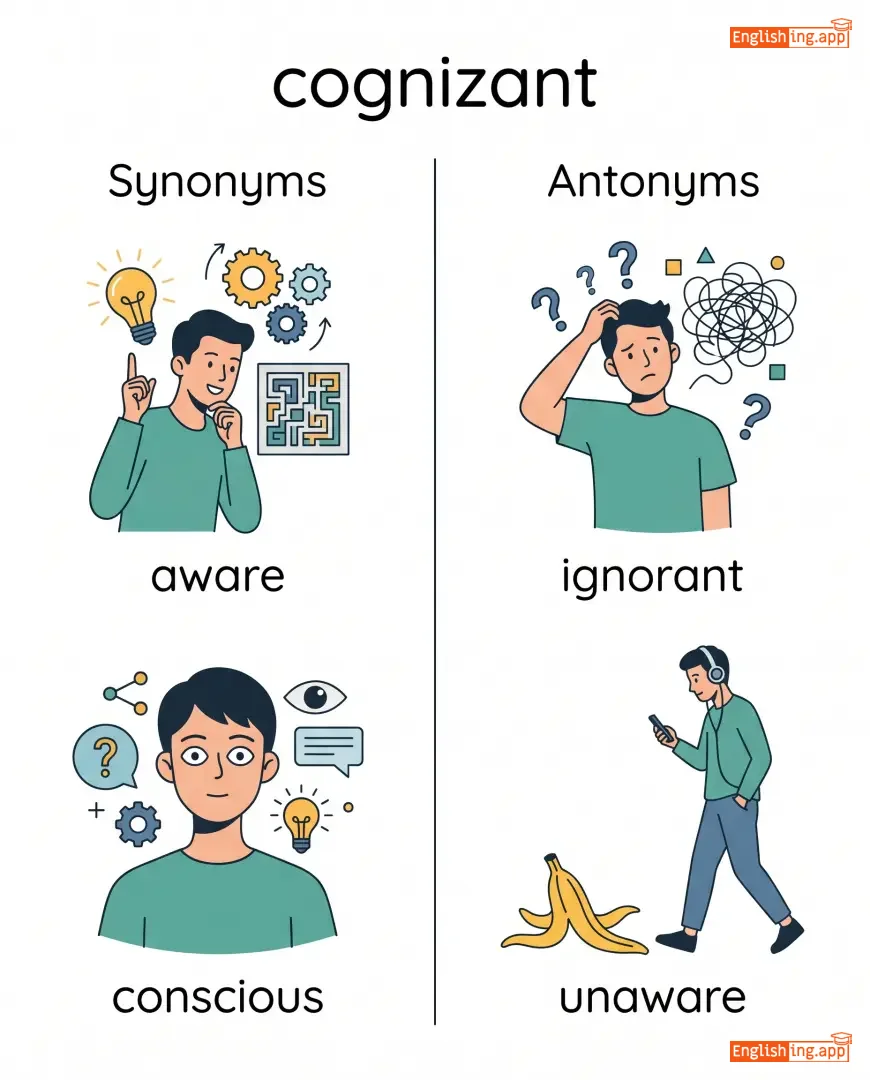
aware, informed, perceptive
••••••
|
oblivious, unaware, ignorant
••••••
|
意识到,意味着了解周围发生的事情。
••••••
|
|
#2417
🛡️
|
/ˈmɪt.ɪ.ɡeɪt/
verb
(mítìɡeɪt)
••••••
|
|
减轻
jianqing
••••••
|
To make less severe, serious, or painful.
••••••
|
Effective policies can mitigate environmental damage.
有效的政策可以减轻环境破坏。
••••••
|
有效的政策可以减轻环境破坏。
Youxiao de zhengce keyi jianqing huanjing pohuai.
••••••
|
lessen, reduce, alleviate
••••••
|
exacerbate, intensify, aggravate
••••••
|
减轻意味着让事物变得更轻松,就像减轻环境的负担。
••••••
|
|
#2418
💊
|
/əˈliː.vi.eɪt/
verb
(阿利维特)
••••••
|
|
缓解
huǎn jiě
••••••
|
To make suffering, deficiency, or a problem less severe.
••••••
|
Proper medication can alleviate chronic pain. |
适当的药物可以缓解慢性疼痛。
shìdàng de yàowù kěyǐ huǎn jiě mànxìng téngtòng.
••••••
|
relieve, ease, soothe
••••••
|
worsen, aggravate, intensify
••••••
|
缓解 = 缓慢地解开痛苦
••••••
|
|
#2419
😰
|
/prɪˈdɪk.ə.mənt/
noun
(predicament)
••••••
|
|
困境
kùnjìng
••••••
|
A difficult, unpleasant, or embarrassing situation.
••••••
|
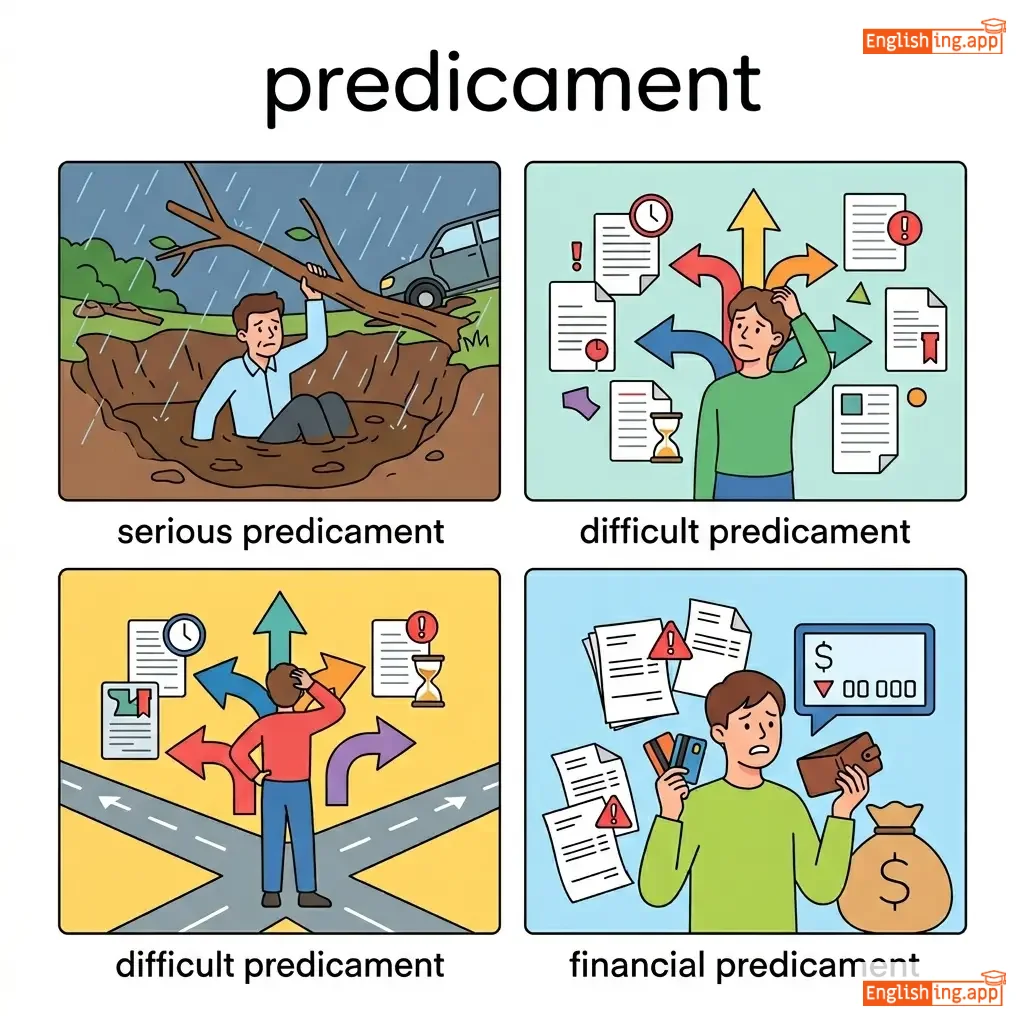
The unexpected loss put him in a financial predicament.
意外的损失使他陷入了财务困境。
••••••
|
意外的损失使他陷入了财务困境。
Yi wai de sunshi shi ta xianru le caiwu kunjing.
••••••
|
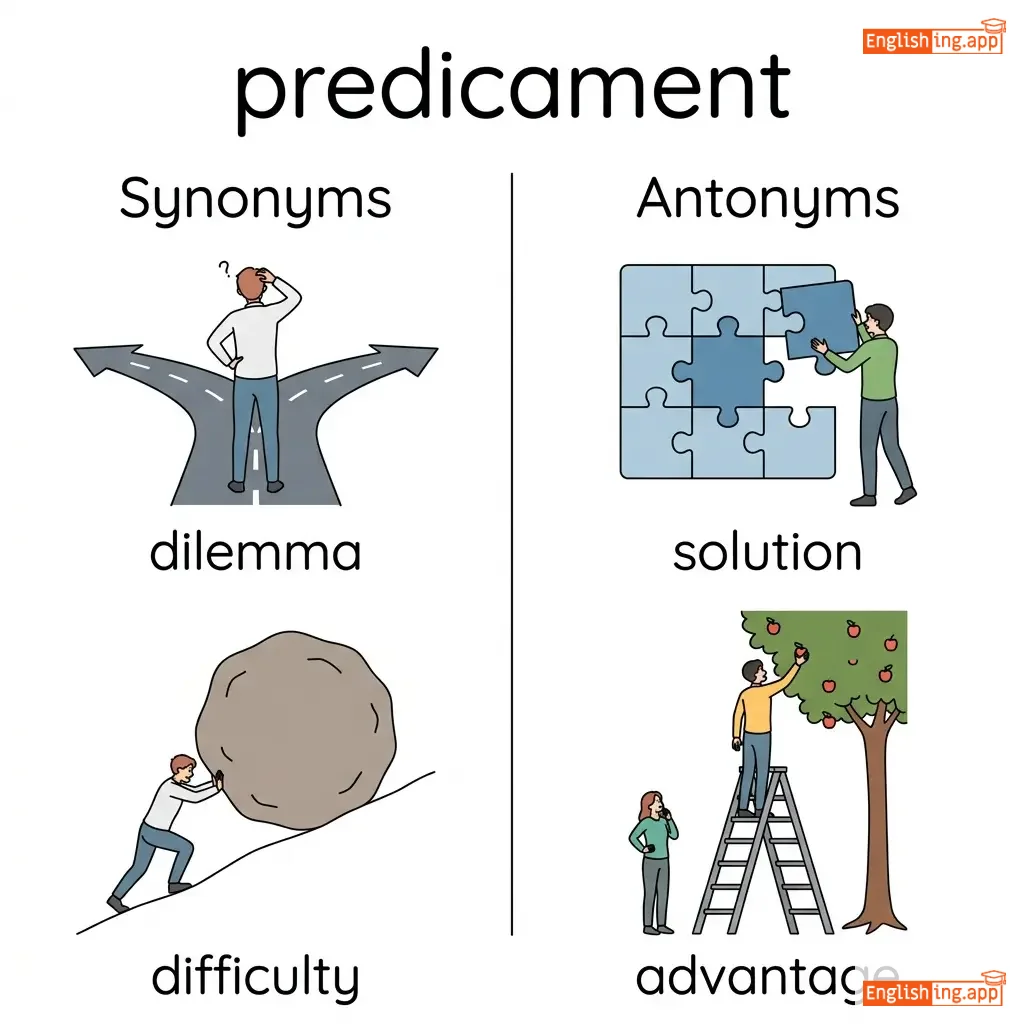
dilemma, hardship, quandary
••••••
|
solution, advantage, ease
••••••
|
Kunjing (Kun Jing means difficulty in Chinese) for predicament.
••••••
|
|
#2420
🌟
|
/ˈwelˌbiː.ɪŋ/
noun
(wēi'ěr-bìng)
••••••
|
|
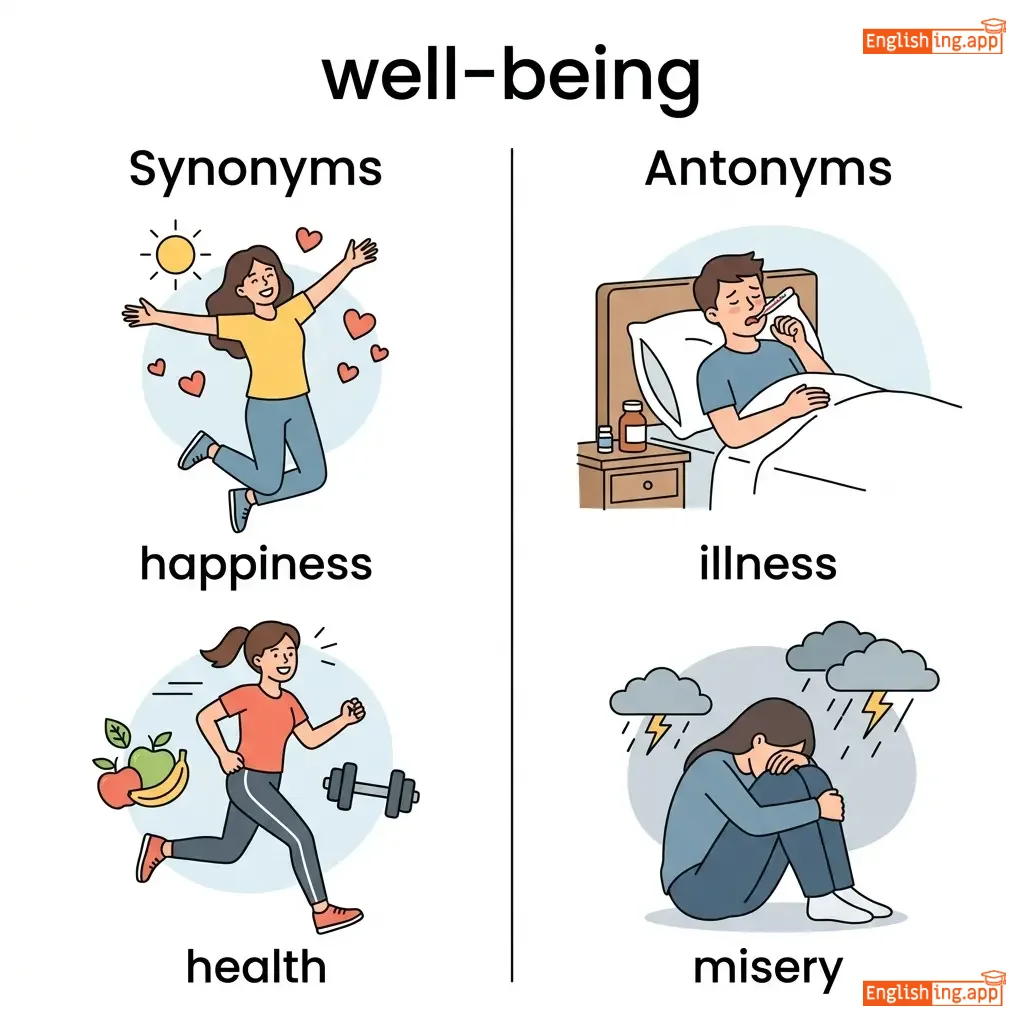
福祉
fúzhǐ
••••••
|
The state of being comfortable, healthy, or happy.
••••••
|
Regular exercise contributes to overall well-being. |
定期锻炼有助于整体福祉。
Dìngqī duànliàn yǒuzhù yú zhěngtǐ fúzhǐ.
••••••
|
health, prosperity, welfare
••••••
|
distress, suffering, hardship
••••••
|
福祉 (Fúzhǐ) sounds like 'fortune' and relates to the state of well-being.
••••••
|
Vocabulary Quiz
Test your vocabulary by matching words with their translations or meanings.
Login to take the quiz
Comments (0)
Share your thoughts and join the discussion.
Join the discussion by logging in
Login to CommentNo comments yet
Be the first to share your thoughts!