

强相互作用力的力量
The Strength of the Strong Force
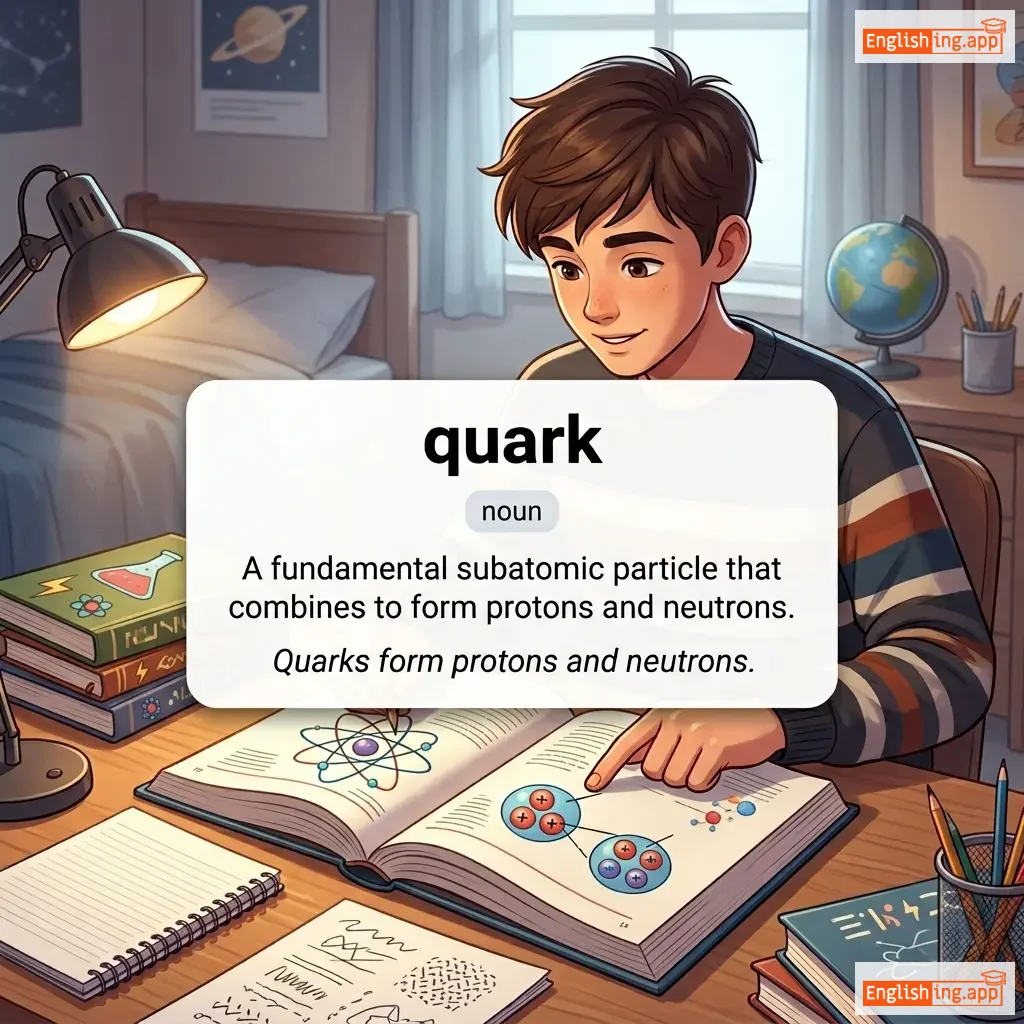
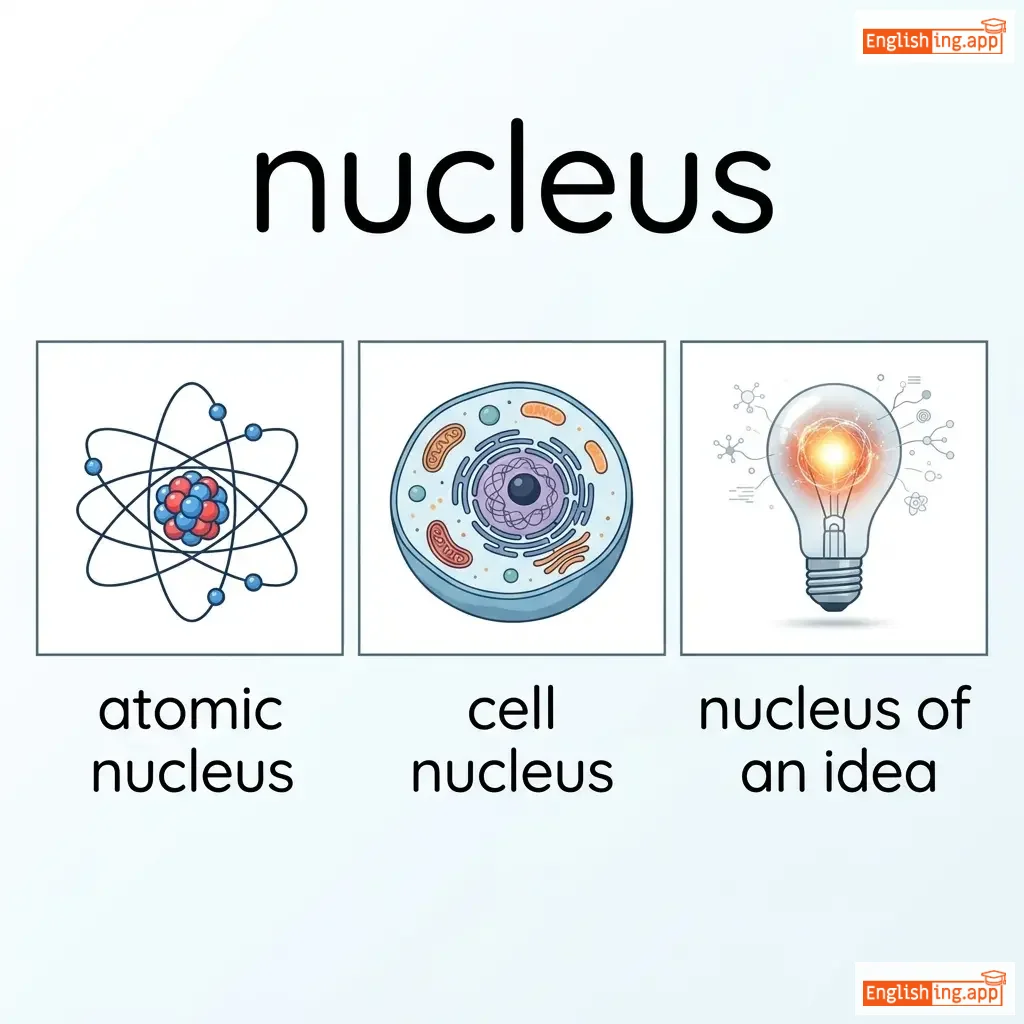
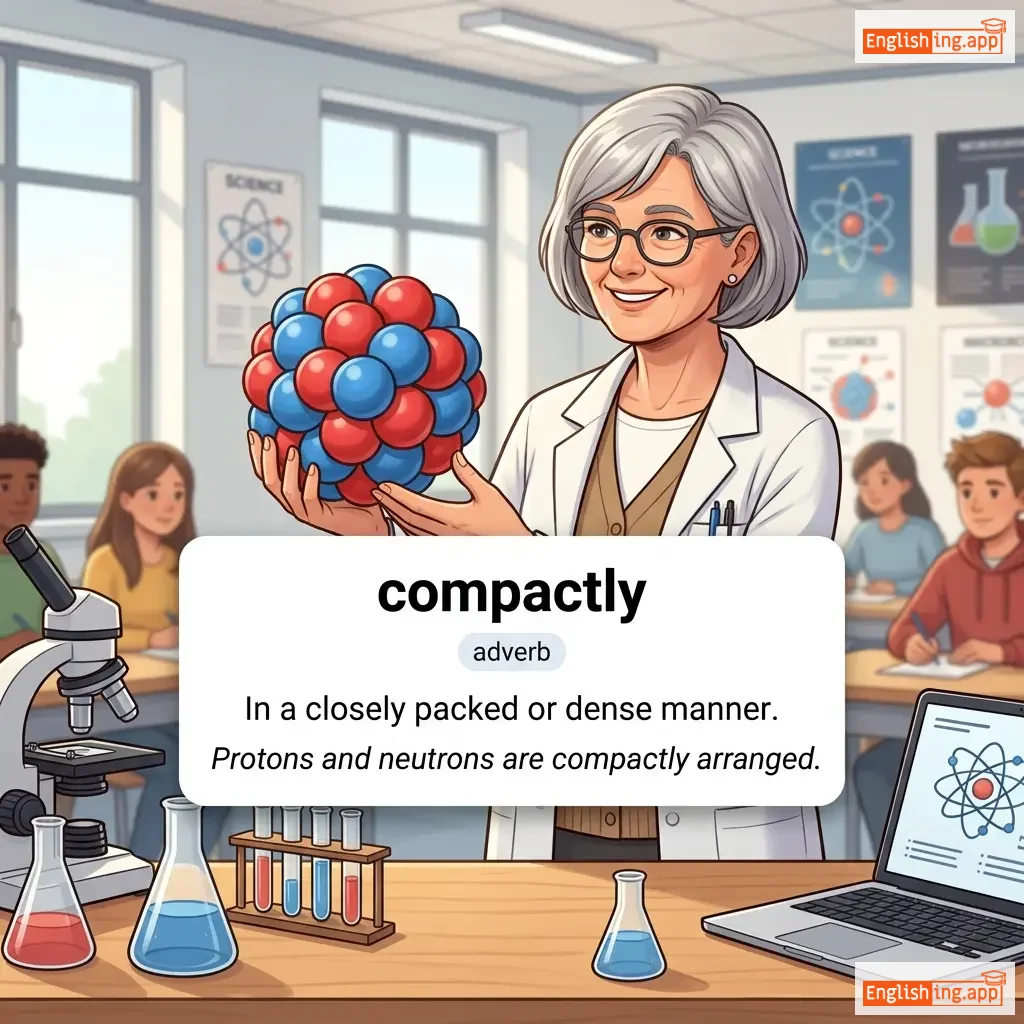
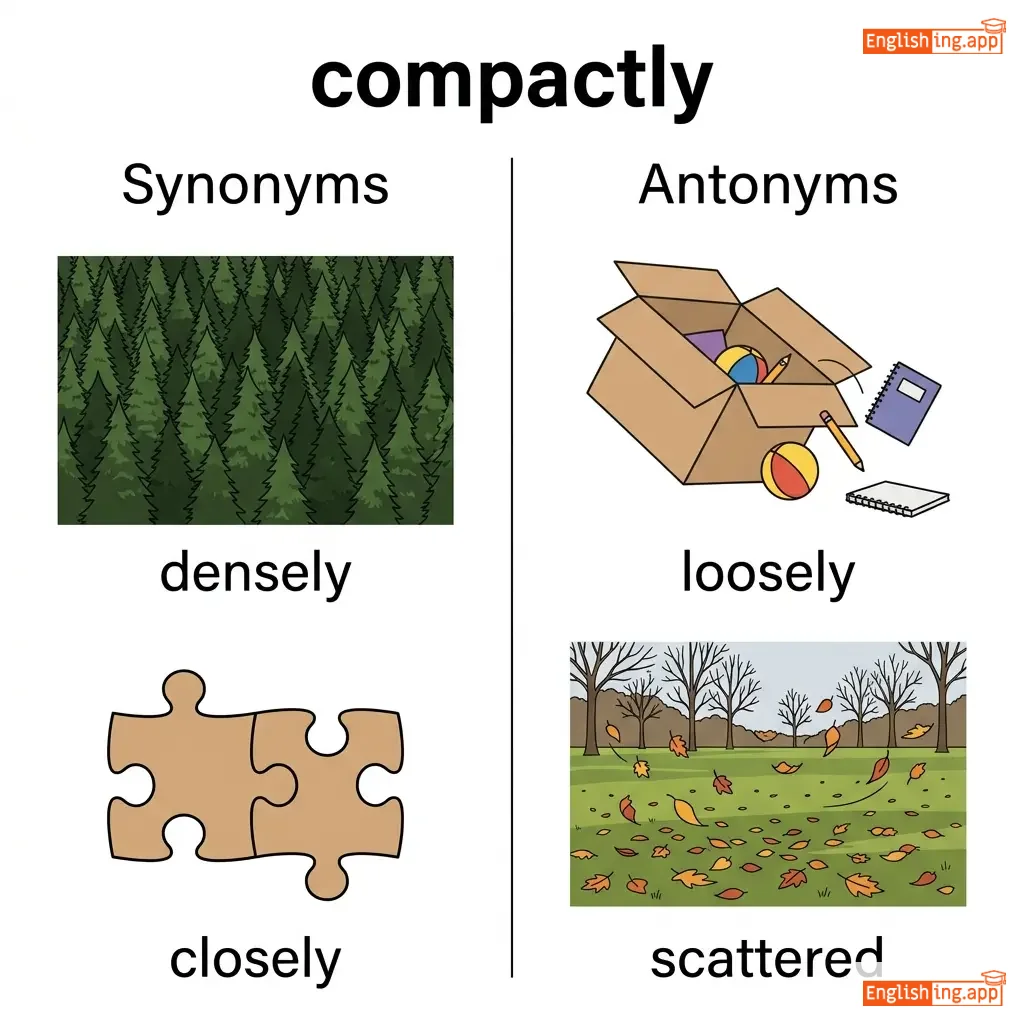
在自然界的四种力中,最强的被称为 strong nuclear force。它 binds 夸克粒子在一起,这些 quark particles 形成 protons 和 neutrons。它们 compactly 结合在一起形成 nucleus。
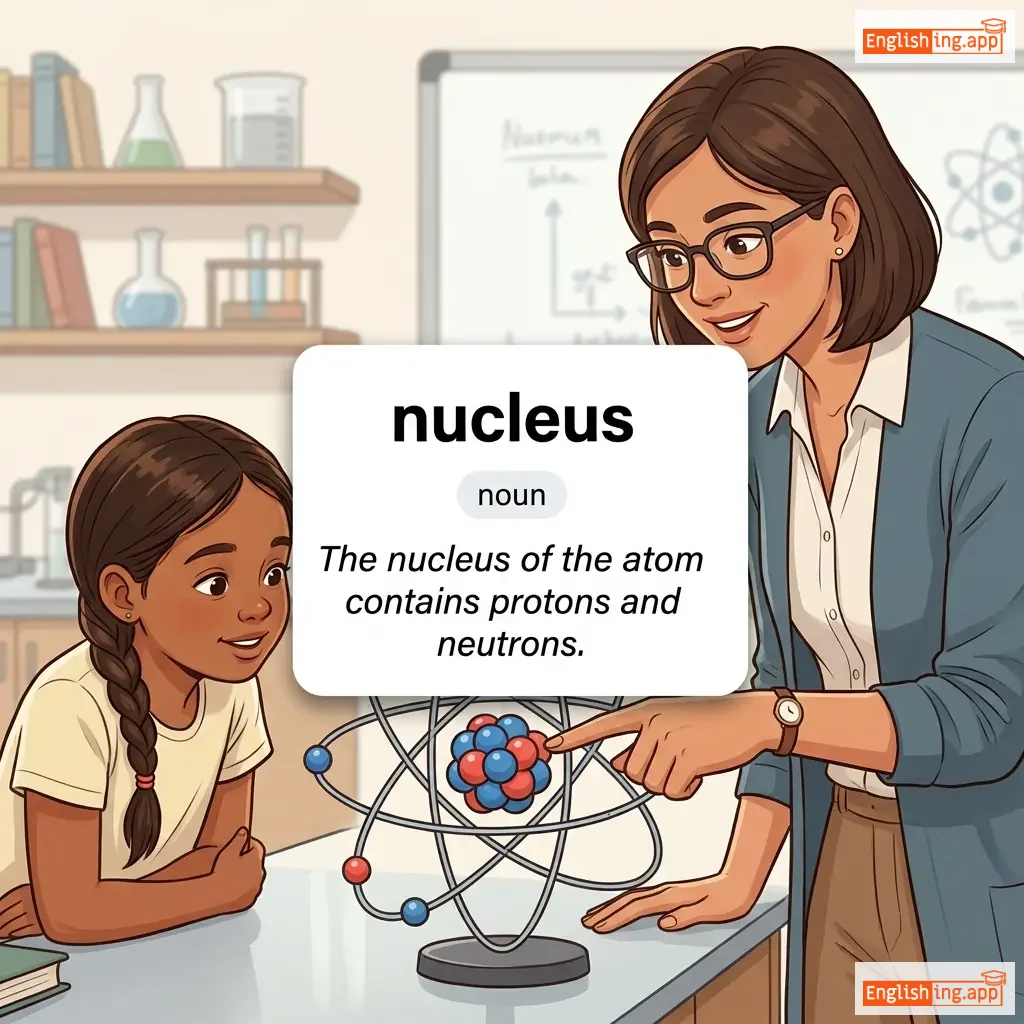
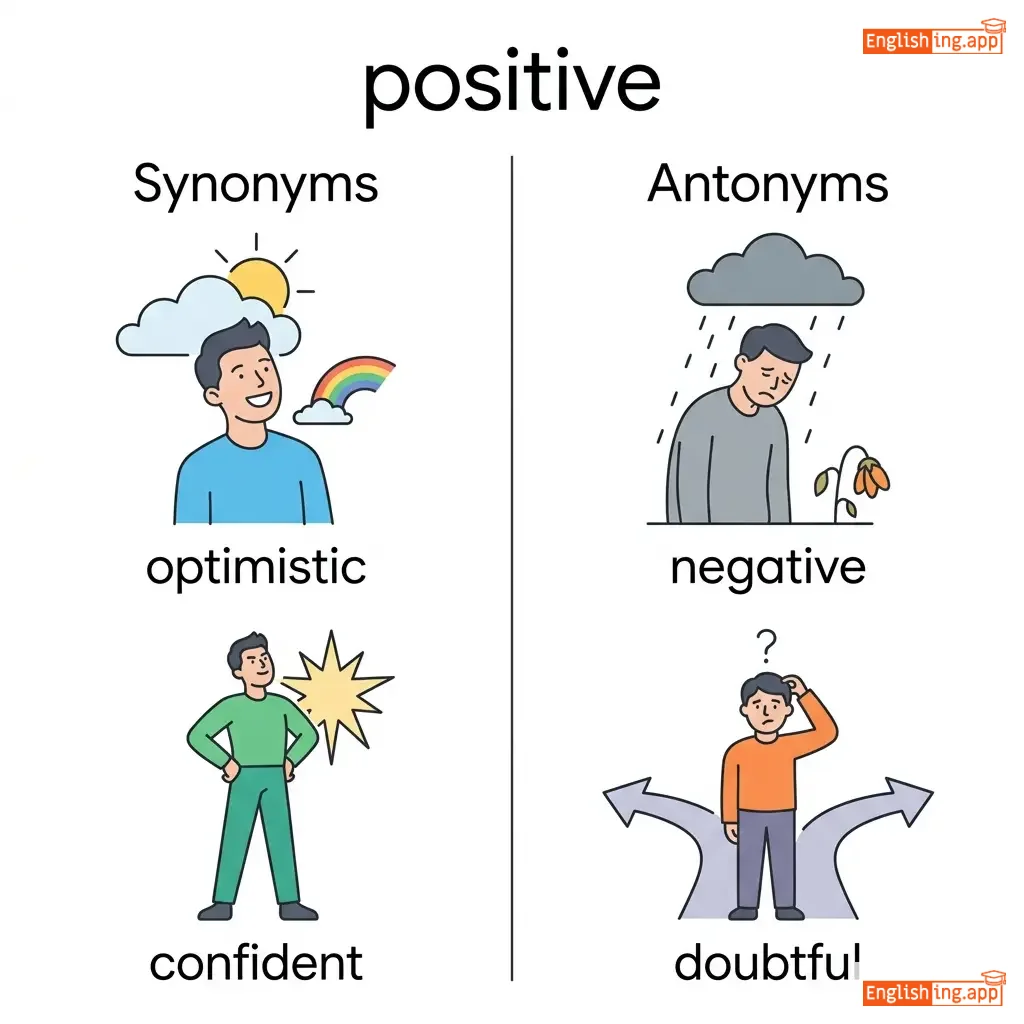
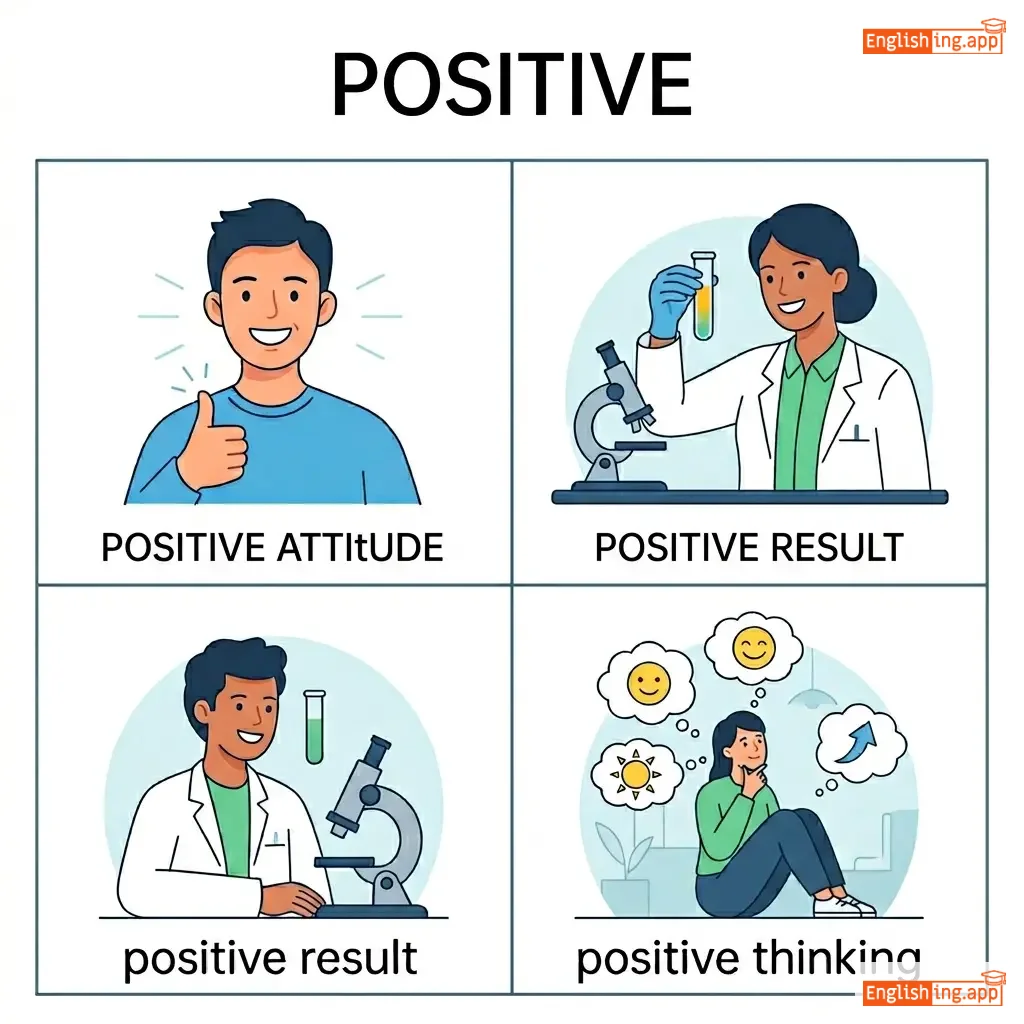
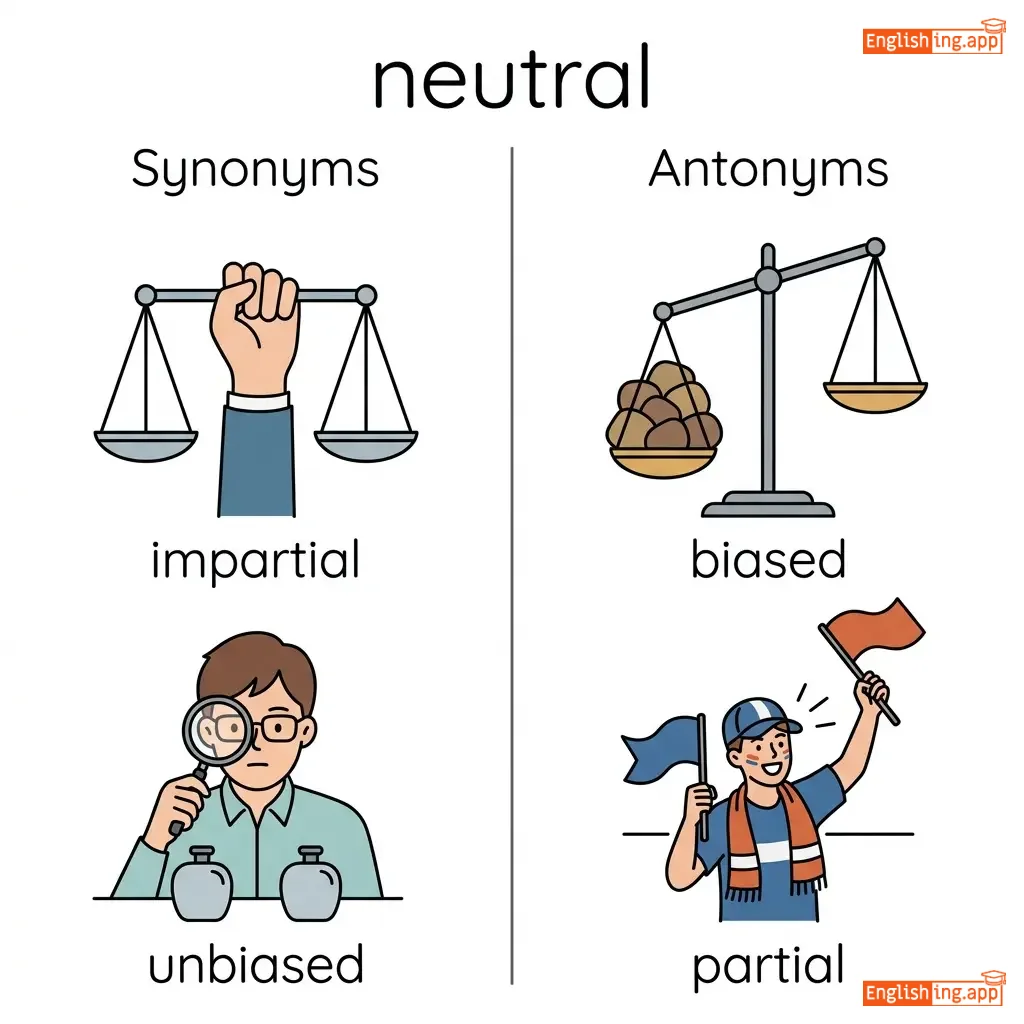
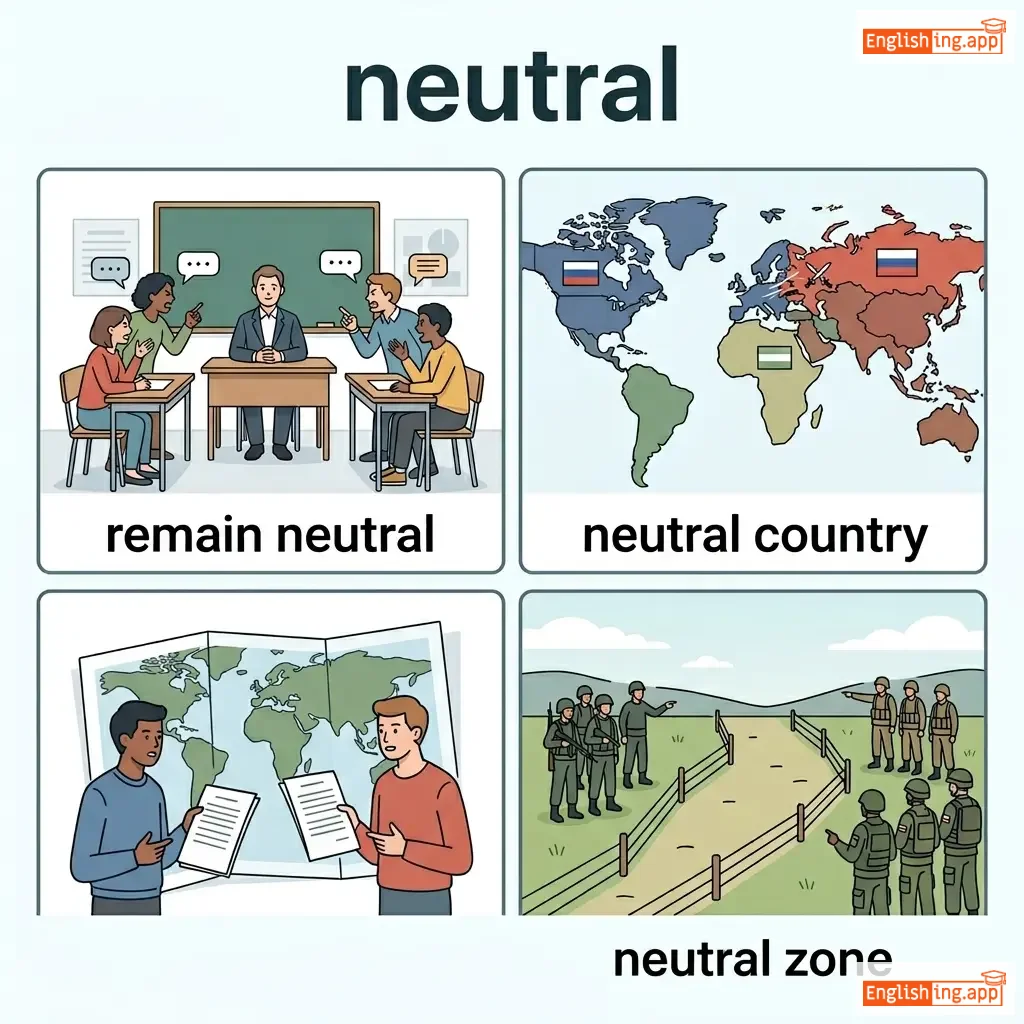
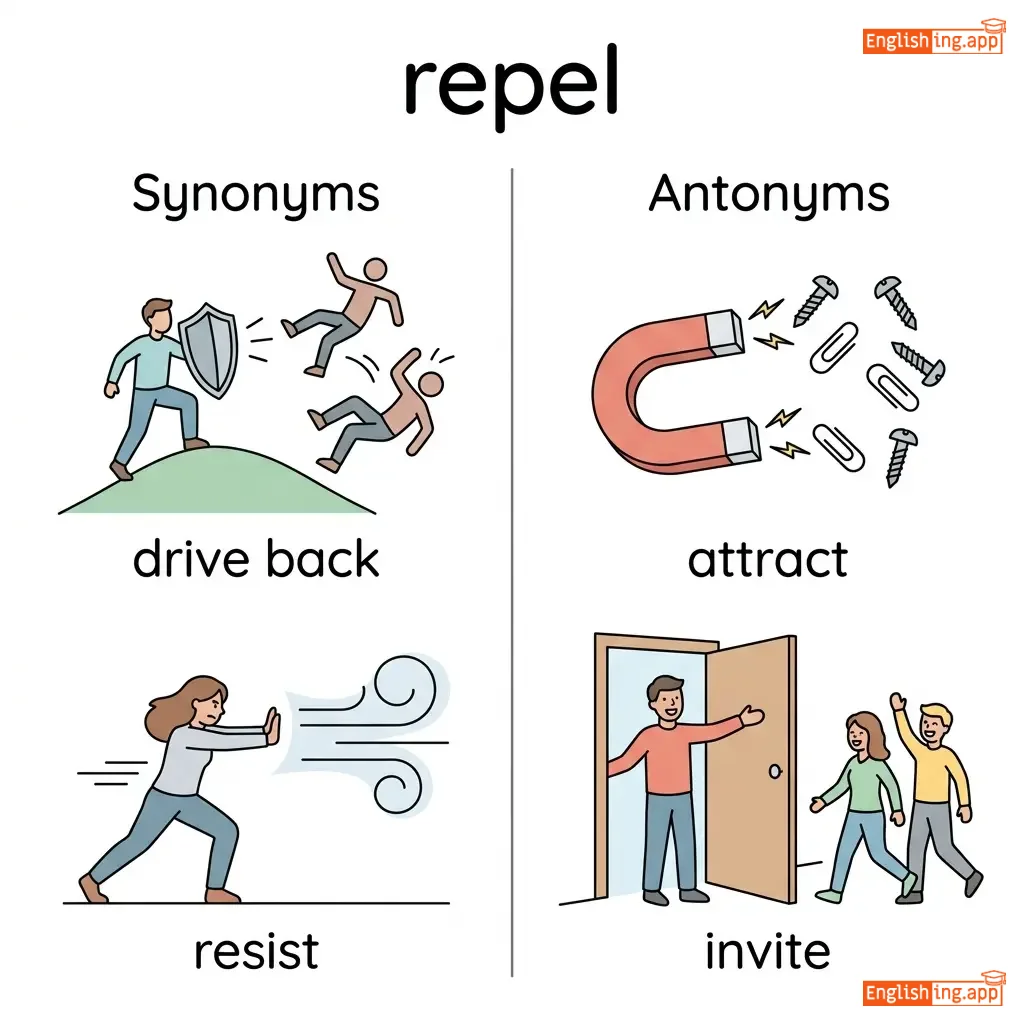
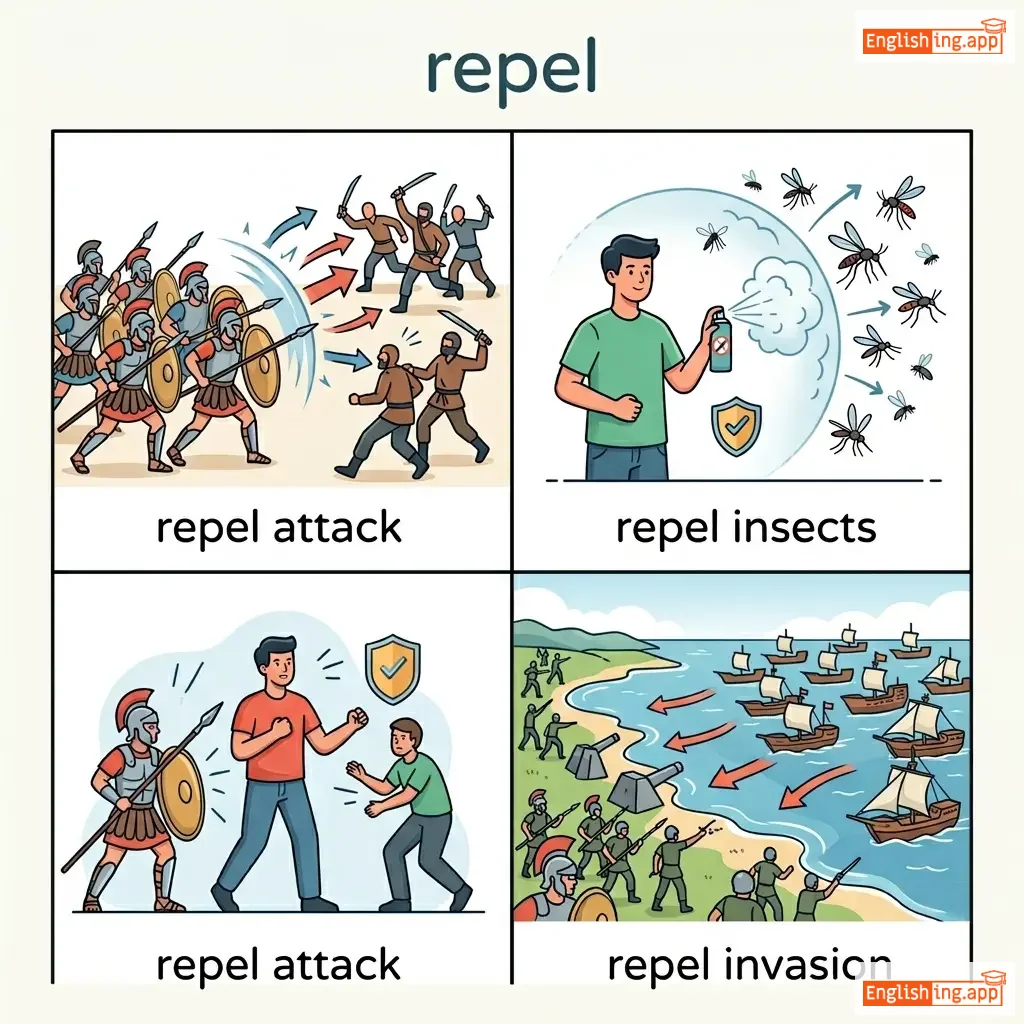
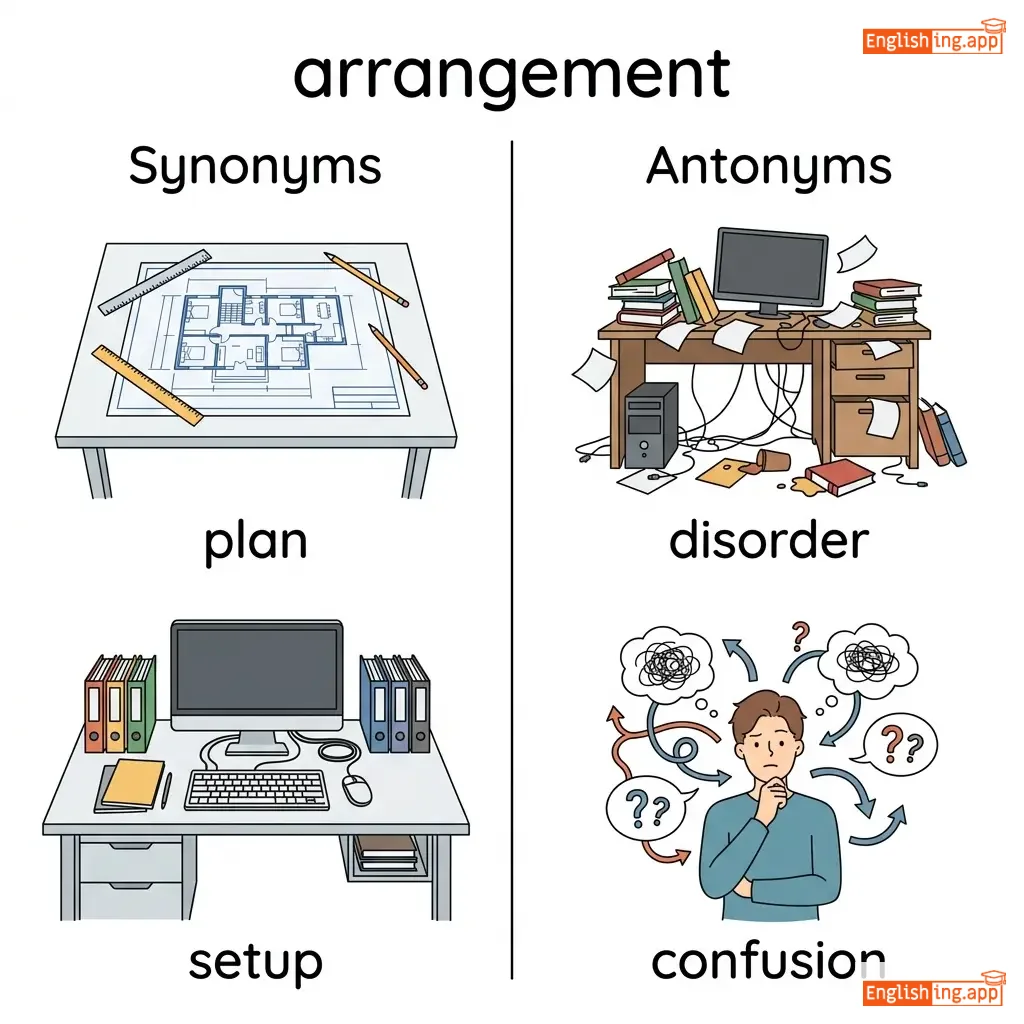
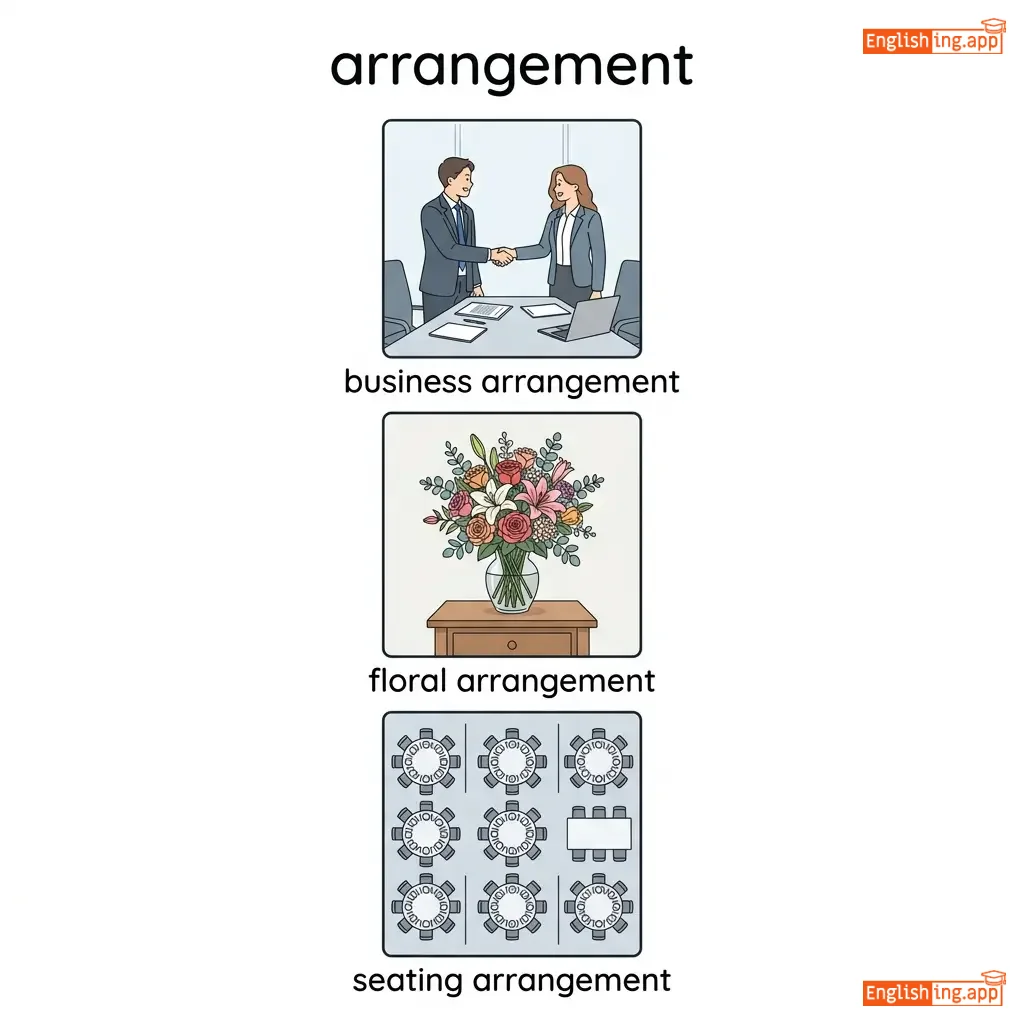
protons 的电荷是 positive,neutrons 的电荷是 neutral。带电的 protons 之间会 repel。因此,在 nucleus 中多个 protons 的 arrangement 非常复杂。然而,除了氢之外,其他元素中的 protons 数量都会增加。例如,helium nucleus 有两个 protons,而铀有 92 个 protons。
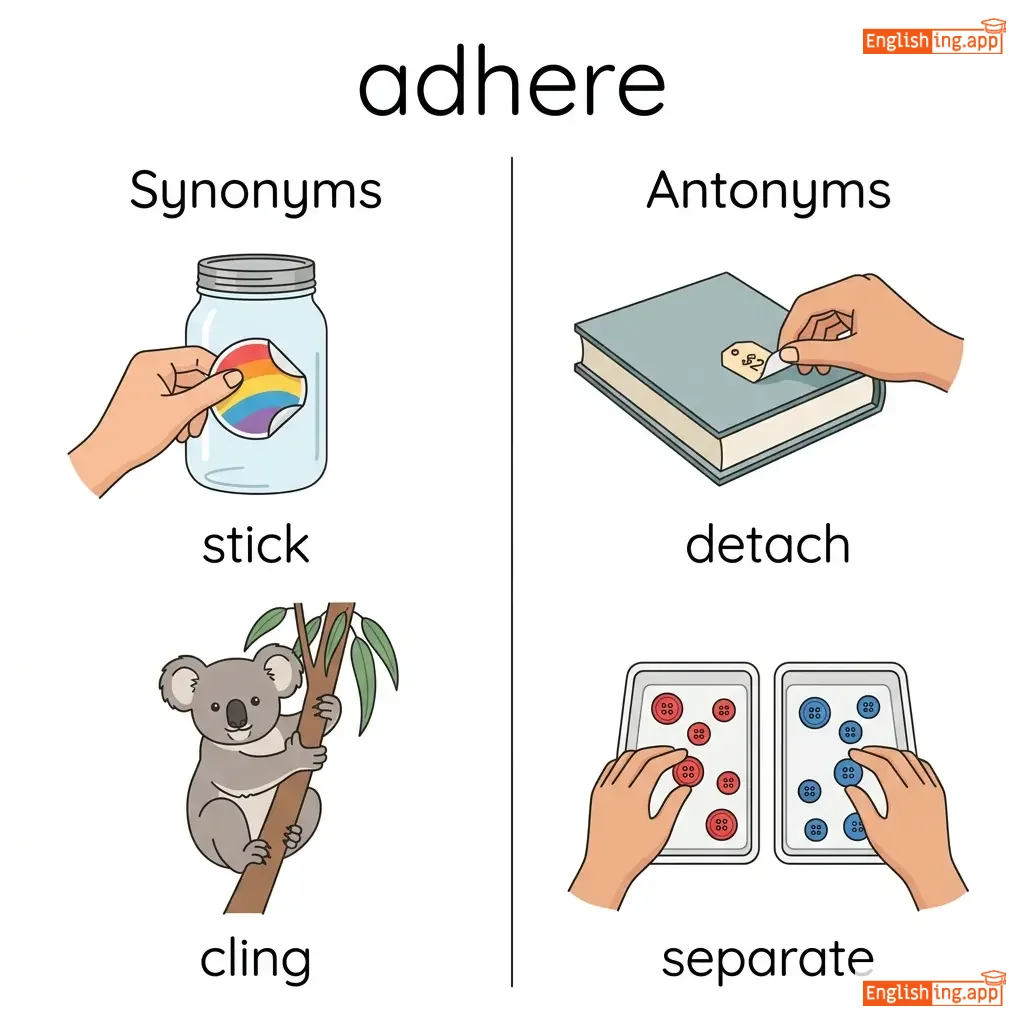
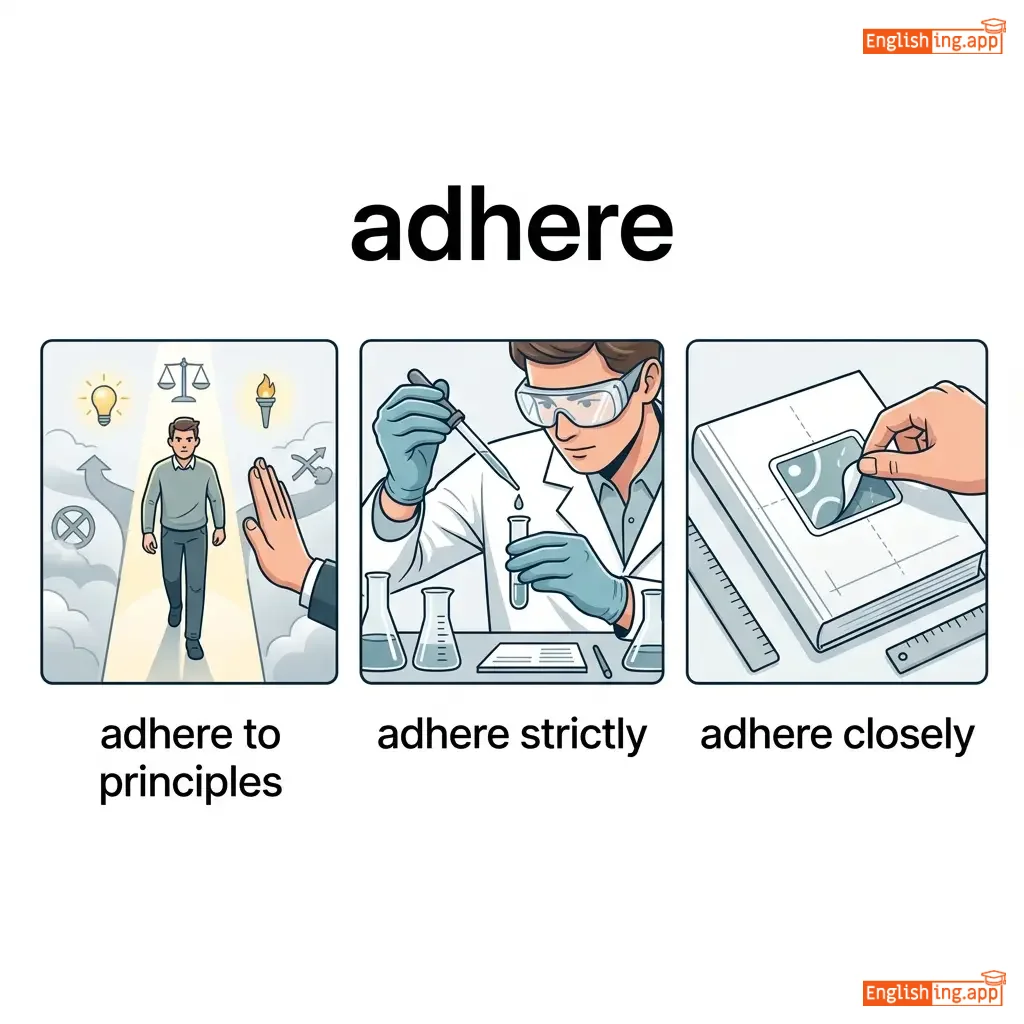
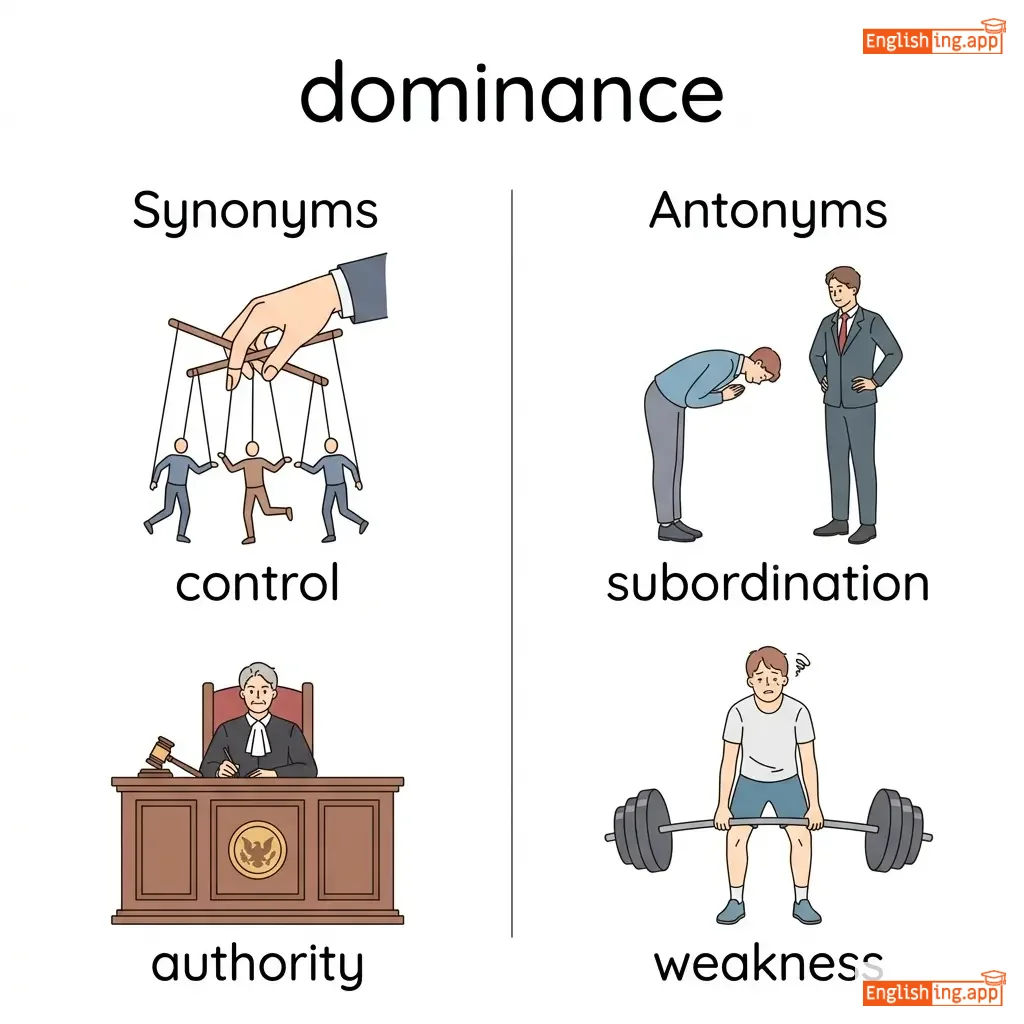
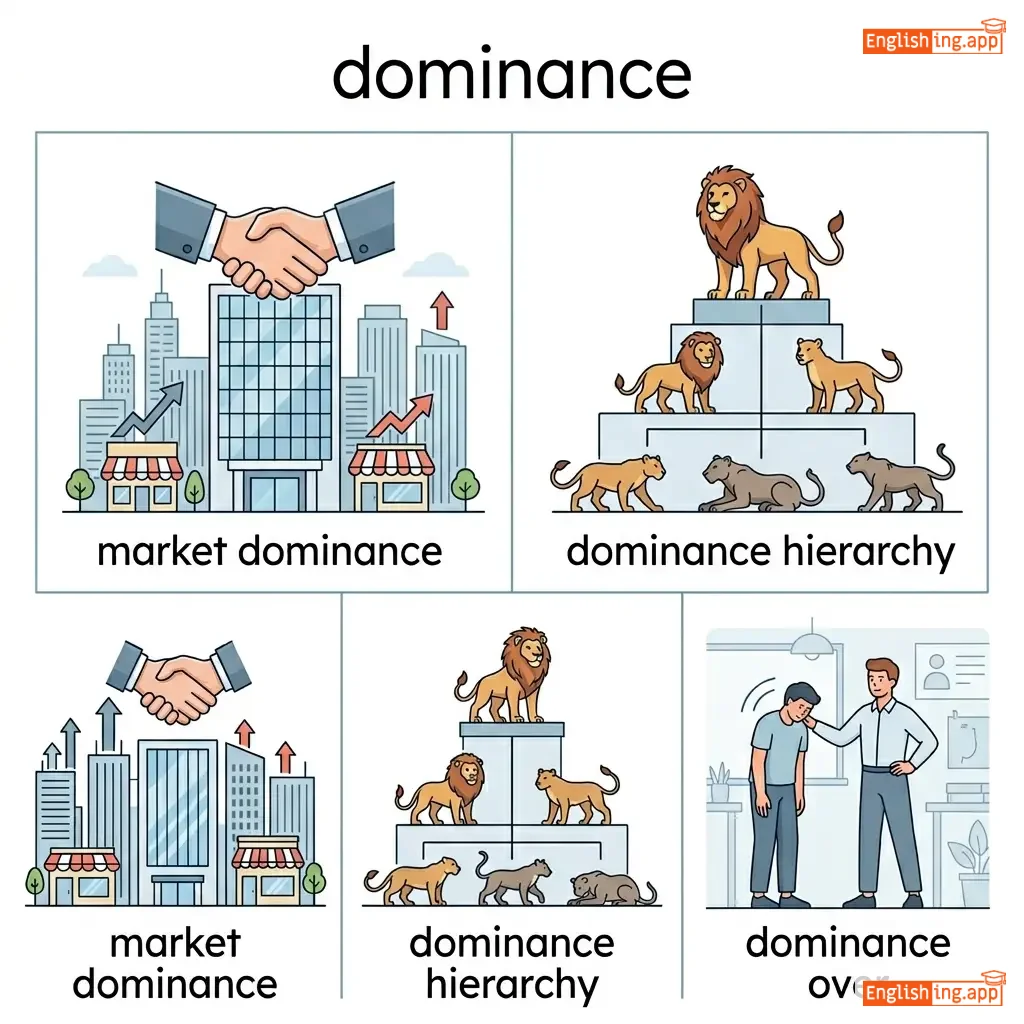
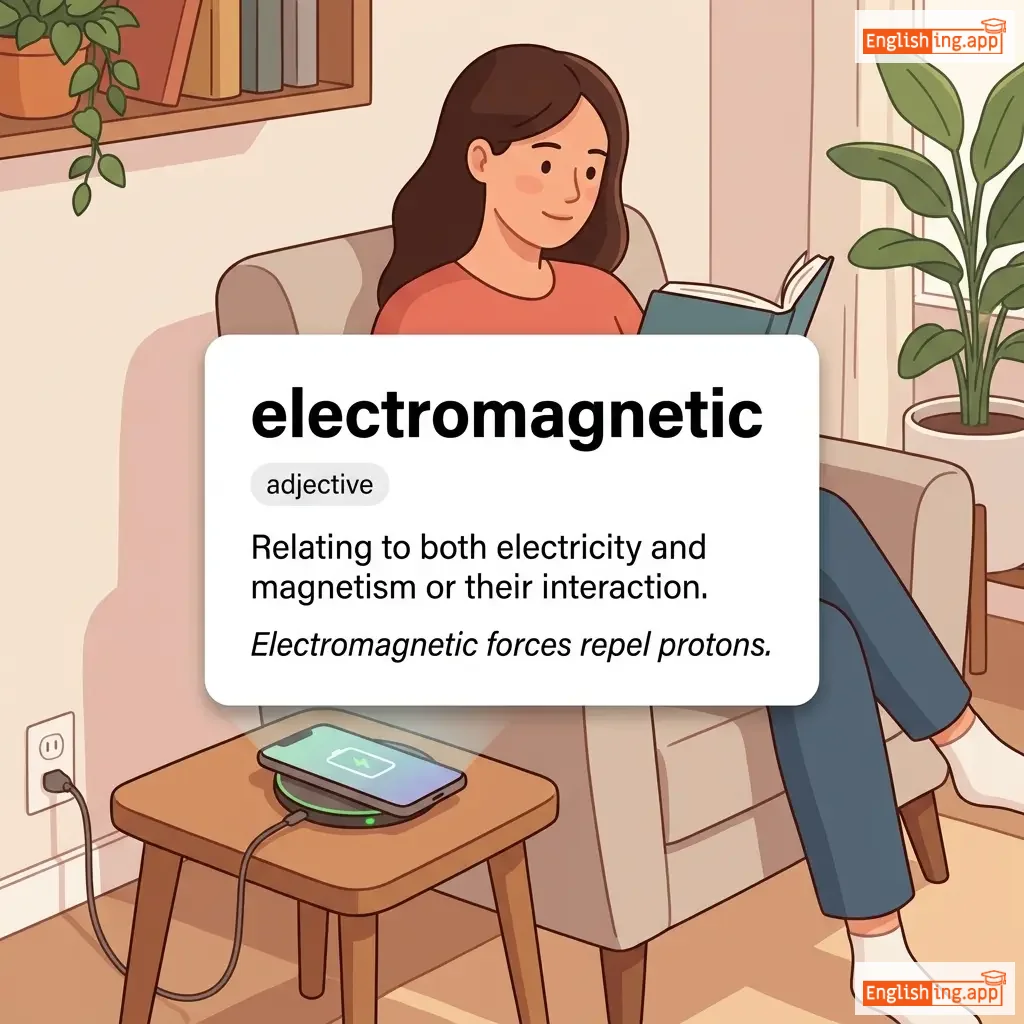
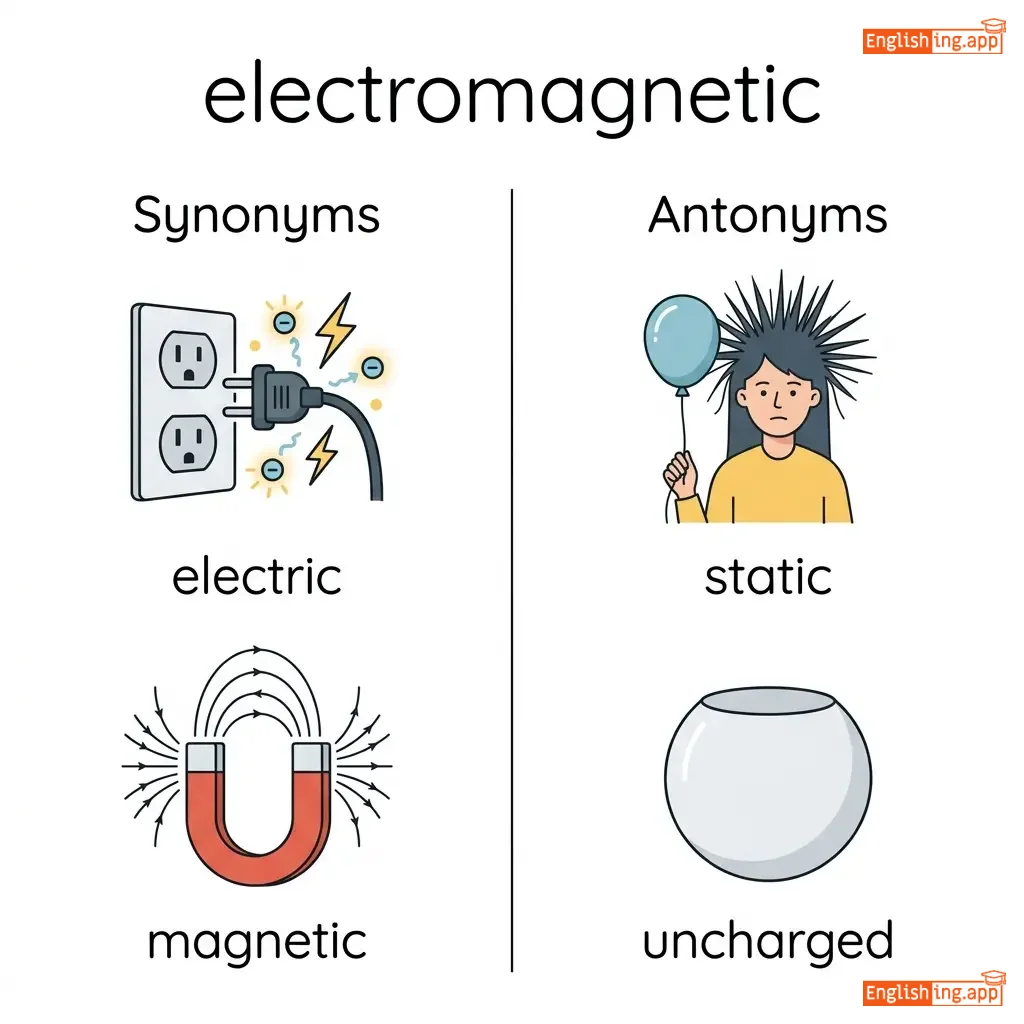
这些 protons 和 neutrons 只能通过 strong force 相互 adhere。作用于 protons 之间的 electromagnetic force 被 strong force 的 dominance 所克服。这就是它被称为 strong nuclear force 的原因。
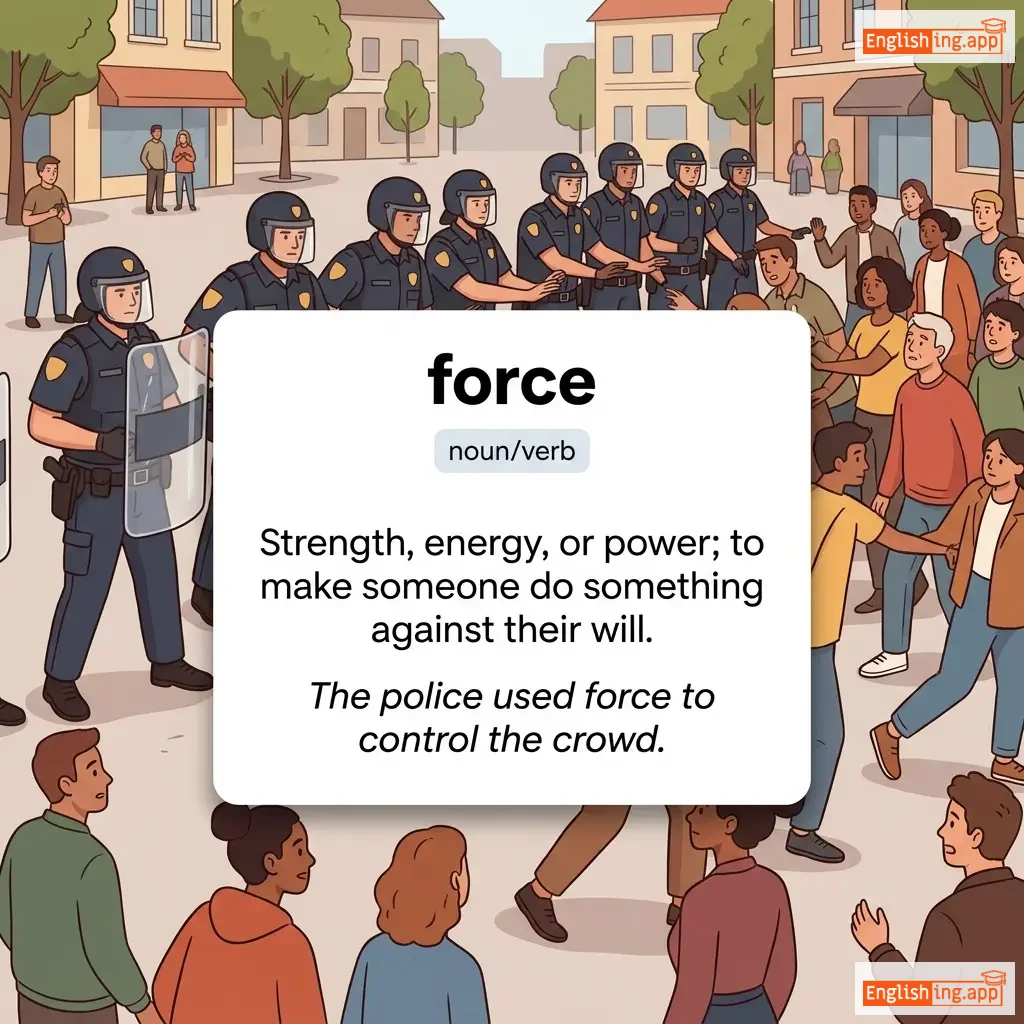
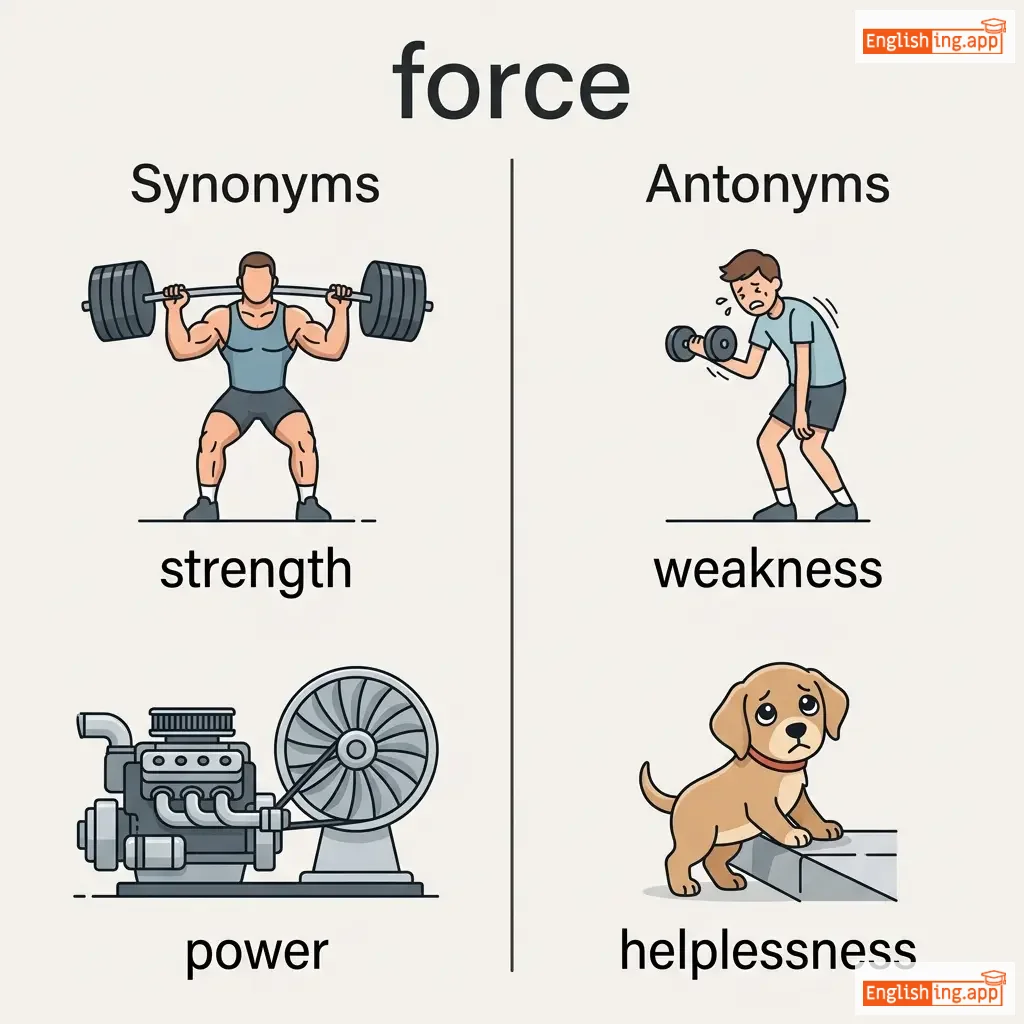
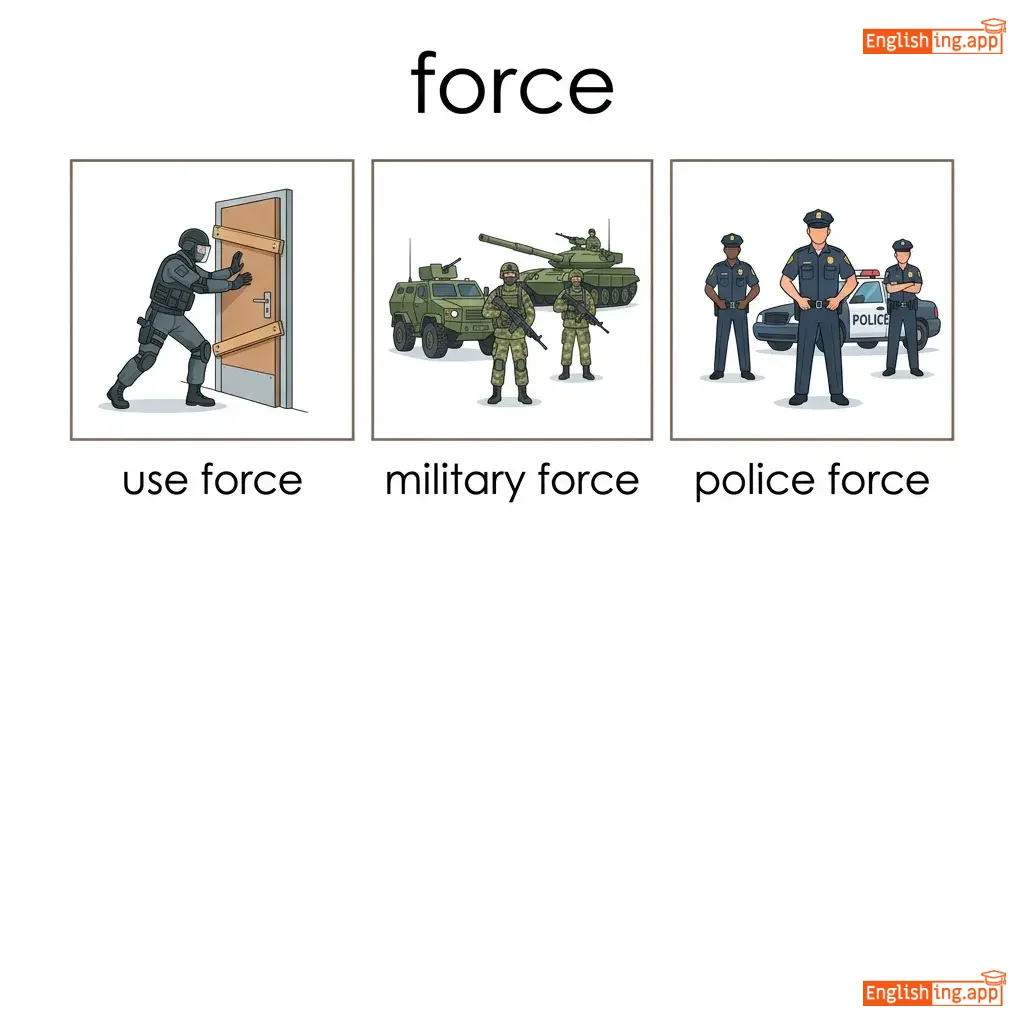

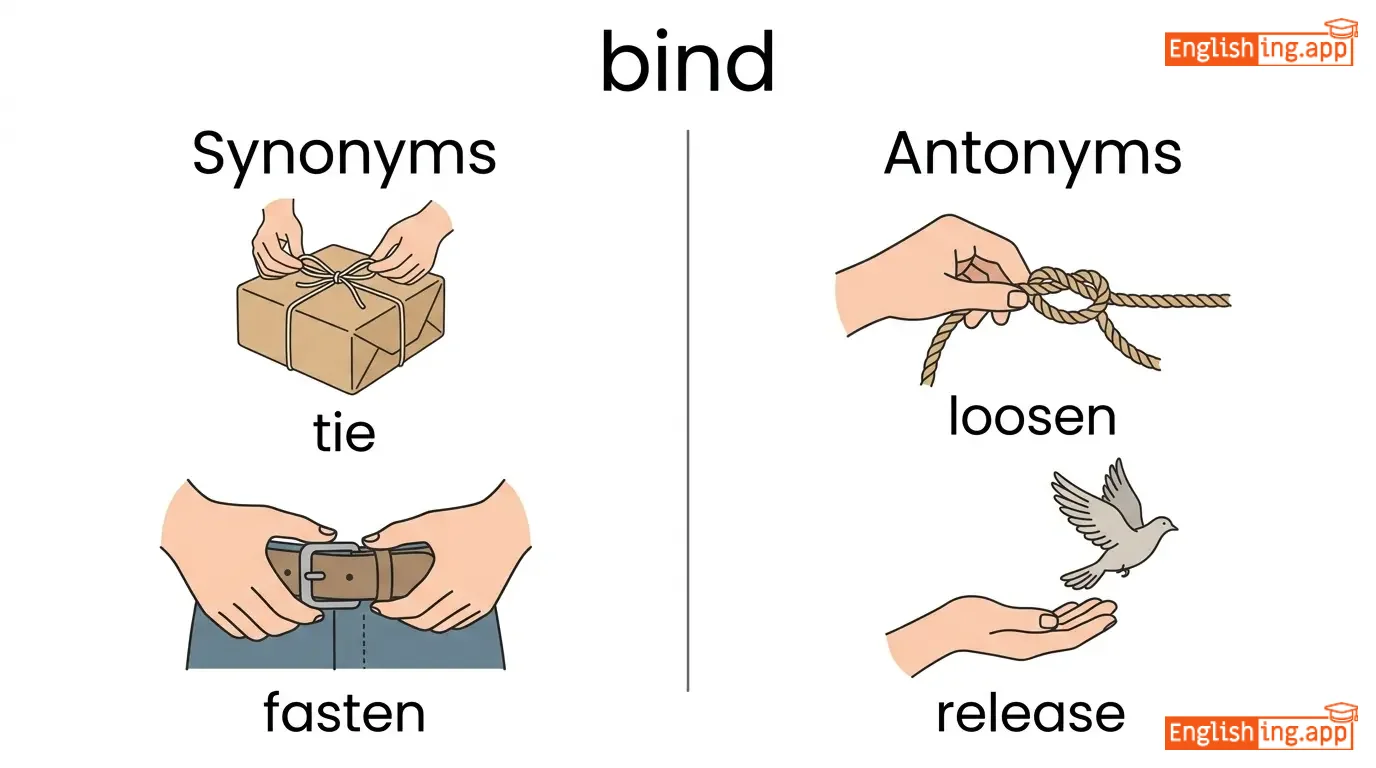







Swipe left or right, or use the buttons. Tap image to zoom.
例句翻译
单词
The Strength of the Strong ForceThe Strength of the Strong Force - 遮罩切换
|
表情符号
|
单词 | Images | 翻译 | 含义 | 例句 | 例句翻译 | 同义词 | 反义词 | 助记符 |
|---|---|---|---|---|---|---|---|---|---|
|
#645
⚡
|
fɔːrs
noun
(fɔrs)
••••••
|
|
力
li
••••••
|
A physical power or energy that can cause movement, change, or influence.
••••••
|
Strong nuclear force binds particles. |
强大的核力将粒子结合在一起。
Qiangda de heli jiang lizi jiehe zai yiqi.
••••••
|
power, energy
••••••
|
weakness, fragility
••••••
|
在中文中,'力'与英文的'force'相同,表示可以引起变化的能量。
••••••
|
|
#646
🔗
|
baɪnd
verb
(baind)
••••••
|
|
绑定
bǎng dìng
••••••
|
To tie, fasten, or hold together securely.
••••••
|
This force binds quarks together.
这个力量将夸克绑定在一起。
••••••
|
这个力量将夸克绑定在一起。
Zhège lìliàng jiāng kuàkè bǎngdìng zài yīqǐ.
••••••
|
tie, unite
••••••
|
separate, disconnect
••••••
|
绑定就像用绳子把东西牢牢地系住。
••••••
|
|
#647
🔬
|
kwɔːrk
noun
(kwāk)
••••••
|
|
夸克
kuākè
••••••
|
A fundamental subatomic particle that combines to form protons and neutrons.
••••••
|
Quarks form protons and neutrons.
夸克形成质子和中子。
••••••
|
夸克形成质子和中子。
Kuākè xíngchéng zhìzǐ hé zhōngzǐ.
••••••
|
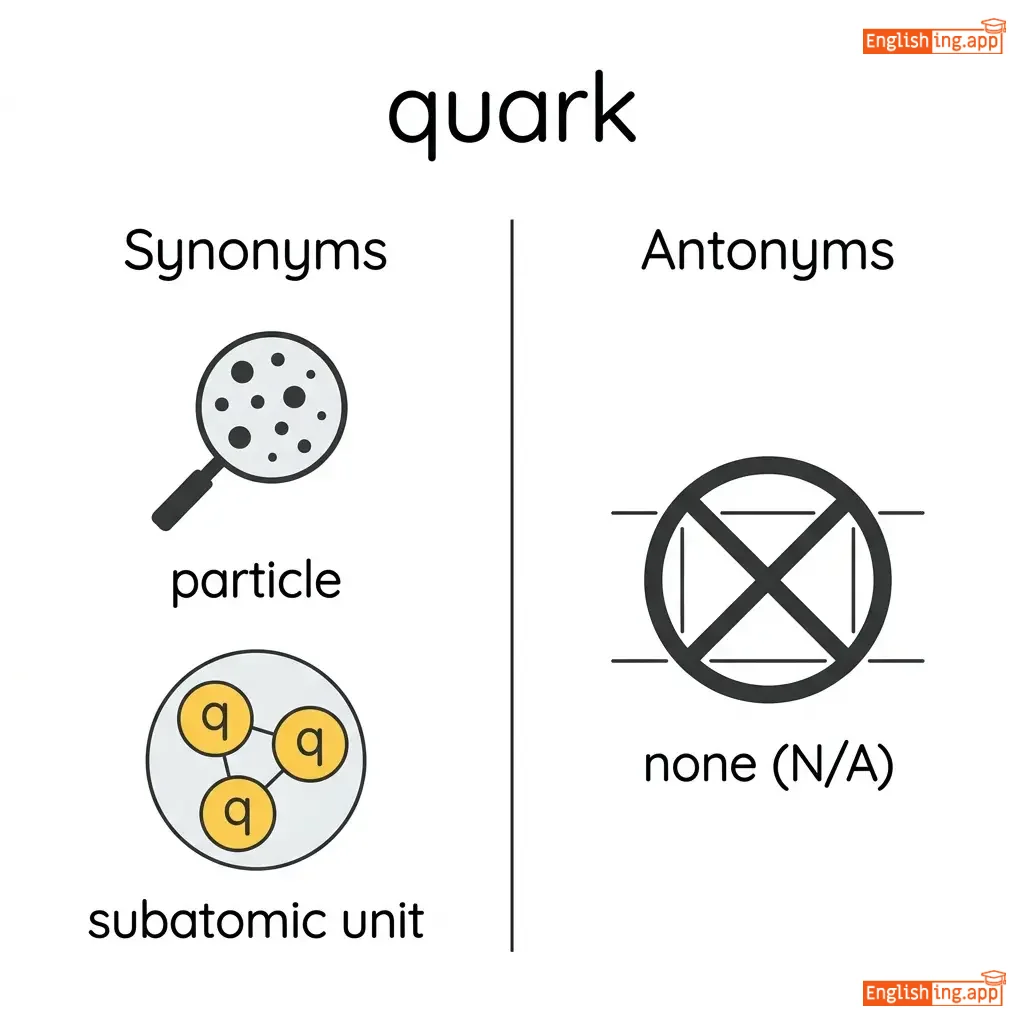
particle, subatomic unit
••••••
|
none (N/A)
••••••
|
Quarks combine to form the building blocks of the universe. 'Q' for Quantum leap!
••••••
|
|
#648
⚛️
|
ˈnuːkliəs
noun
(原子核)
••••••
|
|
原子核
yuánzǐ hé
••••••
|
The central core of an atom containing protons and neutrons.
••••••
|
The nucleus consists of protons. |
原子核由质子组成。
Yuánzǐ hé yóu zhìzǐ zǔchéng.
••••••
|
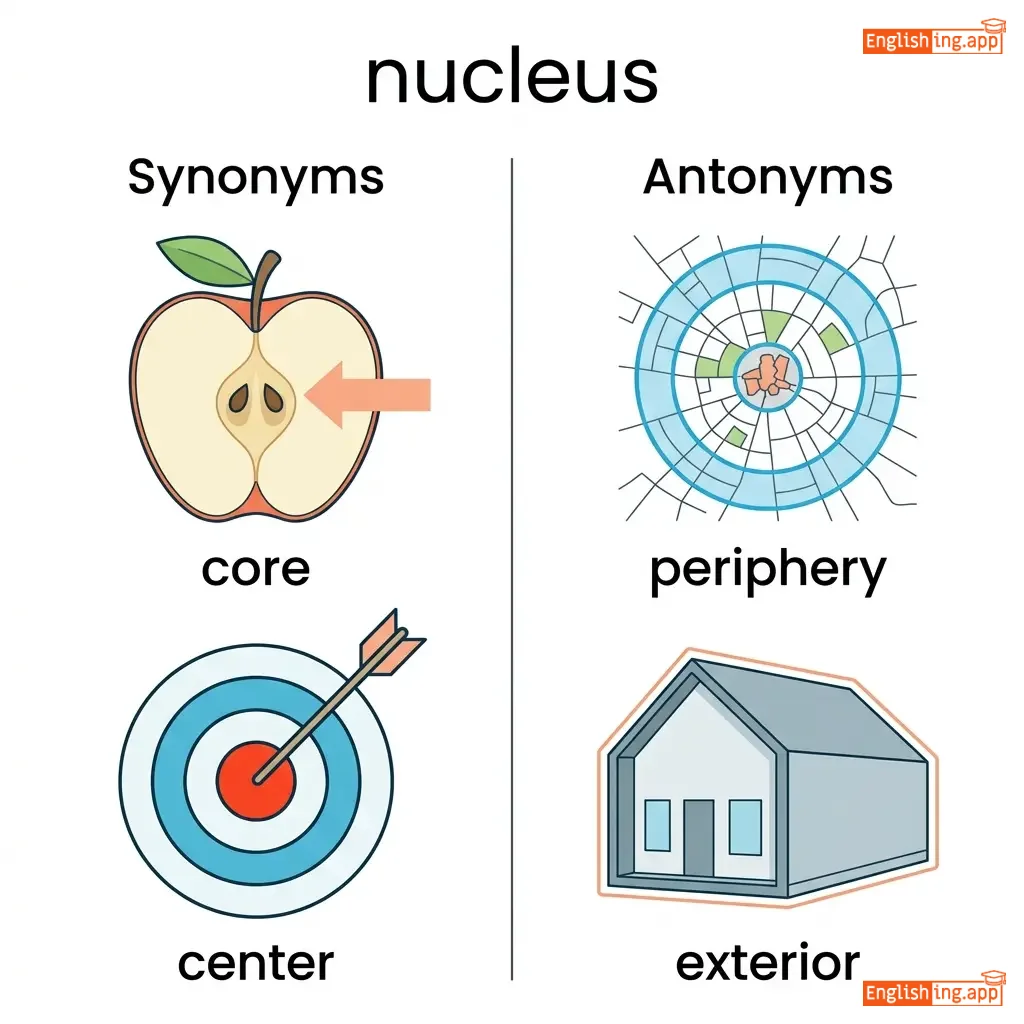
core, center
••••••
|
periphery, outside
••••••
|
原子核 (yuánzǐ hé) 就是原子的核心。
••••••
|
|
#649
➕
|
ˈpɒzətɪv
adjective
(pósìtíve)
••••••
|
|
正面
zhèngmiàn
••••••
|
Having an electric charge opposite to that of an electron.
••••••
|
Protons have a positive charge.
质子带有正电荷。
••••••
|
质子带有正电荷。
Zhìzǐ dài yǒu zhèng diànhè.
••••••
|
affirmative, plus
••••••
|
negative, neutral
••••••
|
正电荷如阳光般温暖,驱散一切负面能量。
••••••
|
|
#650
⚖️
|
ˈnjuːtrəl
adjective
(niutǎl)
••••••
|
|
中性
zhōngxìng
••••••
|
Having no electric charge; neither positive nor negative.
••••••
|
Neutrons are electrically neutral.
中子电中性。
••••••
|
中子电中性。
Zhōngzǐ diàn zhōngxìng.
••••••
|
unbiased, uncharged
••••••
|
charged, biased
••••••
|
像一位公正的裁判,不偏不倚。
••••••
|
|
#651
🔄
|
rɪˈpel
verb
(rìpèiěr)
••••••
|
|
排斥
paichi
••••••
|
To push away or force apart due to similar charges or properties.
••••••
|
Protons repel each other. |
质子相互排斥。
Zhìzǐ xiānghù páichì.
••••••
|
push away, reject
••••••
|
attract, pull
••••••
|
排斥 = 推开相同电荷的东西
••••••
|
|
#652
📦
|
kəmˈpæktli
adverb
(kəmˈpæktli)
••••••
|
|
紧凑地
jǐn còu dì
••••••
|
In a closely packed or dense manner.
••••••
|
Protons and neutrons are compactly arranged.
质子和中子紧密地排列。
••••••
|
质子和中子紧密地排列。
Zhì zǐ hé zhōng zǐ jǐn mì de pái liè.
••••••
|
densely, closely
••••••
|
loosely, scattered
••••••
|
In Chinese, '紧凑地' (jǐn còu dì) means compactly!
••••••
|
|
#653
🤝
|
ədˈhɪər
verb
(adhér)
••••••
|
|
附着
fùzhuó
••••••
|
To stick firmly to something or stay attached.
••••••
|
Neutrons adhere to protons. |
中子附着在质子上。
Zhōngzǐ fùzhuó zài zhìzǐ shàng.
••••••
|
stick, cling
••••••
|
detach, separate
••••••
|
Imagine a super sticky tape that adheres tightly.
••••••
|
|
#654
👑
|
ˈdɒmɪnəns
noun
(主导地位)
••••••
|
|
支配
zhīpèi
••••••
|
The state of having power, control, or influence over others.
••••••
|
Strong force exerts dominance over other forces. |
强大的力量对其他力量施加支配。
Qiángdà de lìliàng duì qítā lìliàng shījiā zhīpèi.
••••••
|
supremacy, authority
••••••
|
inferiority, submission
••••••
|
In Chinese, '支配' means the control or power to dominate.
••••••
|
|
#655
🧲
|
ɪˌlektrəʊmæɡˈnetɪk
adjective
(电磁的)
••••••
|
|
电磁的
diancide
••••••
|
Relating to both electricity and magnetism or their interaction.
••••••
|
Electromagnetic forces repel protons.
电磁力排斥质子。
••••••
|
电磁力排斥质子。
Dianci li paichi zhizu.
••••••
|
electric, magnetic
••••••
|
static, uncharged
••••••
|
电磁的 = 电和磁在一起工作。
••••••
|
|
#656
🏗️
|
əˈreɪndʒmənt
noun
(æˈrændʒmənt)
••••••
|
|
安排
ānpái
••••••
|
The way things are organized, positioned, or structured.
••••••
|
The arrangement of protons in the nucleus is critical.
质子在原子核中的排列至关重要。
••••••
|
质子在原子核中的排列至关重要。
Zhìzǐ zài yuánzǐhé zhōng de pāiliè zhìguān zhòngyào.
••••••
|
order, organization
••••••
|
disorder, chaos
••••••
|
安排 (arrangement) 是指事物的组织或排序。
••••••
|
|
#657
⚖️
|
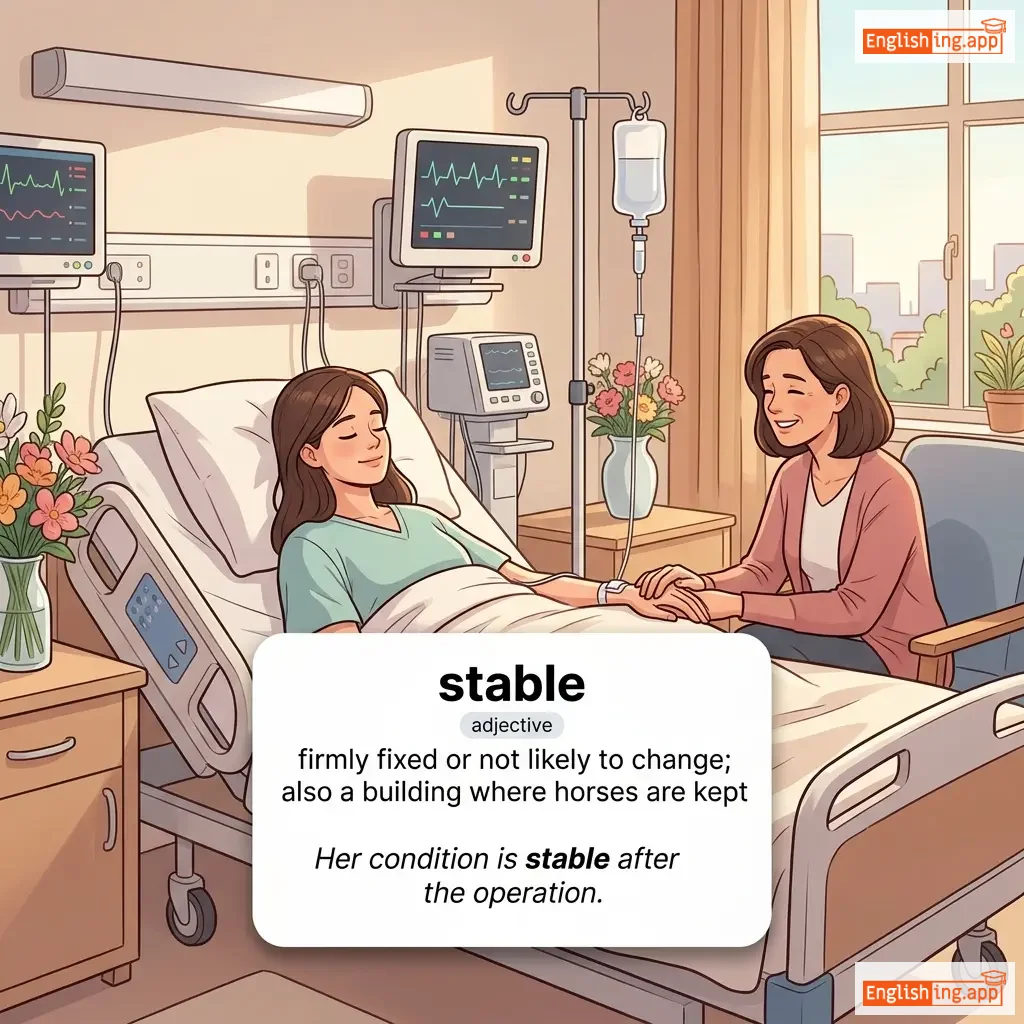
ˈsteɪbl
adjective
(稳定)
••••••
|
|
稳定
wending
••••••
|
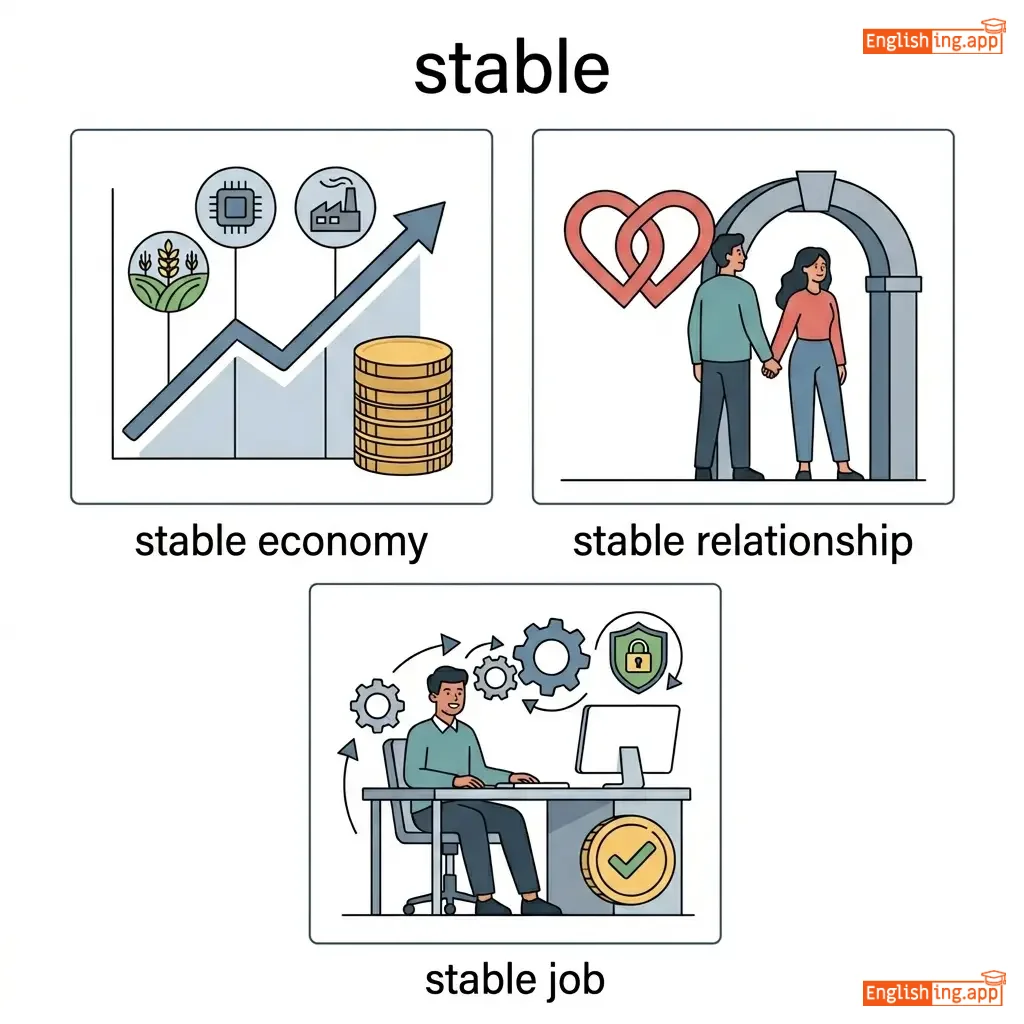
Not likely to change or fail; firmly established.
••••••
|
Strong nuclear force keeps the nucleus stable.
强大的核力保持着原子核的稳定。
••••••
|
强大的核力保持着原子核的稳定。
Qiangda de heli baochizhe yuanzihuo de wending.
••••••
|
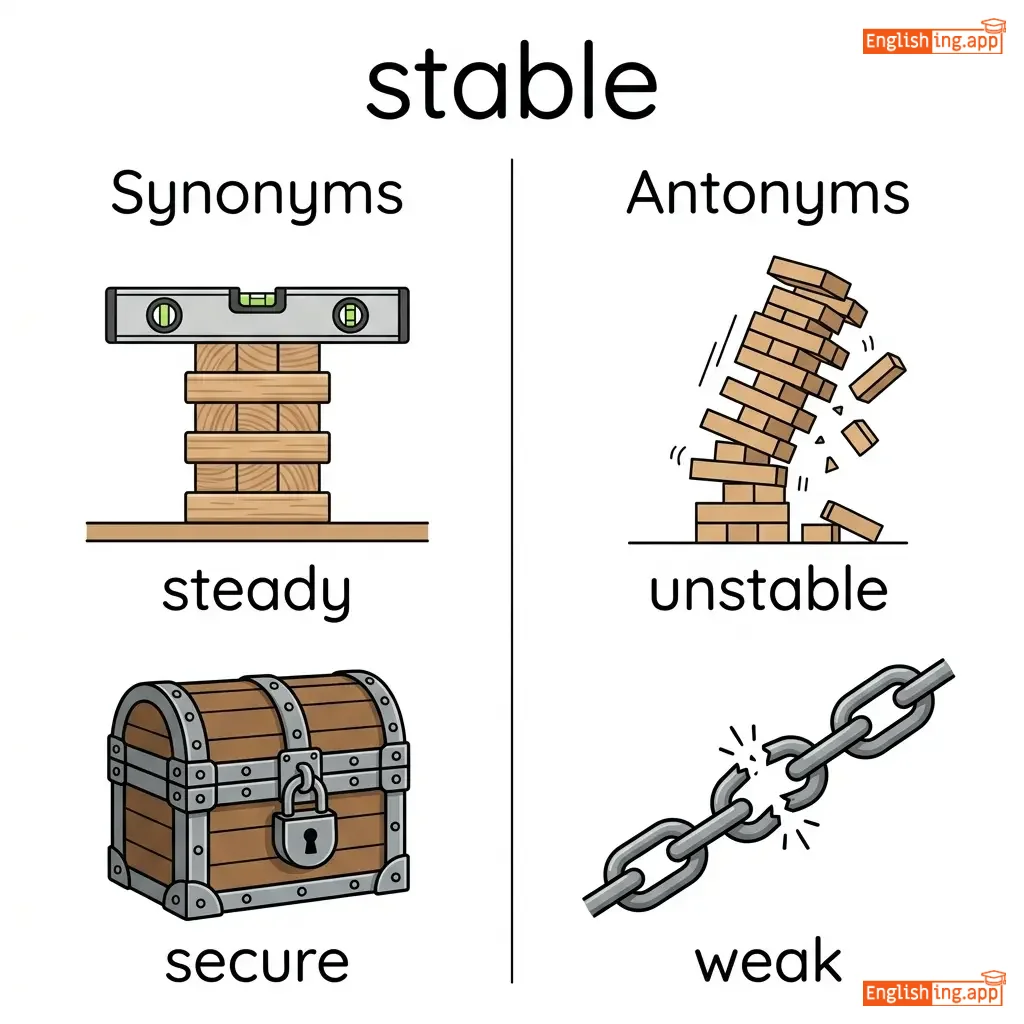
steady, secure
••••••
|
unstable, volatile
••••••
|
稳定 = 就像一个牢固的桌子,永远保持稳定。
••••••
|
Vocabulary Quiz
Test your vocabulary by matching words with their translations or meanings.
Login to take the quiz
Comments (0)
Share your thoughts and join the discussion.
Join the discussion by logging in
Login to CommentNo comments yet
Be the first to share your thoughts!