

为什么那么多CEO是工程师
Why So Many CEOs Are Engineers
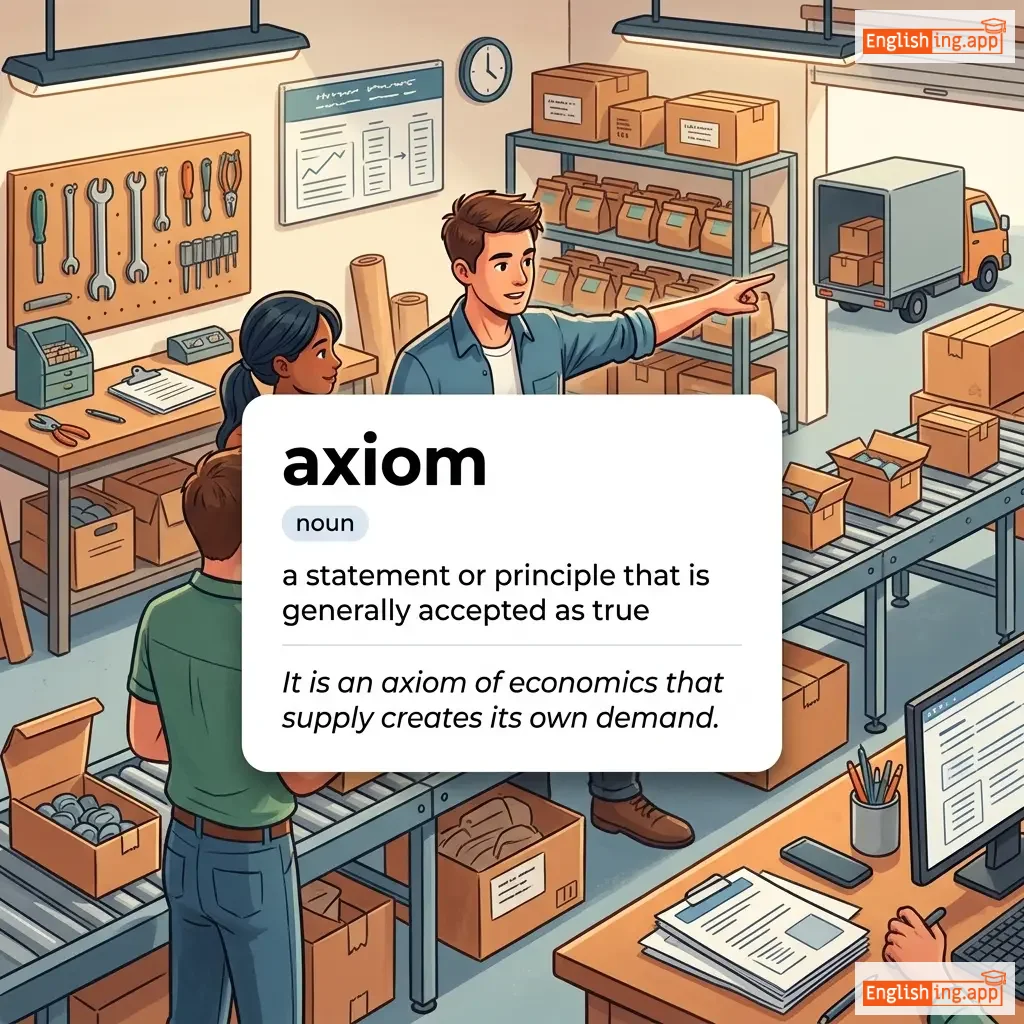
在当今世界,工程师作为领先公司CEO的存在已经成为一种公理。通过努力工作,适应性和分析技能,他们在企业界创造了一个强大的地位。
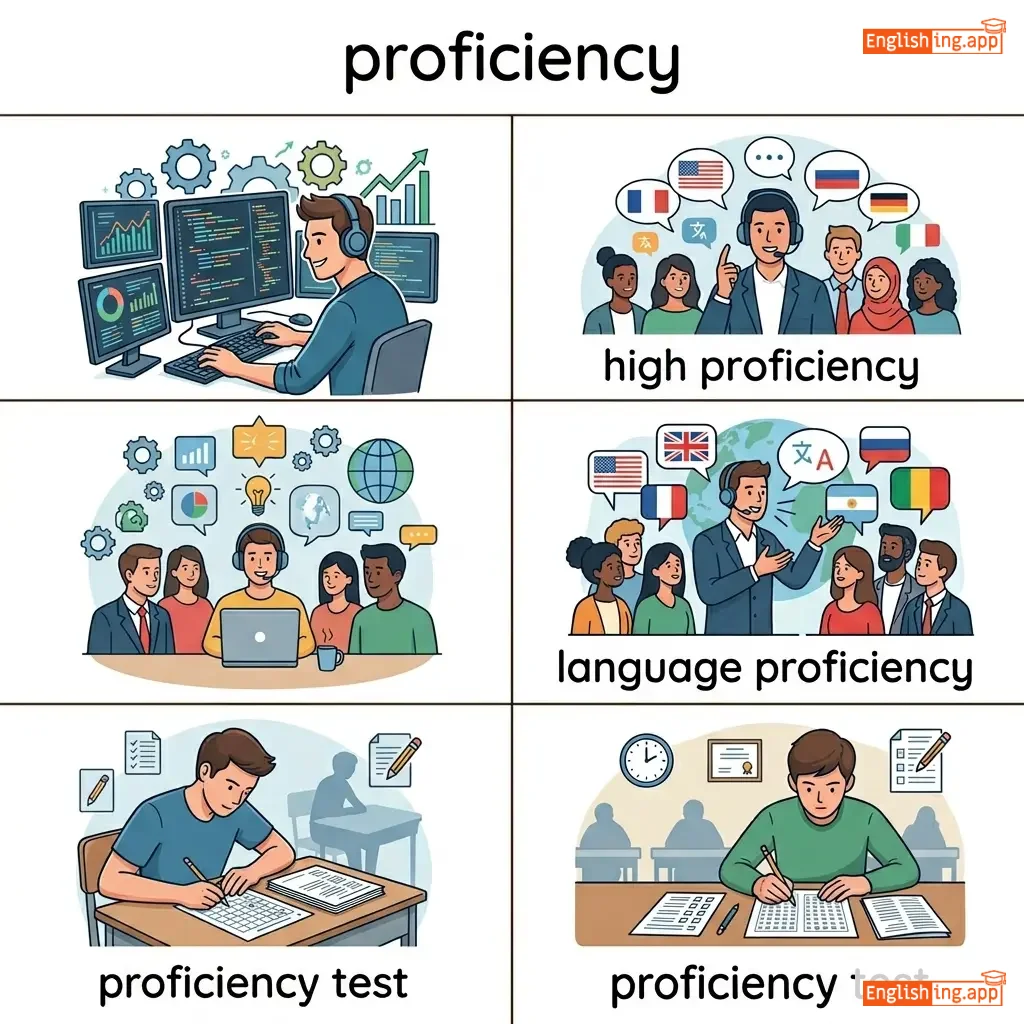
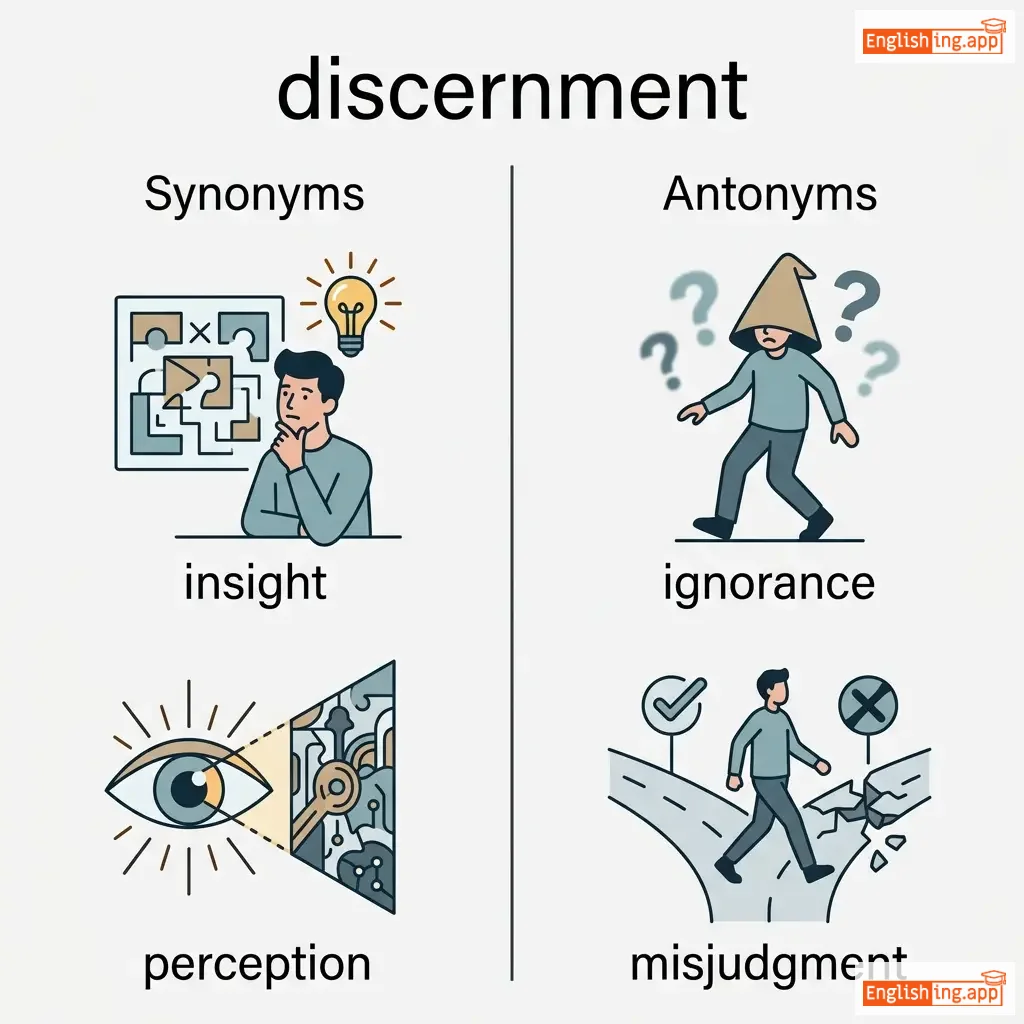
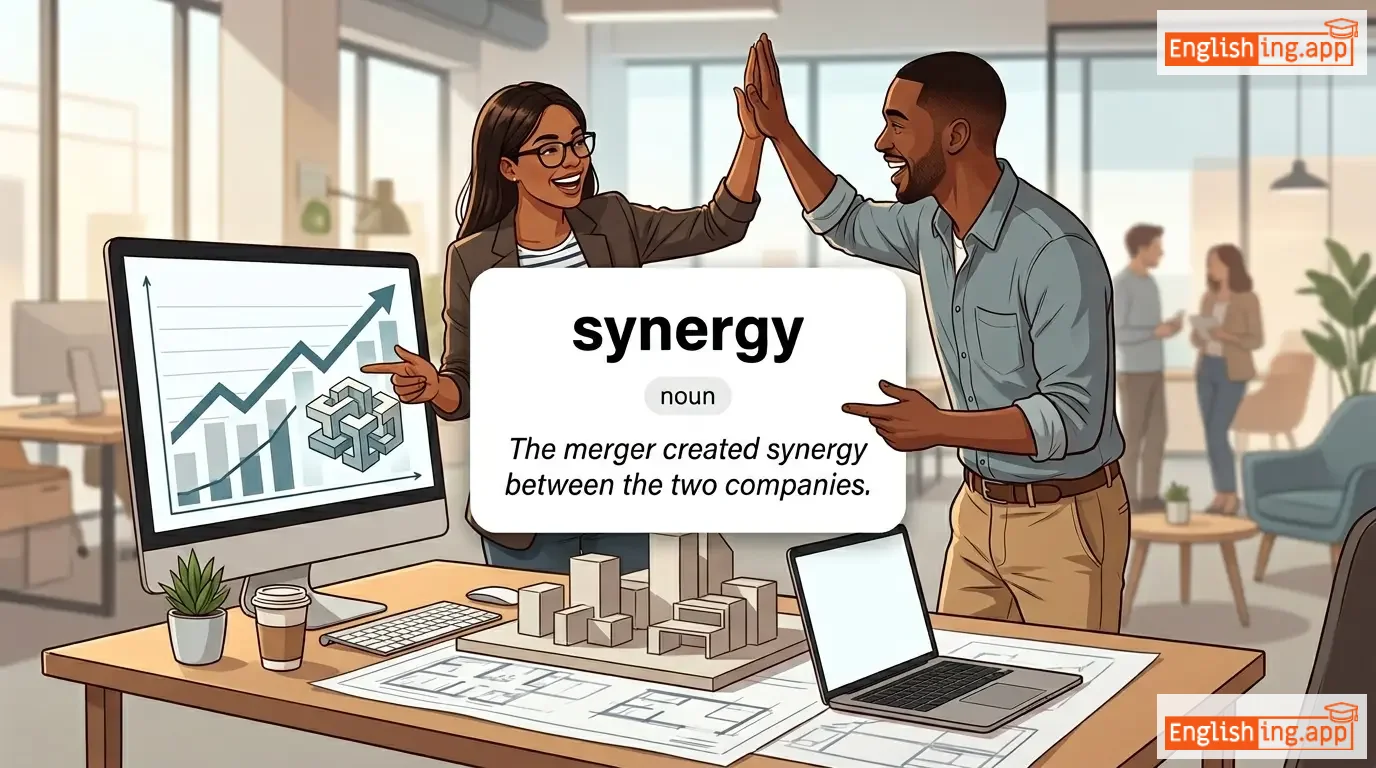
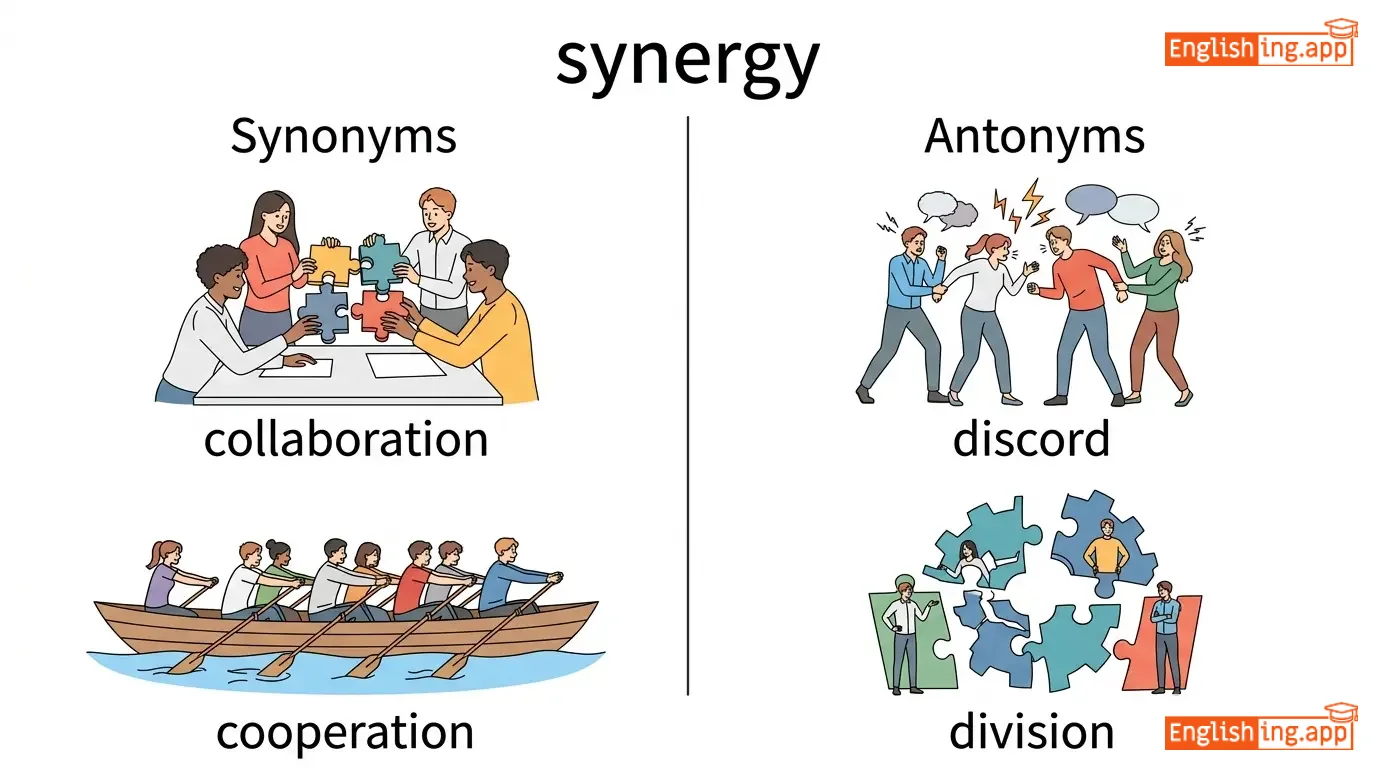
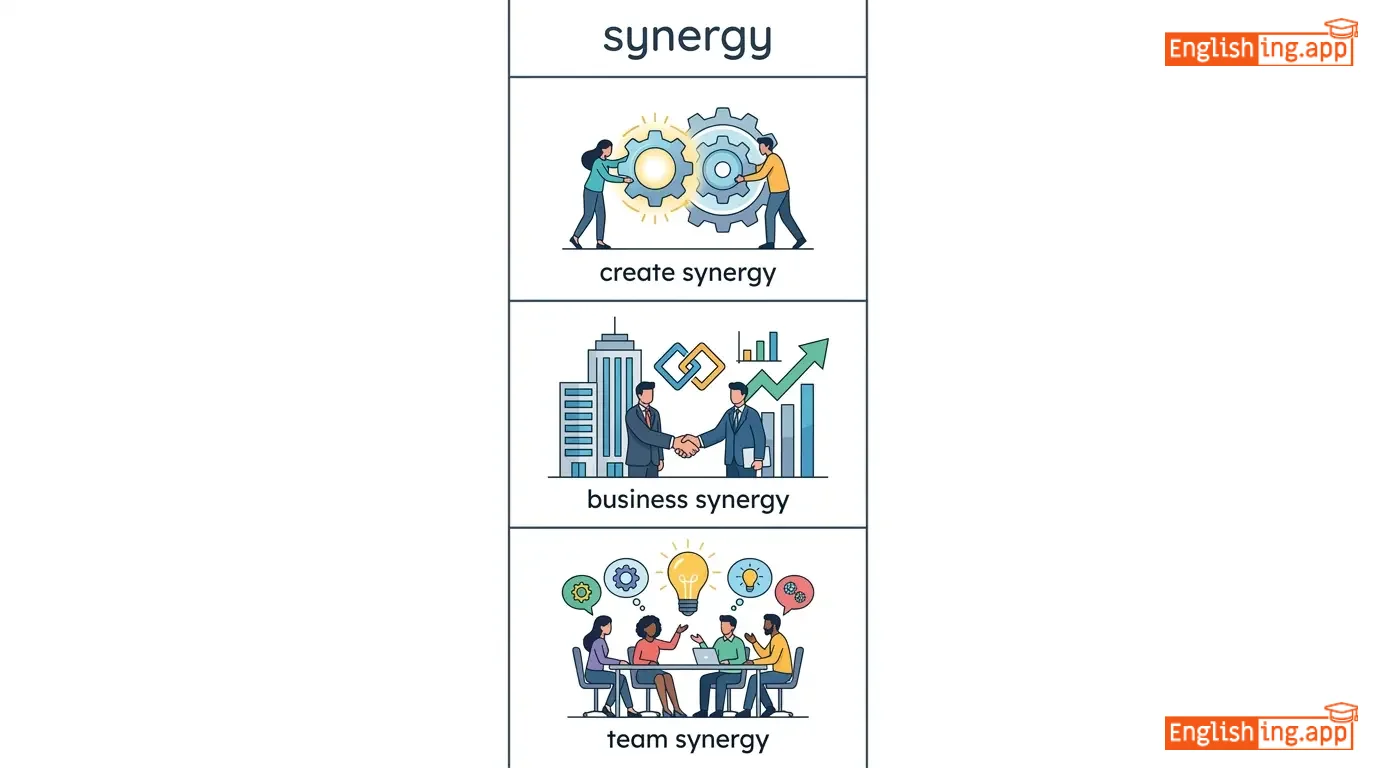
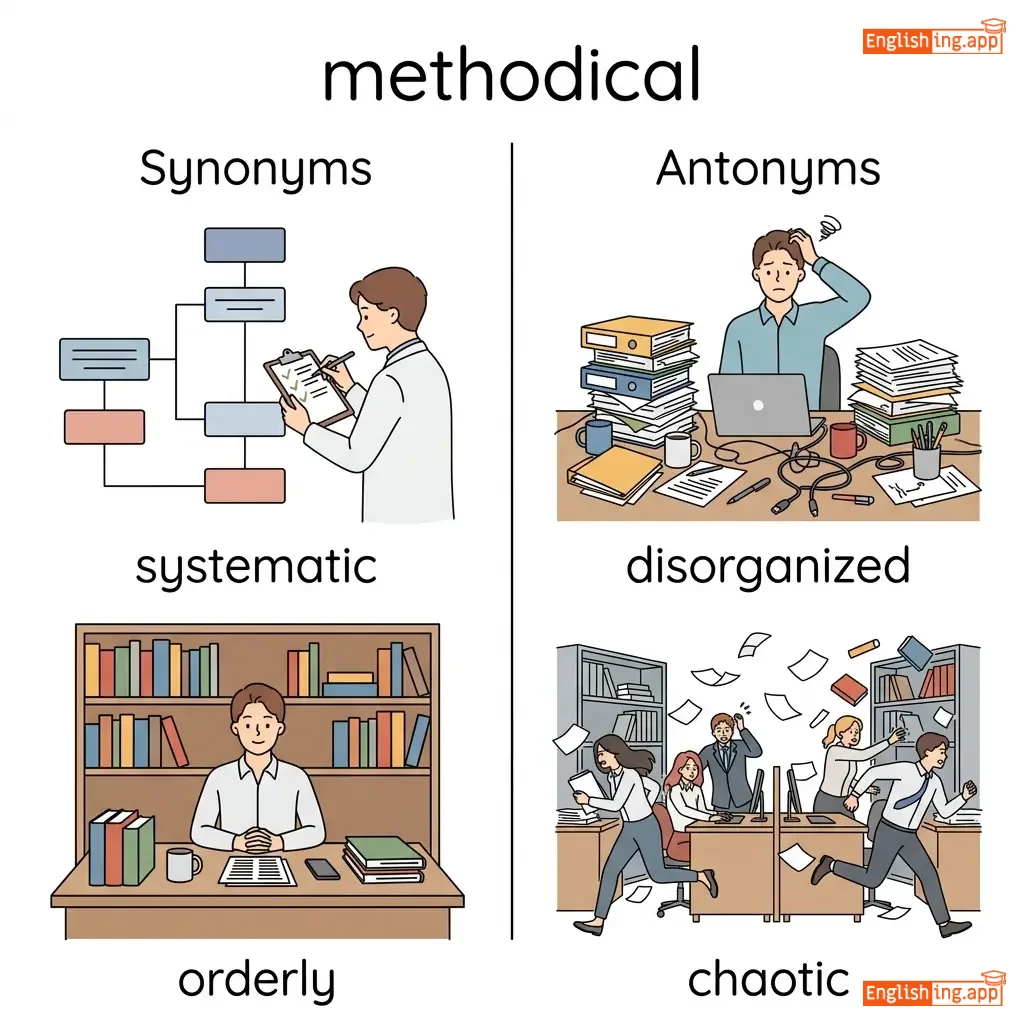
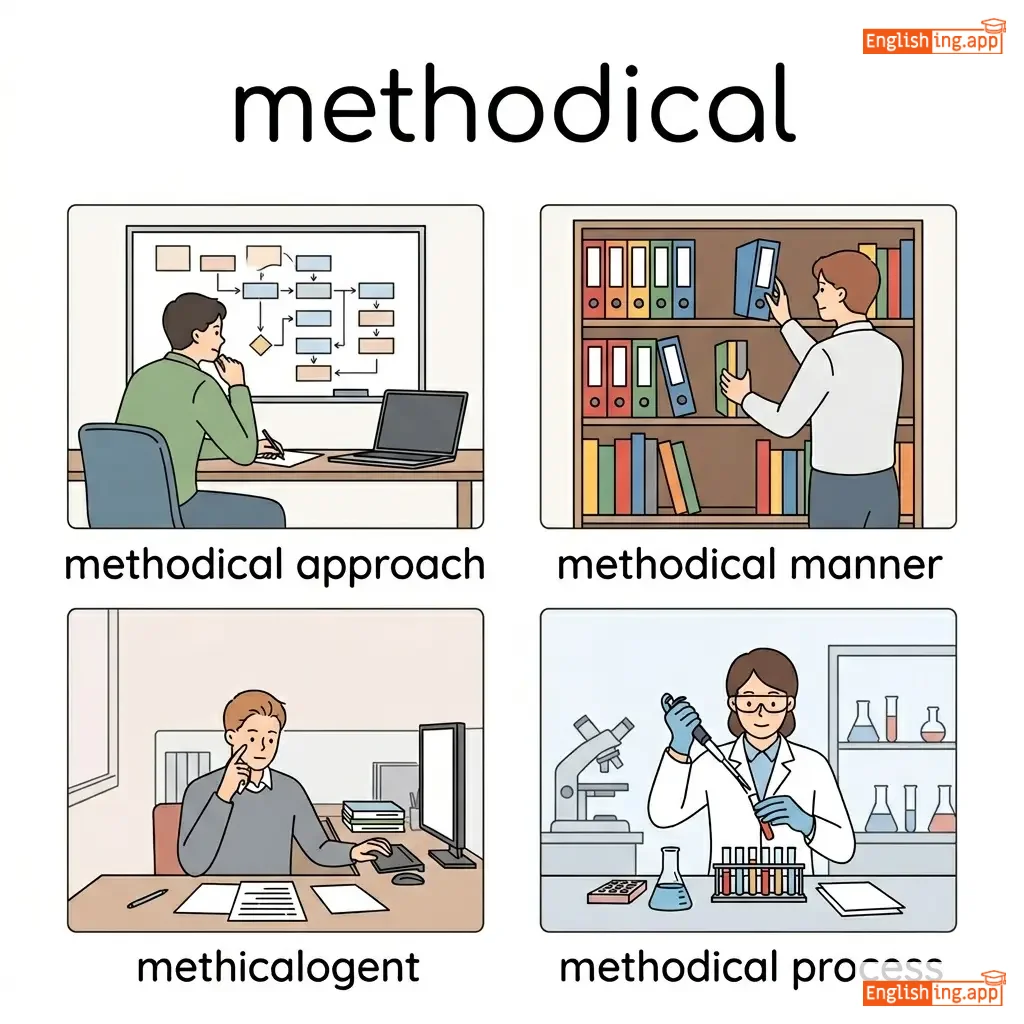
工程师总是遵循务实的思维方式,这在决策中非常有效。他们的熟练和洞察力有助于指导企业走上正确的道路。为了在技术和商业之间创造协同效应,他们采用有条理的规划。
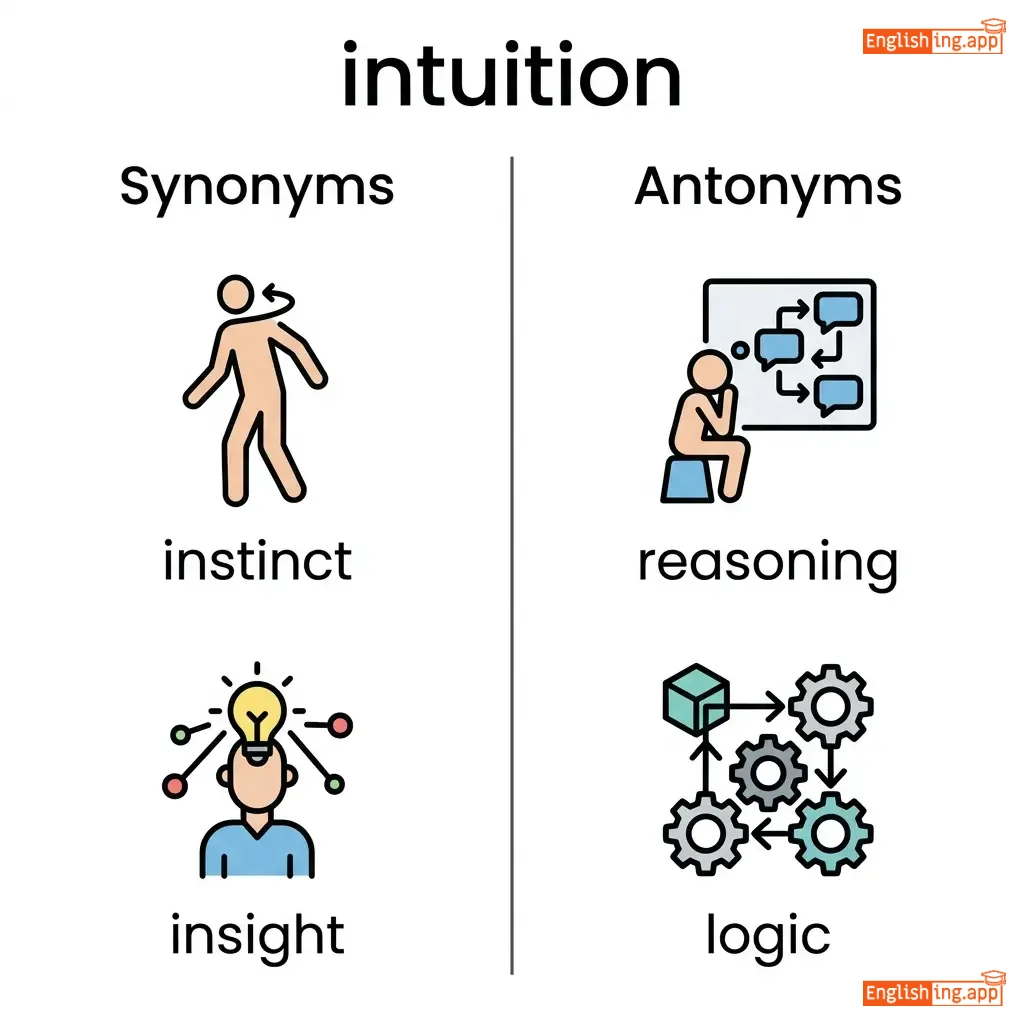
工程师的直觉和敏锐的视角将他们带入领导地位。他们的灵巧技能和效能在解决新问题中发挥作用。他们理解建立凝聚团队的重要性,并设定具体目标。
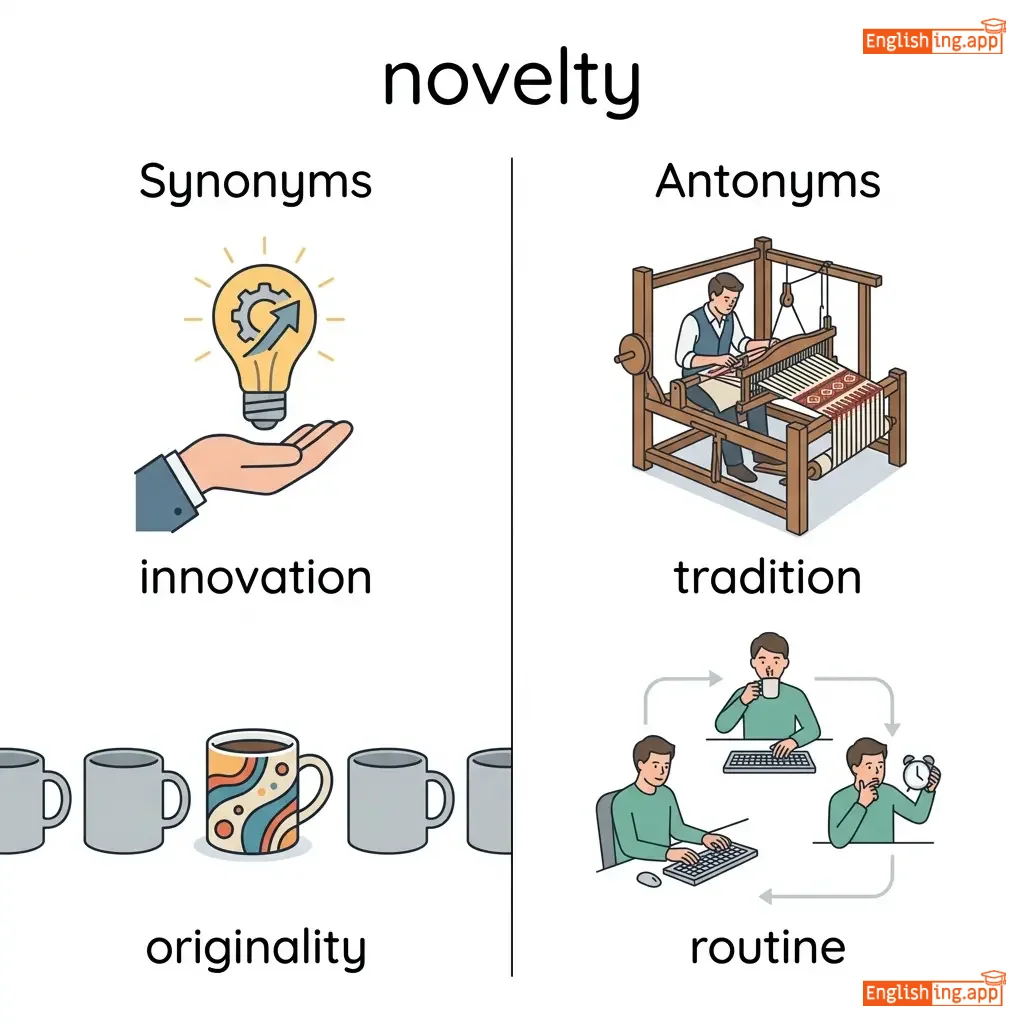
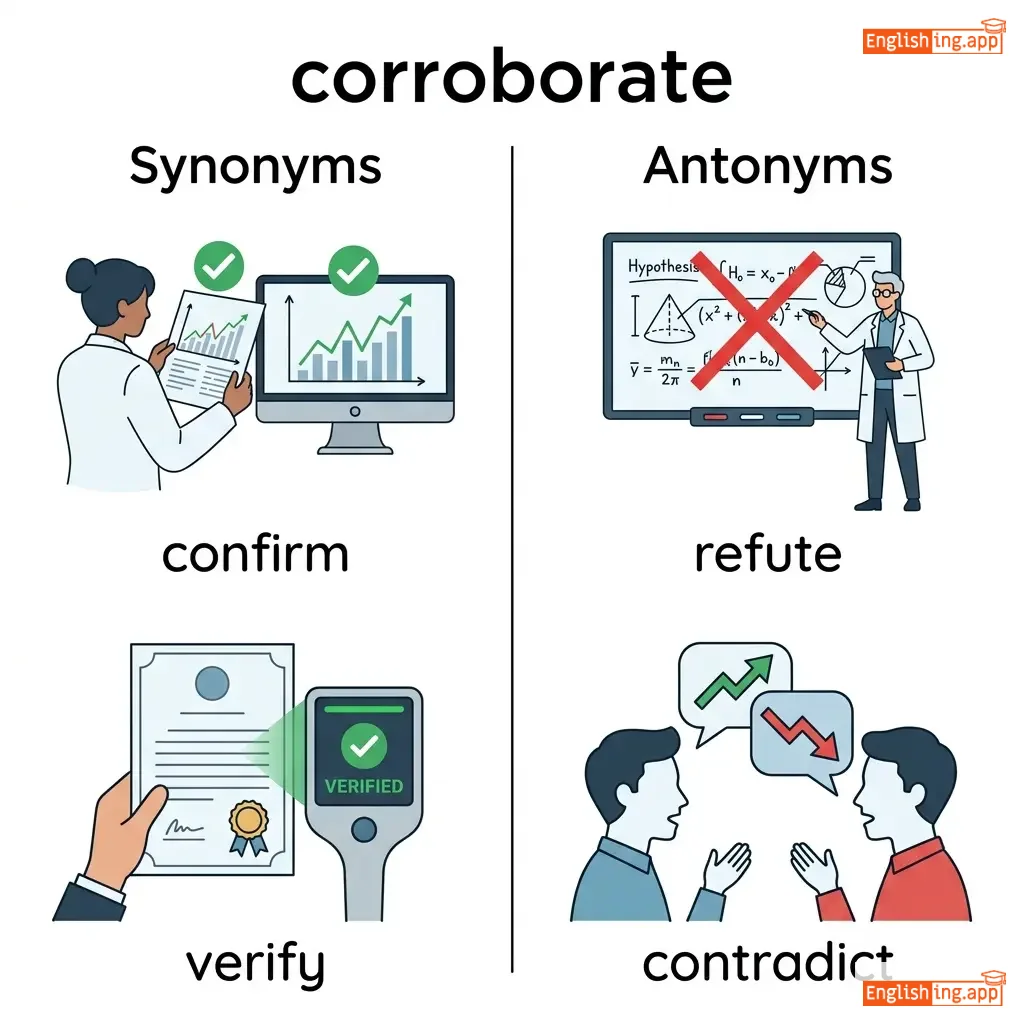
在技术创新的时代,工程师最有效地将新颖的概念转化为现实。他们的合理解决方案和证实的信息使他们作为CEO的地位更加稳固。
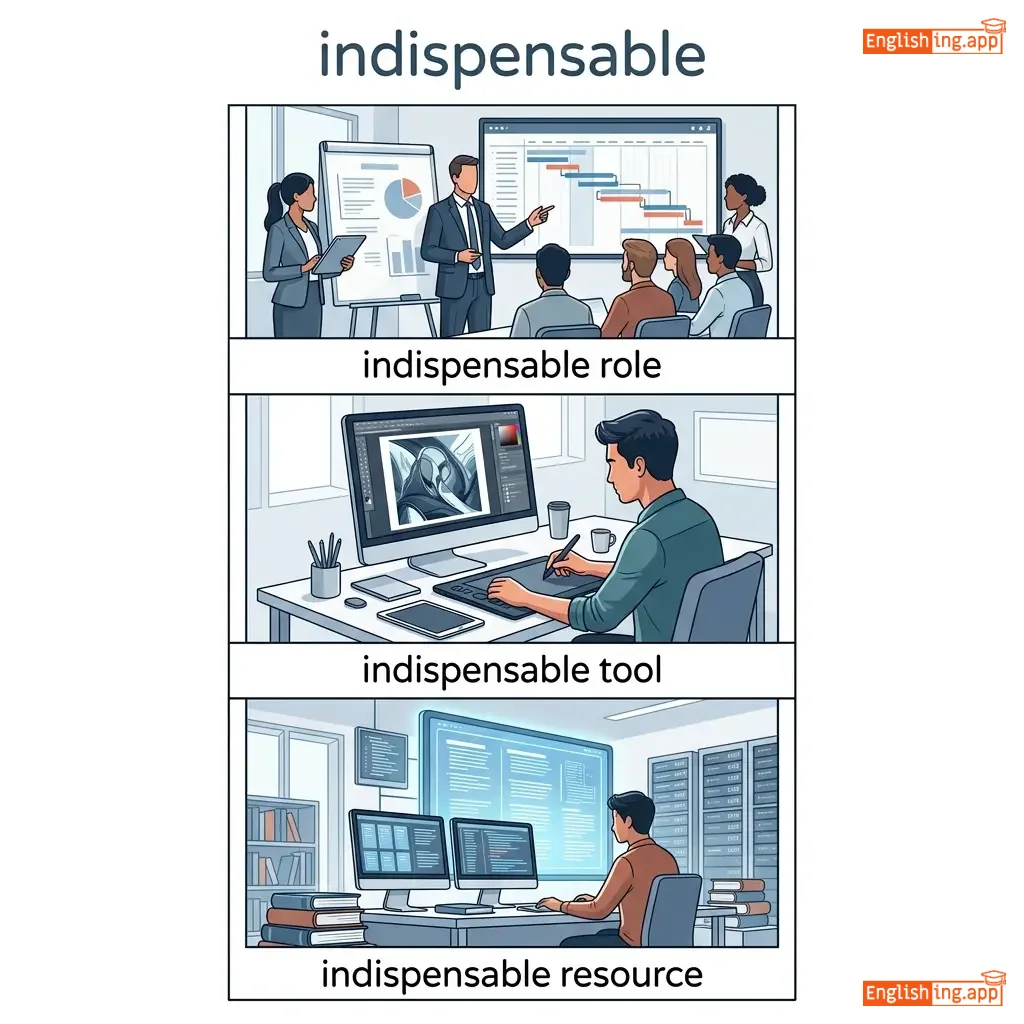
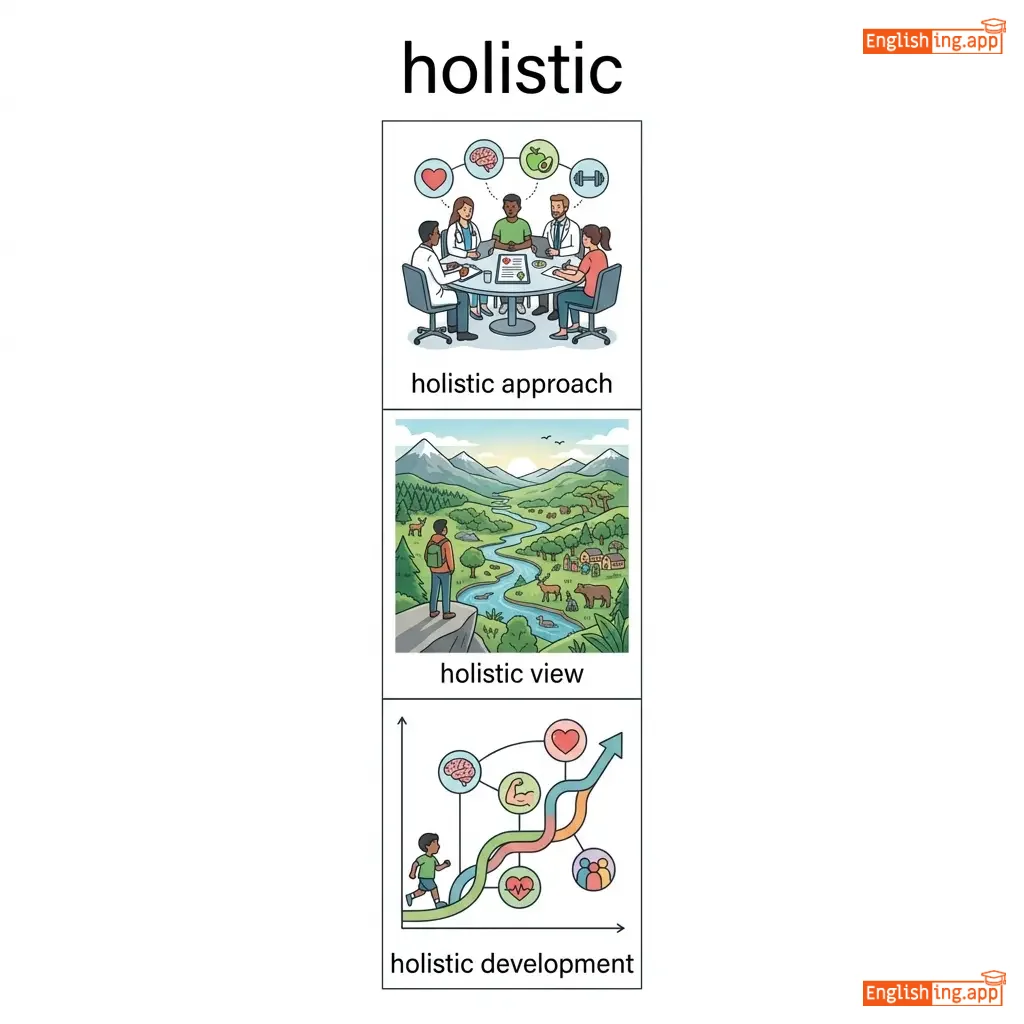
他们不仅是企业的不可或缺的部分,而且在公司整体整体改进中也发挥作用。工程师一方面在企业中创造了凝聚的环境,同时推动技术进步。
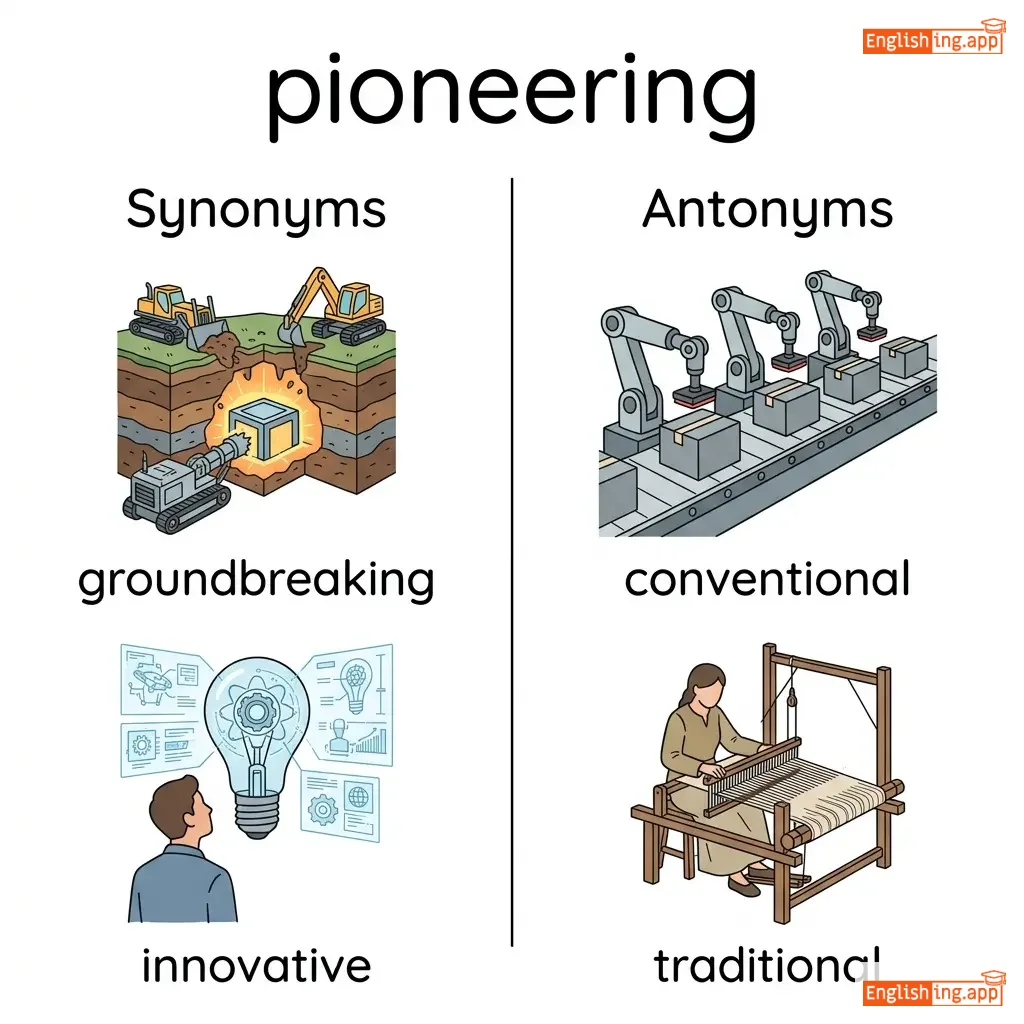
随着时间的推移,工程师在世界主要公司的角色变得越来越明确,反映出他们开创性的领导力。


















Swipe left or right, or use the buttons. Tap image to zoom.
例句翻译
单词
Why So Many CEOs Are EngineersWhy So Many CEOs Are Engineers - 遮罩切换
|
表情符号
|
单词 | Images | 翻译 | 含义 | 例句 | 例句翻译 | 同义词 | 反义词 | 助记符 |
|---|---|---|---|---|---|---|---|---|---|
|
#4023
📏
|
ˈæk.si.əm
noun
(àkèxiōm)
••••••
|
|
公理
gōnglǐ
••••••
|
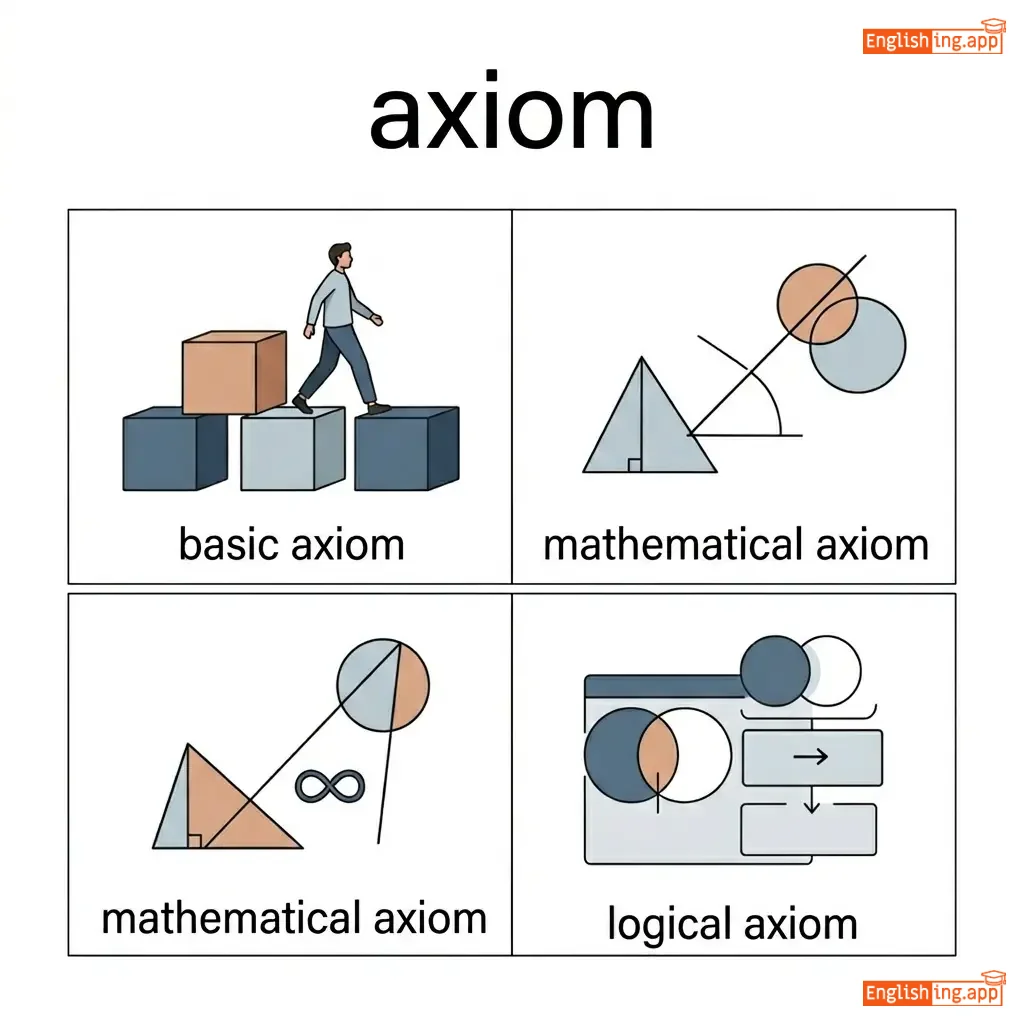
A statement or principle that is generally accepted as being true and that can be used as the basis for argument or inference.
••••••
|
The axiom that hard work leads to success is widely accepted.
努力工作通向成功的公理被广泛接受。
••••••
|
努力工作通向成功的公理被广泛接受。
Nǔlì gōngzuò tōng xiàng chénggōng de gōnglǐ bèi guǎngfàn jiēshòu.
••••••
|
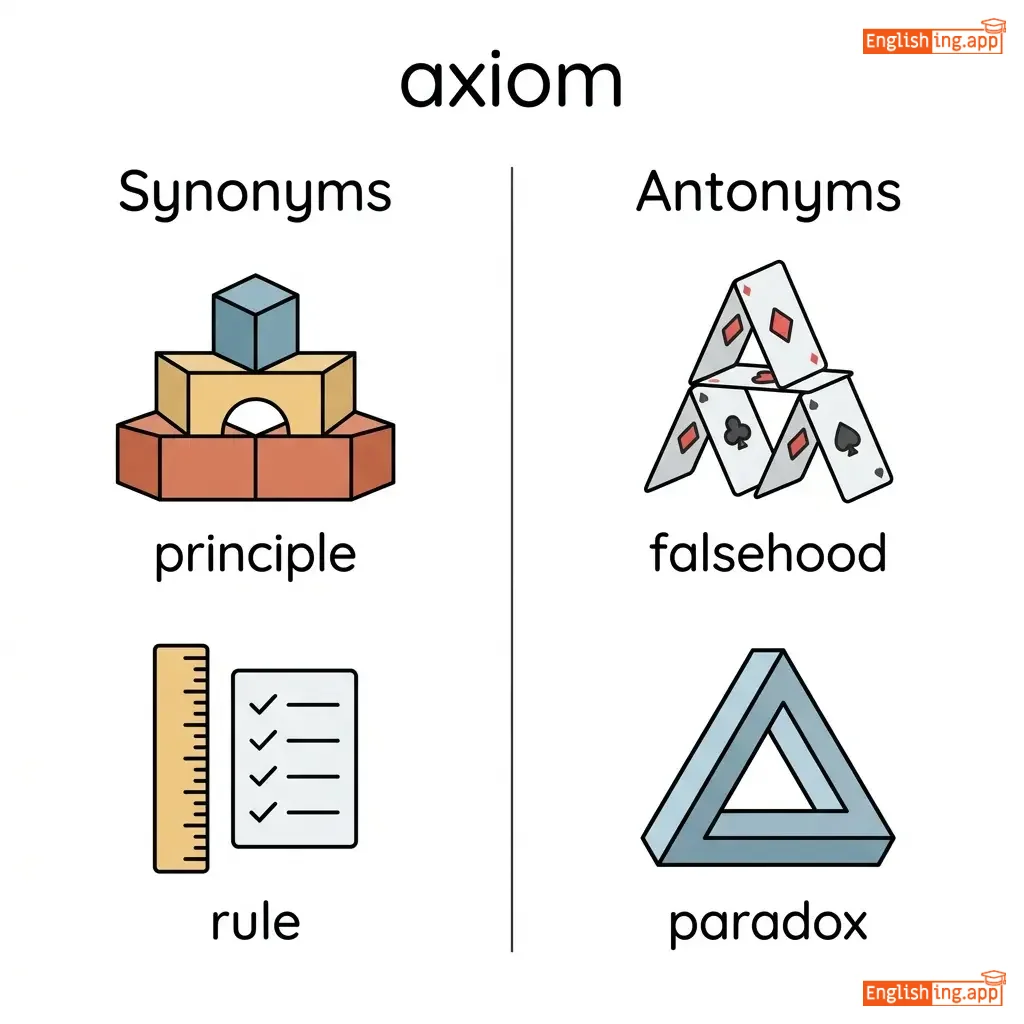
principle, maxim, truism, fundamental truth, basic principle, established fact
••••••
|
fallacy, misconception, error, falsehood, myth, delusion
••••••
|
努力工作就是公理。
••••••
|
|
#4024
🔄
|
əˌdæp.təˈbɪl.ə.ti
noun
(适应能力)
••••••
|
|
适应能力
shiying nengli
••••••
|
The quality of being able to adjust to new conditions or circumstances.
••••••
|
Adaptability is crucial in an ever-changing world.
适应能力在一个不断变化的世界中至关重要。
••••••
|
适应能力在一个不断变化的世界中至关重要。
Shiying nengli zai yige budan bianhua de shijie zhi guan zhongyao.
••••••
|
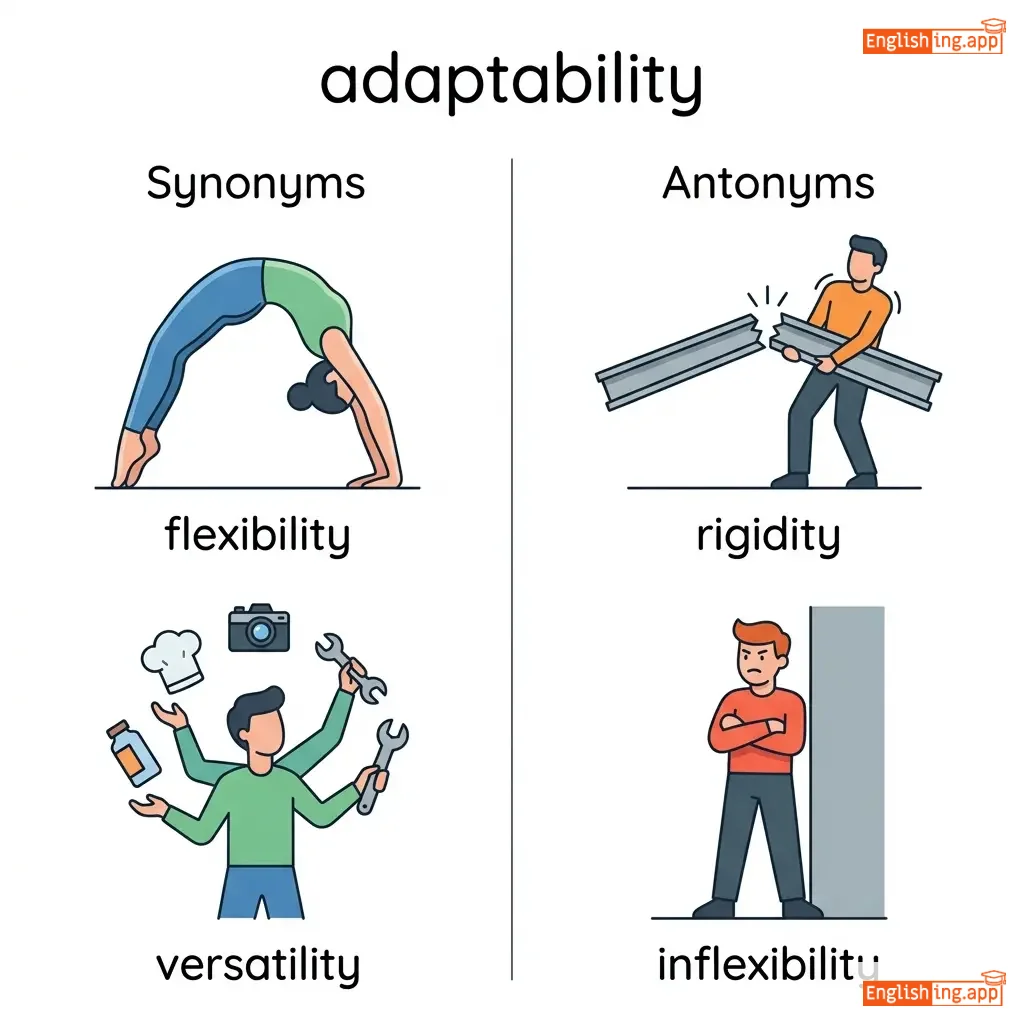
flexibility, versatility, adjustability, resilience, pliability, responsiveness
••••••
|
rigidity, inflexibility, stubbornness, immutability, fixity, obstinacy
••••••
|
适应能力就像一棵大树,在任何环境下都能生长。
••••••
|
|
#4025
🔍
|
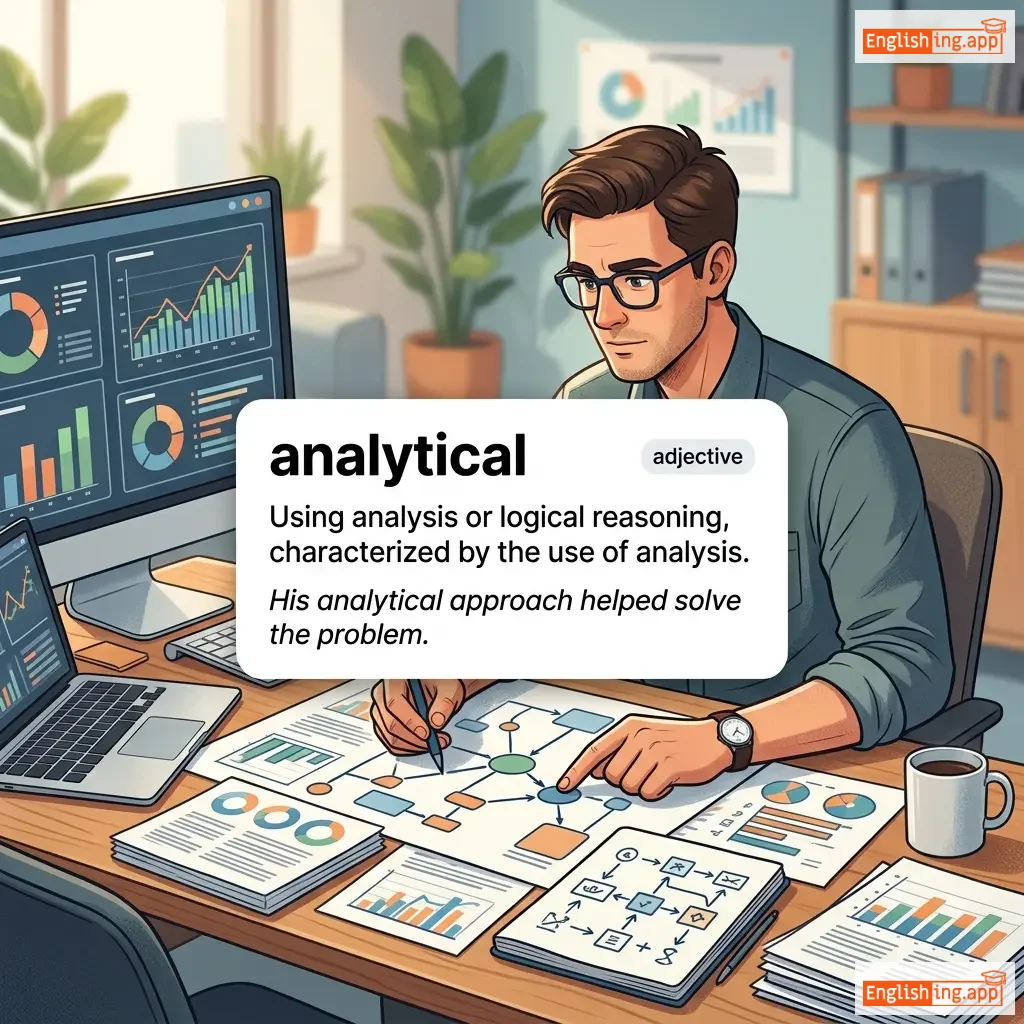
ˌæn.əˈlɪt.ɪ.kəl
adjective
(分析的)
••••••
|
|
分析的
fēnxī de
••••••
|
Using analysis or logical reasoning; characterized by the use of analysis.
••••••
|
His analytical approach helped solve the problem.
他的分析方法帮助解决了这个问题。
••••••
|
他的分析方法帮助解决了这个问题。
Tā de fēnxī fāngfǎ bāngzhù jiějuéle zhège wèntí.
••••••
|
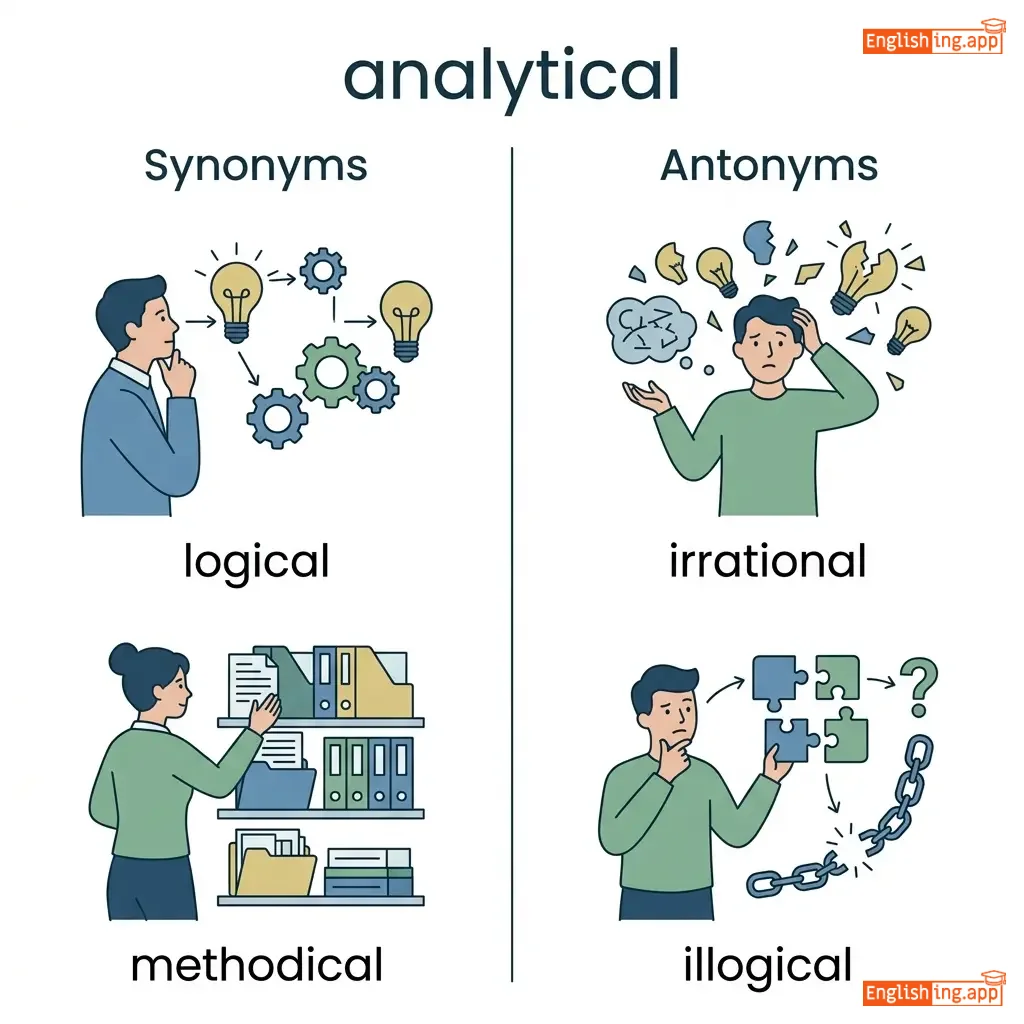
logical, methodical, systematic, rational, critical, investigative
••••••
|
irrational, illogical, unsystematic, intuitive, emotional, subjective
••••••
|
Chinese '分析的' mirrors 'analytical,' focused on logic and analysis.
••••••
|
|
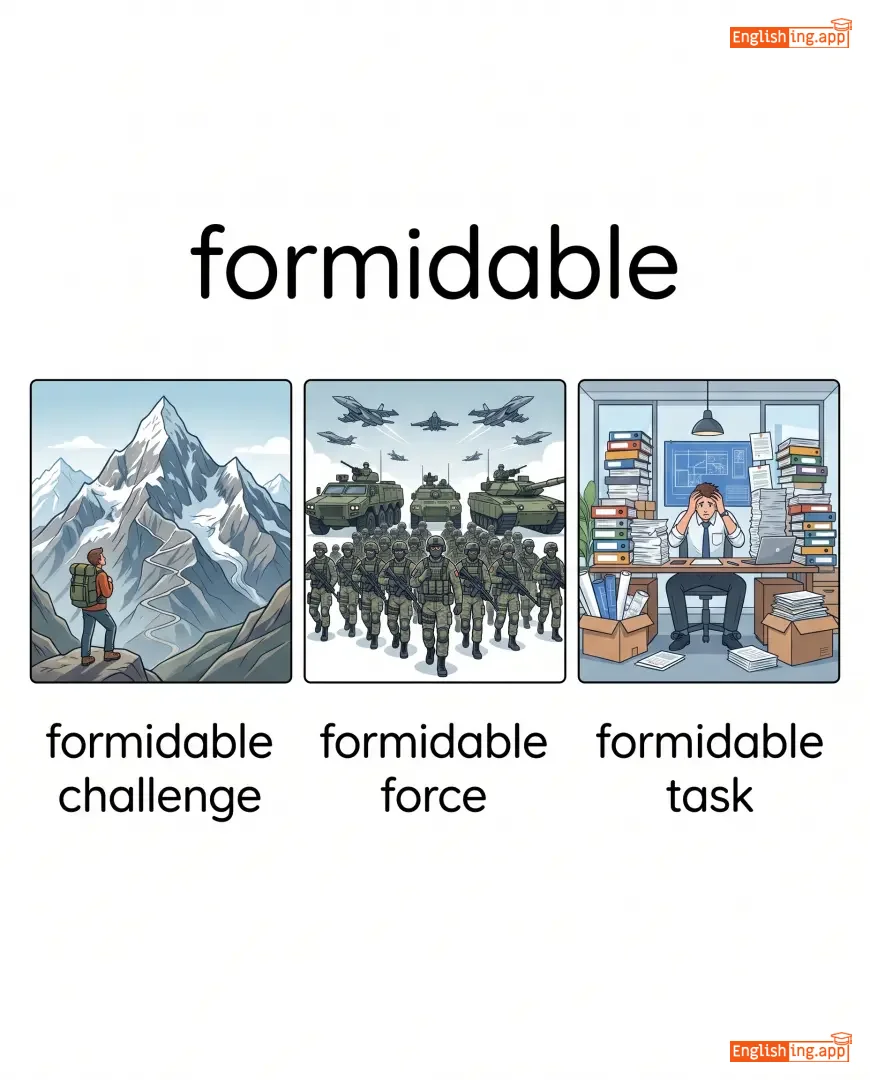
#4026
💪
|
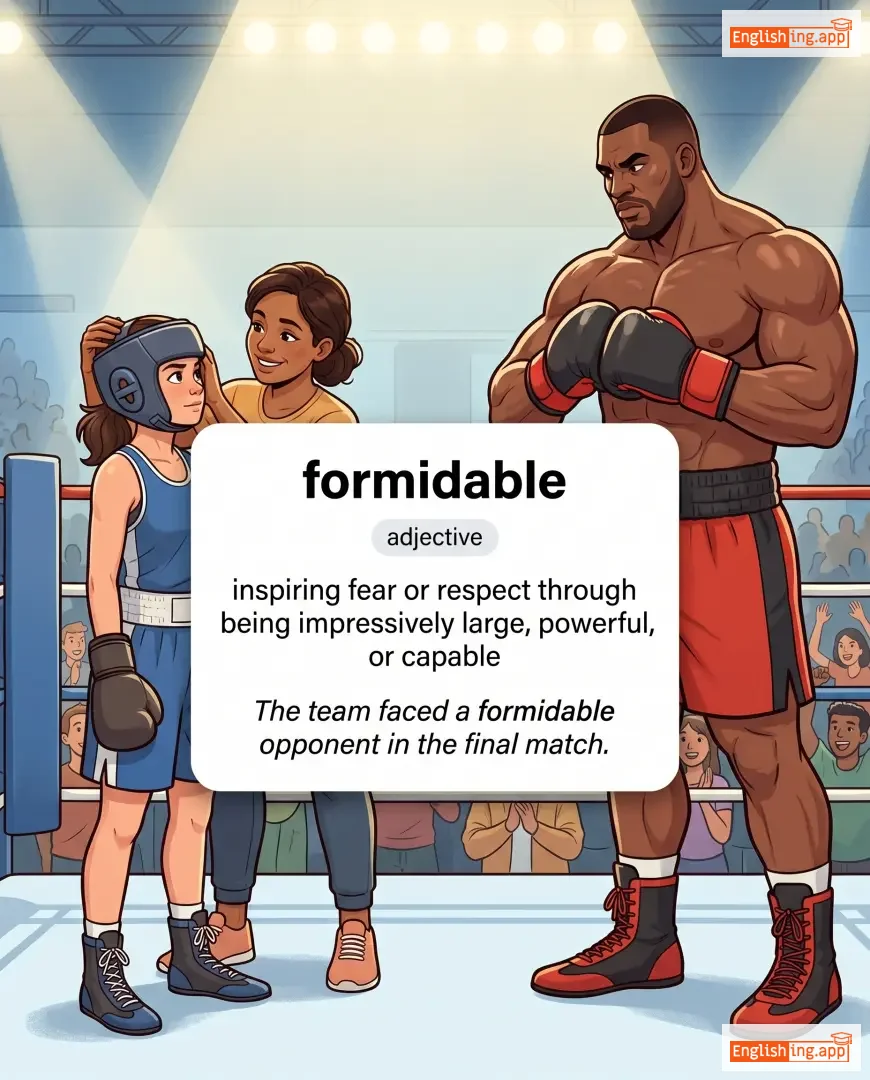
ˈfɔː.mɪ.də.bəl
adjective
(fɔː.mɪ.də.bəl)
••••••
|
|
强大的
qiángdà de
••••••
|
Inspiring fear or respect through being impressively large, powerful, intense, or capable.
••••••
|
The team faced a formidable opponent in the final.
队伍在决赛中面对一个强大的对手。
••••••
|
队伍在决赛中面对一个强大的对手。
Duìwǔ zài juésài zhōng miànduì yīgè qiángdà de duìshǒu.
••••••
|
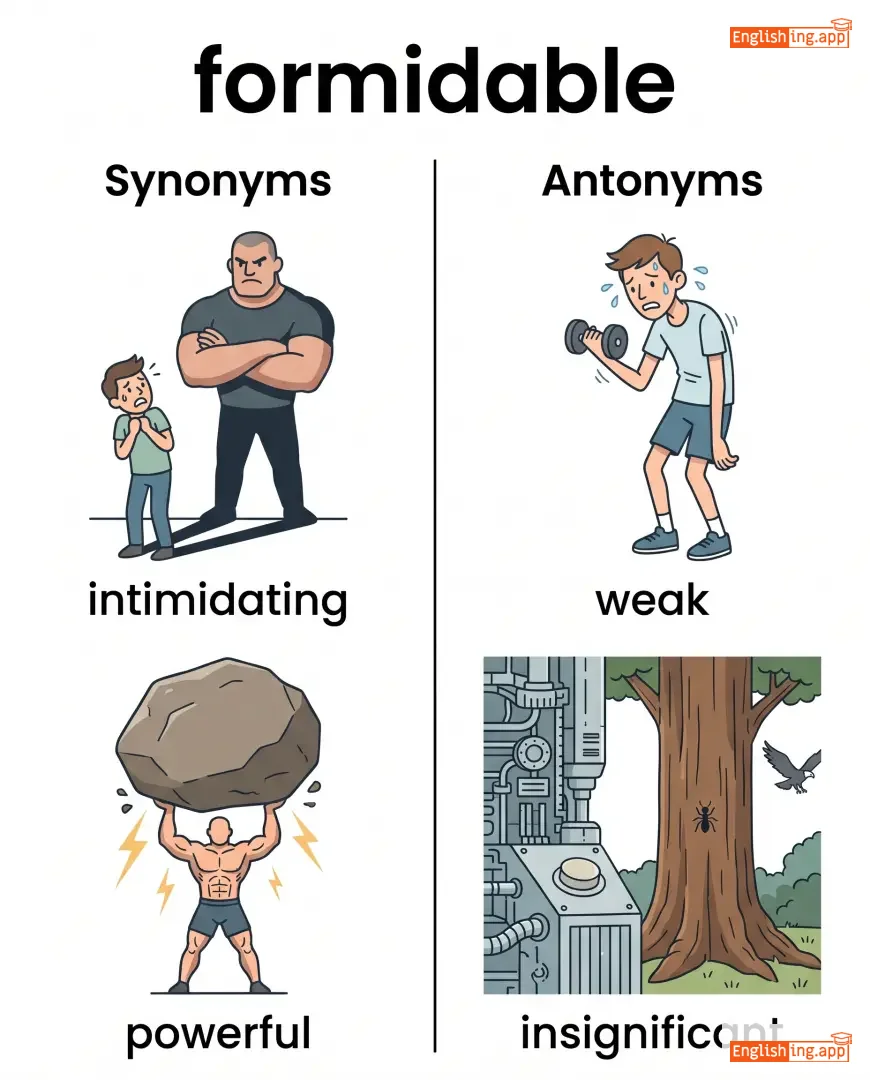
intimidating, powerful, mighty, impressive, daunting, imposing
••••••
|
weak, feeble, harmless, insignificant, powerless, mild
••••••
|
In Chinese, '强大的' captures the idea of something powerful, matching the formidable opponent.
••••••
|
|
#4027
🎯
|
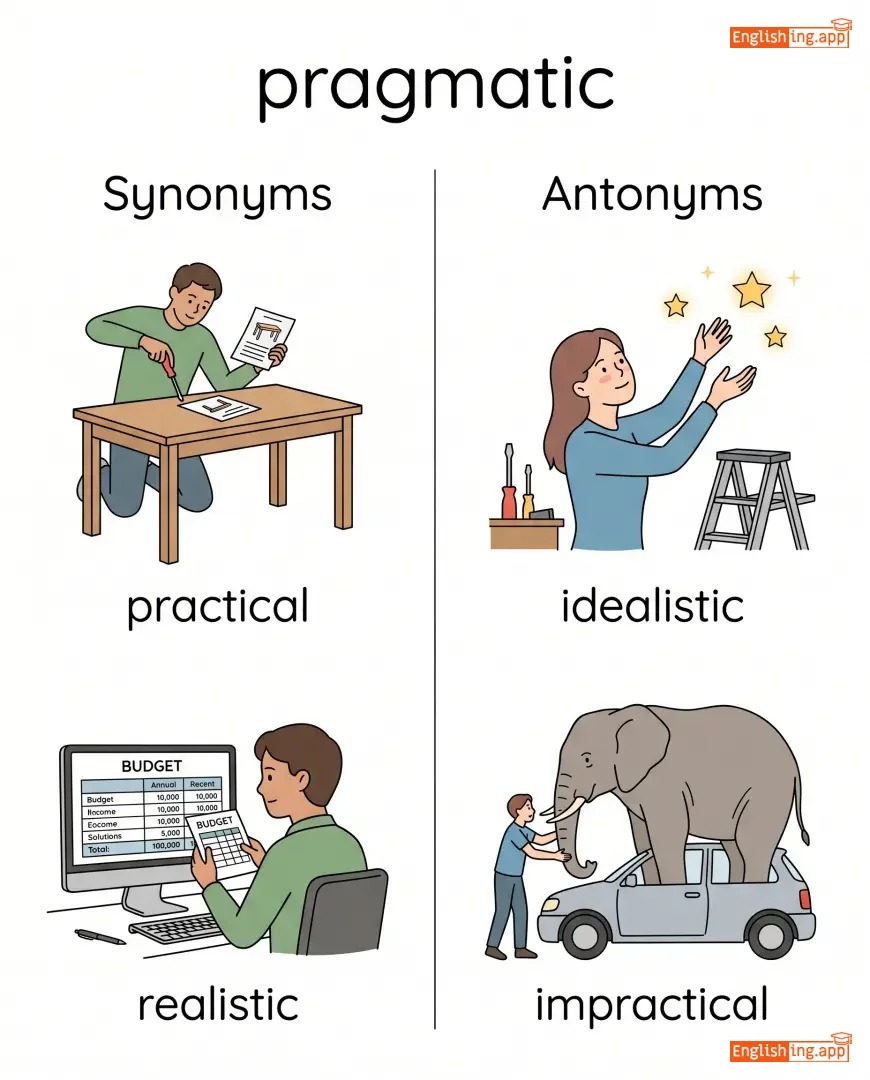
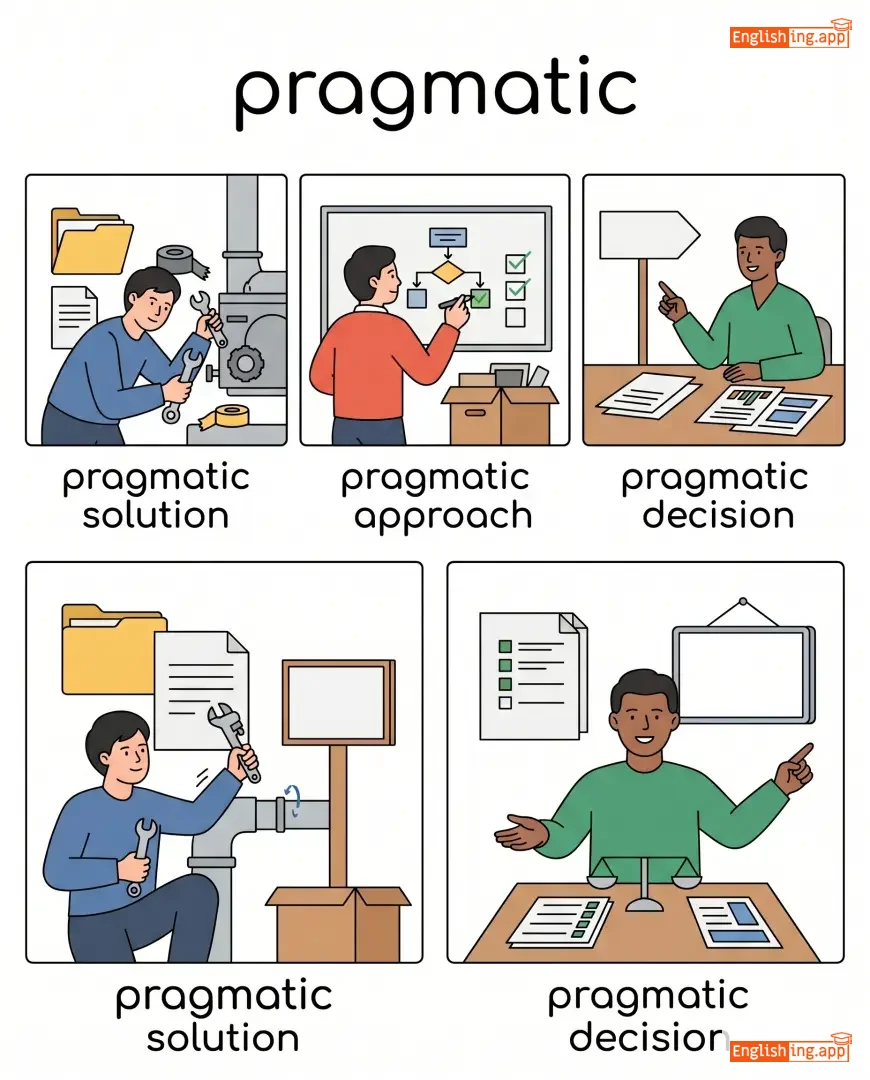
præɡˈmæt.ɪk
adjective
(实践的)
••••••
|
|
务实
wushi
••••••
|
Dealing with things sensibly and realistically in a way that is based on practical rather than idealistic considerations.
••••••
|
His pragmatic approach led to a quick resolution.
他的实践方法导致了一个快速的解决方案。
••••••
|
他的务实方法导致了一个快速的解决方案。
Tā de wùshí fāngfǎ dǎozhìle yīgè kuàisù de jiějué fāng'àn.
••••••
|
realistic, sensible, practical, down-to-earth, matter-of-fact, rational
••••••
|
idealistic, impractical, unrealistic, theoretical, romantic, utopian
••••••
|
务实指的是根据实际考虑,解决问题的实际做法。
••••••
|
|
#4028
🎓
|
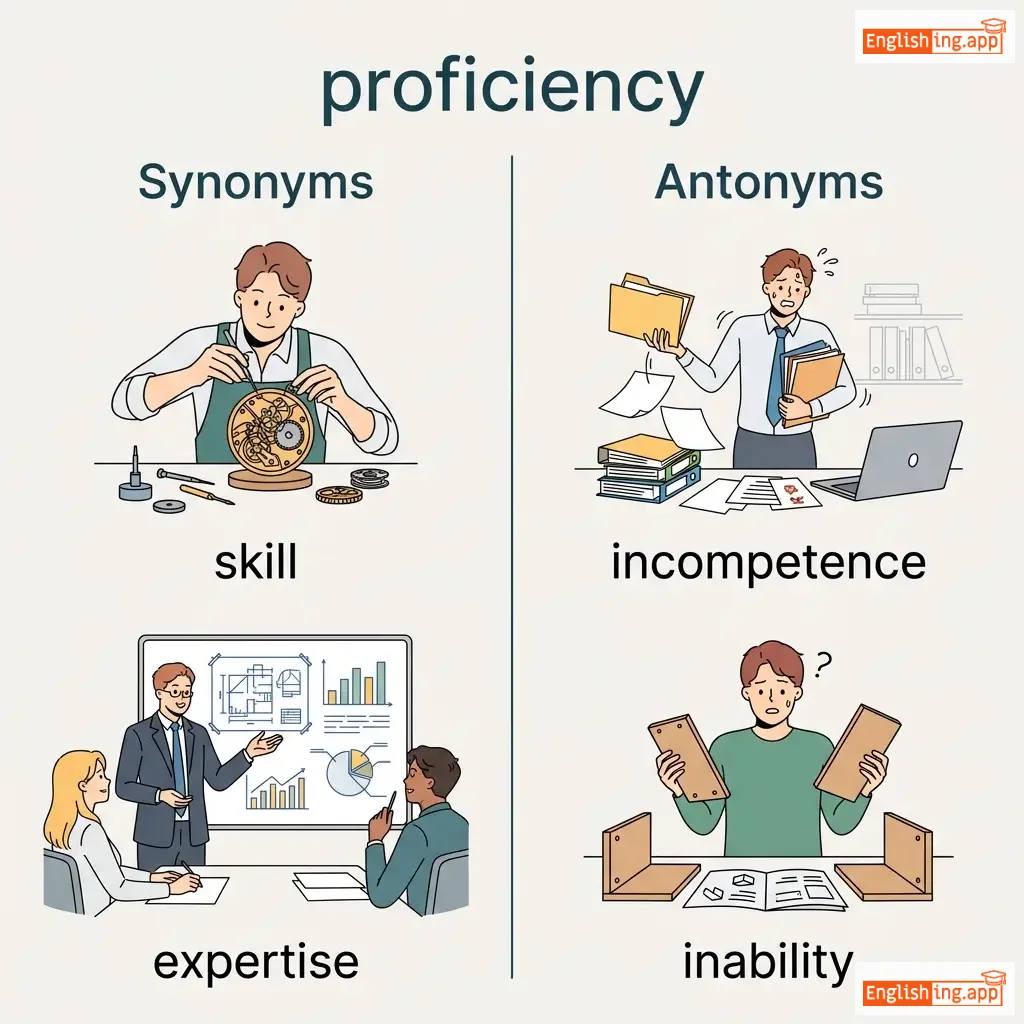
prəˈfɪʃ.ən.si
noun
(prəˈfɪʃ.ən.si)
••••••
|
|
熟练
shúliàn
••••••
|
A high degree of competence or skill; expertise.
••••••
|
She demonstrated proficiency in multiple languages.
她展示了多种语言的熟练程度。
••••••
|
她展示了多种语言的熟练程度。
Tā zhǎnshìle duō zhǒng yǔyán de shúliàn chéngdù.
••••••
|
expertise, mastery, skill, competence, ability, aptitude
••••••
|
incompetence, ineptitude, inability, inexperience, amateurishness, clumsiness
••••••
|
熟练 - 熟(Shú)是一个能干的人,熟练做任何事。
••••••
|
|
#4029
👁️
|
dɪˈsɜːn.mənt
noun
(迪瑟内特)
••••••
|
|
洞察力
dongchaoli
••••••
|
The ability to judge well; good judgment and understanding.
••••••
|
His discernment helped him identify the best choice.
his discernment helped him identify the best choice.
••••••
|
他的洞察力帮助他识别了最佳选择。
Tā de dòngcháolì bāngzhù tā shíbiéle zuìjiā xuǎnzé.
••••••
|
insight, perception, judgment, wisdom, understanding, acumen
••••••
|
ignorance, misjudgment, blindness, naivety, obtuseness, insensitivity
••••••
|
洞察力 = 明智的选择能力。
••••••
|
|
#4030
🤝
|
ˈsɪn.ə.dʒi
noun
(协同作用)
••••••
|
|
协同作用
xiétóng zuòyòng
••••••
|
The interaction or cooperation of two or more organizations, substances, or other agents to produce a combined effect greater than the sum of their separate effects.
••••••
|
The synergy between the departments increased efficiency. |
部门之间的协同作用提高了效率。
Bùmén zhījiān de xiétóng zuòyòng tígāo le xiàolǜ.
••••••
|
cooperation, collaboration, teamwork, coordination, unity, partnership
••••••
|
disunity, discord, conflict, antagonism, competition, rivalry
••••••
|
协同作用 = 一起合作,效益最大化
••••••
|
|
#4031
📋
|
məˈθɒd.ɪ.kəl
adjective
(méthodikal)
••••••
|
|
有条理的
yǒu tiáo lǐ de
••••••
|
Done according to a systematic or established procedure; orderly and systematic.
••••••
|
His methodical research produced reliable results.
他的系统研究产生了可靠的结果。
••••••
|
他的有条理的研究产生了可靠的结果。
Tā de yǒu tiáo lǐ de yánjiū chǎnshēngle kěkào de jiéguǒ.
••••••
|
systematic, orderly, organized, structured, disciplined, meticulous
••••••
|
chaotic, disorganized, haphazard, random, unsystematic, careless
••••••
|
做事有条理的人,工作会更有效率。
••••••
|
|
#4032
💡
|
ˌɪn.tʃuˈɪʃ.ən
noun
(直觉)
••••••
|
|
直觉
zhijue
••••••
|
The ability to understand something immediately, without the need for conscious reasoning.
••••••
|
Her intuition guided her in making the right decision. |
她的直觉指导她做出了正确的决定。
Tā de zhijue zhidao tā zuòchūle zhèngquè de juédìng.
••••••
|
instinct, perception, insight, sixth sense, gut feeling, hunch
••••••
|
logic, analysis, reasoning, calculation, deliberation, rationality
••••••
|
直觉像是你内心的声音,指引着你做决定。
••••••
|
|
#4033
⚡
|
ɪnˈsaɪ.sɪv
adjective
(ɪnˈsɪsɪv)
••••••
|
|
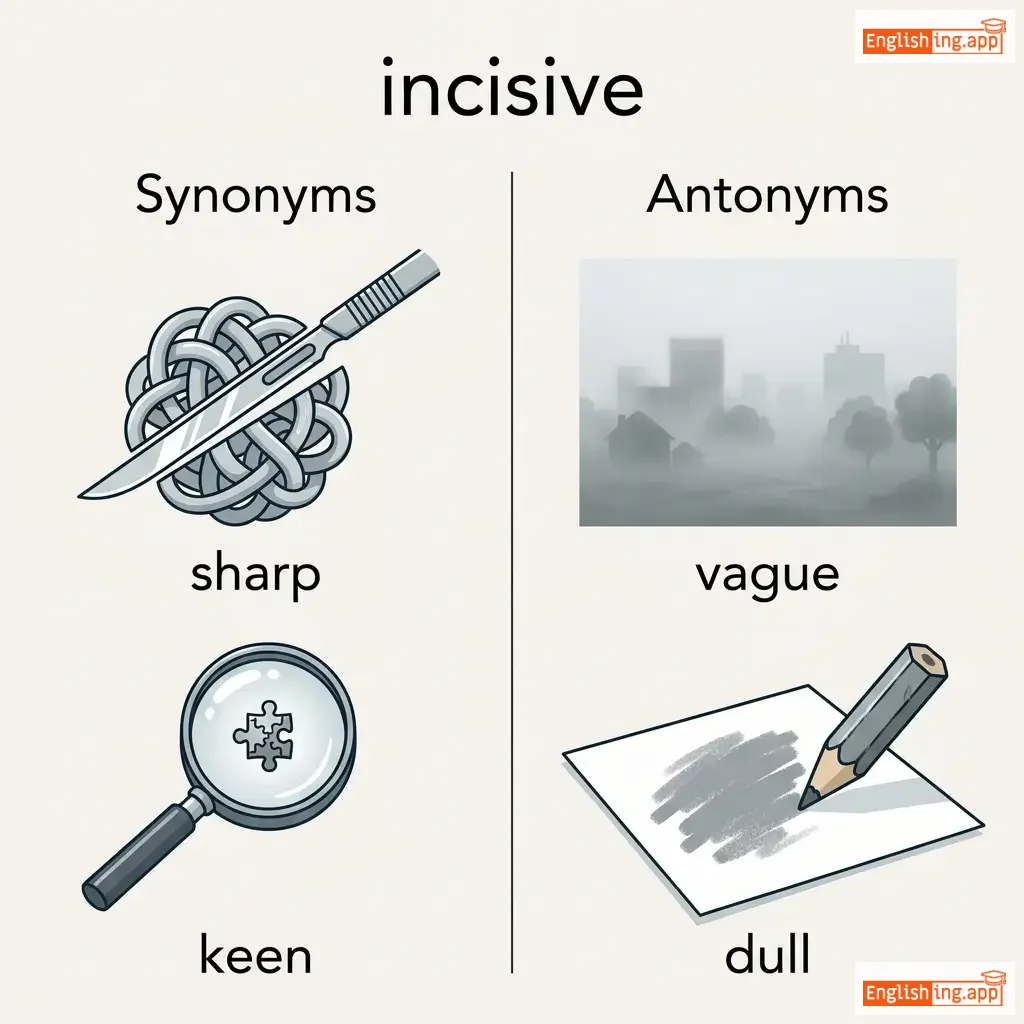
尖锐
jianrui
••••••
|
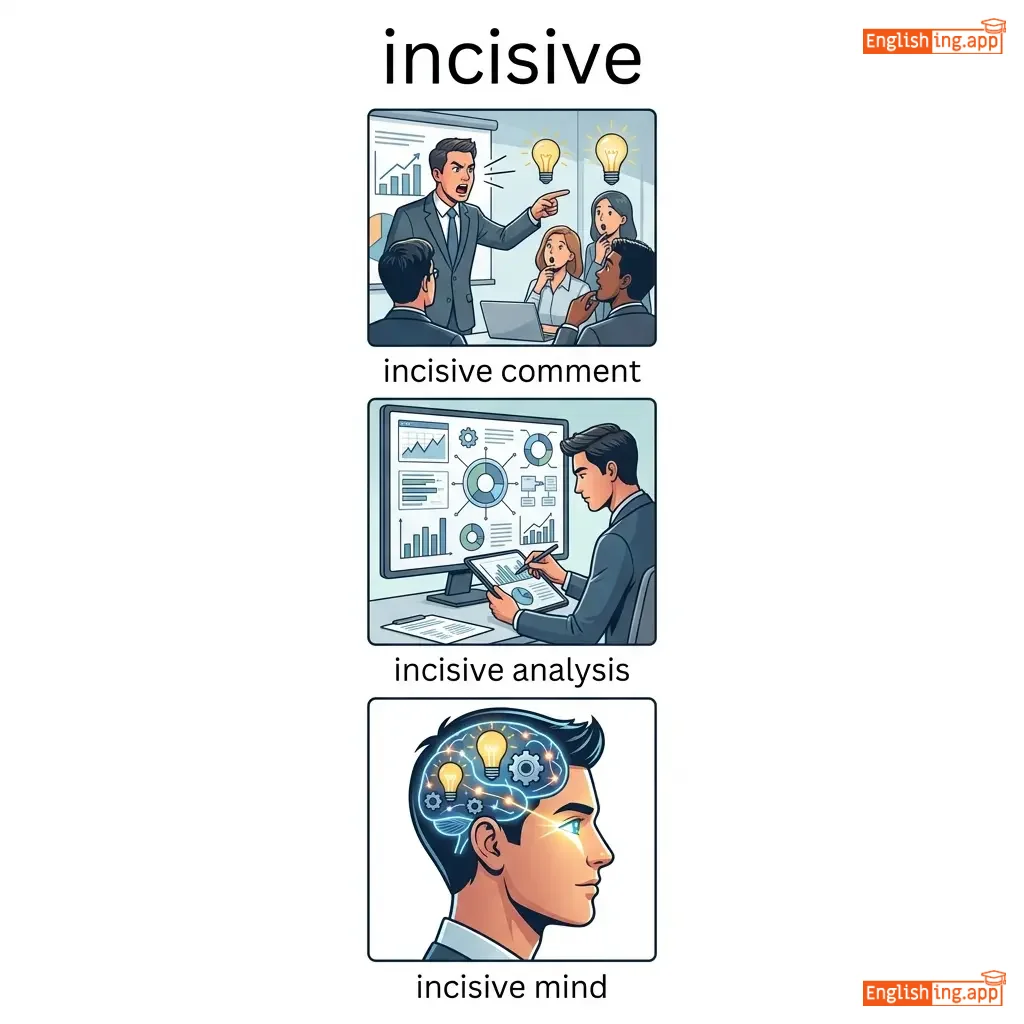
Intelligently analytical and clear-thinking; showing clear thought and good understanding of what is important.
••••••
|
His incisive comments revealed the core issues.
他的尖锐评论揭示了核心问题。
••••••
|
他的尖锐评论揭示了核心问题。
Tā de jiānruì pínglùn jiēshìle héxīn wèntí.
••••••
|
sharp, penetrating, acute, keen, perceptive, astute
••••••
|
dull, vague, obtuse, superficial, unclear, muddled
••••••
|
In Chinese, '尖锐' conveys sharpness, like incisive analysis that cuts to the core.
••••••
|
|
#4034
🤹
|
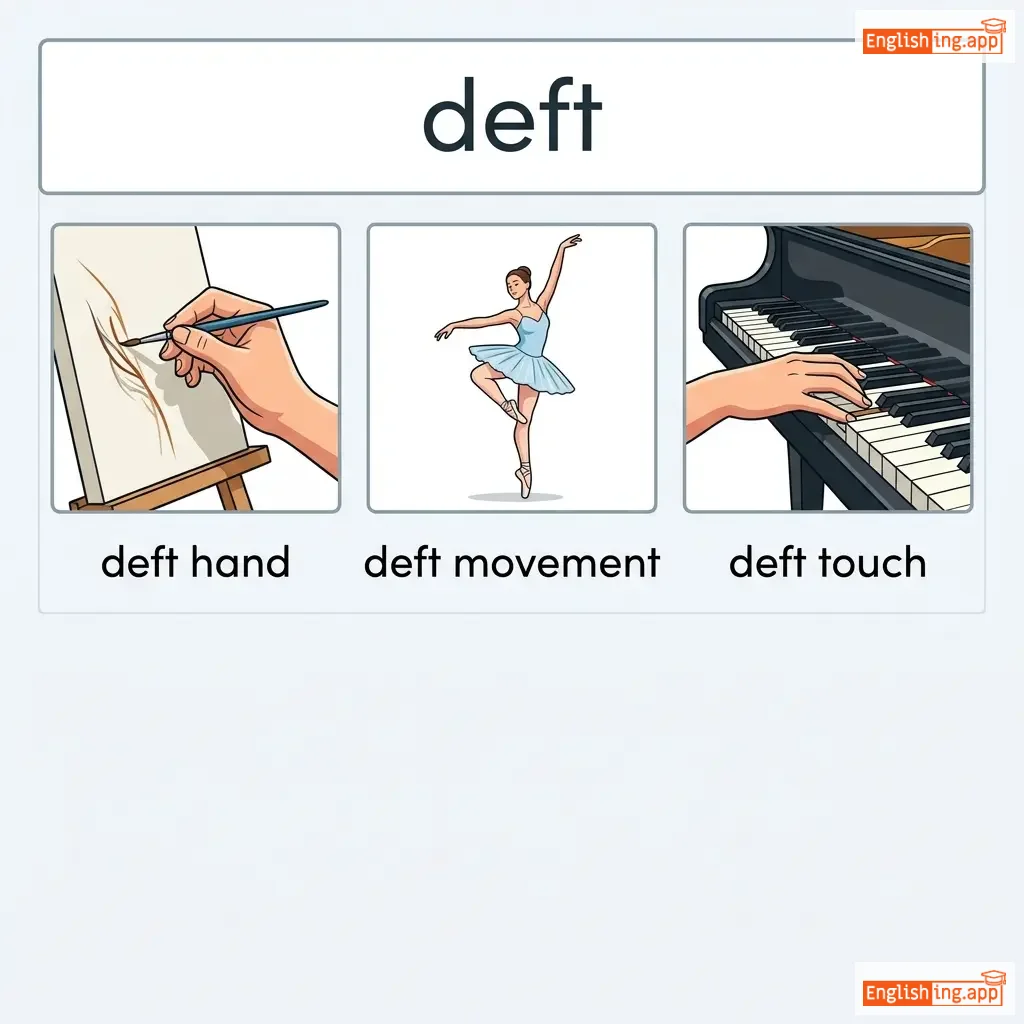
deft
adjective
(deft)
••••••
|
|
灵巧
lingqiao
••••••
|
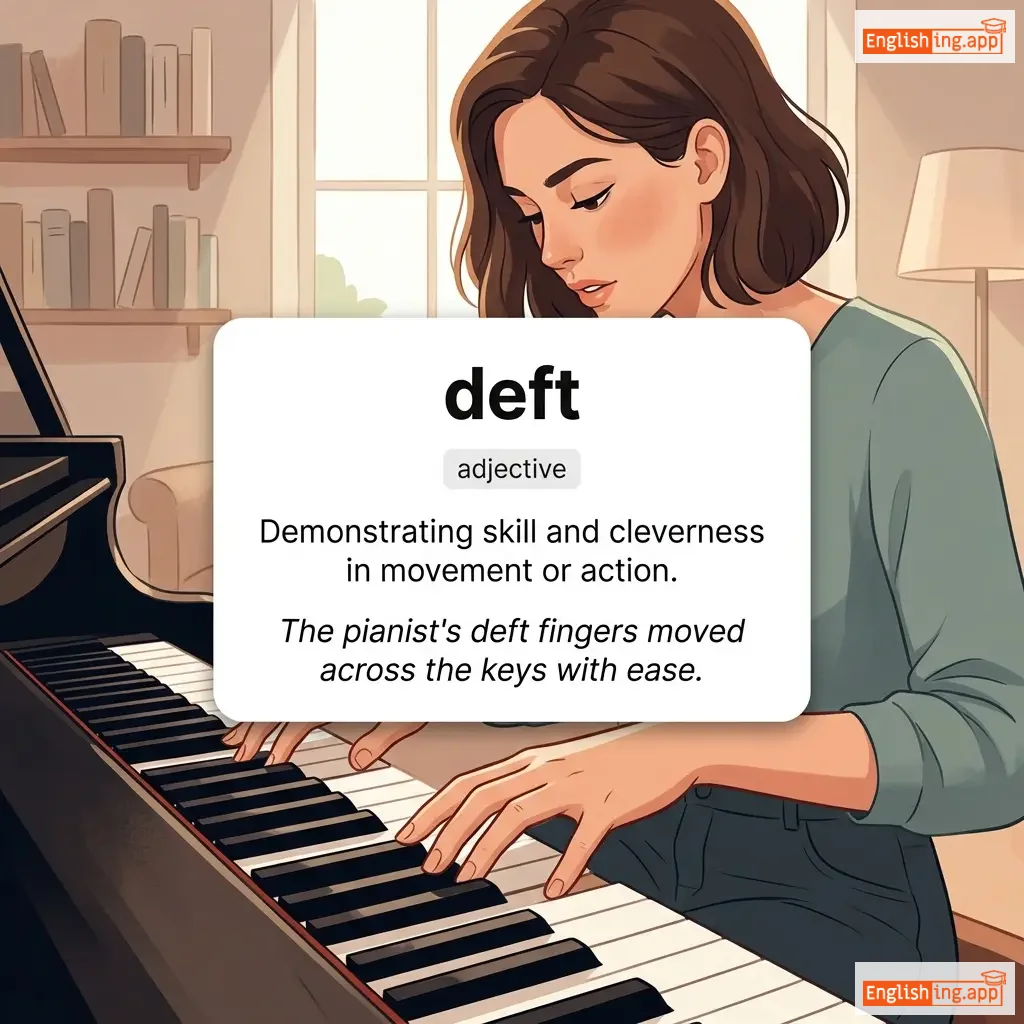
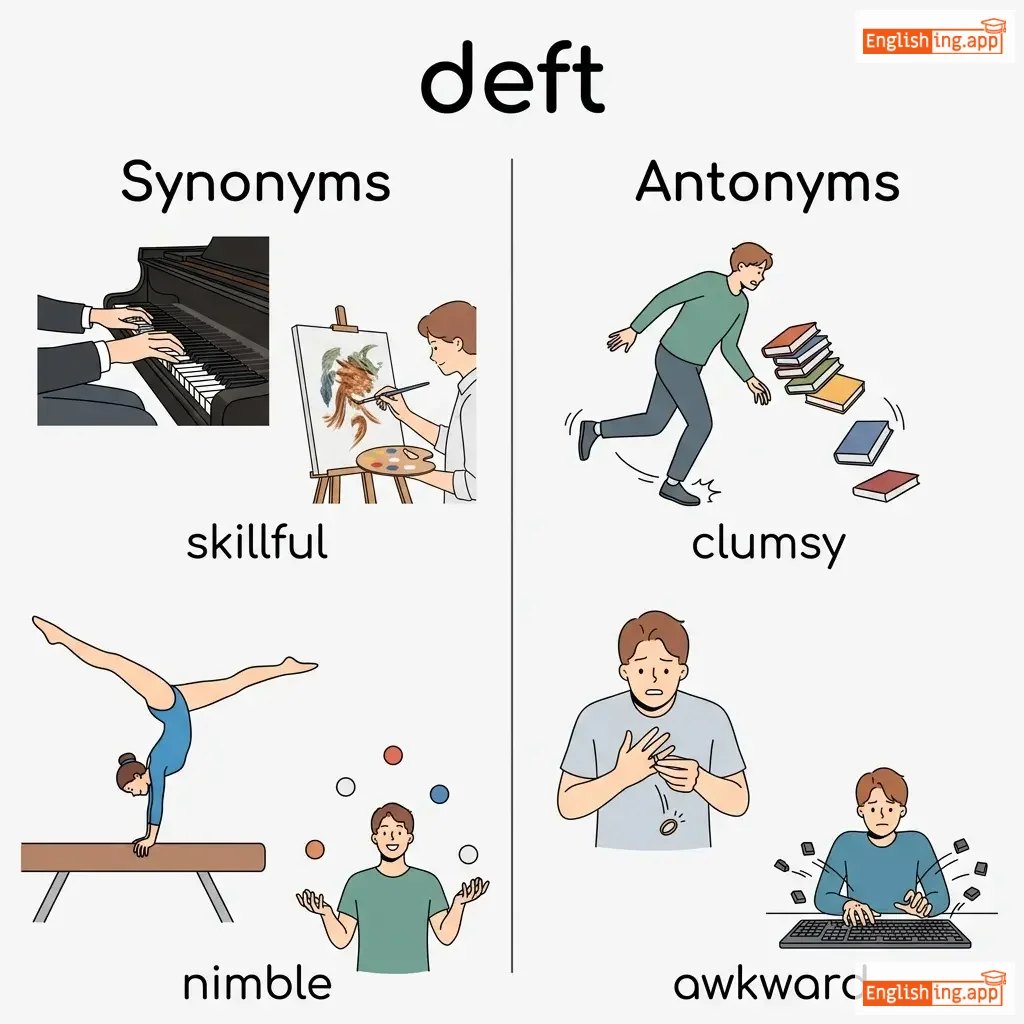
Neatly skillful and quick in one's movements; showing skill and cleverness.
••••••
|
The pianist's deft fingers moved effortlessly. |
钢琴家的灵巧手指轻松地移动着。
Gāngqín jiā de língqiǎo shǒuzhǐ qīngsōng de yídòngzhe.
••••••
|
skillful, adroit, nimble, agile, expert, proficient
••••••
|
clumsy, inept, awkward, unskillful, fumbling, maladroit
••••••
|
灵巧的手指如同一位出色的钢琴家。
••••••
|
|
#4035
✅
|
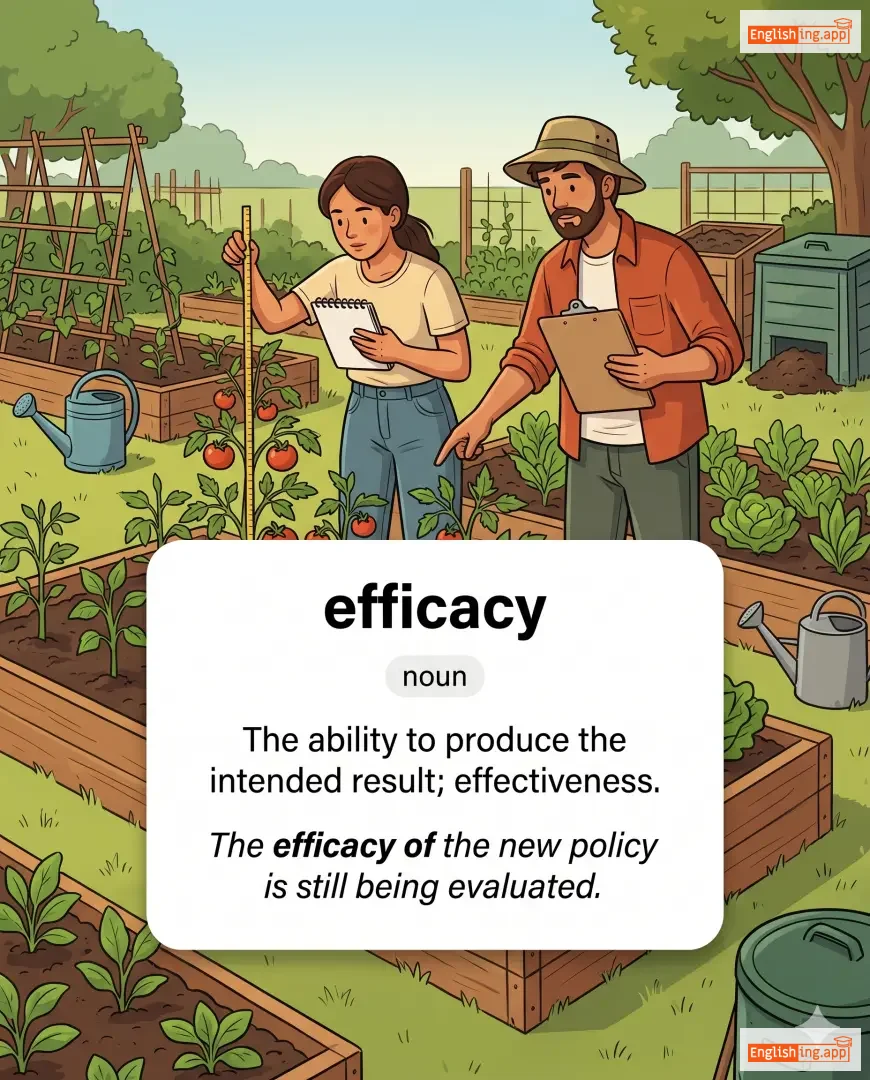
ˈef.ɪ.kə.si
noun
(èfíkèxì)
••••••
|
|
疗效
liaoxiao
••••••
|
The ability to produce a desired or intended result; effectiveness.
••••••
|
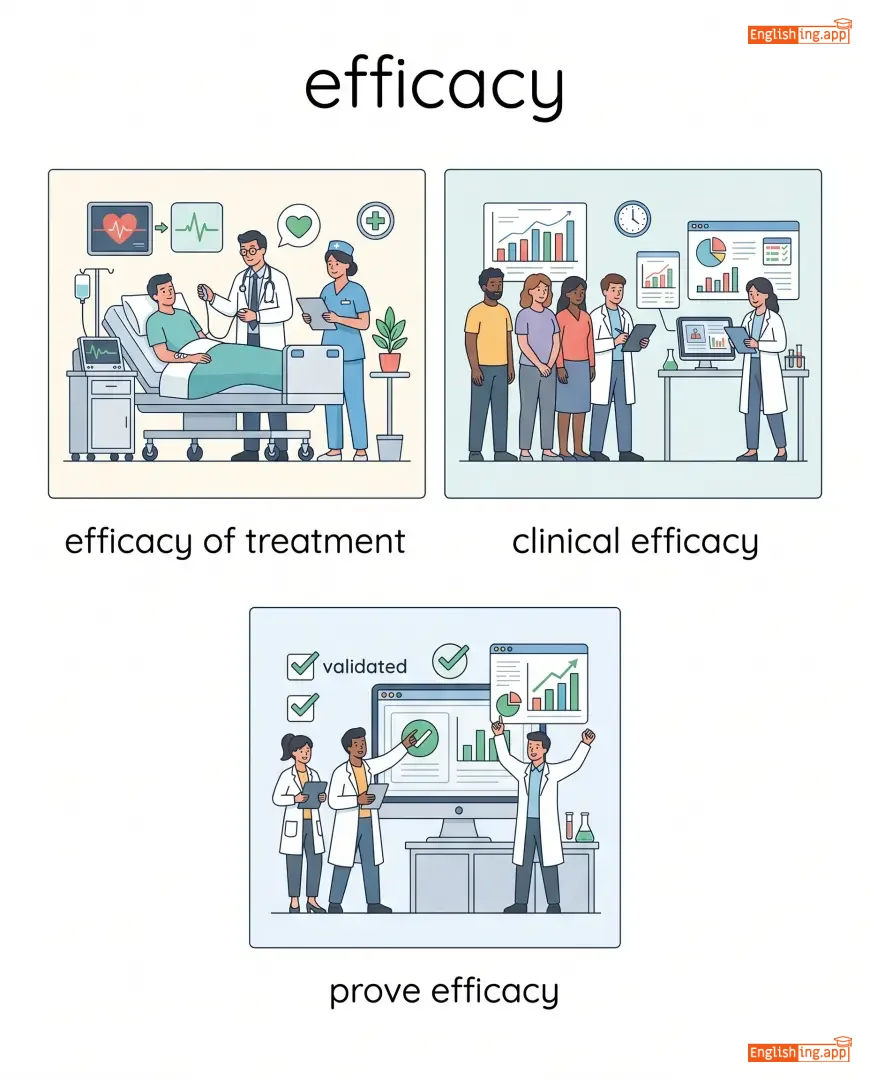
The efficacy of the new drug was tested in trials.
新药的疗效在试验中得到了测试。
••••••
|
新药的疗效在试验中得到了测试。
Xin yao de liaoxiao zai shiyan zhong dedao le ceshi.
••••••
|
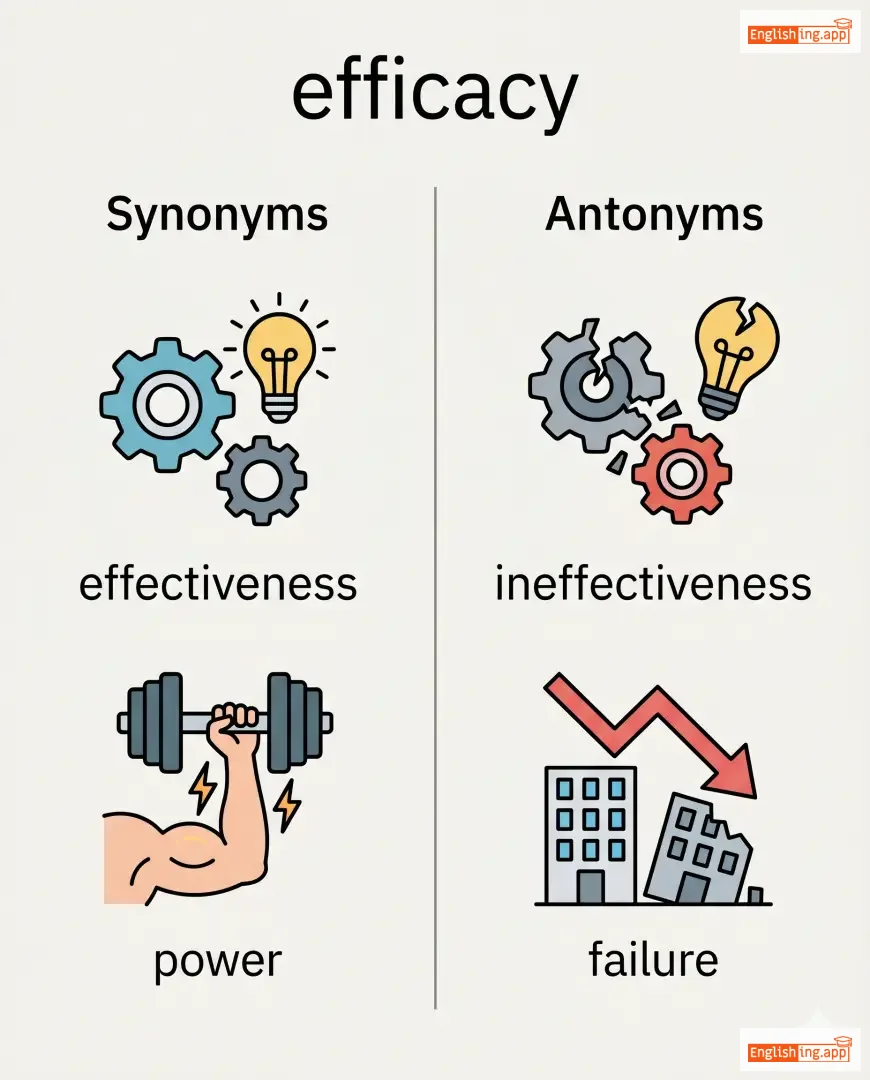
effectiveness, potency, power, capability, success, productivity
••••••
|
ineffectiveness, failure, impotence, weakness, uselessness, futility
••••••
|
疗效 = 有效 + 能力
••••••
|
|
#4036
🔗
|
kəʊˈhiː.sɪv
adjective
(kōhéxīf)
••••••
|
|
凝聚力强
níngjùlì qiáng
••••••
|
Characterized by or causing cohesion; forming a united whole.
••••••
|
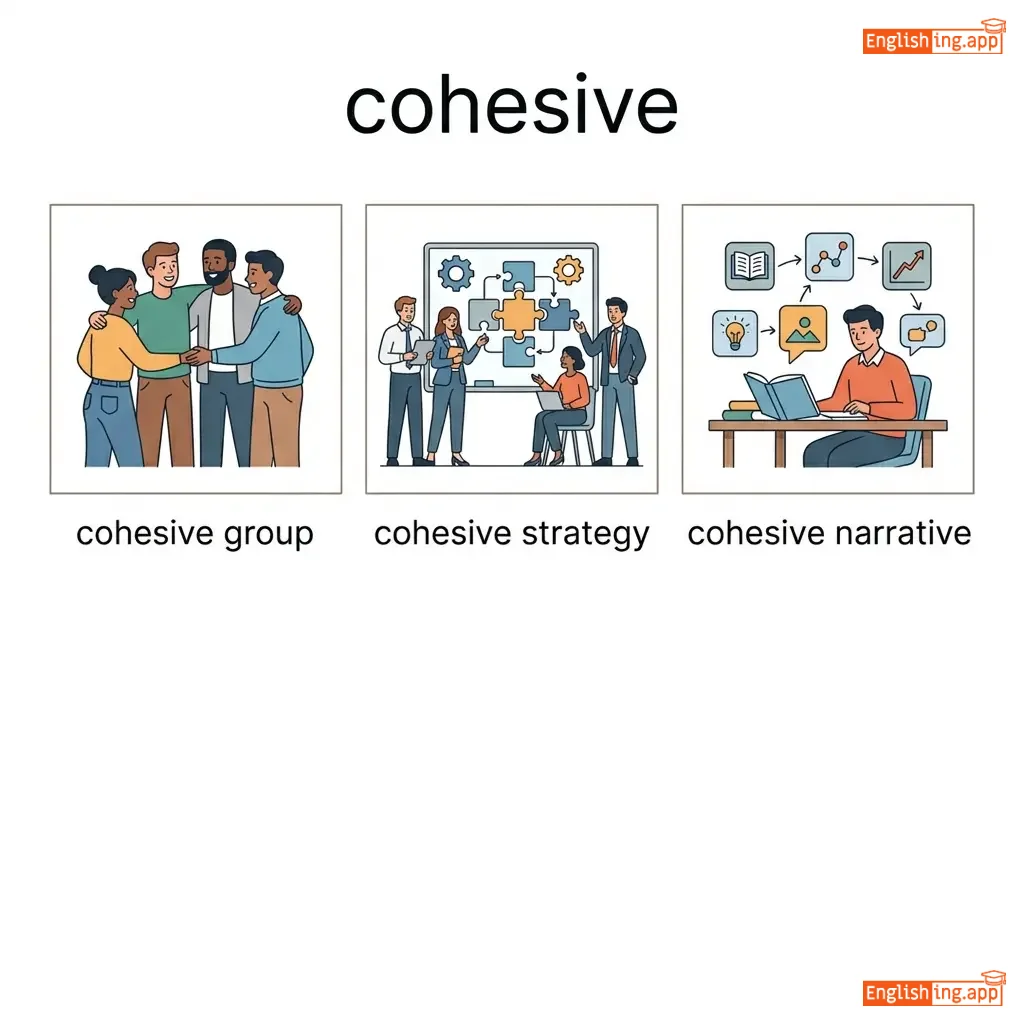
The team displayed a cohesive strategy.
团队展示了一个凝聚力强的战略。
••••••
|
团队展示了一个凝聚力强的战略。
Tuánduì zhǎnshìle yīgè níngjùlì qiáng de zhànlüè.
••••••
|
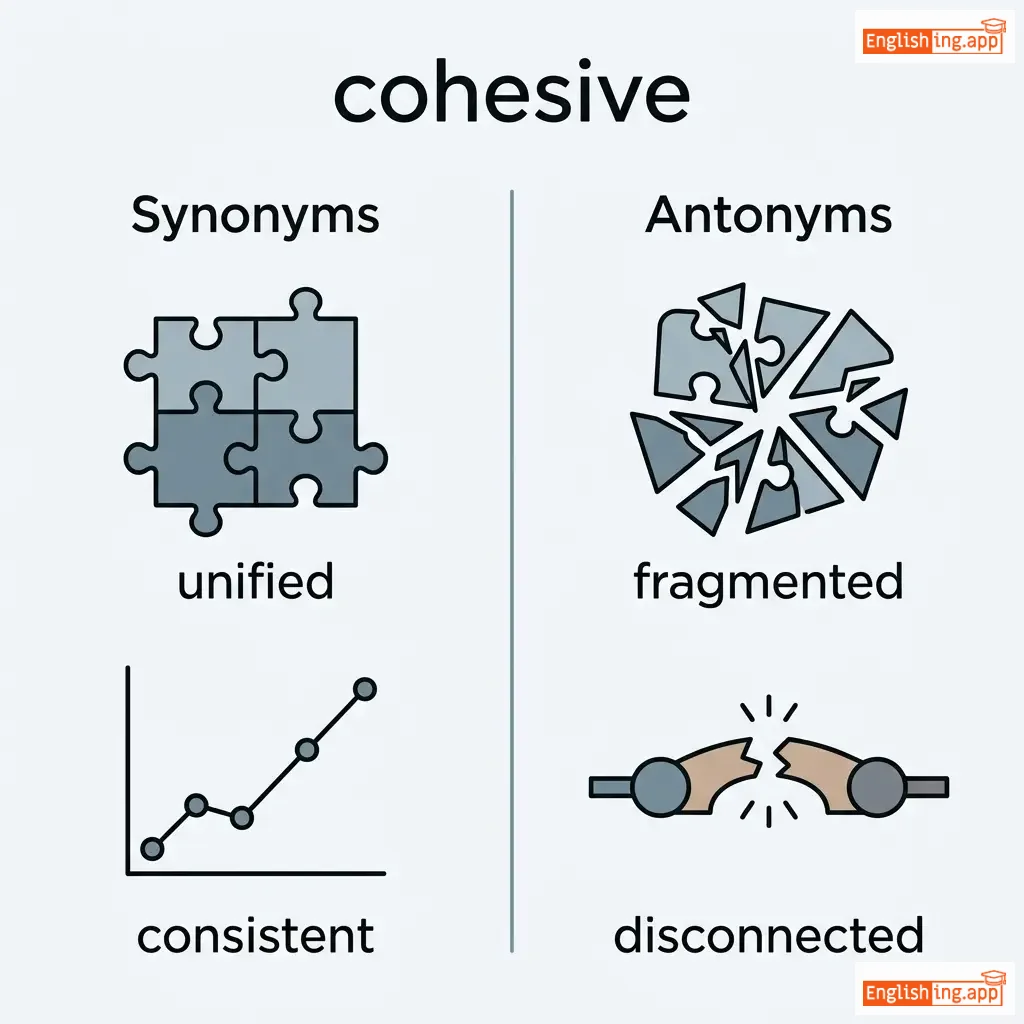
united, integrated, unified, consolidated, coordinated, harmonious
••••••
|
fragmented, disjointed, divided, scattered, incoherent, disconnected
••••••
|
In Chinese, '凝聚力强' helps recall 'cohesive' as the power of unity in action.
••••••
|
|
#4037
👇
|
ˈtæn.dʒə.bəl
adjective
(tánjíbl)
••••••
|
|
有形的
yǒuxíng de
••••••
|
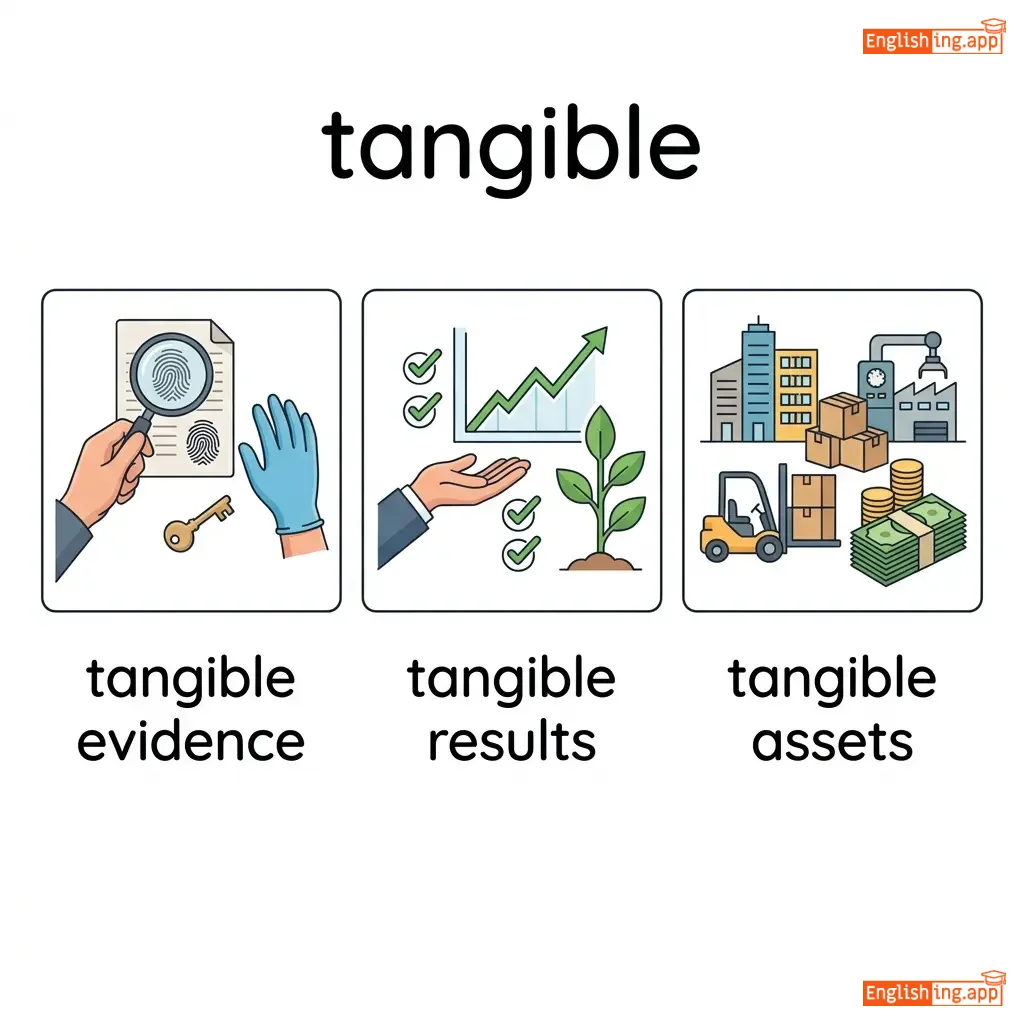
Clear and definite; real; perceptible by touch; capable of being touched or felt.
••••••
|
The company's success was seen in tangible profits. |
公司的成功体现在有形的利润中。
Gōngsī de chénggōng tǐxiàn zài yǒuxíng de lìrùn zhōng.
••••••
|
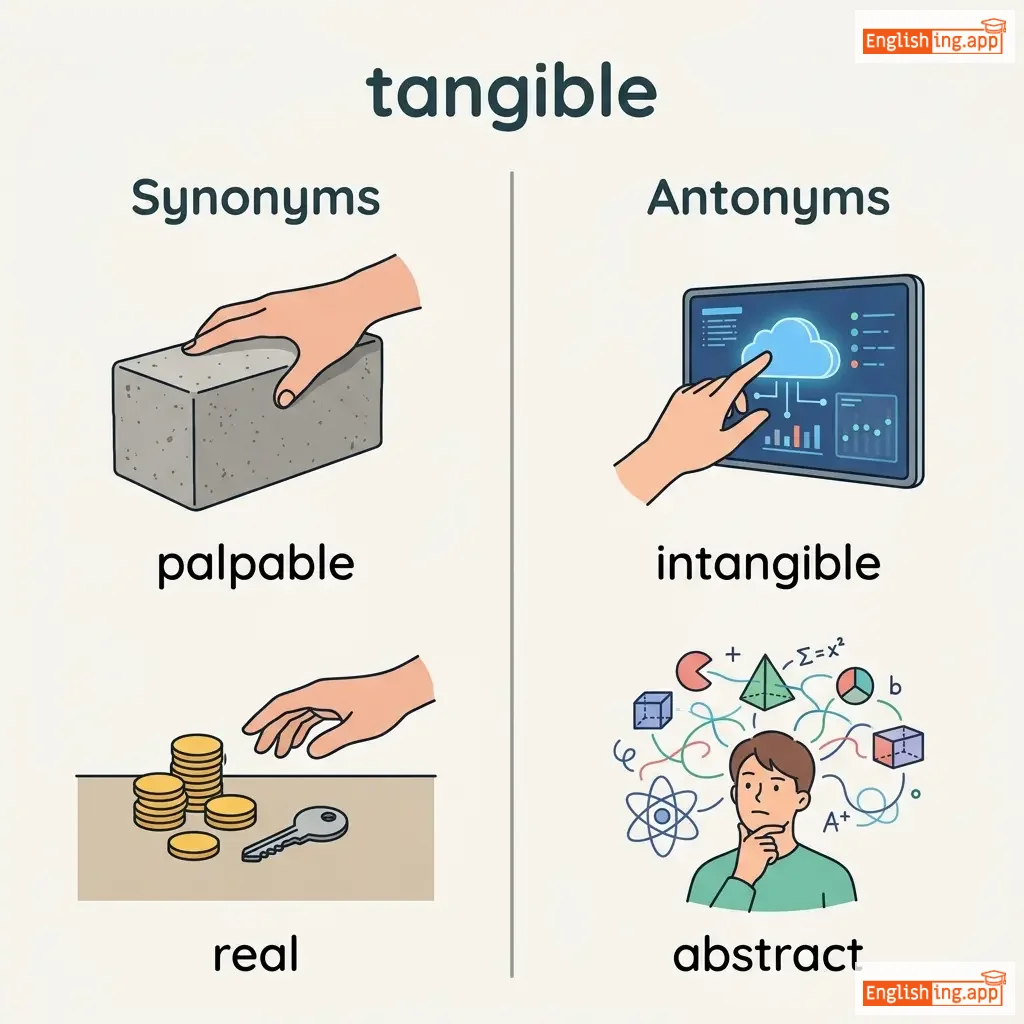
concrete, palpable, solid, real, physical, substantial
••••••
|
abstract, intangible, imperceptible, insubstantial, theoretical, imaginary
••••••
|
有形的 = 可以触摸和感觉到的东西。
••••••
|
|
#4038
🆕
|
ˈnɒv.əl.ti
noun
(nòu wēi tí)
••••••
|
|
新颖
xinying
••••••
|
The quality of being new, original, or unusual; a new or unfamiliar thing or experience.
••••••
|
The novelty of the invention attracted investors.
发明的新颖性吸引了投资者。
••••••
|
发明的新颖性吸引了投资者。
Fāmíng de xīnyǐng xìng xīyǐnle tóuzī zhě.
••••••
|
innovation, originality, newness, freshness, uniqueness, creativity
••••••
|
tradition, commonplace, familiarity, conventionality, staleness, ordinariness
••••••
|
新的发明吸引投资者
••••••
|
|
#4039
🤔
|
ˈplɔː.zə.bəl
adjective
(pláuzíbó)
••••••
|
|
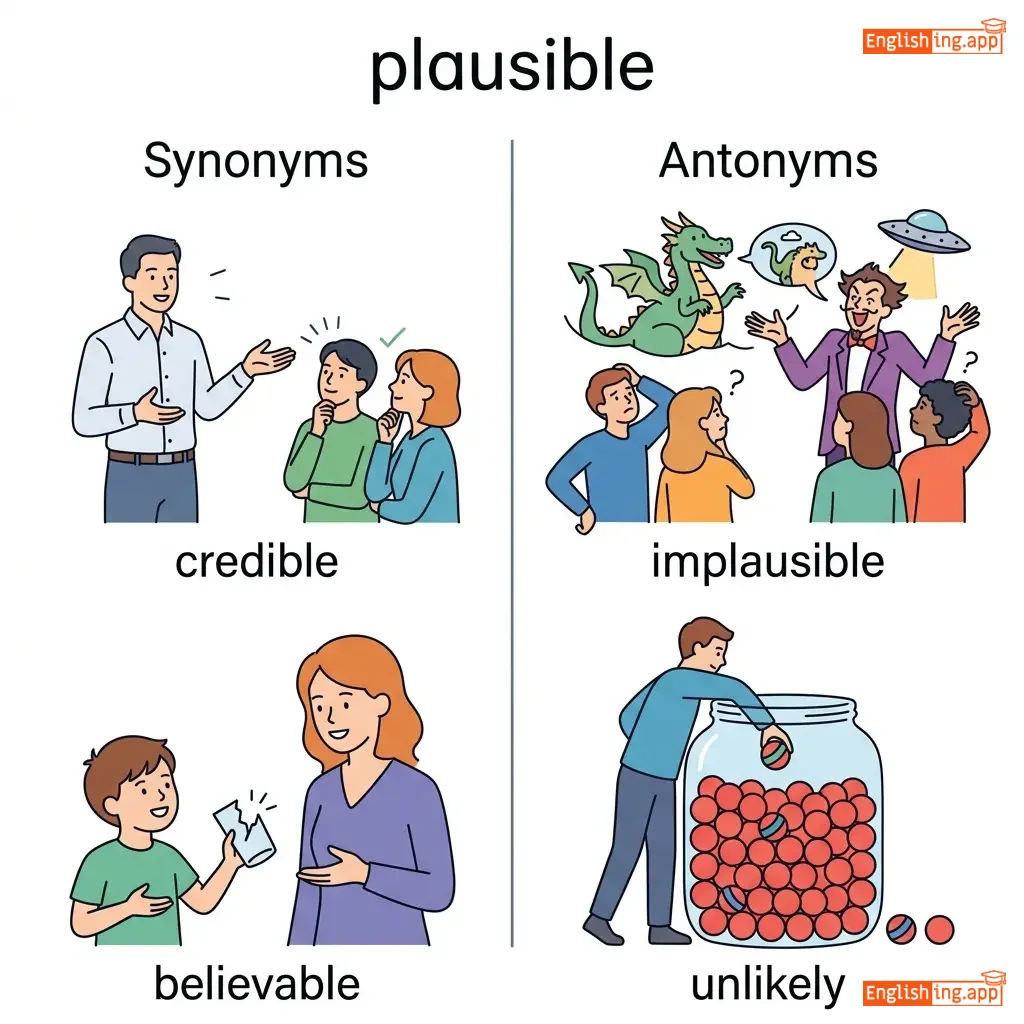
似乎合理的
sìhū hélǐ de
••••••
|
Seeming reasonable or probable; appearing worthy of belief.
••••••
|
His explanation sounded plausible enough.
他的解释听起来很可信。
••••••
|
他的解释听起来很可信。
Tā de jiěshì tīng qǐlái hěn kěxìn.
••••••
|
credible, reasonable, believable, convincing, likely, feasible
••••••
|
implausible, unbelievable, unlikely, incredible, unreasonable, doubtful
••••••
|
似乎合理的 (sìhū hélǐ) sounds like 'seems reasonable' in Mandarin.
••••••
|
|
#4040
✔️
|
kəˈrɒb.ə.reɪt
verb
( corroborate)
••••••
|
|
证实
zhèngshí
••••••
|
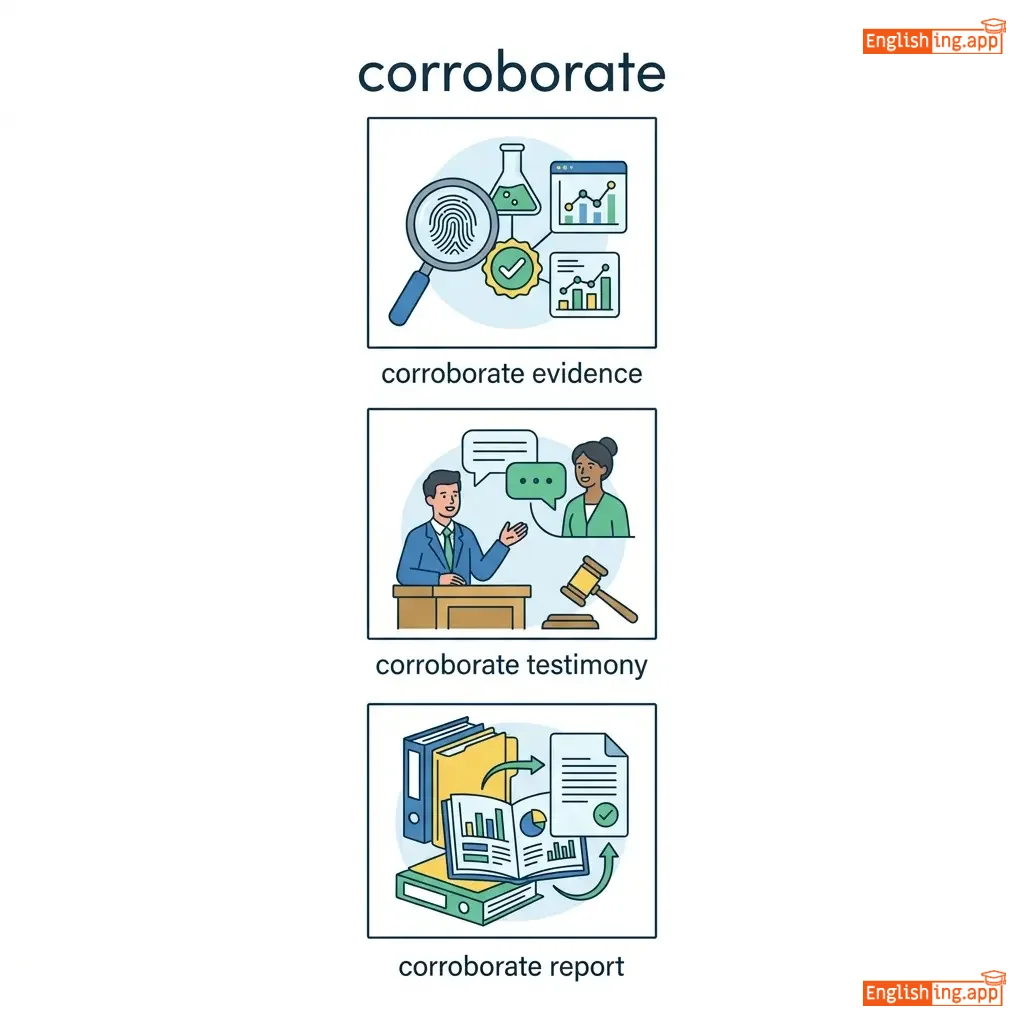
Confirm or give support to (a statement, theory, or finding).
••••••
|
The evidence corroborated his alibi.
证据证实了他的不在场证明。
••••••
|
证据证实了他的不在场证明。
Zhèngjù zhèngshí le tā de bù zài chǎng zhèngmíng.
••••••
|
confirm, validate, verify, substantiate, support, authenticate
••••••
|
contradict, refute, disprove, deny, discredit, undermine
••••••
|
证实就像验证一个发现的真伪。
••••••
|
|
#4041
🔑
|
ˌɪn.dɪˈspen.sə.bəl
adjective
(因迪斯潘瑟博)
••••••
|
|
不可或缺
bù kě huò quē
••••••
|
Absolutely necessary; essential.
••••••
|
Water is indispensable for survival.
水对生存至关重要。
••••••
|
水对生存至关重要。
Shuǐ duì shēngcún zhì guān zhòng yào.
••••••
|
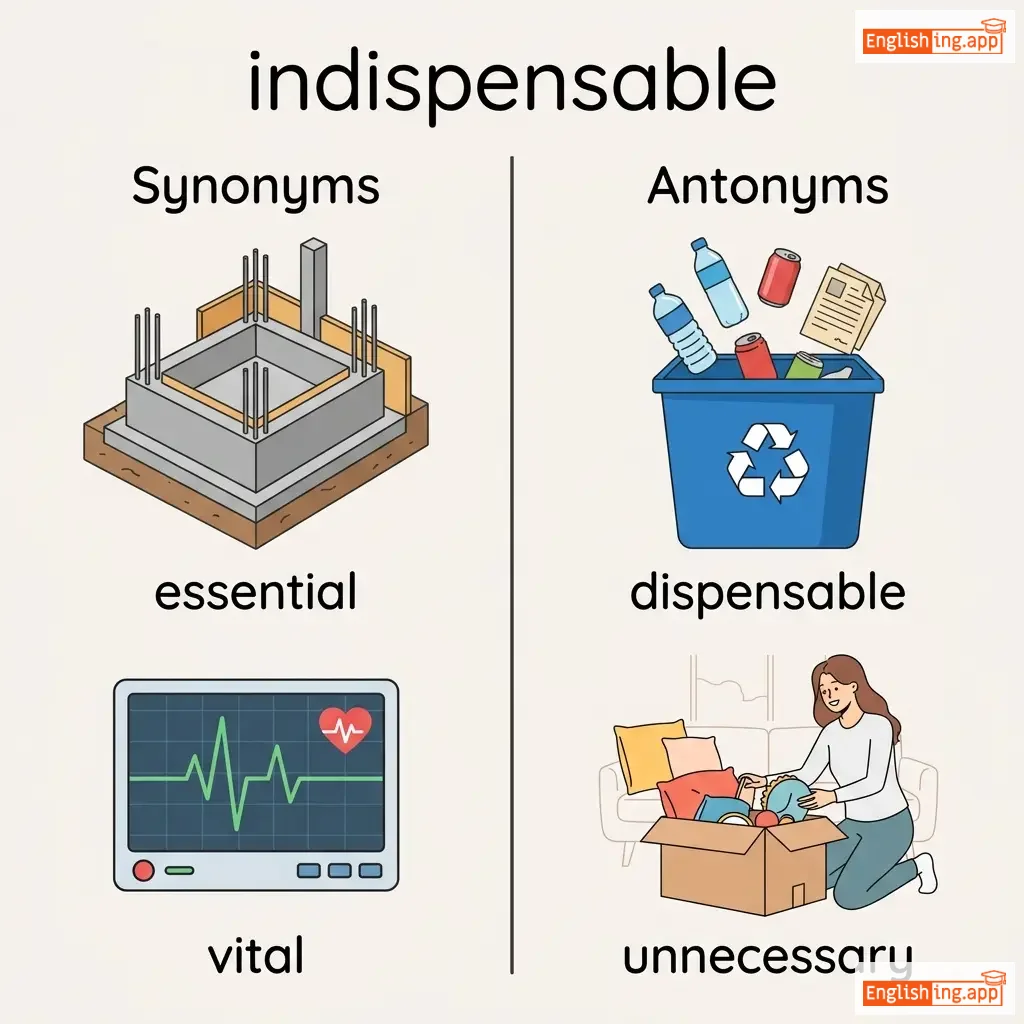
essential, vital, crucial, necessary, required, fundamental
••••••
|
dispensable, nonessential, unnecessary, optional, expendable, superfluous
••••••
|
记住: 水是不可或缺的,就像这个词对于生存来说同样不可缺少。
••••••
|
|
#4042
🌐
|
həʊˈlɪs.tɪk
adjective
(全观)
••••••
|
|
整体的
zhěngtǐ de
••••••
|
Characterized by the treatment of the whole person, taking into account mental and social factors, rather than just the symptoms of a disease; relating to or concerned with wholes or complete systems rather than with individual parts.
••••••
|
A holistic approach is needed for healthcare. |
医疗保健需要一个整体的方法。
Yīliáo bǎojiàn xūyào yīgè zhěngtǐ de fāngfǎ.
••••••
|
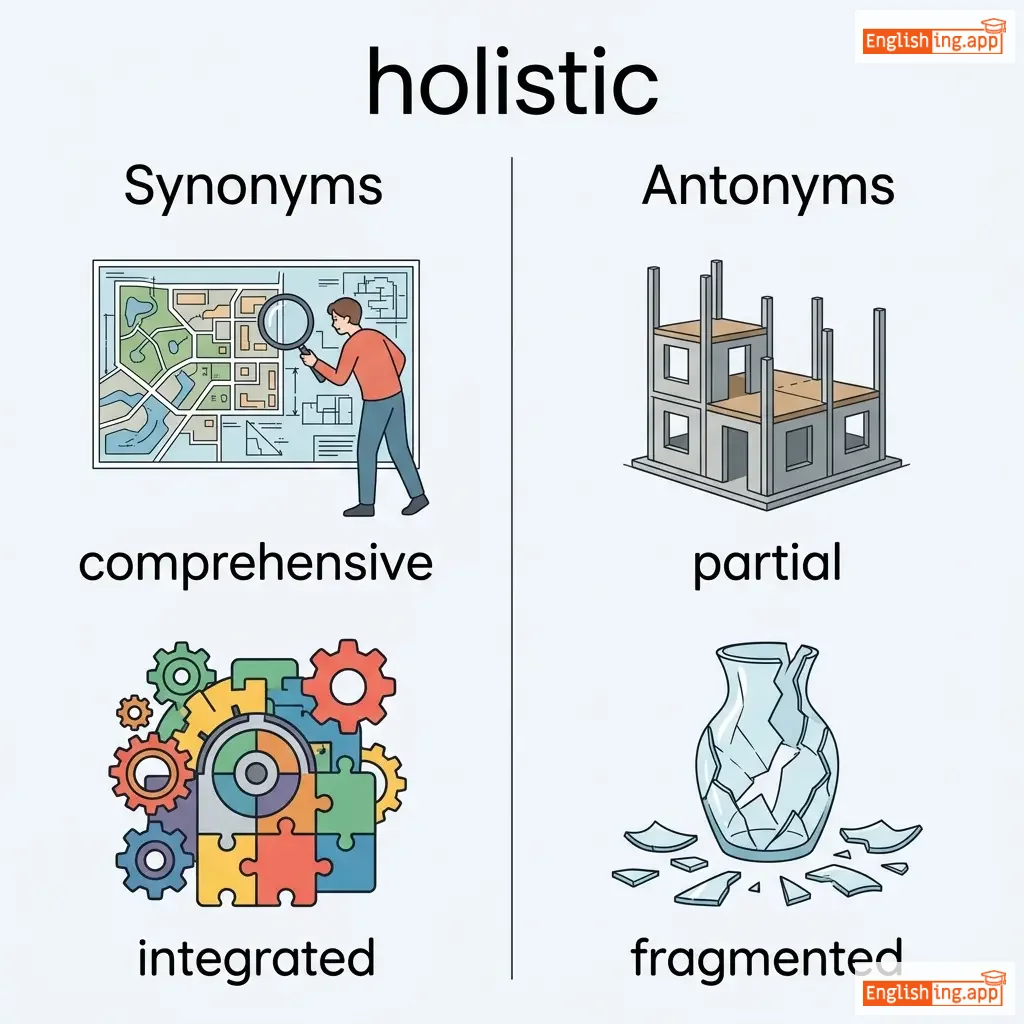
comprehensive, all-encompassing, integrated, complete, unified, total
••••••
|
partial, fragmented, incomplete, narrow, limited, sectional
••••••
|
整体的意味着把健康看作一个整体,而不是单独的部分。
••••••
|
|
#4043
🚀
|
ˌpaɪəˈnɪə.rɪŋ
adjective
(pay-o-neer-ing)
••••••
|
|
开创性
kaichuangxing
••••••
|
Involving new ideas or methods; being the first to develop or use new methods, ideas, or products.
••••••
|
The scientist made pioneering discoveries.
科学家做出了开创性的发现。
••••••
|
科学家做出了开创性的发现。
Kēxuéjiā zuò chūle kāichuàngxìng de fāxiàn.
••••••
|
groundbreaking, innovative, trailblazing, revolutionary, cutting-edge, progressive
••••••
|
conventional, traditional, orthodox, conservative, established, mainstream
••••••
|
开创性的工作,如科学家的新发现,是领先的。
••••••
|
Vocabulary Quiz
Test your vocabulary by matching words with their translations or meanings.
Login to take the quiz
Comments (0)
Share your thoughts and join the discussion.
Join the discussion by logging in
Login to CommentNo comments yet
Be the first to share your thoughts!