

**Afforestation** 如何帮助恢复生态系统
How Afforestation Helps Restore Ecosystems
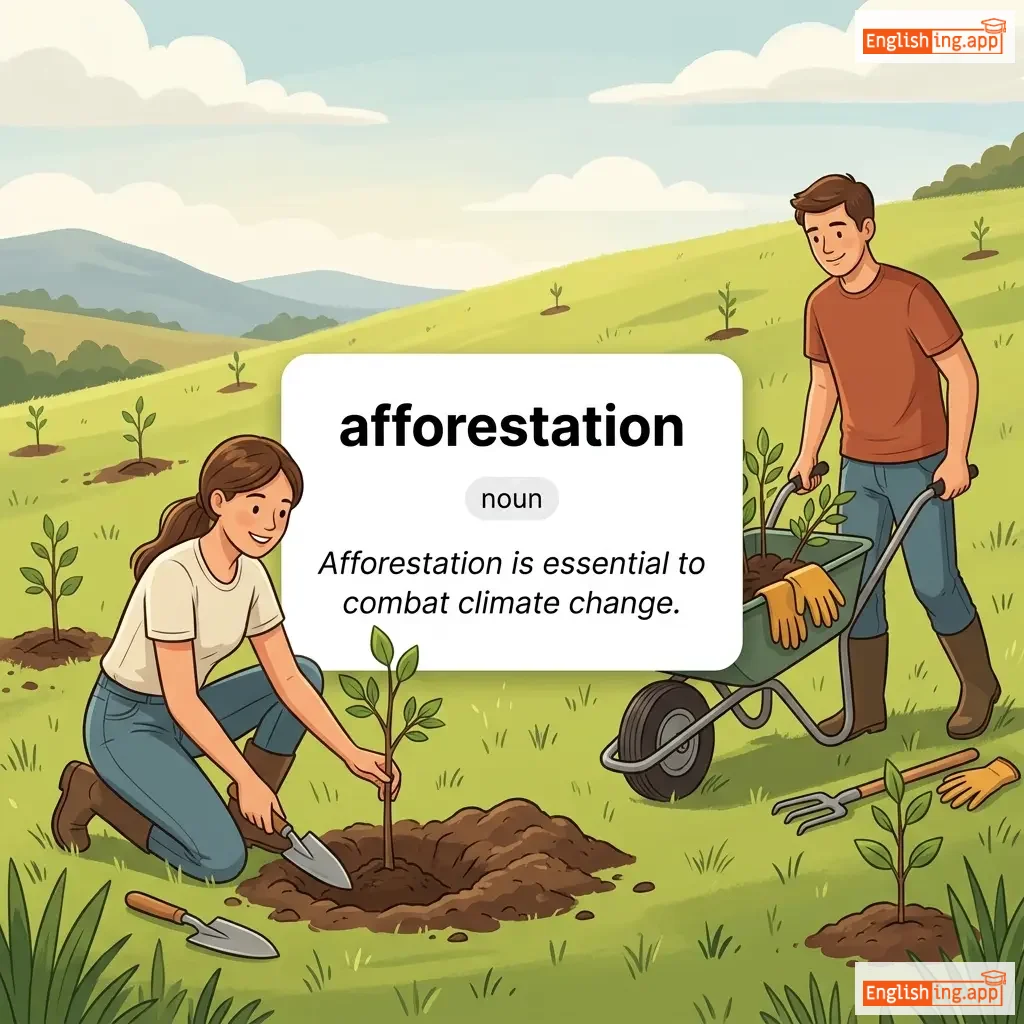
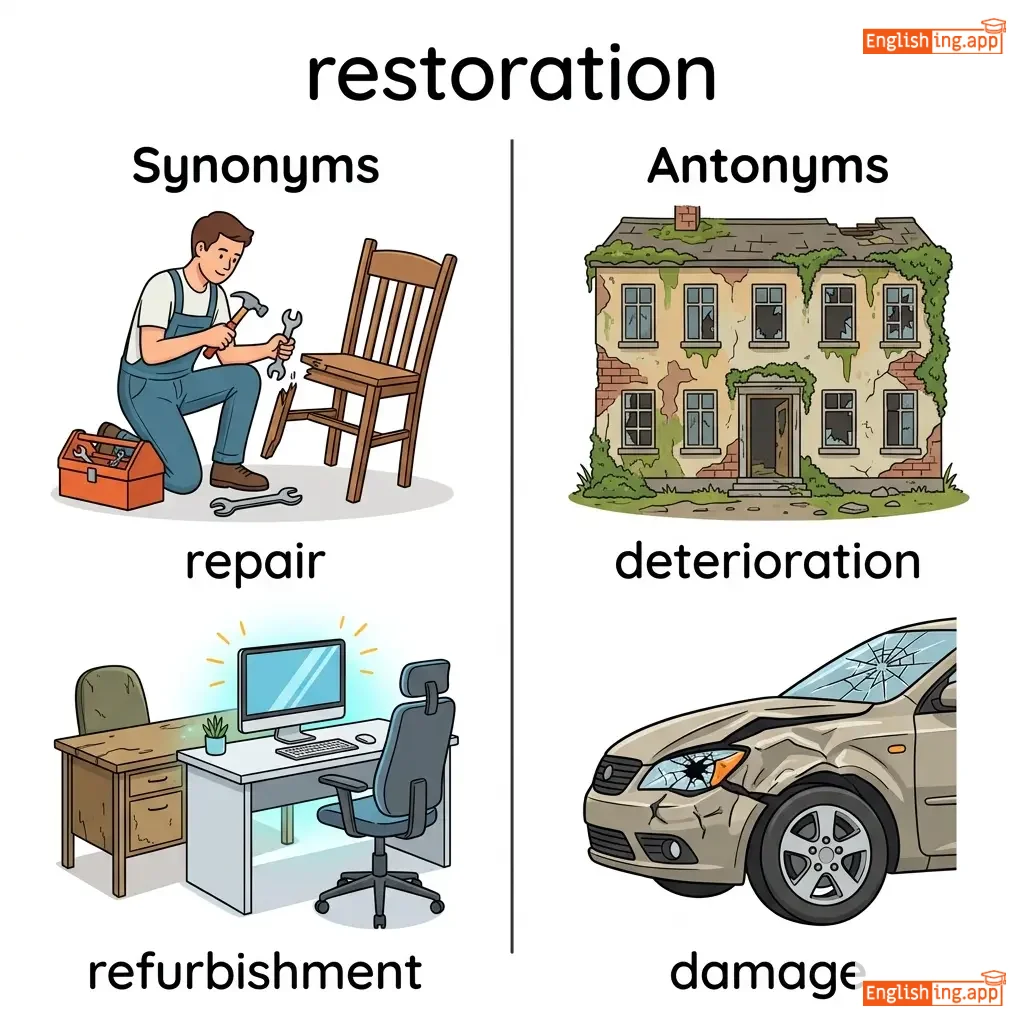
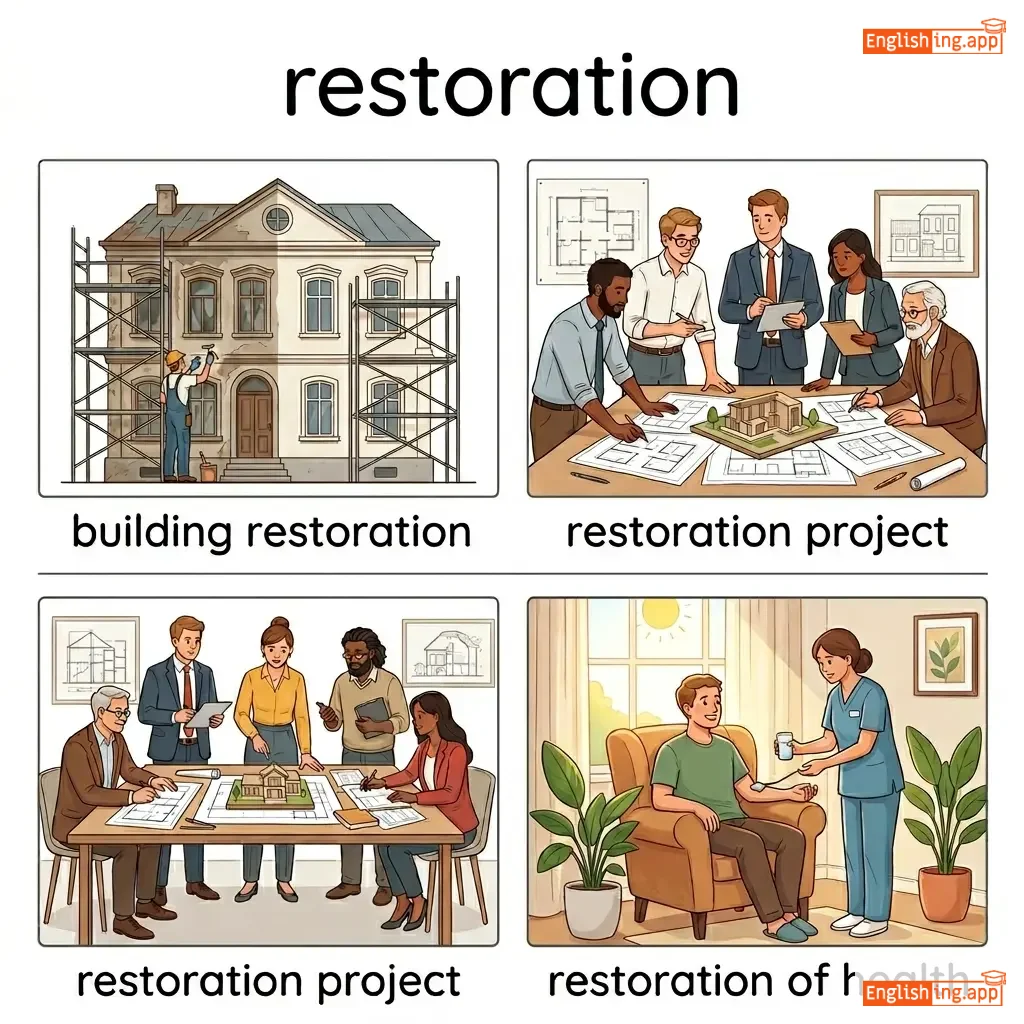
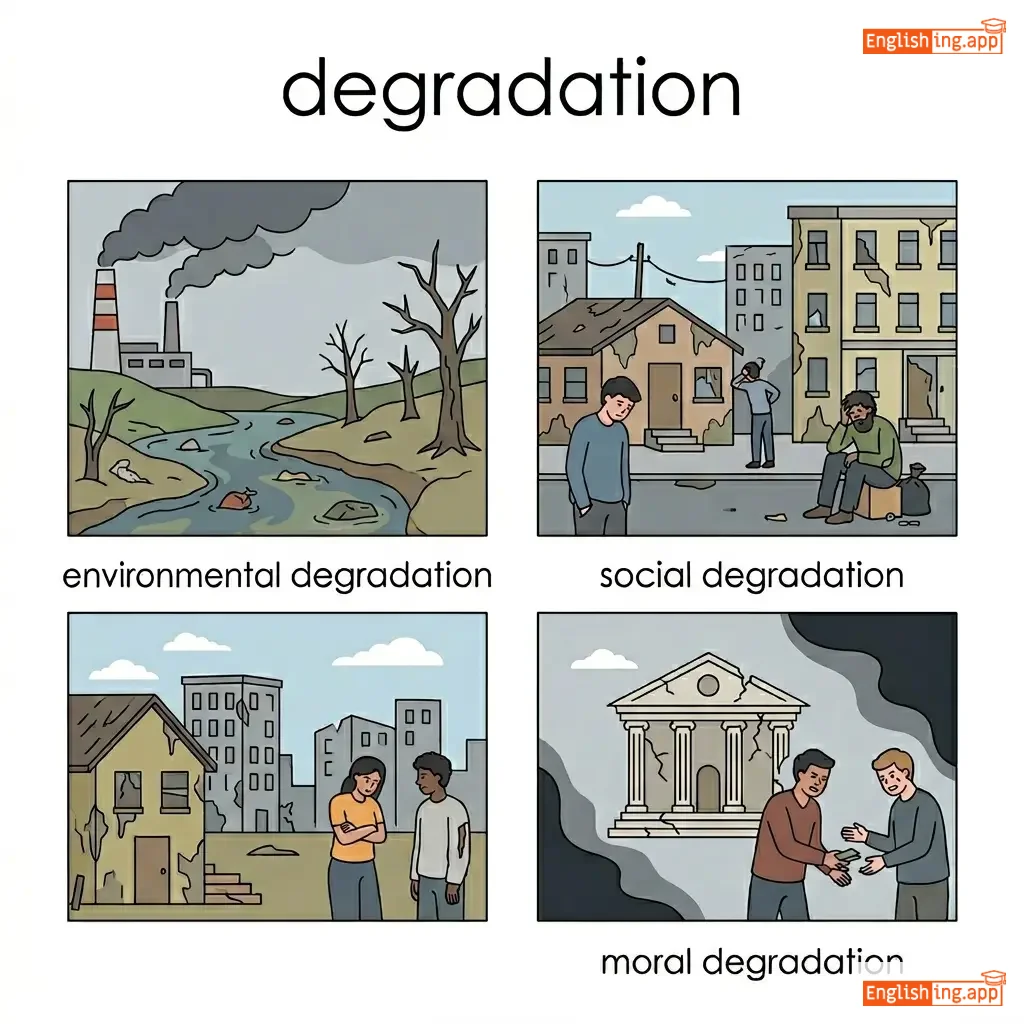
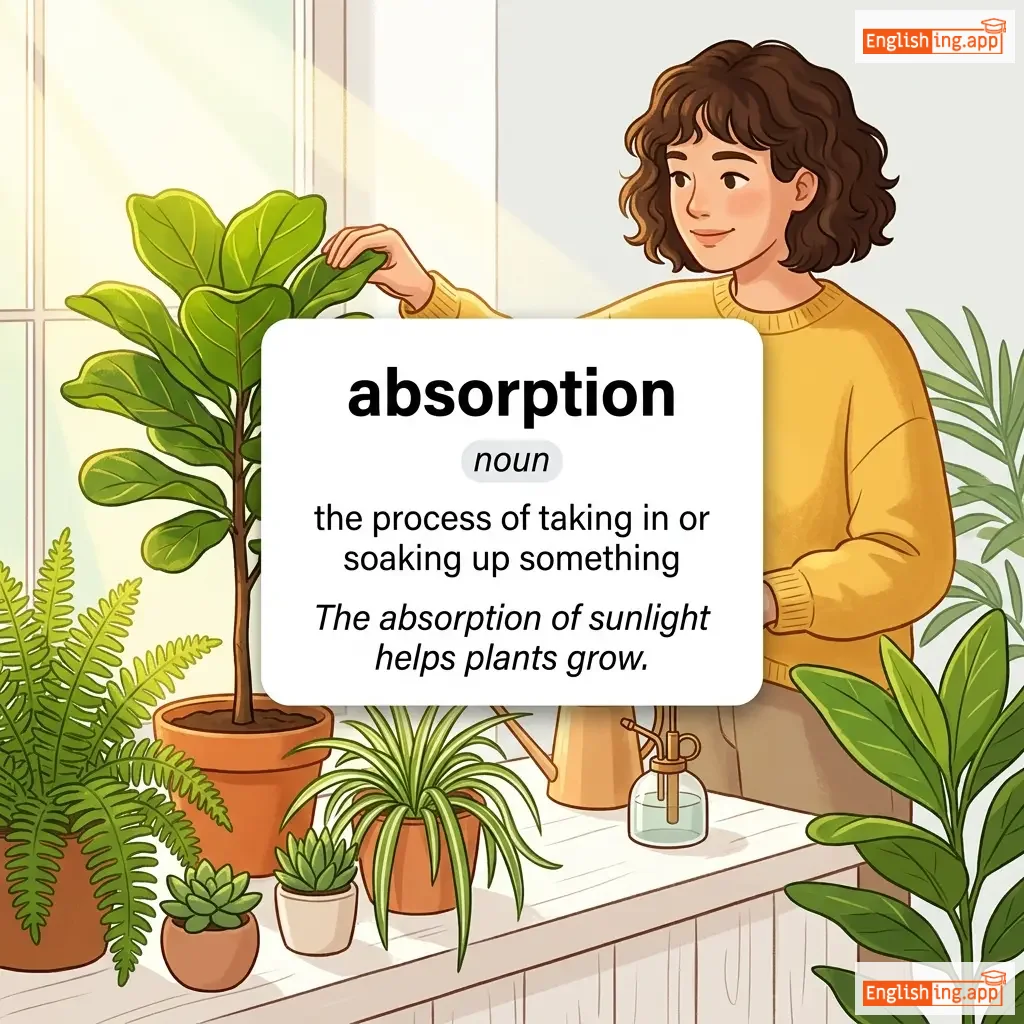
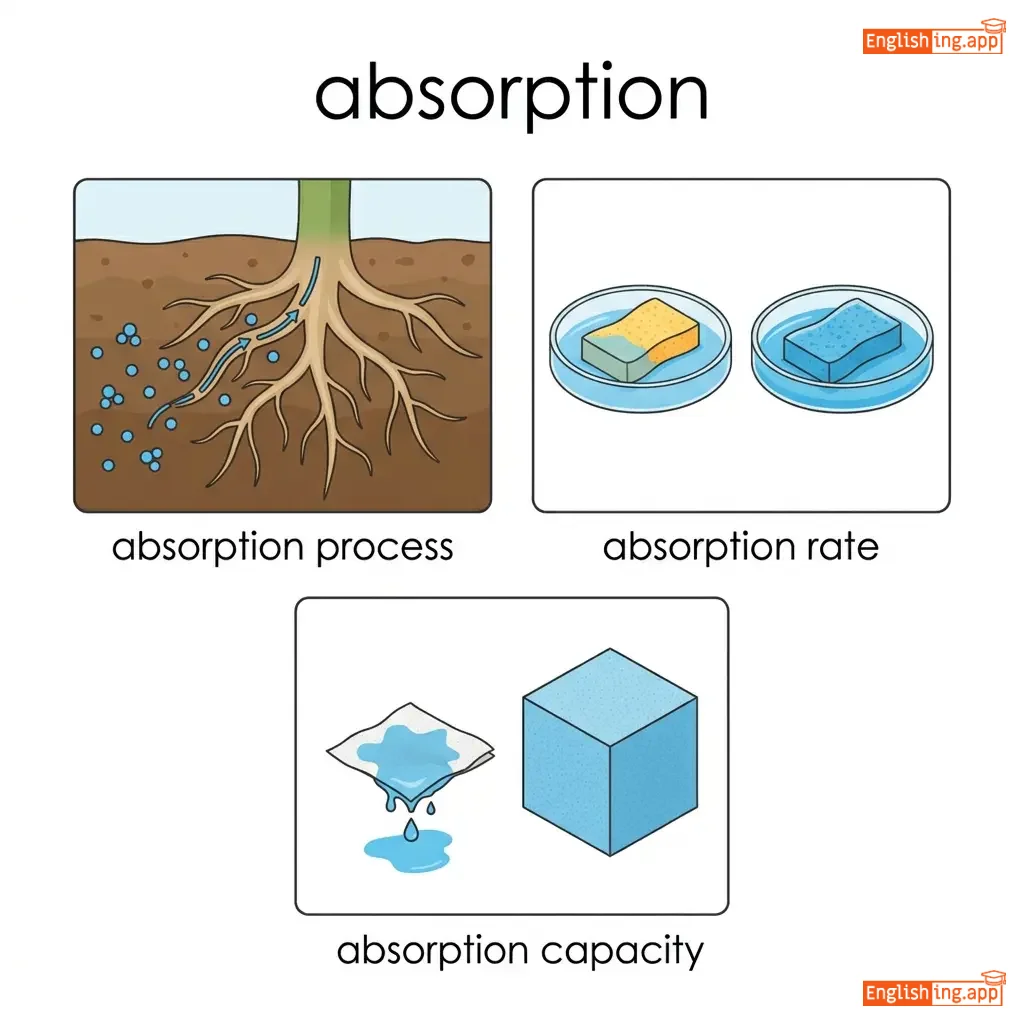
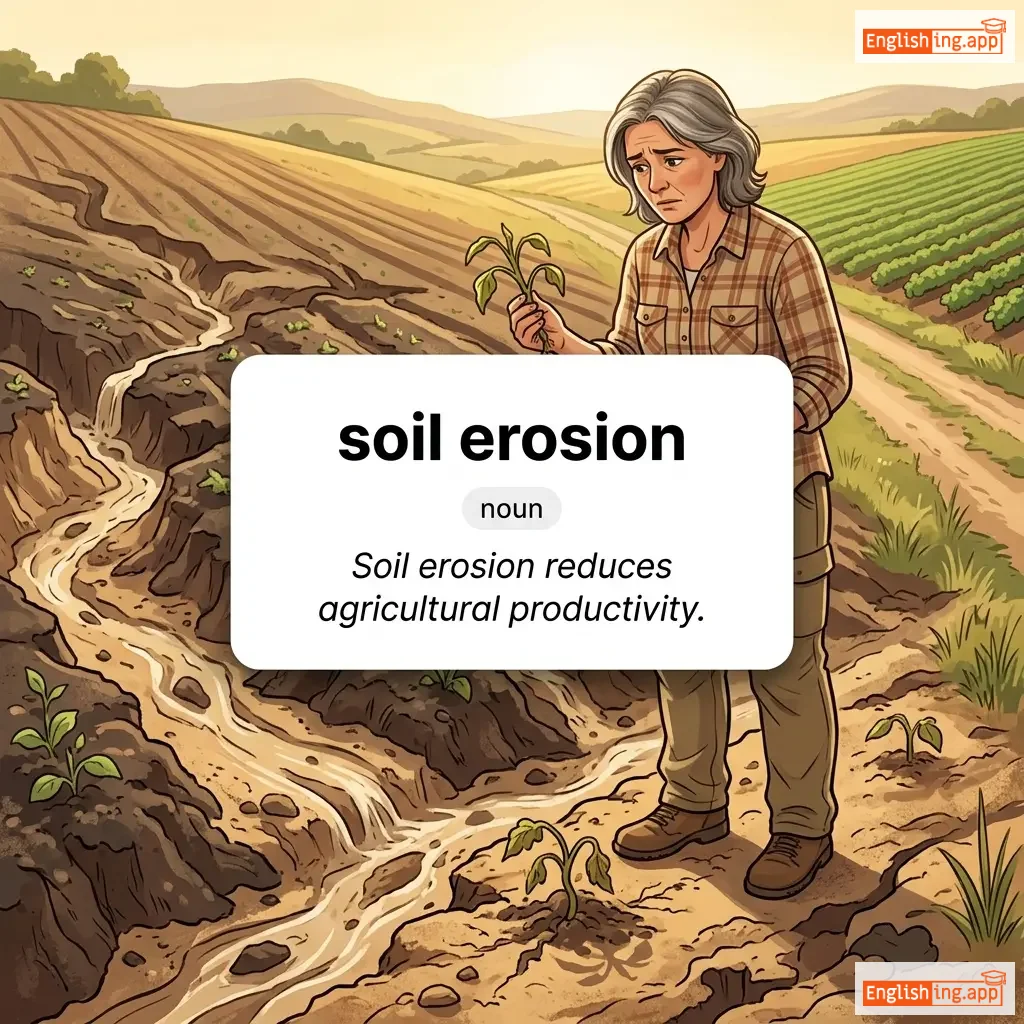
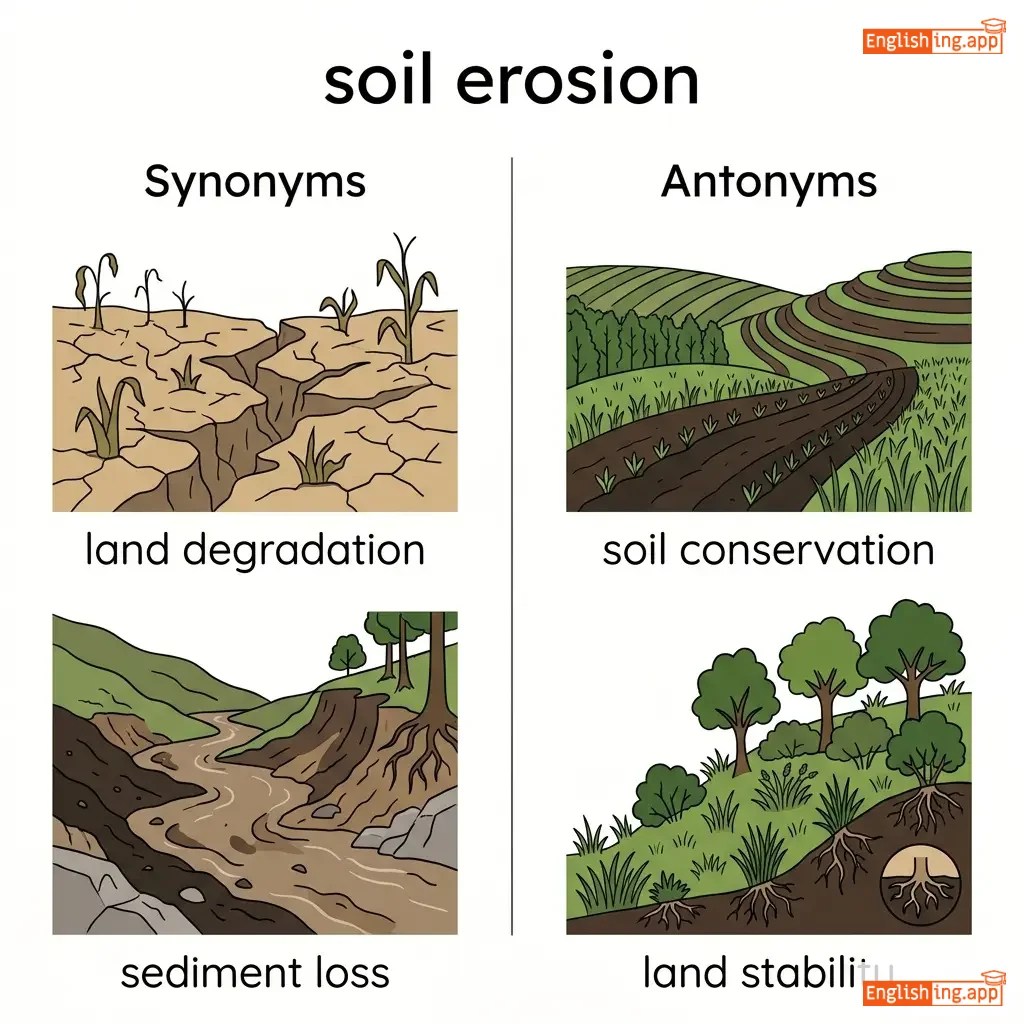
Afforestation 和 reforestation 对大自然的 restoration 至关重要。通过 forestation,可以减少土地 degradation,因为树木增加了土壤的 absorption 并防止 soil erosion。
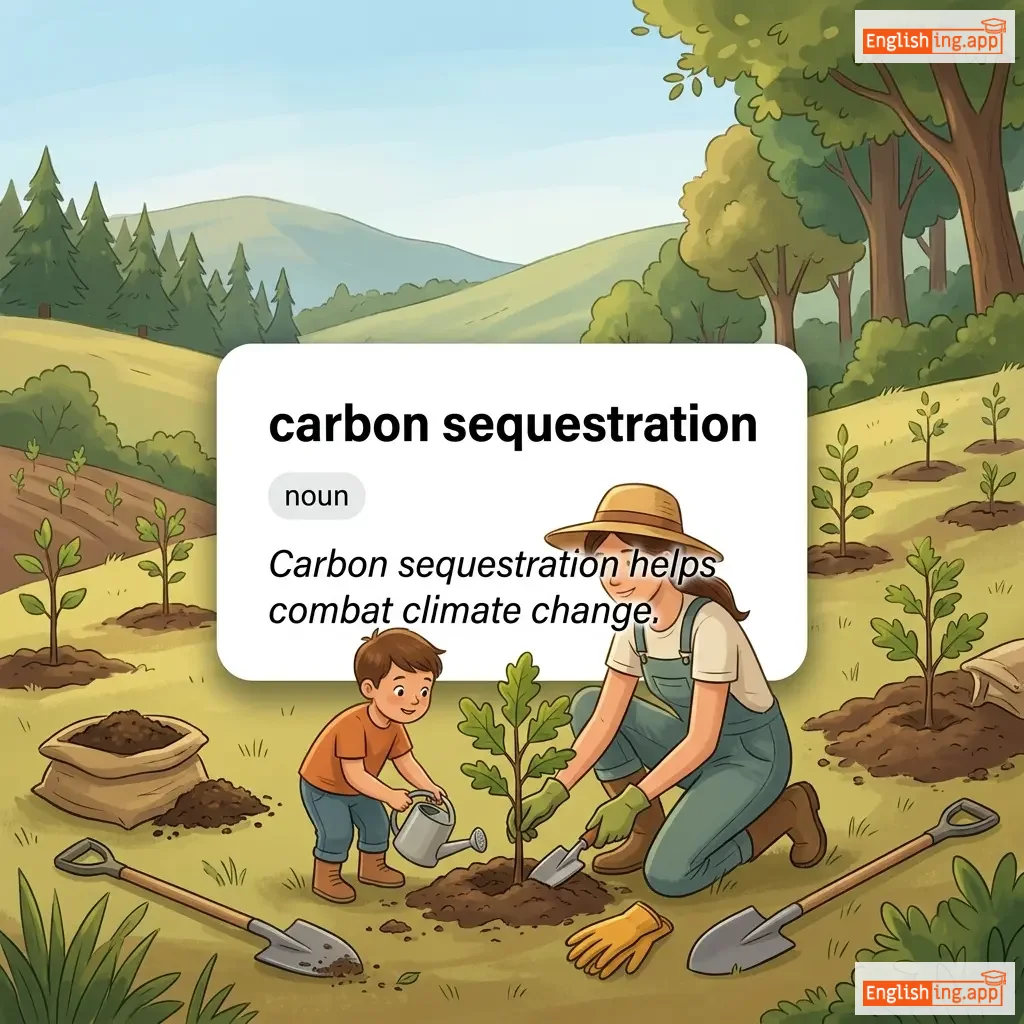
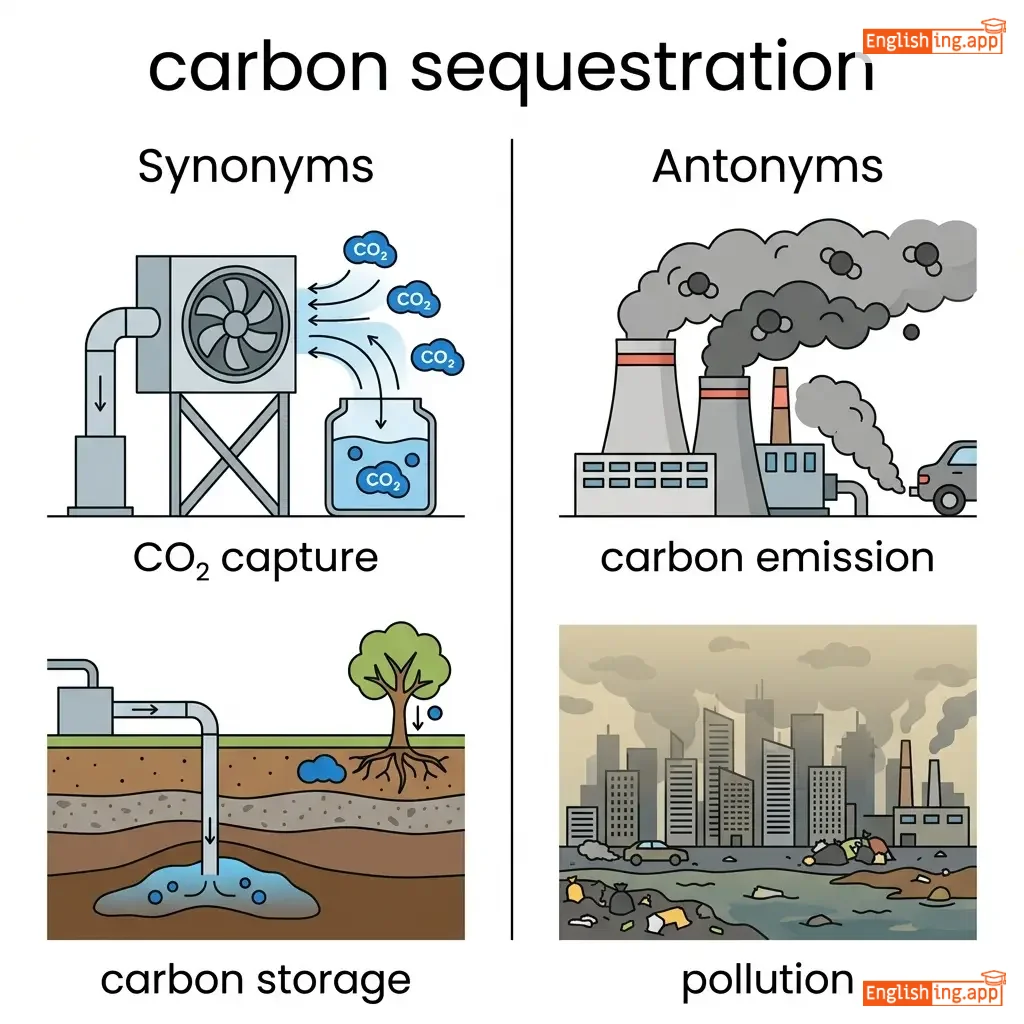
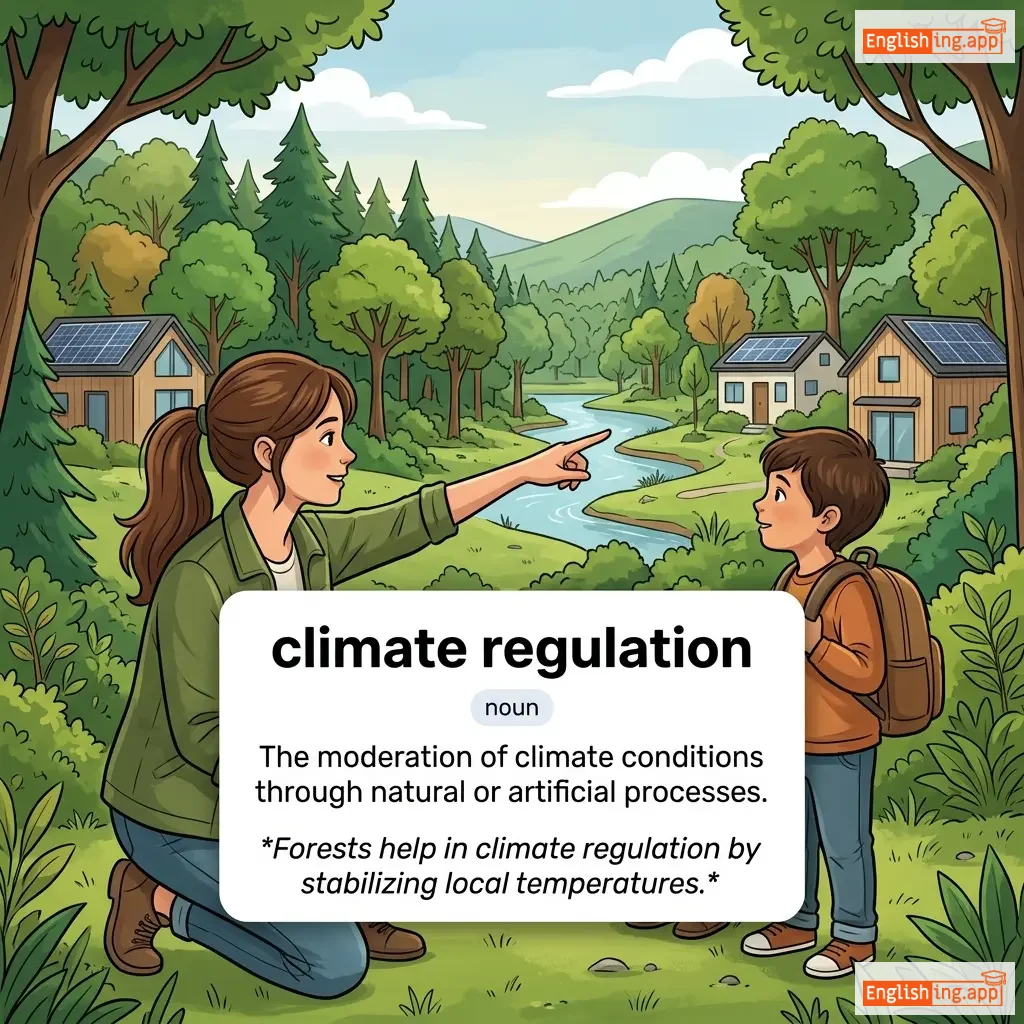
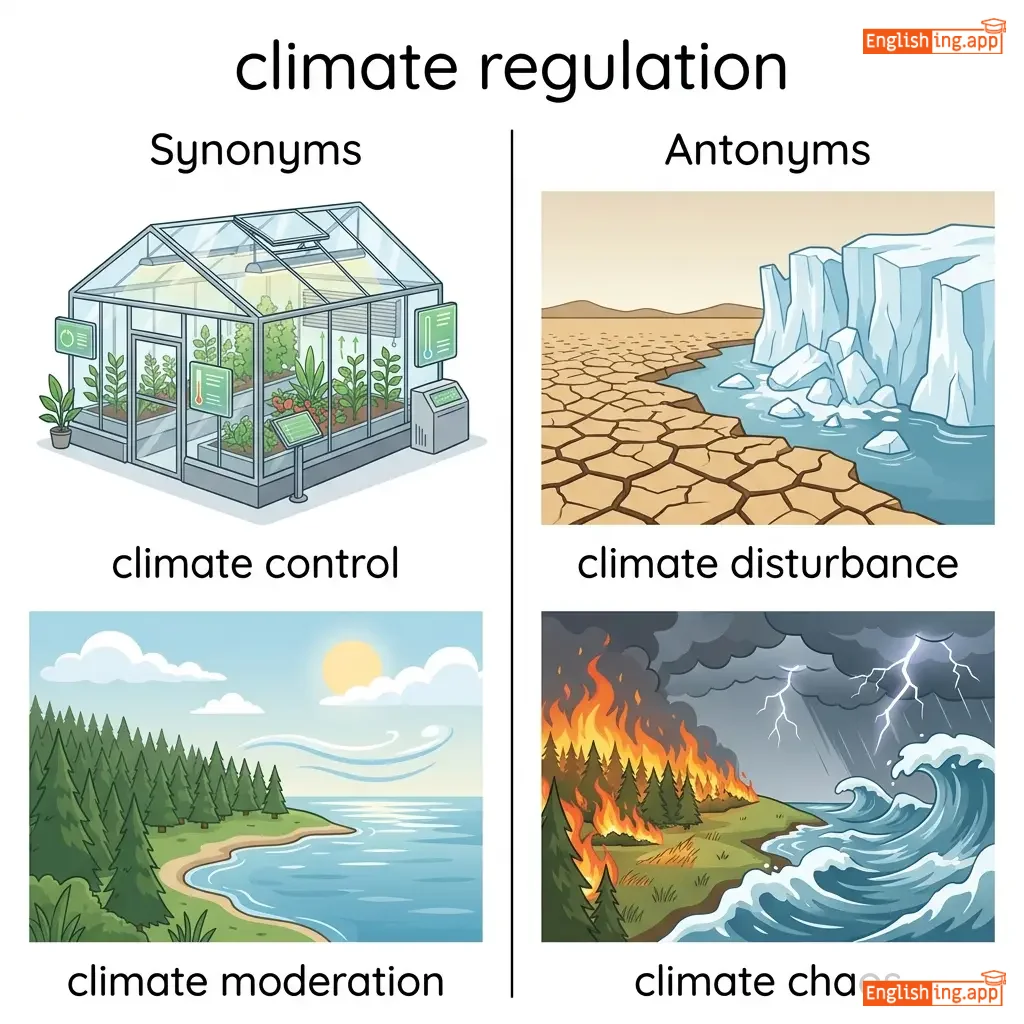
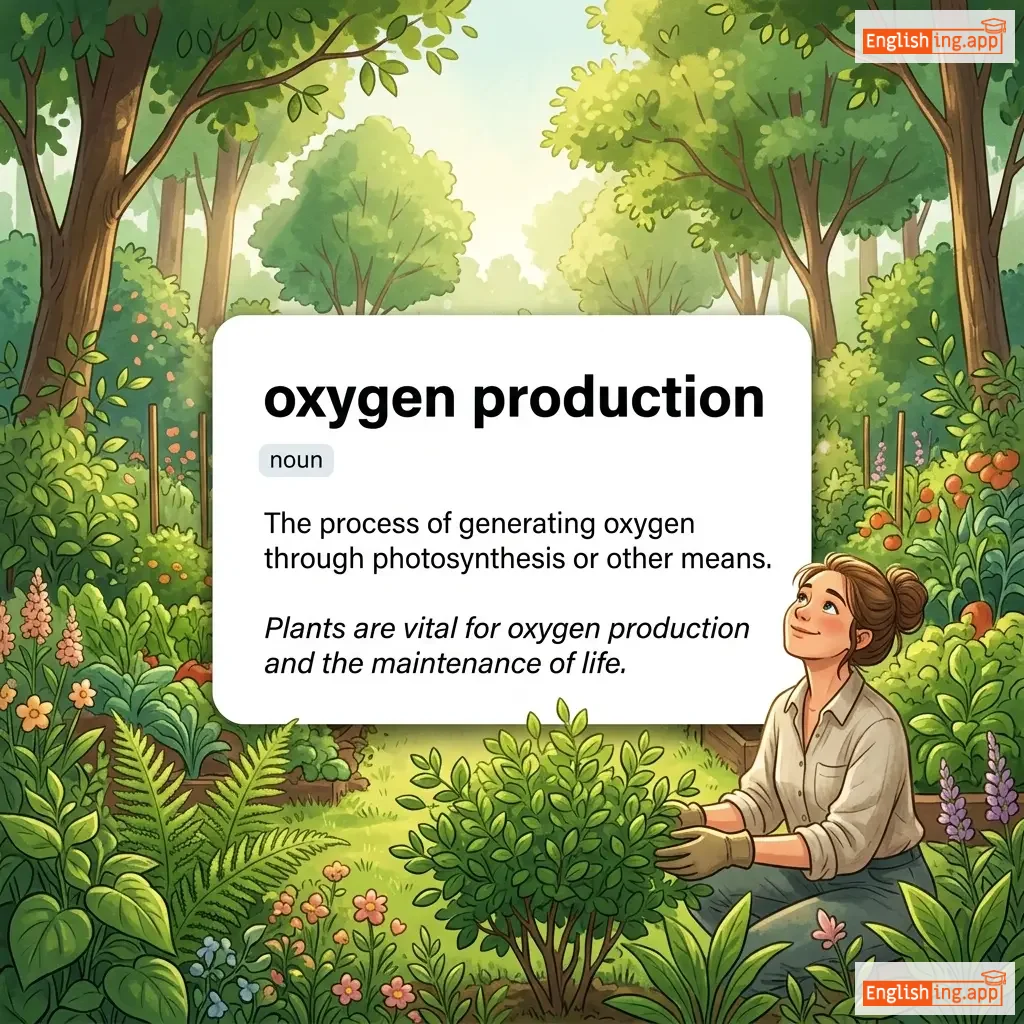
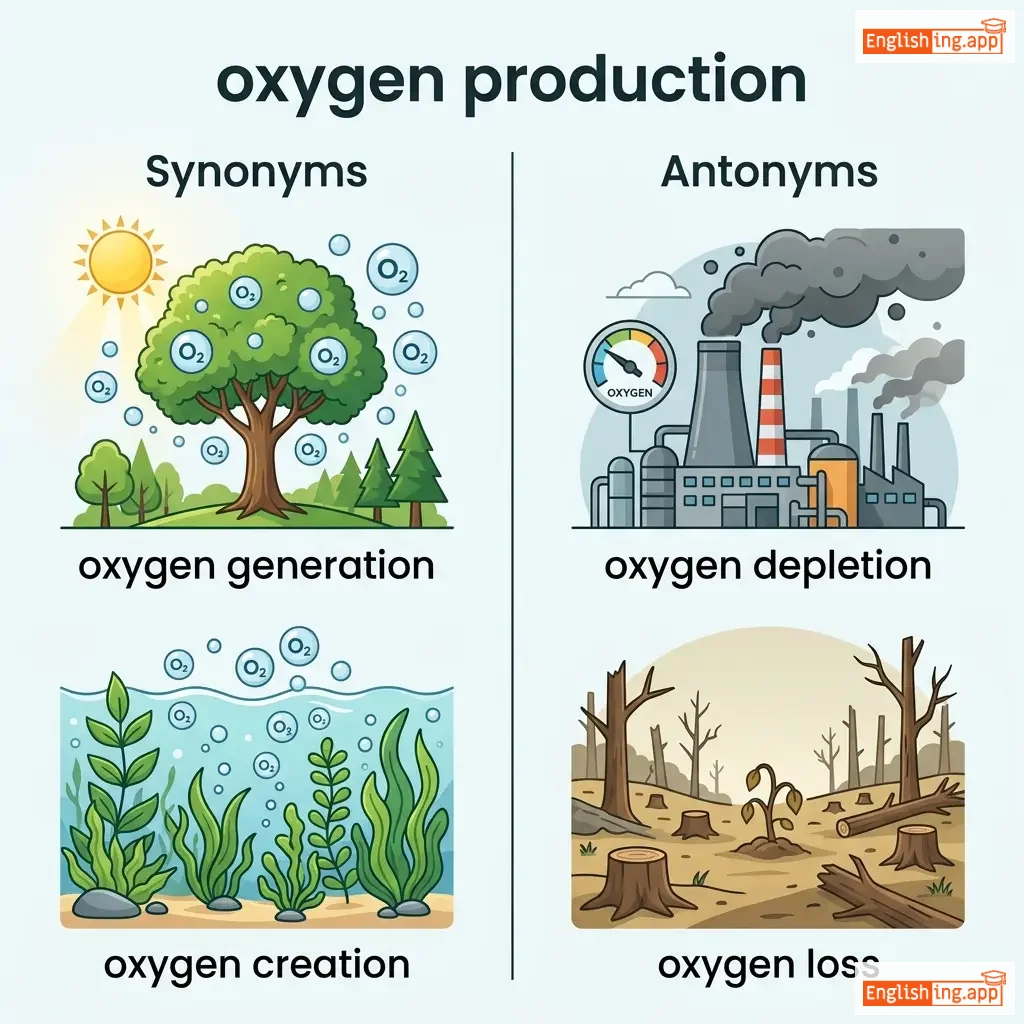
此外,树木进行 carbon sequestration,这对 climate regulation 至关重要。通过树木,oxygen production 增加,这对所有生物都是必不可少的。
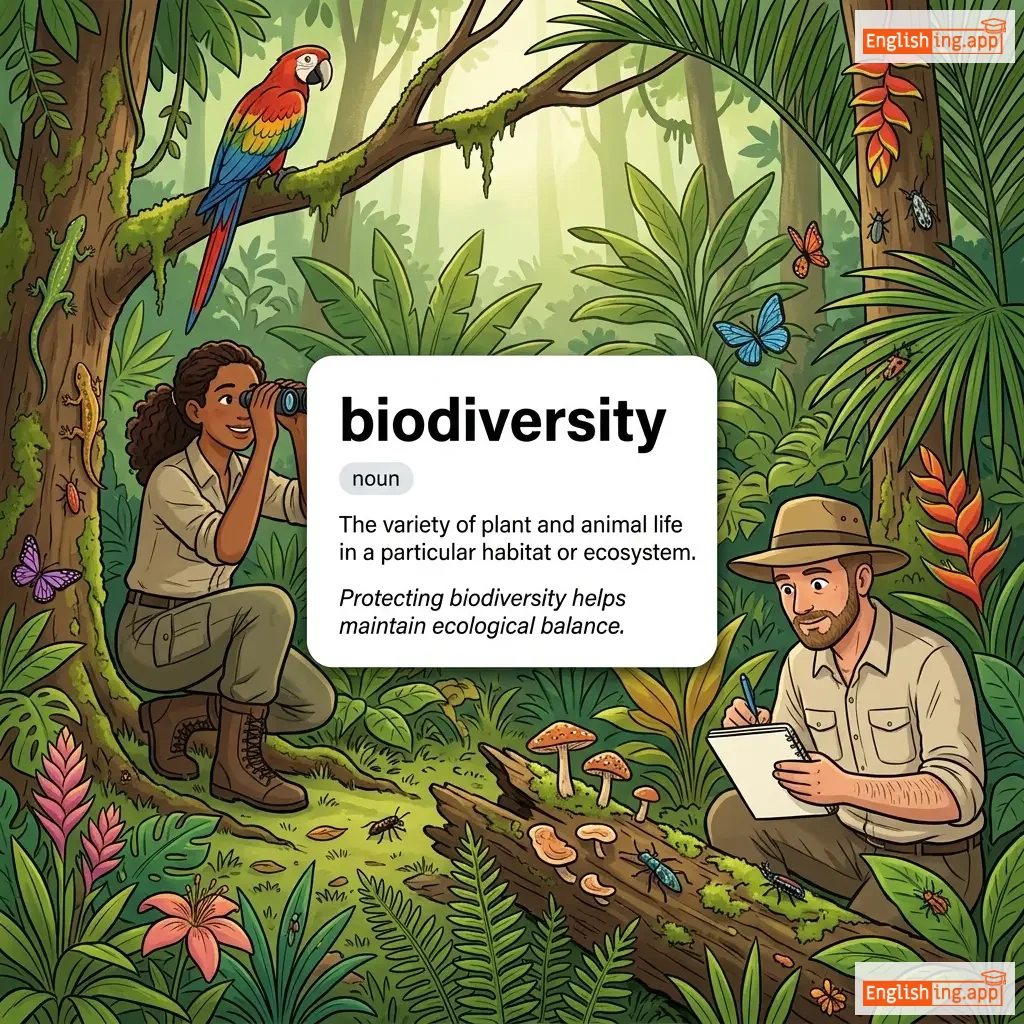
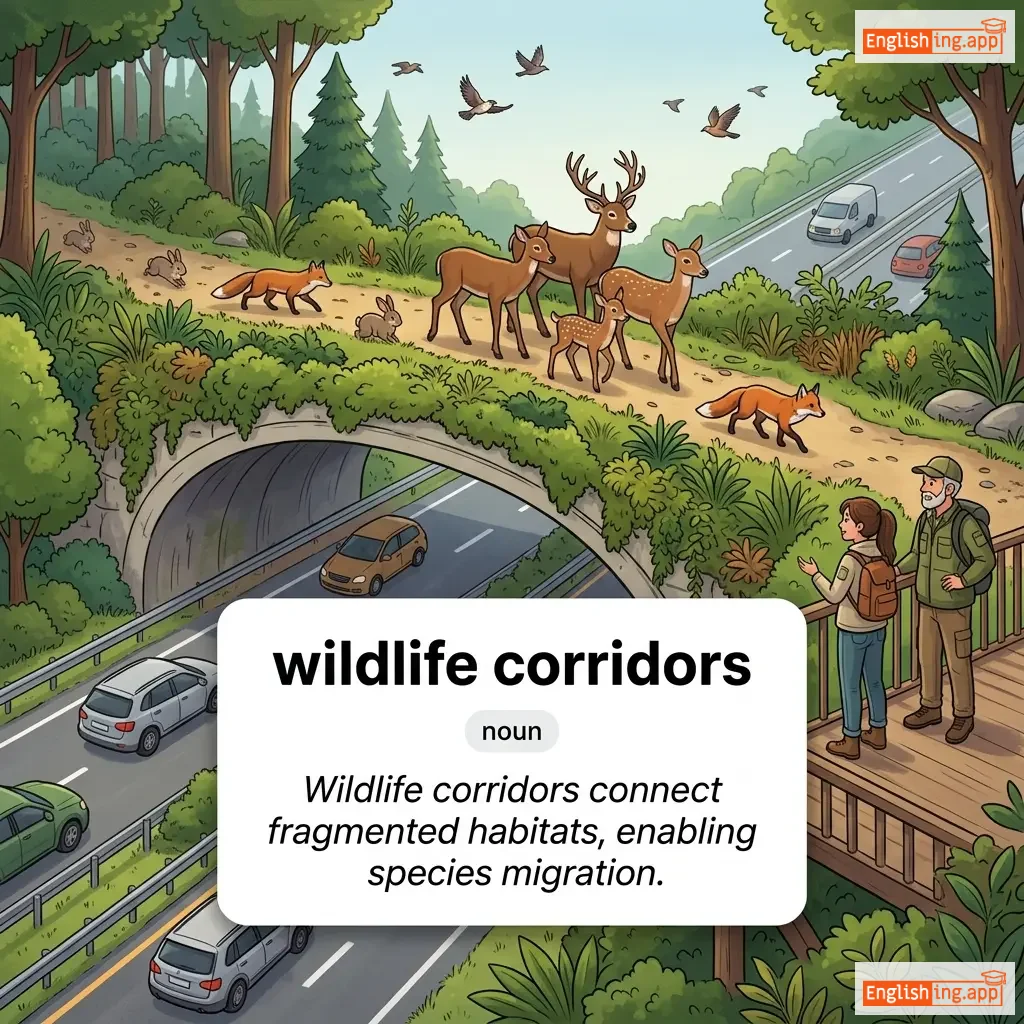
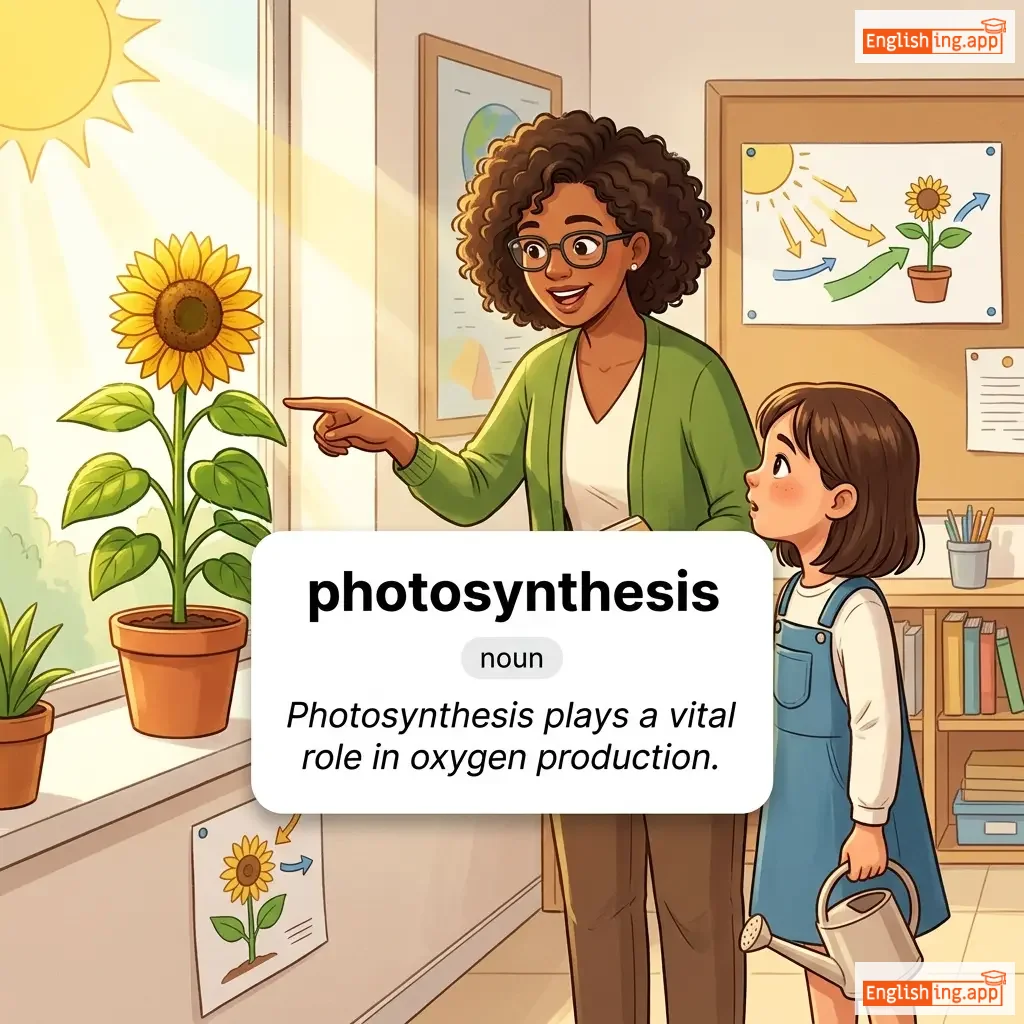
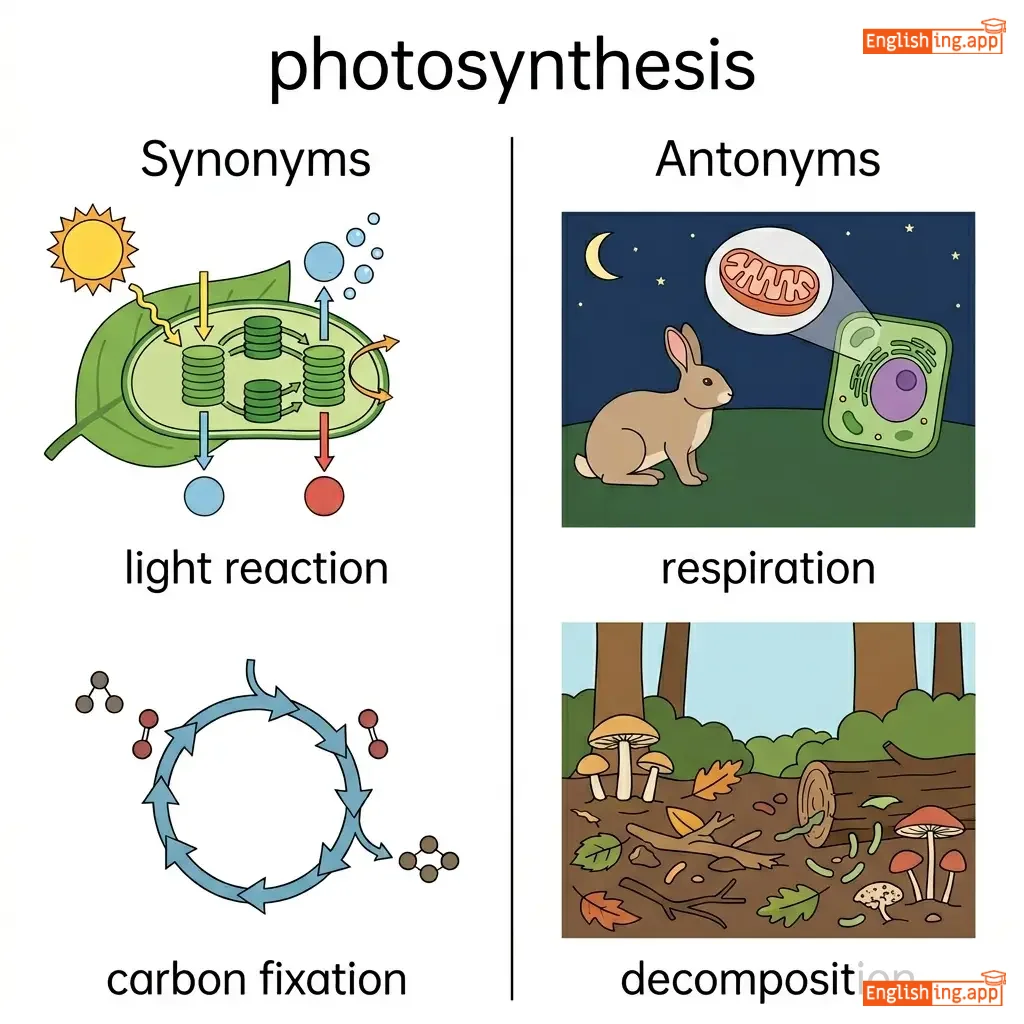
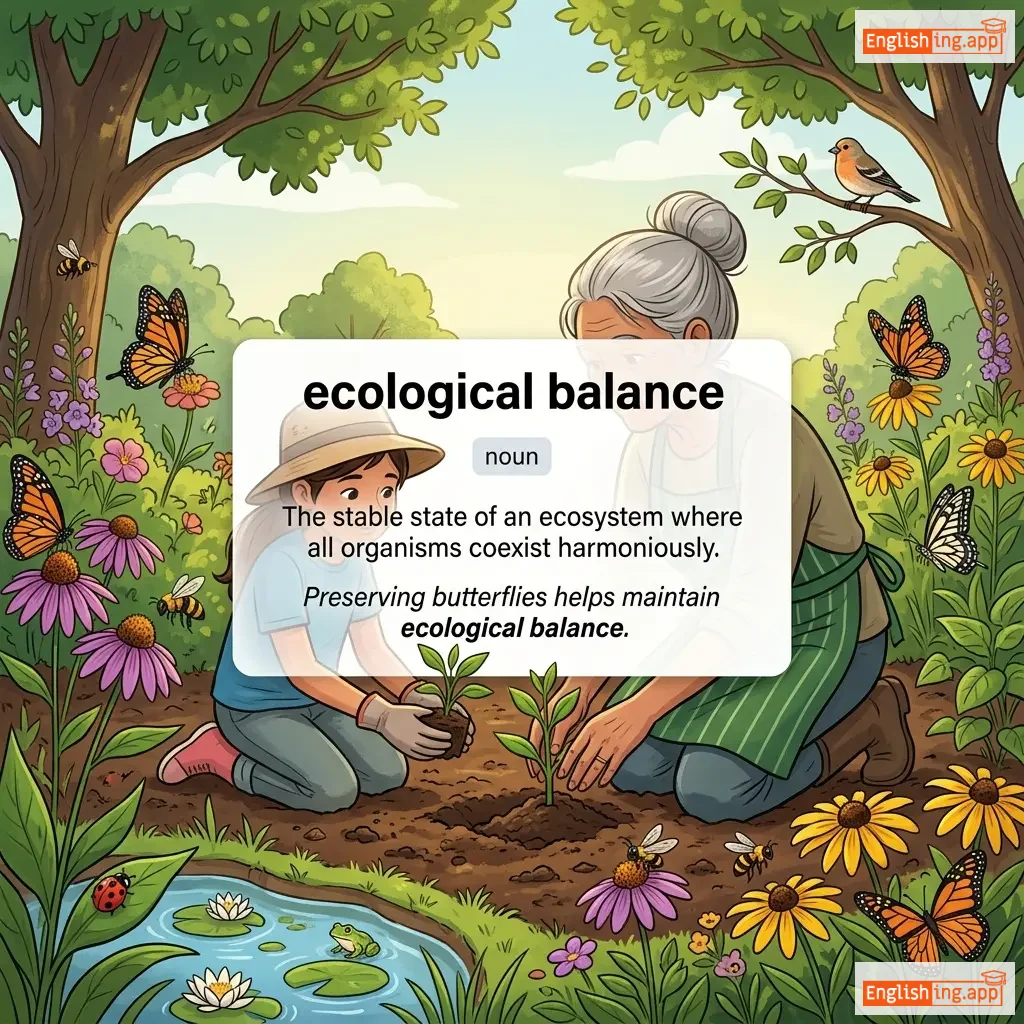
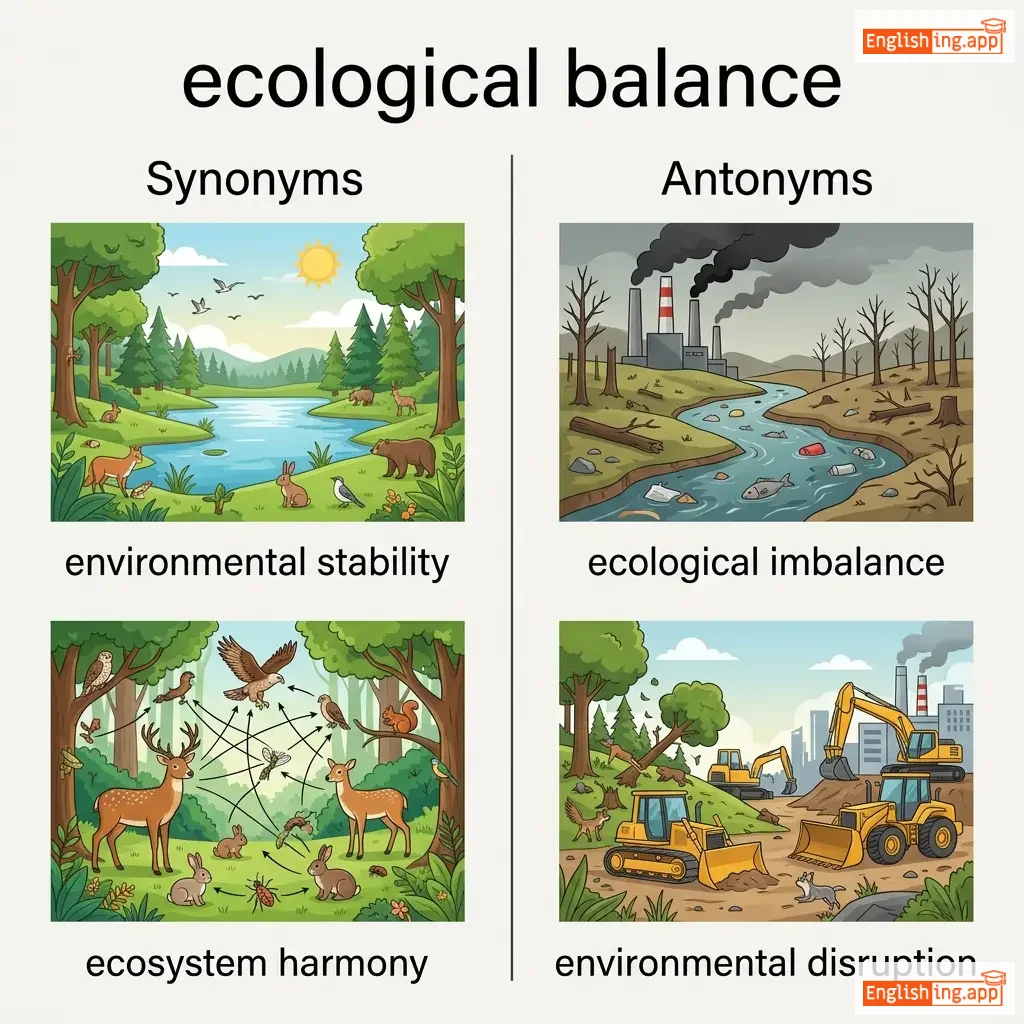
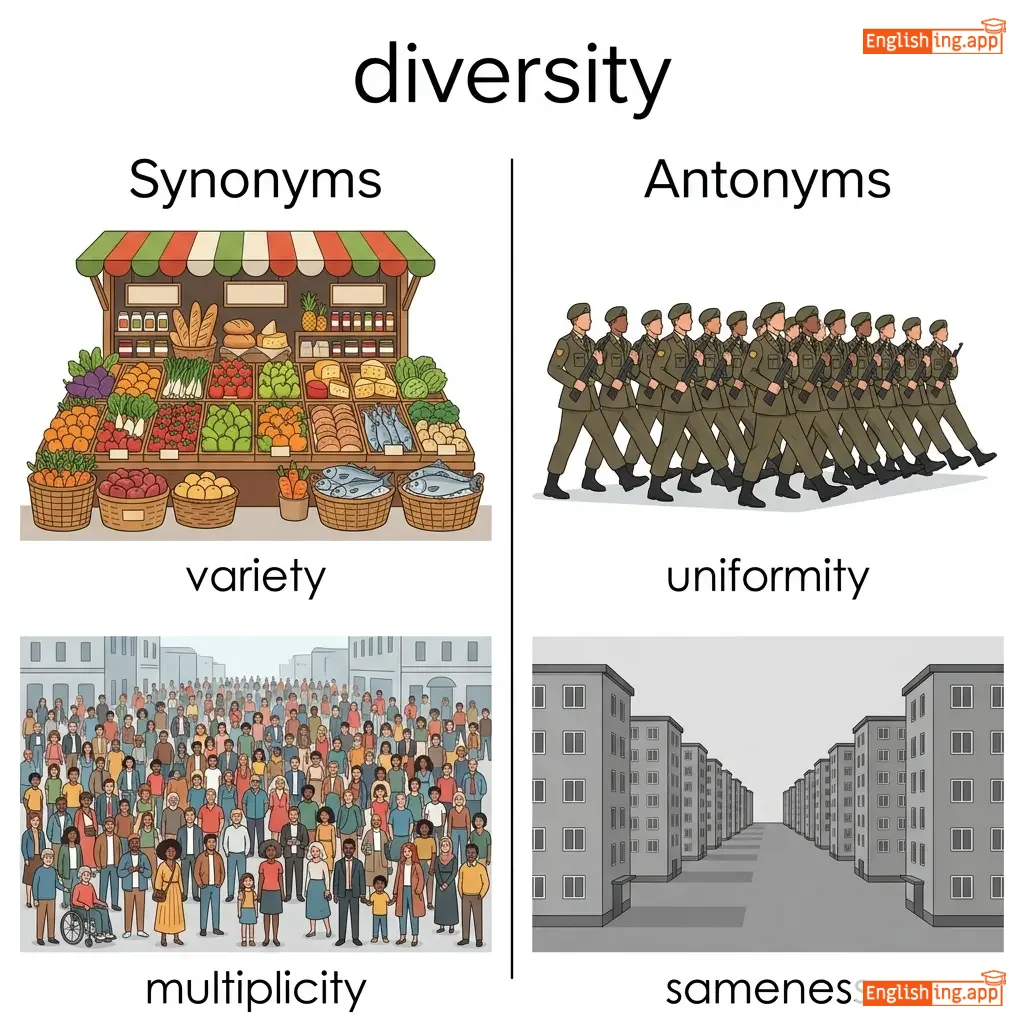
为了保持自然平衡,树木有助于保护 biodiversity 并创建 wildlife corridors,为不同物种提供生存空间。树木的 photosynthesis 过程为环境增加营养,维持 ecological balance。
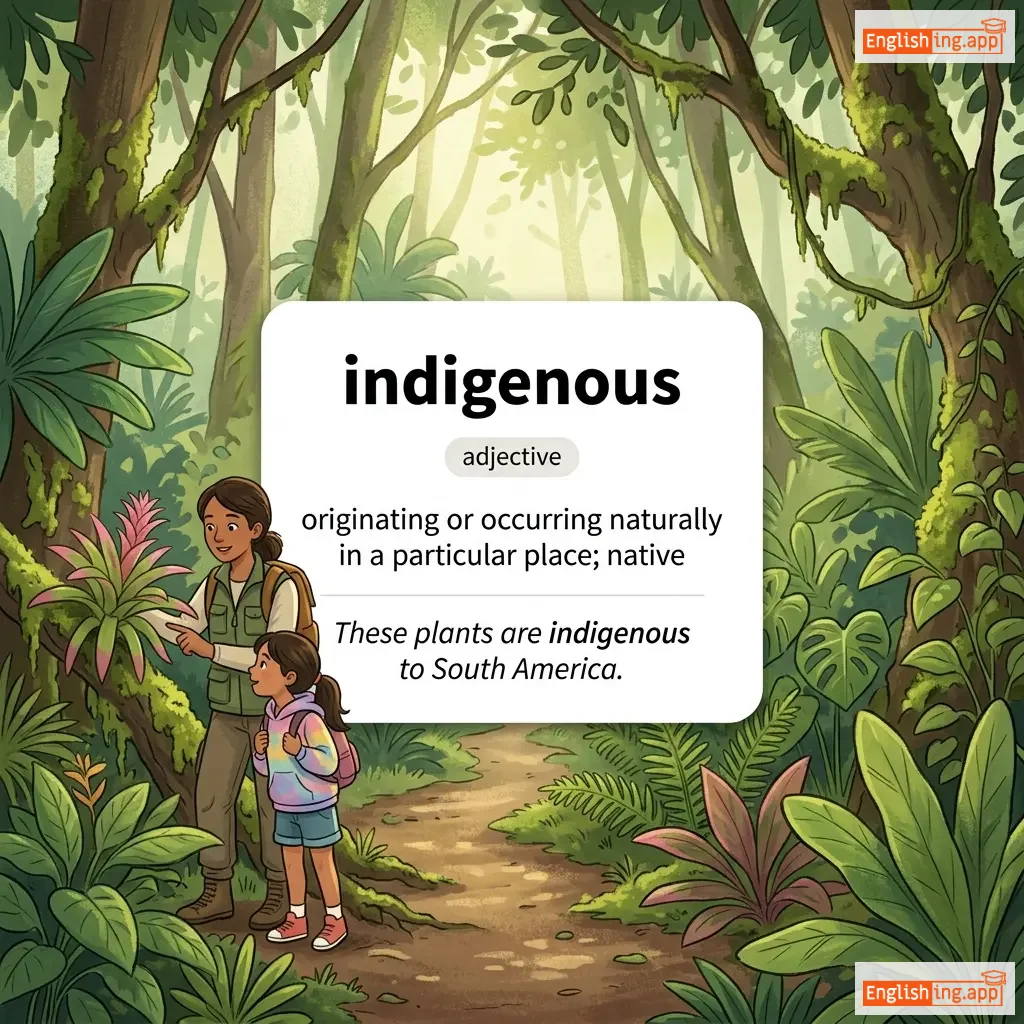
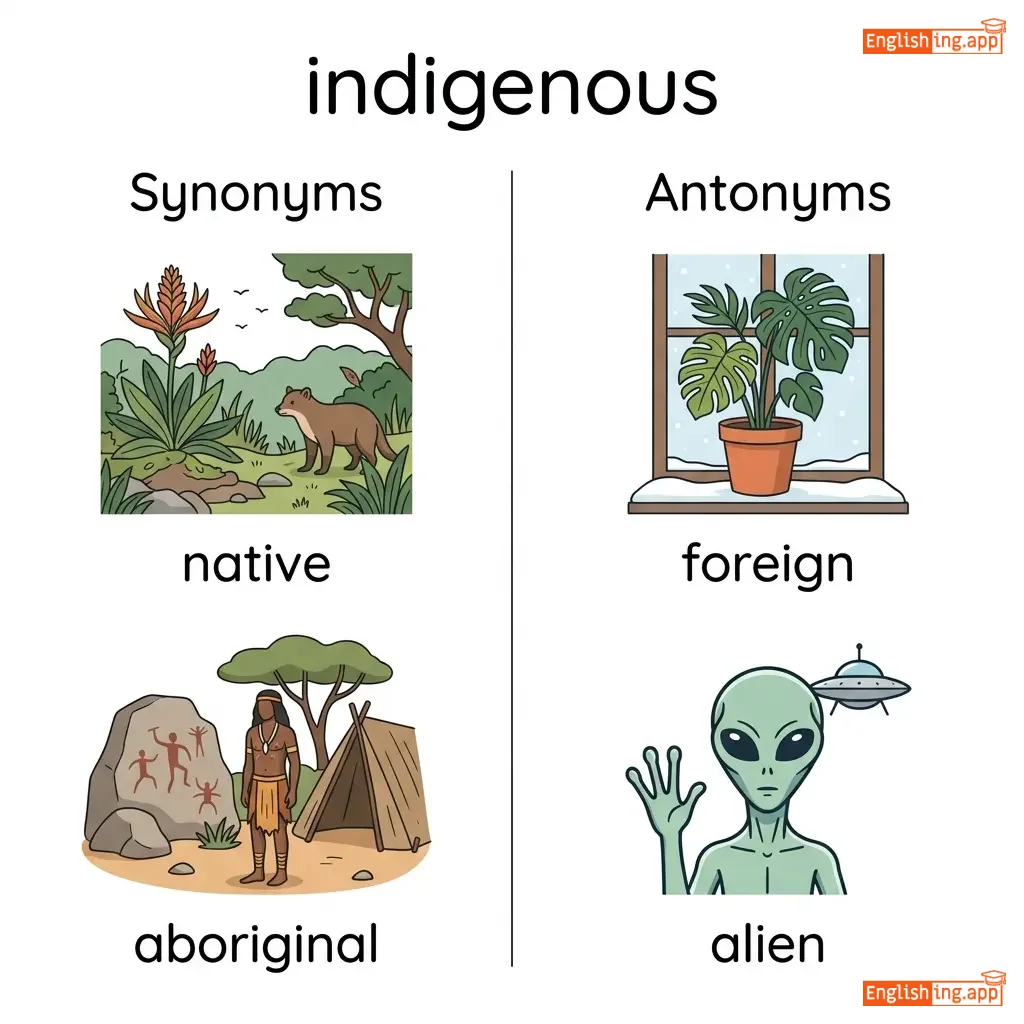
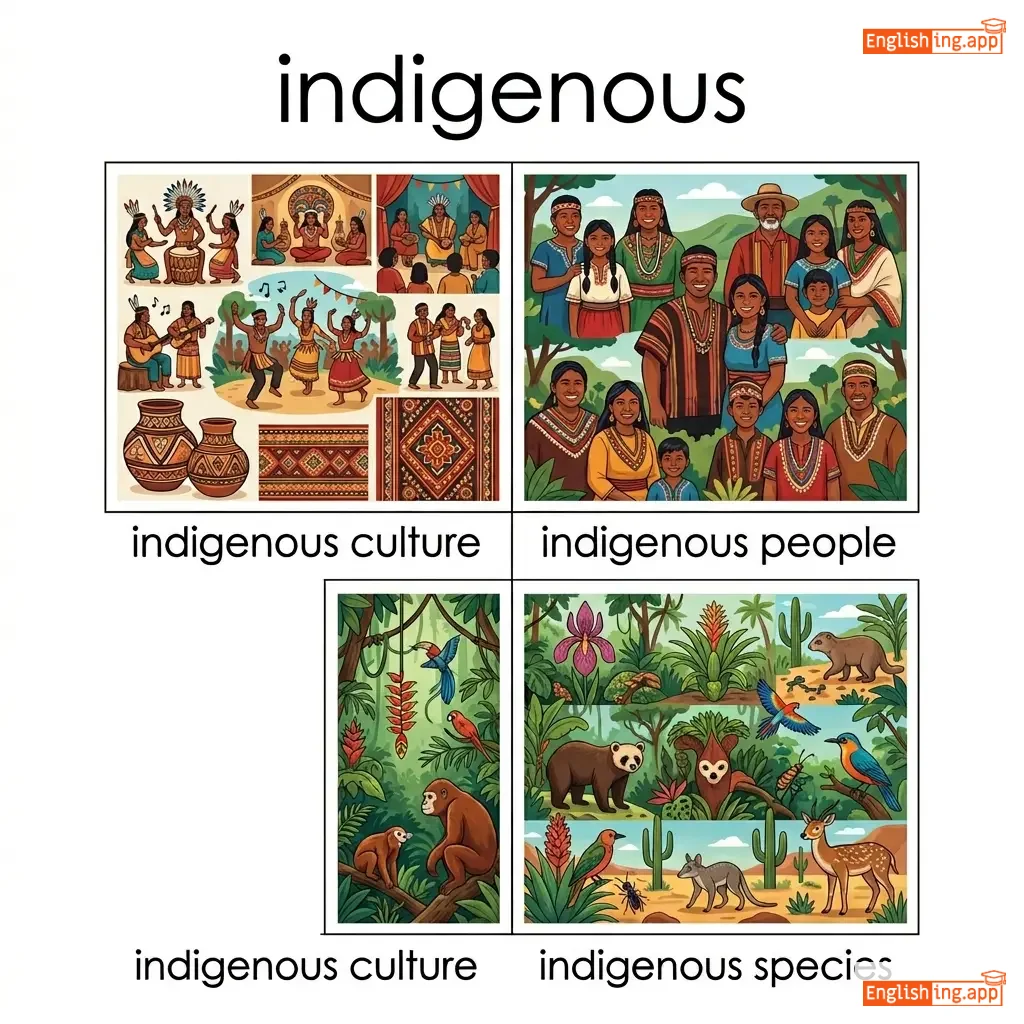
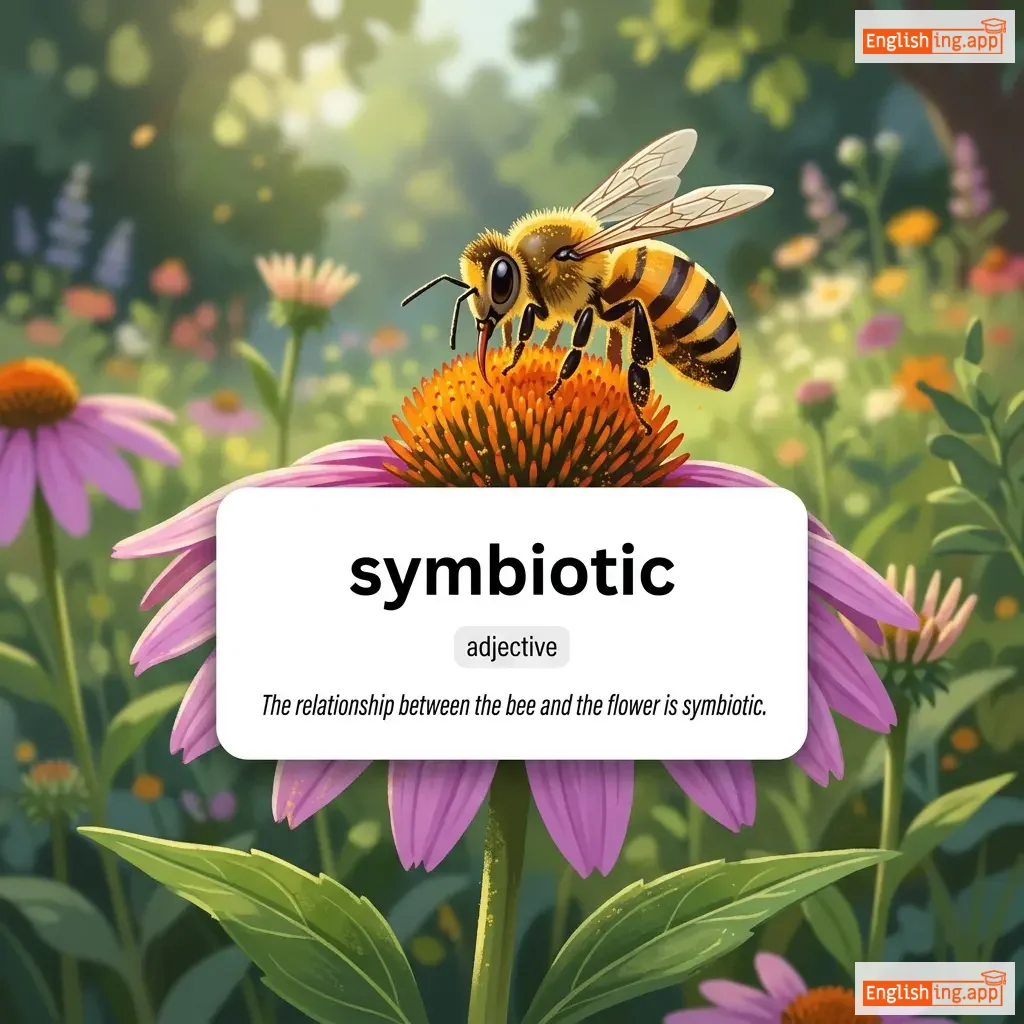
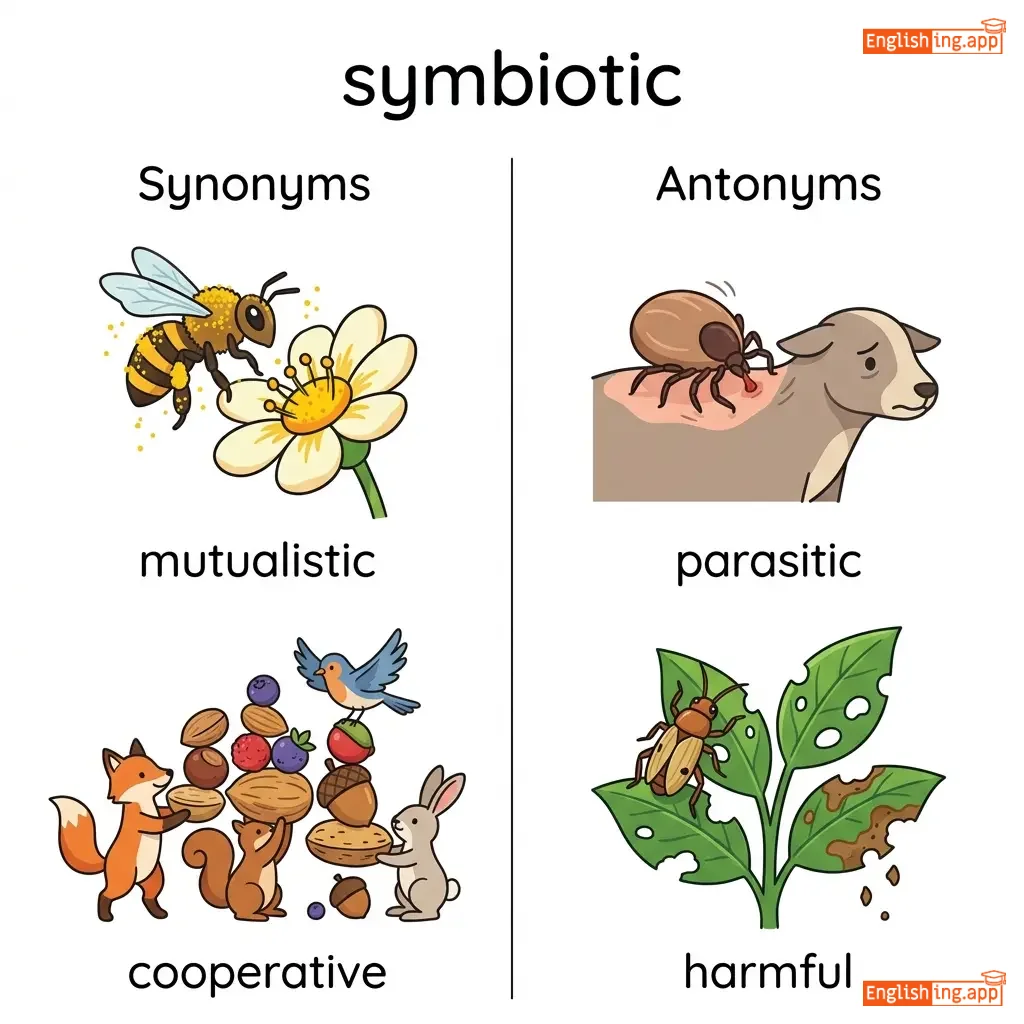
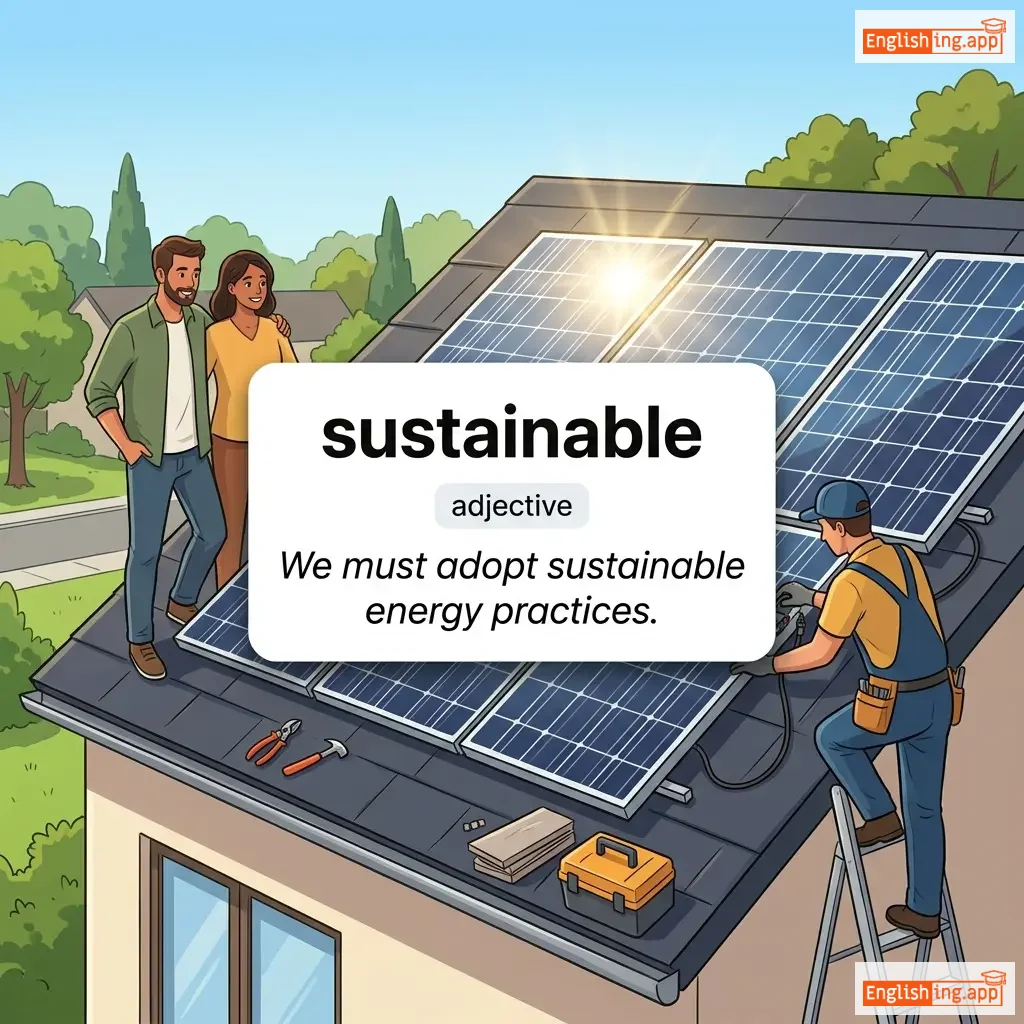
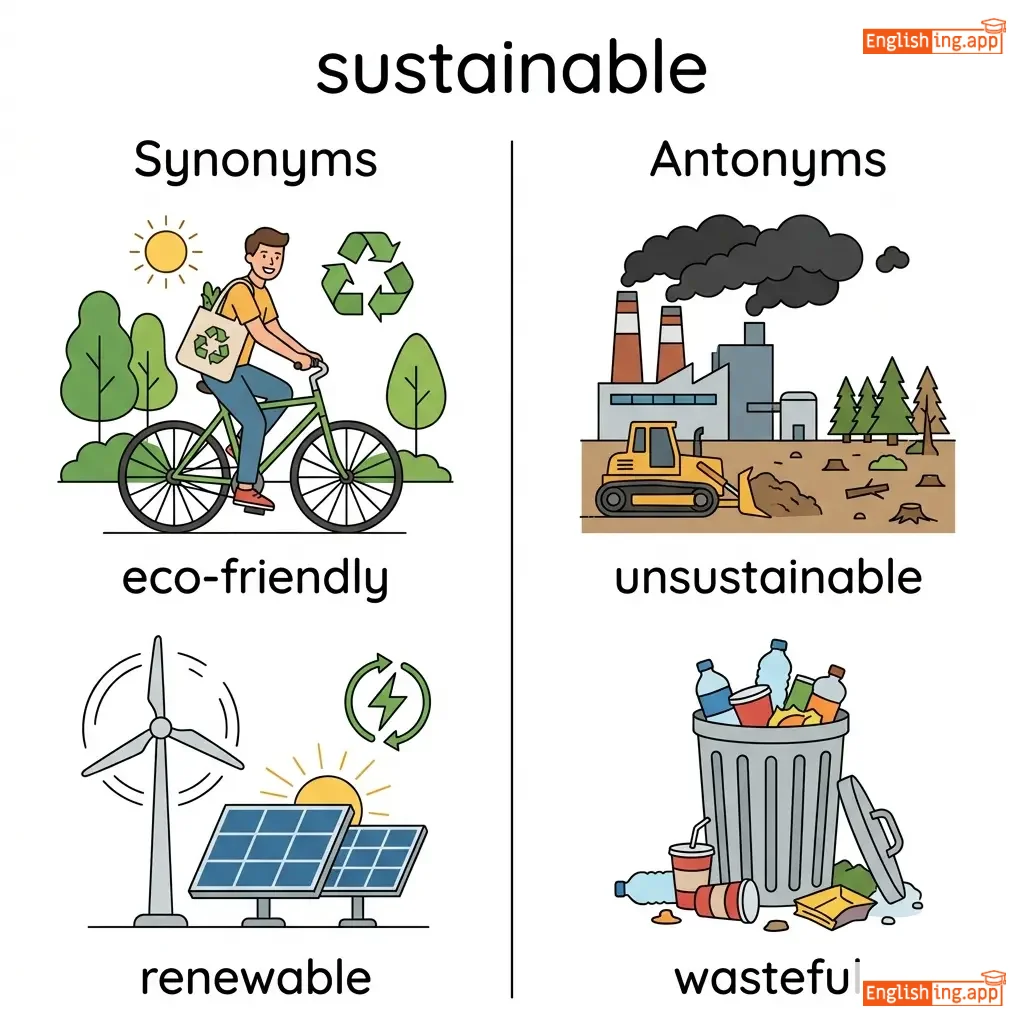
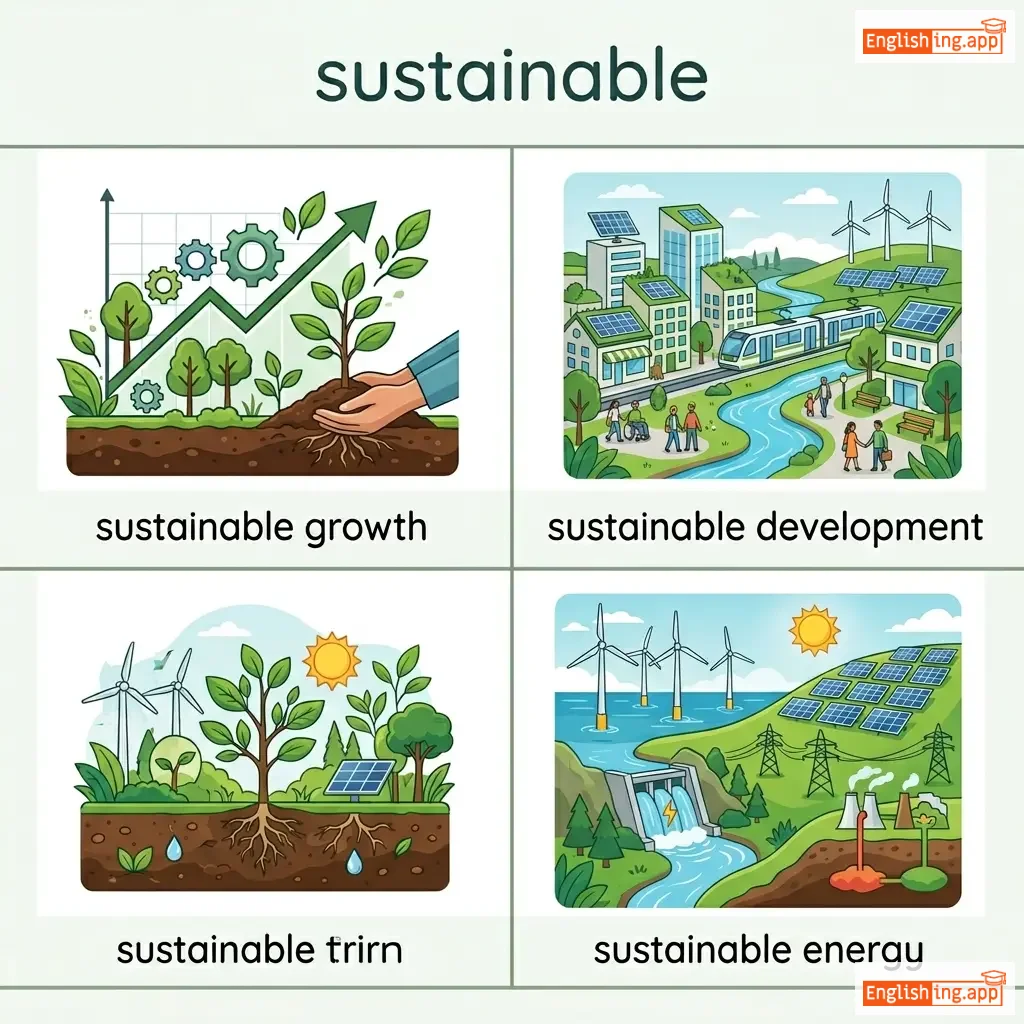
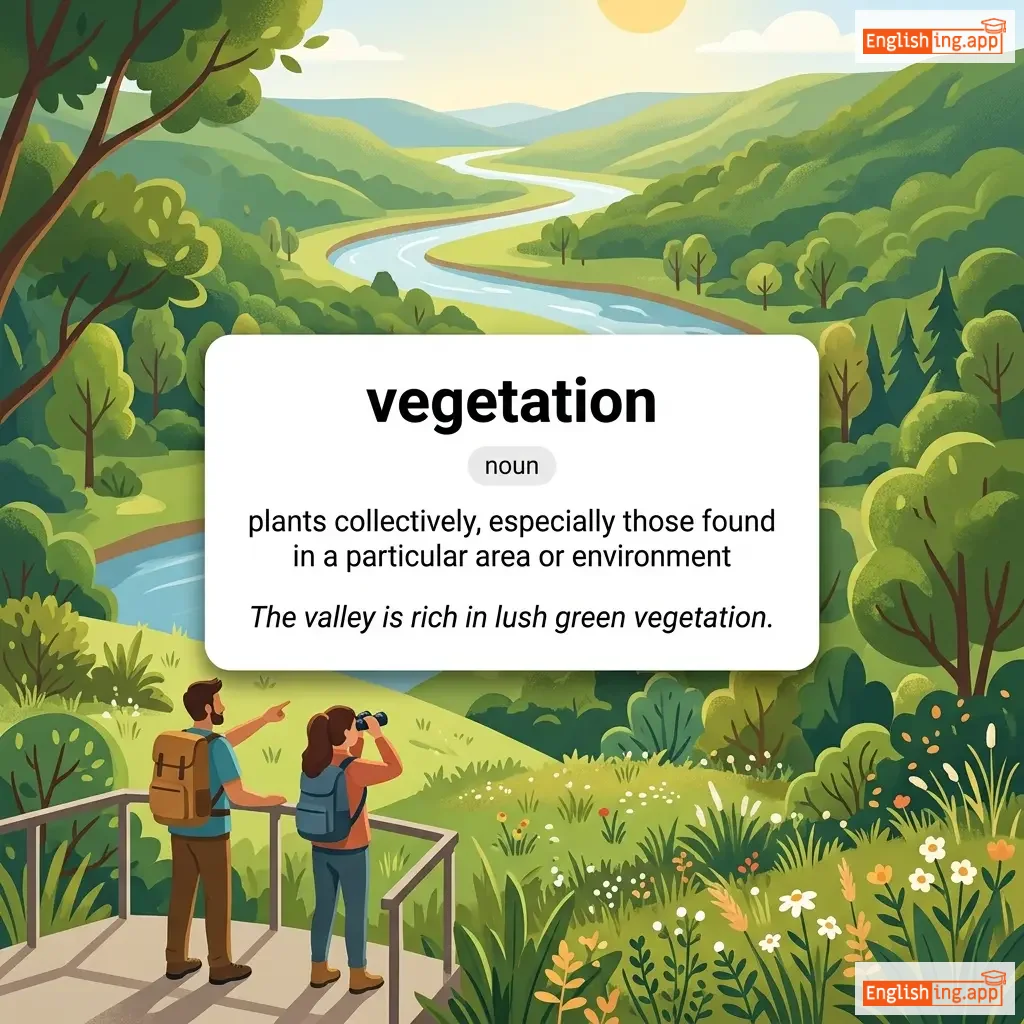
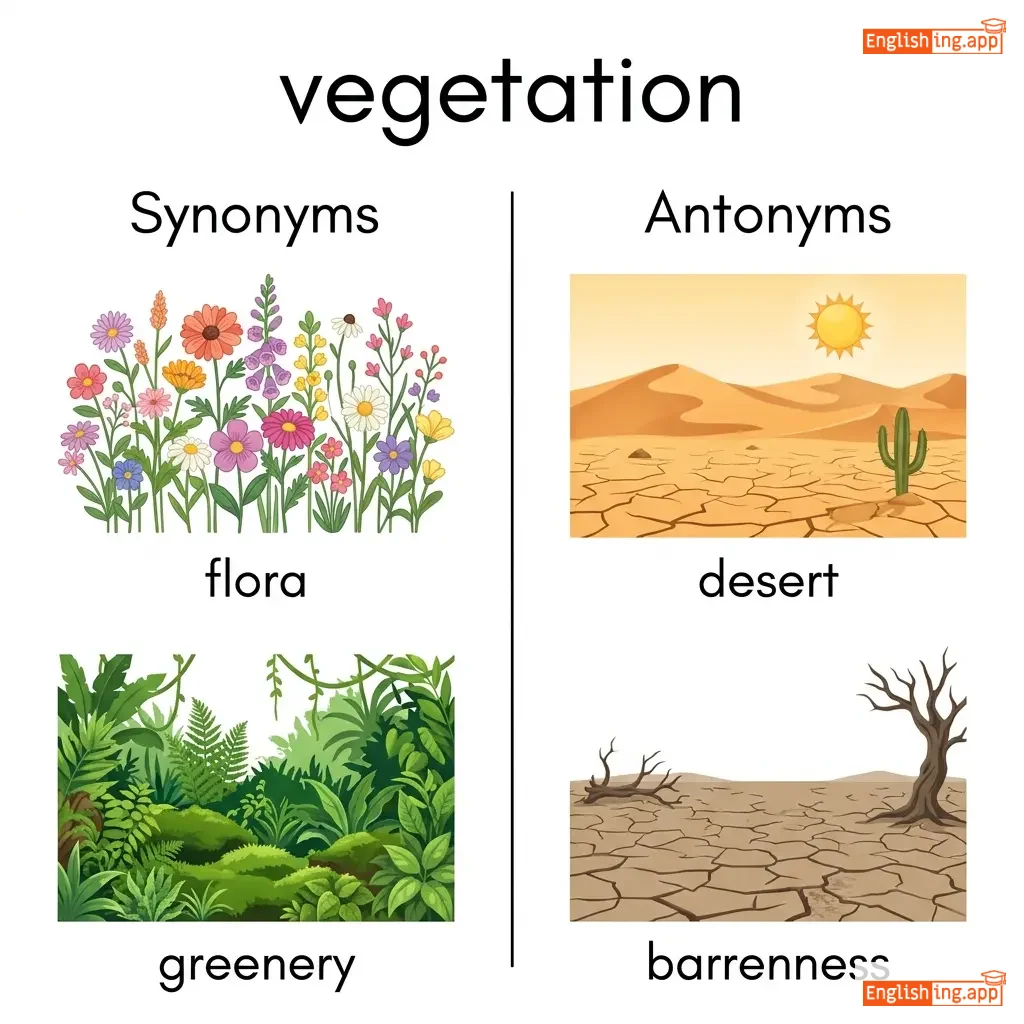
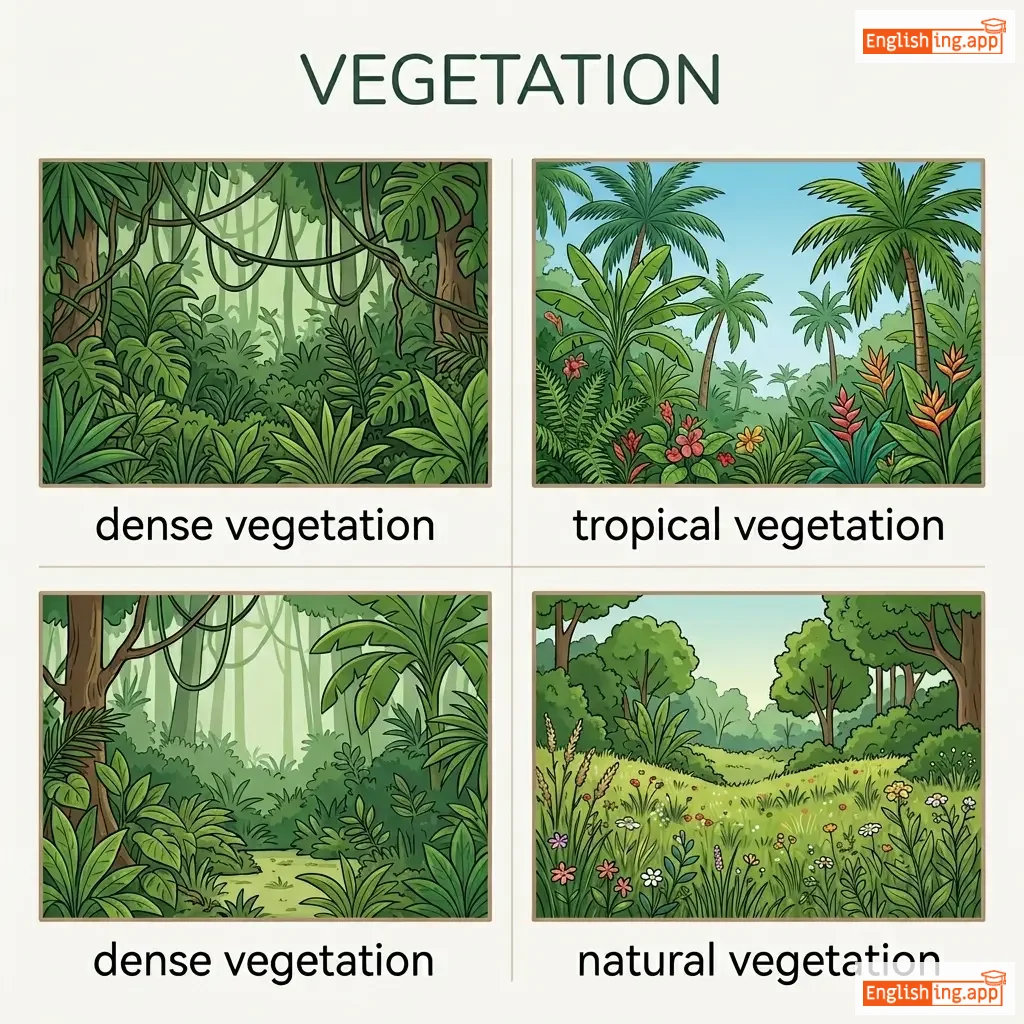
此外,树木与 indigenous 物种形成联系,确保它们的 symbiotic 环境,从而保障生物多样性和自然资源的 sustainable 利用。通过 land restoration,vegetation 增加,从而改善整个 ecosystem services。



Swipe left or right, or use the buttons. Tap image to zoom.
例句翻译
单词
How Afforestation Helps Restore EcosystemsHow Afforestation Helps Restore Ecosystems - 遮罩切换
|
表情符号
|
单词 | Images | 翻译 | 含义 | 例句 | 例句翻译 | 同义词 | 反义词 | 助记符 |
|---|---|---|---|---|---|---|---|---|---|
|
#1782
🌳
|
ˌæfɔːˈreɪʃən
noun
(ā fú lì sī tè shēng)
••••••
|
|
造林
zaolin
••••••
|
The process of establishing a forest, especially on land that was not recently forested.
••••••
|
Afforestation is essential to combat climate change. |
造林对应对气候变化至关重要。
Zaolin dui yingdui qihou bianhua zhi guan zhongyao.
••••••
|
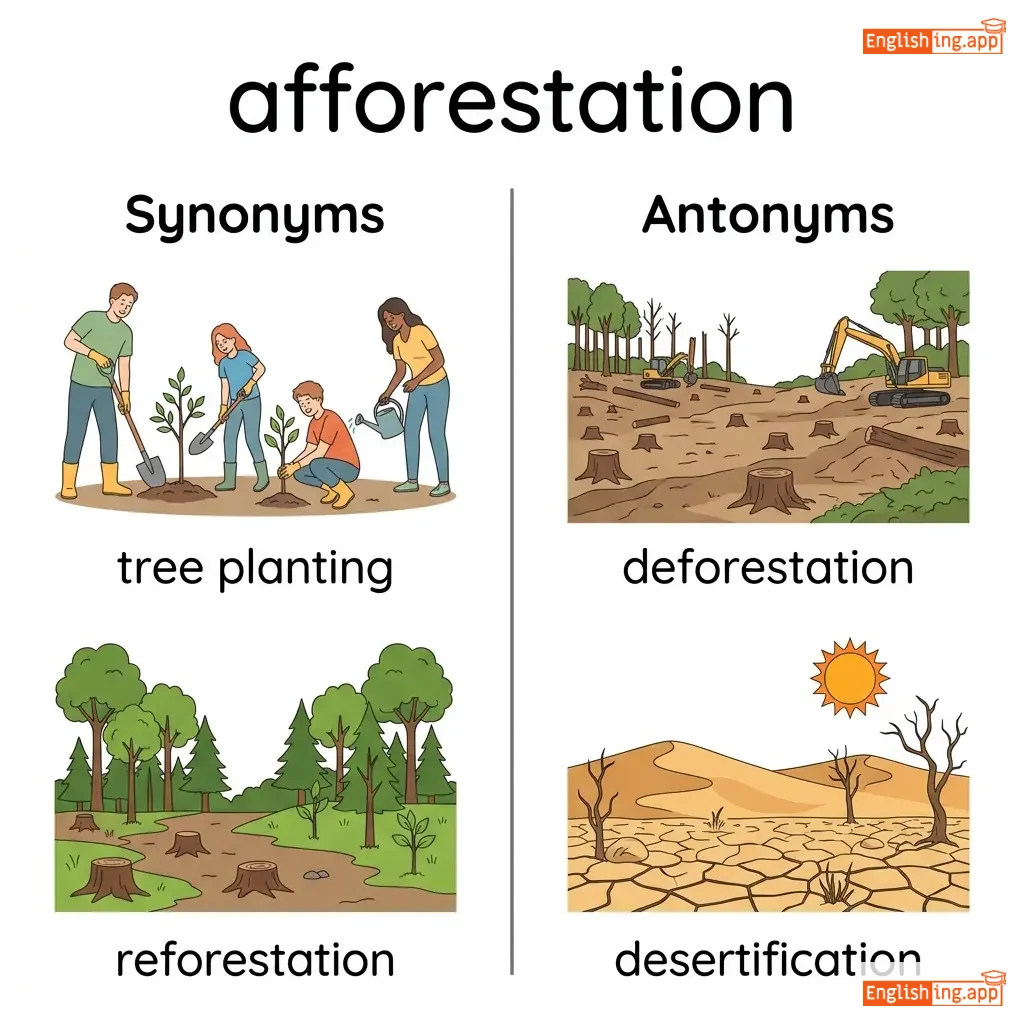
tree planting, reforestation
••••••
|
deforestation, desertification
••••••
|
种植森林,改变气候
••••••
|
|
#1783
🌲
|
ˌriːfɔːˈreɪʃən
noun
(rīfóuěrístèixùn)
••••••
|
|
重新造林
chóngxīn zàolín
••••••
|
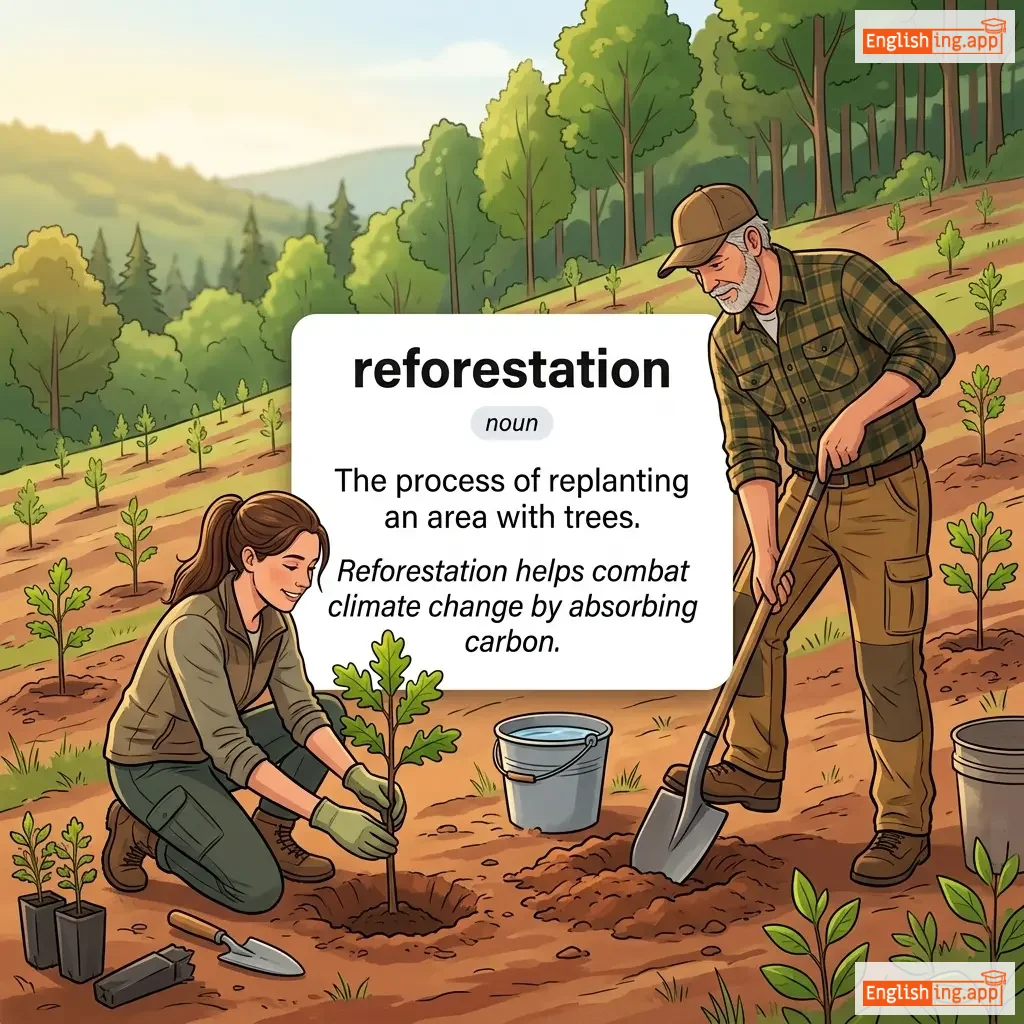
The natural or intentional restocking of existing forests and woodlands that have been depleted.
••••••
|
Reforestation efforts are crucial to restoring ecosystems. |
重新造林的努力对恢复生态系统至关重要。
Chóngxīn zàolín de nǔlì duì huīfù shēngtài xìtǒng zhì guān zhòng yào.
••••••
|
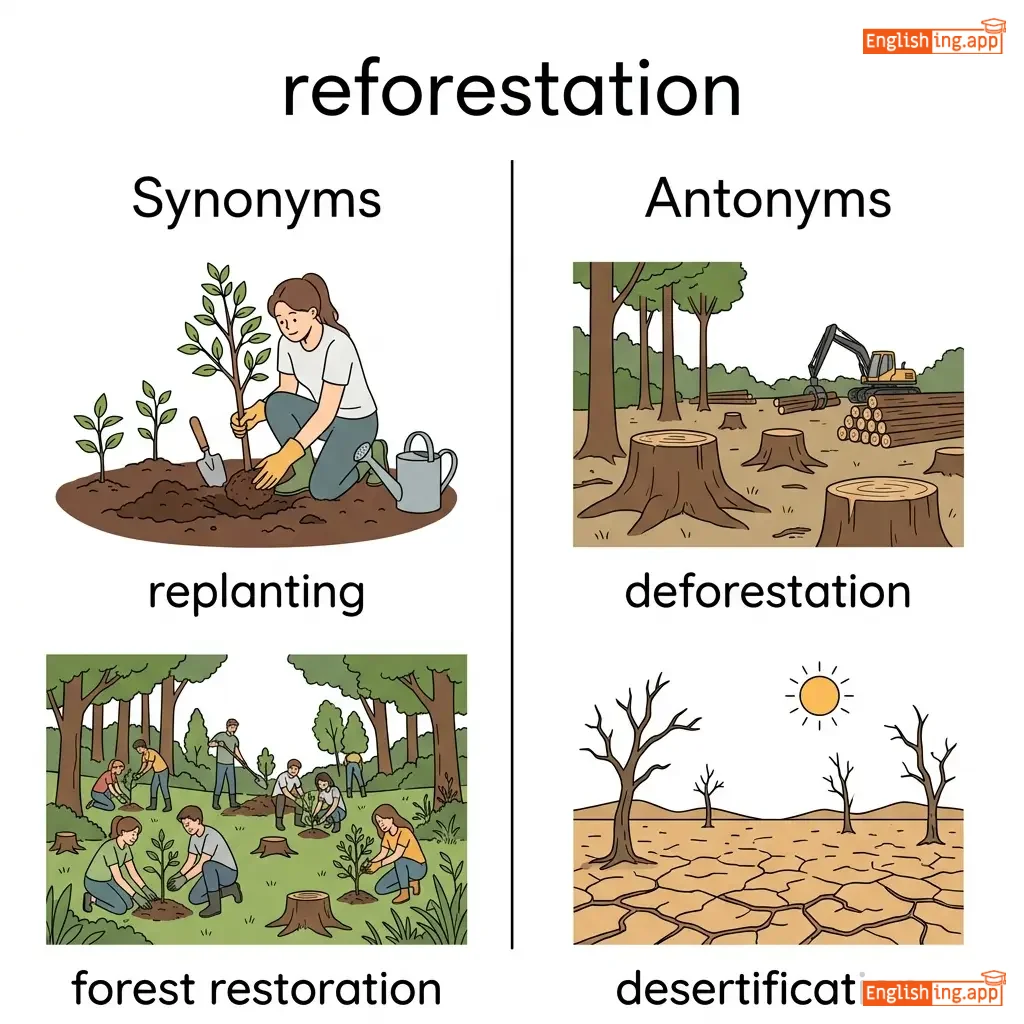
replanting, regrowth
••••••
|
deforestation, destruction
••••••
|
重新造林 - 恢复地球的绿色肺脏。
••••••
|
|
#1784
🔄
|
ˌrɛstəˈreɪʃən
noun
(修复)
••••••
|
|
修复
xiufu
••••••
|
The process of returning something to its former condition.
••••••
|
The restoration of the forest began after decades of neglect.
森林的修复开始于数十年的忽视之后。
••••••
|
森林的修复开始于数十年的忽视之后。
Senlin de xiufu kaishi yu shu shinian de hushi zhihou.
••••••
|
renewal, repair
••••••
|
destruction, ruin
••••••
|
修复 = 恢复,就像修复一棵老树。
••••••
|
|
#1785
📉
|
ˌdɛɡrəˈdeɪʃən
noun
(deɡrəˈdeɪʃən)
••••••
|
|
退化
tuihua
••••••
|
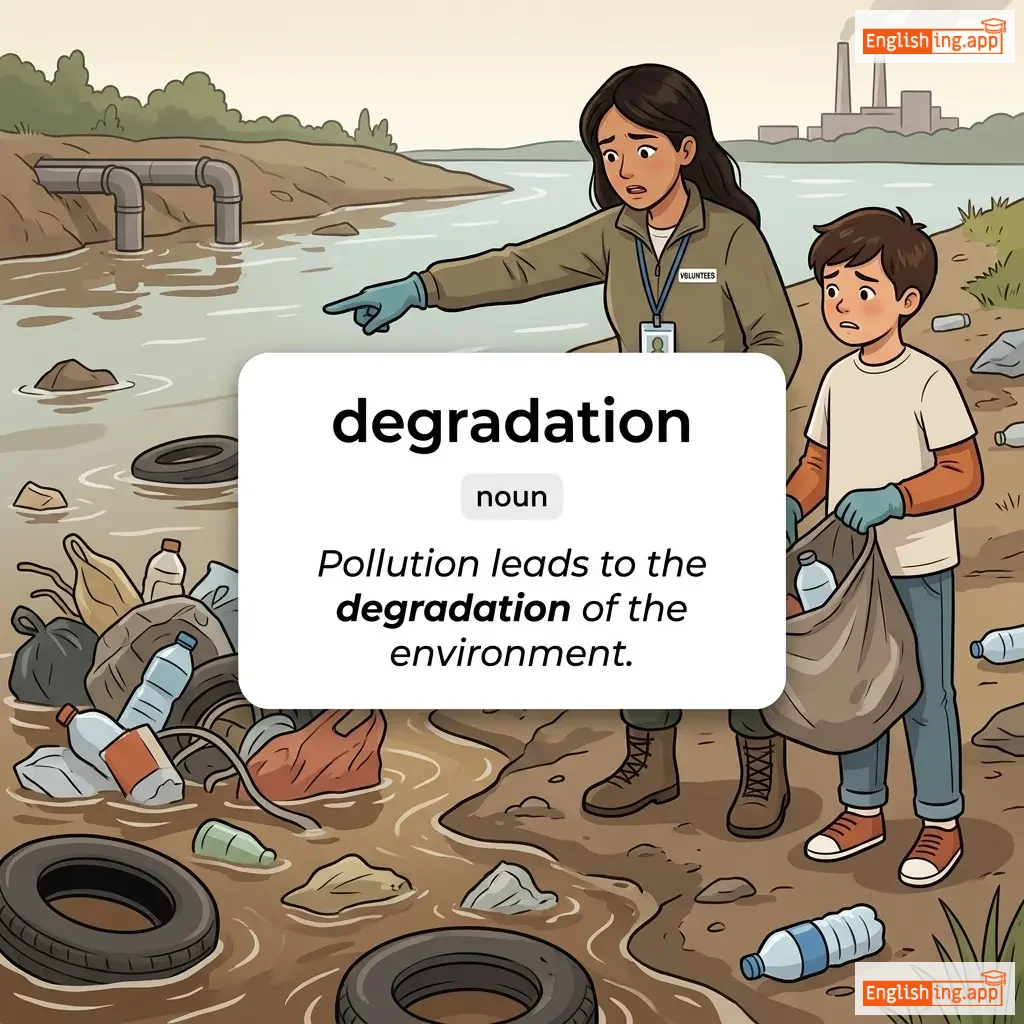
The condition or process of degrading or being degraded.
••••••
|
Soil degradation due to overuse is a growing issue. |
由于过度使用,土壤退化是一个日益严重的问题。
Yiyu guoduhuo yong, turang tuihua shi yige riyi yanzhong de wenti.
••••••
|
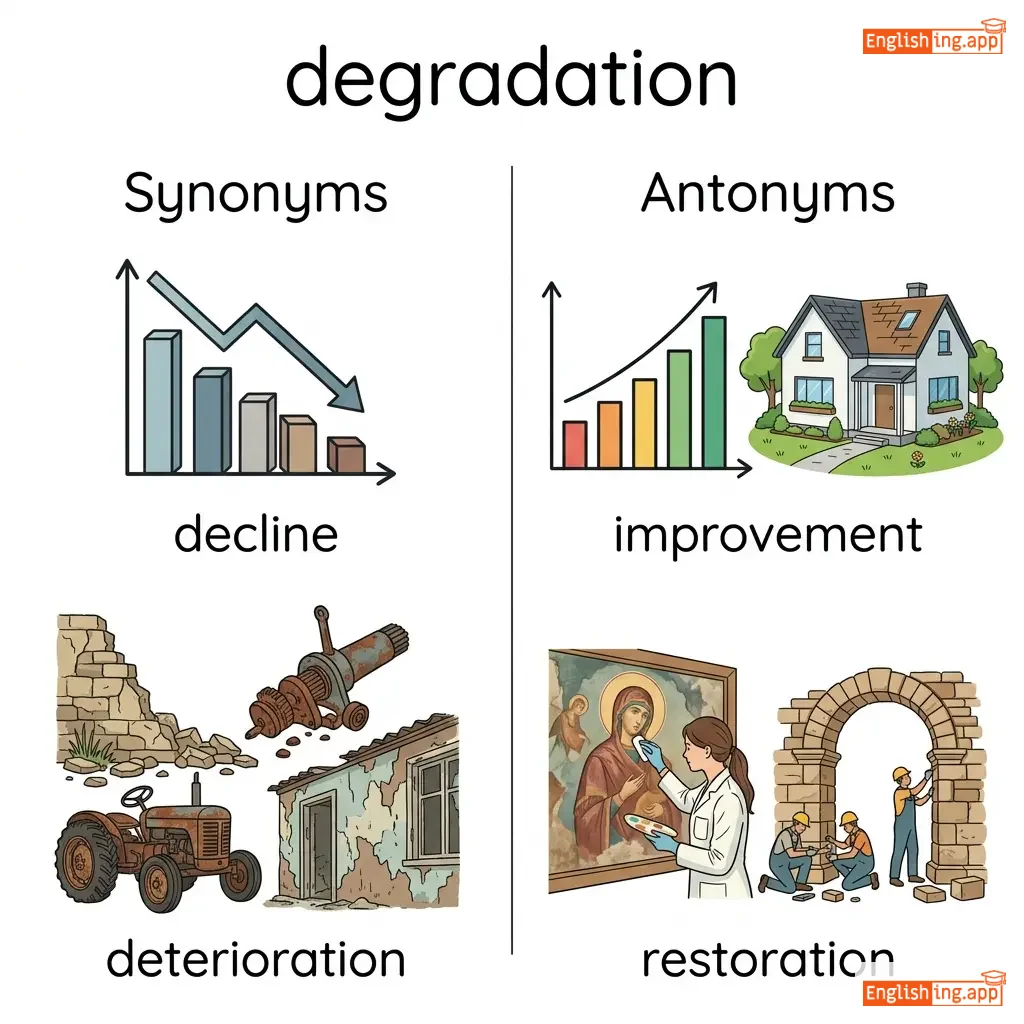
decline, deterioration
••••••
|
improvement, restoration
••••••
|
Degradation - 退化: 土壤退化,逐步减少资源或质量。
••••••
|
|
#1786
💧
|
əbˈsɔːrpʃən
noun
(æbˈsɔːrpʃən)
••••••
|
|
吸收
xīshōu
••••••
|
The process by which one thing absorbs or is absorbed by another.
••••••
|
Trees play a significant role in the absorption of carbon dioxide. |
树木在二氧化碳的吸收中起着重要作用。
Shùmù zài èryǎnghuàtàn de xīshōu zhōng qǐzhe zhòngyào zuòyòng.
••••••
|
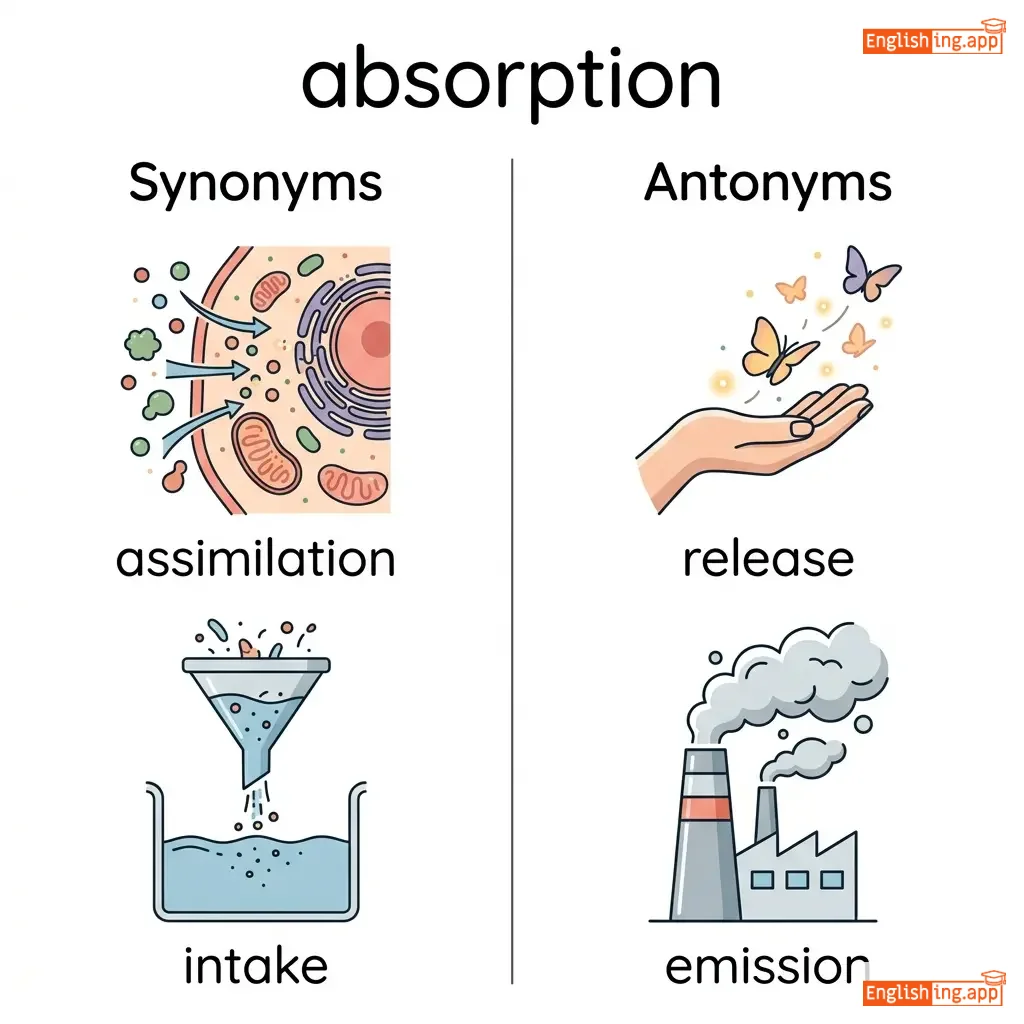
assimilation, intake
••••••
|
emission, exhalation
••••••
|
Think of 'absorption' and '吸收' (xīshōu) as absorbing the air from the environment.
••••••
|
|
#1787
🏔️
|
sɔɪl ɪˈrəʊʒən
noun
(土壤侵蚀)
••••••
|
|
土壤侵蚀
tǔrǎng qīnshí
••••••
|
The wearing away of topsoil by water, wind, or other natural forces.
••••••
|
Soil erosion can lead to the loss of fertile land.
土壤侵蚀可能导致肥沃土地的流失。
••••••
|
土壤侵蚀可能导致肥沃土地的流失。
Tǔrǎng qīnshí kěnéng dǎozhì féiwò tǔdì de liúshī.
••••••
|
soil degradation, soil loss
••••••
|
soil preservation, soil formation
••••••
|
土壤侵蚀会让肥沃的土地逐渐消失。
••••••
|
|
#1788
🌿
|
ˈkɑːbən sɪˈkwɛstreɪʃən
noun
(kābēn sīkùwèisīzhuàn)
••••••
|
|
碳封存
tan fengcun
••••••
|
The process of storing carbon in a carbon pool.
••••••
|
Forests contribute to carbon sequestration by storing CO2. |
森林通过储存CO2为碳封存作出贡献。
Senlin tongguo chucun CO2 wei tan fengcun zuochu gongxian.
••••••
|
carbon storage, carbon capture
••••••
|
carbon release, carbon emission
••••••
|
像把碳储存进一个池塘,保护自然。
••••••
|
|
#1789
🌡️
|
ˈklaɪmət ˌrɛɡjʊˈleɪʃən
noun
(气候调节)
••••••
|
|
气候调节
qìhòu tiáojié
••••••
|
The moderation of climate conditions through natural or artificial processes.
••••••
|
Forests help in climate regulation by stabilizing local temperatures. |
森林通过稳定当地的温度来帮助气候调节。
Sēnlín tōngguò wěndìng dāngdì de wēndù lái bāngzhù qìhòu tiáojié.
••••••
|
climate control, climate moderation
••••••
|
climate disturbance, climate chaos
••••••
|
气候调节帮助我们像温度控制一样管理气候。
••••••
|
|
#1790
💨
|
ˈɒksɪdʒən prəˈdʌkʃən
noun
(ˈɒksɪdʒən pʁoˈdʌkʃən)
••••••
|
|
氧气生产
yangqi shengchan
••••••
|
The process of generating oxygen through photosynthesis or other means.
••••••
|
Plants are vital for oxygen production and the maintenance of life.
植物对于氧气生产和维持生命至关重要。
••••••
|
植物对于氧气生产和维持生命至关重要。
Zhiwu duiyu yangqi shengchan he weichi shengming zhiguang zhongyao.
••••••
|
oxygen generation, oxygen creation
••••••
|
oxygen depletion, oxygen loss
••••••
|
通过氧气和植物想起其生物过程。
••••••
|
|
#1791
🦋
|
ˌbaɪəʊdaɪˈvɜːsɪti
noun
(baiodaiˈvɛrsite)
••••••
|
|
生物多样性
shengwu duoyangxing
••••••
|
The variety of life in the world or in a particular habitat or ecosystem.
••••••
|
Biodiversity is crucial for maintaining healthy ecosystems.
生物多样性对维持健康的生态系统至关重要。
••••••
|
生物多样性对维持健康的生态系统至关重要。
Shengwu duoyangxing dui weichi jiankang de shengtai xitong zhiguān zhòngyào.
••••••
|
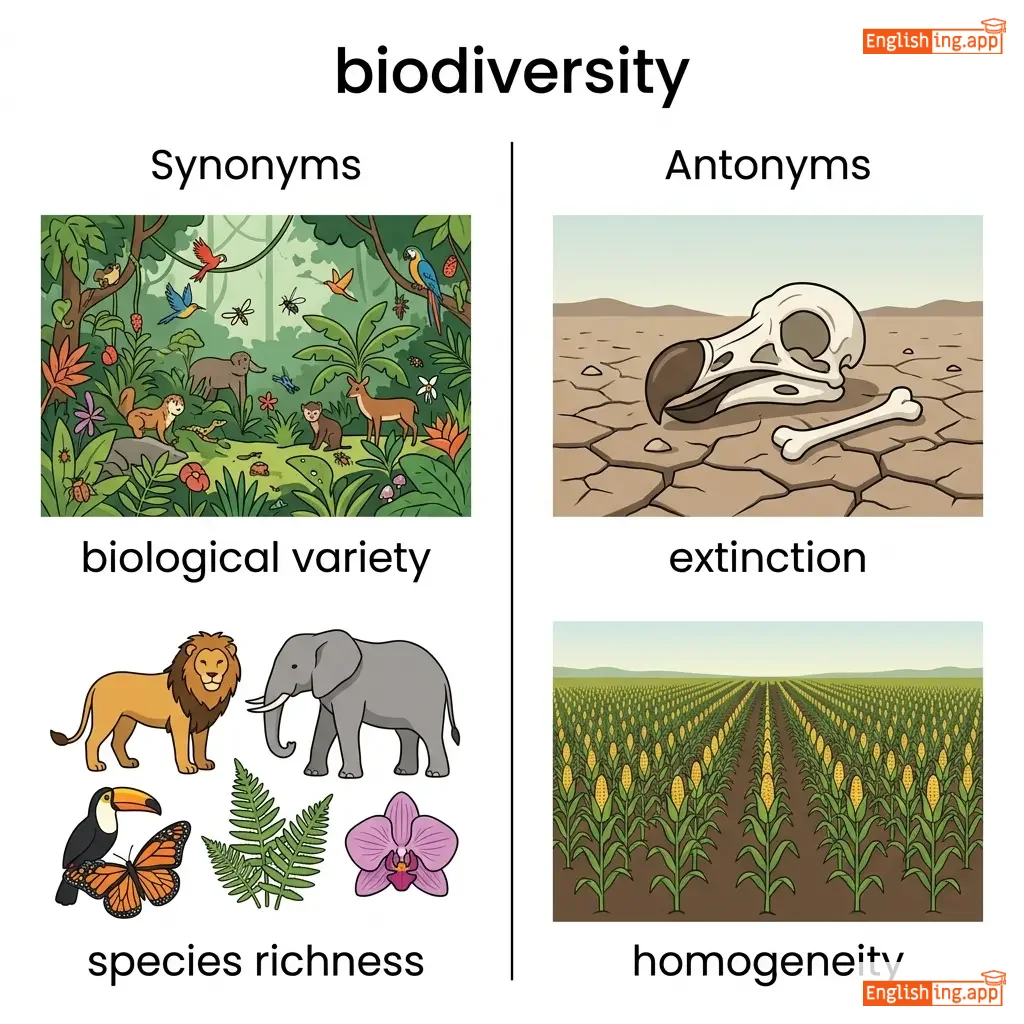
ecological diversity, biological variety
••••••
|
monoculture, uniformity
••••••
|
生物多样性让地球保持平衡和多彩的生命。
••••••
|
|
#1792
🦌
|
ˈwaɪldlaɪf ˈkɔːrɪdɔːrz
noun
(wàidàoláif kòrìduǒrs)
••••••
|
|
野生动物走廊
yěshēng dòngwù zǒuláng
••••••
|
Areas of habitat connecting wildlife populations separated by human activities or structures.
••••••
|
Wildlife corridors connect fragmented habitats, enabling species migration. |
野生动物走廊连接破碎的栖息地,促进物种迁徙。
Yěshēng dòngwù zǒuláng liánjiē pòsuì de qīxī dì, cùjìn wùzhǒng qiānxǐ.
••••••
|
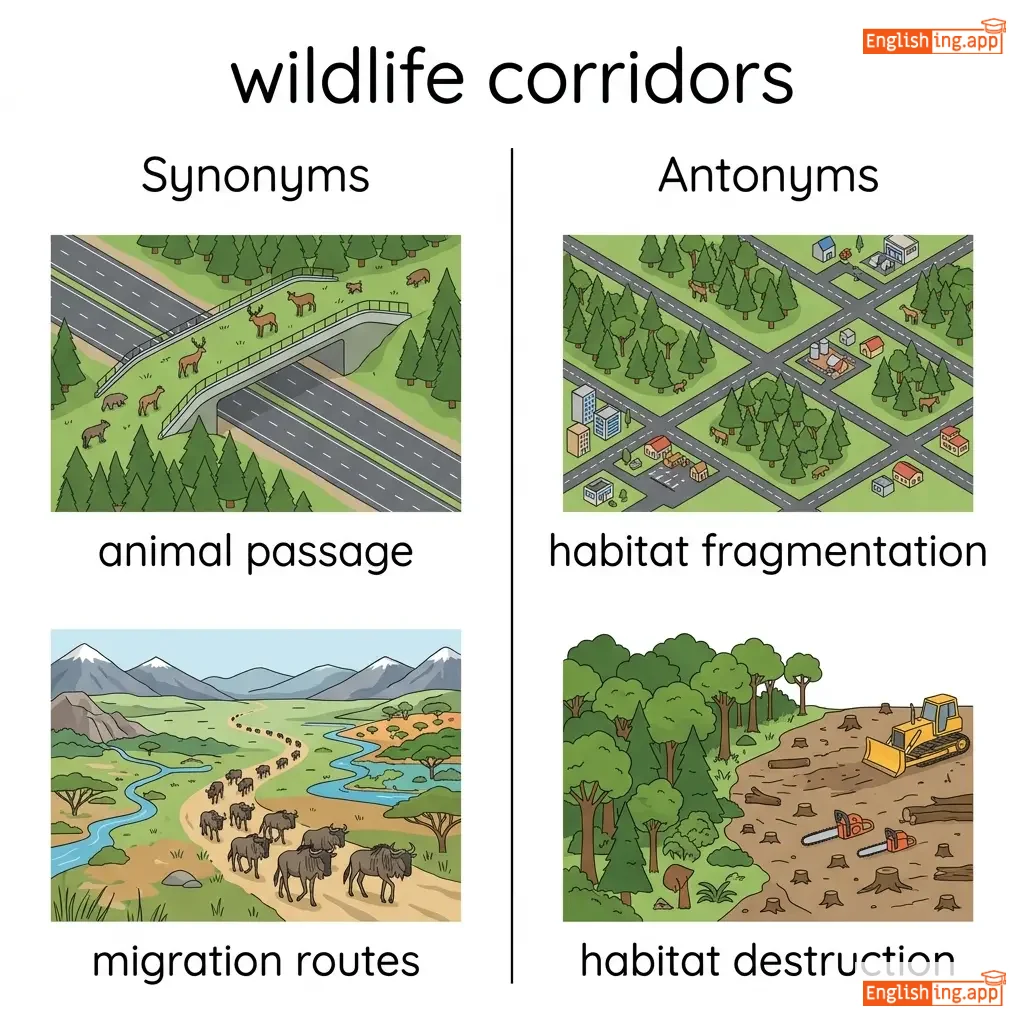
animal passage, migration routes
••••••
|
habitat fragmentation, habitat destruction
••••••
|
野生动物走廊是物种迁徙的自然通道。
••••••
|
|
#1793
☀️
|
ˌfəʊtəʊˈsɪnθəsɪs
noun
(光合作用)
••••••
|
|
光合作用
guānghézuòyòng
••••••
|
The process by which green plants use sunlight to synthesize foods from carbon dioxide and water.
••••••
|
Photosynthesis allows plants to convert sunlight into energy.
光合作用使植物能够将阳光转化为能量。
••••••
|
光合作用使植物能够将阳光转化为能量。
Guānghézuòyòng shǐ zhíwù nénggòu jiāng yángguāng zhuǎnhuà wéi néngliàng.
••••••
|
photosynthetic process, solar energy conversion
••••••
|
decomposition, respiration
••••••
|
光合作用是植物用阳光做饭的方式!
••••••
|
|
#1794
⚖️
|
ˌiːkəˈlɒdʒɪkəl ˈbæləns
noun
(生态平衡)
••••••
|
|
生态平衡
shengtai pingheng
••••••
|
A state of dynamic equilibrium within a community of organisms.
••••••
|
Maintaining ecological balance is essential for a sustainable planet.
维持生态平衡对可持续的星球至关重要。
••••••
|
维持生态平衡对可持续的星球至关重要。
Weichi shengtai pingheng dui kexu de xingqiu zhiguang zhongyao.
••••••
|
ecological stability, environmental equilibrium
••••••
|
ecological imbalance, environmental disturbance
••••••
|
生态平衡确保地球的稳定性。
••••••
|
|
#1795
🏡
|
ɪnˈdɪdʒɪnəs
adjective
(印第金纳斯)
••••••
|
|
本土的
bentude
••••••
|
Originating or occurring naturally in a particular place; native.
••••••
|
Indigenous plants are well adapted to the local environment. |
本土植物很好地适应了当地环境。
Běntǔ zhíwù hěn hǎo de shìyìngle dāngdì huánjìng.
••••••
|
native, local
••••••
|
non-native, foreign
••••••
|
‘本土的’与‘indigenous’都表示源自某地的自然特征。
••••••
|
|
#1796
🤝
|
ˌsɪmbɪˈɒtɪk
adjective
(共生的)
••••••
|
|
共生的
gòngshēng de
••••••
|
Involving interaction between two different organisms living in close physical association.
••••••
|
The relationship between the bee and the flower is symbiotic. |
蜜蜂和花朵之间的关系是共生的。
Mìfēng hé huāduǒ zhī jiān de guānxì shì gòngshēng de.
••••••
|
mutualistic, cooperative
••••••
|
parasitic, harmful
••••••
|
共生的关系让你想起蜜蜂和花朵,彼此帮助共存。
••••••
|
|
#1797
🌈
|
daɪˈvɜːsɪti
noun
(dàiˈwèrsɪtɪ)
••••••
|
|
多样性
duo yang xing
••••••
|
The state of being diverse; variety.
••••••
|
Biodiversity promotes ecosystem stability and resilience. |
生物多样性促进了生态系统的稳定性和恢复力。
shengwu duoyangxing cujinle shengtai xitong de wendingxing he huifu li.
••••••
|
variety, heterogeneity
••••••
|
uniformity, sameness
••••••
|
Duo yang xing (diversity) 带来系统稳定与复原力.
••••••
|
|
#1798
♻️
|
səˈsteɪnəbl
adjective
(sustainable)
••••••
|
|
可持续
kes sustainable
••••••
|
Able to be maintained at a certain rate or level.
••••••
|
Sustainable practices help in maintaining ecological health.
可持续的做法有助于保持生态健康。
••••••
|
可持续的做法有助于保持生态健康。
Kesustainable practices help maintain ecological health.
••••••
|
renewable, viable
••••••
|
unsustainable, depleting
••••••
|
No •••••• |
|
#1799
🌱
|
ˌvɛdʒɪˈteɪʃən
noun
(植被)
••••••
|
|
植被
zhí bèi
••••••
|
Plants considered collectively, especially those found in a particular region.
••••••
|
The forest was dense with a wide variety of vegetation.
森林中有着丰富的植被。
••••••
|
森林中有着丰富的植被。
Sēnlín zhōng yǒuzhe fēngfù de zhí bèi.
••••••
|
plant life, flora
••••••
|
barren land, desolate terrain
••••••
|
Zhí bèi in Chinese means plants, just like vegetation in the forest!
••••••
|
|
#1800
🌍
|
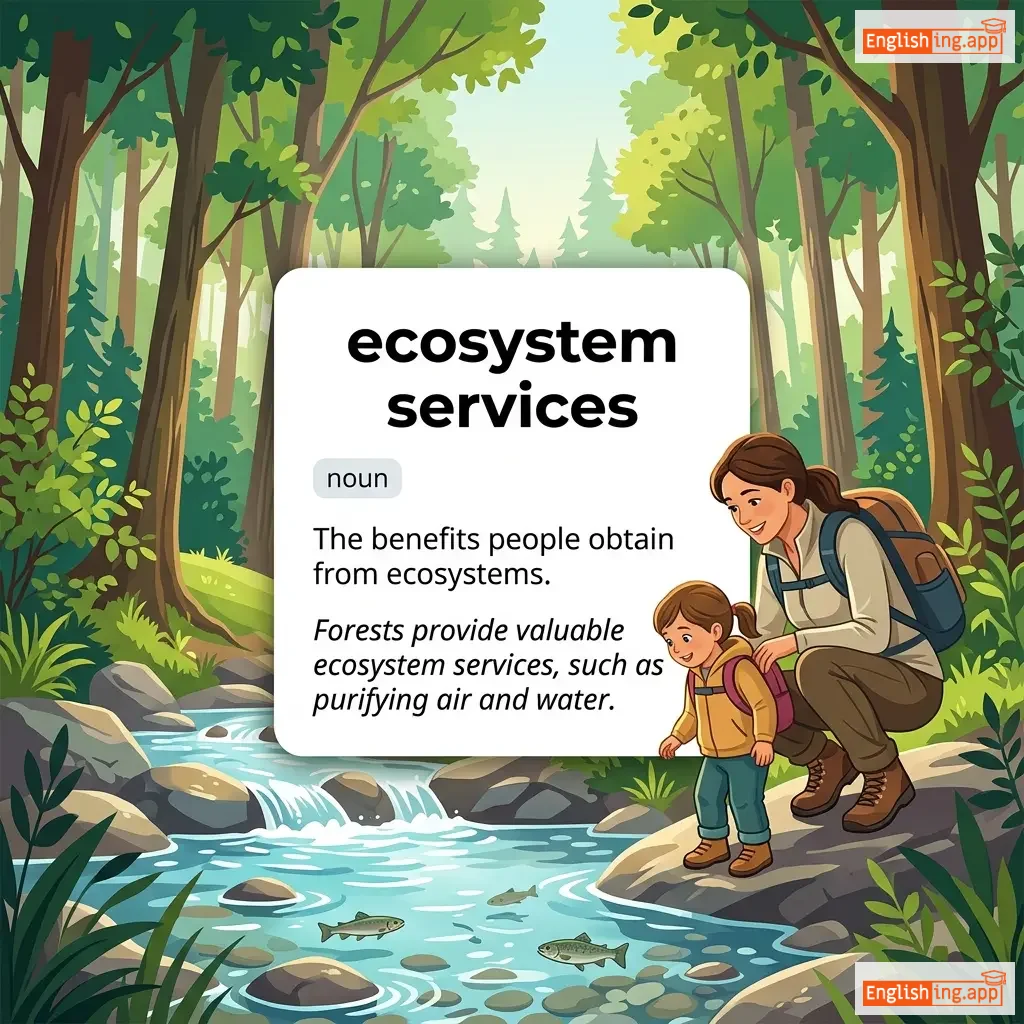
ˈiːkəʊˌsɪstəm ˈsɜːvɪsɪz
noun
(生态系统服务)
••••••
|
|
生态系统服务
shengtai xitong fuwu
••••••
|
The benefits people obtain from ecosystems.
••••••
|
Forests provide valuable ecosystem services, such as purifying air and water. |
森林提供有价值的生态系统服务,如空气和水的净化。
Senlin tigong you jiazhi de shengtai xitong fuwu, ru kongqi he shui de jinghua.
••••••
|
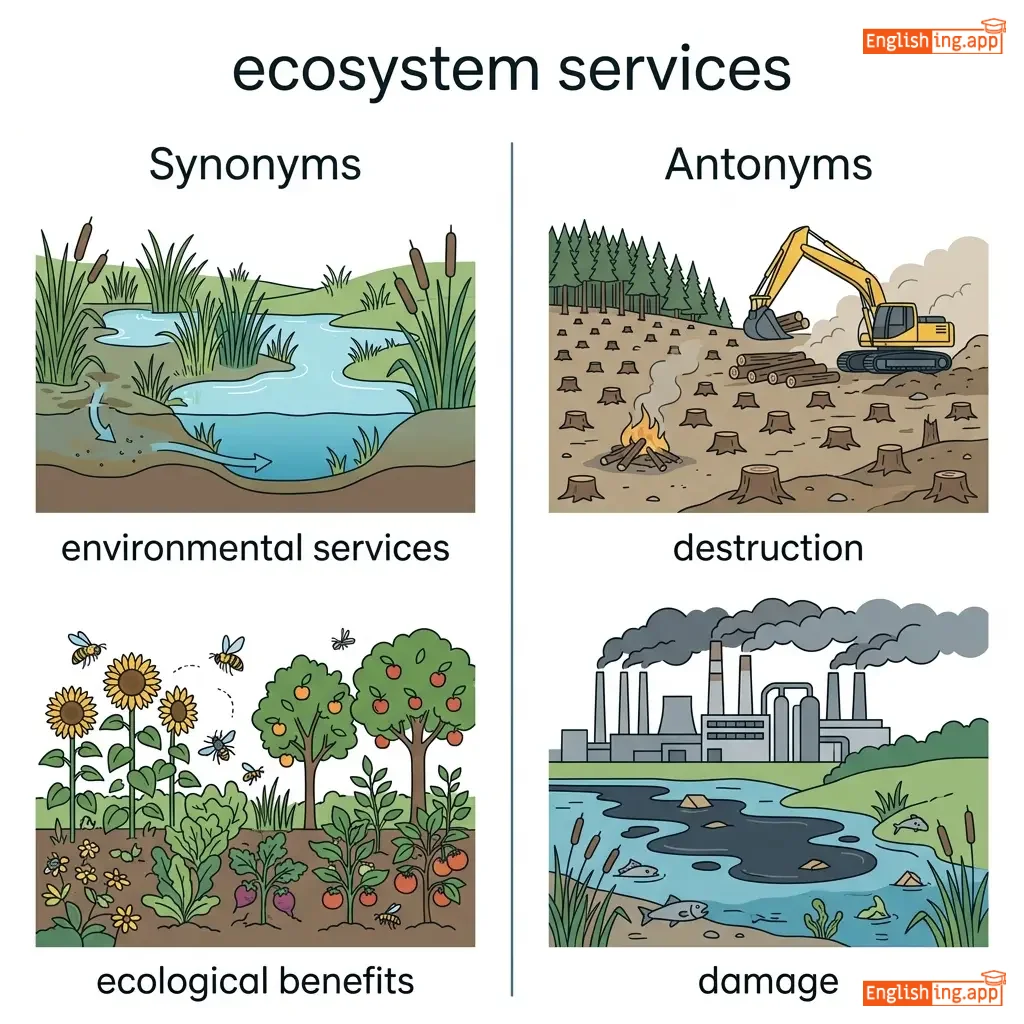
environmental services, ecological benefits
••••••
|
destruction, damage
••••••
|
生态系统提供环境服务,帮助地球变得更好。
••••••
|
Vocabulary Quiz
Test your vocabulary by matching words with their translations or meanings.
Login to take the quiz
Comments (0)
Share your thoughts and join the discussion.
Join the discussion by logging in
Login to CommentNo comments yet
Be the first to share your thoughts!