

塑料废物管理所需的投资和基础设施发展
Investment and Infrastructure Development Required for Plastic Waste Management
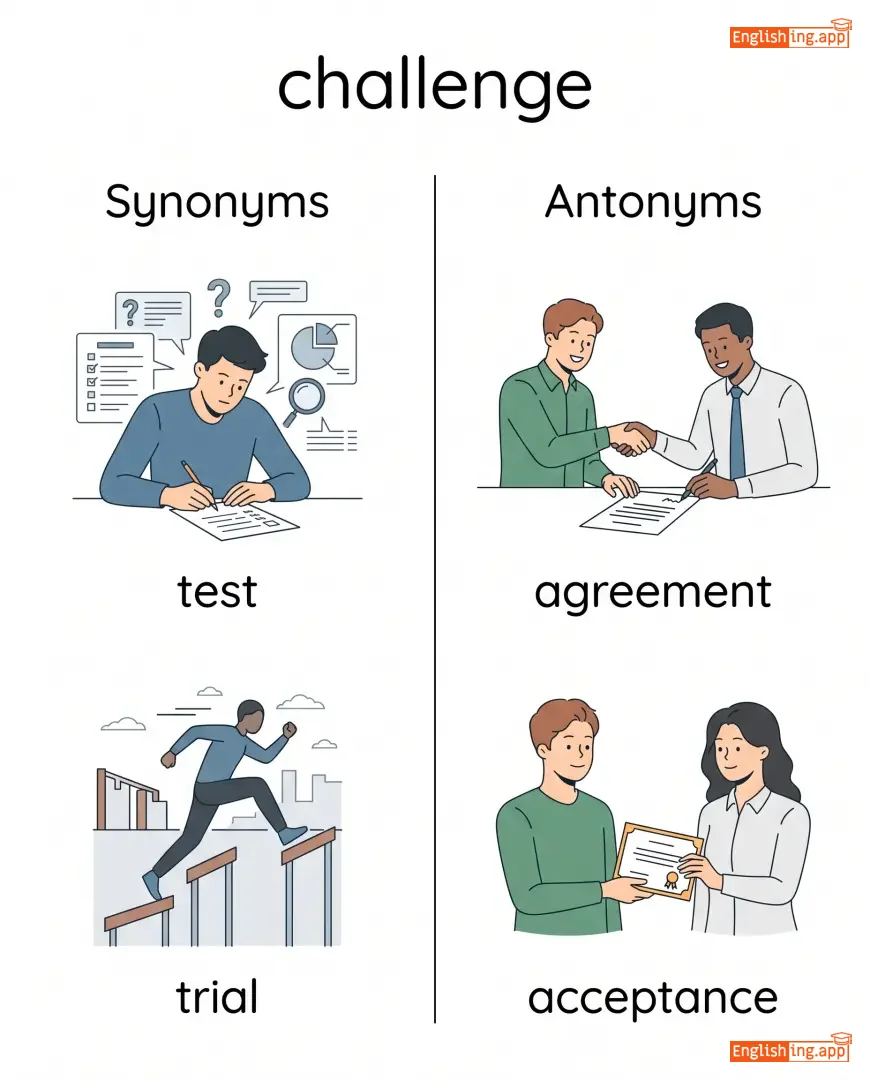
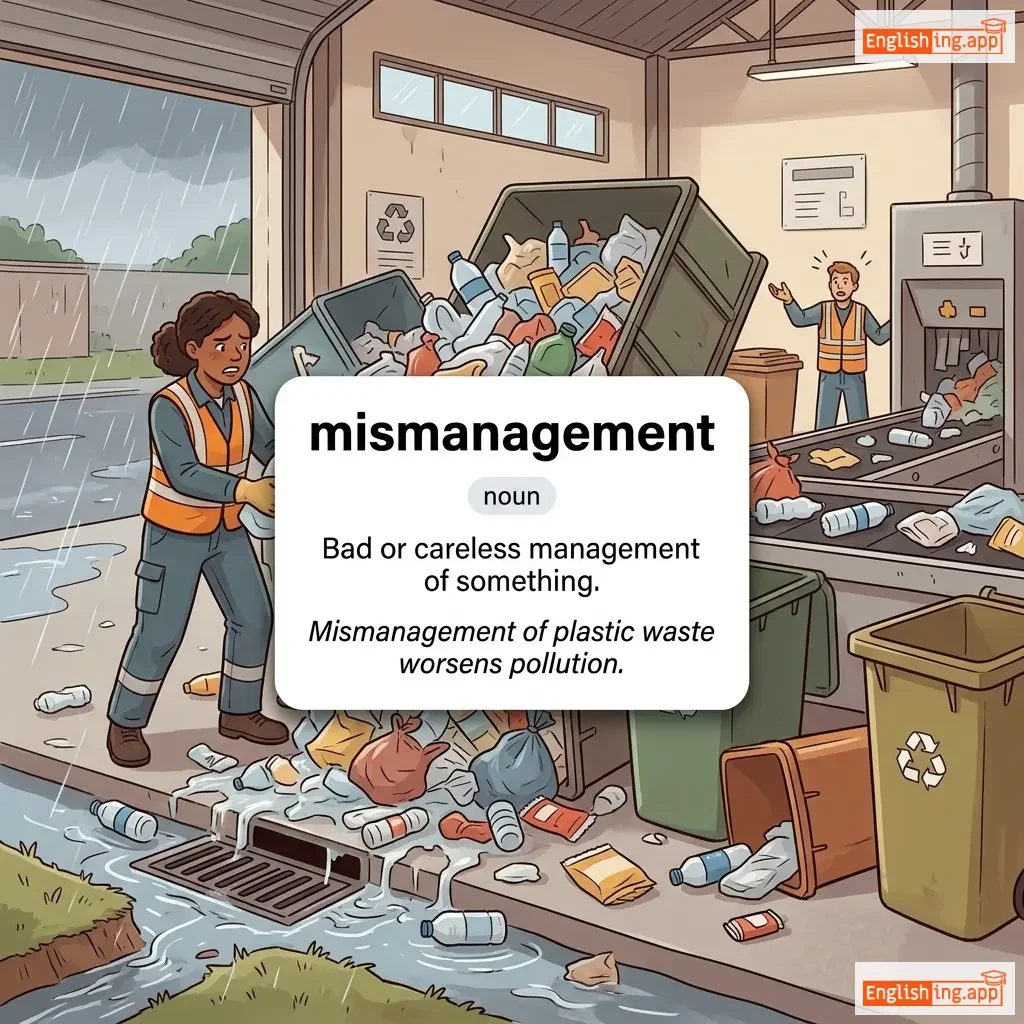
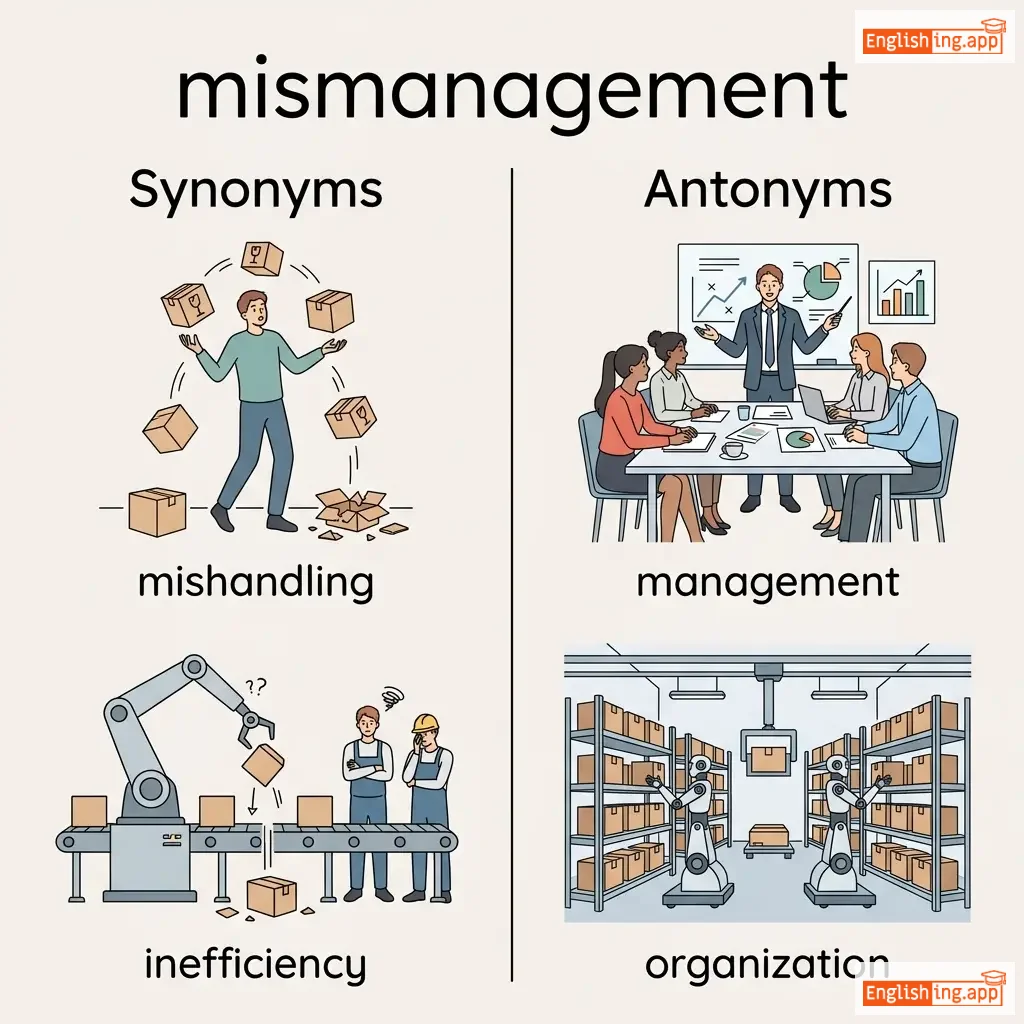
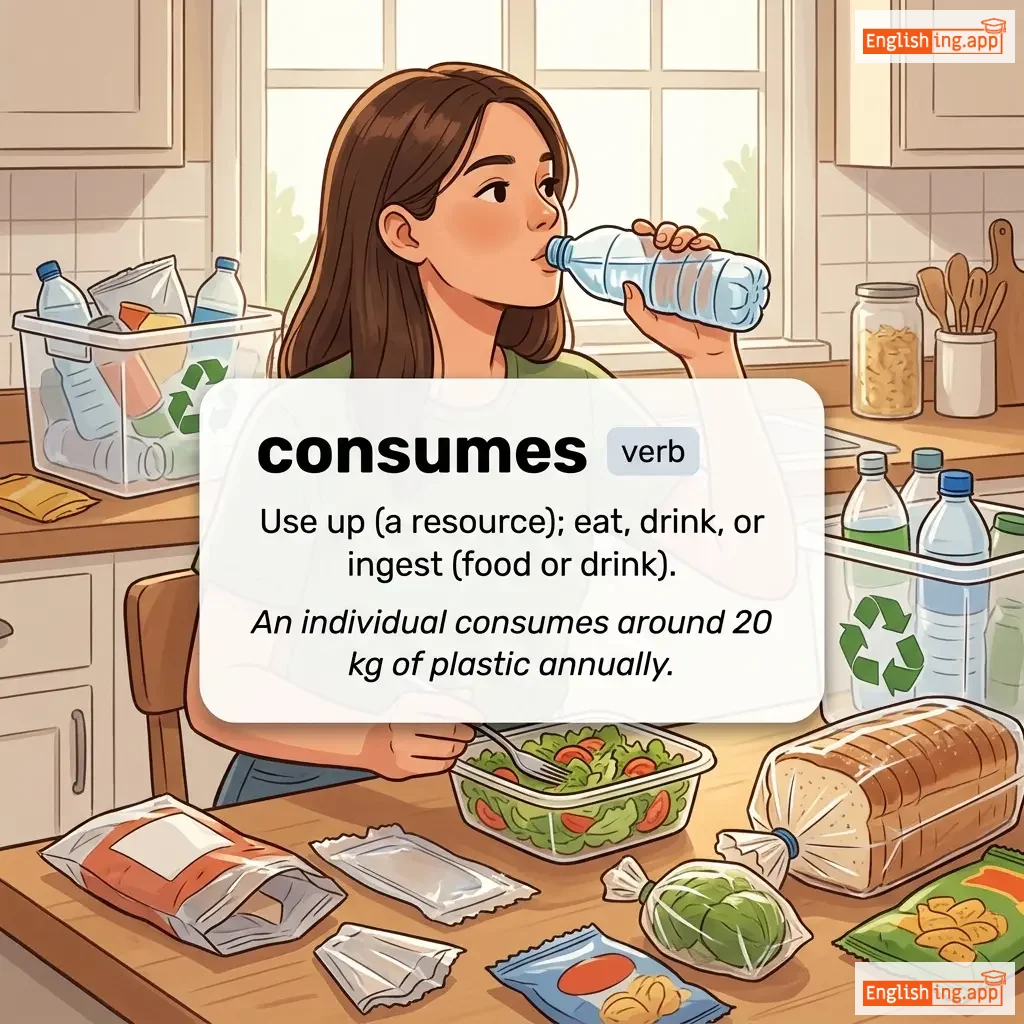
塑料污染现在是一个全球性的 challenge,根源在于塑料废物的 mismanagement。目前,个人每年 consumes 15到20公斤塑料,到2030年将达到30公斤。这一趋势 indicates 塑料废物管理的迫切 necessity。专家认为,随着国家的发展,塑料的 utilization 将增加。因此,开发一些塑料的 alternatives 现在是必需的。同时,必须采取措施 minimize 塑料使用并创建一个 circular economy。废物管理需要 investment 和 infrastructural development。可以从 global initiatives 中汲取经验。例如,新加坡已经 reduced 了30%的塑料使用。我们也需要在同样的道路上 progress。为此,必须从现在开始 planning 和 implementation。
翻译
过去时
过去分词
第三人称单数
动名词
含义
例句
例句翻译
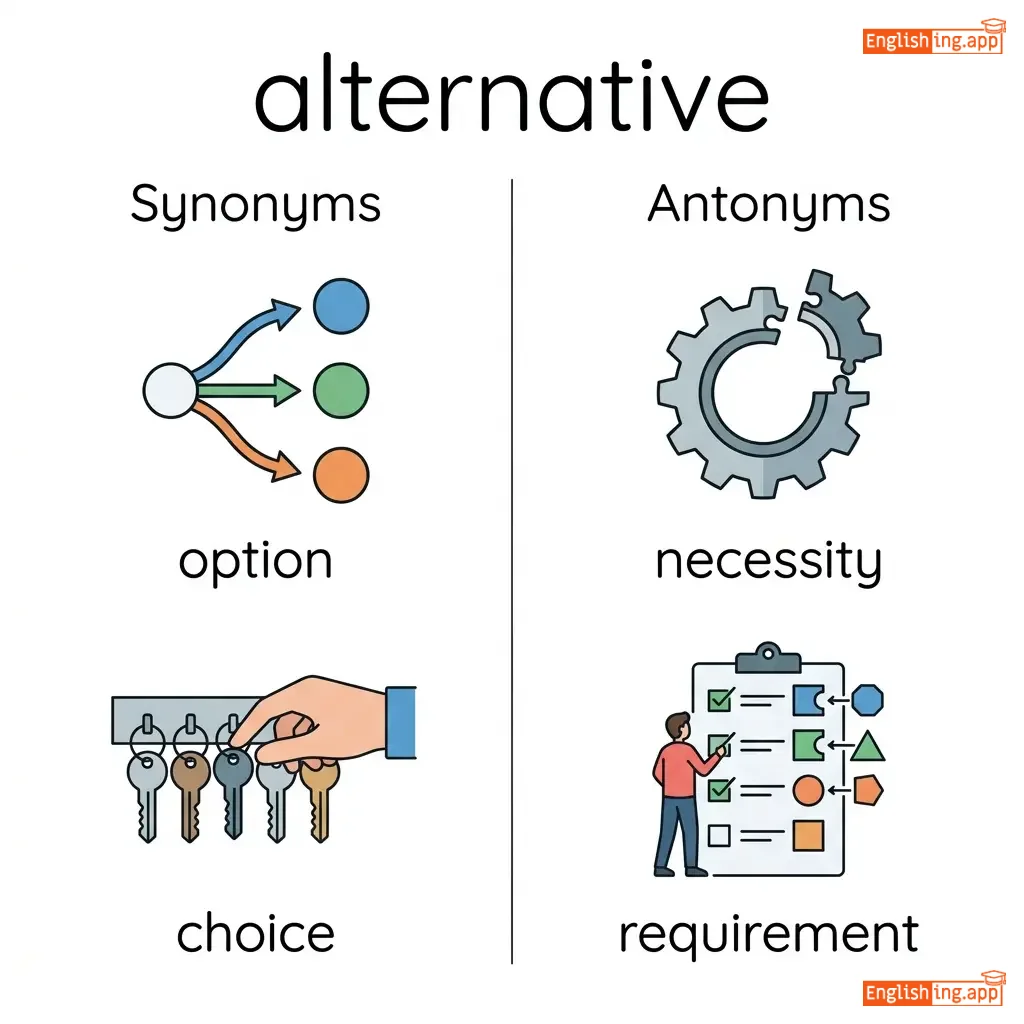
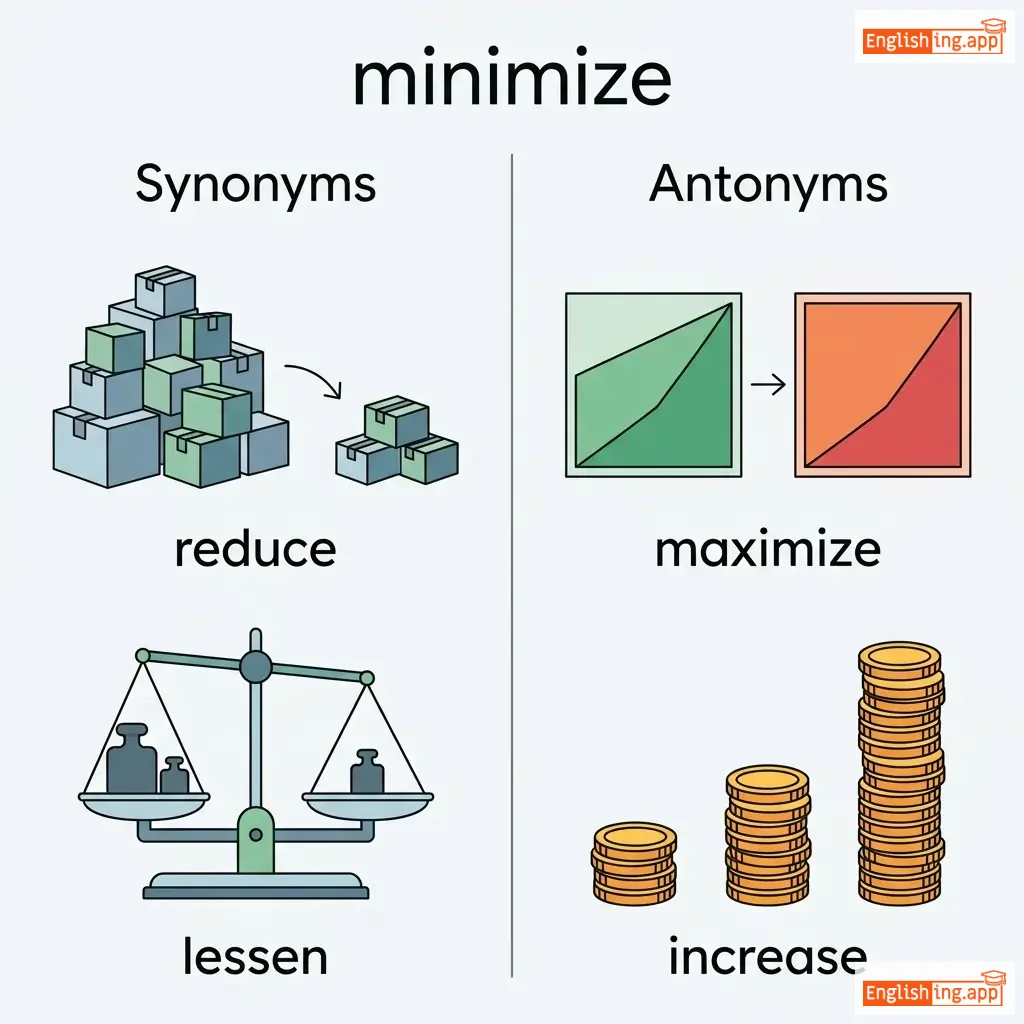
同义词
反义词
搭配词
助记符




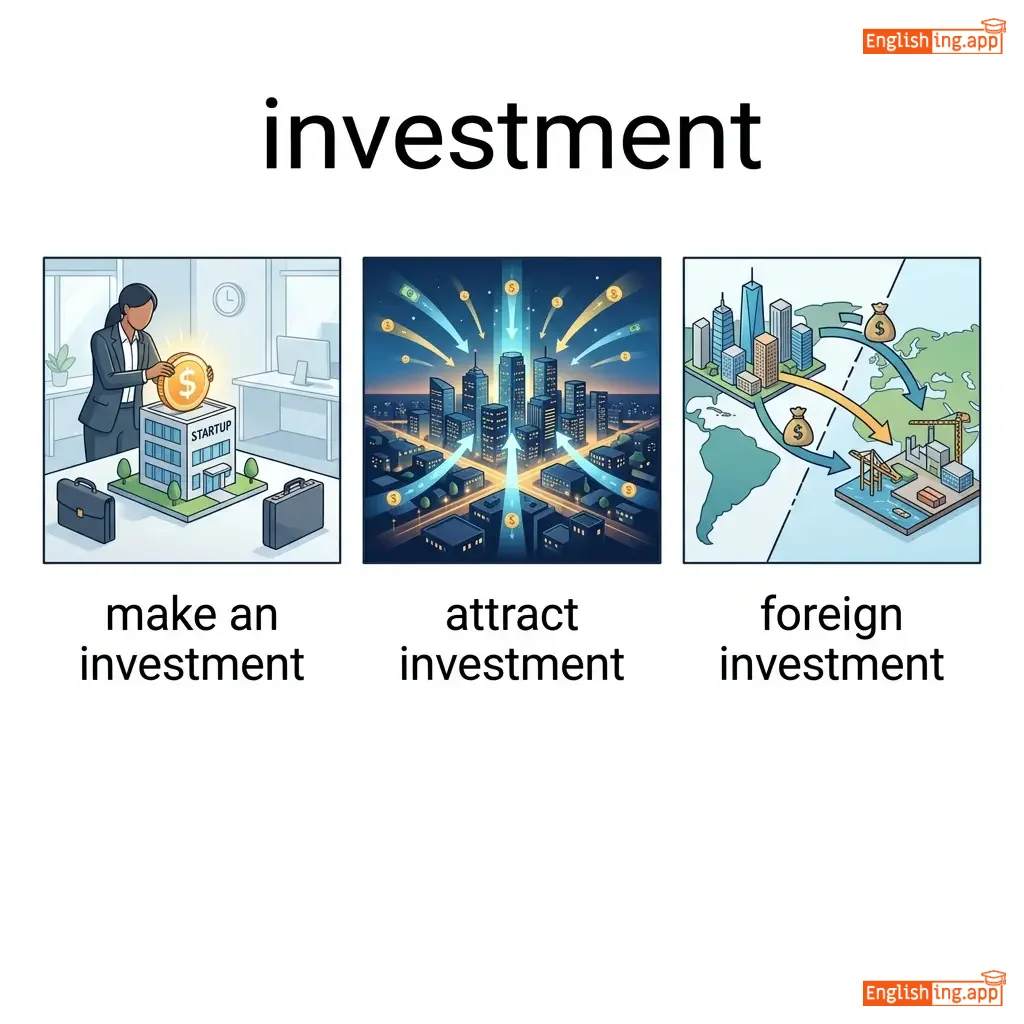
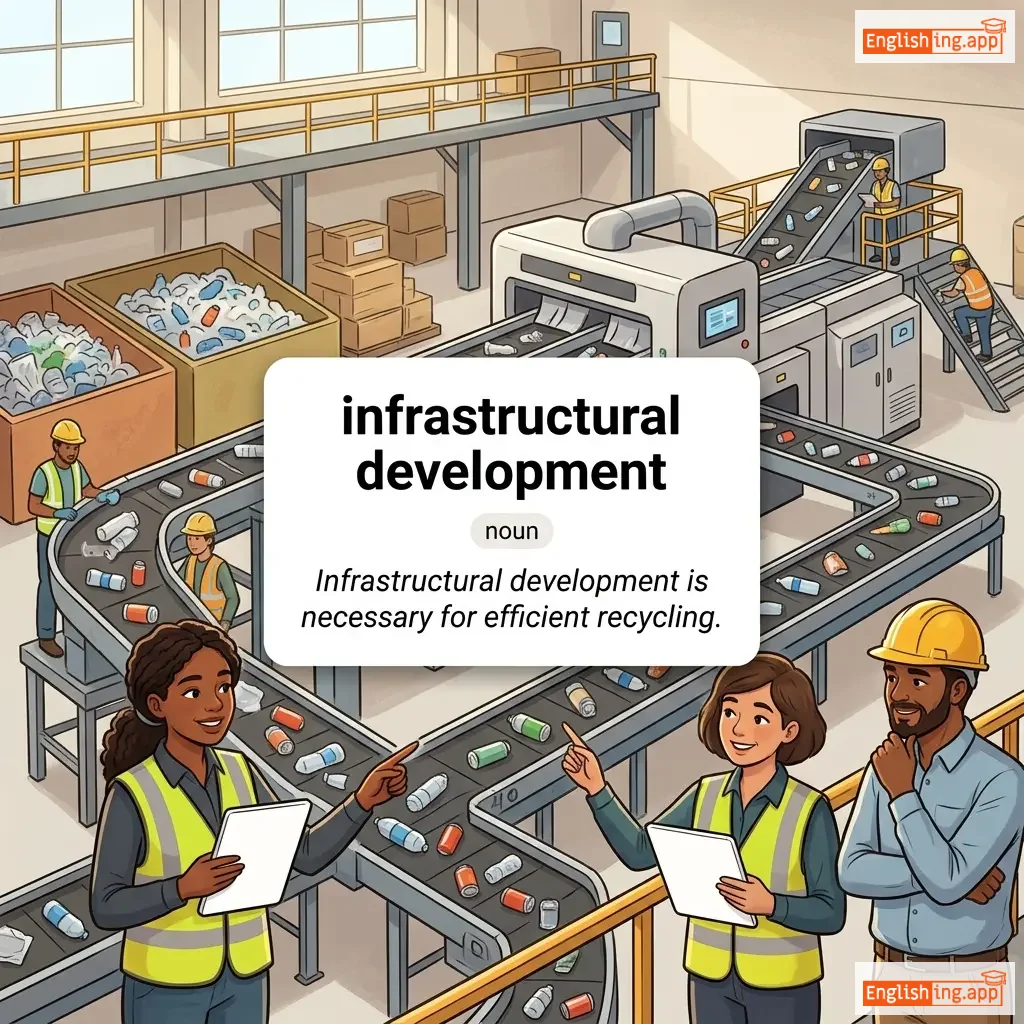
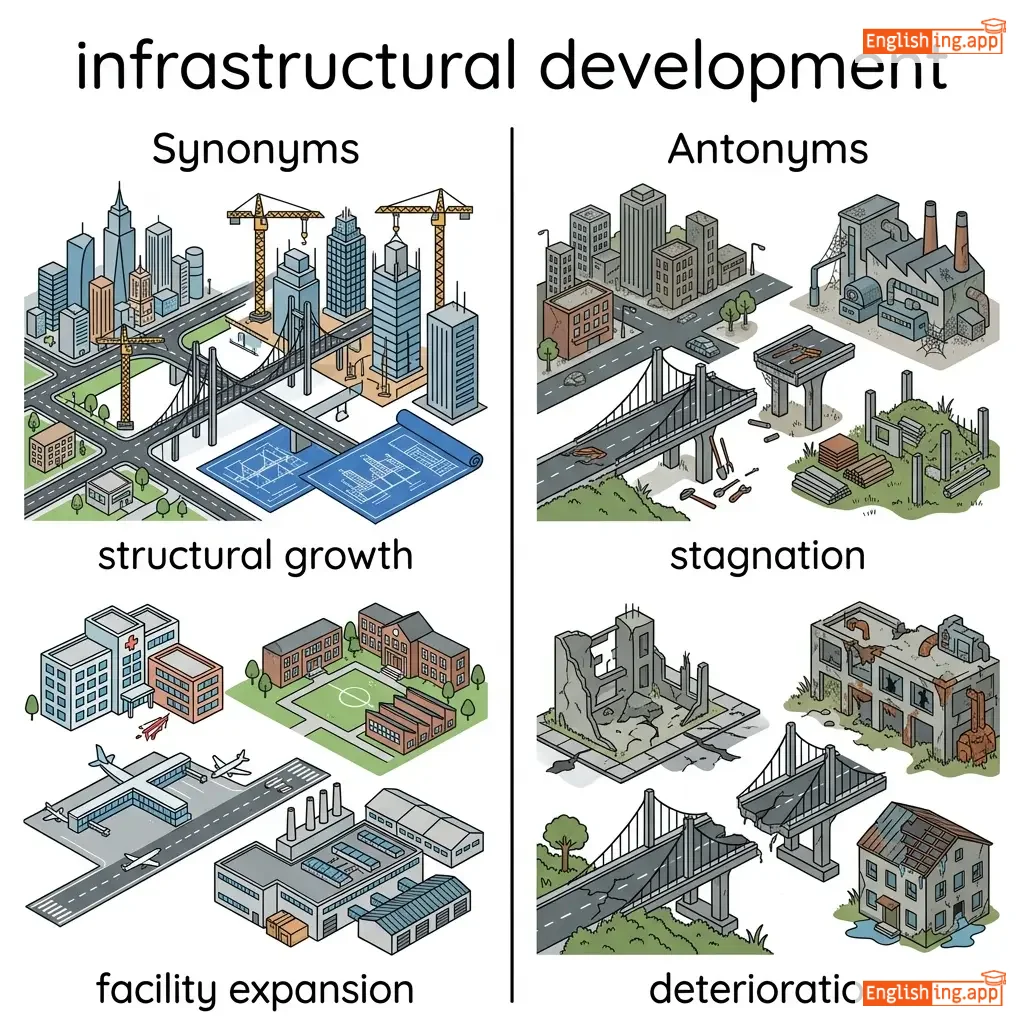
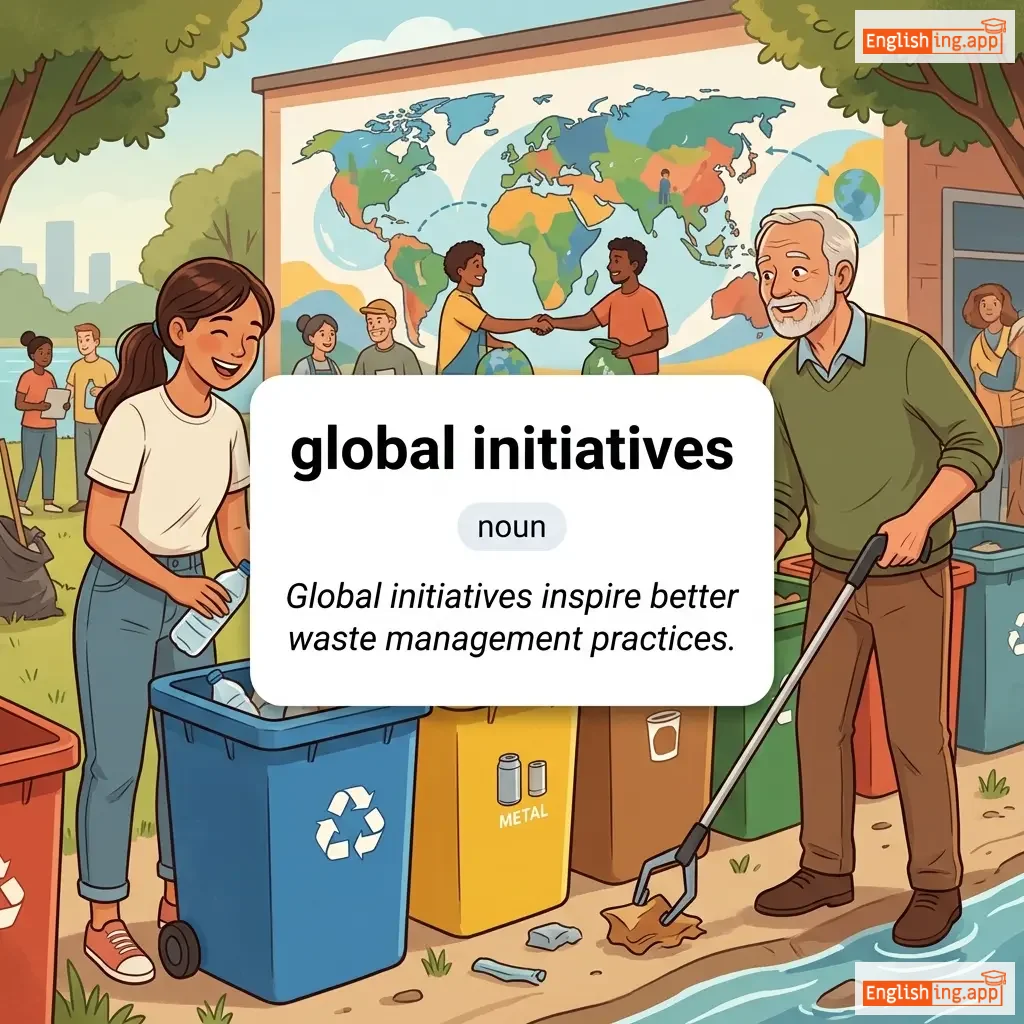
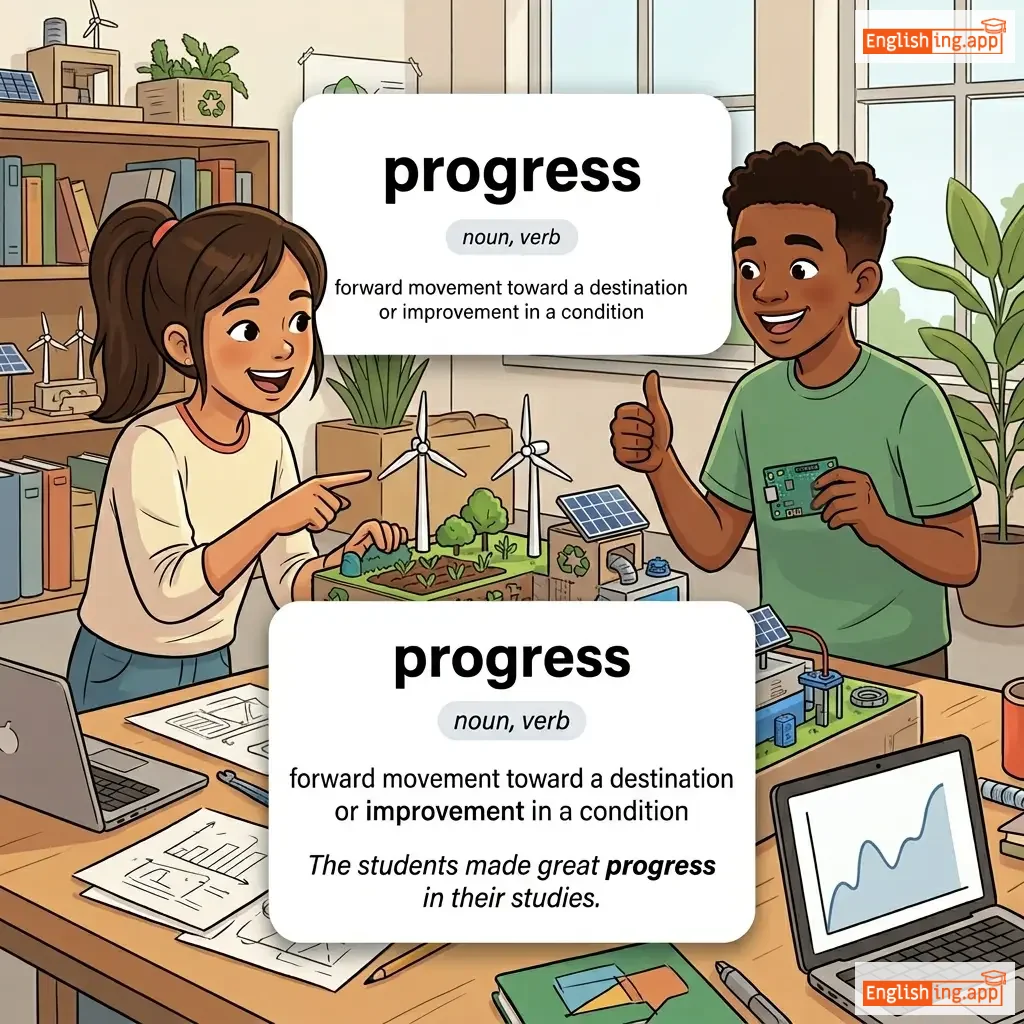
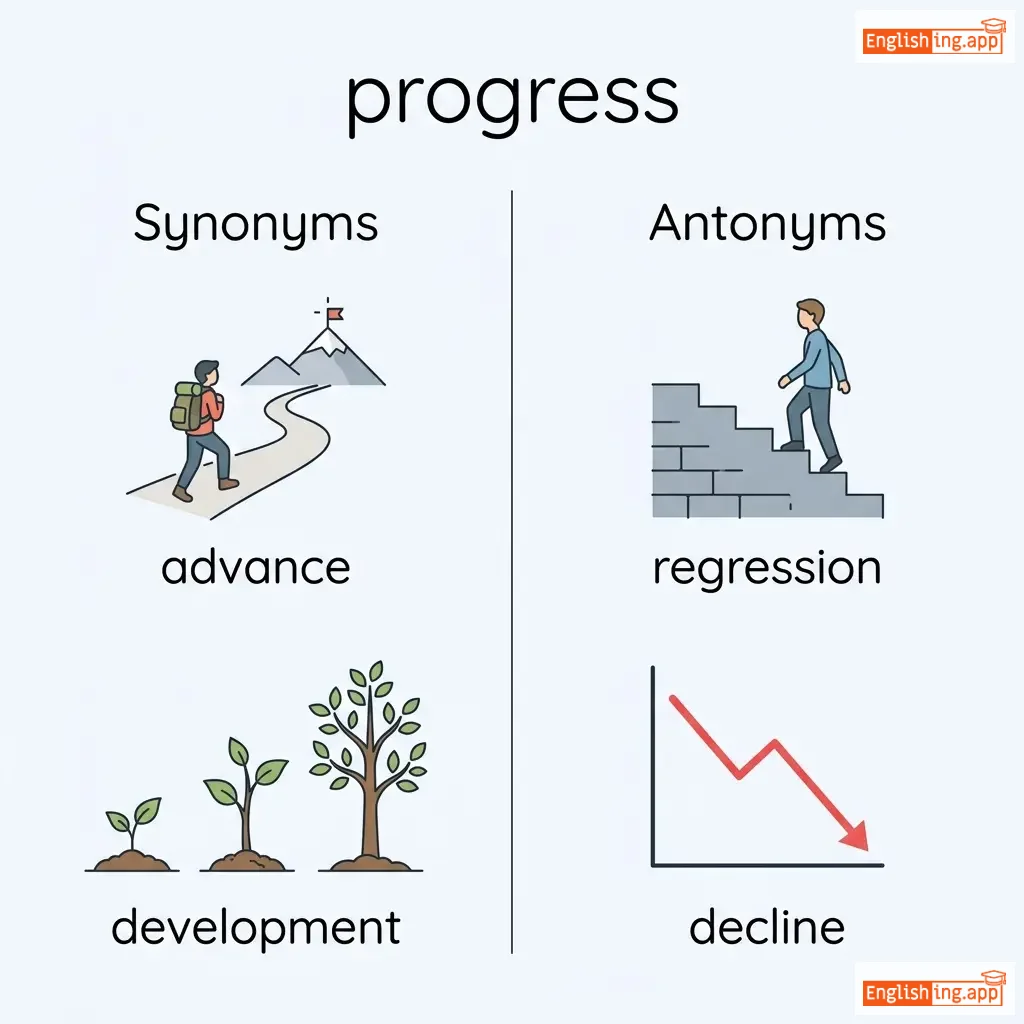
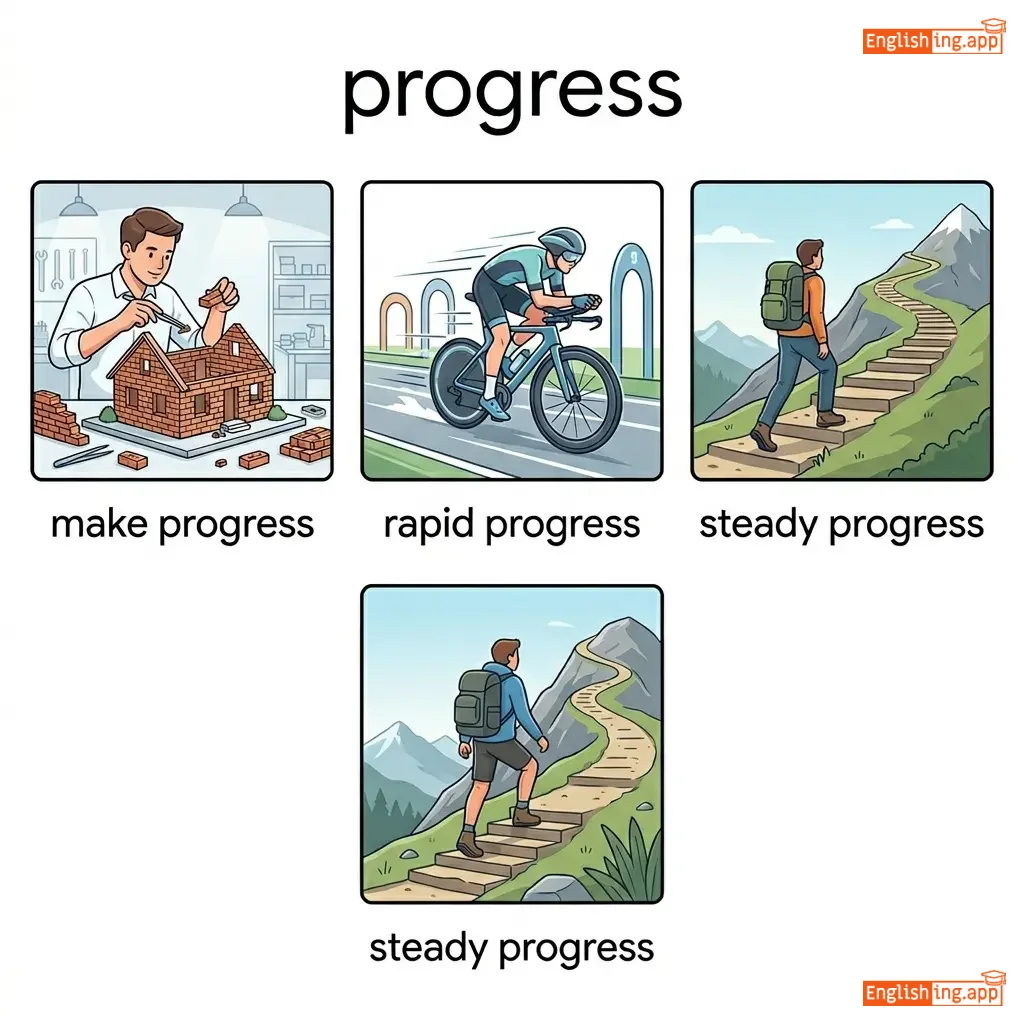

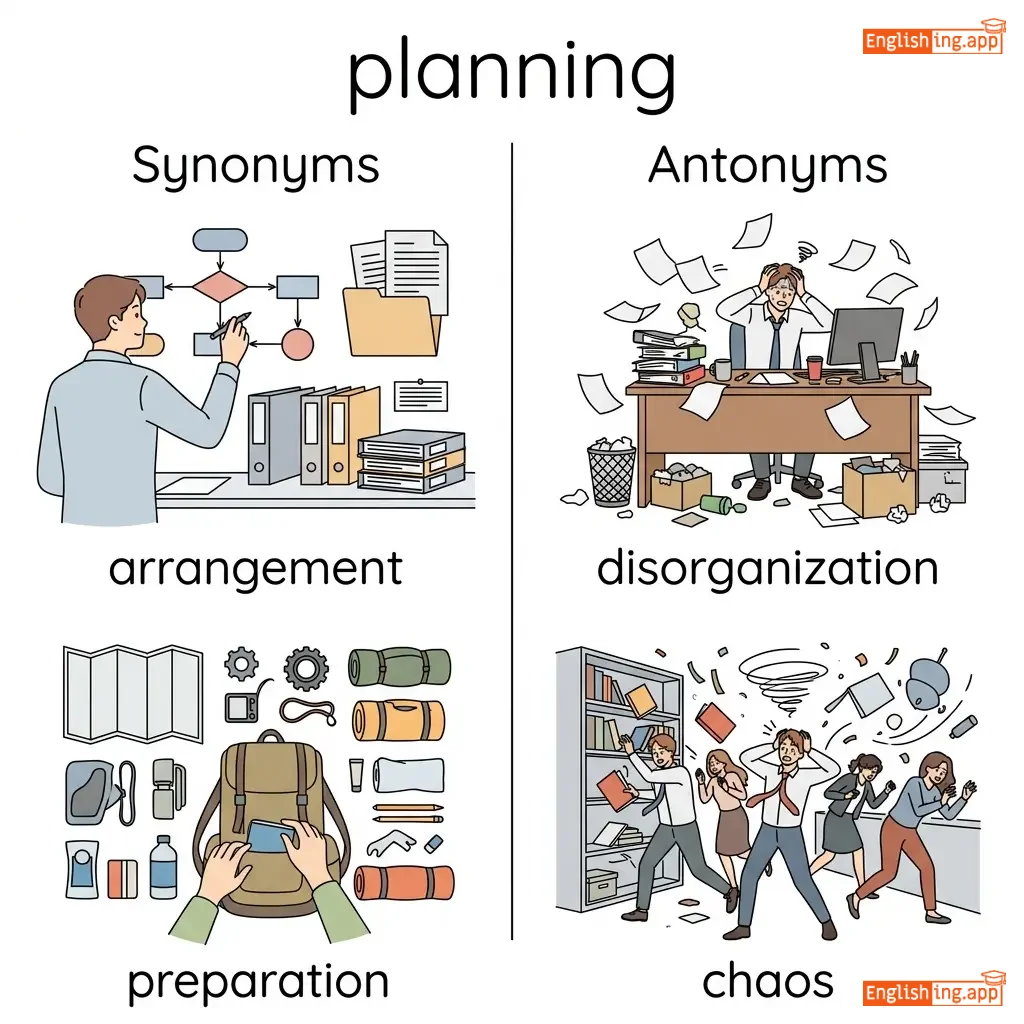

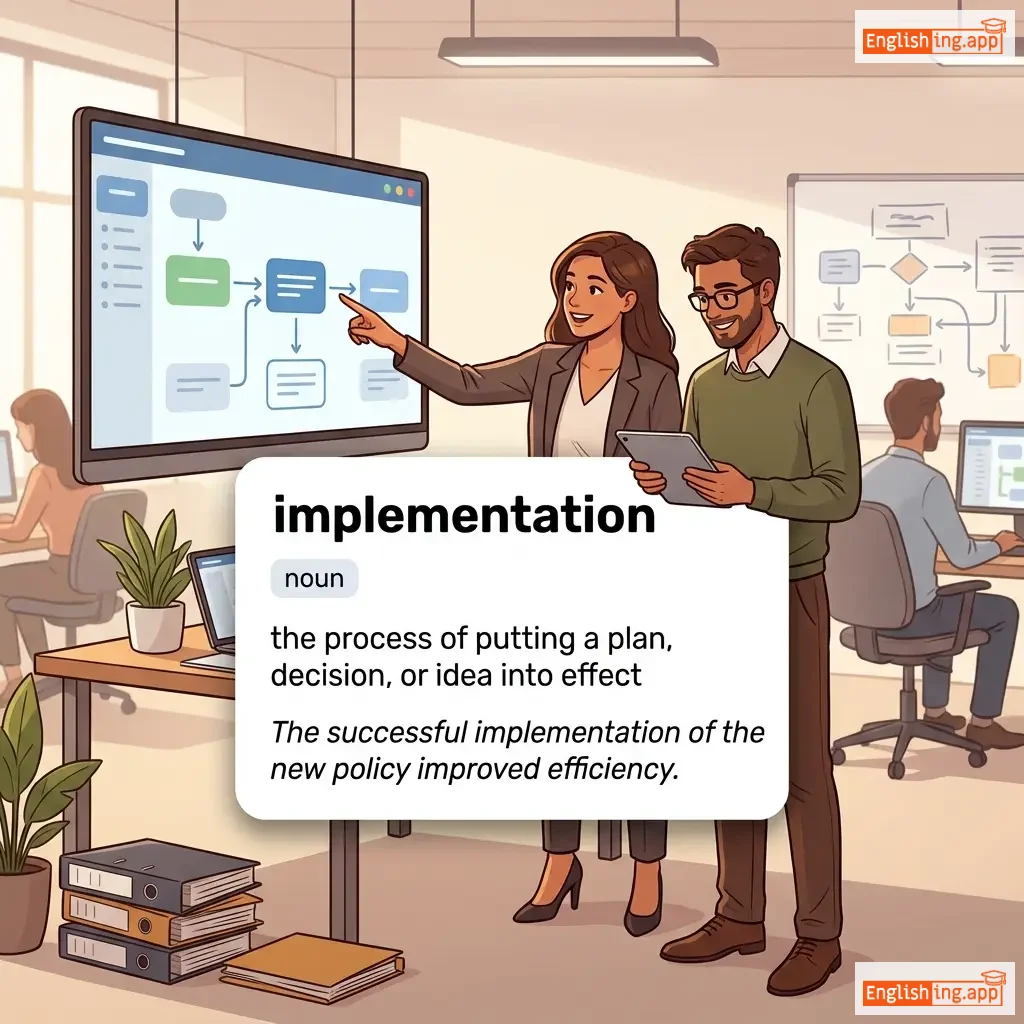
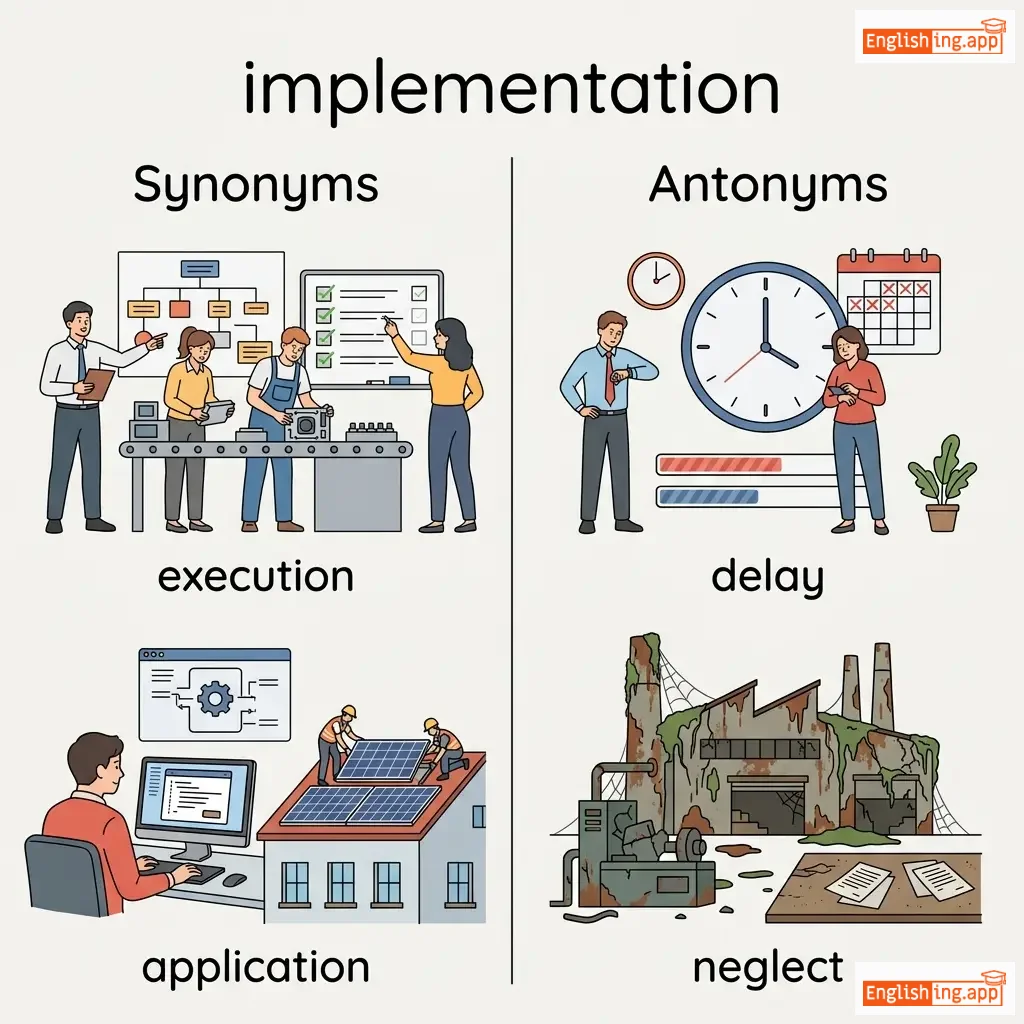
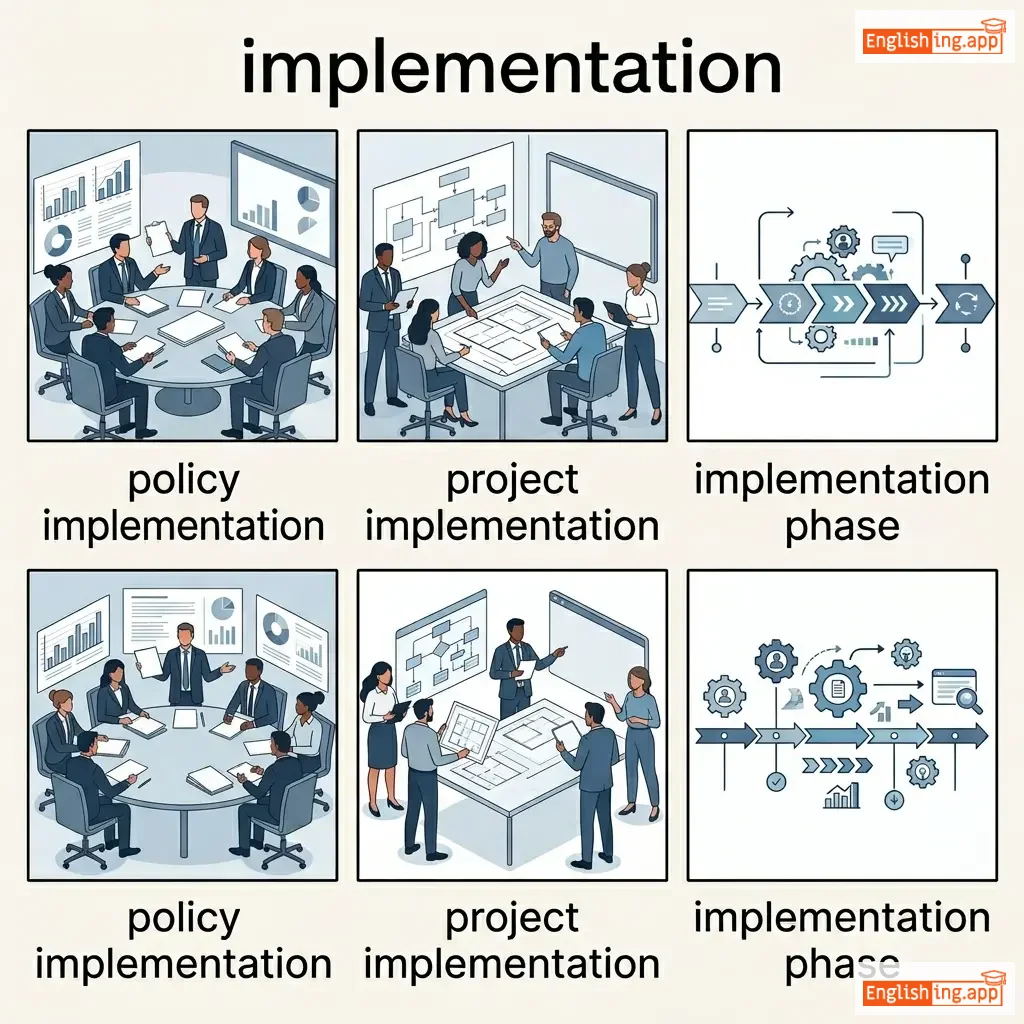
Swipe left or right, or use the buttons. Tap image to zoom.
例句翻译
单词
Investment and Infrastructure Development Required for Plastic Waste ManagementInvestment and Infrastructure Development Required for Plastic Waste Management - 遮罩切换
|
表情符号
|
单词 | Images | 翻译 | 含义 | 例句 | 例句翻译 | 同义词 | 反义词 | 助记符 |
|---|---|---|---|---|---|---|---|---|---|
|
#11
💪
|
ˈtʃælɪndʒ
noun
(ˈtʃælɪndʒ)
••••••
|
|
挑战
tiaozhan
••••••
|
A call to take part in a contest or competition, especially a demanding or stimulating one; a task or situation that tests someone's abilities.
••••••
|
Plastic pollution poses a significant challenge to global health. |
塑料污染对全球健康构成了重大挑战。
Suliu wuran dui quanqiu jiankang gouchengle zhongda tiaozhan.
••••••
|
obstacle, difficulty
••••••
|
solution, ease
••••••
|
挑战挑战的挑战
••••••
|
|
#12
❌
|
ˌmɪsˈmænɪdʒmənt
noun
(米斯管理)
••••••
|
|
管理不善
guanli bushan
••••••
|
Bad or careless management of something.
••••••
|
Mismanagement of plastic waste worsens pollution.
塑料废物的管理不善加剧了污染。
••••••
|
塑料废物的管理不善加剧了污染。
Suliaofeiwu de guanli bushan jiaju le wuran.
••••••
|
mishandling, inefficiency
••••••
|
management, organization
••••••
|
‘Mismanagement’ 在中文中代表 ‘管理不善’,表示对事物的糟糕管理。
••••••
|
|
#13
🔄
|
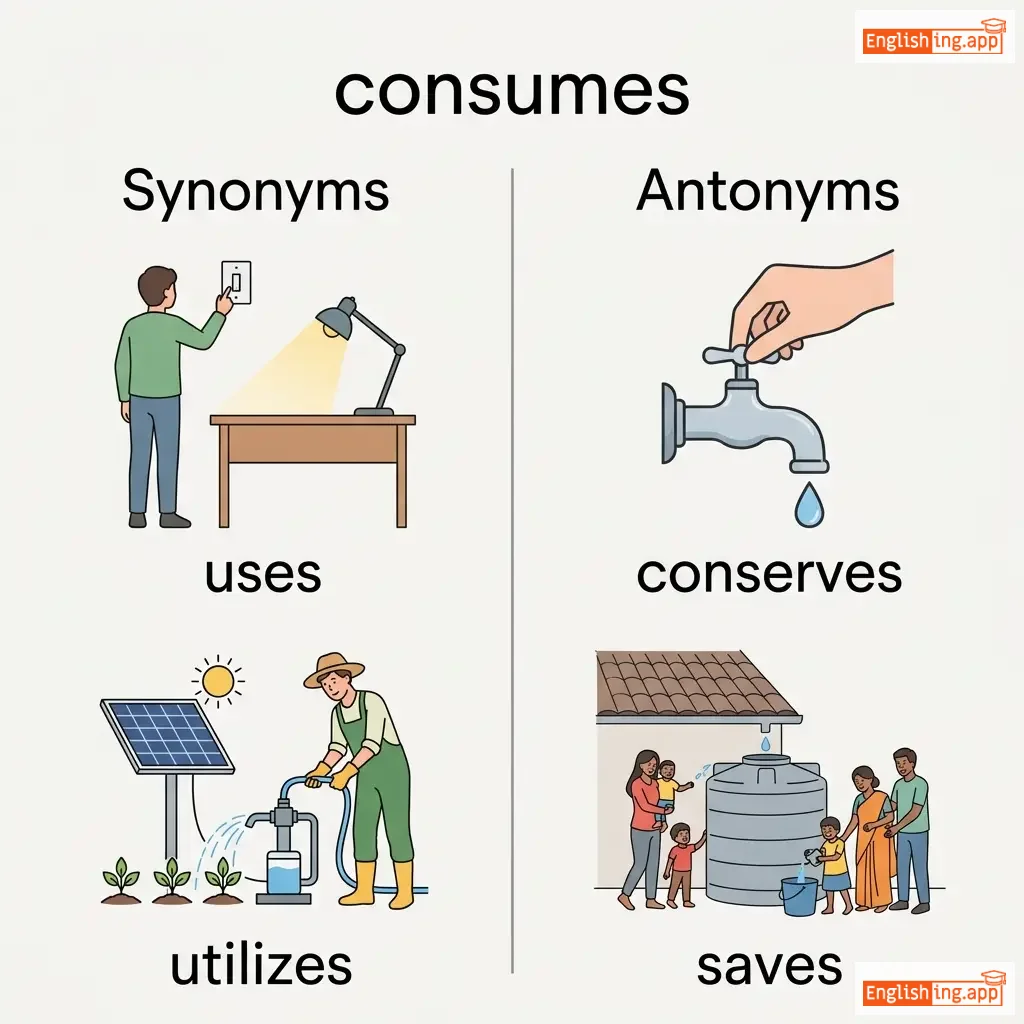
kənˈsjuːmz
verb
(kənˈsjuːmz)
••••••
|
|
消耗
xiaohào
••••••
|
Use up (a resource); eat, drink, or ingest (food or drink).
••••••
|
An individual consumes around 20 kg of plastic annually. |
一个人每年消耗大约 20 公斤塑料。
Yīgè rén měi nián xiāohào dàyuē 20 gōngjīn sùliào.
••••••
|
uses, utilizes
••••••
|
conserves, saves
••••••
|
消耗 (consume) = 使用 (use)!
••••••
|
|
#14
👉
|
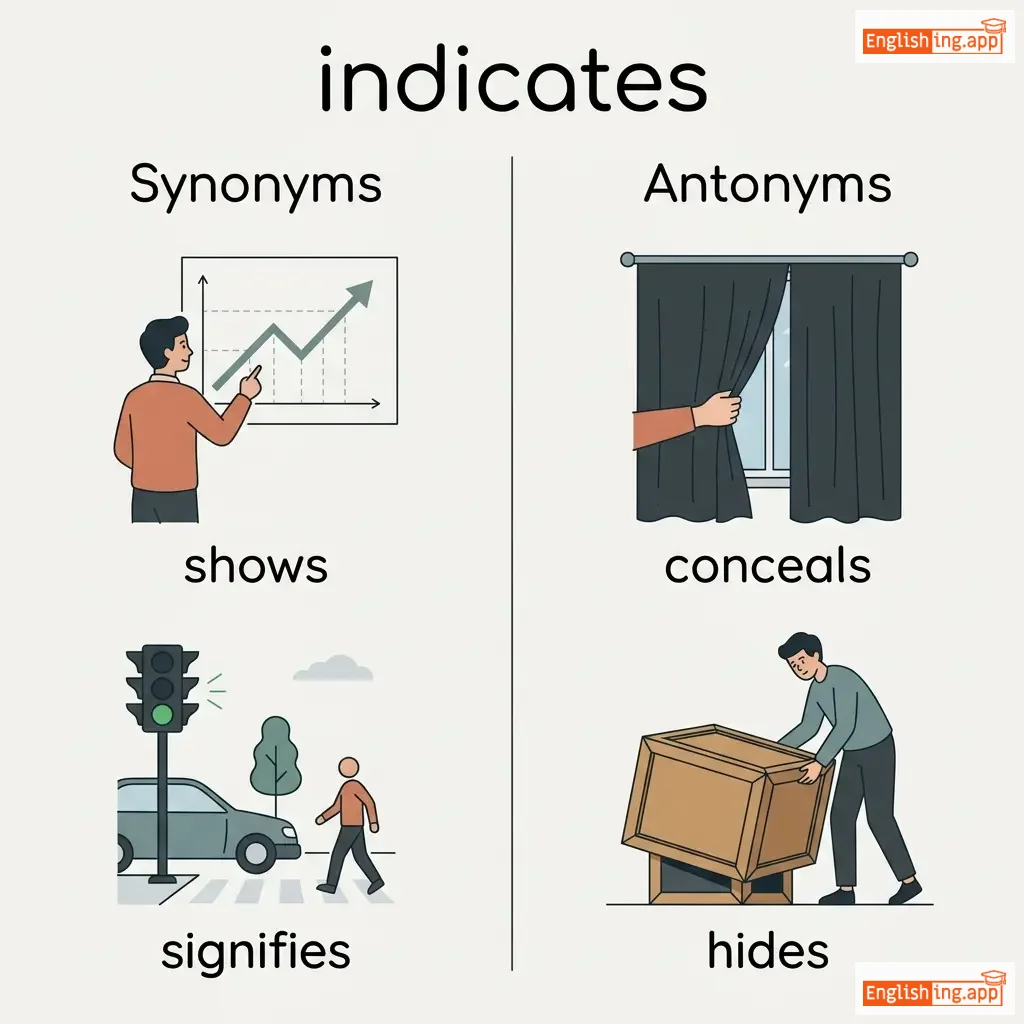
ˈɪndɪkeɪts
verb
(因迪凯茨)
••••••
|
|
表示
biao shi
••••••
|
Point out; show; be a sign or symptom of; suggest as a desirable or necessary course of action.
••••••
|
The rising trend indicates an urgent need for action. |
上升的趋势表示迫切需要采取行动。
Shang sheng de qu shi biao shi po qie xu yao cai qu xing dong.
••••••
|
shows, signifies
••••••
|
conceals, hides
••••••
|
表示 = 指出 + 行动
••••••
|
|
#15
⚡
|
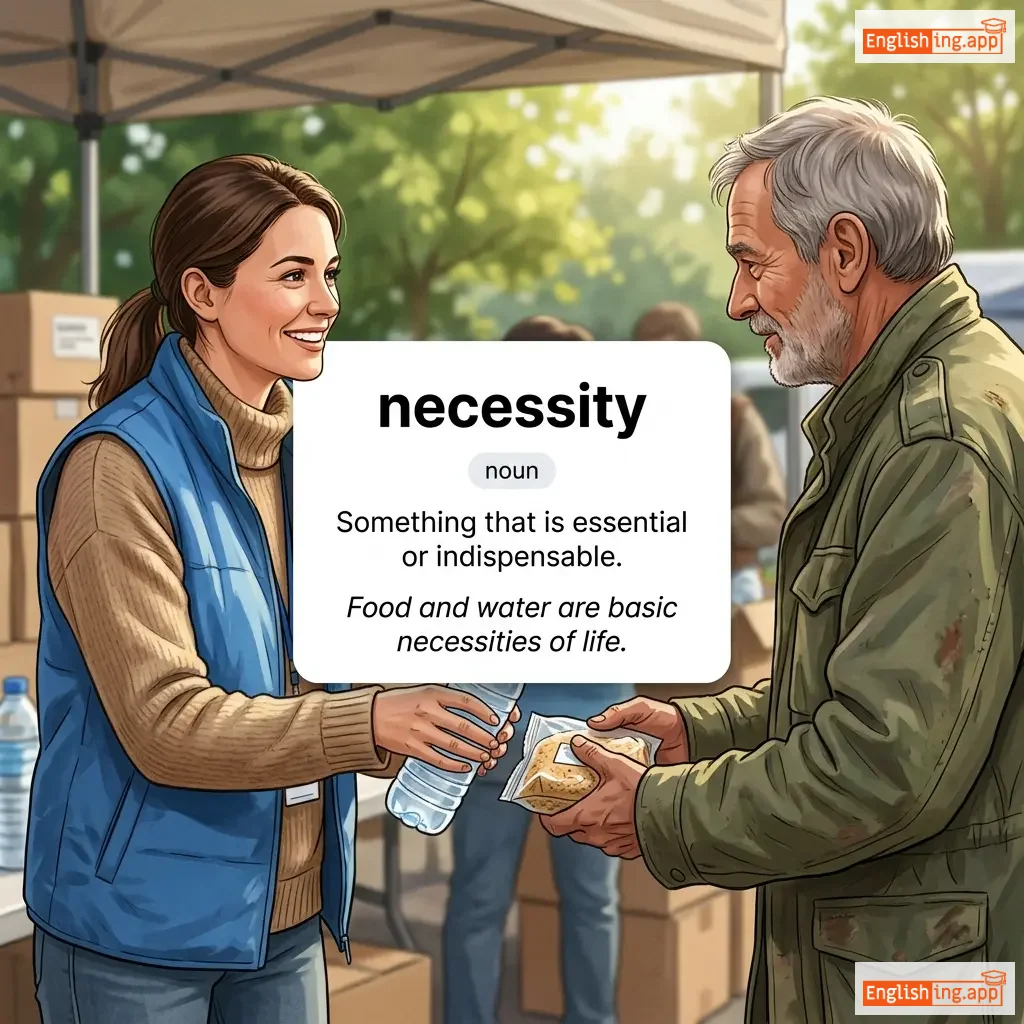
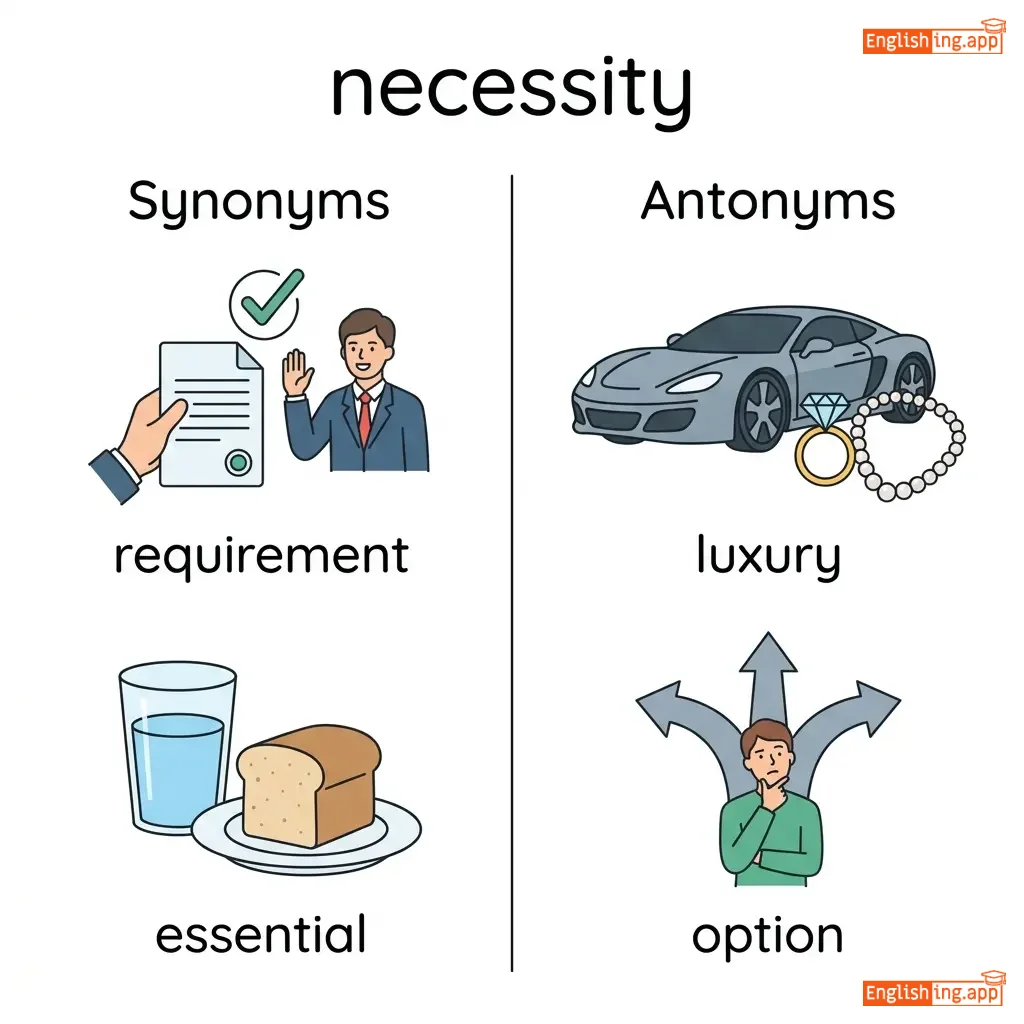
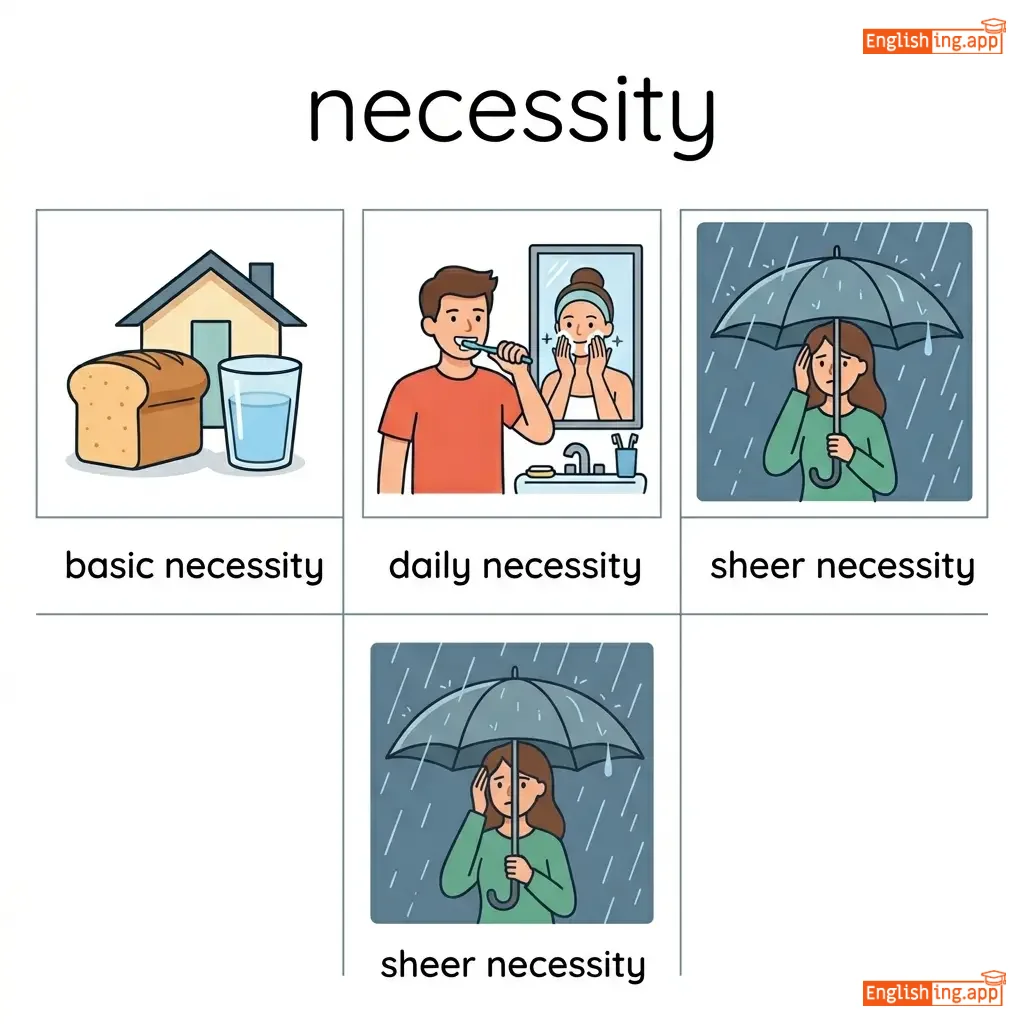
nɪˈsesɪti
noun
(nèisèti)
••••••
|
|
必要性
bìyàoxìng
••••••
|
The fact of being required or indispensable; an indispensable thing.
••••••
|
Waste management is a necessity for environmental sustainability. |
废物管理是环境可持续性的必要性。
Fèiwù guǎnlǐ shì huánjìng kěchíxùxìng de bìyàoxìng.
••••••
|
need, requirement
••••••
|
luxury, option
••••••
|
没有必要性,无法前进。
••••••
|
|
#16
🔧
|
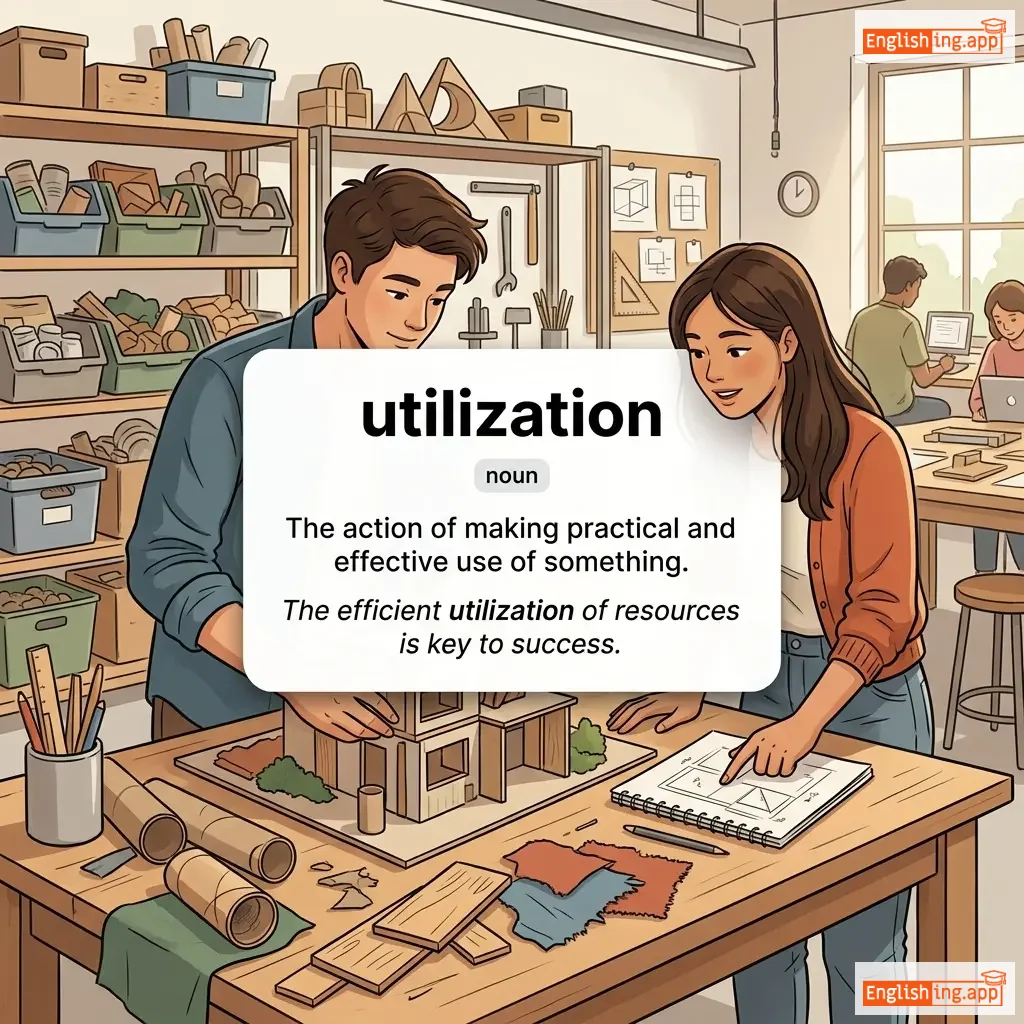
ˌjuːtɪlaɪˈzeɪʃən
noun
(yutilaizeishen)
••••••
|
|
利用
lìyòng
••••••
|
The action of making practical and effective use of something.
••••••
|
Increased plastic utilization calls for better waste management.
increased plastik yutilaizeishon calls for better waste managment.
••••••
|
塑料的使用增加要求更好的废物管理。
Sùliào de shǐyòng zēngjiā yāoqiú gèng hǎo de fèiwù guǎnlǐ.
••••••
|
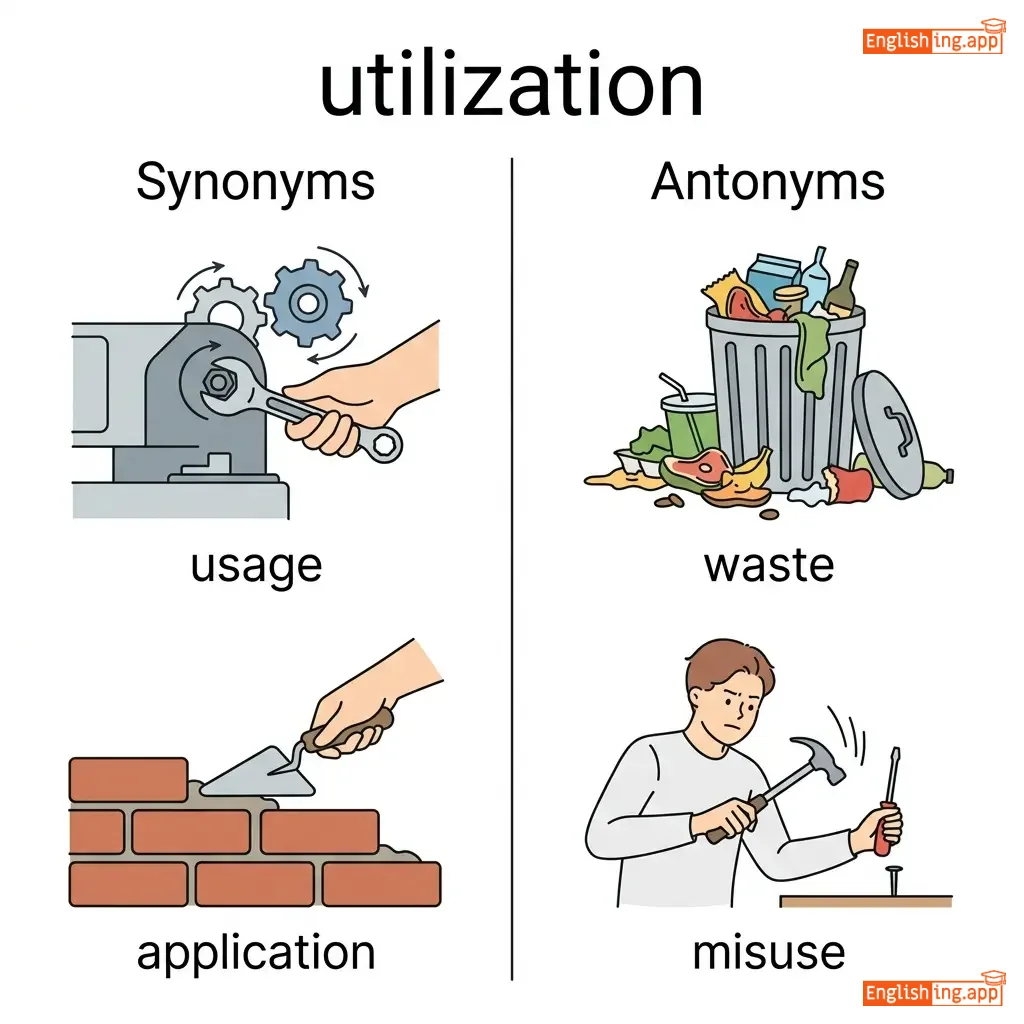
application, employment
••••••
|
neglect, waste
••••••
|
The word '利用' means effective use in Chinese.
••••••
|
|
#17
🔄
|
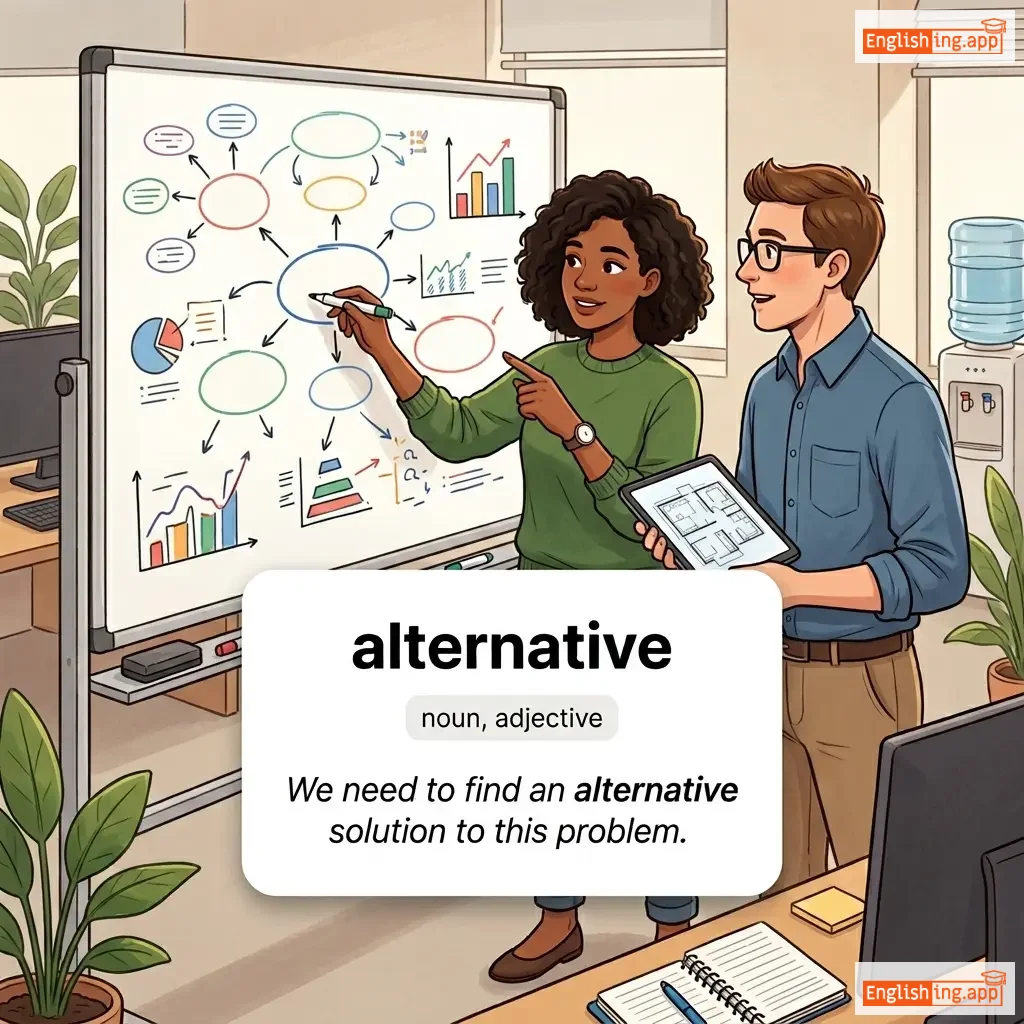
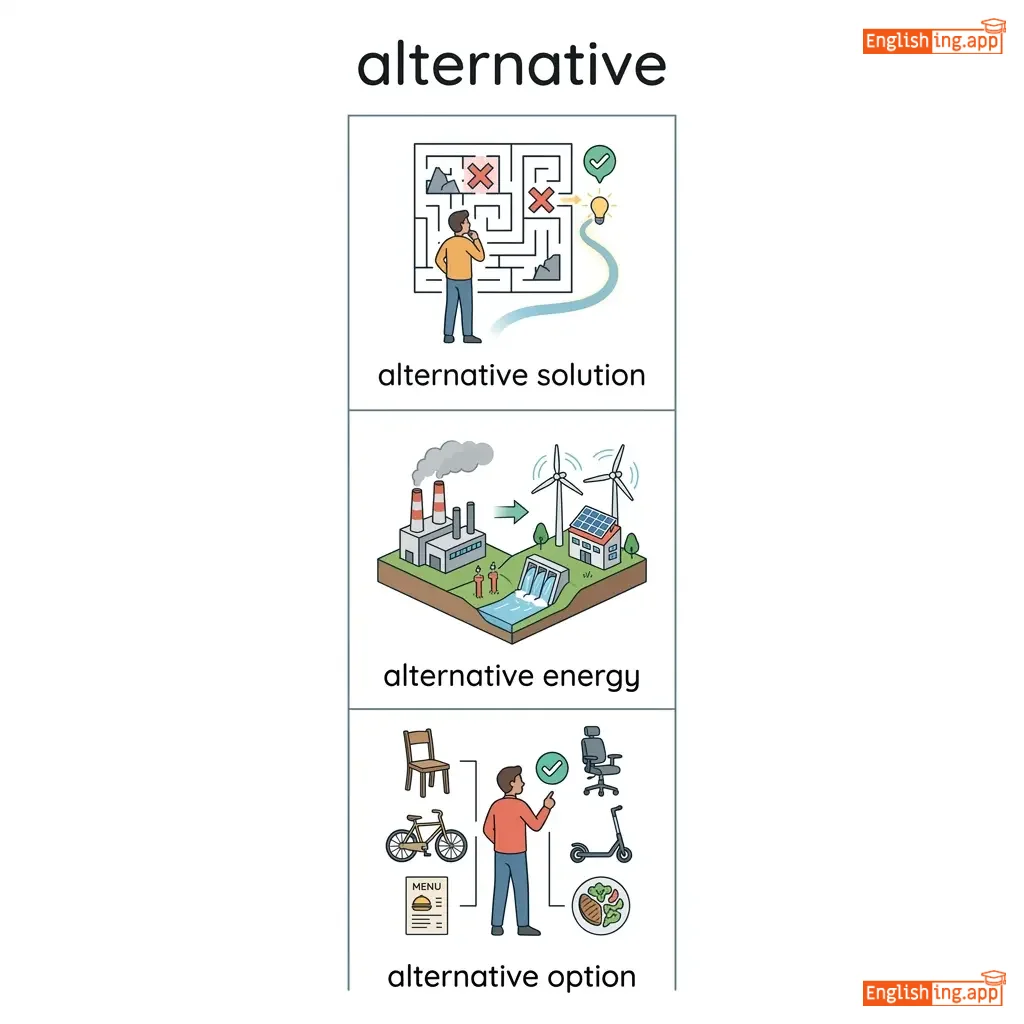
ɔːlˈtɜːrnətɪv
noun
(ɔltə'nətɪv)
••••••
|
|
替代品
tìdàipǐn
••••••
|
(Of one or more things) available as another possibility or choice.
••••••
|
Finding an alternative to plastic is essential.
找到塑料的替代品是至关重要的。
••••••
|
找到塑料的替代品是至关重要的。
Zhǎodào sùliào de tìdàipǐn shì zhìguān zhòngyào de.
••••••
|
substitute, replacement
••••••
|
standard, primary
••••••
|
替代品,像选择另一种材料,找到替代塑料的解决办法。
••••••
|
|
#18
⬇️
|
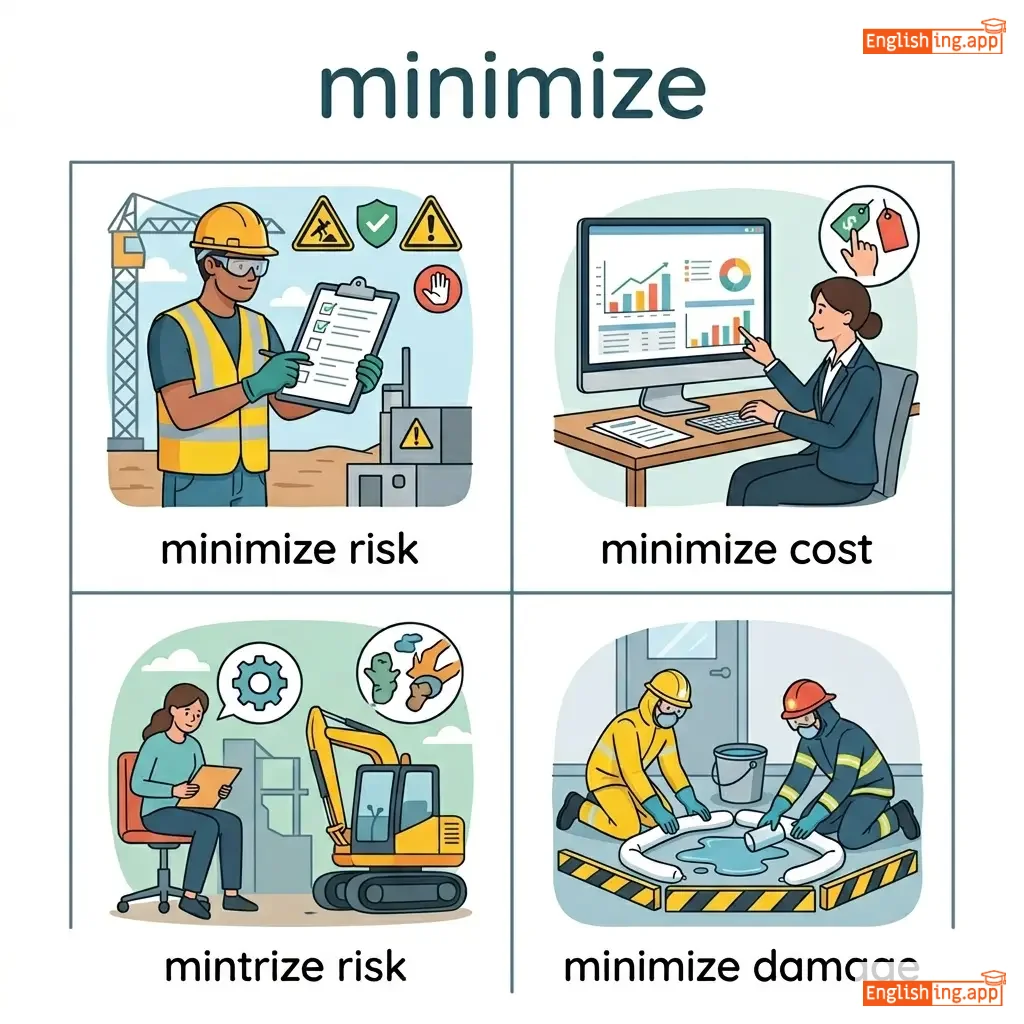
ˈmɪnɪmaɪz
verb
(米尼迈兹)
••••••
|
|
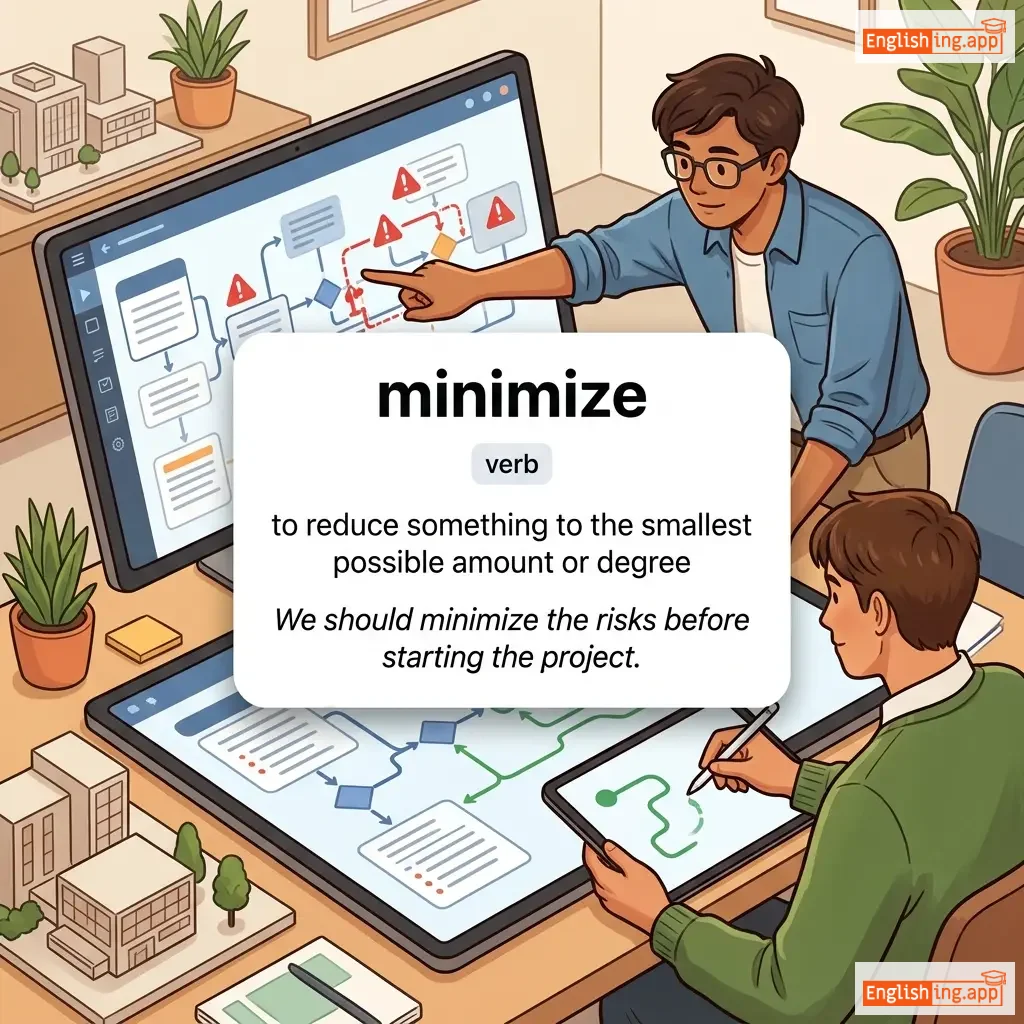
最小化
zuìxiǎohuà
••••••
|
Reduce (something, especially something unwanted or unpleasant) to the smallest possible amount or degree.
••••••
|
Efforts should be made to minimize plastic usage.
应该采取措施来减少塑料使用。
••••••
|
应该采取措施来减少塑料使用。
Yīnggāi cǎiqǔ cuòshī lái jiǎnshǎo sùliào shǐyòng.
••••••
|
reduce, lessen
••••••
|
maximize, increase
••••••
|
In Chinese, '最小化' is similar to 'minimize' in English, both mean reduce to the least.
••••••
|
|
#19
♻️
|
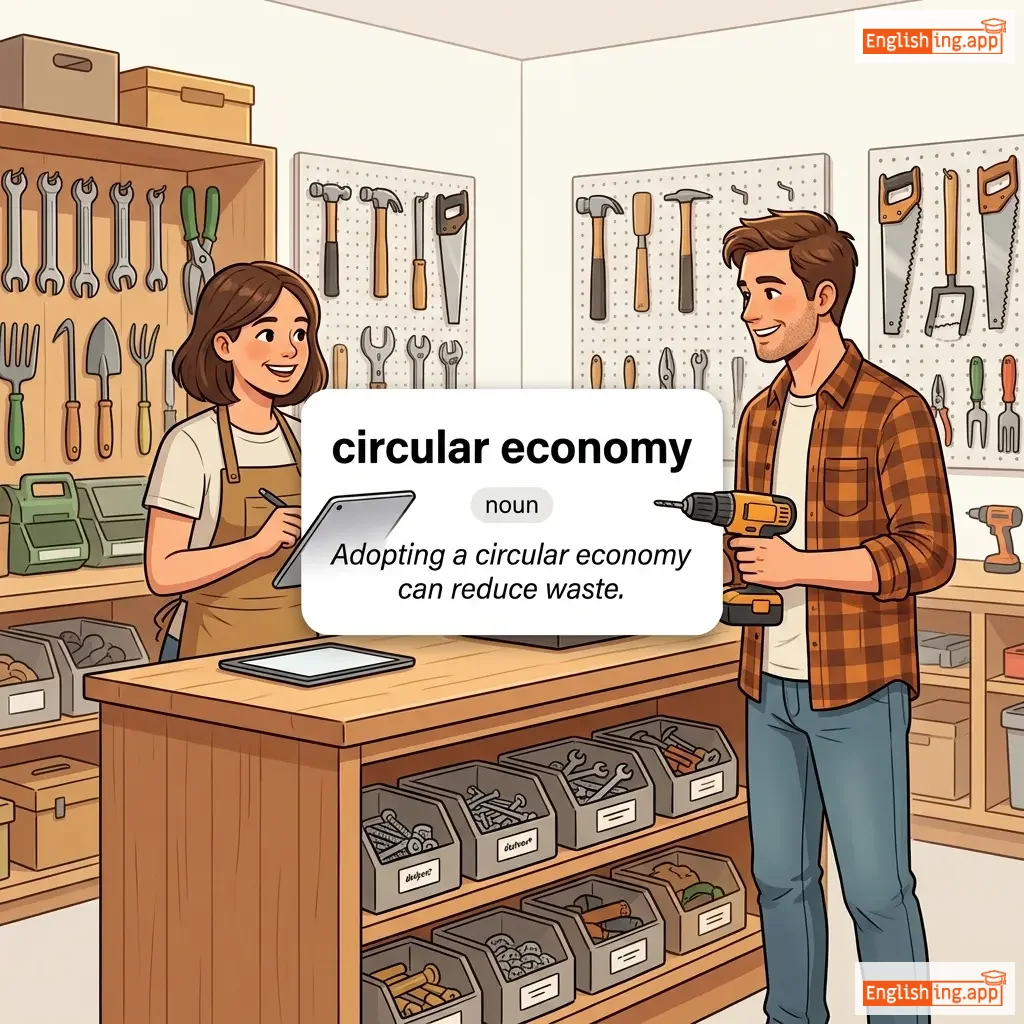
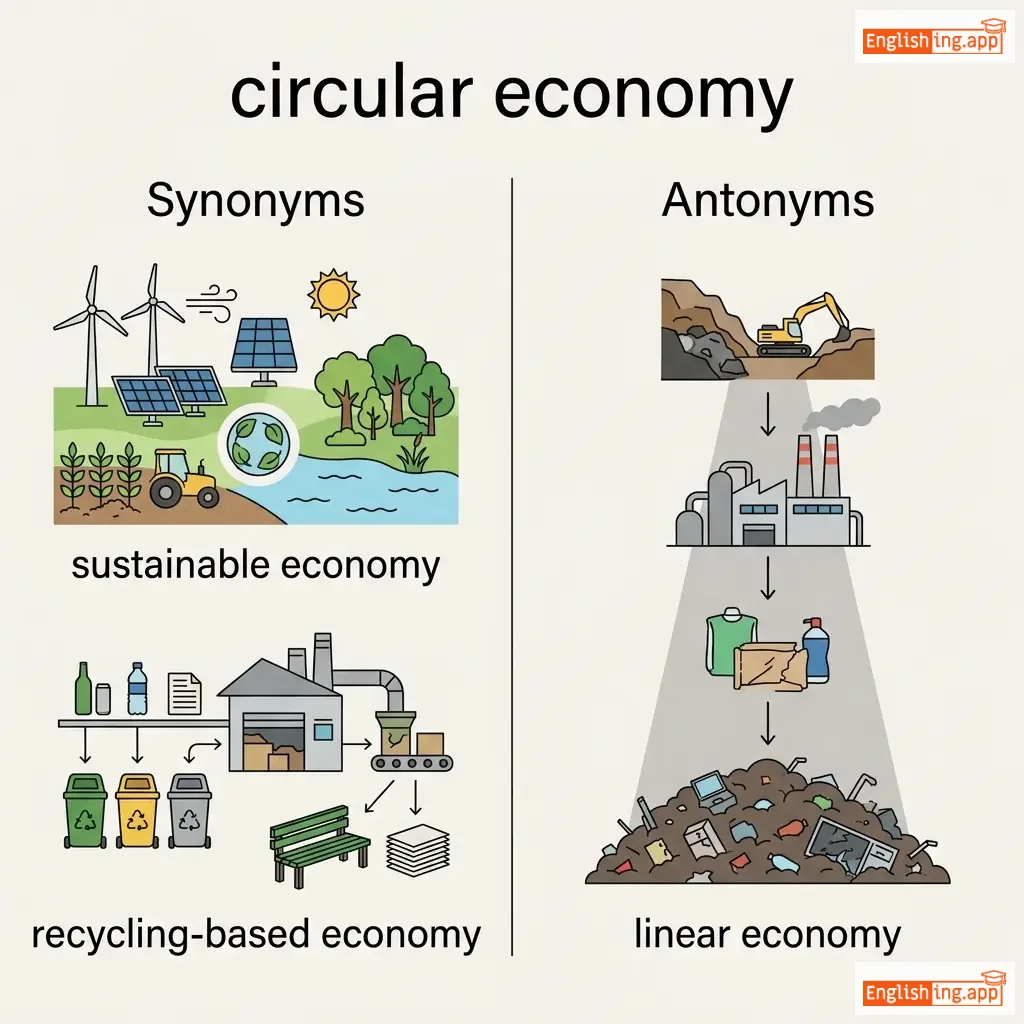
ˈsɜːrkjələr ɪˈkɒnəmi
noun
(sā kè lì ěr jīng jì)
••••••
|
|
循环经济
xunhuan jingji
••••••
|
An economic system aimed at eliminating waste and the continual use of resources through reuse, sharing, repair, refurbishment, remanufacturing and recycling.
••••••
|
Adopting a circular economy can reduce waste.
采用循环经济可以减少废物。
••••••
|
采用循环经济可以减少废物。
Caiyong xunhuan jingji keyi jianshao feiwu.
••••••
|
sustainable economy, recycling-based economy
••••••
|
linear economy
••••••
|
Circular = 循环 (xunhuan) 和 经济 (jingji) = economy
••••••
|
|
#20
💰
|
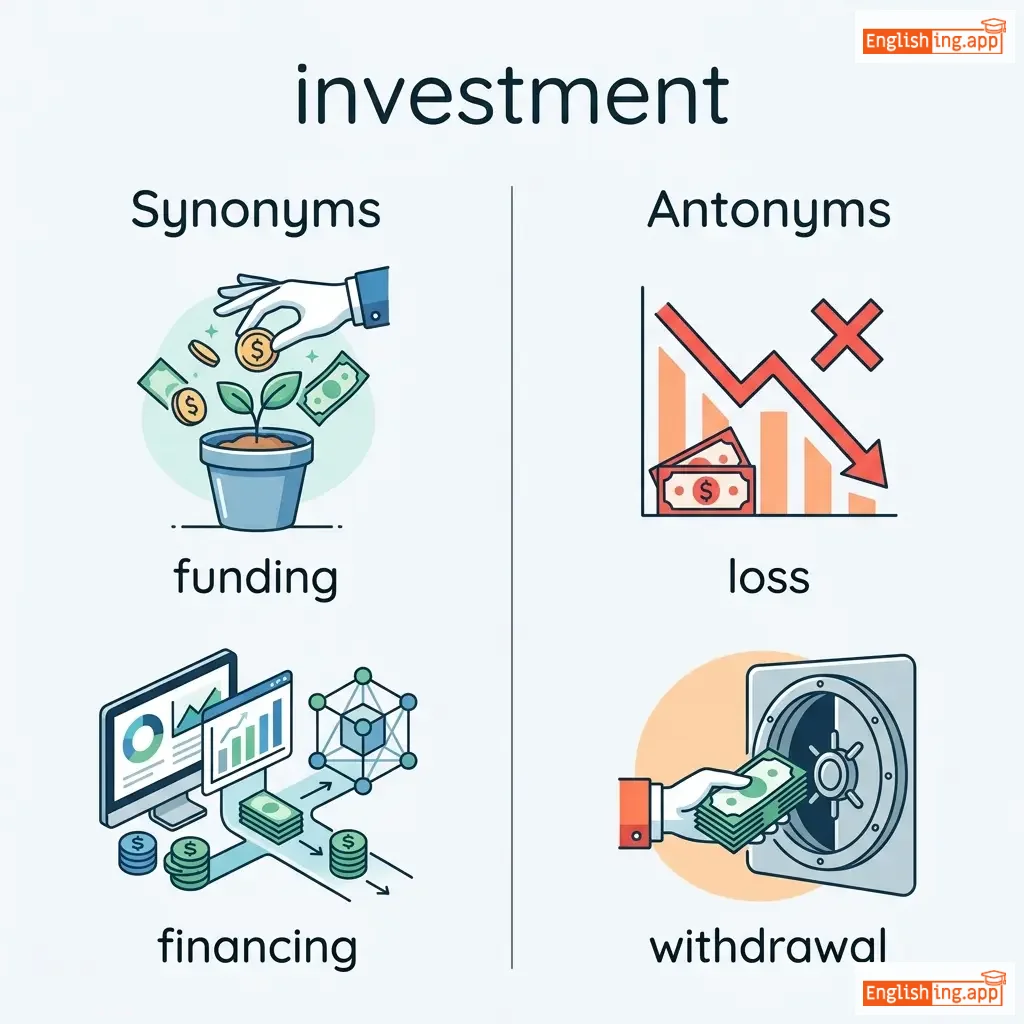
ɪnˈvestmənt
noun
(ɪnˈvɛstmɛnt)
••••••
|
|
投资
tóuzī
••••••
|
The action or process of investing money for profit or material result.
••••••
|
Investment in waste management infrastructure is essential.
废物管理基础设施的投资至关重要。
••••••
|
废物管理基础设施的投资至关重要。
Fèiwù guǎnlǐ jīchǔ shèshī de tóuzī zhìguān zhòngyào.
••••••
|
funding, capital, financing
••••••
|
withdrawal, divestment
••••••
|
投资与英语的'investment'类似,意味着投资以期获得更好的回报。
••••••
|
|
#21
🏗️
|
ˌɪnfrəˈstrʌktʃərəl dɪˈveləpmənt
noun
(基础设施发展)
••••••
|
|
基础设施发展
jichu sheshi fazhan
••••••
|
The process of building and improving the basic physical and organizational structures and facilities needed for the operation of a society or enterprise.
••••••
|
Infrastructural development is necessary for efficient recycling.
基础设施发展对高效的回收至关重要。
••••••
|
基础设施发展对高效的回收至关重要。
Jichu sheshi fazhan dui gaoxiao de huishou zhiguan zhongyao.
••••••
|
structural growth, facility expansion
••••••
|
stagnation, deterioration
••••••
|
基础设施发展就像为所有东西建立基础,使它们能够顺利运行,就像房子的地基一样。
••••••
|
|
#22
🌍
|
ˈɡloʊbəl ɪˈnɪʃətɪvz
noun
(全球倡议)
••••••
|
|
全球倡议
quanqiu changyi
••••••
|
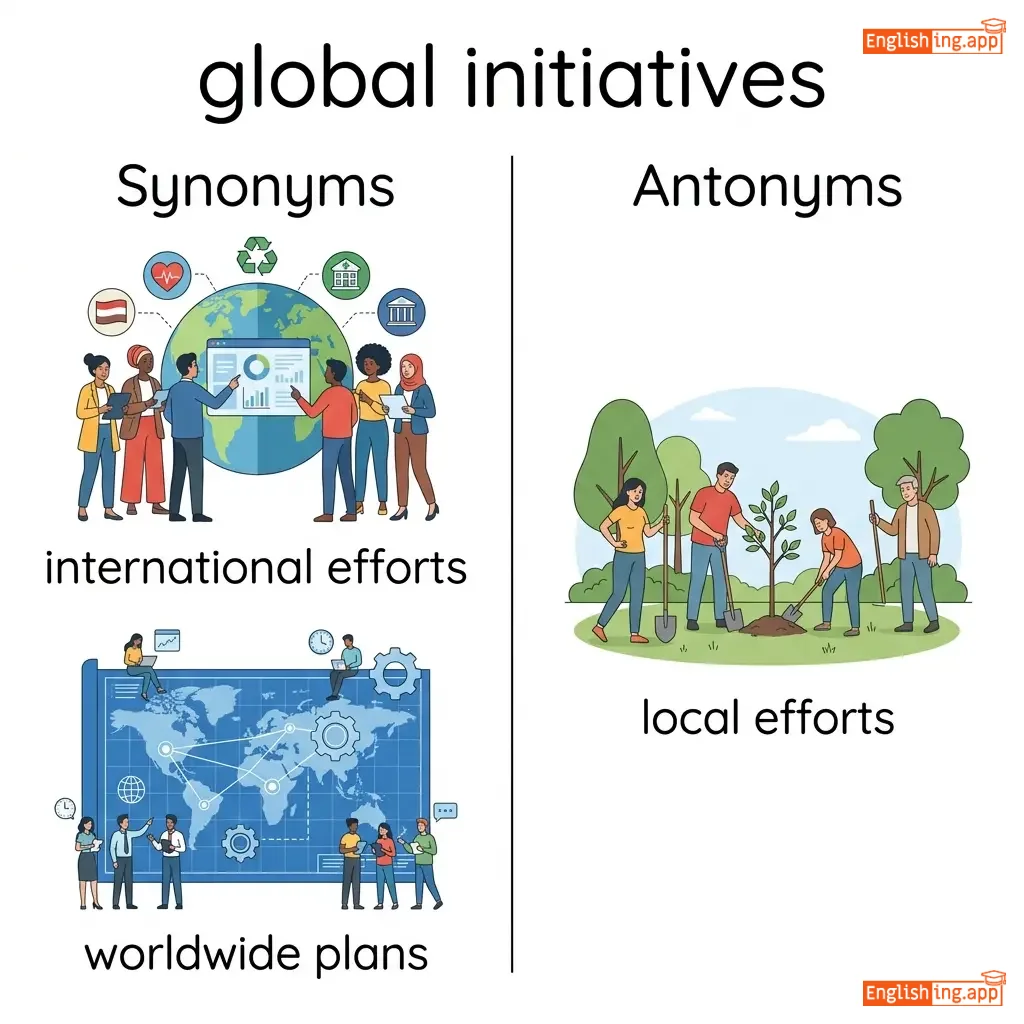
Worldwide efforts or programs aimed at addressing global challenges or achieving common goals.
••••••
|
Global initiatives inspire better waste management practices. |
全球倡议激发了更好的废物管理实践。
Quanqiu changyi jifa le geng hao de feiwu guanli shijian.
••••••
|
international efforts, worldwide plans
••••••
|
local efforts
••••••
|
Global = 全球 (Quanqiu), Initiatives = 倡议 (Changyi)
••••••
|
|
#23
📉
|
rɪˈdjuːst
verb
(rídú sīd)
••••••
|
|
减少
jiǎnshǎo
••••••
|
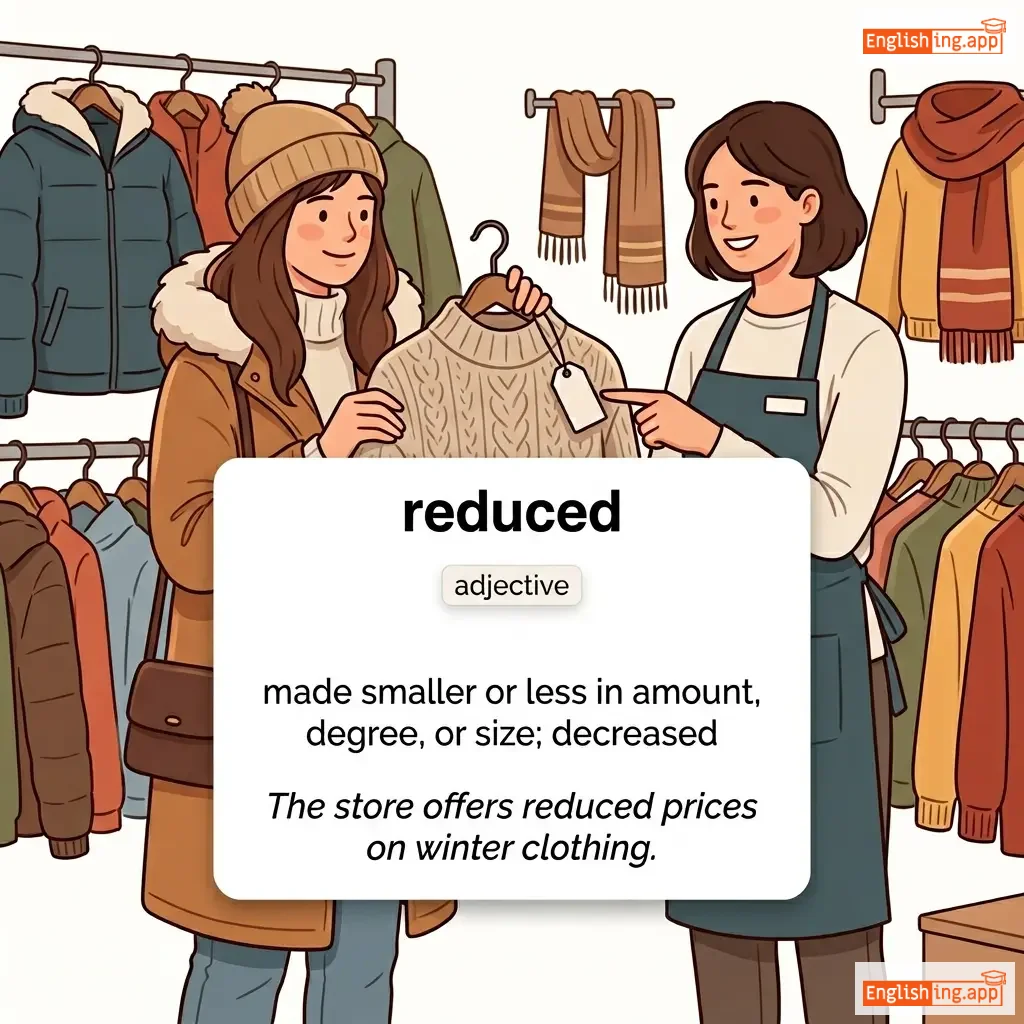
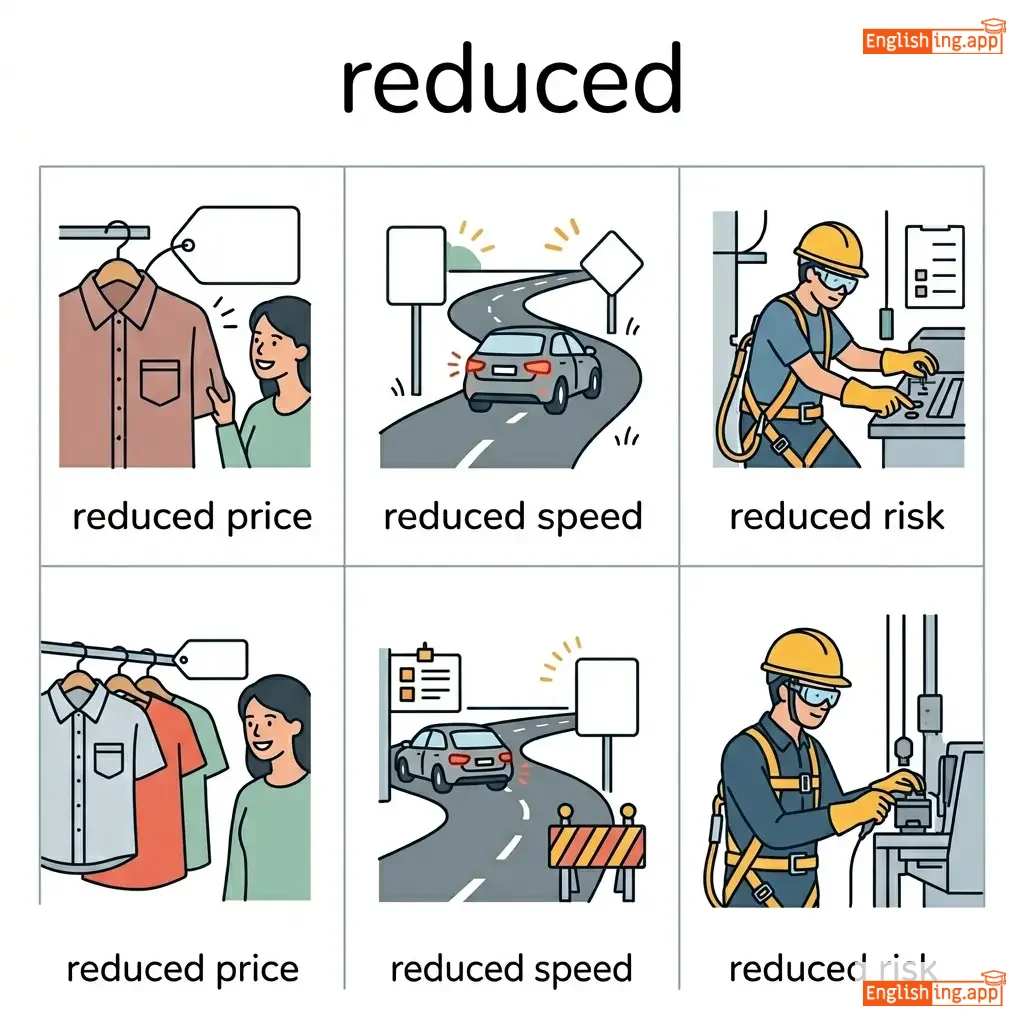
Make smaller or less in amount, degree, or size.
••••••
|
Singapore has reduced plastic usage significantly. |
新加坡大幅减少了塑料的使用。
Xīnjiāpō dàfú jiǎnshǎo le sùliào de shǐyòng.
••••••
|
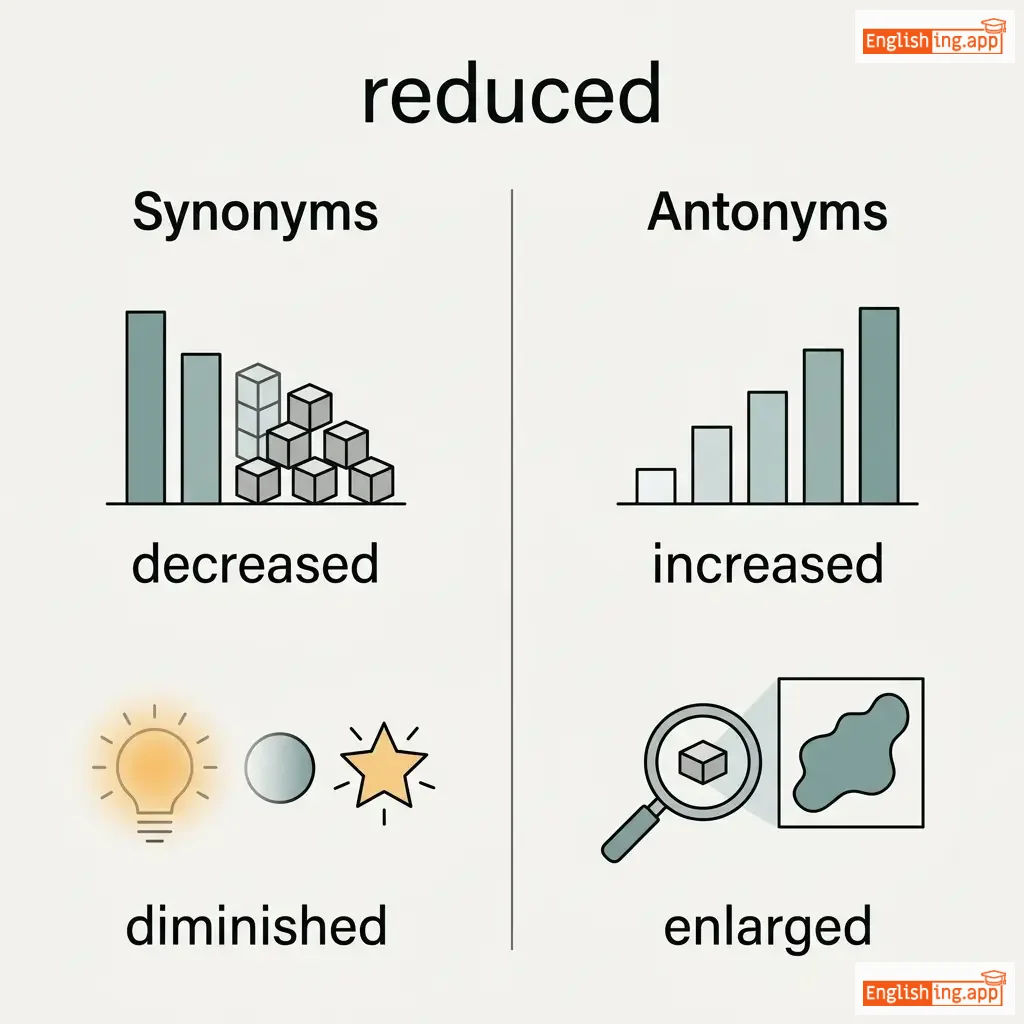
diminished, decreased
••••••
|
increased, escalated
••••••
|
减少 = 小 (make smaller)
••••••
|
|
#24
📈
|
ˈprəʊɡres
noun
(púluògésī)
••••••
|
|
进步
jinbu
••••••
|
Forward or onward movement towards a destination or a more advanced state.
••••••
|
Progress in recycling technologies can tackle pollution.
回收技术的进步可以应对污染。
••••••
|
回收技术的进步可以应对污染。
Huíshōu jìshù de jìnbù kěyǐ yìngduì wūrǎn.
••••••
|
advancement, improvement
••••••
|
regression, decline
••••••
|
进步意味着更美好的明天!
••••••
|
|
#25
📋
|
ˈplænɪŋ
noun
(plānɪŋ)
••••••
|
|
规划
guīhuà
••••••
|
The process of making plans for something; the control of urban development by a local government authority.
••••••
|
Effective planning ensures better waste management. |
有效的规划确保更好的废物管理。
Yǒuxiào de guīhuà quèbǎo gèng hǎo de fèiwù guǎnlǐ.
••••••
|
strategizing, organizing
••••••
|
improvisation, spontaneity
••••••
|
Planning means 'guīhuà' (plans) to manage waste effectively.
••••••
|
|
#26
⚙️
|
ˌɪmplɪmenˈteɪʃən
noun
(实施)
••••••
|
|
实施
shíshī
••••••
|
The process of putting a decision or plan into effect; execution.
••••••
|
Proper implementation of policies is crucial. |
政策的正确实施至关重要。
Zhèngcè de zhèngquè shíshī zhìguān zhòngyào.
••••••
|
execution, application
••••••
|
neglect, ignorance
••••••
|
实施 (put into action) = 实施 (implementation)
••••••
|
Vocabulary Quiz
Test your vocabulary by matching words with their translations or meanings.
Login to take the quiz
Comments (1)
Share your thoughts and join the discussion.
Join the discussion by logging in
Login to CommentJahed Hasan
7 个月前