

畜牧业的重要性
The Importance of Livestock Farming
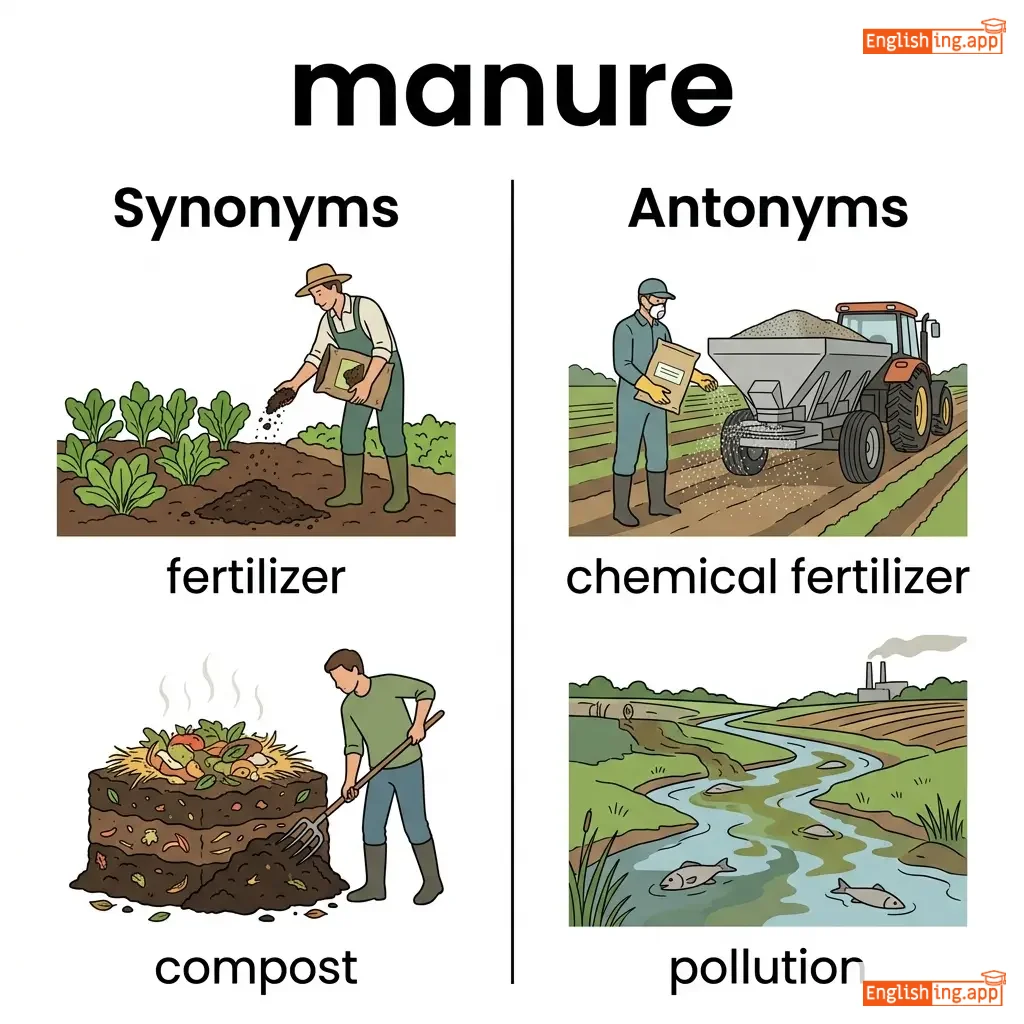
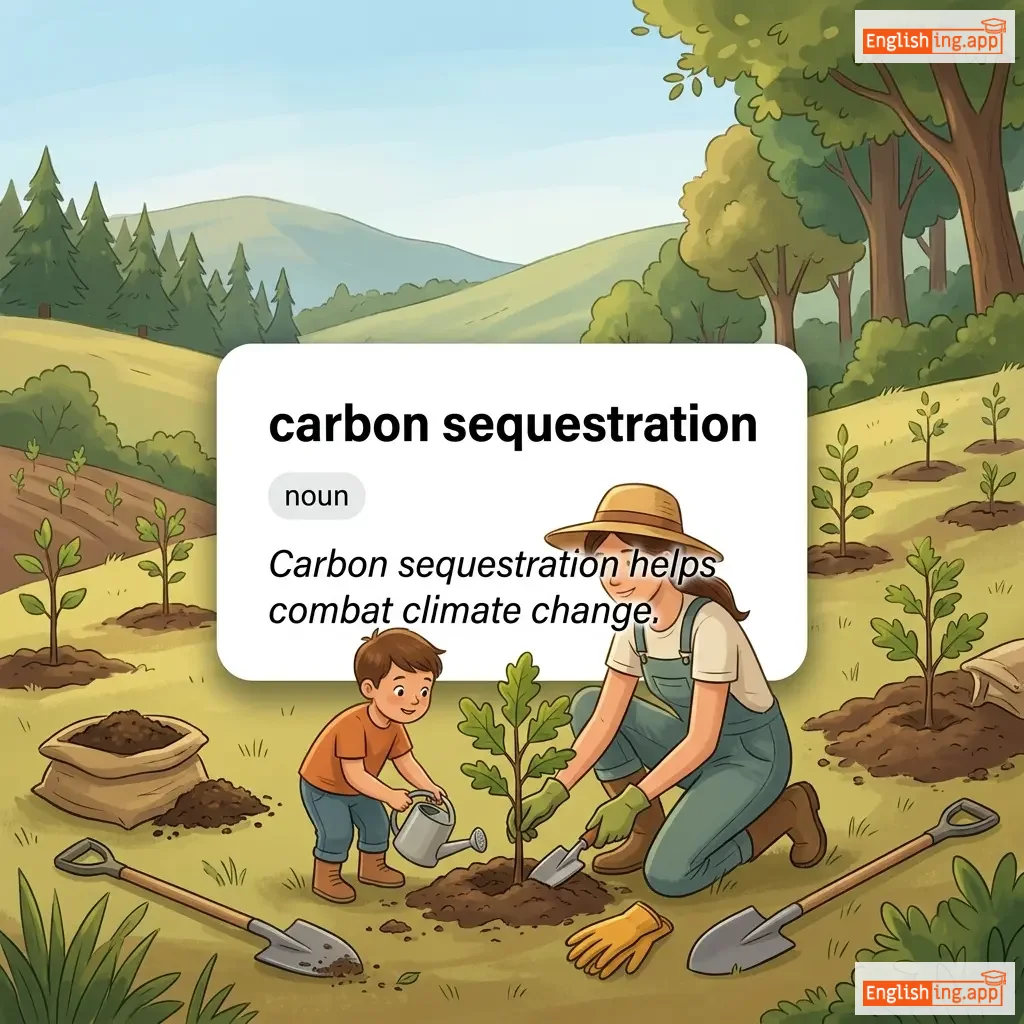
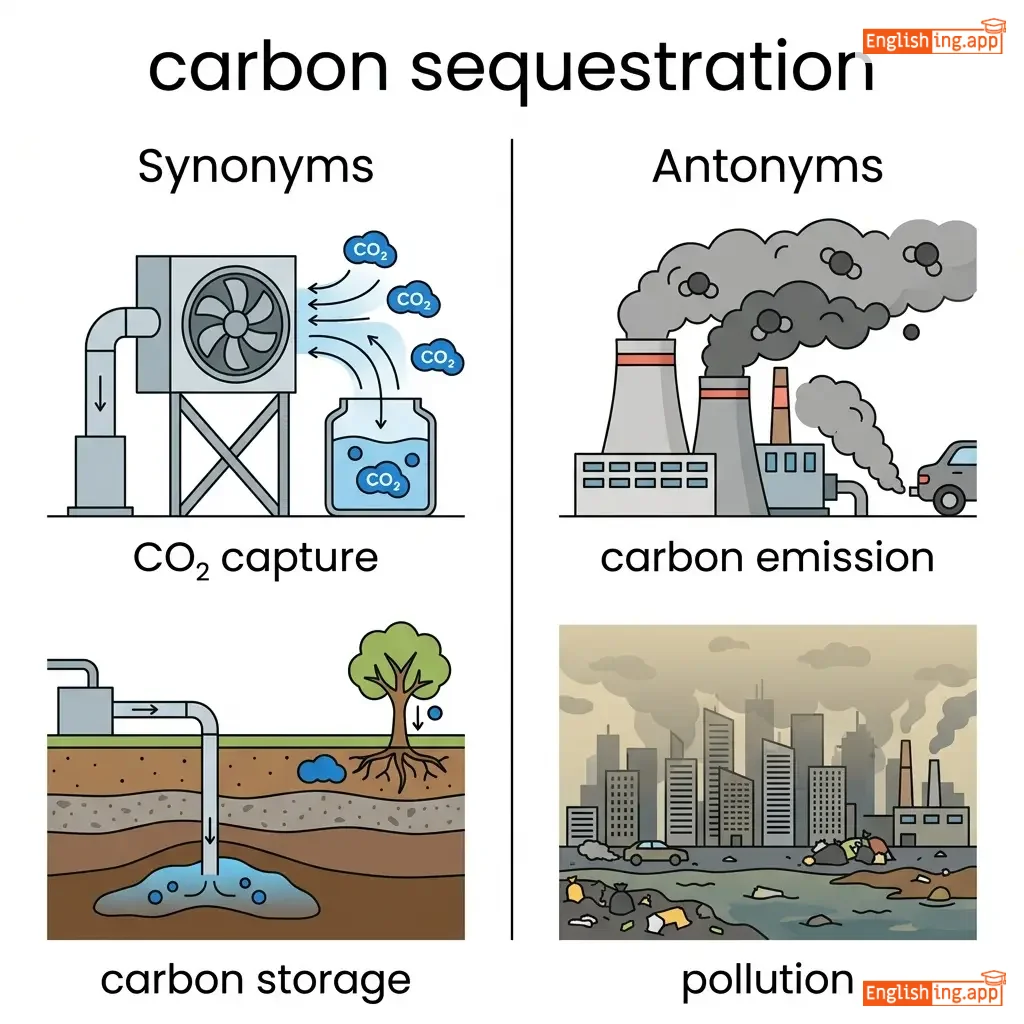
畜牧业是现代农业生态系统中的一个关键组成部分,帮助确保可持续性。它不仅用于食品生产,还作为生物多样性保护的手段。许多农村家庭通过自给农业维持生计,其中牧业和畜牧业是他们的主要收入来源。牲畜的粪肥提高土壤肥力,并在碳固存过程中发挥作用,保持环境平衡。
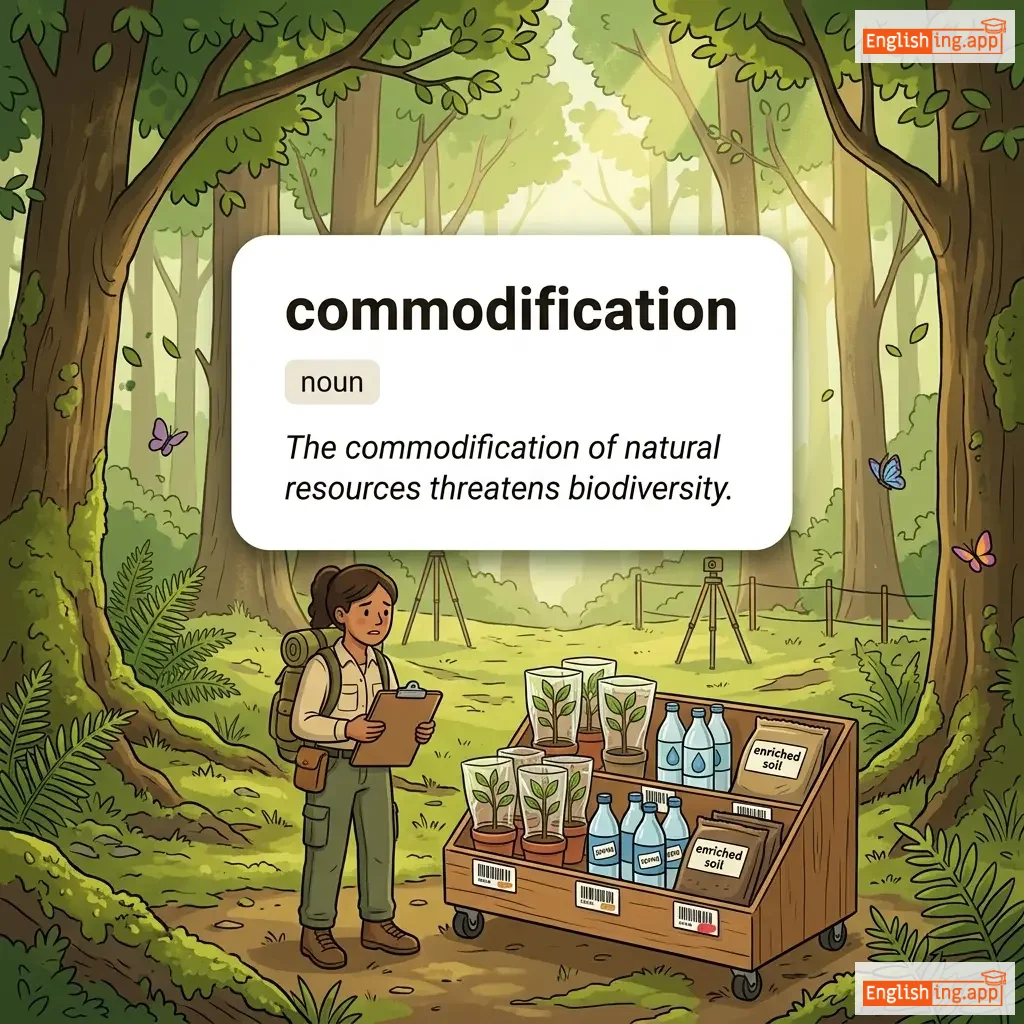
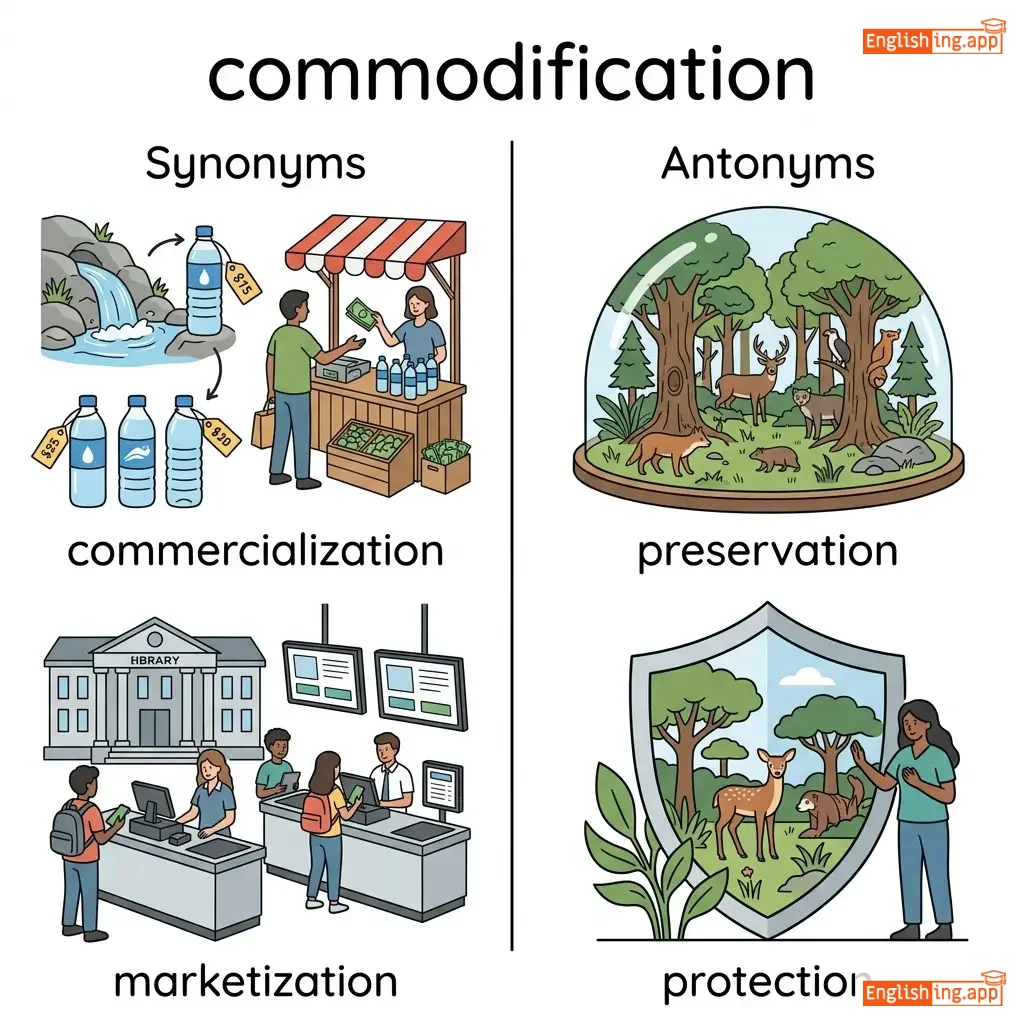
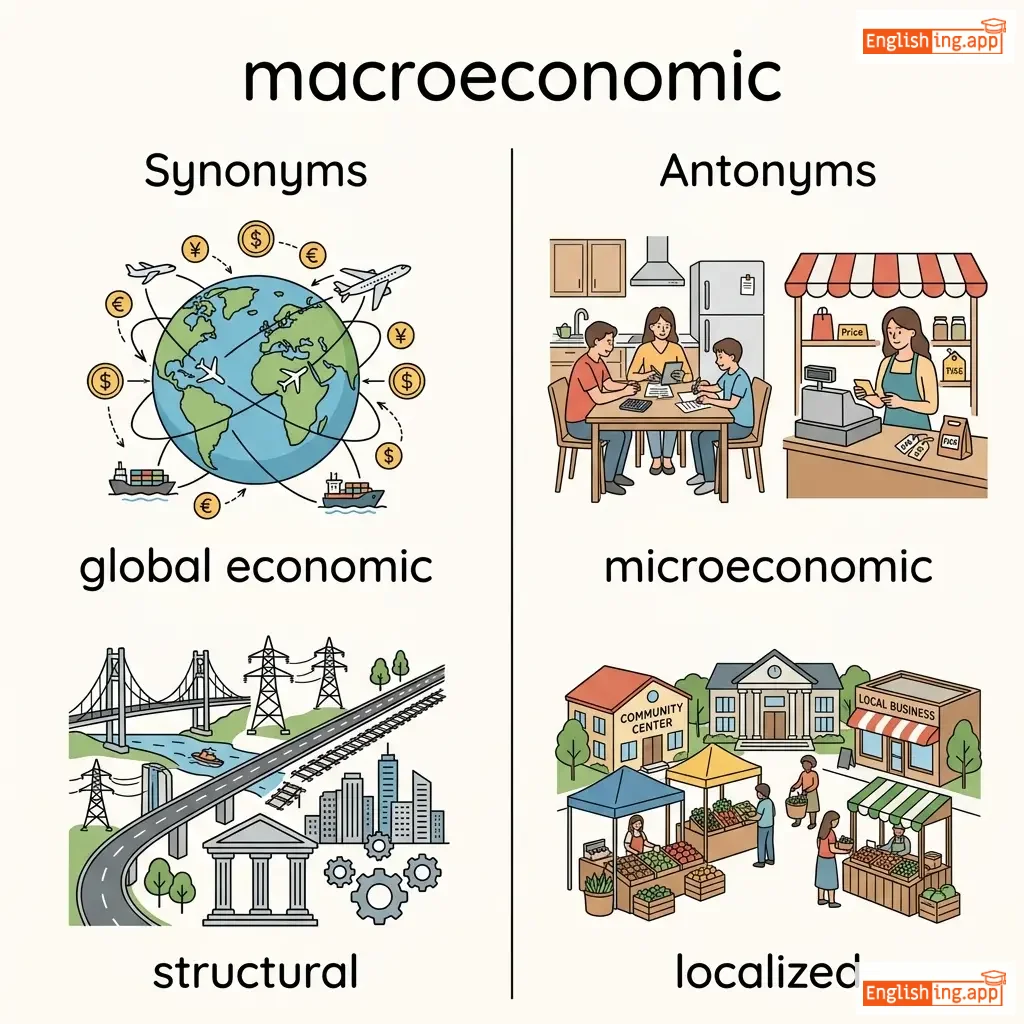
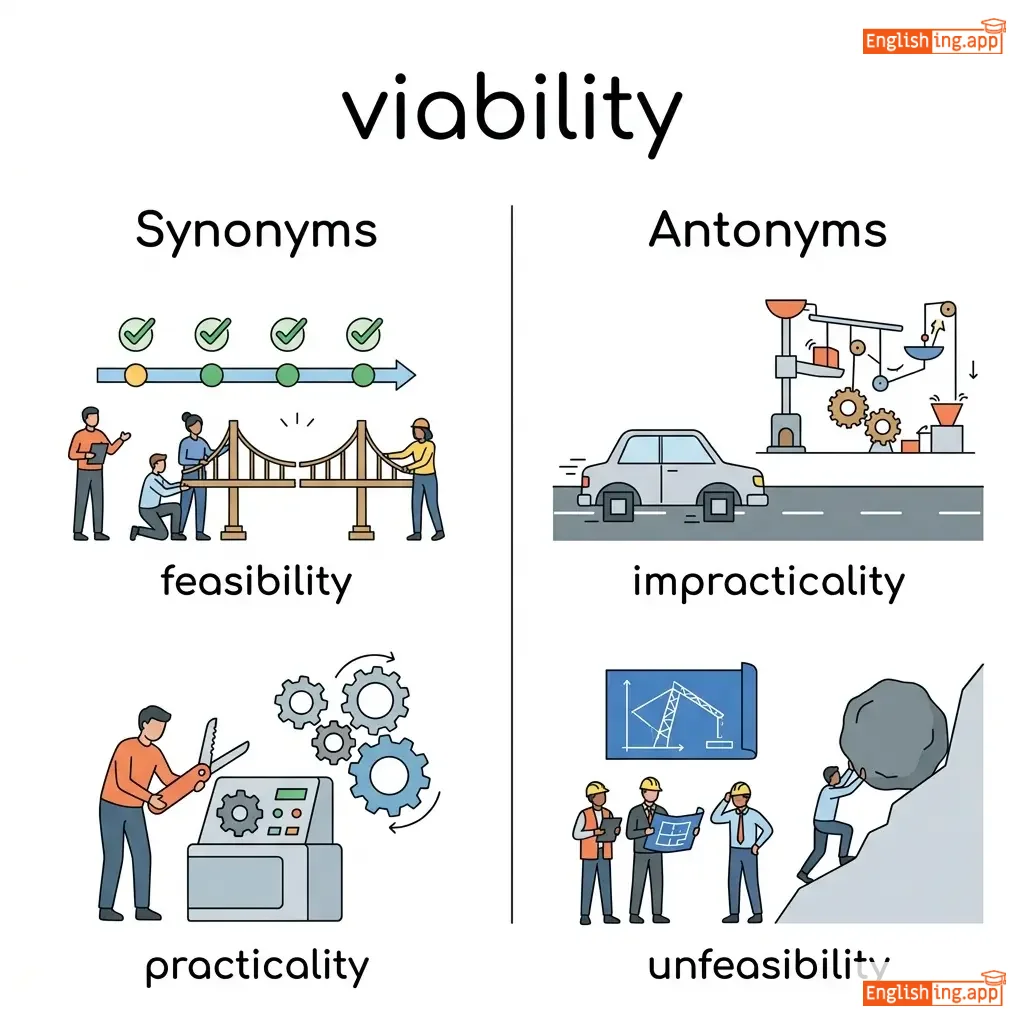
目前,由于商品化和商业化,宏观经济重要性增加,提高了国家的可行性和经济稳定性。当饲料生产和动物饲料供应改善时,效率也会提高。
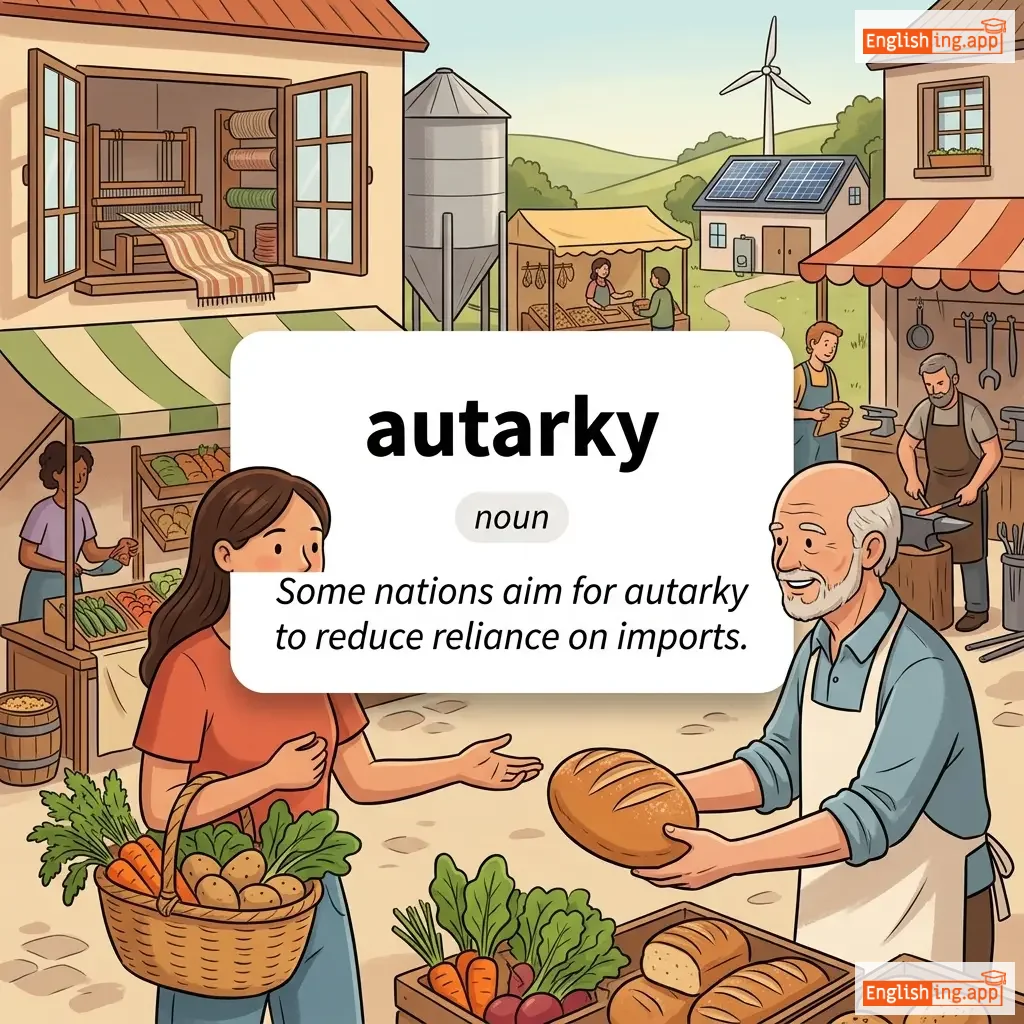
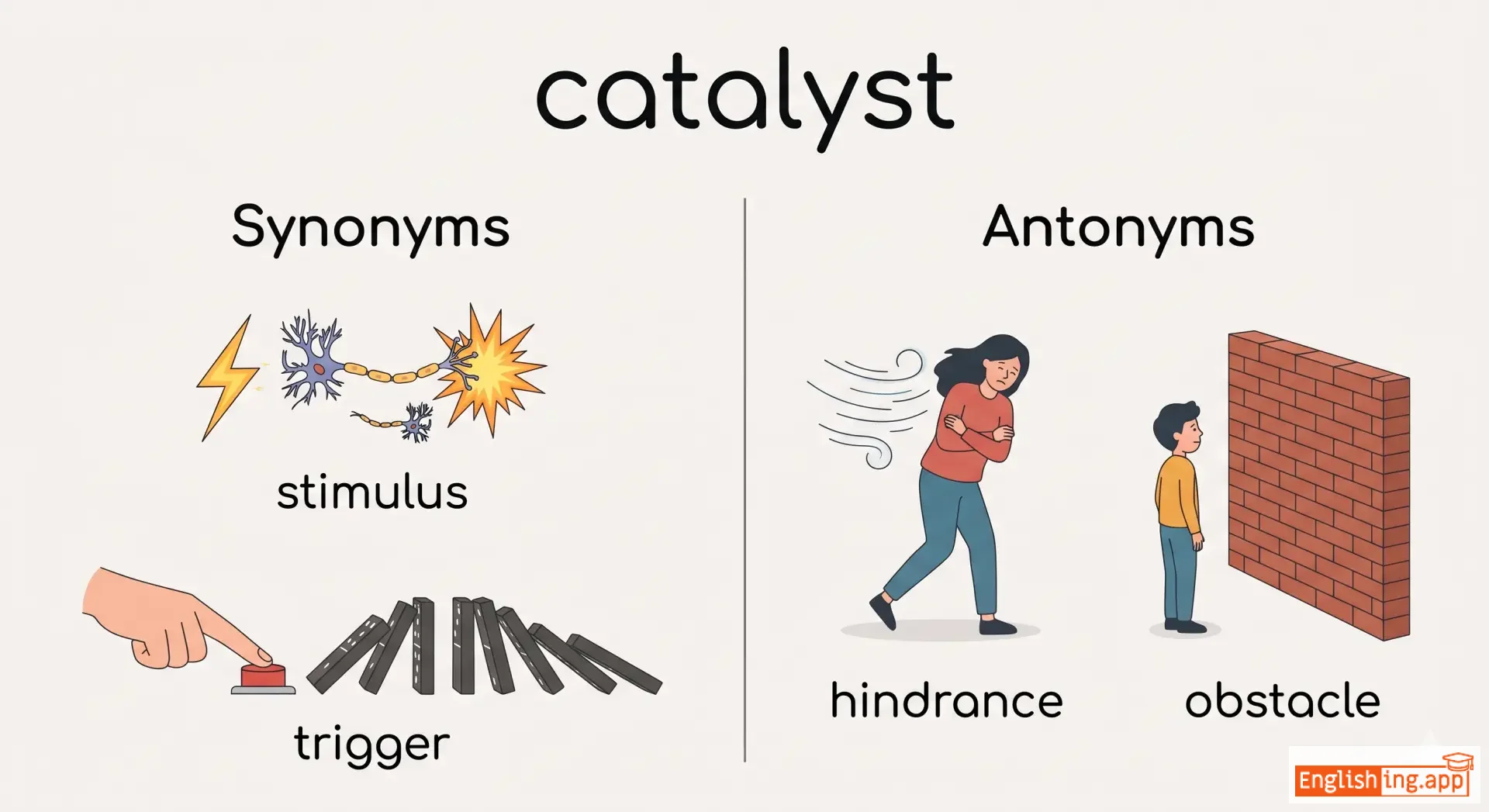
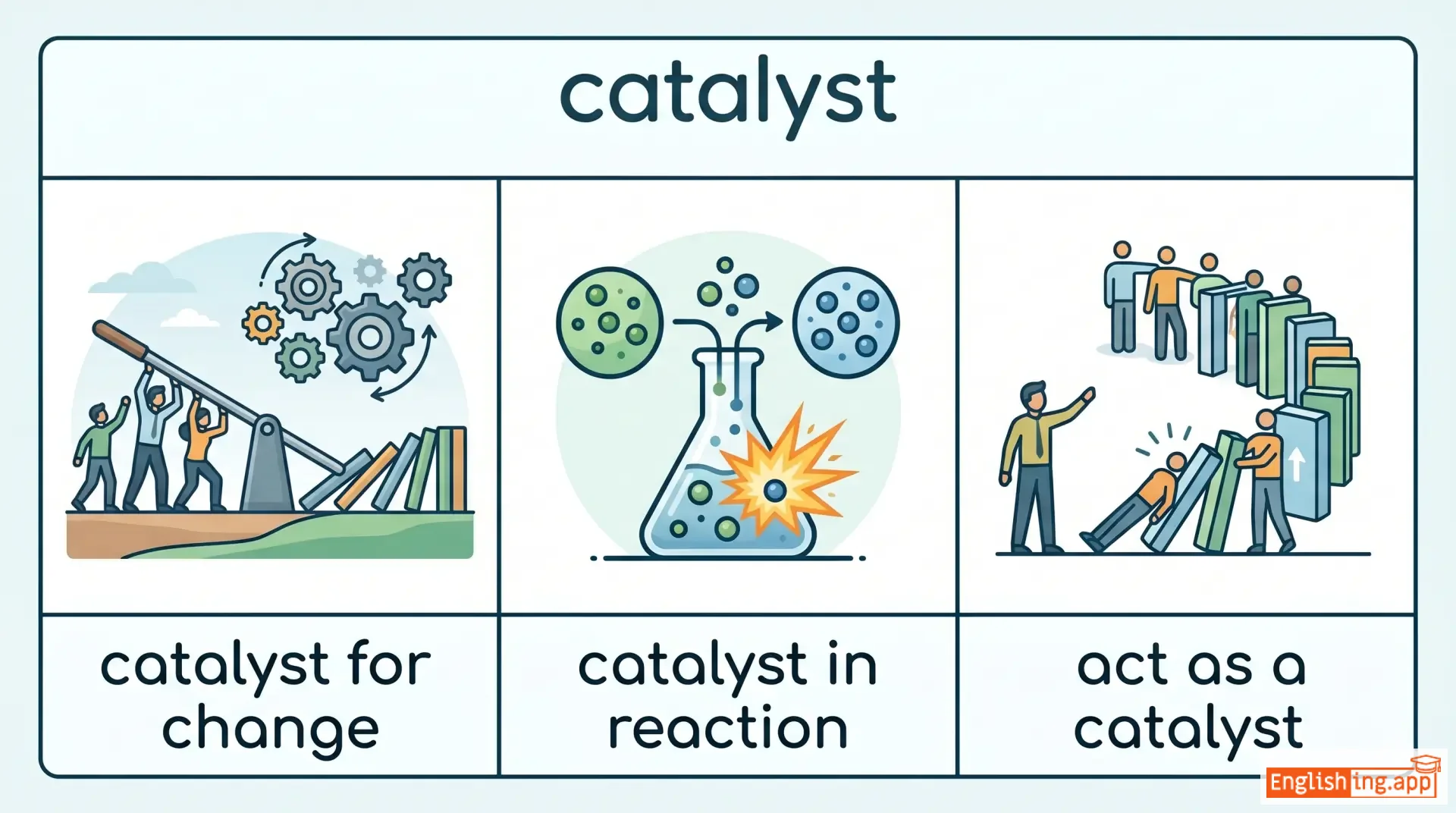
然而,未经计划的畜牧业可能增加沉积和土壤侵蚀,并伴随人口变化。因此,有必要保持自给自足,同时进行增强,使其成为长期发展的催化剂。









Swipe left or right, or use the buttons. Tap image to zoom.
例句翻译
单词
The Importance of Livestock FarmingThe Importance of Livestock Farming - 遮罩切换
|
表情符号
|
单词 | Images | 翻译 | 含义 | 例句 | 例句翻译 | 同义词 | 反义词 | 助记符 |
|---|---|---|---|---|---|---|---|---|---|
|
#3320
🐄
|
ˈlaɪv.stɒk ˈfɑː.mɪŋ
noun
(laivstok farming)
••••••
|
|
畜牧业
xumuyye
••••••
|
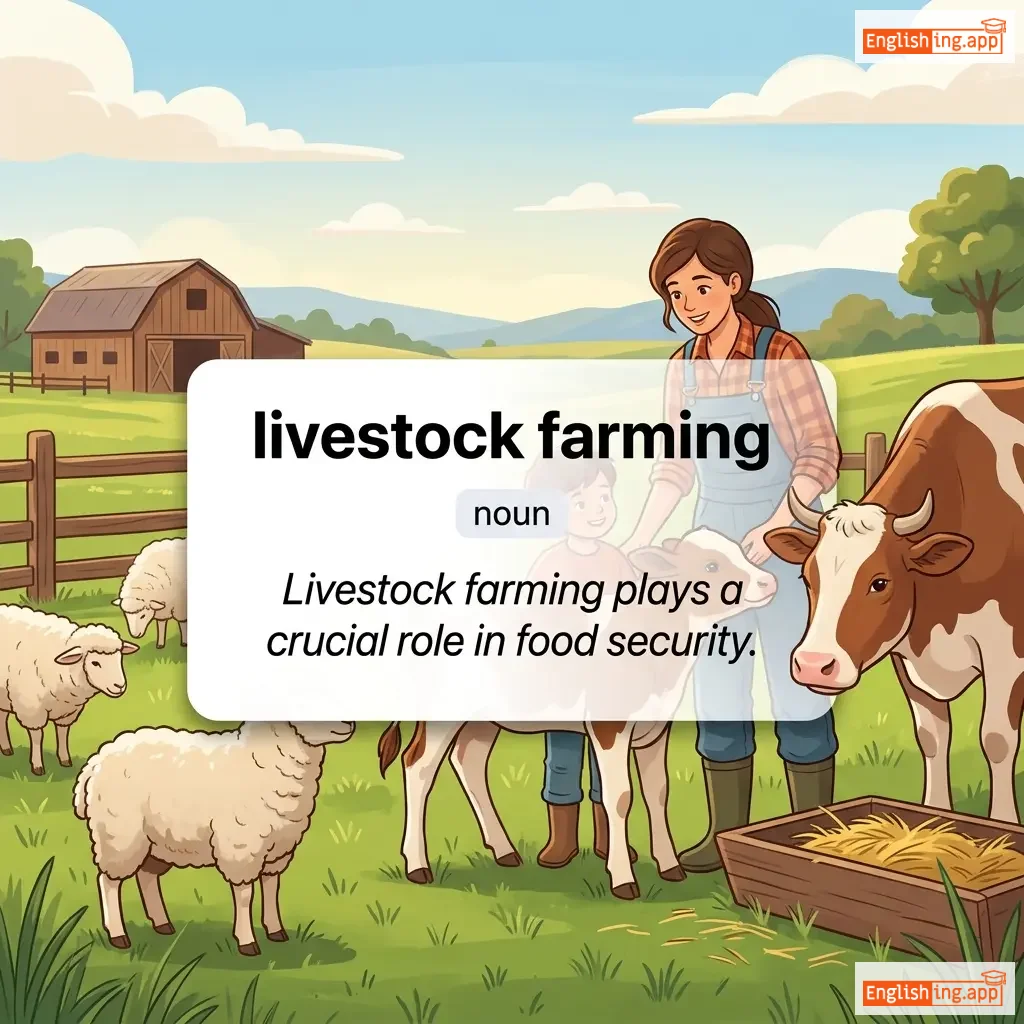
The breeding, raising, and care of farm animals such as cattle, horses, sheep, and pigs for food, fiber, and other products.
••••••
|
Livestock farming plays a crucial role in food security. |
畜牧业在食品安全中发挥着至关重要的作用。
Xumuyye zai shipin anquan zhong fahui zhe zhiguan zhongyao de zuoyong.
••••••
|
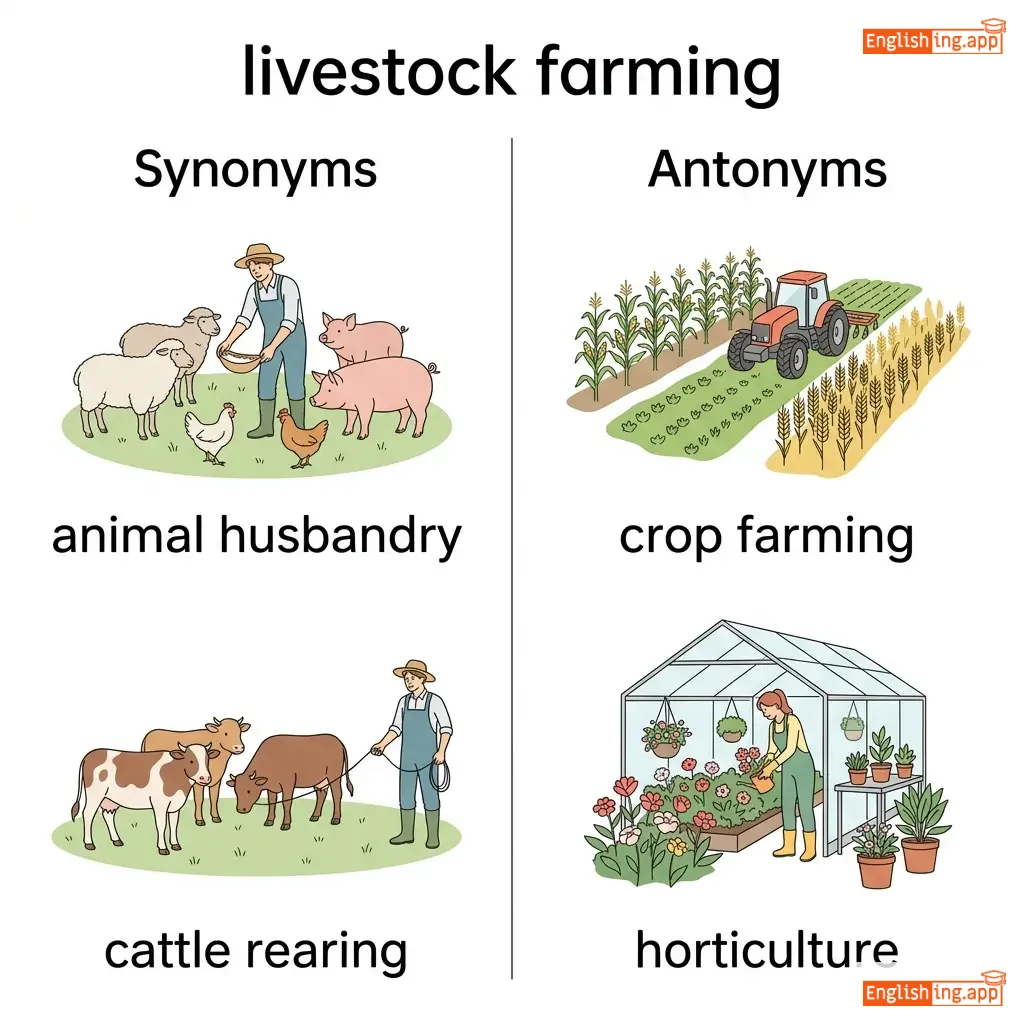
animal husbandry, cattle rearing
••••••
|
crop farming, horticulture
••••••
|
牧场上饲养的动物提供肉类和牛奶。
••••••
|
|
#3321
🌱
|
ˈæɡ.rəʊ ˌiː.kəʊˌsɪs.təm
noun
(农田生态系统)
••••••
|
|
农田生态系统
nóngtián shēngtài xìtǒng
••••••
|
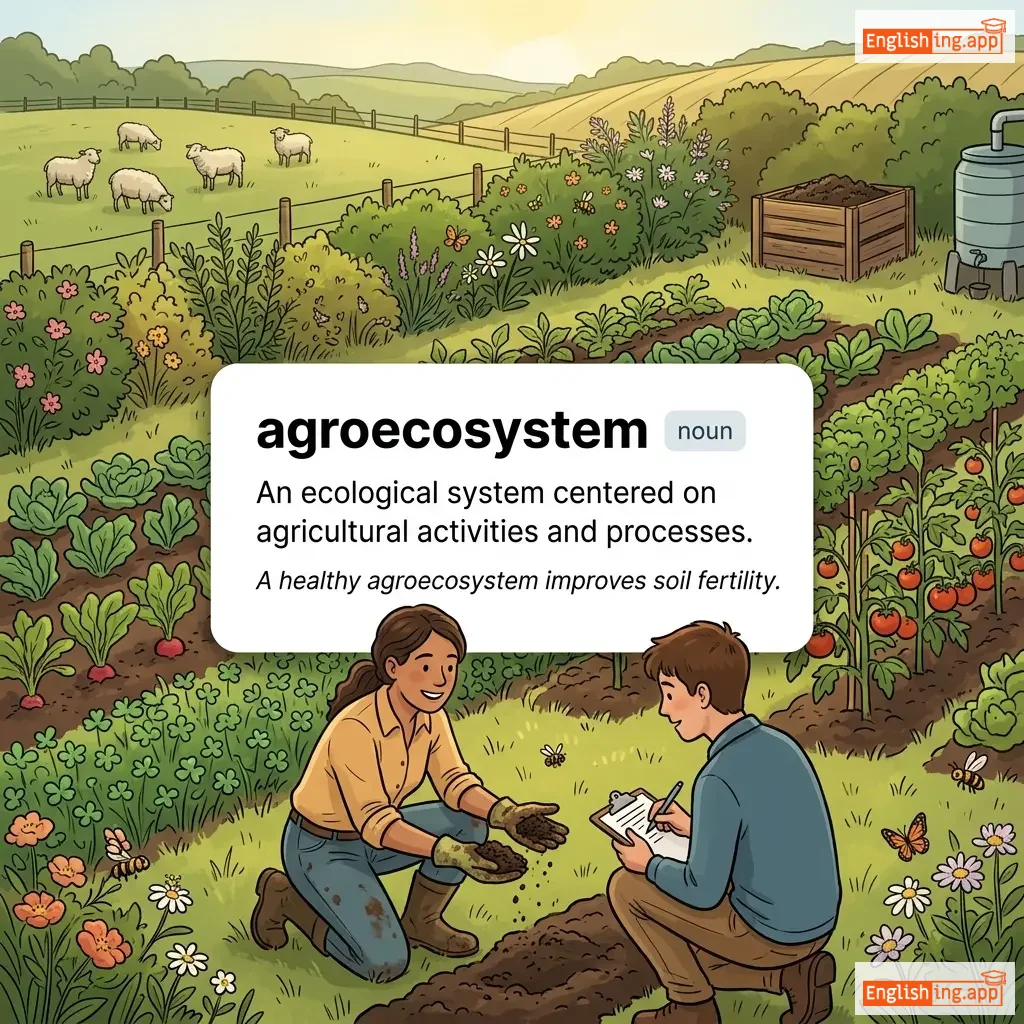
An agricultural system that includes living and nonliving components and their interactions within an agricultural setting.
••••••
|
A well-maintained agroecosystem enhances soil fertility.
一个良好维护的农业生态系统可以提高土壤肥力。
••••••
|
一个良好维护的农业生态系统可以提高土壤肥力。
Yīgè liánghǎo wéihù de nóngyè shēngtài xìtǒng kěyǐ tígāo tǔrǎng féilì.
••••••
|
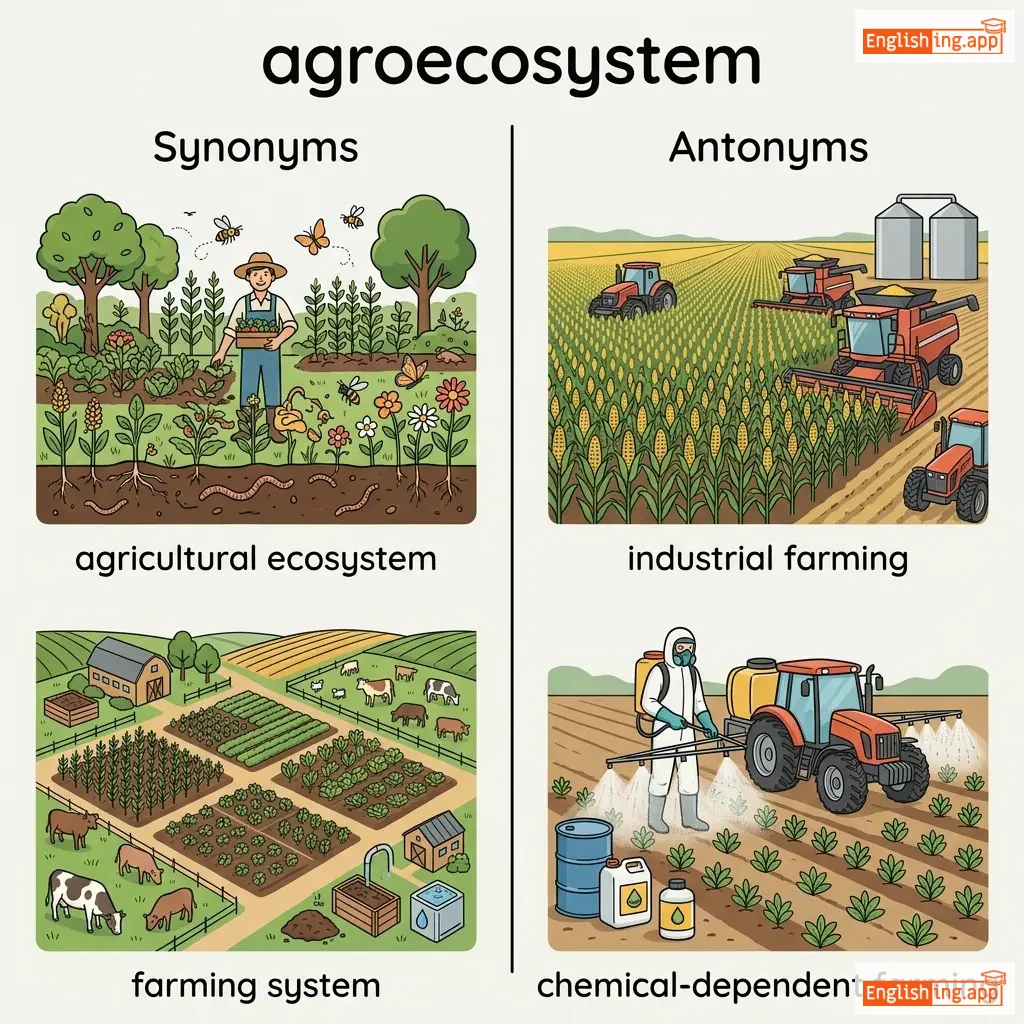
agricultural ecology, farming system
••••••
|
urban ecosystem, industrial system
••••••
|
农田生态系统就像是自然与农业的完美结合。
••••••
|
|
#3322
♻️
|
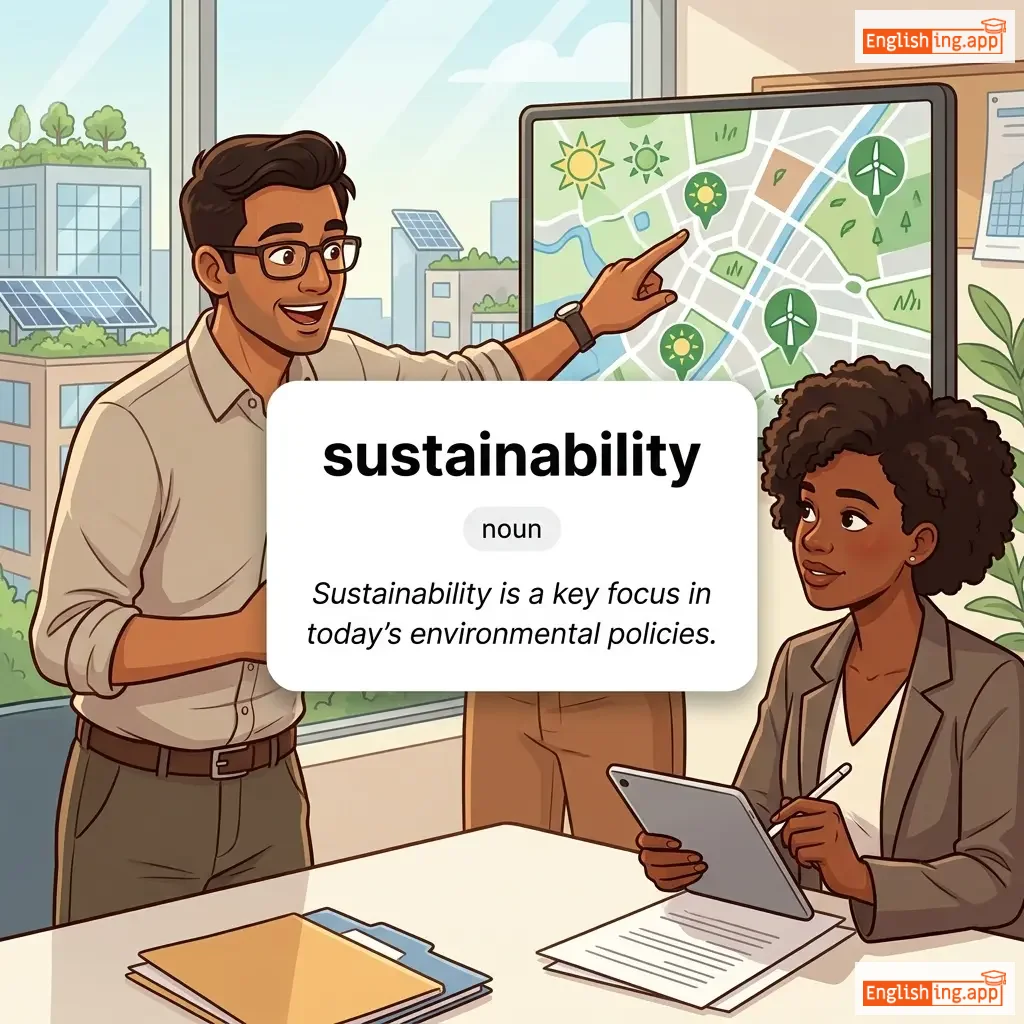
səˌsteɪ.nəˈbɪl.ə.ti
noun
(sustainability)
••••••
|
|
可持续性
keshi zhixing
••••••
|
The ability to maintain or support a process continuously over time without depleting natural resources or causing environmental damage.
••••••
|
Sustainability in agriculture ensures long-term food production. |
农业中的可持续性确保了长期的食品生产。
Nongye zhong de keshi zhixing quebao le changqi de shipin shengchan.
••••••
|
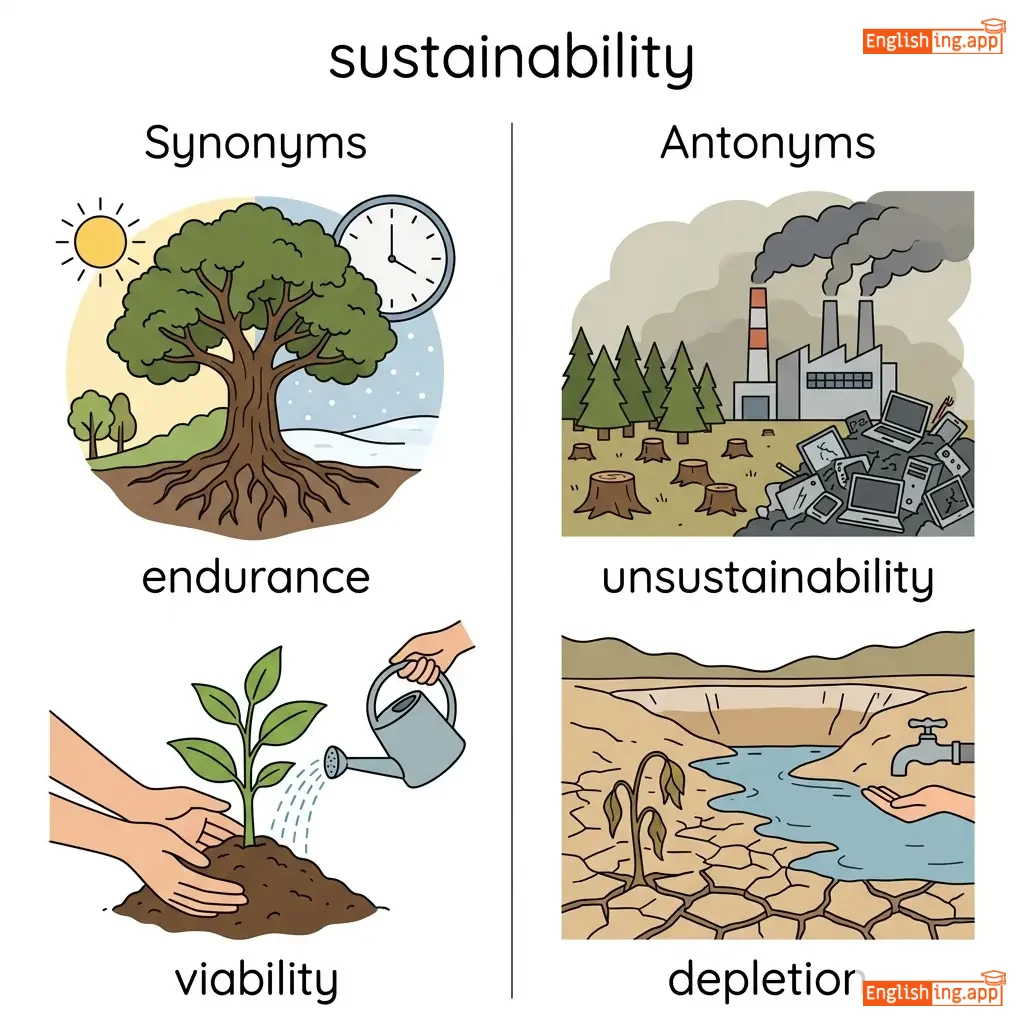
eco-friendliness, longevity
••••••
|
unsustainability, instability
••••••
|
No •••••• |
|
#3323
🦋
|
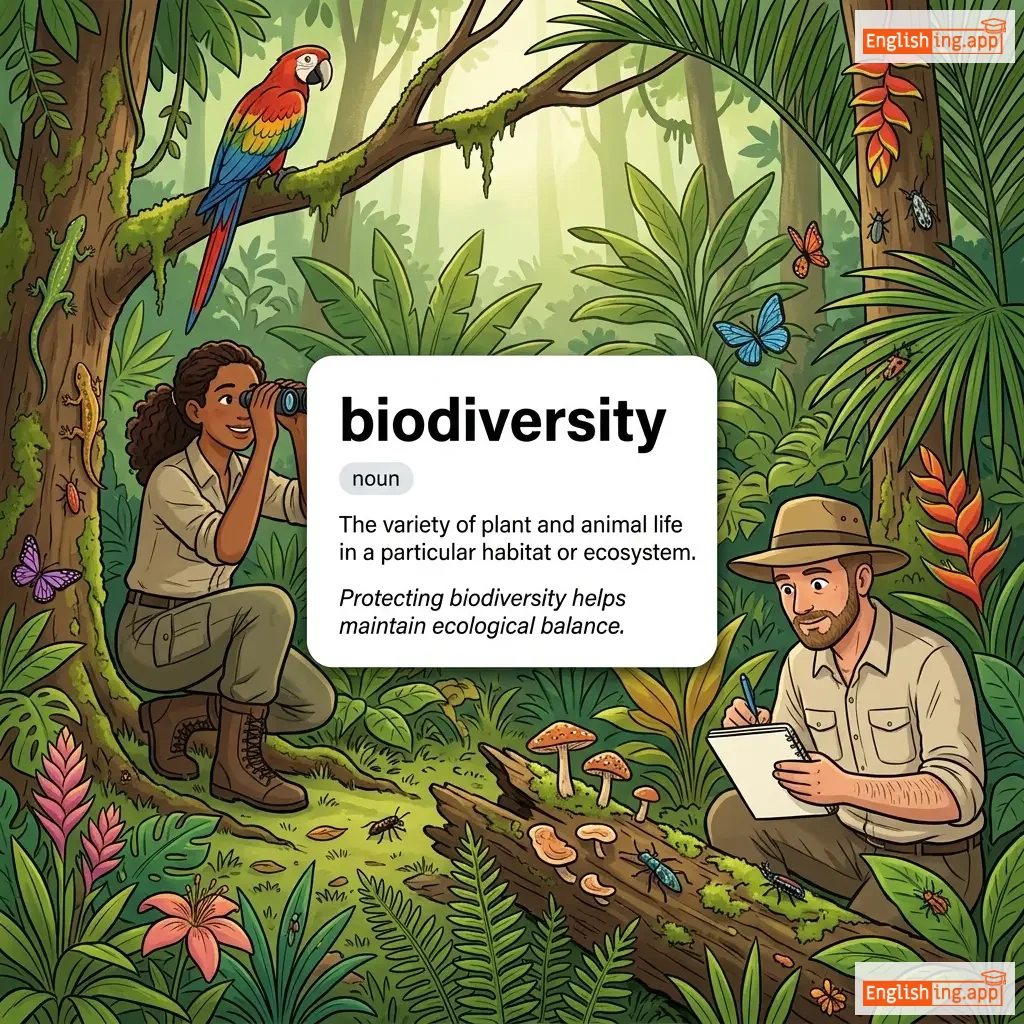
ˌbaɪ.əʊ.daɪˈvɜː.sɪ.ti
noun
(bāiōdàiyīwòxìtī)
••••••
|
|
生物多样性
shengwu duoyangxing
••••••
|
The variety of life in the world or in a particular habitat or ecosystem, including diversity within species, between species, and of ecosystems.
••••••
|
Biodiversity conservation is crucial for a balanced ecosystem.
生物多样性保护对于平衡生态系统至关重要。
••••••
|
生物多样性保护对于平衡生态系统至关重要。
Shengwu duoyangxing baohu dui yu pingheng shengtai xitong zhi guan zhongyao.
••••••
|
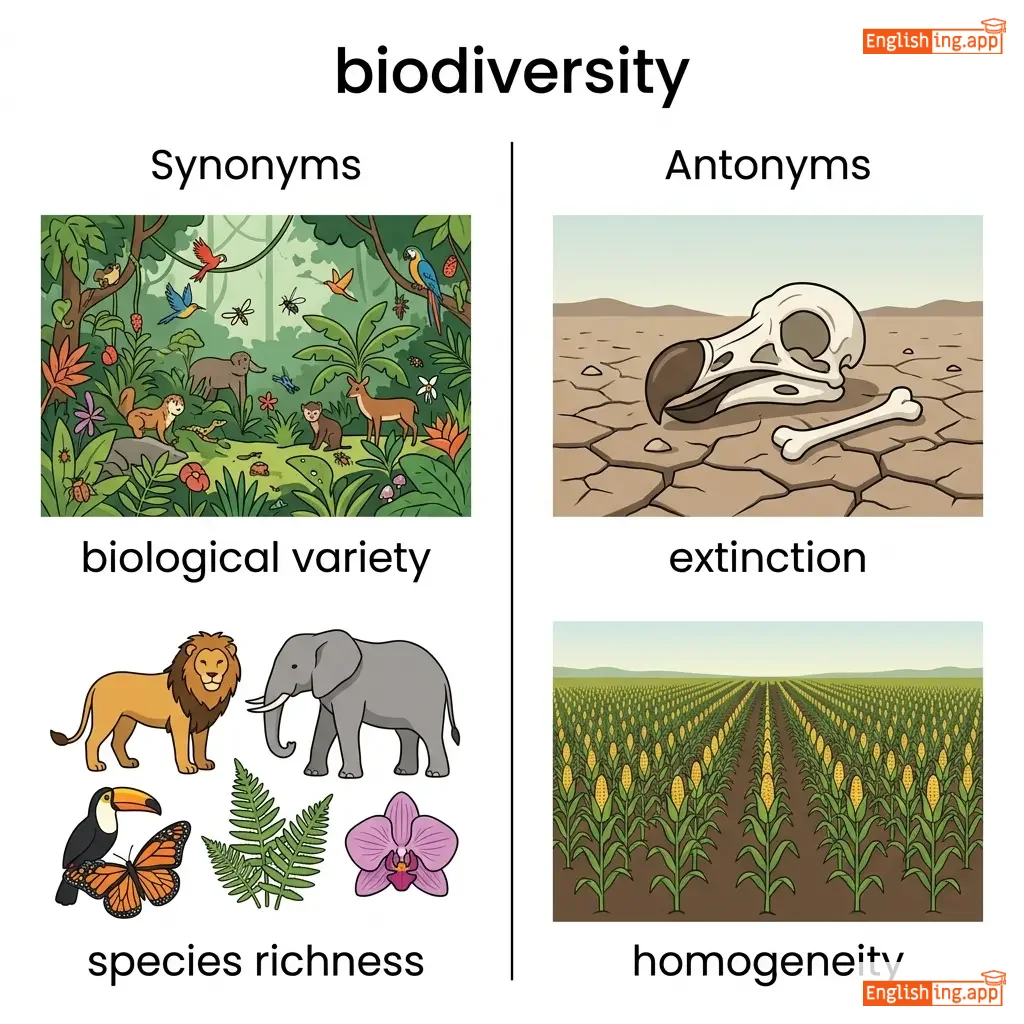
ecosystem variety, genetic diversity
••••••
|
monoculture, habitat loss
••••••
|
Biodiversity in Chinese: 生物多样性 (shengwu duoyangxing)
••••••
|
|
#3324
🌾
|
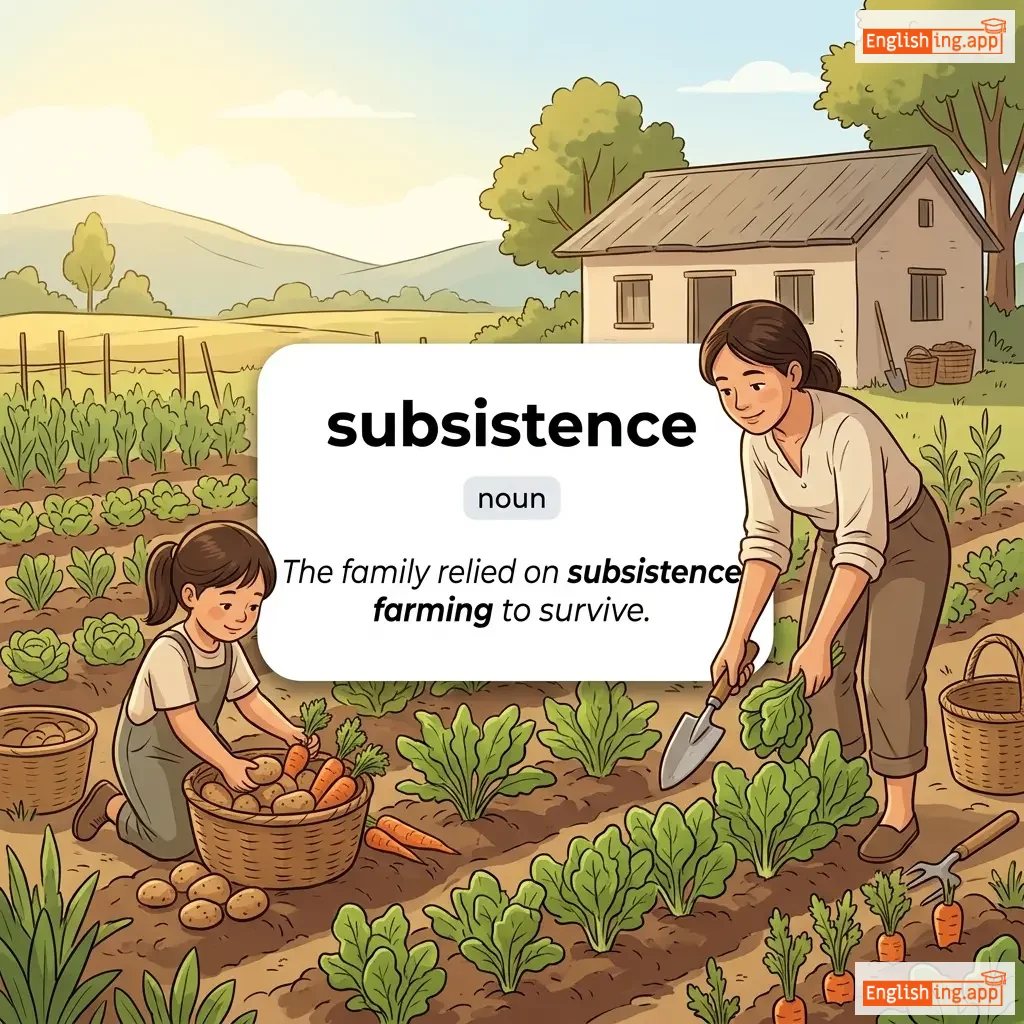
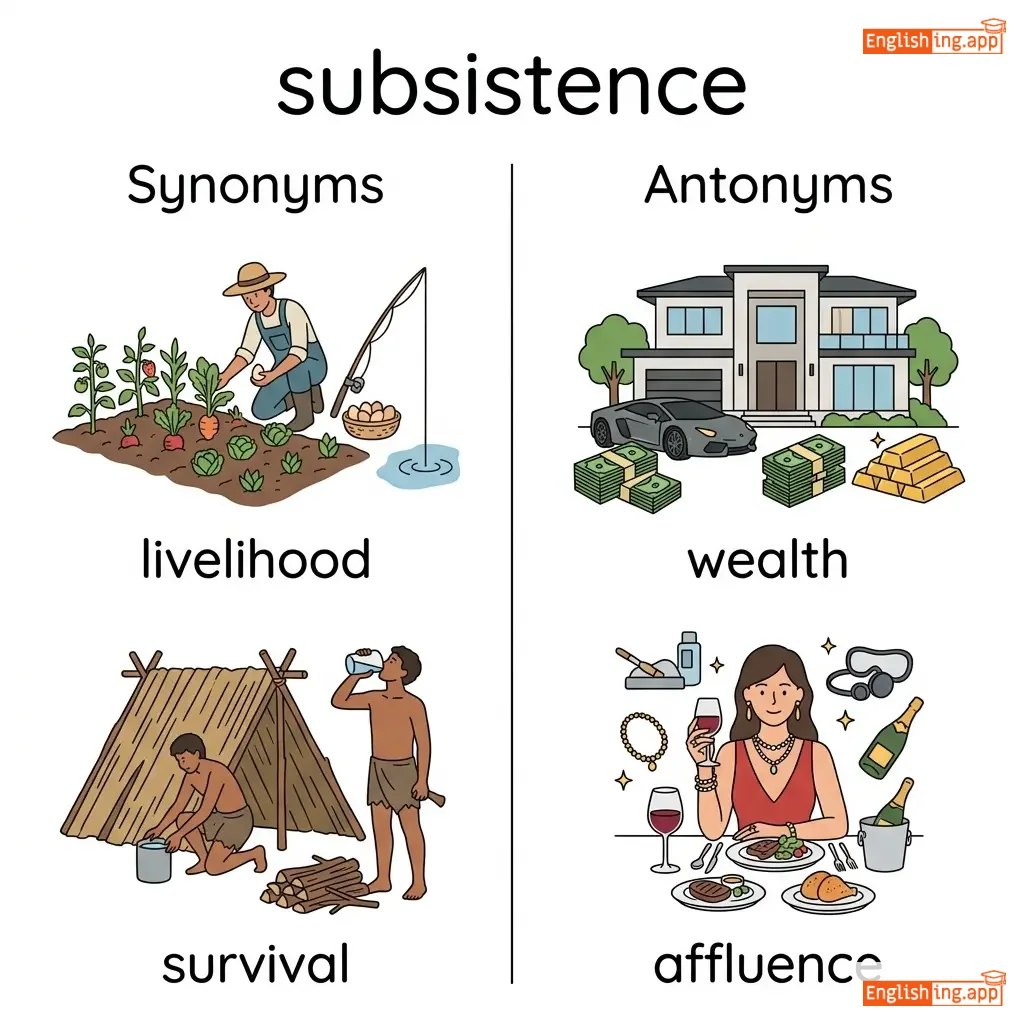
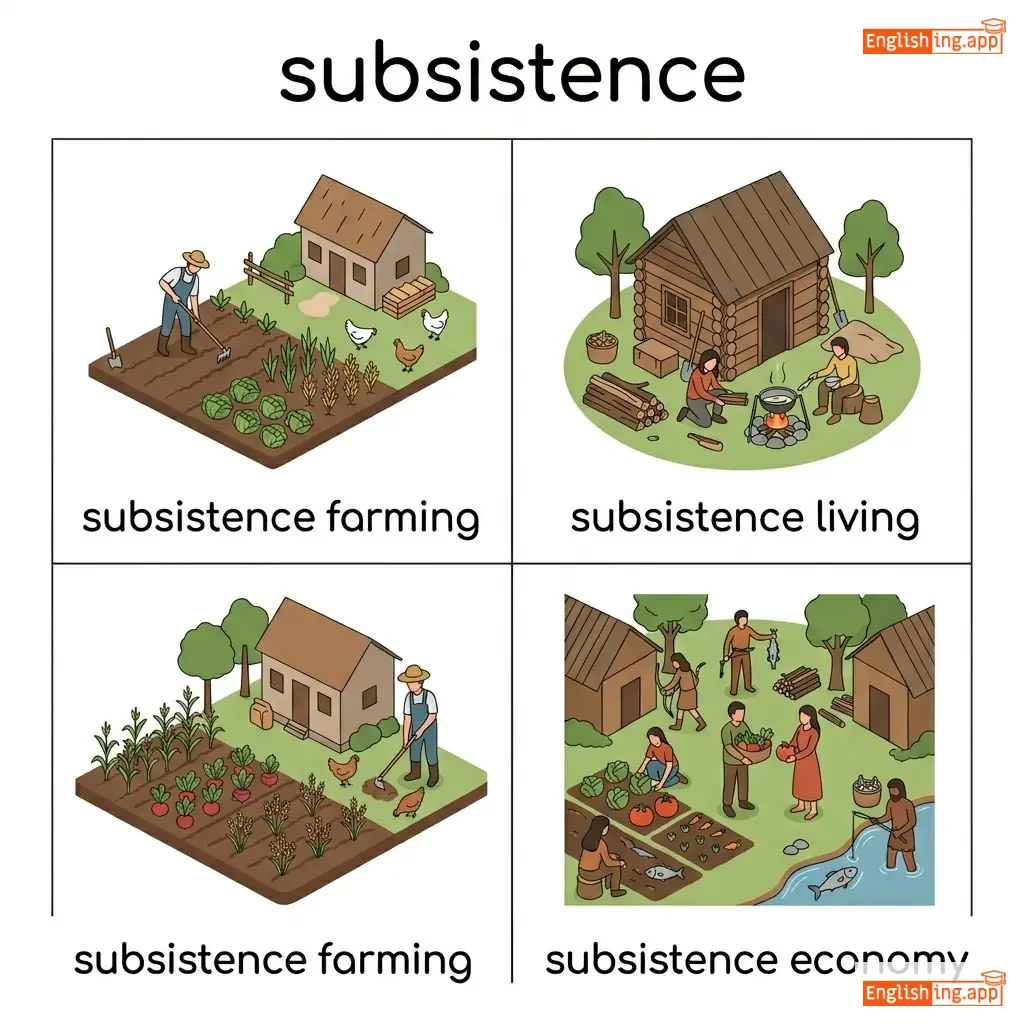
səbˈsɪs.təns
noun
(萨布斯坦斯)
••••••
|
|
生存
shengcun
••••••
|
The action or fact of maintaining or supporting oneself at a minimum level, especially with basic necessities like food and shelter.
••••••
|
Many rural communities rely on subsistence farming.
许多农村社区依赖于自给自足的农业。
••••••
|
许多农村社区依赖于自给自足的农业。
Xuduo nongcun shequ yilai yu zijizizhu de nongye.
••••••
|
self-sufficiency, minimal survival
••••••
|
luxury, surplus
••••••
|
生存 = 仅满足基本需求生活。
••••••
|
|
#3325
🐑
|
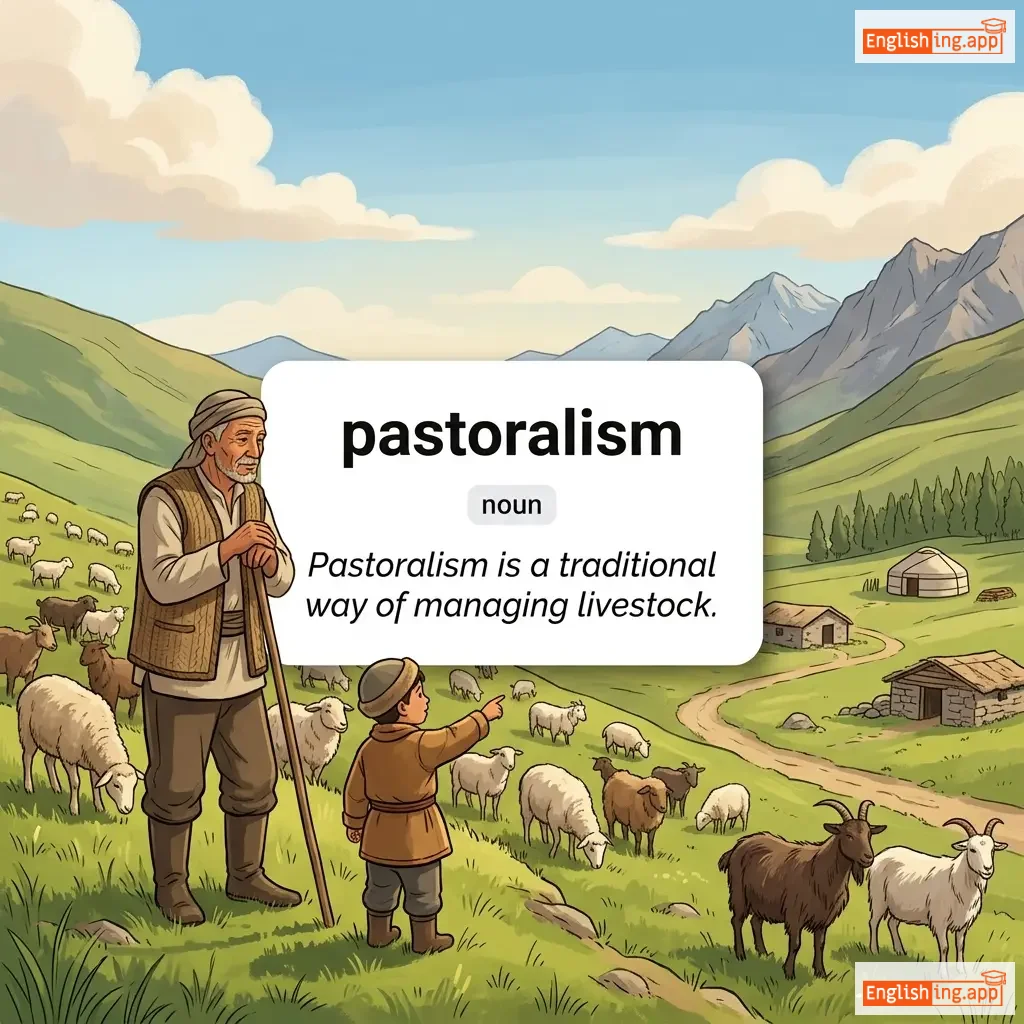
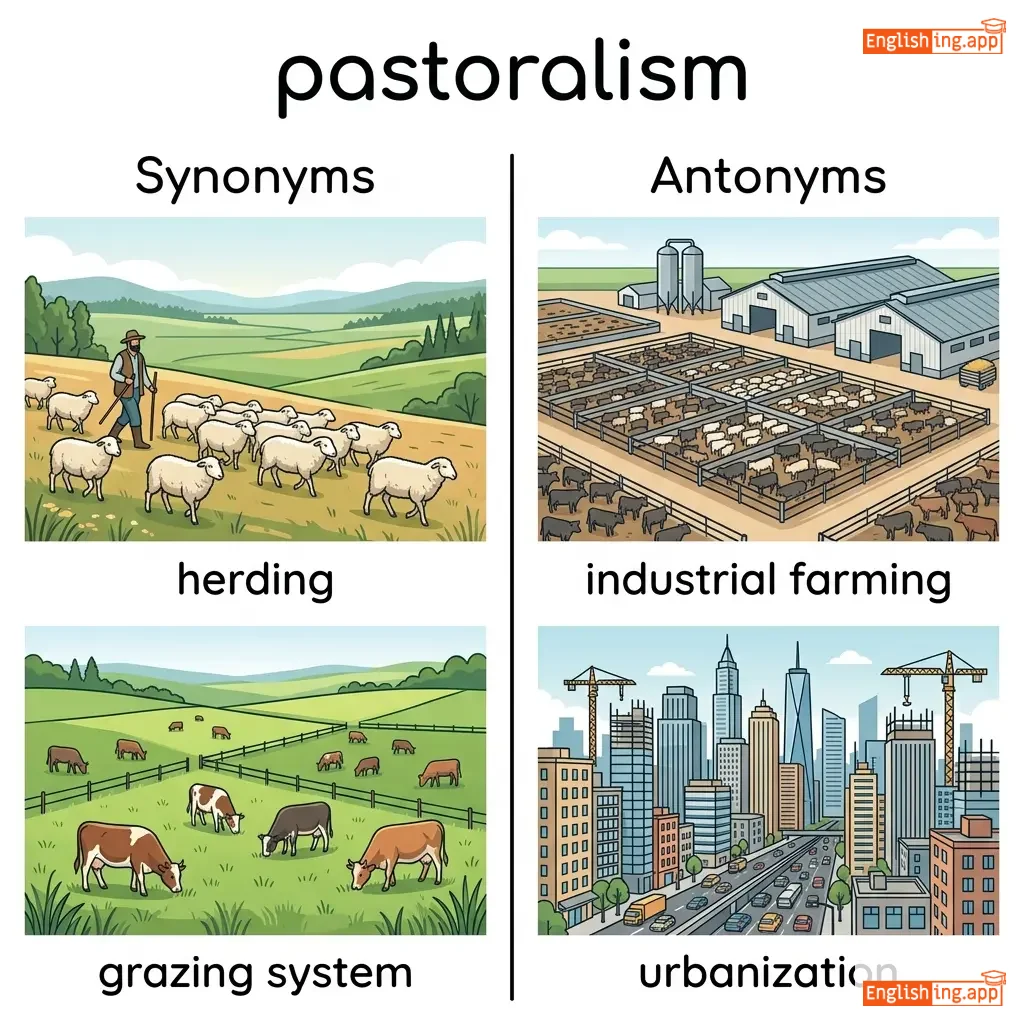
ˈpɑː.stər.ə.lɪ.zəm
noun
(牧羊主义)
••••••
|
|
牧羊主义, 以草为基础的放牧系统
mù yáng zhǔ yì, yǐ cǎo wèi jīchǔ de fàng mù xì tǒng
••••••
|
A form of animal husbandry where domesticated animals are released onto large vegetated outdoor lands for grazing.
••••••
|
Pastoralism is a traditional way of managing livestock.
牧羊主义是传统的牲畜管理方式。
••••••
|
牧羊主义是传统的牲畜管理方式。
Mù yáng zhǔ yì shì chuántǒng de shēngchù guǎnlǐ fāngshì.
••••••
|
herding, grazing system
••••••
|
industrial farming, urbanization
••••••
|
牧羊 + 放牧 = 牧羊主义
••••••
|
|
#3326
🚜
|
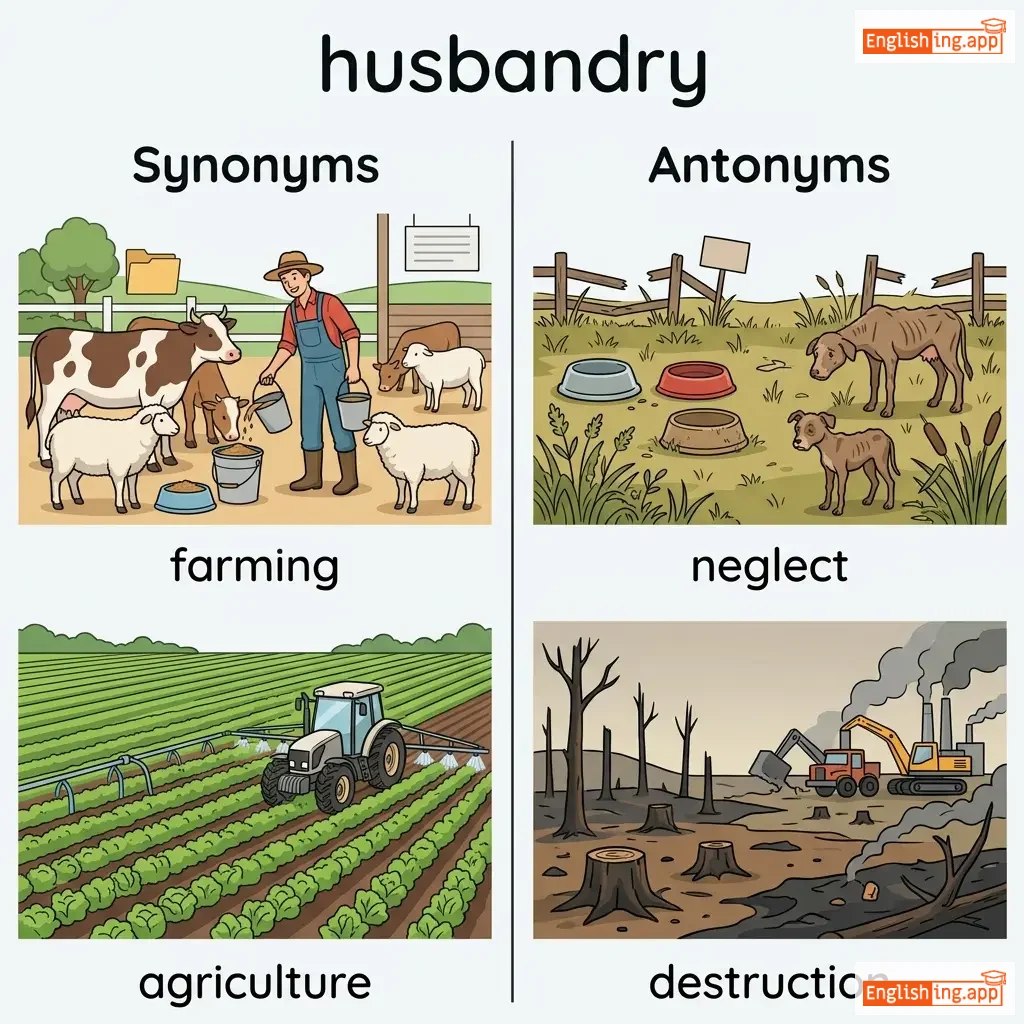
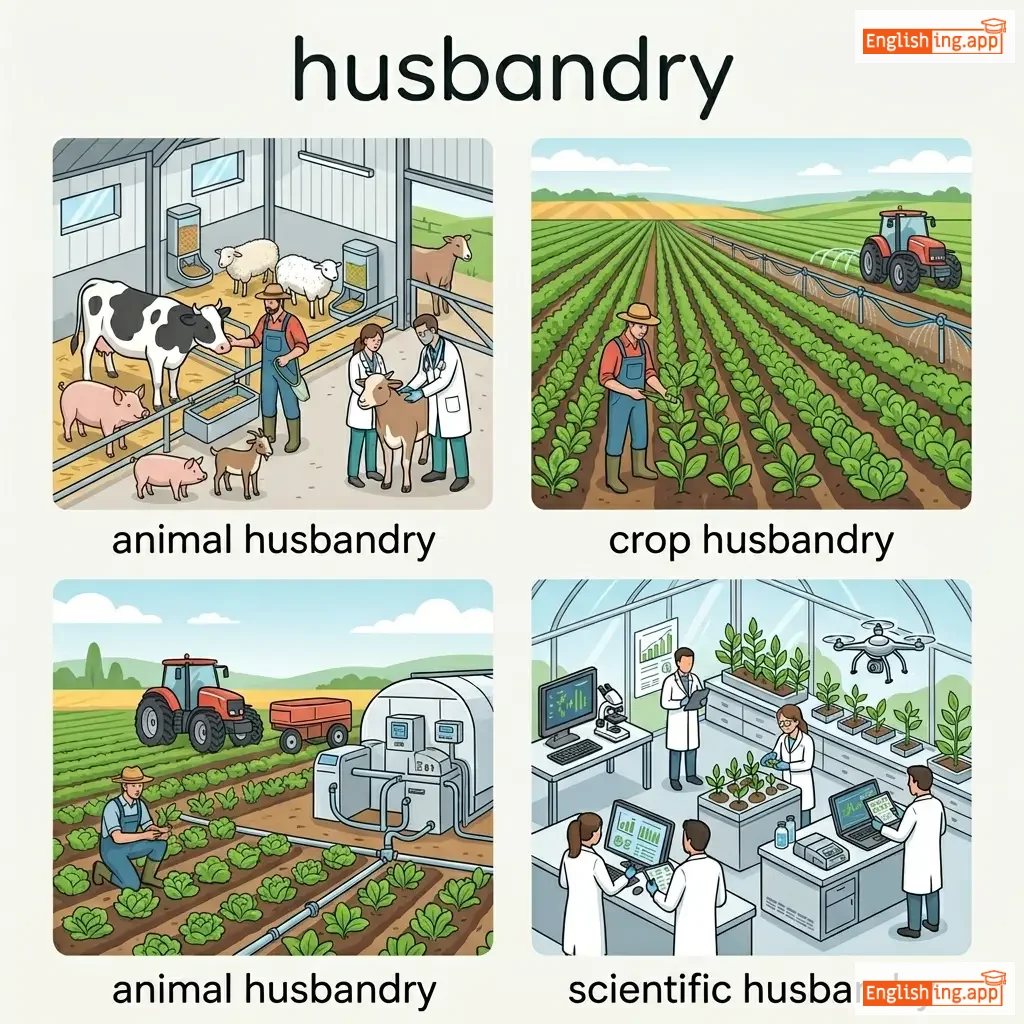
ˈhʌz.bən.dri
noun
(哈兹班德里)
••••••
|
|
农业和畜牧业
nongye he xumuyie
••••••
|
The care, cultivation, and breeding of crops and animals; farming and agriculture.
••••••
|
Proper husbandry techniques improve livestock health. |
适当的农业技术能改善家畜健康。
Shidang de nongye jishu neng gaishan jiachu jiankang.
••••••
|
farming, animal care
••••••
|
neglect, mismanagement
••••••
|
Husbandry is about taking care of crops and animals, just like a husband takes care of his family.
••••••
|
|
#3327
💩
|
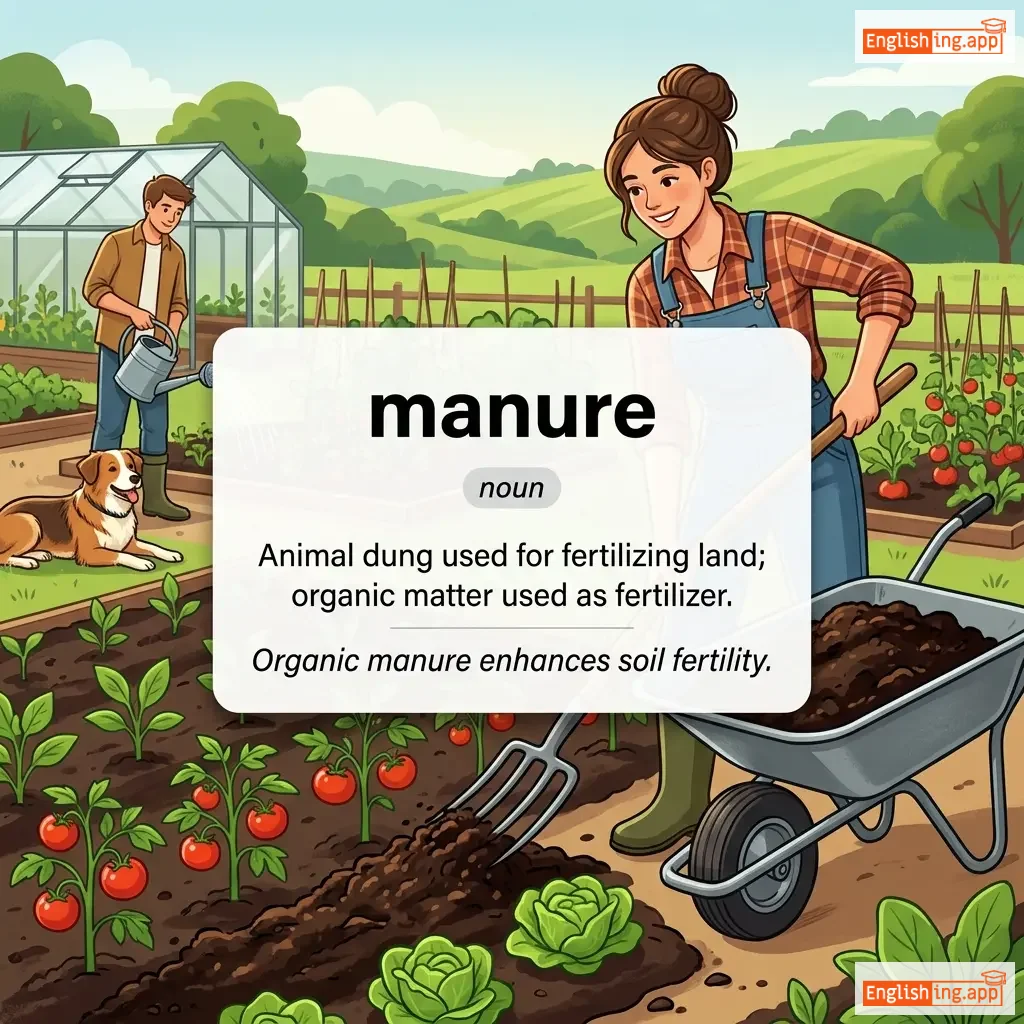
məˈnjʊər
noun
(曼纽尔)
••••••
|
|
粪肥, 有机肥料
fèn féi, yǒu jī féiliào
••••••
|
Animal dung used for fertilizing land; organic matter used as fertilizer.
••••••
|
Organic manure enhances soil fertility. |
有机肥料提高土壤肥力。
Yǒujī féiliào tígāo tǔrǎng féilì.
••••••
|
fertilizer, compost
••••••
|
chemical fertilizer, pollution
••••••
|
Manure, 就是粪肥让土地更肥沃。
••••••
|
|
#3328
🌍
|
ˈkɑː.bən ˌsiː.kwɪˈstreɪ.ʃən
noun
(碳封存)
••••••
|
|
碳封存
tan fengcun
••••••
|
The process of storing carbon dioxide in vegetation, soils, geological formations, and the ocean to reduce carbon dioxide concentrations in the atmosphere.
••••••
|
Carbon sequestration helps combat climate change. |
碳封存有助于应对气候变化。
Tan fengcun youzhu yu yingdui qihou bianhua.
••••••
|
CO₂ capture, carbon storage
••••••
|
carbon emission, pollution
••••••
|
碳封存有助于减缓气候变化
••••••
|
|
#3329
💰
|
kəˌmɒd.ɪ.fɪˈkeɪ.ʃən
noun
(商品化)
••••••
|
|
将商品、服务、思想或其他实体转变为市场商品
jiang shangpin, fuwu, sixiang huo qita shenti zhuanbian wei shichang shangpin
••••••
|
The transformation of goods, services, ideas, or other entities that may not normally be considered goods into market goods.
••••••
|
The commodification of natural resources threatens biodiversity. |
自然资源的商品化威胁着生物多样性。
Ziran ziyuan de shangpinhua weixiezhe shengwu duoyangxing.
••••••
|
commercialization, marketization
••••••
|
preservation, protection
••••••
|
商品化意味着将所有事物转化为可以买卖的商品。
••••••
|
|
#3330
📊
|
ˌmæk.rəʊˌiː.kəˈnɒm.ɪk
adjective
(宏观经济的)
••••••
|
|
宏观经济的
hóngguān jīngjì de
••••••
|
Relating to the large-scale or general economic factors, such as interest rates and national productivity.
••••••
|
Macroeconomic policies influence inflation and GDP growth.
宏观经济政策影响通货膨胀和GDP增长。
••••••
|
宏观经济政策影响通货膨胀和GDP增长。
Hóngguān jīngjì zhèngcè yǐngxiǎng tōnghuò péngzhàng hé GDP zēngzhǎng.
••••••
|
national economy, fiscal policy
••••••
|
microeconomic, localized
••••••
|
宏观 (大范围) + 经济 = 大经济
••••••
|
|
#3331
✅
|
ˌvaɪ.əˈbɪl.ə.ti
noun
(vài-ā-bí-lì-tí)
••••••
|
|
可行性,成功工作的能力或成功生存的能力
kě xíng xìng, chéng gōng gōng zuò de néng lì huò chéng gōng shēng cún de néng lì
••••••
|
The ability to work successfully; the ability to survive or live successfully.
••••••
|
The viability of the startup depends on proper investment. |
创业公司的可行性取决于正确的投资。
Chuang ye gong si de ke xing xing qu jue yu zheng que de tou zi.
••••••
|
feasibility, sustainability
••••••
|
infeasibility, fragility
••••••
|
Viability - 'Viable' sounds like '可行' in Chinese, meaning something that works.
••••••
|
|
#3332
🌿
|
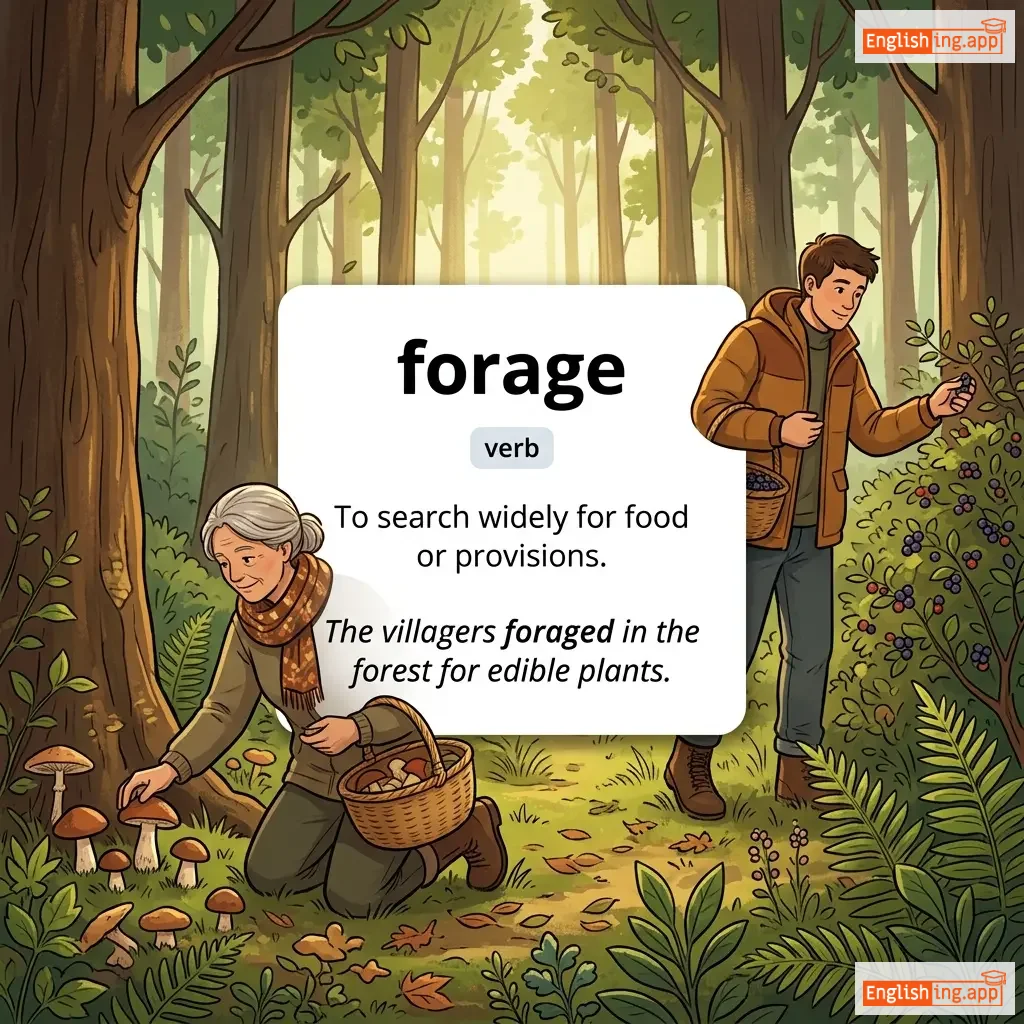
ˈfɒr.ɪdʒ
noun/verb
(fó réi)
••••••
|
|
饲料,寻找食物
sìliào, xúnzhǎo shíwù
••••••
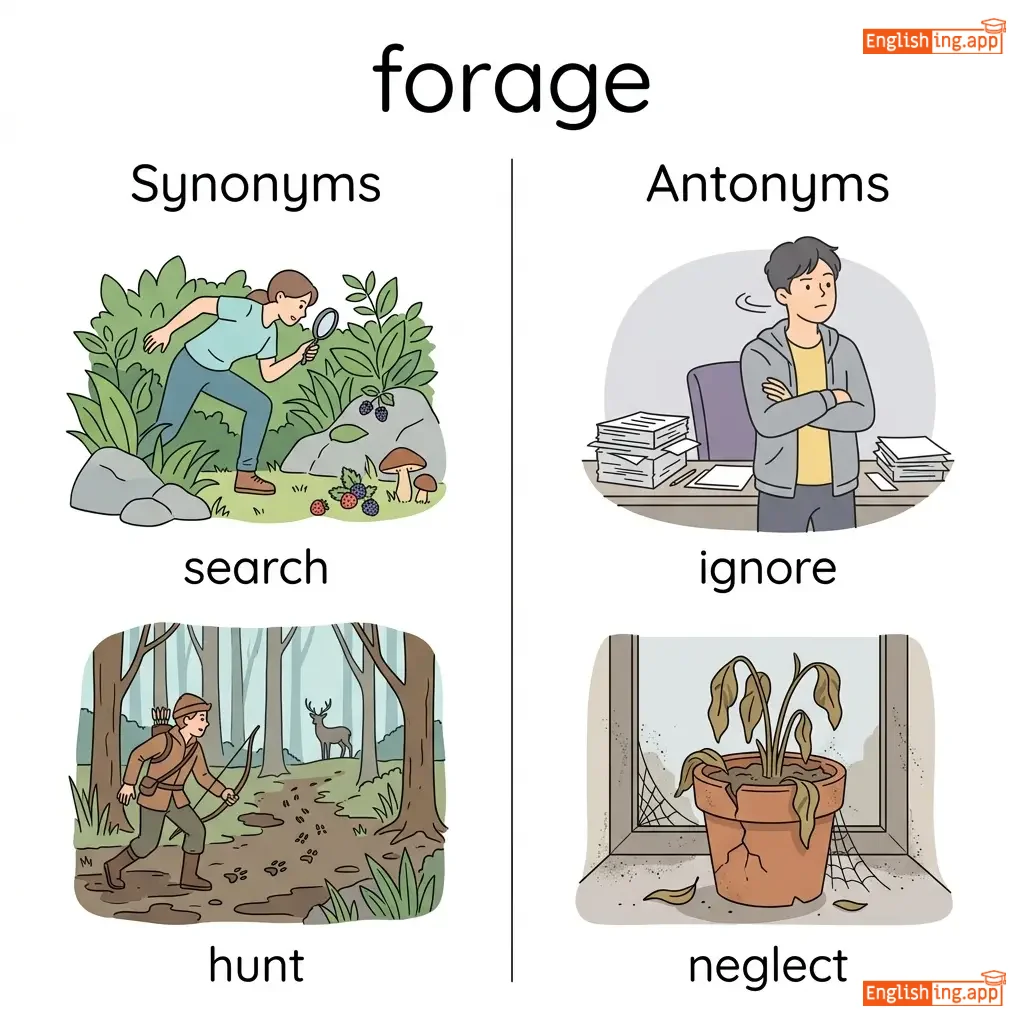
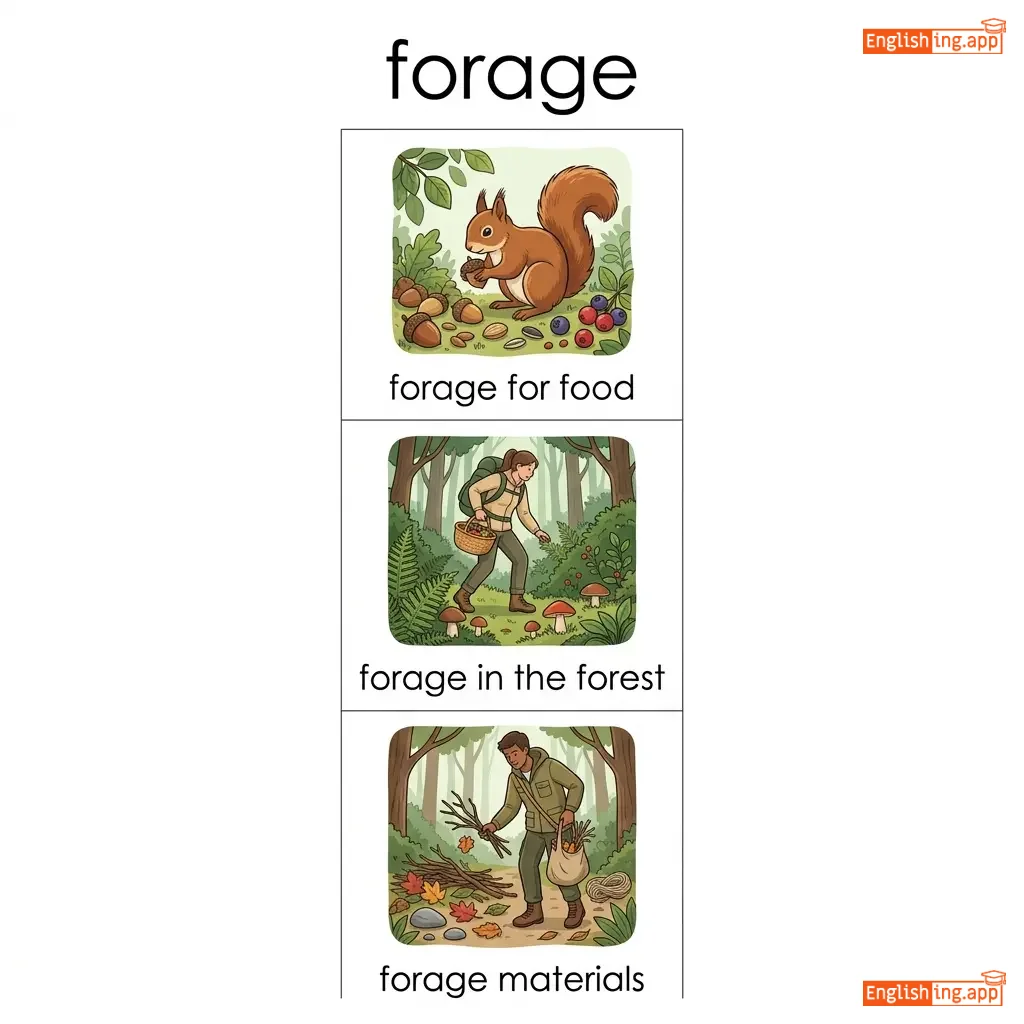
|
Food for horses and cattle, especially dried hay or feed; to search for food.
••••••
|
Animals forage for food during the winter months.
动物们在冬季寻找食物。
••••••
|
动物们在冬季寻找食物。
Dòngwùmen zài dōngjì xúnzhǎo shíwù.
••••••
|
scavenge, hunt
••••••
|
starvation, deprivation
••••••
|
Forage sounds like 'sìliào' – remember how animals forage for food!
••••••
|
|
#3333
🎯
|
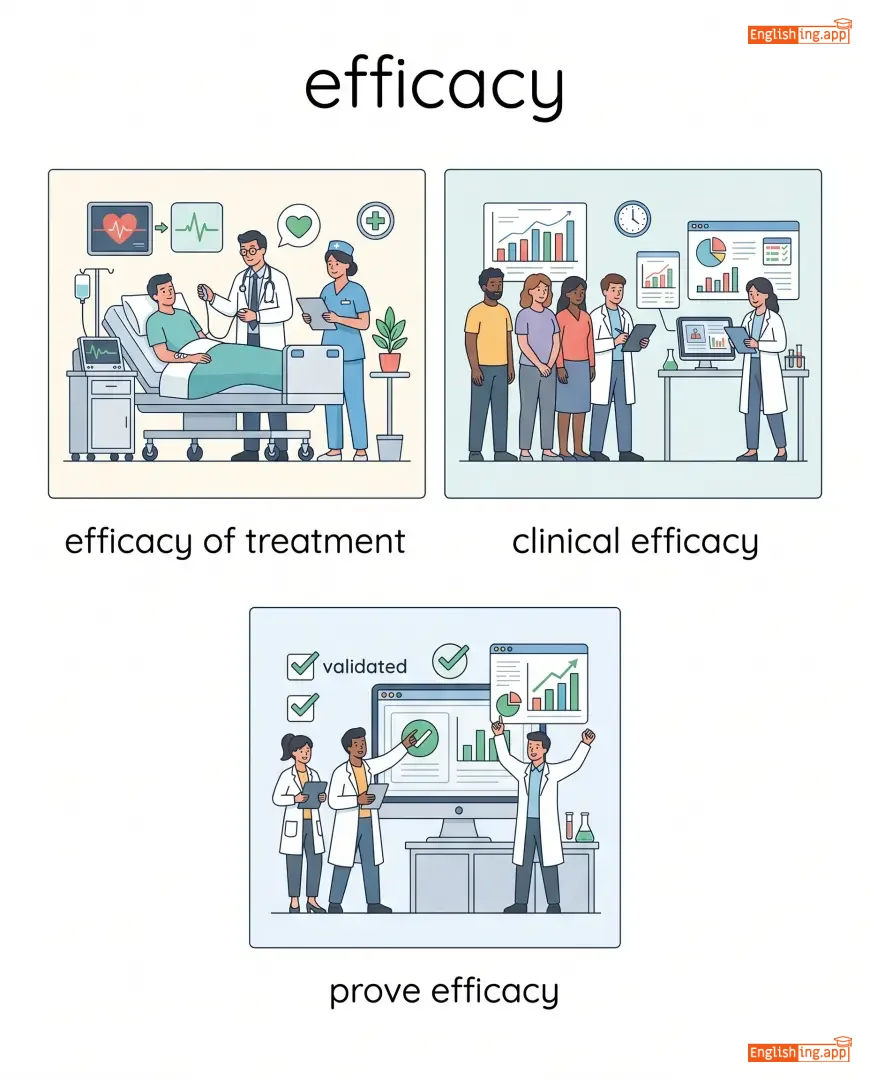
ˈef.ɪ.kə.si
noun
(功效)
••••••
|
|
效能,产生预期或预定结果的能力
xiaoneng, chansheng yuchi huo yuding jieguo de nengli
••••••
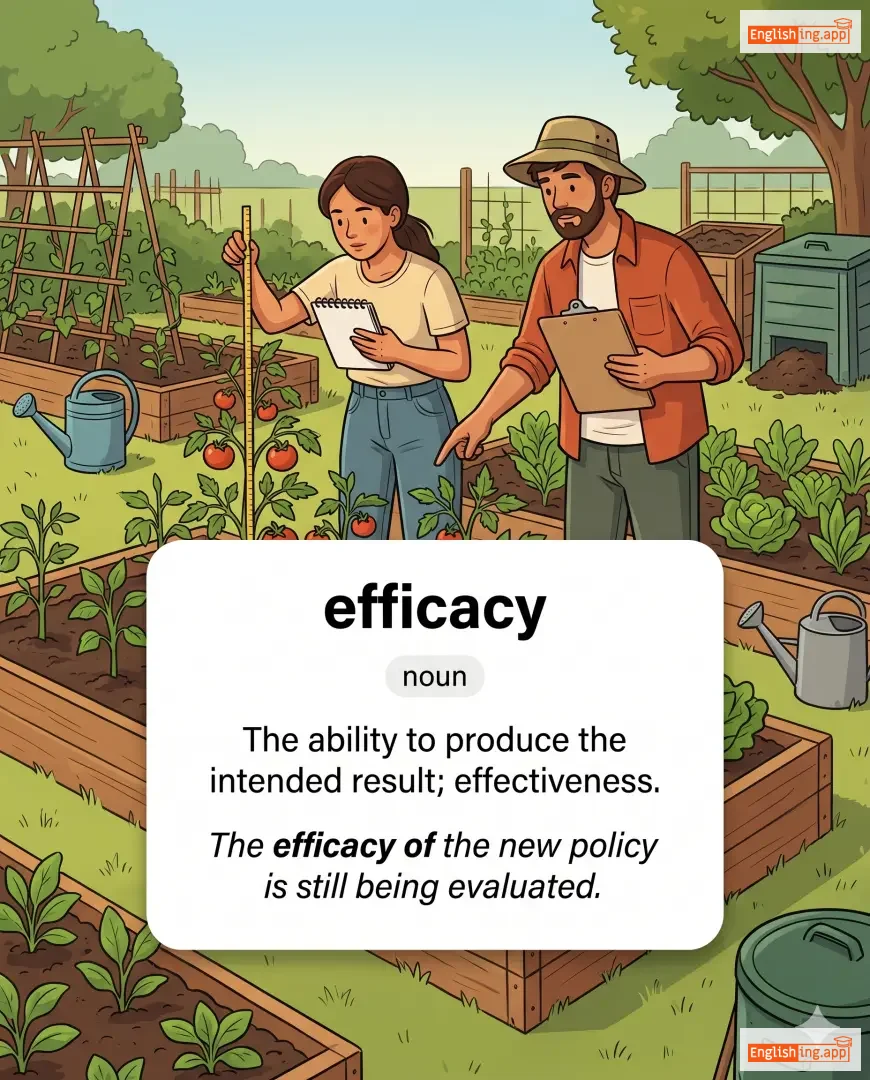
|
The ability to produce a desired or intended result; effectiveness.
••••••
|
The efficacy of the new vaccine has been proven. |
新疫苗的功效已被证明。
Xin yimiao de gongxiao yi bei zhengming.
••••••
|
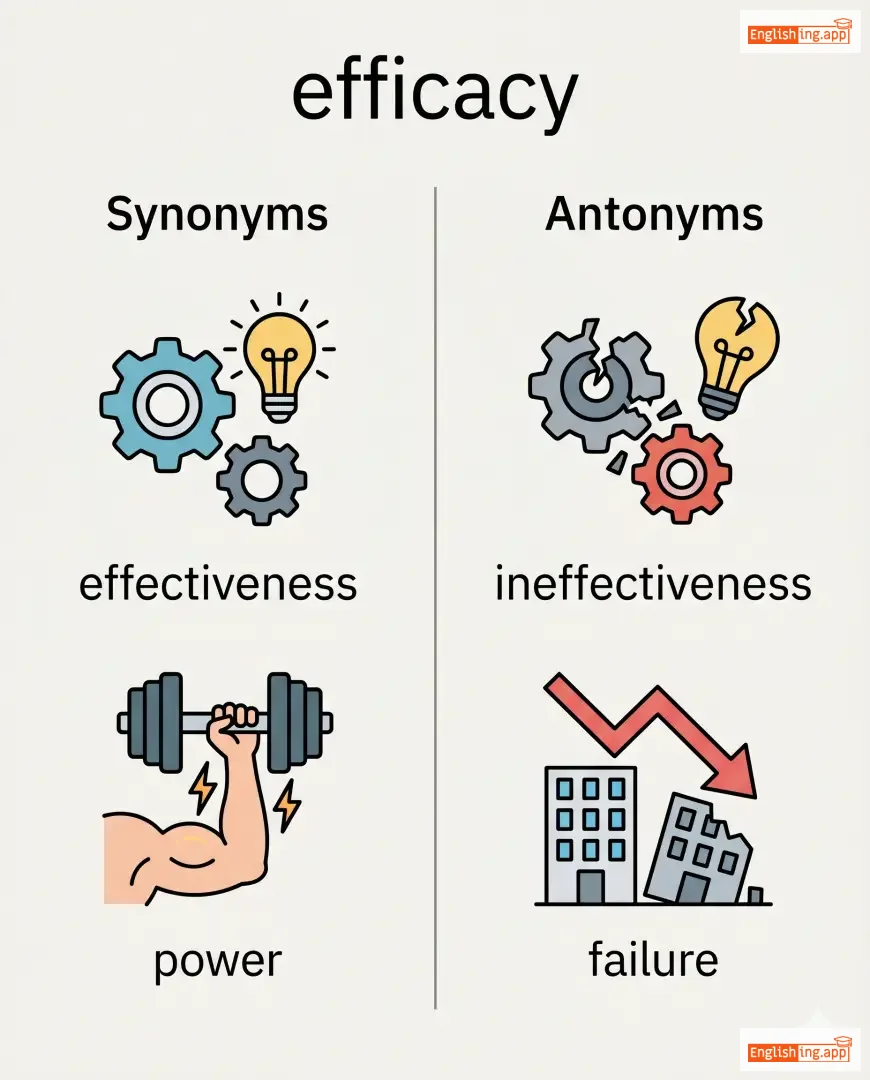
effectiveness, potency
••••••
|
ineffectiveness, uselessness
••••••
|
功效意味着效能,例如‘高效能结果’。
••••••
|
|
#3334
👥
|
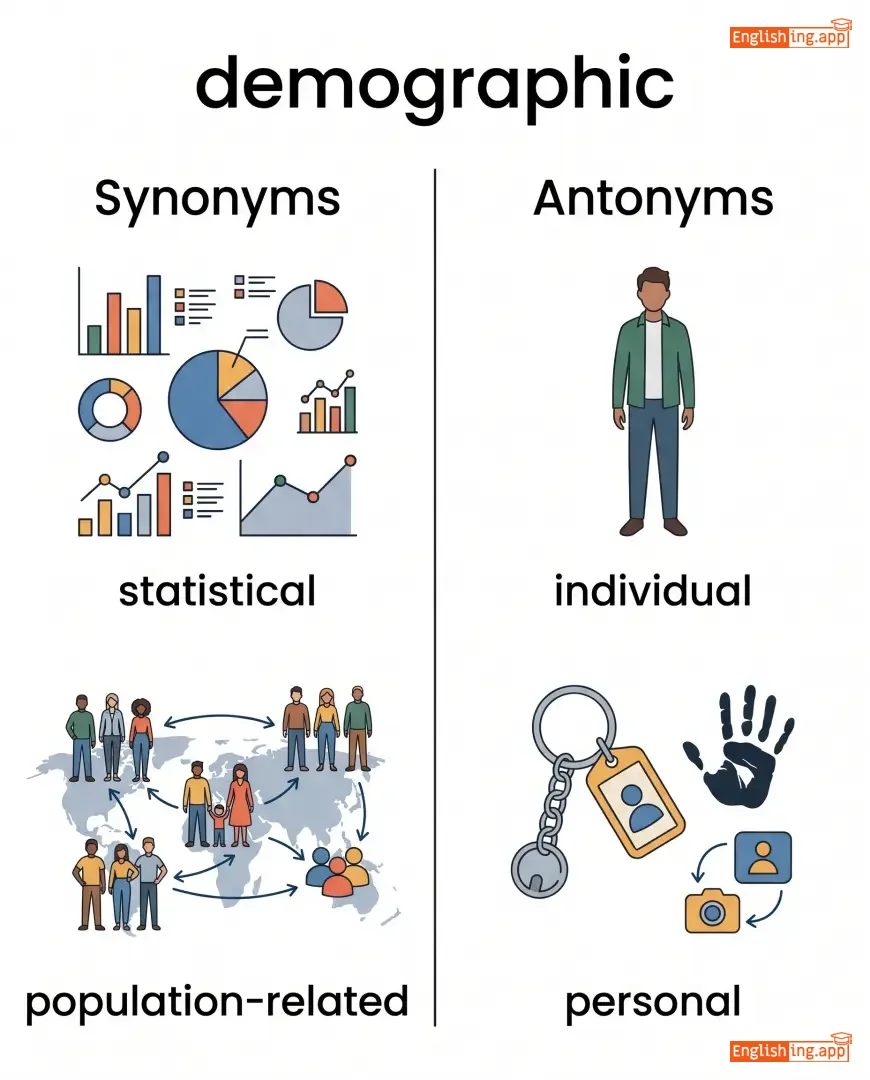
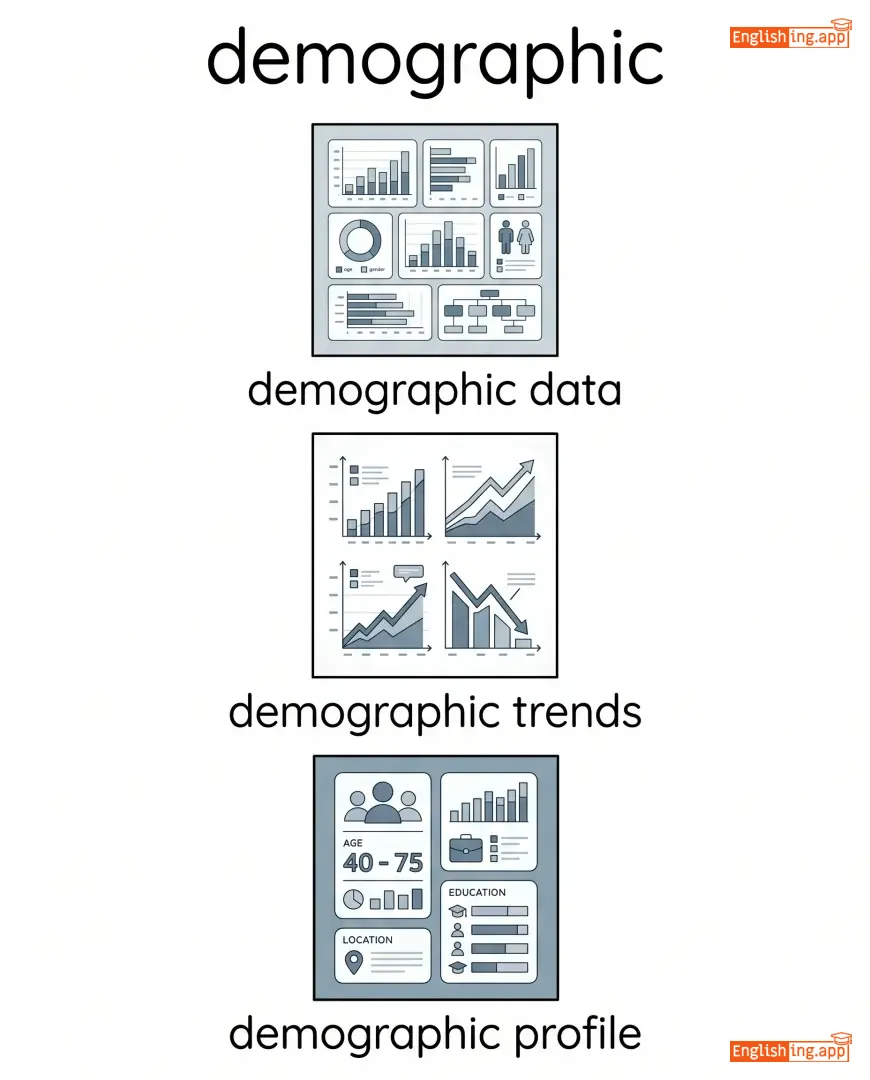
ˌdem.əˈɡræf.ɪk
adjective/noun
(人口统计学的)
••••••
|
|
人口统计学的
rénkǒu tǒngjì xué de
••••••
|
Relating to the structure of populations; statistical data relating to the population and particular groups within it.
••••••
|
The company analyzes demographic trends before launching a product. |
公司在推出产品之前会分析人口统计学趋势。
Gōngsī zài tuīchū chǎnpǐn zhīqián huì fēnxī rénkǒu tǒngjì xué qūshì.
••••••
|
population data, census analysis
••••••
|
individual, specific
••••••
|
In Chinese, '人口统计学' sounds like demographic data in action.
••••••
|
|
#3335
🏔️
|
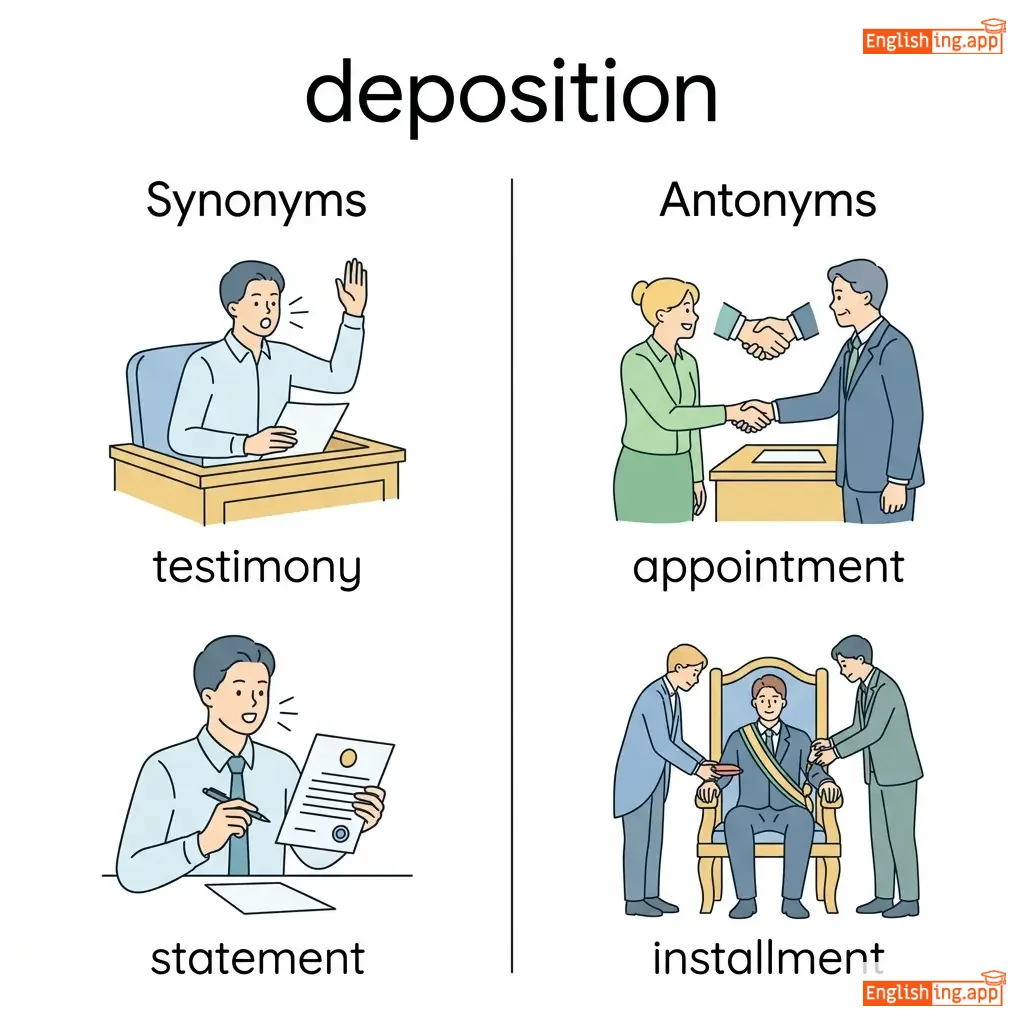
ˌdep.əˈzɪʃ.ən
noun
(沉积)
••••••
|
|
沉积,沉积物的沉降过程
chenji, chenjiwu de chenjiang guocheng
••••••
|
The action of depositing something; the laying down of matter by a natural process.
••••••
|
River deposition leads to the formation of new landmasses.
河流沉积导致新陆地的形成。
••••••
|
河流沉积导致新陆地的形成。
Heliu chenji daozhi xin ludi de xingcheng.
••••••
|
sedimentation, removal
••••••
|
erosion, depletion
••••••
|
想象河水沉积着新土地,像大自然在创造新的世界。
••••••
|
|
#3336
🏛️
|
ˈɔː.tɑː.ki
noun
(自给自足)
••••••
|
|
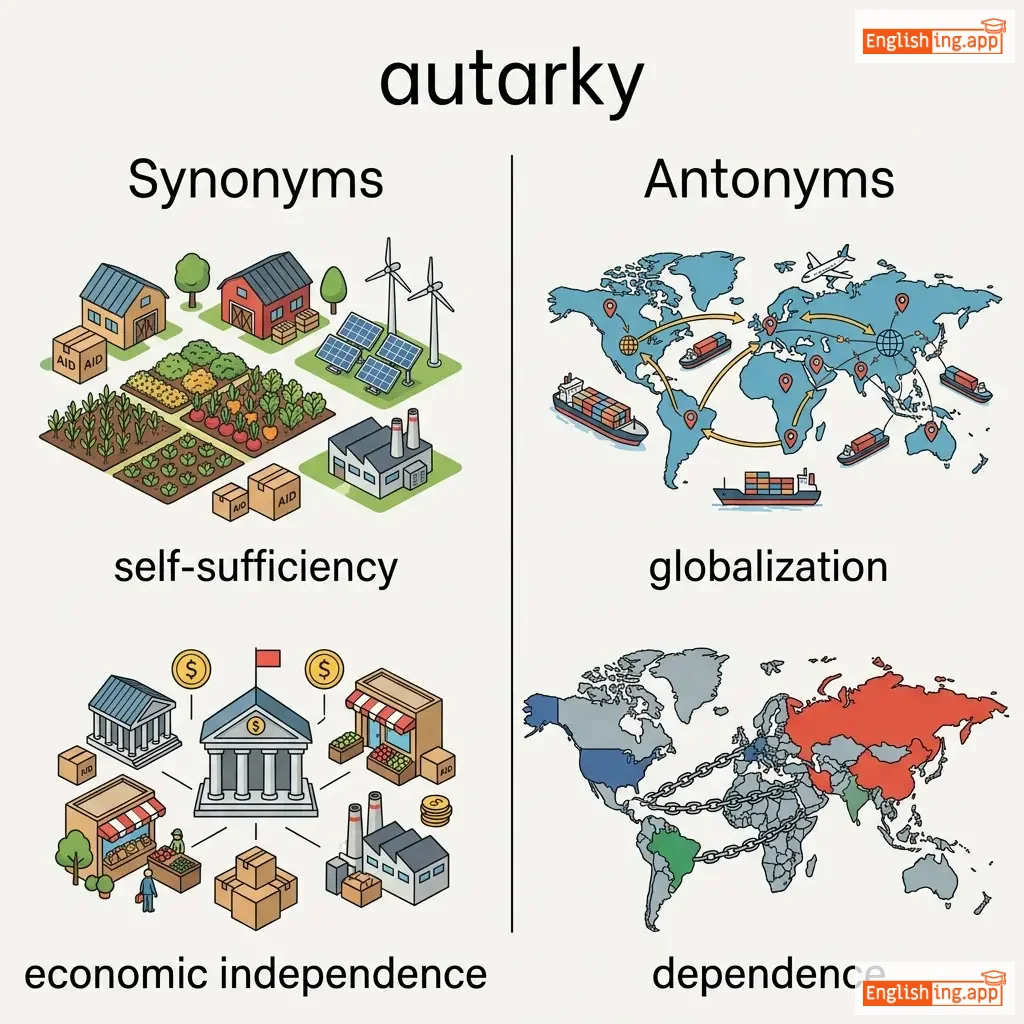
自给自足, 经济独立
ziji zizu, jingji duli
••••••
|
Economic independence or self-sufficiency; a policy of establishing a self-sufficient national economy.
••••••
|
Some nations aim for autarky to reduce reliance on imports.
一些国家通过减少对进口的依赖,追求自给自足。
••••••
|
一些国家通过减少对进口的依赖,追求自给自足。
Yixie guojia tongguo jianshao dui import de yilai, zhuiqiu ziji zizu.
••••••
|
self-sufficiency, economic independence
••••••
|
globalization, dependence
••••••
|
Autarky is '自给自足', becoming self-reliant in all areas, just like the word itself.
••••••
|
|
#3337
💪
|
ˈbɒl.stər
verb
(bōlìsītè)
••••••
|
|
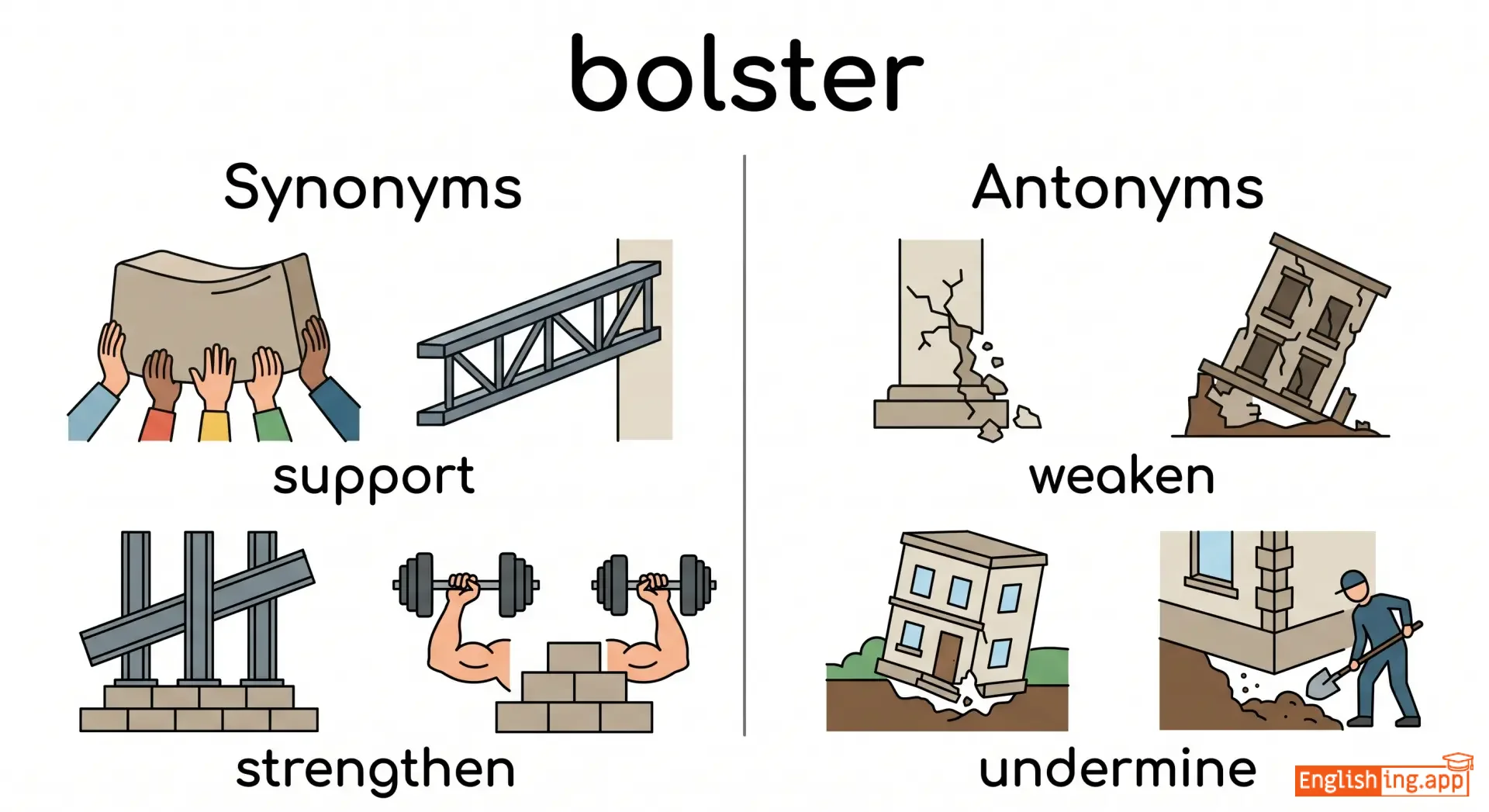
加强,支持
jiāqiáng, zhīchí
••••••
|
To support or strengthen; to make stronger or more confident.
••••••
|
The government plans to bolster economic growth through subsidies.
政府计划通过补贴加强经济增长。
••••••
|
政府计划通过补贴加强经济增长。
Zhèngfǔ jìhuà tōngguò bǔtiē jiāqiáng jīngjì zēngzhǎng.
••••••
|
strengthen, support
••••••
|
undermine, weaken
••••••
|
加强你的支持,增强经济自信。
••••••
|
|
#3338
⚡
|
ˈkæt.əl.ɪst
noun
(催化剂)
••••••
|
|
催化剂
cuīhuàjì
••••••
|
A person or thing that precipitates an event; something that causes activity between two or more persons or forces without itself being affected.
••••••
|
Innovation acts as a catalyst for industrial growth.
创新是工业增长的催化剂。
••••••
|
创新是工业增长的催化剂。
Chuàngxīn shì gōngyè zēngzhǎng de cuīhuàjì.
••••••
|
accelerator, stimulus
••••••
|
obstacle, hindrance
••••••
|
创新是催化剂,推动工业发展。
••••••
|
Vocabulary Quiz
Test your vocabulary by matching words with their translations or meanings.
Login to take the quiz
Comments (0)
Share your thoughts and join the discussion.
Join the discussion by logging in
Login to CommentNo comments yet
Be the first to share your thoughts!