

在线数字安全的最佳实践
Best Practices for Digital Safety Online
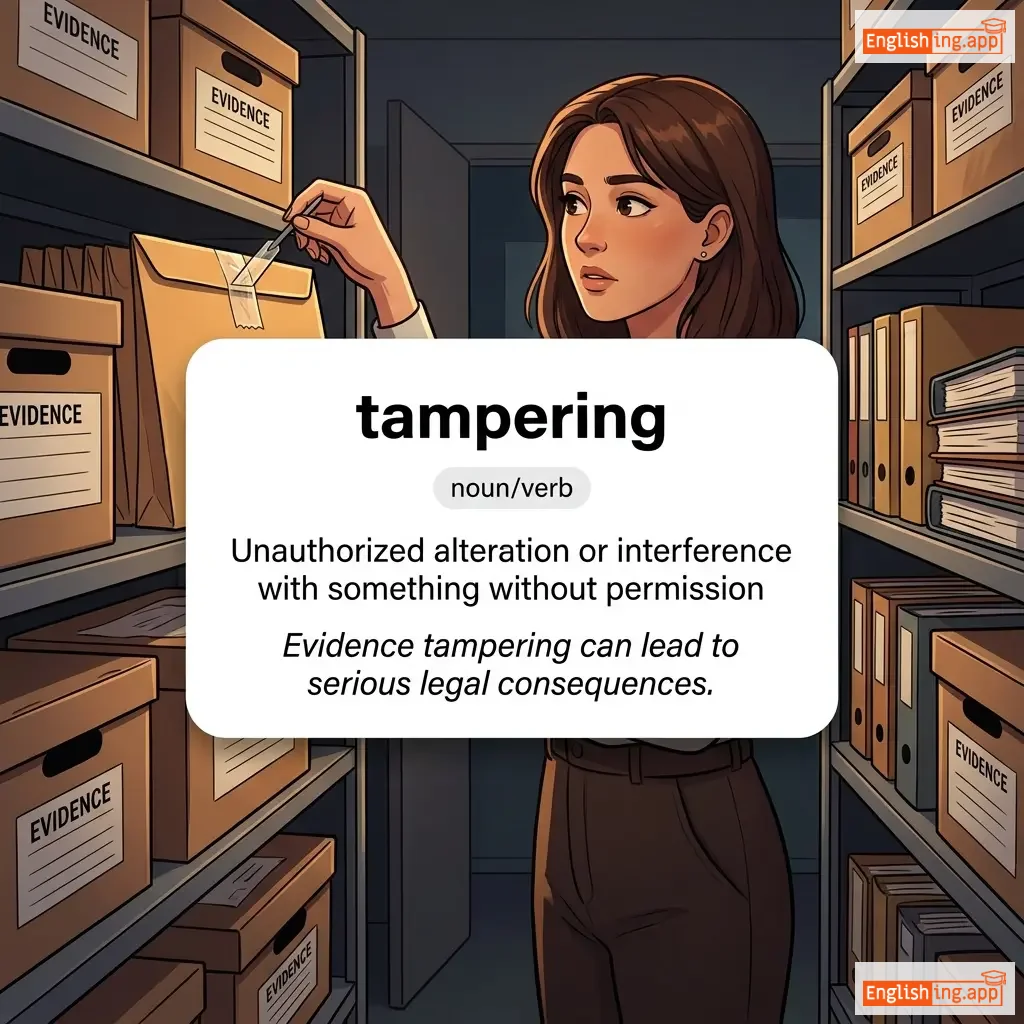
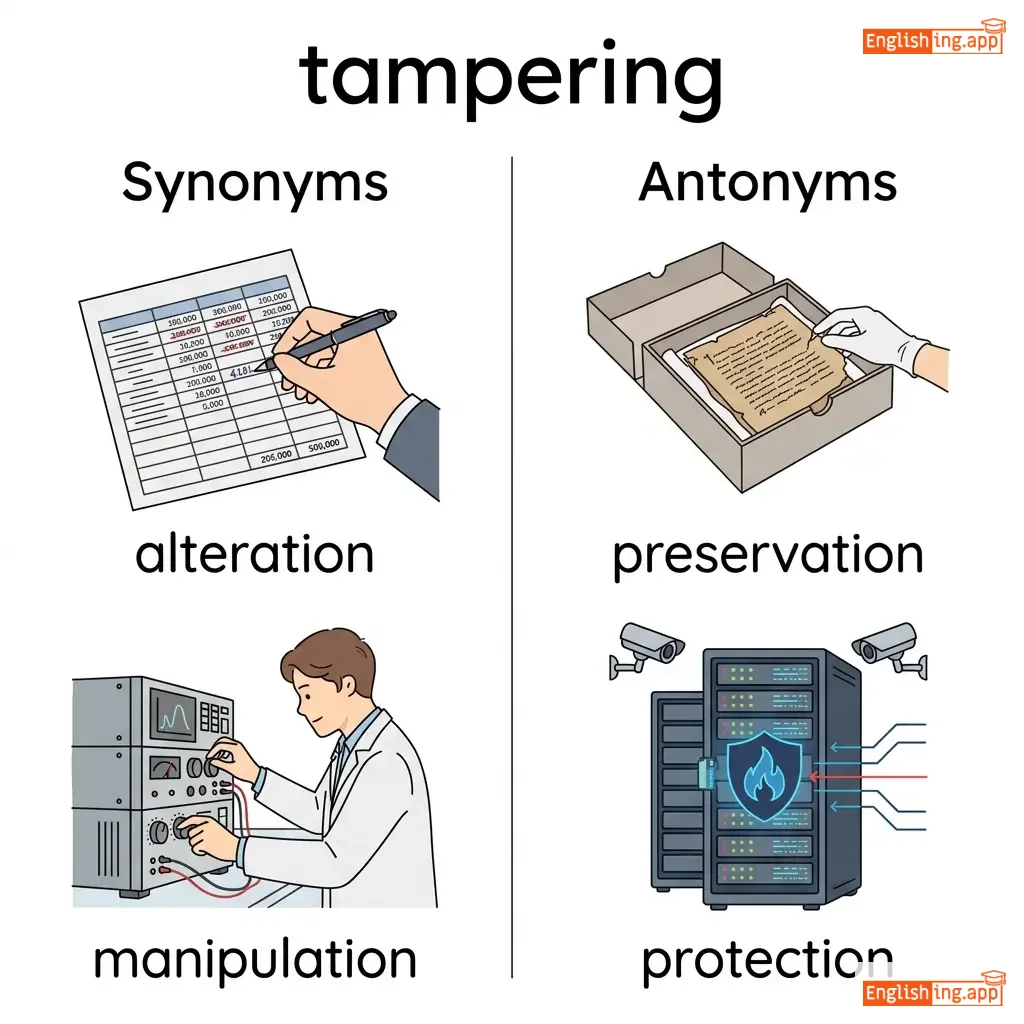
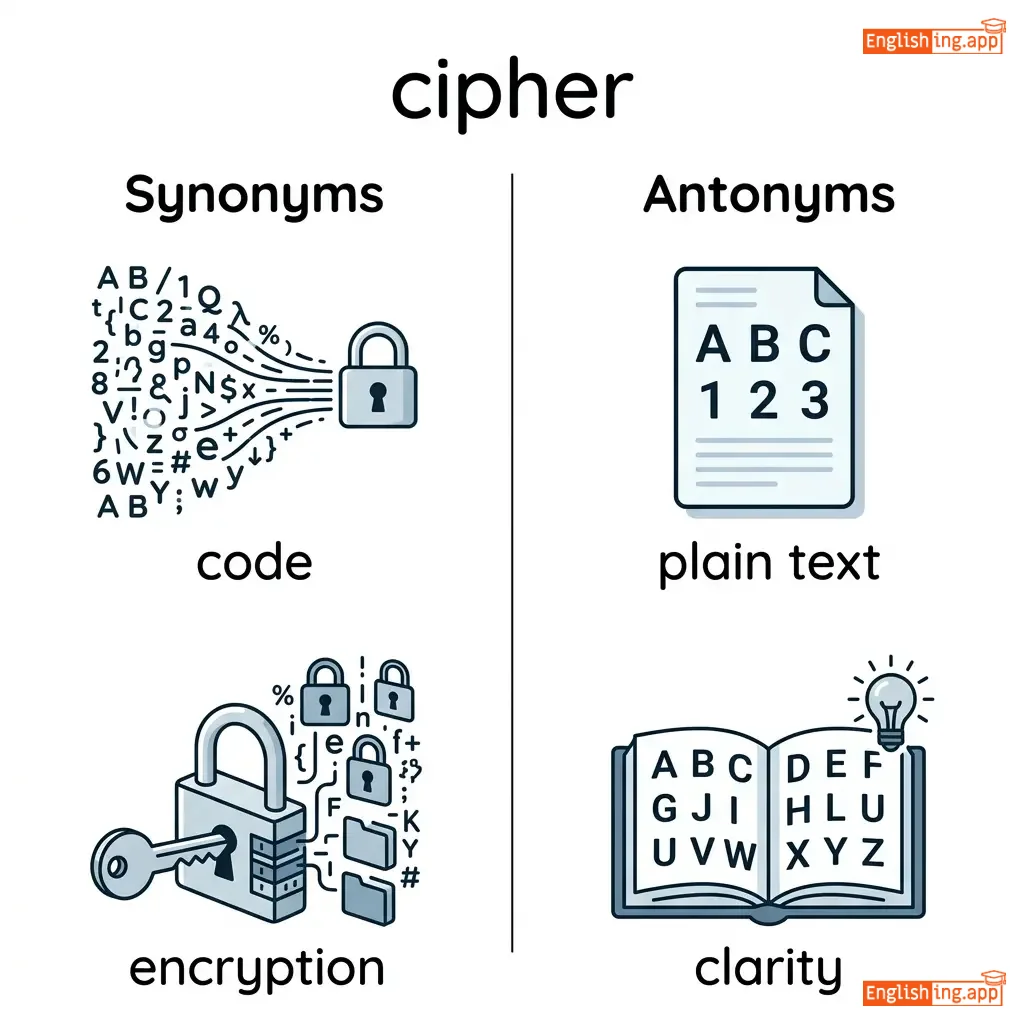
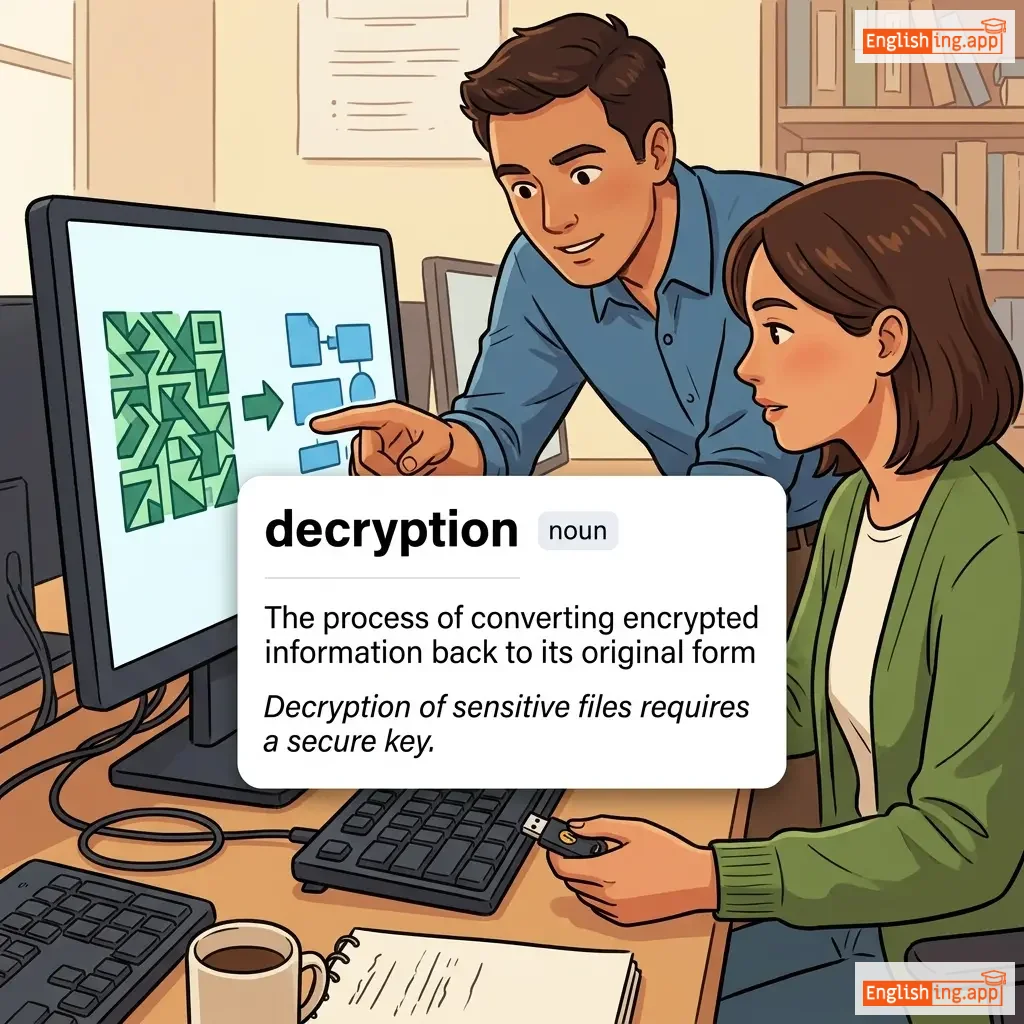
在当今数字时代,保持anonymity可能具有挑战性。在线可能会发生breaches,导致数据被盗或exploitation。因此,确保firewall和cryptographic安全至关重要。个人信息经常通过phishing攻击被盗。采用mitigation策略可以防止此类攻击。还必须注意impersonation和tampering,因为身份欺诈在网上变得普遍。为了在网上保持安全,必须使用cipher技术来保护数据免受decryption。为避免surveillance,应使用强密码并采取减少vulnerability的措施。数据的dissemination必须正确进行,以防止manipulation或虚假信息的proliferation。在数字平台上必须小心,因为每一步都可能导致coercion或数据滥用。










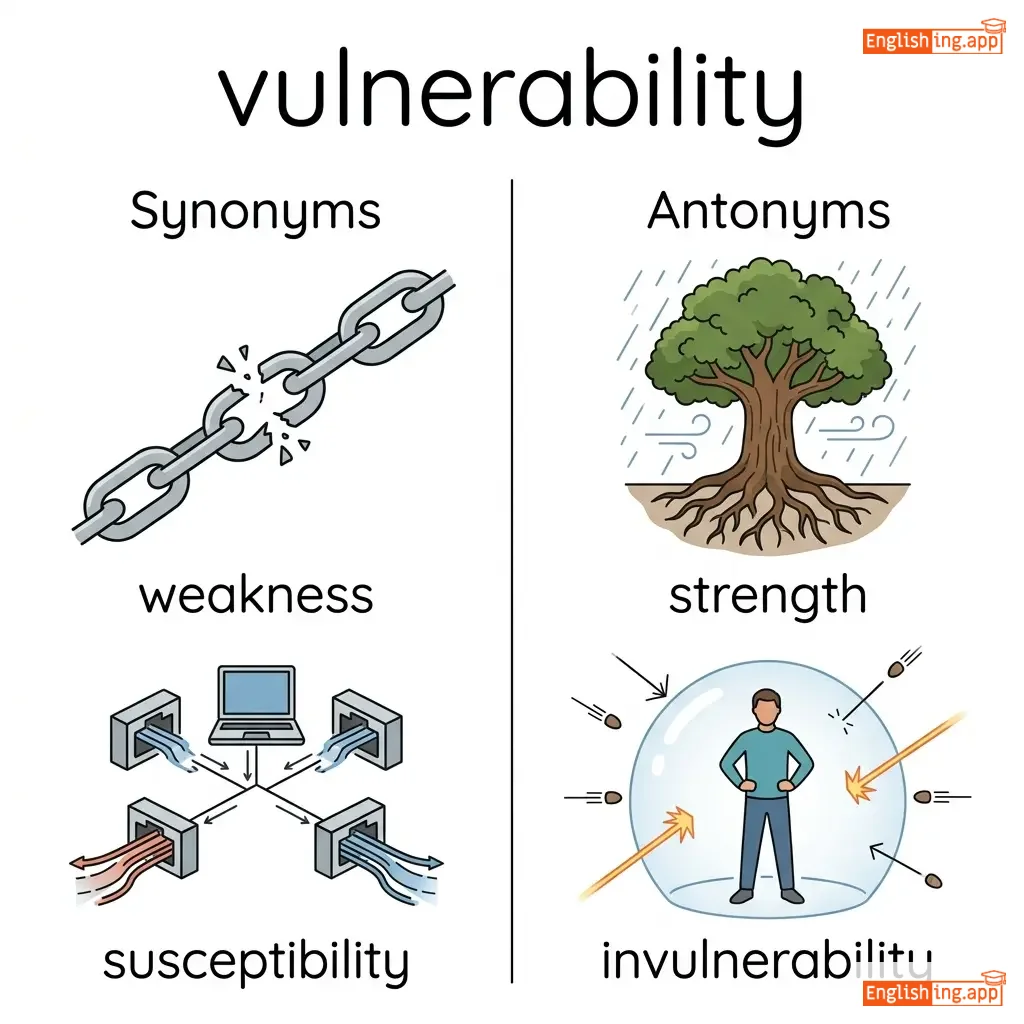
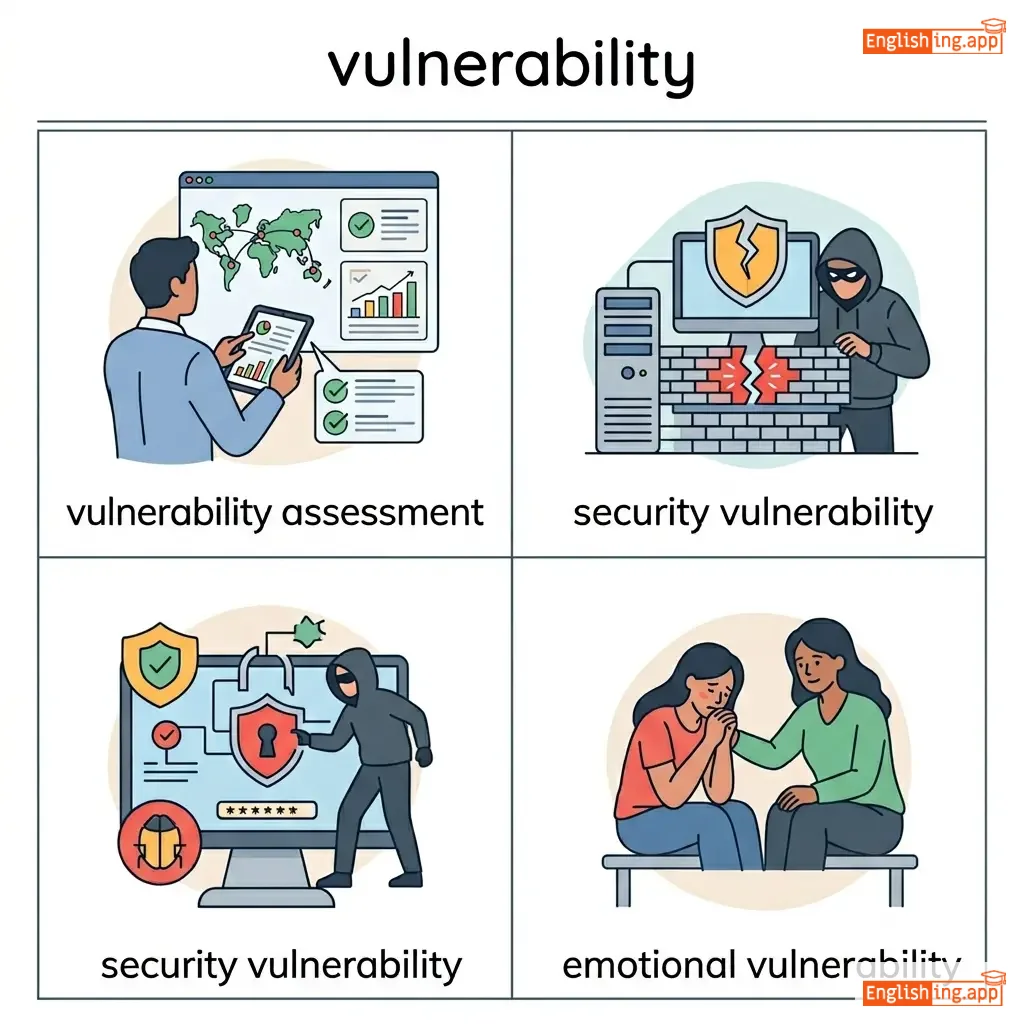
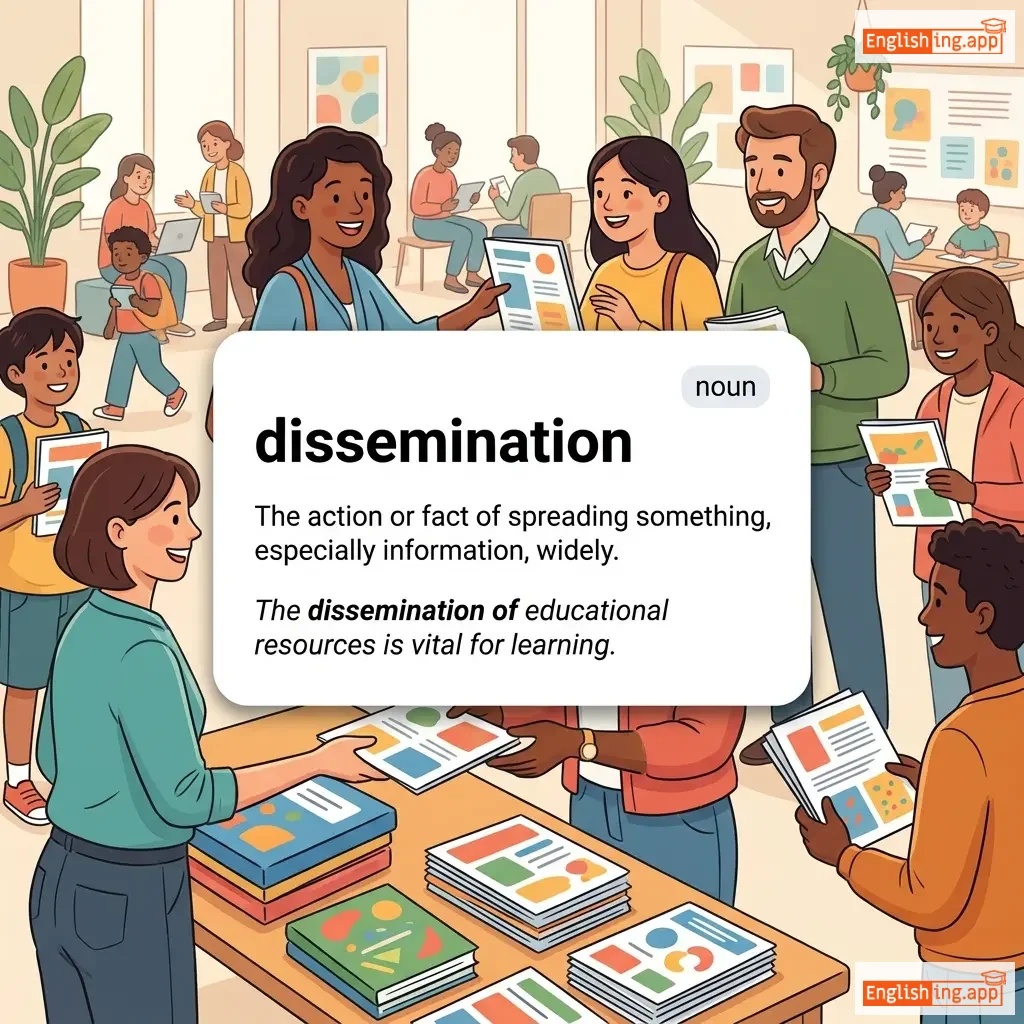
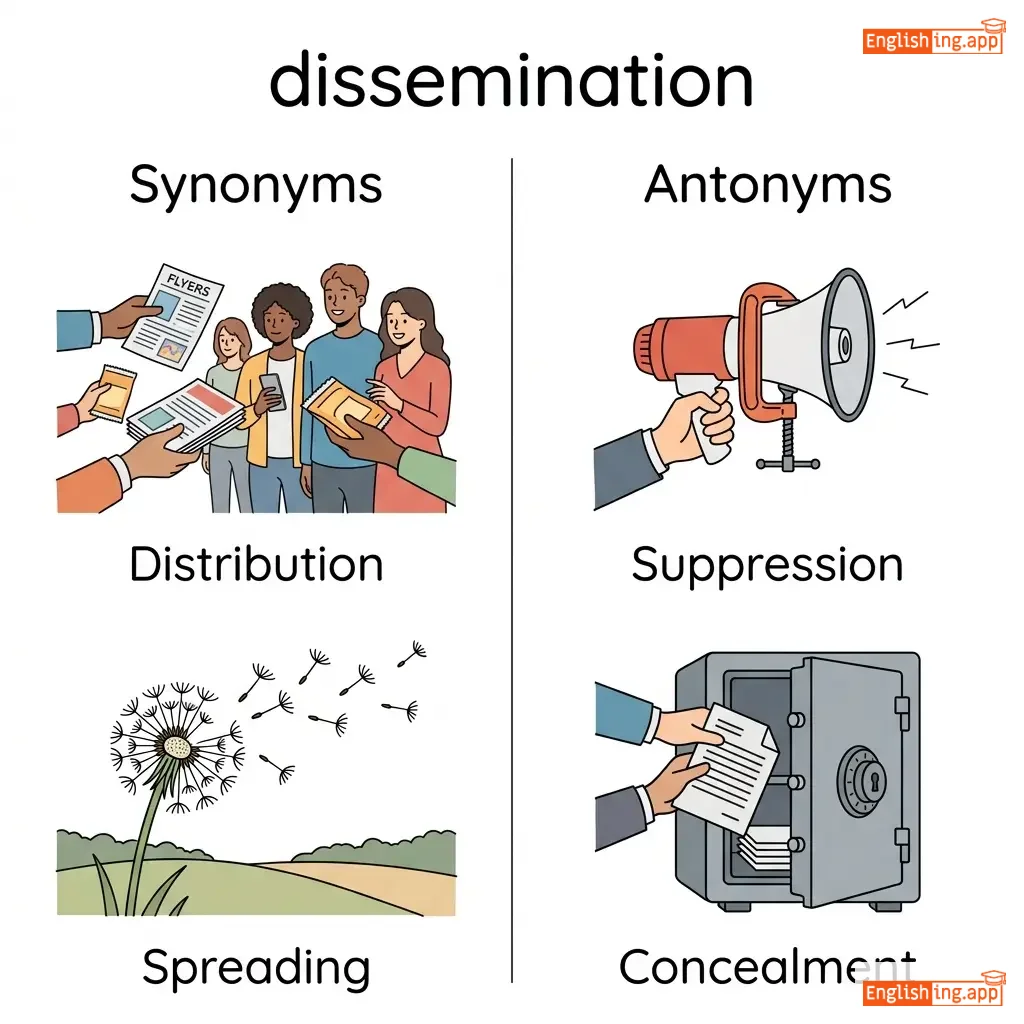




Swipe left or right, or use the buttons. Tap image to zoom.
例句翻译
单词
Best Practices for Digital Safety OnlineBest Practices for Digital Safety Online - 遮罩切换
|
表情符号
|
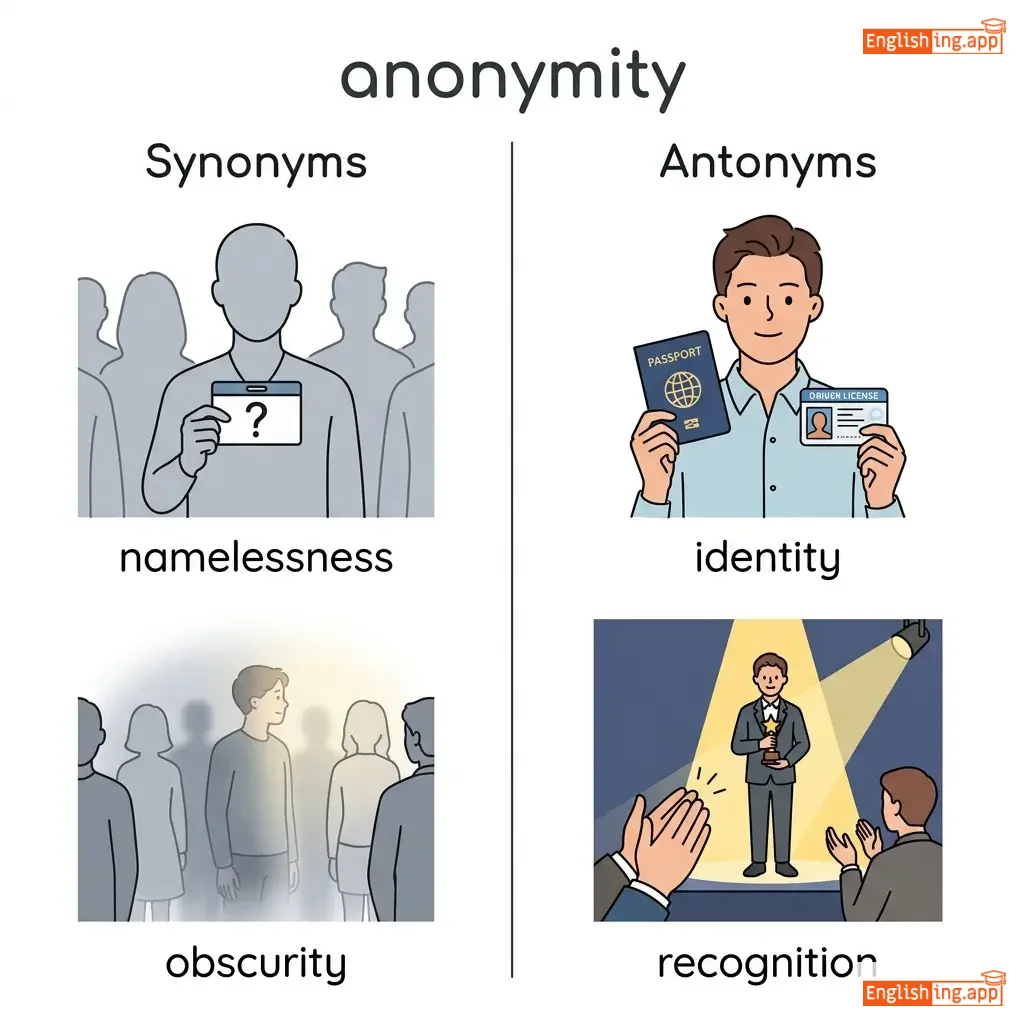
单词 | Images | 翻译 | 含义 | 例句 | 例句翻译 | 同义词 | 反义词 | 助记符 |
|---|---|---|---|---|---|---|---|---|---|
|
#1139
🕶️
|
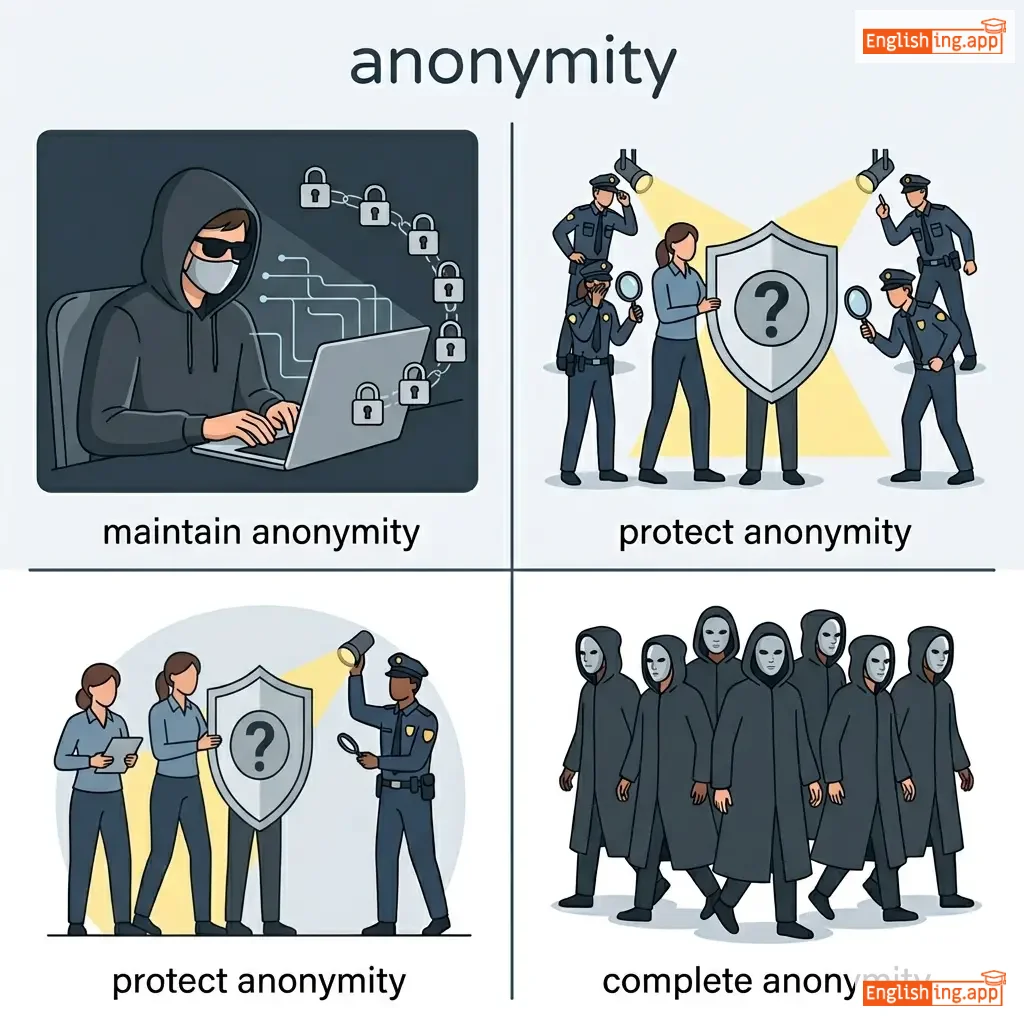
/ˌæn.əˈnɪm.ə.ti/
noun
(匿名)
••••••
|
|
匿名
nìmíng
••••••
|
The state of being anonymous; having one's identity kept secret or unknown.
••••••
|
Online anonymity protects users from cyber threats. |
在线匿名保护用户免受网络威胁。
Zàixiàn nìmíng bǎohù yònghù miǎnshòu wǎngluò wēixié.
••••••
|
confidentiality, secrecy, namelessness
••••••
|
identity, recognition, publicity
••••••
|
匿名就像一层隐形的保护罩,保护你的身份不被识破。
••••••
|
|
#1140
🚨
|
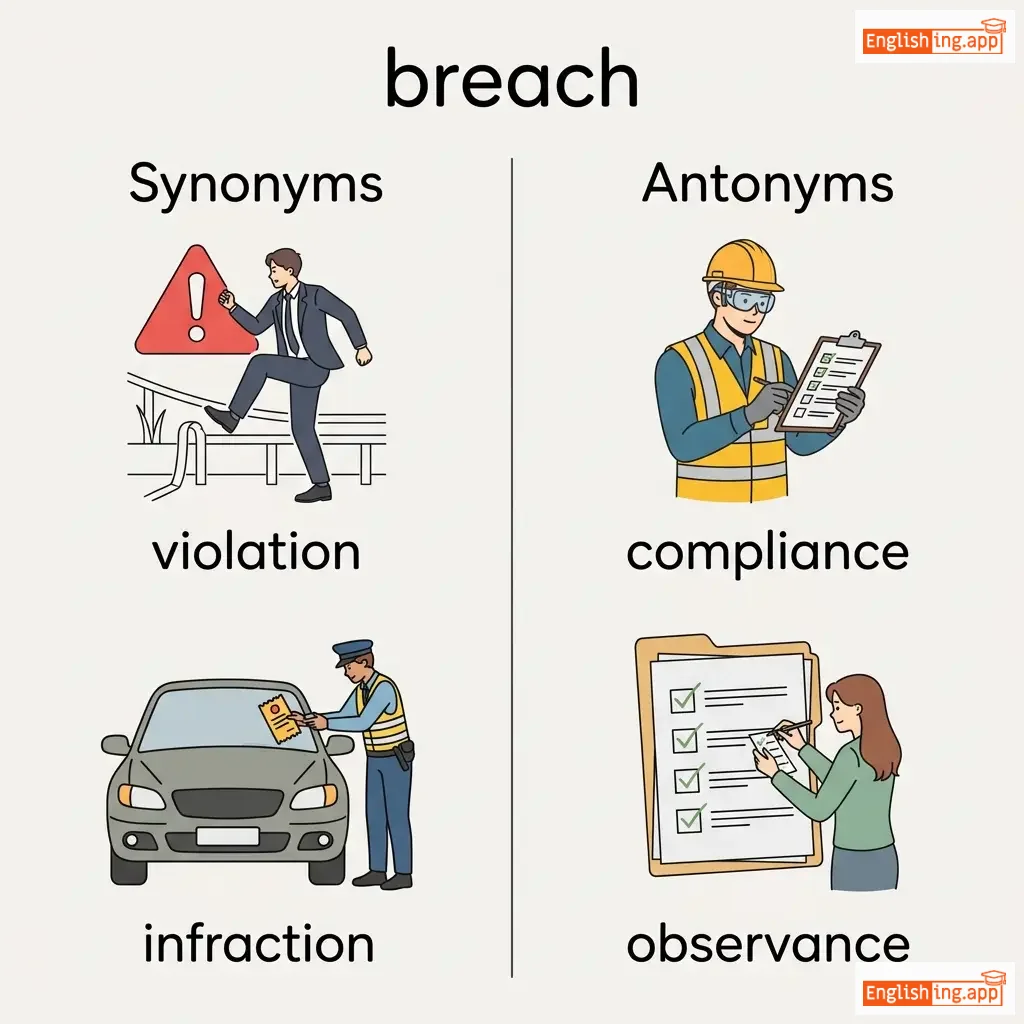
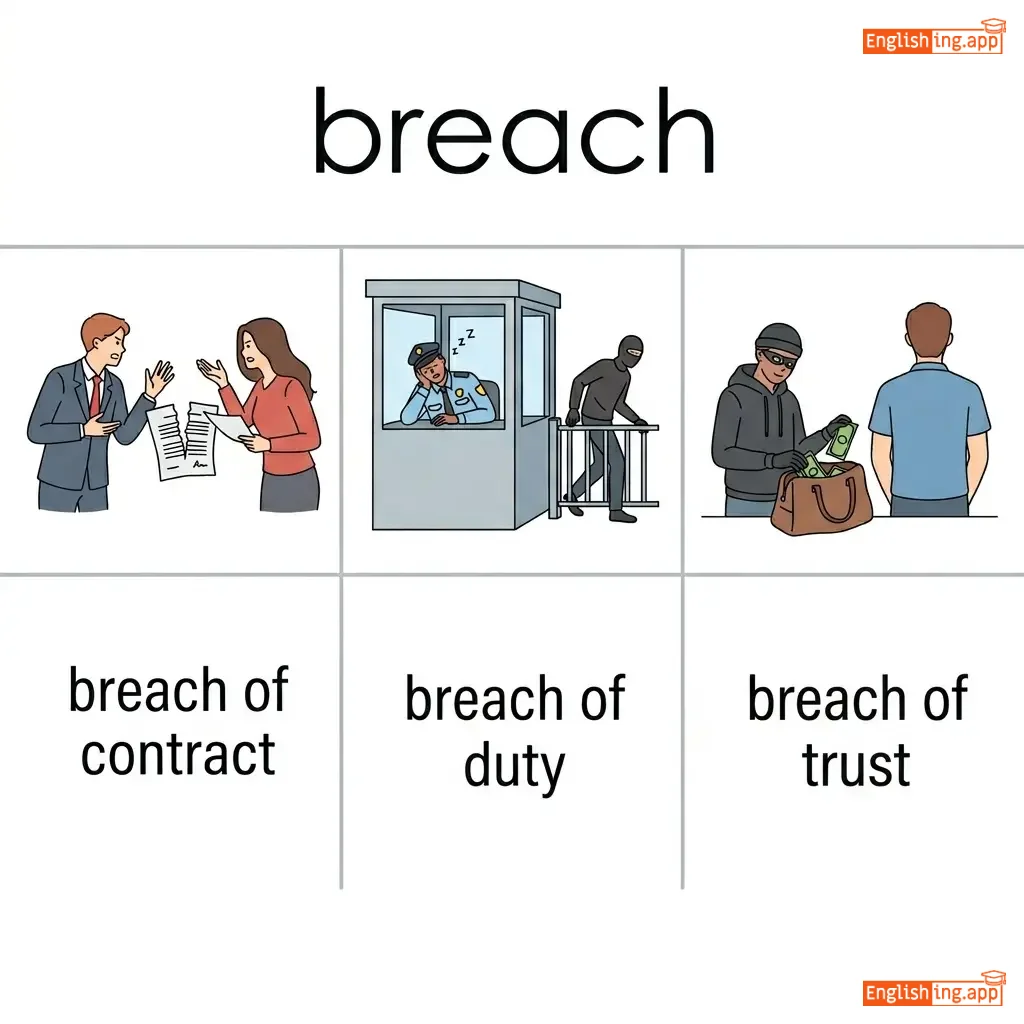
/briːtʃ/
noun/verb
(brich)
••••••
|
|
违反
wei fan
••••••
|
A violation or breaking of a law, agreement, or code of conduct; an act of breaking or failing to observe a law, agreement, or code of conduct.
••••••
|
The company faced a breach of data security. |
该公司面临数据安全的违反。
Gai gongsi mianlin shuju anquan de weifan.
••••••
|
violation, intrusion, infringement
••••••
|
compliance, adherence, security
••••••
|
违反意味着打破规则,就像违反法律。
••••••
|
|
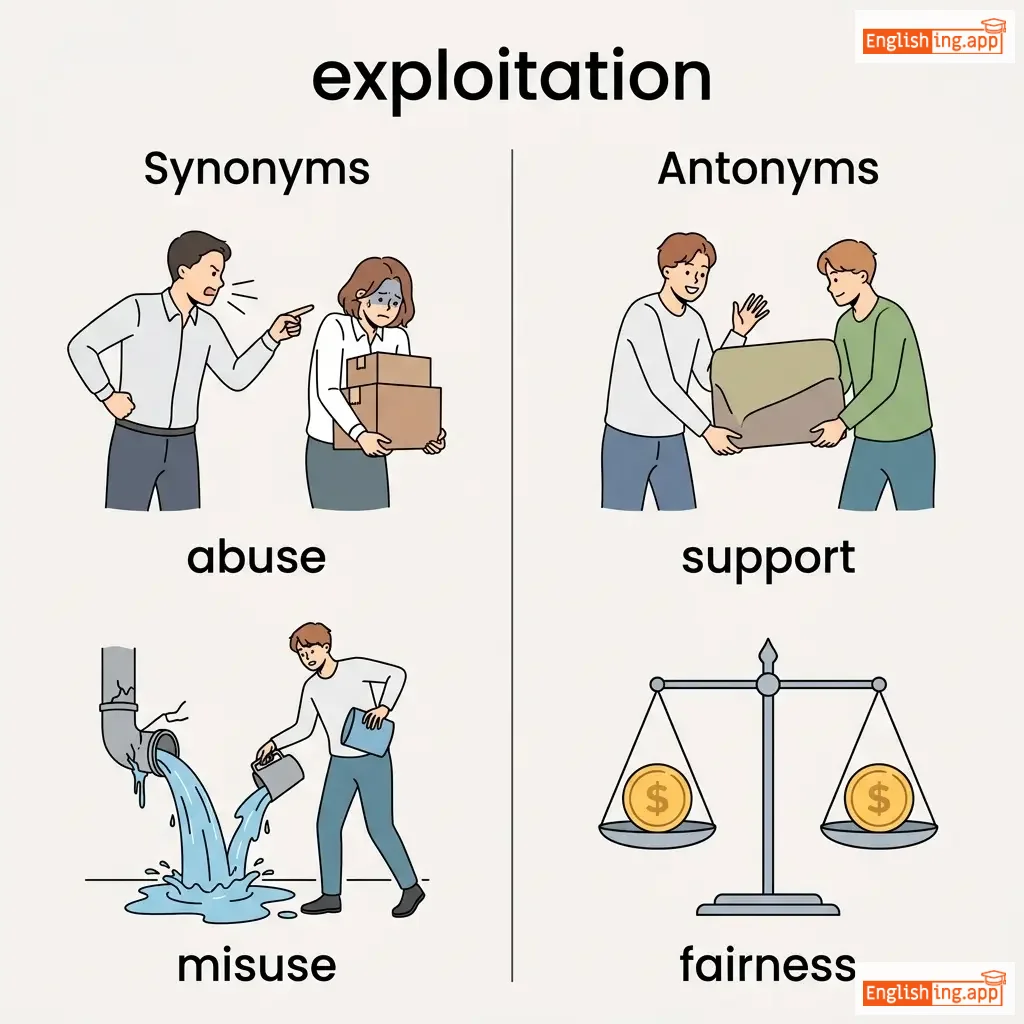
#1141
⚠️
|
/ˌek.splɔɪˈteɪ.ʃən/
noun
(ɛksplɔɪˈteɪʃən)
••••••
|
|
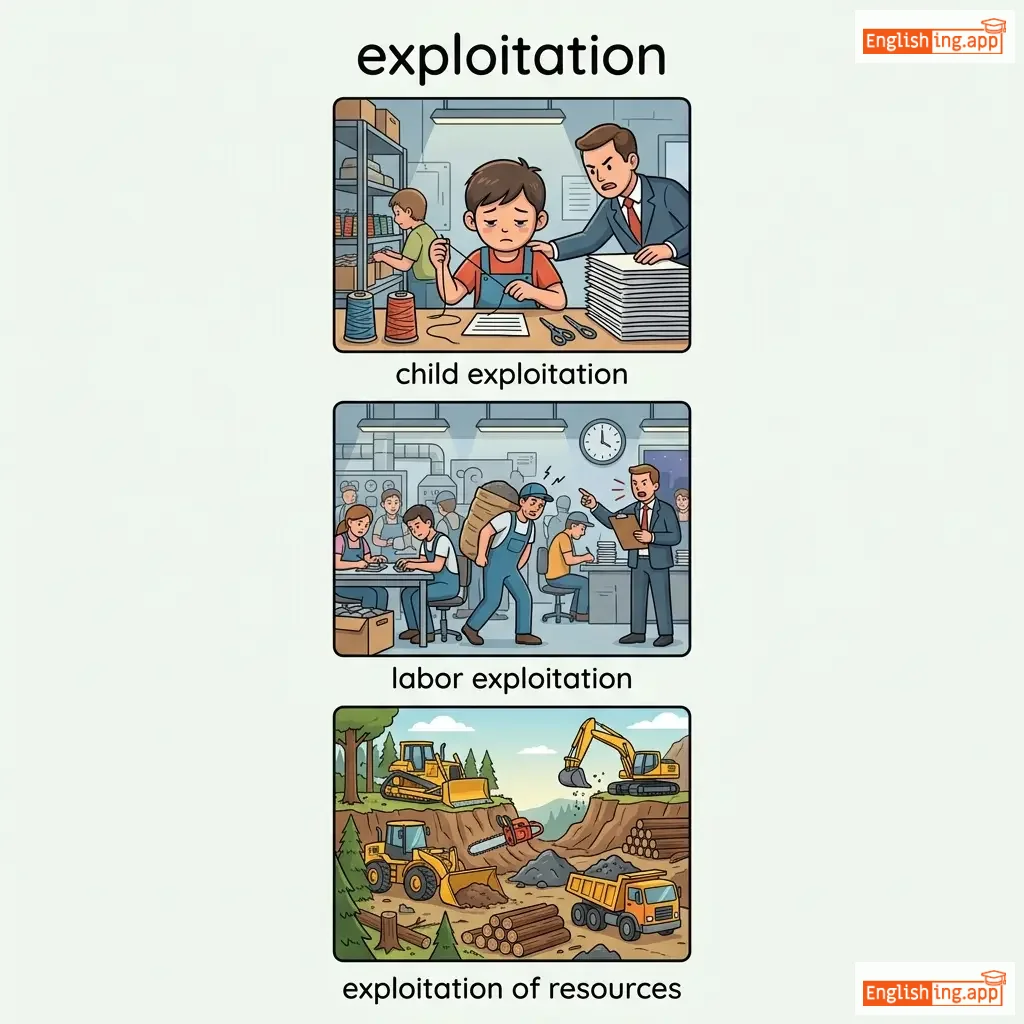
剥削
bōxuē
••••••
|
The action or fact of treating someone unfairly in order to benefit from their work; the action of making use of and benefiting from resources.
••••••
|
Labor exploitation is a global concern.
劳工剥削是一个全球性问题。
••••••
|
劳工剥削是一个全球性问题。
Láogōng bōxuē shì yīgè quánqiú xìng wèntí.
••••••
|
abuse, manipulation, misuse
••••••
|
protection, fairness, ethical treatment
••••••
|
剥削(bōxuē)就是通过不公平地利用他人工作来谋取利益。
••••••
|
|
#1142
🛡️
|
/ˈfaɪər.wɔːl/
noun
(fàiyǎwō'ěr)
••••••
|
|
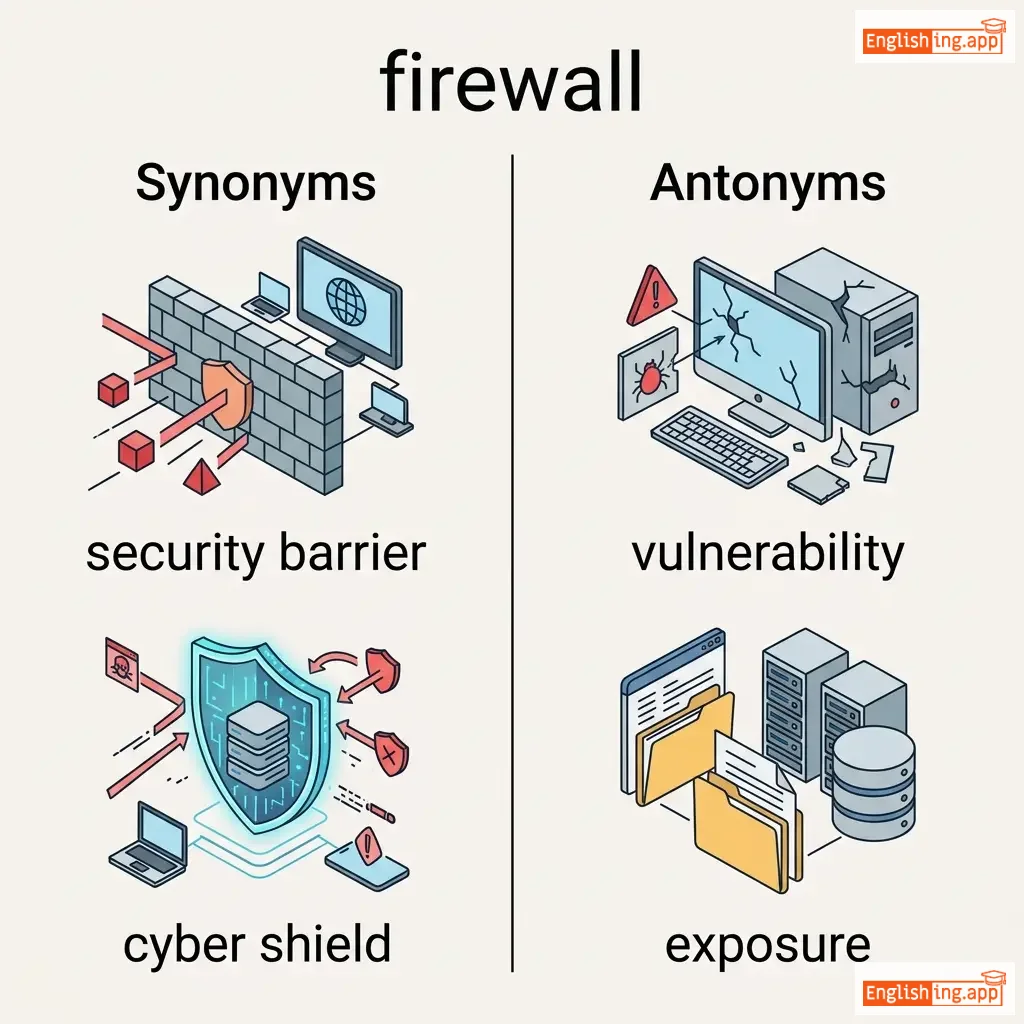
防火墙
fánghuǒqiáng
••••••
|
A network security system that monitors and controls incoming and outgoing network traffic based on predetermined security rules.
••••••
|
A firewall protects networks from cyber-attacks. |
防火墙保护网络免受网络攻击。
Fánghuǒqiáng bǎohù wǎngluò miǎnshòu wǎngluò gōngjí.
••••••
|
security barrier, cyber shield, network defense
••••••
|
vulnerability, exposure, weakness
••••••
|
防火墙像一道屏障,保护网络免受攻击。
••••••
|
|
#1143
🔐
|
/ˌkrɪp.təˈɡræf.ɪk/
adjective
(krìptográfik)
••••••
|
|
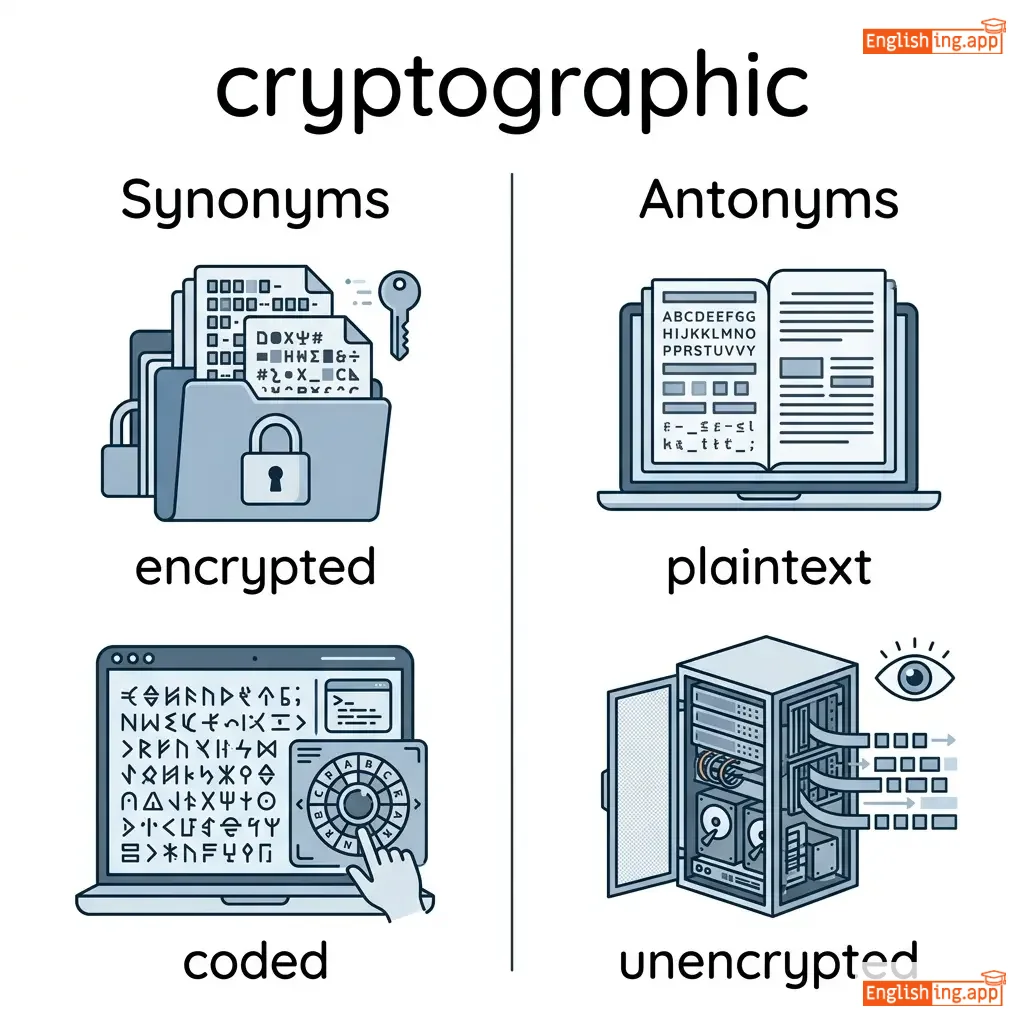
加密的
jiāmì de
••••••
|
Relating to cryptography; involving or using secret codes or ciphers for security.
••••••
|
Banks use cryptographic technology to protect transactions.
银行使用加密技术来保护交易。
••••••
|
银行使用加密技术来保护交易。
Yínháng shǐyòng jiāmì jìshù lái bǎohù jiāoyì.
••••••
|
encrypted, coded, secure
••••••
|
plaintext, unencrypted, readable
••••••
|
加密等于保护数据
••••••
|
|
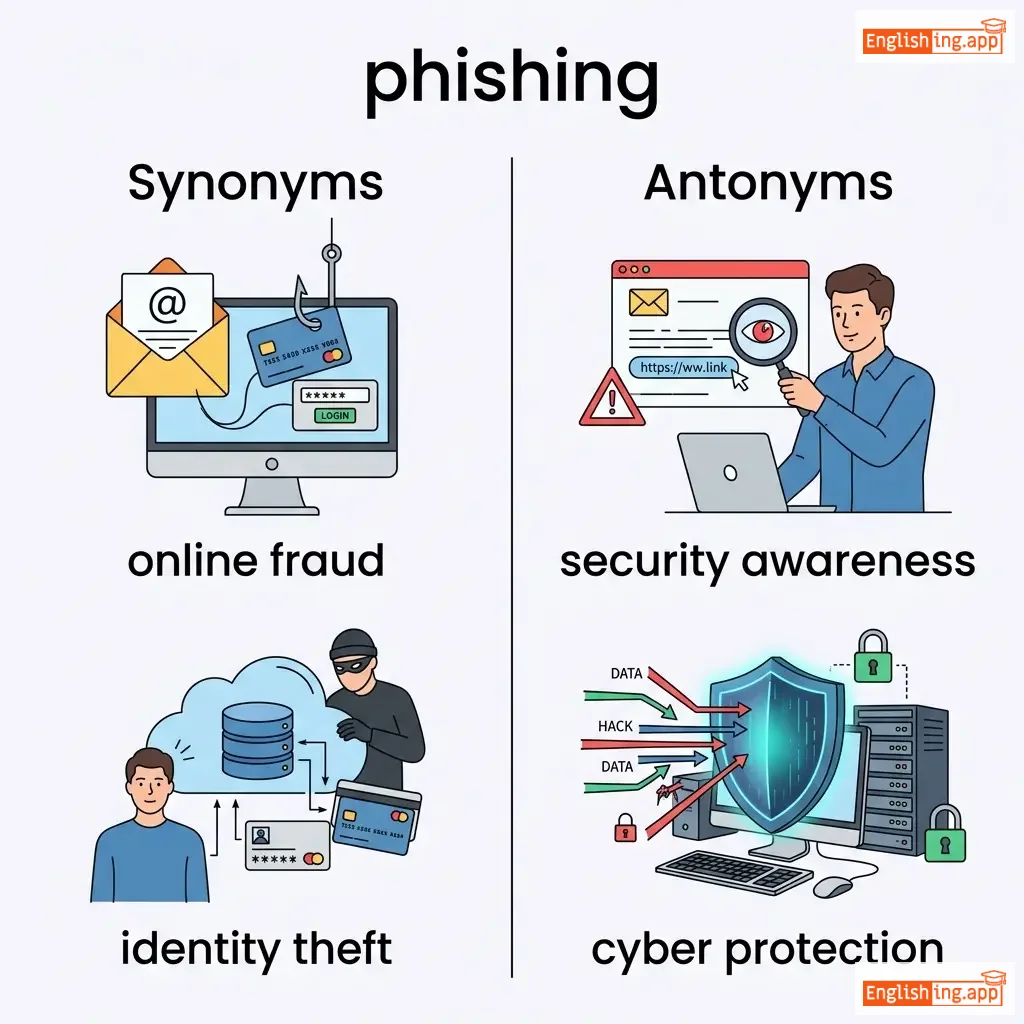
#1144
🎣
|
/ˈfɪʃ.ɪŋ/
noun
(钓鱼)
••••••
|
|
通过欺诈手段窃取信息
tōngguò qīzhà shǒuduàn qièqǔ xìnxī
••••••
|
The fraudulent practice of sending emails purporting to be from reputable companies in order to induce individuals to reveal personal information.
••••••
|
Phishing emails often trick people into revealing passwords. |
钓鱼邮件通常会欺骗他人泄露密码。
Diàoyú yóujiàn tōngcháng huì qīpiàn tārén xièlòu mìmǎ.
••••••
|
online fraud, identity theft, deception
••••••
|
security awareness, protection, legitimate transactions
••••••
|
不要上钓鱼邮件的钩!
••••••
|
|
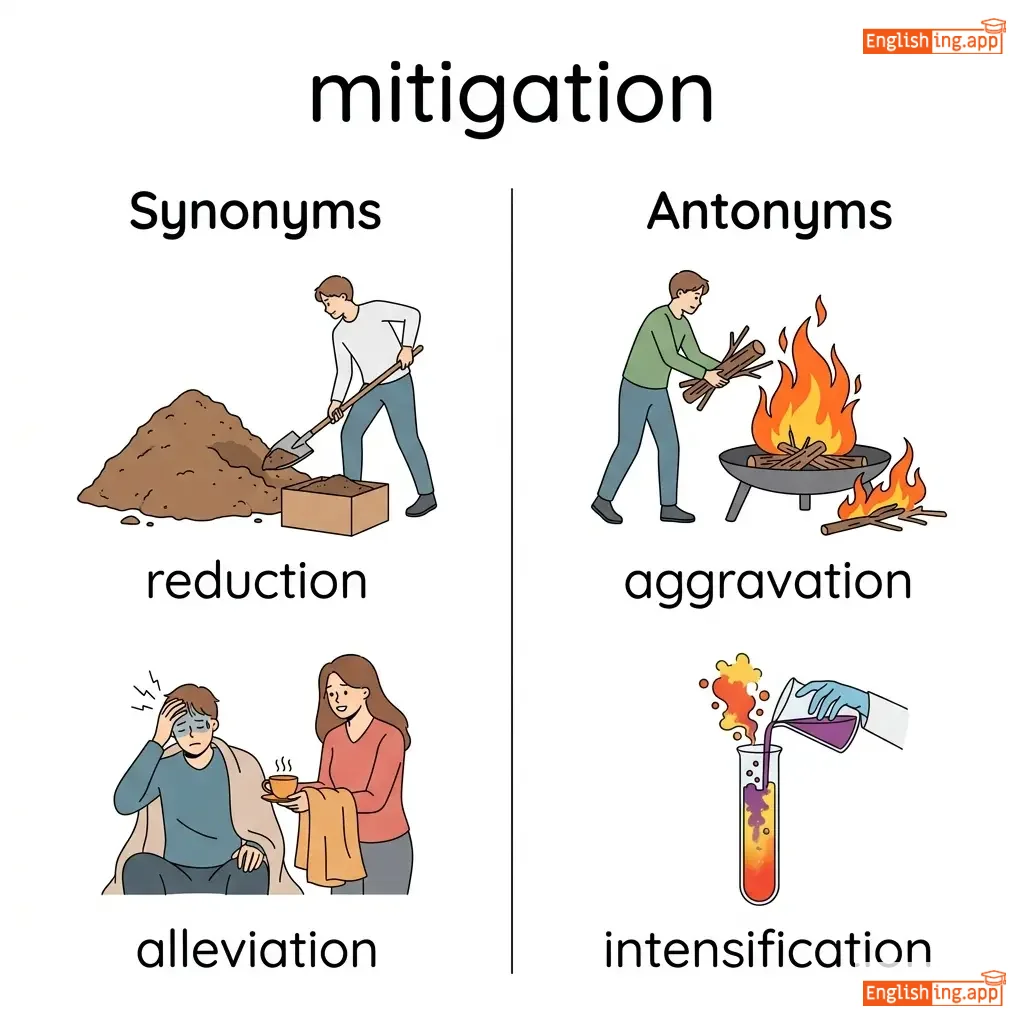
#1145
🛠️
|
/ˌmɪt.ɪˈɡeɪ.ʃən/
noun
(缓解)
••••••
|
|
缓解
huanjie
••••••
|
The action of reducing the severity, seriousness, or painfulness of something.
••••••
|
Disaster mitigation strategies save lives.
灾难缓解策略拯救生命。
••••••
|
灾难缓解策略拯救生命。
Zainan huanjie celüe zhengjiu shengming.
••••••
|
reduction, alleviation, prevention
••••••
|
aggravation, worsening, escalation
••••••
|
In Chinese, '缓解' (huanjie) matches the English meaning of mitigation.
••••••
|
|
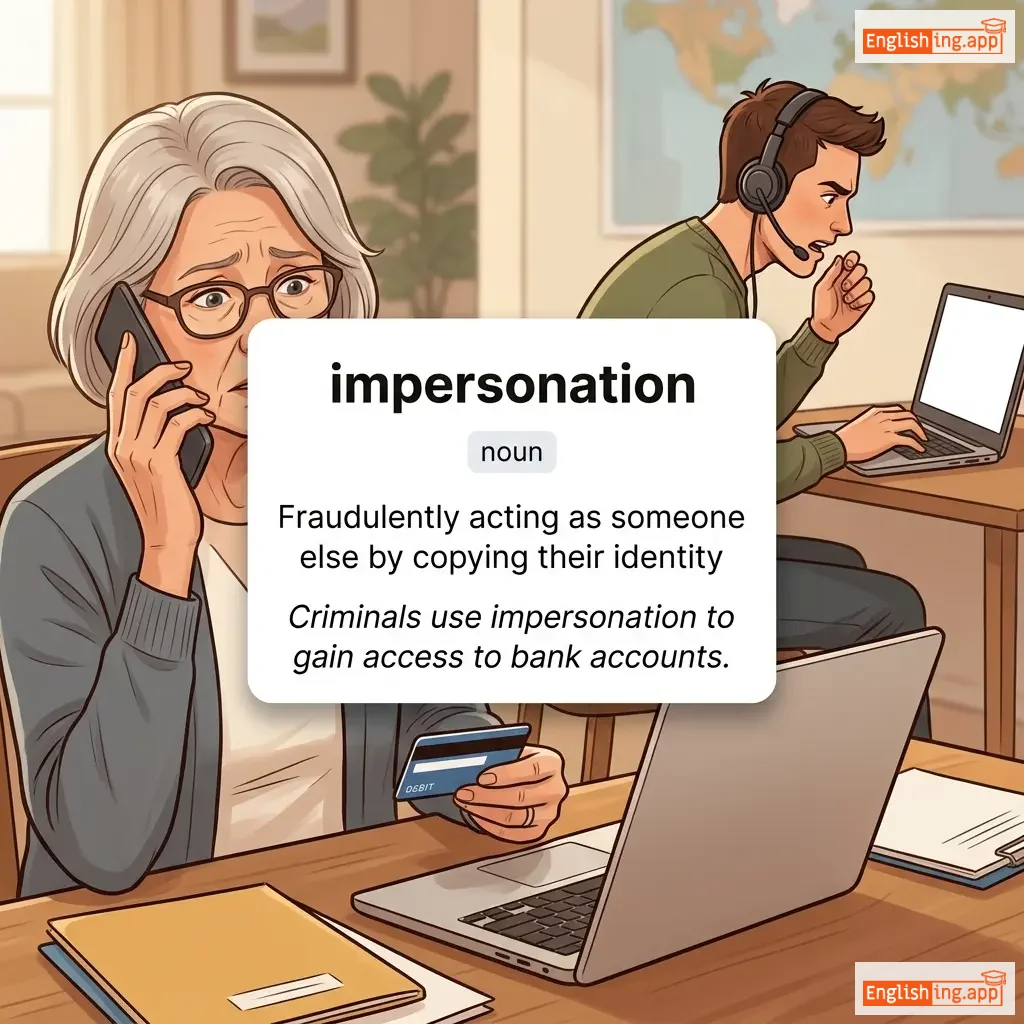
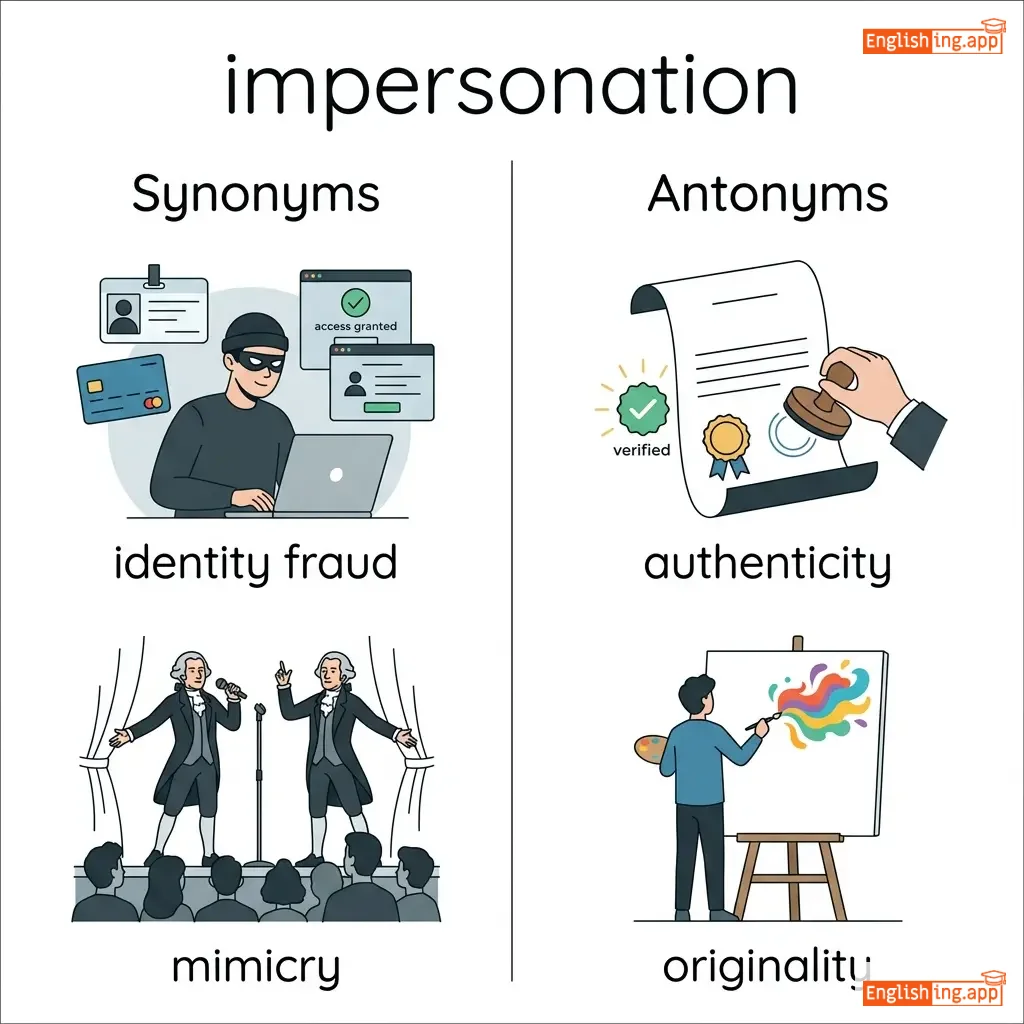
#1146
🎭
|
/ɪmˌpɜː.sənˈeɪ.ʃən/
noun
(冒充)
••••••
|
|
冒充他人
mao chong ta ren
••••••
|
The action of pretending to be another person for the purpose of entertainment or fraud.
••••••
|
Online impersonation is a serious cybercrime. |
网络冒充他人是一种严重的网络犯罪。
Wangluo mao chong ta ren shi yi zhong yan zhong de wangluo fanzui.
••••••
|
identity fraud, deception, masquerade
••••••
|
authenticity, originality, honesty
••••••
|
Imagine someone '冒充' (pretending) as another person online, tricking people.
••••••
|
|
#1147
🔧
|
/ˈtæm.pər.ɪŋ/
noun/verb
(篡改)
••••••
|
|
非法篡改
feifa cuangai
••••••
|
The action of interfering with something in order to cause damage or make unauthorized alterations.
••••••
|
Tampering with evidence is a criminal offense. |
篡改证据是犯罪行为。
Cuangai zhengju shi fanzui xingwei.
••••••
|
manipulation, alteration, sabotage
••••••
|
integrity, preservation, security
••••••
|
篡改证据可以导致刑事责任。
••••••
|
|
#1148
🔢
|
/ˈsaɪ.fər/
noun/verb
(sāifú)
••••••
|
|
密码
mìmǎ
••••••
|
A secret or disguised way of writing; a code; to put a message into secret writing.
••••••
|
Military messages are protected using a cipher.
军事消息通过密码保护。
••••••
|
军事消息通过密码保护。
Jūnshì xiāoxī tōngguò mìmǎ bǎohù.
••••••
|
code, encryption, algorithm
••••••
|
plaintext, deciphered, readable
••••••
|
Cipher = 密码 (秘密写作)
••••••
|
|
#1149
🔓
|
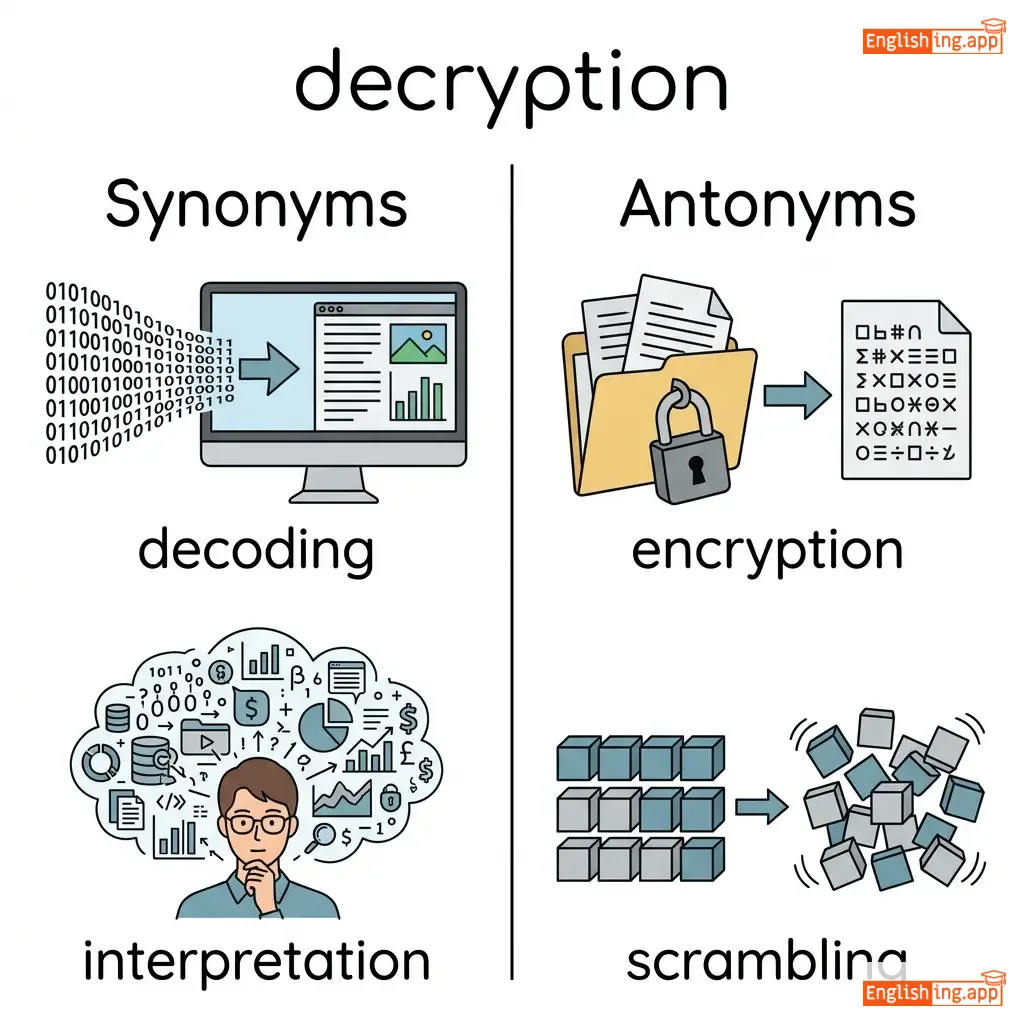
/diːˈkrɪp.ʃən/
noun
(dí kè lǐ pǔ xiān)
••••••
|
|
解密
jiě mì
••••••
|
The process of converting encrypted data back into its original form so it can be understood.
••••••
|
Hackers attempted decryption of classified data. |
黑客试图解密机密数据。
Hēikè shìtú jiěmì jīmì shùjù.
••••••
|
decoding, interpretation, deobfuscation
••••••
|
encryption, concealment, encoding
••••••
|
解密,就像破解隐藏的信息。
••••••
|
|
#1150
👁️
|
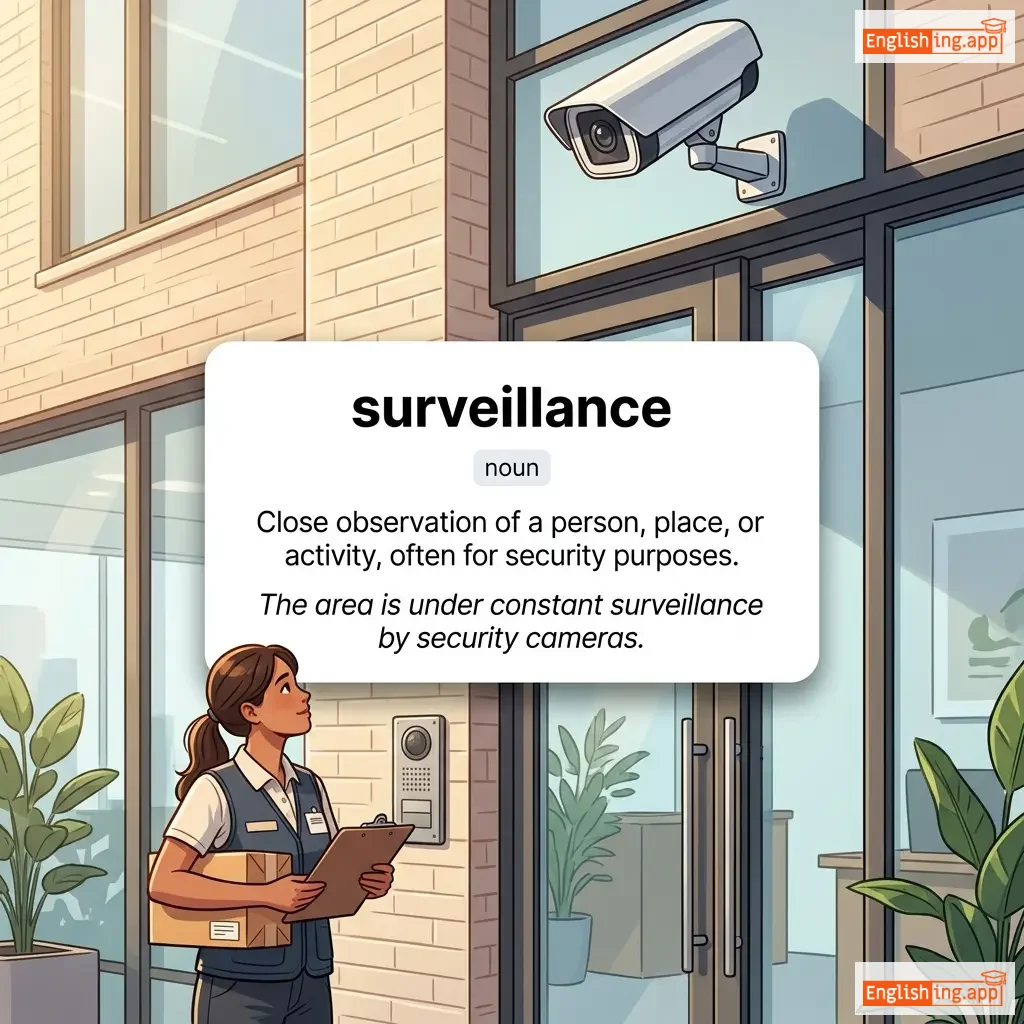
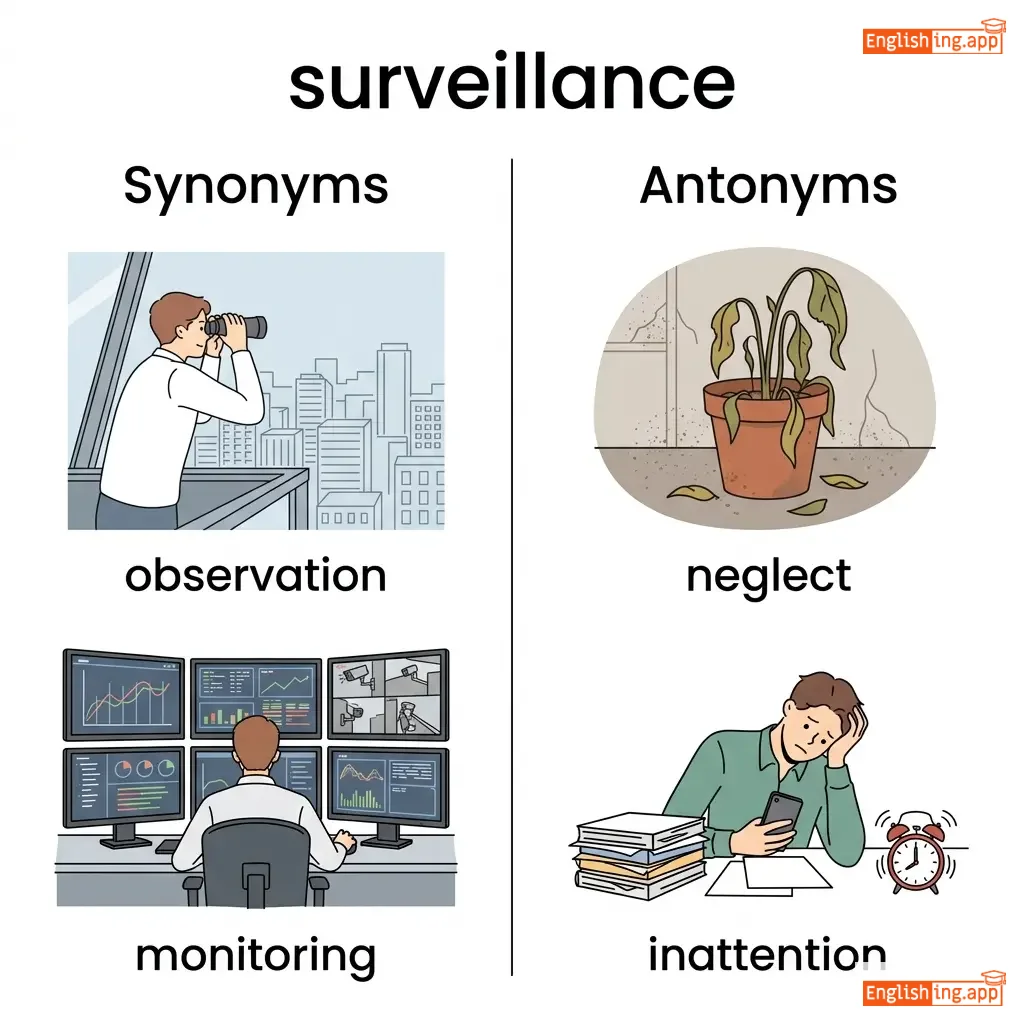
/sɜːˈveɪ.ləns/
noun
(sɜːˈveɪləns)
••••••
|
|
监控
jiānkòng
••••••
|
Close observation, especially of a suspected spy or criminal; continuous watching of a place, person, or situation.
••••••
|
Government agencies conduct surveillance on cyber threats.
政府机构对网络威胁进行监控。
••••••
|
政府机构对网络威胁进行监控。
Zhèngfǔ jīgòu duì wǎngluò wēixié jìnxíng jiānkòng.
••••••
|
monitoring, observation, supervision
••••••
|
neglect, inattention, disregard
••••••
|
监控 sounds like 'giant kong'. Think of 'Kong' watching over everything!
••••••
|
|
#1151
🎯
|
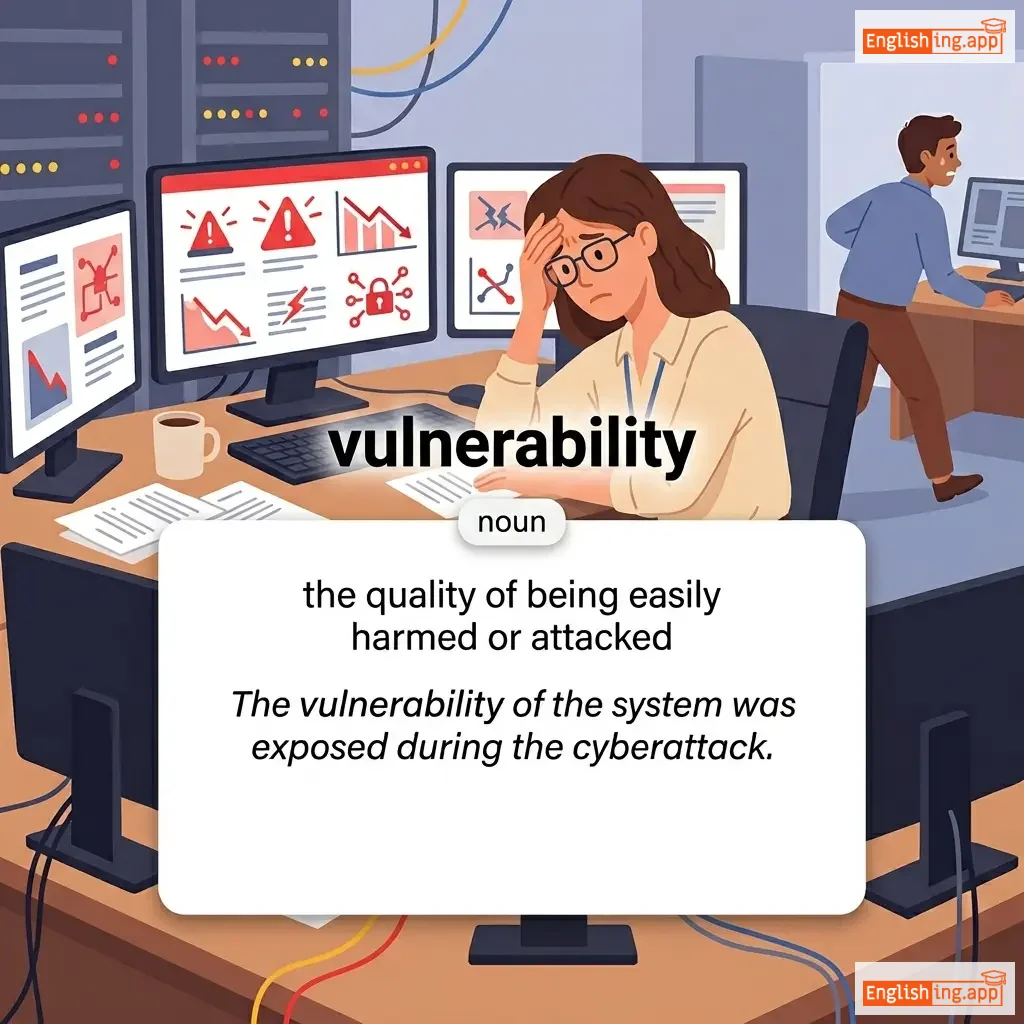
/ˌvʌl.nɚ.əˈbɪl.ə.ti/
noun
(漏洞)
••••••
|
|
漏洞
lòu dòng
••••••
|
The quality or state of being exposed to the possibility of being attacked or harmed, either physically or emotionally.
••••••
|
Software vulnerability can expose user data.
软件漏洞可能会暴露用户数据。
••••••
|
软件漏洞可能会暴露用户数据。
Ruǎn jiàn lòu dòng kě néng huì bào lù yòng hù shù jù.
••••••
|
weakness, susceptibility, exposure
••••••
|
security, protection, fortification
••••••
|
漏洞在中文中也表示风险或弱点,类似于英文的vulnerable。
••••••
|
|
#1152
📡
|
/dɪˌsem.ɪˈneɪ.ʃən/
noun
(迪塞米纳肖)
••••••
|
|
传播
chuanbo
••••••
|
The action or fact of spreading something, especially information, widely.
••••••
|
The dissemination of false information is a major issue.
错误信息的传播是一个严重问题。
••••••
|
错误信息的传播是一个严重问题。
Cuòwù xìnxī de chuánbō shì yīgè yánzhòng wèntí.
••••••
|
circulation, propagation, diffusion
••••••
|
suppression, concealment, withholding
••••••
|
Chuanbo sounds like 'dissemination' when said out loud.
••••••
|
|
#1153
🎯
|
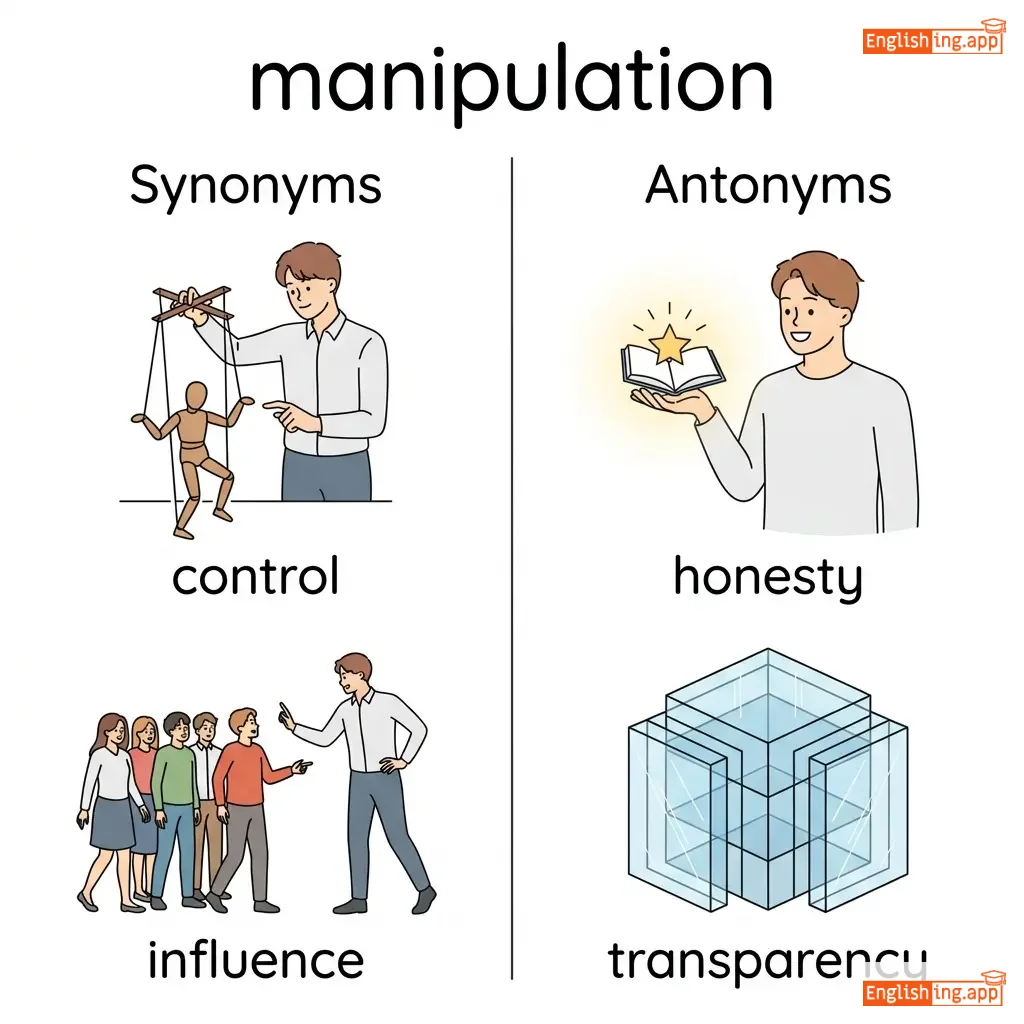
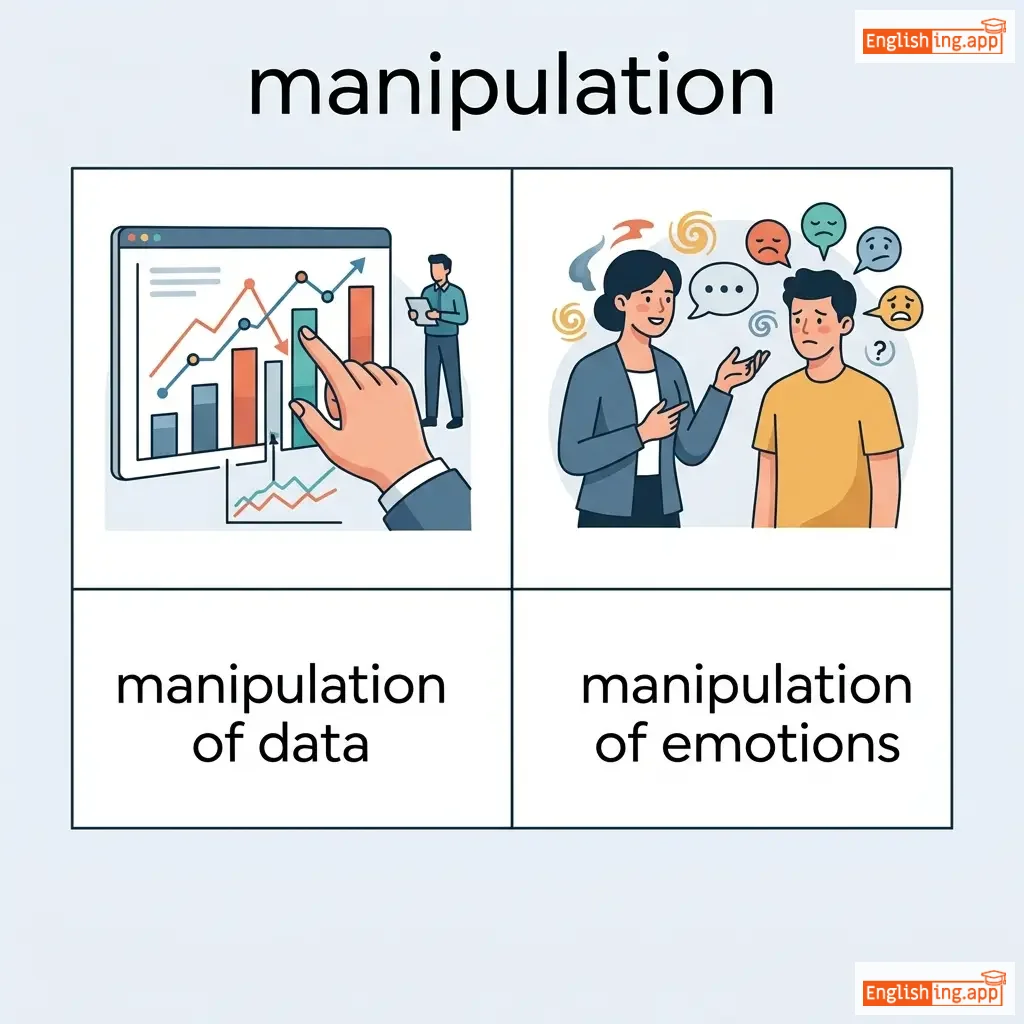
/məˌnɪp.jəˈleɪ.ʃən/
noun
(操控)
••••••
|
|
操控
caokong
••••••
|
The action of manipulating someone or something in a skillful manner; handling or controlling in a subtle, unfair, or unscrupulous way.
••••••
|
Media manipulation influences public opinion. |
媒体操控影响公共舆论。
Meiti caokong yingxiang gonggong yulun.
••••••
|
deception, exploitation, distortion
••••••
|
transparency, honesty, fairness
••••••
|
操控是潜移默化的影响,没人能意识到被操控。
••••••
|
|
#1154
📈
|
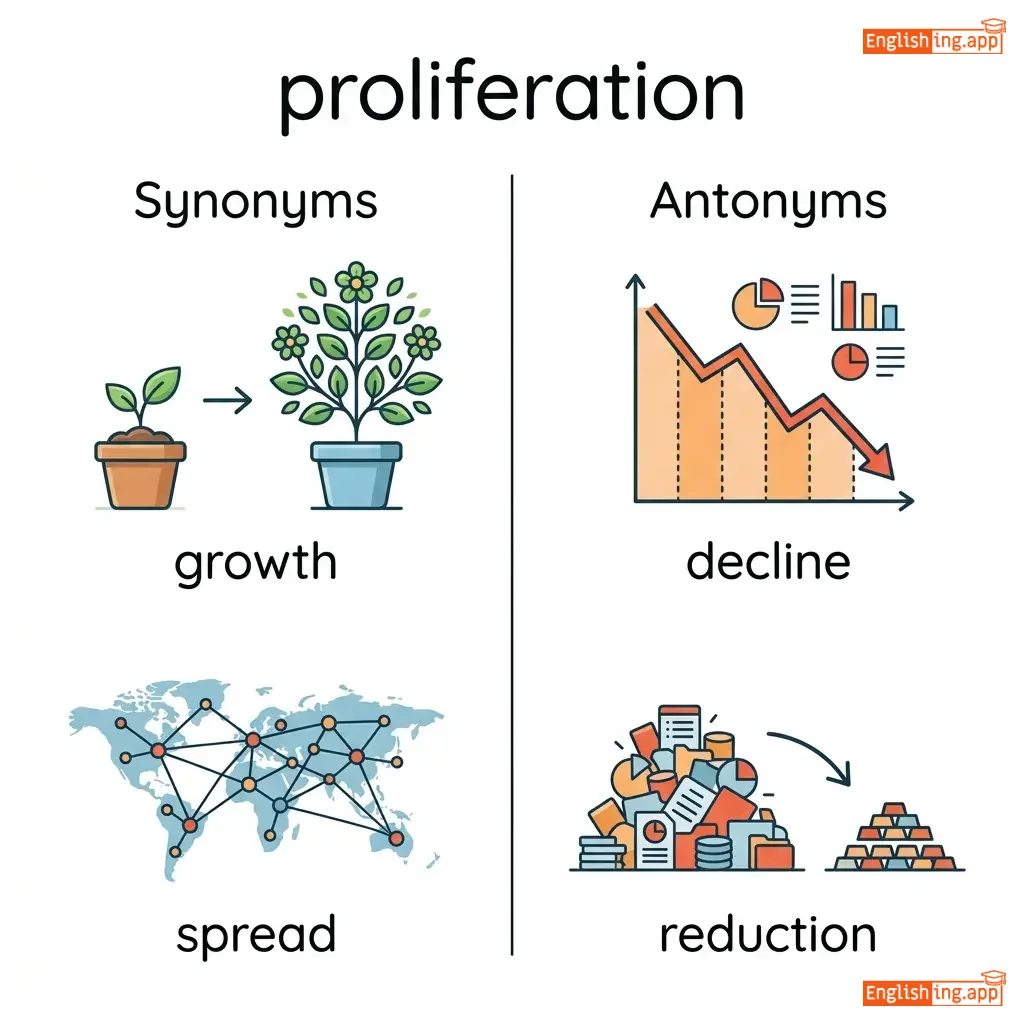
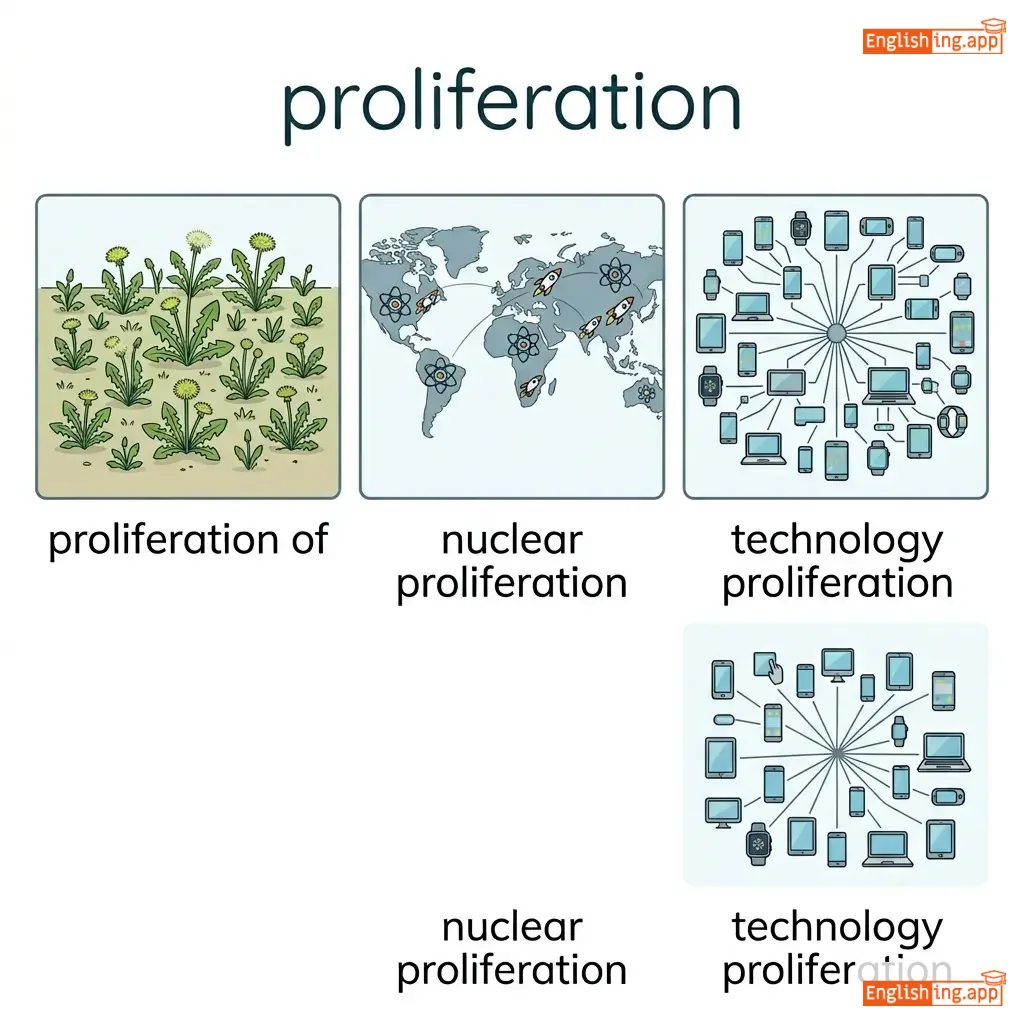
/prəˌlɪf.əˈreɪ.ʃən/
noun
(增殖)
••••••
|
|
增殖
zengzhi
••••••
|
Rapid increase in the number or amount of something; rapid multiplication or growth.
••••••
|
The proliferation of malware is a growing concern. |
恶意软件的增殖是一个日益严重的问题。
Eyi ruanjiang de zengzhi shi yi ge riyi yanzhong de wenti.
••••••
|
expansion, multiplication, escalation
••••••
|
decline, reduction, diminishment
••••••
|
增殖意味着快速增长,就像病毒的传播一样。
••••••
|
|
#1155
💪
|
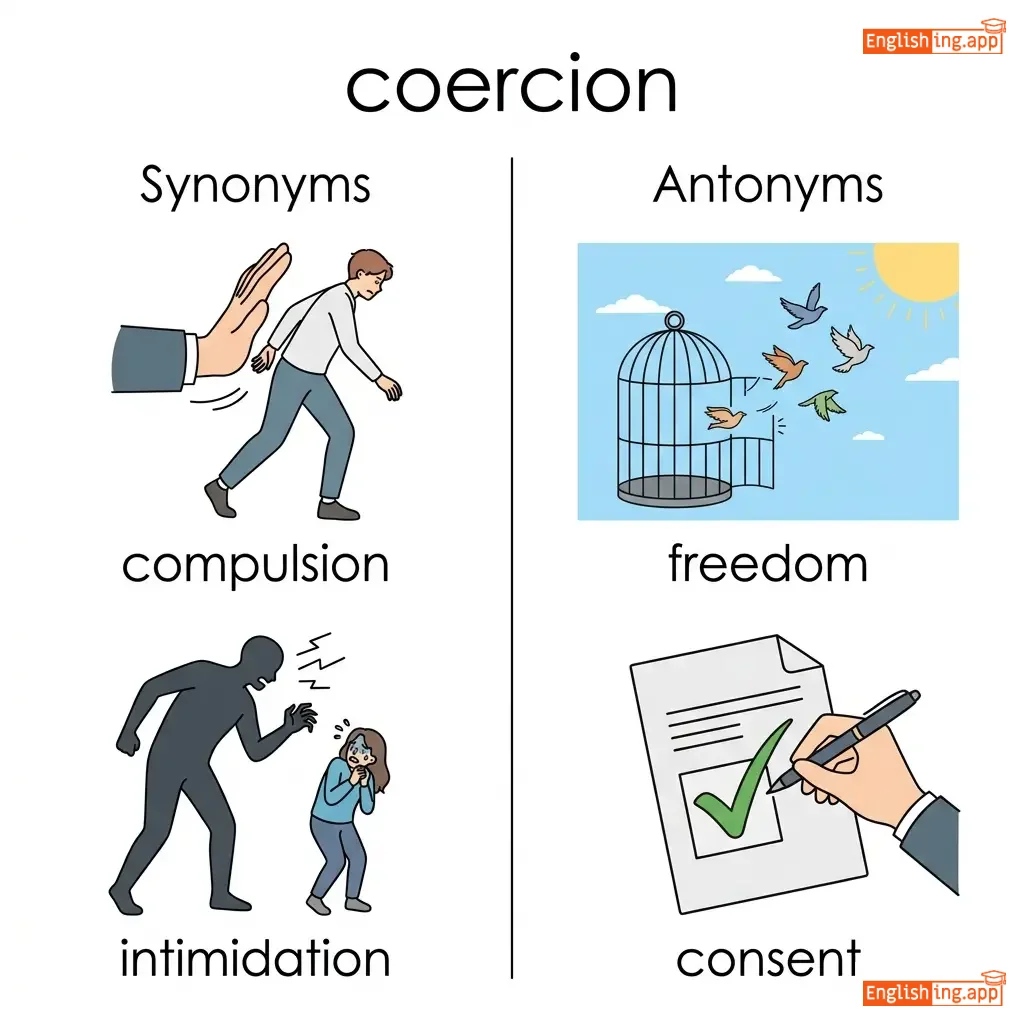
/koʊˈɜː.ʃən/
noun
(kòu èr xīn)
••••••
|
|
胁迫
xie po
••••••
|
The practice of persuading someone to do something by using force or threats.
••••••
|
Cybercriminals use coercion to extract information. |
网络犯罪分子使用胁迫手段提取信息。
Wǎngluò fànzuì fēnzǐ shǐyòng xiépo shǒuduàn tíqǔ xìnxī.
••••••
|
force, compulsion, intimidation
••••••
|
voluntary action, consent, free will
••••••
|
胁迫是通过威胁让人做事的行为。
••••••
|
Vocabulary Quiz
Test your vocabulary by matching words with their translations or meanings.
Login to take the quiz
Comments (0)
Share your thoughts and join the discussion.
Join the discussion by logging in
Login to CommentNo comments yet
Be the first to share your thoughts!