

ChatGPT 如何处理人类语言
How ChatGPT Processes Human Language
通过一个 algorithmic model,ChatGPT 获得了理解人类语言的能力。它从庞大的 corpus 中收集信息,并进行 probabilistic 分析,以理解每个词的 semantic 含义。
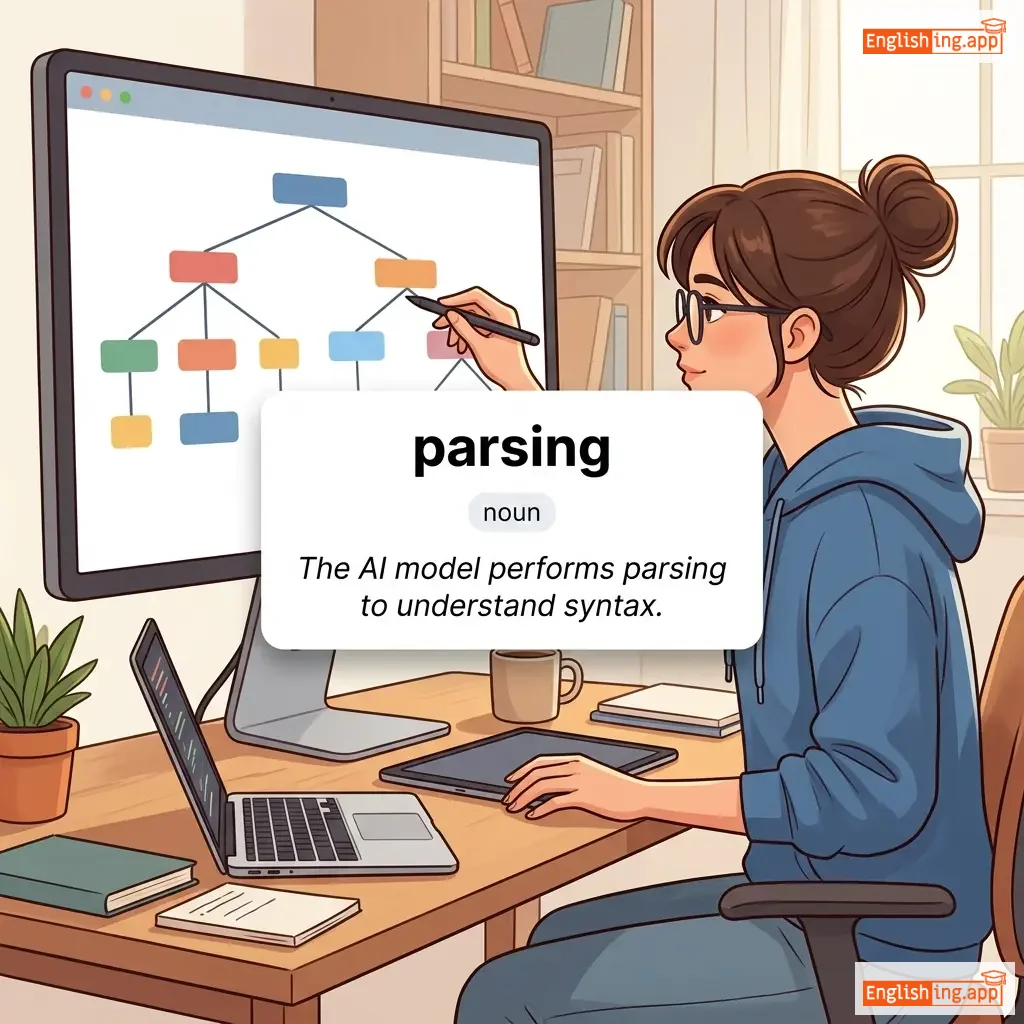
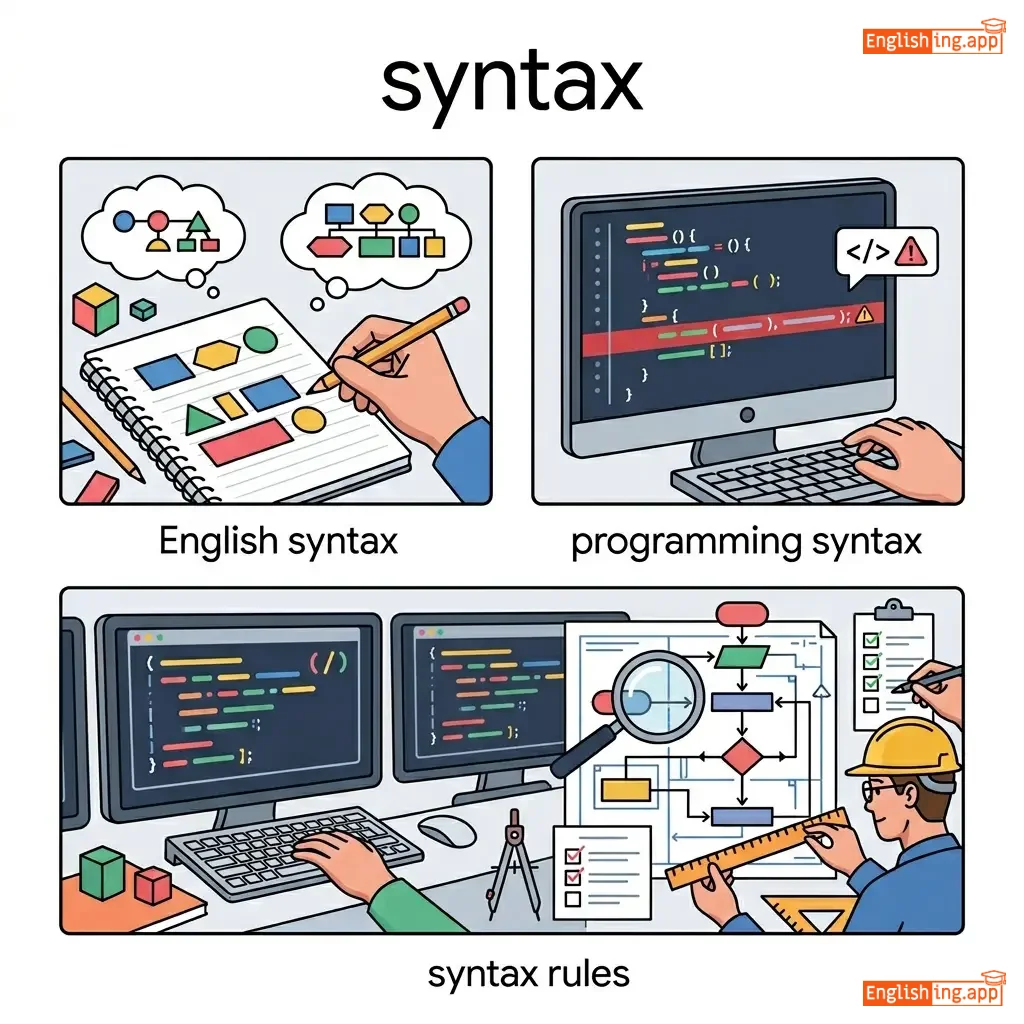
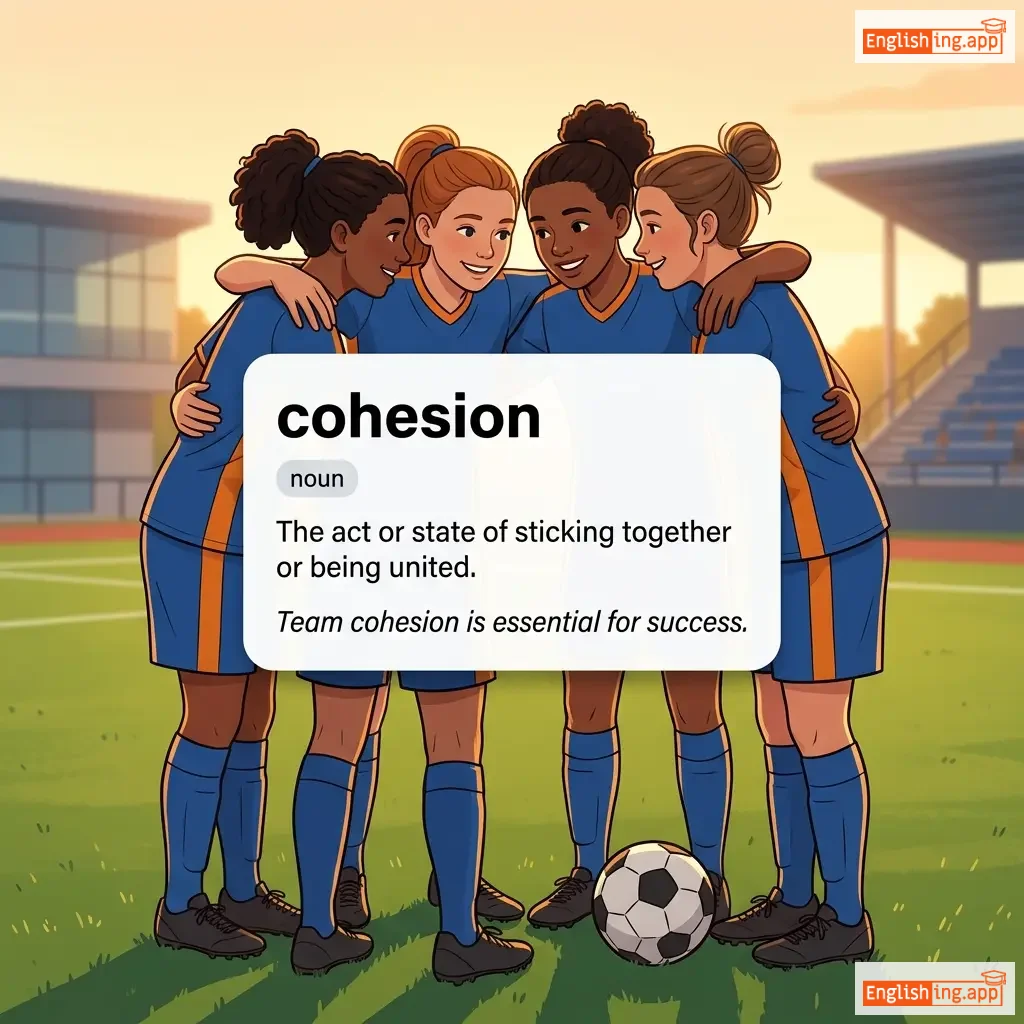
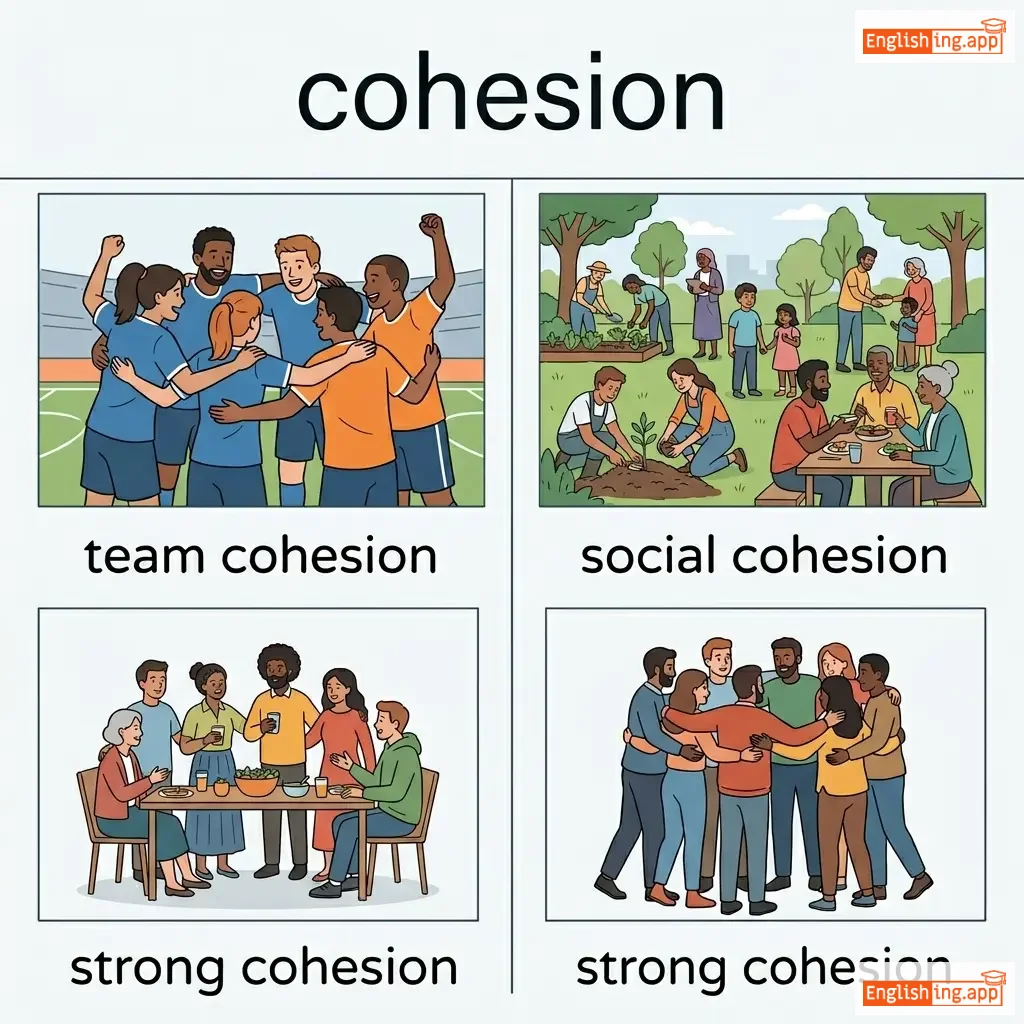
第一步,使用 tokenization 方法将文本分成较小的部分。然后通过 parsing 和 morphological 分析来研究句子结构。在保持 syntax 和 cohesion 的同时,自然地形成句子。
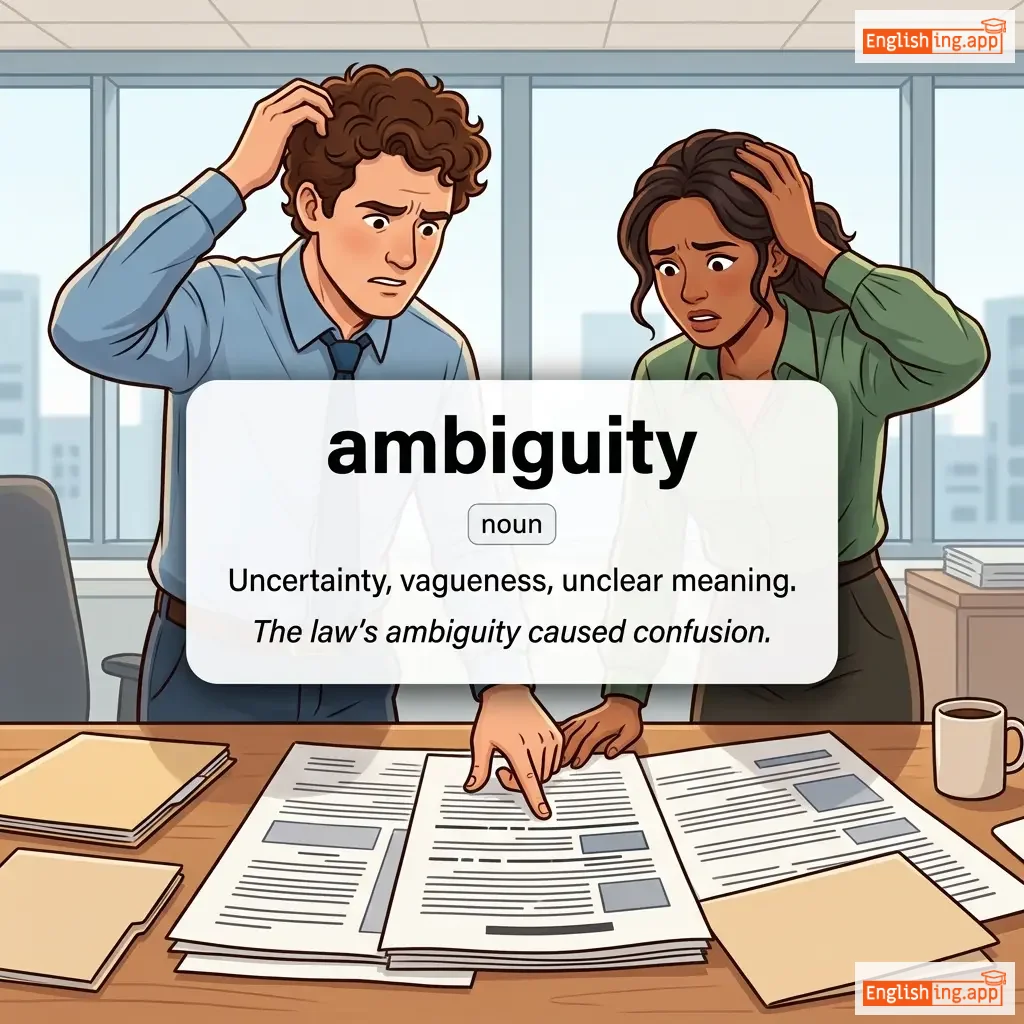
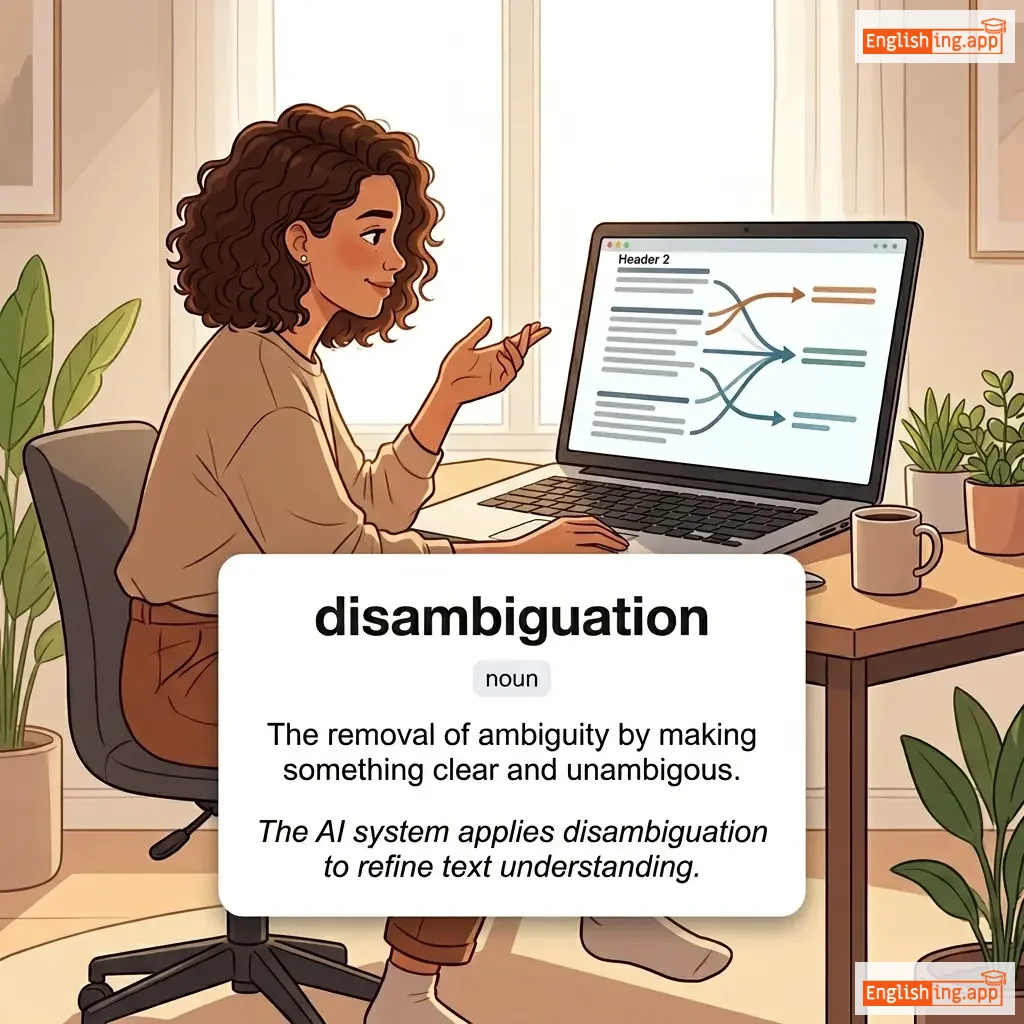
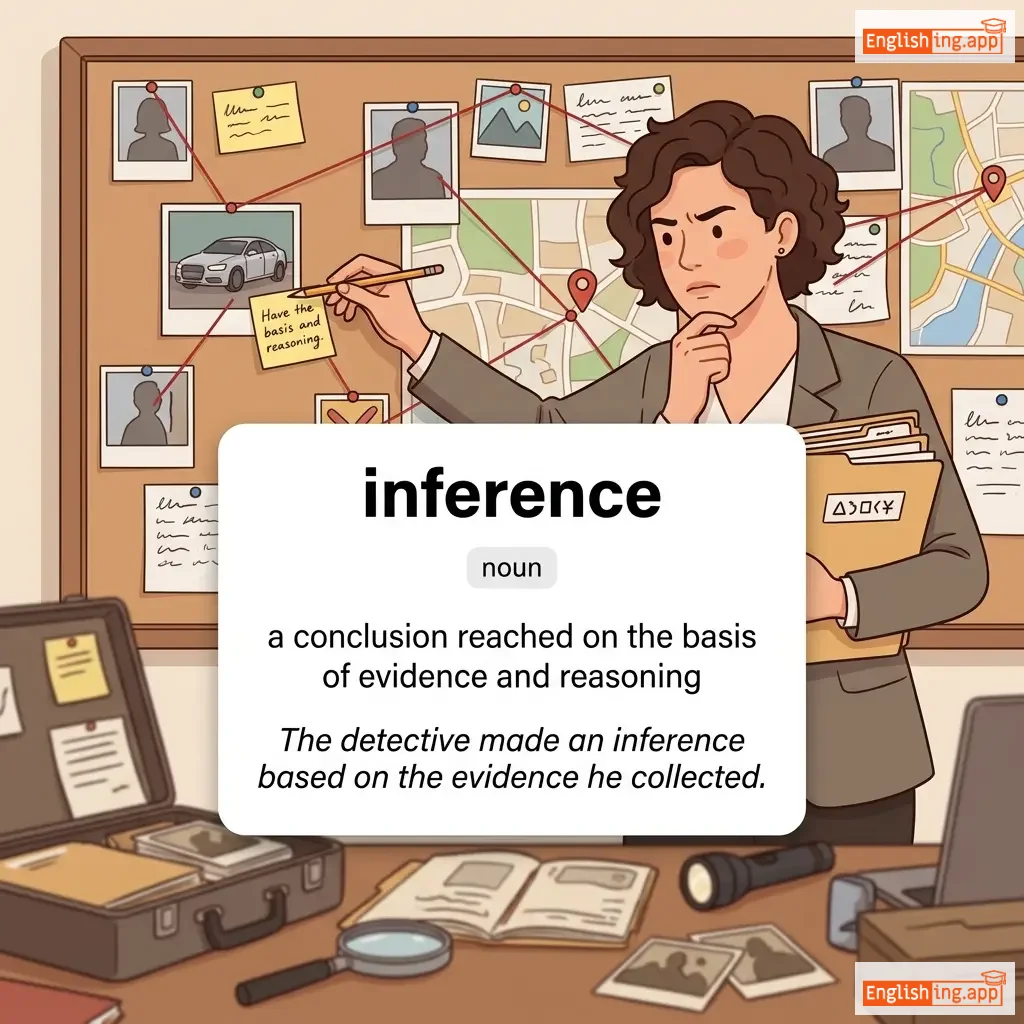
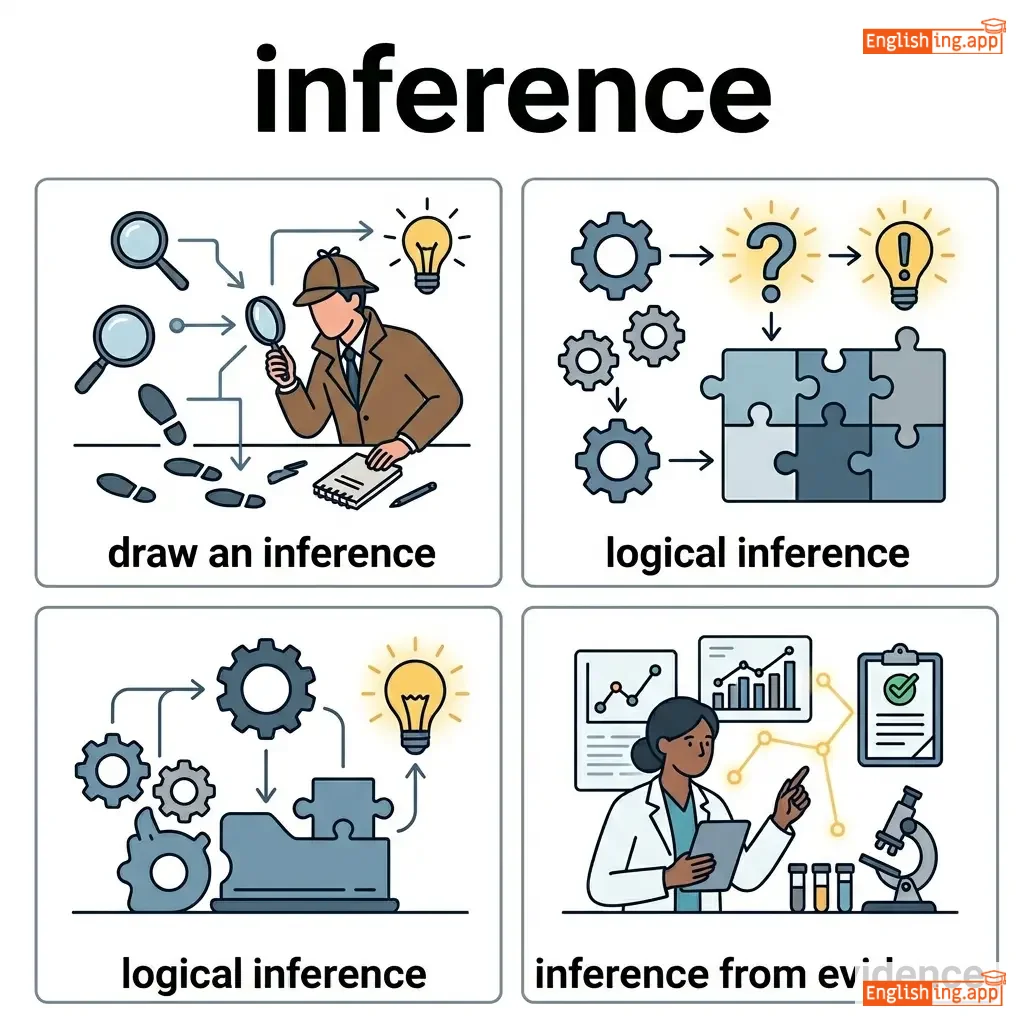
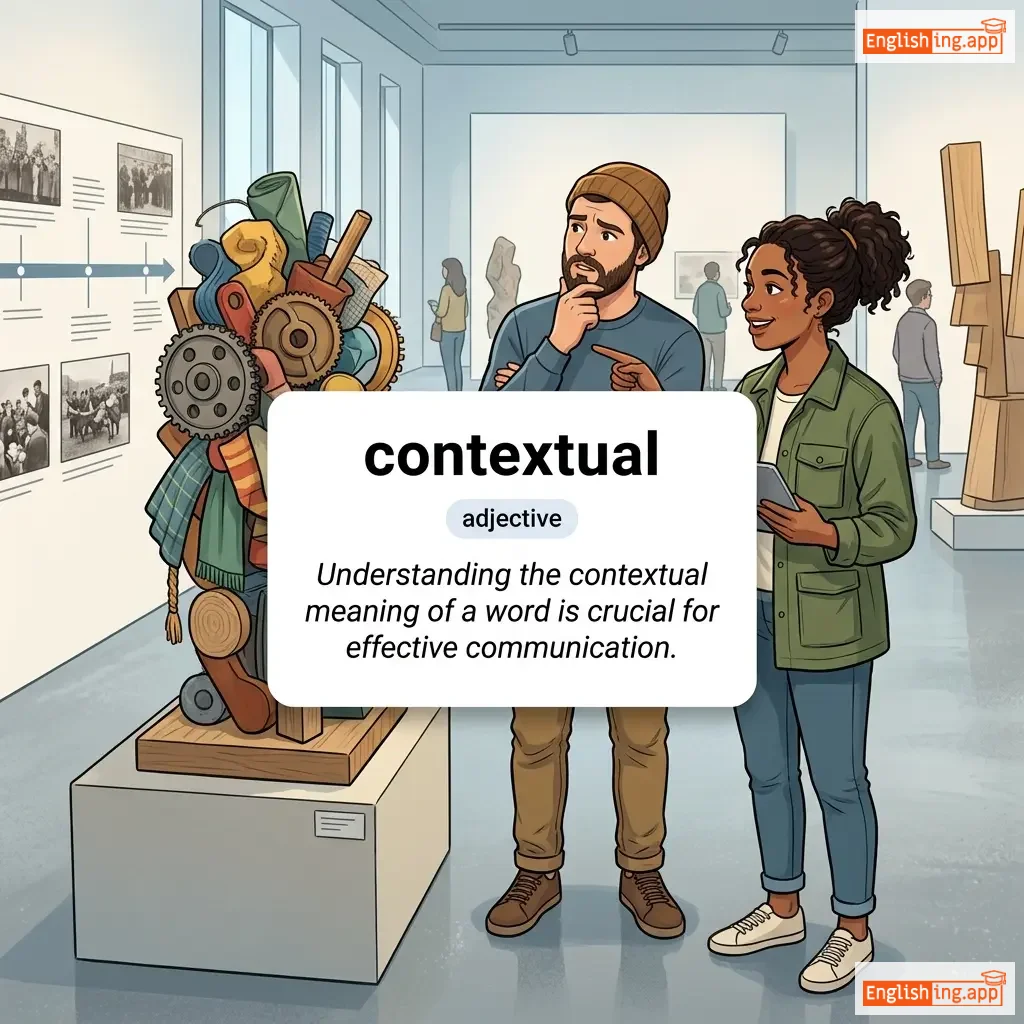
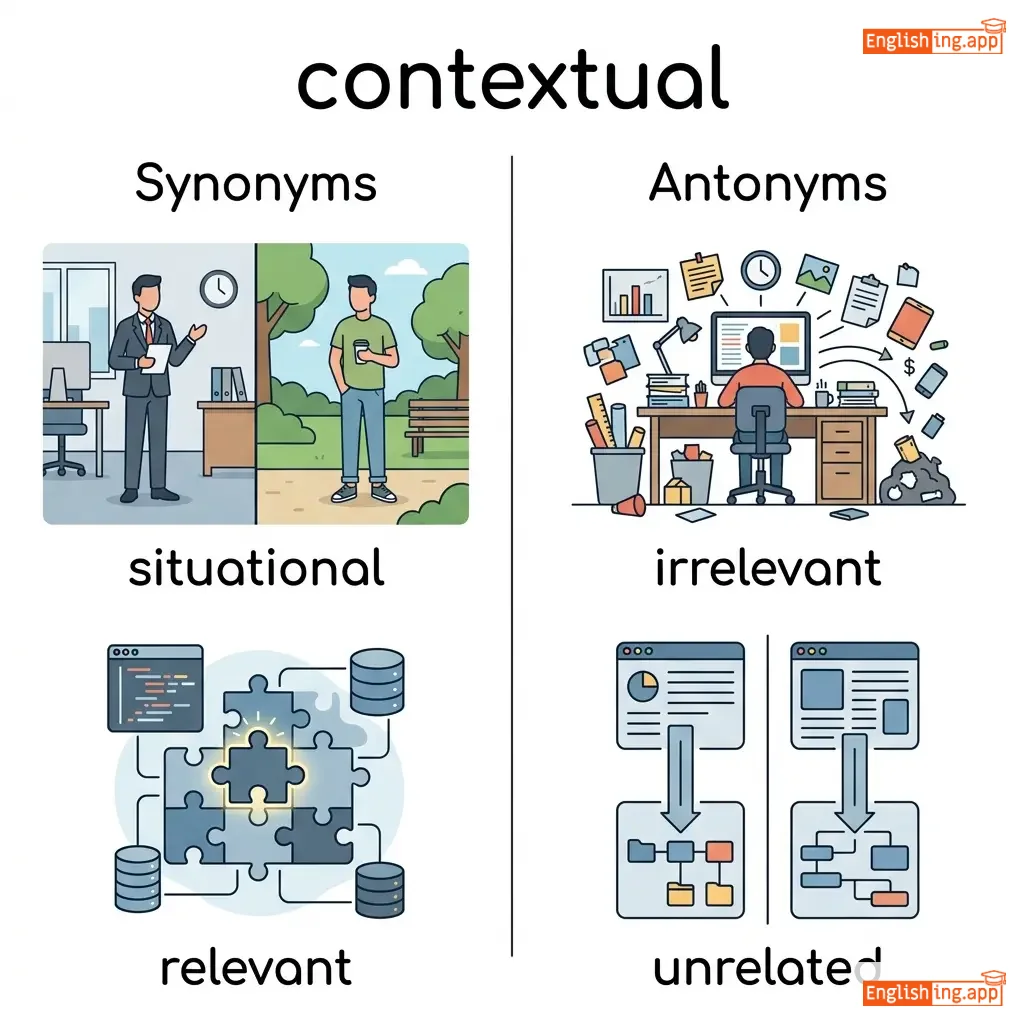
由于语言中存在大量 ambiguity,disambiguation 过程有助于确定正确的含义。通过 inference 理解 contextual 关系。
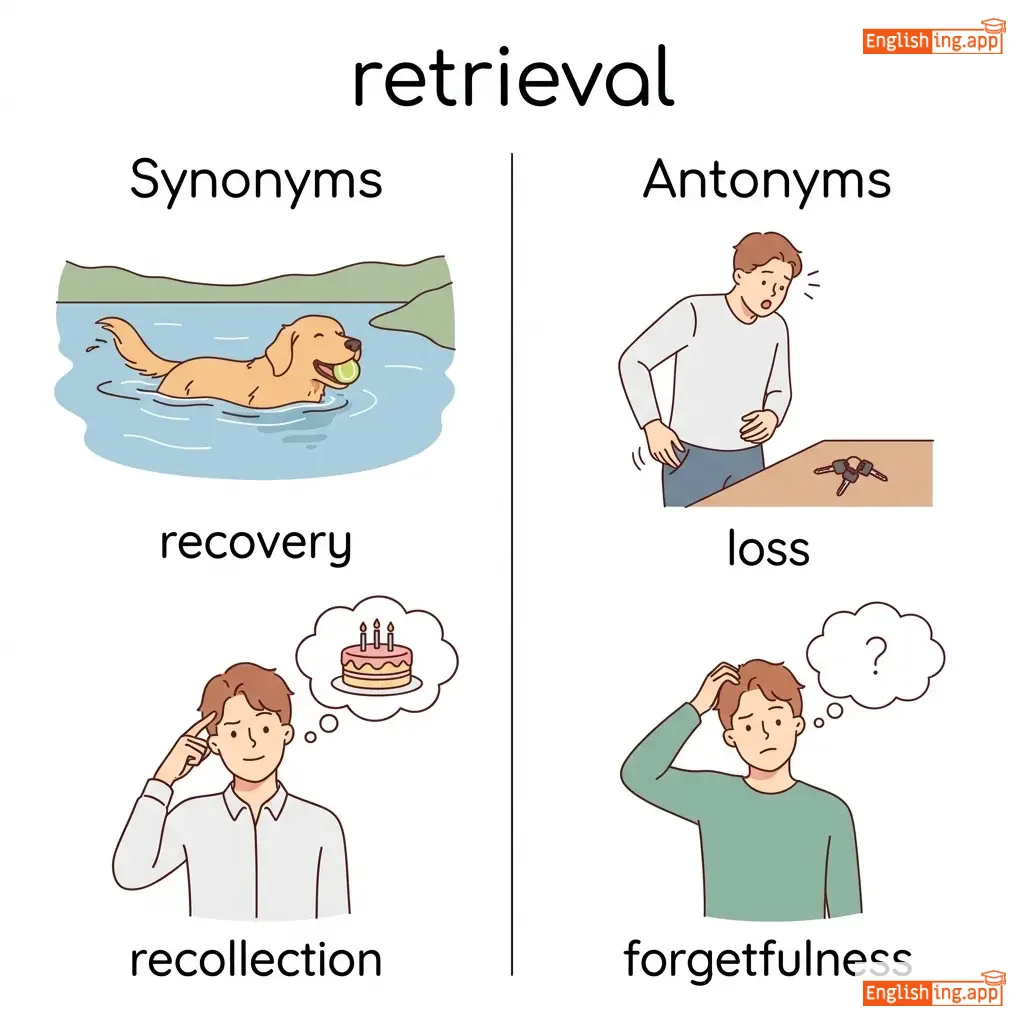
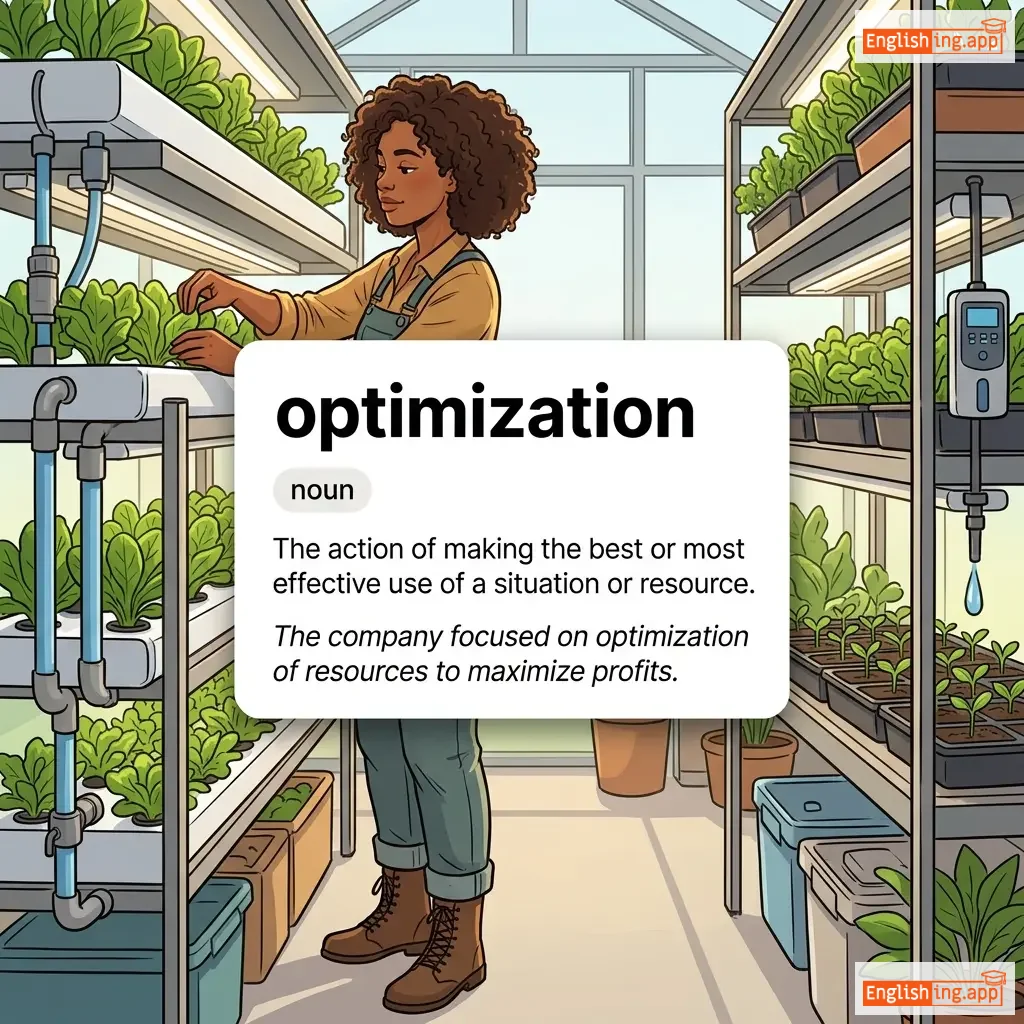
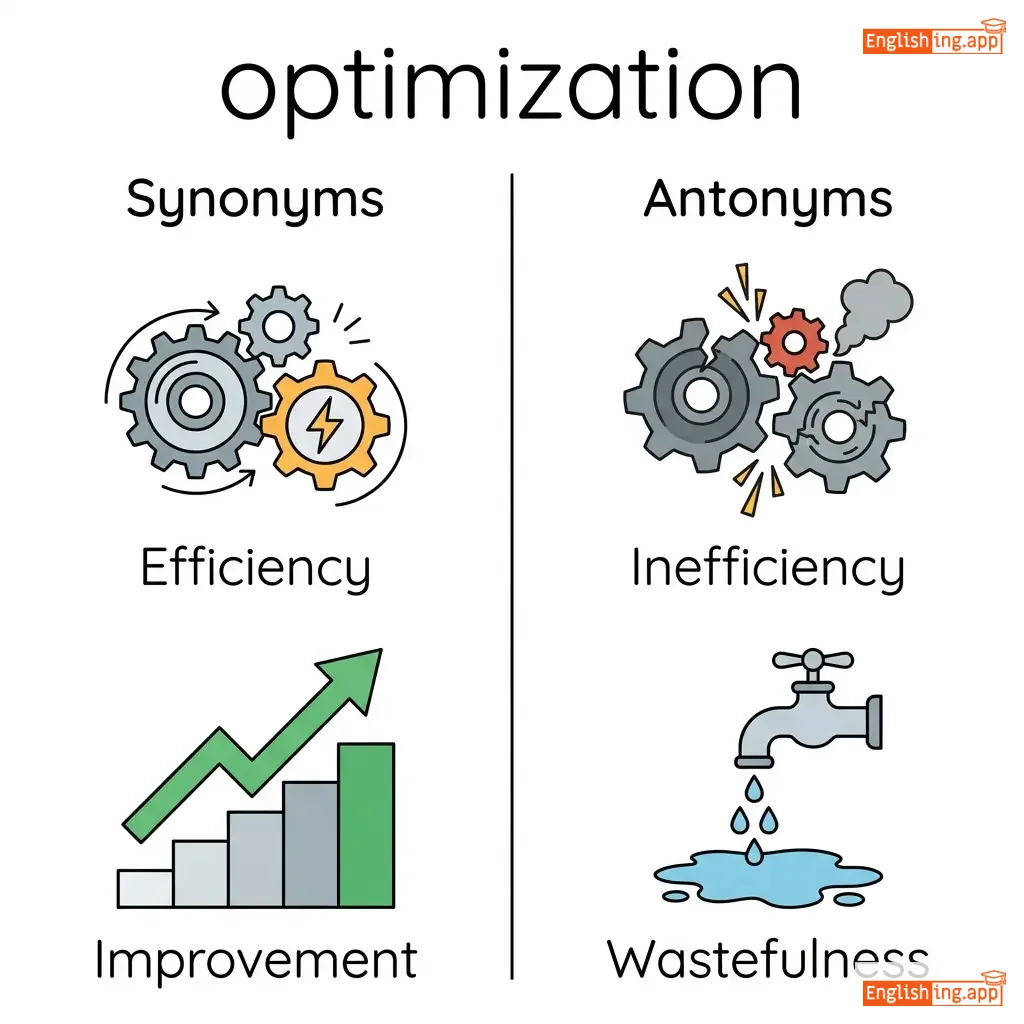
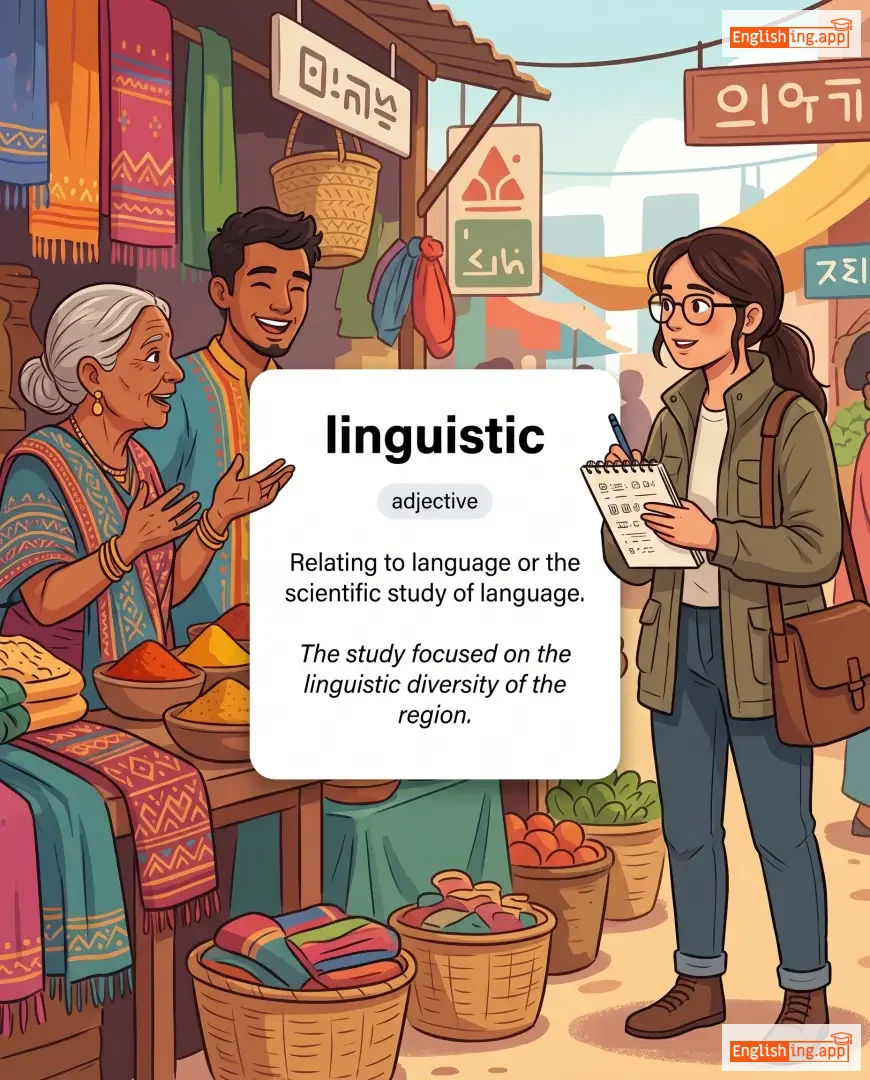
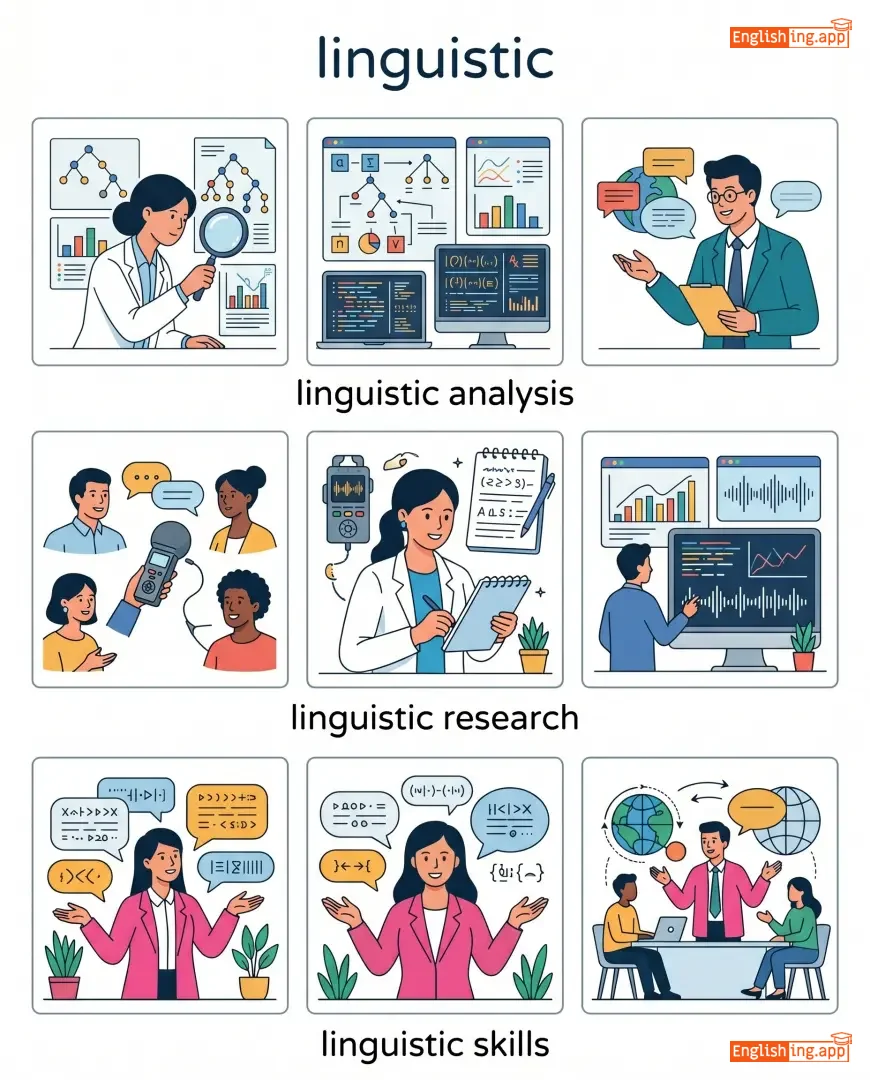
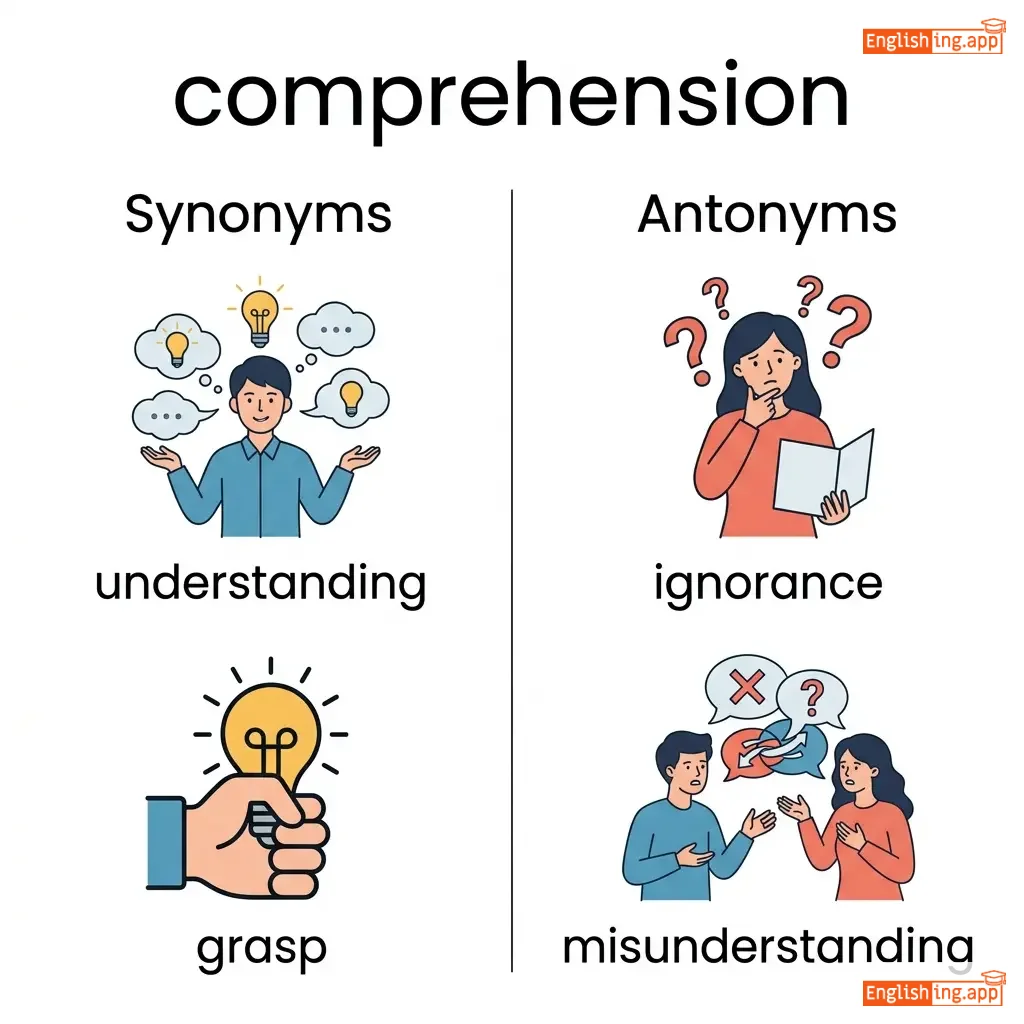
最后,ChatGPT 通过 retrieval 和 optimization 方法生成答案。其 linguistic 分析能力和 comprehension 能力使其更高效。








Swipe left or right, or use the buttons. Tap image to zoom.
例句翻译
单词
How ChatGPT Processes Human LanguageHow ChatGPT Processes Human Language - 遮罩切换
|
表情符号
|
单词 | Images | 翻译 | 含义 | 例句 | 例句翻译 | 同义词 | 反义词 | 助记符 |
|---|---|---|---|---|---|---|---|---|---|
|
#1820
🤖
|
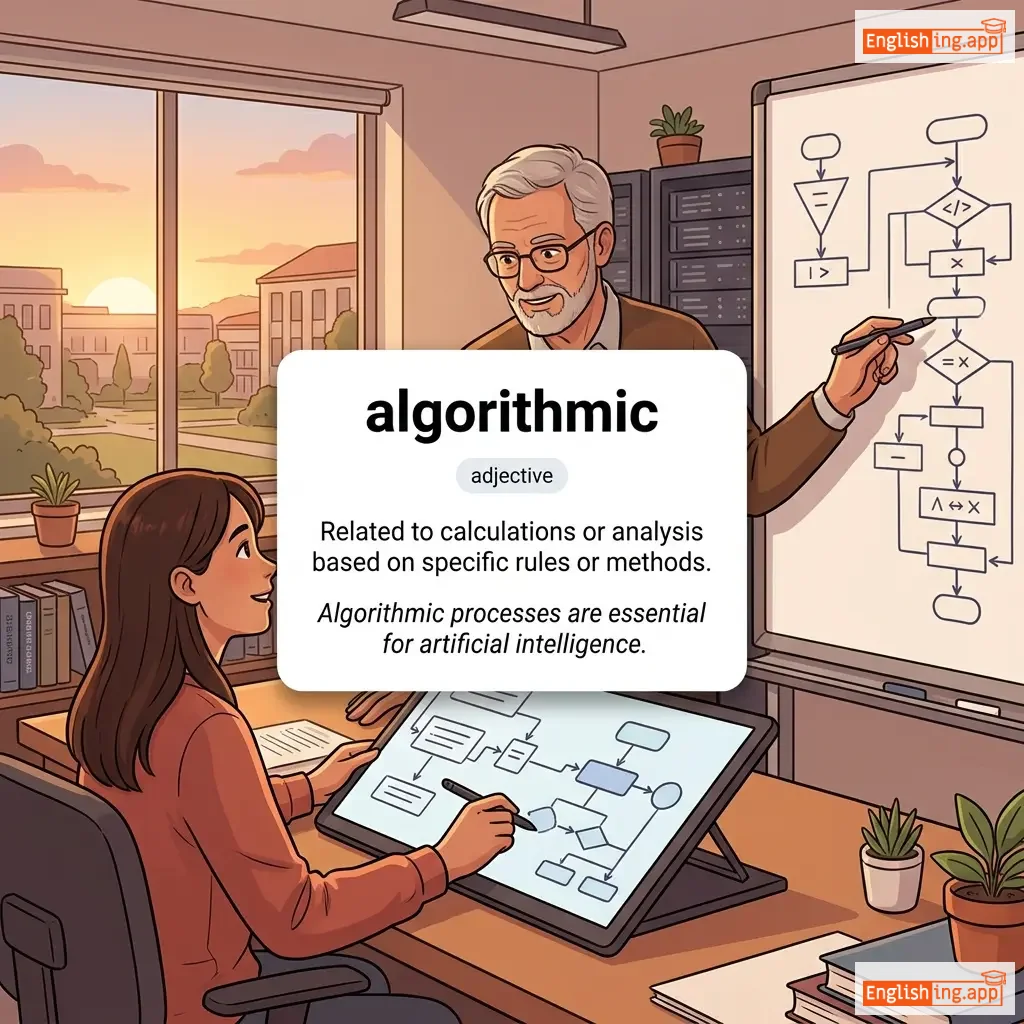
ˌæl.ɡəˈrɪð.mɪk
adjective
(算法)
••••••
|
|
基于算法的
jī yú suàn fǎ de
••••••
|
Based on or using algorithms; relating to computational procedures and systematic methods.
••••••
|
Algorithmic trading is widely used in financial markets. |
算法交易在金融市场中广泛使用。
Suànfǎ jiāoyì zài jīnróng shìchǎng zhōng guǎngfàn shǐyòng.
••••••
|
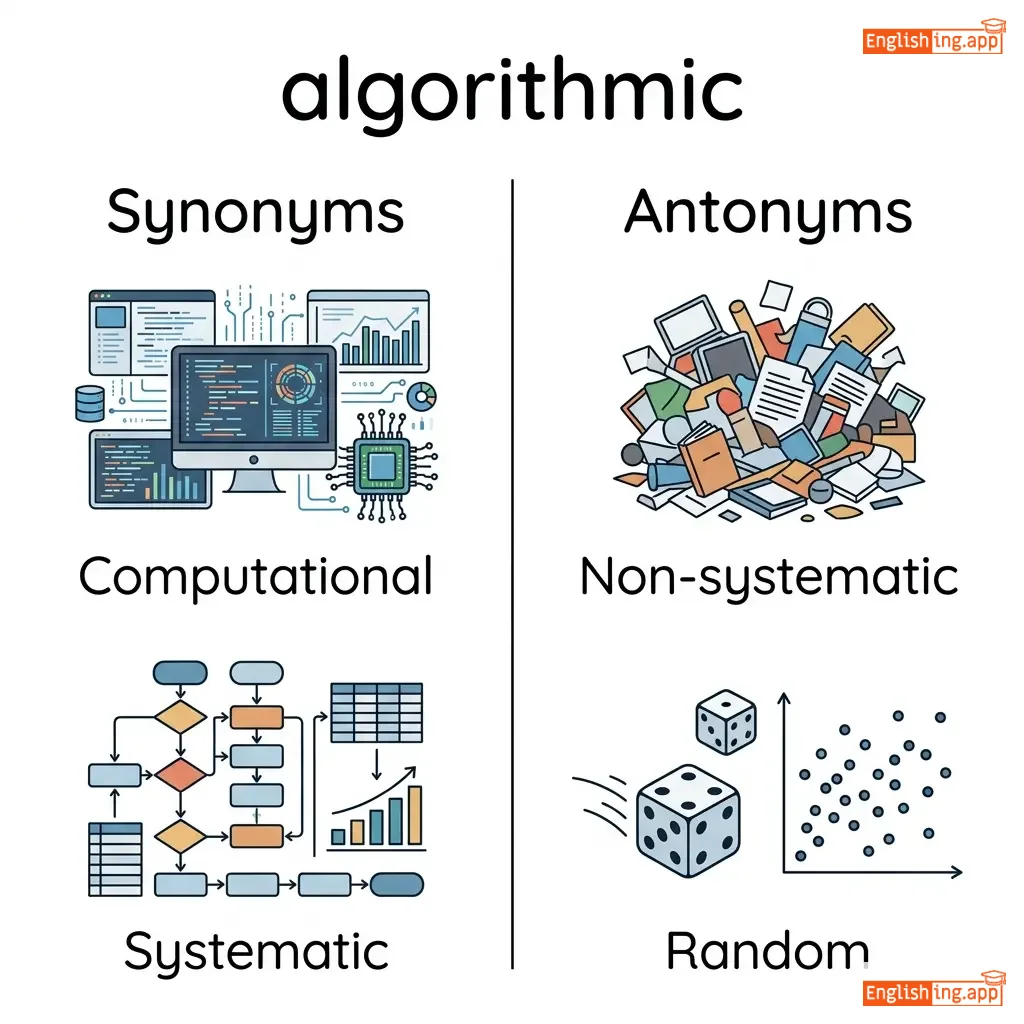
computational, programmatic, automated
••••••
|
manual, intuitive, non-systematic
••••••
|
算法将数据转化为行动的步骤。
••••••
|
|
#1821
🏗️
|
ˈmɒd.əl
noun
(莫德尔)
••••••
|
|
模型
móxíng
••••••
|
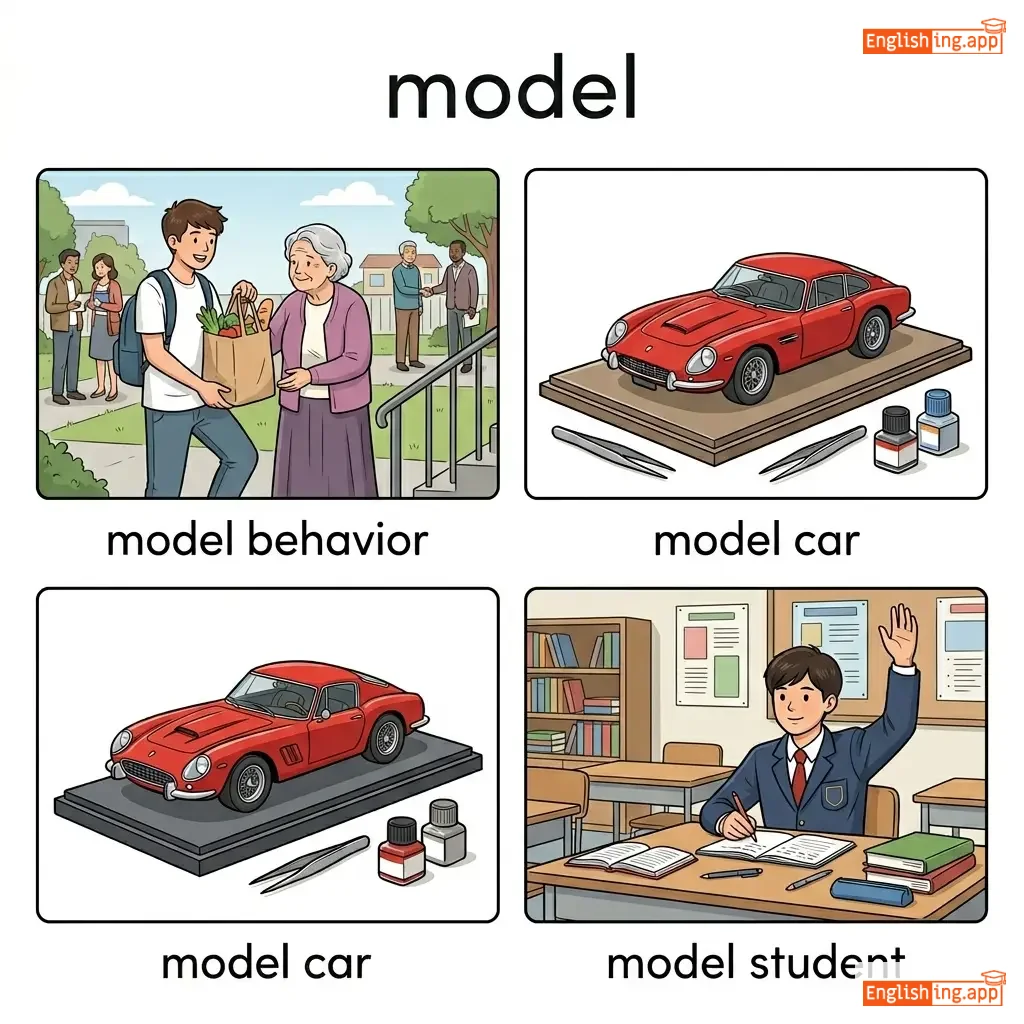
A framework, prototype, or simulation used to represent or understand a system or process.
••••••
|
Scientists use a model to simulate climate change.
科学家使用模型来模拟气候变化。
••••••
|
科学家使用模型来模拟气候变化。
Kēxuéjiā shǐyòng móxíng lái móniǔ qìhòu biànhuà.
••••••
|
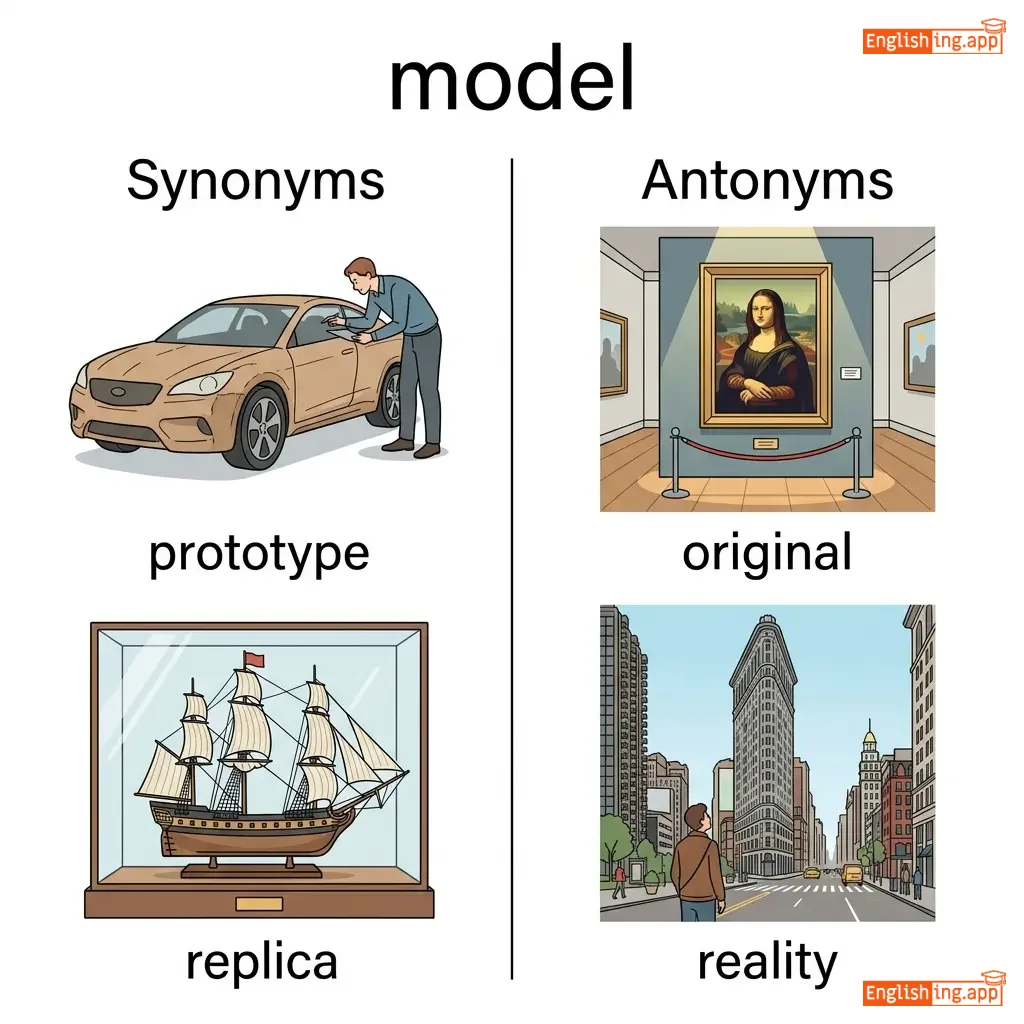
framework, prototype, simulation
••••••
|
disorganization, chaos, dysfunction
••••••
|
模型可以帮助我们了解事物是如何运作的。
••••••
|
|
#1822
🤖
|
ˈtʃæt.dʒiː.piː.tiː
noun
(ChatGPT)
••••••
|
|
基于语言的人工智能模型
ChatGPT
••••••
|
A language-based artificial intelligence model designed for conversational interactions.
••••••
|
ChatGPT helps users generate human-like text efficiently. |
ChatGPT帮助用户高效生成类似人类的文本。
ChatGPT bāngzhù yònghù gāoxiào shēngchéng lèisì rénlèi de wénběn.
••••••
|
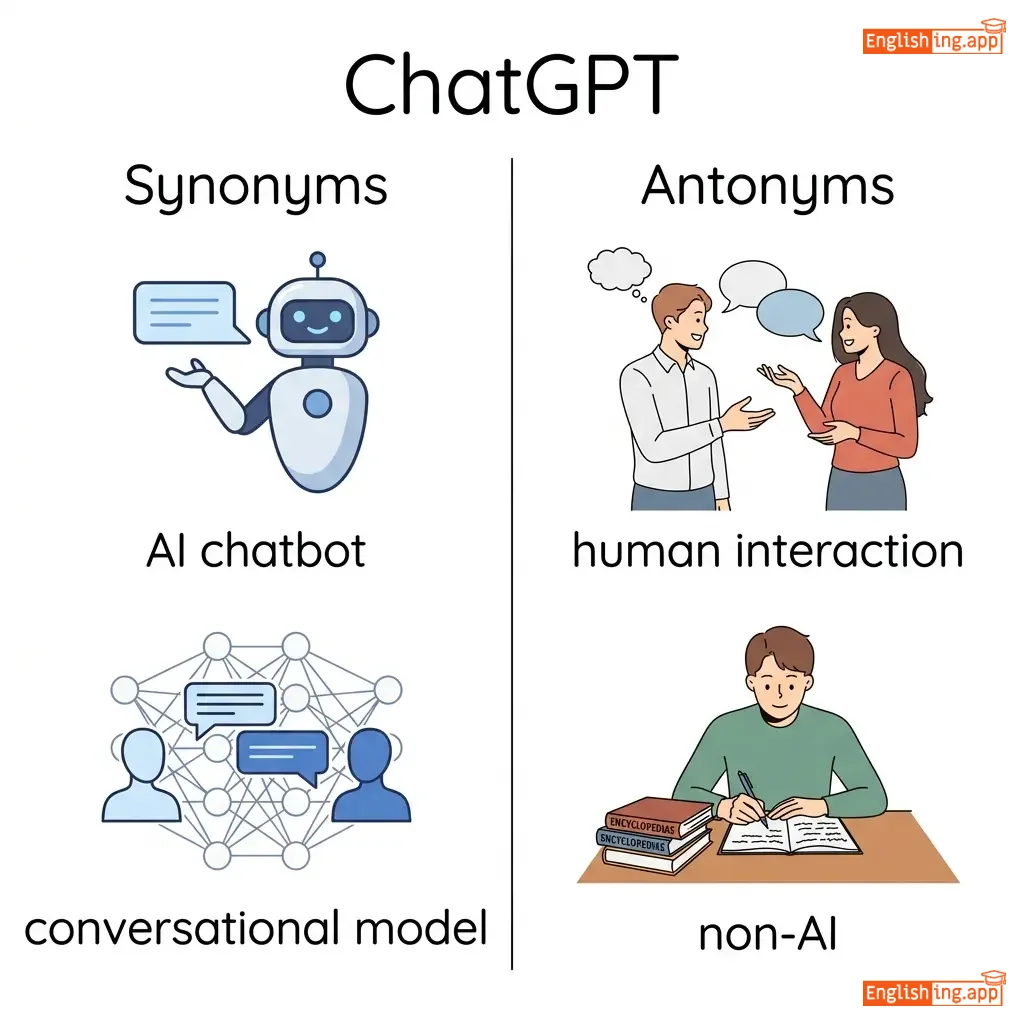
AI chatbot, conversational model, virtual assistant
••••••
|
human interaction, non-AI, traditional chat
••••••
|
ChatGPT - 通过人工智能生成对话风格的文本
••••••
|
|
#1823
📚
|
ˈkɔː.pəs
noun
(科尔普斯)
••••••
|
|
用于语言分析和研究的大型语言数据集合
corpus
••••••
|
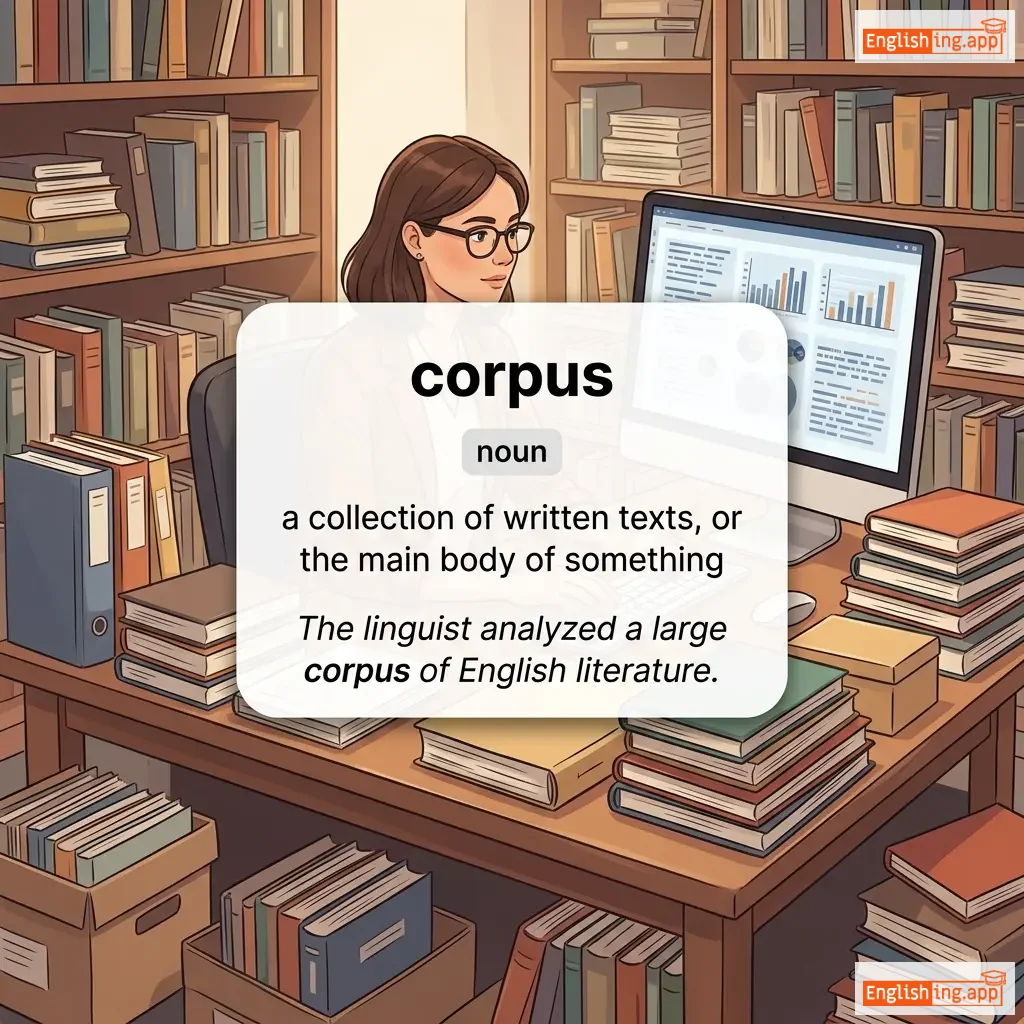
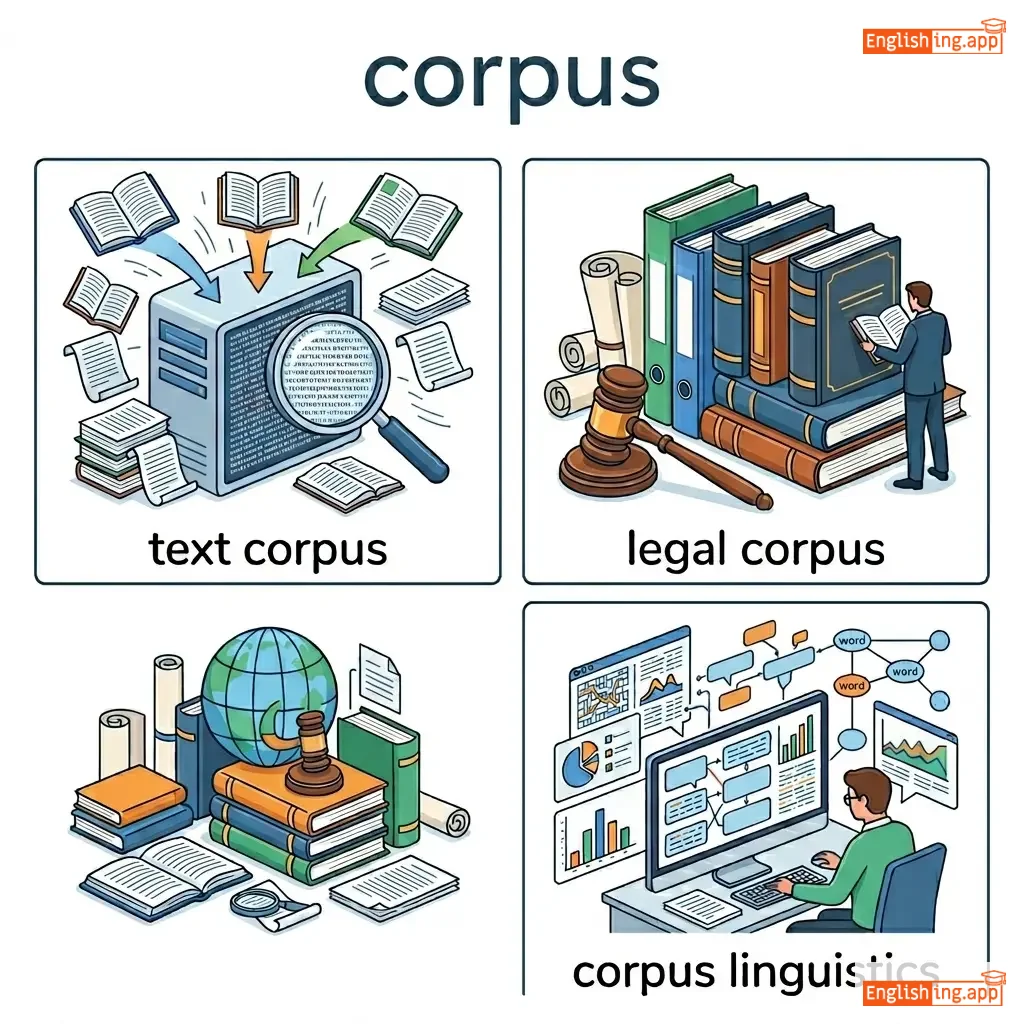
A large collection of linguistic data used for language analysis and research.
••••••
|
Linguists use a corpus to analyze language patterns.
语言学家使用语料库来分析语言模式。
••••••
|
语言学家使用语料库来分析语言模式。
Yuyanxuejia shiyong yuliao ku lai fenxi yuyan moshi.
••••••
|
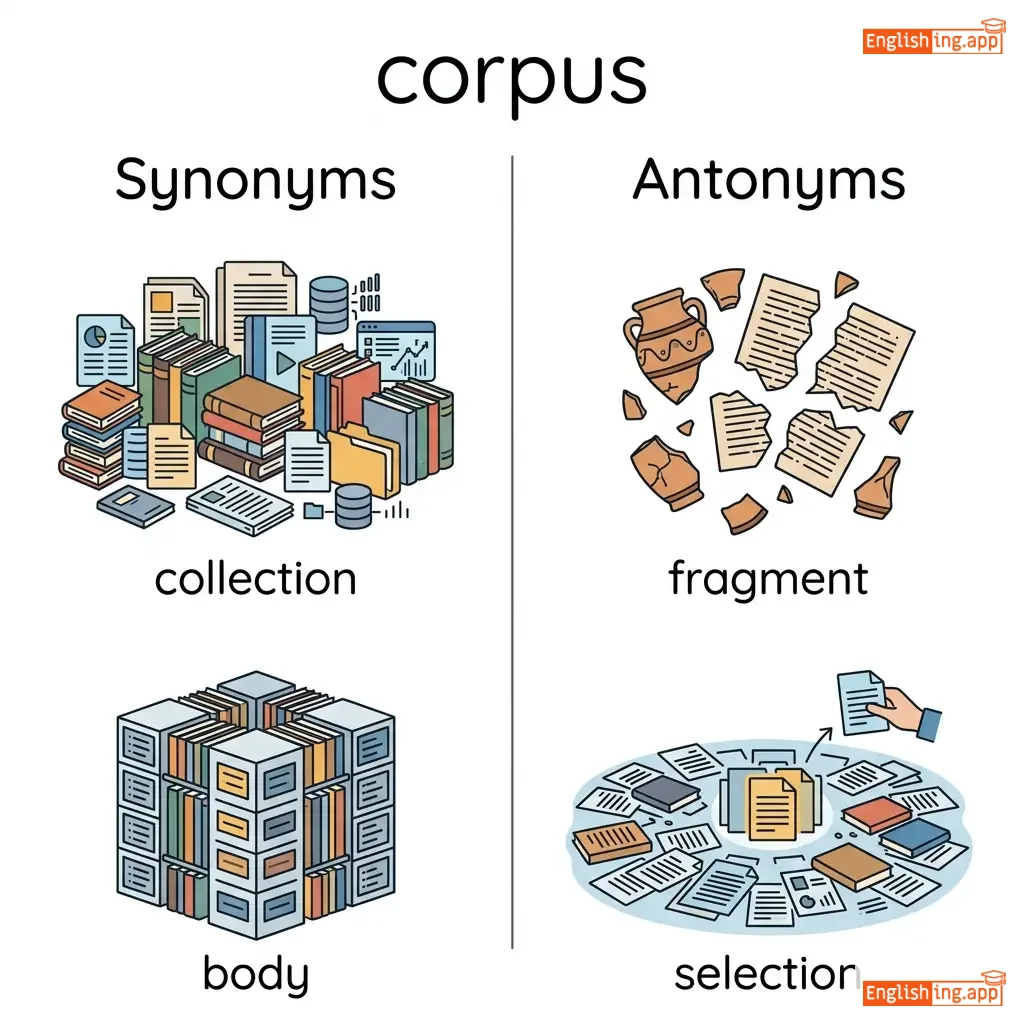
database, compilation, collection
••••••
|
fragment, selection, partial data
••••••
|
Think of 'core' data from languages—'科尔普斯' for 'corpus'!
••••••
|
|
#1824
🧠
|
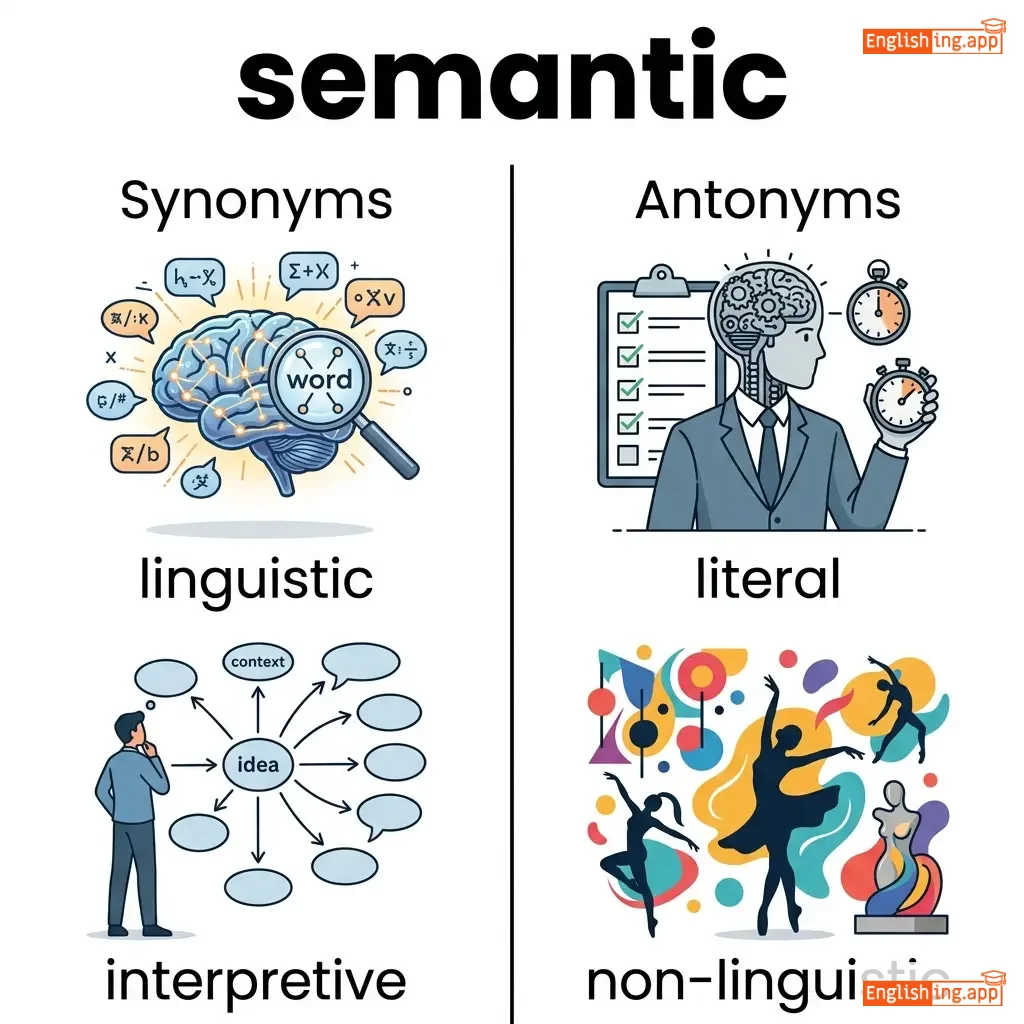
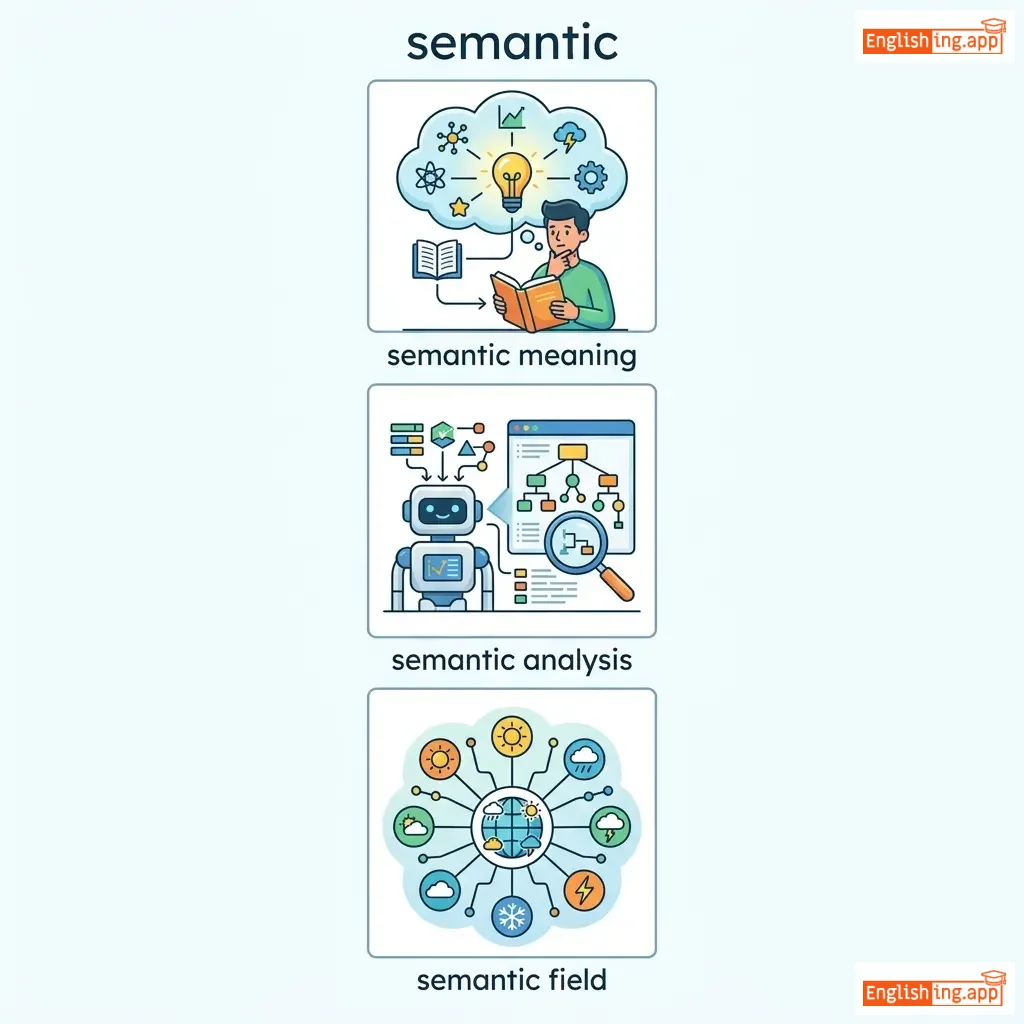
sɪˈmæn.tɪk
adjective
(语义的)
••••••
|
|
与语言中的意义相关
semantic
••••••
|
Related to meaning in language; concerning the interpretation of words and sentences.
••••••
|
AI models use semantic analysis to understand context. |
人工智能模型使用语义分析来理解上下文。
Rén gōng zhìnéng móxíng shǐyòng yǔyì fēnxī lái lǐjiě shàngxiàwén.
••••••
|
meaning-based, interpretive, conceptual
••••••
|
nonsensical, meaningless, incoherent
••••••
|
语义分析帮助AI理解语言中的意义与上下文。
••••••
|
|
#1825
🎲
|
ˌprɒb.ə.bɪˈlɪs.tɪk
adjective
(概率的)
••••••
|
|
基于概率
gàilǜ de
••••••
|
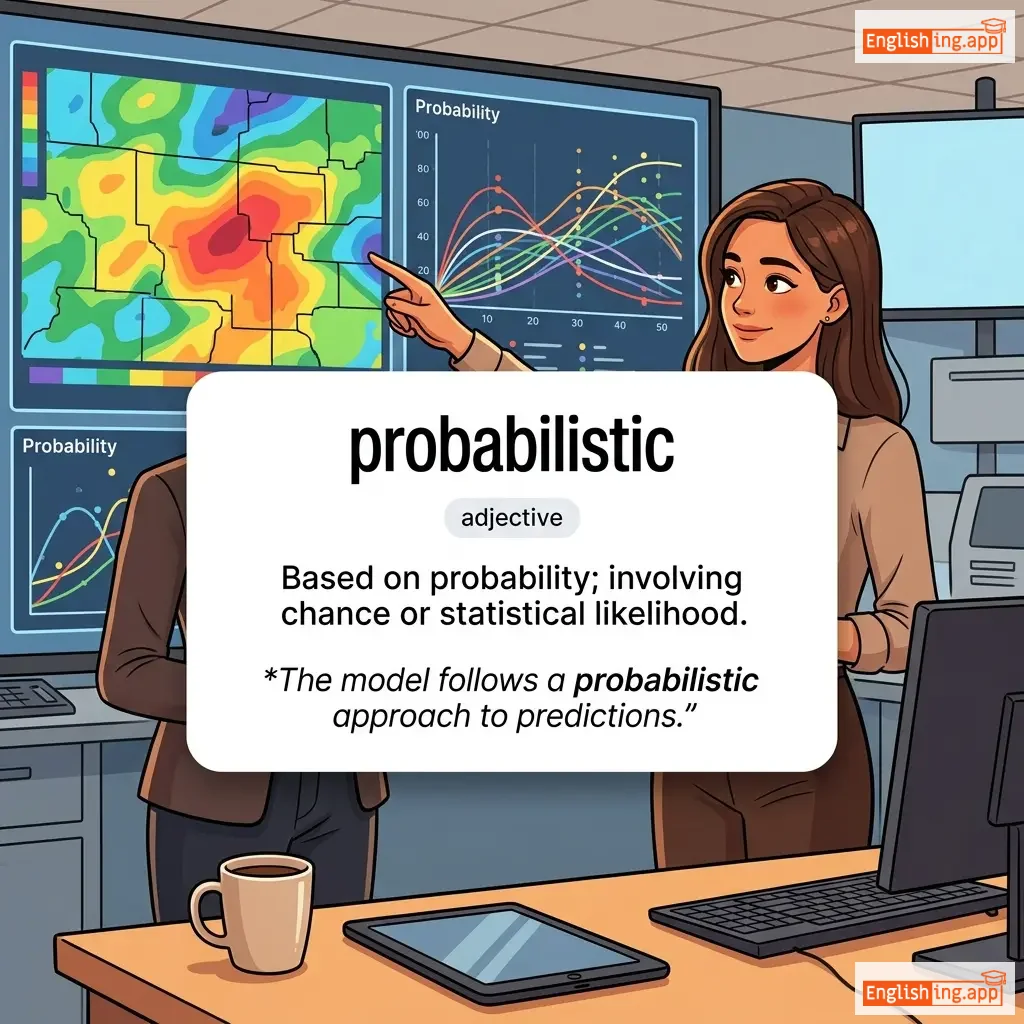
Based on probability; involving chance or statistical likelihood.
••••••
|
The model follows a probabilistic approach to predictions.
该模型采用概率方法进行预测。
••••••
|
该模型采用概率方法进行预测。
Gāi móxíng cǎiyòng gàilǜ fāngfǎ jìnxíng yùcè.
••••••
|
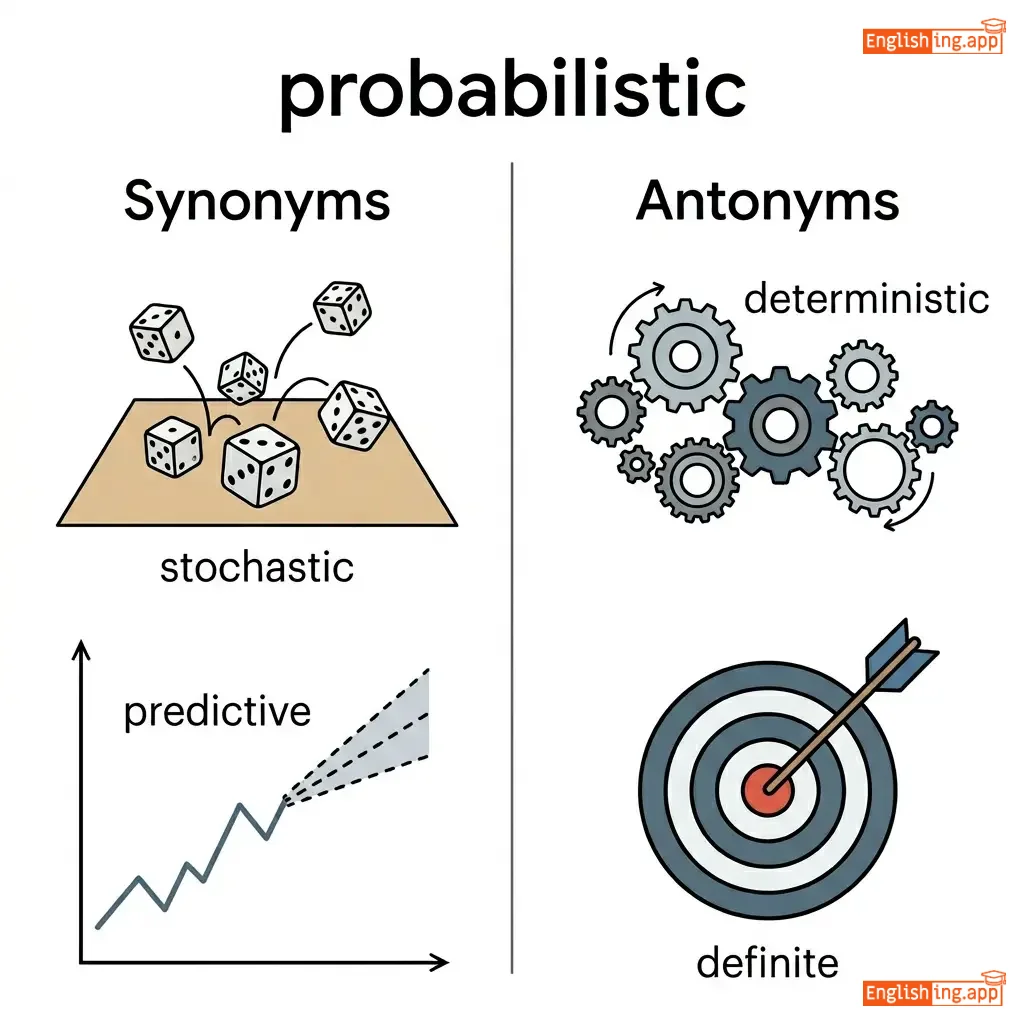
stochastic, predictive, statistical
••••••
|
deterministic, definite, fixed
••••••
|
gàilǜ = 基于概率,使用统计学分析。
••••••
|
|
#1826
🔍
|
əˈnæl.ə.sɪs
noun
(分析)
••••••
|
|
分析
fenxi
••••••
|
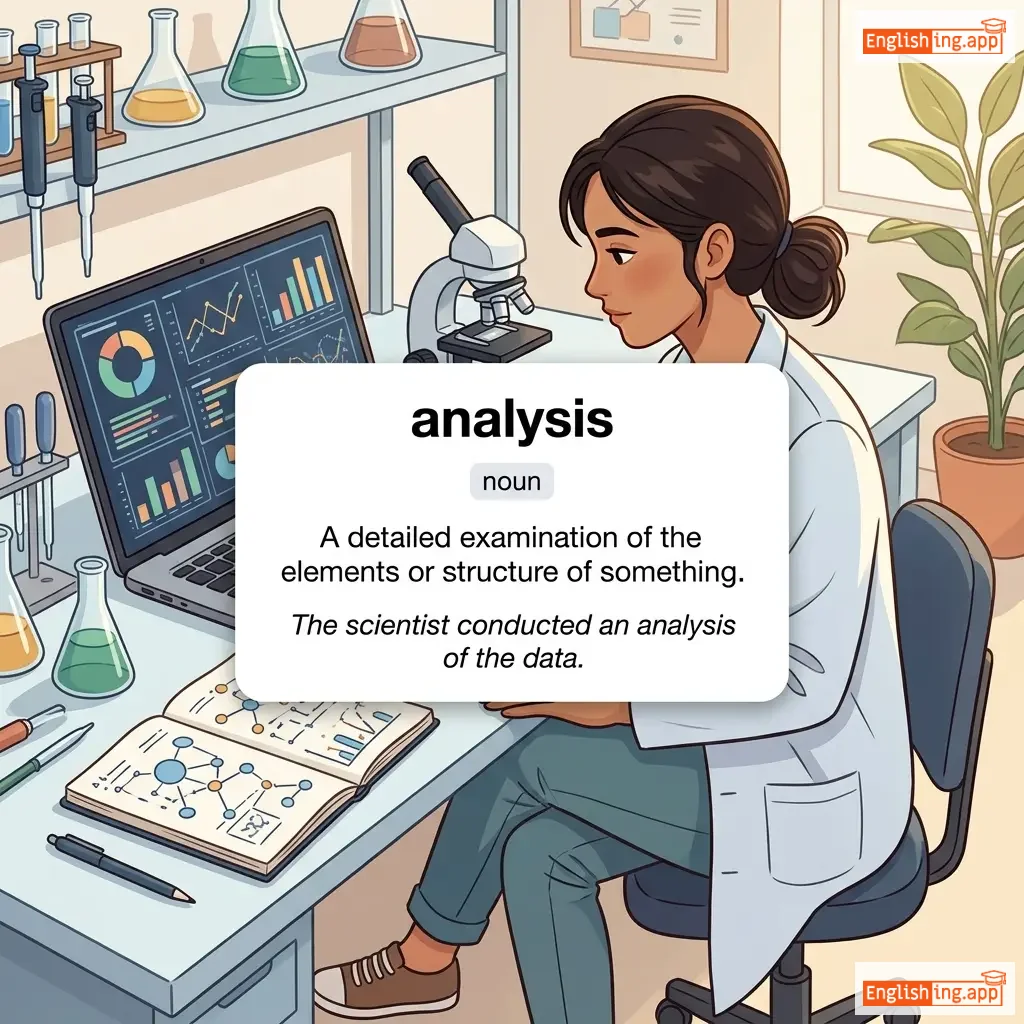
Detailed examination and evaluation of data or information to understand its components and relationships.
••••••
|
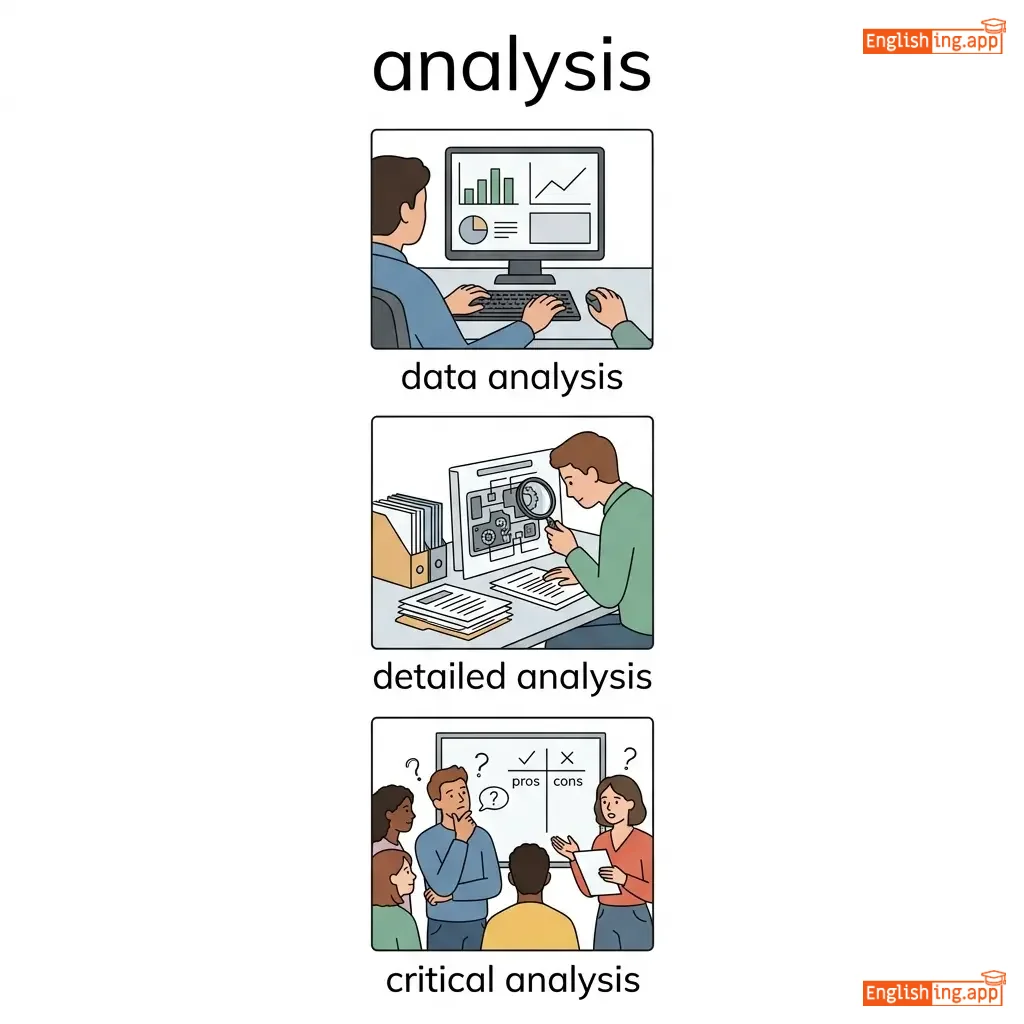
Data analysis is crucial for machine learning models. |
数据分析对于机器学习模型至关重要。
Shuju fenxi dui yu jiqi xuexi moshi zhi guan zhongyao.
••••••
|
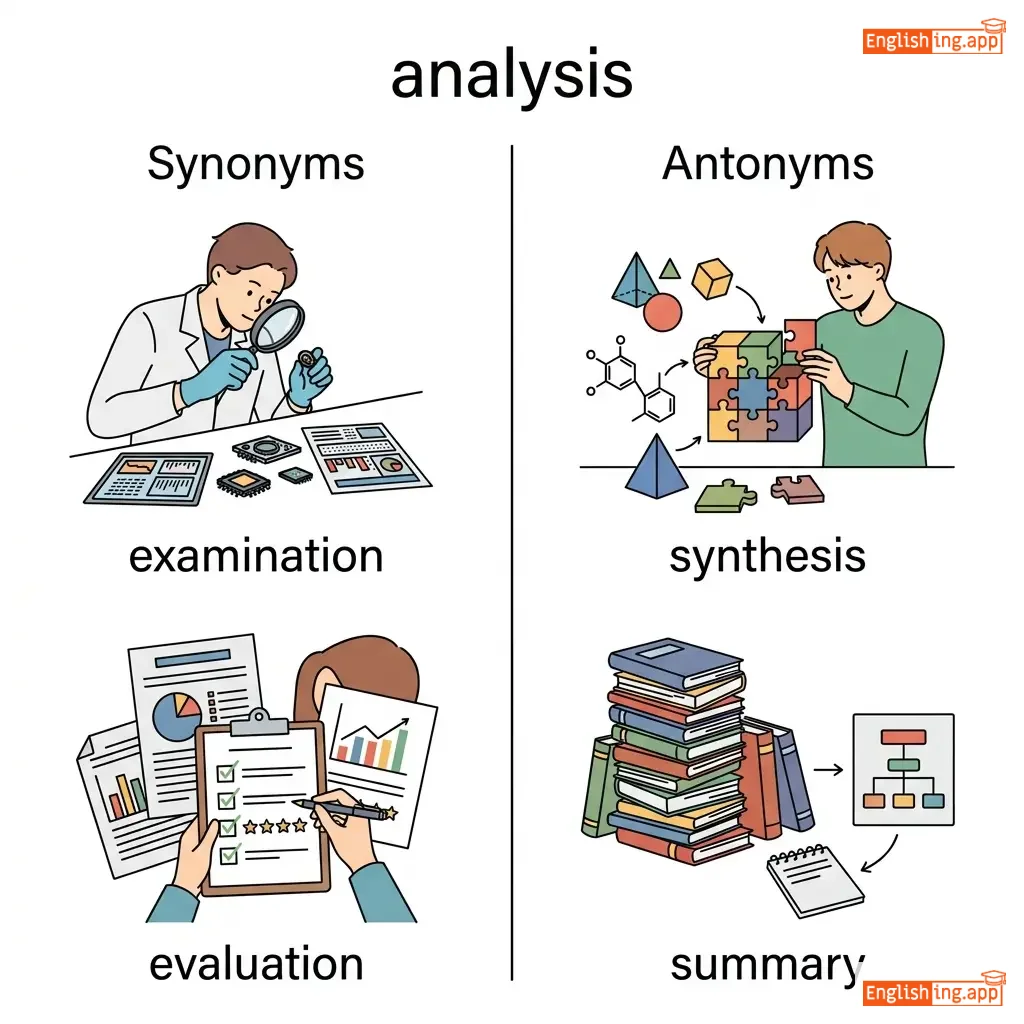
examination, evaluation, dissection
••••••
|
assumption, guesswork, unsystematic review
••••••
|
分析就像是逐个拆解信息,理解每一部分之间的联系。
••••••
|
|
#1827
✂️
|
ˌtoʊ.kə.nɪˈzeɪ.ʃən
noun
(tōukè nàizhé)
••••••
|
|
将文本分解为较小的单位,如单词、短语或符号进行分析的过程。
tokenization
••••••
|
The process of breaking text into smaller units like words, phrases, or symbols for analysis.
••••••
|
NLP uses tokenization to break text into smaller units. |
NLP使用分词法将文本分解为更小的单位。
NLP shǐyòng fēn cí fǎ jiāng wénběn fēnjiě wéi gèng xiǎo de dānwèi.
••••••
|
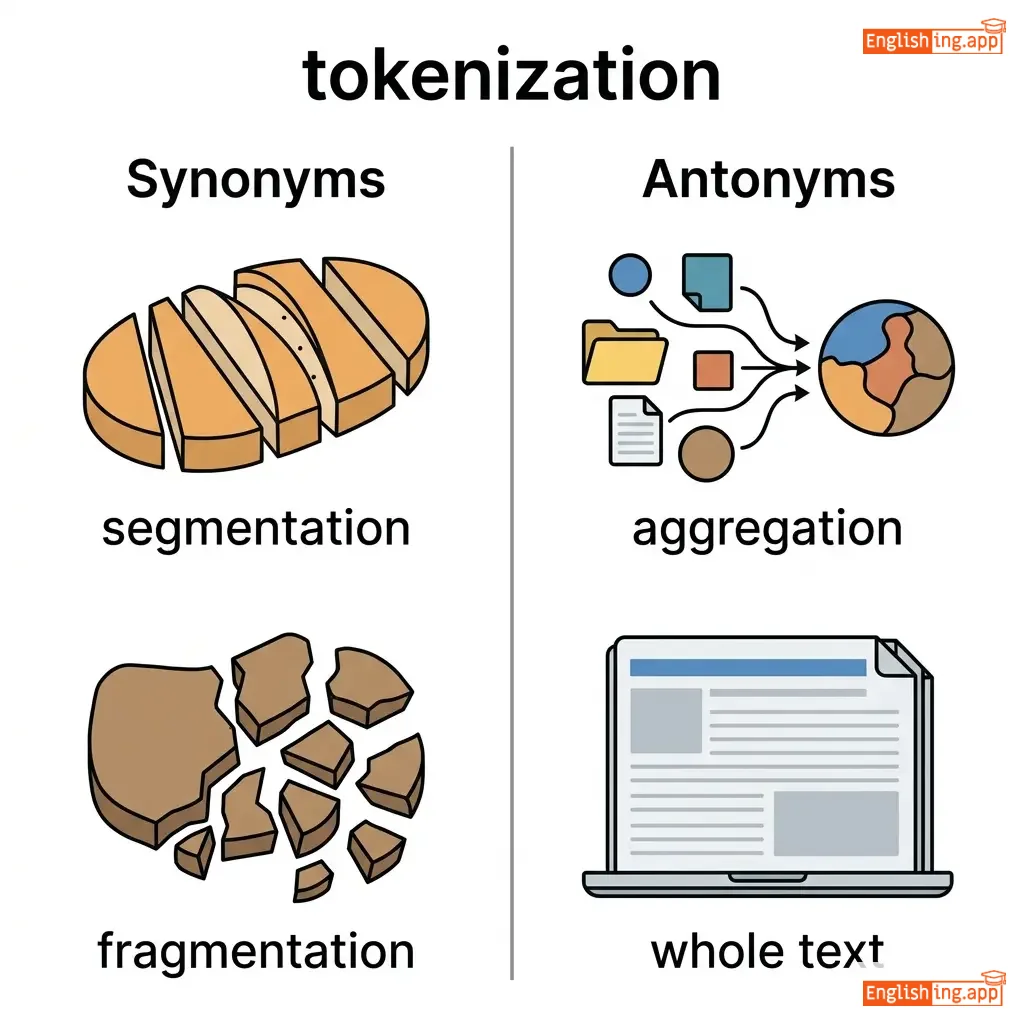
segmentation, fragmentation, parsing
••••••
|
aggregation, whole text, non-division
••••••
|
Token + 分解 = 分词
••••••
|
|
#1828
🔧
|
ˈpɑː.sɪŋ
noun
(帕尔辛)
••••••
|
|
句子结构分析
parsing
••••••
|
The process of analyzing sentence structure to understand grammatical relationships.
••••••
|
The AI model performs parsing to understand syntax.
该AI模型通过解析来理解语法。
••••••
|
该AI模型通过解析来理解语法。
Gai AI mo xing tong guo jie xi lai li jie yu fa.
••••••
|
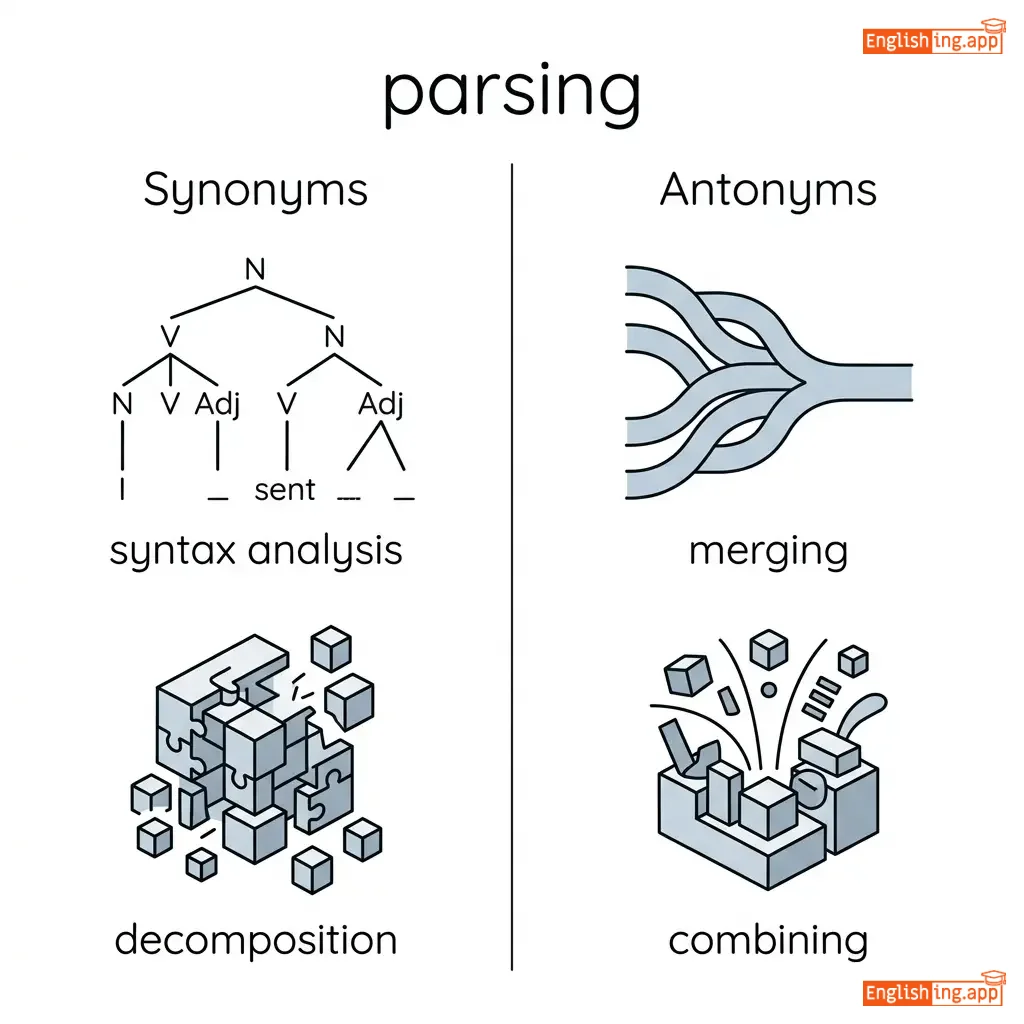
syntax analysis, decomposition, interpretation
••••••
|
merging, combining, generalization
••••••
|
解析就像剖析一个句子,帮助我们理解它的结构。
••••••
|
|
#1829
🧩
|
ˌmɔː.fəˈlɒdʒ.ɪ.kəl
adjective
(mó fú luó jí kǎo)
••••••
|
|
与词汇结构和构成有关
morphological
••••••
|
Related to the structure and formation of words; concerning morphology in linguistics.
••••••
|
Morphological analysis helps AI understand word structures. |
形态学分析帮助人工智能理解单词结构。
Xingtaixue fenxi bangzhu rengong zhinen liji dongci jiegou.
••••••
|
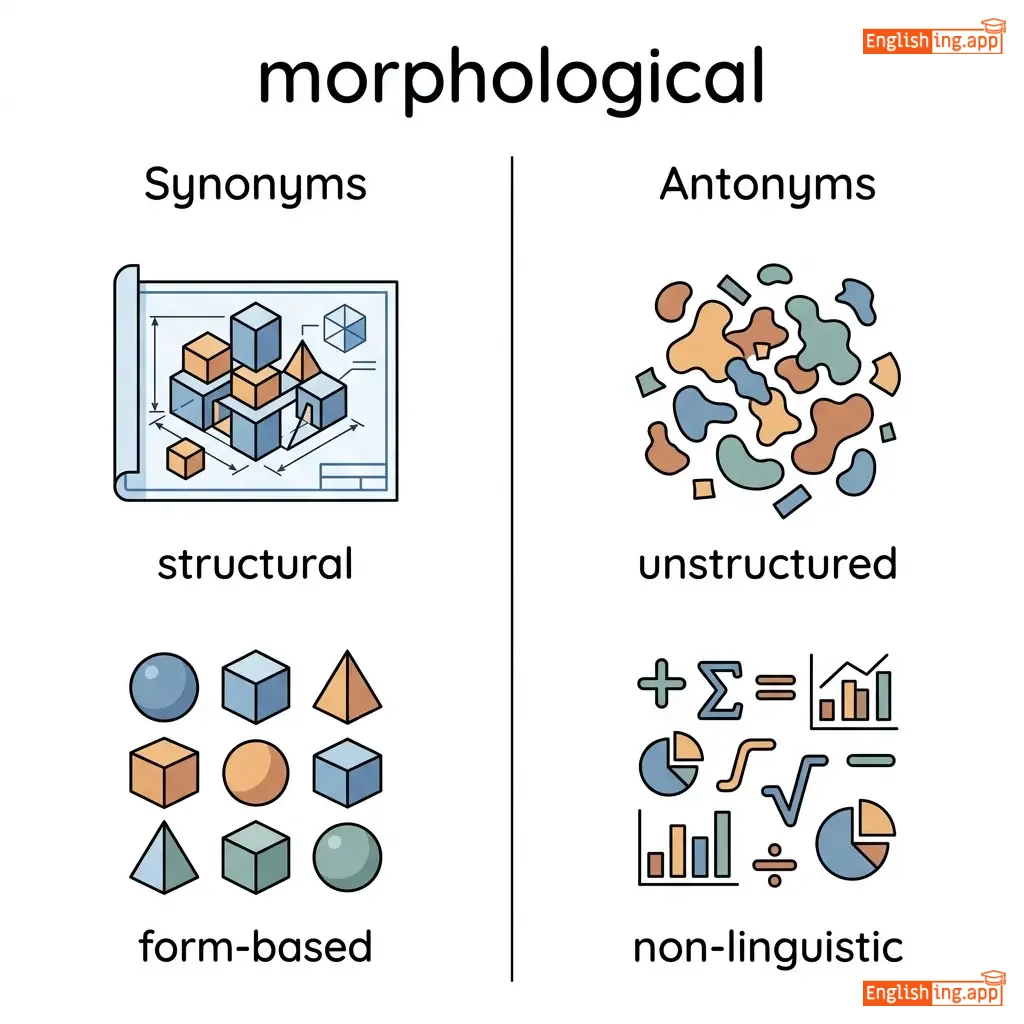
structural, form-based, linguistic
••••••
|
unstructured, non-linguistic, undefined
••••••
|
形态学分析有助于理解单词结构。
••••••
|
|
#1830
📝
|
ˈsɪn.tæks
noun
(语法)
••••••
|
|
语法
yufa
••••••
|
The arrangement of words and phrases to create well-formed sentences in a language.
••••••
|
Programming languages follow strict syntax rules. |
编程语言遵循严格的语法规则。
Biancheng yuyan zunxun yange de yufa guize.
••••••
|
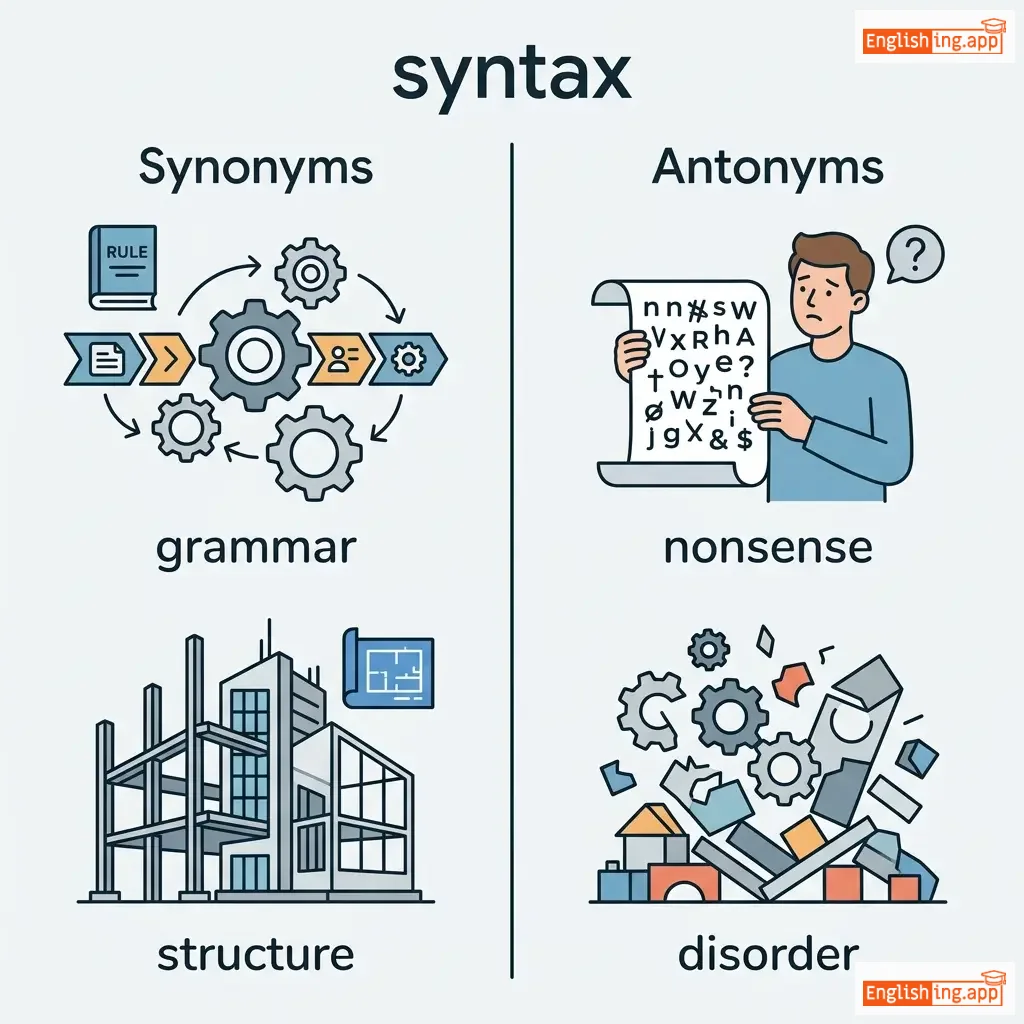
structure, grammar, composition
••••••
|
chaos, disorganization, unstructured
••••••
|
语法 - 帮助您正确构造句子
••••••
|
|
#1831
🔗
|
kəʊˈhiː.ʒən
noun
(kòu xī ēn)
••••••
|
|
凝聚
níngjù
••••••
|
The quality of forming a unified whole; logical connection and consistency.
••••••
|
Good writing ensures logical cohesion between ideas.
好的写作确保思想之间的逻辑连贯性。
••••••
|
好的写作确保思想之间的逻辑连贯性。
Hǎo de xiězuò quèbǎo sīxiǎng zhījiān de luóji liánguànxì.
••••••
|
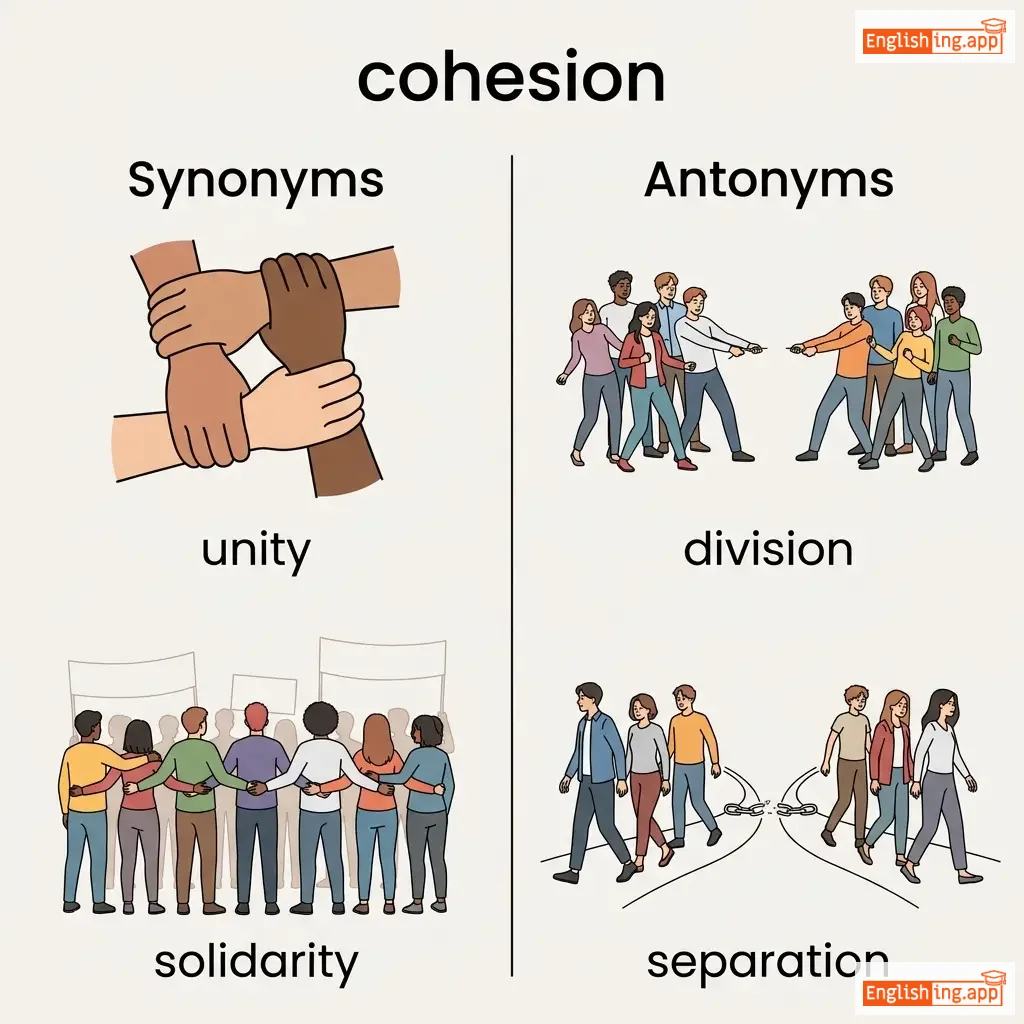
unity, connection, coherence
••••••
|
disunity, fragmentation, incoherence
••••••
|
凝聚代表逻辑连接,形成一个统一的整体。
••••••
|
|
#1832
❓
|
ˌæm.bɪˈɡjuː.ɪ.ti
noun
(æmˈbɪɡjʊɪti)
••••••
|
|
歧义
qiyi
••••••
|
The quality of being open to more than one interpretation; uncertainty of meaning.
••••••
|
Legal documents should avoid ambiguity.
法律文件应避免歧义。
••••••
|
法律文件应避免歧义。
Fǎlǜ wénjiàn yīng bìmiǎn qíyì.
••••••
|
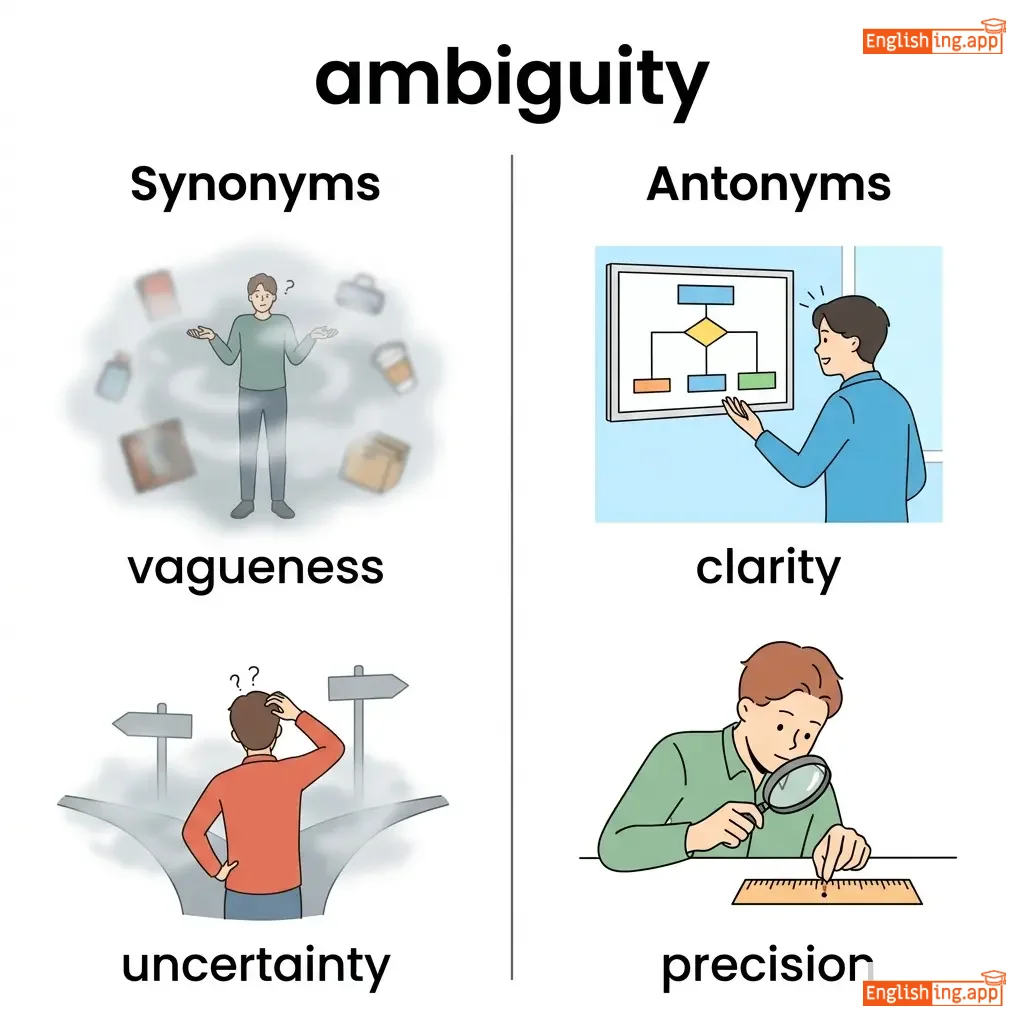
uncertainty, vagueness, obscurity
••••••
|
clarity, explicitness, precision
••••••
|
歧义和ambiguity是类似的,都是指不清晰的含义。
••••••
|
|
#1833
🔍
|
ˌdɪs.æmˌbɪɡ.juˈeɪ.ʃən
noun
(消除歧义)
••••••
|
|
消歧义
xiaoqiyi
••••••
|
The removal of ambiguity by making something clear and unambiguous.
••••••
|
The AI system applies disambiguation to refine text understanding.
AI系统应用歧义消除来完善文本理解。
••••••
|
AI系统应用歧义消除来完善文本理解。
AI xitong yingyong qiyi xiaochu lai wanshan wenben liaojie.
••••••
|
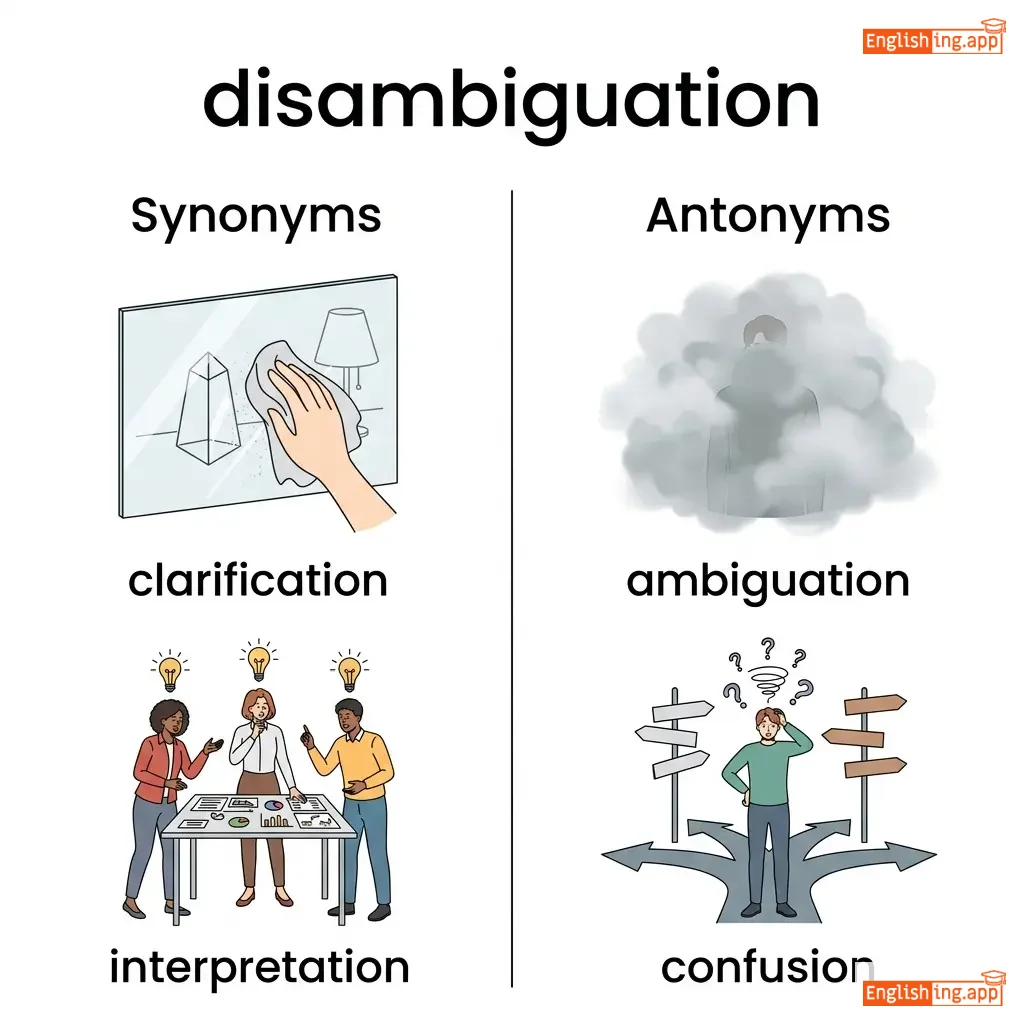
clarification, interpretation, specification
••••••
|
ambiguation, confusion, misinterpretation
••••••
|
消除歧义,帮助我们更清楚地理解事物。
••••••
|
|
#1834
🤔
|
ˈɪn.fər.əns
noun
(推理)
••••••
|
|
推论
tuīlùn
••••••
|
A conclusion reached on the basis of evidence and reasoning; logical deduction.
••••••
|
Scientists make inferences based on experimental data.
科学家根据实验数据做出推论。
••••••
|
科学家根据实验数据做出推论。
Kēxuéjiā gēnjù shíyàn shùjù zuòchū tuīlùn.
••••••
|
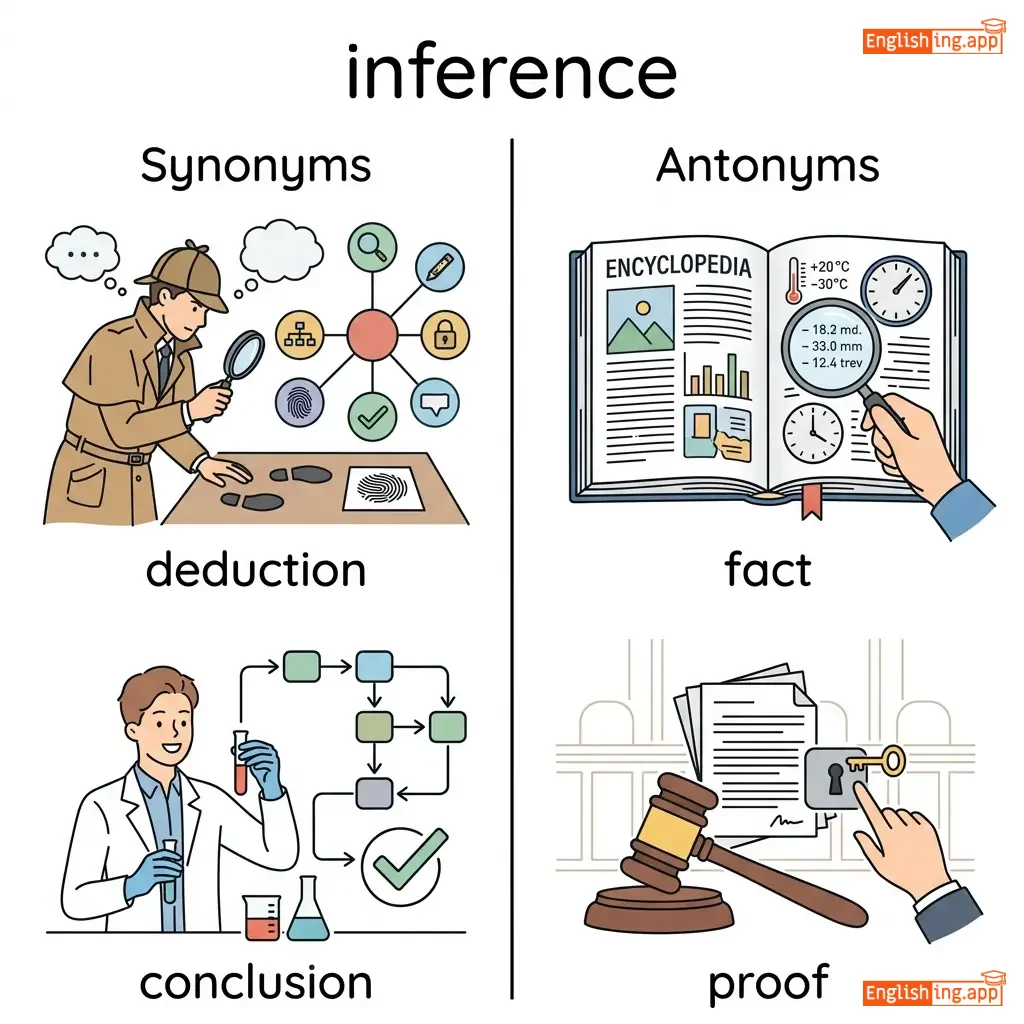
deduction, conclusion, reasoning
••••••
|
misjudgment, guesswork, incorrect assumption
••••••
|
推论 (tuīlùn) - 就像数学推导,逐步得出结论.
••••••
|
|
#1835
🌐
|
kɒnˈtek.stju.əl
adjective
(kɔntɛkstuəl)
••••••
|
|
情境的
qíngjìng de
••••••
|
Depending on or relating to the circumstances or setting; context-dependent.
••••••
|
Contextual meaning changes depending on usage.
上下文意义根据使用情况而变化。
••••••
|
上下文意义根据使用情况而变化。
Shàngxiàwén yìyì gēnjù shǐyòng qíngkuàng ér biànhuà.
••••••
|
situational, referential, circumstantial
••••••
|
decontextualized, isolated, irrelevant
••••••
|
情境的 = 与上下文相关,意义依赖于背景和使用方式。
••••••
|
|
#1836
🔄
|
rɪˈtriː.vəl
noun
(rìtèlíwǎ)
••••••
|
|
恢复
huīfù
••••••
|
The process of getting or bringing something back; recovery of stored information.
••••••
|
AI-based search engines ensure fast retrieval of data. |
基于人工智能的搜索引擎确保数据的快速恢复。
Jīyú réngōng zhìnéng de sōusuǒ yǐnqíng quèbǎo shùjù de kuàisù huīfù.
••••••
|
recovery, recollection, extraction
••••••
|
loss, forgetfulness, misplacement
••••••
|
恢复就像找回丢失的东西。
••••••
|
|
#1837
⚡
|
ˌɒp.tɪ.maɪˈzeɪ.ʃən
noun
(优化)
••••••
|
|
优化
optimization
••••••
|
The action of making the best or most effective use of resources or situations.
••••••
|
Website optimization improves user experience.
网站优化改善了用户体验。
••••••
|
网站优化改善了用户体验。
Wǎngzhàn yōuhuà gǎishànle yònghù tǐyàn.
••••••
|
enhancement, refinement, maximization
••••••
|
inefficiency, waste, underperformance
••••••
|
优化意味着通过有效的资源管理来改善结果,比如通过优化网站提升用户体验。
••••••
|
|
#1838
🗣️
|
lɪŋˈɡwɪs.tɪk
adjective
(语言学的)
••••••
|
|
语言学的
yuyanxue de
••••••
|
Related to language or linguistics; concerning the scientific study of language.
••••••
|
The AI model learns from linguistic patterns.
这个AI模型从语言学模式中学习。
••••••
|
这个AI模型从语言学模式中学习。
Zhe ge AI mo xing cong yu yan xue mo shi zhong xue xi.
••••••
|
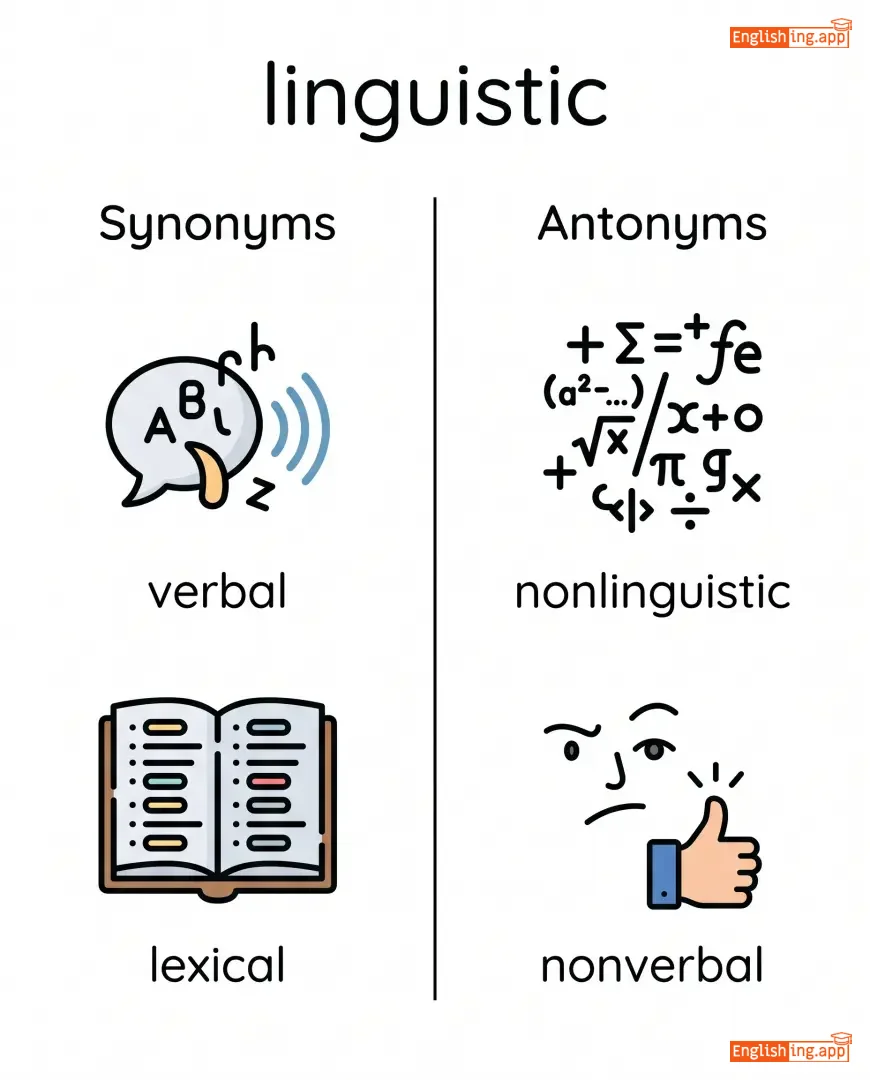
philological, lexical, verbal
••••••
|
non-verbal, mathematical, non-linguistic
••••••
|
语言学的 = 语言 + 学的, 所以与语言研究相关
••••••
|
|
#1839
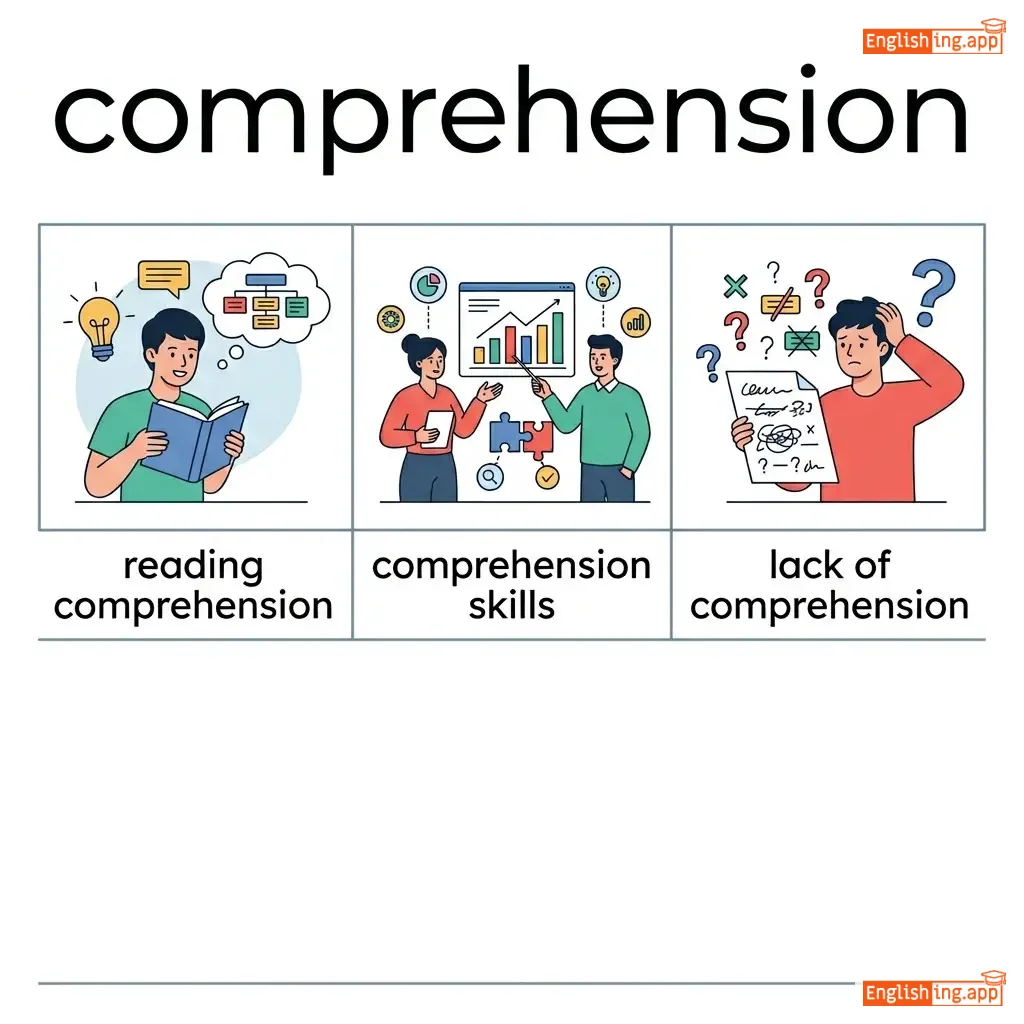
💡
|
ˌkɒm.prɪˈhen.ʃən
noun
(kom-pri-hen-shun)
••••••
|
|
理解
lijiě
••••••
|
The ability to understand something; the capacity to perceive and grasp meaning.
••••••
|
Reading comprehension is crucial for language learning.
阅读理解对语言学习至关重要。
••••••
|
阅读理解对语言学习至关重要。
Yuèdú lǐjiě duì yǔyán xuéxí zhìguān zhòngyào.
••••••
|
understanding, interpretation, perception
••••••
|
misunderstanding, confusion, misinterpretation
••••••
|
理解是通向智慧的钥匙
••••••
|
Vocabulary Quiz
Test your vocabulary by matching words with their translations or meanings.
Login to take the quiz
Comments (0)
Share your thoughts and join the discussion.
Join the discussion by logging in
Login to CommentNo comments yet
Be the first to share your thoughts!