

ChatGPTが人間の言語を処理する方法
How ChatGPT Processes Human Language
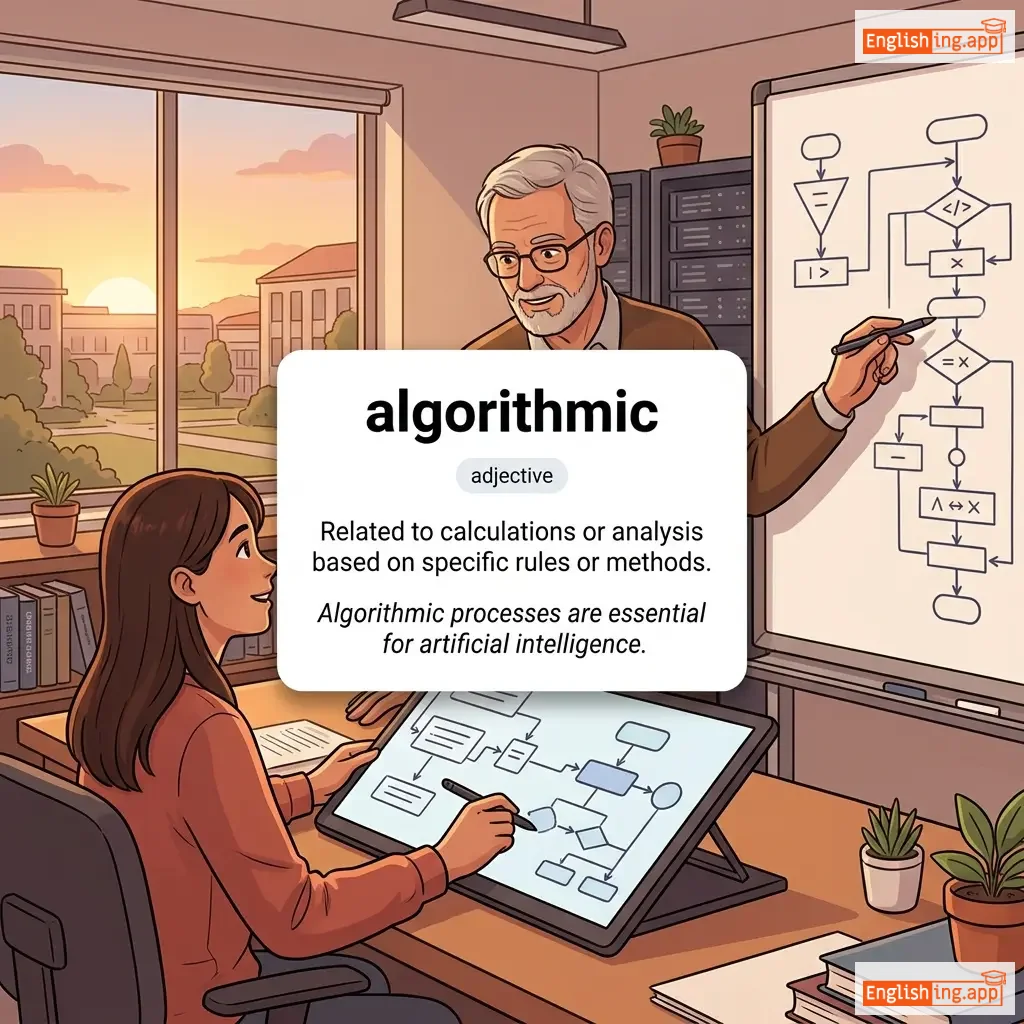
Algorithmic model を通じて、ChatGPT は人間の言語を理解する能力を獲得します。膨大な corpus から情報を収集し、各単語の semantic 意味を理解するために probabilistic 分析を行います。
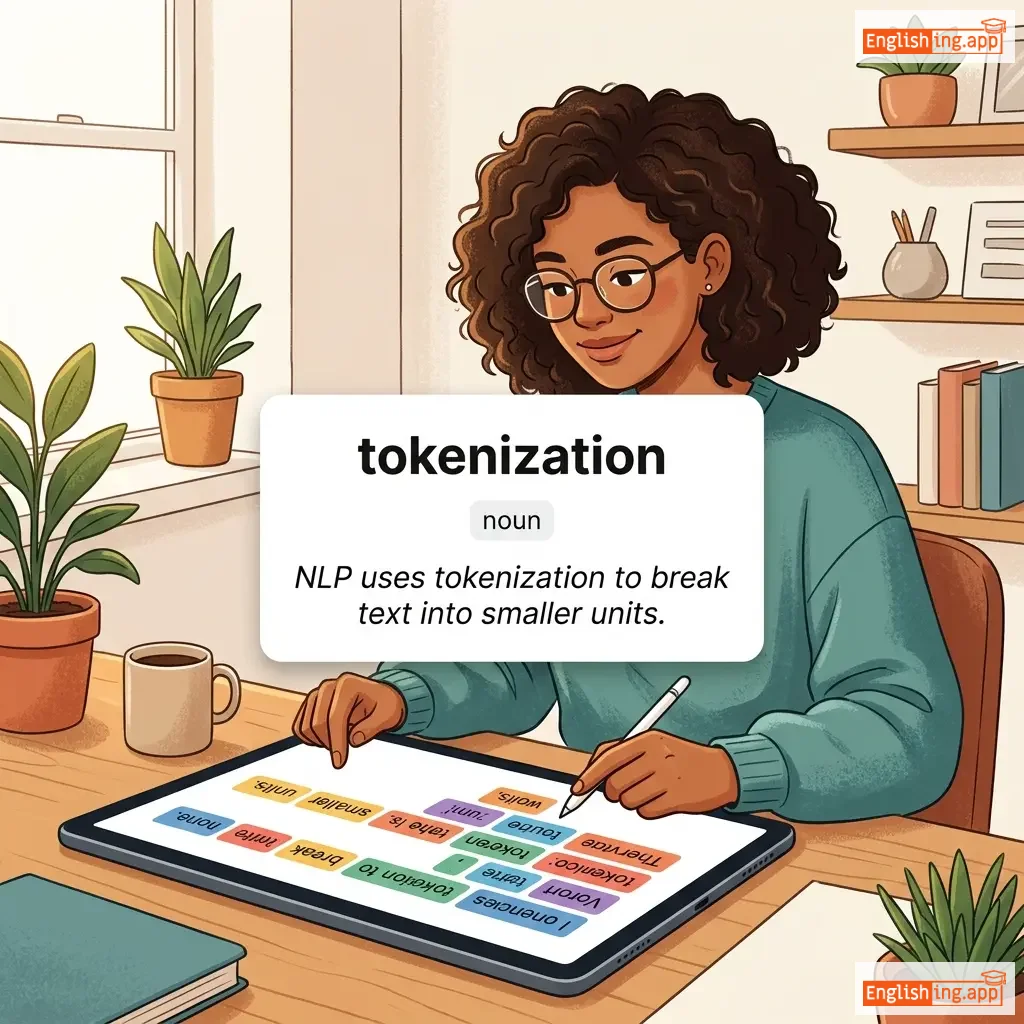
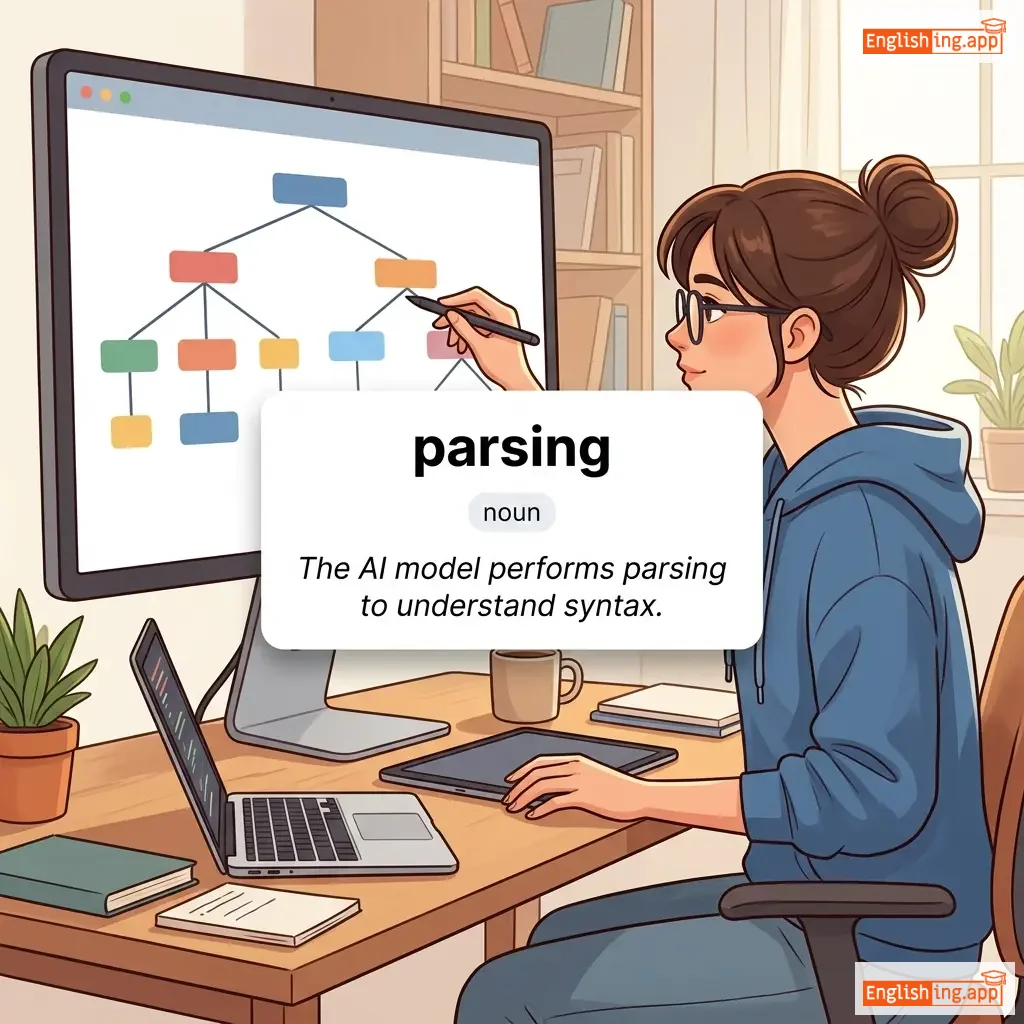
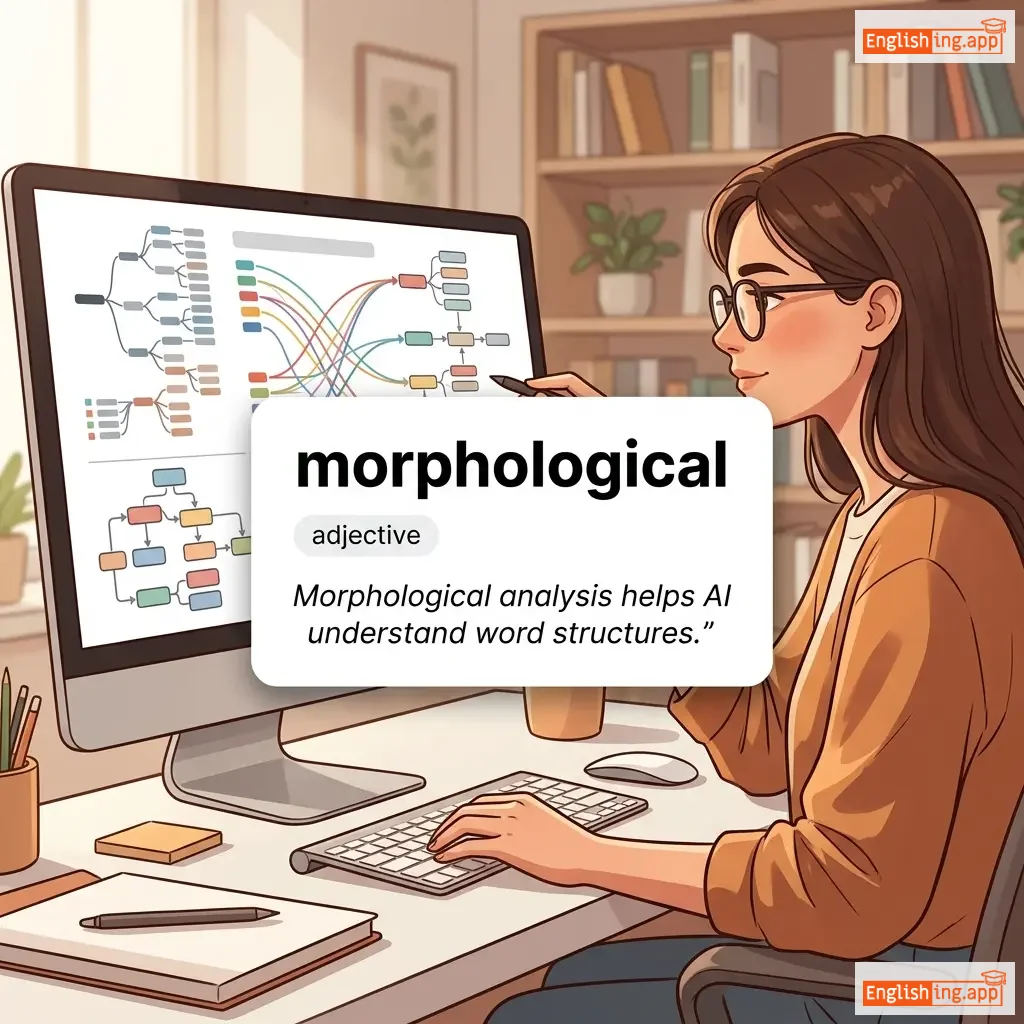
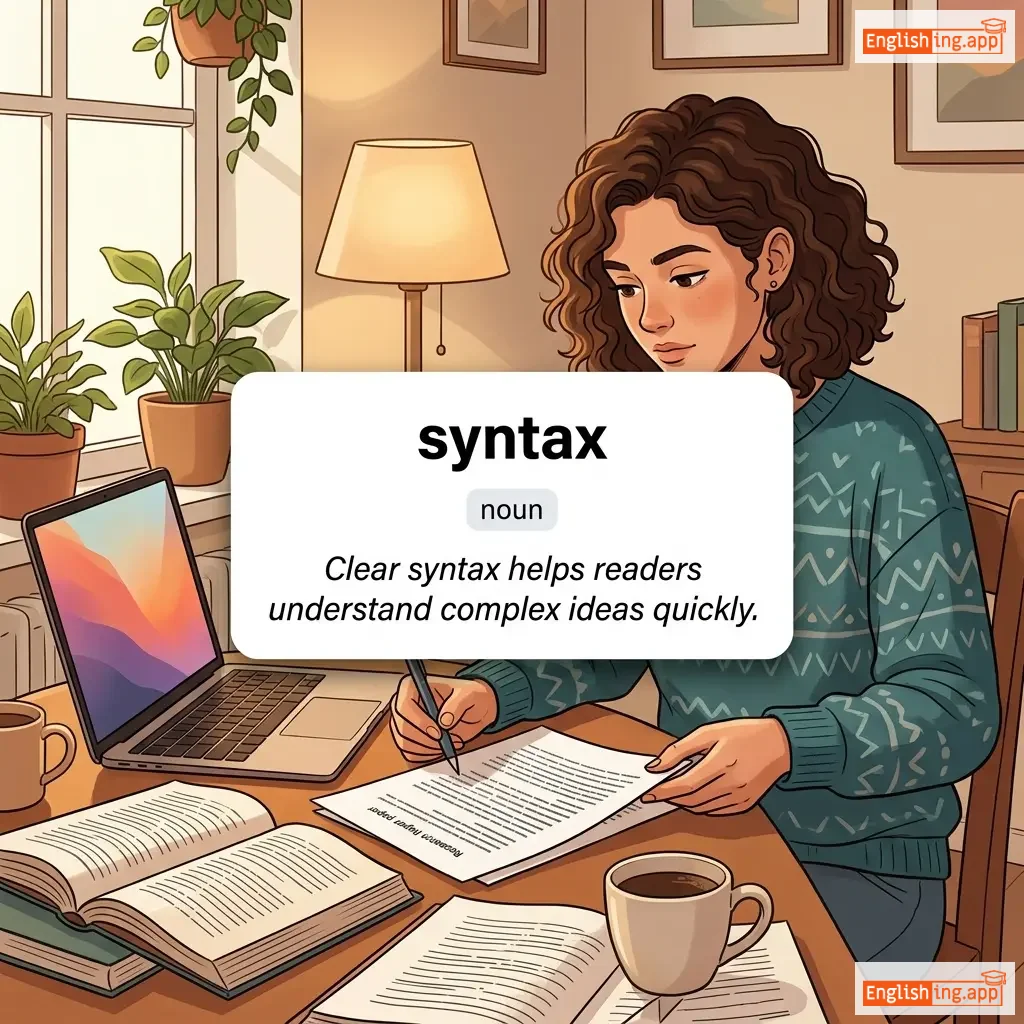
最初のステップでは、tokenization 手法を使用してテキストを小さな部分に分割します。その後、文の構造を parsing と morphological 分析によって解析します。Syntax と cohesion を維持しながら、自然な文を形成します。
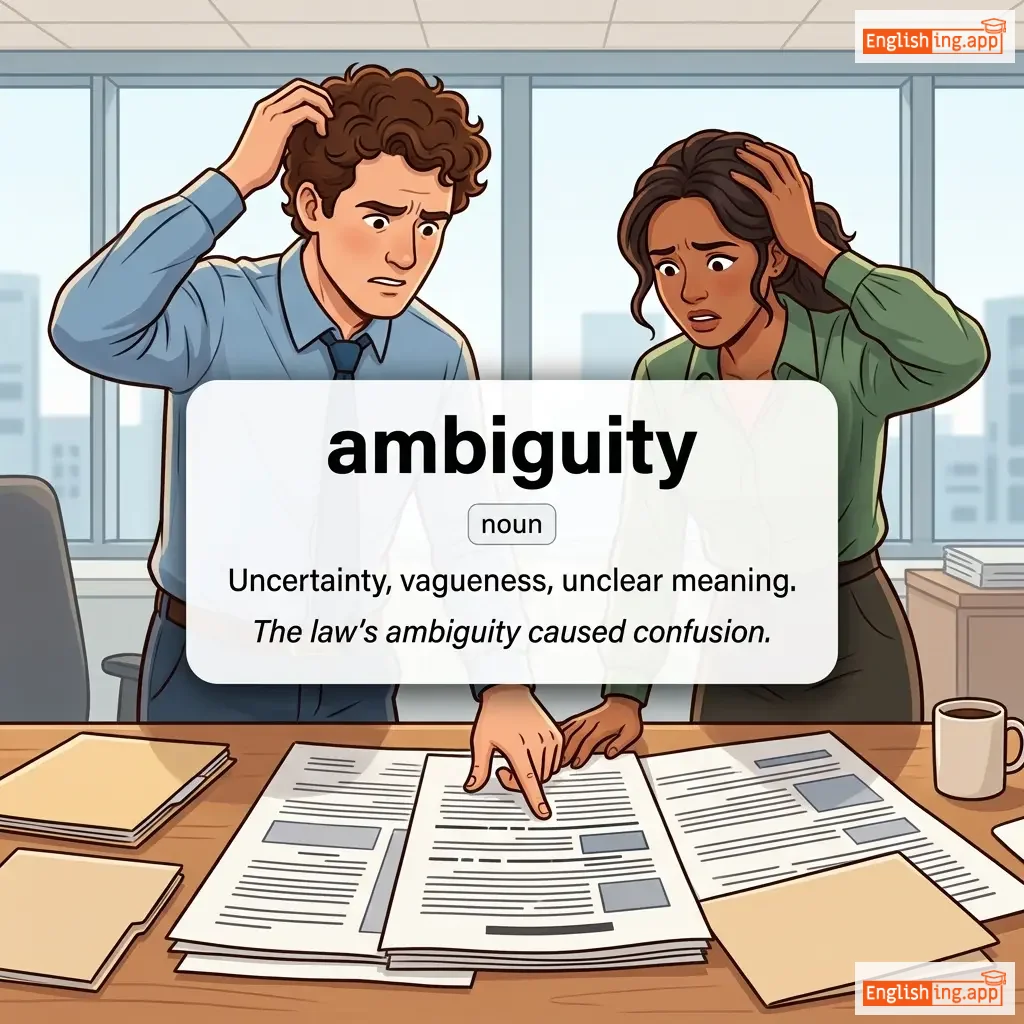
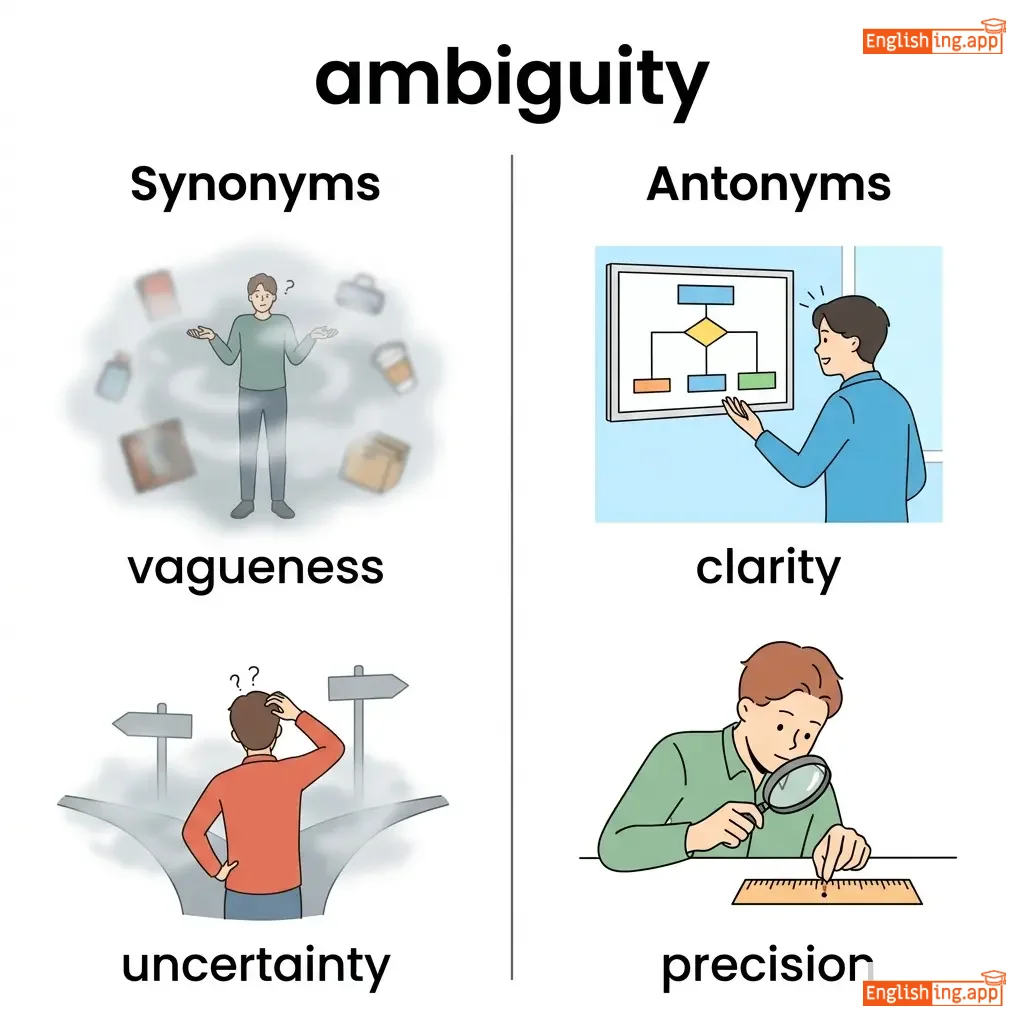
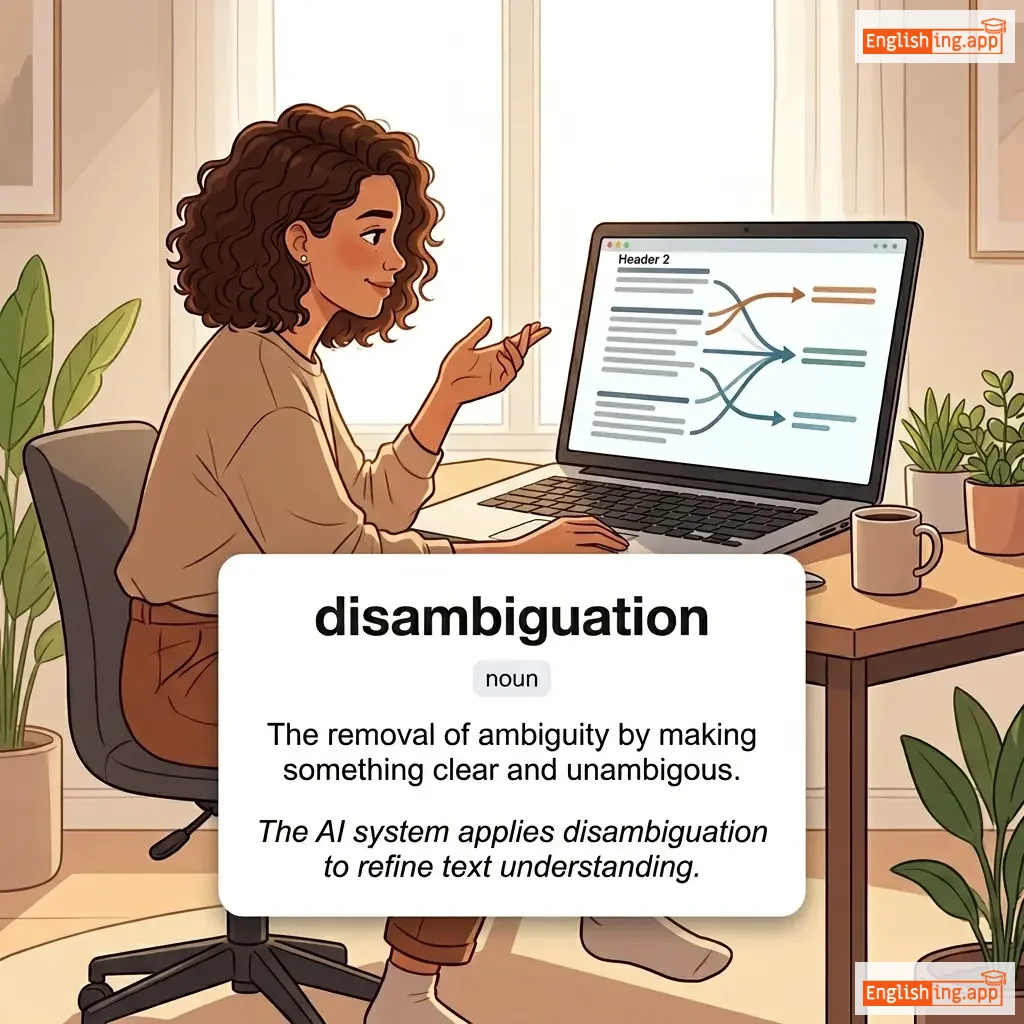
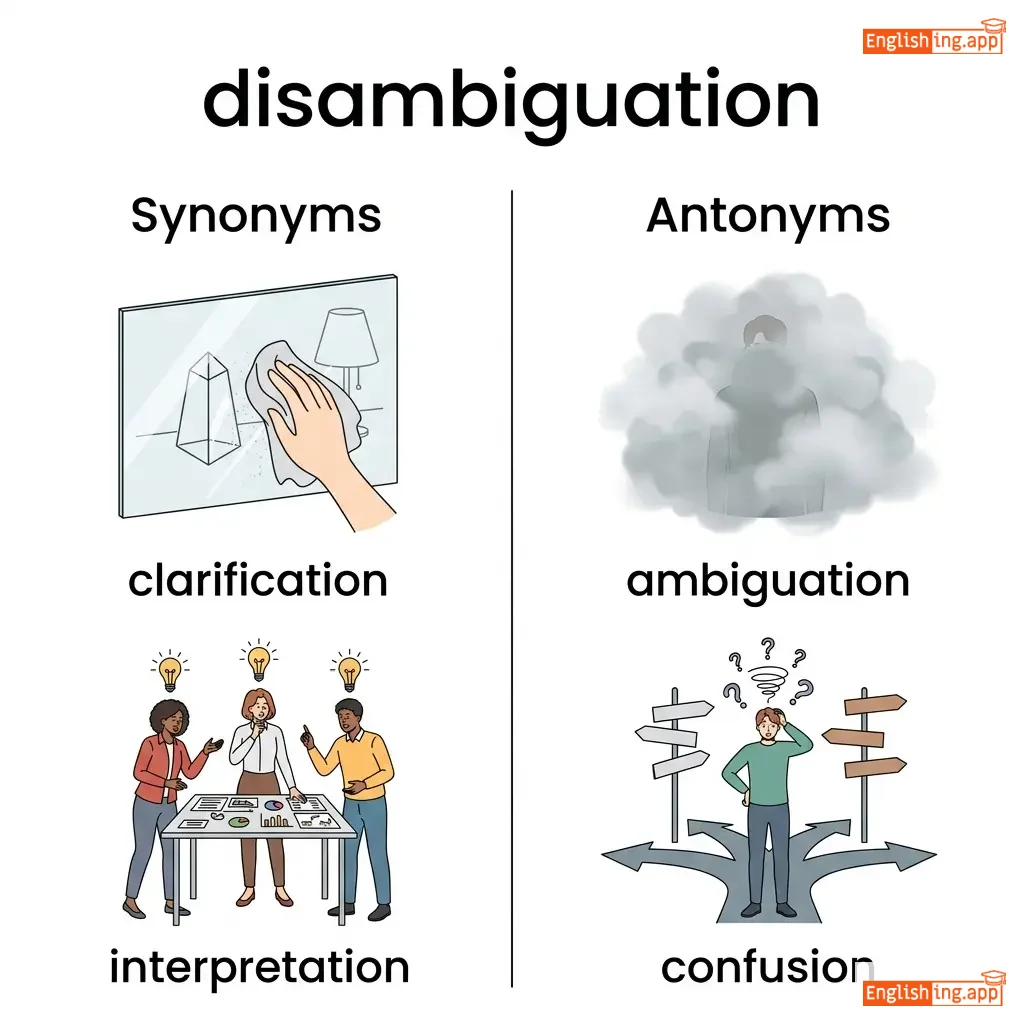
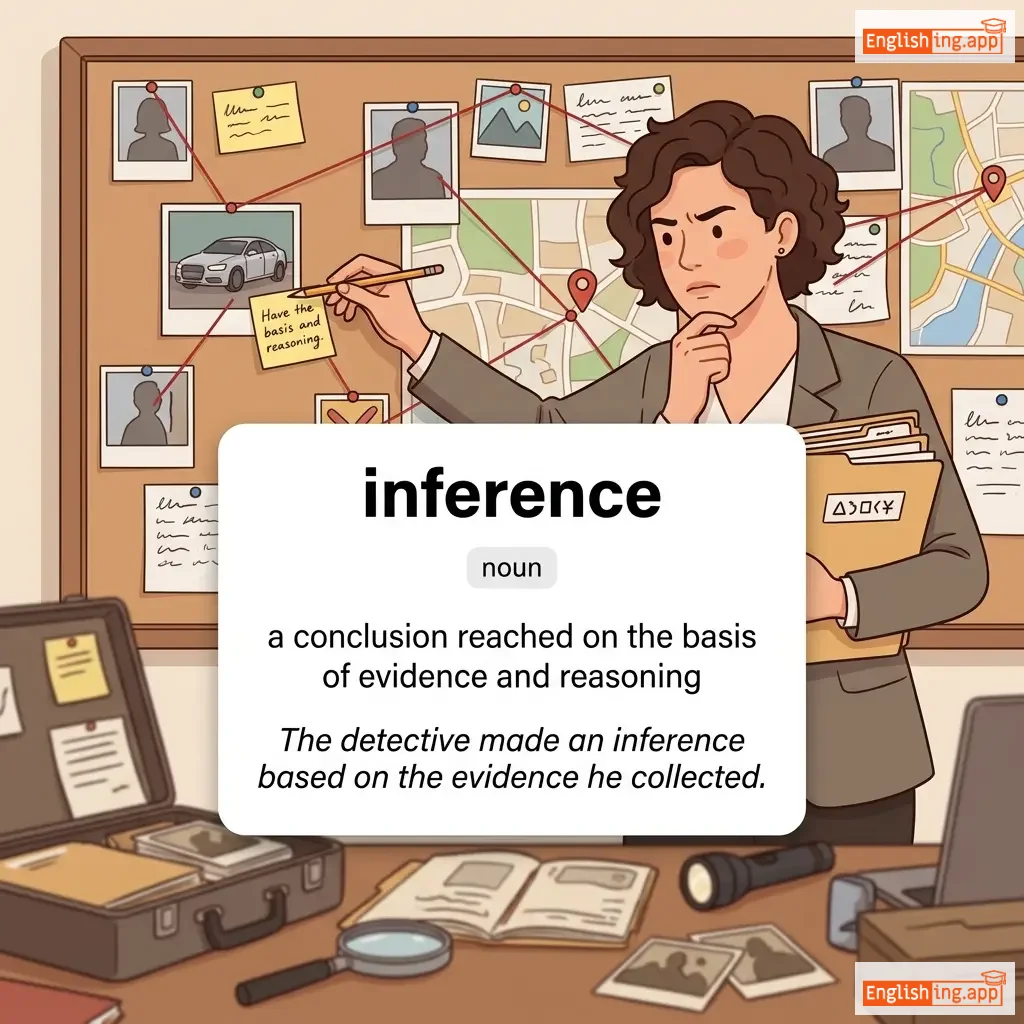
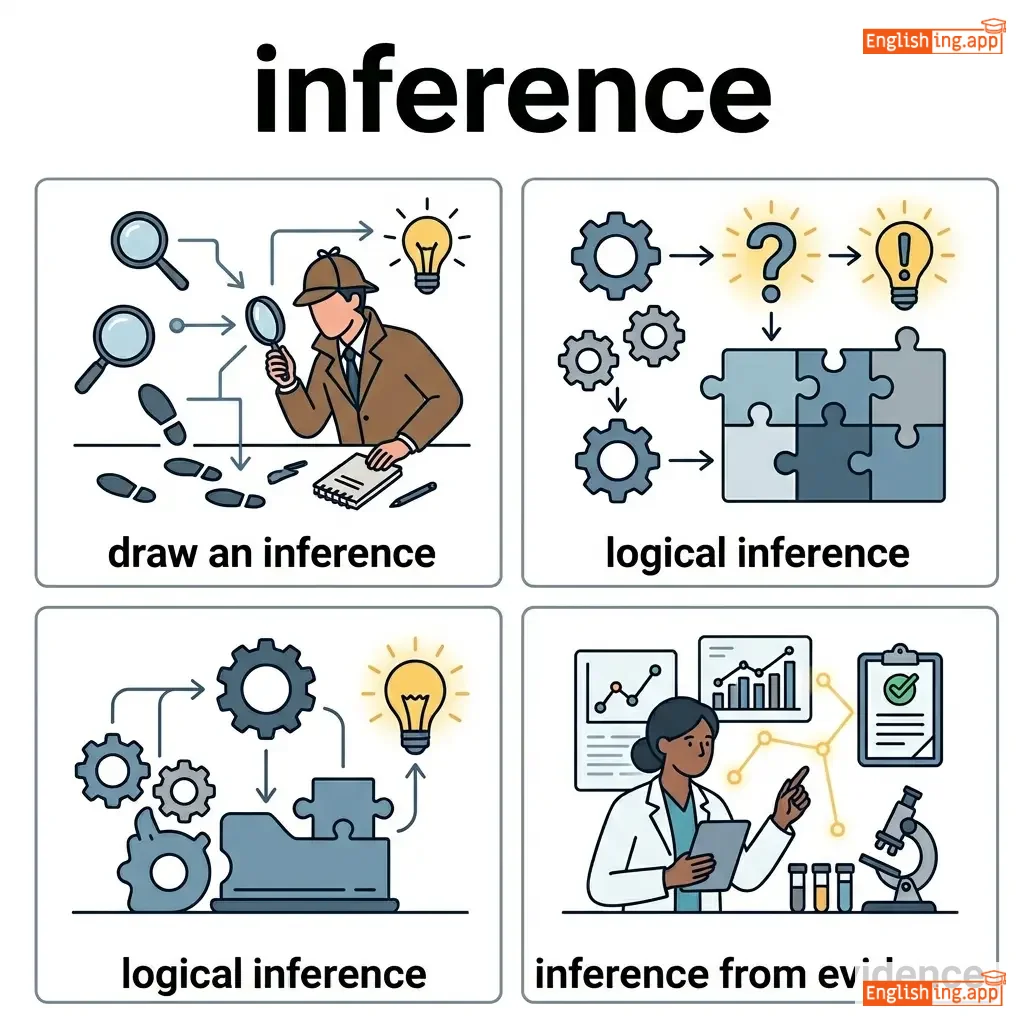
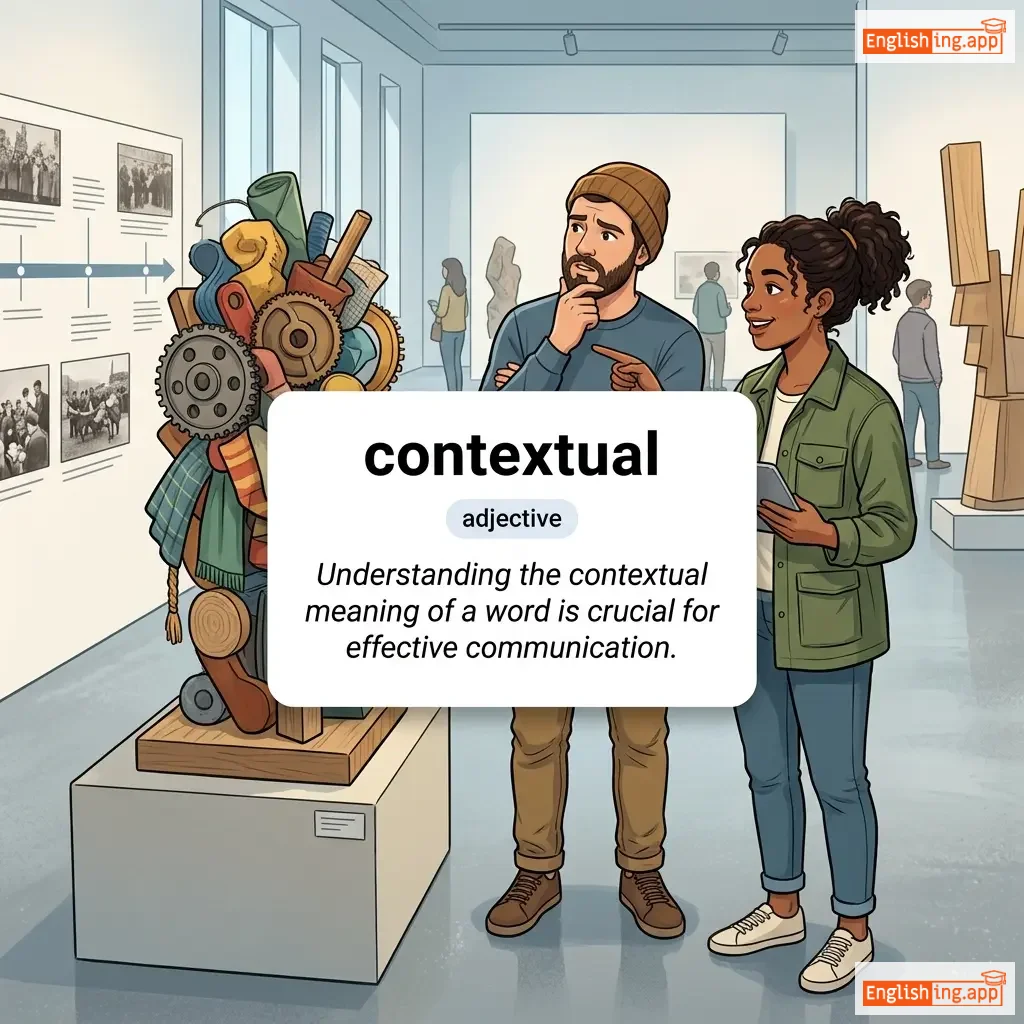
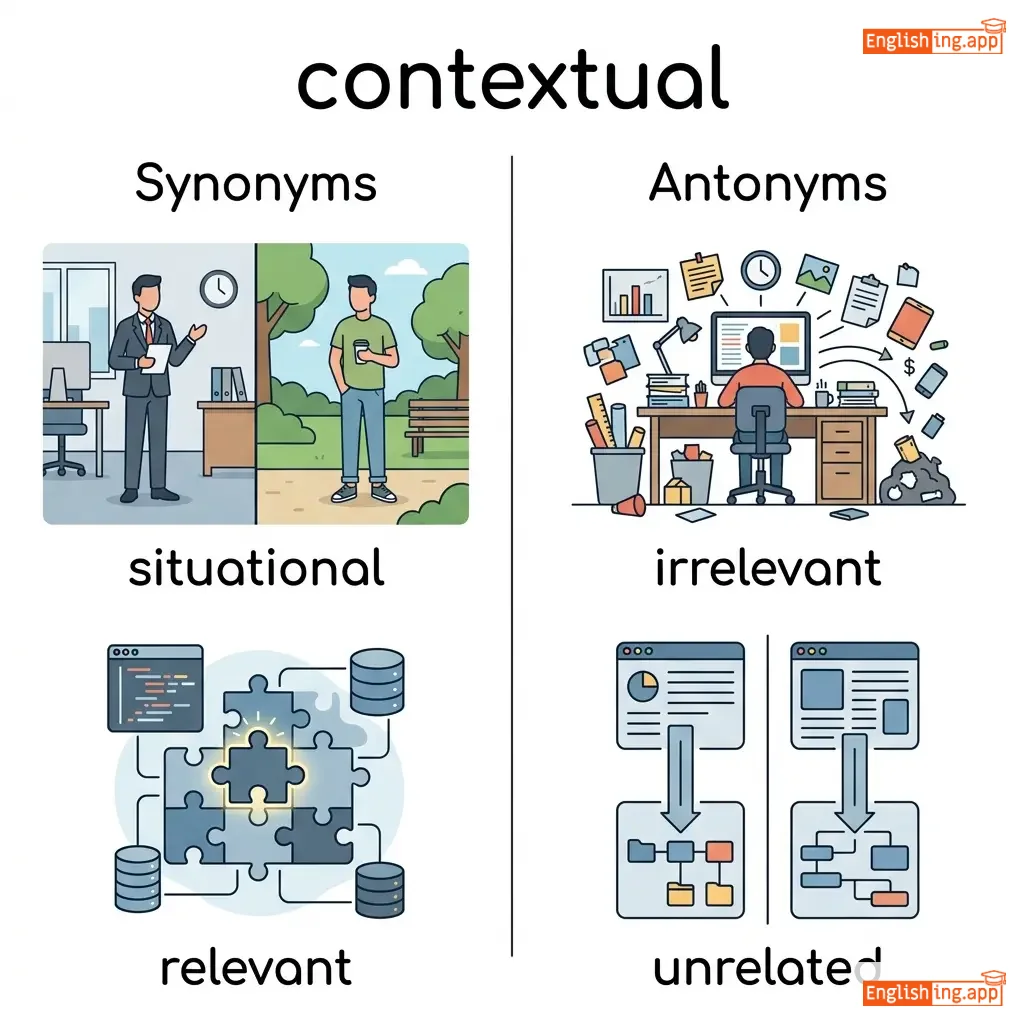
言語には多くの ambiguity があるため、disambiguation プロセスが正しい意味を特定するのに役立ちます。Inference を使用して contextual 関係を理解します。
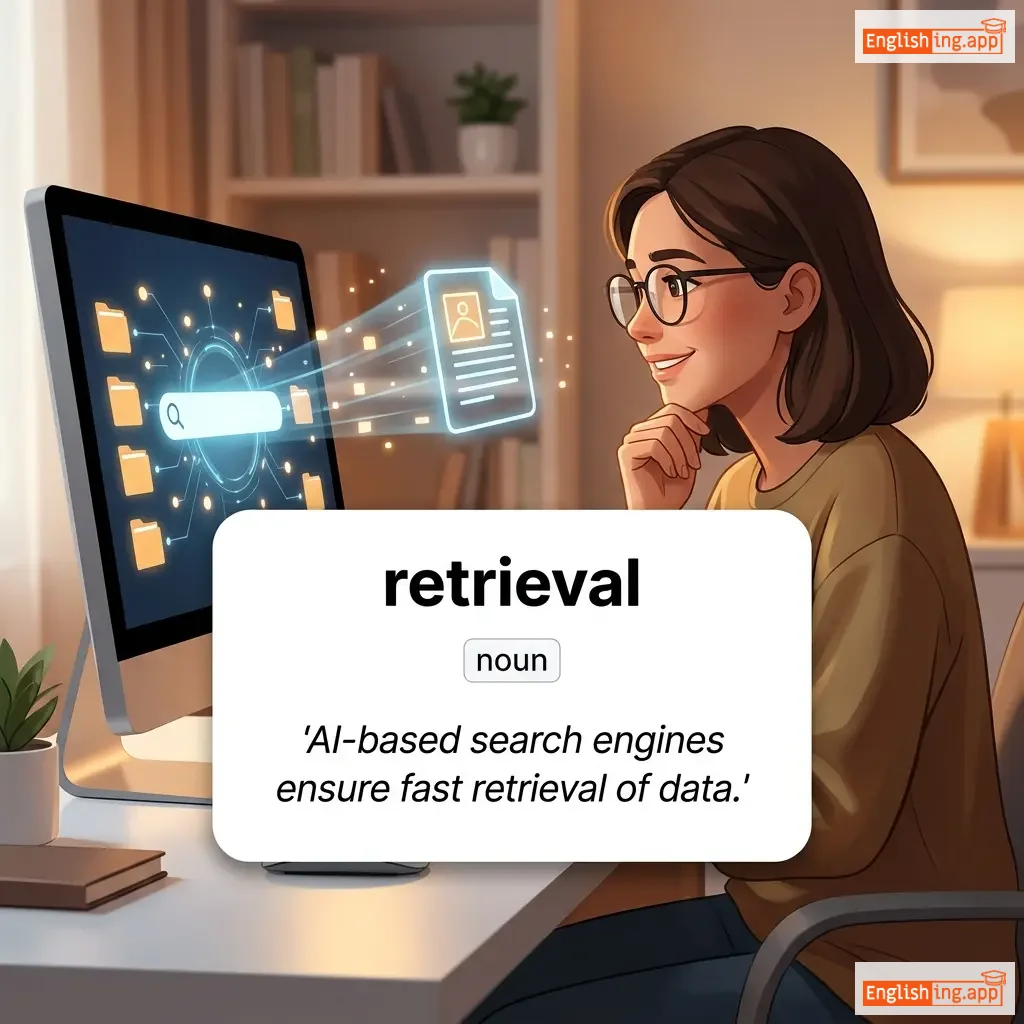
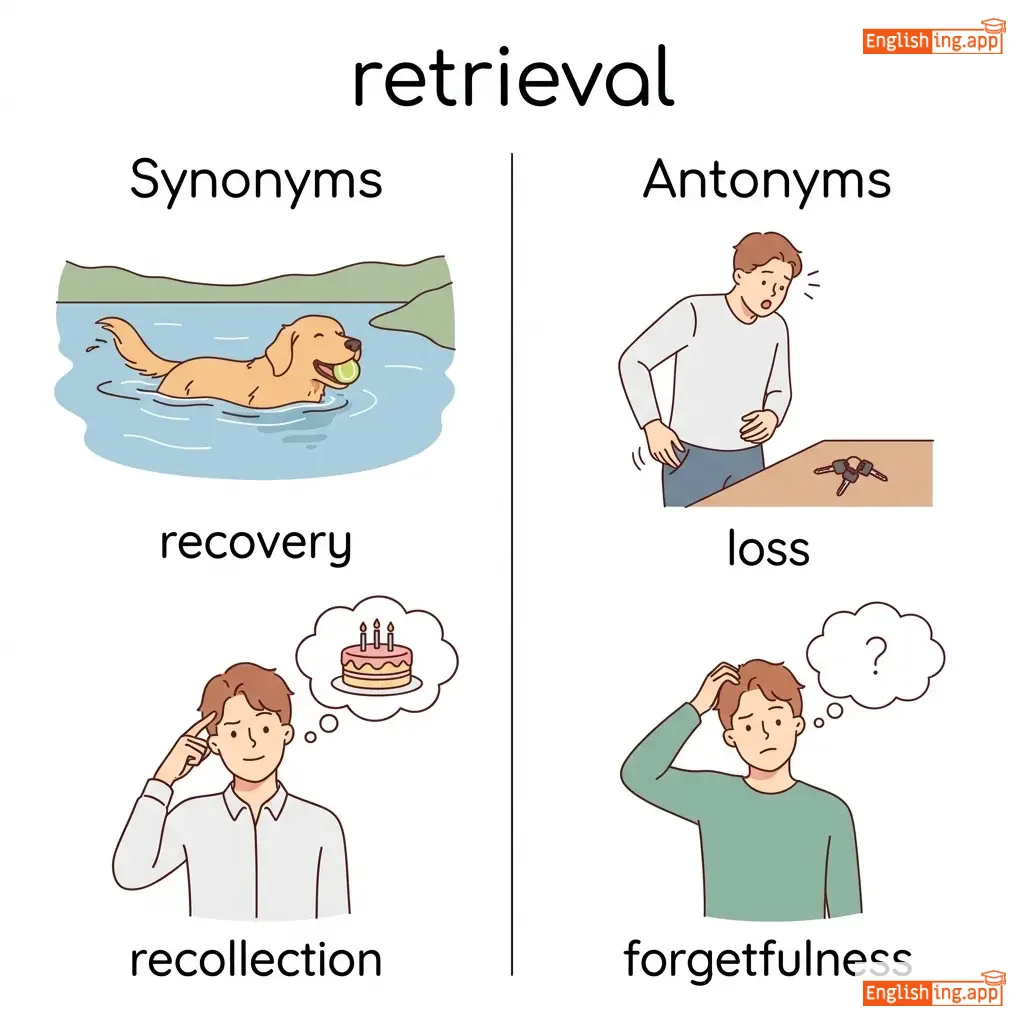
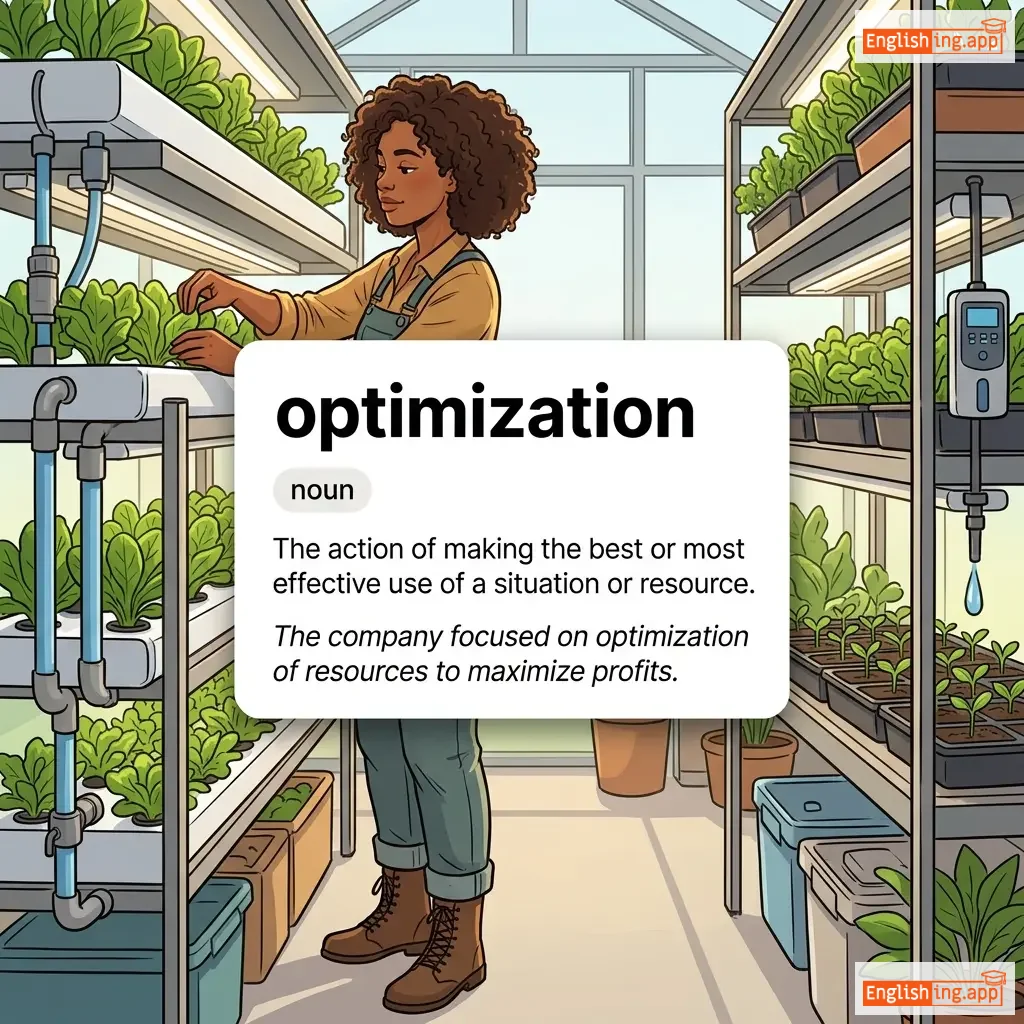
最後に、ChatGPT は retrieval と optimization の手法を通じて回答を生成します。その linguistic 分析能力と comprehension 能力により、より効果的になります。
翻訳
過去
過去分詞
三人称単数
動名詞
意味
例文
例文の翻訳
同義語
対義語
コロケーション
ニーモニック



Swipe left or right, or use the buttons. Tap image to zoom.
例文の翻訳
単語
How ChatGPT Processes Human LanguageHow ChatGPT Processes Human Language - マスクトグル
|
絵文字
|
単語 | Images | 翻訳 | 意味 | 例文 | 例文の翻訳 | 同義語 | 対義語 | ニーモニック |
|---|---|---|---|---|---|---|---|---|---|
|
#1820
🤖
|
ˌæl.ɡəˈrɪð.mɪk
adjective
(アルゴリズミック)
••••••
|
|
アルゴリズムに基づく
arugorizumu ni motozuku
••••••
|
Based on or using algorithms; relating to computational procedures and systematic methods.
••••••
|
Algorithmic trading is widely used in financial markets. |
アルゴリズム取引は金融市場で広く使用されています。
Arugorizumu torihiki wa kin'yū shijō de hiroku shiyō sareteimasu.
••••••
|
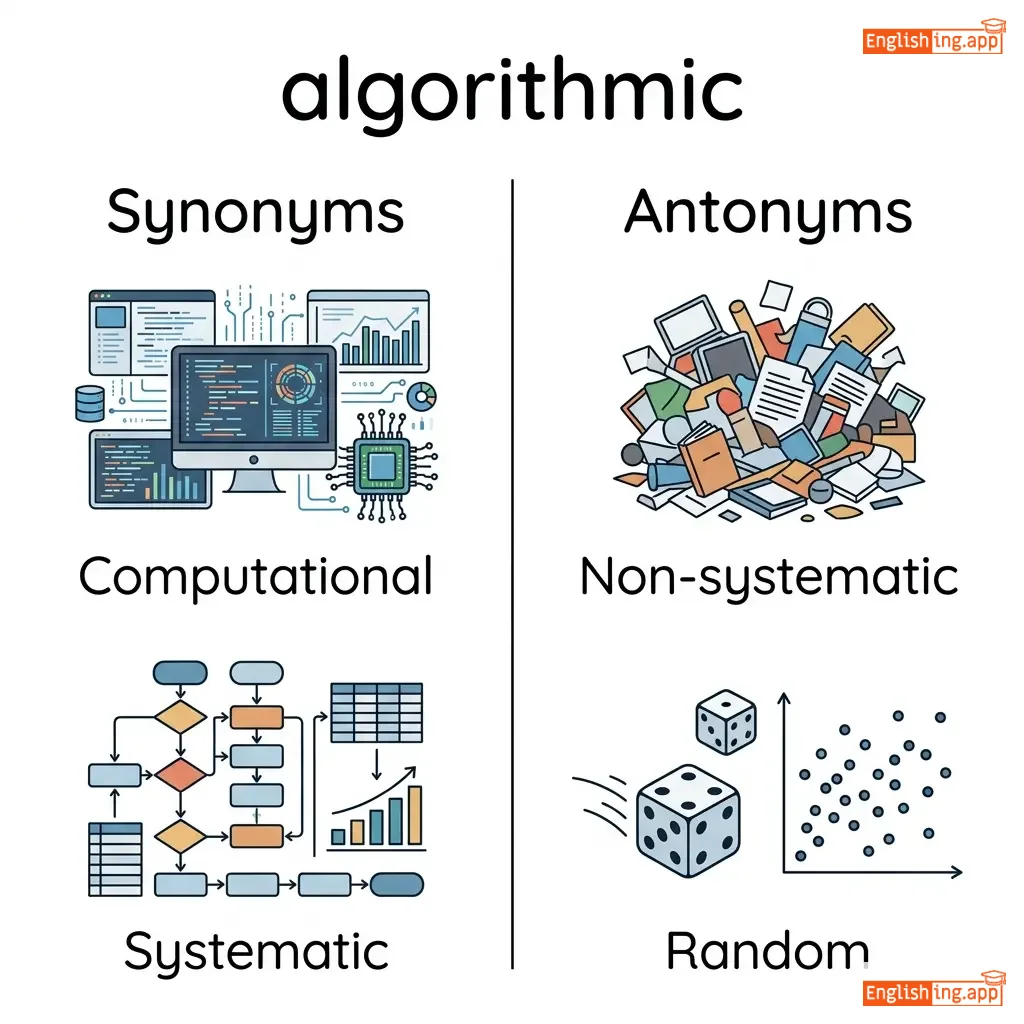
computational, programmatic, automated
••••••
|
manual, intuitive, non-systematic
••••••
|
アルゴリズムはデータを計算して結果を出す方法。
••••••
|
|
#1821
🏗️
|
ˈmɒd.əl
noun
(モデル)
••••••
|
|
モデル
moderu
••••••
|
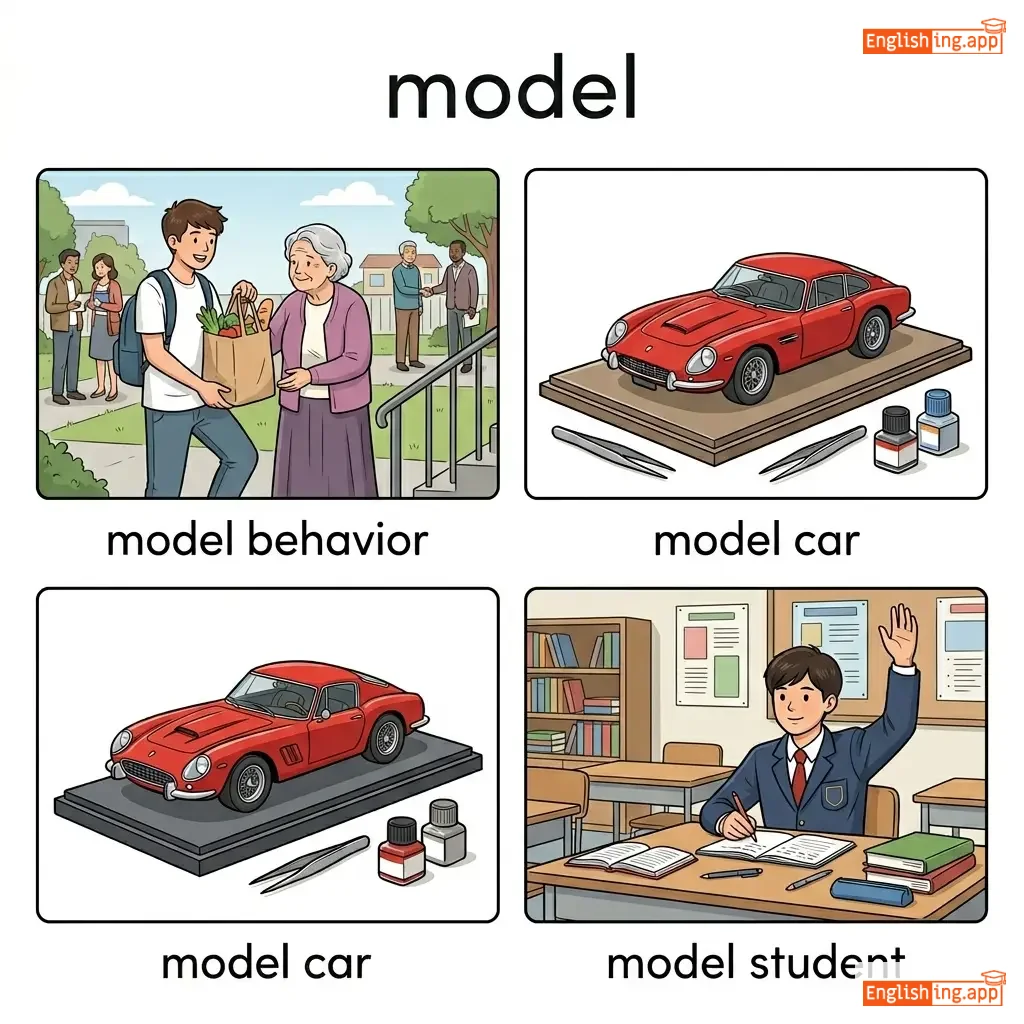
A framework, prototype, or simulation used to represent or understand a system or process.
••••••
|
Scientists use a model to simulate climate change.
科学者たちは気候変動をシミュレートするためにモデルを使用します。
••••••
|
科学者たちは気候変動をシミュレートするためにモデルを使用します。
Kagakusha-tachi wa kikō hendō o shimurēto suru tame ni moderu o shiyō shimasu.
••••••
|
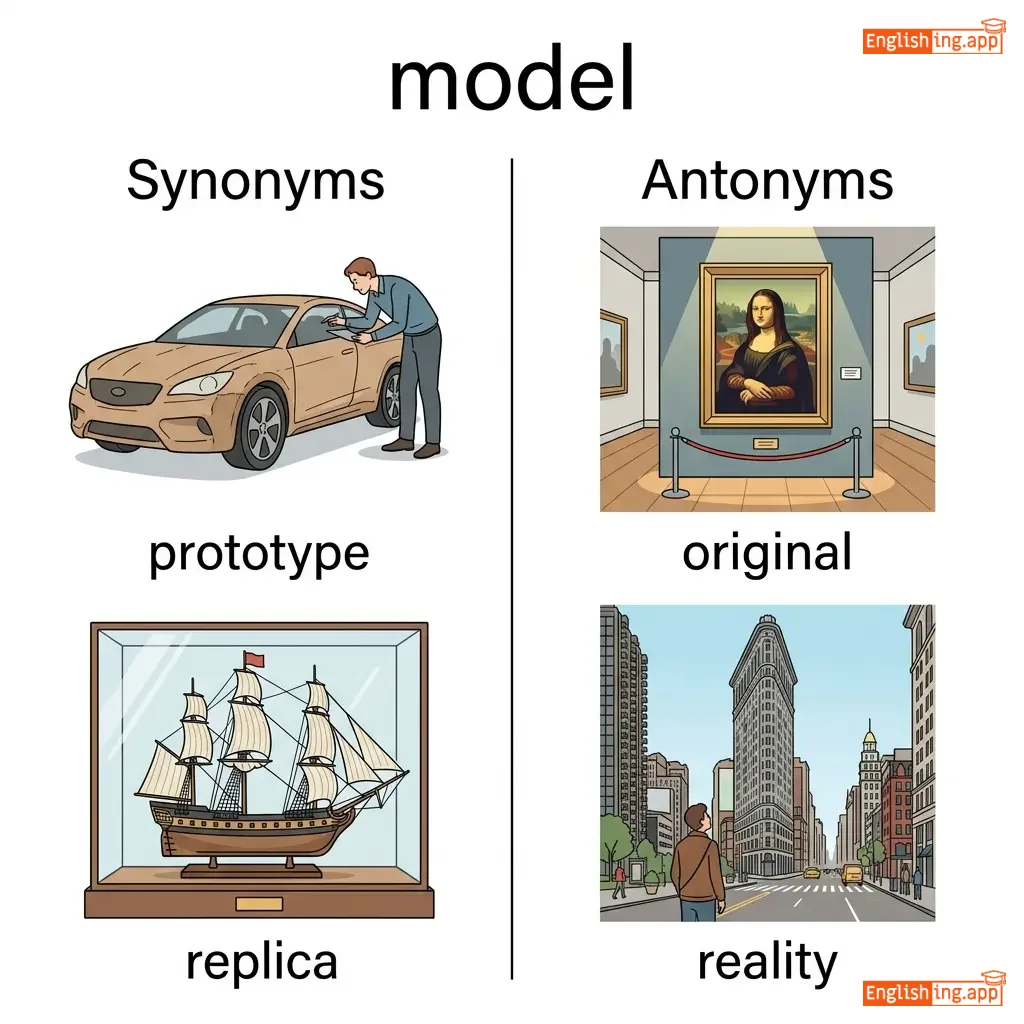
framework, prototype, simulation
••••••
|
disorganization, chaos, dysfunction
••••••
|
モデルを使うことで、物事の仕組みを理解できます。
••••••
|
|
#1822
🤖
|
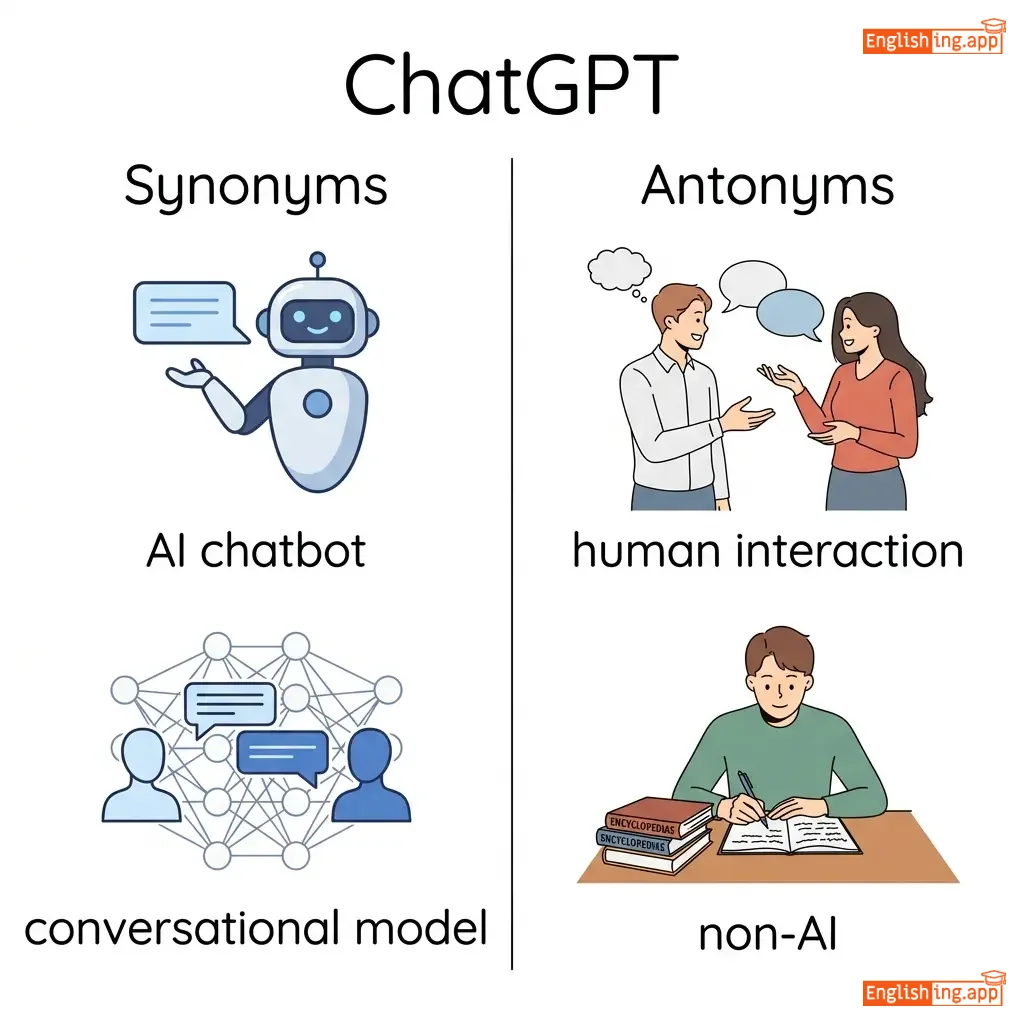
ˈtʃæt.dʒiː.piː.tiː
noun
(チャットGPT)
••••••
|
|
言語ベースの人工知能モデル
ChatGPT
••••••
|
A language-based artificial intelligence model designed for conversational interactions.
••••••
|
ChatGPT helps users generate human-like text efficiently. |
ChatGPTはユーザーが効率的に人間のようなテキストを生成するのを助けます。
ChatGPT wa yūzā ga kōritsuteki ni ningen no yōna tekisuto o seisei suru no o tasukemasu.
••••••
|
AI chatbot, conversational model, virtual assistant
••••••
|
human interaction, non-AI, traditional chat
••••••
|
ChatGPT - 人間のような会話を生成する人工知能
••••••
|
|
#1823
📚
|
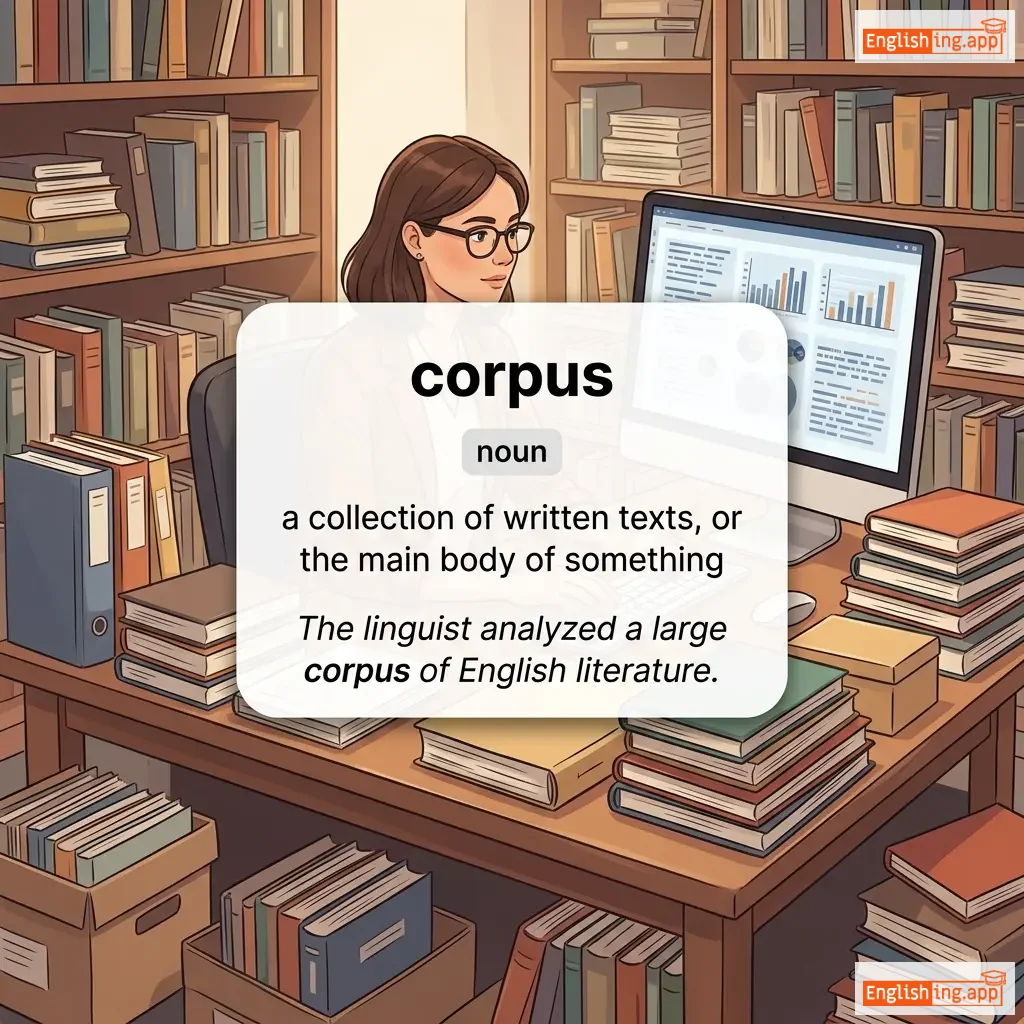
ˈkɔː.pəs
noun
(コーパス)
••••••
|
|
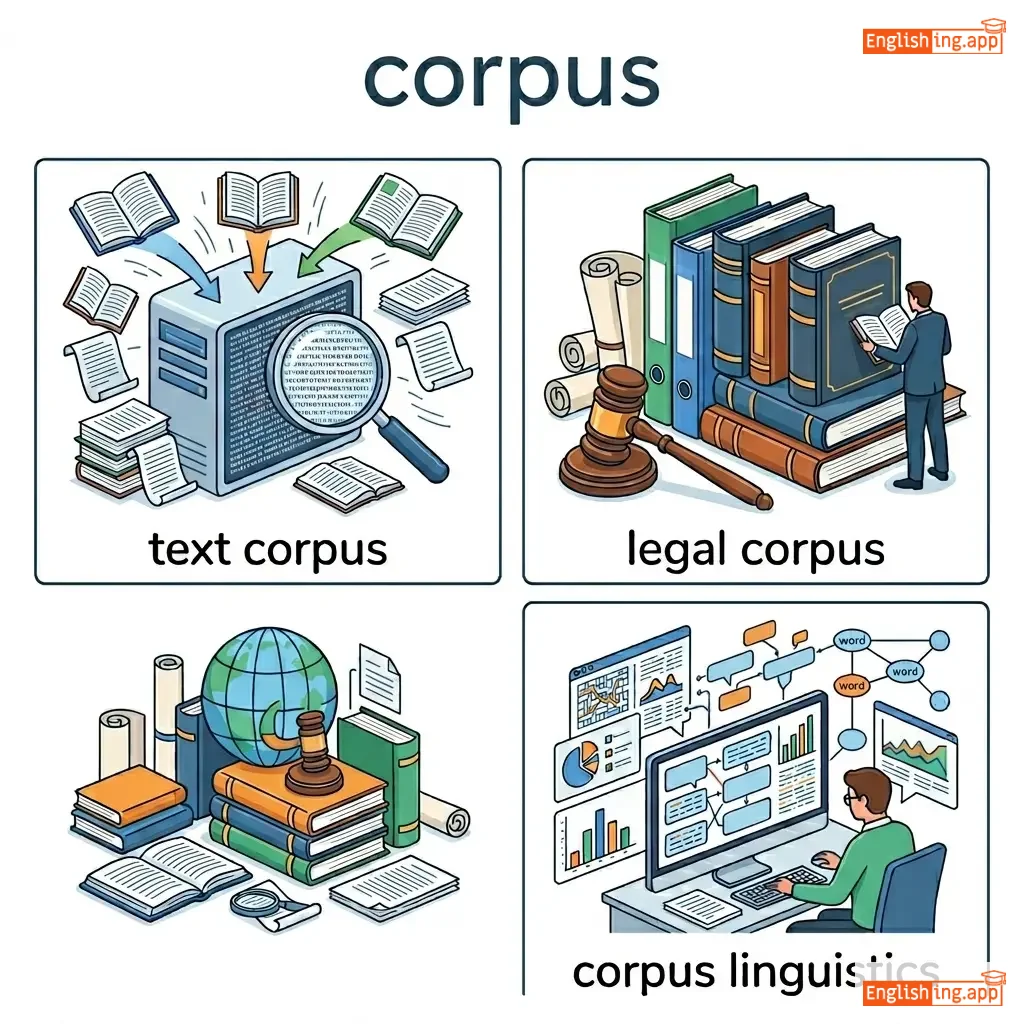
言語分析と研究に使用される大規模な言語データの集まり
corpus
••••••
|
A large collection of linguistic data used for language analysis and research.
••••••
|
Linguists use a corpus to analyze language patterns.
言語学者は言語パターンを分析するためにコーパスを使用します。
••••••
|
言語学者は言語パターンを分析するためにコーパスを使用します。
Gengogakusha wa gengo patan o bunseki suru tame ni kōpasu o shiyō shimasu.
••••••
|
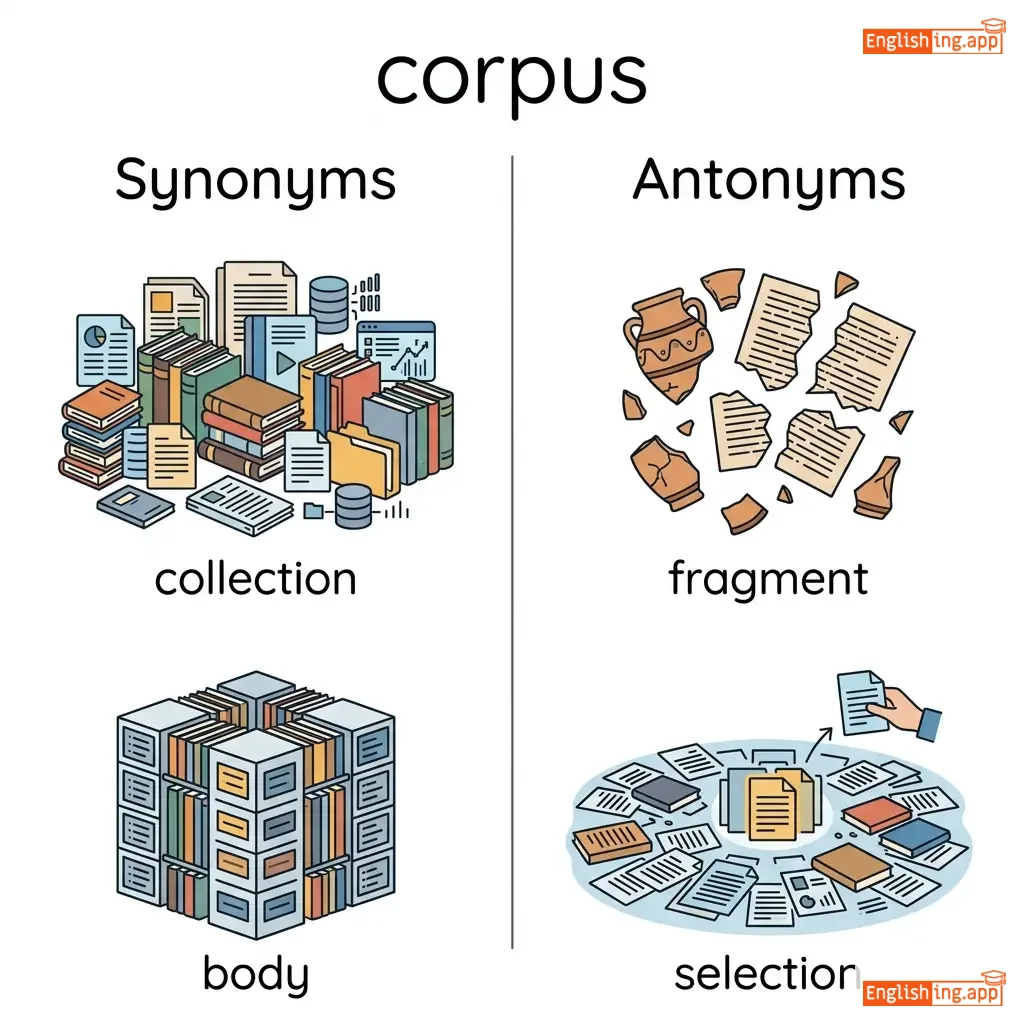
database, compilation, collection
••••••
|
fragment, selection, partial data
••••••
|
A 'core' for language data—'コーパス' sounds like 'core' in Japanese!
••••••
|
|
#1824
🧠
|
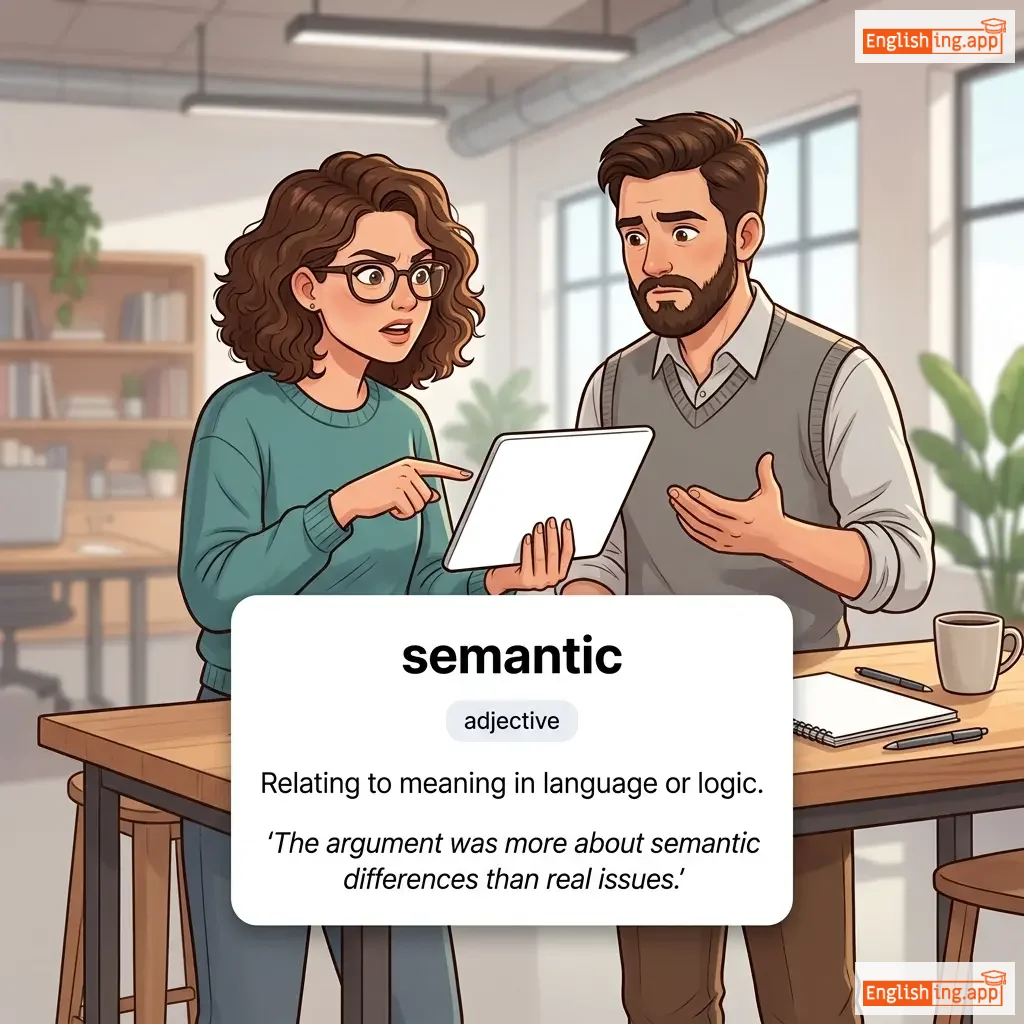
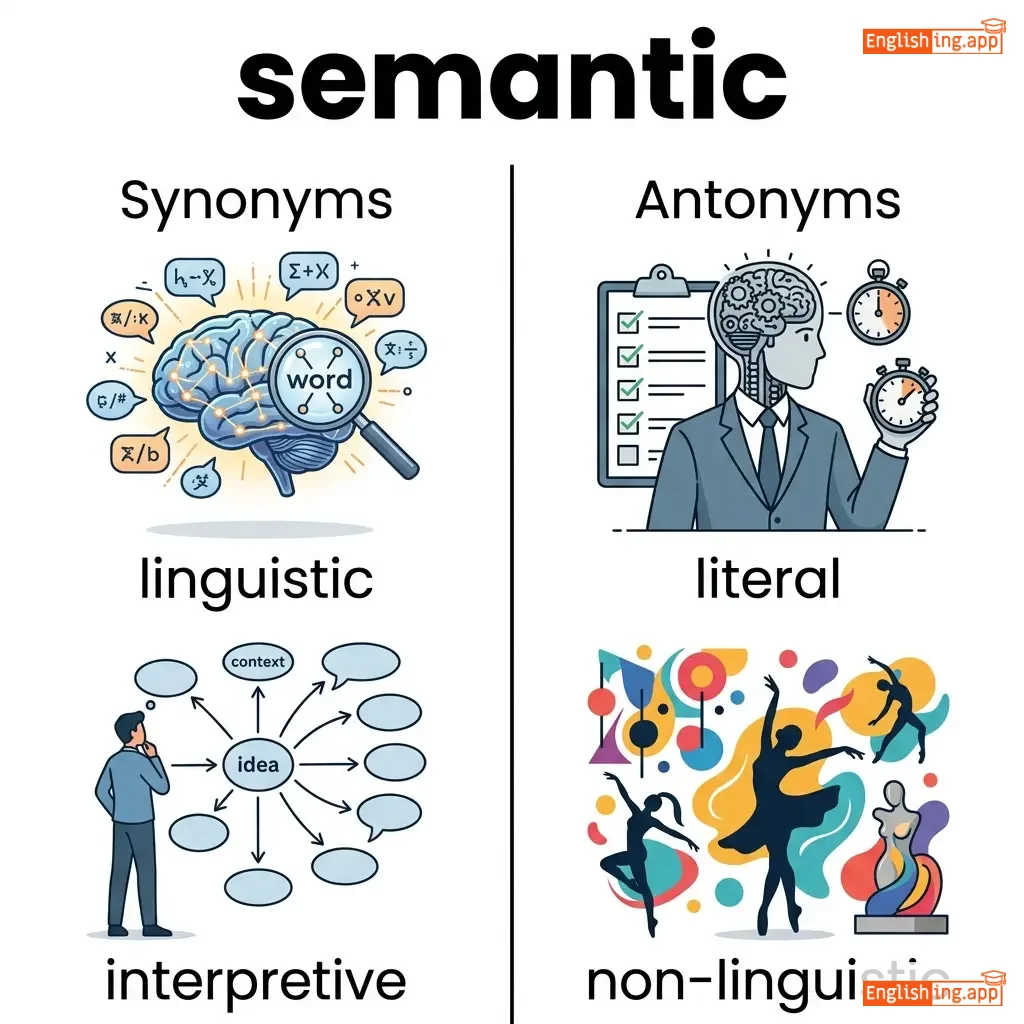
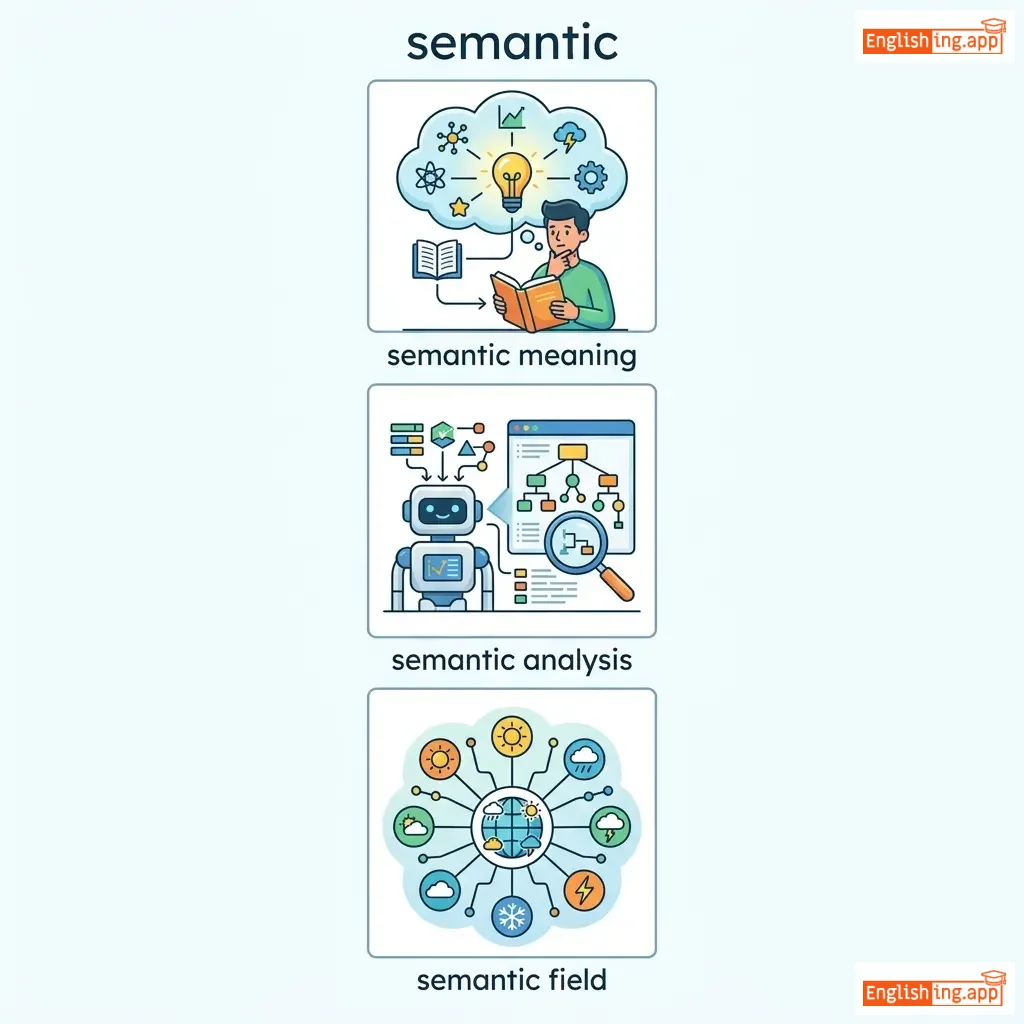
sɪˈmæn.tɪk
adjective
(セマンティック)
••••••
|
|
言語における意味に関連する
semantic
••••••
|
Related to meaning in language; concerning the interpretation of words and sentences.
••••••
|
AI models use semantic analysis to understand context. |
AIモデルはコンテキストを理解するためにセマンティック分析を使用します。
AI moderu wa kontekiesto o rikai suru tame ni semantic bunseki o shiyou shimasu.
••••••
|
meaning-based, interpretive, conceptual
••••••
|
nonsensical, meaningless, incoherent
••••••
|
セマンティックはAIが意味とコンテキストを理解するのに役立ちます。
••••••
|
|
#1825
🎲
|
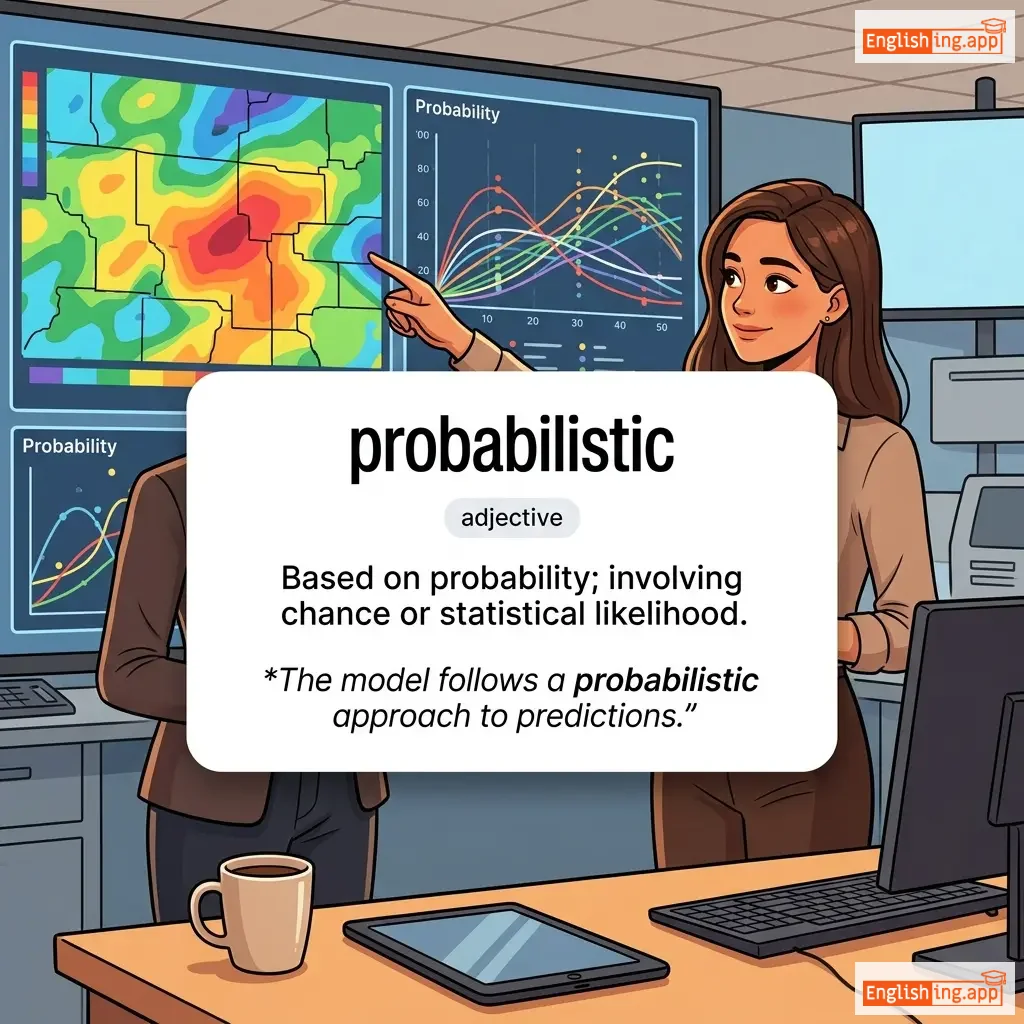
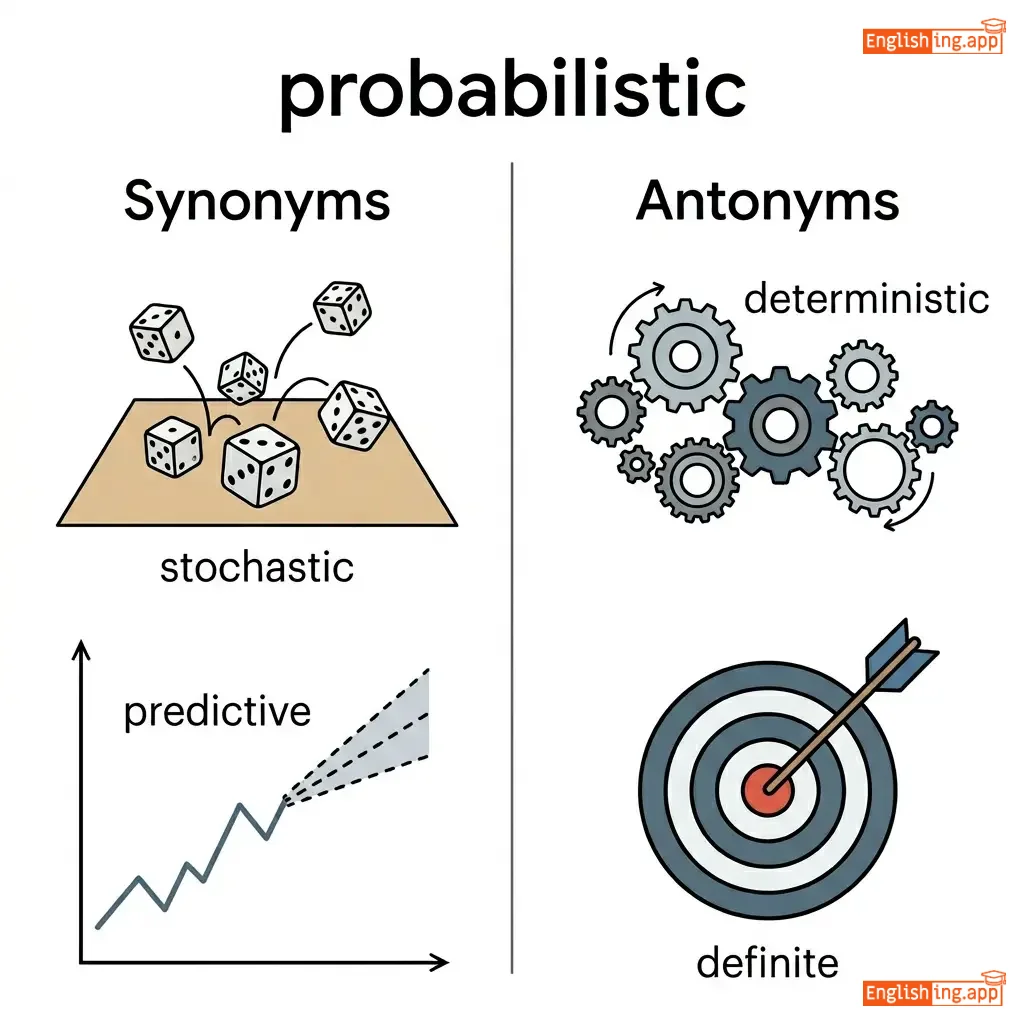
ˌprɒb.ə.bɪˈlɪs.tɪk
adjective
(プロバビリスティック)
••••••
|
|
確率に基づく
probabisutikku
••••••
|
Based on probability; involving chance or statistical likelihood.
••••••
|
The model follows a probabilistic approach to predictions.
モデルは予測のために確率的アプローチを採用しています。
••••••
|
モデルは予測のために確率的アプローチを採用しています。
Moderu wa yosoku no tame ni kakuritsuteki apurōchi o saiō shiteimasu.
••••••
|
stochastic, predictive, statistical
••••••
|
deterministic, definite, fixed
••••••
|
probabisutikku = 確率に基づく、統計を利用する。
••••••
|
|
#1826
🔍
|
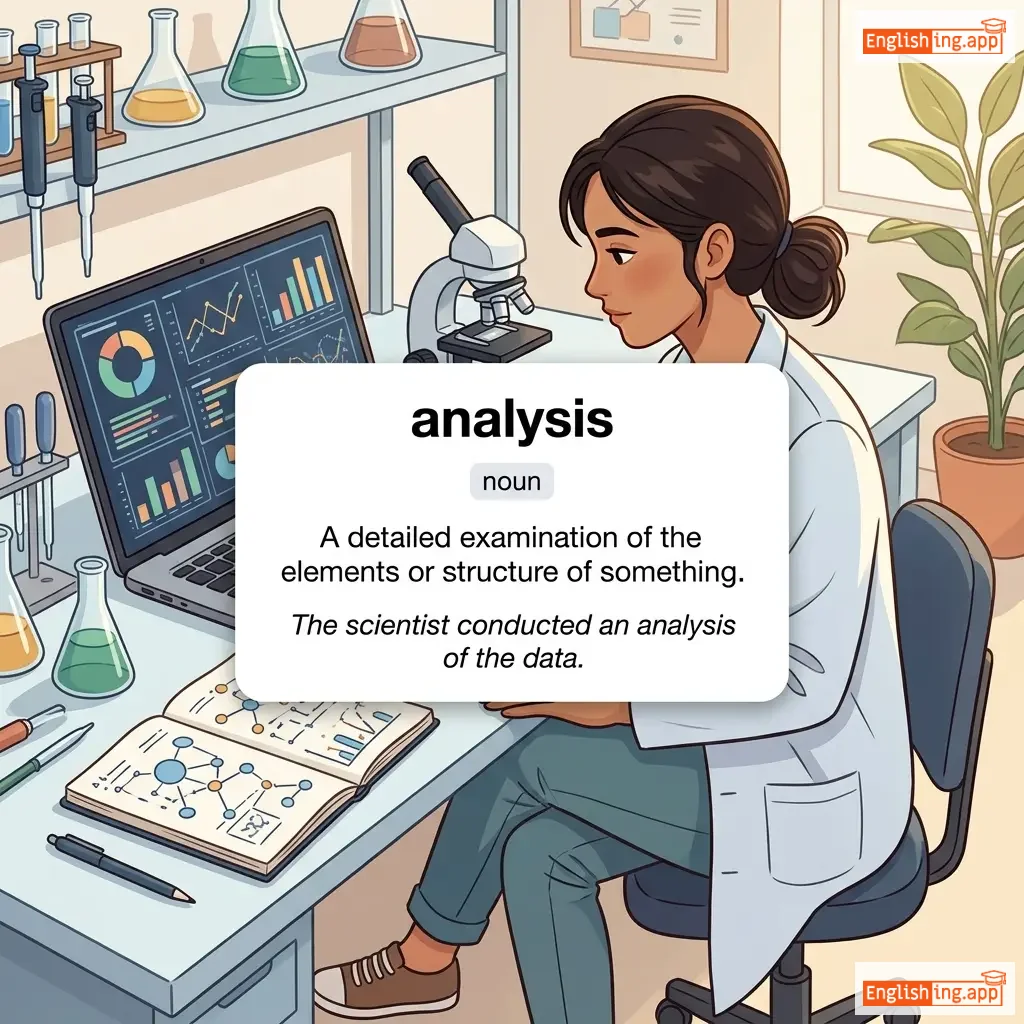
əˈnæl.ə.sɪs
noun
(アナリシス)
••••••
|
|
分析
bunseki
••••••
|
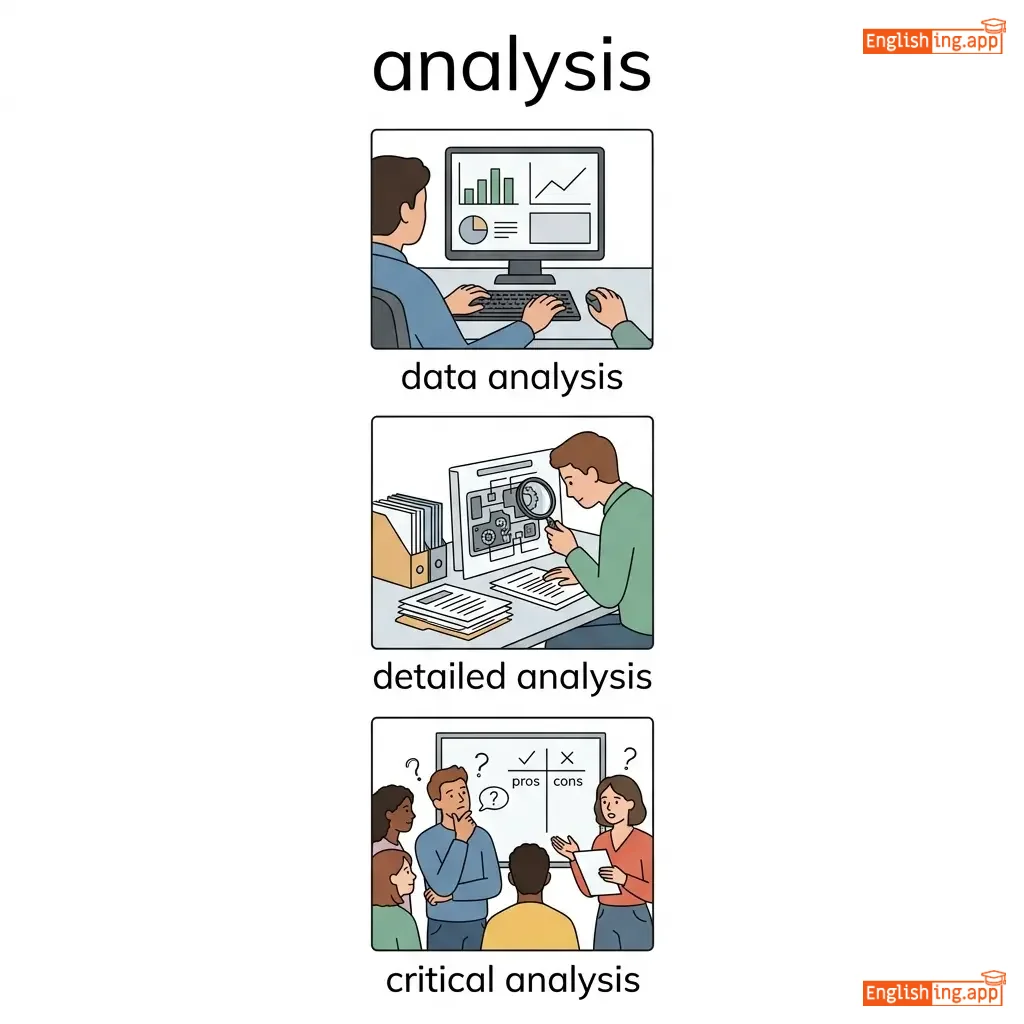
Detailed examination and evaluation of data or information to understand its components and relationships.
••••••
|
Data analysis is crucial for machine learning models. |
データ分析は機械学習モデルにとって重要です。
Dēta bunseki wa kikai gakushū moderu ni totte jūyō desu.
••••••
|
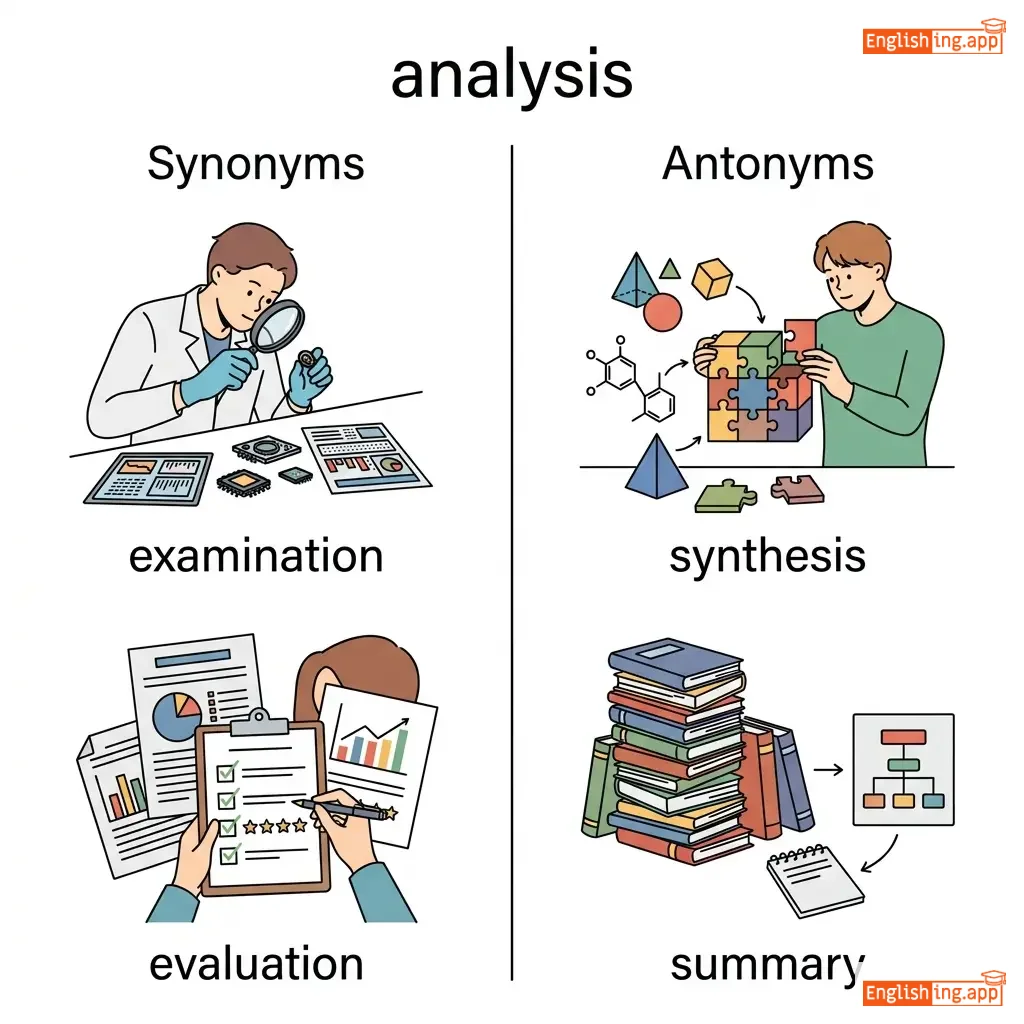
examination, evaluation, dissection
••••••
|
assumption, guesswork, unsystematic review
••••••
|
分析はデータの各部分を詳しく調べ、すべてを理解する方法です。
••••••
|
|
#1827
✂️
|
ˌtoʊ.kə.nɪˈzeɪ.ʃən
noun
(トークン化)
••••••
|
|
テキストを分析するために、単語、フレーズ、または記号などの小さな単位に分割するプロセス。
tokenization
••••••
|
The process of breaking text into smaller units like words, phrases, or symbols for analysis.
••••••
|
NLP uses tokenization to break text into smaller units. |
NLPはテキストを小さな単位に分割するためにトークン化を使用します。
NLP wa tekisuto o chiisana tan'i ni bunkatsu suru tame ni tōkunka o shiyō shimasu.
••••••
|
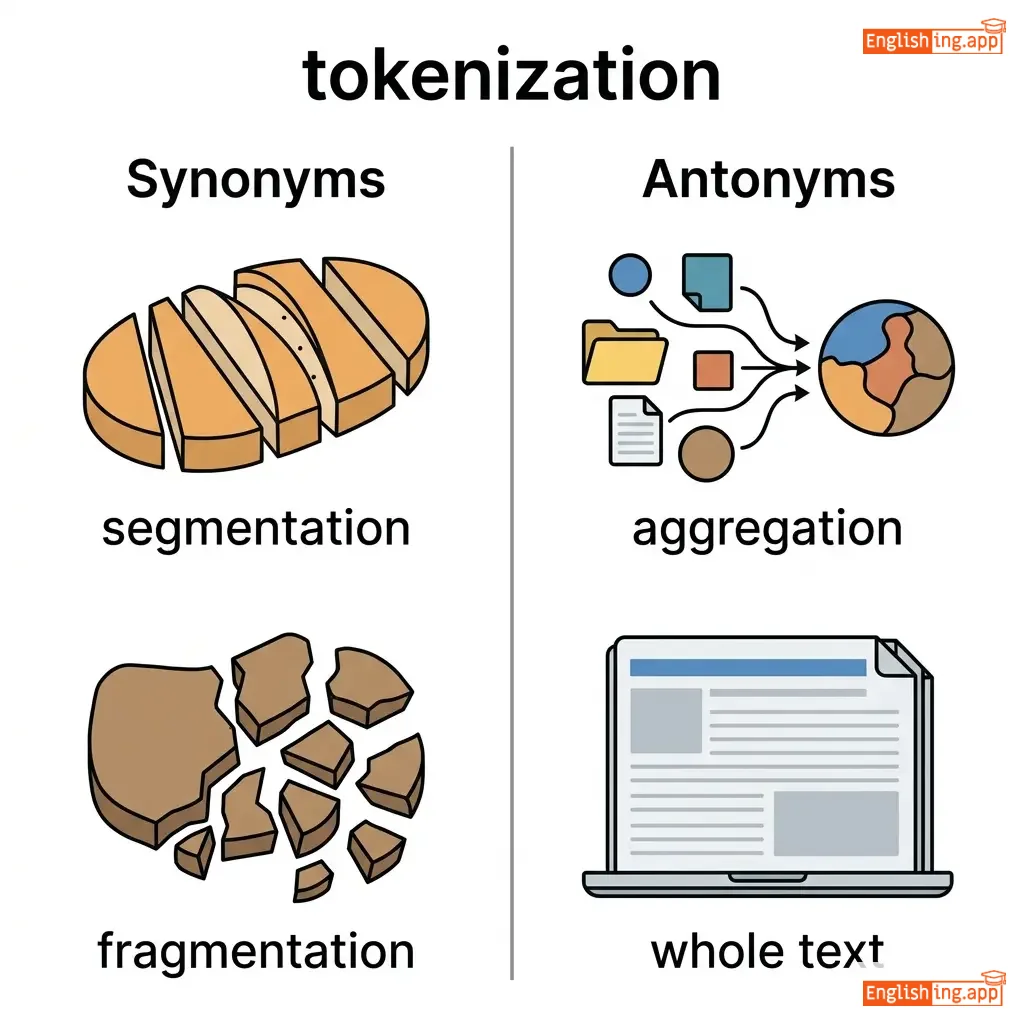
segmentation, fragmentation, parsing
••••••
|
aggregation, whole text, non-division
••••••
|
Token + 分割 = トークン化
••••••
|
|
#1828
🔧
|
ˈpɑː.sɪŋ
noun
(パーシング)
••••••
|
|
文の構造解析
parsing
••••••
|
The process of analyzing sentence structure to understand grammatical relationships.
••••••
|
The AI model performs parsing to understand syntax.
AIモデルは構文解析を行い、構造を理解します。
••••••
|
AIモデルは構文解析を行い、構造を理解します。
AI moderu wa koubun kaiseki wo okonai, kouzou wo rikai shimasu.
••••••
|
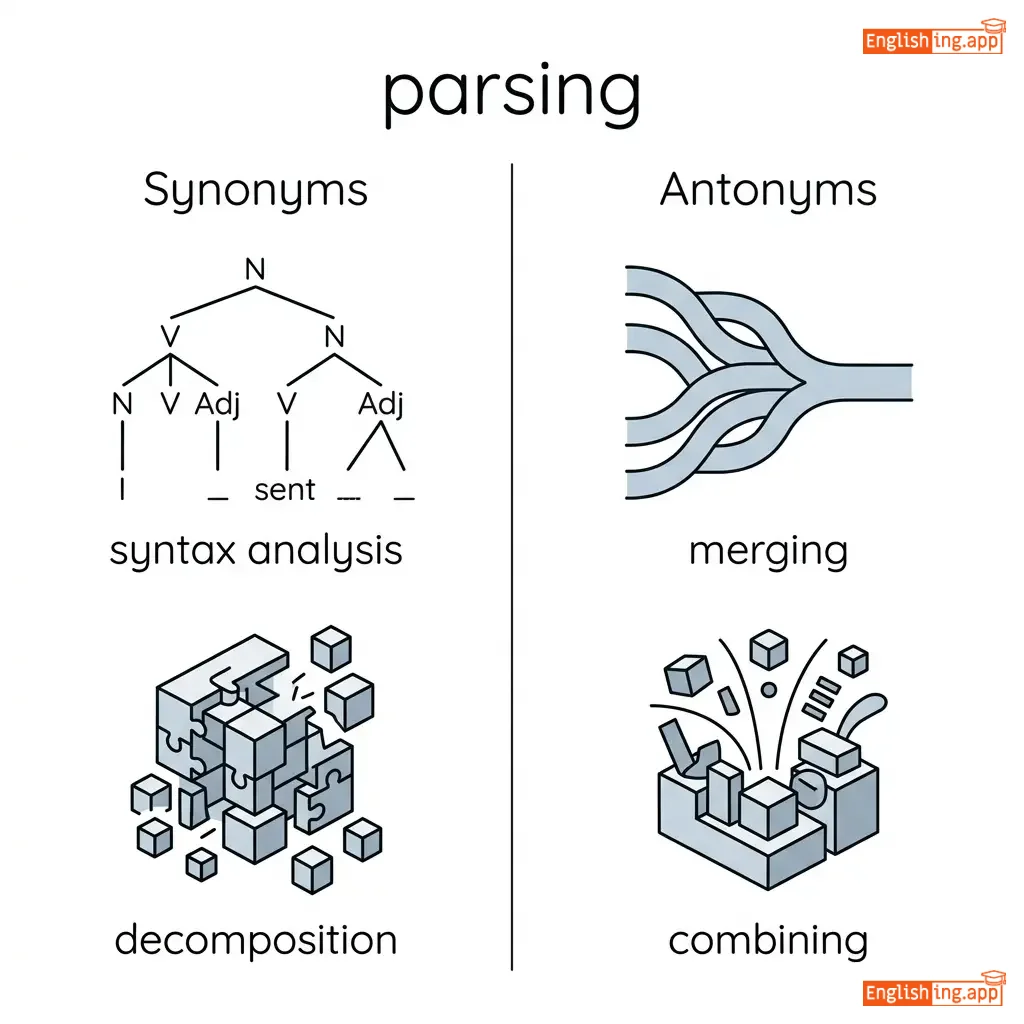
syntax analysis, decomposition, interpretation
••••••
|
merging, combining, generalization
••••••
|
パーシングで文章の構造を分解し、全体の意味を理解する。
••••••
|
|
#1829
🧩
|
ˌmɔː.fəˈlɒdʒ.ɪ.kəl
adjective
(モルフォロジカル)
••••••
|
|
語形成に関連する
morphological
••••••
|
Related to the structure and formation of words; concerning morphology in linguistics.
••••••
|
Morphological analysis helps AI understand word structures. |
形態論的な分析はAIに言葉の構造を理解させる手助けをします。
Keitairon teki na bunseki wa AI ni kotoba no kouzou o rikai saseru tedasuke o shimasu.
••••••
|
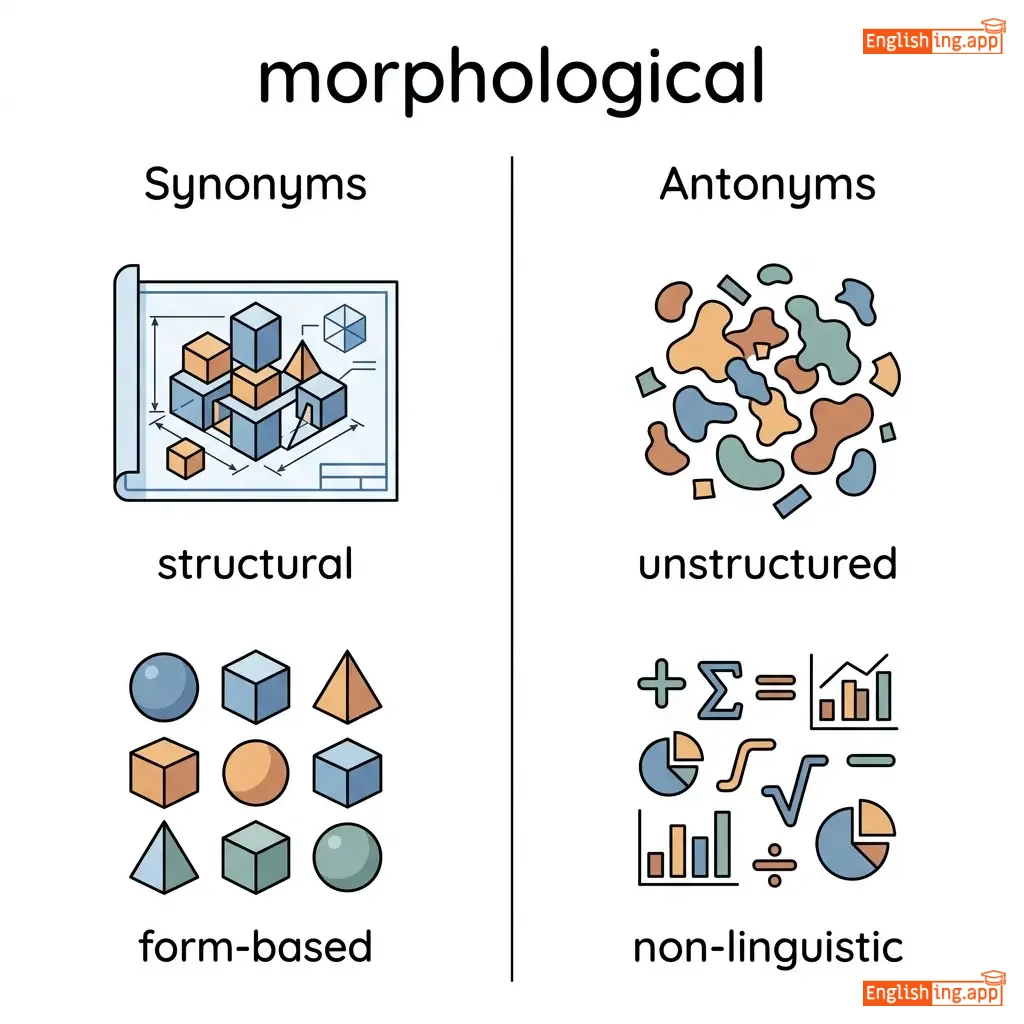
structural, form-based, linguistic
••••••
|
unstructured, non-linguistic, undefined
••••••
|
形態論 = 言葉の構造
••••••
|
|
#1830
📝
|
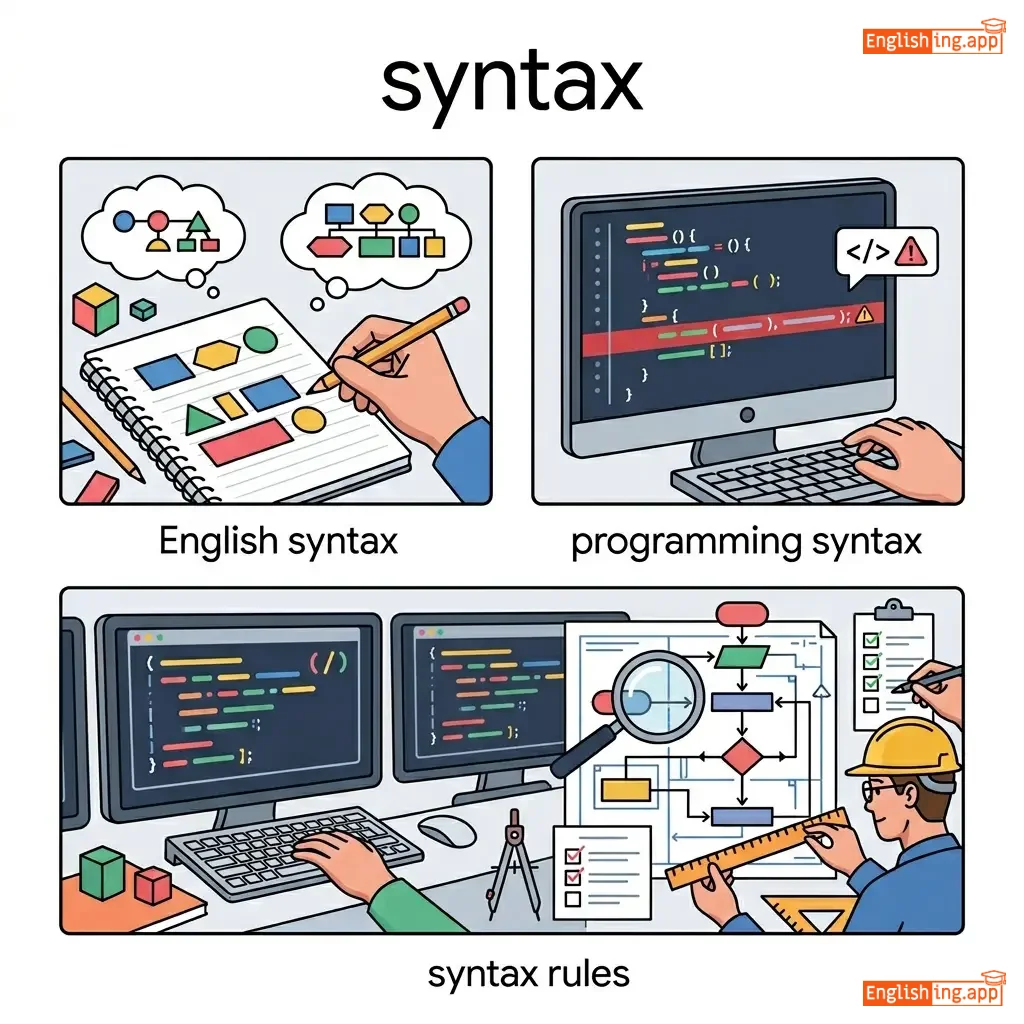
ˈsɪn.tæks
noun
(シンタックス)
••••••
|
|
構文
koubun
••••••
|
The arrangement of words and phrases to create well-formed sentences in a language.
••••••
|
Programming languages follow strict syntax rules. |
プログラミング言語は厳格な構文ルールに従います。
Puroguramingu gengo wa genkaku na koubun ruuru ni shitagaimasu.
••••••
|
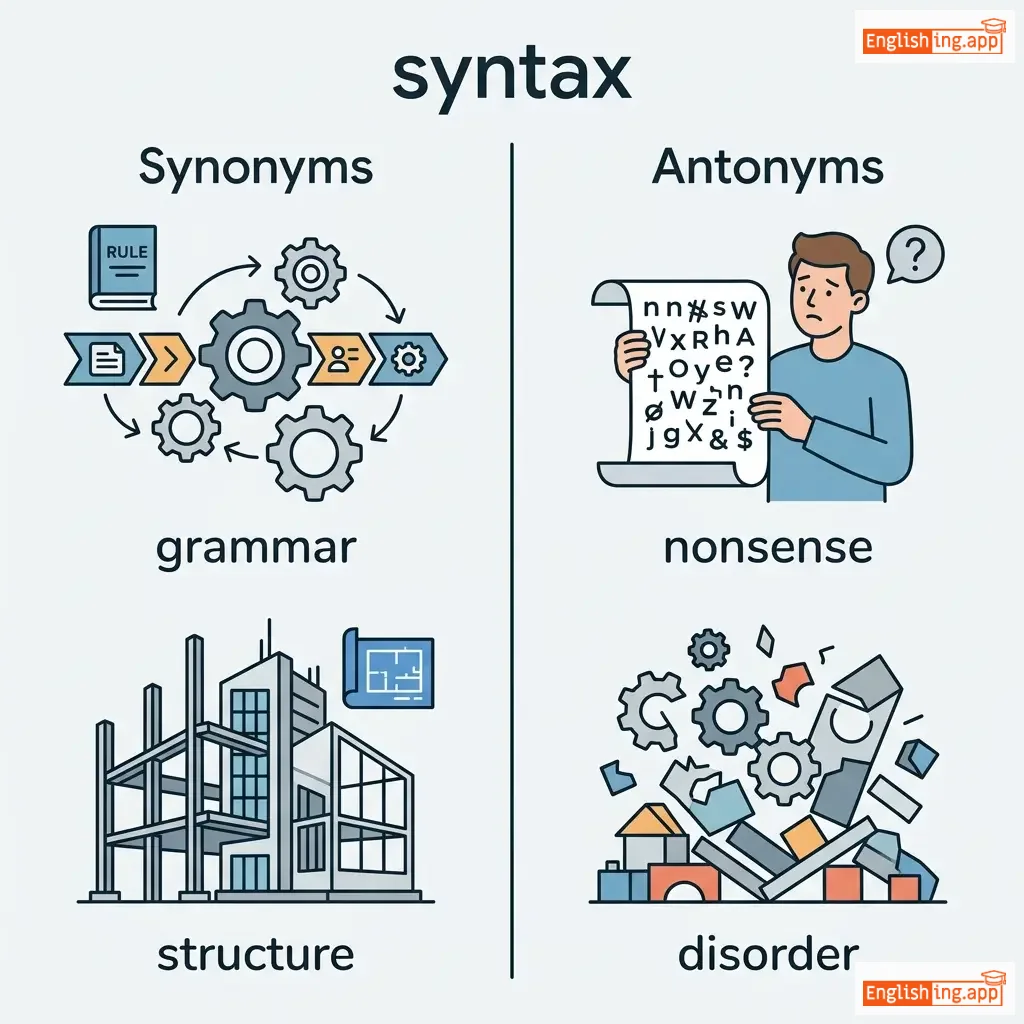
structure, grammar, composition
••••••
|
chaos, disorganization, unstructured
••••••
|
構文 - 正しい文を作りましょう
••••••
|
|
#1831
🔗
|
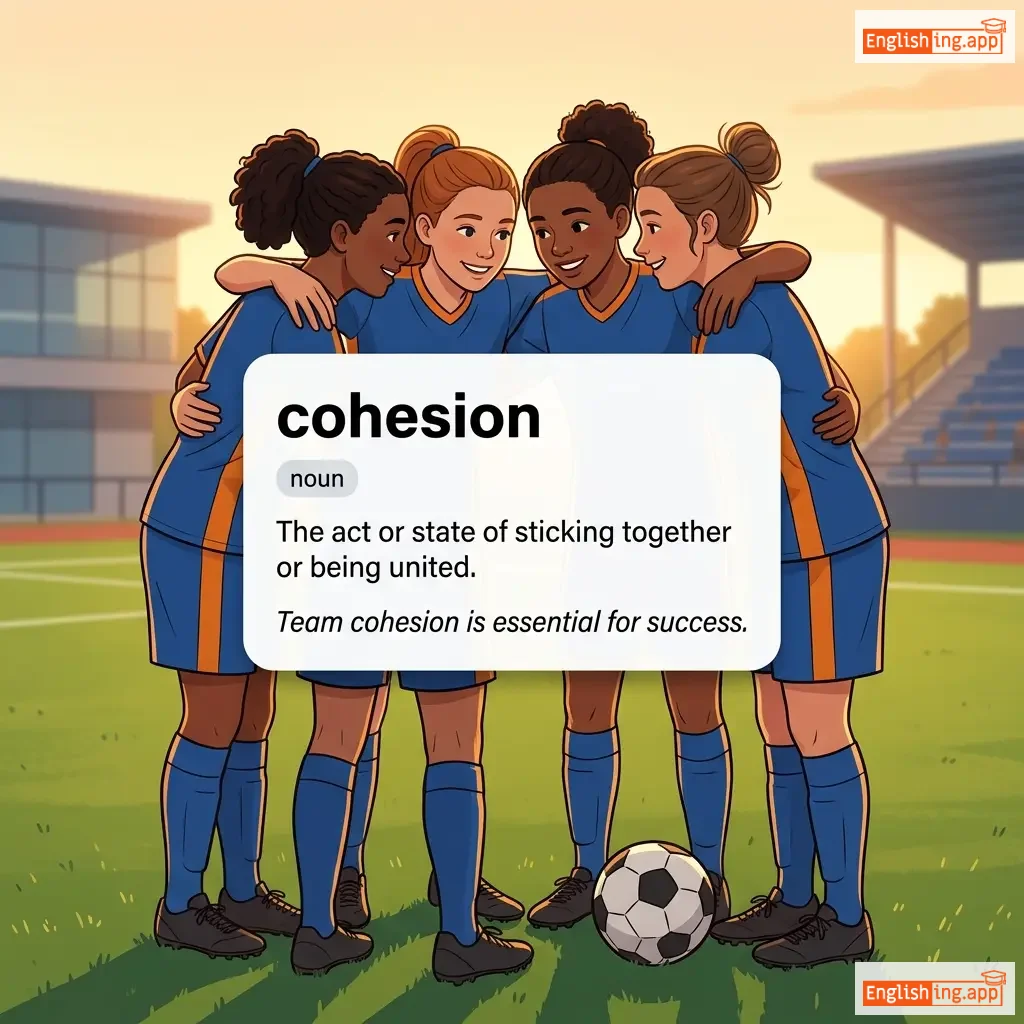
kəʊˈhiː.ʒən
noun
(コヘジョン)
••••••
|
|
結束
kesshutsu
••••••
|
The quality of forming a unified whole; logical connection and consistency.
••••••
|
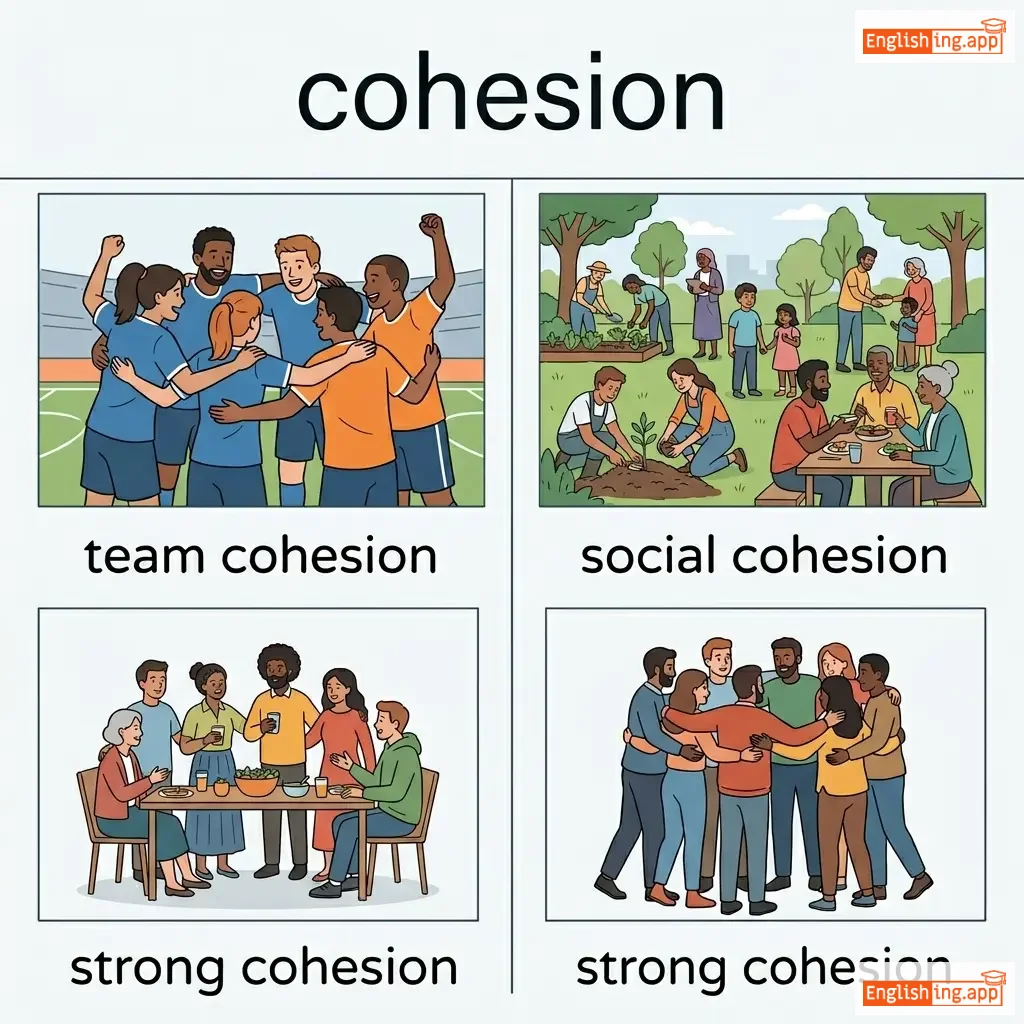
Good writing ensures logical cohesion between ideas.
良い文章はアイデア間の論理的なコヒージョンを保証します。
••••••
|
良い文章はアイデア間の論理的なコヒージョンを保証します。
Yoi bunshō wa aidea-kan no ronriteki na kohījōn o hoshō shimasu.
••••••
|
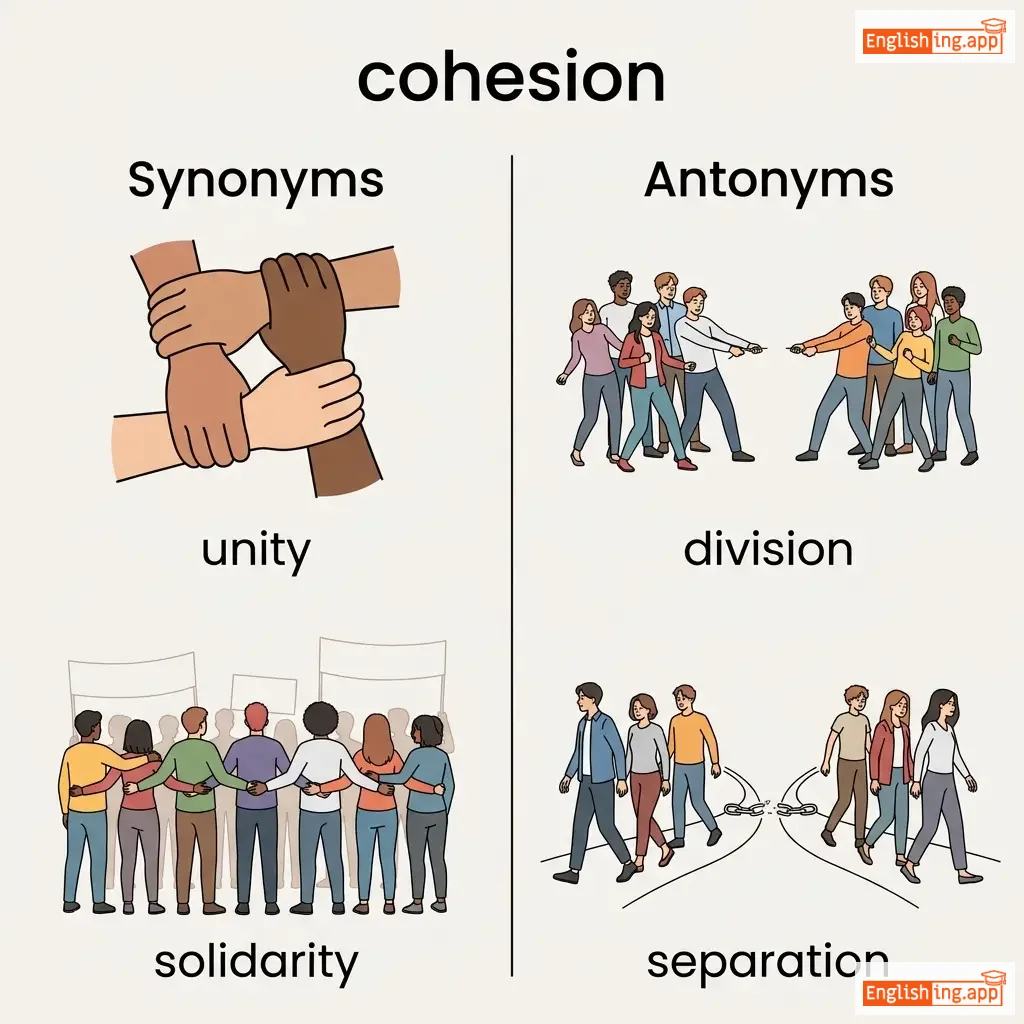
unity, connection, coherence
••••••
|
disunity, fragmentation, incoherence
••••••
|
結束(コヒージョン)はアイデアを一つにまとめる力です。
••••••
|
|
#1832
❓
|
ˌæm.bɪˈɡjuː.ɪ.ti
noun
(アンビギュイティ)
••••••
|
|
曖昧さ
aimaisa
••••••
|
The quality of being open to more than one interpretation; uncertainty of meaning.
••••••
|
Legal documents should avoid ambiguity.
法的文書は曖昧さを避けるべきです。
••••••
|
法的文書は曖昧さを避けるべきです。
Hōteki bunsho wa aimaisa o sakeru beki desu.
••••••
|
uncertainty, vagueness, obscurity
••••••
|
clarity, explicitness, precision
••••••
|
曖昧さとambiguityはどちらも意味の不確かさを示します。
••••••
|
|
#1833
🔍
|
ˌdɪs.æmˌbɪɡ.juˈeɪ.ʃən
noun
(ディスアンビギュエーション)
••••••
|
|
曖昧さの解消
disambiguation
••••••
|
The removal of ambiguity by making something clear and unambiguous.
••••••
|
The AI system applies disambiguation to refine text understanding.
AIシステムはテキスト理解を精緻化するためにディスアンビギュエーションを適用します。
••••••
|
AIシステムはテキスト理解を精緻化するためにディスアンビギュエーションを適用します。
AI shisutemu wa tekisuto rikai wo seichikasu tame ni disambiguation wo tekiyou shimasu.
••••••
|
clarification, interpretation, specification
••••••
|
ambiguation, confusion, misinterpretation
••••••
|
曖昧さの解消は、混乱を取り除く方法です。
••••••
|
|
#1834
🤔
|
ˈɪn.fər.əns
noun
(インフェレンス)
••••••
|
|
推論
suiron
••••••
|
A conclusion reached on the basis of evidence and reasoning; logical deduction.
••••••
|
Scientists make inferences based on experimental data.
科学者たちは実験データに基づいて推論を行います。
••••••
|
科学者たちは実験データに基づいて推論を行います。
Kagakusha-tachi wa jikken dēta ni motozuite suiron o okonai masu.
••••••
|
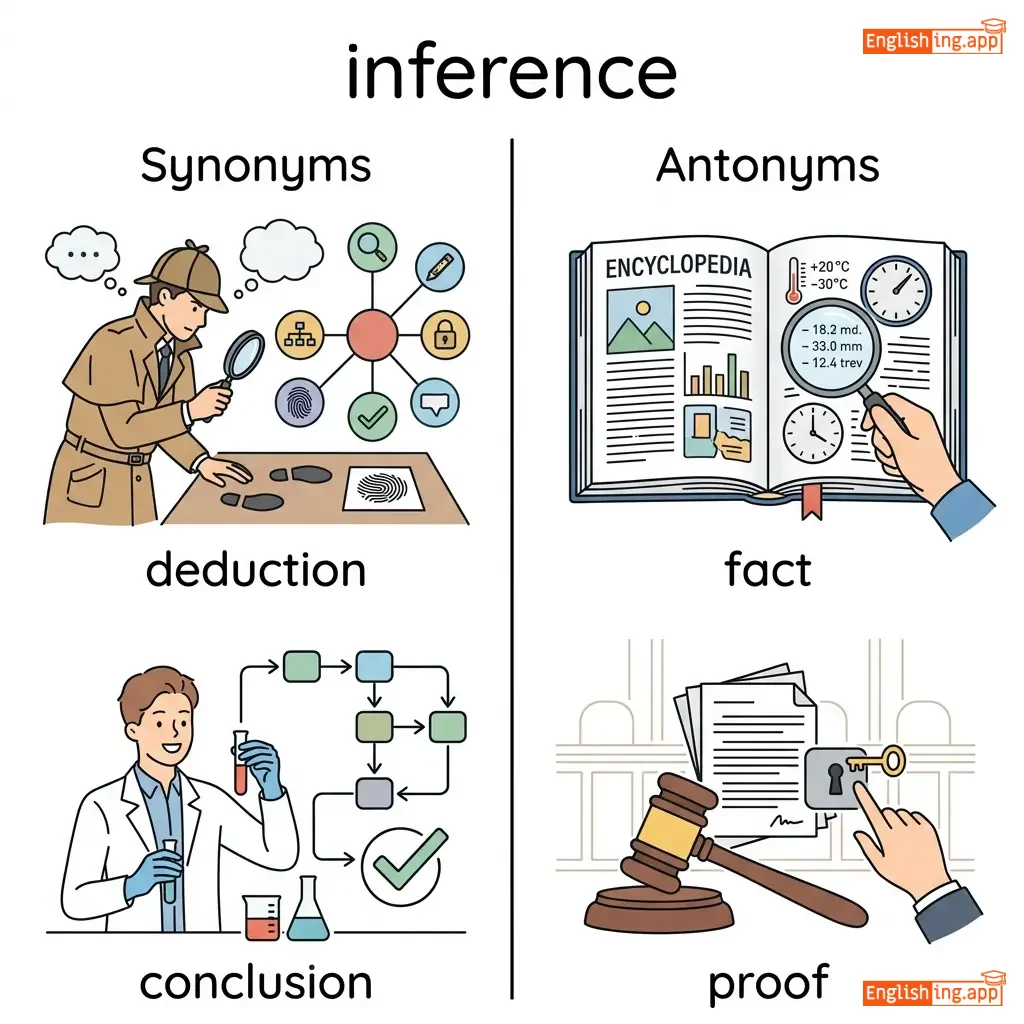
deduction, conclusion, reasoning
••••••
|
misjudgment, guesswork, incorrect assumption
••••••
|
推論 (suiron) - 科学者が証拠に基づき論理的に推測する。
••••••
|
|
#1835
🌐
|
kɒnˈtek.stju.əl
adjective
(コンテキスチュアル)
••••••
|
|
文脈の
bunmyaku no
••••••
|
Depending on or relating to the circumstances or setting; context-dependent.
••••••
|
Contextual meaning changes depending on usage.
コンテキスチュアルな意味は使用によって変わります。
••••••
|
文脈の意味は使用によって変わります。
Bunmyaku no imi wa shiyou ni yotte kawarimasu.
••••••
|
situational, referential, circumstantial
••••••
|
decontextualized, isolated, irrelevant
••••••
|
文脈の = 使い方によって意味が変わる、状況や背景に依存する。
••••••
|
|
#1836
🔄
|
rɪˈtriː.vəl
noun
(リトリーバル)
••••••
|
|
回収
kaishuu
••••••
|
The process of getting or bringing something back; recovery of stored information.
••••••
|
AI-based search engines ensure fast retrieval of data. |
AIベースの検索エンジンはデータの迅速な回収を保証します。
AI bēsu no kensaku enjin wa dēta no jinsoku na kaishū o hoshō shimasu.
••••••
|
recovery, recollection, extraction
••••••
|
loss, forgetfulness, misplacement
••••••
|
回収は、失ったものを取り戻すようなものです。
••••••
|
|
#1837
⚡
|
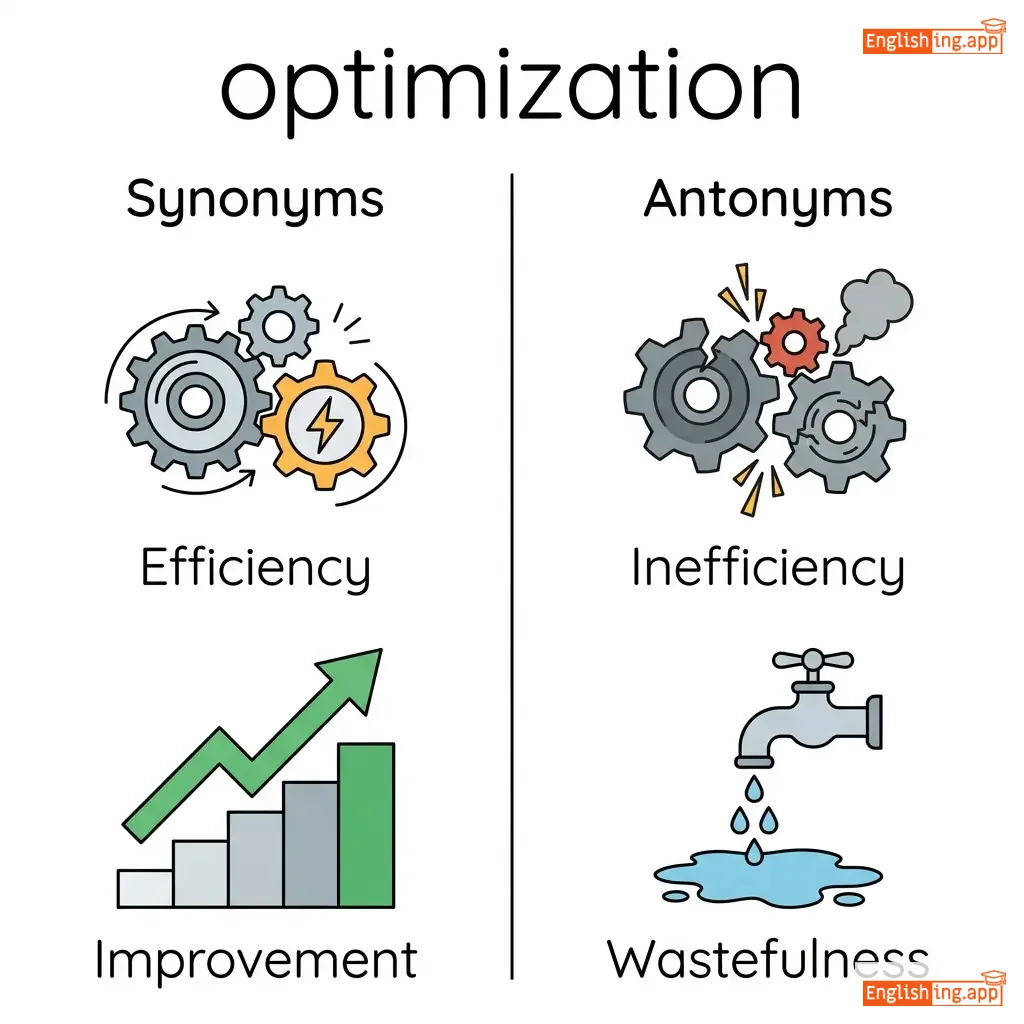
ˌɒp.tɪ.maɪˈzeɪ.ʃən
noun
(オプティマイゼーション)
••••••
|
|
最適化
optimization
••••••
|
The action of making the best or most effective use of resources or situations.
••••••
|
Website optimization improves user experience.
ウェブサイトの最適化はユーザー体験を向上させます。
••••••
|
ウェブサイトの最適化はユーザー体験を向上させます。
U~ebusaito no saiteki-ka wa yūzā taiken o kōjō sase masu.
••••••
|
enhancement, refinement, maximization
••••••
|
inefficiency, waste, underperformance
••••••
|
最適化は、リソースを最大限に活用して、結果を改善することを意味します。例えば、ウェブサイトを最適化してユーザー体験を向上させます。
••••••
|
|
#1838
🗣️
|
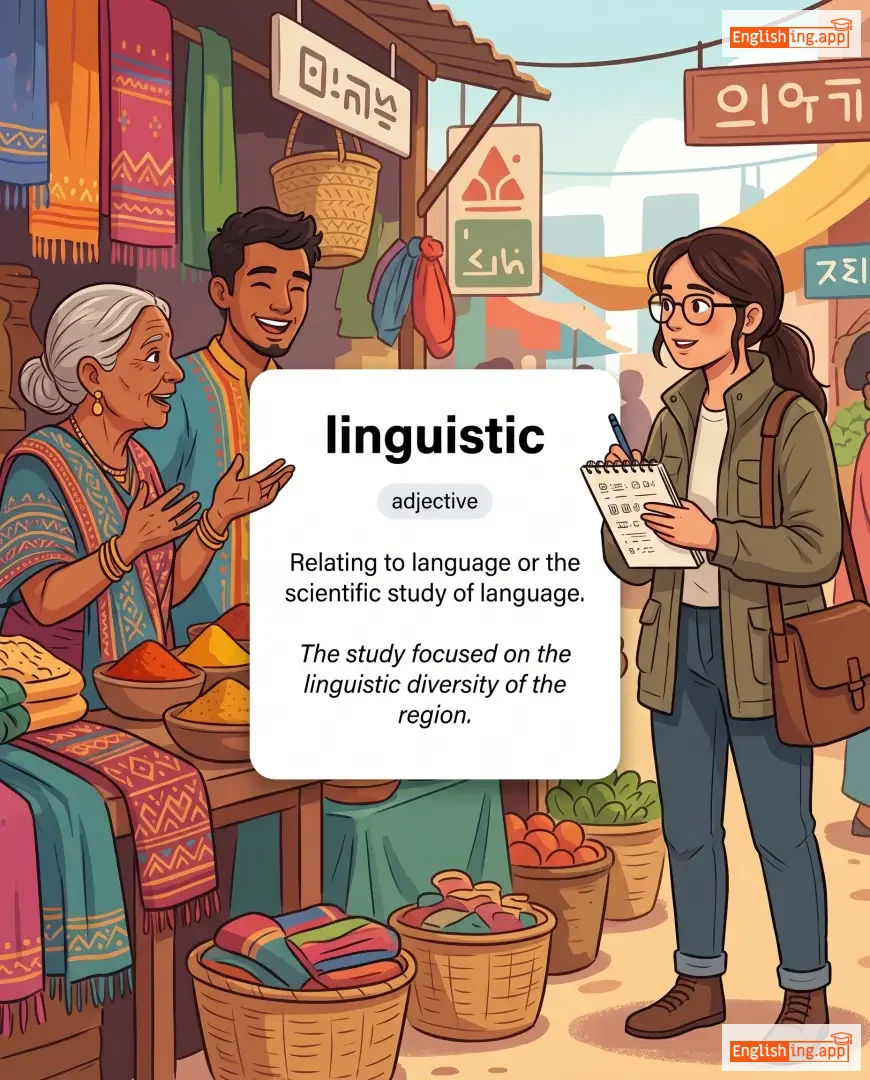
lɪŋˈɡwɪs.tɪk
adjective
(言語学的)
••••••
|
|
言語学的
gengogakuteki
••••••
|
Related to language or linguistics; concerning the scientific study of language.
••••••
|
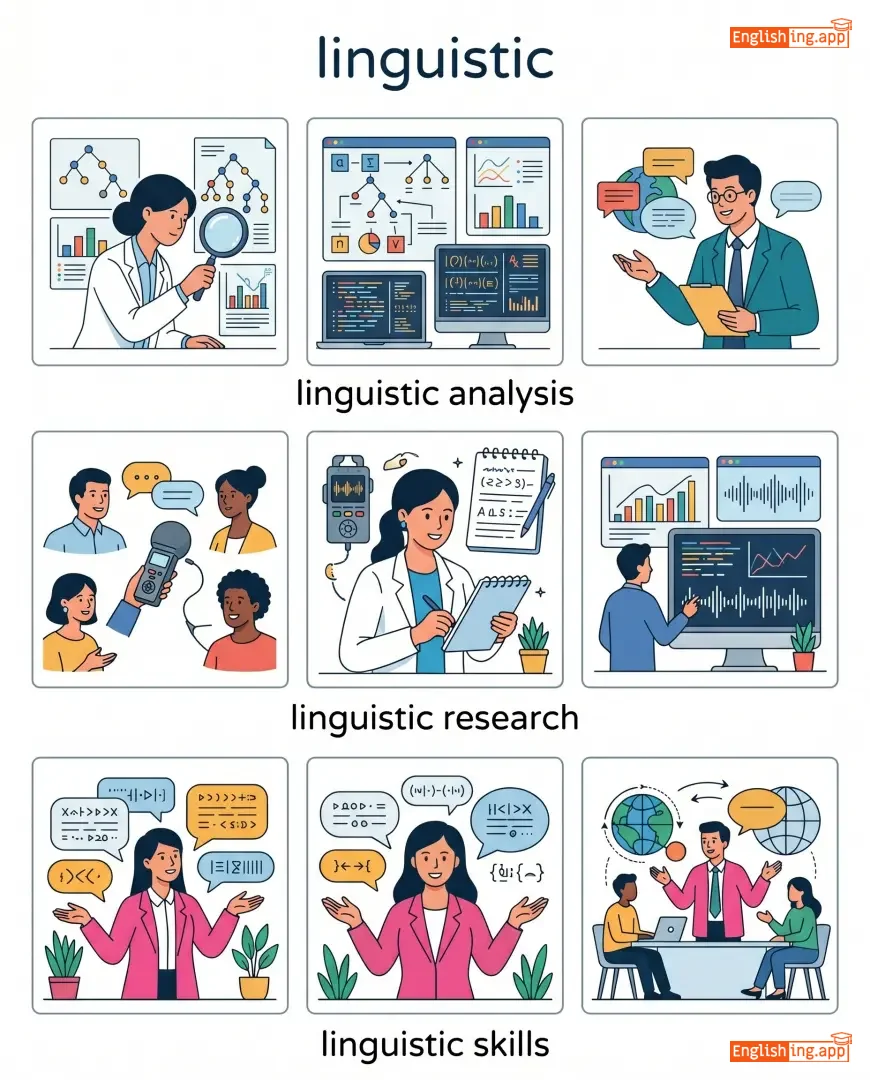
The AI model learns from linguistic patterns.
AIモデルは言語学的パターンから学習します。
••••••
|
AIモデルは言語学的パターンから学習します。
AI moderu wa gengogakuteki patān kara gakushū shimasu.
••••••
|
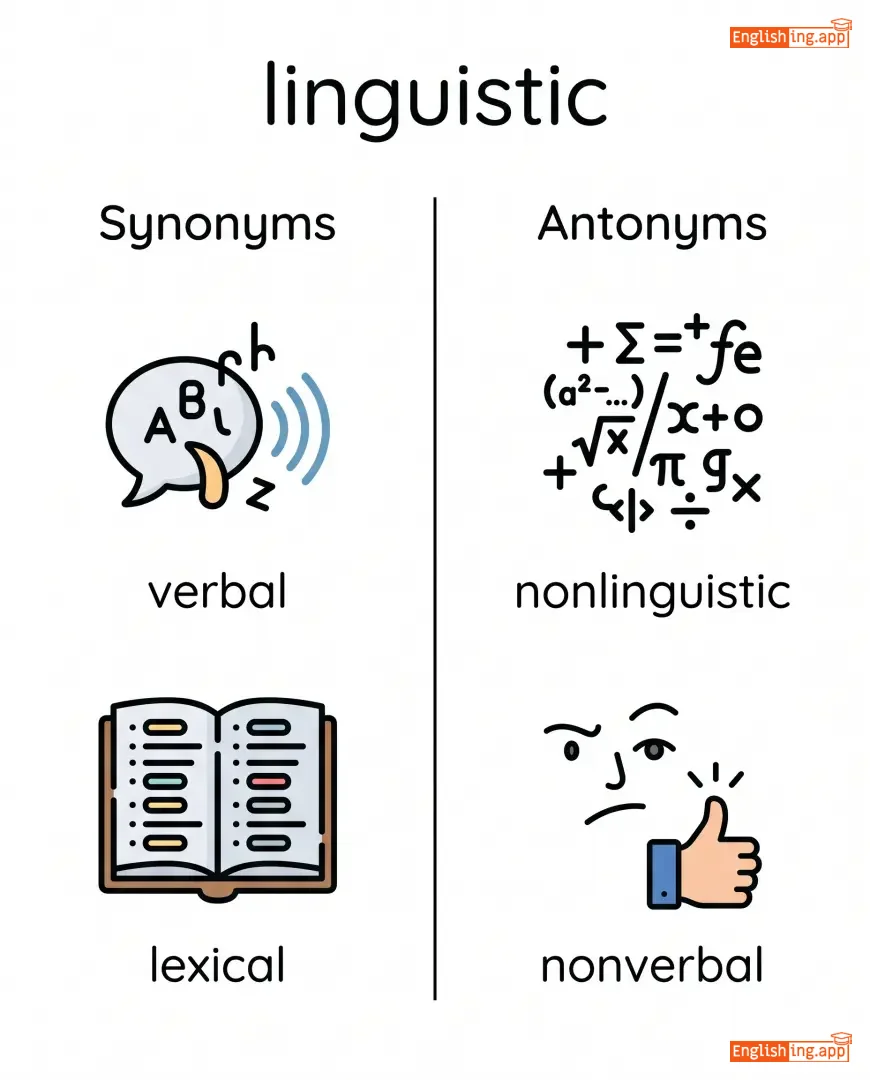
philological, lexical, verbal
••••••
|
non-verbal, mathematical, non-linguistic
••••••
|
言語学的 = 言語 + 学的、言語研究に関連
••••••
|
|
#1839
💡
|
ˌkɒm.prɪˈhen.ʃən
noun
(kom-puri-hen-shun)
••••••
|
|
理解
rikai
••••••
|
The ability to understand something; the capacity to perceive and grasp meaning.
••••••
|
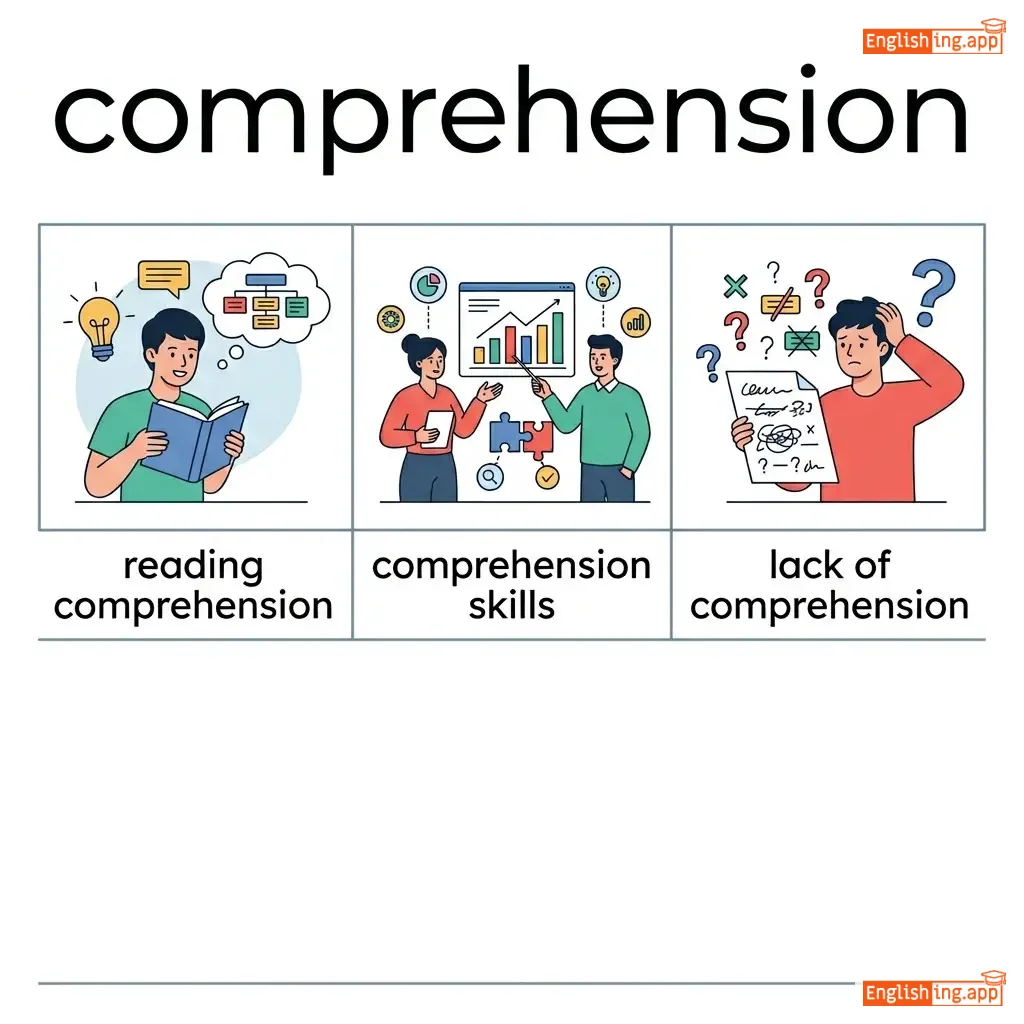
Reading comprehension is crucial for language learning.
読解力は言語学習にとって非常に重要です。
••••••
|
読解力は言語学習にとって非常に重要です。
Dokkairyoku wa gengogakushū ni totte hijō ni jūyō desu.
••••••
|
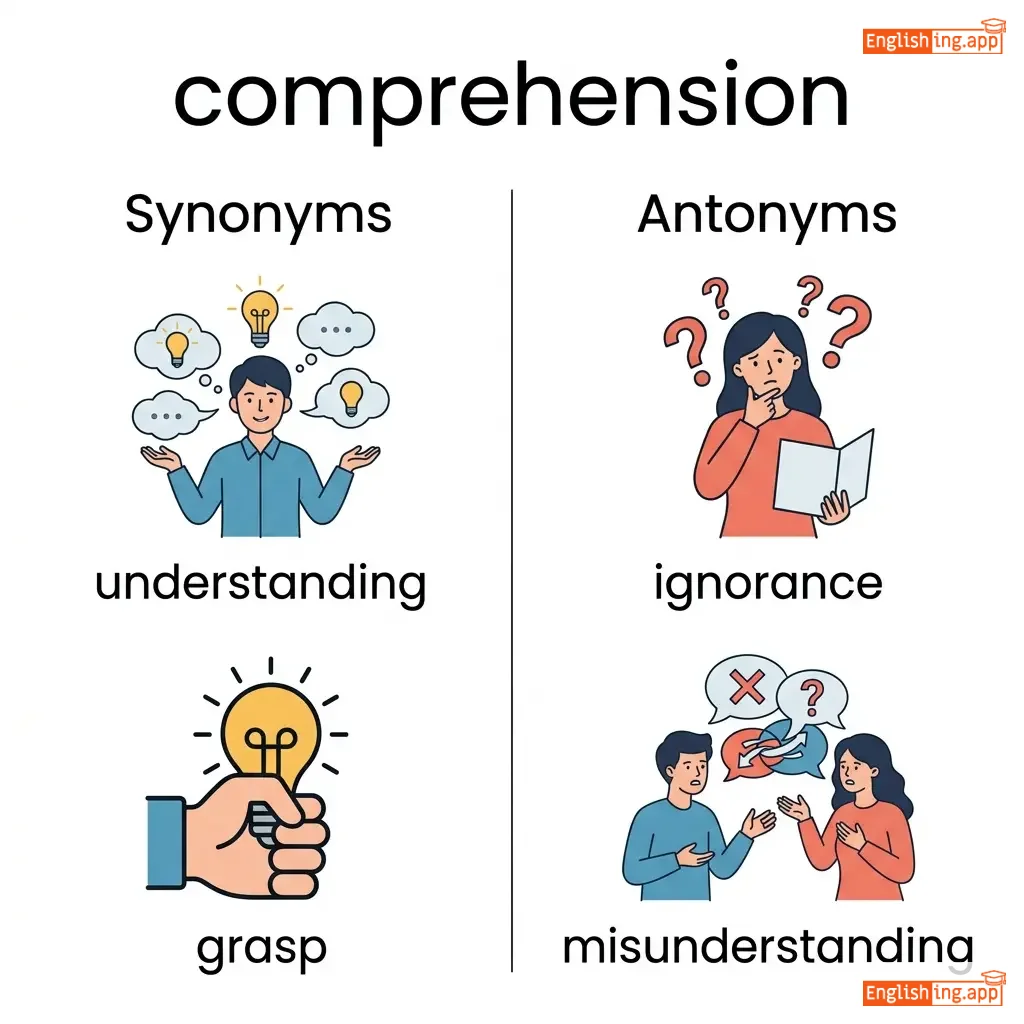
understanding, interpretation, perception
••••••
|
misunderstanding, confusion, misinterpretation
••••••
|
理解する力があれば、言語を学べる。
••••••
|
Vocabulary Quiz
Test your vocabulary by matching words with their translations or meanings.
Login to take the quiz
Comments (0)
Share your thoughts and join the discussion.
Join the discussion by logging in
Login to CommentNo comments yet
Be the first to share your thoughts!