

レット・ゼム・セオリー
The Let Them Theory
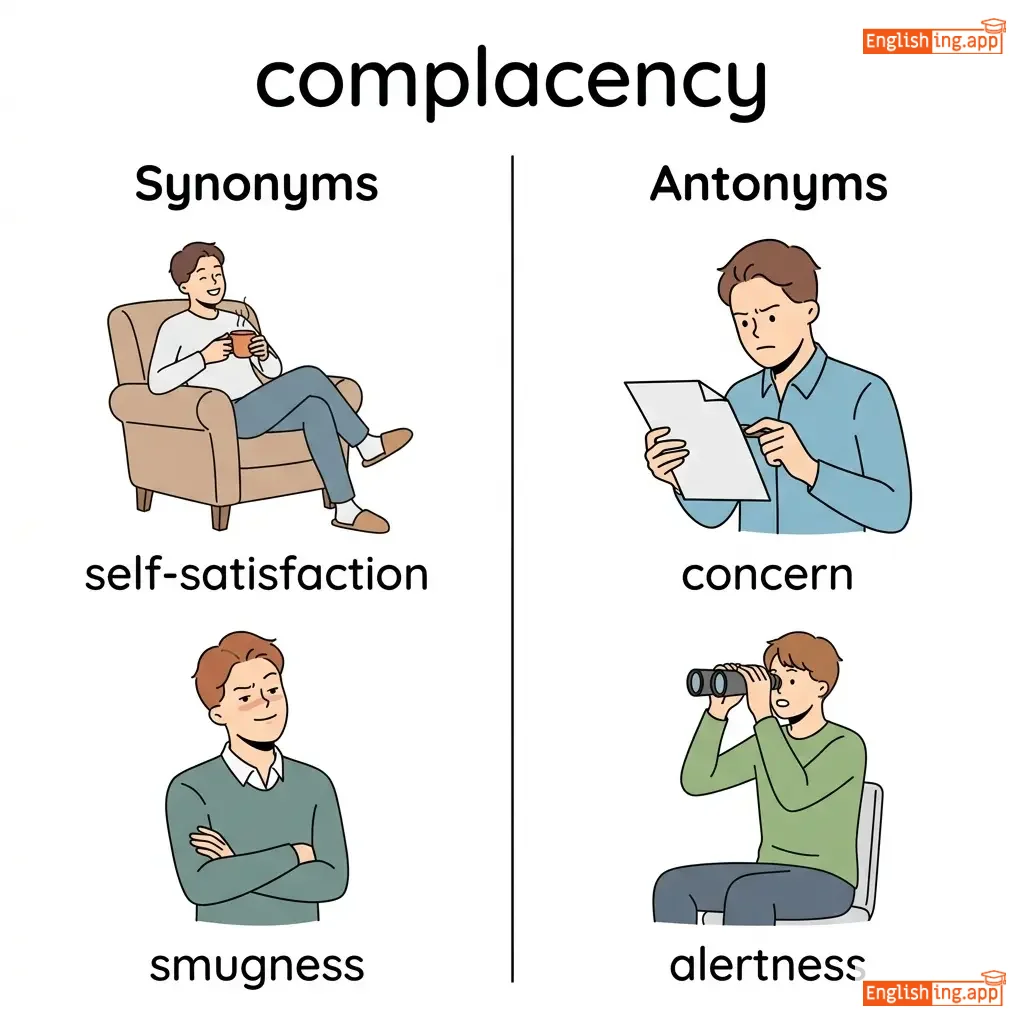
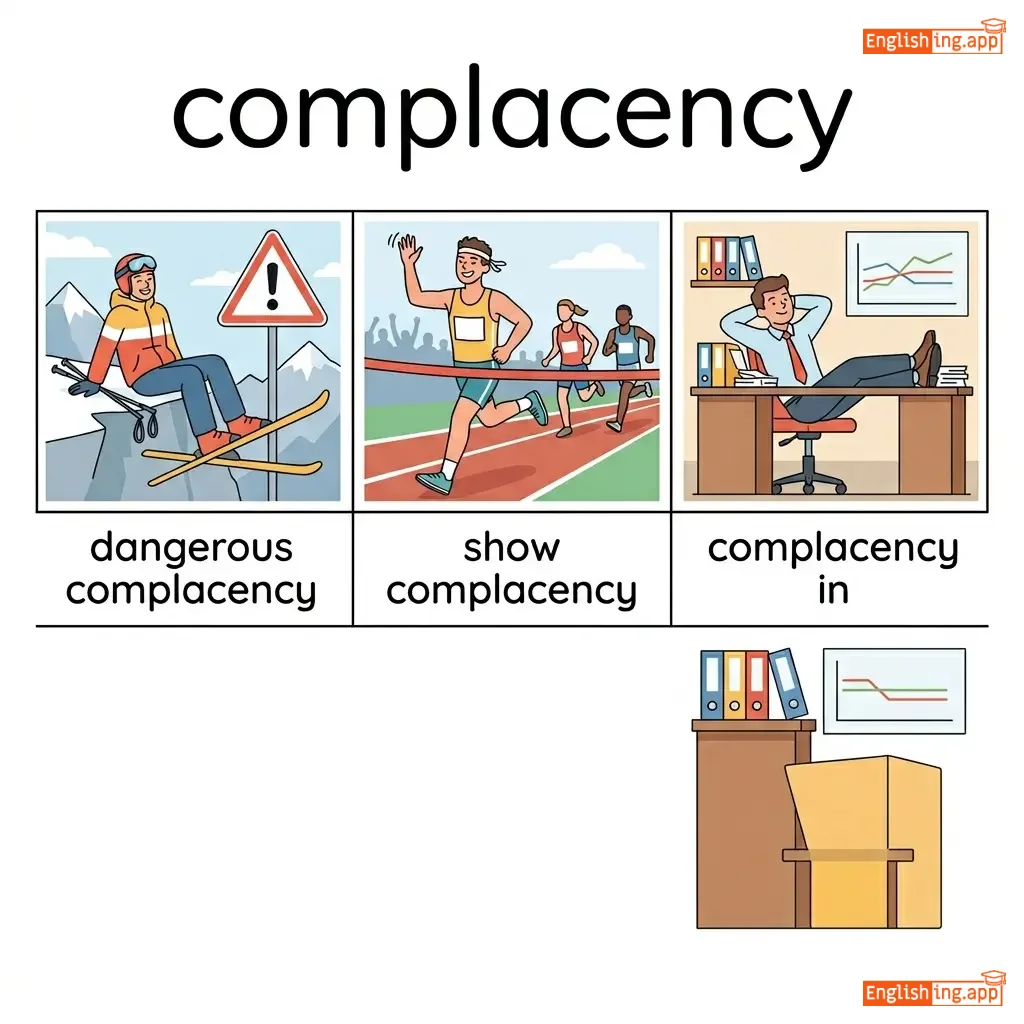
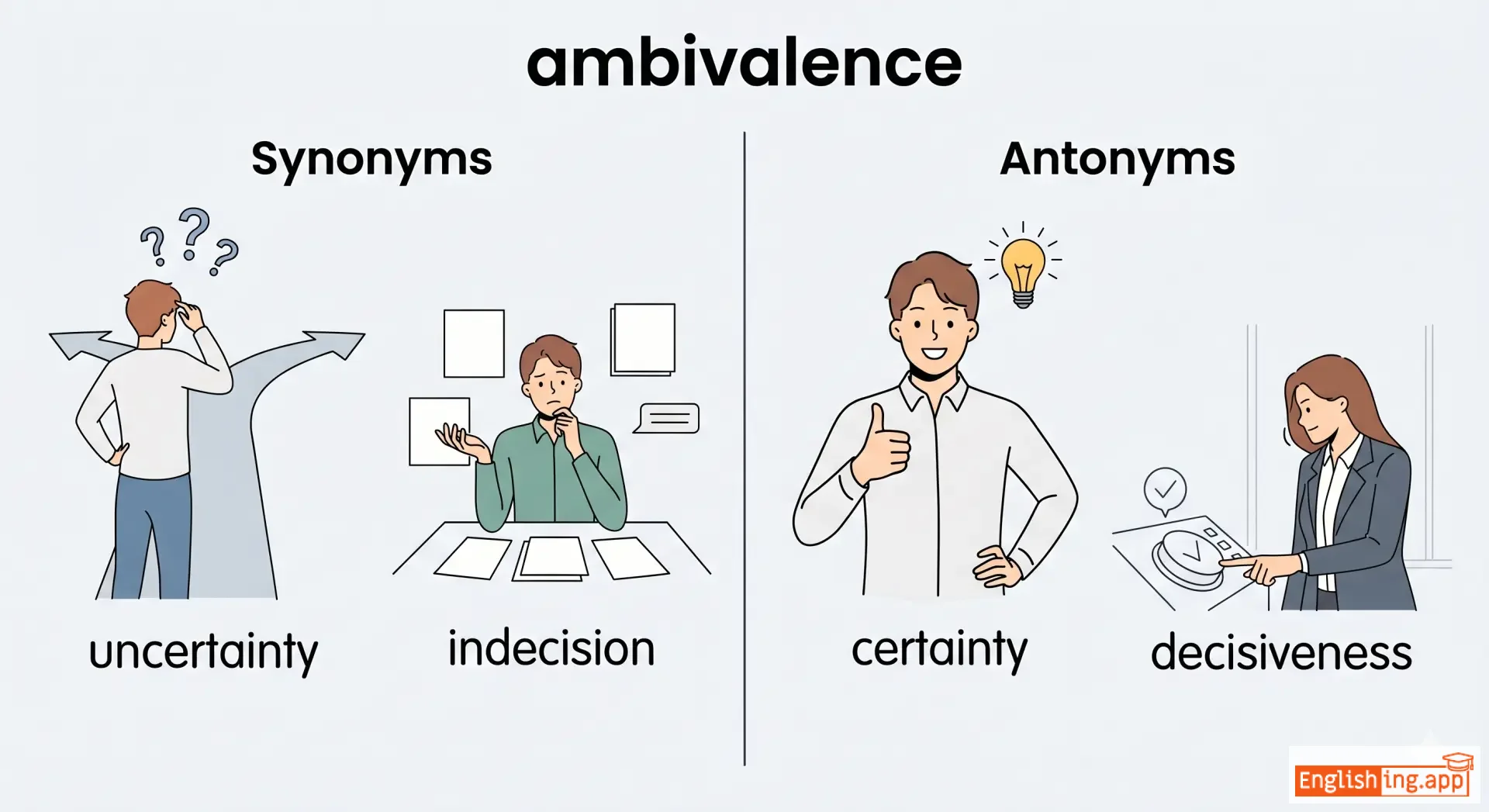
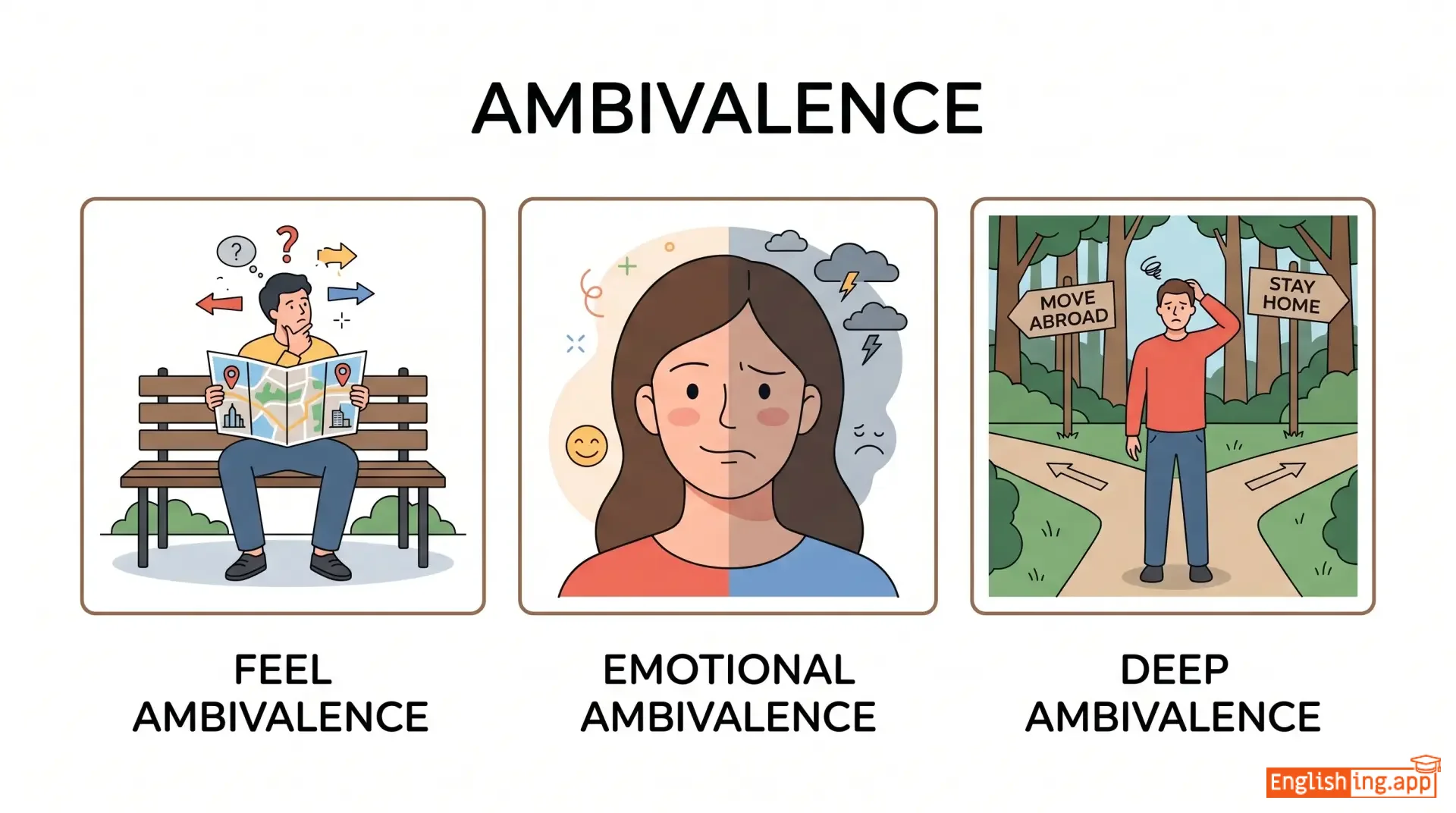
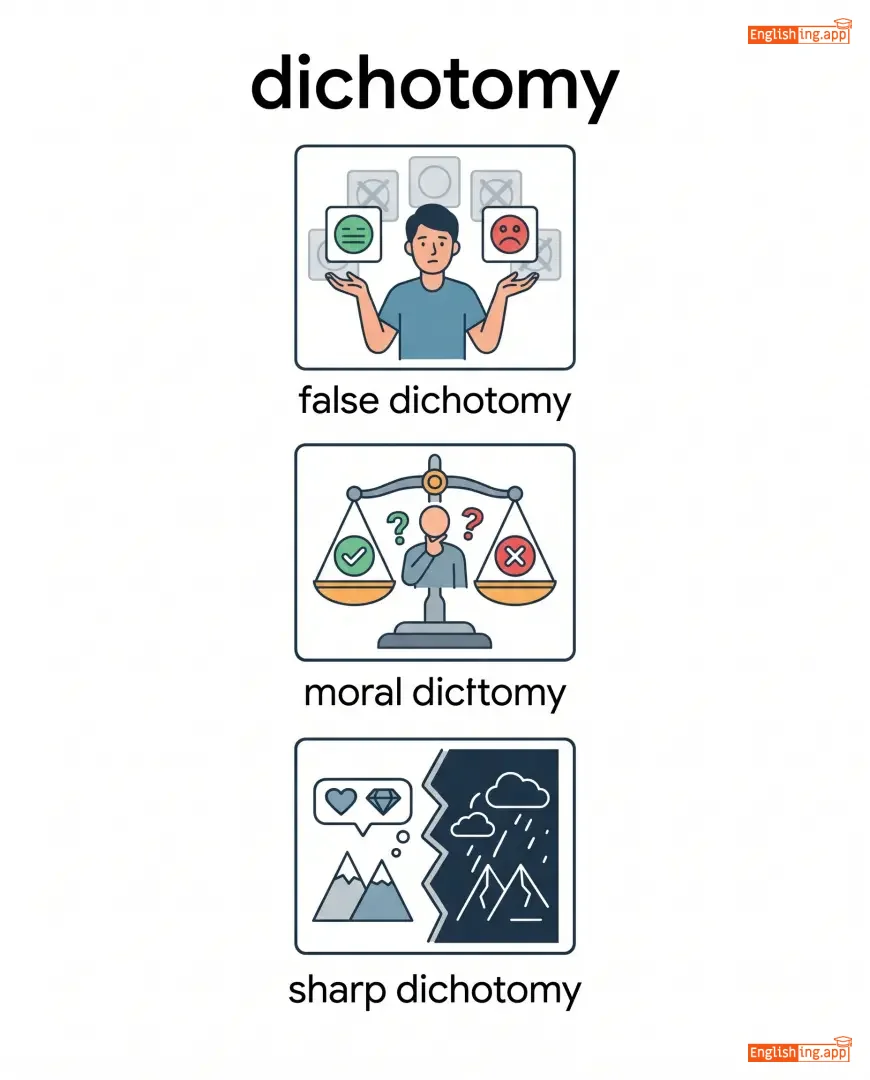
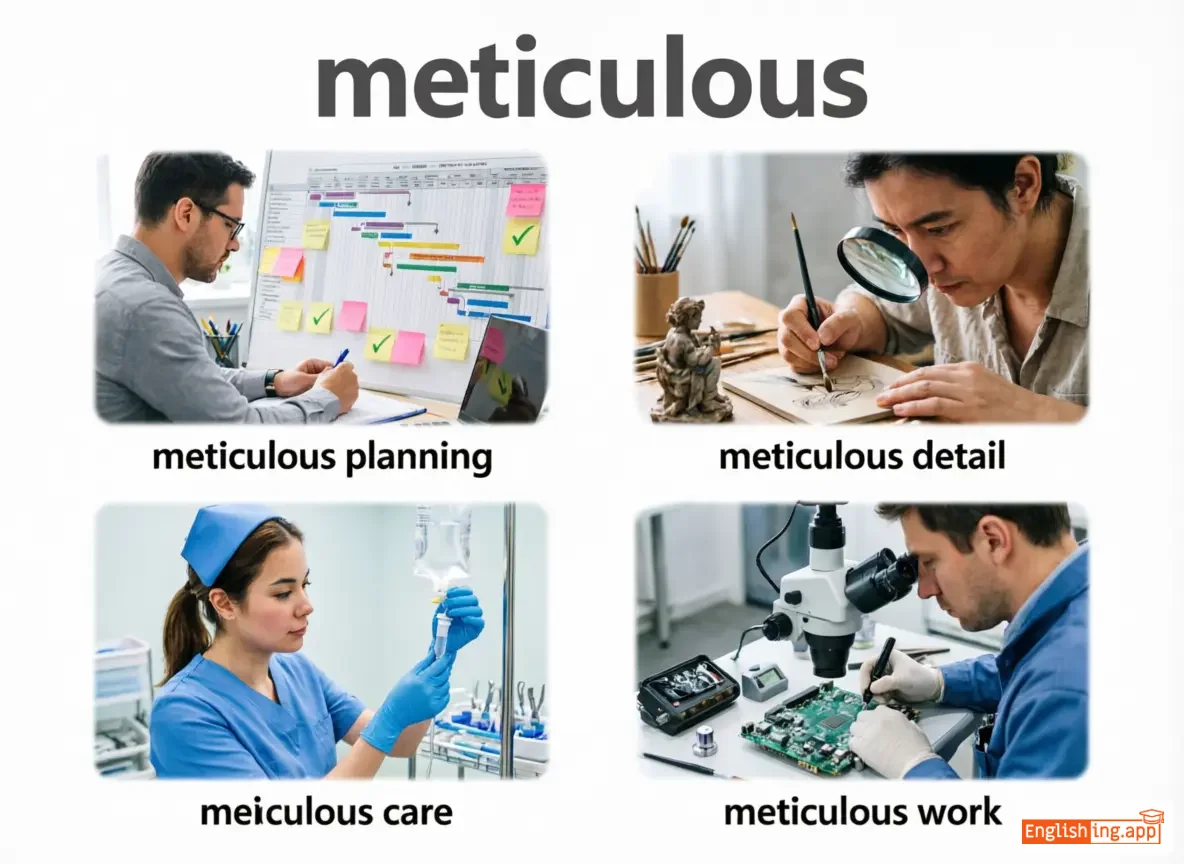
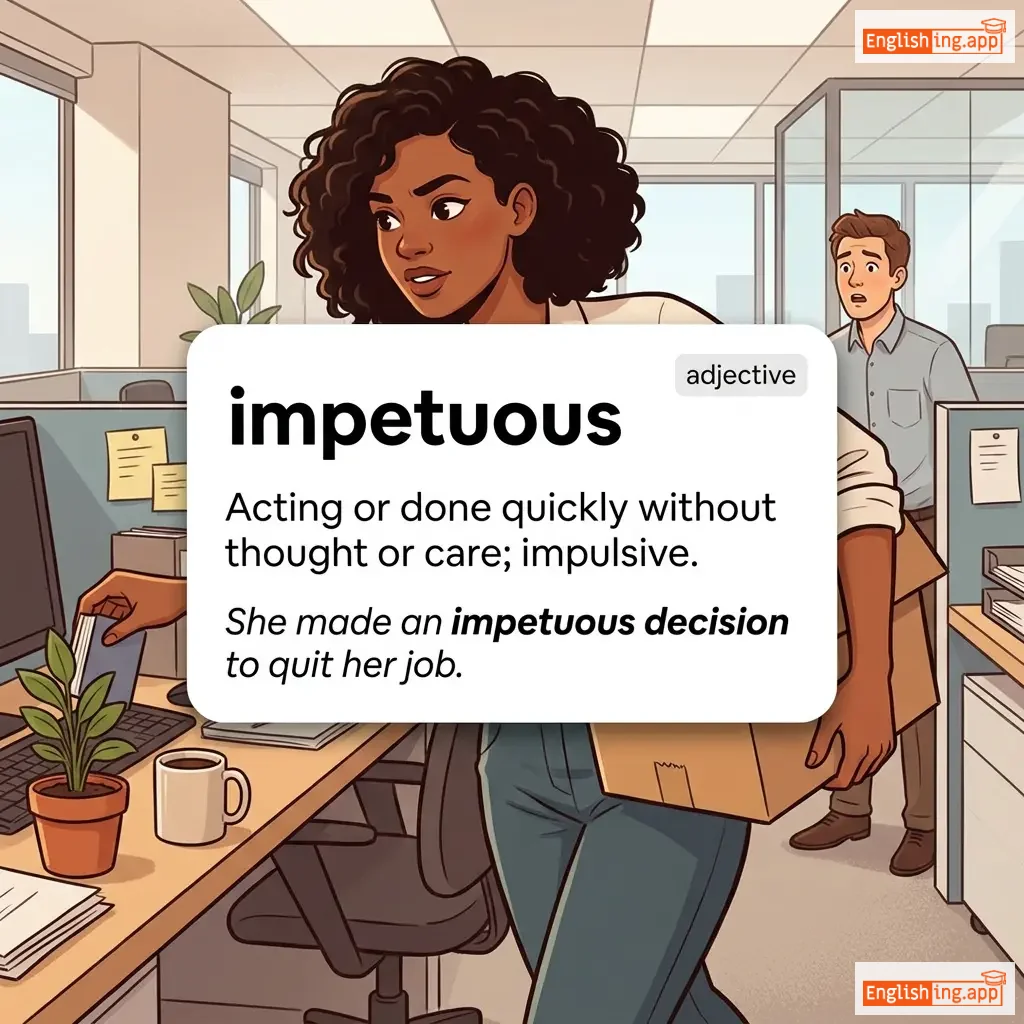
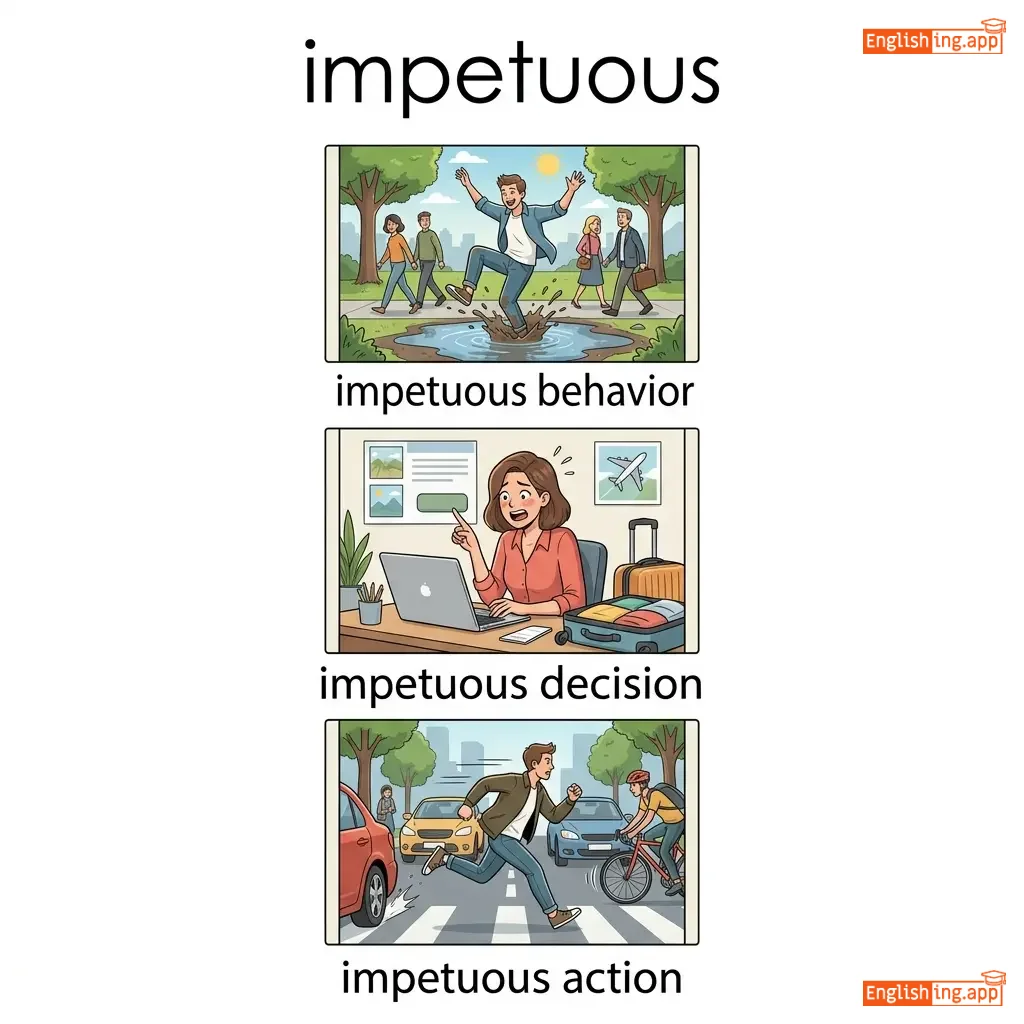
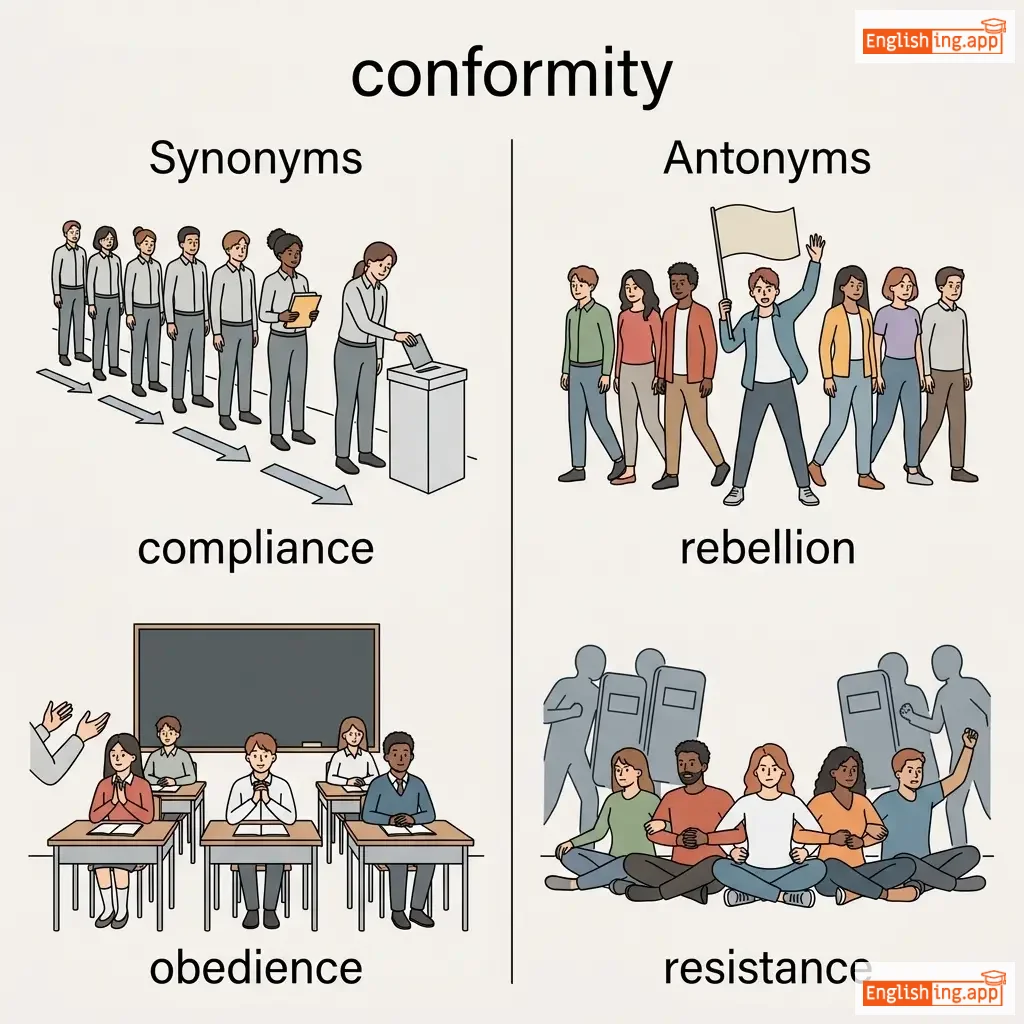
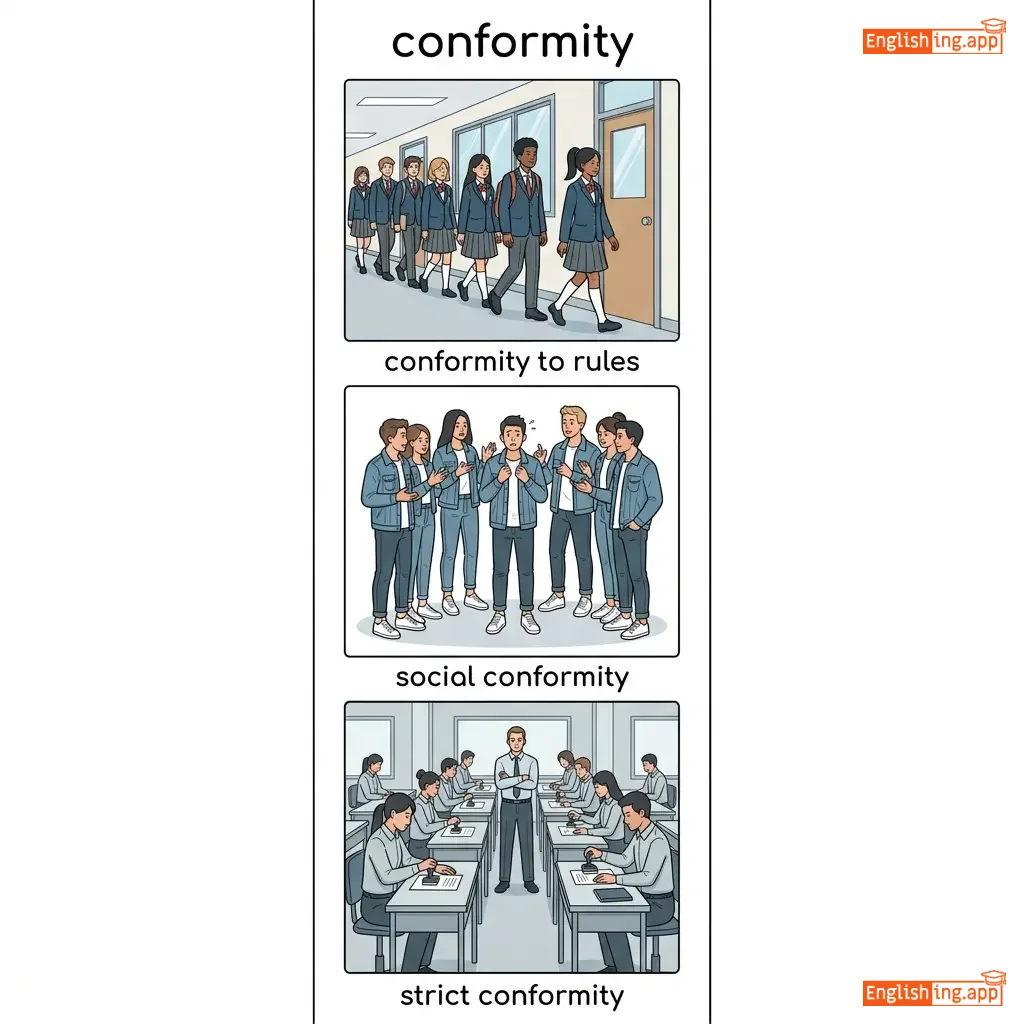
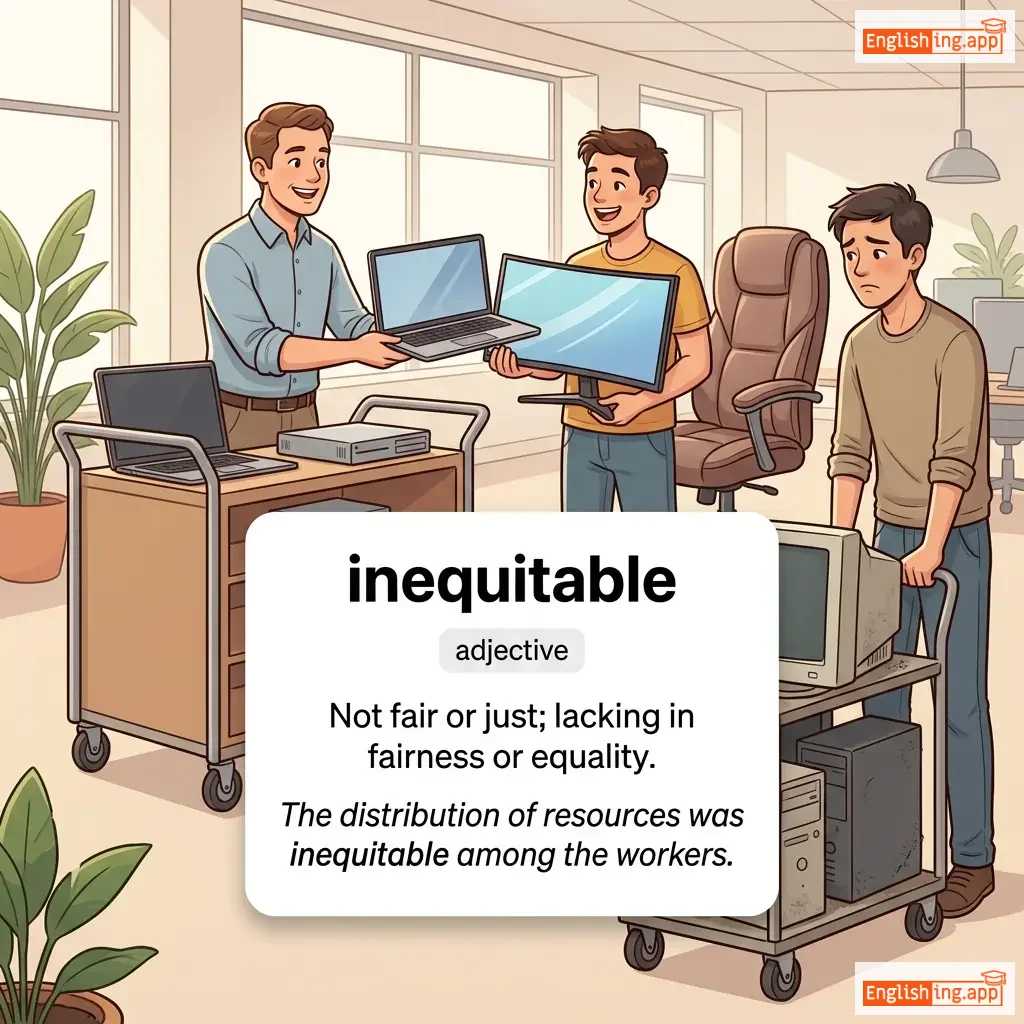
人生では、他人の行動を変えたいと思うことがよくありますが、let them theoryは、最もpragmaticな原則は誰もコントロールしようとしないことだと教えてくれます。誰かがbelligerentな態度を取ったら、放っておきましょう。もし彼らがcomplacencyを示し、生活の中で改善しようとしなければ、それを許しましょう。私たちはしばしばambivalenceを感じます、特に私たちの期待通りに行動しない近しい人たちがいるとき。しかし、fortitudeを保ちながら、私たちは彼らに自由を与えるべきです。人生はdichotomyであり、ある人々はmeticulousな計画を立てる一方で、他の人々はimpetuousな決定を下します。誰かをconformityに強制することはinequitableである可能性があります。Discernmentが重要であり、介入すべき時とdeferenceを示して他の人に自分の方法で生きることを許す時を理解するために必要です。Let themの方針は、私たちの精神的な平和を保つのに役立ちます、なぜなら、変えられないことがあるからです。
翻訳
過去
過去分詞
三人称単数
動名詞
意味
例文
例文の翻訳
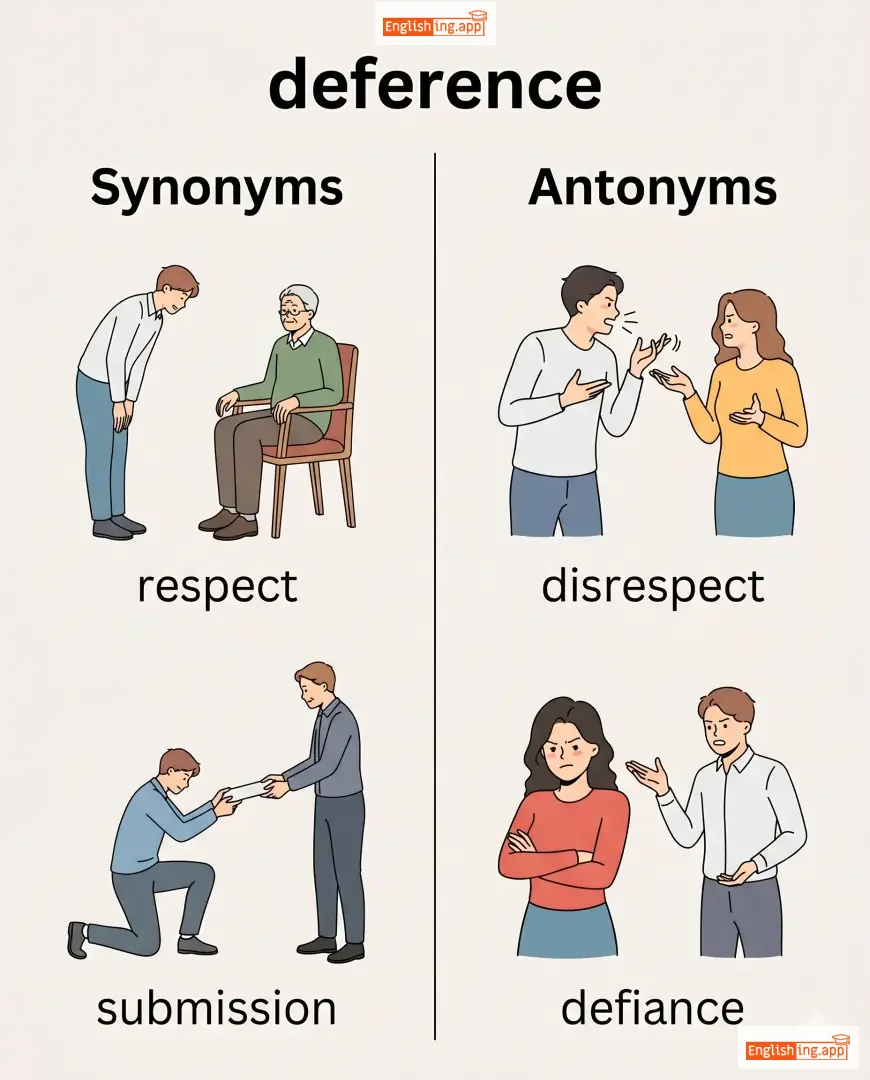
同義語
対義語
コロケーション
ニーモニック






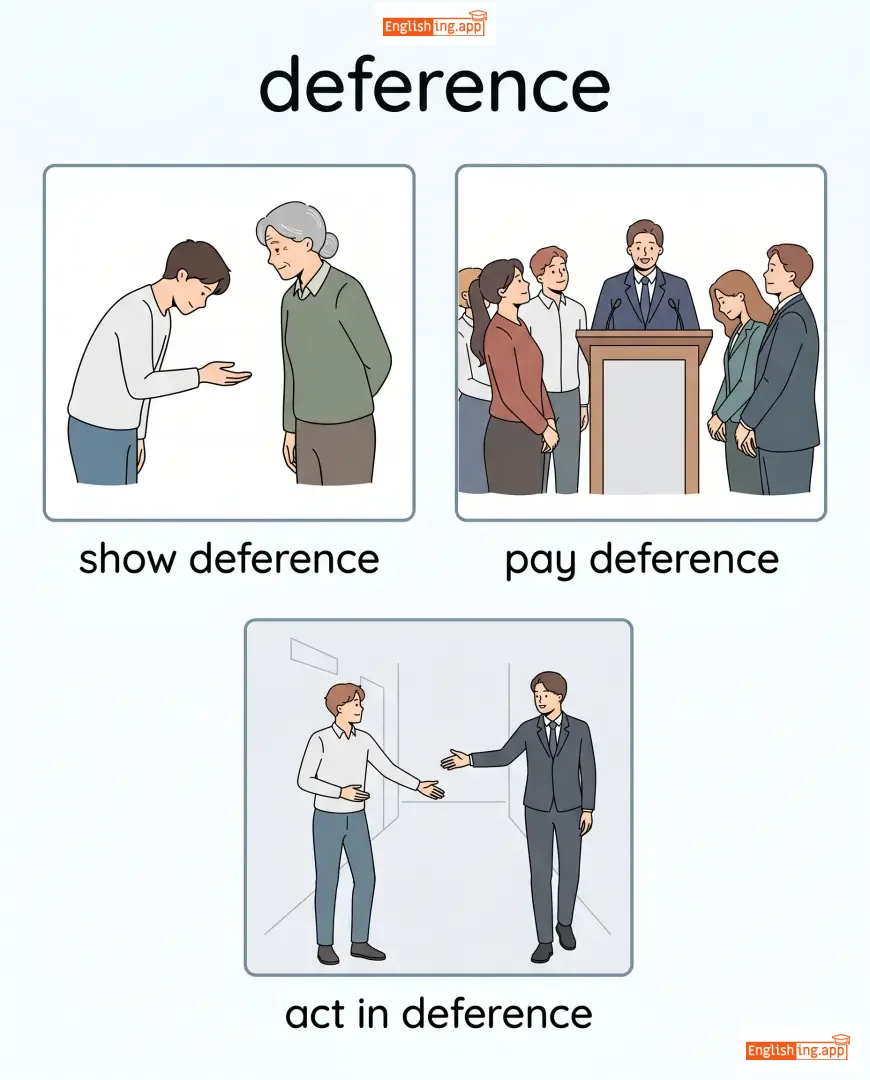
Swipe left or right, or use the buttons. Tap image to zoom.
例文の翻訳
単語
The Let Them TheoryThe Let Them Theory - マスクトグル
|
絵文字
|
単語 | Images | 翻訳 | 意味 | 例文 | 例文の翻訳 | 同義語 | 対義語 | ニーモニック |
|---|---|---|---|---|---|---|---|---|---|
|
#3375
🤷♀️
|
/lɛt ðɛm ˈθɪə.ri/
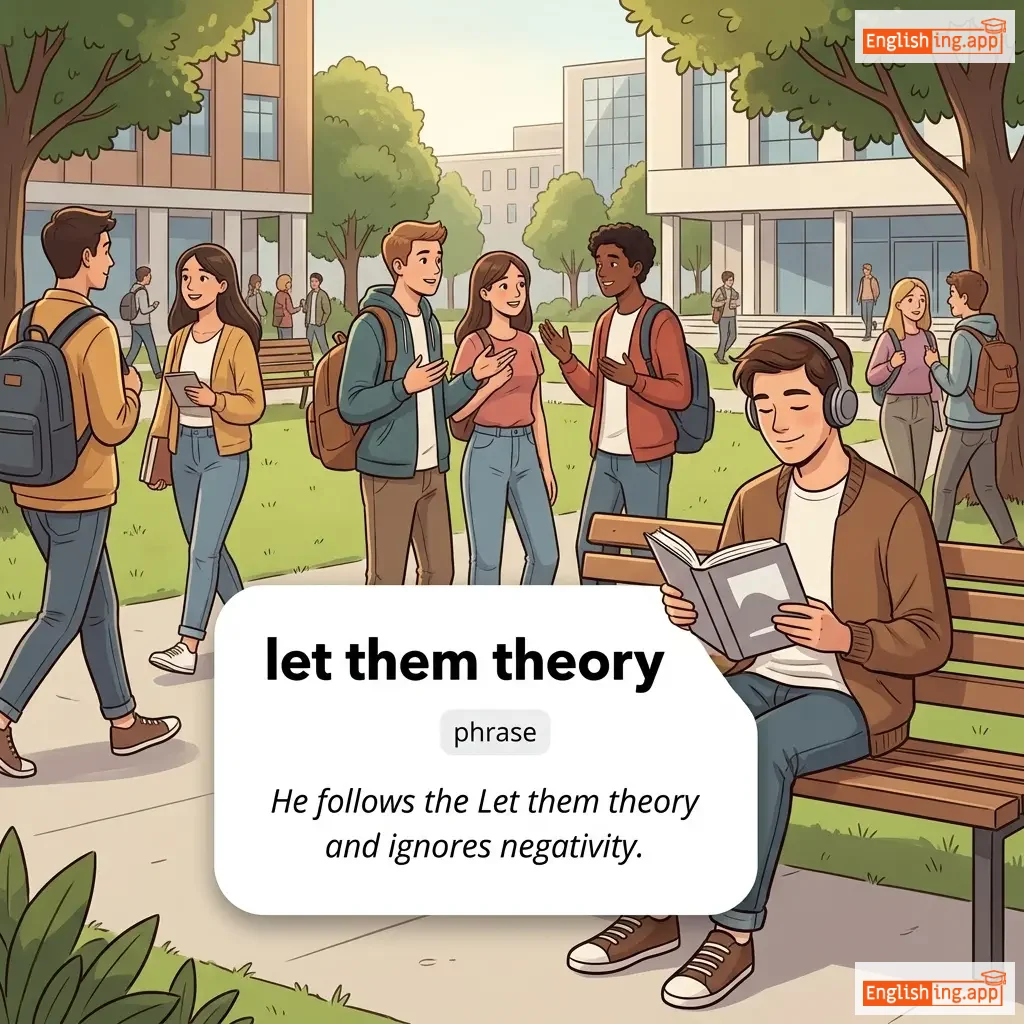
phrase
(let them theory)
••••••
|
|
彼らに好きなことを考えさせる理論
karera ni sukina koto o kangaesaseru riron
••••••
|
A philosophy of not trying to control others' actions or opinions and allowing them to be themselves.
••••••
|
He follows the Let them theory and ignores negativity. |
彼は「彼らに好きなことを考えさせる理論」を実践し、否定的な考えを無視します。
Kare wa 'karera ni sukina koto o kangaesaseru riron' o jissen shi, hiteiteki na kangae o mushi shimasu.
••••••
|
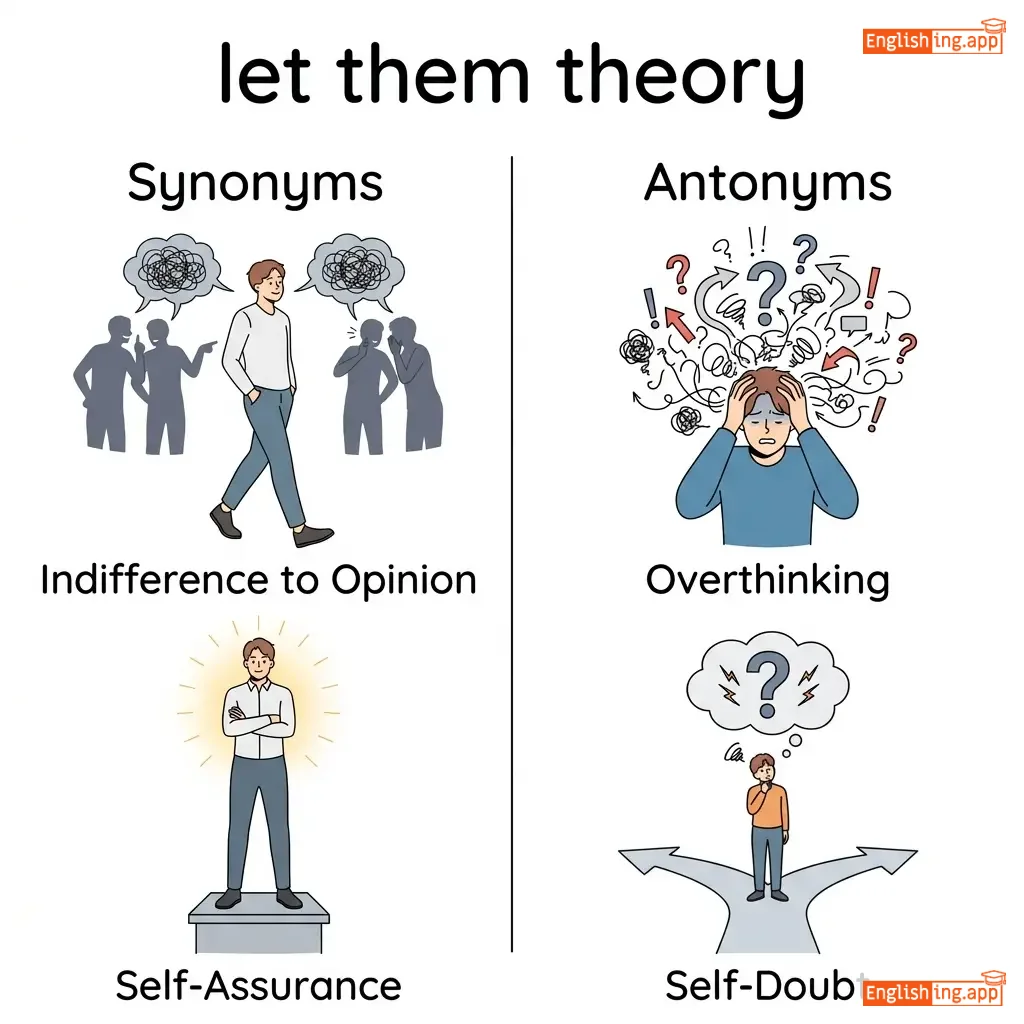
Indifference to Opinion, Self-Assurance, Confidence
••••••
|
Overthinking, Self-Doubt, Insecurity
••••••
|
他人に自分の道を歩ませ、幸福を追い求めるように。
••••••
|
|
#3376
🎯
|
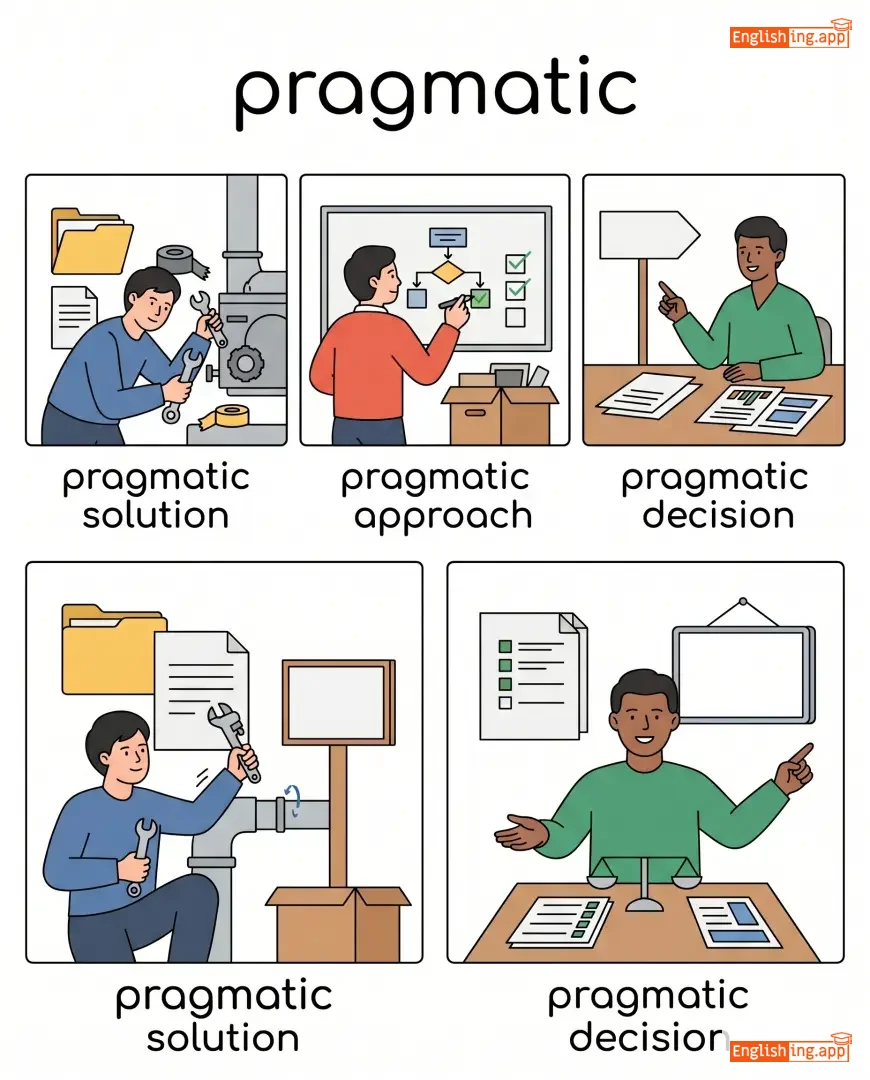
/præɡˈmæt.ɪk/
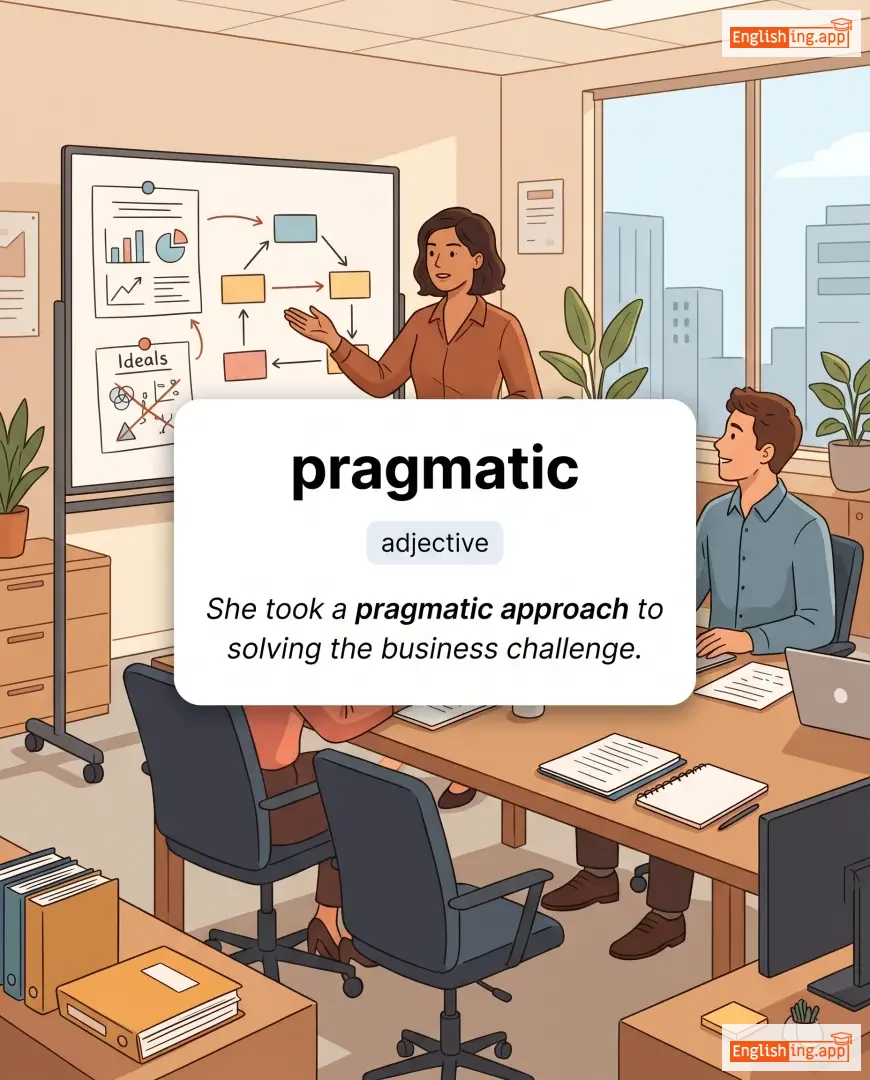
adjective
(プラグマティック)
••••••
|
|
実利的
jitsuriteki
••••••
|
Dealing with things sensibly and realistically in a way that is based on practical rather than idealistic considerations.
••••••
|
His pragmatic approach helped solve the crisis efficiently. |
彼の実利的なアプローチは、危機を効率的に解決するのに役立ちました。
Kare no jitsuriteki na apurōchi wa, kiki o kōritsu-teki ni kaiketsu suru no ni yakudachimashita.
••••••
|
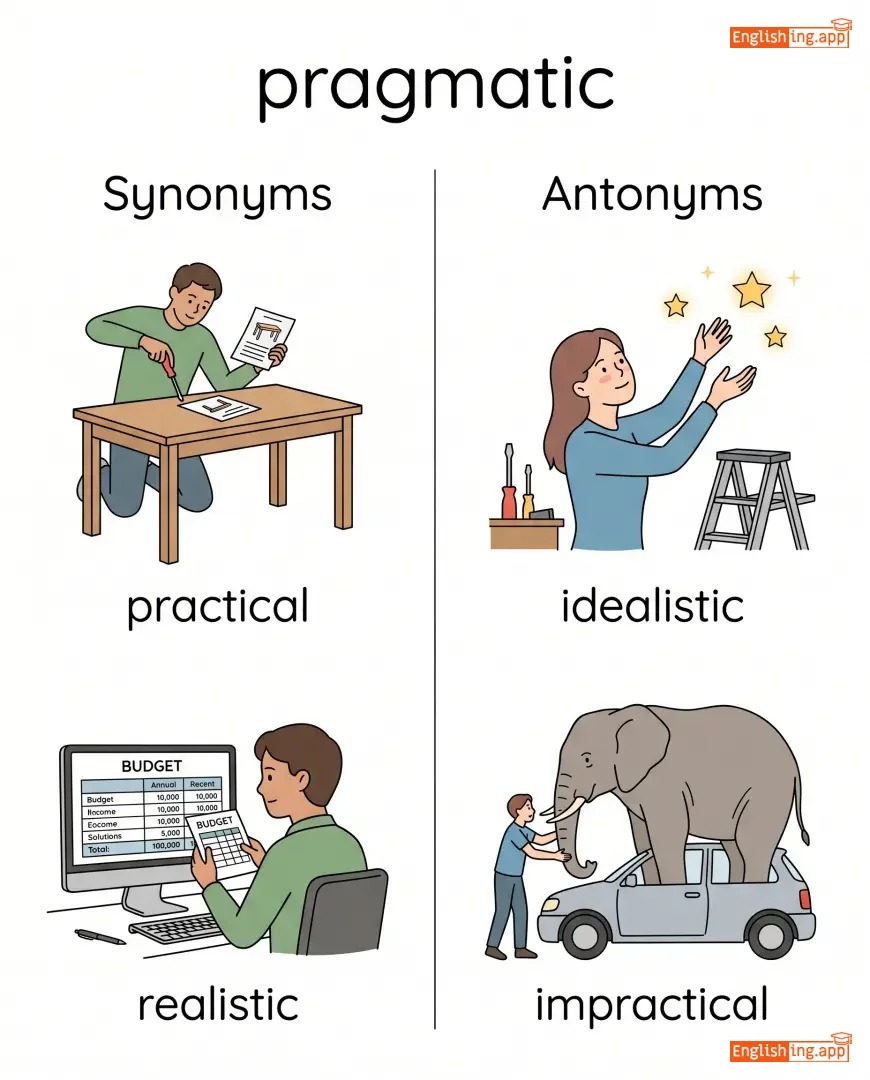
Practical, Realistic, Sensible
••••••
|
Idealistic, Theoretical, Impractical
••••••
|
実利的 = 実際的に使える、つまり現実的なアプローチ。
••••••
|
|
#3377
😠
|
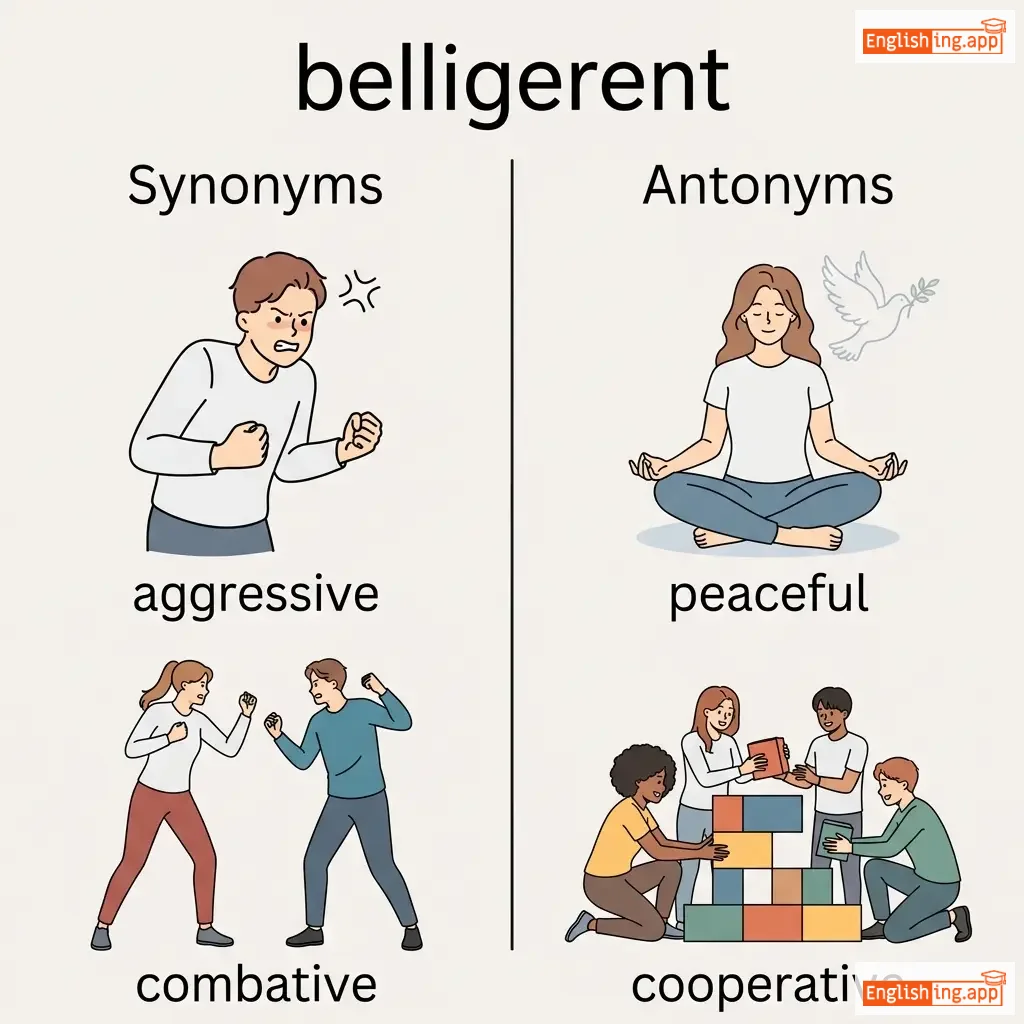
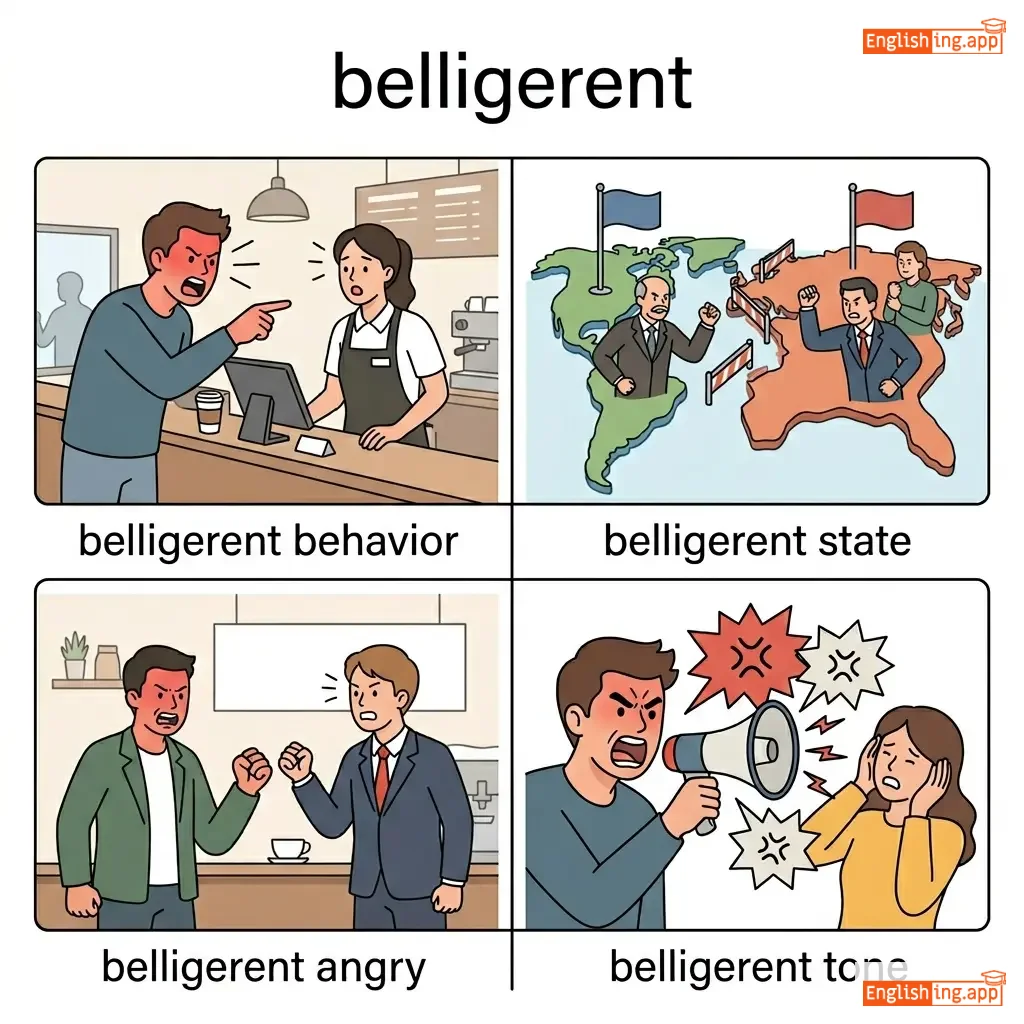
/bəˈlɪdʒ.ər.ənt/
adjective
(ベリジェレント)
••••••
|
|
好戦的または攻撃的
kōsente ki mata wa kōgeki-teki
••••••
|
Hostile and aggressive, ready to fight or argue.
••••••
|
His belligerent attitude often leads to conflicts.
彼のベリジェレントな態度はしばしば衝突を引き起こします。
••••••
|
彼の好戦的な態度はしばしば衝突を引き起こします。
Kare no kōsente-ki na taido wa shibashiba shōtotsu o hikiokoshimasu.
••••••
|
Hostile, Aggressive, Combative
••••••
|
Peaceful, Friendly, Cooperative
••••••
|
好戦的な人はいつも戦う準備ができている。
••••••
|
|
#3378
😌
|
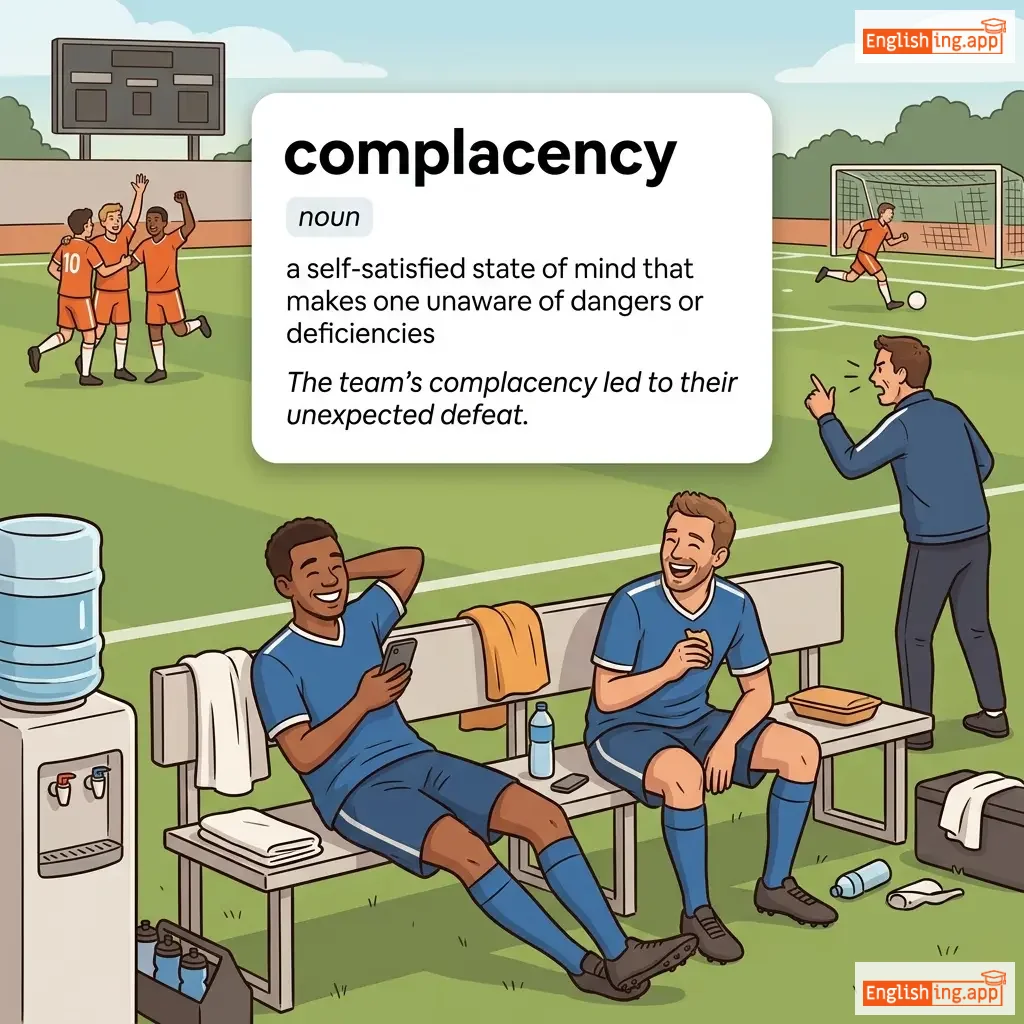
/kəmˈpleɪ.sən.si/
noun
(kəmˈpleɪsənsi)
••••••
|
|
自己満足
jikimazoku
••••••
|
A feeling of smug or uncritical satisfaction with oneself or one's achievements.
••••••
|
His complacency led to a decline in his performance.
His complacency led to a decline in his performance.
••••••
|
彼の自己満足は彼のパフォーマンスの低下を招いた。
Kare no jikimazoku wa kare no pafōmansu no teika o manaita.
••••••
|
Self-satisfaction, Contentment, Smugness
••••••
|
Ambition, Dissatisfaction, Motivation
••••••
|
Jikimazoku means 'self-satisfaction' in Japanese
••••••
|
|
#3379
🤔
|
/æmˈbɪv.ə.ləns/
noun
(æmbɪvælɛns)
••••••
|
|
相反する感情
sōhansuru kanjō
••••••
|
The state of having mixed feelings or contradictory ideas about something or someone.
••••••
|
She felt ambivalence about accepting the new job offer.
彼女は新しい仕事のオファーを受け入れることに対して両義的な感情を抱いていました。
••••••
|
彼女は新しい仕事のオファーを受け入れることに対して両義的な感情を抱いていました。
Kanojo wa atarashī shigoto no ofā o ukeireru koto ni taishite ryōgitekina kanjō o idaiteimashita.
••••••
|
Uncertainty, Indecision, Contradiction
••••••
|
Certainty, Resolution, Conviction
••••••
|
Ambivalence in Japanese is like feeling torn between two choices, as if you can't decide.
••••••
|
|
#3380
💪
|
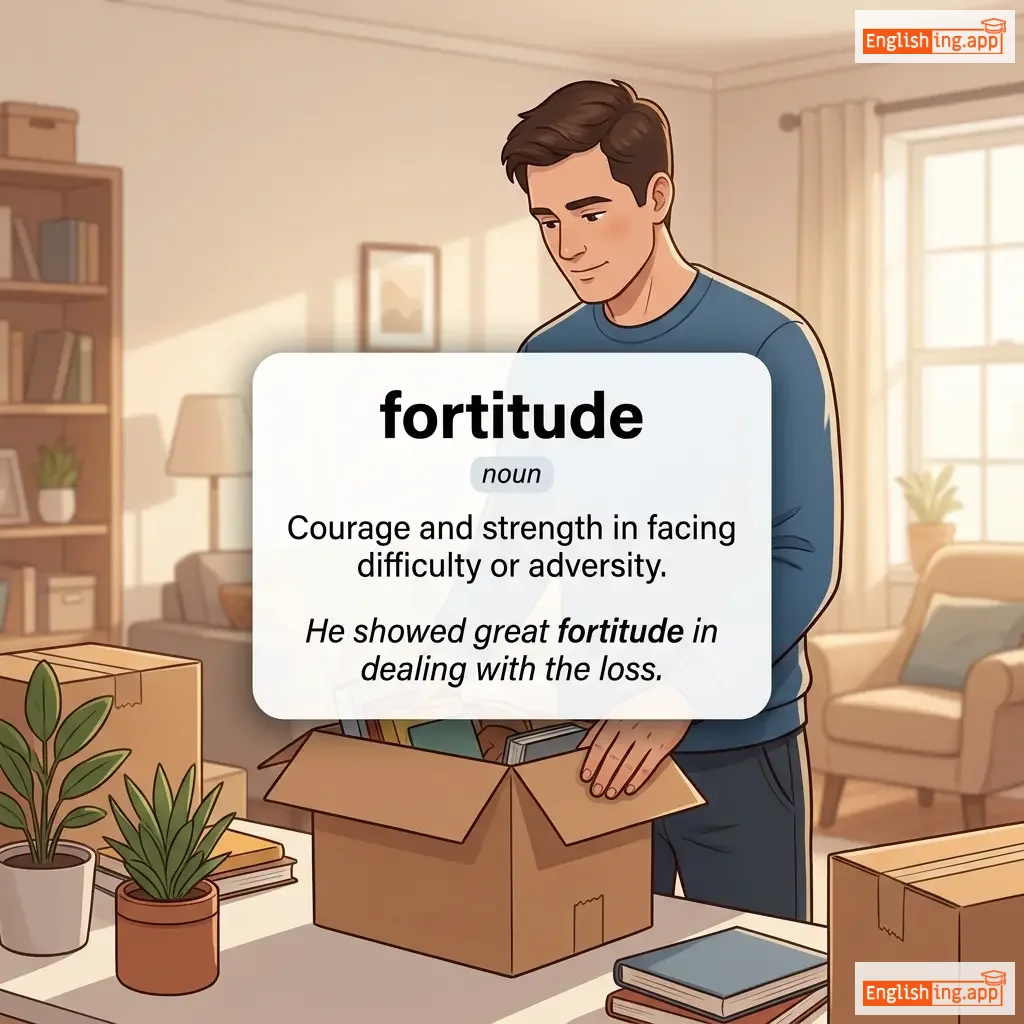
/ˈfɔːr.tɪ.tjuːd/
noun
(フォーティチュード)
••••••
|
|
不屈
fukutsu
••••••
|
Courage in pain or adversity; mental and emotional strength in facing difficulty.
••••••
|
She faced adversity with great fortitude. |
彼女は大きな不屈の精神で困難に立ち向かった。
Kanojo wa ōkina fukutsu no seishin de konnan ni tachimukatta.
••••••
|
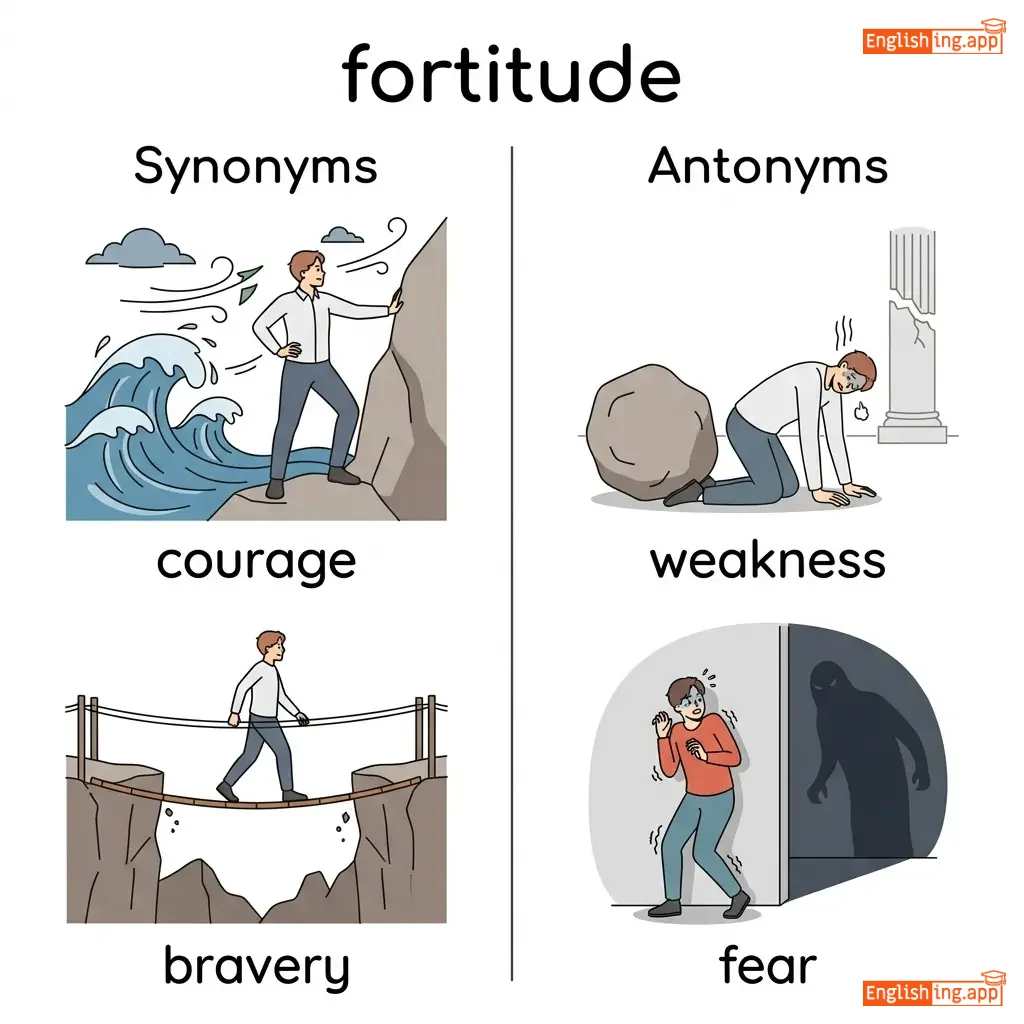
Courage, Resilience, Endurance
••••••
|
Weakness, Cowardice, Fear
••••••
|
不屈は、どんな困難にも折れずに立ち向かう力を与えてくれる。
••••••
|
|
#3381
⚖️
|
/daɪˈkɒt.ə.mi/
noun
(ダイコトミー)
••••••
|
|
二項対立
nikou tairitsu
••••••
|
A division or contrast between two things that are or are represented as being opposed or entirely different.
••••••
|
There is a clear dichotomy between theory and practice. |
理論と実践の間には明確な二項対立が存在します。
Riron to jissen no aida ni wa meikaku na nikou tairitsu ga sonzai shimasu.
••••••
|
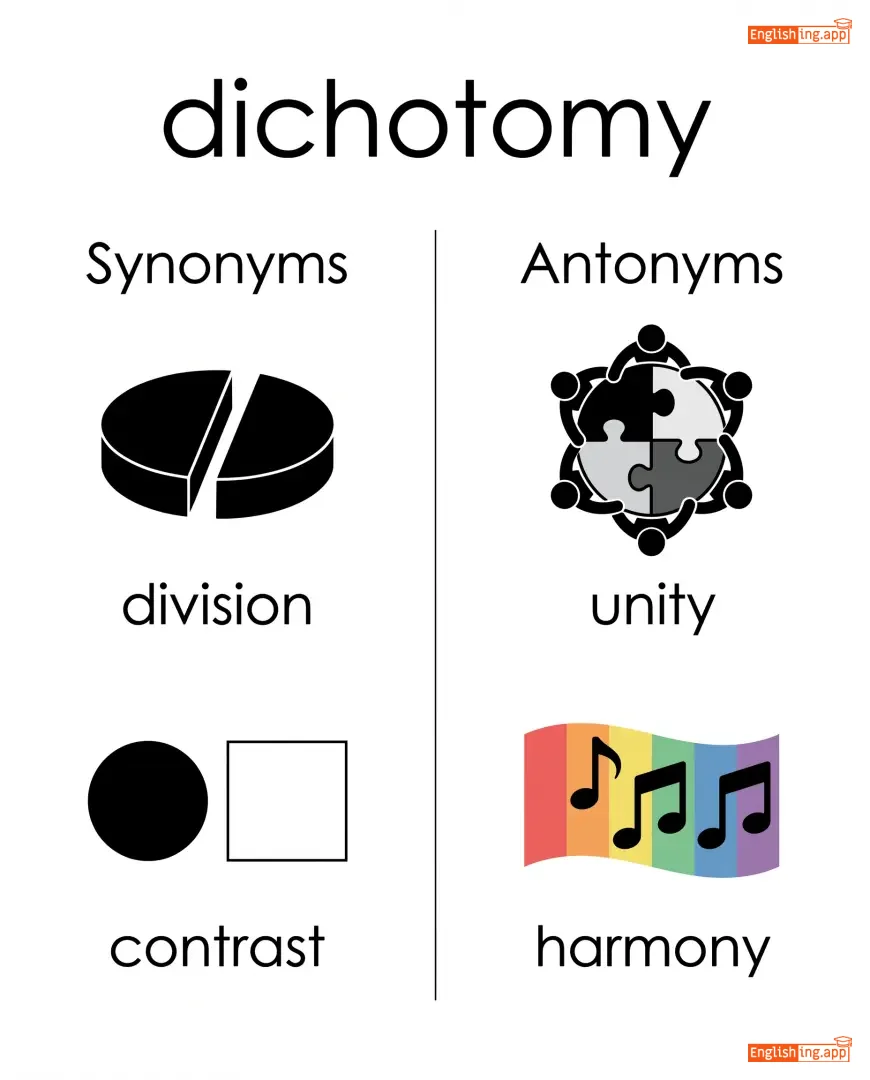
Division, Contrast, Duality
••••••
|
Unity, Similarity, Agreement
••••••
|
二項対立 = 二つの異なるもの、理論と実践が対立するように
••••••
|
|
#3382
🔍
|
/məˈtɪk.jə.ləs/
adjective
(メティキュラス)
••••••
|
|
非常に慎重で精密
hijō ni shinchō de seimitsu
••••••
|
Showing great attention to detail; very careful and precise.
••••••
|
A meticulous researcher checks every detail before publishing.
慎重な研究者は、発表前にすべての詳細をチェックします。
••••••
|
慎重な研究者は、発表前にすべての詳細をチェックします。
Shinchō na kenkyūsha wa, happyō mae ni subete no shōsai o chekku shimasu.
••••••
|
Precise, Thorough, Detail-oriented
••••••
|
Careless, Inaccurate, Negligent
••••••
|
In Japanese, 'メティキュラス' (metikyurasu) represents meticulous care and precision.
••••••
|
|
#3383
🏃♂️
|
/ɪmˈpɛtʃ.u.əs/
adjective
(インペチュアス)
••••••
|
|
衝動的な
shōdō-teki na
••••••
|
Acting or done quickly and without thought or care; impulsive.
••••••
|
His impetuous decision led to unexpected consequences. |
彼の衝動的な決断は予想外の結果を招いた。
Kare no shōdō-teki na ketsudan wa yosōgai no kekka o manekita.
••••••
|
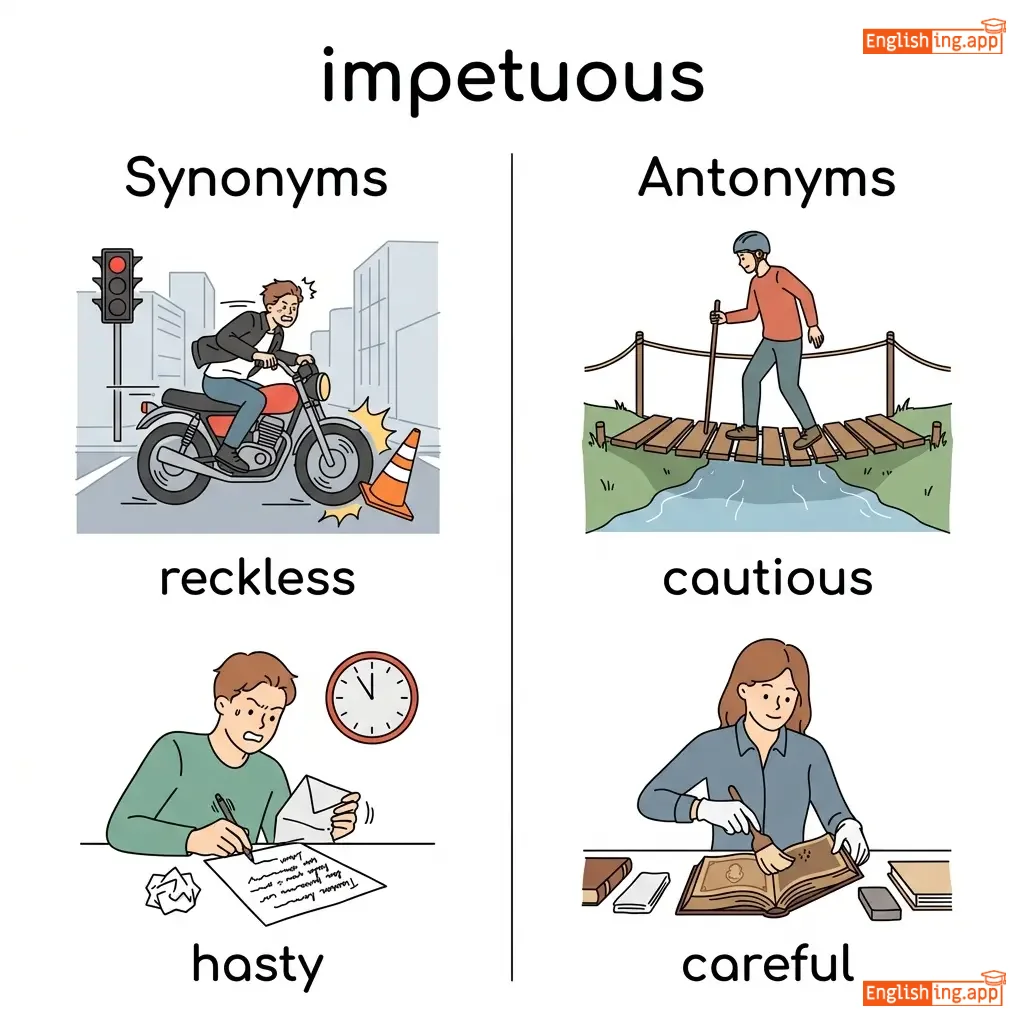
Rash, Hasty, Reckless
••••••
|
Cautious, Thoughtful, Deliberate
••••••
|
Impetuous sounds like impulsive, both act quickly without thought
••••••
|
|
#3384
👥
|
/kənˈfɔː.mɪ.ti/
noun
(コンフォーミティ)
••••••
|
|
一致性
icchisei
••••••
|
Compliance with standards, rules, or laws; behavior in accordance with socially accepted conventions.
••••••
|
The school enforces strict conformity to its dress code. |
学校は服装規定に対する厳格な一致性を実施しています。
Gakkou wa fukusou kitei ni taisuru genkaku na icchisei o jisshi shiteimasu.
••••••
|
Compliance, Obedience, Agreement
••••••
|
Deviation, Nonconformity, Rebellion
••••••
|
Japanese: '一致性' sounds like 'each tea', reminding that following rules is like each person having a role.
••••••
|
|
#3385
⚖️
|
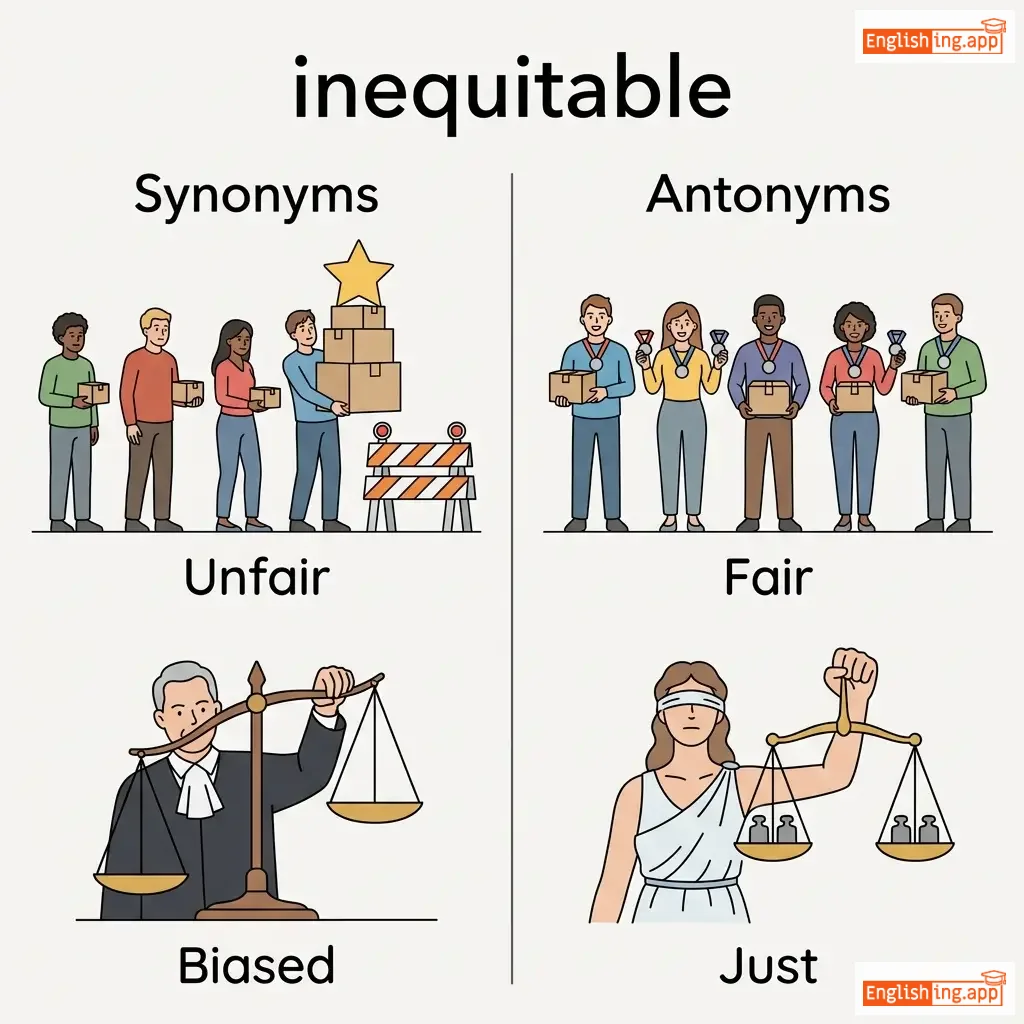
/ɪnˈɛk.wɪ.tə.bəl/
adjective
(イネキュイタブル)
••••••
|
|
不公平な
fukōhei na
••••••
|
Not fair or just; lacking in fairness or equality.
••••••
|
The distribution of resources was inequitable among the workers.
リソースの分配は労働者の間で不平等でした。
••••••
|
リソースの分配は労働者の間で不平等でした。
Risōsu no bunpai wa rōdōsha no aida de fubyōdō deshita.
••••••
|
Unfair, Biased, Discriminatory
••••••
|
Fair, Just, Impartial
••••••
|
In Japanese, '不公平な' is similar to 'inequitable'.
••••••
|
|
#3386
🧠
|
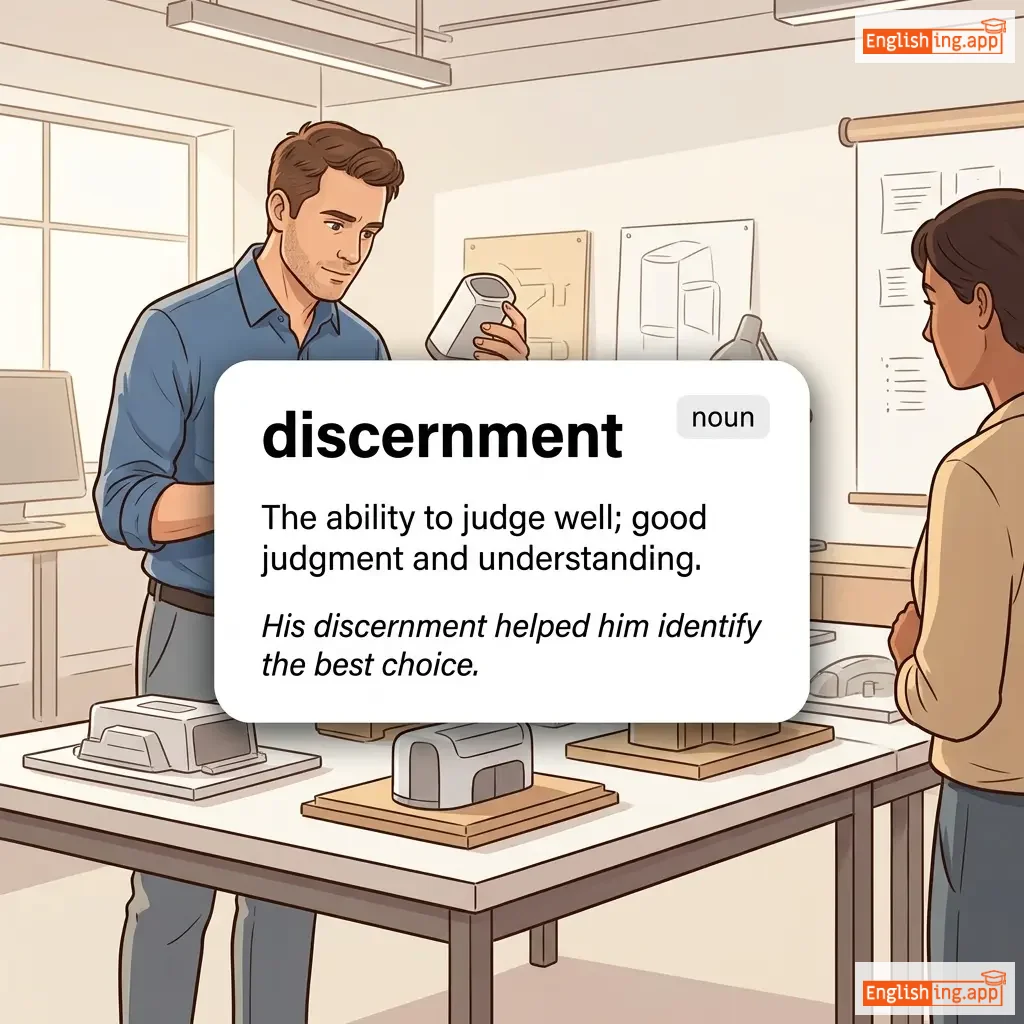
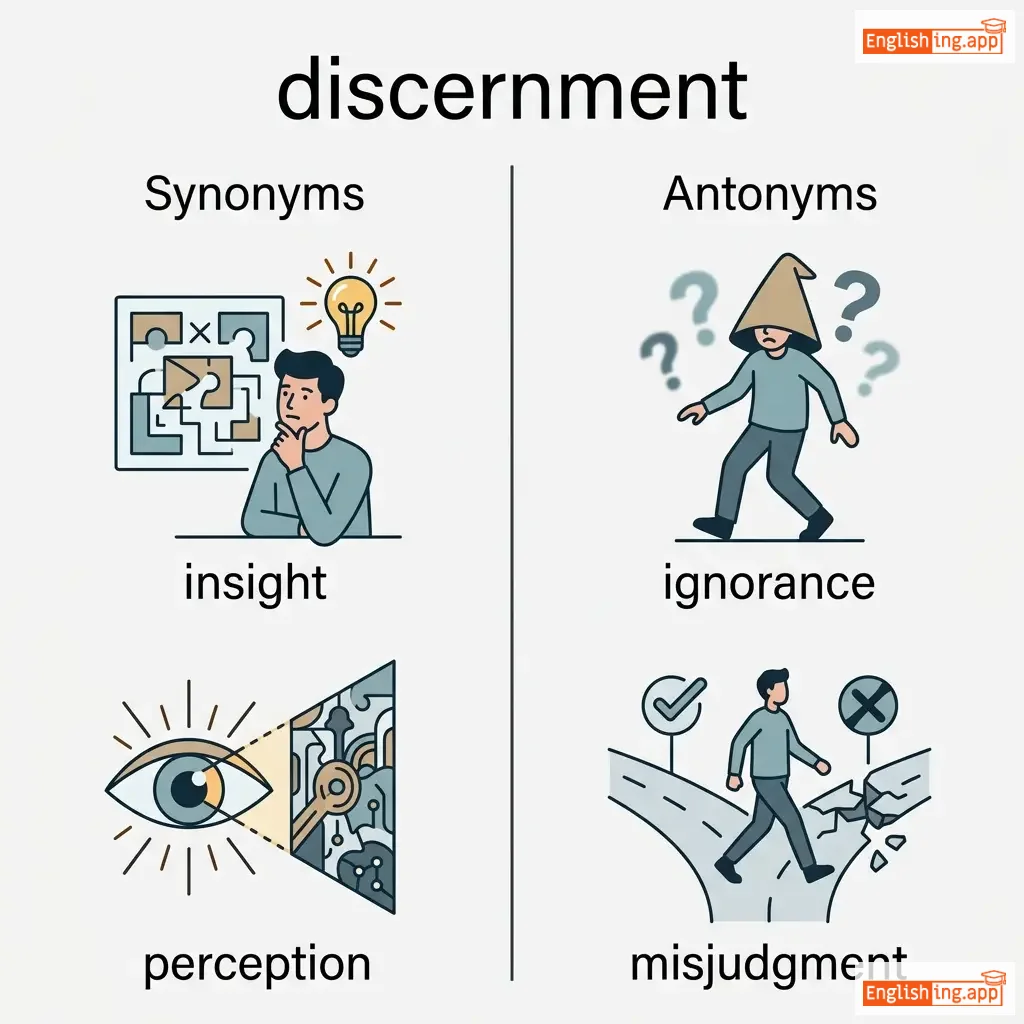
/dɪˈsɜːn.mənt/
noun
(ディスアーニメント)
••••••
|
|
洞察力
dōsatsuryoku
••••••
|
The ability to judge well; good judgment and understanding.
••••••
|
His discernment in business decisions made him successful. |
ビジネスの意思決定における彼の洞察力が彼を成功に導きました。
Bijinesu no ishikettei ni okeru kare no dōsatsuryoku ga kare o seikō ni michibikimashita.
••••••
|
Insight, Perception, Judgment
••••••
|
Ignorance, Indiscretion, Foolishness
••••••
|
日本語の‘洞察力’は英語の‘discernment’と関連して覚えやすい。
••••••
|
|
#3387
🙏
|
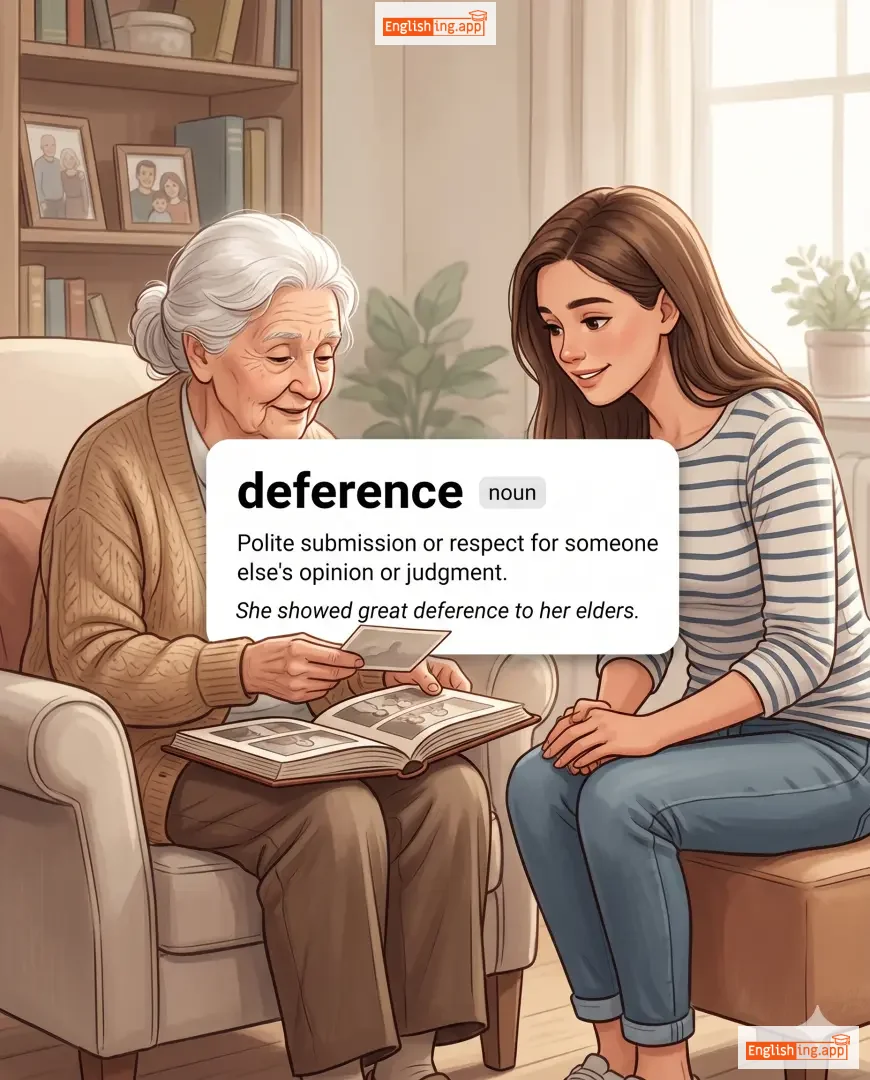
/ˈdɛf.ər.əns/
noun
(デファレンス)
••••••
|
|
尊敬と謙虚
sonkei to kenkyo
••••••
|
Humble submission and respect; polite submission to someone's wishes or opinions.
••••••
|
Out of deference, he followed his mentor's advice.
敬意を表して、彼はメンターのアドバイスに従った。
••••••
|
敬意を表して、彼はメンターのアドバイスに従った。
Keii o hyōshite, kare wa mentā no adobaisu ni shitagatta.
••••••
|
Respect, Reverence, Submission
••••••
|
Disrespect, Defiance, Disobedience
••••••
|
尊敬と謙虚が、成功を呼び寄せる鍵です。
••••••
|
Vocabulary Quiz
Test your vocabulary by matching words with their translations or meanings.
Login to take the quiz
Comments (0)
Share your thoughts and join the discussion.
Join the discussion by logging in
Login to CommentNo comments yet
Be the first to share your thoughts!