

意思決定の心理学
The Psychology of Decision-Making
人生のあらゆる瞬間に、私たちは決定を下しますが、これらの決定はどのように形成されるのでしょうか?Cognition と subconscious の心は一緒に働き、intuition と bias がしばしば影響を与えます。多くの人々は意思決定が完全に理性的なプロセスだと思っていますが、実際には、emotionality と impulsivity が重要な役割を果たします。しばしば dilemmas が生じ、そこで contemplation と deliberation が必要です。人間の judgment と assessment はさまざまな heuristic 方法に依存しています。しかし、ambiguity が存在する場合、irrationality はしばしば私たちの evaluation に影響を与えることがあります。正しい決定を下すためには、私たちの predisposition を理解し、consequences について考える必要があります。determinant 要因を分析することにより、私たちはより良い決定を下し、私たちの生活の質を向上させることができます。
翻訳
過去
過去分詞
三人称単数
動名詞
意味
例文
例文の翻訳
同義語
対義語
コロケーション
ニーモニック

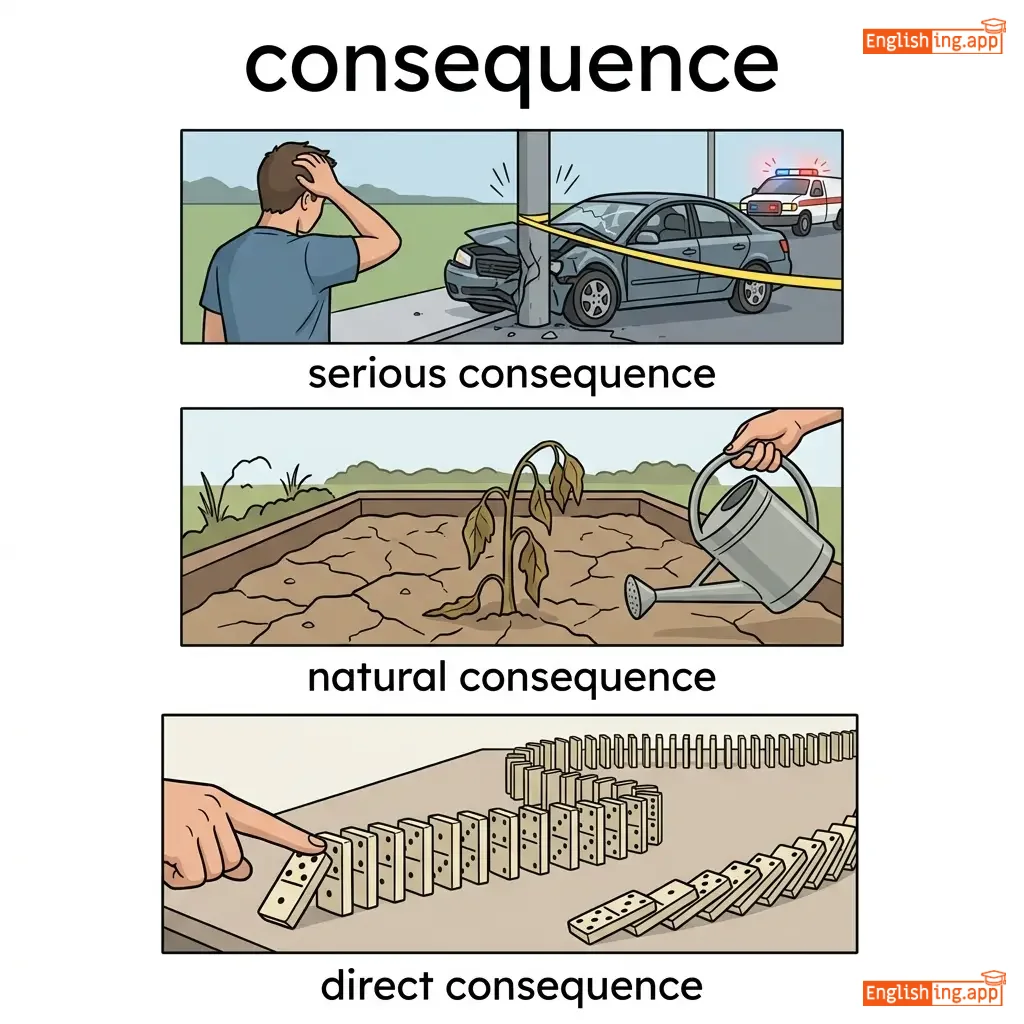
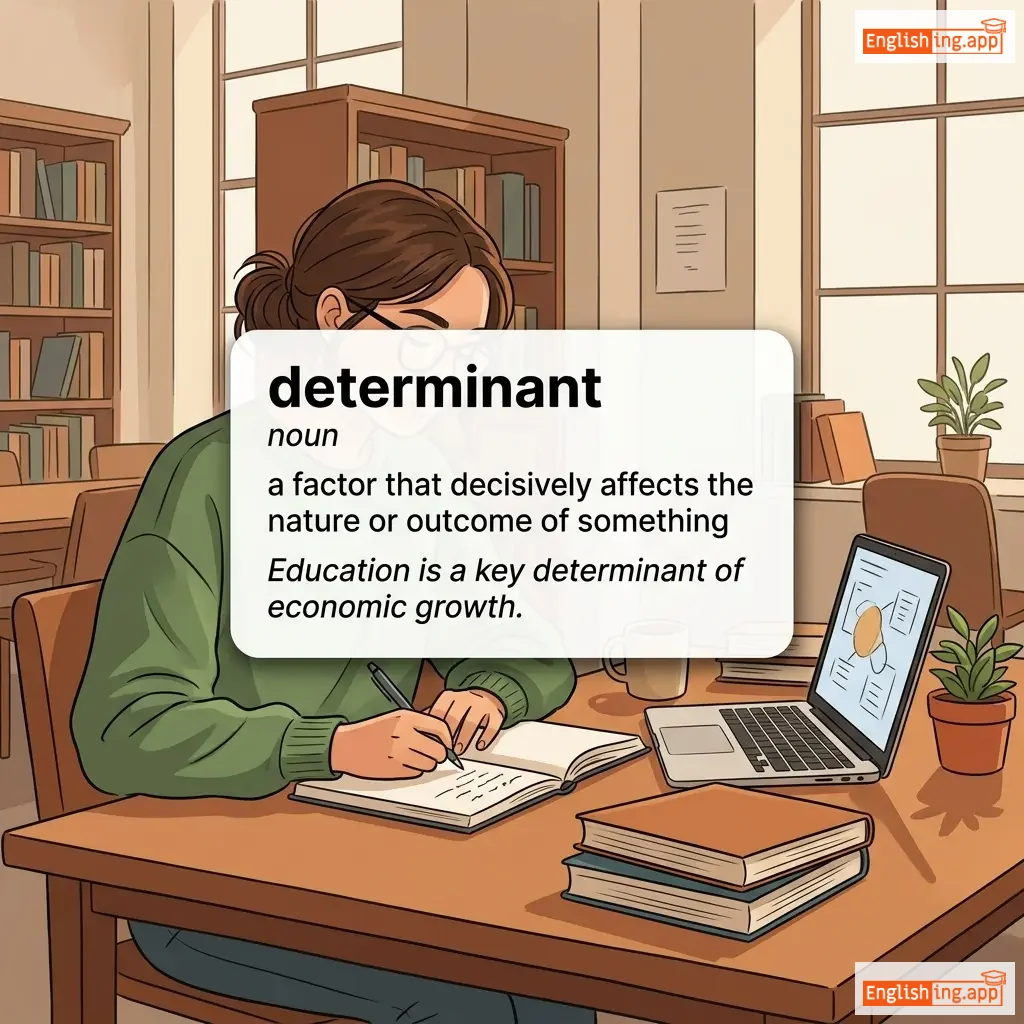
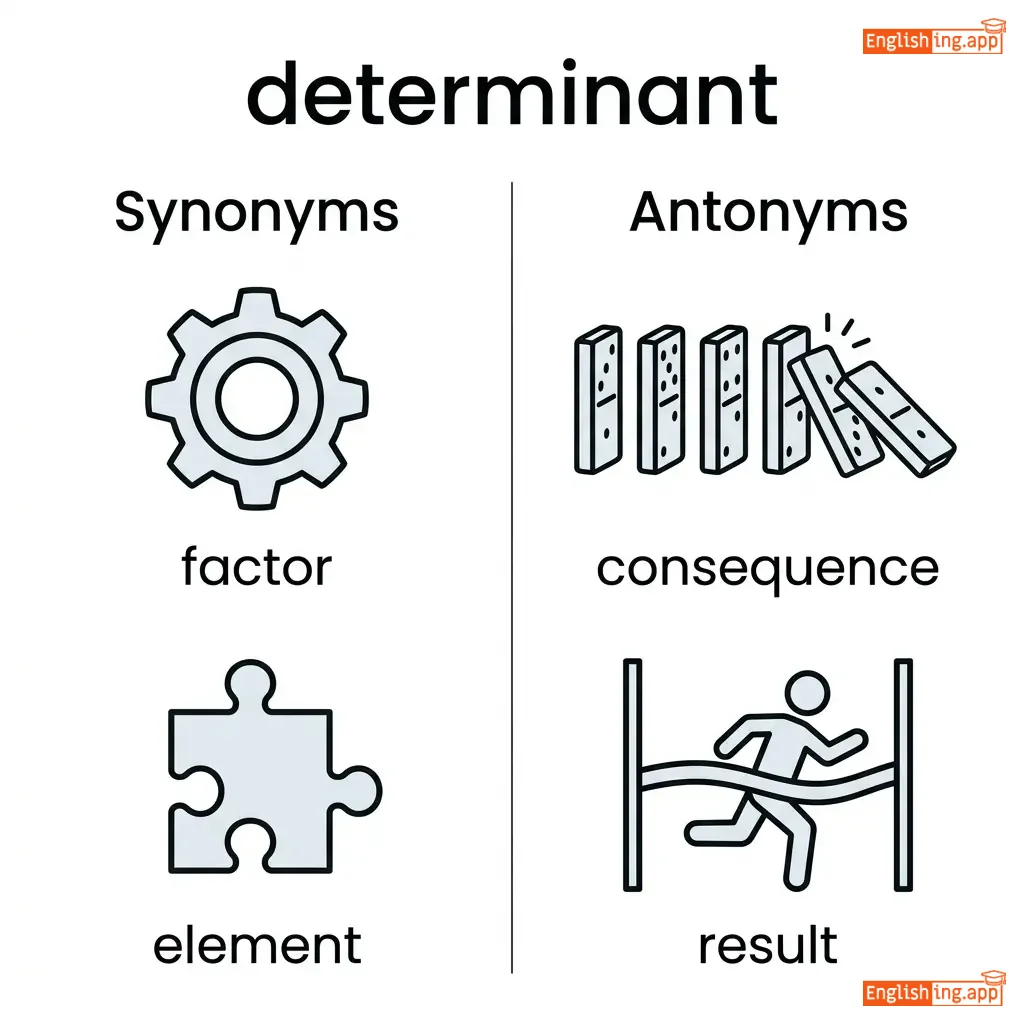
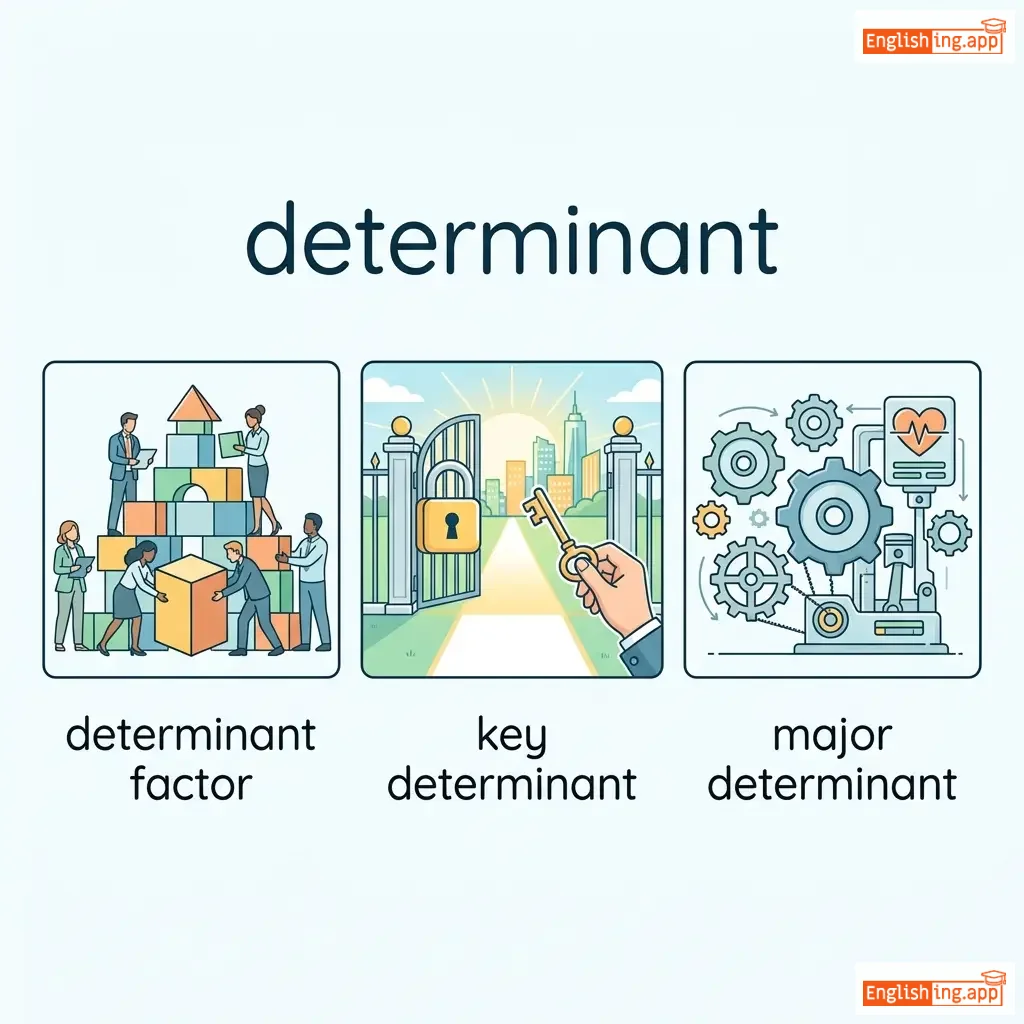
Swipe left or right, or use the buttons. Tap image to zoom.
例文の翻訳
単語
The Psychology of Decision-MakingThe Psychology of Decision-Making - マスクトグル
|
絵文字
|
単語 | Images | 翻訳 | 意味 | 例文 | 例文の翻訳 | 同義語 | 対義語 | ニーモニック |
|---|---|---|---|---|---|---|---|---|---|
|
#3473
🧠
|
kɒɡˈnɪʃ.ən
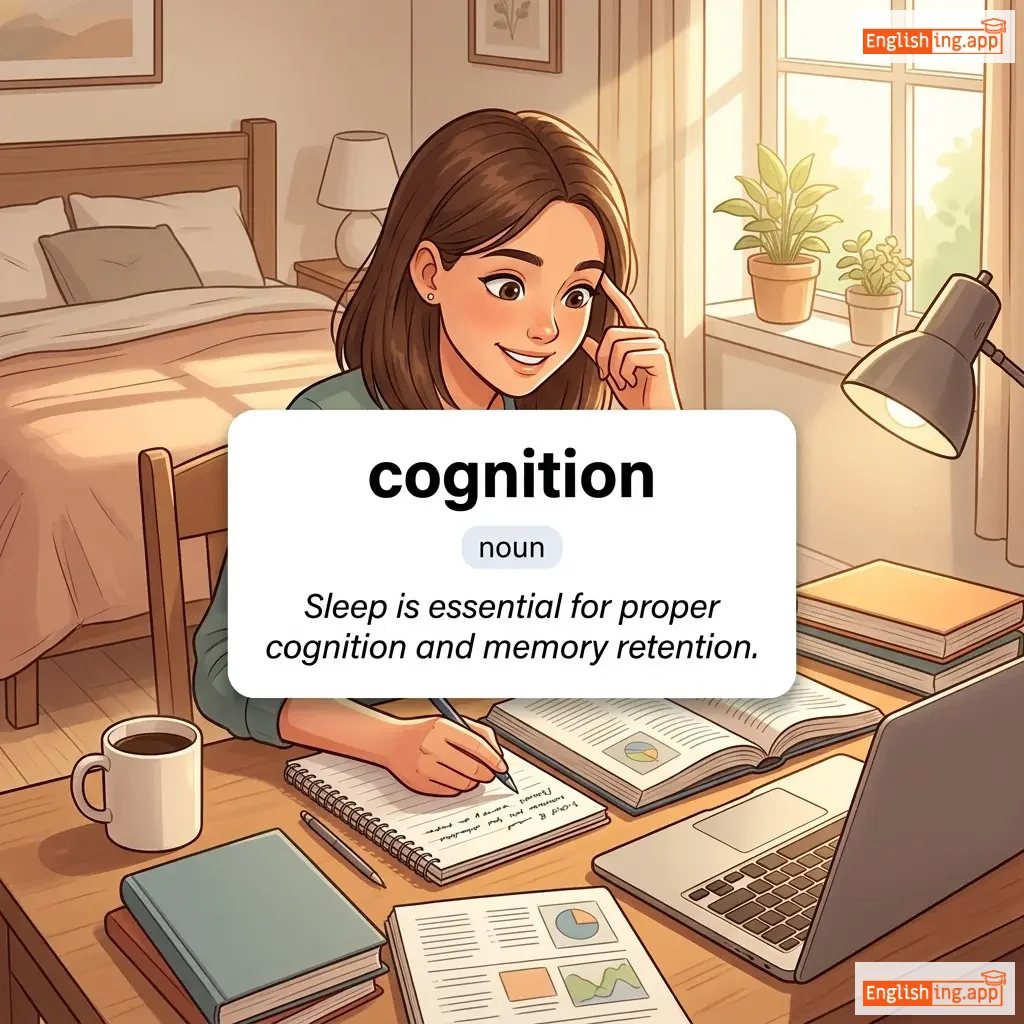
noun
(コグニション)
••••••
|
|
認識、理解、知的プロセス
ninshiki, rikai, chiteki purosesu
••••••
|
The mental process of acquiring knowledge and understanding through thought, experience, and the senses.
••••••
|
Cognition plays a crucial role in learning.
コグニションは学習において重要な役割を果たします。
••••••
|
コグニションは学習において重要な役割を果たします。
Kognition wa gakushū ni oite jūyōna yakuwari o hatashimasu.
••••••
|
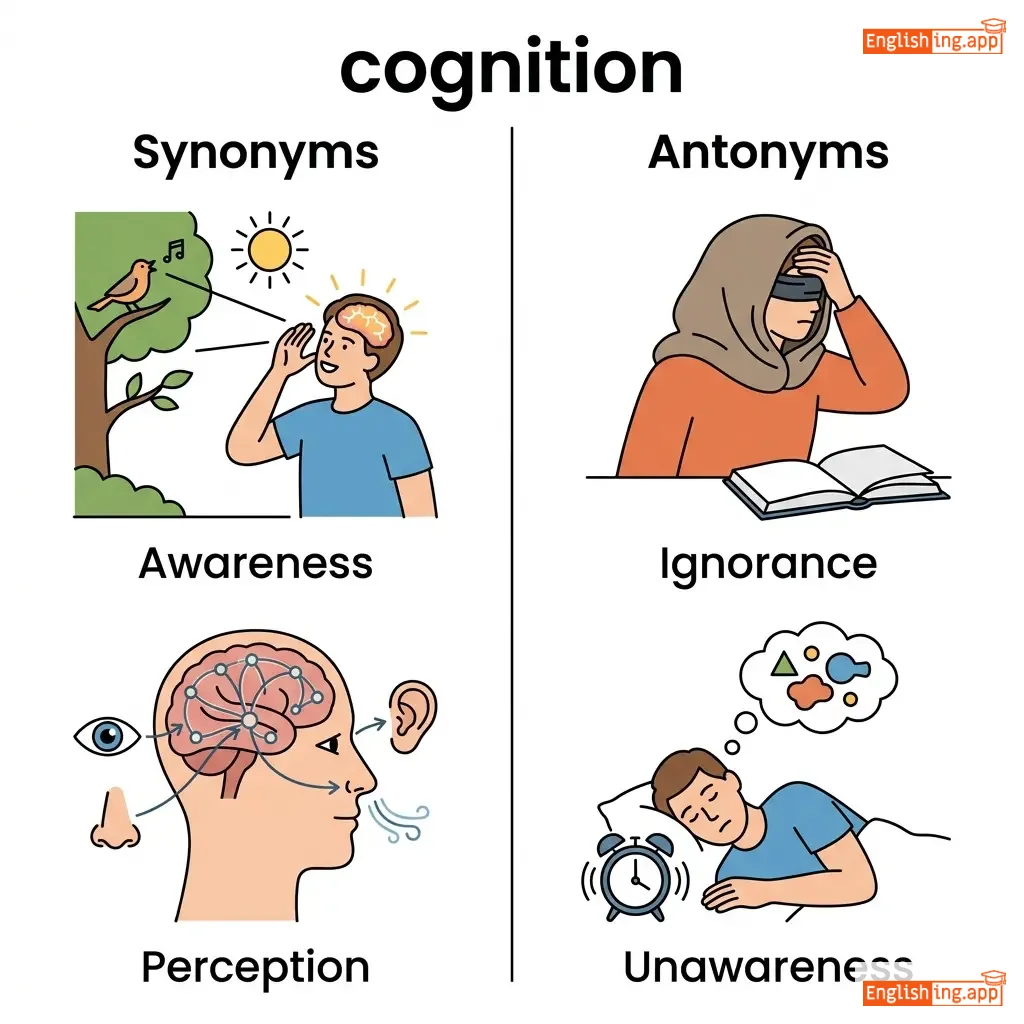
perception, awareness, understanding, knowledge
••••••
|
ignorance, unawareness, unconsciousness
••••••
|
Cognition = Brain process for learning and understanding
••••••
|
|
#3474
🌙
|
ˌsʌbˈkɒn.ʃəs
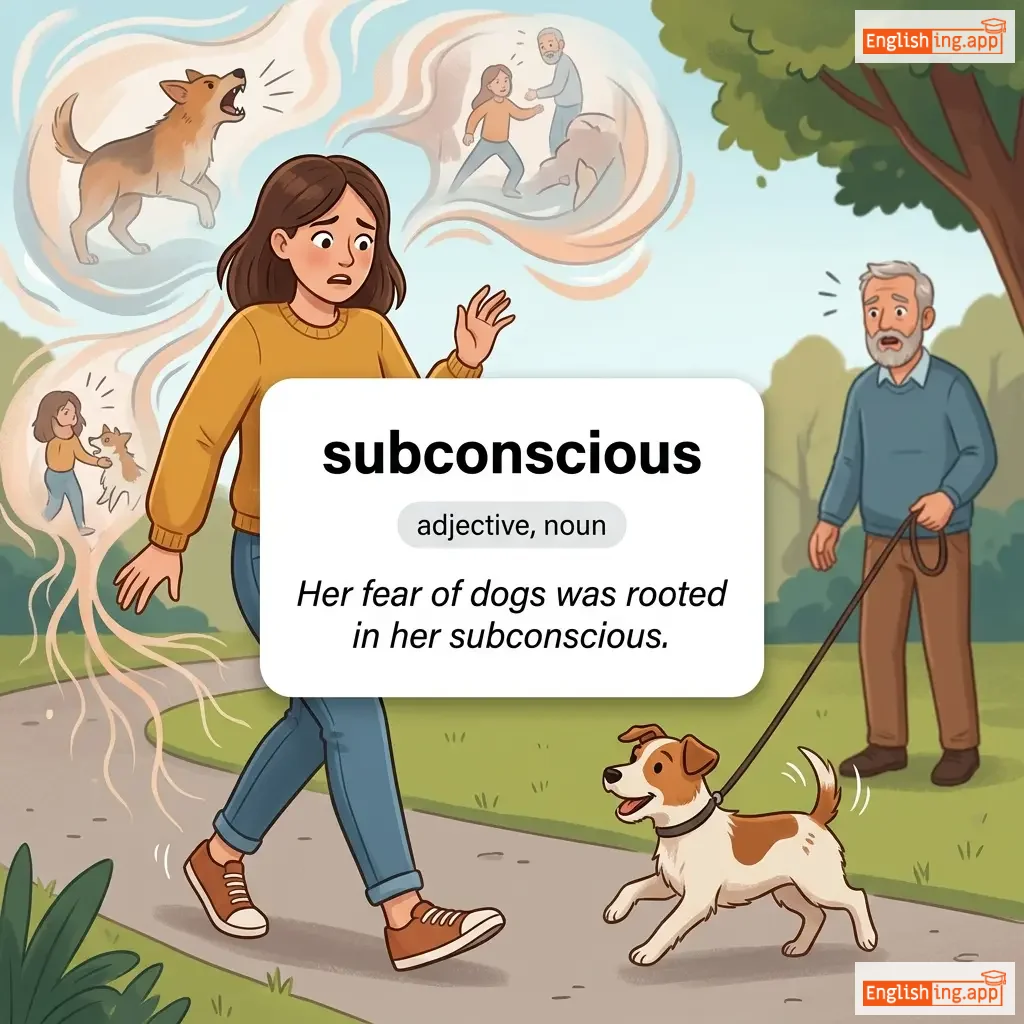
adjective
(サブコンシャス)
••••••
|
|
潜在意識
senzai ishiki
••••••
|
Concerning the part of the mind of which one is not fully aware but which influences one's actions and feelings.
••••••
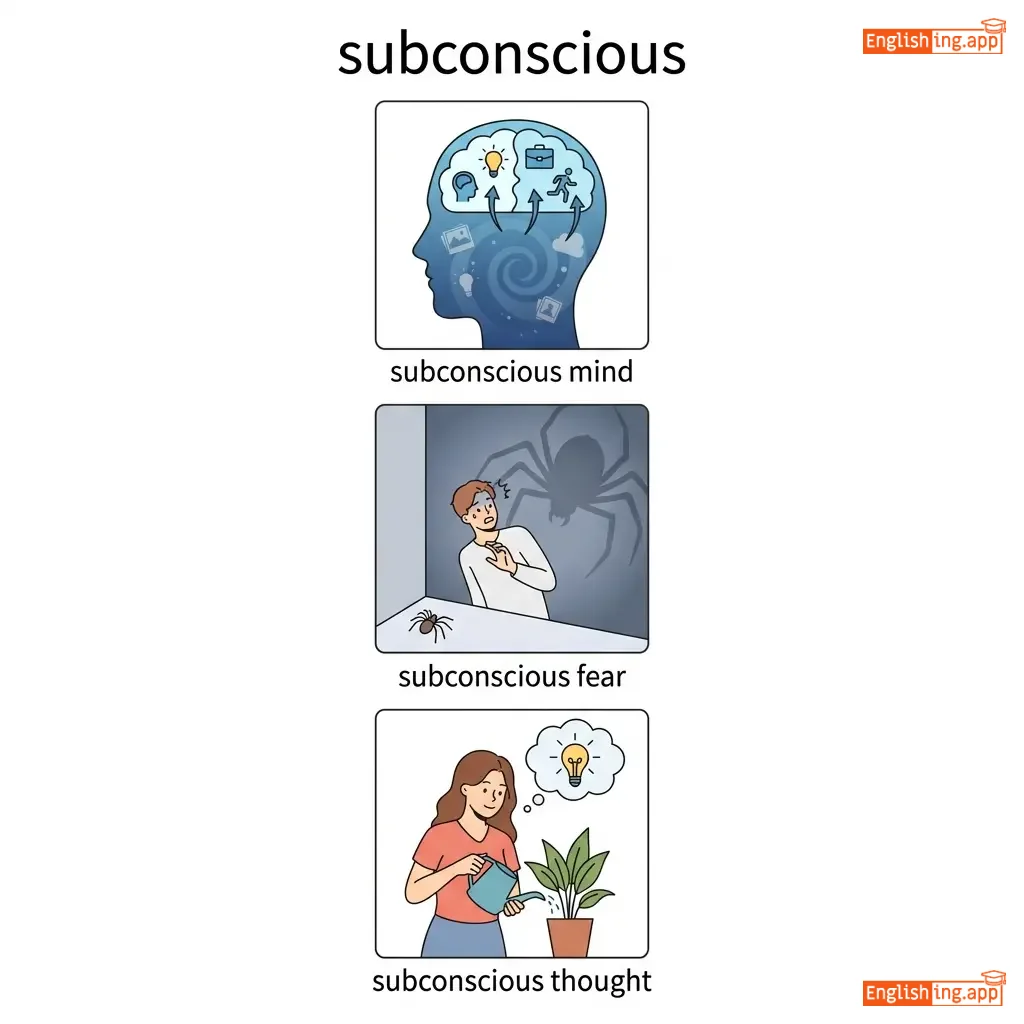
|
His fears were rooted in his subconscious. |
彼の恐れは彼の潜在意識に根ざしていた。
Kare no osore wa kare no senzai ishiki ni nezashite ita.
••••••
|
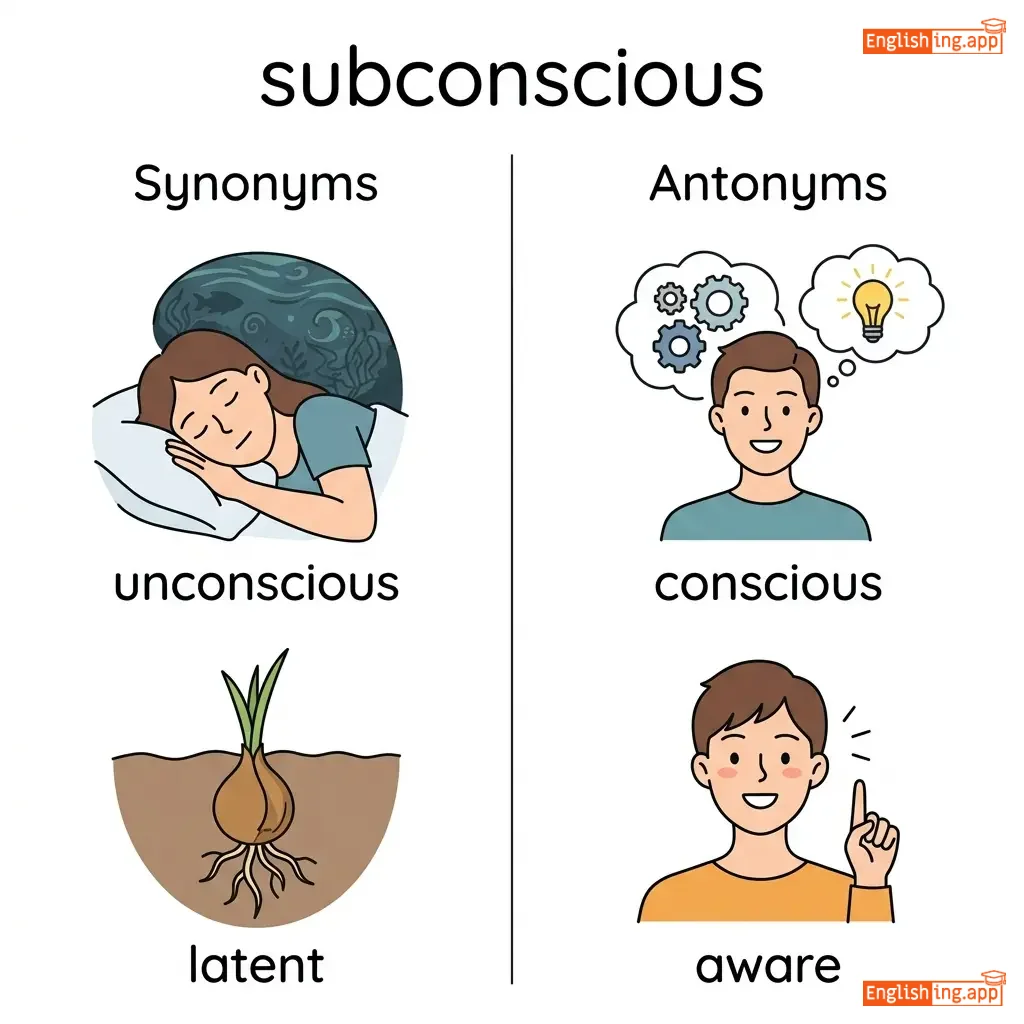
unconscious, latent, subliminal
••••••
|
conscious, aware, deliberate
••••••
|
潜在意識 = 潜 (under) + 意識 (consciousness), あなたが意識していない、しかし行動に影響を与える部分です。
••••••
|
|
#3475
💡
|
ˌɪn.tʃuˈɪʃ.ən
noun
(インスピレーション)
••••••
|
|
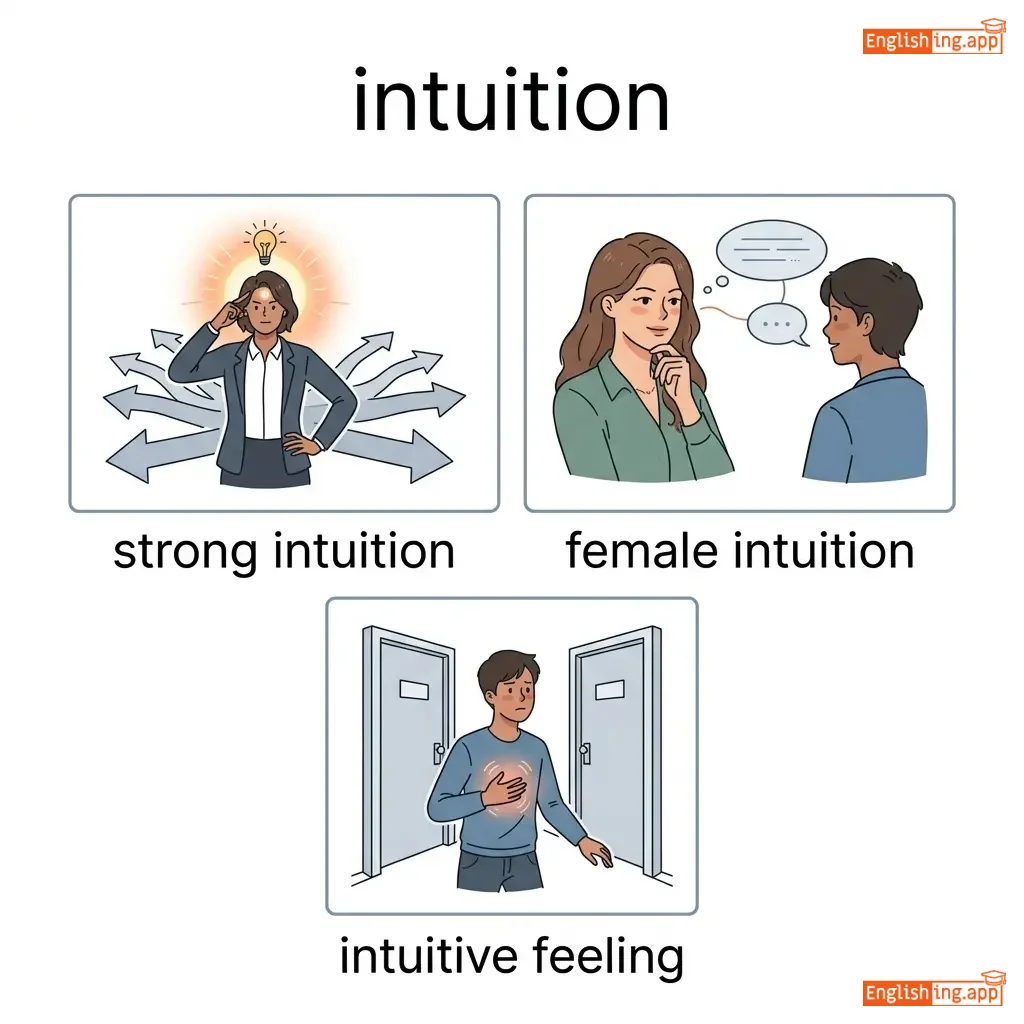
直感, 即時理解
chokkan, sokujirikai
••••••
|
The ability to understand something immediately, without the need for conscious reasoning.
••••••
|
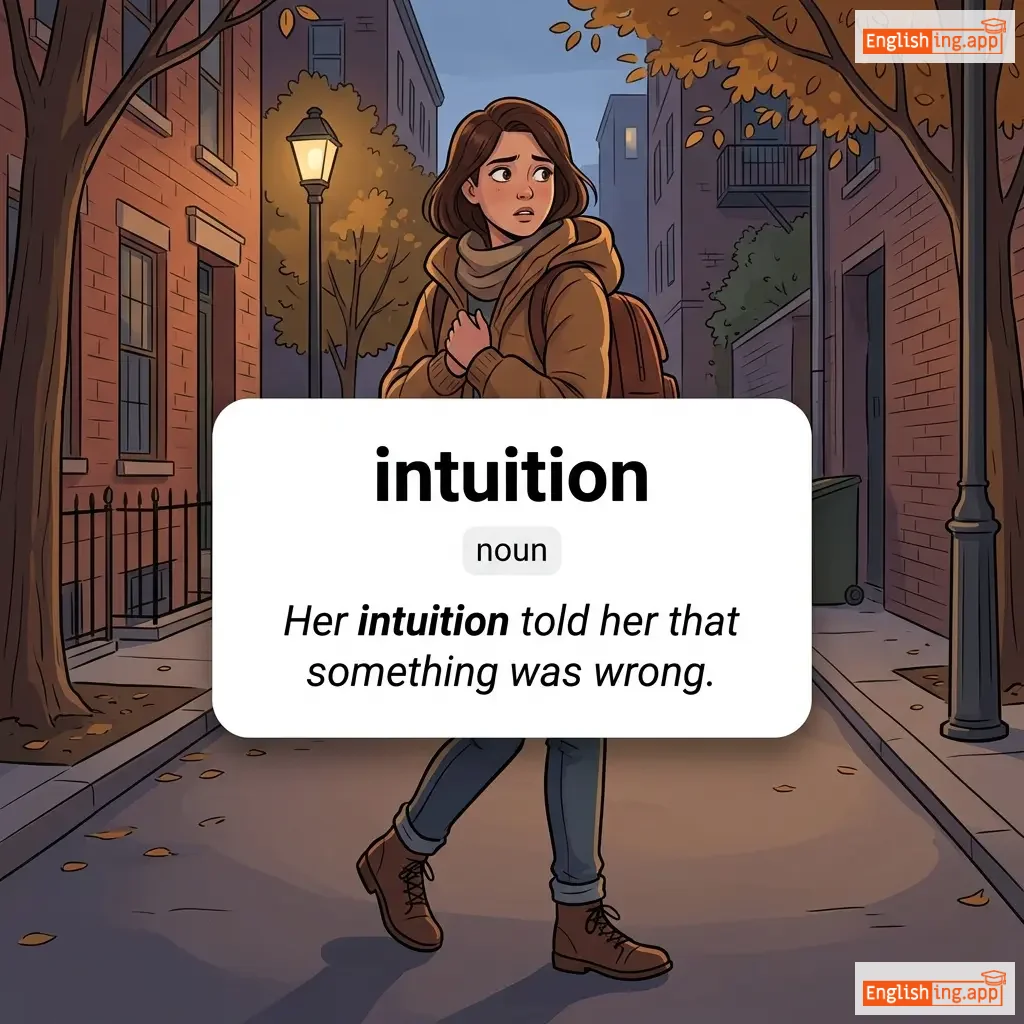
Her intuition helped her make the right choice.
彼女の直感は彼女が正しい選択をするのを助けた。
••••••
|
彼女の直感は彼女が正しい選択をするのを助けた。
Kanojo no chokkan wa kanojo ga tadashī sentaku o suru no o tasuketa.
••••••
|
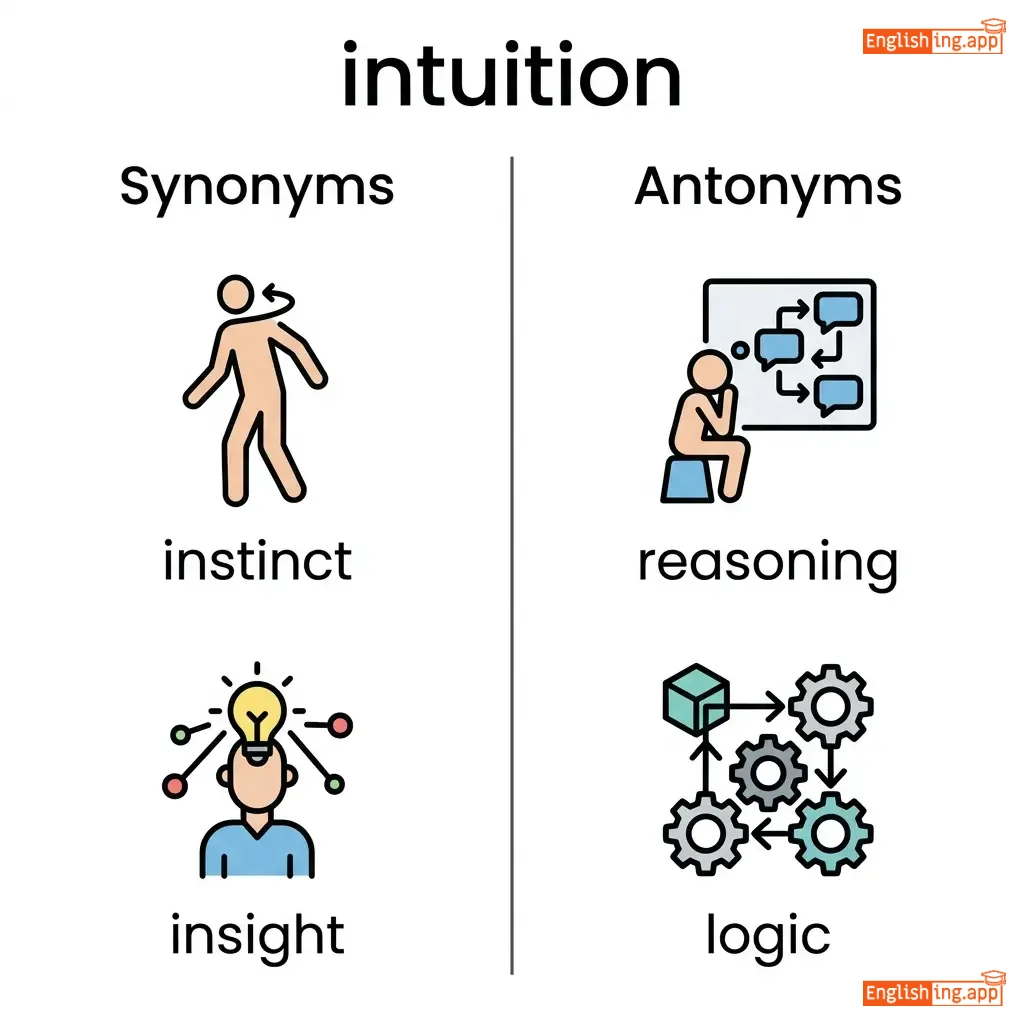
instinct, perception, insight, feeling
••••••
|
logic, analysis, reasoning
••••••
|
直感で正しい選択をする
••••••
|
|
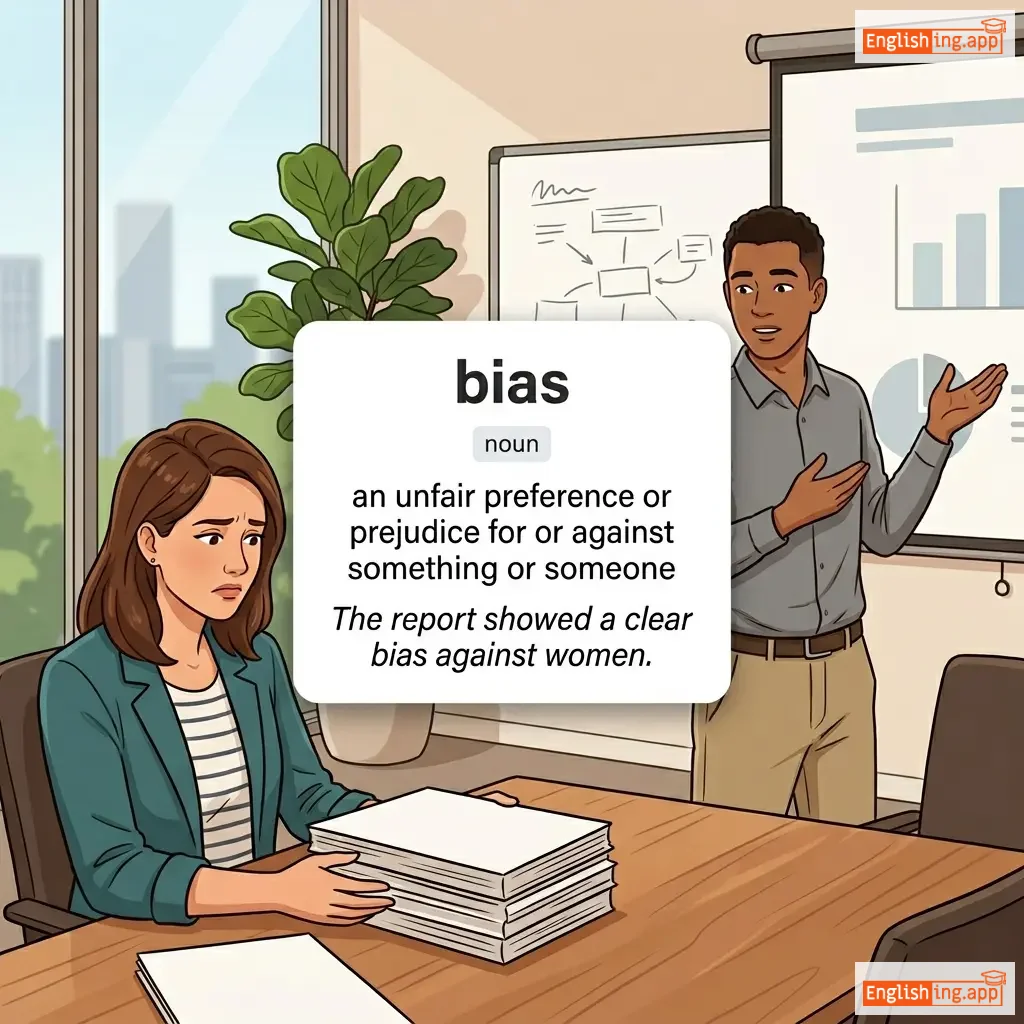
#3476
⚖️
|
ˈbaɪ.əs
noun
(バイアス)
••••••
|
|
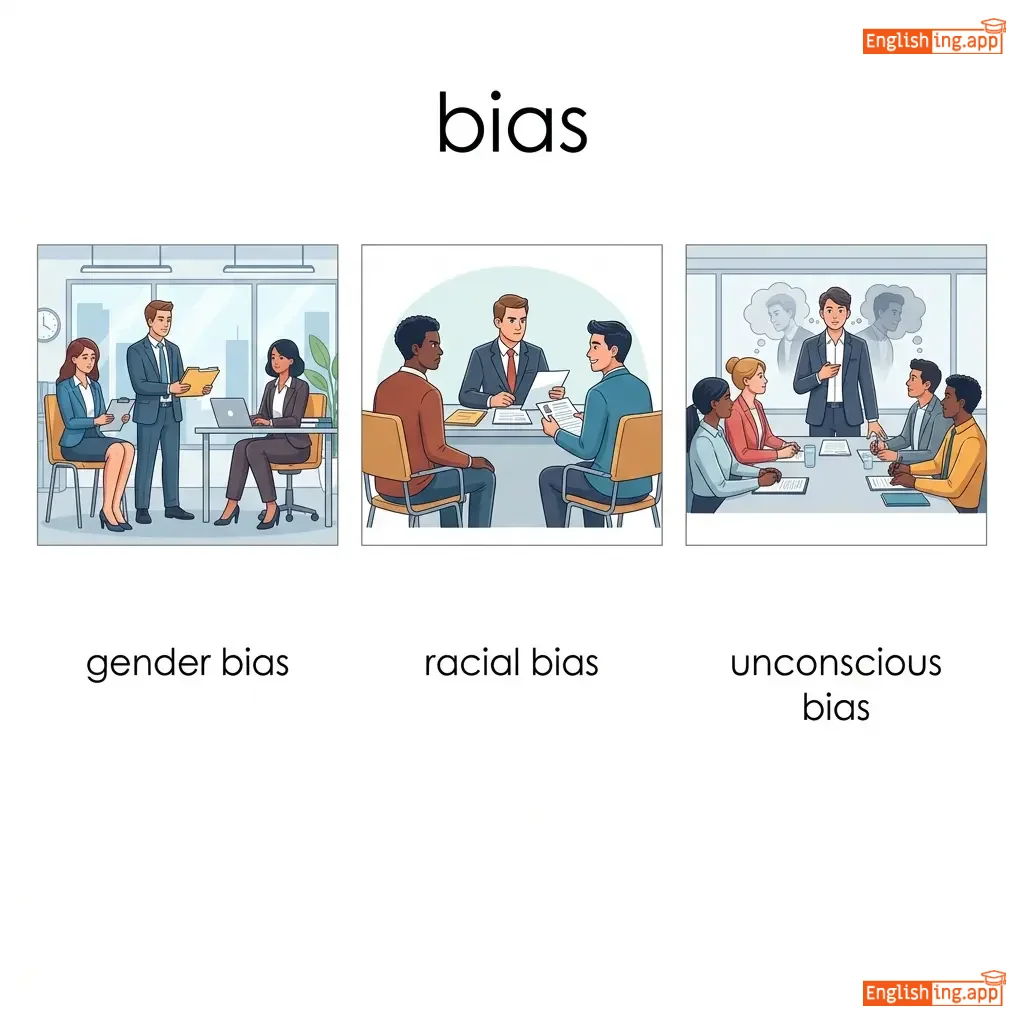
偏見, バイアス
henken, baiasu
••••••
|
Prejudice in favor of or against one thing, person, or group compared with another, usually in a way considered to be unfair.
••••••
|
The judge must remain free from bias.
裁判官はバイアスなしでいなければならない。
••••••
|
裁判官はバイアスなしでいなければならない。
Saibankan wa baiasu nashi de inakereba naranai.
••••••
|
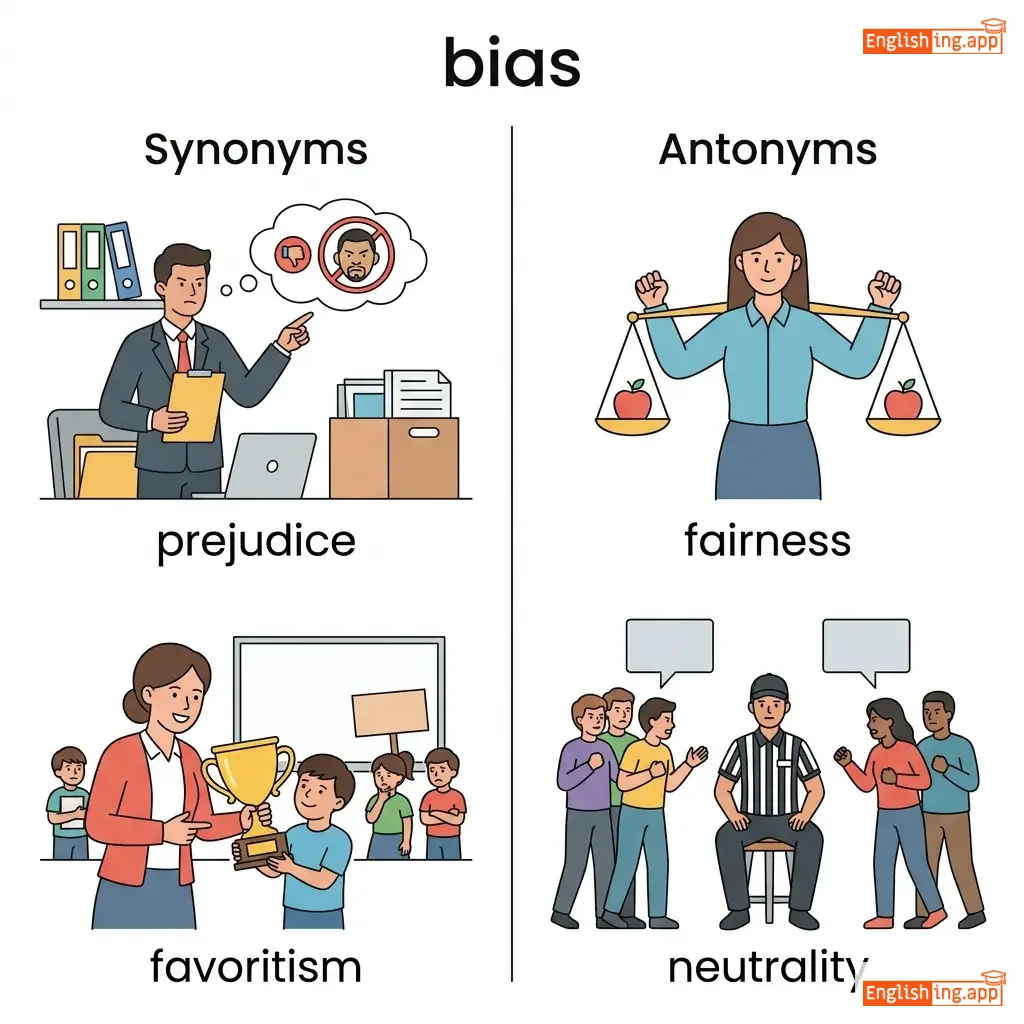
prejudice, partiality, favoritism
••••••
|
impartiality, neutrality, fairness
••••••
|
Bias – 裁判官は公正でなければならない。
••••••
|
|
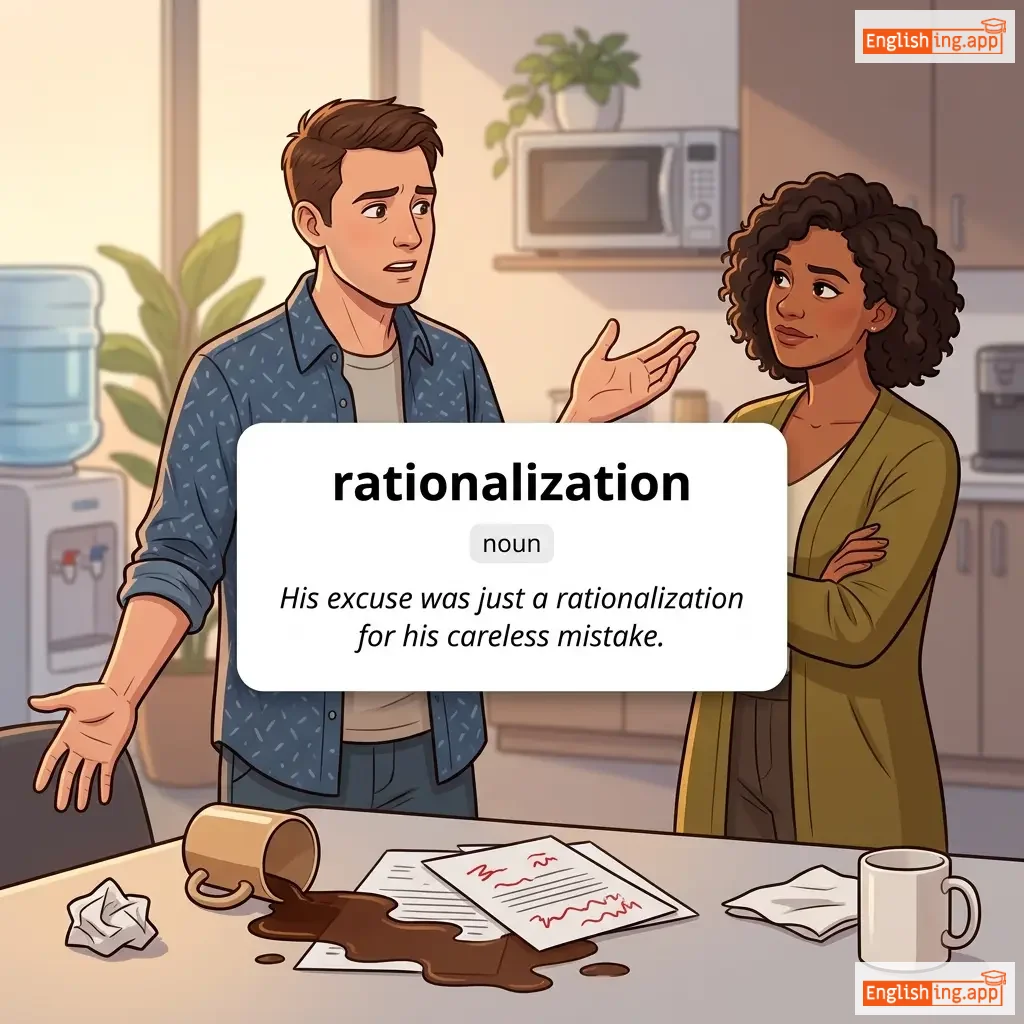
#3477
🔍
|
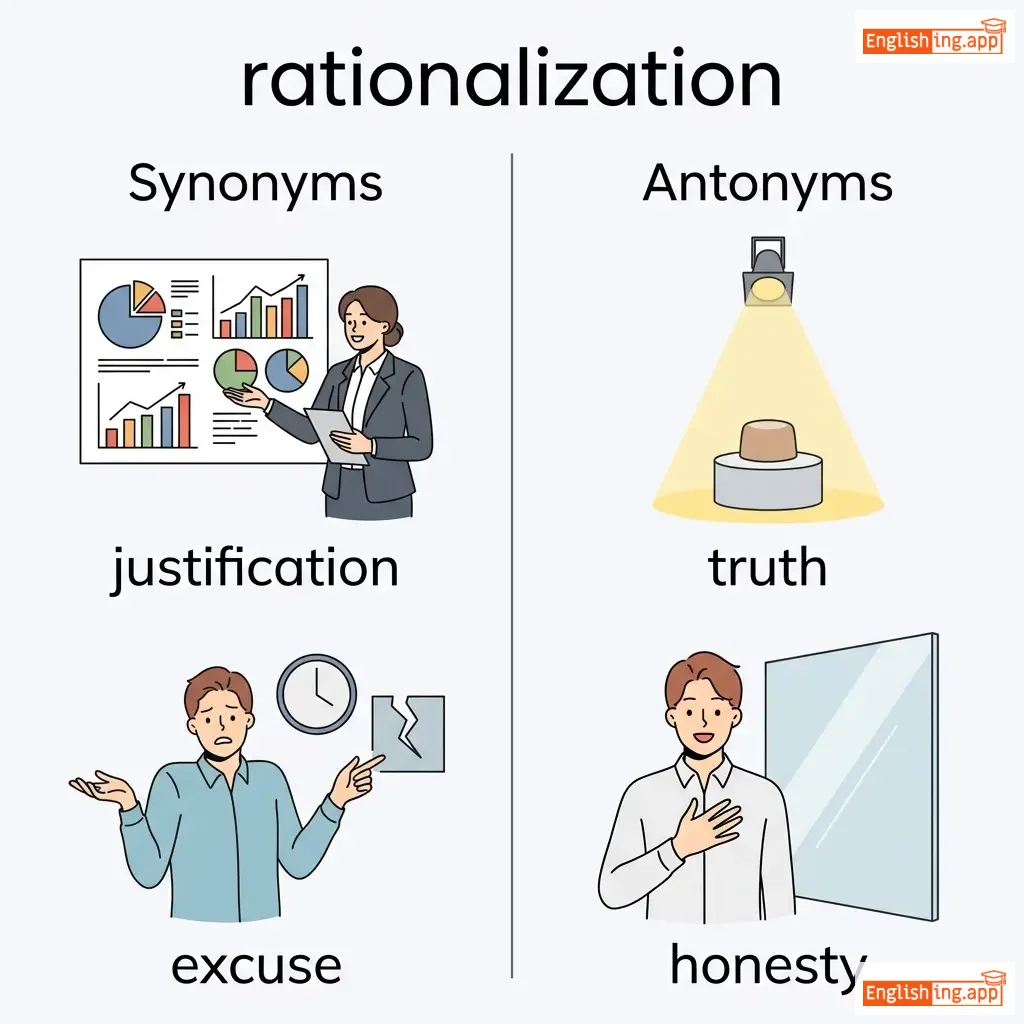
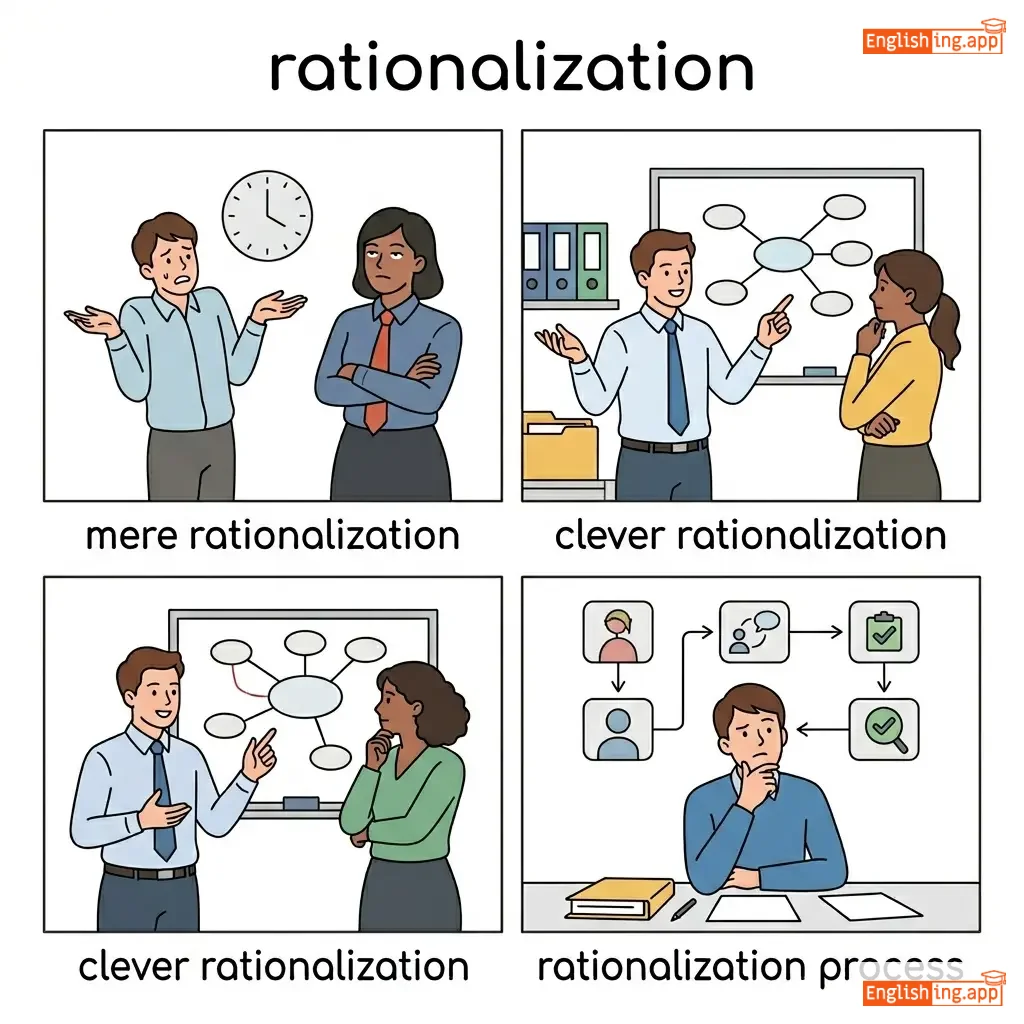
ˌræʃ.ən.əl.aɪˈzeɪ.ʃən
noun
(ラショナライゼーション)
••••••
|
|
合理化
gōrika
••••••
|
The process of creating logical explanations for behavior or beliefs that are actually based on other motives.
••••••
|
His rationalization for being late was unconvincing. |
彼の遅刻の合理化は納得できなかった。
Kare no chikoku no gōrika wa nattoku dekinakatta.
••••••
|
justification, explanation, reasoning
••••••
|
misinterpretation, misjudgment
••••••
|
合理化 = 無理な行動を論理的に説明すること
••••••
|
|
#3478
💭
|
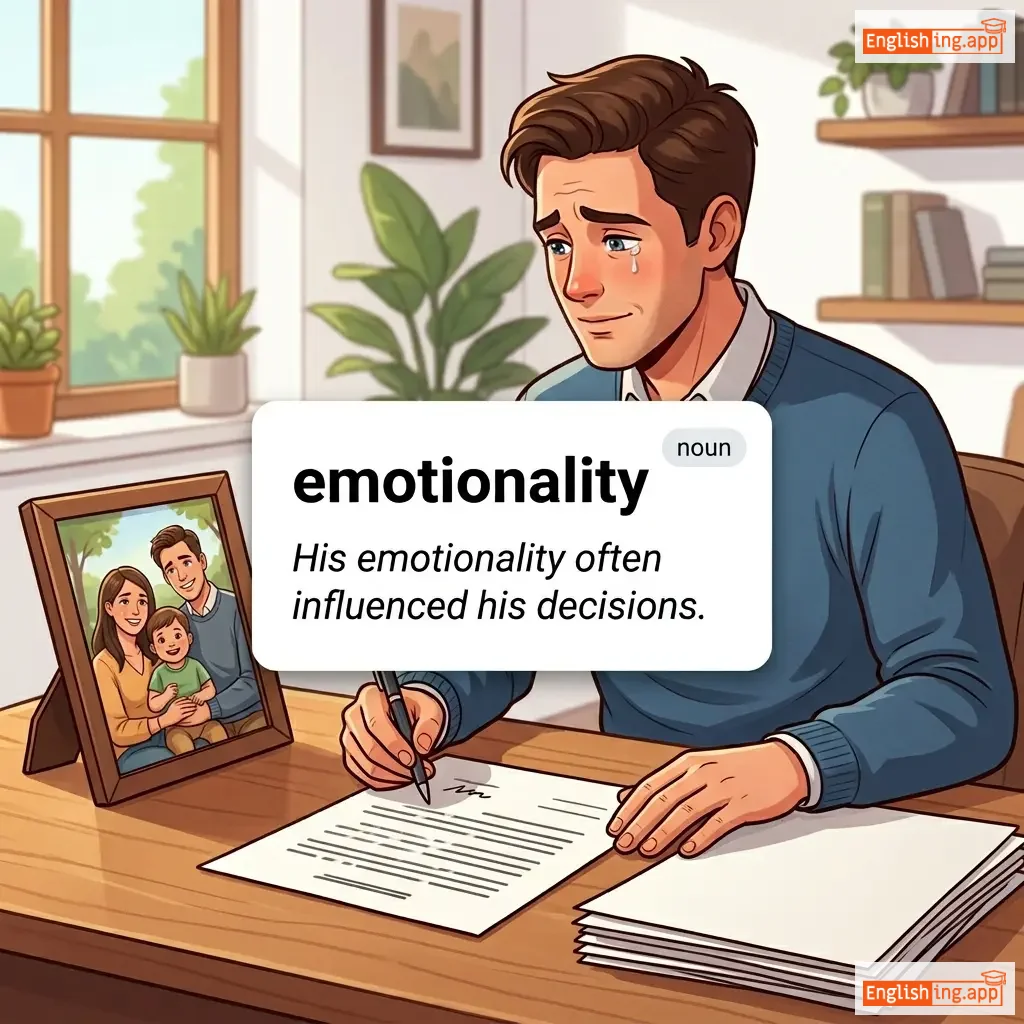
ɪˌməʊ.ʃəˈnæl.ɪ.ti
noun
(エモーショナリティ)
••••••
|
|
感情性
kanjousei
••••••
|
The quality of being driven by emotions rather than reason; emotional responsiveness.
••••••
|
His emotionality often influenced his decisions.
ヒズ エモーショナリティ オフン インフルーエンスド ヒズ ディシジョンズ。
••••••
|
彼の感情性はしばしば彼の決定に影響を与えた。
Kare no kanjousei wa shibashiba kare no kettei ni eikyou wo ataeta.
••••••
|
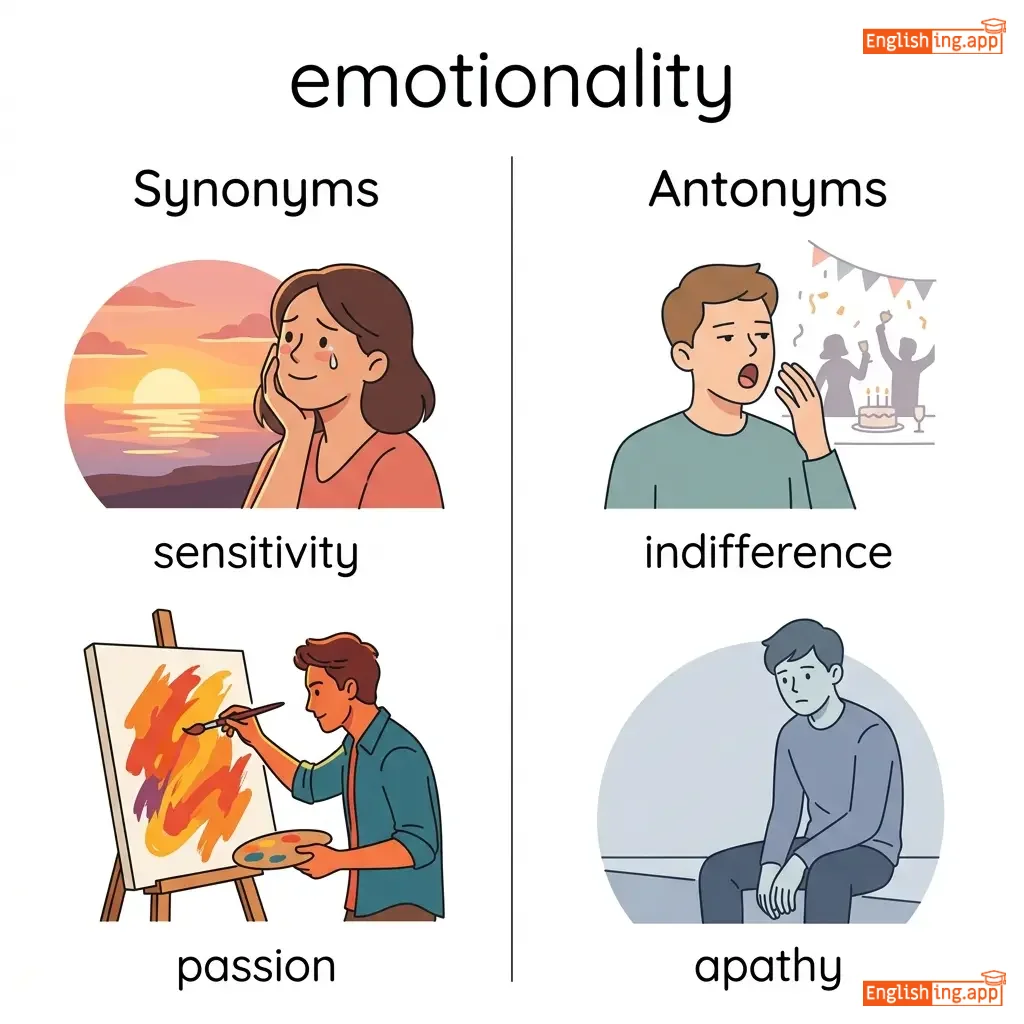
sensitivity, passion, feeling
••••••
|
indifference, apathy, coldness
••••••
|
感情性は感情で意思決定を行うことを意味します。
••••••
|
|
#3479
⚡
|
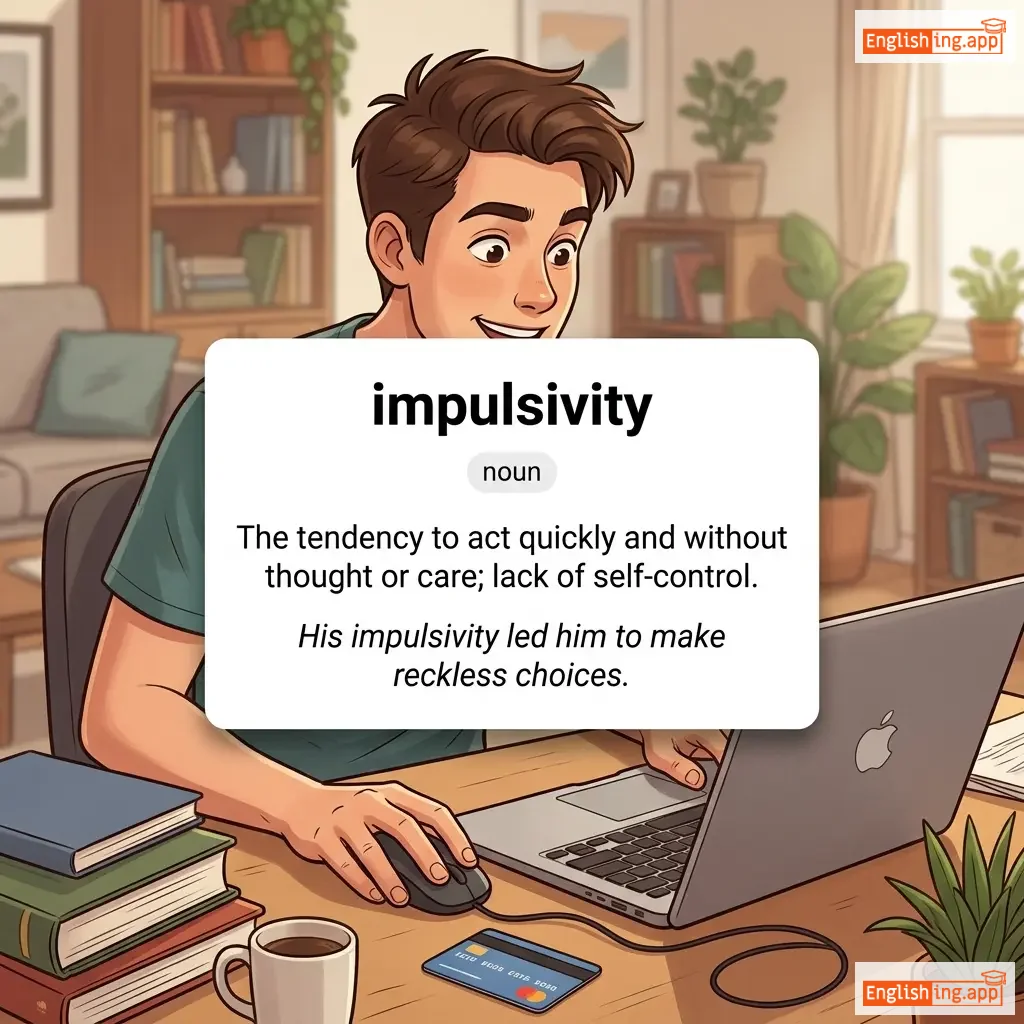
ˌɪm.pʌlˈsɪv.ɪ.ti
noun
(インパルシビティ)
••••••
|
|
衝動性
shōdōsei
••••••
|
The tendency to act quickly and without thought or care; lack of self-control.
••••••
|
His impulsivity led him to make reckless choices.
his インパルシビティ led him to make reckless choices.
••••••
|
彼の衝動性は、無謀な選択をさせた。
Kare no shōdōsei wa, mubō na sentaku o saseta.
••••••
|
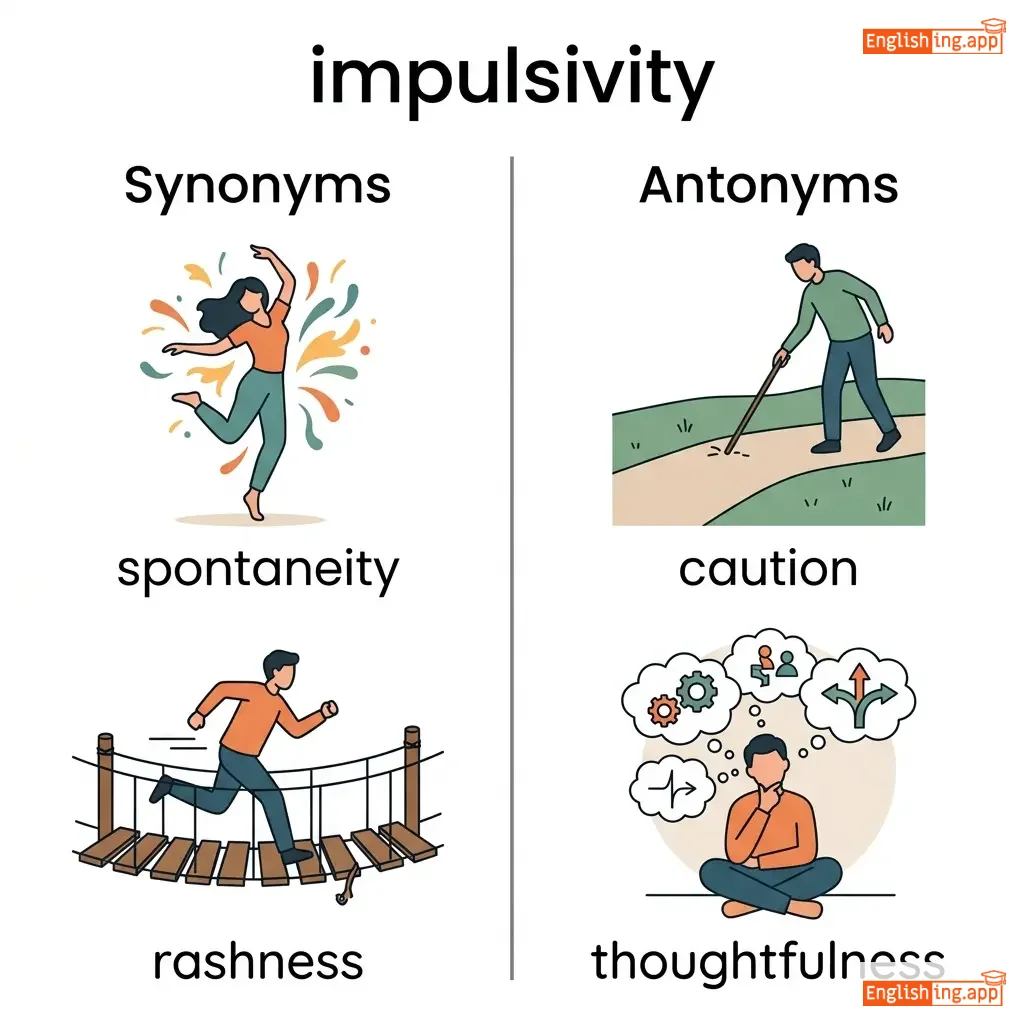
spontaneity, rashness, hastiness
••••••
|
caution, thoughtfulness, deliberation
••••••
|
Impulsivity means acting without thinking in advance!
••••••
|
|
#3480
🤔
|
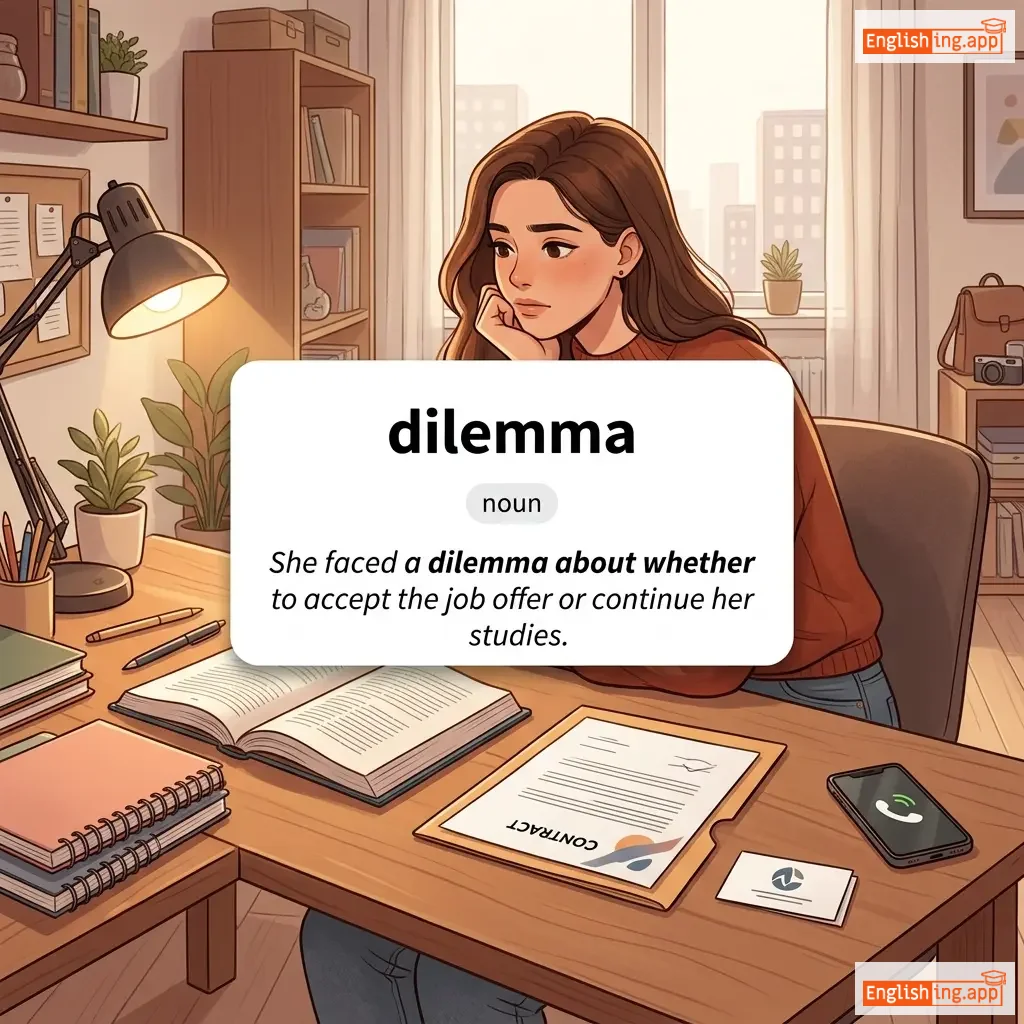
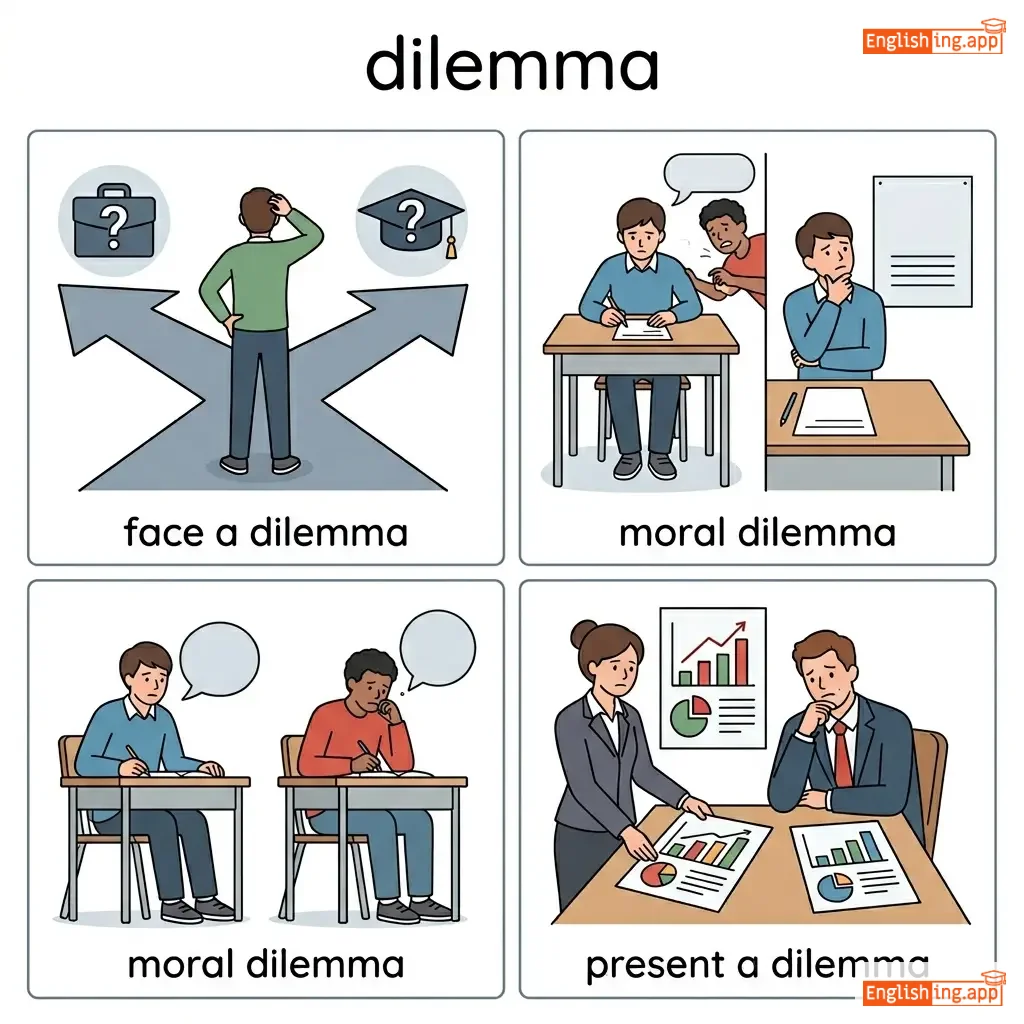
daɪˈlem.ə
noun
(ジレンマ)
••••••
|
|
ジレンマ, 困難な選択
jirenma, konnan na sentaku
••••••
|
A situation in which a difficult choice has to be made between two or more alternatives.
••••••
|
She faced a moral dilemma at work. |
彼女は職場で道徳的なジレンマに直面していた。
Kanojo wa shokuba de dōtoku-teki na jirenma ni chokumen shite ita.
••••••
|
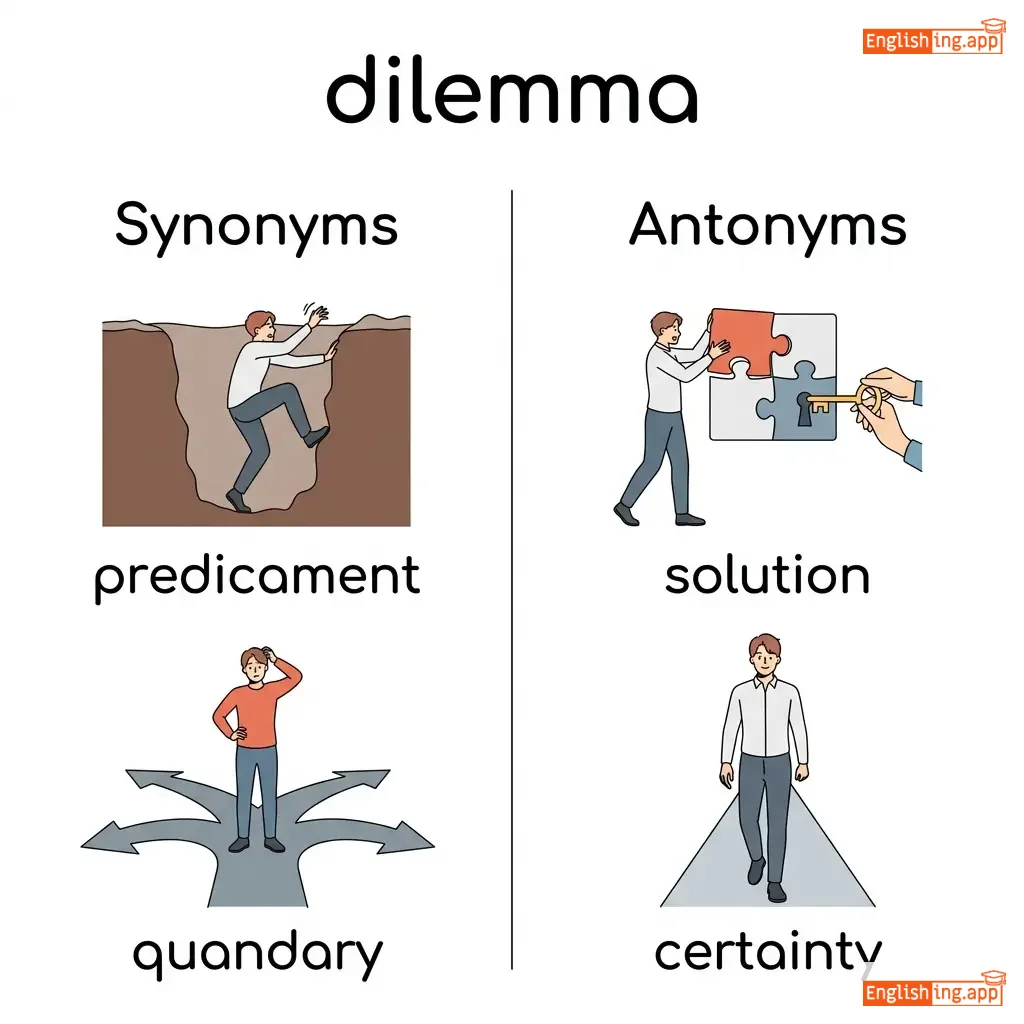
predicament, quandary, problem
••••••
|
solution, certainty, clarity
••••••
|
日本語でジレンマは英語のdilemmaと似ていて、英語のように発音します。
••••••
|
|
#3481
🧘
|
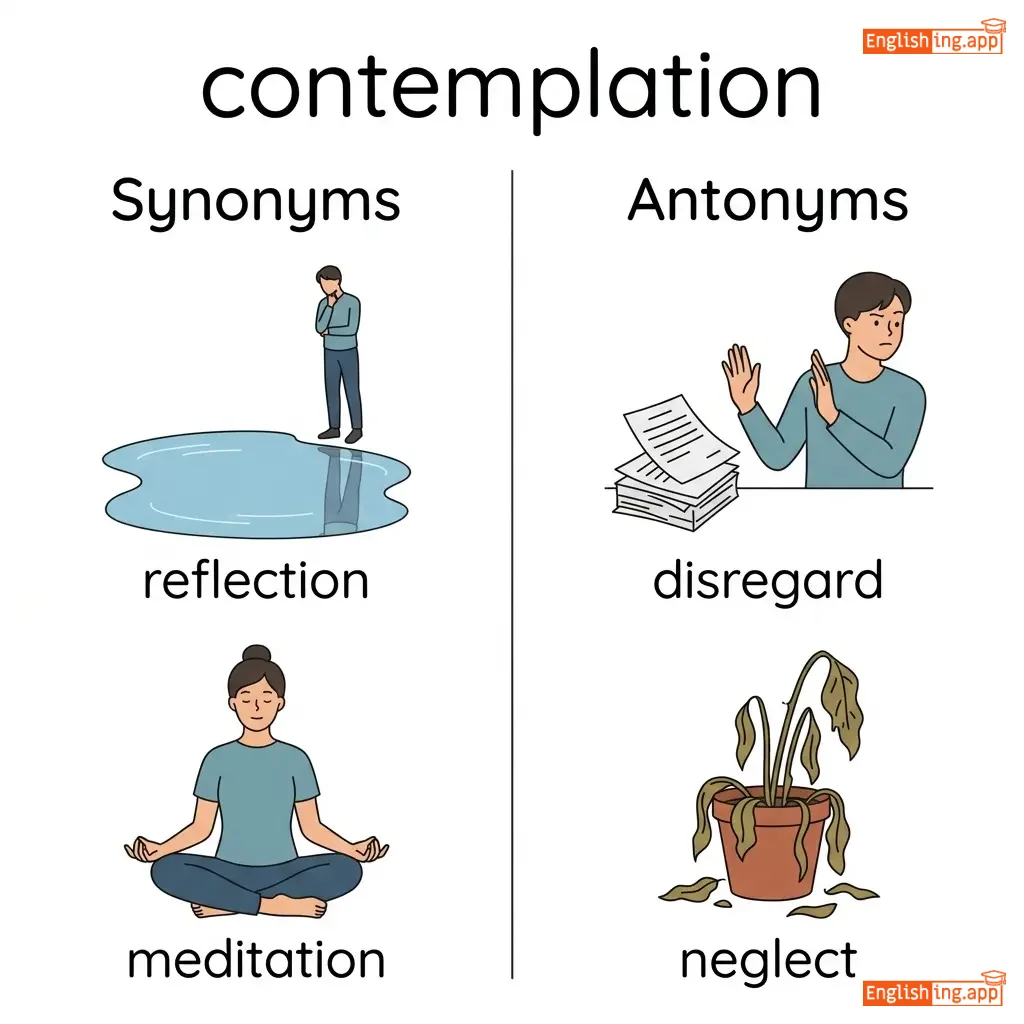
ˌkɒn.təmˈpleɪ.ʃən
noun
(コンテンプレーション)
••••••
|
|
熟考, 深い思索
jukou, fukai shisoku
••••••
|
The action of looking thoughtfully at something for a long time; deep reflective thought.
••••••
|
He spent hours in contemplation about his future. |
彼は自分の未来について何時間も熟考しました。
Kare wa jibun no mirai ni tsuite nanjikan mo jukou shimashita.
••••••
|
reflection, meditation, thought
••••••
|
disregard, neglect, inattention
••••••
|
熟考は未来についての深い思索を意味します
••••••
|
|
#3482
⚖️
|
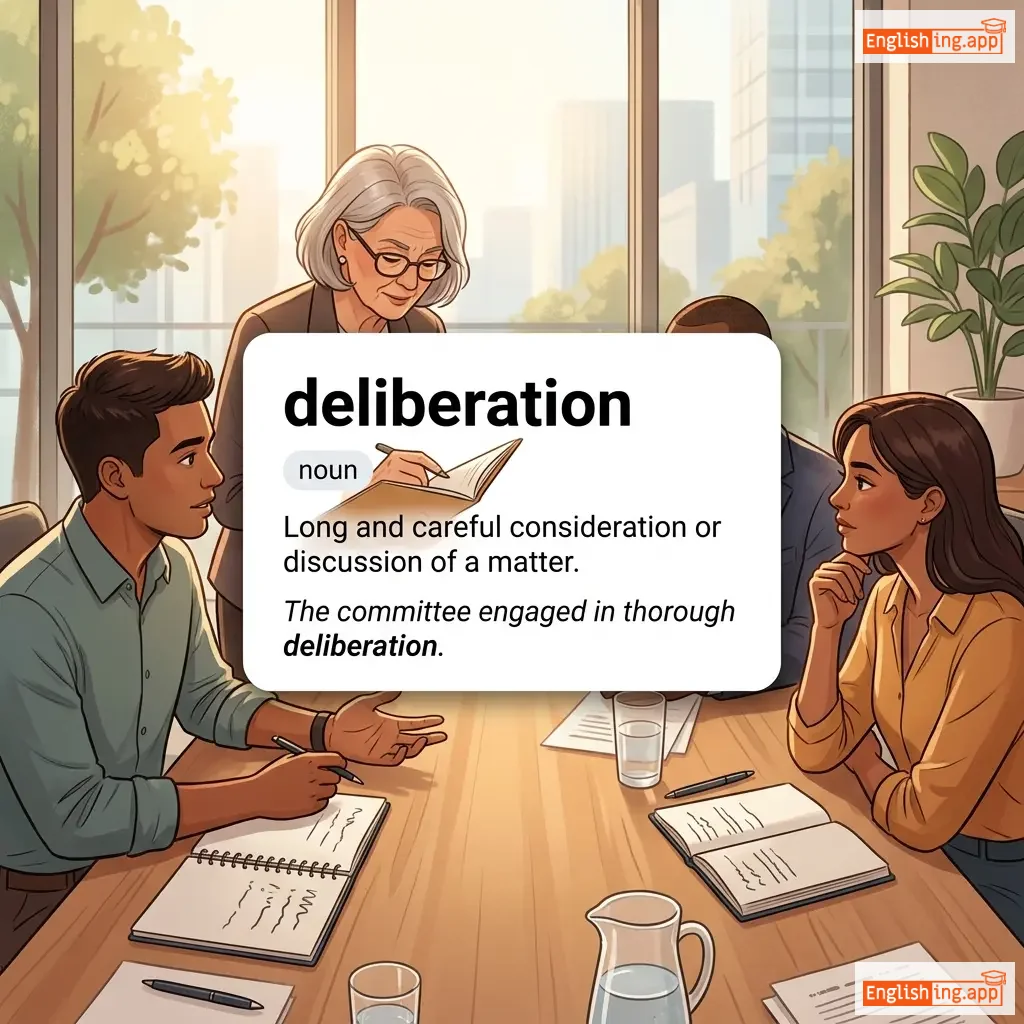
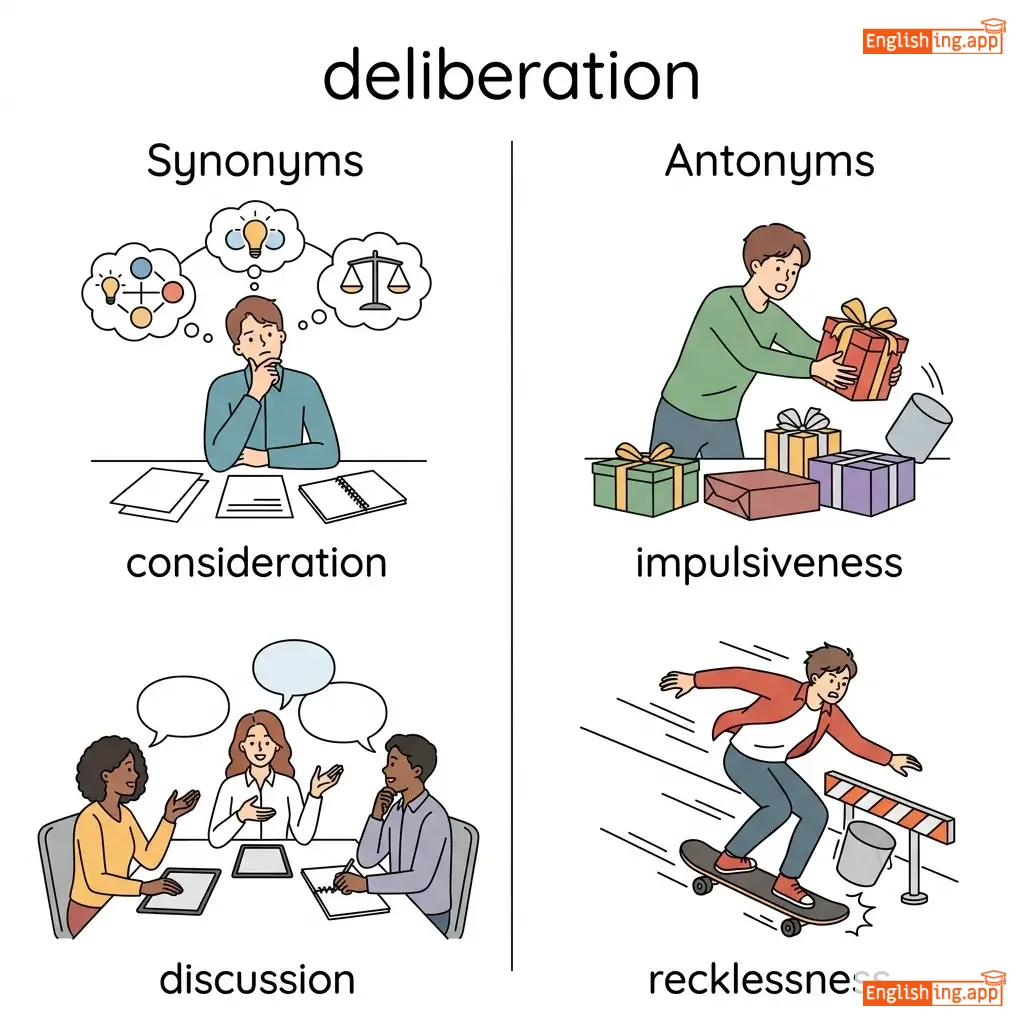
dɪˌlɪb.əˈreɪ.ʃən
noun
(ディリベレーション)
••••••
|
|
熟慮
jukuryo
••••••
|
Long and careful consideration or discussion of a matter.
••••••
|
The committee engaged in thorough deliberation.
委員会は慎重な討議に参加しました。
••••••
|
委員会は慎重な討議に参加しました。
Iinkai wa shinchō na tōgi ni sanka shimashita.
••••••
|
consideration, discussion, consultation
••••••
|
impulsiveness, recklessness, haste
••••••
|
Japanese speakers can associate '熟慮' with thoughtful deliberation.
••••••
|
|
#3483
⚖️
|
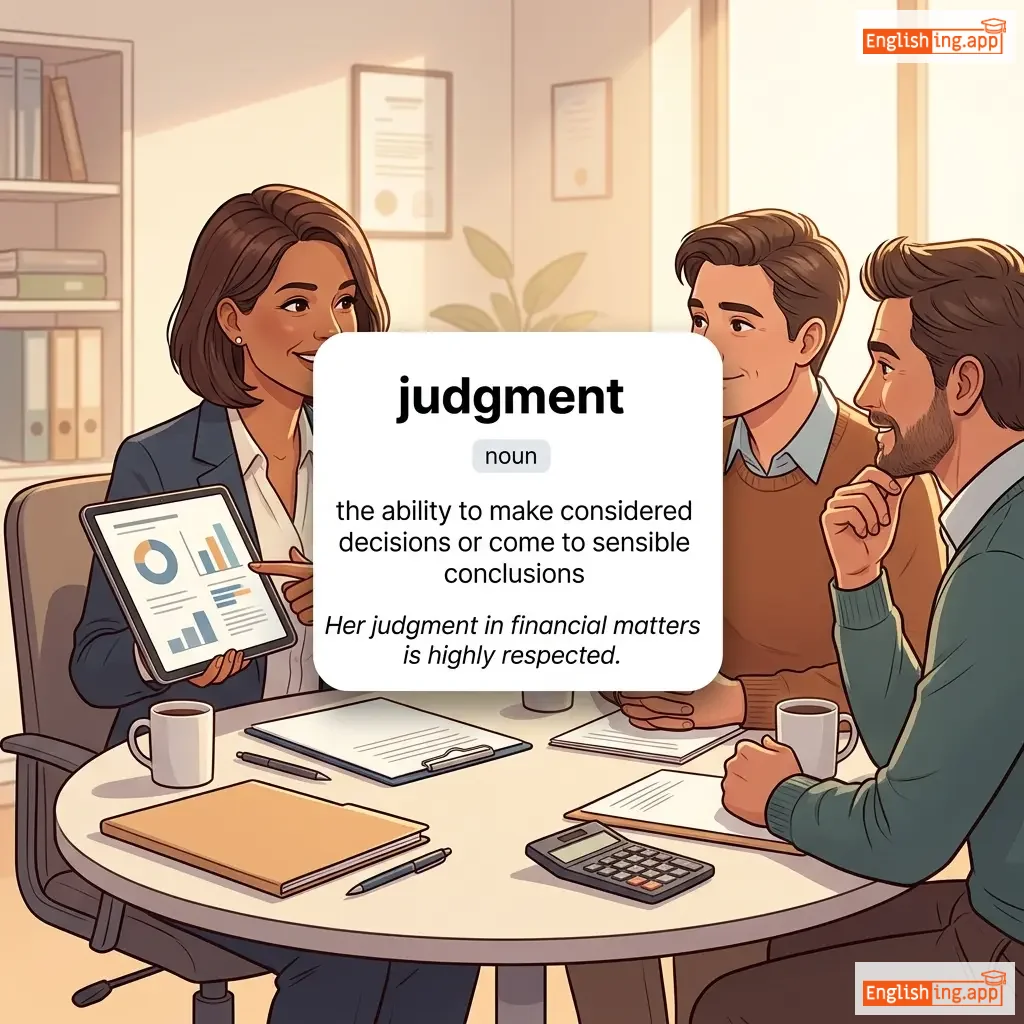
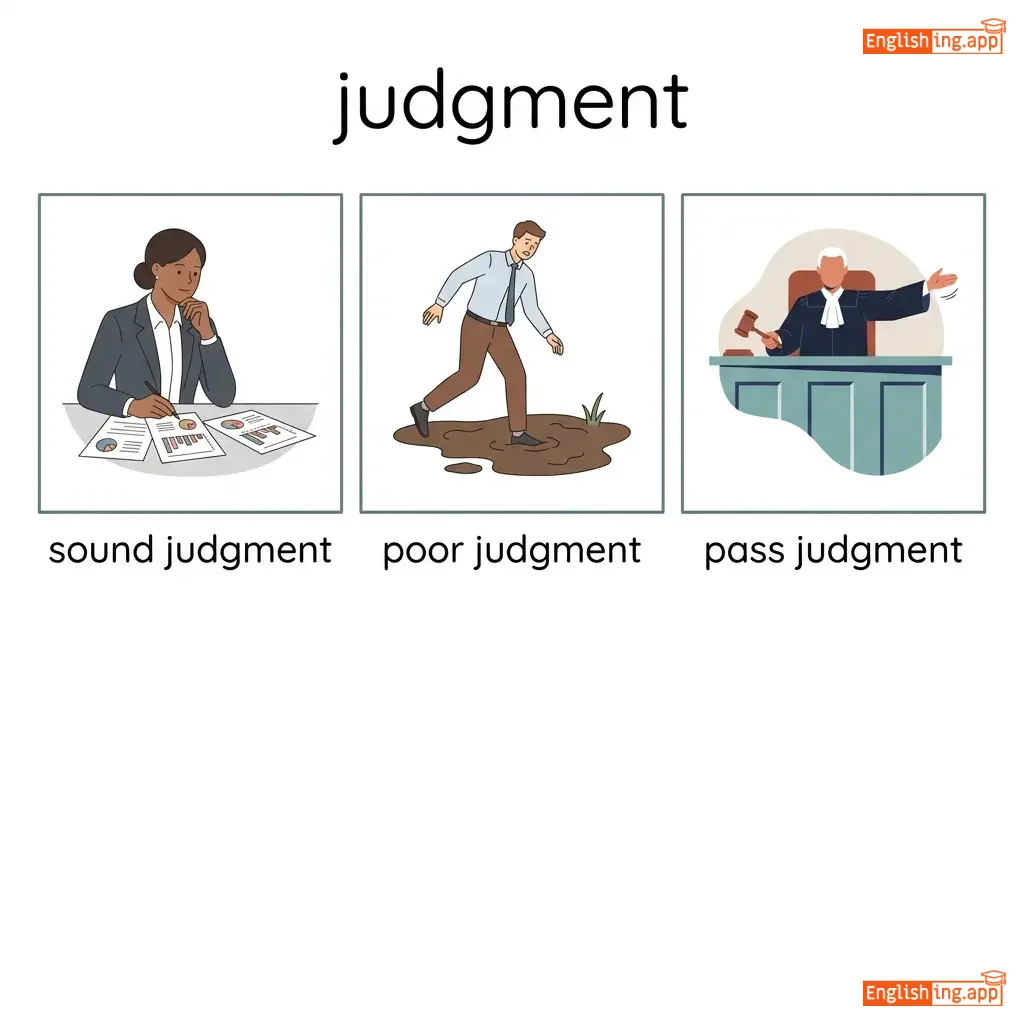
ˈdʒʌdʒ.mənt
noun
(ジャッジメント)
••••••
|
|
判断、裁定、判断力
handan, saitei, handanryoku
••••••
|
The ability to make considered decisions or come to sensible conclusions.
••••••
|
The judge's judgment was fair and just. |
裁判官の判断は公平で公正でした。
Saibankan no handan wa kōhei de kōsei deshita.
••••••
|
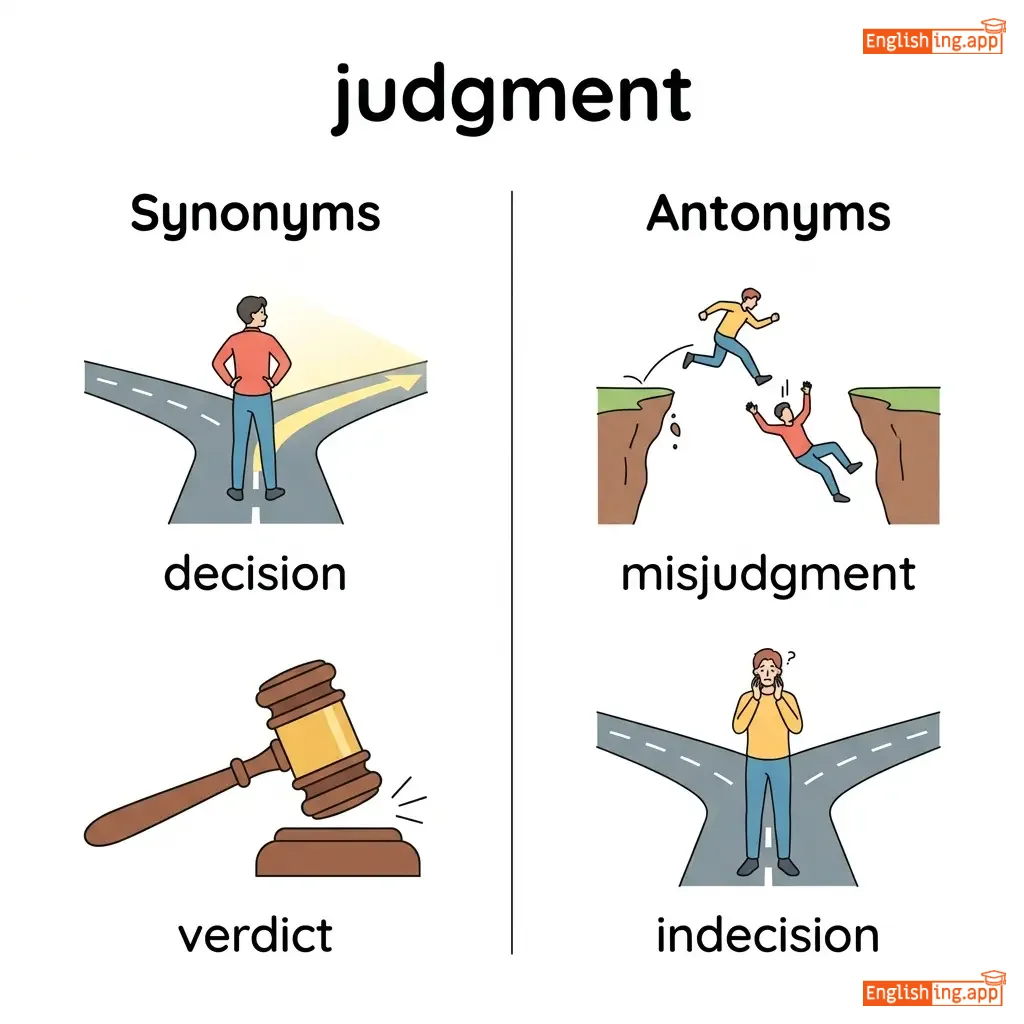
decision, verdict, ruling
••••••
|
indecision, misjudgment, bias
••••••
|
判断力、裁判官が公正に判断する力。
••••••
|
|
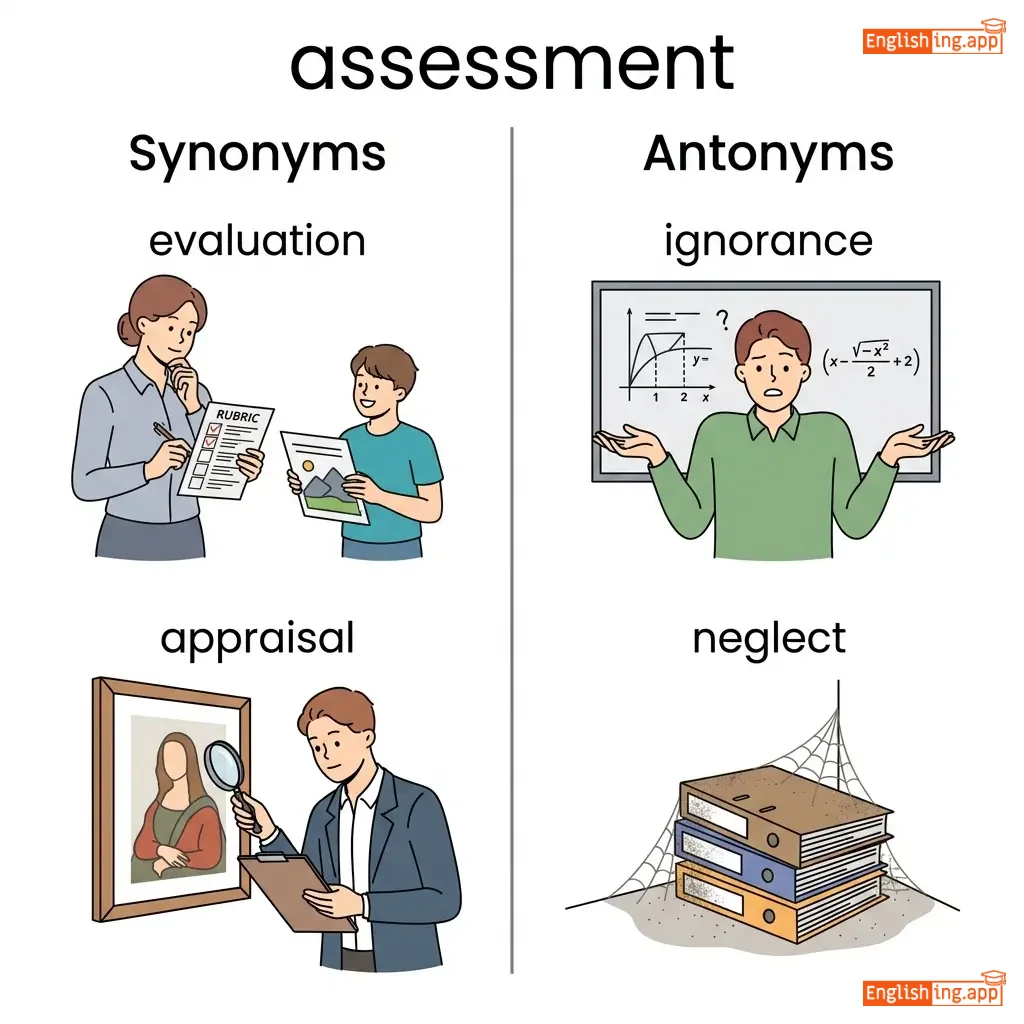
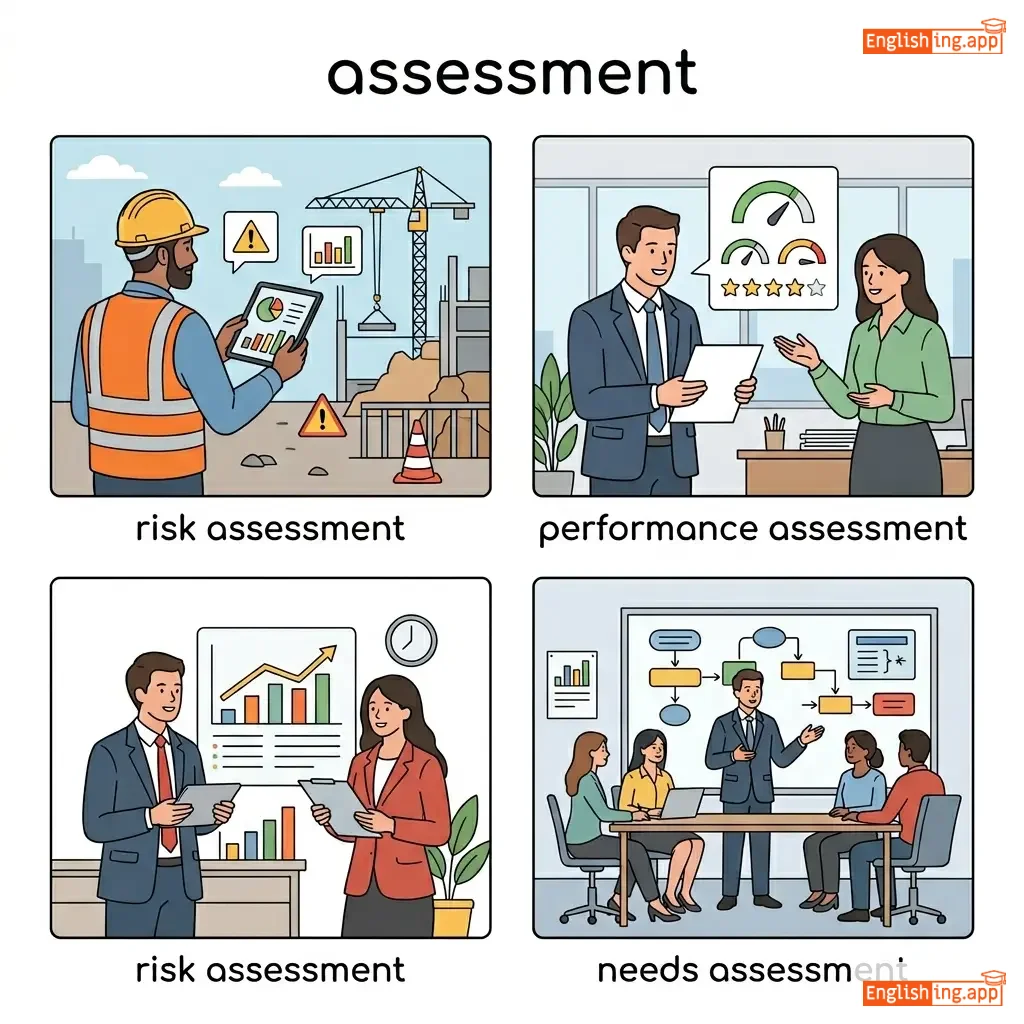
#3484
📊
|
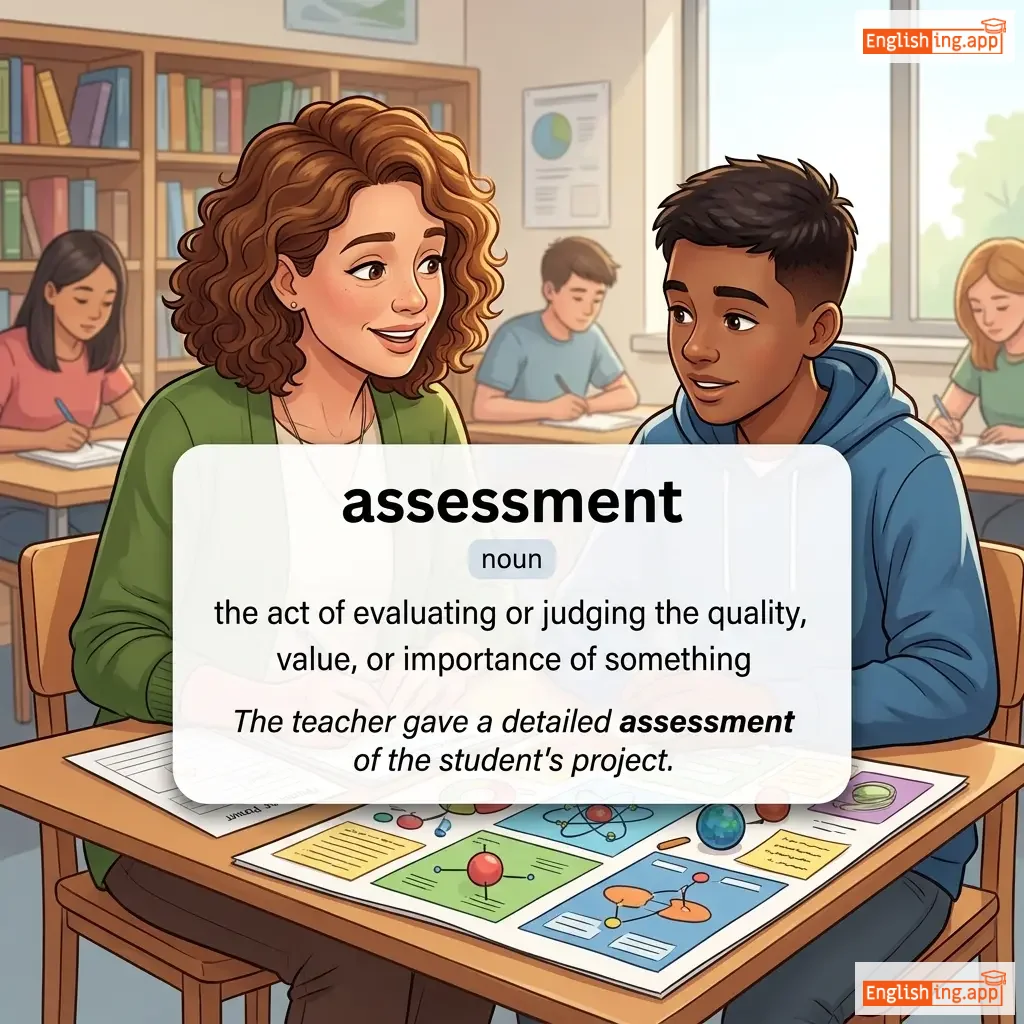
əˈses.mənt
noun
(アセスメント)
••••••
|
|
評価, 見積もり, アセスメント
hyouka, mitsumori, asesumento
••••••
|
The evaluation or estimation of the nature, quality, or ability of someone or something.
••••••
|
His assessment of the situation was accurate. |
彼の状況の評価は正確でした。
Kare no joukyou no hyouka wa seikaku deshita.
••••••
|
evaluation, appraisal, analysis
••••••
|
misjudgment, inaccuracy, misestimation
••••••
|
No •••••• |
|
#3485
🔍
|
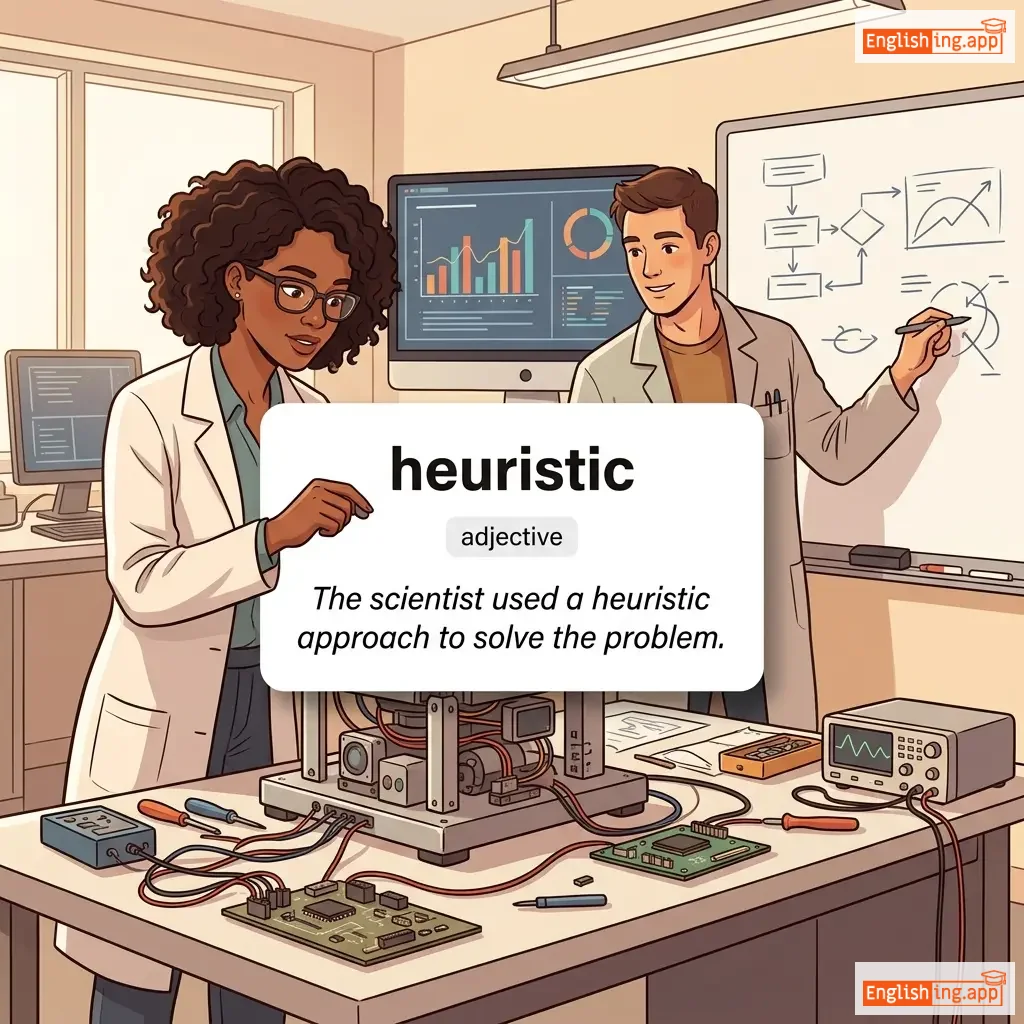
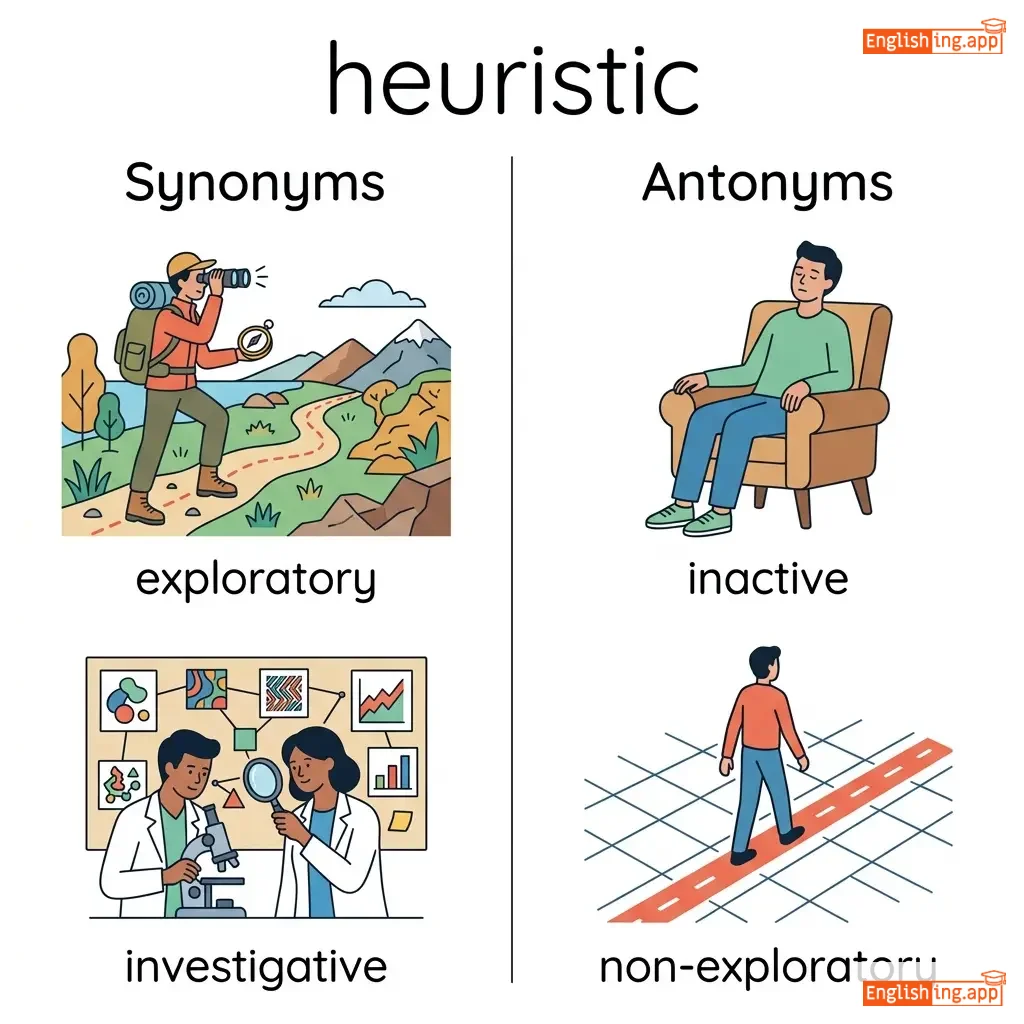
hjʊəˈrɪs.tɪk
adjective
(ヒューリスティック)
••••••
|
|
ヒューリスティック
hyūrisutikku
••••••
|
Enabling a person to discover or learn something for themselves; using practical experience rather than theory.
••••••
|
The scientist used a heuristic approach to solve the problem. |
科学者は問題を解決するためにヒューリスティックアプローチを使用しました。
Kagakusha wa mondai o kaiketsu suru tame ni hyūrisutikku apurōchi o shiyō shimashita.
••••••
|
exploratory, investigative, experimental
••••••
|
inactive, non-exploratory, theoretical
••••••
|
ヒューリスティック = 実践的な方法
••••••
|
|
#3486
❓
|
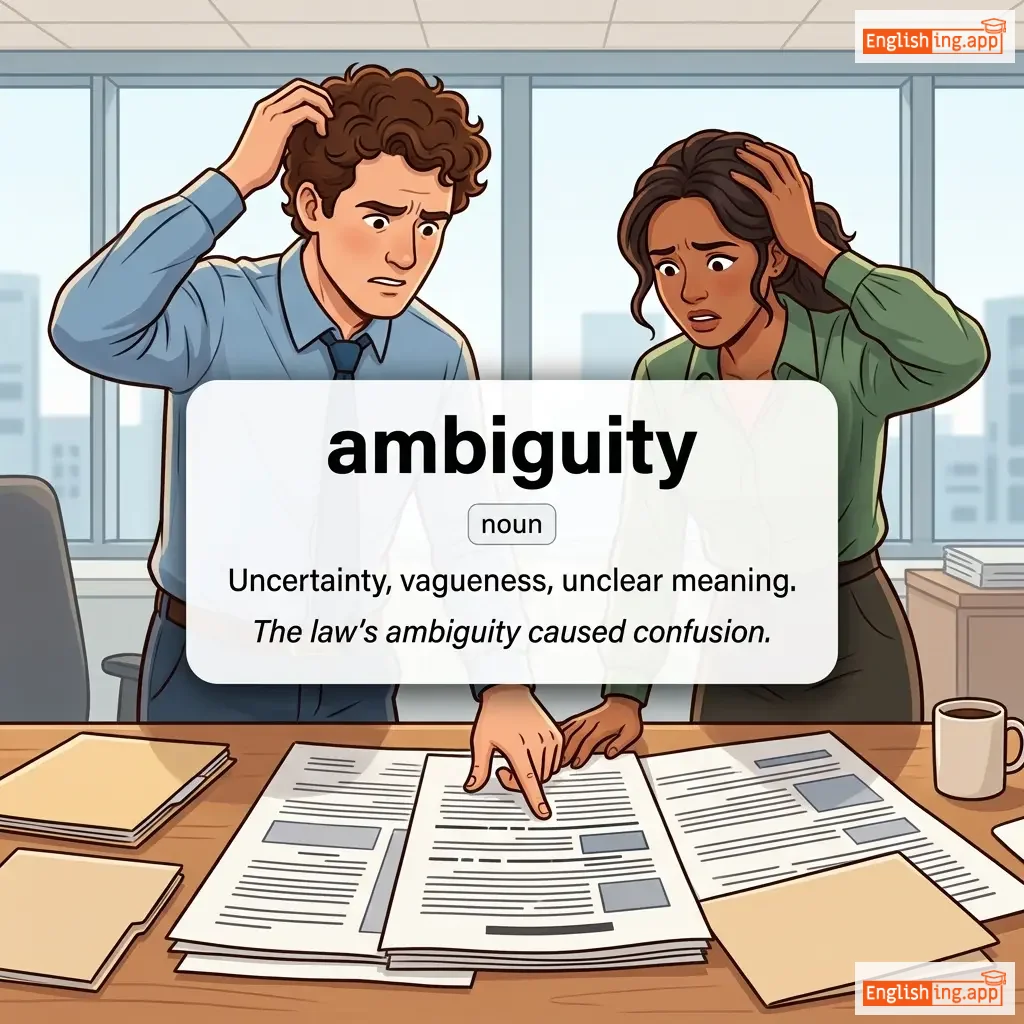
ˌæm.bɪˈɡjuː.ɪ.ti
noun
(アンビギュイティ)
••••••
|
|
曖昧さ, 不確実性
aimaisa, fukakujitsusei
••••••
|
The quality of being open to more than one interpretation; inexactness.
••••••
|
The ambiguity in his speech confused the audience. |
彼のスピーチの曖昧さは聴衆を混乱させた。
Kare no supiichi no aimaisa wa choushuu wo konran saseta.
••••••
|
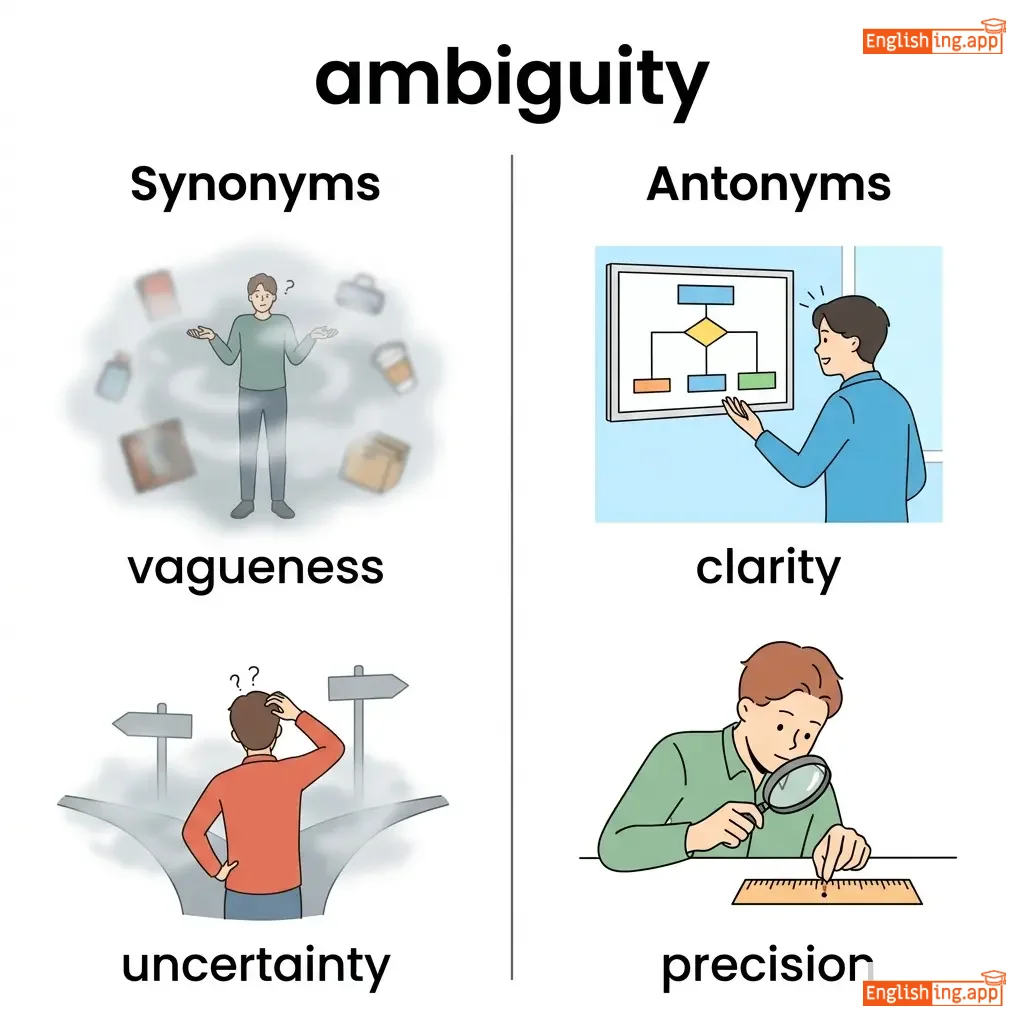
vagueness, uncertainty, confusion
••••••
|
clarity, precision, certainty
••••••
|
日本語で'曖昧さ'を思い出すことで'ambiguity'を覚える。
••••••
|
|
#3487
🌀
|
ɪˌræʃ.ənˈæl.ɪ.ti
noun
(イレショナルリティ)
••••••
|
|
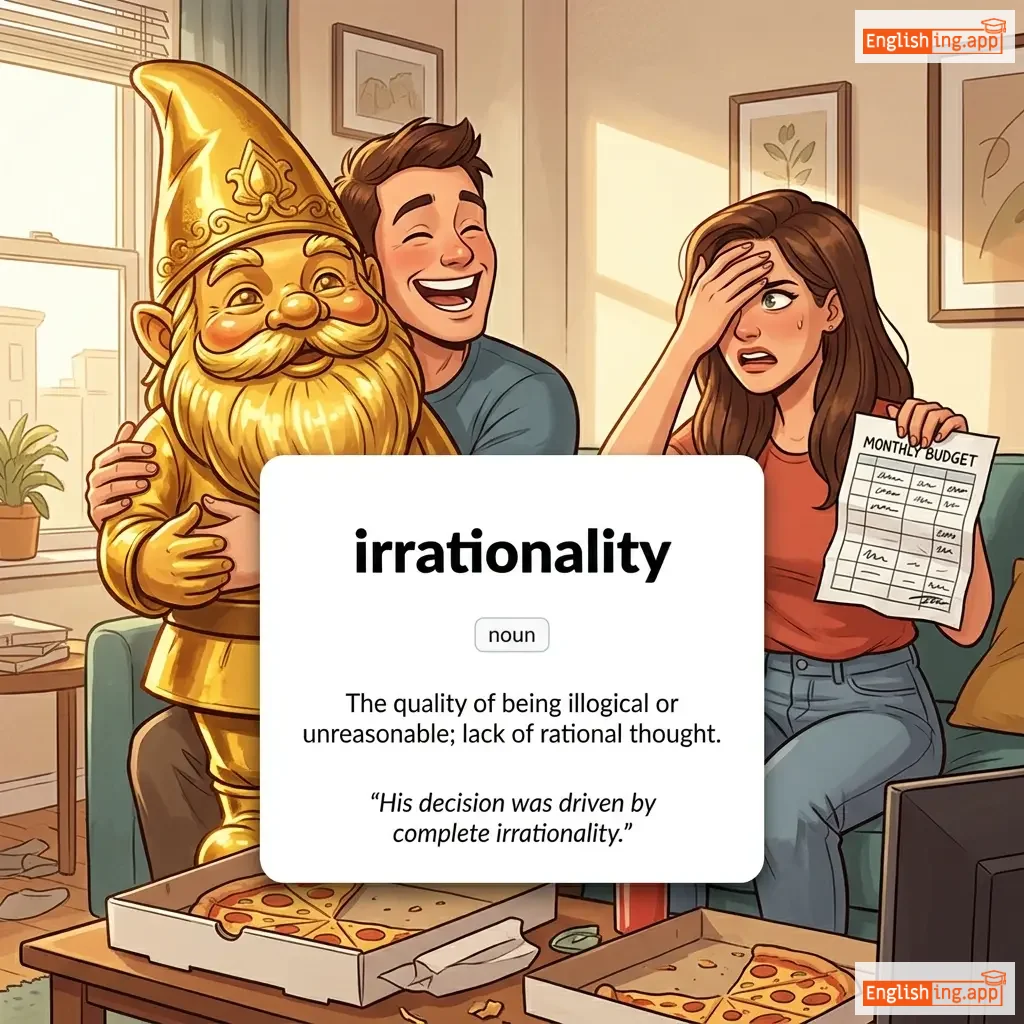
非合理性, 非論理性, 不合理
higorisei, hironrisei, fukouryuu
••••••
|
The quality of being illogical or unreasonable; lack of rational thought.
••••••
|
His decision was driven by complete irrationality.
彼の決定は完全に非合理的でした。
••••••
|
彼の決定は完全に非合理的でした。
Kare no kettei wa kanzen ni higoriteki deshita.
••••••
|
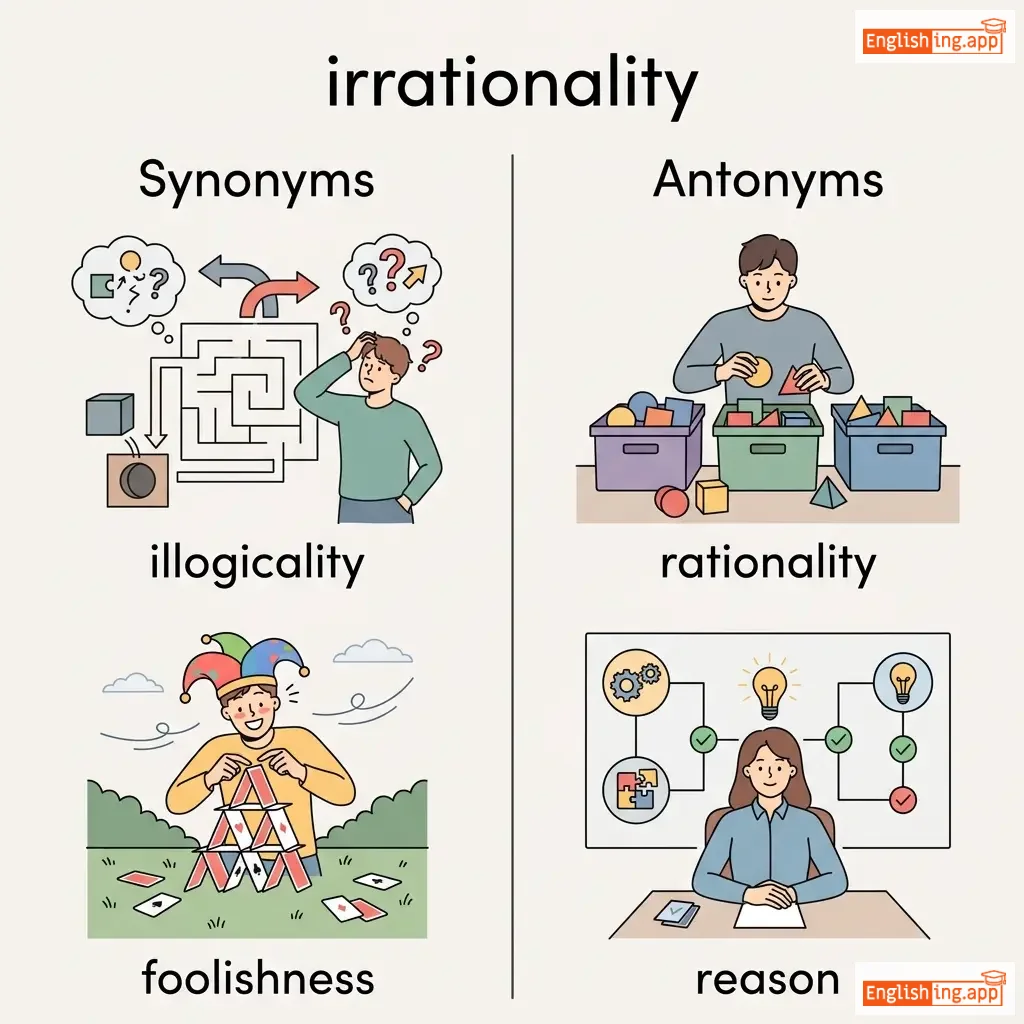
illogicality, foolishness, unreasonableness
••••••
|
rationality, reason, logic
••••••
|
非合理性は英語のirrationalityを思い出させる鍵です。
••••••
|
|
#3488
📋
|
ɪˌvæl.juˈeɪ.ʃən
noun
(イヴァリュエーション)
••••••
|
|
評価, 評定, アセスメント
hyōka, hyōtei, asesumento
••••••
|
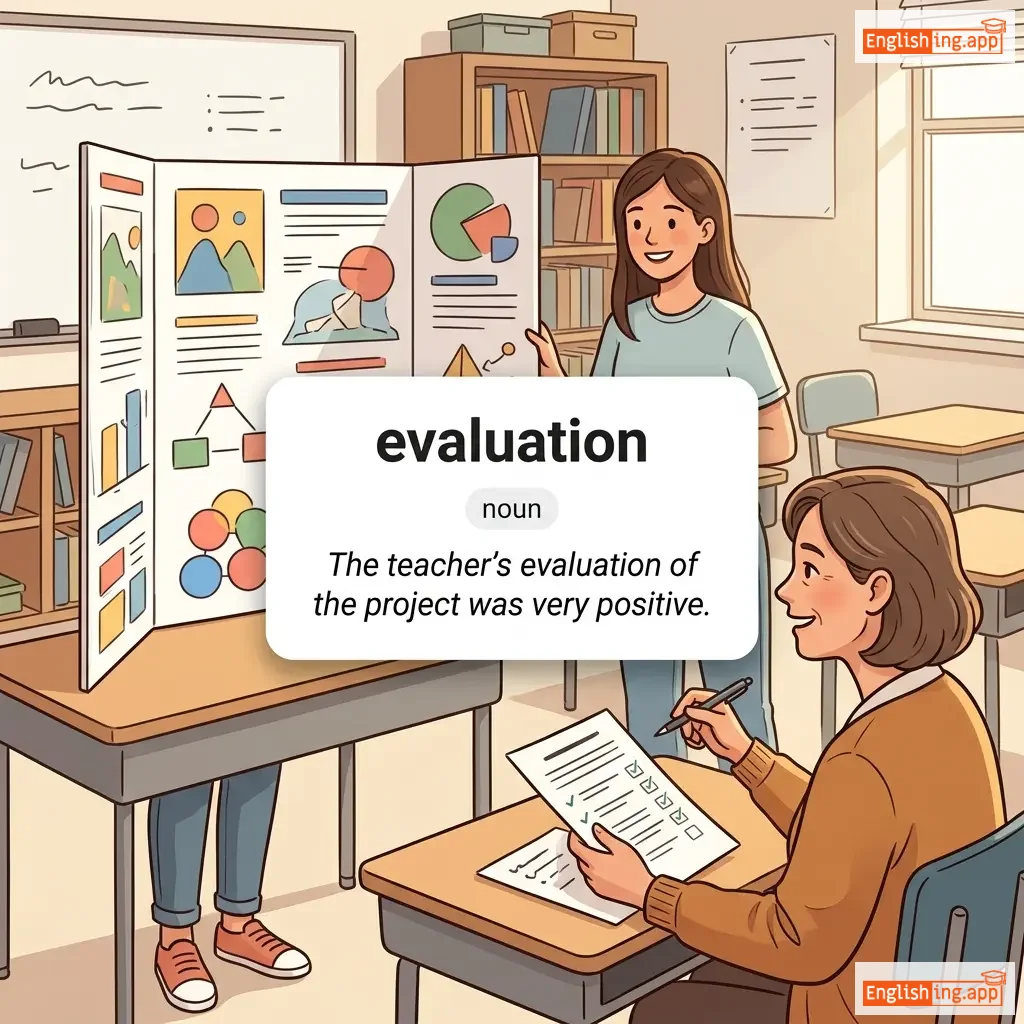
The making of a judgment about the amount, number, or value of something; assessment.
••••••
|
The teacher conducted a fair evaluation of students. |
先生は学生の公正な評価を行いました。
Sensei wa gakusei no kōsei na hyōka o okonai mashita.
••••••
|
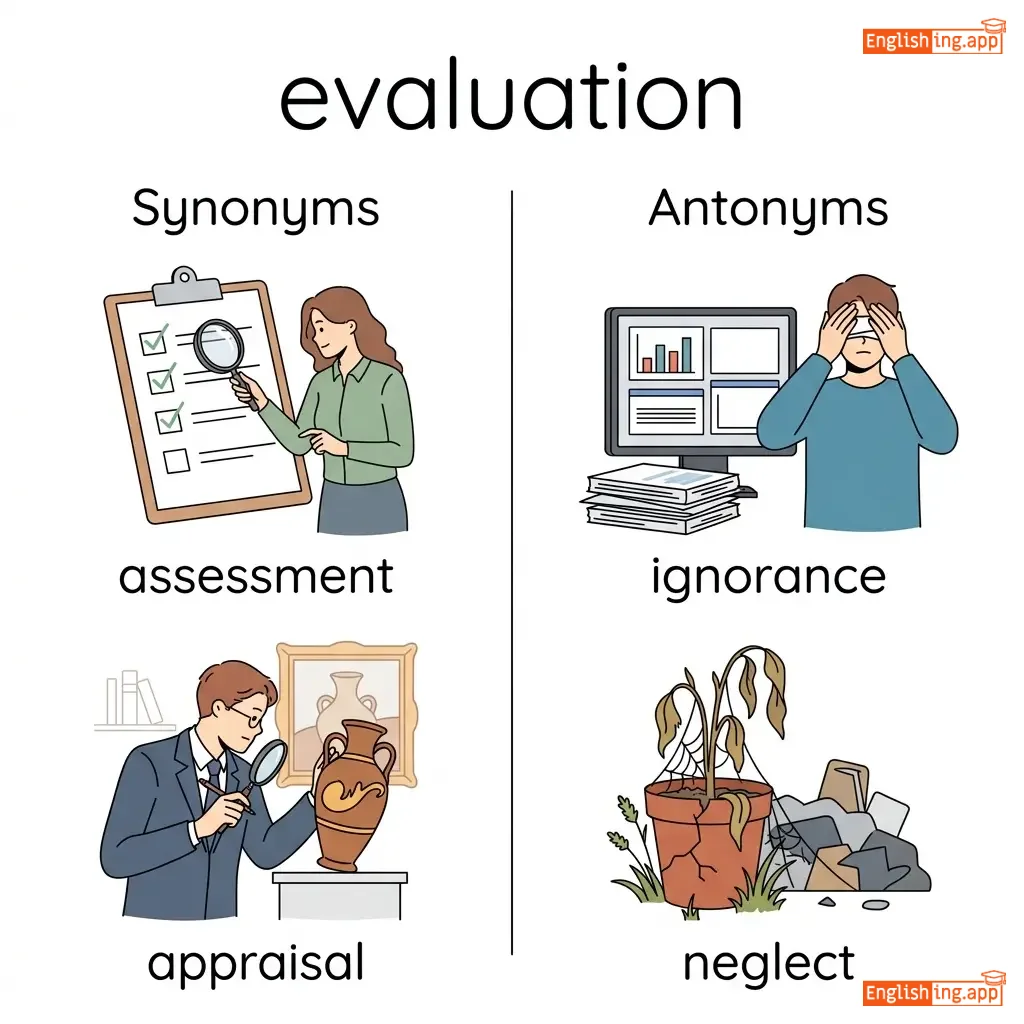
assessment, appraisal, review
••••••
|
misjudgment, neglect, disregard
••••••
|
評価を通じて真実を見極める
••••••
|
|
#3489
🧬
|
ˌpriː.dɪs.pəˈzɪʃ.ən
noun
(プリディスポジション)
••••••
|
|
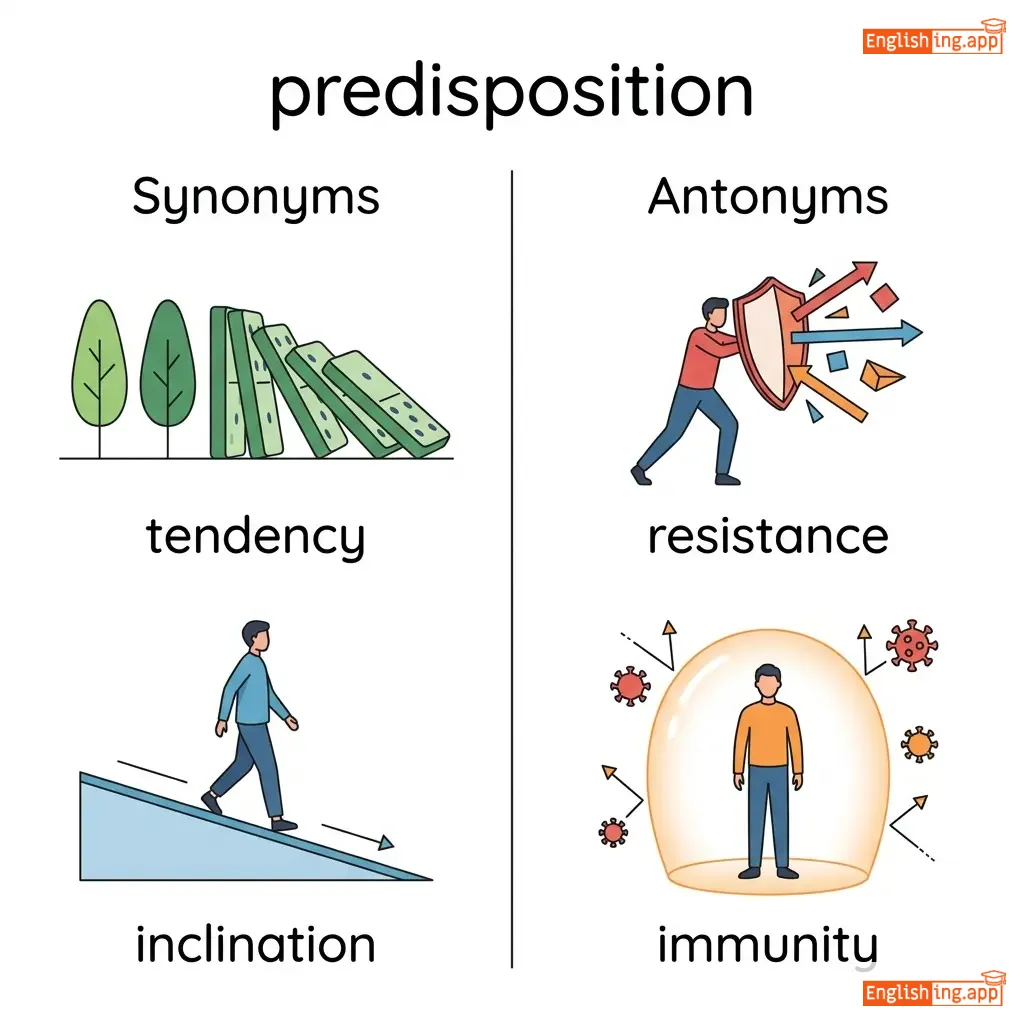
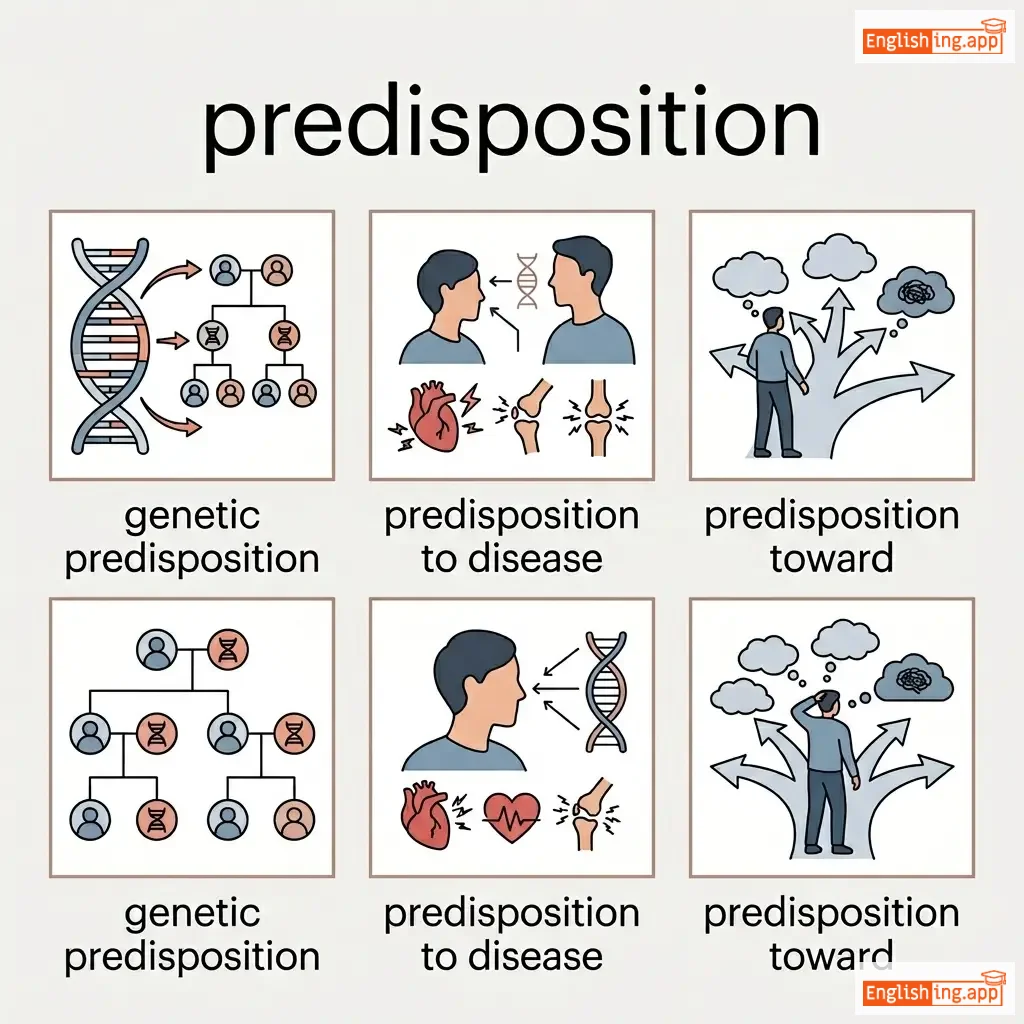
傾向, 遺伝的傾向, 先天的な傾向
keikou, iden teki keikou, senten teki na keikou
••••••
|
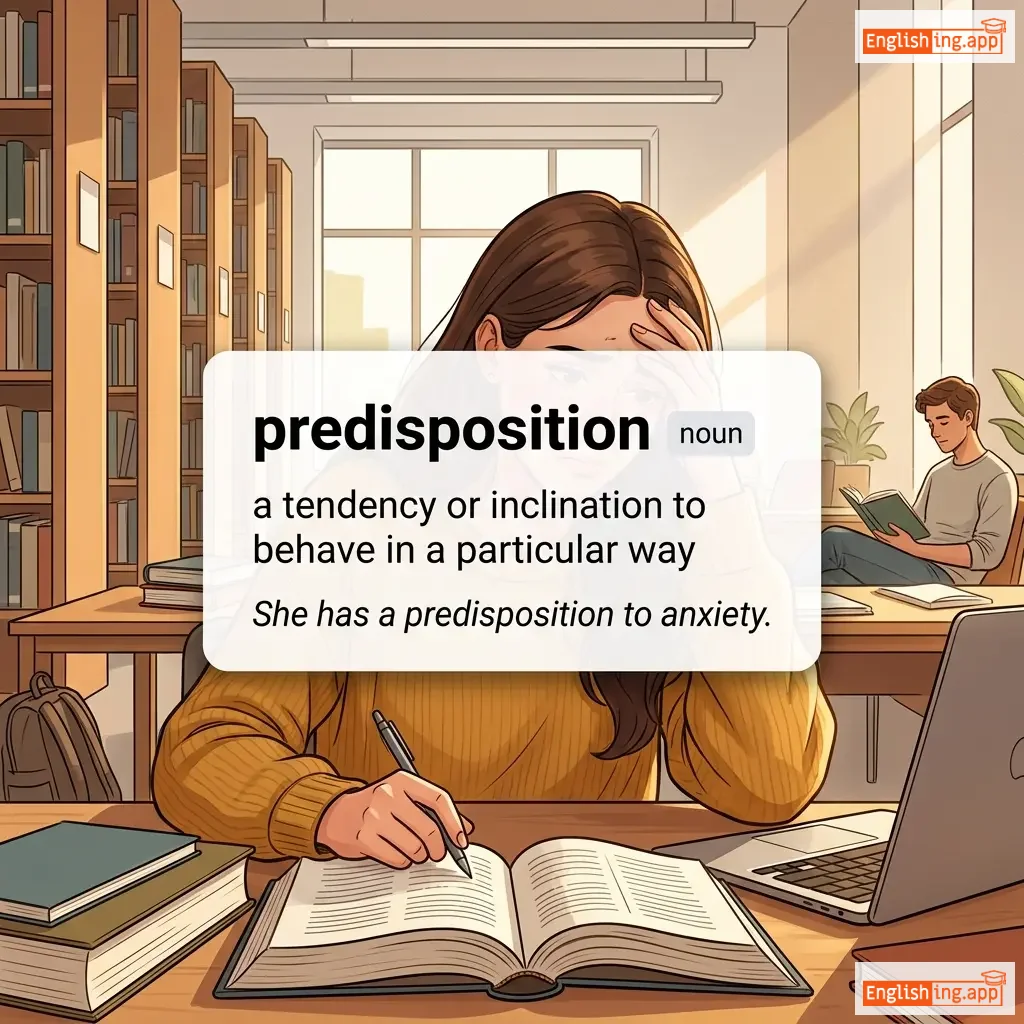
A liability or tendency to suffer from a particular condition, hold a particular attitude, or act in a particular way.
••••••
|
His genetic predisposition made him more susceptible to diabetes. |
彼の遺伝的傾向は彼を糖尿病に対してより敏感にした。
Kare no iden teki keikou wa kare o tounyoubyou ni taishite yori binkan ni shita.
••••••
|
inclination, propensity, tendency
••••••
|
disinclination, neutrality, resistance
••••••
|
日本語: 傾向 = あなたが無意識に向かうもの、例えば糖尿病にかかる傾向。
••••••
|
|
#3490
🎯
|
ˈkɒn.sɪ.kwəns
noun
(konsikuwensu)
••••••
|
|
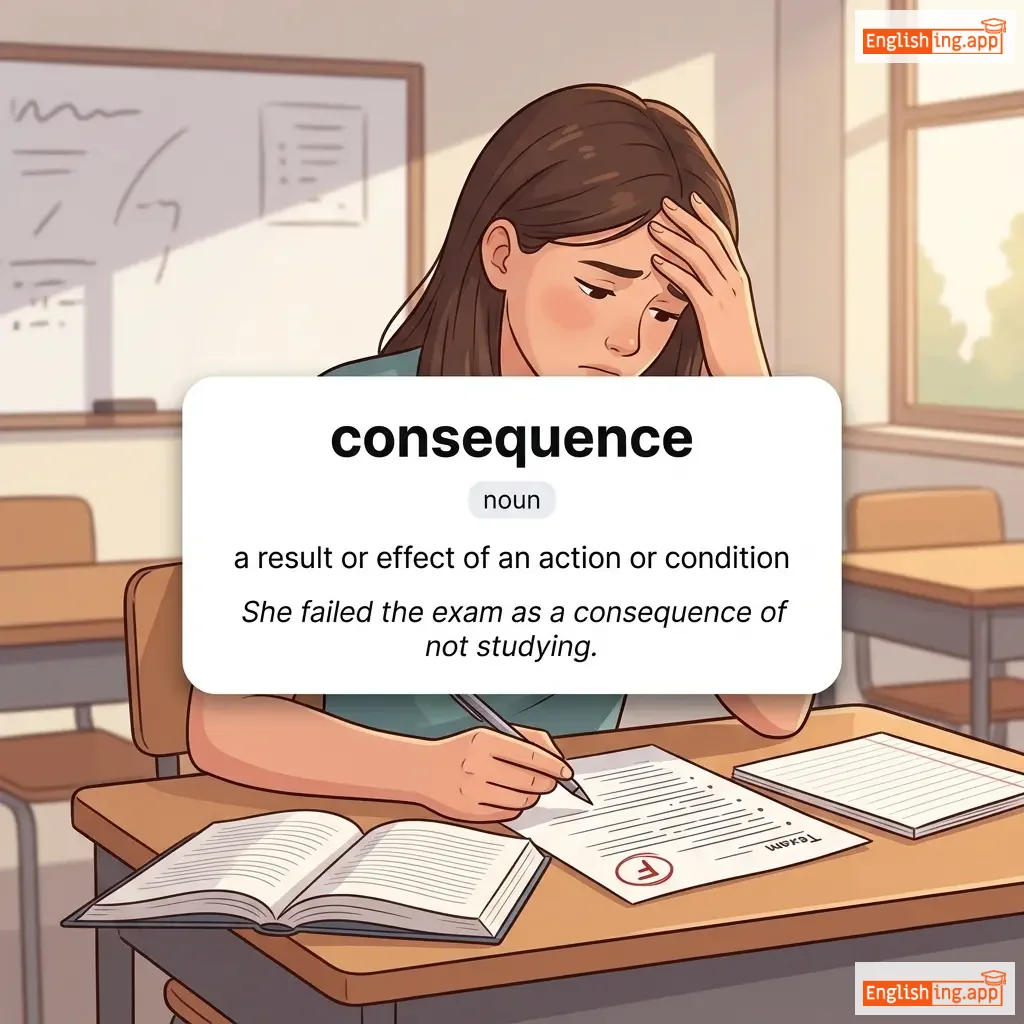
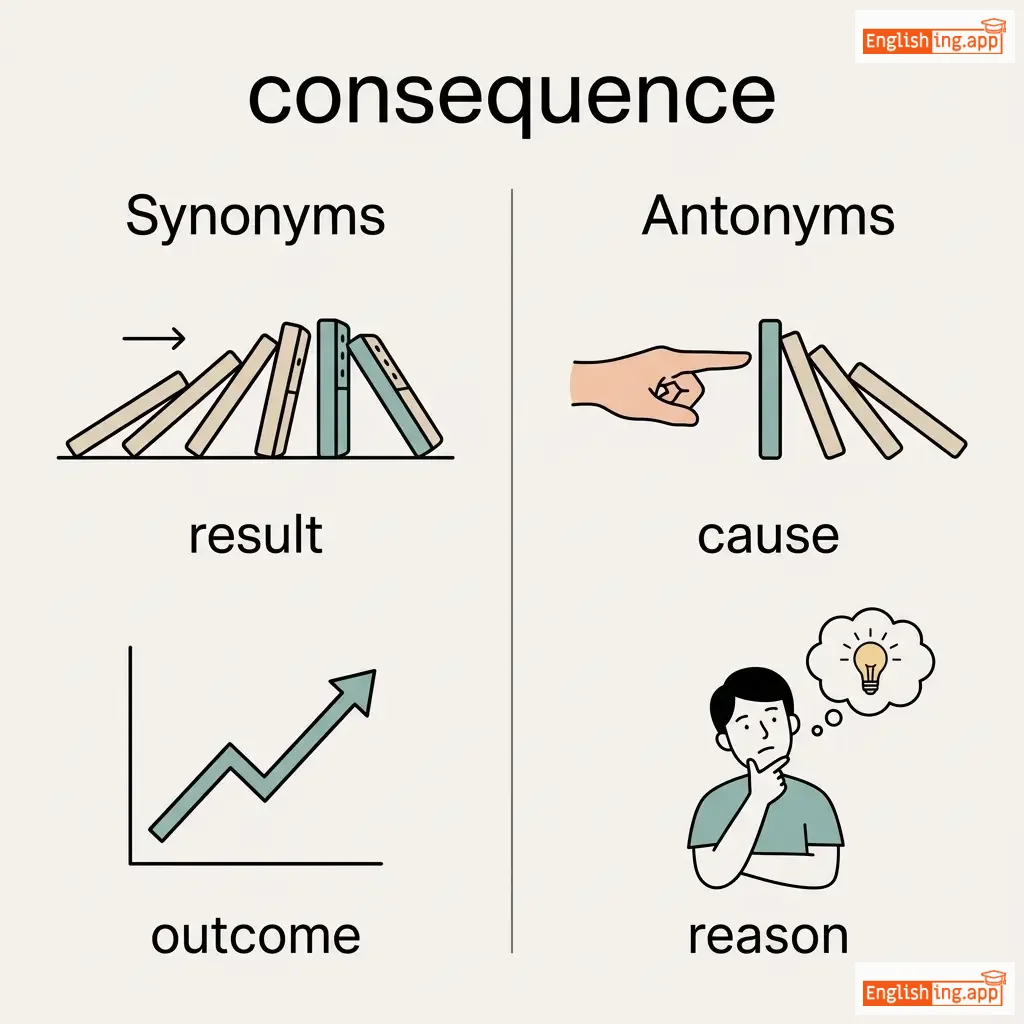
結果
kekka
••••••
|
A result or effect of an action or condition.
••••••
|
Every action has a consequence. |
すべての行動には結果があります。
Subete no kōdō ni wa kekka ga arimasu.
••••••
|
outcome, ramification, result
••••••
|
cause, insignificance, origin
••••••
|
Japanese: すべての行動には結果があります = Every action has a consequence
••••••
|
|
#3491
🔑
|
dɪˈtɜː.mɪ.nənt
noun
(ディターミナント)
••••••
|
|
決定的な要素
ketteiteki na yōso
••••••
|
A factor that decisively affects the nature or outcome of something.
••••••
|
Education is a key determinant of success. |
教育は成功の重要な決定的要素です。
Kyōiku wa seikō no jūyōna ketteiteki yōso desu.
••••••
|
factor, influencer, element
••••••
|
insignificance, nonfactor, irrelevance
••••••
|
決定的な要素は結果を左右するもので、教育が成功に重要であることのように。
••••••
|
Vocabulary Quiz
Test your vocabulary by matching words with their translations or meanings.
Login to take the quiz
Comments (0)
Share your thoughts and join the discussion.
Join the discussion by logging in
Login to CommentNo comments yet
Be the first to share your thoughts!