

ストーリーを通じて語彙を学ぶ - 言語運動
Learn Vocabulary Through Stories - Language Movement
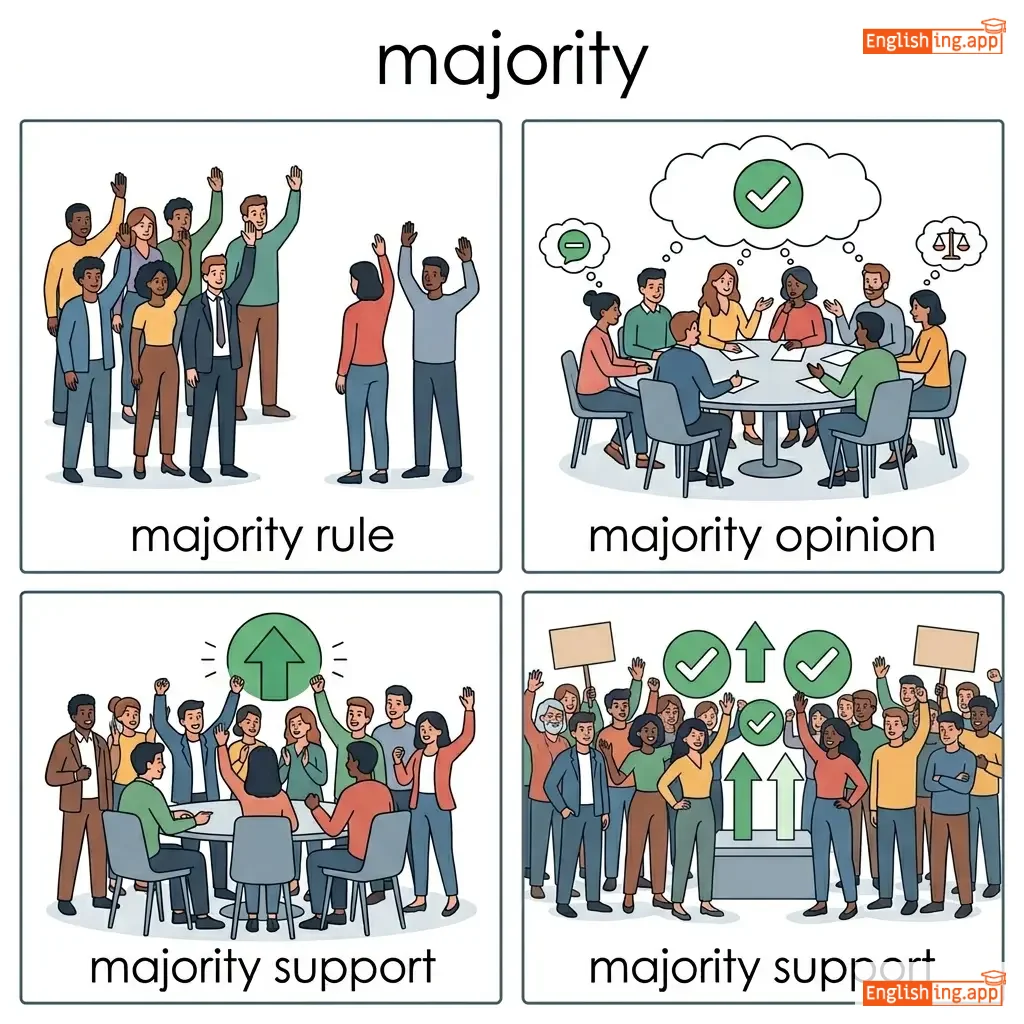
パキスタンの議会の最初のセッションは1948年2月25日に行われました。議会の議員であるディヘレンドラナート・ダッタは、ウルドゥ語と英語と共に議会の議事でベンガル語を使用するべきだという提案を行いました。ダッタの主張は、パキスタンの6900万人のうち、4000万人以上がベンガル語を話すというもので、つまりベンガル語は多数の言語であるということです。したがって、ベンガル語は単なる地方の言語と見なされるべきではなく、国の言語の一つと見なされるべきです。
しかし、ダッタの修正案は議会で支持されませんでした。ベンガル語の議会議員でさえ、彼らの議会党の反対により支持できませんでした。
これに対する抗議として、ダッカの学生たちは授業をボイコットし、ストライキを行いました。1948年3月11日、東ベンガルで「言語の日」が観察されました。
バドルディン・ウマルは、3月11日にダッカでベンガル語のためのデモがいくつかの政府の建物の前で行われ、抗議者たちは数人の大臣に辞職させたと書いています。東パキスタンの首相ナズィムディン氏を議会から連れ出すために軍隊が呼ばれなければなりませんでした。
警察は、シャムスル・ハク、オリ・アハッド、そして後に1971年の解放戦争の指導者でありバングラデシュの創設大統領となったシェイク・ムジブル・ラーマンを含む運動のリーダーたちを逮捕しました。
これらのリーダーたちの逮捕に対する反応として、3月13日から15日までダッカでストライキが行われました。2日後、カジャ・ナズィムディンと州言語運動委員会の学生たちとの間で会議が行われ、政府はパキスタン議会にベンガル語を国家言語の一つにするよう勧告することに合意しました。
この緊迫した状況の中、わずか10日後にジンナー氏がダッカに到着しました。そして、おそらくこれに言及して、彼は演説で「混乱を引き起こす」と言ったことを言及しました。
翻訳
過去
過去分詞
三人称単数
動名詞
意味
例文
例文の翻訳
同義語
対義語
コロケーション
ニーモニック








Swipe left or right, or use the buttons. Tap image to zoom.
例文の翻訳
単語
Learn Vocabulary Through Stories - Language MovementLearn Vocabulary Through Stories - Language Movement - マスクトグル
|
絵文字
|
単語 | Images | 翻訳 | 意味 | 例文 | 例文の翻訳 | 同義語 | 対義語 | ニーモニック |
|---|---|---|---|---|---|---|---|---|---|
|
#504
🏛️
|
ˈseʃən
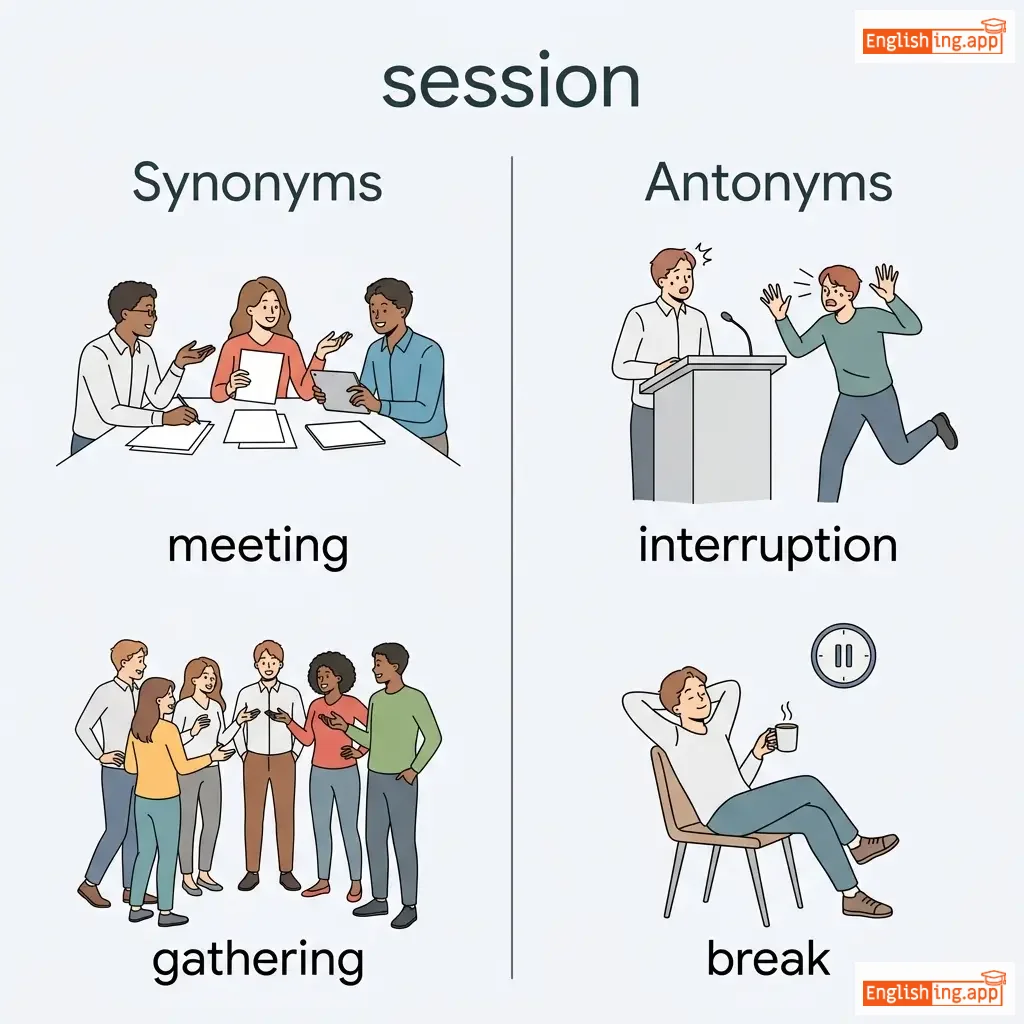
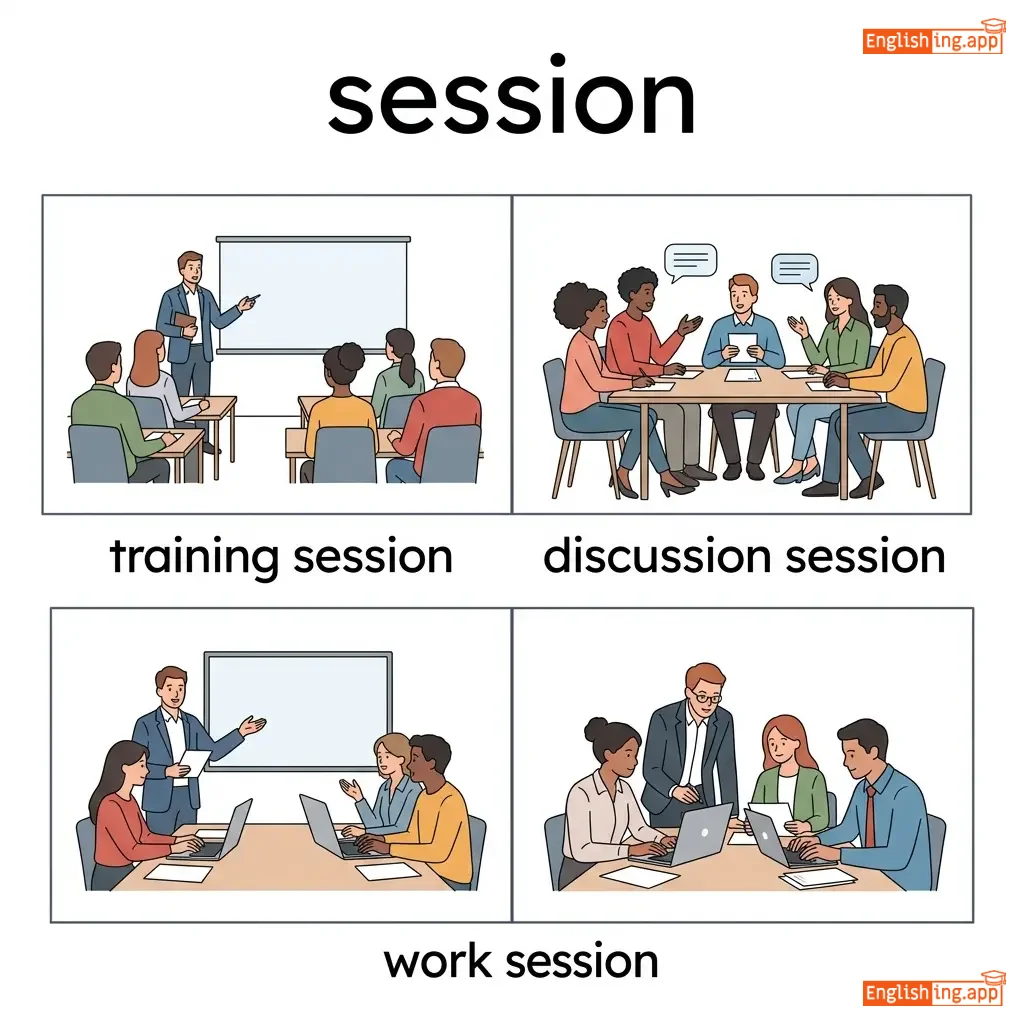
noun
(セッション)
••••••
|
|
セッション
sesshon
••••••
|
A meeting of an official body, especially a legislature, council, or court of law, to conduct its business.
••••••
|
The session was held on February 25. |
セッションは2月25日に開催されました。
Sesshon wa 2-gatsu 25-nichi ni kaisai saremashita.
••••••
|
meeting, assembly
••••••
|
disbandment, recess
••••••
|
セッション = session。日本語でも同じ意味です!
••••••
|
|
#505
📋
|
prəˈsiːdɪŋz
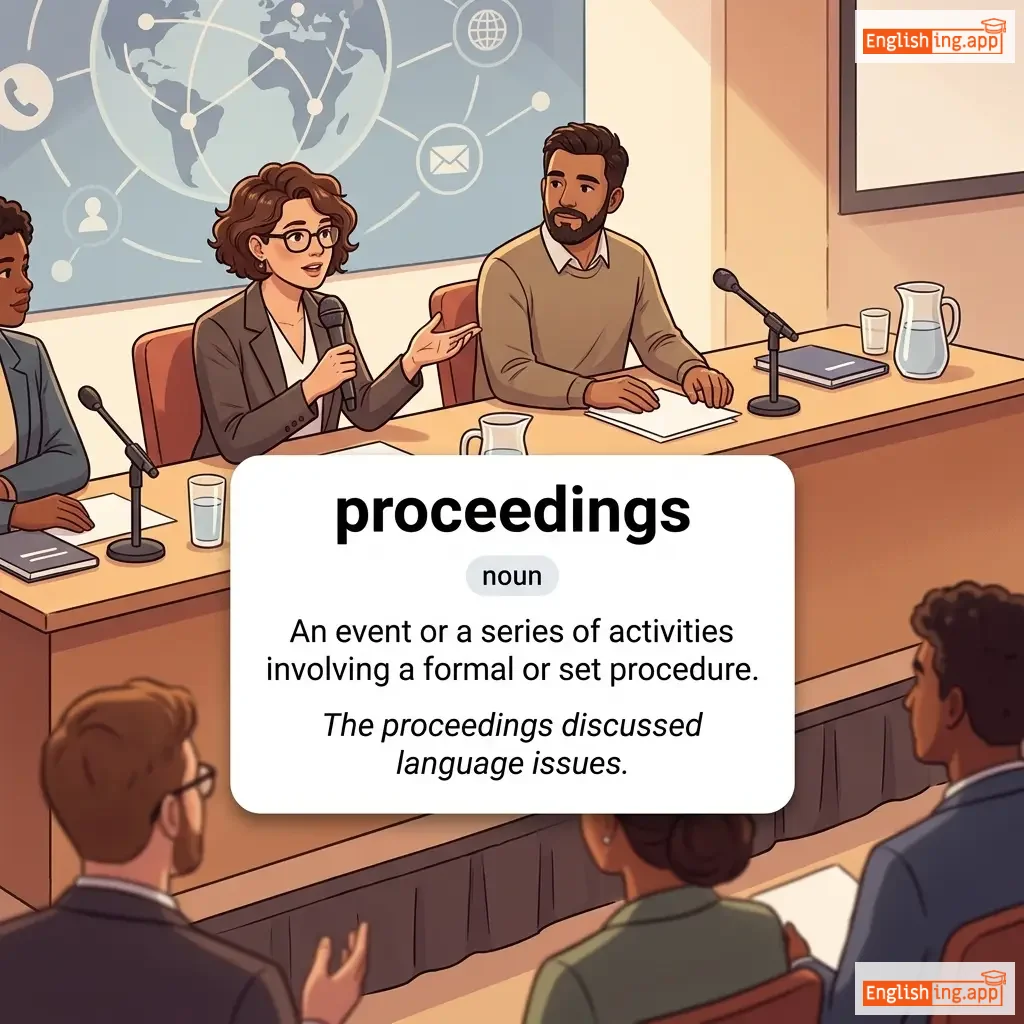
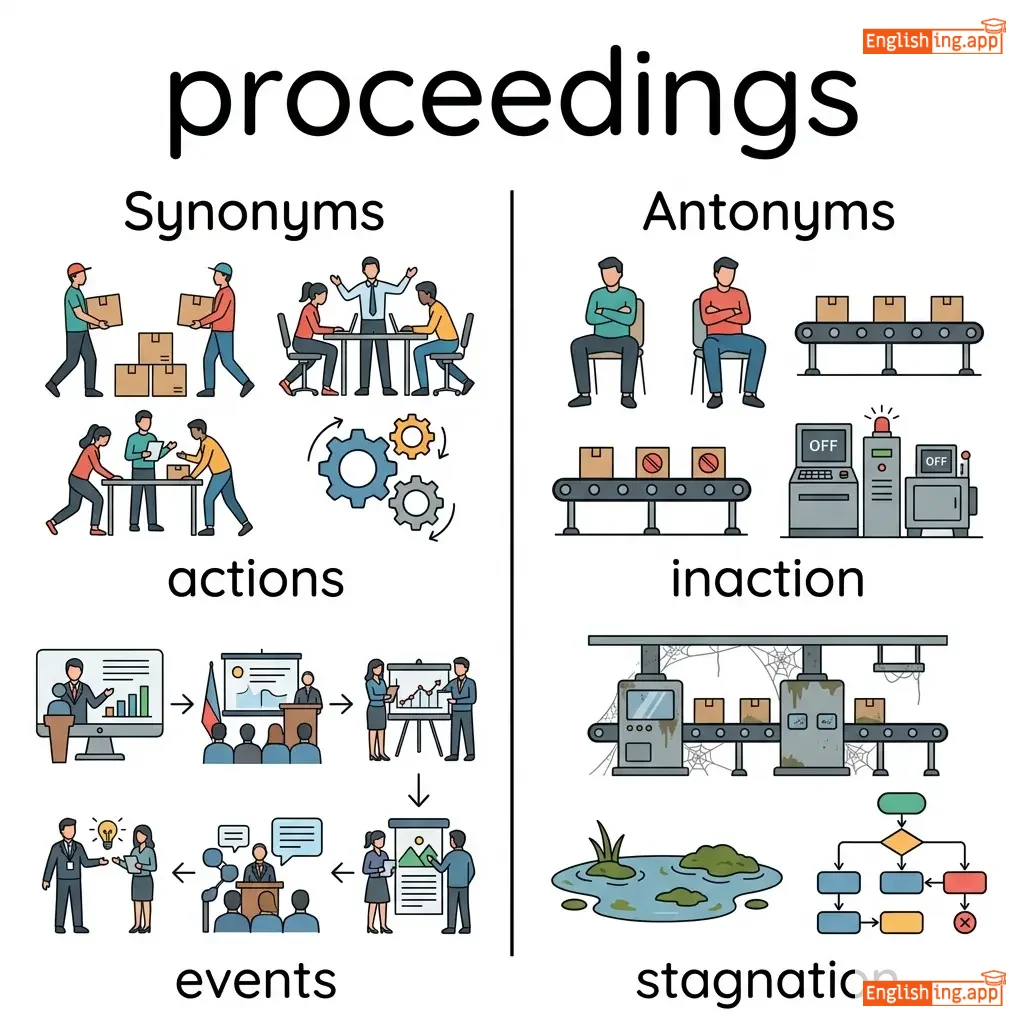
noun
(プロシーディングス)
••••••
|
|
手続き
tetsuzuki
••••••
|
An event or a series of activities involving a formal or set procedure.
••••••
|
The proceedings discussed language issues.
手続きでは言語の問題が議論されました。
••••••
|
手続きでは言語の問題が議論されました。
Tetsuzuki de wa gengo no mondai ga giron saremashita.
••••••
|
actions, events
••••••
|
inaction, stagnation
••••••
|
Think of 'tetsuzuki' as a neat and tidy procedure, just like how Japanese love order!
••••••
|
|
#506
📝
|
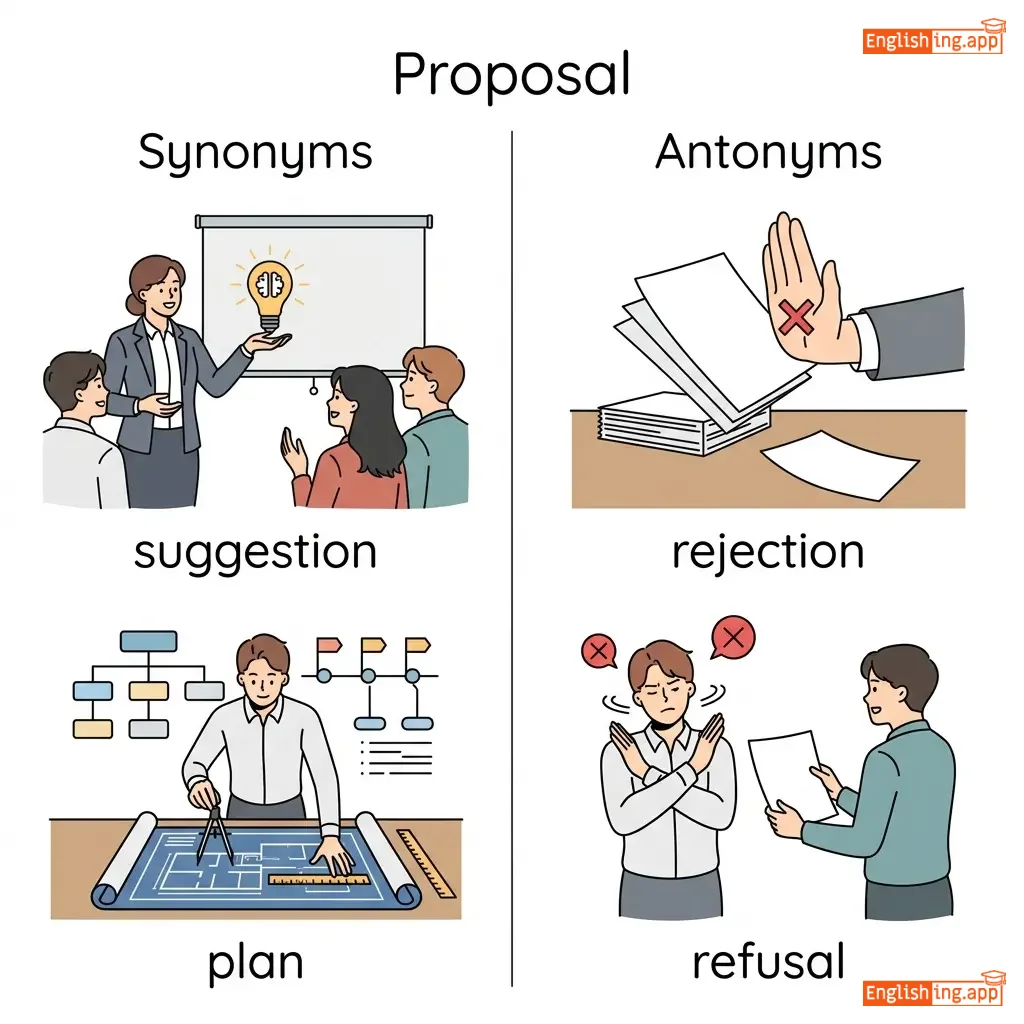
prəˈpoʊzəl
noun
(プロポーザル)
••••••
|
|
提案
teian
••••••
|
A plan or suggestion, especially a formal or written one, put forward for consideration or discussion by others.
••••••
|
The proposal was not sustained.
その提案は支持されませんでした。
••••••
|
その提案は受け入れられませんでした。
Sono teian wa ukeireraremasen deshita.
••••••
|
suggestion, offer
••••••
|
rejection, refusal
••••••
|
提案は正式なアイデアを持っているように見えます。
••••••
|
|
#507
💭
|
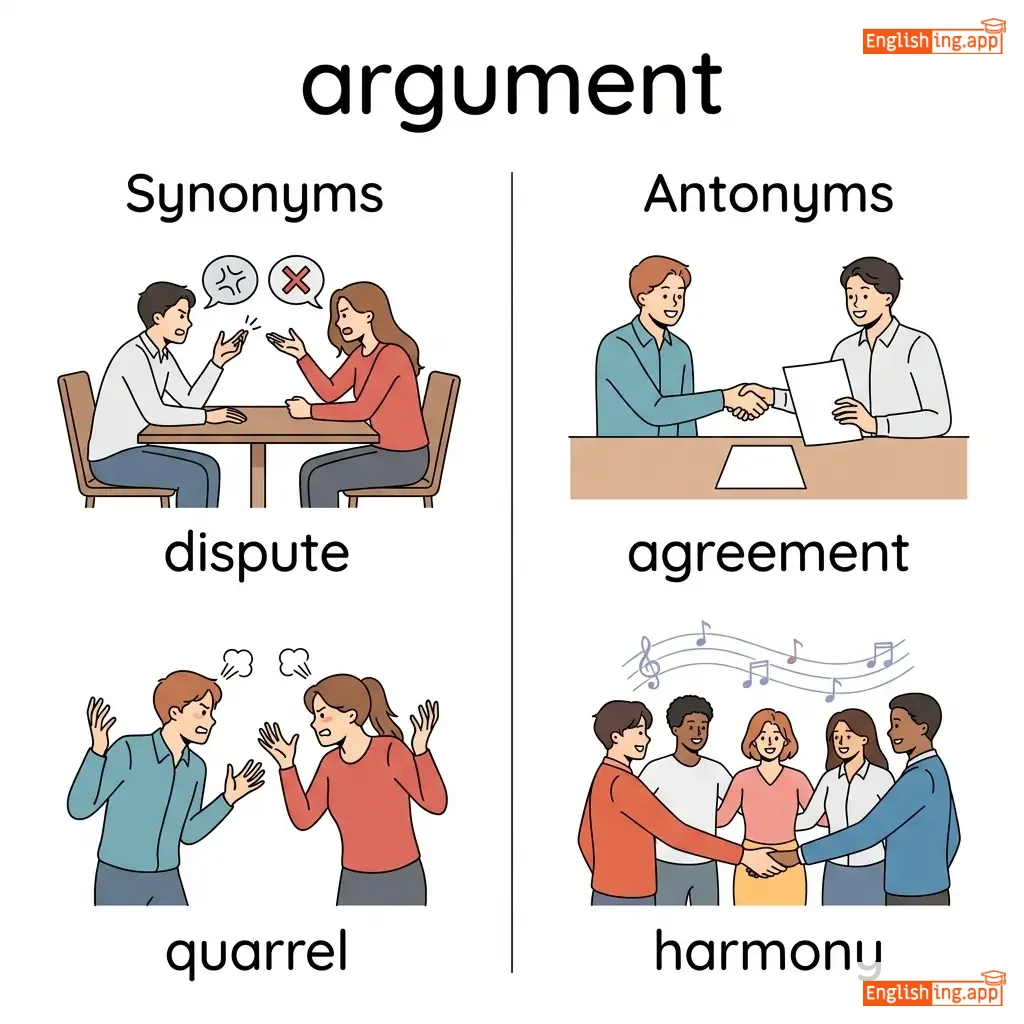
ˈɑːrɡjumənt
noun
(アルギュメント)
••••••
|
|
議論
giron
••••••
|
A reason or set of reasons given with the aim of persuading others that an action or idea is right or wrong.
••••••
|
His argument was based on majority.
彼のアルギュメントは多数決に基づいていました。
••••••
|
彼の議論は多数決に基づいていました。
Kare no giron wa tasūketsu ni motozuite imashita.
••••••
|
justification, reason
••••••
|
agreement, harmony
••••••
|
議論(giron)は自分の考えを他の人に納得させるための方法です。
••••••
|
|
#508
👥
|
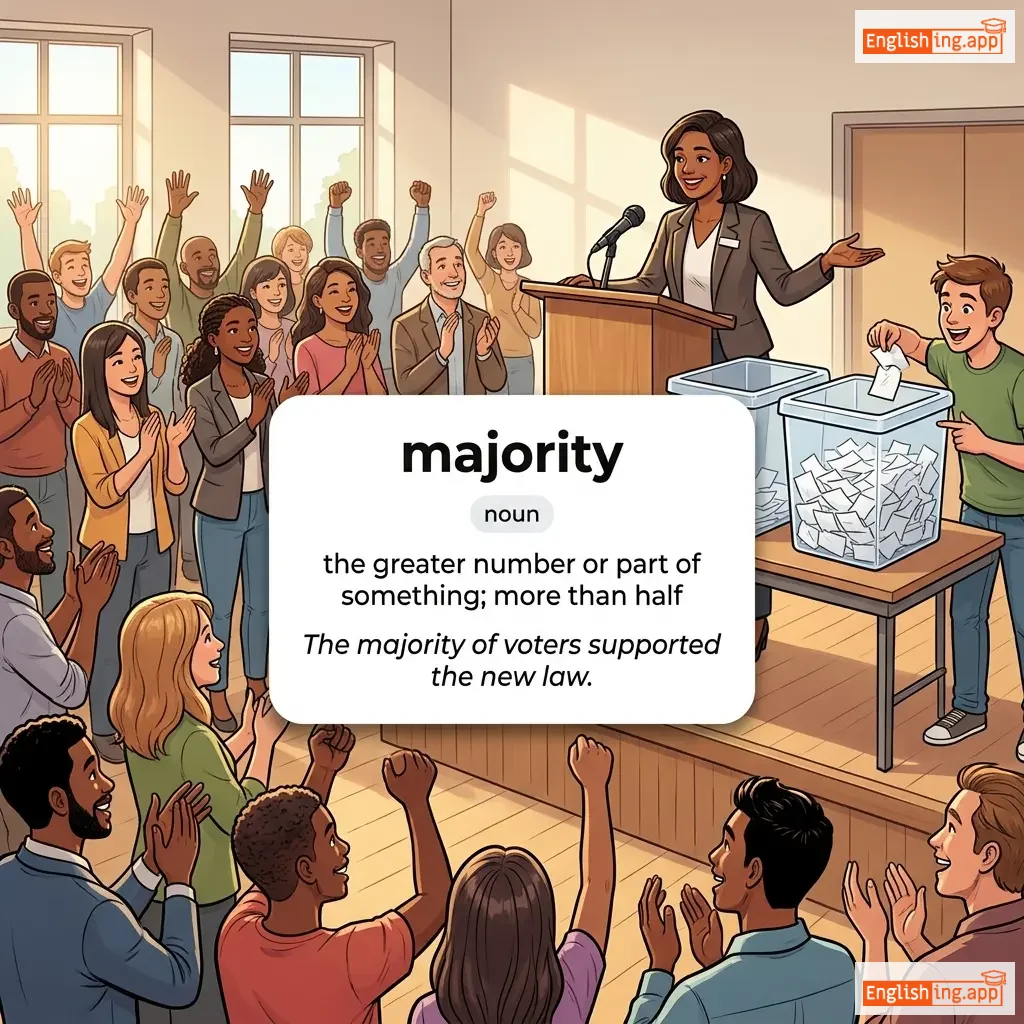
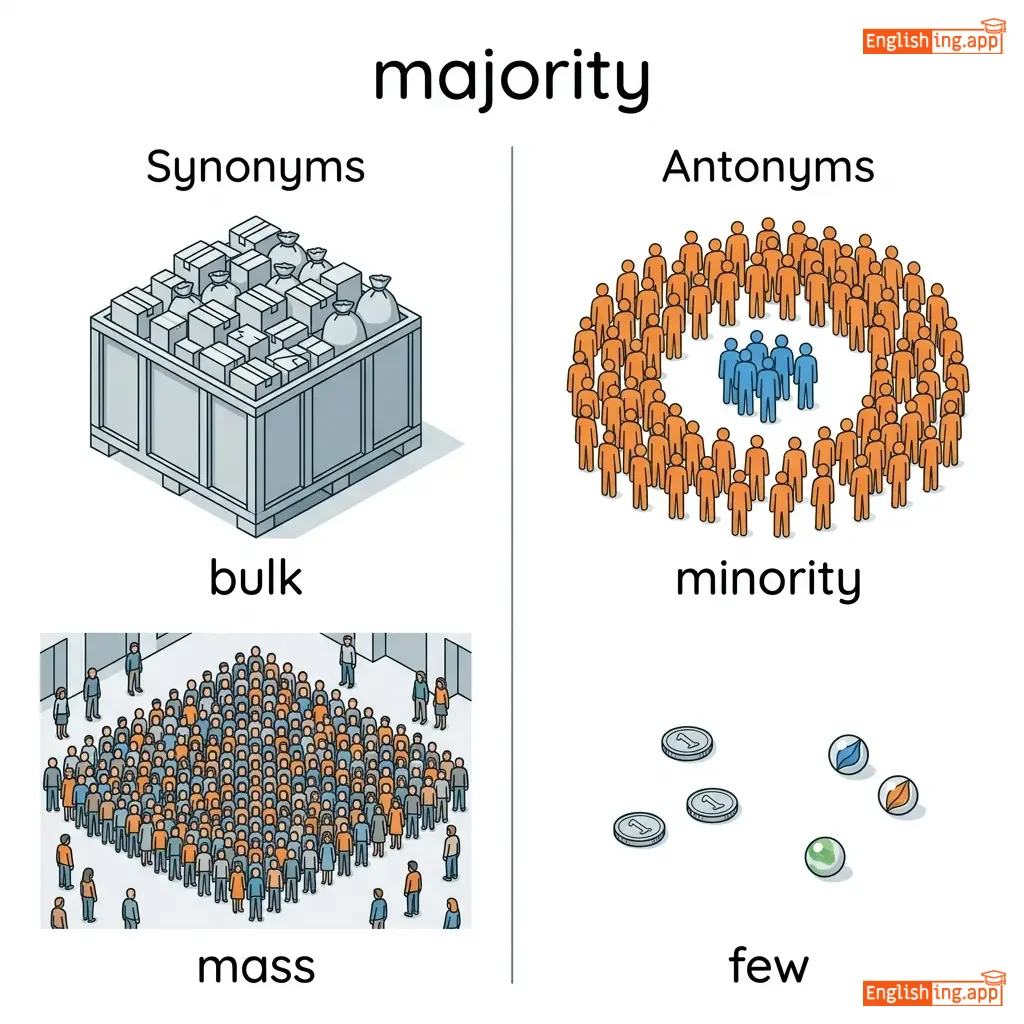
məˈdʒɔːrəti
noun
(メジョリティ)
••••••
|
|
多数
tasu
••••••
|
The greater number or part; a number that is more than half of the total.
••••••
|
The majority of people speak Bengali.
大多数の人々はベンガル語を話します。
••••••
|
大多数の人々はベンガル語を話します。
Taisū no hitobito wa bengaru-go o hanashimasu.
••••••
|
bulk, plurality
••••••
|
minority, few
••••••
|
Tasu = Major, most are over half
••••••
|
|
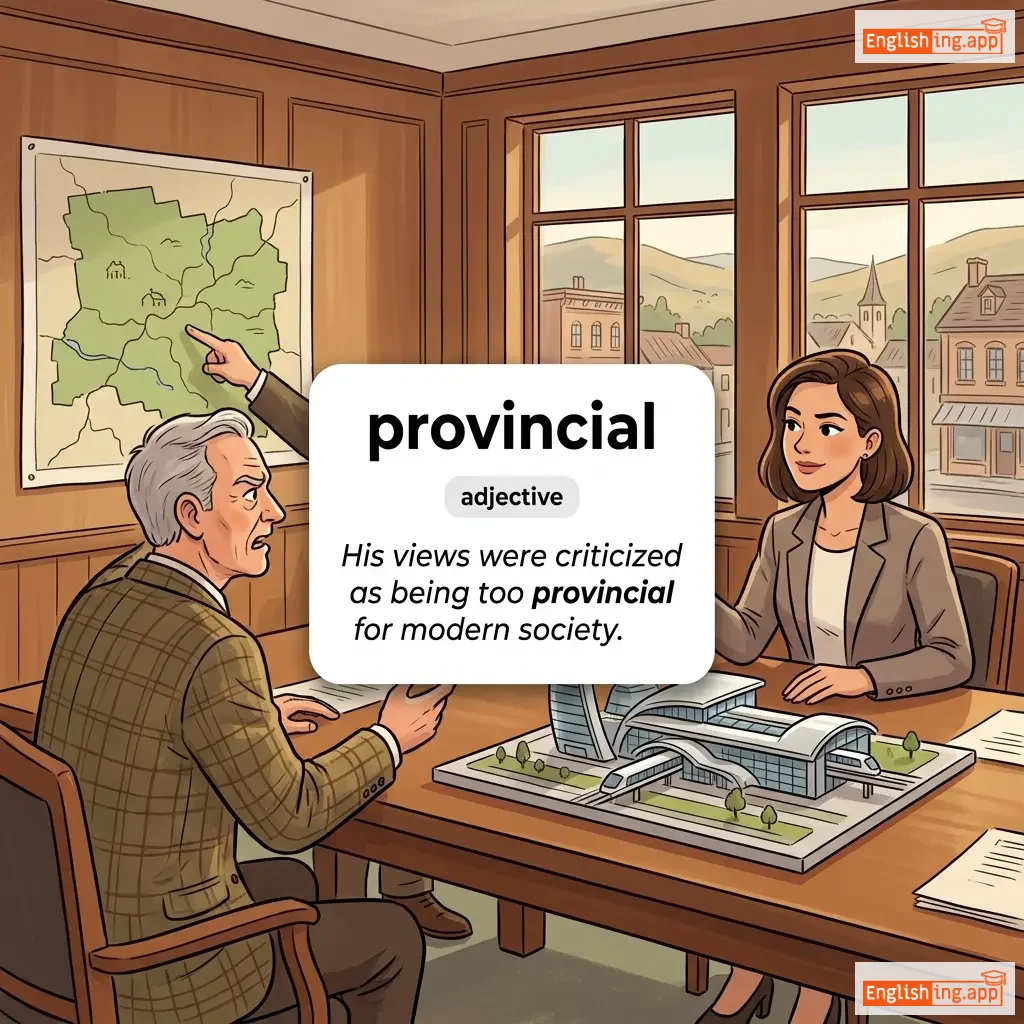
#509
🏞️
|
prəˈvɪnʃəl
adjective
(プロヴィンシャル)
••••••
|
|
地方的な
chihōteki na
••••••
|
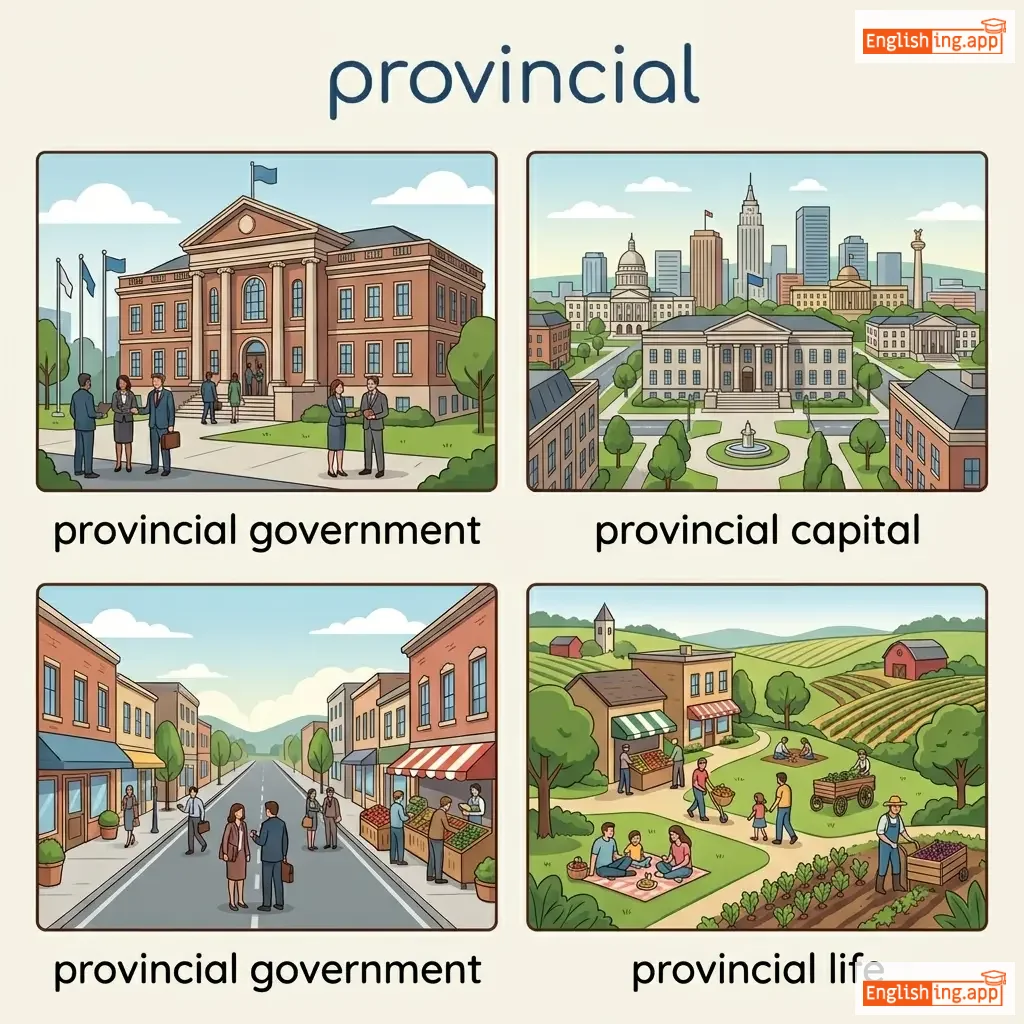
Of or concerning a province of a country or empire.
••••••
|
Bengali was not just a provincial language.
ベンガル語は単なる地方の言語ではなかった。
••••••
|
ベンガル語は単なる地方の言語ではなかった。
Bengaru-go wa tannaru chihō no gengo dewa nakatta.
••••••
|
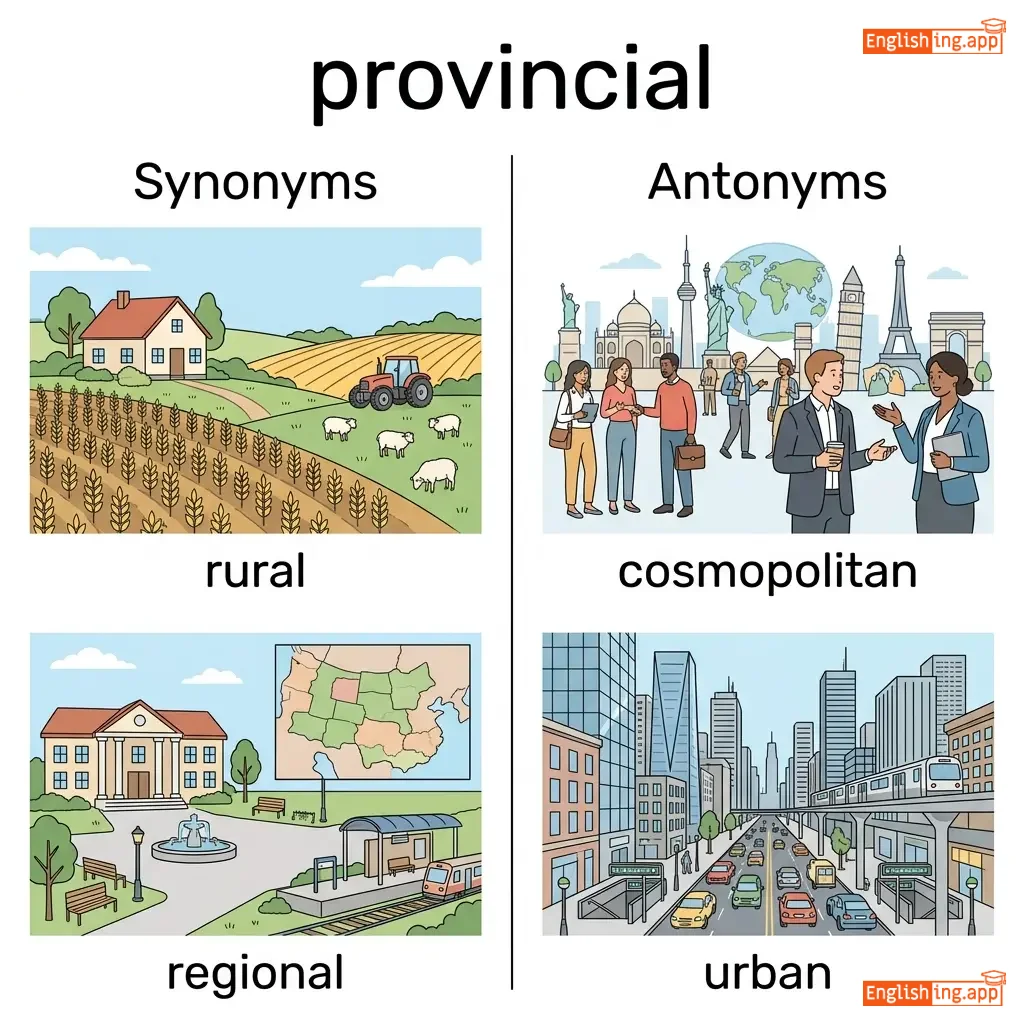
regional, local
••••••
|
national, universal
••••••
|
地方的な = 地域、一部の文化や言語
••••••
|
|
#510
✏️
|
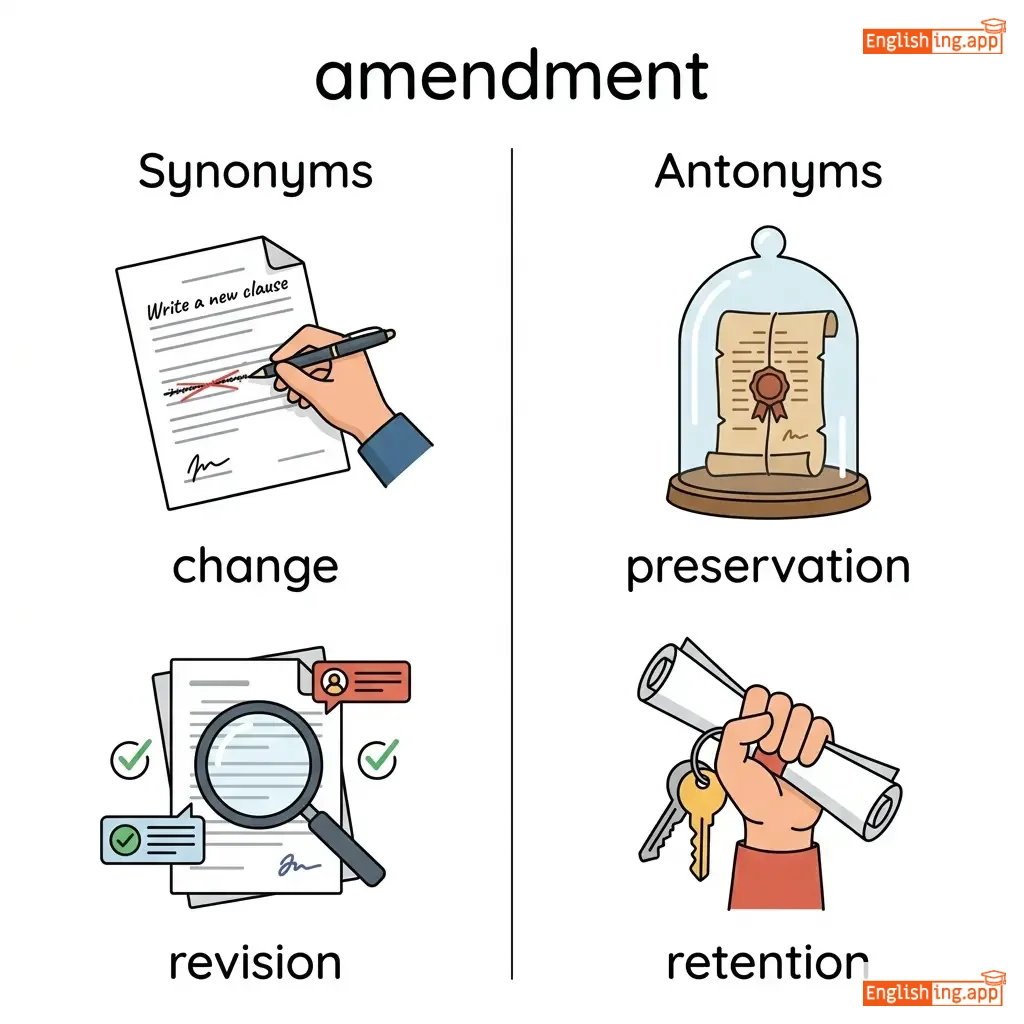
əˈmendmənt
noun
(アメンドメント)
••••••
|
|
修正案
shūseian
••••••
|
A minor change in a document.
••••••
|
The amendment was not supported.
その修正案は支持されませんでした。
••••••
|
その修正案は支持されませんでした。
Sono shūseian wa shiji saremasen deshita.
••••••
|
revision, change
••••••
|
original, maintenance
••••••
|
修正案(shūseian)は文書に対する変更を示す。
••••••
|
|
#511
🔄
|
səˈsteɪnd
verb
(サステインド)
••••••
|
|
支えられた
sasaerareta
••••••
|
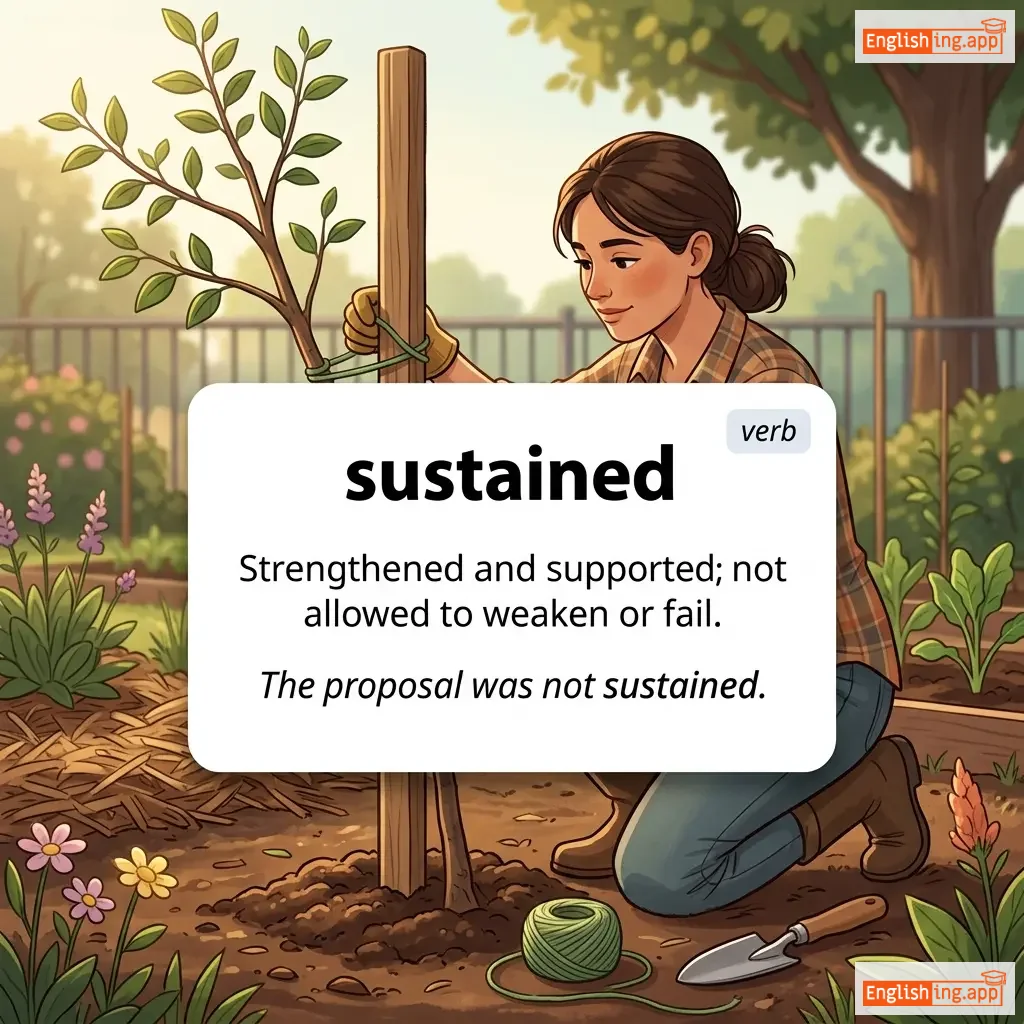
Strengthened and supported; not allowed to weaken or fail.
••••••
|
The proposal was not sustained. |
提案は支えられませんでした。
Teian wa sasaeraremasen deshita.
••••••
|
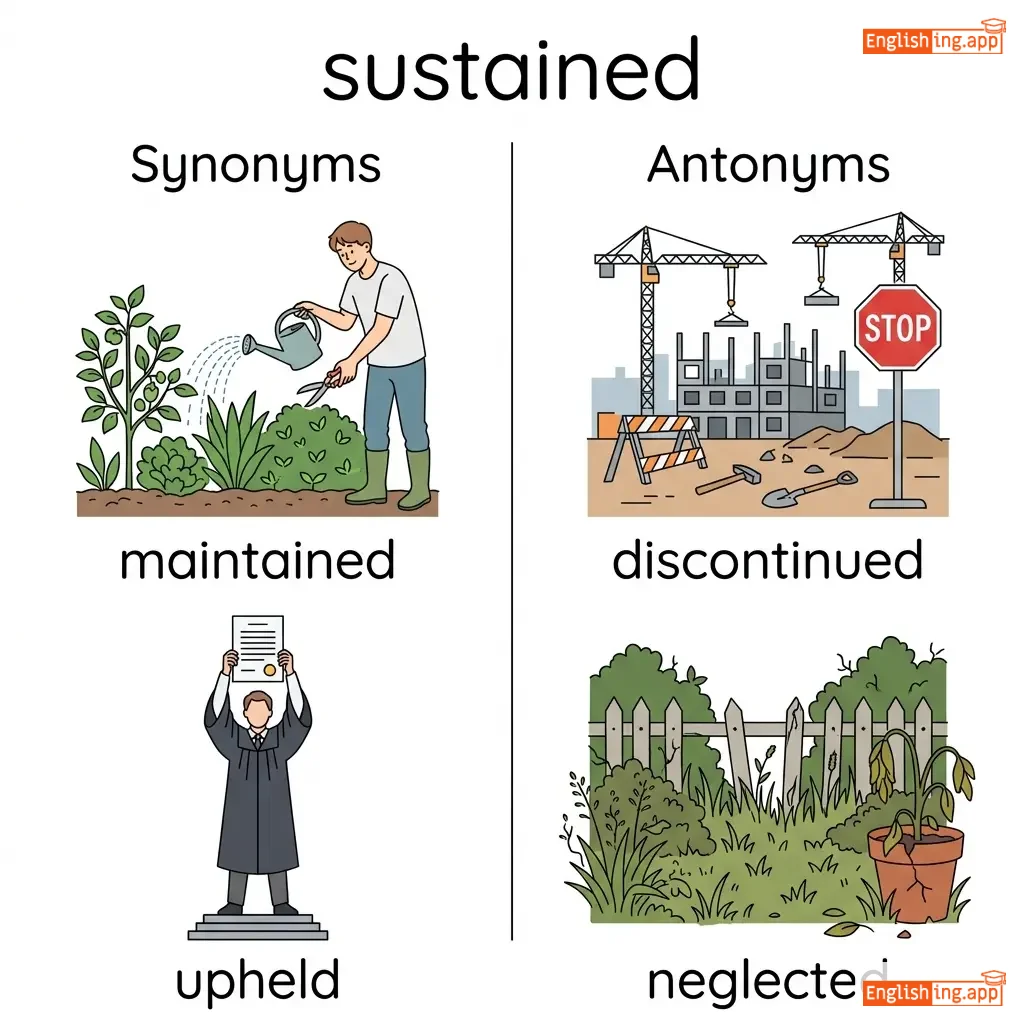
maintained, upheld
••••••
|
discontinued, neglected
••••••
|
支えられた - あなたが倒れないように支えるイメージ
••••••
|
|
#512
✊
|
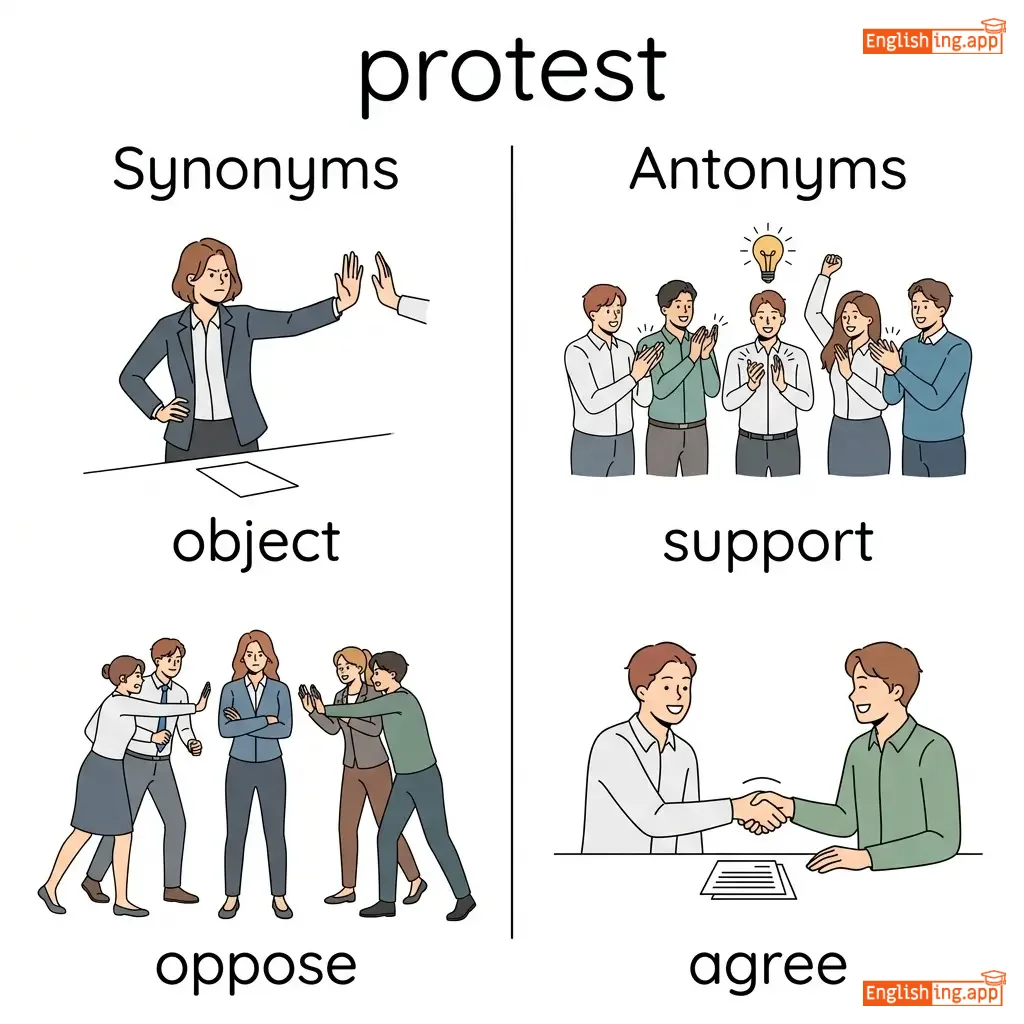
ˈproʊtest
noun
(プロテスト)
••••••
|
|
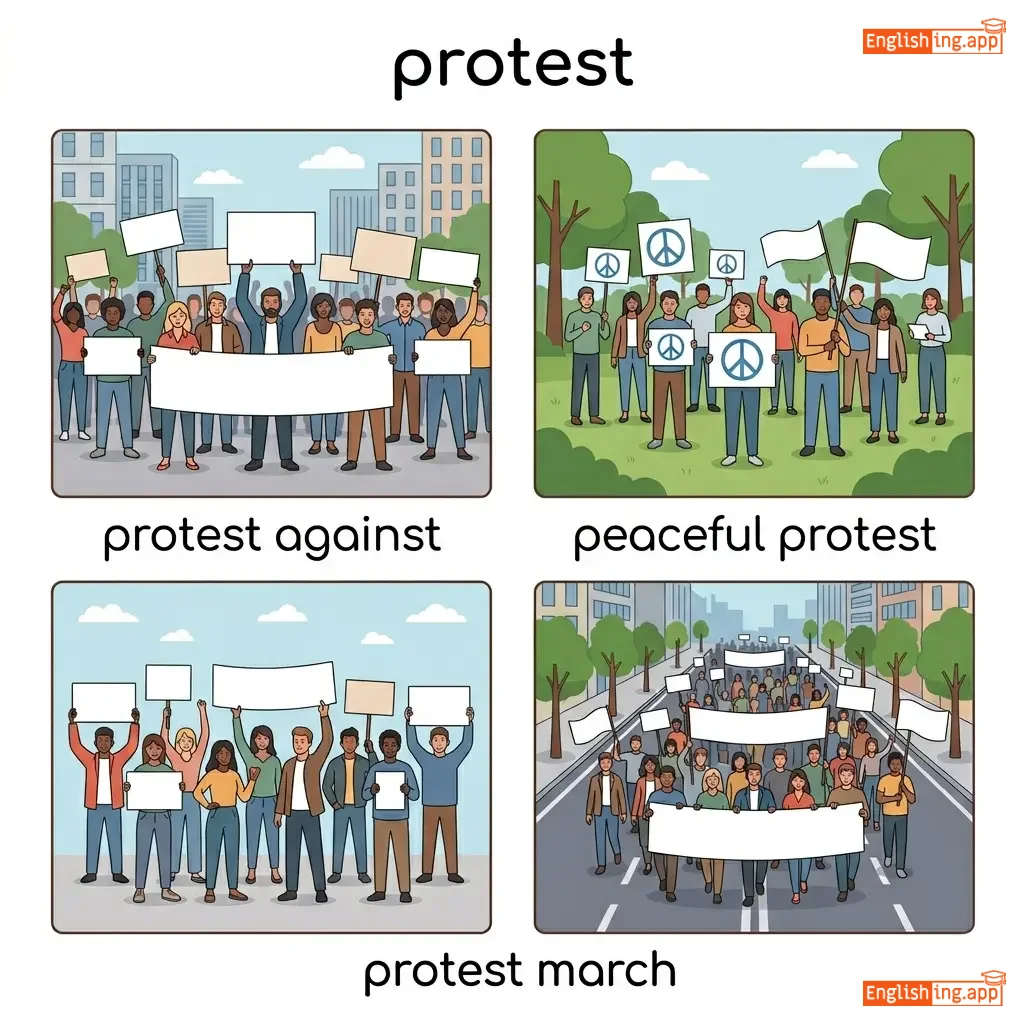
抗議
kougi
••••••
|
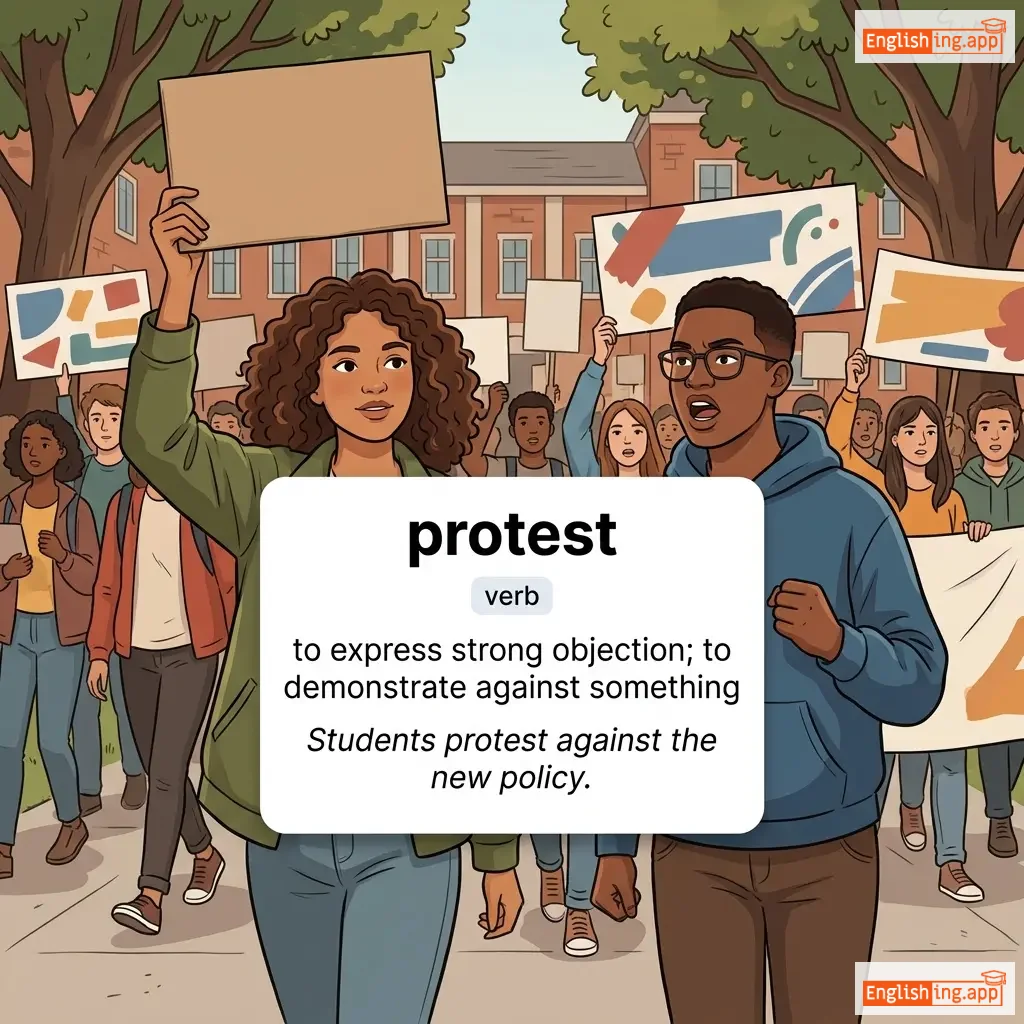
A statement or action expressing disapproval of or objection to something.
••••••
|
Students organized a protest.
学生たちは抗議活動を組織した。
••••••
|
学生たちは抗議活動を組織した。
Gakutachi wa kōgi katsudō o soshiki shita.
••••••
|
demonstration, rebellion
••••••
|
compliance, agreement
••••••
|
抗議は不賛成を示す行動、デモのようなものです。
••••••
|
|
#513
📢
|
ˌdemənˈstreɪʃənz
noun
(デモンストレーションズ)
••••••
|
|
デモンストレーション
demonstoration
••••••
|
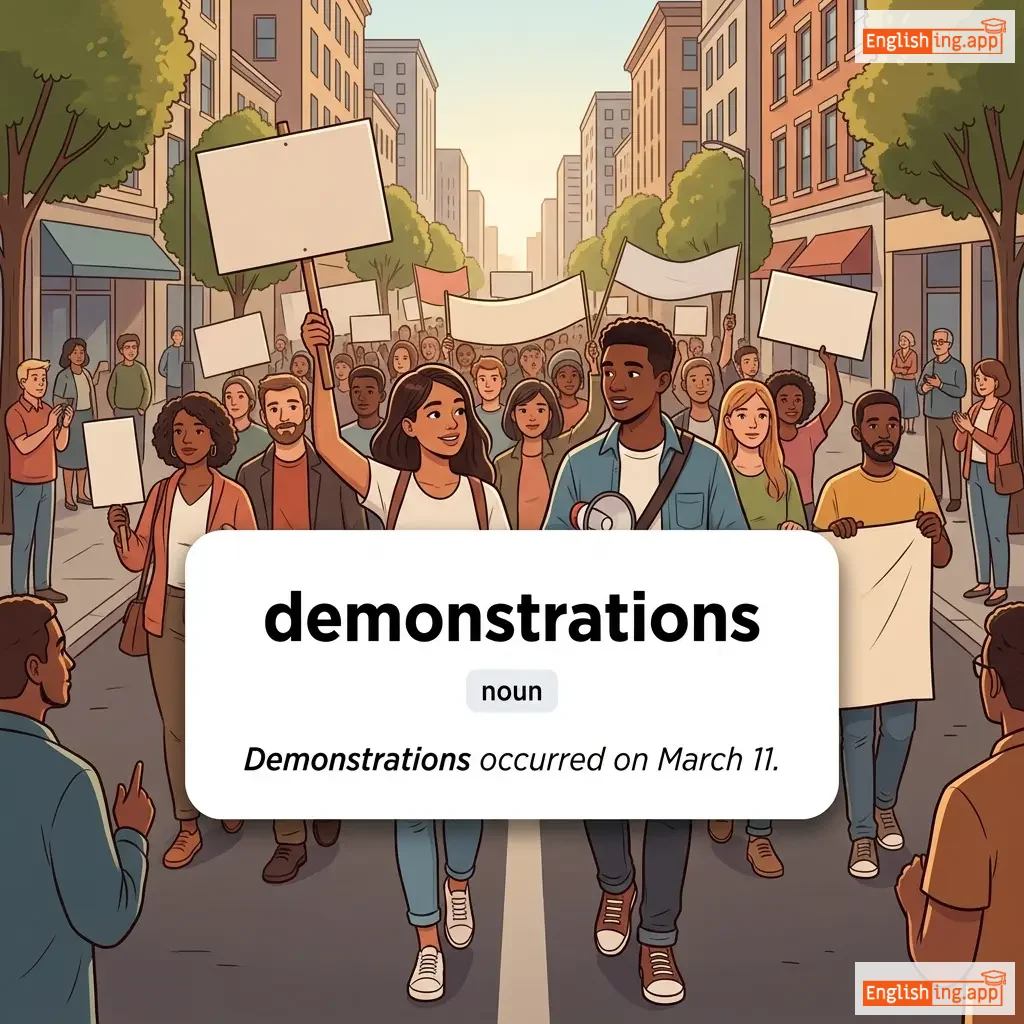
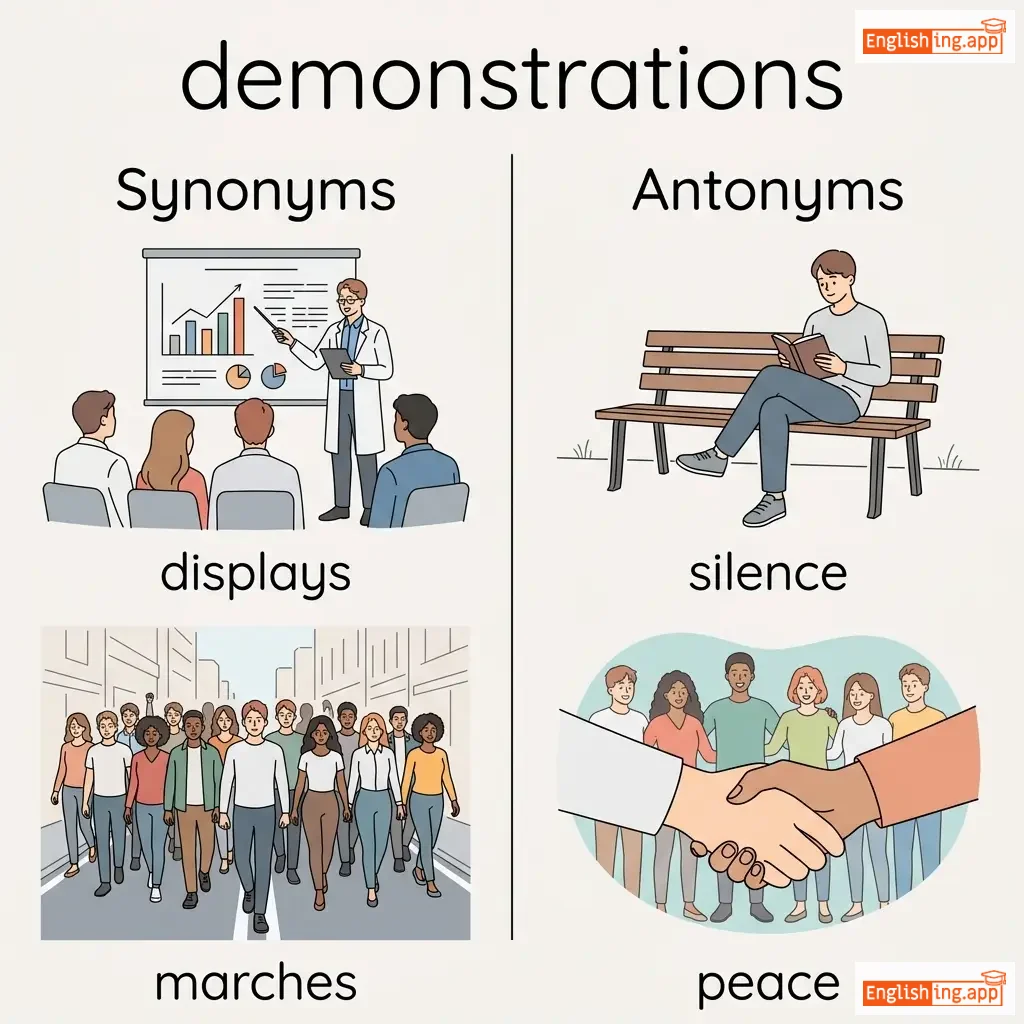
The action or process of showing the existence or truth of something by giving proof or evidence.
••••••
|
Demonstrations occurred on March 11. |
デモンストレーションは3月11日に行われました。
Demonstoration wa 3-gatsu 11-nichi ni okonawaremashita.
••••••
|
displays, marches
••••••
|
silence, peace
••••••
|
Japanese 'デモンストレーション' sounds similar to English 'demonstrations'.
••••••
|
|
#514
📤
|
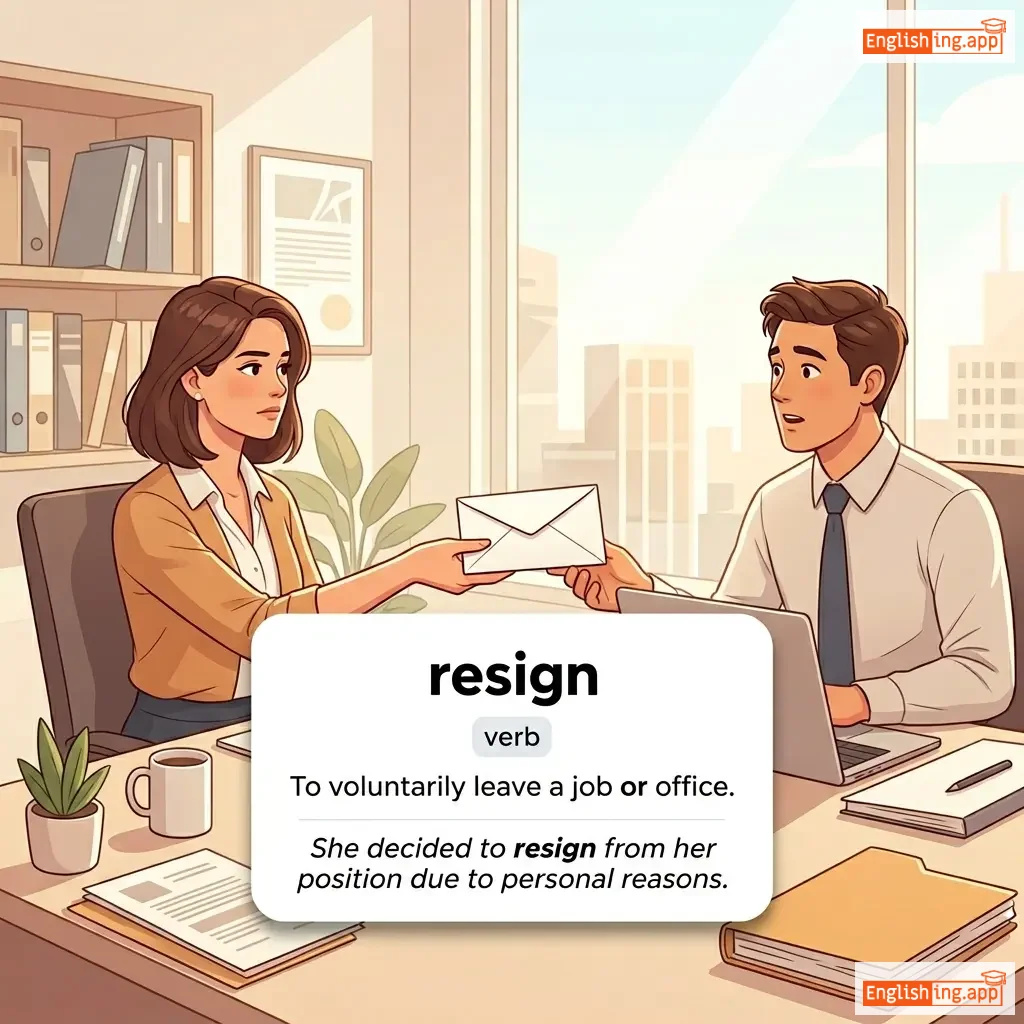
rɪˈzaɪn
verb
(リザイン)
••••••
|
|
辞任する
jininsuru
••••••
|
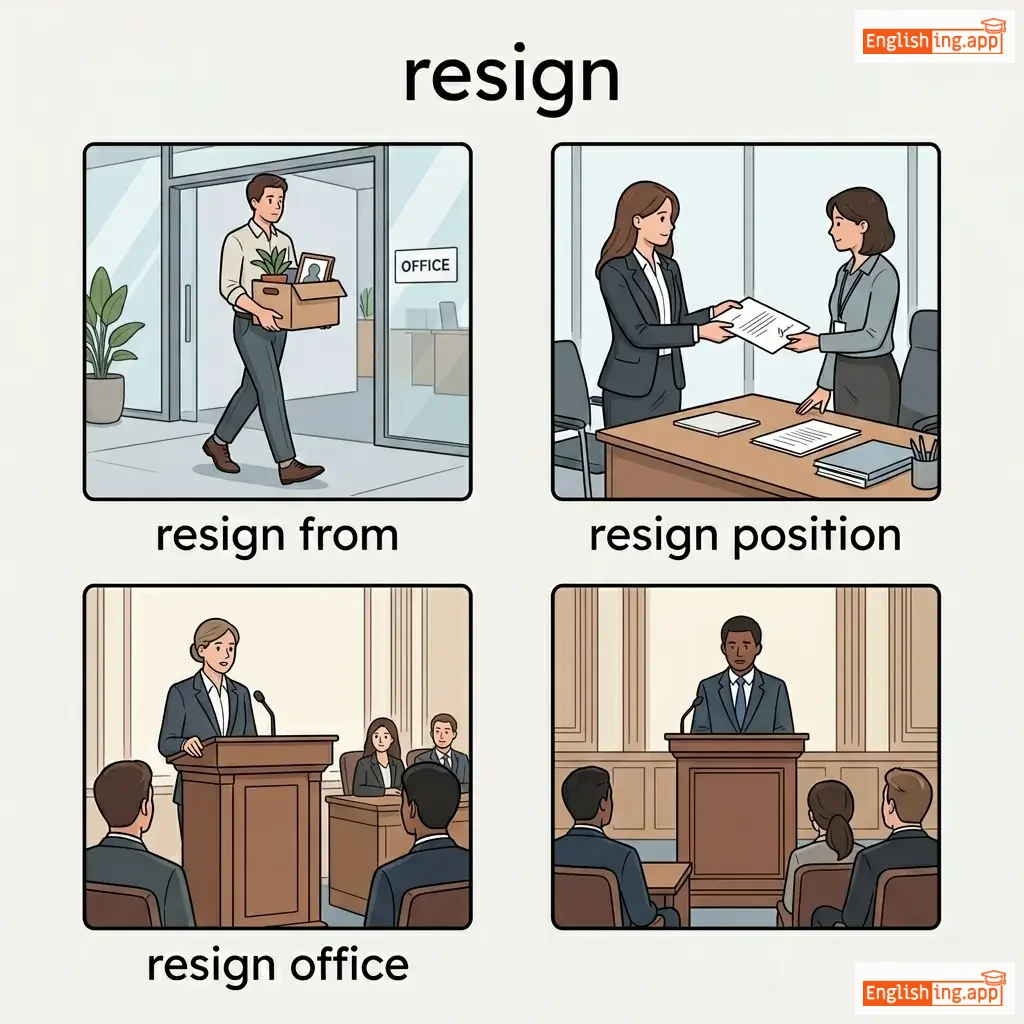
Voluntarily leave a job or other position.
••••••
|
Ministers were forced to resign.
大臣たちは辞任を余儀なくされました。
••••••
|
大臣たちは辞任を余儀なくされました。
Daijin-tachi wa jinin o yogi naku saremashita.
••••••
|
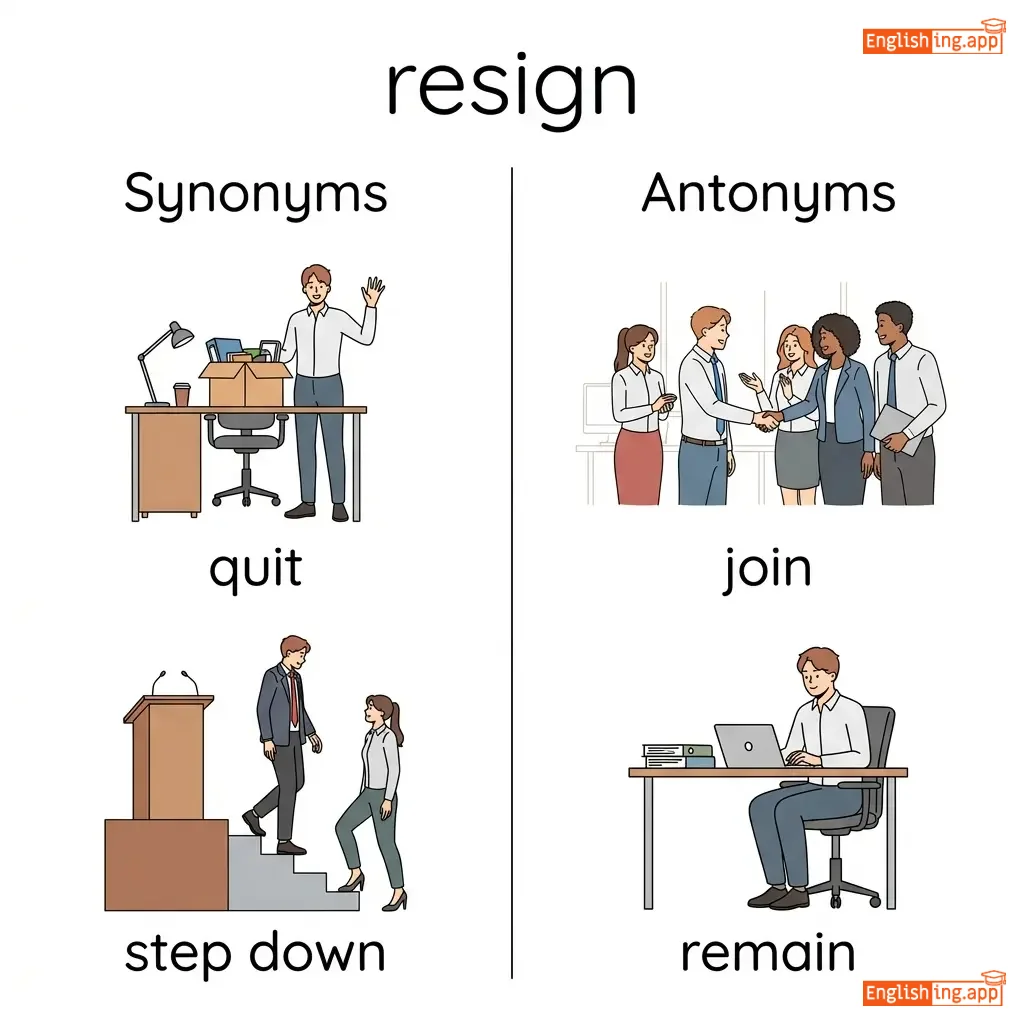
quit, abdicate
••••••
|
retain, persist
••••••
|
辞任する: 自らの意思で職を退く。
••••••
|
|
#515
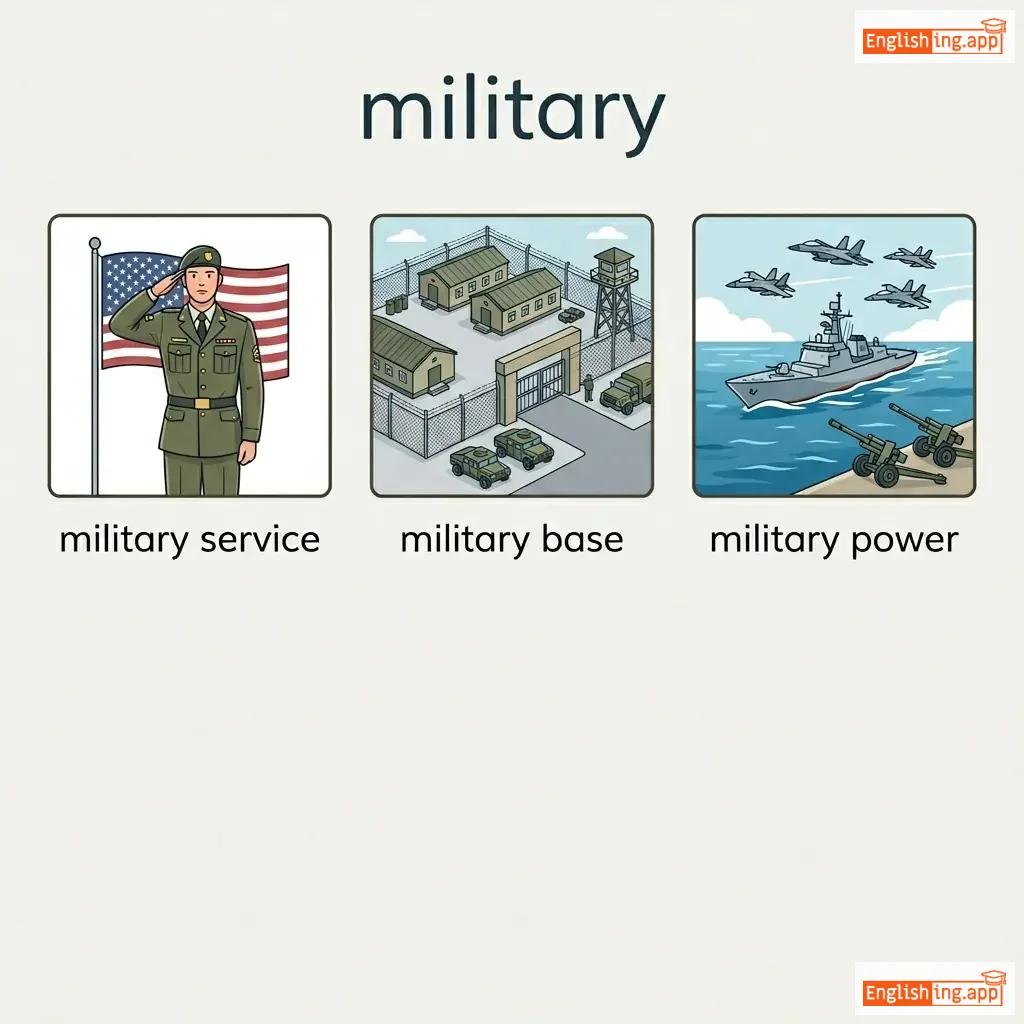
🪖
|
ˈmɪlɪteri
noun
(ミリタリー)
••••••
|
|
軍隊
guntai
••••••
|
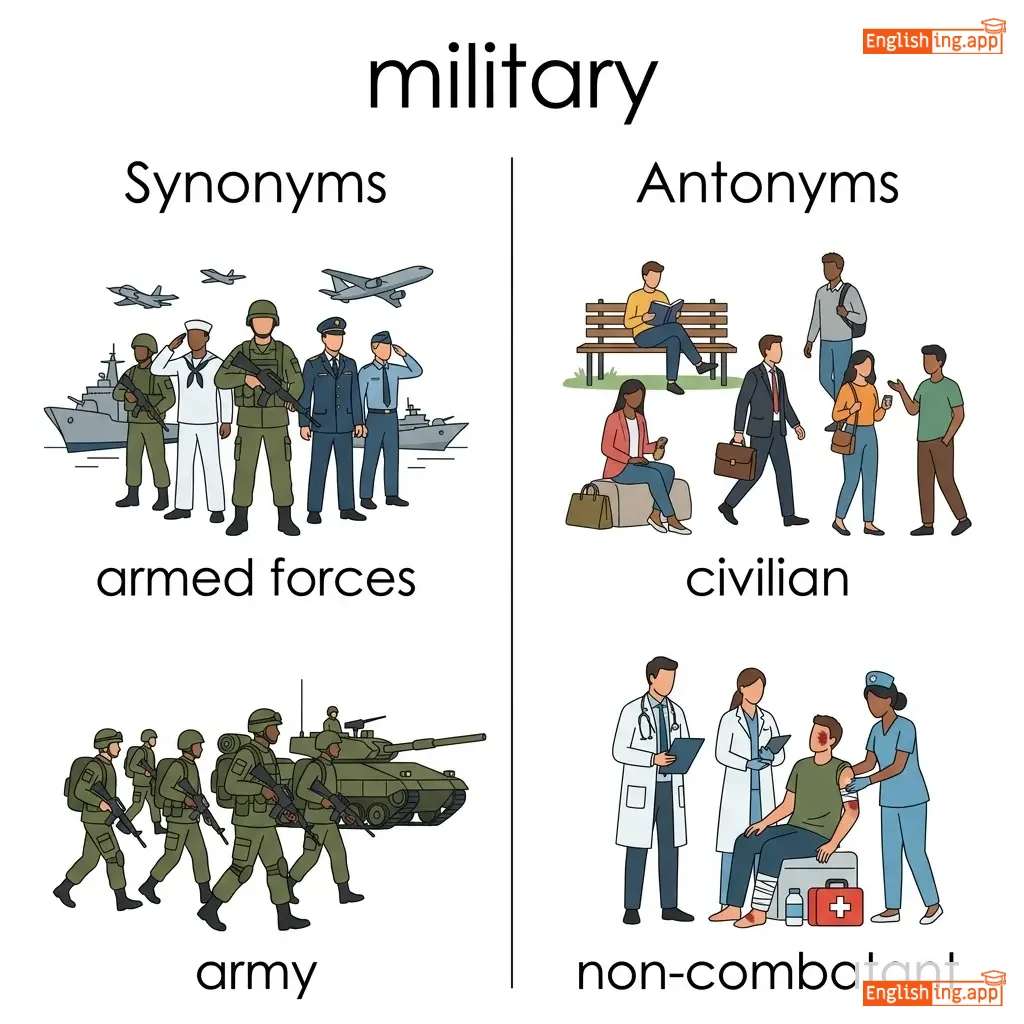
The armed forces of a country.
••••••
|
The military was called for assistance. |
軍隊は援助のために呼ばれました。
Guntai wa enjo no tame ni yoba remashita.
••••••
|
army, troops
••••••
|
civilian, noncombatant
••••••
|
軍隊は国を守るために戦う力です。
••••••
|
|
#516
🔄
|
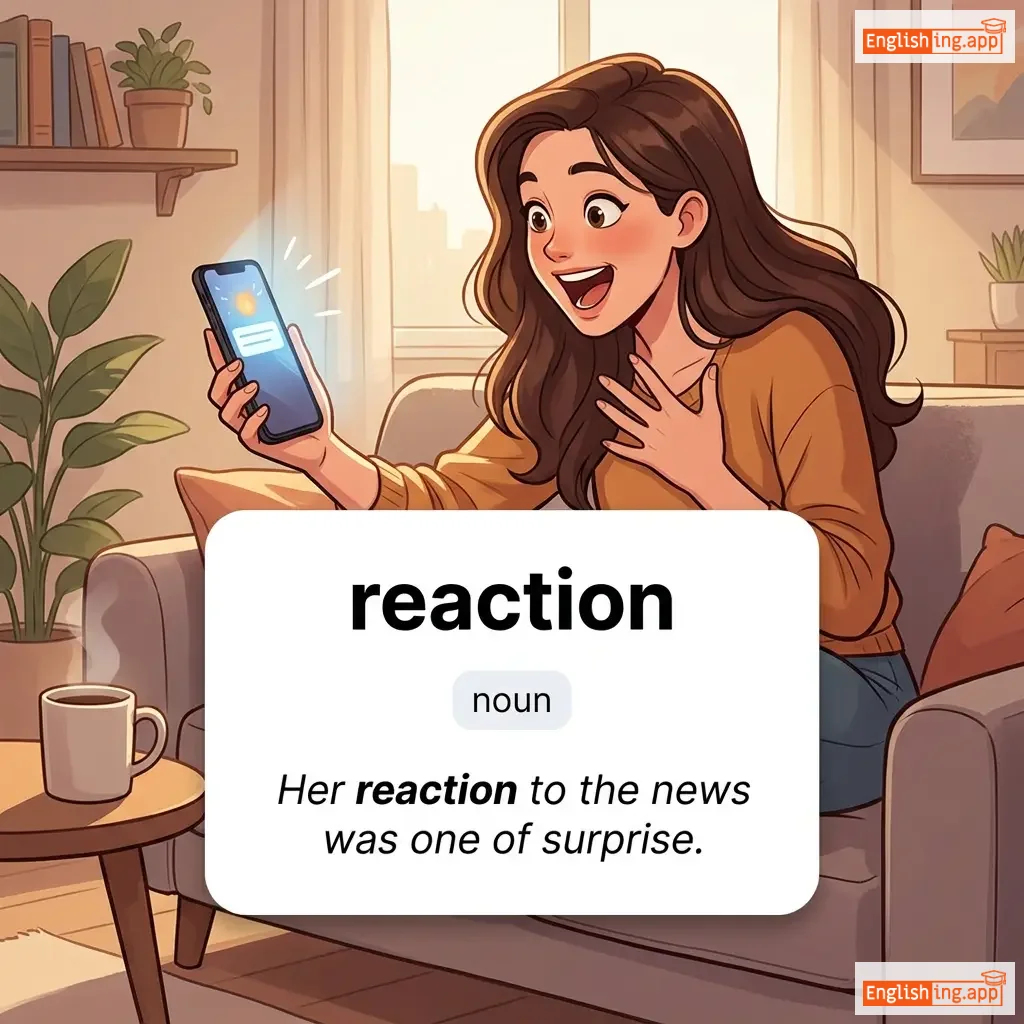
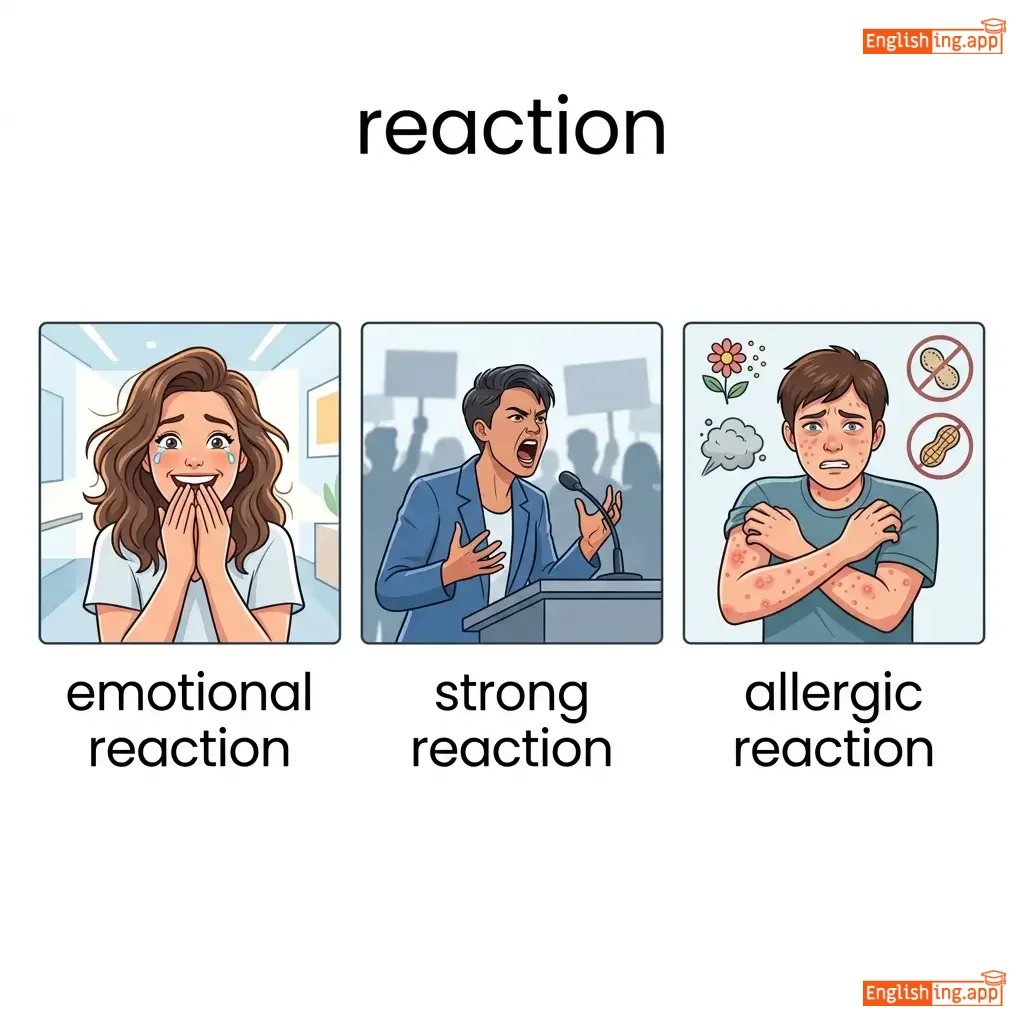
riˈækʃən
noun
(リアクション)
••••••
|
|
反応
hannou
••••••
|
An action performed or a feeling experienced in response to a situation or event.
••••••
|
The arrests triggered a reaction.
逮捕は反応を引き起こしました。
••••••
|
逮捕は反応を引き起こしました。
Taiho wa hannou o hikiokoshimashita.
••••••
|
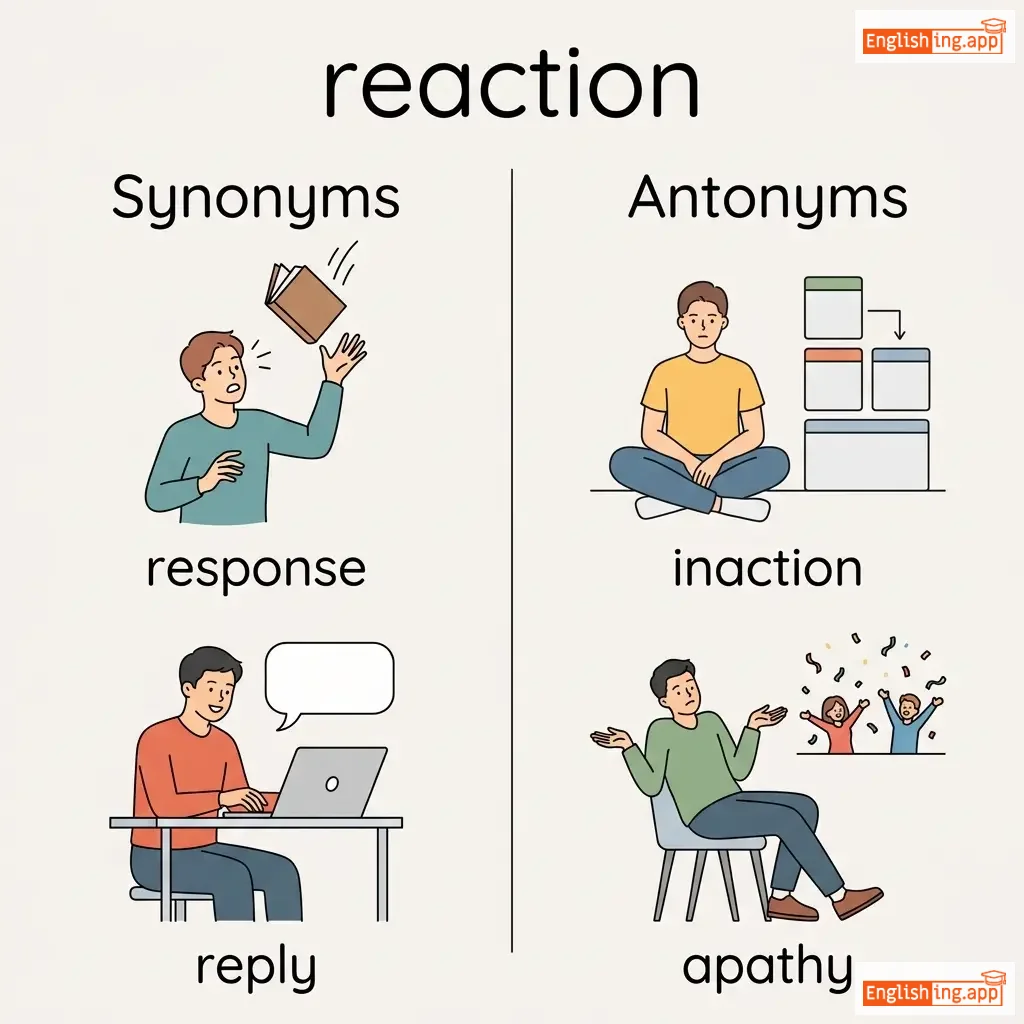
response, repercussion
••••••
|
cause, indifference
••••••
|
反応 = 反応を反応する!
••••••
|
Vocabulary Quiz
Test your vocabulary by matching words with their translations or meanings.
Login to take the quiz
Comments (0)
Share your thoughts and join the discussion.
Join the discussion by logging in
Login to CommentNo comments yet
Be the first to share your thoughts!