

インフレーションが貯蓄に与える影響
How Inflation Affects Your Savings
経済学は重要な分野であり、inflation はすべての人の purchasing power に直接影響を与えます。お金を貯めても、inflation により assets の価値が depreciation する可能性があります。
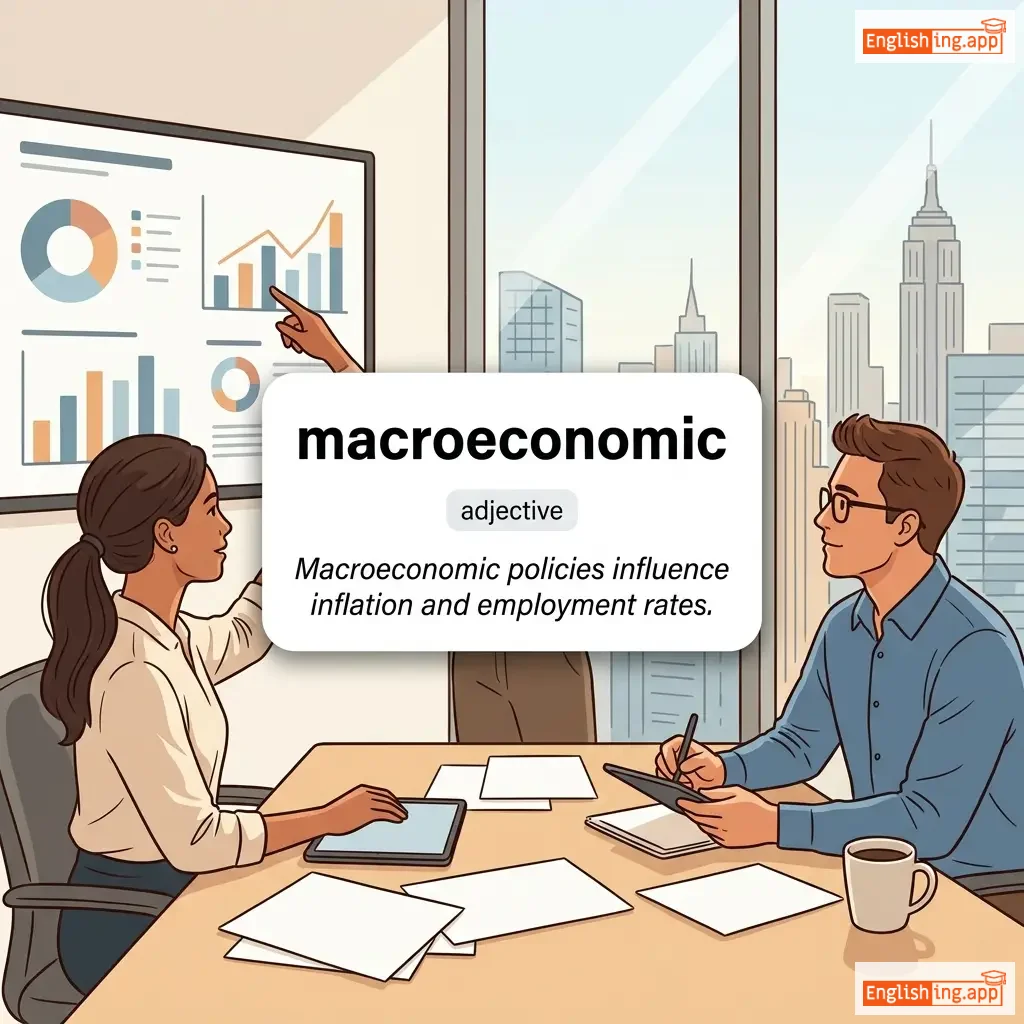
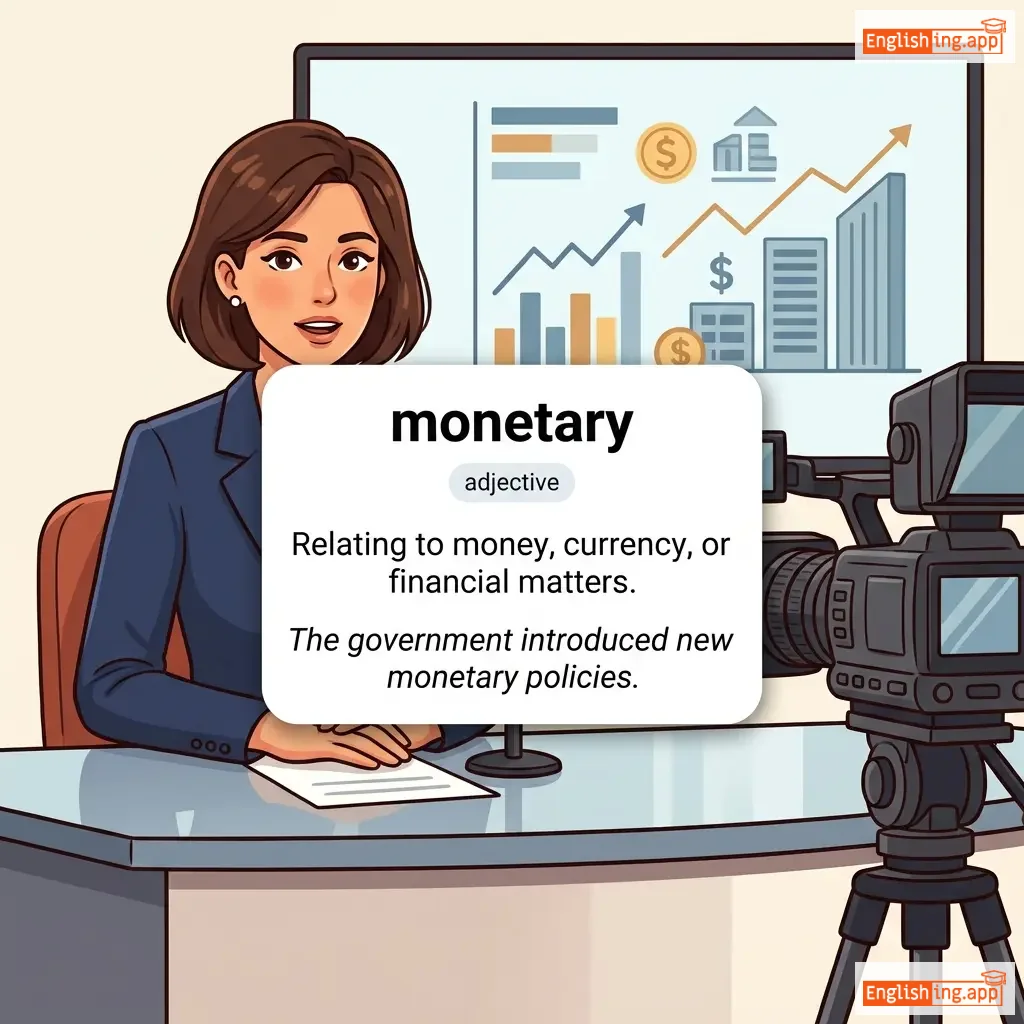
かつては同じ金額でより多くの commodities を購入できましたが、macroeconomic の変化によりそのお金の価値は以前ほどではなくなりました。Monetary 政策の変更や市場の volatility がその原因です。
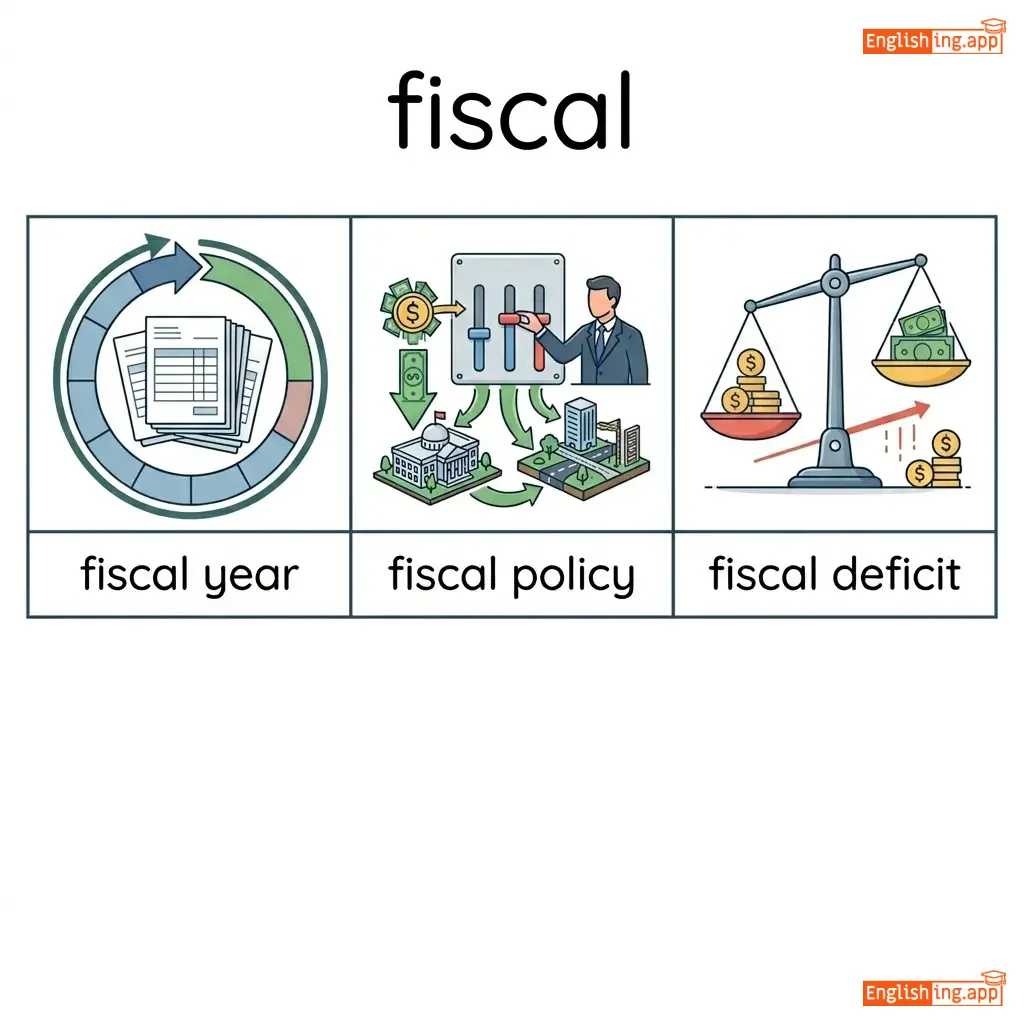
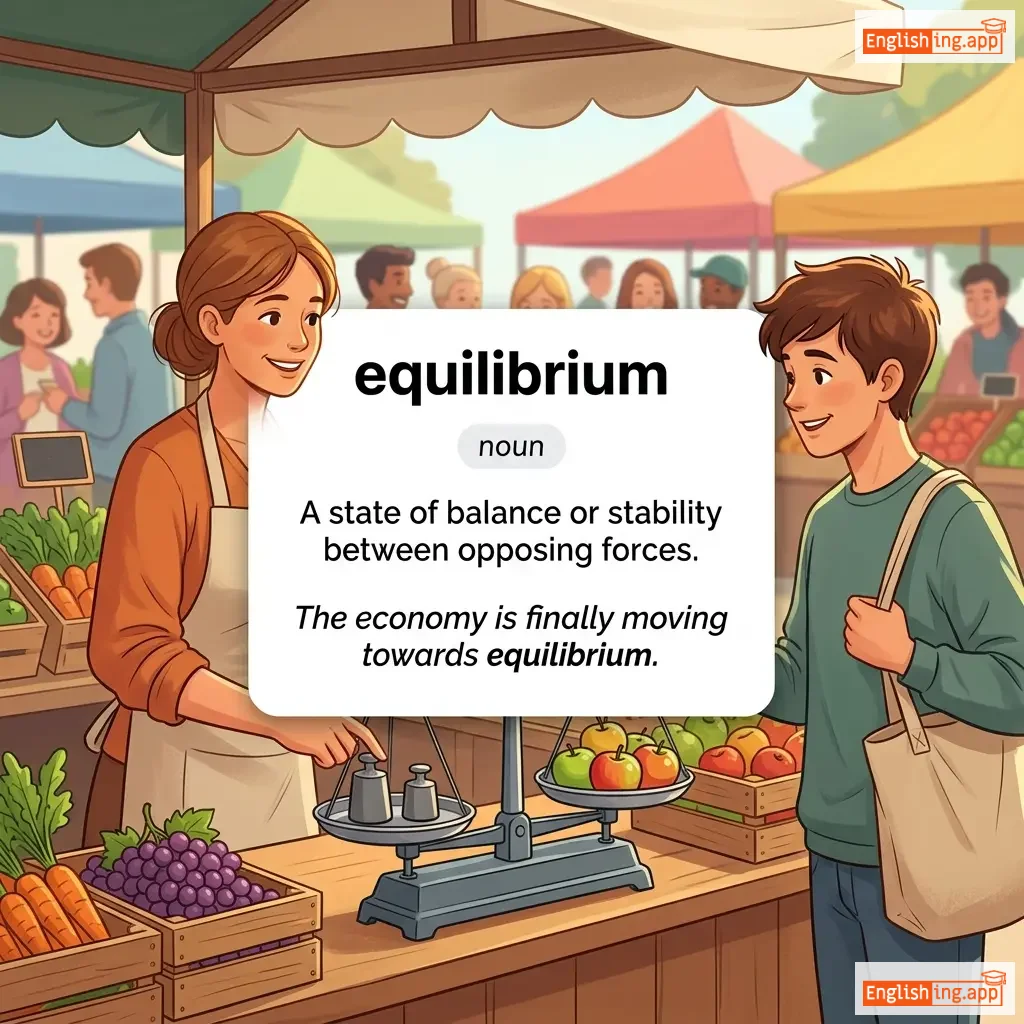
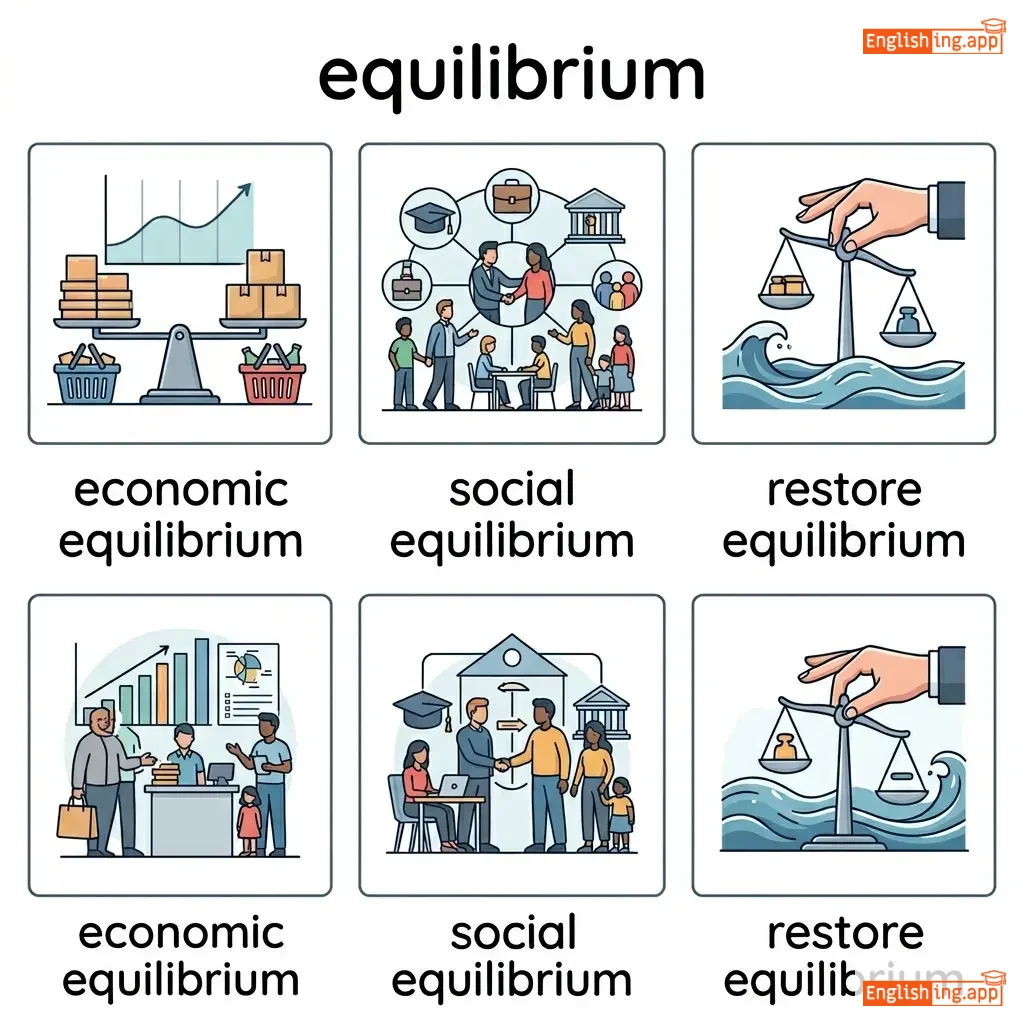
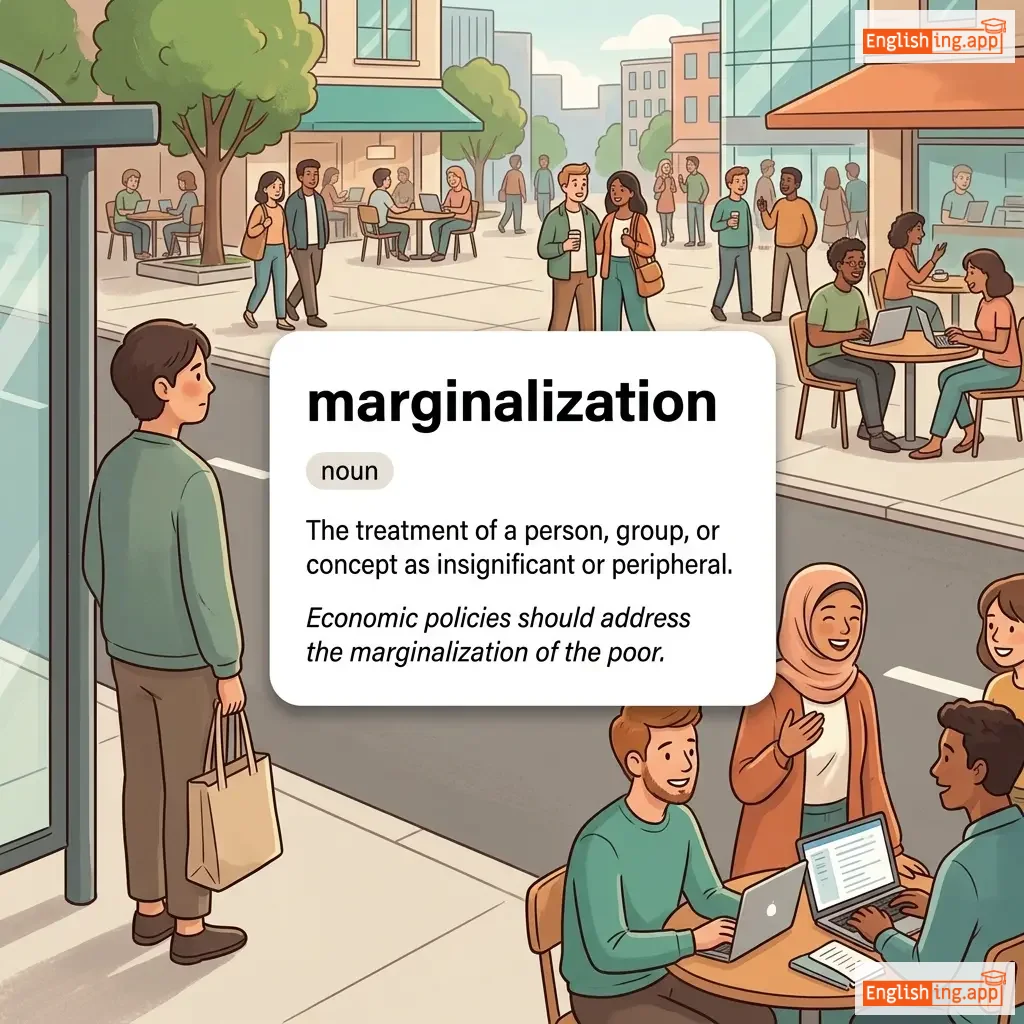
Inflation が上昇すると expenditure も増え、savings が減少します。政府は fiscal 政策によって equilibrium を保とうとしますが、多くの人が marginalization を経験します。
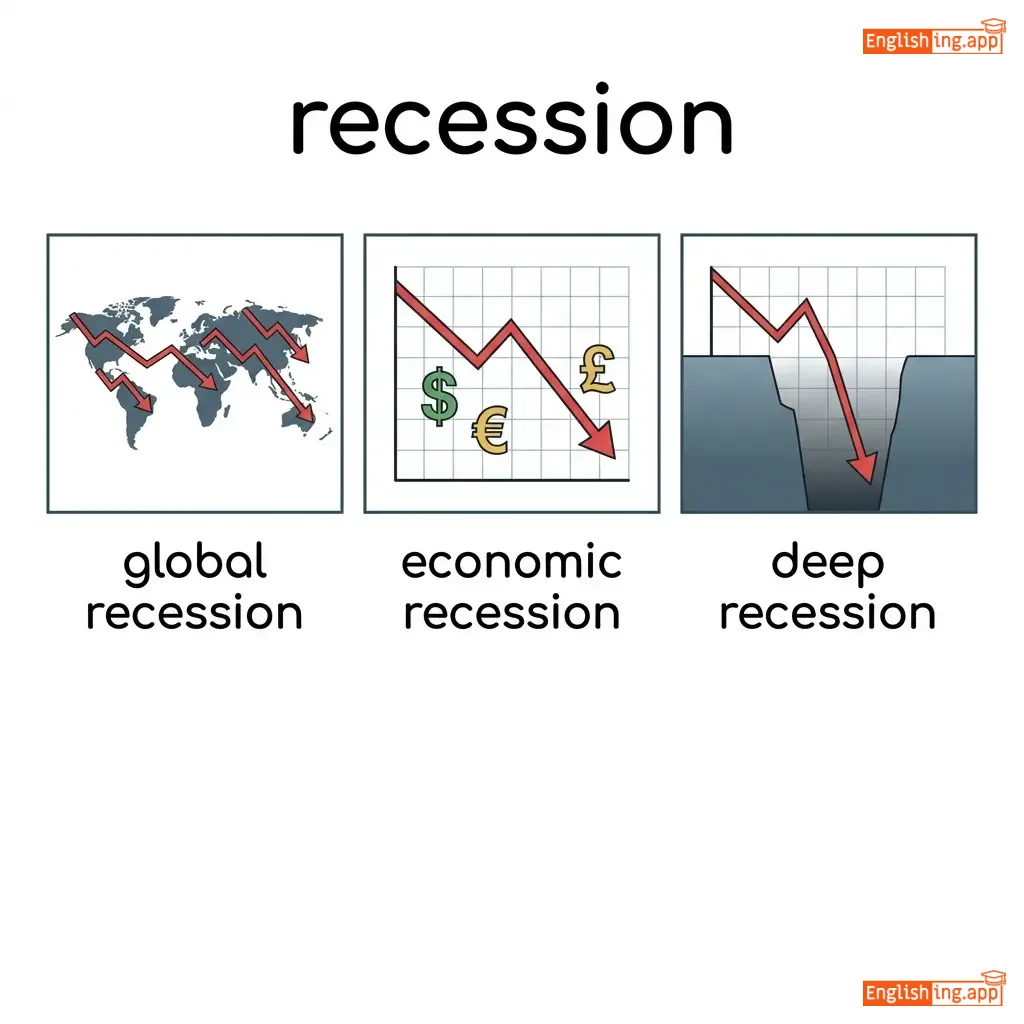
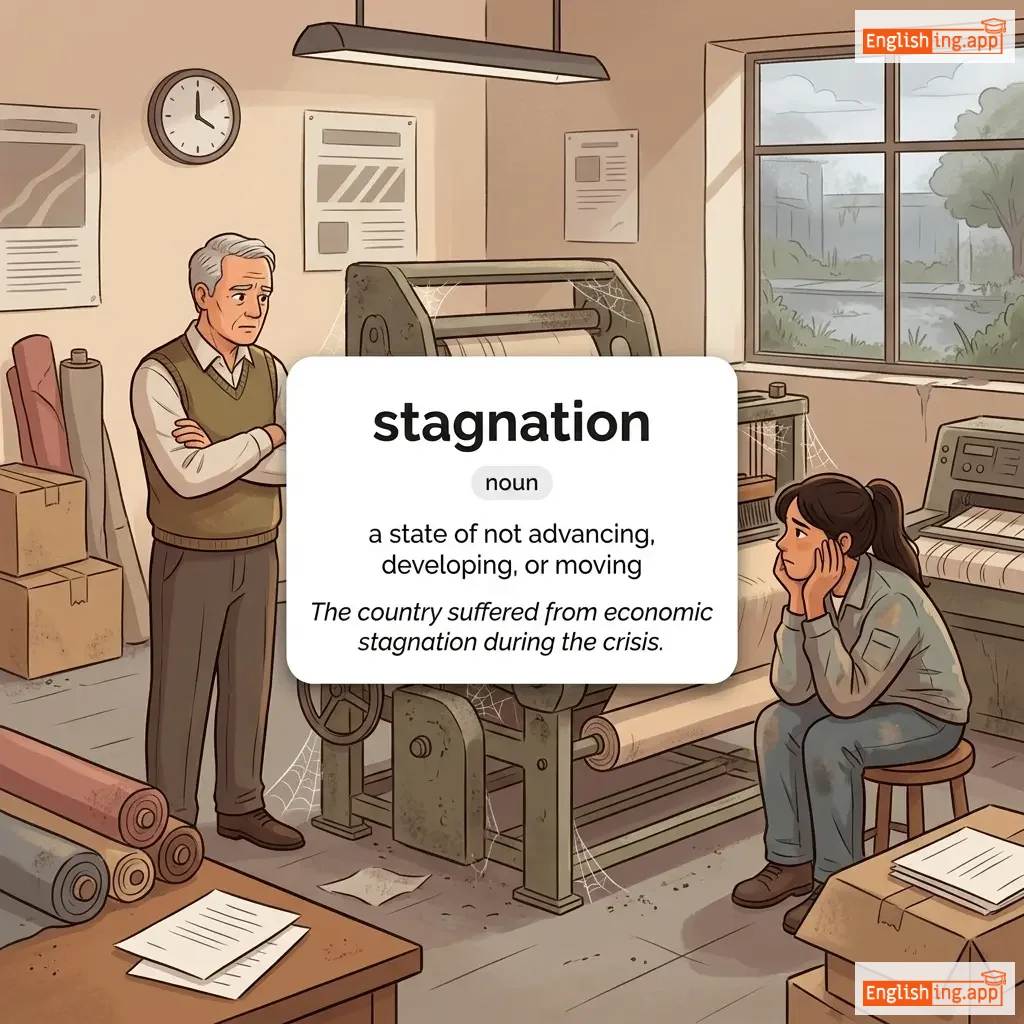
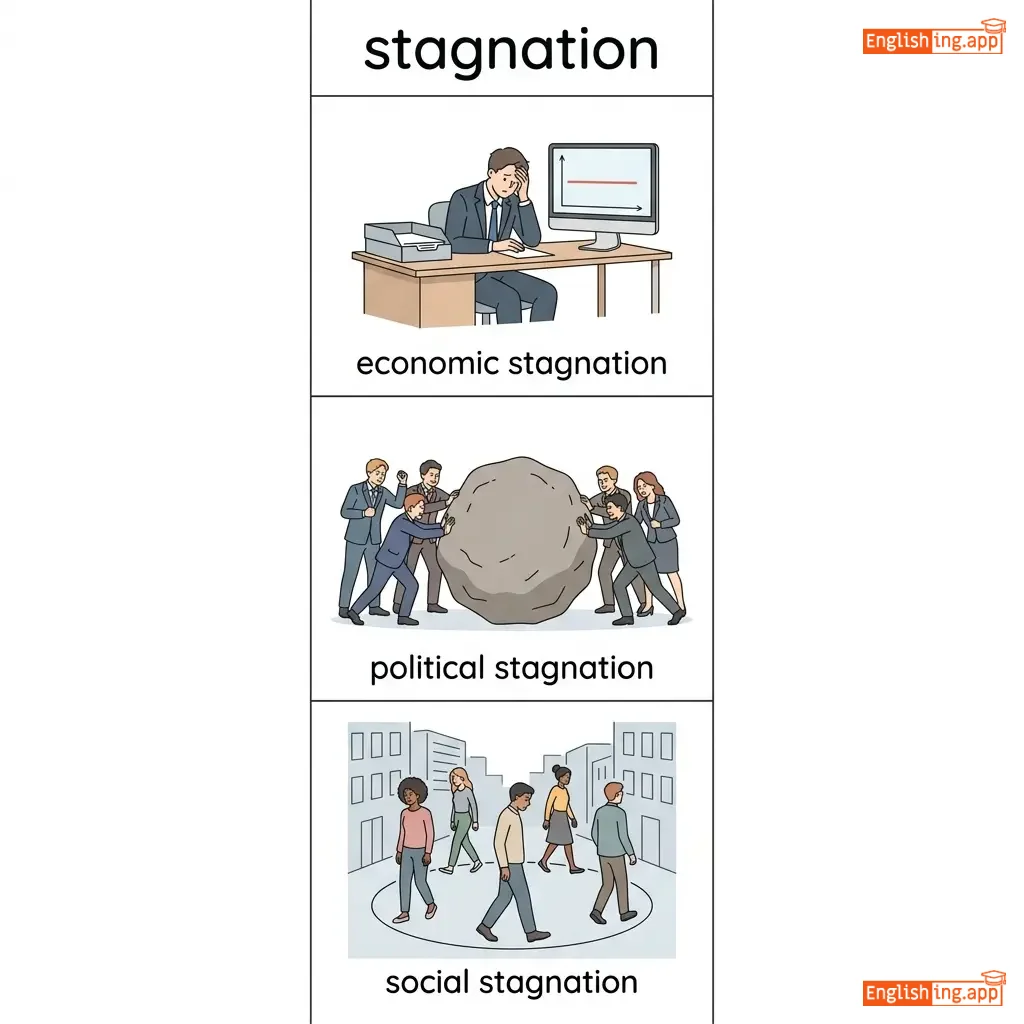
Savings を守るためには、capitalization、arbitrage、そして適切な contingency 計画が不可欠です。そうしなければ、長期的な recession と stagnation により経済的な負担を受ける可能性があります。
翻訳
過去
過去分詞
三人称単数
動名詞
意味
例文
例文の翻訳
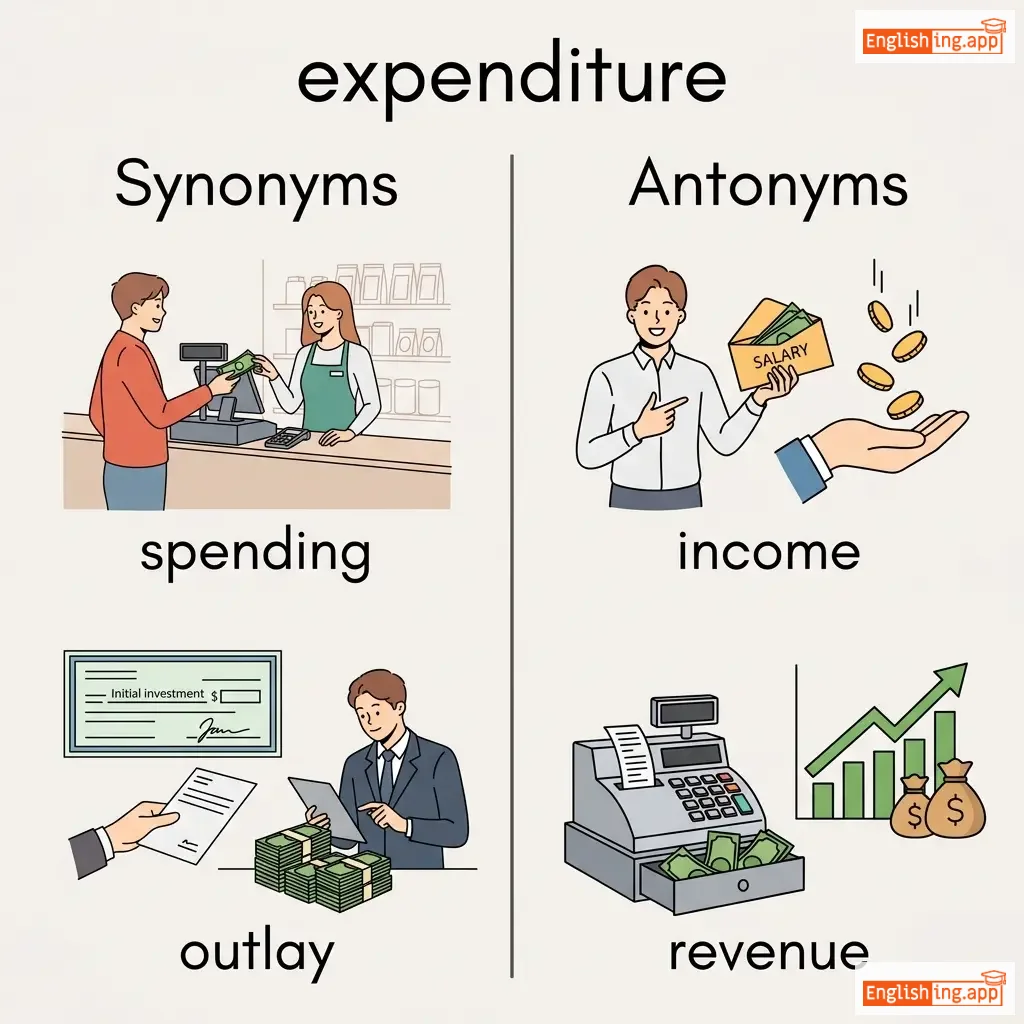
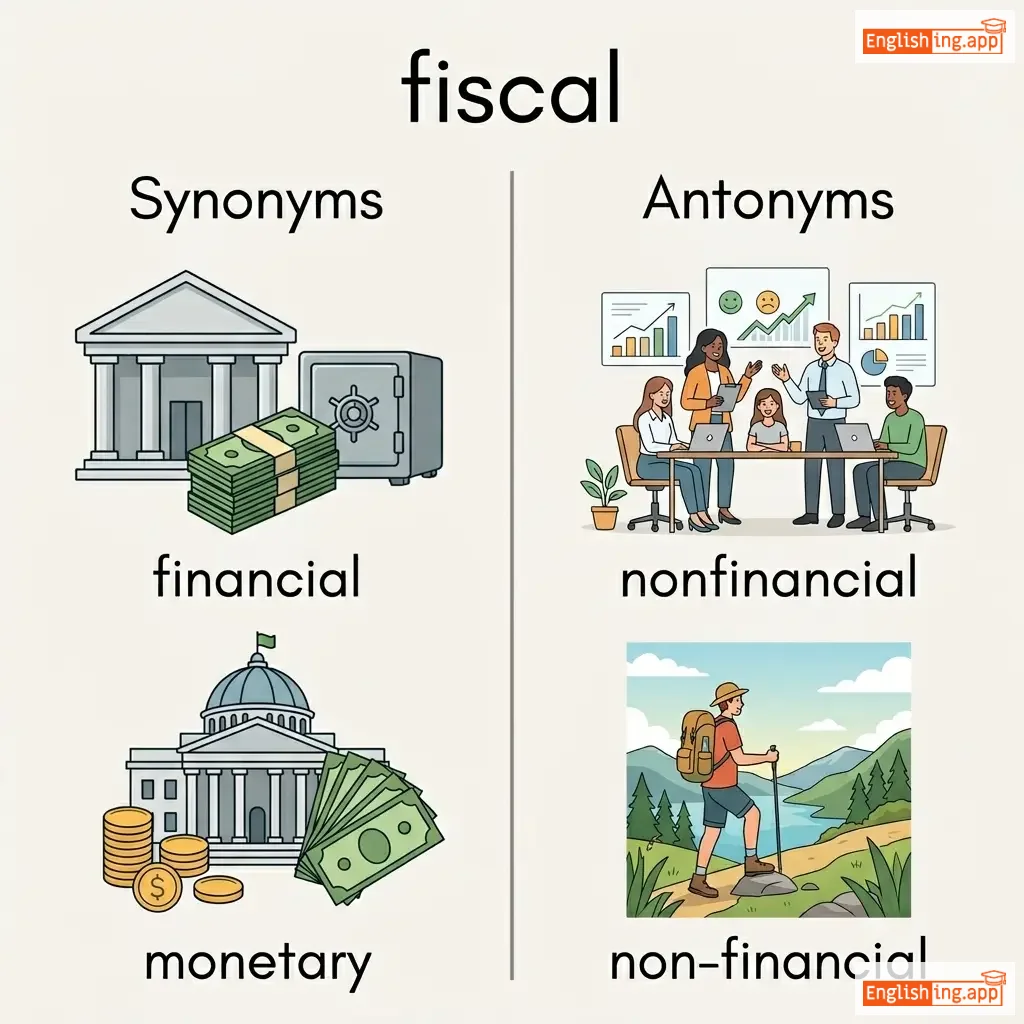
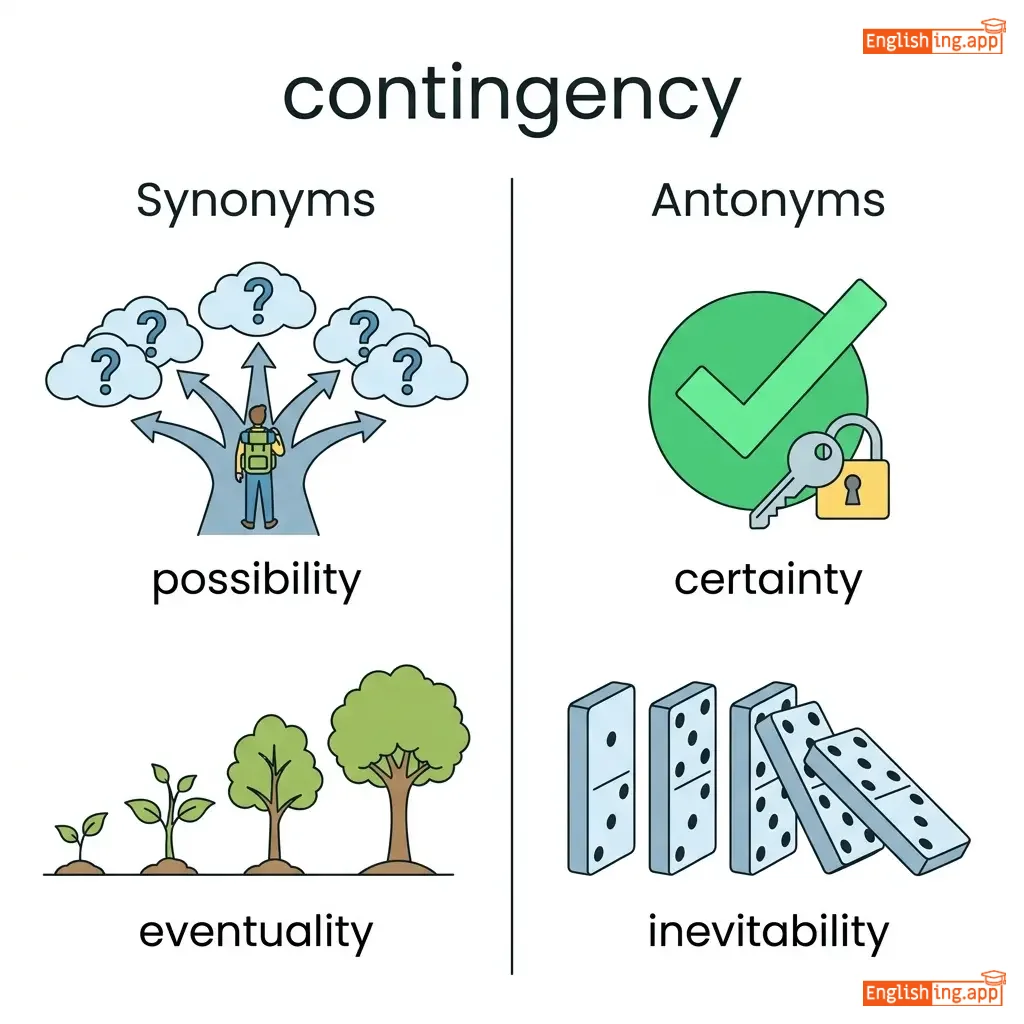
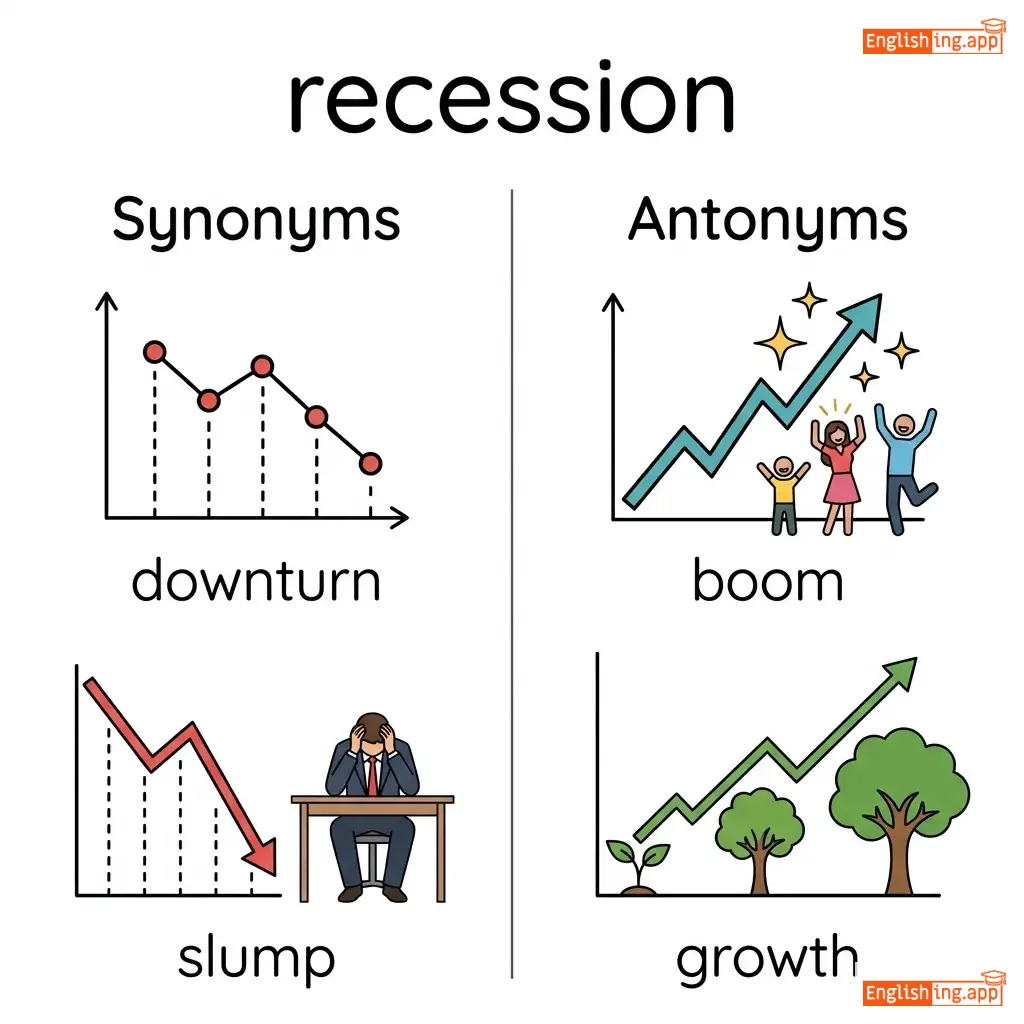
同義語
対義語
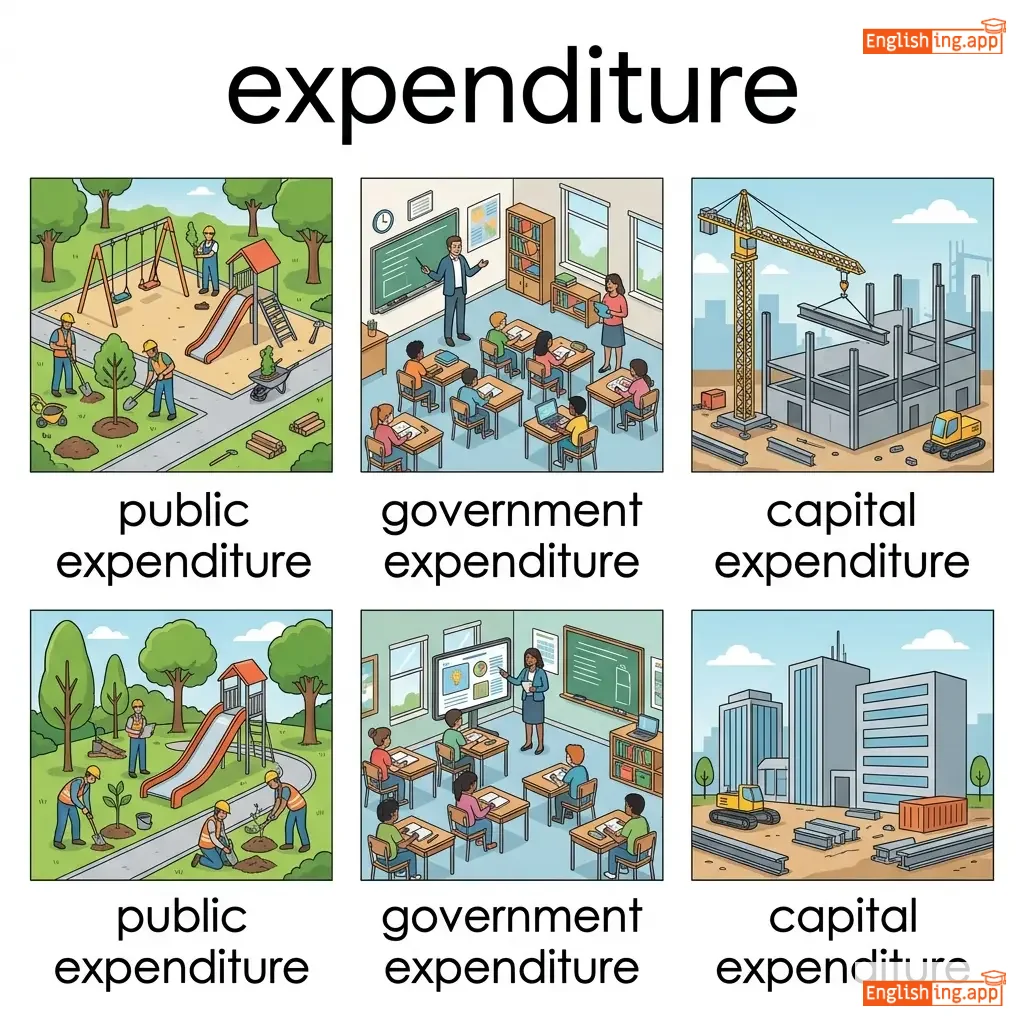
コロケーション
ニーモニック
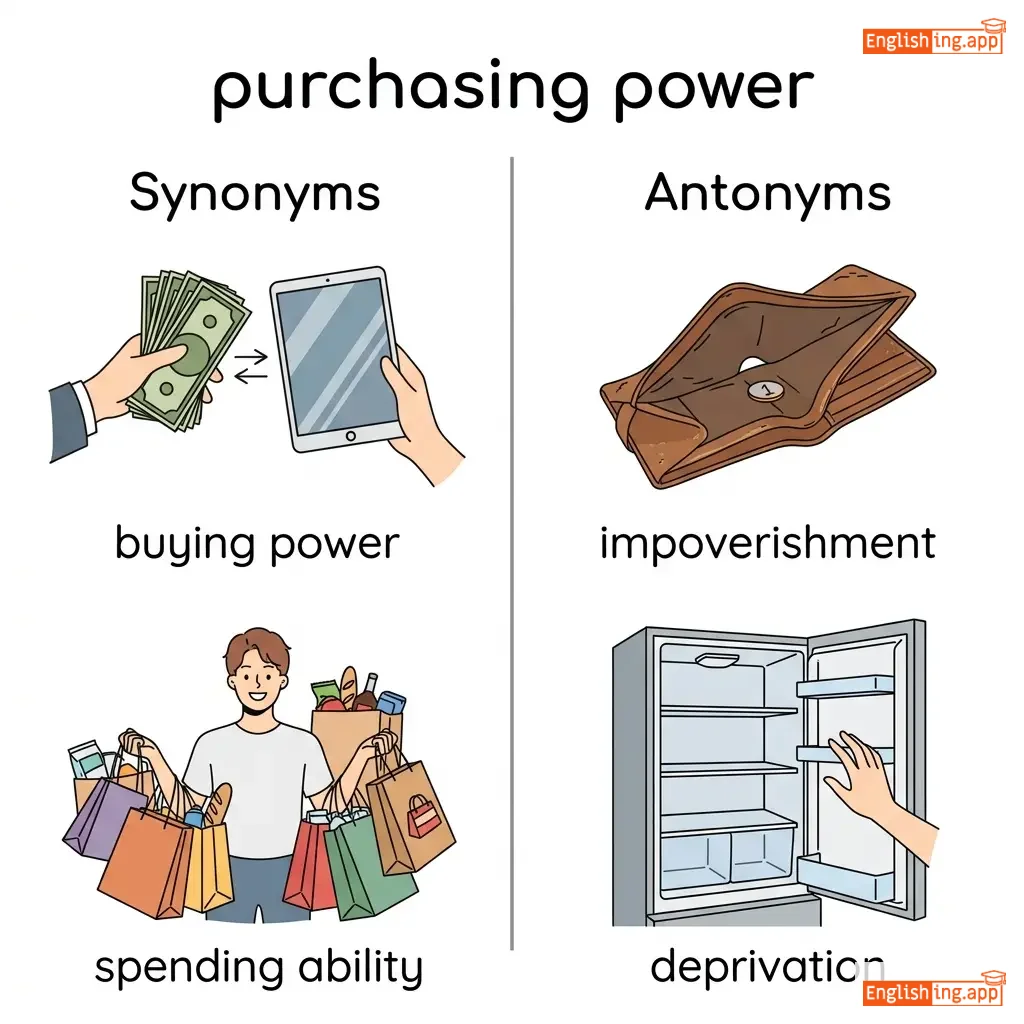

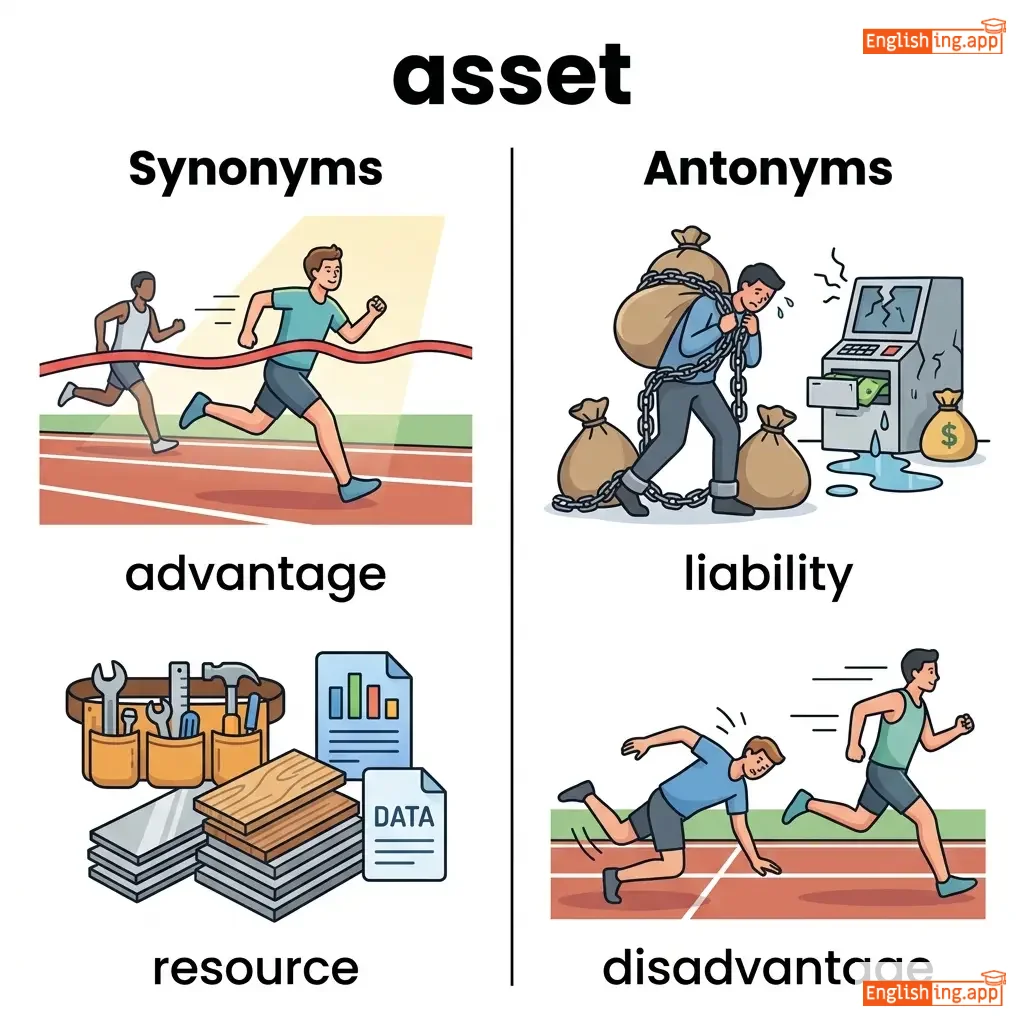
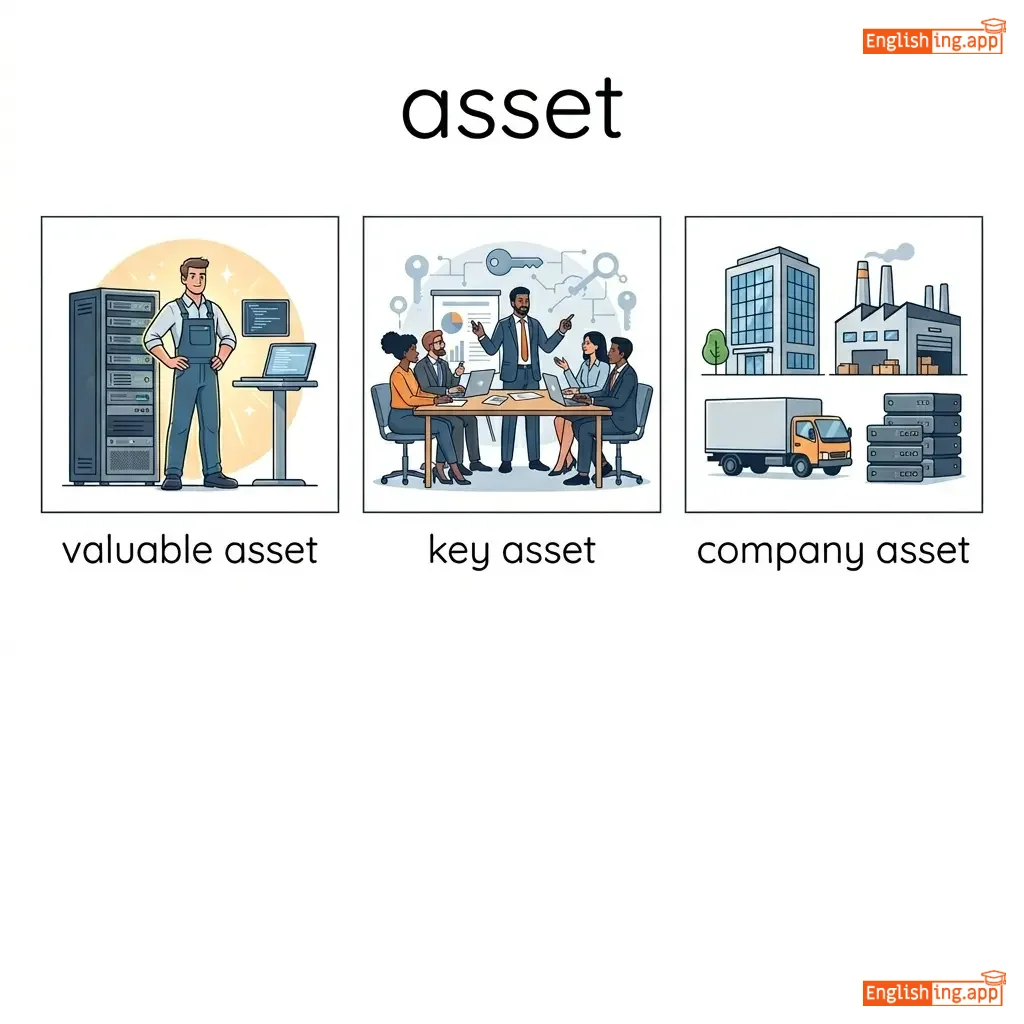
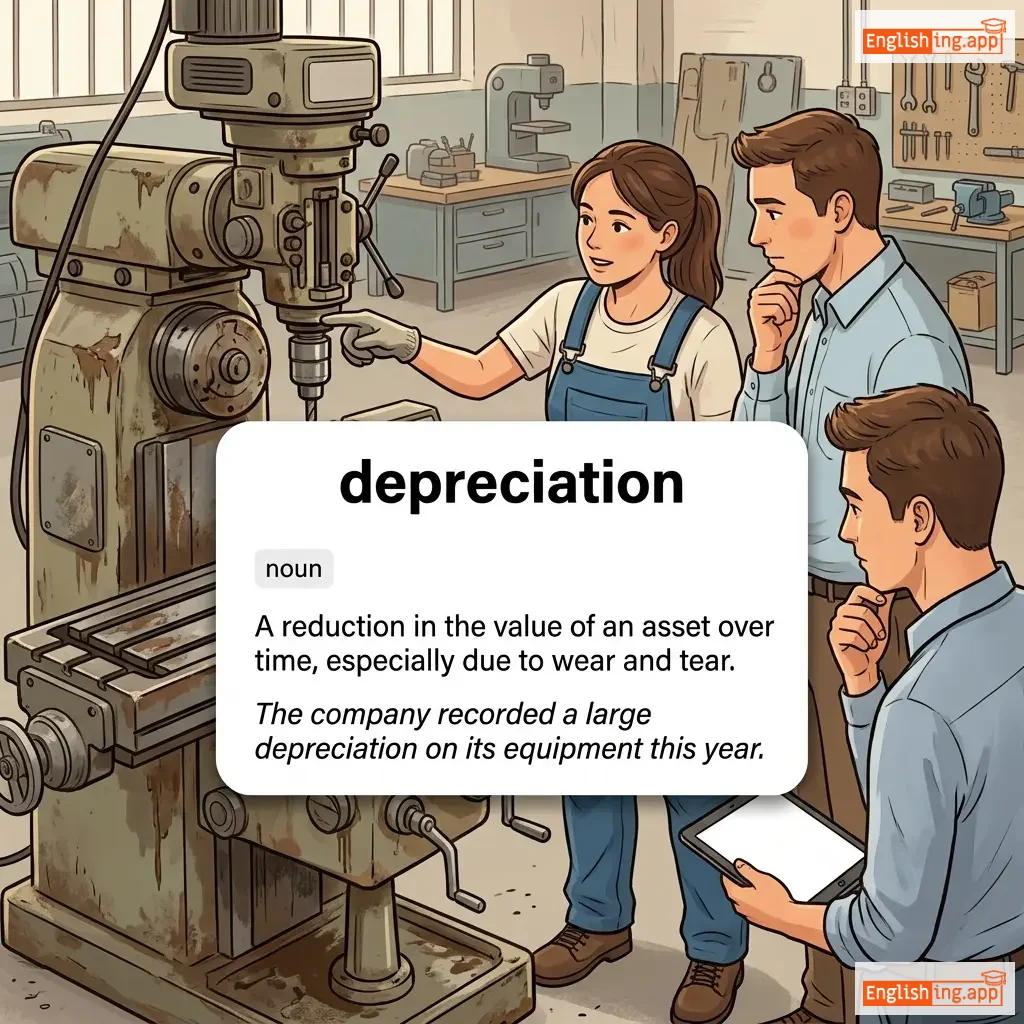
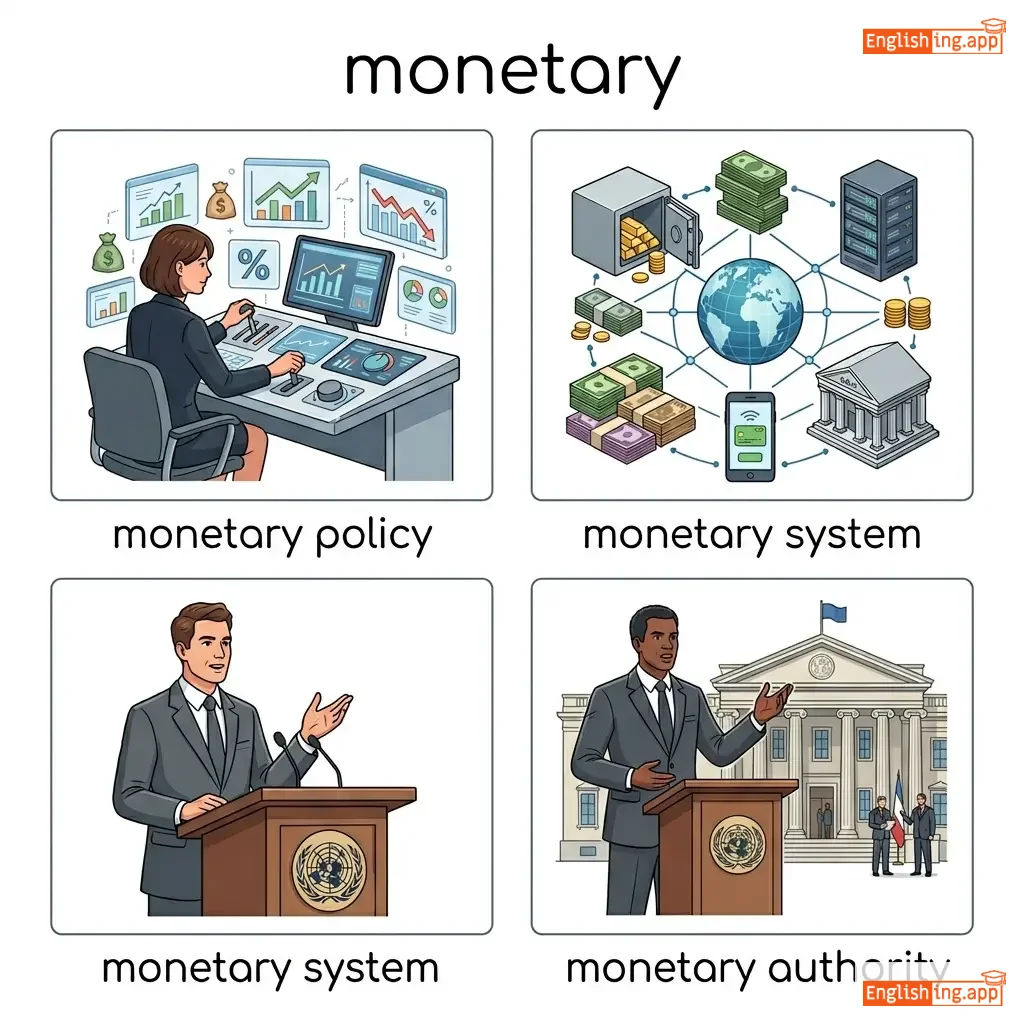
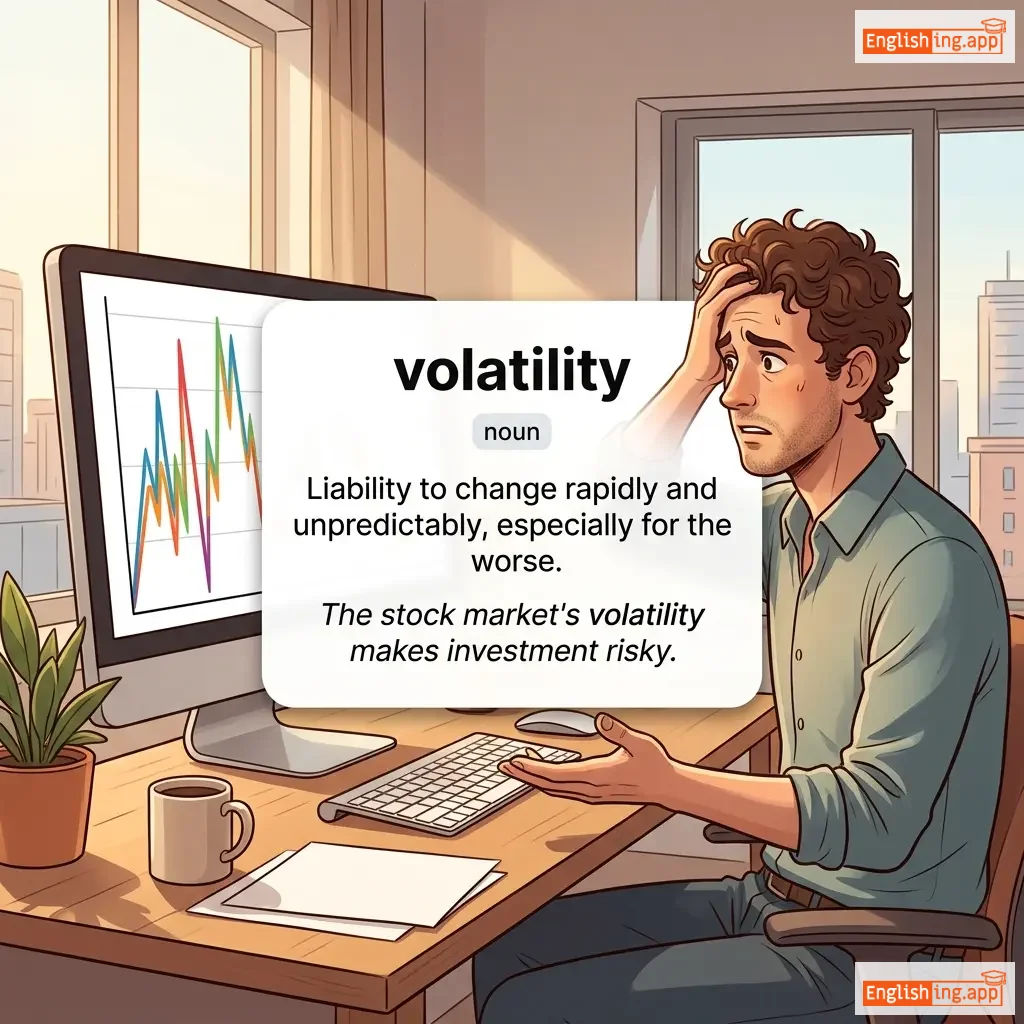
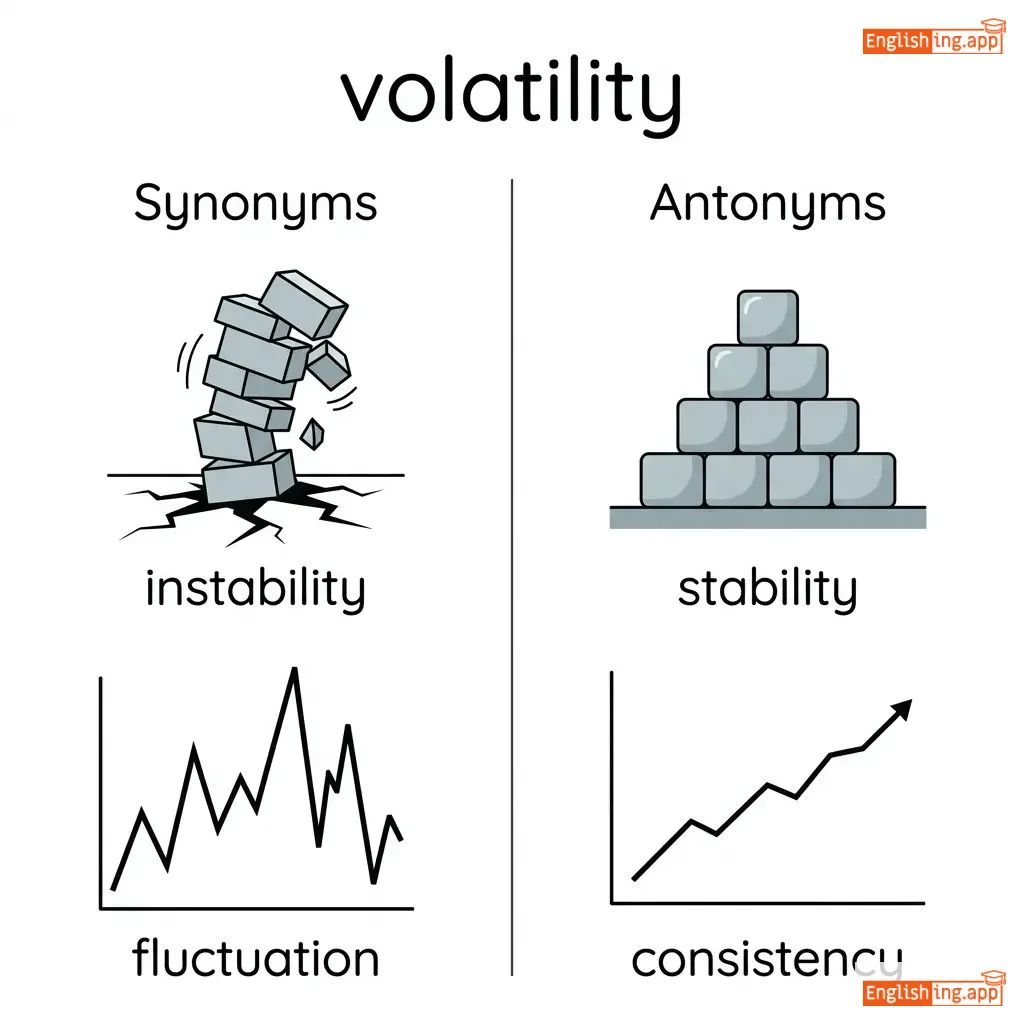
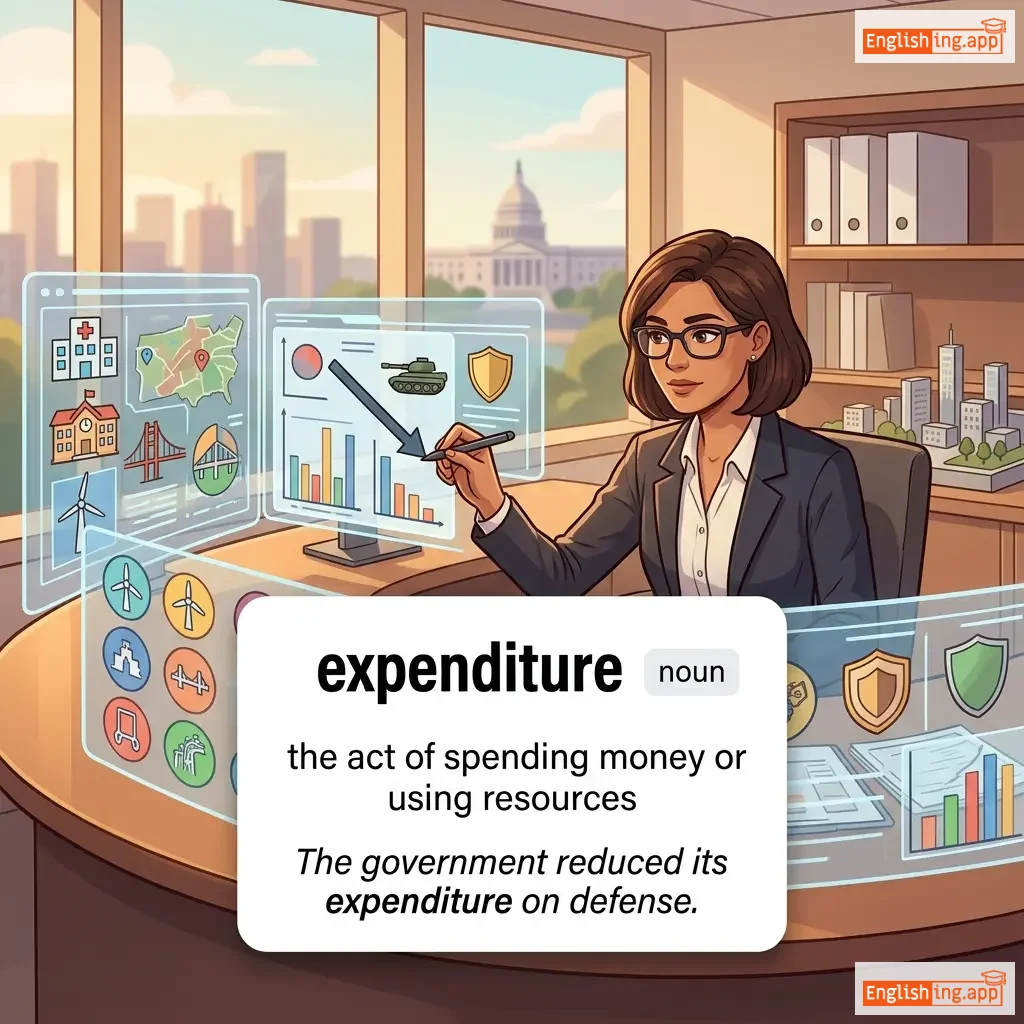

Swipe left or right, or use the buttons. Tap image to zoom.
例文の翻訳
単語
How Inflation Affects Your SavingsHow Inflation Affects Your Savings - マスクトグル
|
絵文字
|
単語 | Images | 翻訳 | 意味 | 例文 | 例文の翻訳 | 同義語 | 対義語 | ニーモニック |
|---|---|---|---|---|---|---|---|---|---|
|
#1961
📈
|
/ɪnˈfleɪ.ʃən/
noun
(インフレーション)
••••••
|
|
インフレーション
infureeshon
••••••
|
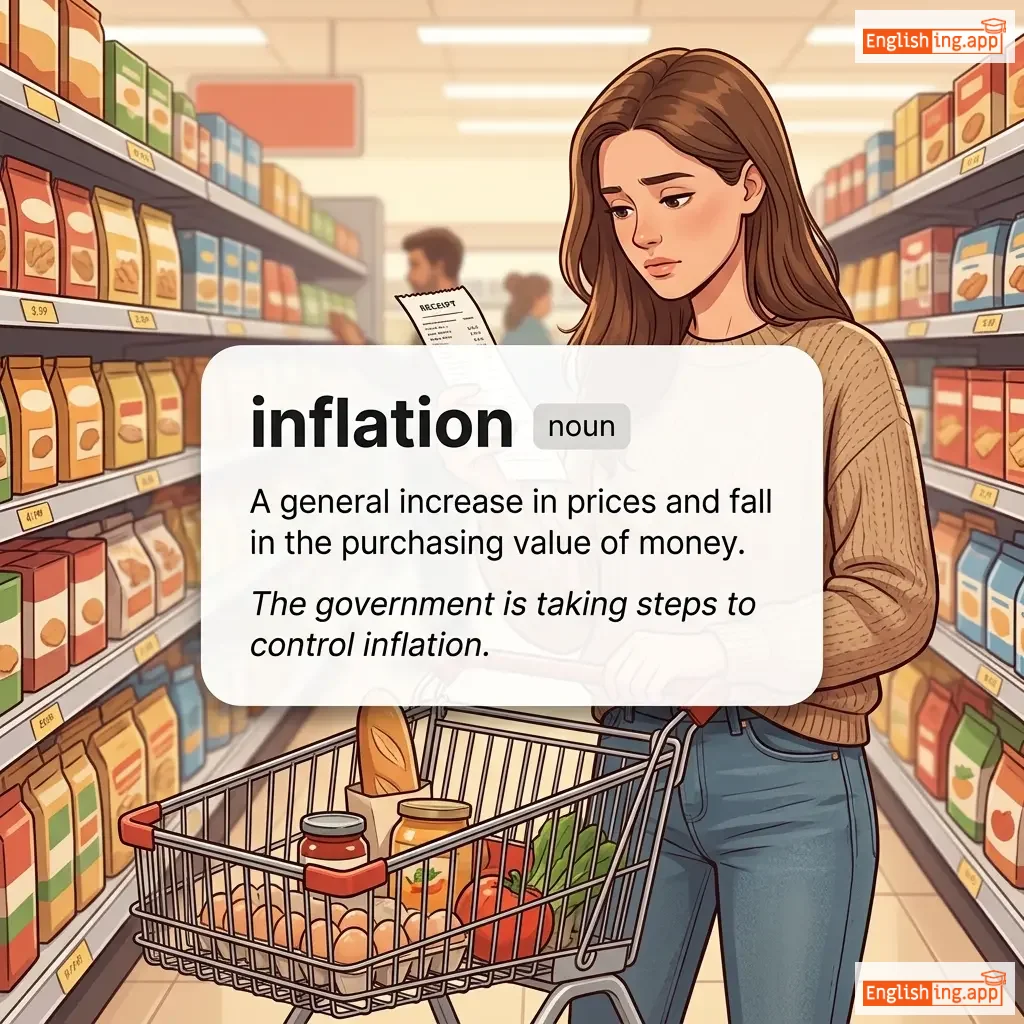
The general increase in prices and fall in the purchasing value of money in an economy over time.
••••••
|
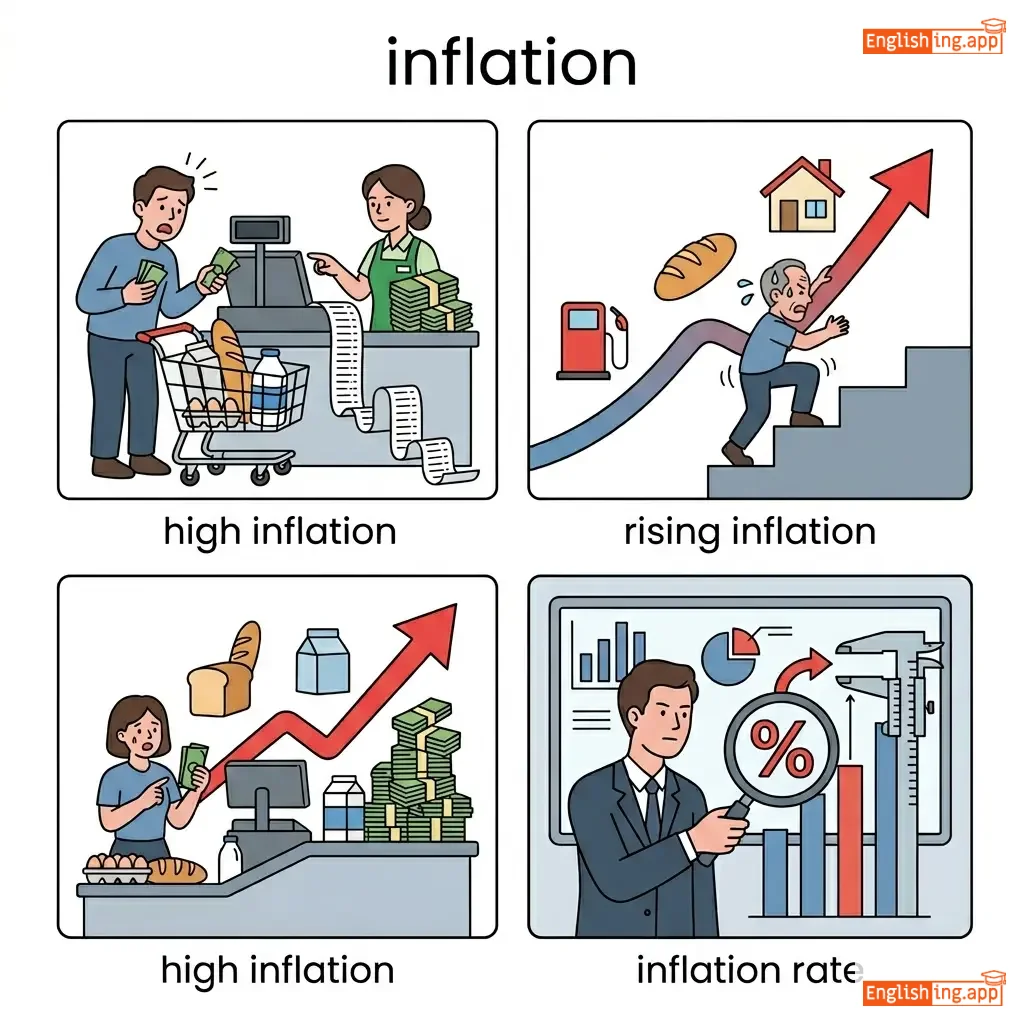
High inflation reduces the value of money over time.
高いインフレーションは時間の経過とともにお金の価値を減少させます。
••••••
|
高いインフレーションは時間の経過とともにお金の価値を減少させます。
Takai infureeshon wa jikan no keika to tomo ni okane no kachi wo genshou sasemasu.
••••••
|
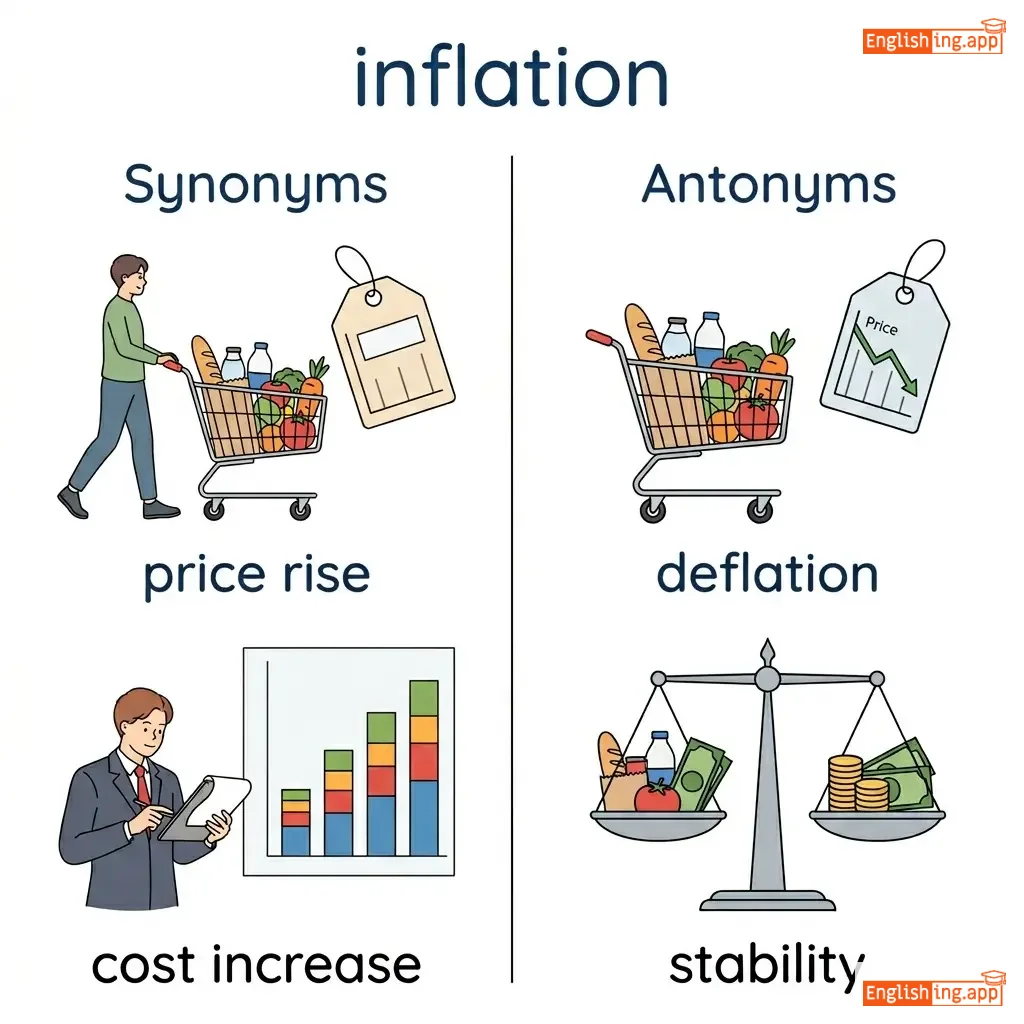
price increase, cost escalation, currency devaluation
••••••
|
deflation, price stability, cost reduction
••••••
|
インフレーション - インフレ(膨らむ)という言葉が示すように、価格が上昇します。
••••••
|
|
#1962
💰
|
/ˈpɜː.tʃəs.ɪŋ ˈpaʊ.ɚ/
noun
(パーチェージングパワー)
••••••
|
|
購買力
kōbai-ryoku
••••••
|
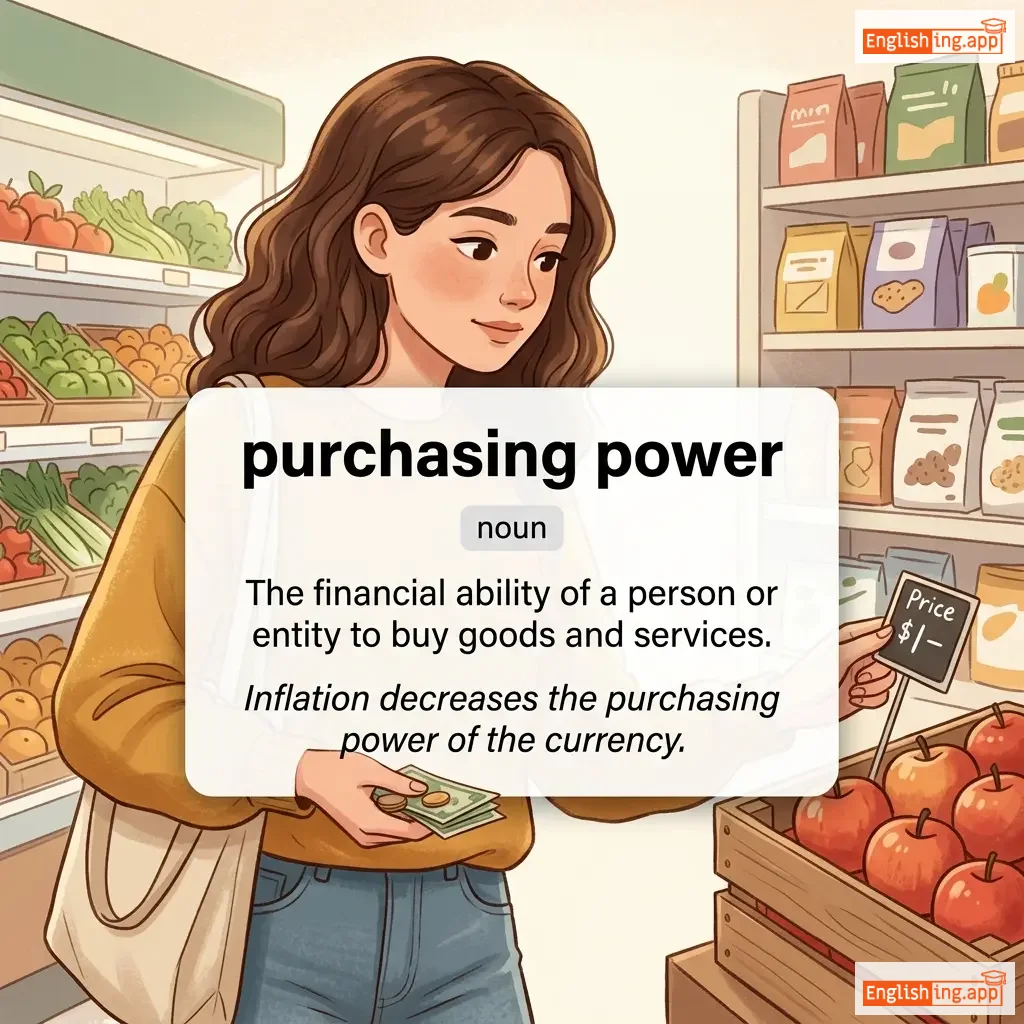
The amount of goods and services that can be purchased with a unit of currency.
••••••
|
Due to inflation, people's purchasing power has decreased. |
インフレのため、人々の購買力は低下しました。
Infure no tame, hitobito no kōbai-ryoku wa teika shimashita.
••••••
|
buying capacity, financial strength, consumer power
••••••
|
weak purchasing power, economic decline, low affordability
••••••
|
購買力はお金でどれだけ買えるかを示す指標です。
••••••
|
|
#1963
🏠
|
/ˈæs.et/
noun
(アセット)
••••••
|
|
資産
shisan
••••••
|
A useful or valuable thing, person, or quality that can provide economic value.
••••••
|
Real estate is a valuable asset in an investment portfolio. |
不動産は投資ポートフォリオの中で価値のある資産です。
Fudōsan wa tōshi pōtoforio no naka de kachi no aru shisan desu.
••••••
|
property, resource, wealth
••••••
|
liability, debt, obligation
••••••
|
資産とassetは同じく経済的な価値を持ちます。
••••••
|
|
#1964
📉
|
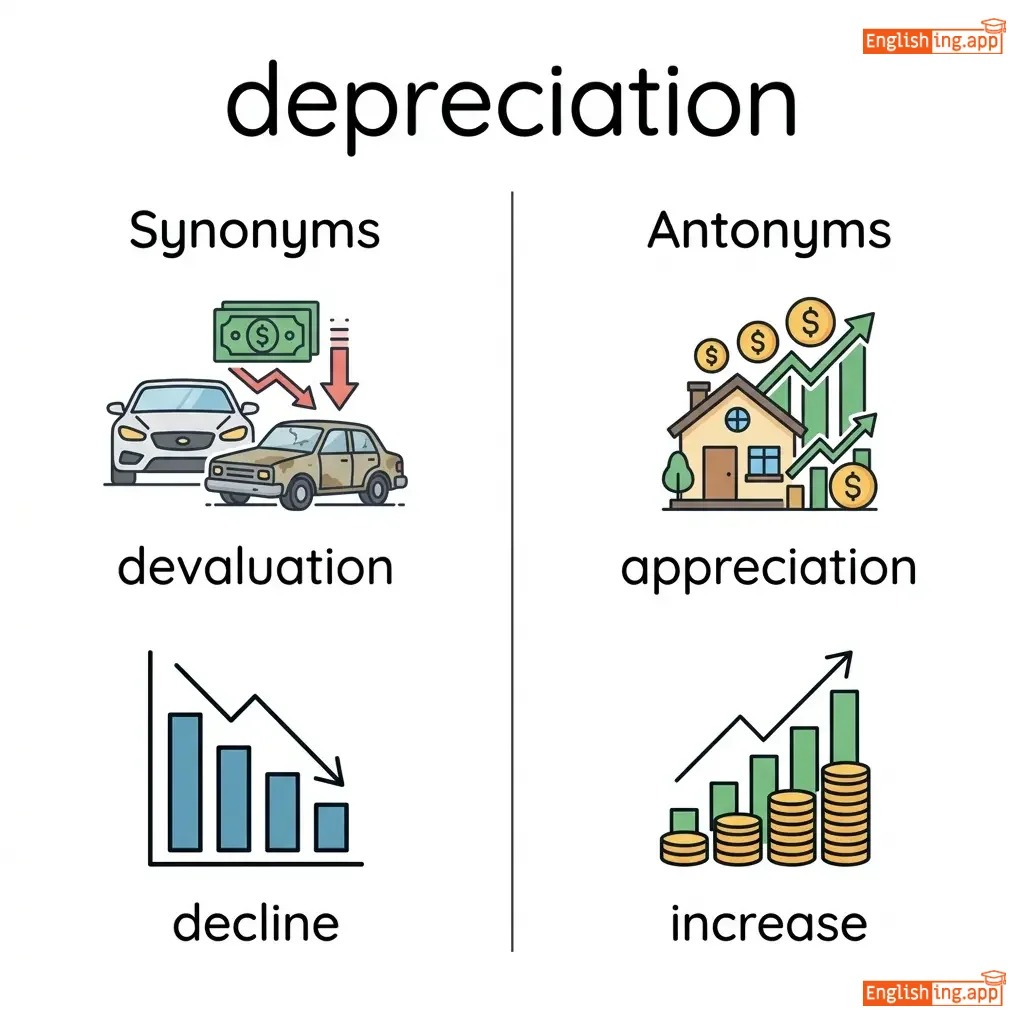
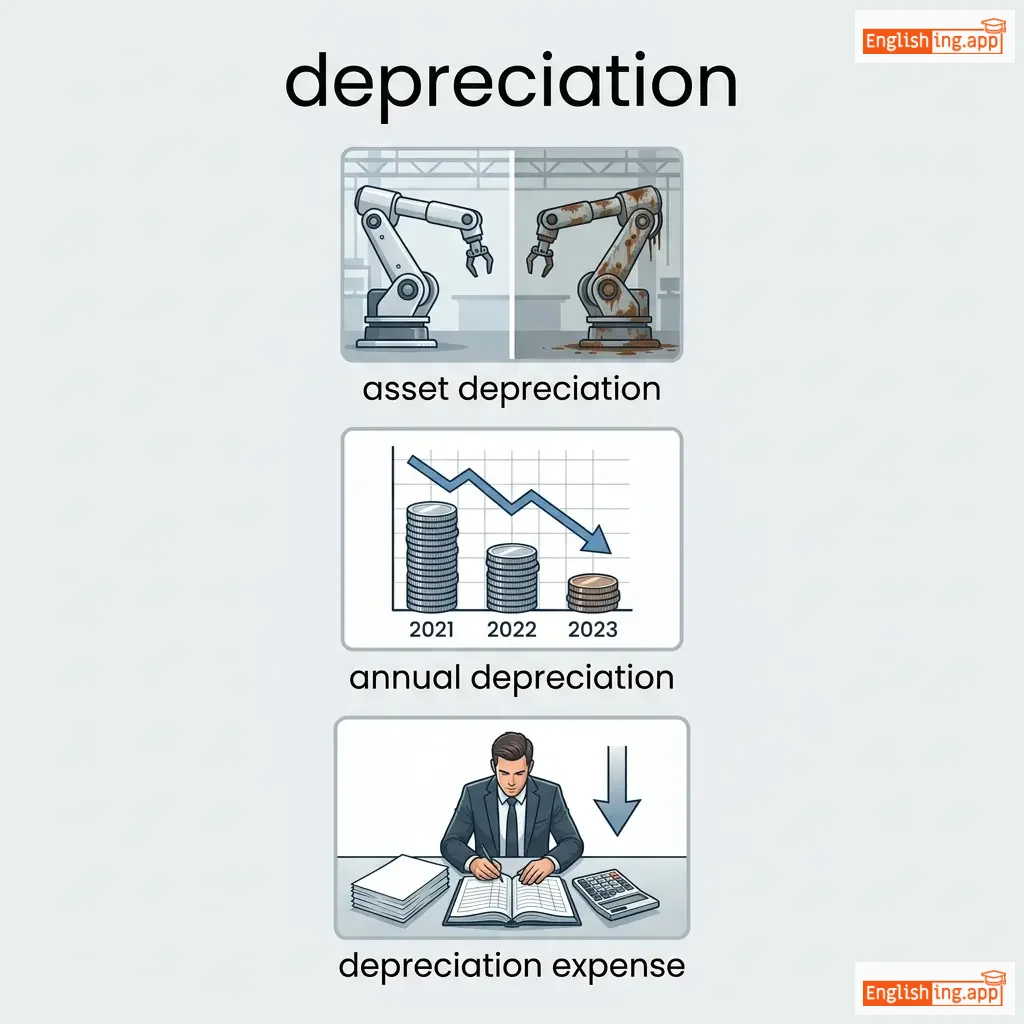
/dɪˌpriː.ʃiˈeɪ.ʃən/
noun
(デプレシエーション)
••••••
|
|
減価償却
genkashoukyaku
••••••
|
A reduction in the value of an asset with the passage of time, due to wear and tear.
••••••
|
The car's depreciation rate is high after five years. |
車の減価償却率は5年後に高くなります。
Kuruma no genkashoukyaku ritsu wa go-nen go ni takaku narimasu.
••••••
|
devaluation, decline, wear and tear
••••••
|
appreciation, value increase, enhancement
••••••
|
減価償却は、時間と共に物の価値が下がることです。
••••••
|
|
#1965
📦
|
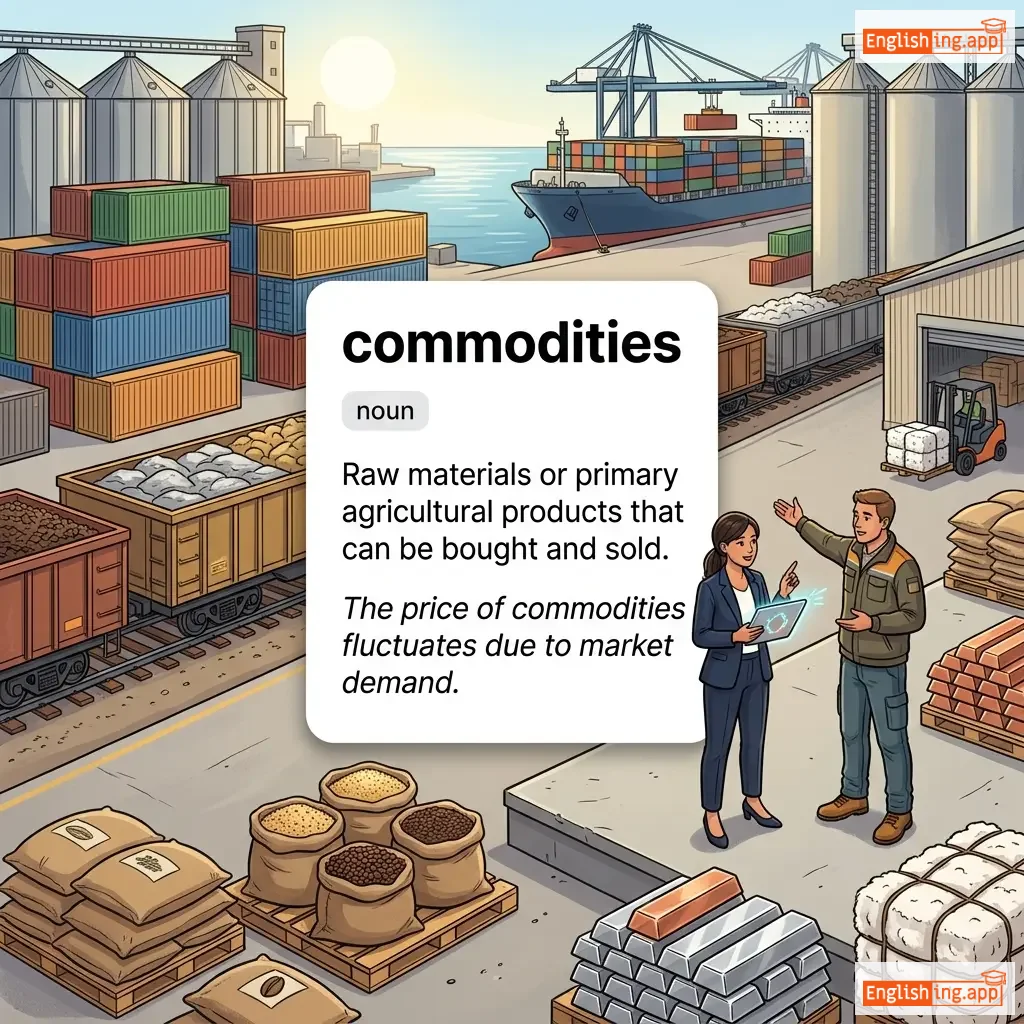
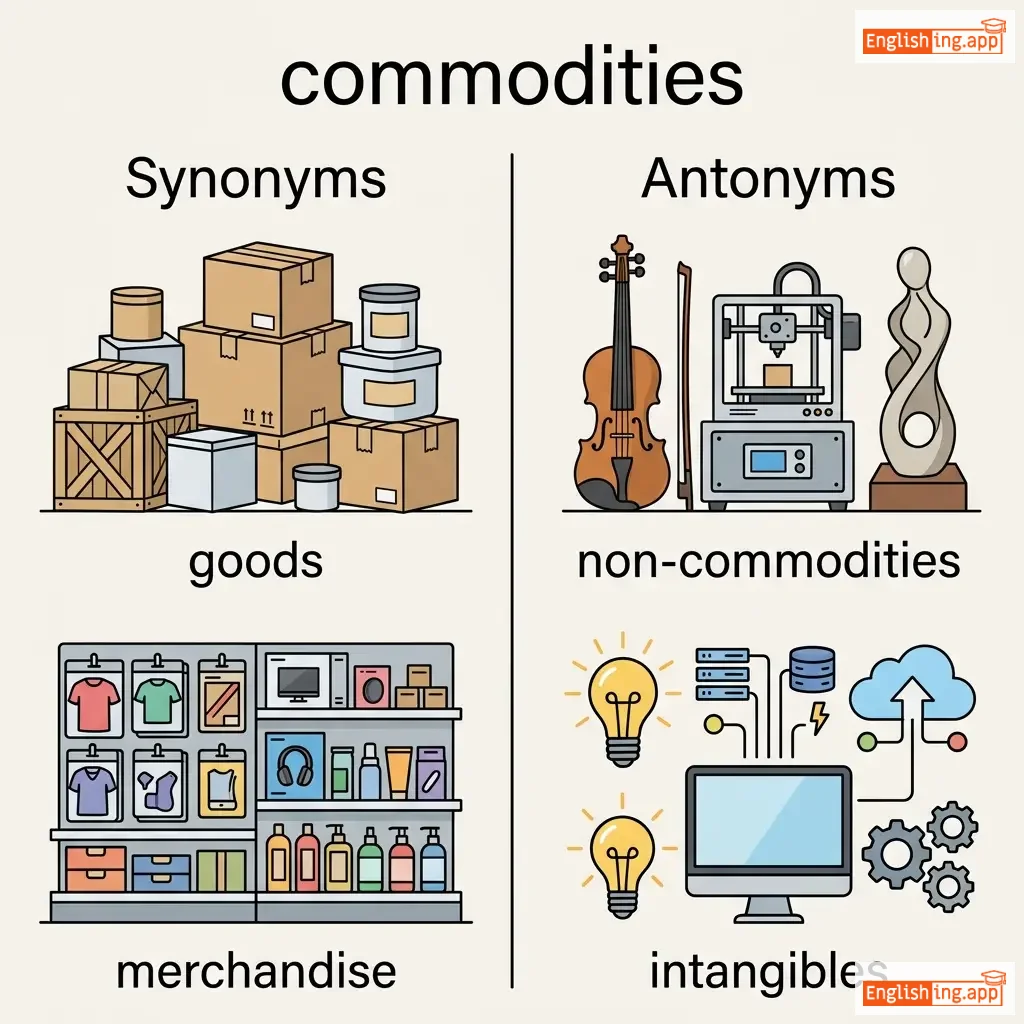
/kəˈmɒ.dɪ.tiz/
noun
(コモディティーズ)
••••••
|
|
商品
shōhin
••••••
|
Raw materials or primary agricultural products that can be bought and sold.
••••••
|
The prices of commodities like oil and gold fluctuate frequently.
石油や金のような商品価格は頻繁に変動します。
••••••
|
石油や金のような商品価格は頻繁に変動します。
Sekiyu ya kin no yōna shōhin kakaku wa hinpan ni hendō shimasu.
••••••
|
goods, products, merchandise
••••••
|
services, non-tradable goods, intangibles
••••••
|
商品 (shōhin) は売買される物、例えば石油や金のことです。
••••••
|
|
#1966
🏛️
|
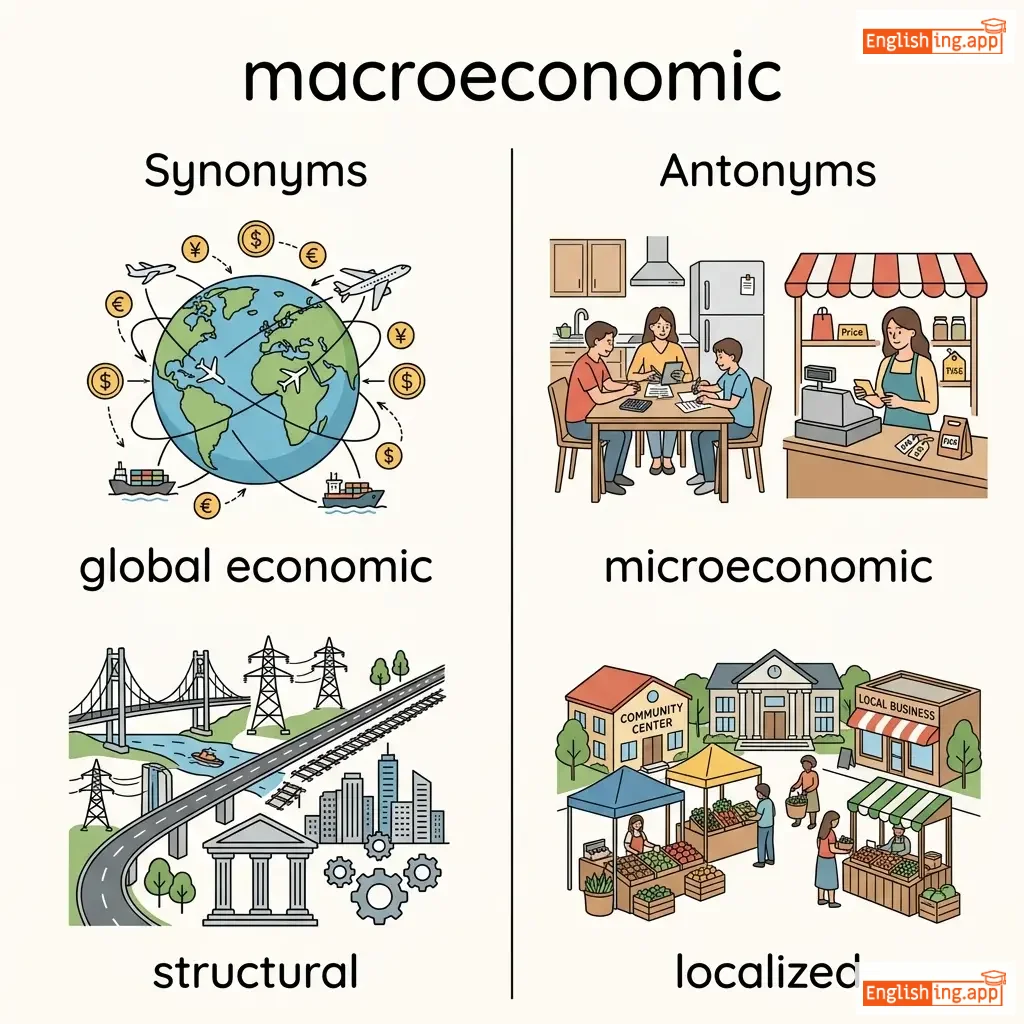
/ˌmæk.roʊ.iː.kəˈnɒm.ɪk/
adjective
(マクロ経済的)
••••••
|
|
マクロ経済的
makuro keizaiteki
••••••
|
Relating to large-scale or general economic factors, such as interest rates and national productivity.
••••••
|
Government policies impact macroeconomic stability.
政府の政策はマクロ経済的な安定性に影響を与える。
••••••
|
政府の政策はマクロ経済的な安定性に影響を与える。
Seifu no seisaku wa makuro keizaiteki na antei-sei ni eikyō o ataeru.
••••••
|
national economy, economic trends, large-scale financial system
••••••
|
microeconomic, individual finance, localized economy
••••••
|
Think 'makuro' for large and 'keizaiteki' for economic.
••••••
|
|
#1967
💱
|
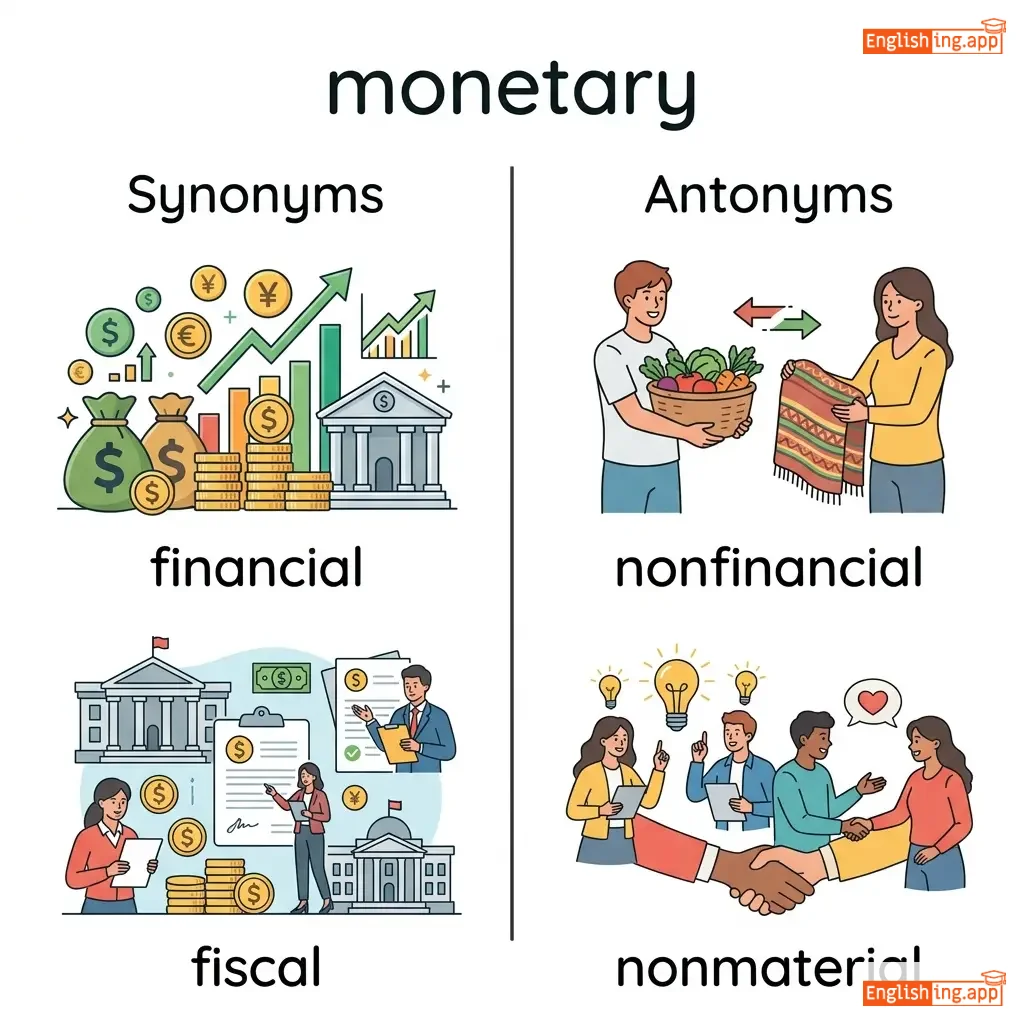
/ˈmʌn.ɪ.tri/
adjective
(モネタリー)
••••••
|
|
貨幣の
kahei no
••••••
|
Relating to money or currency, especially government policy concerning money supply and interest rates.
••••••
|
The central bank controls monetary policies to manage inflation. |
中央銀行はインフレを管理するために貨幣政策をコントロールしています。
Chuuou ginkou wa infure wo kanri suru tame ni kahei seisaku wo kontorooru shiteimasu.
••••••
|
financial, fiscal, economic
••••••
|
non-financial, barter-based, non-monetary
••••••
|
モネタリーは‘money’から来ています、覚えやすい!
••••••
|
|
#1968
⚡
|
/ˌvɒl.əˈtɪl.ɪ.ti/
noun
(ボラティリティ)
••••••
|
|
ボラティリティ
boratiriti
••••••
|
Liability to change rapidly and unpredictably, especially for the worse in financial markets.
••••••
|
The stock market is known for its volatility.
株式市場はそのボラティリティで知られています。
••••••
|
株式市場はそのボラティリティで知られています。
Kabushiki shijō wa sono boratiriti de shirareteimasu.
••••••
|
instability, fluctuation, uncertainty
••••••
|
stability, consistency, predictability
••••••
|
市場のボラティリティ、予測不可能な変動が特徴。
••••••
|
|
#1969
💸
|
/ɪkˈspɛn.dɪ.tʃɚ/
noun
(エクスペンディチャー)
••••••
|
|
支出
shishutsu
••••••
|
The action of spending funds or an amount of money spent.
••••••
|
The government increased its expenditure on healthcare. |
政府は医療費に対する支出を増加させました。
Seifu wa iryōhi ni taisuru shishutsu o zōka sasemashita.
••••••
|
spending, costs, outlay
••••••
|
savings, revenue, income
••••••
|
支出 = お金を使う (spend money)
••••••
|
|
#1970
🏦
|
/ˈfɪs.kəl/
adjective
(フィスカル)
••••••
|
|
財政の
zaisei no
••••••
|
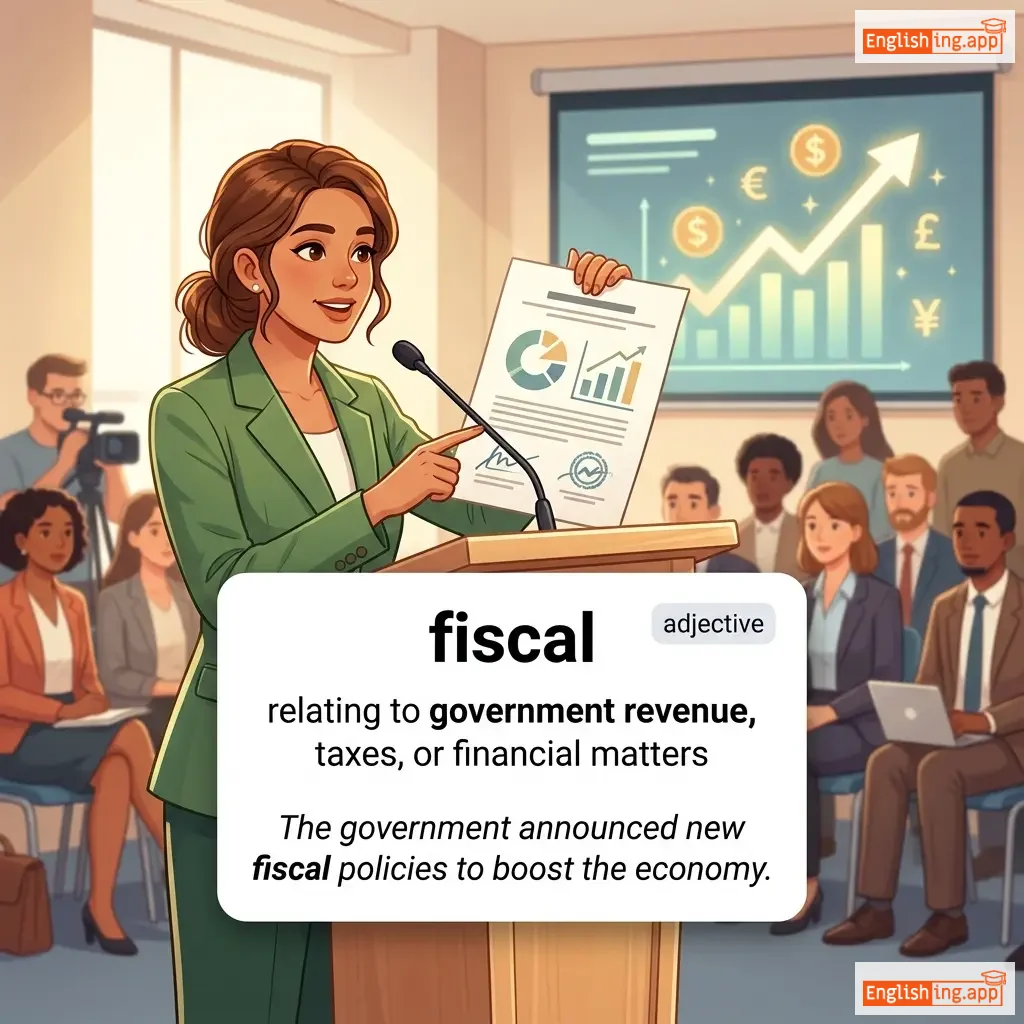
Relating to government revenue, especially taxes, or public money management.
••••••
|
The government introduced new fiscal policies to control inflation. |
政府はインフレを抑制するために新しい財政政策を導入しました。
Seifu wa infure o yokusei suru tame ni atarashī zaisei seisaku o dōnyū shimashita.
••••••
|
financial, budgetary, economic
••••••
|
non-financial, unrelated to money
••••••
|
財政は公共のお金に関すること、フィスカルはそのまま使われます。
••••••
|
|
#1971
⚖️
|
/ˌiː.kwɪˈlɪb.ri.əm/
noun
(エクイリブリウム)
••••••
|
|
均衡
kinkou
••••••
|
A state in which opposing forces or influences are balanced in economic markets.
••••••
|
The market reached an equilibrium between supply and demand. |
市場は供給と需要の間で均衡を達成しました。
Shijou wa kyoukyuu to juyou no aida de kinkou wo tassei shimashita.
••••••
|
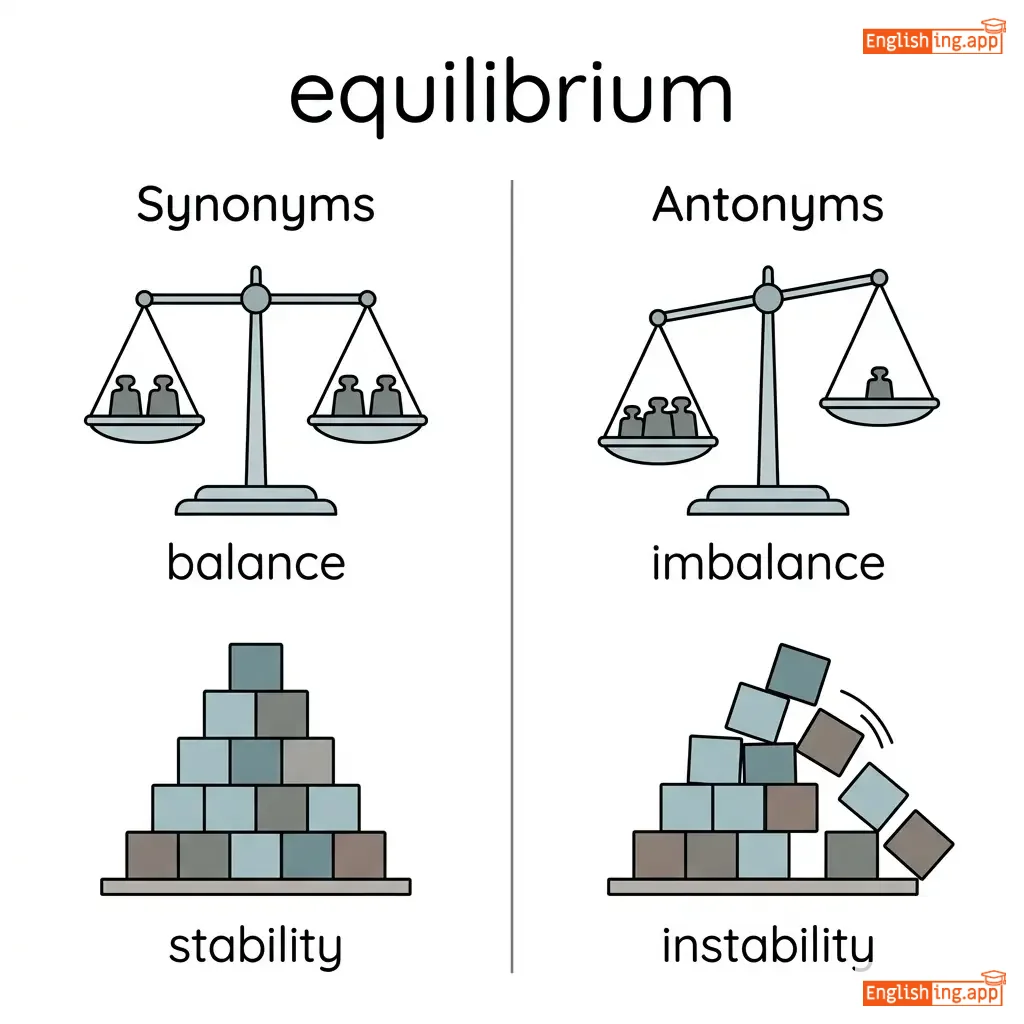
balance, stability, steadiness
••••••
|
imbalance, instability, disequilibrium
••••••
|
均衡を保つ天秤を思い浮かべ、供給と需要が等しくなるようにバランスを取ることをイメージしてください。
••••••
|
|
#1972
🚫
|
/ˌmɑːr.dʒɪ.nəl.aɪˈzeɪ.ʃən/
noun
(マージナライゼーション)
••••••
|
|
周辺化
shūhenka
••••••
|
The process of pushing a group or individual to the edge of society by not allowing them full participation.
••••••
|
Economic policies should address the marginalization of the poor.
経済政策は貧困層の社会的な疎外を解決すべきです。
••••••
|
経済政策は貧困層の社会的な疎外を解決すべきです。
Keizai seisaku wa hinkon-sō no shakaiteki na sogai o kaiketsu subeki desu.
••••••
|
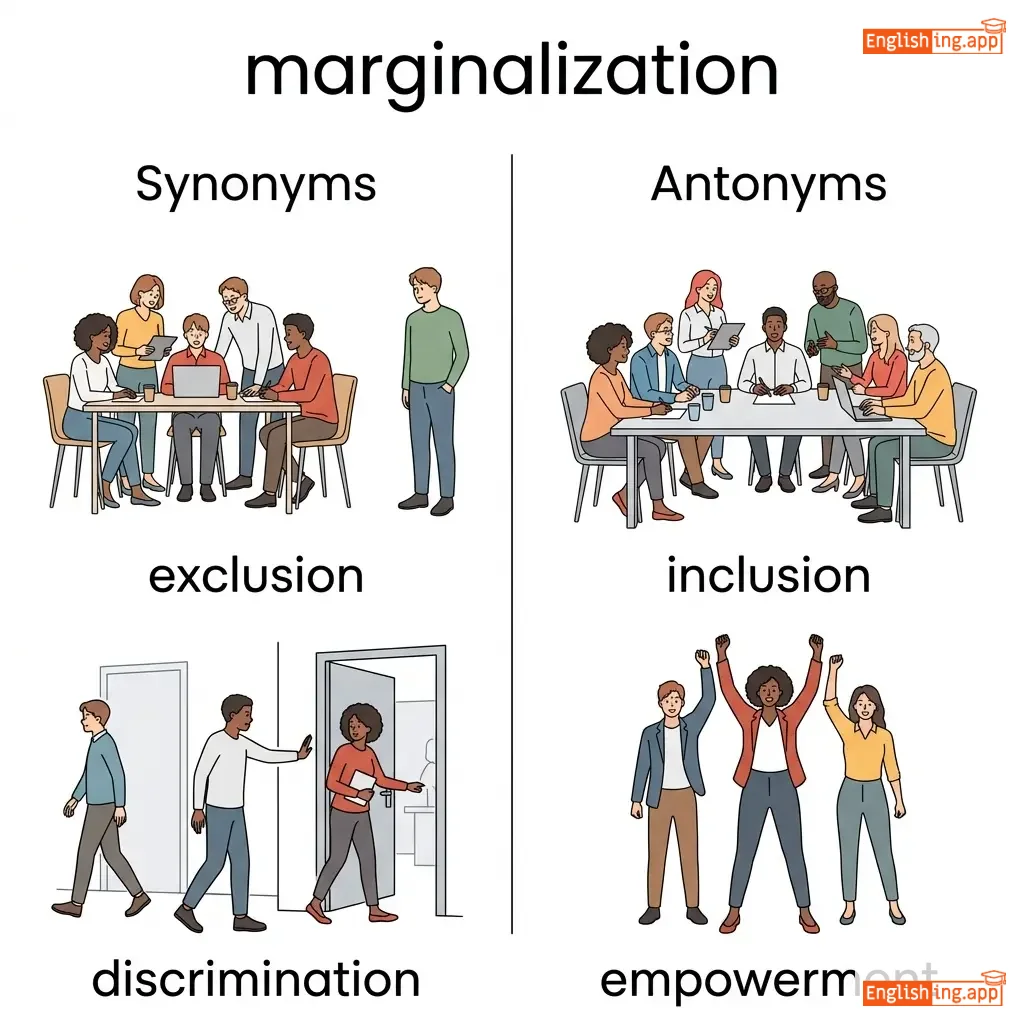
exclusion, discrimination, alienation
••••••
|
inclusion, empowerment, recognition
••••••
|
‘周辺化’の意味を覚えるには‘マージナライゼーション’を想像してみてください。
••••••
|
|
#1973
💰
|
/ˈseɪ.vɪŋz/
noun
(セイビングス)
••••••
|
|
貯金
chokin
••••••
|
Money that is saved, especially in a bank or official scheme for future use.
••••••
|
Many people invest their savings in real estate.
多くの人々は不動産に貯金を投資します。
••••••
|
多くの人々は不動産に貯金を投資します。
Ōku no hitobito wa fudōsan ni chokin o tōshi shimasu.
••••••
|
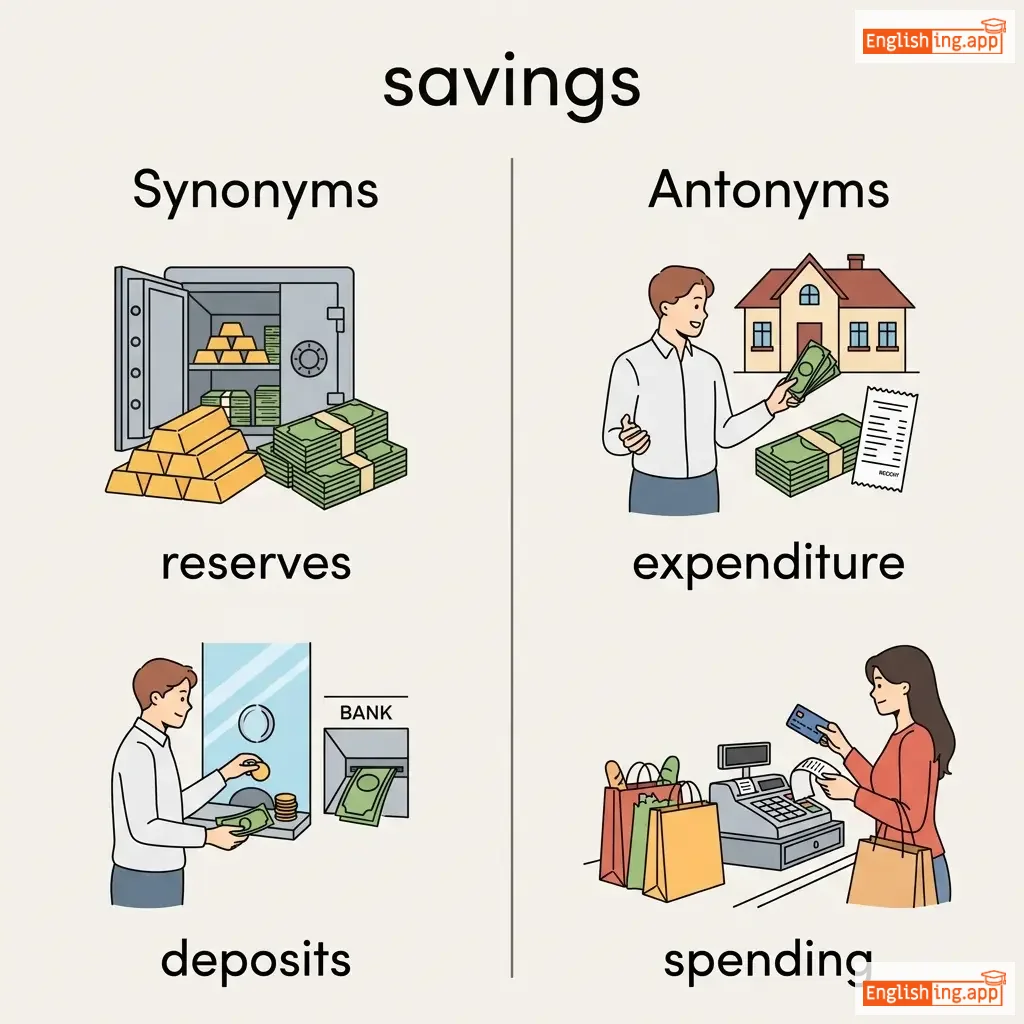
reserves, deposits, funds
••••••
|
expenditure, spending, debt
••••••
|
貯金は未来のためのセーフティネットです。
••••••
|
|
#1974
📊
|
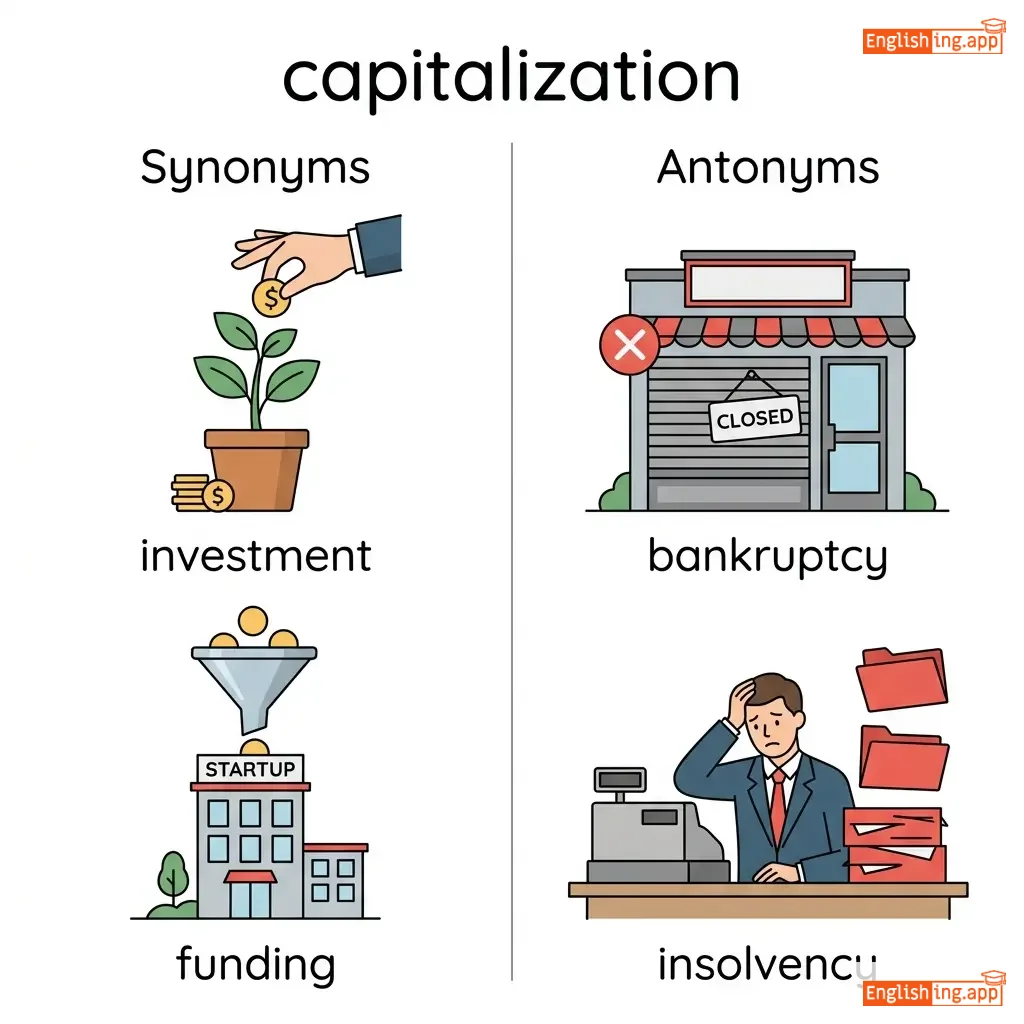
/ˌkæp.ɪ.t̬əl.aɪˈzeɪ.ʃən/
noun
(キャピタリゼーション)
••••••
|
|
資本化
shihonka
••••••
|
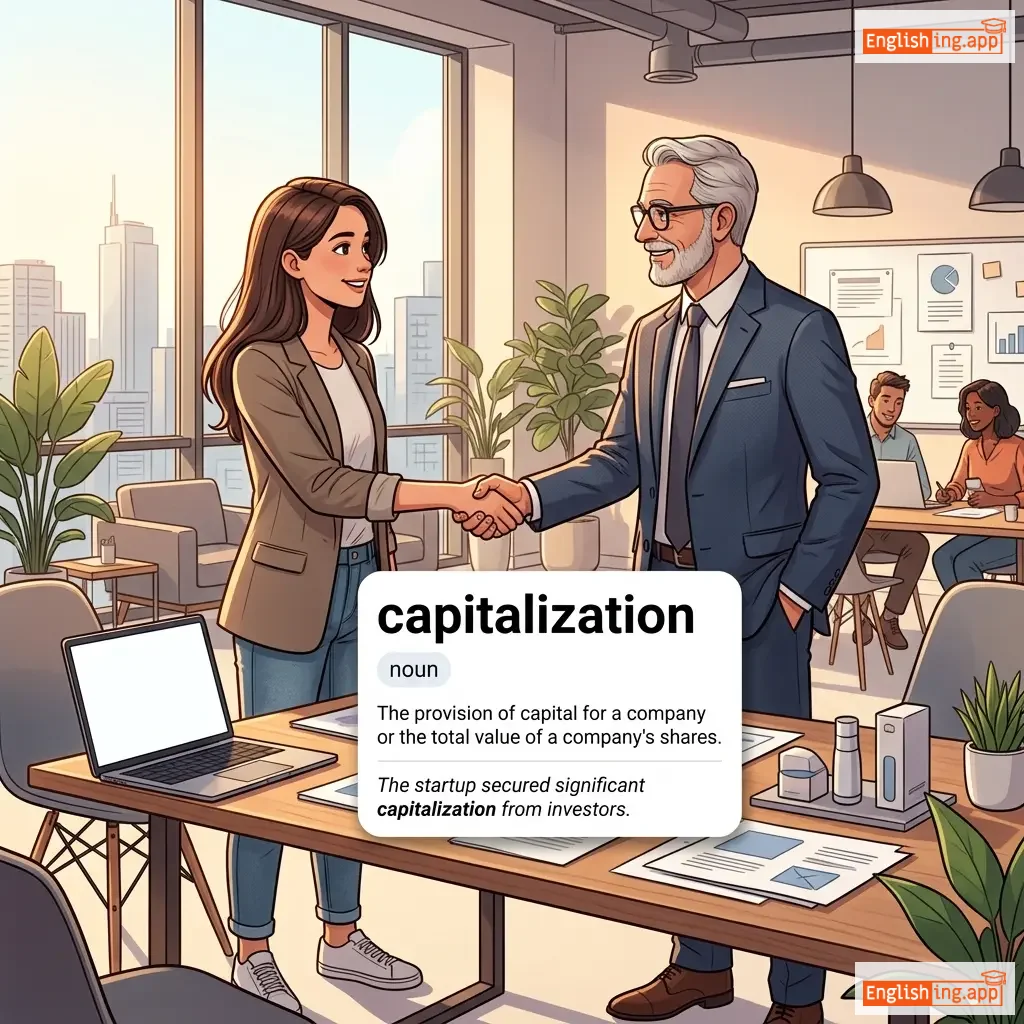
The provision of capital for a company or the total value of a company's shares.
••••••
|
The company increased its capitalization through new investments.
その企業は新たな投資によって資本化を増加させた。
••••••
|
その企業は新たな投資によって資本化を増加させた。
Sono kigyo wa aratana tōshi ni yotte shihonka o zōka saseta.
••••••
|
investment, funding, financial growth
••••••
|
underfunding, bankruptcy, liquidation
••••••
|
Shihonka - Shihonka (Japanese for capitalization)
••••••
|
|
#1975
💹
|
/ˈɑːr.bɪ.trɑːʒ/
noun
(アービトラージ)
••••••
|
|
アービトラージ
ābitorāji
••••••
|
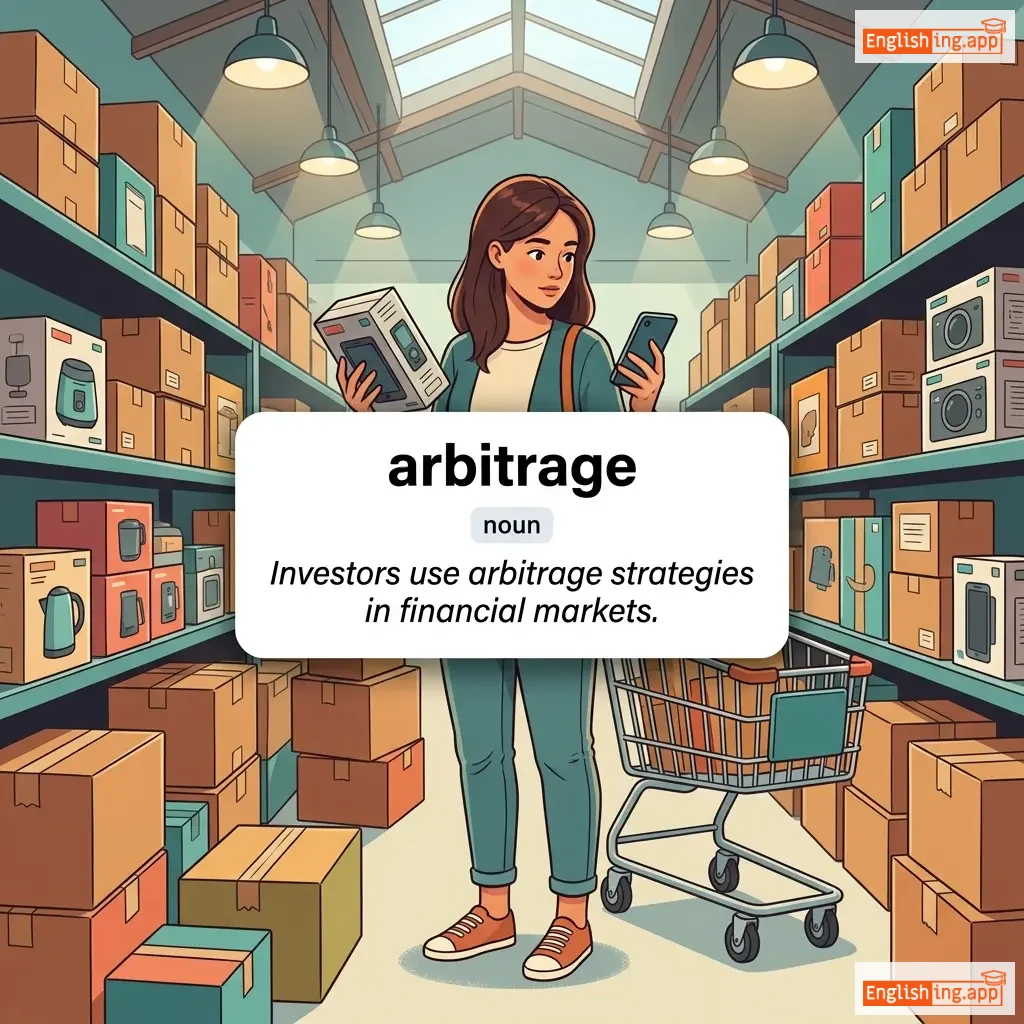
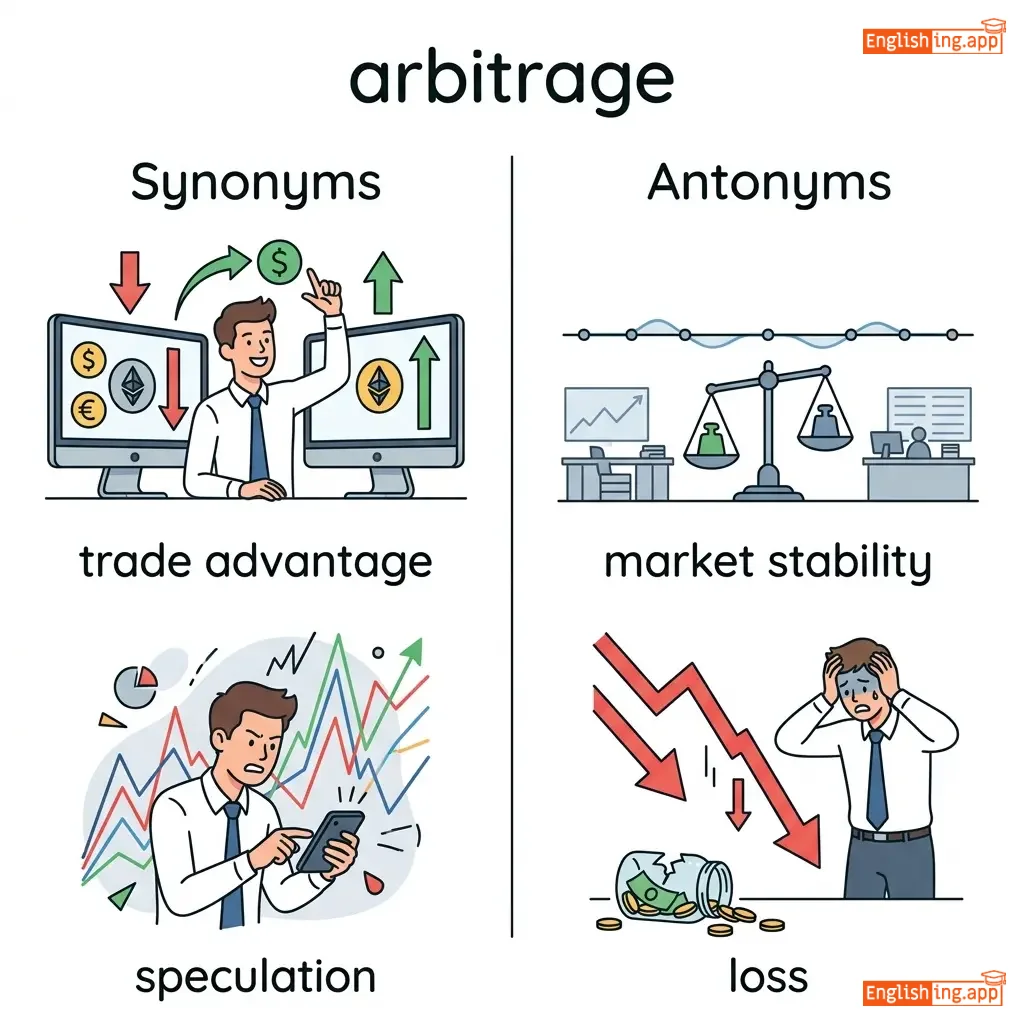
The simultaneous buying and selling of securities in different markets to take advantage of differing prices.
••••••
|
Investors use arbitrage to make profits in global markets. |
投資家はアービトラージを利用してグローバル市場で利益を得ます。
Tōshika wa ābitorāji o riyō shite gurōbaru shijō de rieki o emasu.
••••••
|
trading, exploiting price differences, speculation
••••••
|
fixed pricing, loss-making trade, unprofitability
••••••
|
アービトラージ: 市場の価格差を活用して利益を得る方法。
••••••
|
|
#1976
🛡️
|
/kənˈtɪn.dʒən.si/
noun
(kənˈtɪndʒənsi)
••••••
|
|
緊急計画
kinkyu keikaku
••••••
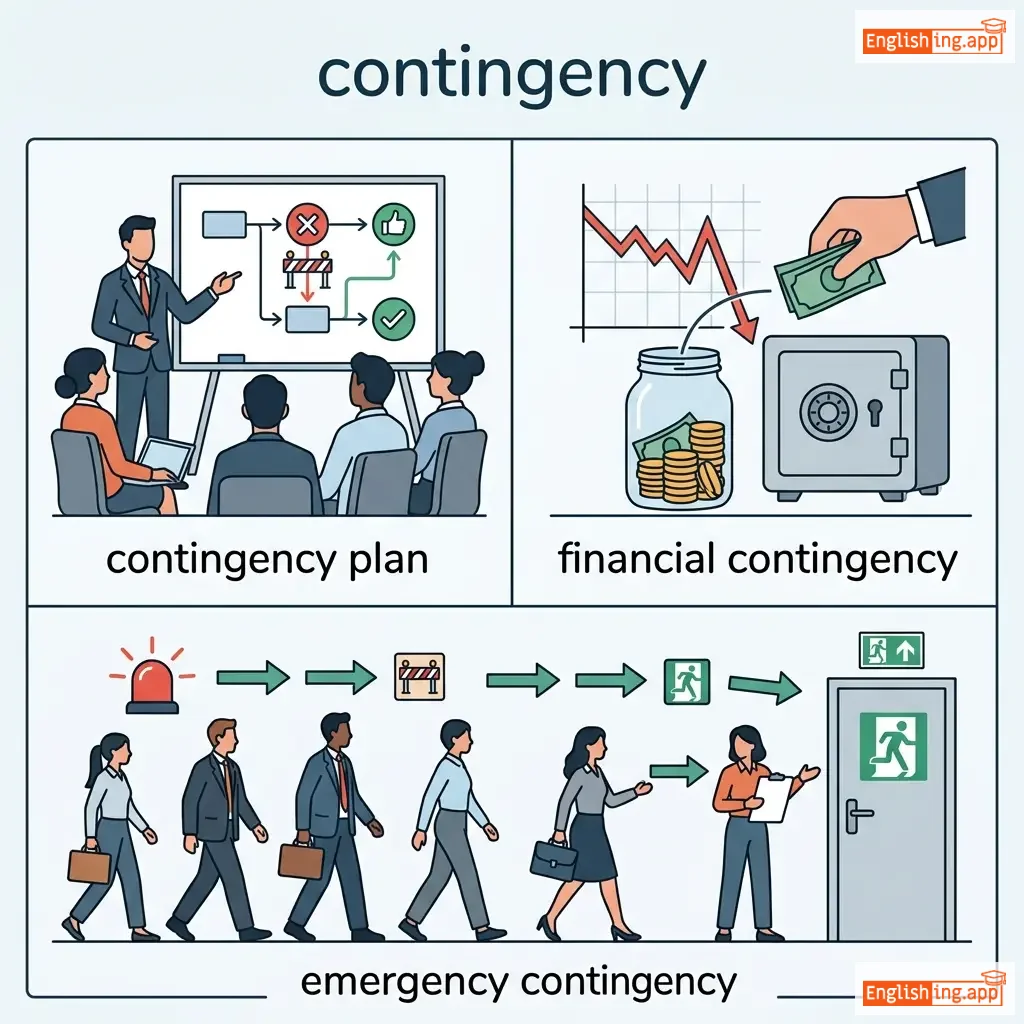
|
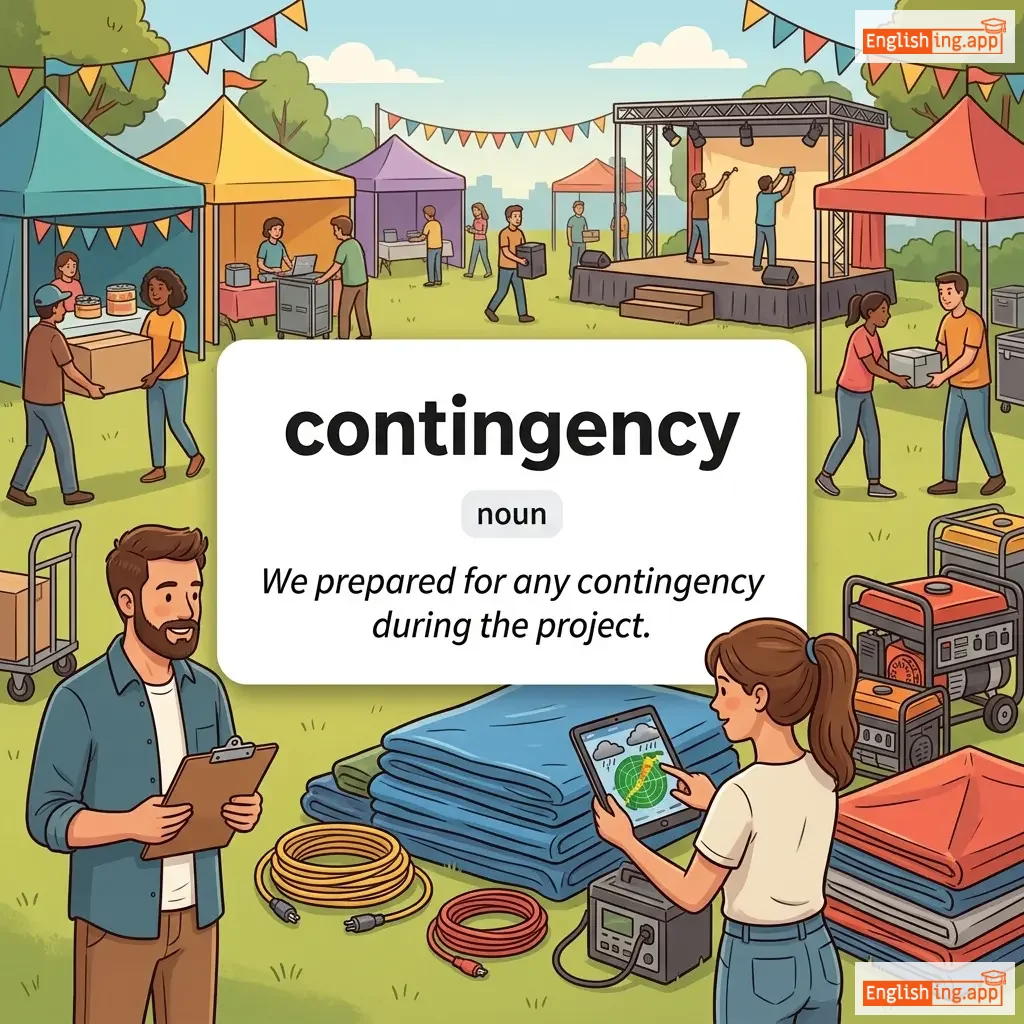
A provision for an unforeseen event or circumstance, especially in financial planning.
••••••
|
The company has a contingency plan for economic downturns. |
会社は経済的な後退に備えた緊急計画を持っています。
Kaisha wa keizaiteki na koutai ni sonaeta kinkyu keikaku wo motteimasu.
••••••
|
emergency plan, backup, alternative
••••••
|
certainty, assurance, predictability
••••••
|
Contingency = 会社のための予備計画
••••••
|
|
#1977
📉
|
/rɪˈsɛʃ.ən/
noun
(リセッション)
••••••
|
|
リセッション
risesshon
••••••
|
A period of temporary economic decline during which trade and industrial activity are reduced.
••••••
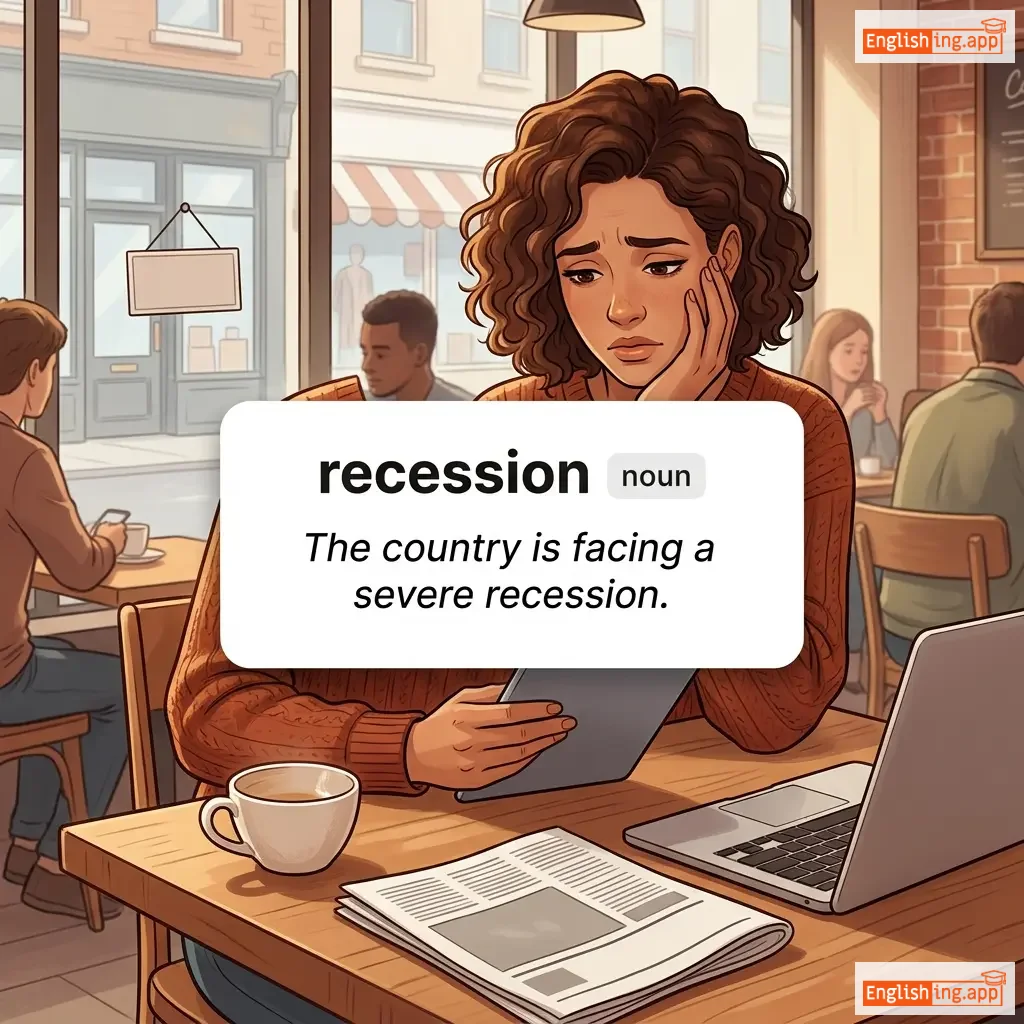
|
The country faced a severe recession after the financial crisis.
その国は金融危機後に深刻なリセッションに直面しました。
••••••
|
その国は金融危機後に深刻なリセッションに直面しました。
Sono kuni wa kin'yū kiki go ni shinkoku na risesshon ni chokumen shimashita.
••••••
|
economic decline, downturn, slump
••••••
|
boom, growth, expansion
••••••
|
リセッション = 経済の下降、厳しい時期を乗り越えよう!
••••••
|
|
#1978
🔄
|
/stæɡˈneɪ.ʃən/
noun
(スタグネーション)
••••••
|
|
停滞
teitai
••••••
|
A state of inactivity or lack of growth, especially in an economy.
••••••
|
High unemployment led to economic stagnation. |
高い失業率が経済の停滞を引き起こしました。
Takai shitsugyouritsu ga keizai no teitai wo hikiokoshimashita.
••••••
|
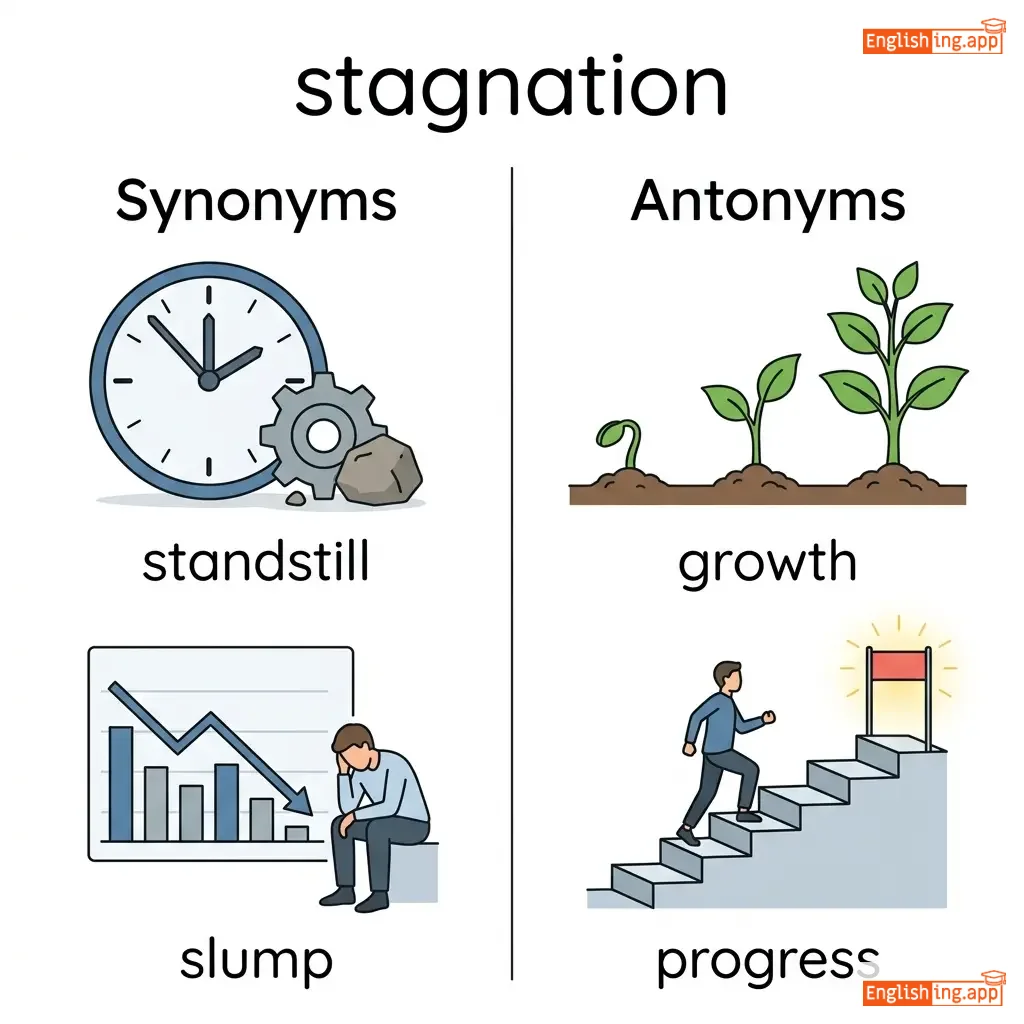
standstill, decline, sluggishness
••••••
|
progress, development, movement
••••••
|
No •••••• |
Vocabulary Quiz
Test your vocabulary by matching words with their translations or meanings.
Login to take the quiz
Comments (0)
Share your thoughts and join the discussion.
Join the discussion by logging in
Login to CommentNo comments yet
Be the first to share your thoughts!