

テントの設営方法
How to Set Up a Tent
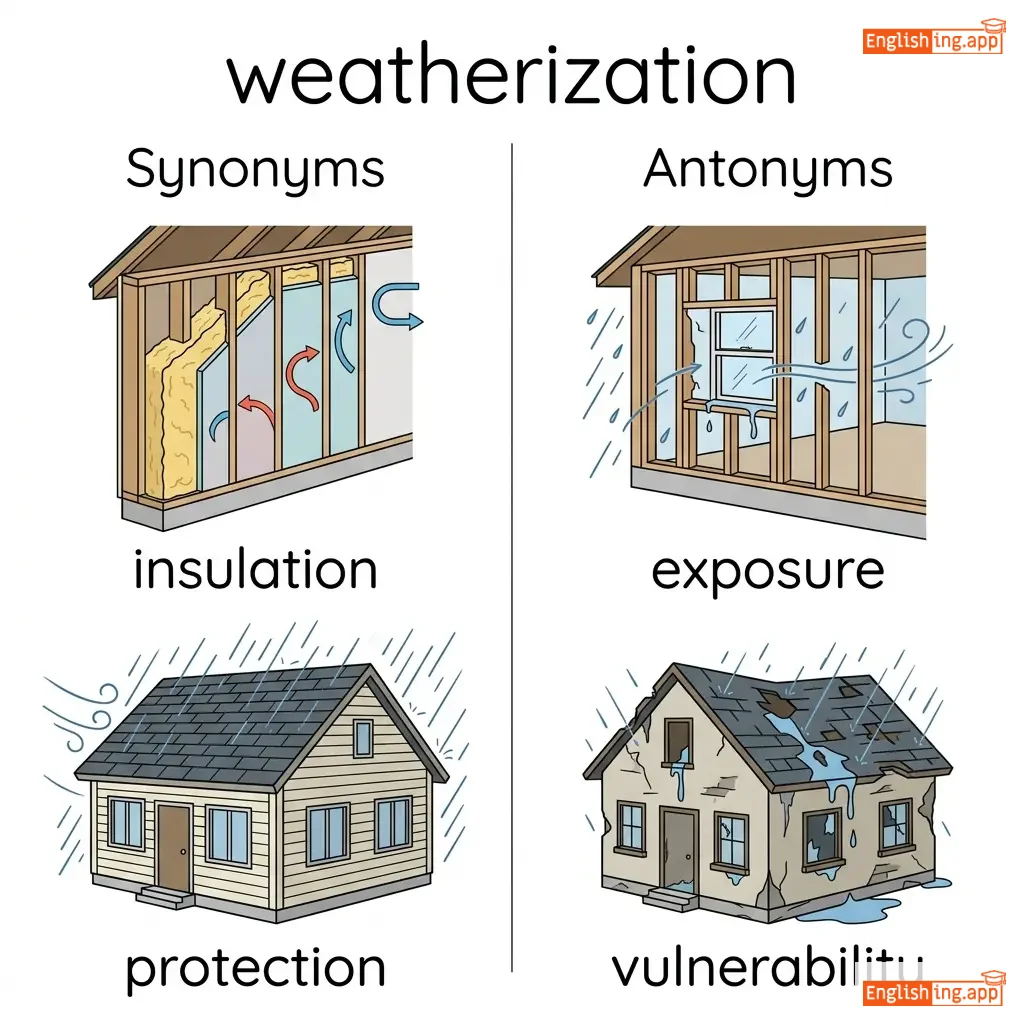
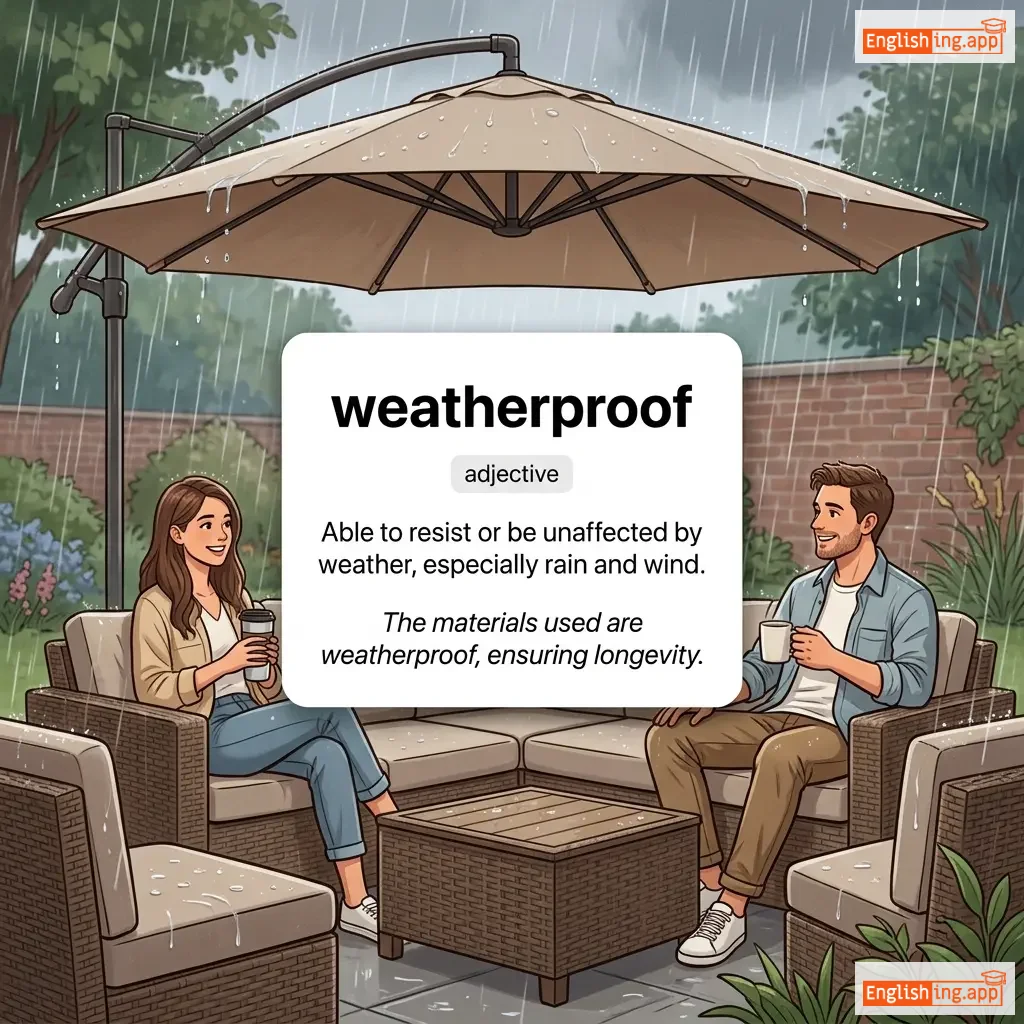
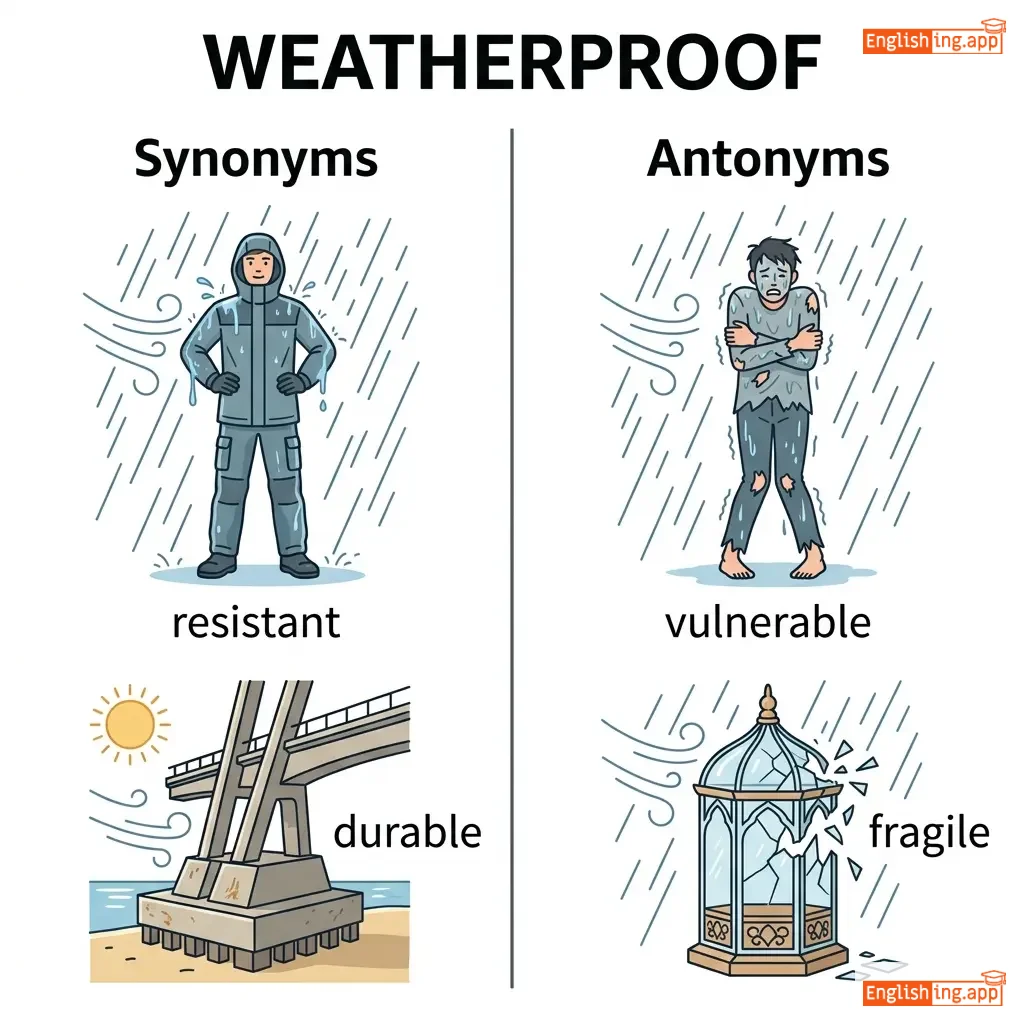
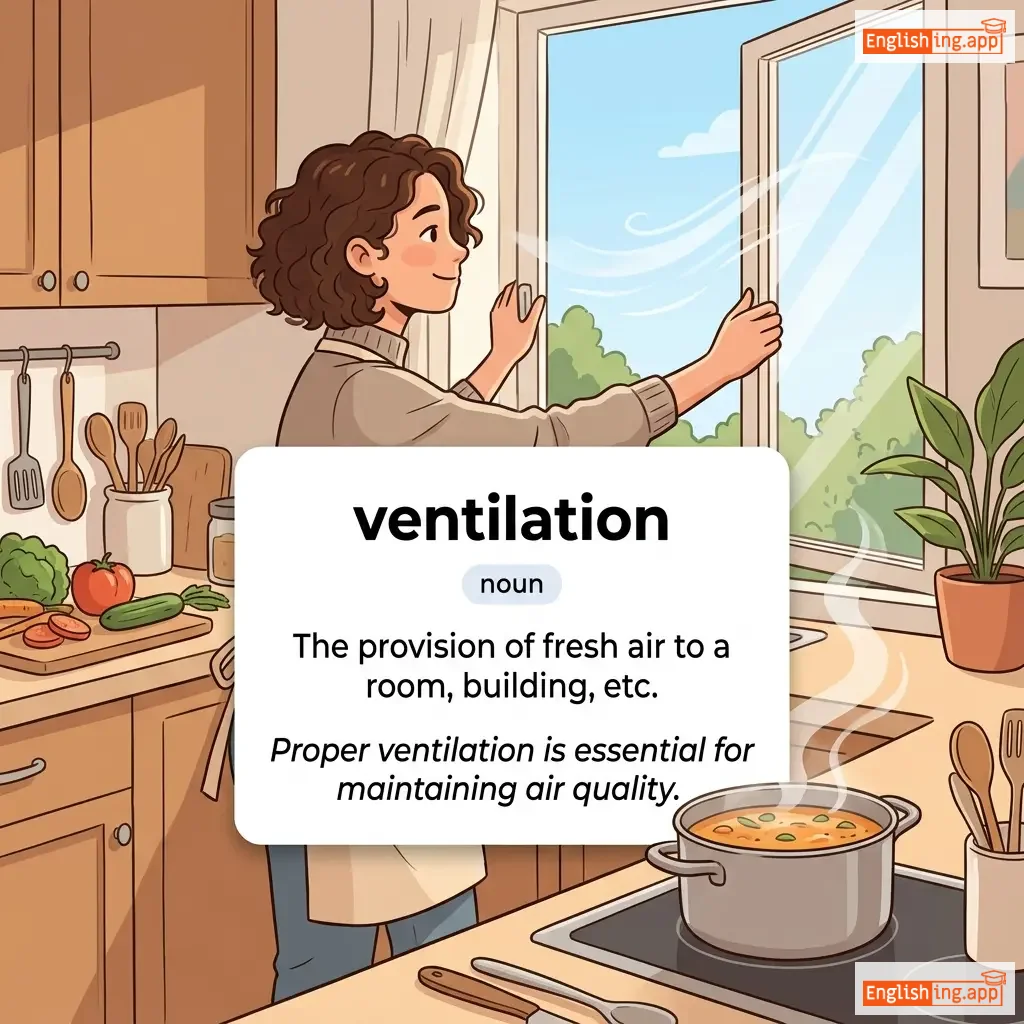
キャンプ用のテントを設営するのは、laborious で focused な作業です。まず、テントの anchorage を確立し、テントが stabilization と coherence を維持できるようにします。foundation がしっかりした平らな場所を選びます。その後、テントの structural パーツを erecting して、tensile 強度の配置を正しくします。reinforcement を確保するために、stakes と ropes を使ってテントを地面にしっかり固定します。テントの weatherization 機能を確認し、weatherproof 状態を保ちます。ventilation には modulation が必要で、内部に十分な空気が循環するようにします。最後に、deployment と integration によってテントが完全に安定し、安全になります。zippers を正しく取り付けて、入口をしっかり閉じてください。
翻訳
過去
過去分詞
三人称単数
動名詞
意味
例文
例文の翻訳
同義語
対義語
コロケーション
ニーモニック


Swipe left or right, or use the buttons. Tap image to zoom.
例文の翻訳
単語
How to Set Up a TentHow to Set Up a Tent - マスクトグル
|
絵文字
|
単語 | Images | 翻訳 | 意味 | 例文 | 例文の翻訳 | 同義語 | 対義語 | ニーモニック |
|---|---|---|---|---|---|---|---|---|---|
|
#2335
⚓
|
ˈæŋkərɪdʒ
noun
(アンカレッジ)
••••••
|
|
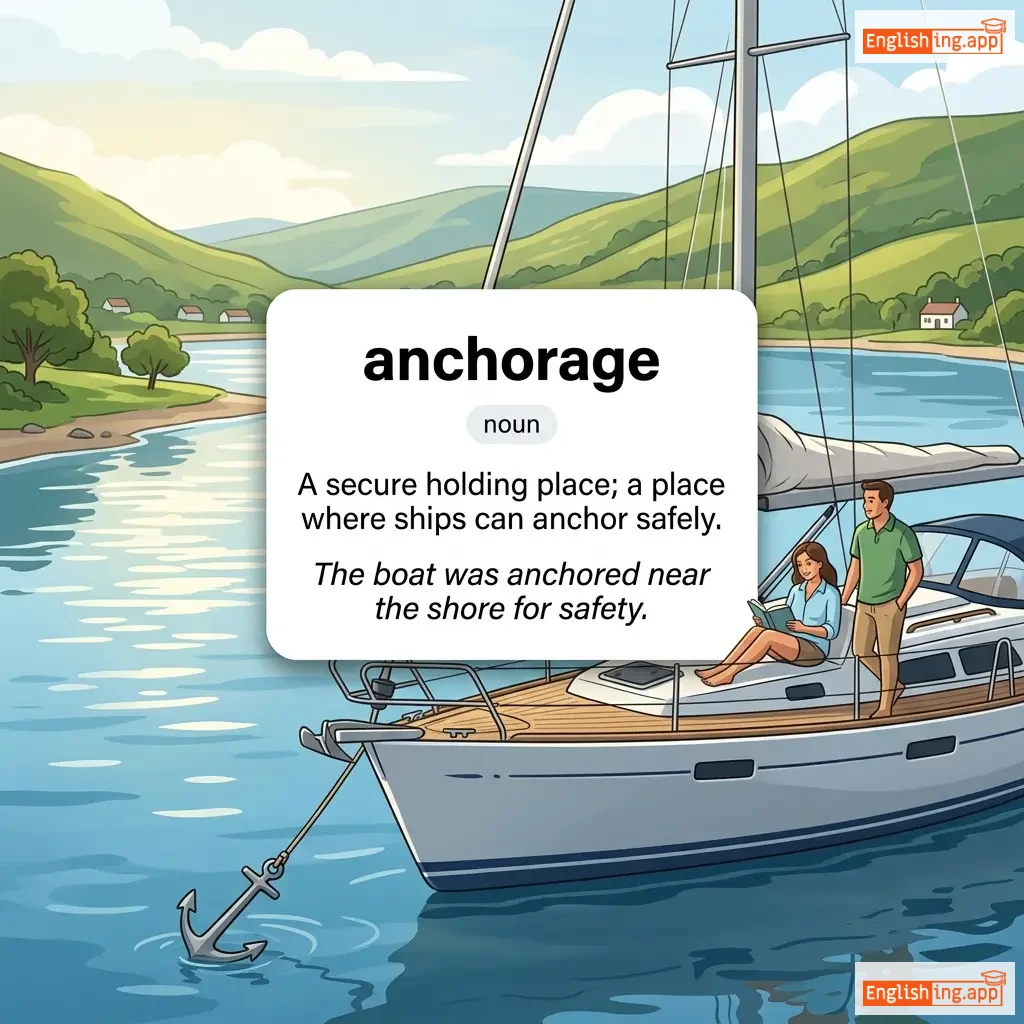
停泊地
teibakuchi
••••••
|
A secure holding place; a place where ships can anchor safely.
••••••
|
The boat was anchored near the shore for safety. |
ボートは安全のために岸辺に停泊されました。
Bōto wa anzen no tame ni kishibe ni teibaku saremashita.
••••••
|
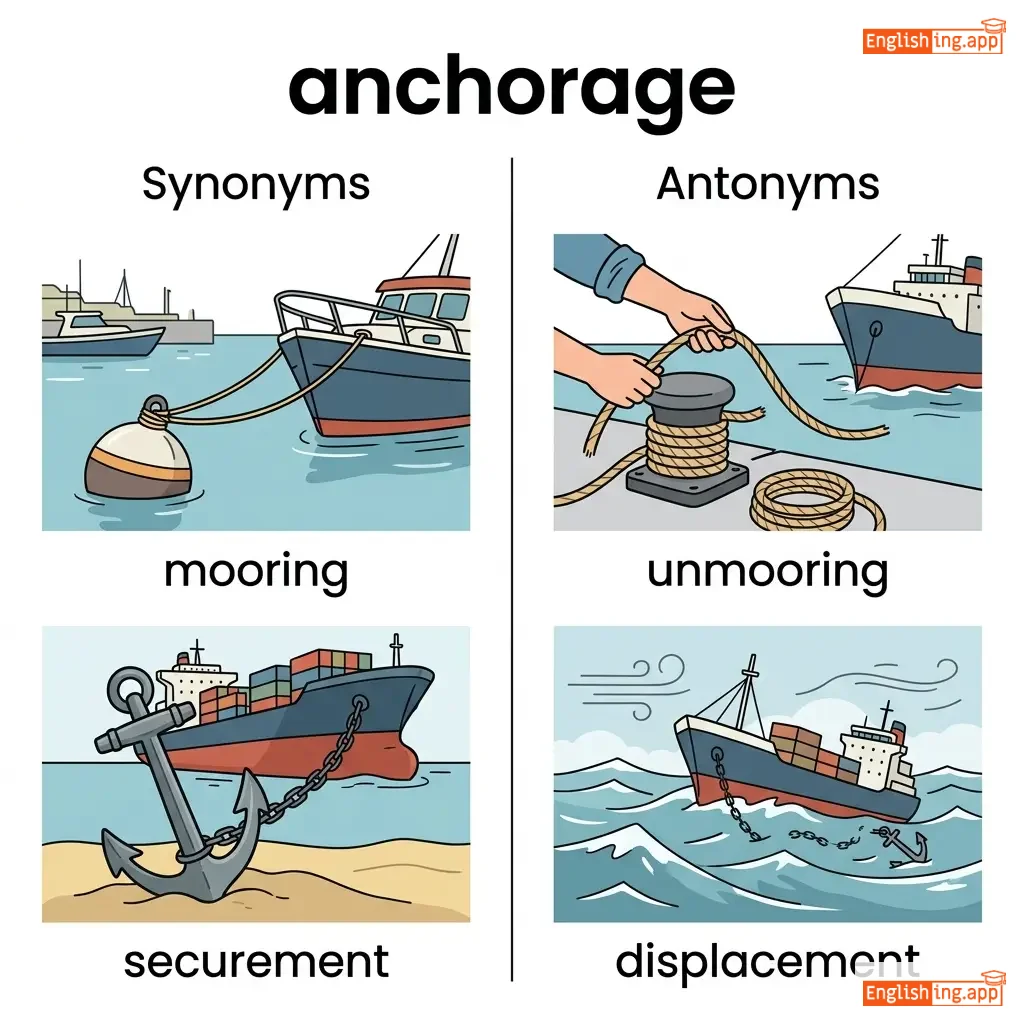
mooring, securement
••••••
|
unmooring, displacement
••••••
|
海の中で船を守るための停泊地、あなたの安全な場所。
••••••
|
|
#2336
⚖️
|
ˌsteɪbəlaɪˈzeɪʃən
noun
(スタビライゼーション)
••••••
|
|
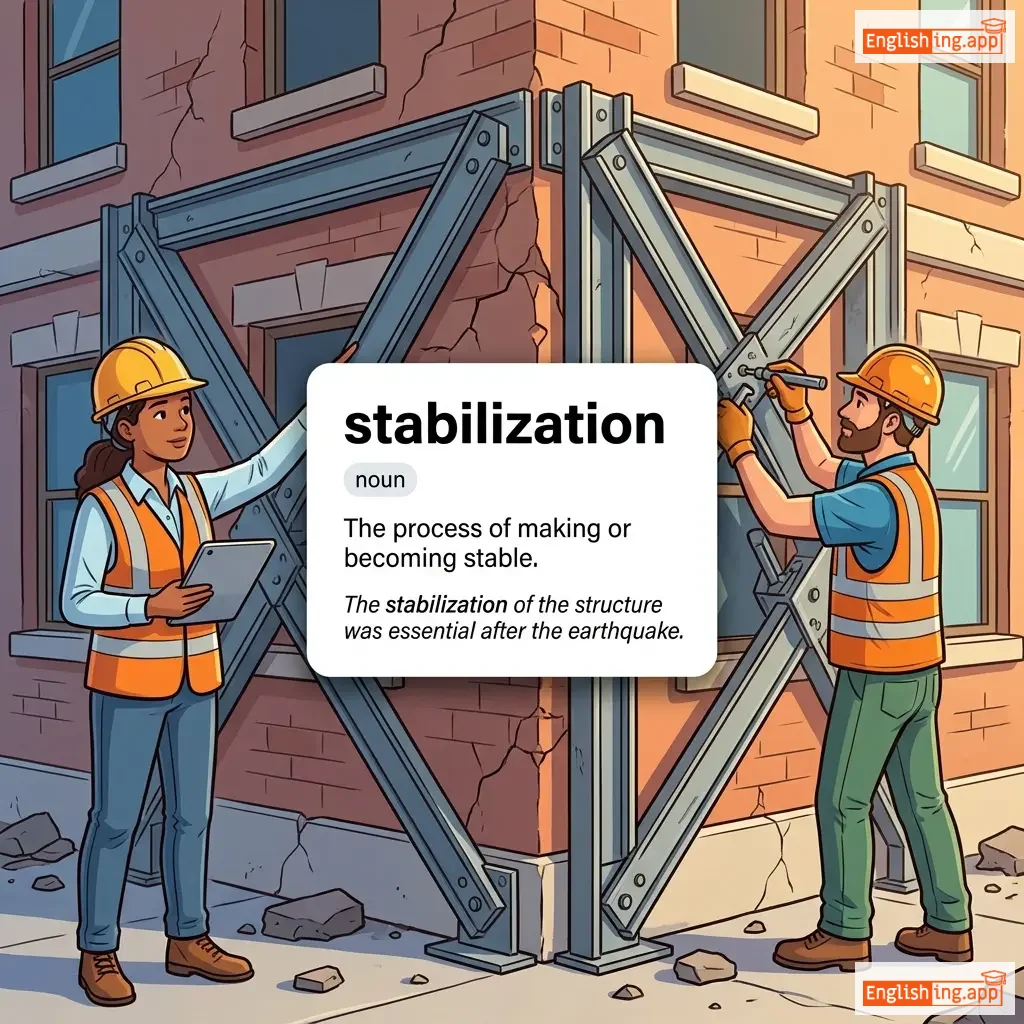
安定化
anteika
••••••
|
The process of making or becoming stable.
••••••
|
The stabilization of the structure was essential after the earthquake. |
地震後、構造の安定化が不可欠でした。
Jishin go, kouzou no anteika ga fukaketsu deshita.
••••••
|
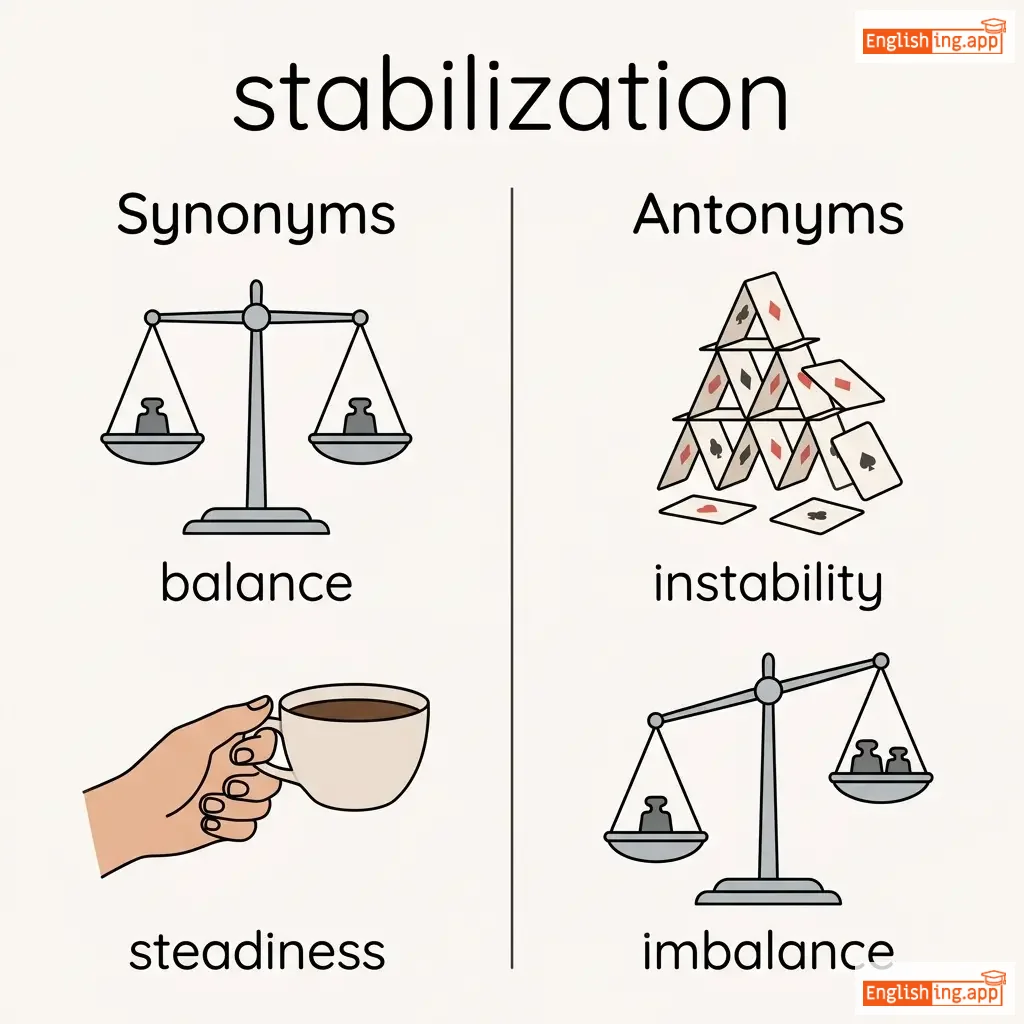
balance, steadiness
••••••
|
instability, imbalance
••••••
|
Anteika in Japanese connects to stabilization, both focusing on making things stable.
••••••
|
|
#2337
🔗
|
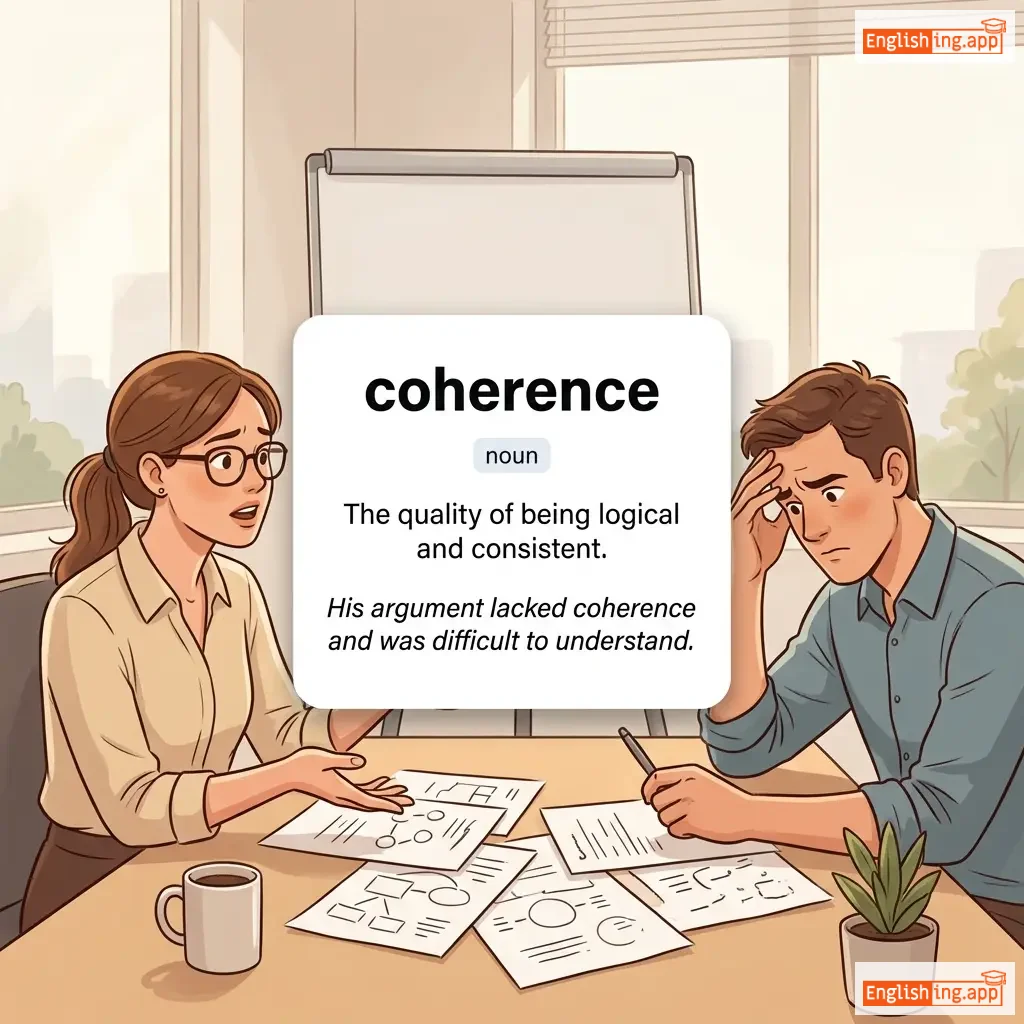
kəʊˈhɪərəns
noun
(コヒーレンス)
••••••
|
|
整合性
seigōsei
••••••
|
The quality of being logical and consistent.
••••••
|
The coherence of the project plan ensured its success.
プロジェクト計画の整合性はその成功を保証しました。
••••••
|
プロジェクト計画の整合性はその成功を保証しました。
Purojekuto keikaku no seigōsei wa sono seikō o hoshō shimashita.
••••••
|
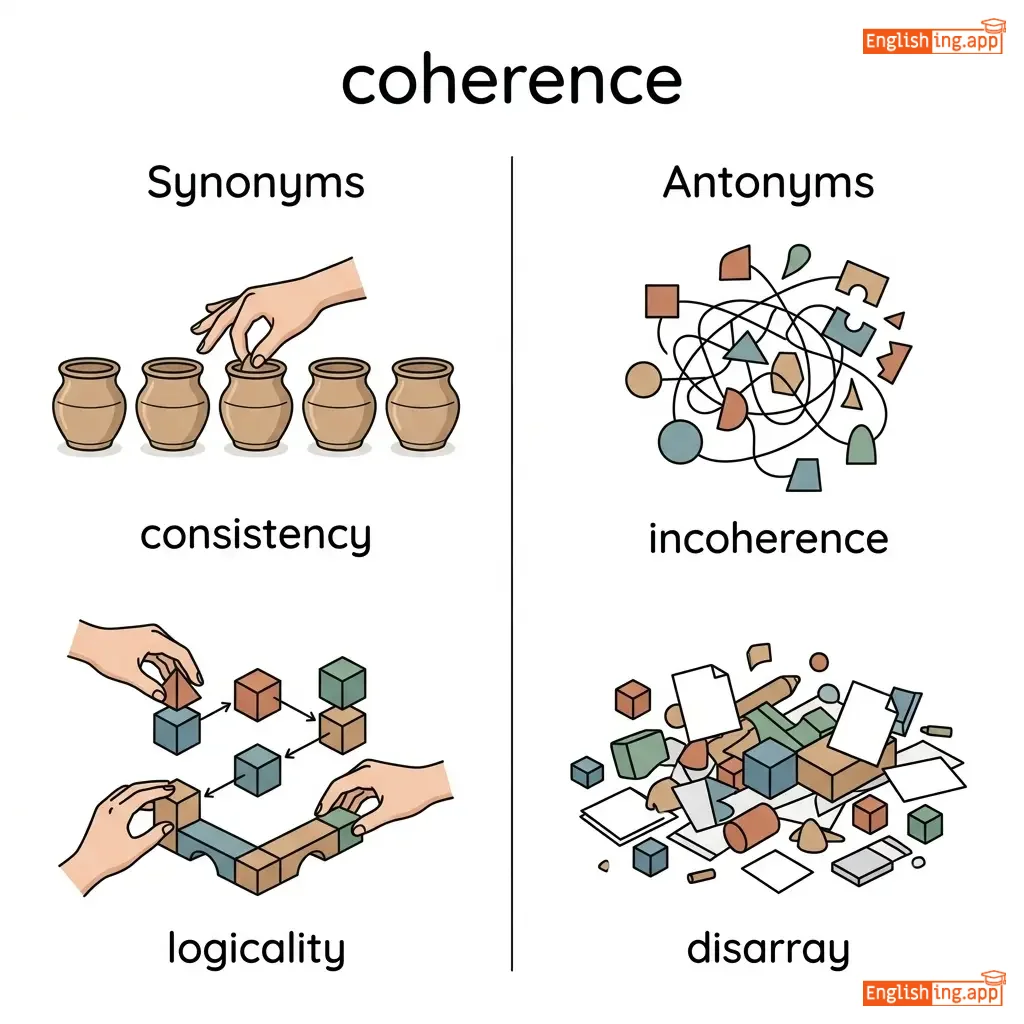
consistency, unity
••••••
|
disorganization, discrepancy
••••••
|
整合性はプロジェクトの成功を生む、強固な土台となる。
••••••
|
|
#2338
🏗️
|
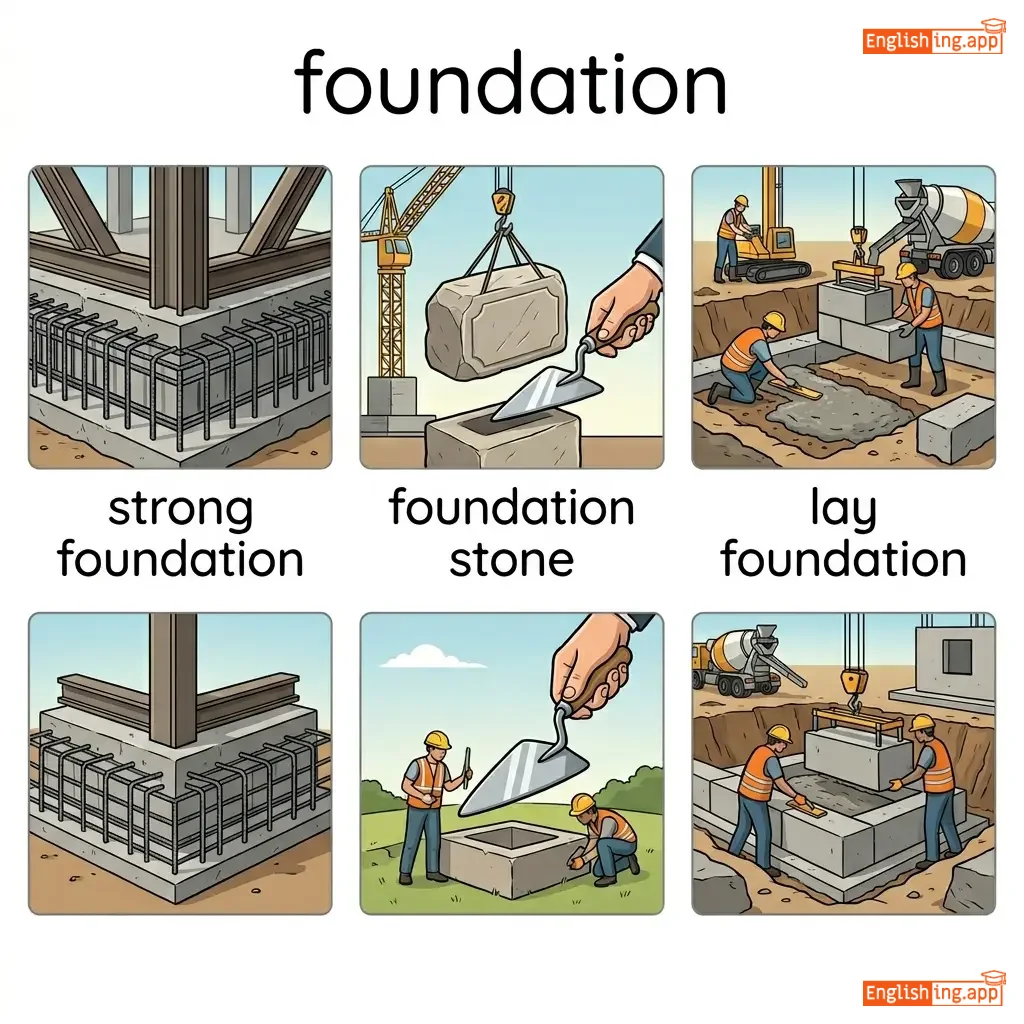
faʊnˈdeɪʃən
noun
(ファウンデーション)
••••••
|
|
基礎
kiso
••••••
|
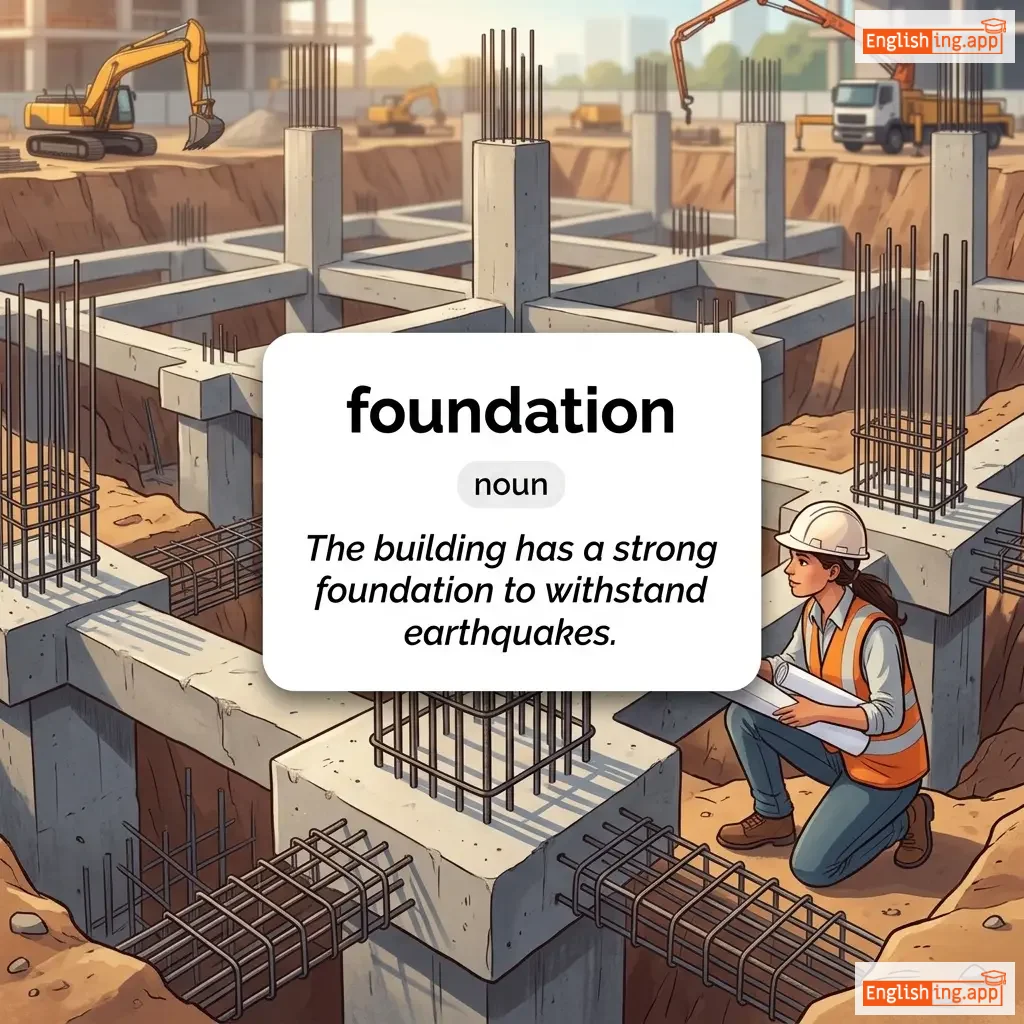
The lowest load-bearing part of a building, typically below ground level.
••••••
|
The foundation of the building was laid with strong materials.
ビルの基礎は強力な材料で作られました。
••••••
|
ビルの基礎は強力な材料で作られました。
Biru no kiso wa kyōryoku na zairyō de tsukuraremashita.
••••••
|
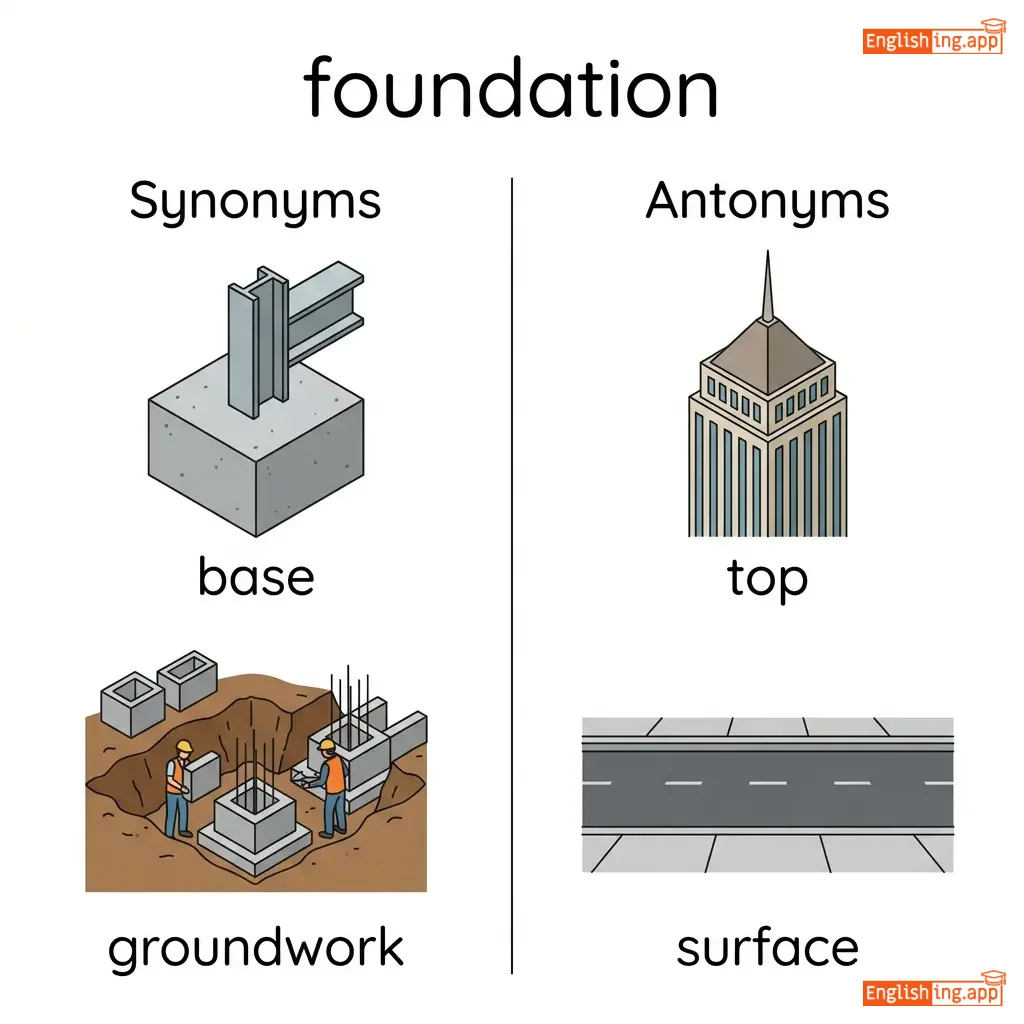
base, groundwork
••••••
|
superstructure, surface
••••••
|
基礎はすべてを支える建物の土台です。
••••••
|
|
#2339
🏗️
|
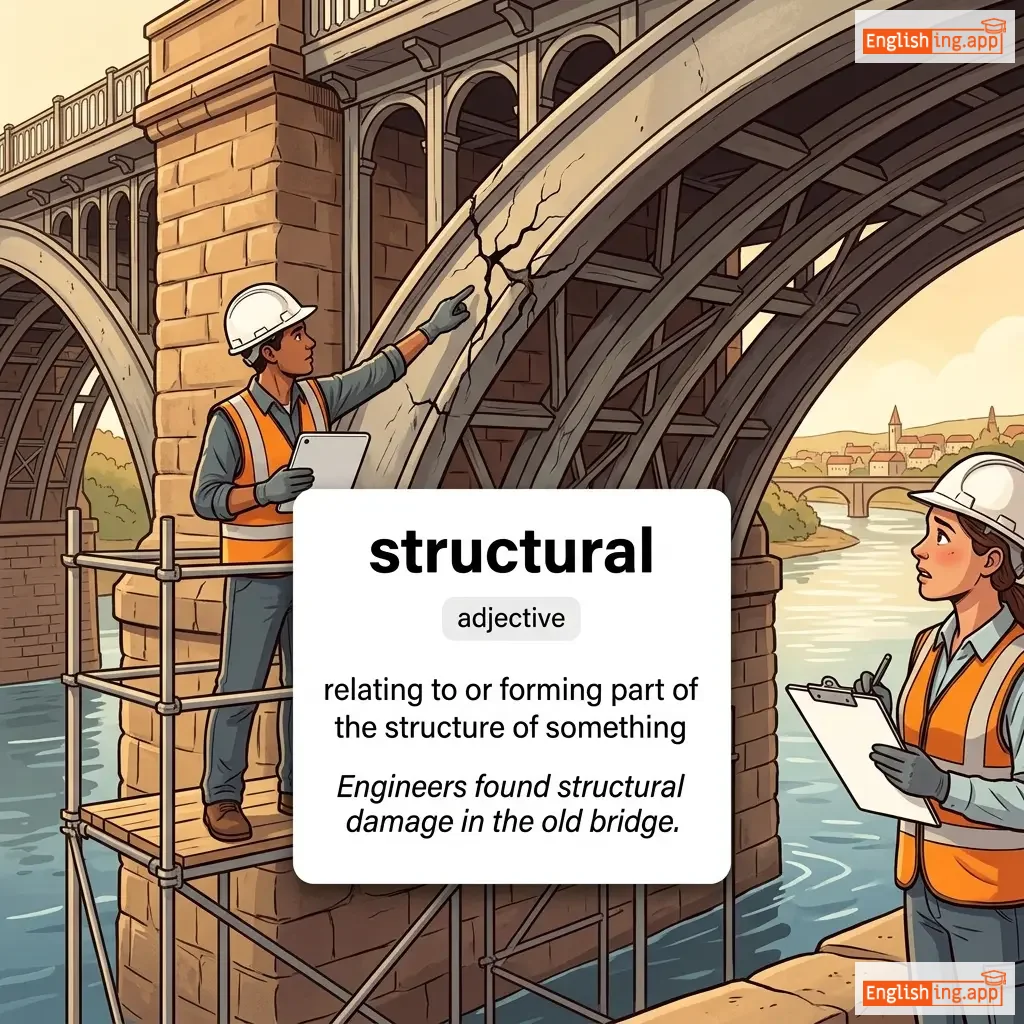
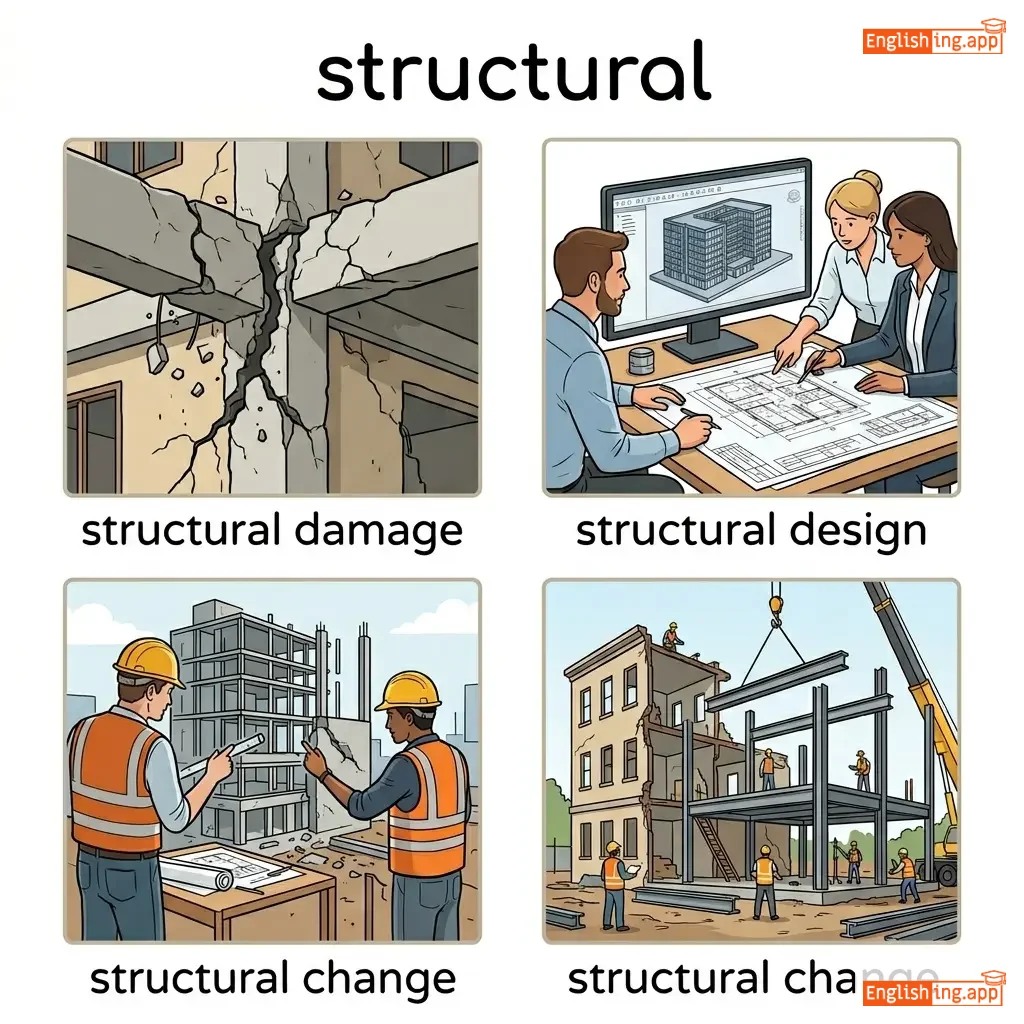
ˈstrʌktʃərəl
adjective
(ストラクチュラル)
••••••
|
|
構造的
kouzouteki
••••••
|
Relating to or forming part of a structure.
••••••
|
The structural integrity of the bridge was tested after the storm.
橋の構造的な完全性は嵐の後にテストされました。
••••••
|
橋の構造的な完全性は嵐の後にテストされました。
Hashi no kouzouteki na kanzen-sei wa arashi no ato ni tesuto saremashita.
••••••
|
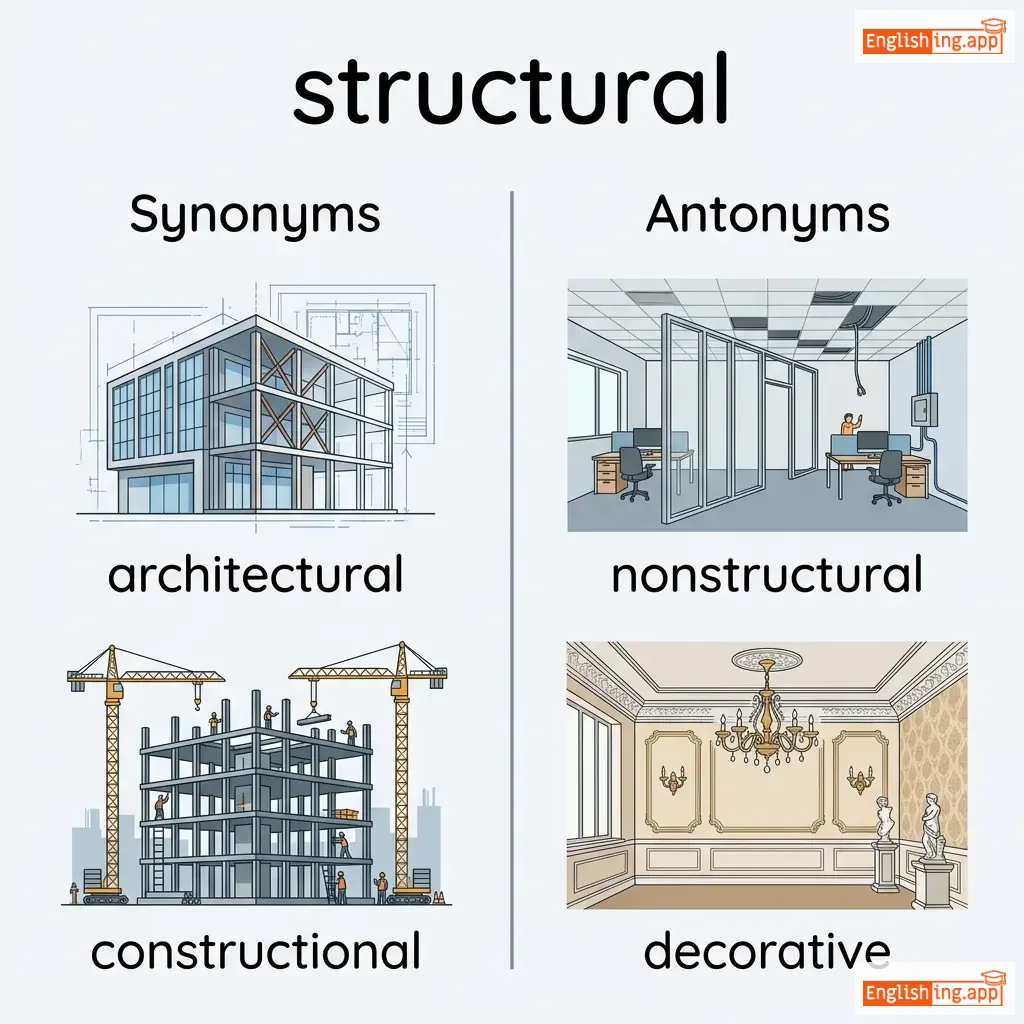
architectural, constructive
••••••
|
fragile, weak
••••••
|
構造的、構造に関すること。
••••••
|
|
#2340
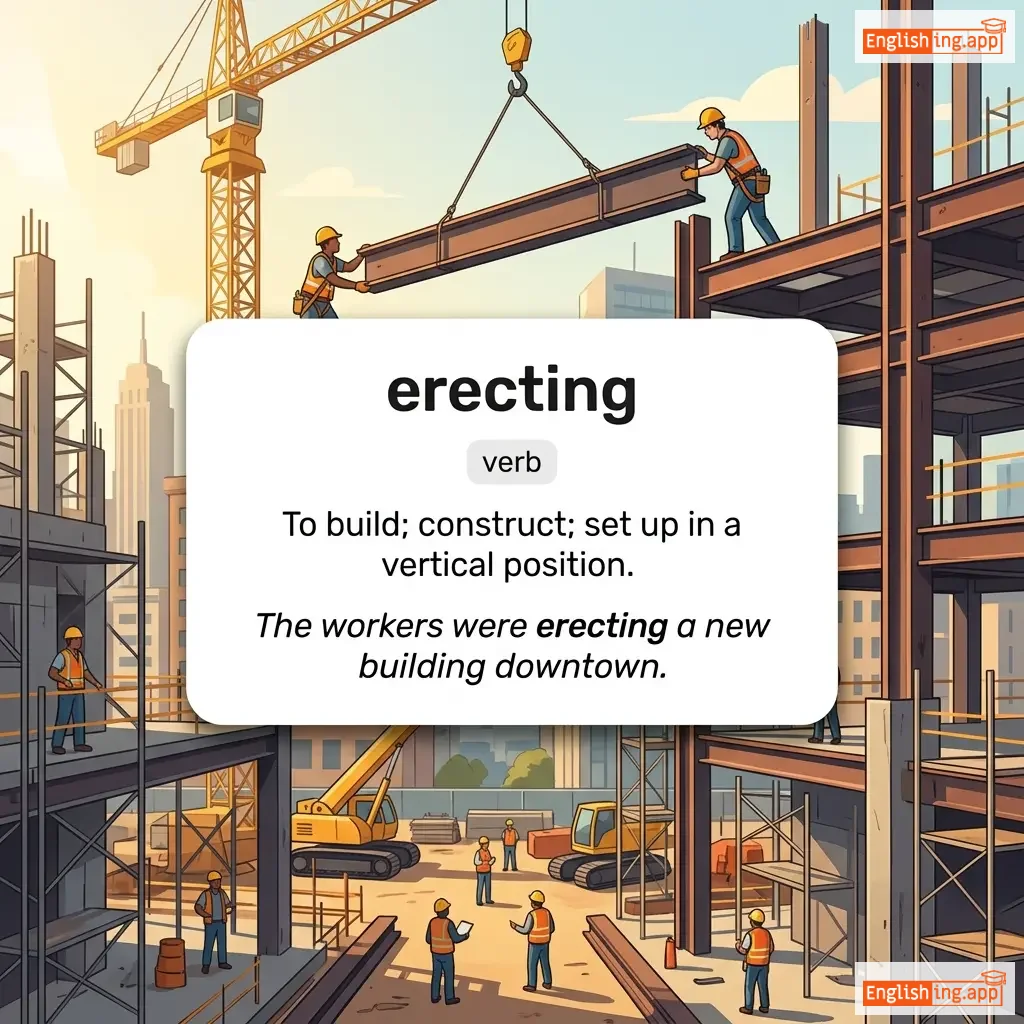
🏗️
|
ɪˈrɛktɪŋ
verb
(いれくてぃんぐ)
••••••
|
|
建設する
kensetsu suru
••••••
|
To build; construct; set up in a vertical position.
••••••
|
The workers were erecting a new building downtown.
労働者たちは市街地で新しい建物を建てていました。
••••••
|
労働者たちは市街地で新しい建物を建てていました。
Roudou shatachi wa shigaichi de atarashii tatemono wo tateteimashita.
••••••
|
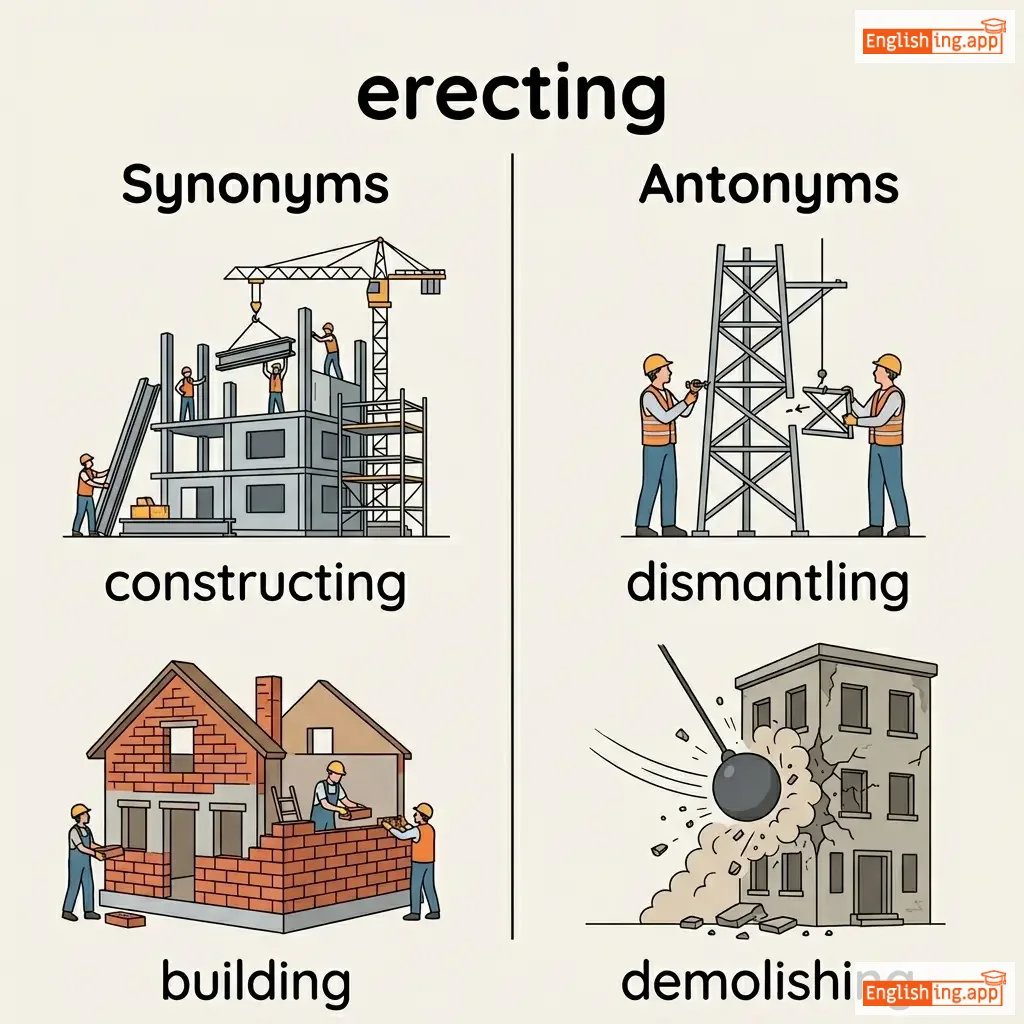
constructing, building
••••••
|
dismantling, demolishing
••••••
|
Imagine a Japanese worker saying 'kensetsu suru' while constructing a building.
••••••
|
|
#2341
🔧
|
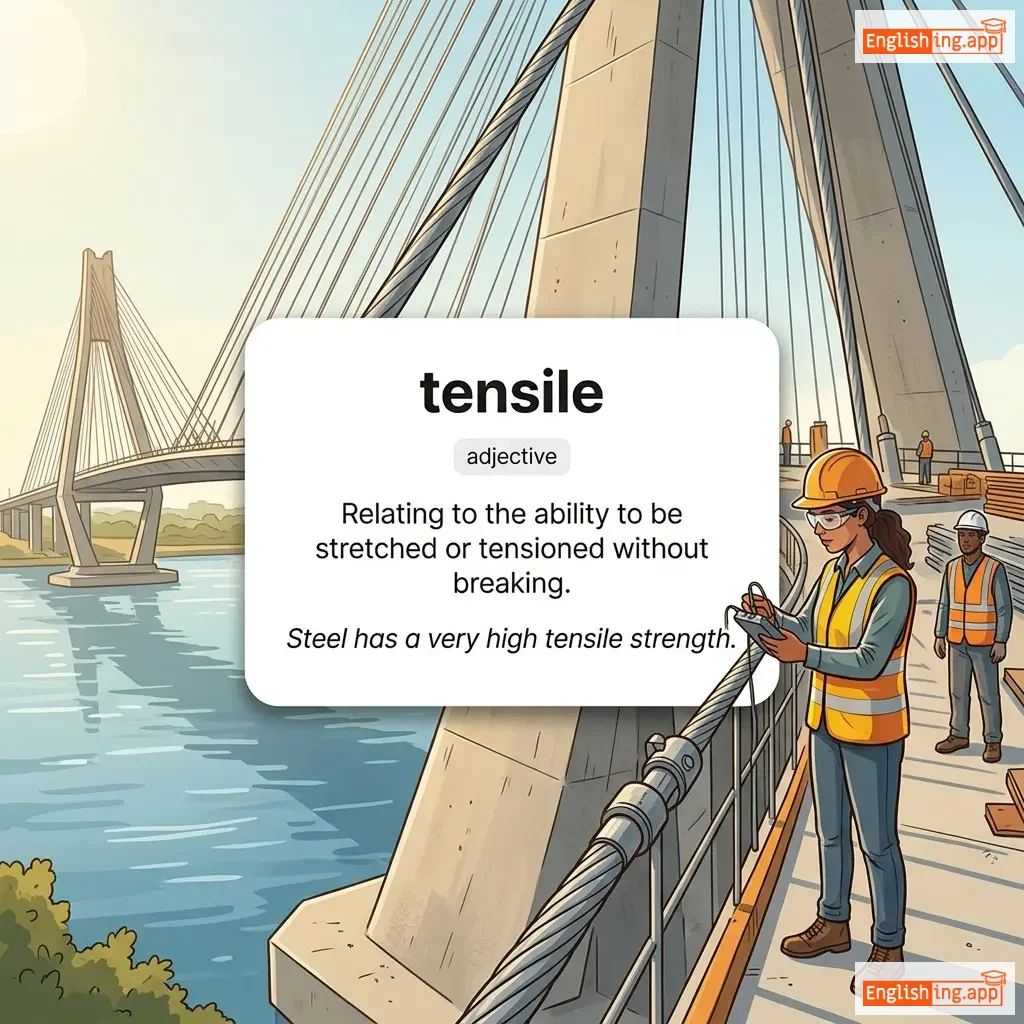
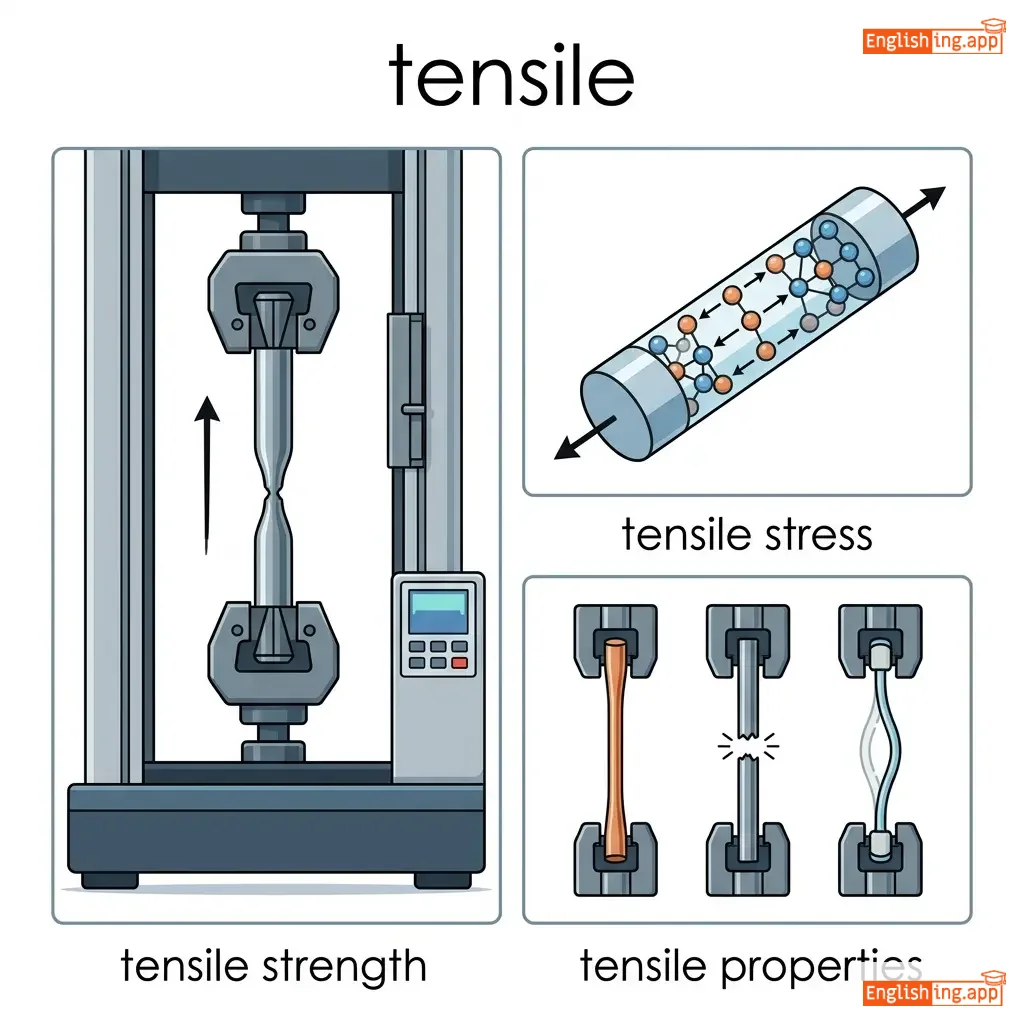
ˈtɛnsaɪl
adjective
(テンシル)
••••••
|
|
引張り強度
hikkari kyōdo
••••••
|
Relating to tension; capable of being stretched.
••••••
|
The tensile strength of the material is crucial for the construction project.
材料の引張強度は建設プロジェクトにとって重要です。
••••••
|
材料の引張強度は建設プロジェクトにとって重要です。
Zairyō no hikihari kyōdo wa kensetsu purojekuto ni totte jūyō desu.
••••••
|
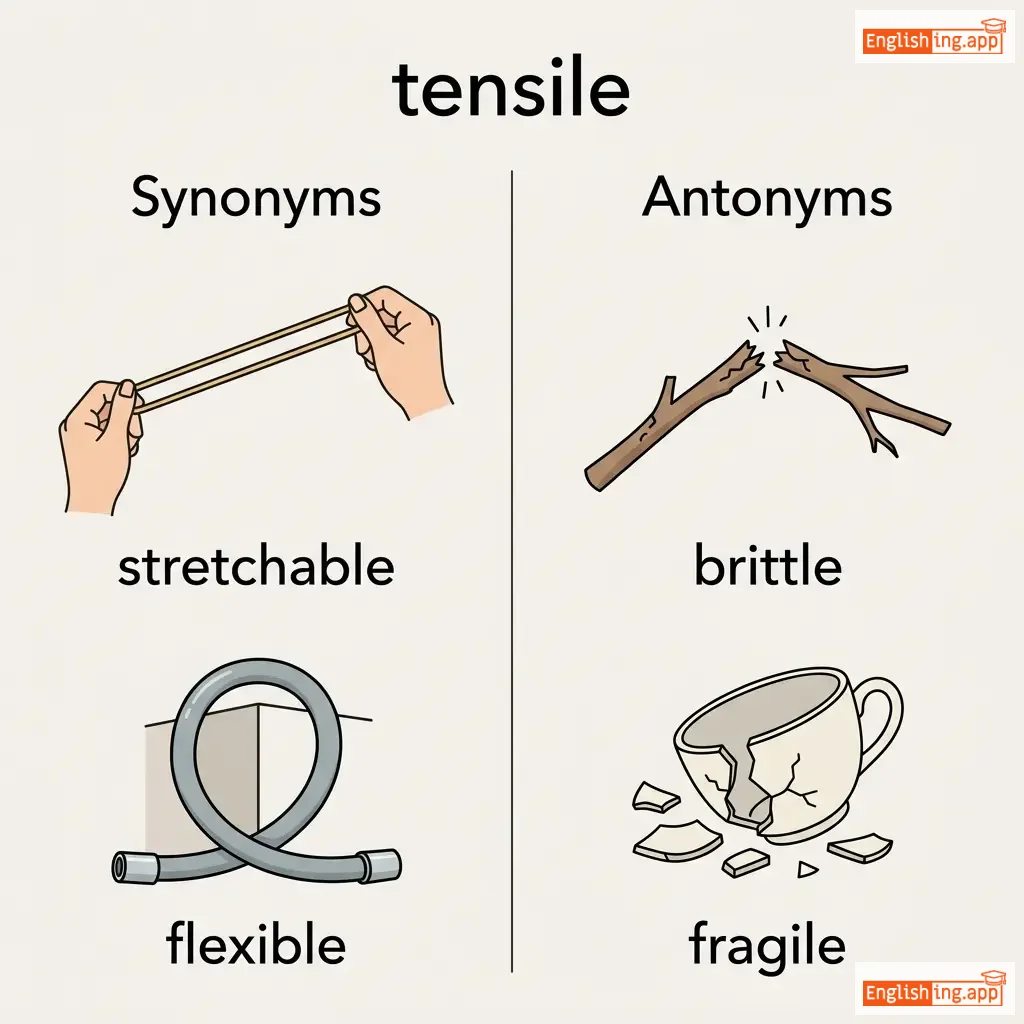
stretchable, durable
••••••
|
fragile, brittle
••••••
|
引張り強度 (hikkari kyōdo) - 物を引っ張る力を思い出す。
••••••
|
|
#2342
💪
|
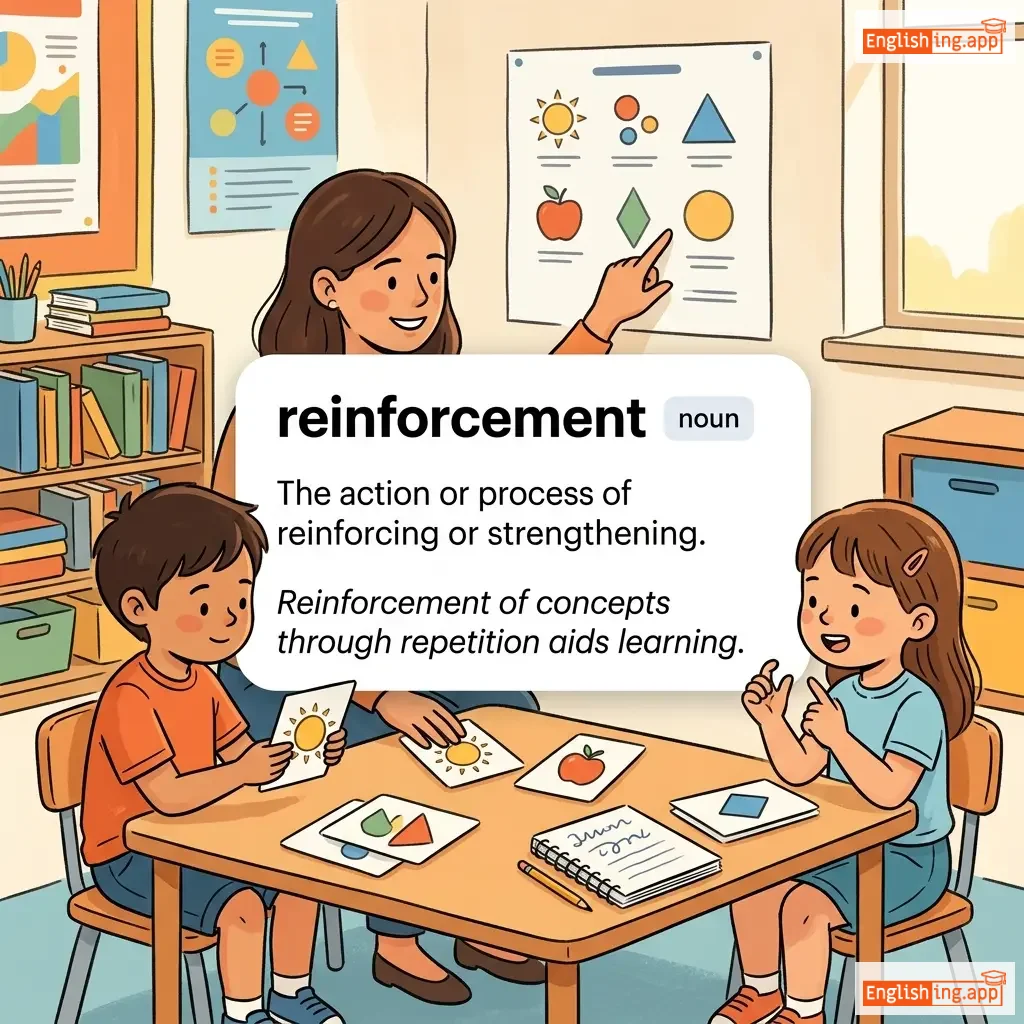
ˌriːɪnˈfɔːsmənt
noun
(riinfōsumēnto)
••••••
|
|
強化
kyōka
••••••
|
The action of strengthening or supporting an object or substance.
••••••
|
The reinforcement of the building's walls was necessary for its stability.
ビルの壁の強化はその安定性のために必要でした。
••••••
|
ビルの壁の強化はその安定性のために必要でした。
Biru no kabe no kyōka wa sono anteisei no tame ni hitsuyō deshita.
••••••
|
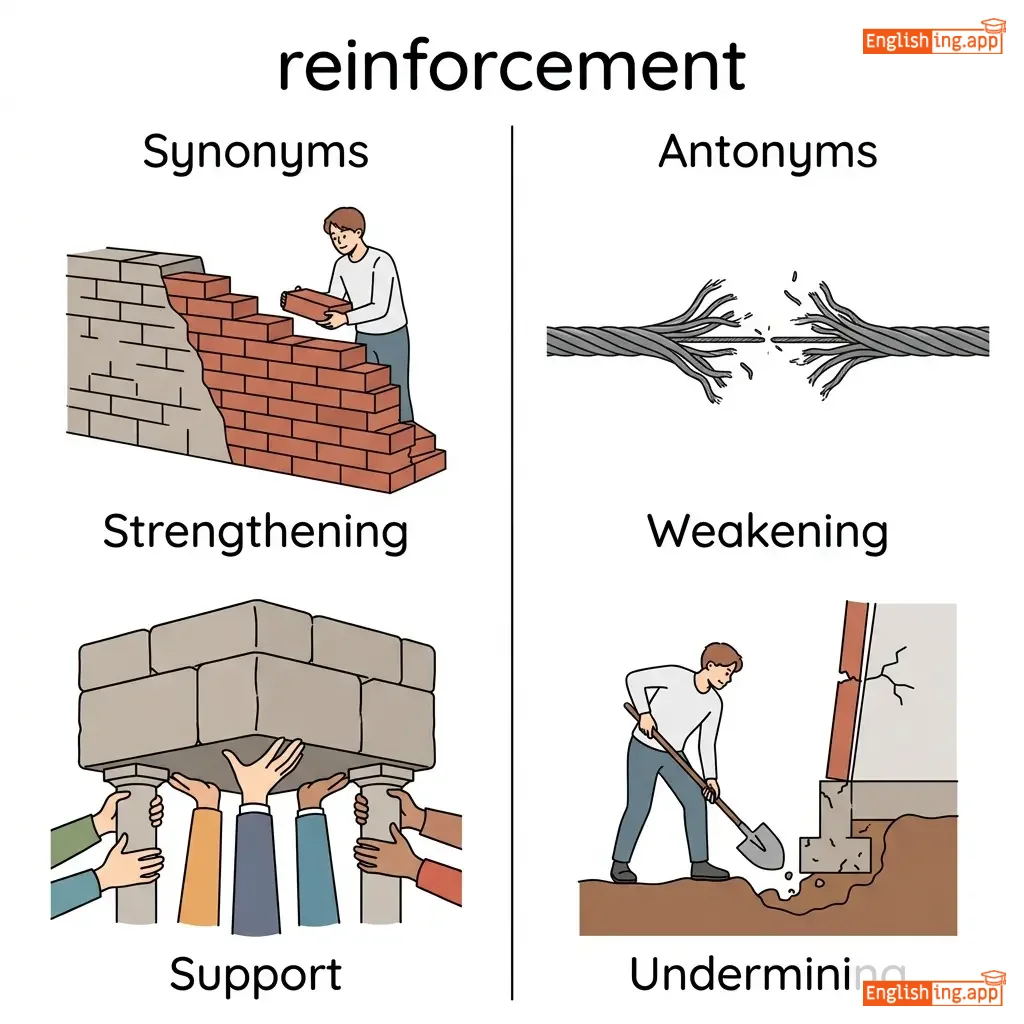
strengthening, support
••••••
|
weakening, depletion
••••••
|
強化は物を強くするために行うこと、建物を支えるように。
••••••
|
|
#2343
📌
|
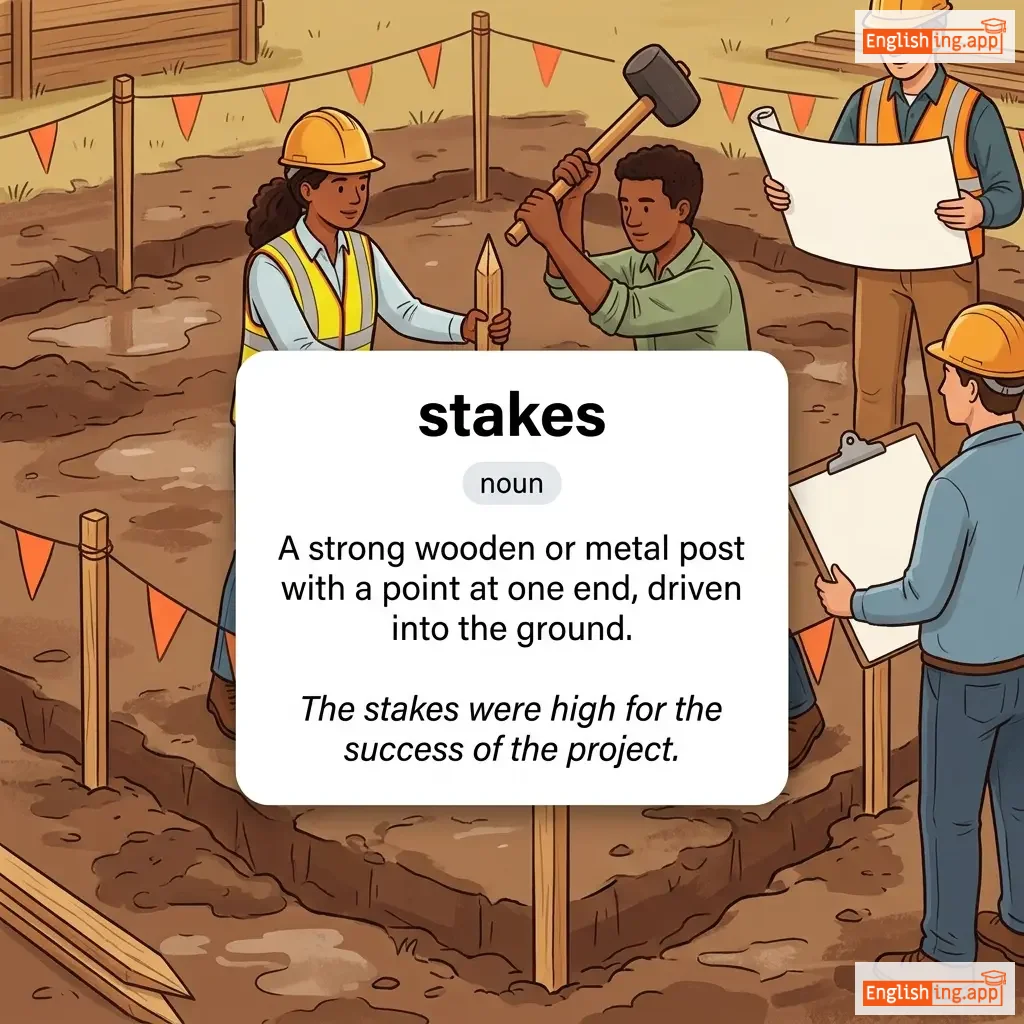
steɪks
noun
(sutēkusu)
••••••
|
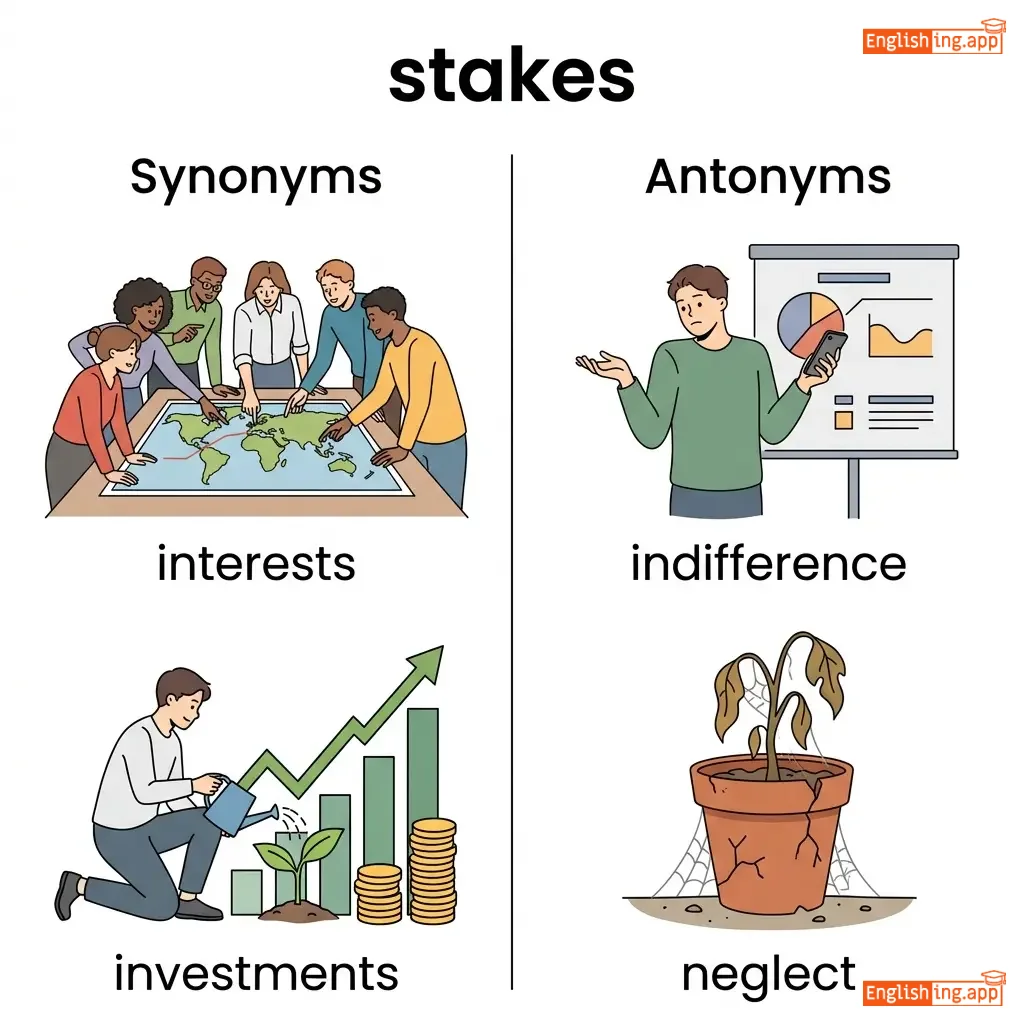
|
賭け
kake
••••••
|
A strong wooden or metal post with a point at one end, driven into the ground.
••••••
|
The stakes were high for the success of the project.
プロジェクトの成功のために賭けが大きかった。
••••••
|
プロジェクトの成功のために賭けが大きかった。
Purojekuto no seikou no tame ni kake ga ookikatta.
••••••
|
interests, investments
••••••
|
indifference, neglect
••••••
|
賭けはリスクを取って成功を狙う
••••••
|
|
#2344
🪢
|
roʊps
noun
(ロープス)
••••••
|
|
ロープ
roopu
••••••
|
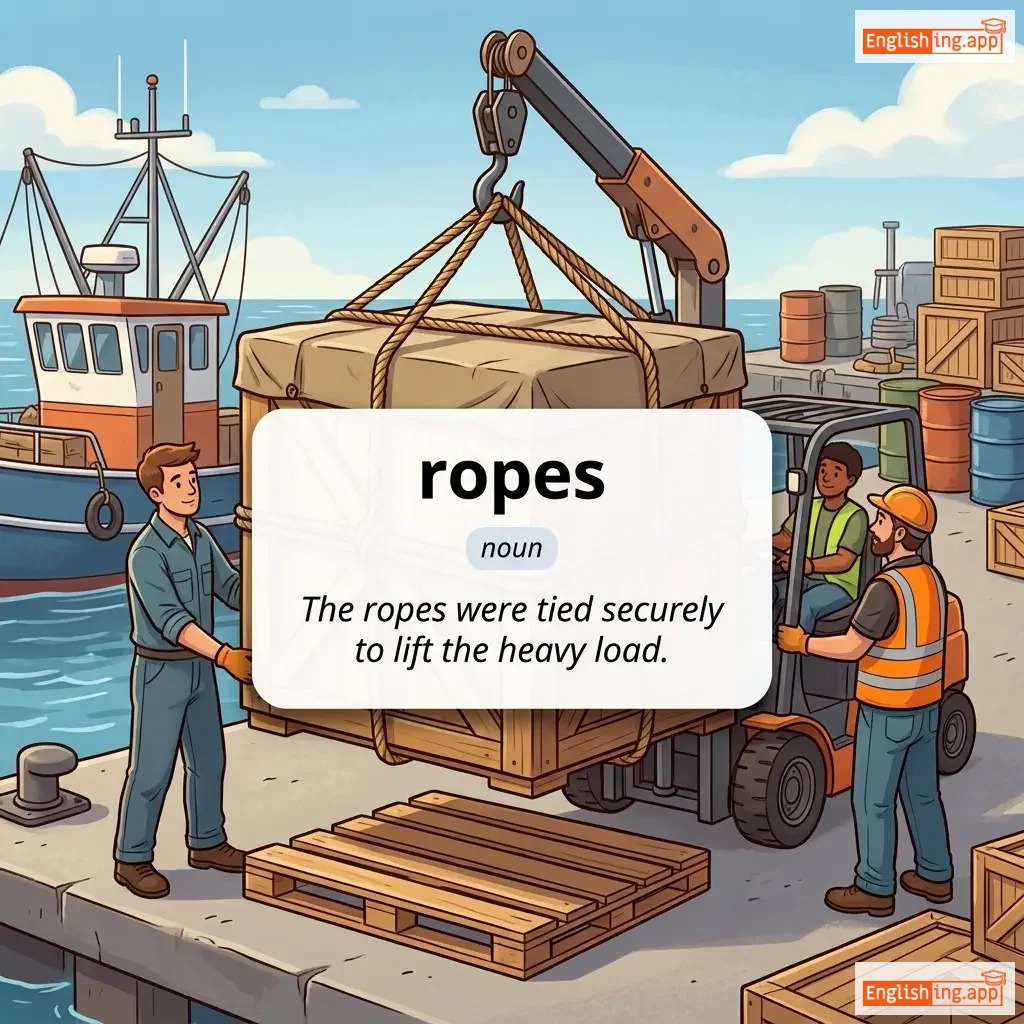
A length of thick strong cord made by twisting together strands of hemp, sisal, nylon, or similar material.
••••••
|
The ropes were tied securely to lift the heavy load.
ロープは重い荷物を持ち上げるためにしっかりと結ばれていました。
••••••
|
ロープは重い荷物を持ち上げるためにしっかりと結ばれていました。
Roopu wa omoi nimotsu wo mochiageru tame ni shikkari to musubarete imashita.
••••••
|
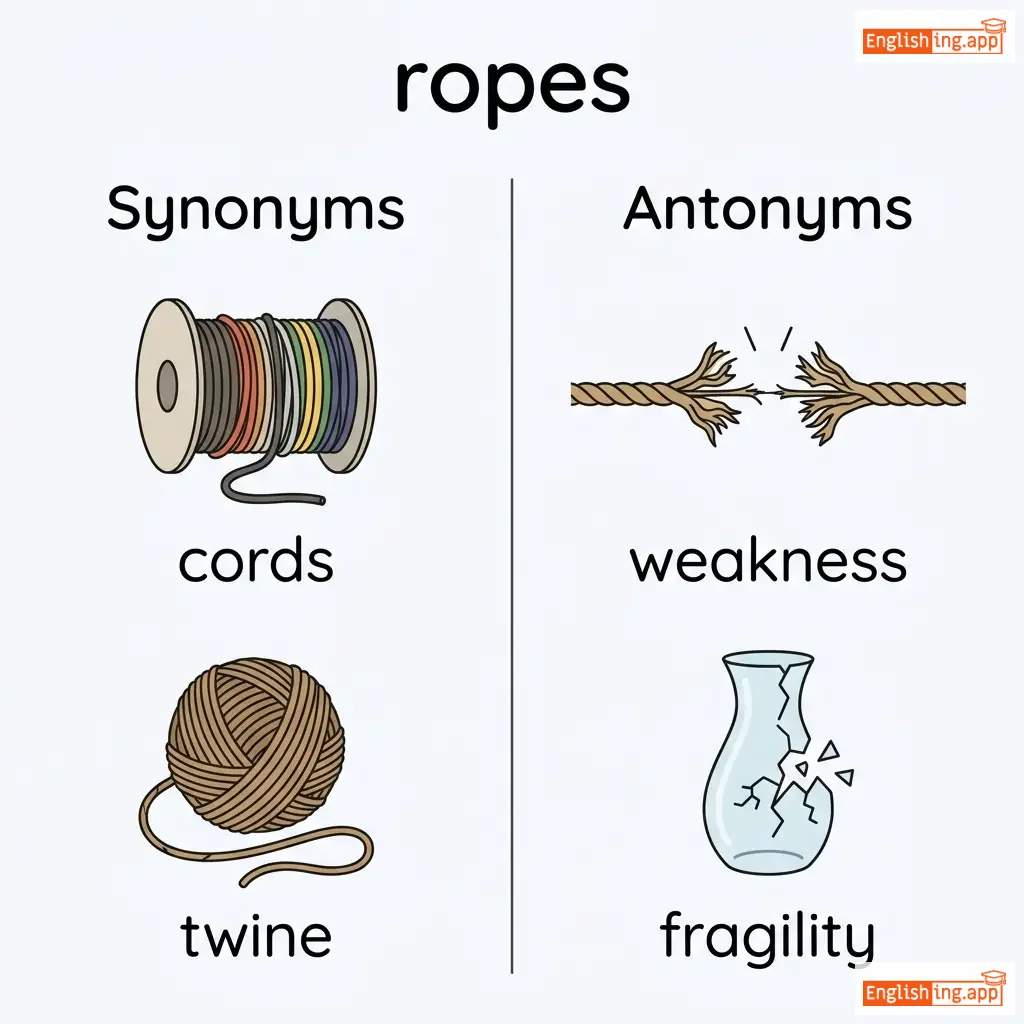
cords, twine
••••••
|
weakness, fragility
••••••
|
Ropes and roopu are both essential to hold and lift things!
••••••
|
|
#2345
🏠
|
ˌwɛðəraɪˈzeɪʃən
noun
(wɛðəraɪˈzeɪʃən)
••••••
|
|
気候適応処理
kikou tekiou shori
••••••
|
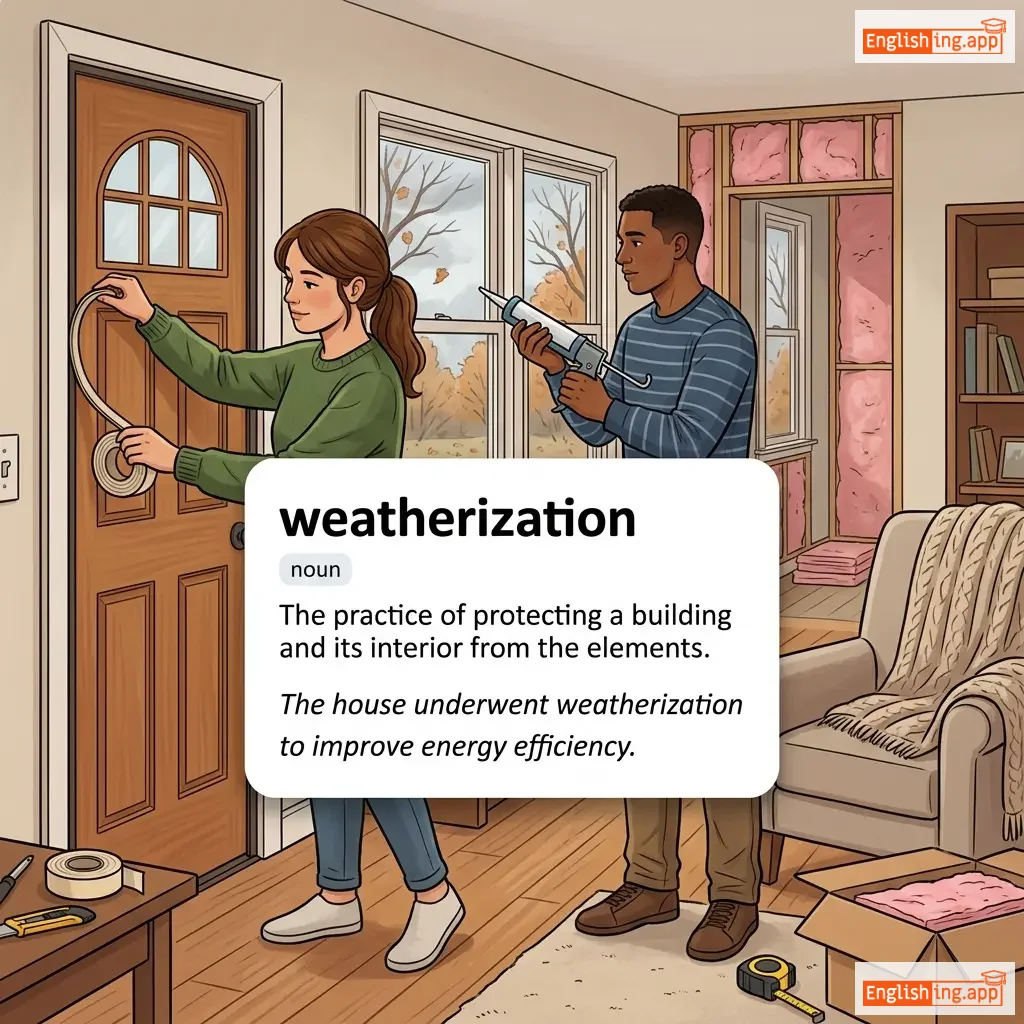
The practice of protecting a building and its interior from the elements.
••••••
|
The house underwent weatherization to improve energy efficiency.
家はエネルギー効率を向上させるために気候適応処理を受けました。
••••••
|
家はエネルギー効率を向上させるために気候適応処理を受けました。
Ie wa enerugī kōritsu o kōjō saseru tame ni kikō tekiō shori o ukemashita.
••••••
|
insulation, protection
••••••
|
exposure, vulnerability
••••••
|
天気に対して家を準備しましょう!
••••••
|
|
#2346
☔
|
ˈwɛðərpruːf
adjective
(wɛðərpruːf)
••••••
|
|
防水
bousui
••••••
|
Able to resist or be unaffected by weather, especially rain and wind.
••••••
|
The materials used are weatherproof, ensuring longevity.
dʌ mætɪriəlz juzd ɑr wɛðərpruːf, ɪnʃʊrɪŋ lɒndʒɪvɪti.
••••••
|
使用される材料は防水で、耐久性を保証します。
Shiyō sareru zairyō wa bousui de, taikyū-sei o hoshō shimasu.
••••••
|
resistant, durable
••••••
|
vulnerable, fragile
••••••
|
Bousui = Water-resistant
••••••
|
|
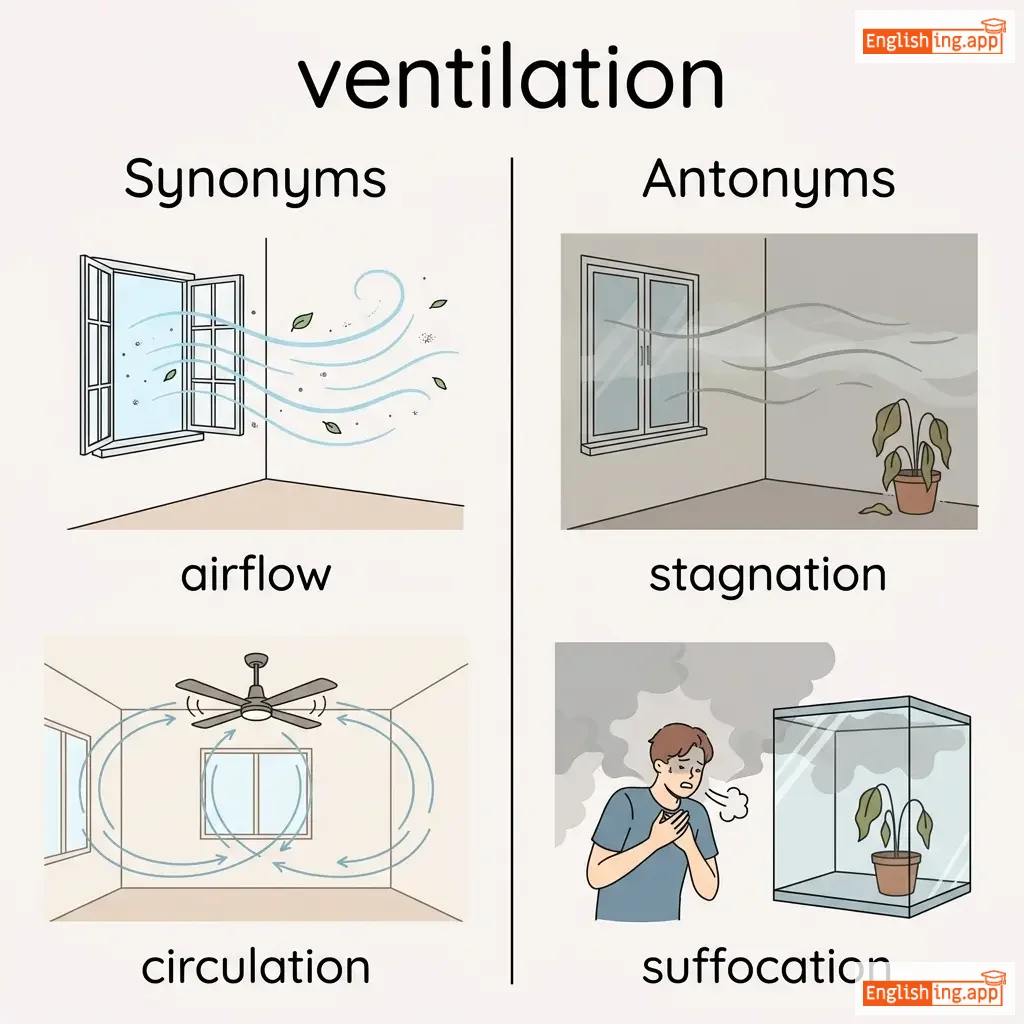
#2347
💨
|
ˌvɛntɪˈleɪʃən
noun
(ベンチレーション)
••••••
|
|
換気
kanki
••••••
|
The provision of fresh air to a room, building, etc.
••••••
|
Proper ventilation is essential for maintaining air quality. |
適切な換気は、空気の質を維持するために不可欠です。
Tekisetsu na kanki wa, kuuki no shitsu o iji suru tame ni fukaketsu desu.
••••••
|
airflow, circulation
••••••
|
stagnation, suffocation
••••••
|
新鮮な空気が部屋に流れることを想像してみて!
••••••
|
|
#2348
🎛️
|
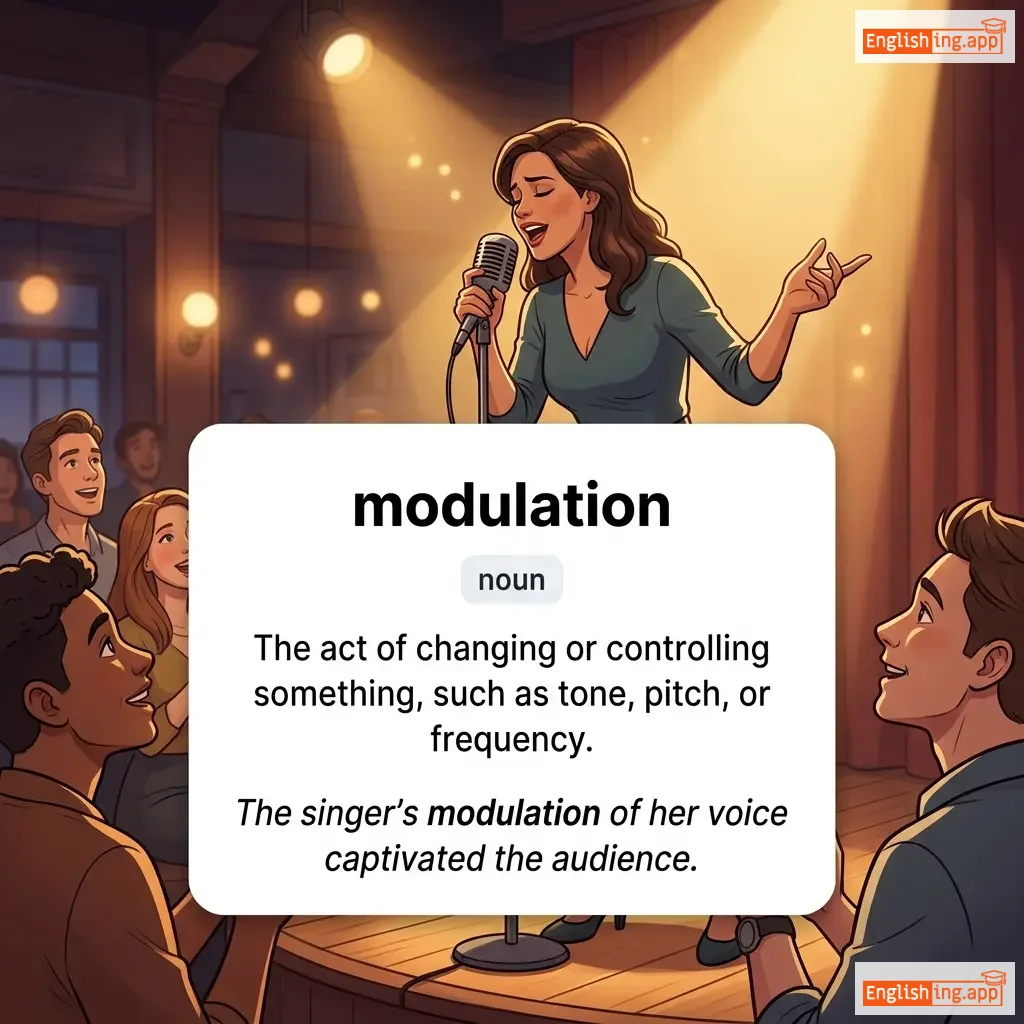
ˌmɒdjuˈleɪʃən
noun
(モジュレーション)
••••••
|
|
変調
henchou
••••••
|
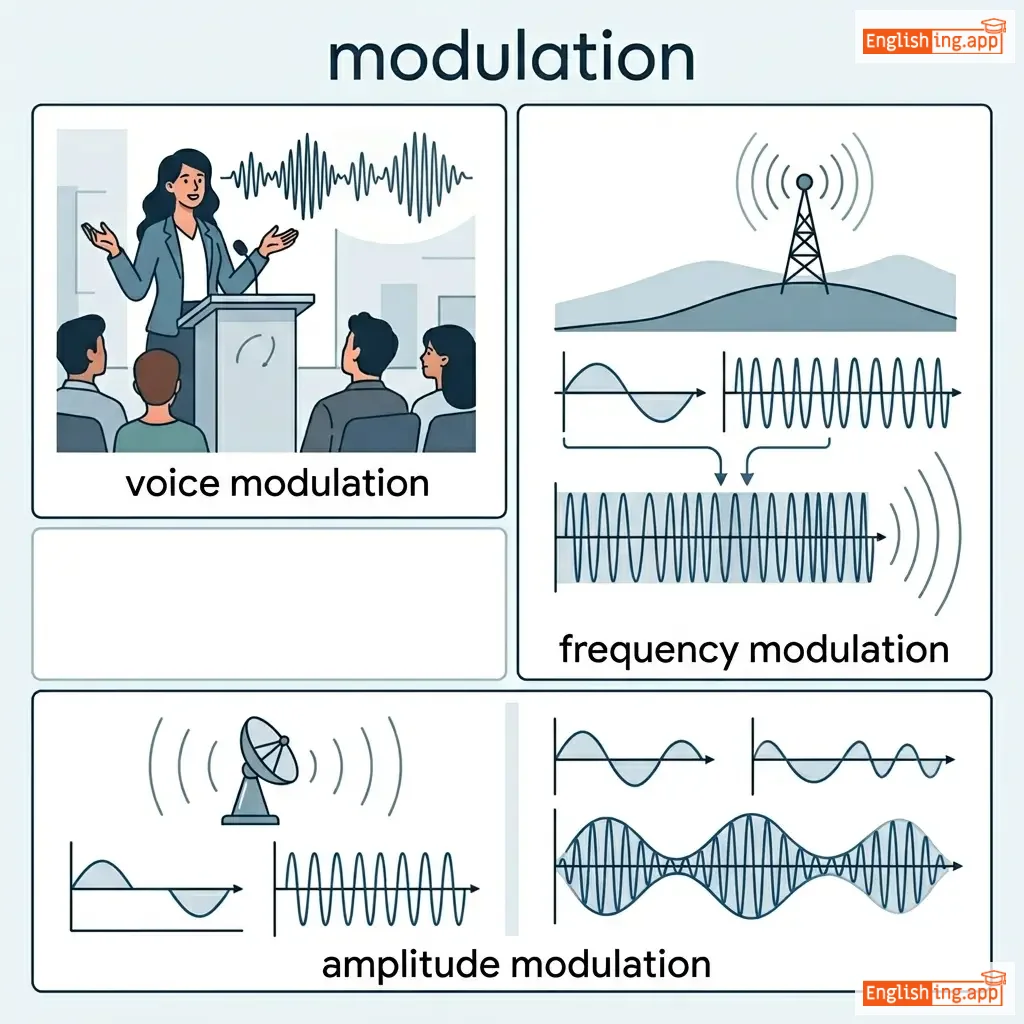
The process of varying one or more properties of a periodic waveform.
••••••
|
The modulation of sound levels ensured a pleasant atmosphere.
音のレベルのモジュレーションは、心地良い雰囲気を保証しました。
••••••
|
音のレベルのモジュレーションは、心地良い雰囲気を保証しました。
Oto no reberu no mojureeshon wa, kokochi yoi fun'iki o hoshou shimashita.
••••••
|
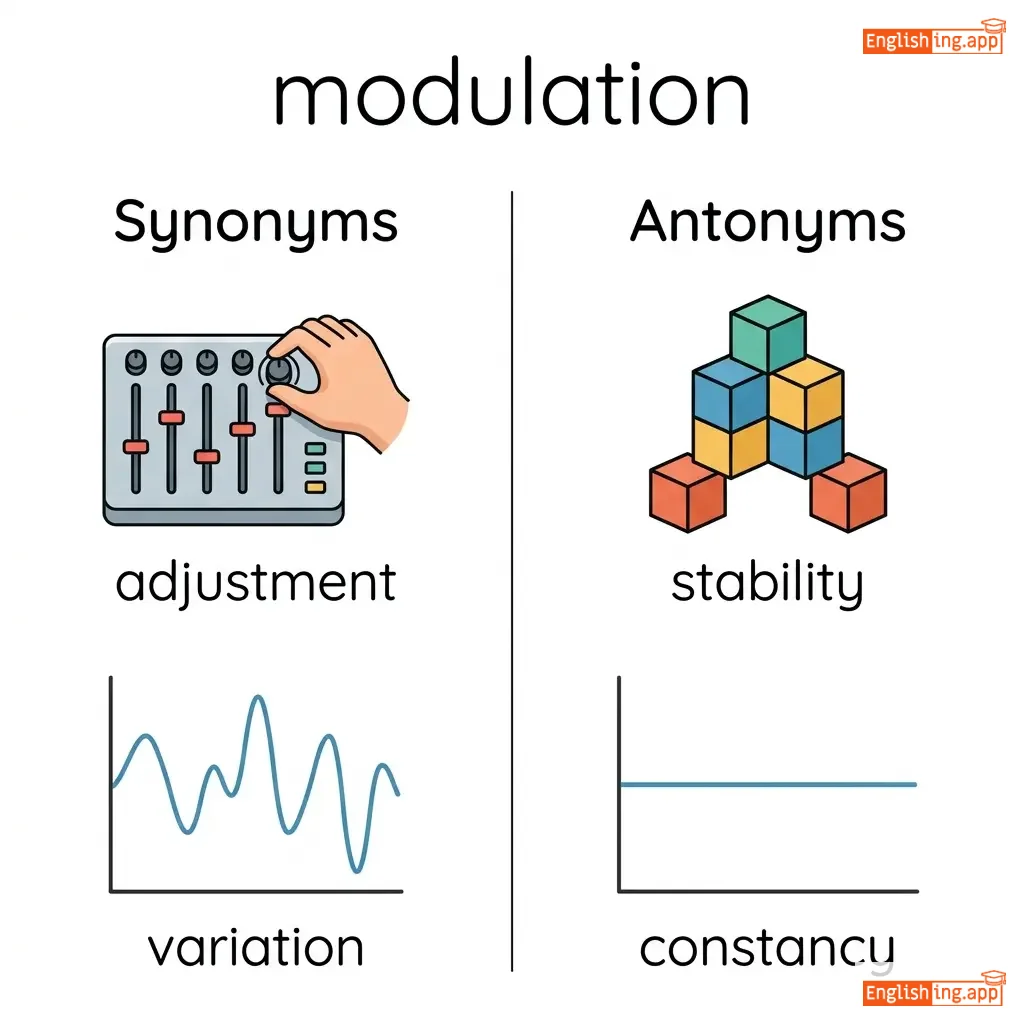
adjustment, regulation
••••••
|
instability, chaos
••••••
|
変調は音を変えること、音量の調整のようなものです。
••••••
|
|
#2349
🚀
|
dɪˈplɔɪmənt
noun
(ディプロイメント)
••••••
|
|
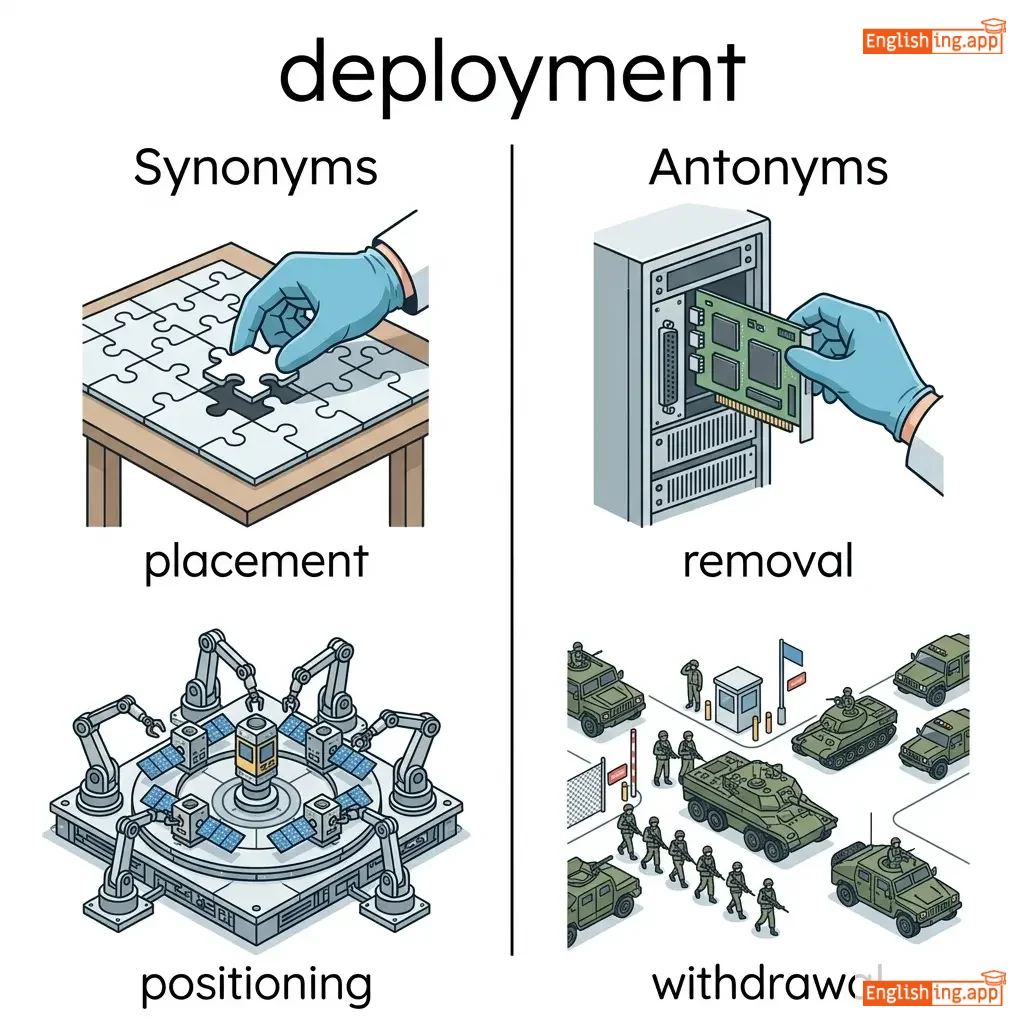
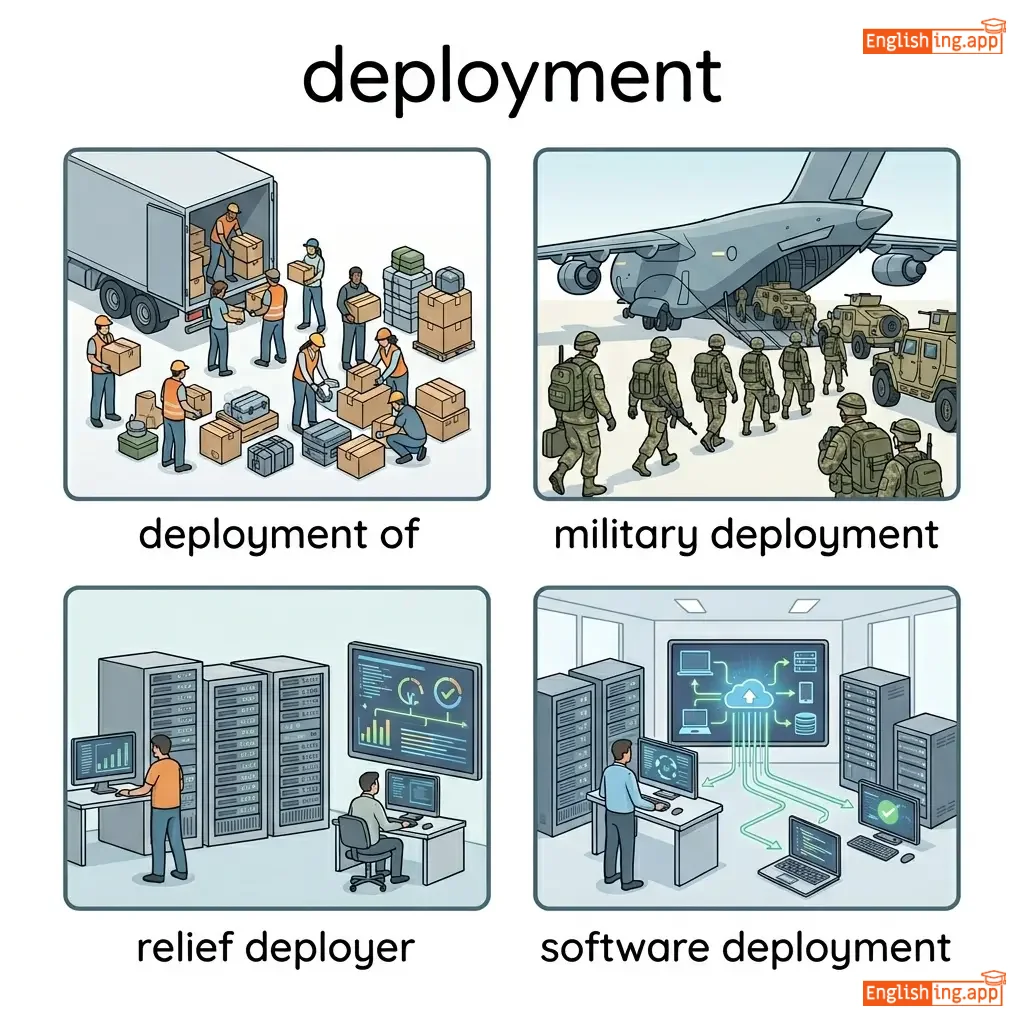
展開
tenkai
••••••
|
The action of bringing resources into effective action.
••••••
|
The deployment of the new software was completed successfully.
新しいソフトウェアの展開は成功裏に完了しました。
••••••
|
新しいソフトウェアの展開は成功裏に完了しました。
Atarashī sofutowea no tenkai wa seikōri ni kanryō shimashita.
••••••
|
implementation, installation
••••••
|
withdrawal, removal
••••••
|
展開を思い出すと、資源を効果的に動かすことがわかります。
••••••
|
|
#2350
🔗
|
ˌɪntɪˈɡreɪʃən
noun
(インテグレーション)
••••••
|
|
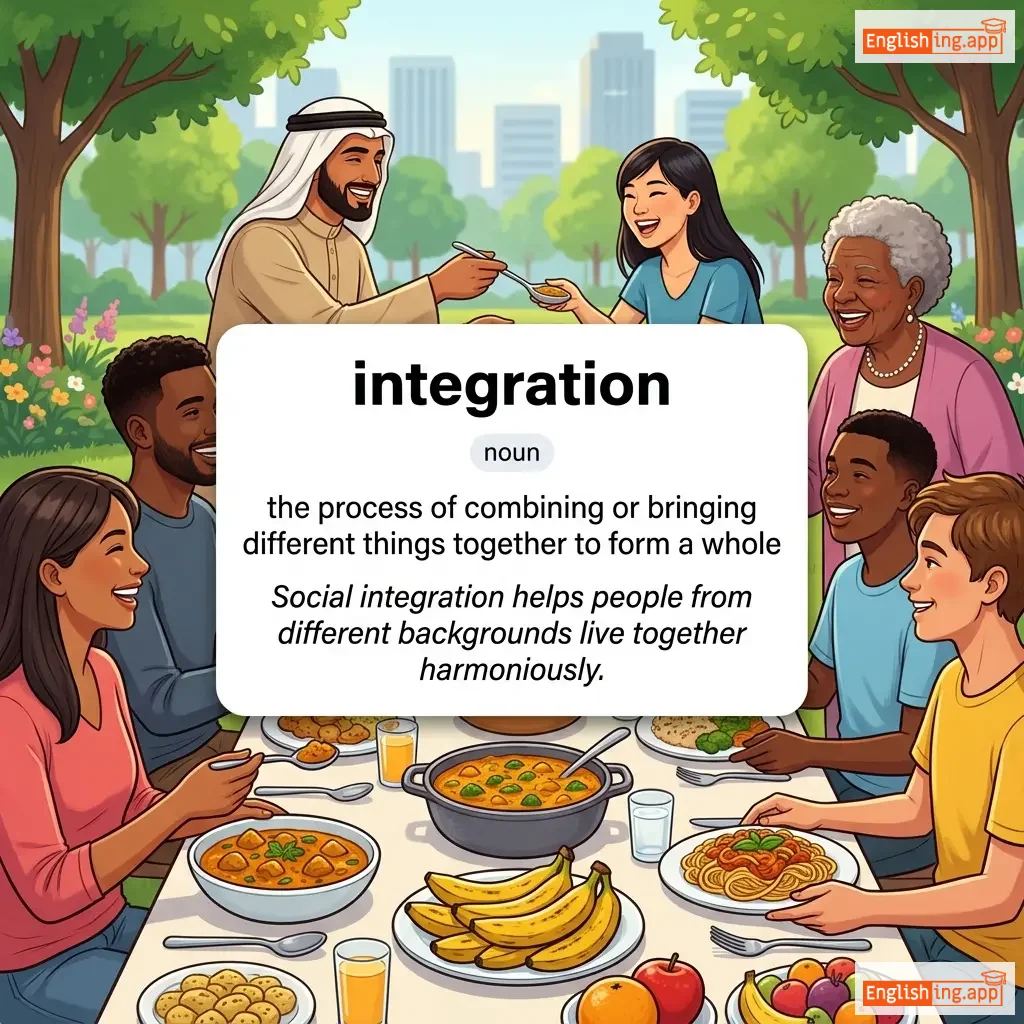
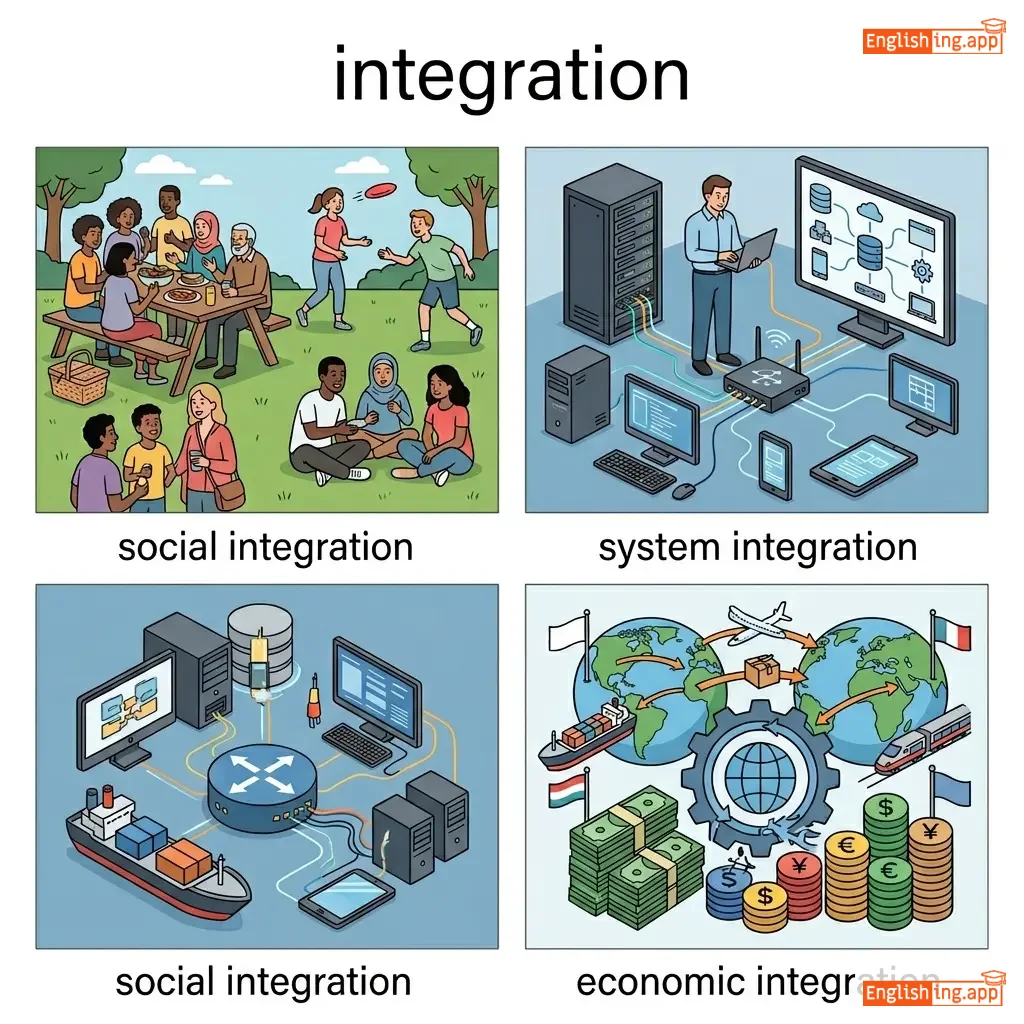
統合
tōgō
••••••
|
The action or process of integrating; combining or coordinating separate elements into a whole.
••••••
|
Integration of modern technology is crucial for growth. |
現代技術の統合は成長にとって非常に重要です。
Gendai gijutsu no tōgō wa seichō ni totte hijō ni jūyō desu.
••••••
|
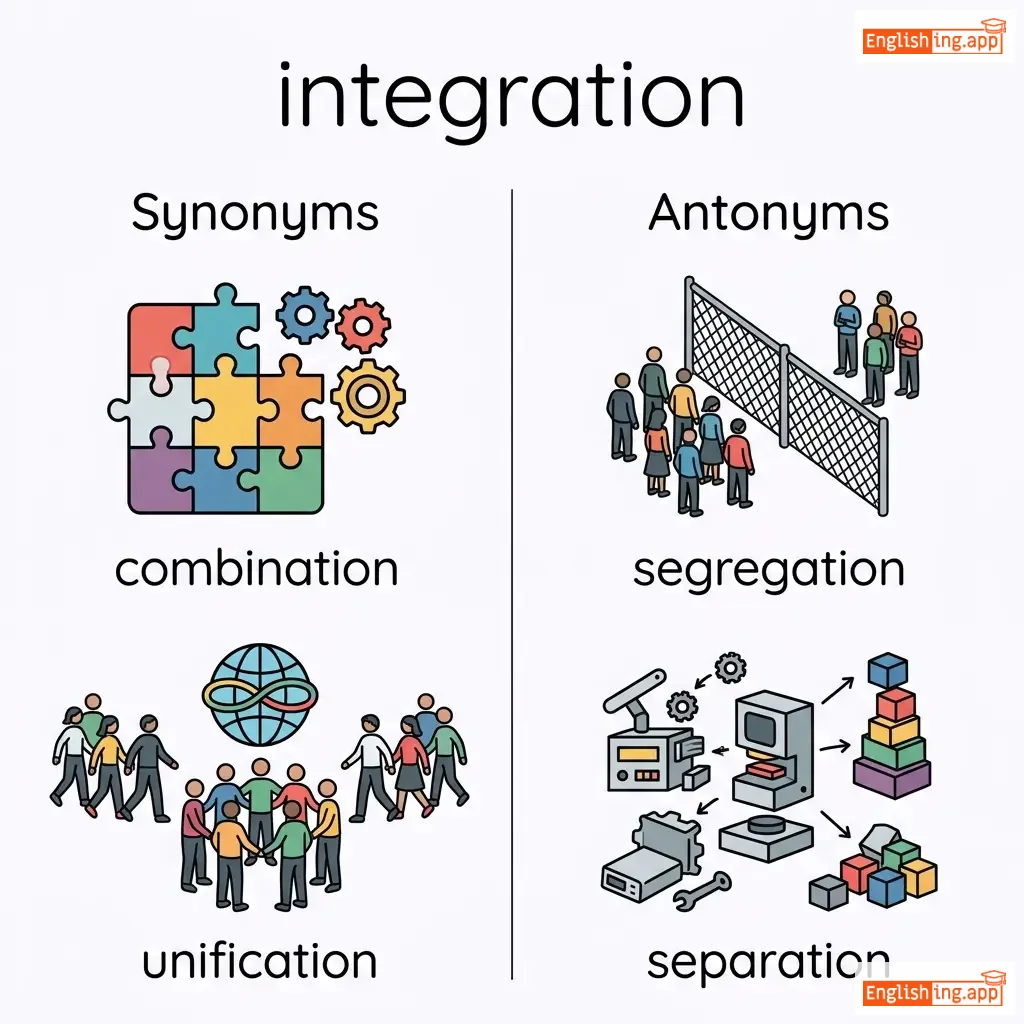
unification, fusion
••••••
|
segregation, isolation
••••••
|
統合は、パズルのピースを合わせて一つの全体を作るようなものです。
••••••
|
|
#2351
🤐
|
ˈzɪpərz
noun
(ジッパー)
••••••
|
|
ジッパー
jippā
••••••
|
A device consisting of two flexible strips of metal or plastic with interlocking projections closed or opened by pulling a slide along them.
••••••
|
Zippers are used to fasten the opening of the jacket. |
ジッパーはジャケットの開口部を閉じるために使われます。
Jippā wa jaketto no kaikōbu o toji ru tame ni tsukawaremasu.
••••••
|
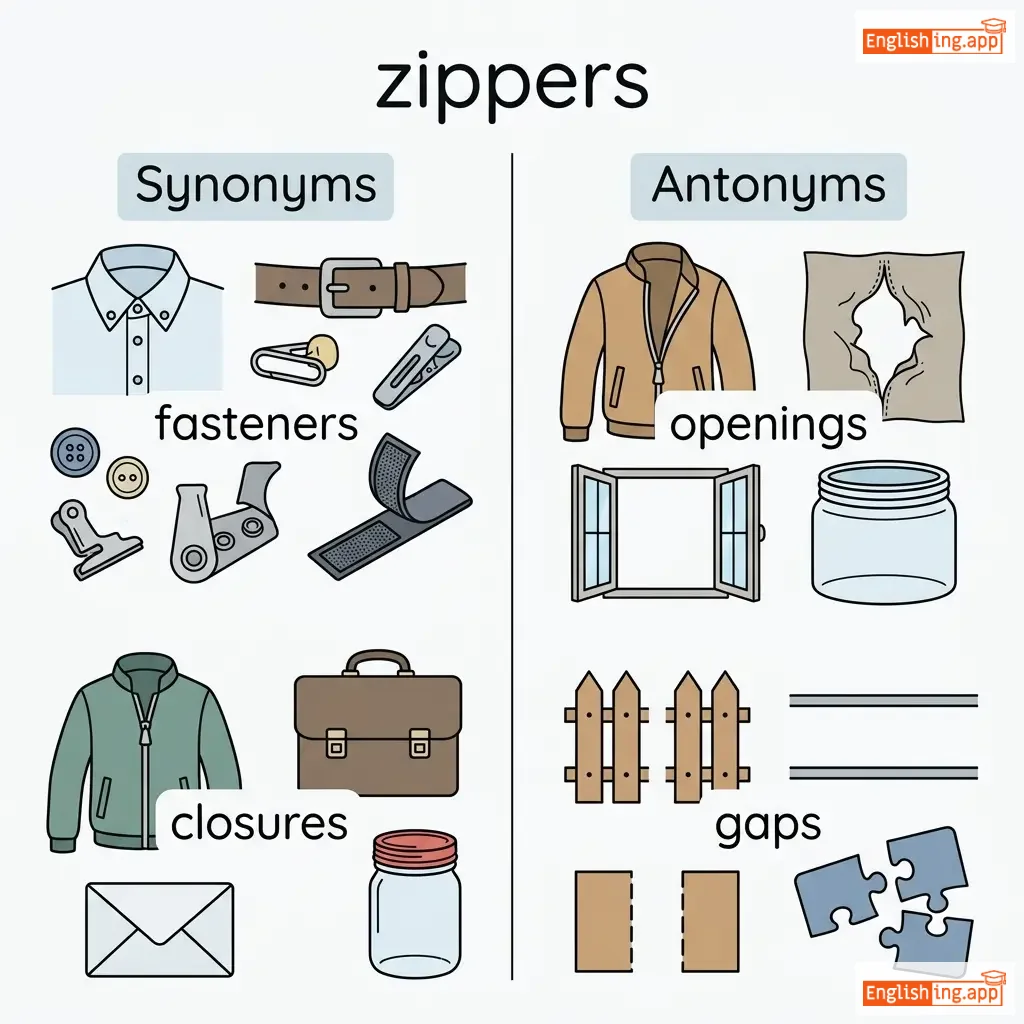
fasteners, closures
••••••
|
openings, gaps
••••••
|
ジッパー sounds just like 'zipping up your jacket'!
••••••
|
Vocabulary Quiz
Test your vocabulary by matching words with their translations or meanings.
Login to take the quiz
Comments (0)
Share your thoughts and join the discussion.
Join the discussion by logging in
Login to CommentNo comments yet
Be the first to share your thoughts!