

人間 vs 野生
Men vs Wild
森での生活の毎日は新たな adversity をもたらす。自然の ferocity は人間にとって大きな挑戦となる。冒険者は自らの grit と resilience で生き延びる。
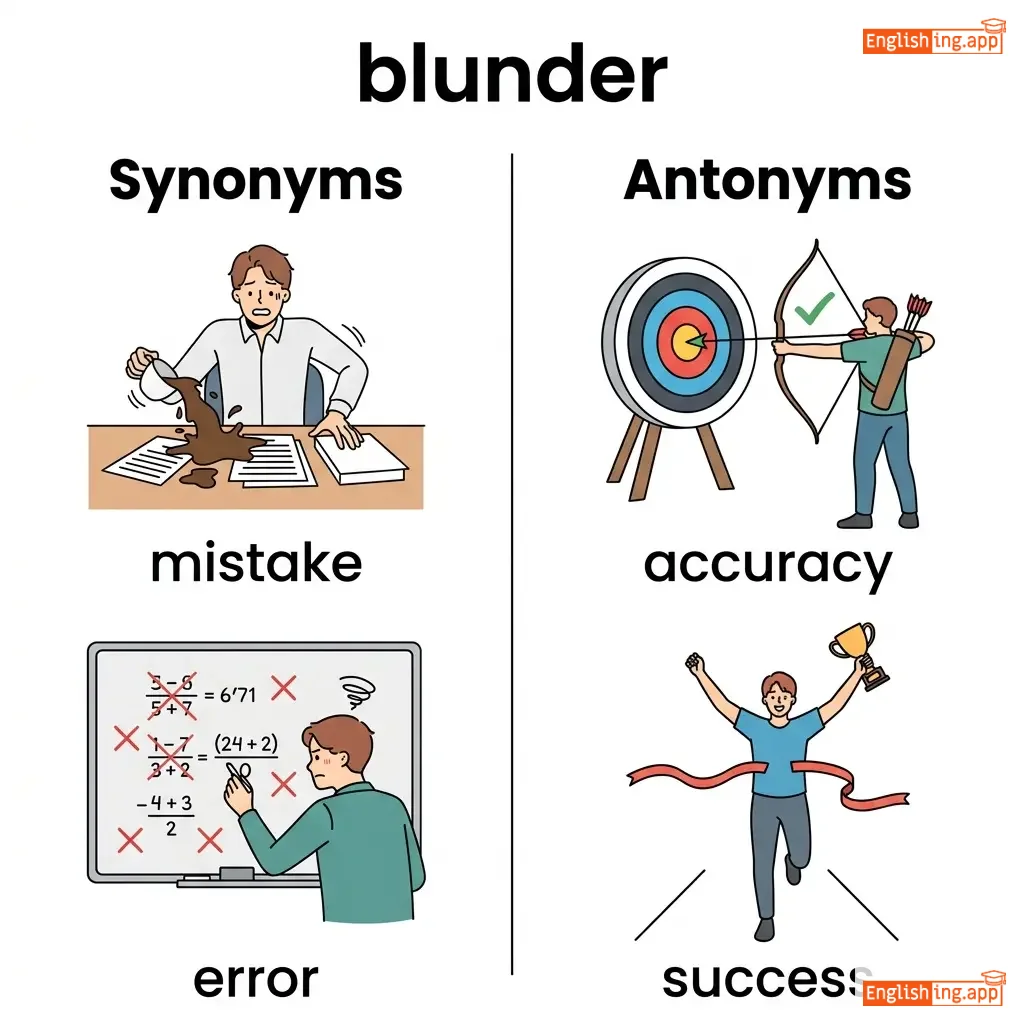
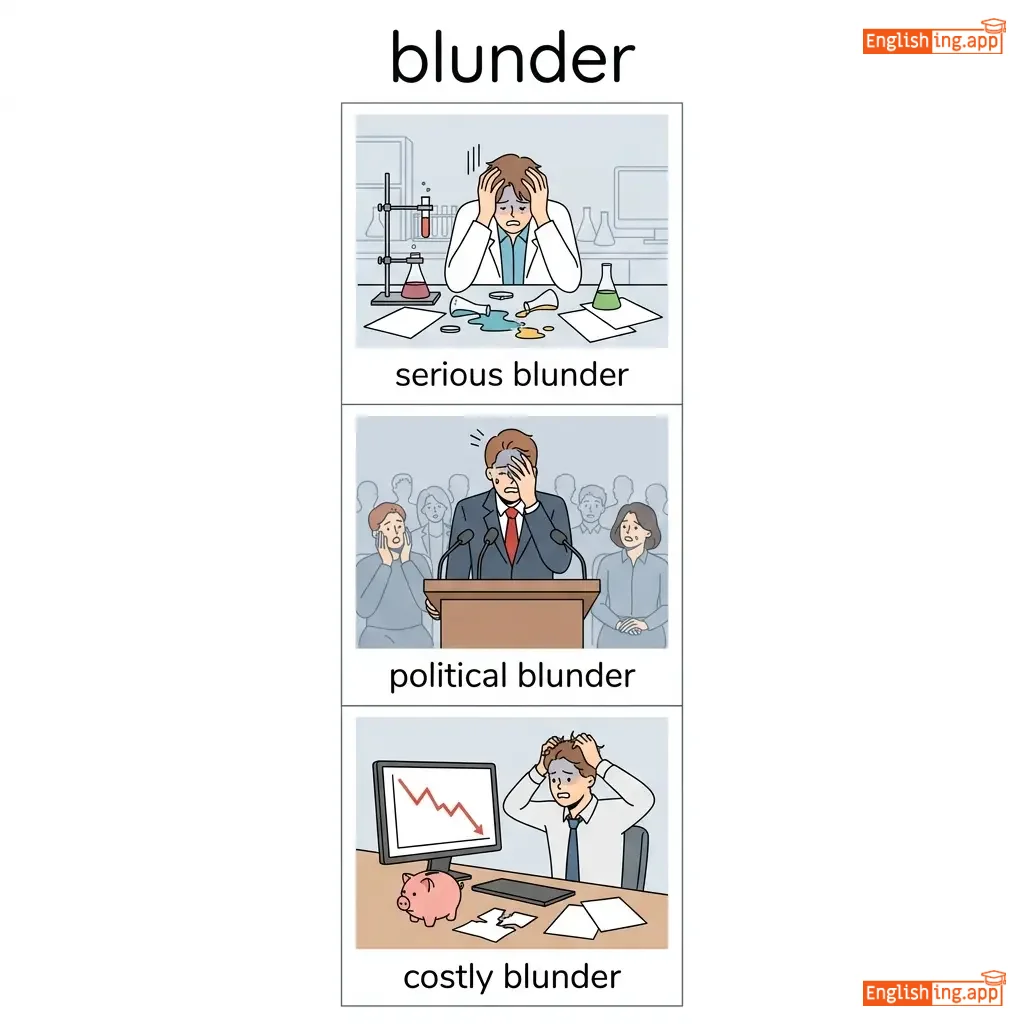
森の小道の labyrinth を歩くのは perilous だった。彼の instinctive 能力が生存方法を教えた。しかし、ひとつの blunder が彼を恐ろしい状況に陥れた。
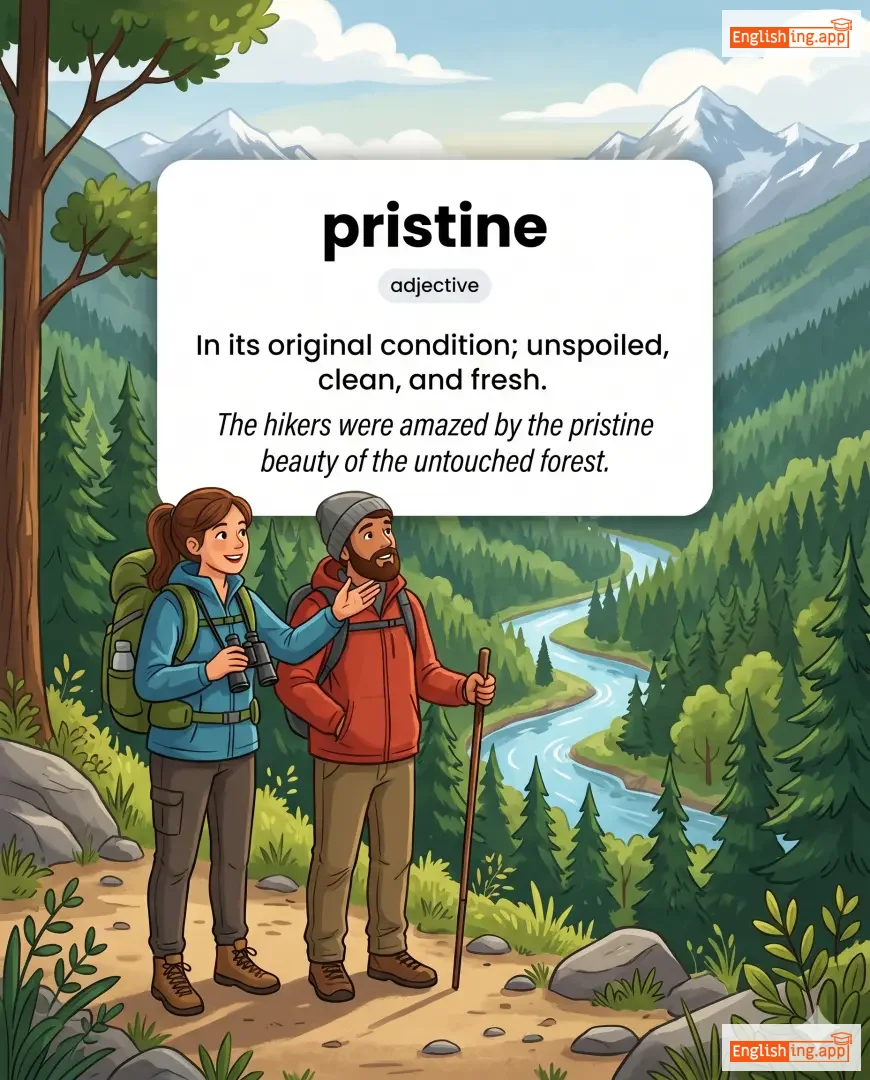
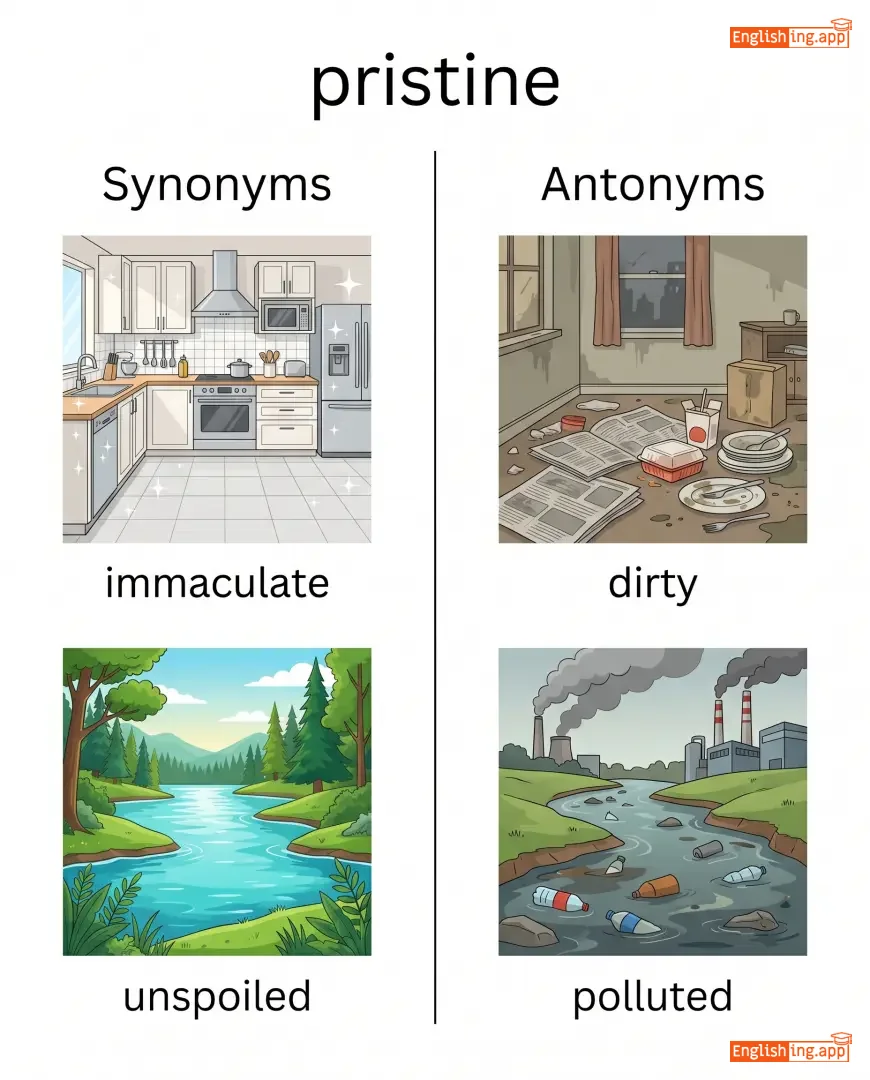
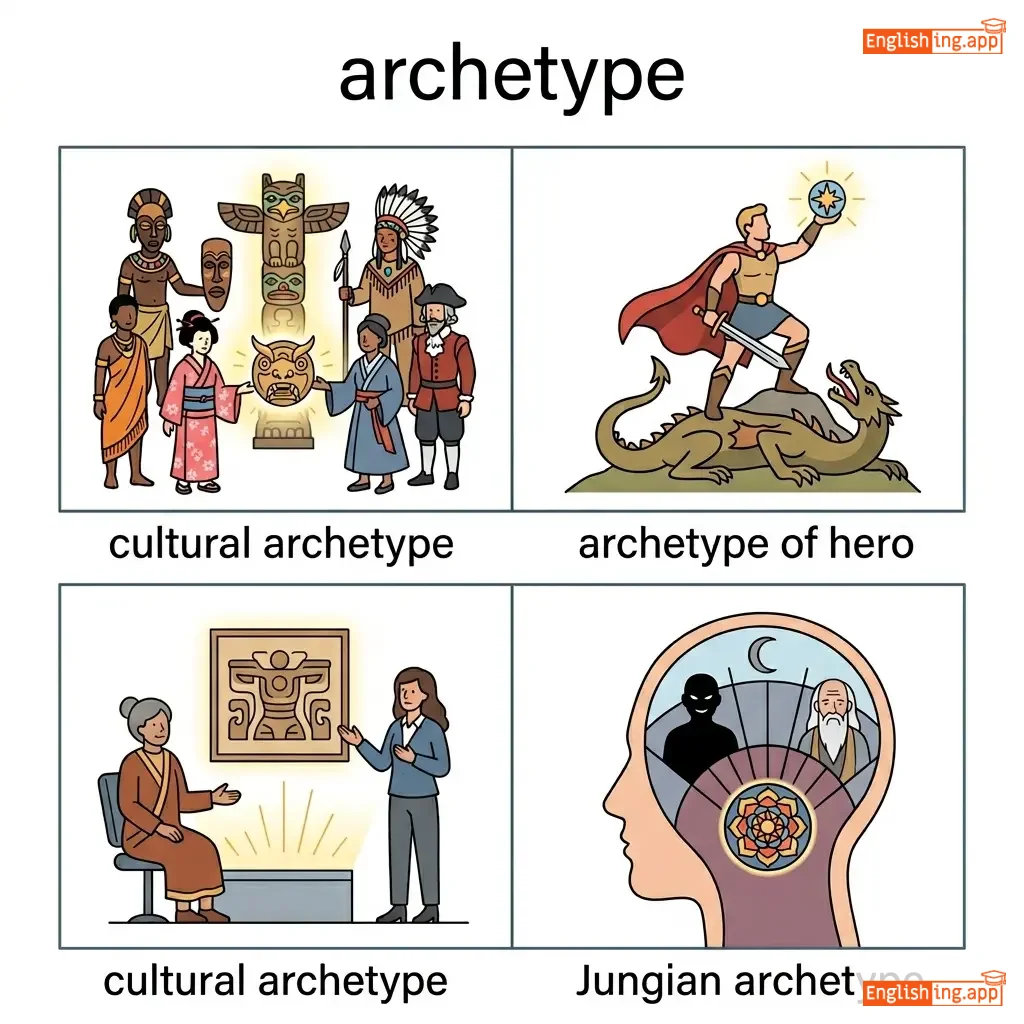
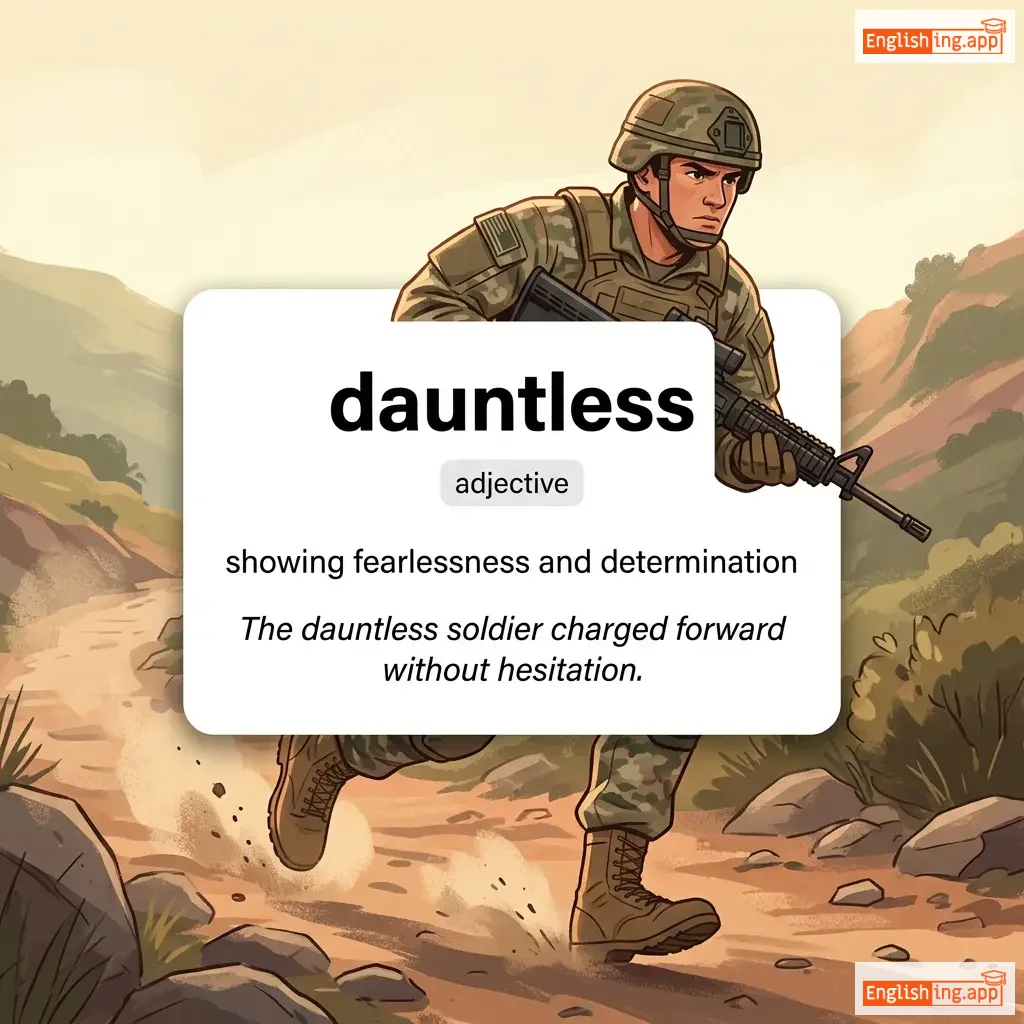
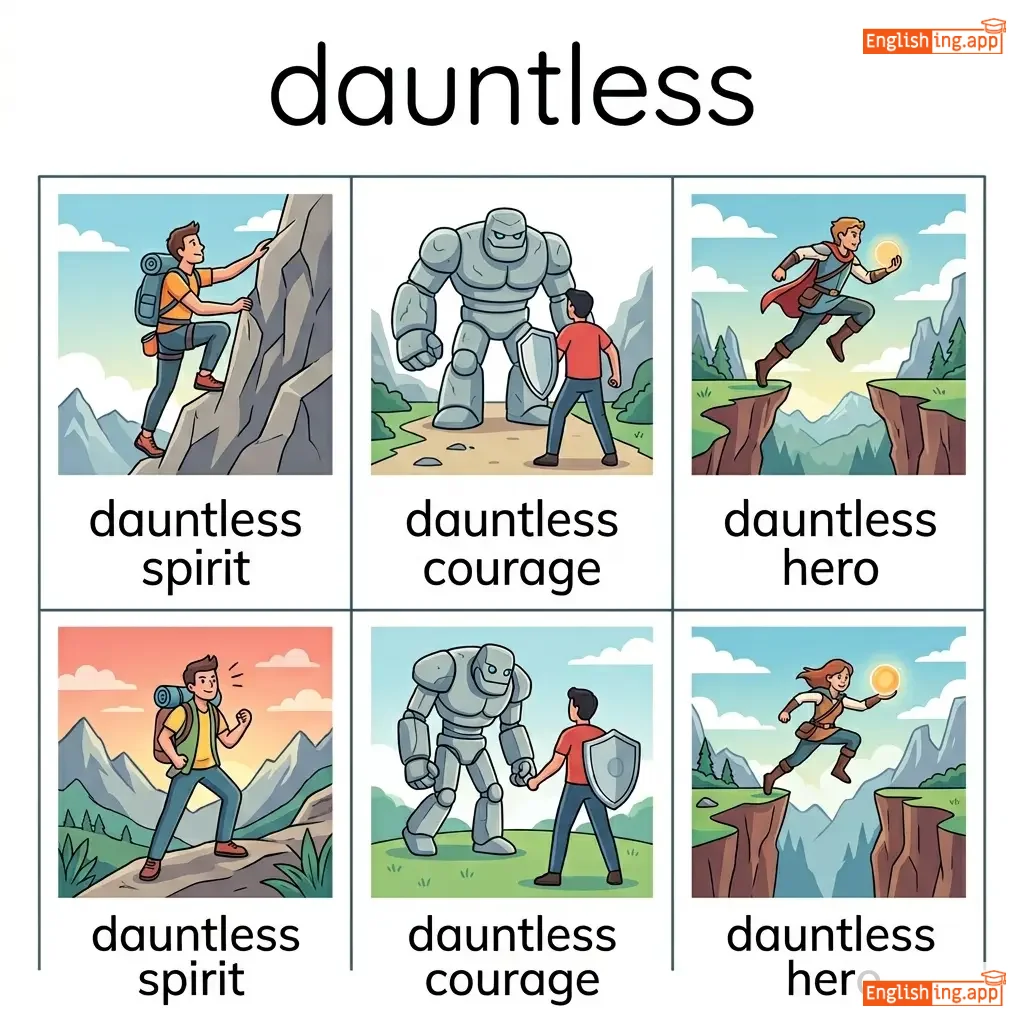
Pristine な自然の中で、彼の tenacity が助けとなる。野生動物の archetype 的な行動に怯えながらも、彼は dauntless に自分の道を見つける。
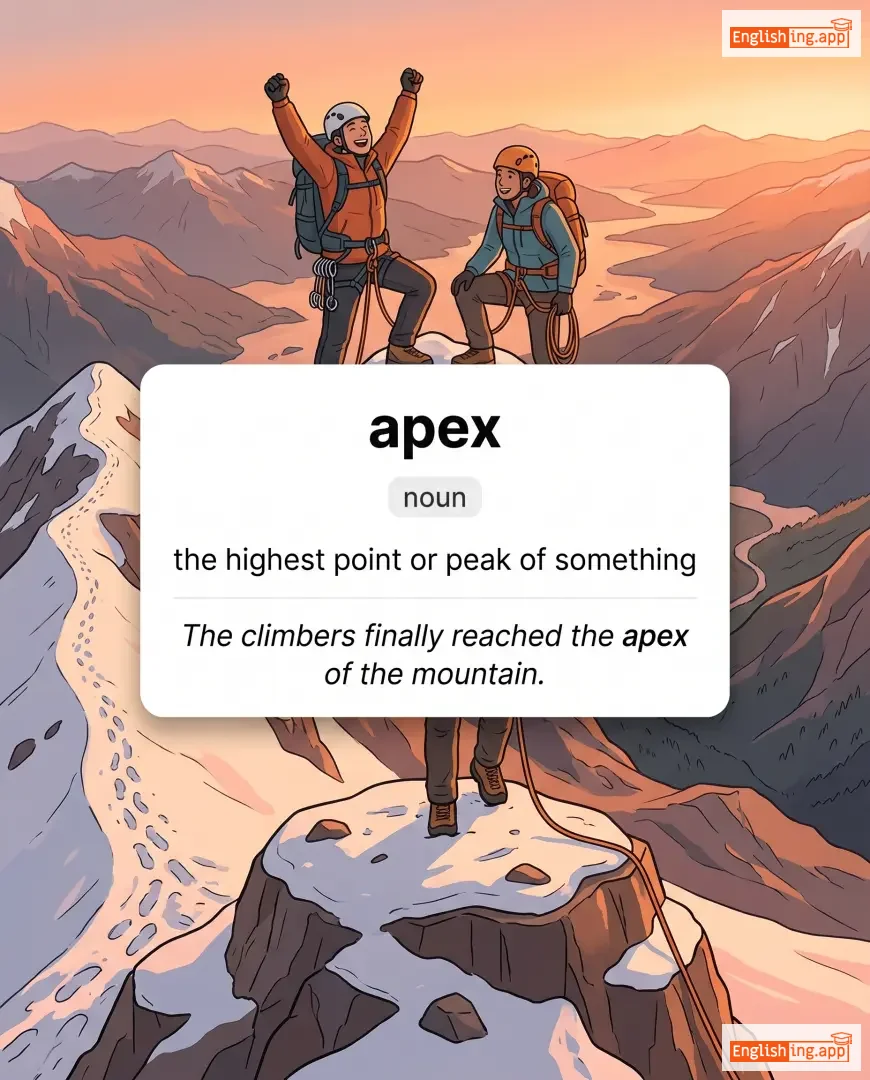
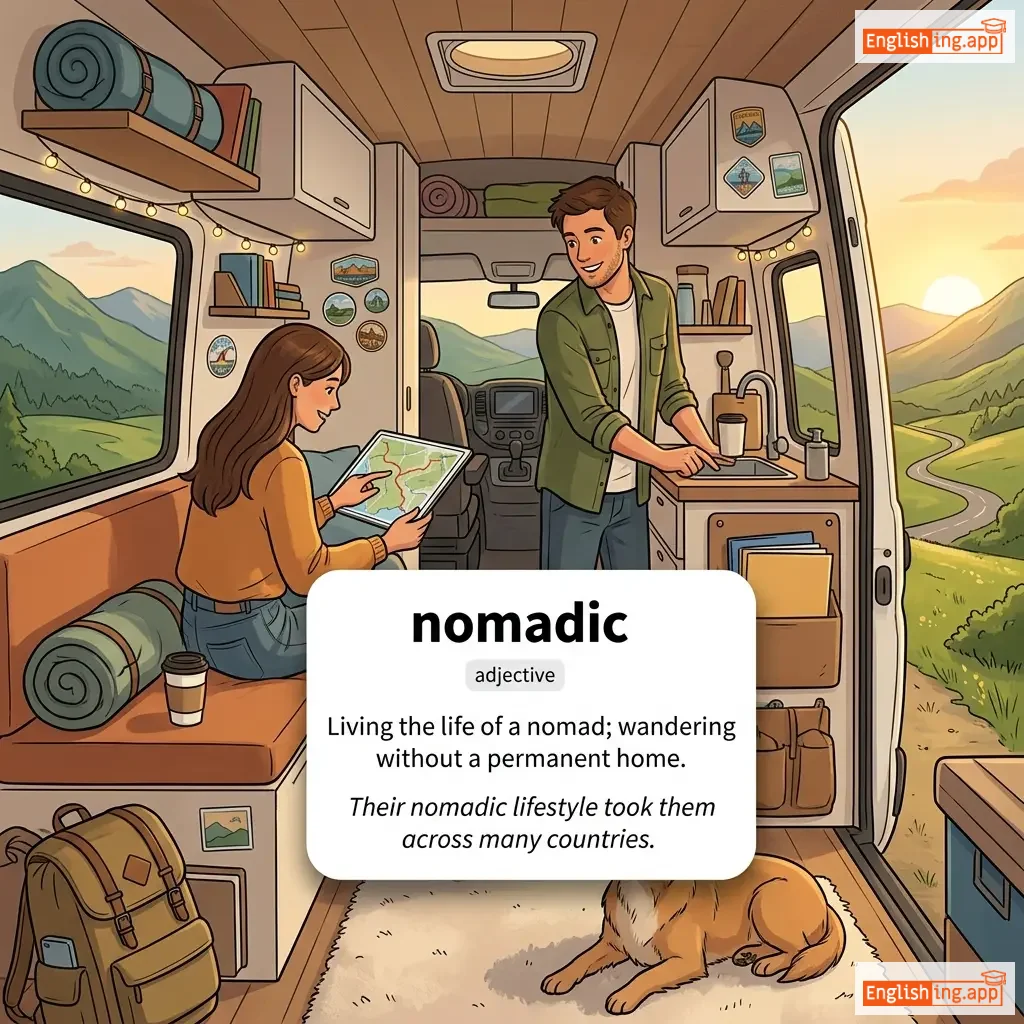
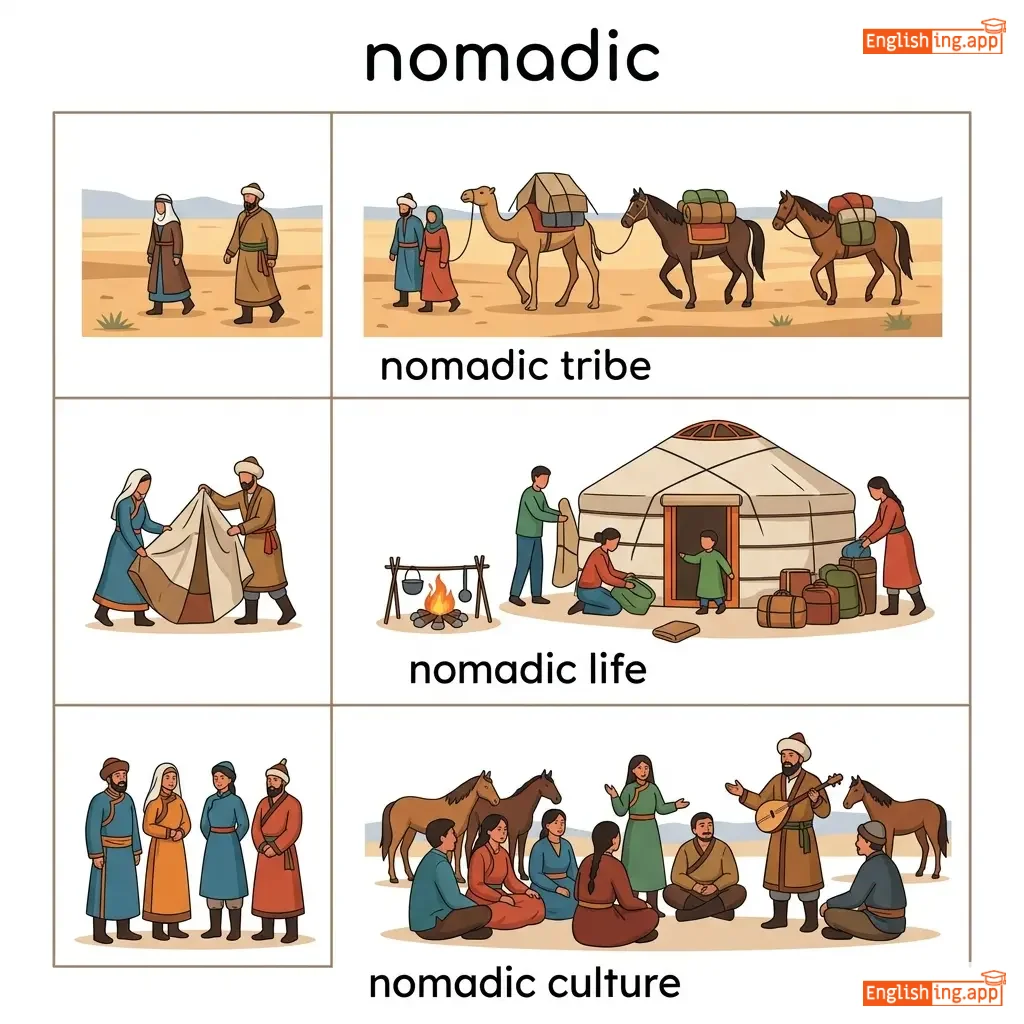
最終的に彼は森の apex に到達し、自らの dexterity で状況を対処する。人間の nomadic な性質と自然との関係がこの闘いを成功へ導く。
翻訳
過去
過去分詞
三人称単数
動名詞
意味
例文
例文の翻訳
同義語
対義語
コロケーション
ニーモニック
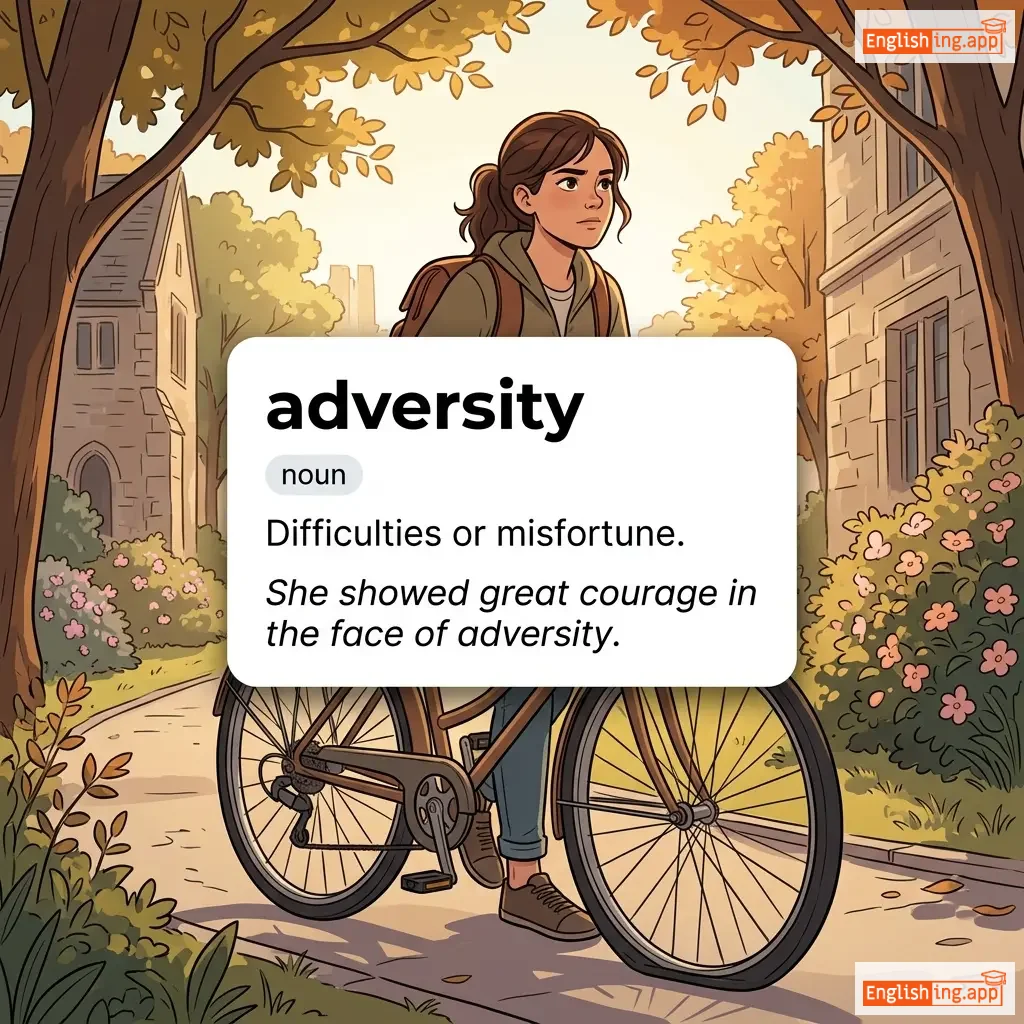
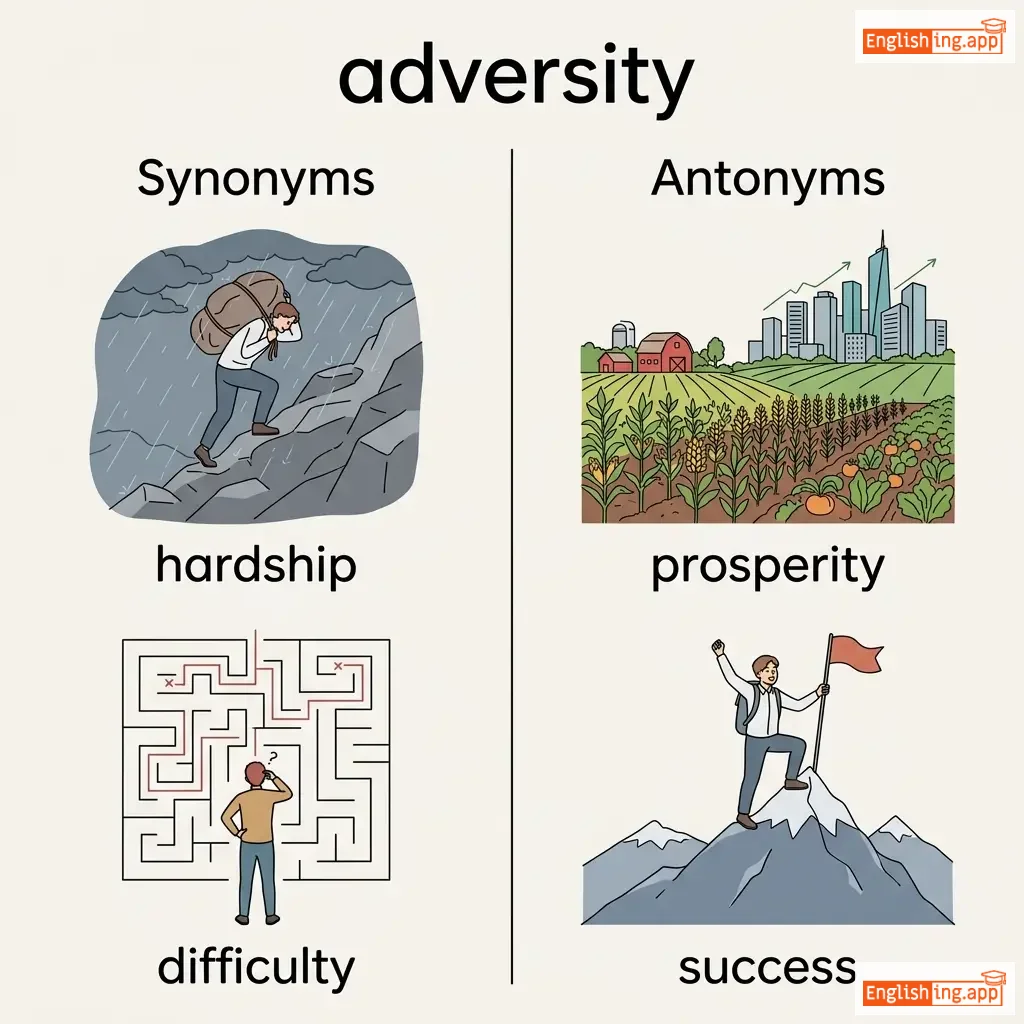
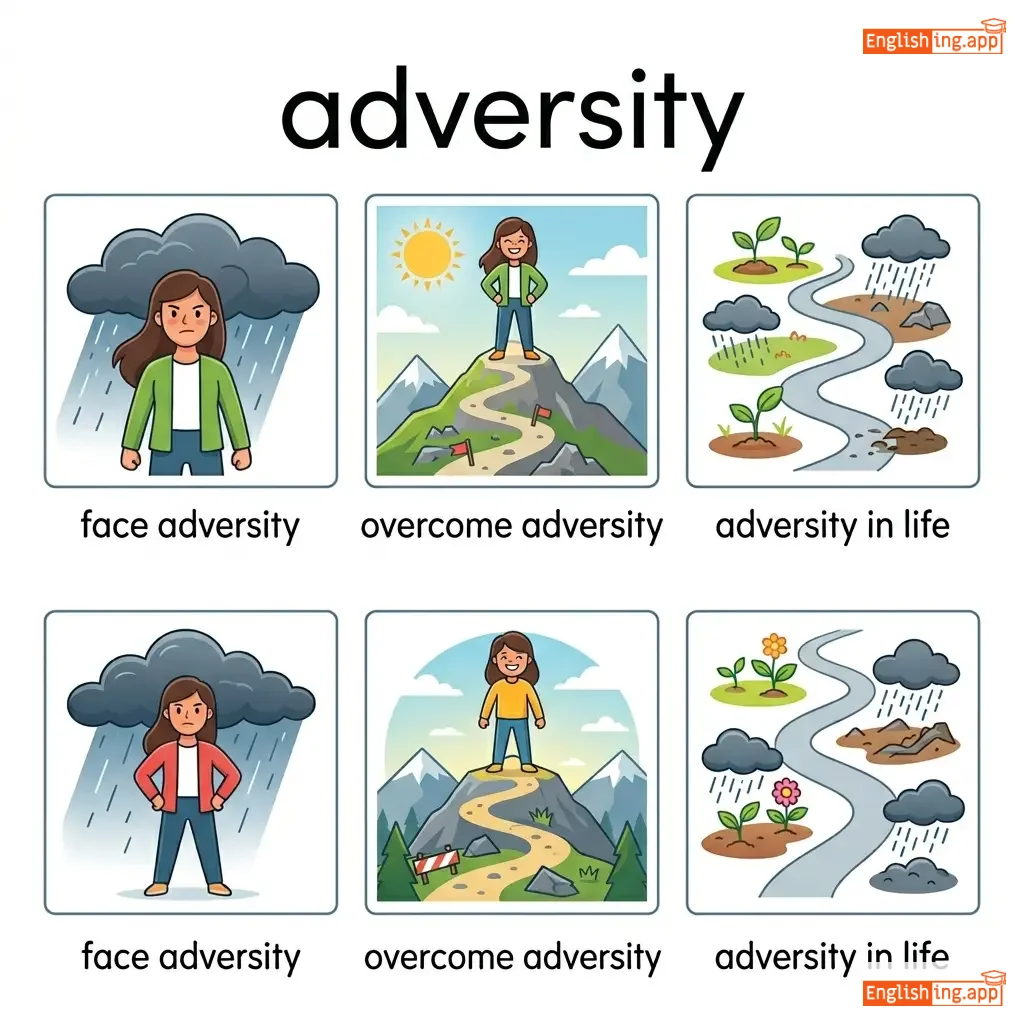
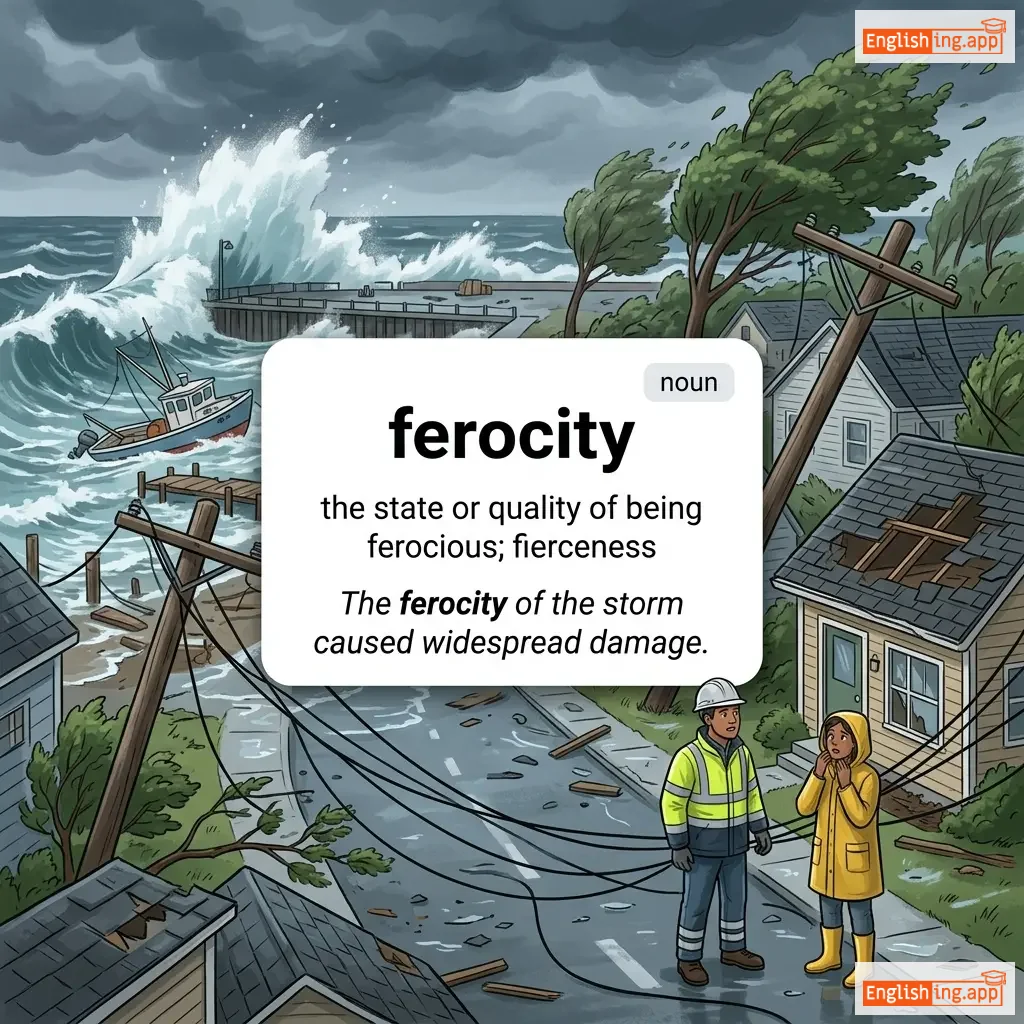
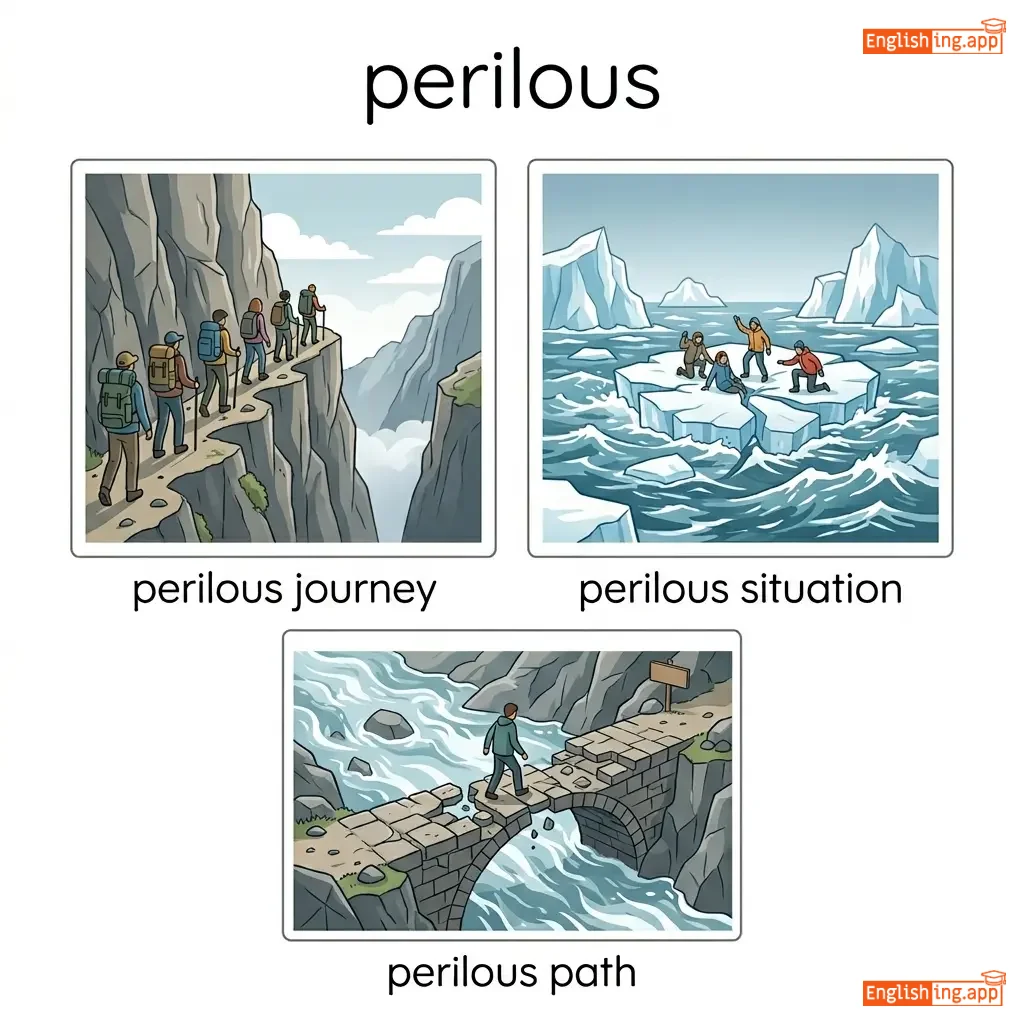
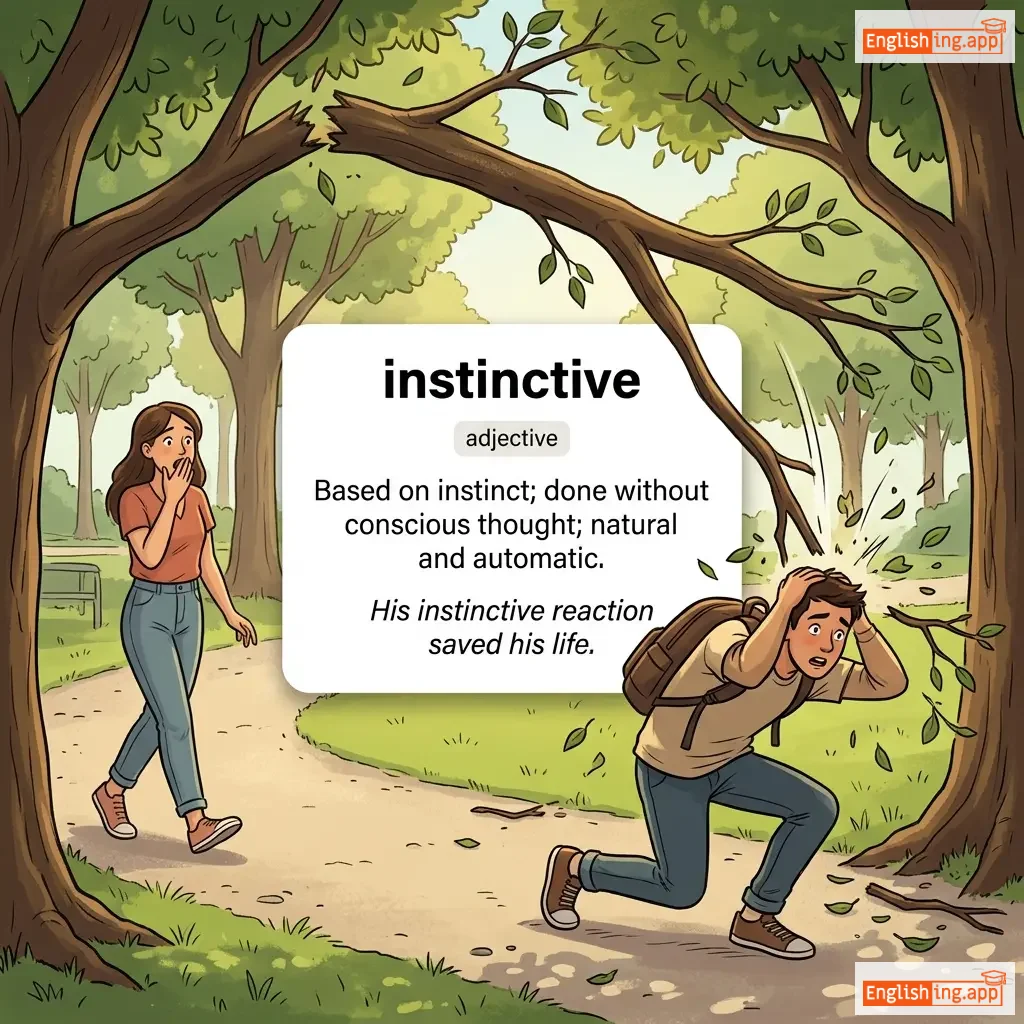
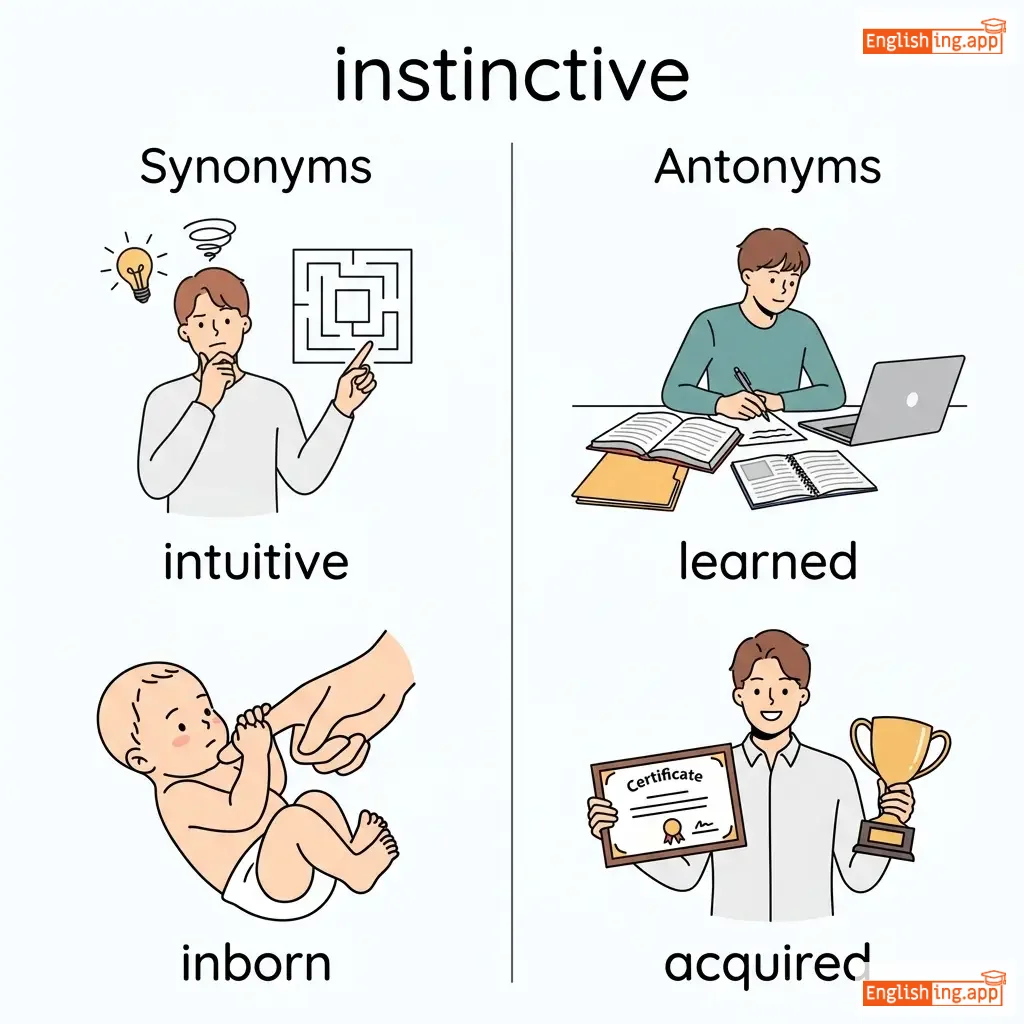
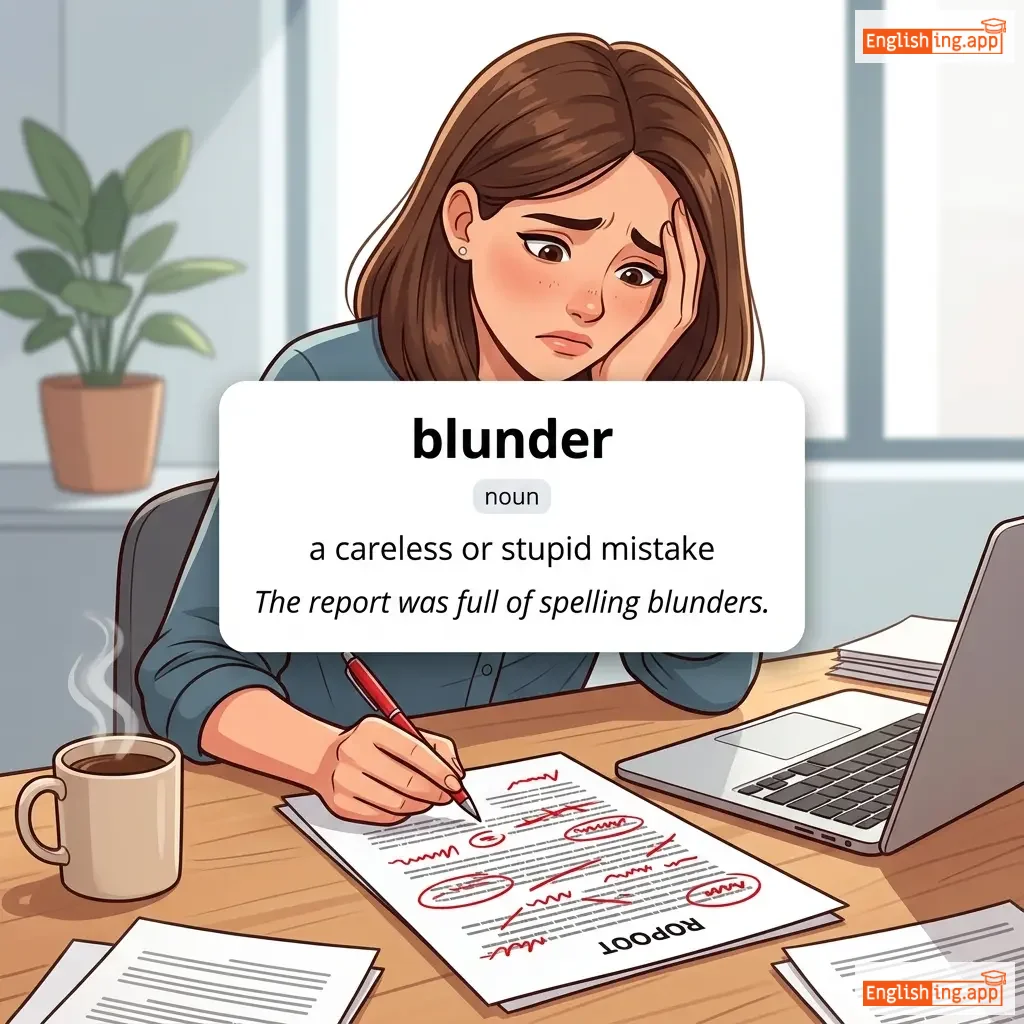
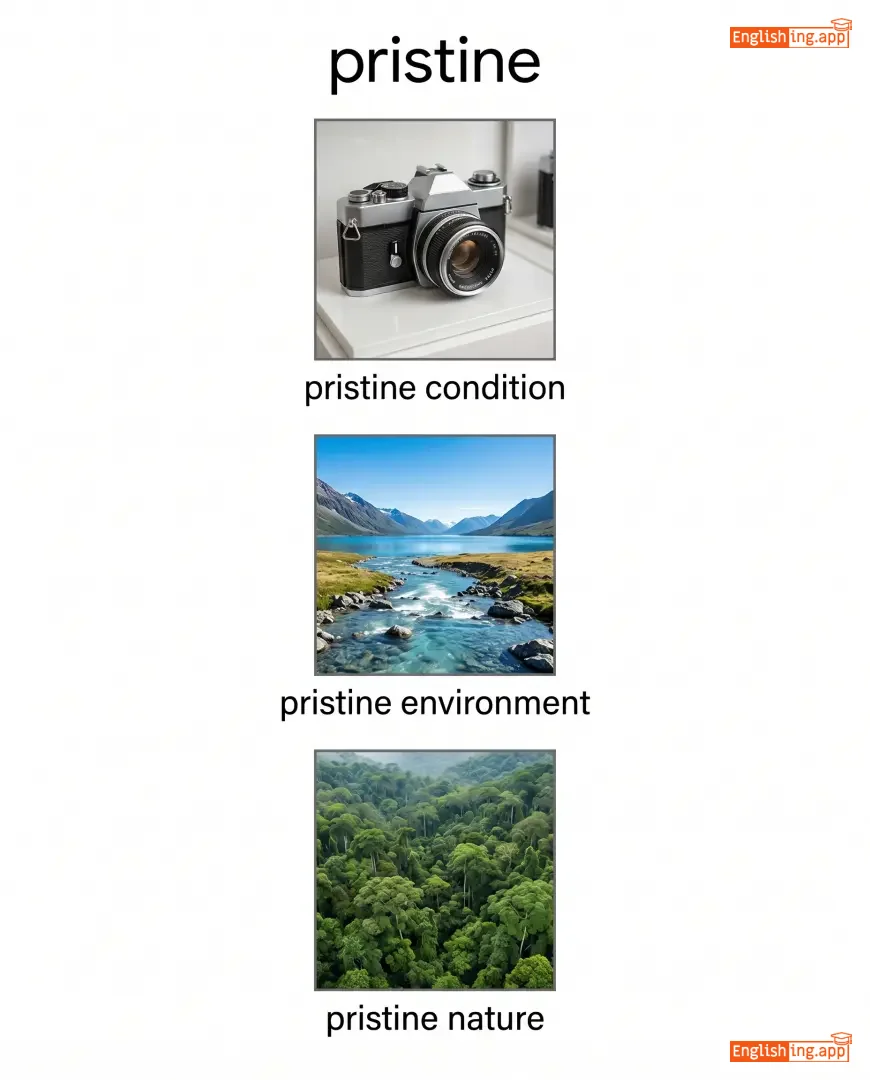

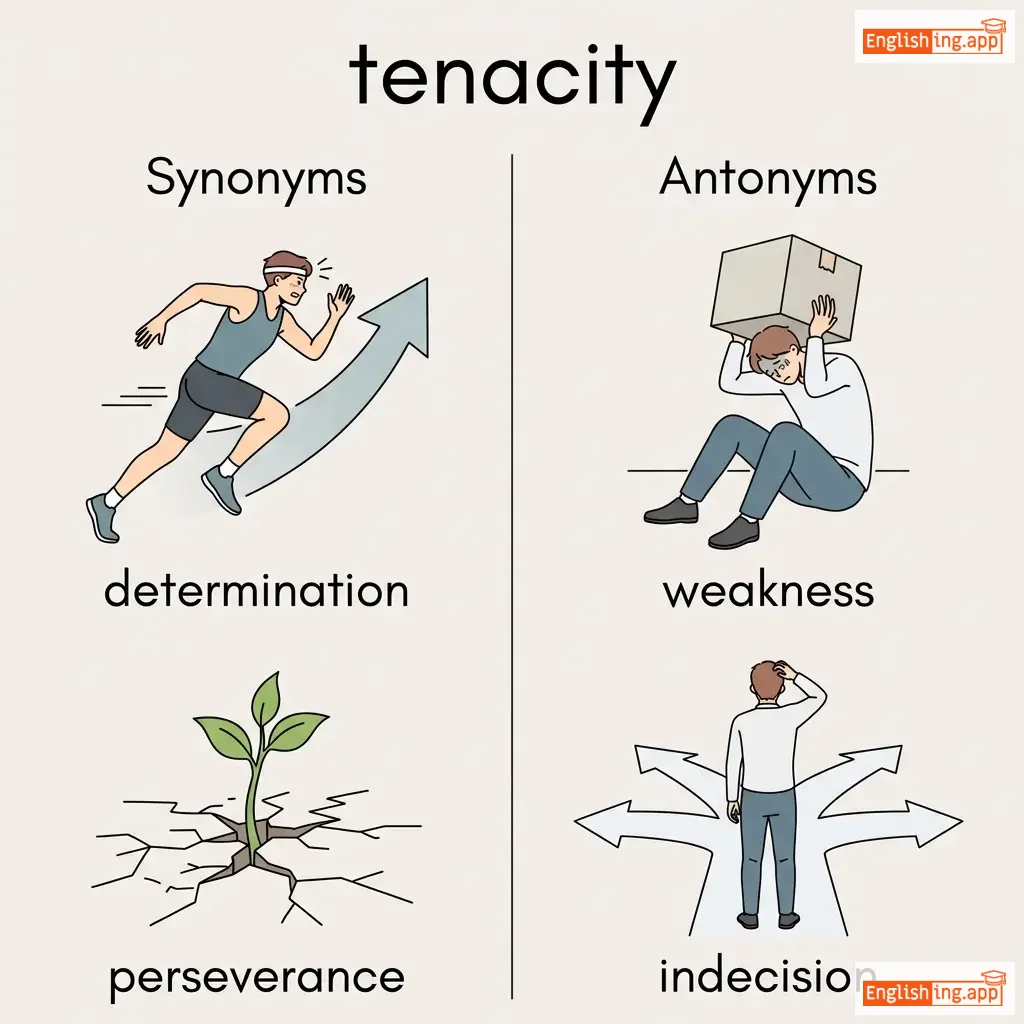
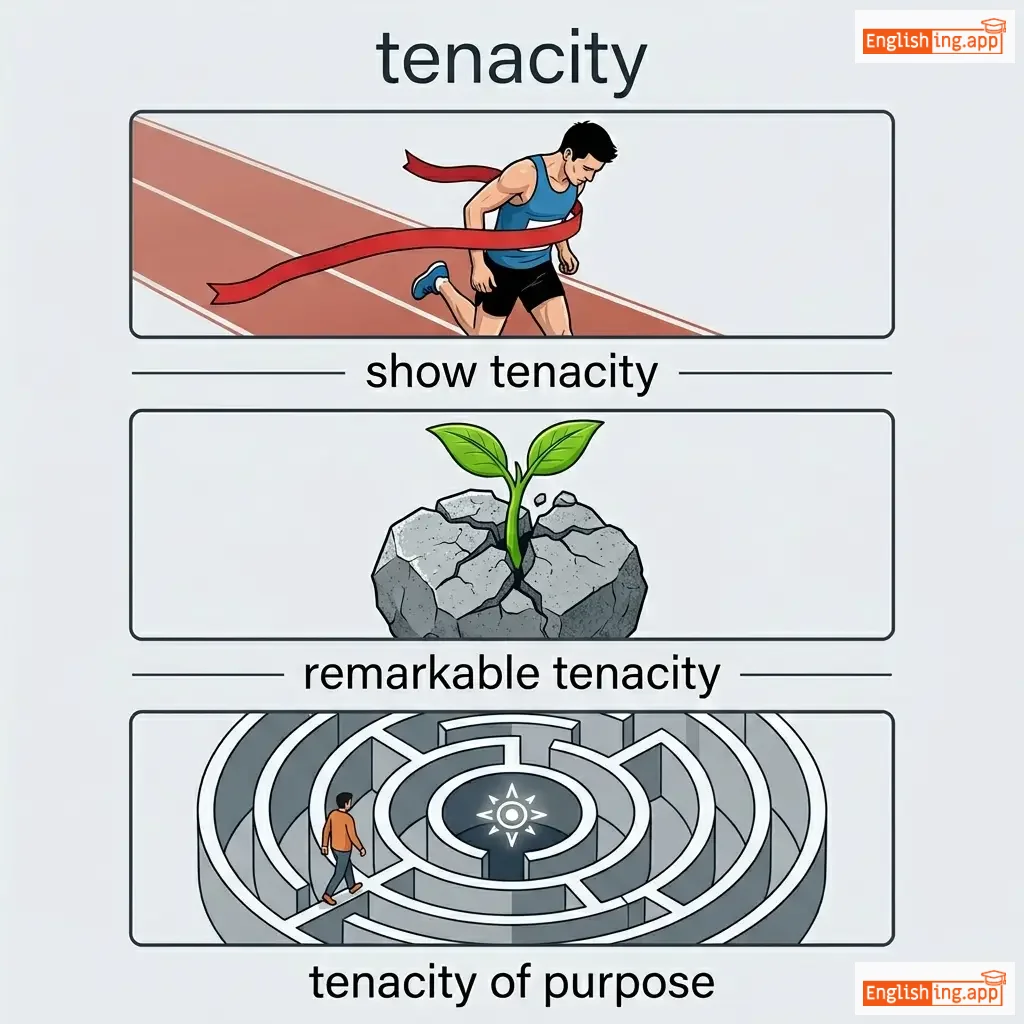

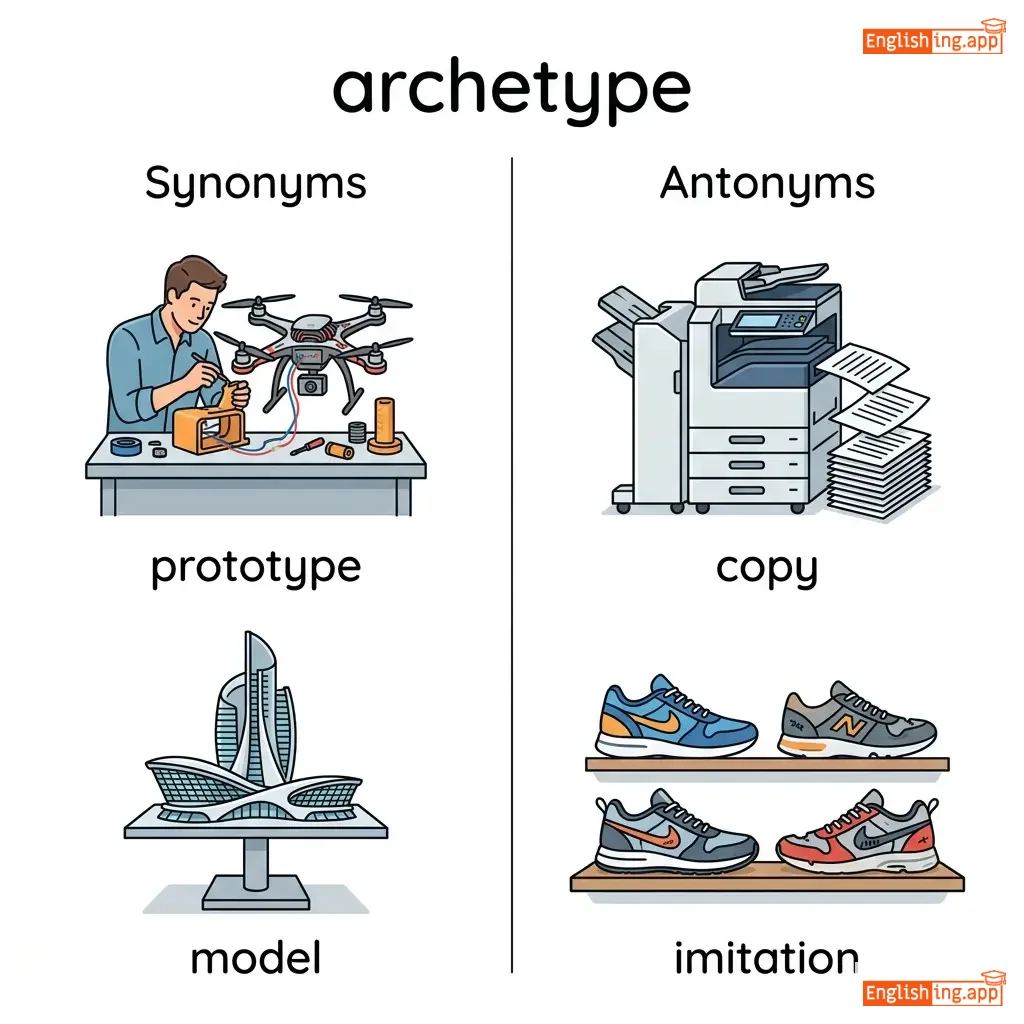




Swipe left or right, or use the buttons. Tap image to zoom.
例文の翻訳
単語
Men vs WildMen vs Wild - マスクトグル
|
絵文字
|
単語 | Images | 翻訳 | 意味 | 例文 | 例文の翻訳 | 同義語 | 対義語 | ニーモニック |
|---|---|---|---|---|---|---|---|---|---|
|
#2542
⚡
|
/ədˈvɜː.sə.ti/
noun
(アドバーサティ)
••••••
|
|
困難, 苦難, 不運
konnan, kunan, fuun
••••••
|
A difficult or unpleasant situation; hardship, misfortune.
••••••
|
He remained strong in the face of adversity. |
彼は困難に直面しても強くあり続けた。
Kare wa konnan ni chokumen shitemo tsuyoku aritsuzuketa.
••••••
|
hardship, misfortune, difficulty, trouble, challenge, setback
••••••
|
prosperity, advantage, success, fortune, luck, blessing
••••••
|
困難に立ち向かうことで強くなれる。
••••••
|
|
#2543
🔥
|
/fəˈrɒs.ə.ti/
noun
(フェロシティ)
••••••
|
|
凶暴さ, 暴力, 強さ
kyoubousa, bouryoku, tsuyosa
••••••
|
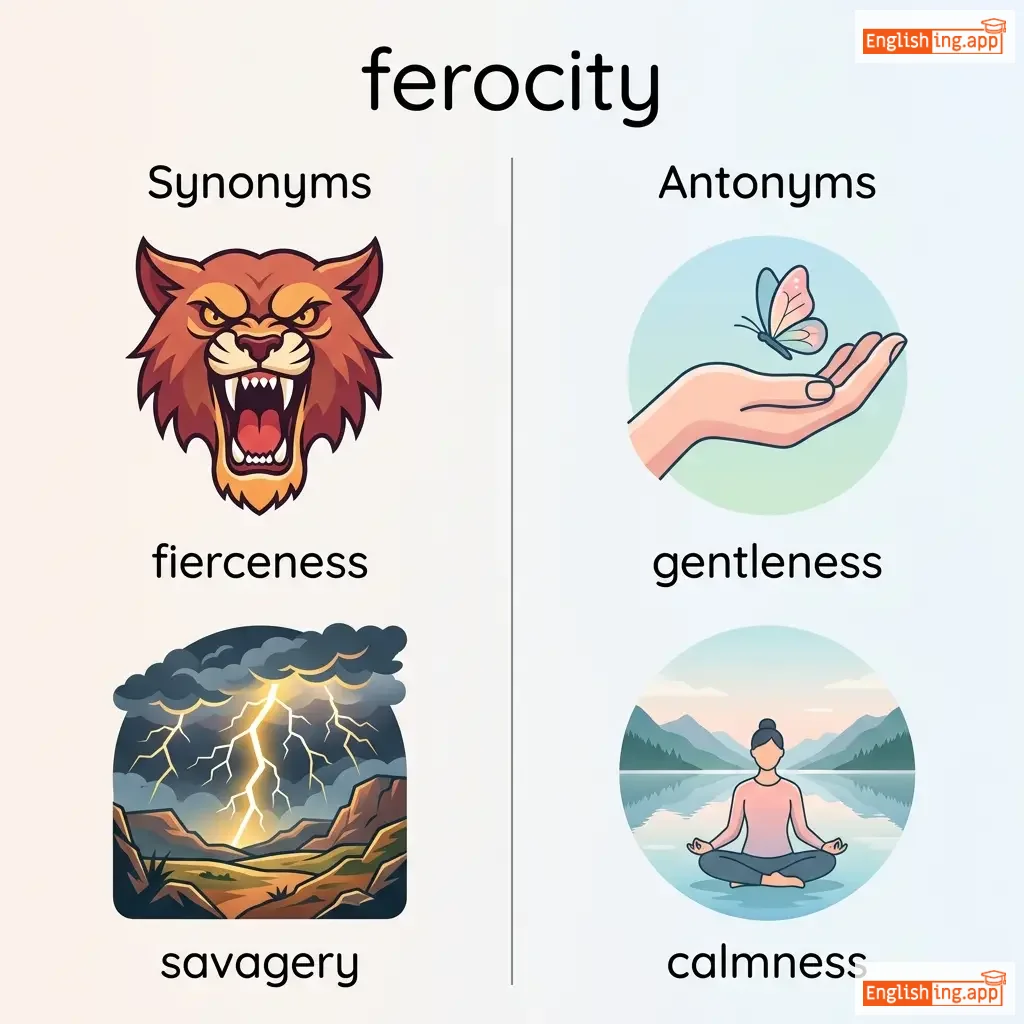
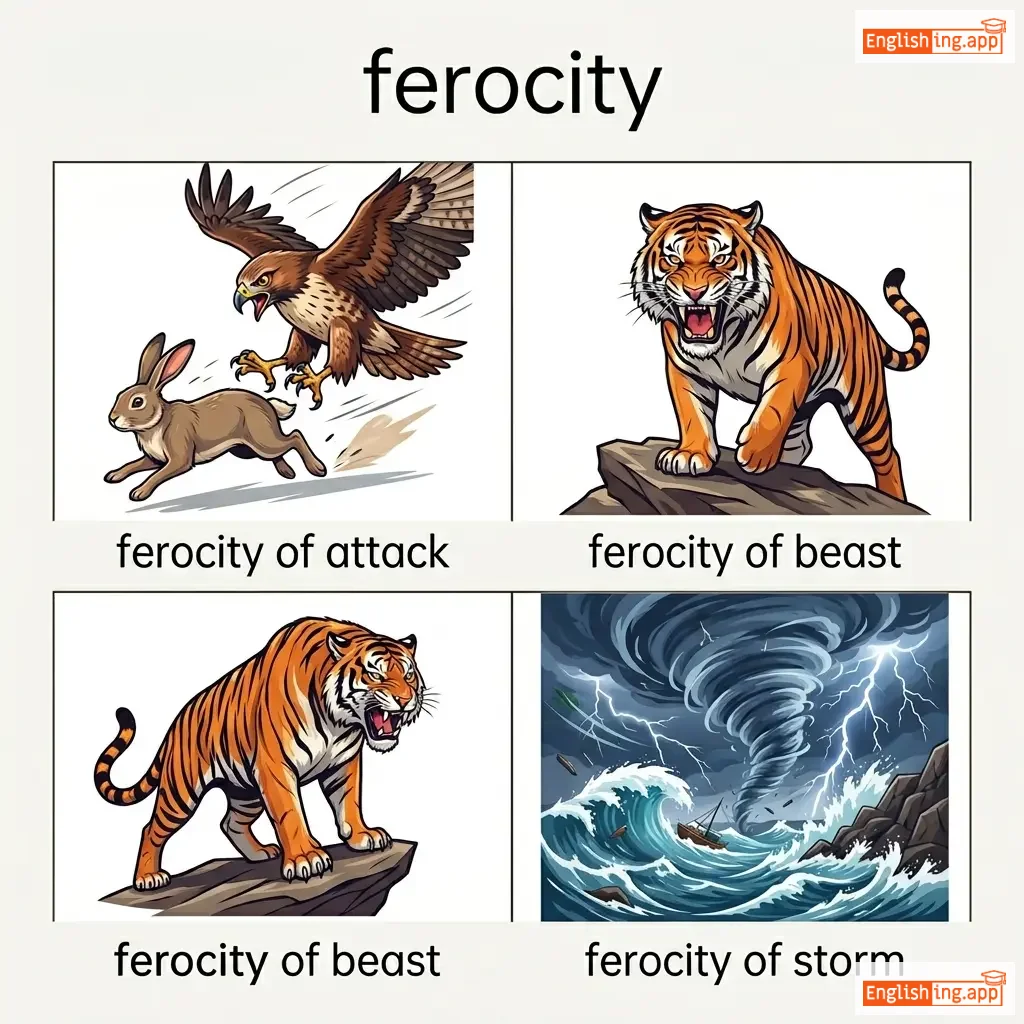
The state or quality of being ferocious; extreme fierceness or violence.
••••••
|
The storm's ferocity was devastating.
嵐の凶暴さは壊滅的でした。
••••••
|
嵐の凶暴さは壊滅的でした。
Arashi no kyoubousa wa kaimetsuteki deshita.
••••••
|
fierceness, brutality, savagery, violence, intensity, fury
••••••
|
gentleness, weakness, mildness, softness, kindness, calm
••••••
|
In Japanese, '凶暴' (kyoubou) combines with ferocity to express fierce violence.
••••••
|
|
#2544
💪
|
/ɡrɪt/
noun
(グリット)
••••••
|
|
勇気と決断力; キャラクターの力; 情熱と忍耐力。
yūki to ketsudanryoku; kyarakutā no chikara; jōnetsu to nintairyoku.
••••••
|
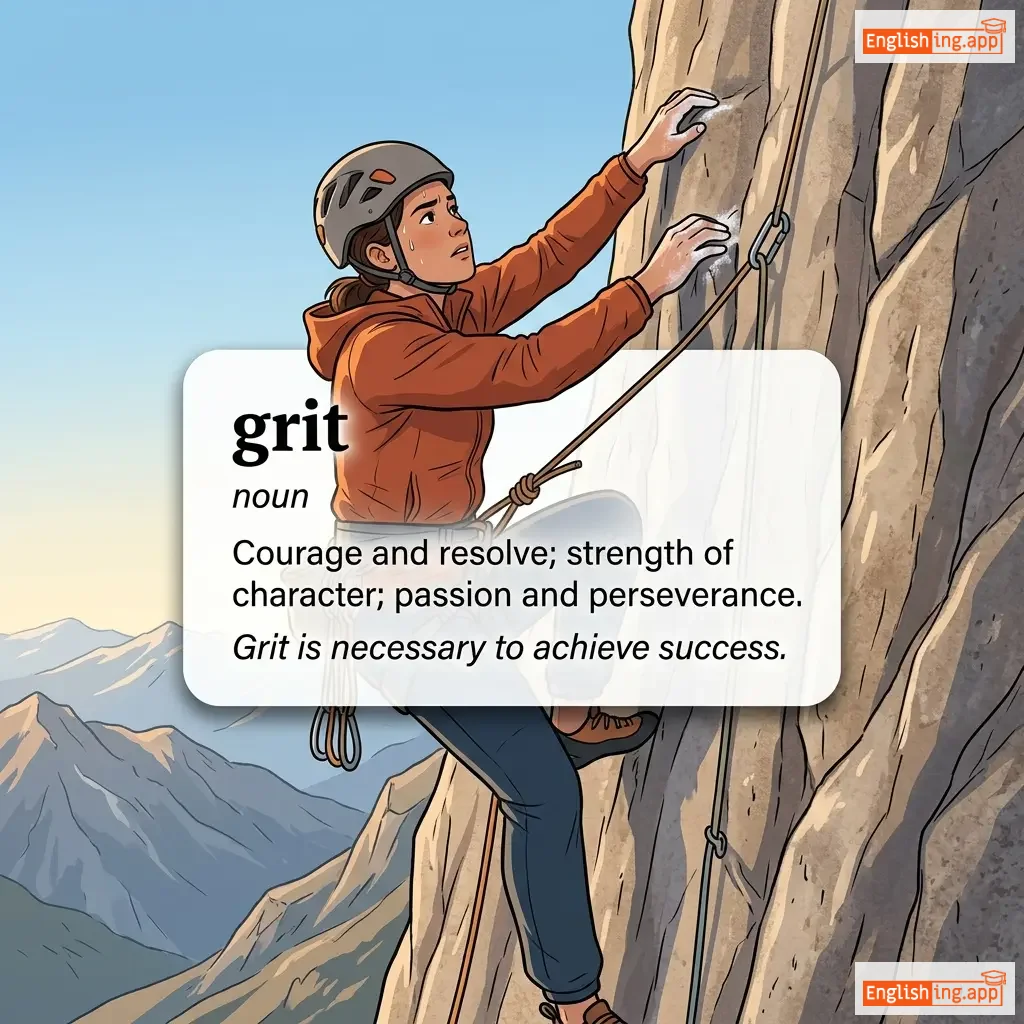
Courage and resolve; strength of character; passion and perseverance.
••••••
|
Grit is necessary to achieve success.
成功を達成するにはグリットが必要です。
••••••
|
成功を達成するにはグリットが必要です。
Seikō o tassei suru ni wa guritto ga hitsuyō desu.
••••••
|
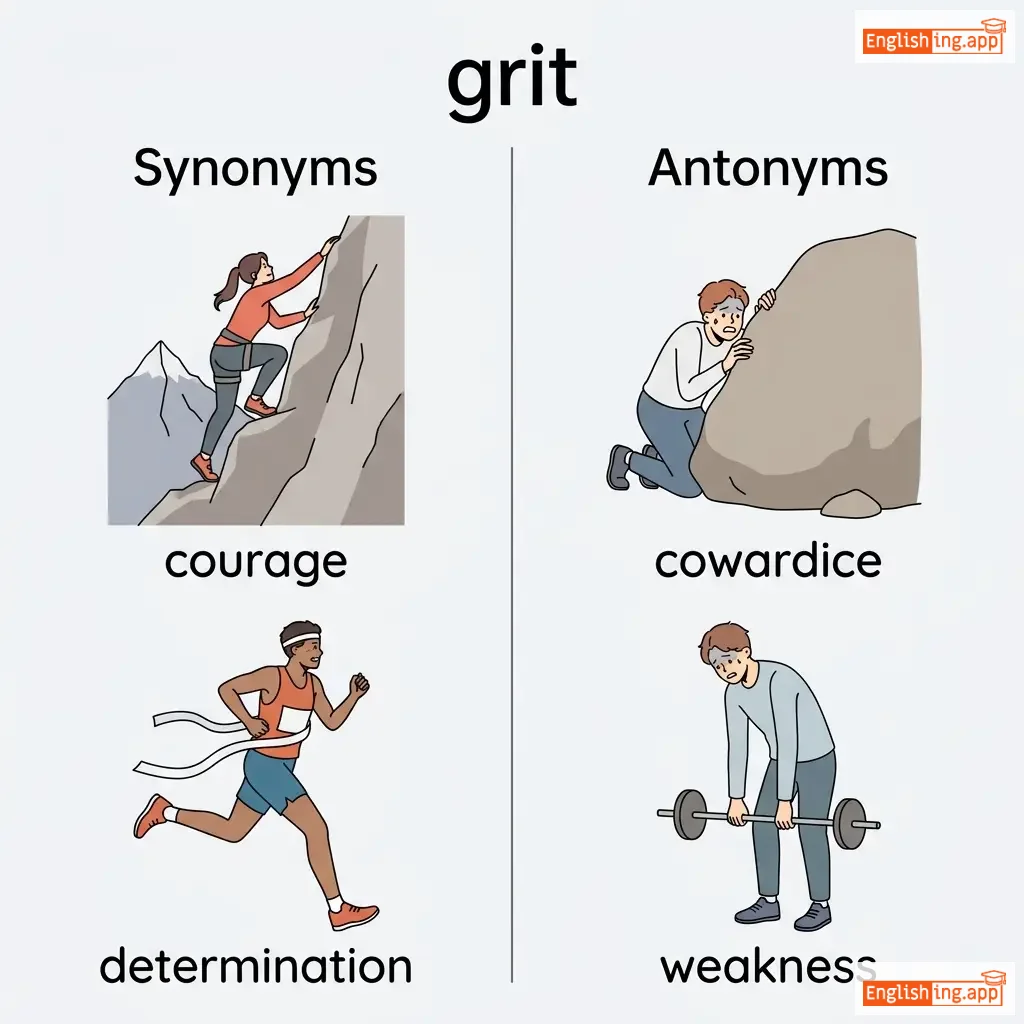
courage, determination, perseverance, tenacity, resolve, fortitude
••••••
|
cowardice, weakness, timidity, hesitation, fear, doubt
••••••
|
Grit – 力強く前進するために必要な精神力と粘り強さ。
••••••
|
|
#2545
🌱
|
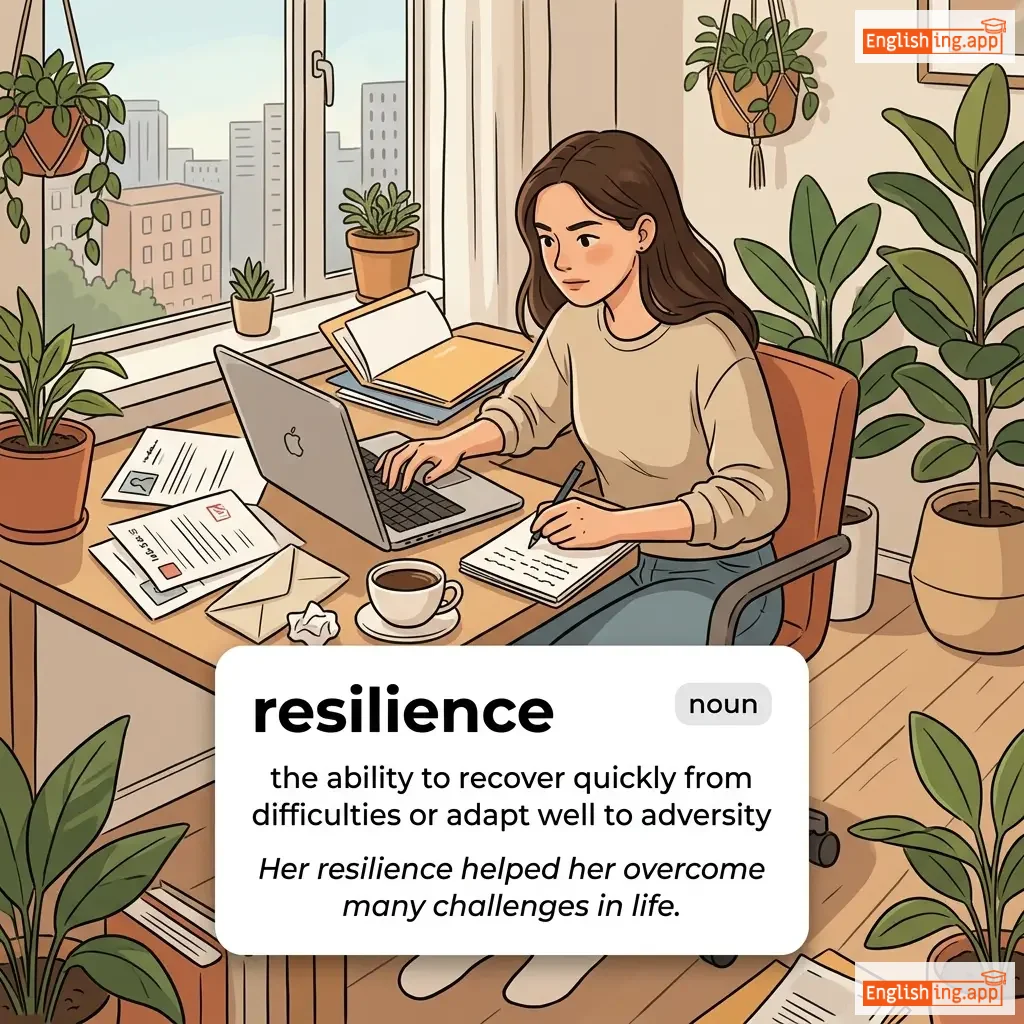
/rɪˈzɪl.i.əns/
noun
(レジリエンス)
••••••
|
|
レジリエンス, 回復力, 内的強さ
rejirience, kaifukuryoku, naiteki kyousa
••••••
|
The ability to recover quickly from difficulties; toughness and adaptability.
••••••
|
His resilience helped him overcome failure.
彼のレジリエンスは、彼が失敗を克服するのを助けました。
••••••
|
彼のレジリエンスは、彼が失敗を克服するのを助けました。
Kare no rejirience wa, kare ga shippai o kokufuku suru no o tasukemashita.
••••••
|
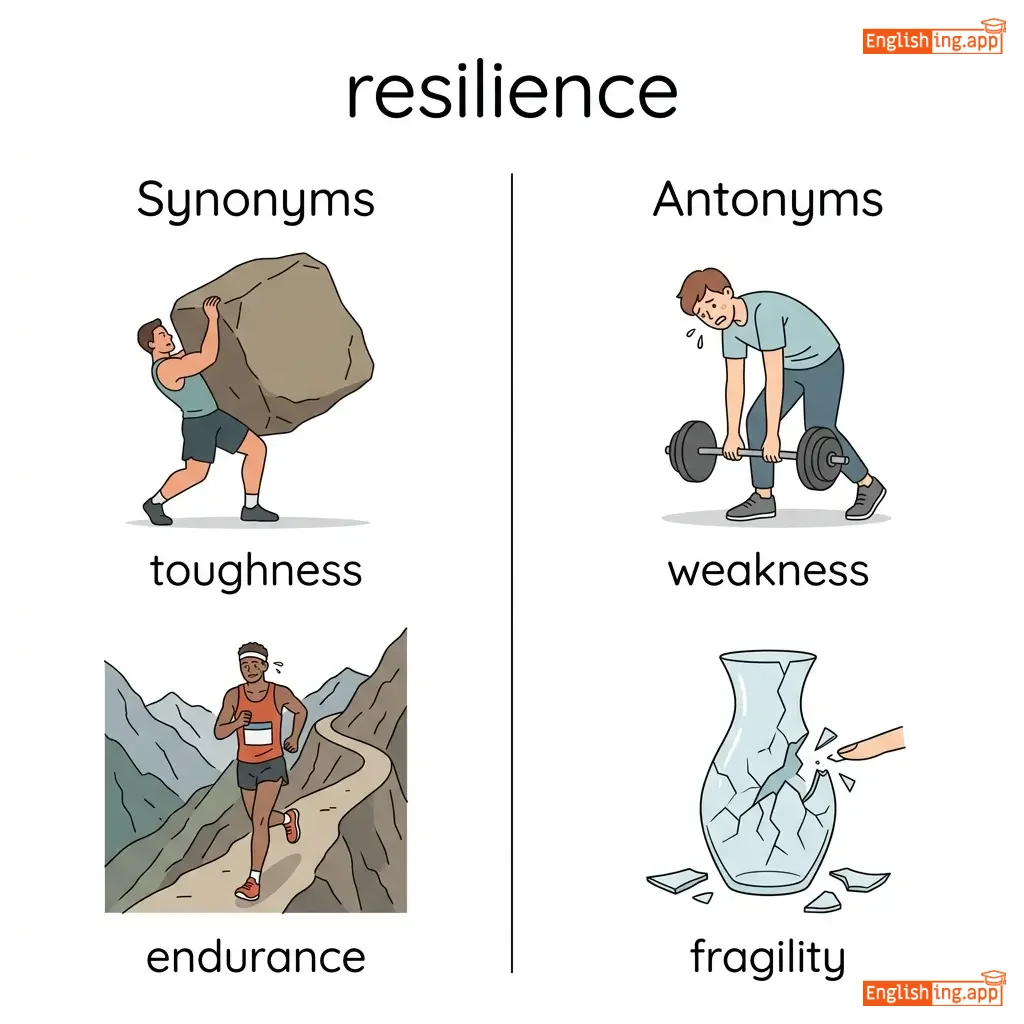
toughness, endurance, adaptability, flexibility, recovery, strength
••••••
|
fragility, vulnerability, weakness, brittleness, instability, collapse
••••••
|
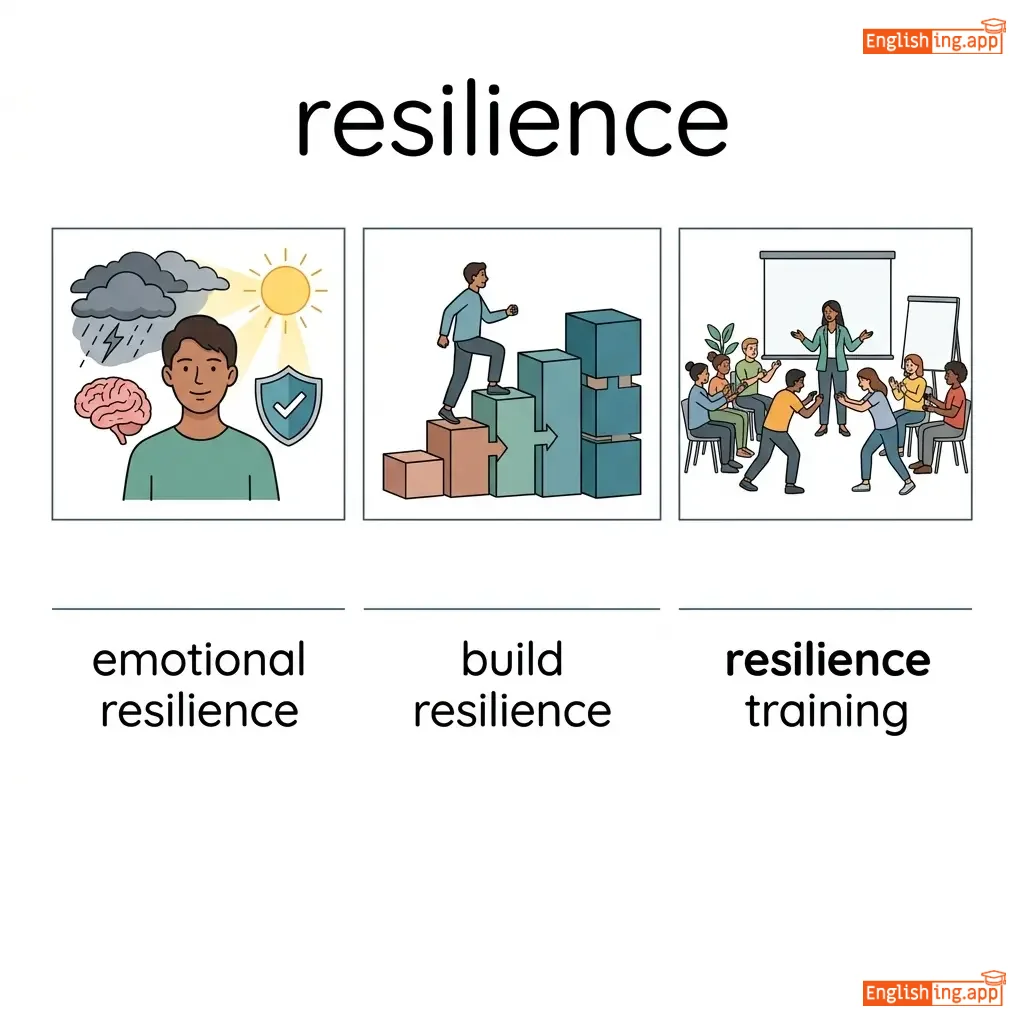
レジリエンスは、ゴムのように引っ張られても元に戻る力です。
••••••
|
|
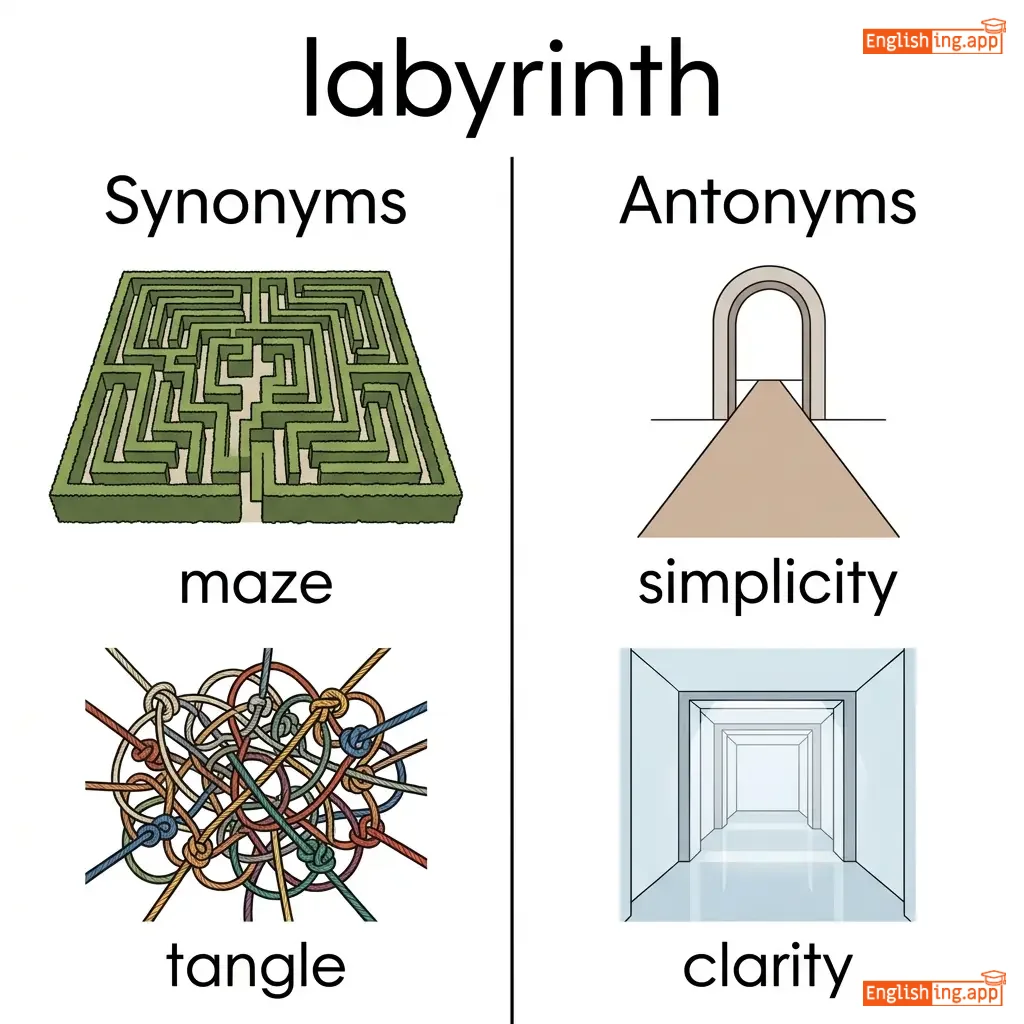
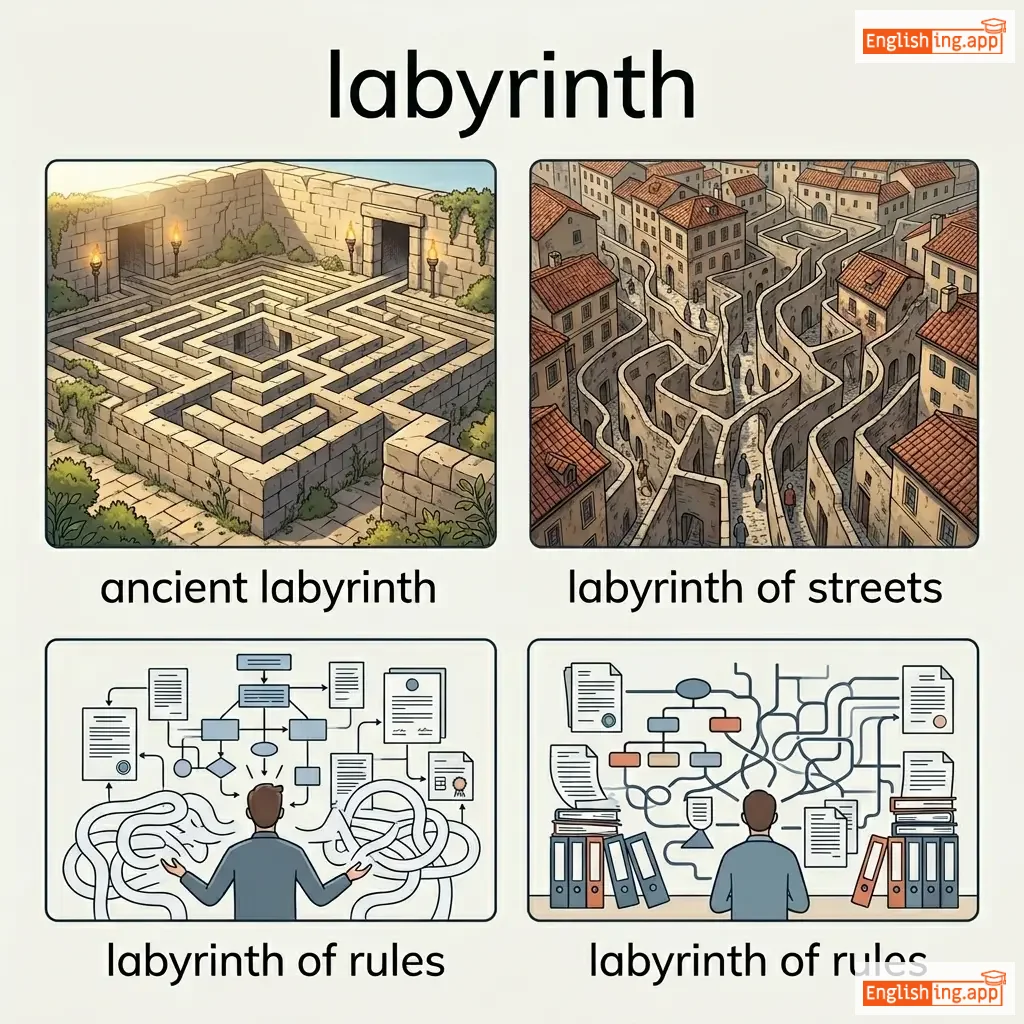
#2546
🌀
|
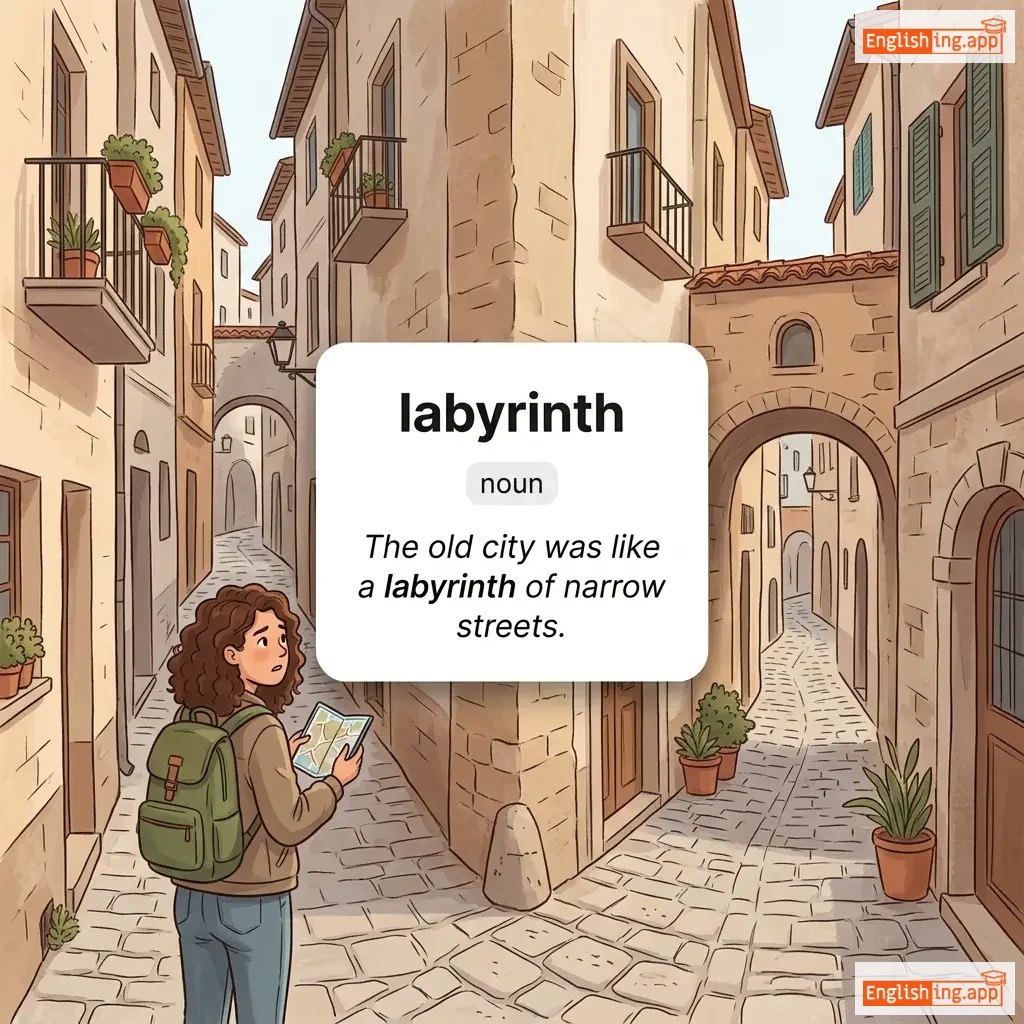
/ˈlæb.ə.rɪnθ/
noun
(ラビリンス)
••••••
|
|
迷路, 複雑な道のネットワーク
meiro, fukuzatsu na michi no nettowāku
••••••
|
A complicated network of paths or passages; an intricate and confusing arrangement.
••••••
|
The city's streets were like a labyrinth.
街の通りは迷路のようだった。
••••••
|
街の通りは迷路のようだった。
Machi no tōri wa meiro no yō datta.
••••••
|
maze, complexity, network, tangle, web, puzzle
••••••
|
simplicity, order, straight path, clarity, organization, system
••••••
|
迷路を思い浮かべて、複雑で迷子になりやすい道をイメージしよう。
••••••
|
|
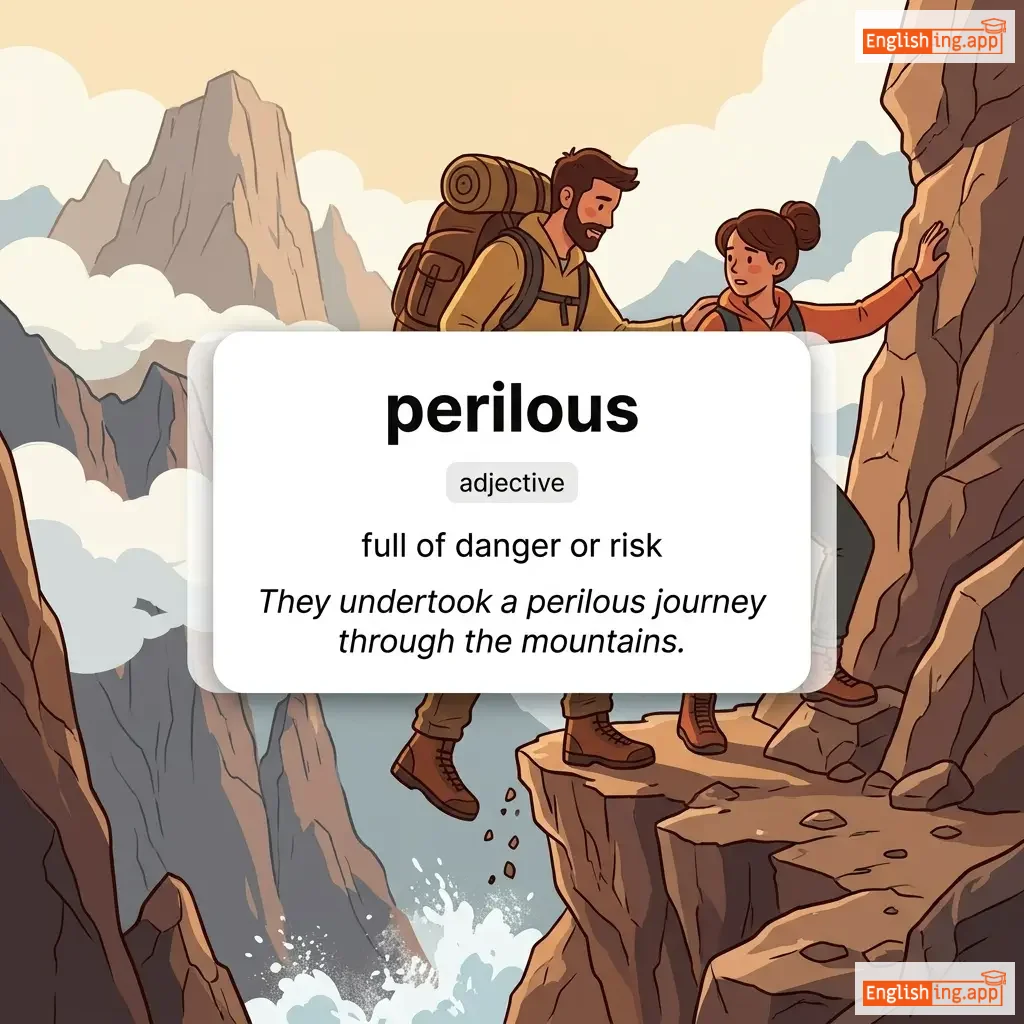
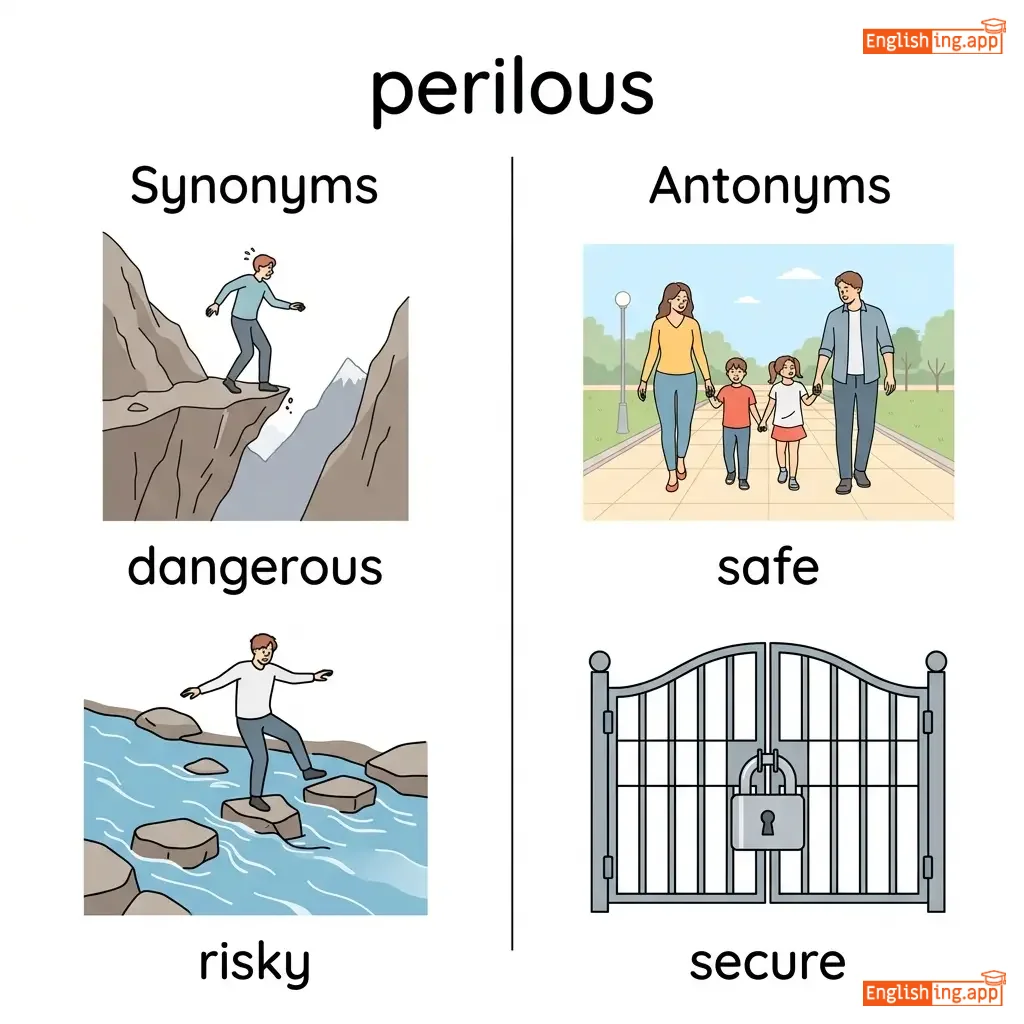
#2547
⚠️
|
/ˈper.ɪ.ləs/
adjective
(ペリラス)
••••••
|
|
危険な, 危ない, 不安定な
kiken na, abunai, fuantei na
••••••
|
Full of danger or risk; hazardous and threatening.
••••••
|
The explorers took a perilous journey.
探検家たちは危険な旅をしました。
••••••
|
探検家たちは危険な旅をしました。
Tanken katachi wa kiken na tabi o shimashita.
••••••
|
dangerous, risky, hazardous, unsafe, treacherous, precarious
••••••
|
safe, secure, protected, harmless, stable, certain
••••••
|
日本語の'危険'を覚えて、危険な道を選ぶことを想像してみてください。
••••••
|
|
#2548
🧠
|
/ɪnˈstɪŋk.tɪv/
adjective
(インスティンクティブ)
••••••
|
|
本能的, 自然な, 自動的
honnōteki, shizen na, jidōteki
••••••
|
Based on instinct; done without conscious thought; natural and automatic.
••••••
|
His instinctive reaction saved his life. |
彼の本能的な反応は彼の命を救った。
Kare no hon'nōteki na hannō wa kare no inochi o sukutta.
••••••
|
intuitive, inborn, natural, automatic, spontaneous, innate
••••••
|
learned, acquired, conscious, deliberate, planned, thought-out
••••••
|
本能的な反応、直感のように
••••••
|
|
#2549
🤦
|
/ˈblʌn.dər/
noun
(ブランド)
••••••
|
|
愚かなまたは不注意なミス; 判断における重大な誤り。
orokana mata wa fuchūi na misu; handan ni okeru jūdaina ayamari.
••••••
|
A stupid or careless mistake; a serious error in judgment.
••••••
|
His blunder cost the company a fortune.
彼の失敗は会社に大きな損失を与えました。
••••••
|
彼の失敗は会社に大きな損失を与えました。
Kare no shippai wa kaisha ni ōkina sonshitsu o ataemashita.
••••••
|
mistake, error, fault, slip, oversight, gaffe
••••••
|
accuracy, perfection, success, precision, correctness, achievement
••••••
|
In Japanese, 'blunder' means serious judgment errors just like in English!
••••••
|
|
#2550
✨
|
/ˈprɪs.tiːn/
adjective
(プリスティン)
••••••
|
|
原始的な, 手つかずの, 清潔で新鮮な
genshiteki na, tetsukazu no, seiketsu de shinsen na
••••••
|
In its original condition; unspoiled, clean, and fresh.
••••••
|
The forest remains in a pristine condition.
その森はプリスティンな状態を保っています。
••••••
|
その森は原始的な状態を保っています。
Sono mori wa genshiteki na jōtai o tamotsutteimasu.
••••••
|
untouched, pure, immaculate, unspoiled, perfect, original
••••••
|
contaminated, polluted, damaged, spoiled, dirty, corrupted
••••••
|
Pristine is like untouched nature, pure and clean.
••••••
|
|
#2551
🔒
|
/tɪˈnæs.ə.ti/
noun
(テナシティ)
••••••
|
|
執念, 粘り強さ, 固執
shunenn, nabari tsuyosa, koshitsu
••••••
|
The quality of being determined; persistence and firmness of purpose.
••••••
|
His tenacity led him to success.
彼のテナシティが彼を成功に導いた。
••••••
|
彼の執念が彼を成功に導いた。
Kare no shunen ga kare wo seikou ni michibiita.
••••••
|
perseverance, persistence, determination, resolve, steadfastness, dedication
••••••
|
weakness, hesitation, surrender, abandonment, giving up, quitting
••••••
|
In Japanese, '執念' (shunenn) relates to tenacity – the will to never give up.
••••••
|
|
#2552
🎭
|
/ˈɑː.kɪ.taɪp/
noun
(āki taipu)
••••••
|
|
原型、典型
genkei, tenkei
••••••
|
A very typical example of a certain person or thing; an original model or prototype.
••••••
|
This painting is the archetype of modern art.
この絵は現代アートの原型です。
••••••
|
この絵は現代アートの原型です。
Kono e wa gendai āto no genkei desu.
••••••
|
prototype, model, pattern, exemplar, standard, template
••••••
|
atypical, uncommon, deviation, exception, anomaly, irregularity
••••••
|
原型 = 元のモデル、現代アートの始まりの形。
••••••
|
|
#2553
🦁
|
/ˈdɔːnt.ləs/
adjective
(ダントレス)
••••••
|
|
無敵の、勇敢な、決然とした
muteki no, yūkan na, ketsuren to shita
••••••
|
Showing fearlessness and determination; brave and resolute.
••••••
|
The dauntless soldier fought against all odds.
そのダントレス兵士はすべての困難に立ち向かった。
••••••
|
無敵の兵士はすべての困難に立ち向かった。
Muteki no heishi wa subete no konnan ni tachimukatta.
••••••
|
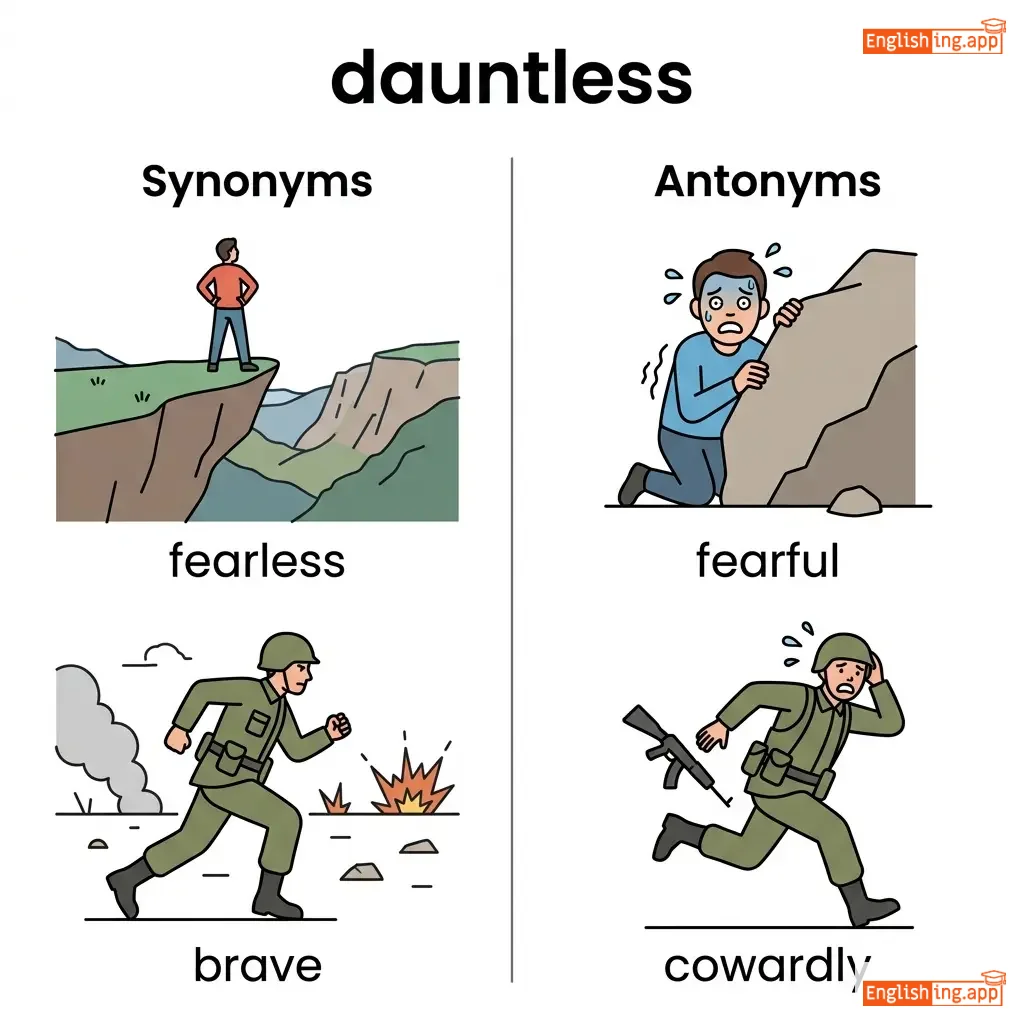
fearless, brave, courageous, bold, intrepid, valiant
••••••
|
timid, cowardly, fearful, hesitant, afraid, intimidated
••••••
|
‘無敵’ means invincible, just like ‘dauntless.’
••••••
|
|
#2554
⛰️
|
/ˈeɪ.peks/
noun
(エイペックス)
••••••
|
|
頂点, apex
chouten, apex
••••••
|
The highest point or peak of something; the top or summit.
••••••
|
He reached the apex of his career.
彼は自分のキャリアの頂点に達した。
••••••
|
彼は自分のキャリアの頂点に達した。
Kare wa jibun no kyaria no chouten ni tasshita.
••••••
|
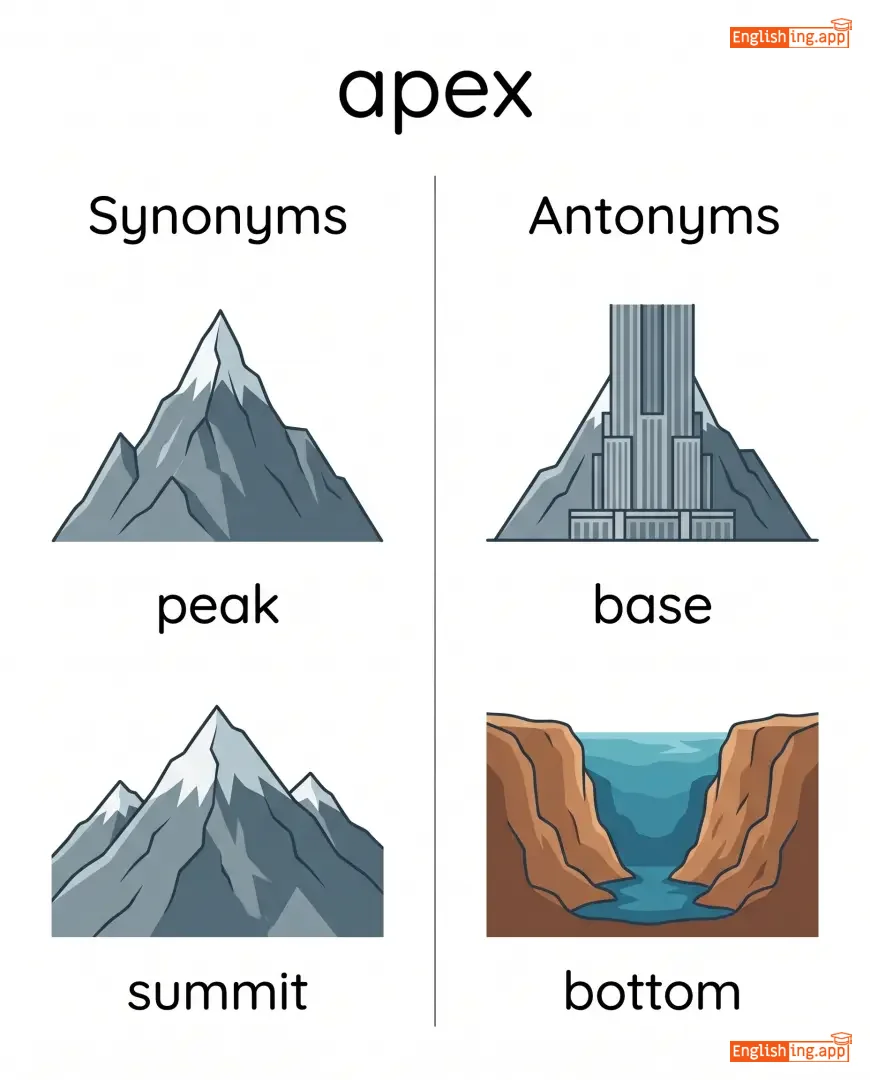
pinnacle, summit, peak, top, height, climax
••••••
|
base, bottom, foundation, lowest point, nadir, depths
••••••
|
エイペックスで目指すは頂点!
••••••
|
|
#2555
🎯
|
/dekˈster.ɪ.ti/
noun
(デクステリティ)
••••••
|
|
器用さ、巧妙さ、腕前
kiyousa, koumyousa, ude mae
••••••
|
Skill in performing tasks, especially with the hands; mental skill or quickness.
••••••
|
His dexterity with the violin amazed everyone. |
彼のバイオリンの腕前は皆を驚かせました。
Kare no baiorin no udemae wa mina o odorokasemashita.
••••••
|
agility, skill, adroitness, expertise, proficiency, finesse
••••••
|
clumsiness, incompetence, awkwardness, ineptitude, inability, unskillfulness
••••••
|
Dexterity in Japanese = 手で何でもうまくできる
••••••
|
|
#2556
🏕️
|
/nəʊˈmæd.ɪk/
adjective
(ノマディック)
••••••
|
|
遊牧
yūboku
••••••
|
Living the life of a nomad; wandering from place to place without a fixed home.
••••••
|
The tribe led a nomadic lifestyle.
部族はノマディックなライフスタイルを送っていた。
••••••
|
部族はノマディックなライフスタイルを送っていた。
Buzoku wa nomadikuna raifusutairu o okutte ita.
••••••
|
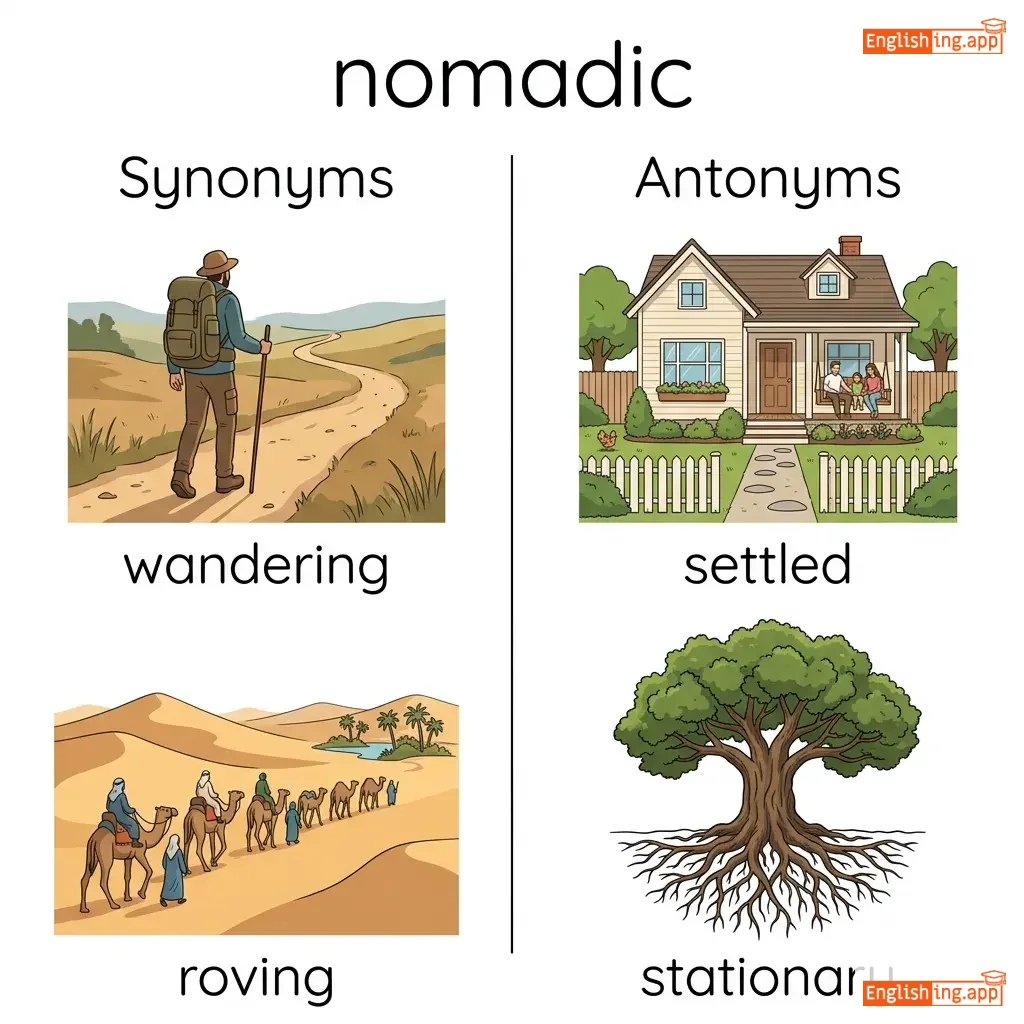
wandering, roaming, itinerant, migratory, traveling, mobile
••••••
|
settled, stationary, fixed, permanent, established, rooted
••••••
|
遊牧民は常に移動し、定住しない人々です。
••••••
|
Vocabulary Quiz
Test your vocabulary by matching words with their translations or meanings.
Login to take the quiz
Comments (0)
Share your thoughts and join the discussion.
Join the discussion by logging in
Login to CommentNo comments yet
Be the first to share your thoughts!