

市場経済と統制経済の解説
Market vs. Command Economies Explained
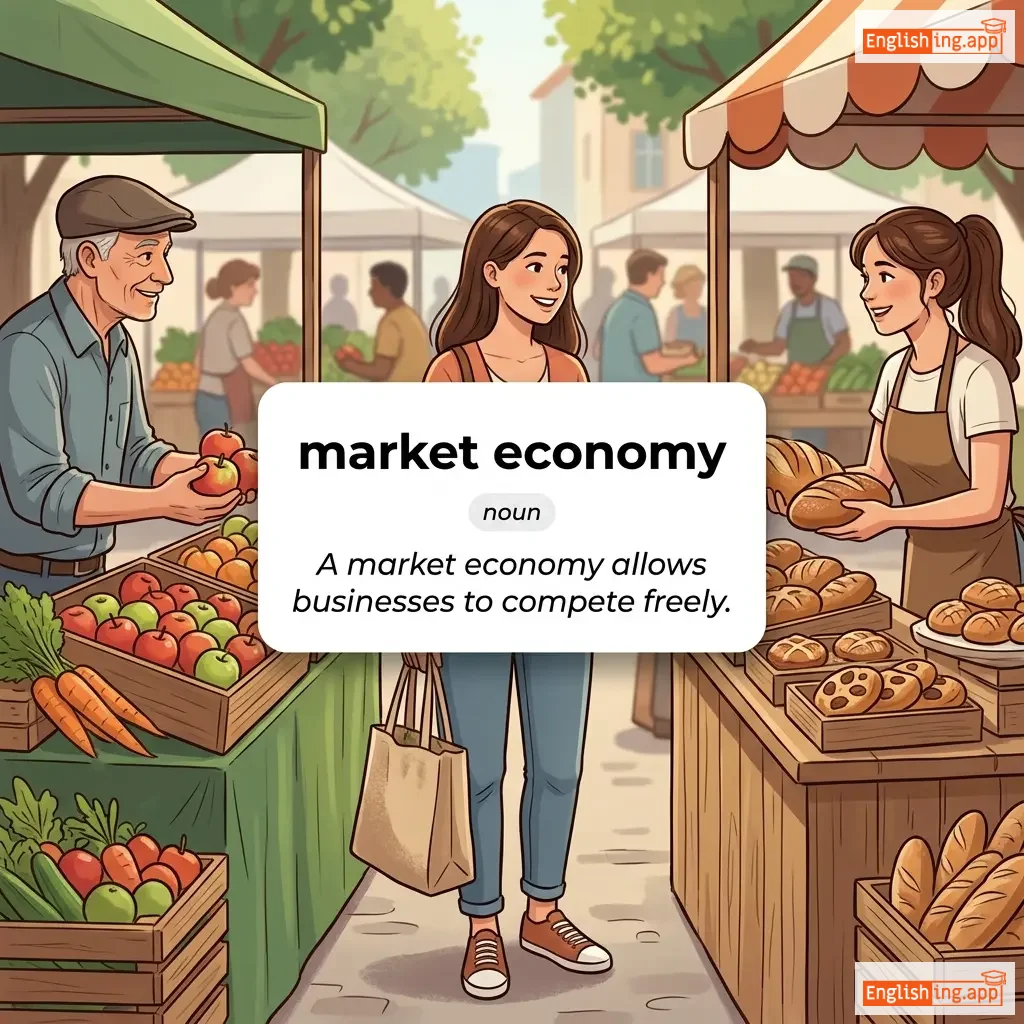
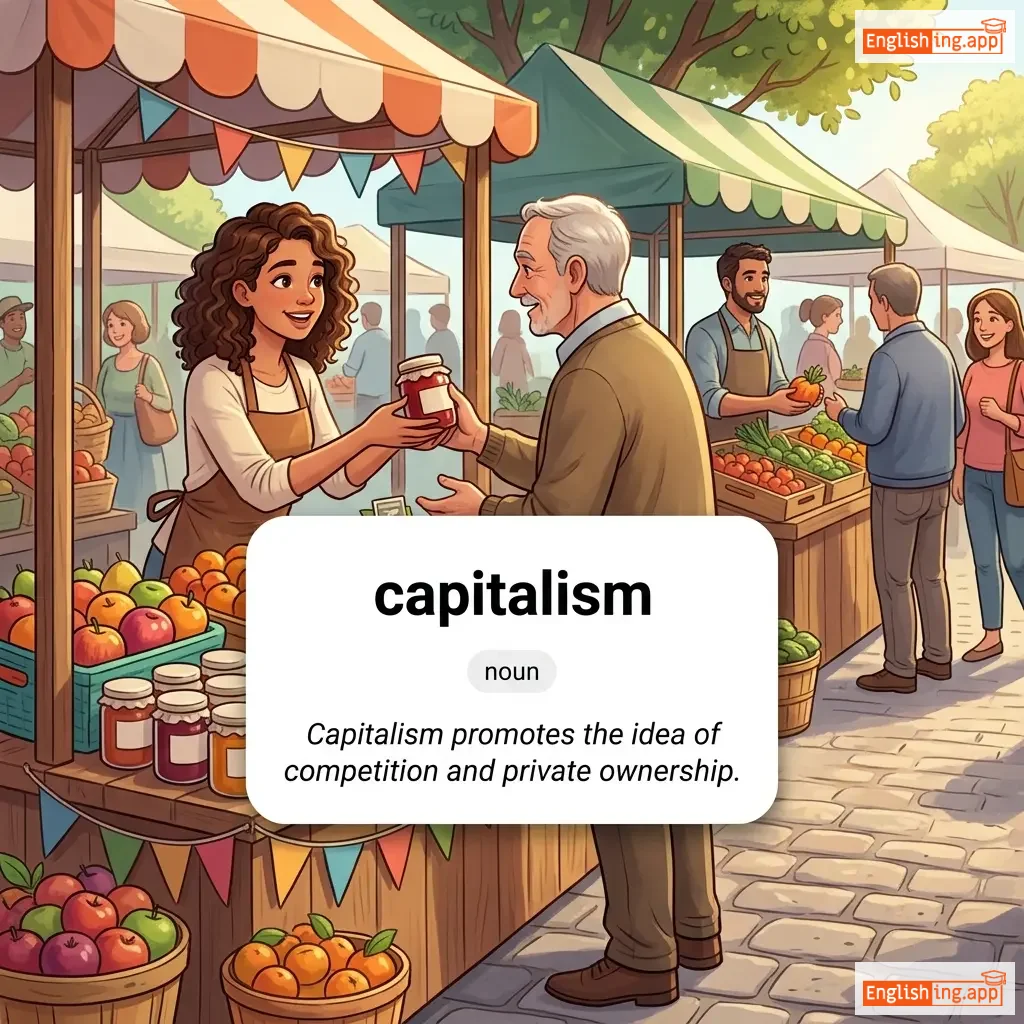
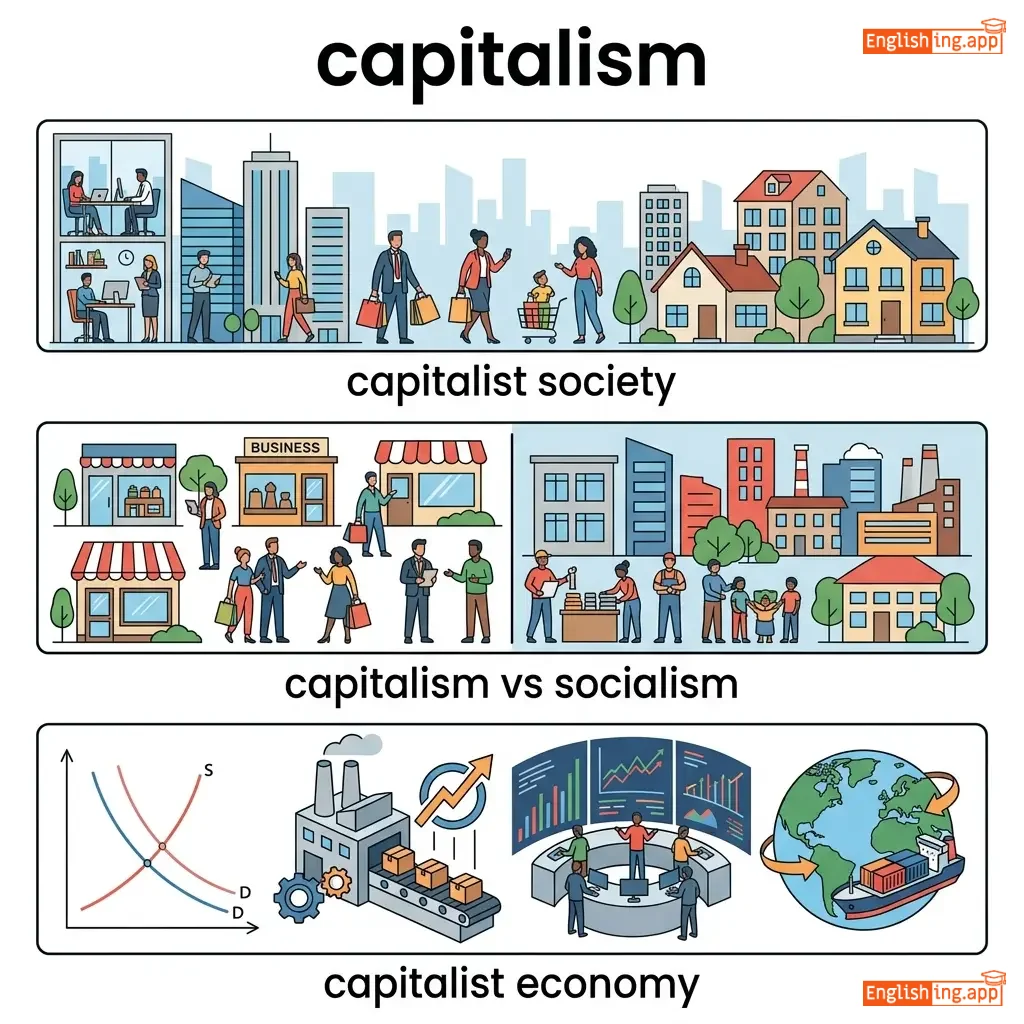
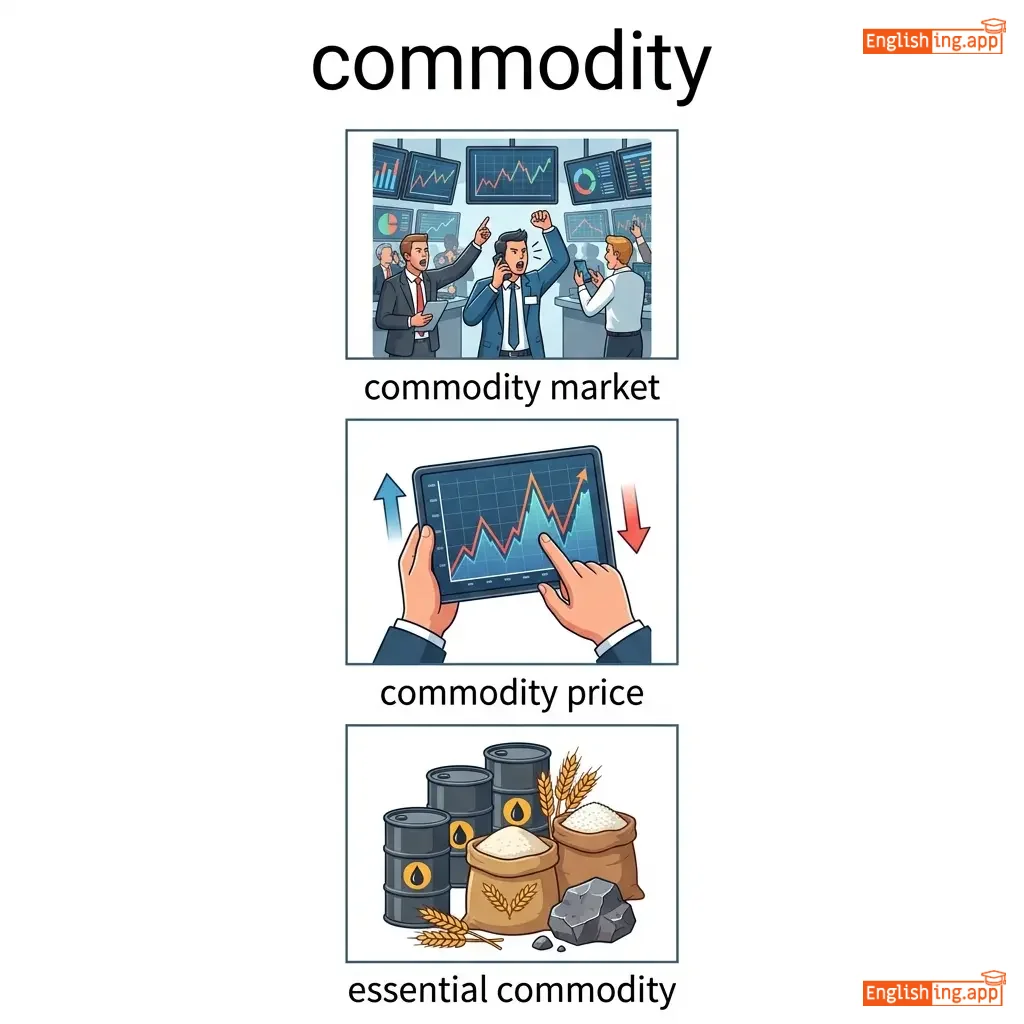
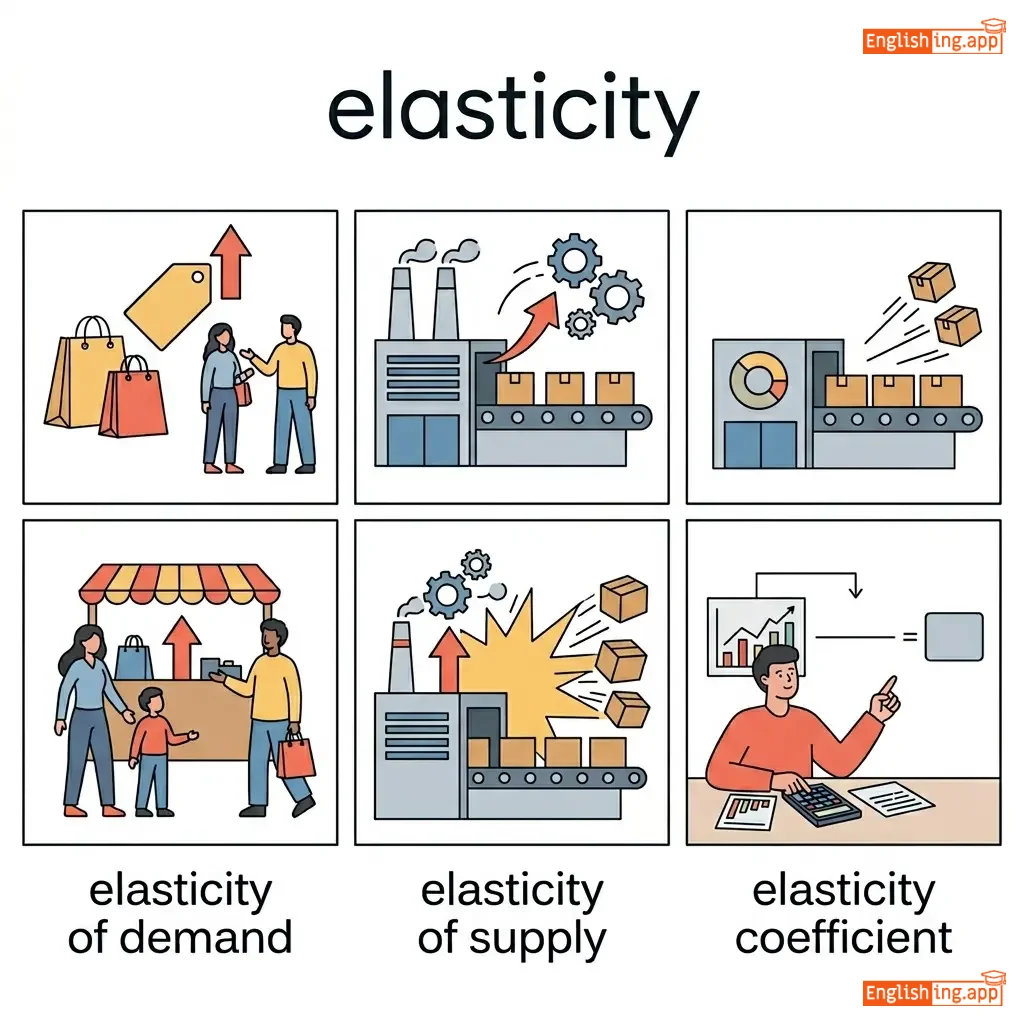
世界の経済システムは主に2種類に分けられます——market economy と command economy。Capitalism に基づく market economy では、個人所有と consumerism が重要な役割を果たし、ビジネスや commodity の価格は需要と elasticity によって決定されます。
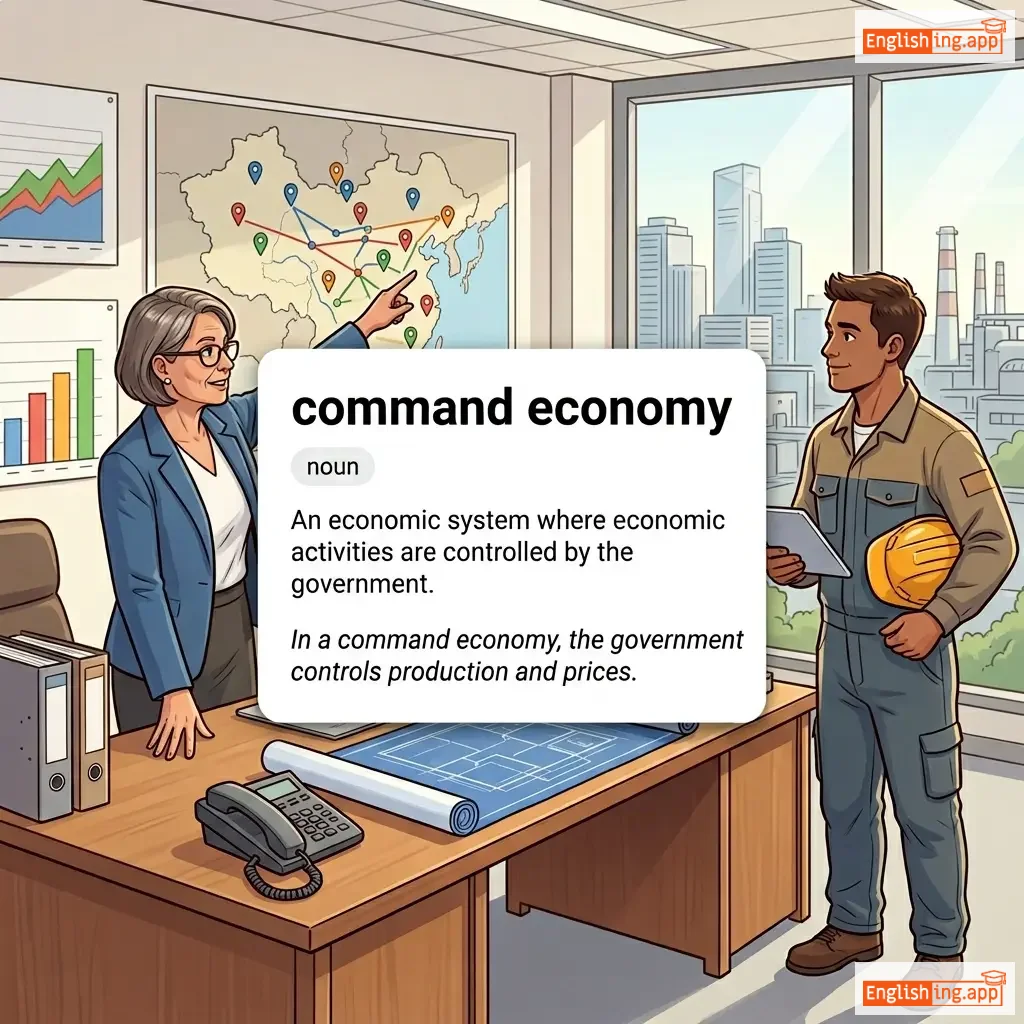
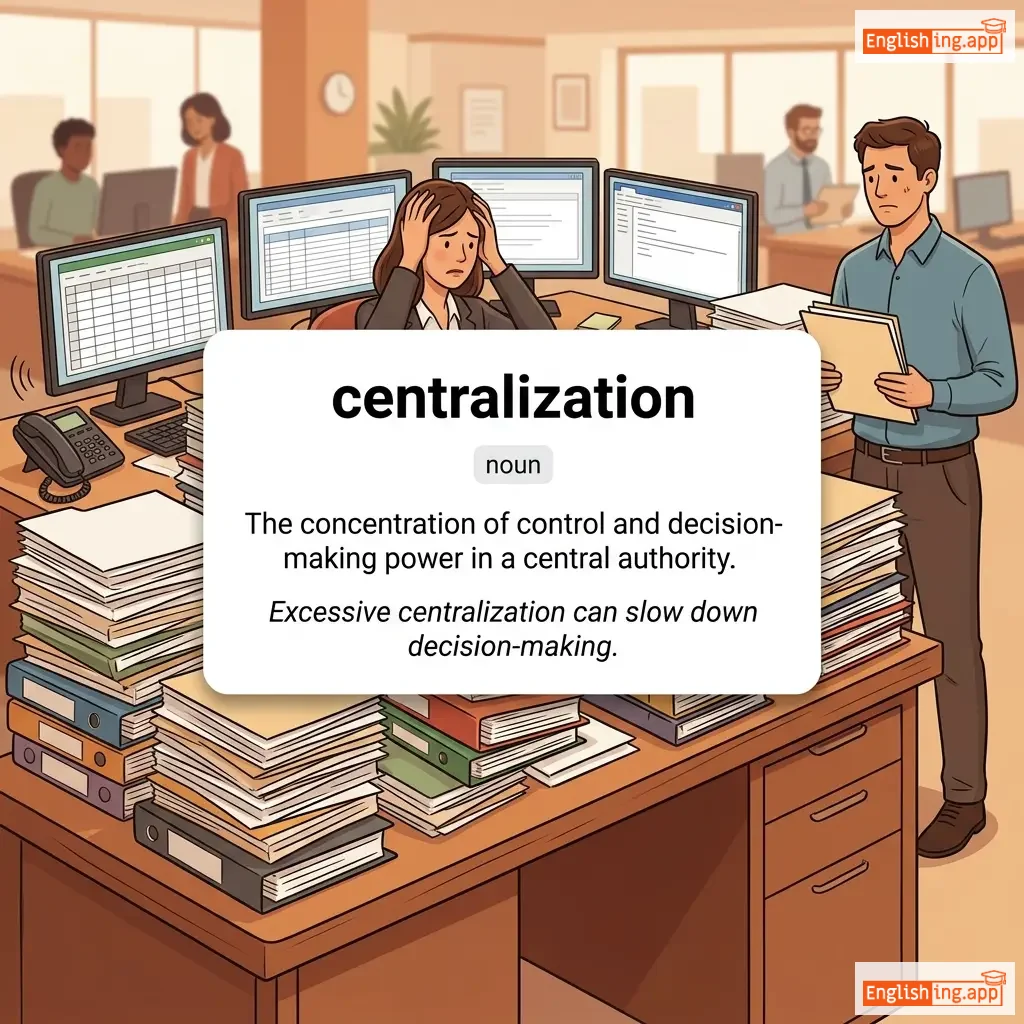
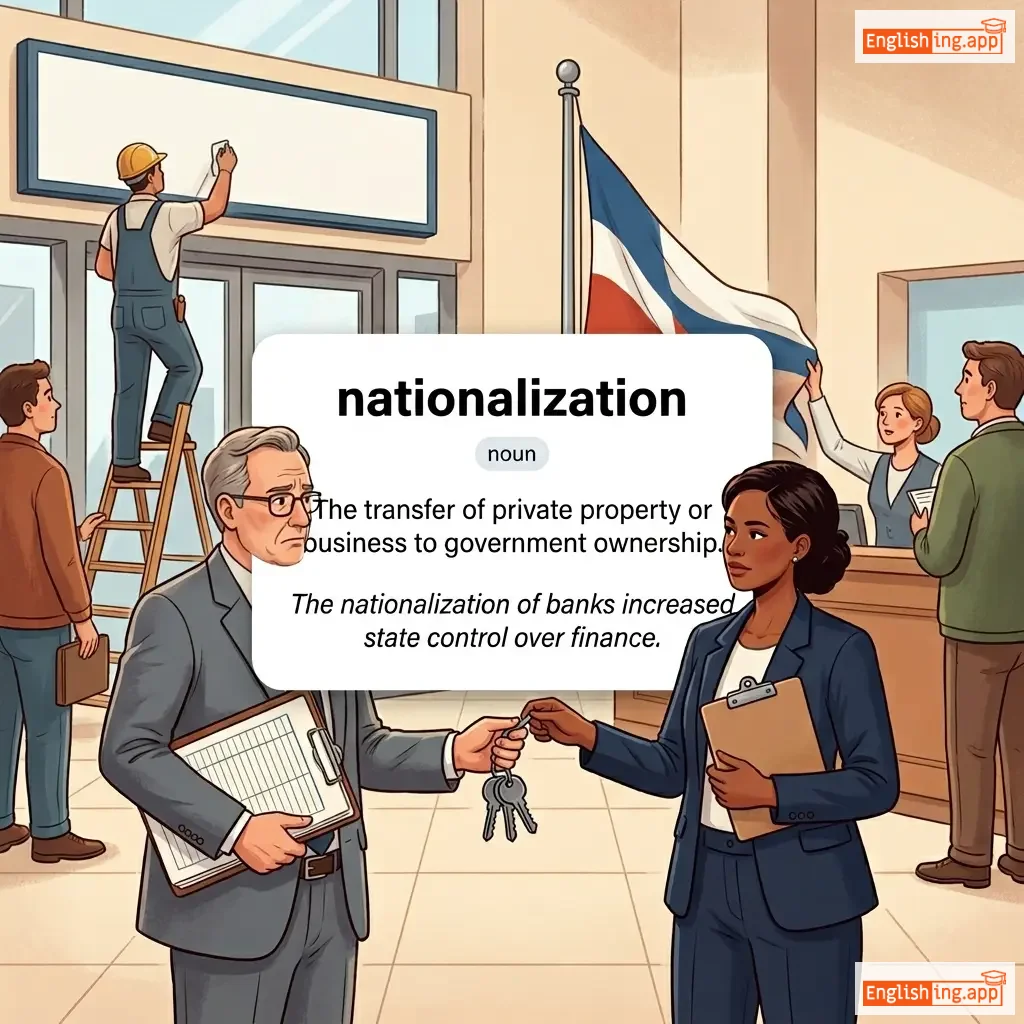
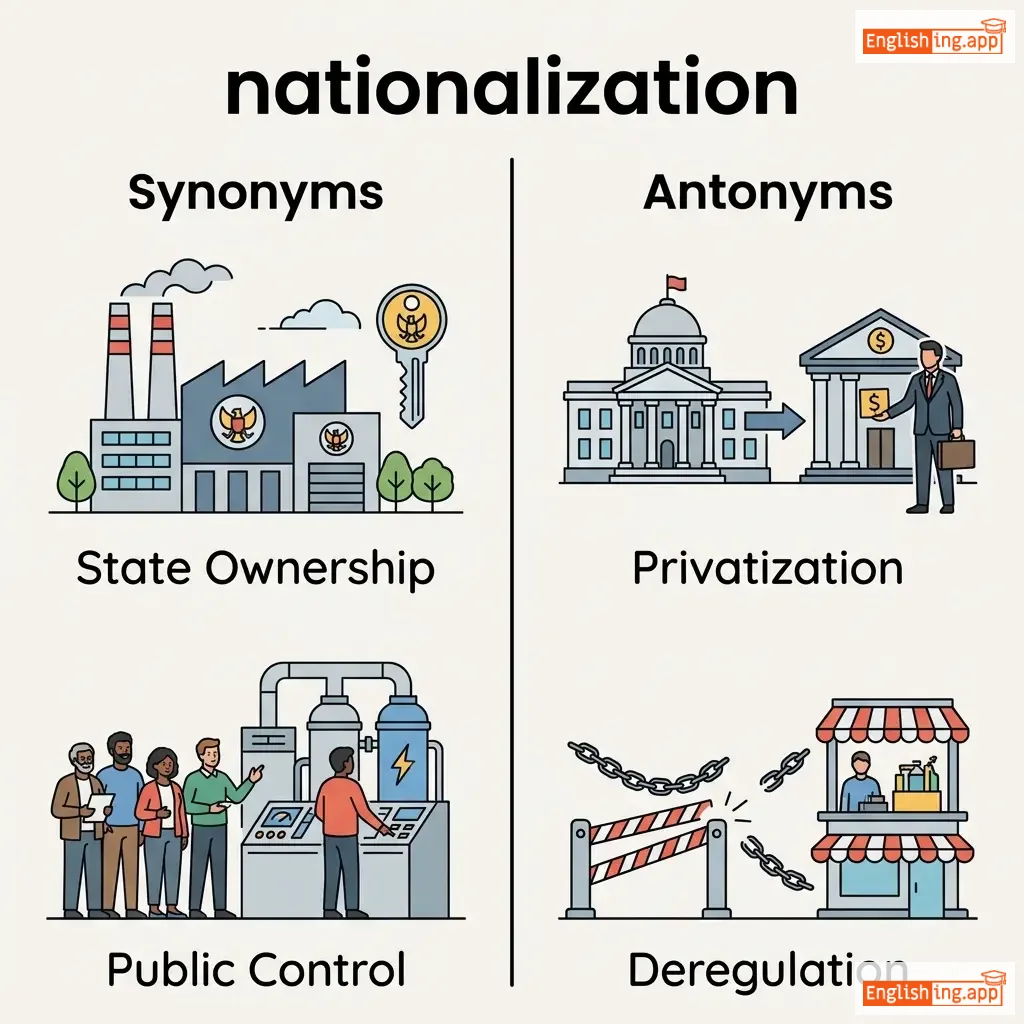
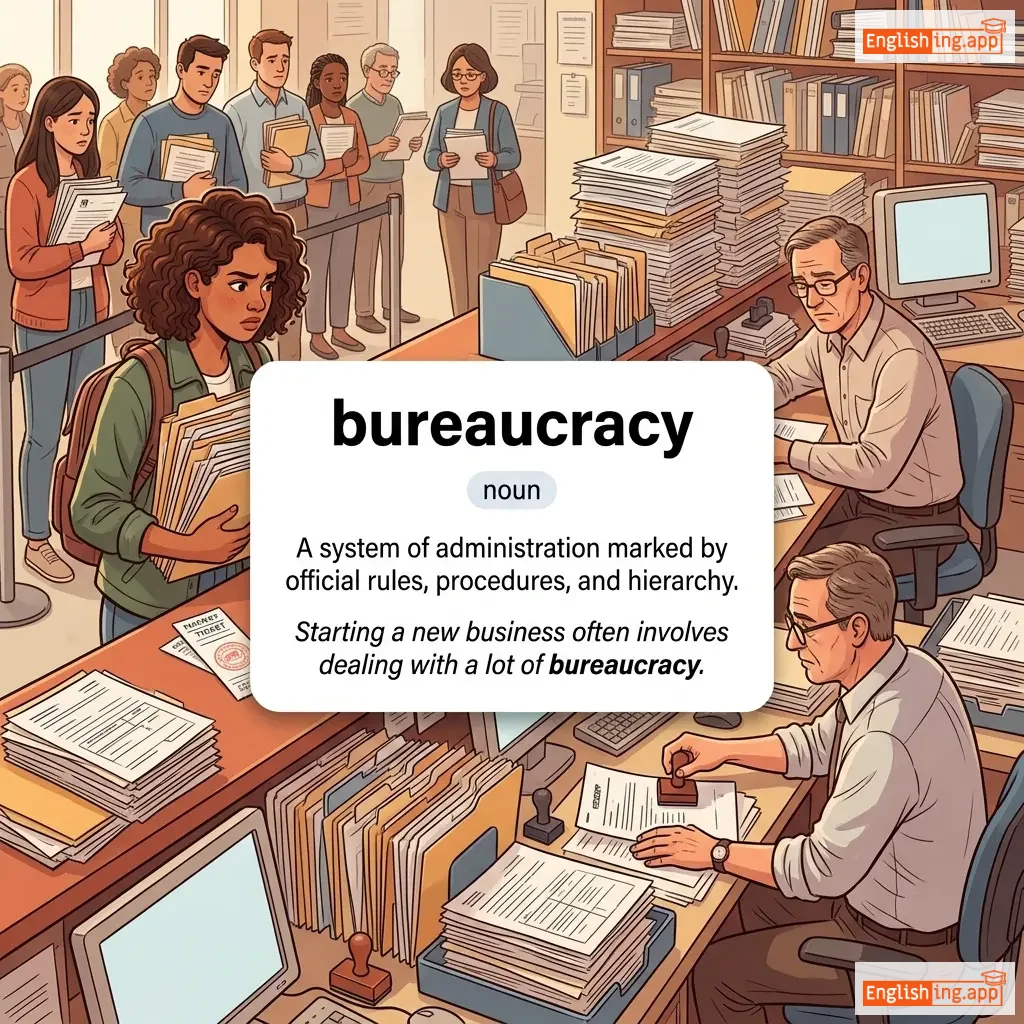
一方、command economy では、経済の原則は centralization によって管理され、政府が資源の nationalization を行い、主要産業を支配します。ここでは bureaucracy がより顕著であり、発展が遅れることもあります。
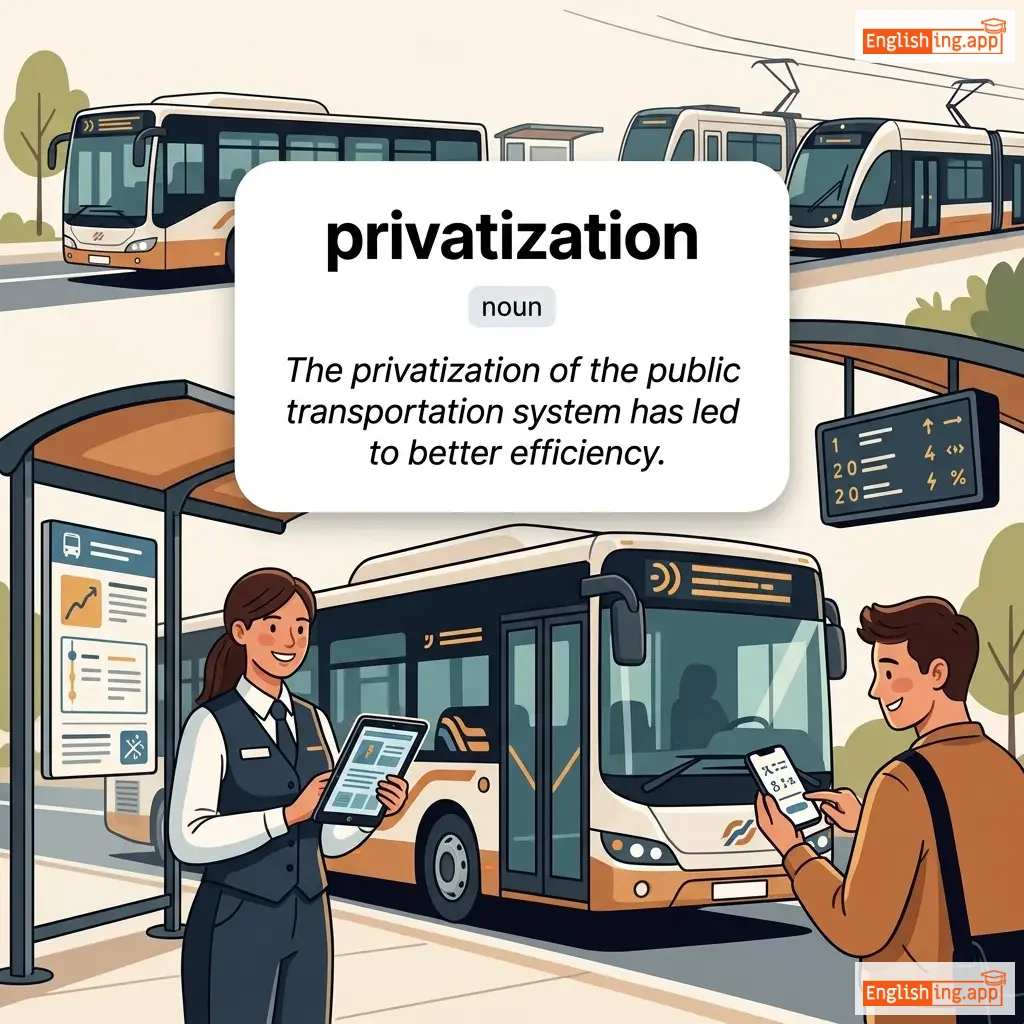
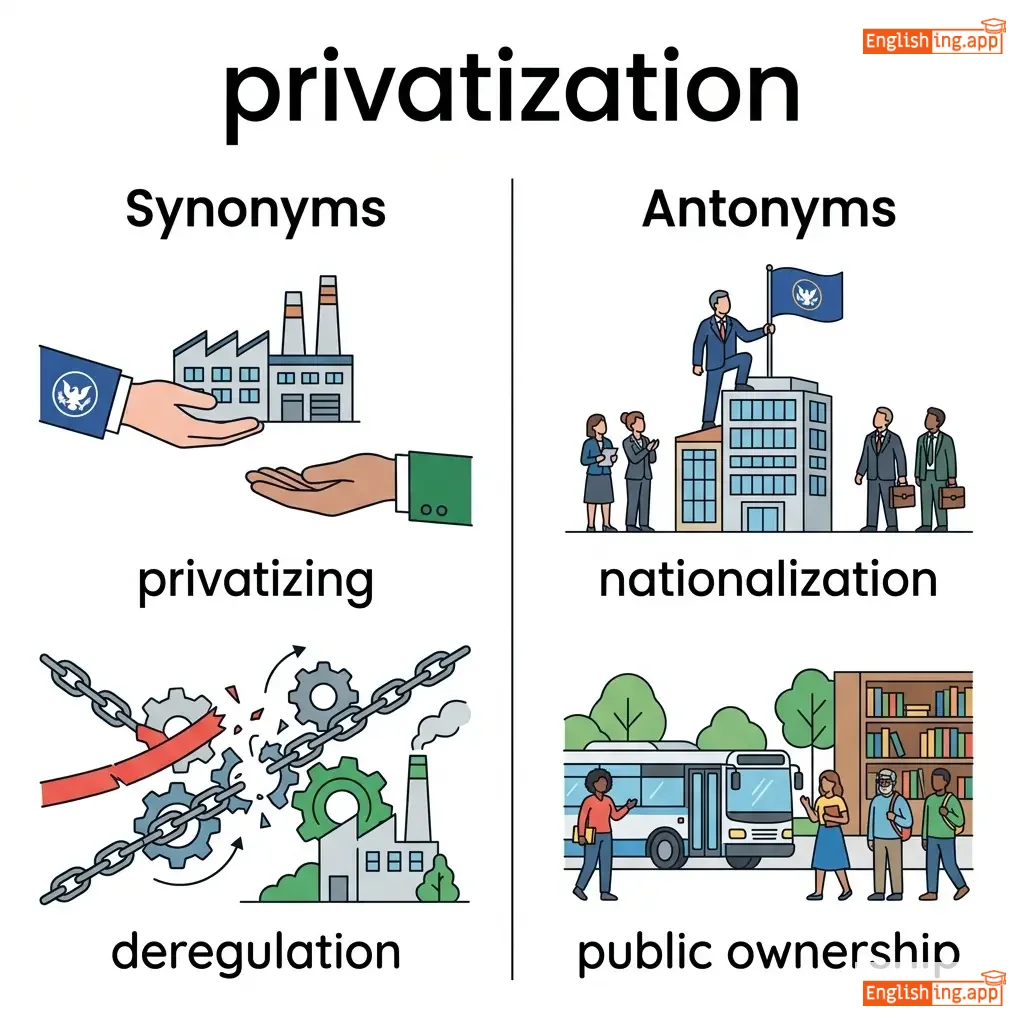
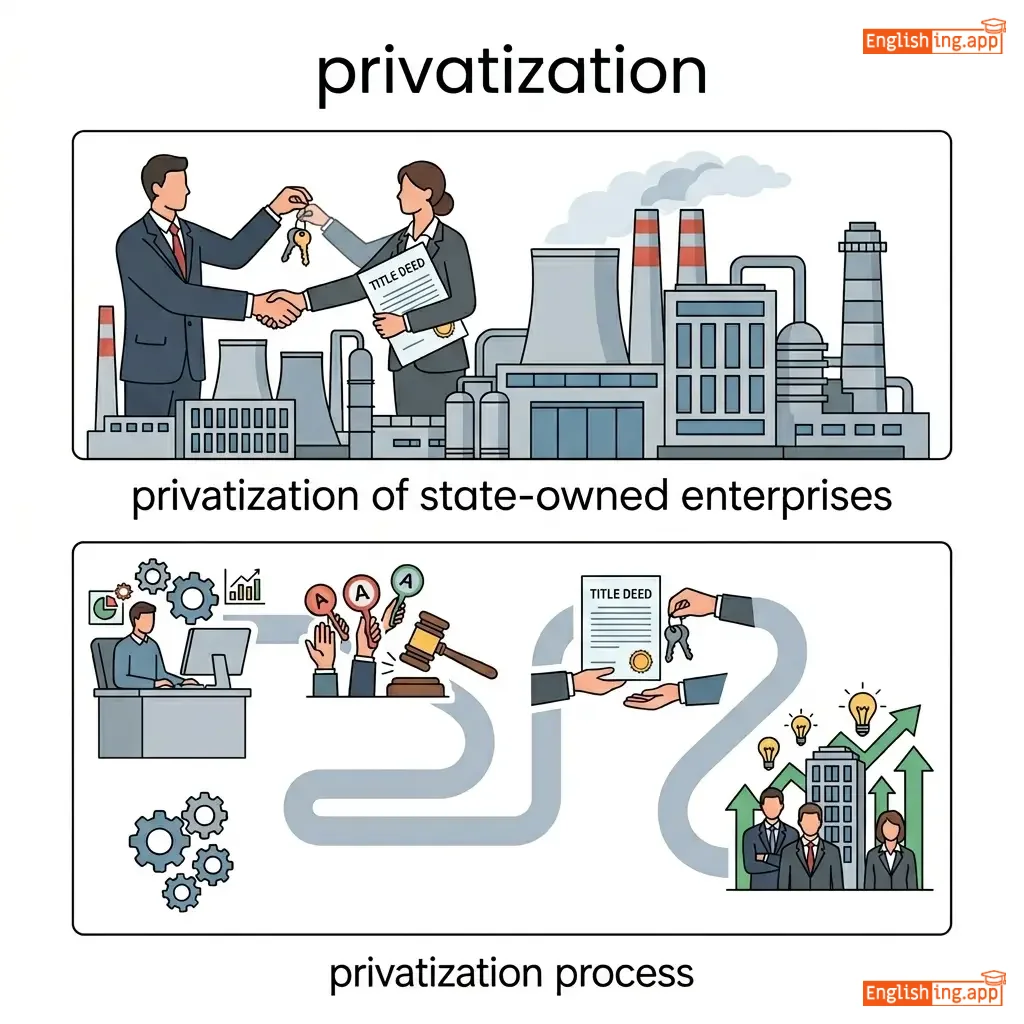
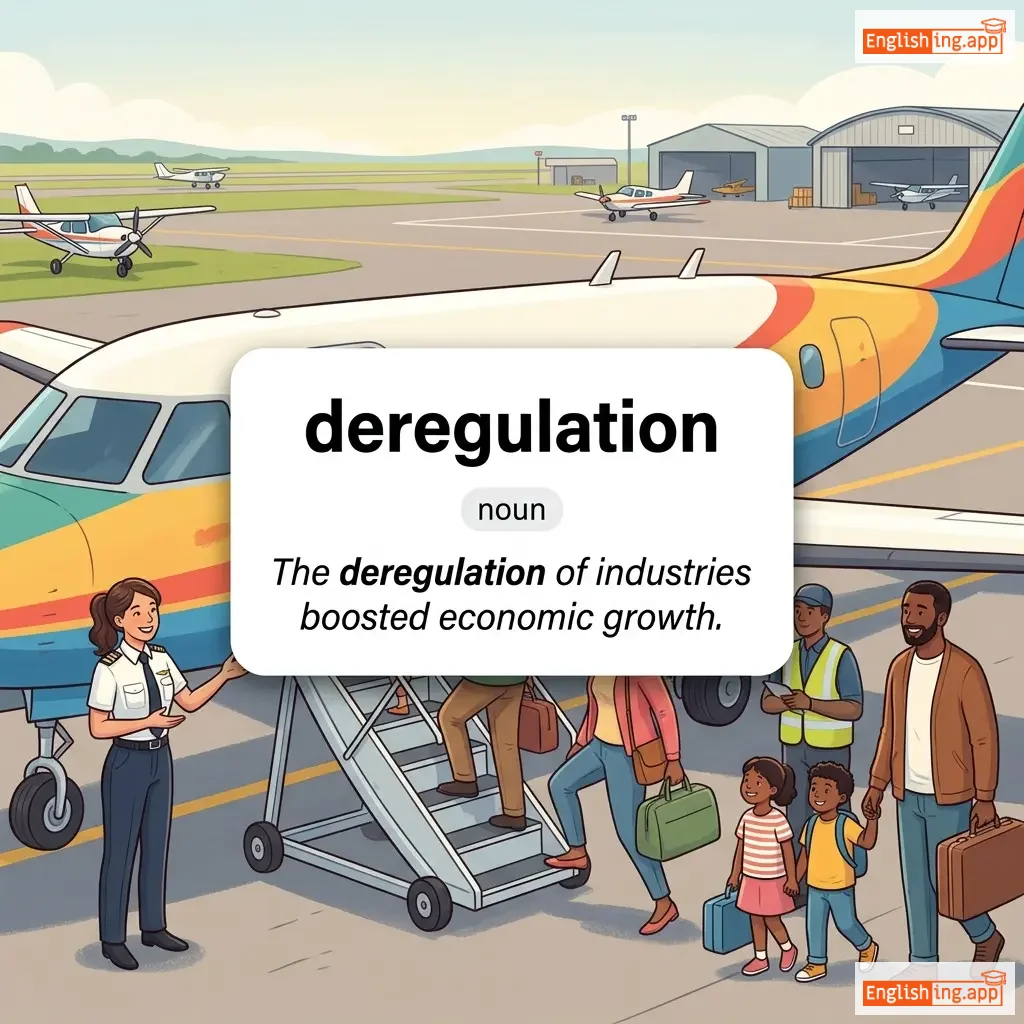
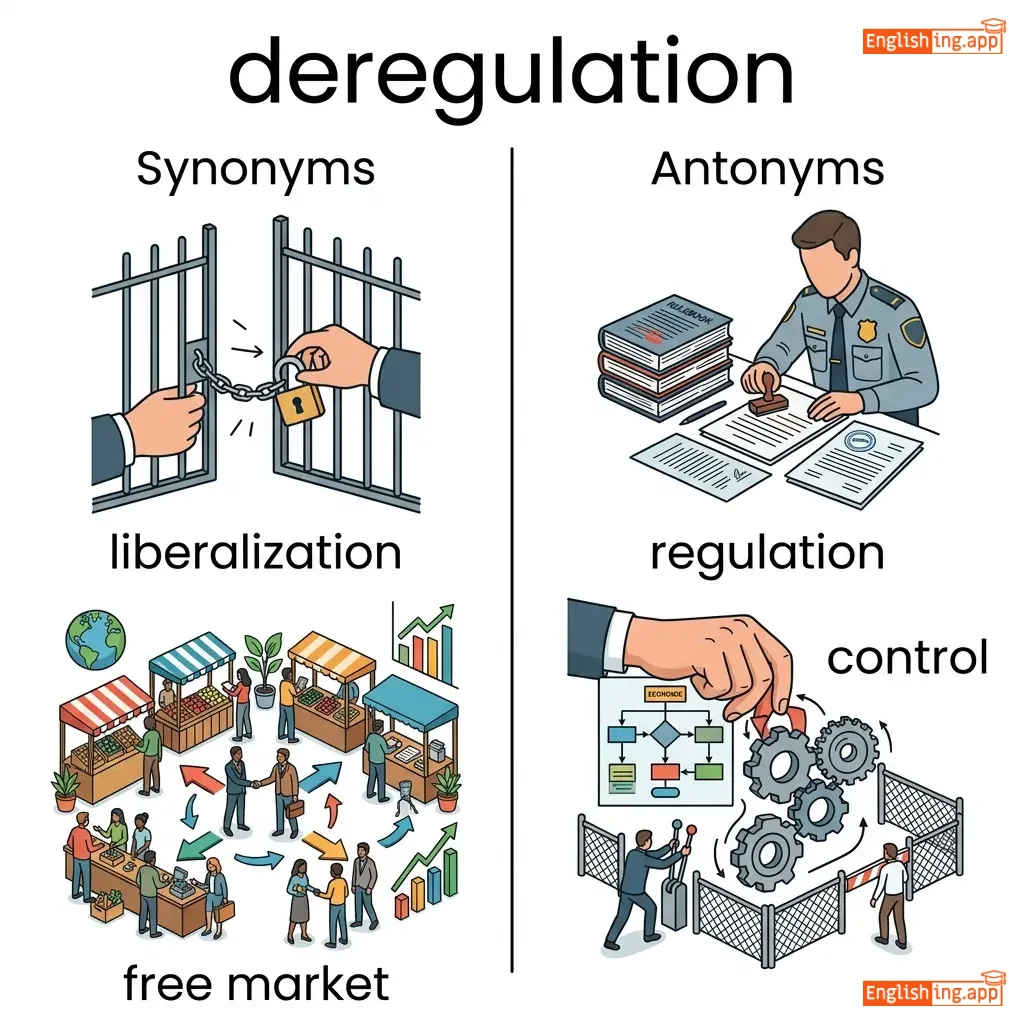
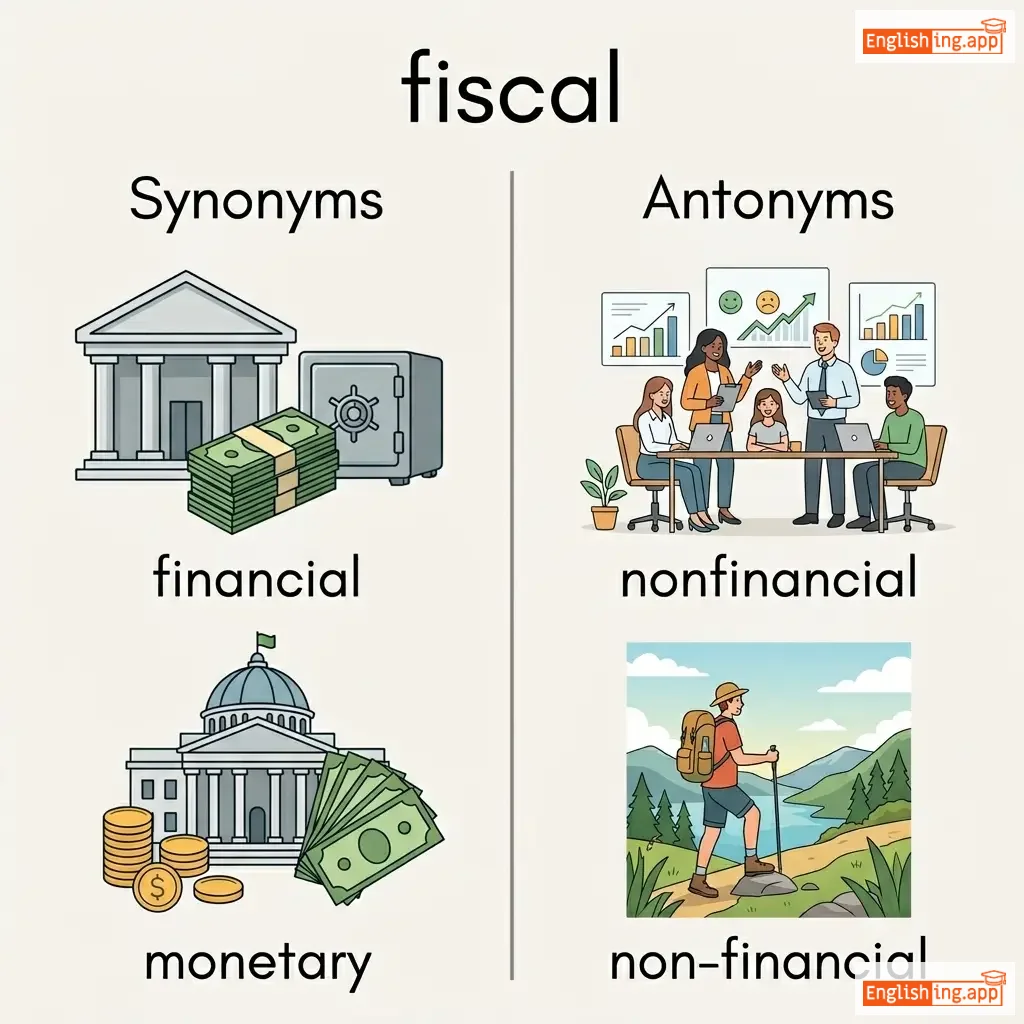
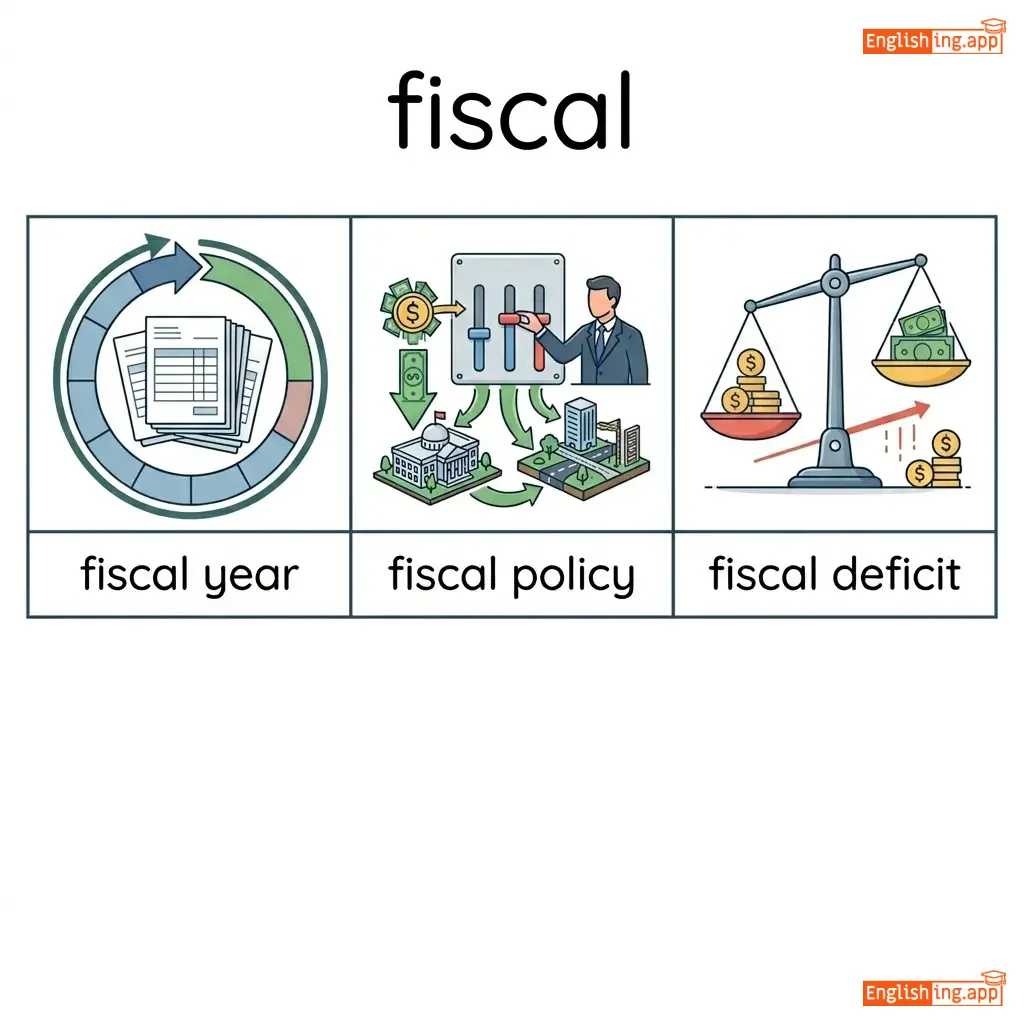
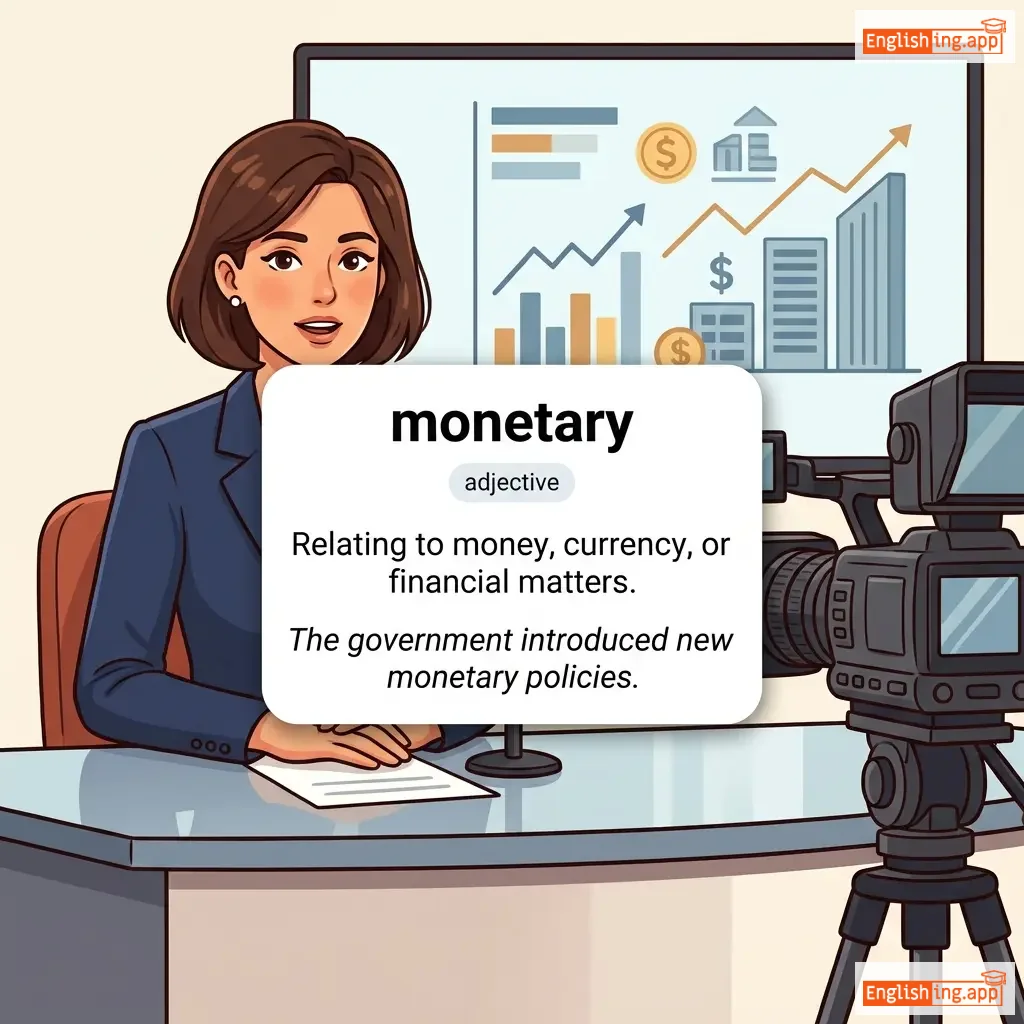
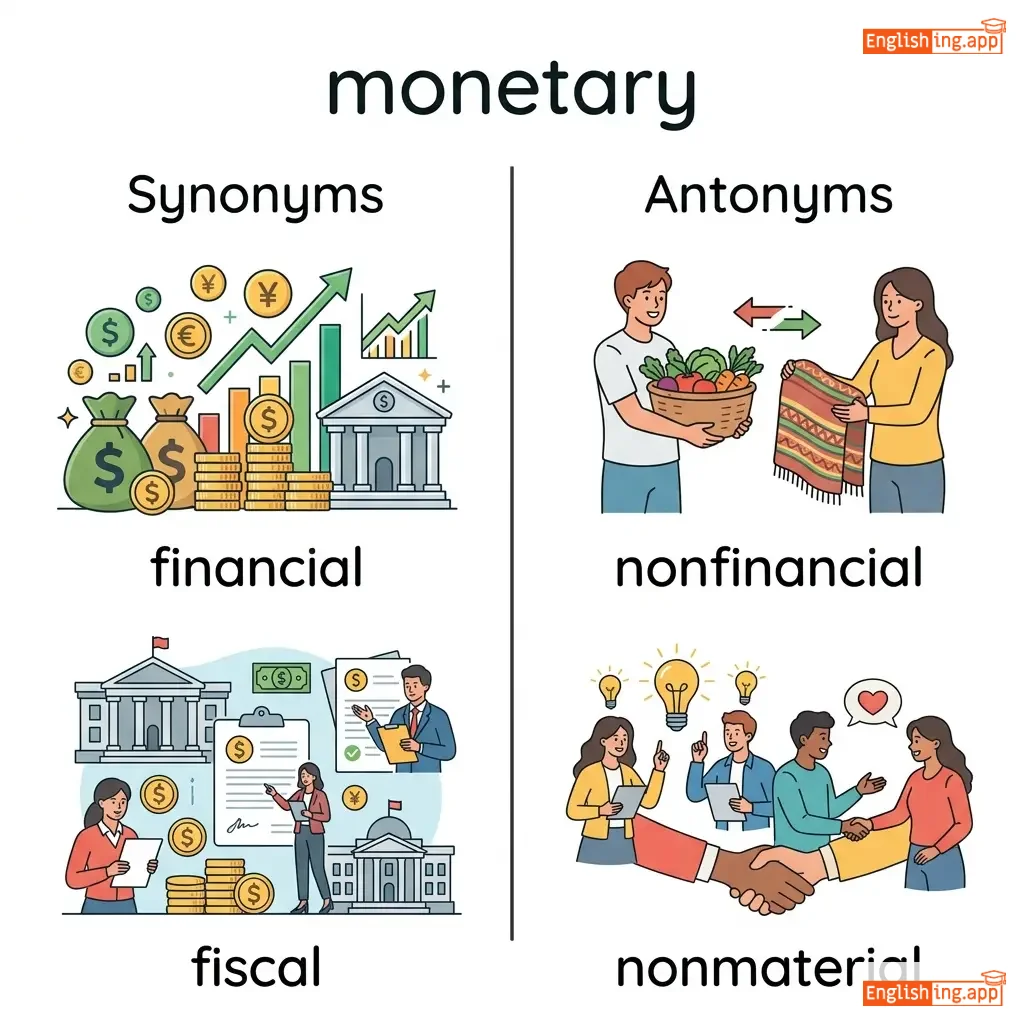
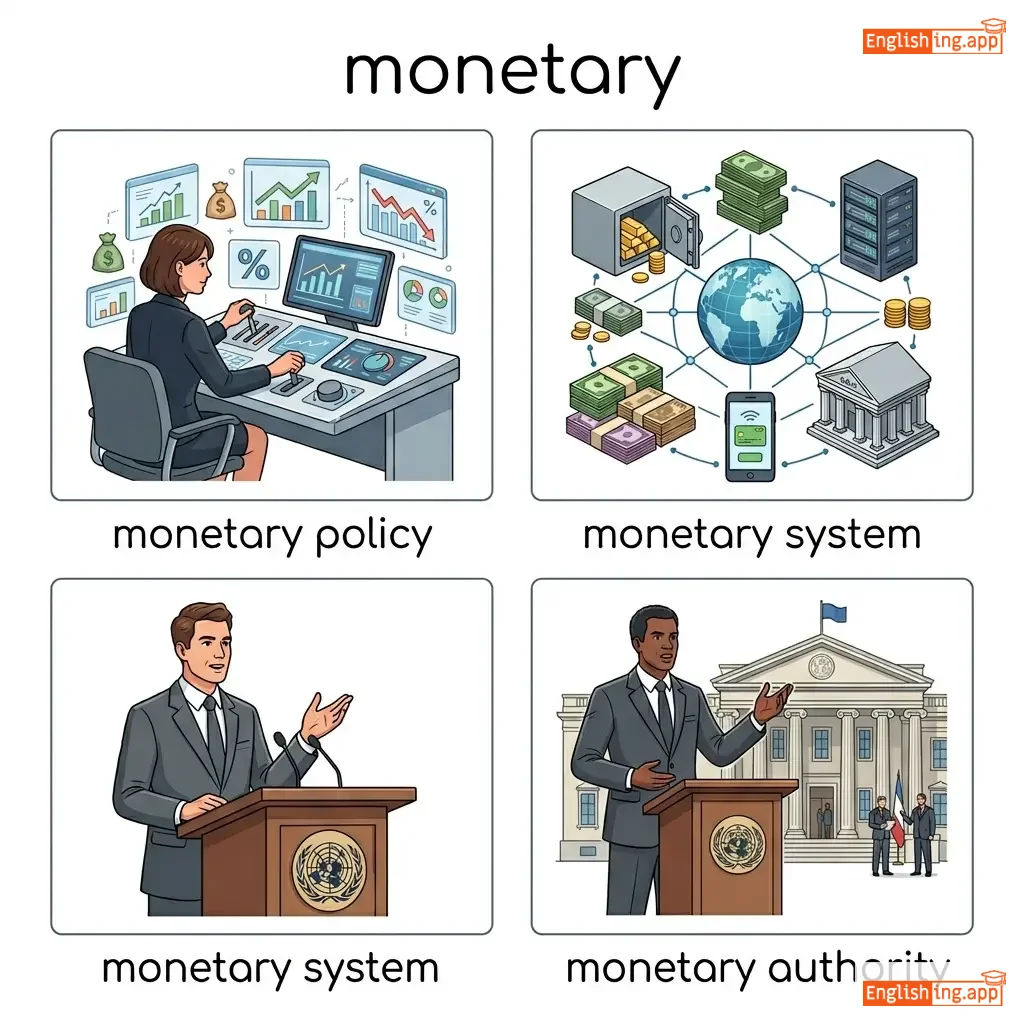
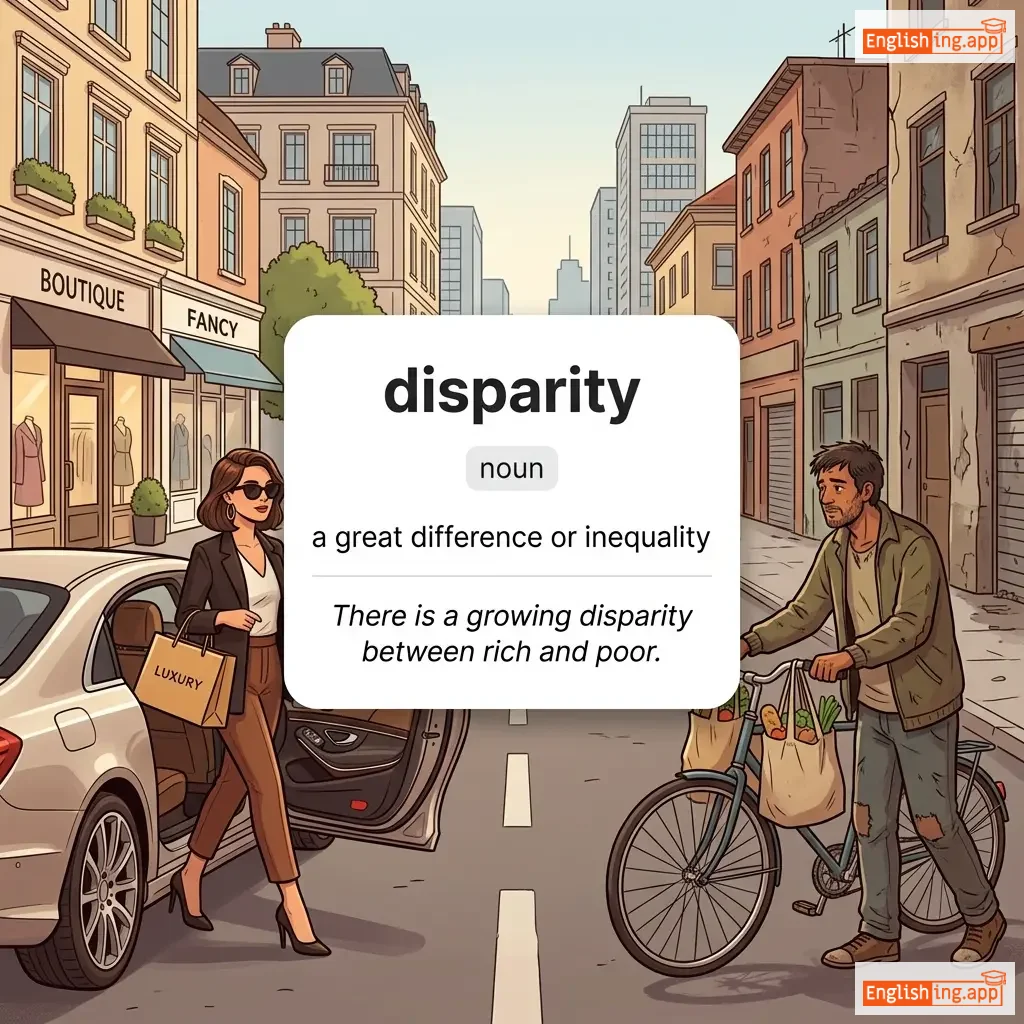
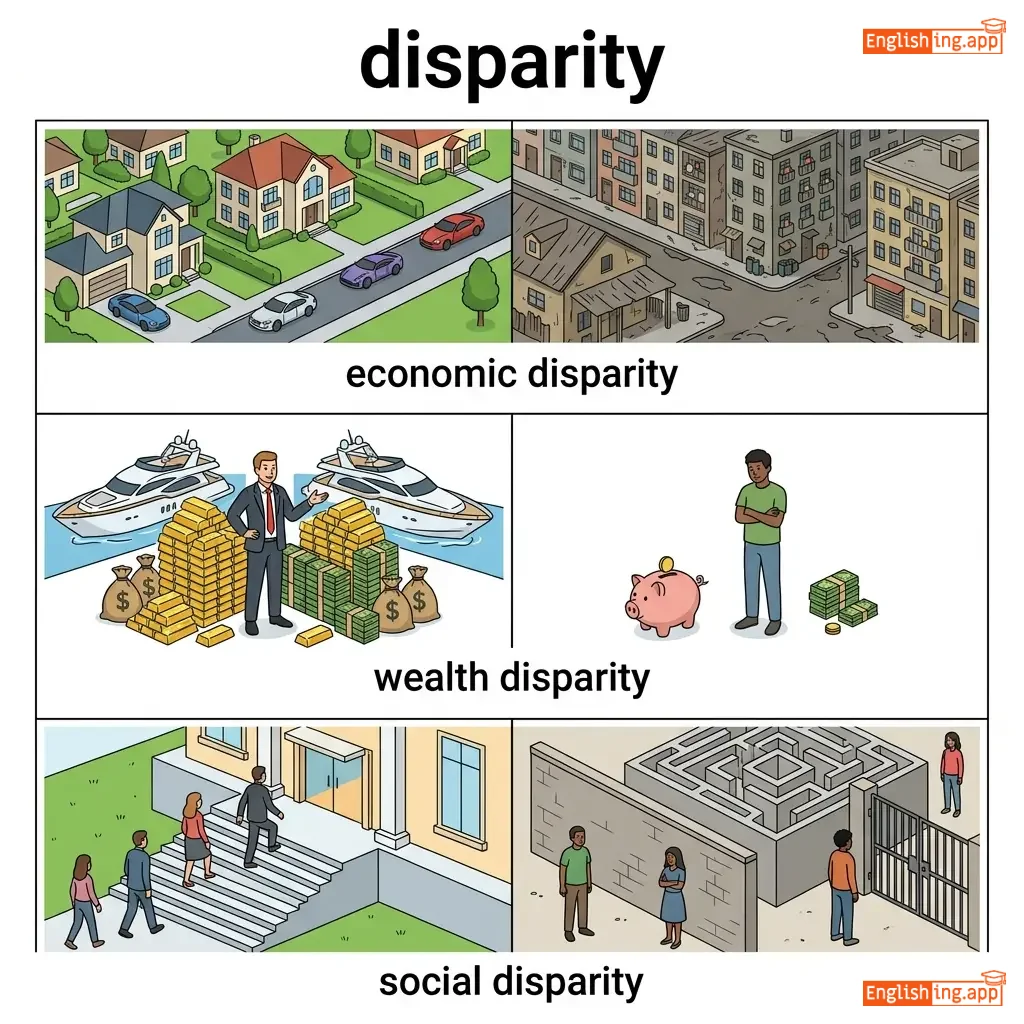
Market economy では、privatization と deregulation によって企業はより多くの自由を得て、fiscal と monetary 政策はビジネスに有利になります。しかし、これにより裕福層と貧困層の disparity が拡大する可能性があります。
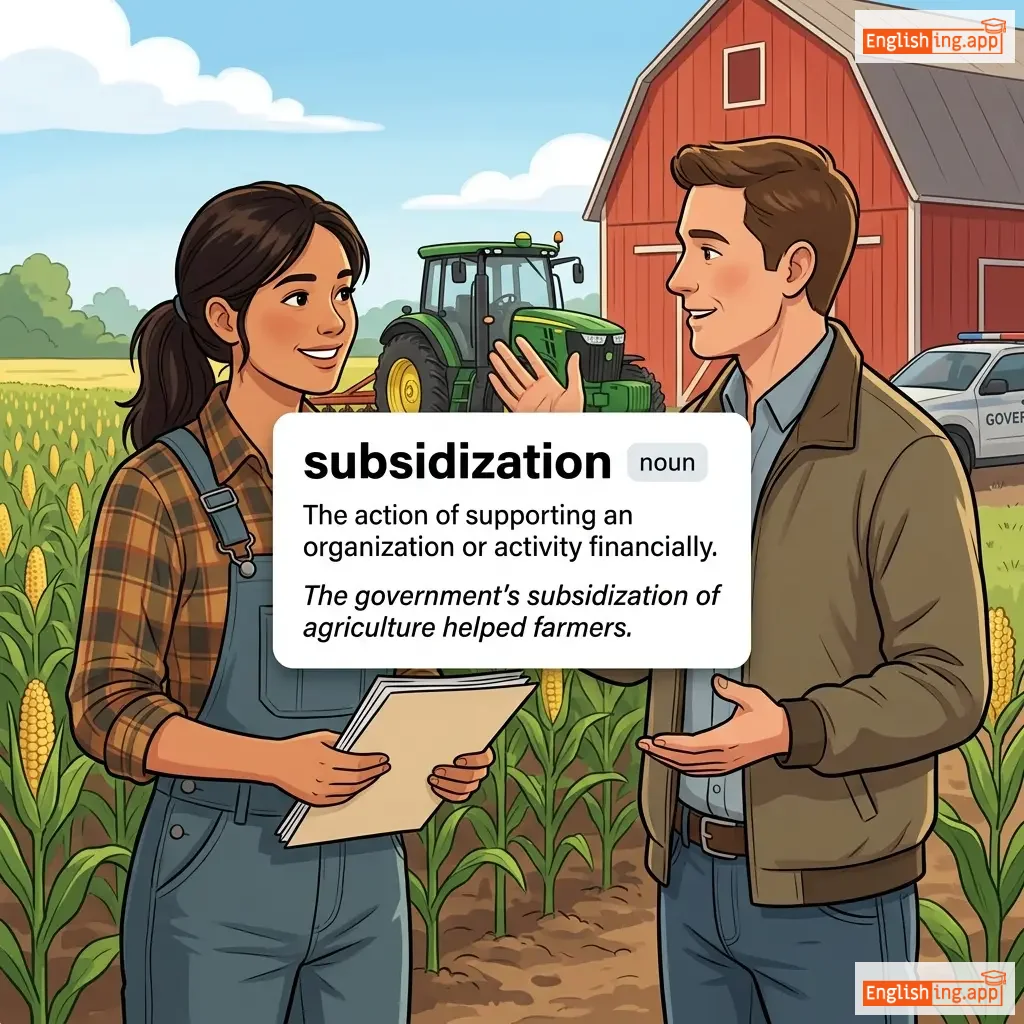
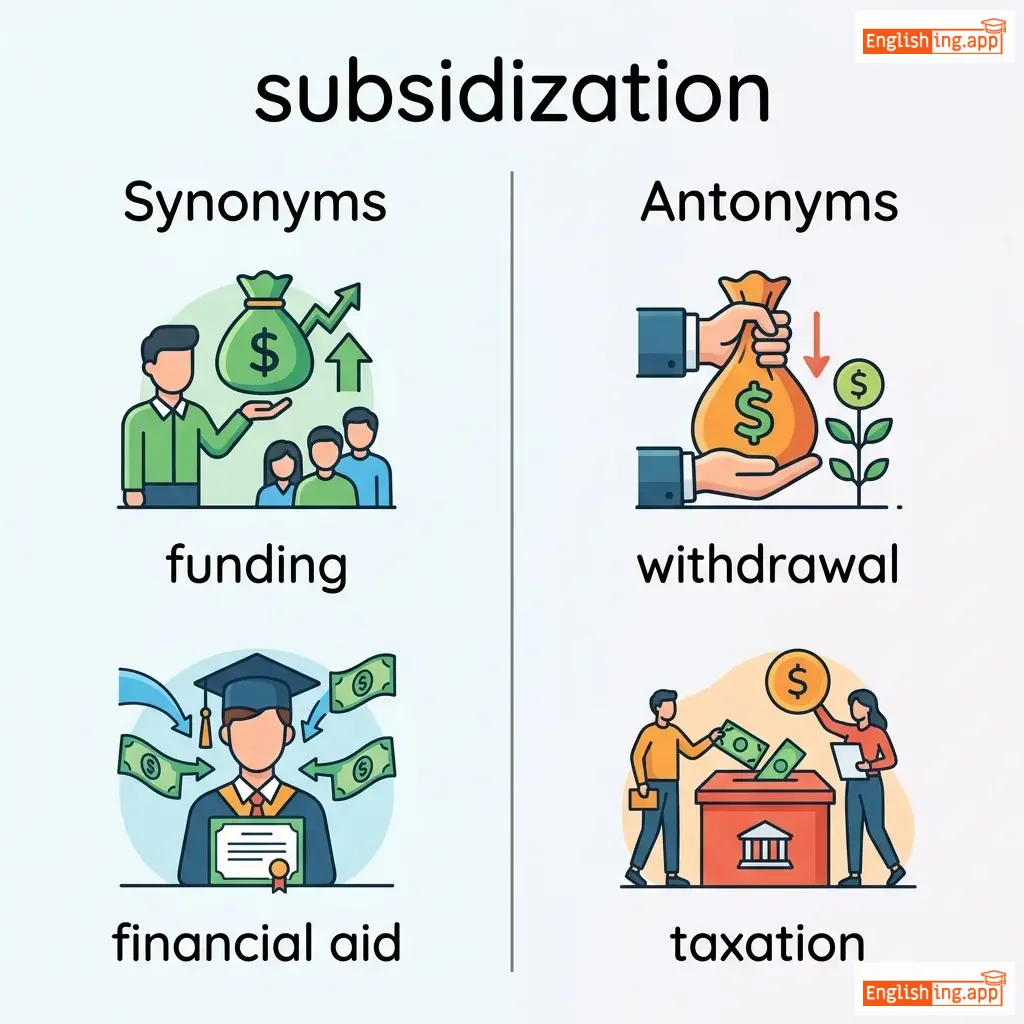
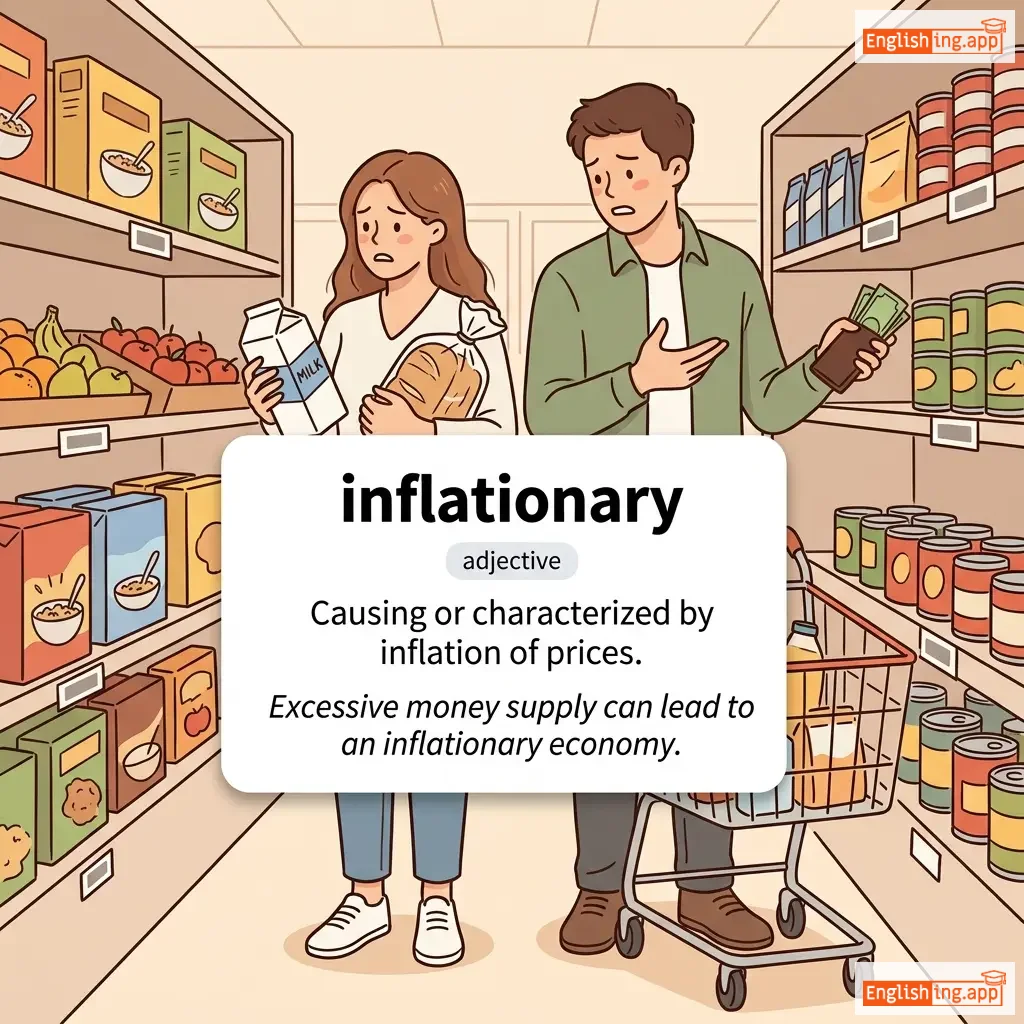
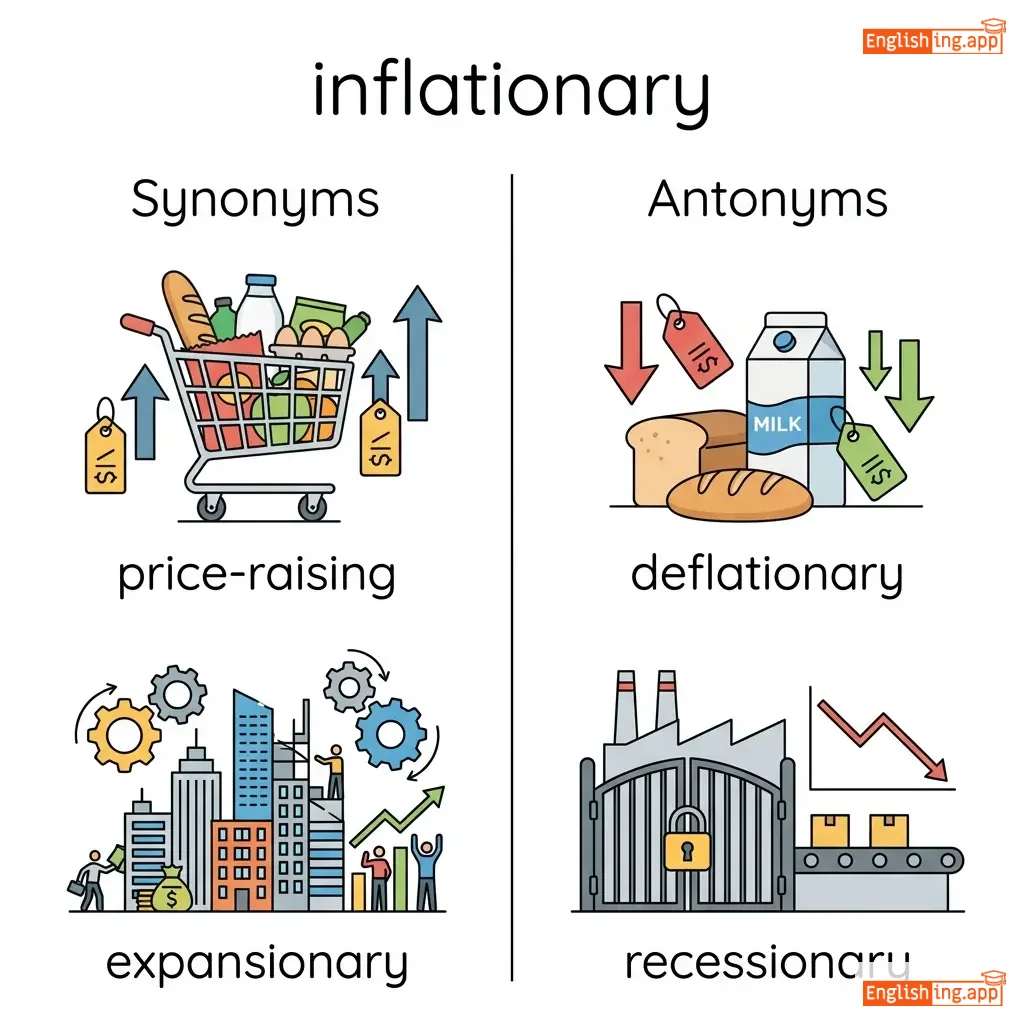
一方、command economy では、政府が subsidization を通じて人々の基本的なニーズを満たそうとしますが、inflationary 圧力を生む可能性があります。
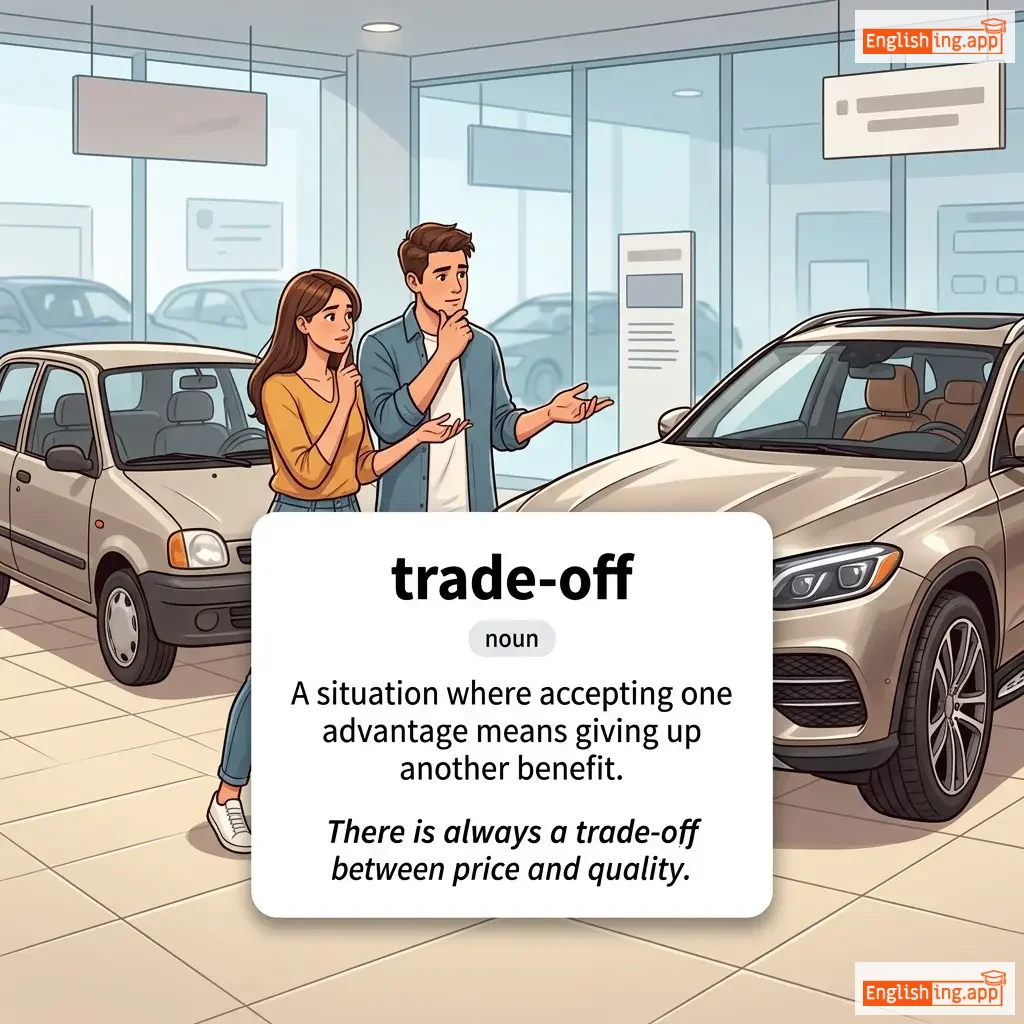
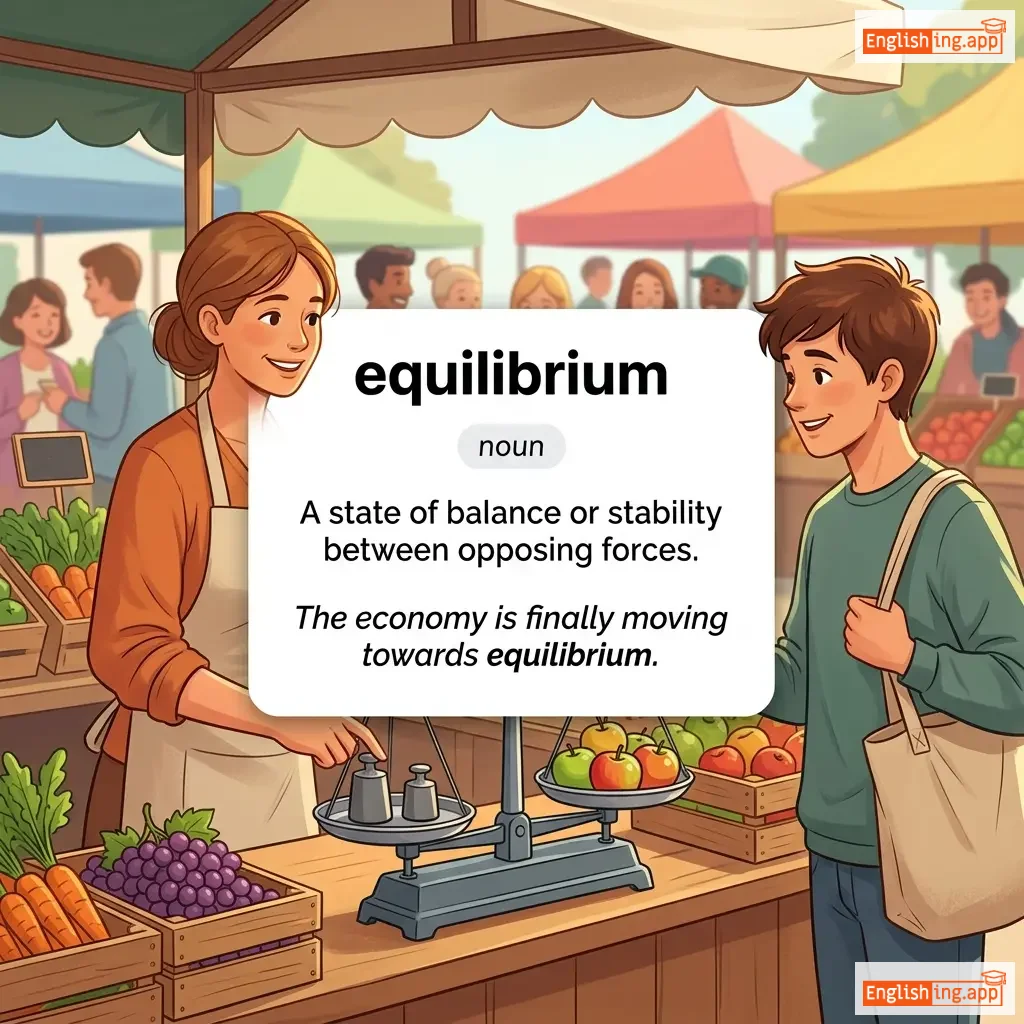
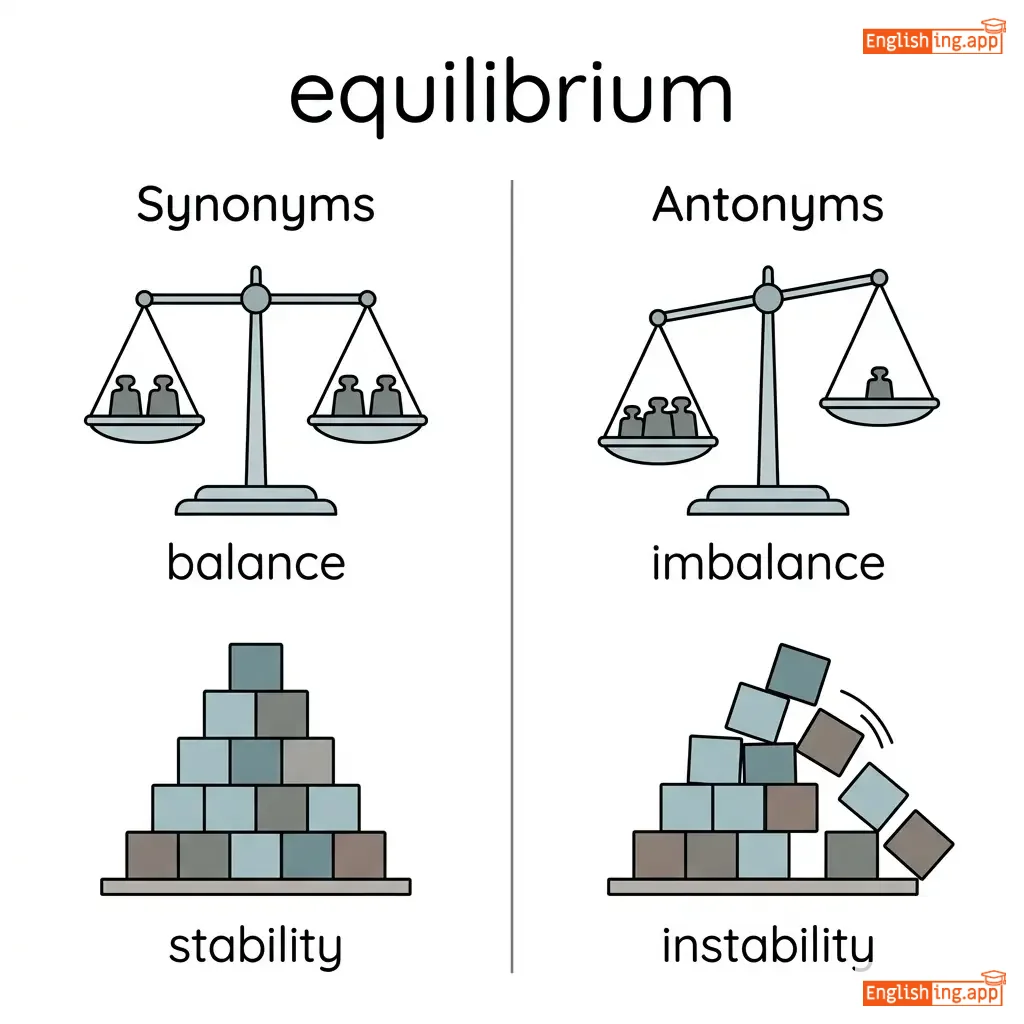
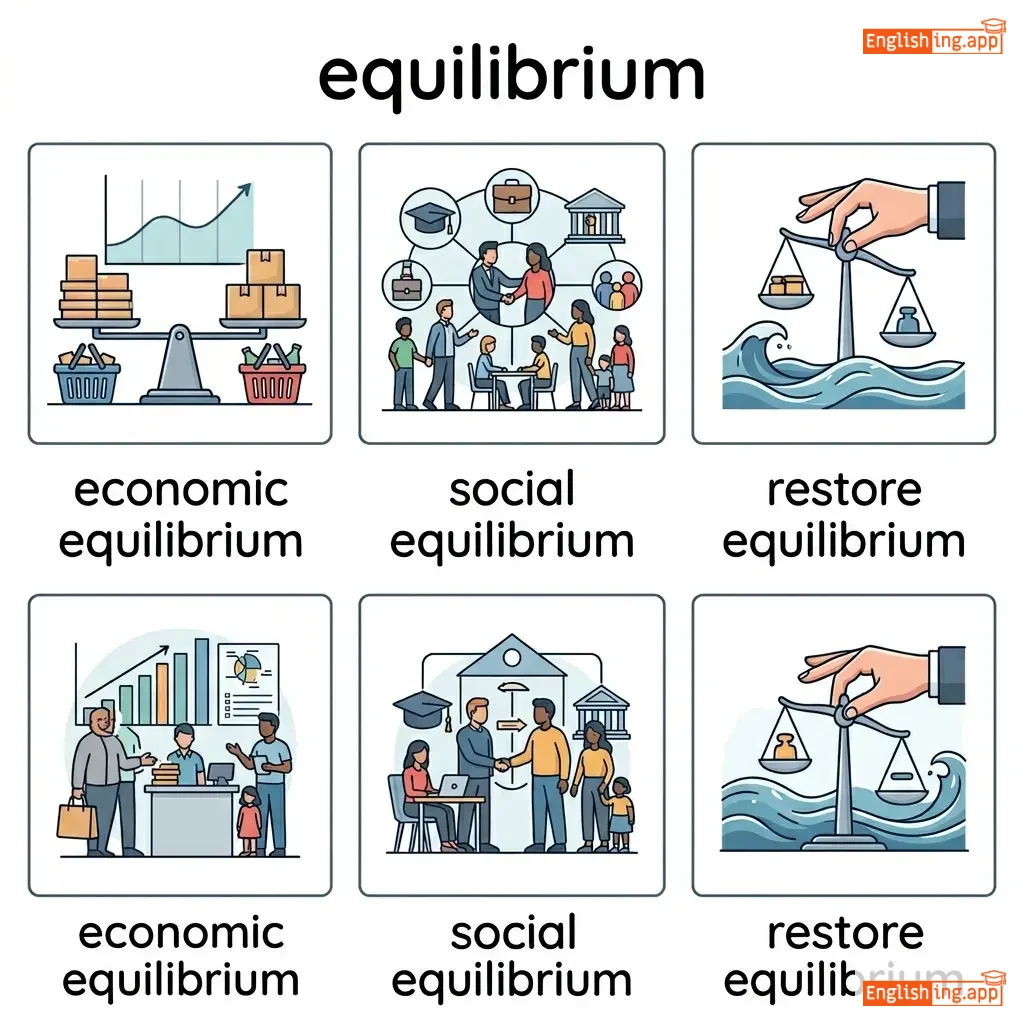
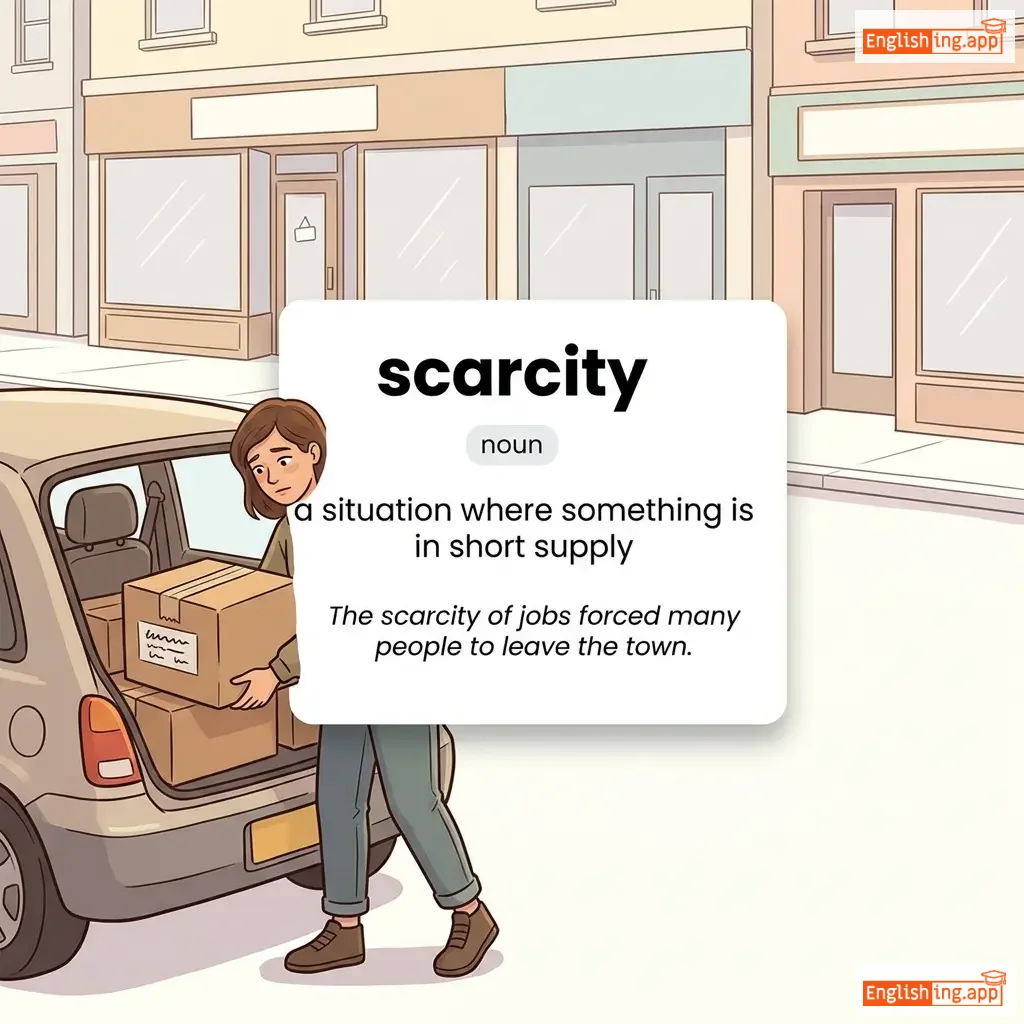
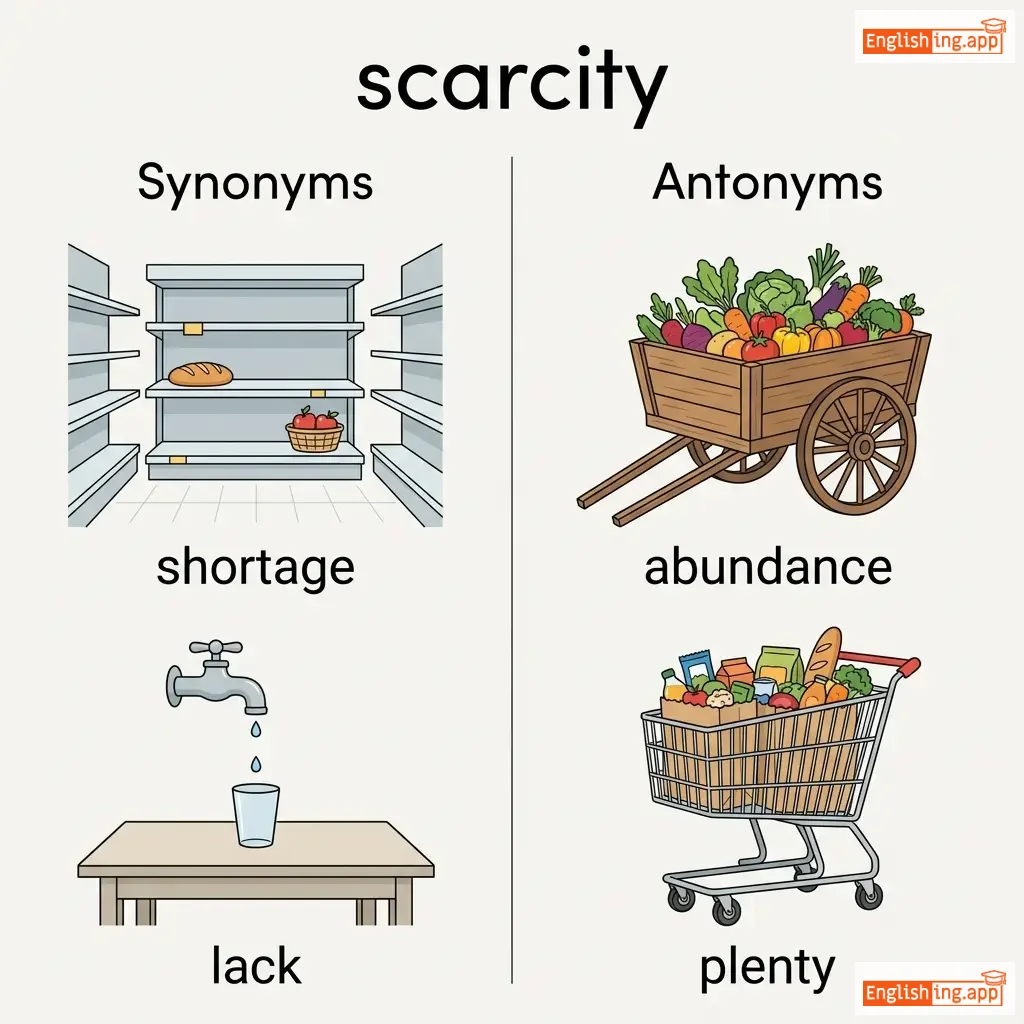
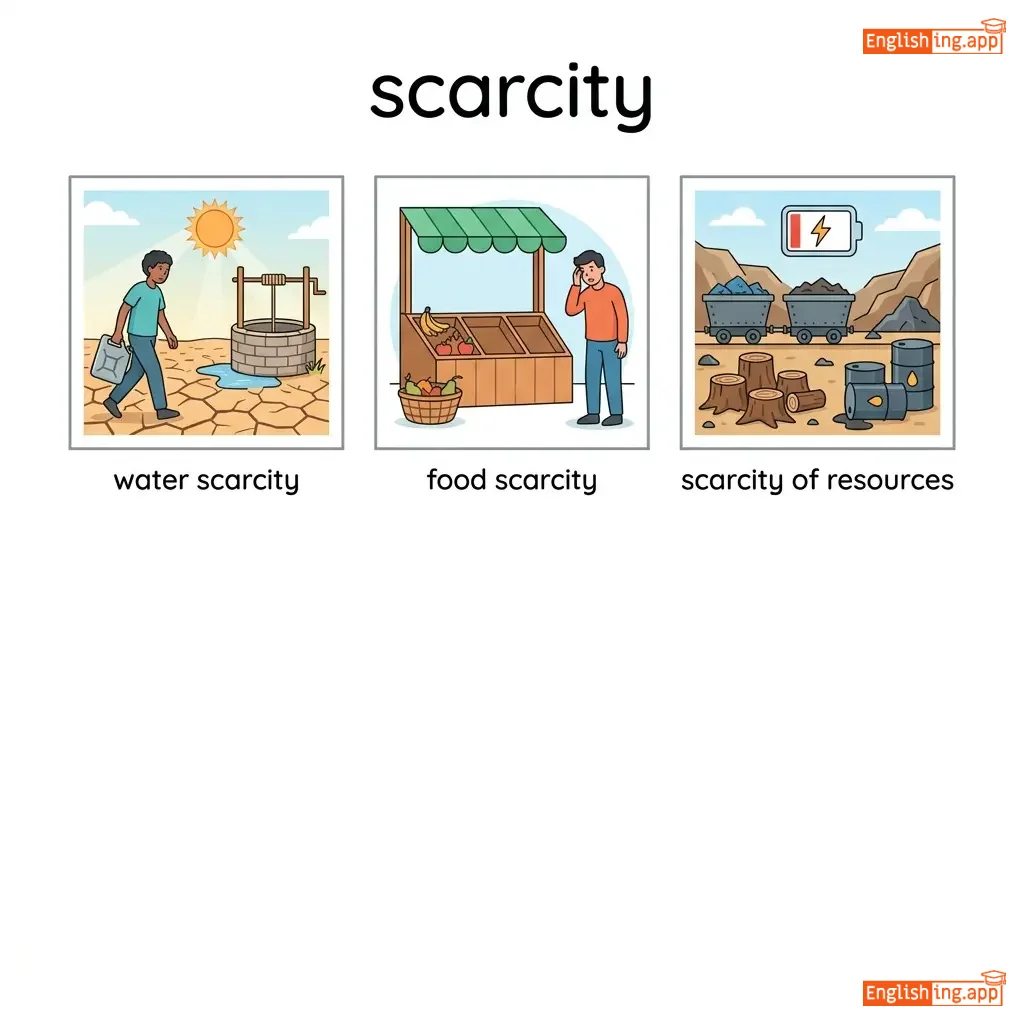
したがって、経済学では正しい trade-off を行うことが重要であり、equilibrium を維持し、scarcity を減らす必要があります。
翻訳
過去
過去分詞
三人称単数
動名詞
意味
例文
例文の翻訳
同義語
対義語
コロケーション
ニーモニック



Swipe left or right, or use the buttons. Tap image to zoom.
例文の翻訳
単語
Market vs. Command Economies ExplainedMarket vs. Command Economies Explained - マスクトグル
|
絵文字
|
単語 | Images | 翻訳 | 意味 | 例文 | 例文の翻訳 | 同義語 | 対義語 | ニーモニック |
|---|---|---|---|---|---|---|---|---|---|
|
#2523
📈
|
ˈmɑːr.kɪt ɪˈkɒn.ə.mi
noun
(マーケットエコノミー)
••••••
|
|
市場経済
shijou keizai
••••••
|
An economic system where production and pricing decisions are controlled by individuals and based on supply and demand.
••••••
|
A market economy allows businesses to compete freely. |
市場経済は企業が自由に競争できるようにします。
Shijou keizai wa kigyou ga jiyuu ni kyousou dekiru you ni shimasu.
••••••
|
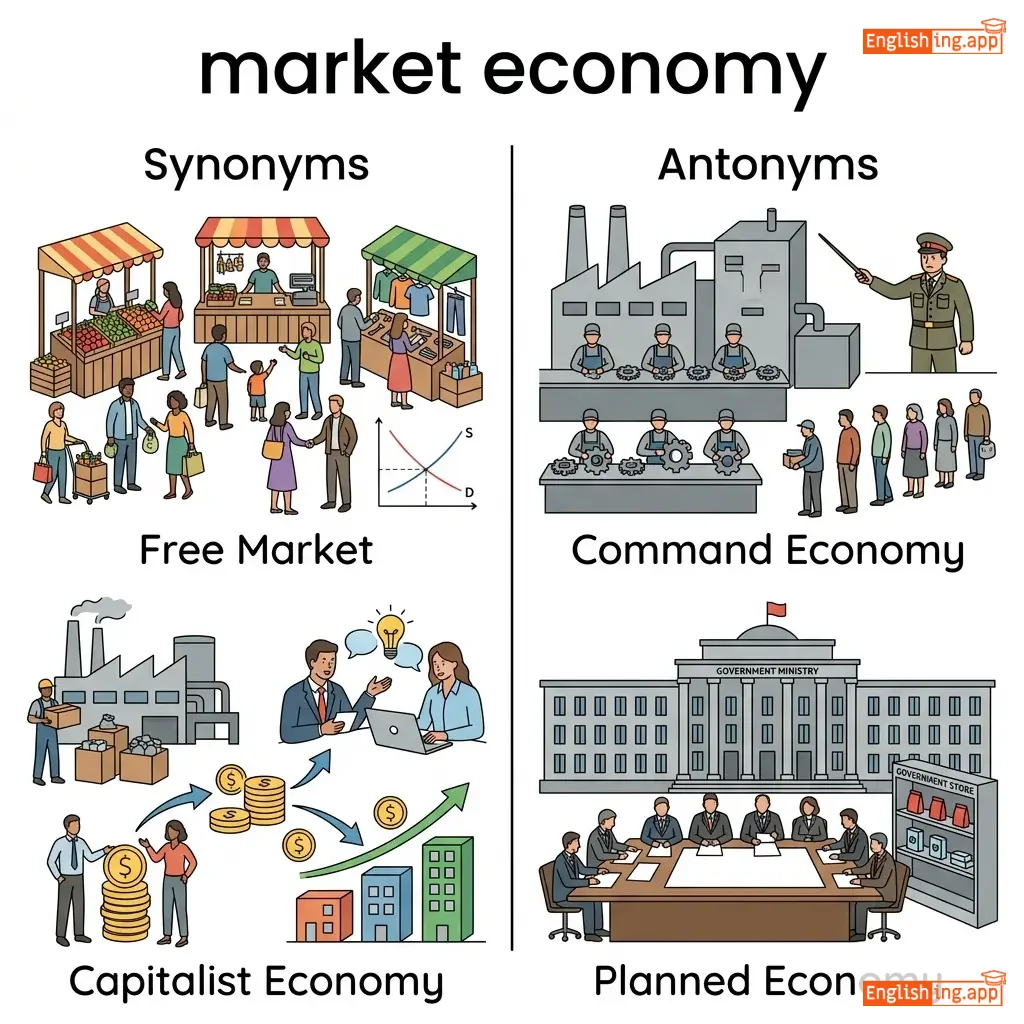
Free Market, Capitalist Economy, Laissez-faire System
••••••
|
Command Economy, Planned Economy, State-controlled Economy
••••••
|
市場経済 = 企業が自由に競争
••••••
|
|
#2524
🏛️
|
kəˈmɑːnd ɪˈkɒn.ə.mi
noun
(コマンド経済)
••••••
|
|
計画経済
keikaku keizai
••••••
|
An economic system where economic activities are controlled by the government.
••••••
|
In a command economy, the government controls production and prices. |
計画経済では、政府が生産と価格を管理します。
Keikaku keizai de wa, seifu ga seisan to kakaku o kanri shimasu.
••••••
|
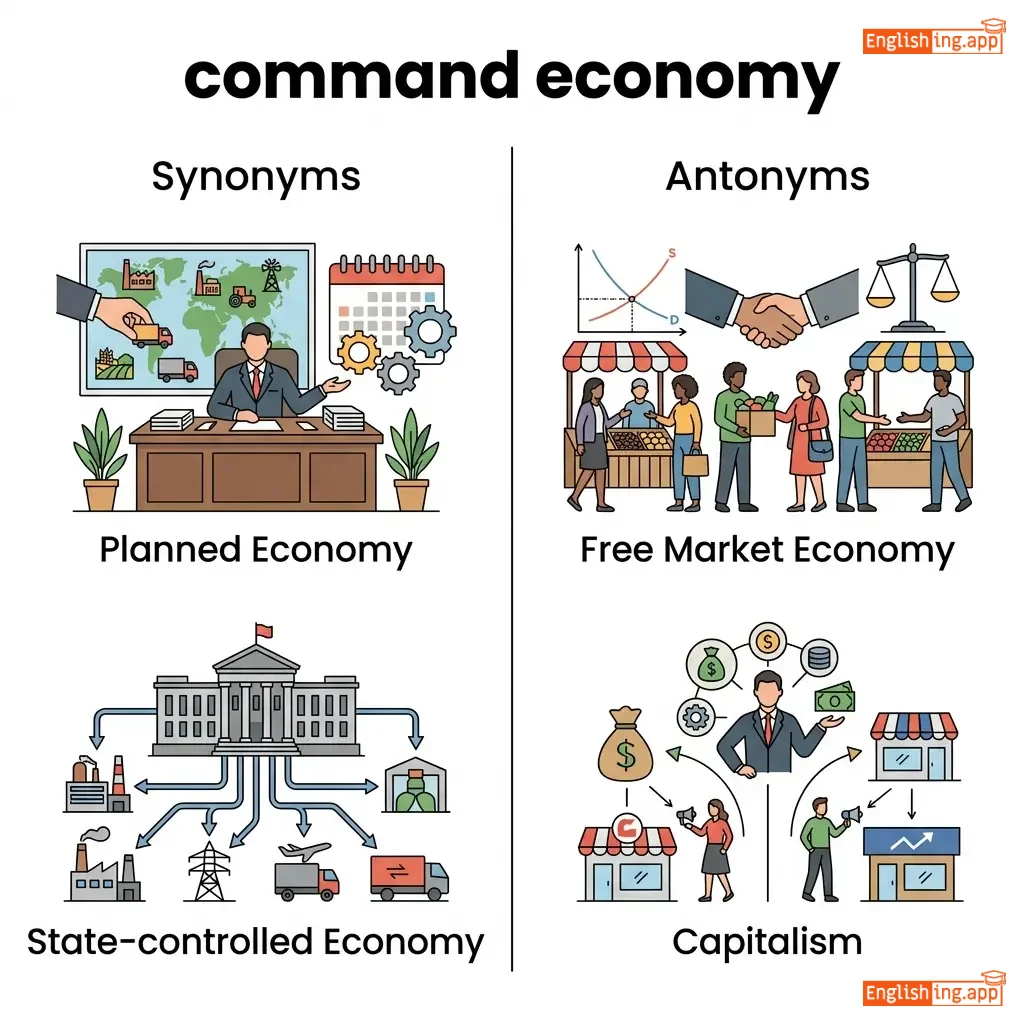
Planned Economy, State-controlled Economy, Centralized Economy
••••••
|
Free Market Economy, Capitalism, Deregulated Economy
••••••
|
国家が全てを管理する経済
••••••
|
|
#2525
💰
|
ˈkæp.ɪ.təl.ɪ.zəm
noun
(キャピタリズム)
••••••
|
|
資本主義
shihon shugi
••••••
|
An economic system where trade, industry and production are privately owned and operated for profit.
••••••
|
Capitalism encourages innovation and competition.
資本主義は革新と競争を促進します。
••••••
|
資本主義は革新と競争を促進します。
Shihon shugi wa kakushin to kyōsō o sokushin shimasu.
••••••
|
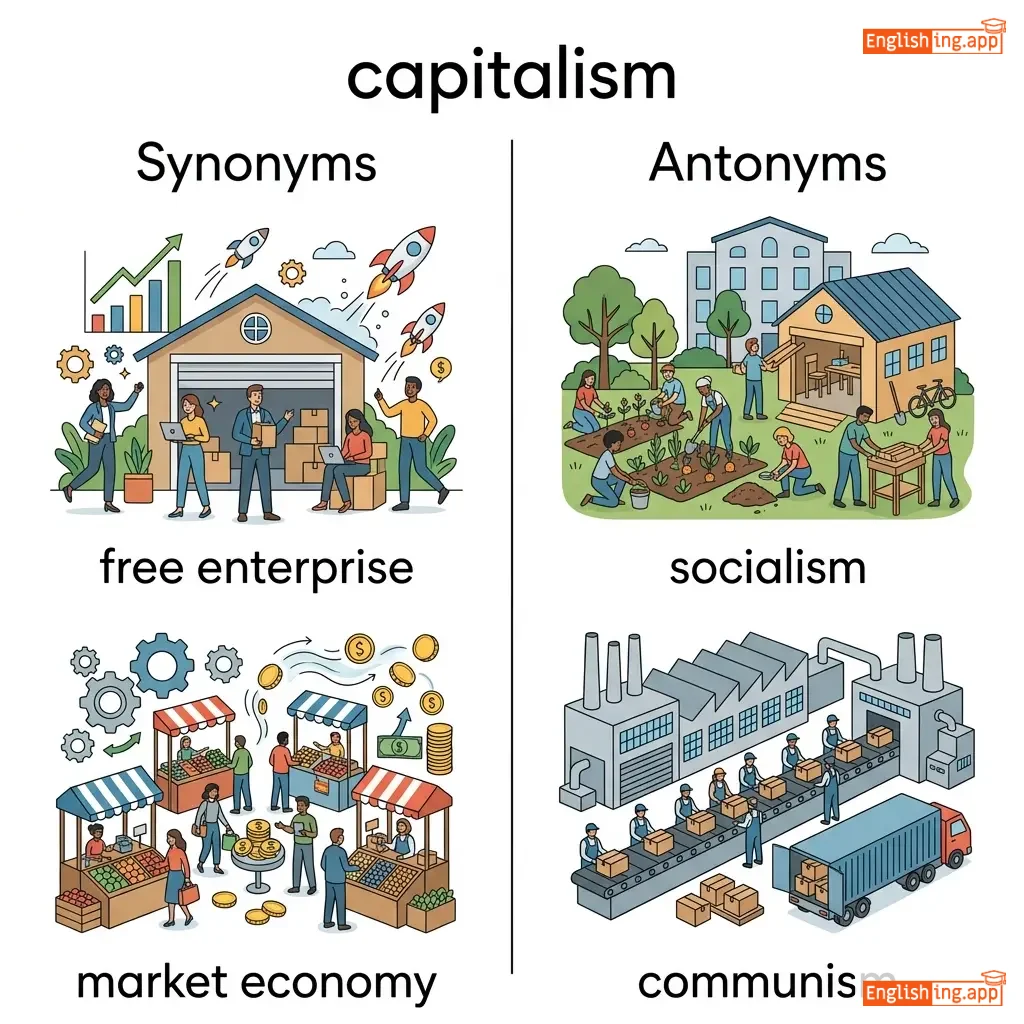
Free Enterprise, Market System, Private Ownership
••••••
|
Socialism, Communism, Collectivism
••••••
|
Shihon shugi, a system where capitalism drives both innovation and profit.
••••••
|
|
#2526
🛒
|
kənˈsjuː.mə.rɪ.zəm
noun
(kənˈsjuː.mə.rɪ.zəm)
••••••
|
|
消費主義
shōhī shugi
••••••
|
The tendency to increase consumption of goods and the importance given to consuming products.
••••••
|
Modern consumerism leads to increased demand for luxury goods. |
現代の消費主義は高級品の需要の増加を引き起こします。
Gendai no shōhi shugi wa kōkyūhin no juyō no zōka o hikiokoshimasu.
••••••
|
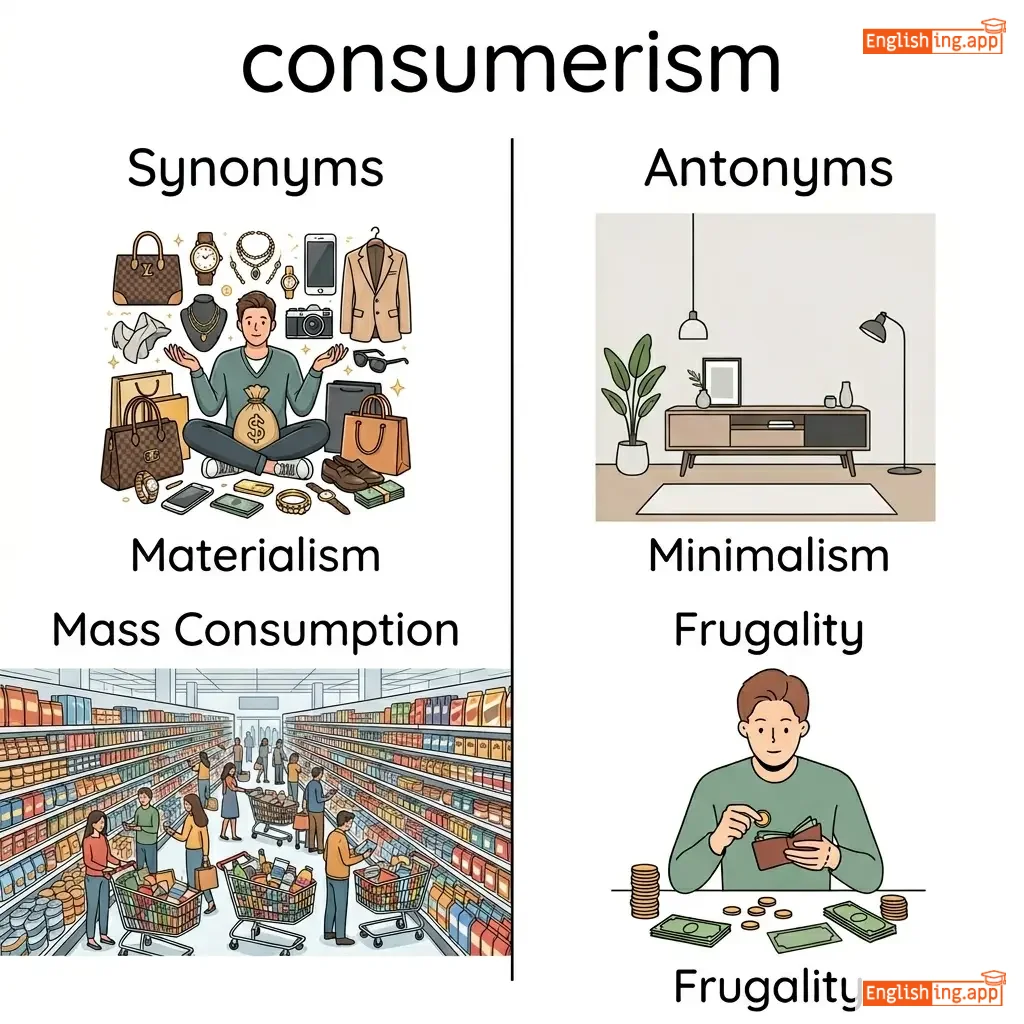
Materialism, Mass Consumption, Commercialism
••••••
|
Minimalism, Frugality, Anti-consumption
••••••
|
消費主義は、常に新しいものを買いたくなる欲望を刺激するものです。
••••••
|
|
#2527
📦
|
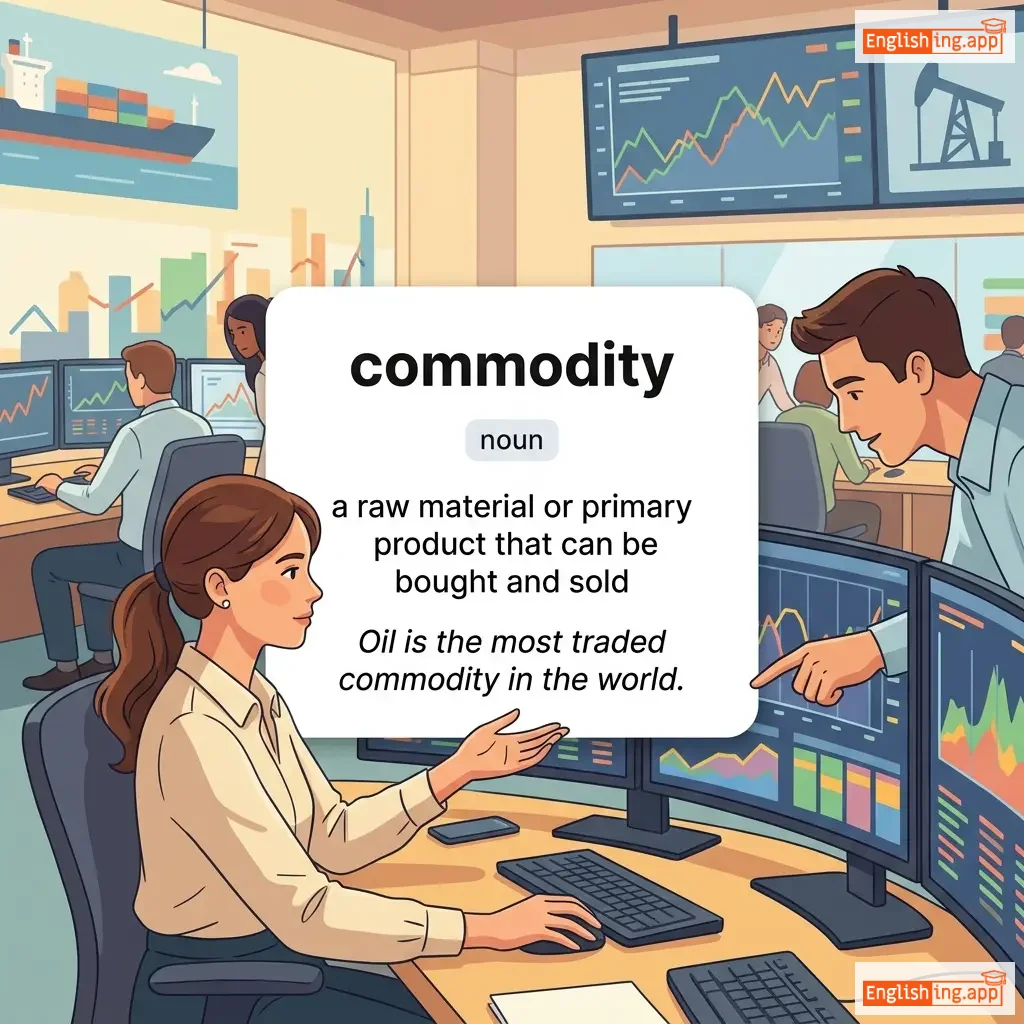
kəˈmɒd.ə.ti
noun
(komoditi)
••••••
|
|
商品
shouhin
••••••
|
A raw material or primary agricultural product that can be bought and sold.
••••••
|
Oil is a valuable commodity in the global market.
石油は世界市場で貴重な商品です。
••••••
|
石油は世界市場で貴重な商品です。
Sekiyu wa sekai shijou de kichou na shouhin desu.
••••••
|
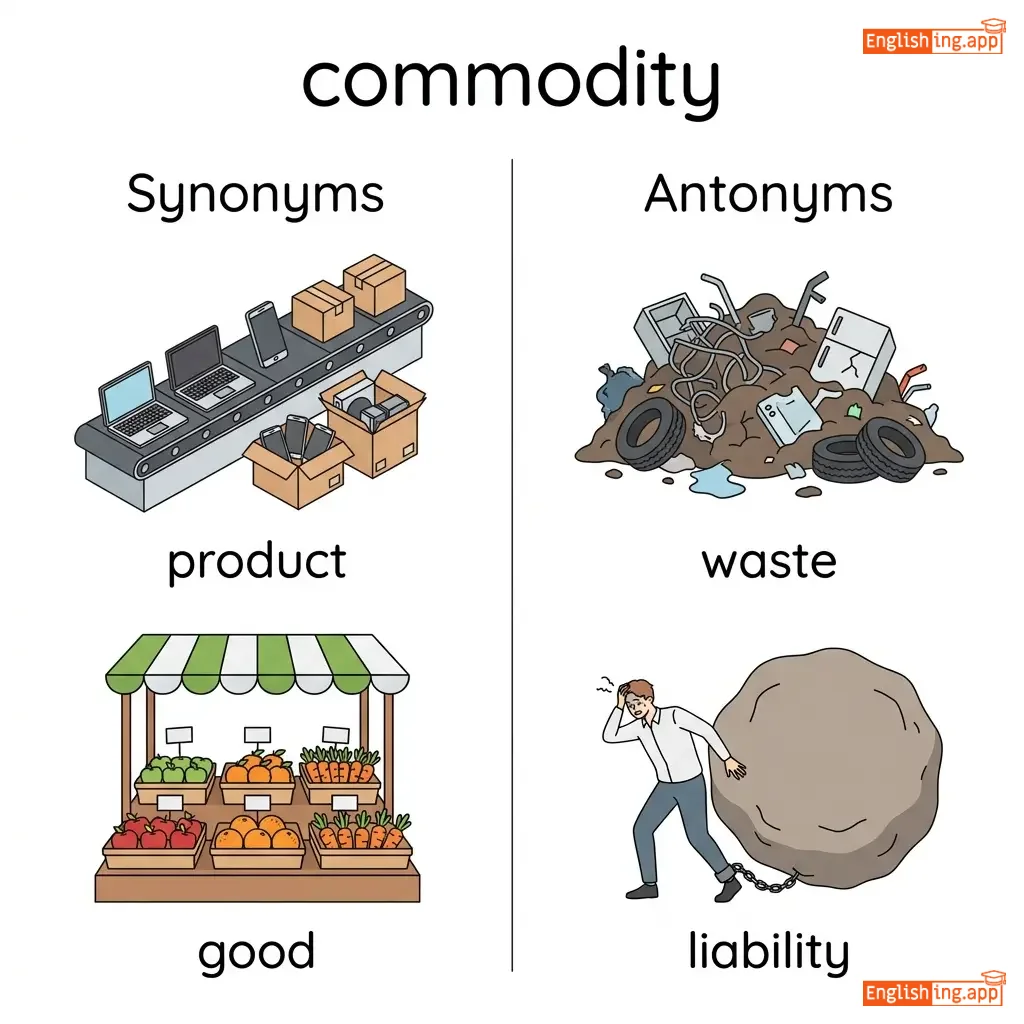
Goods, Merchandise, Trade Product
••••••
|
Non-tradable Item, Service, Liability
••••••
|
‘商品’は石油など、取引されるものを指します。
••••••
|
|
#2528
📊
|
ɪˌlæˈstɪs.ə.ti
noun
(イラステシティ)
••••••
|
|
弾力性
danryokusei
••••••
|
The responsiveness of demand or supply to changes in price.
••••••
|
The elasticity of demand for luxury goods is high.
贅沢品の需要の弾力性は高い。
••••••
|
贅沢品の需要の弾力性は高い。
Zeitakuhin no juuyou no danryokusei wa takai.
••••••
|
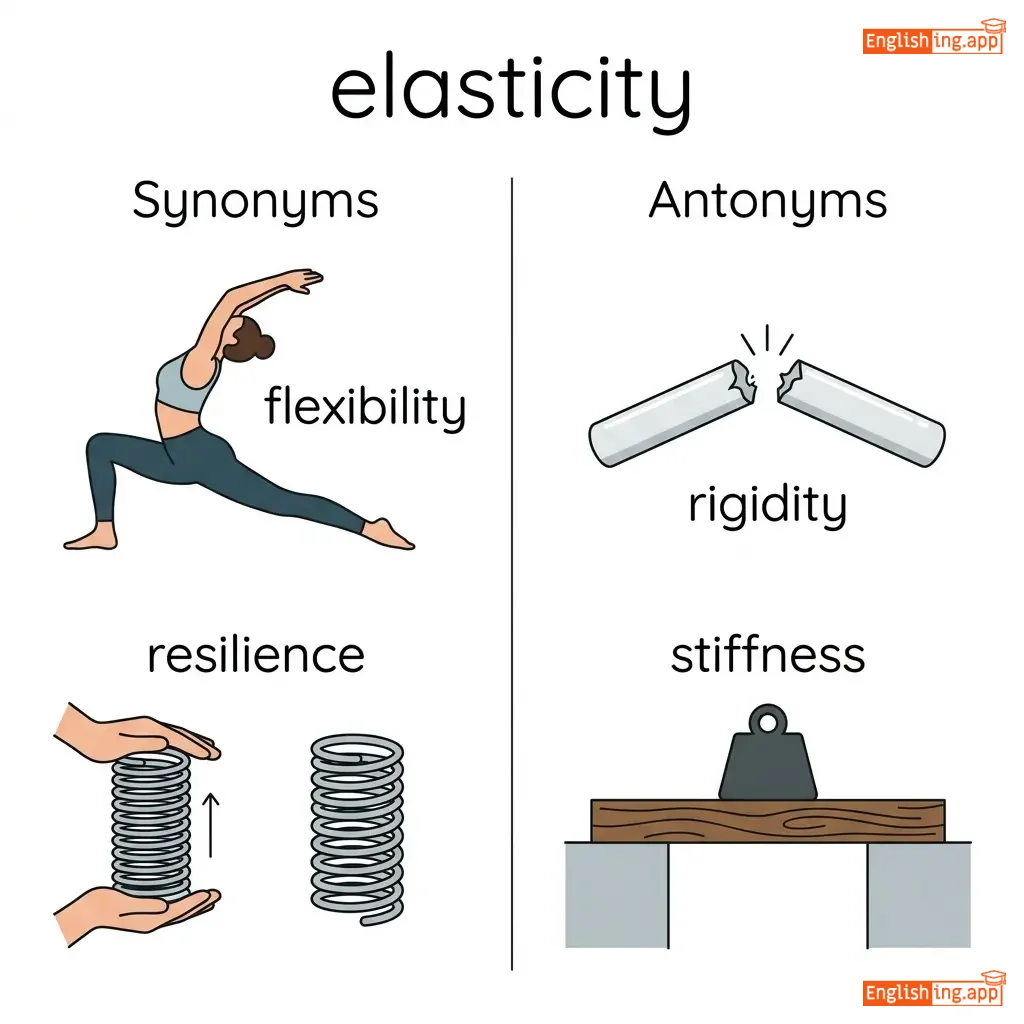
Responsiveness, Flexibility, Adaptability
••••••
|
Rigidity, Inflexibility, Inelasticity
••••••
|
弾力性(danryokusei) = ゴムのように伸縮する。
••••••
|
|
#2529
🎯
|
ˌsɛn.trə.laɪˈzeɪ.ʃən
noun
(セントラライゼーション)
••••••
|
|
中央集権化
chuuou shuukenka
••••••
|
The concentration of control and decision-making power in a central authority.
••••••
|
Excessive centralization can slow down decision-making. |
過度の中央集権化は意思決定の速度を遅くすることがあります。
Kado no chuuou shuukenka wa ishi kettei no sokudo wo osoku suru koto ga arimasu.
••••••
|
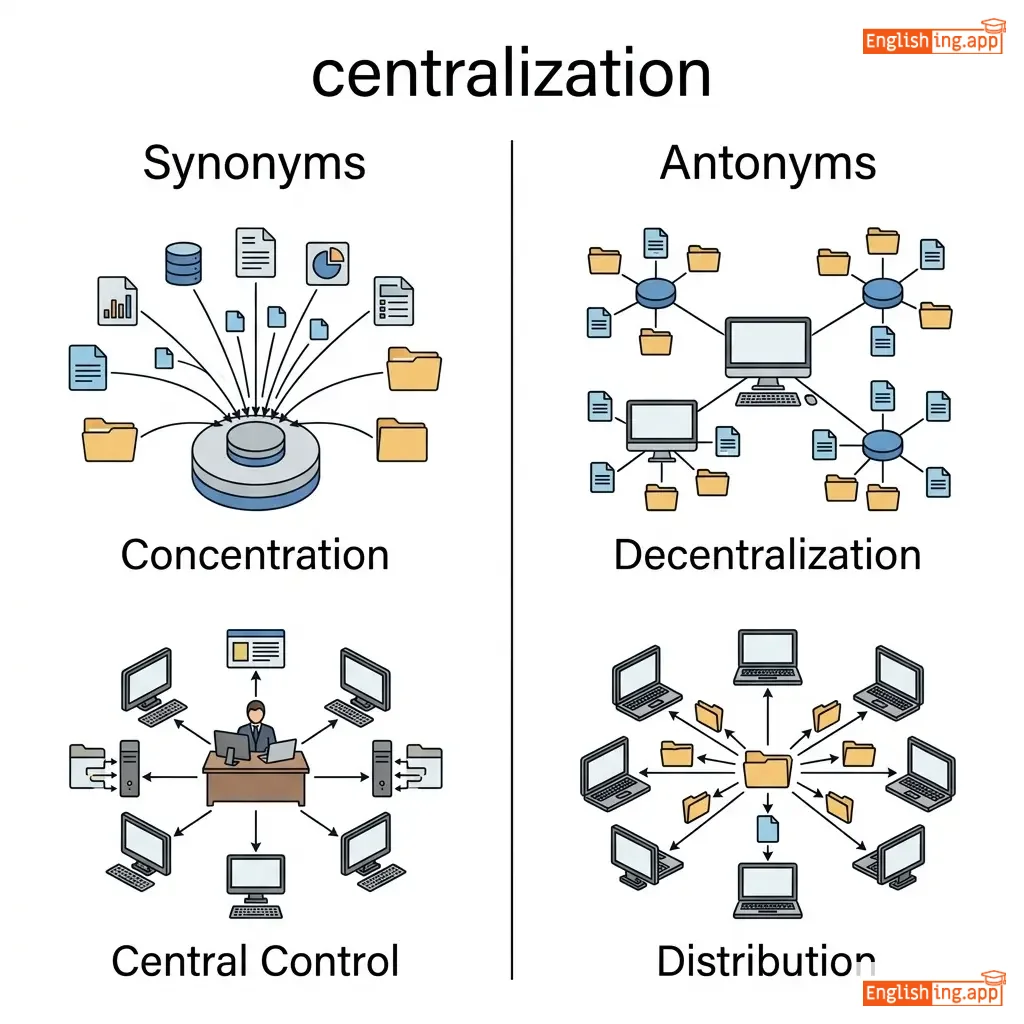
Concentration, Central Control, Consolidation
••••••
|
Decentralization, Distribution, Delegation
••••••
|
Chuuou shuukenka: Center control, '中央集権化' in Japanese.
••••••
|
|
#2530
🏛️
|
ˌnæʃ.ən.ə.laɪˈzeɪ.ʃən
noun
(næʃəˈnaːlʌɪˈzeɪʃən)
••••••
|
|
国有化
kokyūka
••••••
|
The process of a government taking control of private property or industry.
••••••
|
The nationalization of banks was aimed at stabilizing the economy.
銀行の国有化は経済の安定を目指して行われました。
••••••
|
銀行の国有化は経済の安定を目指して行われました。
Ginkō no kokyūka wa keizai no antei o mezashite okonawaremashita.
••••••
|
State Ownership, Public Control, Government Takeover
••••••
|
Privatization, Deregulation, Free Marketization
••••••
|
国有化 = 政府による産業の国有化
••••••
|
|
#2531
📋
|
bjʊəˈrɒk.rə.si
noun
(ビューロクラシー)
••••••
|
|
官僚主義
kanryō shugi
••••••
|
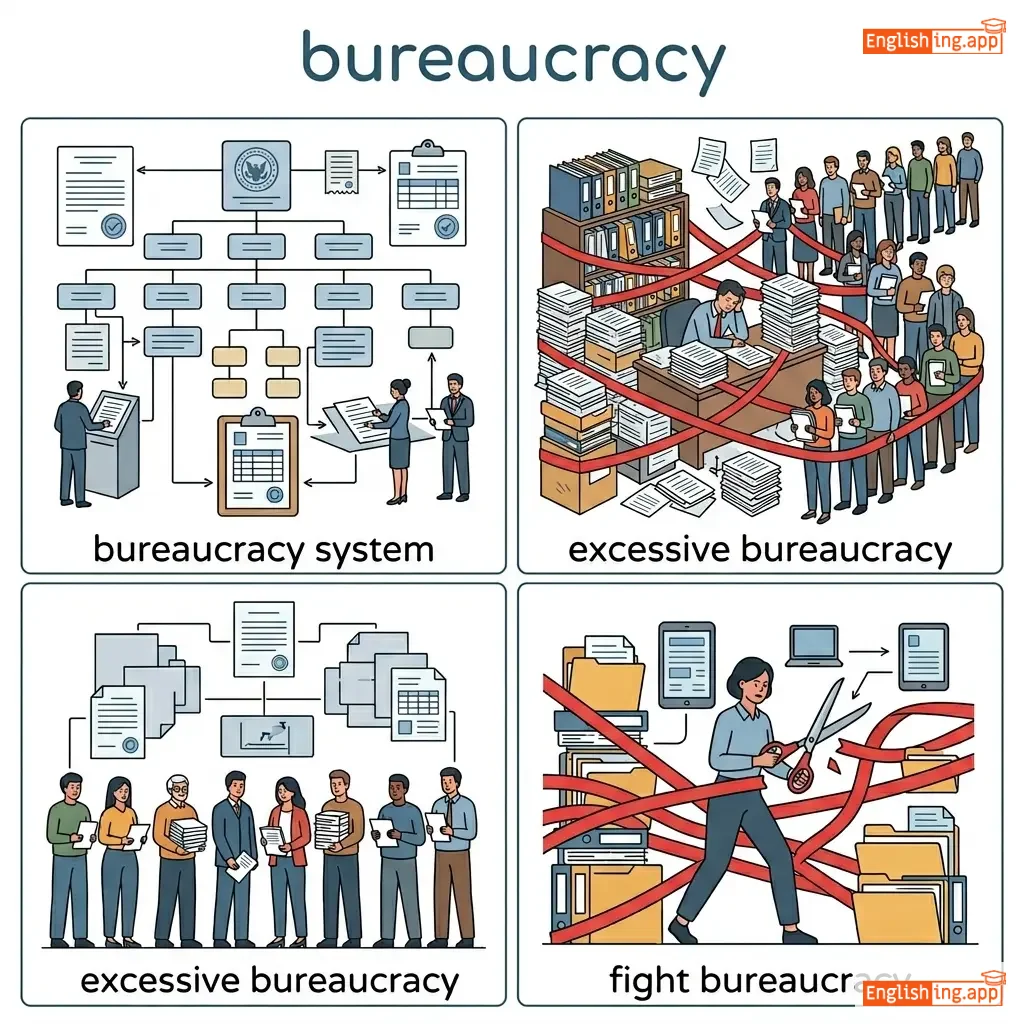
A complex administrative system where strict rules and procedures are followed.
••••••
|
Excessive bureaucracy can slow down government decision-making. |
過度の官僚主義は政府の意思決定を遅らせる可能性があります。
Kadō no kanryō shugi wa seifu no ishi kettei o okuraseru kanōsei ga arimasu.
••••••
|
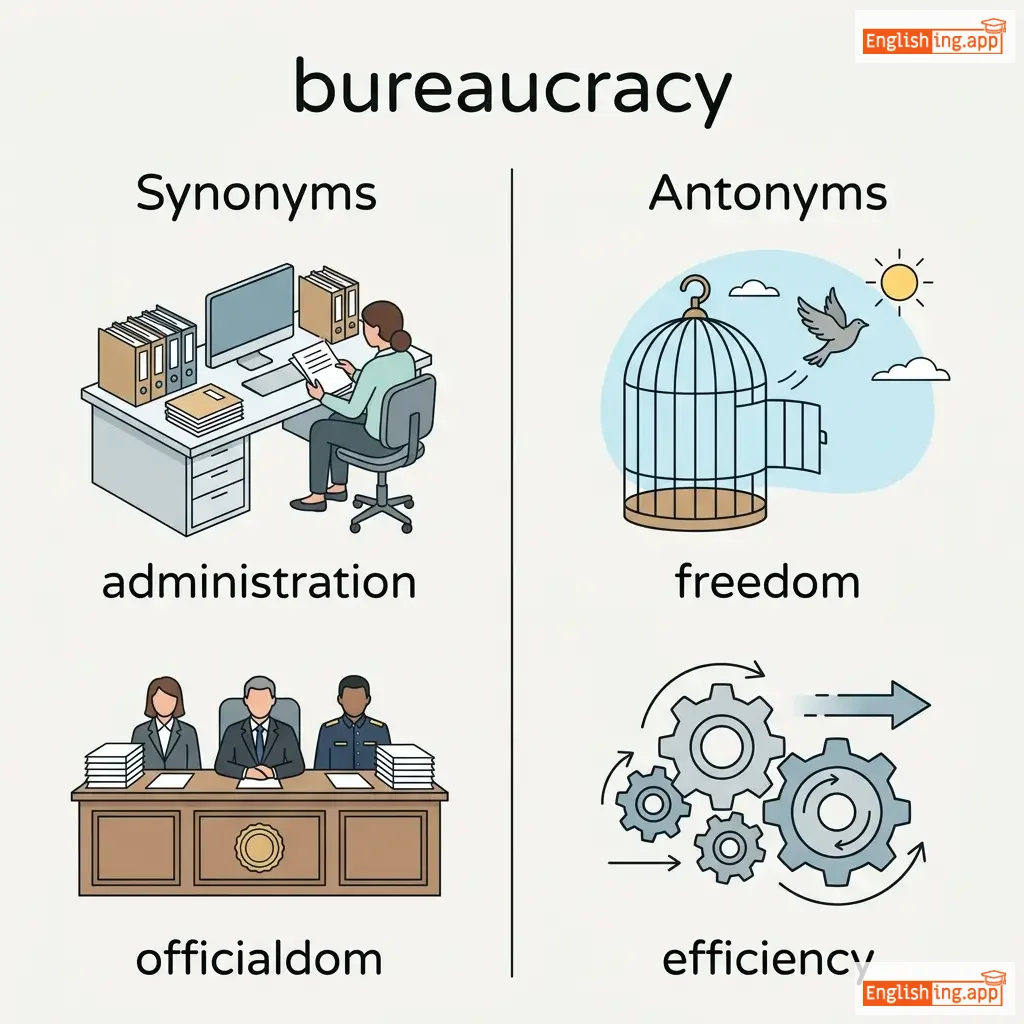
Administration, Red Tape, Officialdom
••••••
|
Efficiency, Simplicity, Flexibility
••••••
|
官僚主義は英語の'bureaucracy'に似ており、どちらも厳格なルールと手続きのシステムです。
••••••
|
|
#2532
🏢
|
ˌpraɪ.və.taɪˈzeɪ.ʃən
noun
(プライベタイズエイション)
••••••
|
|
民営化
min'eika
••••••
|
The transfer of ownership of an organization or property from government to private sector.
••••••
|
The privatization of industries has led to increased efficiency. |
産業の民営化は効率の向上をもたらした。
Sangyō no min'eika wa kōritsu no kōjō o motarashita.
••••••
|
Private Ownership, Commercialization, Deregulation
••••••
|
Nationalization, Public Ownership, State Control
••••••
|
民営 + 化, まるで政府が民間に変わるような感じ。
••••••
|
|
#2533
🔓
|
ˌdiːˌrɛɡ.jʊˈleɪ.ʃən
noun
(ディレギュレーション)
••••••
|
|
規制緩和
kisei kanwa
••••••
|
The removal or reduction of government regulations in an economic sector.
••••••
|
Deregulation has increased competition in the telecommunications sector.
規制緩和は通信業界で競争を促進しました。
••••••
|
規制緩和は通信業界で競争を促進しました。
Kisei kanwa wa tsuushin gyoukai de kyousou o sokushin shimashita.
••••••
|
Liberalization, Free Market, Removal of Restrictions
••••••
|
Regulation, Control, Government Intervention
••••••
|
規制緩和で新しい競争が生まれる。
••••••
|
|
#2534
💸
|
ˈfɪs.kəl
adjective
(フィスカル)
••••••
|
|
財政の
zaisei no
••••••
|
Related to government revenue, taxation and expenditure.
••••••
|
The government introduced fiscal policies to control inflation.
政府はインフレを抑制するために財政政策を導入しました。
••••••
|
政府はインフレを抑制するために財政政策を導入しました。
Seifu wa infure o yokusei suru tame ni zaisei seisaku o dōnyū shimashita.
••••••
|
Financial, Budgetary, Economic
••••••
|
Non-financial, Extraneous, Unrelated
••••••
|
財政政策はインフレを抑制するために重要です。
••••••
|
|
#2535
🏦
|
ˈmʌn.ɪ.tri
adjective
(モネタリー)
••••••
|
|
モネタリー
monetari
••••••
|
Related to money system and central bank policies.
••••••
|
The central bank regulates monetary policies to stabilize the economy. |
中央銀行は経済を安定させるためにモネタリーポリシーを規制します。
Chūō ginkō wa keizai o antei saseru tame ni monetarī porishī o kisei shimasu.
••••••
|
Financial, Economic, Money-related
••••••
|
Non-monetary, Barter-based, Non-financial
••••••
|
Japanese 'モネタリー' is a direct adaptation of the English 'monetary'.
••••••
|
|
#2536
⚖️
|
dɪˈspær.ə.ti
noun
(ディスパリティ)
••••••
|
|
格差
kakusa
••••••
|
A difference in wealth, opportunities or facilities.
••••••
|
The income disparity between rich and poor is increasing. |
富裕層と貧困層の間の収入格差が増加しています。
Fuyusou to hinkonsou no aida no shuunyuu kakusa ga zouka shiteimasu.
••••••
|
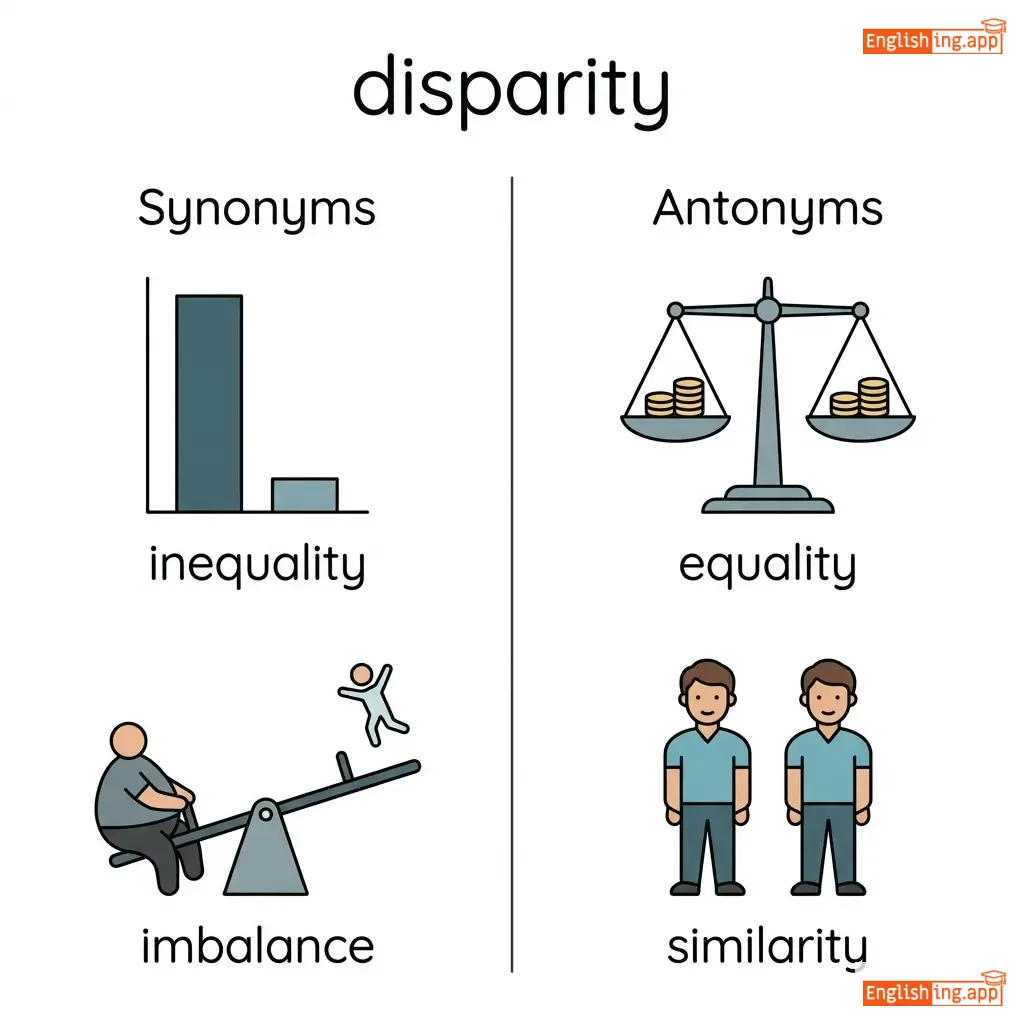
Inequality, Imbalance, Disproportion
••••••
|
Equality, Balance, Uniformity
••••••
|
格差とは、富んでいる人と貧しい人の違いを示しています。
••••••
|
|
#2537
💰
|
ˌsʌb.sɪ.dɪˈzeɪ.ʃən
noun
(助成)
••••••
|
|
助成金
joseikin
••••••
|
Financial assistance provided by government to make certain goods or services more affordable.
••••••
|
Subsidization of agriculture helps farmers maintain crop production. |
農業の助成金は、農家が作物の生産を維持するのに役立ちます。
Nōgyō no joseikin wa, nōka ga sakumotsu no seisan o iji suru no ni yakudachimasu.
••••••
|
Financial Aid, Grant, Public Funding
••••••
|
Taxation, Cost-cutting, Self-sufficiency
••••••
|
In Japanese, '助成金' (joseikin) is similar to the English 'subsidy', especially in farming.
••••••
|
|
#2538
📈
|
ɪnˈfleɪ.ʃə.ner.i
adjective
(インフレイショナリー)
••••••
|
|
インフレーション
infureshon
••••••
|
An economic condition where prices of goods increase.
••••••
|
The country is facing inflationary pressure due to increased demand. |
その国は需要の増加によりインフレ圧力に直面しています。
Sono kuni wa juyō no zōka ni yori infure atsuriki ni chokumen shiteimasu.
••••••
|
Price-rising, Cost-increasing, Economic Growth-related
••••••
|
Deflationary, Price-stabilized, Non-inflationary
••••••
|
インフレはまるで風船が膨らむように物価が上がっていきます。
••••••
|
|
#2539
🔄
|
ˈtreɪd.ɒf
noun
(トレードオフ)
••••••
|
|
トレードオフ
toreedoofu
••••••
|
A situation where accepting one advantage means giving up another benefit.
••••••
|
There is always a trade-off between price and quality. |
価格と品質の間には常にトレードオフがあります。
kakaku to hinshitsu no aida ni wa itsumo toreedoofu ga arimasu.
••••••
|
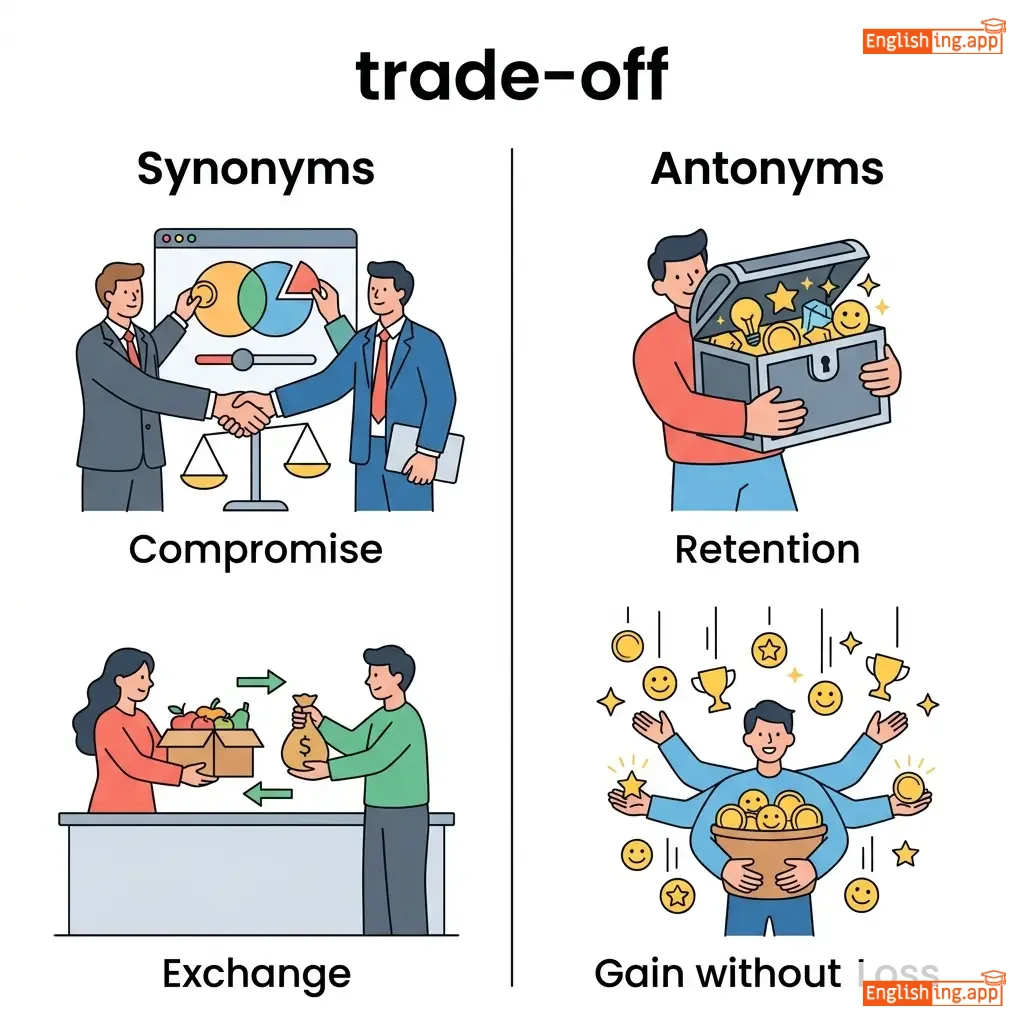
Compromise, Exchange, Sacrifice
••••••
|
Retention, Gain without Loss, Absolute Choice
••••••
|
トレードオフは、価格と品質のバランスを取ることです。
••••••
|
|
#2540
⚖️
|
ˌiː.kwɪˈlɪb.ri.əm
noun
(エクイリブリウム)
••••••
|
|
均衡
kinkou
••••••
|
A balanced state between supply and demand.
••••••
|
The market reached an equilibrium where supply met demand. |
市場は供給と需要が一致する均衡の状態に達しました。
Shijou wa kyoukyuu to juuyou ga icchi suru kinkou no joutai ni tasshimashita.
••••••
|
Balance, Stability, Steadiness
••••••
|
Imbalance, Instability, Disproportion
••••••
|
均衡 (kinkou) という日本語は 'equilibrium' の意味に近い。
••••••
|
|
#2541
⚠️
|
ˈskeə.sɪ.ti
noun
(esukaasiti)
••••••
|
|
不足
fusoku
••••••
|
The state of being scarce or in short supply when demand exceeds supply.
••••••
|
Water scarcity is a major global issue. |
水不足は重大な地球規模の問題です。
Mizu fusoku wa juudaina chikyuu kibo no mondai desu.
••••••
|
Shortage, Deficiency, Lack
••••••
|
Abundance, Surplus, Plenty
••••••
|
不足は 'fu' (不足) から来て、何かが足りない状態を示します。
••••••
|
Vocabulary Quiz
Test your vocabulary by matching words with their translations or meanings.
Login to take the quiz
Comments (0)
Share your thoughts and join the discussion.
Join the discussion by logging in
Login to CommentNo comments yet
Be the first to share your thoughts!