

二都物語
A Tale of Two Cities
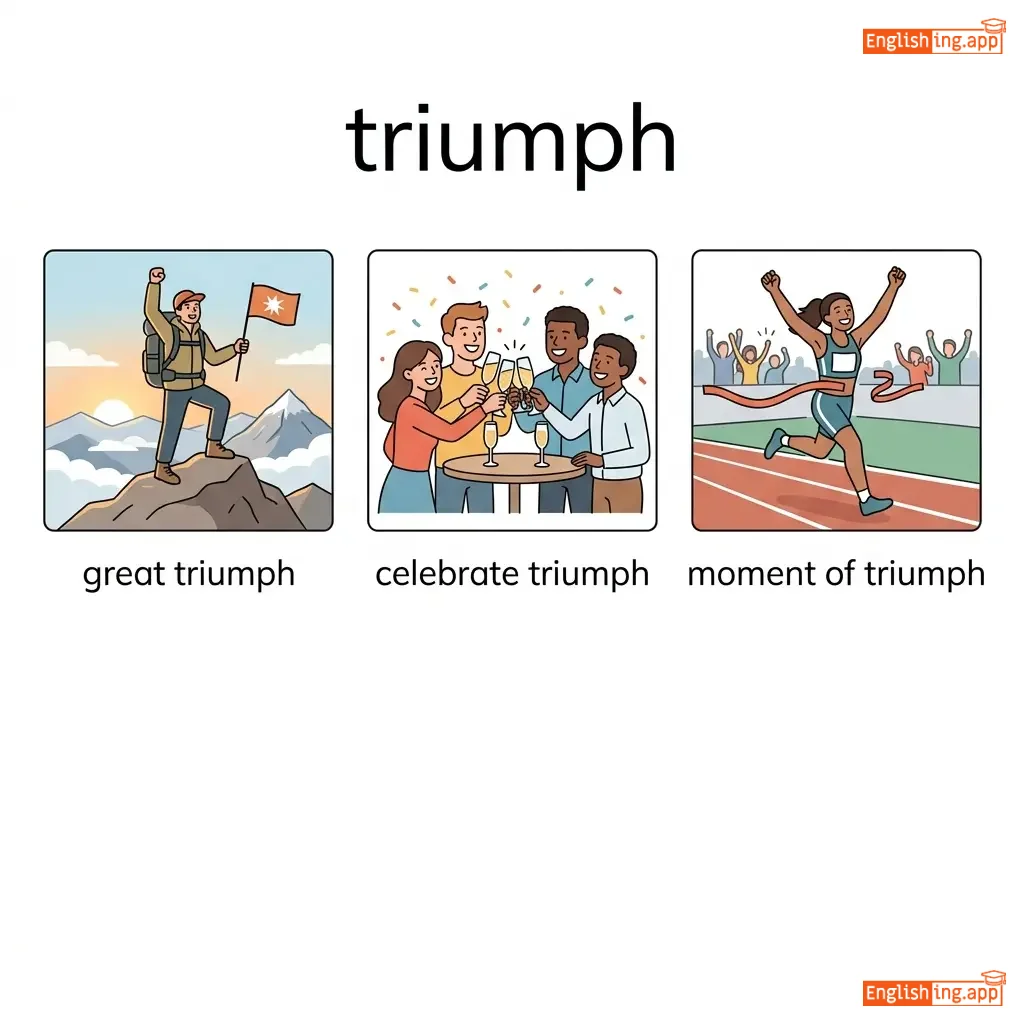
A Tale of Two Cities はチャールズ・ディケンズの greatest triumph であり、sacrifice と salvation をテーマにしています。French Revolution を背景に書かれたこの timeless story は、読者の心を深く打ちます。小説はロンドンとパリの二つの都市の関係の二重性を描いています。
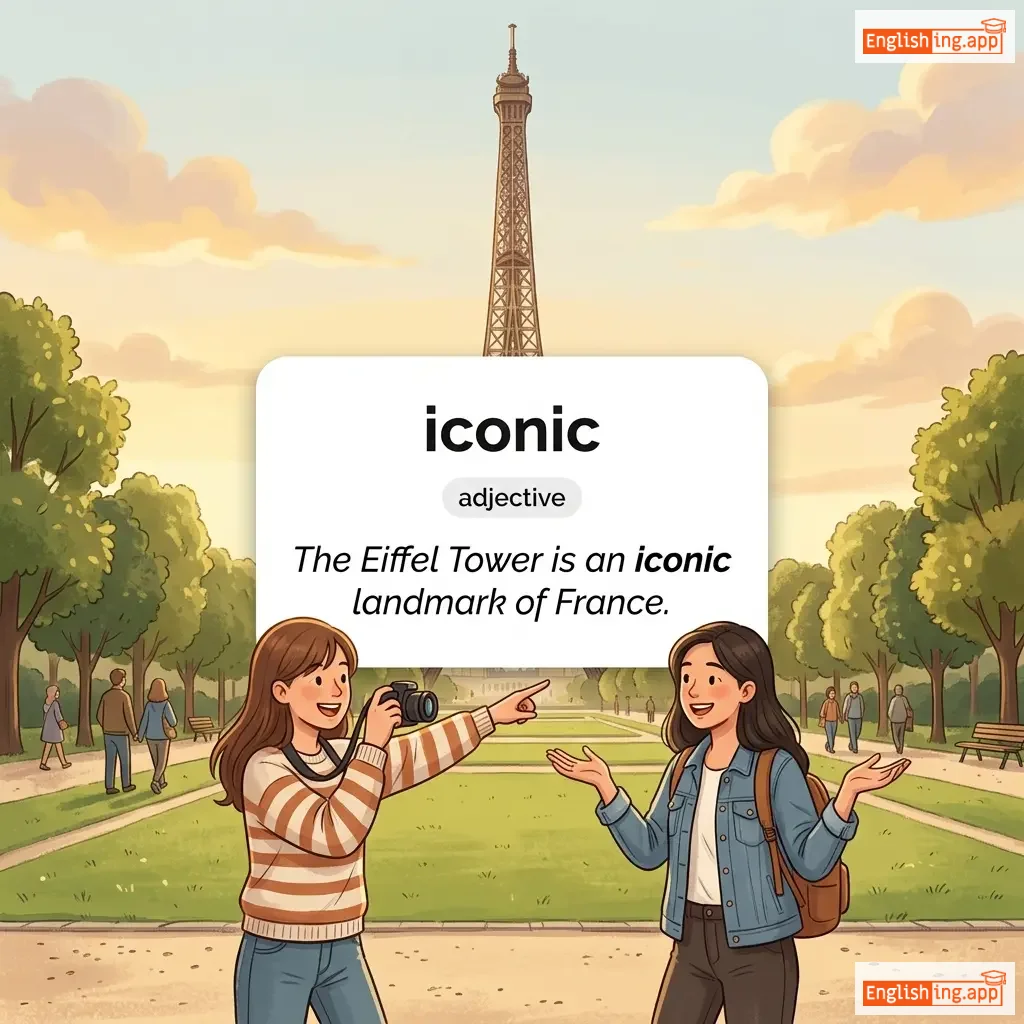
物語は protagonist チャールズ・ダーネイと hero シドニー・カートンの人生の parallel journey を示しています。シドニー・カートンの self-sacrifice は物語の中で最も感動的な瞬間の一つです。カートンの有名な言葉「It is a far, far better thing that I do, than I have ever done」は、読者の心に刻まれています。この iconic line は勇気と犠牲の究極の象徴です。
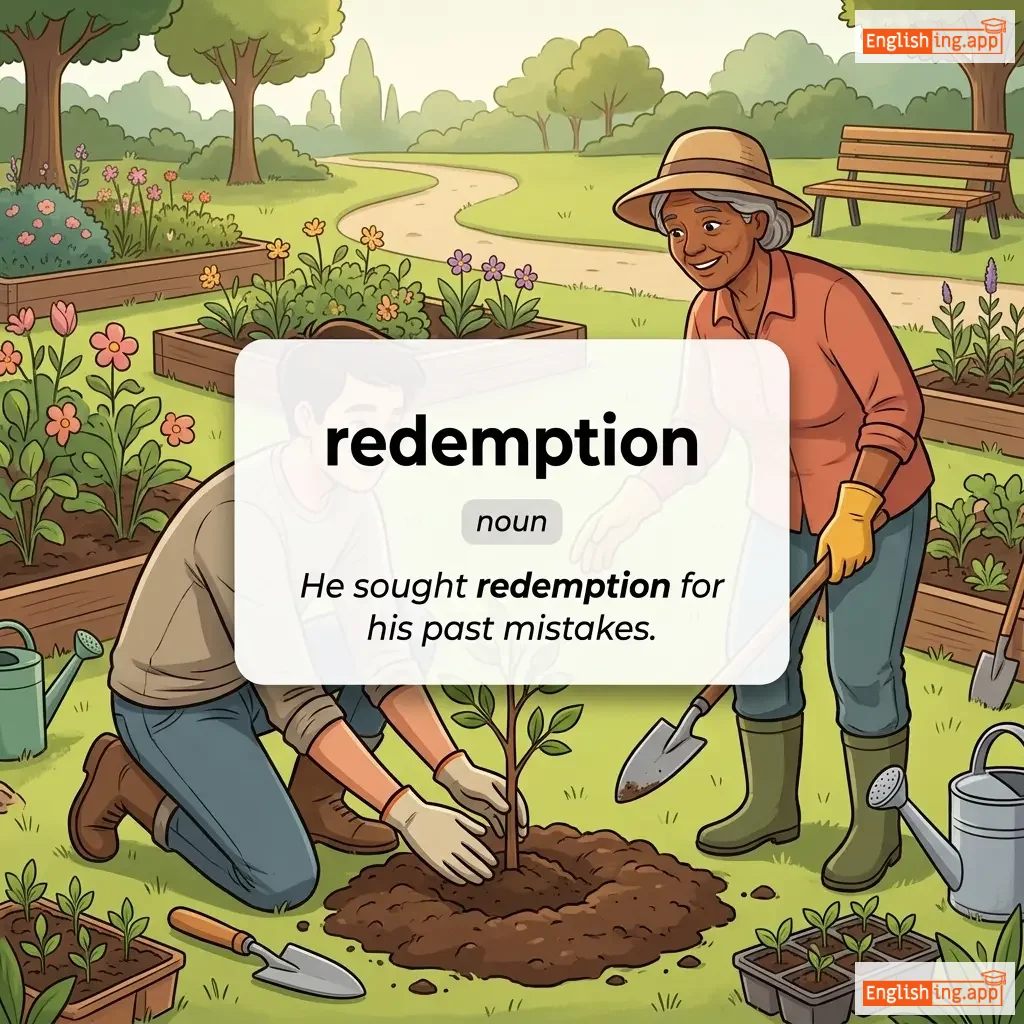
物語の themes には愛、redemption、そして revolutionary justice が含まれています。階級 conflict、violence、そして社会的 inequality の反映も見られます。ディケンズはその symbolism と narrative style によって物語に命を吹き込みます。
この timeless masterpiece は単なる historical context を扱うだけでなく、human nature と moral values についても考えさせられます。Sacrifice の究極の例として、シドニー・カートンは今なお literature における最も影響力のある heroes の一人です。
翻訳
過去
過去分詞
三人称単数
動名詞
意味
例文
例文の翻訳
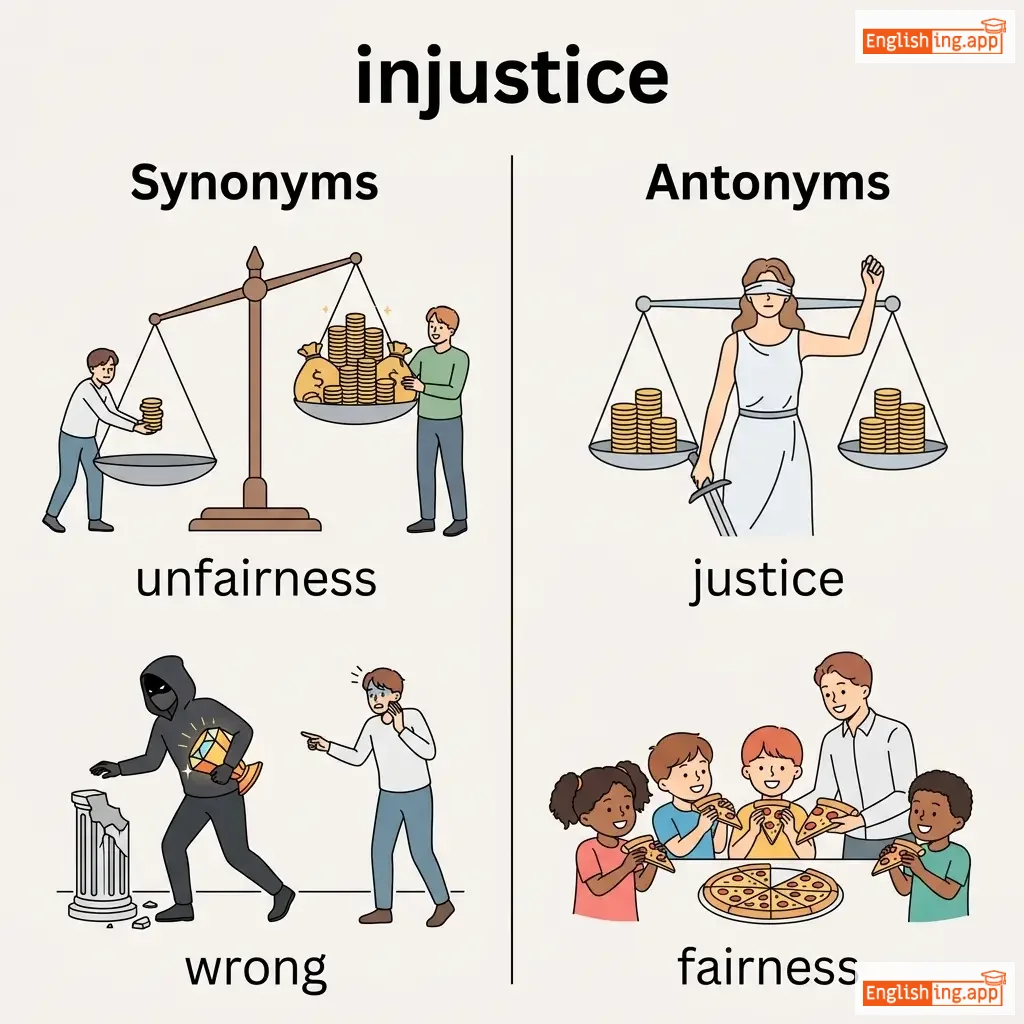
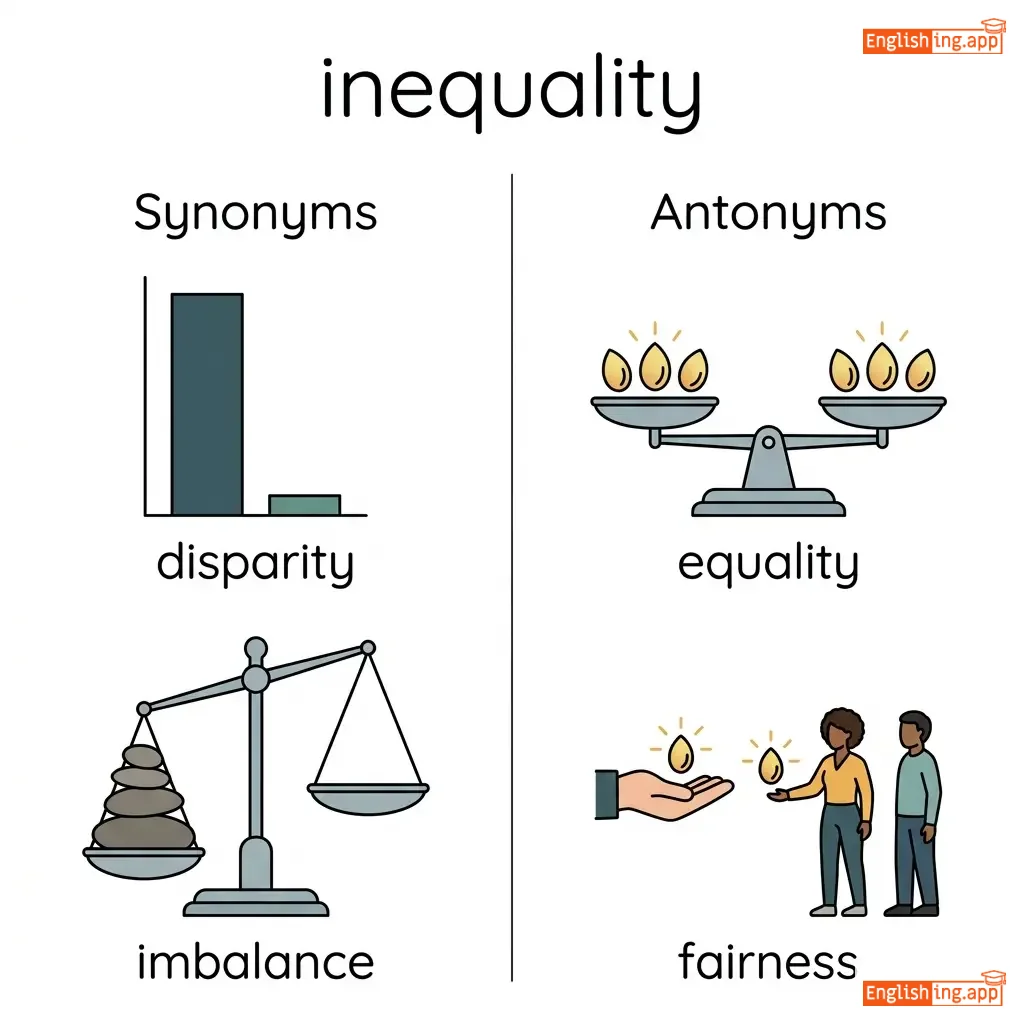
同義語
対義語
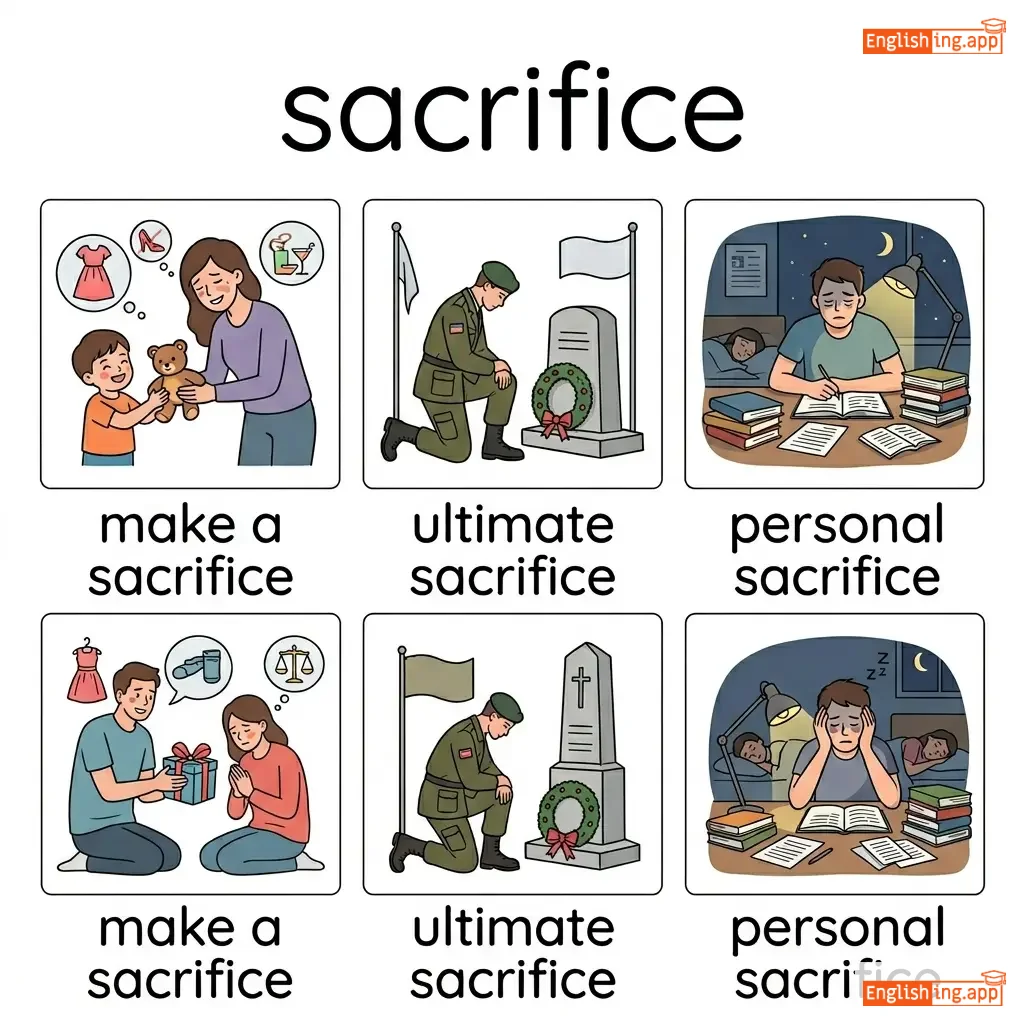
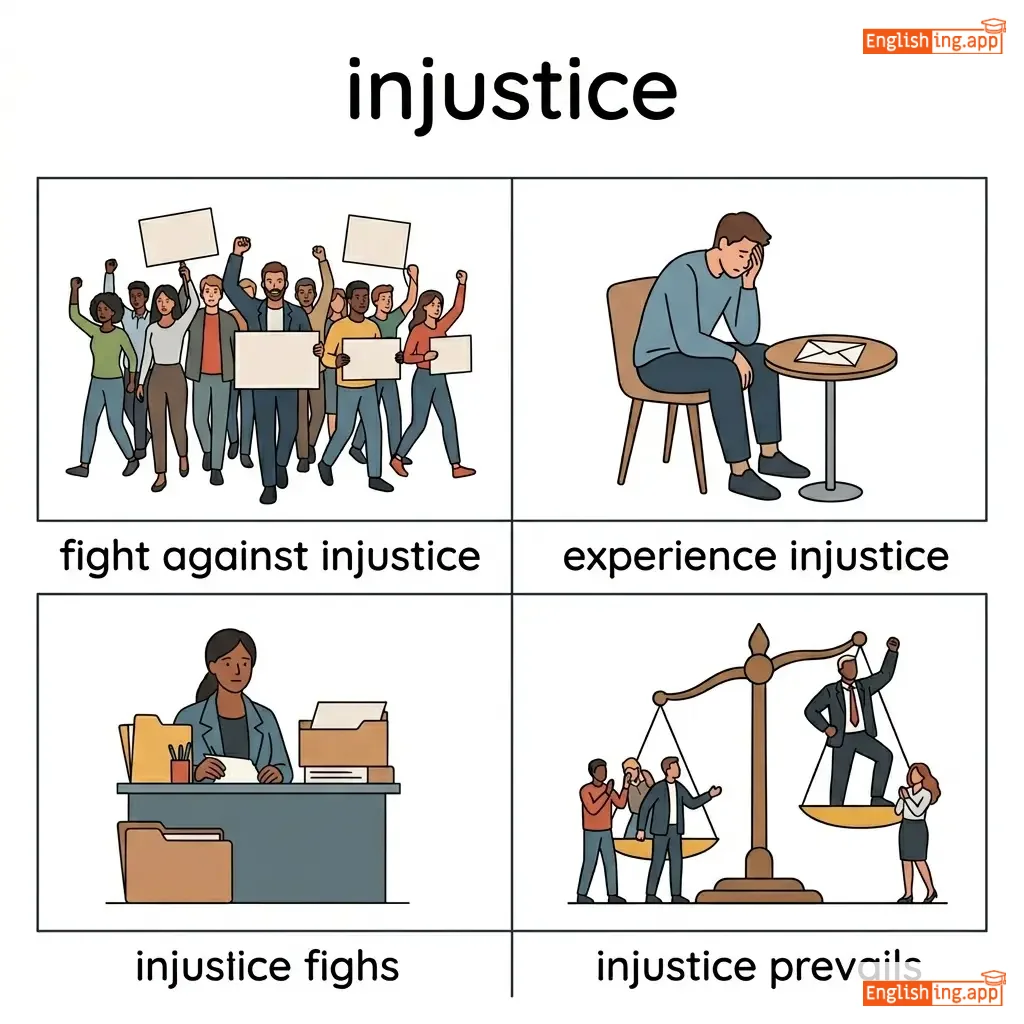
コロケーション
ニーモニック
Swipe left or right, or use the buttons. Tap image to zoom.
例文の翻訳
単語
A Tale of Two CitiesA Tale of Two Cities - マスクトグル
|
絵文字
|
単語 | Images | 翻訳 | 意味 | 例文 | 例文の翻訳 | 同義語 | 対義語 | ニーモニック |
|---|---|---|---|---|---|---|---|---|---|
|
#1054
🙏
|
ˈsækrɪfaɪs
noun
(サクリファイス)
••••••
|
|
犠牲
gisei
••••••
|
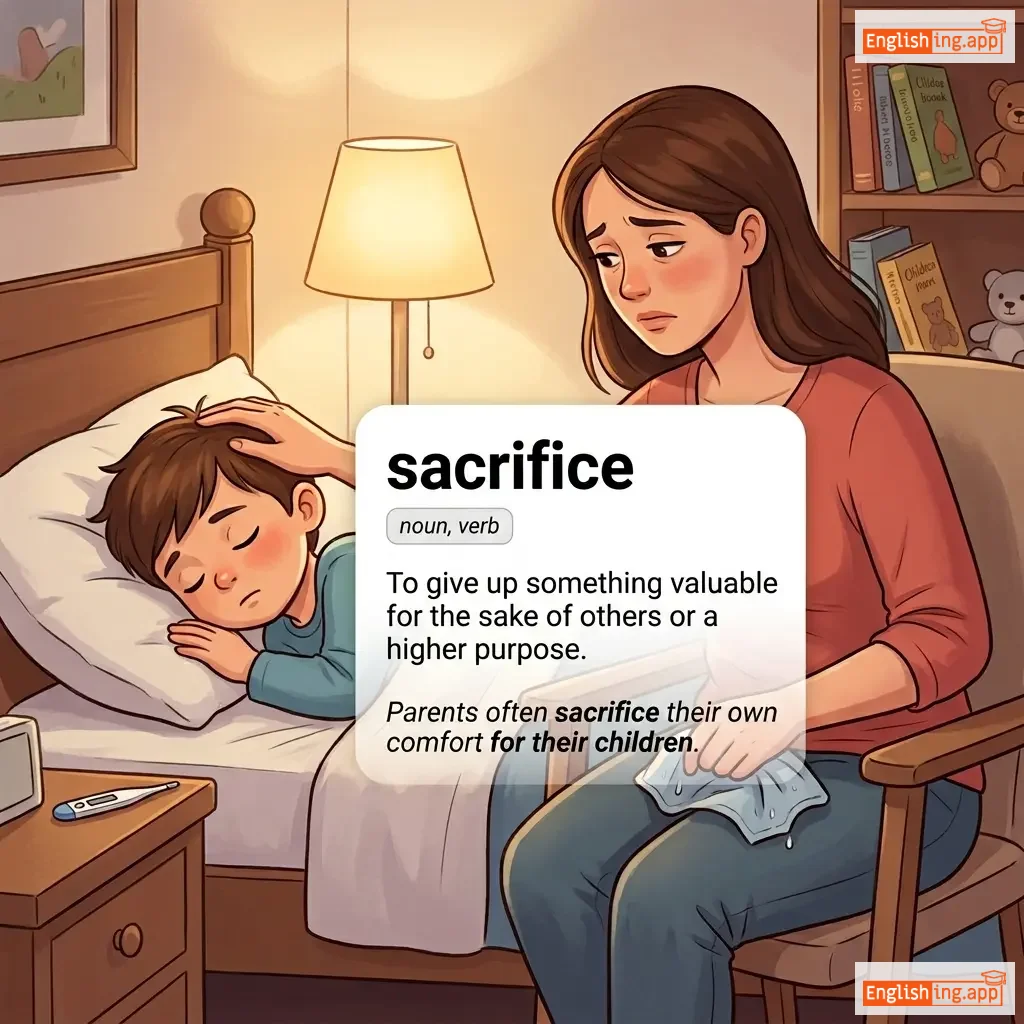
The act of giving up something valued for the sake of something else regarded as more important or worthy.
••••••
|
Sacrifice is a central theme of the story.
犠牲は物語の中心的なテーマです。
••••••
|
犠牲は物語の中心的なテーマです。
Gisei wa monogatari no chūshin-tekina tēma desu.
••••••
|
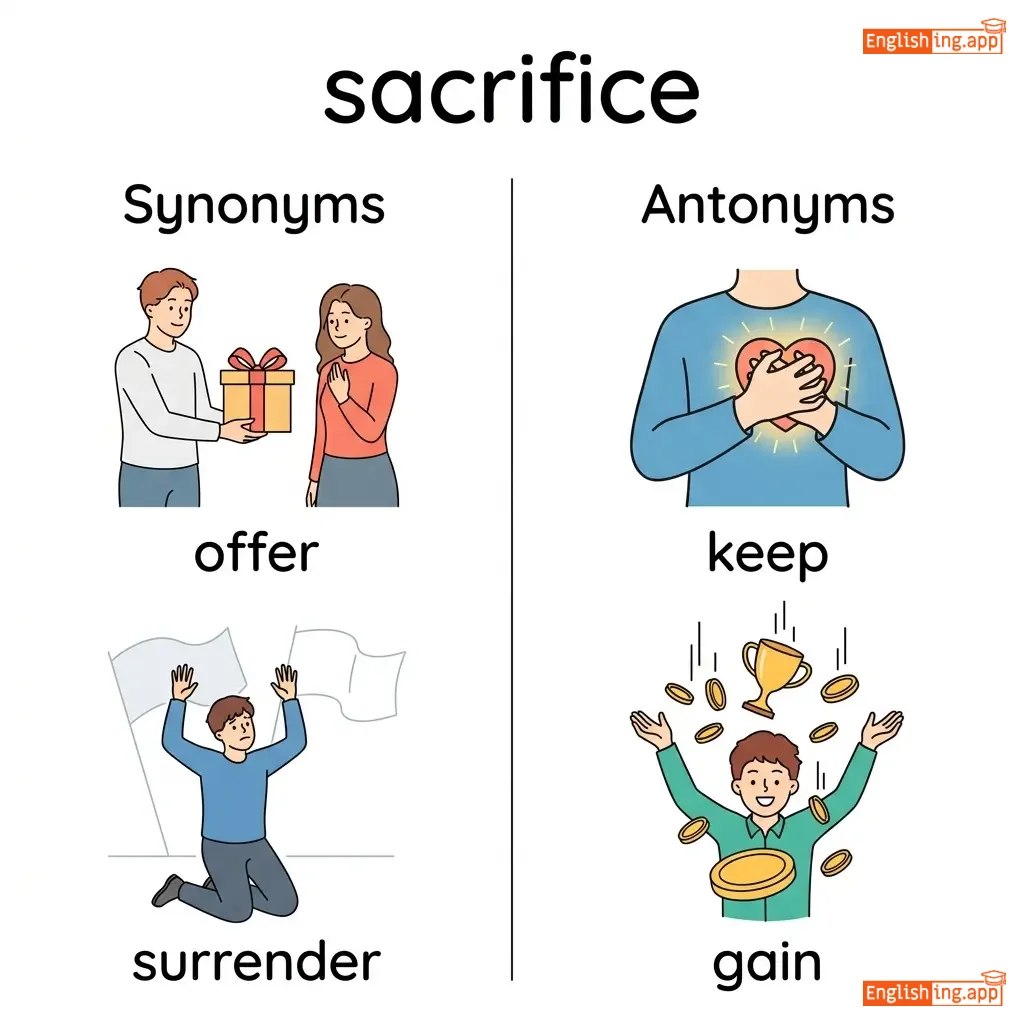
offering, surrender, giving up, devotion, selflessness, martyrdom
••••••
|
selfishness, greed, self-interest, preservation, keeping, hoarding
••••••
|
犠牲: 'ギを背負って大きな目的のために.'
••••••
|
|
#1055
⛪
|
sælˈveɪʃən
noun
(サルベーション)
••••••
|
|
救済
kyūsai
••••••
|
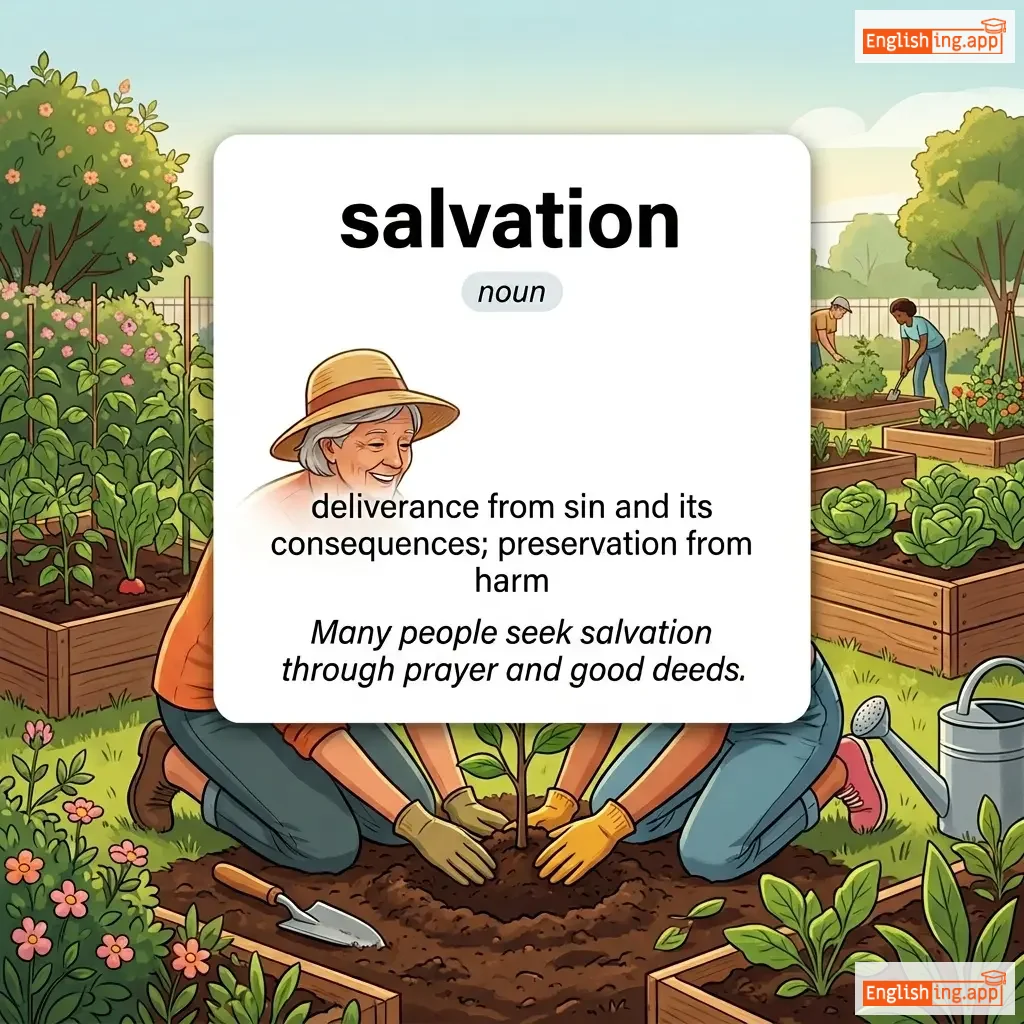
Deliverance from sin and its consequences, believed by Christians to be brought about by faith in Christ.
••••••
|
The story revolves around the theme of salvation.
物語は救いのテーマを中心に展開します。
••••••
|
物語は救いのテーマを中心に展開します。
Monogatari wa kyūsai no tēma o chūshin ni tenkai shimasu.
••••••
|
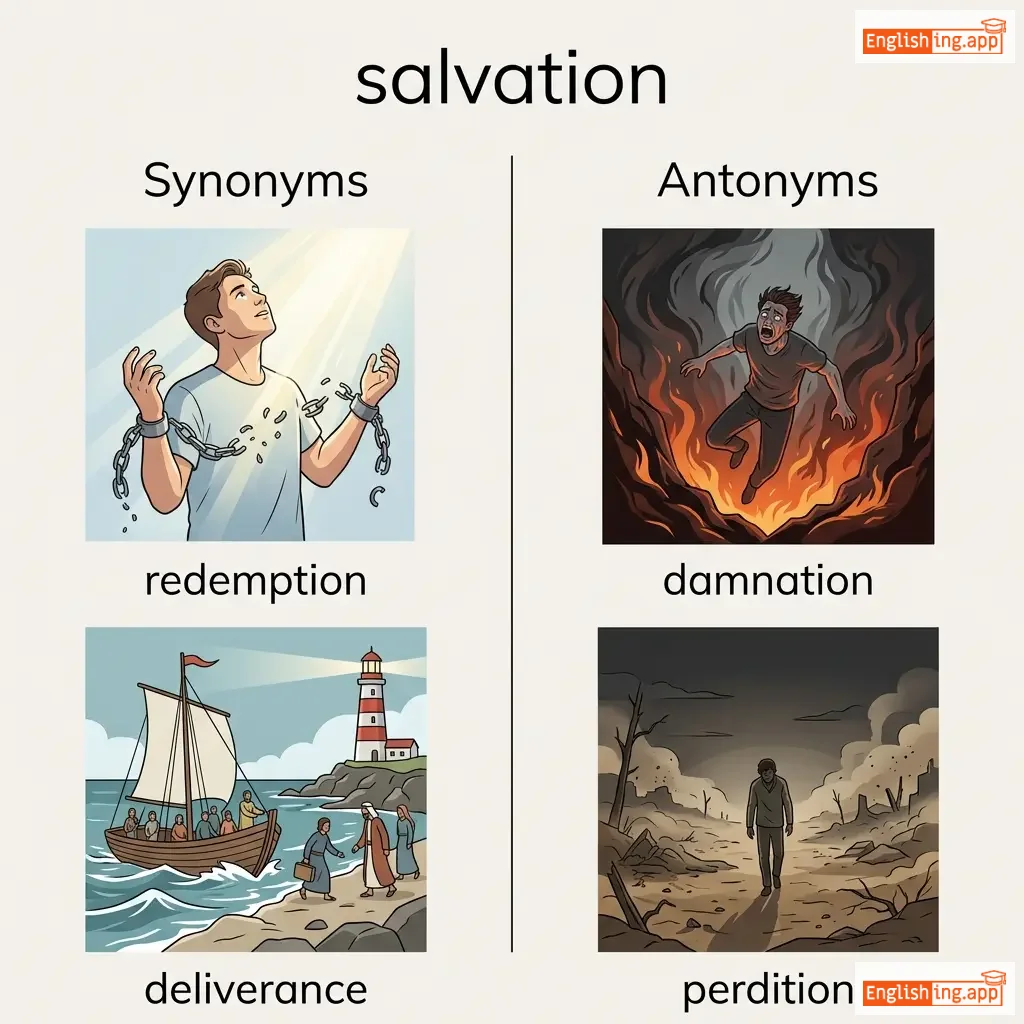
deliverance, redemption, rescue, liberation, release, freedom
••••••
|
damnation, despair, condemnation, perdition, ruin, destruction
••••••
|
救済 = 誰かを助けるとき、あなたはその人を救済しています。
••••••
|
|
#1056
🏆
|
ˈtraɪəmf
noun
(トライアンフ)
••••••
|
|
勝利
shōri
••••••
|
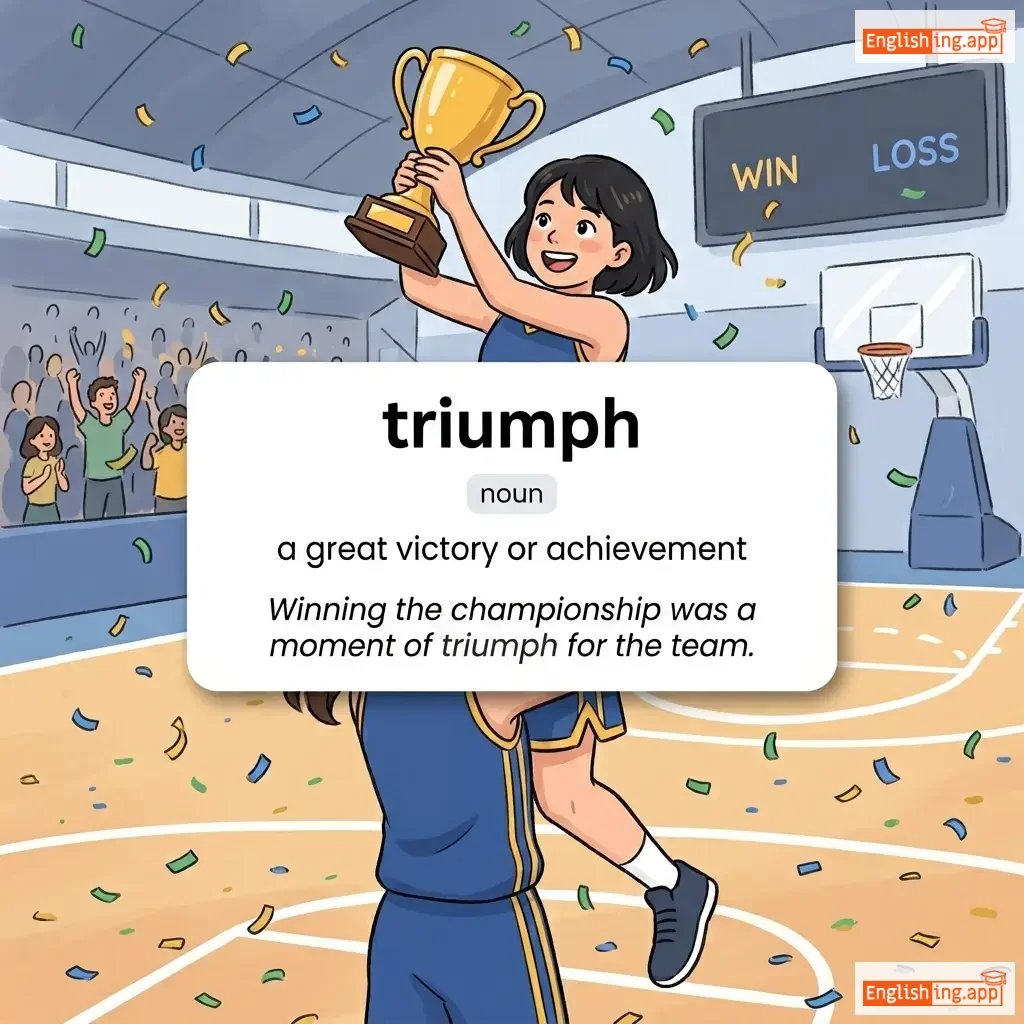
A great victory or achievement.
••••••
|
The novel is considered one of Dickens' greatest triumphs. |
その小説はディケンズの最も偉大な勝利の一つと見なされています。
Sono shōsetsu wa Dikkensu no mottomo idaina shōri no hitotsu to minasareteimasu.
••••••
|
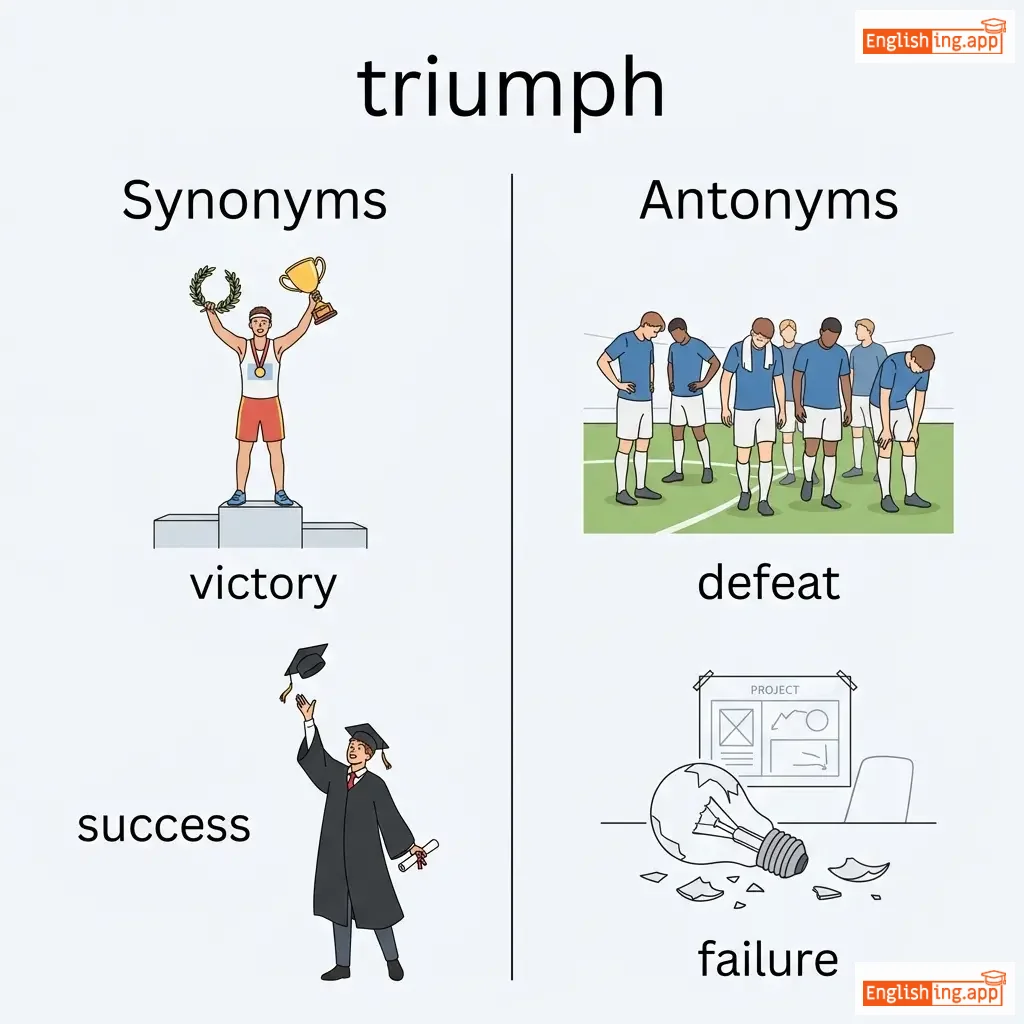
victory, success, conquest, achievement, accomplishment, win
••••••
|
defeat, failure, loss, setback, disappointment, catastrophe
••••••
|
勝利 (shōri) in Japanese captures the essence of triumph in English.
••••••
|
|
#1057
⭐
|
aɪˈkɒnɪk
adjective
(アイコニック)
••••••
|
|
象徴的な
shōchōteki na
••••••
|
Very famous or popular, especially being considered to represent particular opinions or a particular time.
••••••
|
The line "It was the best of times..." is iconic.
「それは最良の時代だった…」というセリフはアイコニックです。
••••••
|
"それは最良の時代だった…"というセリフは象徴的です。
"Sore wa sairyō no jidai datta..." to iu serifu wa shōchōteki desu.
••••••
|
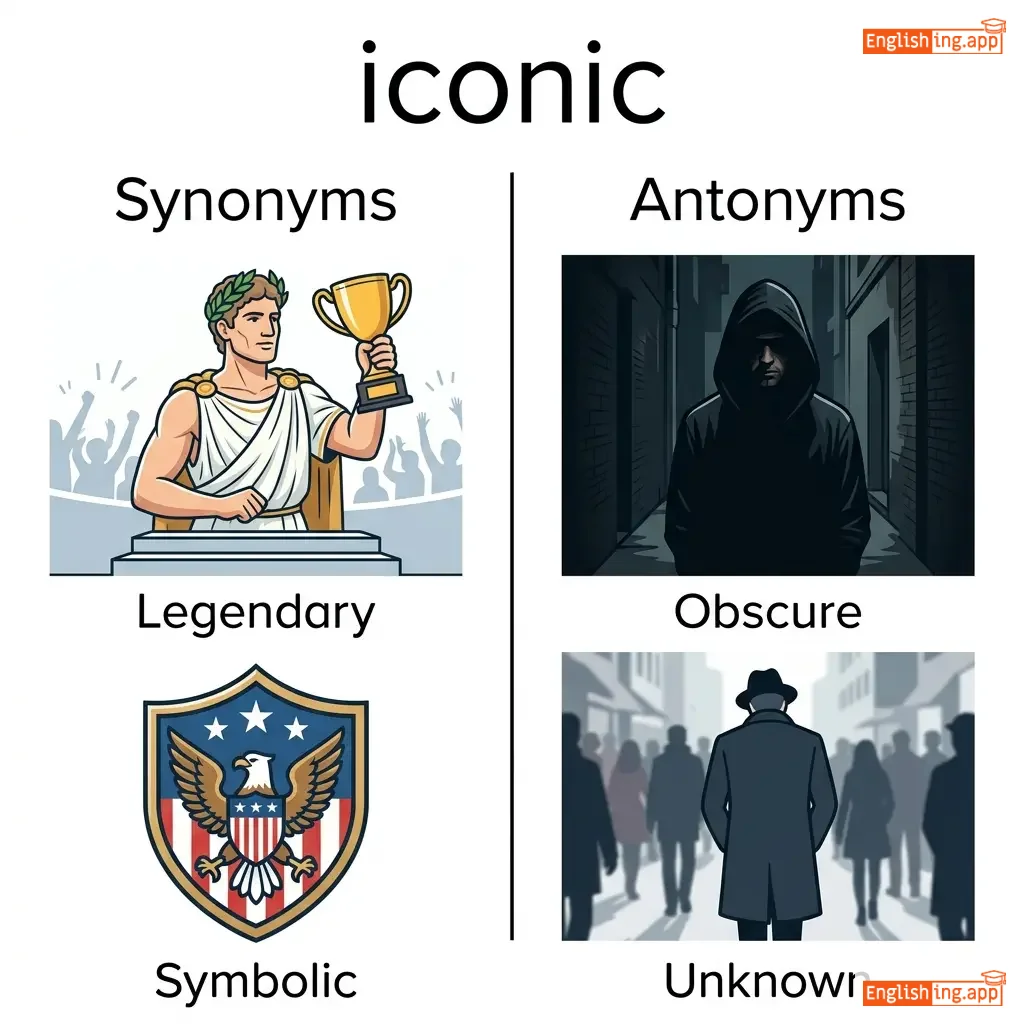
legendary, classic, famous, memorable, emblematic, representative
••••••
|
unremarkable, forgettable, ordinary, insignificant, unknown, obscure
••••••
|
象徴的な出来事が特定の時代を表す。
••••••
|
|
#1058
🙌
|
rɪˈdɛmpʃən
noun
(リデンプション)
••••••
|
|
贖い
aganai
••••••
|
The action of saving or being saved from sin, error, or evil.
••••••
|
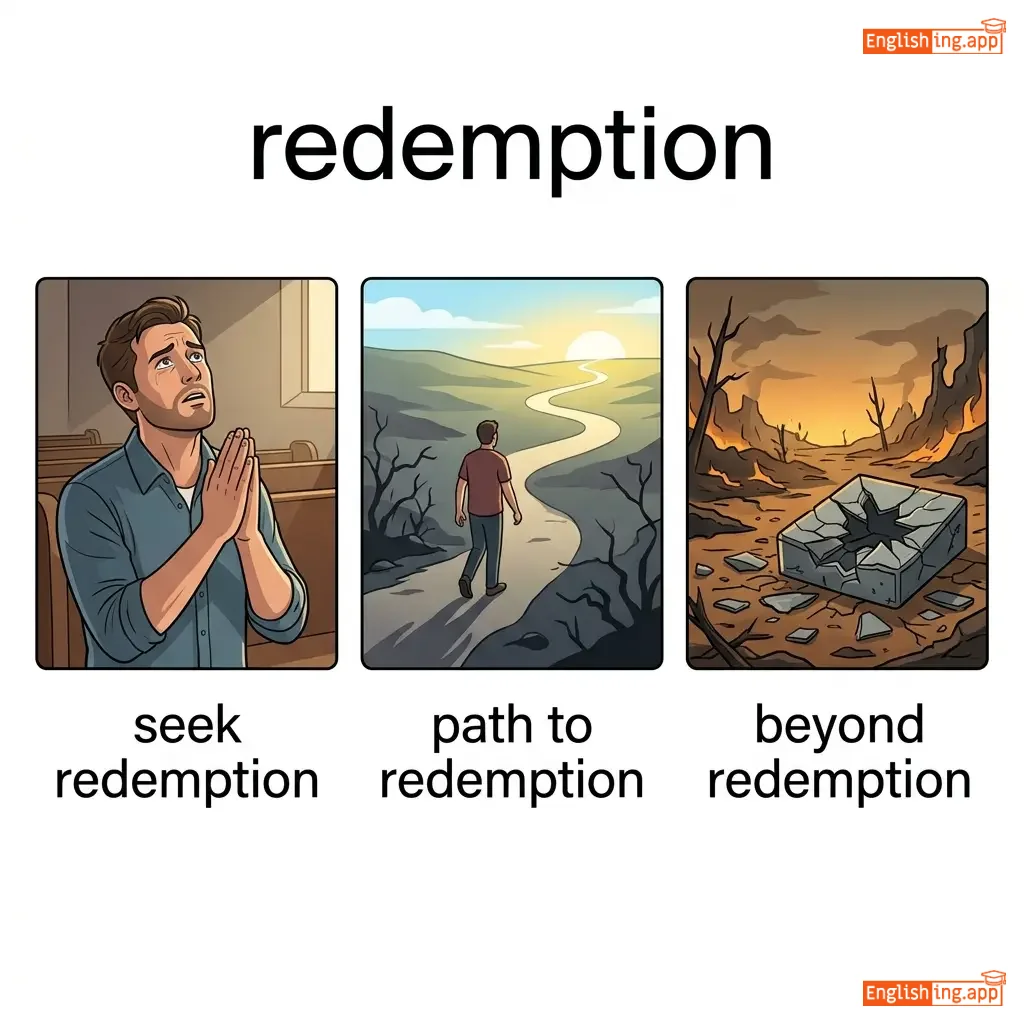
The story highlights the theme of redemption.
その物語は償いのテーマを強調しています。
••••••
|
その物語は償いのテーマを強調しています。
Sono monogatari wa aganai no tēma o kyōchō shiteimasu.
••••••
|
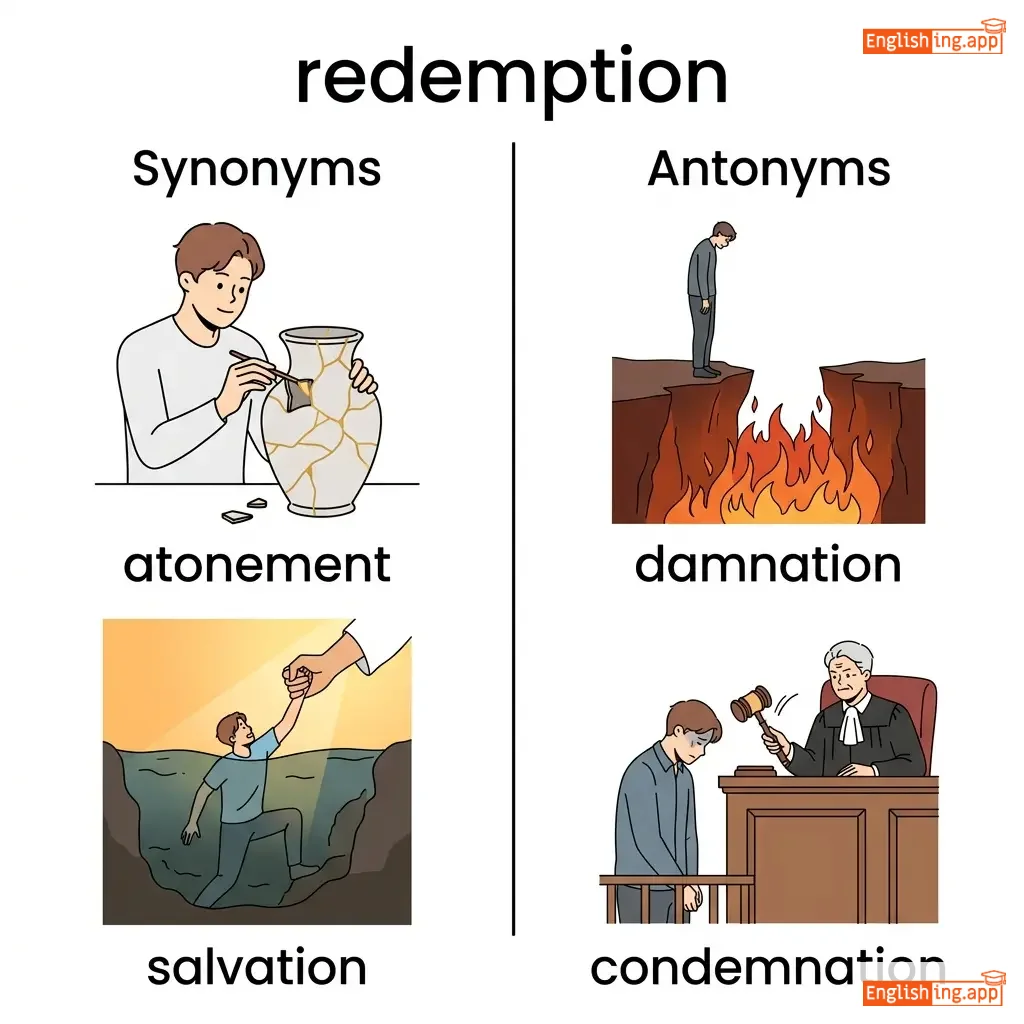
salvation, deliverance, rescue, recovery, reclamation, atonement
••••••
|
condemnation, punishment, damnation, perdition, guilt, sin
••••••
|
贖い、‘救い’という意味で、罪から解放されること。
••••••
|
|
#1059
🎭
|
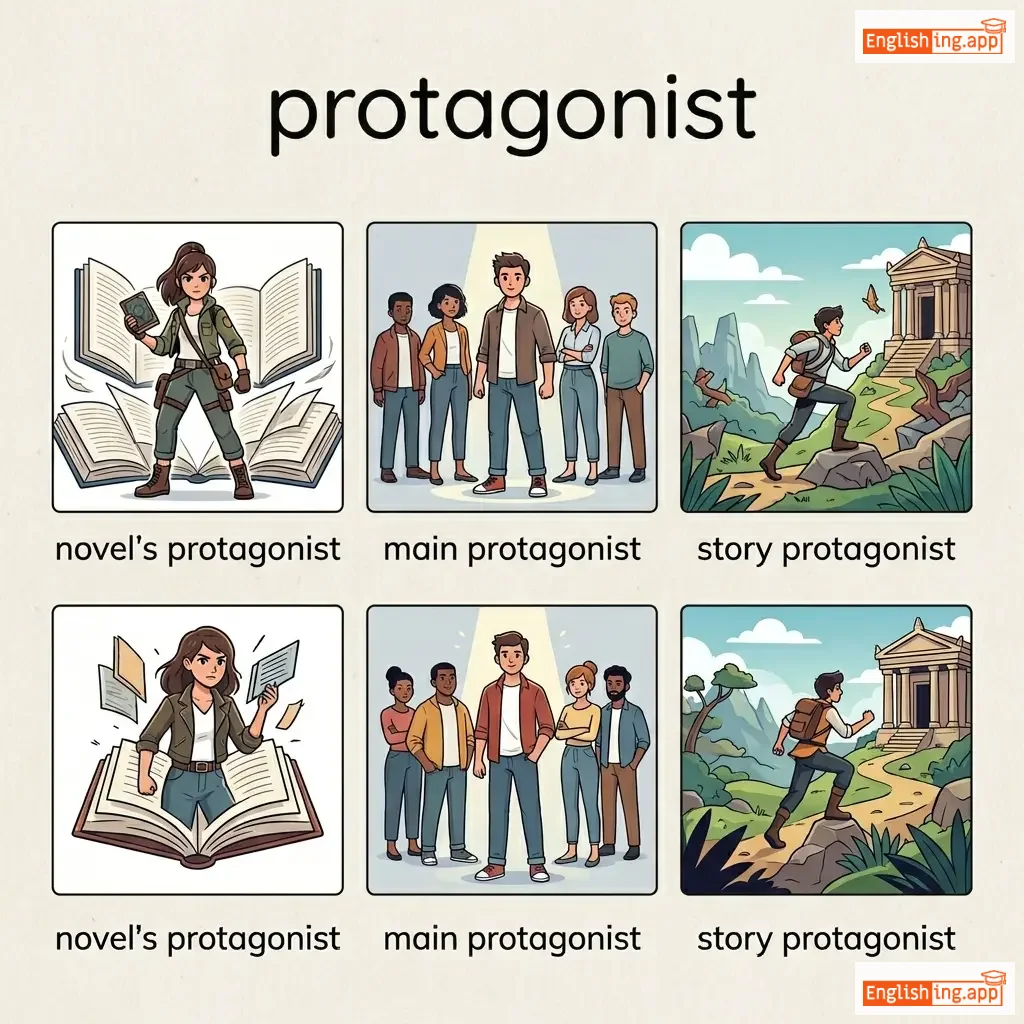
prəˈtæɡənɪst
noun
(プロタゴニスト)
••••••
|
|
主人公
shujinkou
••••••
|
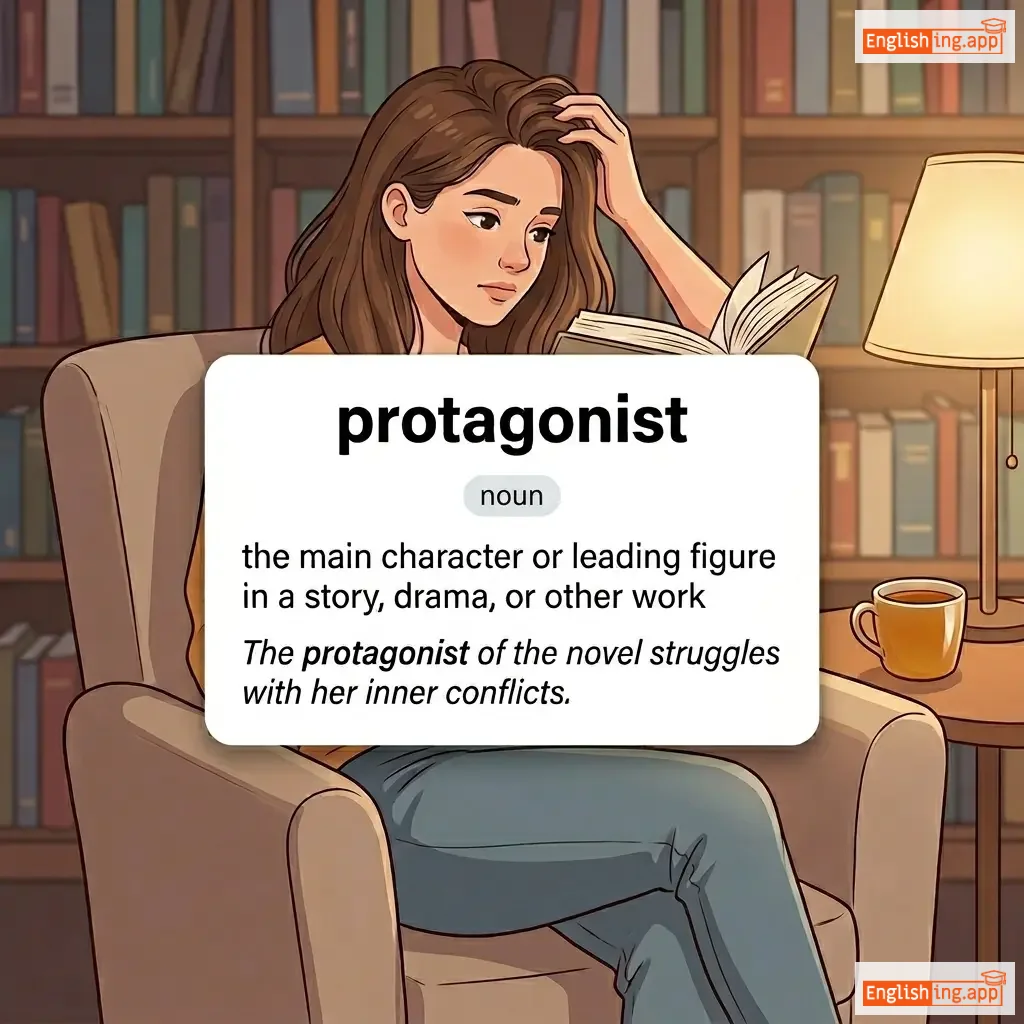
The leading character or one of the major characters in a drama, movie, novel, or other fictional text.
••••••
|
Charles Darnay is one of the protagonists of the story.
チャールズ・ダーネイは物語の主要な登場人物の一人です。
••••••
|
チャールズ・ダーネイは物語の主要な登場人物の一人です。
Chāruzu Dānei wa monogatari no shuyō na tōjō jinbutsu no hitori desu.
••••••
|
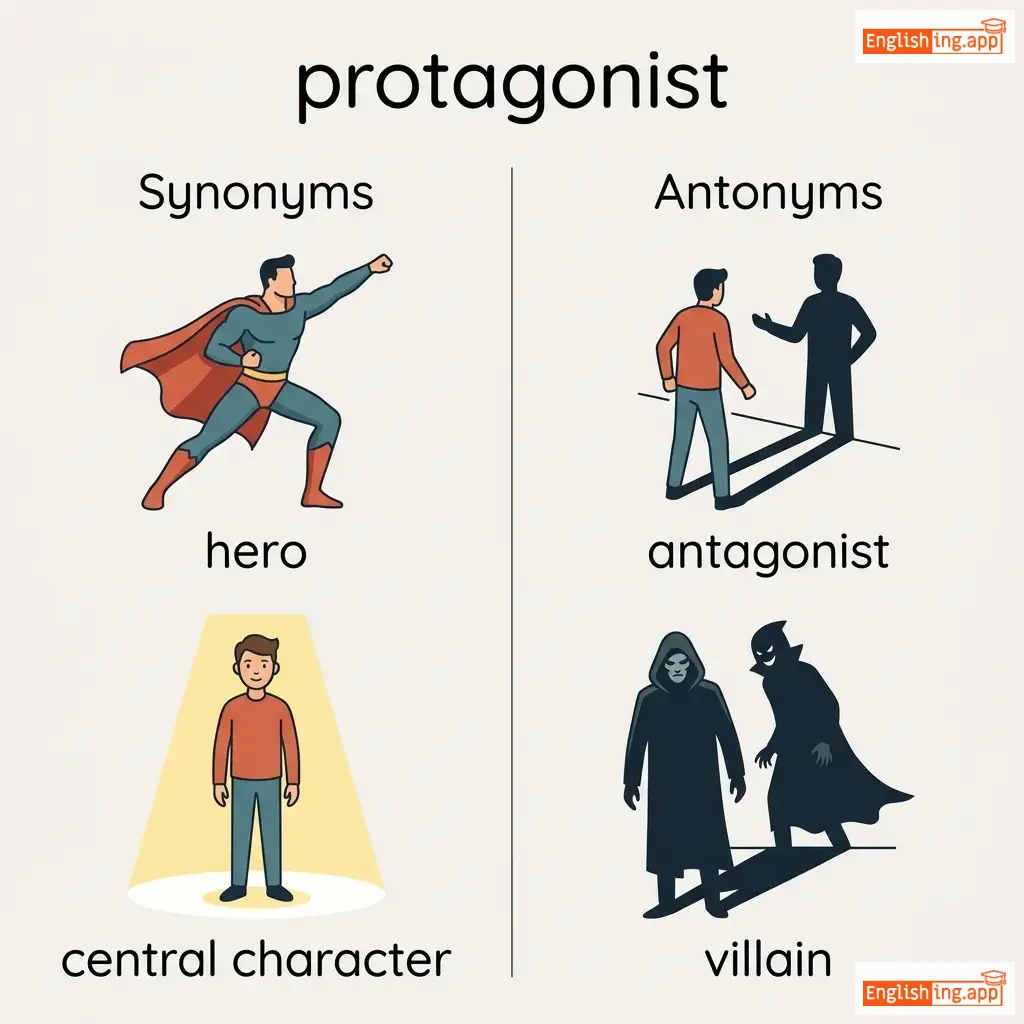
main character, leading character, principal character, central character, hero, heroine
••••••
|
antagonist, villain, opponent, enemy, adversary, rival
••••••
|
主人公(Shujinkou)- 主役、物語の中心!
••••••
|
|
#1060
🦸
|
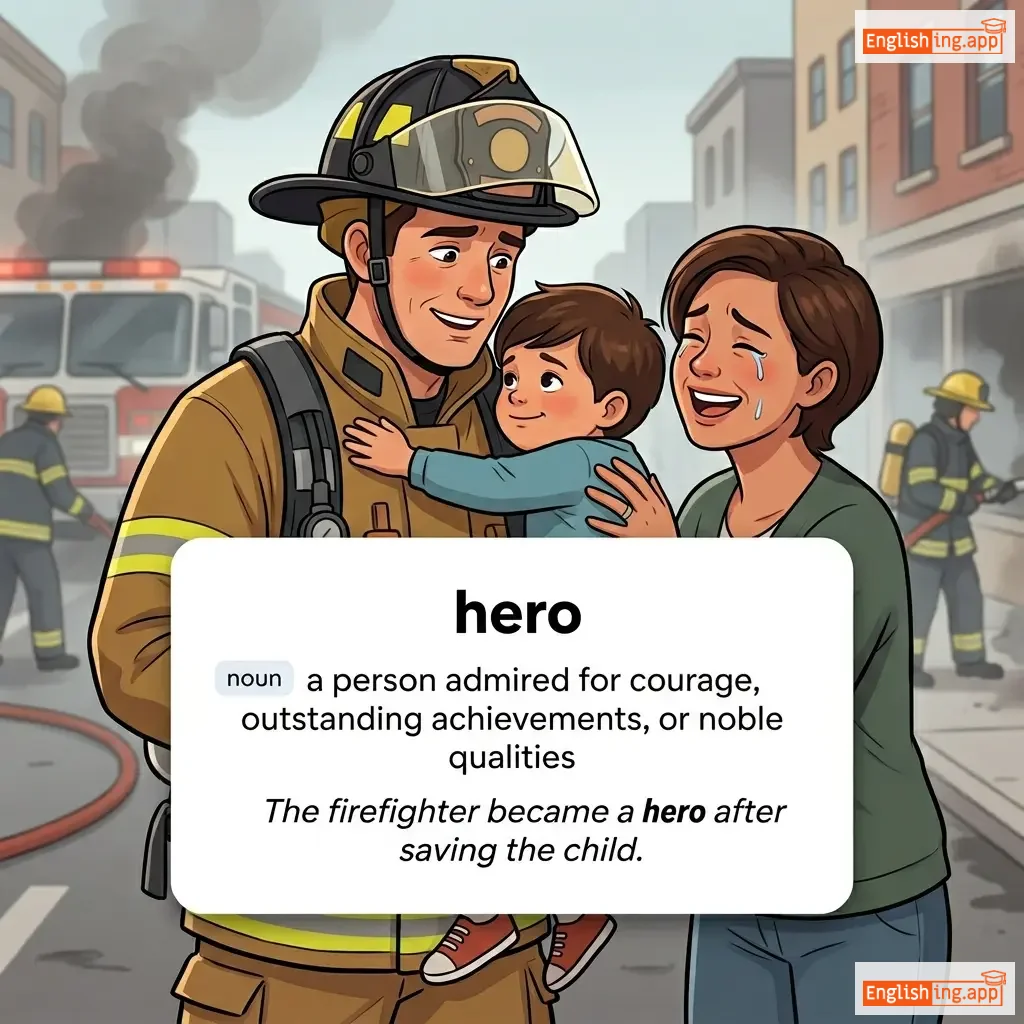
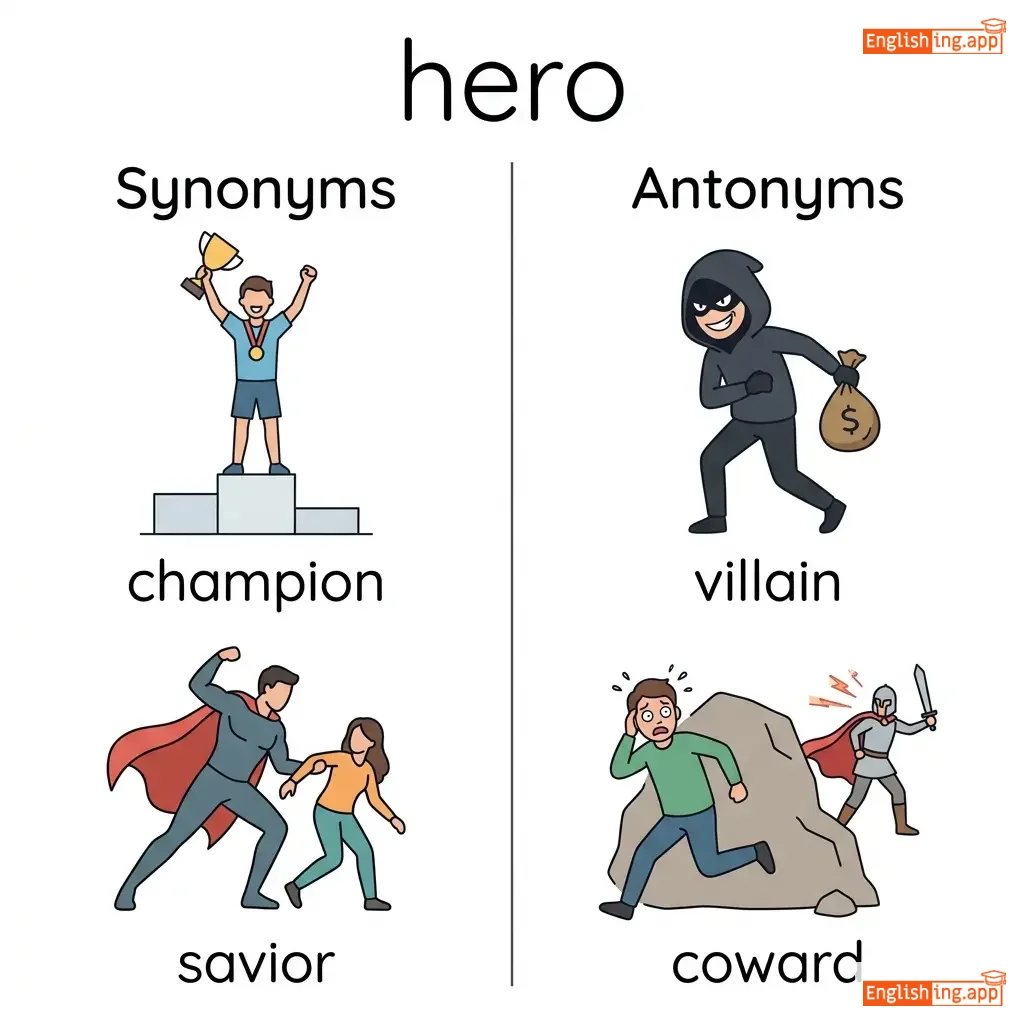
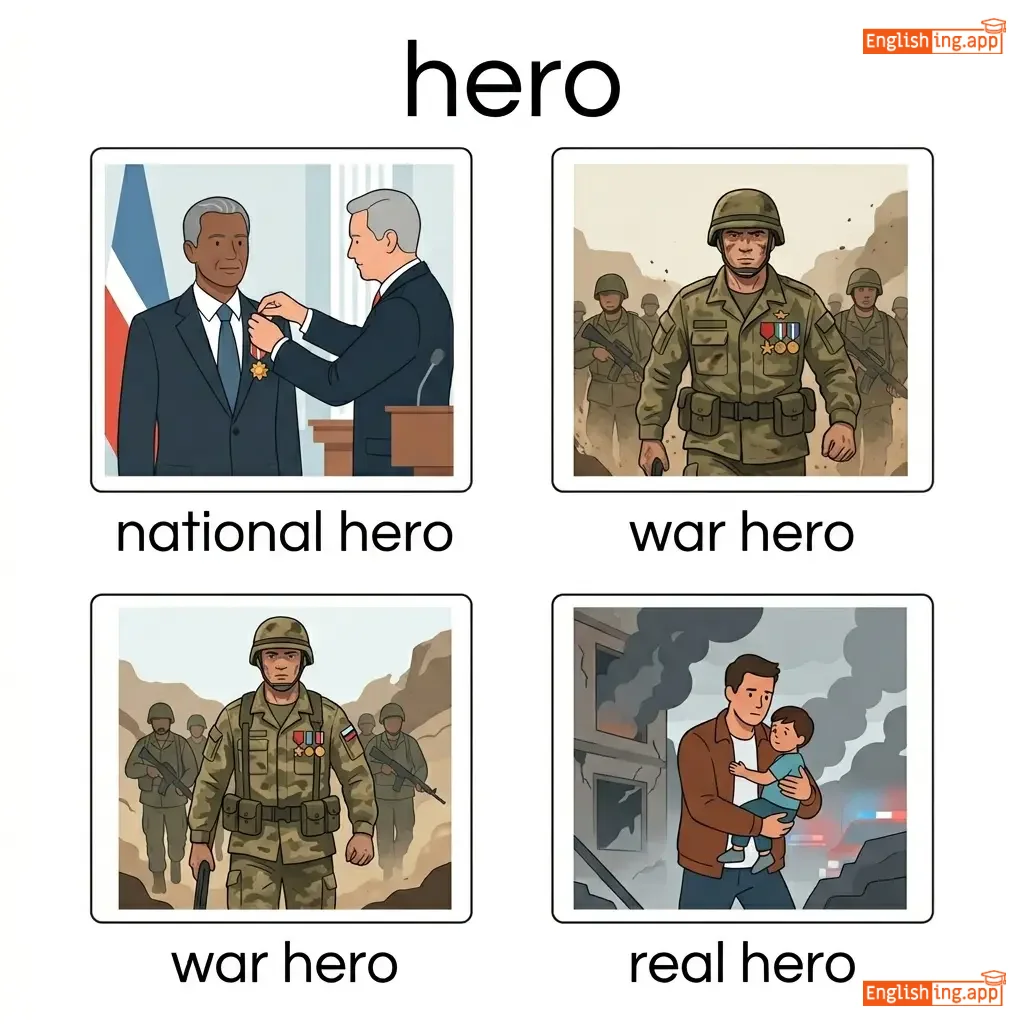
ˈhɪrəʊ
noun
(ヒーロー)
••••••
|
|
英雄
eiyuu
••••••
|
A person who is admired or idealized for courage, outstanding achievements, or noble qualities.
••••••
|
Sydney Carton becomes the ultimate hero through his sacrifice.
シドニー・カートンは彼の犠牲によって究極のヒーローになります。
••••••
|
シドニー・カートンは彼の犠牲によって究極のヒーローになります。
Shidonī kāton wa kare no gisei ni yotte kyūkyoku no hīrō ni narimasu.
••••••
|
champion, brave person, courageous person, protagonist, idol, legend
••••••
|
villain, opponent, coward, enemy, antagonist, adversary
••••••
|
In Japanese, '英雄' (eiyuu) is a hero who makes the ultimate sacrifice for others.
••••••
|
|
#1061
📈
|
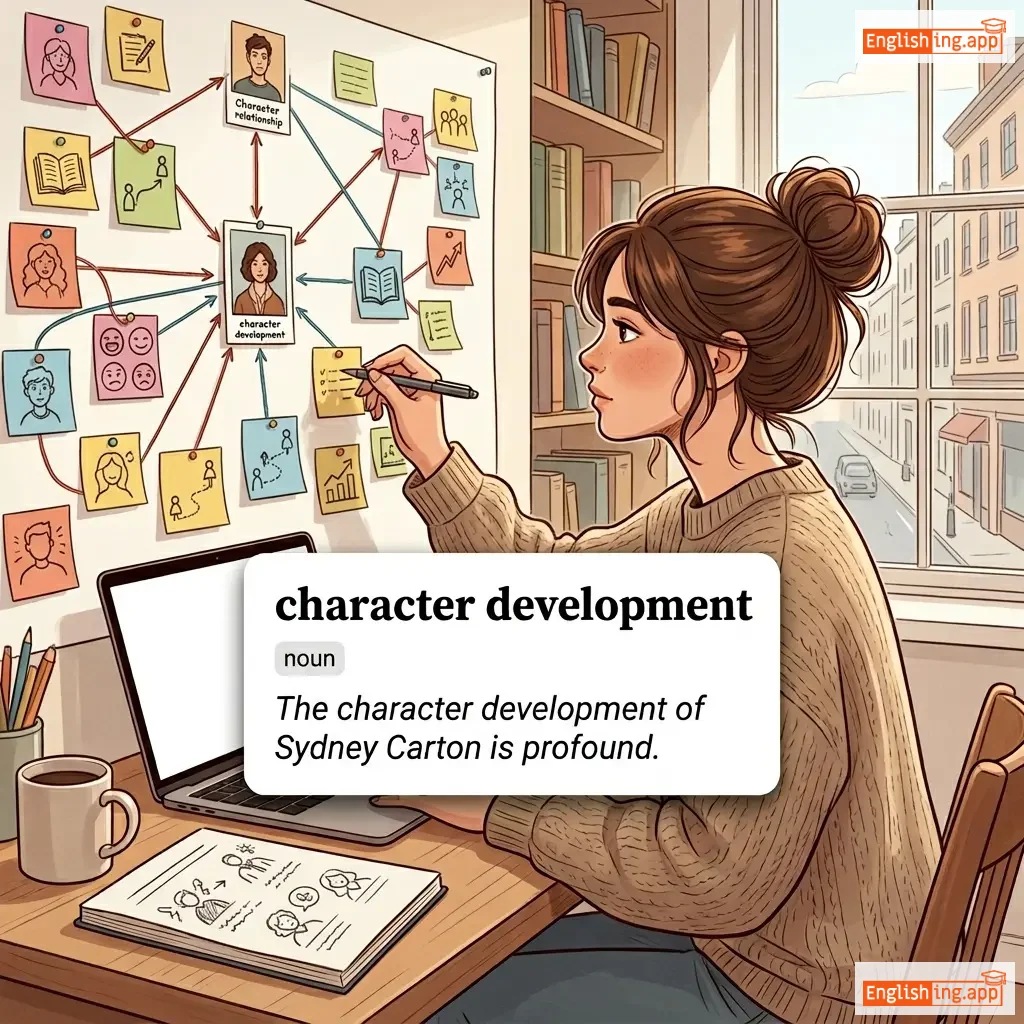
ˈkærɪktər dɪˈvɛləpmənt
noun
(キャラクター ディベロップメント)
••••••
|
|
キャラクターの成長
kyarakutā no seichō
••••••
|
The process of creating a believable character in fiction by giving the character depth and personality.
••••••
|
The character development of Sydney Carton is profound. |
シドニー・カートンのキャラクターの成長は深い。
Shidonī Kāton no kyarakutā no seichō wa fukai.
••••••
|
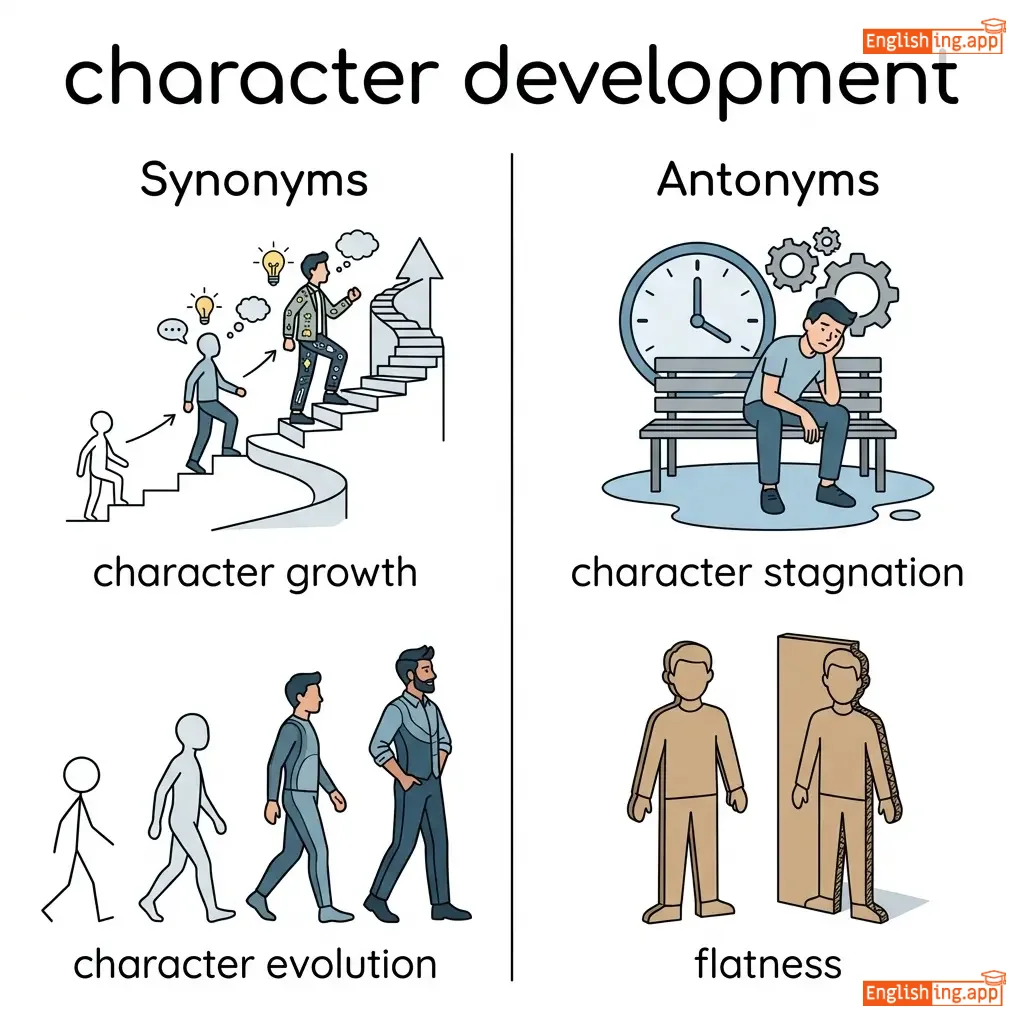
character growth, character evolution, character progression, personality development
••••••
|
character stagnation, flatness, one-dimensional character, static character
••••••
|
キャラクターの成長は、物語の骨組みを作ることに似ています。
••••••
|
|
#1062
📝
|
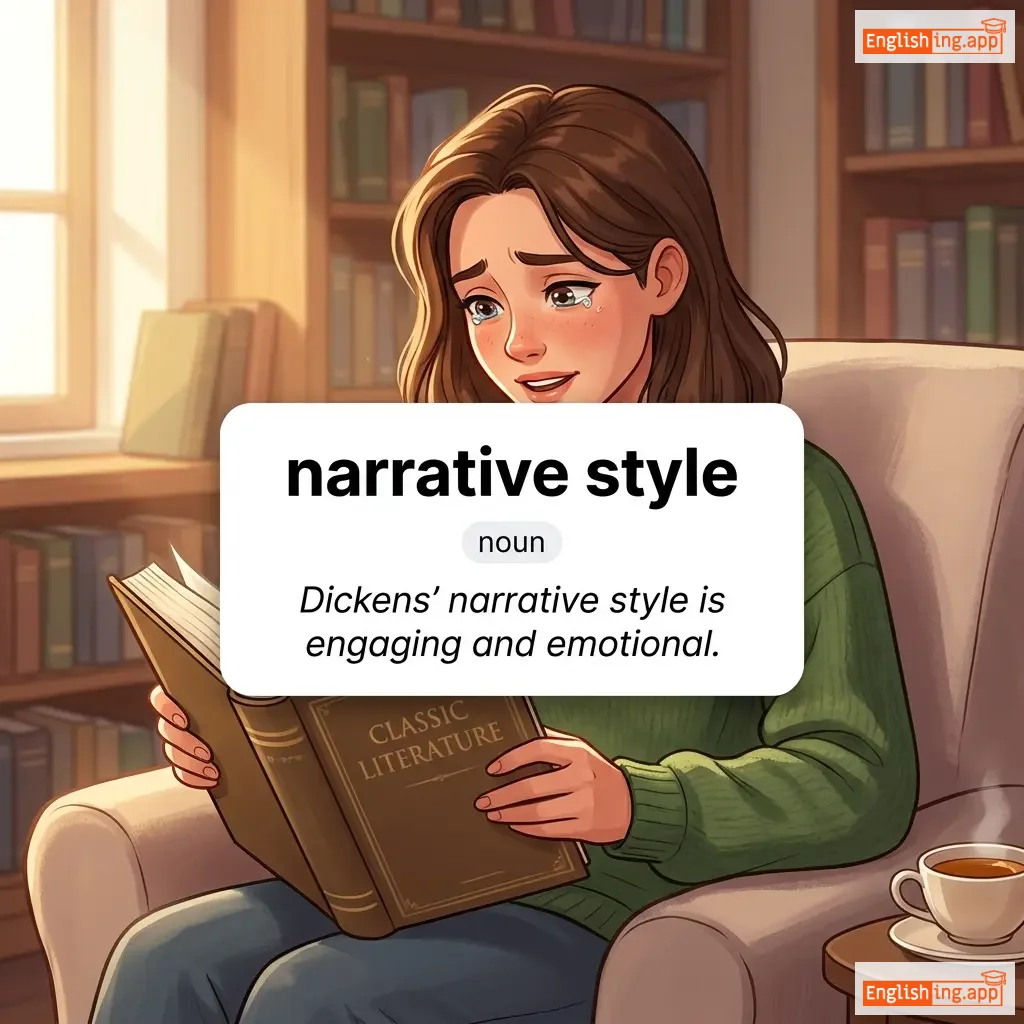
ˈnærətɪv staɪl
noun
(ナラティブ スタイル)
••••••
|
|
物語のスタイル
monogatari no sutairu
••••••
|
The way in which a story is told, including the point of view and the voice of the narrator.
••••••
|
Dickens' narrative style is engaging and emotional. |
ディケンズの物語のスタイルは魅力的で感情的です。
Dikenzu no monogatari no sutairu wa miryokuteki de kanjō-teki desu.
••••••
|
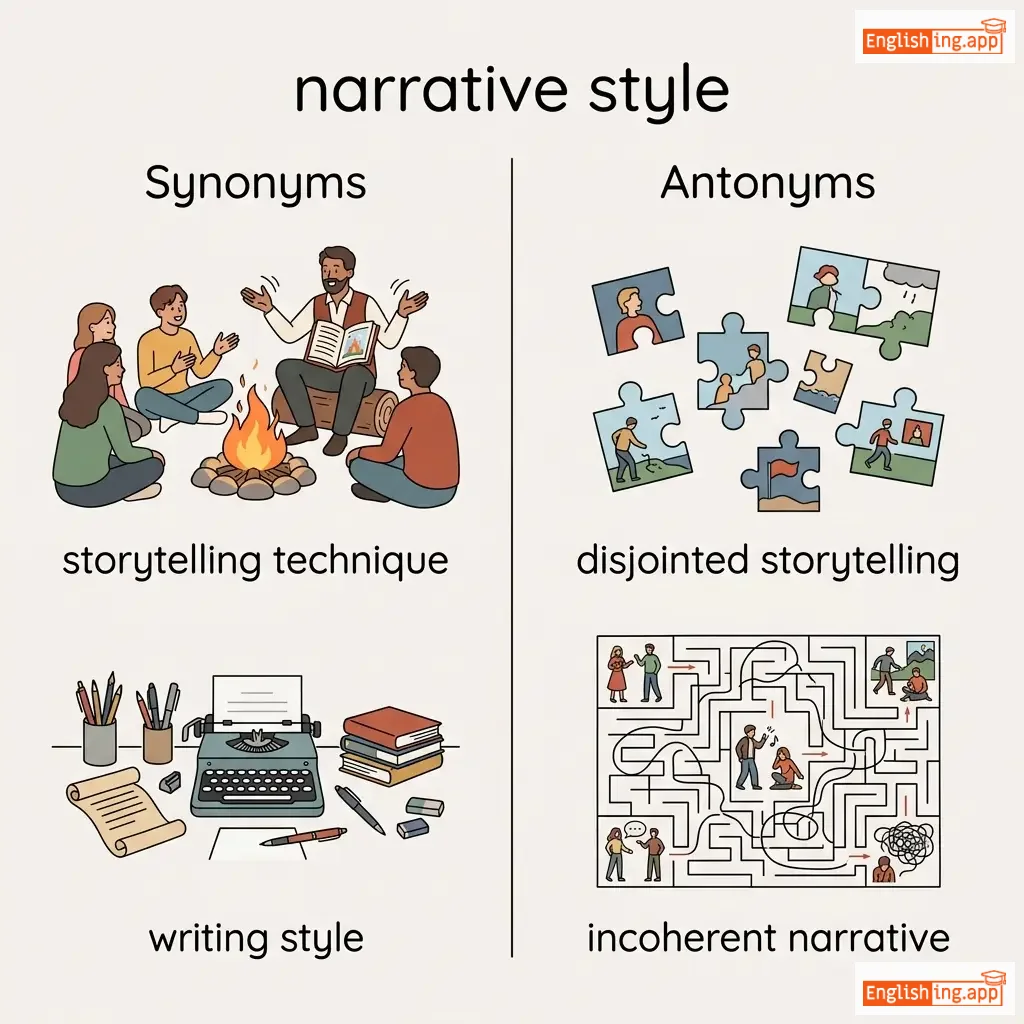
storytelling technique, writing style, narrative technique, literary style
••••••
|
disjointed storytelling, incoherent narrative, poor writing style
••••••
|
物語のスタイル:物語を語る方法。
••••••
|
|
#1063
🔣
|
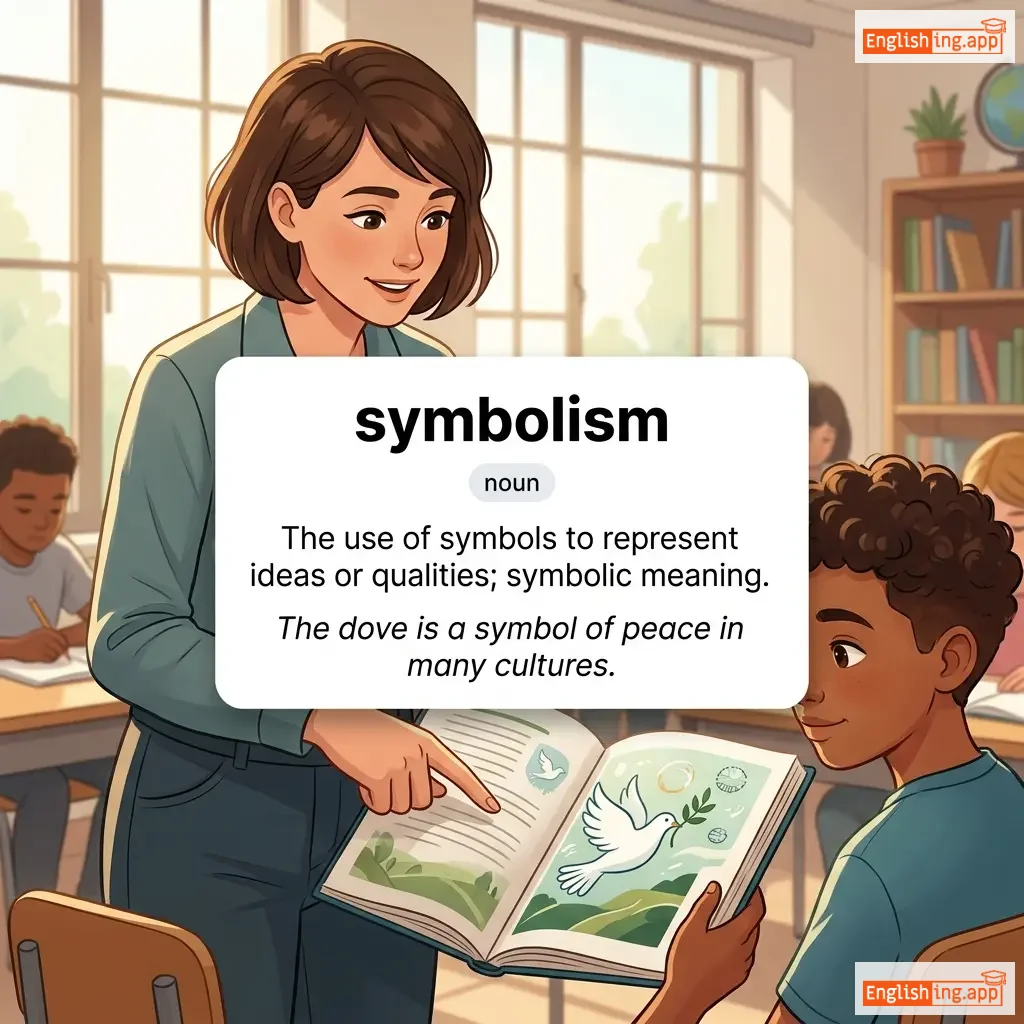
ˈsɪmbəlɪzəm
noun
(シンボリズム)
••••••
|
|
象徴主義
shouchou shugi
••••••
|
The use of symbols to represent ideas or qualities.
••••••
|
The use of symbolism in the novel is masterful.
小説でのシンボリズムの使い方は見事です。
••••••
|
小説でのシンボリズムの使い方は見事です。
Shousetsu de no shinborizumu no tsukaikata wa migoto desu.
••••••
|
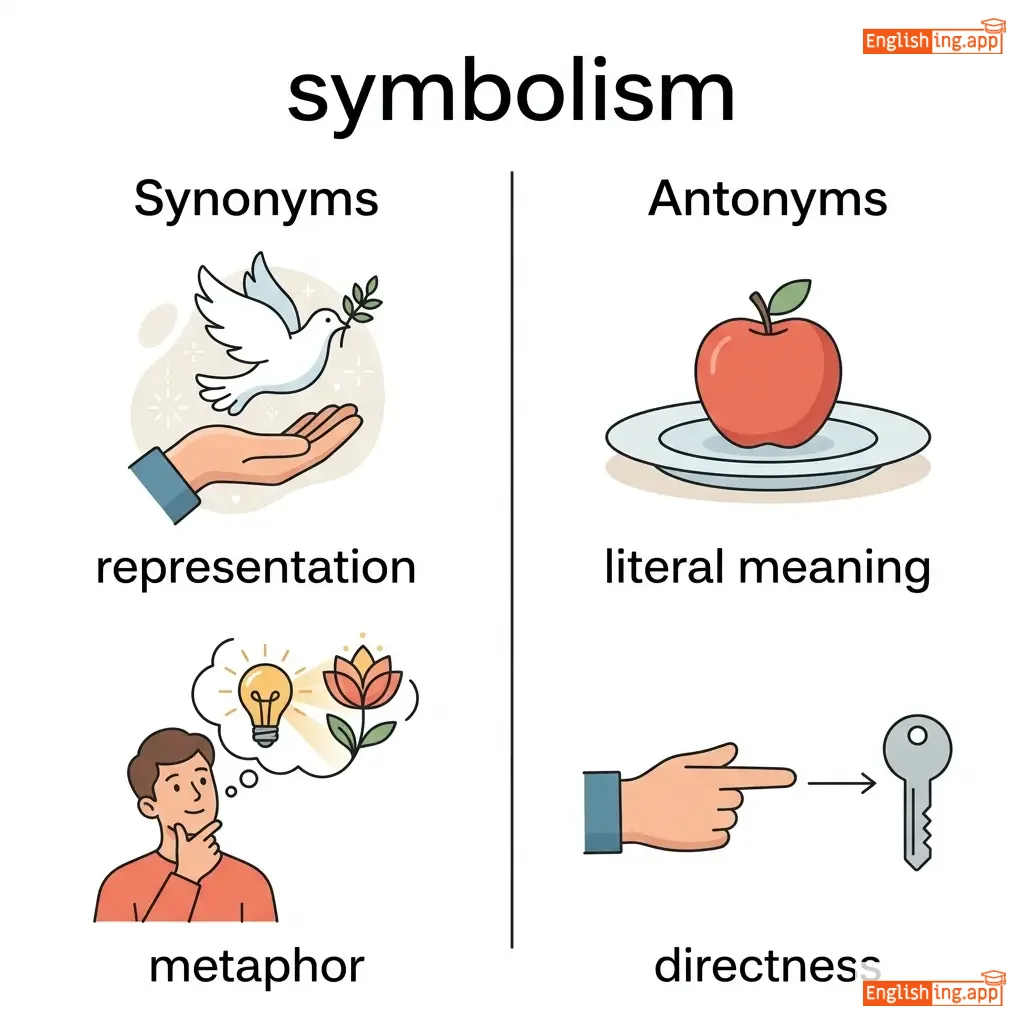
metaphor, allegory, representation, imagery, figurative language
••••••
|
literalism, directness, plain language, straightforwardness
••••••
|
シンボルが深い意味を持つ象徴主義。
••••••
|
|
#1064
📖
|
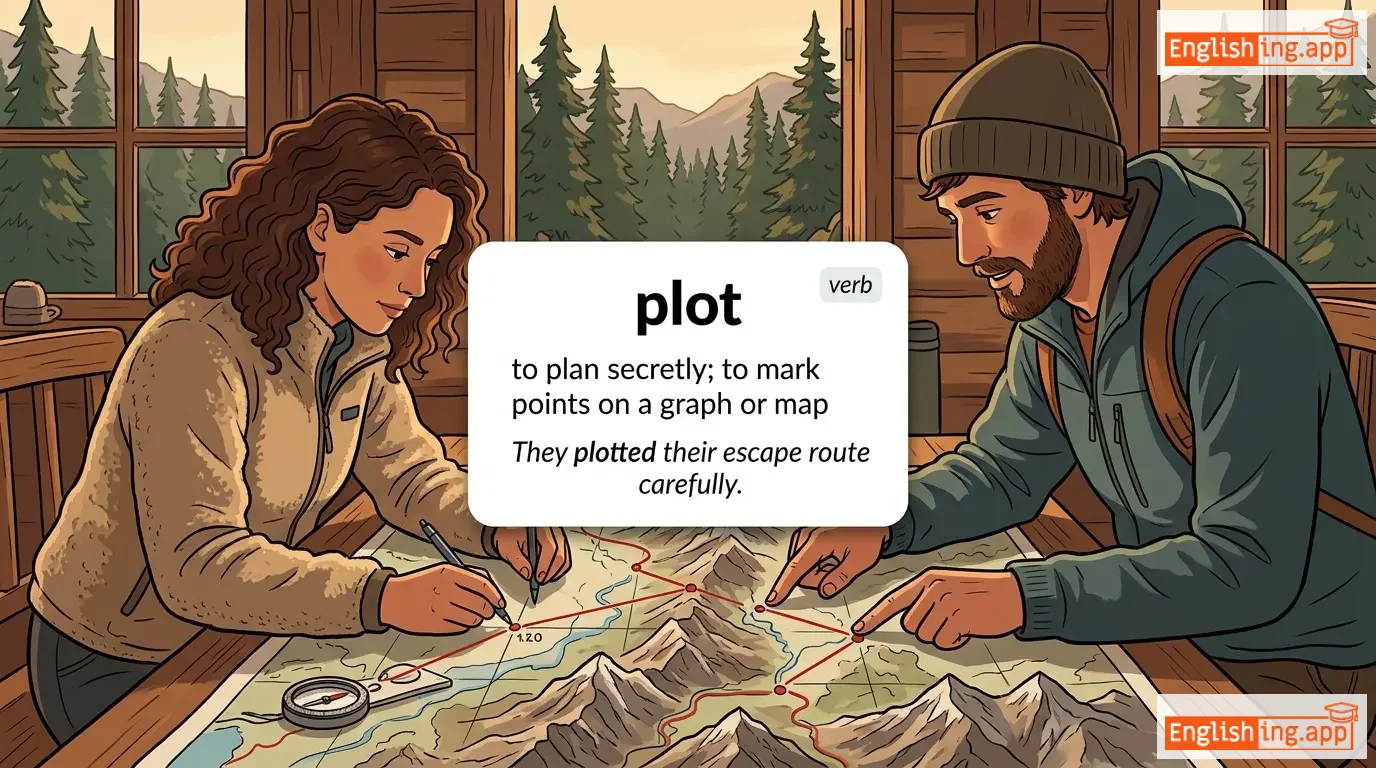
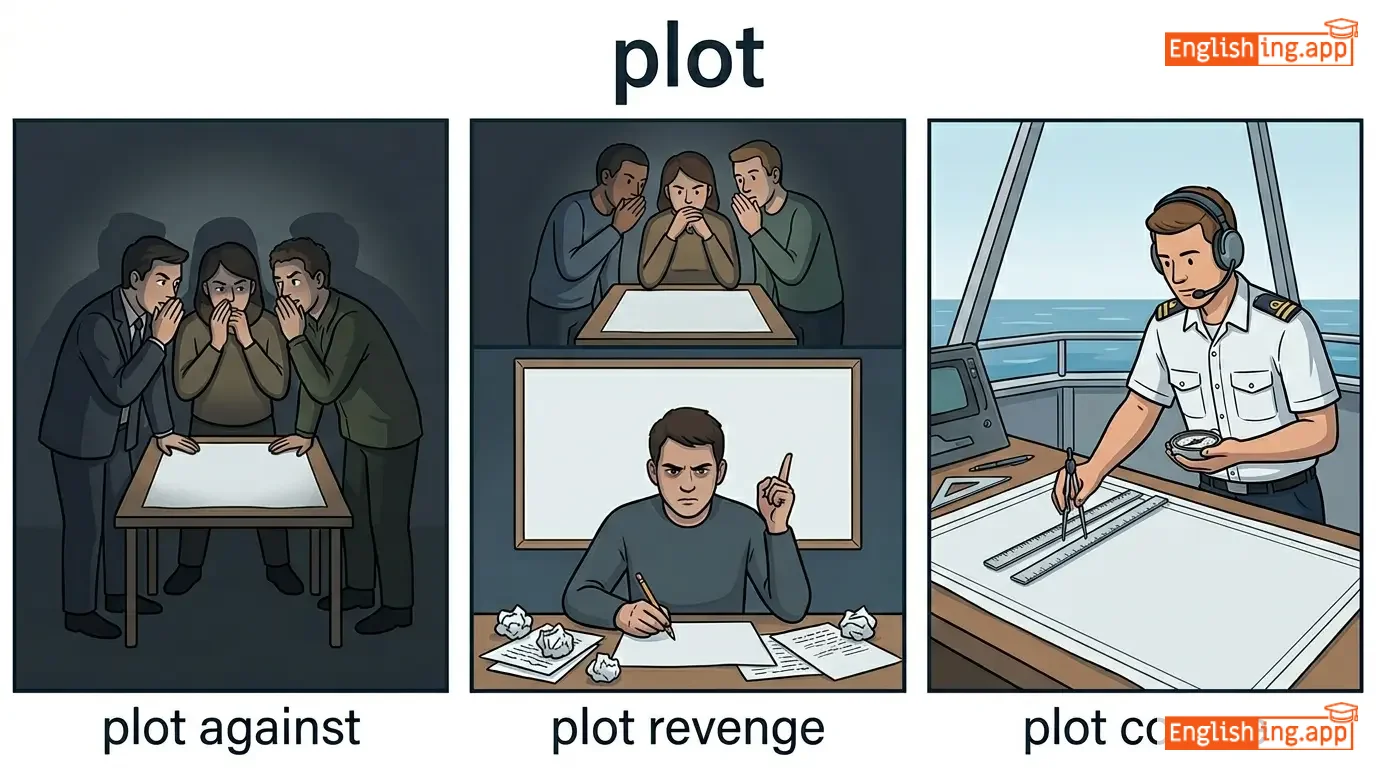
plɒt
noun
(プロット)
••••••
|
|
プロット
purotto
••••••
|
The main story of a piece of writing, or the series of events that happen in it.
••••••
|
The plot of A Tale of Two Cities is intense and gripping. |
'二都物語'のプロットは、緊迫感と魅力に満ちています。
'Nito Monogatari' no purotto wa, kinpakukan to miryoku ni michiteimasu.
••••••
|
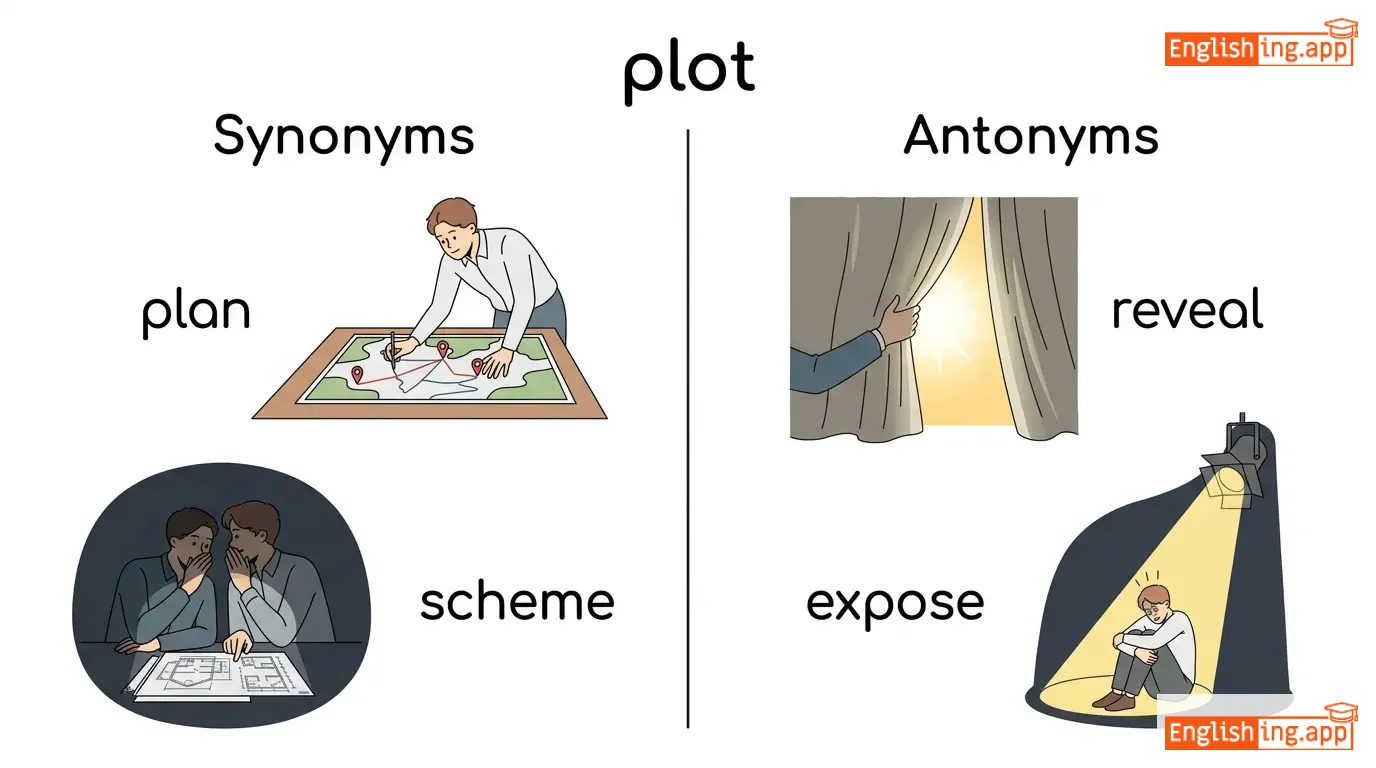
storyline, narrative, story, sequence of events, framework
••••••
|
chaos, disorder, confusion, randomness
••••••
|
The 'purotto' keeps you turning the pages!
••••••
|
|
#1065
💡
|
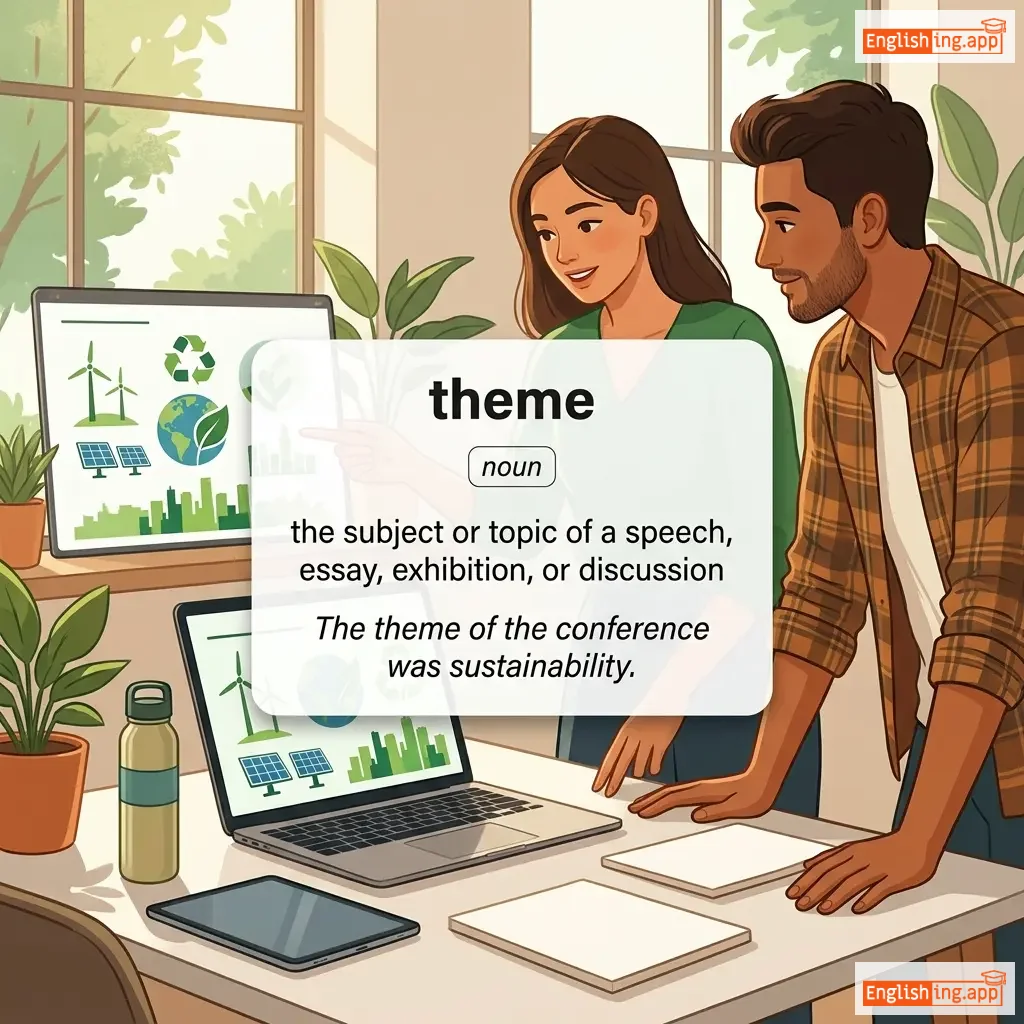
θiːm
noun
(シーム)
••••••
|
|
テーマ
tēma
••••••
|
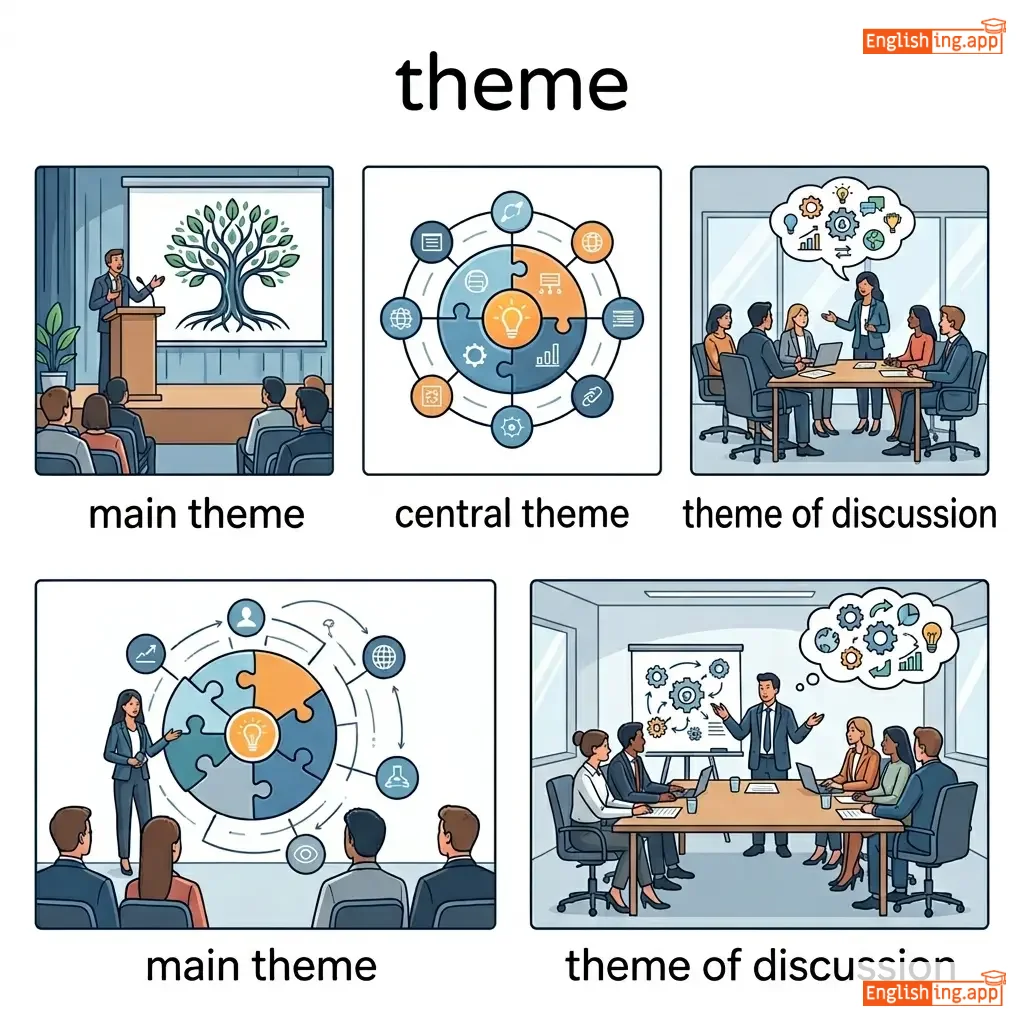
The subject of a talk, a piece of writing, a person's thoughts, or an exhibition; a topic.
••••••
|
Sacrifice and redemption are major themes in the story.
犠牲と贖いはこの話の主要なテーマです。
••••••
|
犠牲と贖いはこの話の主要なテーマです。
Gisei to aganai wa kono hanashi no shuyō na tēma desu.
••••••
|
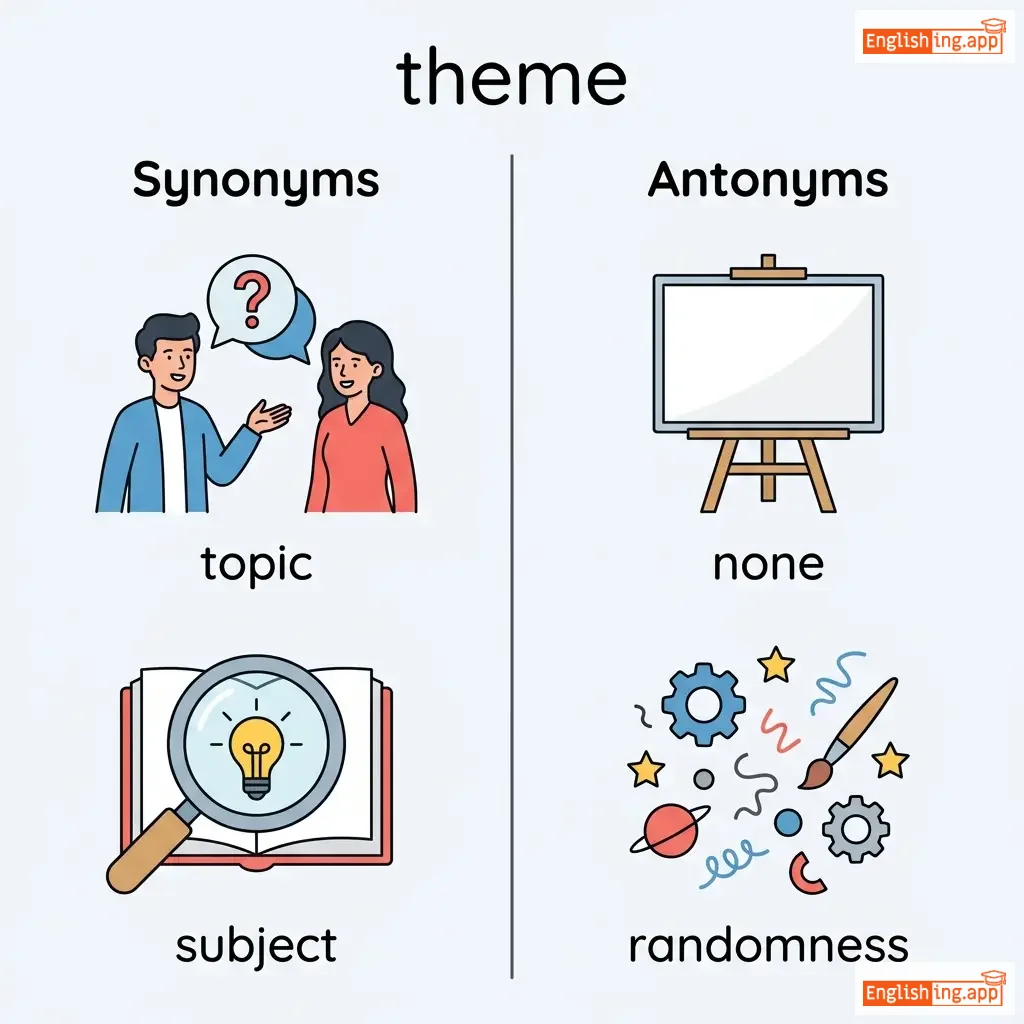
subject, topic, motif, idea, central idea, message
••••••
|
randomness, insignificance, irrelevance, chaos
••••••
|
テーマは物語の心臓のようなもので、すべてを導いていきます。
••••••
|
|
#1066
⚔️
|
ˌrɛvəˈluːʃən
noun
(レヴォリューション)
••••••
|
|
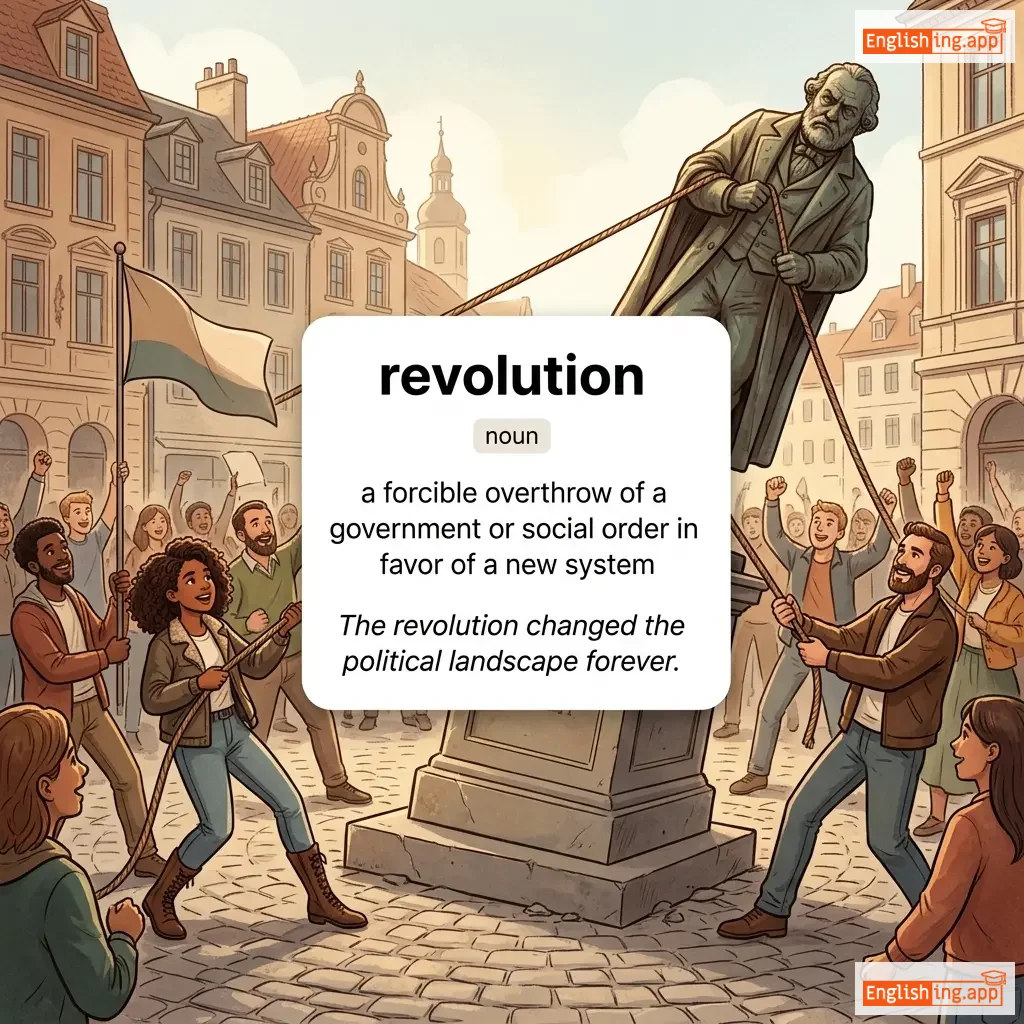
革命
kakumei
••••••
|
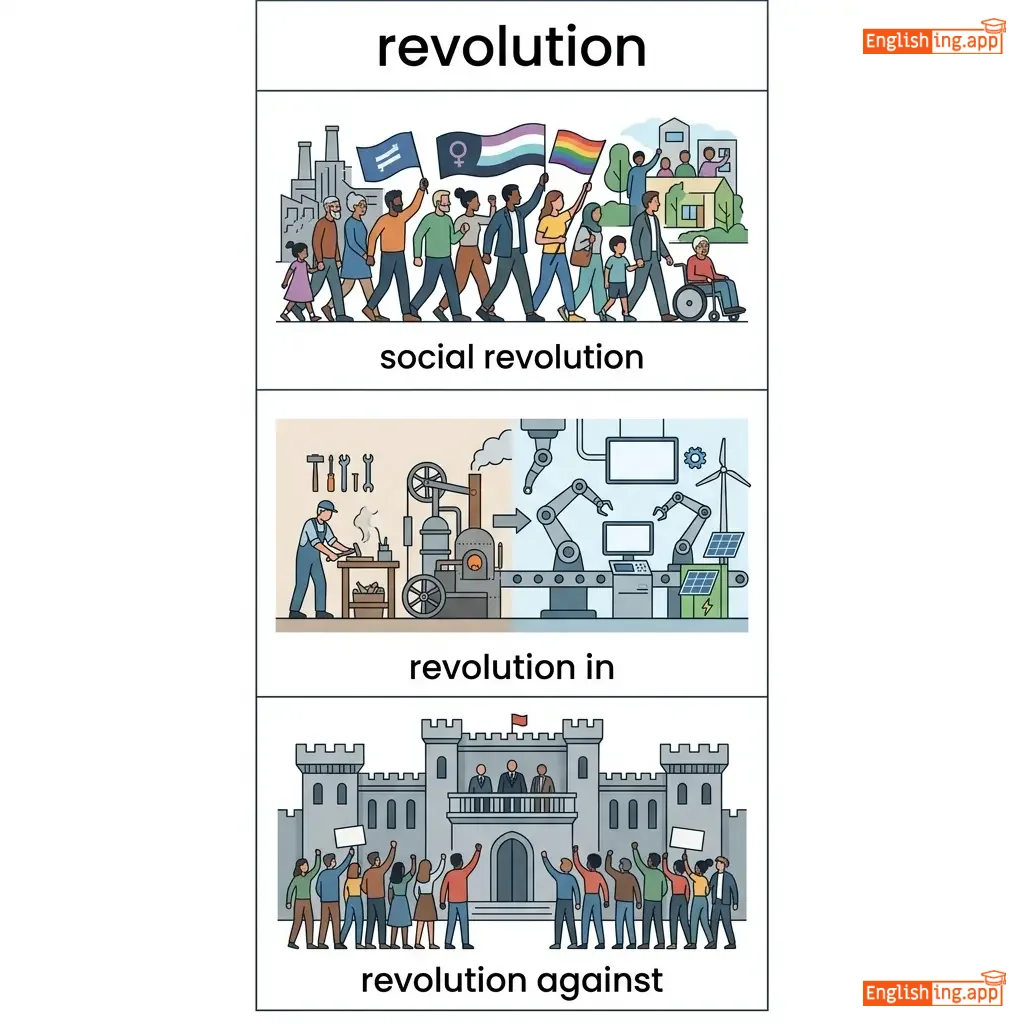
A forcible overthrow of a government or social order, in favor of a new system.
••••••
|
The story is set during the French Revolution.
物語はフランス革命の時代に設定されています。
••••••
|
物語はフランス革命の時代に設定されています。
Monogatari wa Furansu kakumei no jidai ni settei sareteimasu.
••••••
|
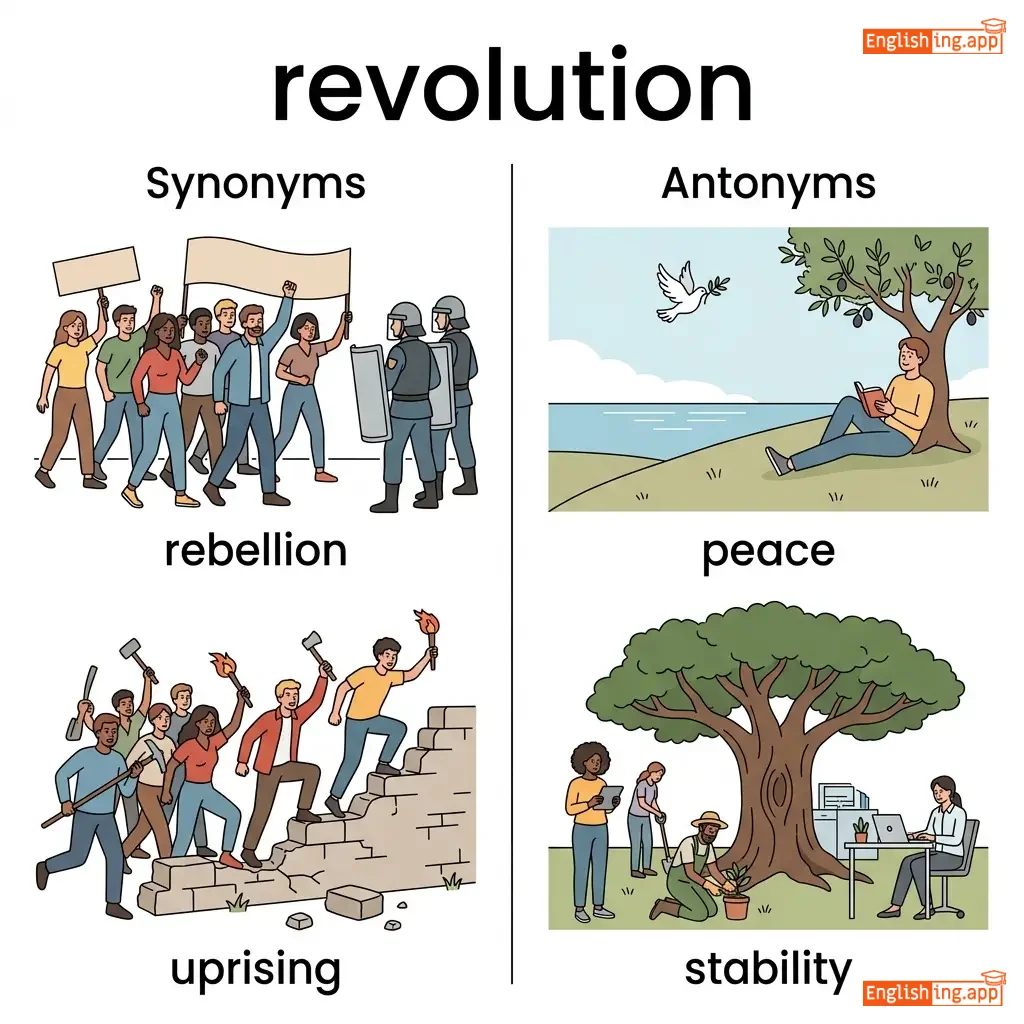
uprising, revolt, rebellion, coup, insurrection, overthrow
••••••
|
stability, peace, order, status quo, continuity
••••••
|
革命は歴史の流れを変える。
••••••
|
|
#1067
⚖️
|
ɪnˈdʒʌstɪs
noun
(インジャスティス)
••••••
|
|
不正義
fuseigi
••••••
|
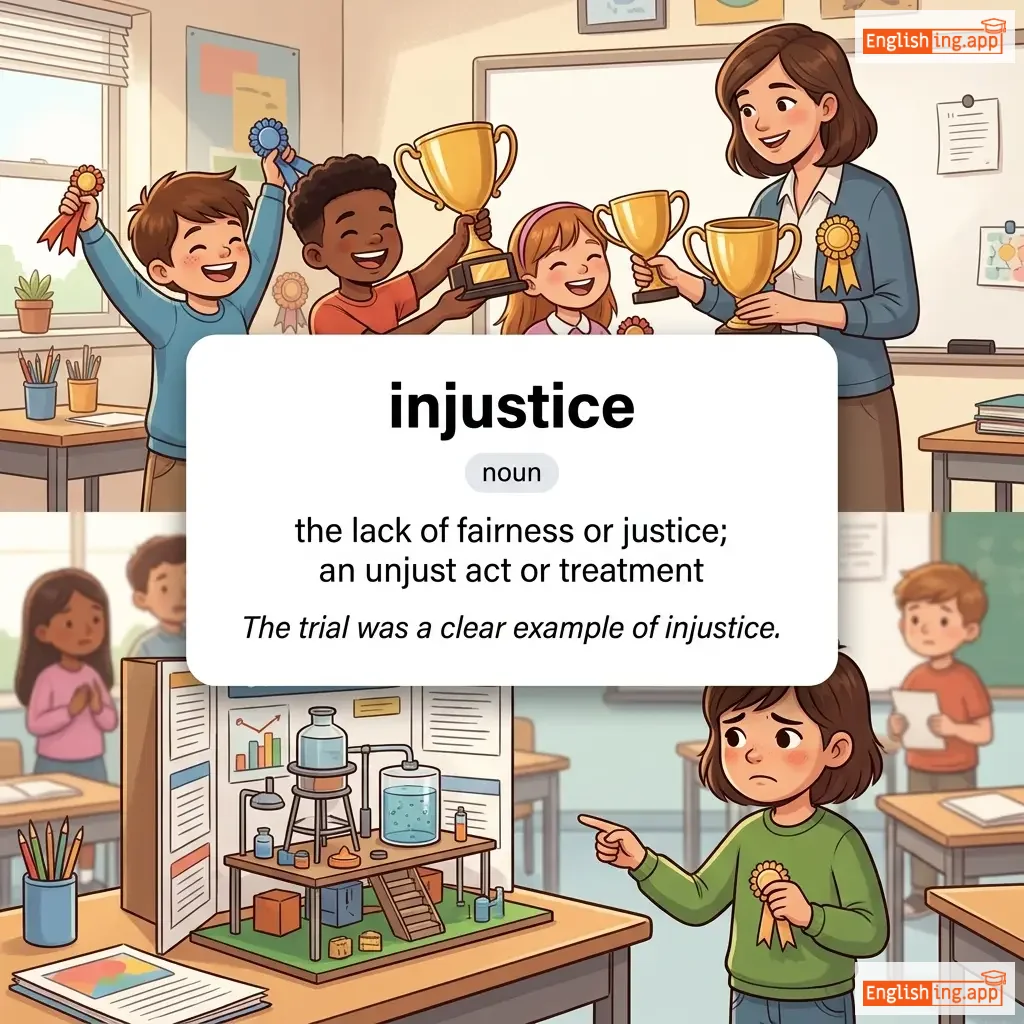
Lack of fairness or justice; the practice of being unjust or unfair.
••••••
|
The story portrays the injustices faced by the common people.
物語は一般の人々が直面する不正義を描いています。
••••••
|
物語は一般の人々が直面する不正義を描いています。
Monogatari wa ippan no hitobito ga chokumen suru fuseigi o egaiteimasu.
••••••
|
unfairness, inequity, wrongdoing, oppression, discrimination, bias
••••••
|
justice, fairness, equity, righteousness, impartiality
••••••
|
不正義に立ち向かい、正義を求めよう。
••••••
|
|
#1068
⚖️
|
ˌɪnɪˈkwɒlɪti
noun
(イネキュアリティ)
••••••
|
|
不平等
fubyōdō
••••••
|
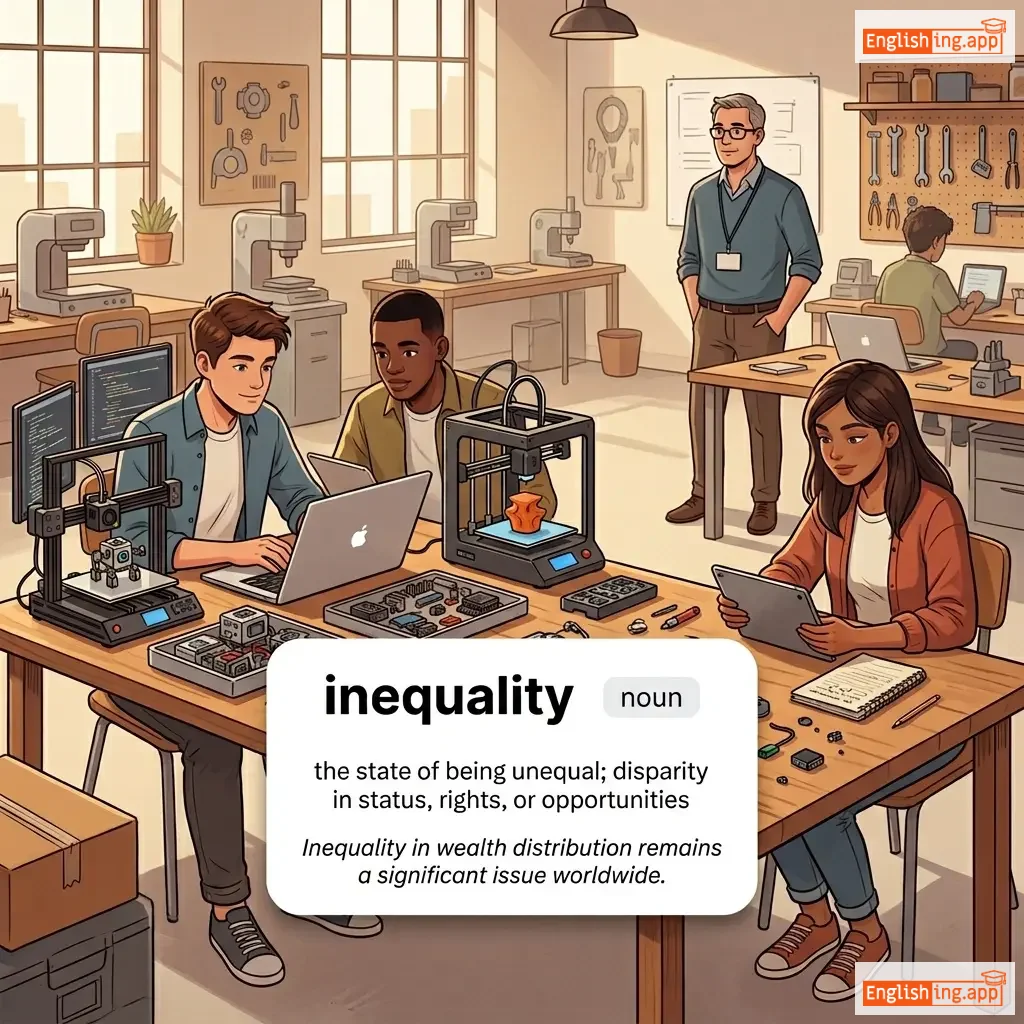
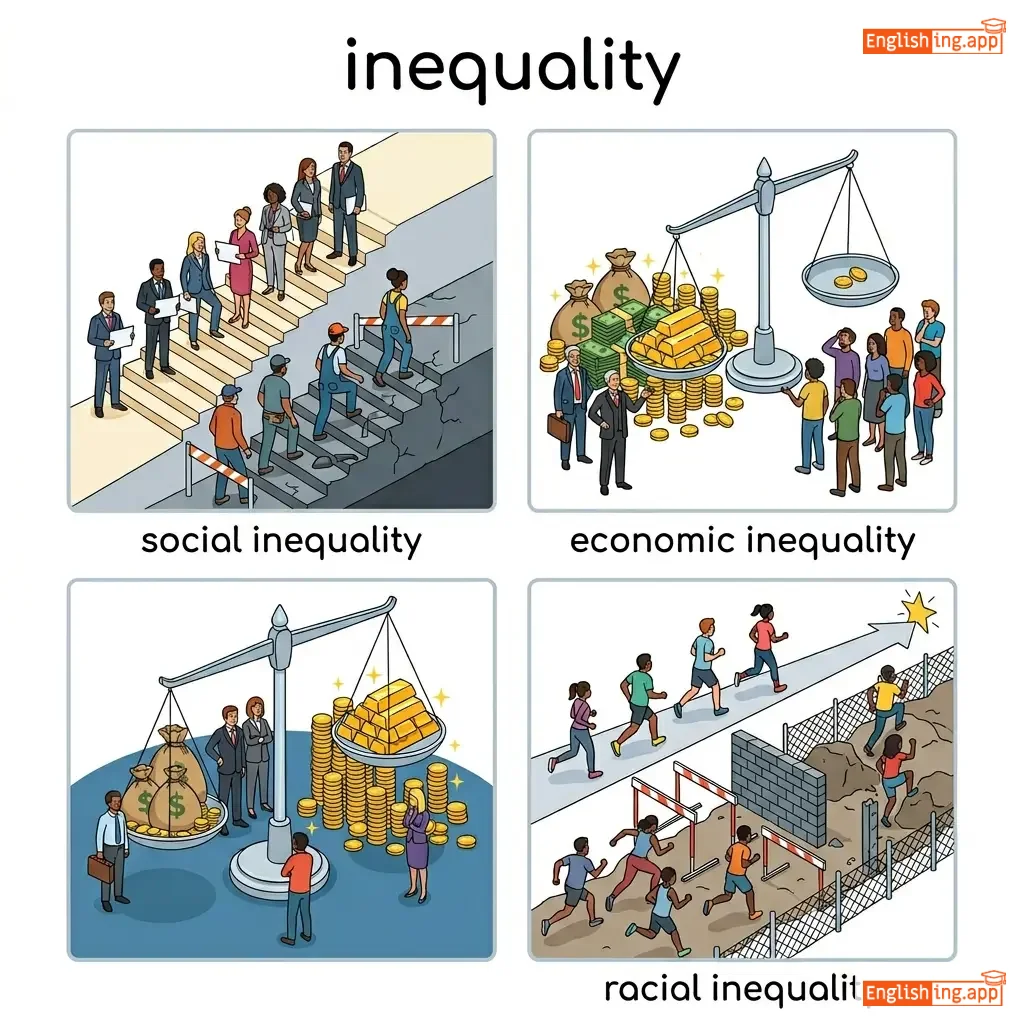
Difference in size, degree, circumstances, etc.; lack of equality.
••••••
|
The theme of inequality is prominent throughout the story. |
不平等のテーマは物語全体にわたって顕著です。
Fubyōdō no tēma wa monogatari zentai ni watatte kencho desu.
••••••
|
disparity, imbalance, unfairness, discrimination, bias, prejudice
••••••
|
equality, fairness, balance, uniformity, parity
••••••
|
不平等なことができないようにしよう!
••••••
|
|
#1069
⚖️
|
ˈdʒʌstɪs
noun
(ジャスティス)
••••••
|
|
正義
seigi
••••••
|
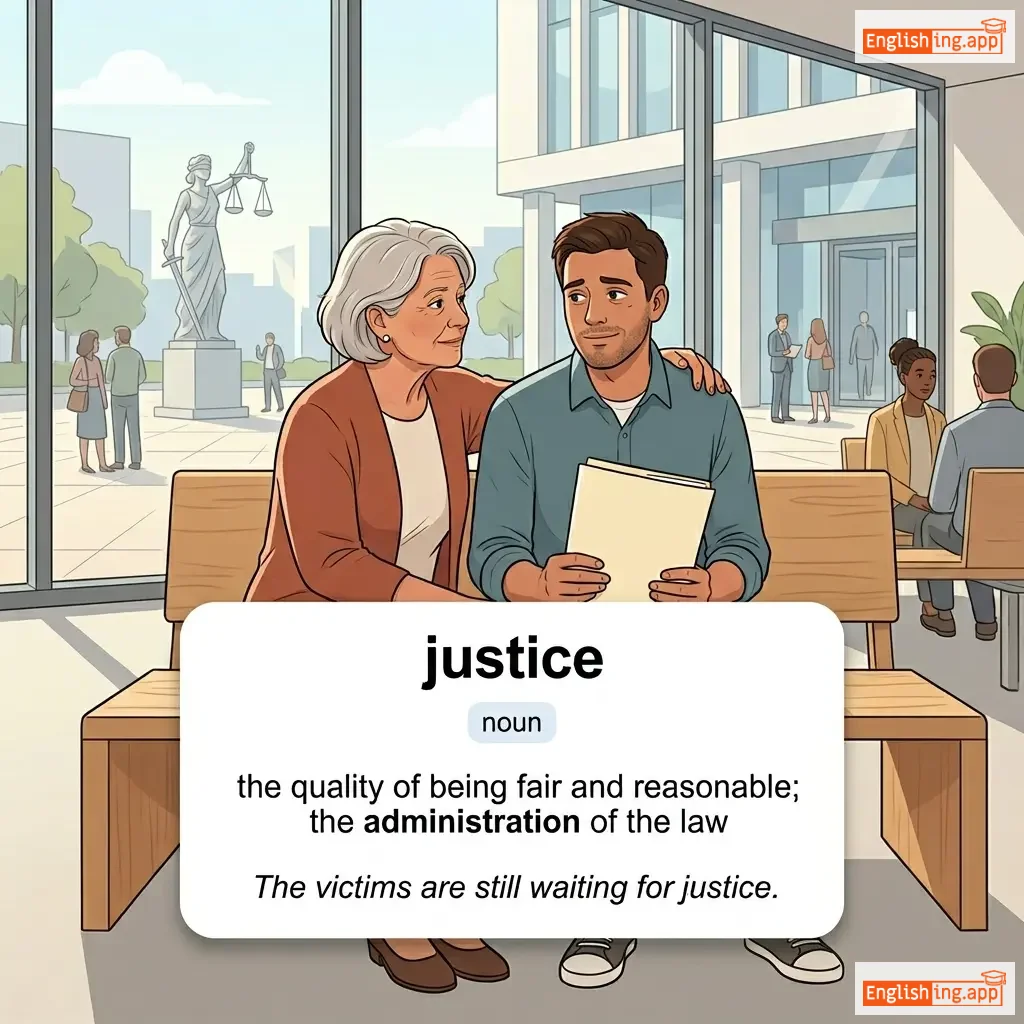
Just behavior or treatment; the quality of being fair and reasonable.
••••••
|
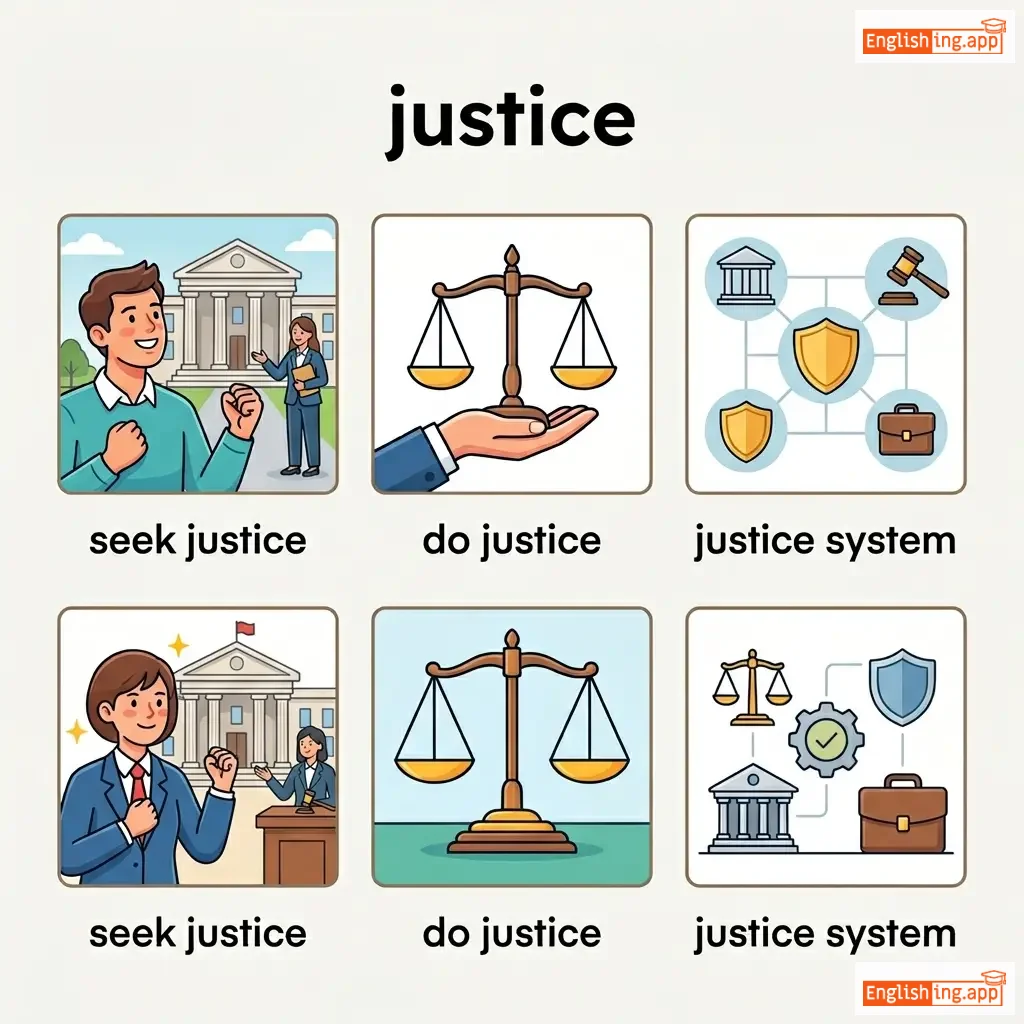
Justice is sought by the oppressed characters in the story. |
物語の中で、抑圧されたキャラクターは正義を求めています。
Monogatari no naka de, yokuatsu sareta kyarakutā wa seigi o motometeimasu.
••••••
|
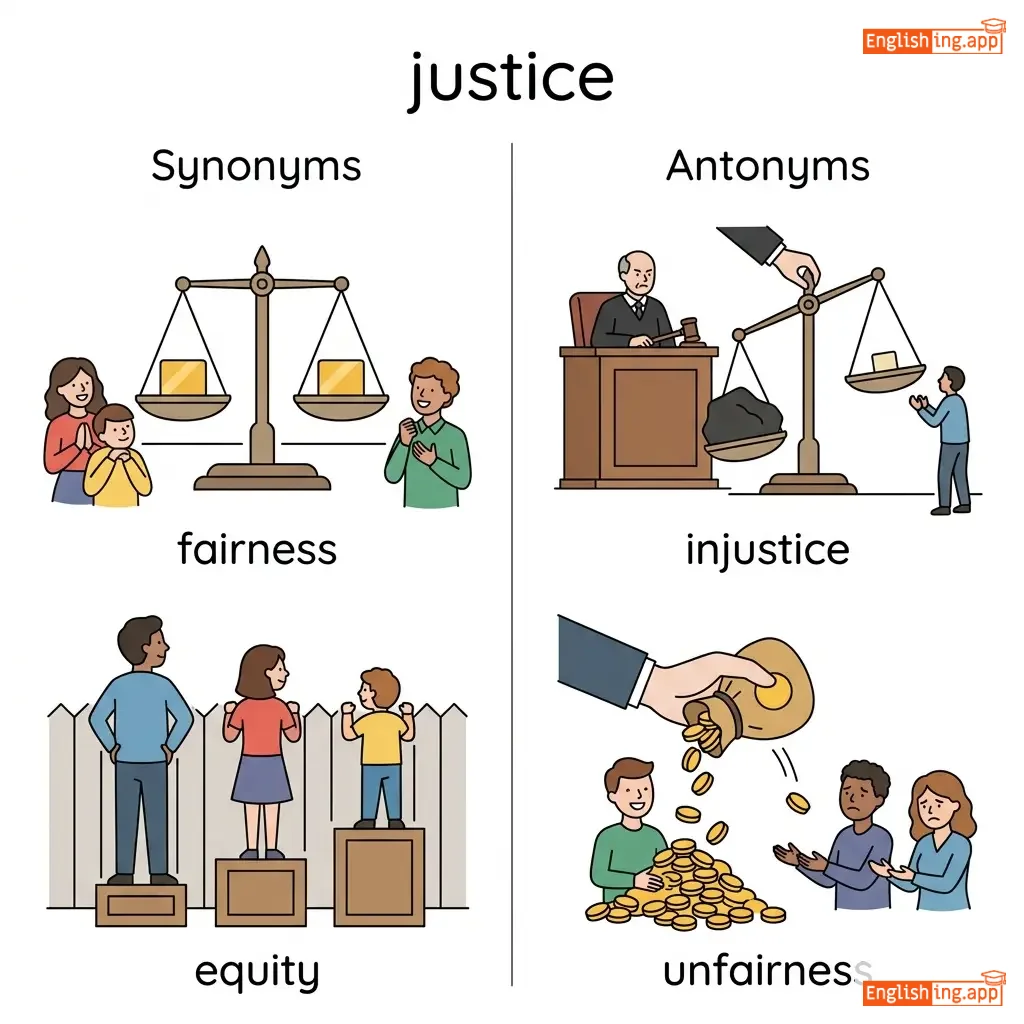
fairness, equity, righteousness, impartiality, lawfulness, morality
••••••
|
injustice, unfairness, bias, prejudice, discrimination, oppression
••••••
|
Seigi in Japanese means justice, much like 'se' in 'settle' in English.
••••••
|
Vocabulary Quiz
Test your vocabulary by matching words with their translations or meanings.
Login to take the quiz
Comments (0)
Share your thoughts and join the discussion.
Join the discussion by logging in
Login to CommentNo comments yet
Be the first to share your thoughts!