

有名な科学者とその発見
Famous Scientists and Their Discoveries
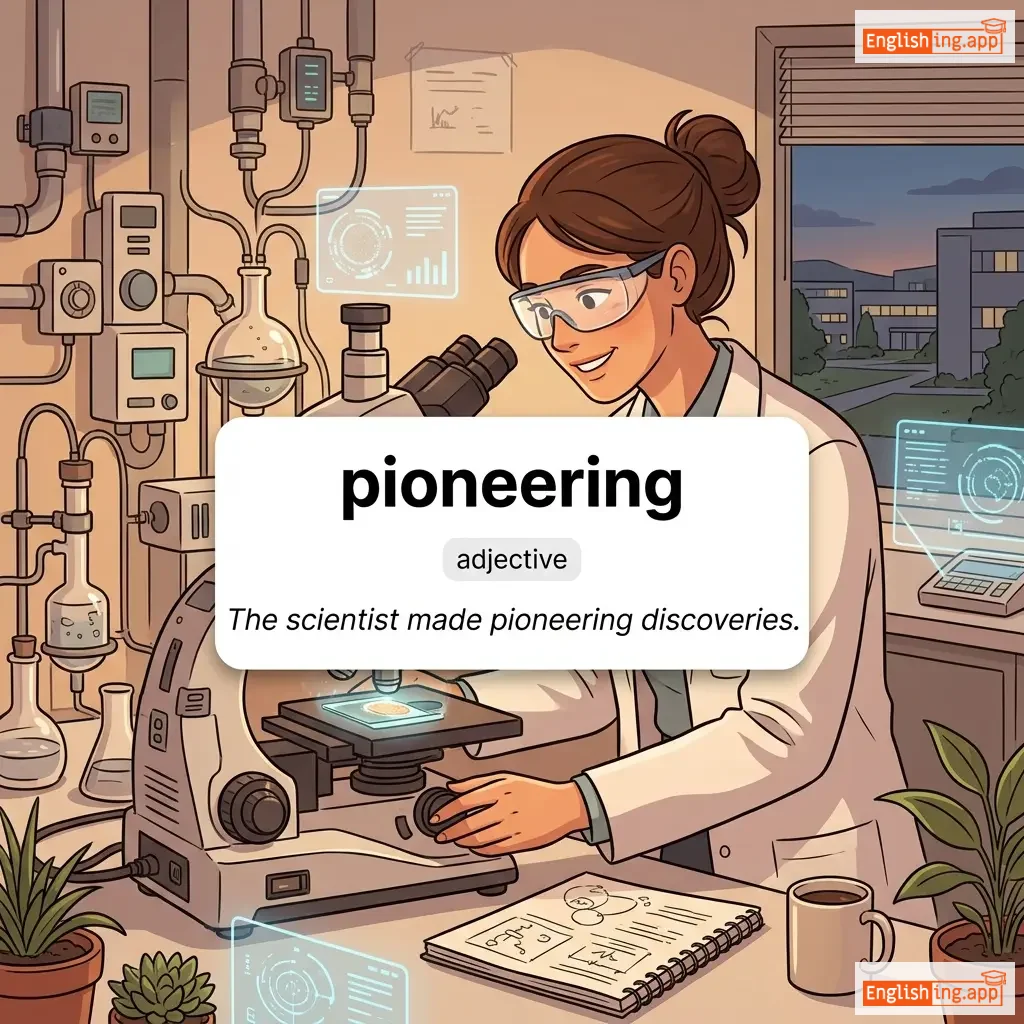
科学の歴史を通じて、多くのpioneering科学者が人類文明を前進させる発見をしました。アイザック・ニュートンの重力の理論はaxiomaticな真実であり、物理学の基礎を形成しました。アルバート・アインシュタインのingenious相対性理論は、宇宙に対する新しい視点を提供しました。彼の研究を通じて、科学者たちは宇宙の動態をextrapolateできました。
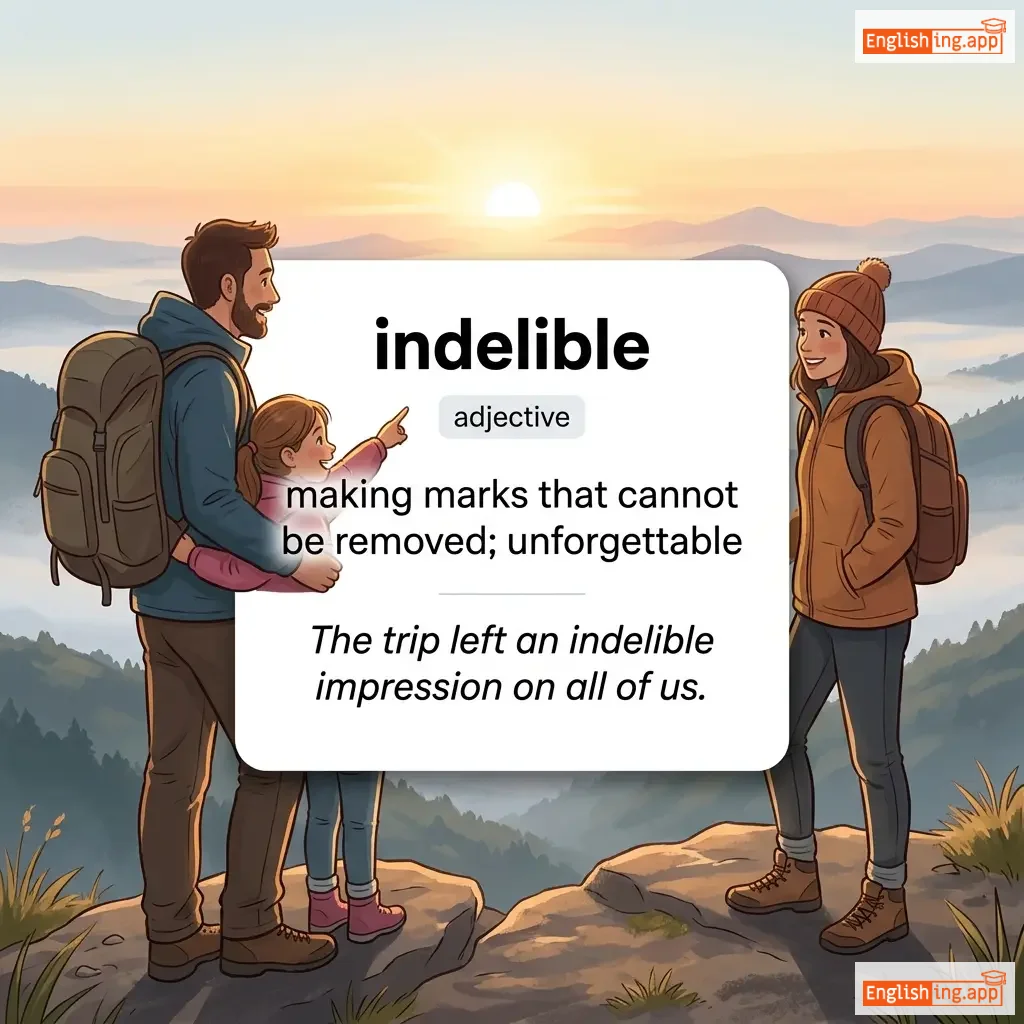
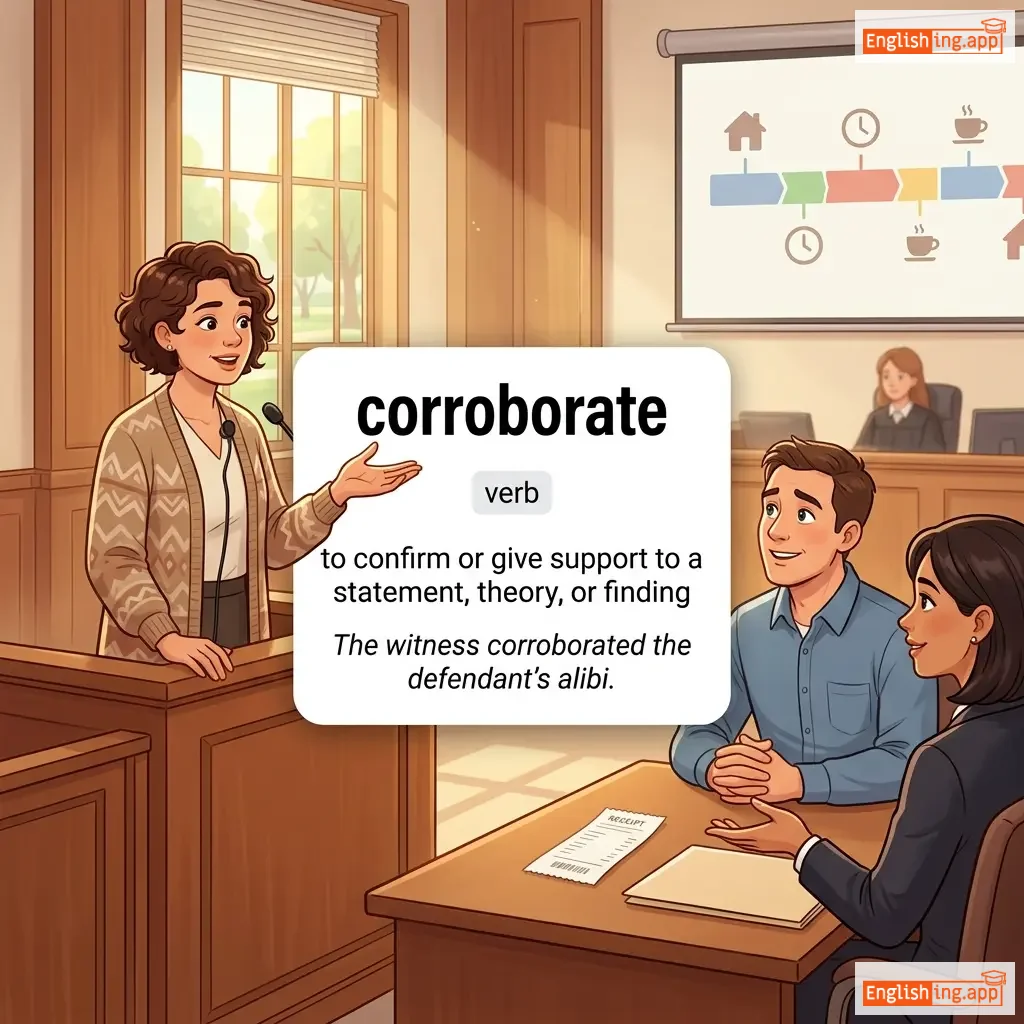
マリー・キュリーはradioactivityを発見し、医療とエネルギー研究にindelibleな影響を与えました。彼女の研究はcorroborated、いくつかの基本的な元素が自然に崩壊する可能性があることを証明しました。
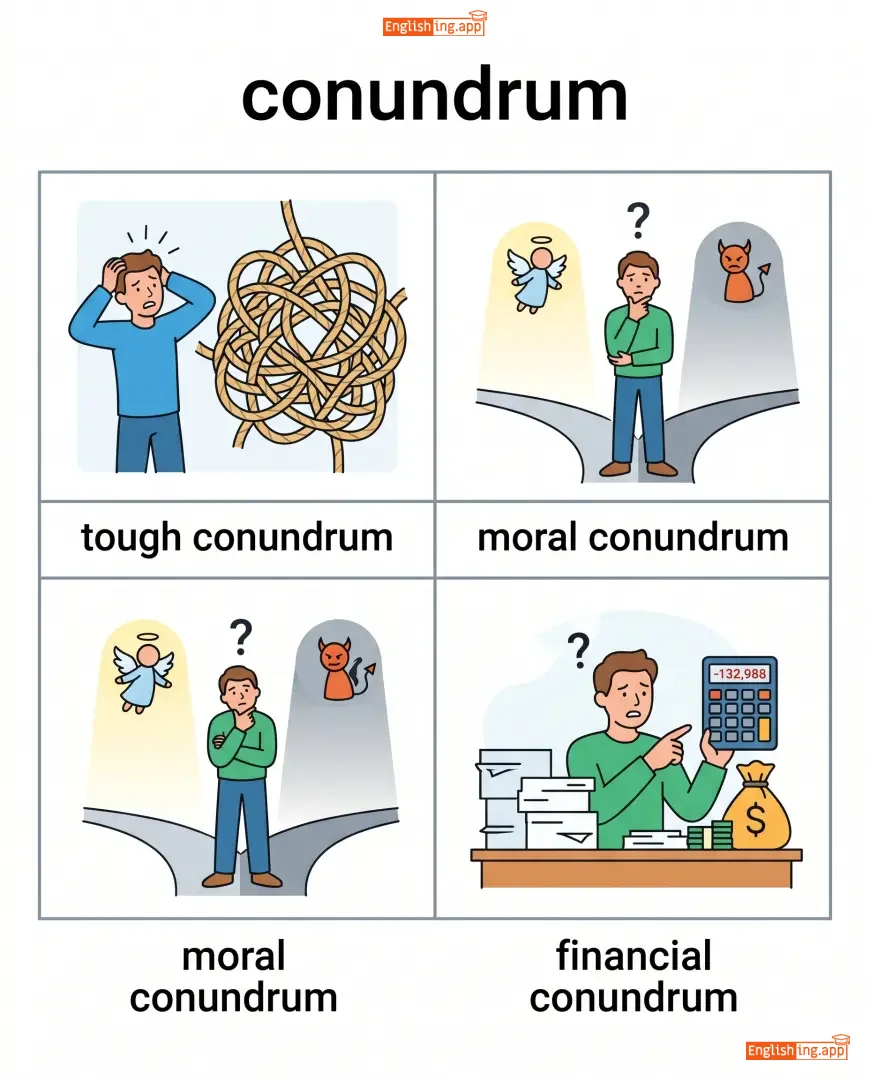
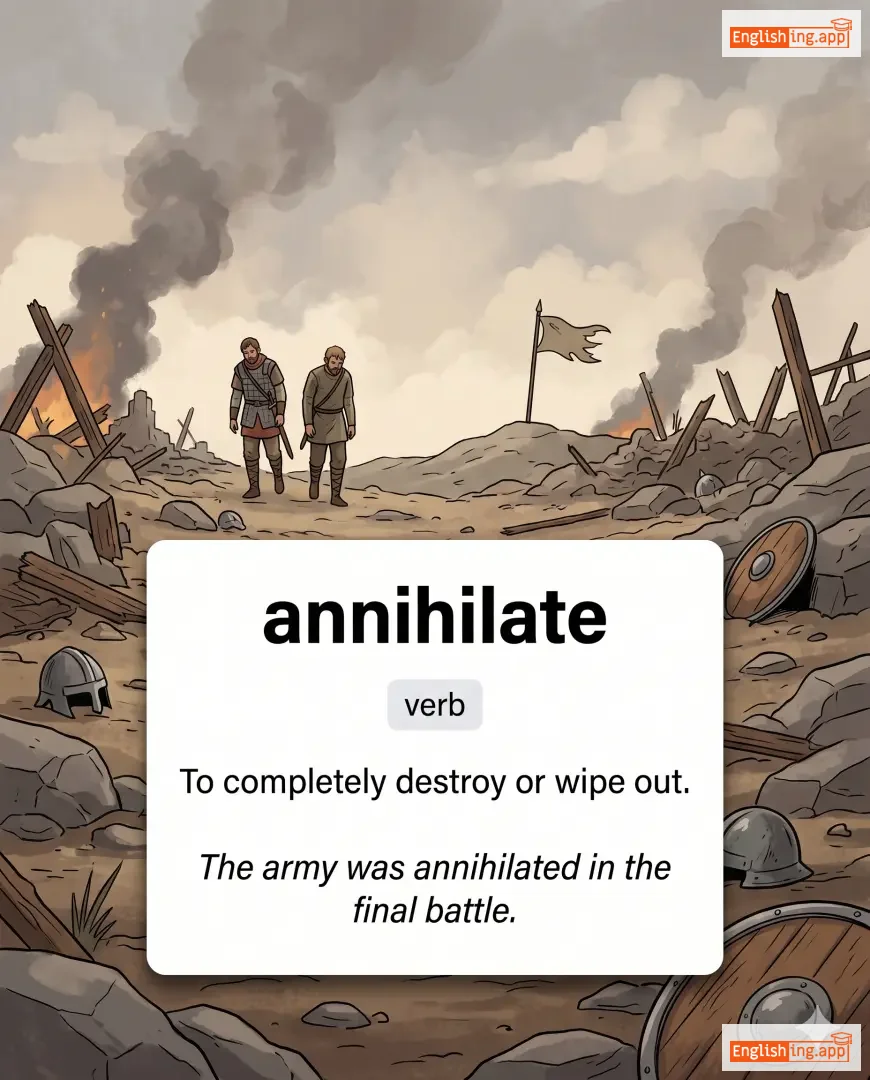
ガリレオ・ガリレイが望遠鏡で宇宙を観察したとき、彼はconundrumを作り出しました—地球は太陽の周りを回っているのか?彼の研究は古い概念をannihilateし、新しい真実をelucidateしました。
科学者たちは自分たちの研究を将来の世代にbequeathedし、新しい研究とcoalescedされた情報が人類に利益をもたらすことを期待しています。
翻訳
過去
過去分詞
三人称単数
動名詞
意味
例文
例文の翻訳
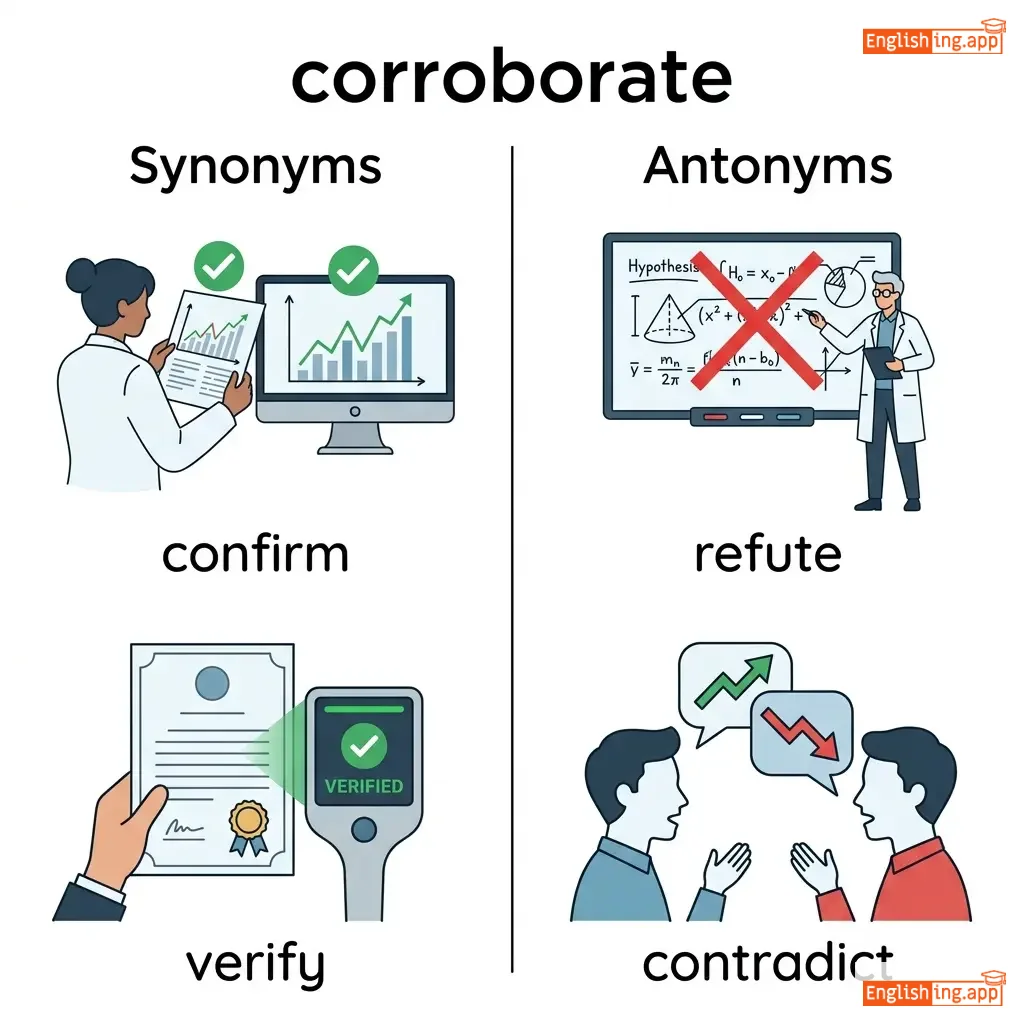
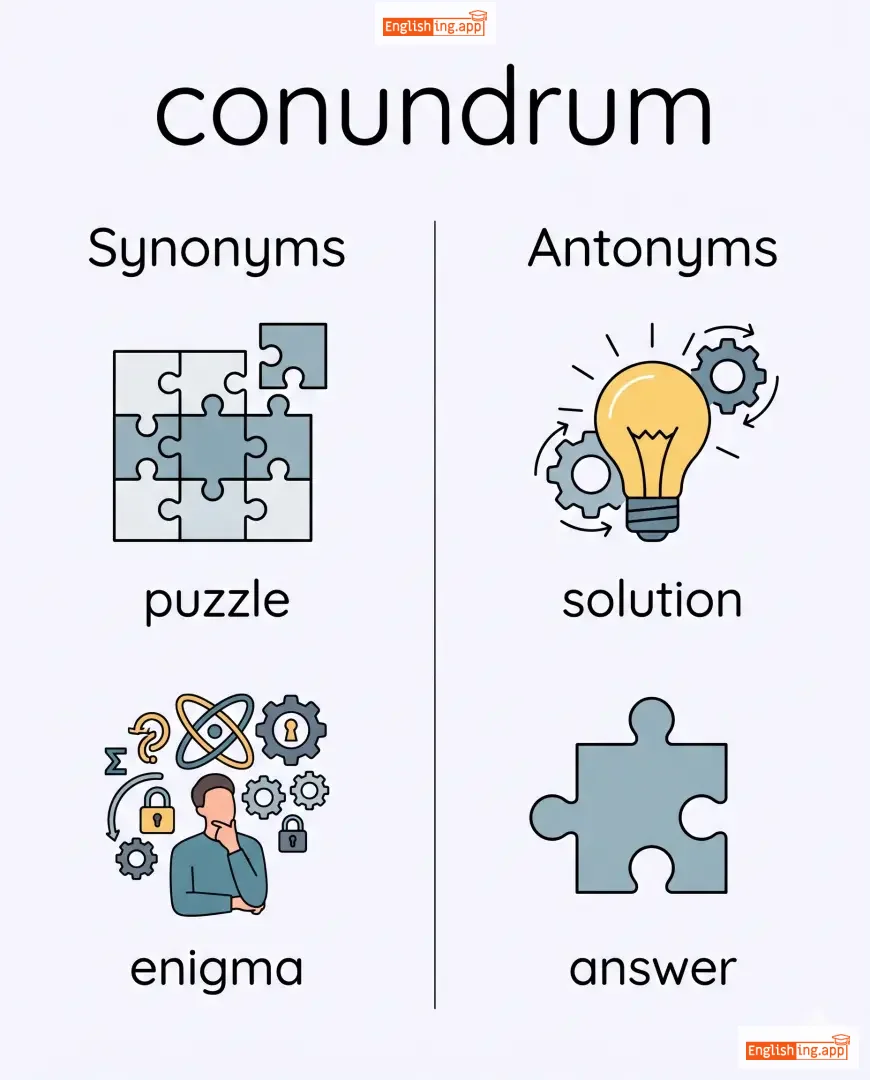
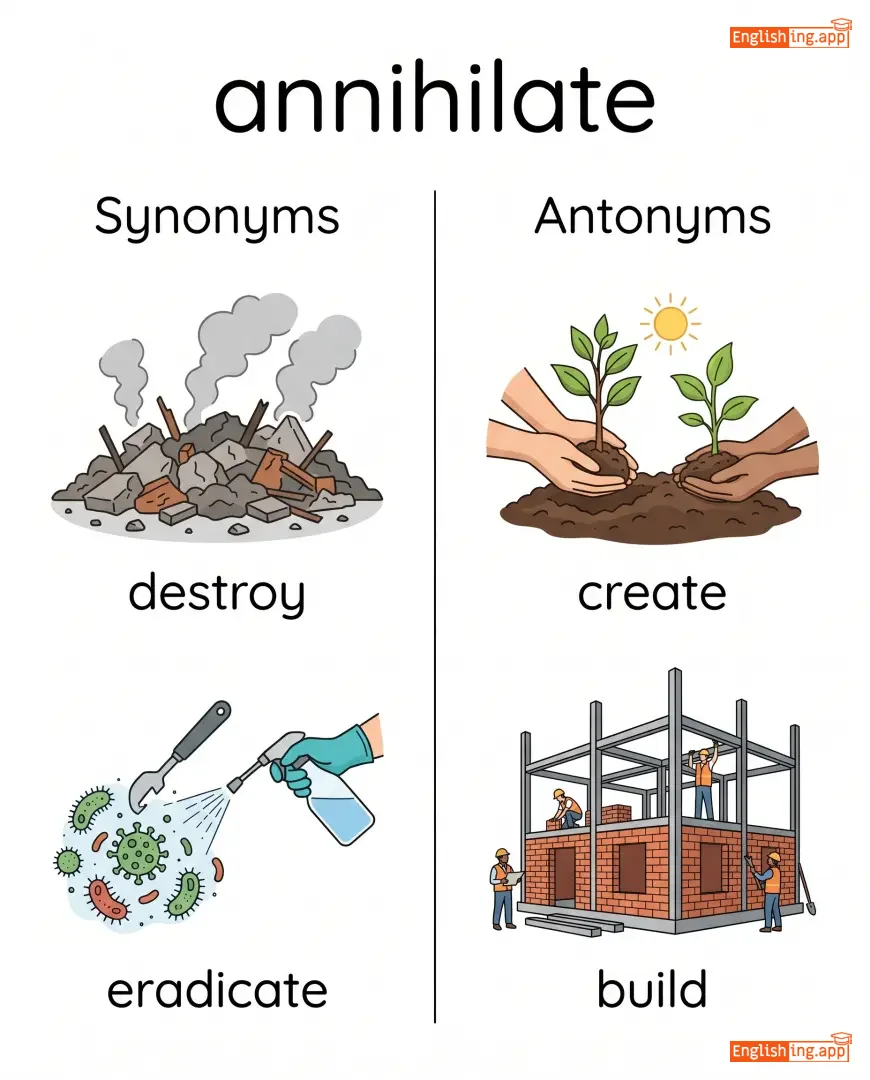
同義語
対義語
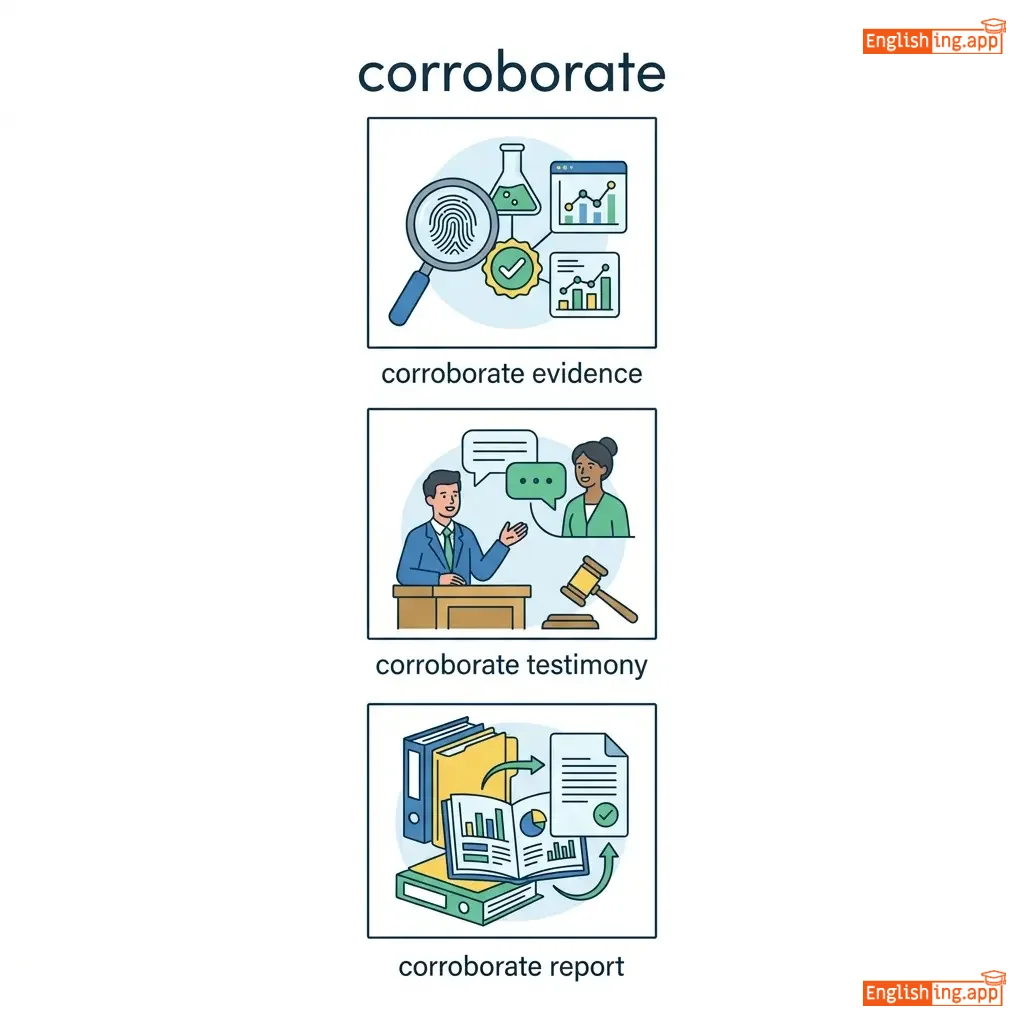
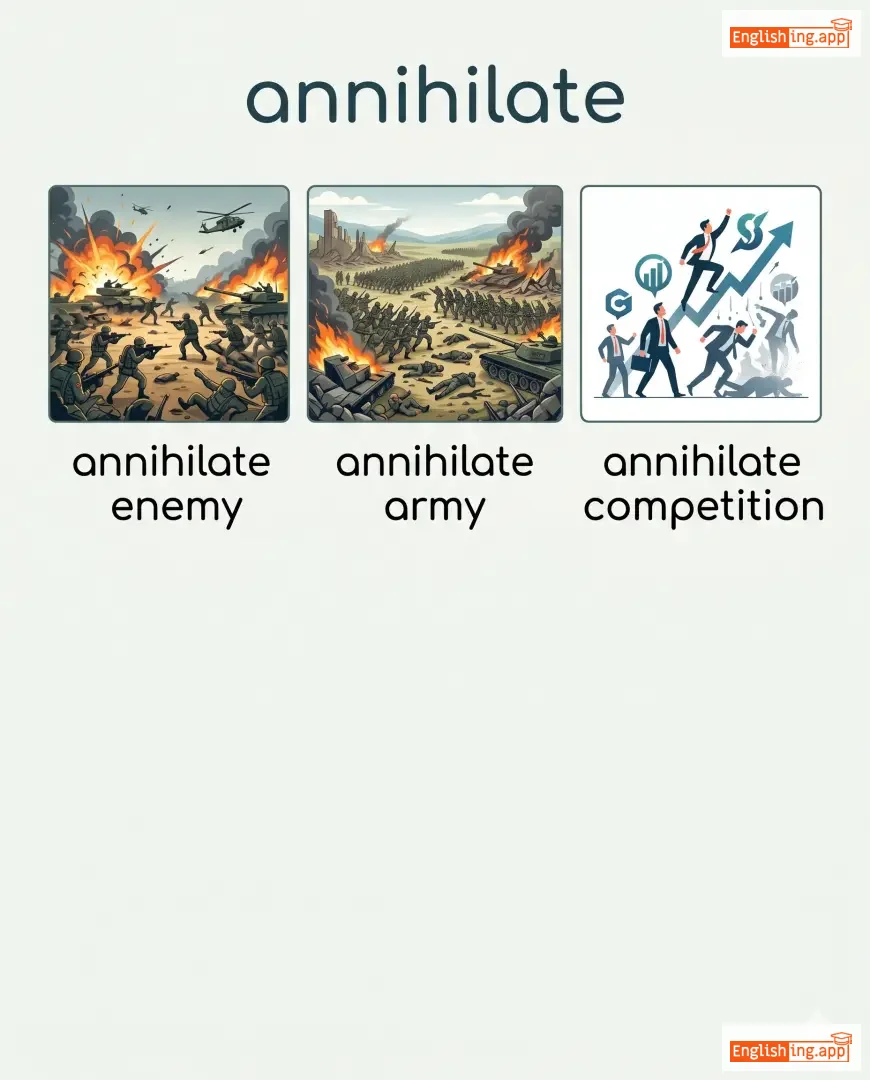
コロケーション
ニーモニック
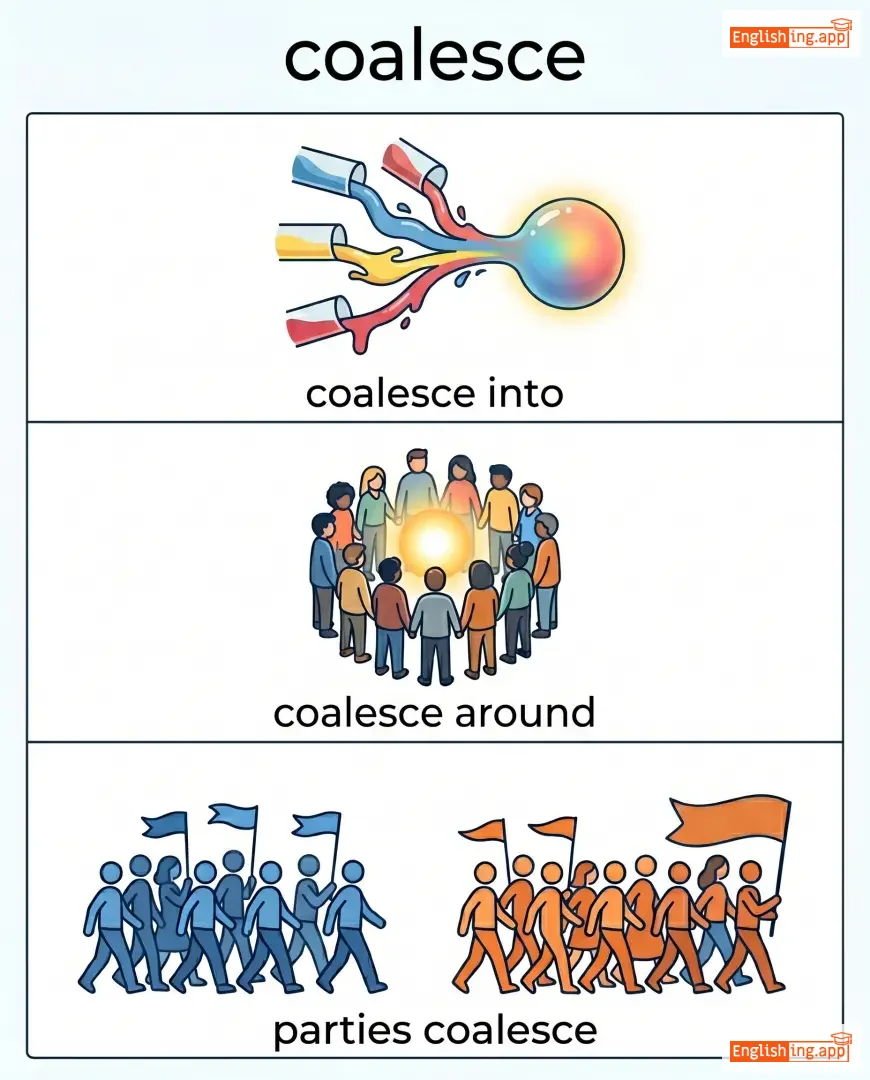
Swipe left or right, or use the buttons. Tap image to zoom.
例文の翻訳
単語
Famous Scientists and Their DiscoveriesFamous Scientists and Their Discoveries - マスクトグル
|
絵文字
|
単語 | Images | 翻訳 | 意味 | 例文 | 例文の翻訳 | 同義語 | 対義語 | ニーモニック |
|---|---|---|---|---|---|---|---|---|---|
|
#1645
🚀
|
ˌpaɪəˈnɪər.ɪŋ
adjective
(パイオニアリング)
••••••
|
|
先駆的
senkudeki
••••••
|
Being the first to develop or apply a new method, area of knowledge, or activity; innovative.
••••••
|
Pioneering discoveries have changed science forever. |
先駆的な発見は科学を永遠に変えました。
Senkudeki na hakken wa kagaku o eien ni kaemashita.
••••••
|
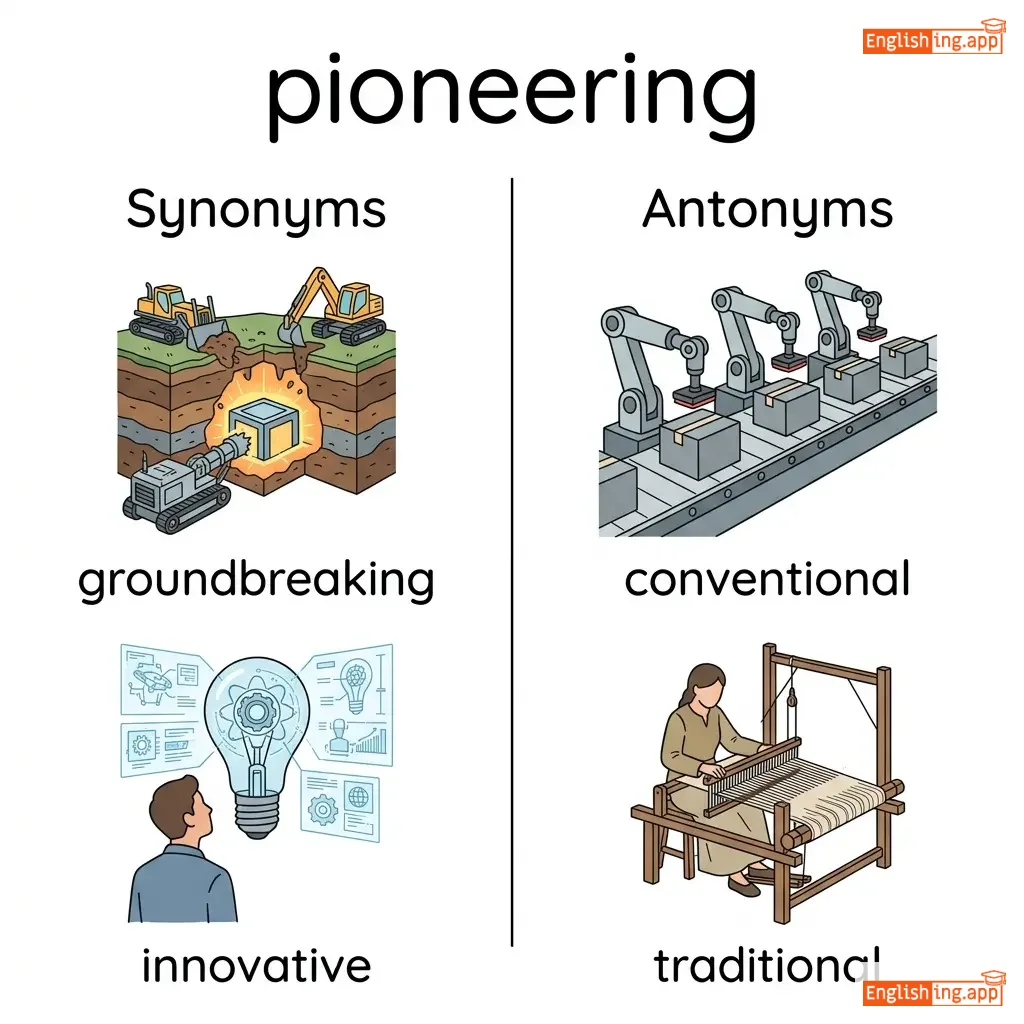
innovative, groundbreaking, revolutionary
••••••
|
conventional, traditional, obsolete
••••••
|
Senkudeki means trailblazing - making discoveries that change forever.
••••••
|
|
#1646
🔬
|
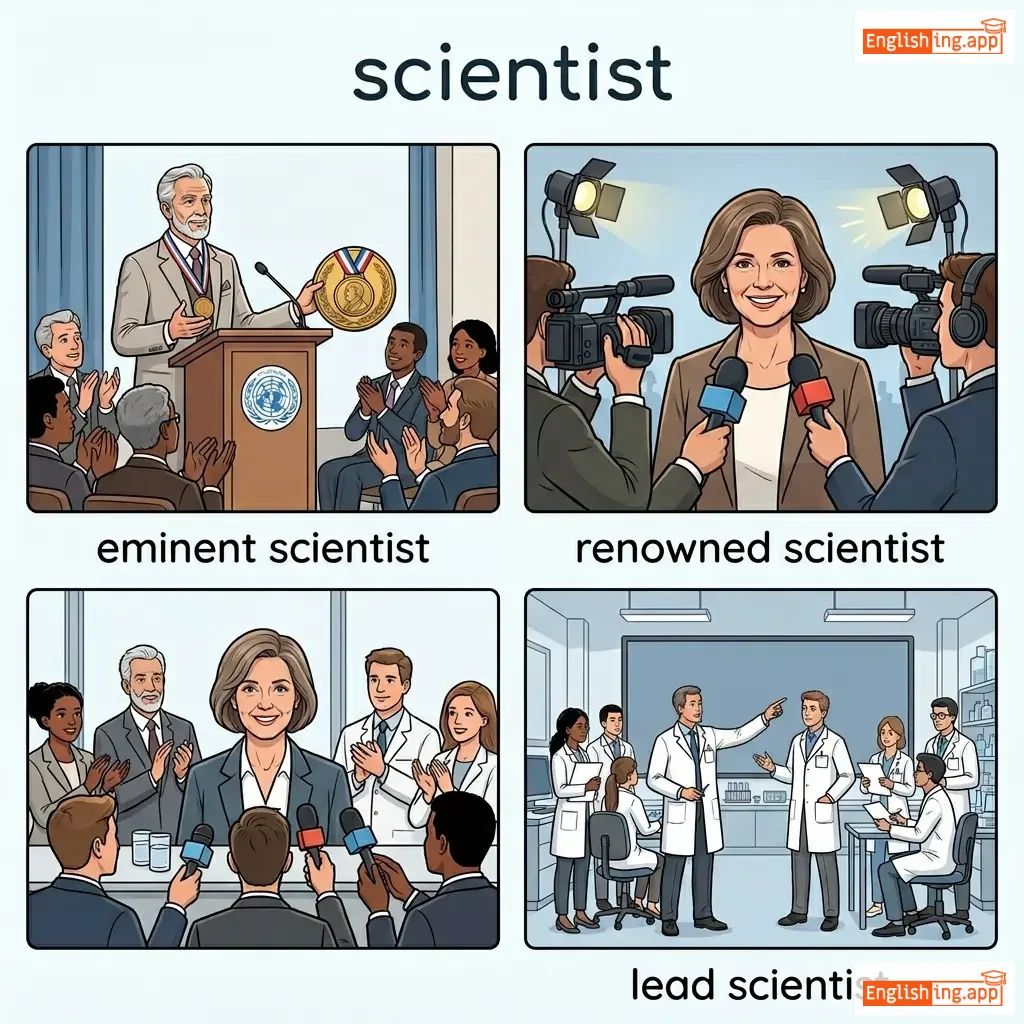
ˈsaɪən.tɪst
noun
(サイエンティスト)
••••••
|
|
科学者
kagakusha
••••••
|
A person who is studying or has expert knowledge of one or more of the natural or physical sciences.
••••••
|
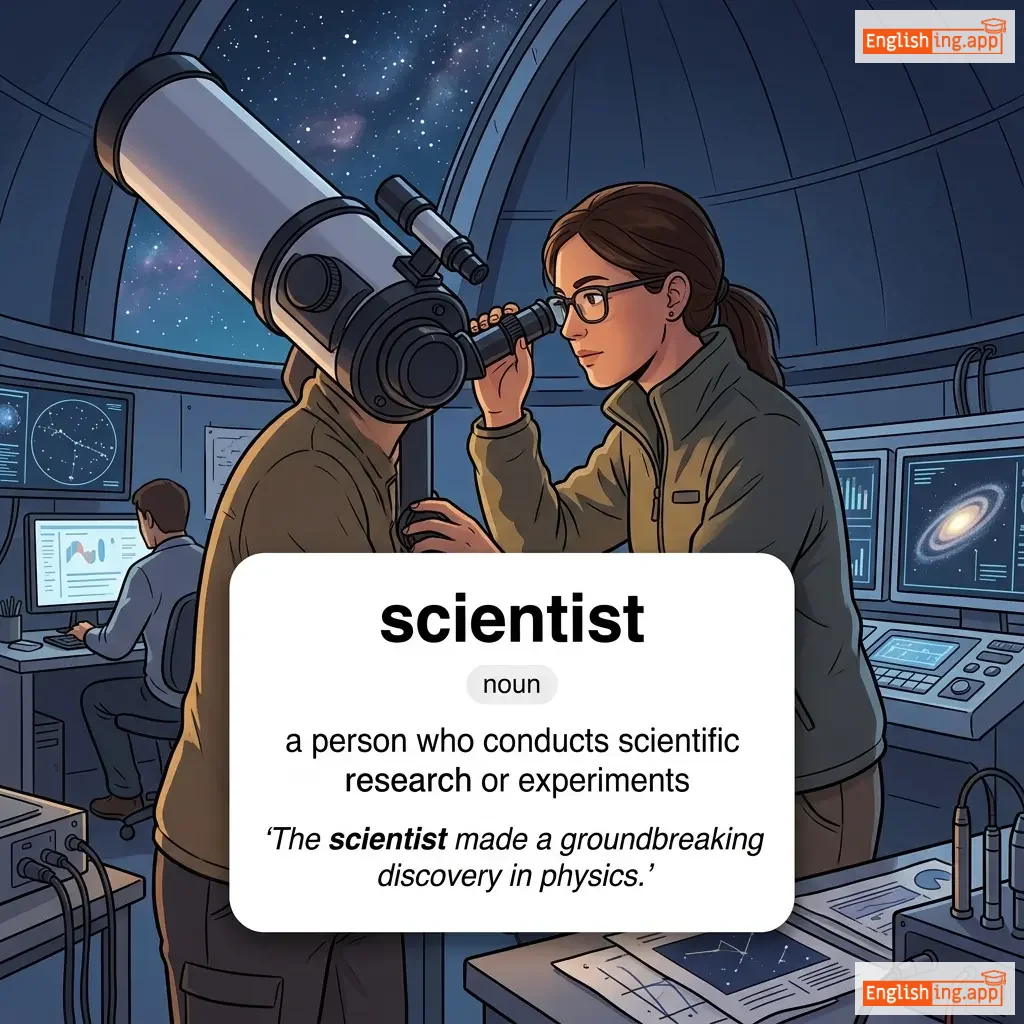
Marie Curie was a scientist who won two Nobel Prizes. |
マリー・キュリーは二度のノーベル賞を受賞した科学者でした。
Marī Kyurī wa nidō no Nōberu-shō o jushō shita kagakusha deshita.
••••••
|
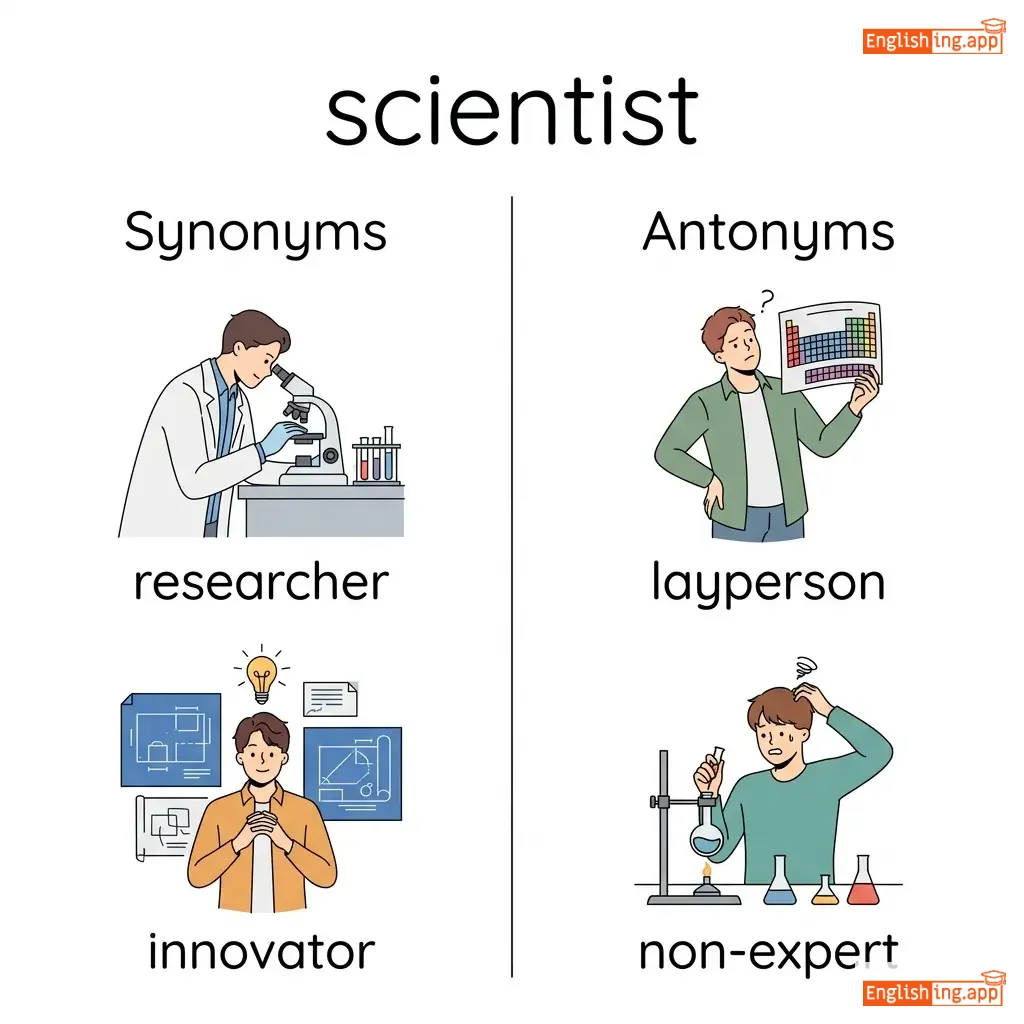
researcher, inventor, scholar
••••••
|
layman, amateur, non-expert
••••••
|
『科学者』という言葉は『科学』と『者』をつなげて覚えましょう。
••••••
|
|
#1647
✅
|
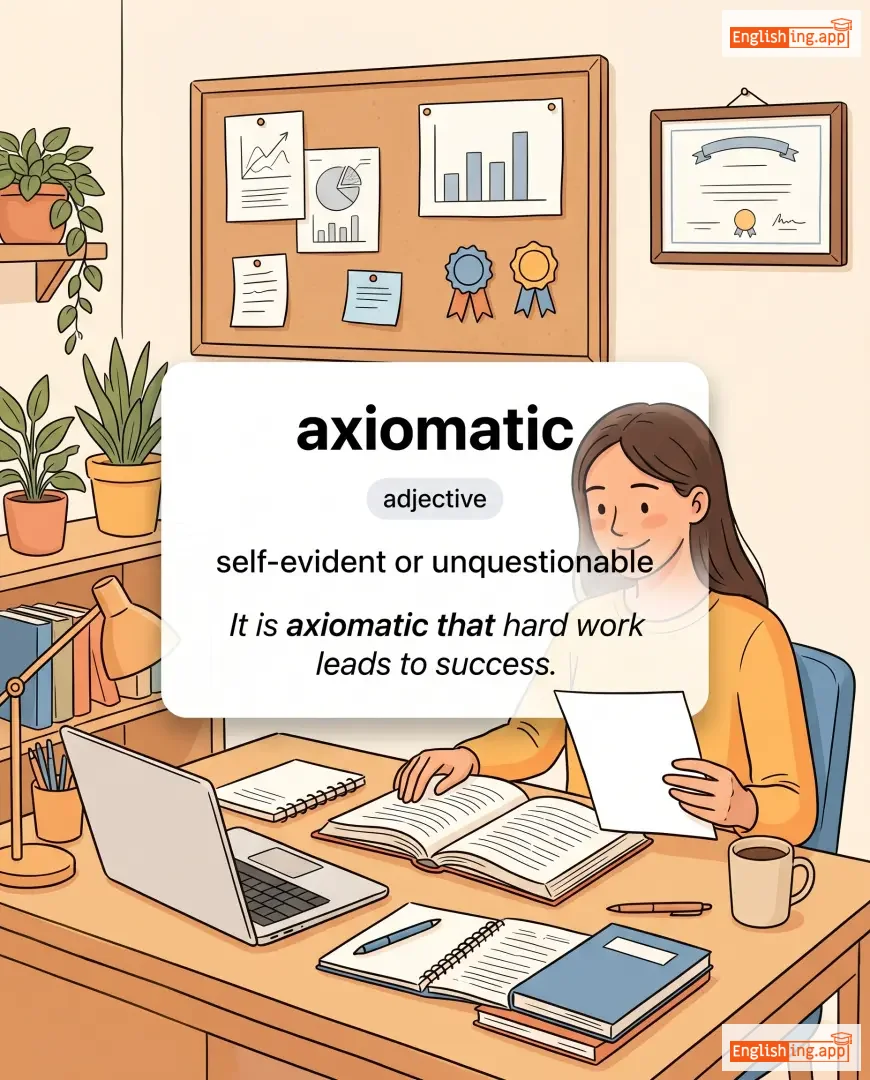
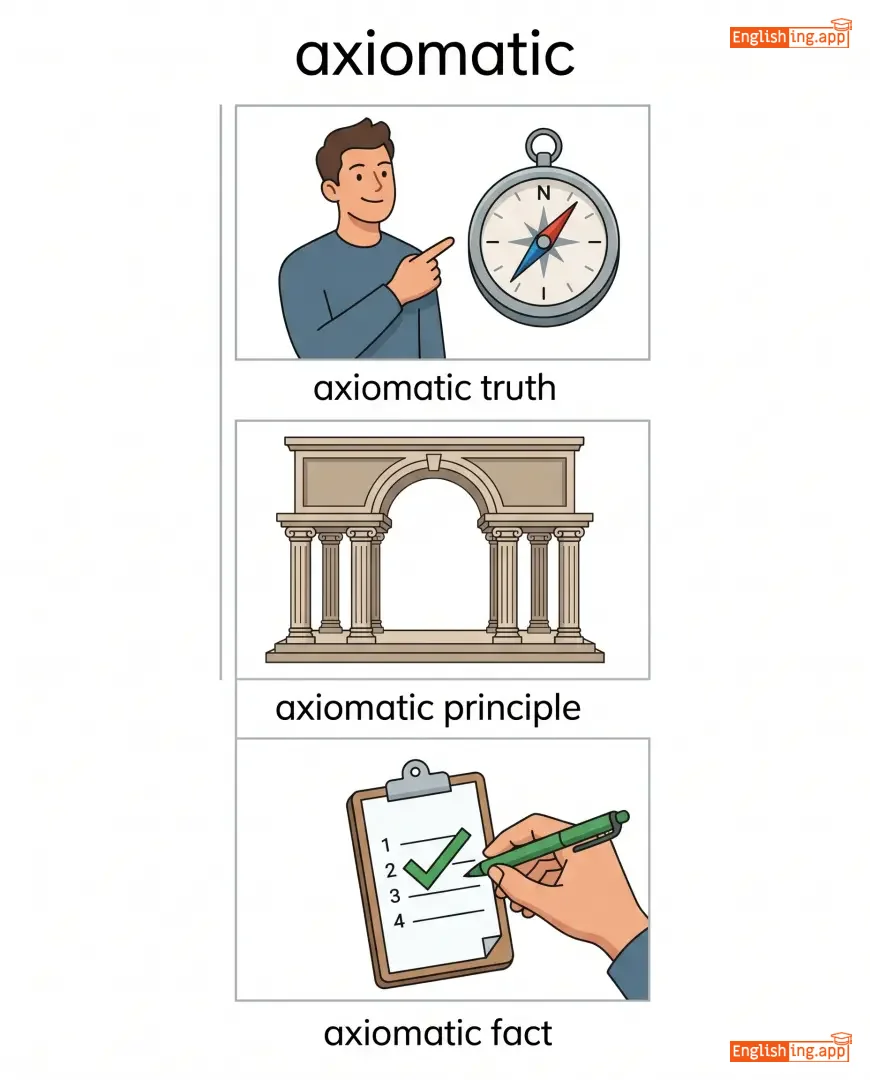
ˌæk.si.əˈmæt.ɪk
adjective
(ˌæksiəˈmætɪk)
••••••
|
|
公理的
kōriteki
••••••
|
Self-evidently true; obvious and requiring no proof.
••••••
|
The idea that the Earth orbits the Sun is axiomatic.
地球が太陽の周りを回るという考えは公理的です。
••••••
|
地球が太陽の周りを回るという考えは公理的です。
Chikyū ga taiyō no mawari o mawaru to iu kangae wa kōriteki desu.
••••••
|
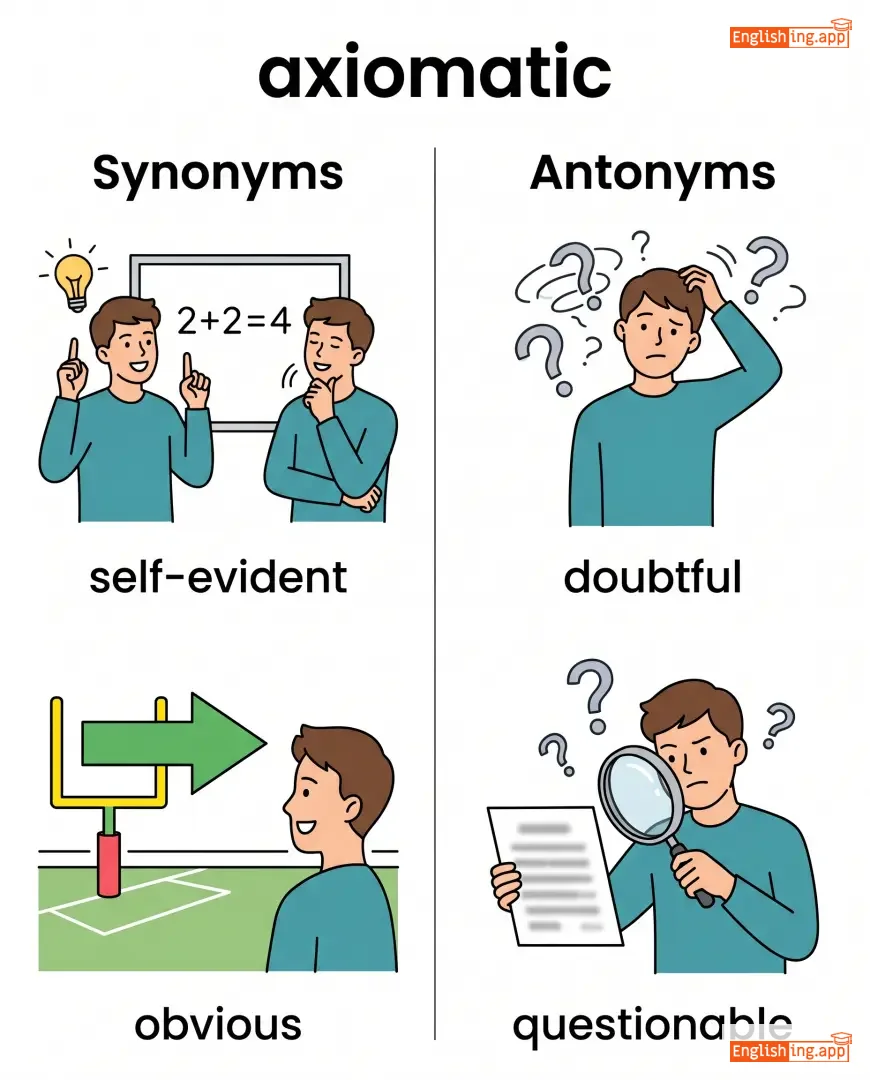
self-evident, undeniable, indisputable
••••••
|
questionable, debatable, uncertain
••••••
|
‘公理的’は、地球が太陽の周りを回るように、証明を必要としない明白な事実を指します。
••••••
|
|
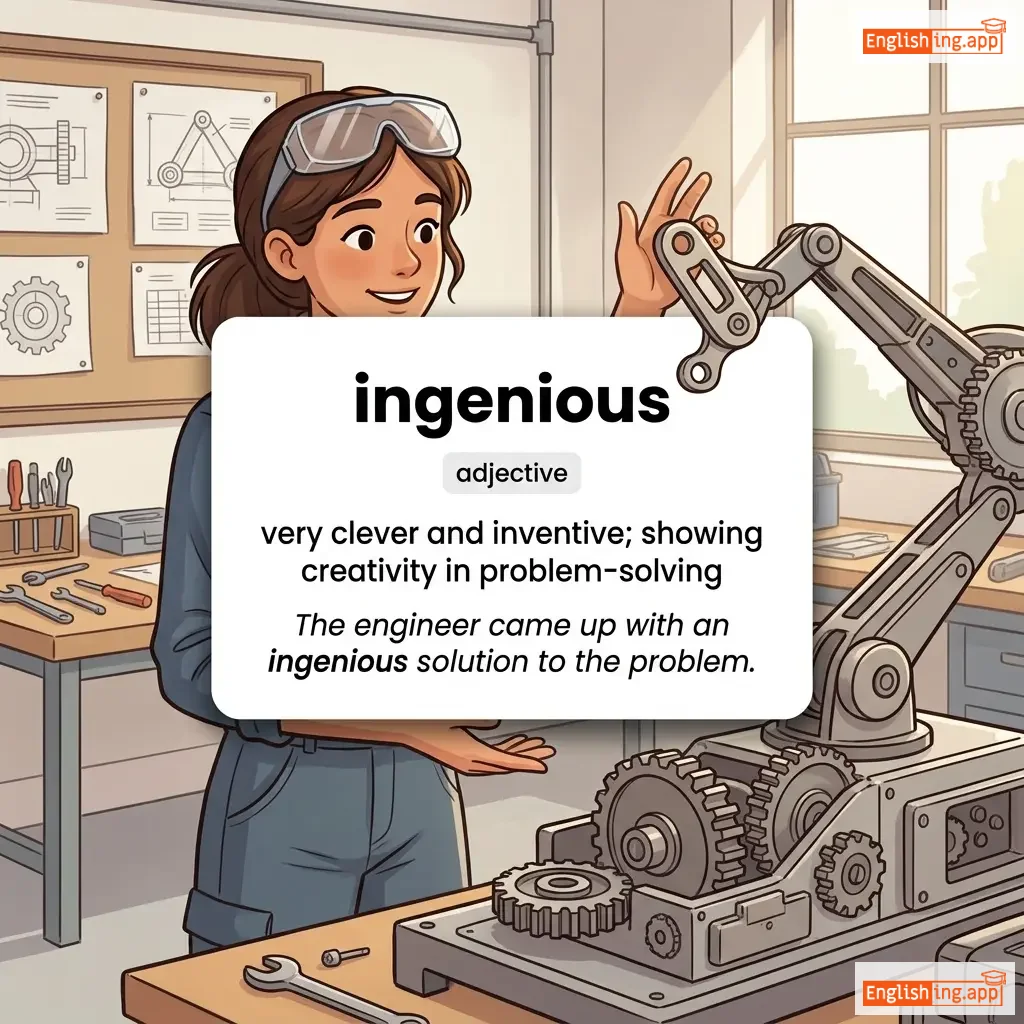
#1648
💡
|
ɪnˈdʒiː.ni.əs
adjective
(インジニアス)
••••••
|
|
独創的
dokutsūteki
••••••
|
Showing inventiveness and skill; clever, original, and inventive.
••••••
|
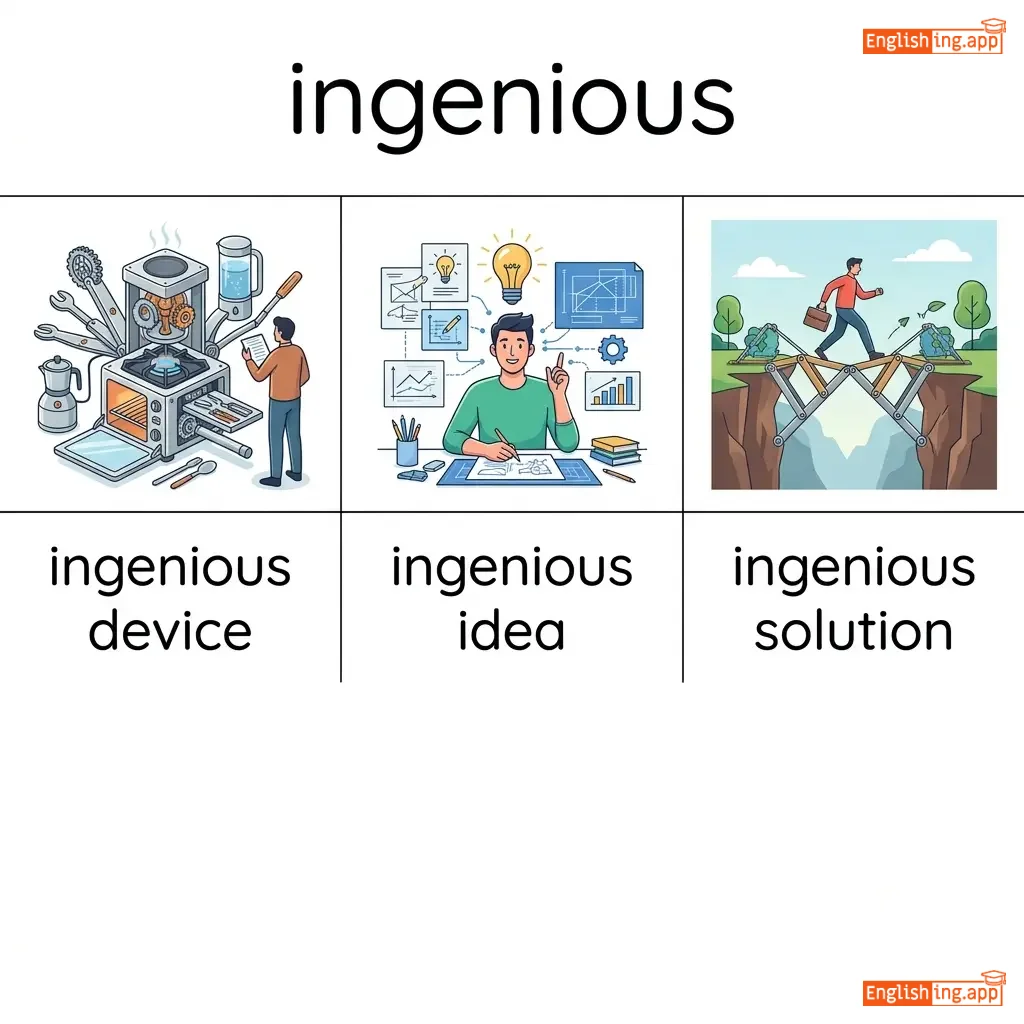
His ingenious ideas transformed modern physics.
彼の独創的なアイデアは現代物理学を変えました。
••••••
|
彼の独創的なアイデアは現代物理学を変えました。
Kare no dokutsūteki na aidea wa gendai butsuri-gaku o kaemashita.
••••••
|
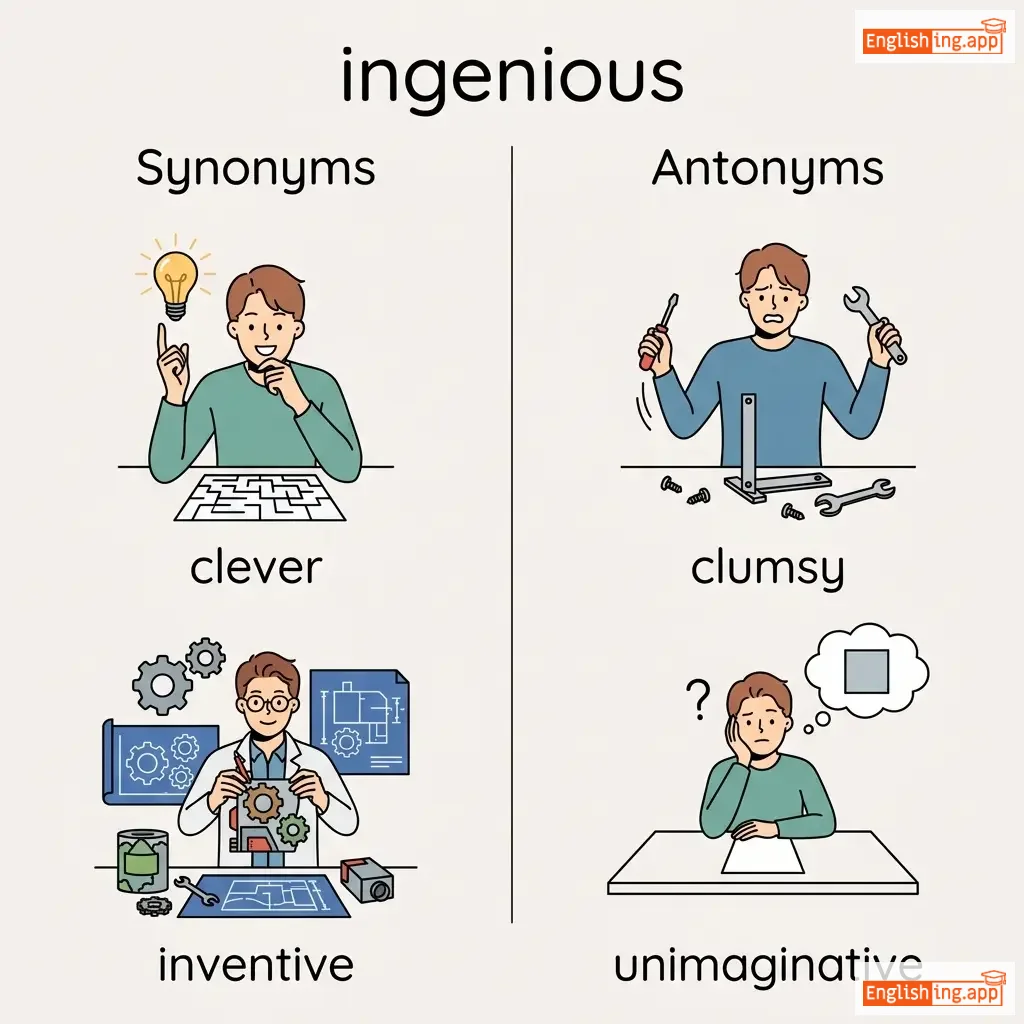
creative, clever, brilliant
••••••
|
unimaginative, uninventive, ordinary
••••••
|
In Japanese, '独創的' means ingenious – showing inventiveness and skill.
••••••
|
|
#1649
📈
|
ɪkˈstræp.ə.leɪt
verb
(エクストラポレート)
••••••
|
|
外挿
gaizō
••••••
|
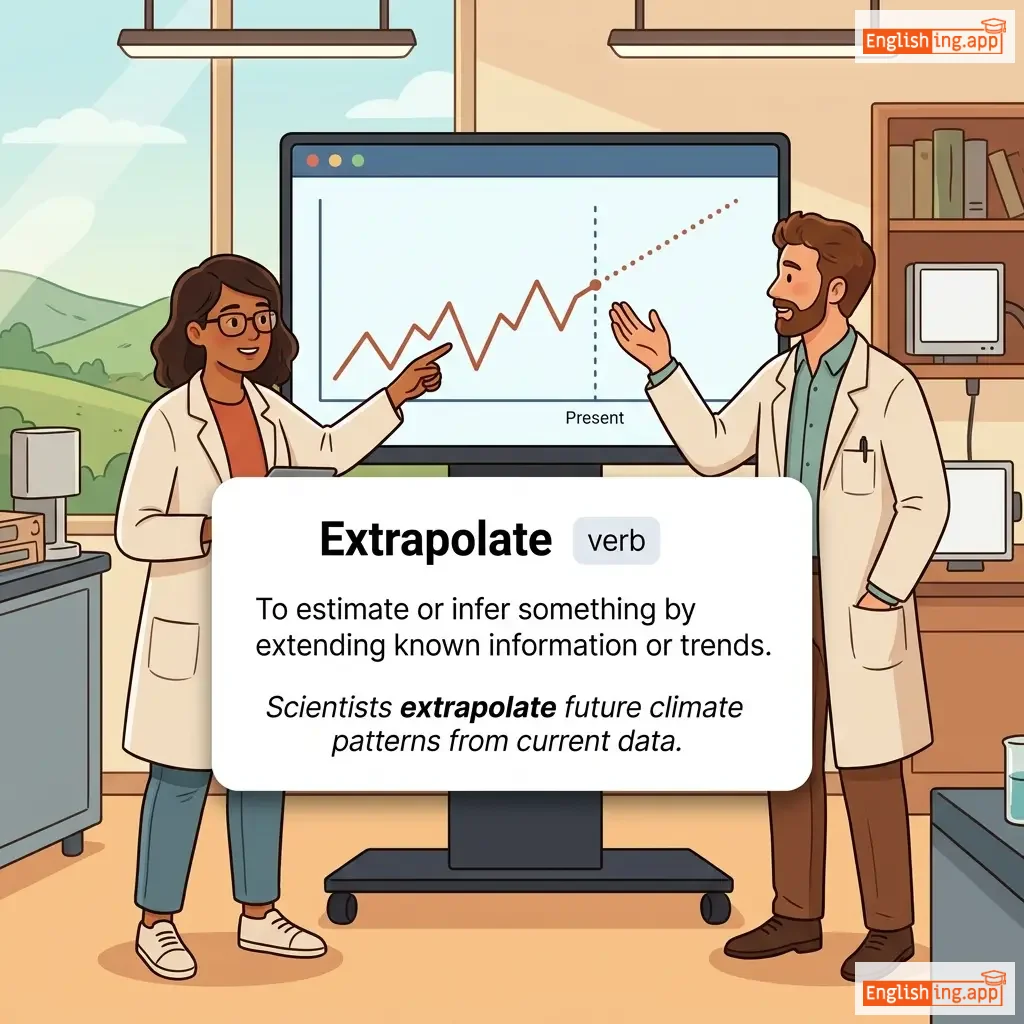
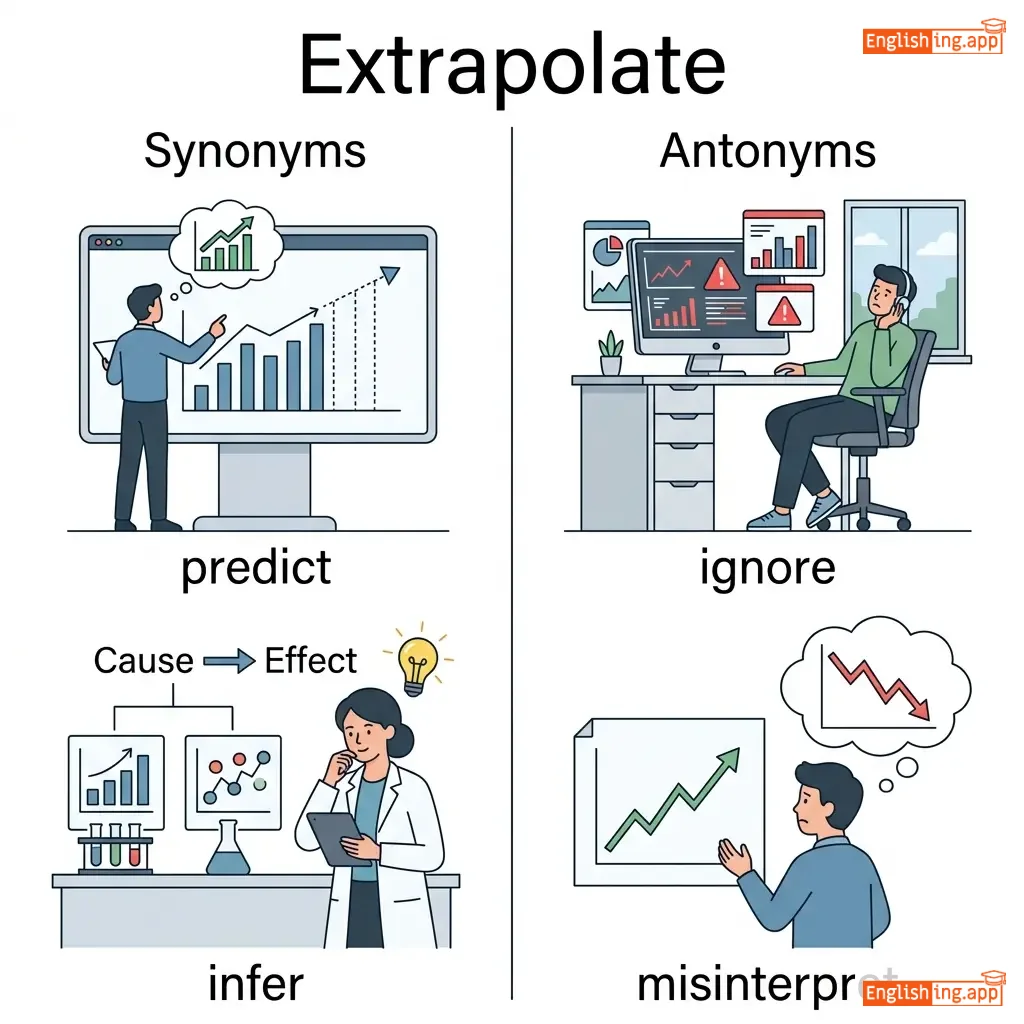
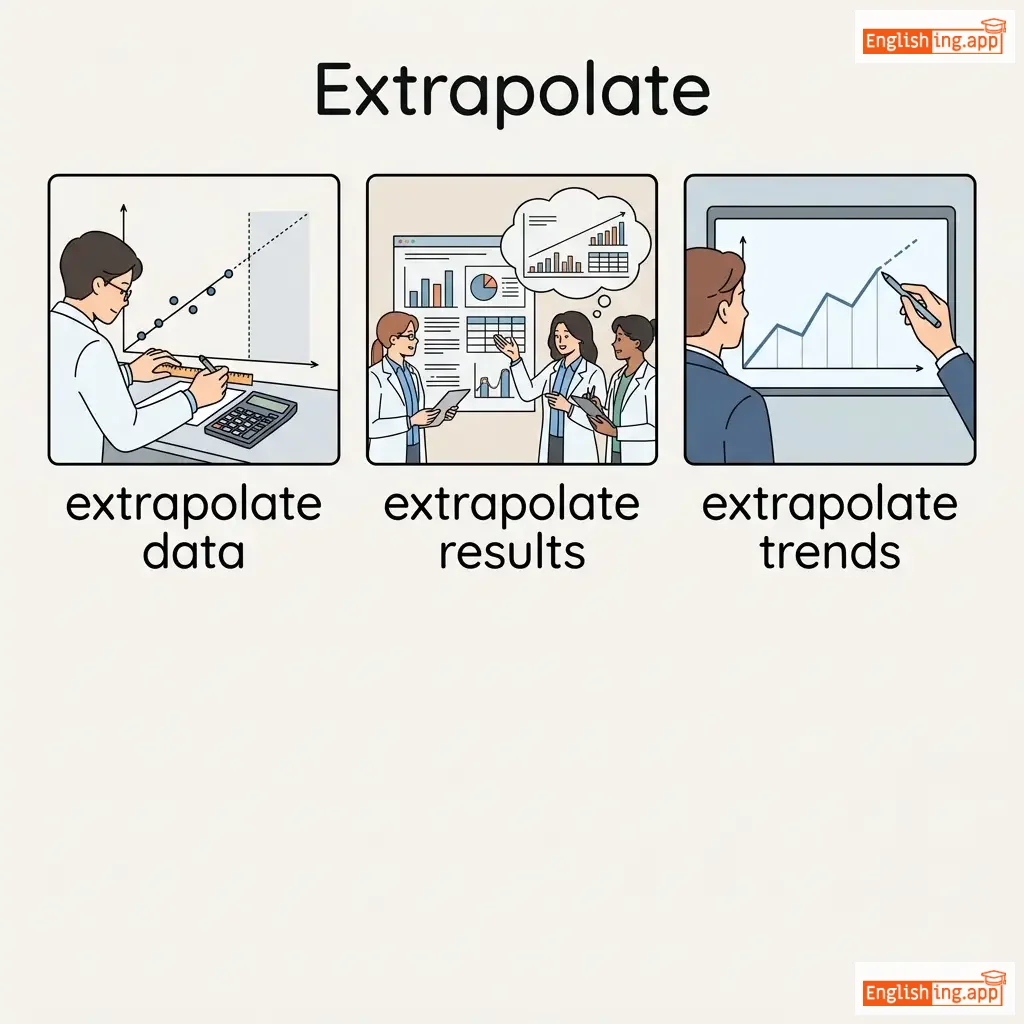
Extend the application of a method or conclusion to an unknown situation by assuming that existing trends will continue.
••••••
|
Scientists extrapolate climate data to predict future trends. |
科学者たちは気候データを外挿して、未来の傾向を予測します。
Kagakusha-tachi wa kikō dēta o gaizō shite, mirai no keikō o yosoku shimasu.
••••••
|
infer, predict, estimate
••••••
|
misinterpret, miscalculate, distort
••••••
|
外挿は未来を予測するために行うこと!
••••••
|
|
#1650
☢️
|
ˌreɪ.di.oʊ.ækˈtɪv.ə.ti
noun
(ラジオアクティビティ)
••••••
|
|
放射性
rajioakutibiti
••••••
|
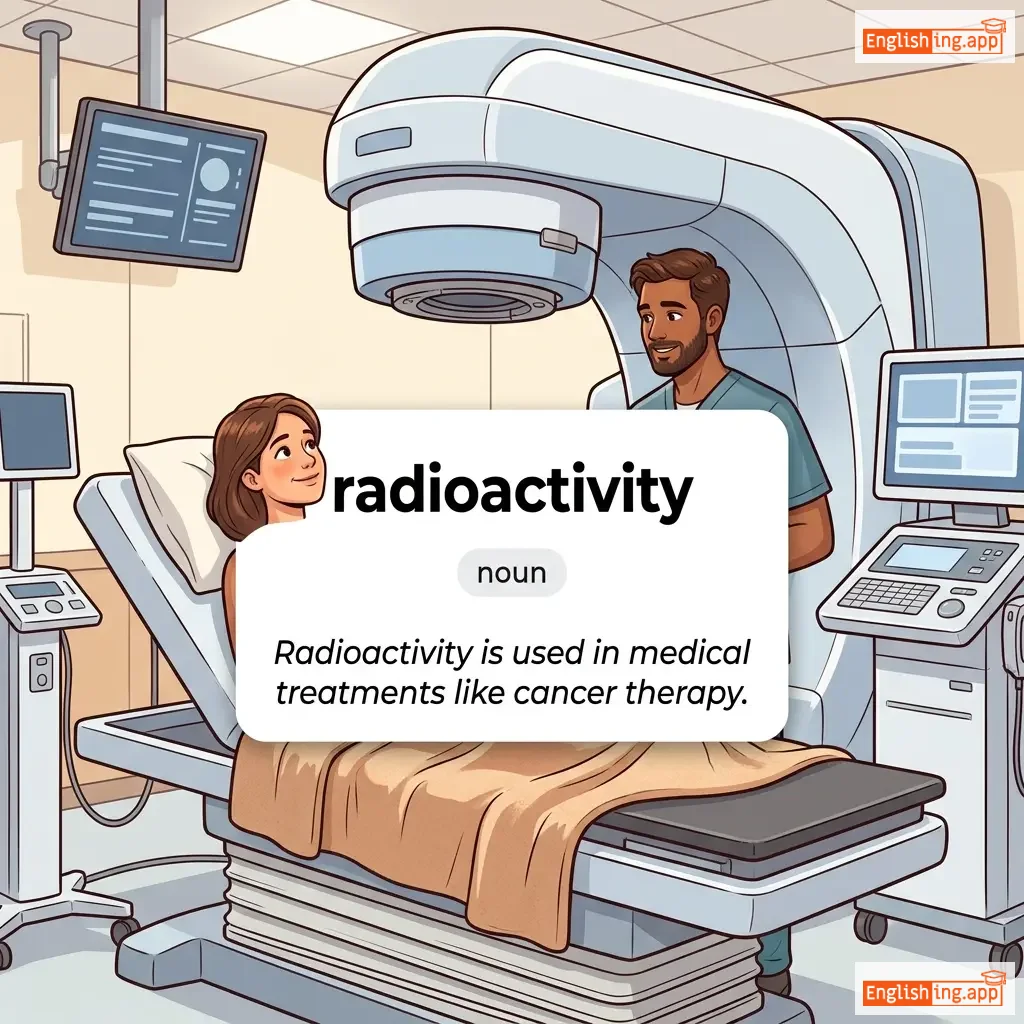
The emission of ionizing radiation or particles caused by the spontaneous disintegration of atomic nuclei.
••••••
|
Radioactivity is used in medical treatments like cancer therapy.
ほうしゃせいは、 がんちりょうのようないりょうにもちいられている。
••••••
|
放射性は、がん治療のような医療に用いられている。
houshasei wa ganchiryou no youna iryou ni mochiirareteiru
••••••
|
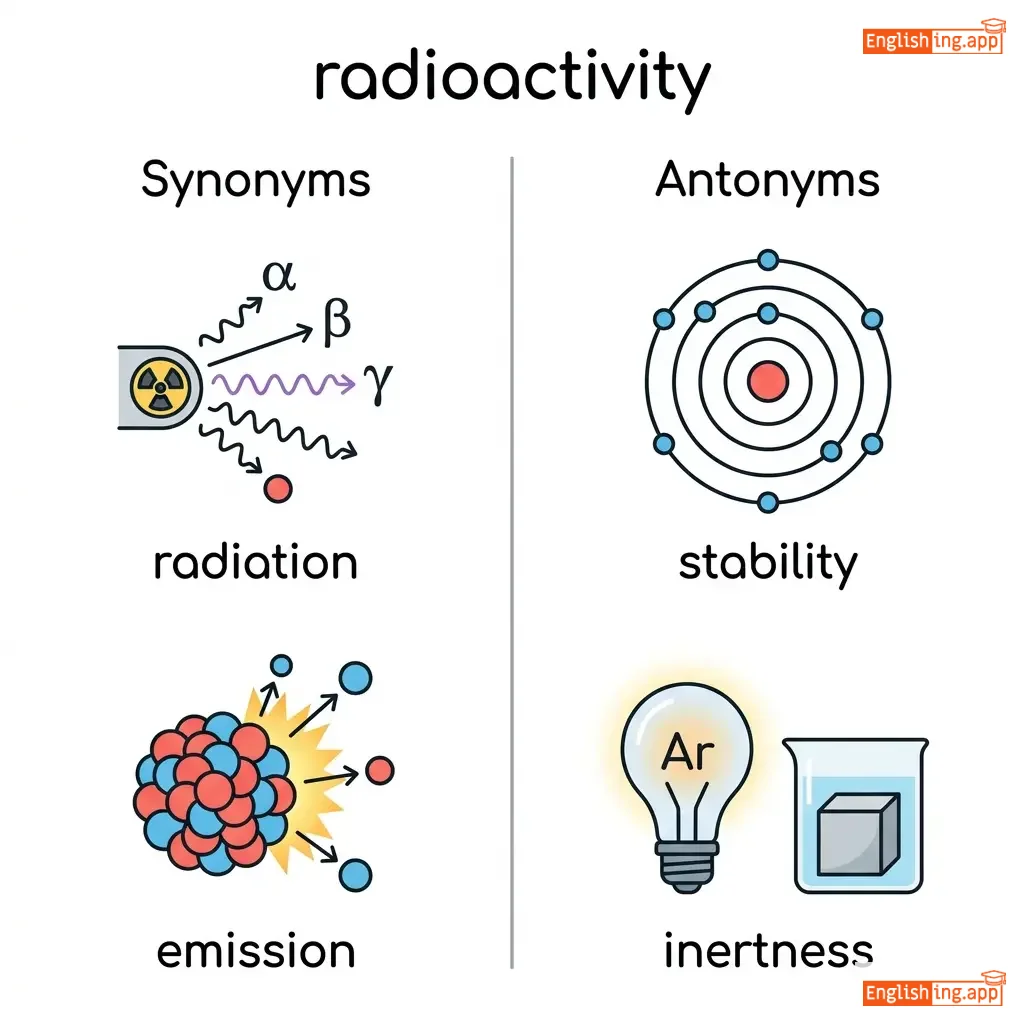
radiation, emission, nuclear decay
••••••
|
stability, inertness, non-reactivity
••••••
|
Radio active のイメージで覚える ラジオアクティビティ は 放射性 へつながる
••••••
|
|
#1651
🖊️
|
ɪnˈdel.ə.bəl
adjective
(インデリブル)
••••••
|
|
消えない
kienai
••••••
|
Making marks that cannot be removed; impossible to forget or remove.
••••••
|
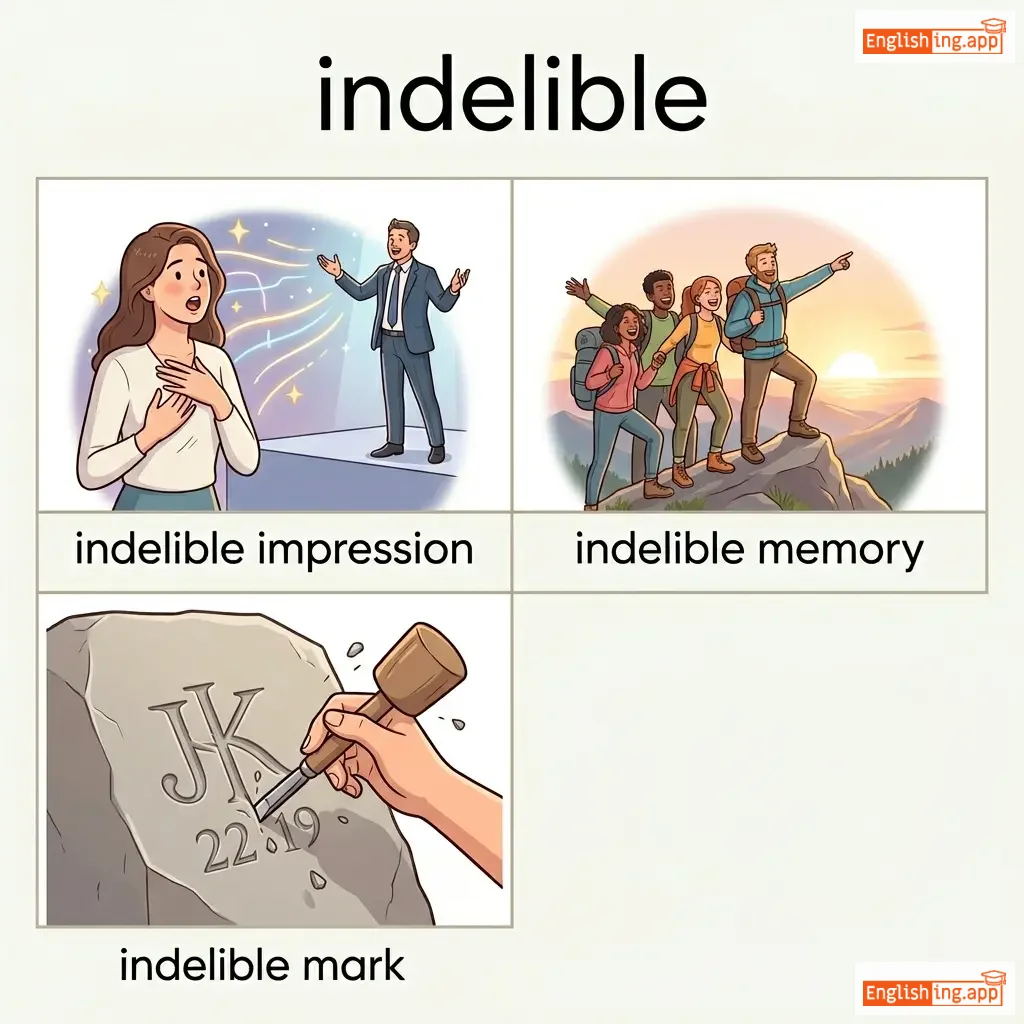
Her speech left an indelible mark on the audience.
彼女のスピーチは聴衆に消えない印象を残しました。
••••••
|
彼女のスピーチは聴衆に消えない印象を残しました。
Kanojo no supīchi wa chōshū ni kienai inshō o nokoshimashita.
••••••
|
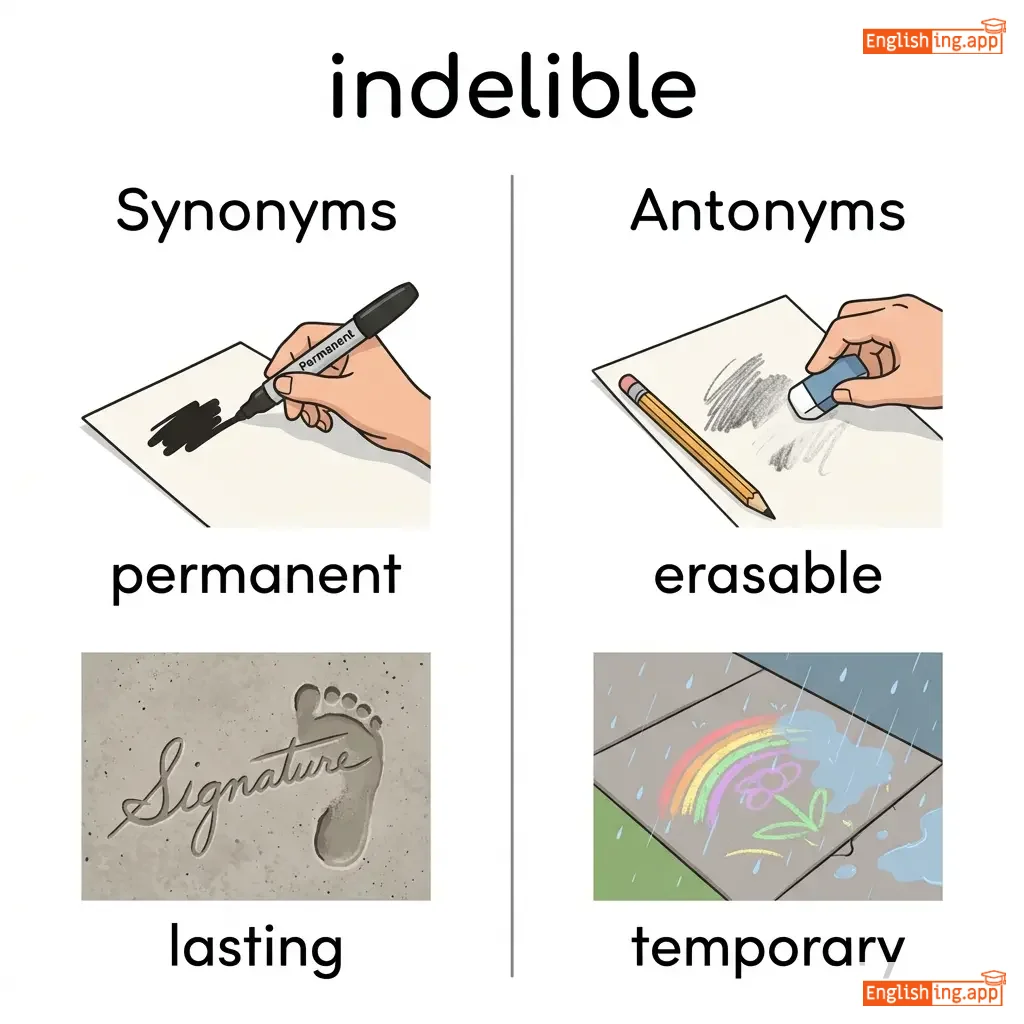
permanent, unforgettable, irremovable
••••••
|
temporary, erasable, fleeting
••••••
|
消えない - 永遠に残る印象のように、消すことができない。
••••••
|
|
#1652
✔️
|
kəˈrɒb.ə.reɪt
verb
(コロボレート)
••••••
|
|
確認する
kakunin suru
••••••
|
Confirm or give support to a statement, theory, or finding.
••••••
|
The witness corroborated the defendant's testimony.
証人は被告の証言を裏付けました。
••••••
|
証人は被告の証言を裏付けました。
Shounin wa hikoku no shougen o uratsukemashita.
••••••
|
confirm, validate, authenticate
••••••
|
contradict, refute, disprove
••••••
|
確認する - 言われたことを確認しよう!
••••••
|
|
#1653
🤔
|
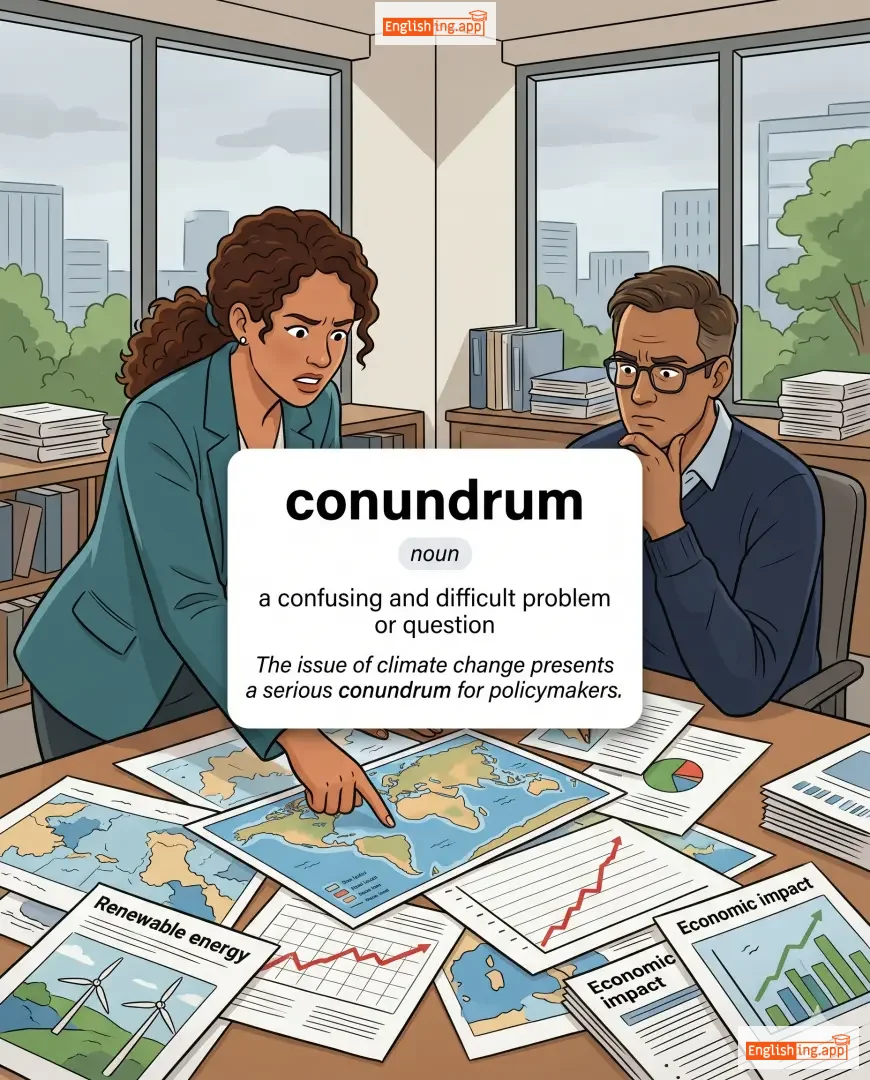
kəˈnʌn.drəm
noun
(コナンドラム)
••••••
|
|
難問
nanmon
••••••
|
A confusing and difficult problem or question; a riddle whose answer is or involves a pun.
••••••
|
Scientists face the conundrum of finding clean energy sources.
科学者はクリーンエネルギー源を見つけるという難題に直面しています。
••••••
|
科学者はクリーンエネルギー源を見つけるという難題に直面しています。
Kagakusha wa kuriin enerugii gen o mitsukeru to iu nanmon ni chokumen shiteimasu.
••••••
|
puzzle, enigma, dilemma
••••••
|
solution, answer, clarity
••••••
|
言葉遊びのような難問に挑戦する。
••••••
|
|
#1654
💥
|
əˈnaɪ.ə.leɪt
verb
(アニヒレイト)
••••••
|
|
完全に破壊する
kanzen ni hakai suru
••••••
|
Destroy utterly; obliterate; reduce to nothing.
••••••
|
The explosion annihilated the entire village.
爆発は村全体をアニヒレートしました。
••••••
|
爆発は村全体をアニヒレートしました。
Bakuha wa mura zentai wo annihilate shimashita.
••••••
|
destroy, obliterate, eradicate
••••••
|
preserve, protect, safeguard
••••••
|
全てを消し去るためには、‘アニヒレート’しないといけません。
••••••
|
|
#1655
💡
|
ɪˈluː.sɪ.deɪt
verb
(エルーシデート)
••••••
|
|
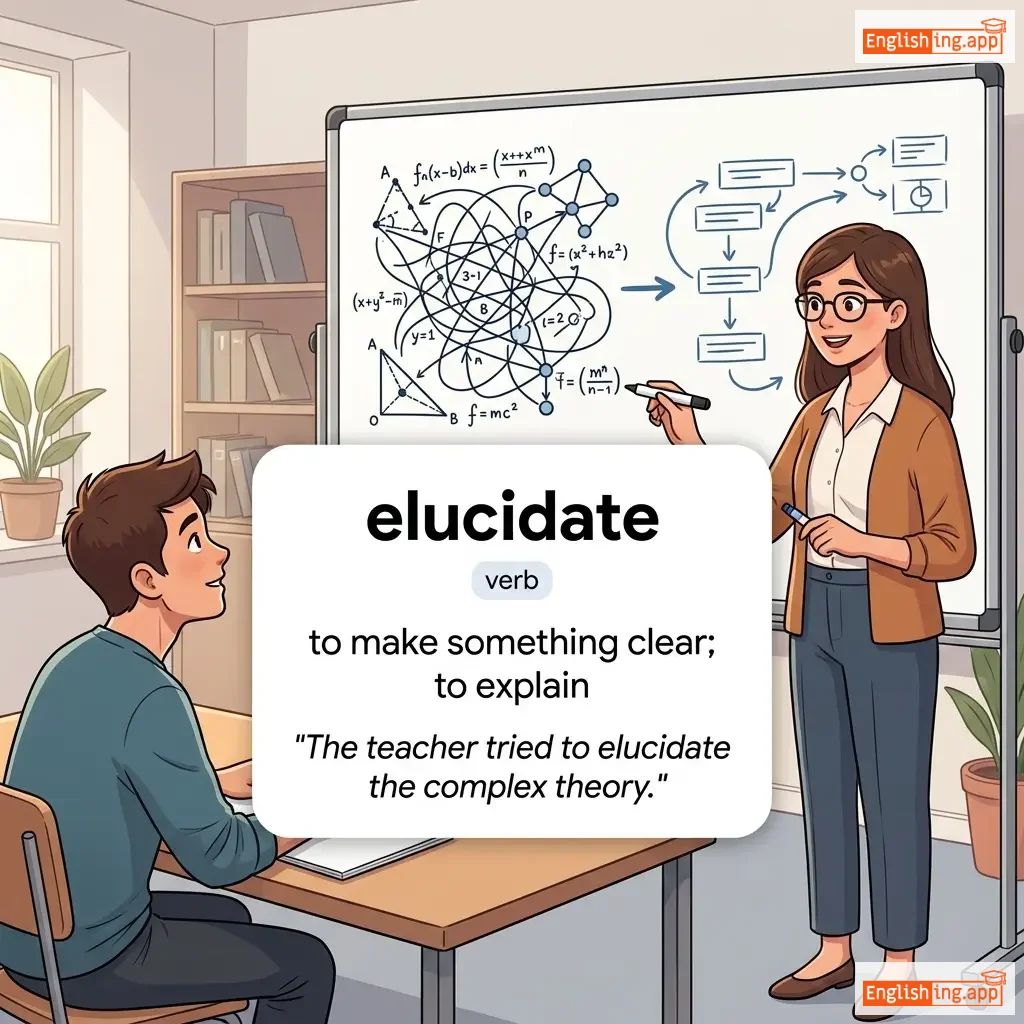
明らかにする
akiraka ni suru
••••••
|
Make something clear; explain in detail.
••••••
|
The professor elucidated the complex physics theory.
教授は複雑な物理学の理論を説明しました。
••••••
|
教授は複雑な物理学の理論を説明しました。
Kyouju wa fukuzatsu na butsurigaku no riron o setsumei shimashita.
••••••
|
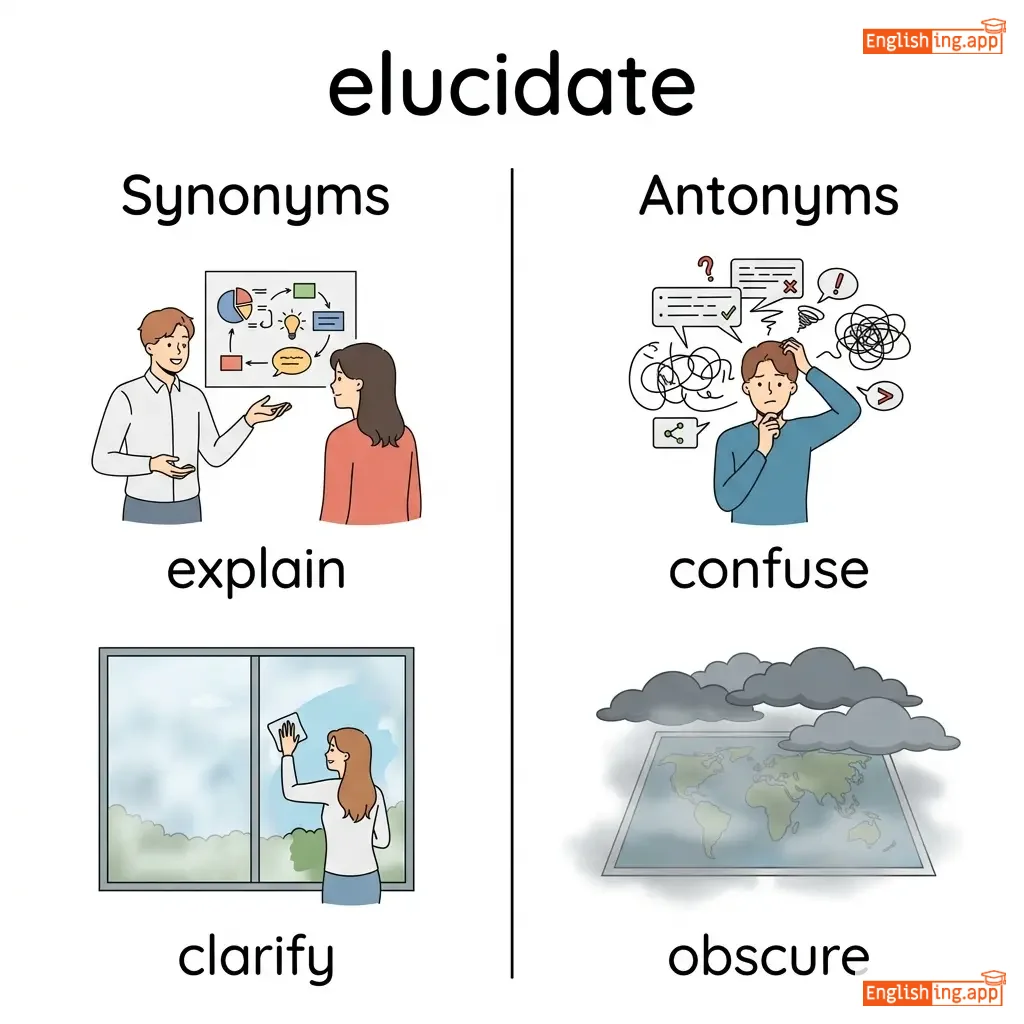
explain, clarify, illuminate
••••••
|
obscure, confuse, muddle
••••••
|
Akiraka ni suru = Make clear, like elucidate
••••••
|
|
#1656
🎁
|
bɪˈkwiːð
verb
(bikweezu)
••••••
|
|
遺贈する
izō suru
••••••
|
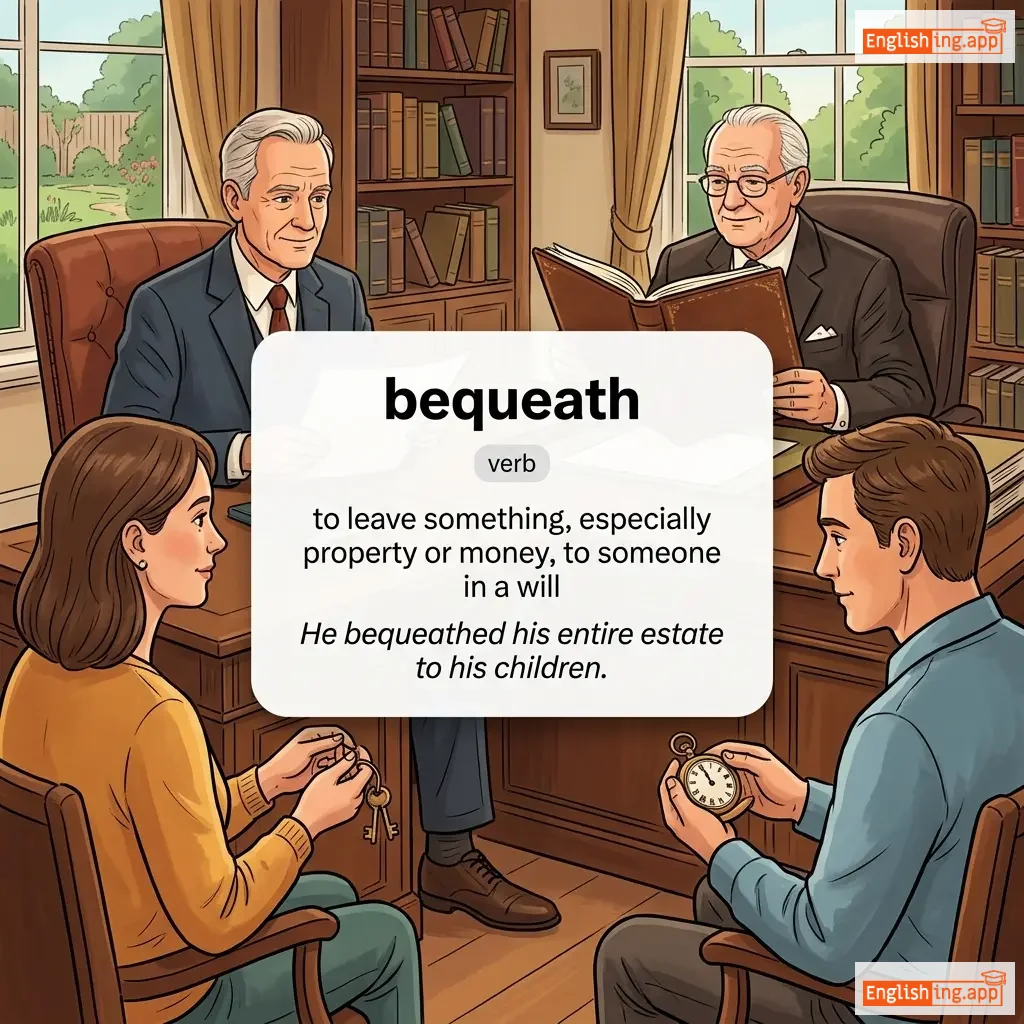
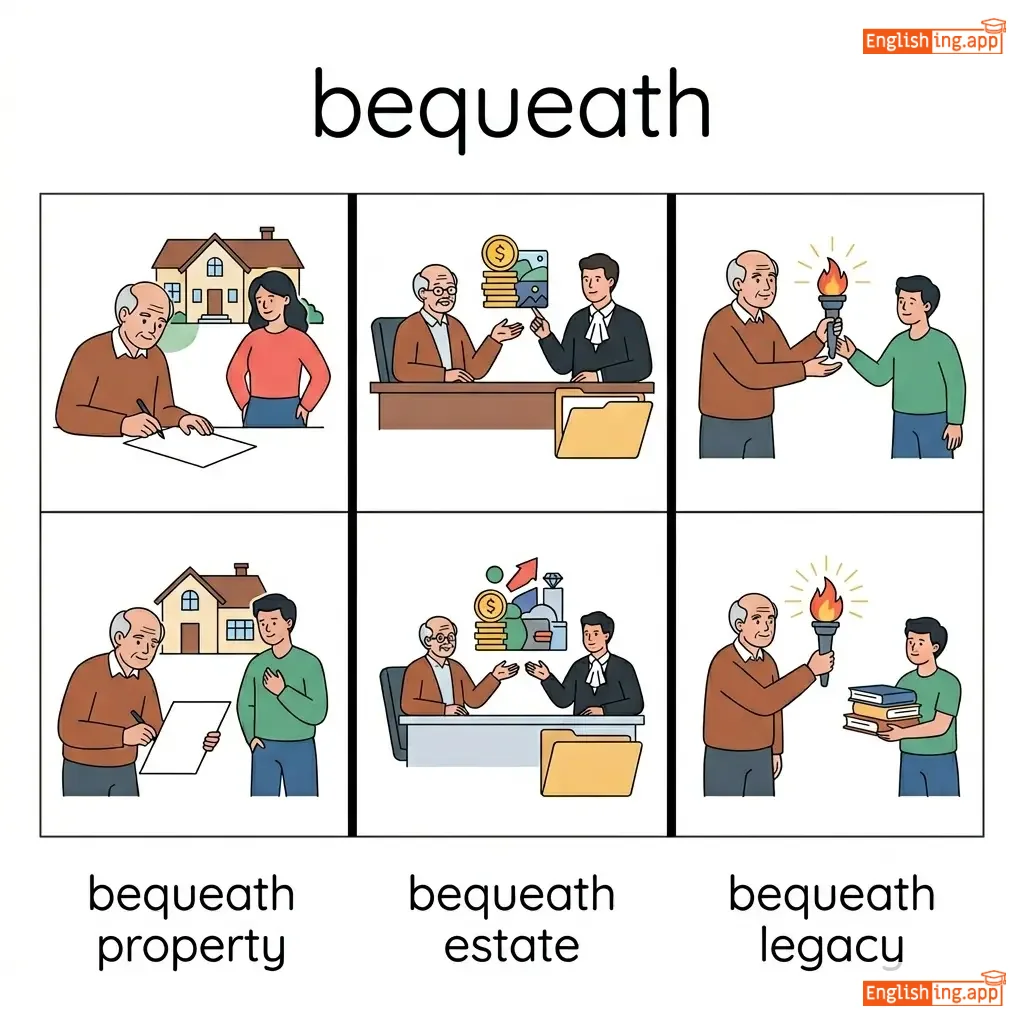
Leave something to someone in a will; pass down or hand down to the next generation.
••••••
|
The scientist bequeathed his research papers to the university. |
科学者は彼の研究論文を大学に遺贈した。
Kagakusha wa kare no kenkyū ronbun o daigaku ni izō shita.
••••••
|
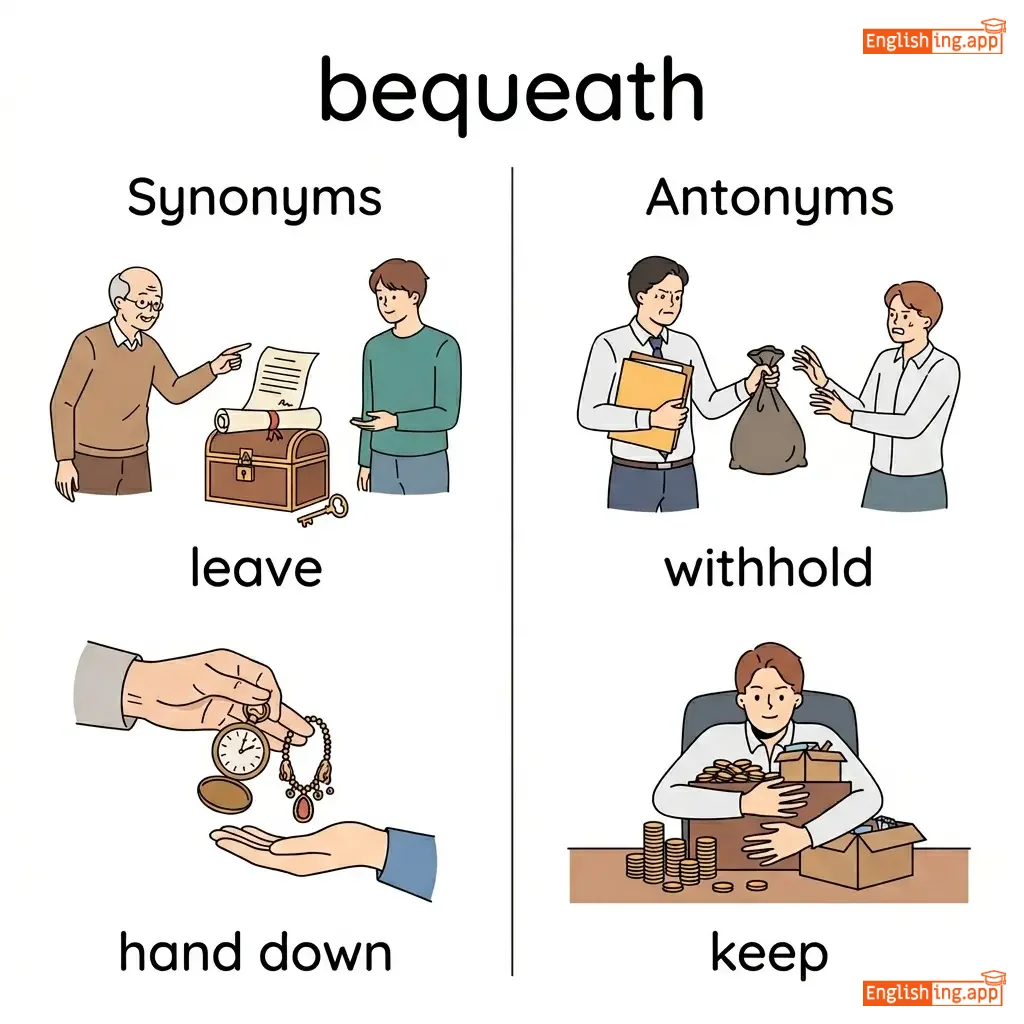
bestow, pass down, will
••••••
|
withhold, retain, keep
••••••
|
遺贈することで、知識や財産を次の世代に残すことができます。
••••••
|
|
#1657
🤝
|
ˌkəʊ.əˈles
verb
(コアレス)
••••••
|
|
統合する
tougou suru
••••••
|
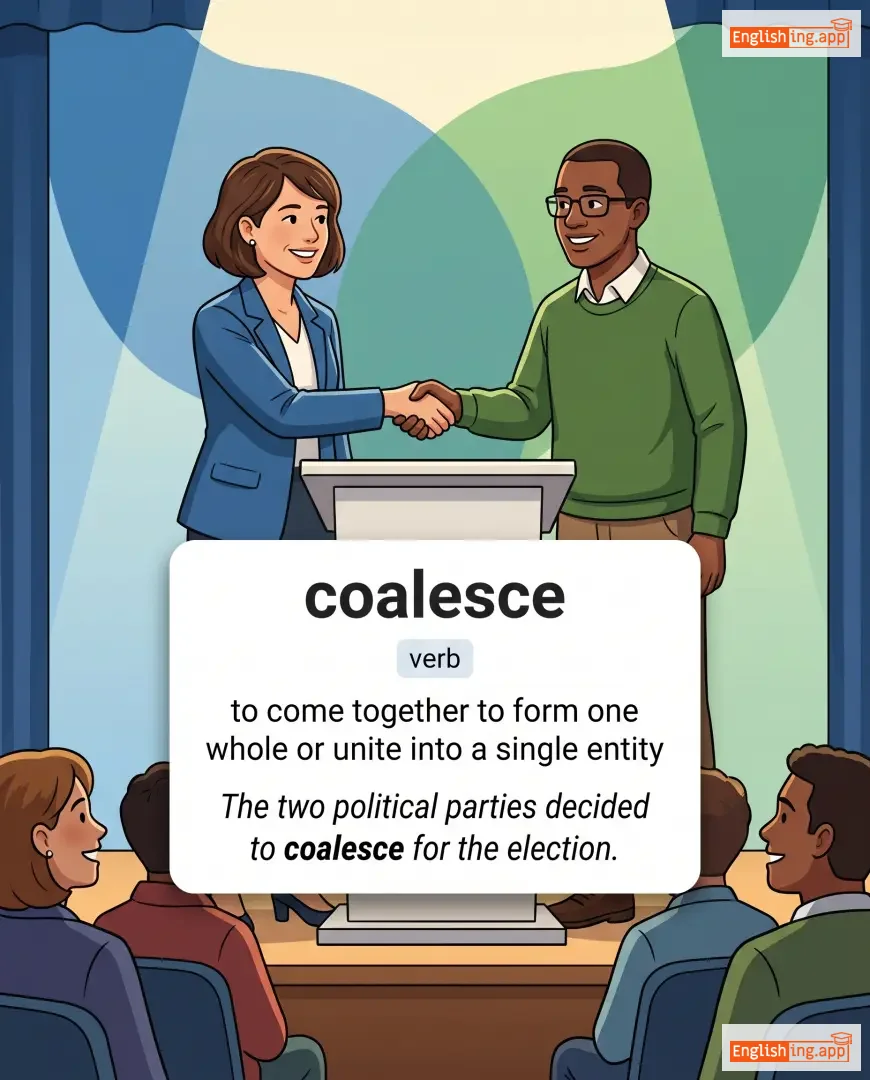
Come together and form one mass or whole; unite to form one organization or group.
••••••
|
The different theories coalesced into one unified idea.
異なる理論が一つの統一されたアイデアに統合されました。
••••••
|
異なる理論が一つの統一されたアイデアに統合されました。
Kotonaru riron ga hitotsu no tōitsu sareta aidea ni tōgō saremashita.
••••••
|
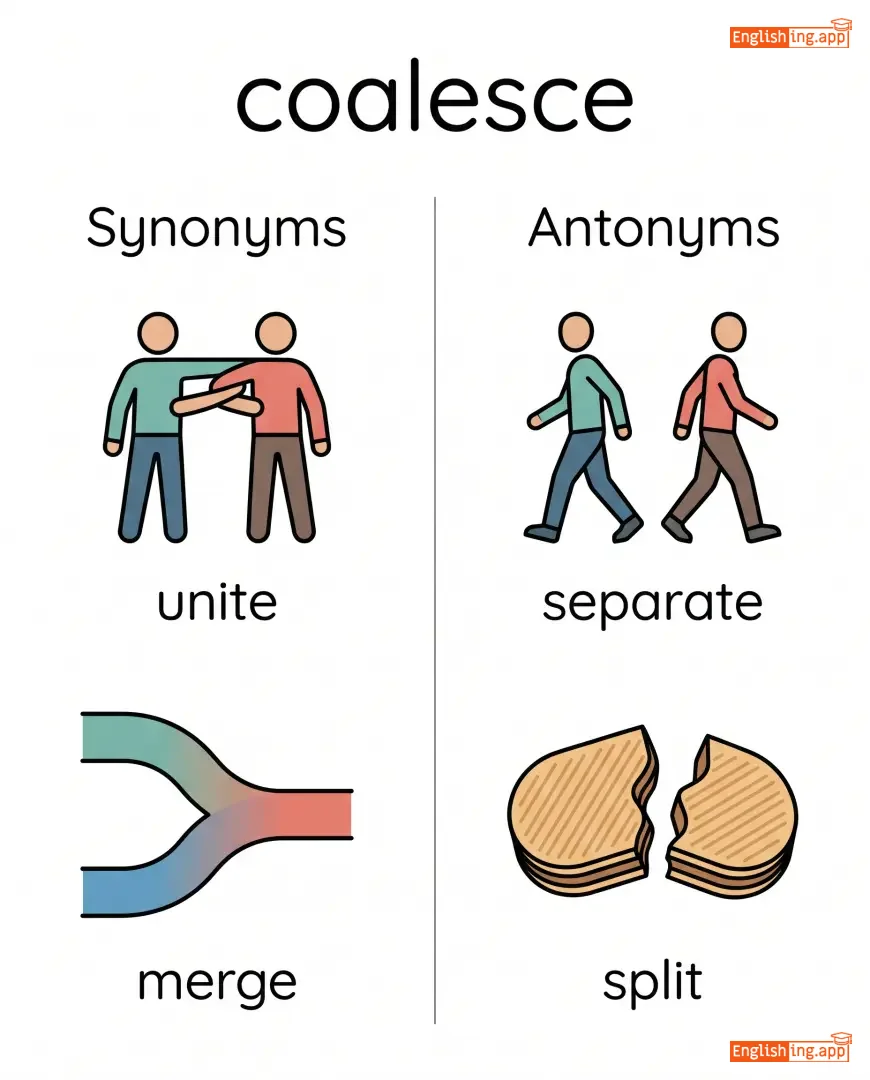
merge, unite, fuse
••••••
|
separate, divide, disperse
••••••
|
統合する:異なる部分が一つにまとまること。
••••••
|
Vocabulary Quiz
Test your vocabulary by matching words with their translations or meanings.
Login to take the quiz
Comments (0)
Share your thoughts and join the discussion.
Join the discussion by logging in
Login to CommentNo comments yet
Be the first to share your thoughts!