

ジャーナリングがメンタルヘルスを改善する方法
How Journaling Improves Mental Health
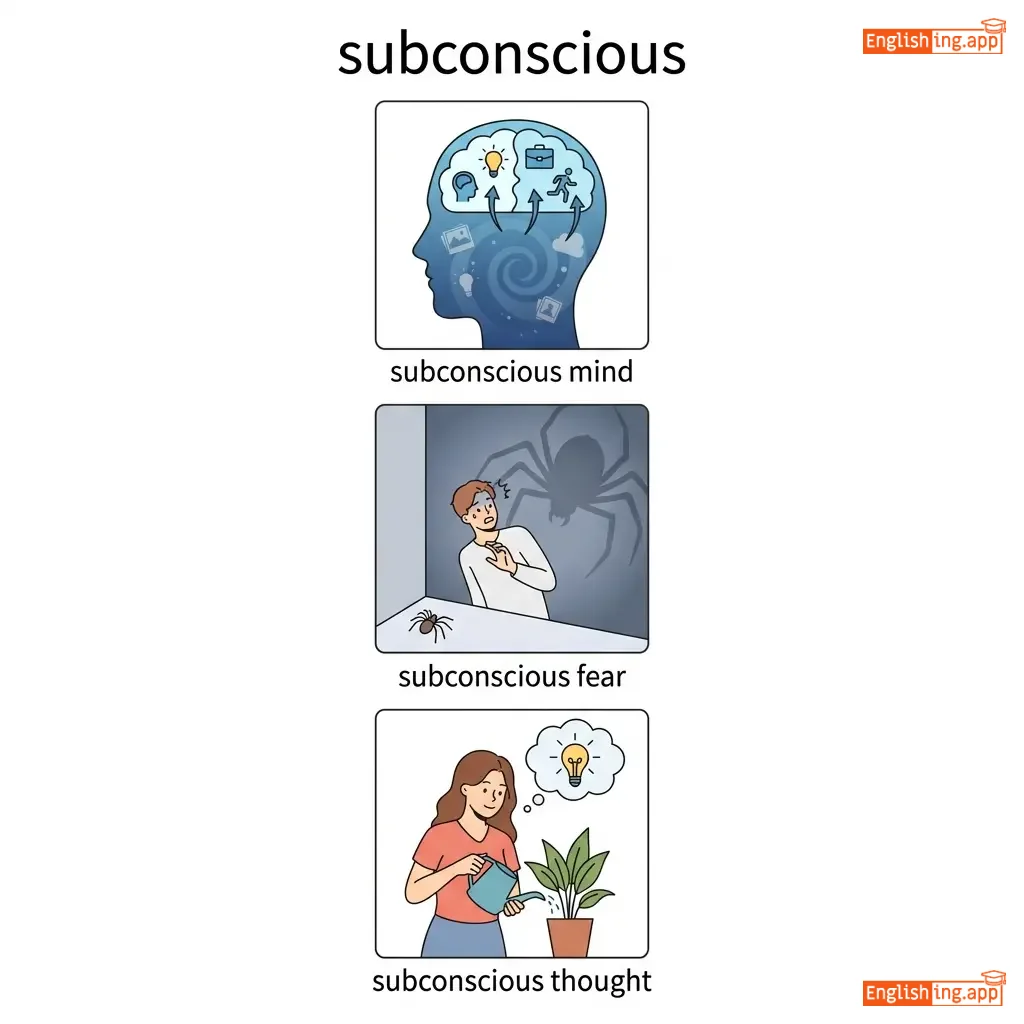
Journaling はメンタルヘルスにとって非常に therapeutic です。それは私たちの思考を表現するための cathartic な方法を提供し、subconscious な感情を引き出すことができます。
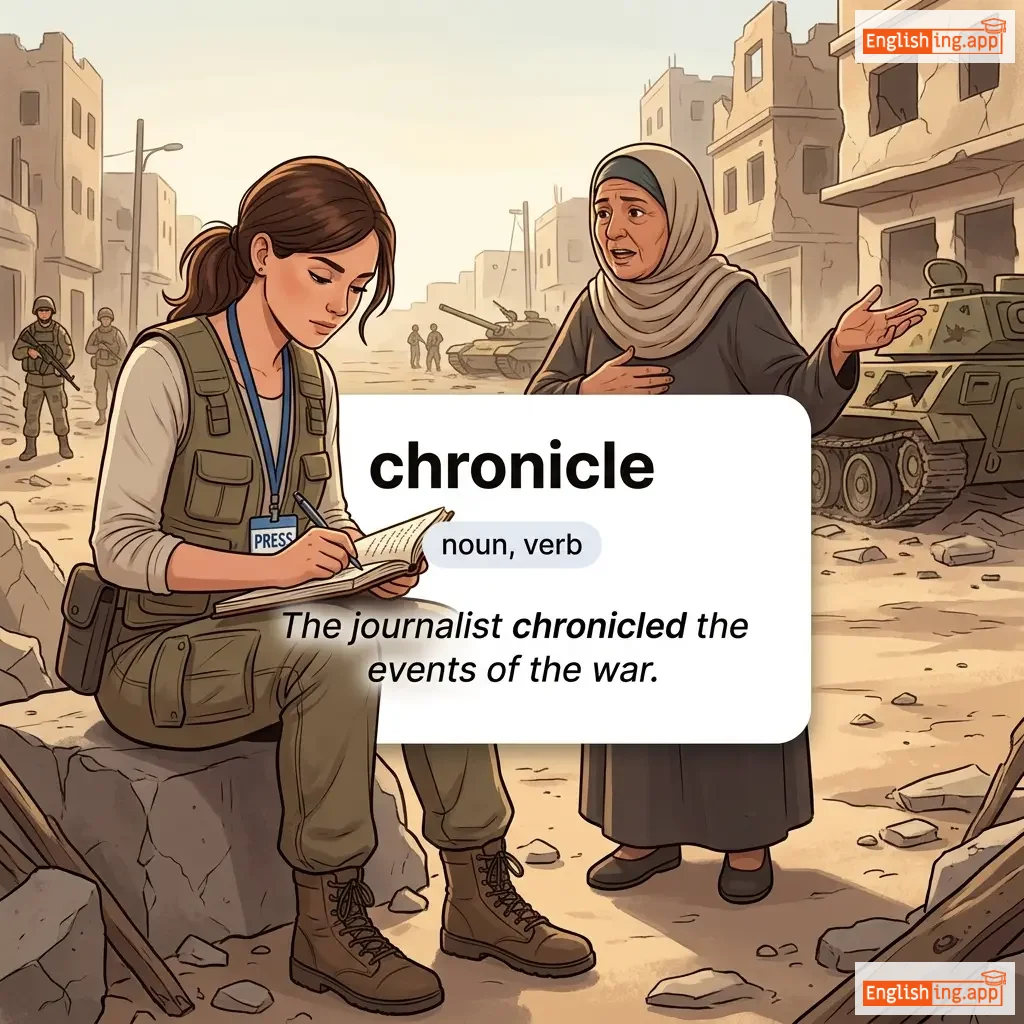
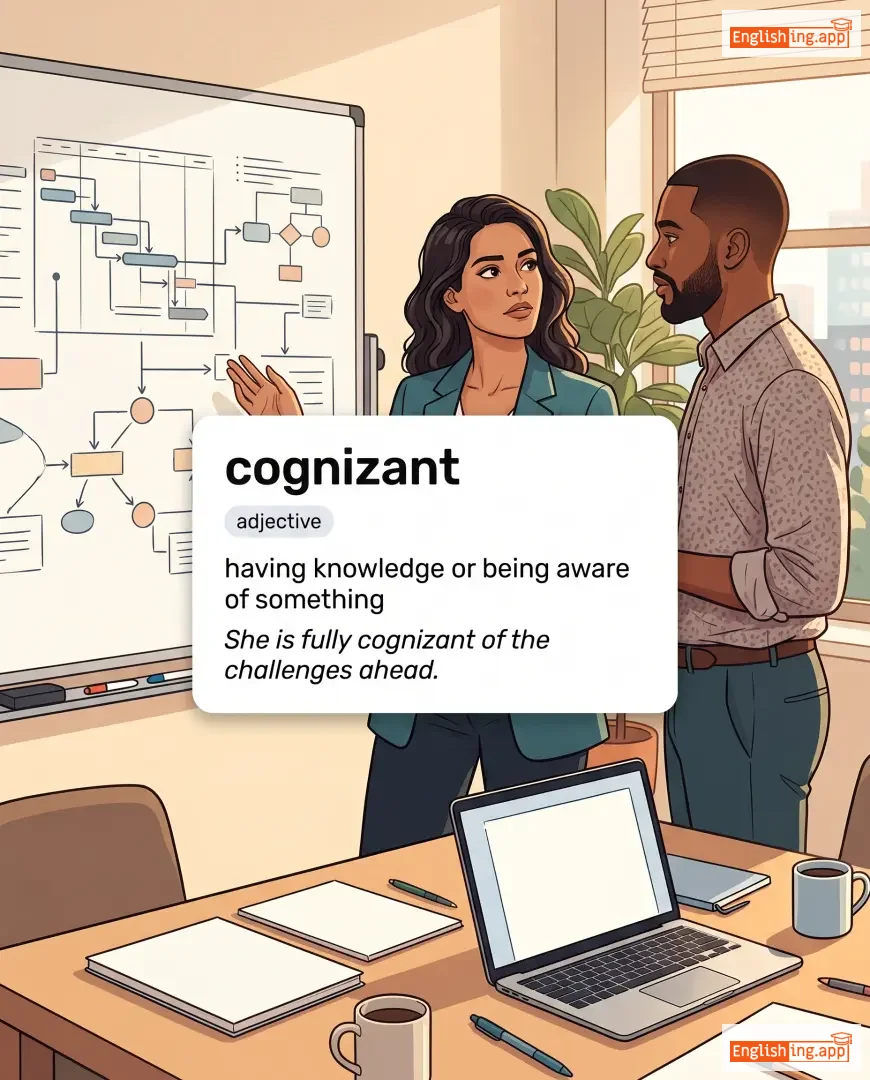
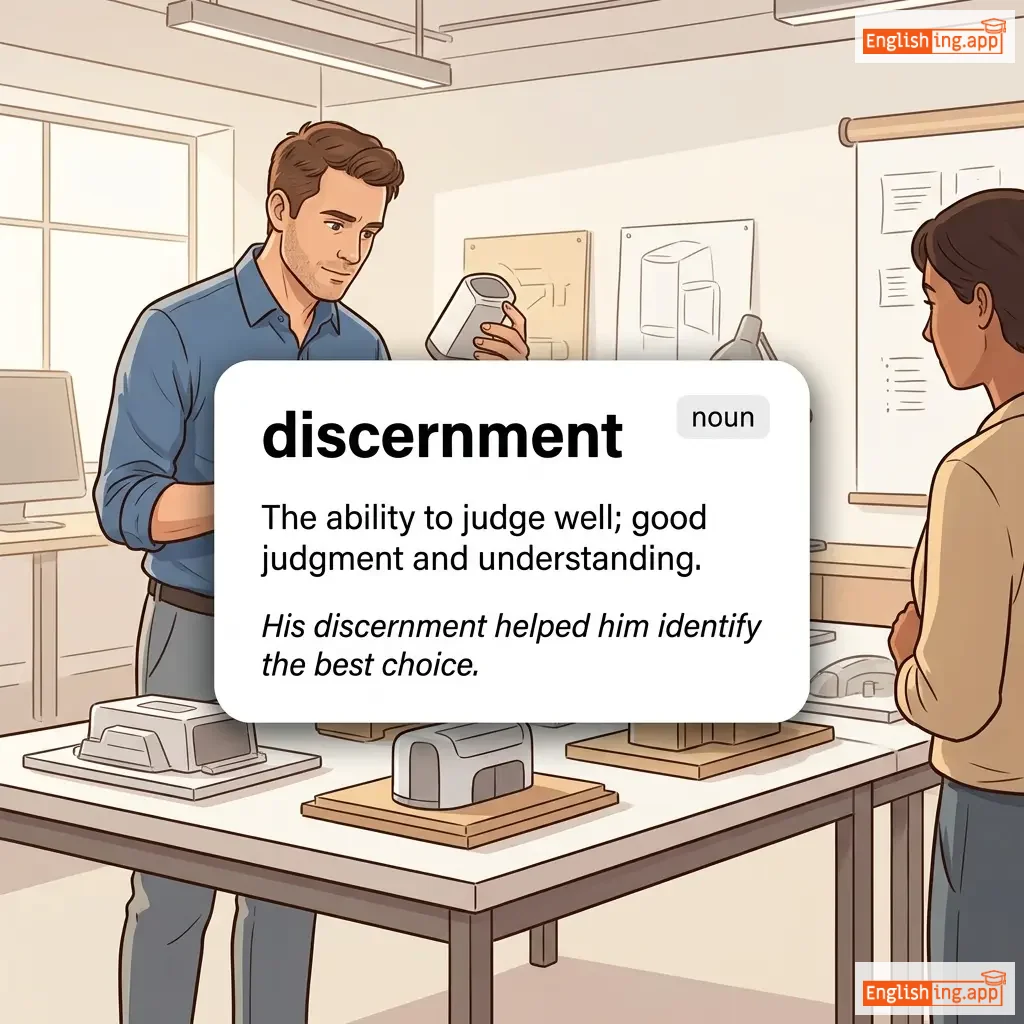
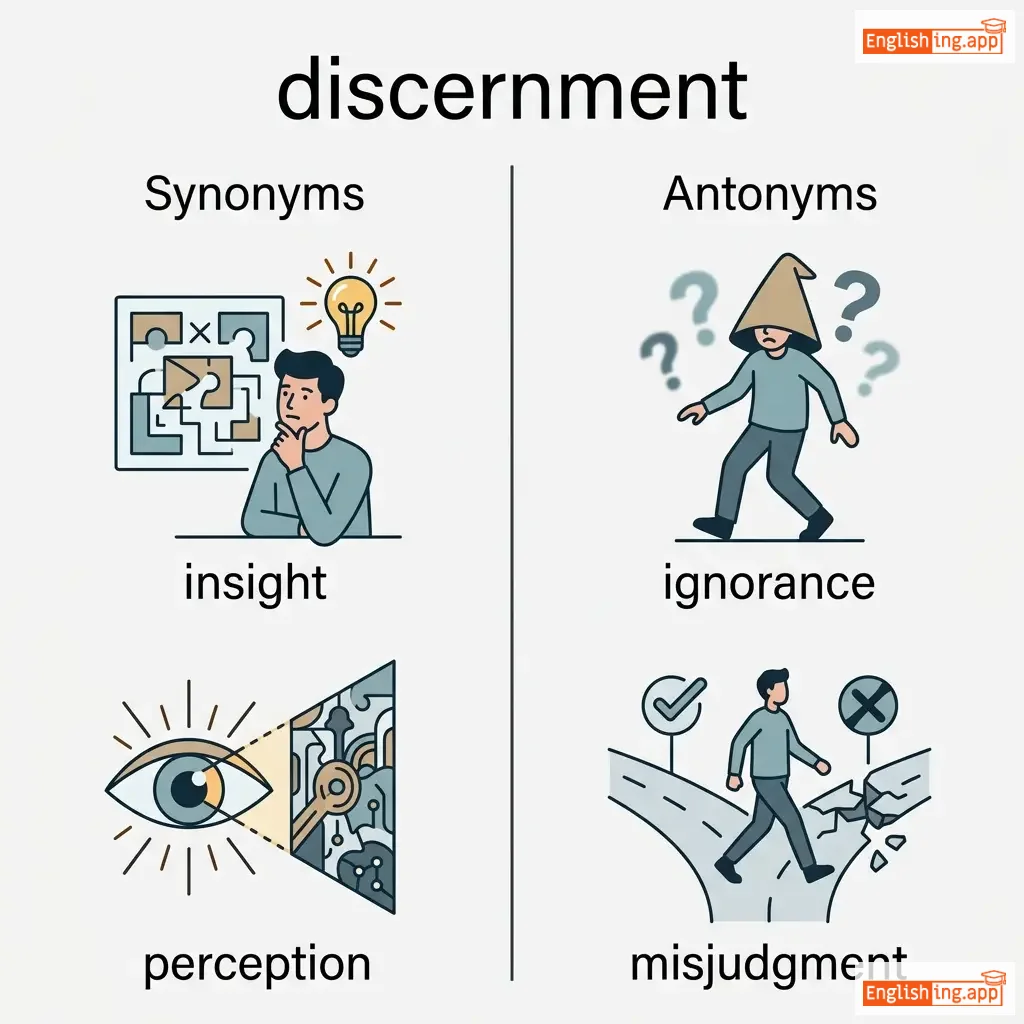
人が自分の感情を chronicles すると、自分の経験により cognizant になります。毎日の思考や体験を書き留めることで introspection が深まり、discernment が向上します。
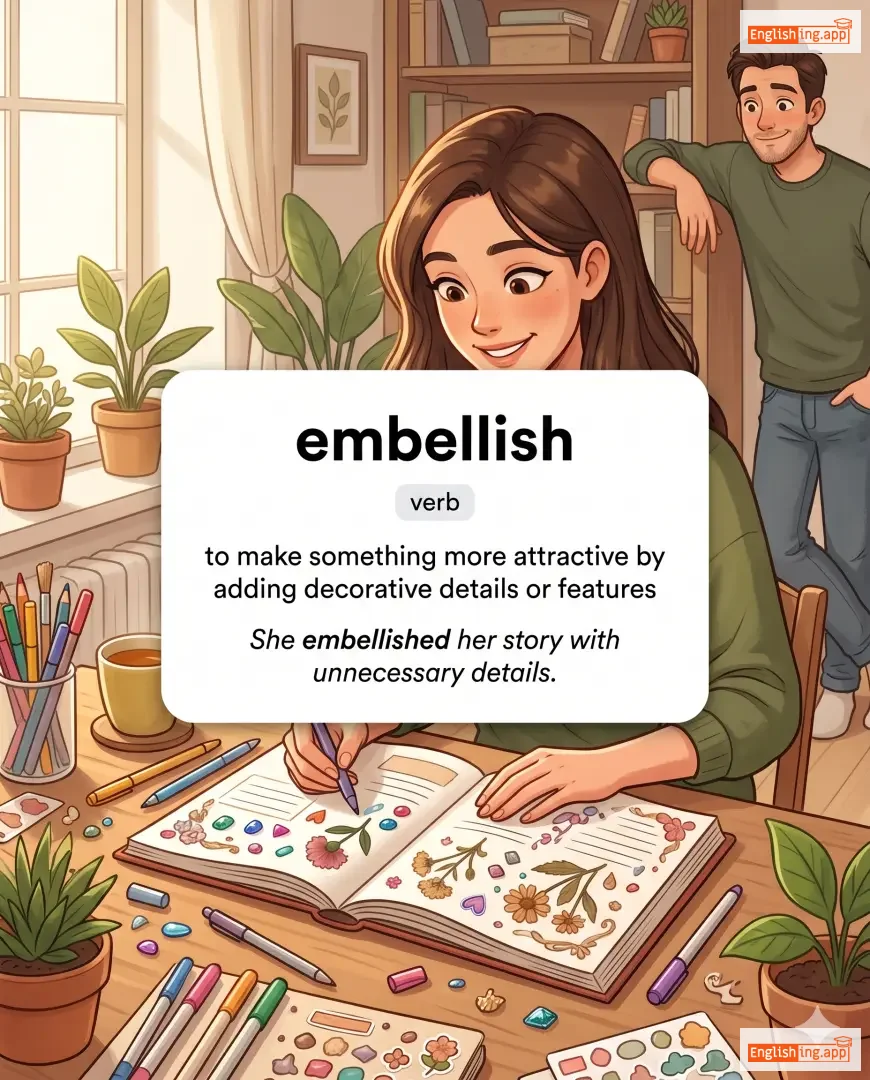
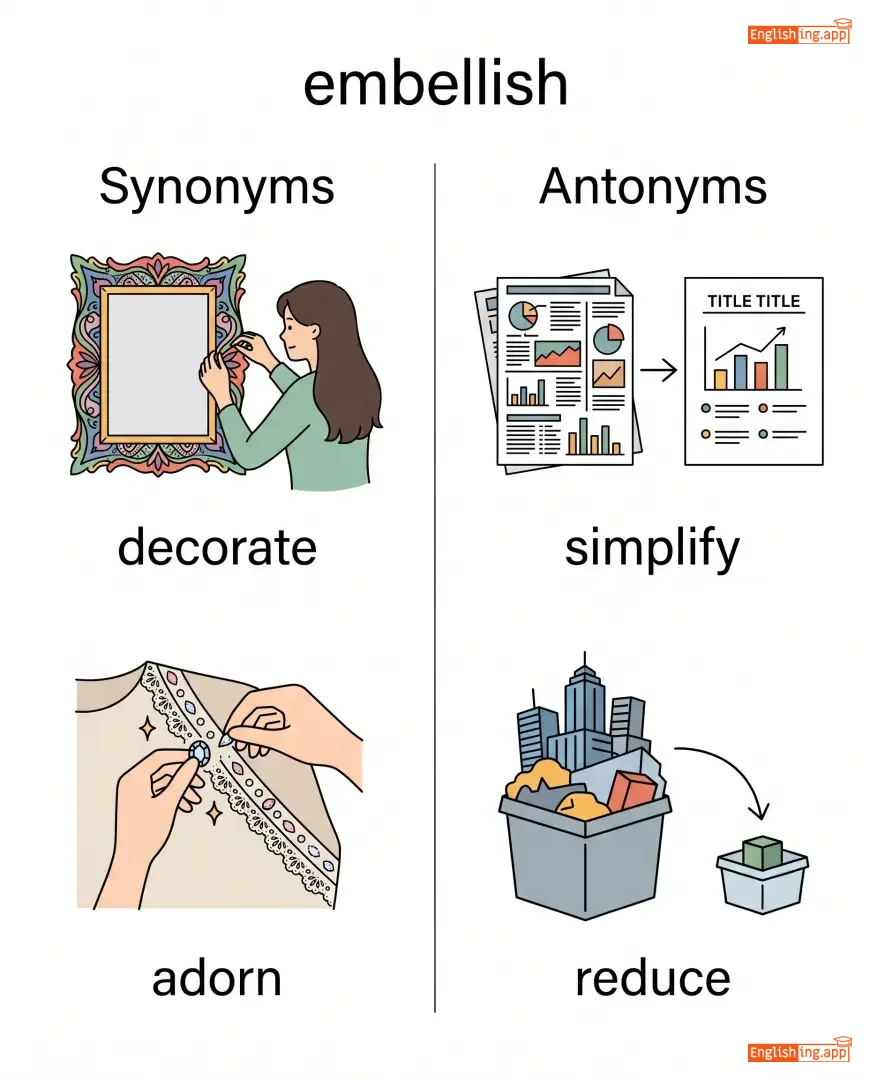
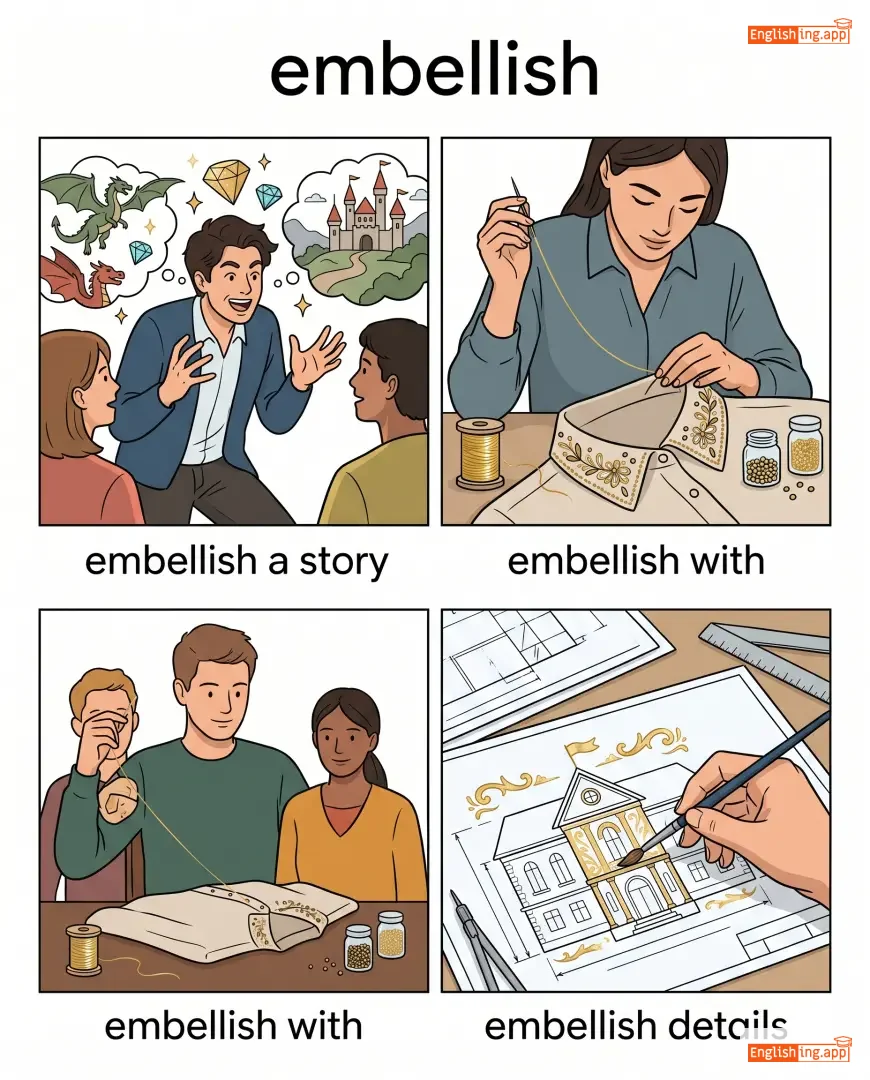
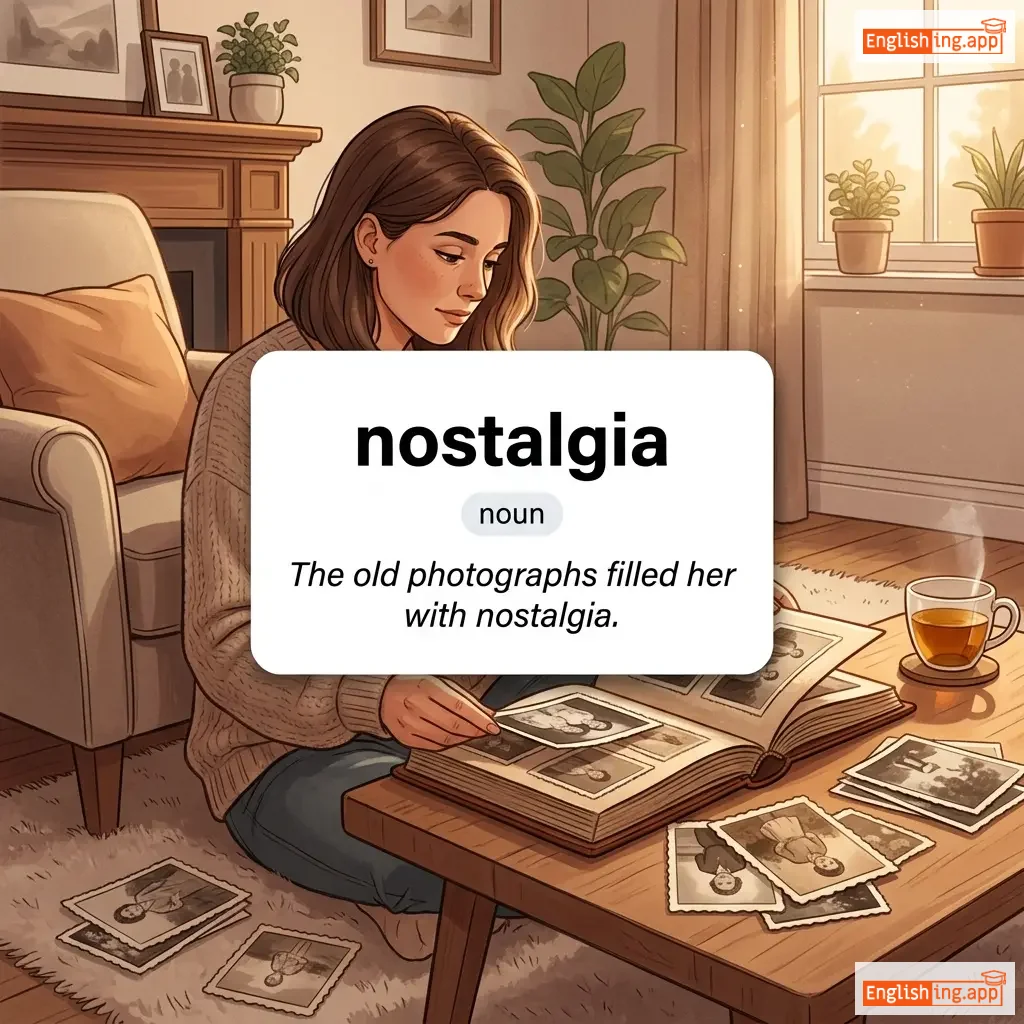
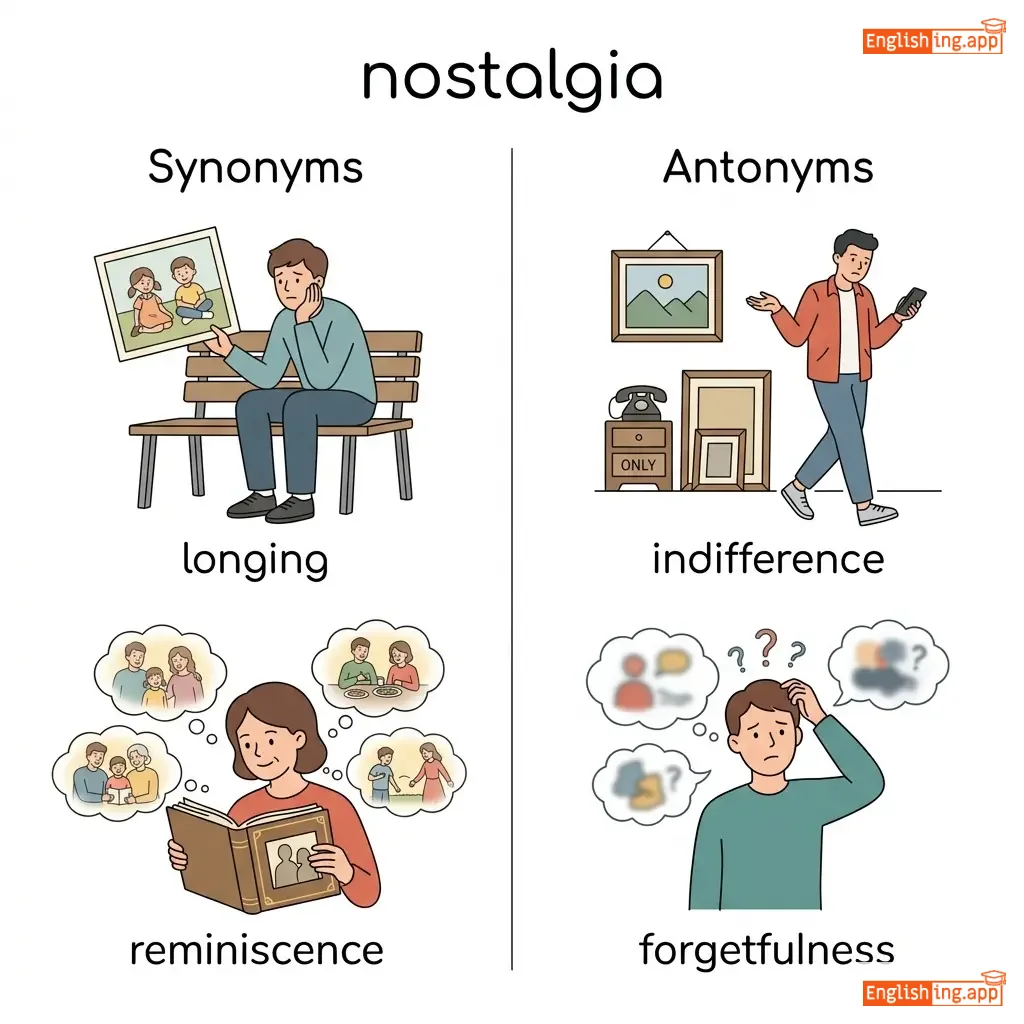
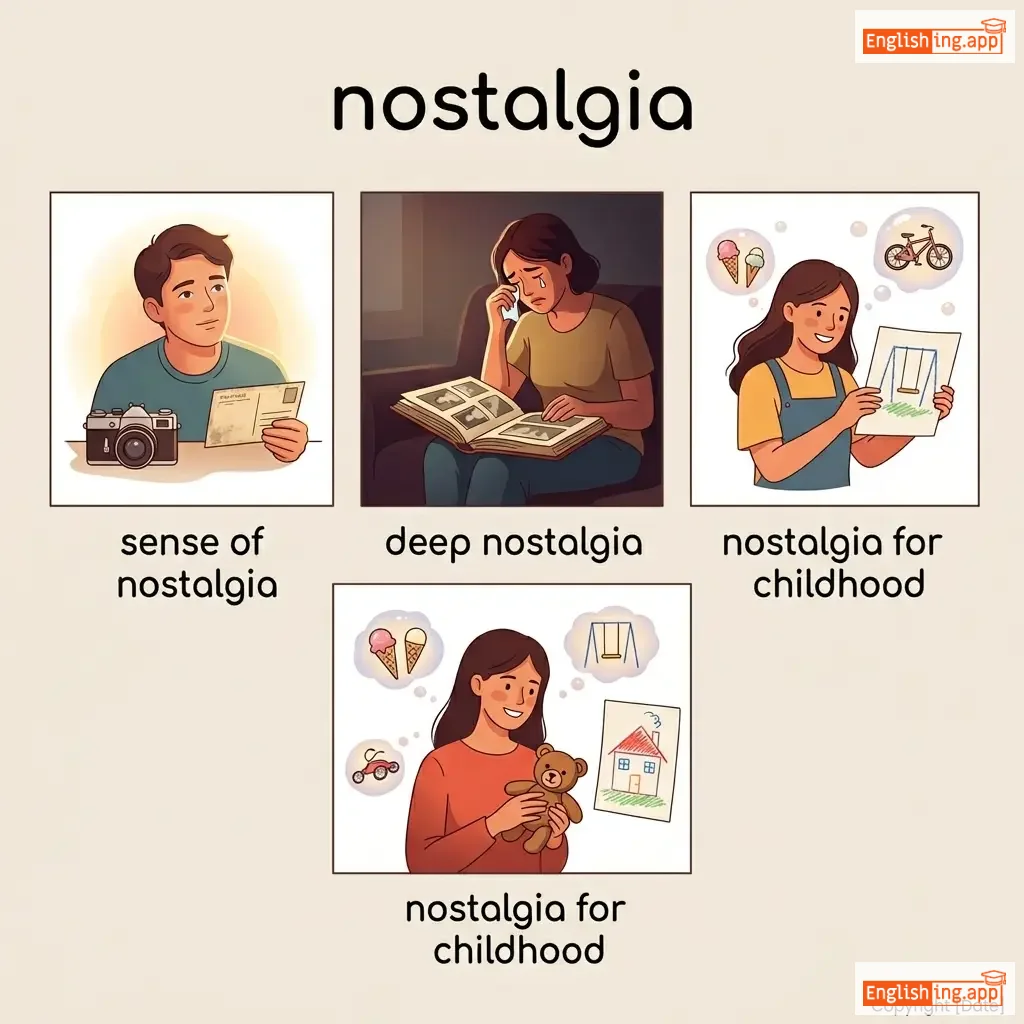
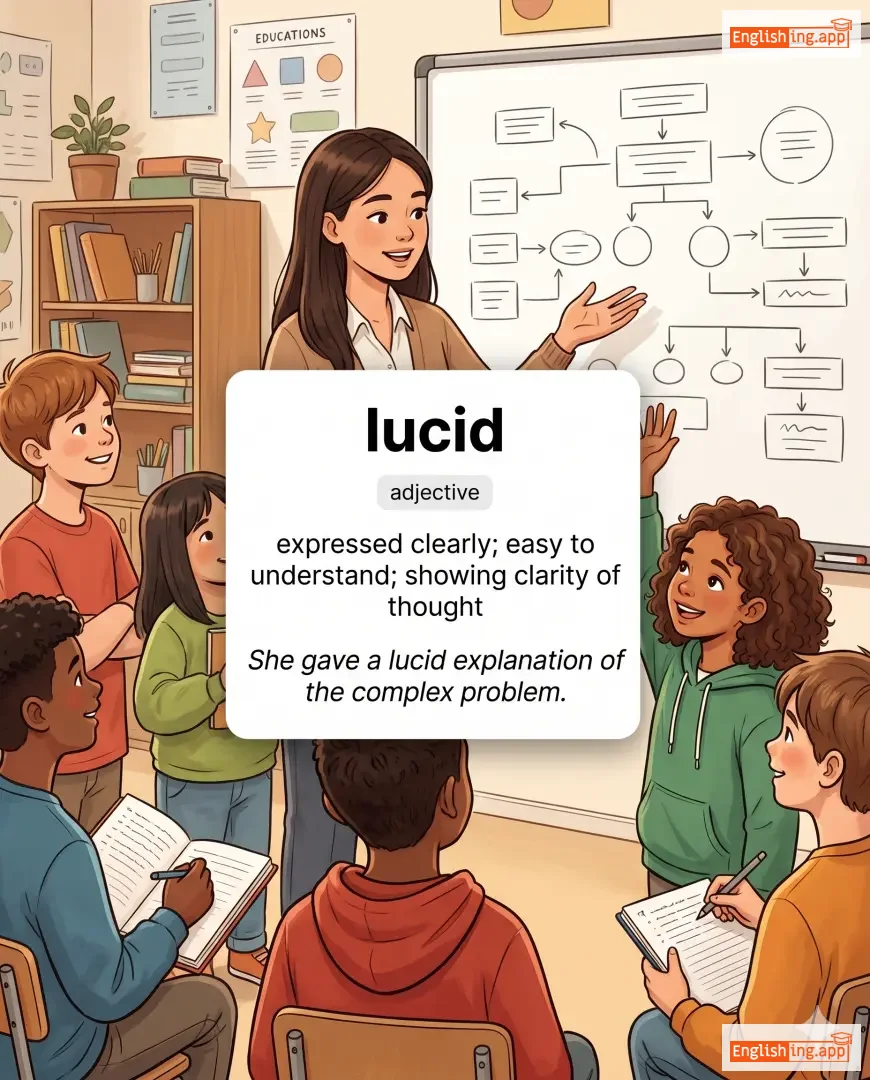
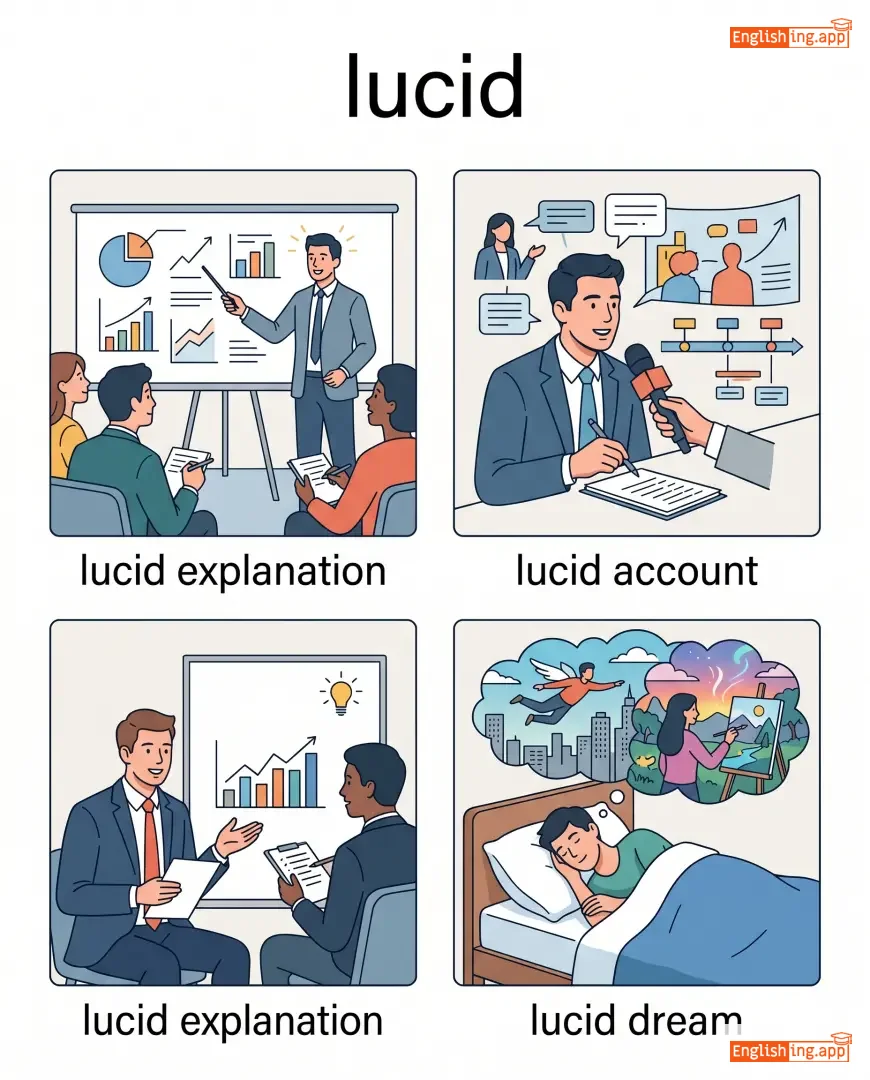
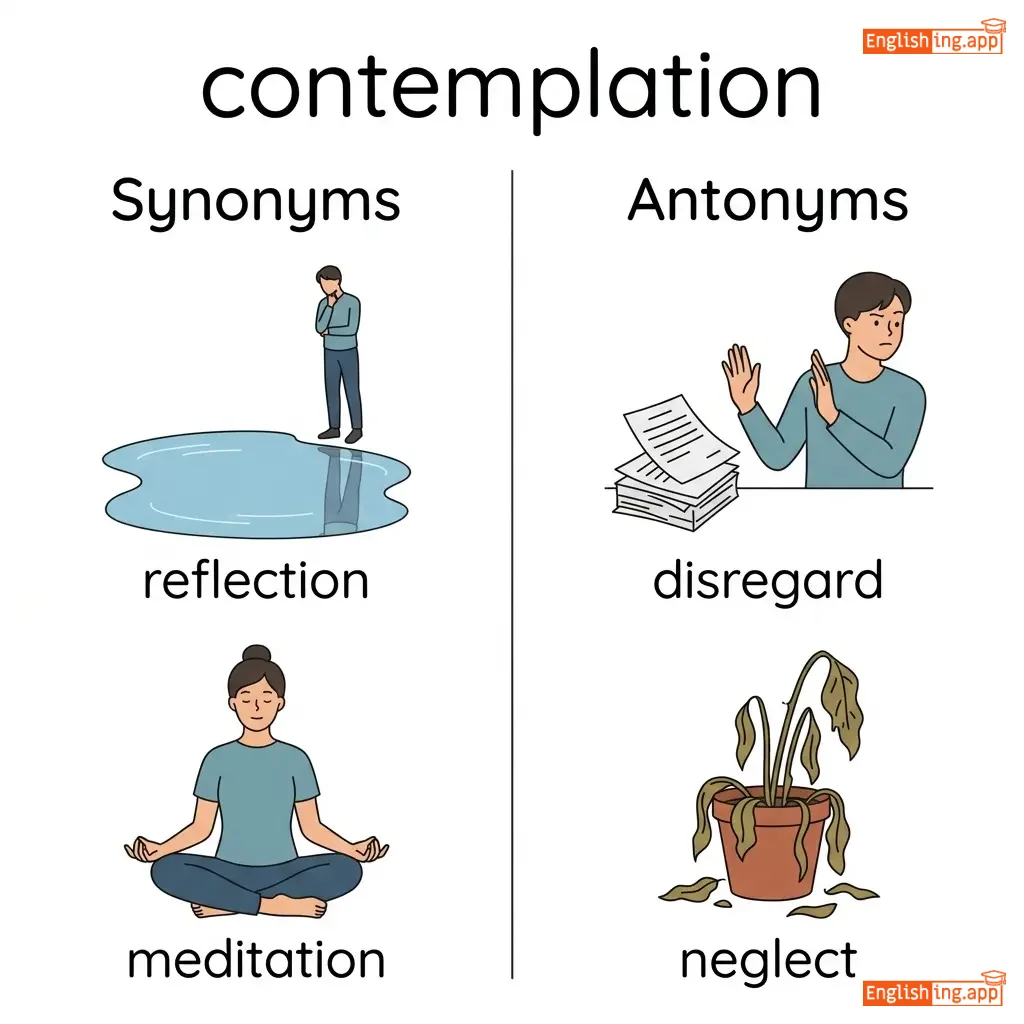
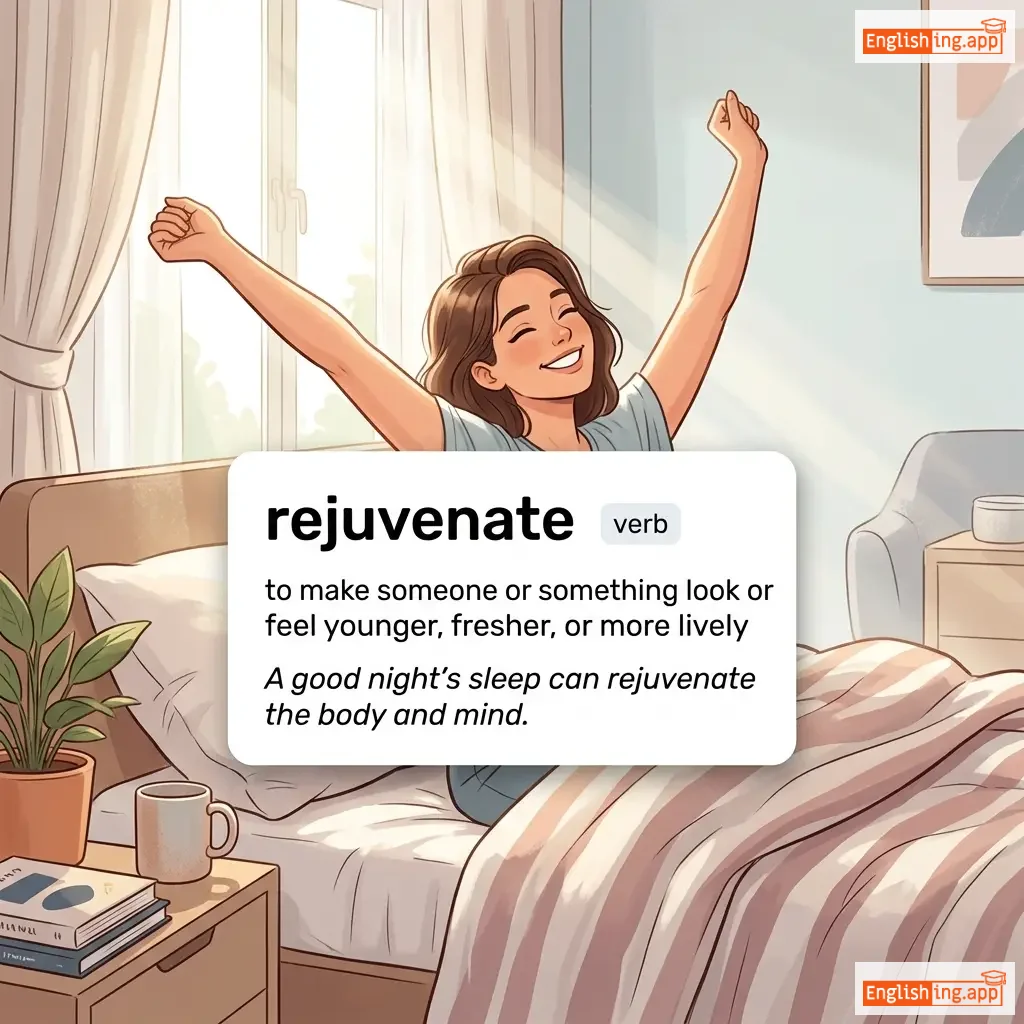
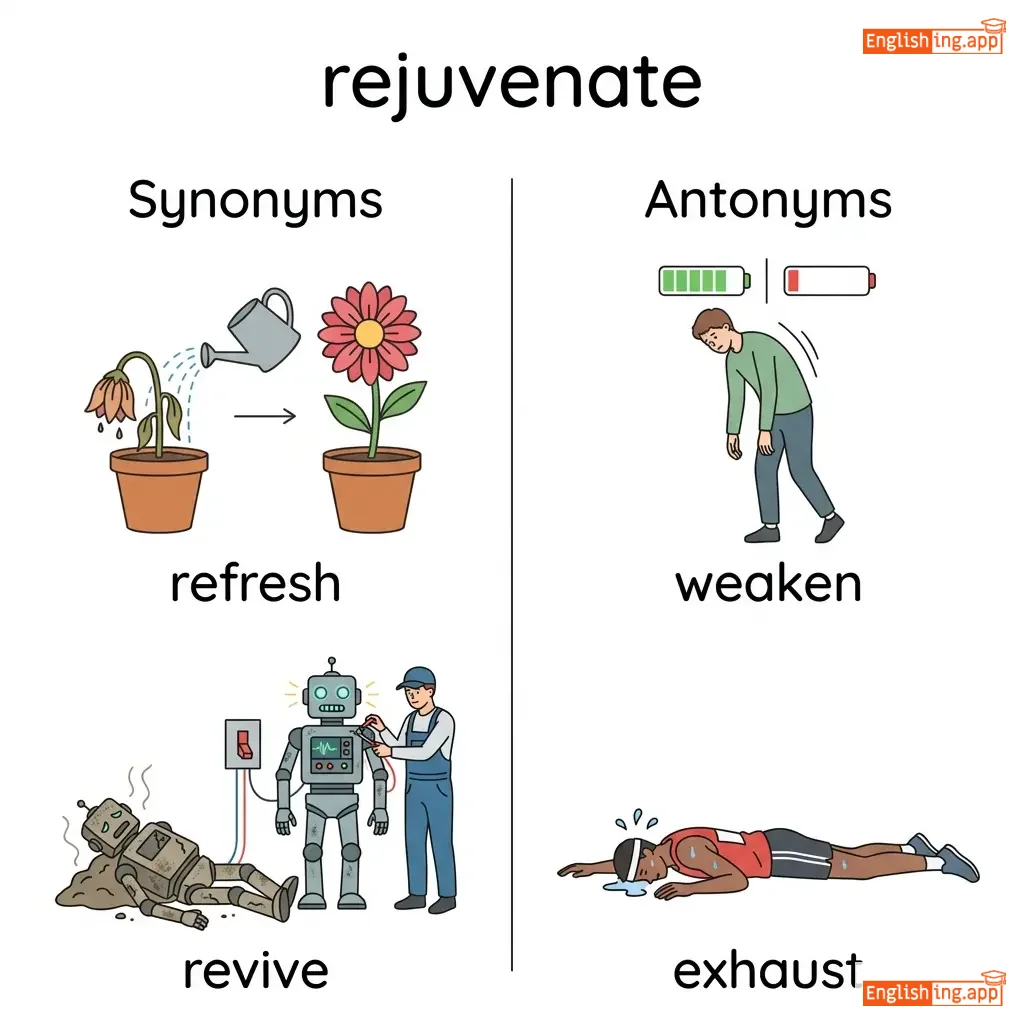
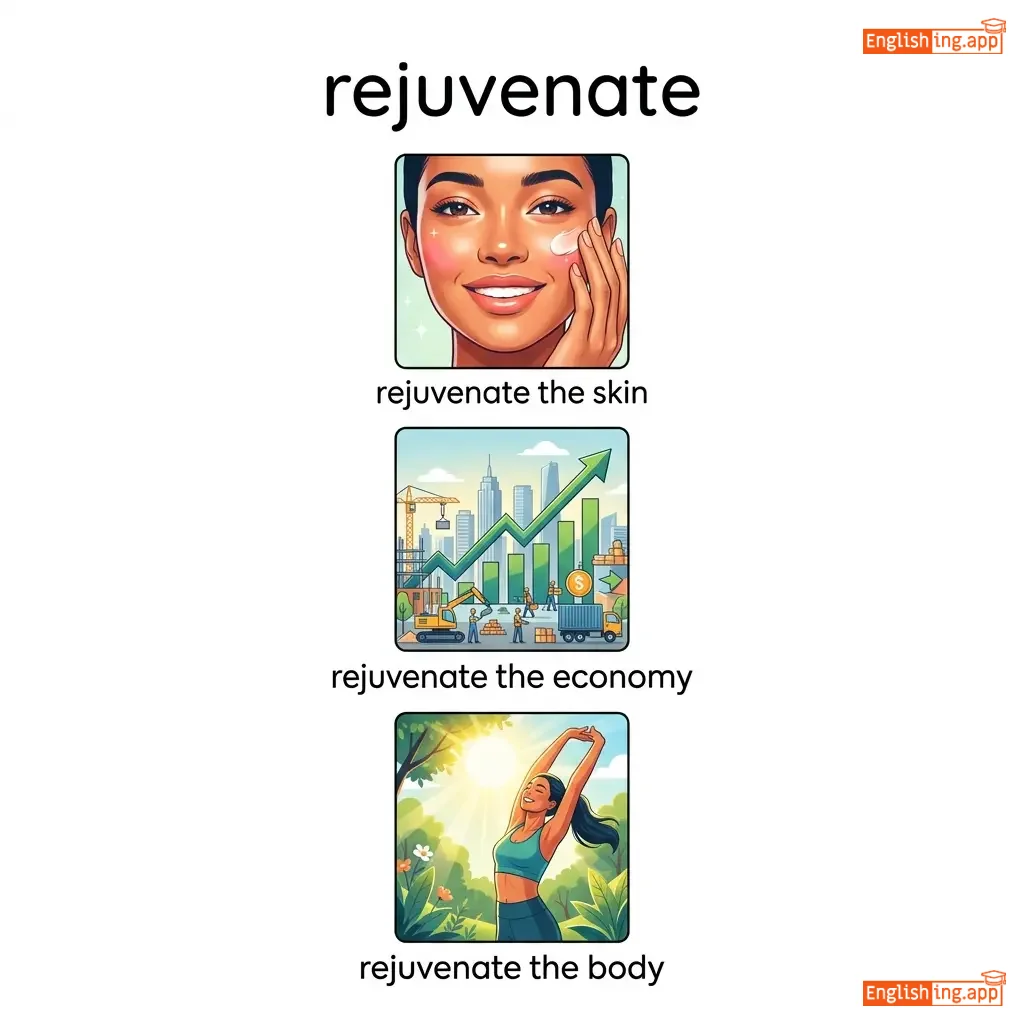
しばしば私たちは記憶を embellish し、nostalgia を強めますが、ジャーナリングは過去に対するより lucid な視点を与えてくれます。これは単なる感情表現の手段ではなく、profound な思考を教え、contemplation を深めます。定期的な執筆は心を rejuvenate し、精神的な安らぎをもたらします。
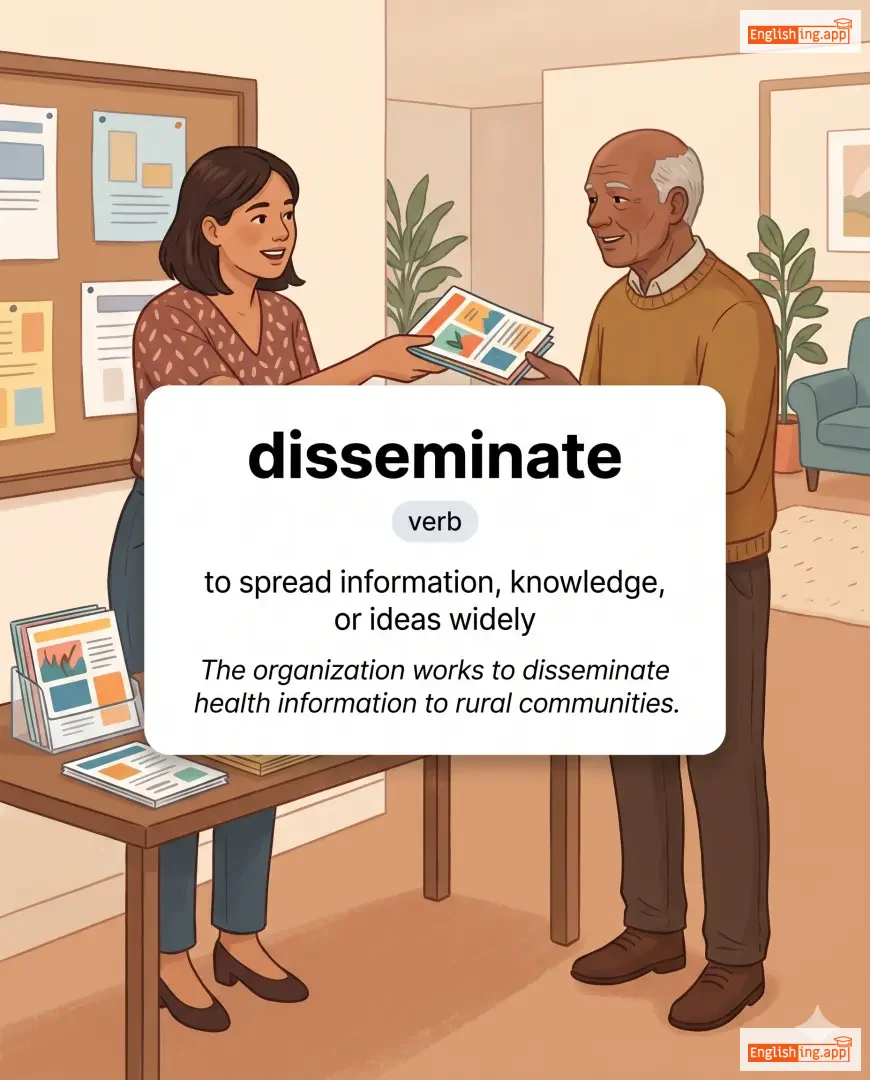
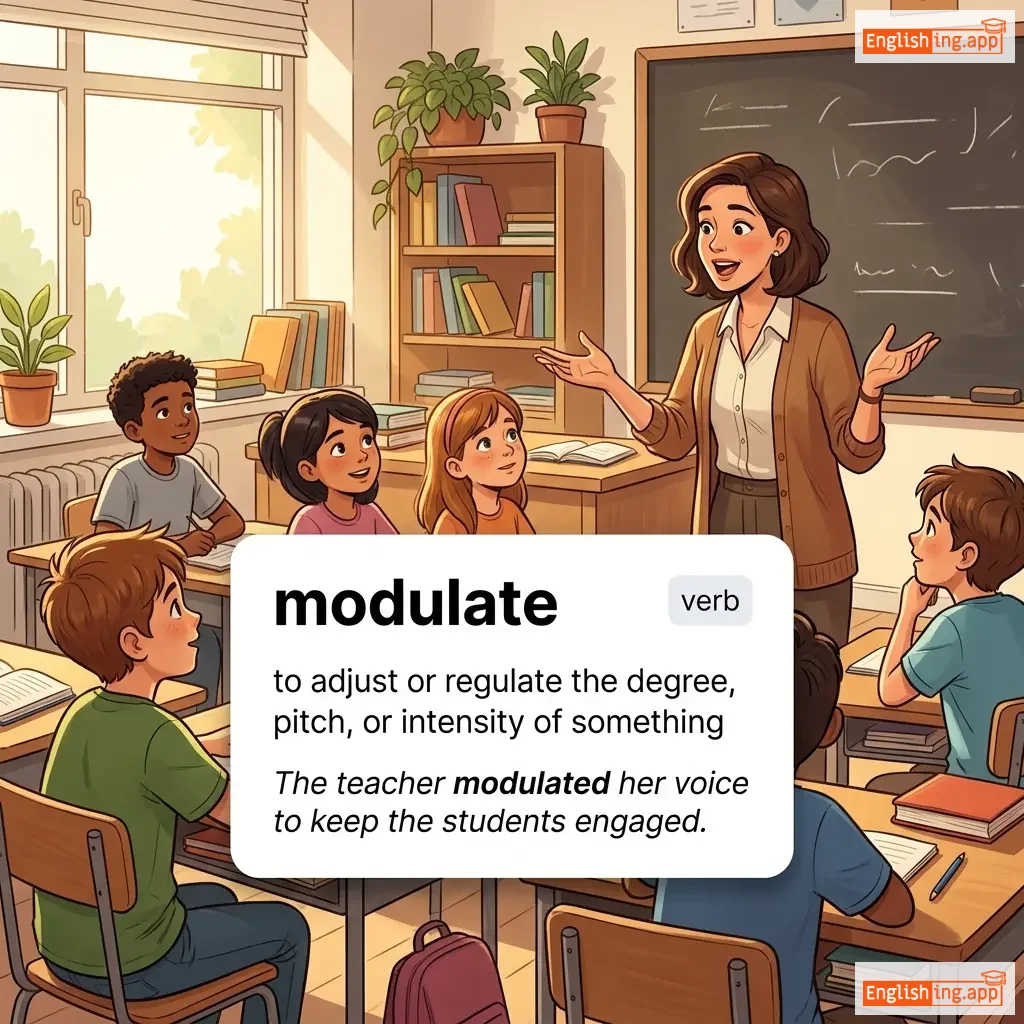
したがって、ジャーナリングは単に現在の思考を disseminating するためのものではなく、将来をよりよく modulate する助けにもなります。
翻訳
過去
過去分詞
三人称単数
動名詞
意味
例文
例文の翻訳
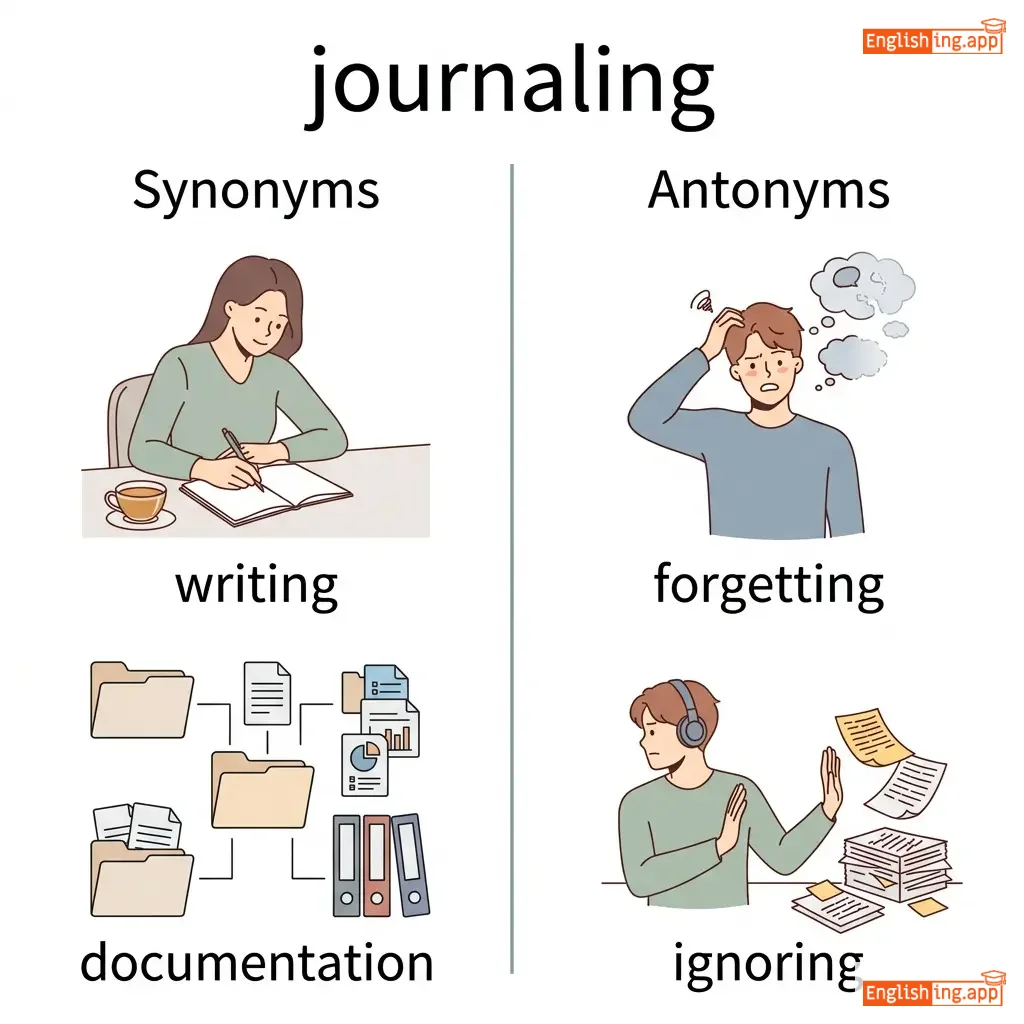
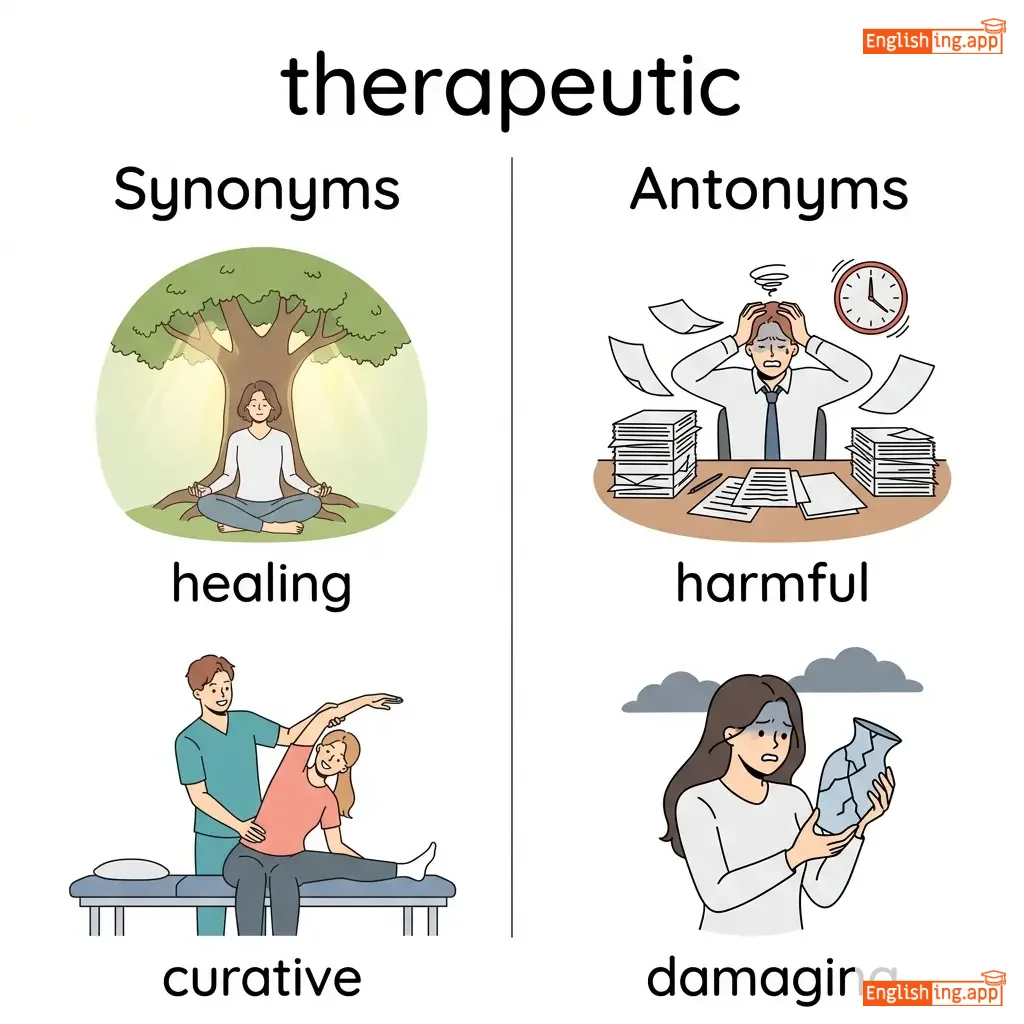
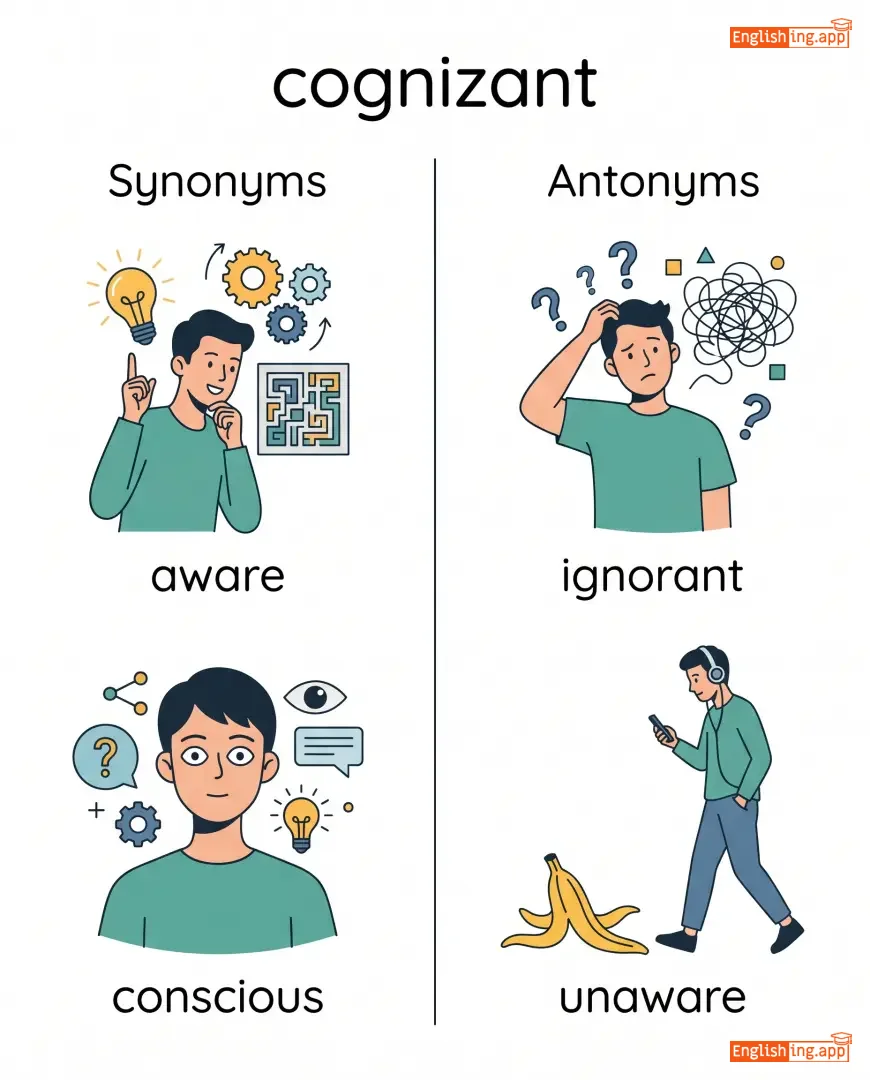
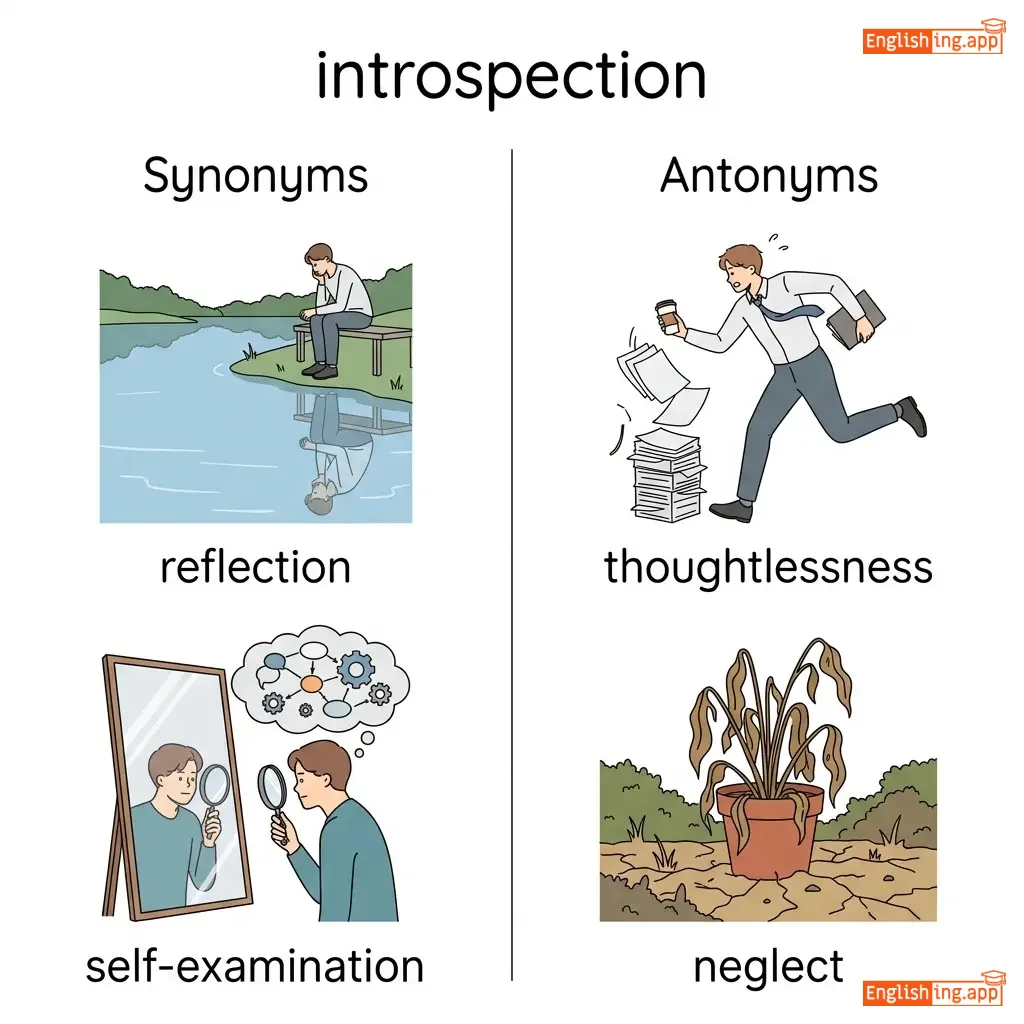
同義語
対義語
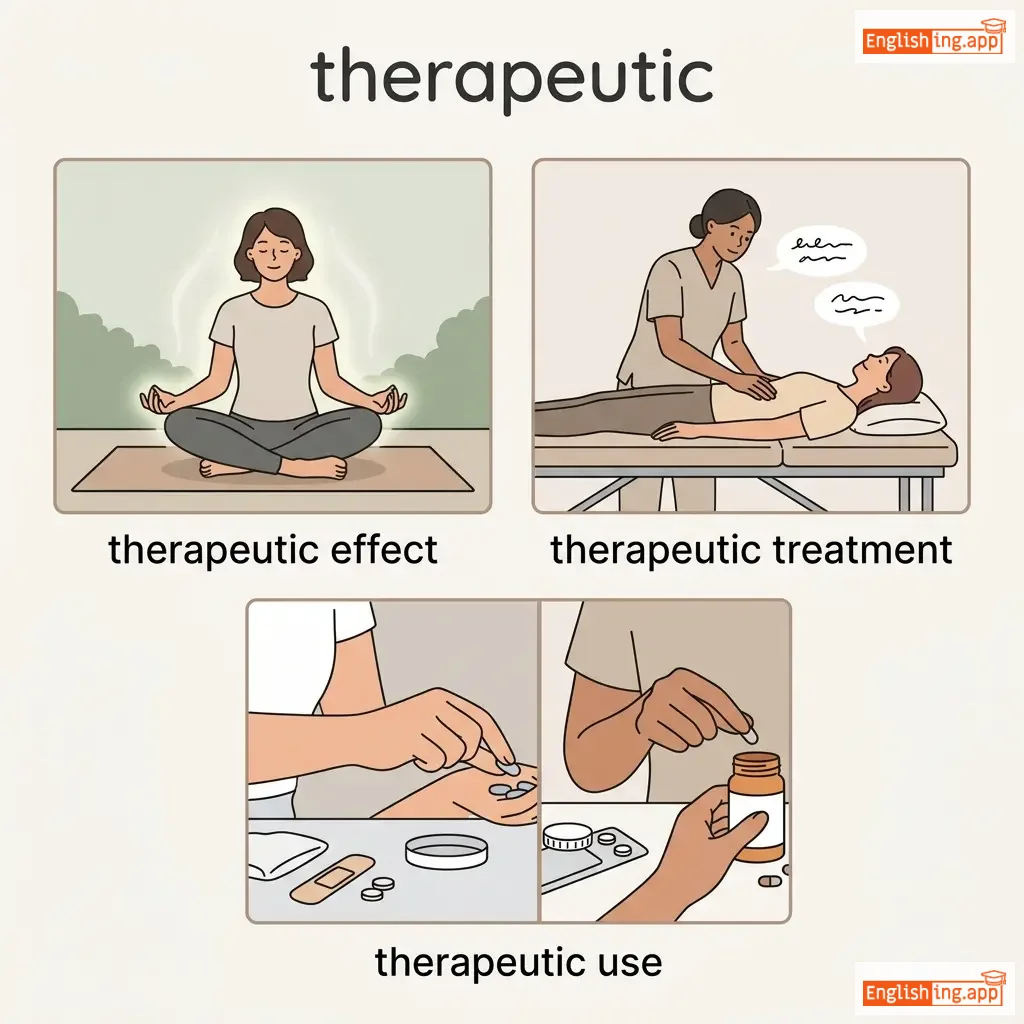
コロケーション
ニーモニック



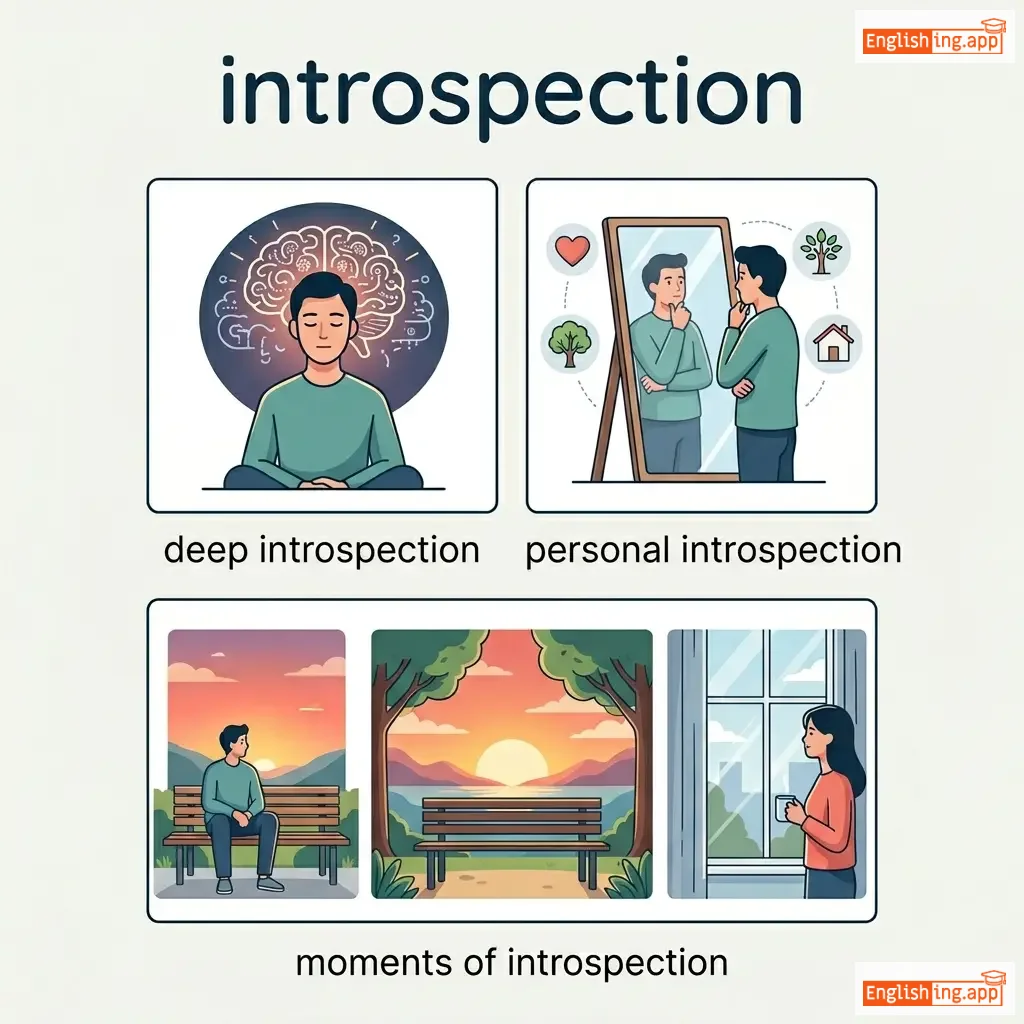
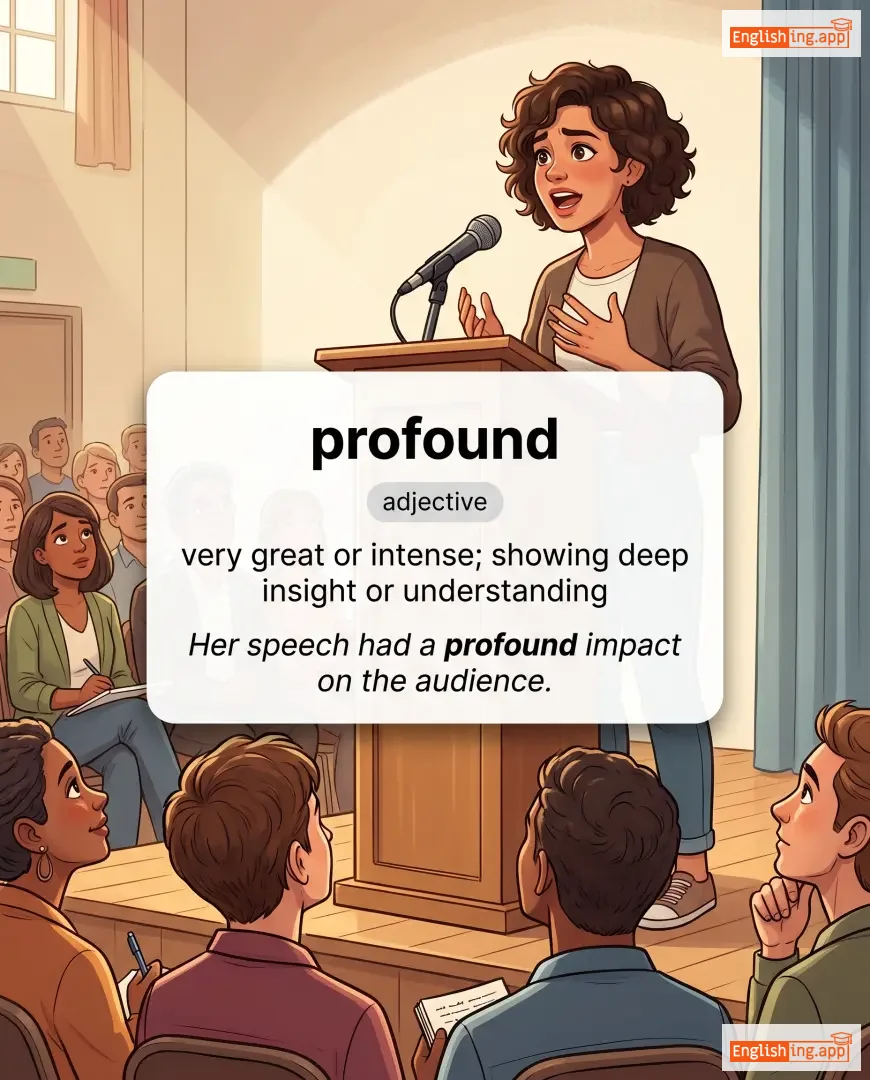
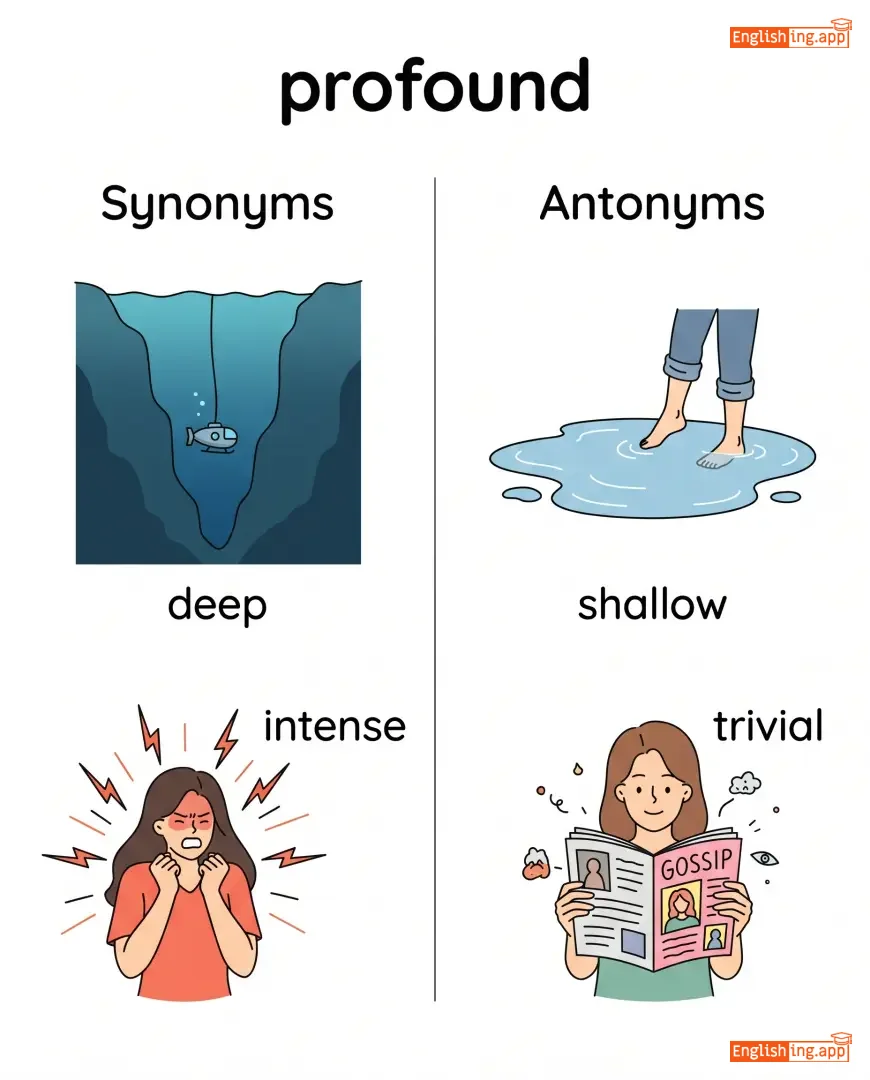
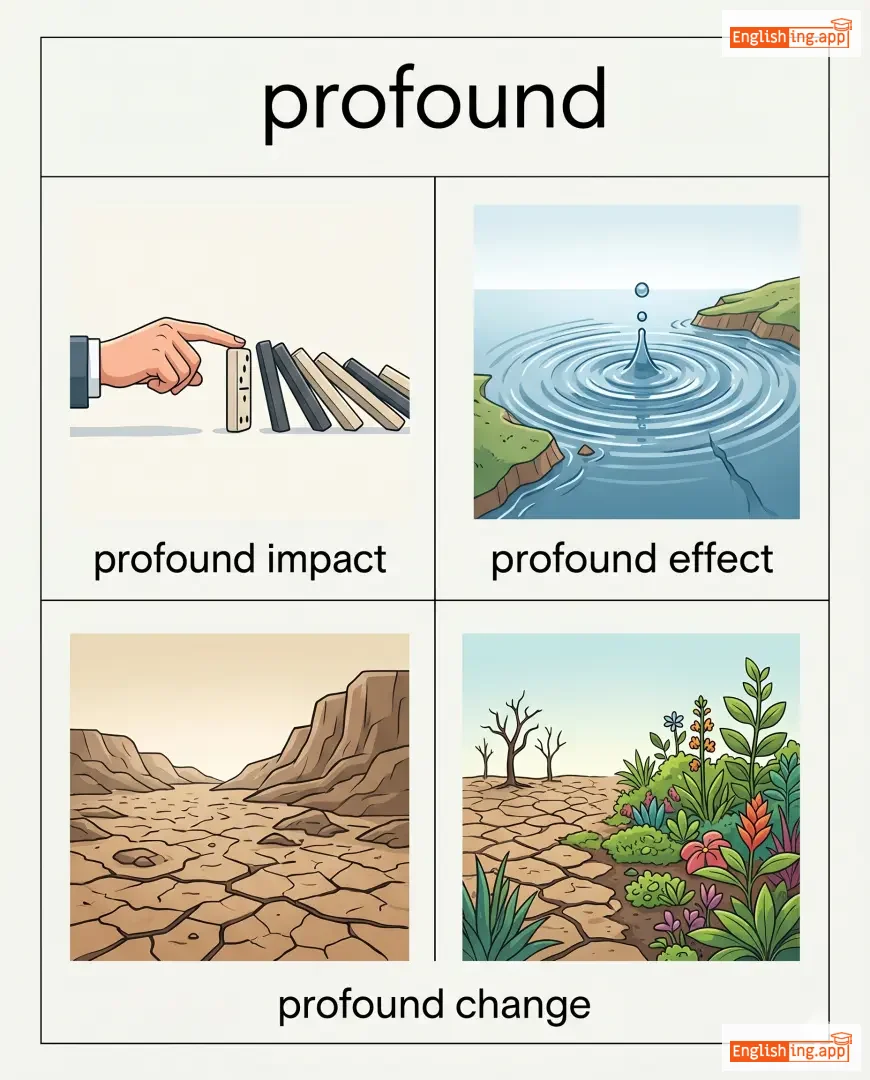
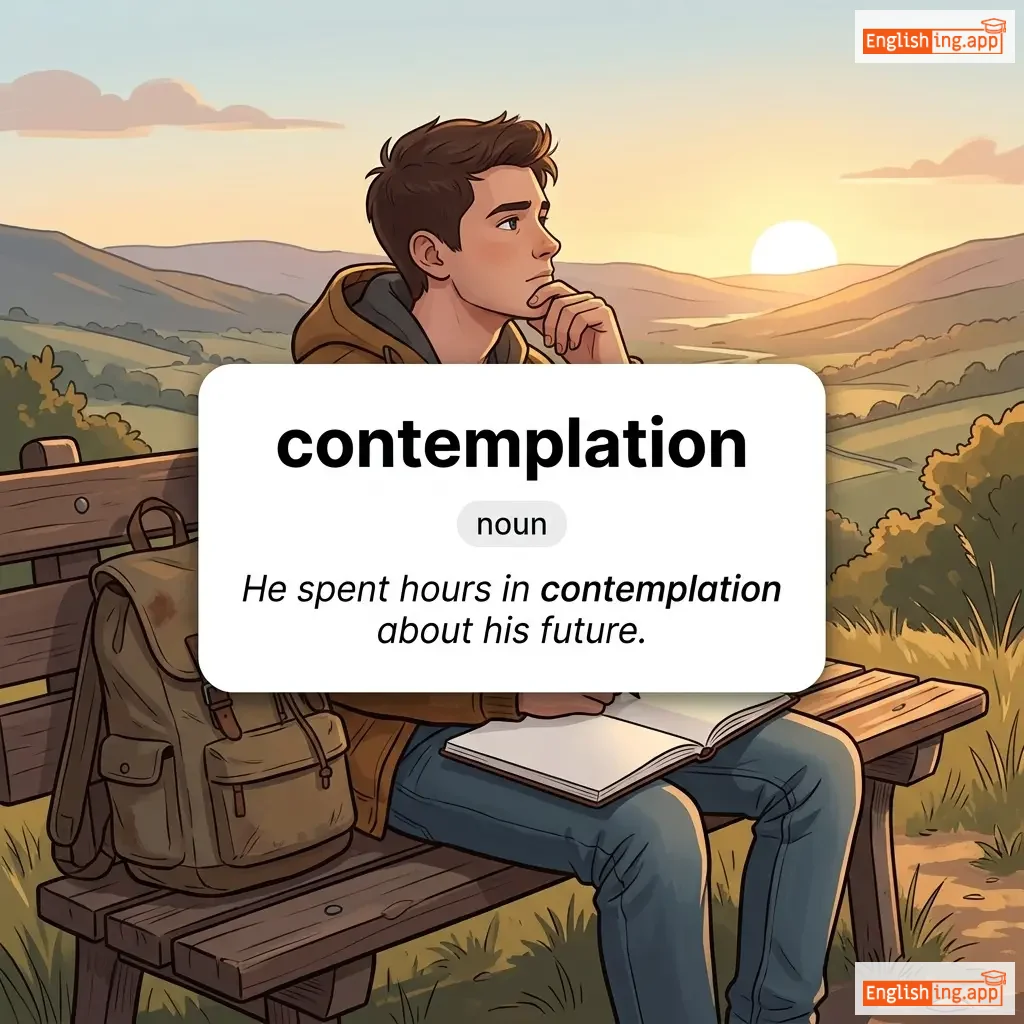
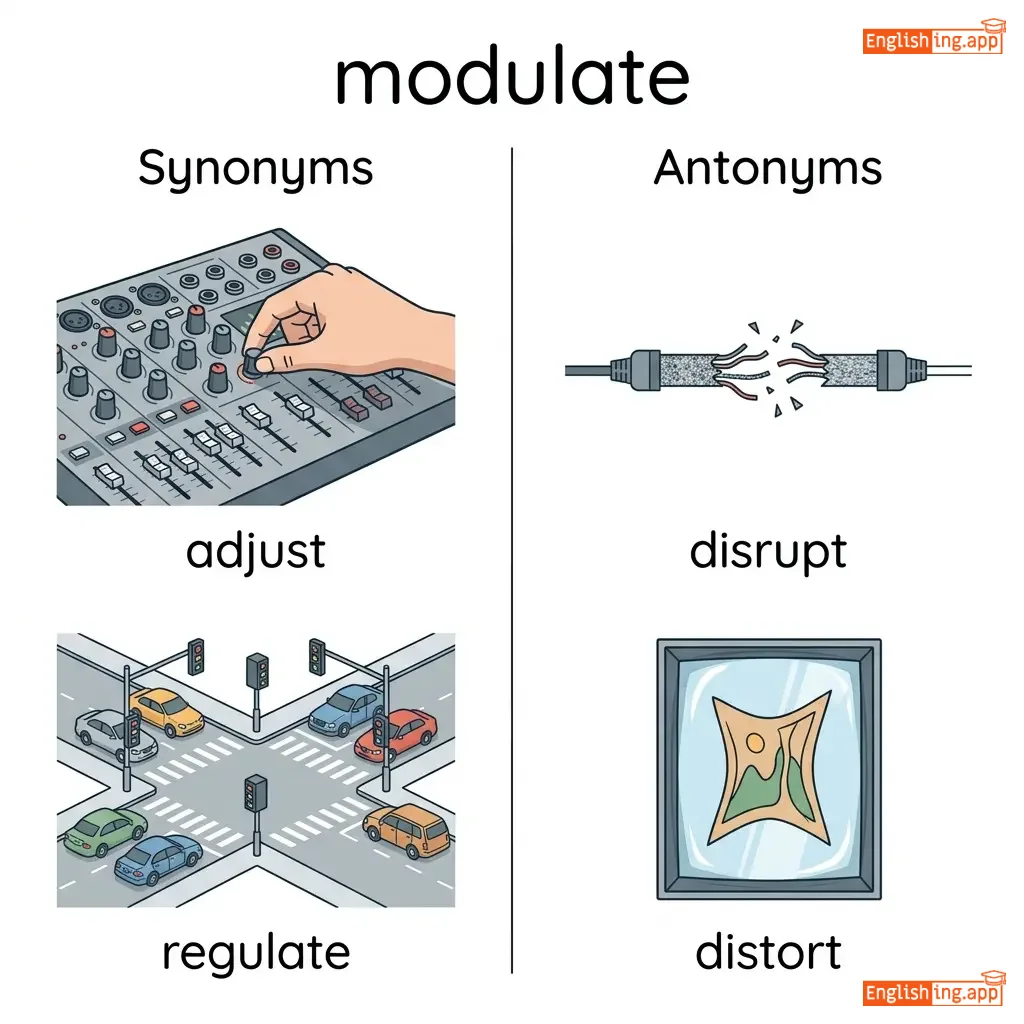
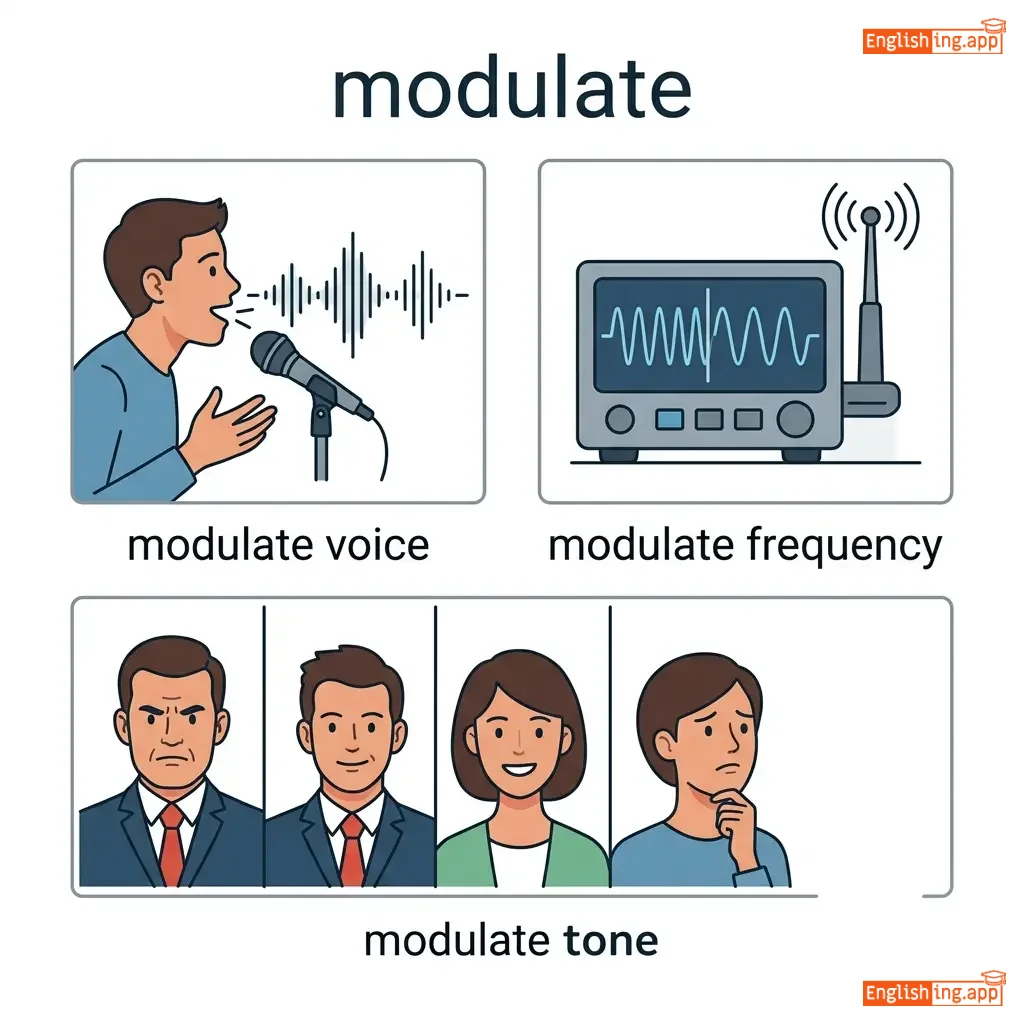
Swipe left or right, or use the buttons. Tap image to zoom.
例文の翻訳
単語
How Journaling Improves Mental HealthHow Journaling Improves Mental Health - マスクトグル
|
絵文字
|
単語 | Images | 翻訳 | 意味 | 例文 | 例文の翻訳 | 同義語 | 対義語 | ニーモニック |
|---|---|---|---|---|---|---|---|---|---|
|
#2001
📝
|
/ˈdʒɝː.nə.lɪŋ/
noun
(ジャーナリング)
••••••
|
|
ジャーナリング
jaanaringu
••••••
|
The practice of writing down your thoughts, feelings, and experiences regularly.
••••••
|
Journaling helps in organizing thoughts and reducing stress.
ジャーナリングは思考を整理し、ストレスを減らすのに役立ちます。
••••••
|
ジャーナリングは思考を整理し、ストレスを減らすのに役立ちます。
Jaanaringu wa shikou wo seiri shi, sutoresu wo herasu no ni yakudachimasu.
••••••
|
writing, documentation, diary-keeping
••••••
|
forgetting, ignoring, disregarding
••••••
|
ジャーナリングで思考を整理し、ストレスを減らそう!
••••••
|
|
#2002
💊
|
/ˌθɛr.əˈpjuː.tɪk/
adjective
(セラピューティック)
••••••
|
|
治療的
chiryō-teki
••••••
|
Having a healing or beneficial effect on the body or mind.
••••••
|
Meditation is highly therapeutic for mental well-being.
瞑想は精神的な健康に非常にセラピューティックです。
••••••
|
瞑想は精神的な健康に非常にセラピューティックです。
Meisō wa seishinteki na kenkō ni hijō ni serapyūtikku desu.
••••••
|
healing, restorative, soothing
••••••
|
harmful, stressful, aggravating
••••••
|
治療的 = 治療 (treatment) + 的 (related), like related to treatment or healing.
••••••
|
|
#2003
🌊
|
/kəˈθɑːr.tɪk/
adjective
(カタルティック)
••••••
|
|
カタルシス的
katarushisu-teki
••••••
|
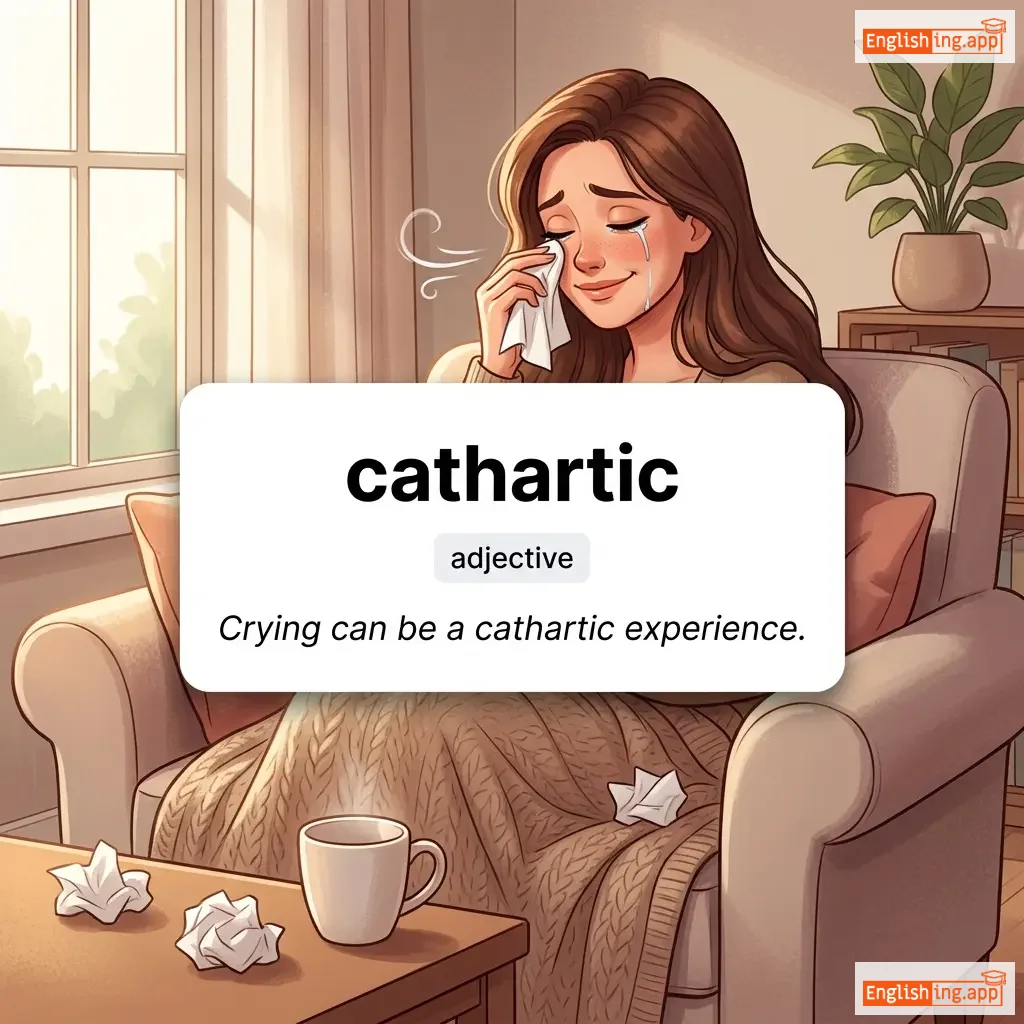
Providing psychological relief through the open expression of strong emotions.
••••••
|
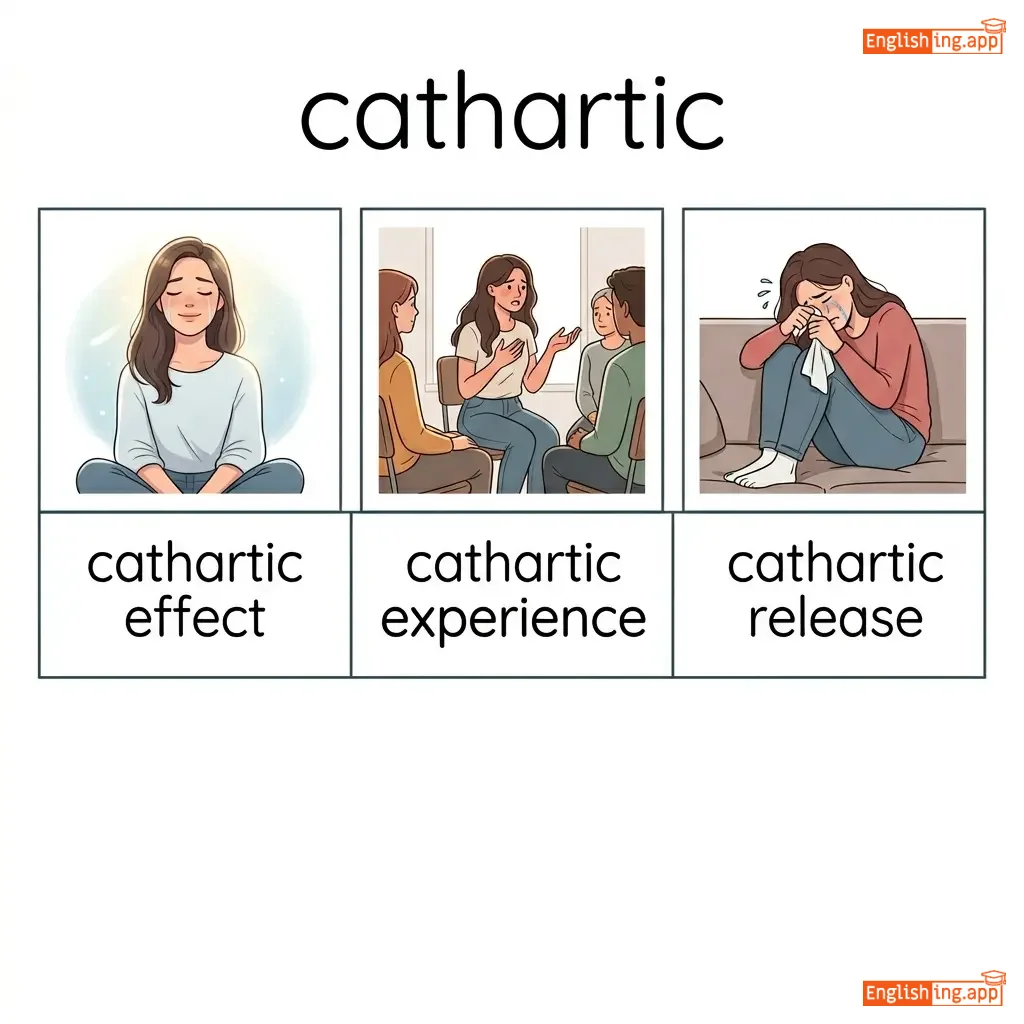
Writing about emotions can be a cathartic experience. |
感情について書くことはカタルシス的な体験となり得る。
Kanjō ni tsuite kaku koto wa katarushisuteki na taiken to nariuru.
••••••
|
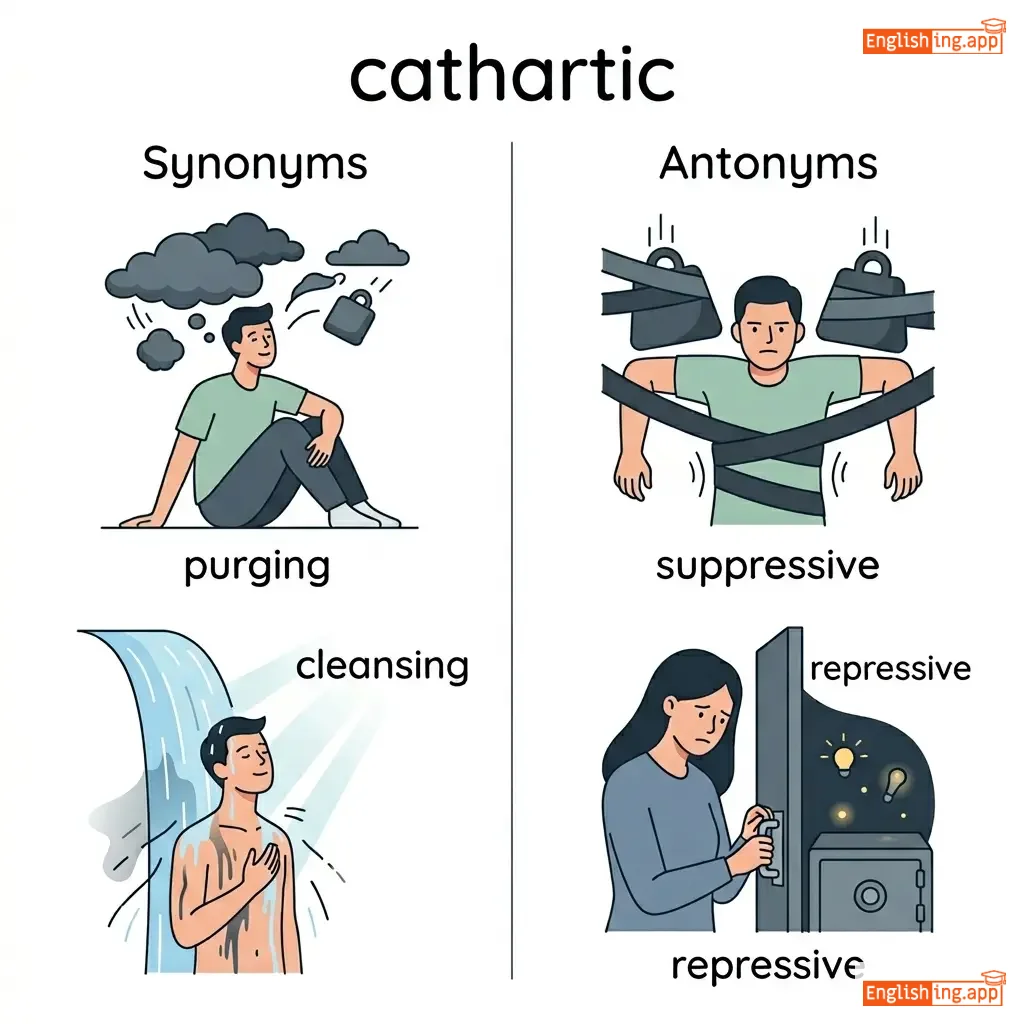
purging, cleansing, emotionally releasing
••••••
|
repressive, suppressive, unexpressive
••••••
|
カタルシス的 = カタルシス, 感情を表現することによる心の解放。
••••••
|
|
#2004
🧠
|
/ˌsʌbˈkɒn.ʃəs/
adjective
(サブコンシャス)
••••••
|
|
潜在意識
senzai ishiki
••••••
|
Of or concerning the part of the mind which one is not fully aware of but which influences actions and feelings.
••••••
|
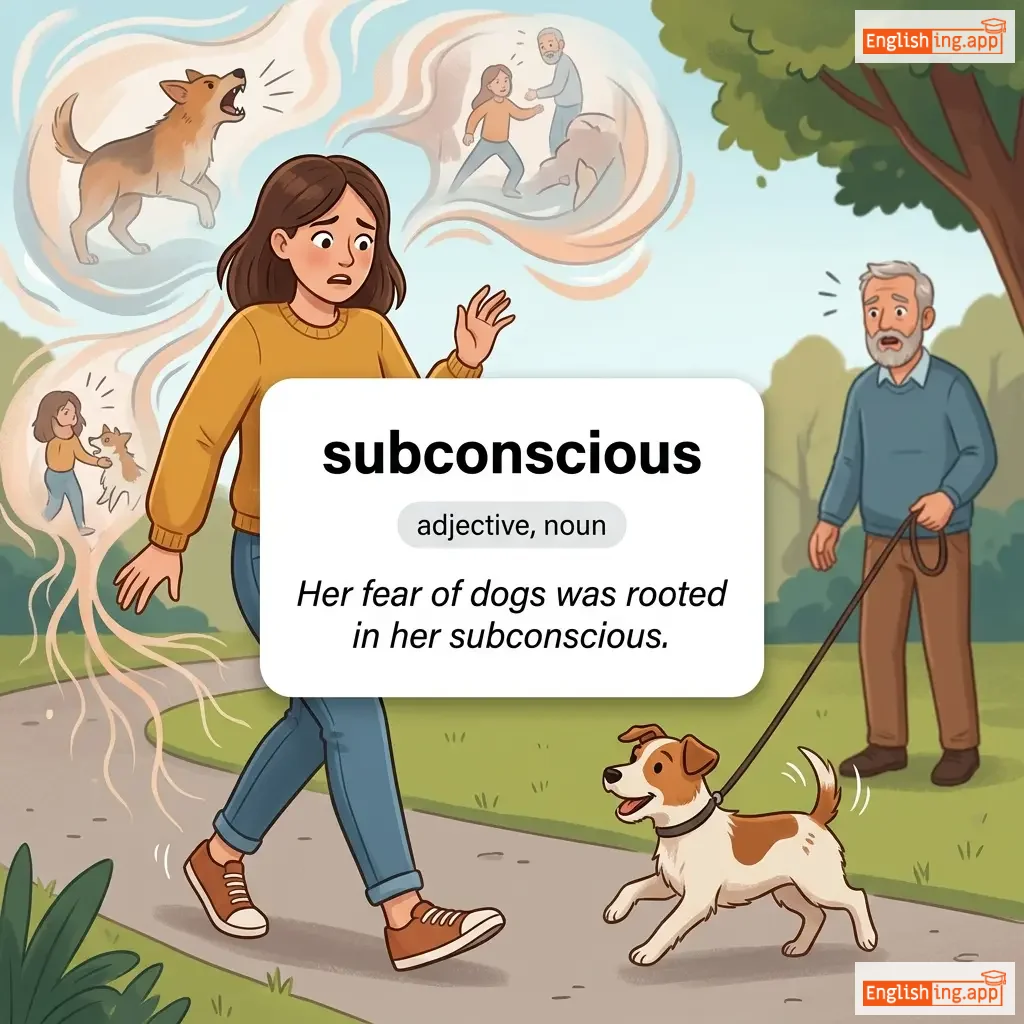
Fears often come from the subconscious mind. |
恐怖はしばしば潜在意識から生まれます。
Kyōfu wa shibashiba senzai ishiki kara umaremasu.
••••••
|
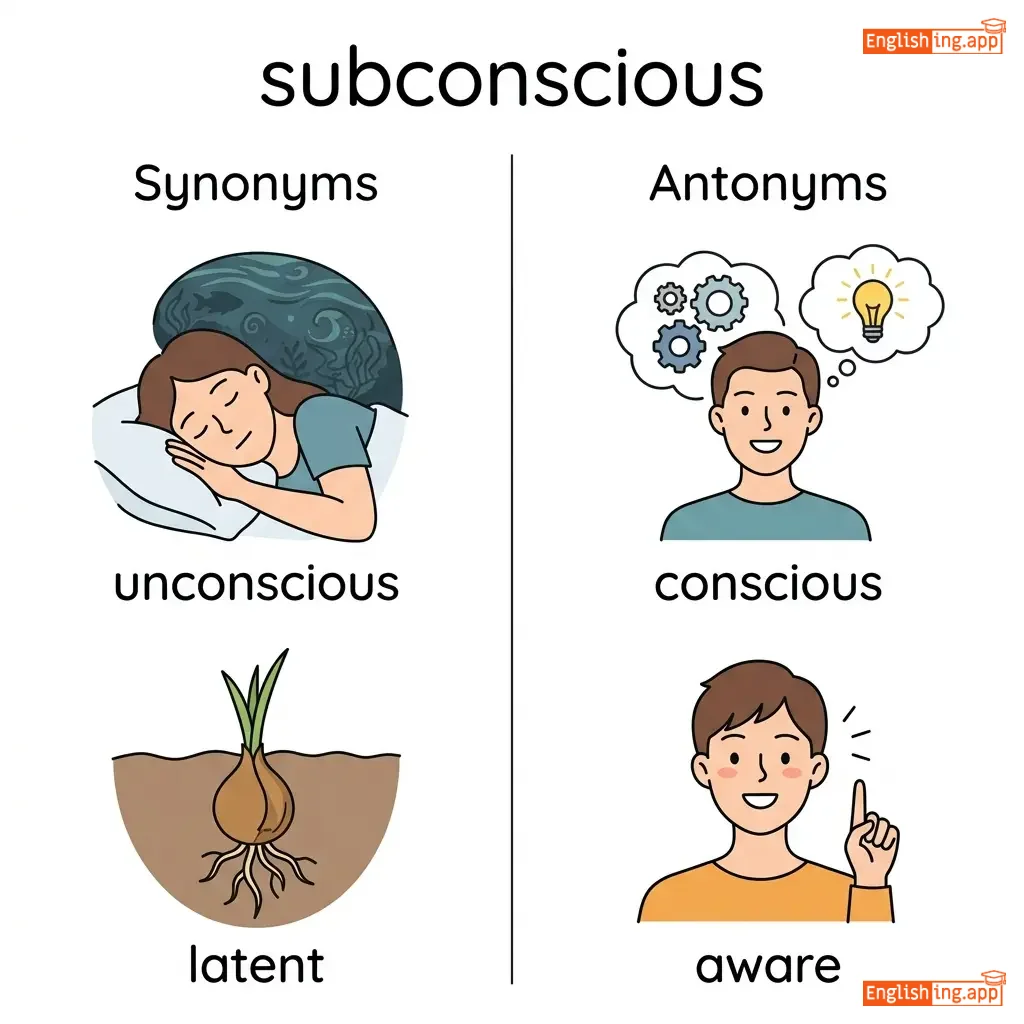
unconscious, deep-seated, instinctive
••••••
|
conscious, aware, deliberate
••••••
|
潜在意識は私たちの行動や感情に影響を与える無意識の部分です。
••••••
|
|
#2005
📚
|
/ˈkrɒn.ɪ.kəl/
verb/noun
(クロニクル)
••••••
|
|
出来事を発生した順番で記録する
dekigoto o hassei shita junban de kiroku suru
••••••
|
To record events in the order in which they happened; a written record of historical events.
••••••
|
She decided to chronicle her journey through a blog. |
彼女はブログを通じて彼女の旅を記録することに決めました。
Kanojo wa burogu o tsūjite kanojo no tabi o kiroku suru koto ni kimemashita.
••••••
|
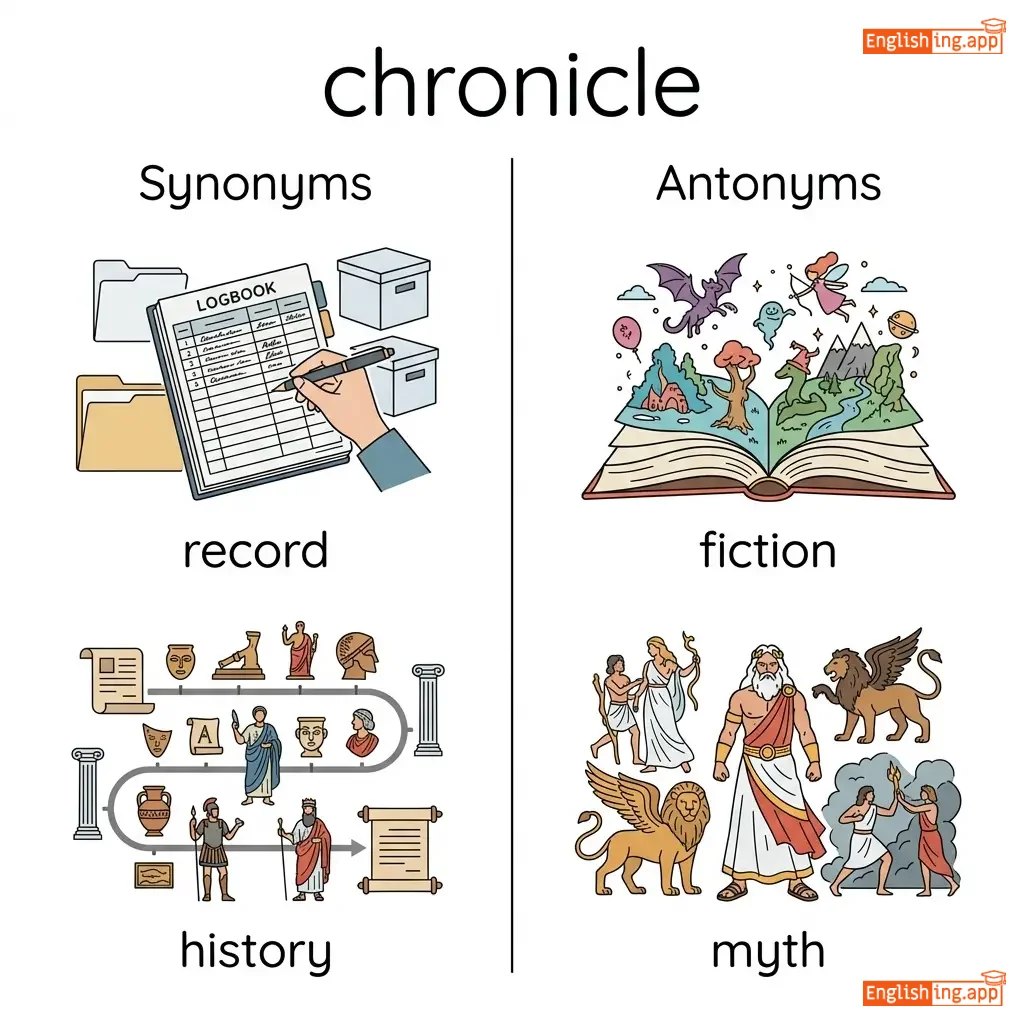
record, document, log
••••••
|
erase, omit, suppress
••••••
|
クロニクルとクロノ(時間)の記憶法
••••••
|
|
#2006
👁️
|
/ˈkɒɡ.nɪ.zənt/
adjective
(コグニザント)
••••••
|
|
気づいている
kizuite iru
••••••
|
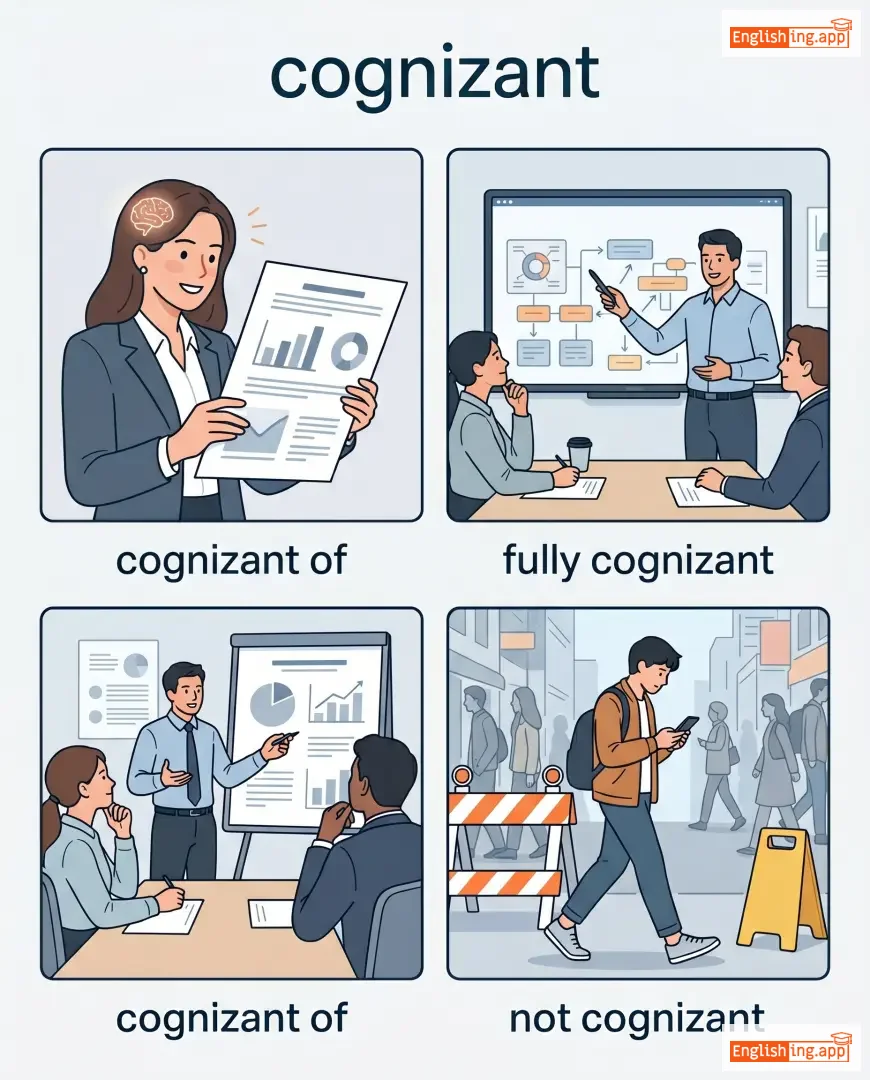
Having knowledge or being aware of something.
••••••
|
He was cognizant of the risks before making a decision.
彼は決断を下す前にリスクに気づいていました。
••••••
|
彼は決断を下す前にリスクに気づいていました。
Kare wa ketsudan o kudasu mae ni risuku ni kizuite imashita.
••••••
|
aware, mindful, informed
••••••
|
oblivious, unaware, ignorant
••••••
|
気づいていることは、何かに気づいている時、認知的な人のようなものです。
••••••
|
|
#2007
🤔
|
/ˌɪn.trəˈspek.ʃən/
noun
(イントロスペクション)
••••••
|
|
内省
naisei
••••••
|
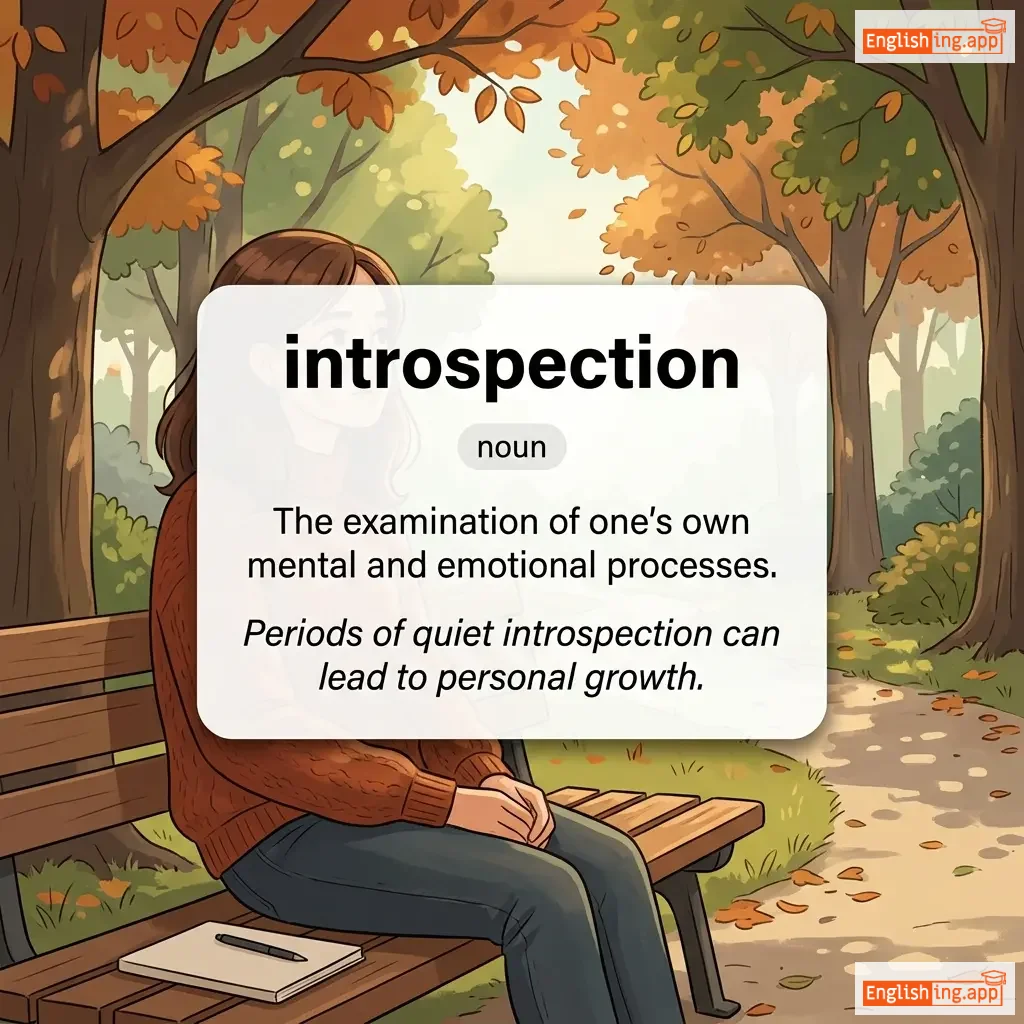
The examination or observation of one's own mental and emotional processes.
••••••
|
Introspection helps people understand their emotions better.
イントロスペクションは人々が自分の感情をよりよく理解するのに役立ちます。
••••••
|
内省は人々が自分の感情をよりよく理解するのに役立ちます。
Naisei wa hitobito ga jibun no kanjou o yori yoku rikai suru no ni yakudachimasu.
••••••
|
self-reflection, contemplation, self-analysis
••••••
|
neglect, indifference, external focus
••••••
|
内省は自己理解の鍵です。
••••••
|
|
#2008
🔍
|
/dɪˈsɜːrn.mənt/
noun
(ディサーンメント)
••••••
|
|
洞察力
dousatsuryoku
••••••
|
The ability to judge well; good judgment and understanding.
••••••
|
His discernment helped him make wise decisions.
彼の洞察力は賢明な決断を下すのに役立ちました。
••••••
|
彼の洞察力は賢明な決断を下すのに役立ちました。
Kare no dousatsuryoku wa kenmei na ketsudan wo kudasu no ni yakudachimashita.
••••••
|
insight, perception, judgement
••••••
|
ignorance, misjudgment, indiscretion
••••••
|
洞察力 = 賢明な選択
••••••
|
|
#2009
✨
|
/ɪmˈbɛl.ɪʃ/
verb
(エンベリッシュ)
••••••
|
|
飾る
kazaru
••••••
|
To make something more attractive by adding decorative details or exaggerating.
••••••
|
He tends to embellish stories to make them more interesting. |
彼は物語をより面白くするために飾る傾向があります。
Kare wa monogatari wo yori omoshiroku suru tame ni kazaru keikou ga arimasu.
••••••
|
decorate, enhance, exaggerate
••••••
|
simplify, minimize, understate
••••••
|
飾ることは物をもっと魅力的にすることです。
••••••
|
|
#2010
🌅
|
/nɒsˈtæl.dʒə/
noun
(ノスタルジア)
••••••
|
|
ノスタルジア
nosutarujia
••••••
|
A sentimental longing for the past, typically for a period or place with happy personal associations.
••••••
|
Listening to old songs fills me with nostalgia. |
古い歌を聞くと、ノスタルジアで満たされます。
Furui uta o kiku to, nosutarujia de mitasaremasu.
••••••
|
sentimentality, reminiscence, longing
••••••
|
indifference, disinterest, forgetfulness
••••••
|
Nosutarujia in Japanese is just like nostalgia, a longing for the past.
••••••
|
|
#2011
💡
|
/ˈluː.sɪd/
adjective
(ルーシッド)
••••••
|
|
明快な
meikai na
••••••
|
Expressed clearly; easy to understand.
••••••
|
His explanation was so lucid that everyone understood it.
ヒズ エクスプレネーション ワズ ソー ルーシッド ダット エブリワン アンダーストゥッド イット。
••••••
|
彼の説明はとても明快で、皆が理解しました。
kare no setsumei wa totemo meikai de minna ga rikai shimashita
••••••
|
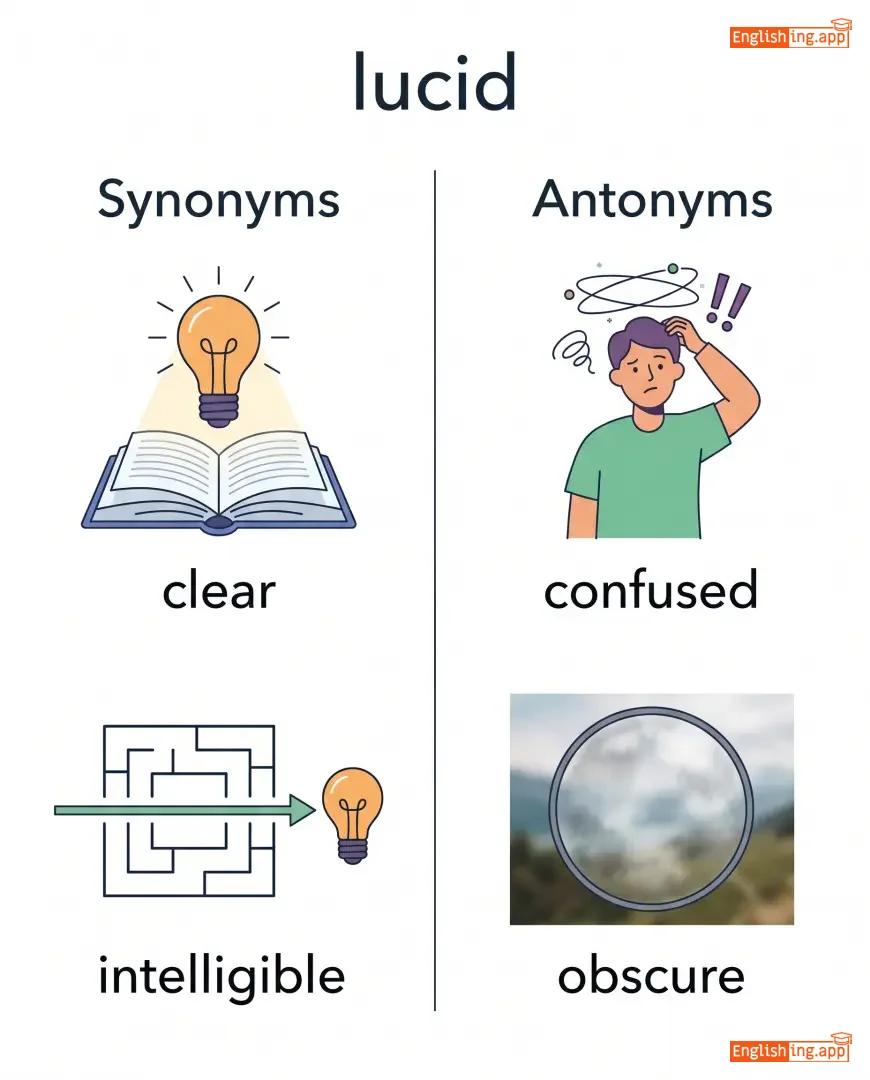
clear, coherent, transparent
••••••
|
confusing, ambiguous, obscure
••••••
|
Lucid sounds like 'ru-shid' — in Japanese '明快' (meikai) means bright and clear like light.
••••••
|
|
#2012
🌊
|
/prəˈfaʊnd/
adjective
(プロファウンド)
••••••
|
|
深遠
shinen
••••••
|
Very great or intense; having deep insight or understanding.
••••••
|
The speech had a profound impact on the audience.
そのスピーチは聴衆に深い影響を与えました。
••••••
|
そのスピーチは聴衆に深い影響を与えました。
Sono supīchi wa chōshū ni fukai eikyō o ataemashita.
••••••
|
deep, intense, meaningful
••••••
|
superficial, shallow, insignificant
••••••
|
深遠な影響
••••••
|
|
#2013
🧘
|
/ˌkɒn.təmˈpleɪ.ʃən/
noun
(コンテンプレーション)
••••••
|
|
深い考察
fukai kousatsu
••••••
|
The action of looking thoughtfully at something for a long time; deep reflective thought.
••••••
|
She sat in contemplation before making her decision. |
彼女は決断を下す前に深く考察していた。
Kanojo wa ketsudan o kudasu mae ni fukaku kousatsu shite ita.
••••••
|
reflection, meditation, deliberation
••••••
|
impulsiveness, negligence, thoughtlessness
••••••
|
深く考えることがコンテンプレーションのようです。
••••••
|
|
#2014
🌱
|
/rɪˈdʒuː.və.neɪt/
verb
(rijuvenet)
••••••
|
|
若返り
wakarigaeri
••••••
|
To make someone or something look or feel younger, fresher, or more energetic.
••••••
|
A vacation can rejuvenate your mind and body. |
休暇はあなたの心と体を若返らせることができます。
Kyūka wa anata no kokoro to karada o wakarigaeraseru koto ga dekimasu.
••••••
|
revitalize, refresh, renew
••••••
|
exhaust, weaken, deteriorate
••••••
|
若返り = '若' (young) + '返り' (return), 休暇で再生するエネルギーのようなもの。
••••••
|
|
#2015
📡
|
/dɪˈsɛm.ɪ.neɪt/
verb
(ディセミネート)
••••••
|
|
普及する
fukyū suru
••••••
|
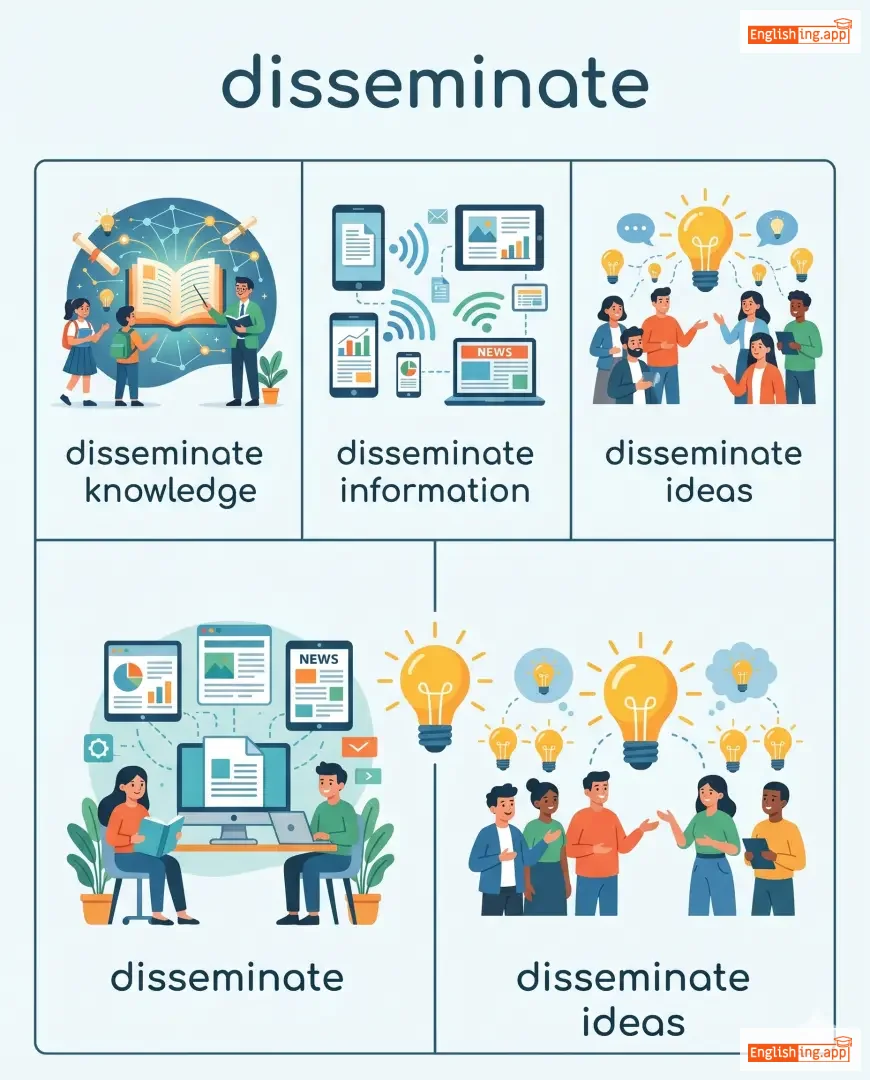
To spread or give out something, especially news, information, ideas, etc., to a lot of people.
••••••
|
Social media helps to disseminate information quickly. |
ソーシャルメディアは情報を迅速に普及するのに役立ちます。
Sōsharumedia wa jōhō o jinsoku ni fukyū suru no ni yakudachimasu.
••••••
|
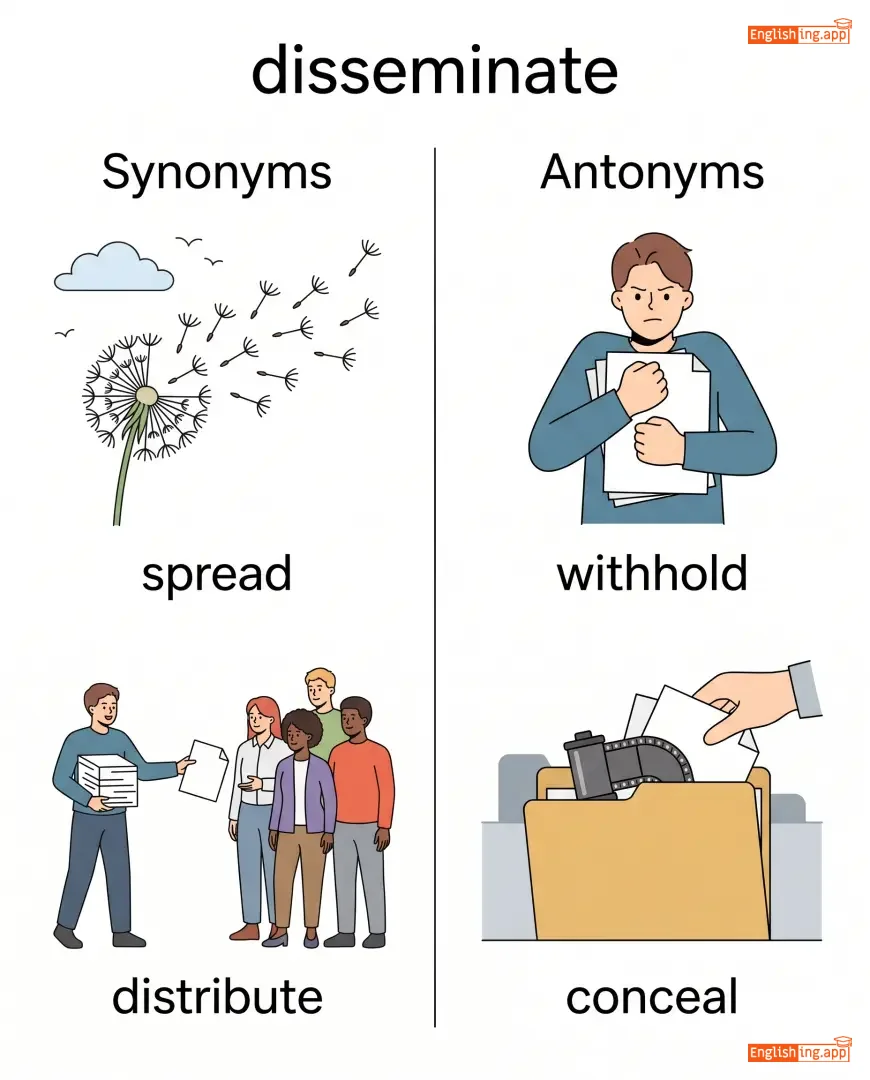
distribute, spread, circulate
••••••
|
conceal, withhold, suppress
••••••
|
普及する(fukyū suru)情報を広める。
••••••
|
|
#2016
🎚️
|
/ˈmɒd.jʊ.leɪt/
verb
(モジュレート)
••••••
|
|
調整する
chousei suru
••••••
|
To change the strength, tone, or pitch of something; to adjust or regulate.
••••••
|
A good speaker knows how to modulate their voice. |
良いスピーカーは、自分の声を調整する方法を知っています。
Yoi supīkā wa, jibun no koe o chōsei suru hōhō o shitteimasu.
••••••
|
adjust, regulate, modify
••••••
|
intensify, distort, unbalance
••••••
|
調整する means to modulate in Japanese.
••••••
|
Vocabulary Quiz
Test your vocabulary by matching words with their translations or meanings.
Login to take the quiz
Comments (0)
Share your thoughts and join the discussion.
Join the discussion by logging in
Login to CommentNo comments yet
Be the first to share your thoughts!