

なぜ国家言語の問題はそれほど重要だったのか?
Why Was the State Language Question So Important?
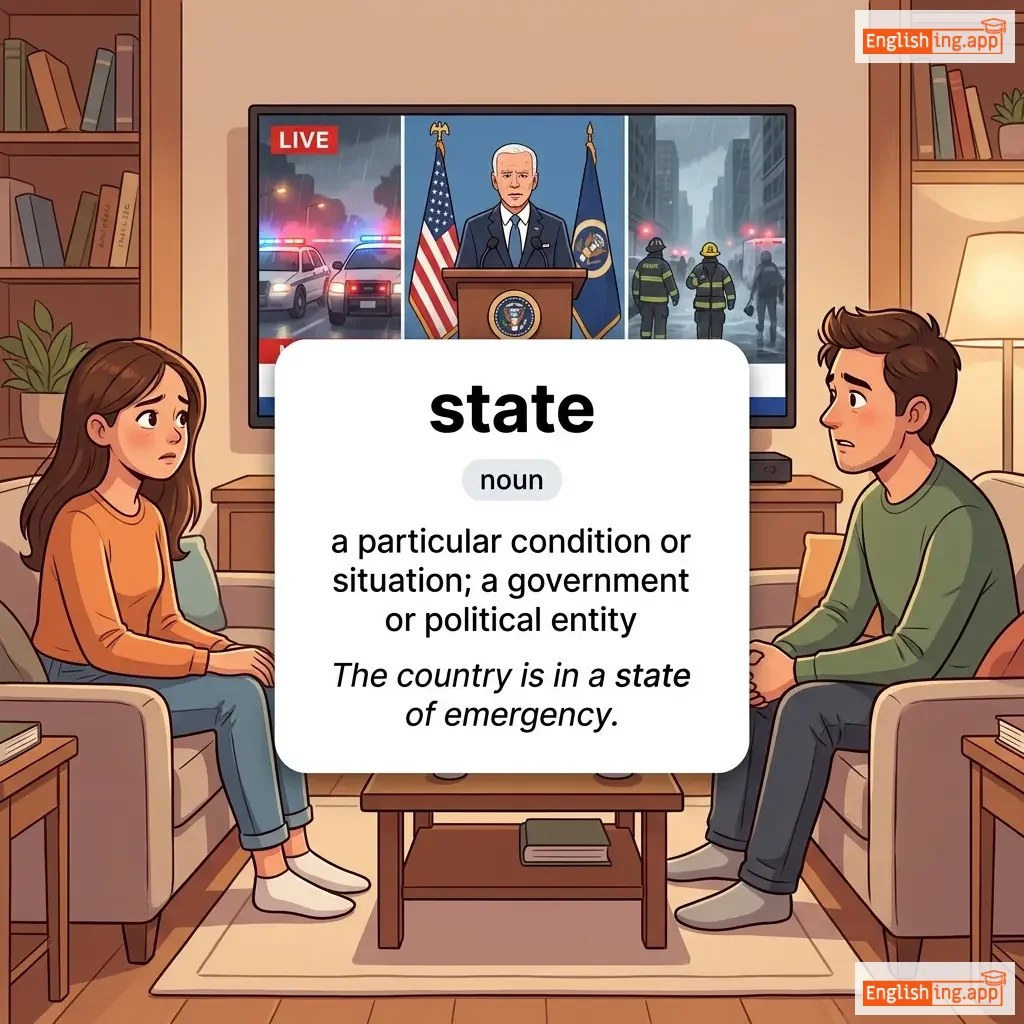
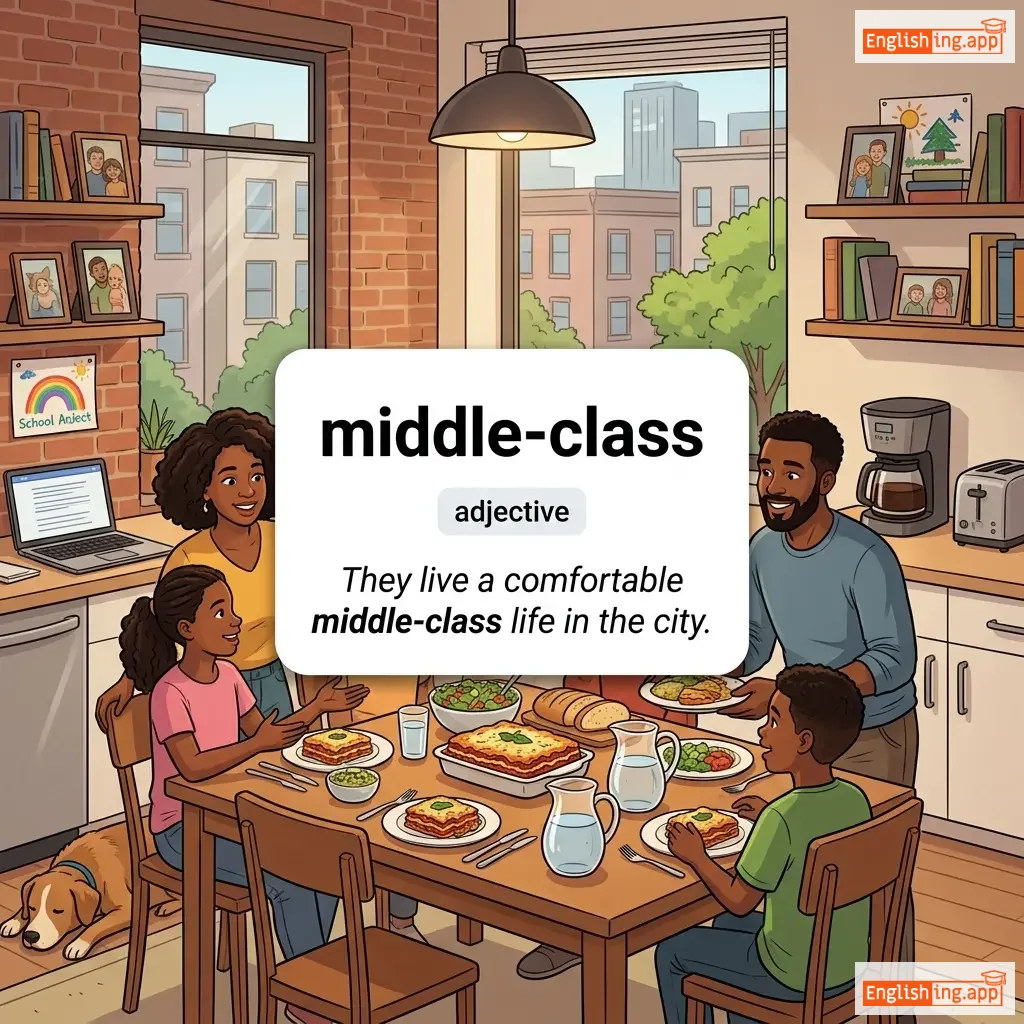
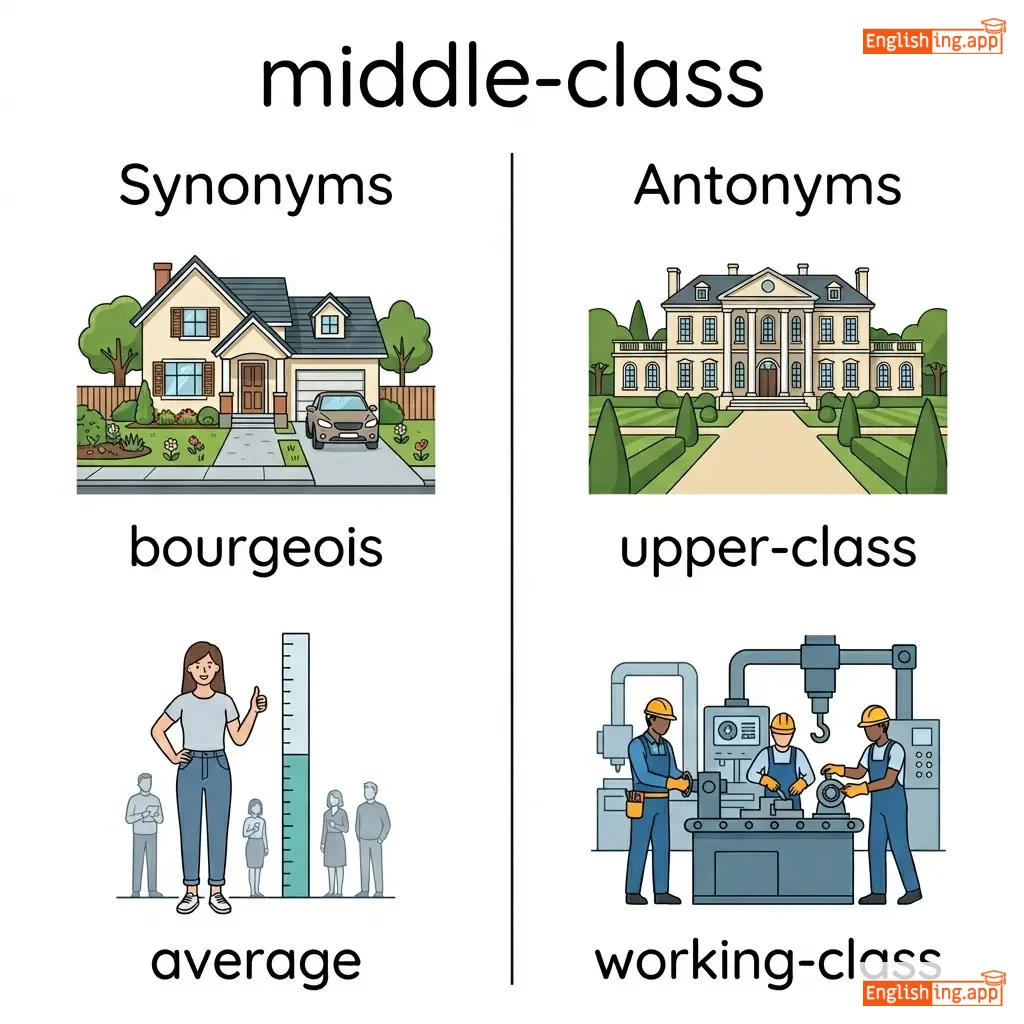
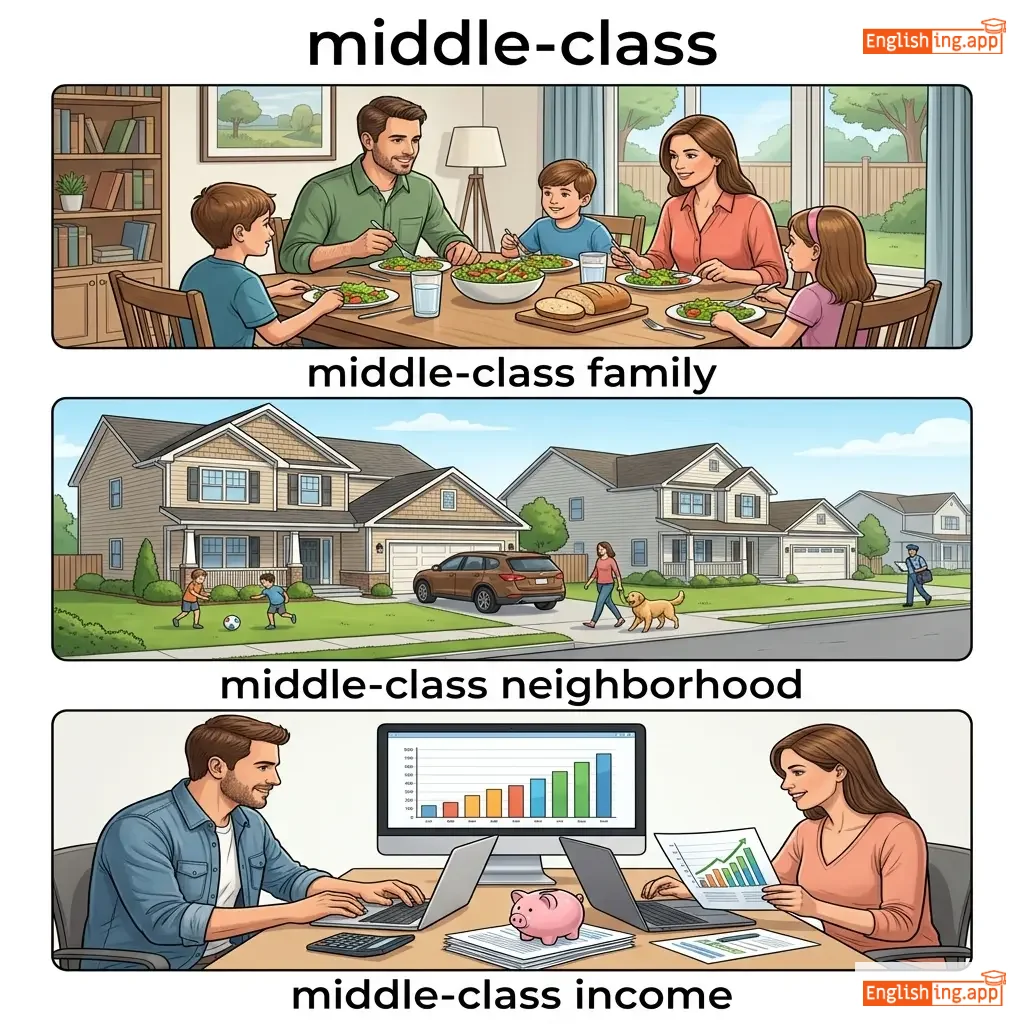
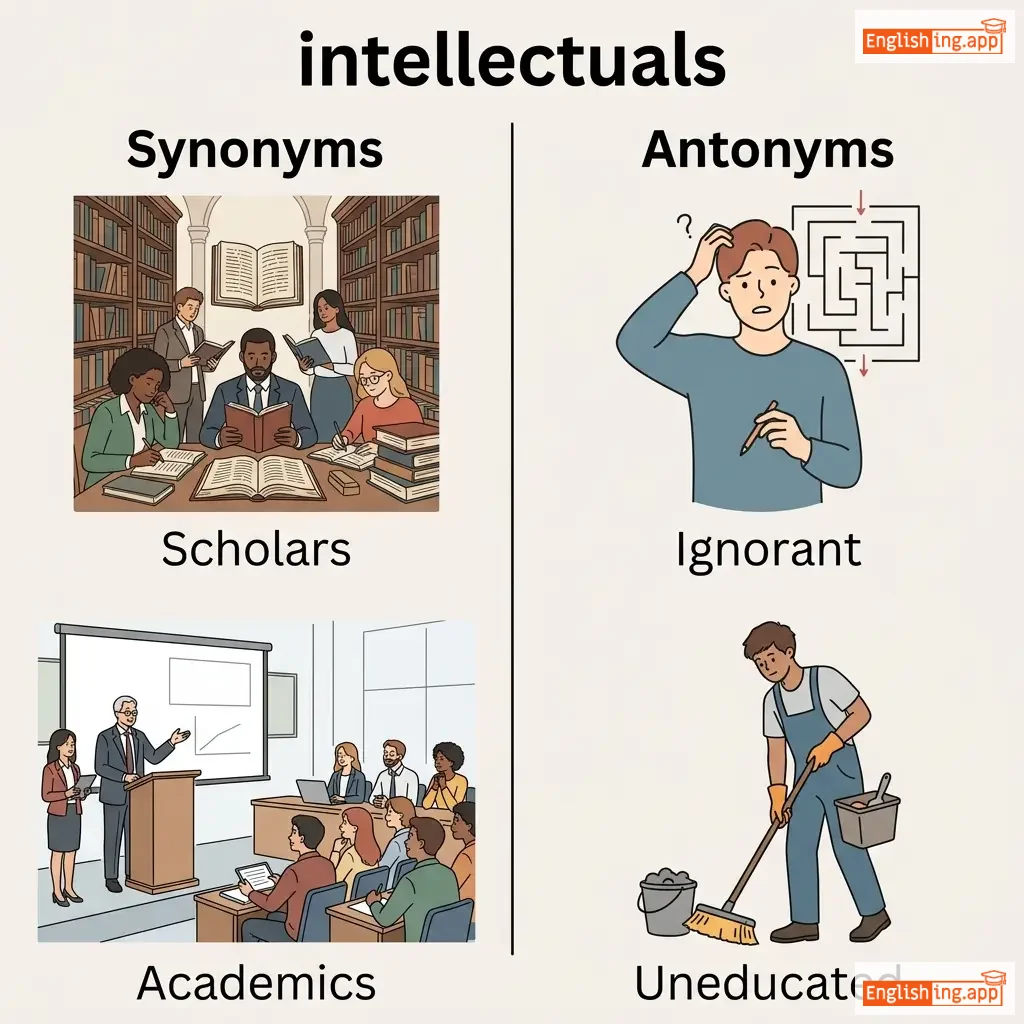
ウルドゥー語を唯一の state 言語にしようという議論が始まるやいなや、東ベンガルの学生、教養ある middle-class 社会、intellectuals、そして政治家たちは、これはベンガル人にとって深刻な災厄を招くと悟った。
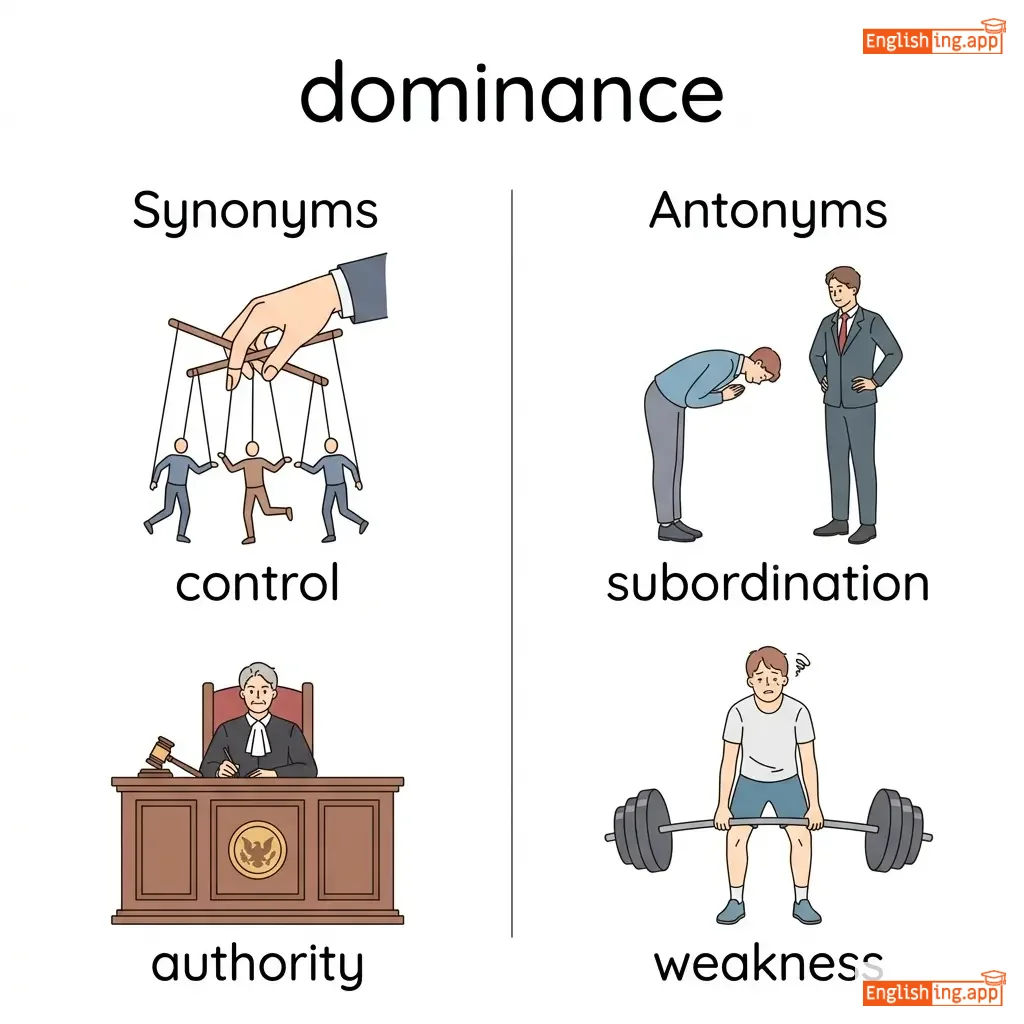
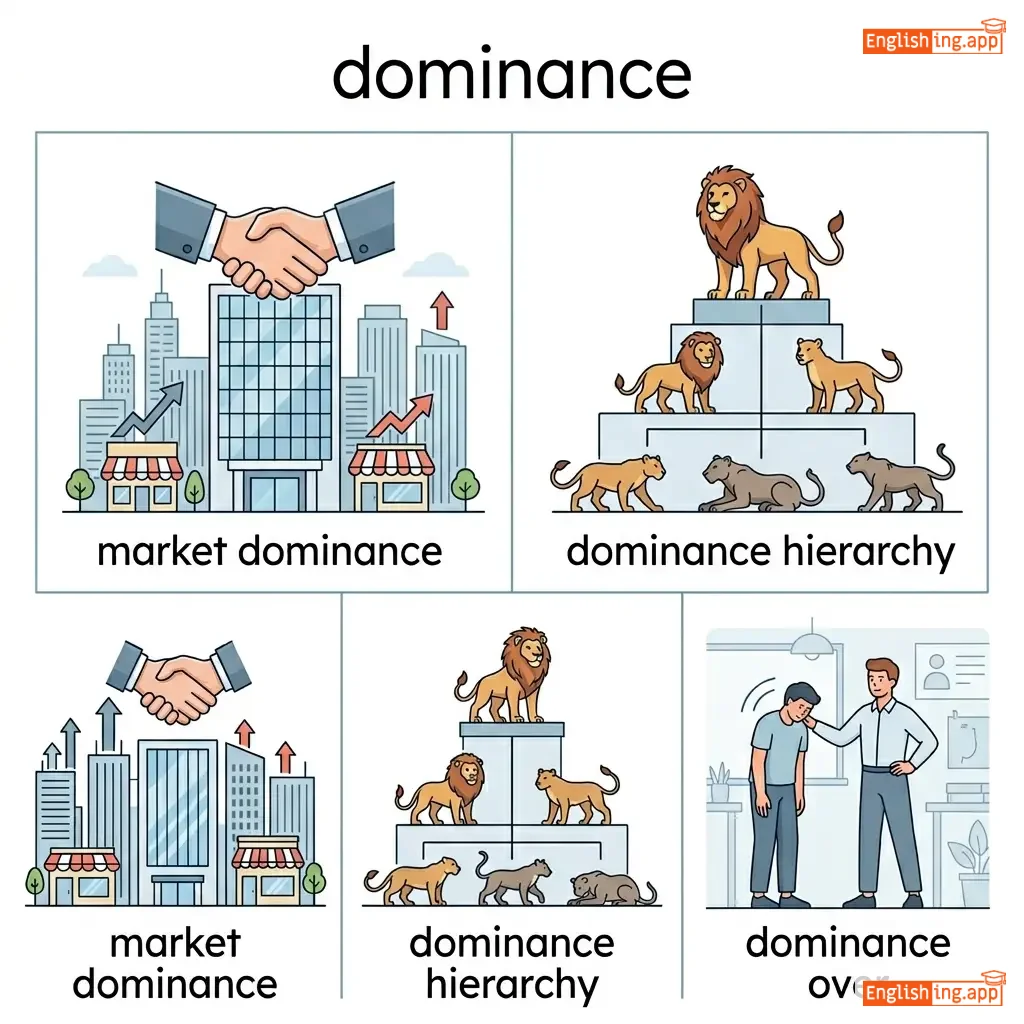
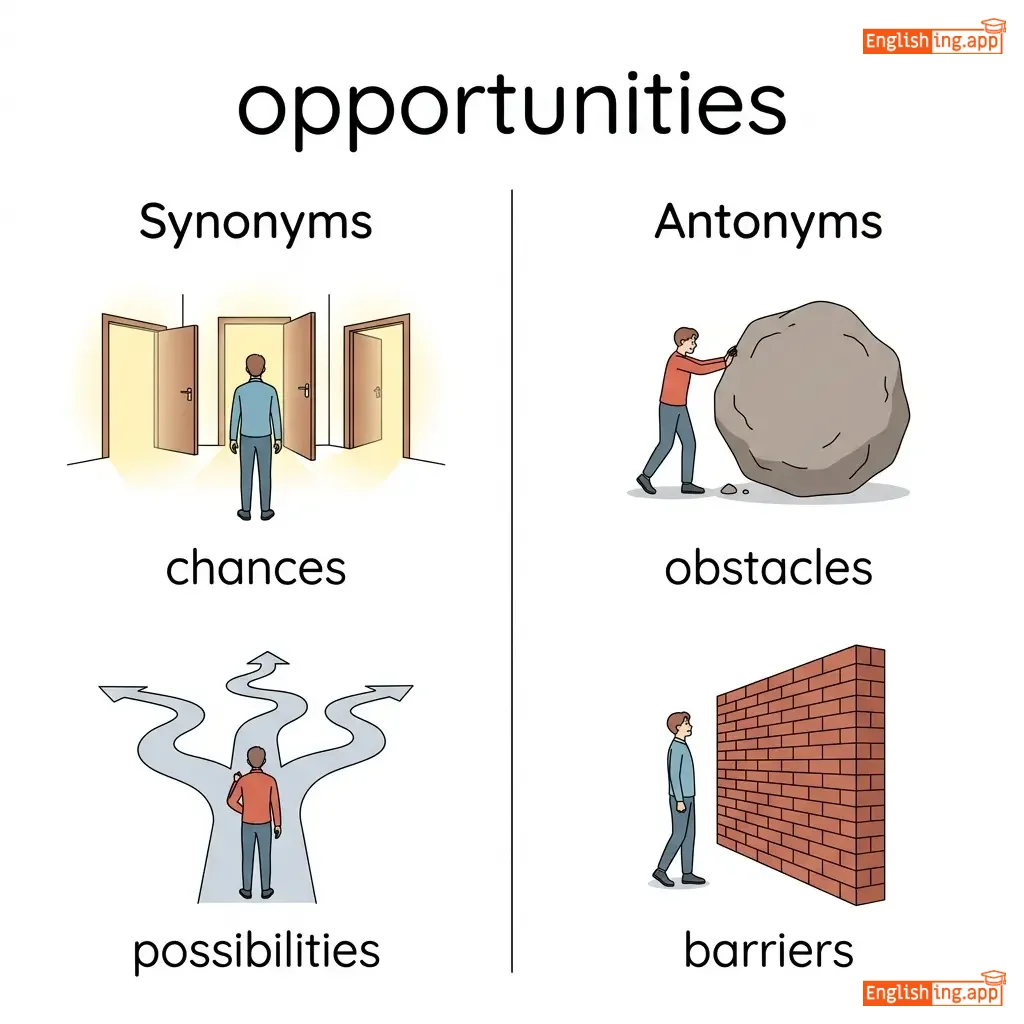
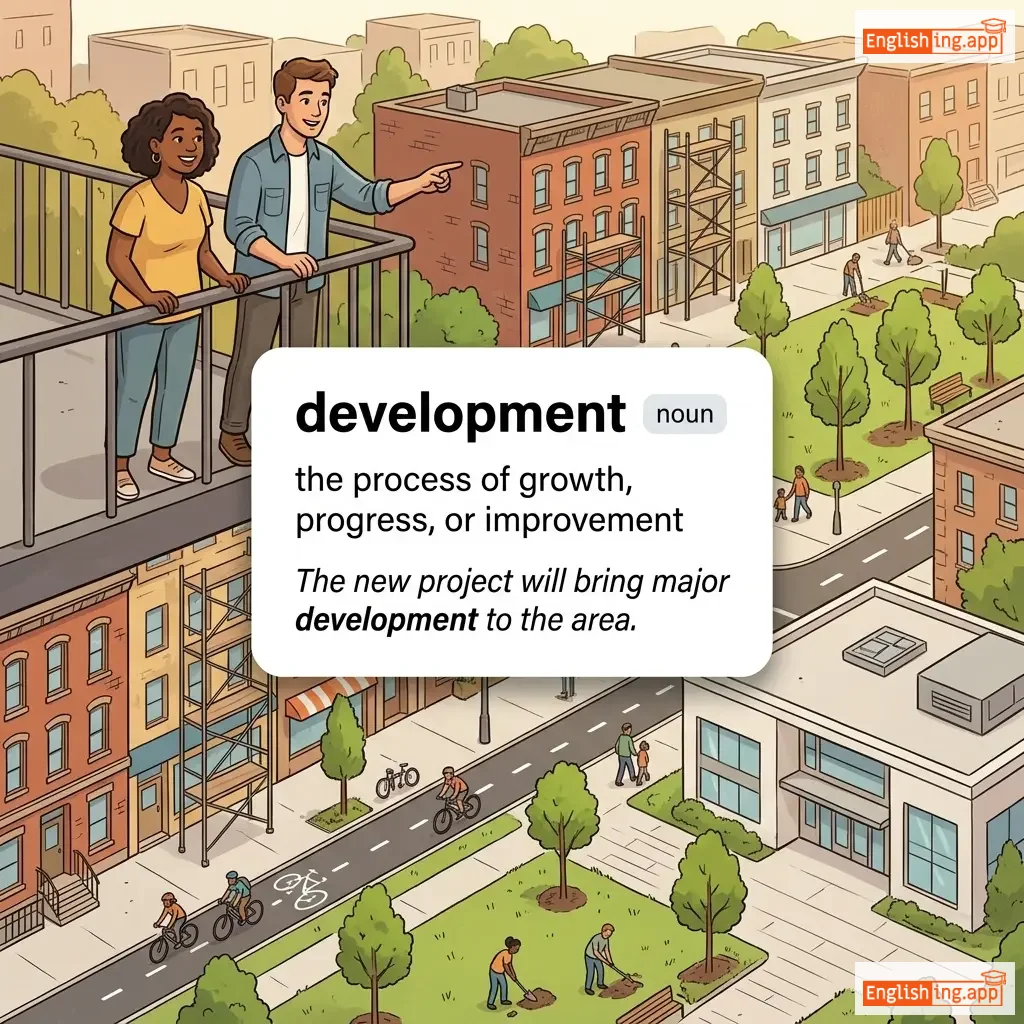
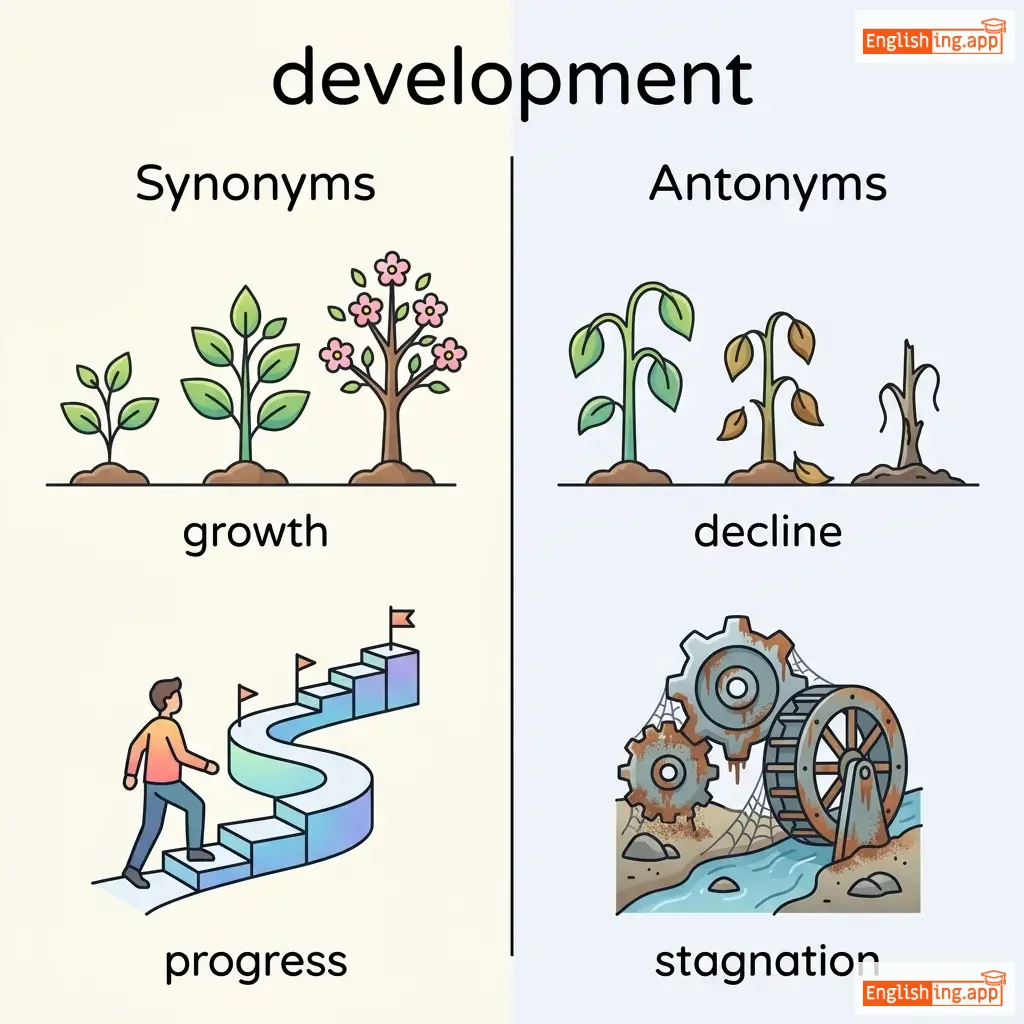
それはパキスタンにおけるウルドゥー語話者の dominance を確立し、政府や軍の職に関する opportunities で、ベンガル人がウルドゥー語話者に比べて不利になる、という理解である。パキスタン建国によって生まれた、ベンガル系ムスリムの development と social progress の夢は大きく損なわれてしまうだろう。
しかしパキスタンの reality はこうだった。国の東部では—そして国全体で見ても—majority の人々の言語はベンガル語だった。西パキスタンでは、40%超の人々がパンジャーブ語を話し、ウルドゥー語を話すのはわずか4%にすぎなかった。
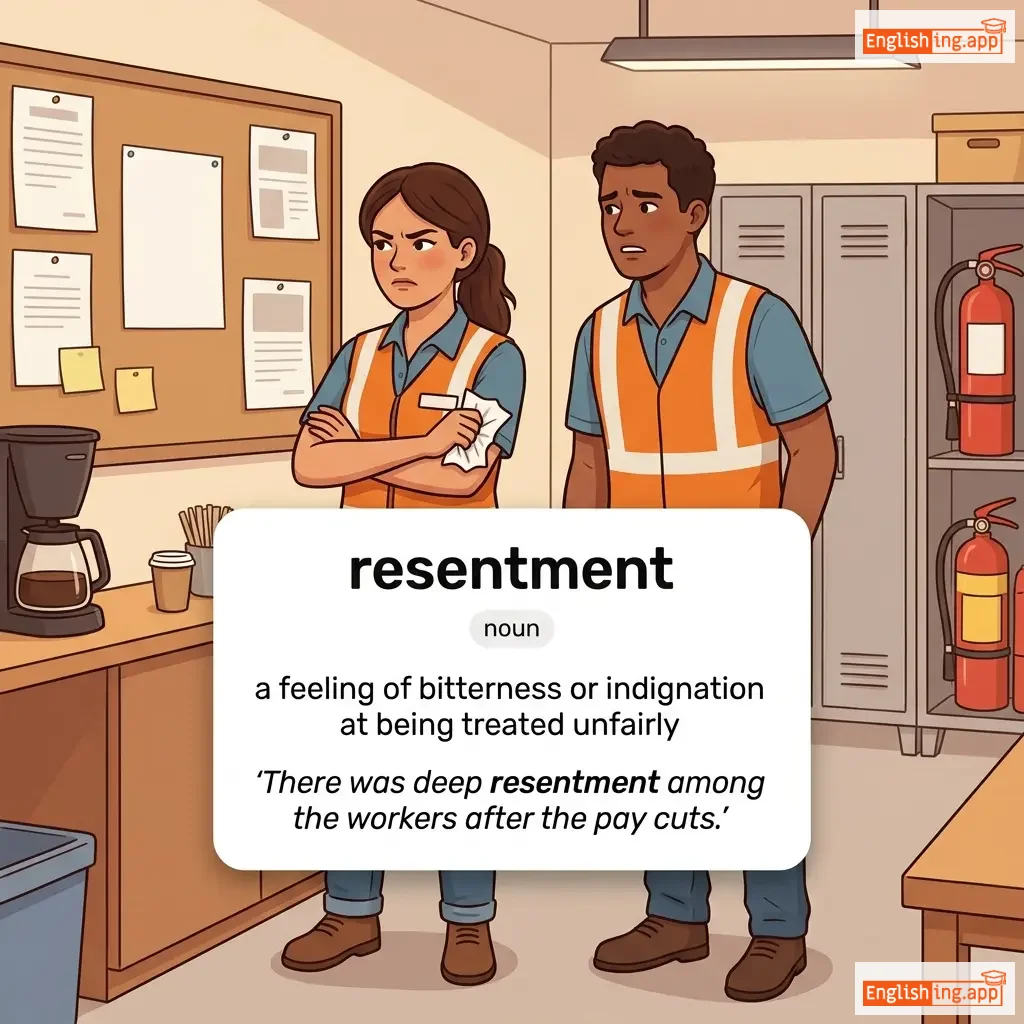
ベンガル語は majority の人々の言語であったにもかかわらず、ベンガル語がパキスタンの公用語の一つにならないという事実は、東ベンガルの学生や知識層の間に強い resentment を生んだ。
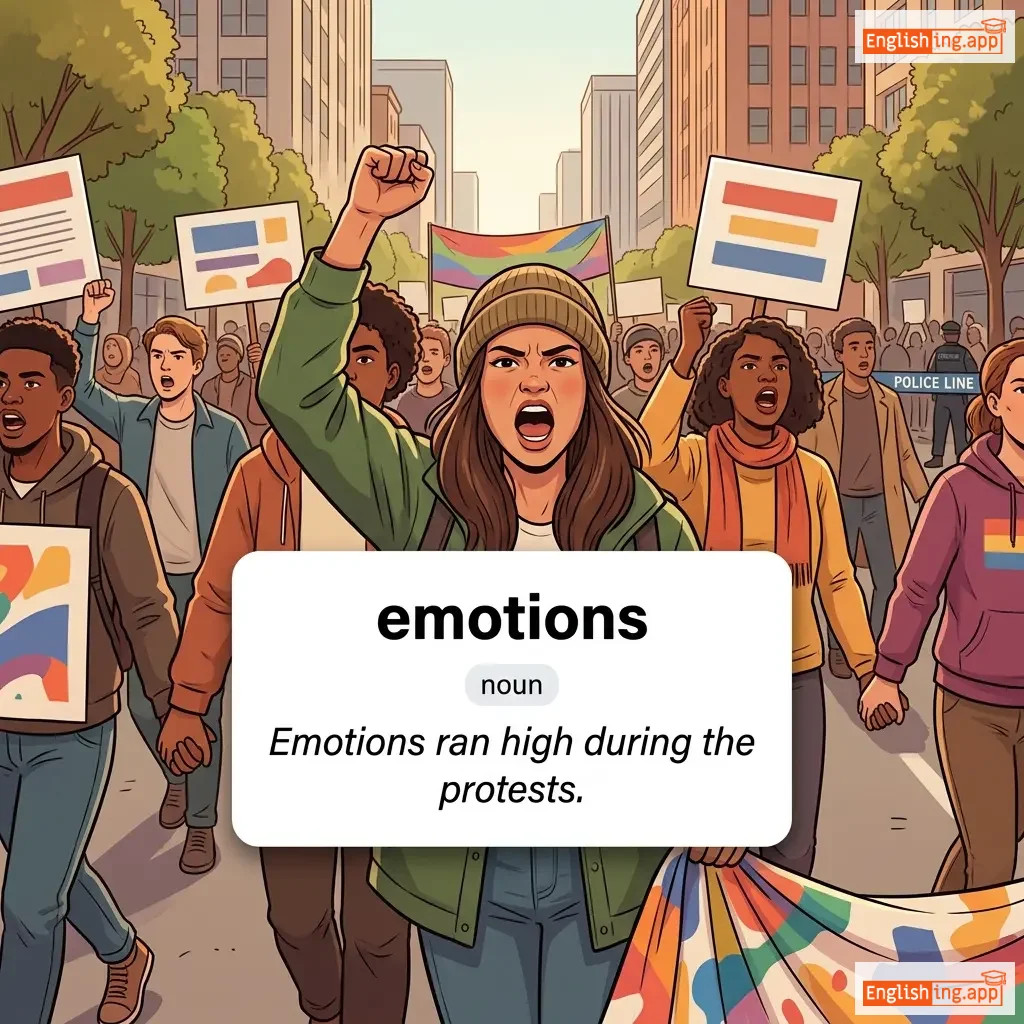
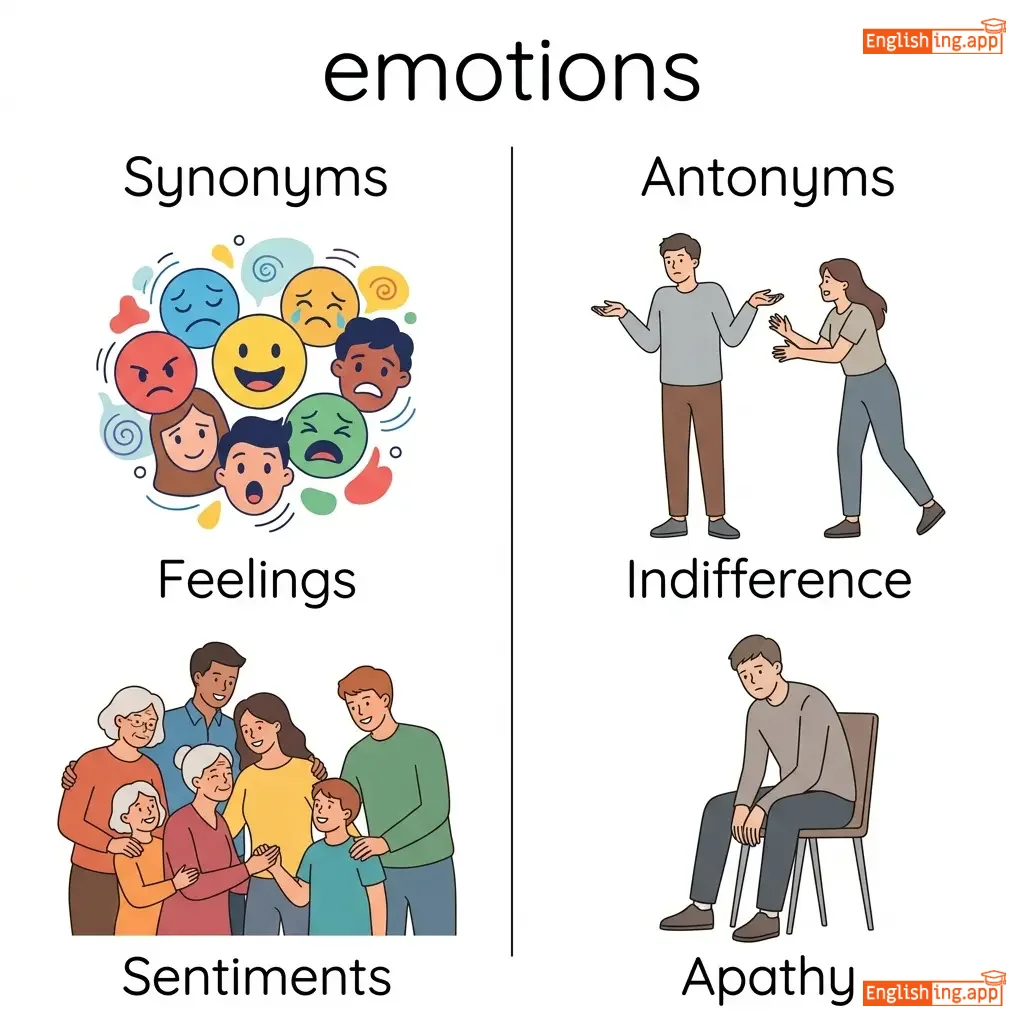
「一方では、言語とアイデンティティに関する emotions がある。しかしそれに加えて economic な側面もある」と、コロンビア大学の教授で分析家のラウナク・ジャハーンは語った。
彼女によれば、「当時 employment といえば政府の仕事を意味した。だがウルドゥー語が公用語になれば、ベンガル人は政府や軍で職を得るためにウルドゥー語を学ばねばならず、ウルドゥー語話者と competition しなければならない—それは彼らを disadvantage に置くことになる。だから学生にとって、それは将来の問題だったのだ。」
翻訳
過去
過去分詞
三人称単数
動名詞
意味
例文
例文の翻訳
同義語
対義語
コロケーション
ニーモニック



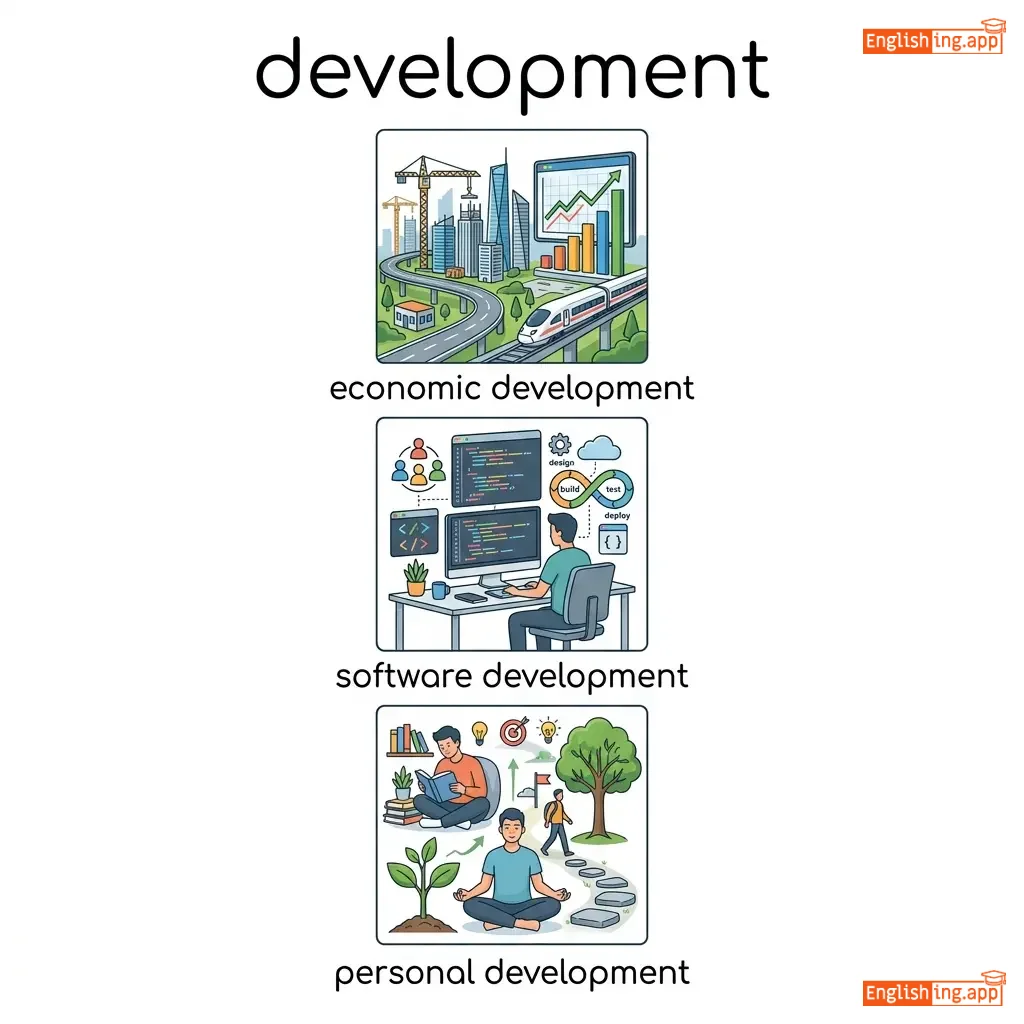



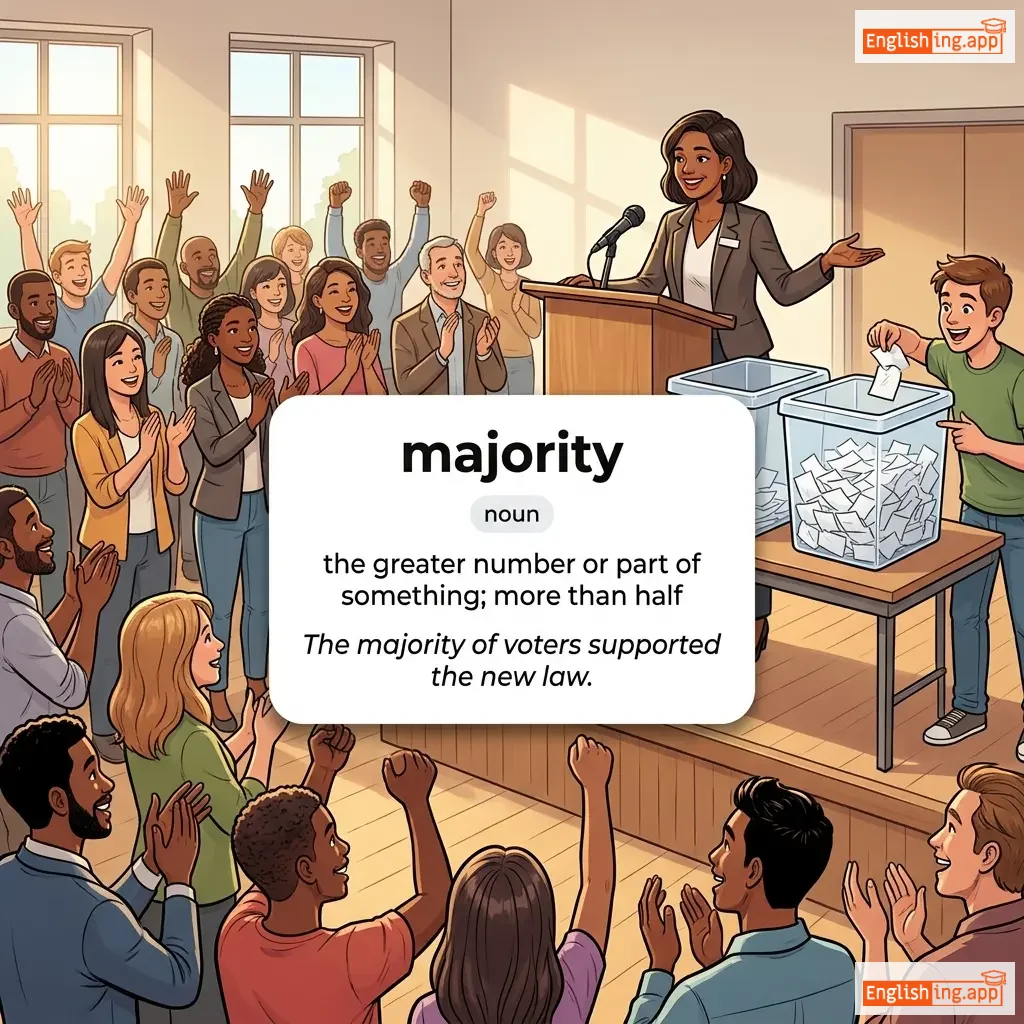
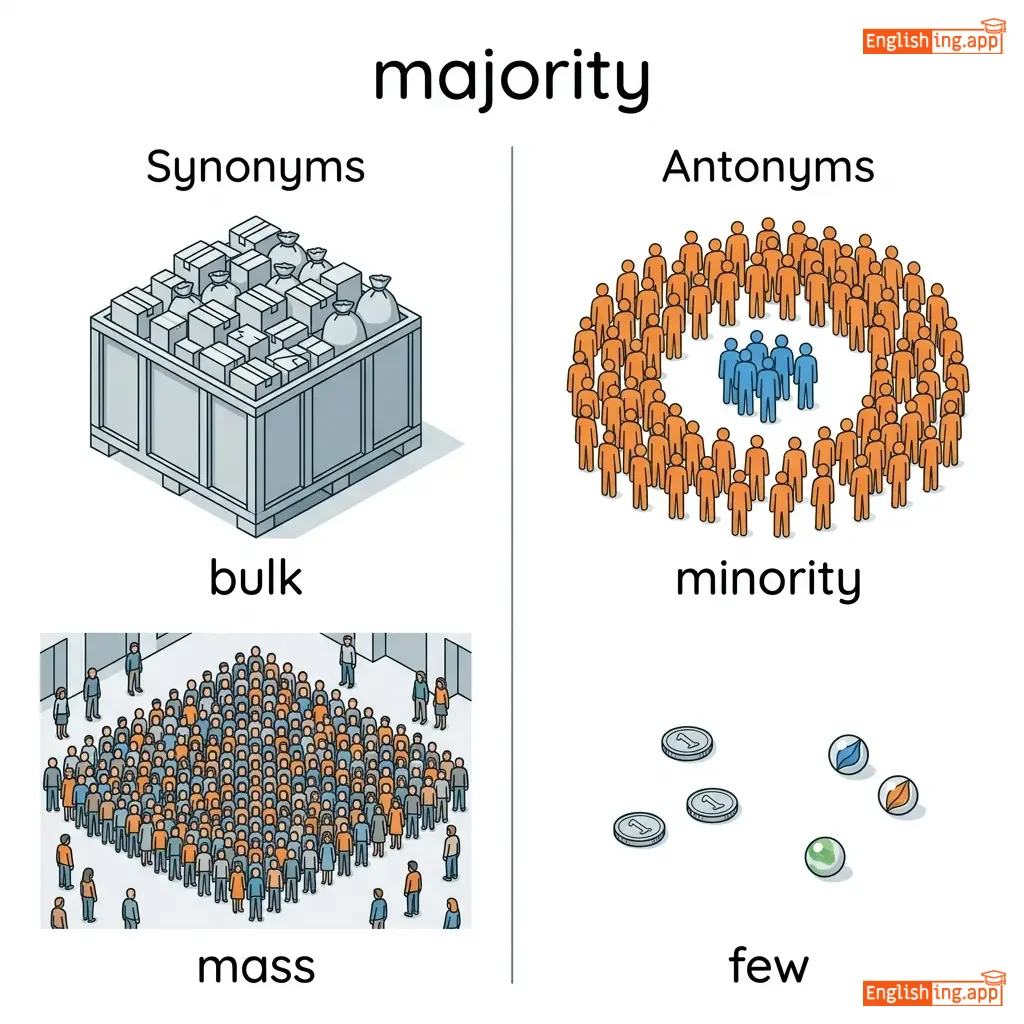
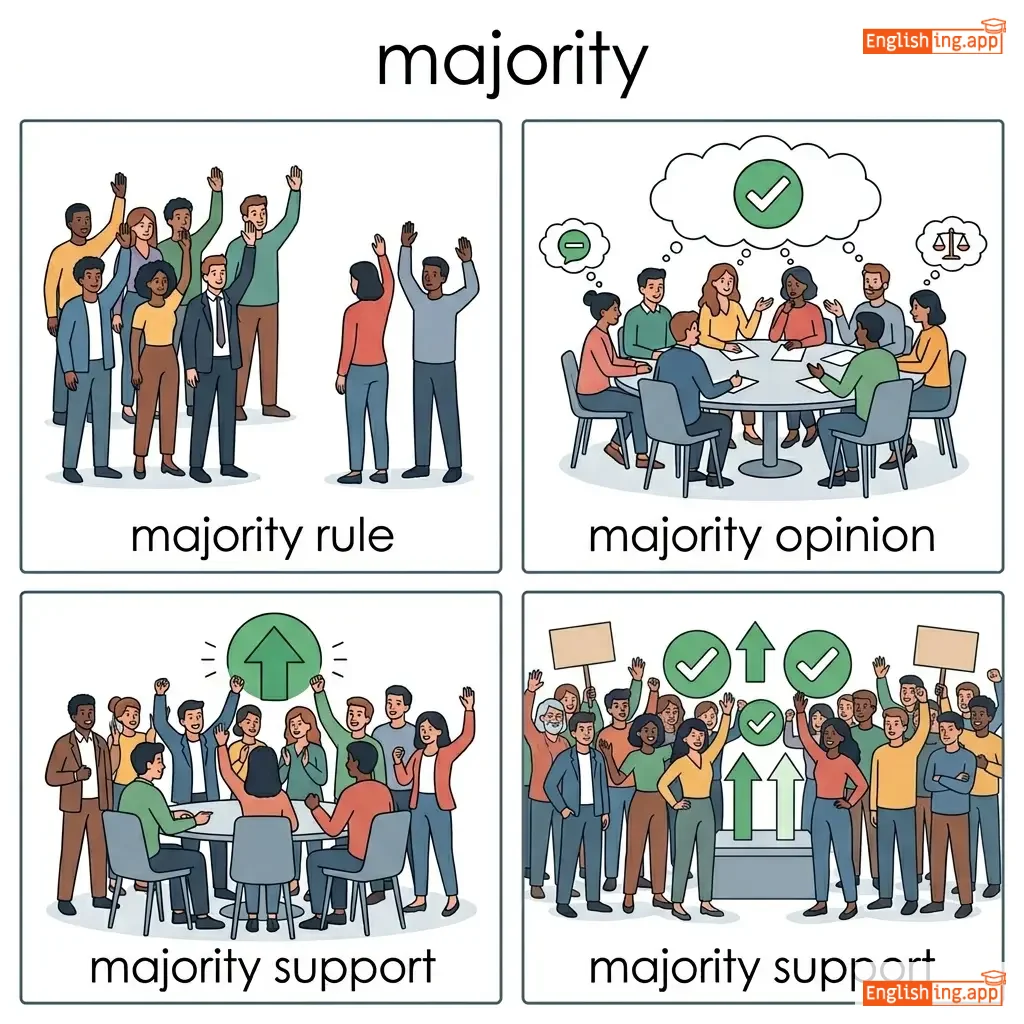




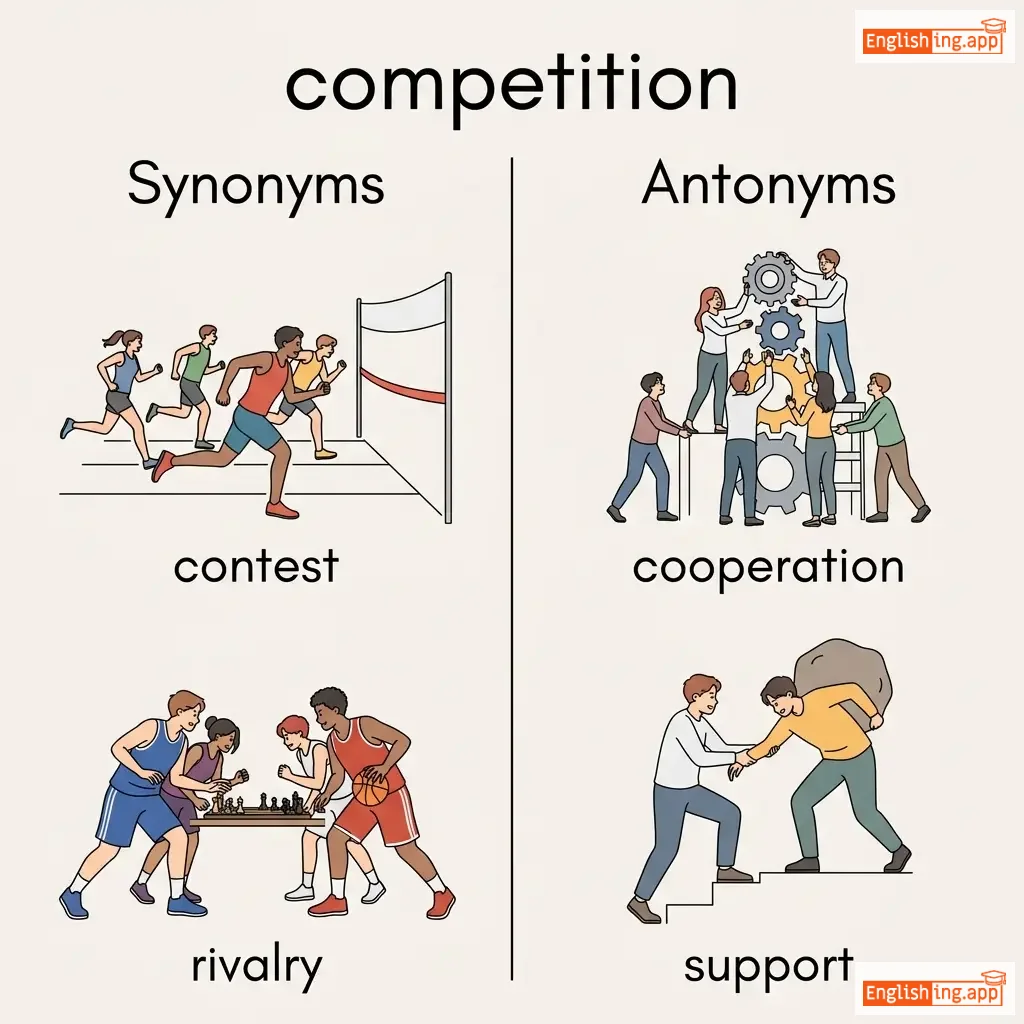

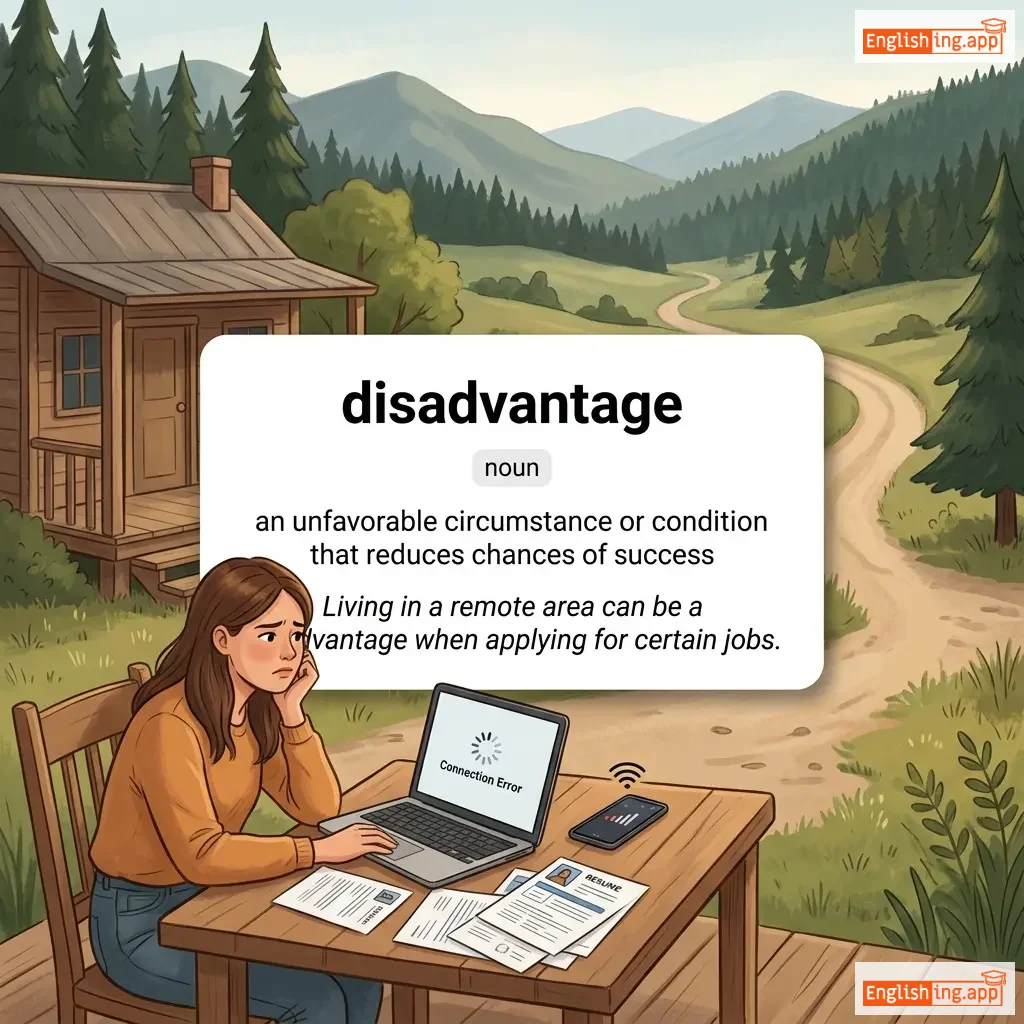
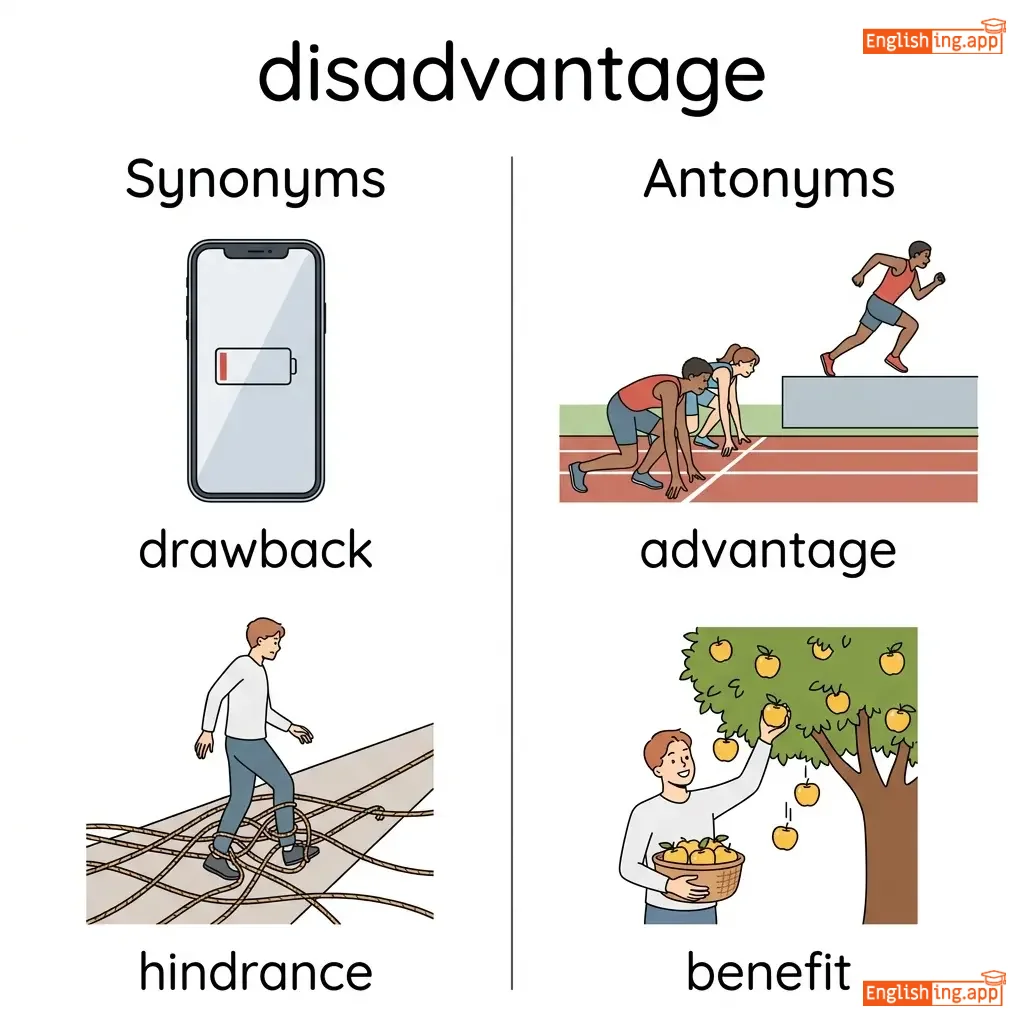
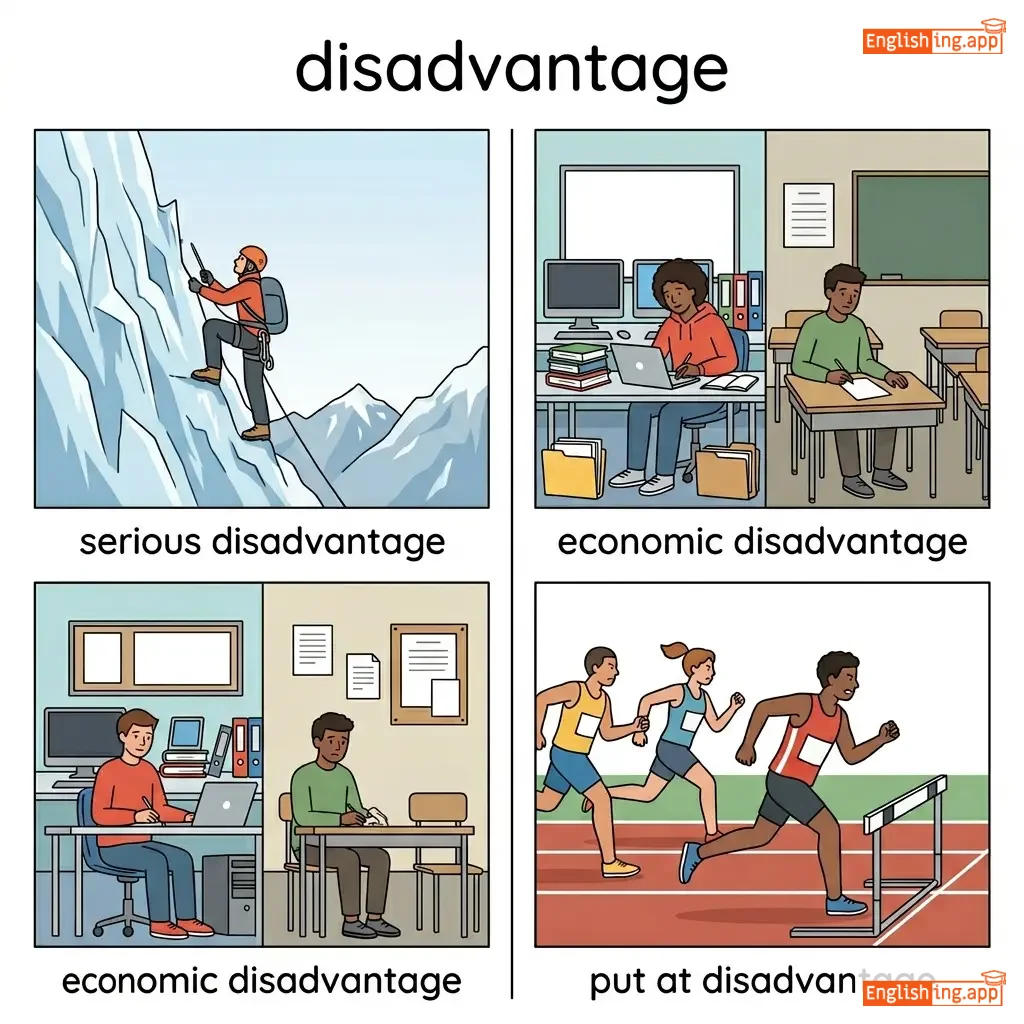
Swipe left or right, or use the buttons. Tap image to zoom.
例文の翻訳
単語
Why Was the State Language Question So Important?Why Was the State Language Question So Important? - マスクトグル
|
絵文字
|
単語 | Images | 翻訳 | 意味 | 例文 | 例文の翻訳 | 同義語 | 対義語 | ニーモニック |
|---|---|---|---|---|---|---|---|---|---|
|
#180
🏛️
|
steɪt
noun
(ステート)
••••••
|
|
国
kuni
••••••
|
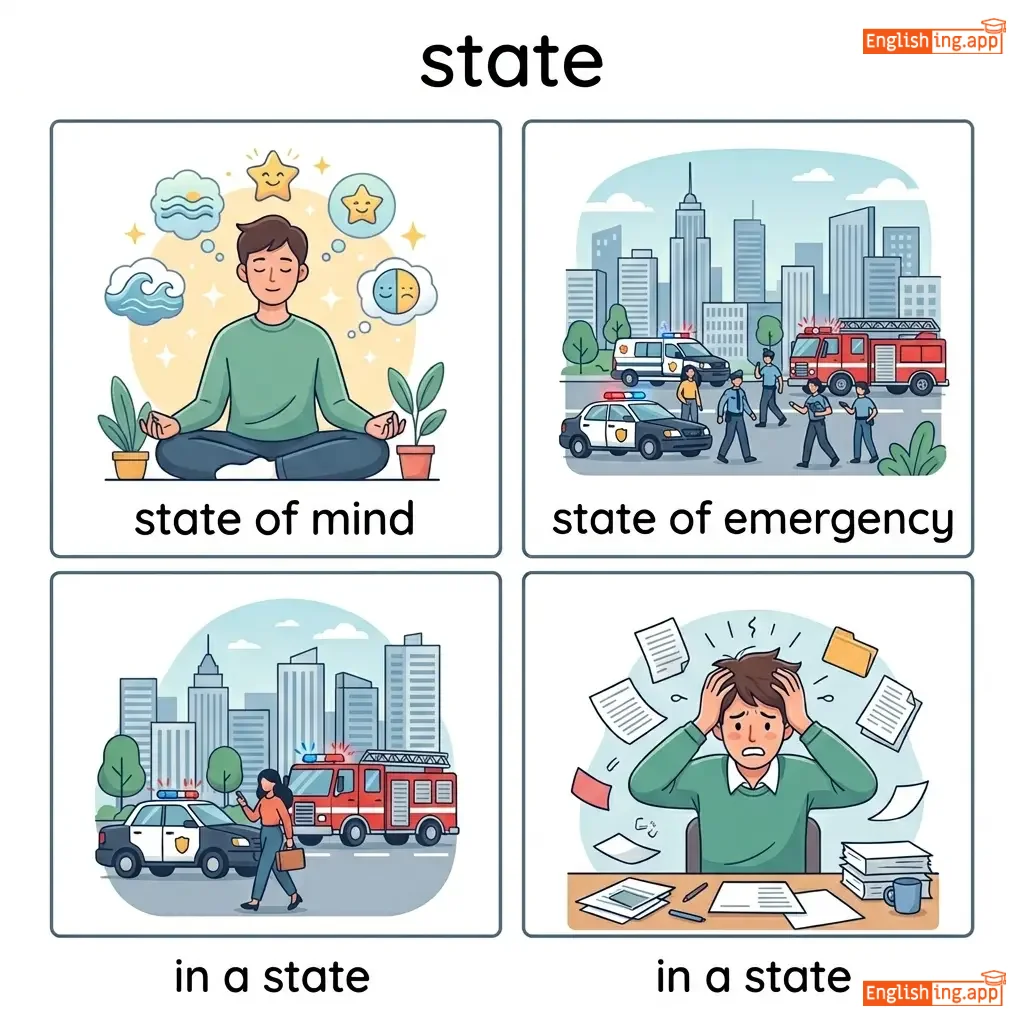
A nation or territory considered as an organized political community under one government.
••••••
|
The state declared a new language policy. |
国は新しい言語政策を発表しました。
Kuni wa atarashī gengo seisaku o happyō shimashita.
••••••
|
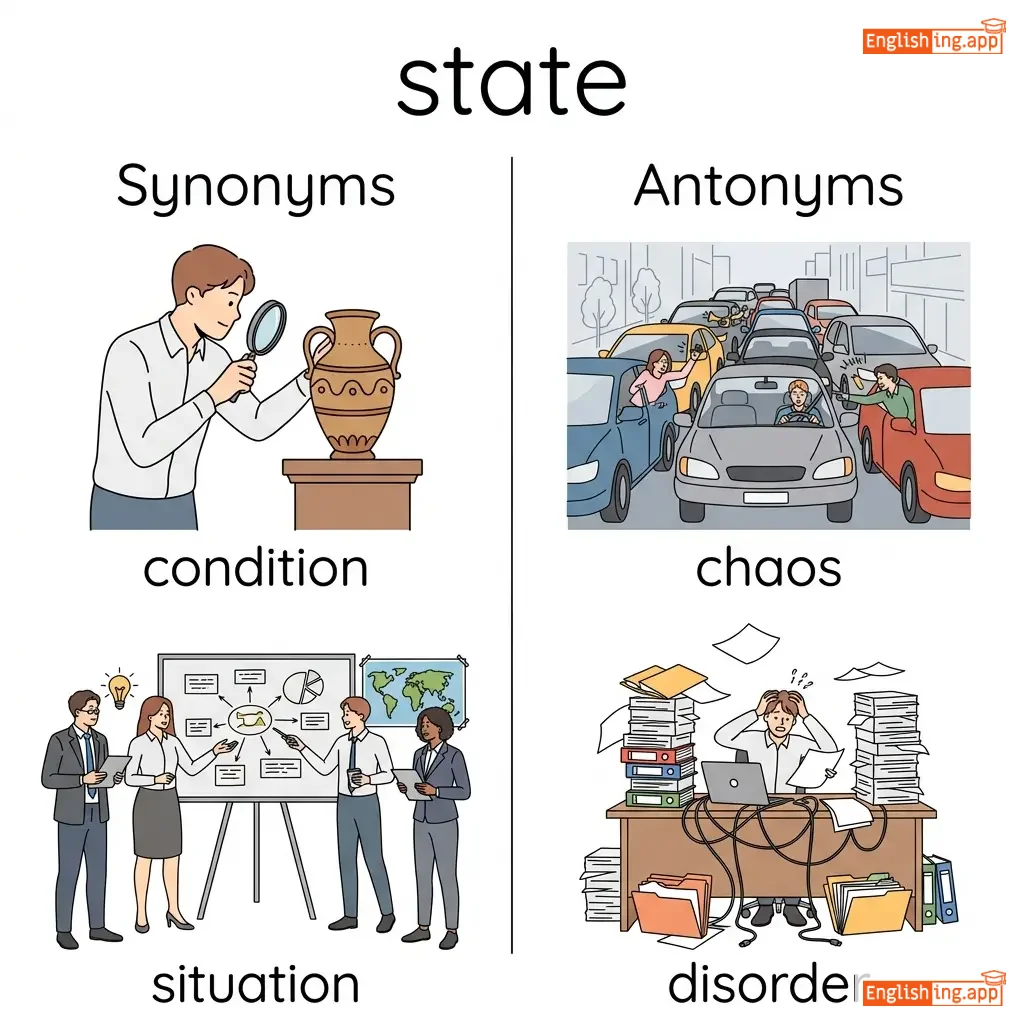
Nation, Territory
••••••
|
Chaos, Disorder
••••••
|
国 (kuni) in Japanese is closely related to state, representing a governed area.
••••••
|
|
#181
👔
|
ˈmɪdl klæs
noun
(ミドルクラス)
••••••
|
|
中産階級
chūsan kaikyū
••••••
|
The social group between the upper and working classes, typically consisting of well-educated people.
••••••
|
The middle-class was largely affected by the decision. |
中産階級はその決定によって大きな影響を受けました。
Chūsan kaikyū wa sono kettei ni yotte ōkina eikyō o ukemashita.
••••••
|
Bourgeoisie, Working-class
••••••
|
Upper-class, Elite
••••••
|
中産階級は教育を受けたが、上流階級ほど裕福ではない。
••••••
|
|
#182
🎓
|
ˌɪntəˈlektʃuəlz
noun
(インテレクチュアルズ)
••••••
|
|
知識人
chishikijin
••••••
|
People possessing a highly developed intellect; scholars or academics.
••••••
|
Intellectuals protested against the dominance.
インテレクチュアルズは支配に反対した。
••••••
|
知識人は支配に反対した。
Chishikijin wa shihai ni hantai shita.
••••••
|
Scholars, Academics
••••••
|
Ignorant, Uneducated
••••••
|
In Japanese, '知識人' (chishikijin) means intellectuals, just like in English!
••••••
|
|
#183
👑
|
ˈdɒmɪnəns
noun
(ドミナンス)
••••••
|
|
支配
shihai
••••••
|
Power and influence over others; control or command.
••••••
|
The dominance of Urdu was evident. |
ウルドゥ語の支配は明らかだった。
Urudugo no shihai wa akiraka datta.
••••••
|
Control, Supremacy
••••••
|
Subordination, Weakness
••••••
|
支配 (shihai) = 支 (shi) + 配 (hai) - 支配する、つまり支配力を持つこと。
••••••
|
|
#184
🚪
|
ˌɒpəˈtjuːnɪtiz
noun
(オポチュニティーズ)
••••••
|
|
チャンス
chansu
••••••
|
A set of circumstances that makes it possible to do something; chances for advancement or success.
••••••
|
Opportunities for jobs decreased.
オポチュニティーズ フォー ジョブス ディクリースド。
••••••
|
仕事のチャンスが減少しました。
Shigoto no chansu ga genshō shimashita.
••••••
|
Chances, Prospects
••••••
|
Obstacles, Hindrances
••••••
|
Chansu wa jissen no kiki o toru koto desu.
••••••
|
|
#185
📈
|
dɪˈveləpmənt
noun
(デヴェロップメント)
••••••
|
|
発展
hatten
••••••
|
The process of developing or being developed; growth or progress.
••••••
|
Development of Bengali society was hindered.
ベンガル社会の発展は妨げられた。
••••••
|
ベンガル社会の発展は妨げられた。
Bengaru shakai no hatten wa samatagerareta.
••••••
|
Growth, Progress
••••••
|
Decline, Regression
••••••
|
発展は進歩への道です。
••••••
|
|
#186
🔍
|
riˈæləti
noun
(リアリティ)
••••••
|
|
現実
genjitsu
••••••
|
The world or the state of things as they actually exist, as opposed to an idealistic or notional idea.
••••••
|
The reality of the situation was evident. |
状況の現実は明らかでした。
Joukyou no genjitsu wa akiraka deshita.
••••••
|
Truth, Actuality
••••••
|
Illusion, Fantasy
••••••
|
現実は常に夢より明確です。
••••••
|
|
#187
👥
|
məˈdʒɒrəti
noun
(メジャリティ)
••••••
|
|
多数派
tasūha
••••••
|
The greater number; the larger part of something.
••••••
|
The majority demanded their rights. |
多数派は自分たちの権利を要求した。
Tasu ha wa jibun-tachi no kenri o yōkyū shita.
••••••
|
Plurality, Bulk
••••••
|
Minority, Few
••••••
|
In Japanese, '多数派' (tasūha) means majority, just like '多い' (ōi) meaning 'many'.
••••••
|
|
#188
😠
|
rɪˈzentmənt
noun
(リゼントメント)
••••••
|
|
憤り
ikidoori
••••••
|
Bitter indignation at having been treated unfairly.
••••••
|
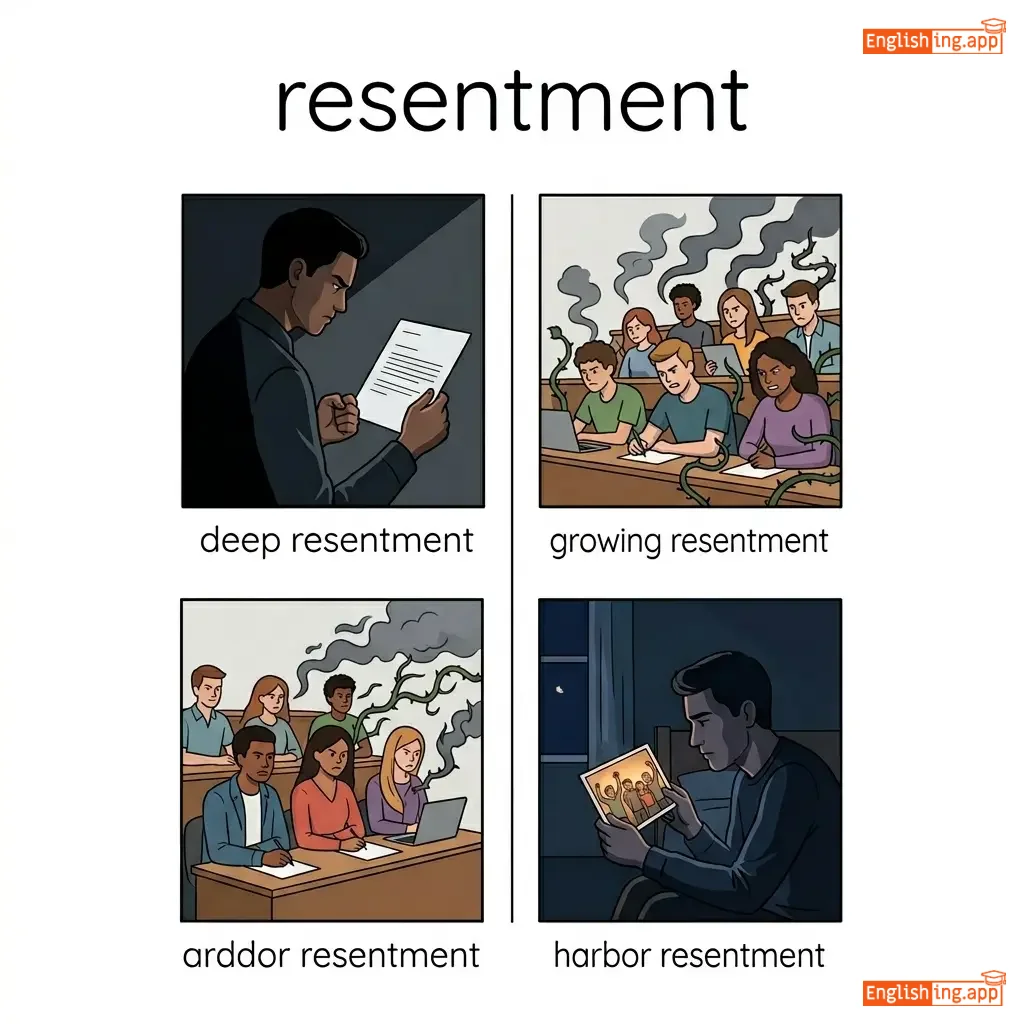
Resentment grew among the students.
リゼントメントは学生の間で高まった。
••••••
|
学生の間で憤りが増大した。
Gakusei no aida de ikidoori ga zōdaishita.
••••••
|
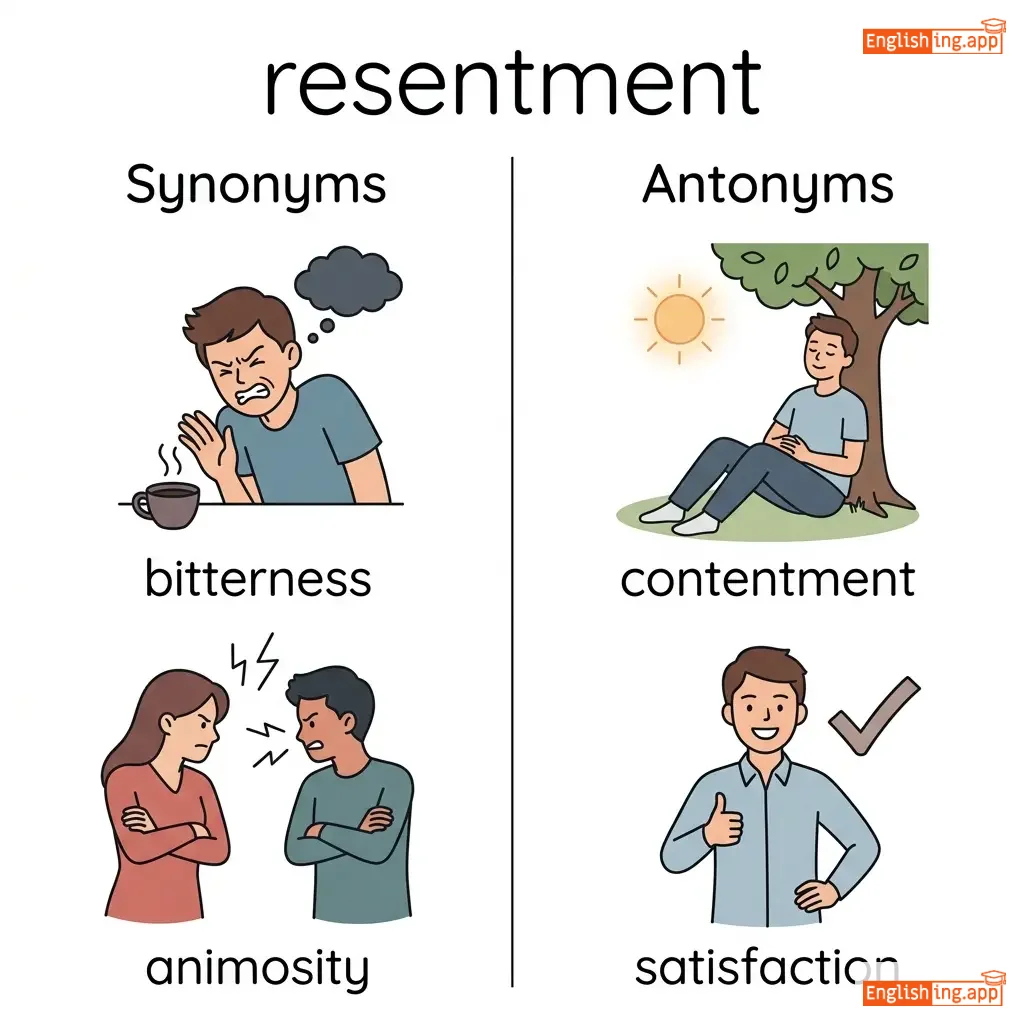
Anger, Bitterness
••••••
|
Satisfaction, Contentment
••••••
|
憤りは怒りが「いきどおり」と音が似ているため、怒りを連想しやすい。
••••••
|
|
#189
❤️
|
ɪˈməʊʃənz
noun
(エモーションズ)
••••••
|
|
感情
kanjō
••••••
|
Strong feelings deriving from one's circumstances, mood, or relationships with others.
••••••
|
Emotions ran high during the protests. |
抗議の間、感情は高まりました。
Kōgi no aida, kanjō wa takamarimashita.
••••••
|
Feelings, Sentiments
••••••
|
Indifference, Apathy
••••••
|
感情は心の中で暴れ、行動に影響を与えるものです。
••••••
|
|
#190
💰
|
ˌiːkəˈnɒmɪk
adjective
(エコノミック)
••••••
|
|
経済的
keizaiteki
••••••
|
Relating to economics or the economy.
••••••
|
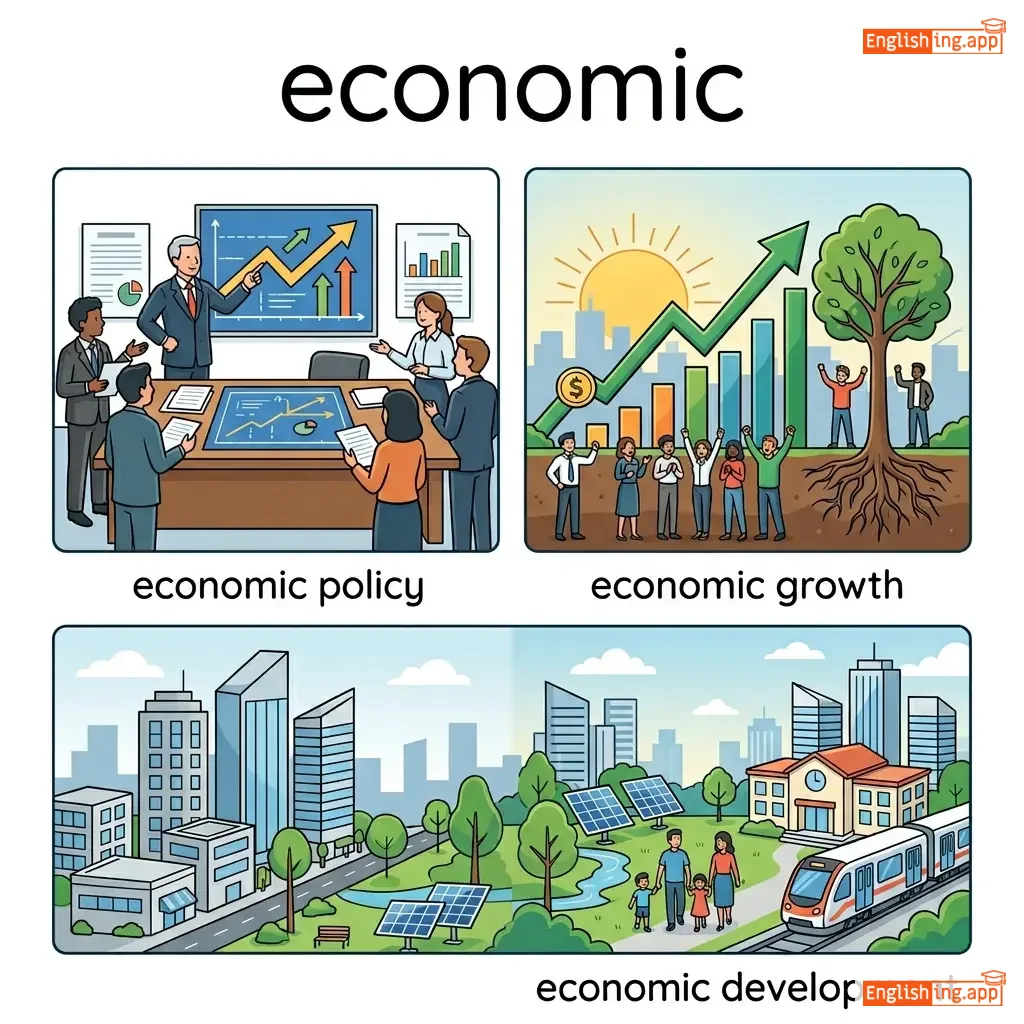
The issue had significant economic implications.
その問題には重要な経済的影響がありました。
••••••
|
その問題には重要な経済的影響がありました。
Sono mondai ni wa juuyou na keizaiteki eikyou ga arimashita.
••••••
|
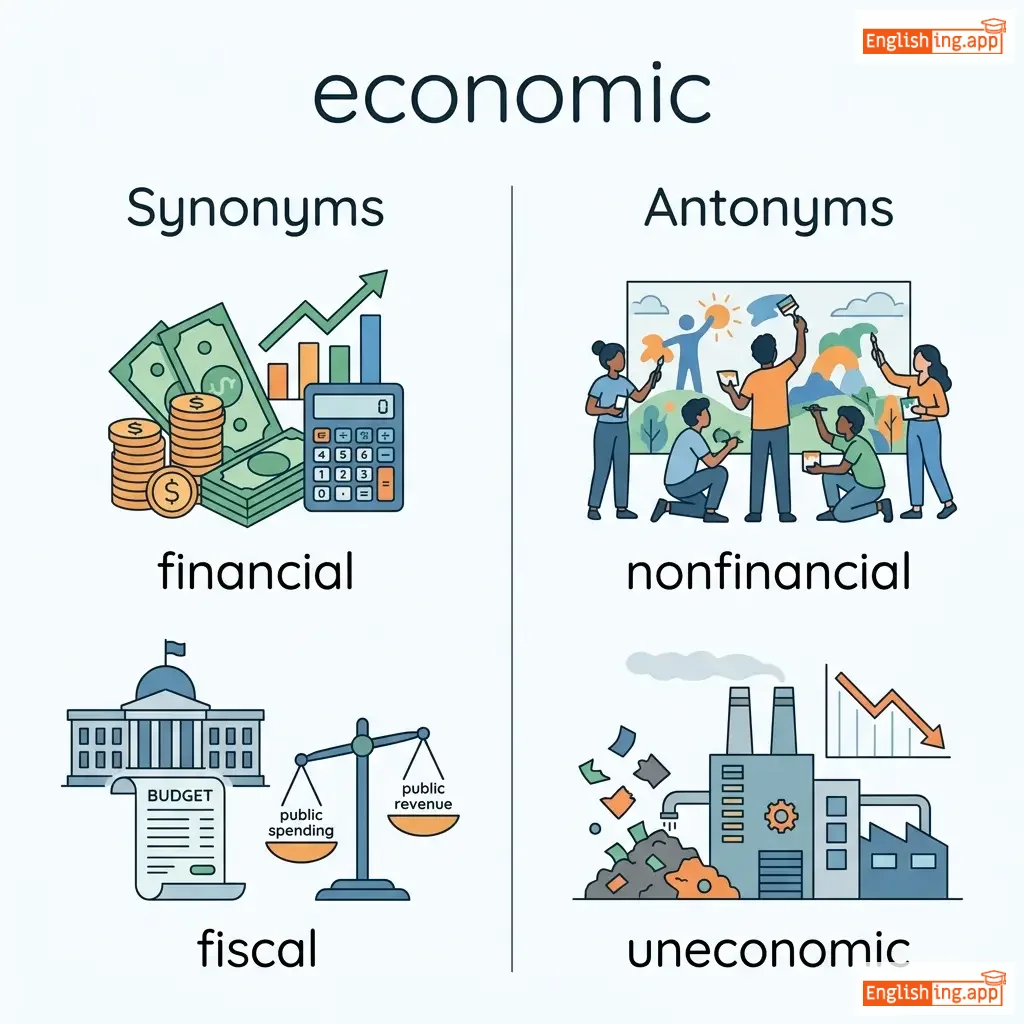
Financial, Monetary
••••••
|
Uneconomic, Unprofitable
••••••
|
経済的は経済のエコーのようなものです。
••••••
|
|
#191
💼
|
ɪmˈplɔɪmənt
noun
(エンプロイメント)
••••••
|
|
雇用
koyou
••••••
|
The condition of having paid work; the action of giving work to someone.
••••••
|
Employment was limited to Urdu speakers.
雇用はウルドゥ語を話す人々に限定されていました。
••••••
|
雇用はウルドゥ語を話す人々に限定されていました。
Koyou wa urudugo o hanasu hitobito ni gentei sarete imashita.
••••••
|
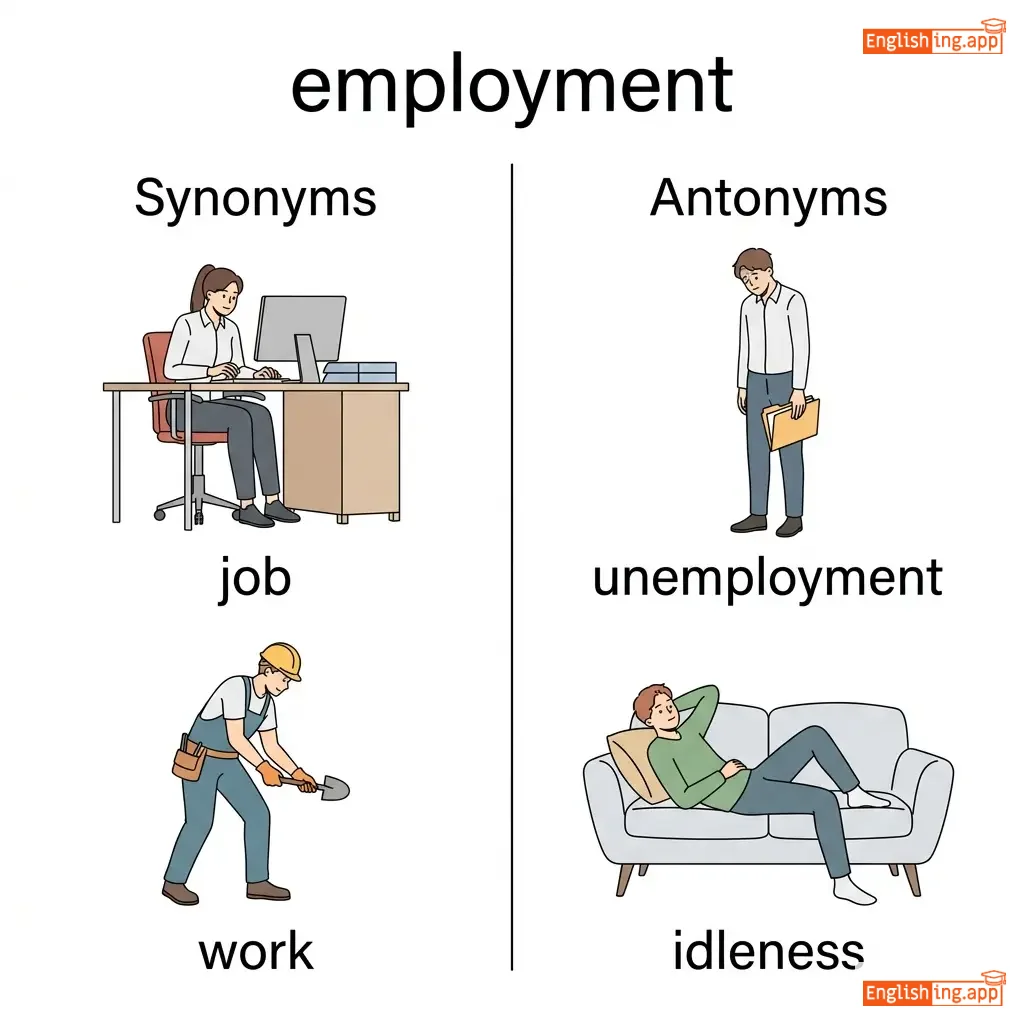
Work, Occupation
••••••
|
Unemployment, Idleness
••••••
|
Koyou = Shigoto
••••••
|
|
#192
🏁
|
ˌkɒmpəˈtɪʃən
noun
(コンペティション)
••••••
|
|
競争
kyousou
••••••
|
The activity or condition of competing; rivalry for supremacy.
••••••
|
Competition grew between language groups.
競争は言語グループ間で増加しました。
••••••
|
競争は言語グループ間で増加しました。
Kyousou wa gengo gurūpu kan de zōka shimashita.
••••••
|
Rivalry, Contest
••••••
|
Cooperation, Monopoly
••••••
|
Japanese '競争' and English 'competition' both refer to rivalry for dominance!
••••••
|
|
#193
⚖️
|
ˌdɪsədˈvæntɪdʒ
noun
(ディスアドバンテージ)
••••••
|
|
不利
furi
••••••
|
An unfavorable circumstance or condition that reduces the chances of success or effectiveness.
••••••
|
Urdu's dominance placed Bengalis at a disadvantage.
ウルドゥー語の支配がベンガル語話者を不利な立場に追い込んだ。
••••••
|
ウルドゥー語の支配がベンガル語話者を不利な立場に追い込んだ。
Urudūgo no shihai ga Bengarugo washa o furi na tachiba ni oikonda.
••••••
|
Handicap, Drawback
••••••
|
Advantage, Benefit
••••••
|
'不利' (furi) in Japanese is a direct match for 'disadvantage' and sounds like 'flimsy'!
••••••
|
Vocabulary Quiz
Test your vocabulary by matching words with their translations or meanings.
Login to take the quiz
Comments (0)
Share your thoughts and join the discussion.
Join the discussion by logging in
Login to CommentNo comments yet
Be the first to share your thoughts!