

コミュニケーションにおける Barriers を克服する
Overcoming Barriers in Communication
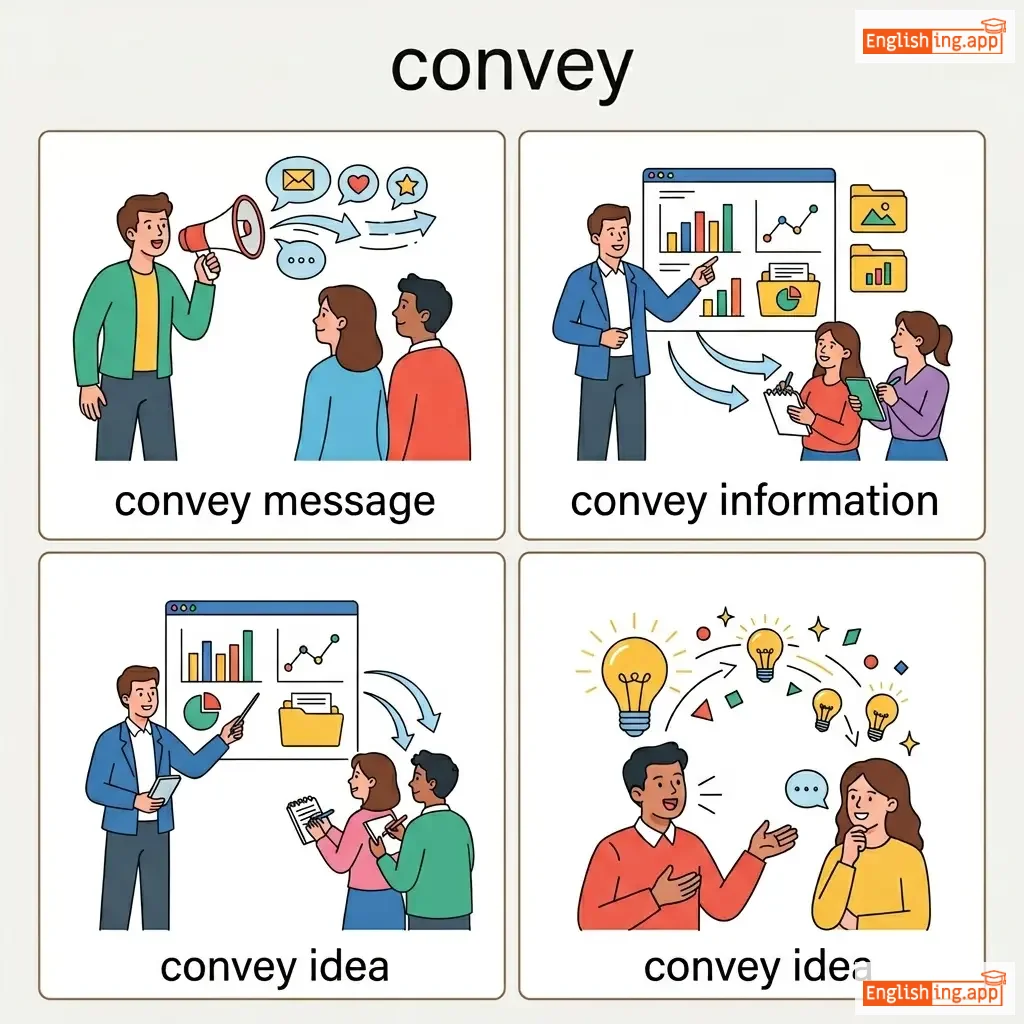
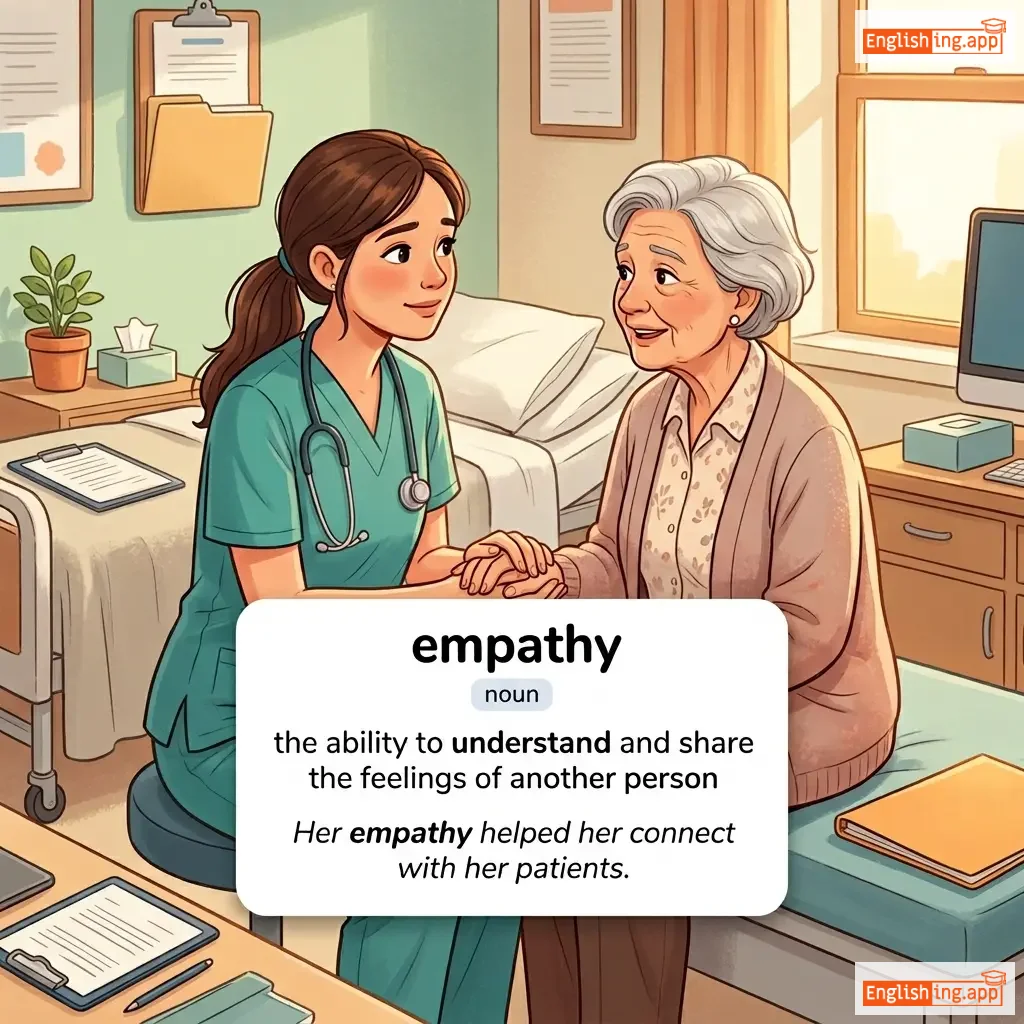
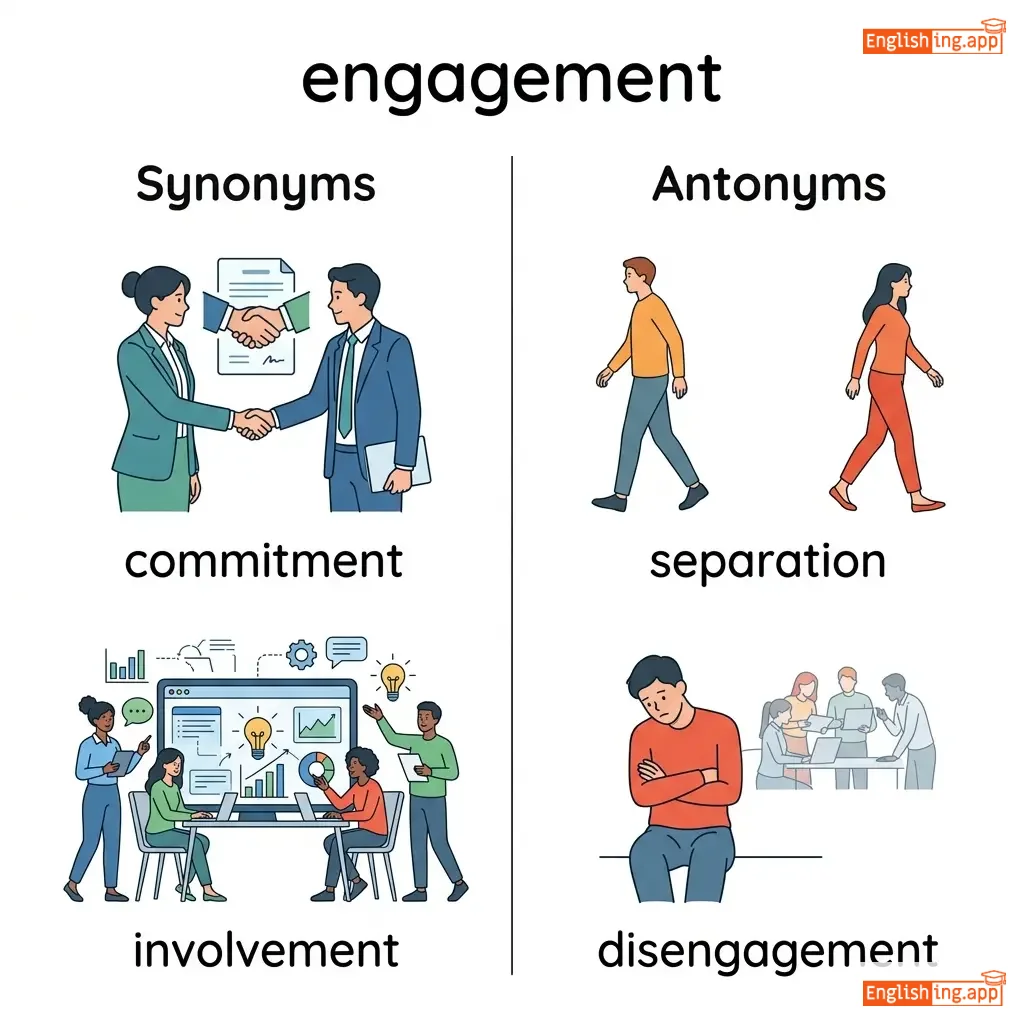
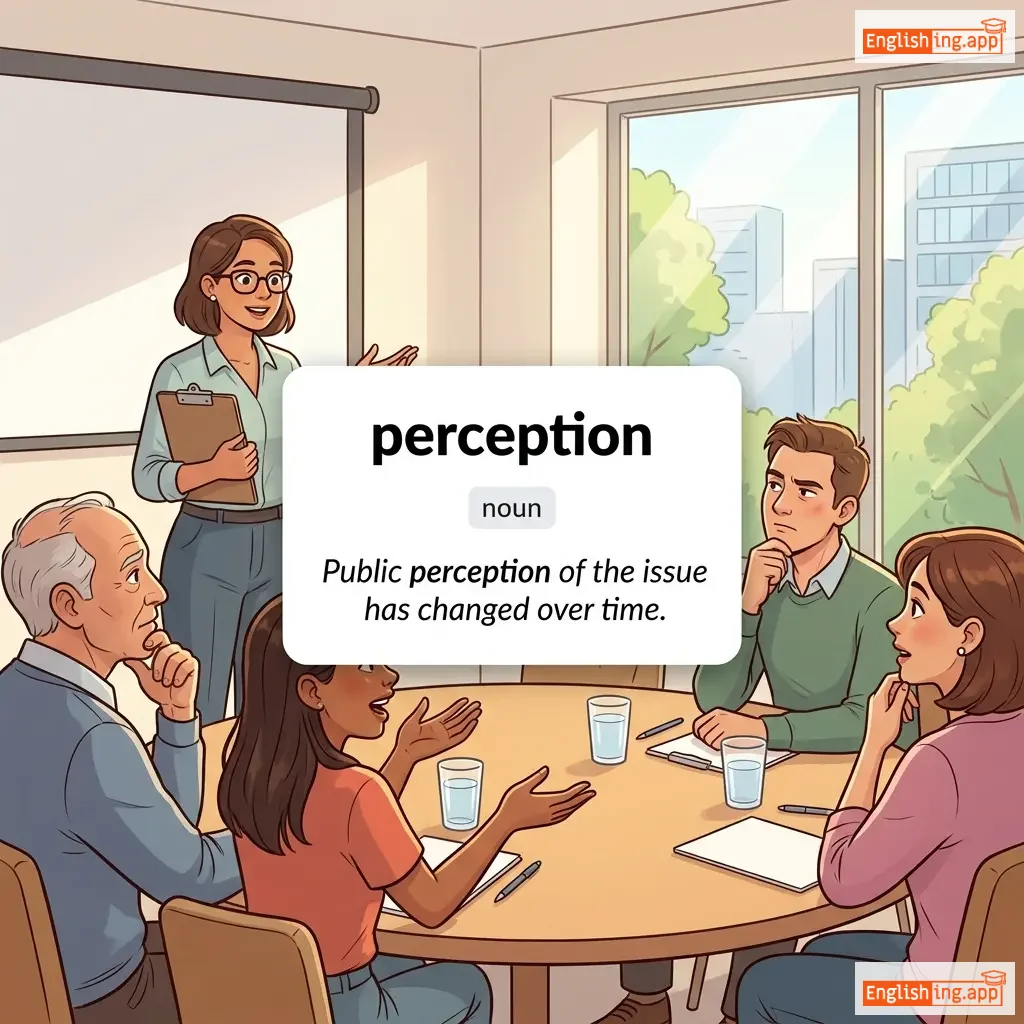
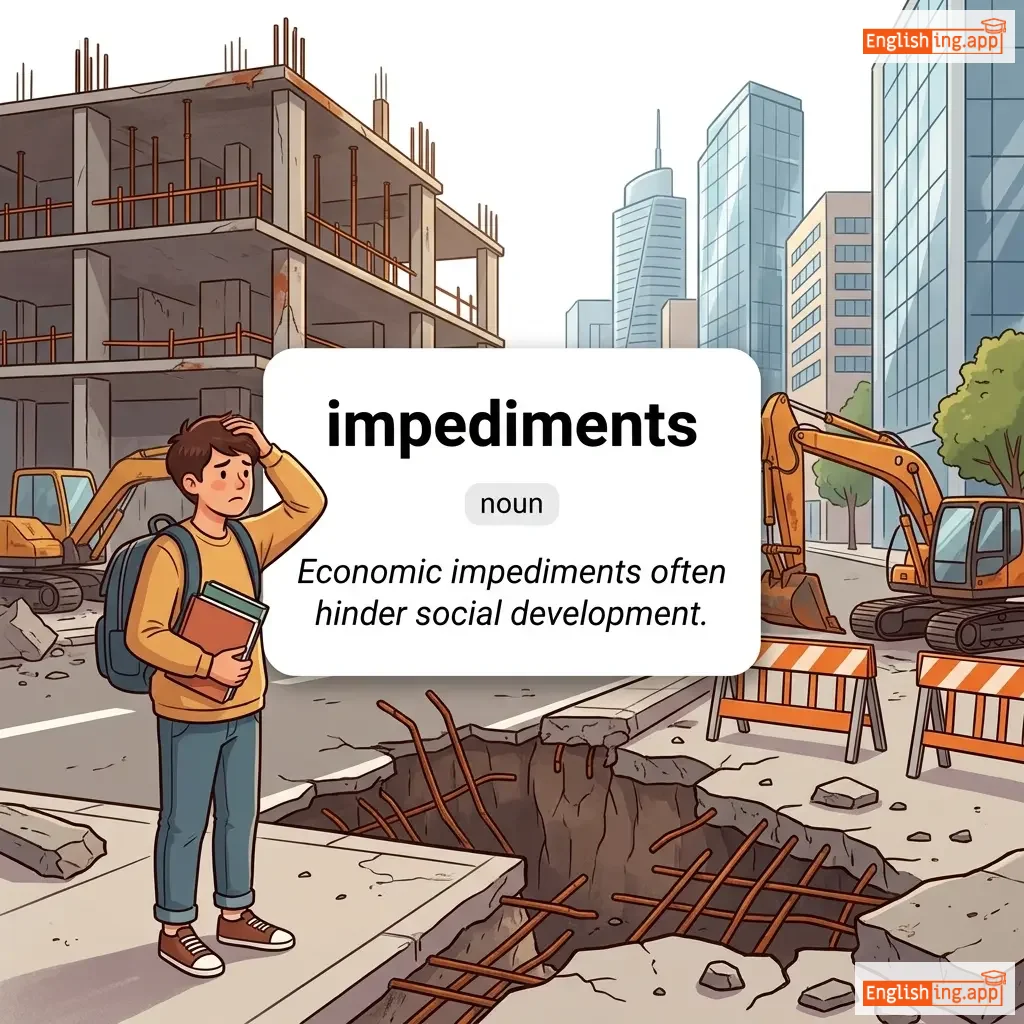
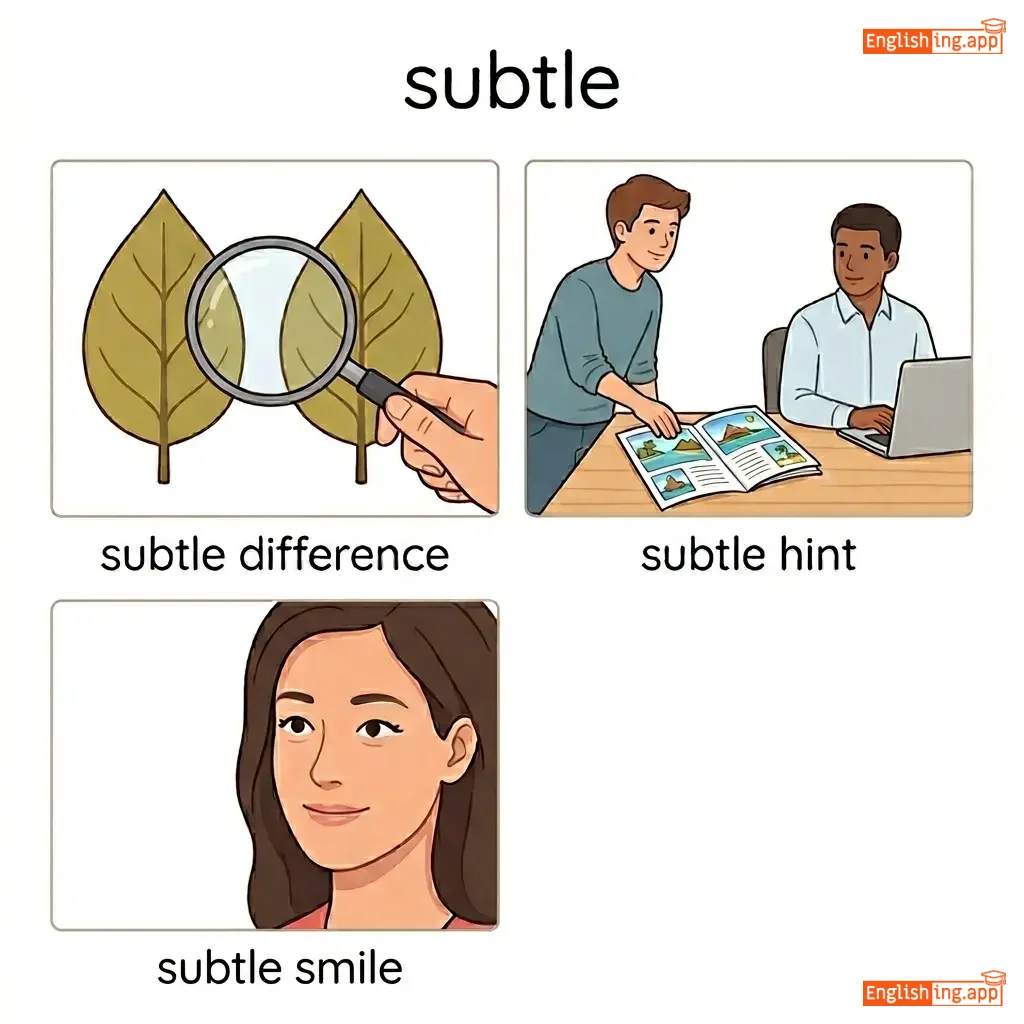
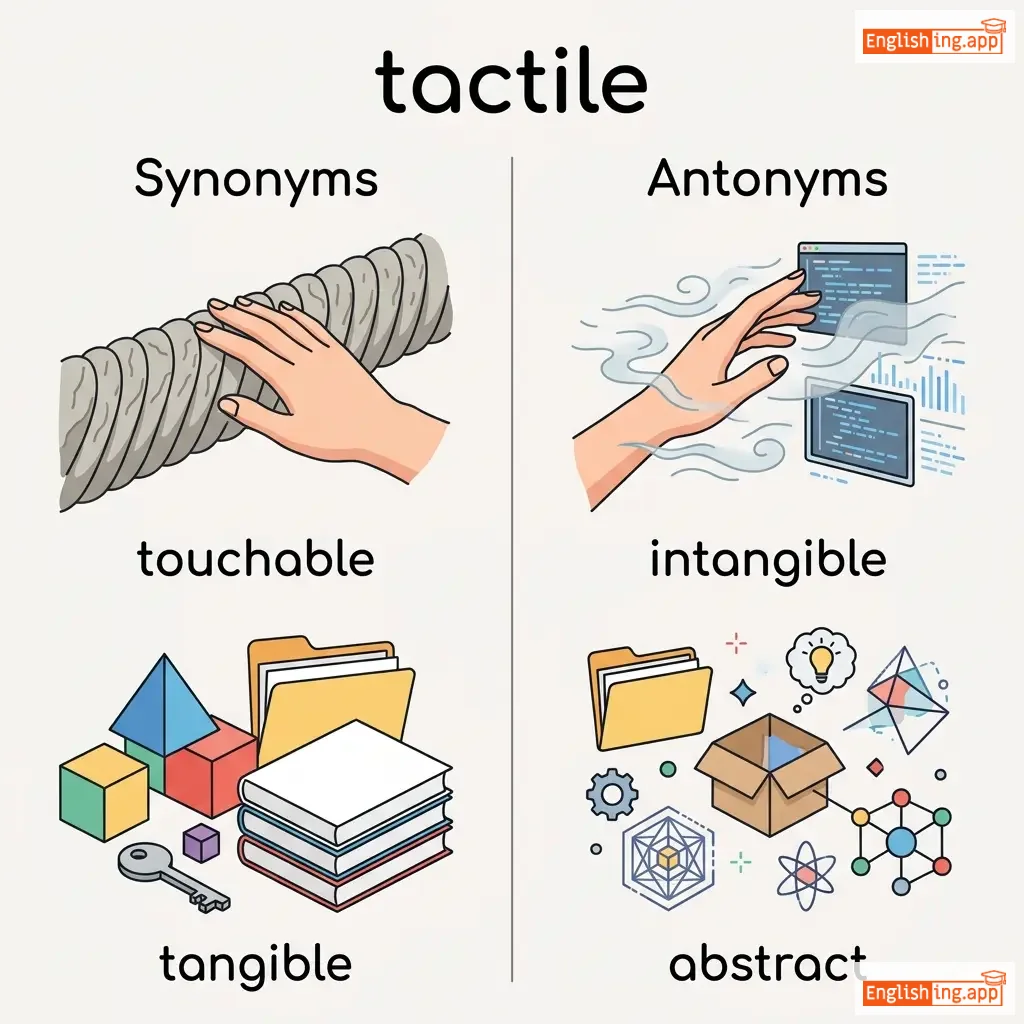
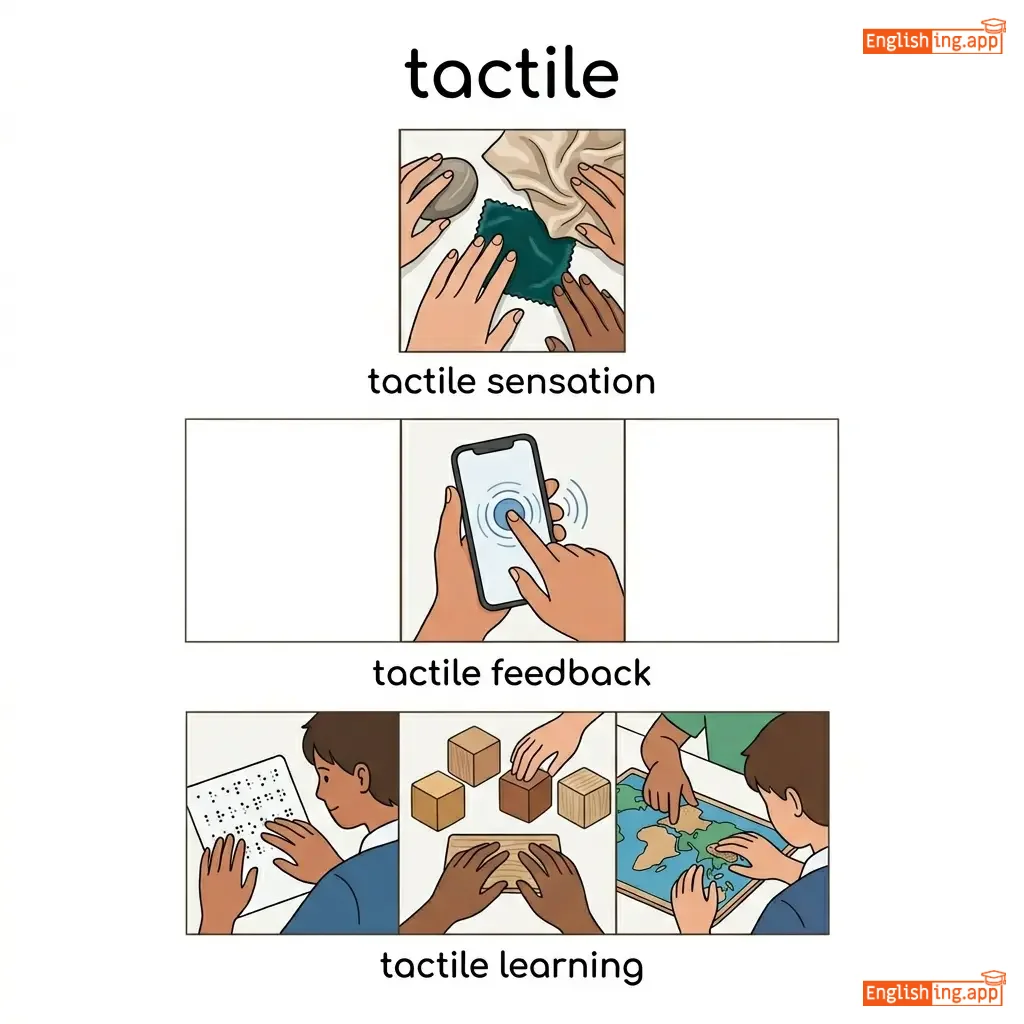
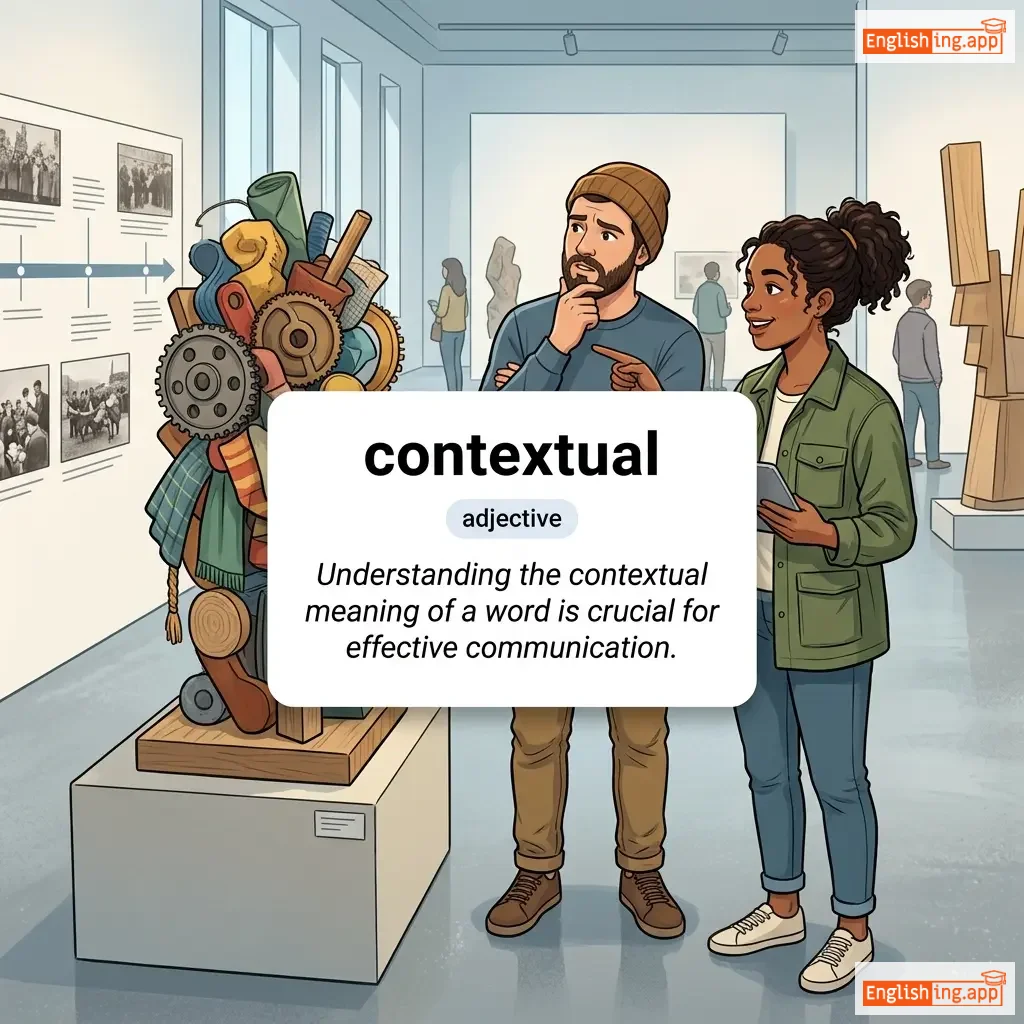
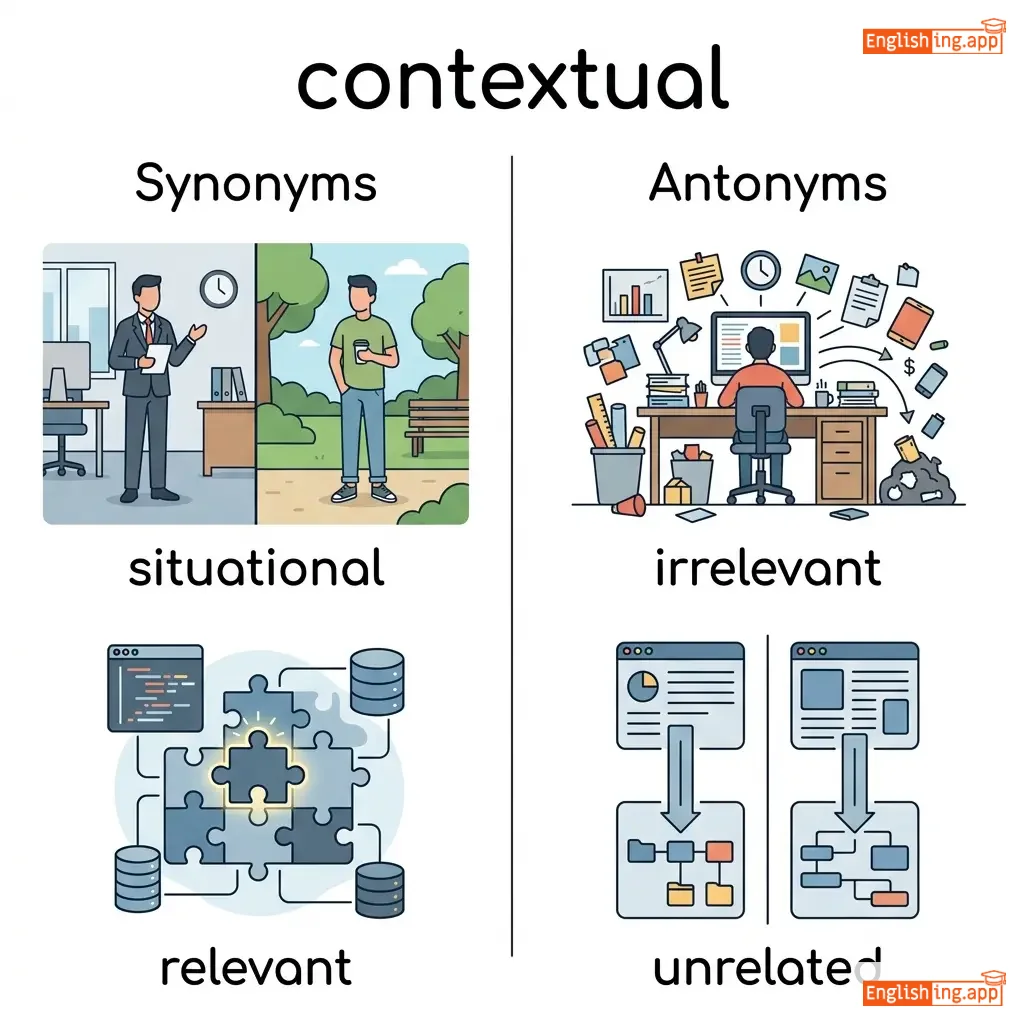
コミュニケーションにはさまざまな種類の barriers が存在します。verbal、non-verbal、または cognitive です。他者と話すとき、ambiguity や誤解が生じることがあります。これらの問題を取り除くためには clarification が非常に重要です。また、人が言いたいこととそれをどのように convey するかの間に discrepancy がある場合もあります。empathy と engagement があれば、正しい perception と反応がしやすくなります。しかし、stereotyping は私たちの思考過程に影響を与え、コミュニケーションの barriers を生み出します。enunciation と vocalization によって明確さをもたらすことで、impediments を減らすことができます。しかし、多くの場合、subtle なジェスチャーや tactile コミュニケーションも重要であり、それは言葉以上に効果を発揮します。contextual な意味を理解することで、私たちはお互いにより良い関係を築き、コミュニケーションをより効果的にすることができます。
翻訳
過去
過去分詞
三人称単数
動名詞
意味
例文
例文の翻訳
同義語
対義語
コロケーション
ニーモニック








Swipe left or right, or use the buttons. Tap image to zoom.
例文の翻訳
単語
Overcoming Barriers in CommunicationOvercoming Barriers in Communication - マスクトグル
|
絵文字
|
単語 | Images | 翻訳 | 意味 | 例文 | 例文の翻訳 | 同義語 | 対義語 | ニーモニック |
|---|---|---|---|---|---|---|---|---|---|
|
#2667
🚧
|
/ˈbæɹɪəz/
noun
(バリアーズ)
••••••
|
|
障壁
shōheki
••••••
|
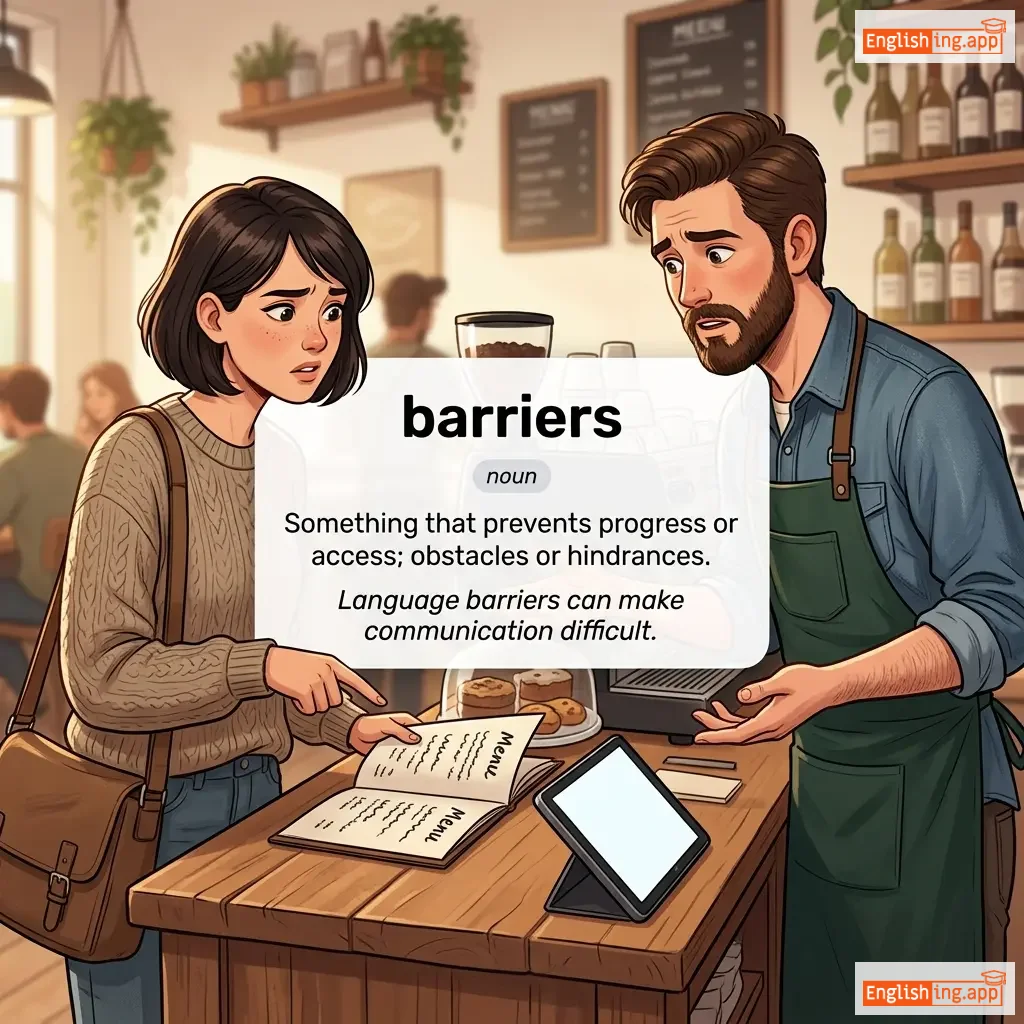
Something that prevents progress or access; obstacles or hindrances.
••••••
|
Language barriers can make communication difficult.
言語の壁がコミュニケーションを困難にすることがあります。
••••••
|
言語の壁がコミュニケーションを困難にすることがあります。
Gengo no kabe ga komyunikēshon o kon'nan ni suru koto ga arimasu.
••••••
|
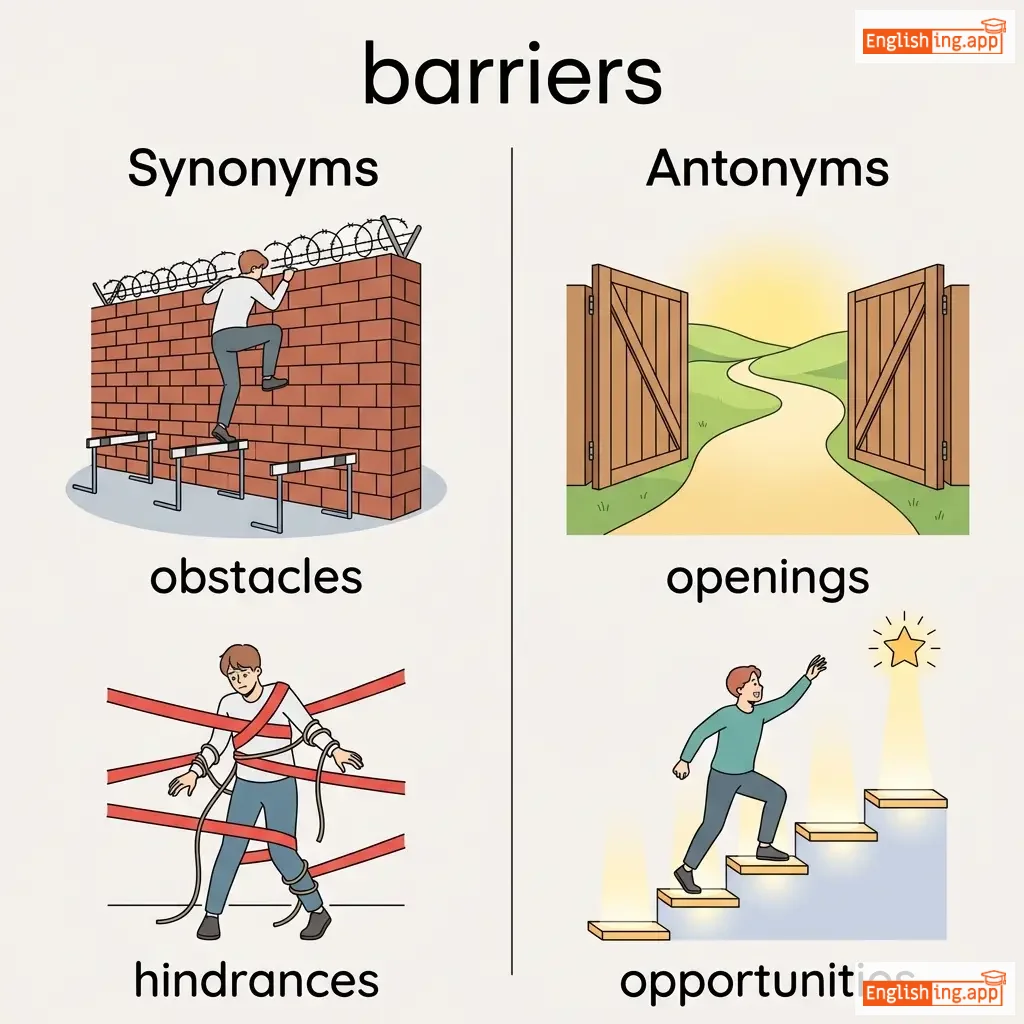
obstacles, hindrances, blockages, obstructions, impediments, hurdles
••••••
|
openings, opportunities, pathways, gateways, access, clearances
••••••
|
Just like a barrier blocks the path, language barriers make communication tough.
••••••
|
|
#2668
🗣️
|
/ˈvɜː.bəl/
adjective
(ヴァーバル)
••••••
|
|
口頭の、言葉で表現された
kōtō no, kotoba de hyōgen sareta
••••••
|
Relating to or in the form of words; spoken rather than written.
••••••
|
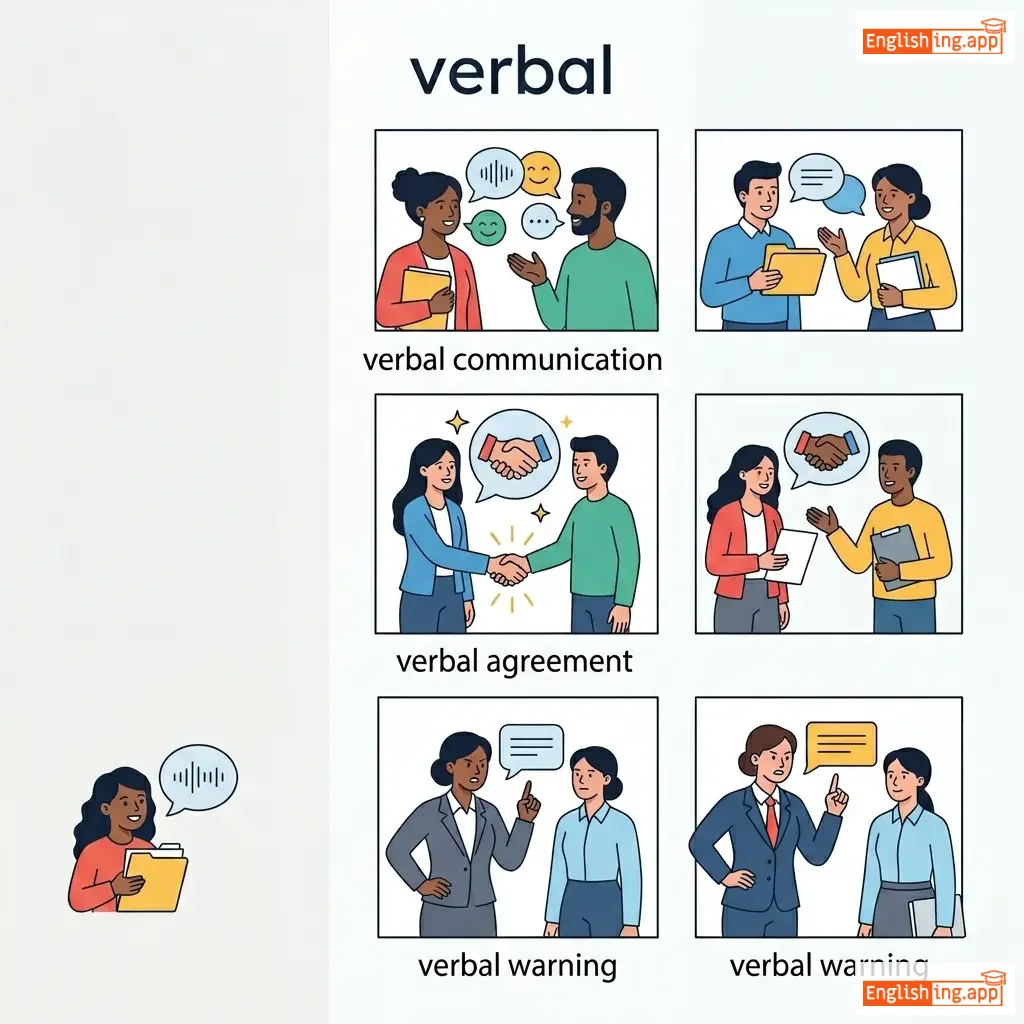
Verbal communication is essential in most situations.
口頭コミュニケーションはほとんどの状況で重要です。
••••••
|
口頭コミュニケーションはほとんどの状況で重要です。
Kōtō komyunikēshon wa hotondo no jōkyō de jūyō desu.
••••••
|
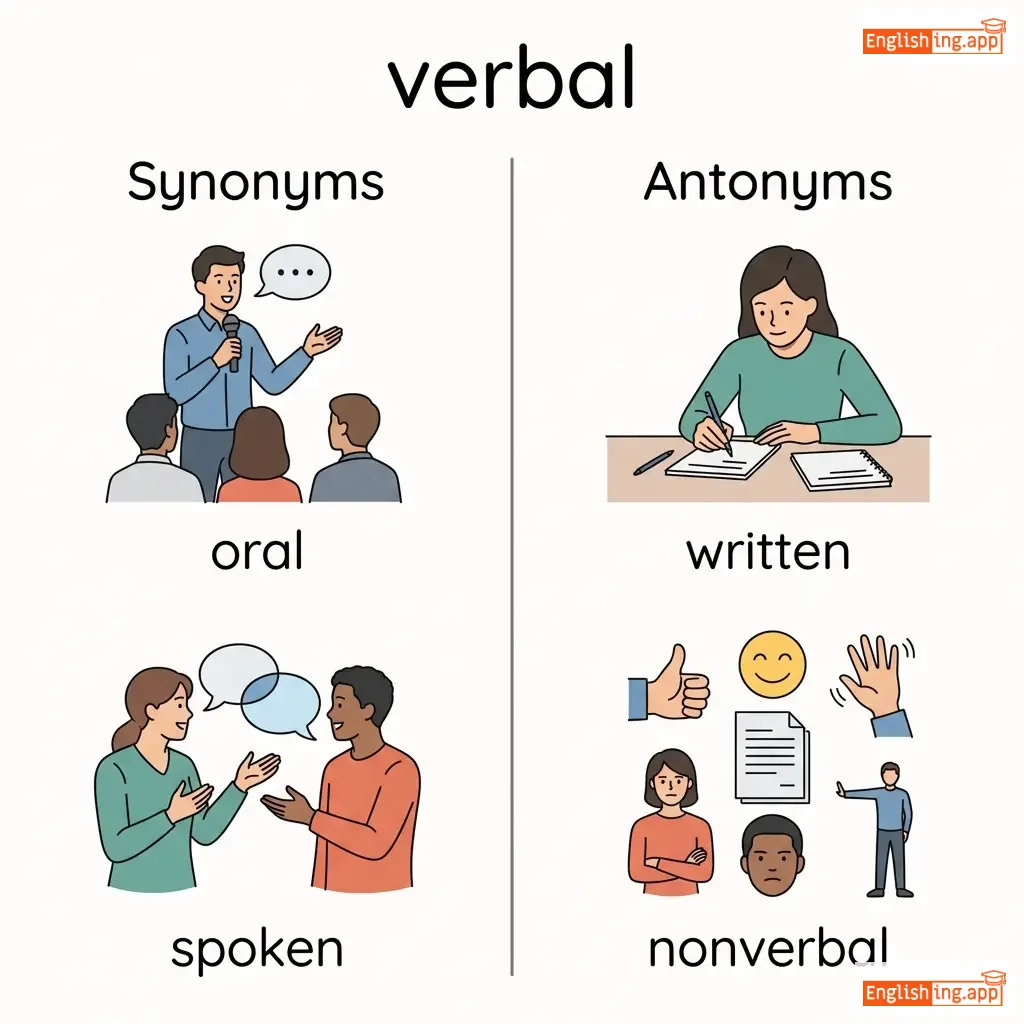
oral, spoken, vocal, articulated, uttered, expressed
••••••
|
non-verbal, written, silent, unspoken, tacit, implied
••••••
|
言葉の力でコミュニケーションする
••••••
|
|
#2669
🤐
|
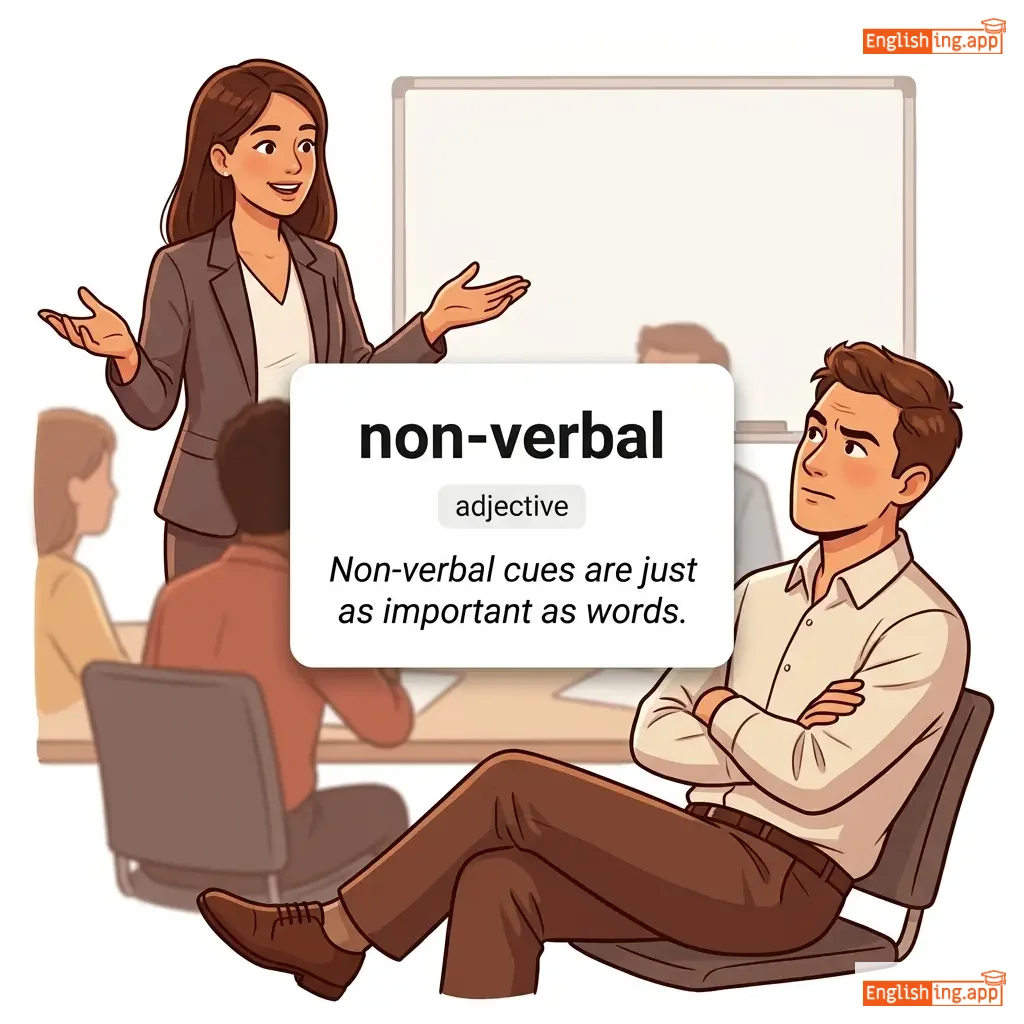
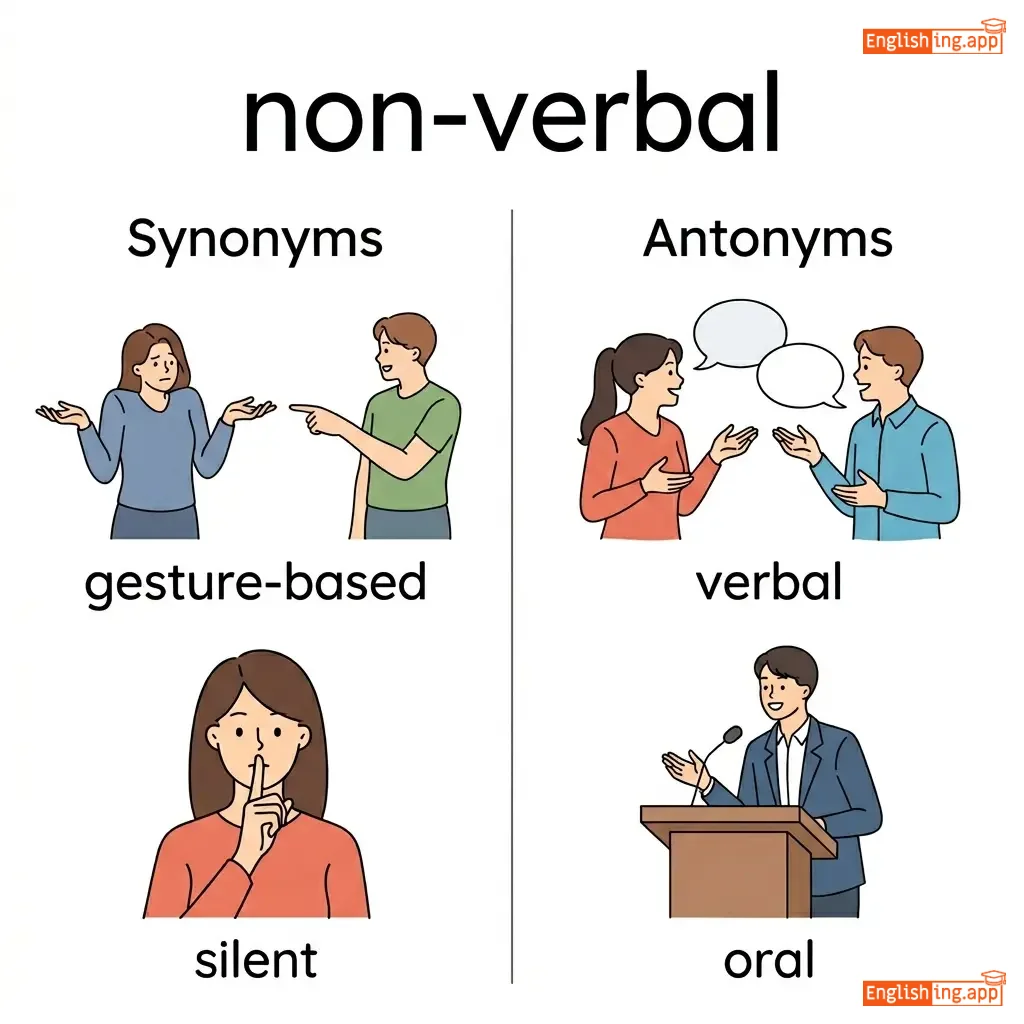
/ˌnɒnˈvɜː.bəl/
adjective
(ノンバーバル)
••••••
|
|
言葉やスピーチを使用せずに、ジェスチャー、ボディランゲージ、または顔の表情を通じて伝達される。
Kotoba ya supīchi o shiyō sezu ni, jesuchā, bodi rangenji, matawa kao no hyōjō o tsūjite dentatsu sa reru.
••••••
|
Not involving or using words or speech; communicated through gestures, body language, or facial expressions.
••••••
|
Non-verbal cues are just as important as words.
ノンバーバルキューは言葉と同じくらい重要です。
••••••
|
ノンバーバルキューは言葉と同じくらい重要です。
Non-bābaru kyū wa kotoba to onaji kurai jūyō desu.
••••••
|
gesture-based, silent, wordless, unspoken, tacit, implied
••••••
|
verbal, oral, spoken, articulated, vocal, expressed
••••••
|
Non-verbal wa kotoba o tsukawanai, kashira wa zōhen to kyōka ni naru.
••••••
|
|
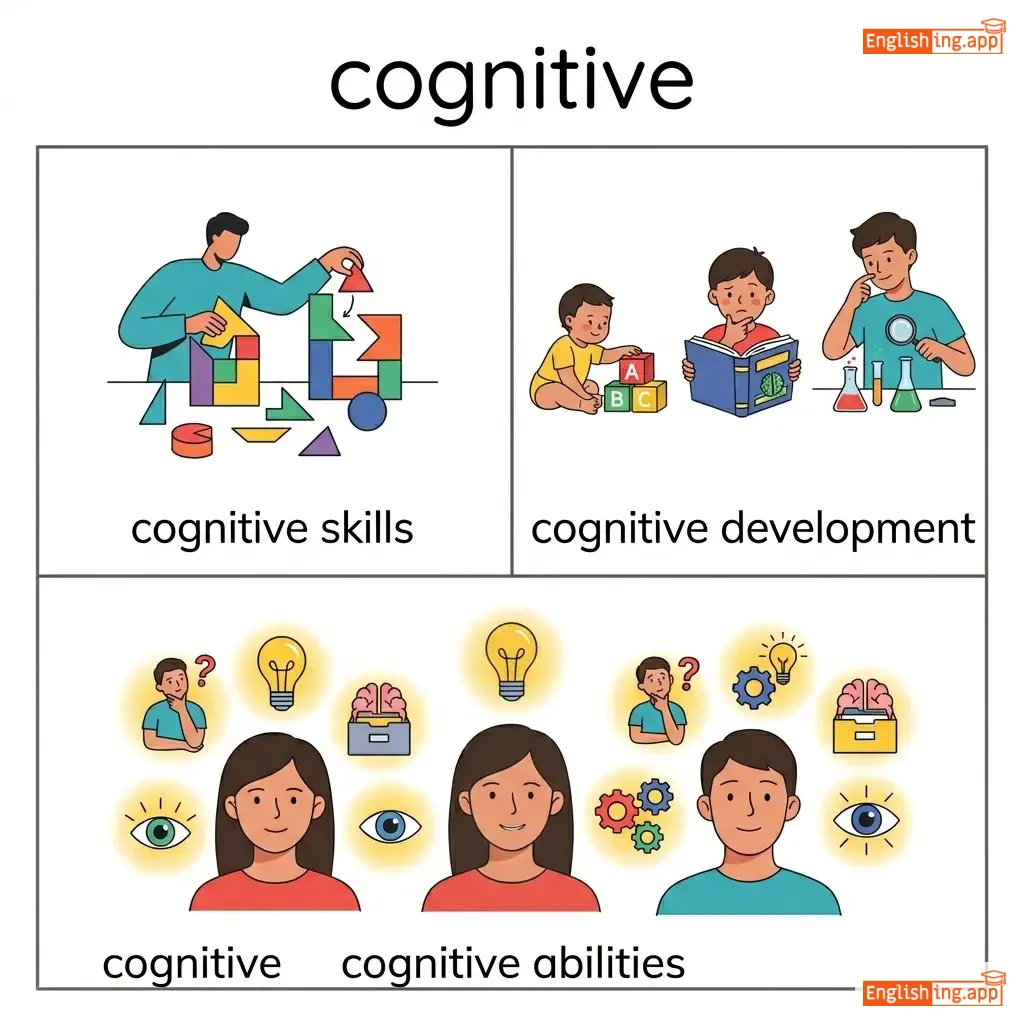
#2670
🧠
|
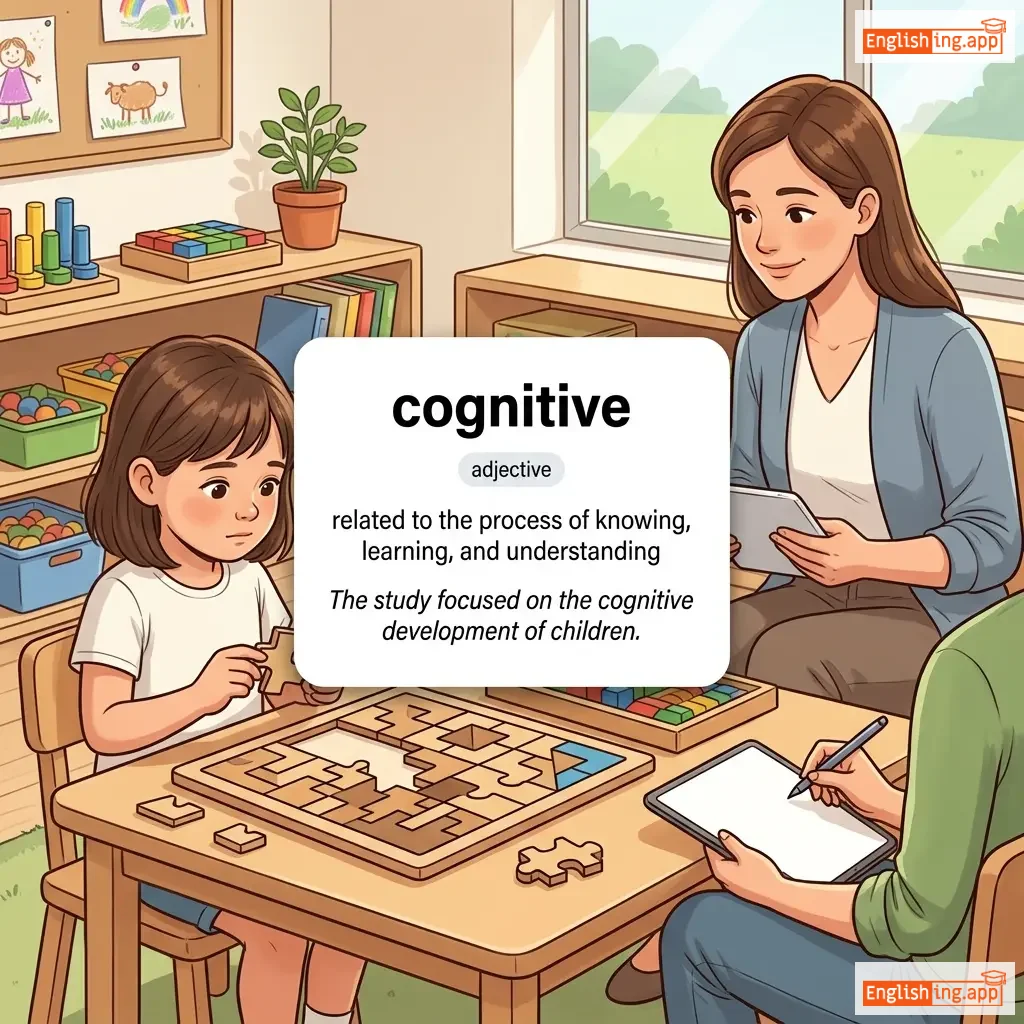
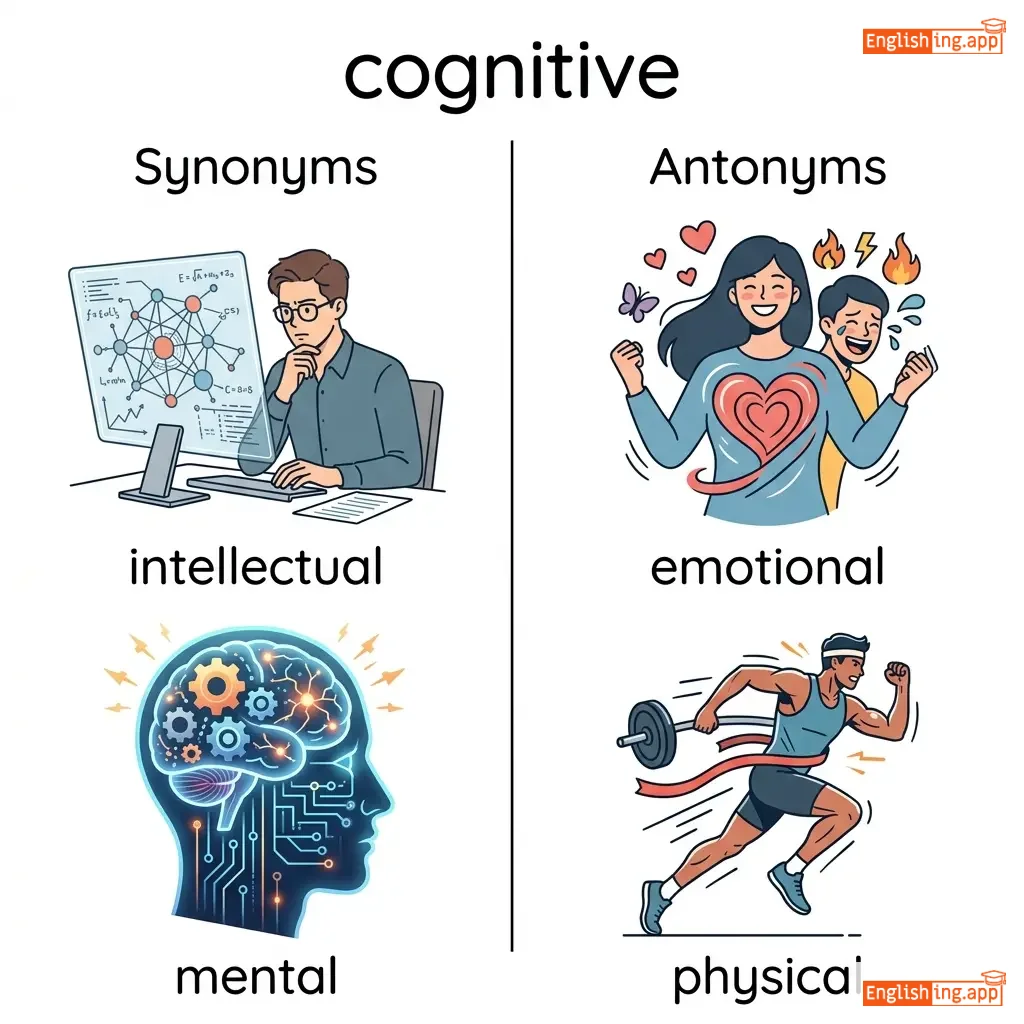
/ˈkɒɡ.nɪ.tɪv/
adjective
(コグニティブ)
••••••
|
|
認知的
ninchi-teki
••••••
|
Related to the mental processes of perception, memory, judgment, and reasoning.
••••••
|
Cognitive skills are essential for problem-solving. |
問題解決において認知的なスキルは重要です。
Mondai kaiketsu ni oite ninchi-teki na sukiru wa jūyō desu.
••••••
|
intellectual, mental, cerebral, rational, thinking, reasoning
••••••
|
non-cognitive, physical, emotional, instinctive, intuitive, automatic
••••••
|
Cognitive in English sounds like '認知的' in Japanese, both related to mental processes.
••••••
|
|
#2671
❓
|
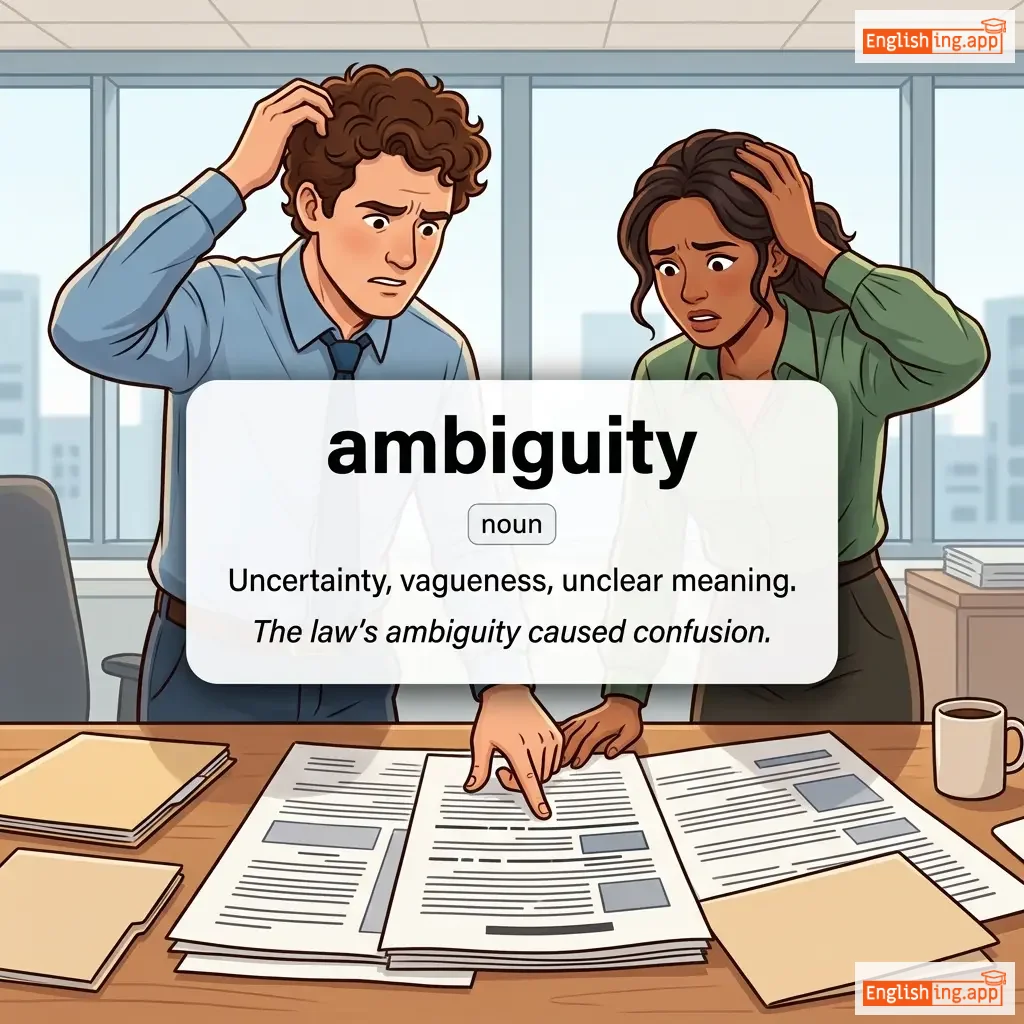
/ˌæm.bɪˈɡjuː.ɪ.ti/
noun
(アンビギュイティ)
••••••
|
|
曖昧さ
aimaisa
••••••
|
The quality of being open to more than one interpretation; having a double meaning or uncertainty.
••••••
|
The ambiguity in his answer made it difficult to understand.
彼の答えの曖昧さのせいで、理解するのが難しかった。
••••••
|
彼の答えの曖昧さのせいで、理解するのが難しかった。
Kare no kotae no aimaisa no sei de, rikai suru no ga muzukashikatta.
••••••
|
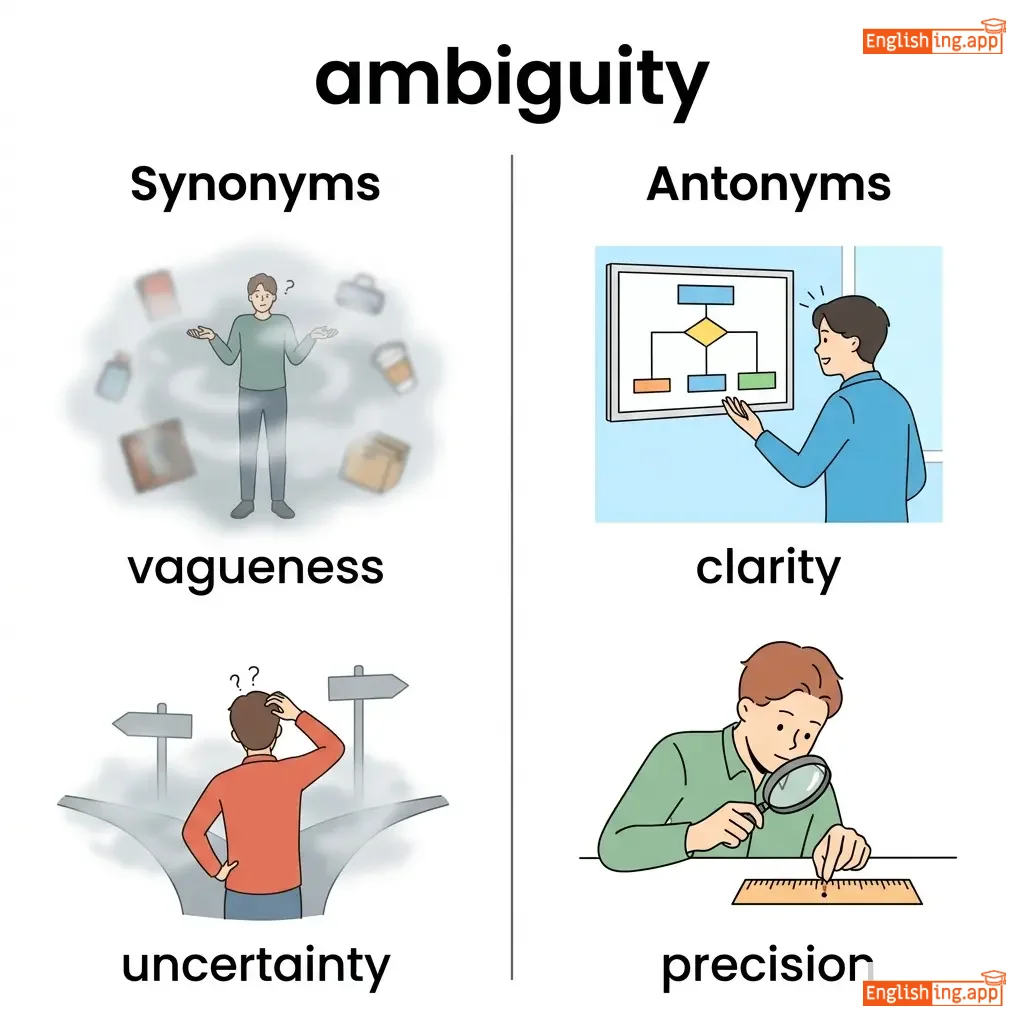
vagueness, uncertainty, confusion, obscurity, unclearness, indefiniteness
••••••
|
clarity, precision, certainty, definiteness, explicitness, unambiguousness
••••••
|
Aimai sa AI MAI SA
••••••
|
|
#2672
💡
|
/ˌklærɪfɪˈkeɪʃən/
noun
(クラリフィケーション)
••••••
|
|
明確化
meikakuka
••••••
|
The action of making a statement or situation less confused and more clearly comprehensible.
••••••
|
The manager requested clarification on the project details. |
マネージャーはプロジェクトの詳細に関する明確化を求めました。
Manējā wa purojekuto no shōsai ni kansuru meikakuka o motomemashita.
••••••
|
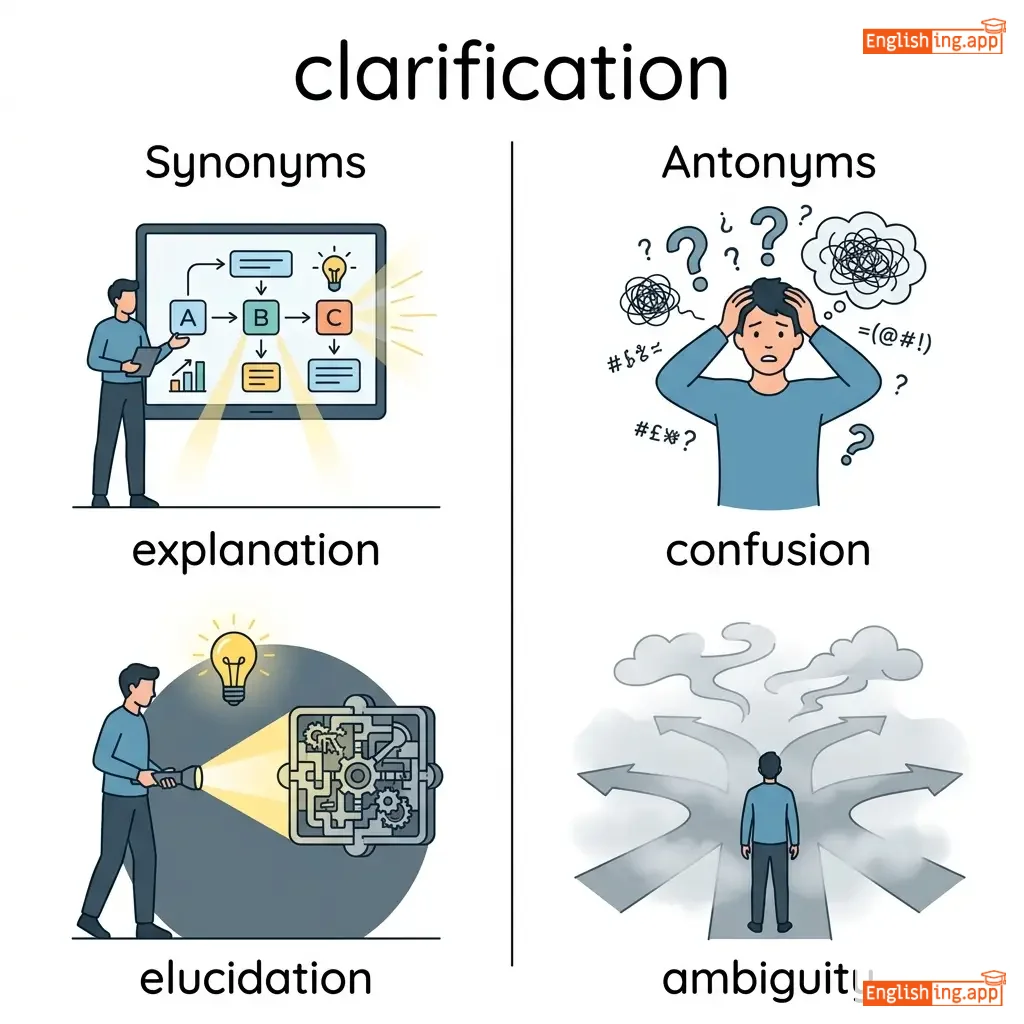
explanation, elucidation, illumination, interpretation, explication, enlightenment
••••••
|
confusion, ambiguity, obfuscation, mystification, obscuration, complication
••••••
|
明確化で何もかもはっきり!
••••••
|
|
#2673
⚖️
|
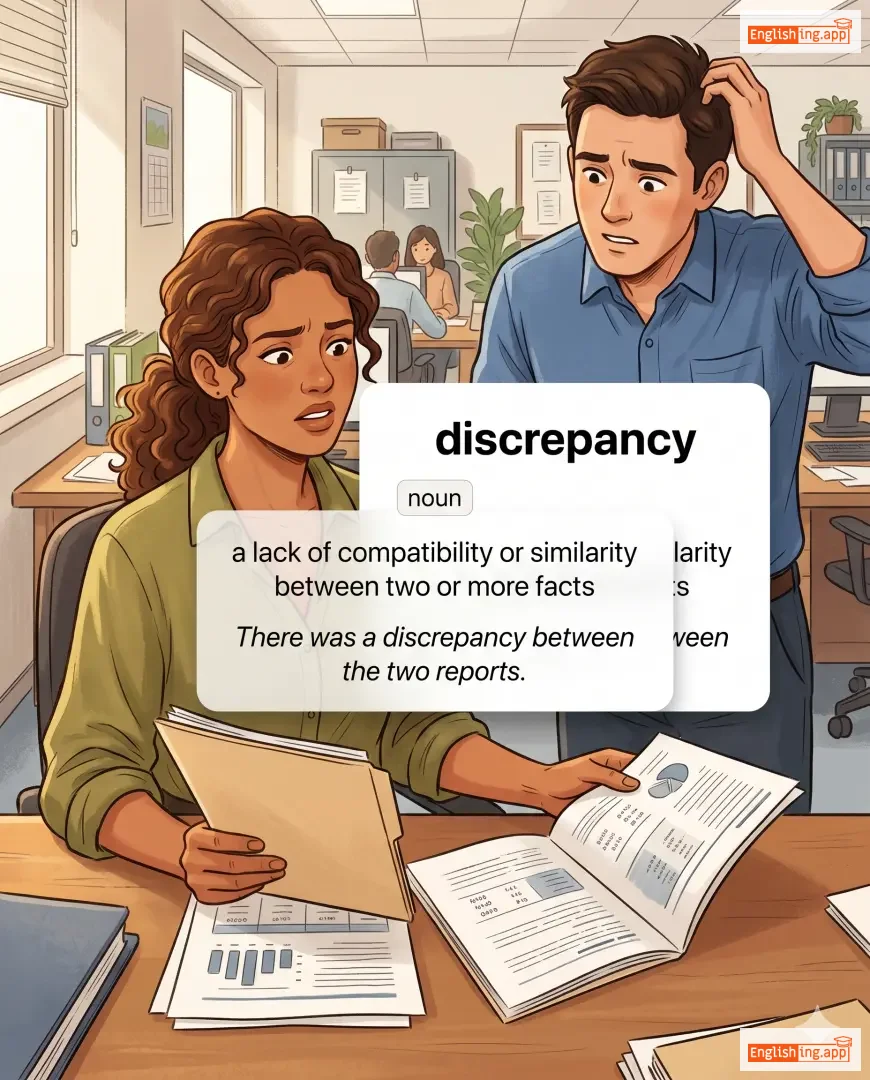
/dɪsˈkrɛpənsi/
noun
(ディスクリパンサー)
••••••
|
|
不一致
fuicchi
••••••
|
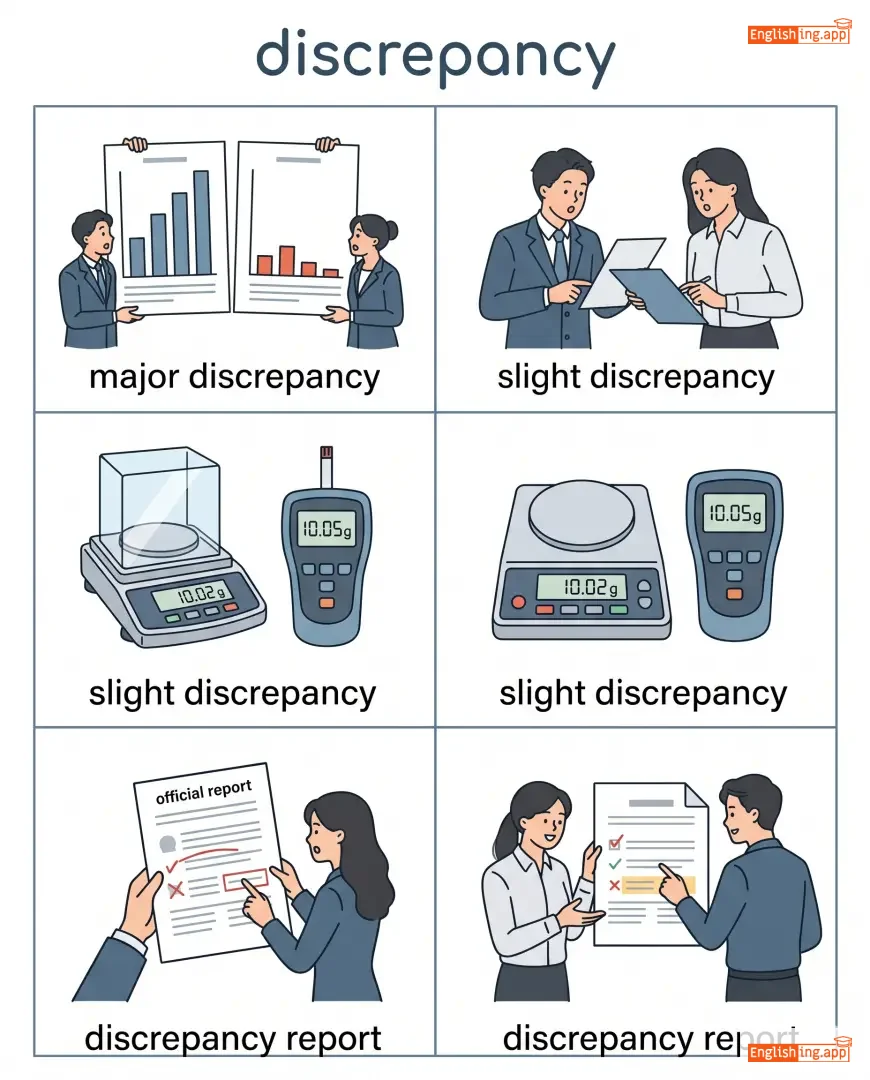
A lack of compatibility or similarity between two or more facts or claims; inconsistency.
••••••
|
There was a discrepancy between the two reports.
2つのレポートの間に不一致がありました。
••••••
|
- •••••• |
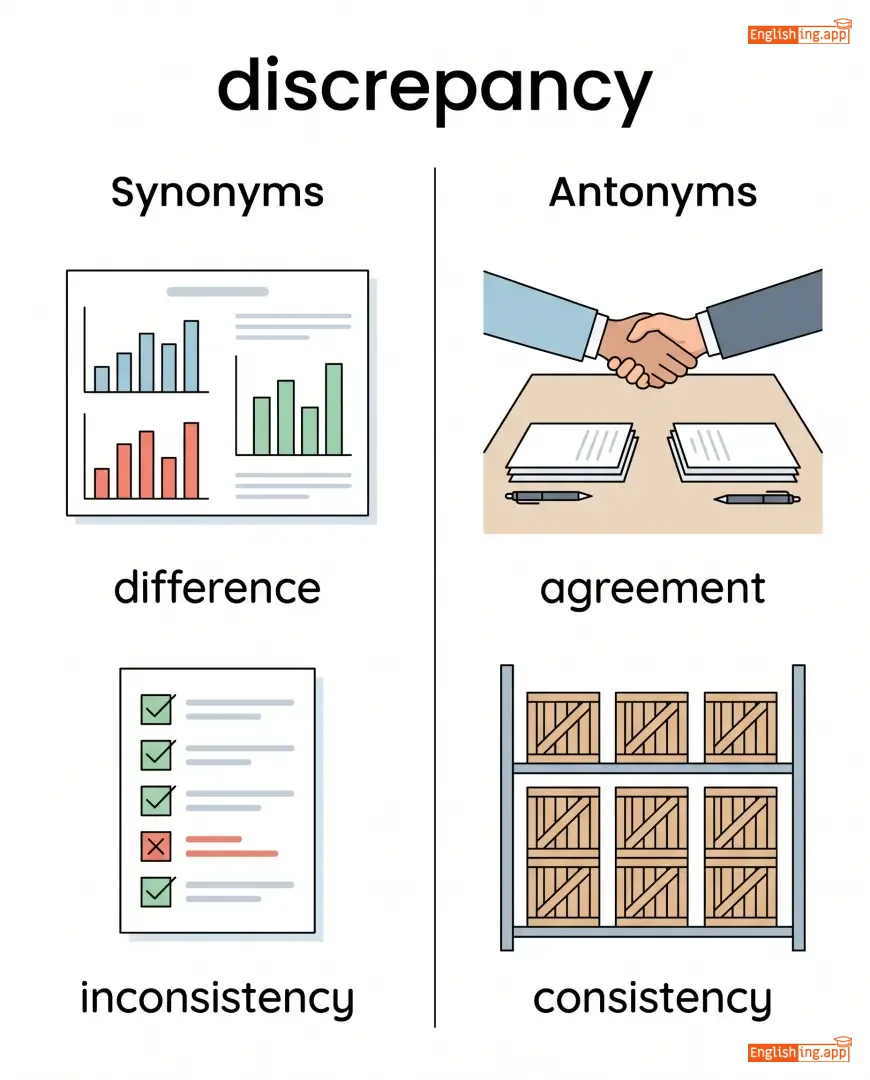
inconsistency, disagreement, difference, variance, disparity, contradiction
••••••
|
consistency, agreement, harmony, correspondence, compatibility, uniformity
••••••
|
No •••••• |
|
#2674
📢
|
/kənˈveɪ/
verb
(カンヴェイ)
••••••
|
|
伝える, 伝達する, 運ぶ
tsutaeru, dentatsu suru, hakobu
••••••
|
To communicate or make known; to transport or carry from one place to another.
••••••
|
The teacher conveys the lesson clearly to students. |
教師は明確に授業を生徒に伝えます。
Kyoushi wa meikaku ni jugyou o seito ni tsutaemasu.
••••••
|
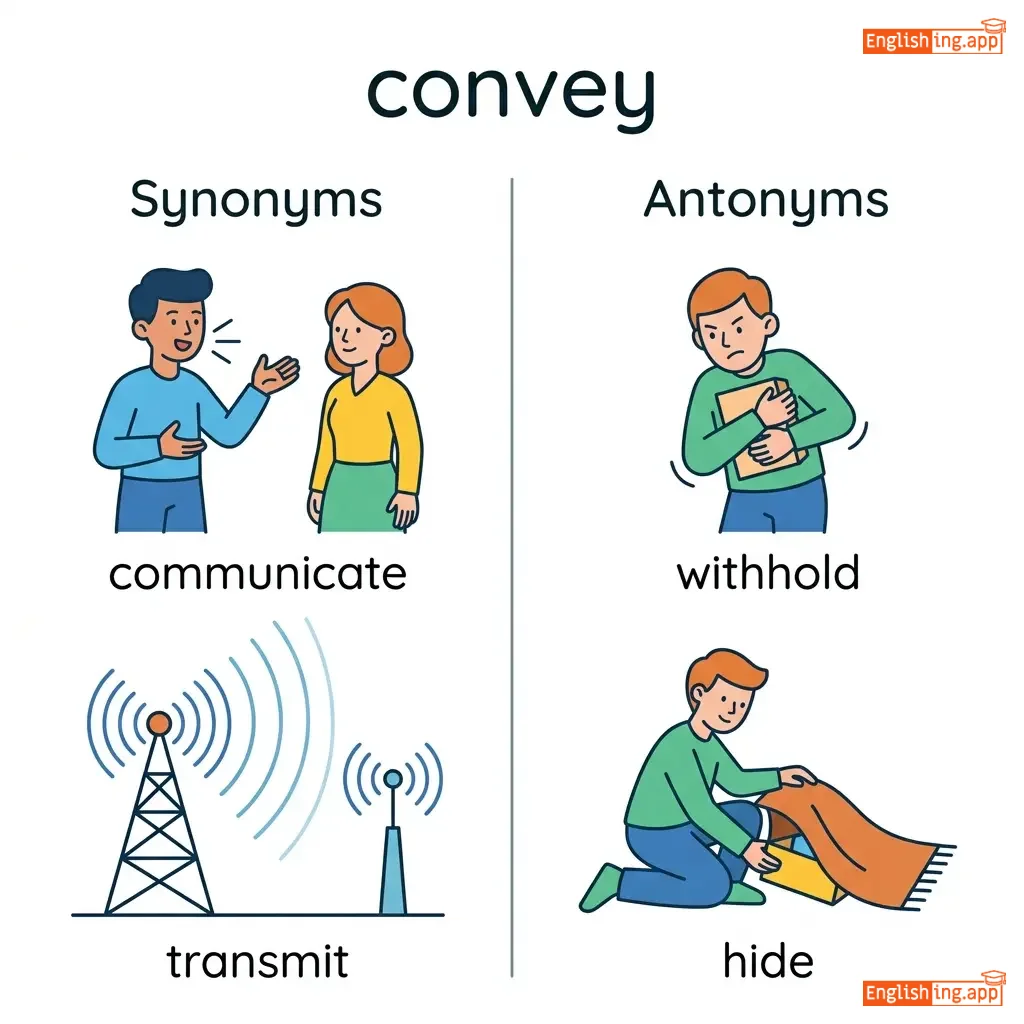
communicate, transmit, express, impart, relay, deliver
••••••
|
conceal, withhold, suppress, hide, retain, keep
••••••
|
メッセージを伝達する使者のように
••••••
|
|
#2675
❤️
|
/ˈɛmpəθi/
noun
(エンパシー)
••••••
|
|
共感、他人の感情を理解し共有する能力
kyōkan, tanin no kanjō o rikai shi kyōyū suru nōryoku
••••••
|
The ability to understand and share the feelings of another person.
••••••
|
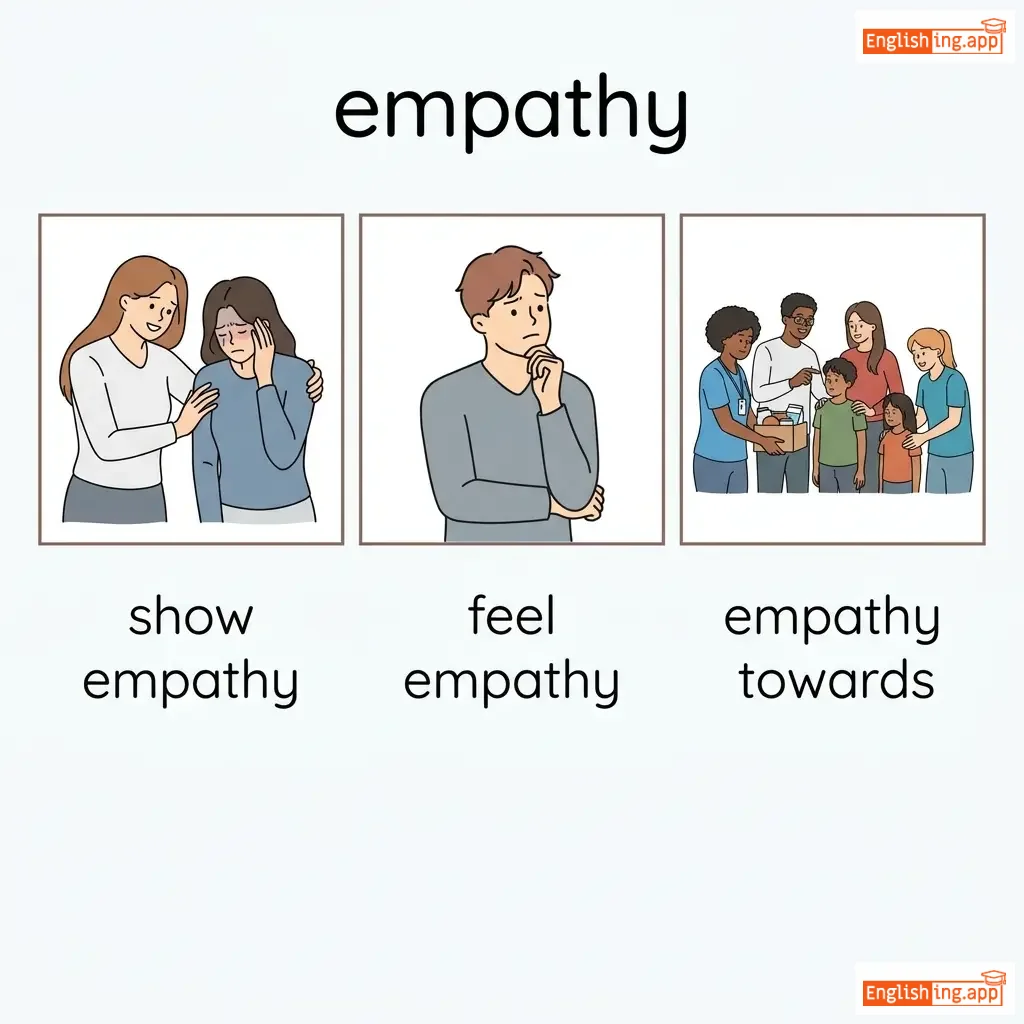
Empathy is crucial for building strong relationships. |
共感は強い関係を築くために重要です。
Kyōkan wa tsuyoi kankei o kizuku tame ni jūyōdesu.
••••••
|
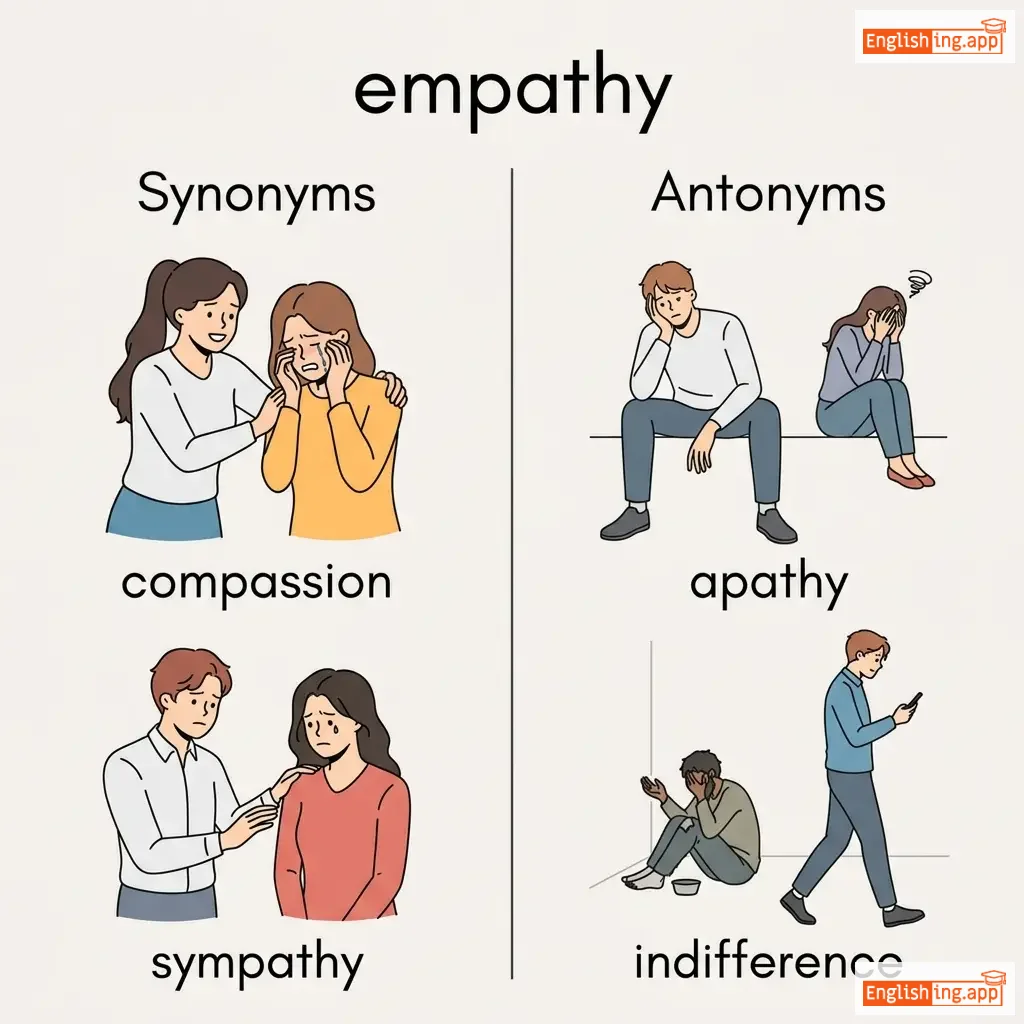
compassion, understanding, sympathy, sensitivity, caring, concern
••••••
|
indifference, apathy, callousness, insensitivity, coldness, detachment
••••••
|
共感は他人の気持ちを理解し、共に感じることです。
••••••
|
|
#2676
🤝
|
/ɪnˈɡeɪdʒ.mənt/
noun
(エンゲージメント)
••••••
|
|
参加, 関与
sanka, kan'yo
••••••
|
The action of engaging or being engaged; participation or involvement in an activity.
••••••
|
Active engagement in discussions leads to better learning.
ディスカッションに積極的に参加することは、より良い学習に繋がります。
••••••
|
ディスカッションに積極的に参加することは、より良い学習に繋がります。
Disukasshon ni sekkyokuteki ni sanka suru koto wa, yori yoi gakushū ni tsunagarimasu.
••••••
|
involvement, participation, commitment, interaction, contribution, collaboration
••••••
|
disengagement, indifference, detachment, withdrawal, non-participation, apathy
••••••
|
Engagement = Engaging and participating actively for better learning.
••••••
|
|
#2677
👁️
|
/pəˈsɛpʃən/
noun
(パーセプション)
••••••
|
|
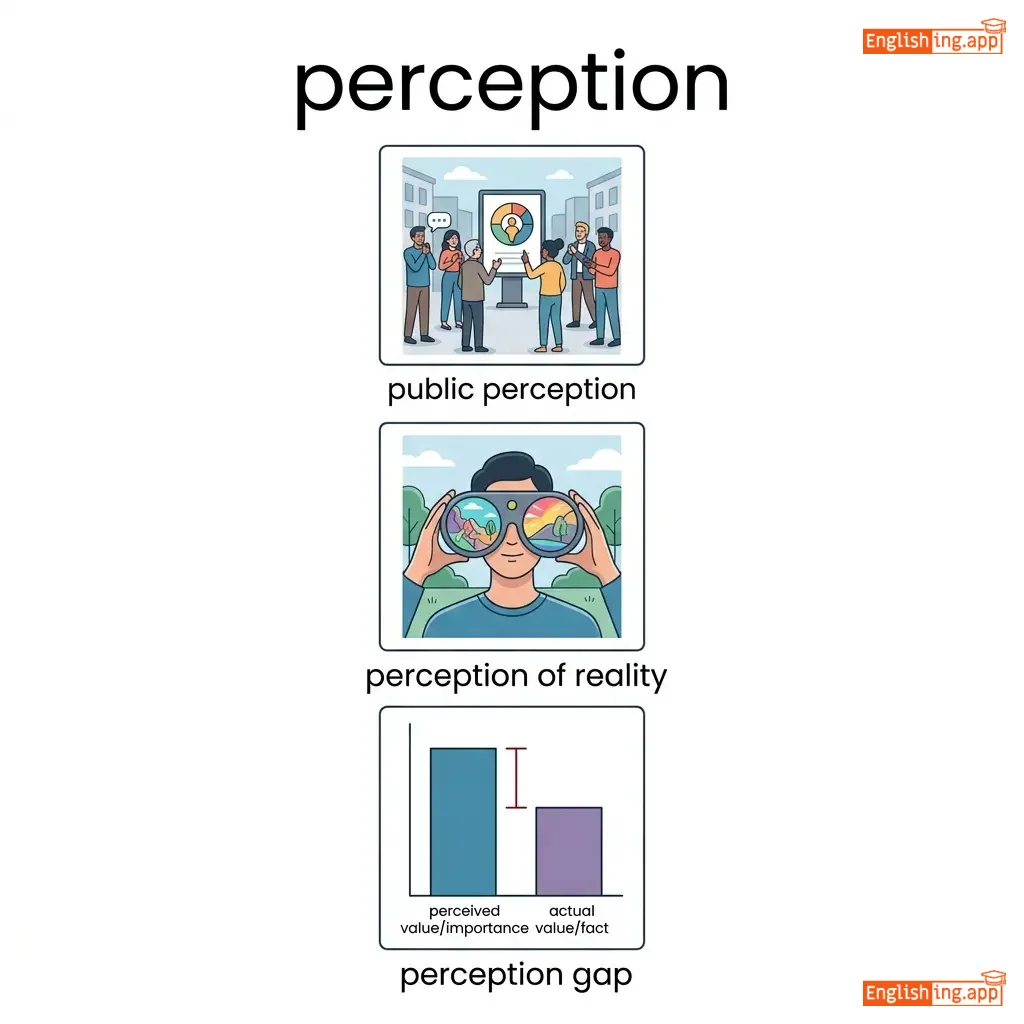
認識, 観念
ninshiki, kan'nen
••••••
|
The ability to see, hear, or become aware of something through the senses; a way of regarding or understanding something.
••••••
|
People's perception of the situation was clouded.
人々の状況に対する認識は曇っていました。
••••••
|
人々の状況に対する認識は曇っていました。
Hitobito no jōkyō ni taisuru ninshiki wa kumotte imashita.
••••••
|
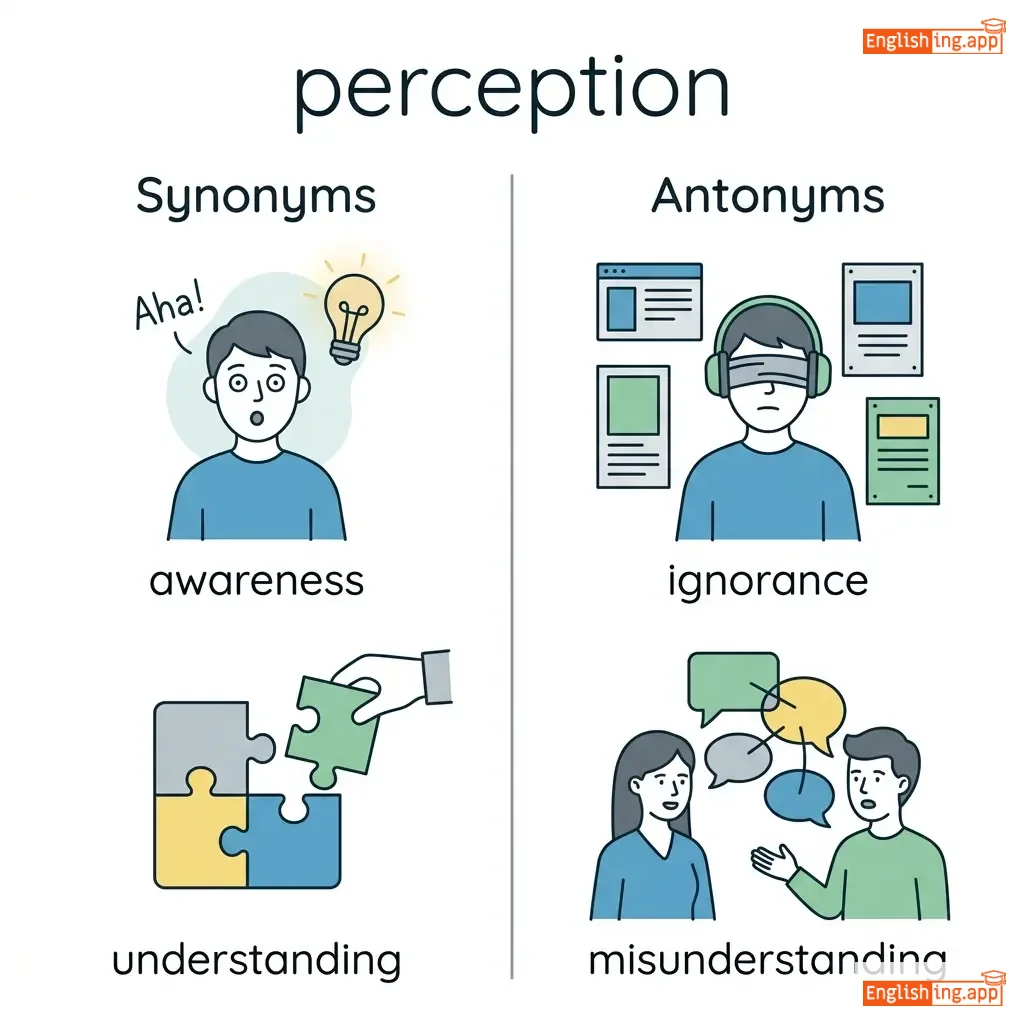
insight, awareness, understanding, recognition, comprehension, realization
••••••
|
misunderstanding, confusion, ignorance, unawareness, misconception, blindness
••••••
|
Perception in Japanese sounds like 'ninshiki', which means 'awareness'.
••••••
|
|
#2678
⚡
|
/rɪˈækʃən/
noun
(リアクション)
••••••
|
|
反応
hanno
••••••
|
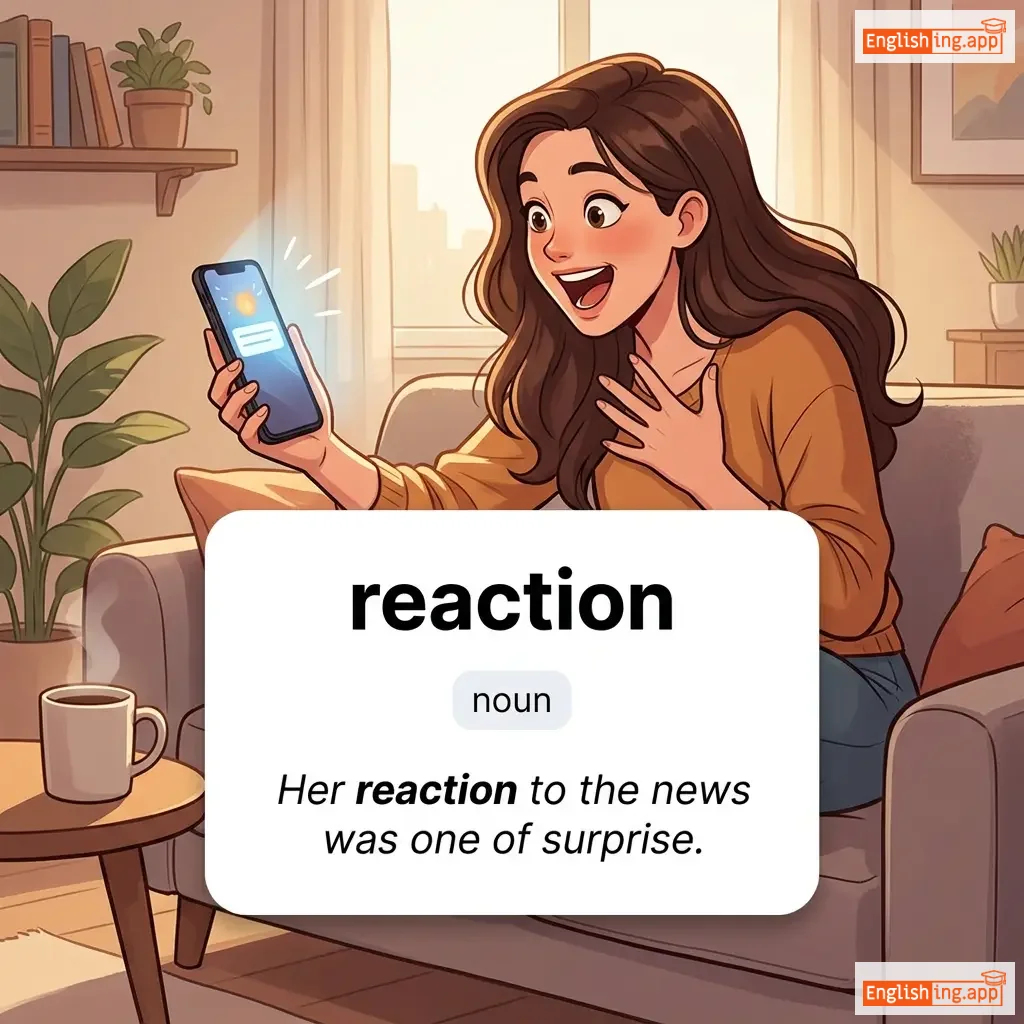
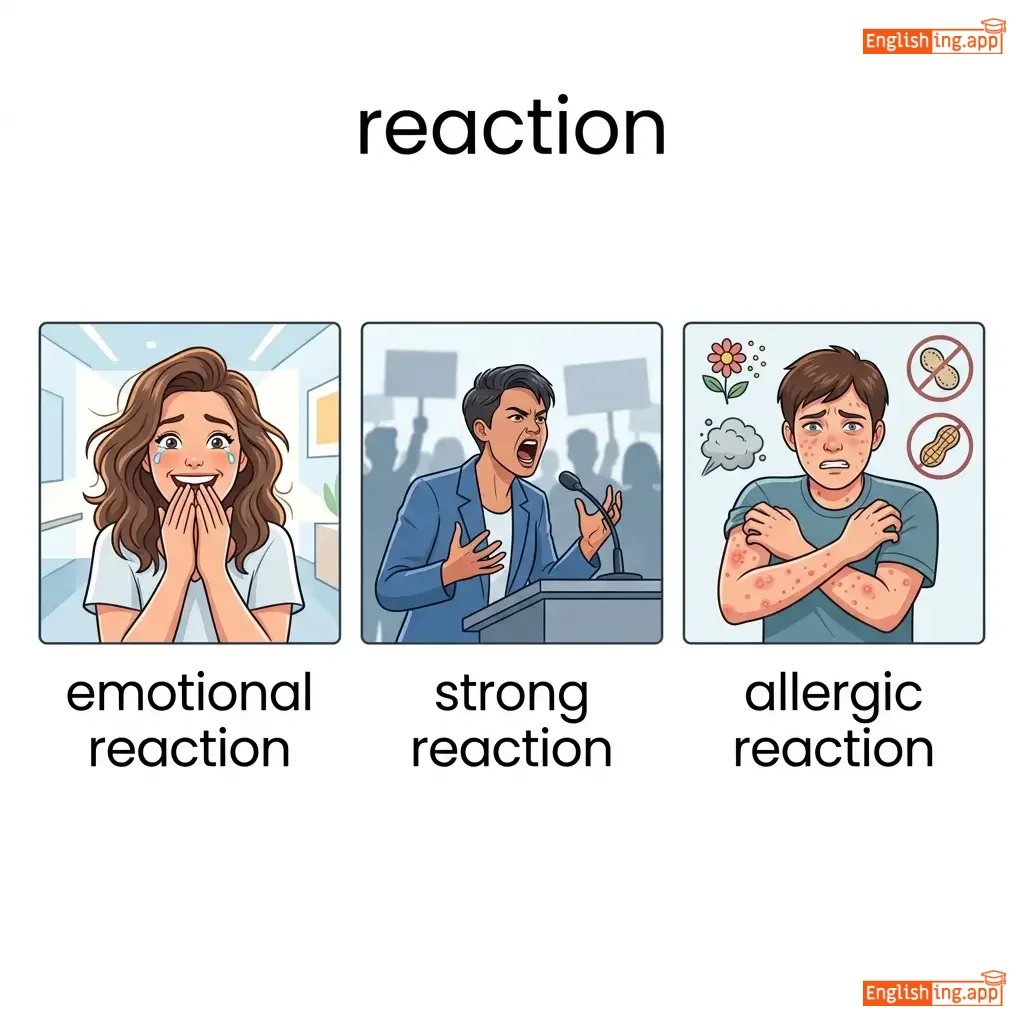
An action performed or a feeling experienced in response to a situation or event.
••••••
|
His reaction to the news was one of shock.
彼のニュースへのリアクションはショックだった。
••••••
|
彼のニュースへの反応はショックだった。
Kare no nyūsu e no hannō wa shokku datta.
••••••
|
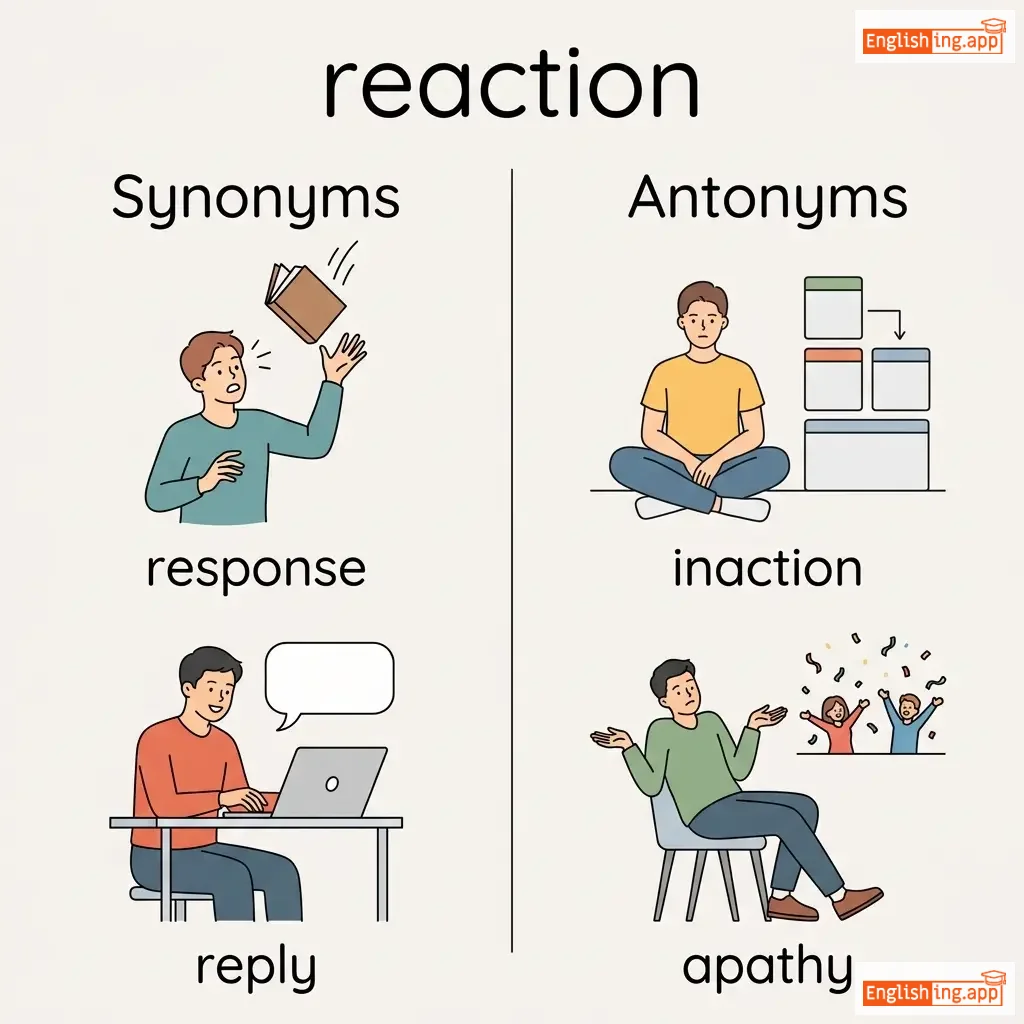
response, reply, feedback, answer, reflex, consequence
••••••
|
indifference, apathy, inaction, non-response, passivity, stillness
••••••
|
'Hanno' in Japanese closely resembles 'reaction' in English.
••••••
|
|
#2679
🏷️
|
/ˈstɛə.rɪ.əʊˌtaɪ.pɪŋ/
noun
(ステレオタイプ)
••••••
|
|
ステレオタイプ
sutereotaipu
••••••
|
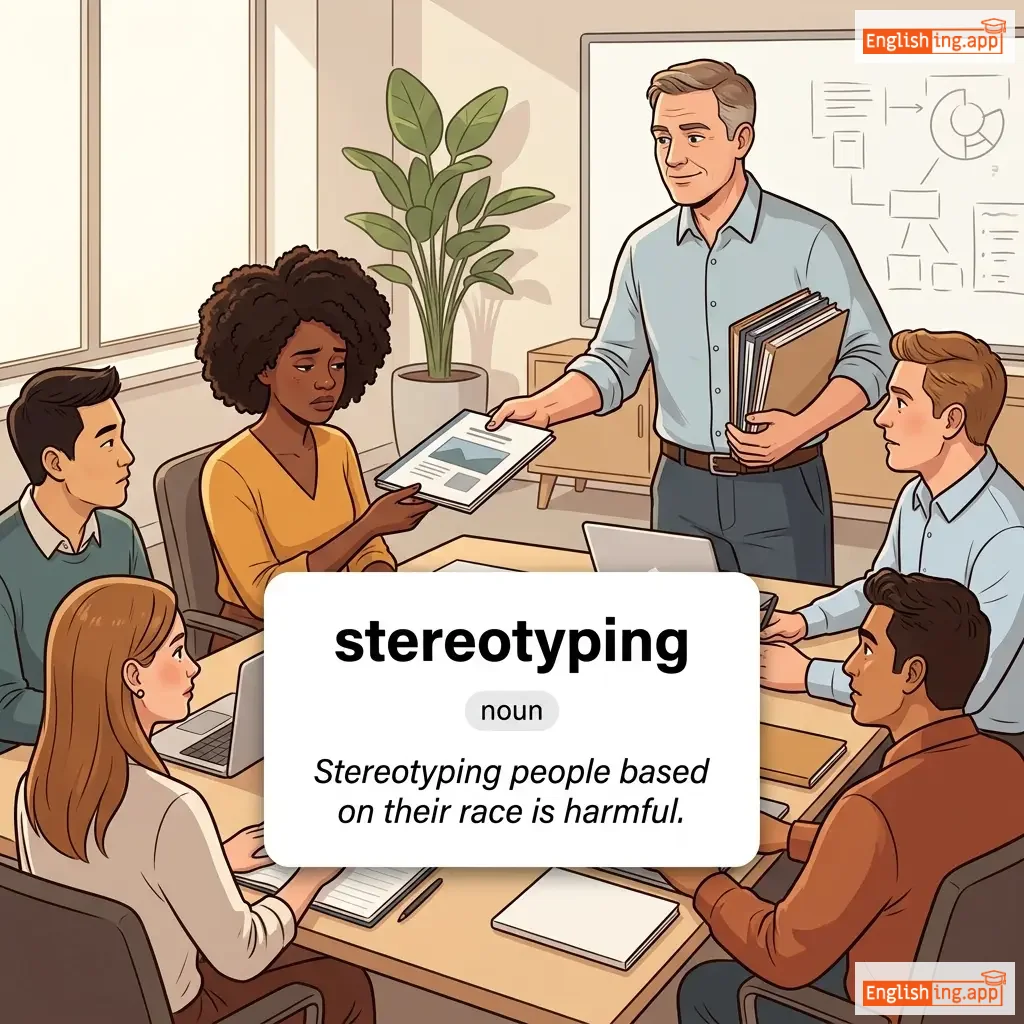
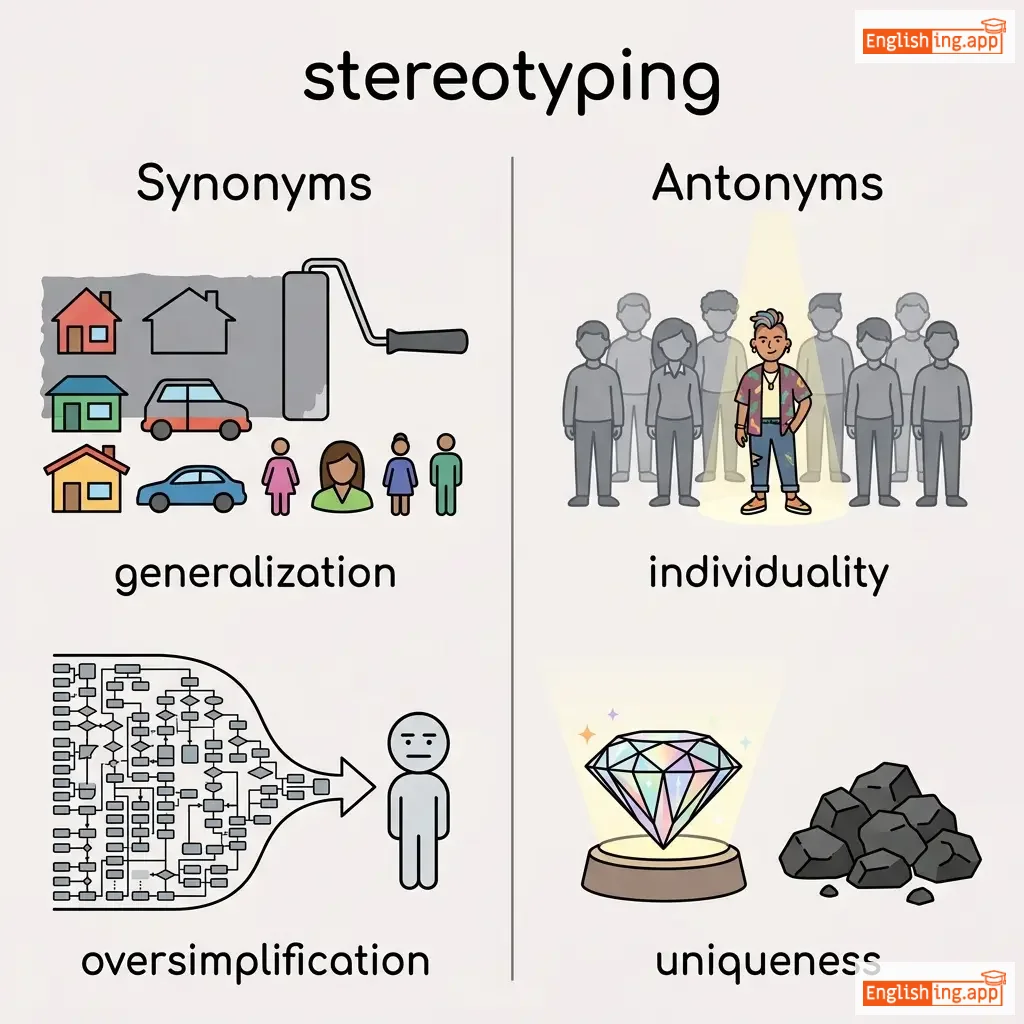
A widely held but fixed and oversimplified image or idea of a particular type of person or thing.
••••••
|
Stereotyping people based on their race is harmful.
人種に基づいたステレオタイプは有害です。
••••••
|
人種に基づいたステレオタイプは有害です。
Jinshu ni motozuita sutereotaipu wa yūgai desu.
••••••
|
generalization, oversimplification, categorization, labeling, pigeonholing, typecasting
••••••
|
individuality, uniqueness, personalization, specificity, distinctiveness, originality
••••••
|
ステレオタイプは、人々を一つの枠に押し込めるようなものです。
••••••
|
|
#2680
🗣️
|
/ɪˌnʌn.siˈeɪ.ʃən/
noun
(エヌンシエーション)
••••••
|
|
発音, 明確な発音
hatsuon, meikaku na hatsuon
••••••
|
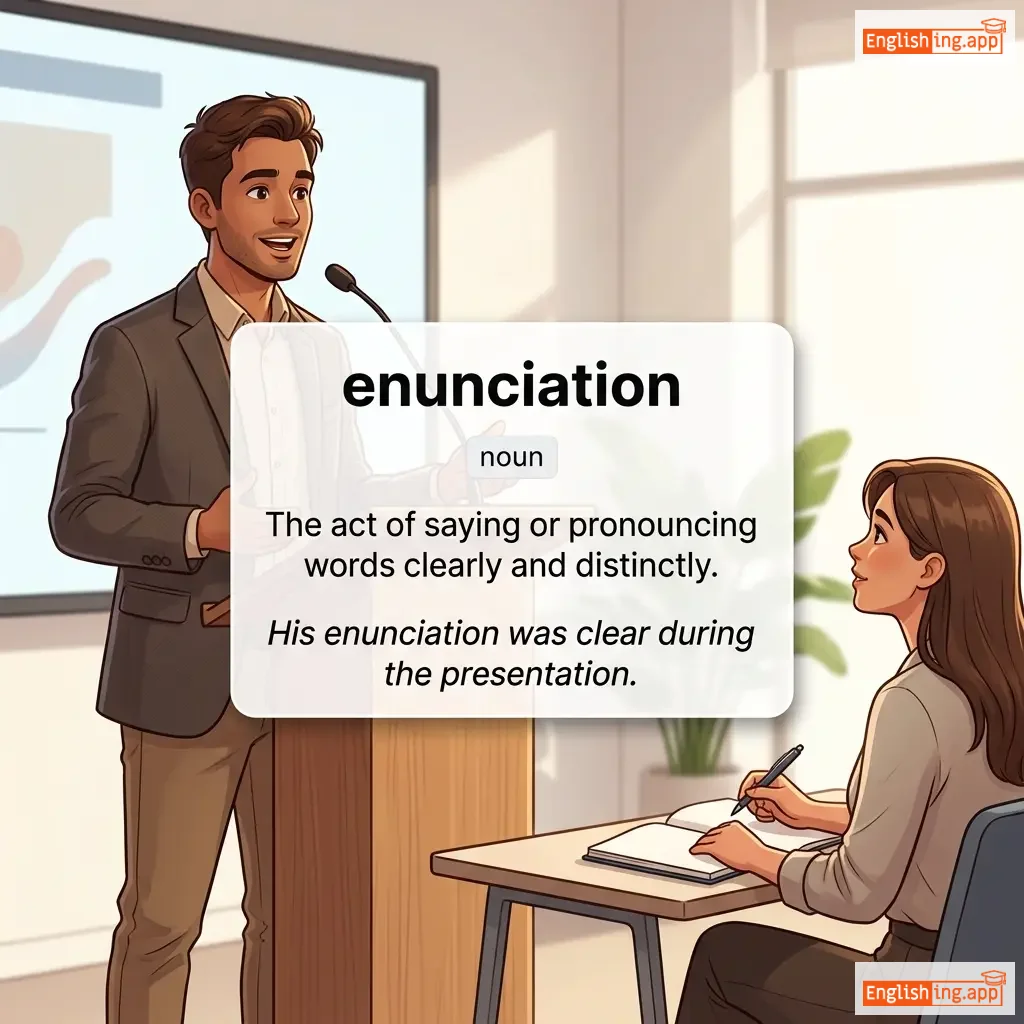
The act of saying or pronouncing words clearly and distinctly.
••••••
|
His enunciation was clear during the presentation.
彼の発音はプレゼンテーション中に明確でした。
••••••
|
彼の発音はプレゼンテーション中に明確でした。
Kare no hatsuon wa purezentēshon-chū ni meikaku deshita.
••••••
|
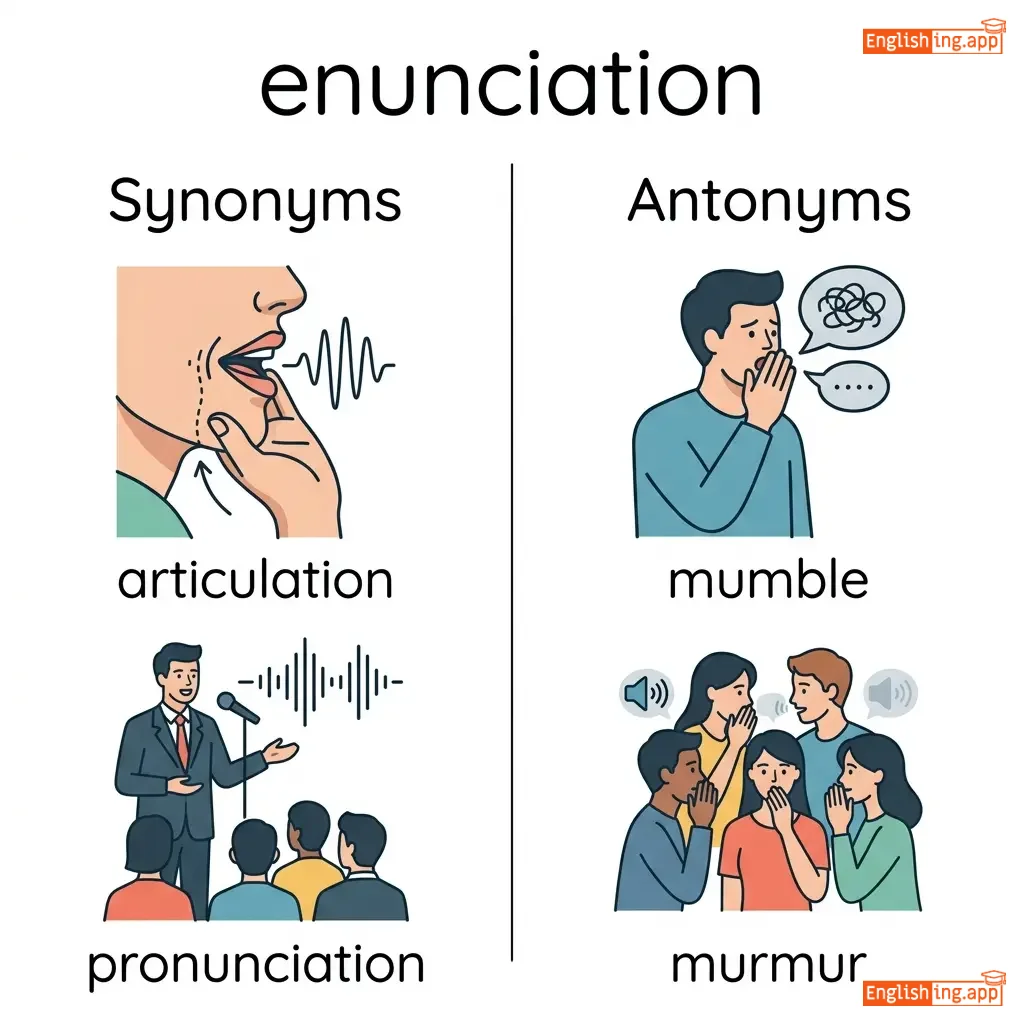
articulation, pronunciation, diction, delivery, expression, utterance
••••••
|
mumble, murmur, slur, garble, mutter, whisper
••••••
|
In Japanese, '発音' is a clear reminder of how pronunciation works with enunciation.
••••••
|
|
#2681
🎵
|
/ˌvəʊ.kəl.aɪˈzeɪ.ʃən/
noun
(ボカライゼーション)
••••••
|
|
発声、言葉での感情や考えの表現
hassē, kotoba de no kanjō ya kangae no hyōgen
••••••
|
The action of producing sounds with the voice; the expression of thoughts or feelings in spoken words.
••••••
|
The vocalization of the singer captivated the audience.
歌手のボカライゼーションは観客を魅了した。
••••••
|
歌手のボカライゼーションは観客を魅了した。
Kashu no bokaraizēshon wa kankyaku wo miryō shita.
••••••
|
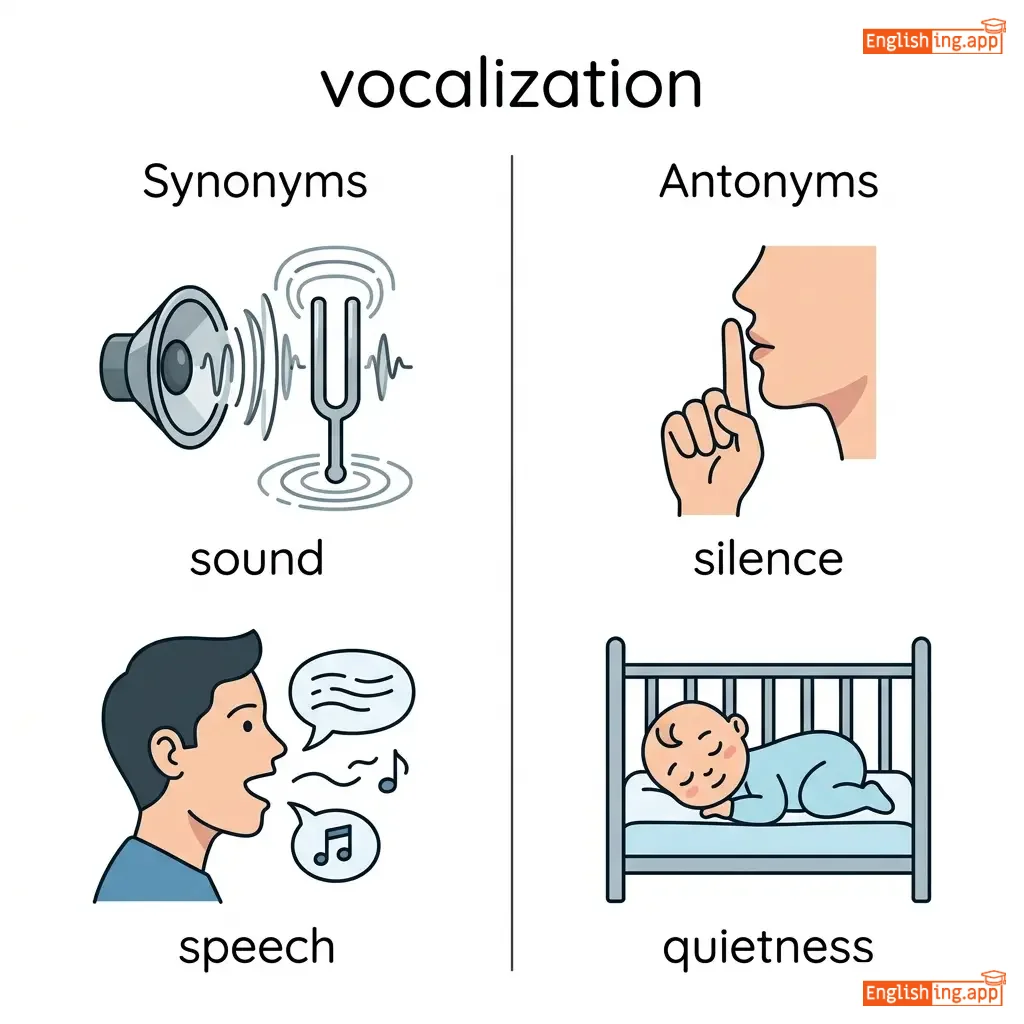
sound, speech, utterance, voice, expression, articulation
••••••
|
silence, quietness, muteness, stillness, speechlessness, voicelessness
••••••
|
ボカライゼーション = 声 + 発音、声は音、発音は創造。
••••••
|
|
#2682
🚫
|
/ɪmˈpɛdɪmənt/
noun
(インペディメンツ)
••••••
|
|
障害
shōgai
••••••
|
A hindrance or obstruction in doing something; things that prevent progress or achievement.
••••••
|
Economic impediments often hinder social development. |
経済的な障害はしばしば社会的発展を妨げる。
Keizaiteki na shōgai wa shibashiba shakaiteki hatten o samatageru.
••••••
|
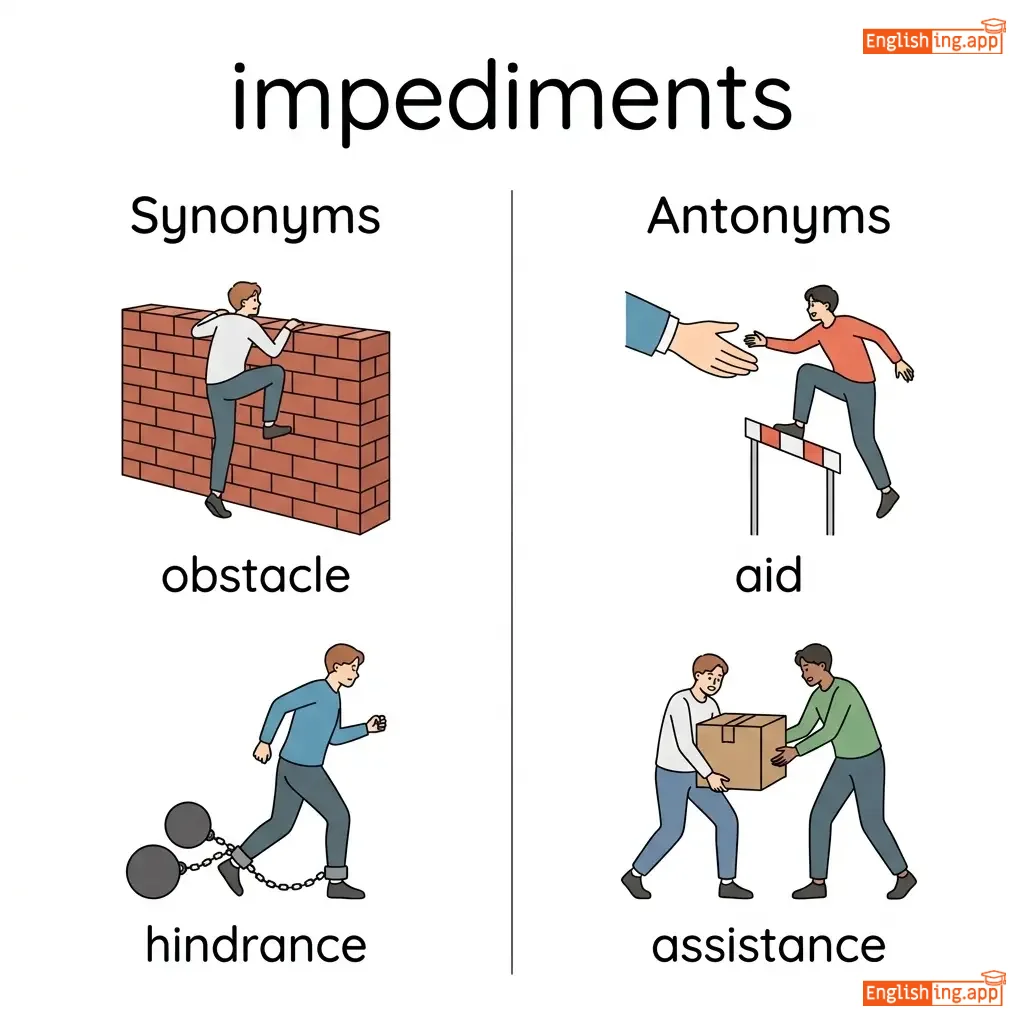
obstacle, hindrance, barrier, obstruction, difficulty, drawback
••••••
|
aid, assistance, help, support, advantage, benefit
••••••
|
障害は進行を止める、Impedimentsも同じです。
••••••
|
|
#2683
🔍
|
/ˈsʌt.əl/
adjective
(sattoru)
••••••
|
|
微妙, 軽い, 精密
bimyou, karui, seimitsu
••••••
|
So delicate or precise as to be difficult to analyze or describe; making use of clever and indirect methods.
••••••
|
The artist's use of color was subtle yet powerful. |
アーティストの色使いは微妙でありながら力強かった。
Aatisuto no irodzukai wa bimyou de ari nagara chikara tsuyokatta.
••••••
|
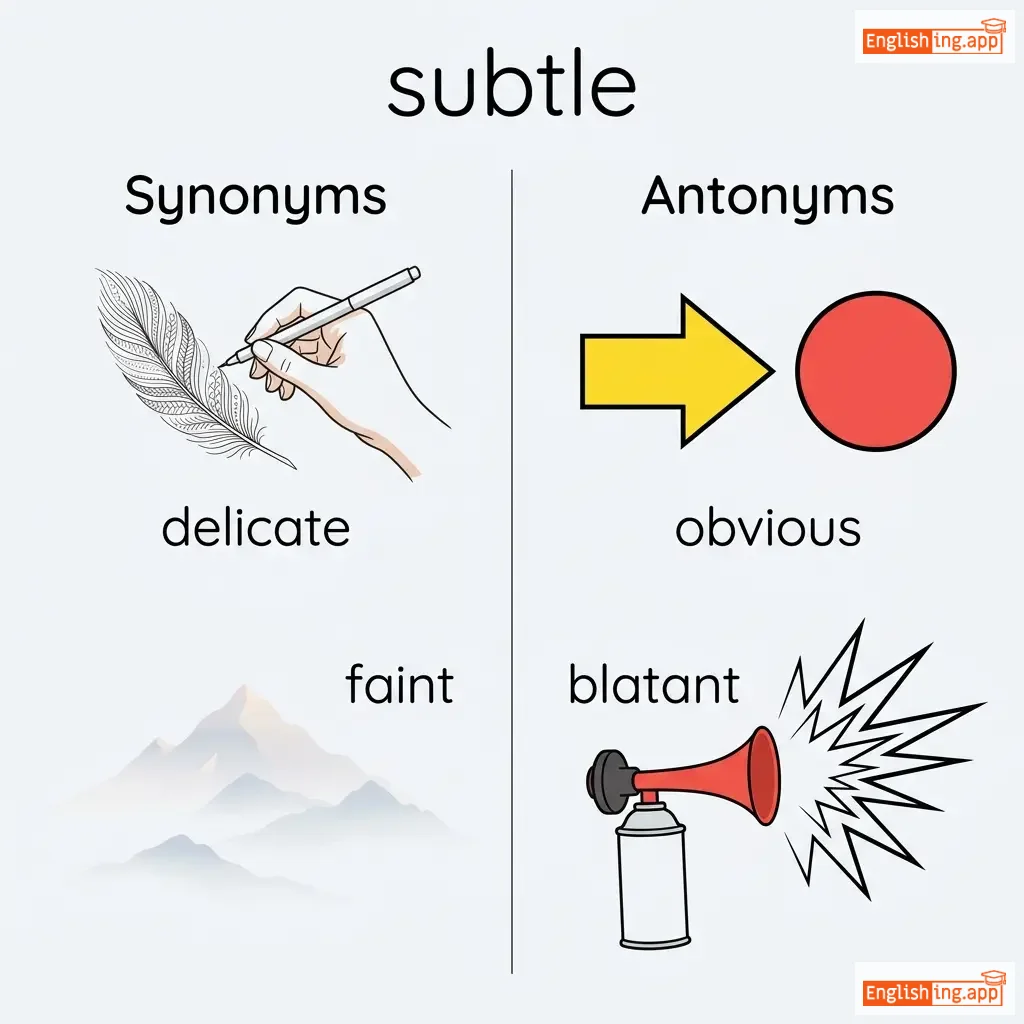
delicate, refined, understated, nuanced, gentle, mild
••••••
|
obvious, blatant, crude, harsh, stark, glaring
••••••
|
No •••••• |
|
#2684
✋
|
/ˈtæk.taɪl/
adjective
(タクタイル)
••••••
|
|
触覚の
shokkaku no
••••••
|
Connected with the sense of touch; perceptible by touch or giving a sensation when touched.
••••••
|
The tactile experience of the fabric was soft and smooth.
生地の触覚的な体験は柔らかくて滑らかでした。
••••••
|
生地の触覚的な体験は柔らかくて滑らかでした。
Kiji no shokkaku-teki na taiken wa yawarakakute namerakakatta desu.
••••••
|
touchable, perceptible, tangible, palpable, physical, material
••••••
|
intangible, impalpable, imperceptible, untouchable, immaterial, abstract
••••••
|
タクタイルと触覚は触れることで感じるものです。
••••••
|
|
#2685
📚
|
/kənˈtɛk.stju.əl/
adjective
(コンテクスチュアル)
••••••
|
|
文脈に依存する、文脈に関連する
bunmyaku ni izon suru, bunmyaku ni kanren suru
••••••
|
Depending on or relating to the context or circumstances in which something occurs.
••••••
|
His actions were understood in a broader contextual framework.
彼の行動は広範なコンテクスチュアルフレームワークの中で理解された。
••••••
|
彼の行動は広範な文脈の枠組みで理解されました。
Kare no kōdō wa kōhan'na bunmyaku no wakugumi de rikai saremashita.
••••••
|
situational, circumstantial, environmental, conditional, relative, dependent
••••••
|
out-of-context, irrelevant, absolute, independent, unconditional, isolated
••••••
|
Context changes how things are interpreted, like changing the lens through which you view something.
••••••
|
Vocabulary Quiz
Test your vocabulary by matching words with their translations or meanings.
Login to take the quiz
Comments (0)
Share your thoughts and join the discussion.
Join the discussion by logging in
Login to CommentNo comments yet
Be the first to share your thoughts!