

家族の間で信頼を築く
Building Trust Within Family Members
家族の中のharmonyはとても重要ですが、時にはdiscordが生じ、関係が弱まることがあります。Integrityとcandorを持つことで家族の絆が強まります。
Trustを築くためにはempathyを示すことが必要です。家族の苦しみにcommiserateすることでaffinityが高まります。しかし、意見の相違があるときはcompromiseを学ぶ必要があります。
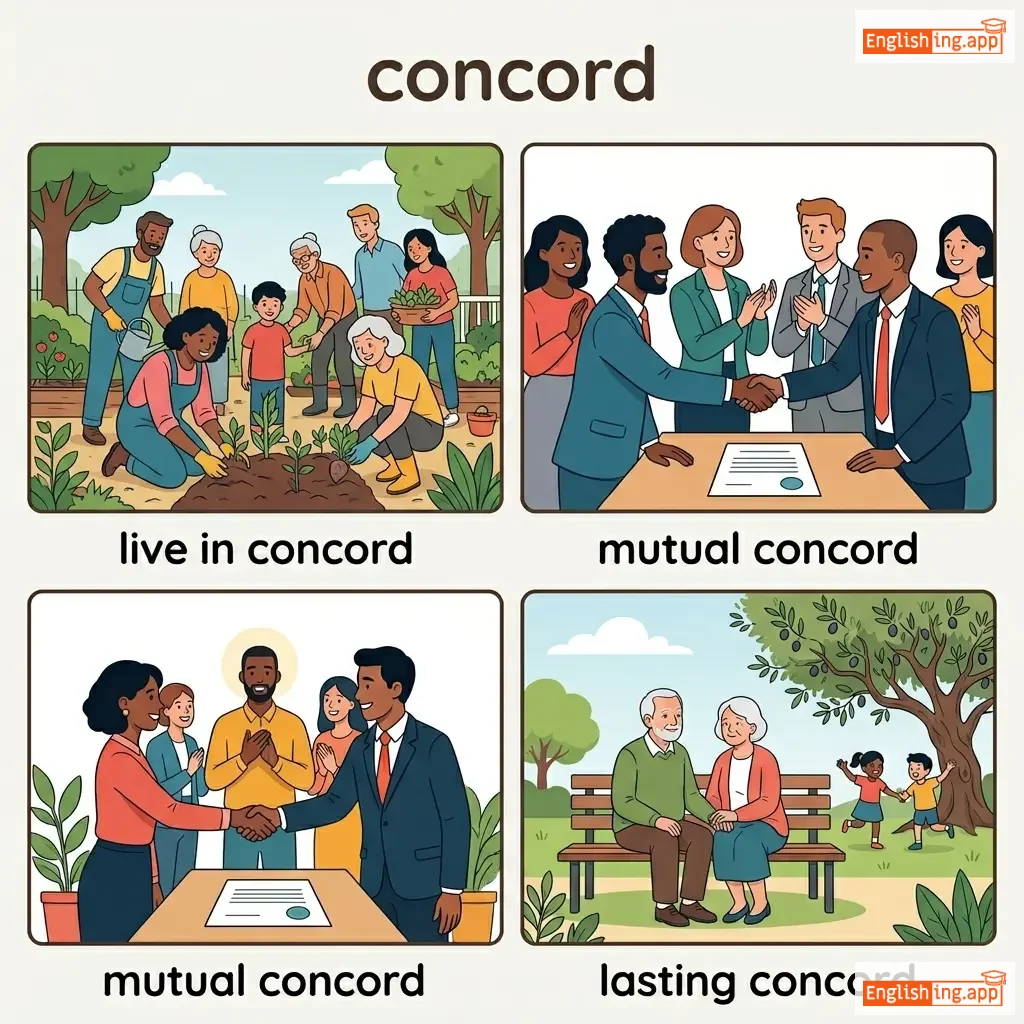
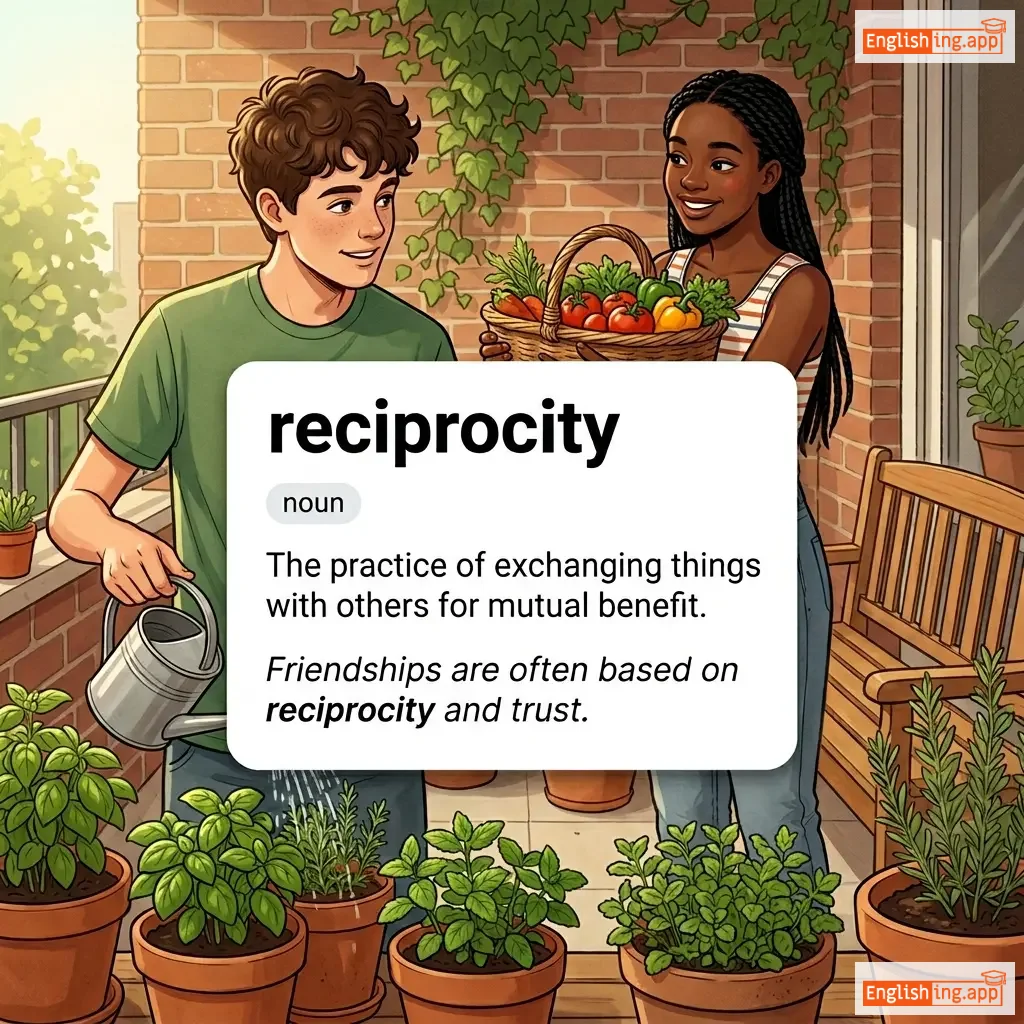
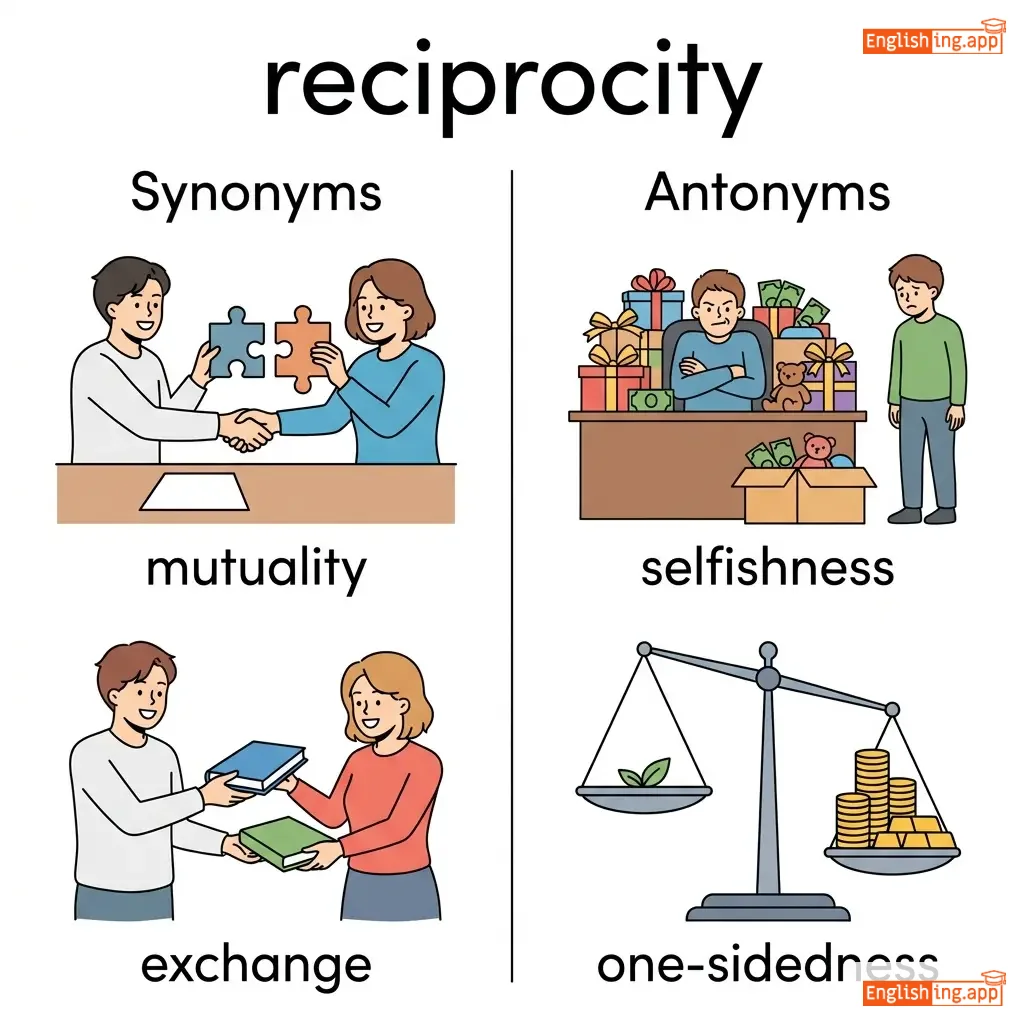
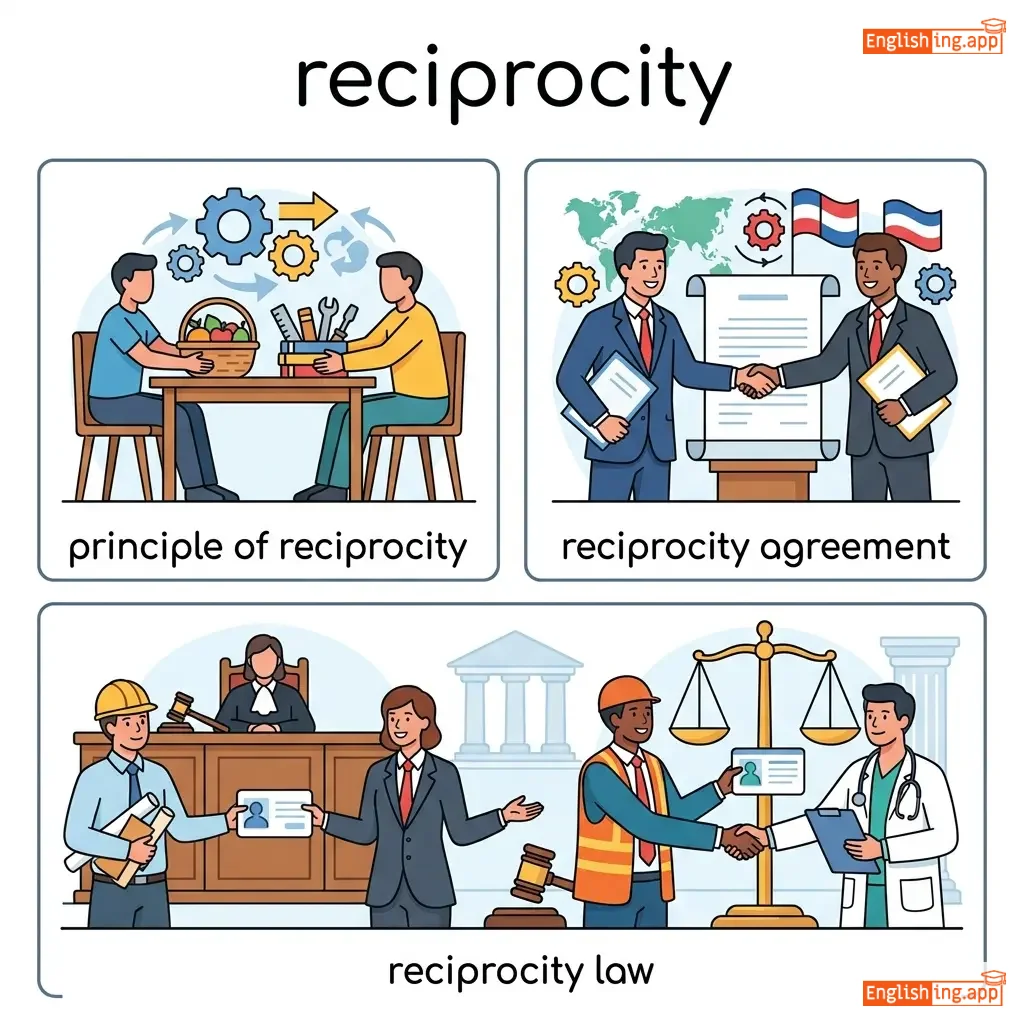
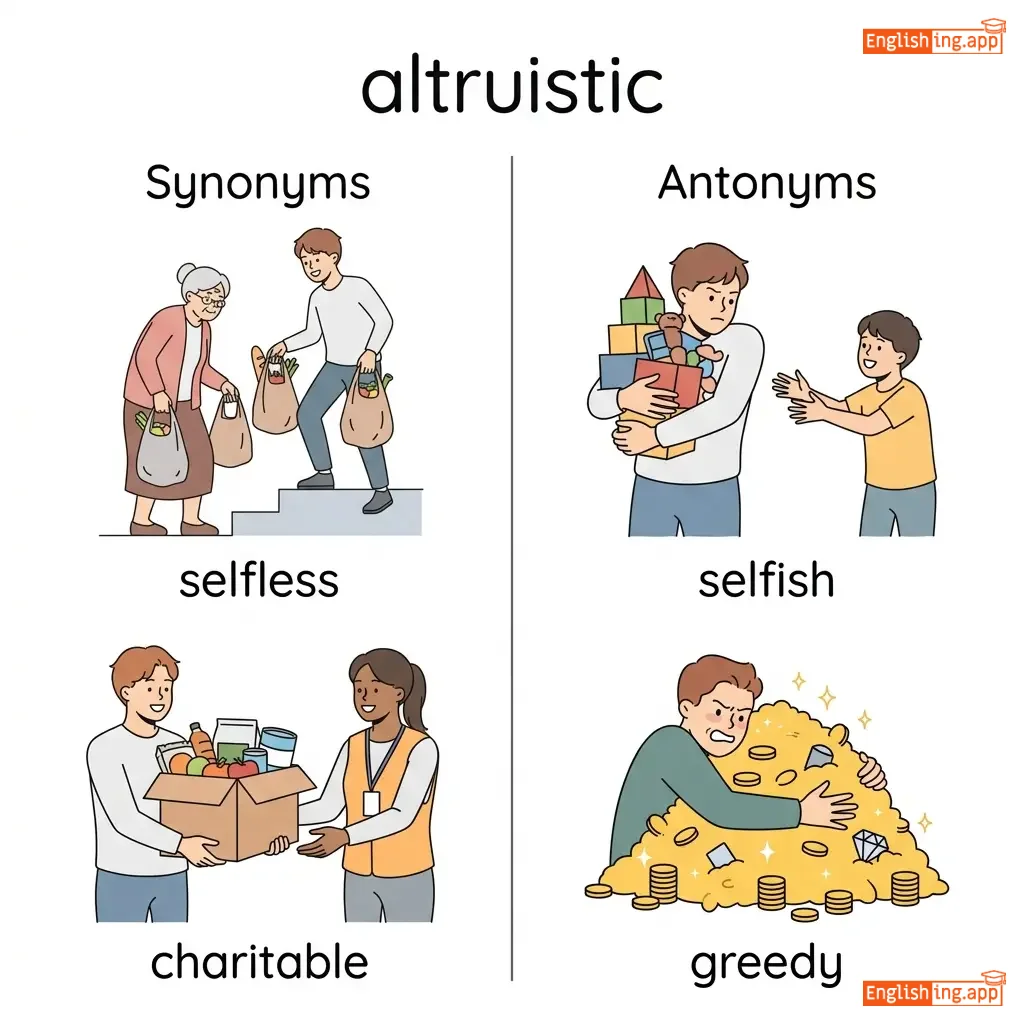
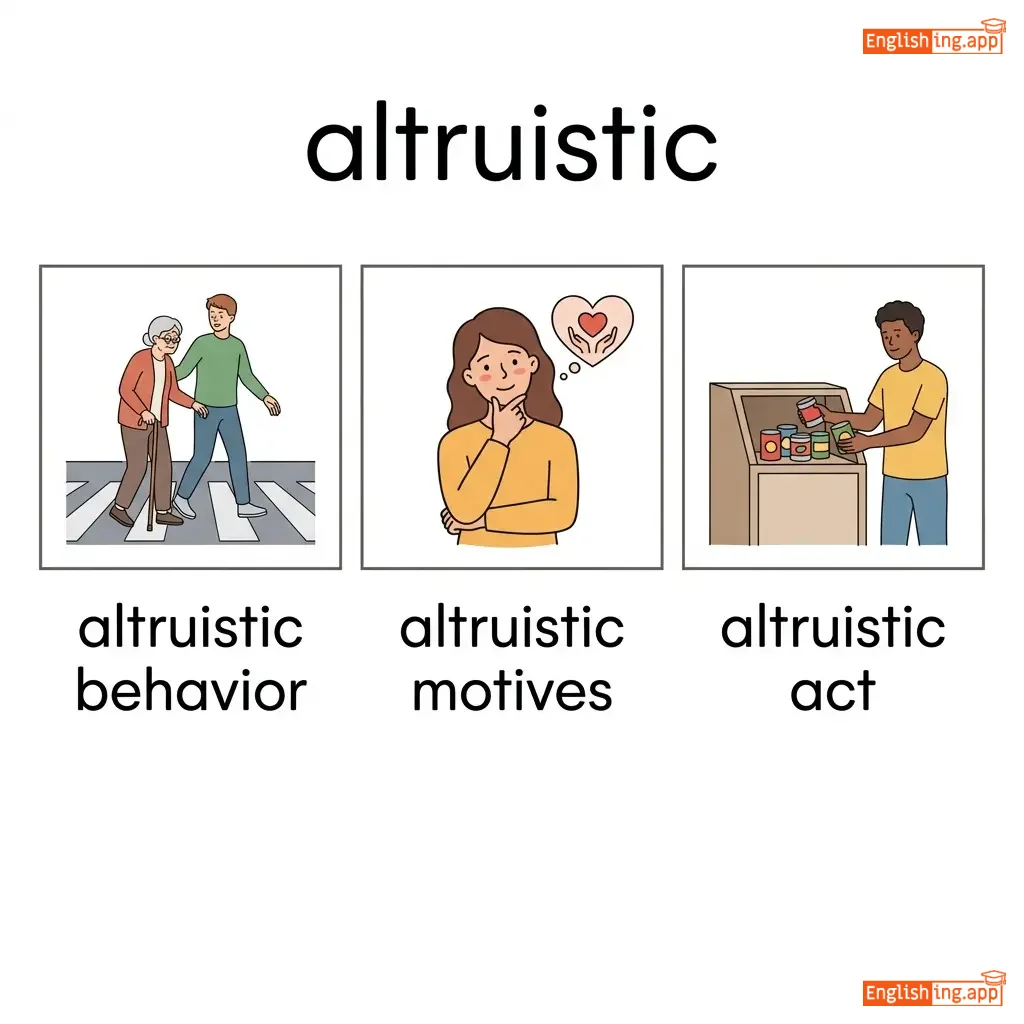
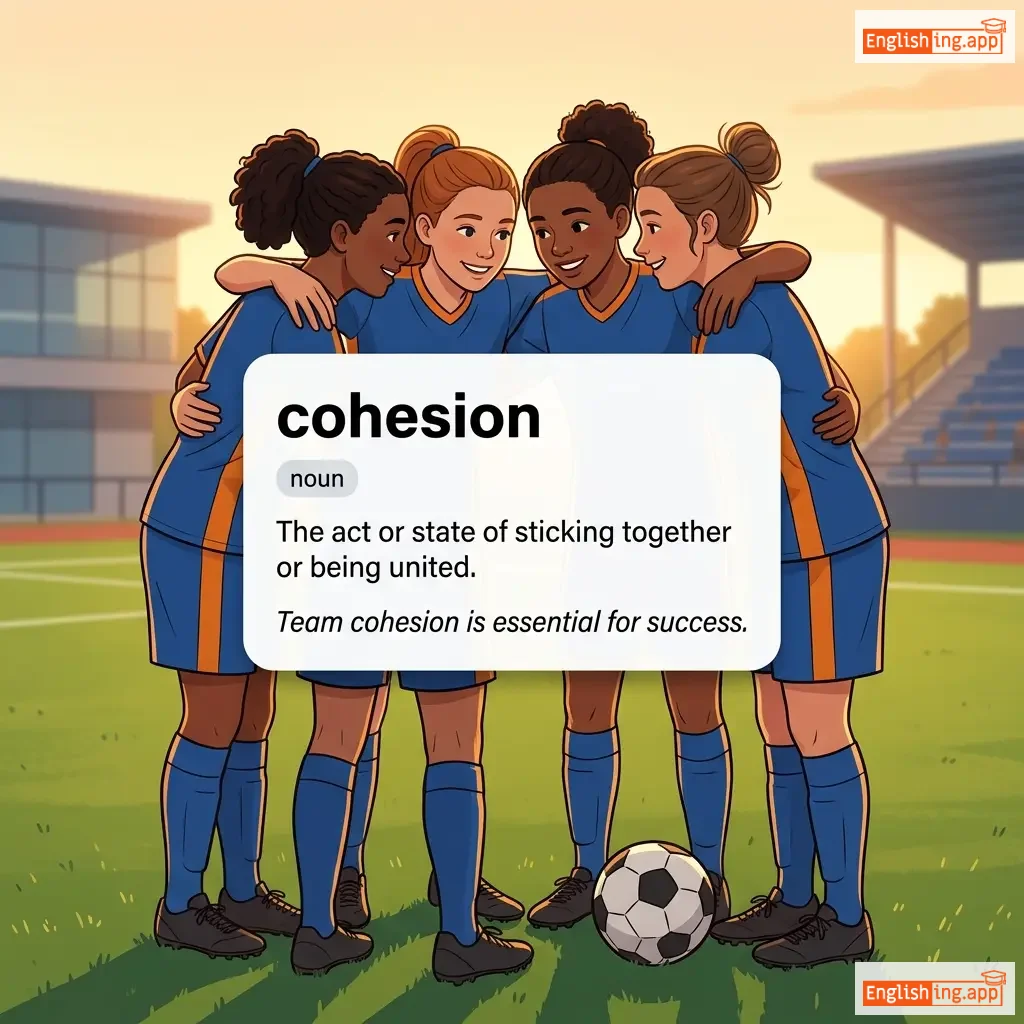
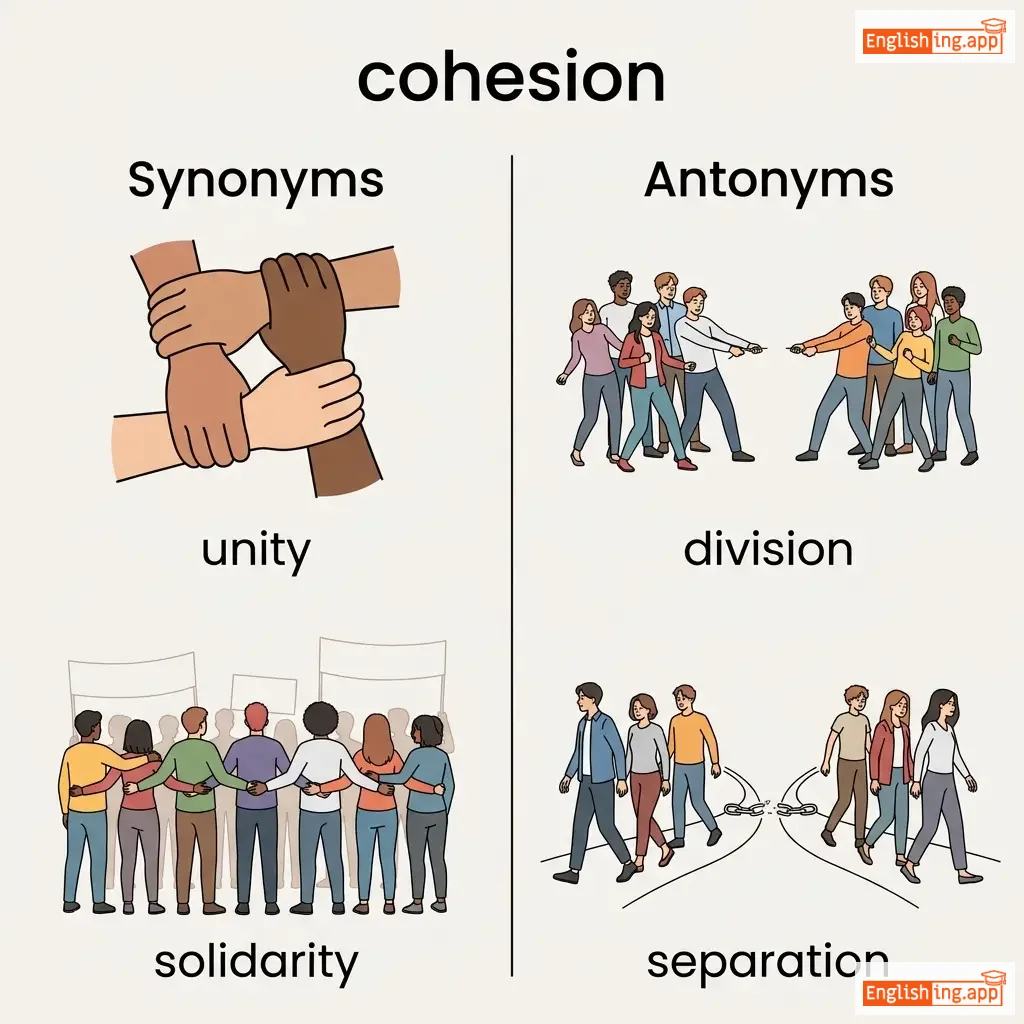
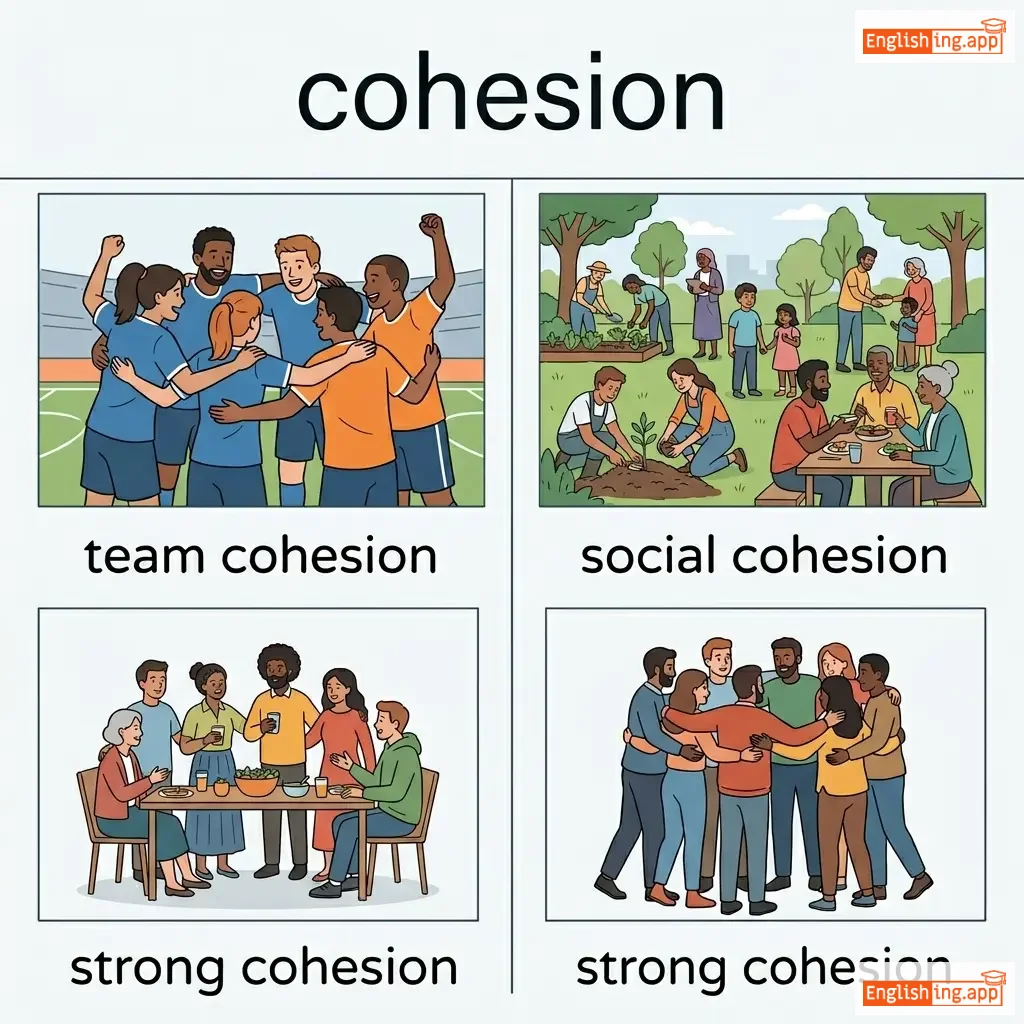
一部の人はconcordとはすべてに同意することだと思っていますが、本当の関係はreciprocityによって築かれます。互いにbenevolenceとaltruisticな行動を示すことで家族のcohesionが深まります。
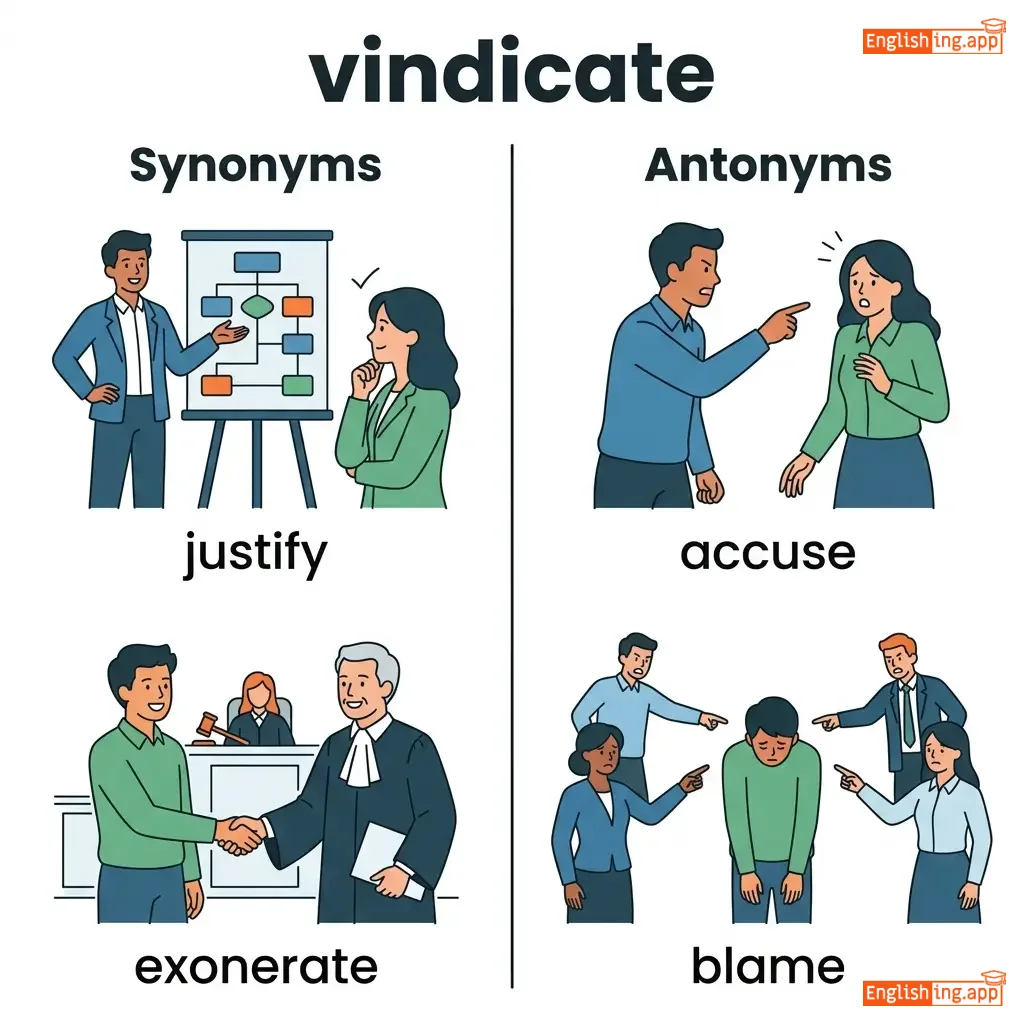
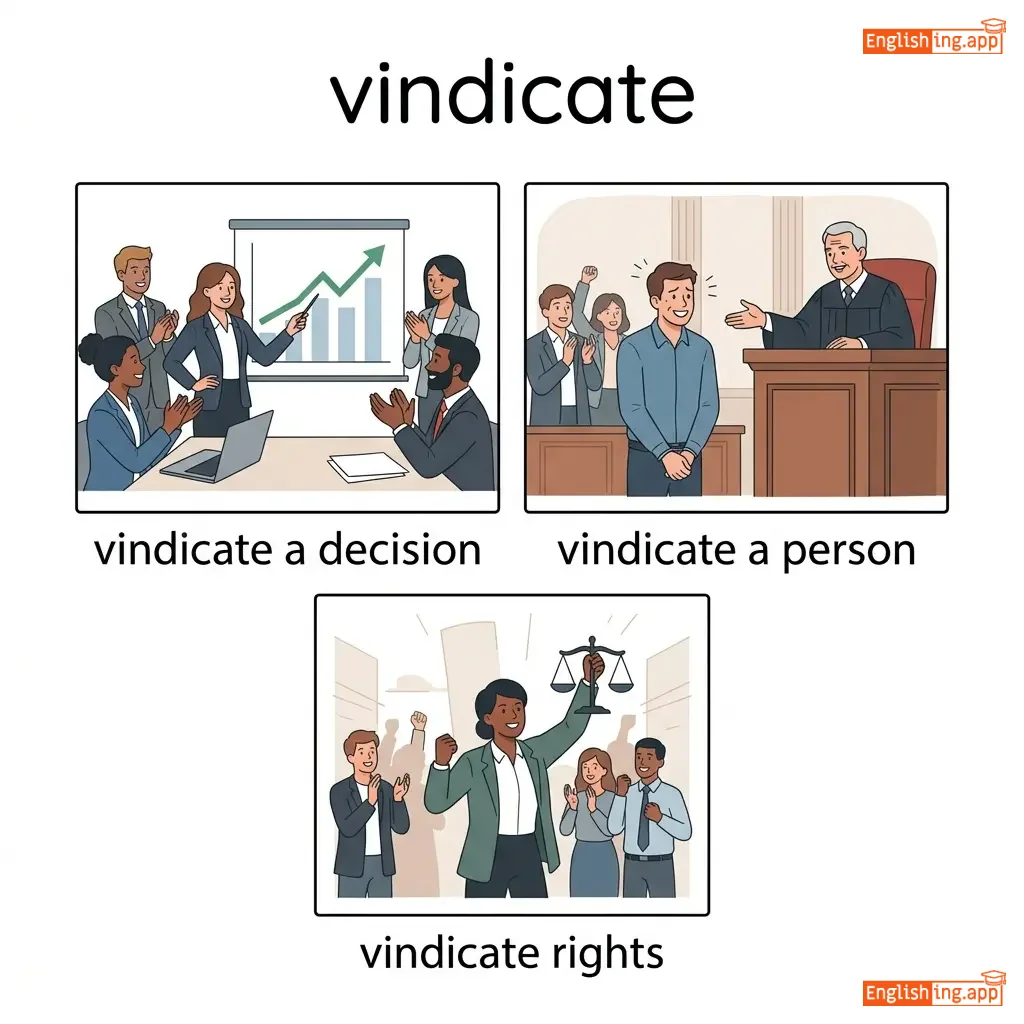
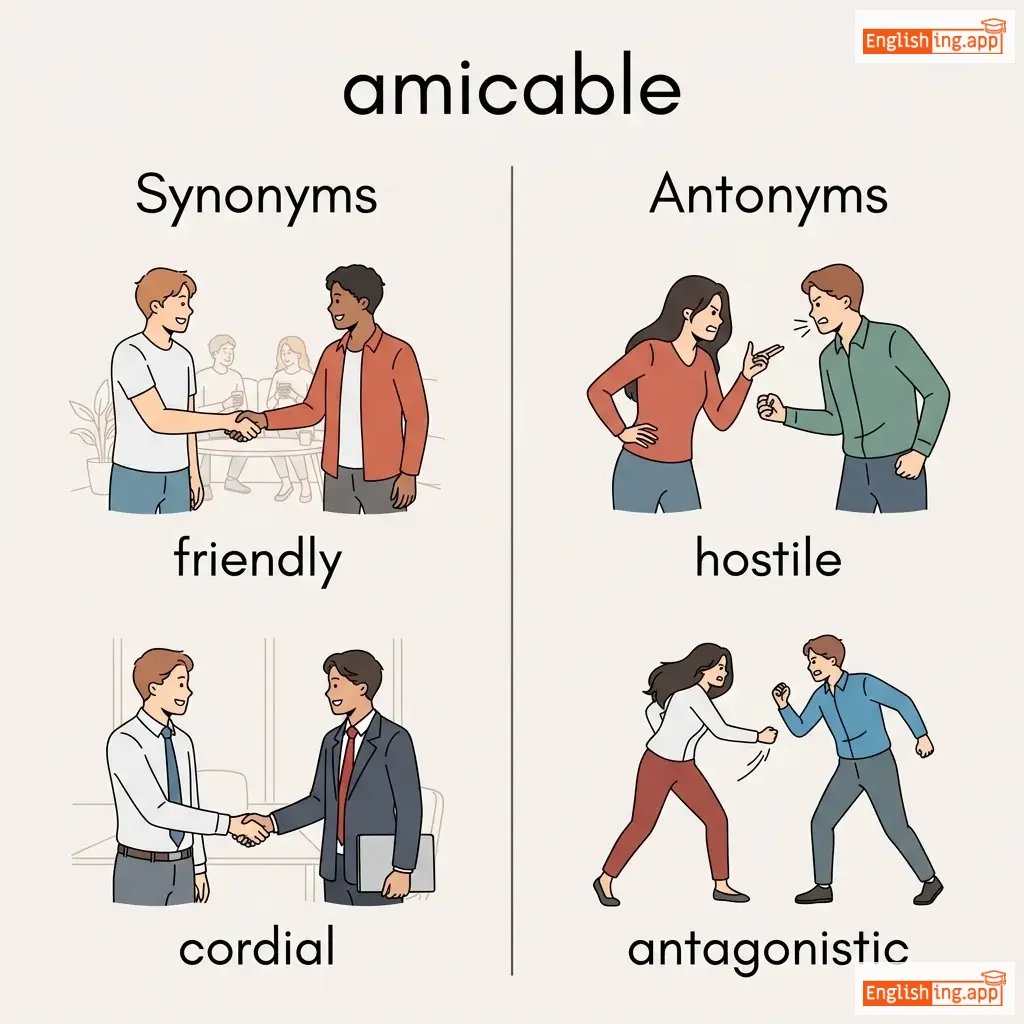
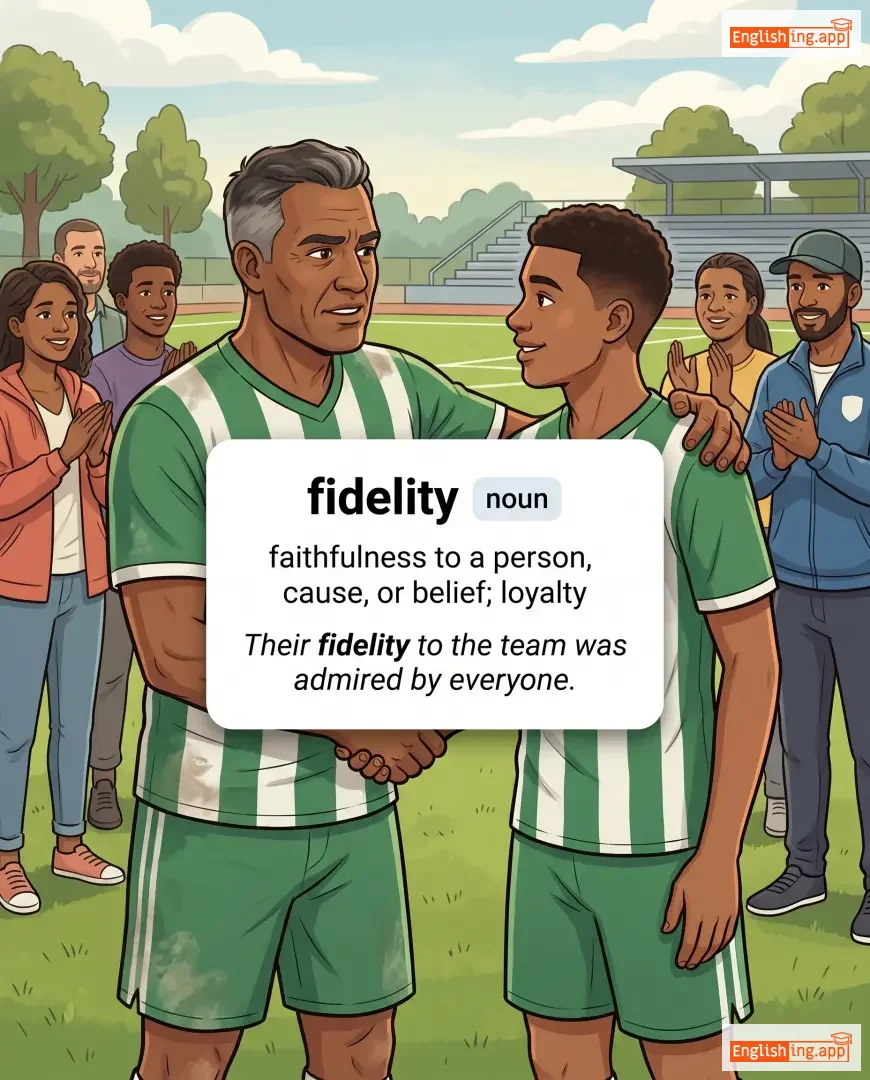
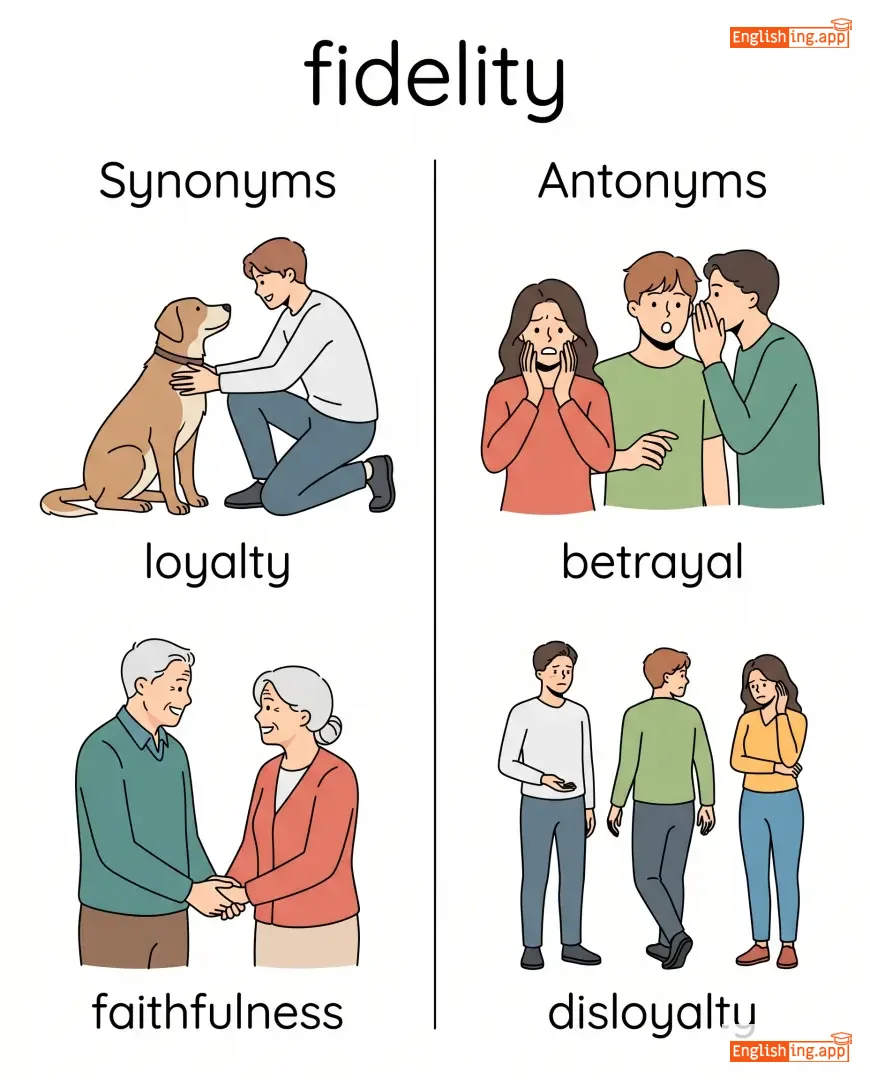
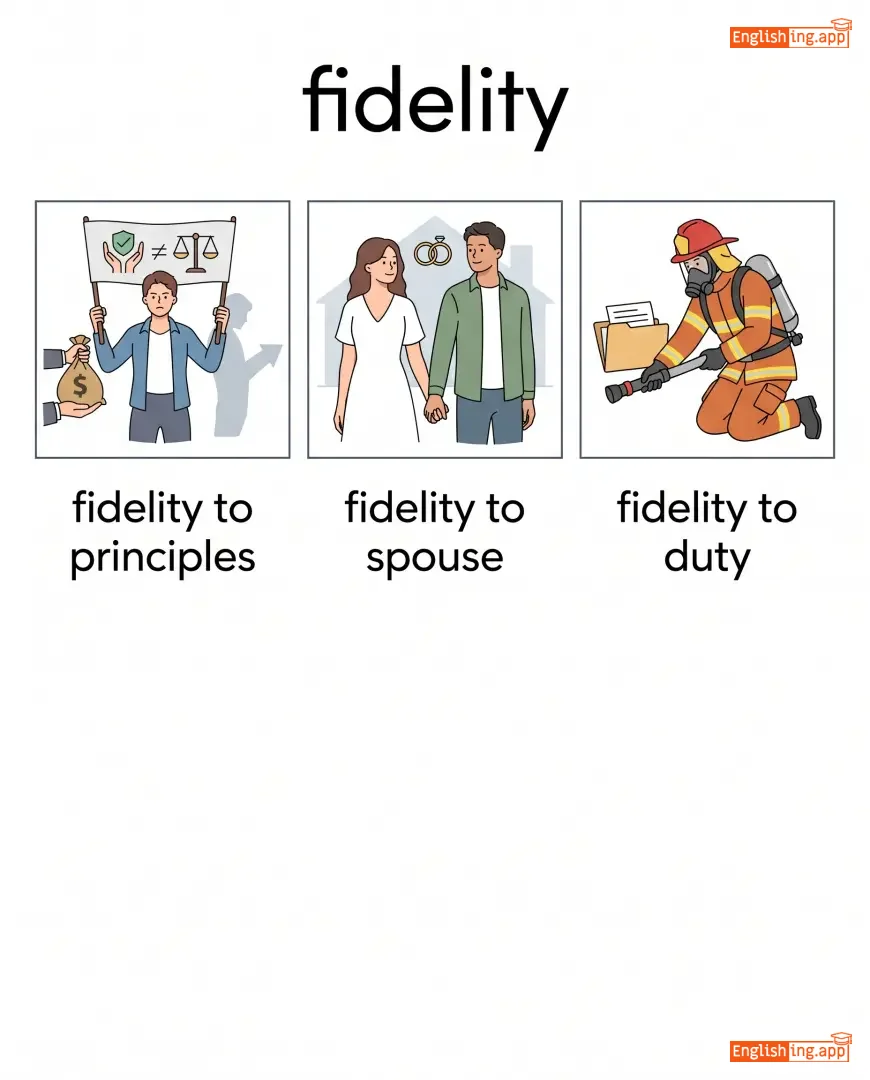
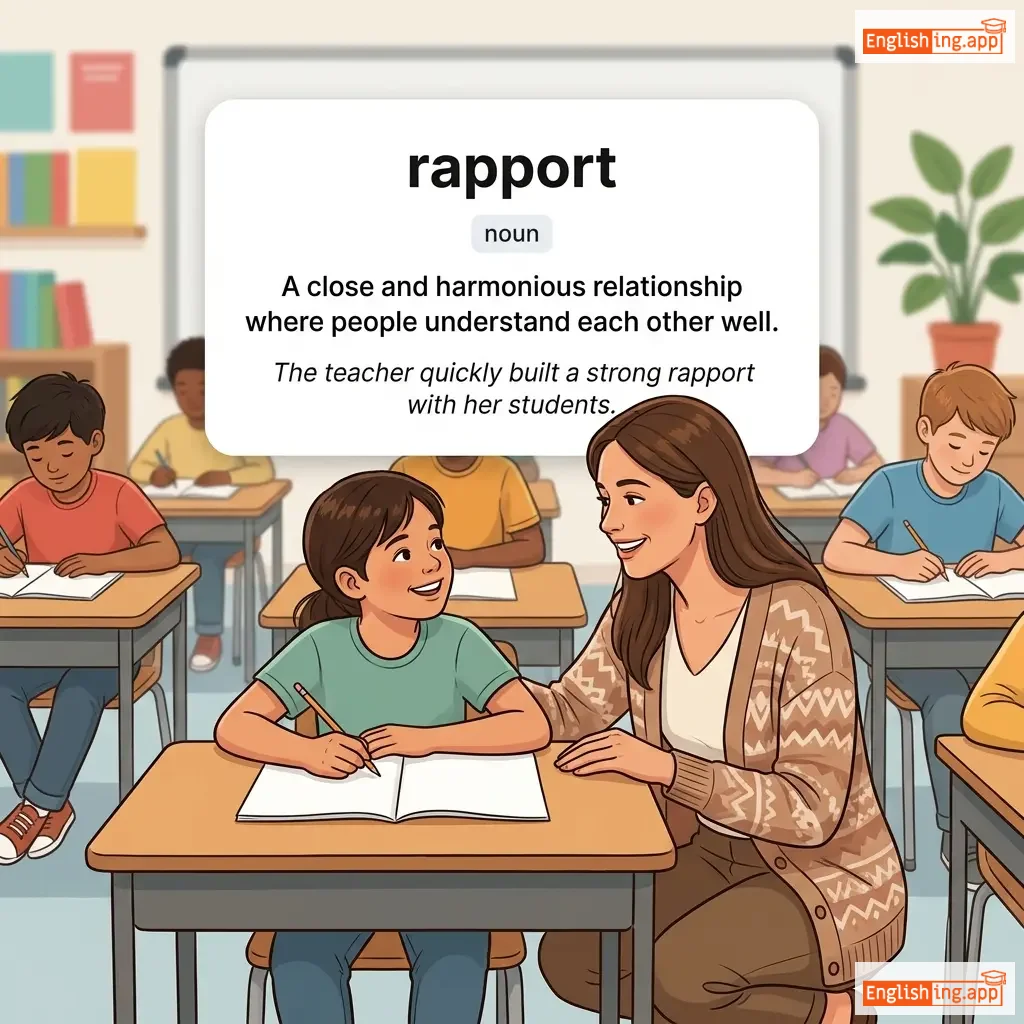
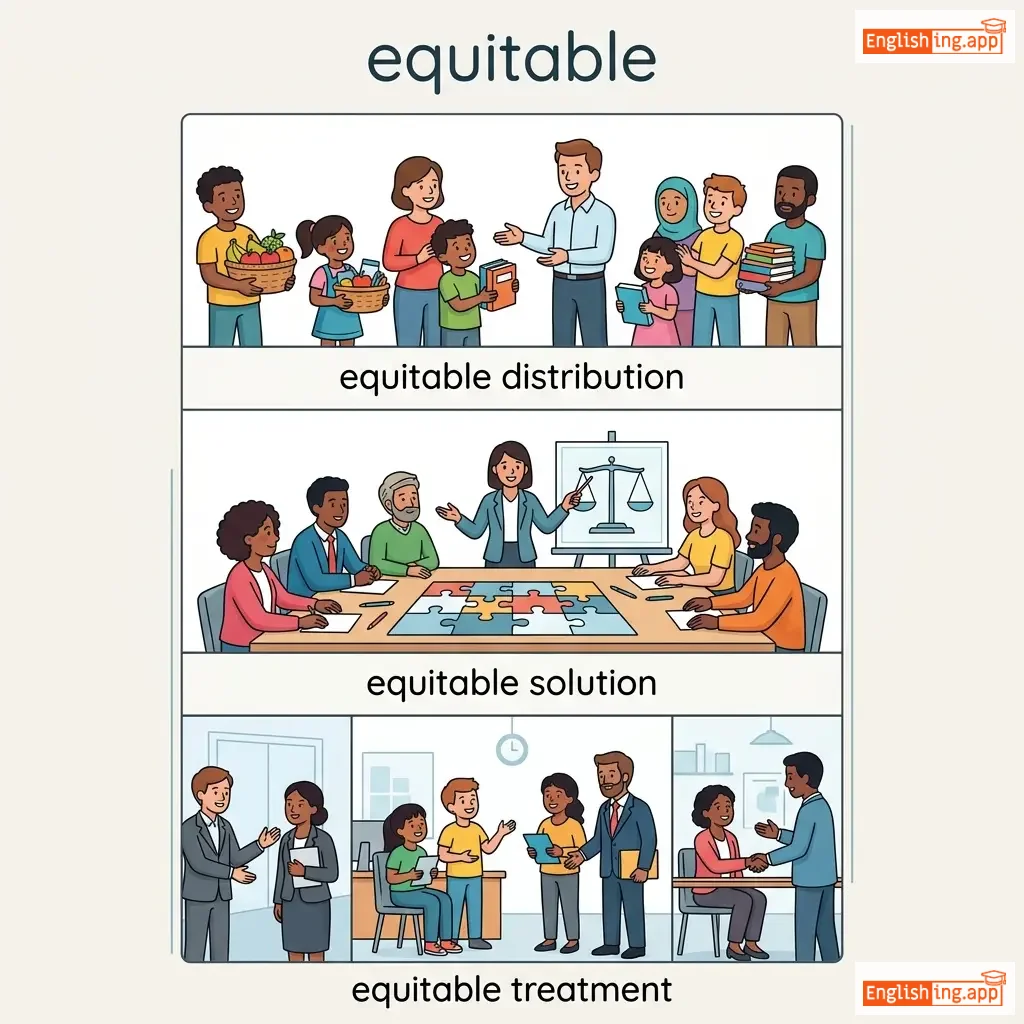
誤解が生じたときは、自分をvindicateしようとするのではなく、amicableな解決策を探すべきです。Fidelityとrapportを維持することで、家族関係はより深く、equitableになります。
翻訳
過去
過去分詞
三人称単数
動名詞
意味
例文
例文の翻訳
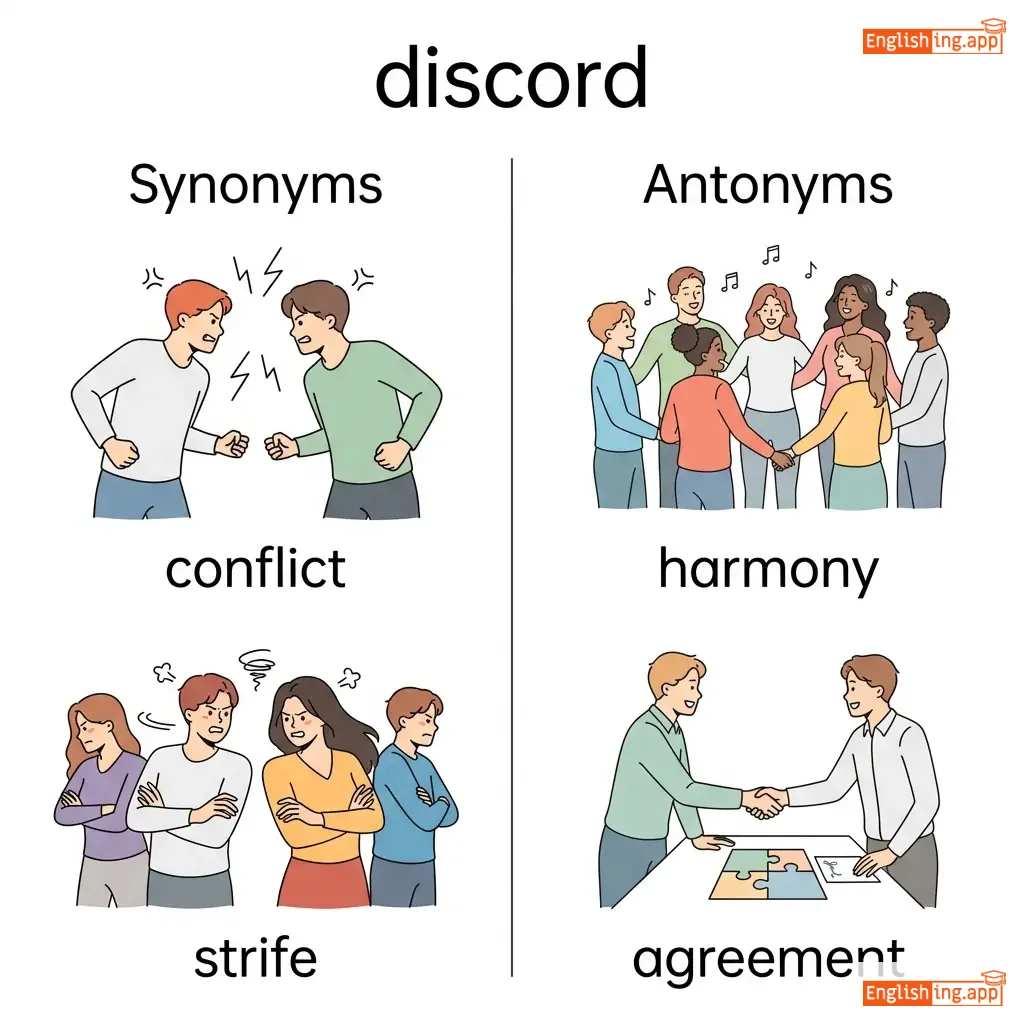
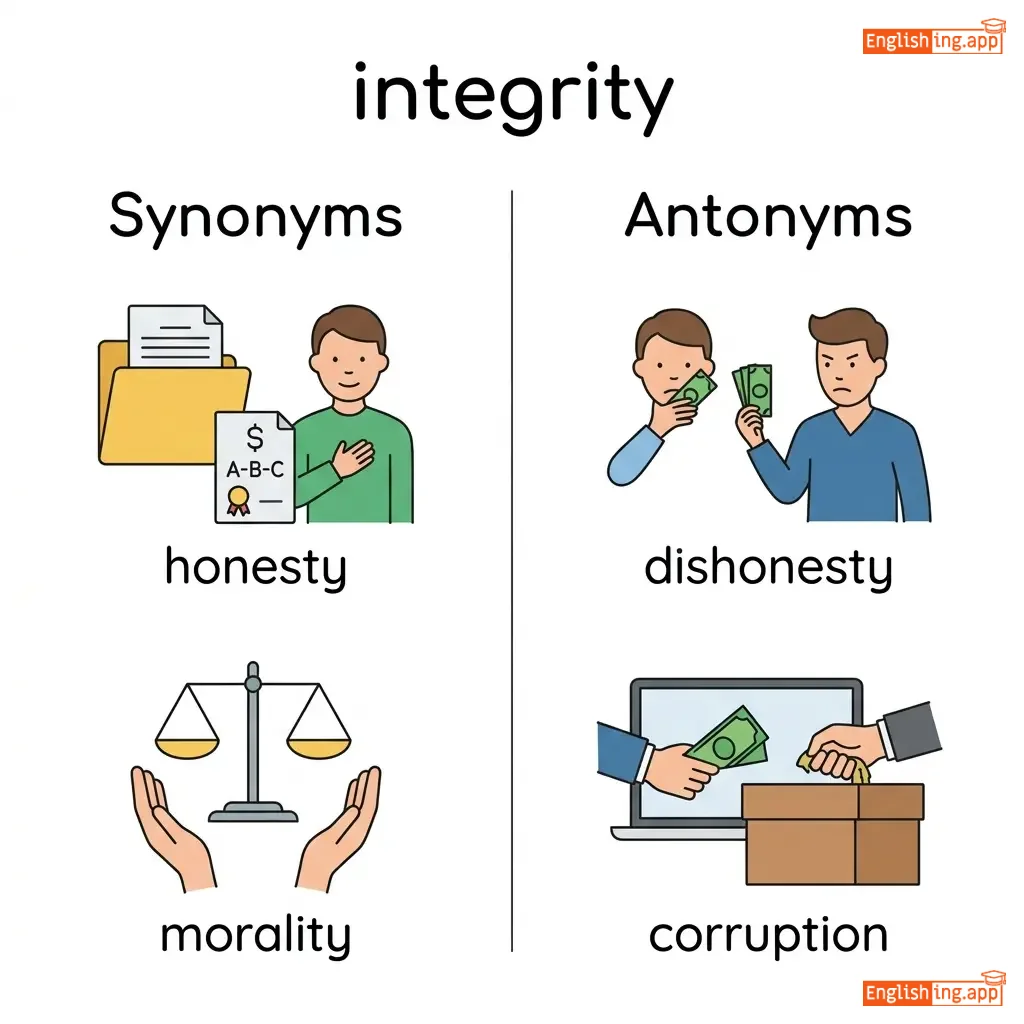
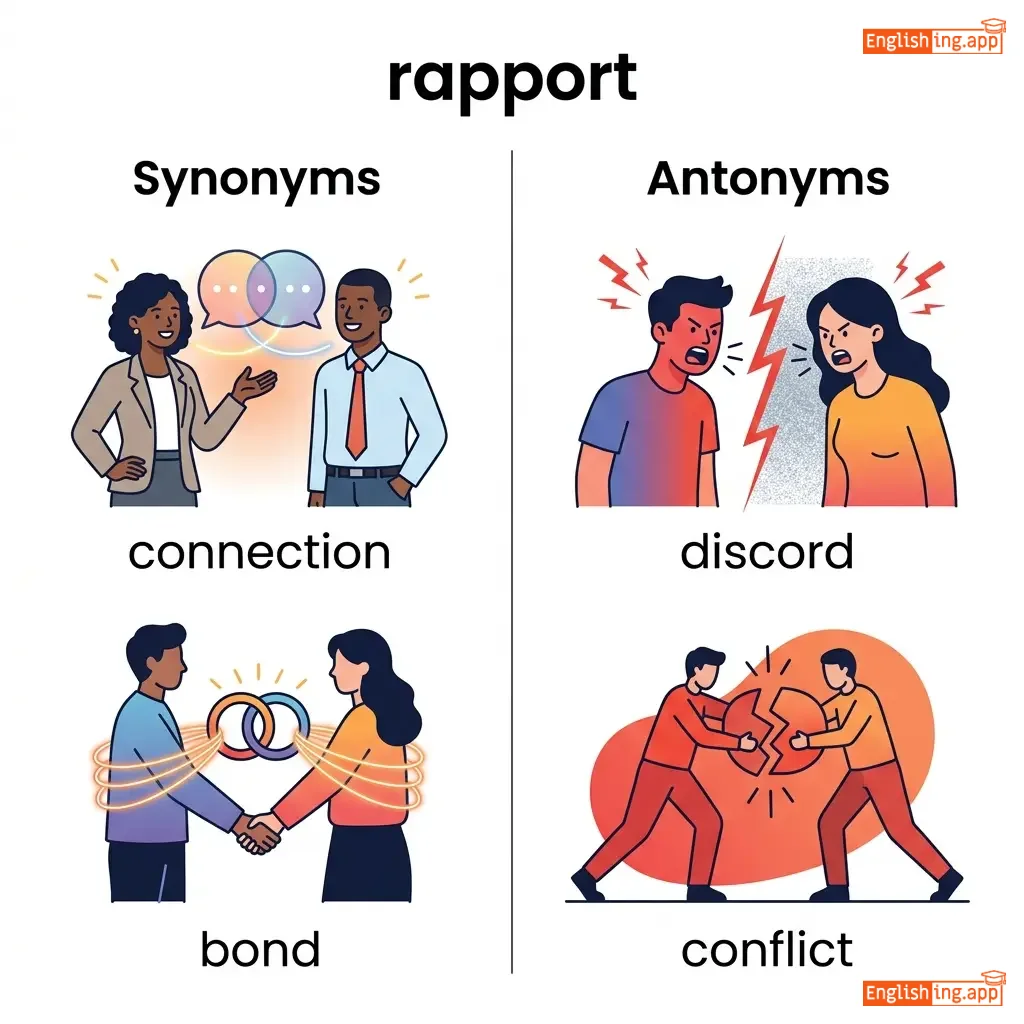
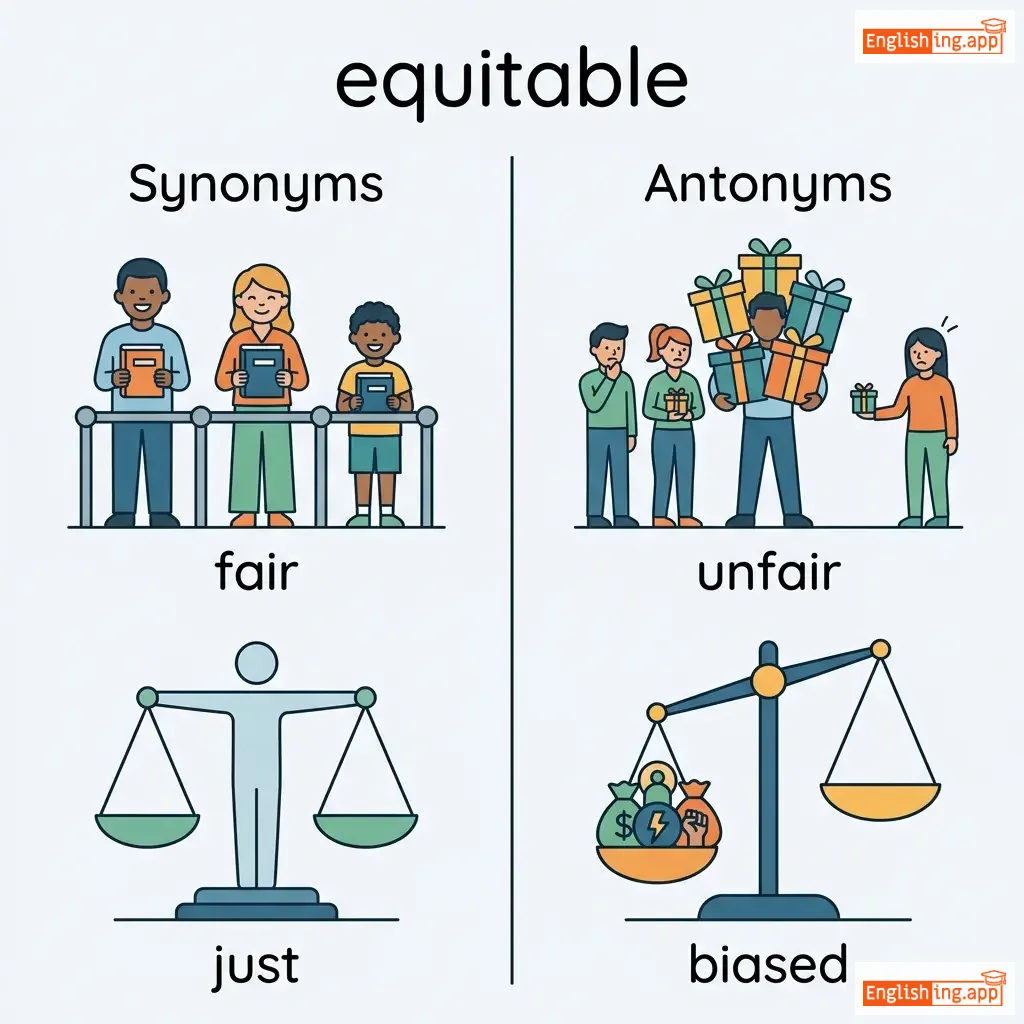
同義語
対義語
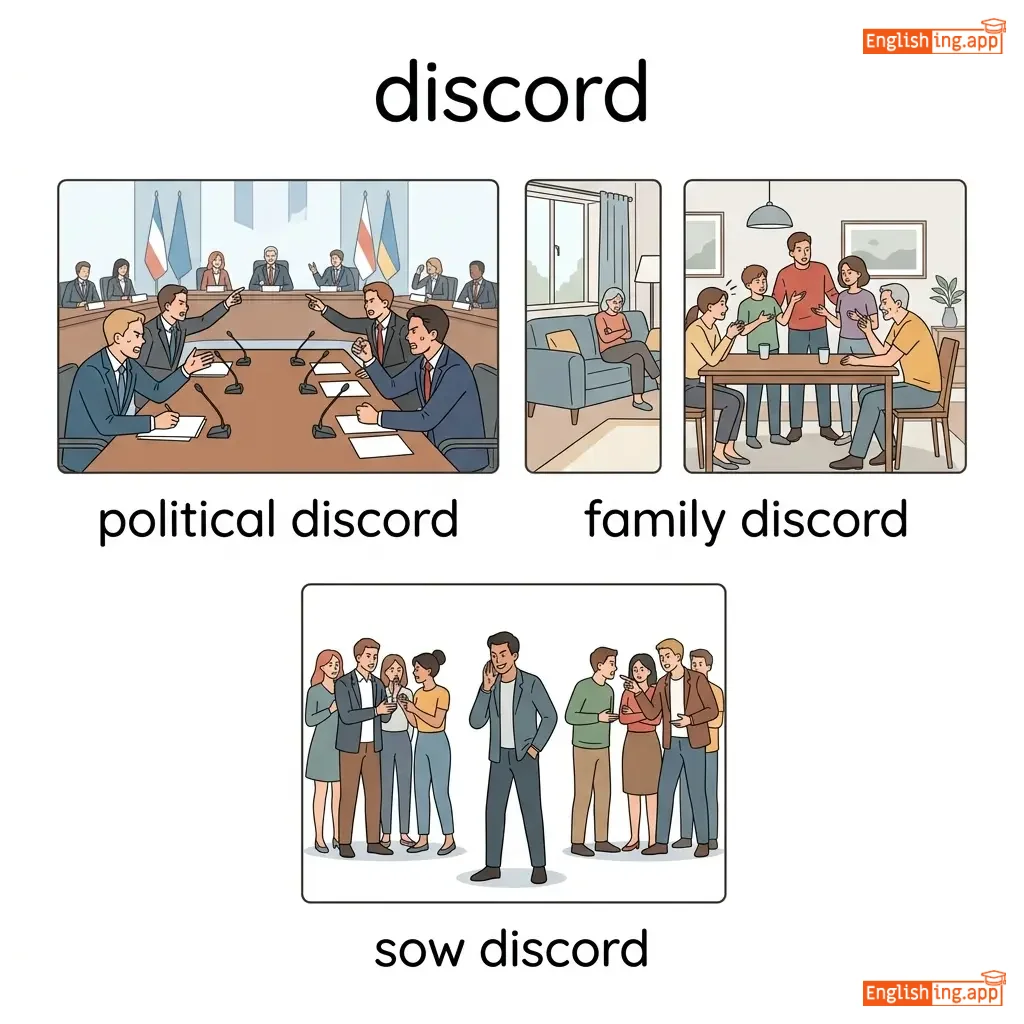
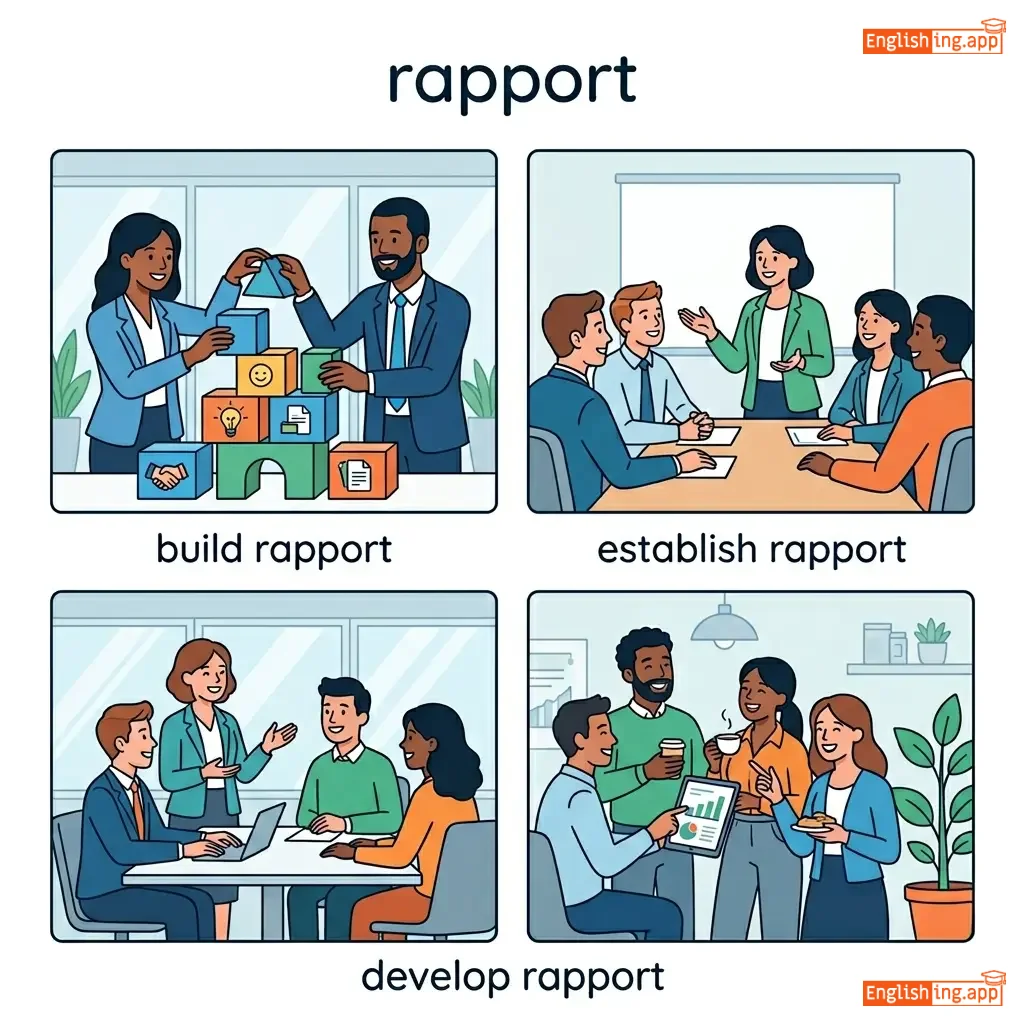
コロケーション
ニーモニック
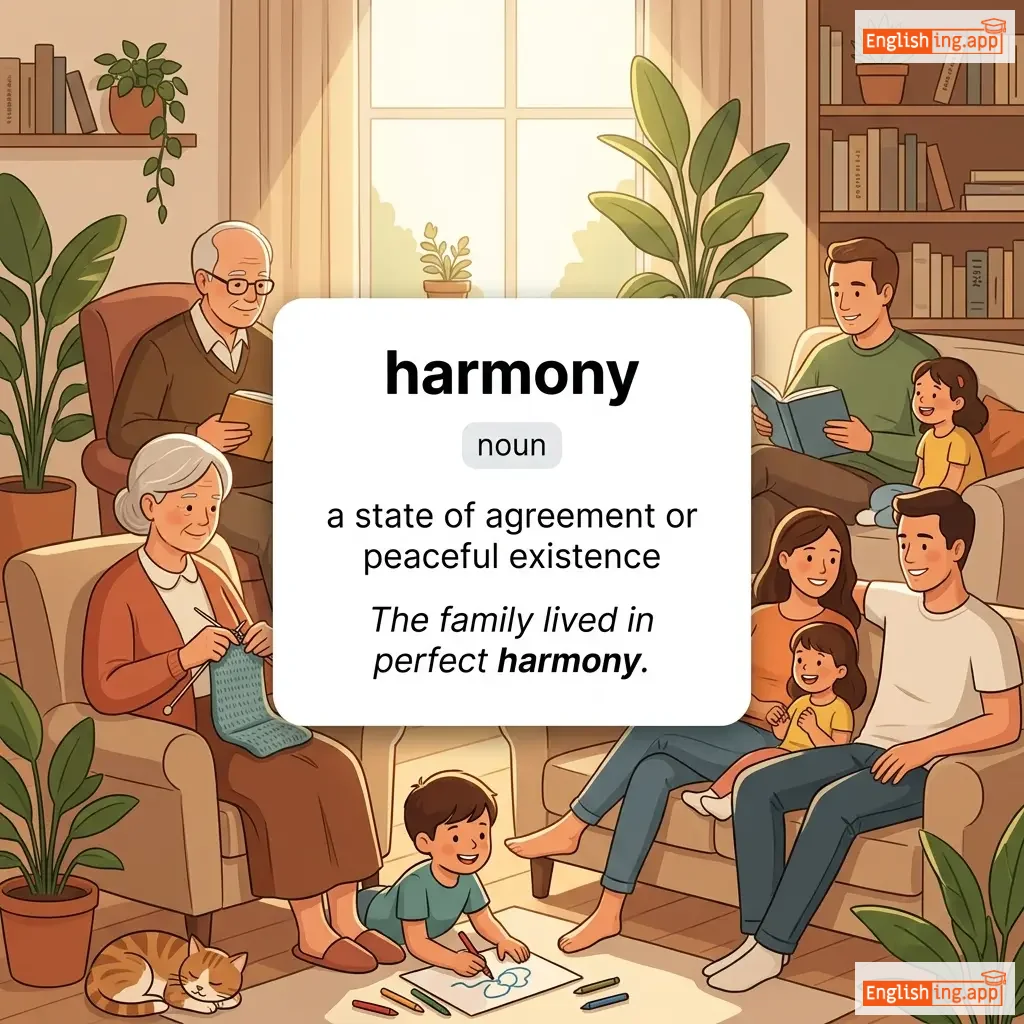
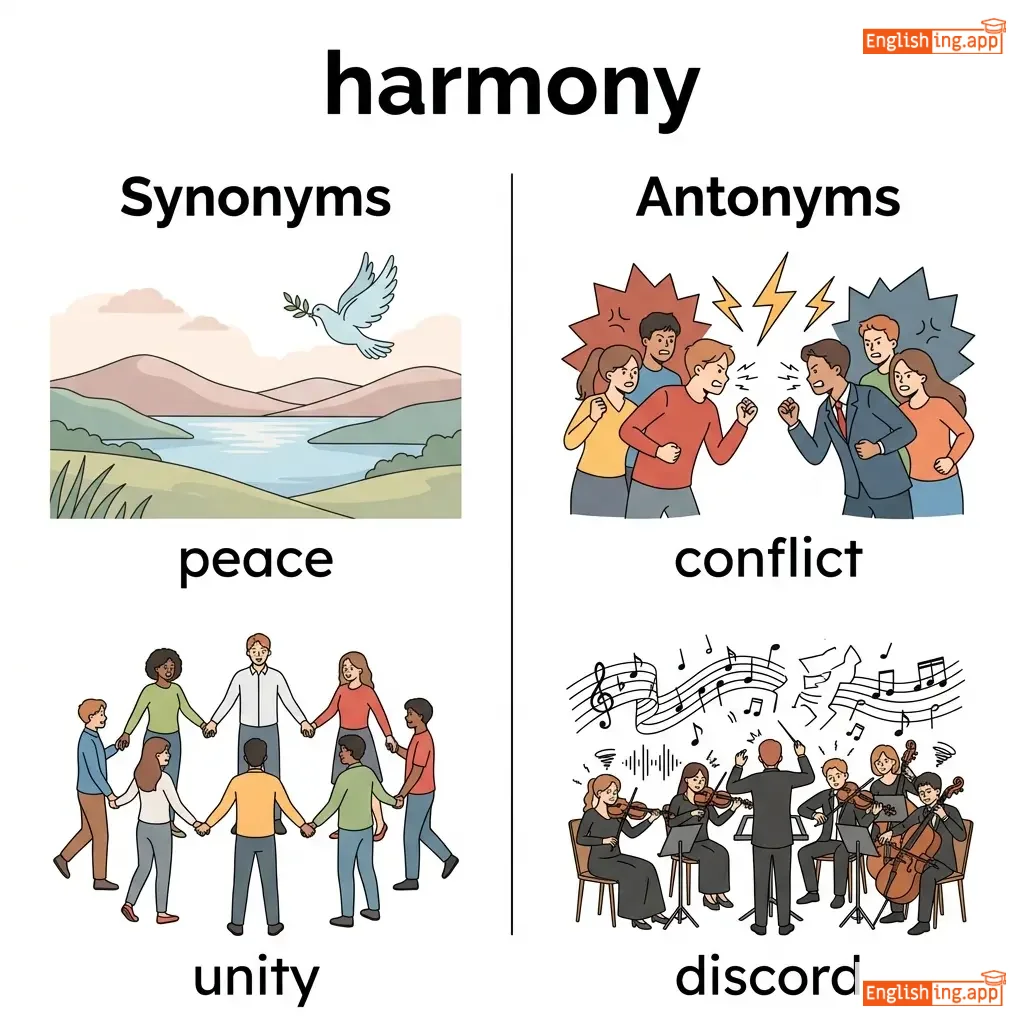
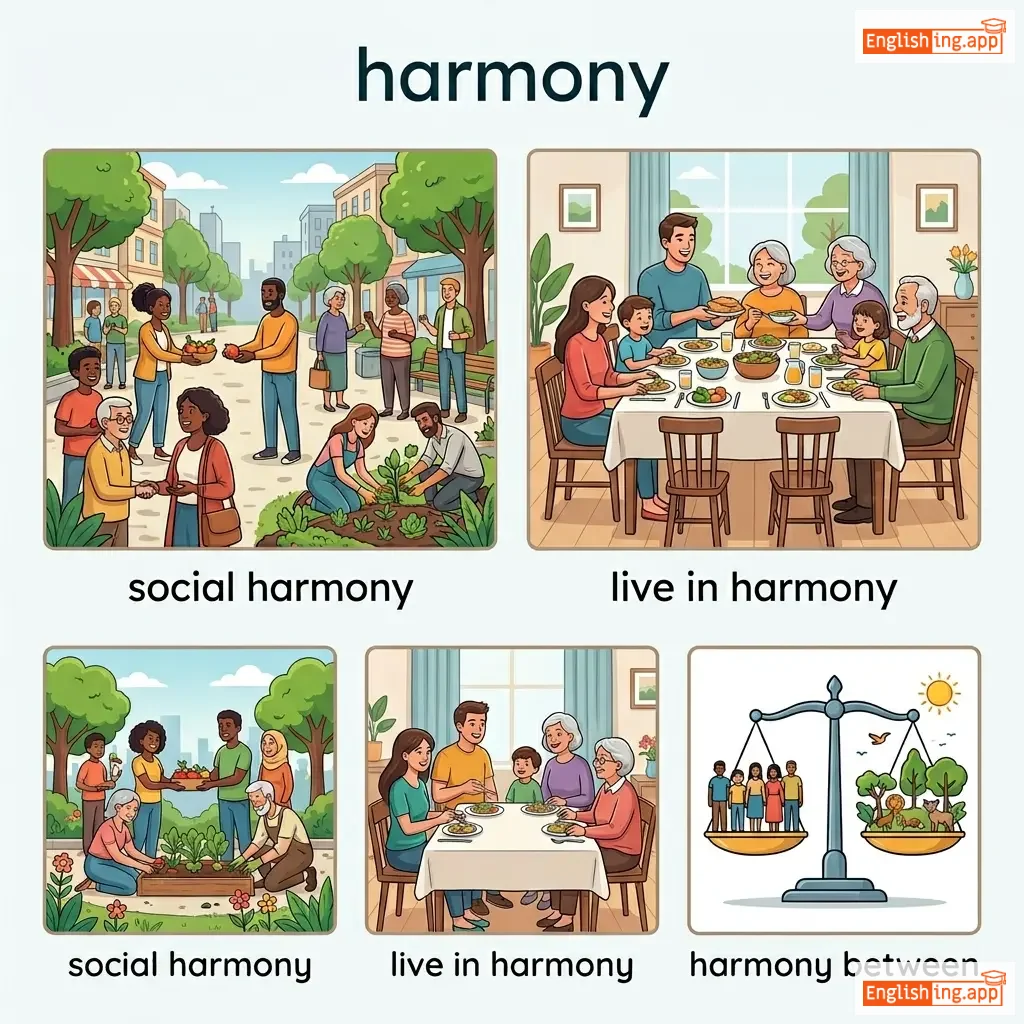
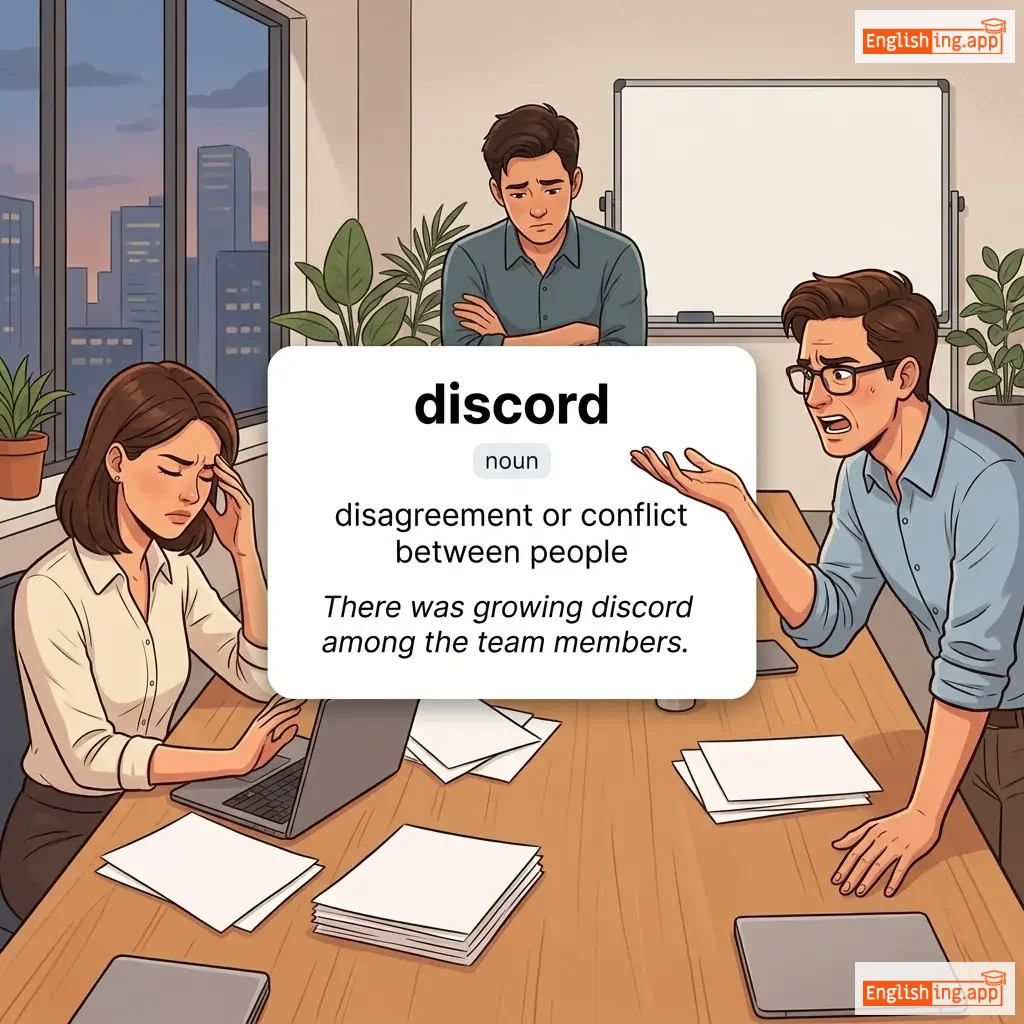








Swipe left or right, or use the buttons. Tap image to zoom.
例文の翻訳
単語
Building Trust Within Family MembersBuilding Trust Within Family Members - マスクトグル
|
絵文字
|
単語 | Images | 翻訳 | 意味 | 例文 | 例文の翻訳 | 同義語 | 対義語 | ニーモニック |
|---|---|---|---|---|---|---|---|---|---|
|
#1243
🎵
|
/ˈhɑːr.mə.ni/
noun
(ハーモニー)
••••••
|
|
調和
chouwa
••••••
|
A pleasing combination of different elements or a state of peaceful coexistence.
••••••
|
A society thrives when there is harmony among its people.
社会は人々の間に調和があると繁栄します。
••••••
|
社会は人々の間に調和があると繁栄します。
Shakai wa hitobito no aida ni chouwa ga aru to han'ei shimasu.
••••••
|
unity, balance, accord
••••••
|
conflict, chaos, discord
••••••
|
Harmony leads to a flourishing society and happiness.
••••••
|
|
#1244
⚡
|
/ˈdɪs.kɔːrd/
noun
(ディスコード)
••••••
|
|
対立や不一致
tairitsu ya fuicchi
••••••
|
Disagreement or conflict between two parties.
••••••
|
Political discord often leads to social instability.
政治的な対立はしばしば社会的不安定を引き起こす。
••••••
|
政治的な対立はしばしば社会的不安定を引き起こす。
Seijiteki na tairitsu wa shibashiba shakai-teki fuan-tei o hikiokosu.
••••••
|
disagreement, conflict, disharmony
••••••
|
agreement, harmony, accord
••••••
|
対立が政治や社会を不安定にする。
••••••
|
|
#1245
🛡️
|
/ɪnˈtɛɡ.rə.ti/
noun
(インテグリティ)
••••••
|
|
誠実
seijitsu
••••••
|
The quality of being honest and having strong moral principles.
••••••
|
A leader should have integrity to earn people's trust. |
リーダーは人々の信頼を得るために誠実でなければならない。
Rīdā wa hitobito no shinrai o eru tame ni seijitsu de nakereba naranai.
••••••
|
honesty, morality, uprightness
••••••
|
dishonesty, corruption, deceit
••••••
|
誠実(seijitsu)が信頼(shinrai)を築く鍵です。
••••••
|
|
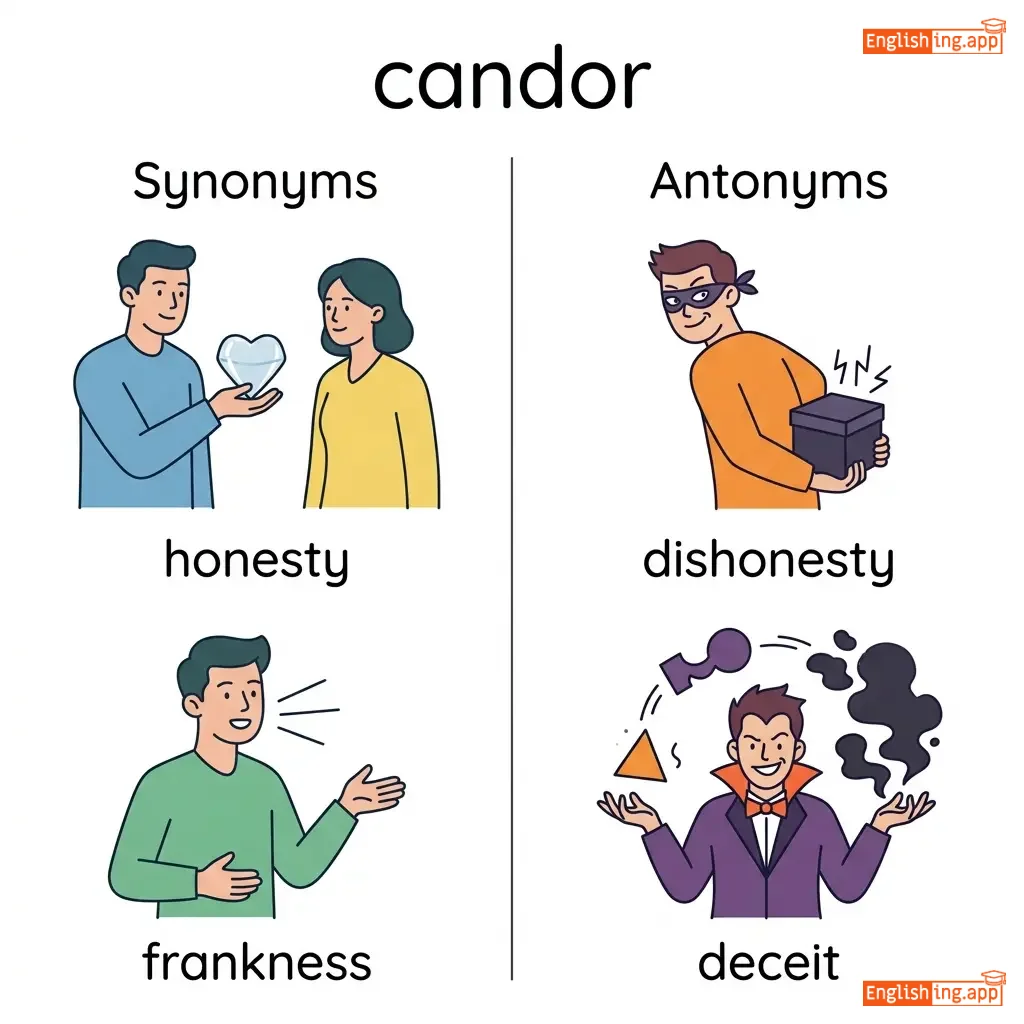
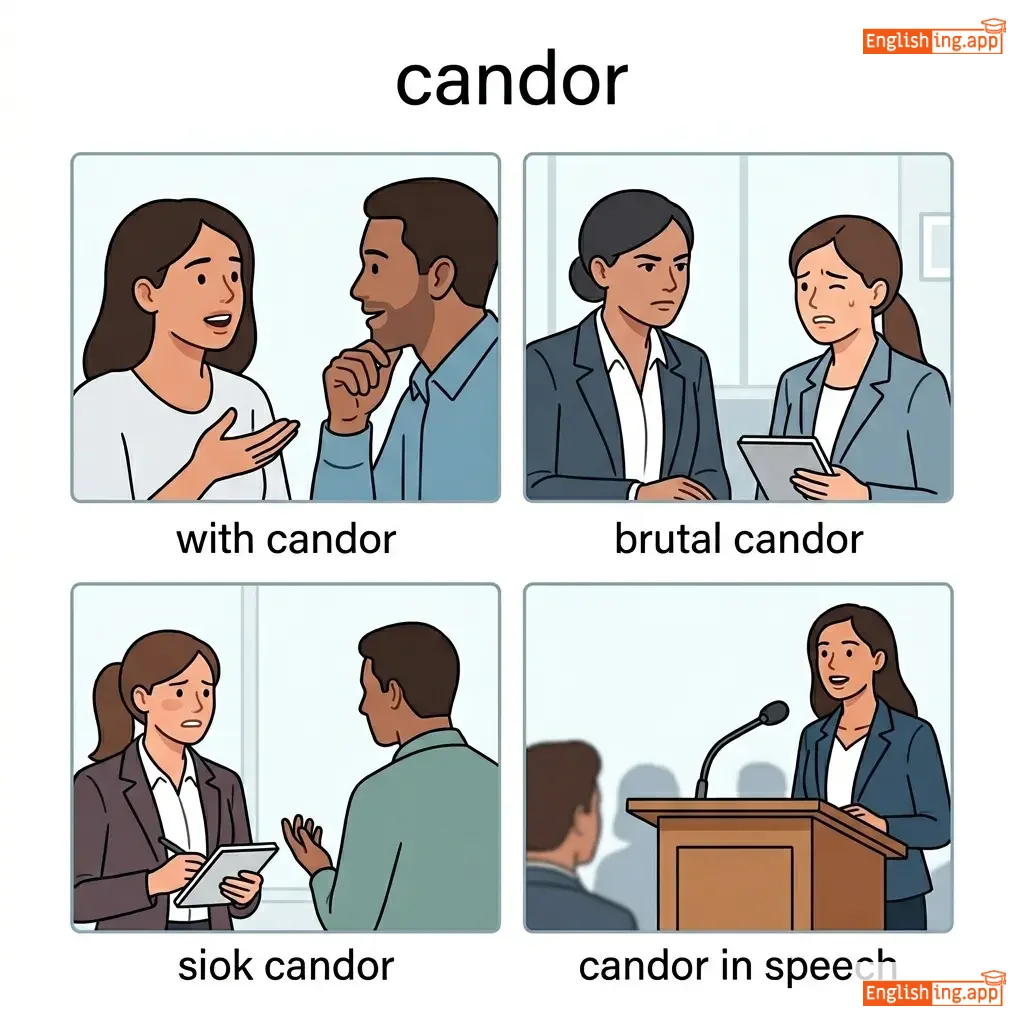
#1246
💬
|
/ˈkæn.dɚ/
noun
(kandā)
••••••
|
|
率直
sotchoku
••••••
|
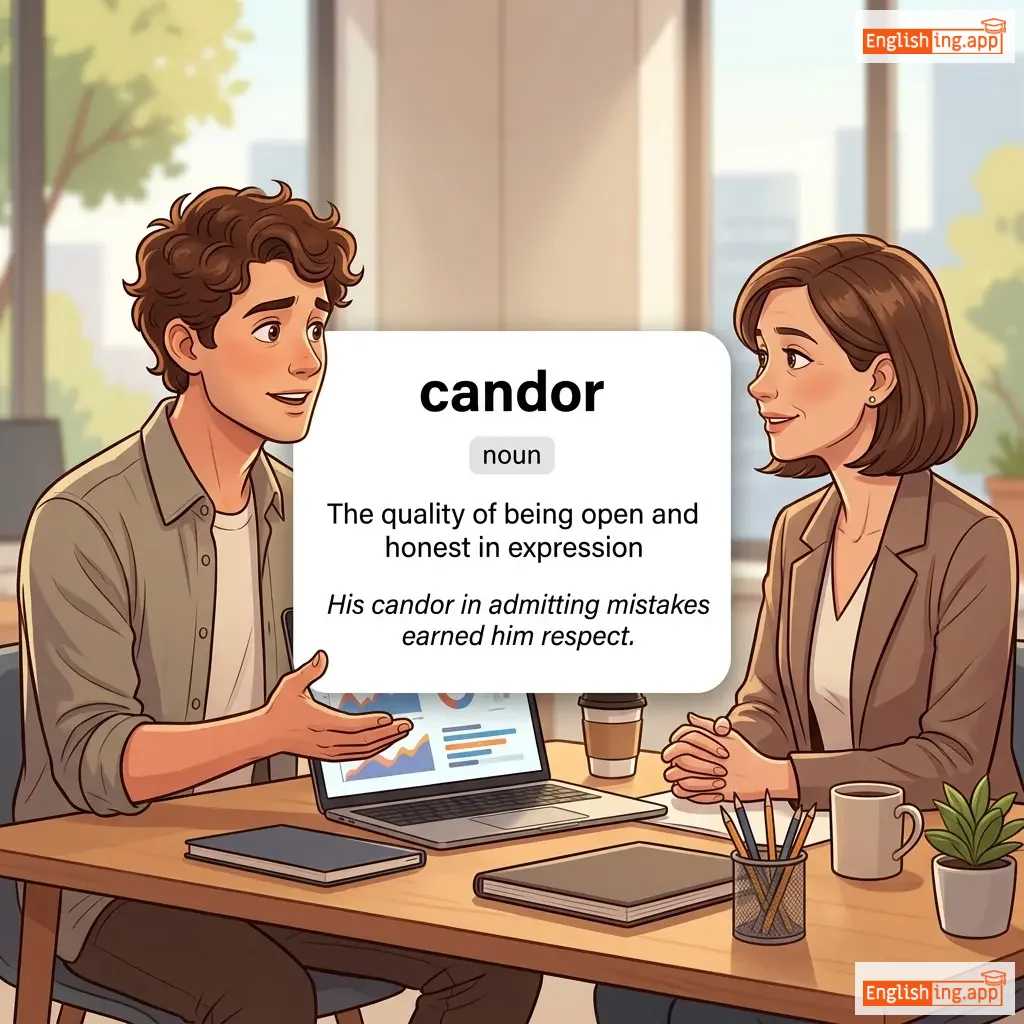
The quality of being open, honest, and straightforward in speech or expression.
••••••
|
She spoke with candor about the challenges she faced.
彼女は直面した課題について率直に話しました。
••••••
|
彼女は直面した課題について率直に話しました。
Kanojo wa chokumen shita kadai ni tsuite sotchoku ni hanashimashita.
••••••
|
frankness, openness, honesty
••••••
|
deception, dishonesty, insincerity
••••••
|
‘率直’ (candor) と ‘誠実’ (honesty) は、開かれた表現を意味します。
••••••
|
|
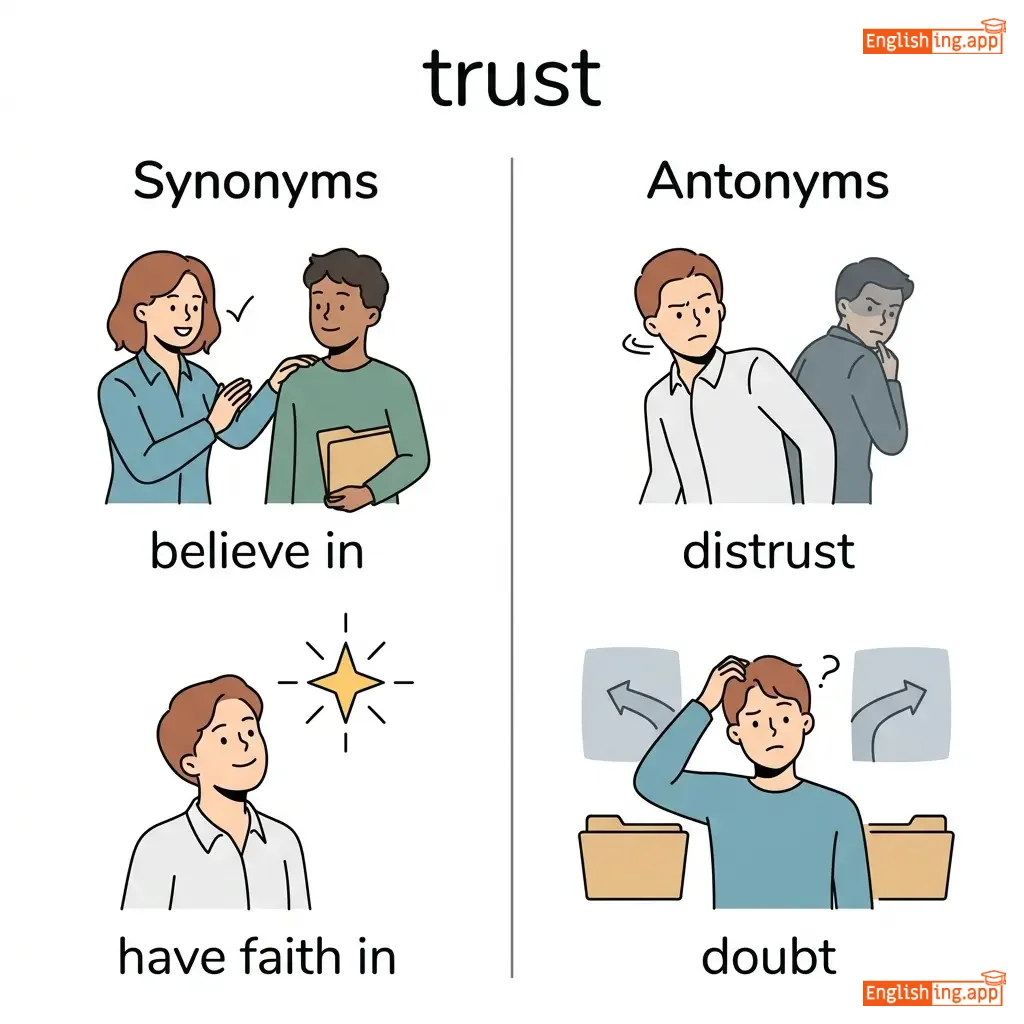
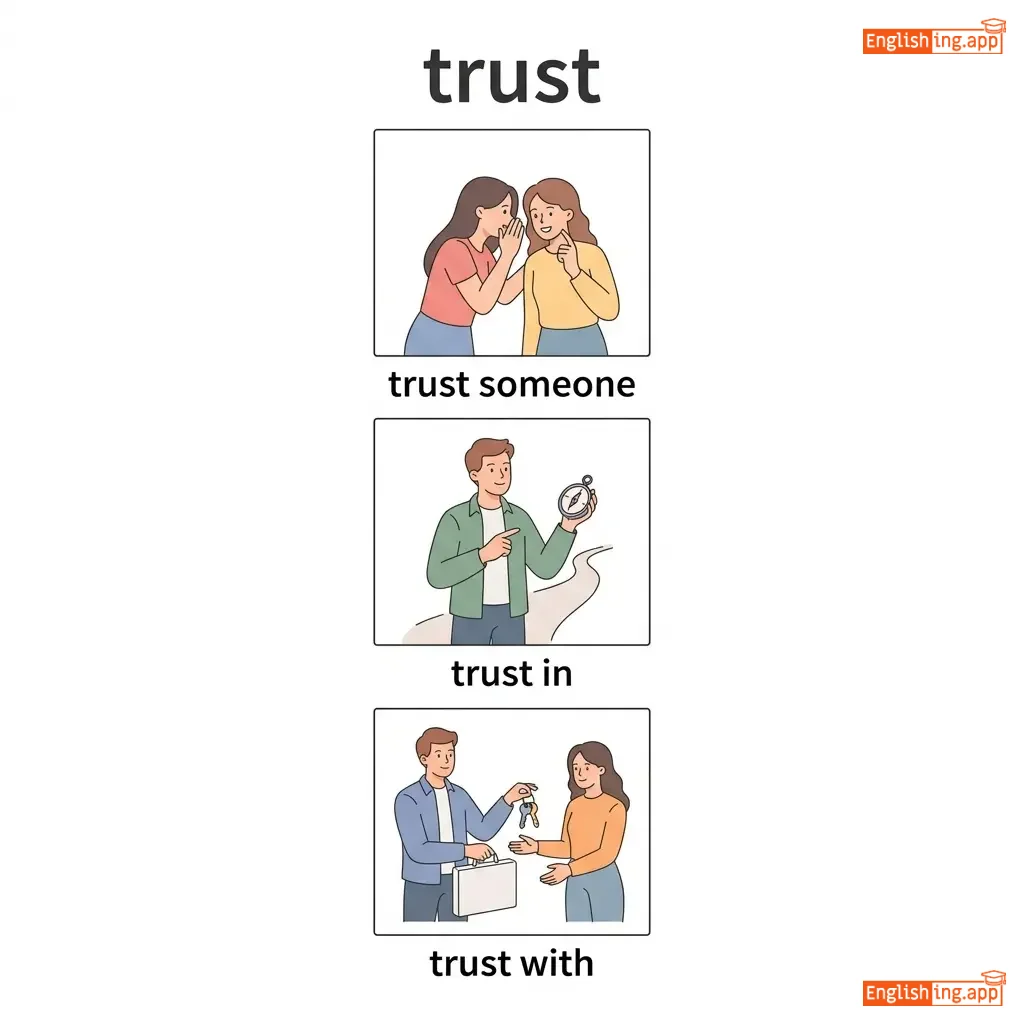
#1247
🤝
|
/trʌst/
noun
(トラスト)
••••••
|
|
信頼
shinrai
••••••
|
Firm belief in the reliability, truth, or strength of someone or something.
••••••
|
Mutual trust strengthens relationships.
相互の信頼が関係を強化します。
••••••
|
相互の信頼が関係を強化します。
Sōgo no shinrai ga kankei o kyōka shimasu.
••••••
|
confidence, faith, reliance
••••••
|
mistrust, doubt, suspicion
••••••
|
信頼は強い関係の基盤です。
••••••
|
|
#1248
❤️
|
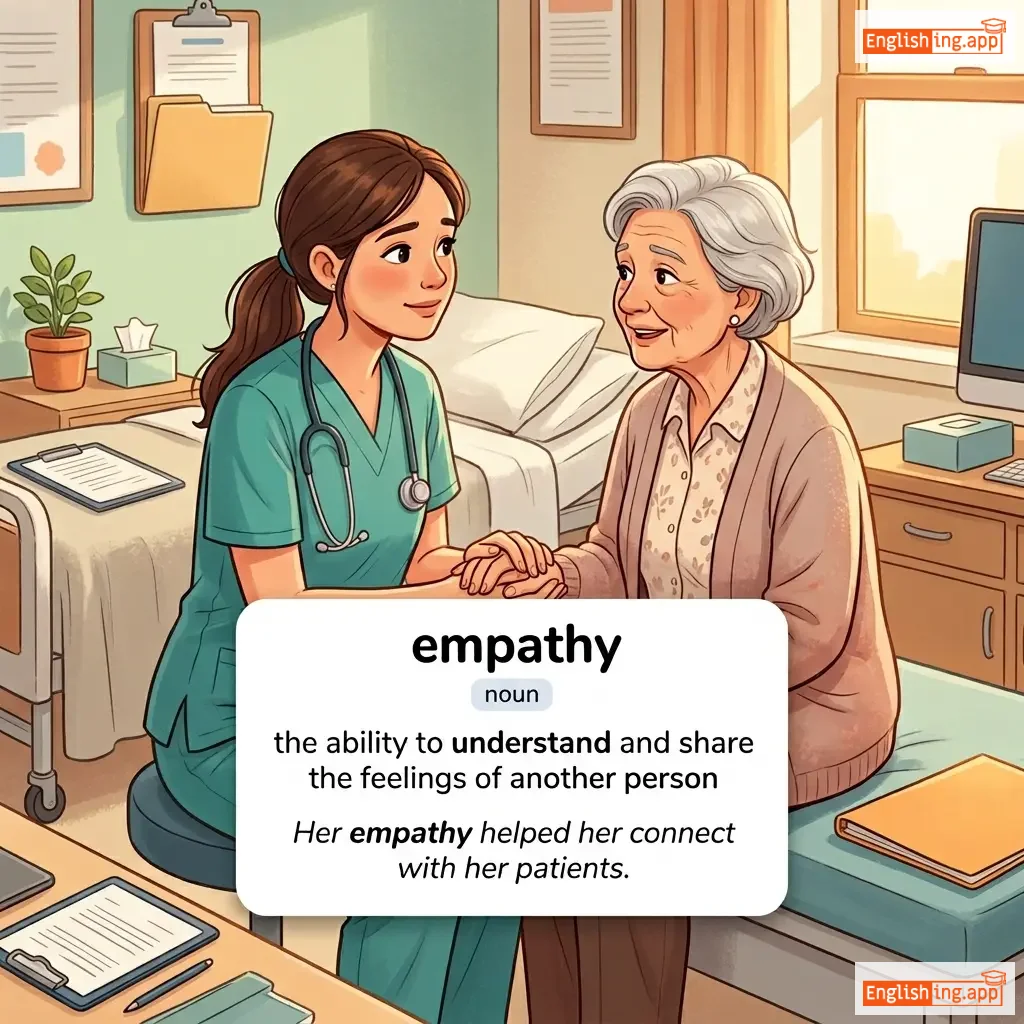
/ˈɛm.pə.θi/
noun
(エンパシー)
••••••
|
|
共感
kyoukan
••••••
|
The ability to understand and share the feelings of another person.
••••••
|
A good leader must have empathy for their team members. |
優れたリーダーはチームメンバーに共感を持つべきです。
Sugureta rīdā wa chīmu menbā ni kyōkan o motsu beki desu.
••••••
|
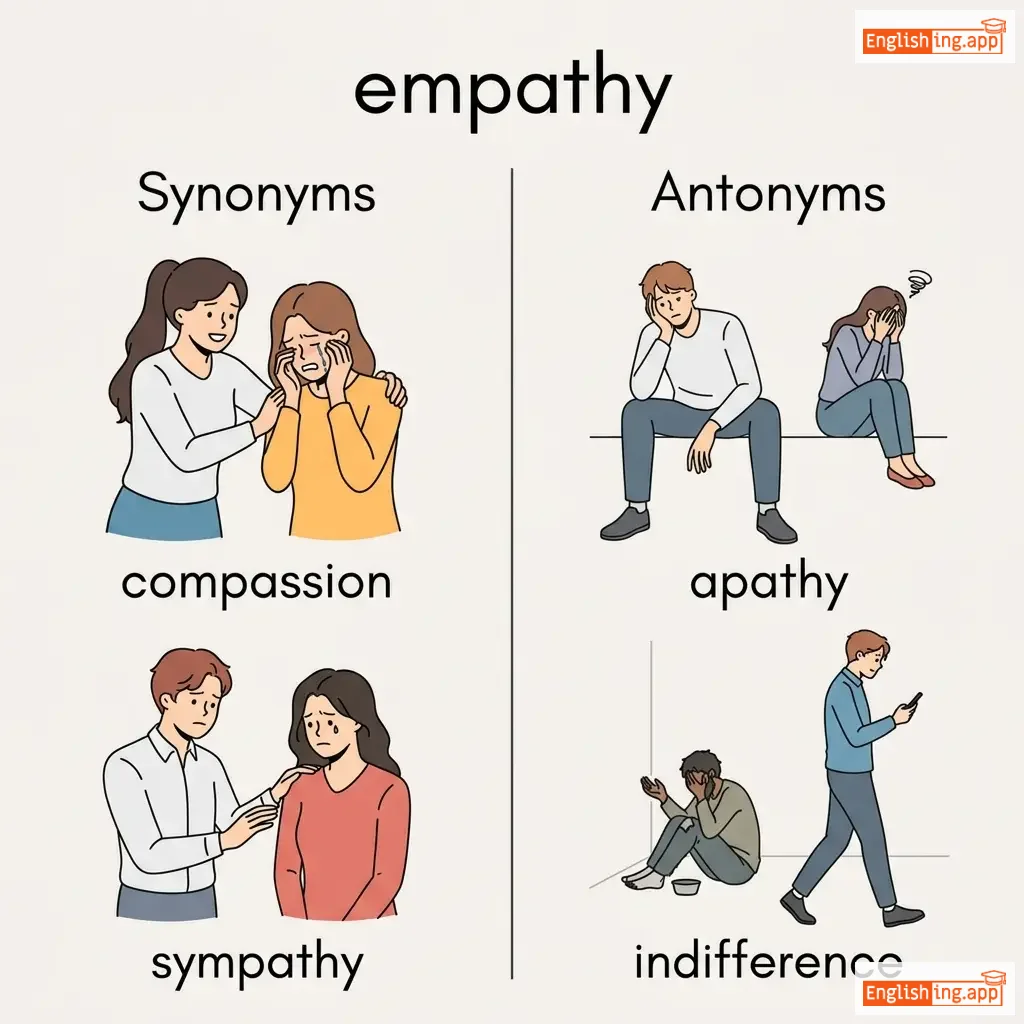
compassion, understanding, sensitivity
••••••
|
indifference, apathy, coldness
••••••
|
共感は他の人の気持ちを感じ取る力です。
••••••
|
|
#1249
🤗
|
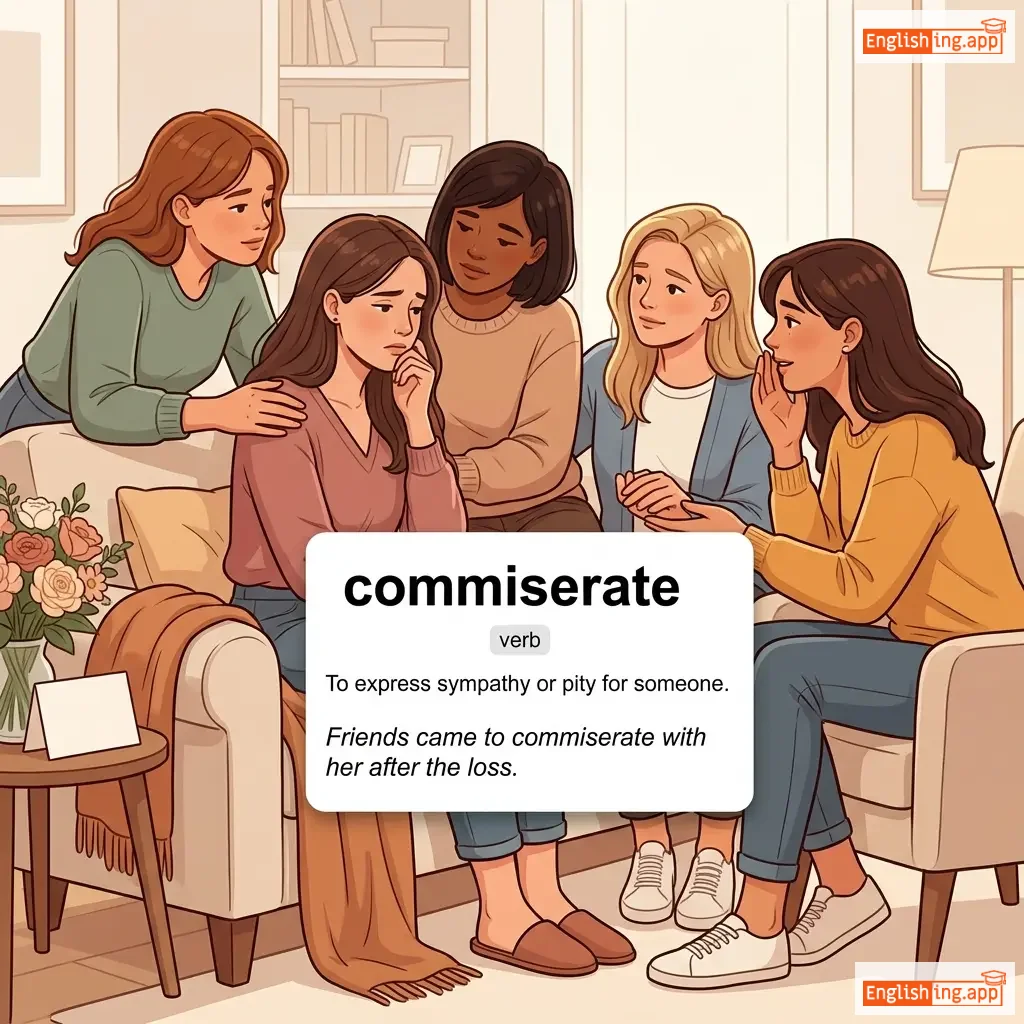
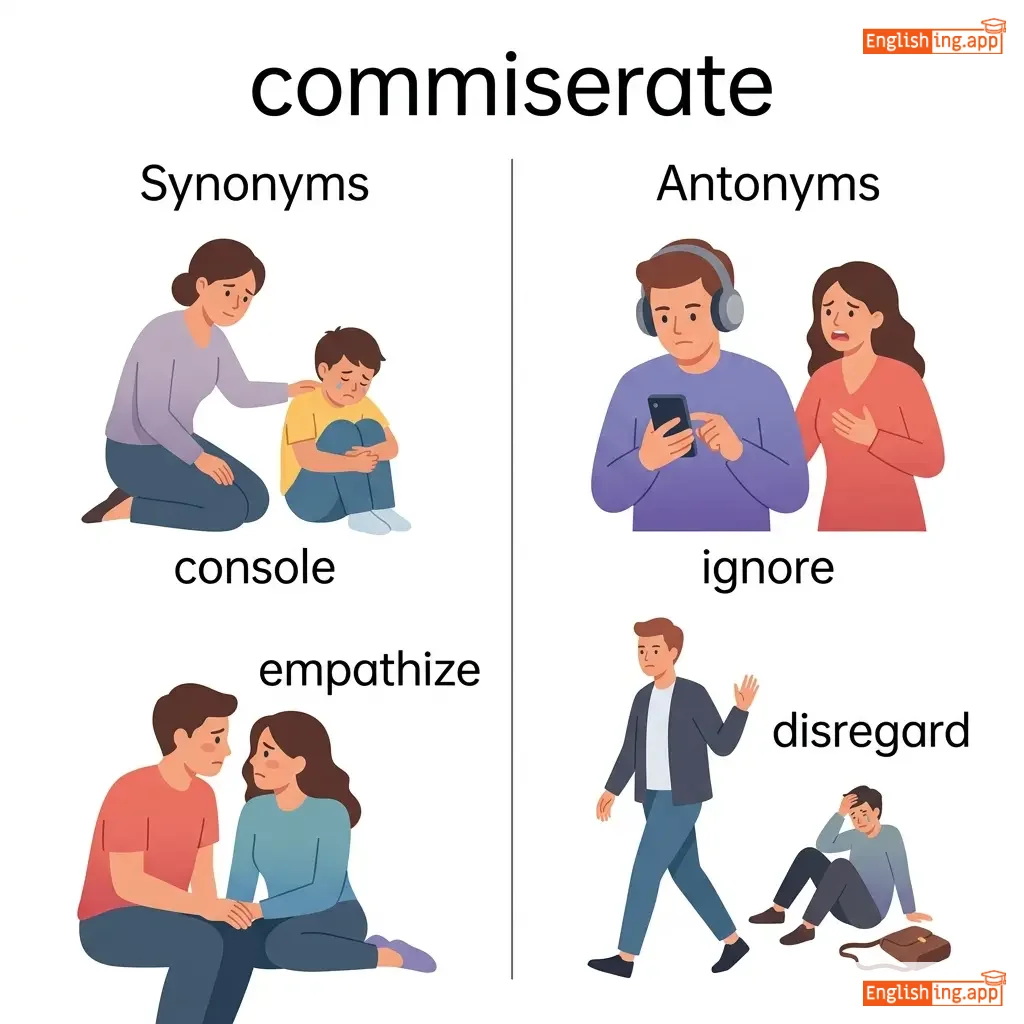
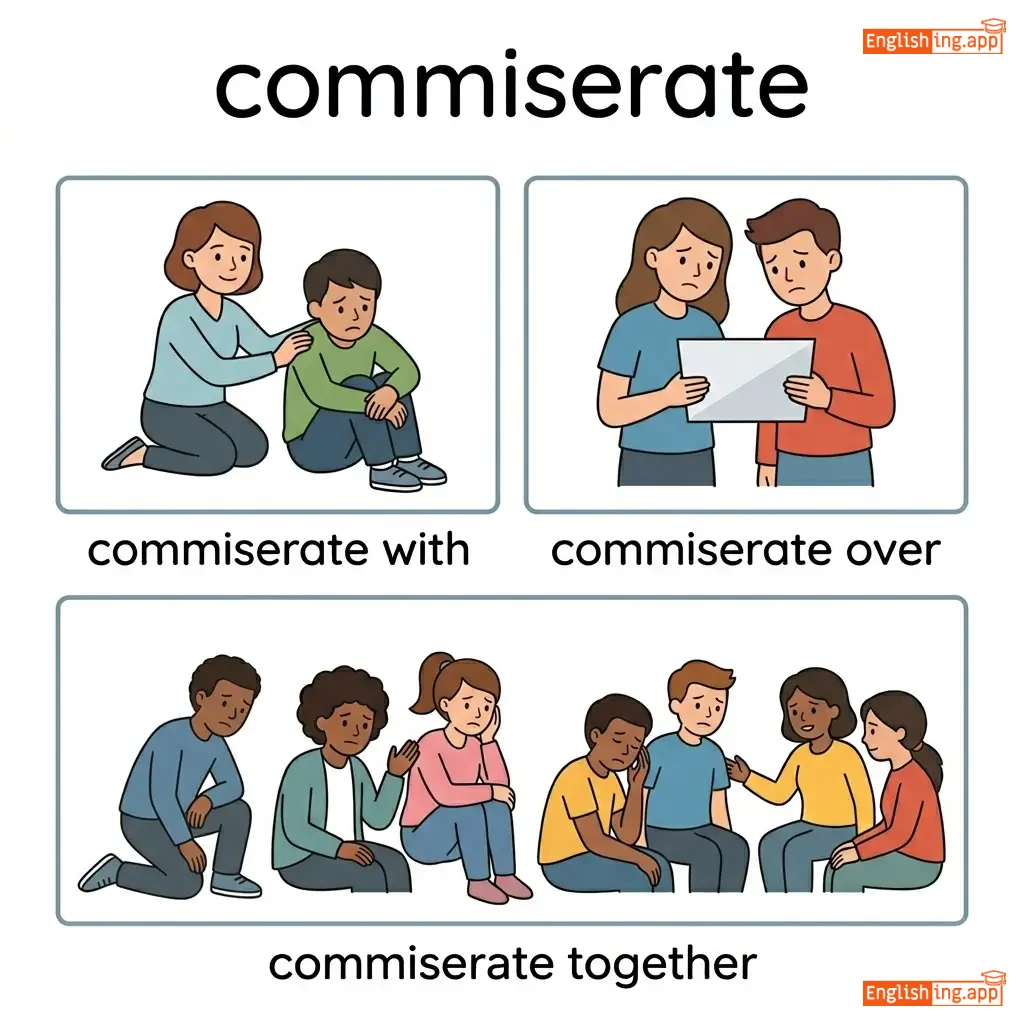
/kəˈmɪz.ə.reɪt/
verb
(コミゼレイト)
••••••
|
|
他人の不幸に同情すること
tanin no fukou ni doujou suru koto
••••••
|
To express sympathy or compassion for someone's misfortune.
••••••
|
She called her friend to commiserate after his loss.
彼女は彼の損失に共感するために友人に電話をかけた。
••••••
|
彼女は彼の損失に共感するために友人に電話をかけた。
Kanojo wa kare no sonshitsu ni kyoukan suru tame ni yuujin ni denwa wo kaketa.
••••••
|
sympathize, console, condole
••••••
|
ignore, neglect, disregard
••••••
|
困難を乗り越えるために友達と共感を分かち合う
••••••
|
|
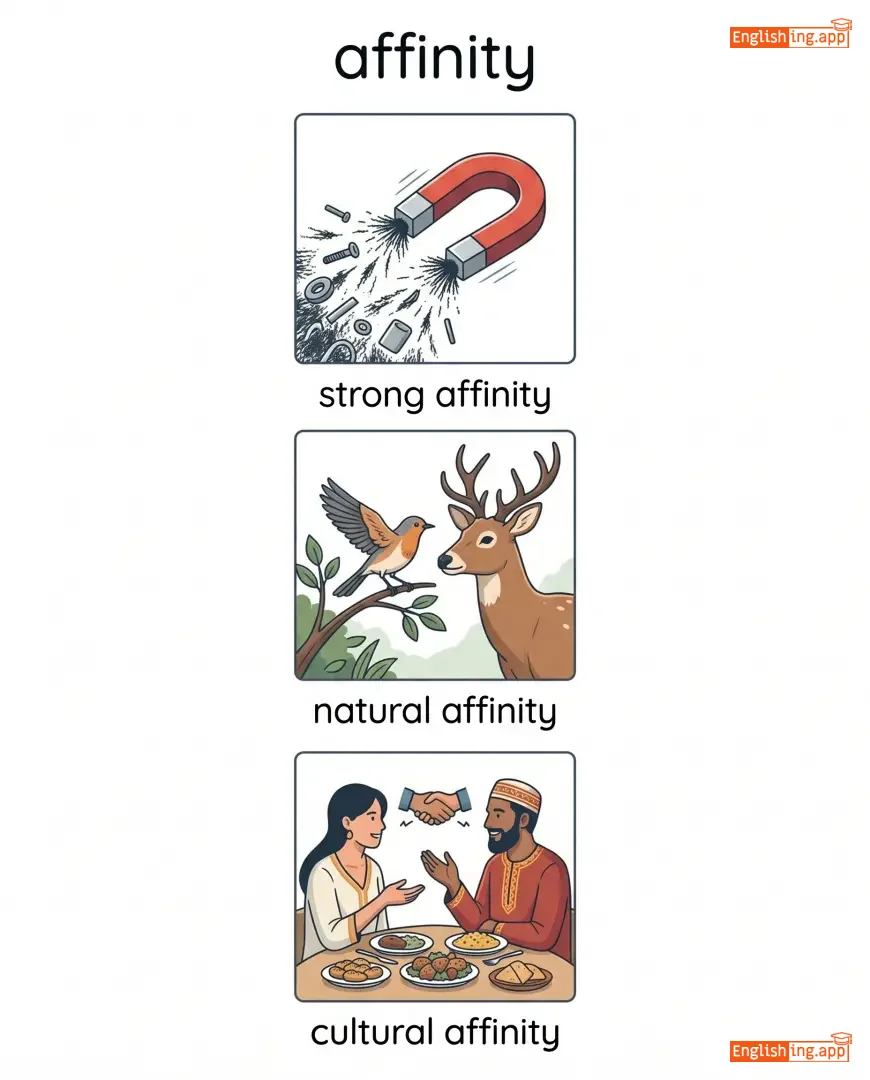
#1250
🔗
|
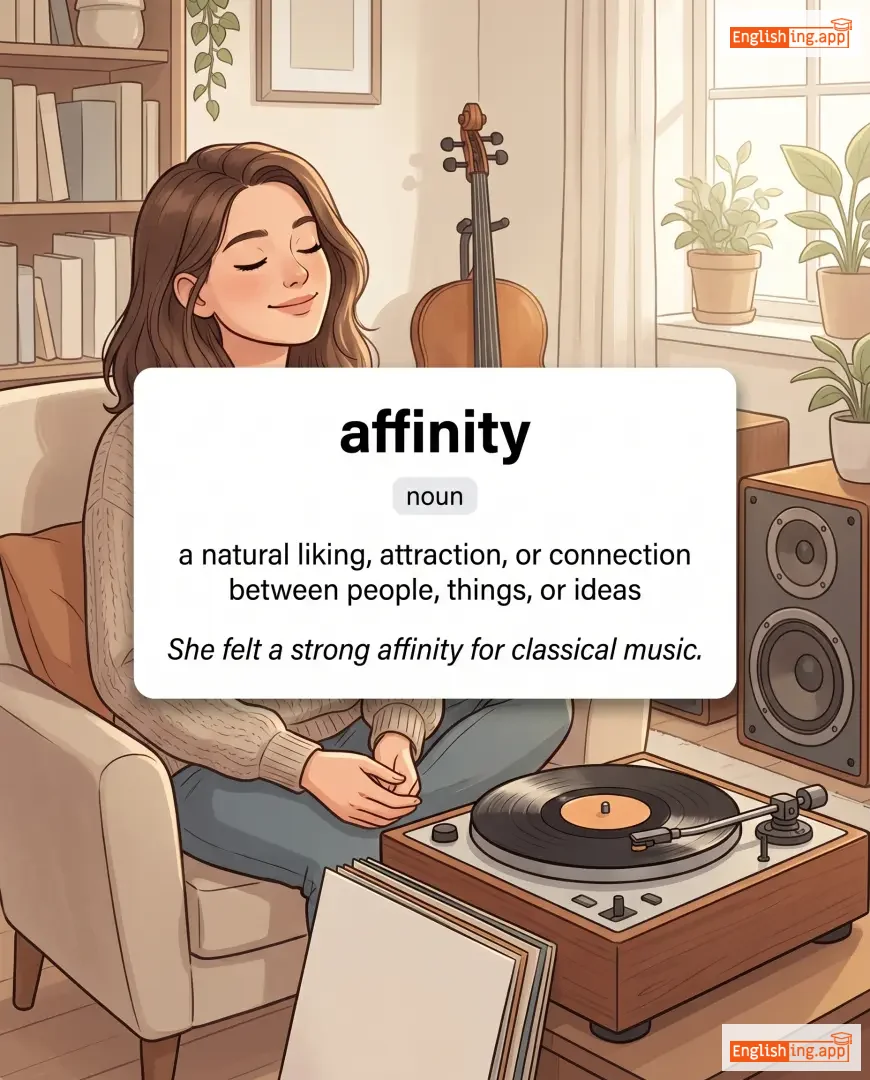
/əˈfɪn.ɪ.ti/
noun
(アフィニティ)
••••••
|
|
親近感
shinkinkan
••••••
|
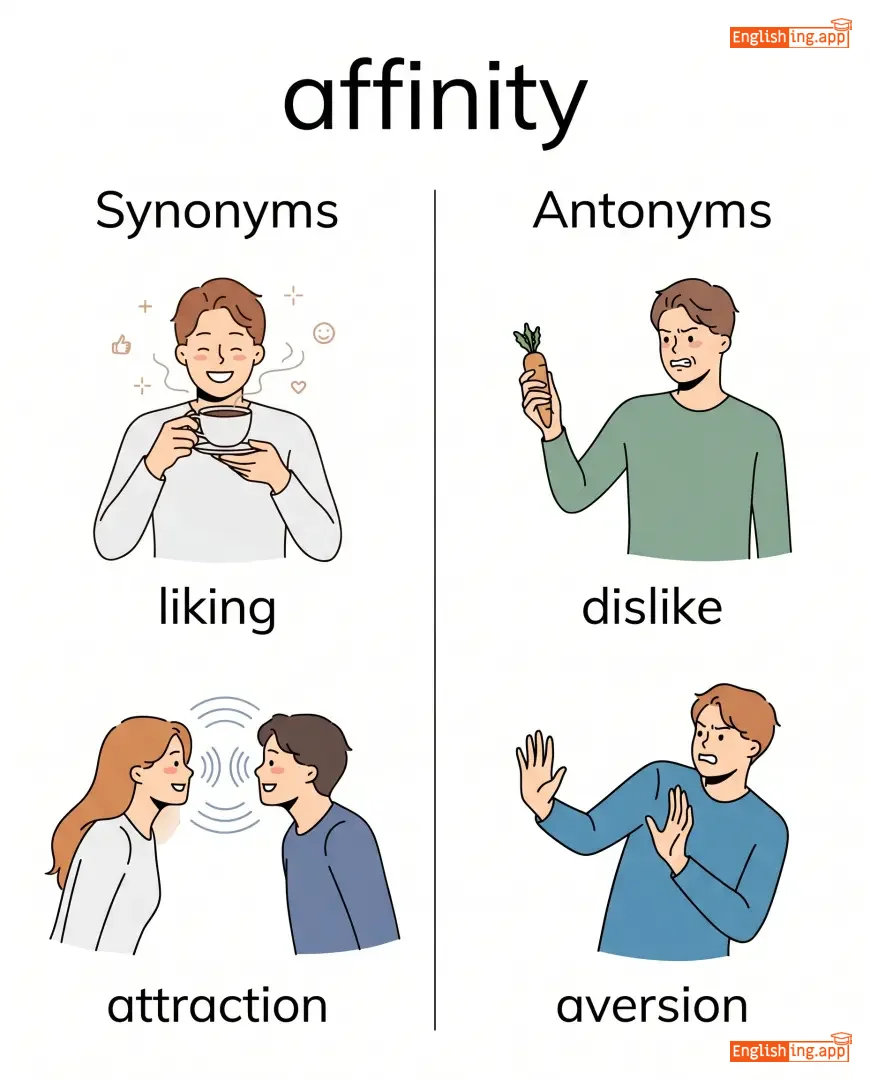
A natural liking for or attraction to a person, thing, idea, etc.
••••••
|
She has an affinity for classical music.
彼女はクラシック音楽に親近感を持っています。
••••••
|
彼女はクラシック音楽に親近感を持っています。
Kanojo wa kurashikku ongaku ni shinkinkan o motteimasu.
••••••
|
connection, kinship, rapport
••••••
|
aversion, dislike, alienation
••••••
|
Affinity – 自然に引き寄せられる感覚、クラシック音楽がその例です。
••••••
|
|
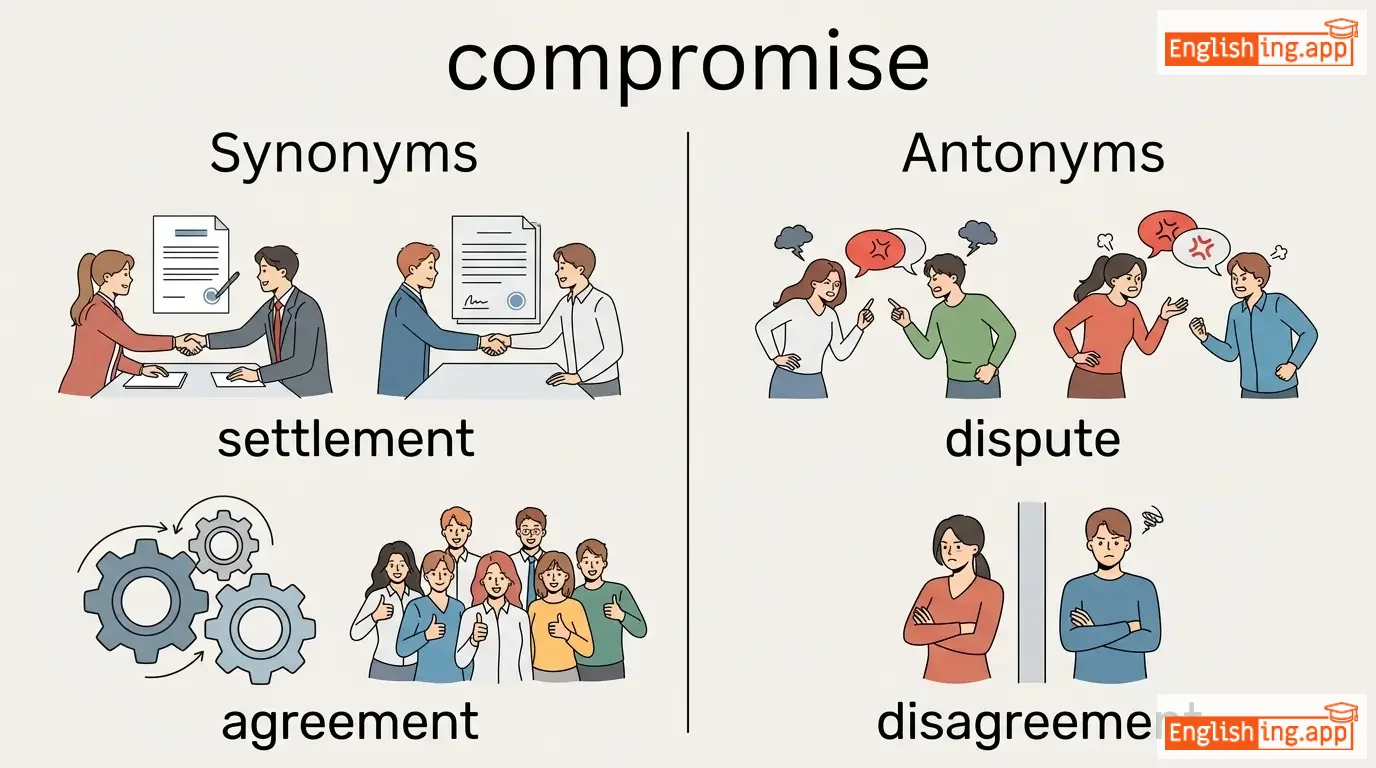
#1251
🤝
|
/ˈkɒm.prə.maɪz/
noun/verb
(kɔmˈpɹoʊmaɪz)
••••••
|
|
妥協
dakyō
••••••
|
A settlement of differences by mutual concessions; an agreement reached by adjustment of conflicting or opposing claims.
••••••
|
A successful marriage requires mutual compromise.
成功する結婚には相互の妥協が必要です。
••••••
|
成功する結婚には相互の妥協が必要です。
Seikō suru kekkon ni wa sōgo no dakyō ga hitsuyō desu.
••••••
|
settlement, agreement, middle ground
••••••
|
stubbornness, disagreement, rigidity
••••••
|
妥協で成功する結婚
••••••
|
|
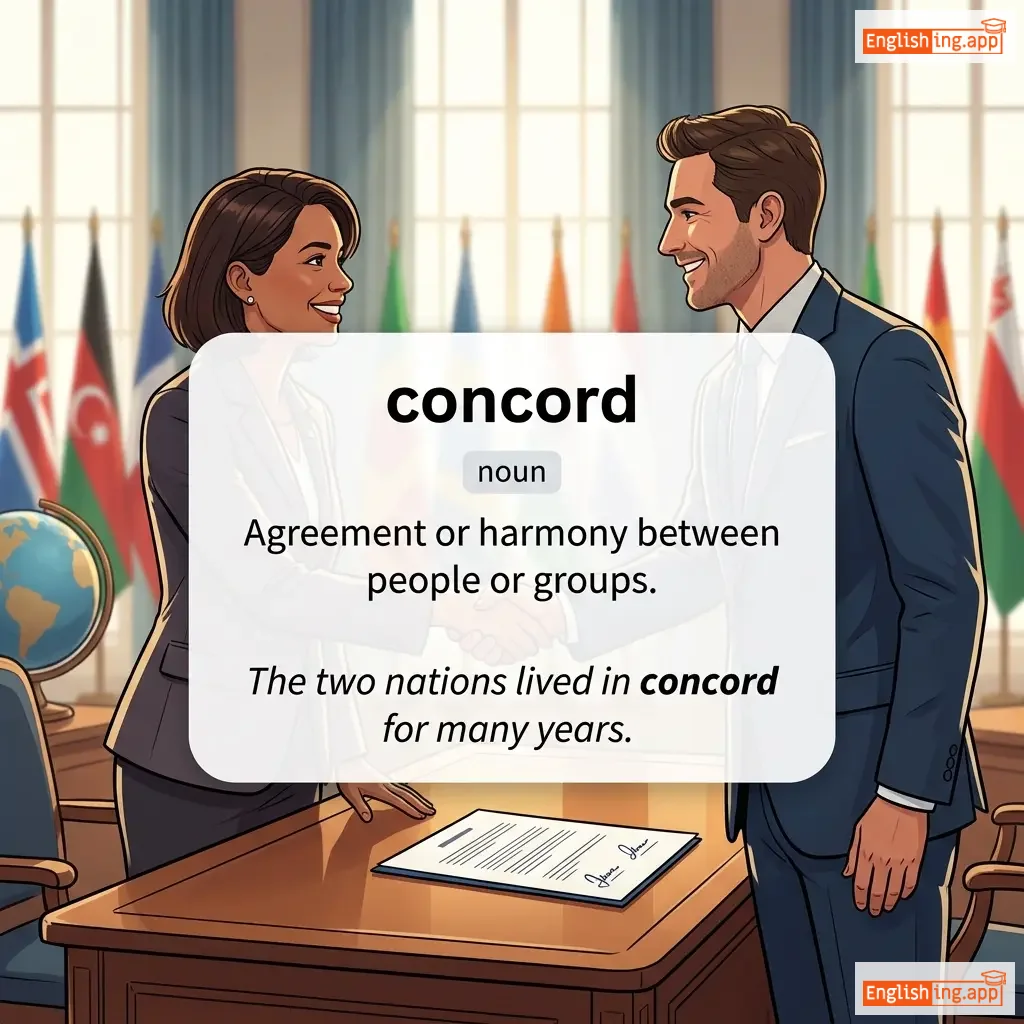
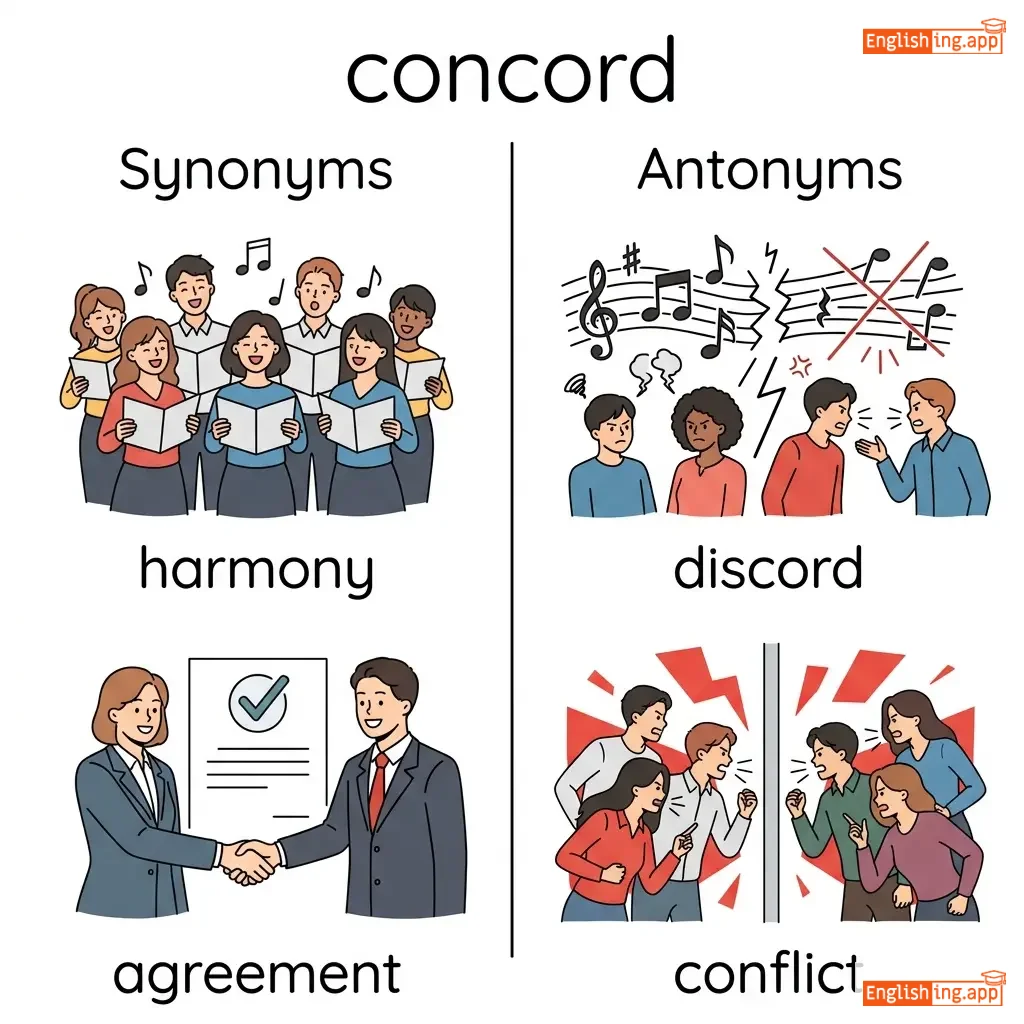
#1252
☮️
|
/ˈkɒn.kɔːd/
noun
(コンコード)
••••••
|
|
協定または調和
kyoutei matawa chouwai
••••••
|
Agreement or harmony between people or groups.
••••••
|
The leaders worked towards international concord. |
指導者たちは国際的な調和のために働きました。
Shidoushatachi wa kokusai-teki na chouwai no tame ni hatarakimashita.
••••••
|
agreement, harmony, accord
••••••
|
discord, disagreement, conflict
••••••
|
Concordは調和、そして平和を意味する言葉です。
••••••
|
|
#1253
↔️
|
/ˌrɛs.ɪˈprɒs.ɪ.ti/
noun
(reshipuroshiti)
••••••
|
|
相互利益のために他の人と物を交換する行為
sōgo rieki no tame ni hoka no hito to mono o kōkan suru kōi
••••••
|
The practice of exchanging things with others for mutual benefit.
••••••
|
Business relationships thrive on reciprocity.
ビジネス関係は相互利益に依存しています。
••••••
|
ビジネス関係は相互利益に依存しています。
Bijinesu kankei wa sōgo rieki ni izon shiteimasu.
••••••
|
mutual exchange, cooperation, give-and-take
••••••
|
selfishness, one-sidedness, exploitation
••••••
|
Reciprocity = レシプロシティ (ビジネス関係)
••••••
|
|
#1254
🤲
|
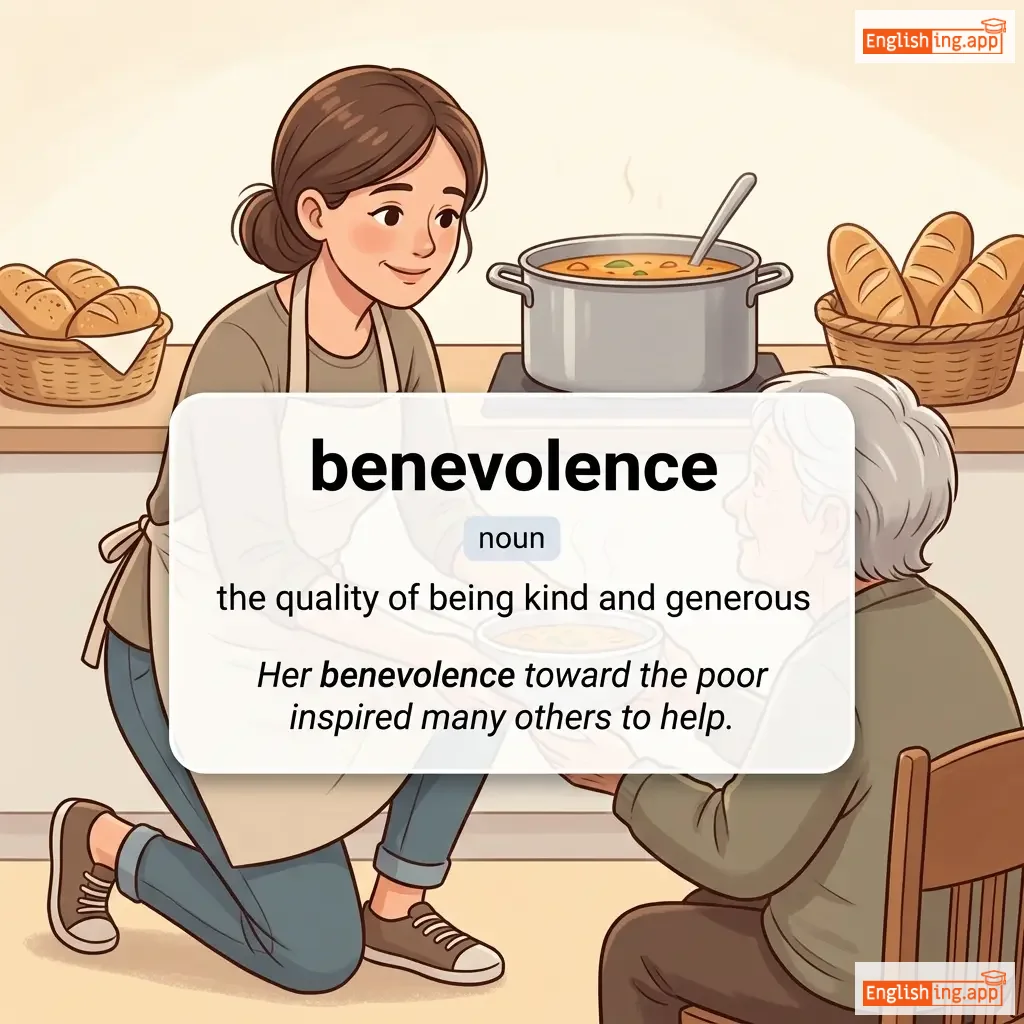
/bəˈnɛv.ə.ləns/
noun
(ベネヴォレンス)
••••••
|
|
慈善または優しさ
jizen mata wa yasashisa
••••••
|
The quality of being well meaning and kindly; the disposition to do good.
••••••
|
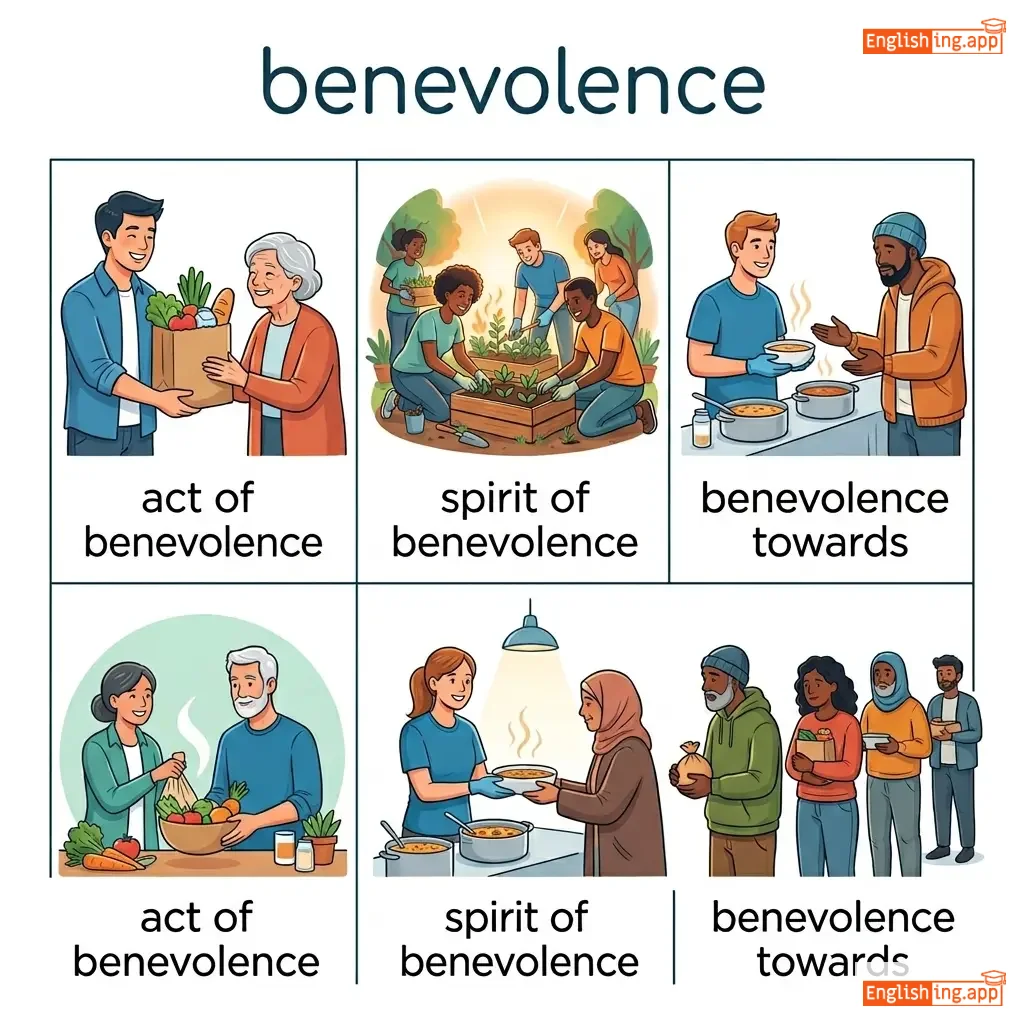
His benevolence towards the poor earned him respect.
貧しい人々に対する彼の優しさは、彼に尊敬をもたらしました。
••••••
|
貧しい人々に対する彼の優しさは、彼に尊敬をもたらしました。
Mazushī hitobito ni taisuru kare no yasashisa wa, kare ni sonkei o motarashimashita.
••••••
|
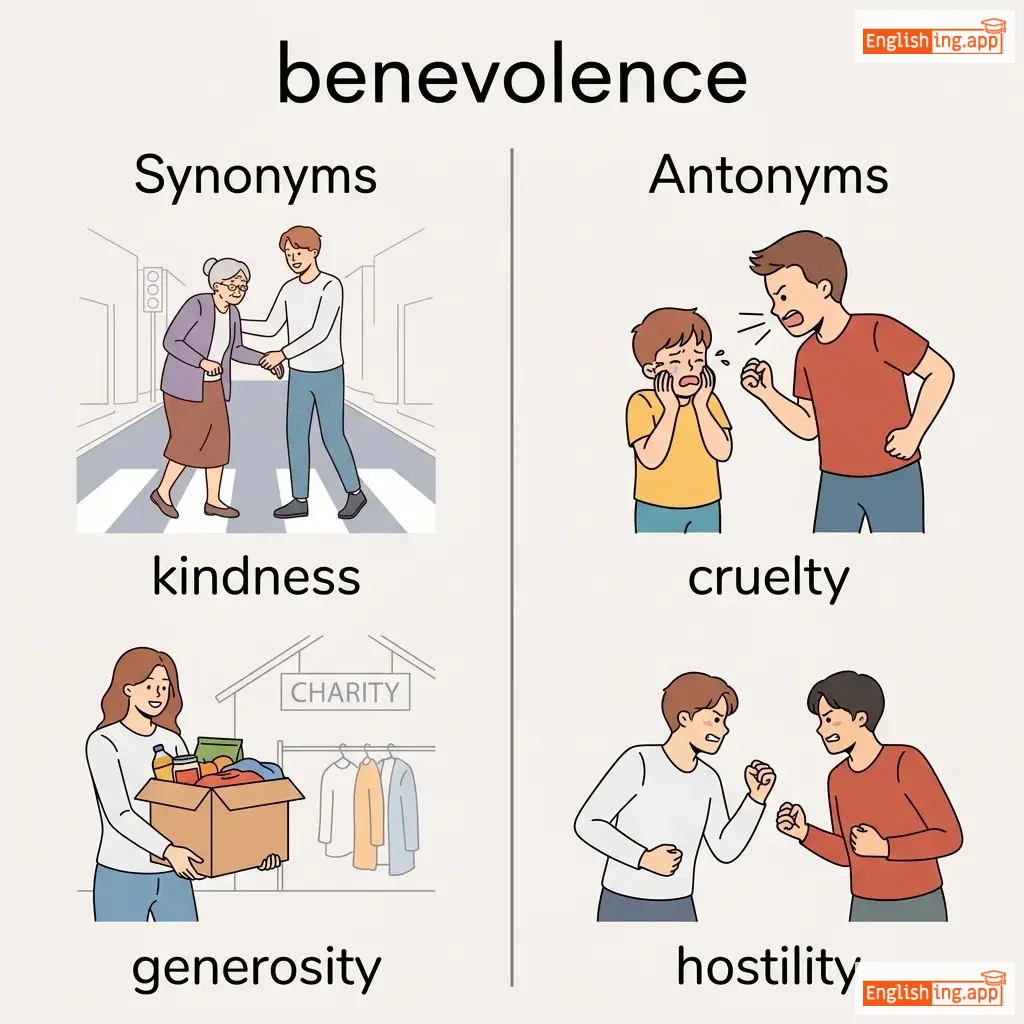
kindness, generosity, compassion
••••••
|
malevolence, cruelty, selfishness
••••••
|
ベネヴォレンスは、日本語での「慈善」や「優しさ」を表す言葉です。
••••••
|
|
#1255
🕊️
|
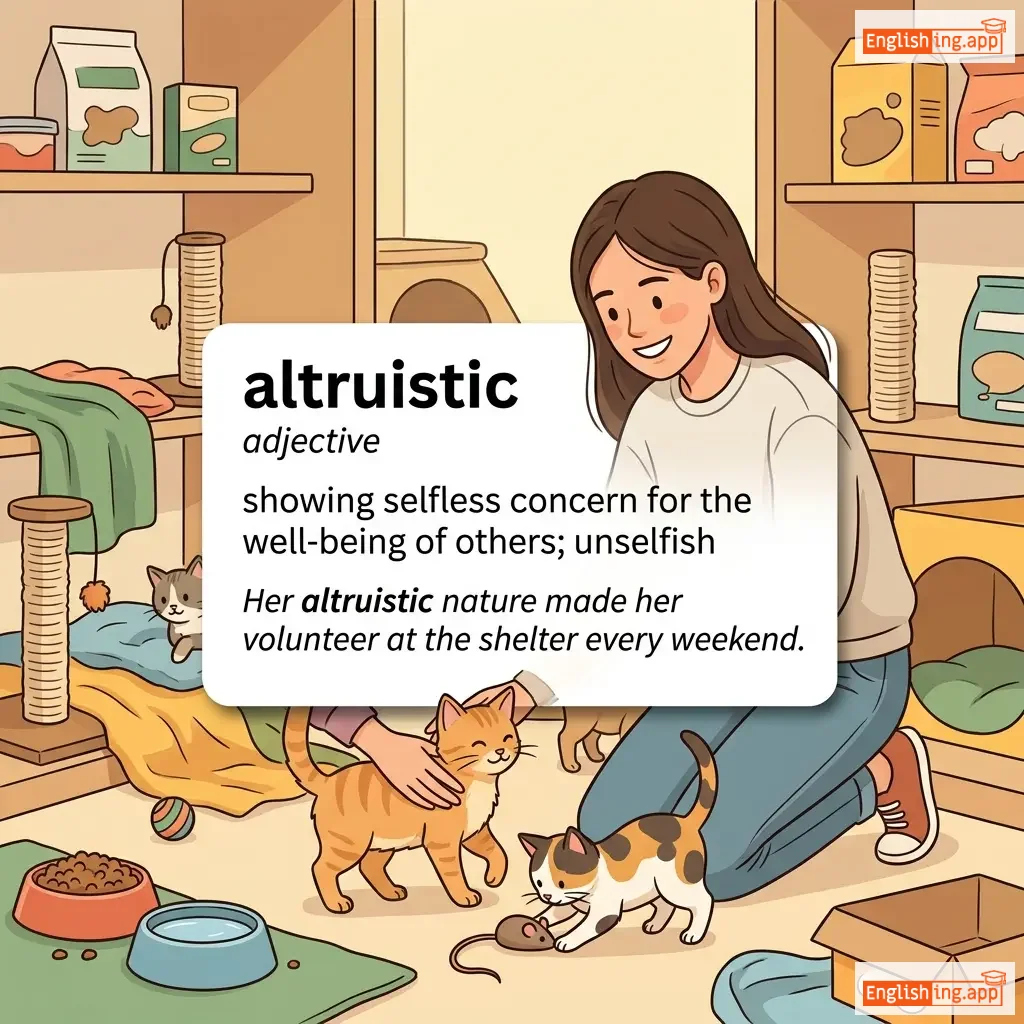
/ˌæl.truˈɪs.tɪk/
adjective
(アルトゥイスティック)
••••••
|
|
利他的な
ritateki na
••••••
|
Showing a disinterested and selfless concern for the well-being of others.
••••••
|
Her altruistic nature led her to volunteer for charities. |
彼女の利他的な性格は、チャリティー活動のボランティアをするよう促した。
Kanojo no ritateki na seikaku wa, charitī katsudō no borantia o suru yō unagashita.
••••••
|
selfless, charitable, philanthropic
••••••
|
selfish, greedy, egoistic
••••••
|
日本語の'利他的'を覚えて、他の人のために行動する意味を思い出しましょう。
••••••
|
|
#1256
🧲
|
/kəʊˈhiː.ʒən/
noun
(コヒージョン)
••••••
|
|
結束の行動または事実
kessoku no kōdō matawa jijitsu
••••••
|
The action or fact of forming a united whole.
••••••
|
Team cohesion is essential for successful collaboration.
チームのコヒージョンは成功したコラボレーションに不可欠です。
••••••
|
チームのコヒージョンは成功したコラボレーションに不可欠です。
Chīmu no kohījon wa seikō shita koraborēshon ni fukaketsu desu.
••••••
|
unity, bonding, integration
••••••
|
division, separation, disunity
••••••
|
チームワークの力がコヒージョン、皆を一つにまとめる力です。
••••••
|
|
#1257
⚖️
|
/ˈvɪn.dɪ.keɪt/
verb
(ビンディケイト)
••••••
|
|
弁明する
benmei suru
••••••
|
To clear someone of blame or suspicion; to show or prove to be right, reasonable, or justified.
••••••
|
The new evidence helped vindicate the wrongly accused man. |
新しい証拠は、不当に告発された男性を弁明するのに役立ちました。
Atarashī shōko wa, futō ni kokuhatsu sareta dansei o benmei suru no ni yakudachimashita.
••••••
|
justify, exonerate, defend
••••••
|
accuse, blame, condemn
••••••
|
弁明する = 自分を正当化する。
••••••
|
|
#1258
😊
|
/ˈæm.ɪ.kə.bəl/
adjective
(アミカブル)
••••••
|
|
友好的または平和的
yūkōteki matawa heiwateki
••••••
|
Characterized by friendliness and absence of discord.
••••••
|
They reached an amicable settlement after negotiations.
彼らは交渉後、友好的な合意に達しました。
••••••
|
彼らは交渉後、友好的な合意に達しました。
Karera wa kōshōgo, yūkōteki na gōi ni tasshimashita.
••••••
|
friendly, cordial, peaceful
••••••
|
hostile, unfriendly, aggressive
••••••
|
アミカブル = 友達 + 合意、友達の間での合意を思い出す。
••••••
|
|
#1259
💎
|
/fɪˈdɛl.ɪ.ti/
noun
(フィデリティ)
••••••
|
|
忠誠
chuusei
••••••
|
Faithfulness to a person, cause, or belief, demonstrated by continuing loyalty and support.
••••••
|
His fidelity to his country was unquestionable. |
彼の国への忠誠心は疑う余地がなかった。
Kare no kuni e no chuuseishin wa utagau yochi ga nakatta.
••••••
|
loyalty, devotion, faithfulness
••••••
|
betrayal, dishonesty, infidelity
••••••
|
Fidelity in Japanese is '忠誠' which is like being loyal, never doubting your commitment.
••••••
|
|
#1260
🤝
|
/ræˈpɔːr/
noun
(ラポール)
••••••
|
|
関係
kankei
••••••
|
A close and harmonious relationship in which the people or groups concerned understand each other's feelings or ideas.
••••••
|
The teacher built a strong rapport with her students.
教師は生徒と強いラポールを築いた。
••••••
|
教師は生徒と強い関係を築いた。
Kyoushi wa seito to tsuyoi kankei o kizuita.
••••••
|
connection, understanding, affinity
••••••
|
disconnection, misunderstanding, disharmony
••••••
|
Rapport = Kankei (in Japanese, rapport translates to 'kankei', meaning relationship)
••••••
|
|
#1261
⚖️
|
/ˈɛk.wɪ.tə.bəl/
adjective
(ekwi-tā-buru)
••••••
|
|
公平な
kōhei na
••••••
|
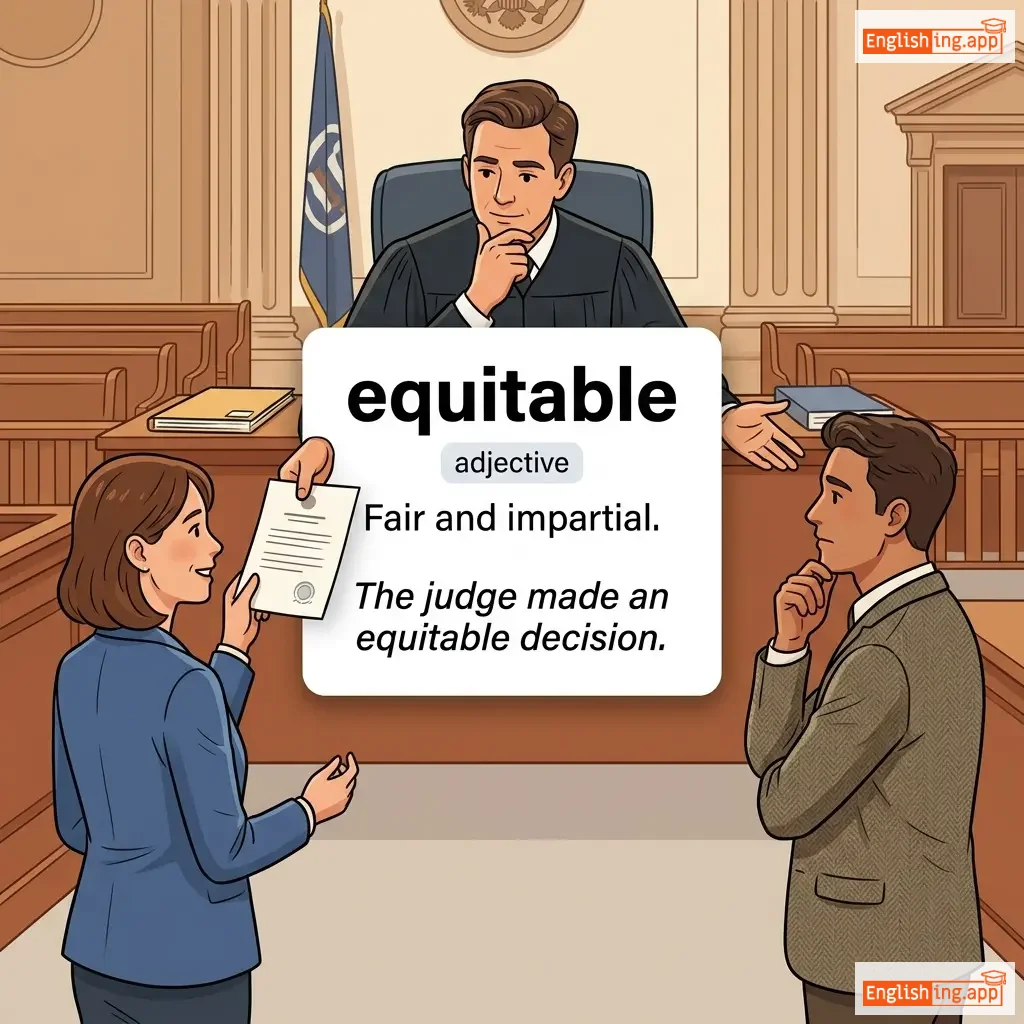
Fair and impartial; dealing fairly and equally with all concerned.
••••••
|
The company ensures equitable pay for all employees. |
その会社はすべての従業員に公平な給与を保証しています。
Sono kaisha wa subete no jūgyōin ni kōhei na kyūyo o hoshō shiteimasu.
••••••
|
fair, just, impartial
••••••
|
unfair, biased, unequal
••••••
|
公平な = 公正な取引
••••••
|
Vocabulary Quiz
Test your vocabulary by matching words with their translations or meanings.
Login to take the quiz
Comments (0)
Share your thoughts and join the discussion.
Join the discussion by logging in
Login to CommentNo comments yet
Be the first to share your thoughts!