

物語を通して語彙を学ぶ
Learning Vocabulary Through Stories
学生や若い世代は犯罪的な政治から protected される必要があります。教育機関において教育環境を維持することは非常に重要です。学生連盟とアワミ連盟の direct および indirect なコミュニケーションは断たれるべきです。
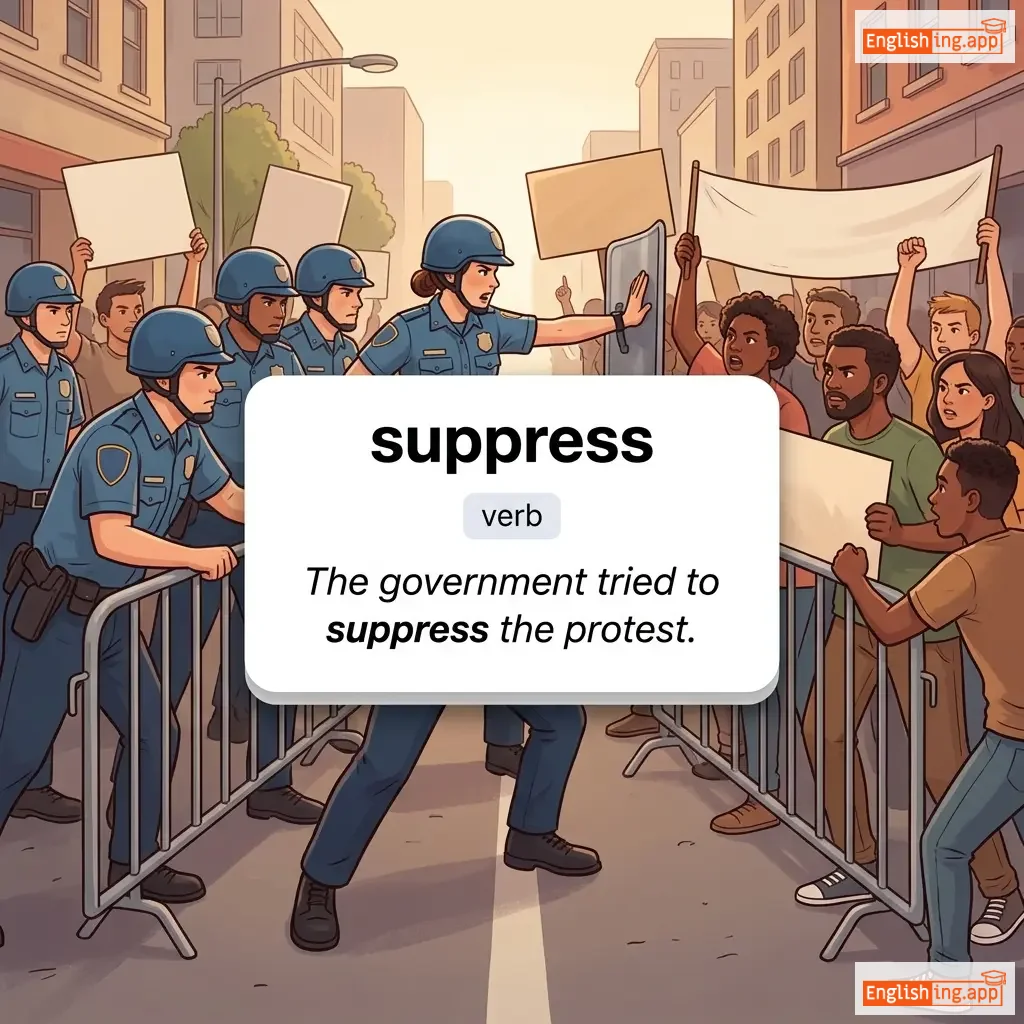
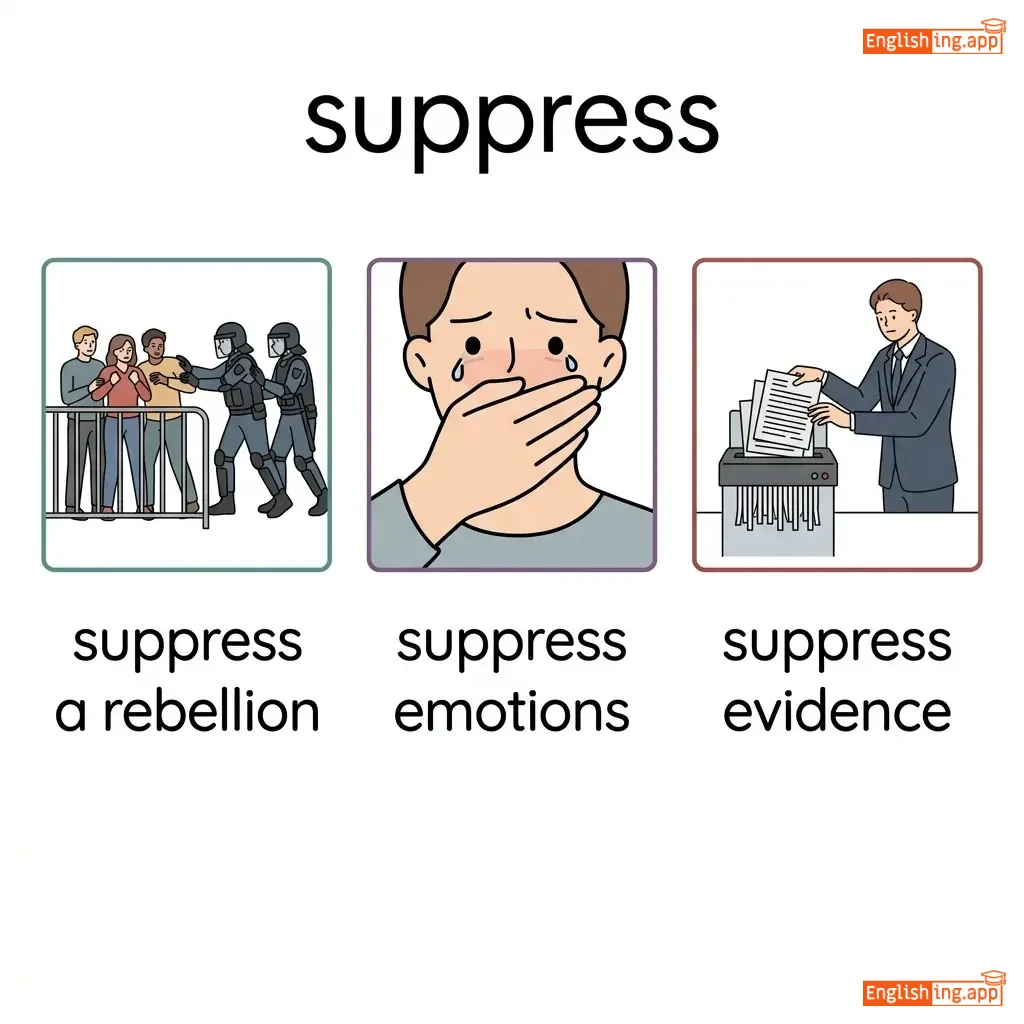
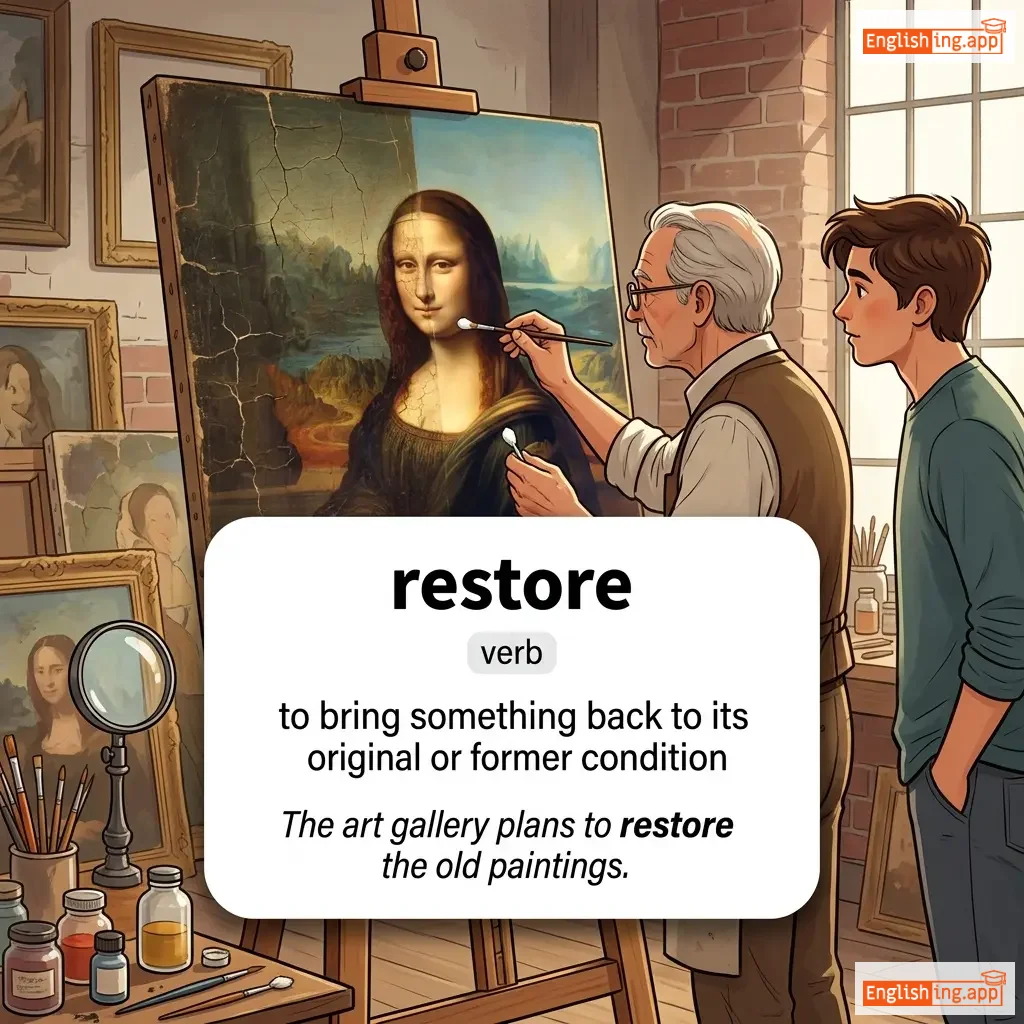
すべての教育機関の当局と地方行政は、犯罪行為を strictly suppress しなければなりません。政府のあらゆるレベルで完全な cooperation が必要です。この措置は学生政治の栄光ある伝統を restore するために非常に necessary です。
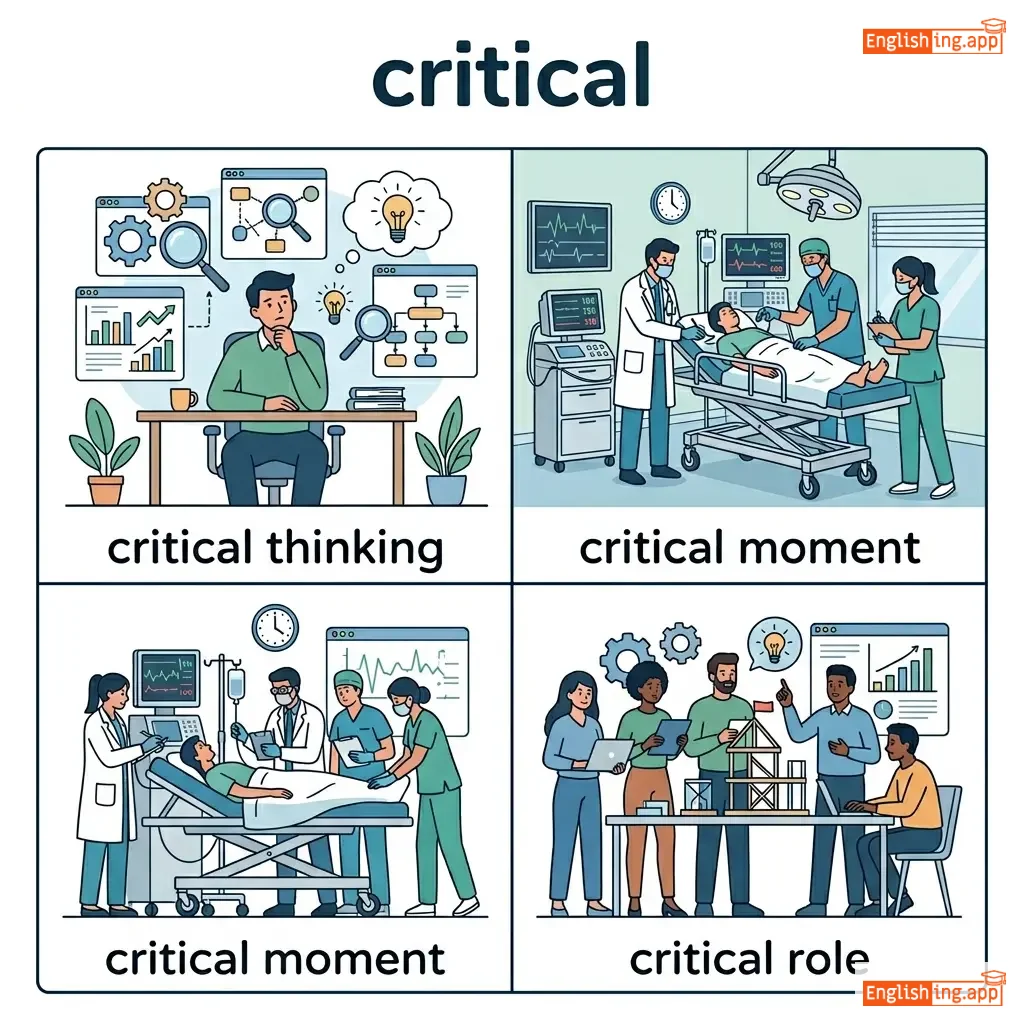
教育開発の critical objectives を implementing することについて agreement があっても、いくつかの differences が存在する可能性があります。重要な政策は国会での議論と承認を経て implemented されるべきです。
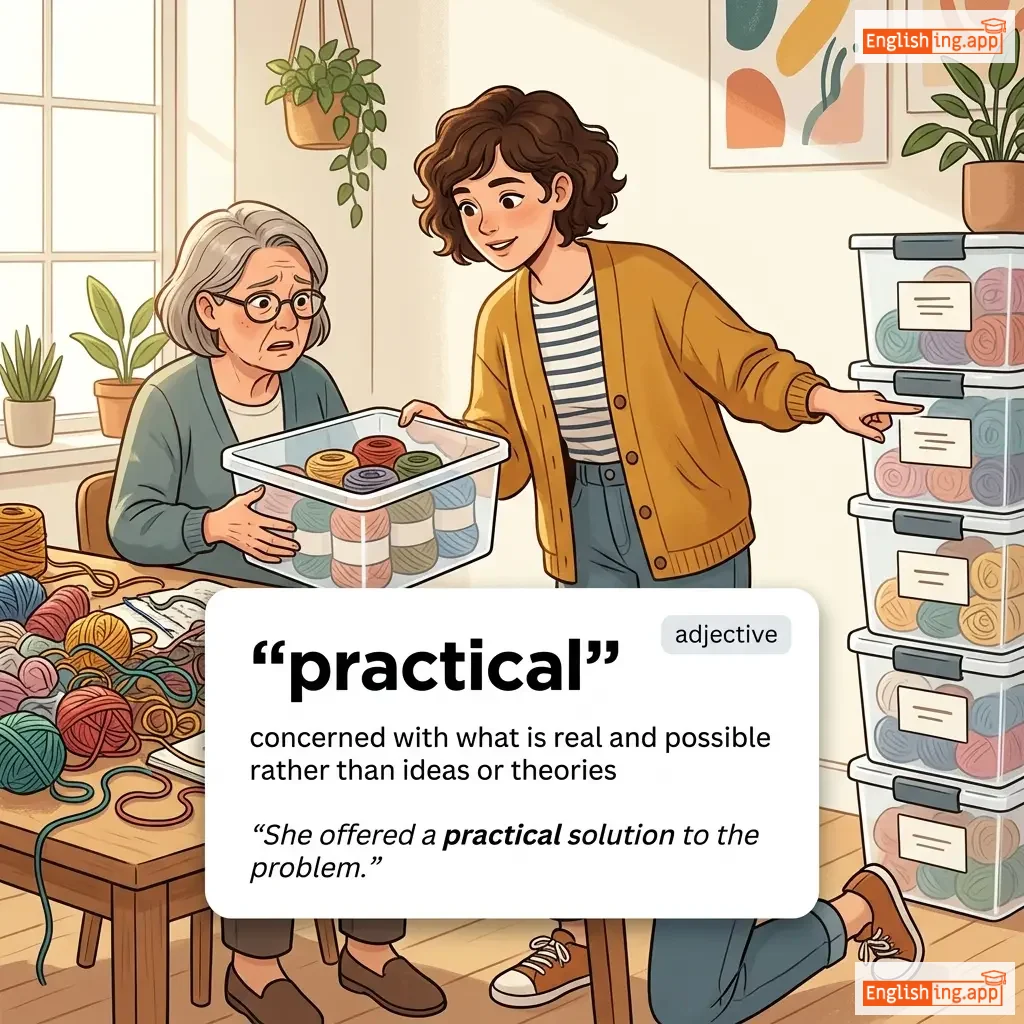
国家教育政策からすべての問題の完全な解決を期待するのは practical ではありません。解決への道は、経験に基づく進歩と段階的に addressing する複雑な問題を通じて見つけることができます。
翻訳
過去
過去分詞
三人称単数
動名詞
意味
例文
例文の翻訳
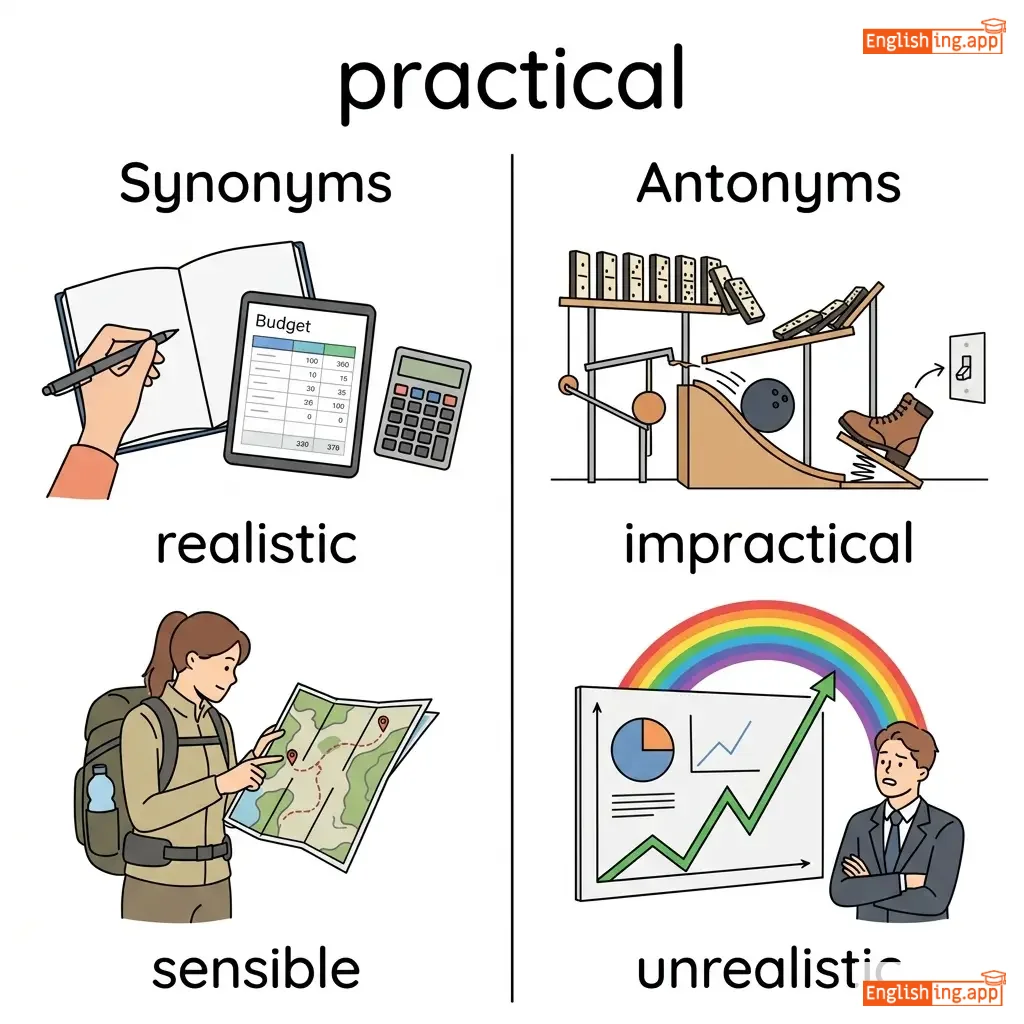
同義語
対義語
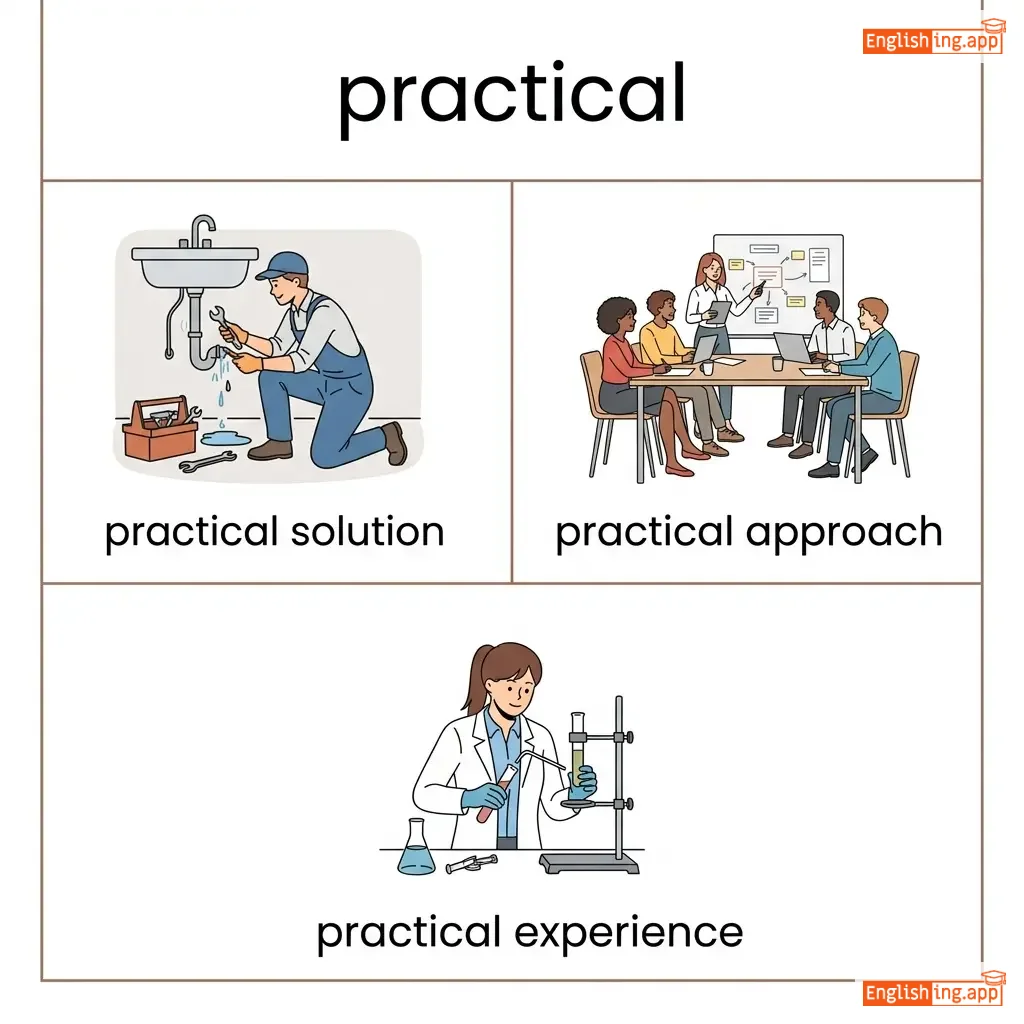
コロケーション
ニーモニック

Swipe left or right, or use the buttons. Tap image to zoom.
例文の翻訳
単語
Learning Vocabulary Through StoriesLearning Vocabulary Through Stories - マスクトグル
|
絵文字
|
単語 | Images | 翻訳 | 意味 | 例文 | 例文の翻訳 | 同義語 | 対義語 | ニーモニック |
|---|---|---|---|---|---|---|---|---|---|
|
#368
🛡️
|
prəˈtekt
verb
(プロテクト)
••••••
|
|
守る
mamoru
••••••
|
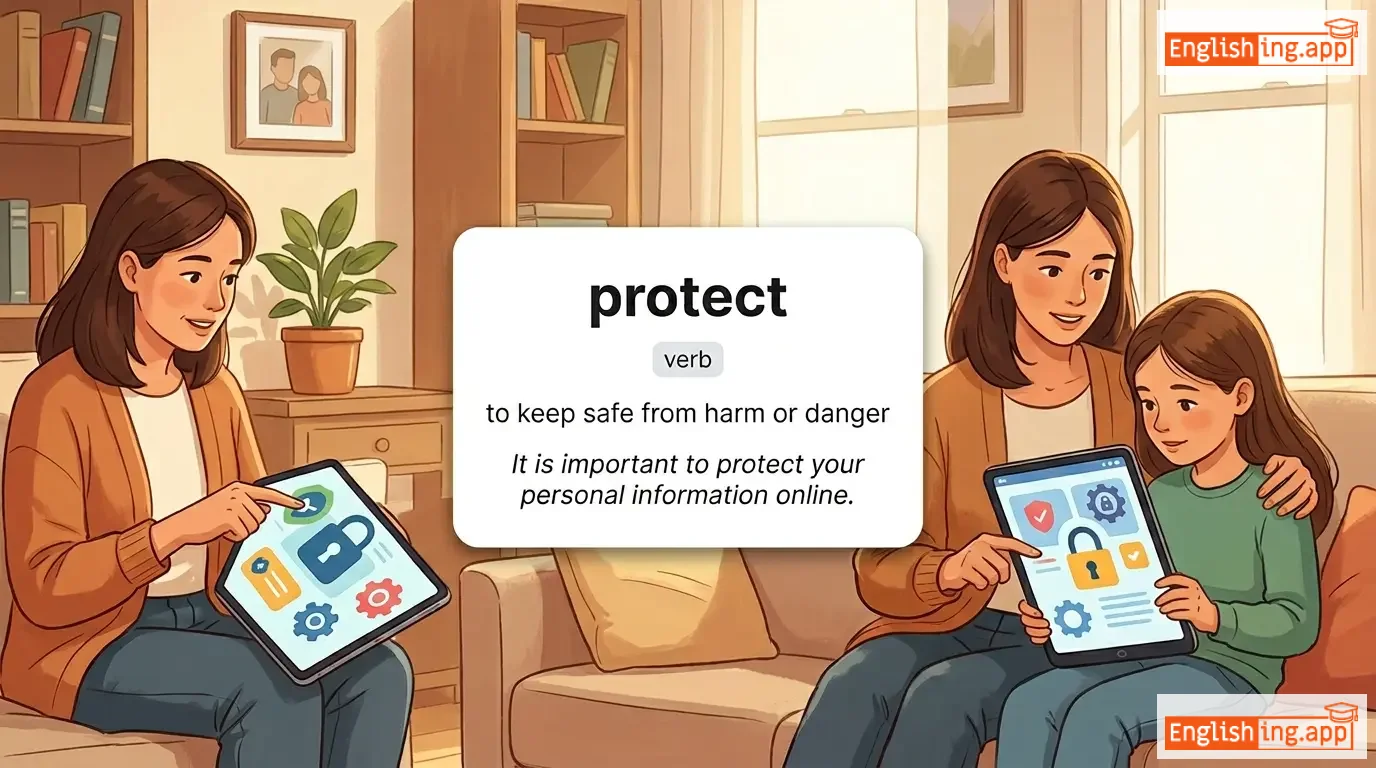
To keep safe from harm or danger; to defend or guard.
••••••
|
Measures are necessary to protect students from political exploitation. |
政治的搾取から学生を守るために、対策が必要です。
Seijiteki sakushu kara gakusei o mamoru tame ni, taisaku ga hitsuyō desu.
••••••
|
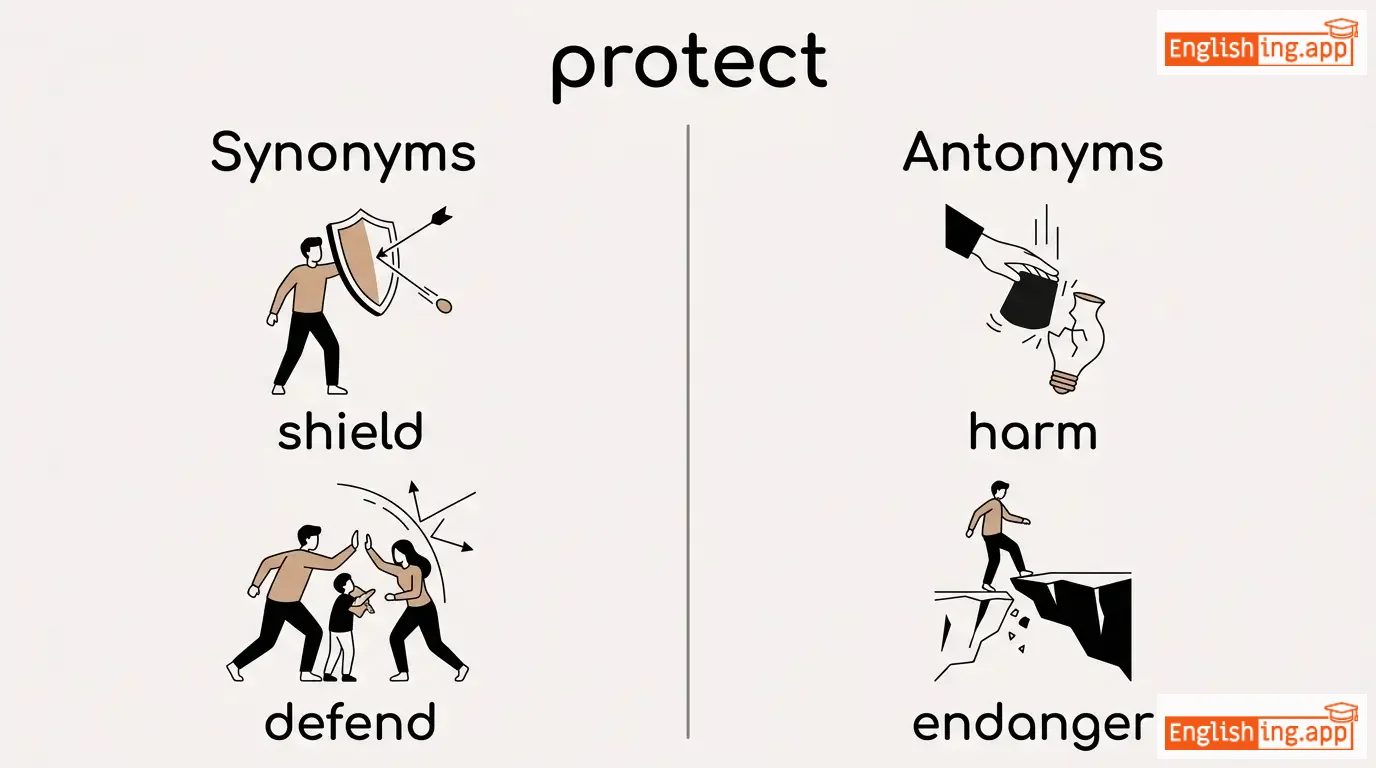
defend, safeguard, shield, secure, guard, preserve
••••••
|
harm, endanger, expose, threaten, attack, damage
••••••
|
Japanese 'mamoru' sounds like 'protect'.
••••••
|
|
#369
⚖️
|
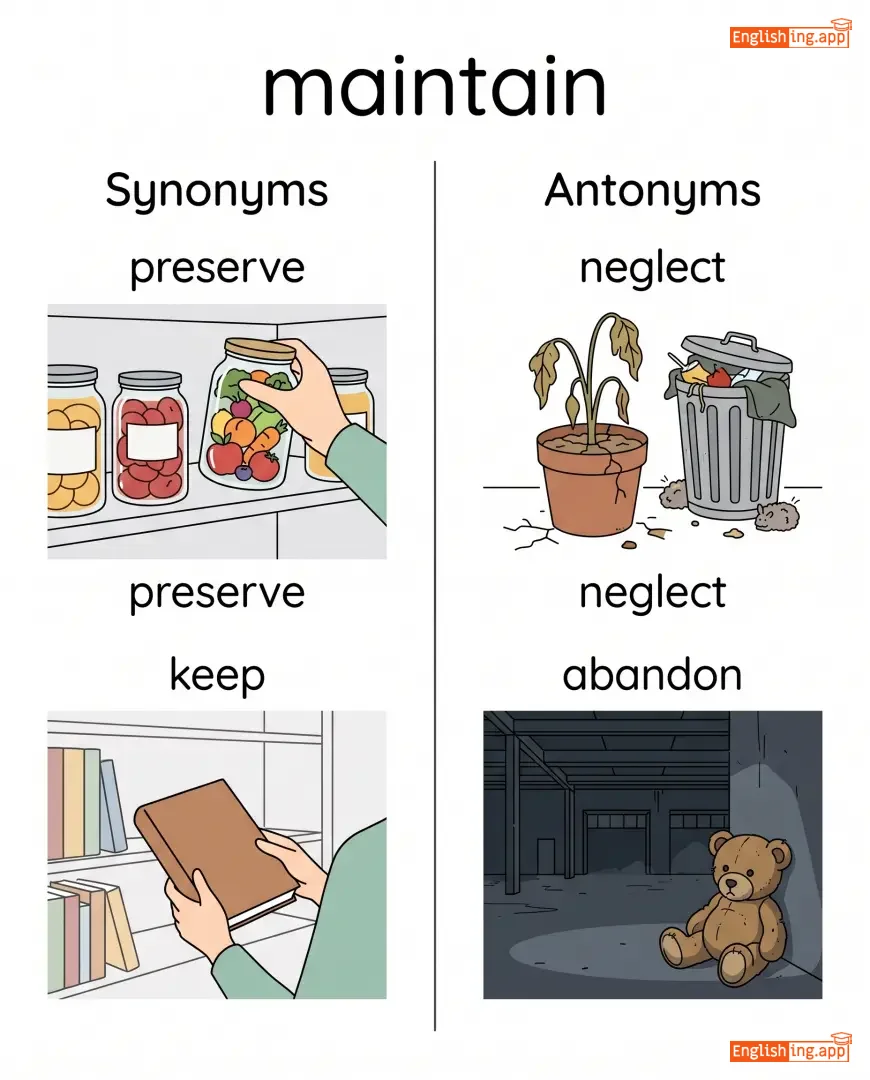
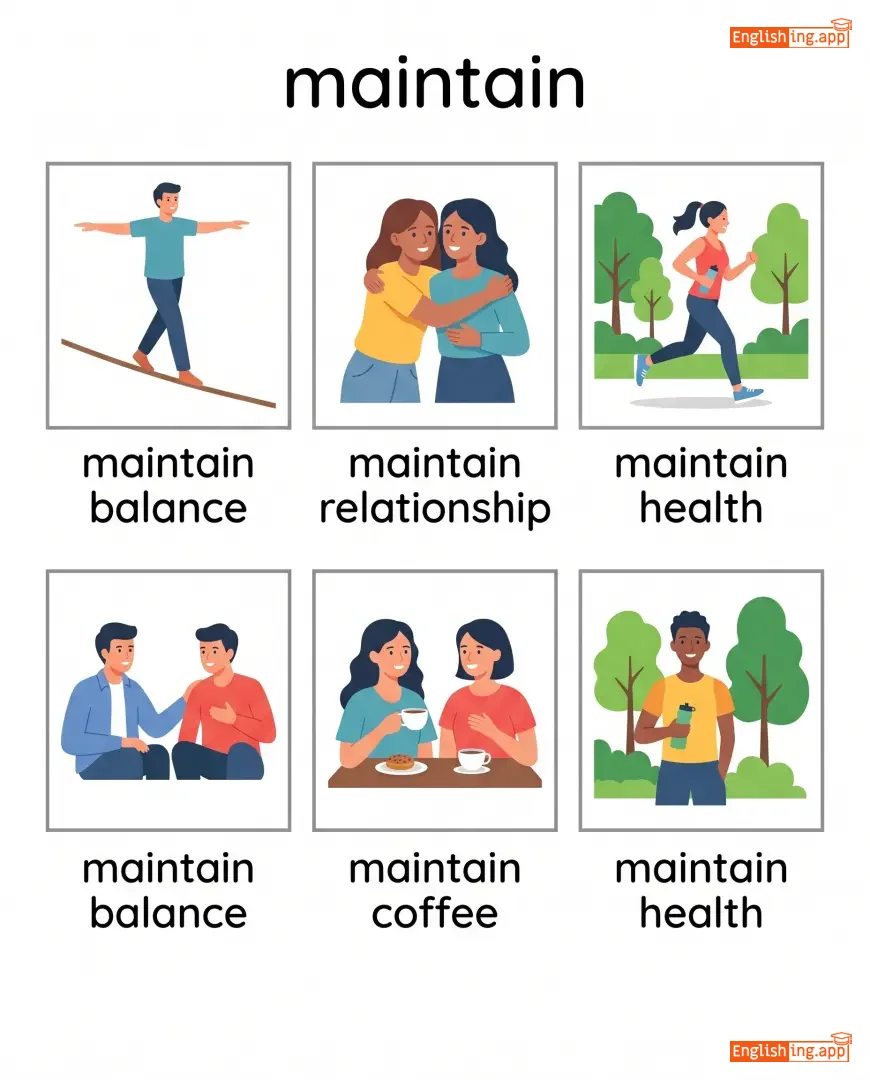
meɪnˈteɪn
verb
(meɪnˈteɪn)
••••••
|
|
維持する
iji suru
••••••
|
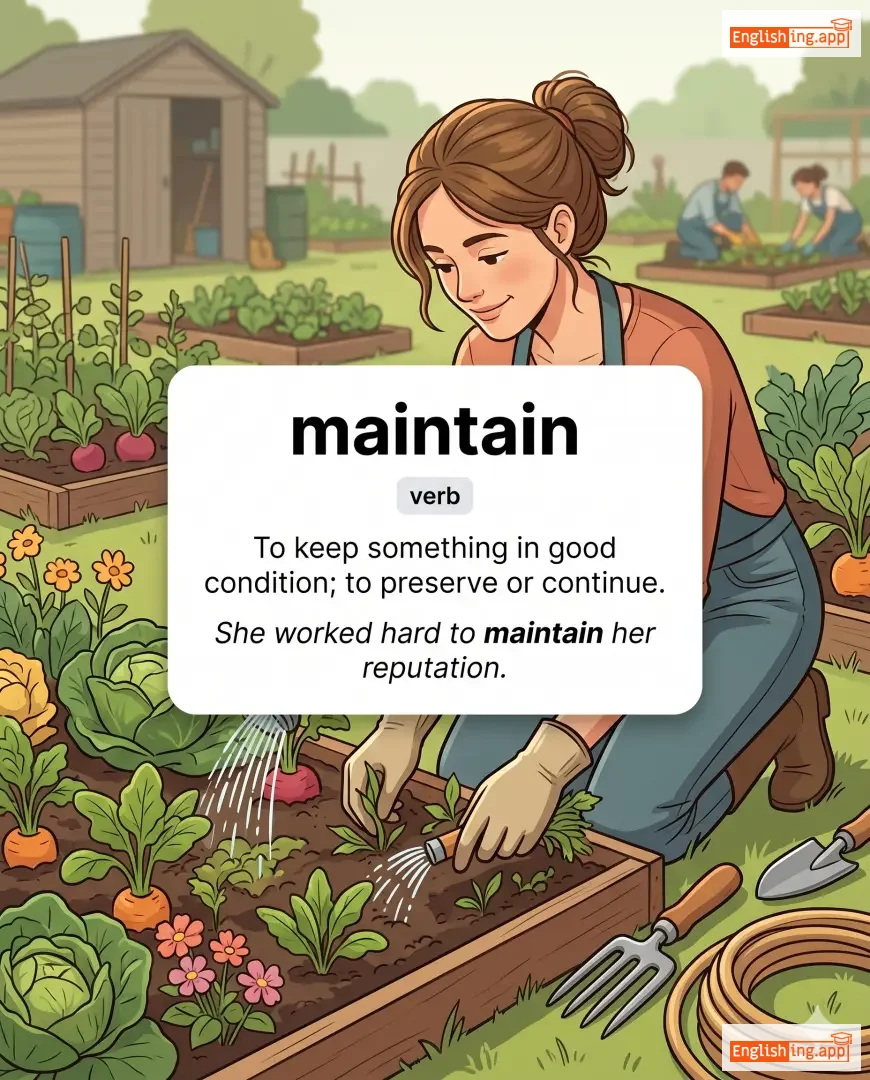
To keep in good condition; to preserve or sustain.
••••••
|
Maintaining discipline in educational institutions is crucial.
教育機関での規律を維持することは重要です。
••••••
|
教育機関での規律を維持することは重要です。
Kyōiku kikan de no kiritsu o iji suru koto wa jūyō desu.
••••••
|
sustain, preserve, uphold, continue, keep, support
••••••
|
neglect, abandon, destroy, discontinue, ignore, disrupt
••••••
|
Maintain the discipline, 規律を維持しよう!
••••••
|
|
#370
🚫
|
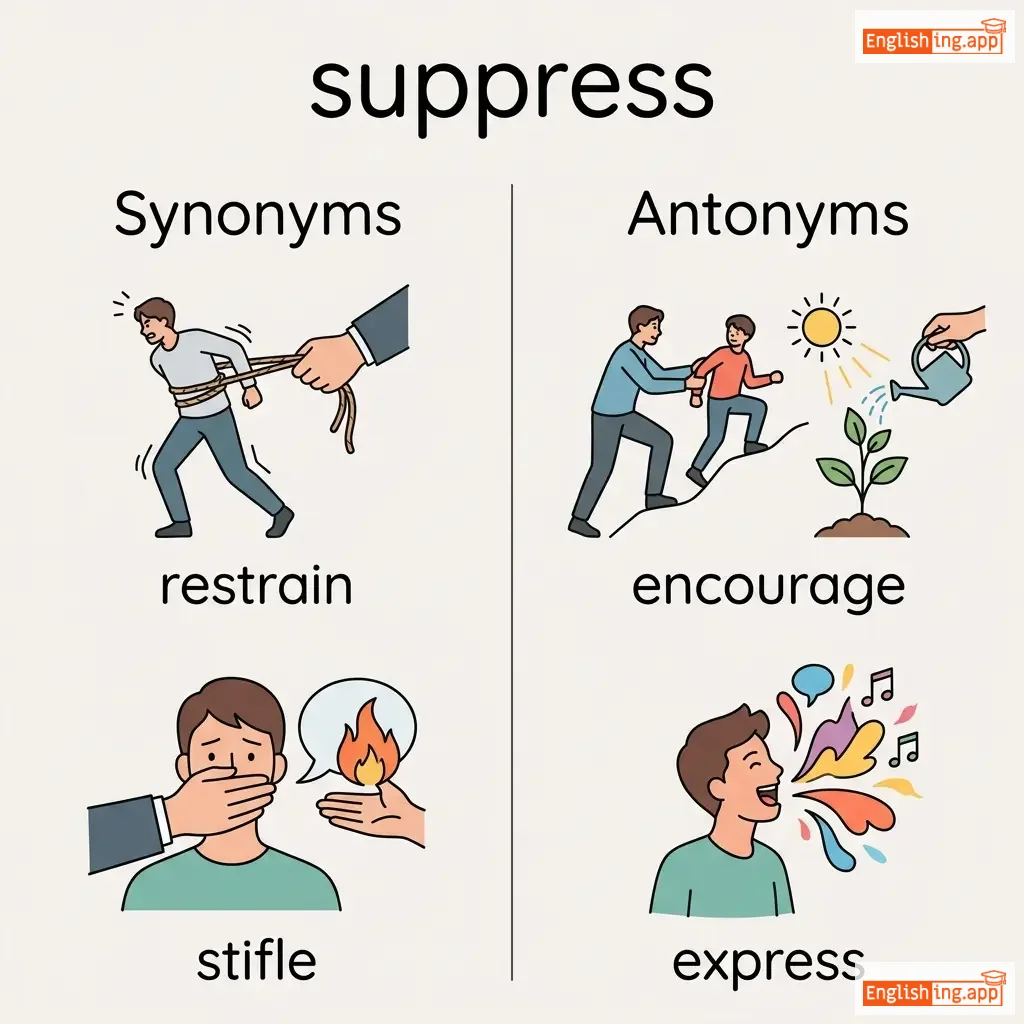
səˈpres
verb
(サプレス)
••••••
|
|
抑制する
yokusei suru
••••••
|
To forcibly put an end to; to restrain or subdue.
••••••
|
Authorities must suppress criminal activities in campuses. |
当局はキャンパス内の犯罪行為を抑制しなければならない。
Toukyoku wa kyanpasu-nai no hanzai koui o yokusei shinakereba naranai.
••••••
|
restrain, subdue, quash, crush, stop, inhibit
••••••
|
encourage, promote, support, foster, allow, permit
••••••
|
No •••••• |
|
#371
🔄
|
rɪˈstɔːr
verb
(リストア)
••••••
|
|
復元する
fukugen suru
••••••
|
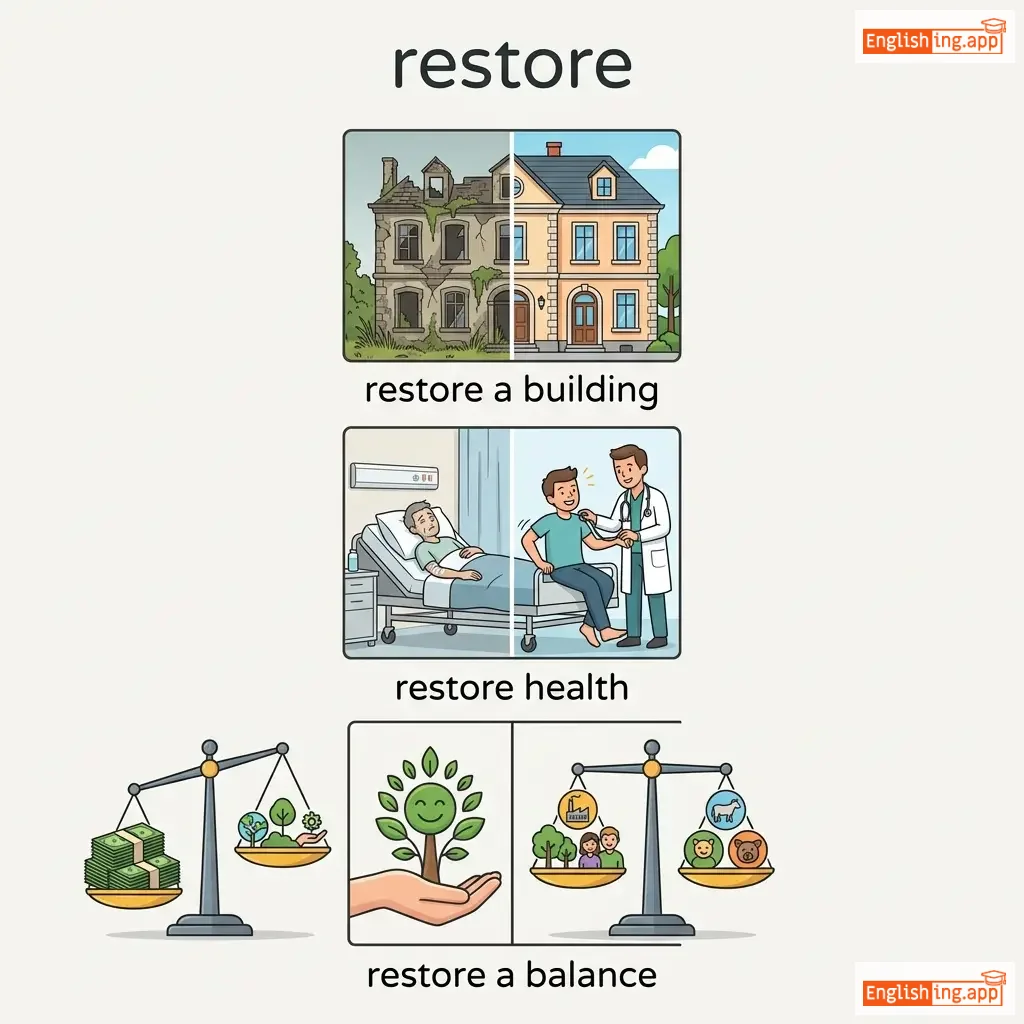
To bring back to a former or original state; to reinstate.
••••••
|
Restoring the tradition of student politics is necessary. |
学生政治の伝統を復元することが必要です。
Gakusei seiji no dentō o fukugen suru koto ga hitsuyō desu.
••••••
|
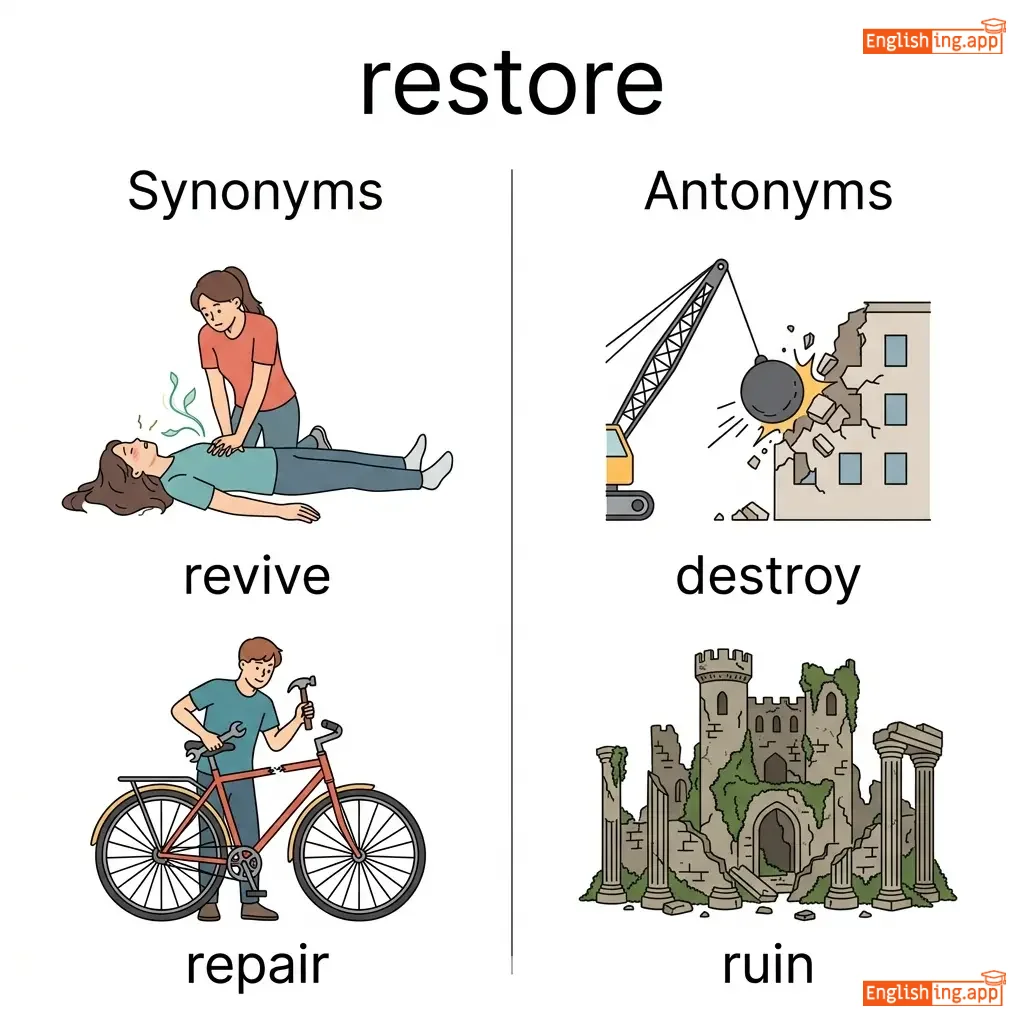
reinstate, recover, revive, rebuild, renew, rehabilitate
••••••
|
damage, destroy, ruin, demolish, deteriorate, worsen
••••••
|
復元 (restore) されたゲームをプレイする.
••••••
|
|
#372
✅
|
ˈnesəseri
adjective
(ネセサリー)
••••••
|
|
必要
hitsuyō
••••••
|
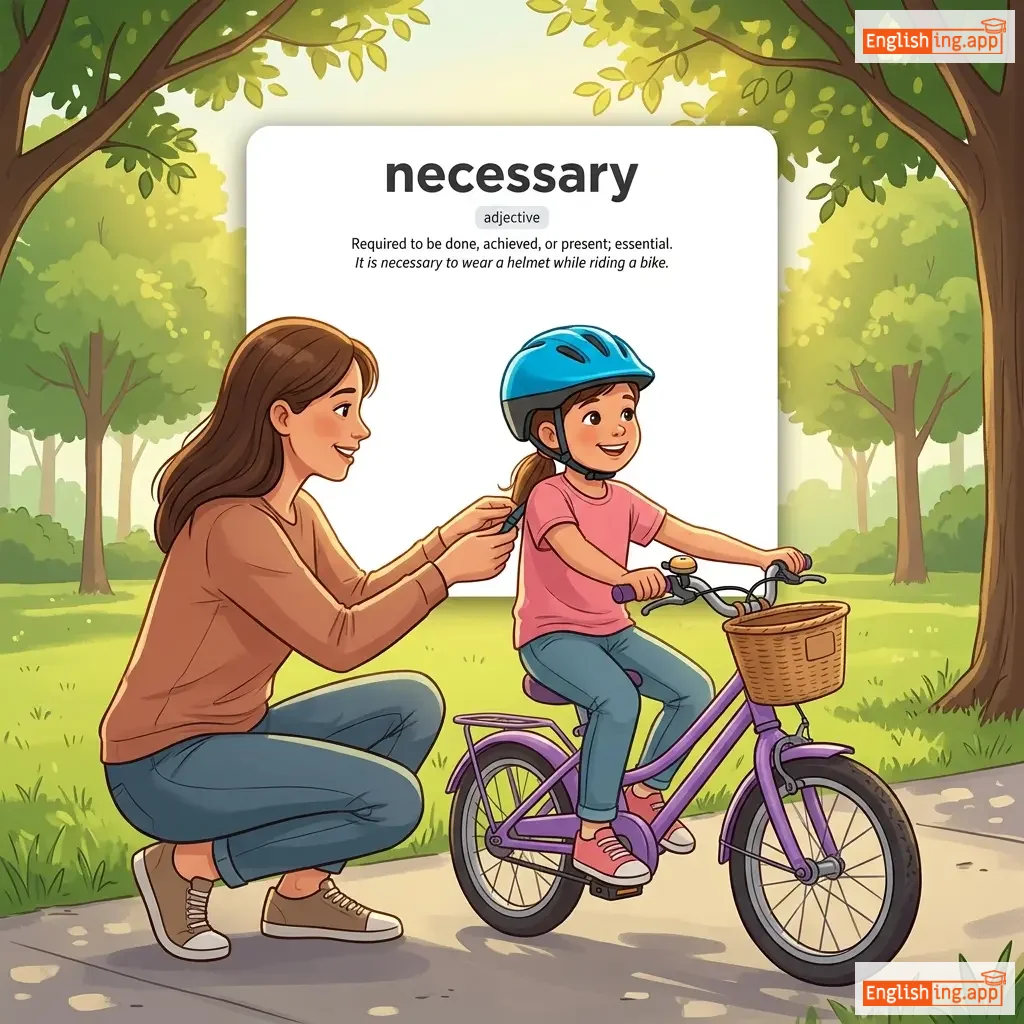
Required to be done, achieved, or present; essential.
••••••
|
Strict regulations are necessary for maintaining order.
厳格な規制は秩序を維持するために必要です。
••••••
|
厳格な規制は秩序を維持するために必要です。
Genkaku na kisei wa chitsujo o iji suru tame ni hitsuyō desu.
••••••
|
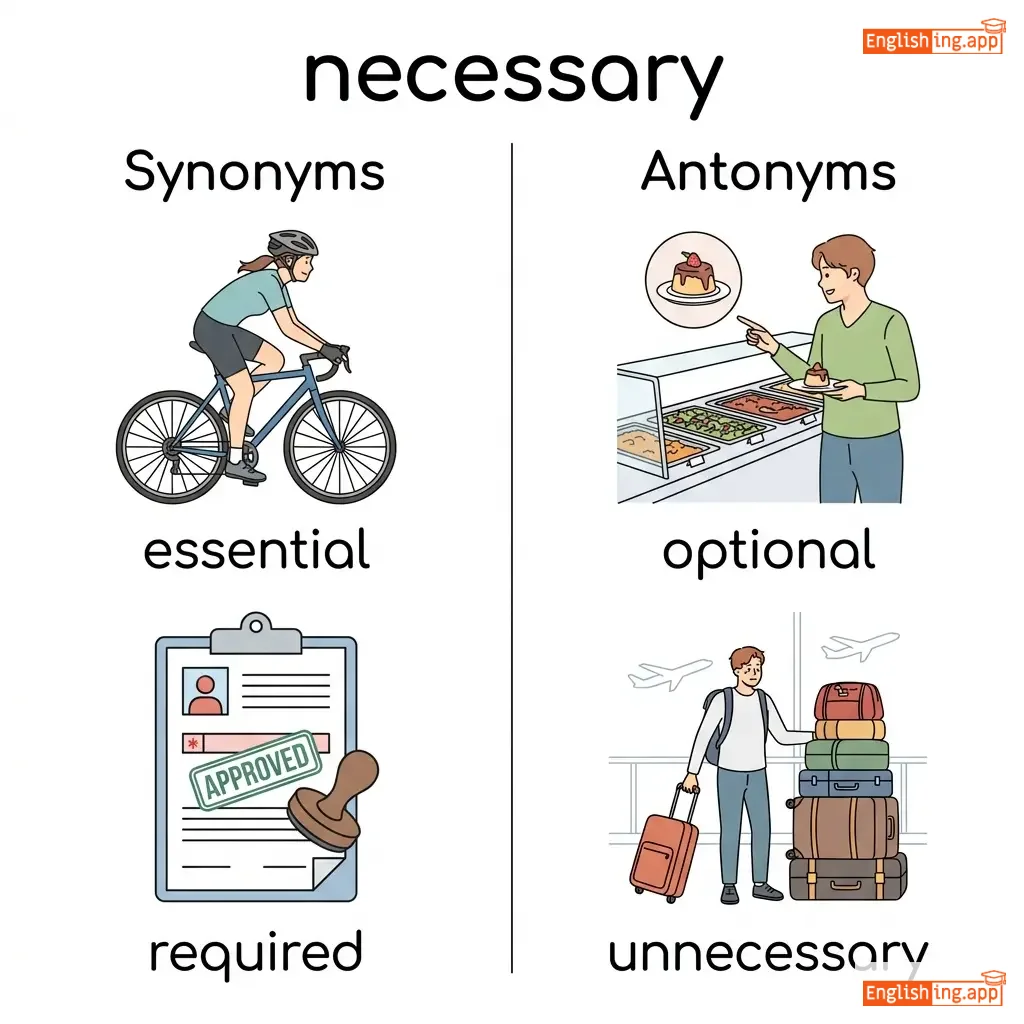
essential, vital, required, crucial, important, mandatory
••••••
|
optional, unnecessary, dispensable, unimportant, superfluous, needless
••••••
|
‘必要’は、何かを達成するために欠かせないものです。
••••••
|
|
#373
⚙️
|
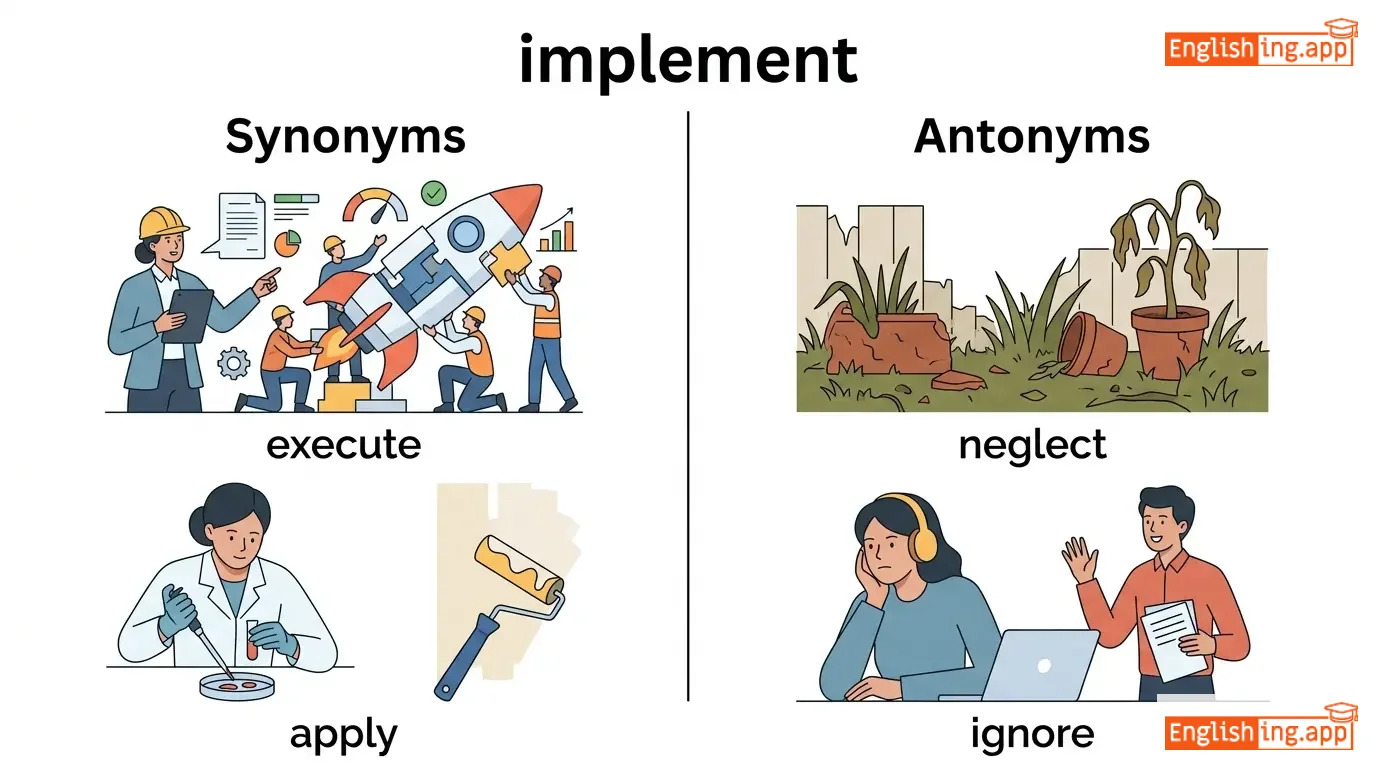
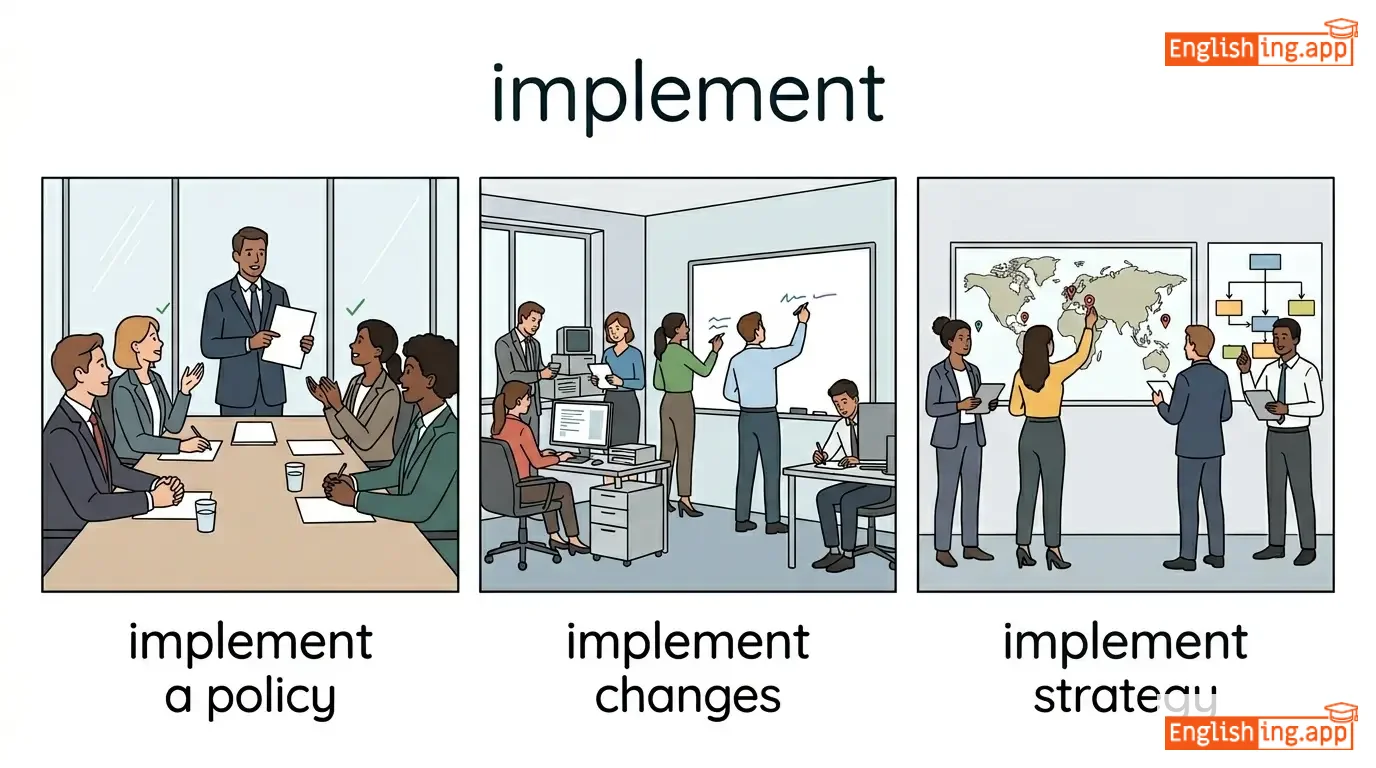
ˈɪmplɪment
verb
(インプリメント)
••••••
|
|
実施する
jisshi suru
••••••
|
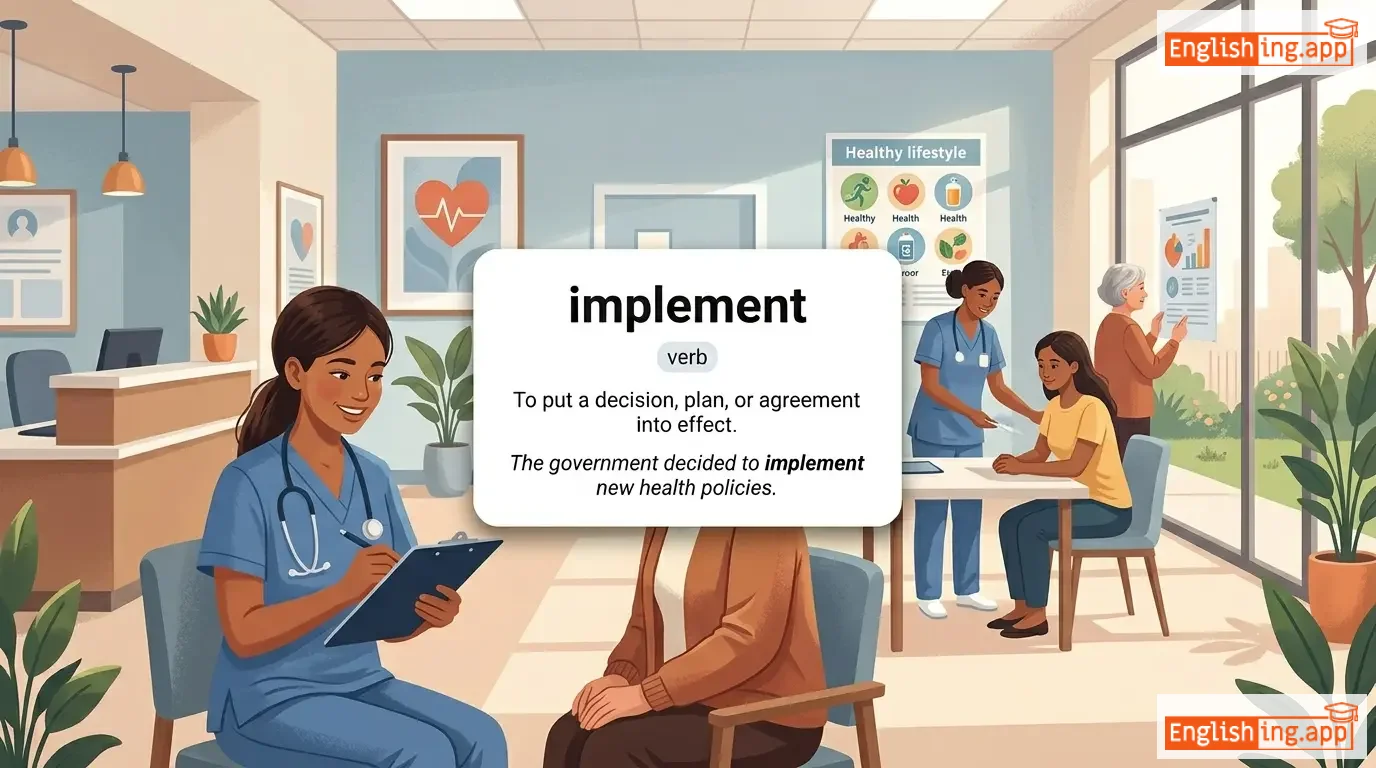
To put a decision or plan into effect; to execute or apply.
••••••
|
Implementing educational policies is essential for progress.
教育政策を実施することは進歩にとって重要です。
••••••
|
教育政策を実施することは進歩にとって重要です。
Kyouiku seisaku o jisshi suru koto wa shinpo ni totte juuyou desu.
••••••
|
apply, execute, carry out, put into practice, enforce, realize
••••••
|
neglect, ignore, abandon, discontinue, suspend, halt
••••••
|
実施するは計画を現実にすることです。
••••••
|
|
#374
🔥
|
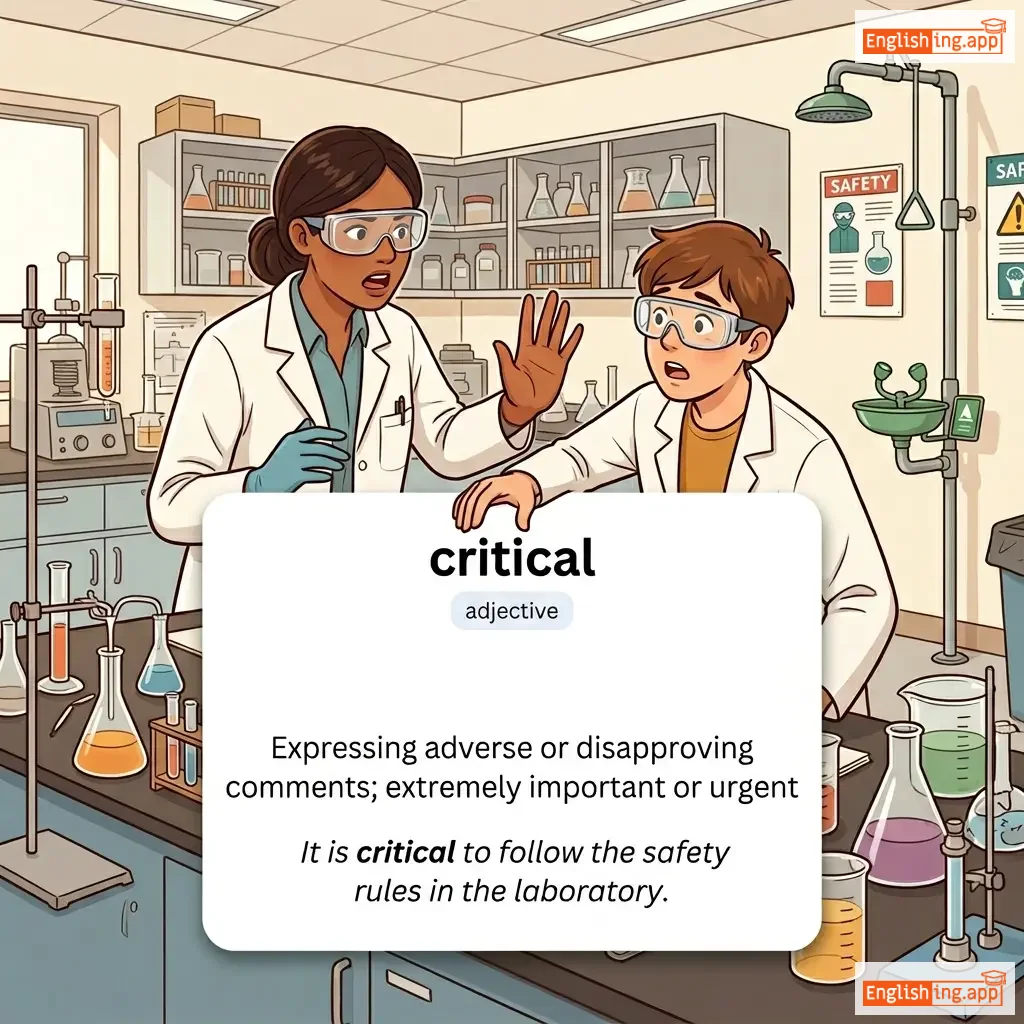
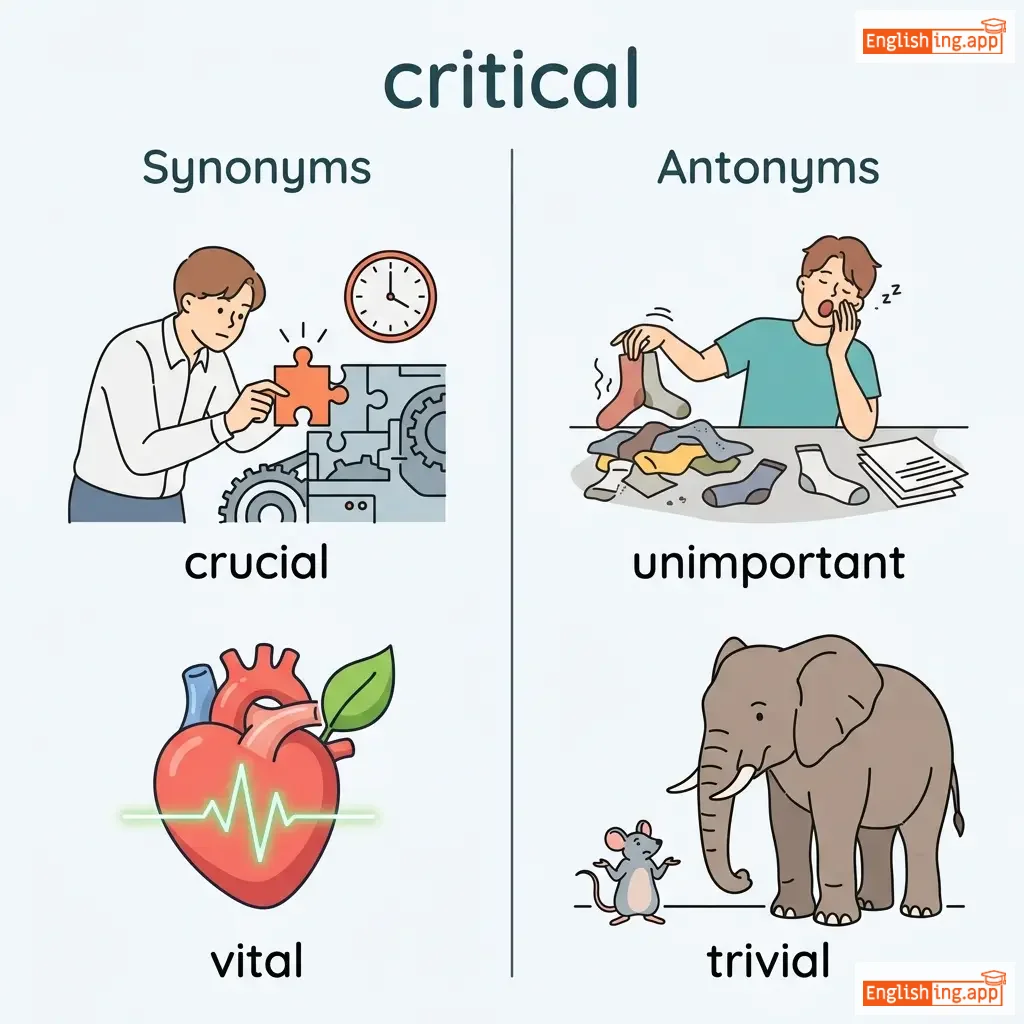
ˈkrɪtɪkəl
adjective
(kuritikaru)
••••••
|
|
重大な
jūdaina
••••••
|
Extremely important; at a point of crisis or urgency.
••••••
|
Addressing critical issues in education is imperative. |
教育の重大な問題に対処することは不可欠です。
Kyōiku no jūdaina mondai ni taisho suru koto wa fukaketsu desu.
••••••
|
crucial, significant, vital, urgent, important, essential
••••••
|
trivial, unimportant, minor, insignificant, secondary, negligible
••••••
|
Critical moments require 'jūdaina' responses for swift resolution.
••••••
|
|
#375
🔧
|
ˈpræktɪkəl
adjective
(プラクティカル)
••••••
|
|
実用的
jitsuyōteki
••••••
|
Concerned with actual use rather than theory; realistic and sensible.
••••••
|
A practical approach is needed for solving complex problems. |
複雑な問題を解決するには実用的なアプローチが必要です。
Fukuzatsu na mondai o kaiketsu suru ni wa jitsuyōteki na apurōchi ga hitsuyō desu.
••••••
|
realistic, feasible, workable, sensible, pragmatic, functional
••••••
|
impractical, unrealistic, theoretical, idealistic, impossible, unfeasible
••••••
|
実用的とは、実際に役立つ方法のこと、まさに『実用的』。
••••••
|
|
#376
🎯
|
əˈdres
verb
(アドレス)
••••••
|
|
取り組む
torikumu
••••••
|
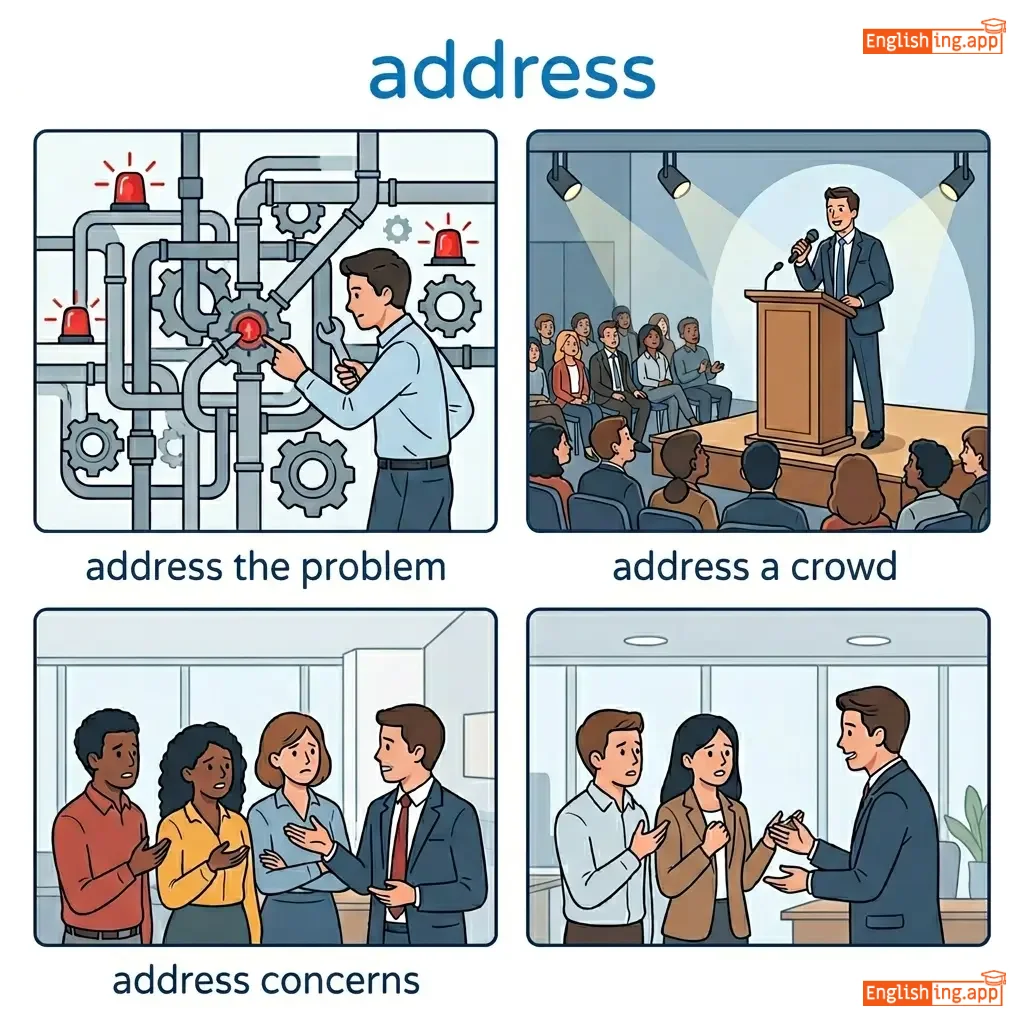
To deal with or tackle (a problem or issue); to focus attention on.
••••••
|
The government must address the issues of student politics. |
政府は学生政治の問題に取り組むべきです。
Seifu wa gakusei seiji no mondai ni torikumu beki desu.
••••••
|
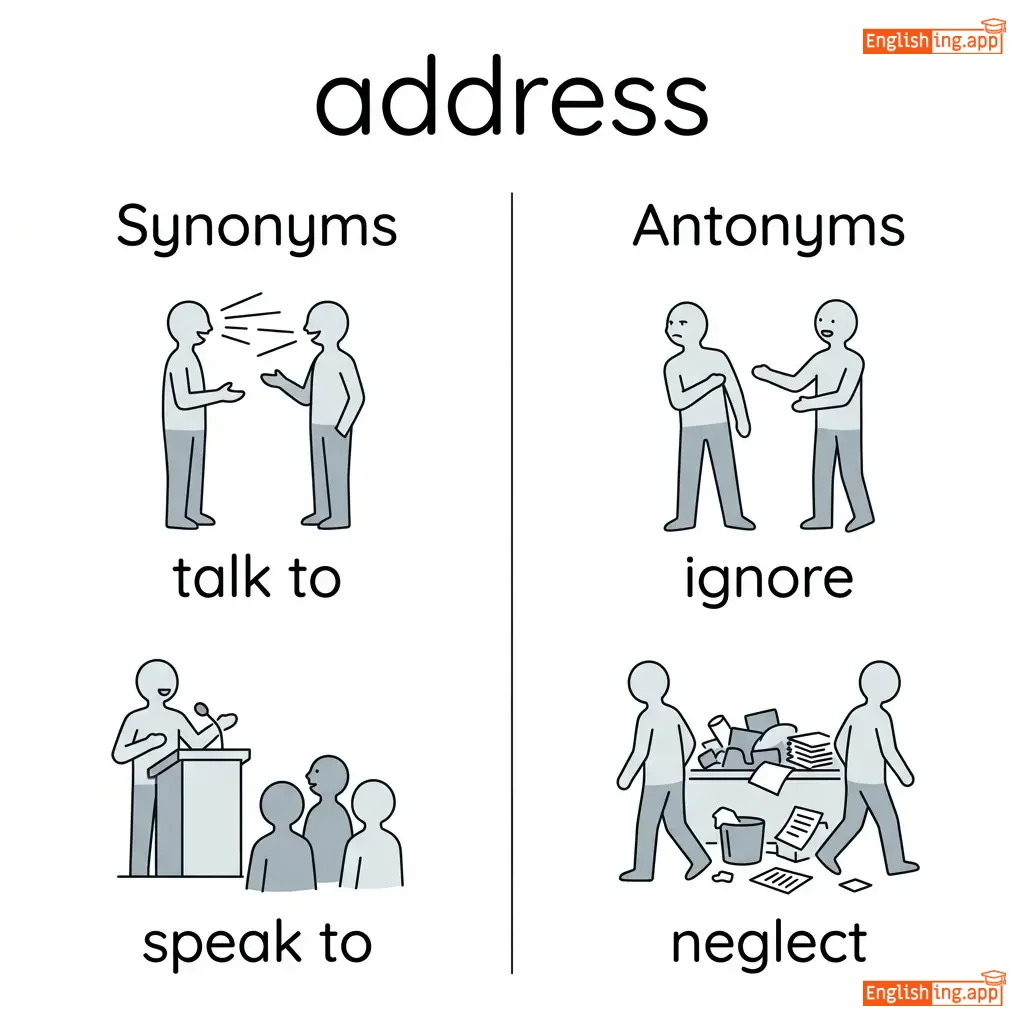
tackle, resolve, deal with, handle, confront, attend to
••••••
|
ignore, overlook, avoid, neglect, dismiss, disregard
••••••
|
'取り組む'は、英語の 'address'に似ています。
••••••
|
|
#377
🏗️
|
ˈstrʌktʃərd
adjective
(ストラクチャード)
••••••
|
|
構造化
kōzōka
••••••
|
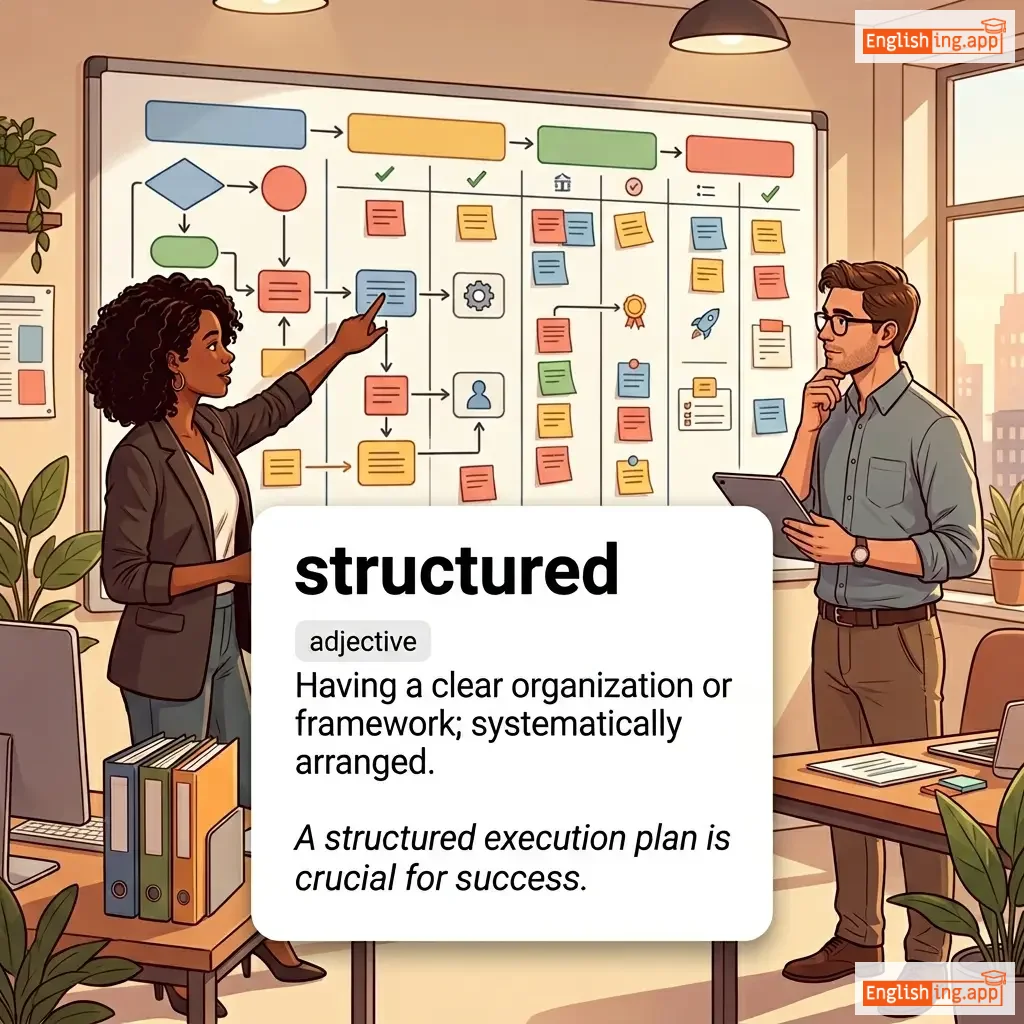
Having a clear organization or framework; systematically arranged.
••••••
|
A structured execution plan is crucial for success. |
構造化された実行計画は成功にとって重要です。
Kōzōka sareta jikkō keikaku wa seikō ni totte jūyō desu.
••••••
|
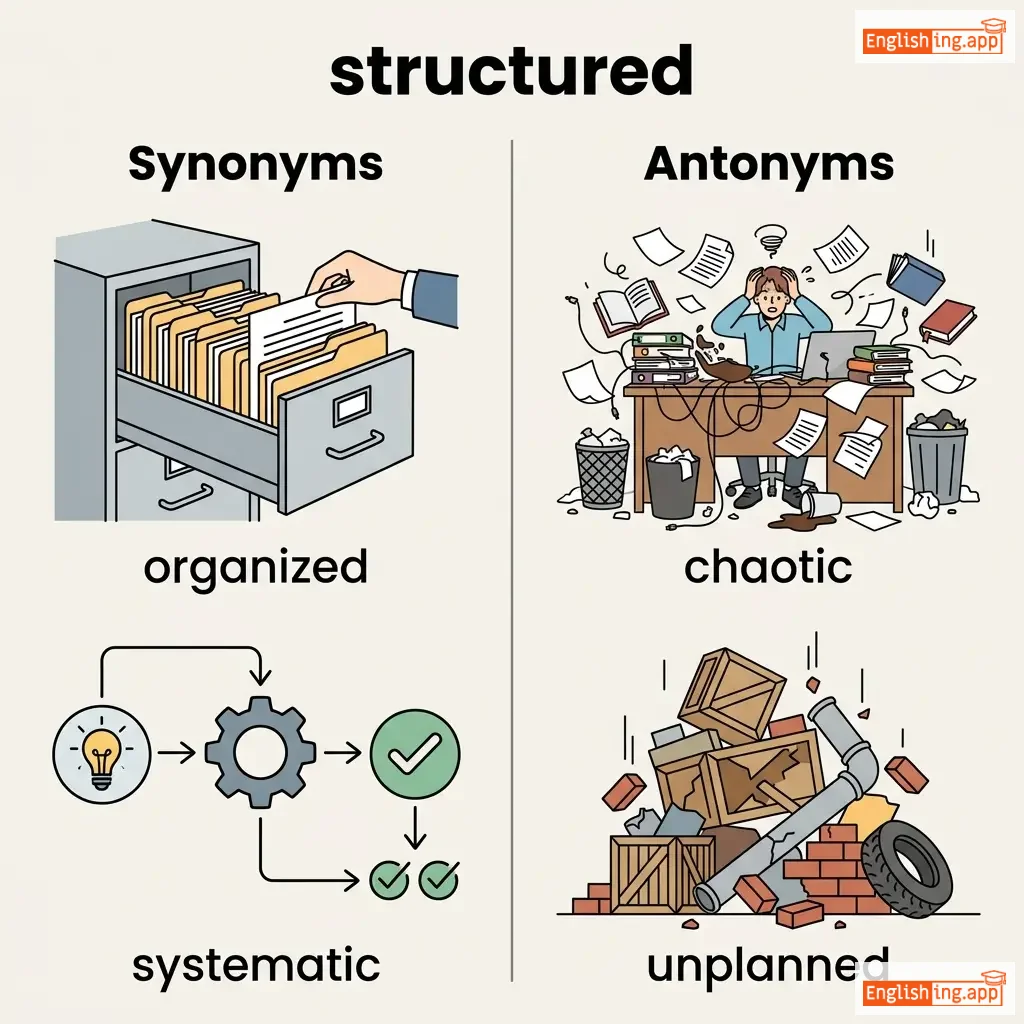
organized, systematic, planned, methodical, orderly, arranged
••••••
|
chaotic, unplanned, disorganized, random, haphazard, unstructured
••••••
|
In Japanese, '構造化' and English 'structured' both suggest something with a clear organization.
••••••
|
Vocabulary Quiz
Test your vocabulary by matching words with their translations or meanings.
Login to take the quiz
Comments (0)
Share your thoughts and join the discussion.
Join the discussion by logging in
Login to CommentNo comments yet
Be the first to share your thoughts!