

記憶力を弱める一般的な習慣
Common Habits That Weaken Memory
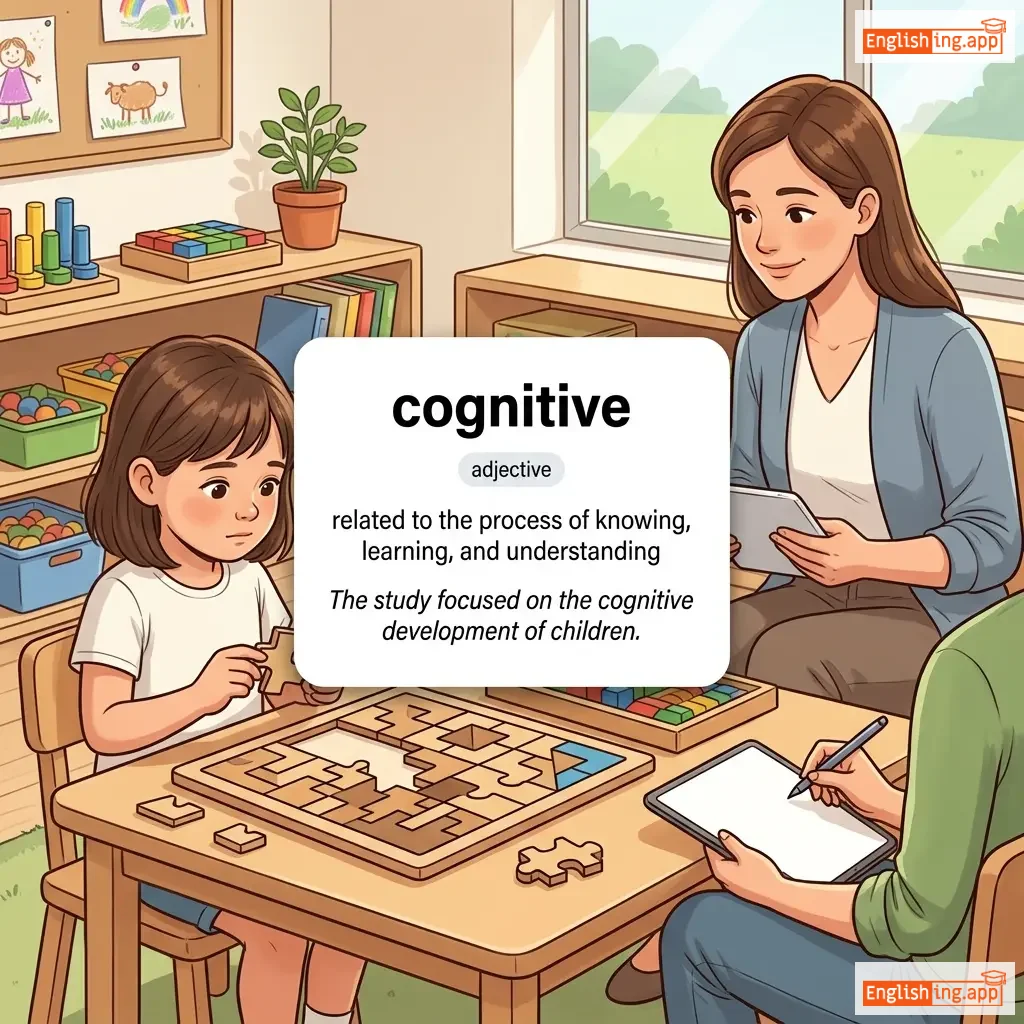
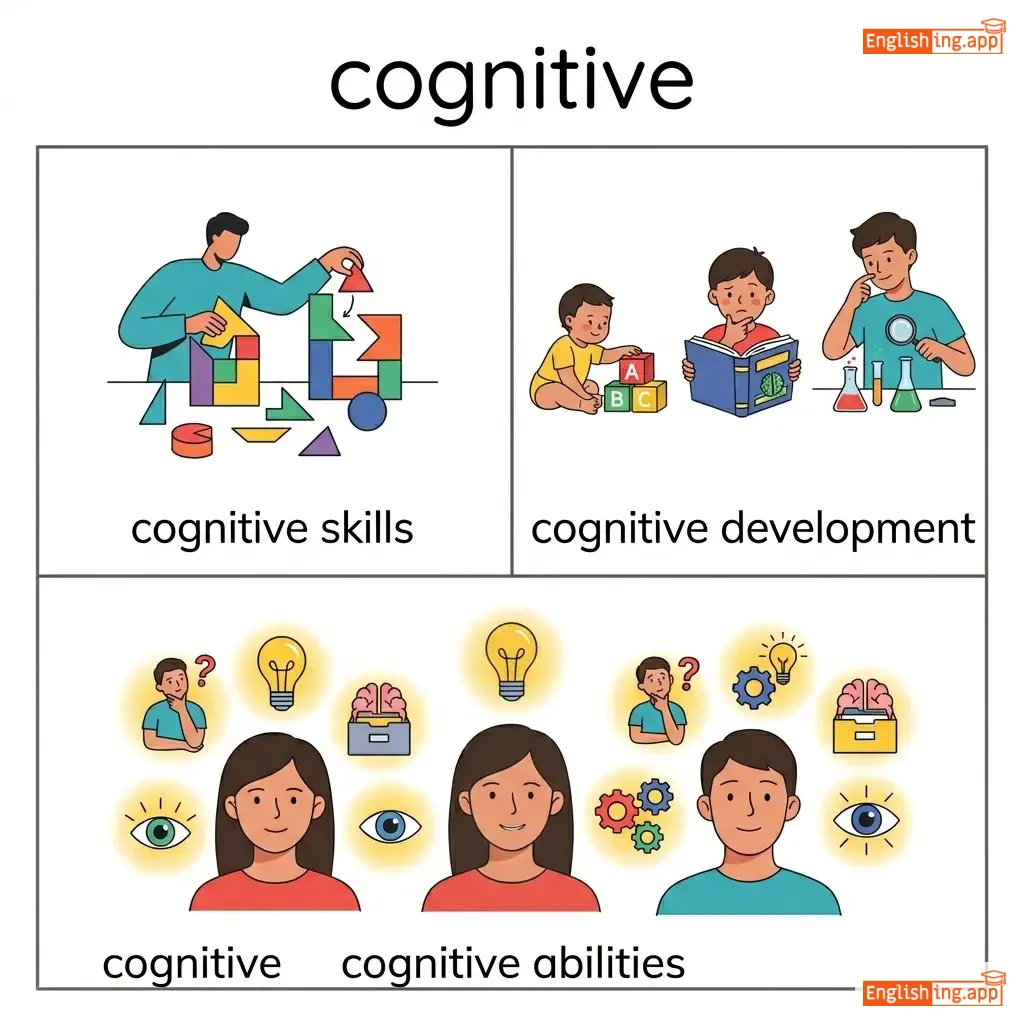
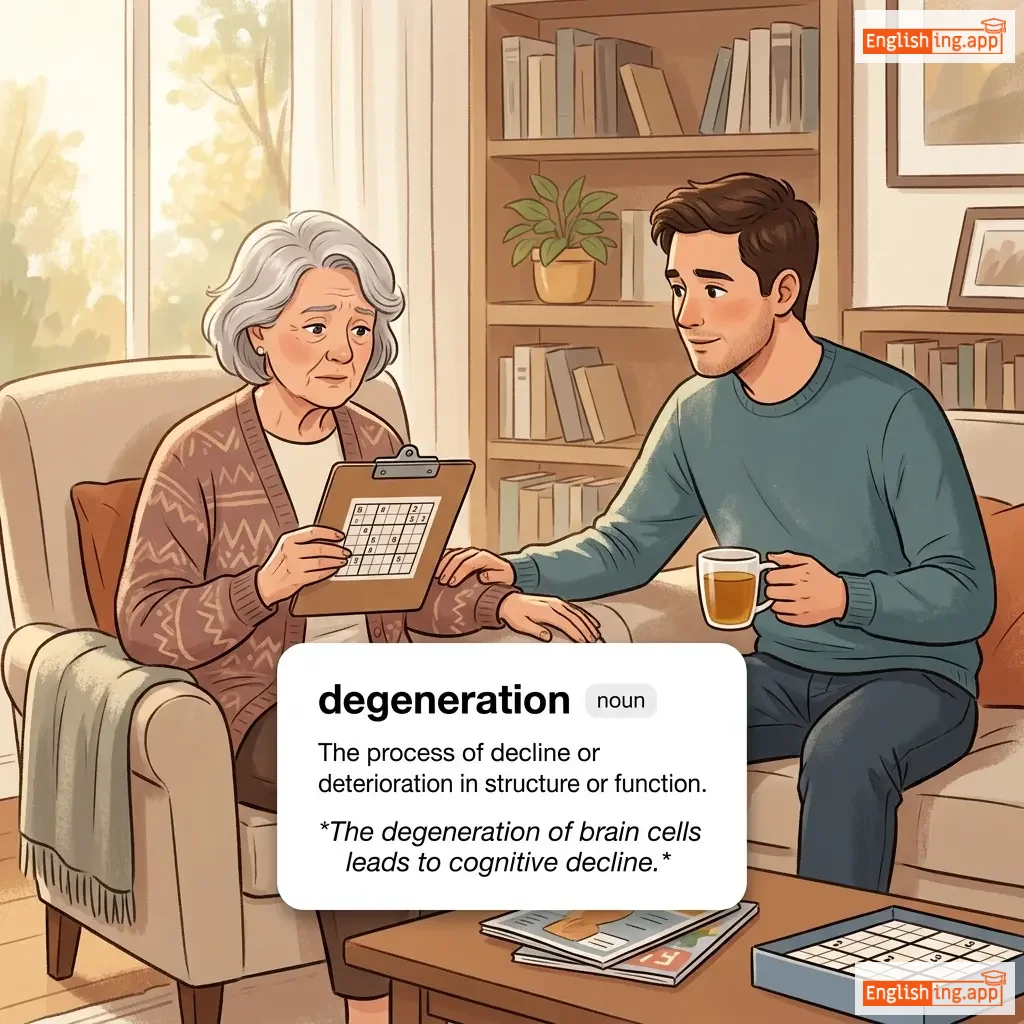
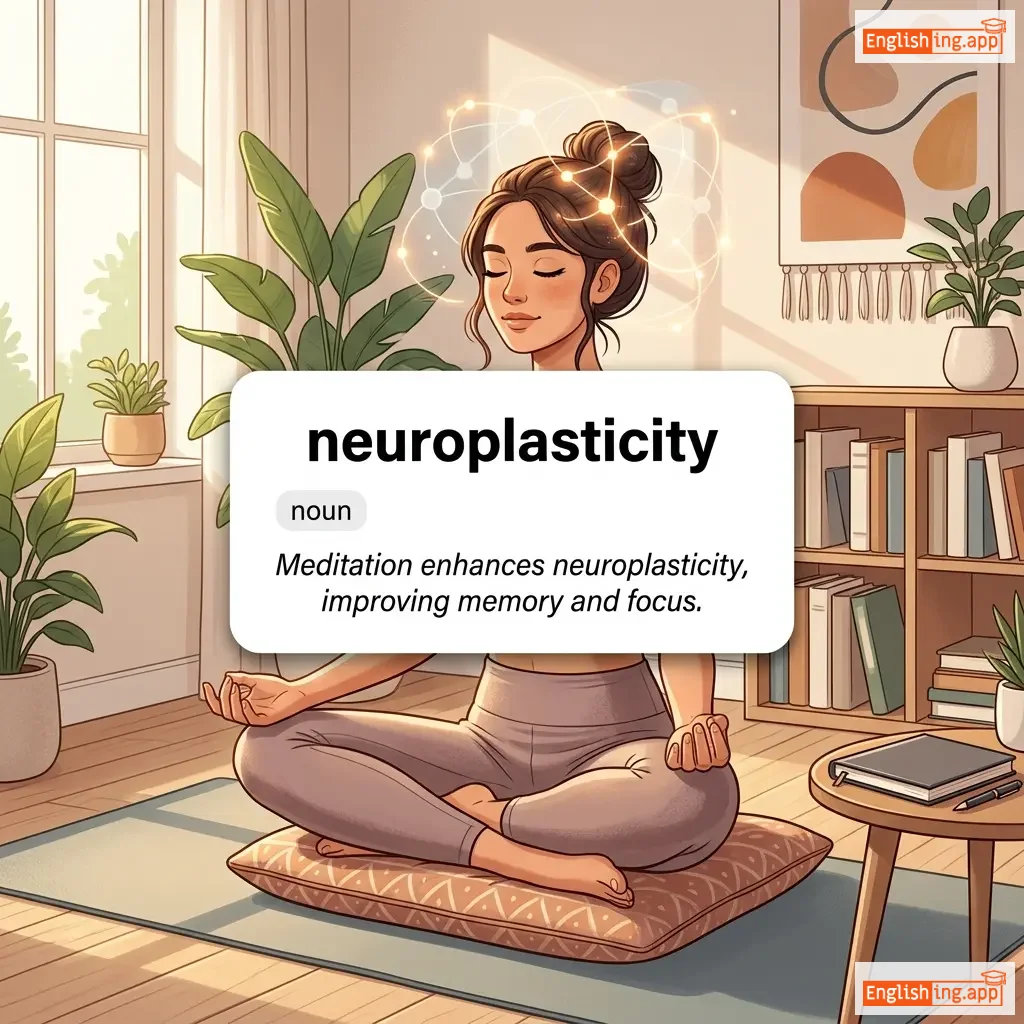
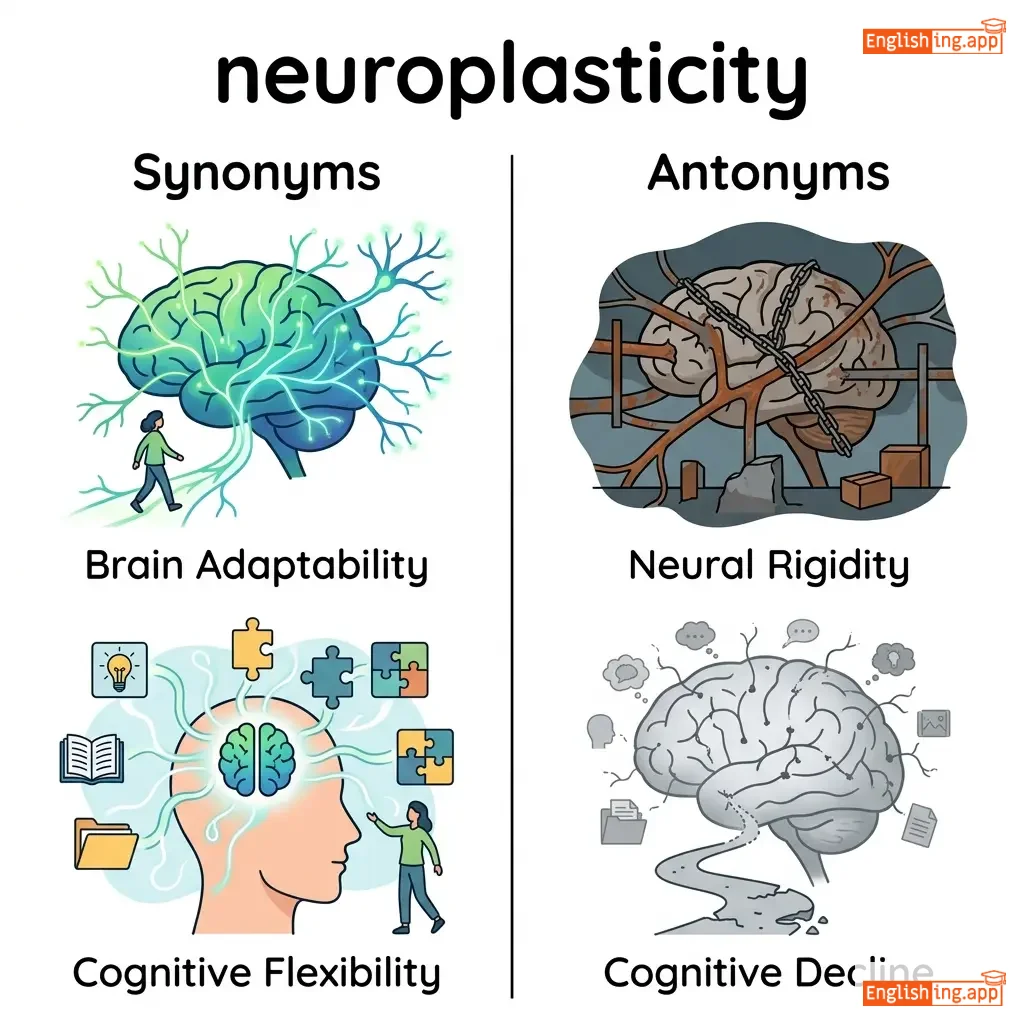
今日、多くの人々は脳の cognitive 能力を軽視し、記憶の degeneration を引き起こしています。一方で、sedentary な生活習慣や excessive なテレビ視聴は脳の neuroplasticity を弱めます。
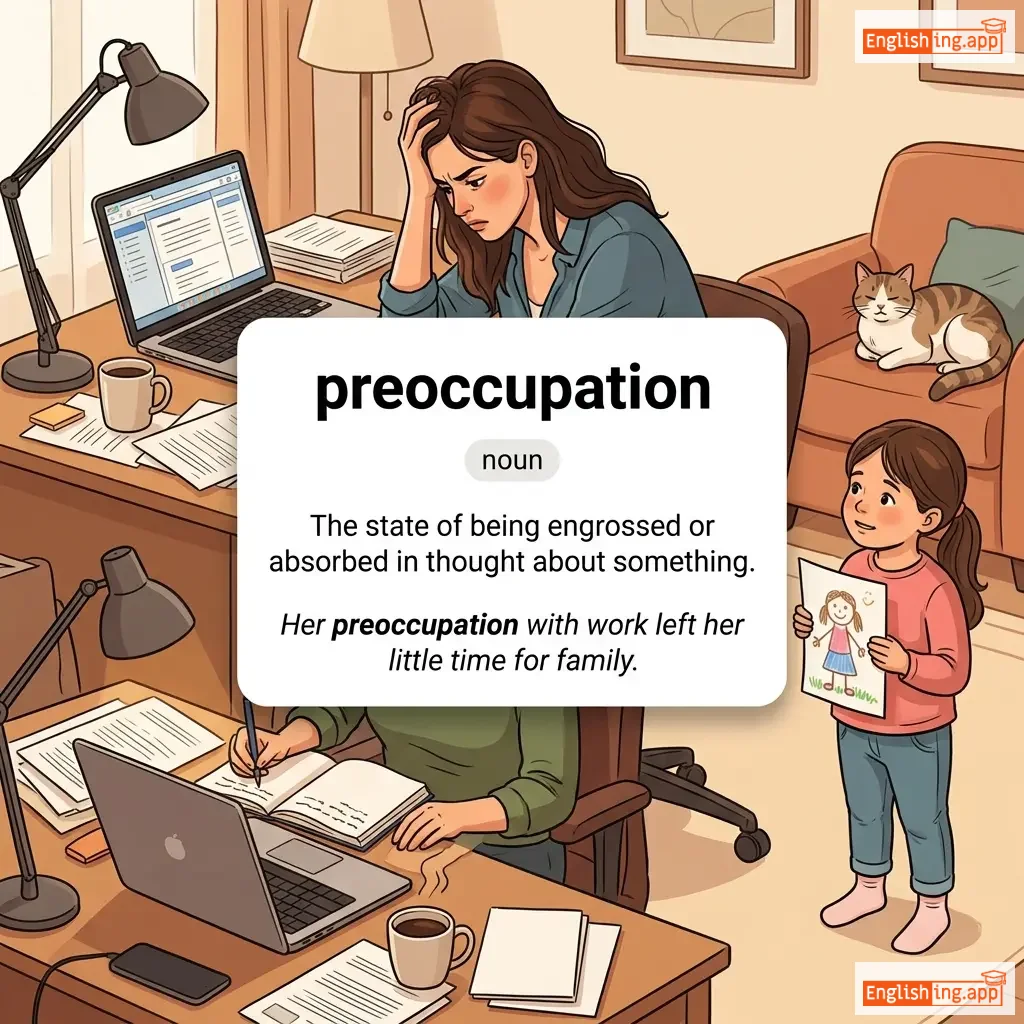
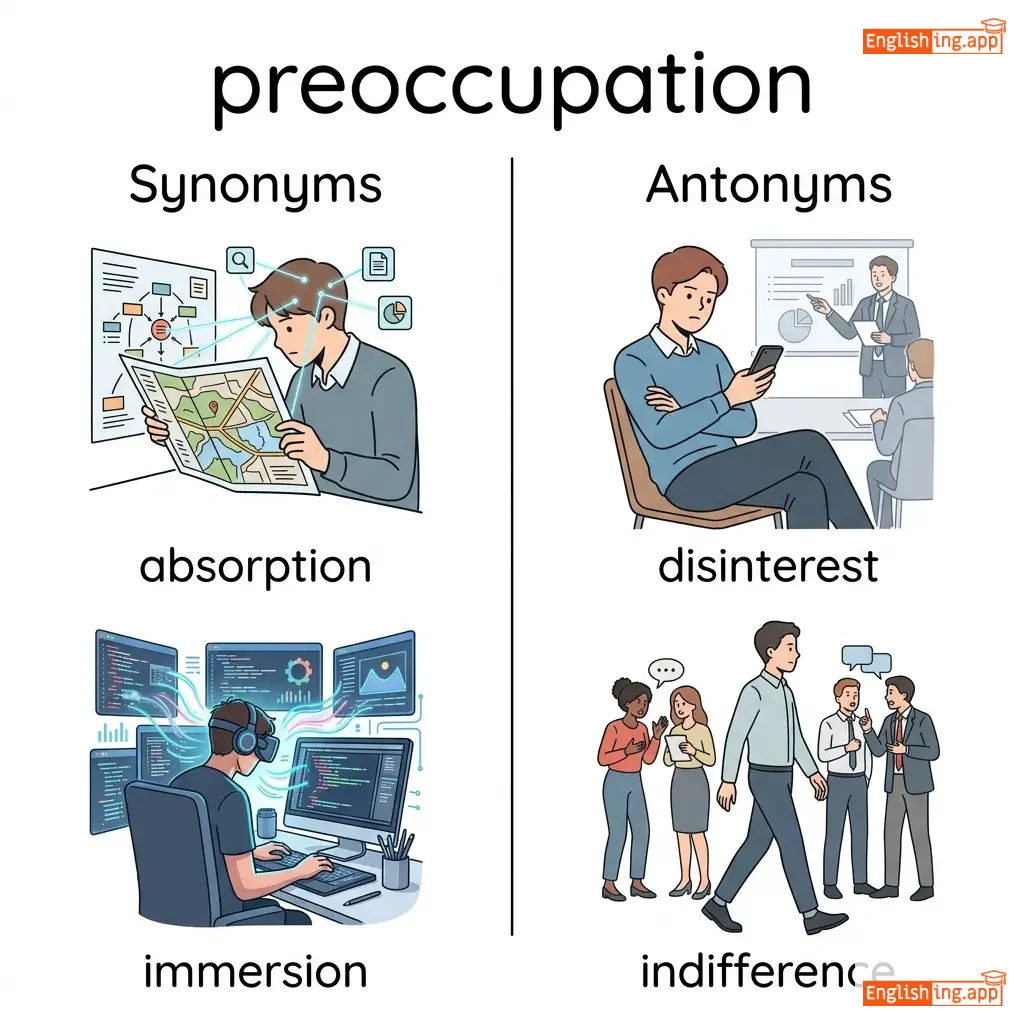
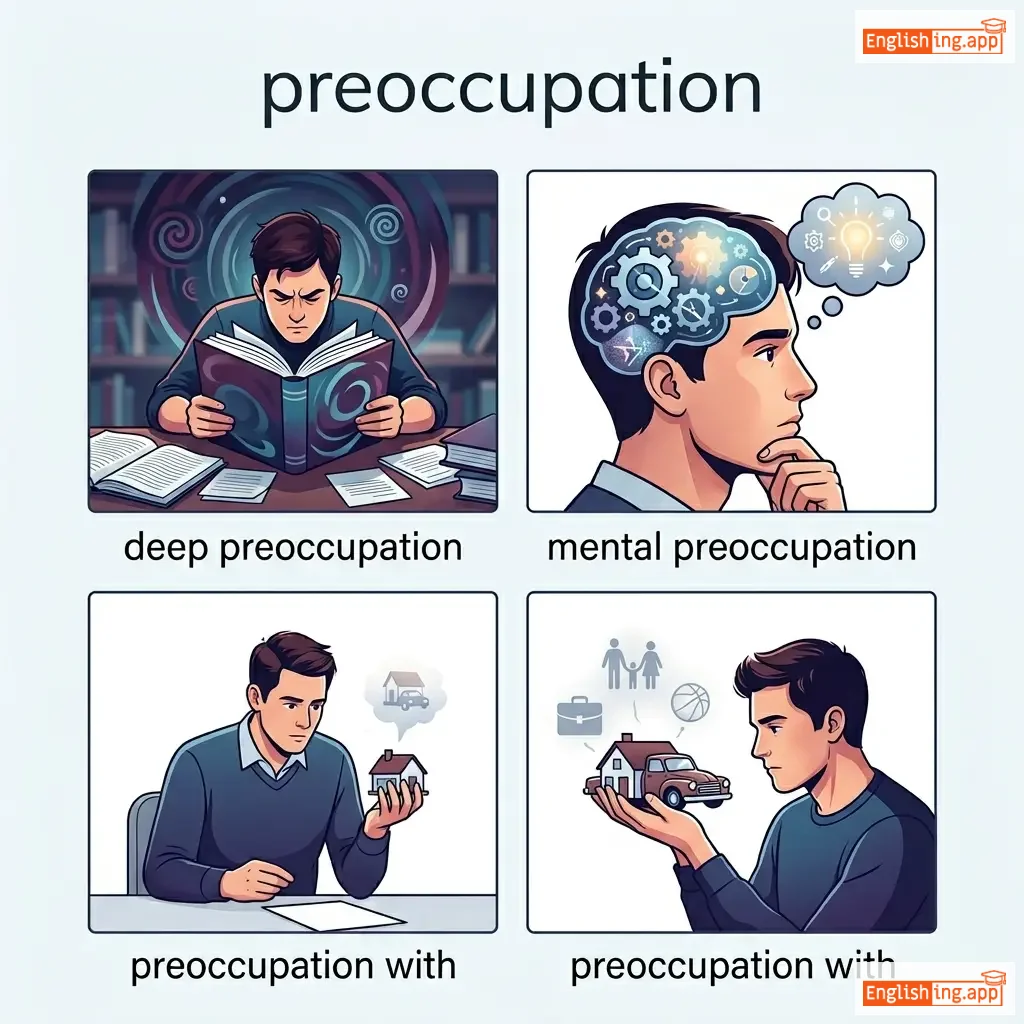
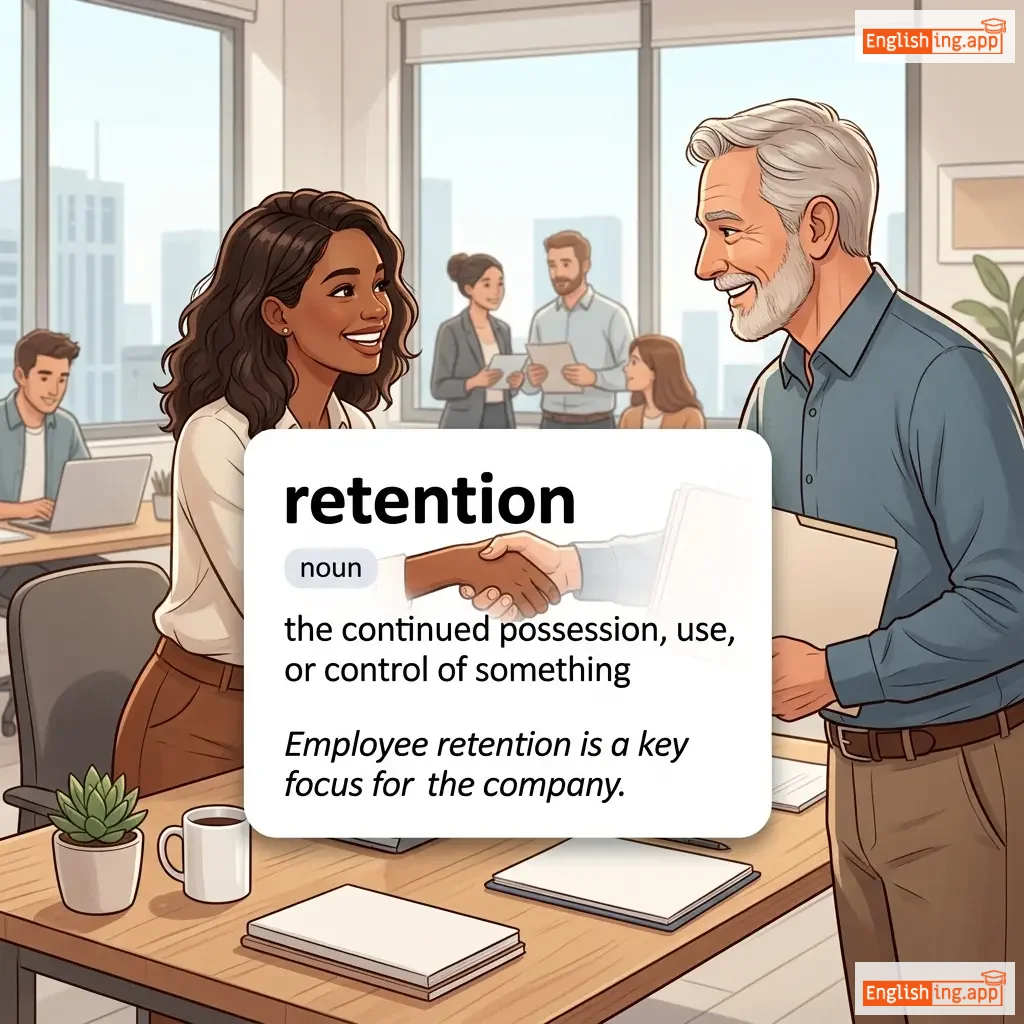
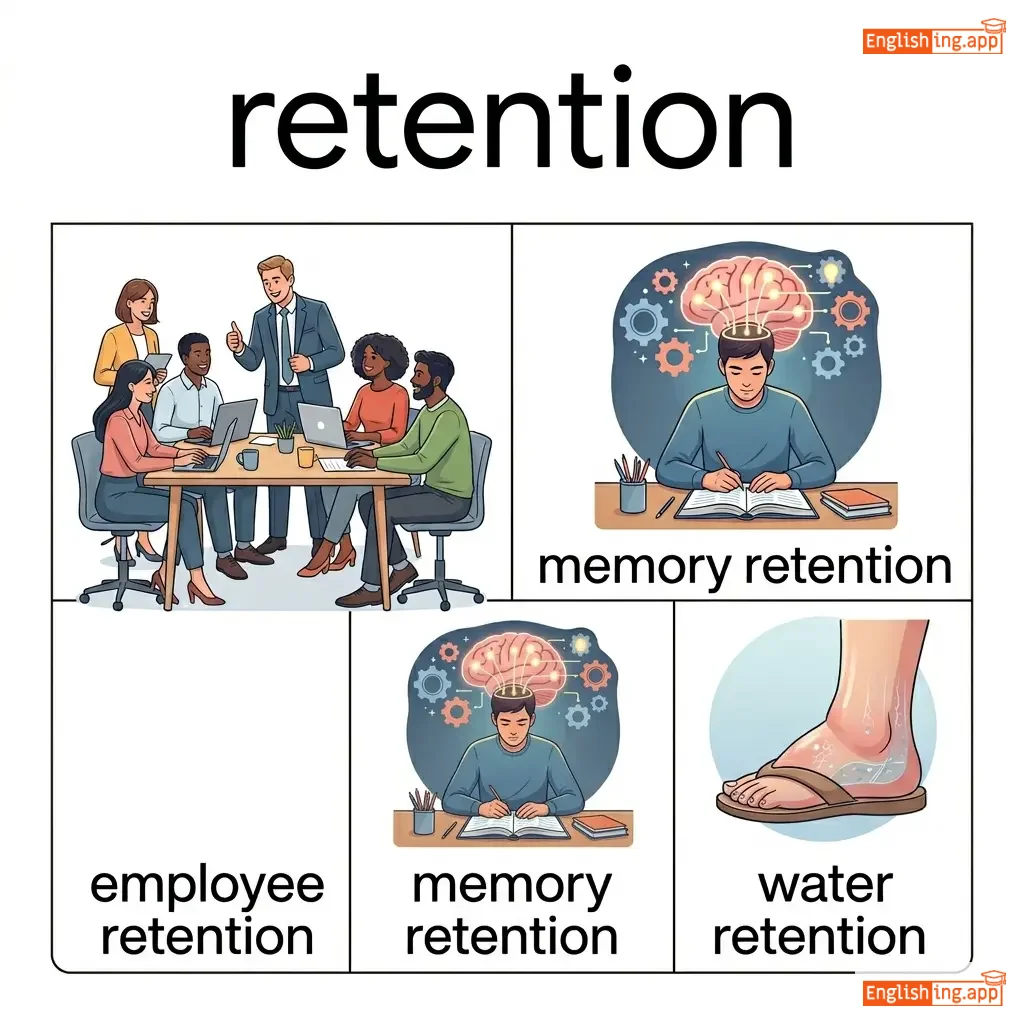
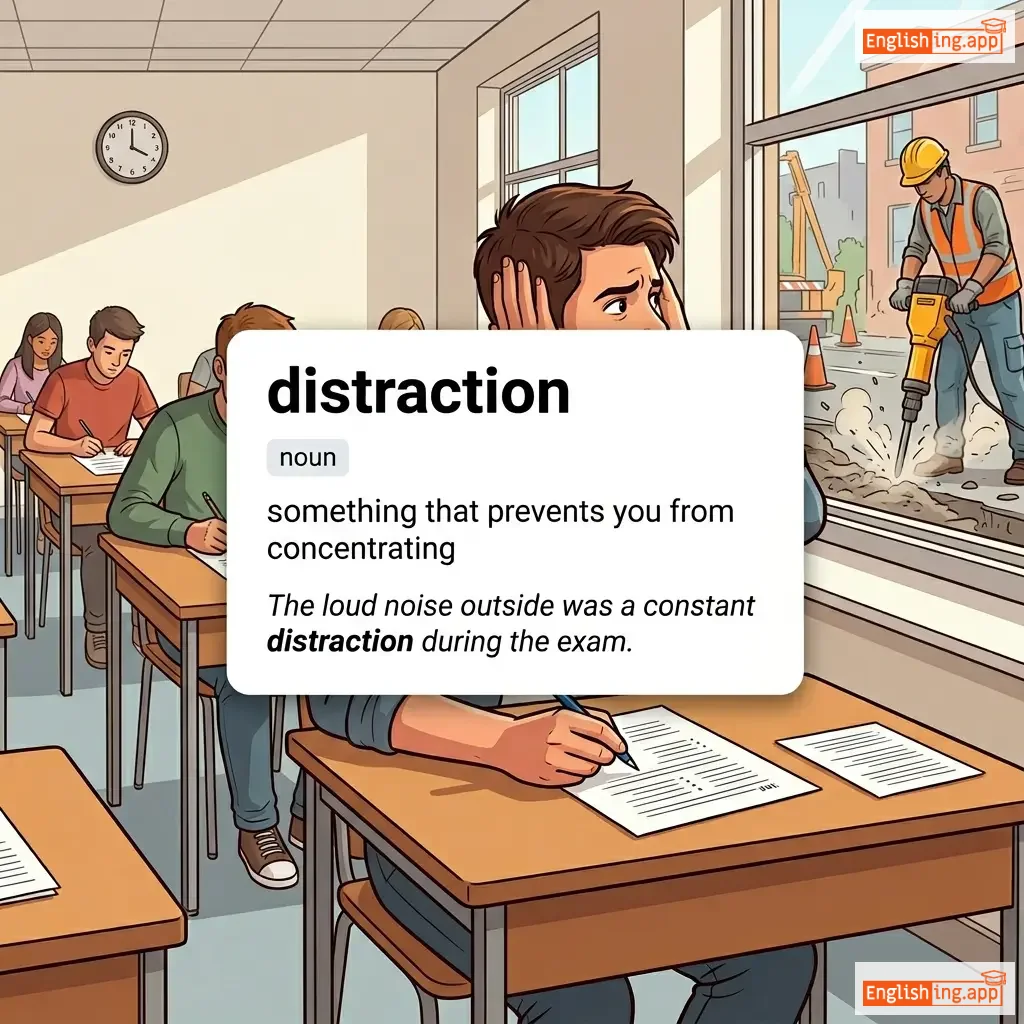
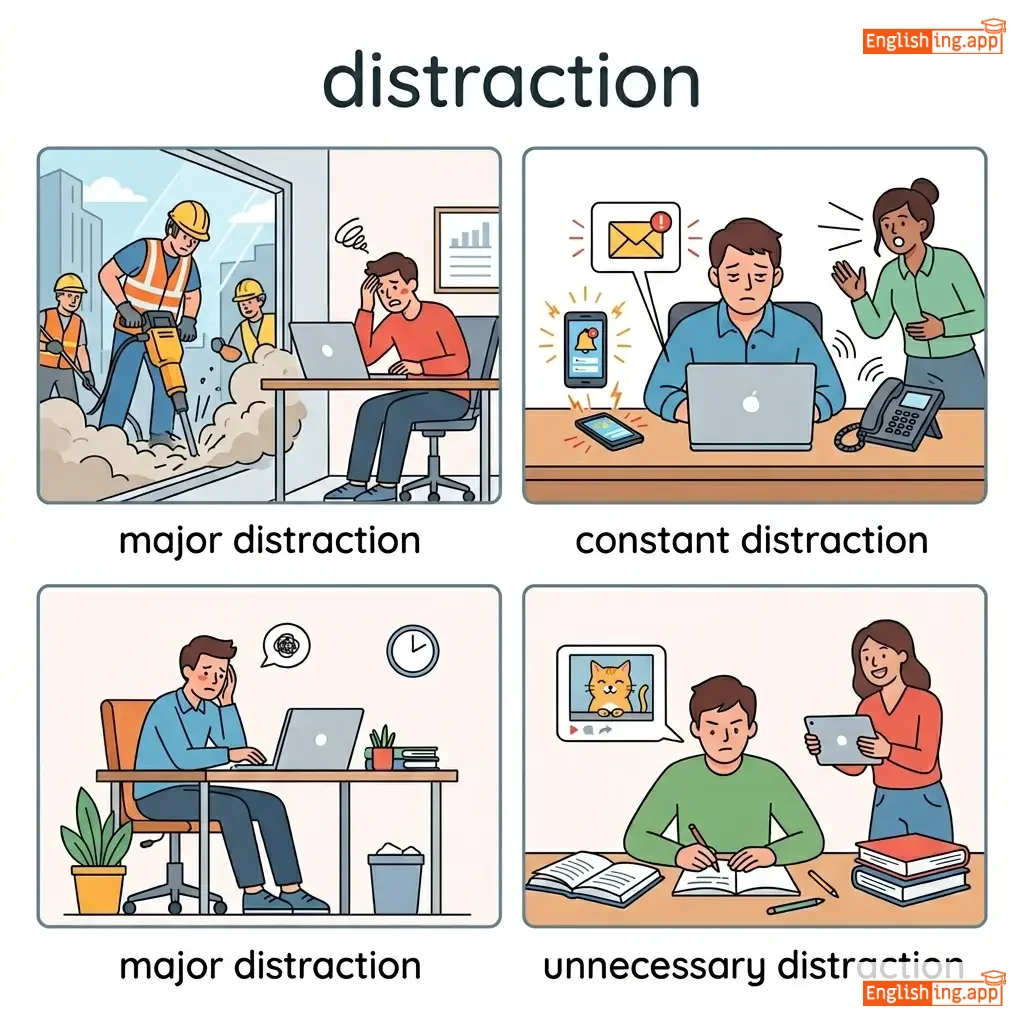
もう一つの一般的な習慣は preoccupation、つまり過度な心配であり、これは脳の retention 能力を妨げます。長時間の distraction により集中力が途切れ、information を記憶する力が低下します。
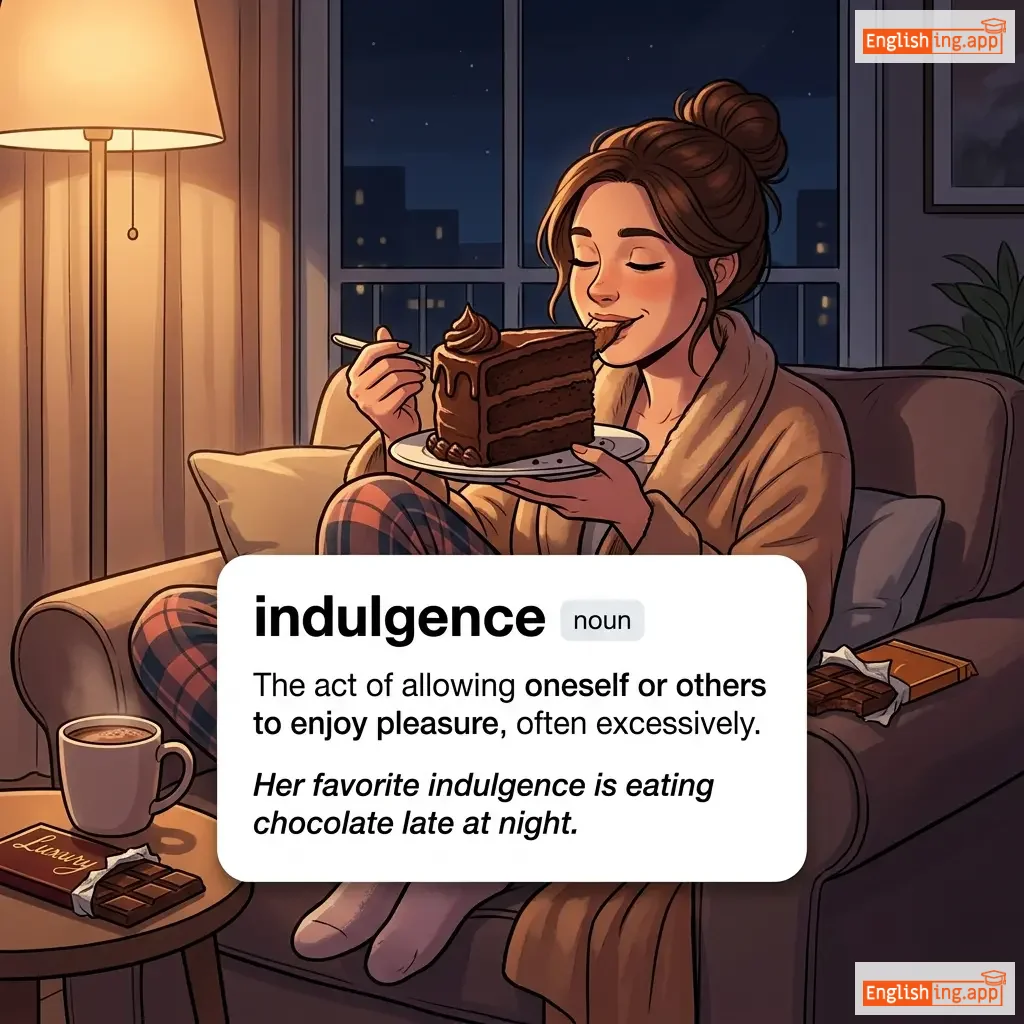
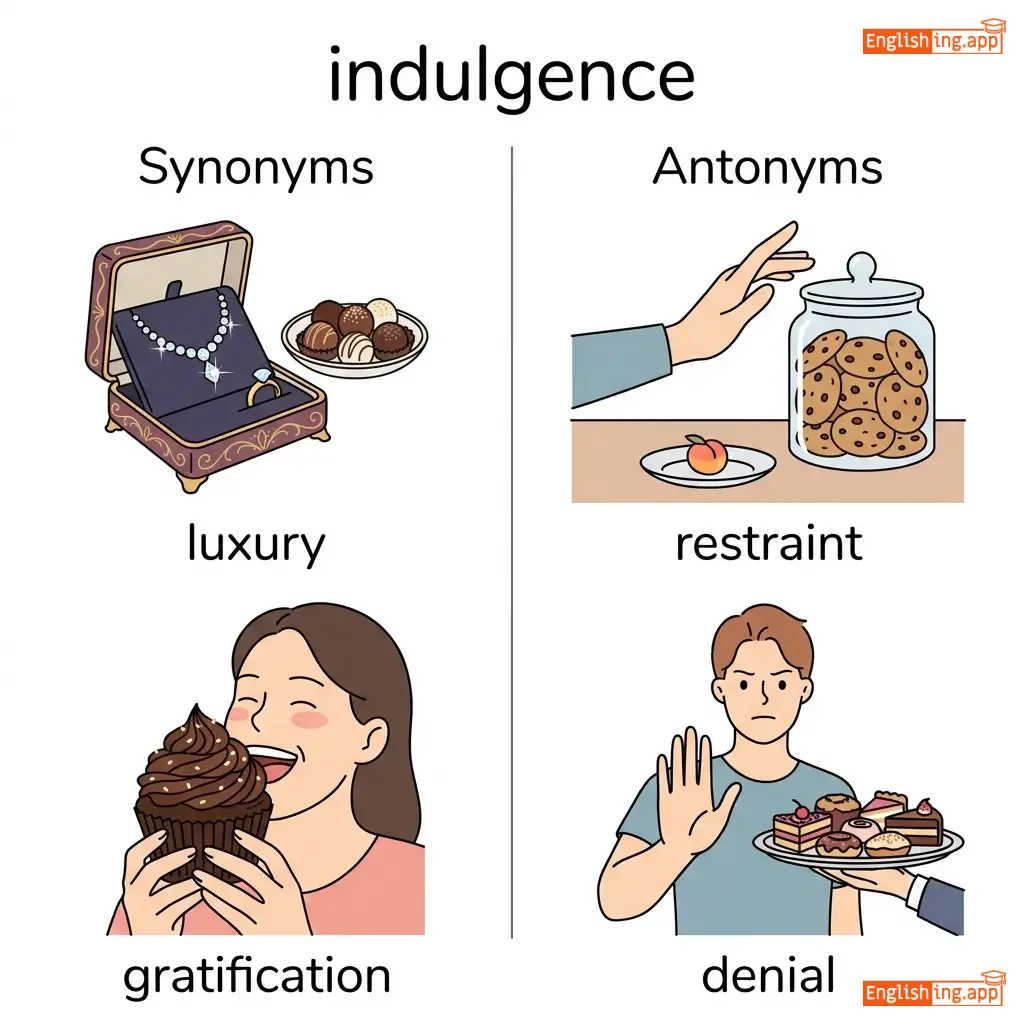
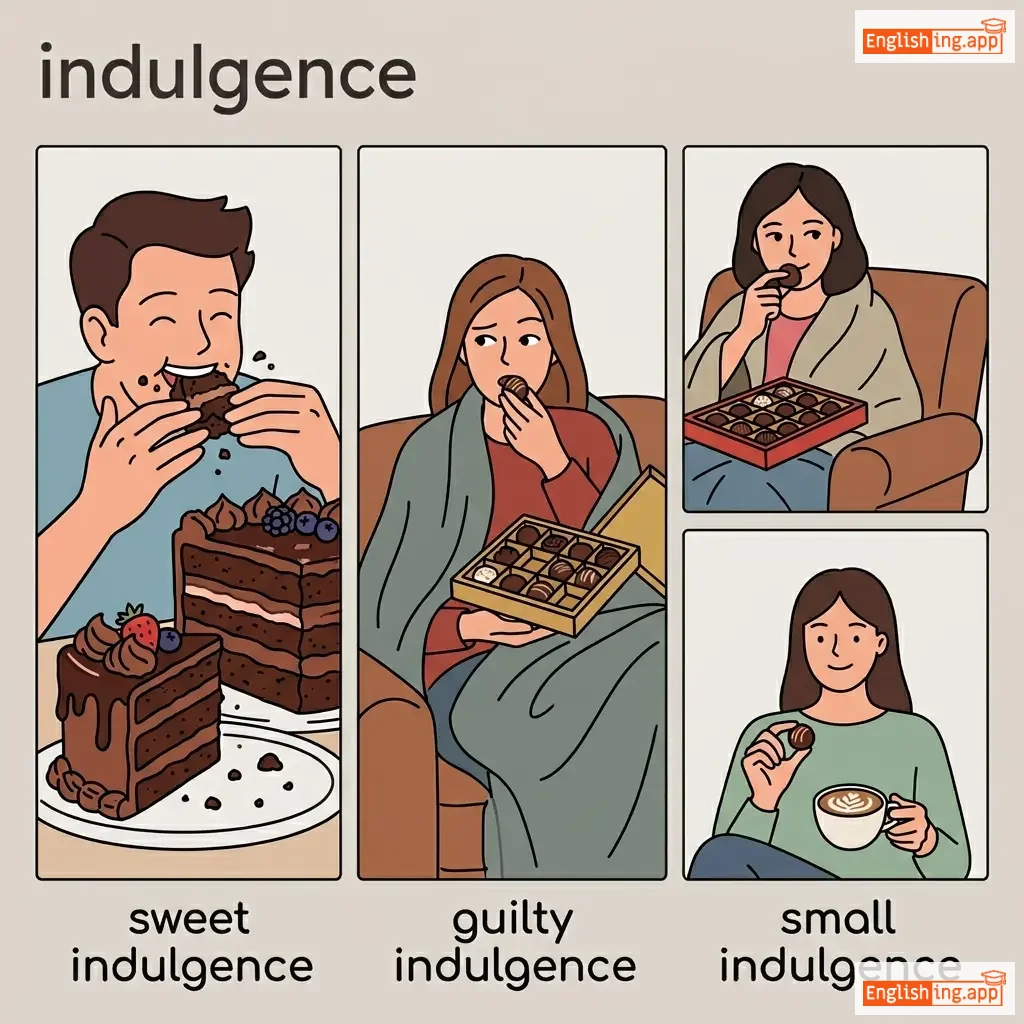
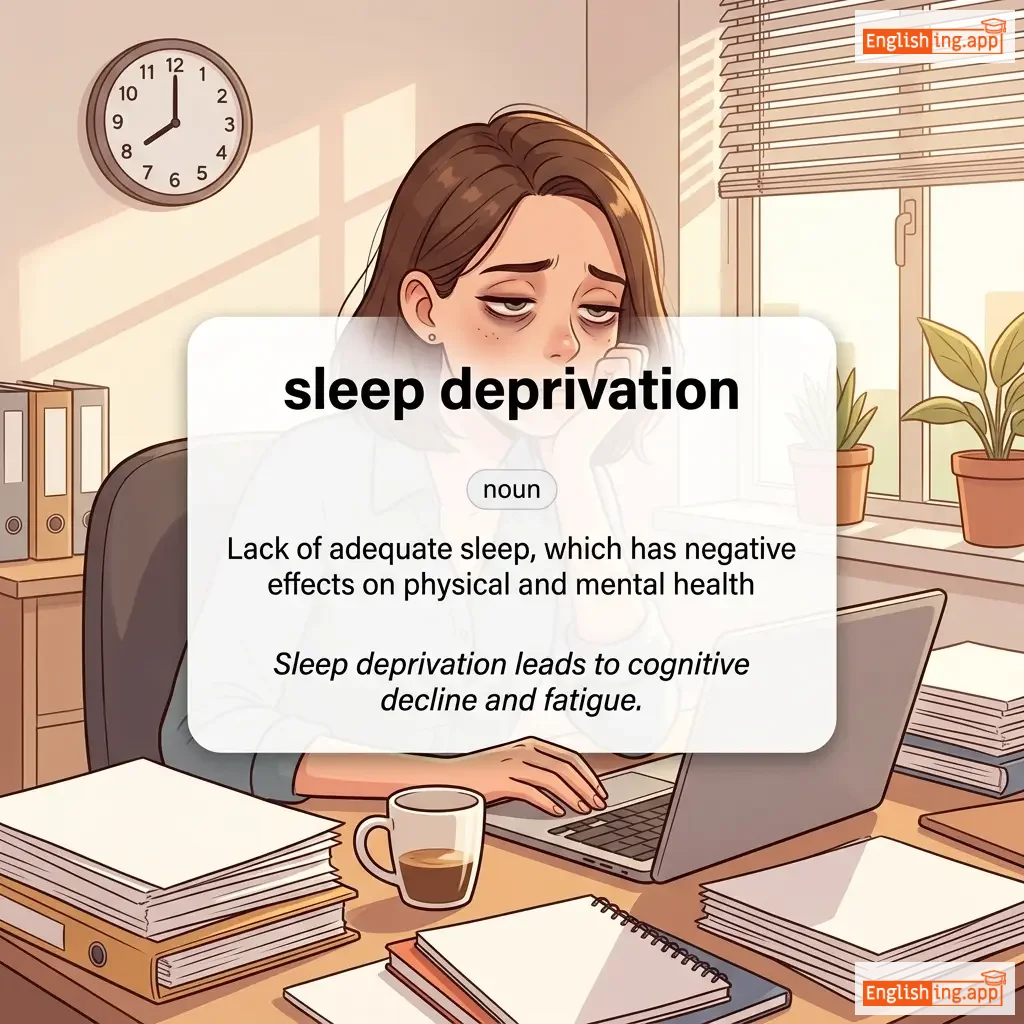
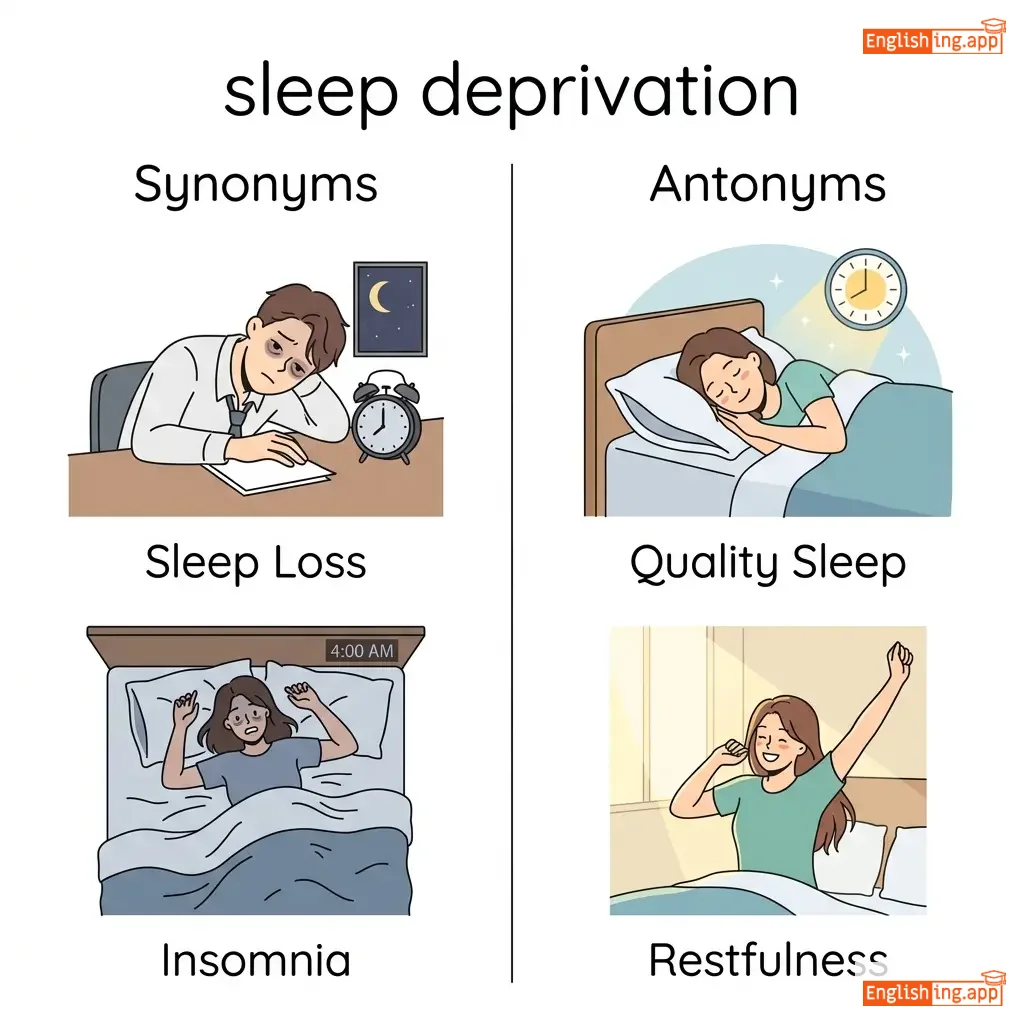
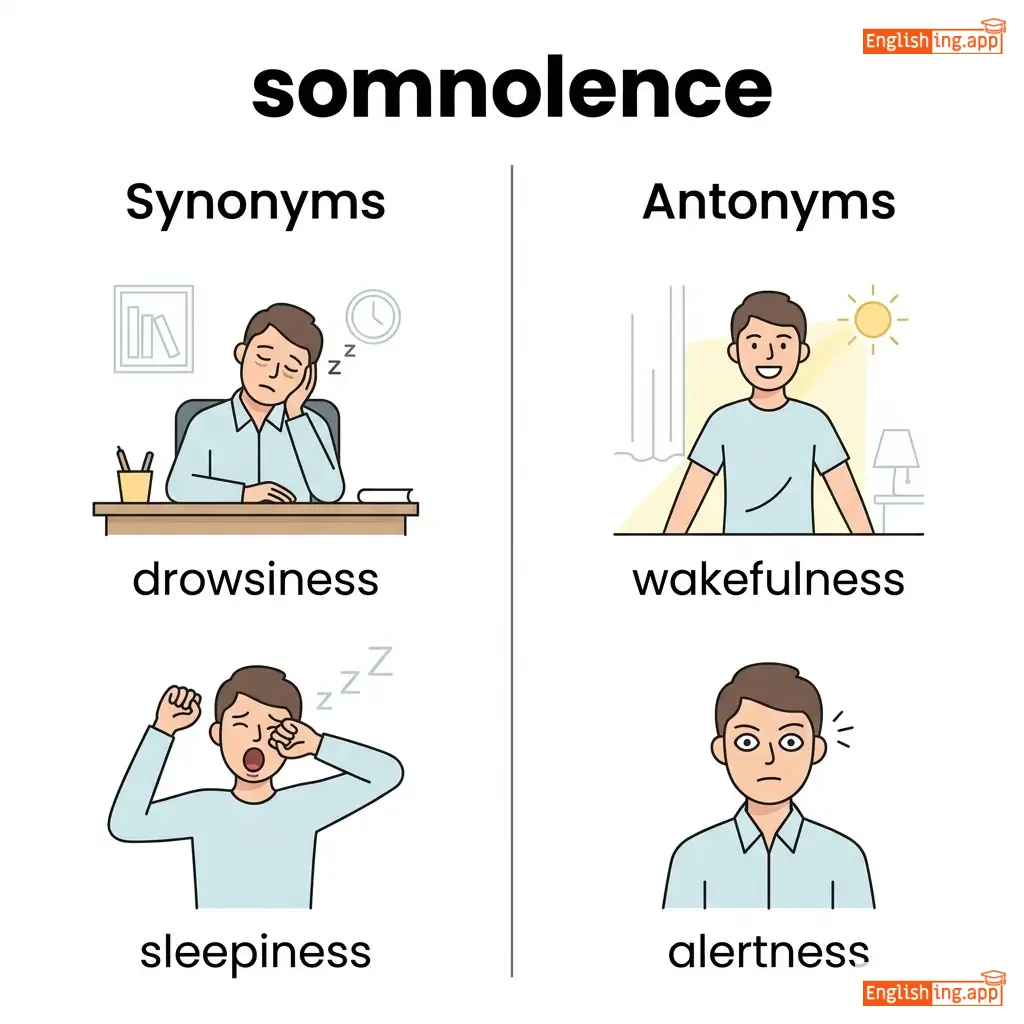
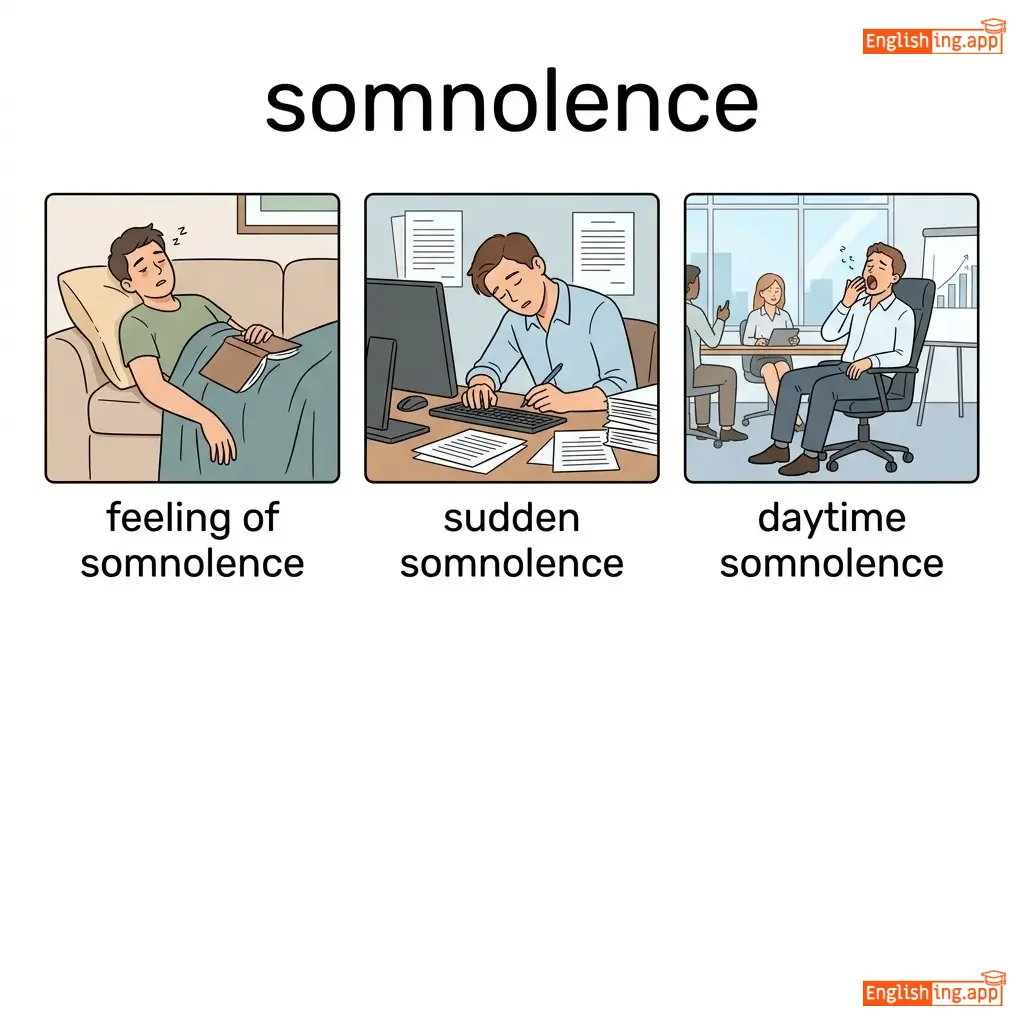
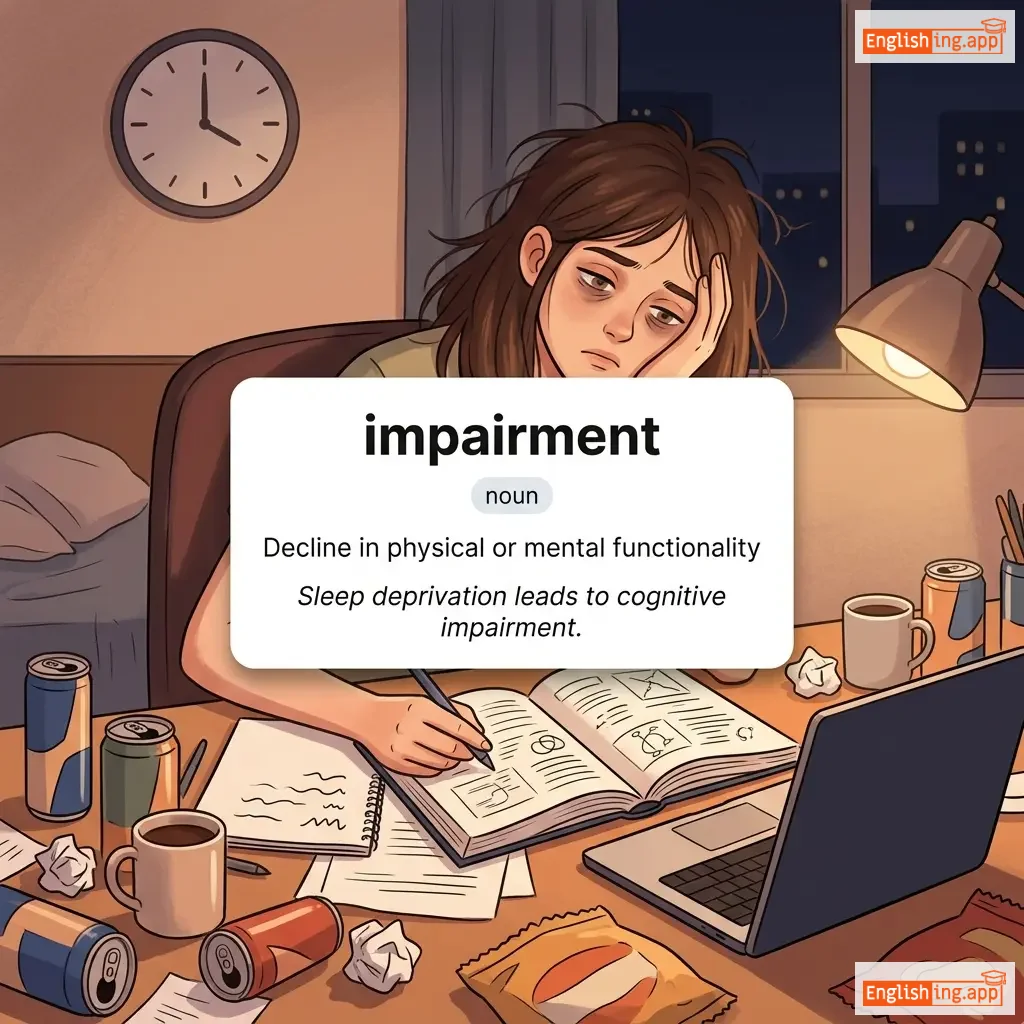
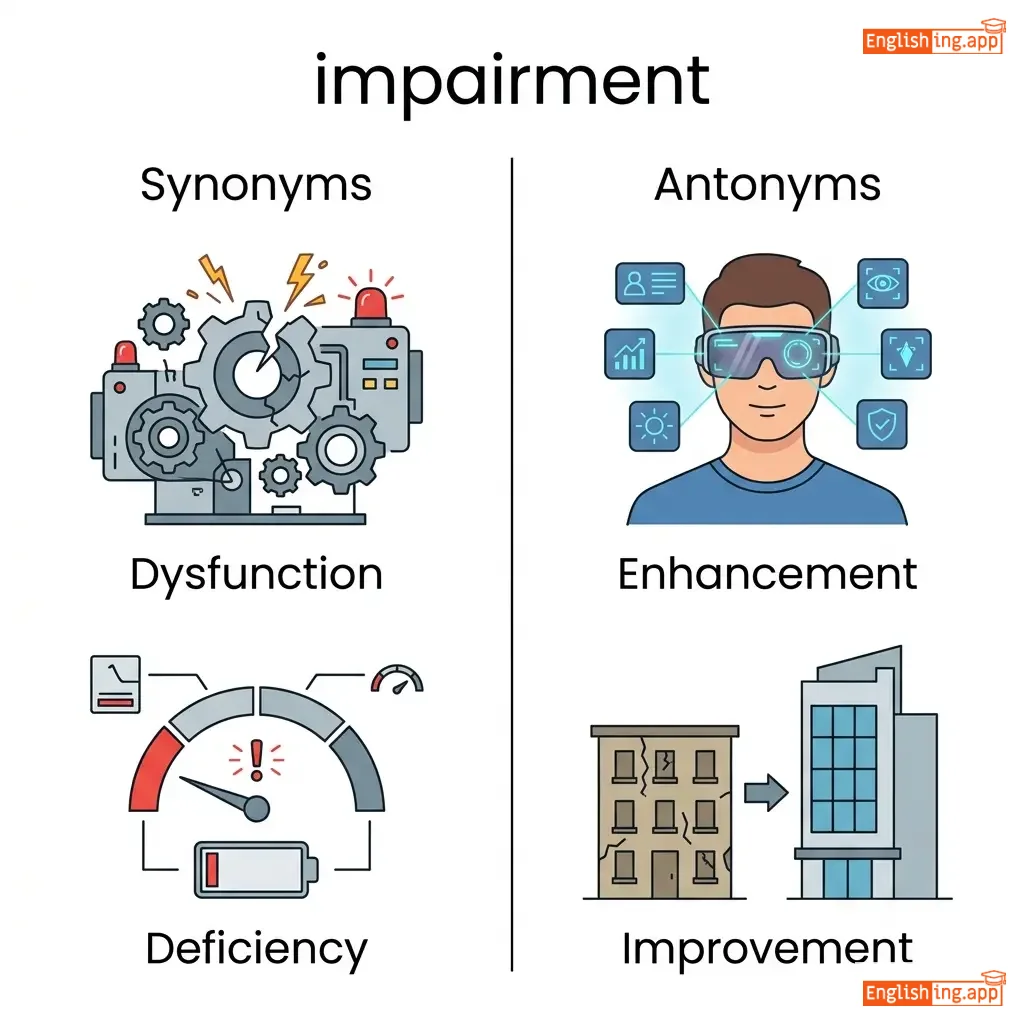
さらに、indulgence や睡眠不足も記憶に悪影響を与えます。十分な睡眠がないと、脳の ephemeral 記憶保持プロセスが妨げられます。Somnolence や不十分な睡眠は記憶の impairment を引き起こします。
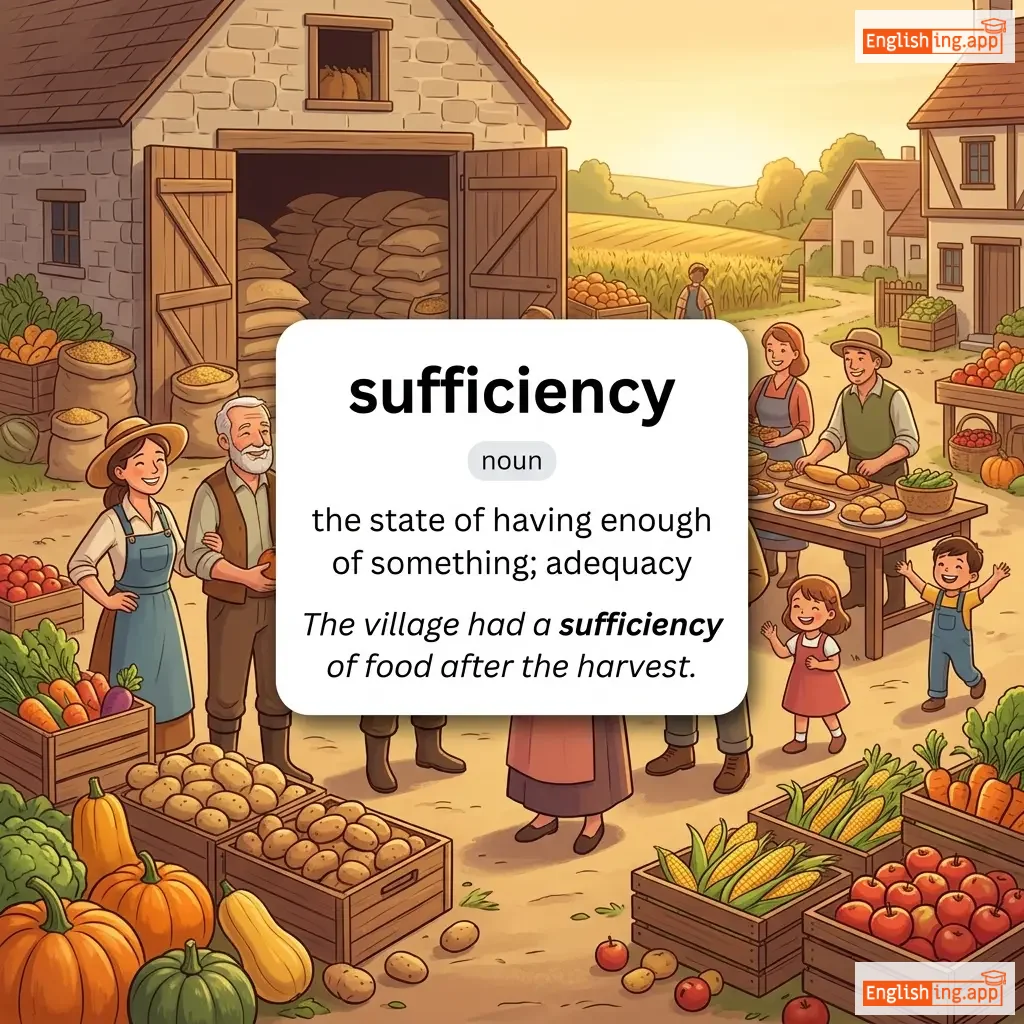
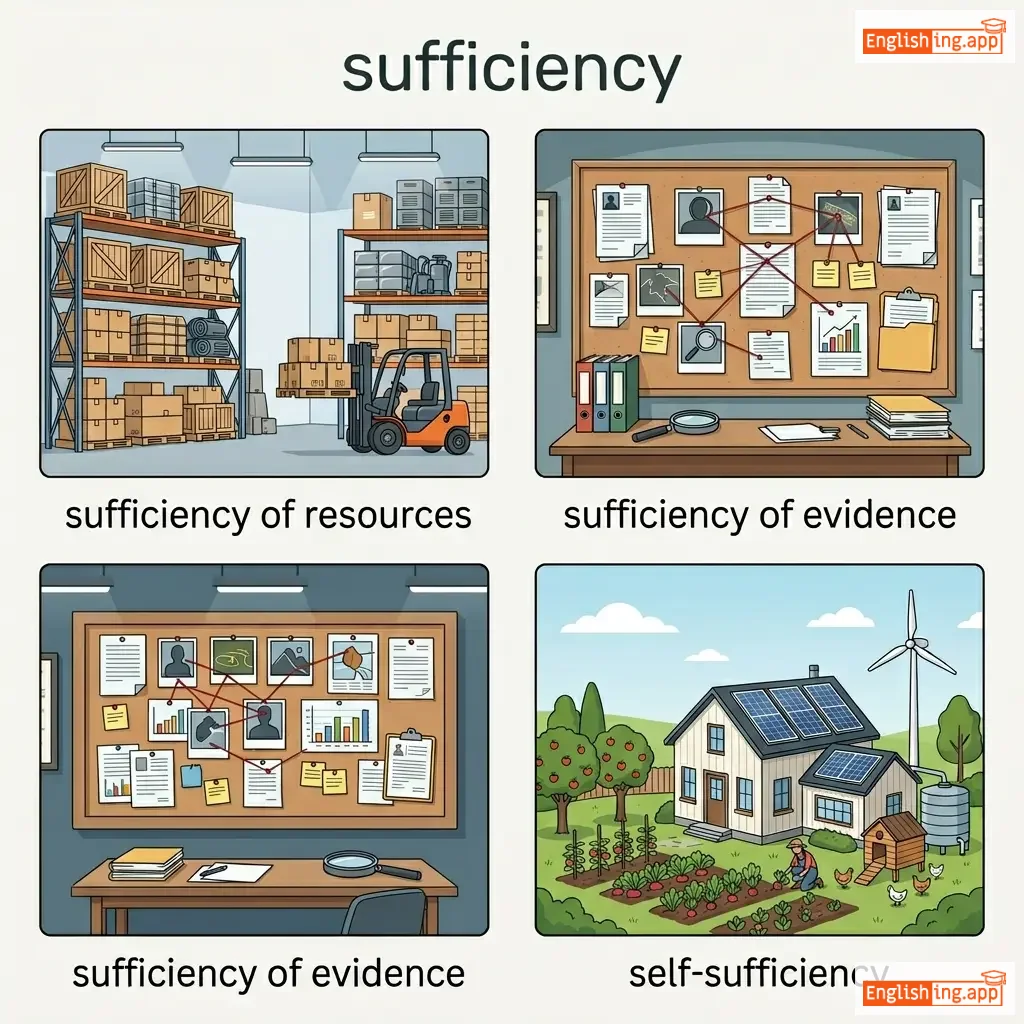
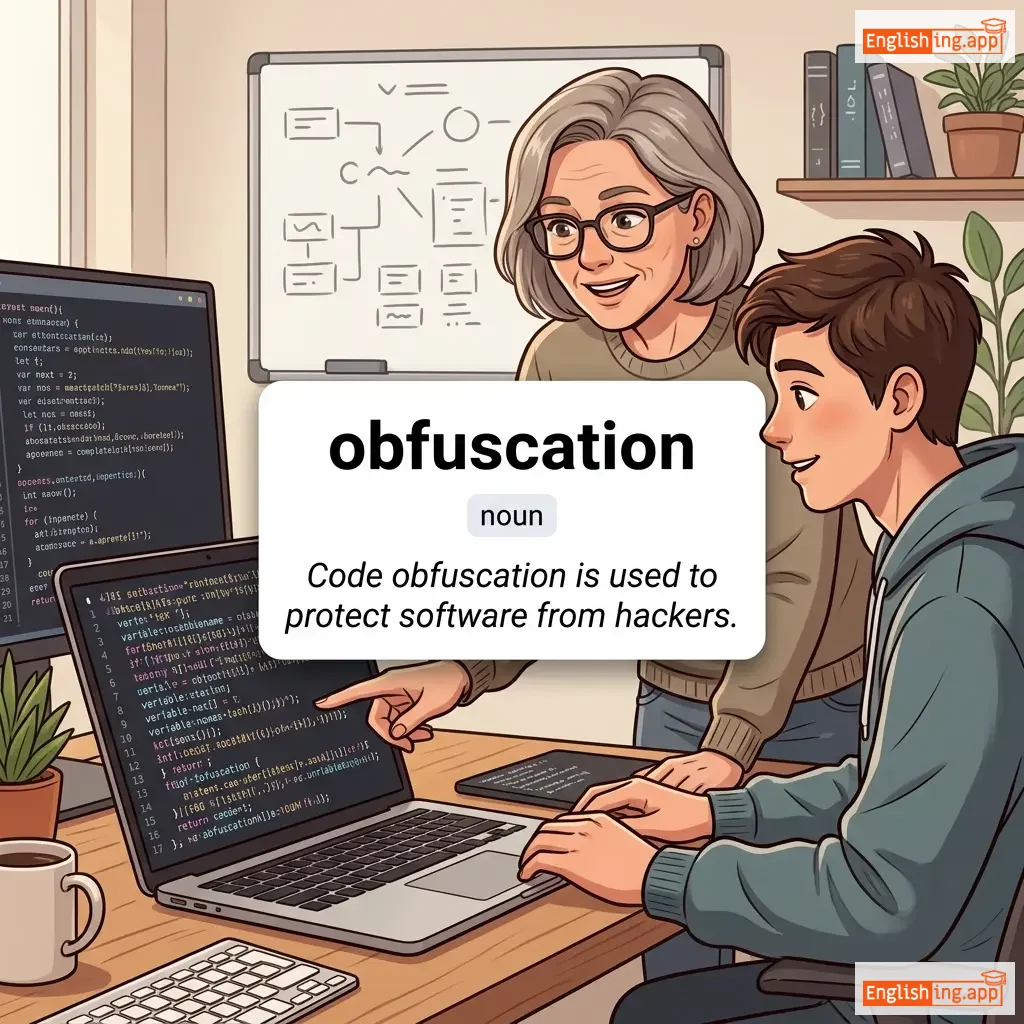
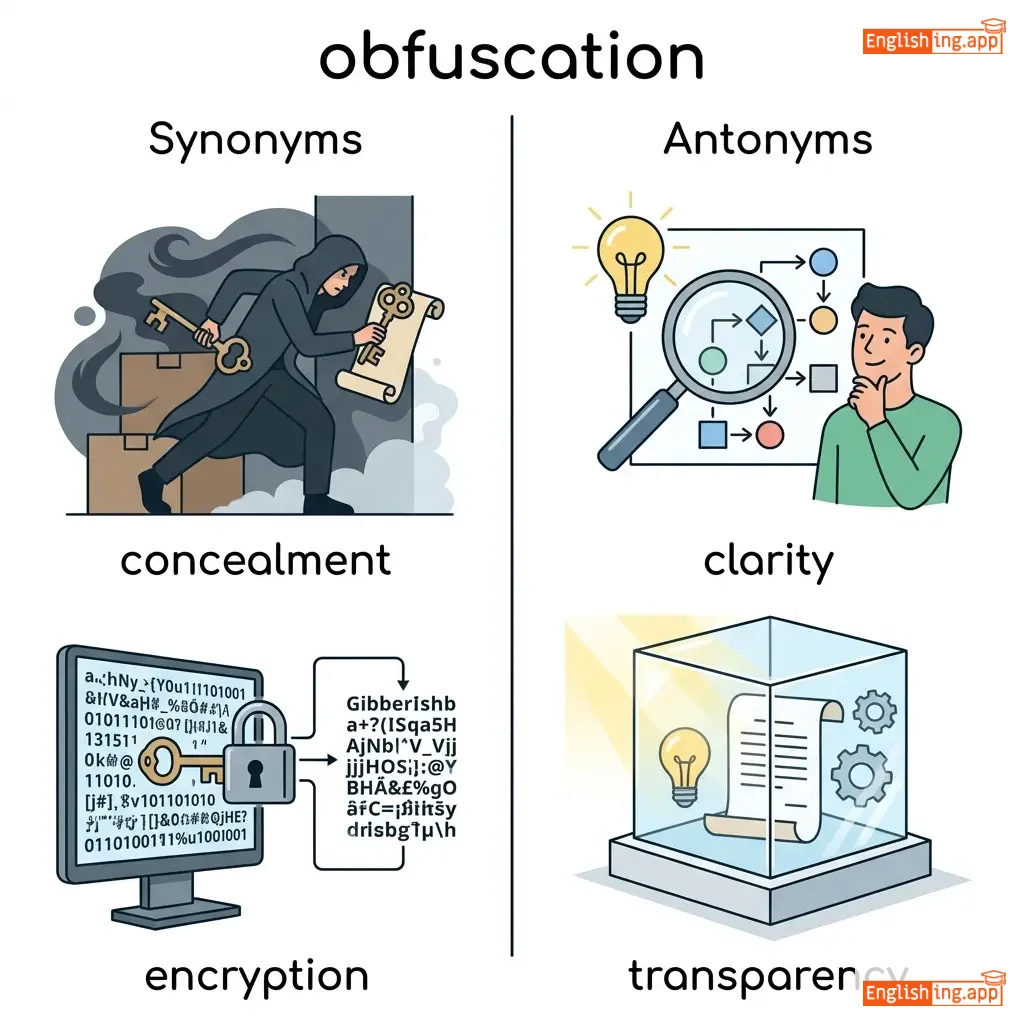
脳の健康のためには、十分な sufficiency の睡眠と運動が不可欠であり、obfuscation を防ぎ、記憶力を維持します。
翻訳
過去
過去分詞
三人称単数
動名詞
意味
例文
例文の翻訳
同義語
対義語
コロケーション
ニーモニック
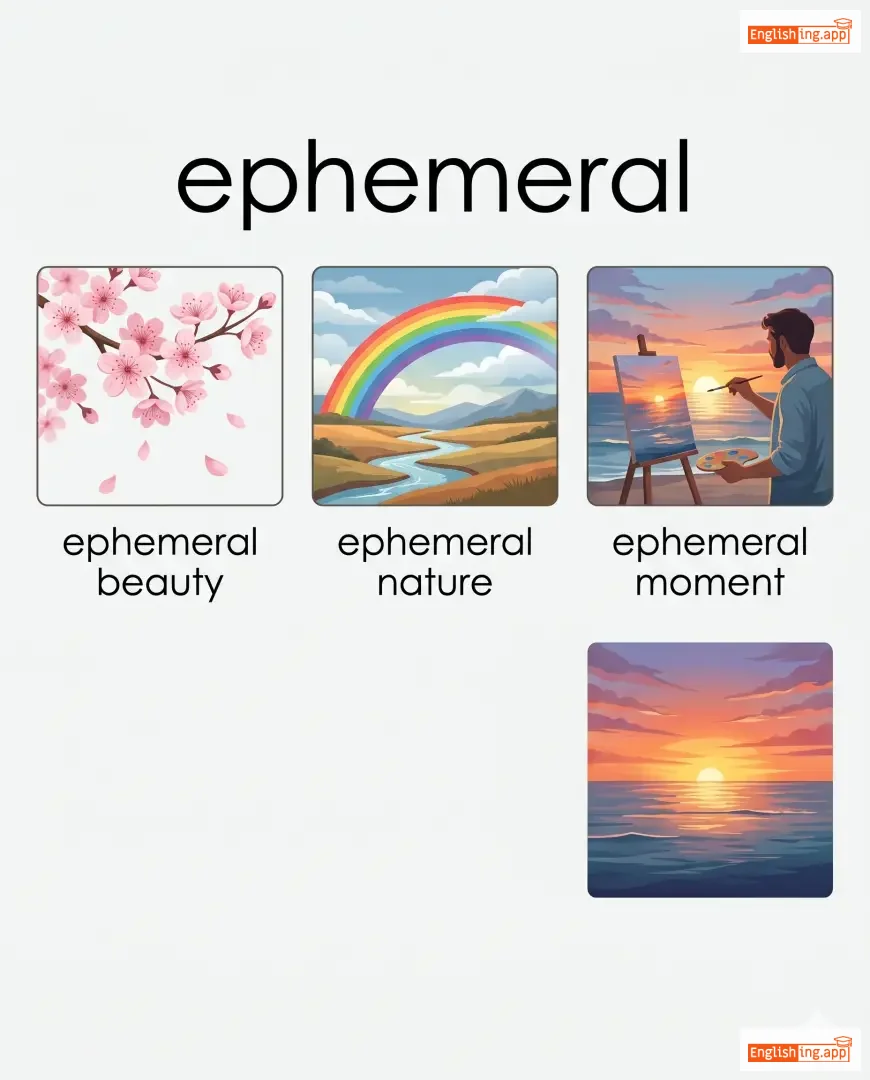
Swipe left or right, or use the buttons. Tap image to zoom.
例文の翻訳
単語
Common Habits That Weaken MemoryCommon Habits That Weaken Memory - マスクトグル
|
絵文字
|
単語 | Images | 翻訳 | 意味 | 例文 | 例文の翻訳 | 同義語 | 対義語 | ニーモニック |
|---|---|---|---|---|---|---|---|---|---|
|
#1337
🧠
|
ˈkɒɡnɪtɪv
adjective
(認知的)
••••••
|
|
認知的
ninchiteki
••••••
|
Related to mental processes of perception, memory, judgment, and reasoning.
••••••
|
Cognitive functions improve with practice and learning.
認知機能は練習と学習によって改善されます。
••••••
|
認知機能は練習と学習によって改善されます。
Ninchi kinō wa renshū to gakushū ni yotte kaizen saremasu.
••••••
|
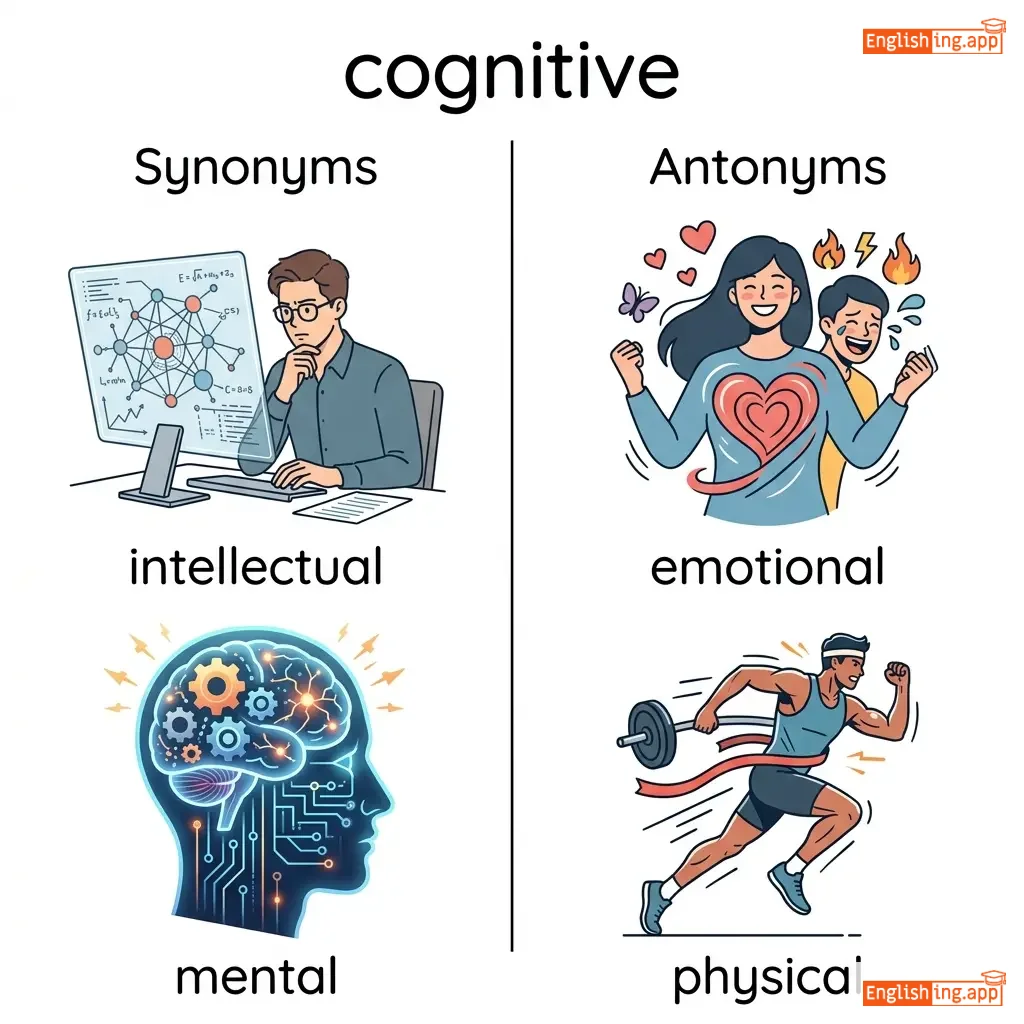
Mental, Intellectual
••••••
|
Unaware, Ignorant
••••••
|
認知的、精神の働きを示す。
••••••
|
|
#1338
📉
|
ˌdɪdʒɪˈnɛəreɪʃən
noun
(ディジェネレイション)
••••••
|
|
退化
taika
••••••
|
The process of decline or deterioration in structure or function.
••••••
|
The degeneration of brain cells leads to cognitive decline. |
脳細胞の退化は認知機能の低下を引き起こします。
Nō saibō no taika wa ninchi kinō no teika o hikiokoshimasu.
••••••
|
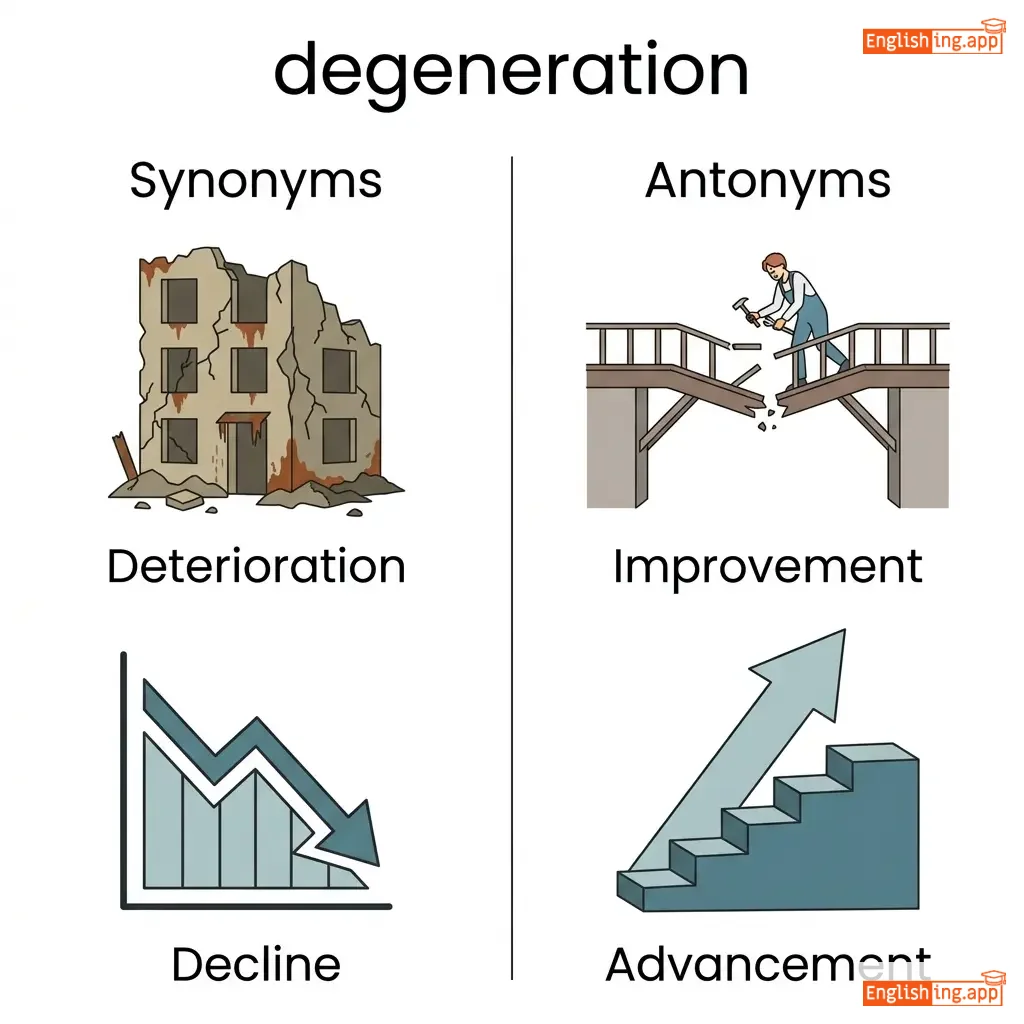
Deterioration, Decline
••••••
|
Improvement, Advancement
••••••
|
退化は物事が劣化していく過程です。
••••••
|
|
#1339
🪑
|
ˈsɛd(ə)ntəri
adjective
(セデンタリー)
••••••
|
|
座りっぱなしの
suwarippanashi no
••••••
|
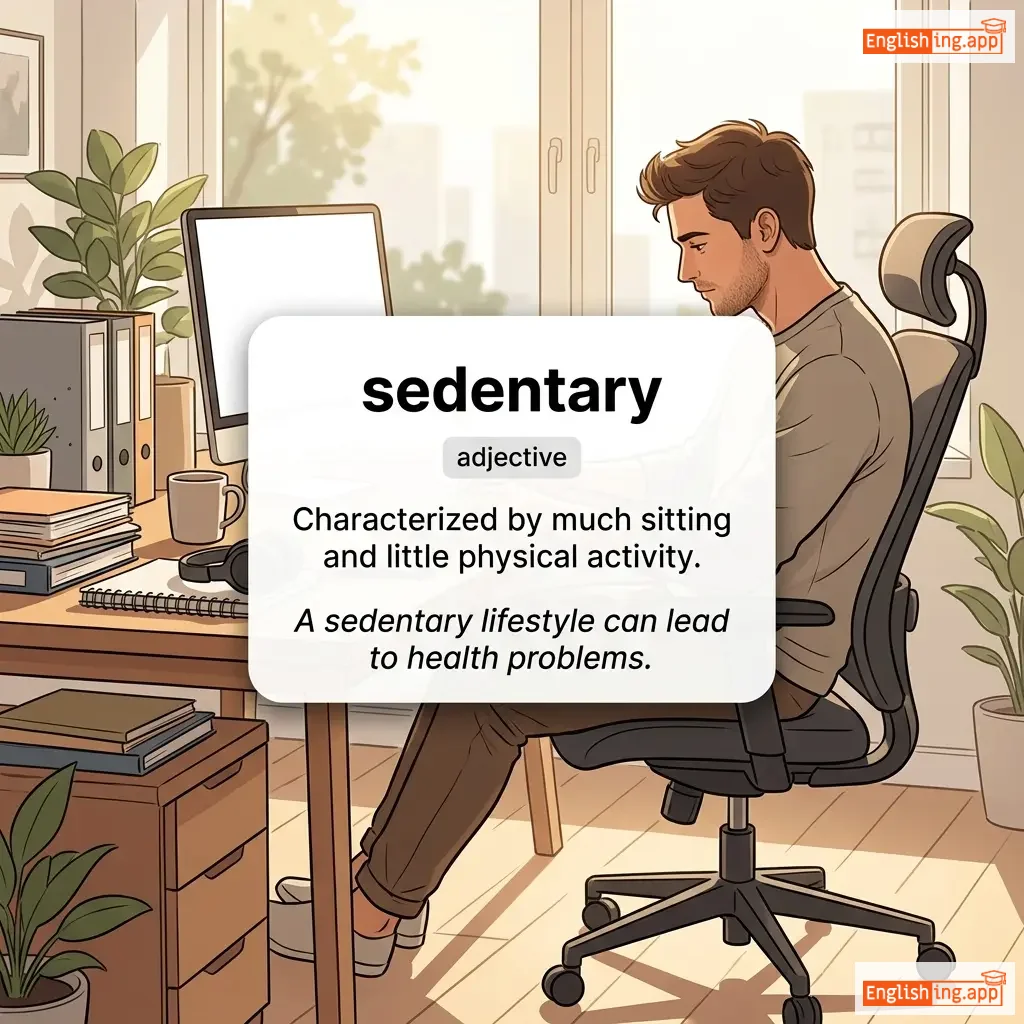
Characterized by much sitting and little physical activity.
••••••
|
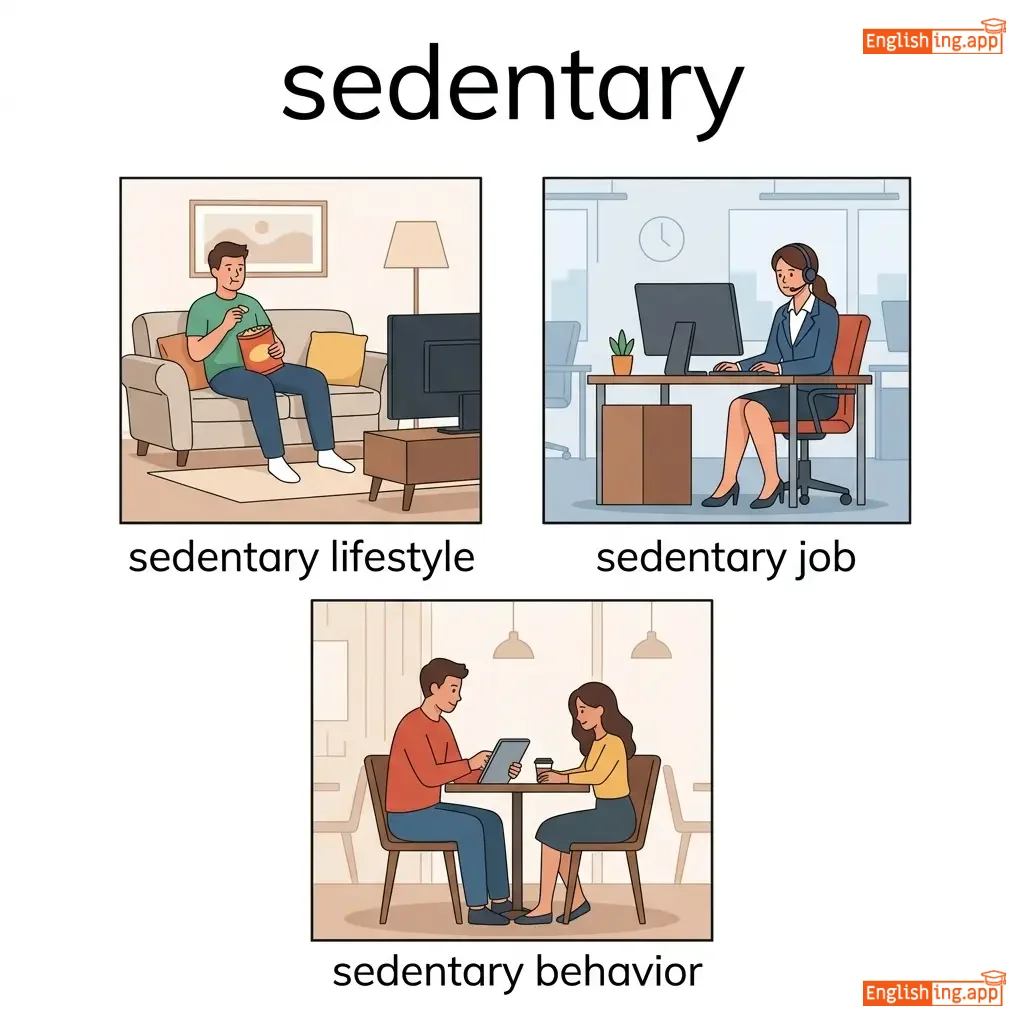
A sedentary lifestyle can lead to numerous health problems.
座りっぱなしの生活は、さまざまな健康問題を引き起こす可能性がある。
••••••
|
座りっぱなしの生活は、多くの健康問題を引き起こす可能性がある。
suwarippanashi no seikatsu wa ooku no kenkou mondai o hikiokosu kanousei ga aru
••••••
|
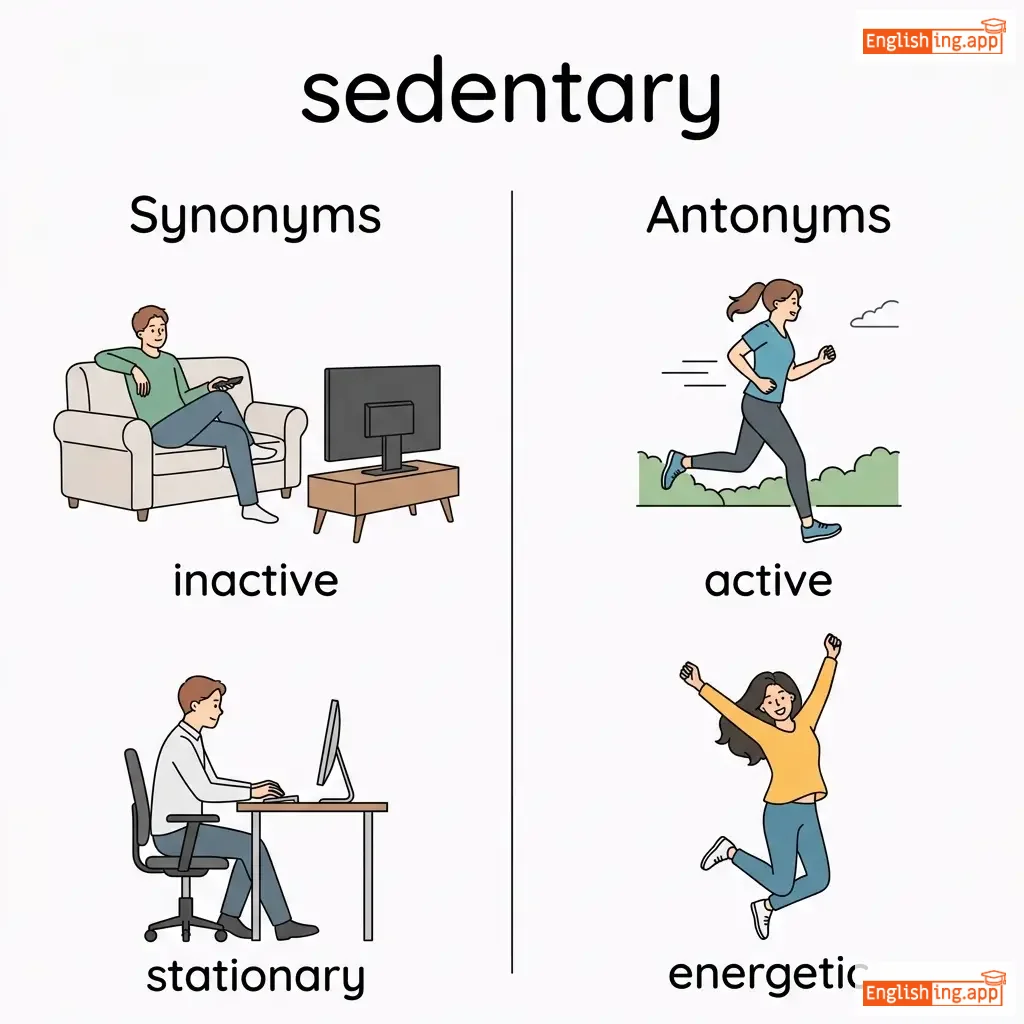
Inactive, Stationary
••••••
|
Active, Dynamic
••••••
|
Suwarippanashi: imagine a panda on a couch saying Move to beat a sedentary life.
••••••
|
|
#1340
🔄
|
ˌnjʊərəʊˌplæstɪˈsɪti
noun
(ニューロプラスティシティ)
••••••
|
|
神経可塑性
shinkei kasosei
••••••
|
The ability of the brain to reorganize itself by forming new neural connections.
••••••
|
Neuroplasticity allows the brain to adapt and reorganize itself.
ニューロプラスティシティは、脳が適応して再編成することを可能にします。
••••••
|
ニューロプラスティシティは、脳が適応して再編成することを可能にします。
Nyuuro purasuteishiti wa, nou ga tekiou shite saihensei suru koto o kanou ni shimasu.
••••••
|
Brain adaptability, Neural change
••••••
|
Rigidity, Inflexibility
••••••
|
神経可塑性 - 脳は新しい接続を作り、自己適応します。
••••••
|
|
#1341
💭
|
ˌpriːˌɒkjʊˈpeɪʃən
noun
(プリオキュペーション)
••••••
|
|
懸念
kenen
••••••
|
The state of being absorbed in thought; mental distraction.
••••••
|
His preoccupation with work led to neglecting his personal life. |
仕事への懸念が彼の個人的な生活を疎かにさせた。
Shigoto e no kenen ga kare no kojinteki na seikatsu wo orokana sase ta.
••••••
|
Absorption, Focus
••••••
|
Indifference, Disinterest
••••••
|
No •••••• |
|
#1342
🧩
|
rɪˈtɛnʃən
noun
(リテンション)
••••••
|
|
保持、記憶
hoji, kioku
••••••
|
The ability to keep or continue having something; memory.
••••••
|
The retention of information is critical in academic success.
情報の保持は学業成功において重要です。
••••••
|
情報の保持は学業成功において重要です。
Jōhō no hoji wa gakugyō seikō ni oite jūyō desu.
••••••
|
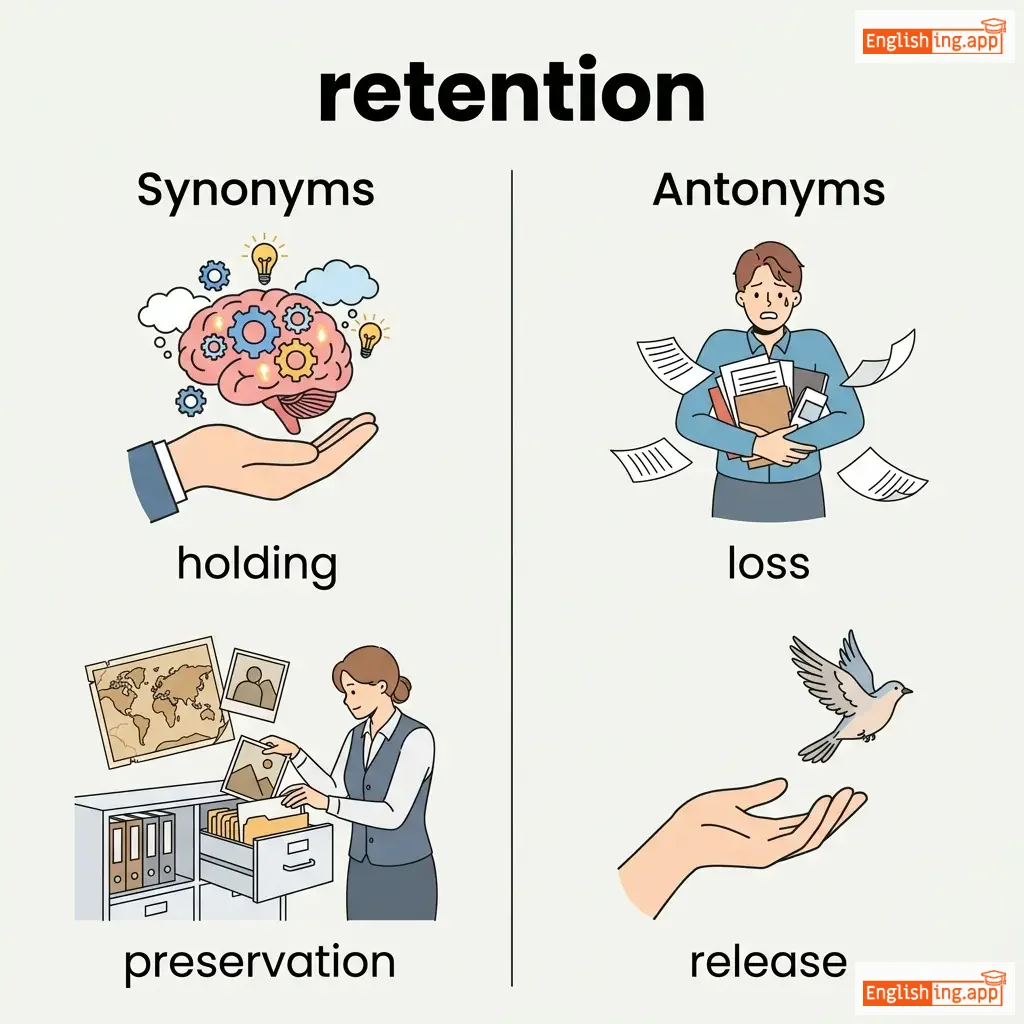
Memory, Preservation
••••••
|
Forgetfulness, Loss
••••••
|
Retention は情報を保持して成功に導く力です。
••••••
|
|
#1343
📱
|
dɪˈstrækʃən
noun
(ディストラクション)
••••••
|
|
気晴らし
kibarashi
••••••
|
Something that prevents concentration or takes attention away from something else.
••••••
|
Distraction during study time can hinder learning.
勉強中の気晴らしは学習を妨げることがあります。
••••••
|
勉強中の気晴らしは学習を妨げることがあります。
Benkyō-chū no kibara-shi wa gakushū o samatageru koto ga arimasu.
••••••
|
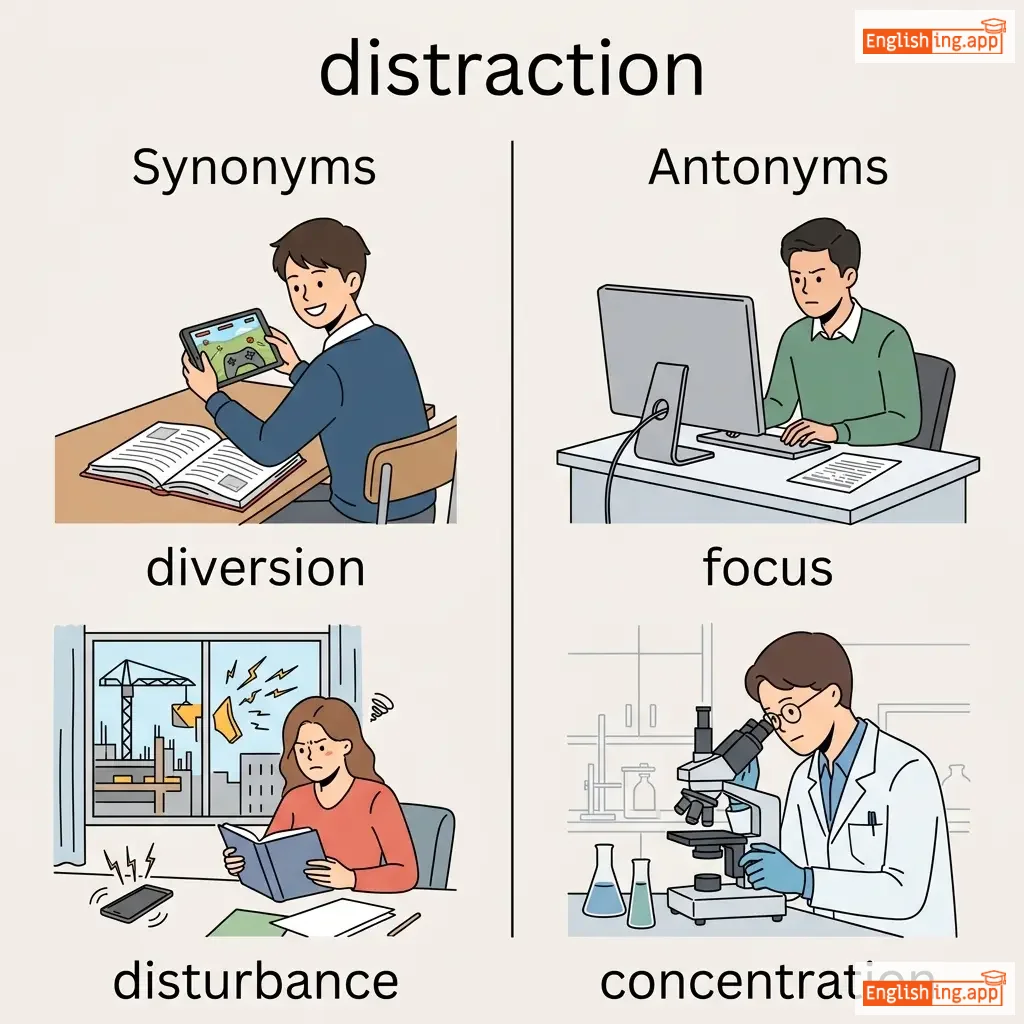
Diversion, Disruption
••••••
|
Focus, Attention
••••••
|
気晴らし: 勉強を中断する、注意が他に行く。
••••••
|
|
#1344
🍰
|
ɪnˈdʌldʒəns
noun
(インダルジェンス)
••••••
|
|
嗜好
indarujensu
••••••
|
The practice of allowing oneself to enjoy the pleasure of something.
••••••
|
His indulgence in junk food affected his health.
彼のジャンクフードへの過度の嗜好は健康を害した。
••••••
|
彼のジャンクフードへの過度の嗜好は健康を害した。
kare no janku fuudo e no kado no shikou wa kenkou o gaishita
••••••
|
Gratification, Pleasure
••••••
|
Restraint, Abstinence
••••••
|
IN DA LU JEN SU: Picture a cozy lounge ラウンジ where you say zen and treat yourself to snacks; 自分に甘やかす行為をイメージして覚える
••••••
|
|
#1345
😴
|
sliːp ˌdɛprɪˈveɪʃən
noun
(suriipu deprivēshon)
••••••
|
|
睡眠不足
suimenzubotsu
••••••
|
The condition of not having enough sleep; lack of adequate sleep.
••••••
|
Sleep deprivation can severely impact mental health. |
睡眠不足は精神的な健康に深刻な影響を与える可能性があります。
Suimenzubotsu wa seishinteki na kenkō ni shinkoku na eikyō o ataeru kanōsei ga arimasu.
••••••
|
Sleeplessness, Insomnia
••••••
|
Rest, Repose
••••••
|
睡眠不足、精神的な問題
••••••
|
|
#1346
⏳
|
ɪˈfɛmərəl
adjective
(イフェメラル)
••••••
|
|
儚い
hakanai
••••••
|
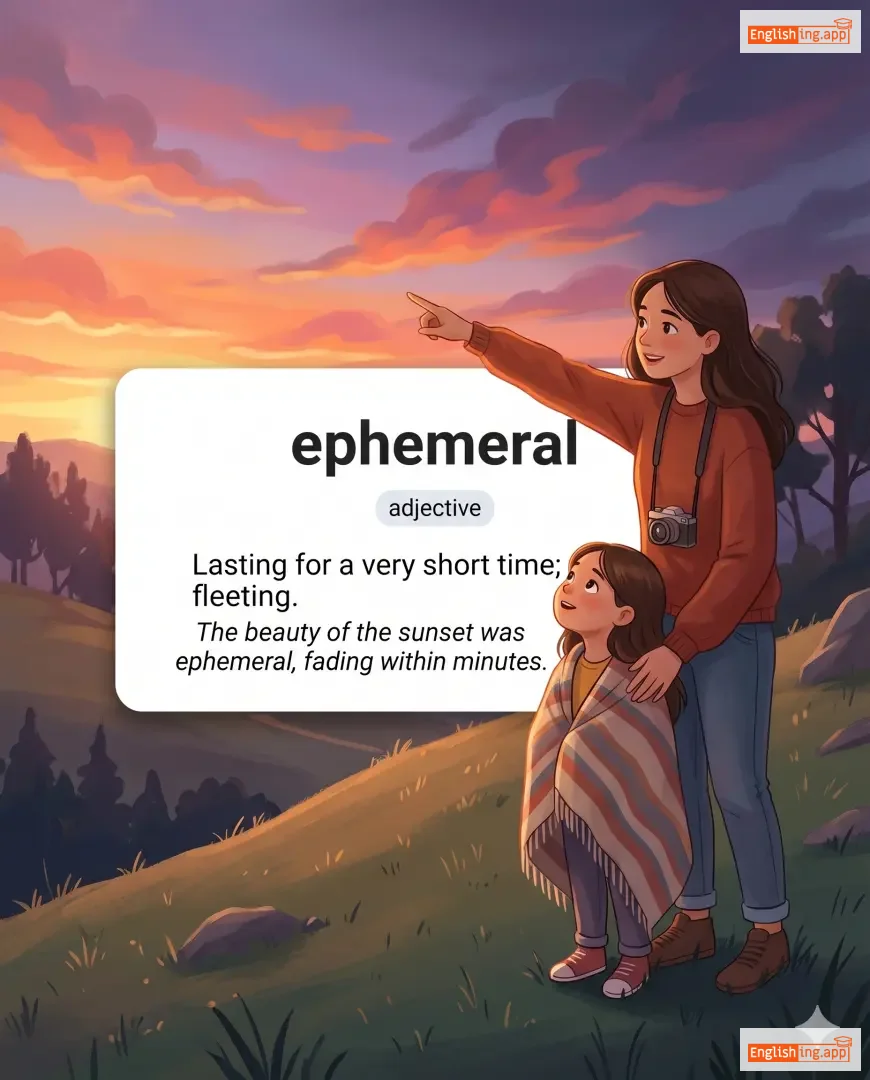
Lasting for a very short time; transient.
••••••
|
The beauty of the sunset is ephemeral, lasting only a few minutes. |
夕日の美しさは儚い、ほんの数分しか続かない。
Yūhi no utsukushisa wa hakanai, honno suufun shika tsuzukanai.
••••••
|
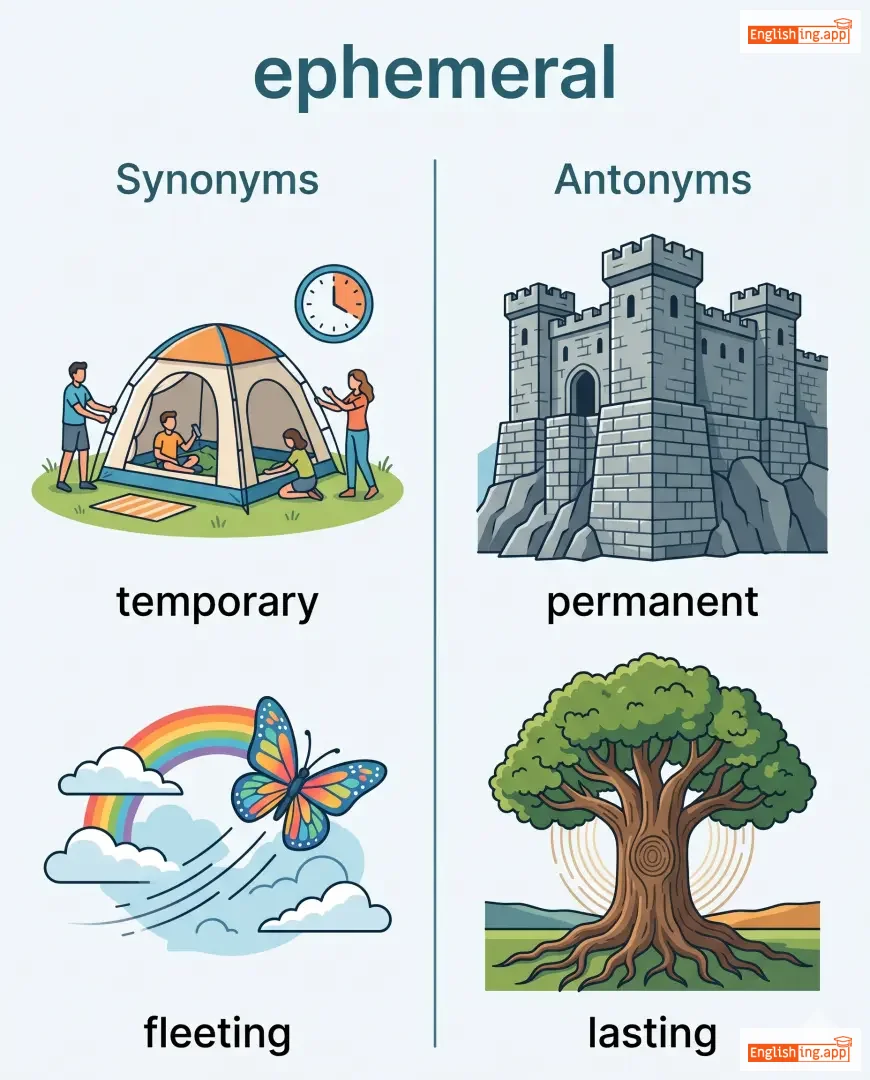
Short-lived, Fleeting
••••••
|
Permanent, Eternal
••••••
|
儚い = 夕日がすぐに消えるように。
••••••
|
|
#1347
😪
|
ˈsɒmnələns
noun
(ソムノレンス)
••••••
|
|
眠気
nemuke
••••••
|
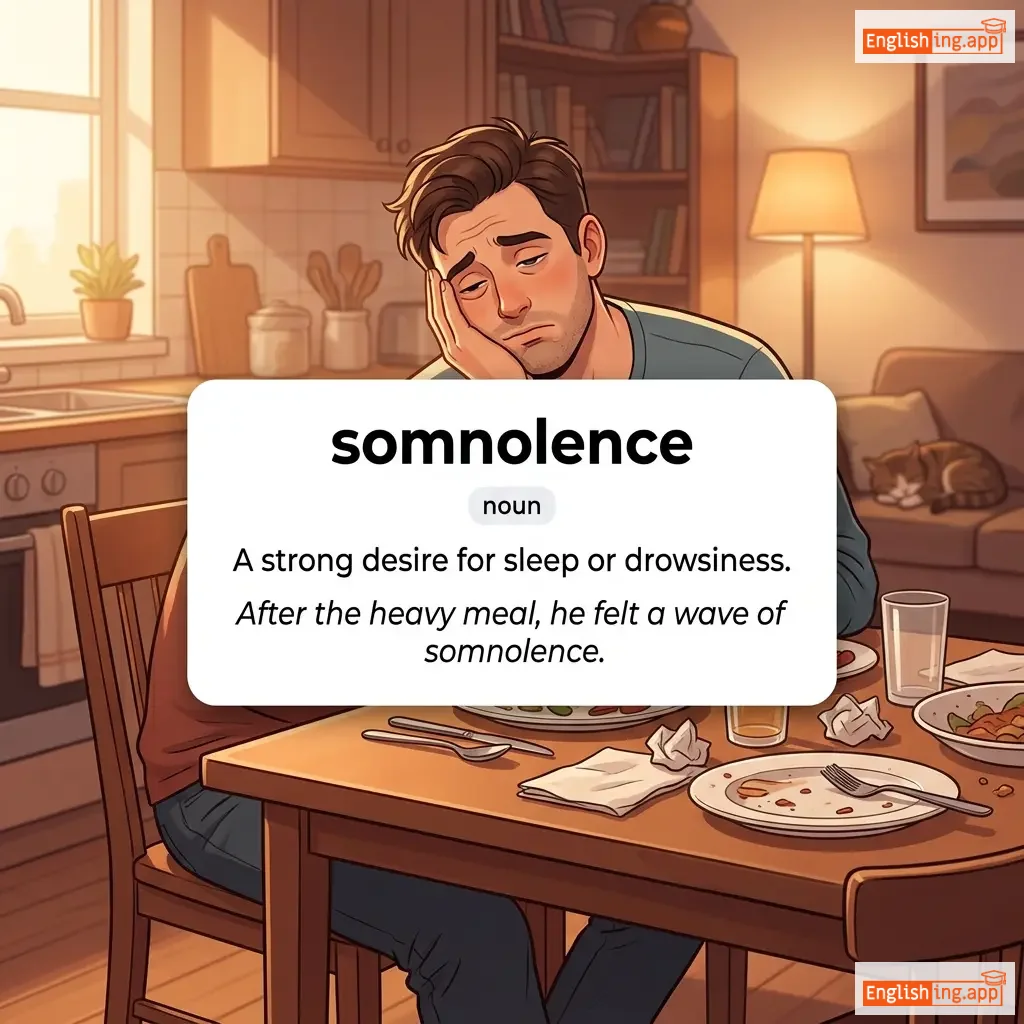
A state of drowsiness or sleepiness; inclination to sleep.
••••••
|
The somnolence after a heavy meal made it hard to concentrate.
重い食事の後、眠気が集中するのを難しくしました。
••••••
|
重い食事の後、眠気が集中するのを難しくしました。
Omoi shokuji no ato, nemuke ga shuuchuu suru no o muzukashiku shimashita.
••••••
|
Drowsiness, Sleepiness
••••••
|
Wakefulness, Alertness
••••••
|
眠気は食事の後に襲ってきて、目を覚ますのが難しくなる感覚です。
••••••
|
|
#1348
⚠️
|
ɪmˈpɛə(r)mənt
noun
(インペアメント)
••••••
|
|
損傷、障害
sonshou, shougai
••••••
|
The state of being damaged or weakened; a disability or handicap.
••••••
|
Hearing impairment can be caused by long-term exposure to loud noise. |
聴力障害は長期間の大きな音への曝露によって引き起こされる可能性があります。
Chōryoku shōgai wa chōkikan no ōkina oto e no bakuro ni yotte hikiokosareru kanōsei ga arimasu.
••••••
|
Dysfunction, Disability
••••••
|
Improvement, Enhancement
••••••
|
騒音で聴力を失った人を想像してみてください
••••••
|
|
#1349
✅
|
səˈfɪʃənsi
noun
(サフィシェンシー)
••••••
|
|
十分性
jūbunsei
••••••
|
The condition of being adequate or enough; adequacy.
••••••
|
The sufficiency of food supply is critical for survival. |
食料供給の十分性は生存にとって重要です。
Shokuryō kyōkyū no jūbunsei wa seizon ni totte jūyōdesu.
••••••
|
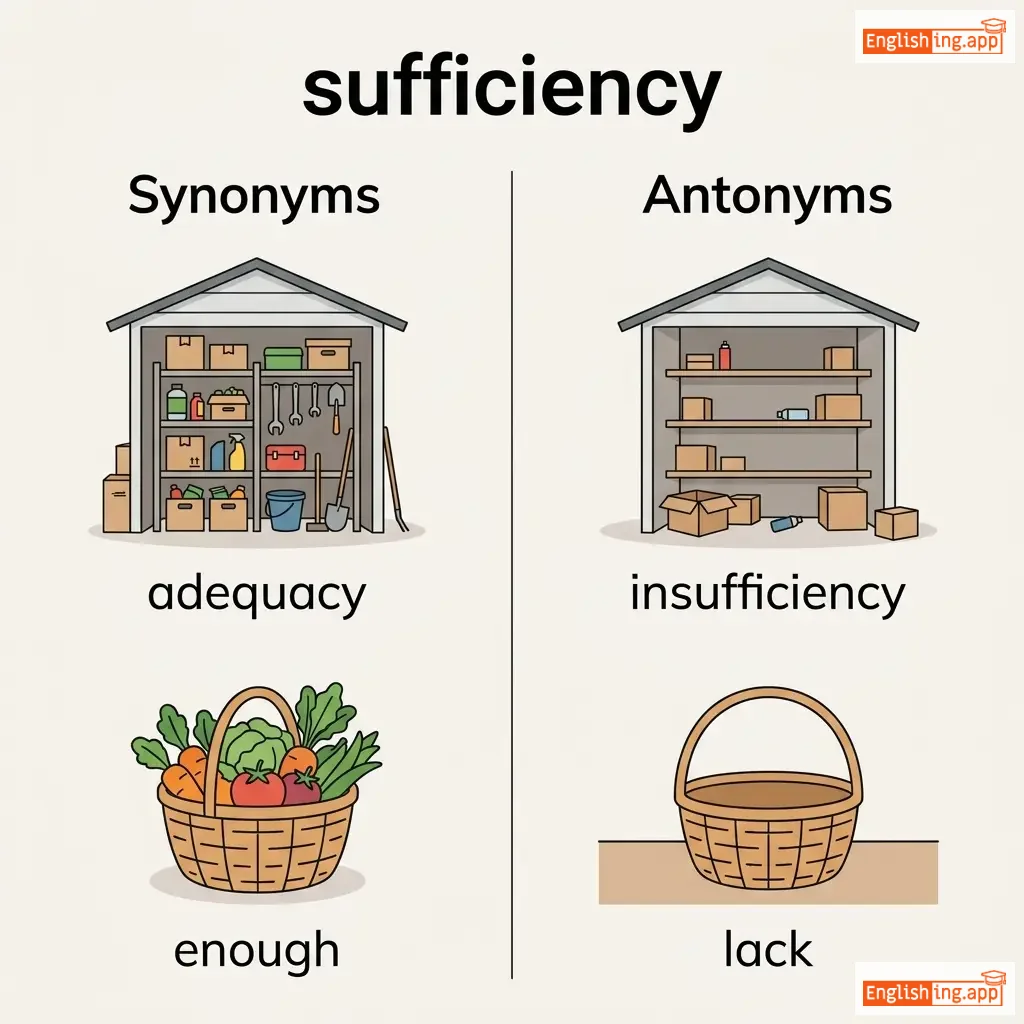
Adequacy, Enoughness
••••••
|
Insufficiency, Shortage
••••••
|
十分性は幸福感をもたらす、十分なものです。
••••••
|
|
#1350
🌫️
|
ˌɒbfəsˈkeɪʃən
noun
(オブフスケーション)
••••••
|
|
難解化, 混乱
nankai-ka, konran
••••••
|
The action of making something obscure, unclear, or unintelligible.
••••••
|
The obfuscation of the data made it difficult to interpret.
データのオブフスケーションにより、解釈が困難になりました。
••••••
|
データの難解化により、解釈が困難になりました。
Dēta no nankaika ni yori, kaishaku ga konnan ni narimashita.
••••••
|
Confusion, Ambiguity
••••••
|
Clarity, Transparency
••••••
|
データが解読不明になった時、それが 'オブフスケーション' です。
••••••
|
Vocabulary Quiz
Test your vocabulary by matching words with their translations or meanings.
Login to take the quiz
Comments (0)
Share your thoughts and join the discussion.
Join the discussion by logging in
Login to CommentNo comments yet
Be the first to share your thoughts!