182 Lesson 183 - The Art of Effective Communication (第183課 - 効果的なコミュニケーションの技術)

効果的なコミュニケーションの技術

The Art of Effective Communication

人の articulation スキルは、人格の最も重要な側面の一つです。成功するコミュニケーションのためには、話すだけでなく、assimilationinflection、そして modulation のスキルも必要です。

適切な rhetoric を使うことで、スピーチの persuasion 力が高まり、聴衆に深い影響を与えます。さらに、eloquenceoratory のスキルが向上すると、人々はより cogent な議論を展開できるようになります。

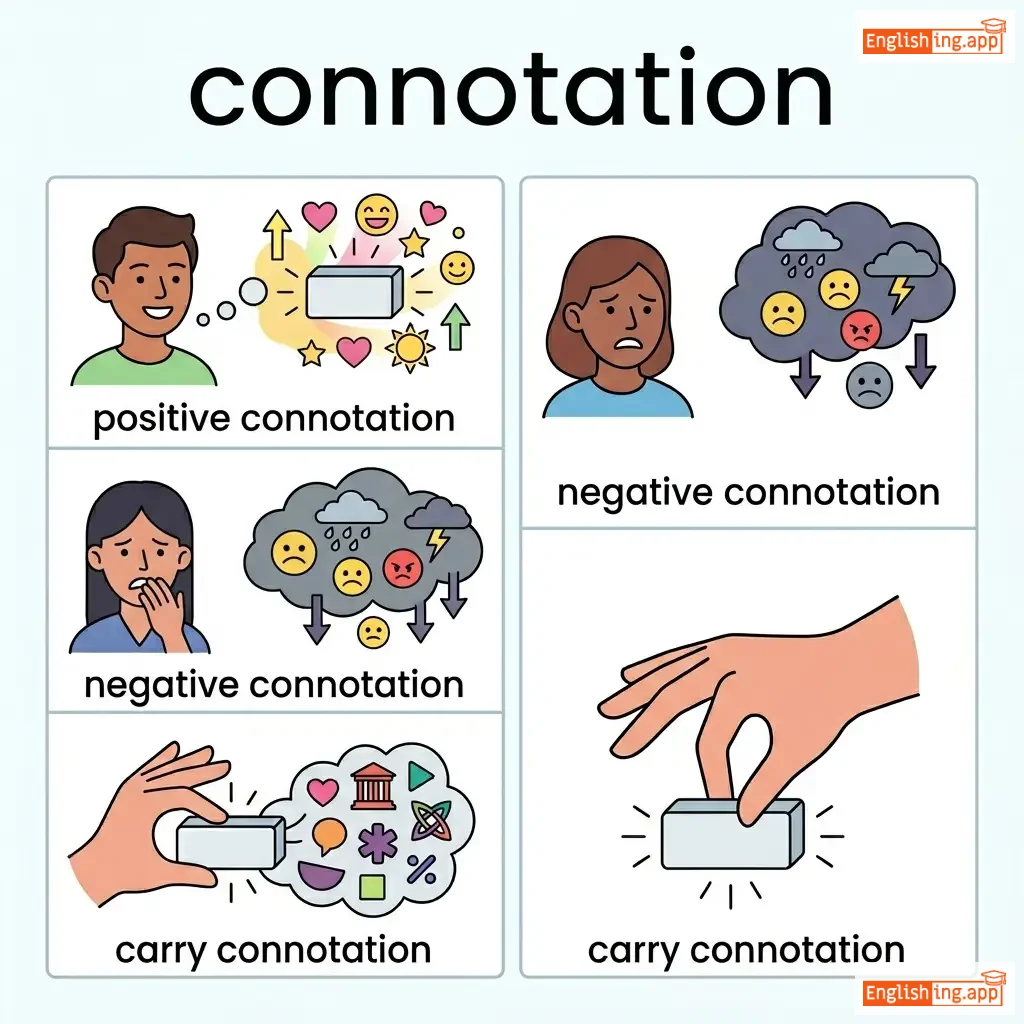
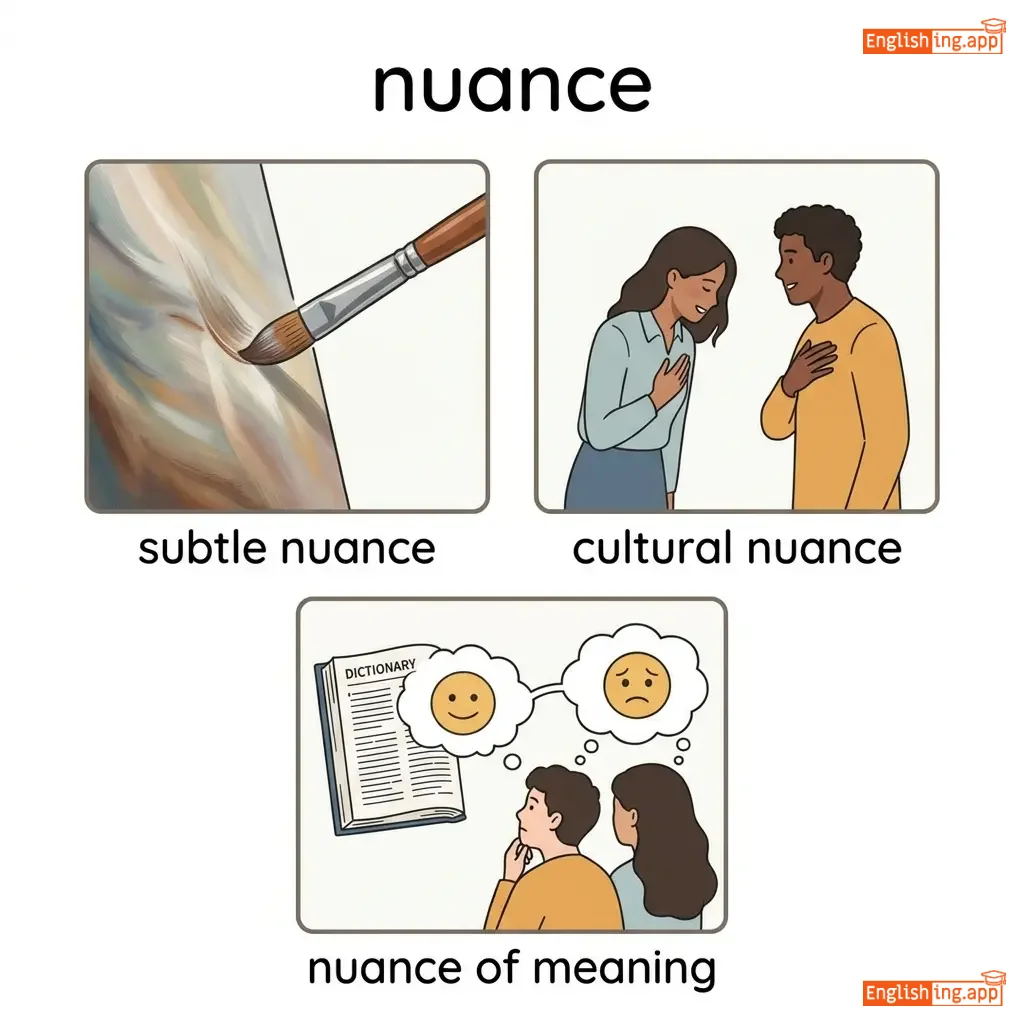
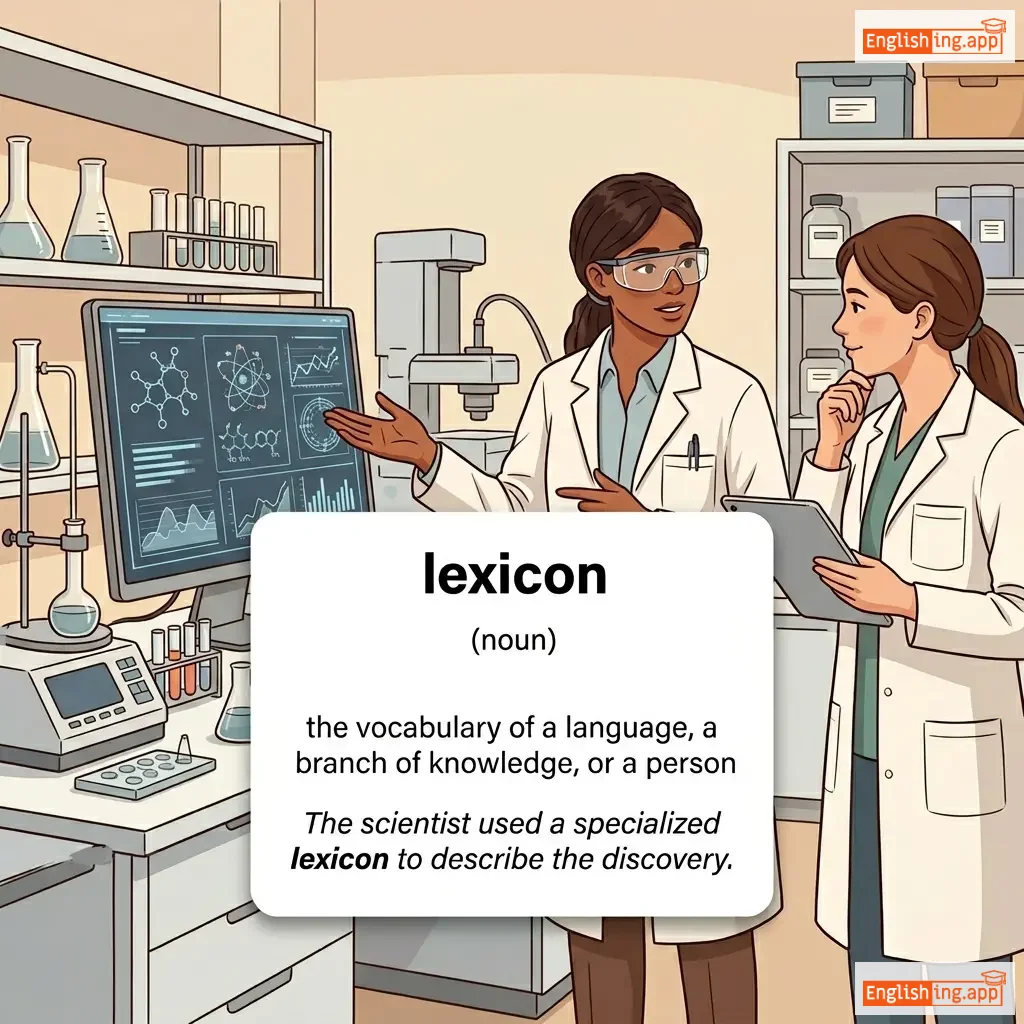
多くの場合、colloquial 言語を流暢に使っていても、誤った connotation によって意味の混乱が生じることがあります。したがって、言葉の nuance を理解することが重要です。同様に、lexicon が豊かになると、verbatim コミュニケーションがより容易になります。

熟練した話し手は consensus を作り出し、自分の言葉の dissemination を成功させることができます。Euphemism を使うことで、難しいメッセージでも理解しやすくなり、これは効果的なコミュニケーションの技法の一つです。

したがって、効果的な communication は単なる言葉遊びではなく、人間の思考と感情を表現する prolific な芸術です。

The Art of Effective CommunicationThe Art of Effective Communication Details
/

/
/

The Art of Effective CommunicationThe Art of Effective Communication - マスクトグル

絵文字
単語 Images 翻訳 意味 例文 例文の翻訳 同義語 対義語 ニーモニック
#3017
🗣️
••••••
/ˌɑːr.tɪ.kjʊˈleɪ.ʃən/
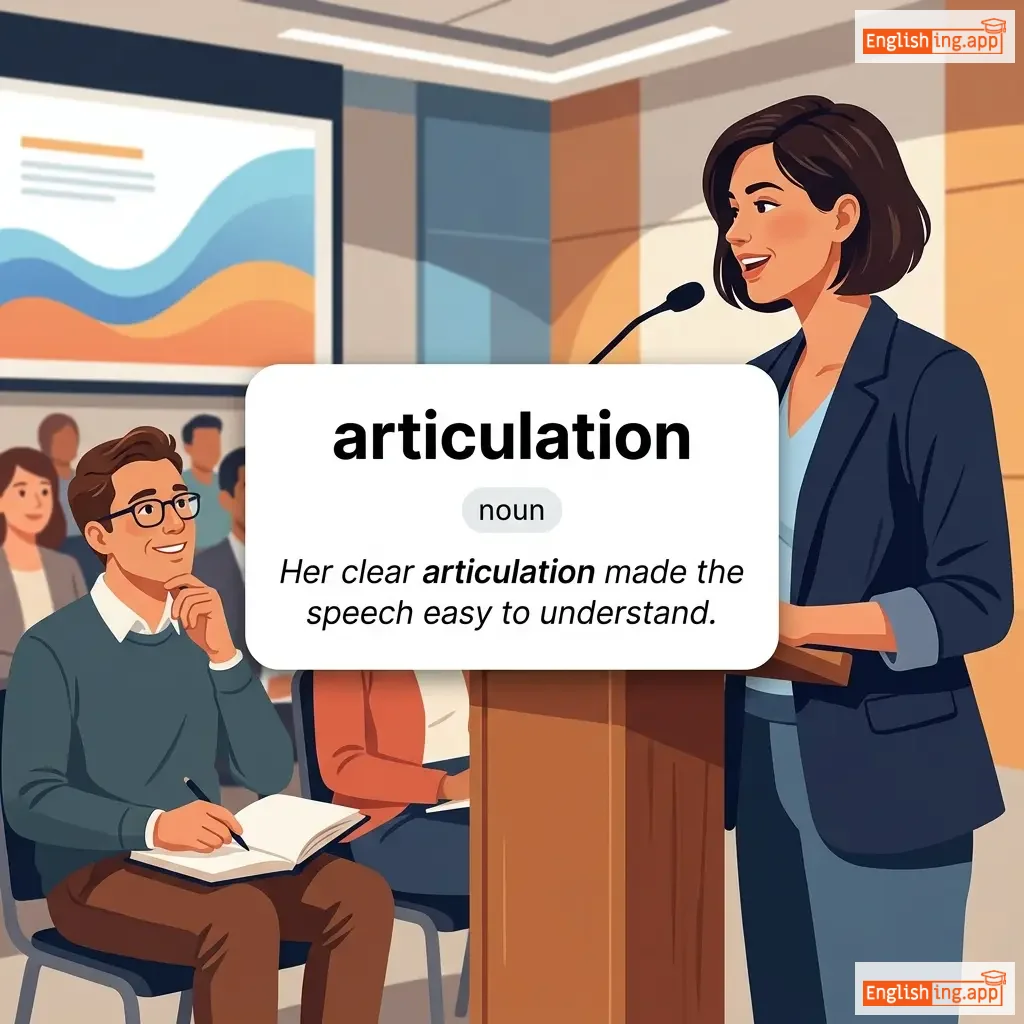
noun
(発音)
••••••
••••••
明確で効果的な表現
meikaku de kōka-teki na hyōgen
••••••
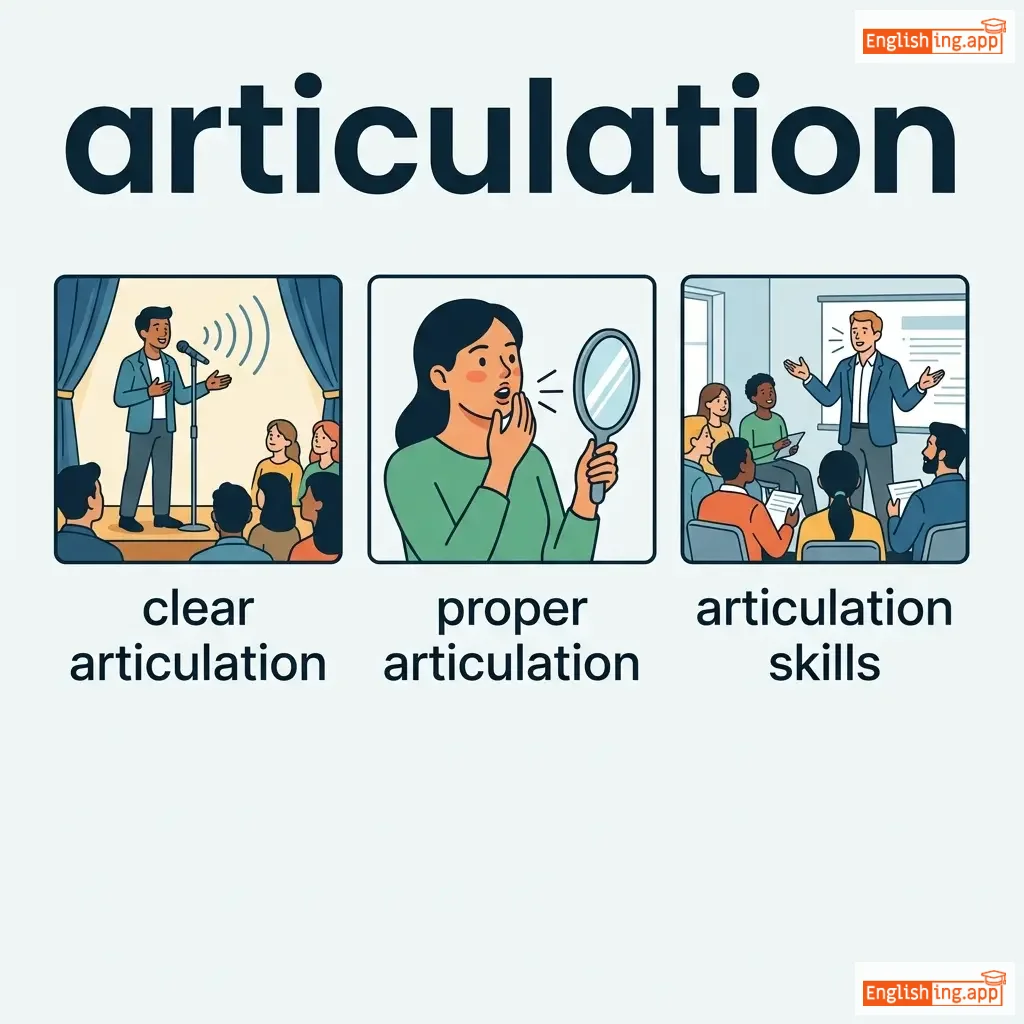
The clear and effective expression of thoughts, ideas, or speech; the ability to speak clearly and express oneself well.
••••••

His articulation of ideas made the speech impactful.

••••••
彼のアイデアの表現はスピーチを影響力のあるものにしました。
Kare no aidea no hyōgen wa supīchi o eikyō-ryoku no aru mono ni shimashita.
••••••
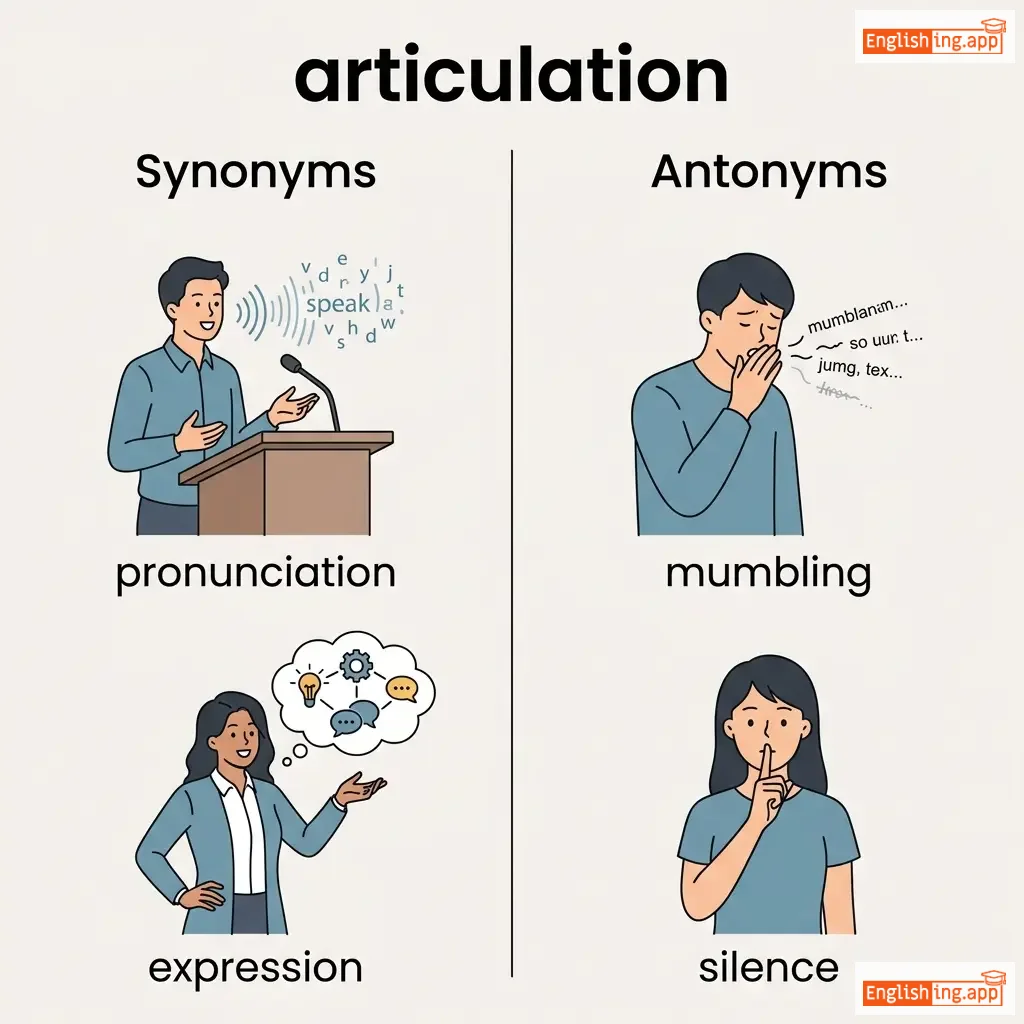
clarity, expression, enunciation
••••••
mumbling, incoherence, vagueness
••••••
発音 (articulation) は明確で効果的な表現を意味する
••••••
#3018
🔄
••••••
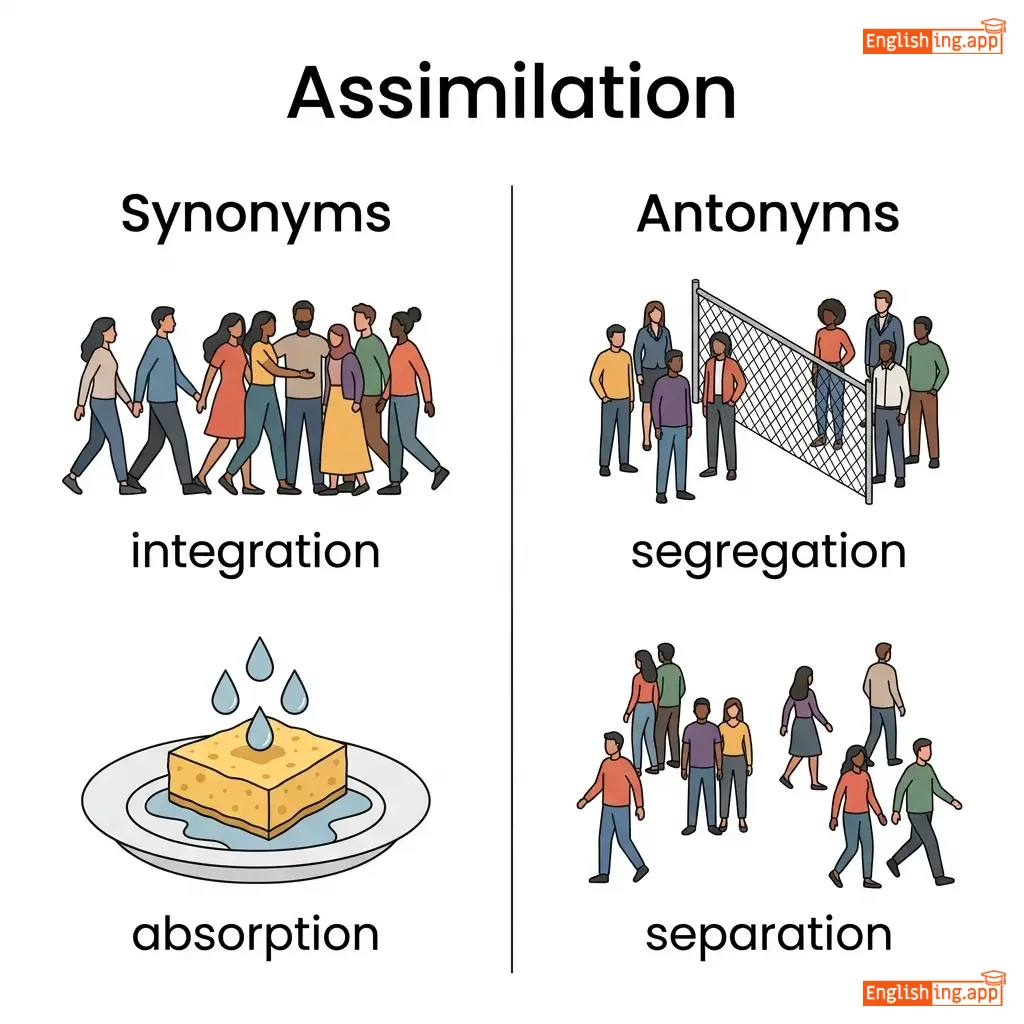
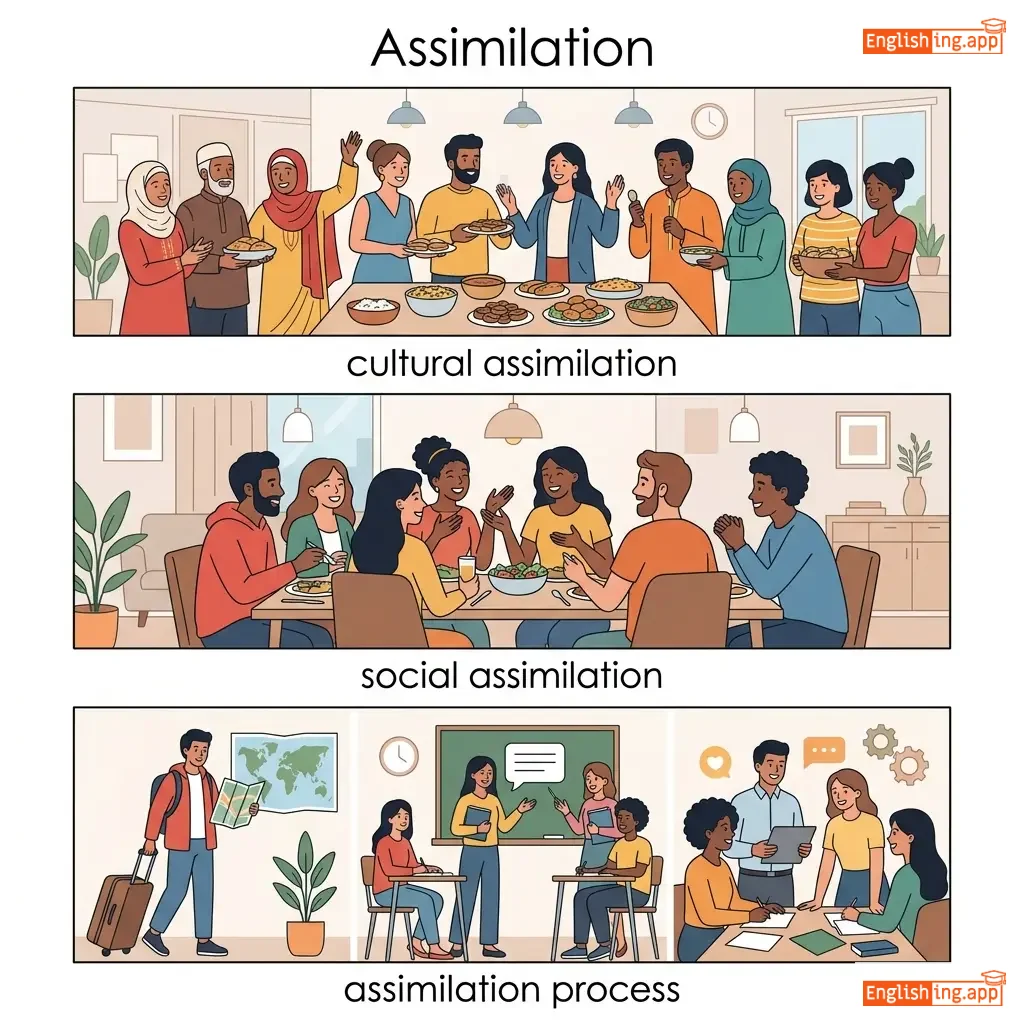
/əˌsɪm.ɪˈleɪ.ʃən/
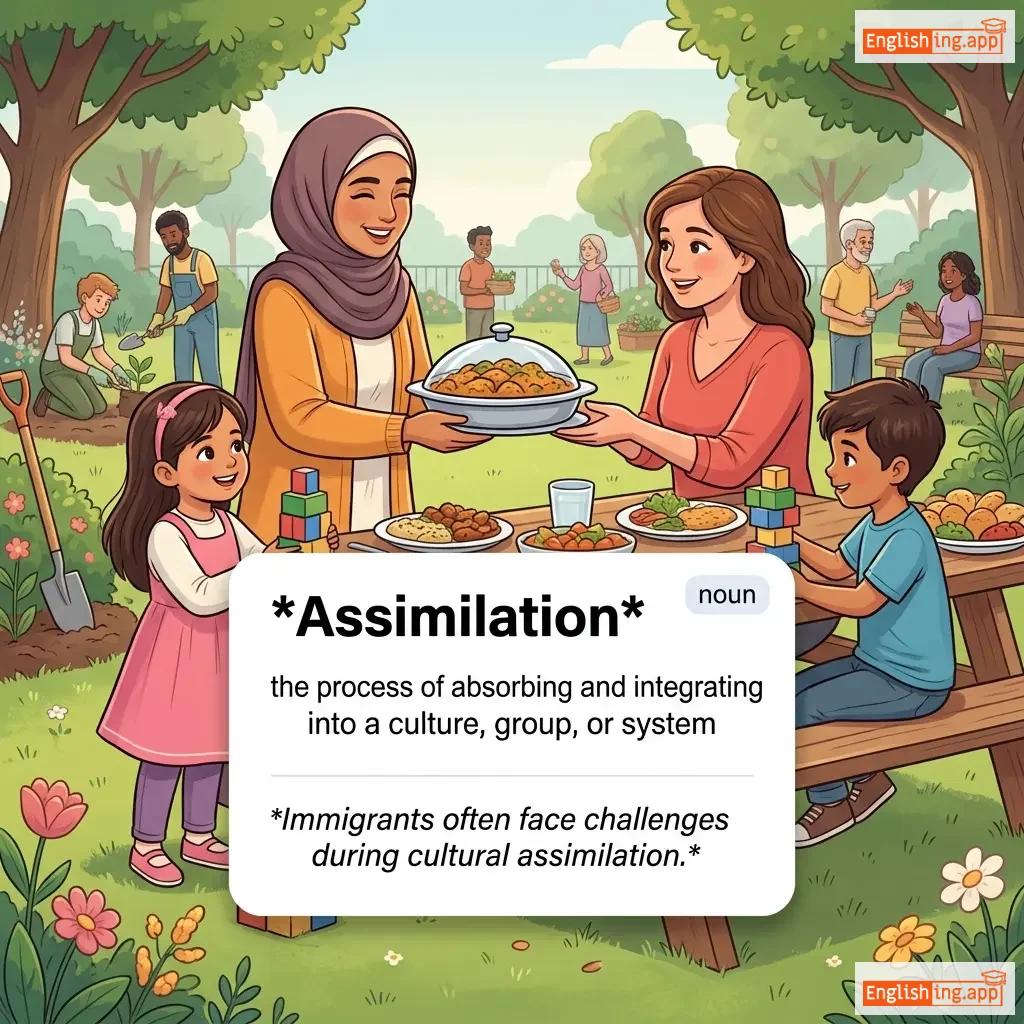
noun
(アシミレーション)
••••••
••••••
同化
dōka
••••••
The process of absorbing and integrating new ideas, language, or culture into one's understanding.
••••••

Language assimilation is easier for children than adults.

言語の同化は子供たちにとって大人よりも簡単です。
••••••
言語の同化は子供たちにとって大人よりも簡単です。
Gengo no dōka wa kodomotachi ni totte otona yori mo kantan desu.
••••••
integration, absorption, adaptation
••••••
rejection, isolation, resistance
••••••
同化は新しい言語を自分のものにすること、ちょうど子供が言語を学ぶように。
••••••
#3019
📈
••••••
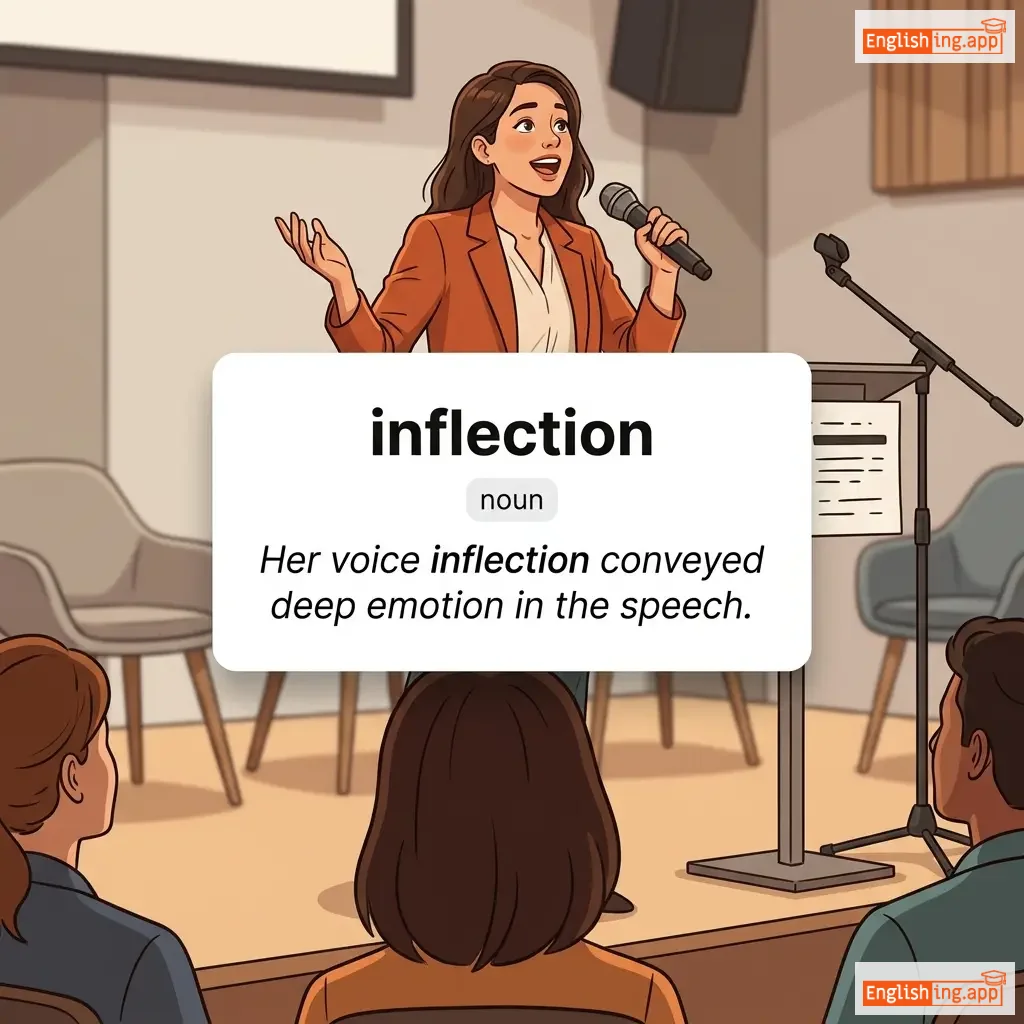
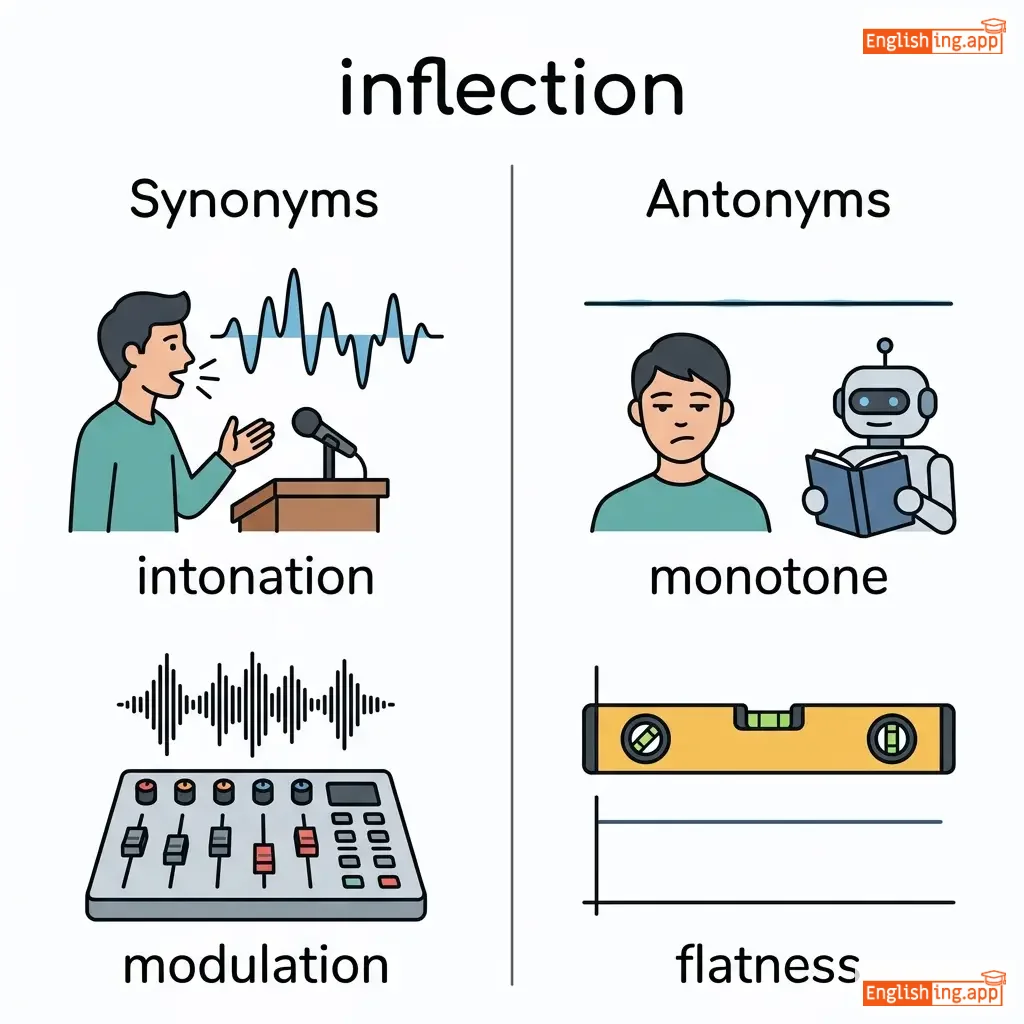
/ɪnˈflɛk.ʃən/
noun
(インフレクション)
••••••
••••••
イントネーションの変化
intonēshon no henka
••••••
A change in the tone or pitch of the voice when speaking, which helps convey meaning and emotion.
••••••

Her voice inflection conveyed deep emotion in the speech.

彼女の声のインフレクションはスピーチで深い感情を伝えました。
••••••
彼女の声のインフレクションはスピーチで深い感情を伝えました。
Kanojo no koe no infurekushon wa supīchi de fukai kanjō o tsutaemashita.
••••••
intonation, modulation, tone
••••••
monotone, flatness, unvaried pitch
••••••
インフレクション (インフレクション) sounds like 'in' + 'flection' (音調), tone change.
••••••
#3020
🎵
••••••
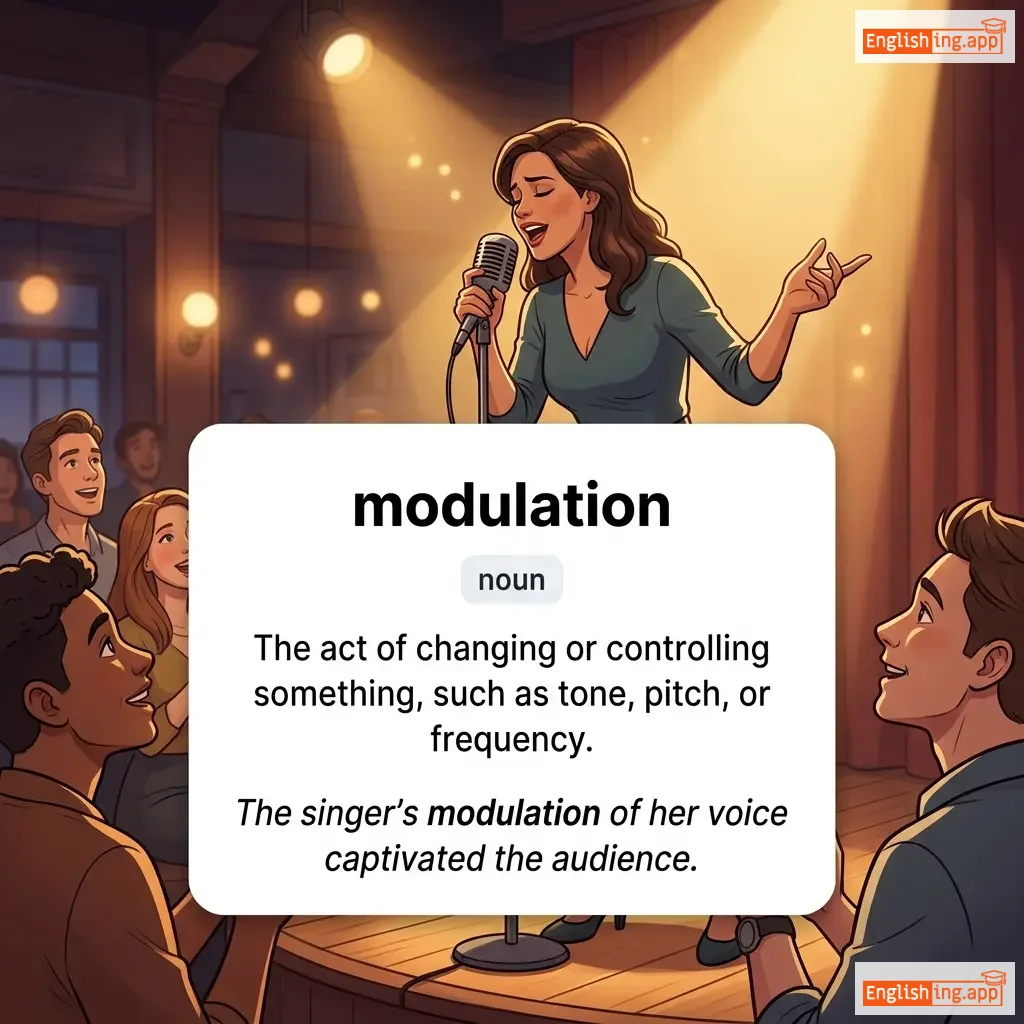
/ˌmɒd.jʊˈleɪ.ʃən/
noun
(モジュレーション)
••••••
••••••
音のコントロール
on no kontorōru
••••••
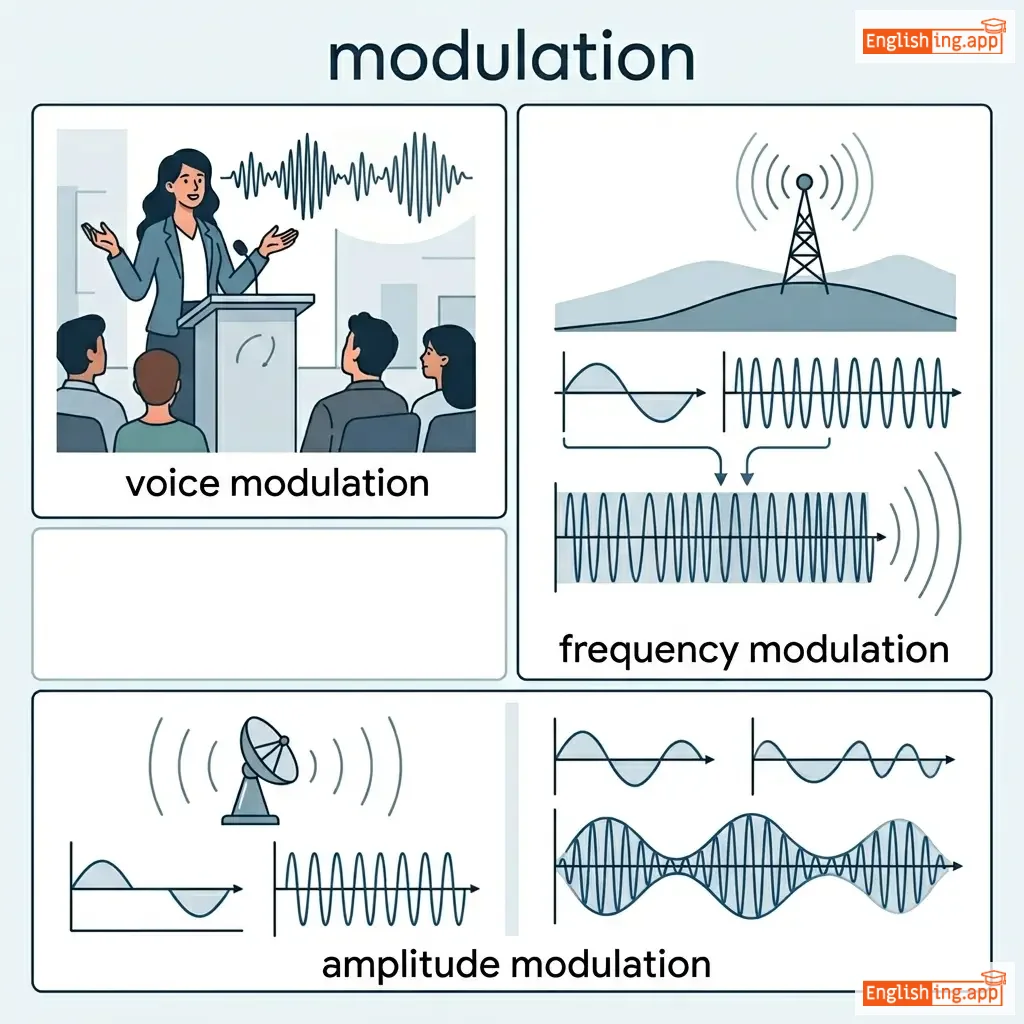
The natural variation and control of tone, pitch, or volume in speech or voice.
••••••

Proper modulation in speaking enhances audience engagement.

適切なモジュレーションで話すことは、聴衆の関与を高めます。
••••••
適切なモジュレーションで話すことは、聴衆の関与を高めます。
Tekisetsuna mojyurēshon de hanasu koto wa, chōshu no kan'yo o takamemasu.
••••••
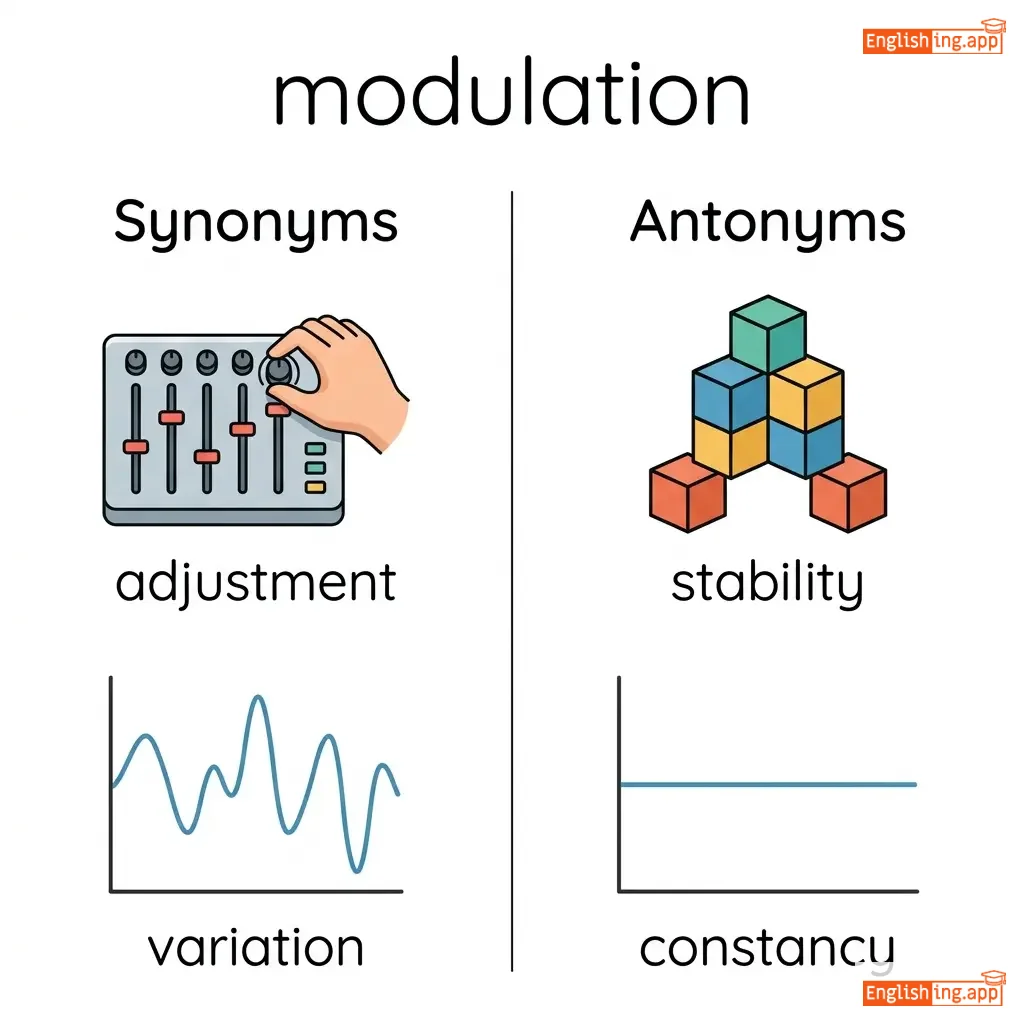
adjustment, variation, regulation
••••••
uniformity, unchanging tone, imbalance
••••••
モジュレーション - 話し方に気を付けて聴衆の興味を引こう!
••••••
#3021
🎯
••••••
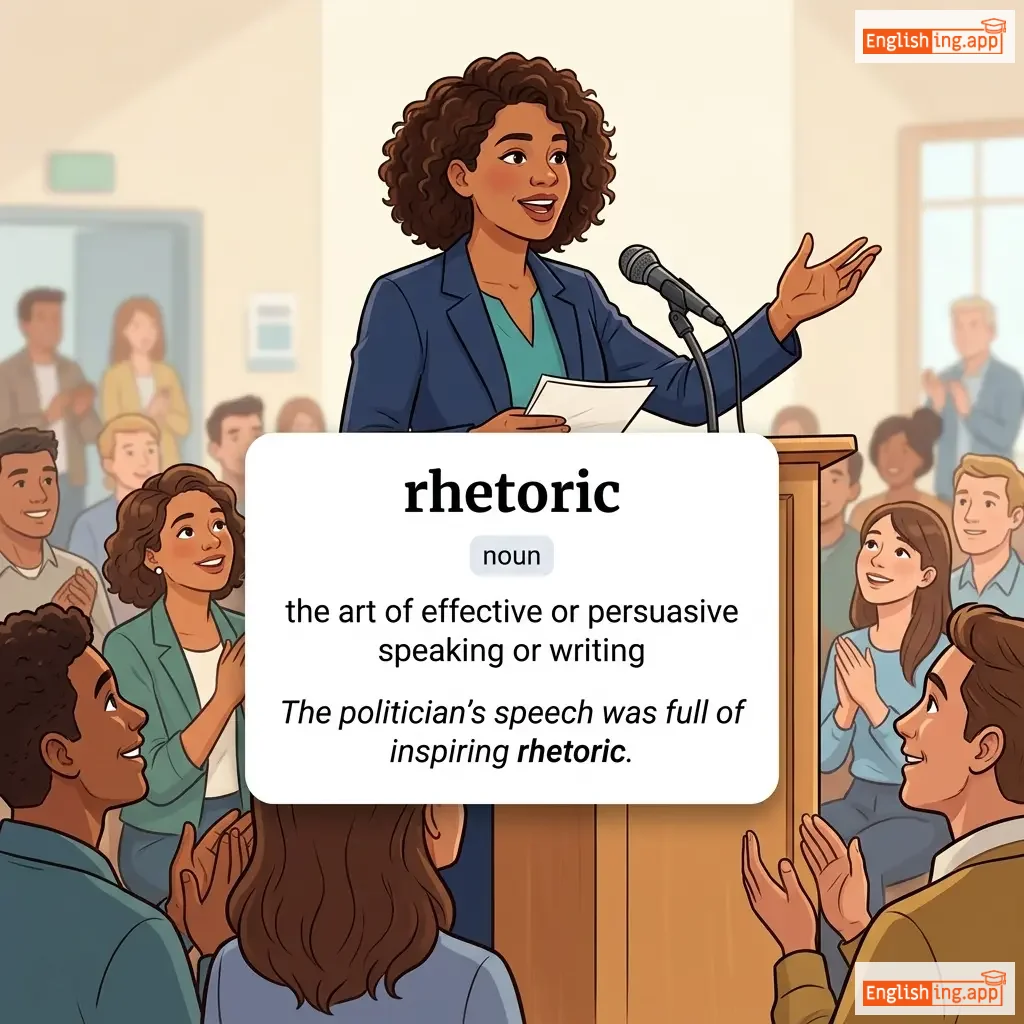
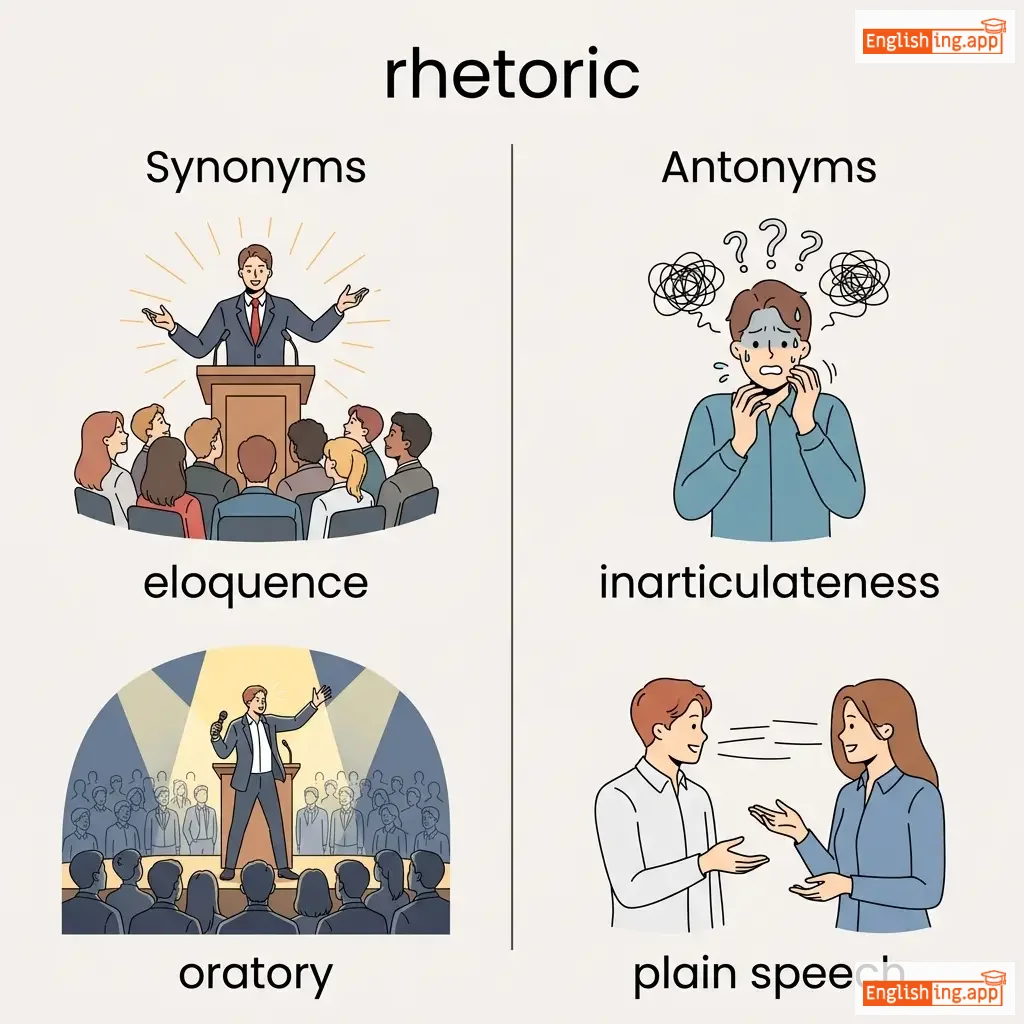
/ˈrɛt.ər.ɪk/
noun
(レトリック)
••••••
••••••
効果的または説得力のある話し方または書き方の技術
kōkateki matawa settōryoku no aru hanashikata matawa kakikata no gijutsu
••••••
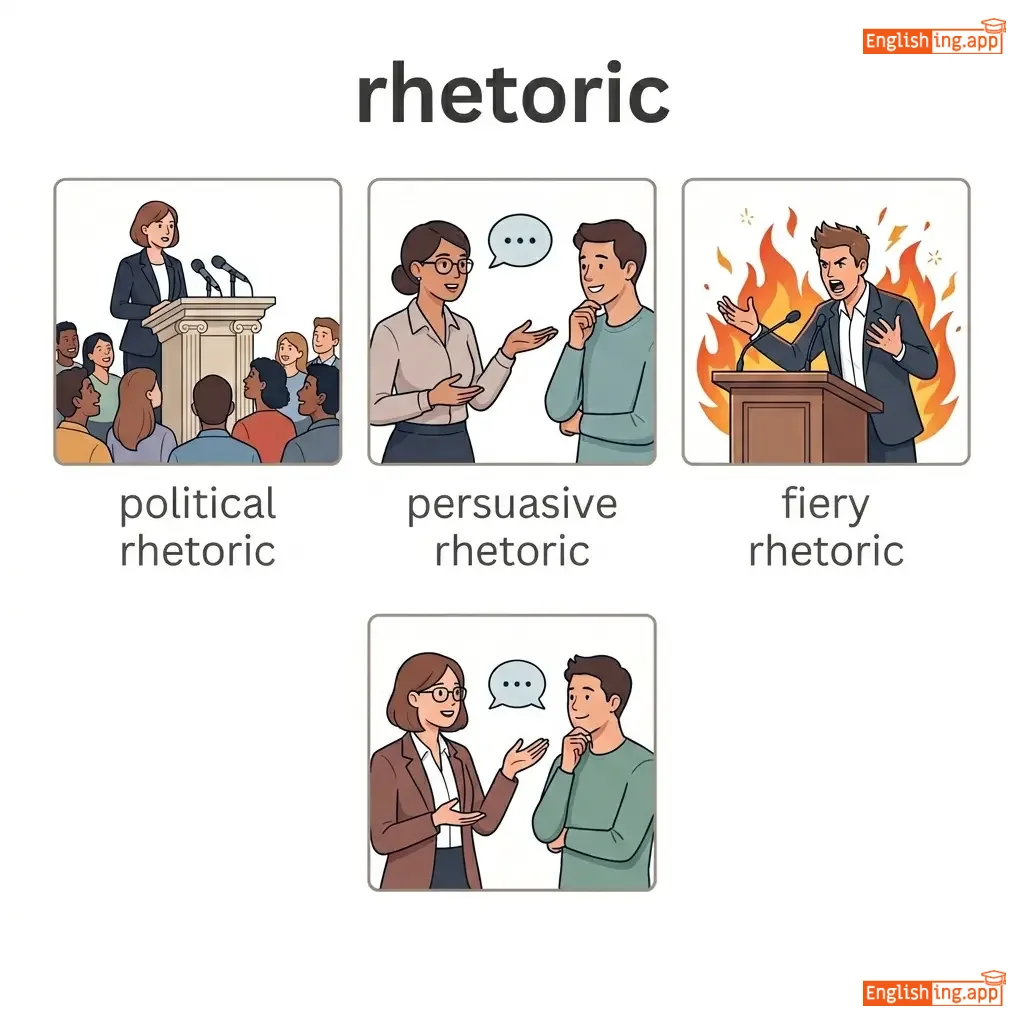
The art of effective or persuasive speaking or writing; skillful use of language to influence others.
••••••

Political leaders often use rhetoric to influence people.

政治指導者たちはしばしば人々に影響を与えるためにレトリックを使います。
••••••
政治指導者たちはしばしば人々に影響を与えるためにレトリックを使います。
Seiji shidōsha-tachi wa shibashiba hitobito ni eikyō o ataeru tame ni retorikku o tsukaimasu.
••••••
oratory, eloquence, persuasive speech
••••••
simplicity, plain speaking, inarticulateness
••••••
言葉で人々に影響を与える
••••••
#3022
🤝
••••••
/pɜːˈsweɪ.ʒən/
noun
(パースエイジョン)
••••••
••••••
説得力
settokuryoku
••••••
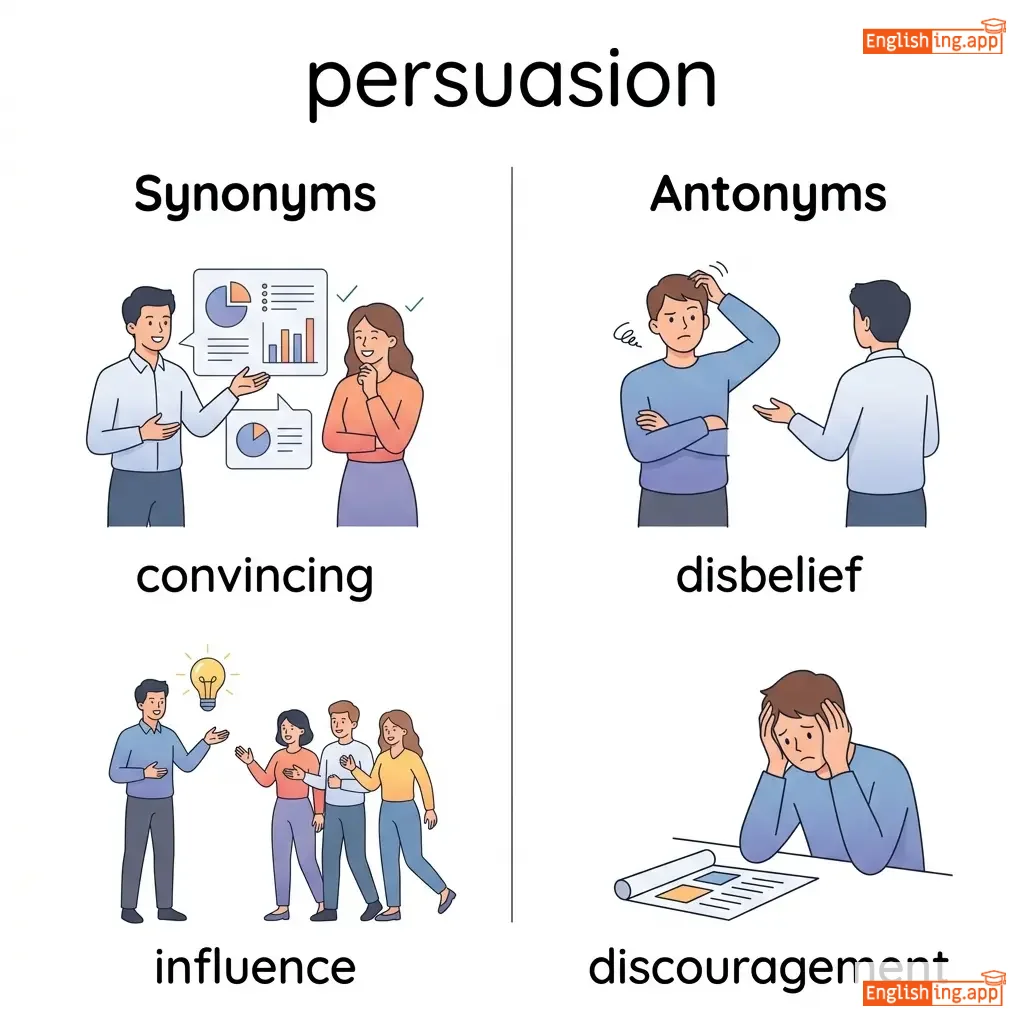
The ability to convince someone to believe or do something through reasoning or argument.
••••••

His persuasion skills helped close the business deal.

彼の説得力のあるスキルは、ビジネス契約を締結するのに役立ちました。
••••••
彼の説得力のあるスキルは、ビジネス契約を締結するのに役立ちました。
Kare no settokuryoku no aru sukiru wa, bijinesu keiyaku o teiketsu suru no ni yakudachimashita.
••••••
convincing, influence, argumentation
••••••
disbelief, discouragement, opposition
••••••
Picture persuading in Japanese to close a business deal!
••••••
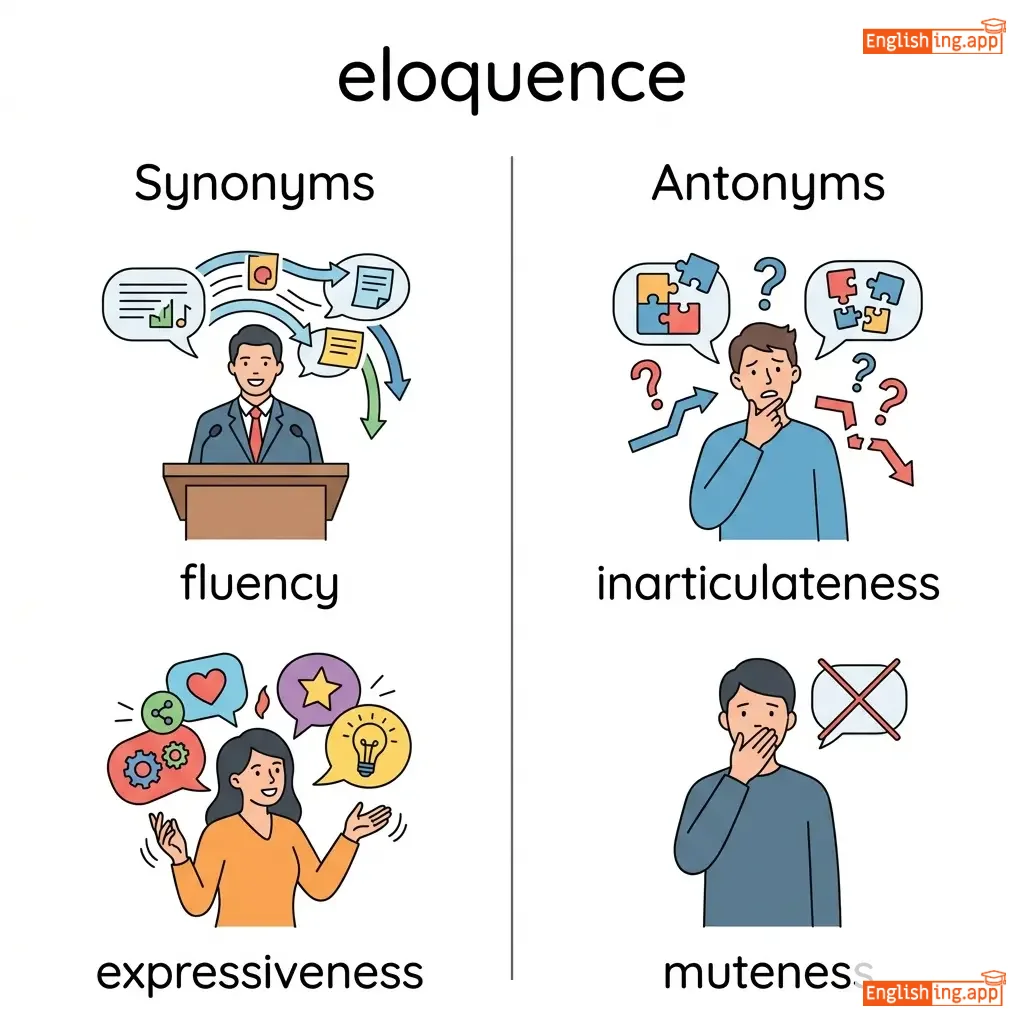
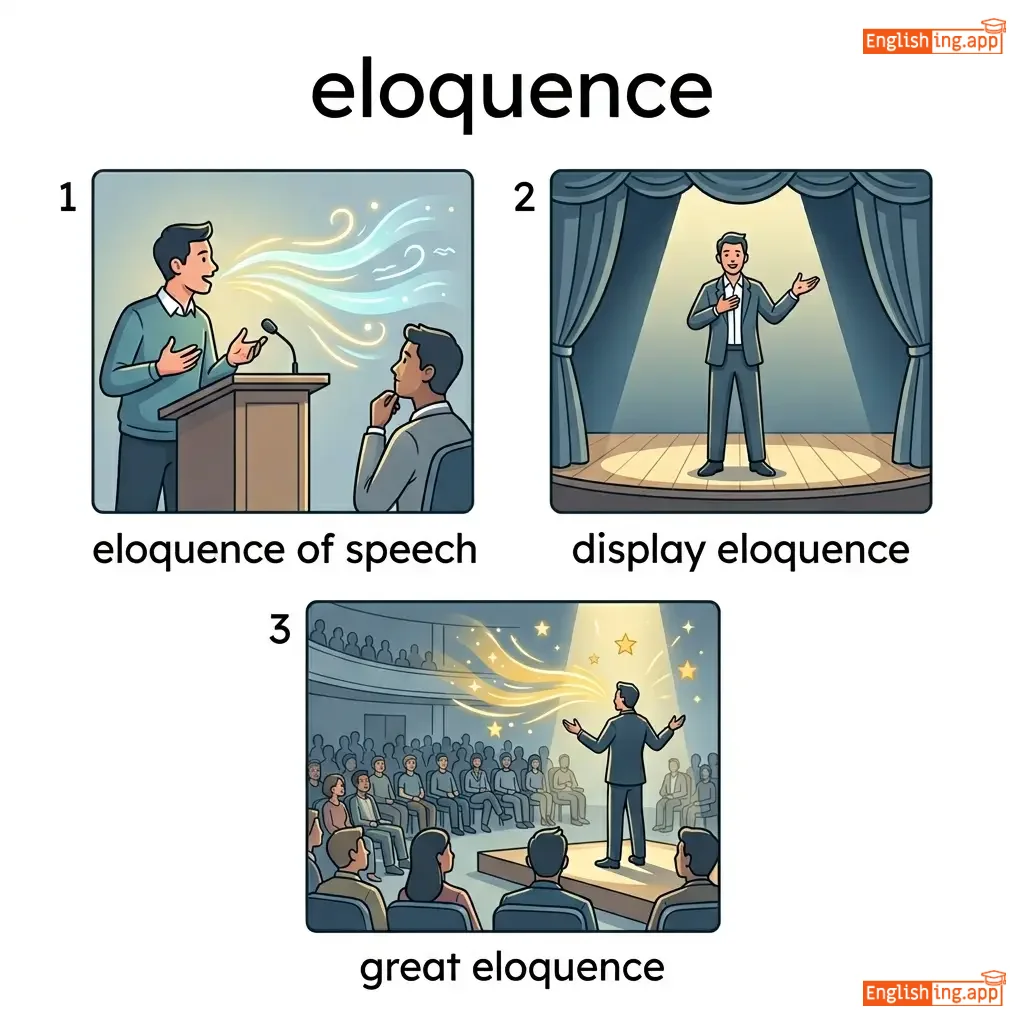
#3023
••••••
/ˈɛl.ə.kwəns/
noun
(エロクエンス)
••••••
••••••
雄弁
yūben
••••••
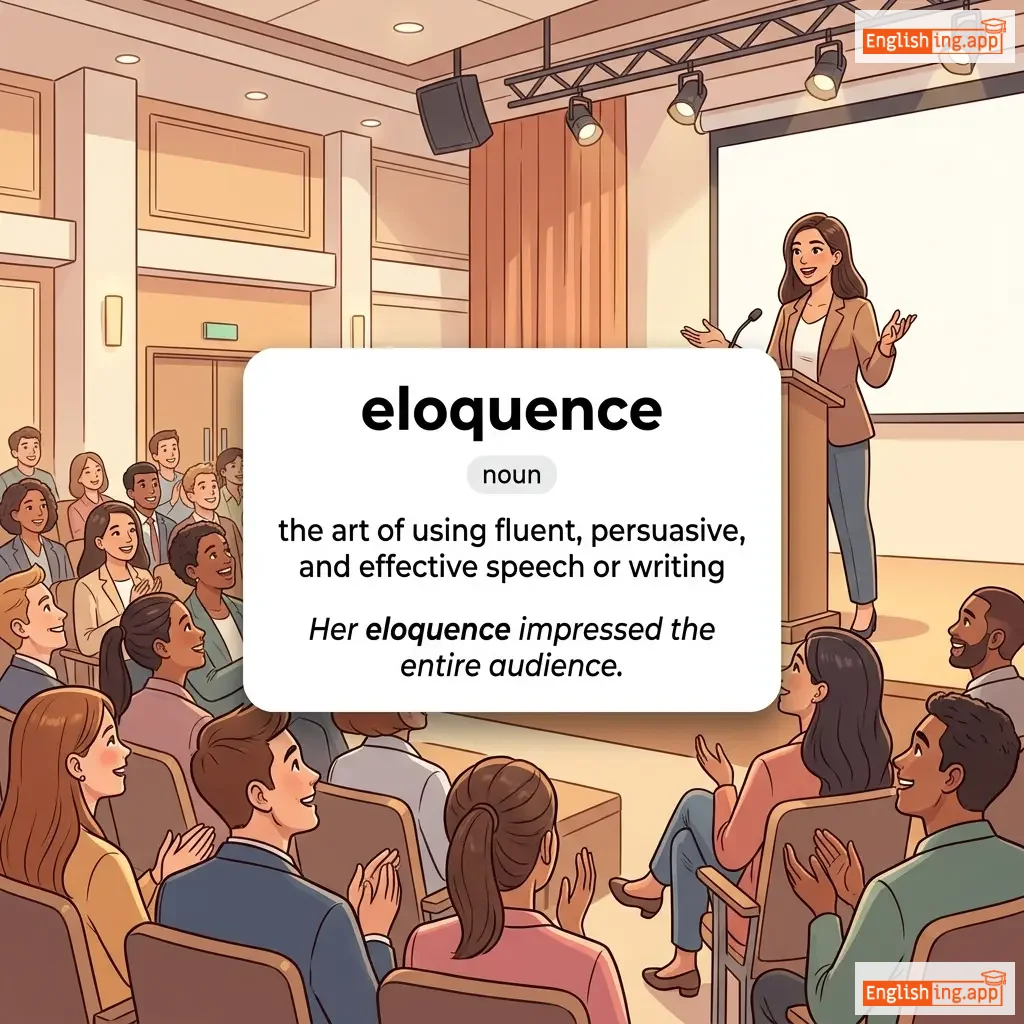
Fluent and persuasive speaking or writing; the ability to speak beautifully and effectively.
••••••

Her eloquence made the speech captivating.

••••••
彼女の雄弁はスピーチを魅力的にした。
Kanojo no yūben wa supīchi o miryokuteki ni shita.
••••••
fluency, expressiveness, articulateness
••••••
inarticulateness, ineffectiveness, hesitation
••••••
雄弁は心に響く言葉を紡ぐ力です。
••••••
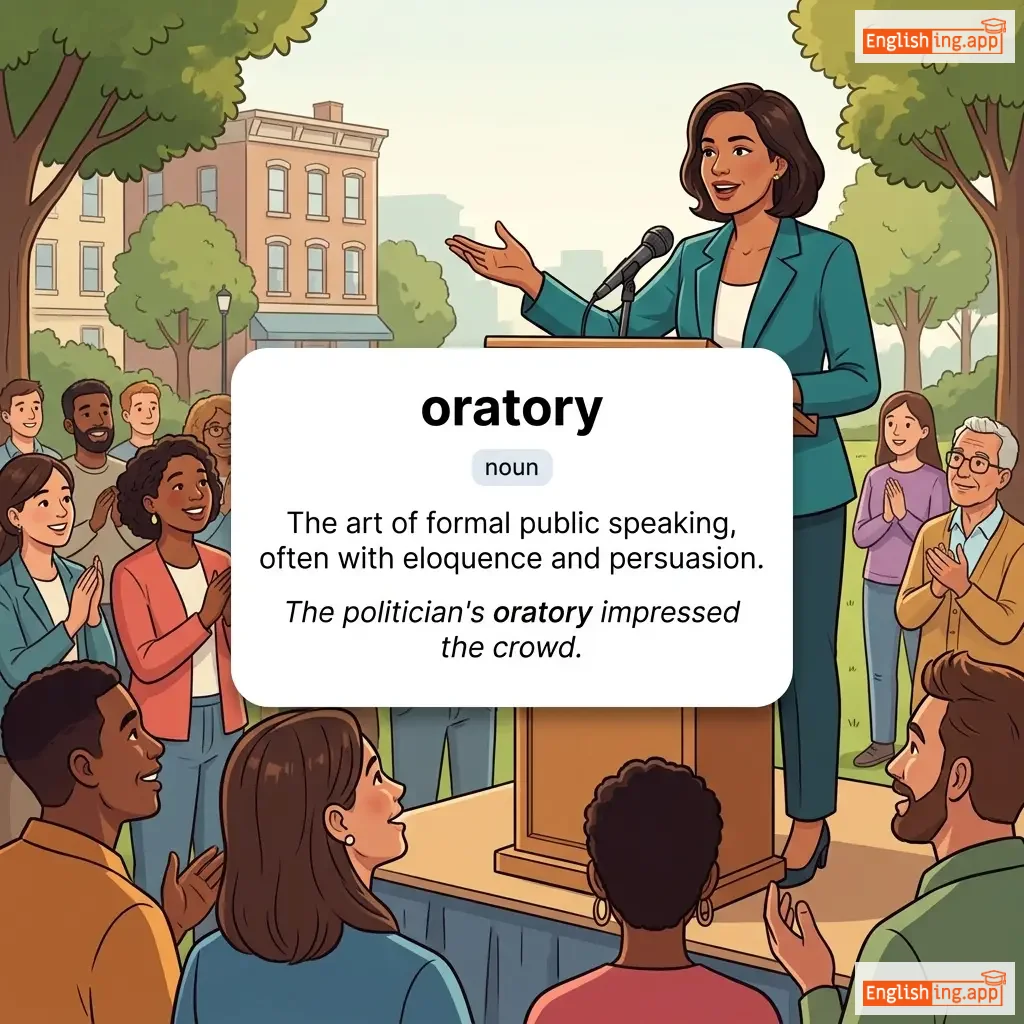
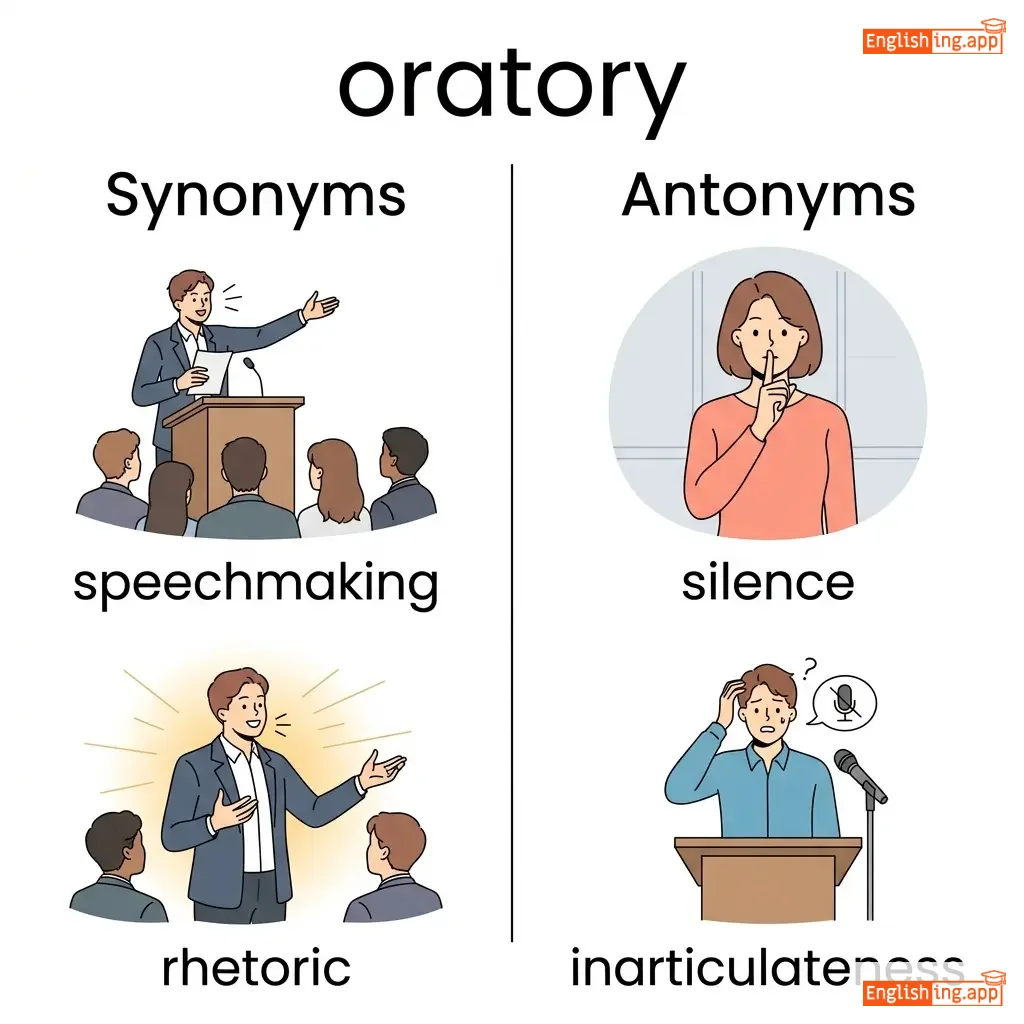
#3024
🎤
••••••
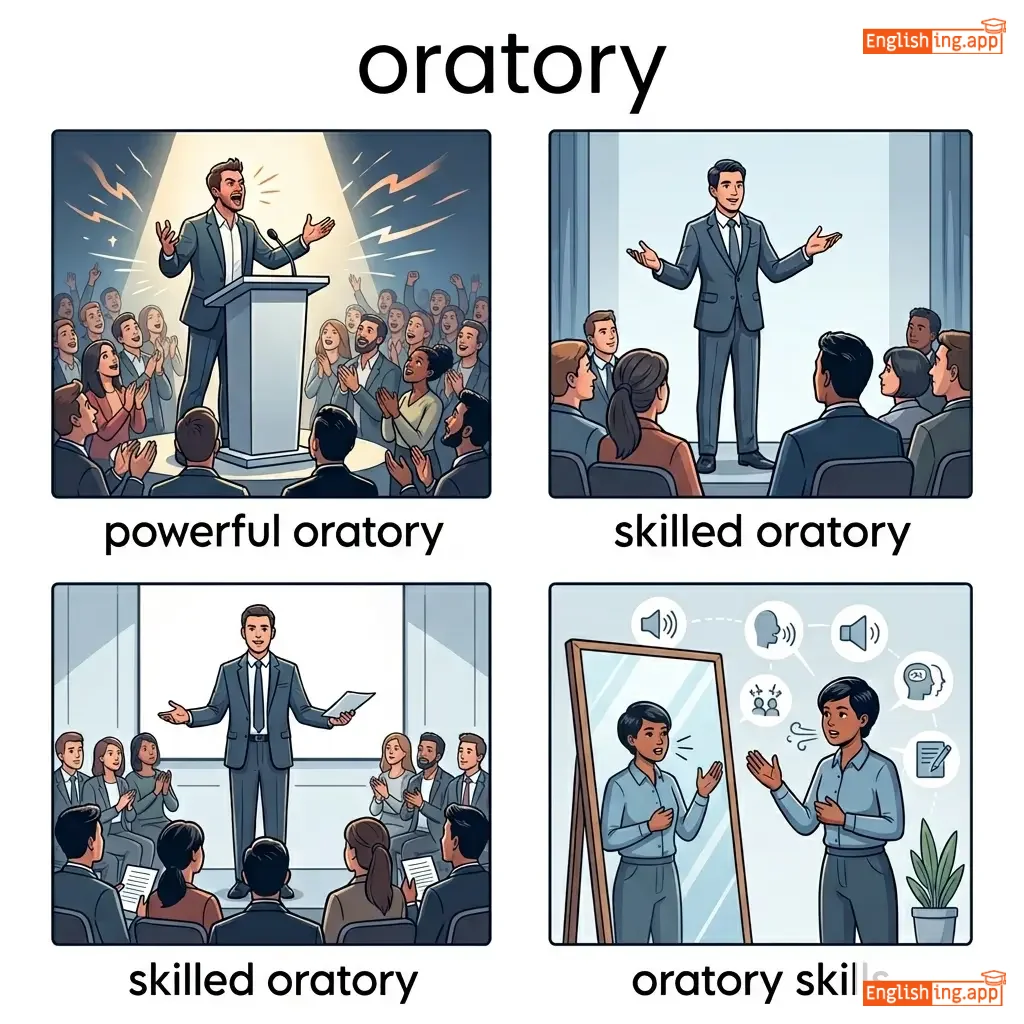
/ˈɔːr.ə.tɔːr.i/
noun
(オラトリー)
••••••
••••••
弁論術
benronjutsu
••••••
The art of public speaking; skilled and confident delivery of speeches to an audience.
••••••

His exceptional oratory skills won him the debate competition.

彼の卓越したオラトリースキルは、ディベートコンペティションで彼に勝利をもたらしました。
••••••
彼の卓越した弁論術は、ディベートコンペティションで彼に勝利をもたらしました。
Kare no takuwetsu shita benronjutsu wa, dibēto konpetishon de kare ni shōri o motarashimashita.
••••••
public speaking, rhetoric, verbal artistry
••••••
muteness, incoherence, poor speech
••••••
弁論術で自信を持ってスピーチすることが成功の鍵です。
••••••
#3025
💡
••••••
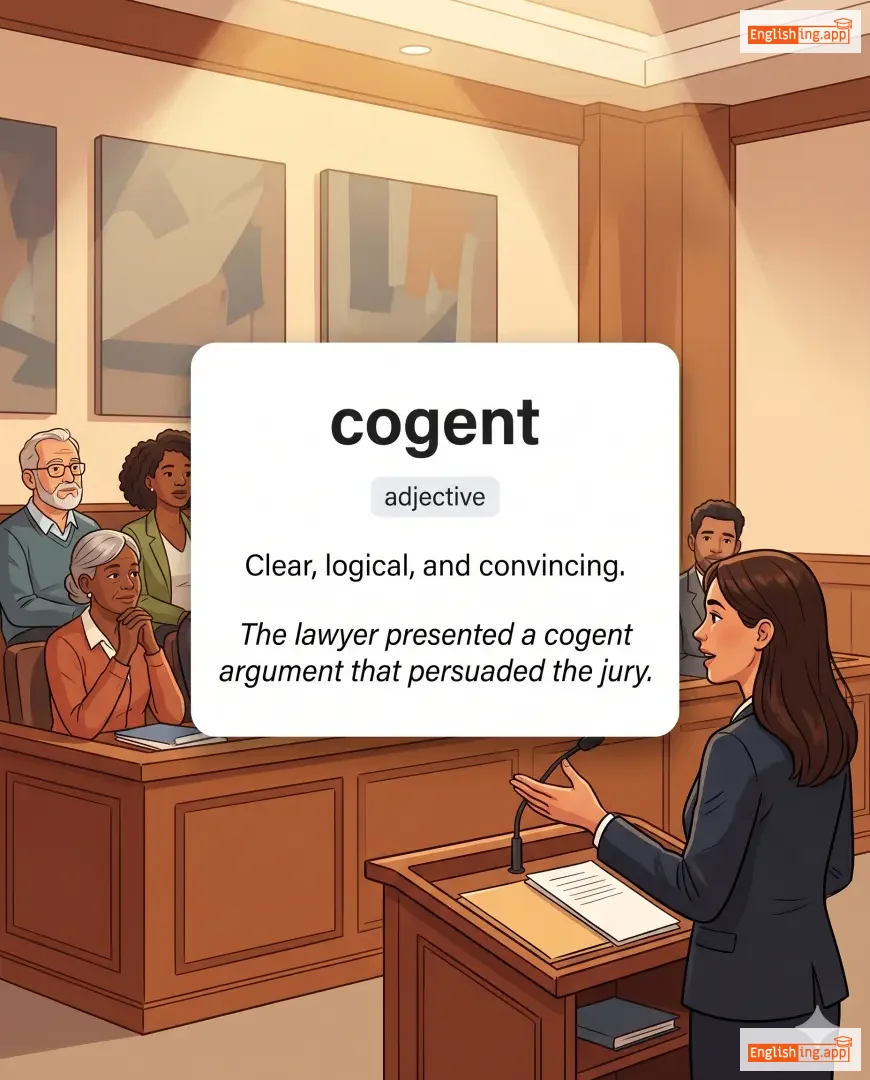
/ˈkəʊ.dʒənt/
adjective
(コジェント)
••••••
••••••
説得力があり、明確な
settokuryoku ga ari, meikaku na
••••••
Clear, logical, and convincing; having a strong basis in reason and evidence.
••••••

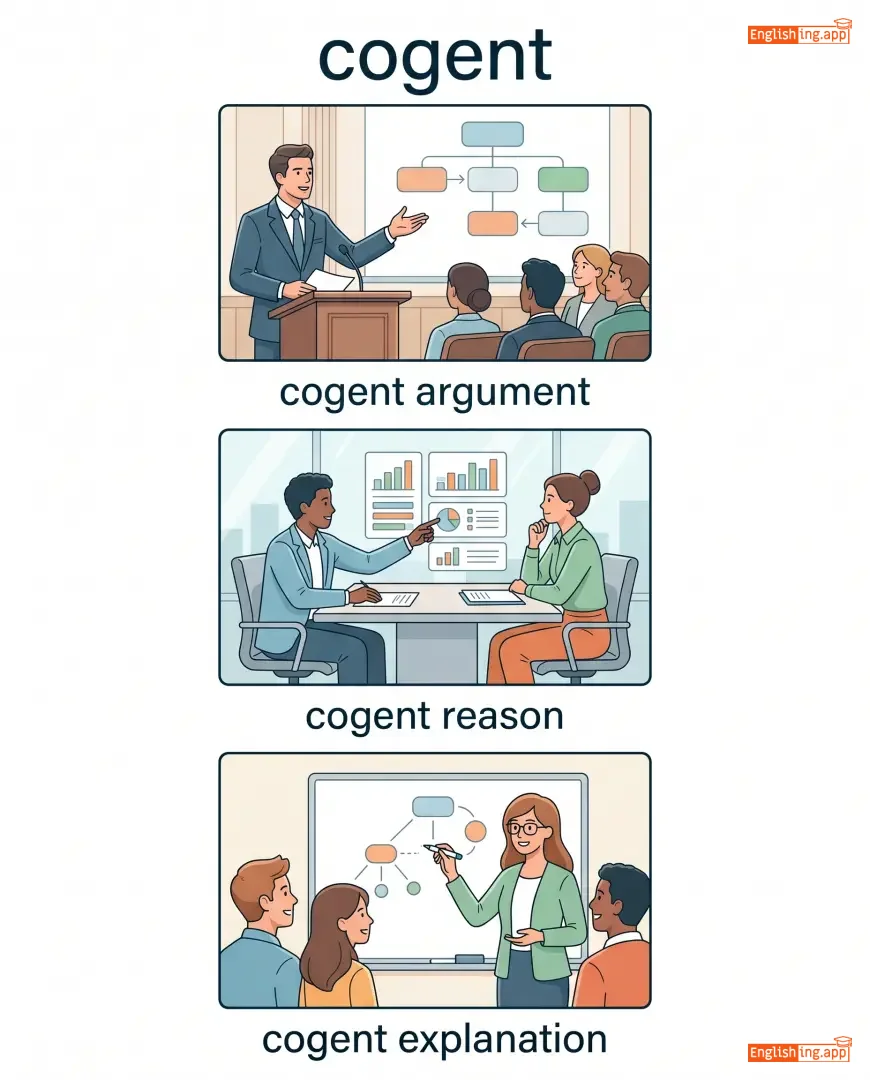
His cogent argument left no room for doubt.

彼の説得力のある議論は疑いの余地を残さなかった。
••••••
彼の説得力のある議論は疑いの余地を残さなかった。
Kare no settokuryoku no aru giron wa utagai no yochi o nokosanakatta.
••••••
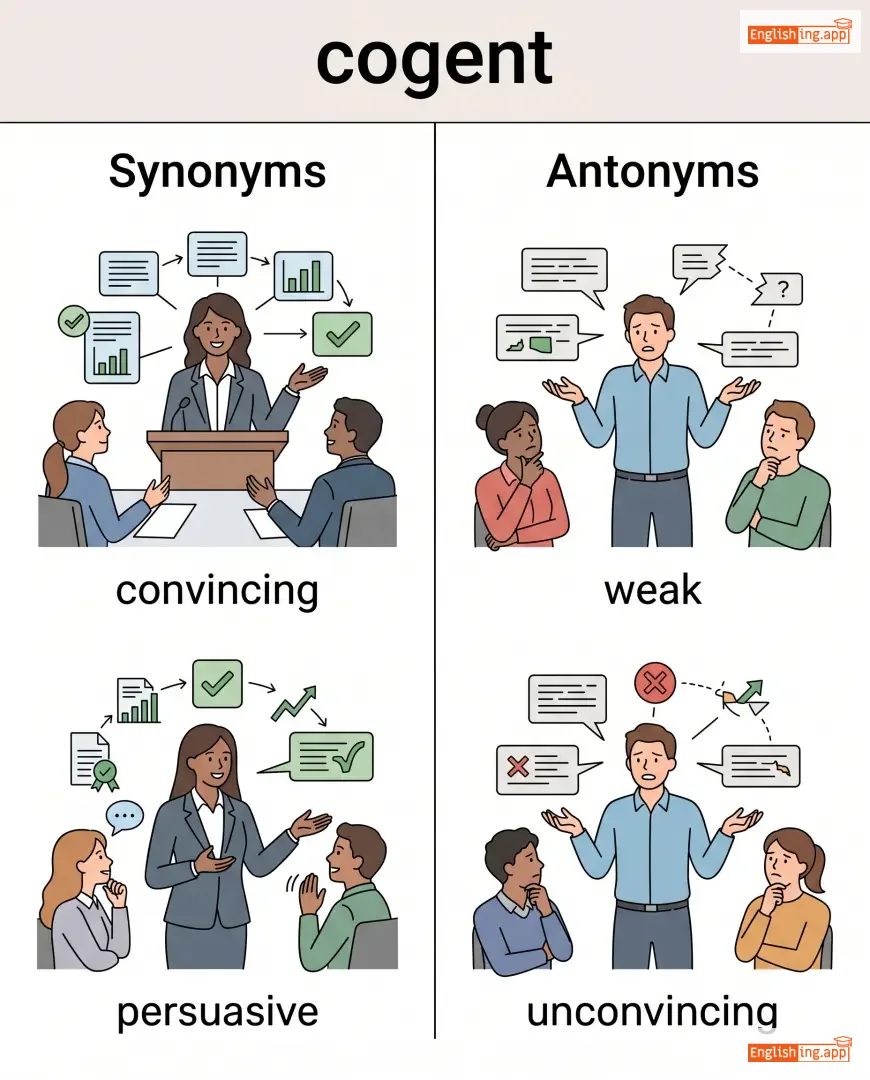
convincing, logical, persuasive
••••••
weak, illogical, unconvincing
••••••
Cogent - 説得力があり、明確な議論。
••••••
#3026
💬
••••••
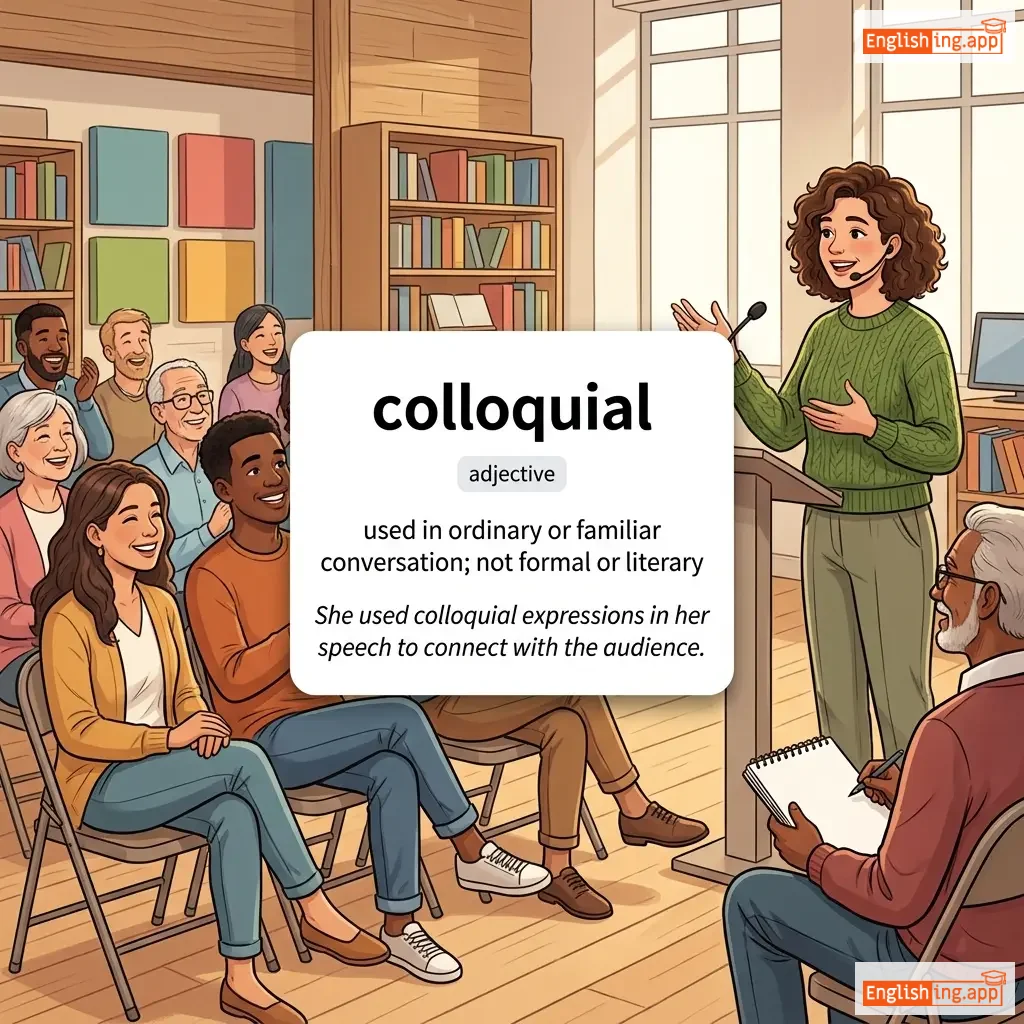
/kəˈləʊ.kwi.əl/
adjective
(コロキウィアル)
••••••
••••••
口語
kōgo
••••••
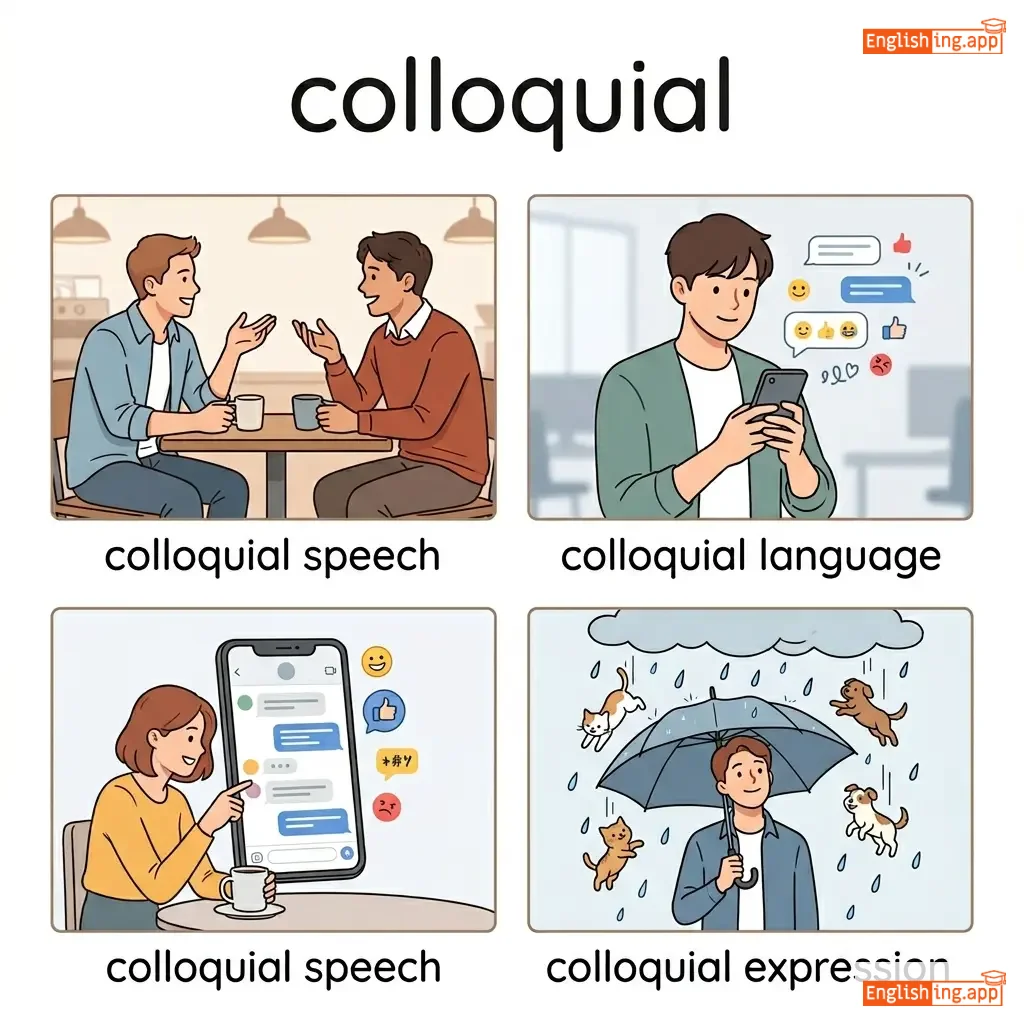
Used in ordinary conversation rather than formal speech or writing; informal language.
••••••

His colloquial expressions made the speech relatable.

彼の口語表現はスピーチをより身近なものにしました。
••••••
彼の口語表現はスピーチをより身近なものにしました。
Kare no kōgo hyōgen wa supīchi o yori mijikana mono ni shimashita.
••••••
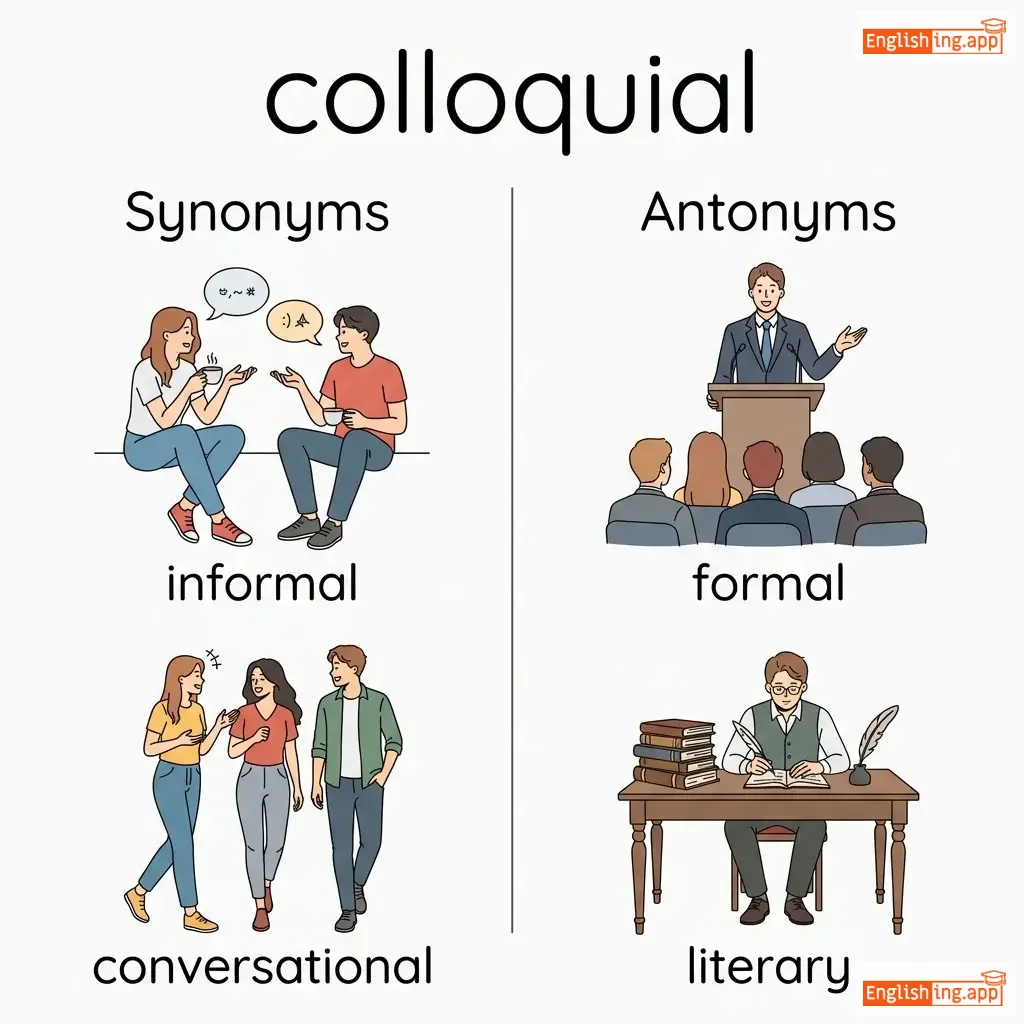
informal, conversational, vernacular
••••••
formal, literary, standard
••••••
口語は簡単で親しみやすい表現です。
••••••
#3027
🔍
••••••
/ˌkɒn.əˈteɪ.ʃən/
noun
(コノテーション)
••••••
••••••
言葉やフレーズの暗示的または示唆された意味、文字通りの定義を超えて
kotoba ya fureーズ no anji-teki mata wa shisa sareta imi, moji-dōri no teigi o koete
••••••
An implied or suggested meaning of a word or phrase, beyond its literal definition.
••••••

The word "home" has a warm connotation of comfort and safety.

「ホーム」という言葉には、快適さと安全の温かい含みがあります。
••••••
「ホーム」という言葉には、快適さと安全の温かい含みがあります。
‘Hōmu’ to iu kotoba ni wa, kaiteki-sa to anzen no atatakai fukumi ga arimasu.
••••••
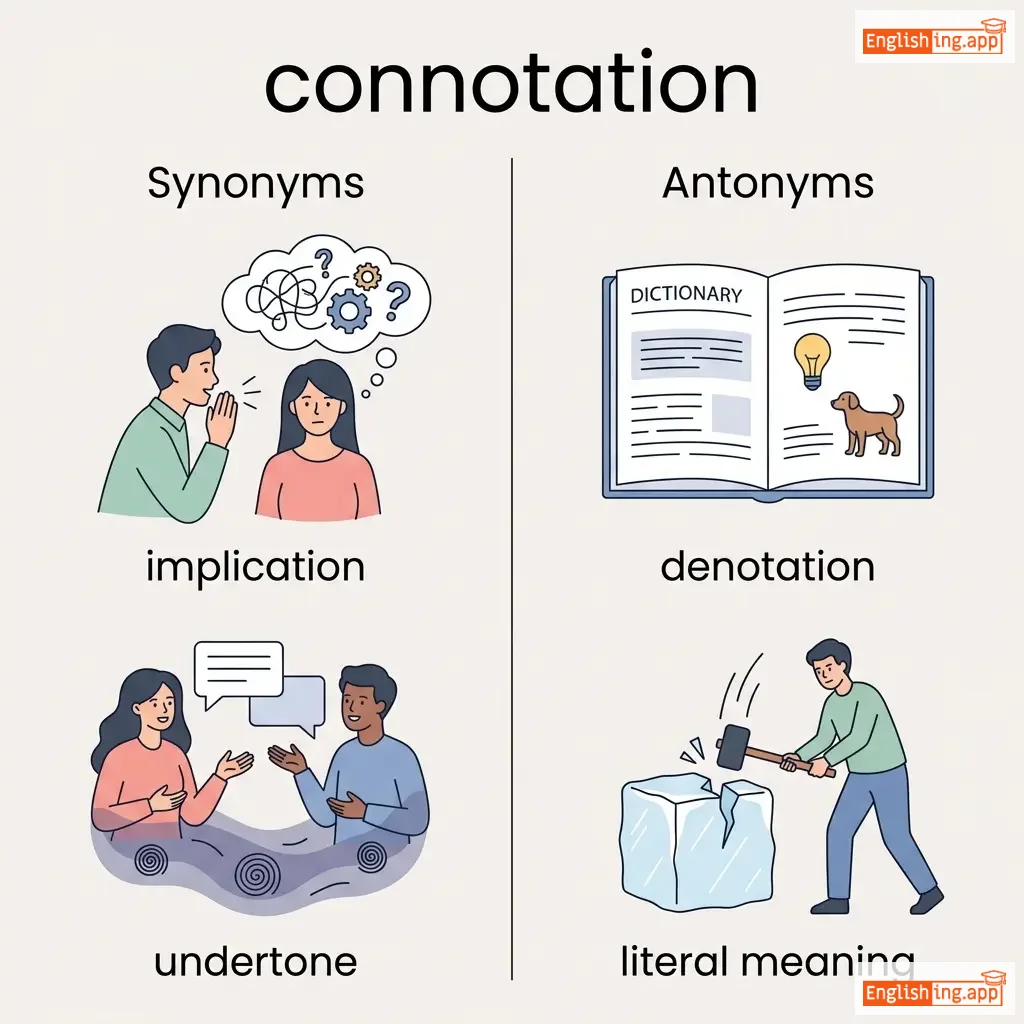
implication, undertone, hidden meaning
••••••
denotation, literal meaning, explicitness
••••••
ホーム(家)は温かい感覚を示し、心地よい含みを持っている。
••••••
#3028
🎨
••••••
/ˈnuː.ɑːns/
noun
(ニュアンス)
••••••
••••••
ニュアンス
nyuansu
••••••
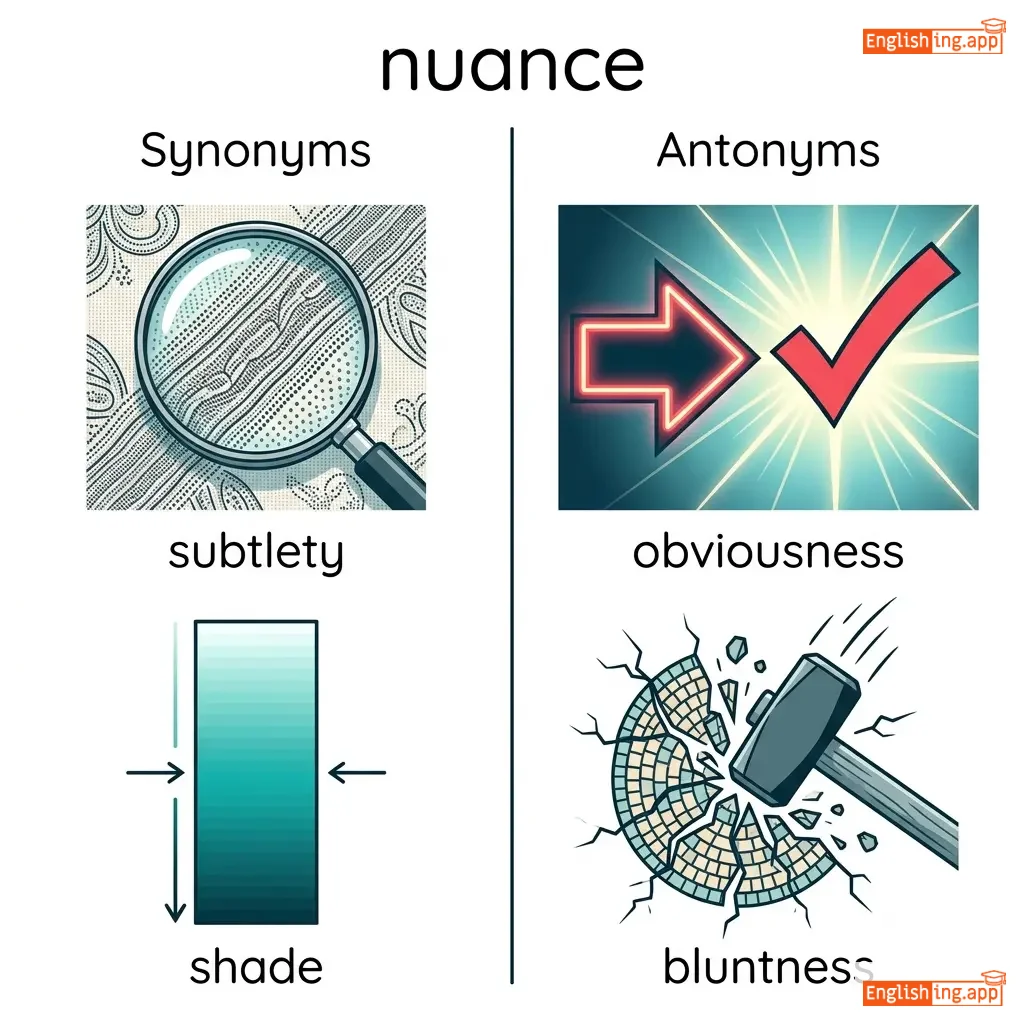
A subtle difference in expression, meaning, or response; a slight variation in tone or feeling.
••••••

Understanding the nuance of different accents takes practice.

異なるアクセントのニュアンスを理解するには練習が必要です。
••••••
異なるアクセントのニュアンスを理解するには練習が必要です。
kotonaru akusento no nyuansu o rikai suru ni wa renshuu ga hitsuyou desu.
••••••
subtlety, distinction, refinement
••••••
obviousness, simplicity, bluntness
••••••
ニュアンスを理解するには練習が大切です。
••••••
#3029
📚
••••••
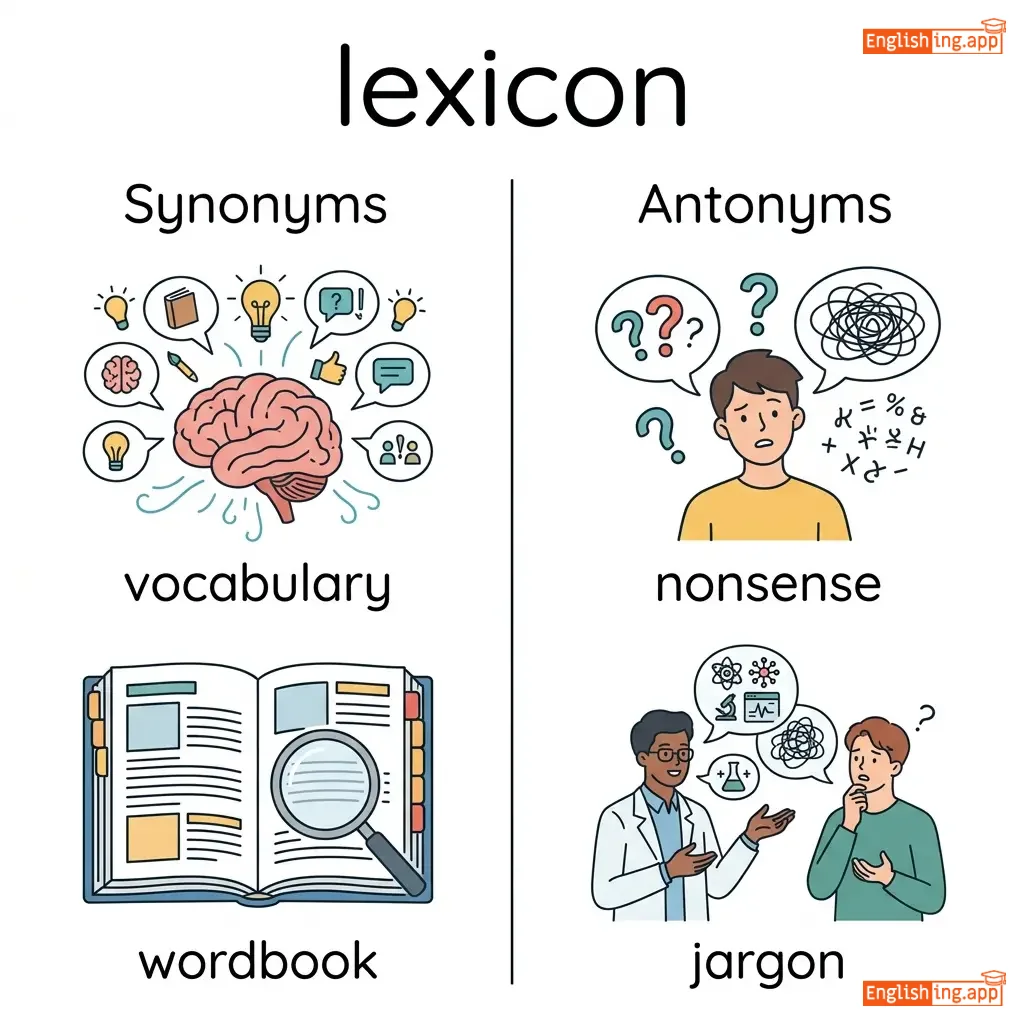
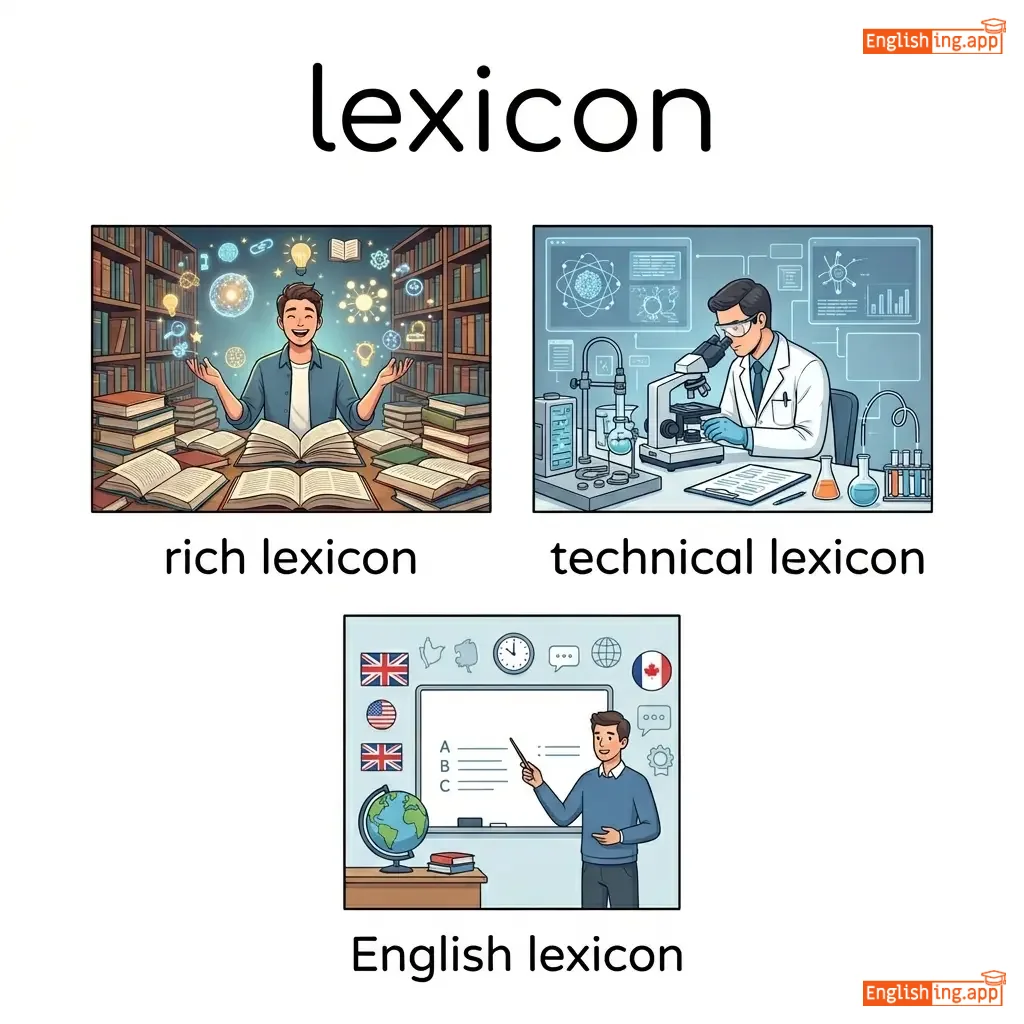
/ˈlɛk.sɪ.kɒn/
noun
(レクシコン)
••••••
••••••
語彙
rekushikon
••••••
The vocabulary of a person, language, or branch of knowledge; a collection of words and terms.
••••••

A translator must have a vast lexicon of both languages.

翻訳者は両方の言語の広大な語彙を持っていなければならない。
••••••
翻訳者は両方の言語の広大な語彙を持っていなければならない。
honyakusha wa ryouhou no gengo no koudai goi o motte inakereba naranai.
••••••
vocabulary, dictionary, terminology
••••••
illiteracy, lack of words, silence
••••••
レクシコン = Lexi + Con, imagine a goi library in your brain
••••••
#3030
📝
••••••
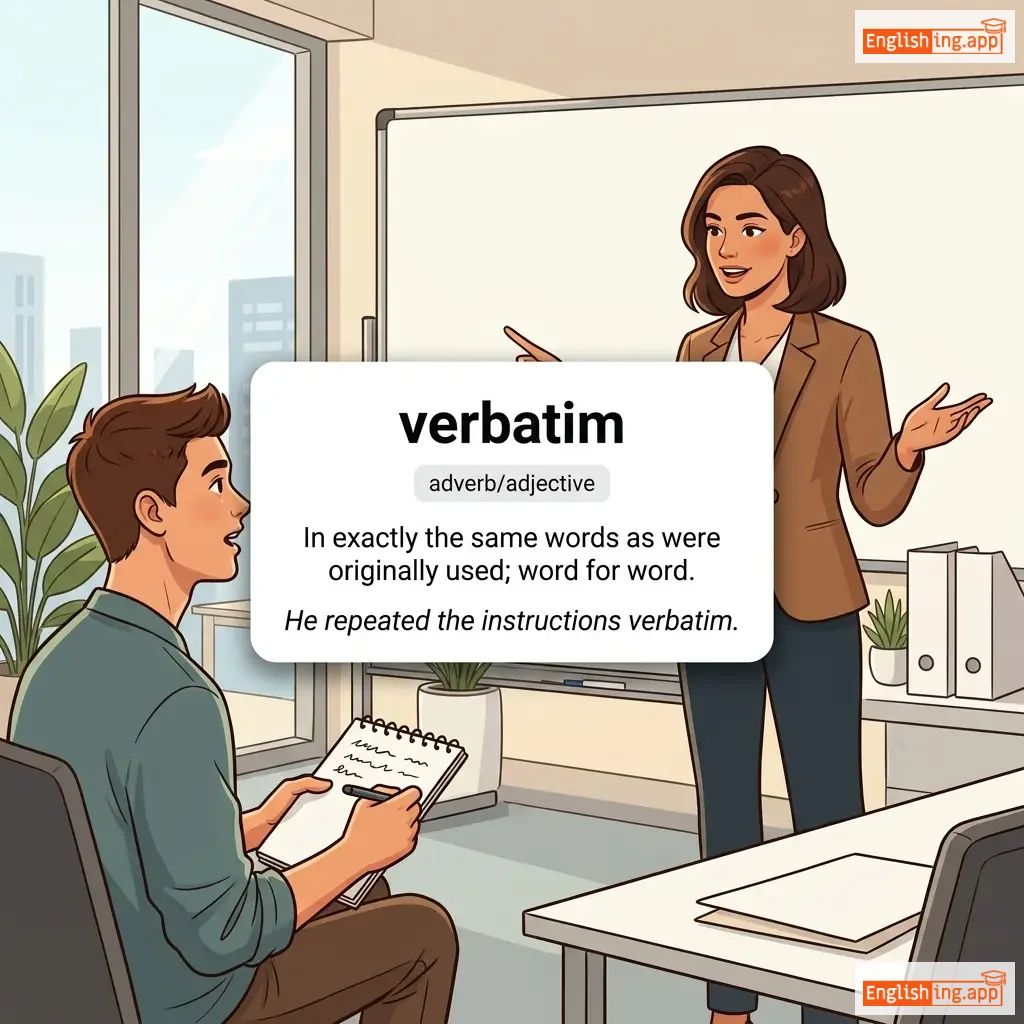
/vɜːˈbeɪ.tɪm/
adverb/adjective
(バーベイティム)
••••••
••••••
文字通りまたは逐語的に
moji dōri mata wa chikugoteki ni
••••••
In exactly the same words as were used originally; word for word repetition.
••••••

She repeated his instructions verbatim to avoid errors.

彼女は誤りを避けるために彼の指示を文字通り繰り返しました。
••••••
彼女は誤りを避けるために彼の指示を文字通り繰り返しました。
Kanojo wa ayamari o sakeru tame ni kare no shiji o moji dōri kurikaeshimashita.
••••••
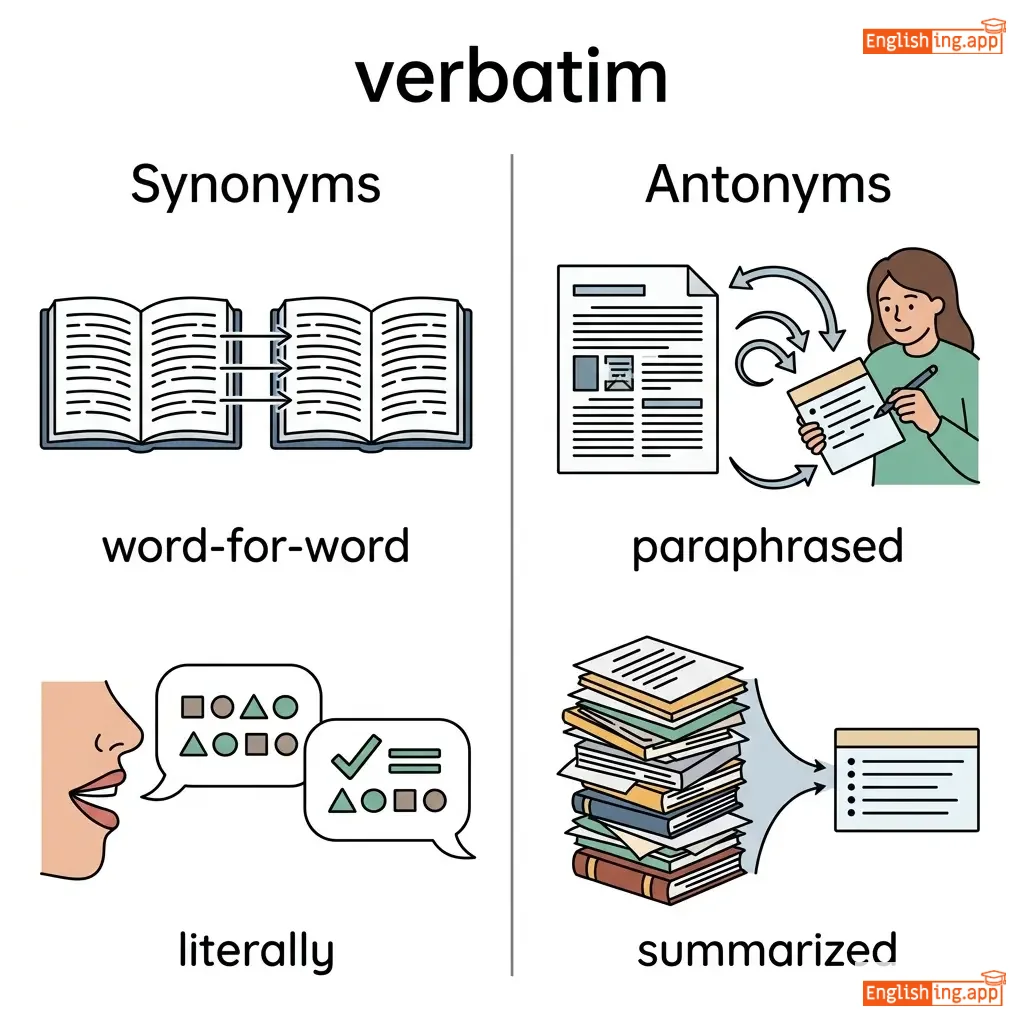
word-for-word, exact, literal
••••••
paraphrased, summarized, altered
••••••
正確に繰り返す方法、それが文字通りのやり方。
••••••
#3031
🤝
••••••
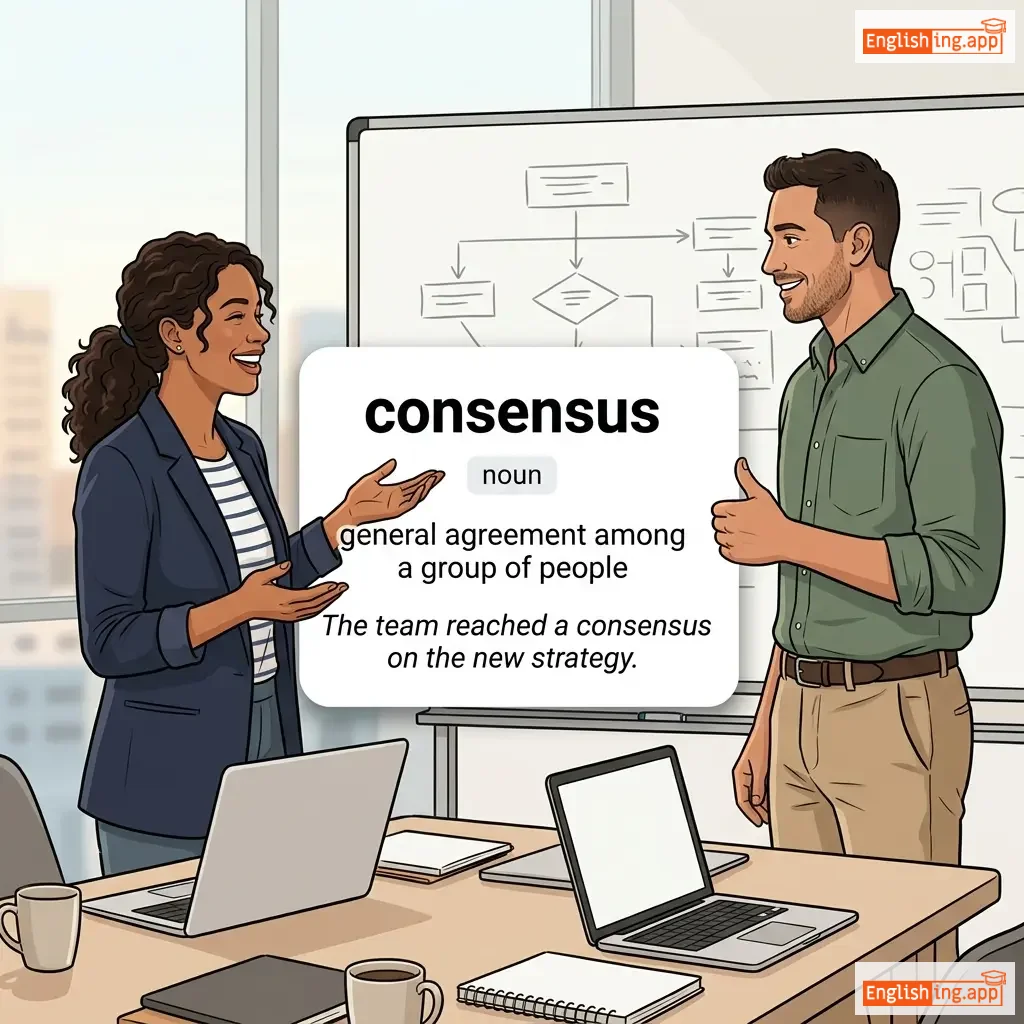
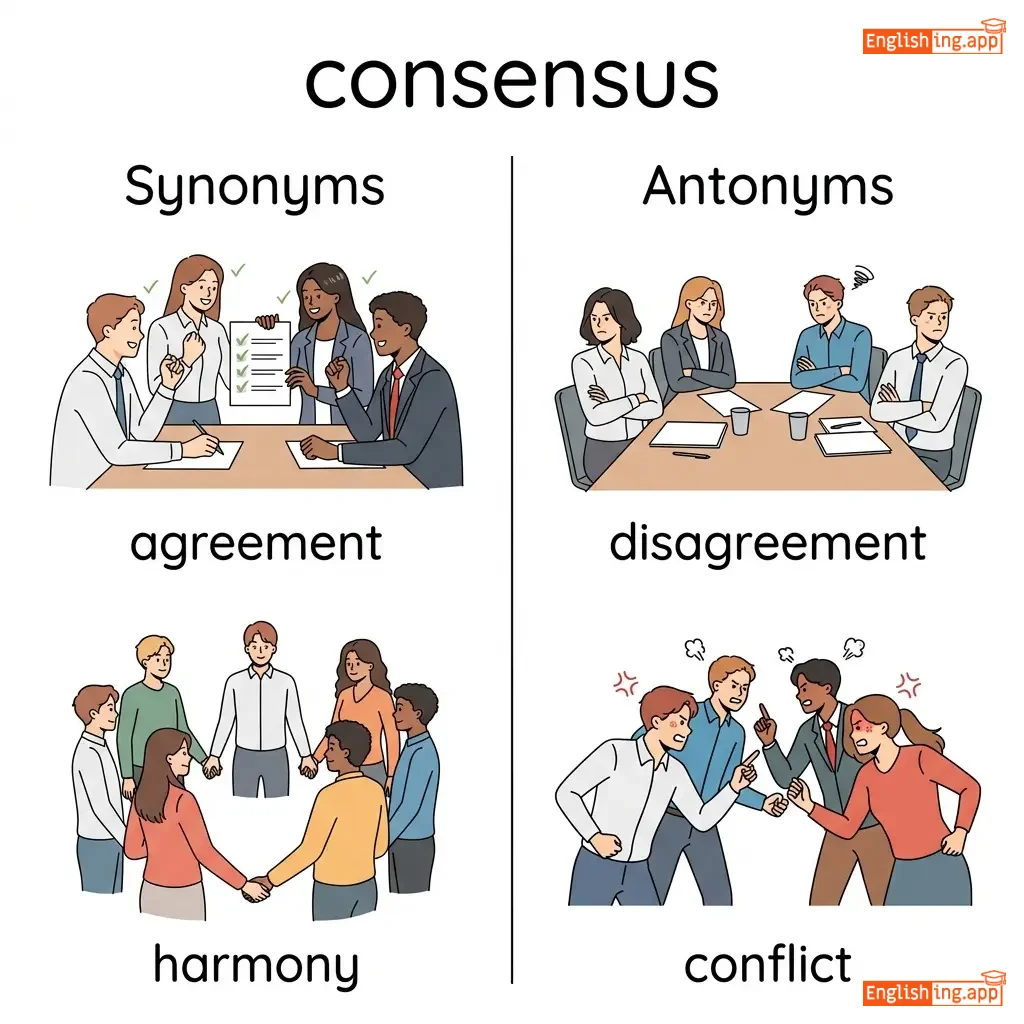
/kənˈsɛns.əs/
noun
(コンセンサス)
••••••
••••••
コンセンサス
konsensasu
••••••
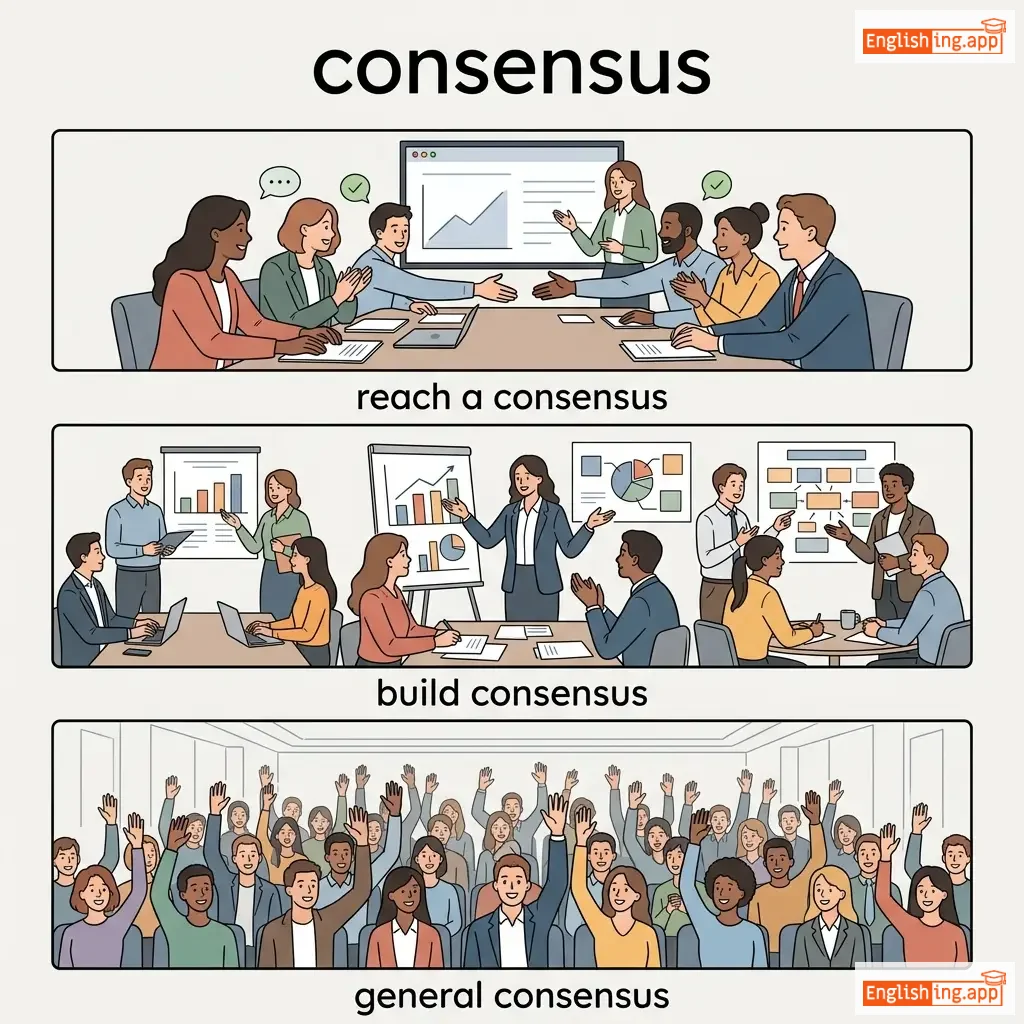
A general agreement or common opinion reached by a group; unanimous decision or shared view.
••••••

The team reached a consensus on the project deadline.

••••••
チームはプロジェクトの期限についてコンセンサスを得ました。
Chīmu wa purojekuto no kigen ni tsuite konsensasu o emashita.
••••••
agreement, accord, unity
••••••
disagreement, discord, dissent
••••••
コンセンサスは、みんなで意見を合わせること。
••••••
#3032
📡
••••••
/dɪˌsɛm.ɪˈneɪ.ʃən/
noun
(ディセミネーション)
••••••
••••••
普及
fukyuu
••••••
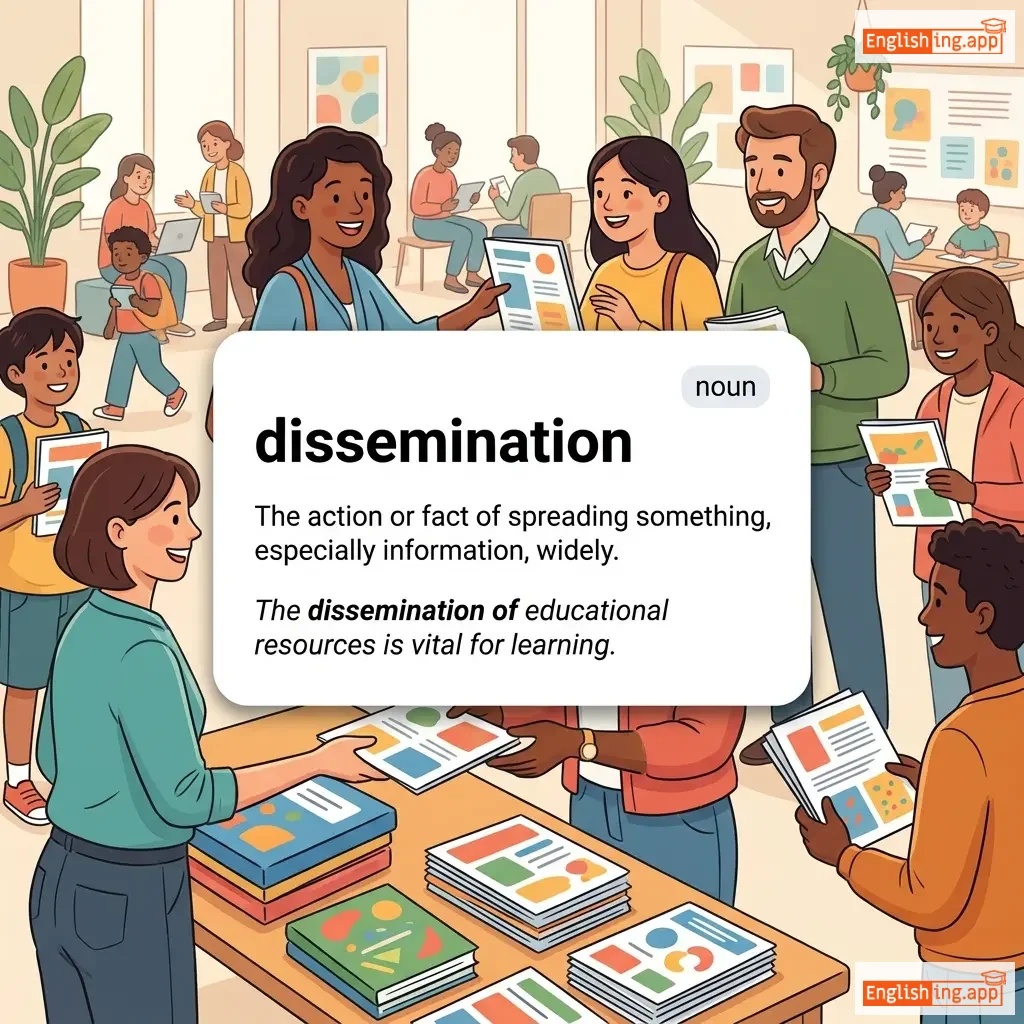
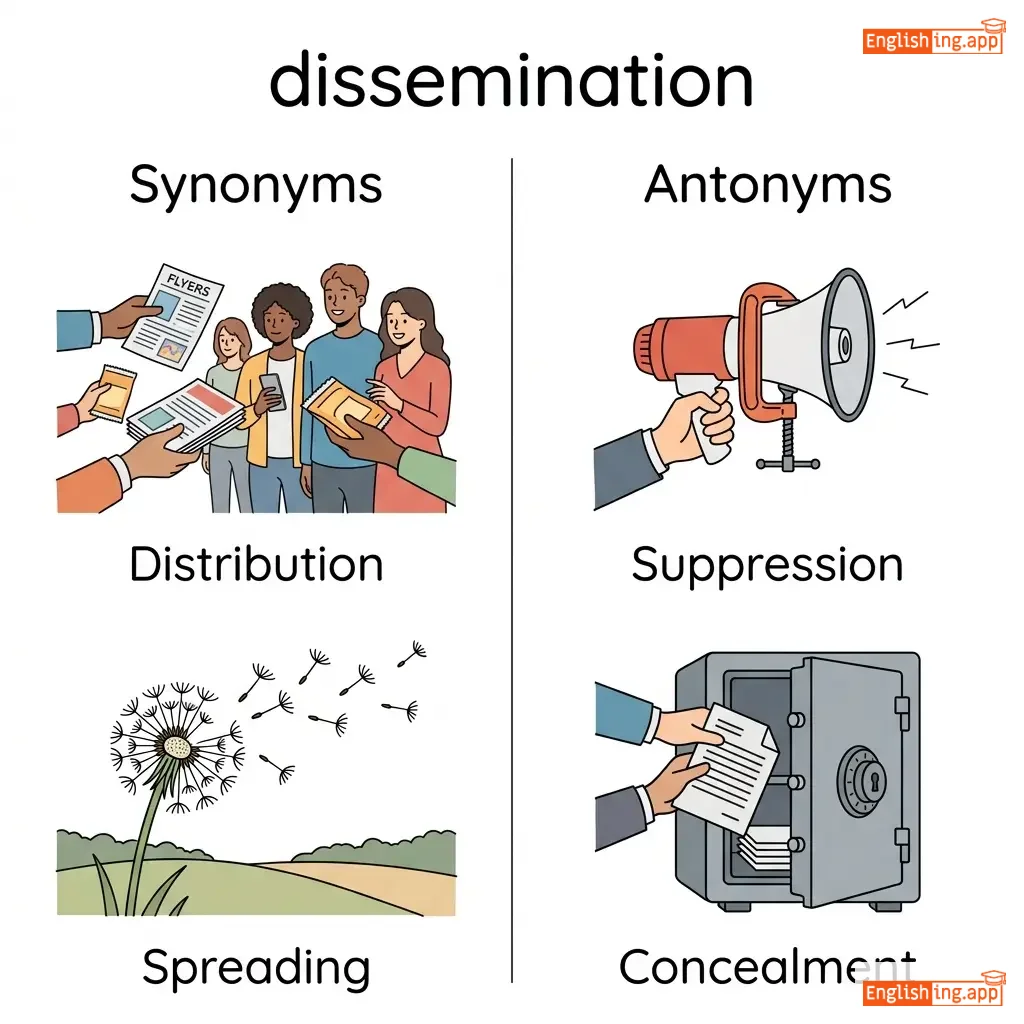
The action of spreading information, knowledge, or ideas widely; distribution or circulation.
••••••

The dissemination of information through social media is rapid.

ソーシャルメディアを通じて情報の普及は速い。
••••••
ソーシャルメディアを通じて情報の普及は速い。
Sōsharumedia o tsūjite jōhō no fukyū wa hayai.
••••••
distribution, spreading, circulation
••••••
suppression, concealment, withholding
••••••
Think of a message spreading rapidly across the internet to remember.
••••••
#3033
🌸
••••••
/ˈjuː.fə.mɪ.zəm/
noun
(ユーフェミズム)
••••••
••••••
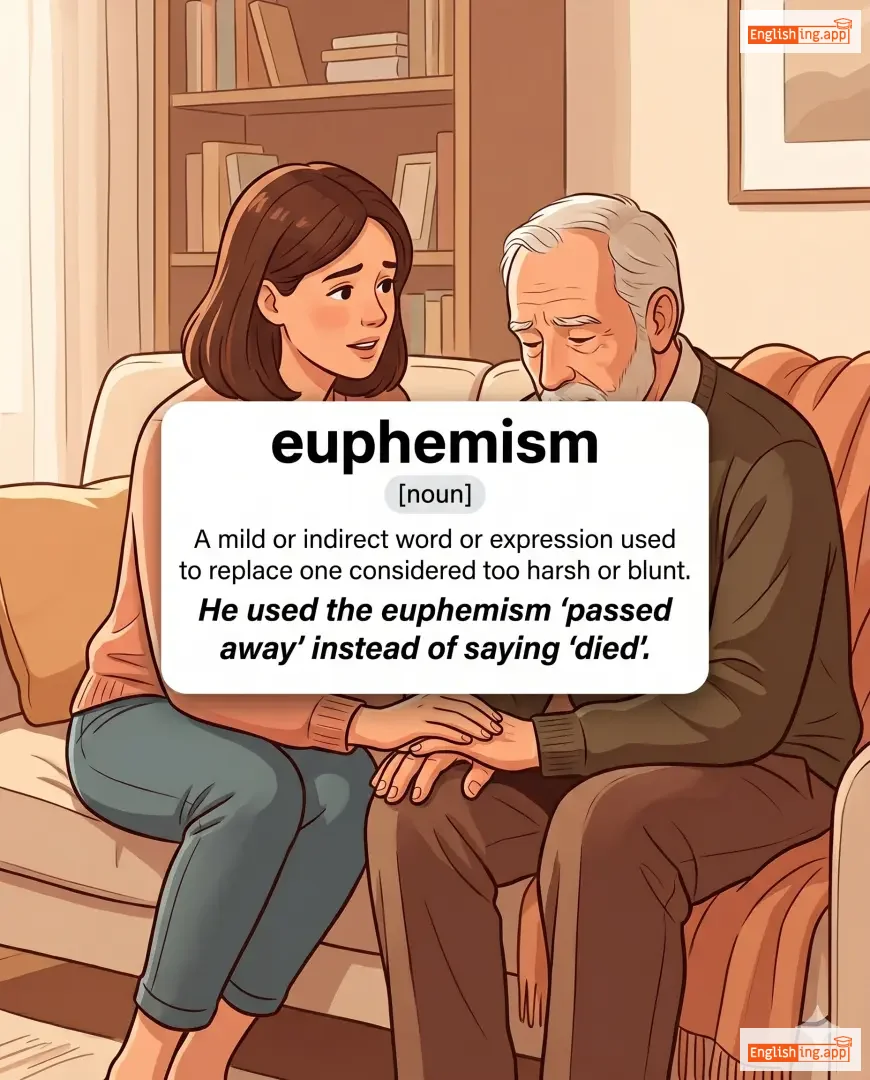
直接的または厳しい言葉の代わりに使われる穏やかで間接的な言葉
chokusetsuteki matawa kibishii kotoba no kawari ni tsukawareru odayakade kansetsuteki na kotoba
••••••
A mild or indirect term substituted for one considered too harsh or direct; polite expression for something unpleasant.
••••••

The phrase "passed away" is a euphemism for "died".

'亡くなった'という言葉は'死んだ'のユーフェミズムです。
••••••
'亡くなった'という言葉は'死んだ'のユーフェミズムです。
'Nakunatta' to iu kotoba wa 'shinda' no yufemizumu desu.
••••••
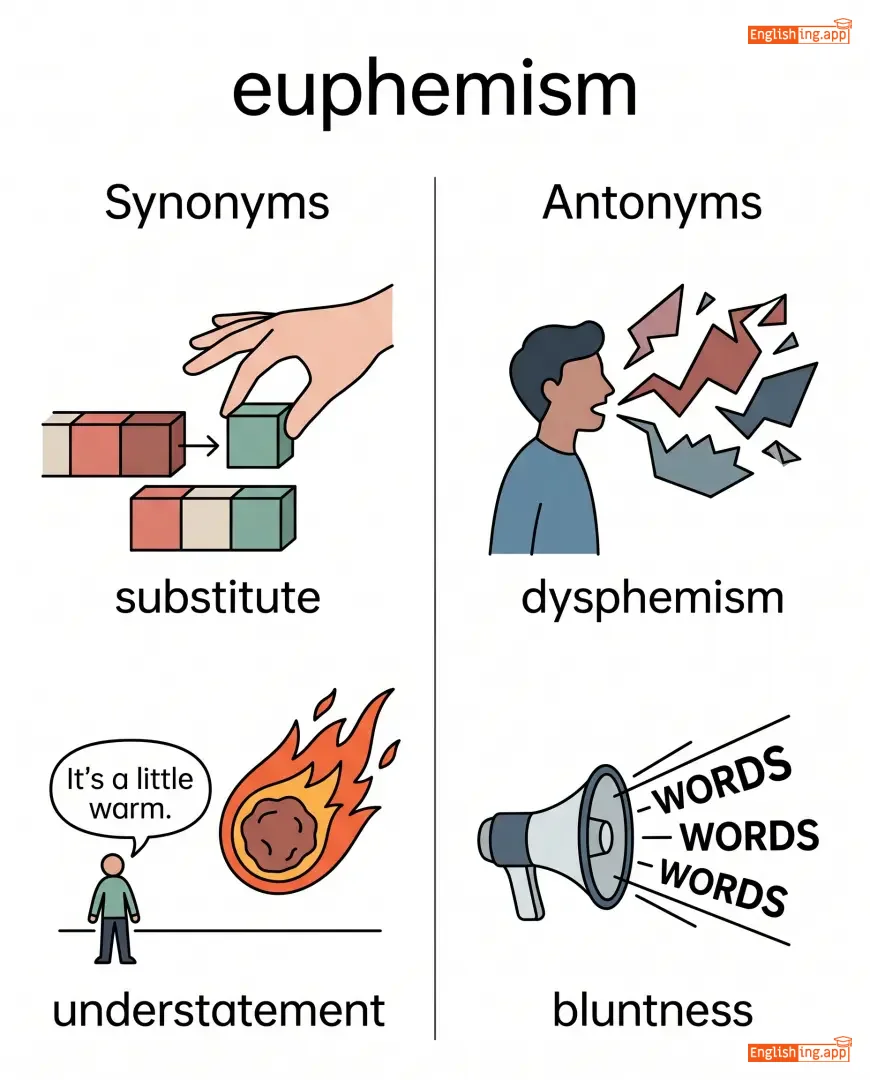
politeness, indirect expression, softened term
••••••
bluntness, harshness, directness
••••••
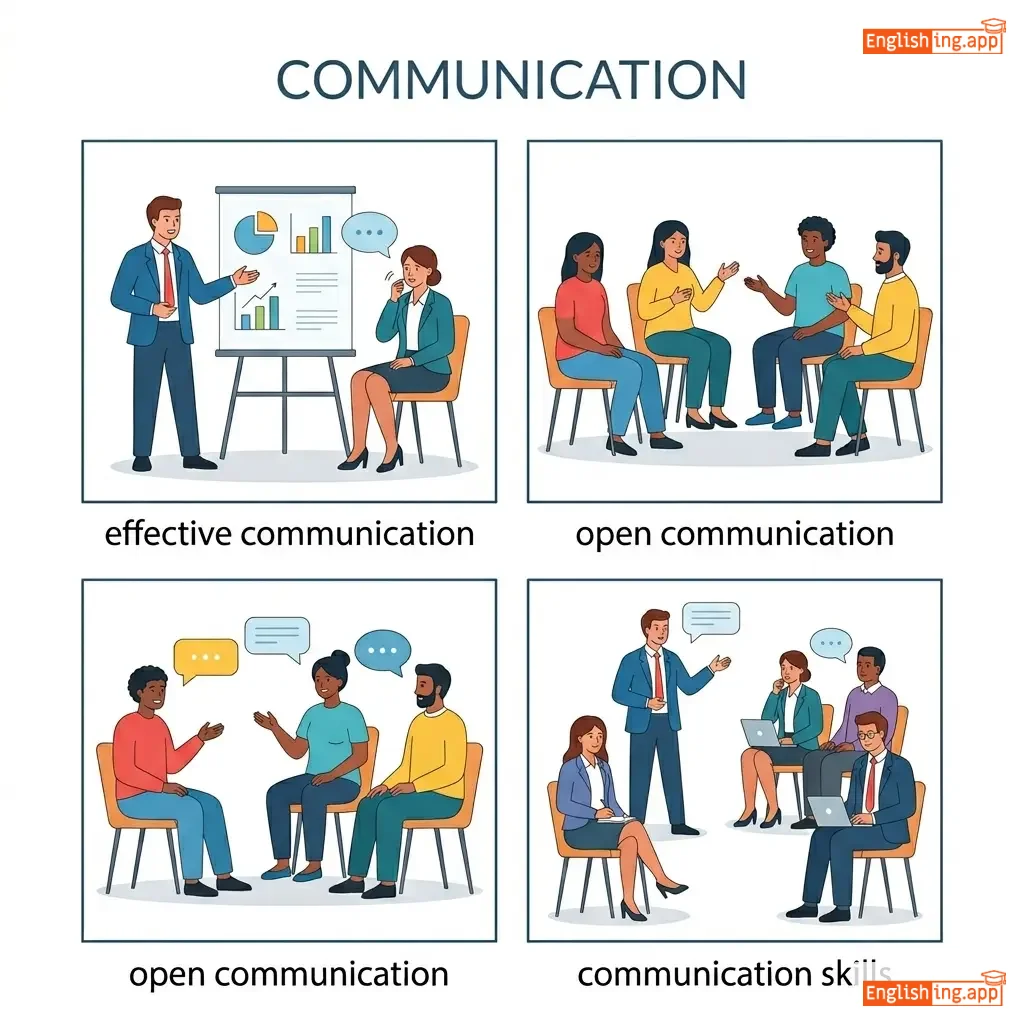
'死んだ'よりも穏やかな表現を使うために '亡くなった'。
••••••
#3034
💬
••••••
/kəˌmjuː.nɪˈkeɪ.ʃən/
noun
(コミュニケーション)
••••••
••••••
コミュニケーション
komyunikeeshon
••••••
The exchange of information, ideas, or feelings between people; the act of conveying meaning.
••••••

Effective communication is key to building strong relationships.

効果的なコミュニケーションは強い関係を築くための鍵です。
••••••
効果的なコミュニケーションは強い関係を築くための鍵です。
Kōkateki na komyunikeeshon wa tsuyoi kankei o kizuku tame no kagi desu.
••••••
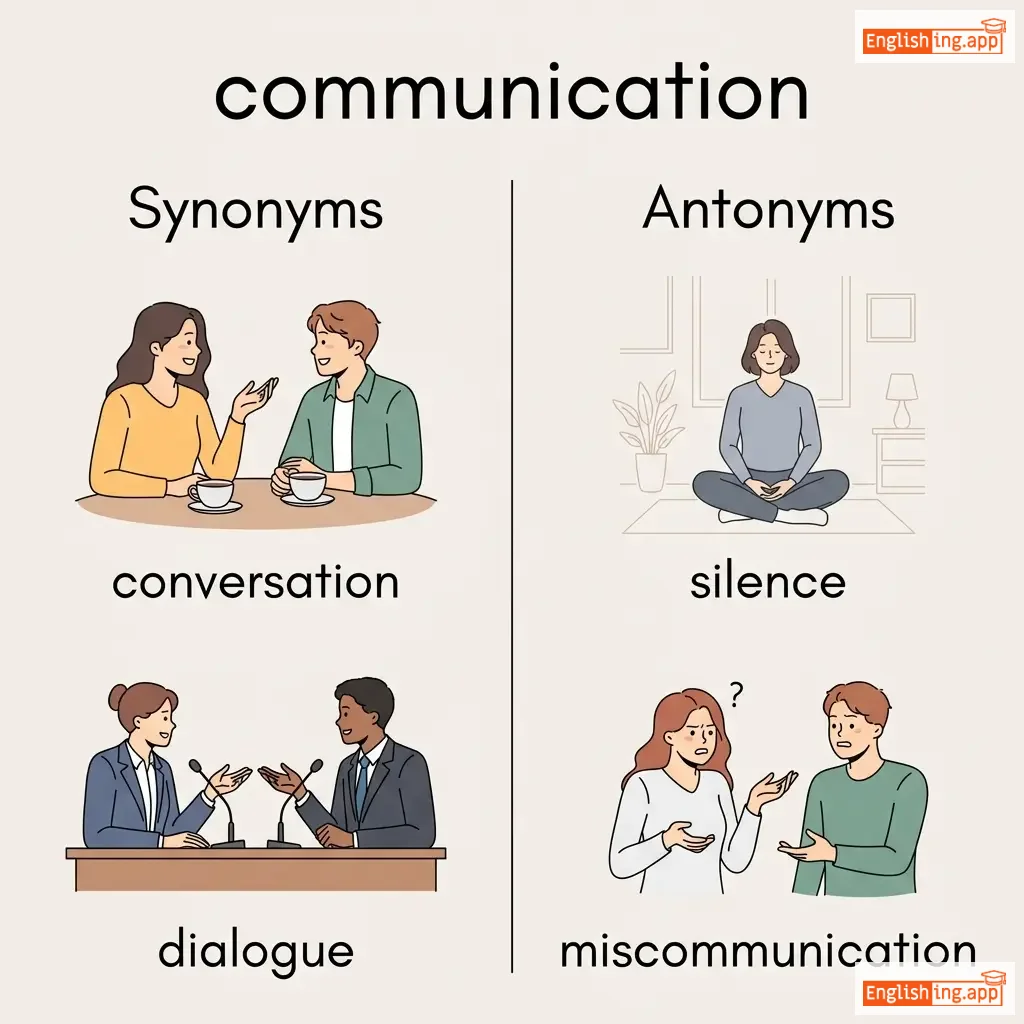
interaction, expression, conveyance
••••••
miscommunication, silence, isolation
••••••
コミュニケーションは人間関係を強化します。
••••••
#3035
🌱
••••••
/prəˈlɪf.ɪk/
adjective
(プロリフィック)
••••••
••••••
多作な
tasaku na
••••••
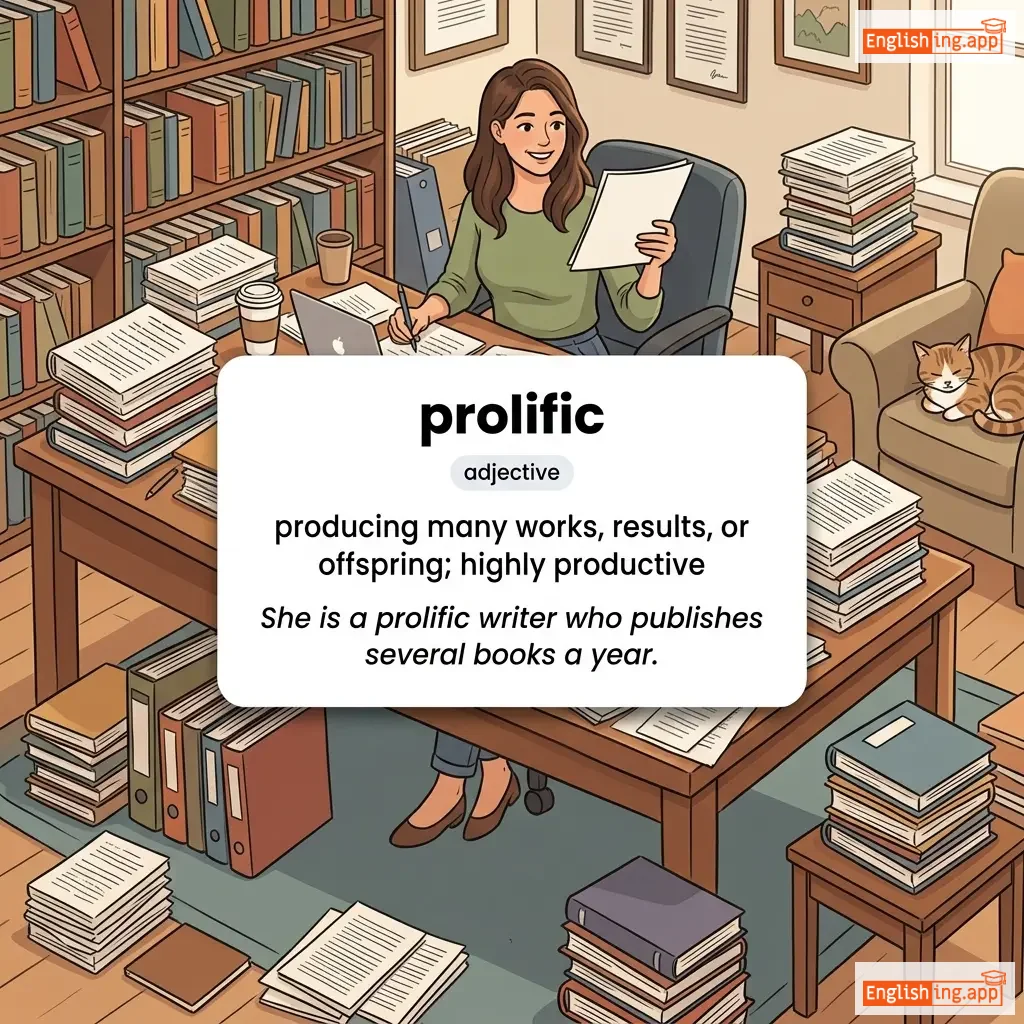
Present in large numbers or quantities; plentiful; producing many works, results, or offspring.
••••••

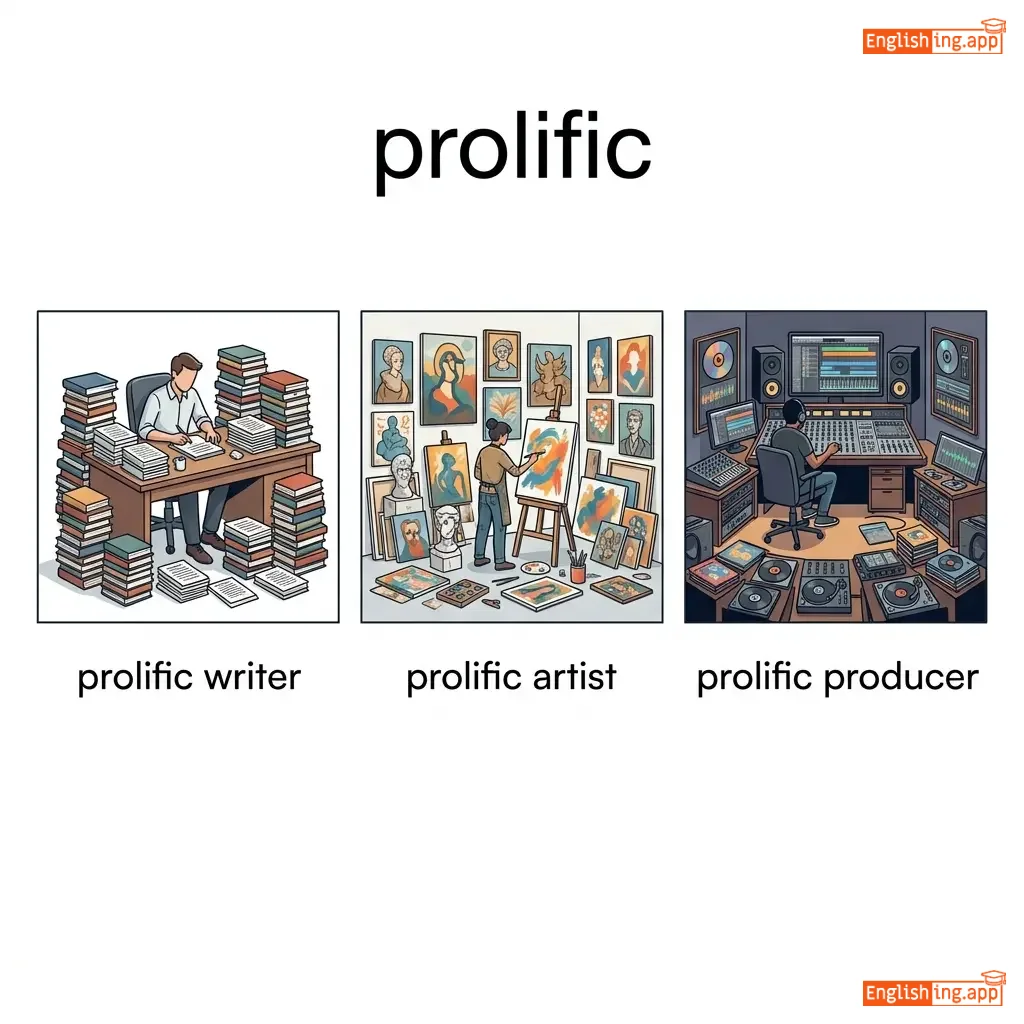
The author is a prolific writer, publishing multiple books yearly.

著者は多作な作家で、毎年いくつかの本を出版しています。
••••••
著者は多作な作家で、毎年いくつかの本を出版しています。
Chosha wa tasaku na sakka de, mainen ikutsuka no hon o shuppan shiteimasu.
••••••
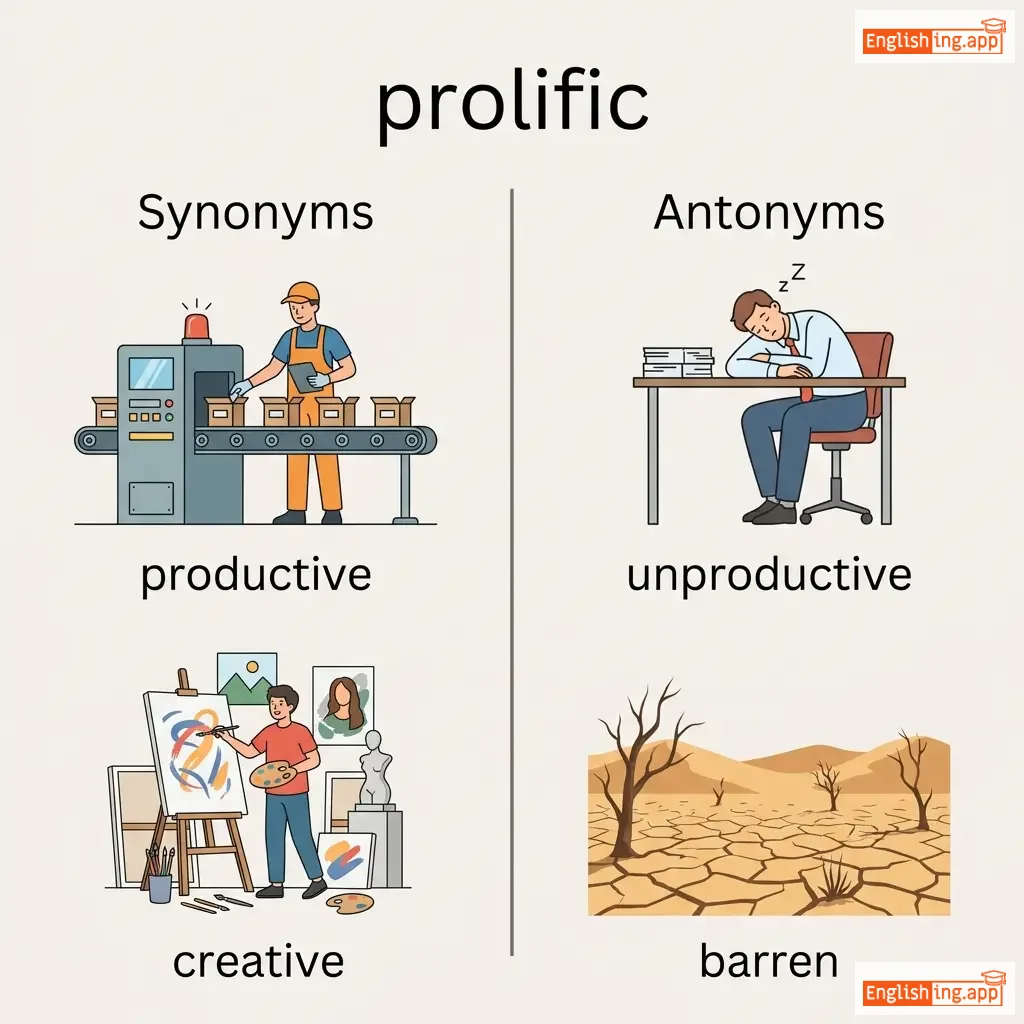
productive, creative, abundant
••••••
unproductive, inefficient, scarce
••••••
Japanese: '多作'—prolific like a busy bee.
••••••

Vocabulary Quiz

Test your vocabulary by matching words with their translations or meanings.

Login to take the quiz

コースのレッスン

Learn Vocabulary Through Article
(記事を通して語彙を学ぶ)

/241
1
Lesson 1 - Volunteering: Can Transform Society and Human Lives
(レッスン1 - ボランティア活動:社会と人間の生活を変えることができる)
2
Lesson 2 - Investment and Infrastructure Development Required for Plastic Waste Management
(レッスン2 - プラスチック廃棄物管理に必要な投資とインフラ開発)
3
Lesson 3 - Global Youth Unemployment Rate Lowest in 15 Years
(レッスン3 - 世界の若者の失業率が15年ぶりの最低水準に)
4
Lesson 4 - How Prepared is Bangladesh's Young Generation for Old Age?
(レッスン4 - バングラデシュの若者世代は老後にどのくらい備えているのか?)
5
Lesson 5 - Are You Rubbing Your Eyes? Damage Is Happening!
(レッスン5 - 目をこすっていますか?ダメージが起きています!)
6
Lesson 6 - Artemis Mission: A New Chapter in Returning to the Moon
(レッスン6 - アルテミス計画:月への帰還の新しい章)
7
Lesson 7 - Does Smartphone Scrolling Cause Finger Damage?
(レッスン7 - スマートフォンのスクロールは指に損傷を与えるのか?)
8
Lesson 8 - Amazon Rainforest Conservation Efforts in 2024
(レッスン8 - 2024年のアマゾン熱帯雨林保護の取り組み)
9
Lesson 9 - World Environment Day: Pollution and Vulnerability
(レッスン9 - 世界環境デー:汚染と脆弱性)
10
Lesson 10 - World's Most Polluted Country Bangladesh
(レッスン10 - 世界で最も汚染された国バングラデシュ)
11
Lesson 11 - World's Longest Submarine Cable Project Nearing Completion
(レッスン11 - 世界最長の海底ケーブルプロジェクトが完成間近)
12
Lesson 12 - Loneliness in Old Age: A Painful Torment
(第12課 - 老後の孤独:苦しい苦悩)
13
Lesson 13 - Solar-Powered Cities in the Middle East: Conceptualization and Implementation
(レッスン13 - 中東における太陽光発電都市:構想と実施)
14
Lesson 14 - Building Trust in Relationships
(第14課 - 人間関係における信頼の構築)
15
Lesson 15 - Why Was the State Language Question So Important?
(第15課 - なぜ国語の問題はそれほど重要だったのか?)
16
Lesson 16 - Why doesn't it snow in Bangladesh during winter?
(第16課 - なぜバングラデシュでは冬に雪が降らないのか?)
17
Lesson 17 - How does social media affect relationships?
(レッスン17 - ソーシャルメディアは人間関係にどのように影響するのか?)
18
Lesson 18 - African Revolutions and Independence Movements
(レッスン18 - アフリカの革命と独立運動)
19
Lesson 19 - The Challenge of Food Security Due to Global Warming
(第19課 - 地球温暖化による食料安全保障の課題)
20
Lesson 20 - Causes and Prevention of Juvenile Crime
(第20課 - 少年犯罪の原因と予防)
21
Lesson 21 - Learn Vocabulary Through Stories - Chapter 21: UN General Assembly Session
(レッスン21 - 物語で語彙を学ぶ - 第21章:国連総会セッション)
22
Lesson 22 - Genetic Engineering: The Revolutionary Aspect of Biotechnology
(第22課 - 遺伝子工学:バイオテクノロジーの革命的側面)
23
Lesson 23 - Learn Vocabulary Through Stories - BPSC
(レッスン23 - 物語を通して語彙を学ぶ - BPSC)
24
Lesson 24 - Learn Vocabulary Through Stories - Robotic Surgery
(レッスン24 - 物語を通して語彙を学ぶ - ロボット手術)
25
Lesson 25 - Space Dining Revolution: The First Culinary Space Restaurant
(レッスン25 - 宇宙食革命:初のculinary宇宙レストラン)
26
Lesson 26 - Bangladesh's Progress in Human Development Index
(第26課 - バングラデシュの人間開発指数における進歩)
27
Lesson 27 - Learning Vocabulary Through Stories
(レッスン27 - 物語を通して語彙を学ぶ)
28
Lesson 28 - Why More Vegetables Grow in Winter
(第28課 - なぜ冬により多くの野菜が育つのか)
29
Lesson 29 - What is life's most valuable lesson?
(レッスン29 - 人生で最も価値のある教訓とは?)
30
Lesson 30 - The 6-Point Demand of 1966
(レッスン30 - 1966年の6項目要求)
31
Lesson 31 - The Bay of Bengal Could Become Fishless, Warn Researchers
(レッスン31 - ベンガル湾は魚がいなくなる可能性があると研究者が警告)
32
Lesson 32 - 27 Bangladeshis on the way to Antarctica
(レッスン32 - 南極へ向かう27人のバングラデシュ人)
33
Lesson 33 - Importance of Effective Communication Skills
(レッスン33 - 効果的なコミュニケーションスキルの重要性)
34
Lesson 34 - Japanese Researchers Launch World's First Wooden Satellite 'LignoSat'
(第34課 - 日本の研究者が世界初の木製衛星「LignoSat」を打ち上げ)
35
Lesson 35 - Learn Vocabulary Through Stories
(レッスン35 - 物語を通して語彙を学ぶ)
36
Lesson 36 - Learn Vocabulary Through Stories - Language Movement
(レッスン36 - 物語を通して語彙を学ぶ - 言語運動)
37
Lesson 37 - Learn Vocabulary Through Stories
(第37課 - 物語を通して語彙を学ぶ)
38
Lesson 38 - Jagadish Chandra Bose: The First Biophysicist
(第38課 - ジャガディシュ・チャンドラ・ボース:最初の生物物理学者)
39
Lesson 39 - The Relationship Between Poverty and Education
(レッスン39 - 貧困と教育の関係)
40
Lesson 40 - Mirsarai - Asia's Largest Economic Zone
(第40課 - ミルサライ - アジア最大の経済特区)
41
Lesson 41 - Planning Implementation: The Main Challenge
(レッスン41 - 計画の実行:主な課題)
42
Lesson 42 - The Great Wall of China
(レッスン42 - 万里の長城)
43
Lesson 43 - BIMSTEC Summit: Bangladesh's Leadership in Regional Cooperation
(第43課 - BIMSTECサミット:地域協力におけるバングラデシュのリーダーシップ)
44
Lesson 44 - Complete Solar Power Driven City Conceptualization and Implementation in the Middle East
(レッスン44 - 中東における完全な太陽エネルギー駆動都市の構想と実施)
45
Lesson 45 - The British Thought of Leaving India
(レッスン45 - イギリス人はインドからの撤退を考えた)
46
Lesson 46 - The Strength of the Strong Force
(第46課 - 強い力の強さ)
47
Lesson 47 - Causes and Prevention of Child Labour
(レッスン47 - 児童労働の原因と防止)
48
Lesson 48 - Learn Vocabulary Through Stories - Asian Cup Football 2024
(レッスン48 - ストーリーで語彙を学ぶ - Asian Cup Football 2024)
49
Lesson 49 - The Commonwealth Summit: Forging a Path to Sustainable Future
(レッスン49 - コモンウェルス首脳会議:持続可能な未来への道を切り開く)
50
Lesson 50 - Climate Action and Renewable Energy Commitments
(第50課 - 気候行動と再生可能エネルギーの取り組み)
51
Lesson 51 - World's First Fault-Tolerant Quantum Computer
(レッスン51 - 世界初のフォールトトレラント量子コンピューター)
52
Lesson 52 - Climate Change Conference COP-28: A New Agreement for Global Transition
(レッスン52 - 気候変動会議COP-28:世界的な移行のための新たな合意)
53
Lesson 53 - Learn Vocabulary Through Stories - Medical Education
(レッスン53 - 物語を通して語彙を学ぶ - 医学教育)
54
Lesson 54 - The Impact of Climate Change
(第54課 - 気候変動の影響)
55
Lesson 55 - Learn Vocabulary Through Stories - Air Pollution in Dhaka
(第55課 - 物語を通して語彙を学ぶ - ダッカの大気汚染)
56
Lesson 56 - Water Terminals and Maritime Transportation
(レッスン56 - Water terminals と Maritime transportation)
57
Lesson 57 - Bangladesh's Environmental Problems
(第57課 - バングラデシュの環境問題)
58
Lesson 58 - Anti-discrimination Student Movement
(レッスン58 - Anti-discrimination Student Movement)
59
Lesson 59 - Constitutional Reform Commission
(第59課 - 憲法改正委員会)
60
Lesson 60 - Seven Martyrs of the Border
(レッスン60 - 国境の7人の殉教者)
61
Lesson 61 - Digital Literacy
(第61課 - デジタルリテラシー)
62
Lesson 62 - Environmental Movement
(レッスン62 - 環境運動)
63
Lesson 63 - Learn Vocabulary Through Stories - Plastic Recycling
(第63課 - 物語で語彙を学ぶ - プラスチックのリサイクル)
64
Lesson 64 - Learn Vocabulary Through Stories - Sarco Capsule
(レッスン64 - 物語で語彙を学ぶ - Sarco Capsule)
65
Lesson 65 - AI Guidelines and Policies: Global Deliberations
(第65課 - AI ガイドラインとポリシー:グローバルな討議)
66
Lesson 66 - 5 Valuable Lessons from 'The Almanack'
(レッスン66 - 『The Almanack』からの5つの貴重な教訓)
67
Lesson 67 - 5 Valuable Lessons from 'The Almanack'
(レッスン67 - 『The Almanack』からの5つの貴重な教訓)
68
Lesson 68 - Captain-Crew Free Autonomous Container Ship
(レッスン68 - 船長と乗組員のいない自律型コンテナ船)
69
Lesson 69 - Ecotourism
(第69課 - エコツーリズム)
70
Lesson 70 - Bangladesh Victory Day
(レッスン70 - バングラデシュ勝利の日)
71
Lesson 71 - A Tale of Two Cities
(レッスン71 - A Tale of Two Cities)
72
Lesson 72 - Advancements in Public Transport Infrastructure
(レッスン72 - 公共交通インフラの進歩)
73
Lesson 73 - As a Man Thinketh
(第73課 - 人の思考のように)
74
Lesson 74 - Atomic Habits
(レッスン74 - Atomic Habits)
75
Lesson 75 - Balancing Work and Family Life
(第75課 - 仕事と家庭生活のバランス)
76
Lesson 76 - Best Practices for Digital Safety Online
(第76課 - オンラインでのデジタルセキュリティのベストプラクティス)
77
Lesson 77 - Best Techniques for Effective Memorization
(第77課 - 効果的な記憶のための最高のテクニック)
78
Lesson 78 - Best Techniques for Strengthening Memory
(レッスン78 - 記憶力を強化するための最良のテクニック)
79
Lesson 79 - Breathing Techniques for Instant Calmness
(レッスン79 - 即座に落ち着くための呼吸法)
80
Lesson 80 - Building a Strong Freelance Portfolio
(レッスン80 - 強力なフリーランスの portfolio を構築する)
81
Lesson 81 - Building Trust Between Parents and Children
(レッスン81 - 親と子どもの間に信頼を築く)
82
Lesson 82 - Building Trust Within Family Members
(第82課 - 家族のメンバー間の信頼を築く)
83
Lesson 83 - Challenges Faced by Small Businesses
(第83課 - 中小企業が直面する課題)
84
Lesson 84 - Challenges Faced by Small-Scale Farmers
(第84課 - 小規模農家が直面する課題)
85
Lesson 85 - ChatGPT in Education and Learning
(レッスン85 - ChatGPTの教育と学習への活用)
86
Lesson 86 - Cleaning and Maintaining Home Appliances
(第86課 - 家電の掃除とメンテナンス)
87
Lesson 87 - Common Habits That Weaken Memory
(レッスン87 - 記憶力を弱める一般的な習慣)
88
Lesson 88 - Common Mistakes in Dopamine Detoxing
(レッスン88 - Dopamineデトックスの一般的な間違い)
89
Lesson 89 - Daily Habits for Stronger Willpower
(レッスン89 - 強い意志力を養う毎日の習慣)
90
Lesson 90 - Deforestation and Its Environmental Impact
(レッスン90 - Deforestationとその環境への影響)
91
Lesson 91 - Developing Confidence in Everyday Conversations
(レッスン91 - 日常会話で自信を身につける)
92
Lesson 92 - Digital vs. Paper Time-Blocking Methods
(レッスン92 - デジタル vs. 紙の Time-Blocking メソッド)
93
Lesson 93 - Diversification: Key to Wealth Growth
(第93課 - 分散投資:資産成長の鍵)
94
Lesson 94 - Don't chase 2 rabbits at once
(レッスン94 - 2羽のウサギを同時に追うな)
95
Lesson 95 - E-commerce Trends Shaping the Future
(レッスン95 - 未来を形作るEコマーストレンド)
96
Lesson 96 - Effective Communication in Parenting Today
(第96課 - 現代の子育てにおける Effective Communication)
97
Lesson 97 - Effective Marketing for Small Businesses
(レッスン97 - 中小企業のための効果的なマーケティング)
98
Lesson 98 - Effective Strategies for Self-Discipline
(レッスン98 - Effective Strategies for Self-Discipline)
99
Lesson 99 - Effective Strategies for Time Management
(レッスン99 - タイムマネジメントの効果的な戦略)
100
Lesson 100 - Effects of Processed Foods on Health
(レッスン100 - 加工食品が健康に与える影響)
101
Lesson 102 - Essential Life Skills for Success
(レッスン102 - 成功のための基本的な生活スキル)
102
Lesson 103 - Essential Wardrobe Pieces for Everyone
(レッスン103 - 誰にでも必要なワードローブの基本アイテム)
103
Lesson 104 - Exercises to Boost Long-Term Memory
(レッスン104 - 長期記憶を高めるための練習)
104
Lesson 105 - Famous Scientists and Their Discoveries
(レッスン105 - 有名な科学者とその発見)
105
Lesson 106 - Future of Brain-Training Wearable Devices
(レッスン106 - 脳トレーニング用ウェアラブルデバイスの未来)
106
Lesson 107 - Future Trends in Digital Economies
(第107課 - デジタル経済における将来の動向)
107
Lesson 108 - Great Inventions That Changed History
(第108課 - 歴史を変えた偉大な発明)
108
Lesson 109 - Grit: The Power of Passion
(レッスン109 - Grit:情熱の力)
109
Lesson 110 - Healthy Eating Habits for Longevity
(レッスン110 - 長寿のための健康的な食習慣)
110
Lesson 111 - Healthy Lifestyle Habits for Longevity
(第111課 - 長寿のための健康的な生活習慣)
111
Lesson 112 - History of the Olympic Games
(第112課 - オリンピック競技大会の歴史)
112
Lesson 113 - How Afforestation Helps Restore Ecosystems
(第113課 - 森林造成が生態系の回復にどのように役立つか)
113
Lesson 114 - How Autonomous Vehicles Will Change Transport
(レッスン114 - 自動運転車が交通をどのように変えるか)
114
Lesson 115 - How ChatGPT Processes Human Language
(レッスン115 - ChatGPTが人間の言語を処理する方法)
115
Lesson 116 - How Exercise Improves Brain Function
(第116課 - 運動が脳の機能を向上させる方法)
116
Lesson 117 - How Family Traditions Shape Values
(第117課 - 家族の伝統が価値観を形成する方法)
117
Lesson 118 - How Farmers Can Improve Crop Yield
(レッスン118 - 農家が作物の収量を改善する方法)
118
Lesson 119 - How Focus Tracking Boosts Productivity
(レッスン119 - フォーカストラッキングが生産性を高める方法)
119
Lesson 120 - Common Myths About Weight Loss
(レッスン120 - 減量に関する一般的な誤解)
120
Lesson 121 - How Gaming Improves Cognitive Skills
(レッスン121 - ゲームが認知スキルを向上させる方法)
121
Lesson 122 - How Globalization Affects World Economies
(第122課 - グローバリゼーションが世界経済に与える影響)
122
Lesson 123 - How Inflation Affects Your Savings
(第123課 - インフレーションがあなたの貯蓄に与える影響)
123
Lesson 124 - How Internet Transformed Global Communication
(第124課 - インターネットが世界的なコミュニケーションをどのように変えたか)
124
Lesson 125 - How Journaling Improves Mental Health
(レッスン125 - ジャーナリングがメンタルヘルスを改善する方法)
125
Lesson 126 - How Mnemonics Enhance Learning Ability
(レッスン126 - ニーモニックが学習能力を高める方法)
126
Lesson 127 - How Mobile Apps Improve Productivity
(レッスン127 - モバイルアプリが生産性を向上させる方法)
127
Lesson 128 - How Neurofeedback Affects Learning Ability
(レッスン128 - ニューロフィードバックが学習能力に与える影響)
128
Lesson 129 - How Reading Enhances Critical Thinking
(レッスン129 - 読書が批判的思考を高める方法)
129
Lesson 130 - How Social Media Apps Influence Life
(レッスン130 - ソーシャルメディアアプリが生活に与える影響)
130
Lesson 131 - How Superfoods Boost Your Health
(レッスン131 - Superfoodsがあなたの健康を高める方法)
131
Lesson 132 - How Technology is Changing Agriculture
(第132課 - テクノロジーが農業を変えている方法)
132
Lesson 133 - How Time-Blocking Improves Efficiency
(レッスン133 - Time-blockingが効率を向上させる方法)
133
Lesson 134 - How Time-Blocking Reduces Procrastination
(レッスン134 - Time-blocking が先延ばしを減らす方法)
134
Lesson 135 - How to Build Mental Toughness
(第135課 - メンタルタフネスを養う方法)
135
Lesson 136 - How to Develop Leadership Skills?
(レッスン136 - リーダーシップスキルをどうやって身につけるか?)
136
Lesson 137 - How to Draw Your Own Family Tree
(レッスン137 - 自分の家系図を描く方法)
137
Lesson 138 - How to Grow a Small Business
(第138課 - 小規模ビジネスを成長させる方法)
138
Lesson 139 - How to Improve Public Speaking
(レッスン139 - Public speakingを改善する方法)
139
Lesson 140 - How to learn a new language quickly
(レッスン140 - 新しい言語を素早く学ぶ方法)
140
Lesson 141 - How to Manage Business Finances
(レッスン141 - ビジネス財務を管理する方法)
141
Lesson 142 - How to Overcome Procrastination
(第142課 - 先延ばしを克服する方法)
142
Lesson 143 - How to Protect Personal Data
(レッスン143 - 個人データを保護する方法)
143
Lesson 144 - How to Set Up a Tent
(第144課 - テントの設営方法)
144
Lesson 145 - How to Start a Startup
(第145課 - スタートアップの始め方)
145
Lesson 146 - How to Use Time-Blocking Effectively
(レッスン146 - Time-Blockingを効果的に使う方法)
146
Lesson 147 - How Traditions Keep Families United
(レッスン147 - 伝統が家族を団結させる方法)
147
Lesson 148 - Impact of Stress on Well-being
(レッスン148 - ストレスが幸福に与える影響)
148
Lesson 149 - Importance of Emergency Savings Fund
(レッスン149 - 緊急貯蓄基金の重要性)
149
Lesson 150 - Importance of Emotional Intelligence Today
(レッスン150 - 現代における感情的知性の重要性)
150
Lesson 151 - Innovation Leadership Frameworks
(レッスン151 - イノベーション・リーダーシップ・フレームワーク)
151
Lesson 152 - Investing vs. Saving for Wealth Growth
(第152課 - 富の成長のための投資対貯蓄)
152
Lesson 153 - Largest Oceans and Their Importance
(レッスン153 - 最大の海洋とその重要性)
153
Lesson 154 - Major Space Missions and Discoveries
(レッスン154 - 主要な宇宙ミッションと発見)
154
Lesson 155 - Market vs. Command Economies Explained
(第155課 - 市場経済と指令経済の解説)
155
Lesson 156 - Men vs Wild
(第156課 - 男たち vs 野生)
156
Lesson 157 - Mindfulness for Better Mental Focus
(レッスン157 - より良い精神的集中のためのマインドフルネス)
157
Lesson 158 - Mindset: The New Psychology
(レッスン158 - Mindset:新しい心理学)
158
Lesson 159 - Mysterious Object Racing Through the Milky Way
(第159課 - 銀河を駆け抜ける神秘的な物体)
159
Lesson 160 - Nonverbal Cues and Their Importance
(第160課 - ノンバーバルサインとその重要性)
160
Lesson 161 - Nutritional Benefits of Organic Foods
(第161課 - 有機食品の栄養上の利点)
161
Lesson 162 - Organic Farming vs. Conventional Farming
(第162課 - 有機農業と従来の農業)
162
Lesson 163 - Overcoming Barriers in Communication
(第163課 - コミュニケーションの障壁を克服する)
163
Lesson 164 - Overcoming Procrastination with Discipline
(第164課 - 規律で先延ばしを克服する)
164
Lesson 165 - Overcoming Procrastination with Smart Planning
(第165課 - スマートな計画で先延ばしを克服する)
165
Lesson 166 - Parenting Styles and Their Impact
(第166課 - 養育スタイルとその影響)
166
Lesson 167 - Pomodoro Technique
(レッスン167 - ポモドーロ・テクニック)
167
Lesson 168 - Preventing Pest Infestations in Your Home
(レッスン168 - 家の害虫被害を防ぐ)
168
Lesson 169 - Problem-Solving Skills for Everyday Life
(レッスン169 - 日常生活のための問題解決スキル)
169
Lesson 170 - Quality Time for Stronger Family Bonds
(レッスン170 - 家族の絆を強めるための質の高い時間)
170
Lesson 171 - Rainforests: The Lungs of Earth
(レッスン171 - 熱帯雨林:地球の肺)
171
Lesson 172 - Safety Tips for Camping Adventures
(レッスン172 - キャンプ冒険の安全ヒント)
172
Lesson 173 - Save the Golden Butterfly
(第173課 - 黄金の蝶を救え)
173
Lesson 174 - Setting Goals for Better Time Use
(レッスン174 - 時間をより有効に使うための目標設定)
174
Lesson 175 - Spaced Repetition for Long-Term Memory
(レッスン175 - 長期記憶のための間隔反復)
175
Lesson 176 - Steps to Achieve Your Goals
(第176課 - 目標を達成するためのステップ)
176
Lesson 177 - Sustainable Farming for a Greener Future
(レッスン177 - より緑豊かな未来のための持続可能な農業)
177
Lesson 178 - Teacher's Hard Lifestyle in Bangladesh
(第178課 - バングラデシュの教師の厳しい生活)
178
Lesson 179 - Teaching Kids Financial Responsibility Early
(レッスン179 - 子どもに早いうちから金銭的責任を教える)
179
Lesson 180 - Techniques for Enhancing Mental Focus
(レッスン180 - メンタル集中力を高めるテクニック)
180
Lesson 181 - Technology's Role in Modern Homeschooling
(レッスン181 - 現代のホームスクーリングにおけるテクノロジーの役割)
181
Lesson 182 - The 80/20 Rule in Time Management
(レッスン182 - タイムマネジメントにおける80/20の法則)
182
Lesson 183 - The Art of Effective Communication
(第183課 - 効果的なコミュニケーションの技術)
183
Lesson 184 - The Challenges of Freelancing Career
(レッスン184 - フリーランスのキャリアの課題)
184
Lesson 185 - The Daily Stoic
(レッスン185 - The Daily Stoic)
185
Lesson 186 - The Different Types of Economies
(第186課 - 経済のさまざまな種類)
186
Lesson 187 - The Economic Value of Forest Resources
(第187課 - 森林資源の経済的価値)
187
Lesson 188 - The Evolution of Human Civilization
(第188課 - 人類文明の進化)
188
Lesson 189 - The Evolution of Modern Farming
(第189課 - 現代農業の進化)
189
Lesson 190 - The Four Agreements
(第190課 - 四つの約束)
190
Lesson 191 - The Future of Electric Vehicles
(第191課 - 電気自動車の未来)
191
Lesson 192 - The Future of Flying Cars
(レッスン192 - 空飛ぶ車の未来)
192
Lesson 193 - The Future of Mobile Applications
(レッスン193 - モバイルアプリケーションの未来)
193
Lesson 194 - The Growth Mindset Coach
(レッスン194 - 成長マインドセットコーチ)
194
Lesson 195 - The Impact of Climate on Farming
(レッスン195 - 気候が農業に与える影響)
195
Lesson 196 - The Impact of Nature on Stress
(レッスン196 - 自然がストレスに与える影響)
196
Lesson 197 - The Impact of Trade on Economies
(第197課 - 貿易が経済に与える影響)
197
Lesson 198 - The Impact of Traffic on Mobility
(第198課 - 交通がモビリティに与える影響)
198
Lesson 199 - The Importance of Balanced Diet
(レッスン199 - バランスの取れた食事の重要性)
199
Lesson 200 - The Importance of Livestock Farming
(第200課 - 畜産業の重要性)
200
Lesson 201 - The Importance of Quality Sleep
(レッスン201 - 質の高い睡眠の重要性)
201
Lesson 202 - The Importance of Sustainable Economies
(レッスン202 - 持続可能な経済の重要性)
202
Lesson 203 - The Let Them Theory
(レッスン203 - Let Them Theory)
203
Lesson 204 - The Magic of Thinking Big
(レッスン204 - 大きく考える魔法)
204
Lesson 205 - The Obstacle Is the Way
(レッスン205 - 障害こそが道である)
205
Lesson 206 - The Power of Now
(レッスン206 - 今この瞬間の力)
206
Lesson 207 - The Power of Positive Thinking
(レッスン207 - ポジティブシンキングの力)
207
Lesson 208 - The Power of Written Goals
(レッスン208 - **Written goals** の力)
208
Lesson 209 - The Psychology of Decision-Making
(レッスン209 - 意思決定の心理学)
209
Lesson 210 - The Rise of Virtual Reality
(レッスン210 - Virtual Reality の台頭)
210
Lesson 211 - The Role of Creativity in Skills
(レッスン211 - スキルにおける Creativity の役割)
211
Lesson 212 - The Role of Focus in Learning
(レッスン212 - 学習における Focus の役割)
212
Lesson 213 - The Role of Inflation in Economies
(レッスン213 - 経済におけるインフレの役割)
213
Lesson 214 - The Role of Innovation in Business
(レッスン214 - ビジネスにおける **Innovation** の役割)
214
Lesson 215 - The Role of Mobility Apps Today
(レッスン215 - 現代における Mobility Apps の役割)
215
Lesson 216 - The Role of Routine in Discipline
(レッスン216 - 規律におけるルーティンの役割)
216
Lesson 217 - The Role of Soil in Farming
(レッスン217 - 農業における土壌の役割)
217
Lesson 218 - The Science Behind Healthy Eating
(レッスン218 - 健康的な食事の背後にある科学)
218
Lesson 219 - The Science Behind Self-Discipline
(レッスン219 - 自己規律の科学)
219
Lesson 220 - The Science of Habit Formation
(レッスン220 - 習慣形成の科学)
220
Lesson 221 - The Seven Habits
(レッスン221 - 7つの習慣)
221
Lesson 222 - The Seven Wonders of World
(レッスン222 - 世界の Seven Wonders)
222
Lesson 223 - Think and Grow Rich
(レッスン223 - Think and Grow Rich)
223
Lesson 224 - Time Management and Self-Discipline
(第224課 - タイムマネジメントと自己規律)
224
Lesson 225 - Time Management for Reducing Stress Levels
(レッスン225 - Time Management for Reducing Stress Levels)
225
Lesson 226 - Time Management Tips for Homeschooling Parents
(レッスン226 - ホームスクーリングの親のための Time Management ヒント)
226
Lesson 227 - Time Management Tips for Students
(レッスン227 - 学生のための時間管理のコツ)
227
Lesson 228 - Tracking Progress Towards Your Goals
(レッスン228 - 目標に向けた Tracking Progress)
228
Lesson 229 - Types of Forests Around the World
(レッスン229 - 世界の森の種類)
229
Lesson 230 - Vertical Farming: The Future of Agriculture
(レッスン230 - Vertical Farming: The Future of Agriculture)
230
Lesson 231 - Why Active Recall Boosts Learning
(レッスン231 - なぜ Active Recall は学習を加速させるのか)
231
Lesson 232 - Why Digital Detox Improves Focus
(レッスン232 - デジタルデトックスが集中力を高める理由)
232
Lesson 233 - Why Hydration is Essential Daily
(レッスン233 - なぜ水分補給が毎日必要なのか)
233
Lesson 234 - Mnemonics Memory
(レッスン234 - **Mnemonics** 記憶法)
234
Lesson 235 - Why Multitasking Reduces Productivity
(レッスン235 - なぜマルチタスクが生産性を低下させるのか)
235
Lesson 236 - Why Reading is a Great Hobby
(レッスン236 - 読書が素晴らしい趣味である理由)
236
Lesson 237 - Why Regular Paint Touch-Ups Are Necessary
(レッスン237 - 定期的なペイントタッチアップが必要な理由)
237
Lesson 238 - Why Self-Control Leads to Growth
(レッスン238 - なぜ自己制御が成長に繋がるのか)
238
Lesson 239 - Why So Many CEOs Are Engineers
(レッスン239 - なぜ多くのCEOがエンジニアなのか)
239
Lesson 240 - Why Some Economies Grow Faster
(レッスン240 - なぜいくつかの経済はより速く成長するのか)
240
Lesson 241 - Why Startups Fail or Succeed
(レッスン241 - スタートアップはなぜ失敗するのか、成功するのか)
241
Lesson 242 - You Are Awesome
(レッスン242 - あなたは素晴らしい)

保存して共有

Ratings (0)

Share your experience and rating.

Login to rate this item

Login to Rate

No ratings yet

Be the first to rate this item!

Comments (0)

Share your thoughts and join the discussion.

Join the discussion by logging in

Login to Comment

No comments yet

Be the first to share your thoughts!