

習慣形成の科学
The Science of Habit Formation
Habit formation は、acclimatization を通じて、私たちの日常生活に徐々に pervasive となる心理的なプロセスです。新しい習慣を作りたいとき、私たちは reinforcement が必要です。適切な習慣を作るためには、私たちの脳の predisposition を理解する必要があります。しばしば、intrinsically 有益に見える習慣は、正しく形成されなければ counterproductive になる可能性があります。いくつかの習慣は急速に形成されますが、それらは ephemeral であり、長期的には detrimental である可能性があります。良い習慣を作るためには、私たちは inculcate 忍耐を必要とし、assimilation を通じて徐々に変化をもたらす必要があります。私たちの脳には latent 能力があり、適切な impetus によって metamorphosis を引き起こすことができます。したがって、習慣を作るためには、coercion ではなく、徐々に conducive な環境を作る必要があります。
翻訳
過去
過去分詞
三人称単数
動名詞
意味
例文
例文の翻訳
同義語
対義語
コロケーション
ニーモニック










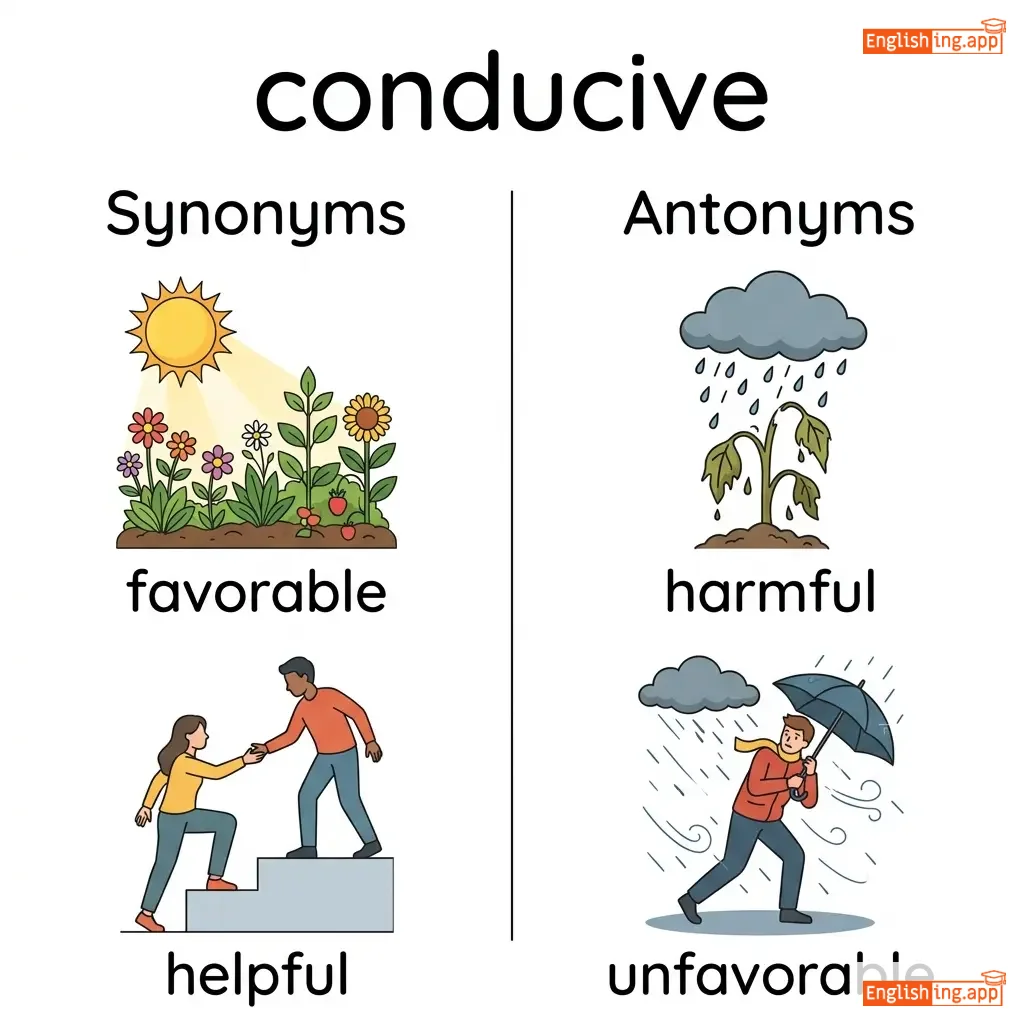

Swipe left or right, or use the buttons. Tap image to zoom.
例文の翻訳
単語
The Science of Habit FormationThe Science of Habit Formation - マスクトグル
|
絵文字
|
単語 | Images | 翻訳 | 意味 | 例文 | 例文の翻訳 | 同義語 | 対義語 | ニーモニック |
|---|---|---|---|---|---|---|---|---|---|
|
#3690
🔄
|
ˈhæb.ɪt fɔːrˌmeɪ.ʃən
noun
(habit formation)
••••••
|
|
習慣形成
shūkan keisei
••••••
|
The process of creating a habit through regular practice and repetition.
••••••
|
Habit formation requires consistency and discipline.
習慣形成には一貫性と規律が必要です。
••••••
|
習慣形成には一貫性と規律が必要です。
Shūkan keisei ni wa ikkansē to kiritsu ga hitsuyō desu.
••••••
|
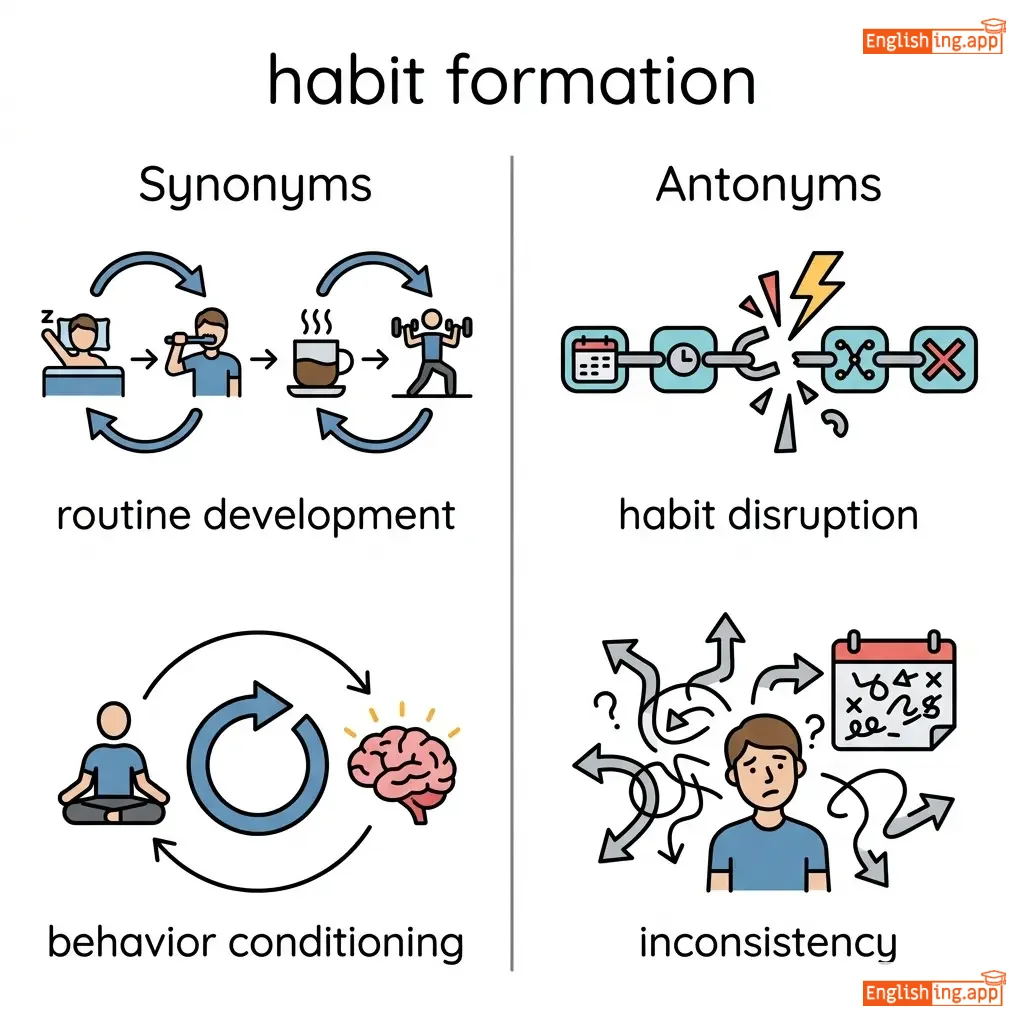
routine development, behavior conditioning, adaptation
••••••
|
habit disruption, inconsistency, irregularity
••••••
|
毎日練習すれば、習慣が形成されます。
••••••
|
|
#3691
🌡️
|
əˌklaɪ.mə.tɪˈzeɪ.ʃən
noun
(アクライメタイズーション)
••••••
|
|
適応
tekiou
••••••
|
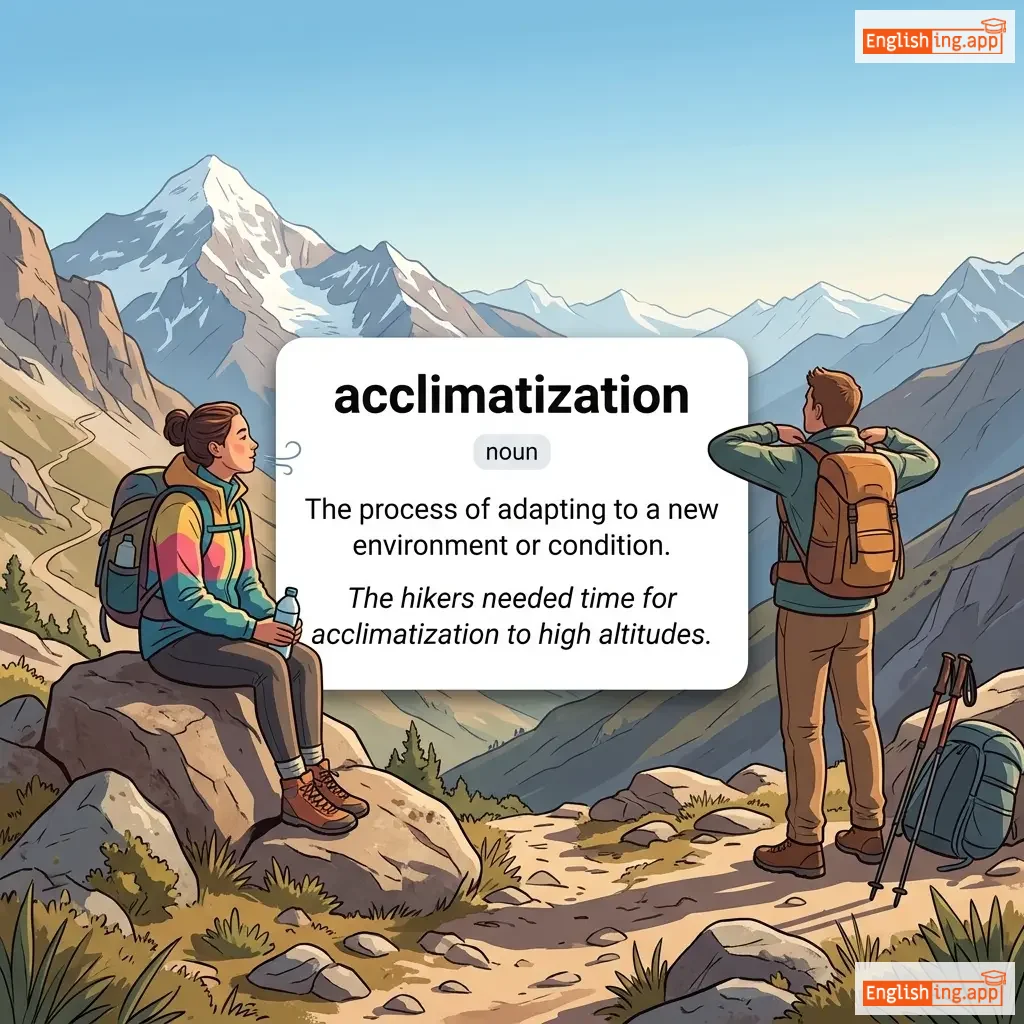
The process of adapting to a new environment or condition.
••••••
|
The hikers needed time for acclimatization to high altitudes. |
登山者は高い標高に適応するために時間が必要でした。
Tozansha wa takai hyōkō ni tekiō suru tame ni jikan ga hitsuyō deshita.
••••••
|
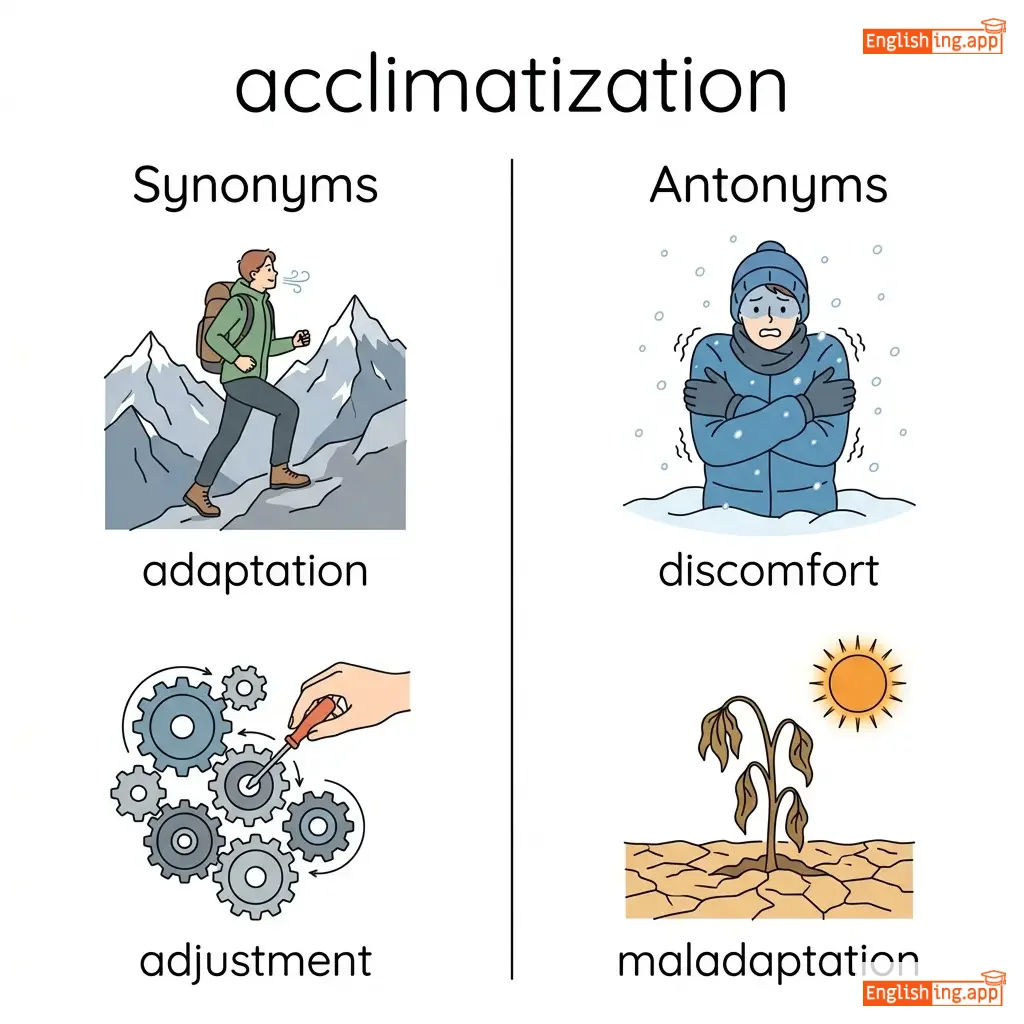
adaptation, adjustment, familiarization
••••••
|
discomfort, maladaptation, unfamiliarity
••••••
|
日本語で'適応'は環境に合わせることを意味します。
••••••
|
|
#3692
🌊
|
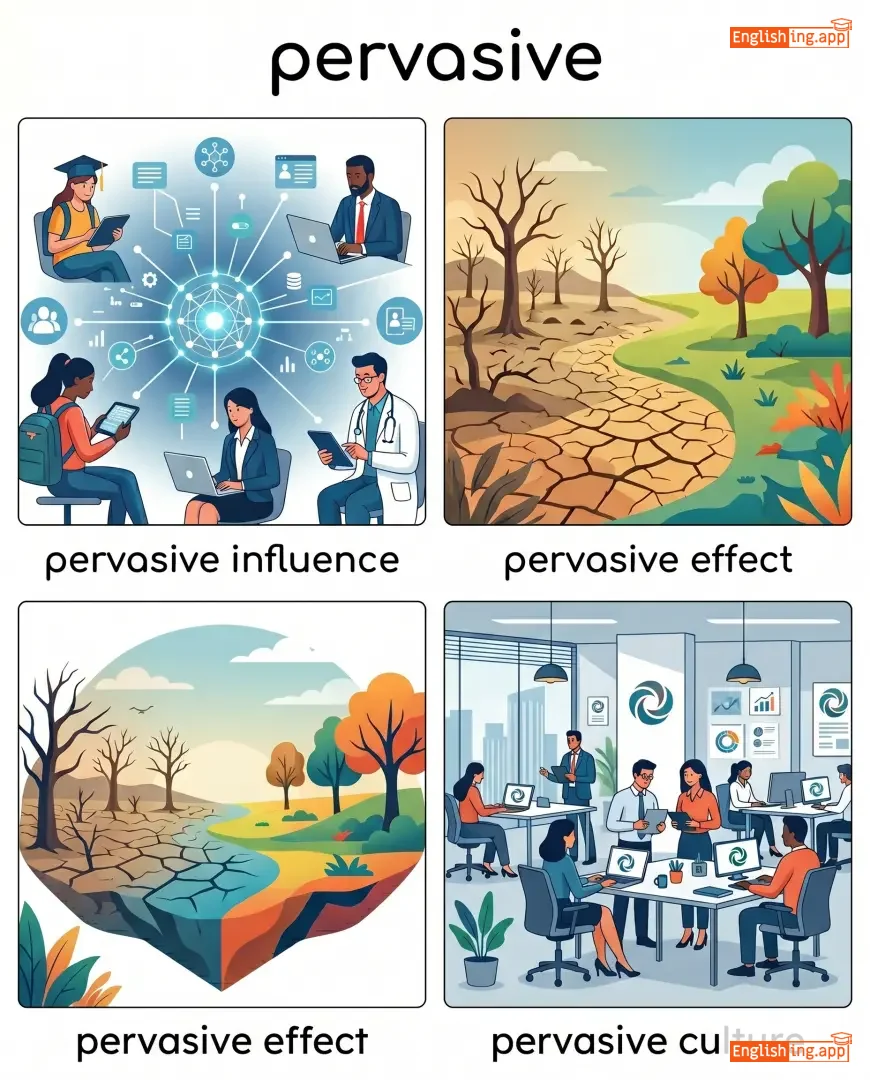
pərˈveɪ.sɪv
adjective
(パーベイシブ)
••••••
|
|
蔓延する
manensuru
••••••
|
Something that spreads everywhere or has extensive influence.
••••••
|
Social media has a pervasive influence on modern life.
ソーシャルメディアは現代の生活に広範囲に及ぶ影響を与えている。
••••••
|
ソーシャルメディアは現代の生活に広範囲に及ぶ影響を与えている。
soosharumedia wa gendai no seikatsu ni kouhannioyobu eikyou o ataeteiru
••••••
|
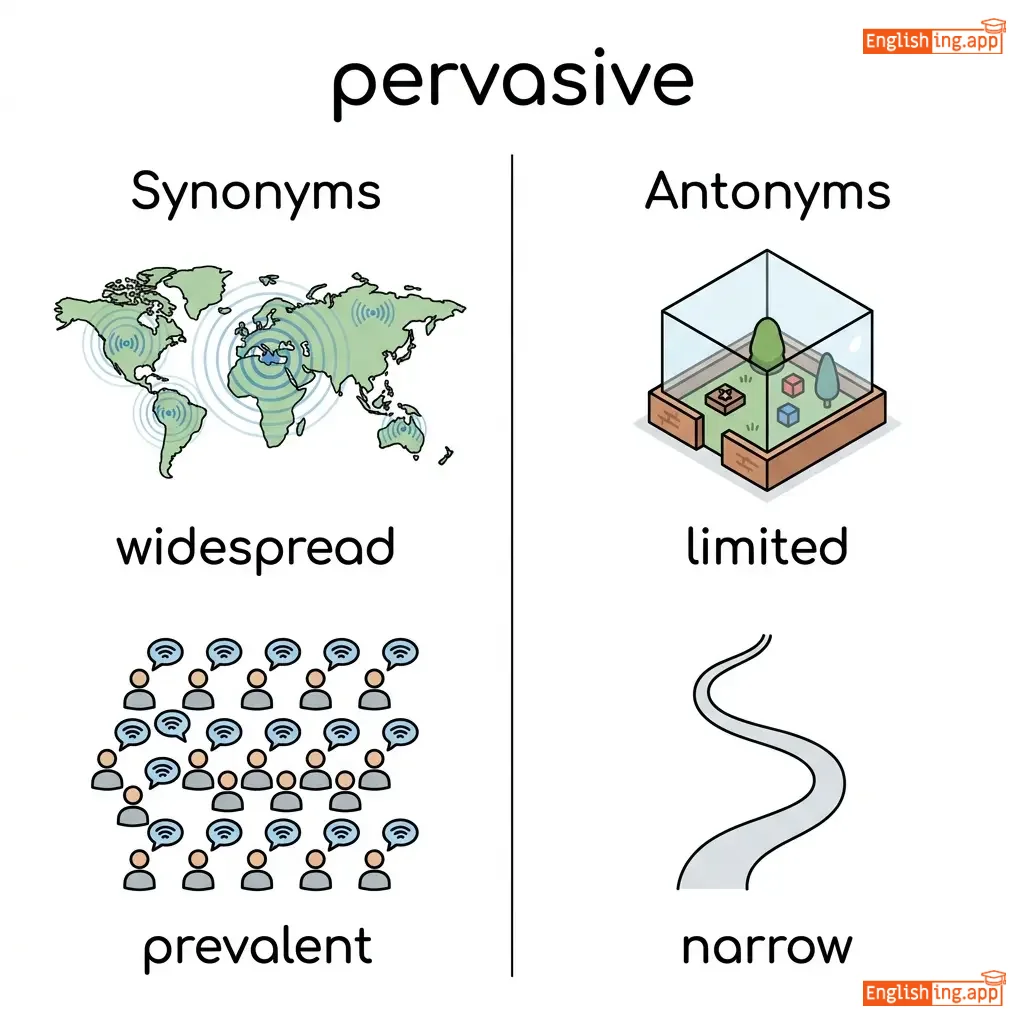
widespread, omnipresent, prevalent
••••••
|
limited, rare, contained
••••••
|
Pa-Bei-Shi-Bu spreads like a rainbow across life; imagine a wide reach of influence tying everything together
••••••
|
|
#3693
💪
|
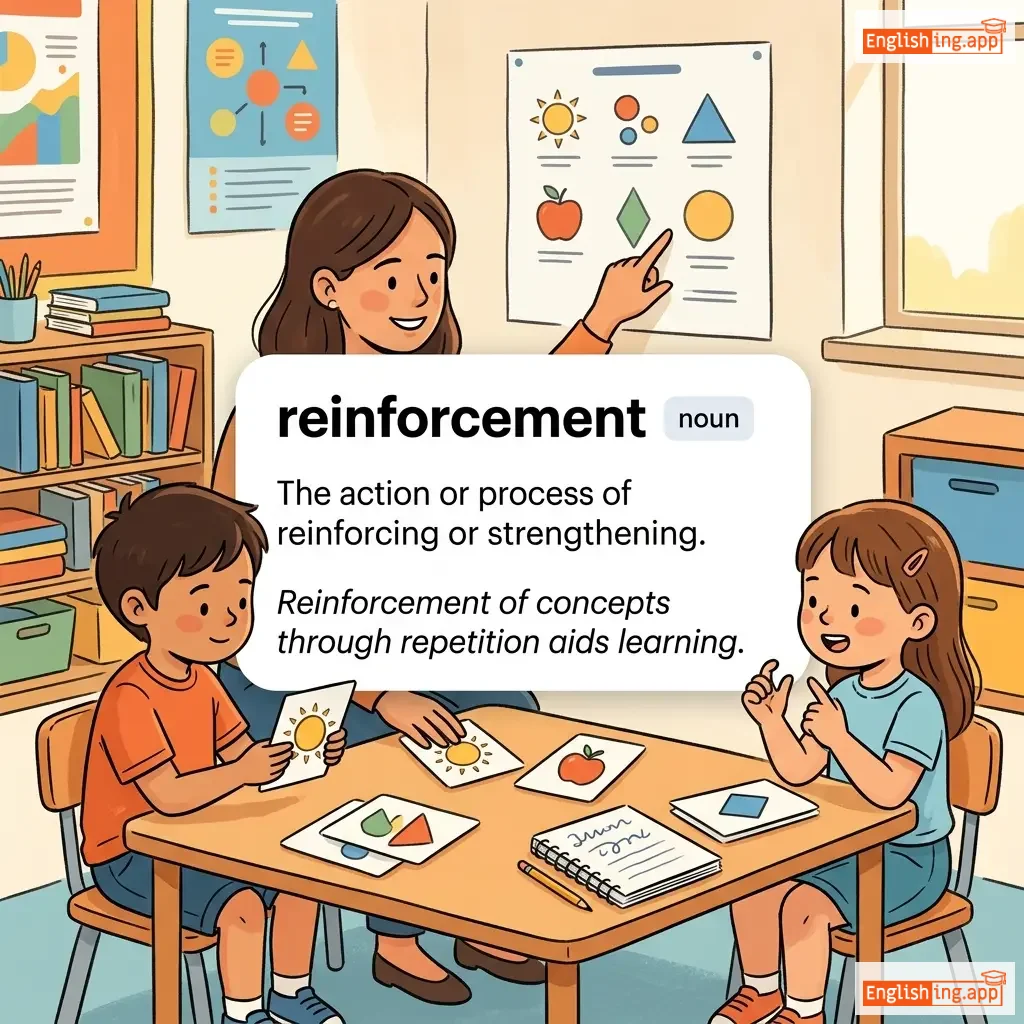
ˌriː.ɪnˈfɔːrs.mənt
noun
(リインフォースメント)
••••••
|
|
強化または繰り返し
kyouka mata wa kurikaeshi
••••••
|
Strengthening or encouraging behavior through positive motivation or repetition.
••••••
|
Positive reinforcement helps build good habits. |
ポジティブな強化は良い習慣を築くのに役立ちます。
Pojitibu na kyouka wa yoi shuukan wo kizuku no ni yakudachimasu.
••••••
|
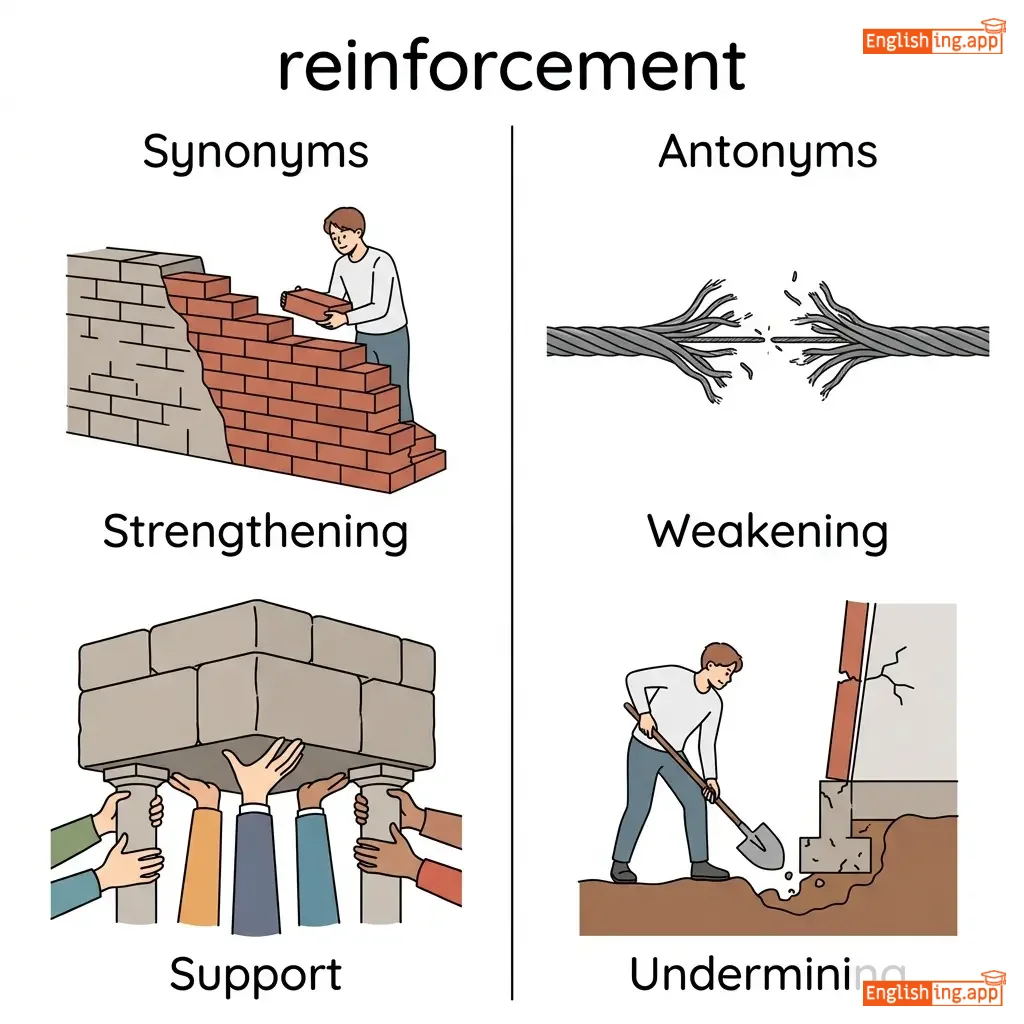
strengthening, support, encouragement
••••••
|
weakening, undermining, reduction
••••••
|
強化を繰り返しで定着!
••••••
|
|
#3694
🧬
|
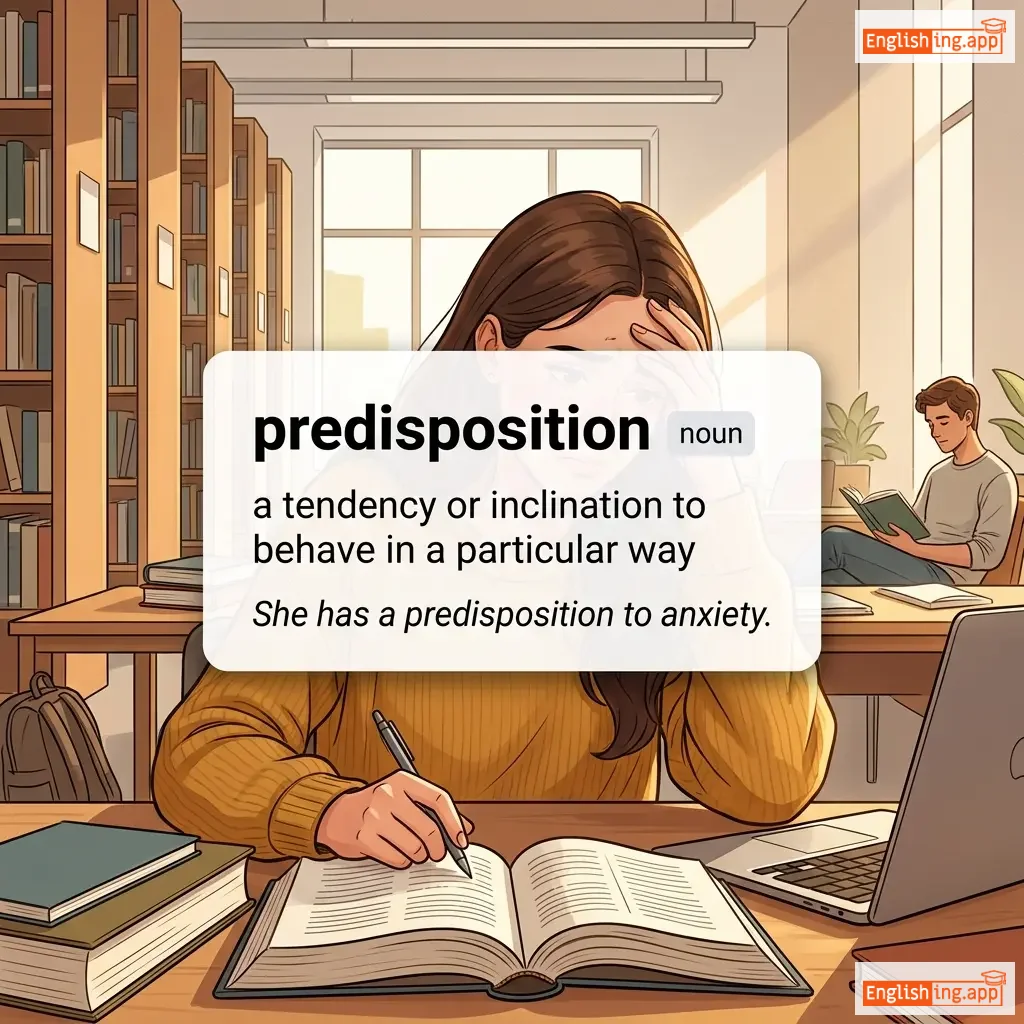
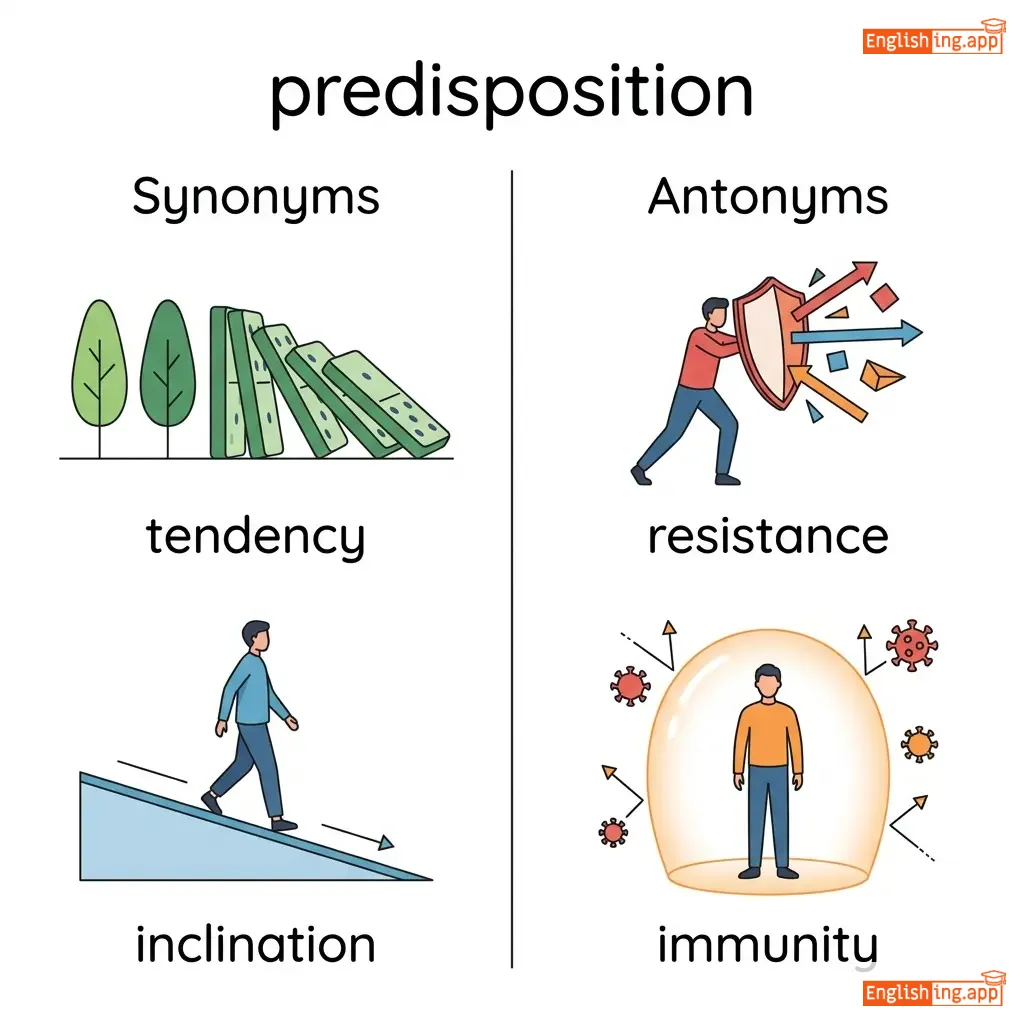
ˌpriː.dɪs.pəˈzɪʃ.ən
noun
(傾向)
••••••
|
|
傾向
keikou
••••••
|
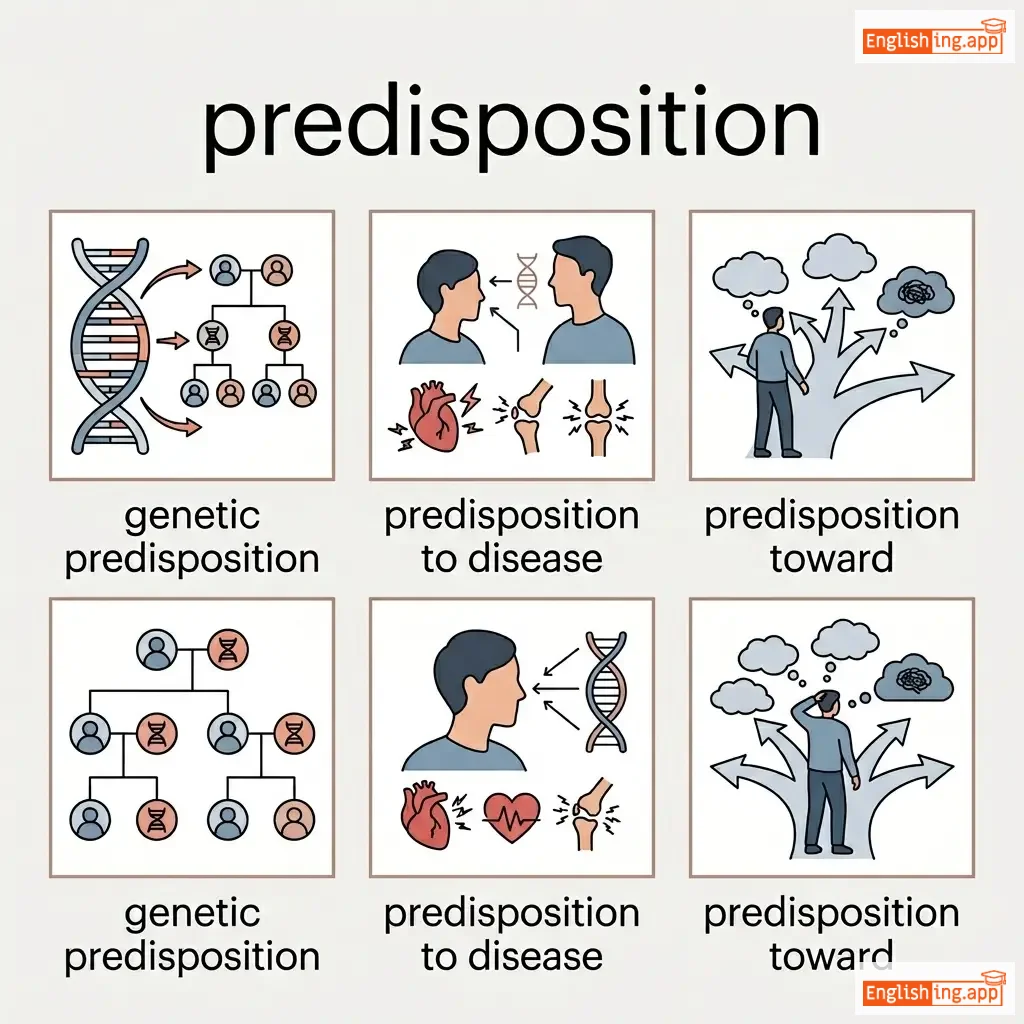
A natural tendency or inclination towards a particular behavior or condition.
••••••
|
Genetic factors can influence a person's predisposition to diseases.
遺伝的要因は、ある人の病気に対する傾向に影響を与える可能性があります。
••••••
|
遺伝的要因は、ある人の病気に対する傾向に影響を与える可能性があります。
Iden teki youin wa, aru hito no byouki ni taisuru keikou ni eikyou wo ataeru kanousei ga arimasu.
••••••
|
inclination, tendency, susceptibility
••••••
|
immunity, resistance, avoidance
••••••
|
傾向 - '傾向病気'の覚え方
••••••
|
|
#3695
🌱
|
ɪnˈtrɪn.zɪ.kli
adverb
(インタリンスィカリー)
••••••
|
|
本質的に
honshitsuteki ni
••••••
|
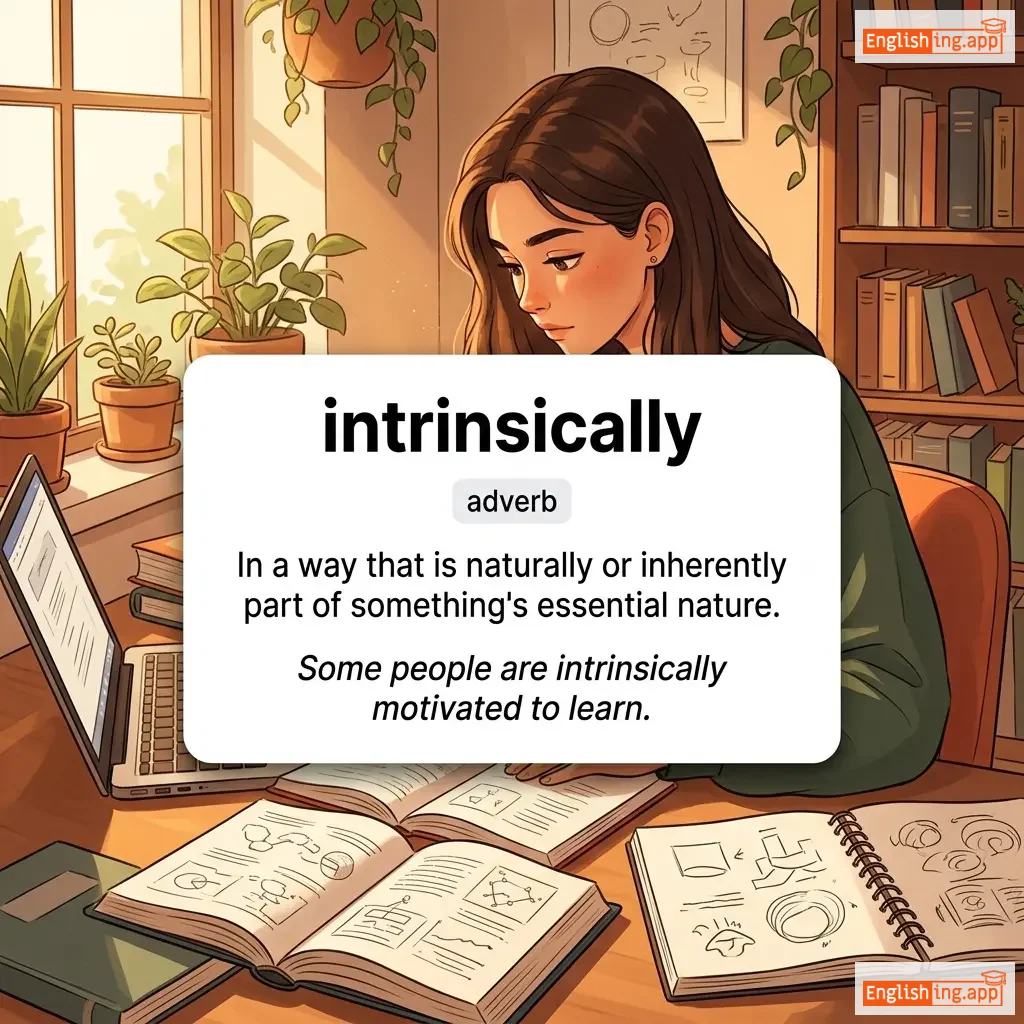
In a way that is naturally or inherently part of something's essential nature.
••••••
|
Some people are intrinsically motivated to learn.
いくつかの人々は本質的に学ぶことに動機づけられている。
••••••
|
いくつかの人々は本質的に学ぶことに動機づけられている。
Ikutsuka no hitobito wa honshitsuteki ni manabu koto ni dōki dzukerarete iru.
••••••
|
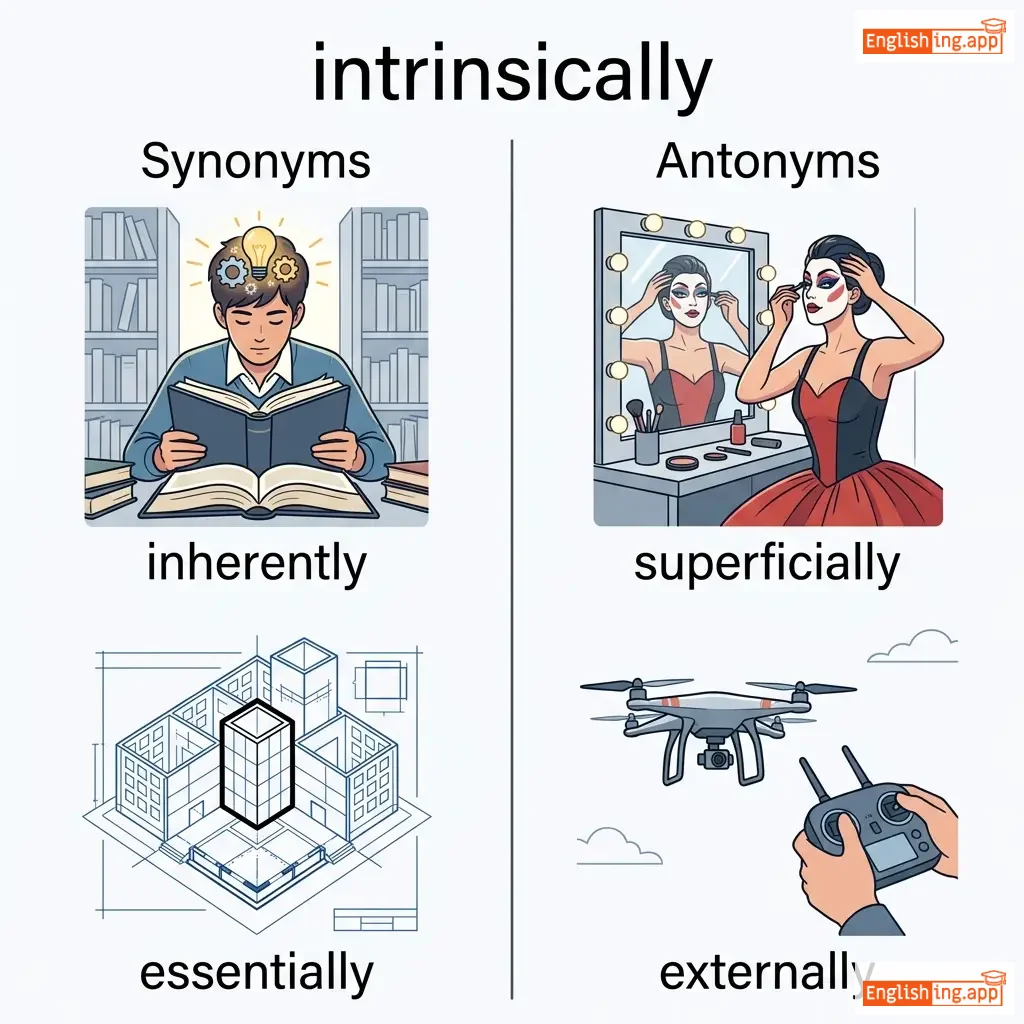
inherently, essentially, naturally
••••••
|
superficially, externally, artificially
••••••
|
本質的に学ぶことは、人々の内面的な動機です。
••••••
|
|
#3696
⚠️
|
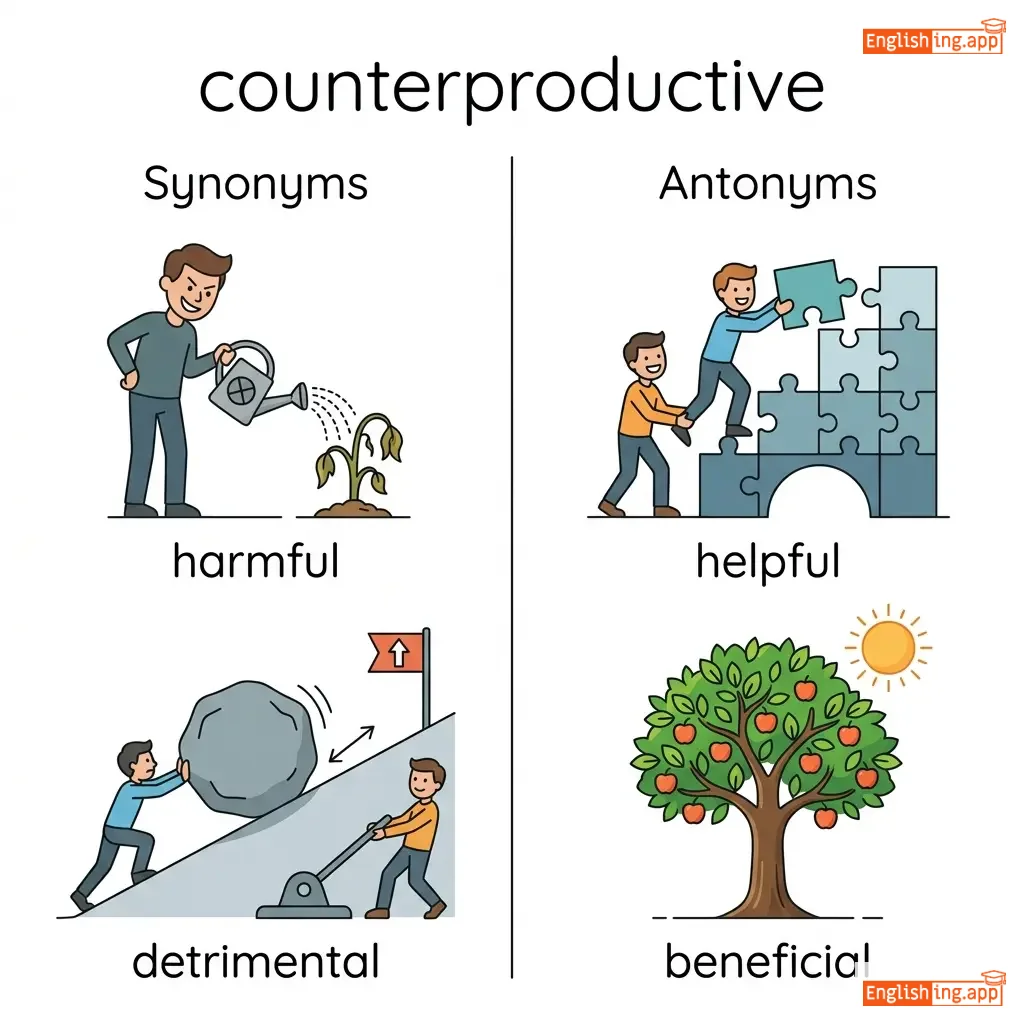
ˌkaʊn.tə.prəˈdʌk.tɪv
adjective
(カウンタープロダクティブ)
••••••
|
|
逆効果の
gyaku kōka no
••••••
|
Having the opposite effect to what is intended, producing harmful or negative results.
••••••
|
Too much criticism can be counterproductive in learning. |
過度の批判は学習において逆効果となる可能性がある。
Kadō no hihan wa gakushū ni oite gyaku kōka to naru kanōsei ga aru.
••••••
|
ineffective, self-defeating, harmful
••••••
|
effective, beneficial, constructive
••••••
|
逆 (gyaku) means opposite, so think of '逆効果' as counterproductive.
••••••
|
|
#3697
⏰
|
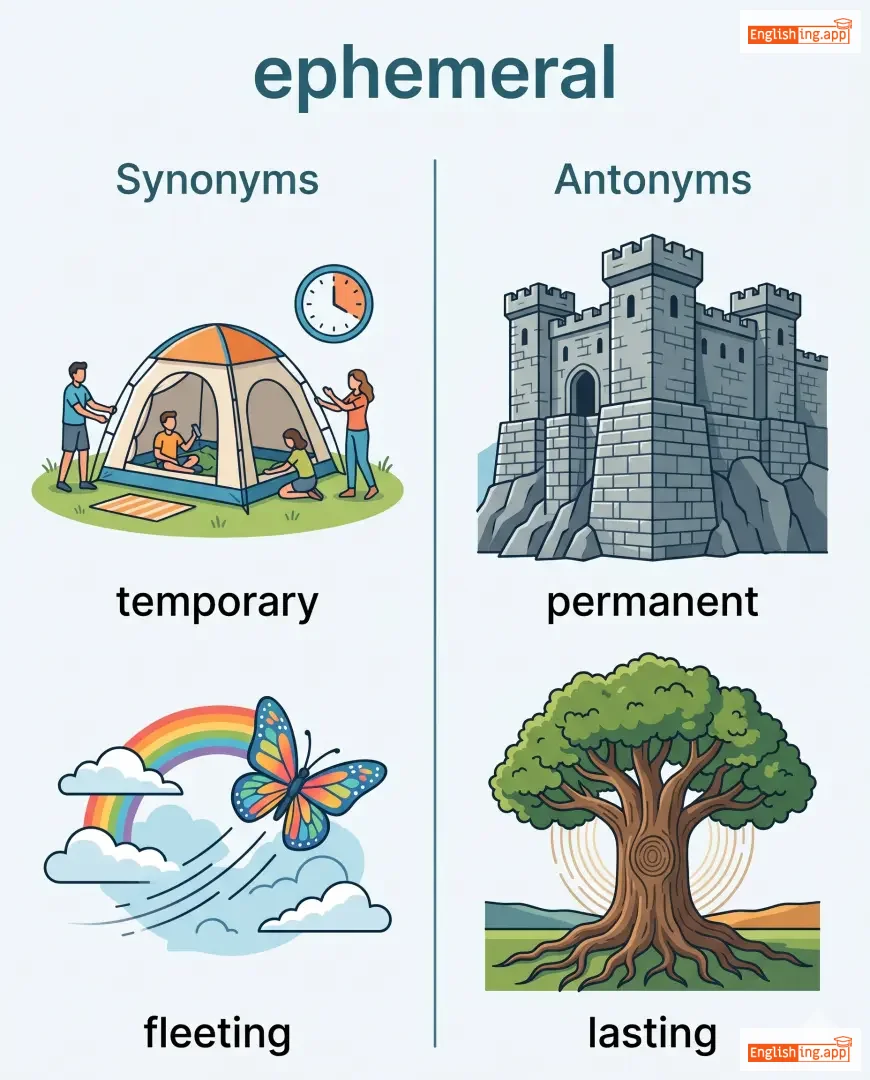
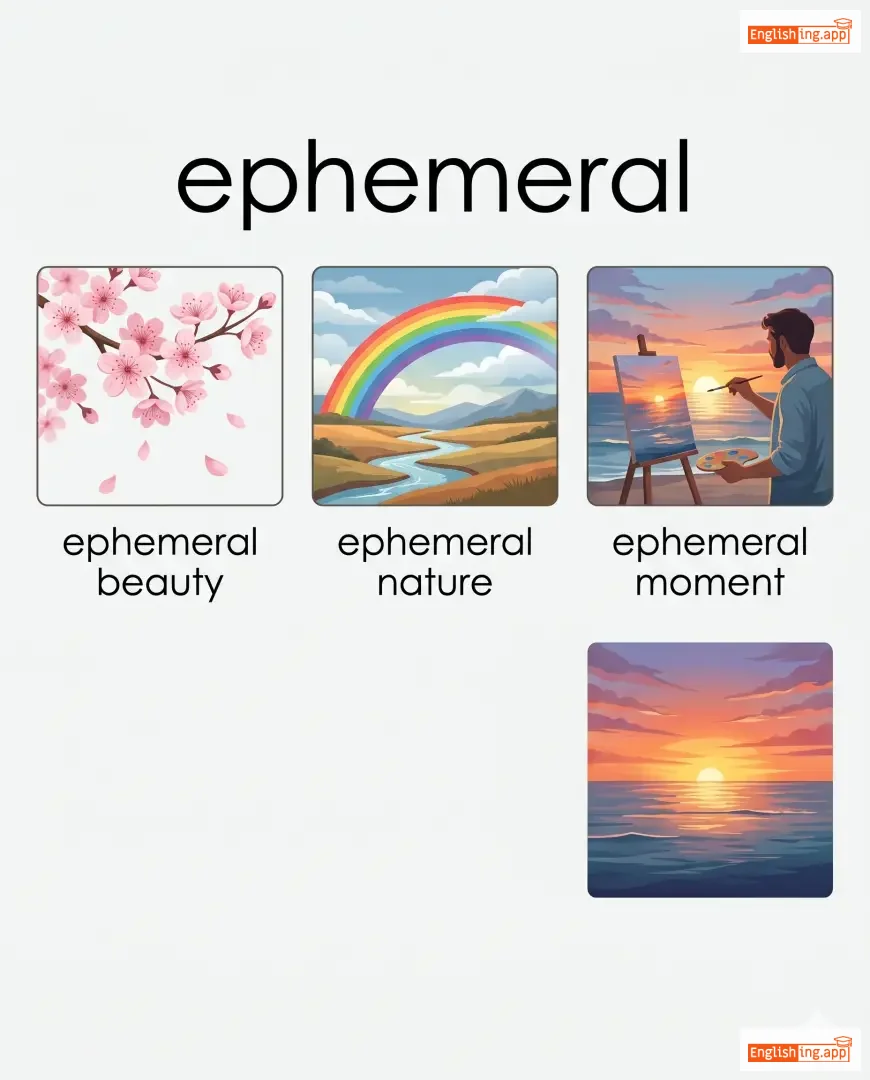
ɪˈfem.ər.əl
adjective
(エフェメラル)
••••••
|
|
儚い
hakanai
••••••
|
Lasting for a very short time; temporary.
••••••
|
Fame is often ephemeral, lasting only for a short while. |
名声はしばしば儚く、ほんの短い時間しか続かない。
Meisei wa shibashiba hakanaku, honno mijikai jikan shika tsuzukanai.
••••••
|
short-lived, temporary, transient
••••••
|
permanent, enduring, long-lasting
••••••
|
‘儚い’ (hakanai) captures the fleeting nature of fame.
••••••
|
|
#3698
❌
|
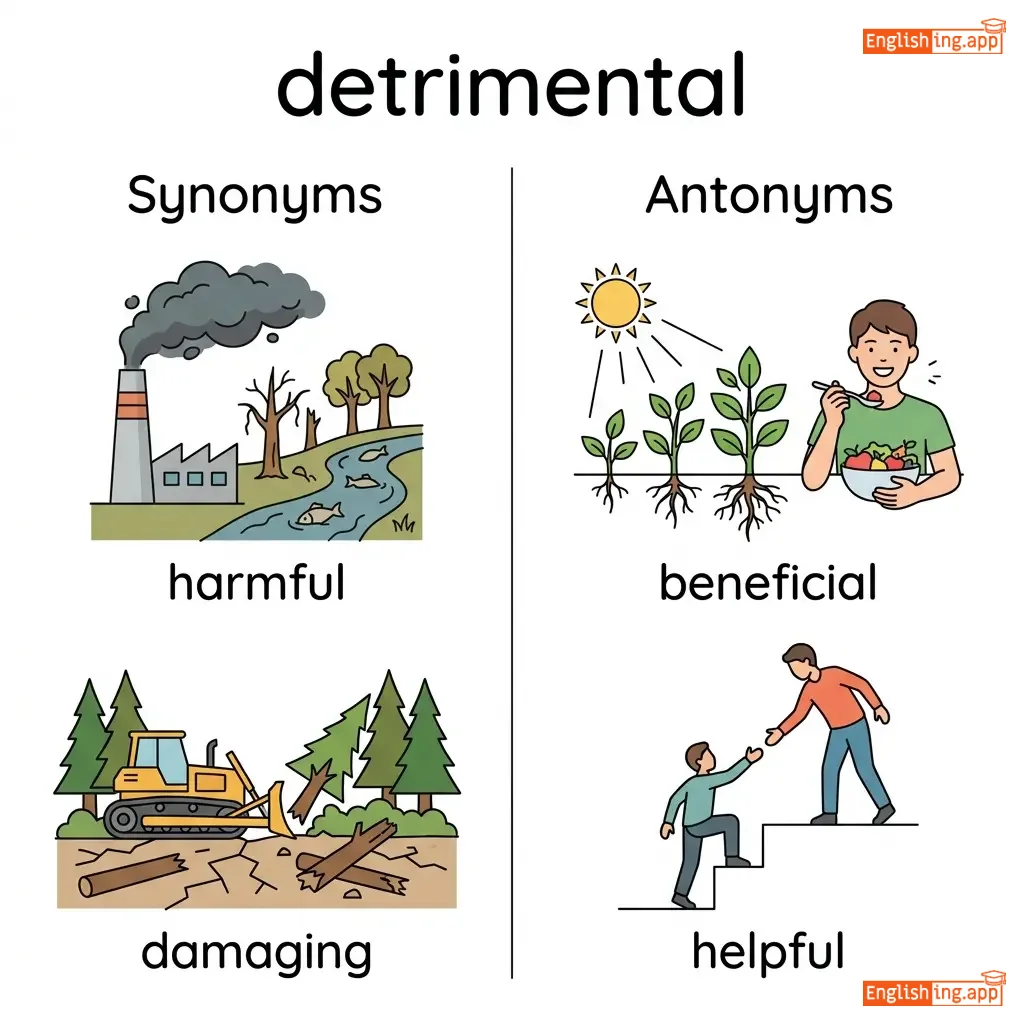
ˌdet.rɪˈmen.təl
adjective
(デトリメンタル)
••••••
|
|
有害な
yūgaina
••••••
|
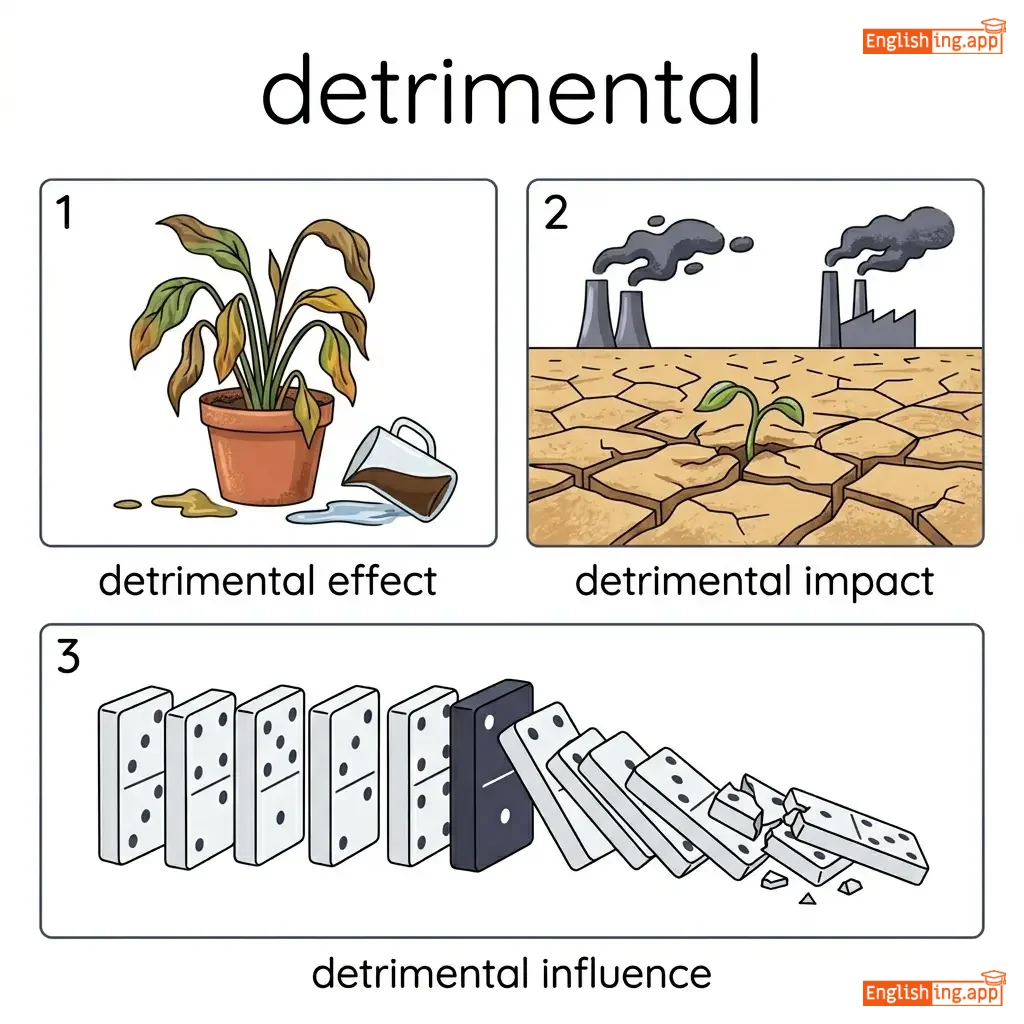
Causing harm or damage; having a negative effect.
••••••
|
Lack of sleep is detrimental to health. |
睡眠不足は健康に有害です。
Suimin busoku wa kenkō ni yūgaina desu.
••••••
|
harmful, damaging, adverse
••••••
|
beneficial, helpful, advantageous
••••••
|
健康を守るために、睡眠は大切です!
••••••
|
|
#3699
📚
|
ˈɪn.kʌl.keɪt
verb
(インカルケイト)
••••••
|
|
信念や習慣を繰り返しと強調を通じて教え込む
shinnen ya shūkan o kurikaeshi to kyōchō o tōshite oshiekomu
••••••
|
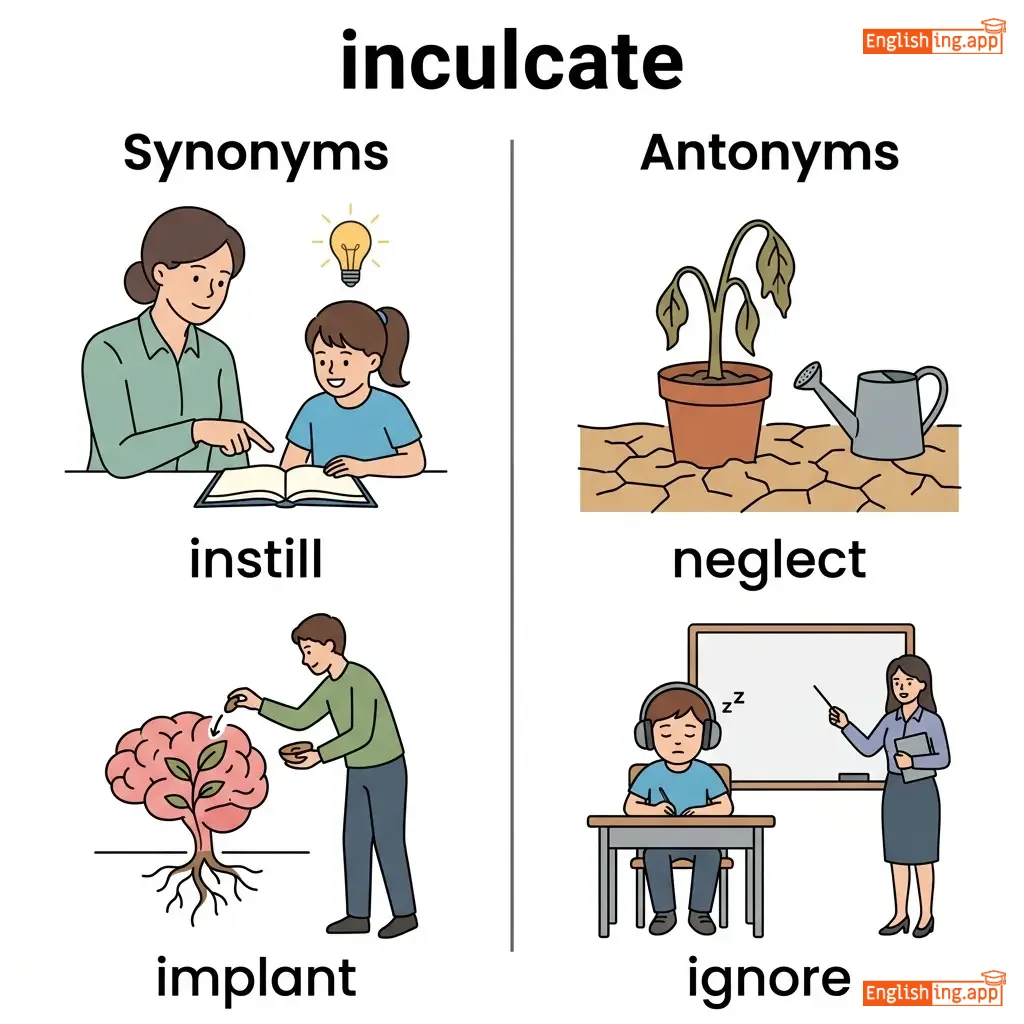
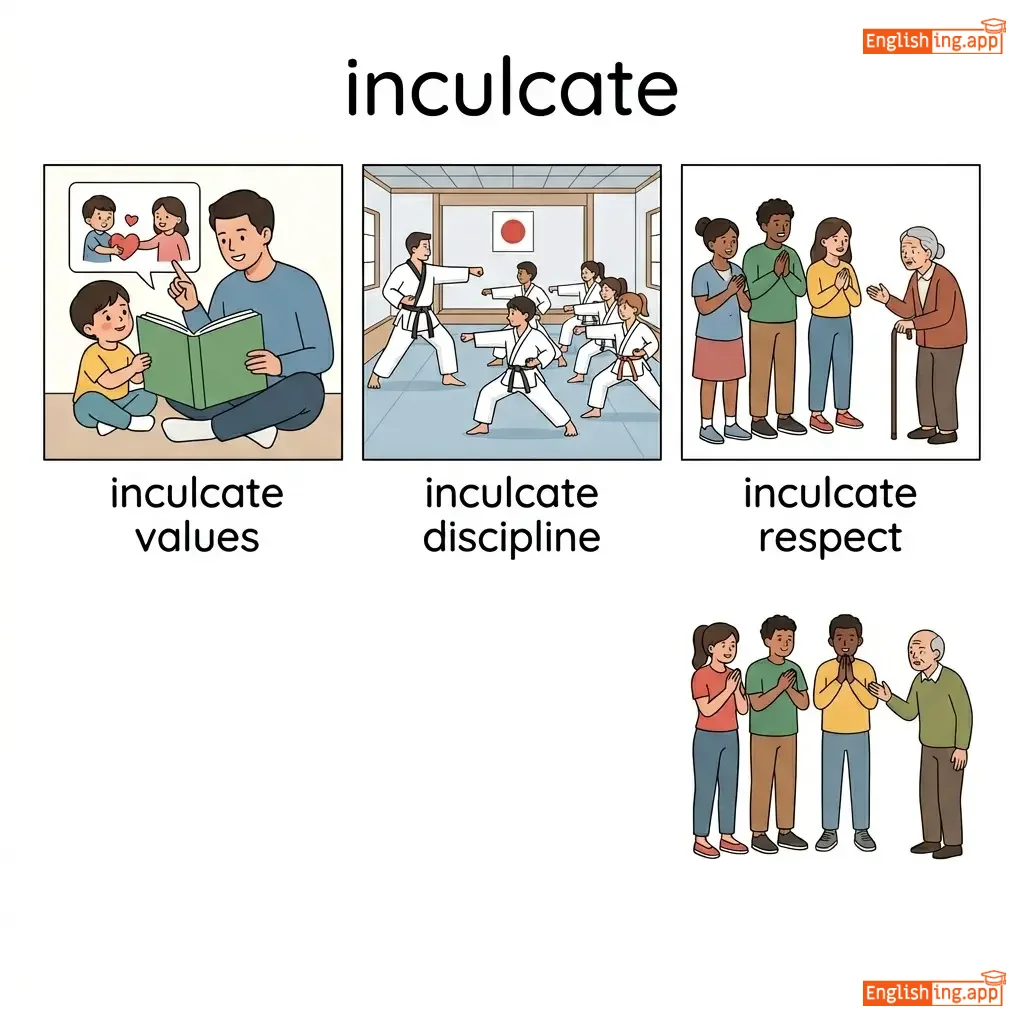
To teach or instill beliefs or habits through repetition and emphasis.
••••••
|
Teachers must inculcate discipline in students.
教師は生徒に規律を教え込まなければならない。
••••••
|
教師は生徒に規律を教え込まなければならない。
Kyōshi wa seito ni kiritsu o oshiekomanakereba naranai.
••••••
|
instill, implant, teach
••••••
|
neglect, ignore, overlook
••••••
|
インカルケイトは繰り返しを通じて根付かせること。
••••••
|
|
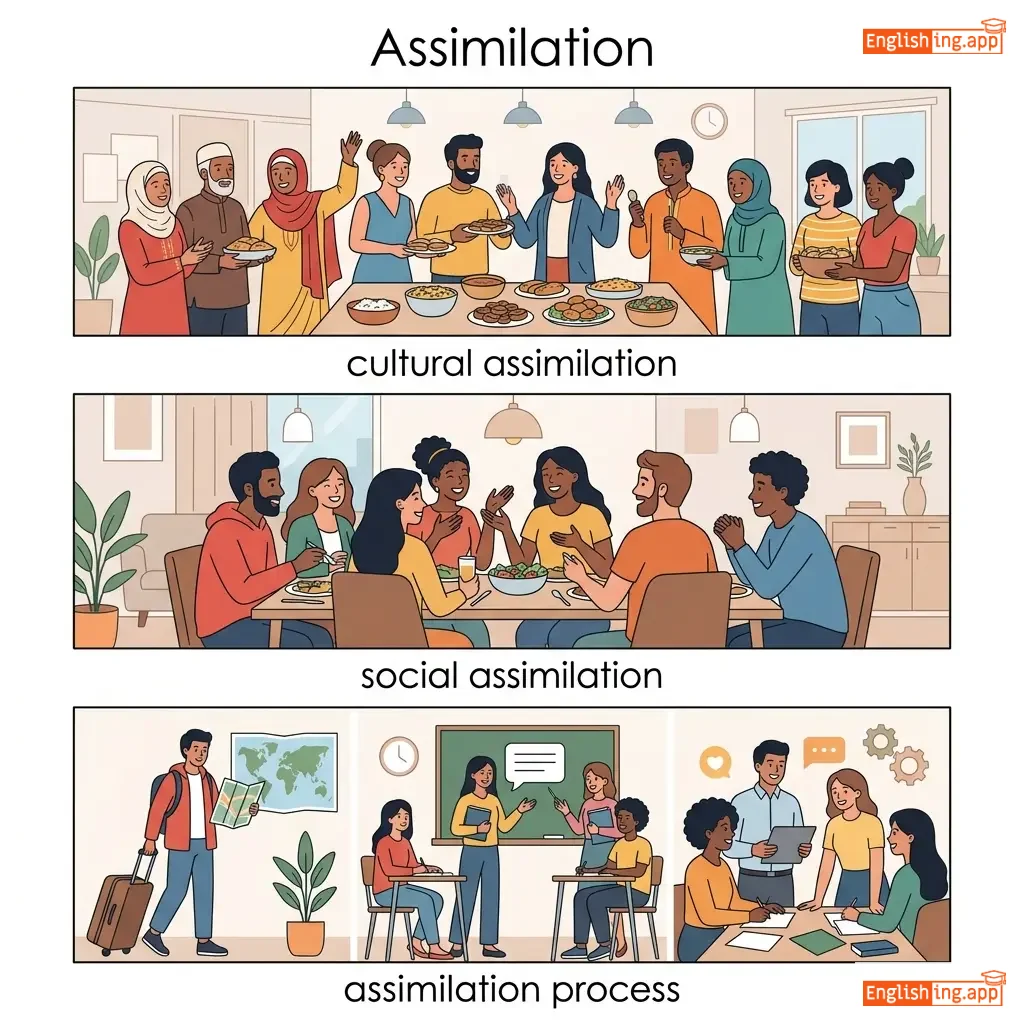
#3700
🔄
|
əˌsɪm.ɪˈleɪ.ʃən
noun
(アシミレーション)
••••••
|
|
同化
dōka
••••••
|
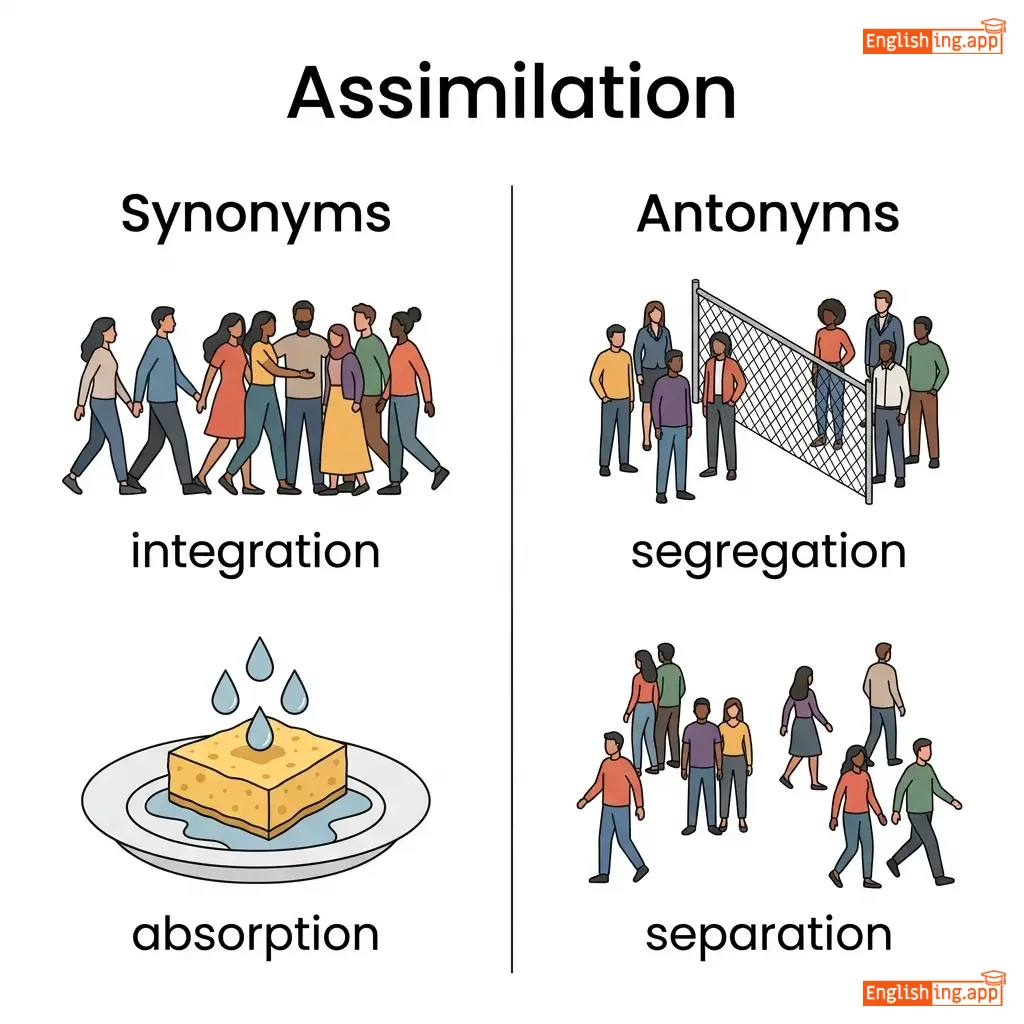
The process of absorbing and integrating new information, culture, or ideas into oneself.
••••••
|
Language assimilation helps immigrants adapt to a new country. |
言語の同化は移民が新しい国に適応するのを助けます。
Gengo no dōka wa imin ga atarashī kuni ni tekiō suru no o tasukemasu.
••••••
|
integration, absorption, incorporation
••••••
|
rejection, isolation, separation
••••••
|
アシミレーションは新しい文化を吸収して適応するプロセスです。
••••••
|
|
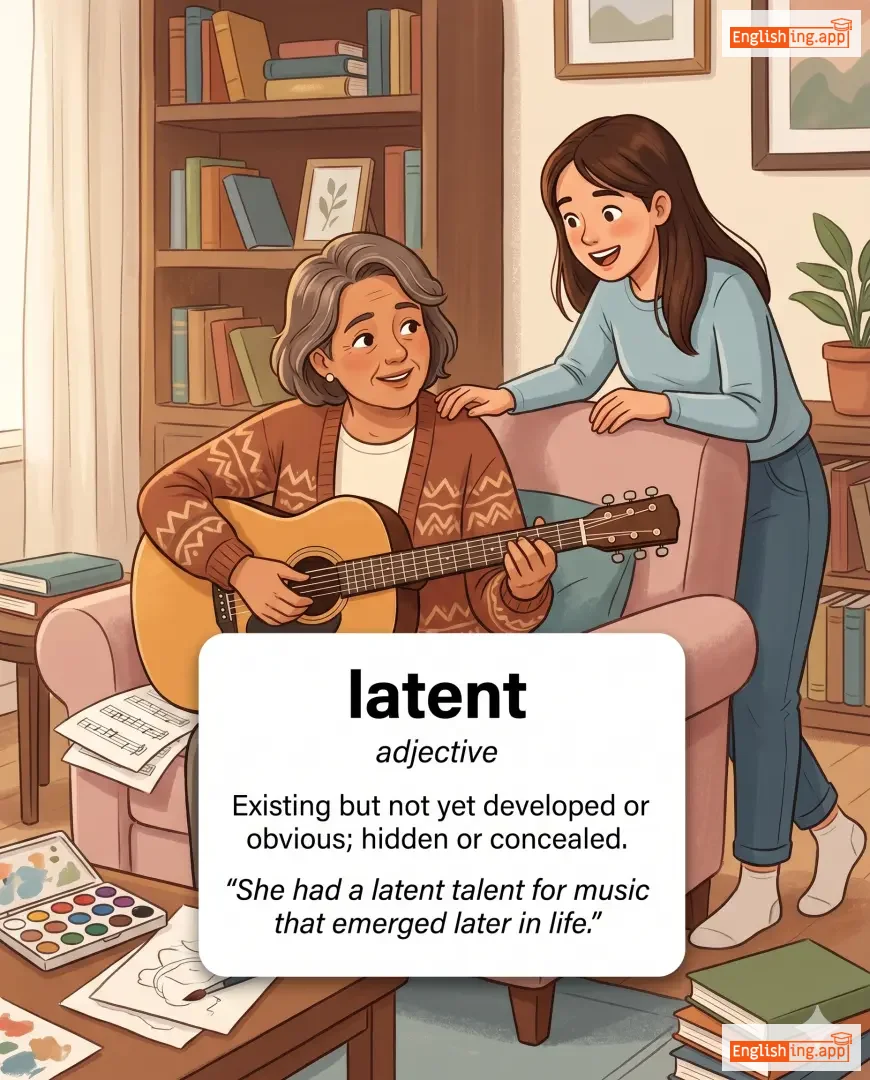
#3701
💎
|
ˈleɪ.tənt
adjective
(レイテント)
••••••
|
|
潜在的または隠された
senzaiteki matawa kakusareta
••••••
|
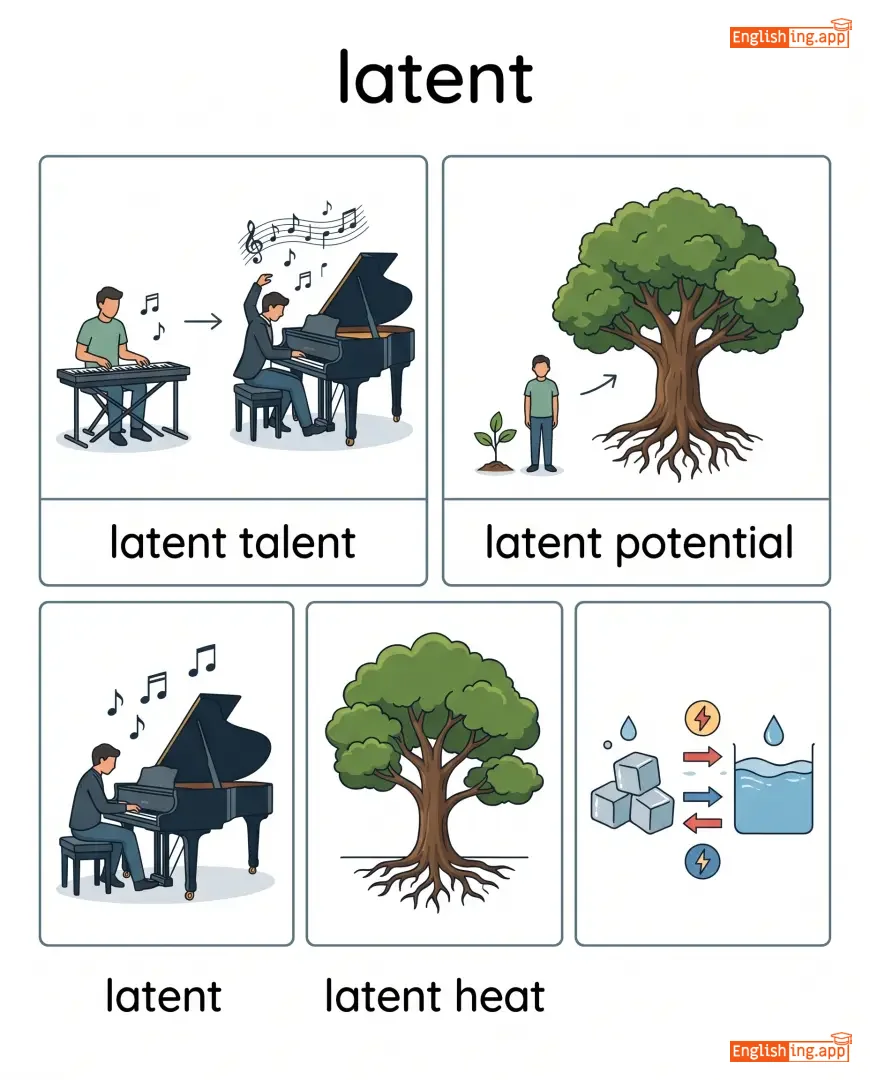
Existing but not yet developed or manifested; hidden potential.
••••••
|
His artistic talent remained latent for years.
彼の芸術的な才能は何年もの間潜在的なままでした。
••••••
|
彼の芸術的な才能は何年もの間潜在的なままでした。
Kare no geijutsuteki na sainō wa nannen mo no aida senzaiteki na mama deshita.
••••••
|
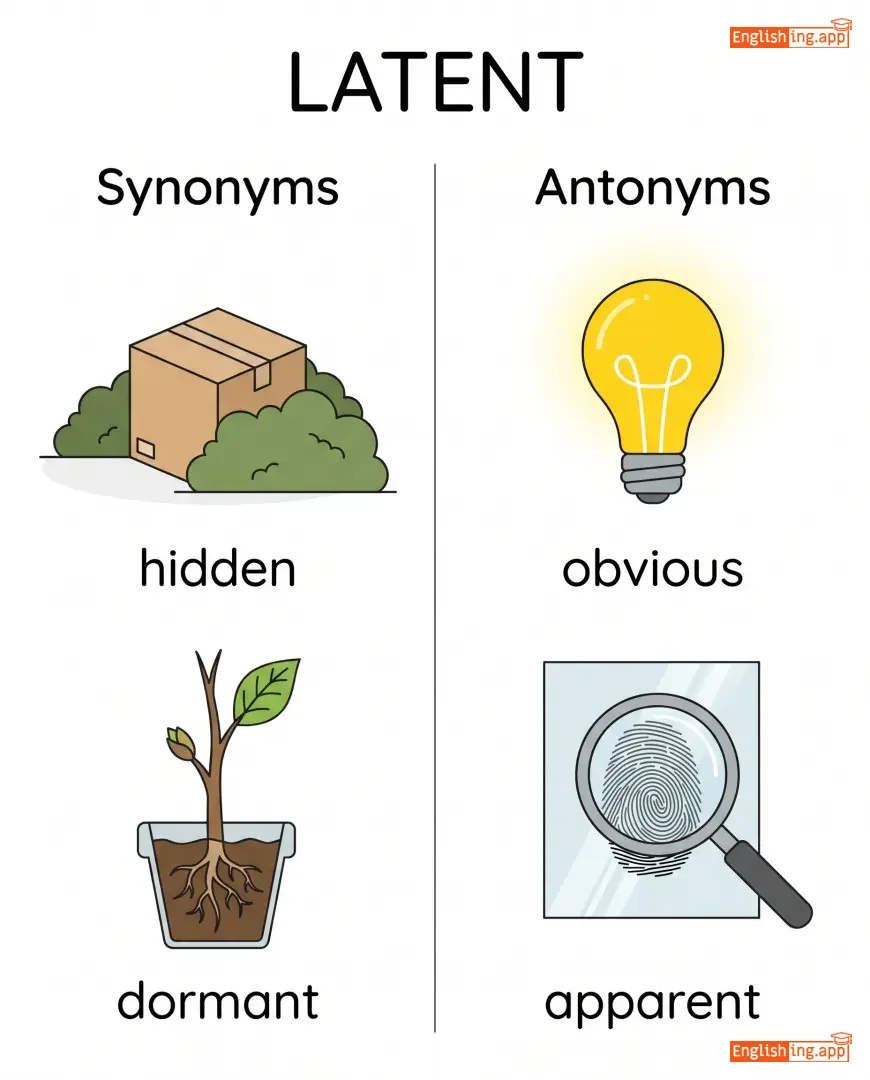
hidden, dormant, concealed
••••••
|
evident, obvious, manifest
••••••
|
潜在的な力はまだ発揮されていない。
••••••
|
|
#3702
🚀
|
ˈɪm.pɪ.təs
noun
(インペタス)
••••••
|
|
推進力
suishinryoku
••••••
|
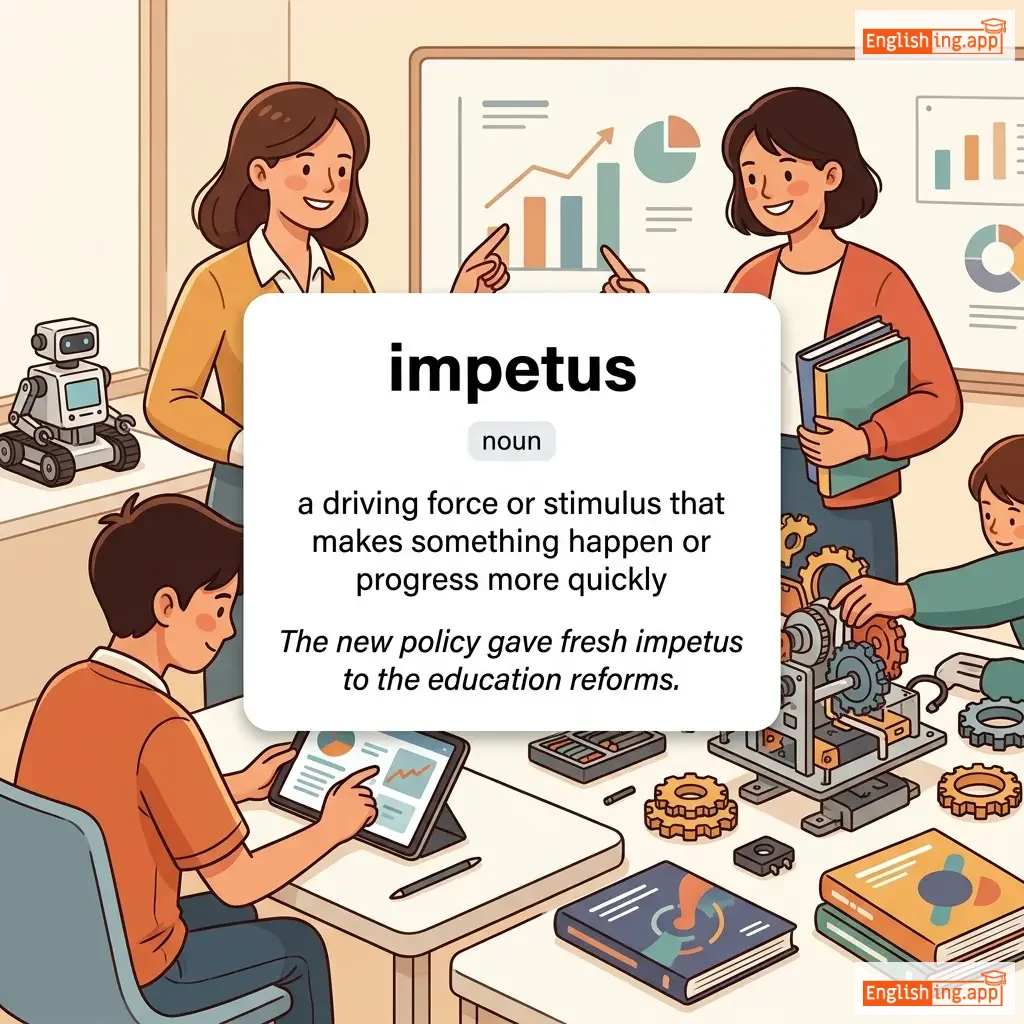
The force or motivation that drives something forward; momentum.
••••••
|
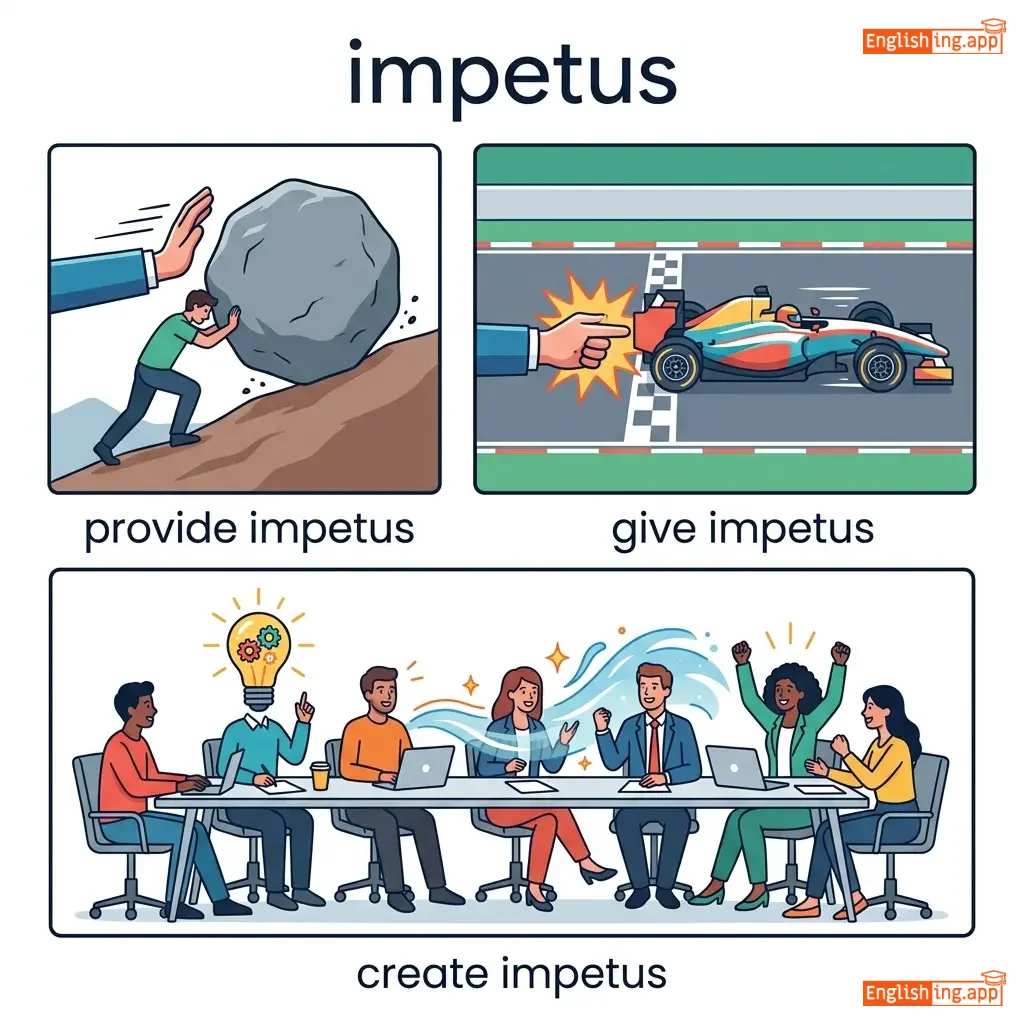
The new policy provided an impetus for economic growth. |
新しい政策は経済成長のための推進力を提供しました。
Atarashī seisaku wa keizai seichō no tame no suishinryoku o teikyō shimashita.
••••••
|
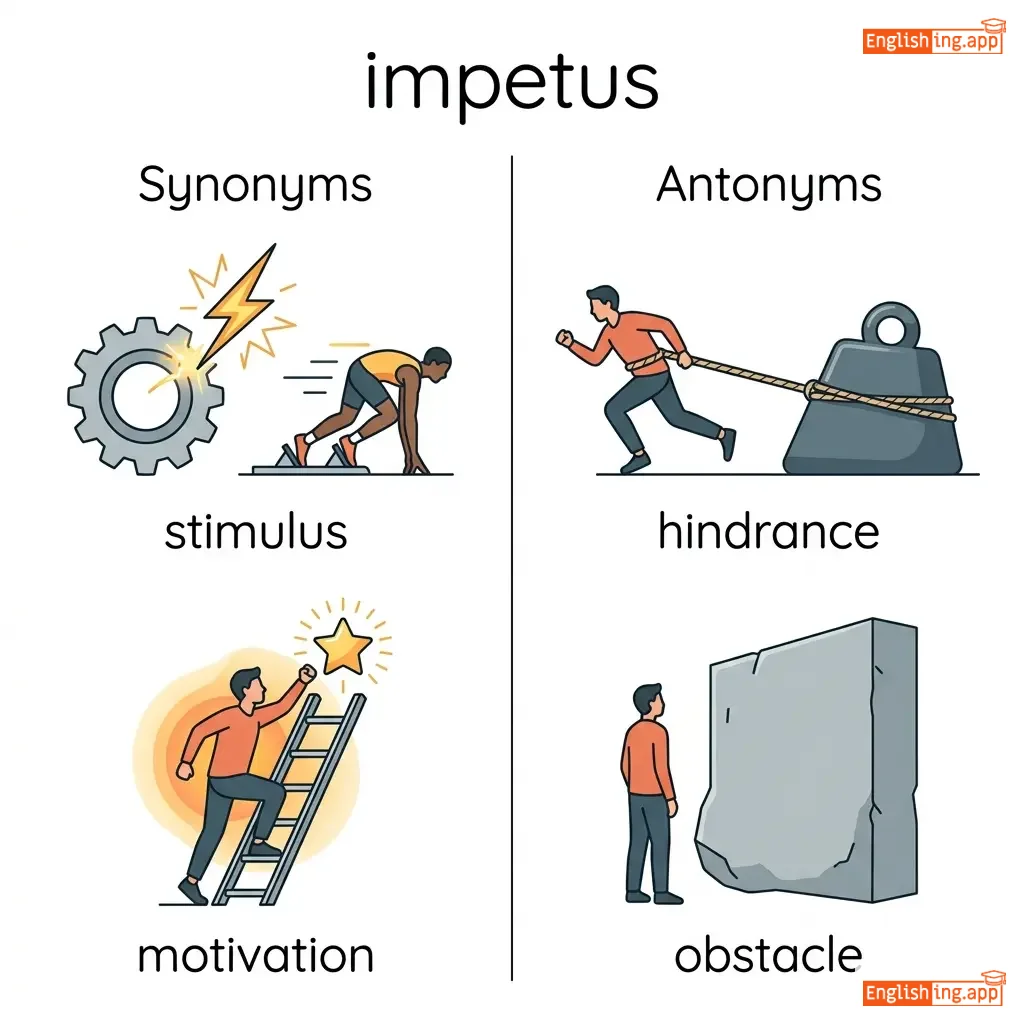
motivation, drive, momentum
••••••
|
hindrance, obstruction, deterrent
••••••
|
No •••••• |
|
#3703
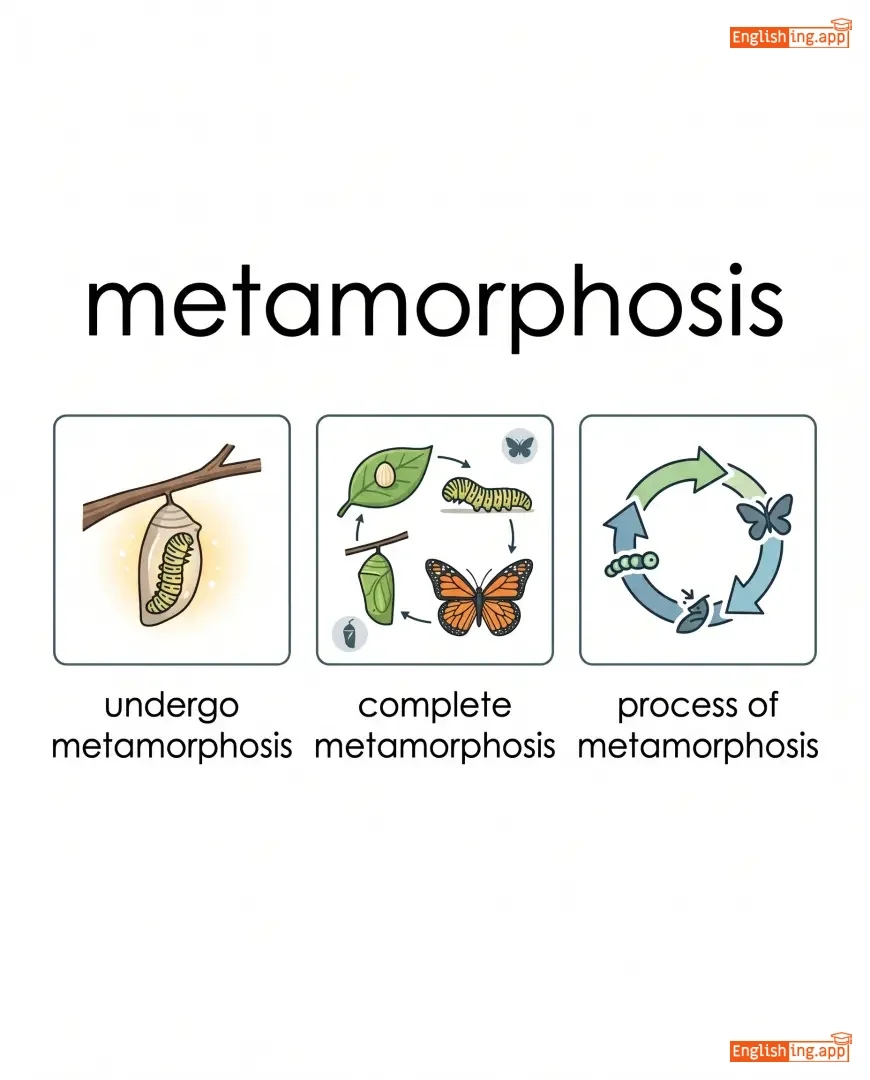
🦋
|
ˌmet.əˈmɔːr.fə.sɪs
noun
(メタモルフォーゼ)
••••••
|
|
変身または変化
henshin matawa henka
••••••
|
A complete change or transformation in form, nature, or character.
••••••
|
The caterpillar undergoes metamorphosis to become a butterfly. |
幼虫は蝶になるために変態を経ます。
Youchuu wa chou ni naru tame ni hentaio kemasu.
••••••
|
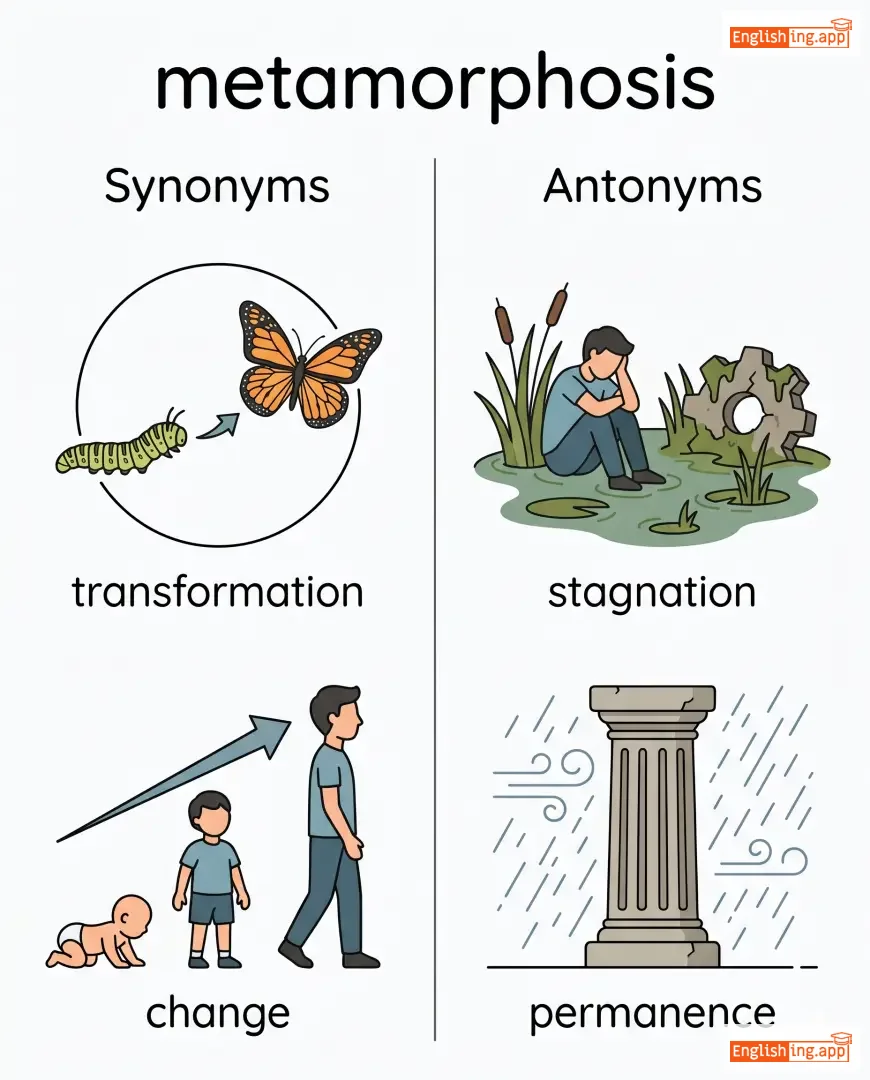
transformation, evolution, change
••••••
|
stagnation, stability, consistency
••••••
|
変身して蝶のように
••••••
|
|
#3704
✊
|
koʊˈɜːr.ʒən
noun
(コエーション)
••••••
|
|
強制
kyōsei
••••••
|
The practice of forcing someone to do something against their will.
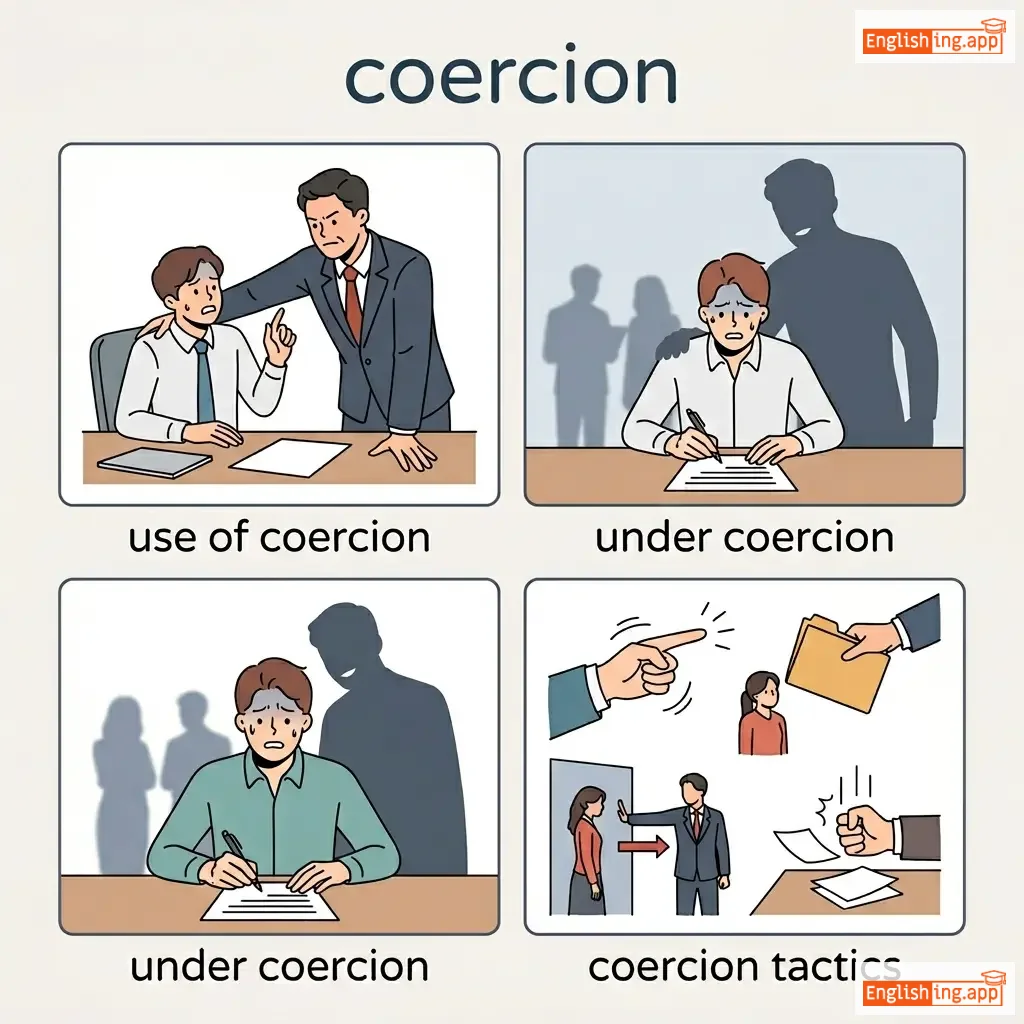
••••••
|
The agreement was signed under coercion.
その契約は強制の下で署名されました。
••••••
|
その契約は強制の下で署名されました。
Sono keiyaku wa kyōsei no moto de shomei saremashita.
••••••
|
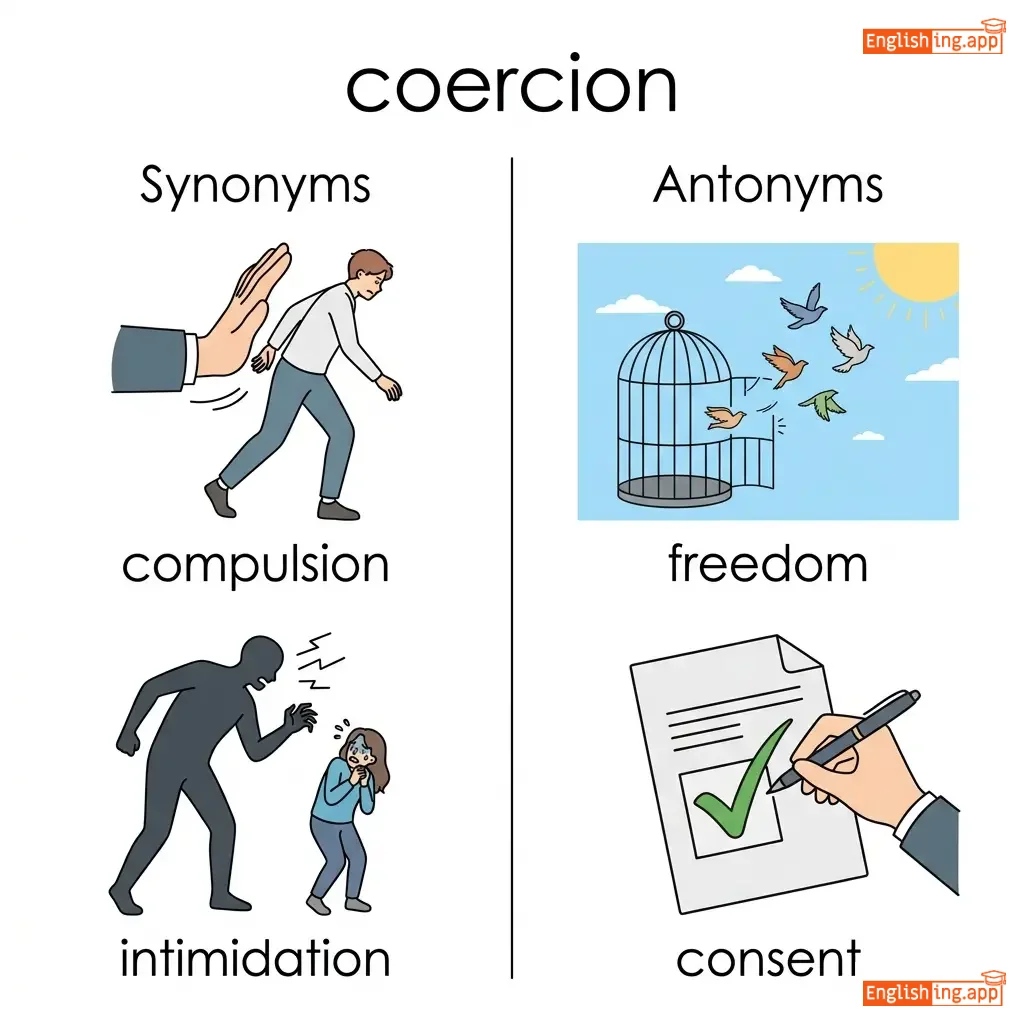
force, compulsion, pressure
••••••
|
freedom, choice, voluntariness
••••••
|
強制: 誰かを反対して強制する
••••••
|
|
#3705
🌱
|
kənˈduː.sɪv
adjective
(コンデューシブ)
••••••
|
|
有益な
yūeki na
••••••
|
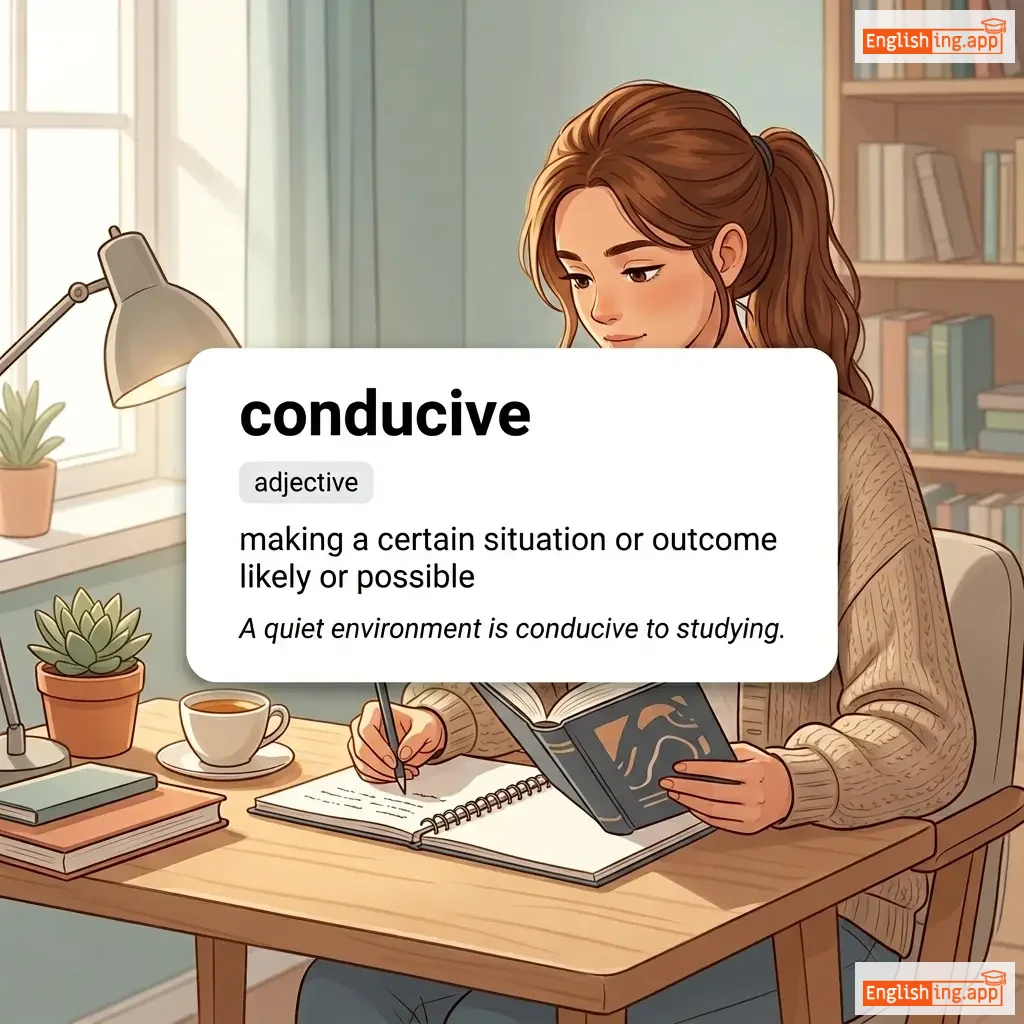
Making a certain situation or outcome likely or possible; favorable.
••••••
|
A quiet environment is conducive to studying.
静かな環境は学習に適しています。
••••••
|
静かな環境は学習に適しています。
Shizuka na kankyō wa gakushū ni tekishiteimasu.
••••••
|
favorable, beneficial, supportive
••••••
|
hindering, unfavorable, detrimental
••••••
|
Think of '有益な' like a helpful, conducive study environment, just like quiet space aids focus.
••••••
|
Vocabulary Quiz
Test your vocabulary by matching words with their translations or meanings.
Login to take the quiz
Comments (0)
Share your thoughts and join the discussion.
Join the discussion by logging in
Login to CommentNo comments yet
Be the first to share your thoughts!