

日本の研究者たちが世界初の木製衛星『LignoSat』を打ち上げ
Japanese Researchers Launch World's First Wooden Satellite 'LignoSat'
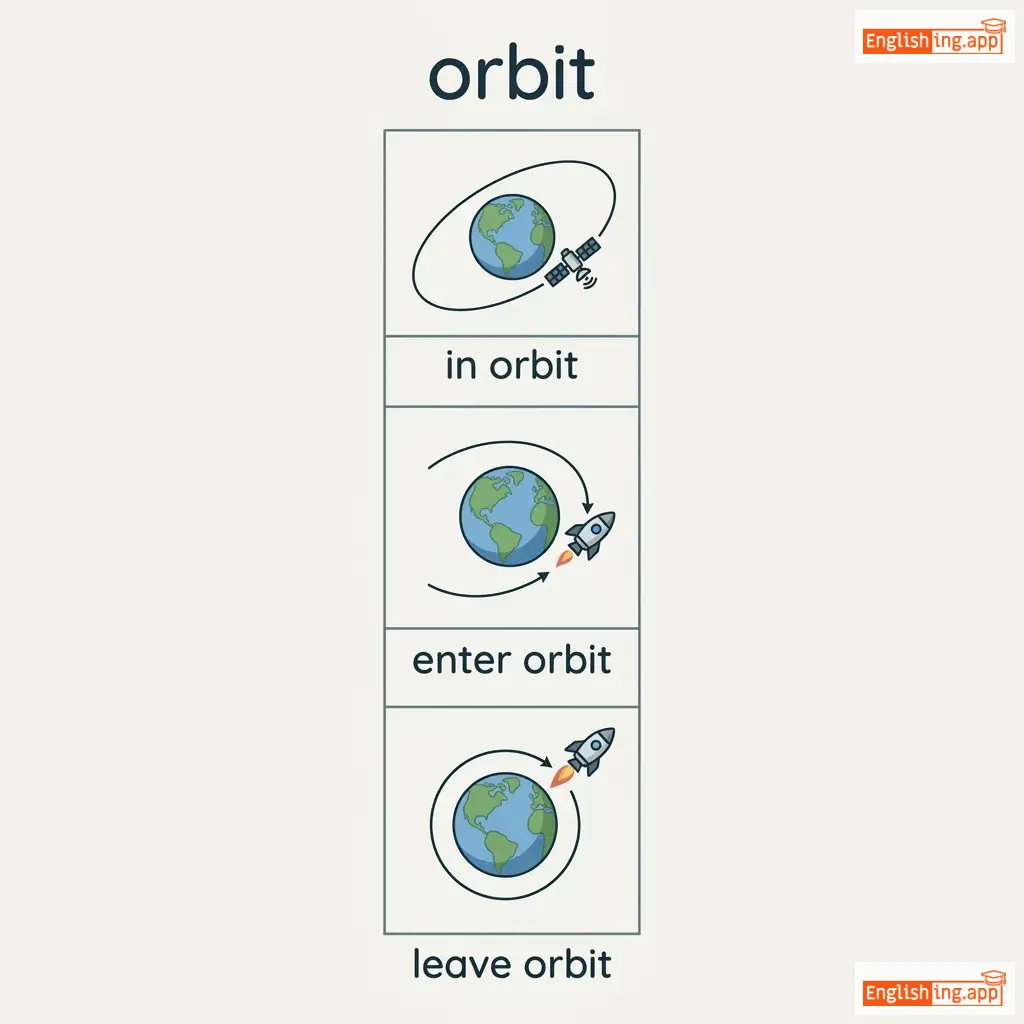
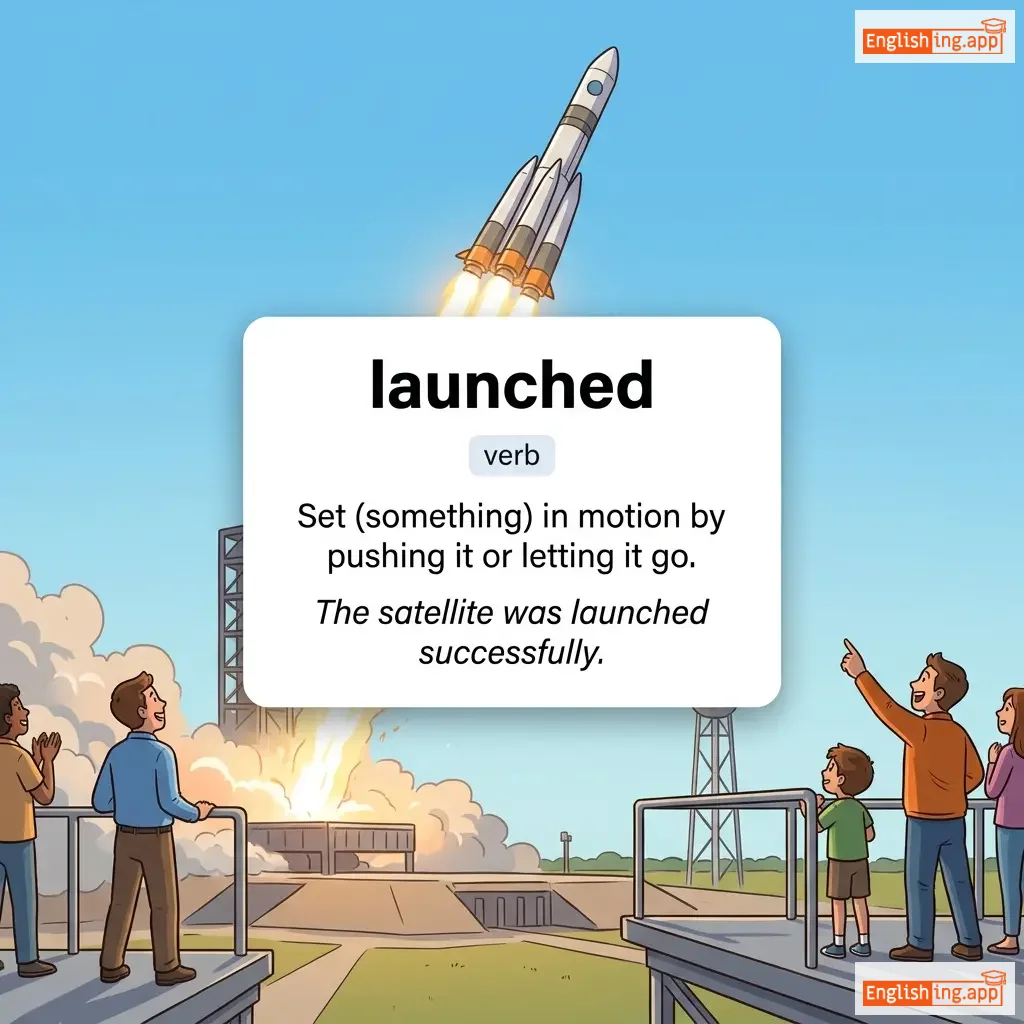
日本の研究者たちは初めて木製衛星『LignoSat』を軌道に打ち上げました。この革新的な装置は、2024年11月5日に打ち上げられ、完全に木材で作られており、特に伝統的に刀を作るために使用される本木材でできています。LignoSatは軌道上にあり、地球から約400キロメートルの高さに位置しています。その主な目的は、木材の耐久性と持久性を宇宙でテストすることです。
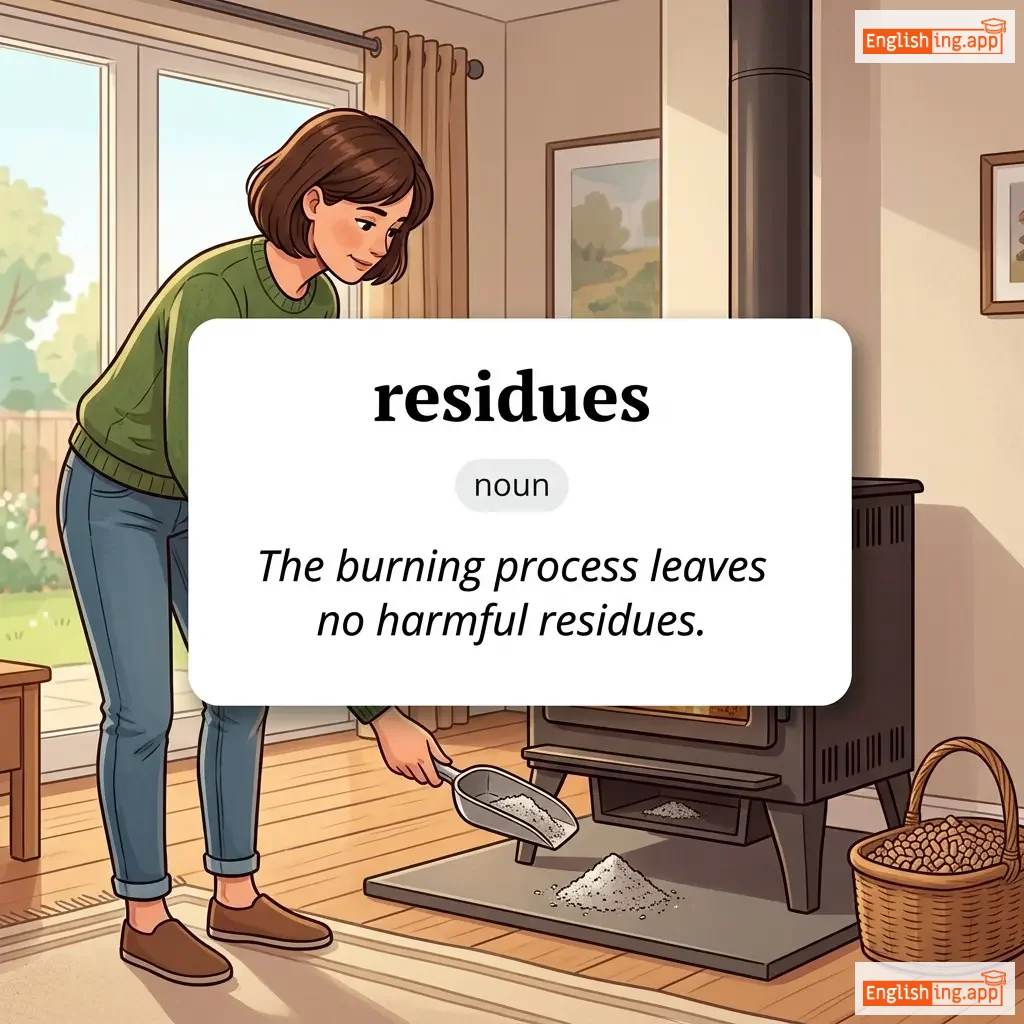
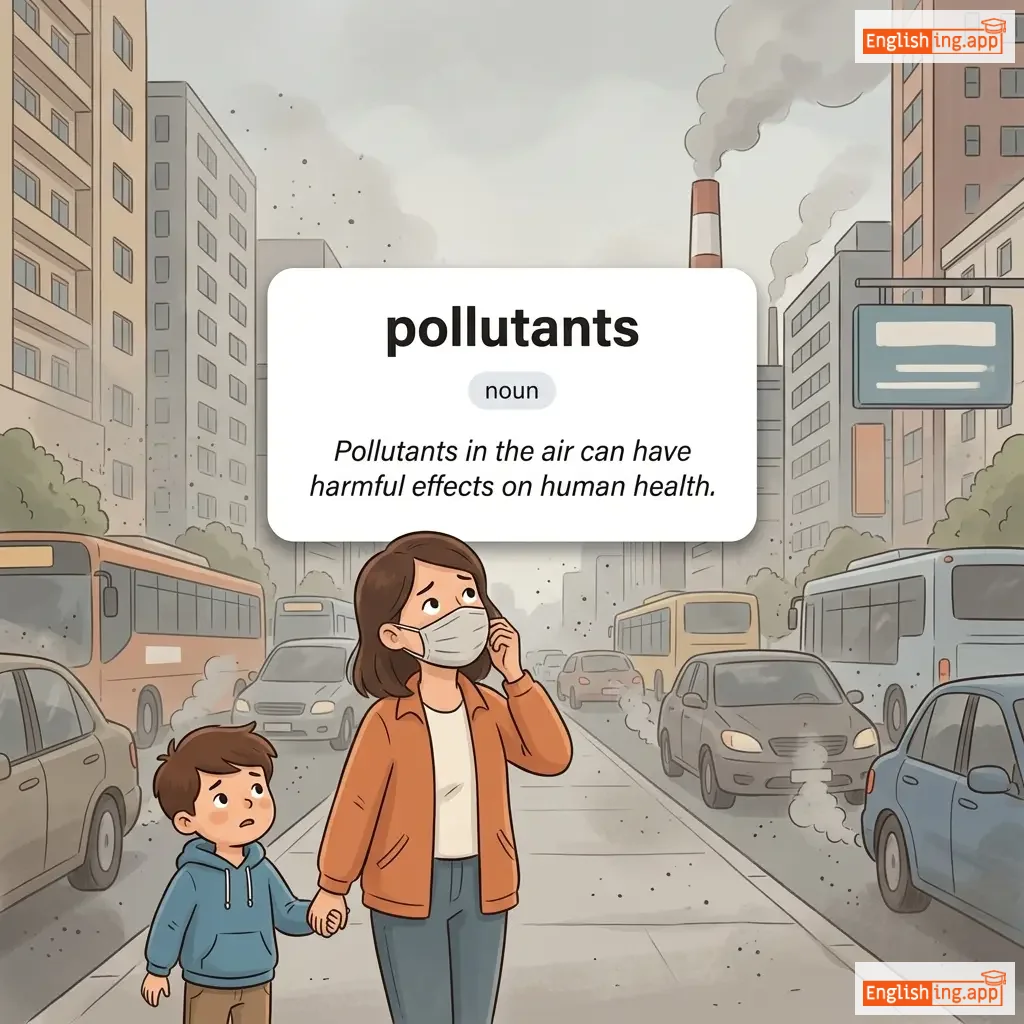
この木製装置の特別な特徴は、大気圏に再突入するときに完全に燃焼し、害のある残留物や汚染物質を残さないことです。これにより、宇宙の汚染や破片を減らすことができます。
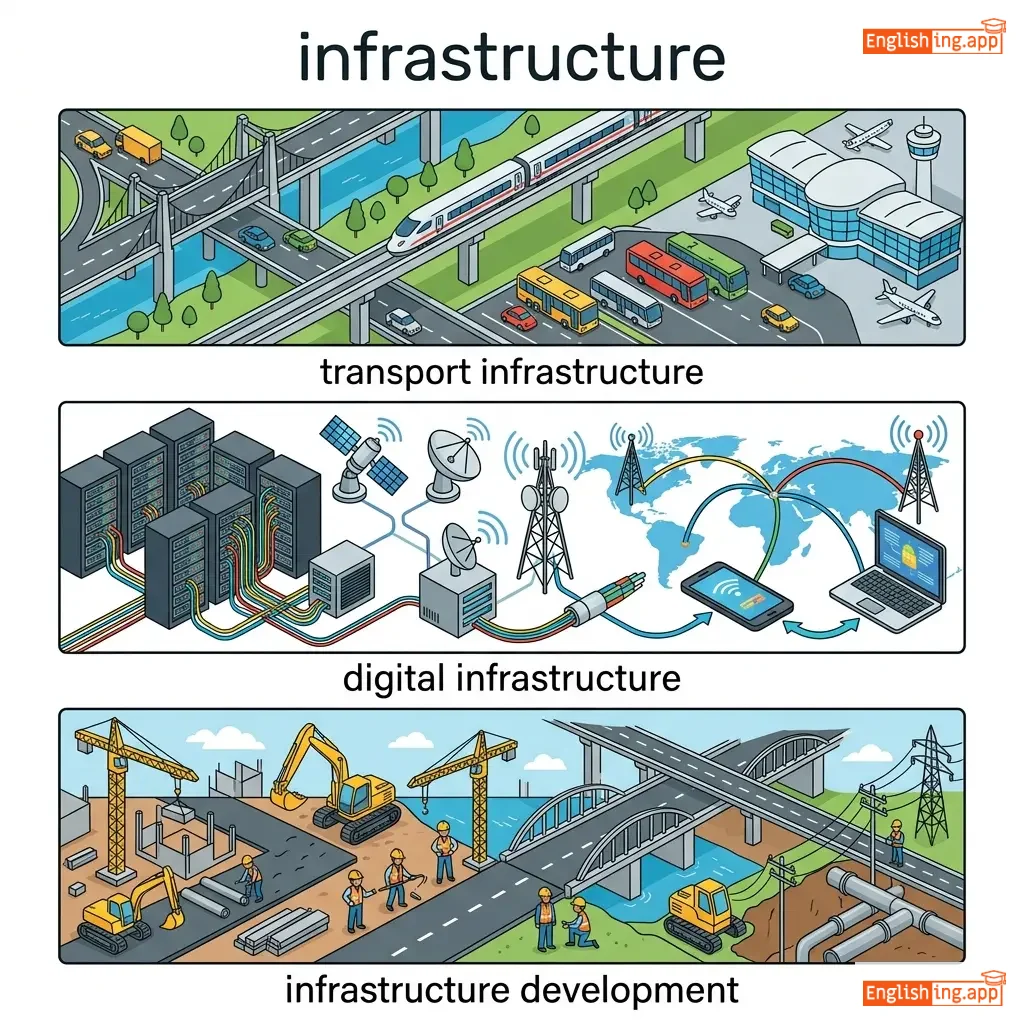
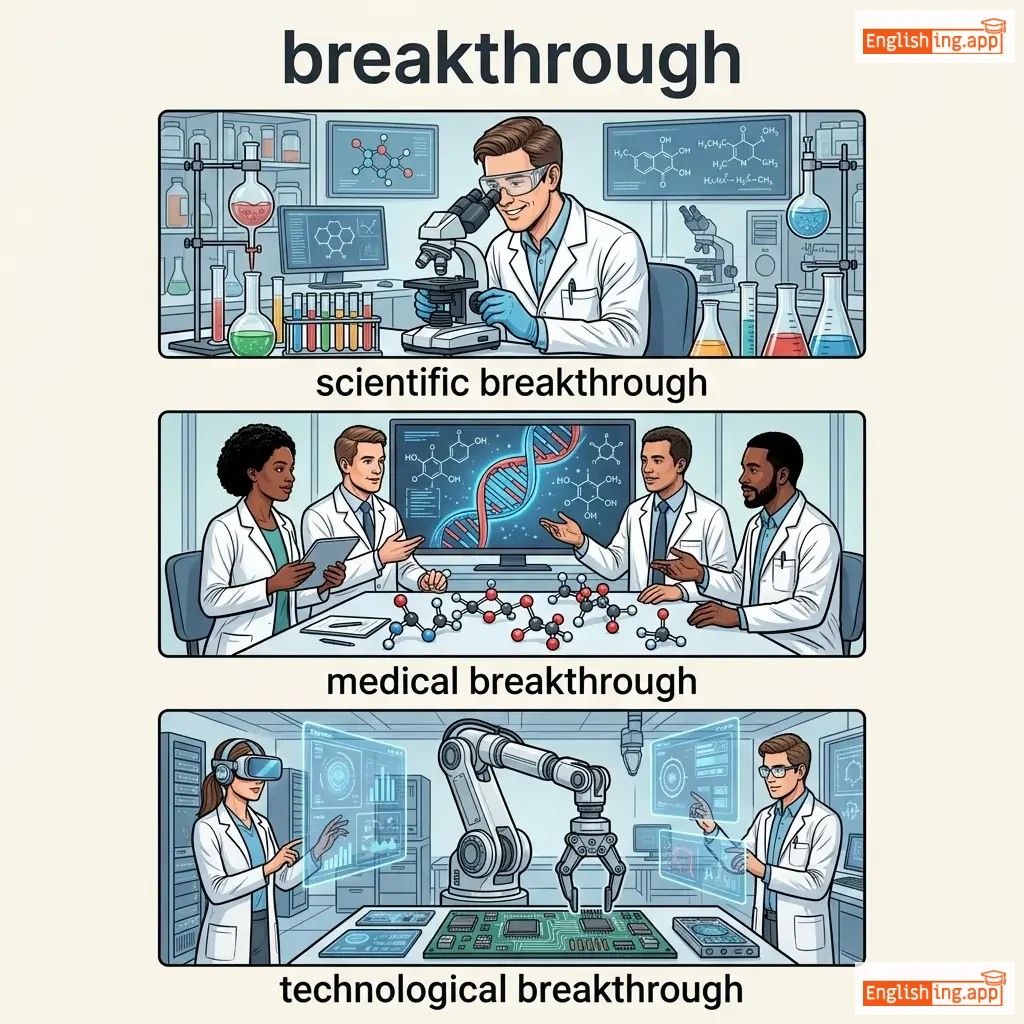
科学者たちは、将来的に月面や火星に木製の居住区やインフラを建設することが可能になると楽観的に考えています。このブレークスルーは、宇宙研究における持続可能な革新への道を開き、衛星建設における先駆的な機会を生み出しました。
翻訳
過去
過去分詞
三人称単数
動名詞
意味
例文
例文の翻訳
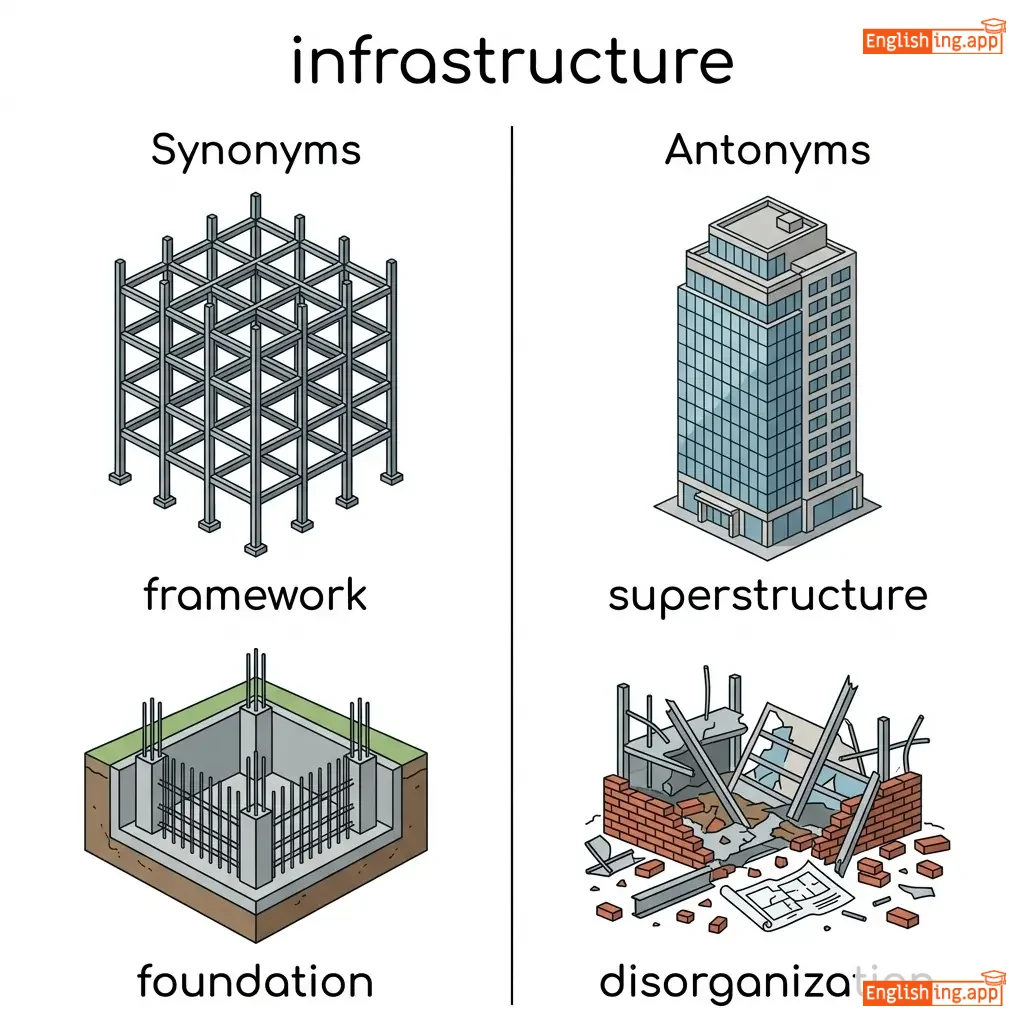
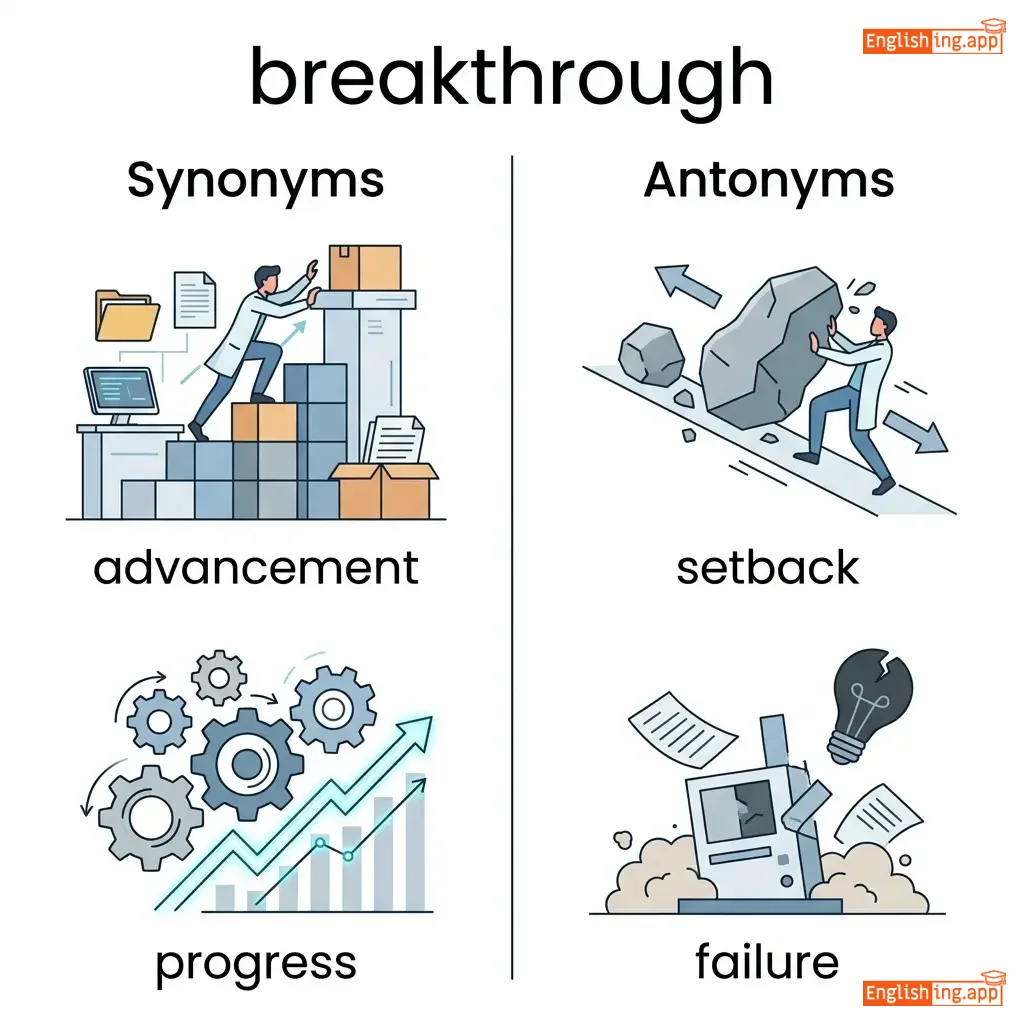
同義語
対義語
コロケーション
ニーモニック











Swipe left or right, or use the buttons. Tap image to zoom.
例文の翻訳
単語
Japanese Researchers Launch World's First Wooden Satellite 'LignoSat'Japanese Researchers Launch World's First Wooden Satellite 'LignoSat' - マスクトグル
|
絵文字
|
単語 | Images | 翻訳 | 意味 | 例文 | 例文の翻訳 | 同義語 | 対義語 | ニーモニック |
|---|---|---|---|---|---|---|---|---|---|
|
#462
🔬
|
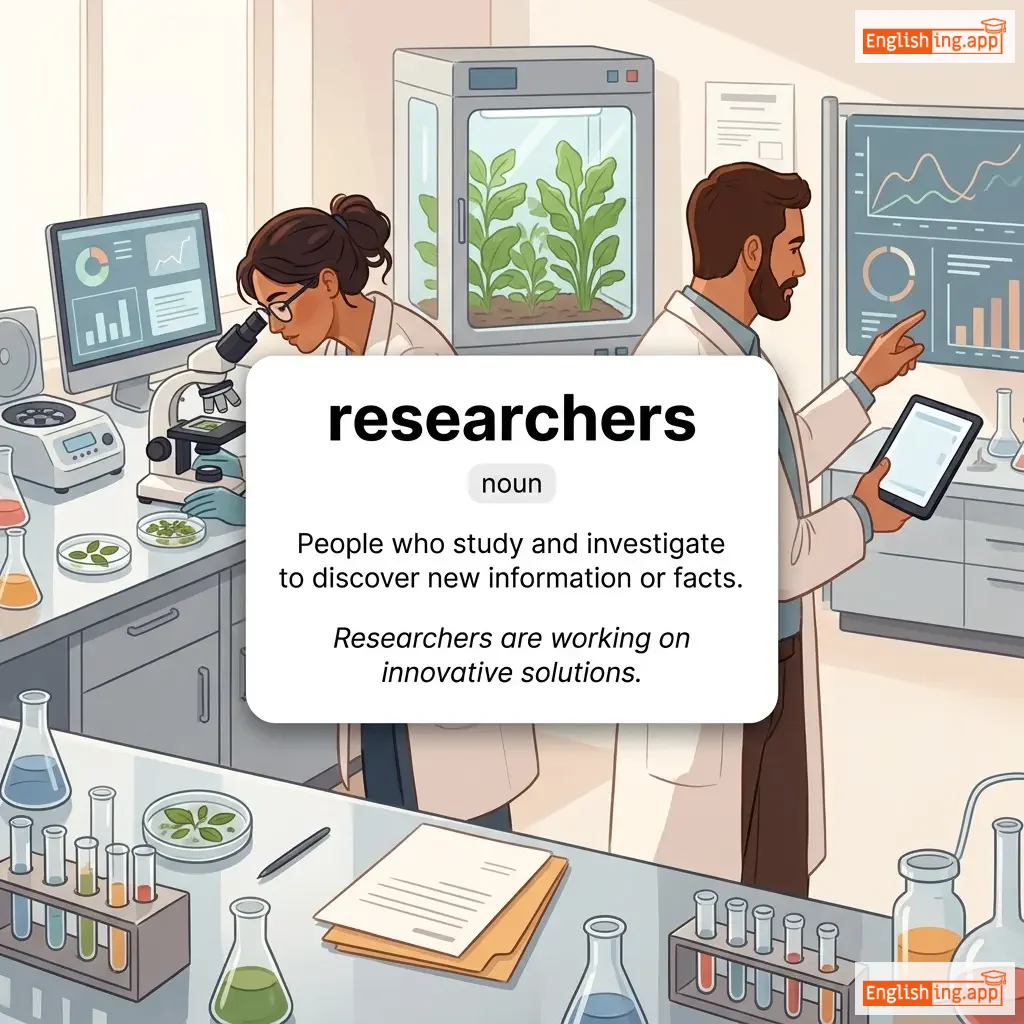
rɪˈsɜː.tʃəz
noun
(リサーチャーズ)
••••••
|
|
研究者
kenkyūsha
••••••
|
People who study and investigate to discover new information or facts.
••••••
|
Researchers are working on innovative solutions. |
研究者たちは革新的な解決策に取り組んでいます。
Kenkyūsha-tachi wa kakushinteki na kaiketsu-saku ni torikundeimasu.
••••••
|
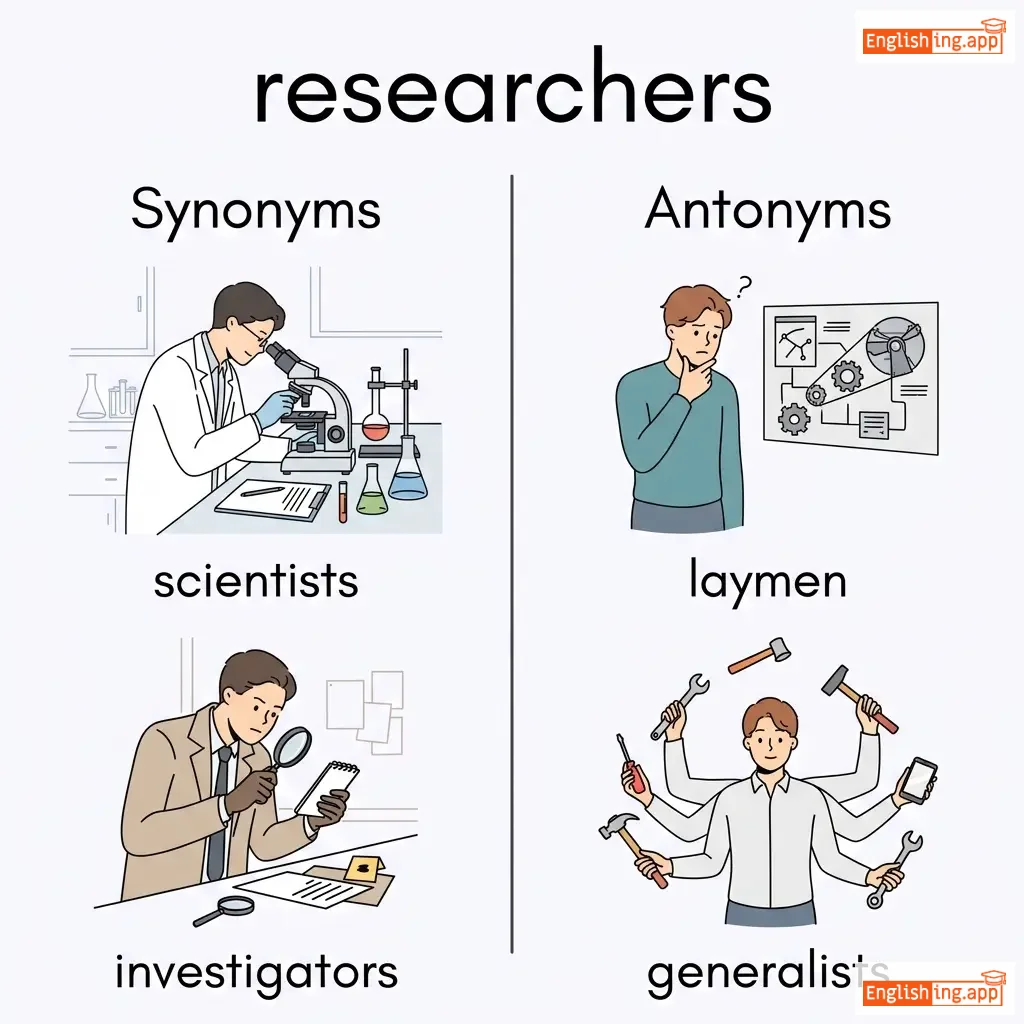
scientists, investigators
••••••
|
laymen, generalists
••••••
|
Kenkyūsha – ‘Ken’ + ‘kyo’ – they study like 'Ken' to discover new facts.
••••••
|
|
#463
🪵
|
wʊd
noun
(wud)
••••••
|
|
木材
mokuzai
••••••
|
The hard fibrous material that forms the main substance of the trunk or branches of a tree or shrub.
••••••
|
Wood is being tested for its resilience in space.
木材は宇宙での耐久性がテストされています。
••••••
|
木材は宇宙での耐久性がテストされています。
Mokuzai wa uchū de no taikyū-sei ga tesuto sareteimasu.
••••••
|
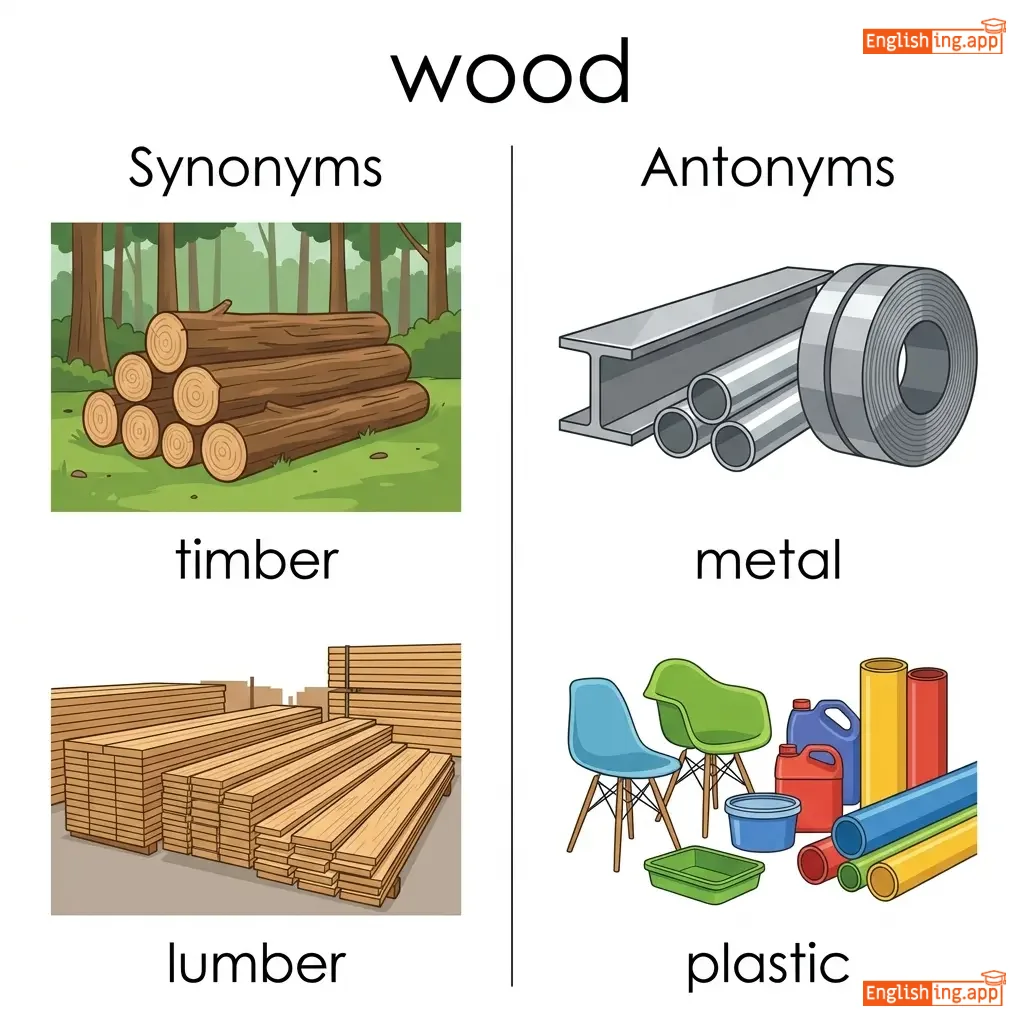
timber, lumber
••••••
|
metal, plastic
••••••
|
木材で家を作ることを思い出して!
••••••
|
|
#464
🛰️
|
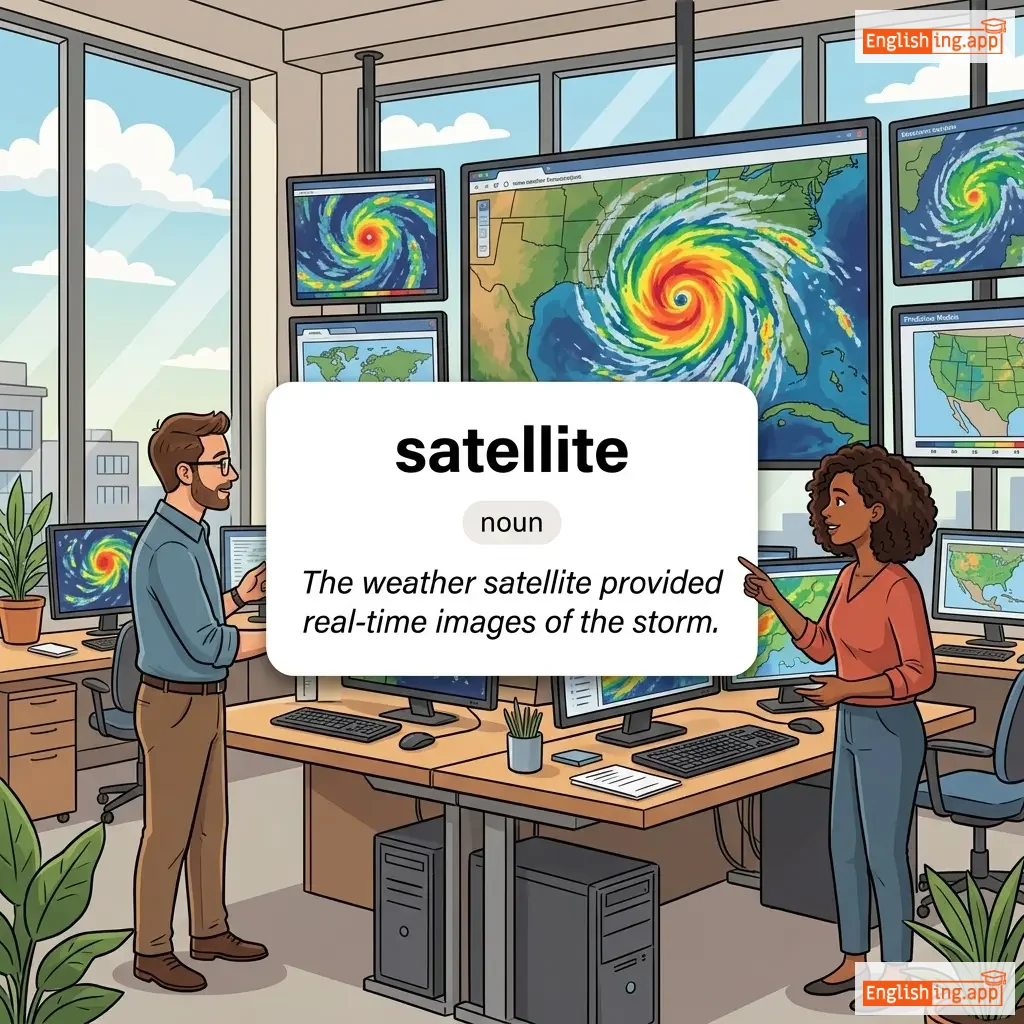
ˈsæt.əl.aɪt
noun
(サテライト)
••••••
|
|
人工衛星
jinkou eisei
••••••
|
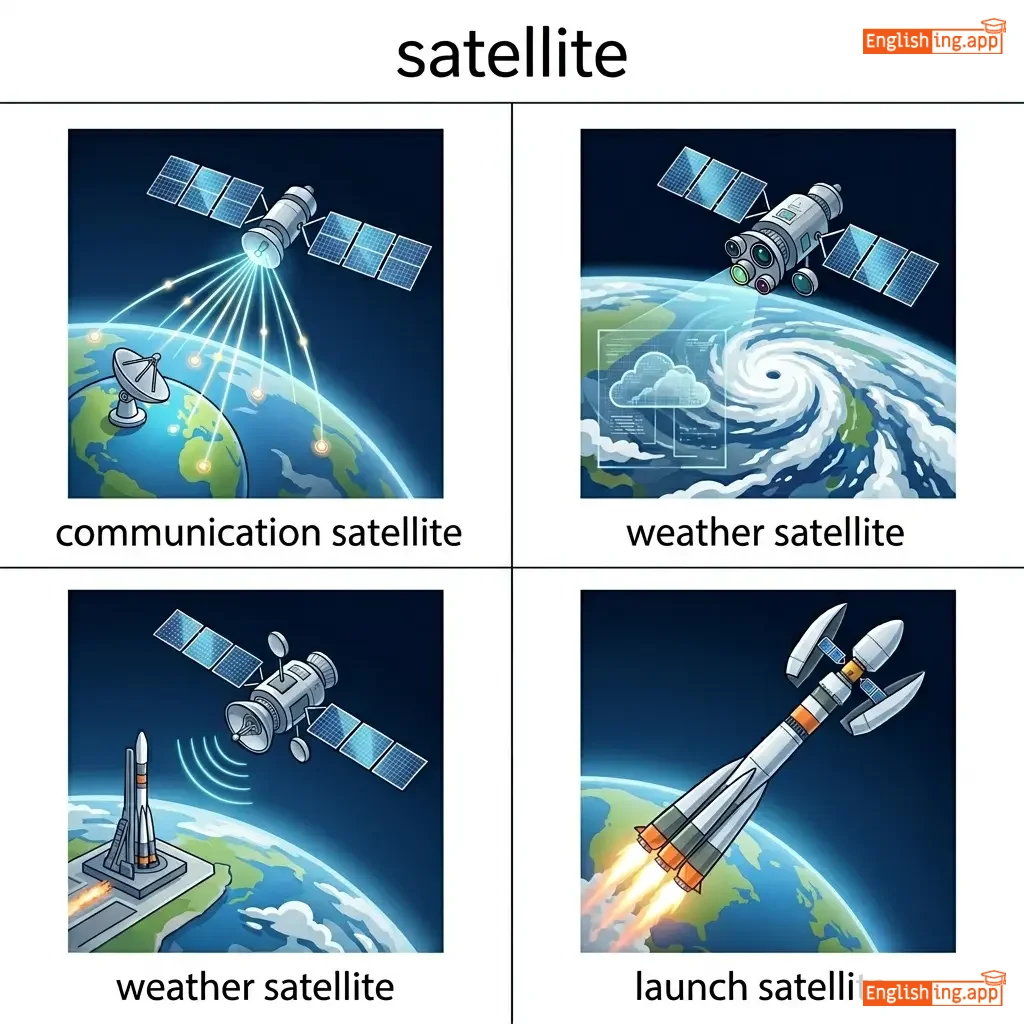
An artificial object which has been intentionally placed into orbit around a celestial body.
••••••
|
Satellites provide critical data for research. |
人工衛星は研究のために重要なデータを提供します。
Jinkou eisei wa kenkyuu no tame ni juuyou na deeta wo teikyou shimasu.
••••••
|
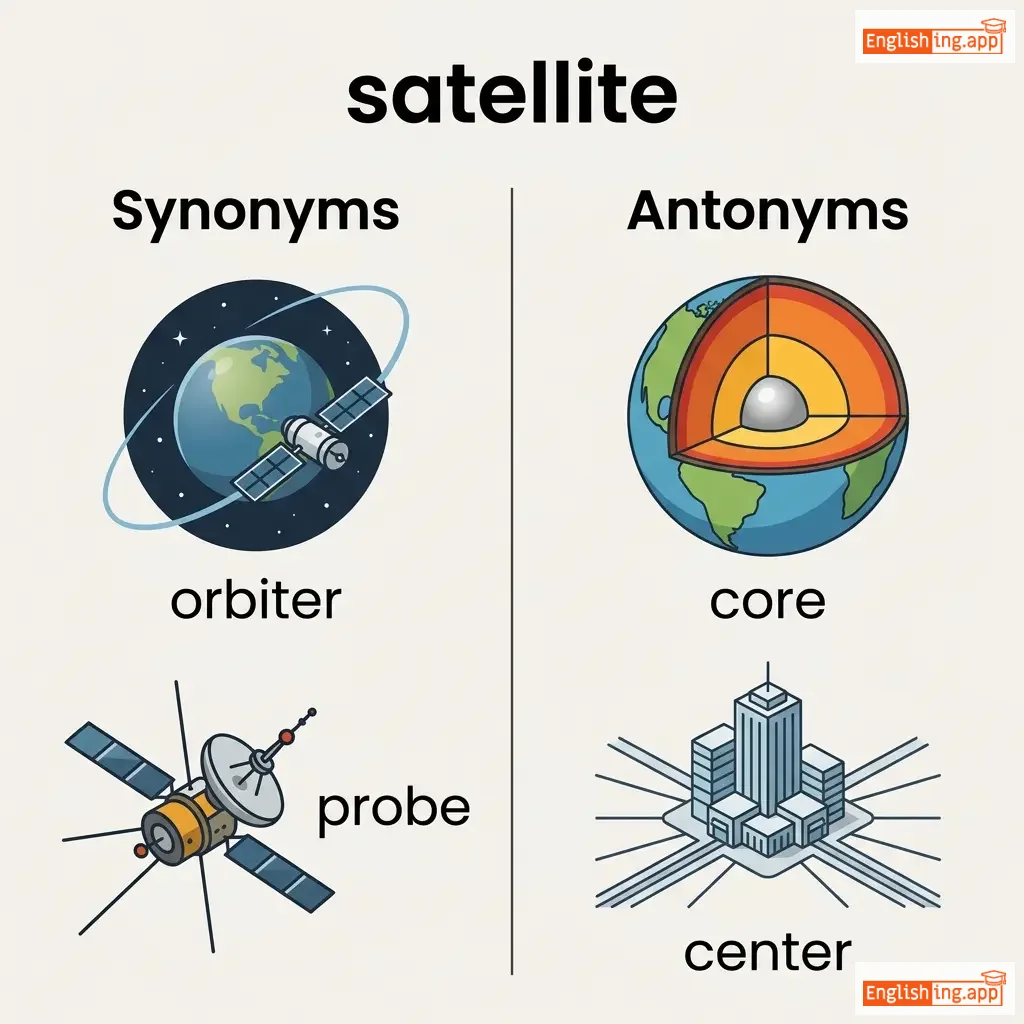
spacecraft, orbiter
••••••
|
ground station
••••••
|
日本語では人工衛星もサテライトと呼ばれ、宇宙を回る物体を意味します。
••••••
|
|
#465
🛰️
|
ˈlɪɡ.nəʊˌsæt
noun
(リグノサット)
••••••
|
|
木製衛星
mokusei eisei
••••••
|
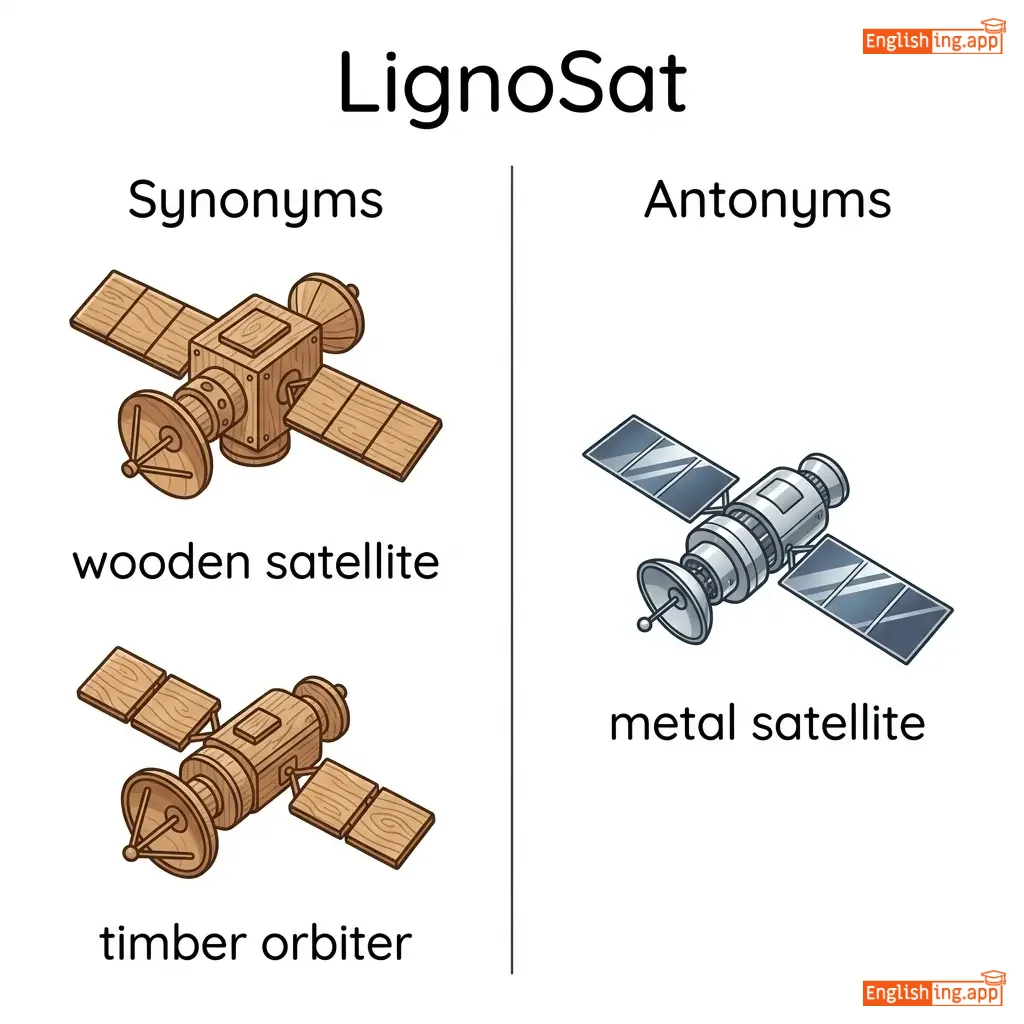
A wooden satellite that demonstrates the use of wood in space technology.
••••••
|
LignoSat demonstrates the use of wood in space. |
LignoSat は宇宙で木材の使用を示しています。
LignoSat wa uchuu de mokuzai no shiyou wo shimeshiteimasu.
••••••
|
wooden satellite, timber orbiter
••••••
|
metal satellite
••••••
|
LignoSat = 木材 + 衛星
••••••
|
|
#466
🌍
|
ˈɔː.bɪt
noun
(オービット)
••••••
|
|
軌道
kidō
••••••
|
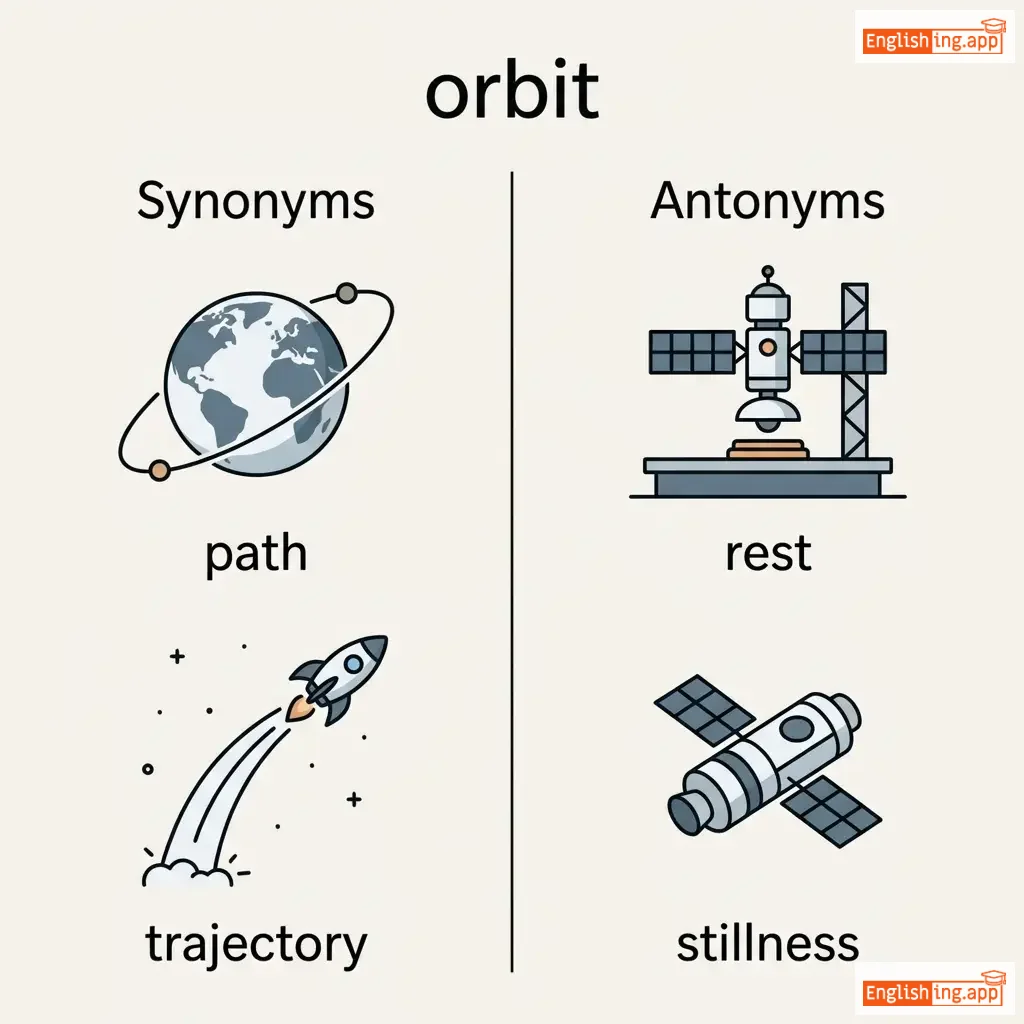
The curved path of a celestial object around a star, planet, or moon.
••••••
|
The satellite maintains its orbit around Earth. |
衛星は地球の周りを軌道上に保っています。
Eisei wa chikyū no mawari o kidō-jō ni tamotteimasu.
••••••
|
path, trajectory
••••••
|
random movement
••••••
|
軌道は天体が他の天体を回る道のようなものです。
••••••
|
|
#467
🚀
|
lɔːntʃt
verb
(ロンチド)
••••••
|
|
発射
hassha
••••••
|
Set (something) in motion by pushing it or letting it go.
••••••
|
The satellite was launched successfully. |
衛星は成功裏に発射されました。
Eisei wa seikōri ni hassha saremashita.
••••••
|
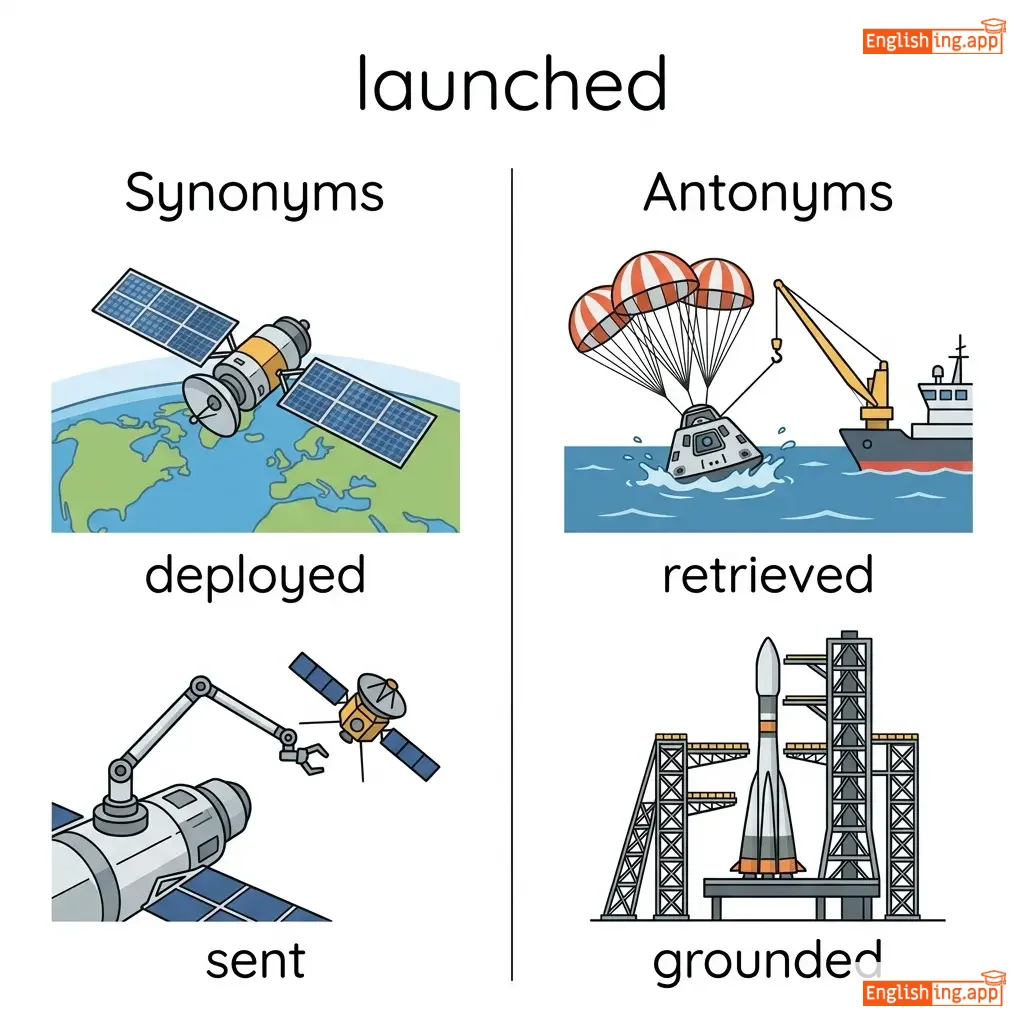
deployed, sent
••••••
|
retrieved, grounded
••••••
|
発射 = 発 = launched
••••••
|
|
#468
💡
|
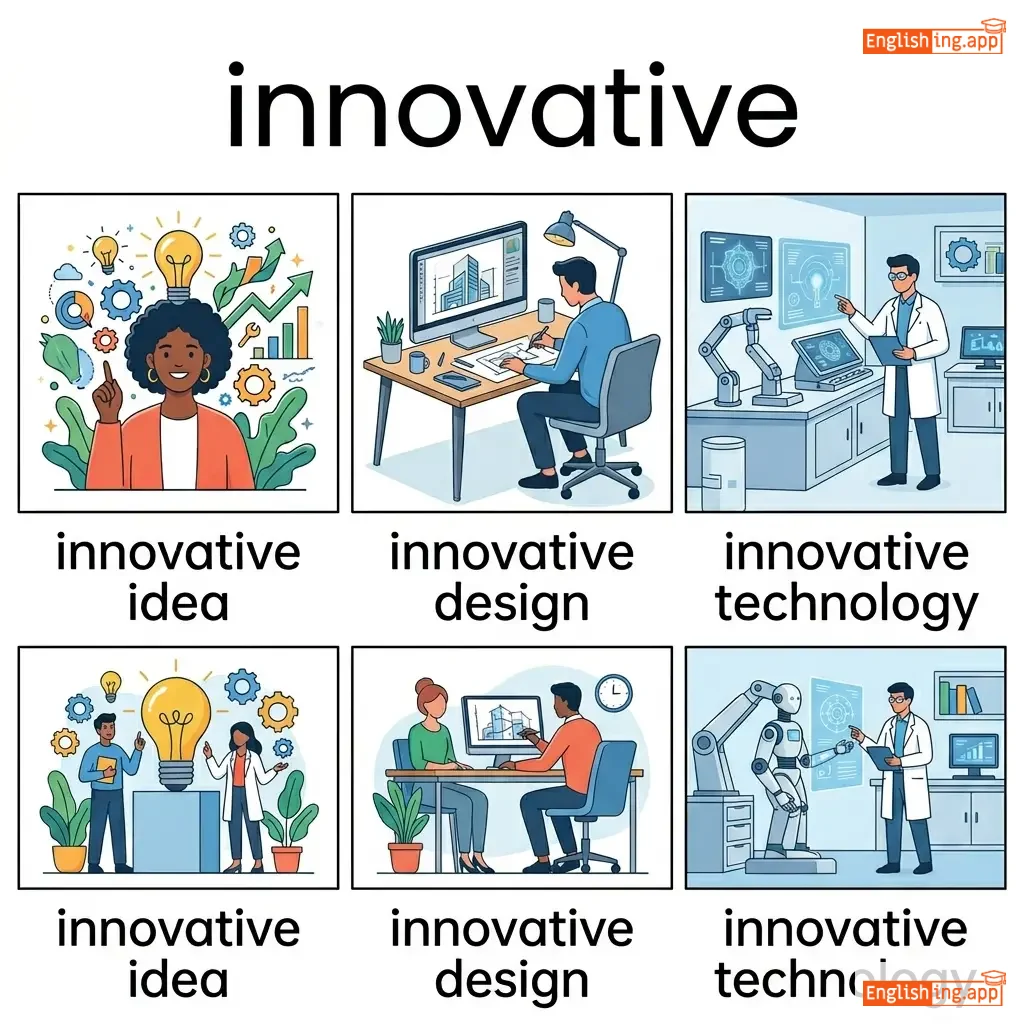
ˈɪn.ə.və.tɪv
adjective
(inovétiv)
••••••
|
|
革新的な
kakushinteki na
••••••
|
Featuring new methods; advanced and original.
••••••
|
Innovative technologies drive progress.
革新的な技術が進歩を促進します。
••••••
|
革新的な技術が進歩を促進します。
Kakushinteki na gijutsu ga shinpo o sokushin shimasu.
••••••
|
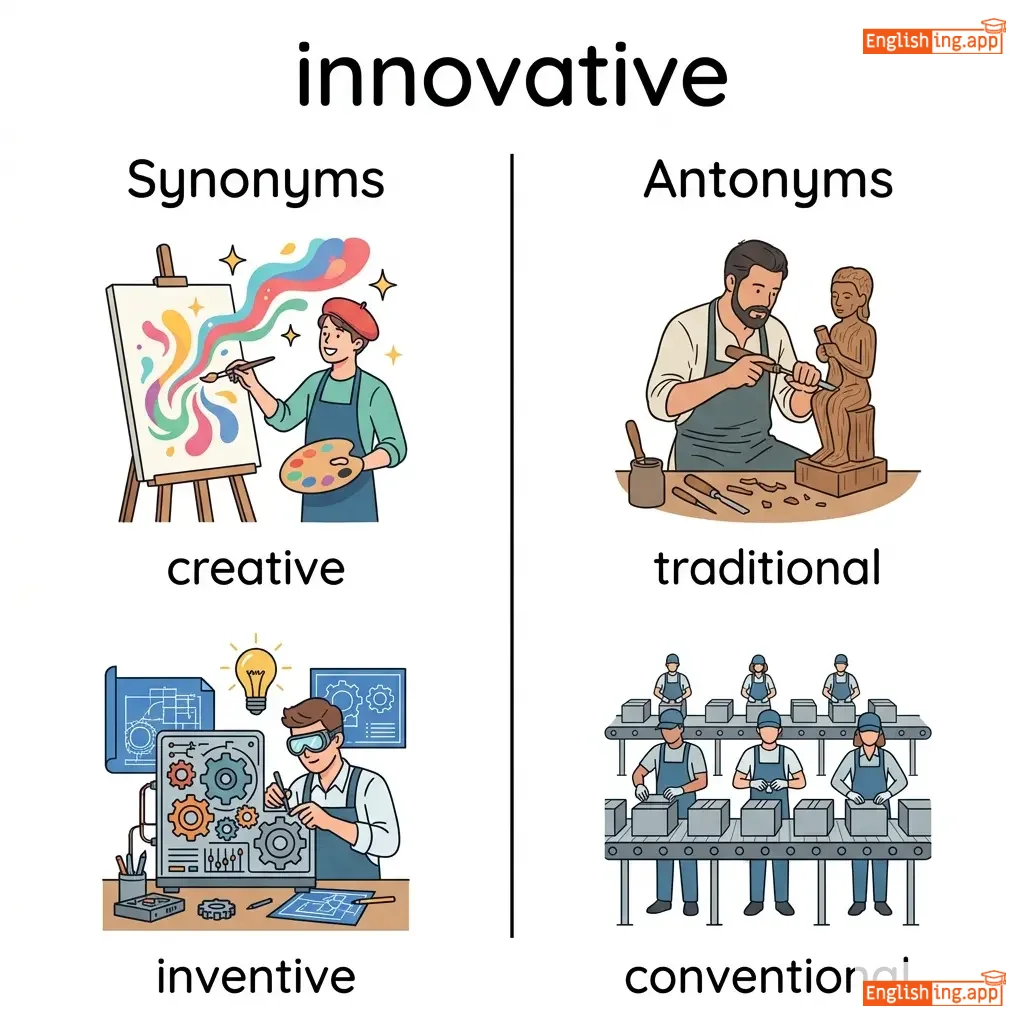
creative, groundbreaking
••••••
|
conventional, traditional
••••••
|
Innovative = 革新的な = 新しい技術で未来を創る。
••••••
|
|
#469
⚙️
|
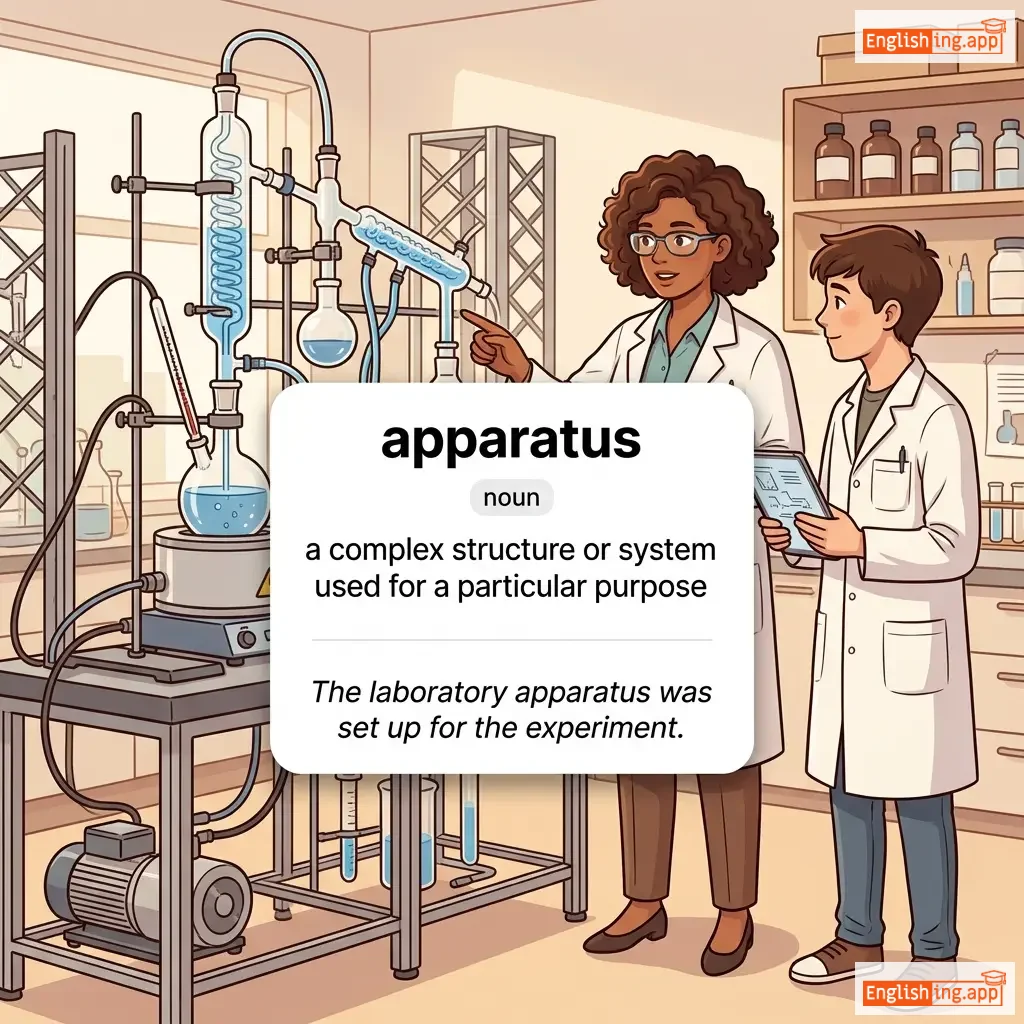
ˌæp.əˈreɪ.təs
noun
(アパラタス)
••••••
|
|
装置
sōchi
••••••
|
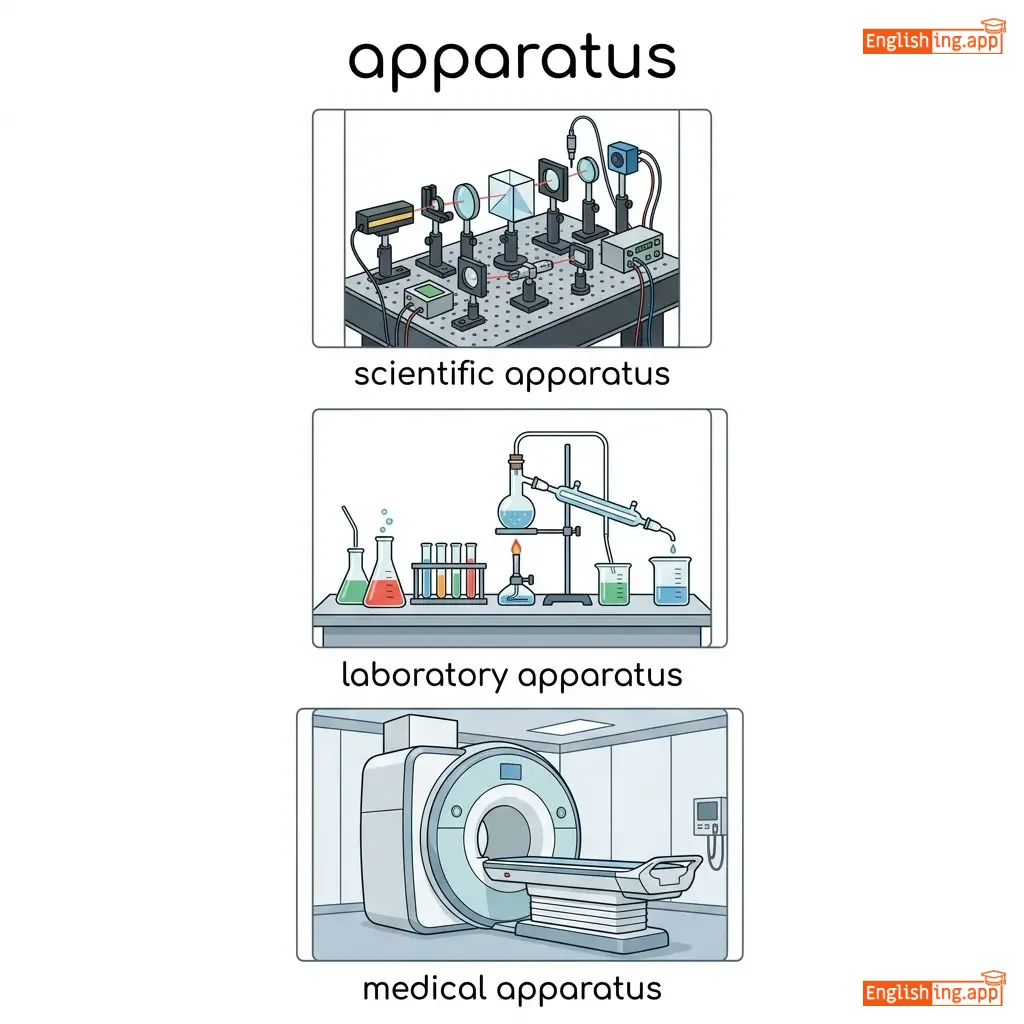
The technical equipment or machinery needed for a particular activity or purpose.
••••••
|
The apparatus was designed to be eco-friendly. |
その装置は環境に優しいように設計されました。
Sono sōchi wa kankyō ni yasashī yō ni sekkei saremashita.
••••••
|
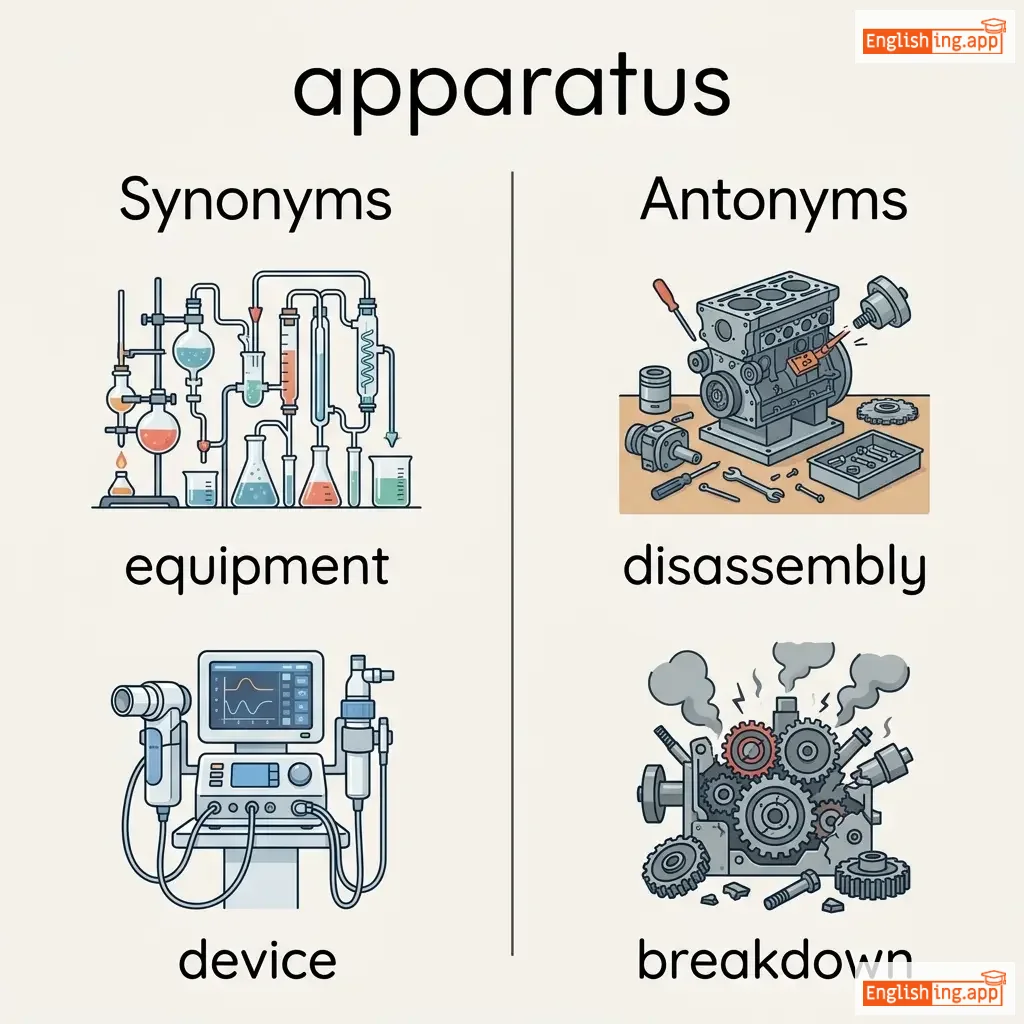
equipment, device
••••••
|
absence, simplicity
••••••
|
Sōchi sounds like 'so' and 'chi', a device essential to complete tasks, just like an apparatus.
••••••
|
|
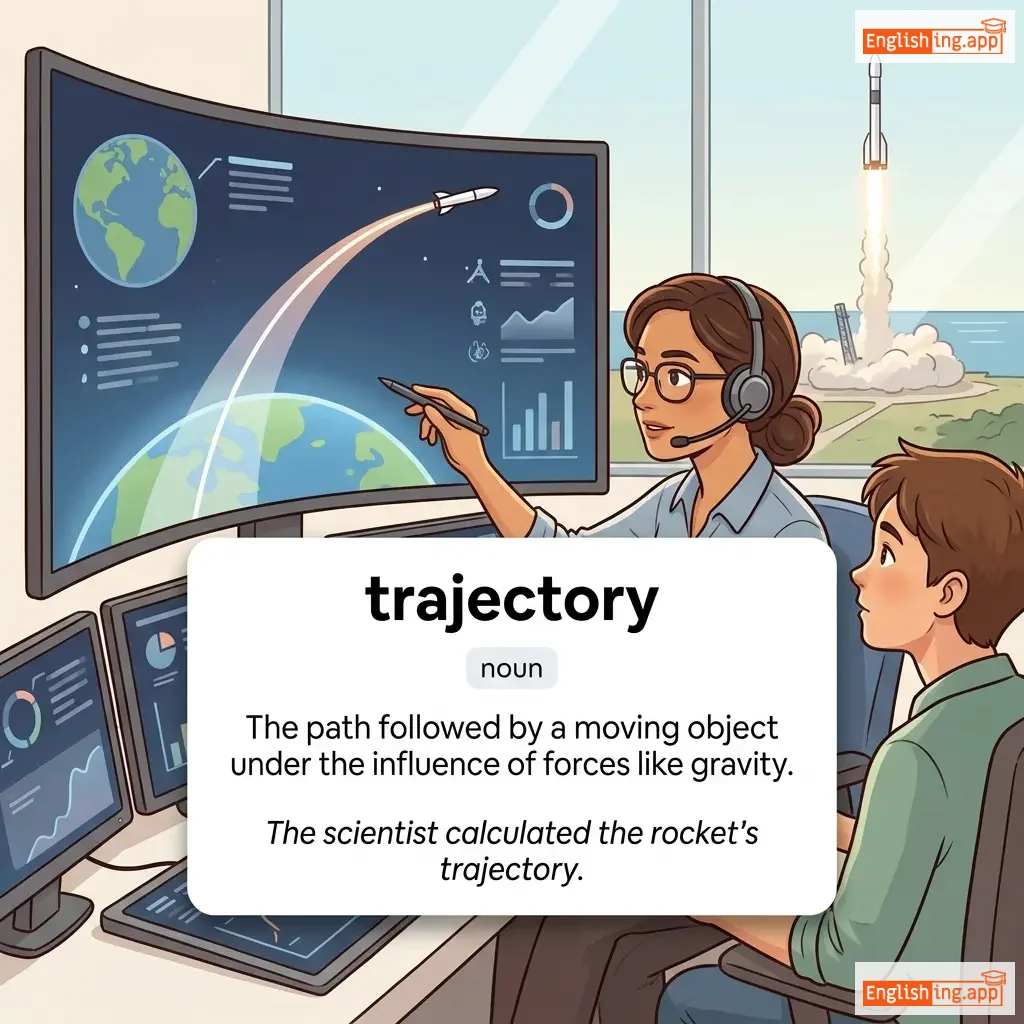
#470
📈
|
trəˈdʒek.tər.i
noun
(トラジェクトリ)
••••••
|
|
軌道
kidō
••••••
|
The path followed by a projectile flying or an object moving under the action of given forces.
••••••
|
The satellite followed its intended trajectory. |
衛星は予定された軌道に沿って飛行した。
Eisei wa yotei sareta kidō ni sotte hikō shita.
••••••
|
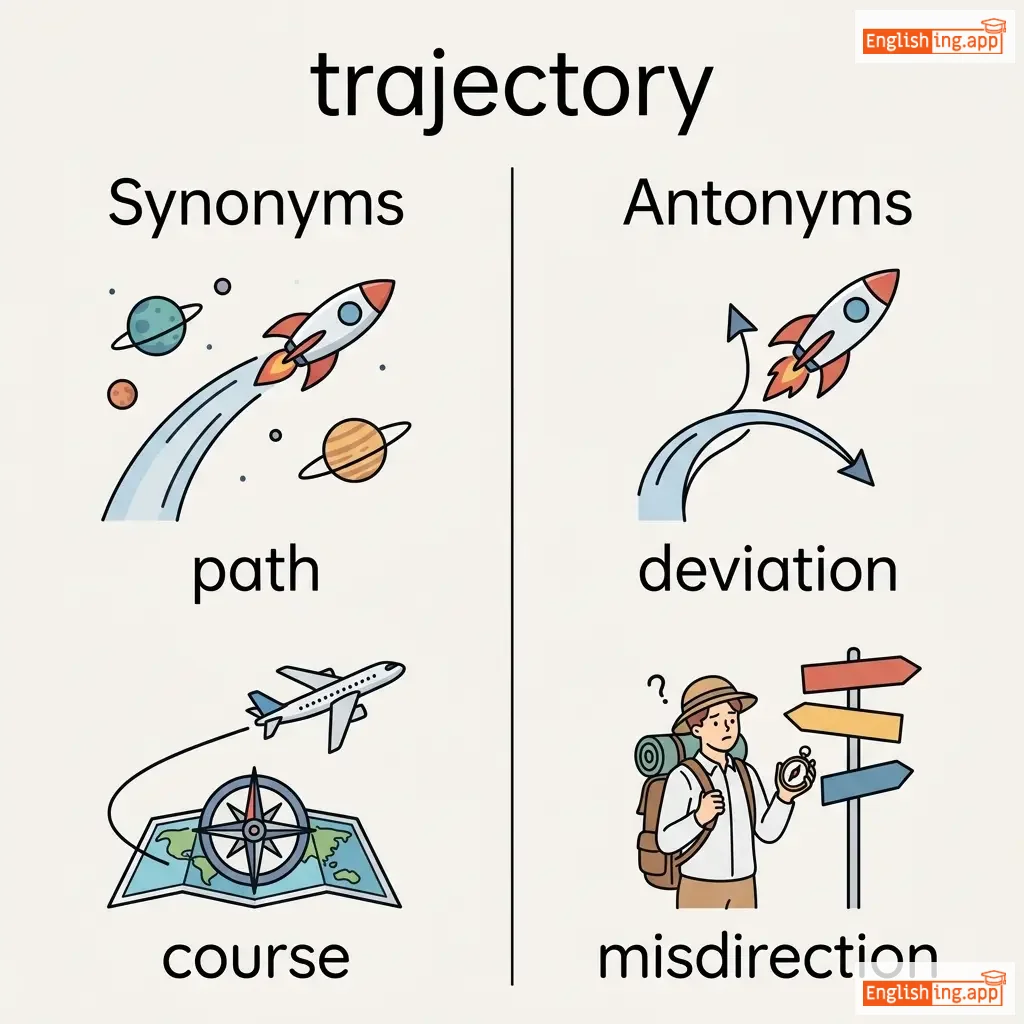
course, route
••••••
|
deviation, randomness
••••••
|
宇宙空間を飛ぶ衛星の軌道を想像してください。
••••••
|
|
#471
🎯
|
əbˈdʒek.tɪv
noun
(オブジェクティブ)
••••••
|
|
目標
mokuhyou
••••••
|
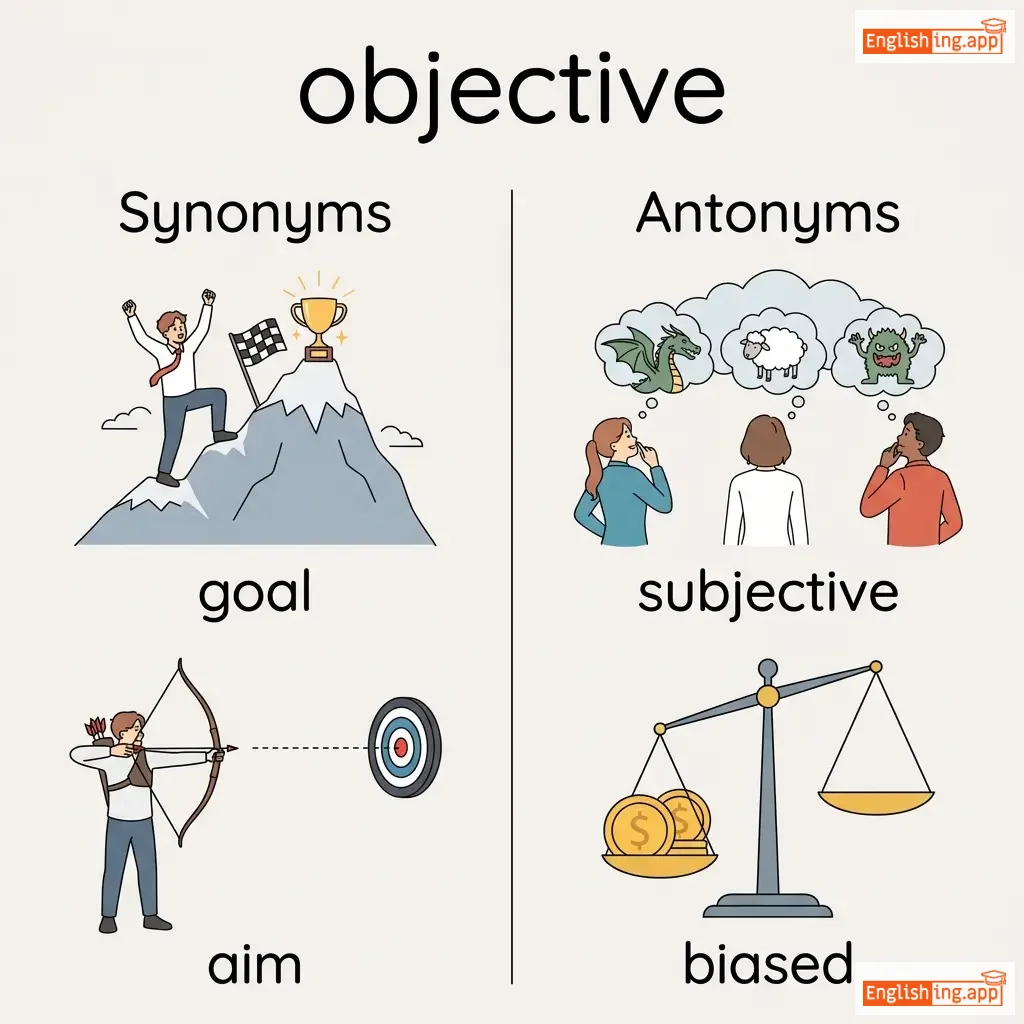
A thing aimed at or sought; a goal.
••••••
|
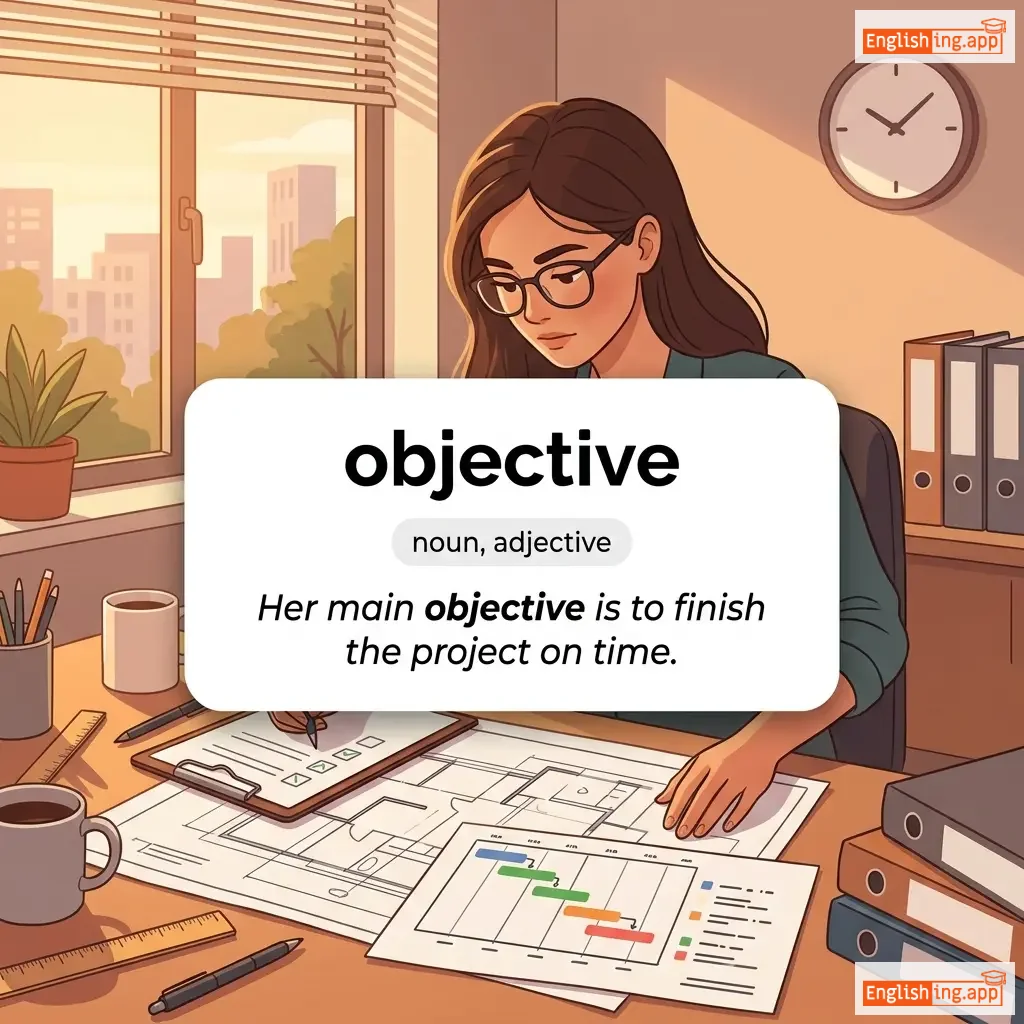
The main objective is to test sustainability.
メインオブジェクティブは持続可能性をテストすることです。
••••••
|
メインオブジェクティブは持続可能性をテストすることです。
Mein obujekutibu wa jizoku kanousei wo tesuto suru koto desu.
••••••
|
goal, purpose
••••••
|
aimlessness, randomness
••••••
|
目標は達成したいこと、つまり明確な'目標'です。
••••••
|
|
#472
💪
|
rɪˈzɪl.i.əns
noun
(レジリエンス)
••••••
|
|
レジリエンス
rejiriyensu
••••••
|
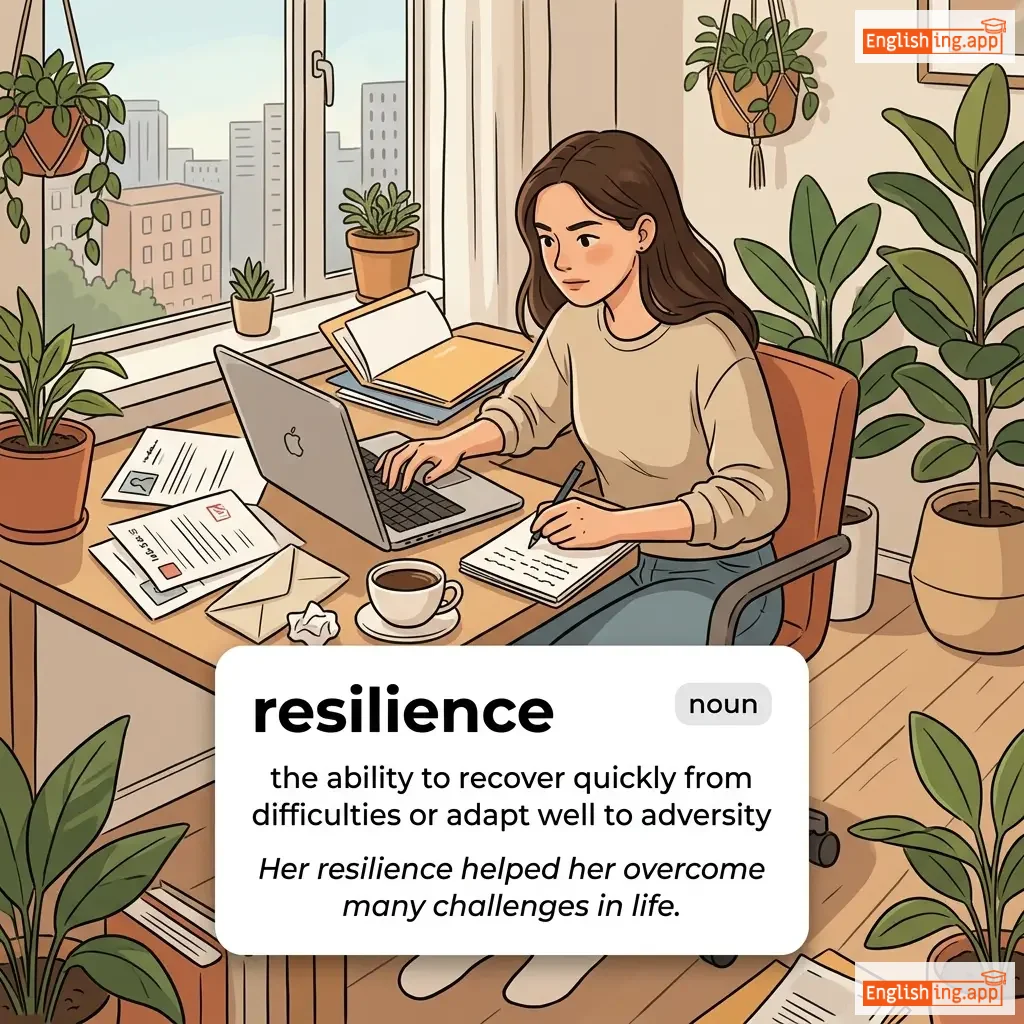
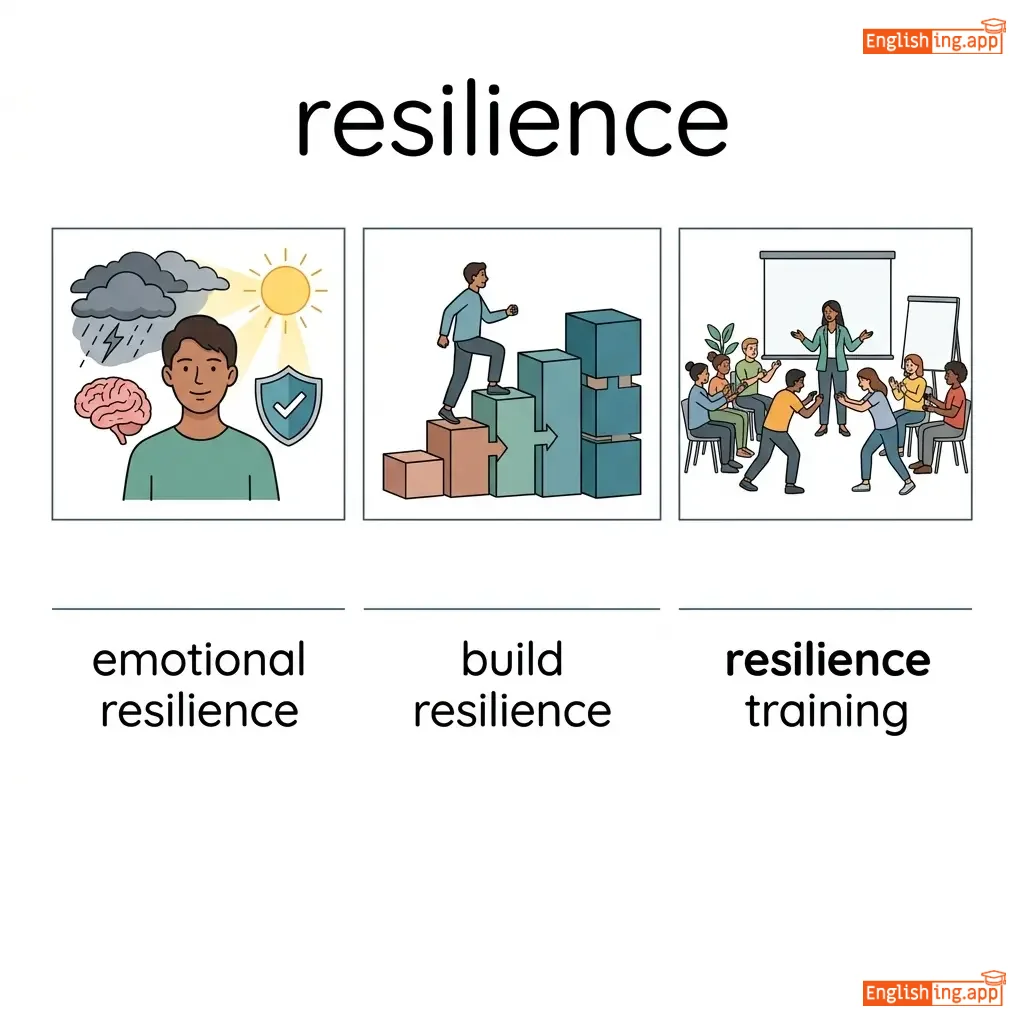
The ability to recover quickly from difficulties; toughness.
••••••
|
Testing the resilience of wood is crucial. |
木材のレジリエンスをテストすることは非常に重要です。
Mokuzai no rejiriyensu o tesuto suru koto wa hijō ni jūyōdesu.
••••••
|
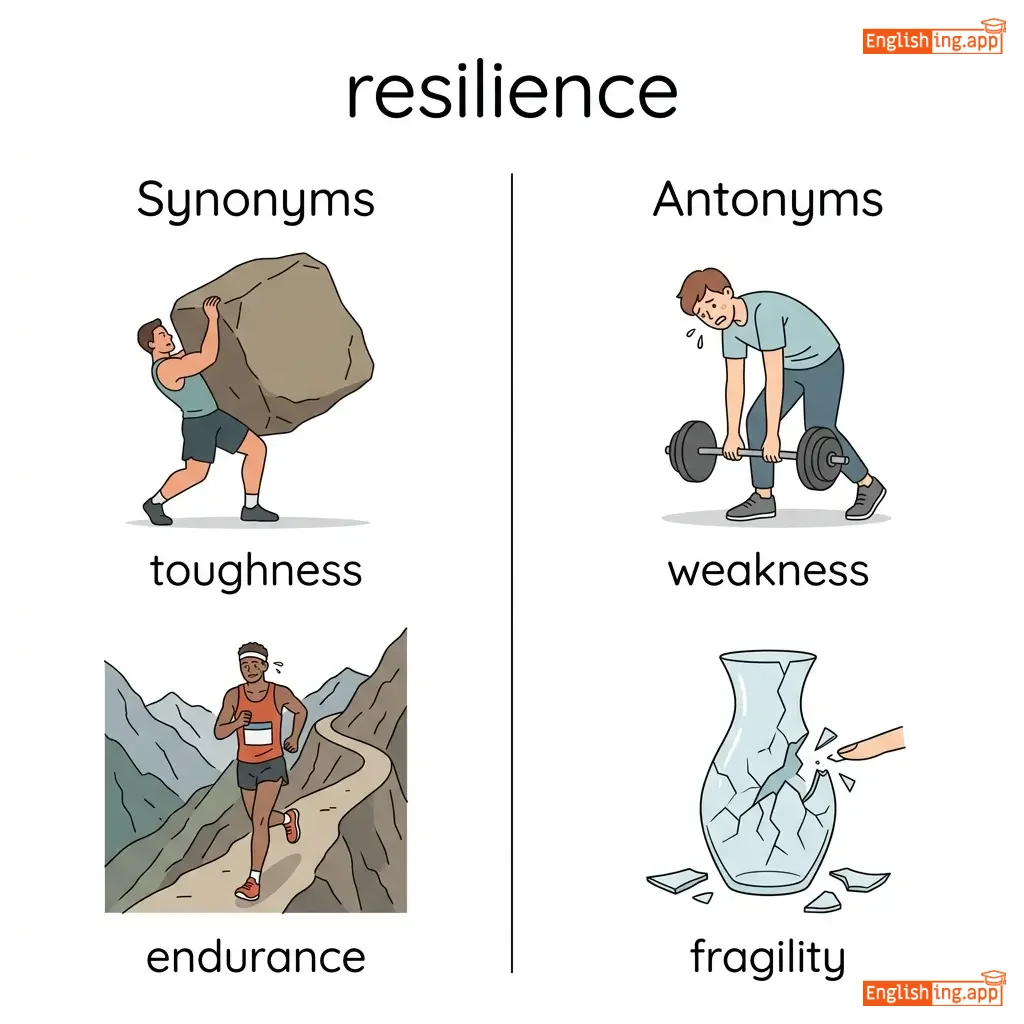
strength, endurance
••••••
|
fragility, weakness
••••••
|
レジリエンス (rejiriyensu) - 英語の 'resilience' と同じ意味
••••••
|
|
#473
🔧
|
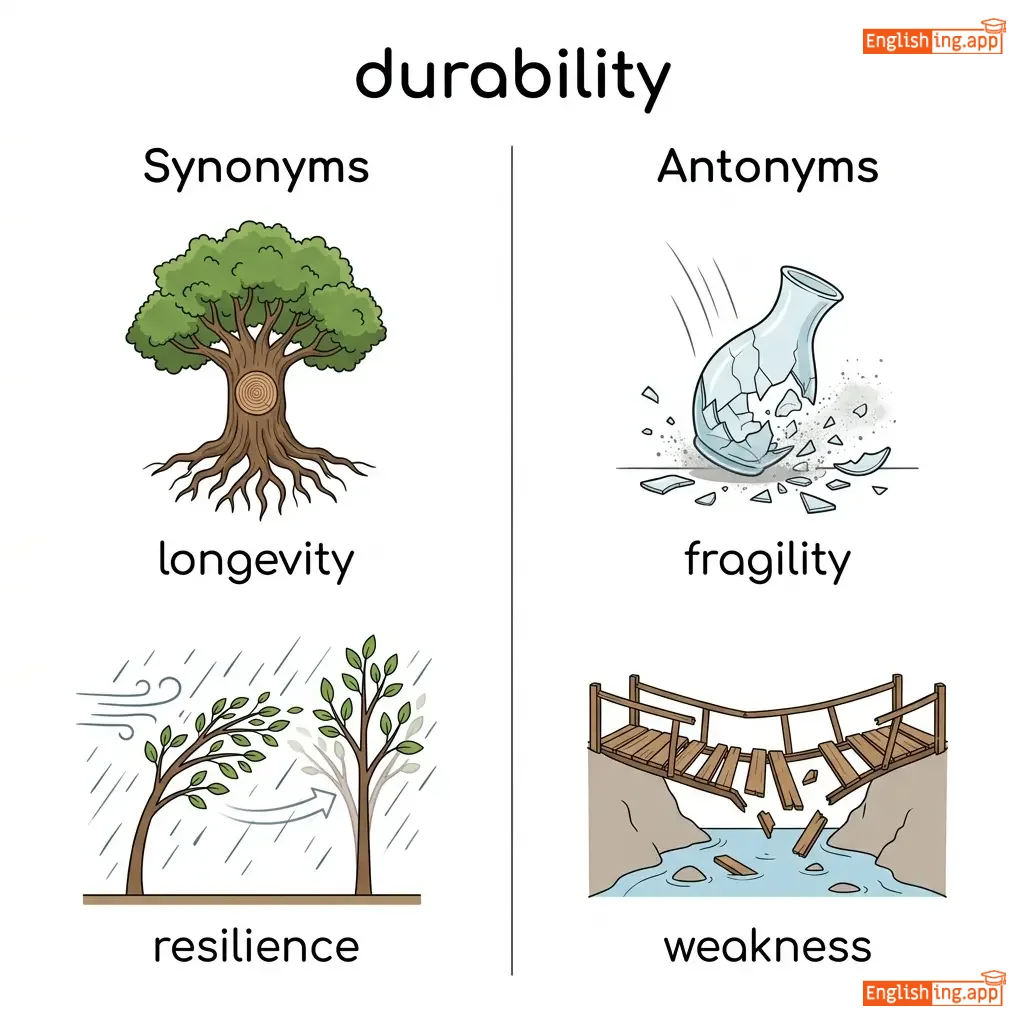
ˌdjʊə.rəˈbɪl.ə.ti
noun
(デュラビリティ)
••••••
|
|
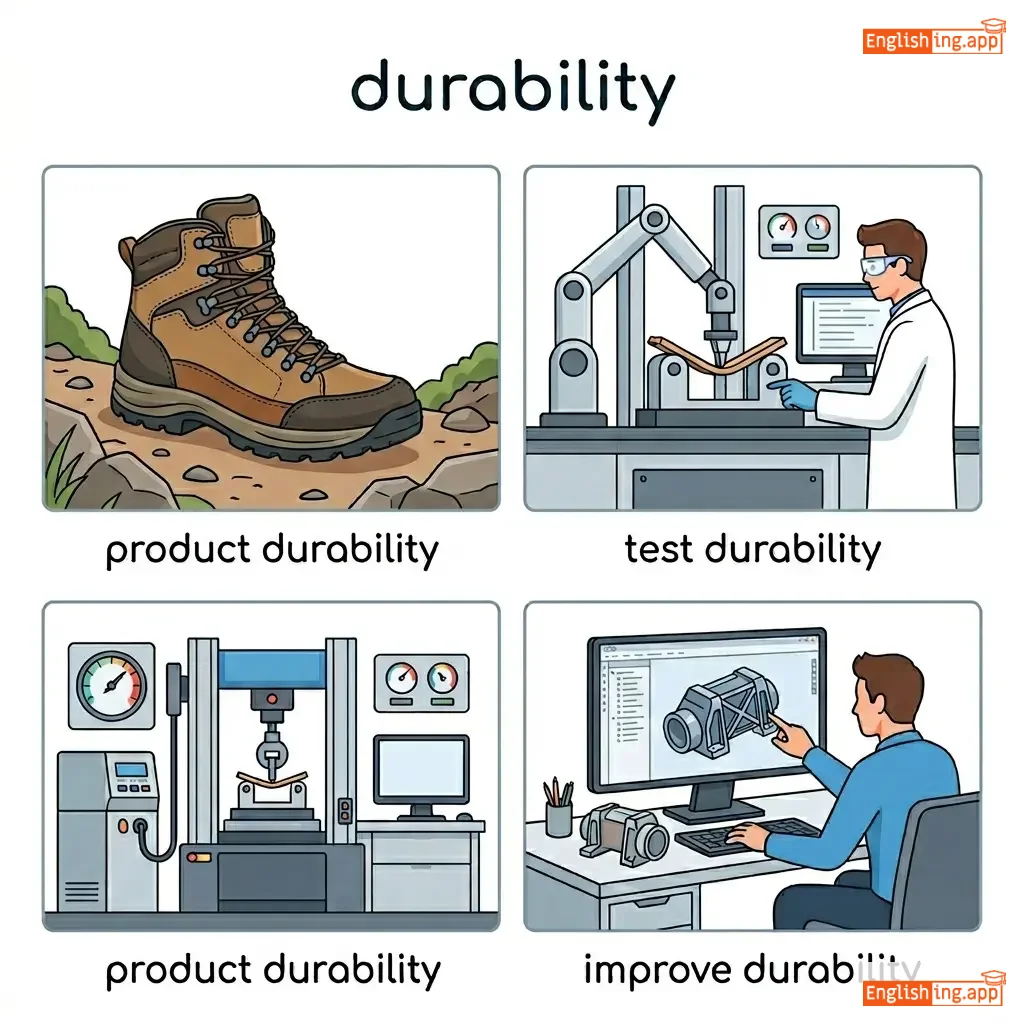
耐久性
taikyū-sei
••••••
|
The ability to withstand wear, pressure, or damage; hard-wearing.
••••••
|
The durability of materials affects performance. |
素材の耐久性はパフォーマンスに影響を与えます。
Sozai no taikyuu-sei wa pafōmansu ni eikyō o ataemasu.
••••••
|
longevity, toughness
••••••
|
frailty, fragility
••••••
|
耐久性 = 耐 + 久 + 性
••••••
|
|
#474
⭐
|
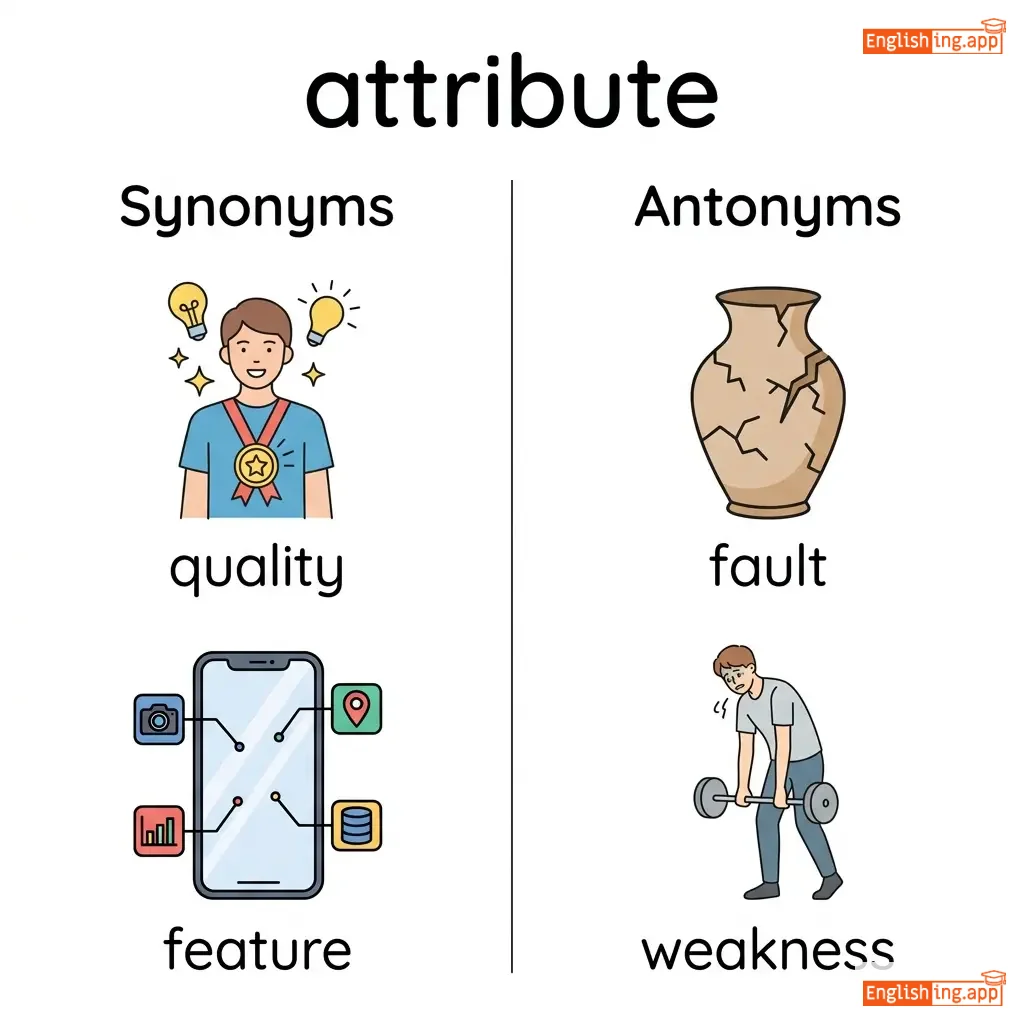
ˈæt.rɪ.bjuːt
noun
(エイトリビュート)
••••••
|
|
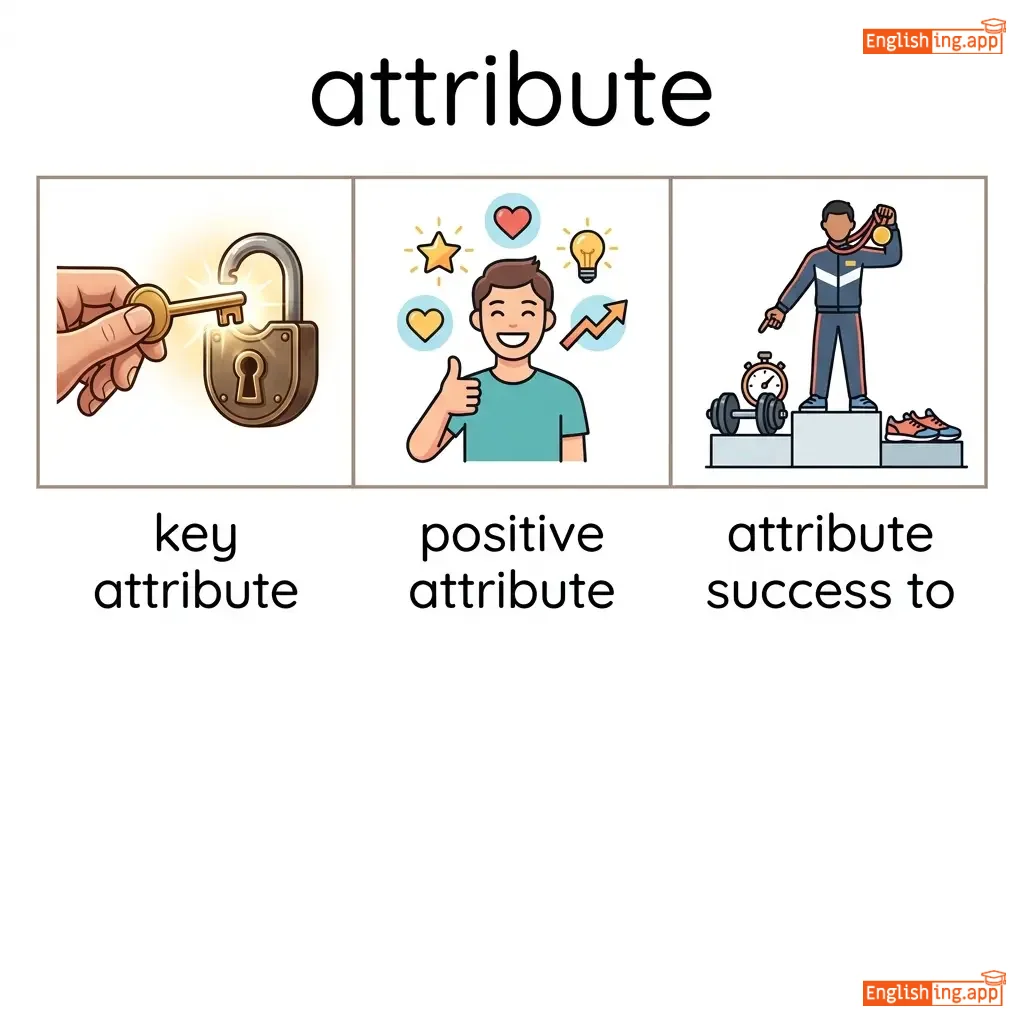
属性
zokusei
••••••
|
A quality or feature regarded as a characteristic or inherent part of someone or something.
••••••
|
An important attribute of wood is its flexibility.
木材の重要な属性はその柔軟性です。
••••••
|
木材の重要な属性はその柔軟性です。
Mokuzai no jūyō na zokusei wa sono jūnansei desu.
••••••
|
feature, quality
••••••
|
flaw, fault
••••••
|
Zokuseiは物や人の特徴に関連している。
••••••
|
|
#475
🗑️
|
ˈrez.ɪ.djuːz
noun
(レジデューズ)
••••••
|
|
残留物
zanryūbutsu
••••••
|
A small amount of something that remains after the main part has gone or been taken or used.
••••••
|
The burning process leaves no harmful residues. |
燃焼プロセスでは有害な残留物は残りません。
Nenshō purosesu de wa yūgaina zanryūbutsu wa nokorimasen.
••••••
|
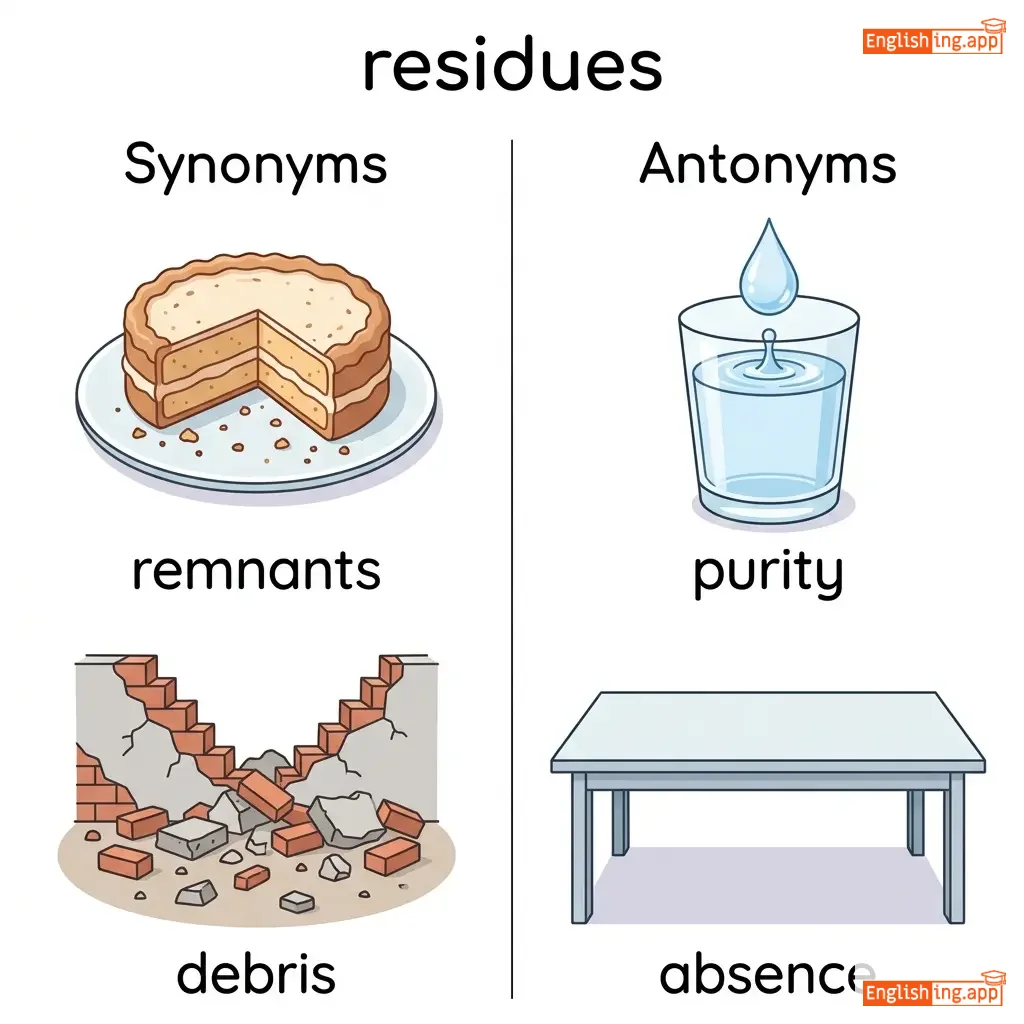
remnants, debris
••••••
|
purity, absence
••••••
|
残留物は燃焼後に残るものです。
••••••
|
|
#476
☠️
|
pəˈluː.tənts
noun
(ポリュータント)
••••••
|
|
汚染物質
osen busshitsu
••••••
|
A substance that pollutes or contaminates the environment.
••••••
|
Pollutants contribute to environmental degradation.
汚染物質は環境劣化を引き起こします。
••••••
|
汚染物質は環境劣化を引き起こします。
Osen busshitsu wa kankyō rekka o hikiokoshimasu.
••••••
|
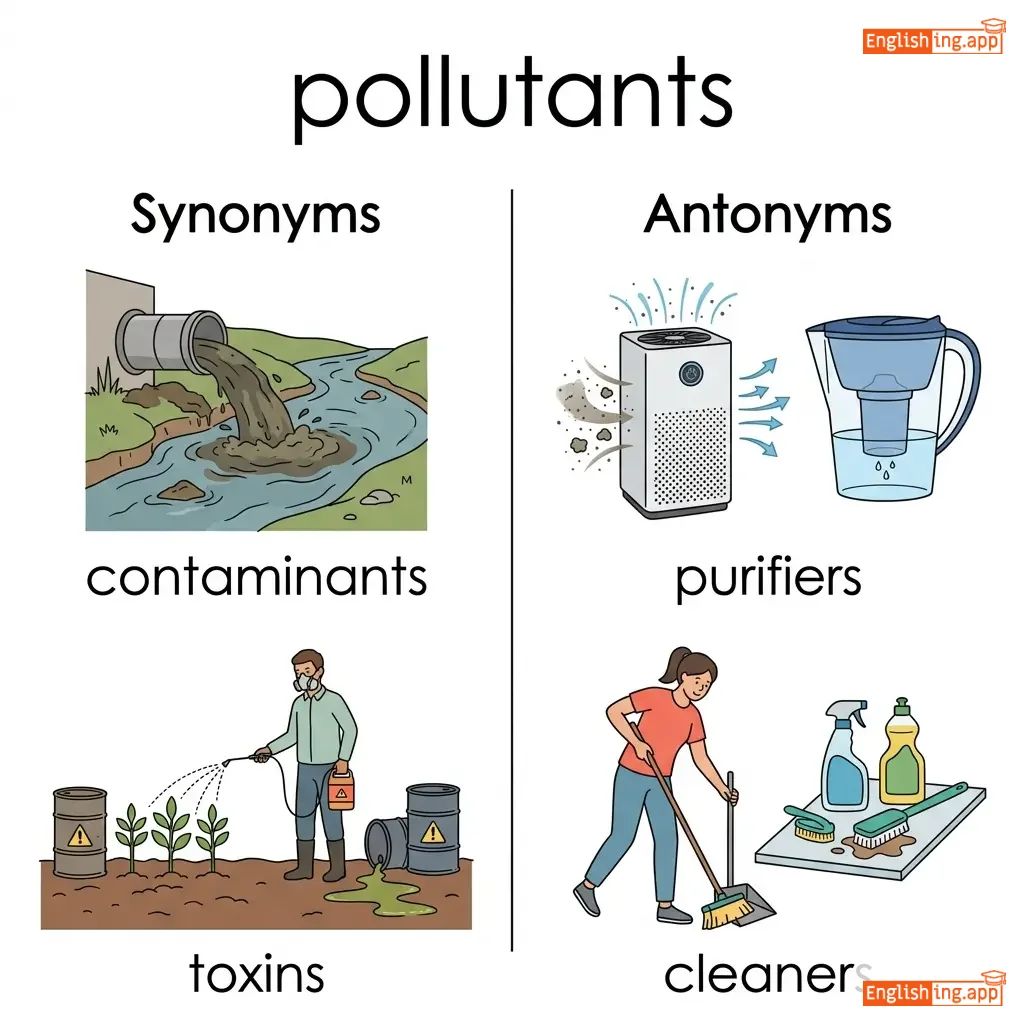
contaminants, impurities
••••••
|
purifiers, cleaners
••••••
|
汚染物質 = 環境を汚染する物質。
••••••
|
|
#477
☣️
|
kənˌtæm.ɪˈneɪ.ʃən
noun
(コンタミネーション)
••••••
|
|
汚染
osen
••••••
|
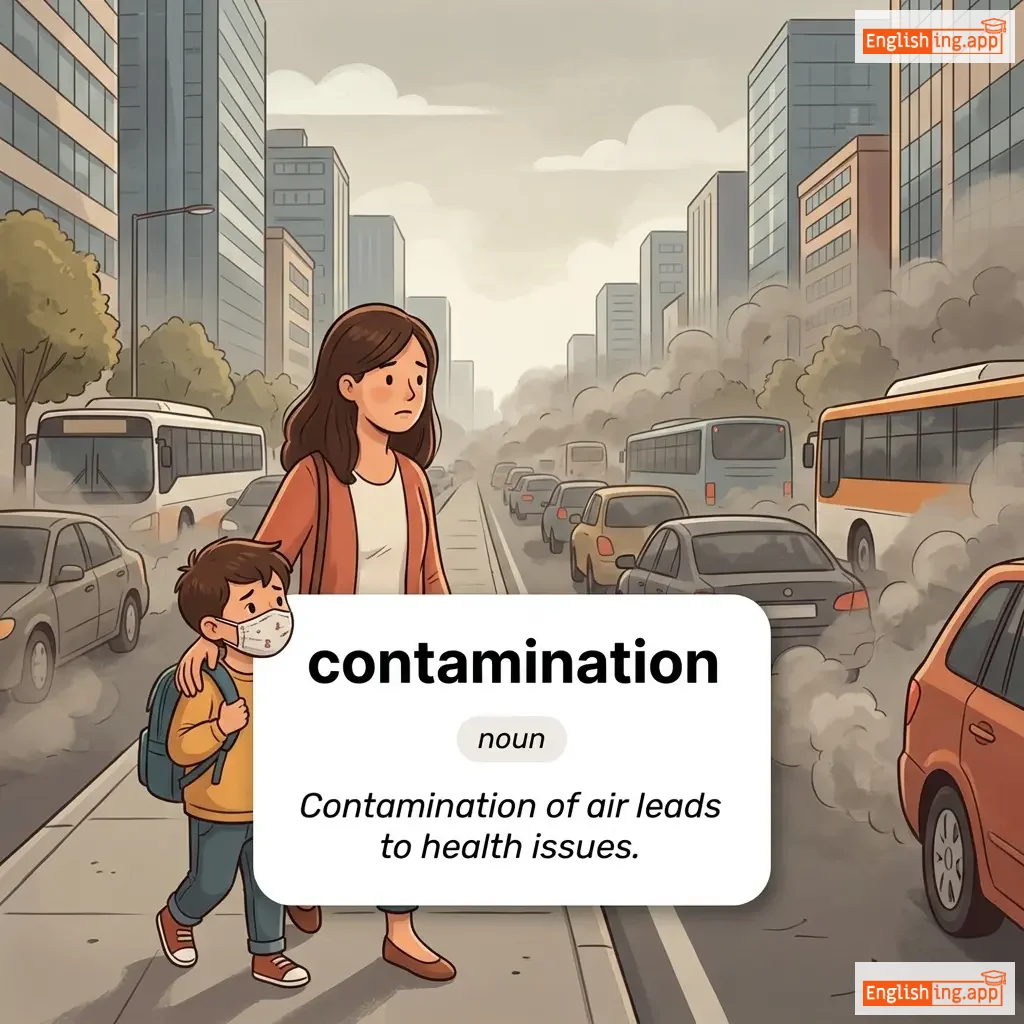
The process of making something less pure by exposure to or addition of a poisonous or polluting substance.
••••••
|
Contamination of air leads to health issues.
空気の汚染は健康に問題を引き起こします。
••••••
|
空気の汚染は健康に問題を引き起こします。
Kūki no osen wa kenkō ni mondai o hikiokoshimasu.
••••••
|
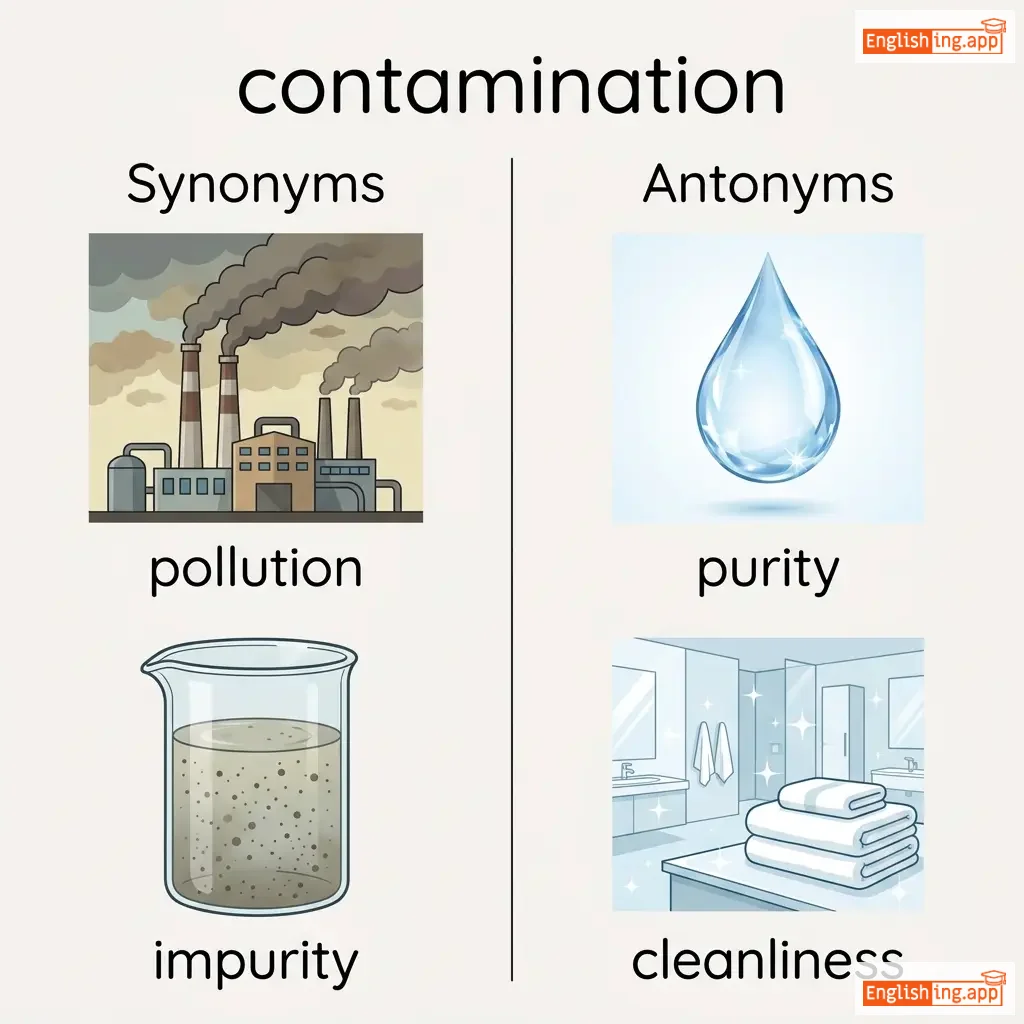
pollution, impurity
••••••
|
purity, cleanliness
••••••
|
汚染 (osen) - 汚染された空気は健康に良くない。
••••••
|
|
#478
💥
|
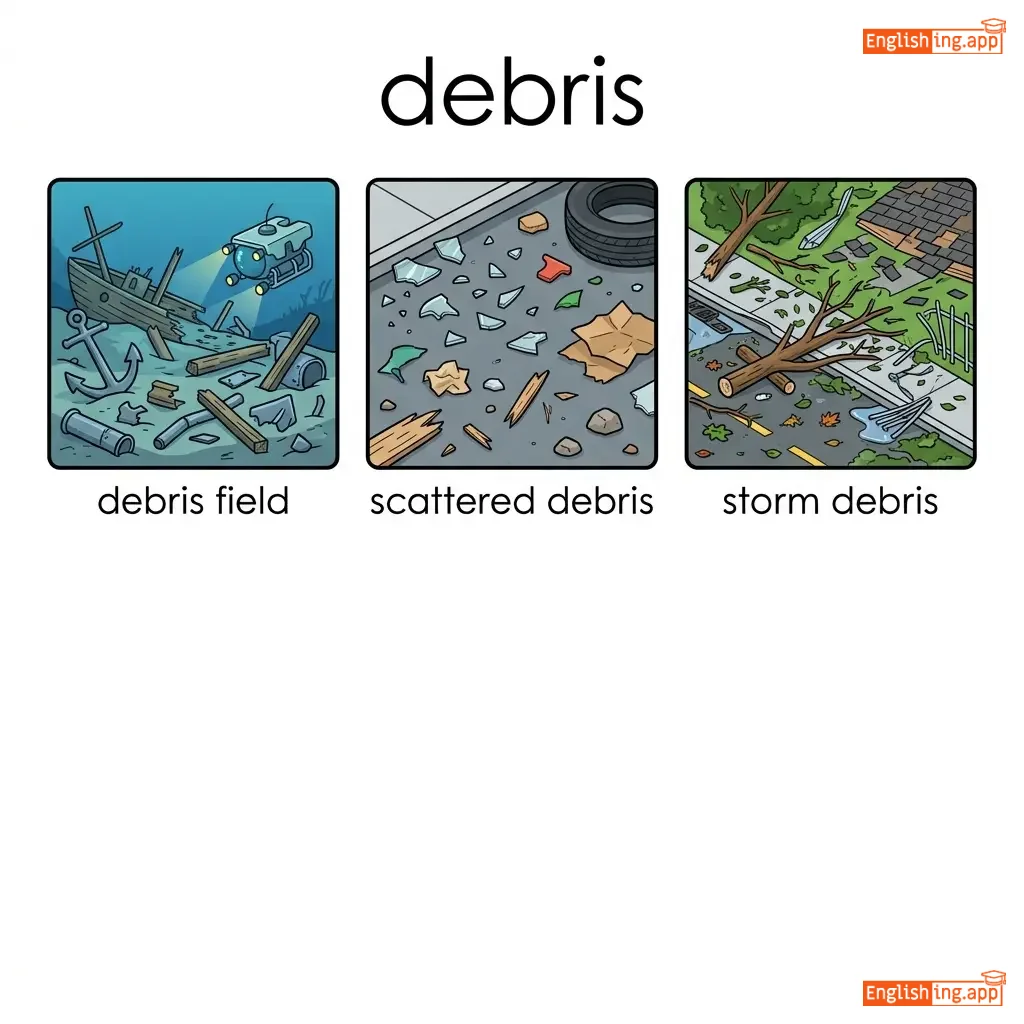
ˈdeb.riː
noun
(デブリ)
••••••
|
|
破片
hapen
••••••
|
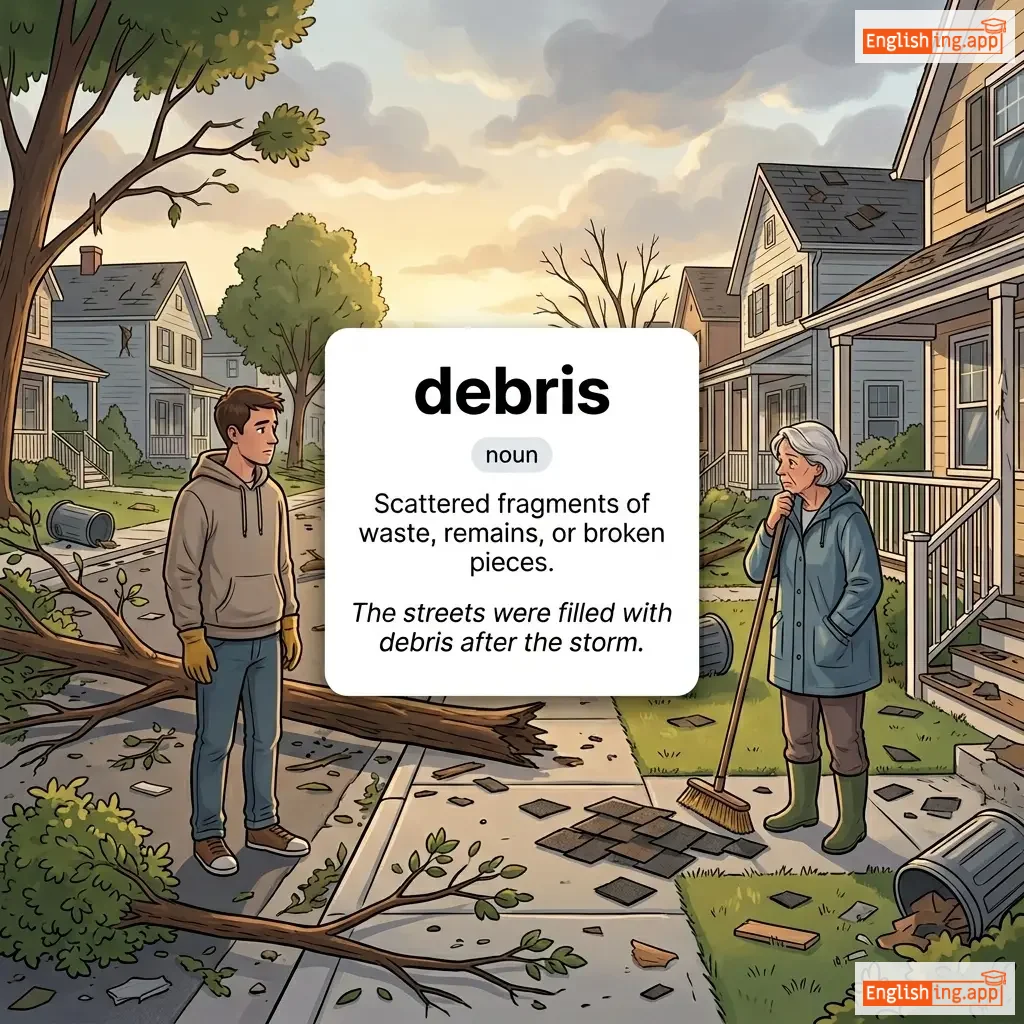
Scattered pieces of rubbish or remains.
••••••
|
Space debris is a major concern for scientists. |
宇宙の破片は科学者にとって大きな懸念です。
Uchuu no hapen wa kagakusha ni totte ookina kennnen desu.
••••••
|
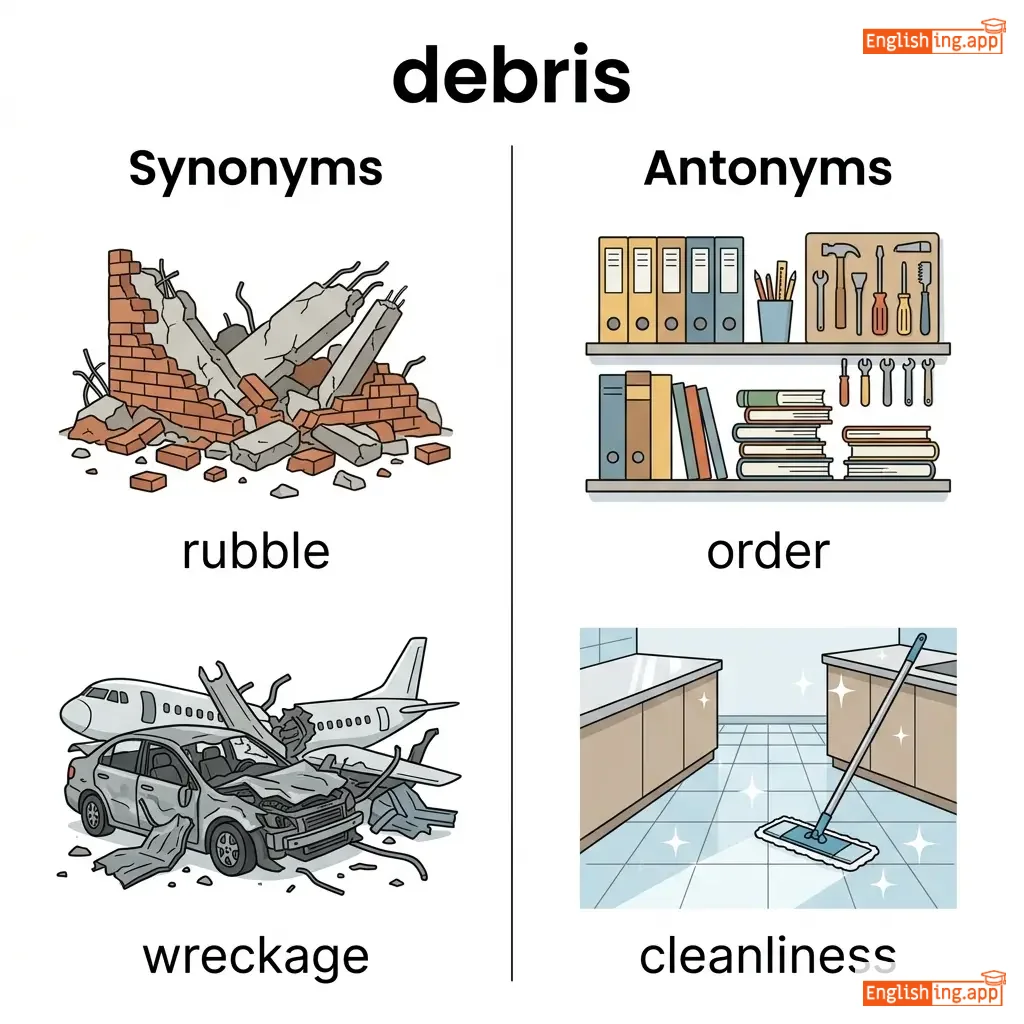
rubble, waste
••••••
|
order, purity
••••••
|
宇宙の破片、科学者たちの大きな懸念。
••••••
|
|
#479
🏡
|
ˈhæb.ɪ.tæts
noun
(ハビタッツ)
••••••
|
|
生息地
seisokuchi
••••••
|
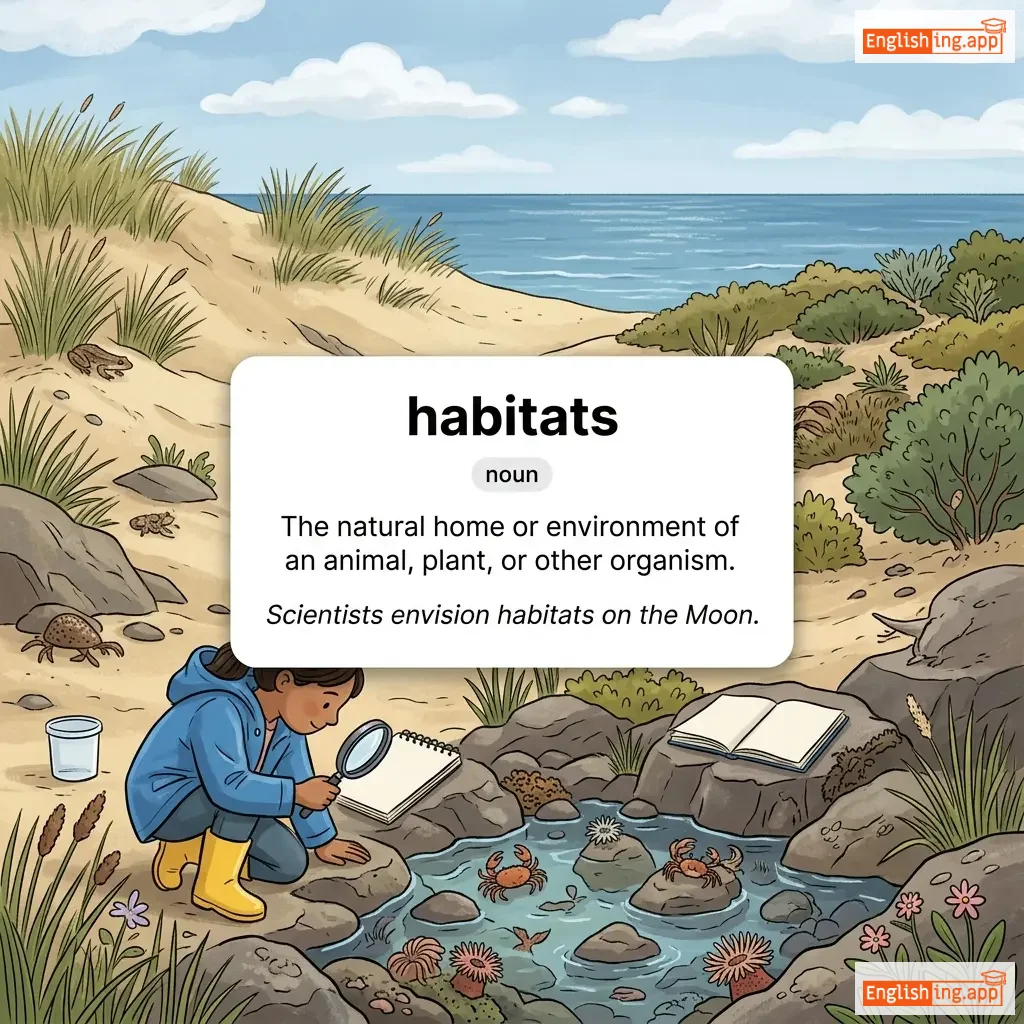
The natural home or environment of an animal, plant, or other organism.
••••••
|
Scientists envision habitats on the Moon.
科学者たちは月面にハビタッツを想像しています。
••••••
|
科学者たちは月面にハビタッツを想像しています。
Kagakusha-tachi wa getsumen ni habitats o sōzō shiteimasu.
••••••
|
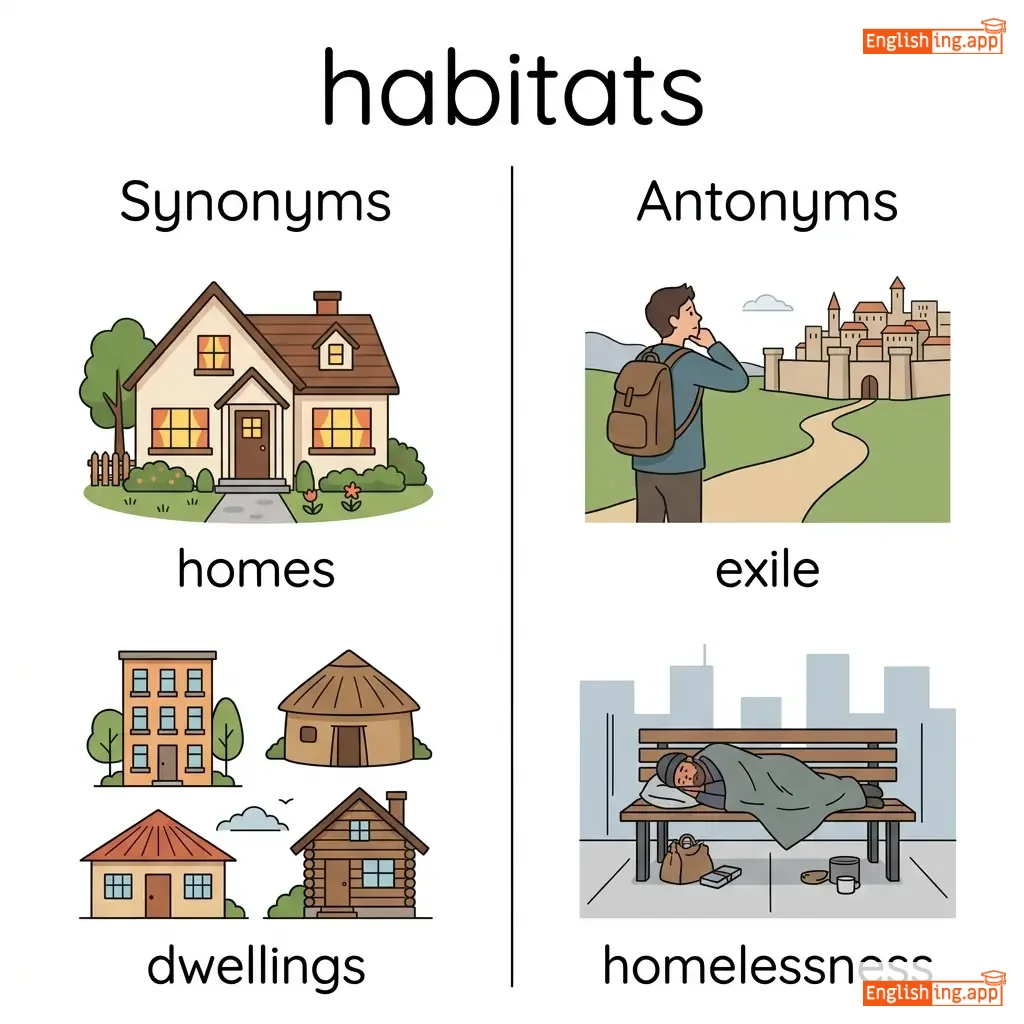
homes, dwellings
••••••
|
exile, homelessness
••••••
|
生息地 (seisokuchi) is like 'habitat' in English.
••••••
|
|
#480
🏗️
|
ˈɪn.frəˌstrʌk.tʃər
noun
(インフラストラクチャー)
••••••
|
|
インフラ
infura
••••••
|
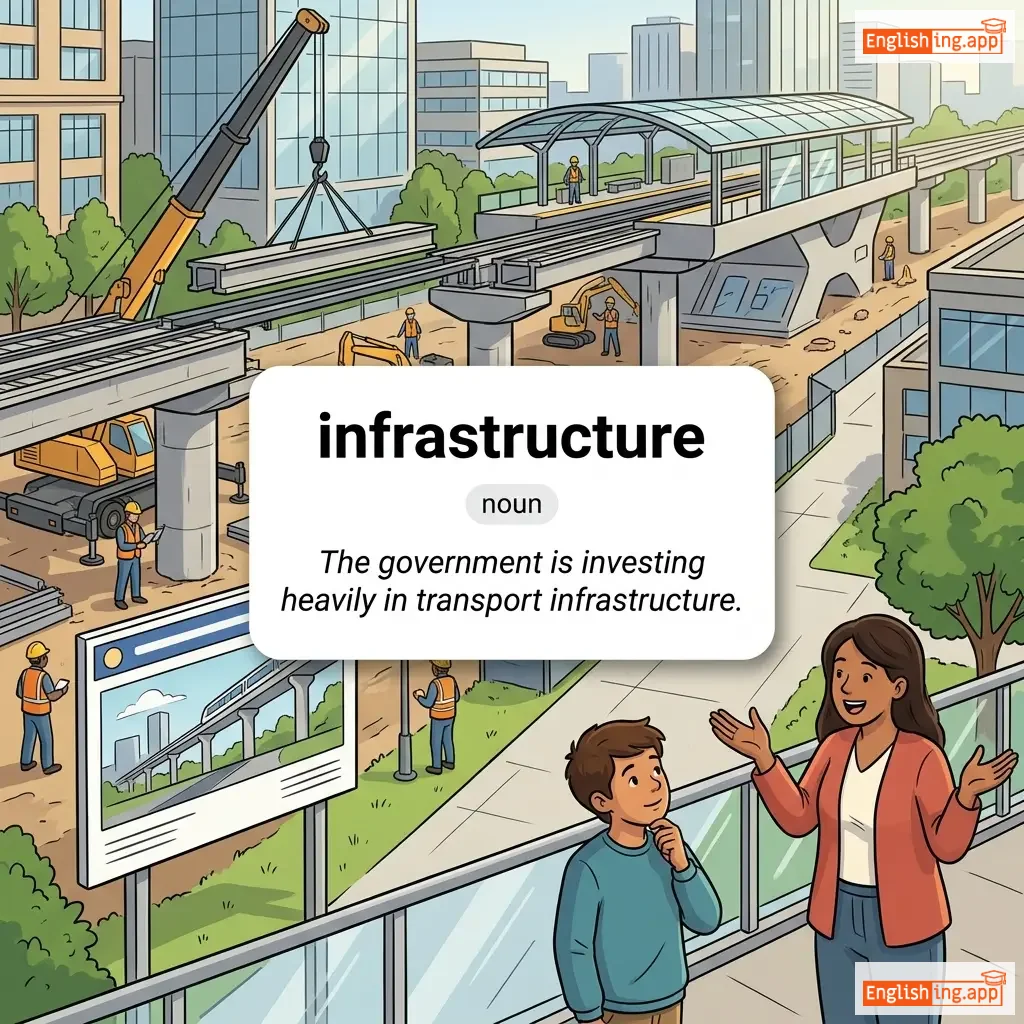
The basic physical and organizational structures and facilities needed for the operation of a society or enterprise.
••••••
|
Developing infrastructure is key to progress. |
インフラの発展は進歩の鍵です。
Infura no hatten wa shinpo no kagi desu.
••••••
|
framework, foundation
••••••
|
chaos, disorganization
••••••
|
インフラはすべての基盤として必要です。
••••••
|
|
#481
🚀
|
ˈbreɪk.θruː
noun
(ブレイクスルー)
••••••
|
|
ブレークスルー
bureikusurū
••••••
|
A sudden, dramatic, and important discovery or development.
••••••
|
The breakthrough opens doors for new technology. |
このブレークスルーは新しい技術への扉を開きます。
Kono bureikusurū wa atarashī gijutsu e no tobira o hirakimasu.
••••••
|
discovery, innovation
••••••
|
setback, regression
••••••
|
Breakthrough = 新技術への扉を開けるブレークスルー
••••••
|
|
#482
♻️
|
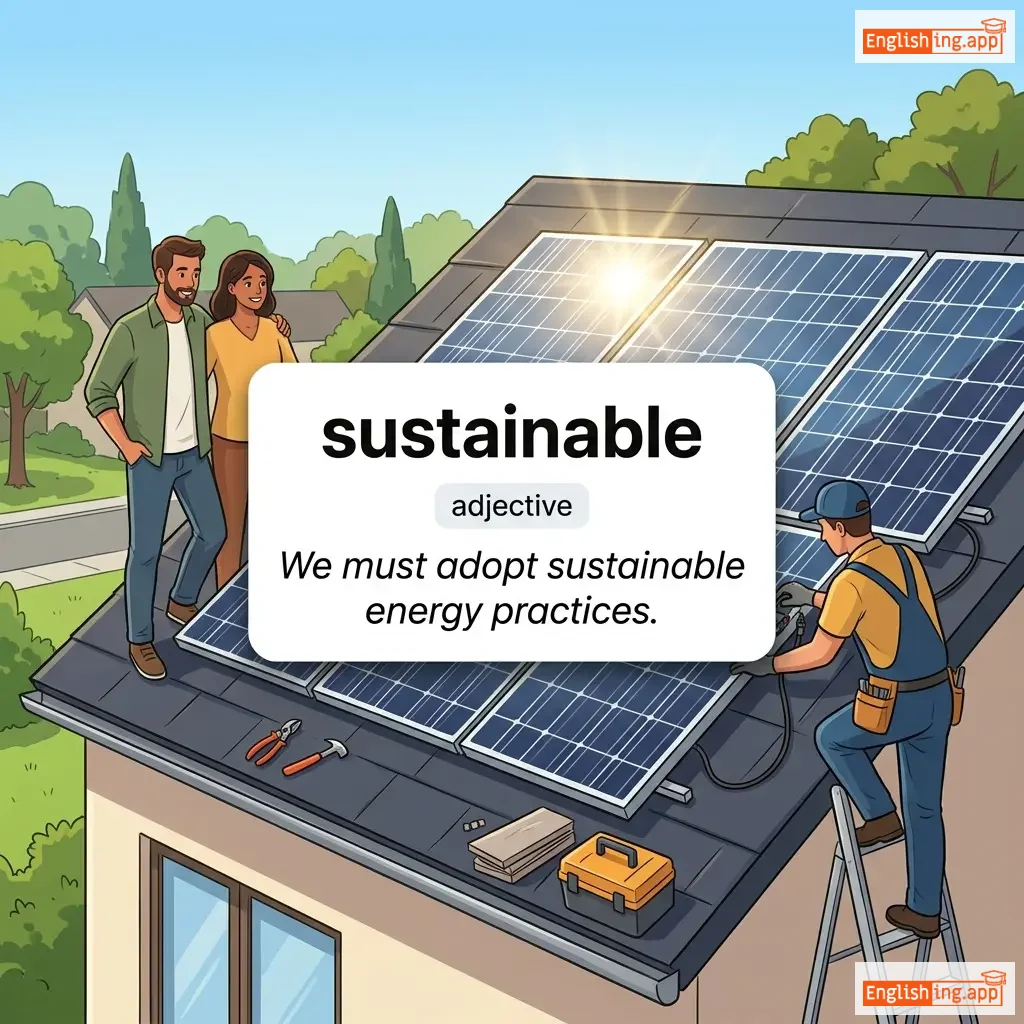
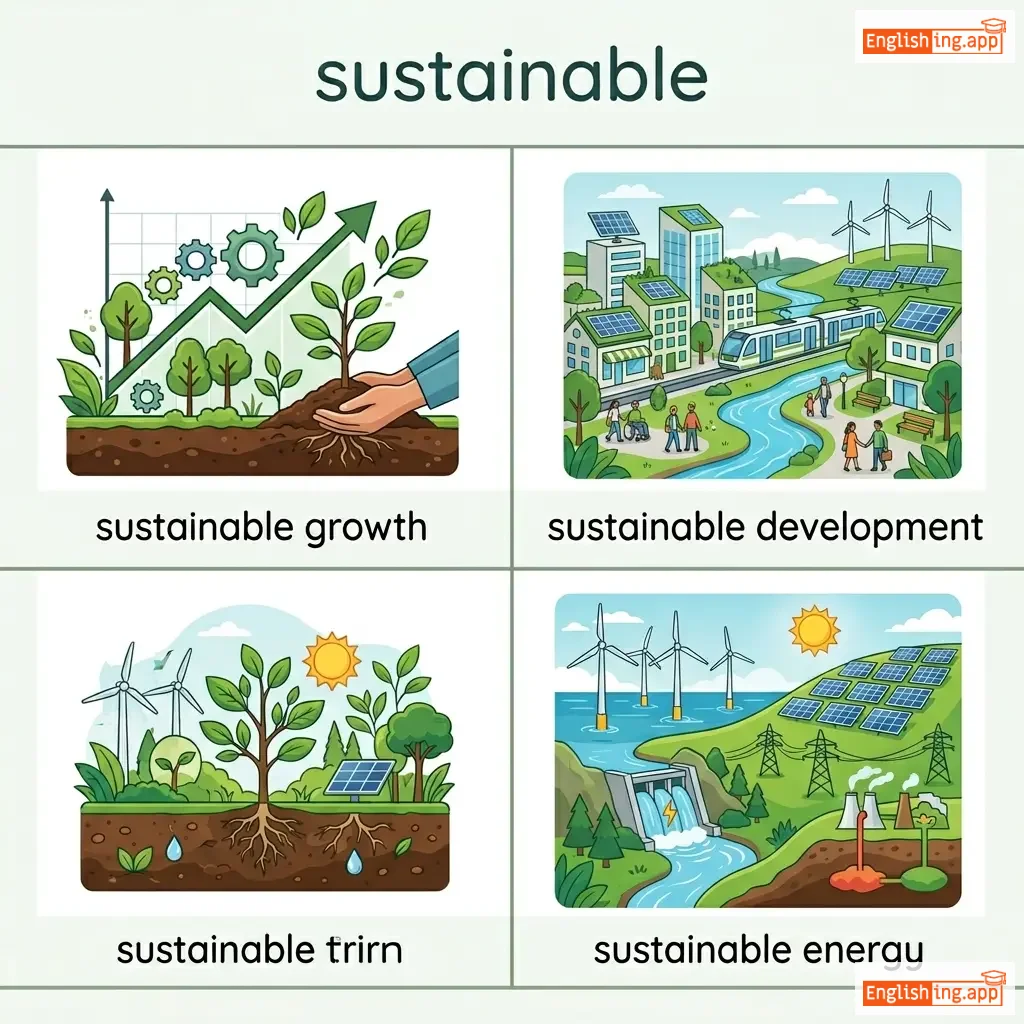
səˈsteɪ.nə.bəl
adjective
(sʊsˈteɪnəbəl)
••••••
|
|
持続可能
jizoku kanou
••••••
|
Able to be maintained at a certain rate or level.
••••••
|
Sustainable practices ensure environmental health.
持続可能な実践は環境の健康を保証します。
••••••
|
持続可能な実践は環境の健康を保証します。
Jizoku kanou na jissen wa kankyou no kenko o hoshou shimasu.
••••••
|
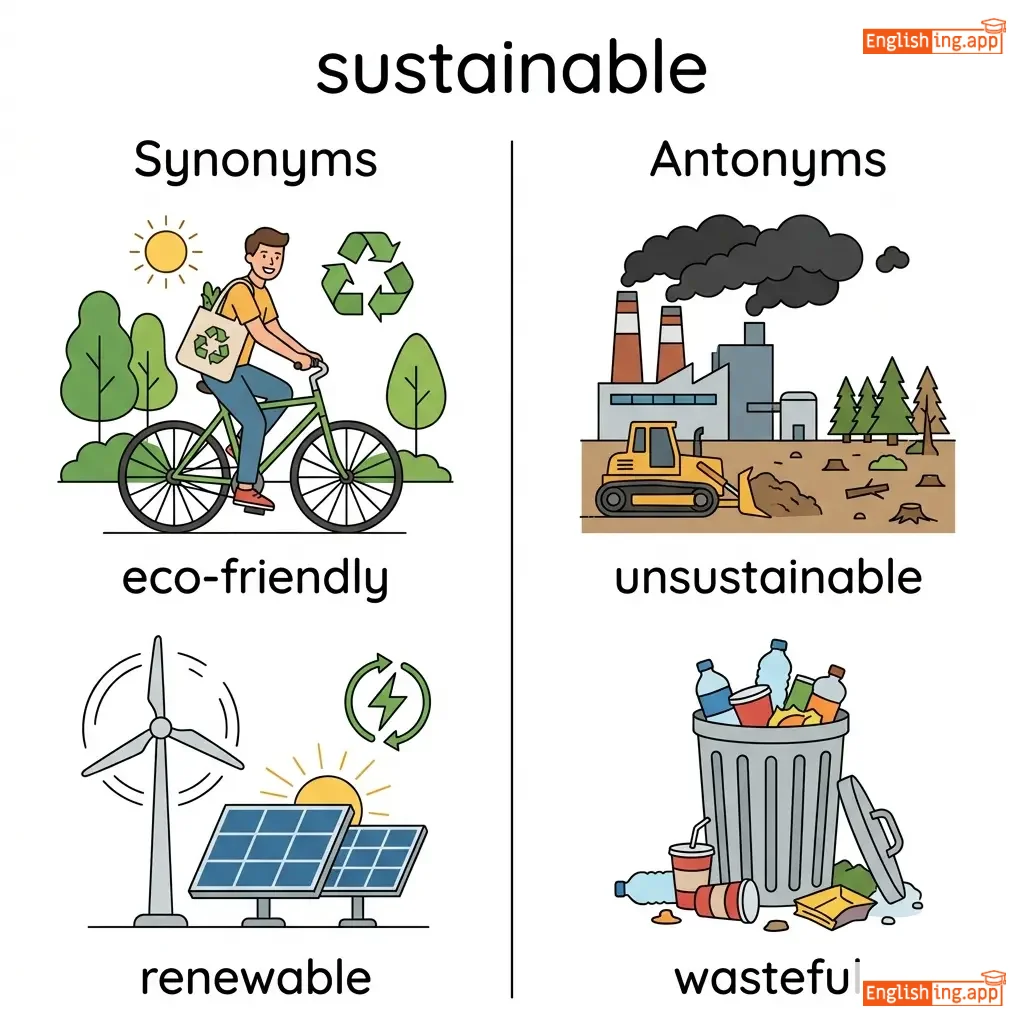
eco-friendly, durable
••••••
|
unsustainable, temporary
••••••
|
持続可能 = Sustainable
••••••
|
|
#483
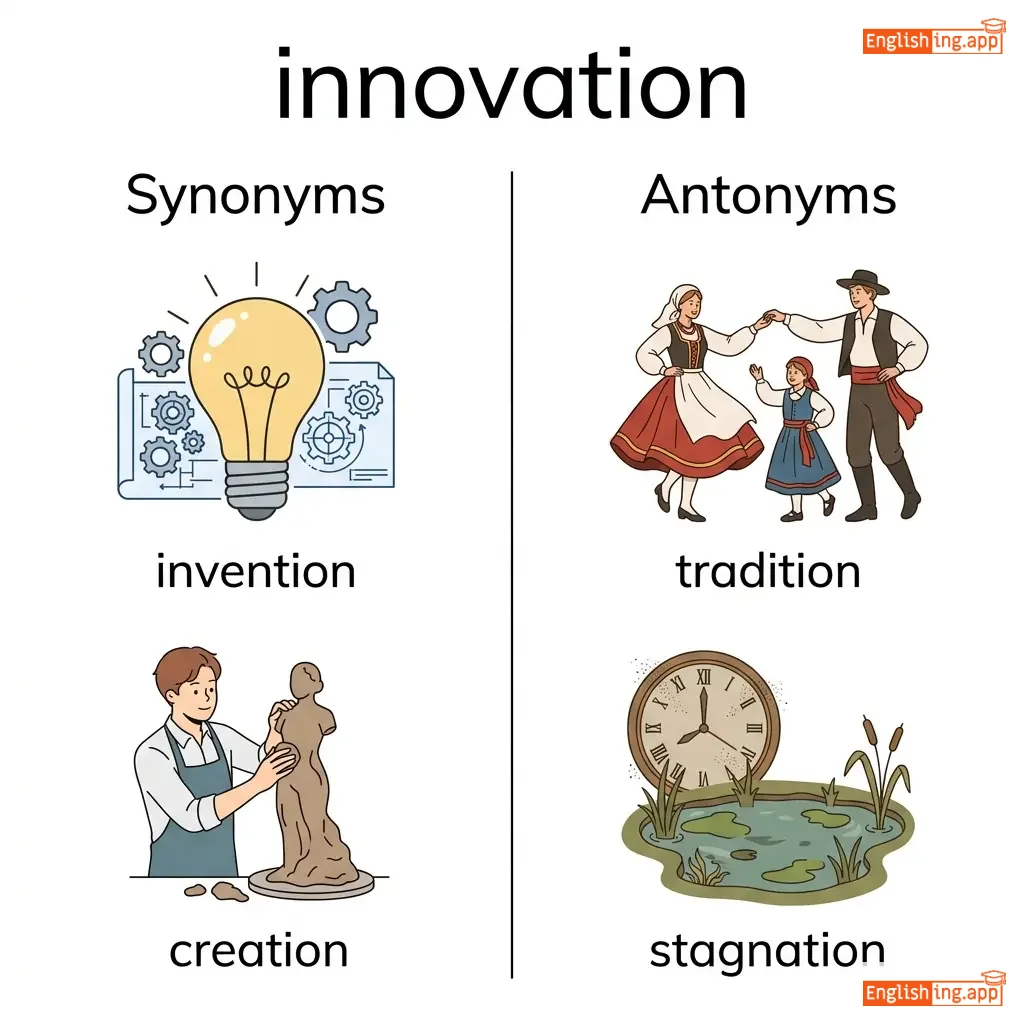
💡
|
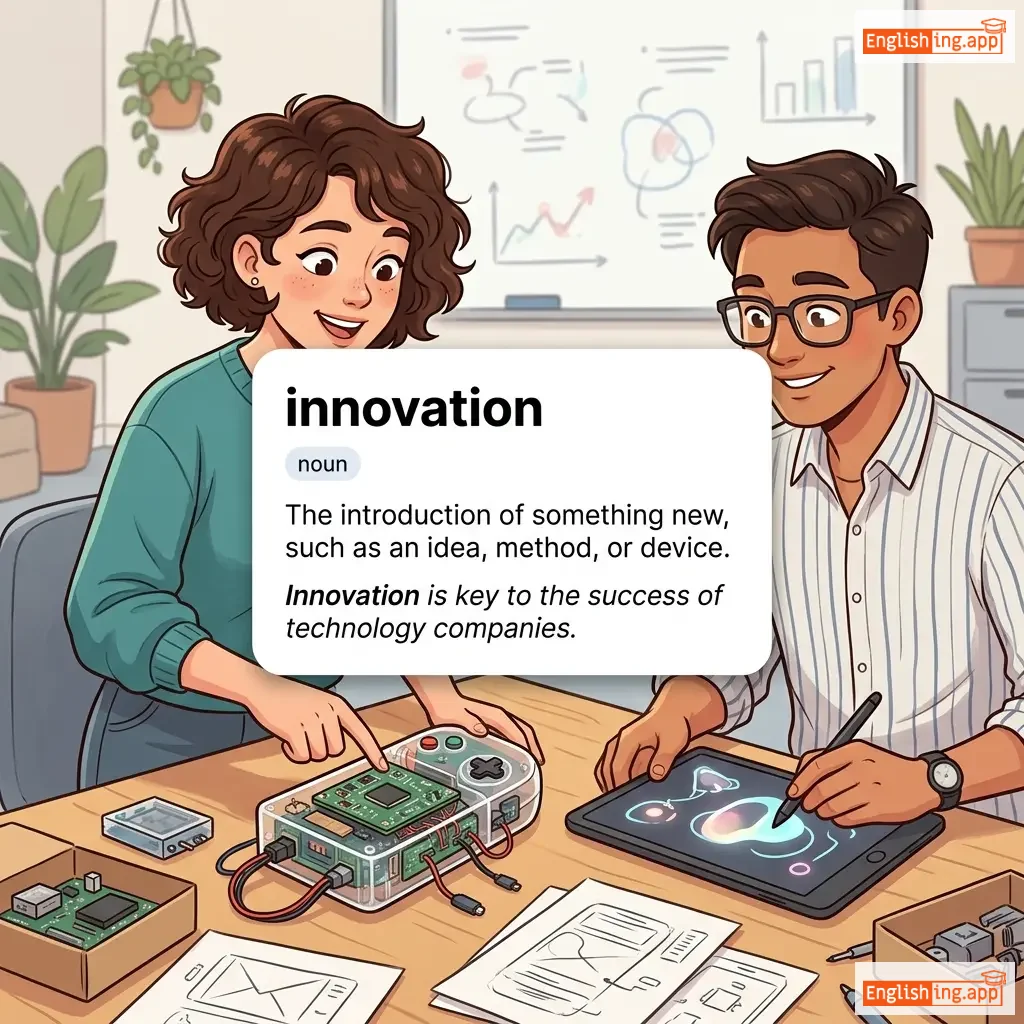
ˌɪn.əˈveɪ.ʃən
noun
(イノベーション)
••••••
|
|
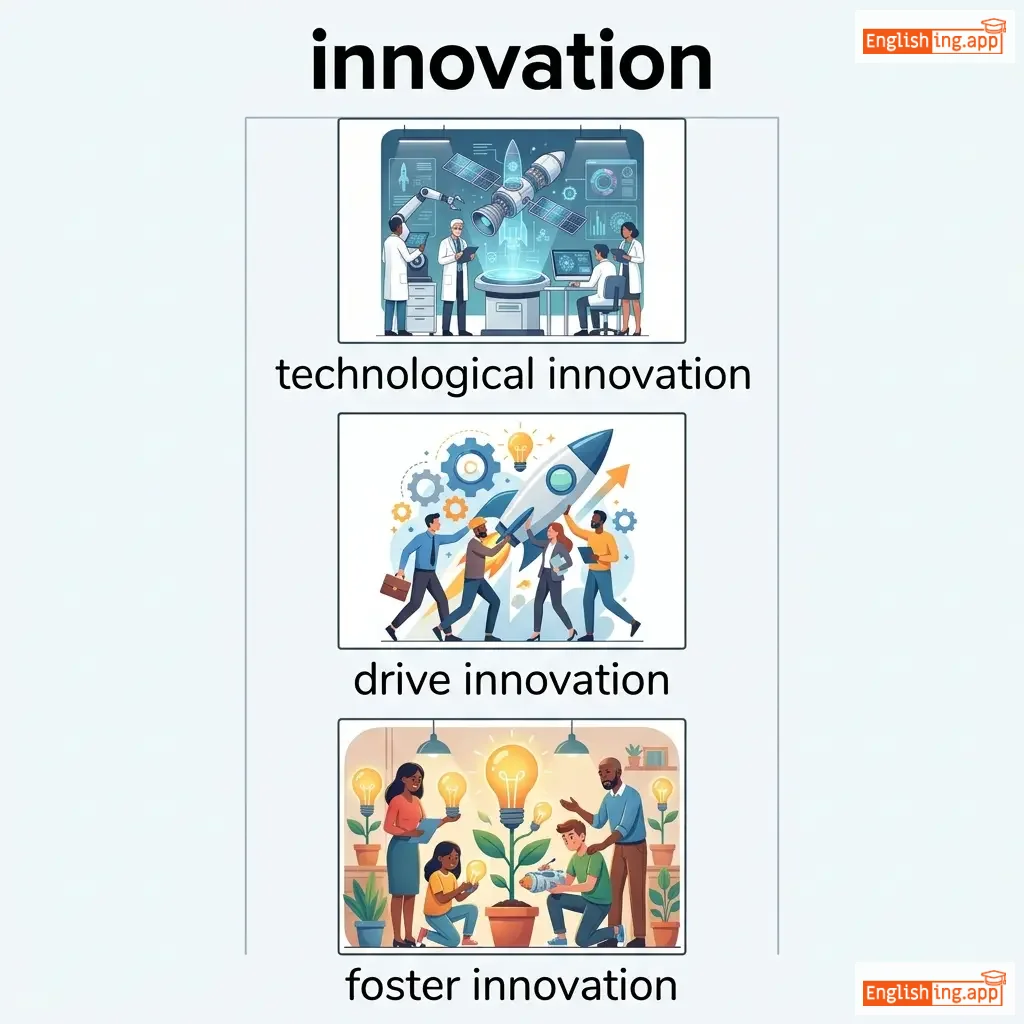
イノベーション
inobeshon
••••••
|
The action or process of innovating; a new method, idea, or product.
••••••
|
Innovation drives progress in all sectors. |
イノベーションはすべての分野で進歩を促進します。
Inobeshon wa subete no bunya de shinpo o sokushin shimasu.
••••••
|
creativity, invention
••••••
|
imitation, stagnation
••••••
|
‘イノベーション’を覚えるとき、新しいアイデアや変革の力を感じる。
••••••
|
|
#484
🎯
|
ˌpaɪəˈnɪə.rɪŋ
adjective
(パイオニアリング)
••••••
|
|
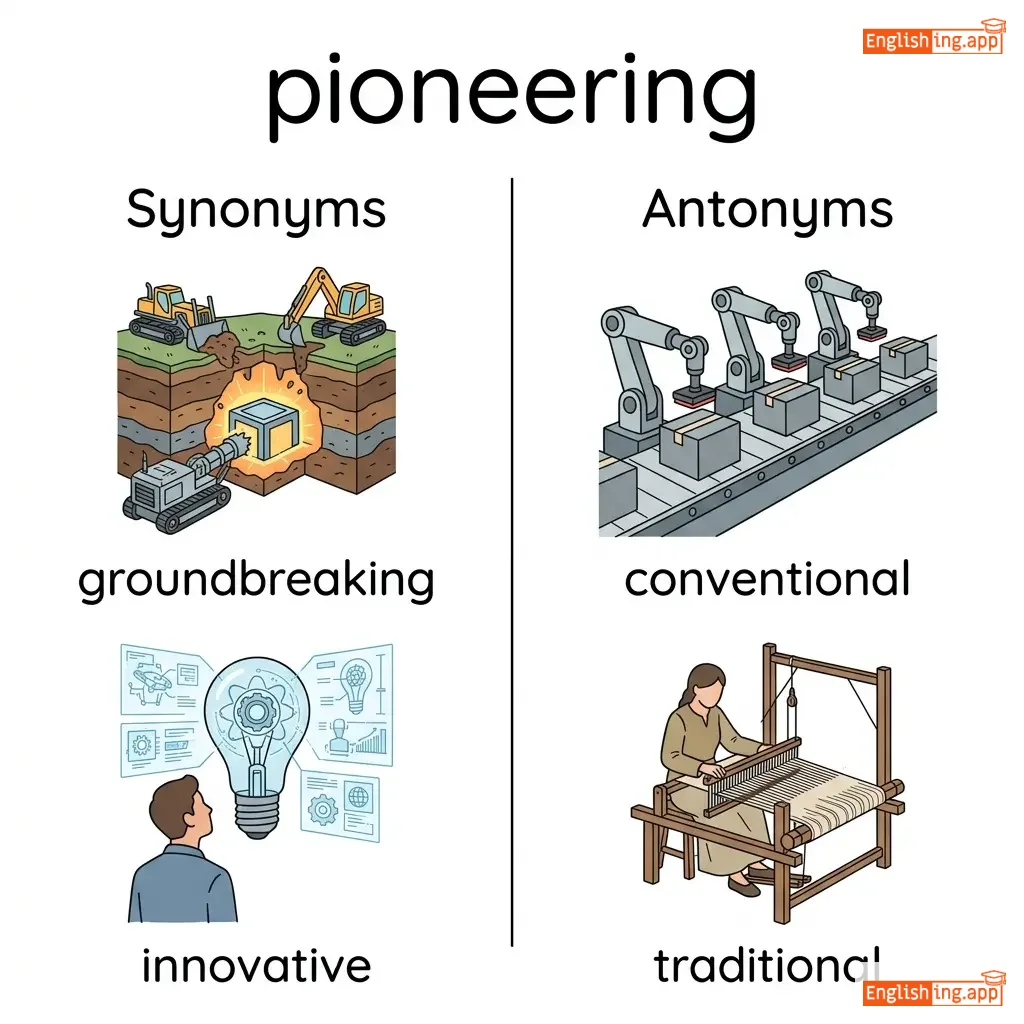
先駆的
senkuteki
••••••
|
Involving new ideas or methods; innovative and original.
••••••
|
Pioneering efforts often lead to success.
先駆的な努力はしばしば成功につながります。
••••••
|
先駆的な努力はしばしば成功につながります。
Sen-kuteki na doryoku wa shibashiba seikou ni tsunagarimasu.
••••••
|
groundbreaking, trailblazing
••••••
|
conventional, following
••••••
|
先駆者として道を切り開く。
••••••
|
|
#485
🌟
|
ˌɒp.əˈtjuː.nɪ.tiz
noun
(オポチュニティーズ)
••••••
|
|
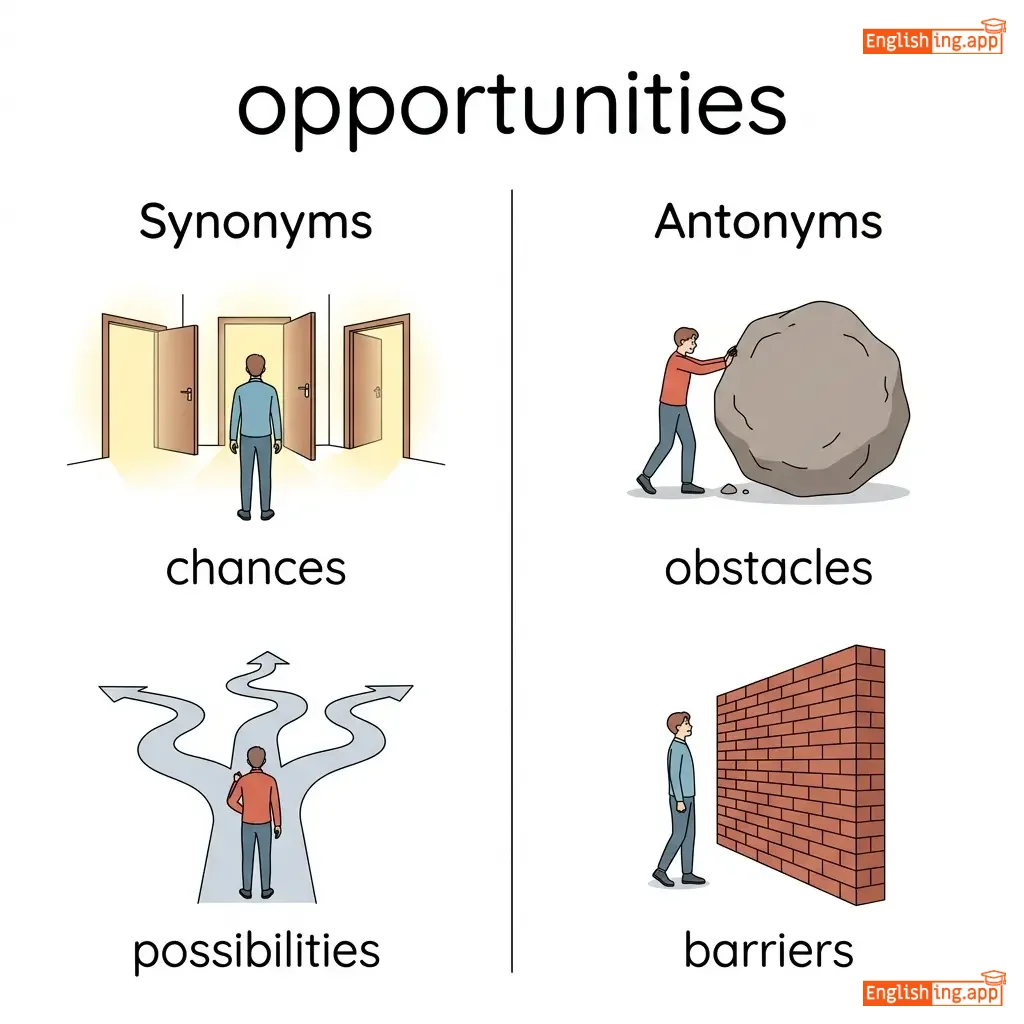
機会
kikai
••••••
|
A set of circumstances that makes it possible to do something.
••••••
|
New opportunities arise with every innovation.
新しいオポチュニティーズは、すべての革新と共に生まれます。
••••••
|
新しい機会は、すべての革新と共に生まれます。
Atarashī kikai wa, subete no kakushin to tomo ni umaremasu.
••••••
|
chances, possibilities
••••••
|
limitations, obstacles
••••••
|
Opportunity = 機会 in Japanese!
••••••
|
Vocabulary Quiz
Test your vocabulary by matching words with their translations or meanings.
Login to take the quiz
Comments (0)
Share your thoughts and join the discussion.
Join the discussion by logging in
Login to CommentNo comments yet
Be the first to share your thoughts!