

なぜ読書は素晴らしい趣味なのか
Why Reading is a Great Hobby
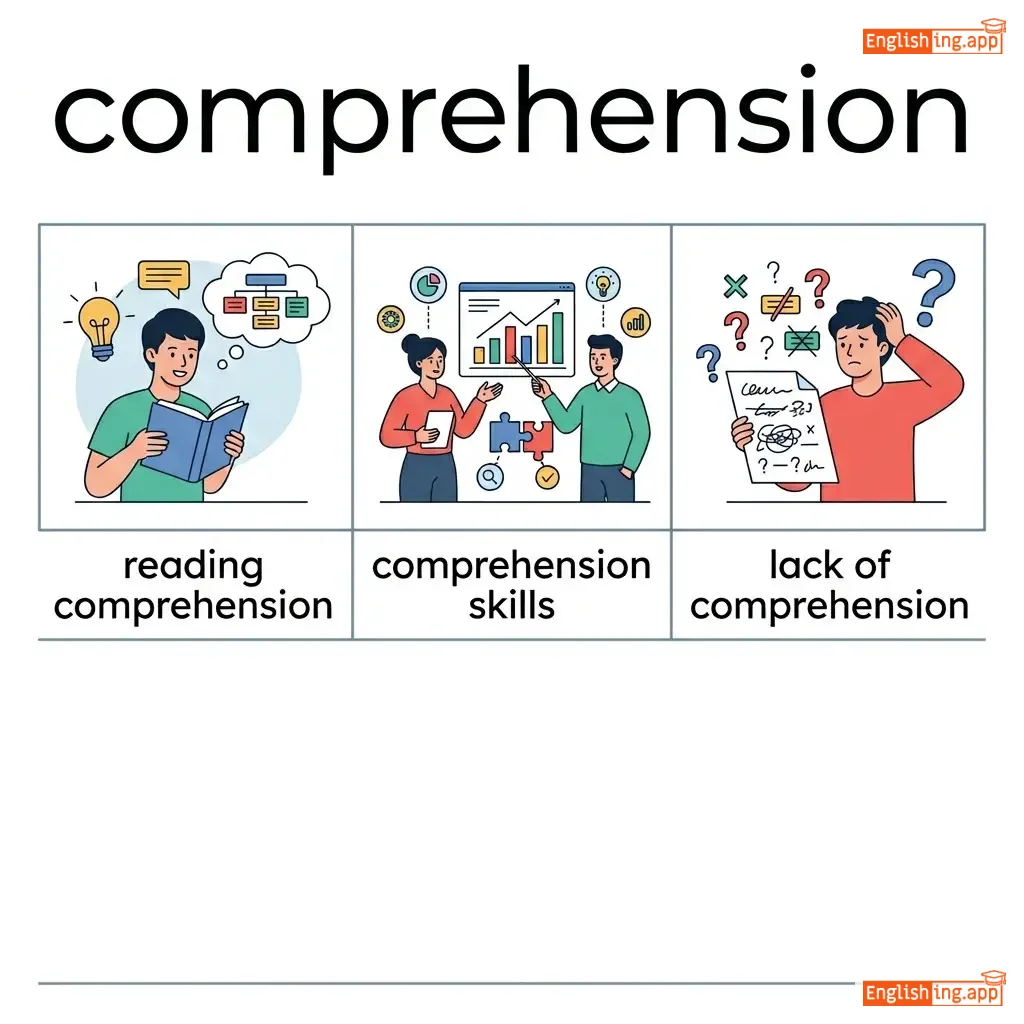
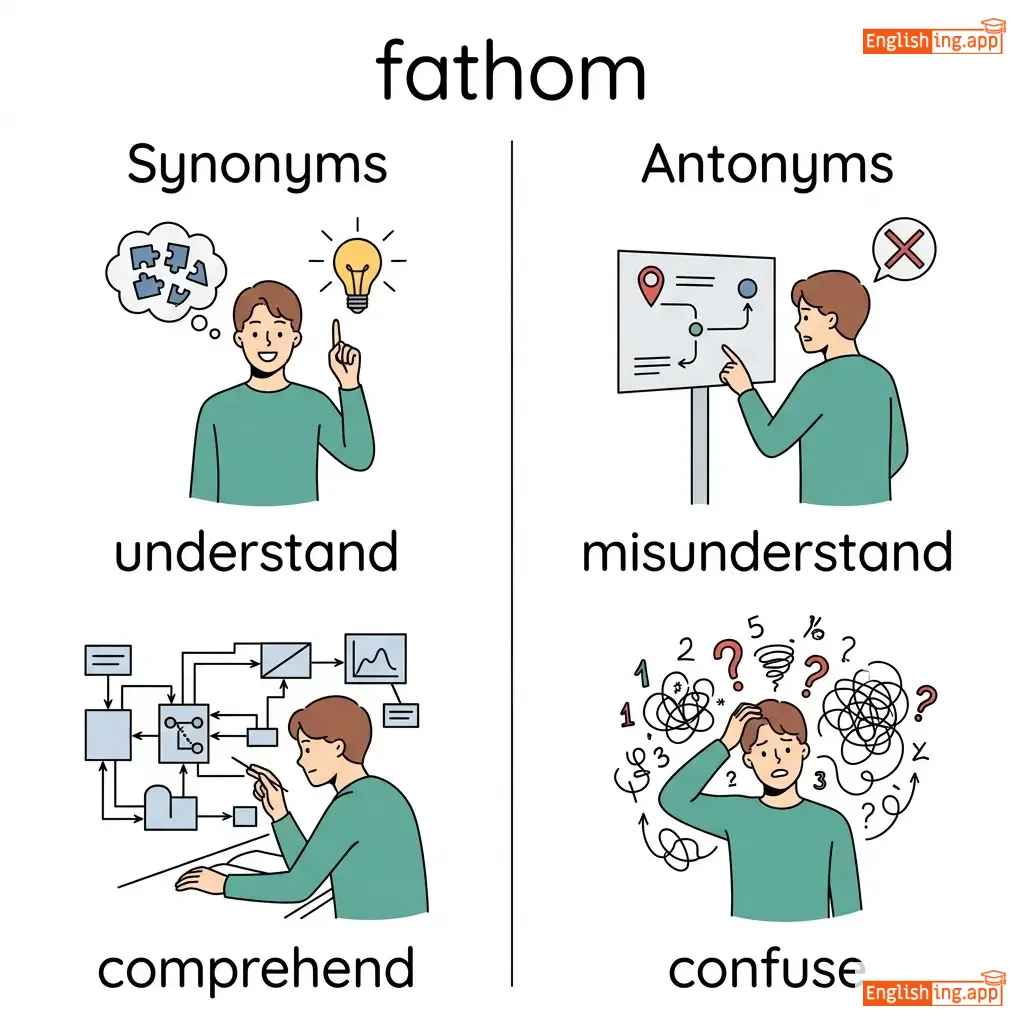
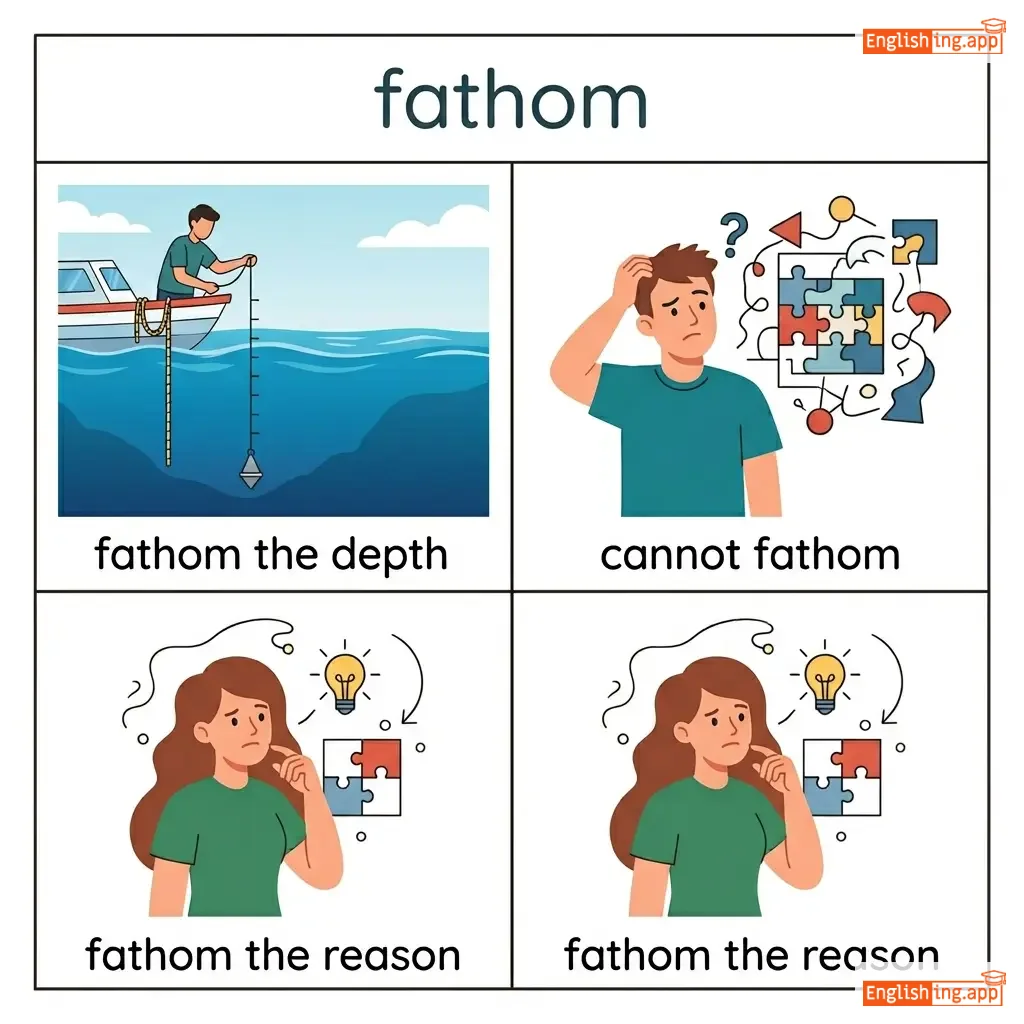
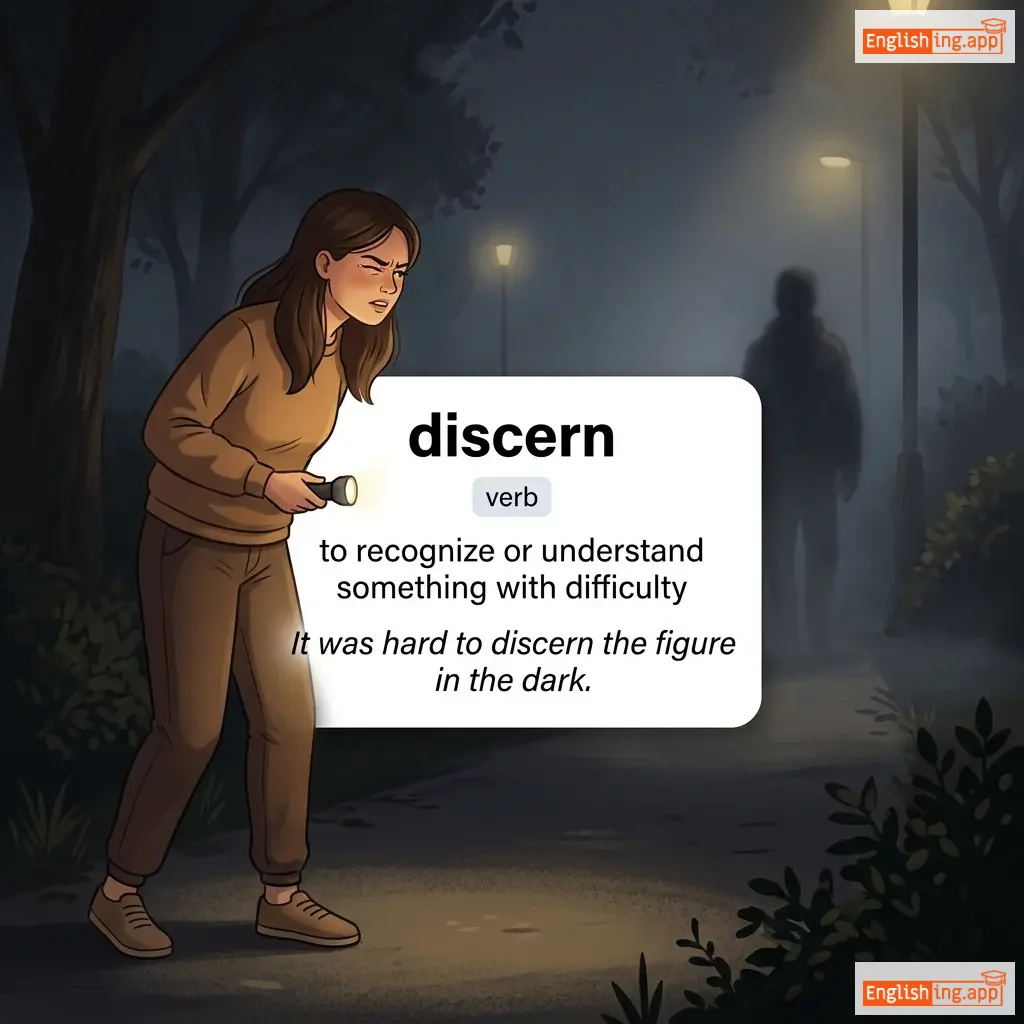
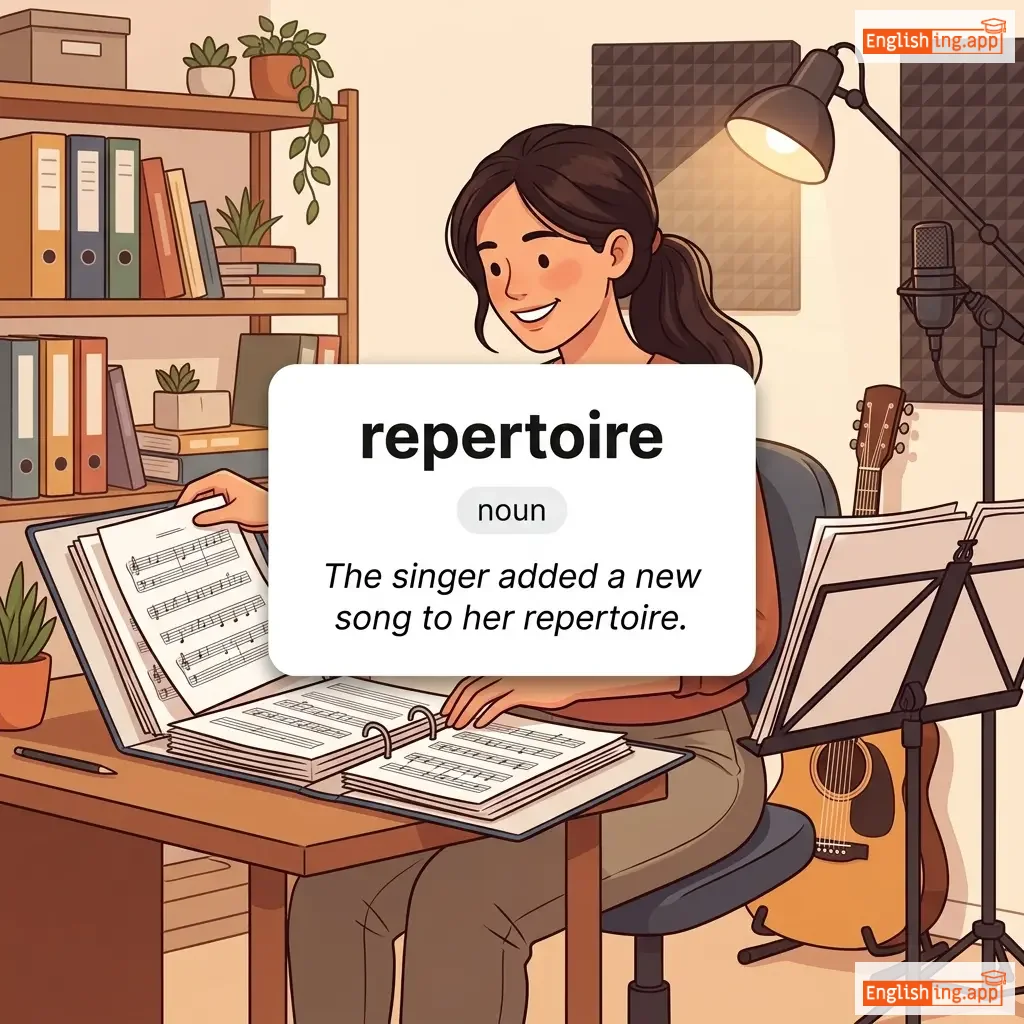
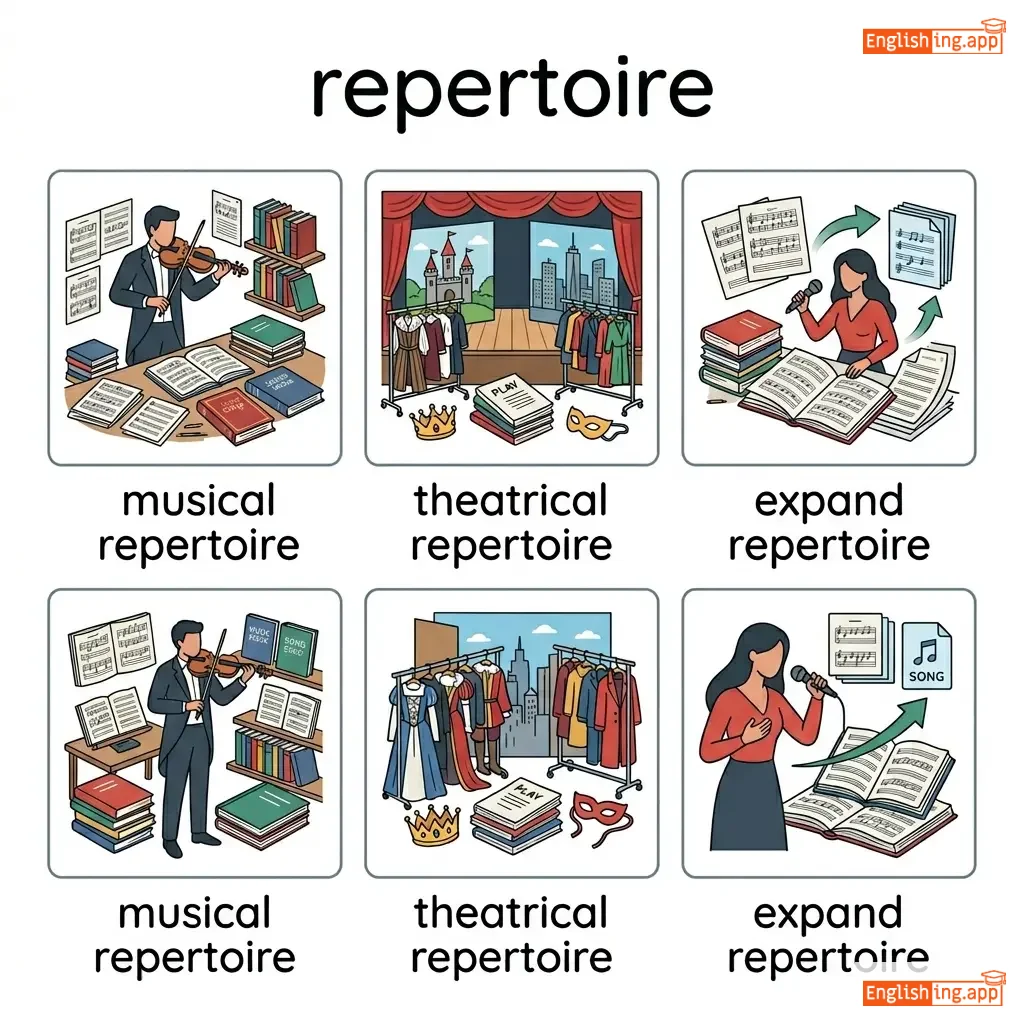
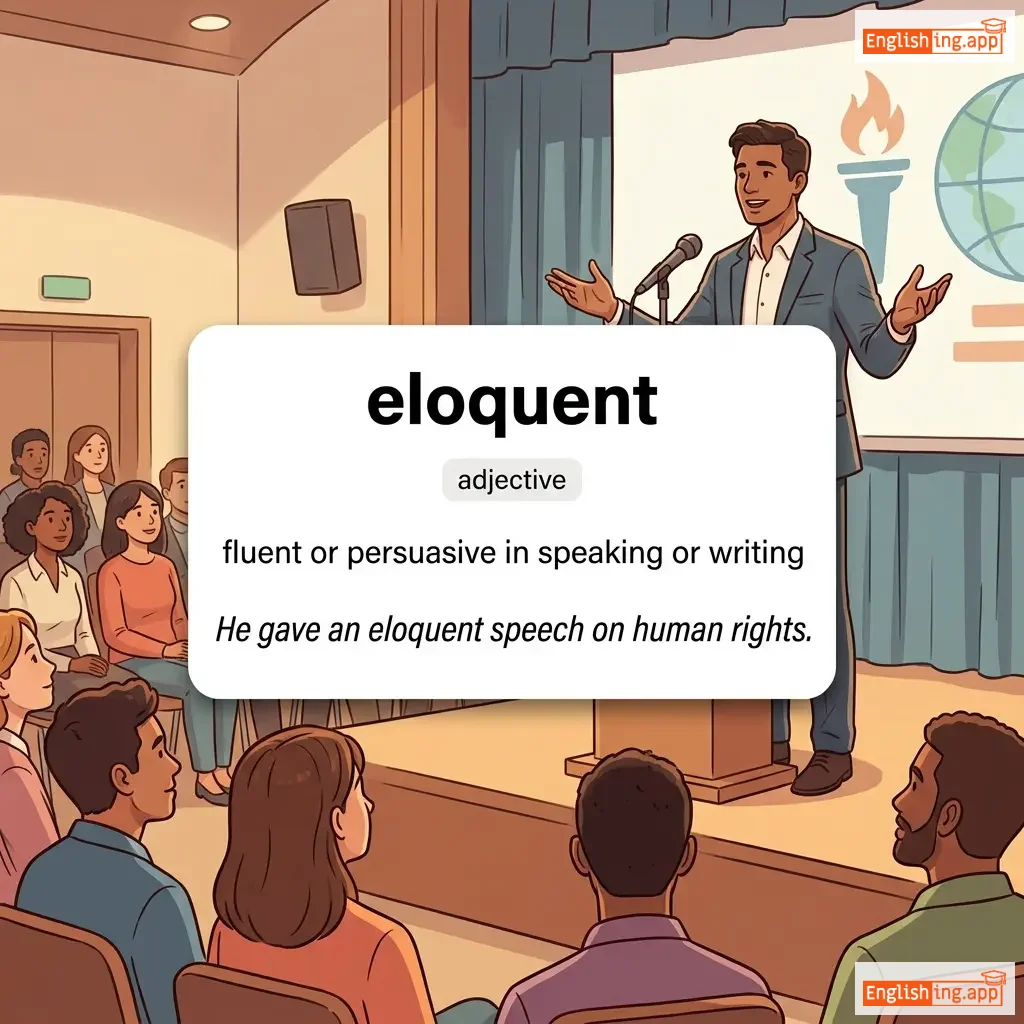
読書の習慣は人のacumenを高め、思考に深みを加えます。知識を得るだけでなく、aestheticな理解力も高めます。誰かが定期的に読書をすると、comprehension能力が向上し、複雑な概念をfathomできるようになります。読書を通じて、私たちは異なる意見をdiscernし、新しい情報をassimilateすることを学びます。これは単なるempirical知識ではなく、私たちのintrospectiveな思考を広げます。voraciousな読者は常に新しいことを学ぼうとしています。彼らのrepertoireは豊かになり、よりeloquentになります。読書は私たちのnuancedな思考能力を高め、conjecturesをせずに現実を理解することを可能にします。読書は私たちの精神的な発展においてquintessentialな役割を果たします。それは私たちにmeticulousであることを教え、人生の深い意味をextrapolateするのに役立ちます。
翻訳
過去
過去分詞
三人称単数
動名詞
意味
例文
例文の翻訳
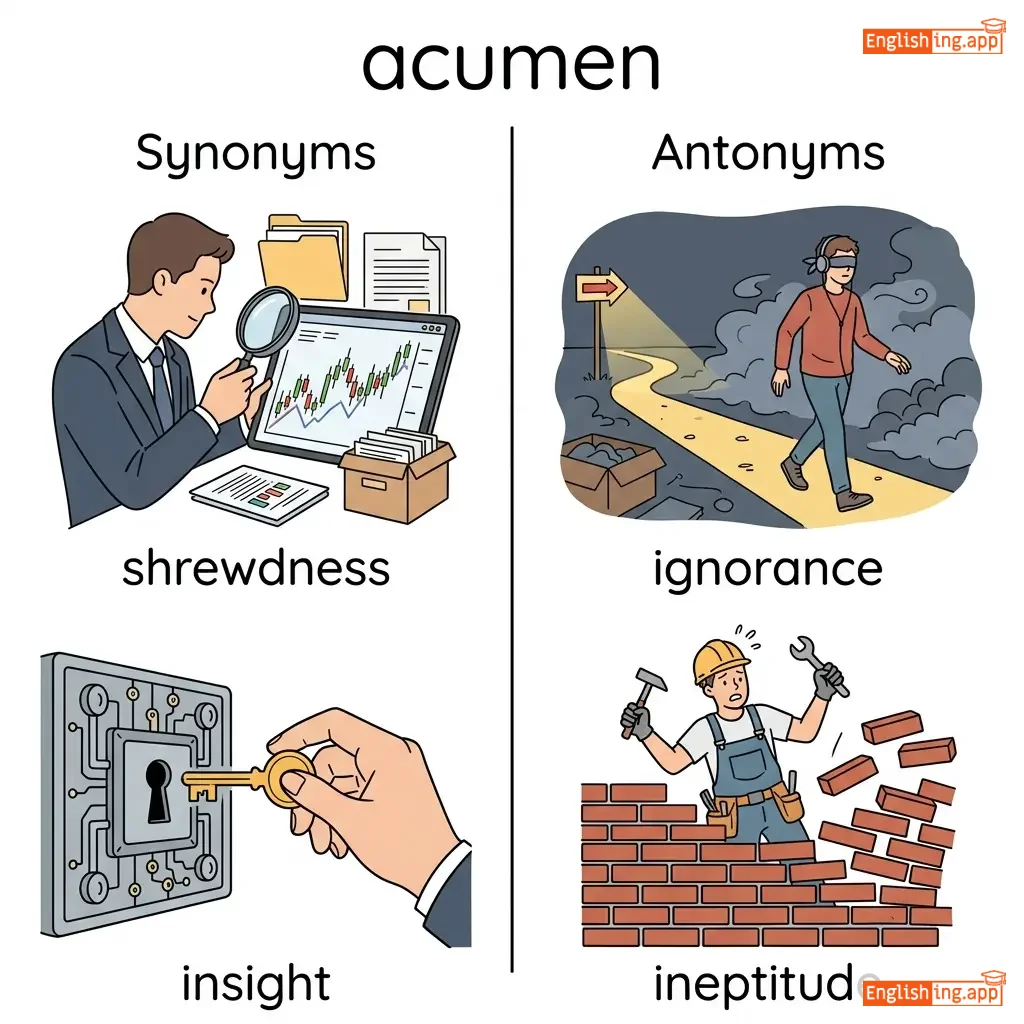
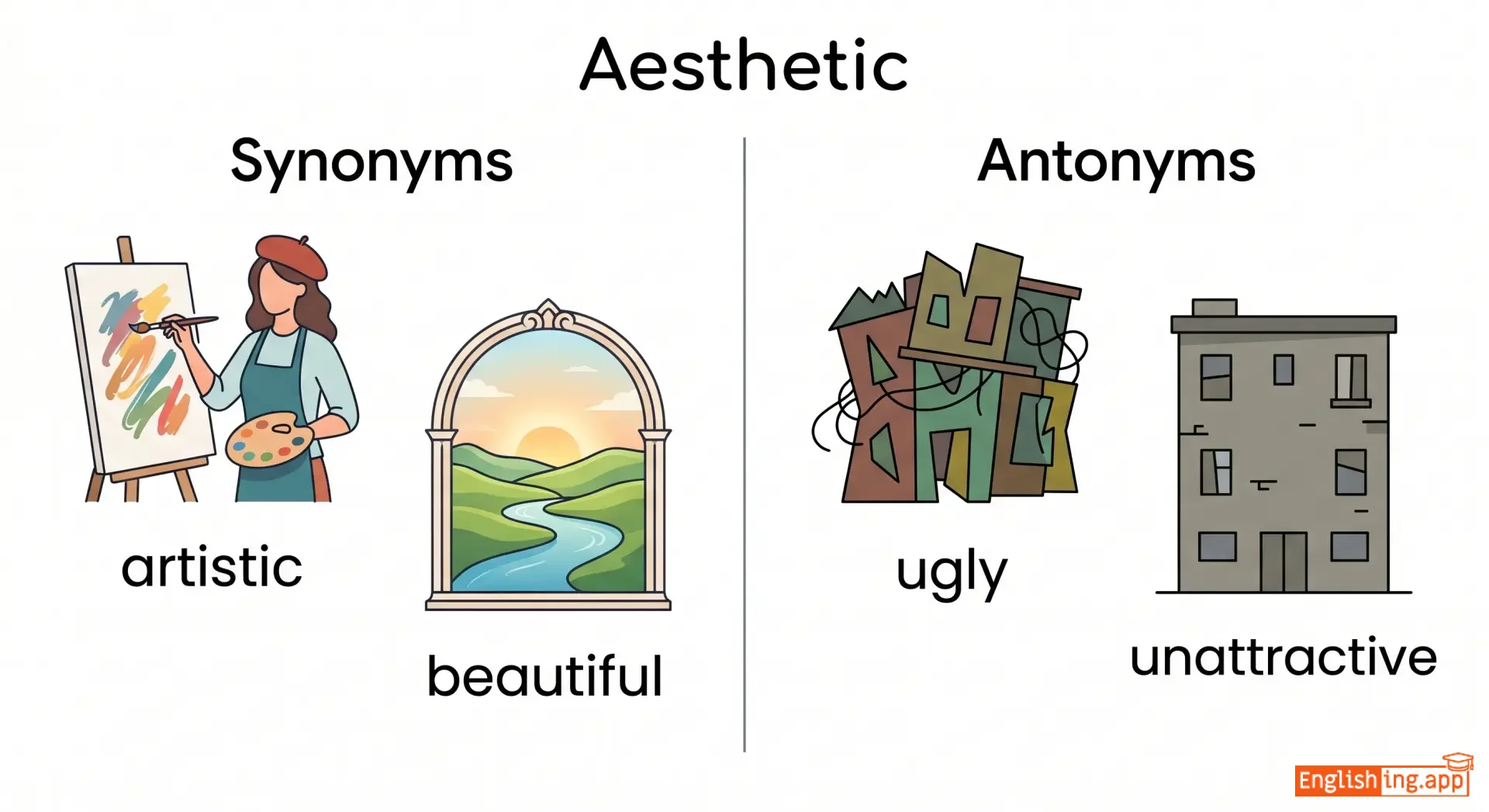
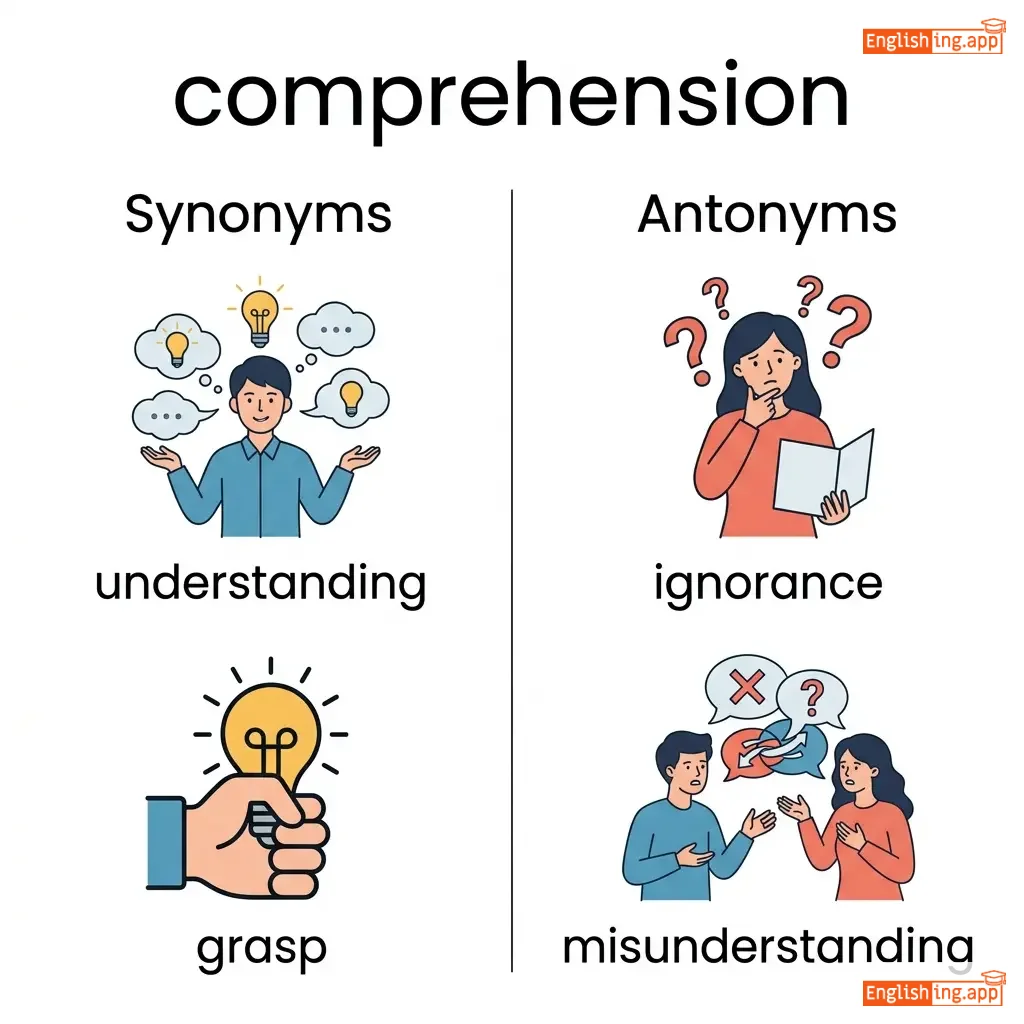
同義語
対義語
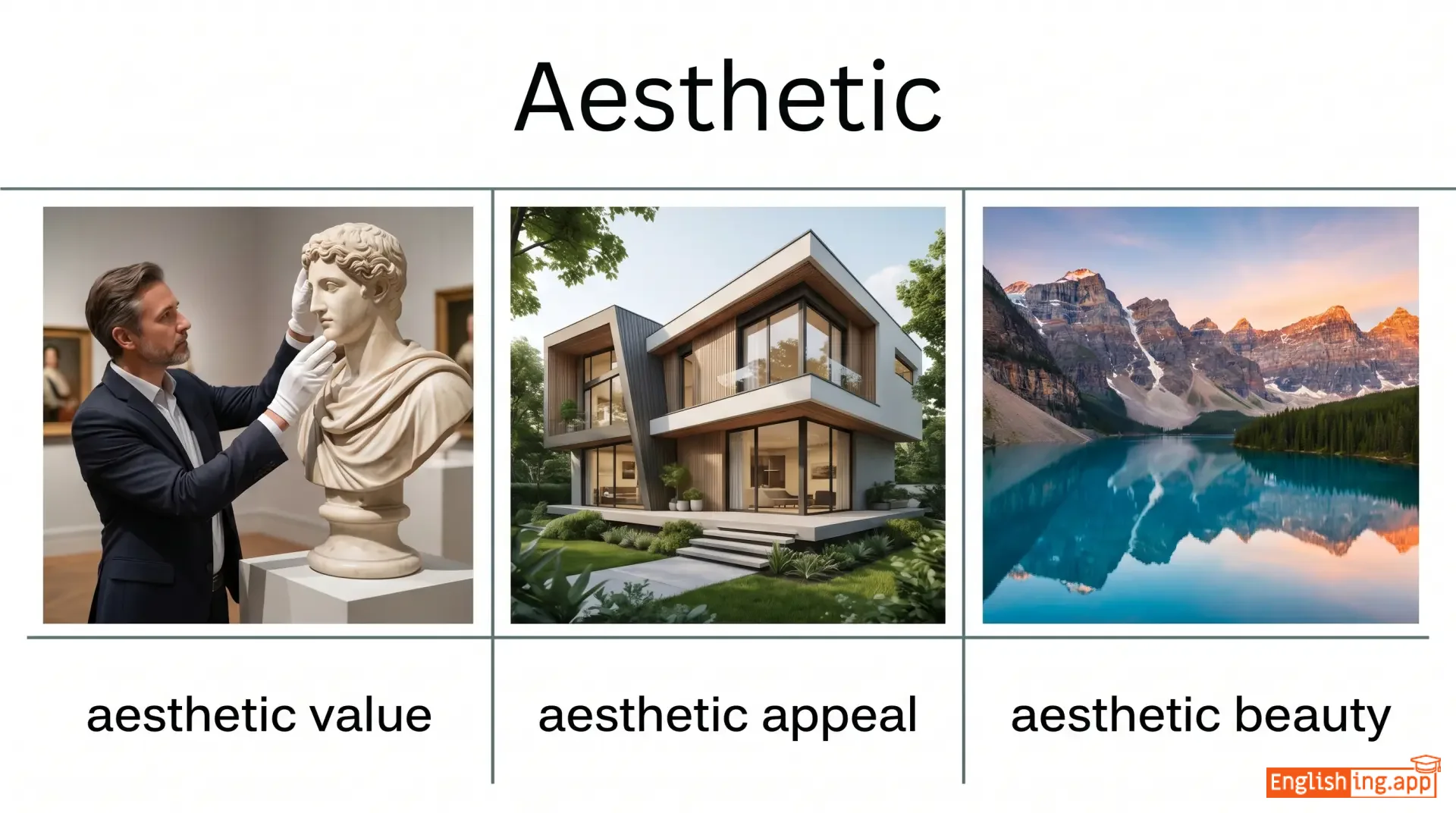
コロケーション
ニーモニック





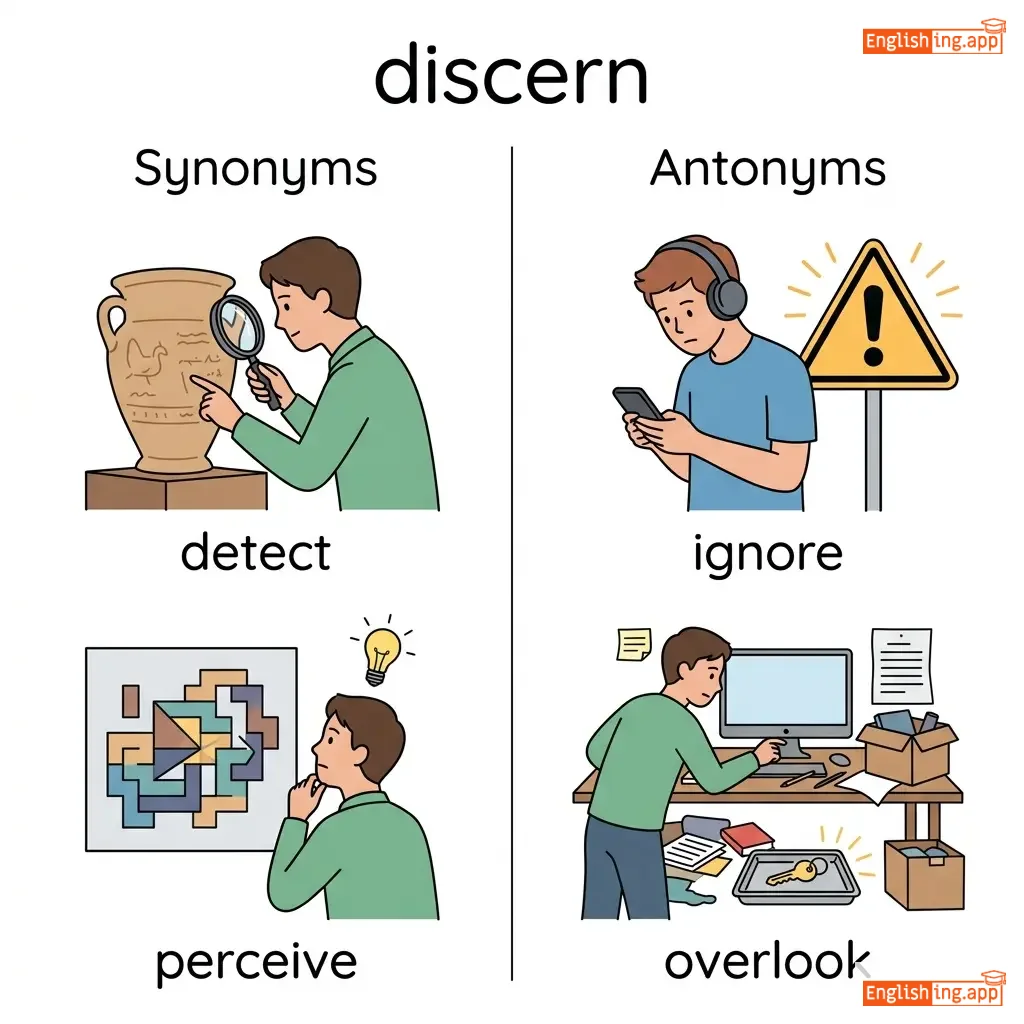
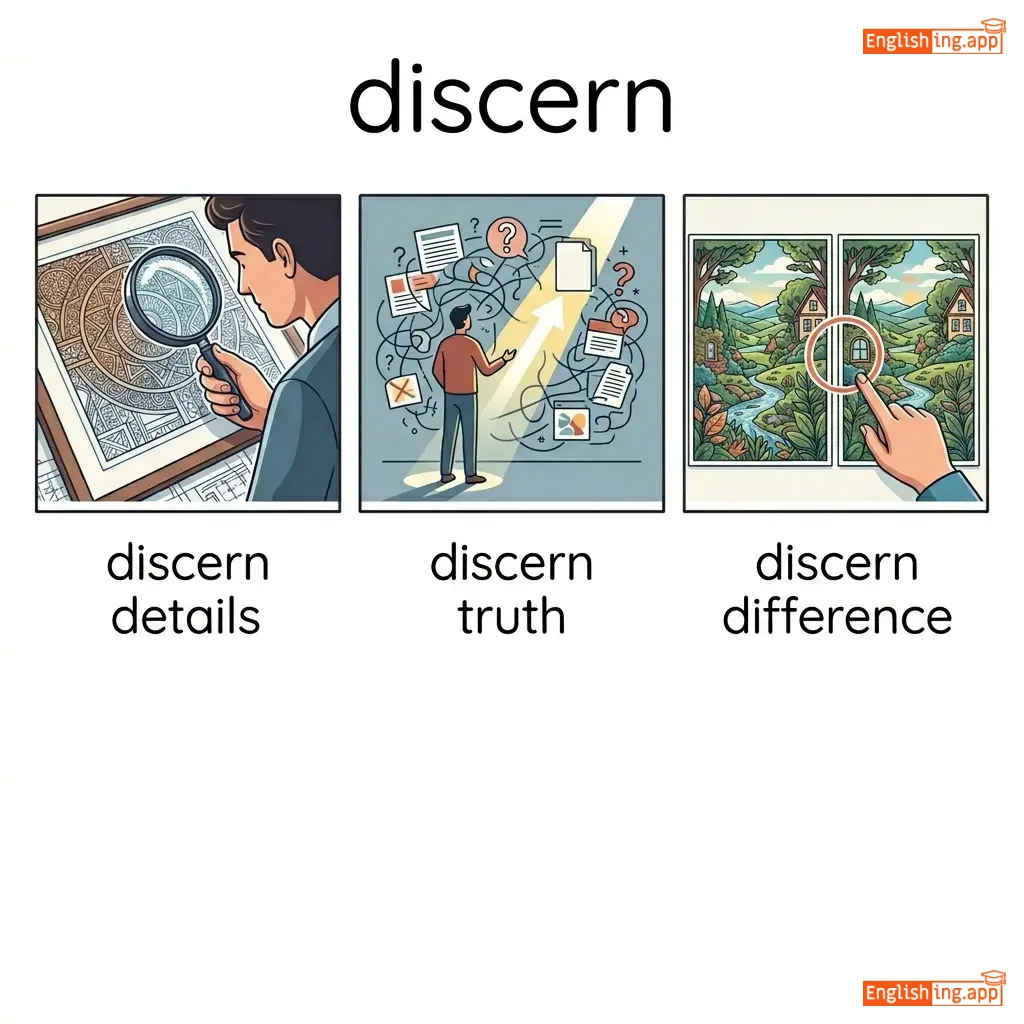

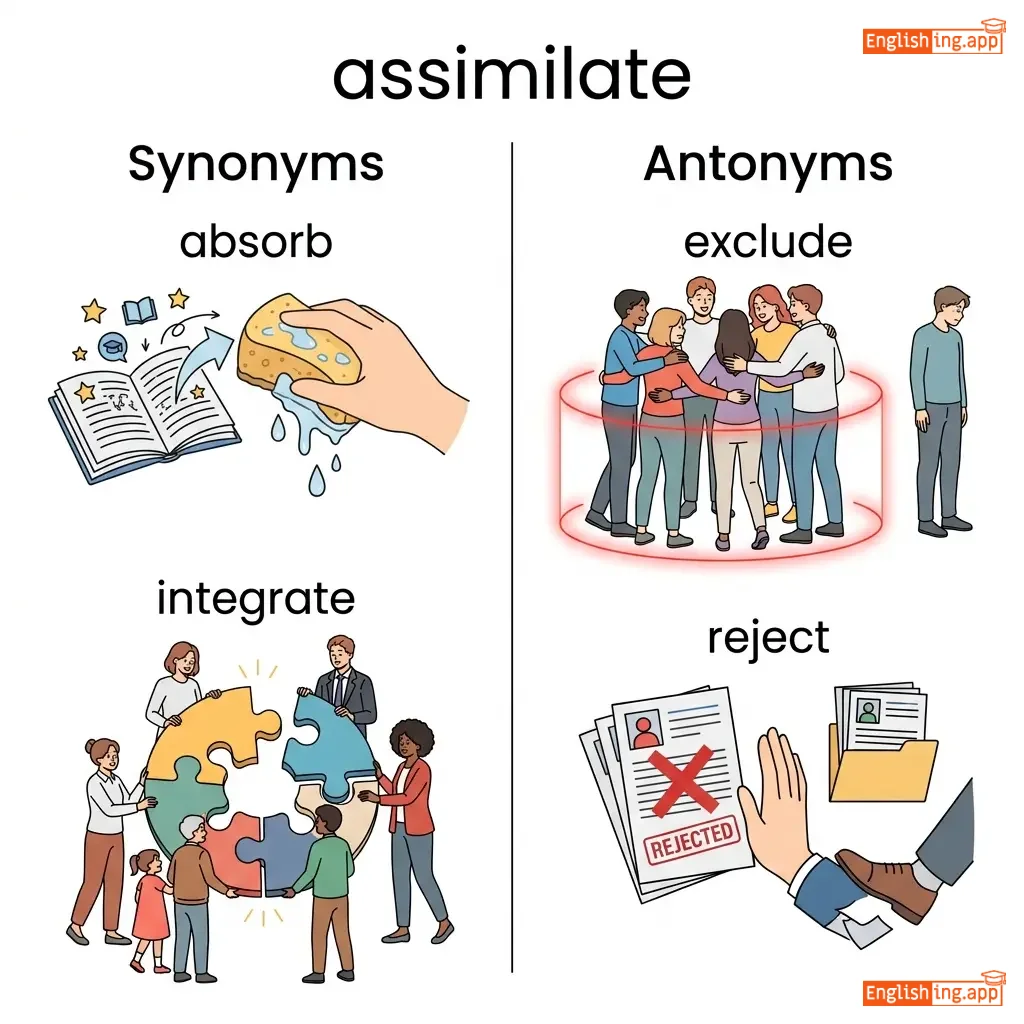
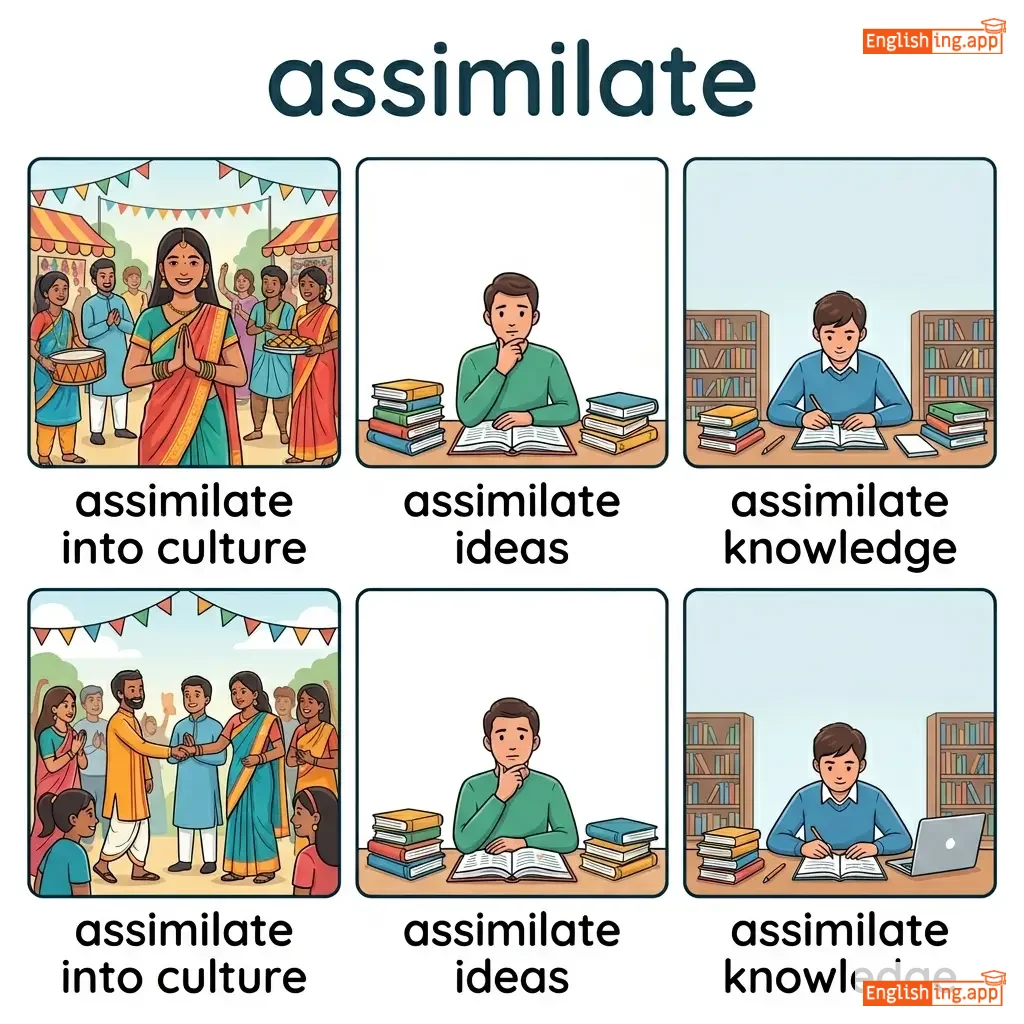

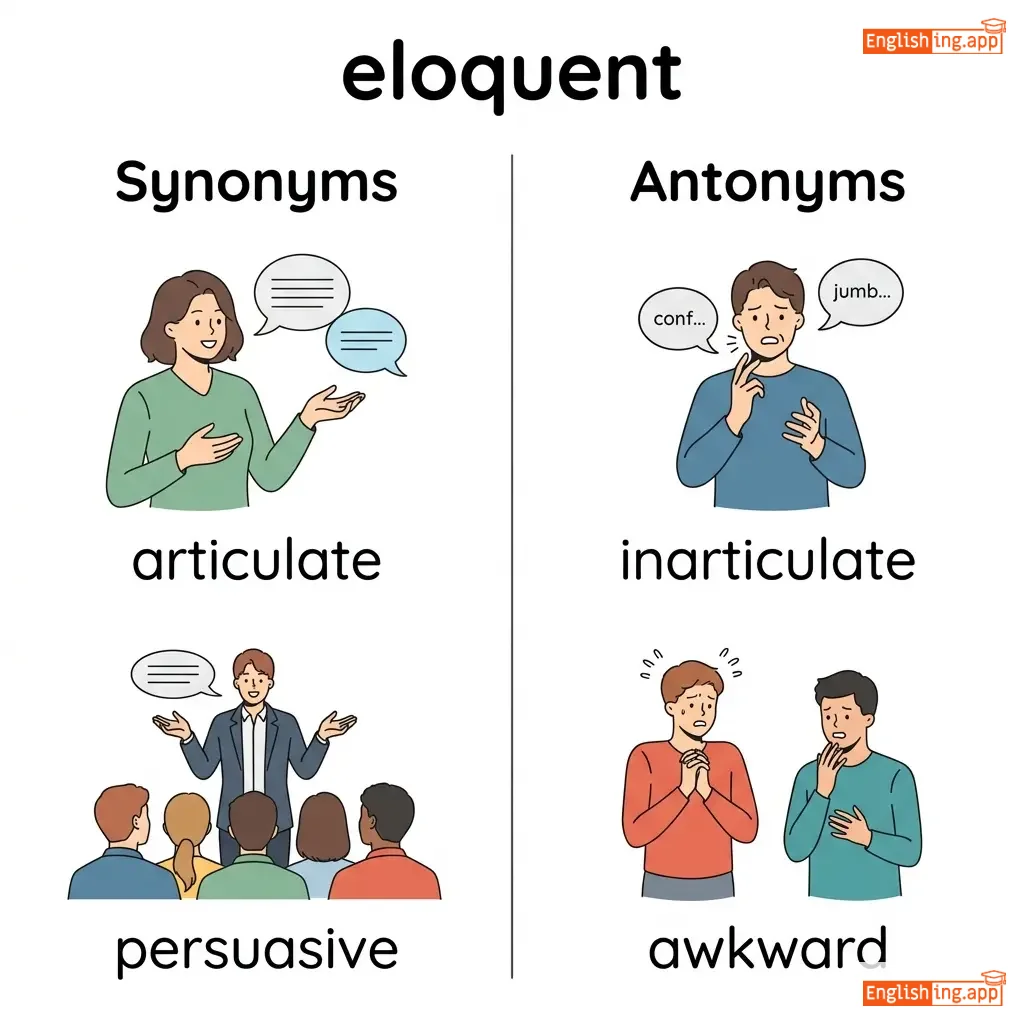
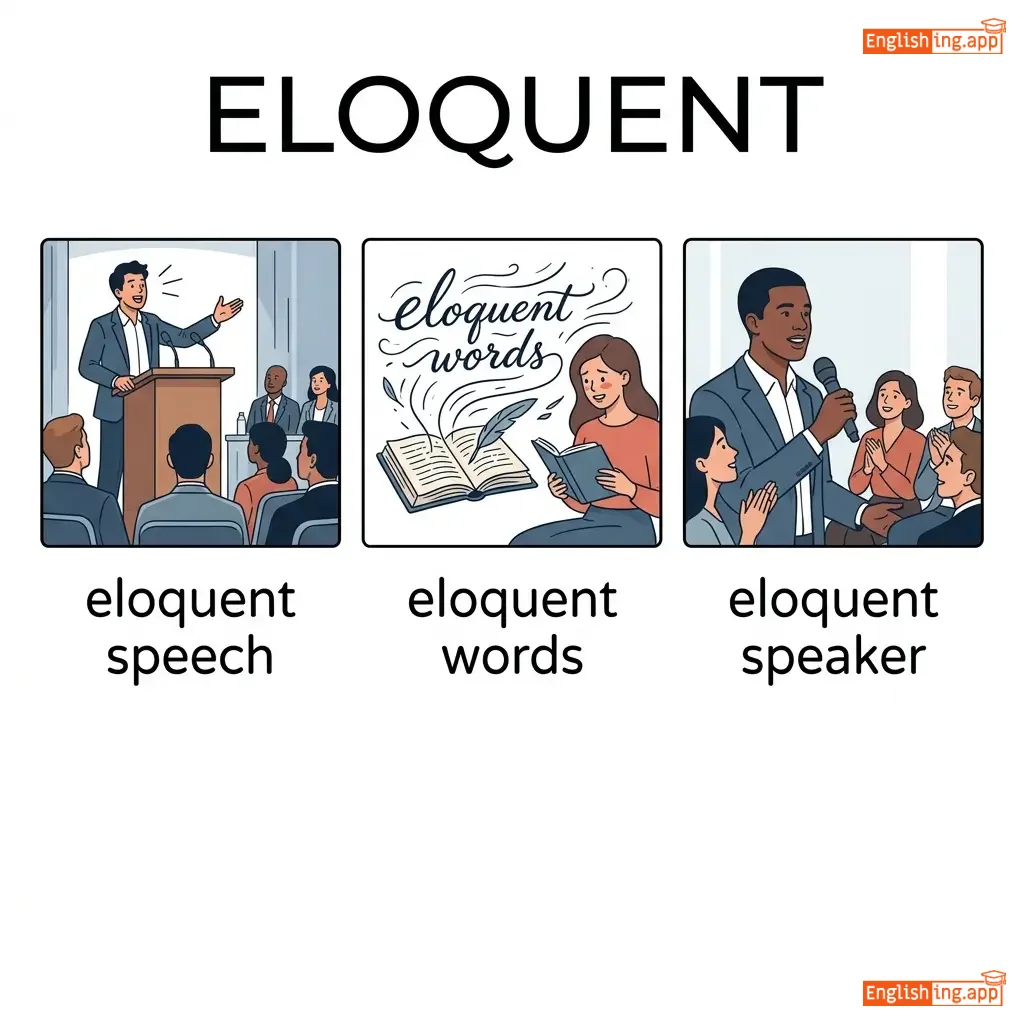

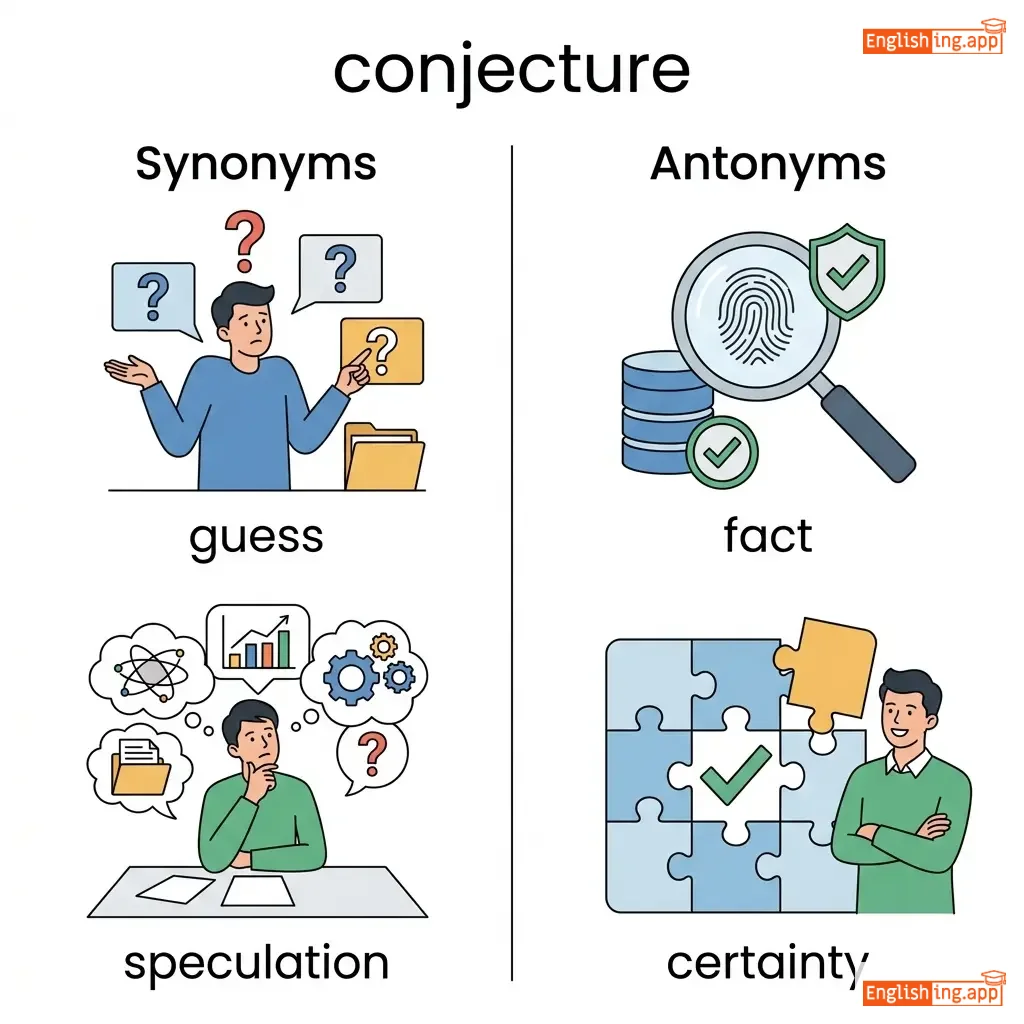
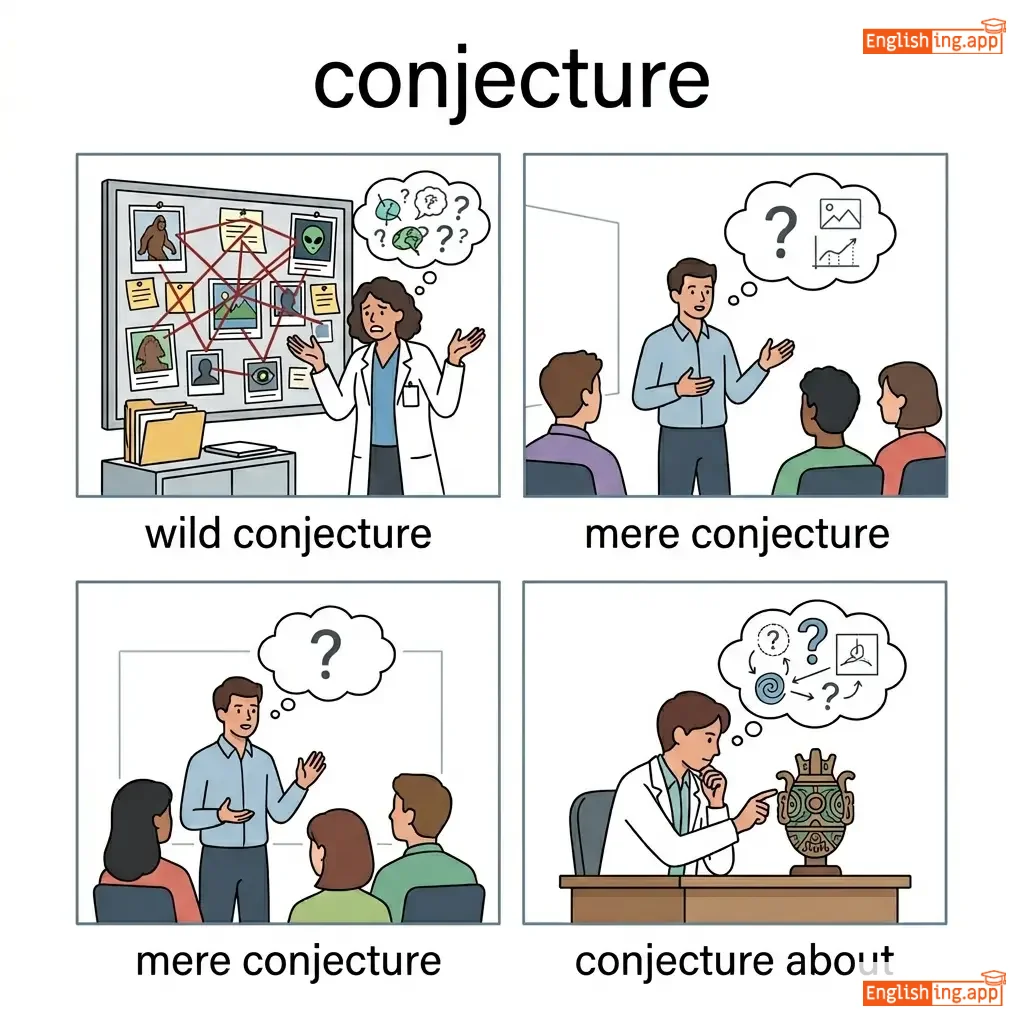
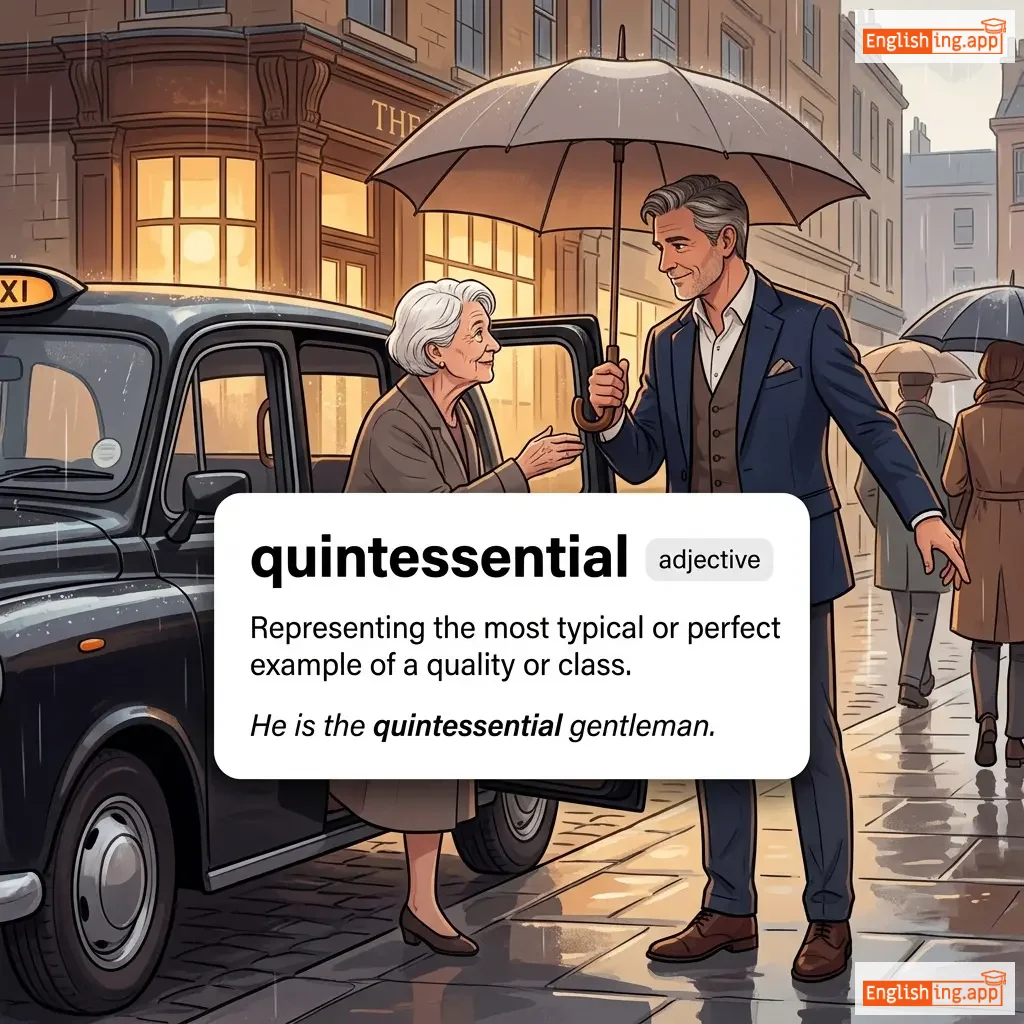
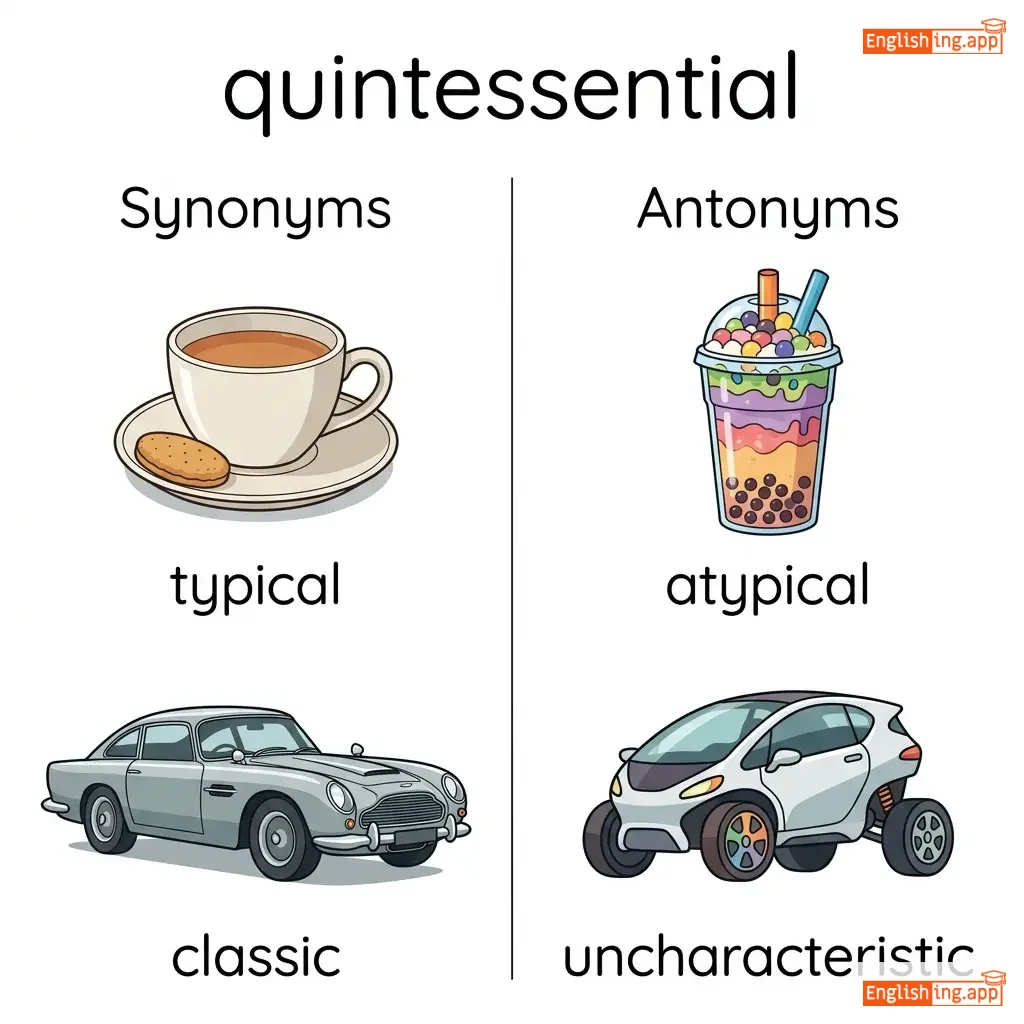
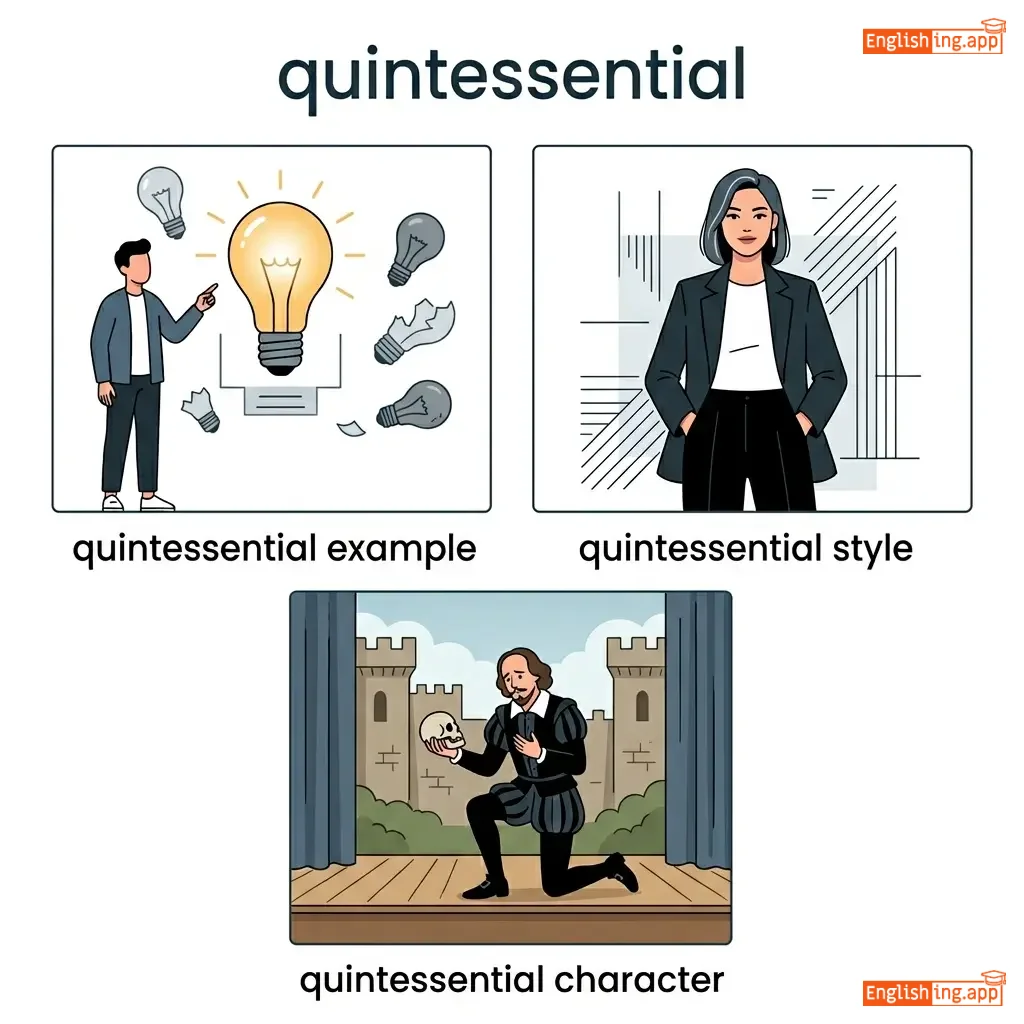
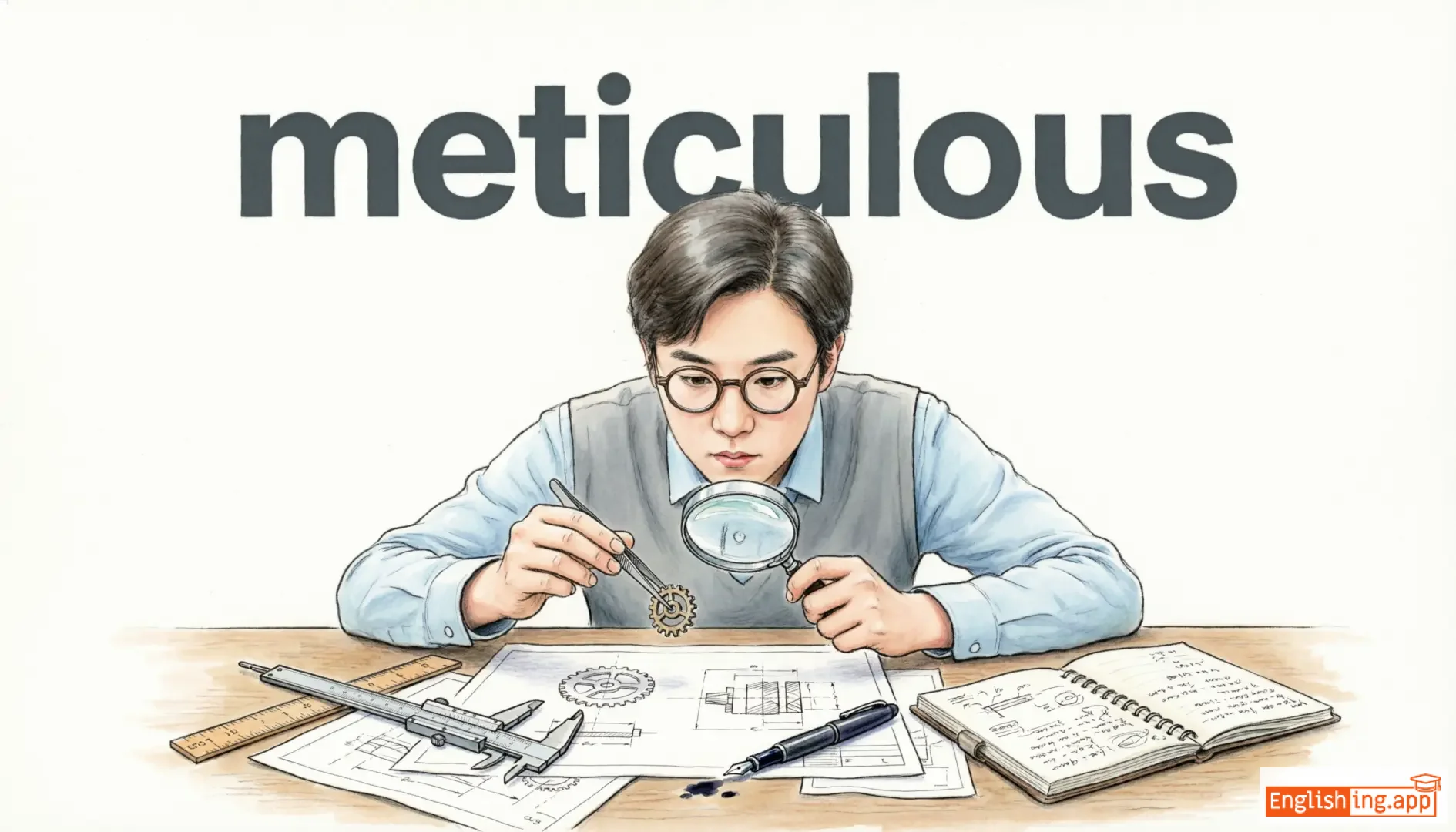
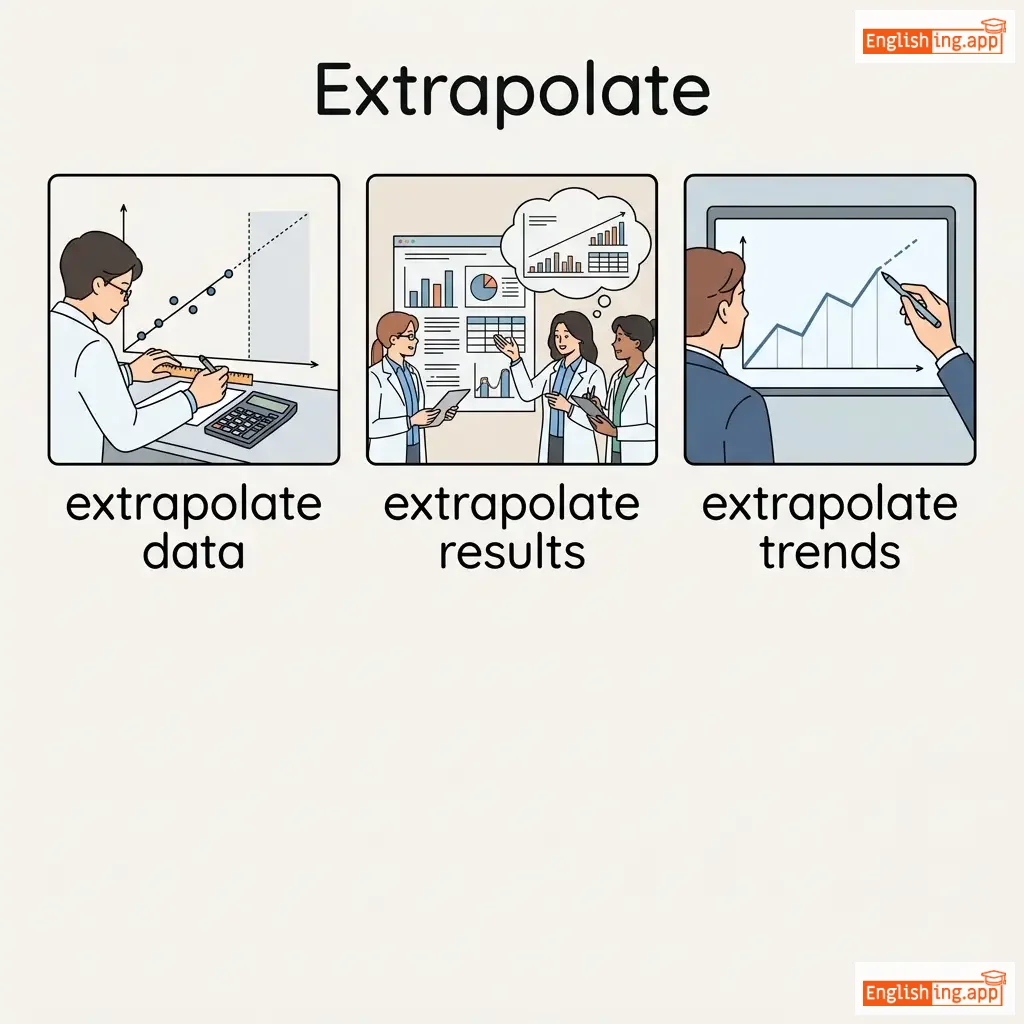
Swipe left or right, or use the buttons. Tap image to zoom.
例文の翻訳
単語
Why Reading is a Great HobbyWhy Reading is a Great Hobby - マスクトグル
|
絵文字
|
単語 | Images | 翻訳 | 意味 | 例文 | 例文の翻訳 | 同義語 | 対義語 | ニーモニック |
|---|---|---|---|---|---|---|---|---|---|
|
#3974
🧠
|
ˈæk.jʊ.mən
noun
(akyumen)
••••••
|
|
洞察力
dousatsuryoku
••••••
|
The ability to make good judgments and quick decisions, typically in a particular domain; shrewdness; wisdom.
••••••
|
His business acumen helped him build a successful empire.
His business acumen helped him build a successful empire.
••••••
|
彼のビジネスにおける洞察力は、成功した帝国を築くのに役立ちました。
Kare no bijinesu ni okeru dousatsuryoku wa, seikō shita teikoku o kizuku no ni yakudachimashita.
••••••
|
insight, sharpness, intuition
••••••
|
ignorance, ineptitude, incompetence
••••••
|
洞察力は、ビジネスマンが迅速に重要な決定を下す能力です。
••••••
|
|
#3975
🎨
|
esˈθet.ɪk
adjective/noun
(エステティック)
••••••
|
|
美的
biteki
••••••
|
Concerned with beauty or the appreciation of beauty; having a sense of the beautiful.
••••••
|
The aesthetic design of the building attracts many tourists.
その建物のエステティックなデザインは、多くの観光客を引き付けます。
••••••
|
その建物の美的デザインは、多くの観光客を引き付けます。
Sono tatemono no biteki dezain wa, ooku no kankou kyaku wo hikitsukemasu.
••••••
|
artistic, elegant, refined
••••••
|
unattractive, tasteless, unappealing
••••••
|
美的なデザインを想像してください。それがあなたの美的感覚を引き寄せます。
••••••
|
|
#3976
💡
|
ˌkɒm.prɪˈhen.ʃən
noun
(コンプリヘンション)
••••••
|
|
理解
rikai
••••••
|
The action or capability of understanding something; the ability to understand.
••••••
|
His comprehension of complex topics is remarkable. |
彼の複雑なトピックに対する理解は素晴らしい。
Kare no fukuzatsu na topikku ni taisuru rikai wa subarashī.
••••••
|
understanding, grasp, interpretation
••••••
|
misinterpretation, confusion, incomprehension
••••••
|
理解することが成功の秘訣!
••••••
|
|
#3977
🌊
|
ˈfæð.əm
verb/noun
(ファズム)
••••••
|
|
理解する
rikai suru
••••••
|
To understand after much thought; to measure the depth of water; to comprehend.
••••••
|
It is difficult to fathom the depths of the ocean. |
海の深さを理解するのは難しい。
Umi no fukasa o rikai suru no wa muzukashī.
••••••
|
understand, gauge, discern
••••••
|
misunderstand, confuse, ignore
••••••
|
理解するとは深さを測ること、まるで海の深さを測るように。
••••••
|
|
#3978
👁️
|
dɪˈsɜːn
verb
(ディサーン)
••••••
|
|
識別する
shikibetsu suru
••••••
|
To perceive or recognize something; to distinguish with difficulty by sight or with the other senses.
••••••
|
He could barely discern the distant figure in the fog. |
彼は霧の中で遠くの姿をほとんど識別できなかった。
Kare wa kiri no naka de tōku no sugata o hotondo shikibetsu dekinakatta.
••••••
|
perceive, differentiate, detect
••••••
|
overlook, ignore, neglect
••••••
|
日本語の'識別する'と英語の'discern'は同じ意味です。
••••••
|
|
#3979
🧩
|
əˈsɪm.ɪ.leɪt
verb
(アシミレート)
••••••
|
|
同化する
dōka suru
••••••
|
To take in and understand fully; to absorb and integrate ideas, knowledge, or experience.
••••••
|
Immigrants often struggle to assimilate into a new culture. |
移民はしばしば新しい文化に同化するのに苦労します。
Imin wa shibashiba atarashī bunka ni dōka suru no ni kurō shimasu.
••••••
|
absorb, integrate, incorporate
••••••
|
reject, misinterpret, isolate
••••••
|
同化する in Japanese is like absorbing culture, similar to 'assimilation' in English.
••••••
|
|
#3980
🔬
|
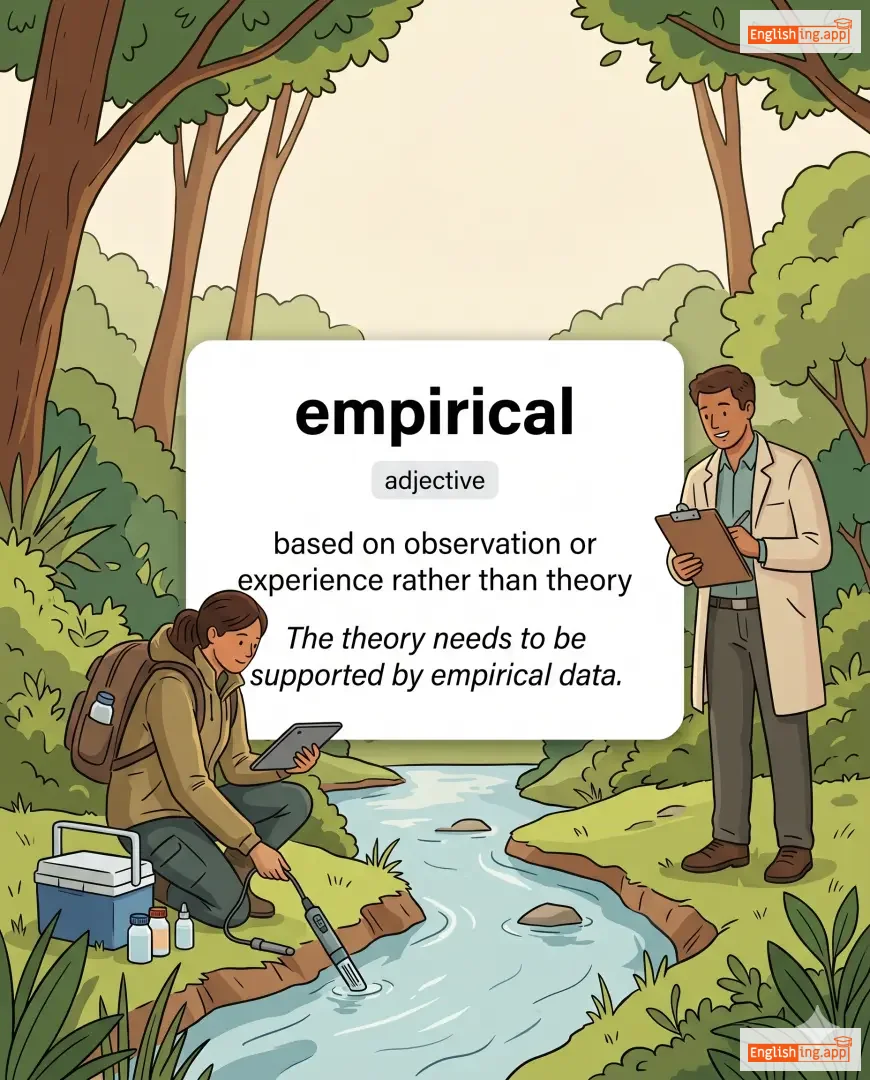
ɪmˈpɪr.ɪ.kəl
adjective
(エンピリカル)
••••••
|
|
経験的
keikenteki
••••••
|
Based on, concerned with, or verifiable by observation or experience rather than theory or pure logic.
••••••
|
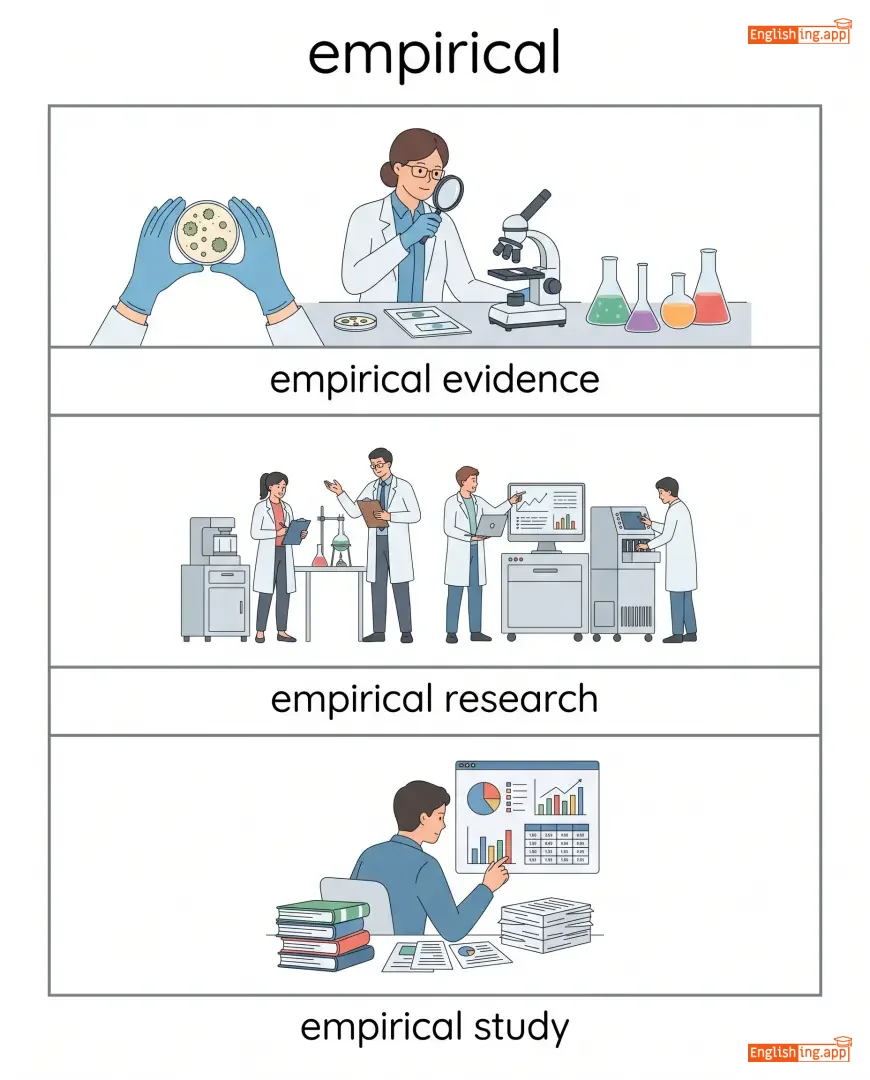
Scientific research relies on empirical evidence.
科学的研究は経験的証拠に基づいています。
••••••
|
科学的研究は経験的証拠に基づいています。
Kagakuteki kenkyū wa keikenteki shōko ni motozuiteimasu.
••••••
|
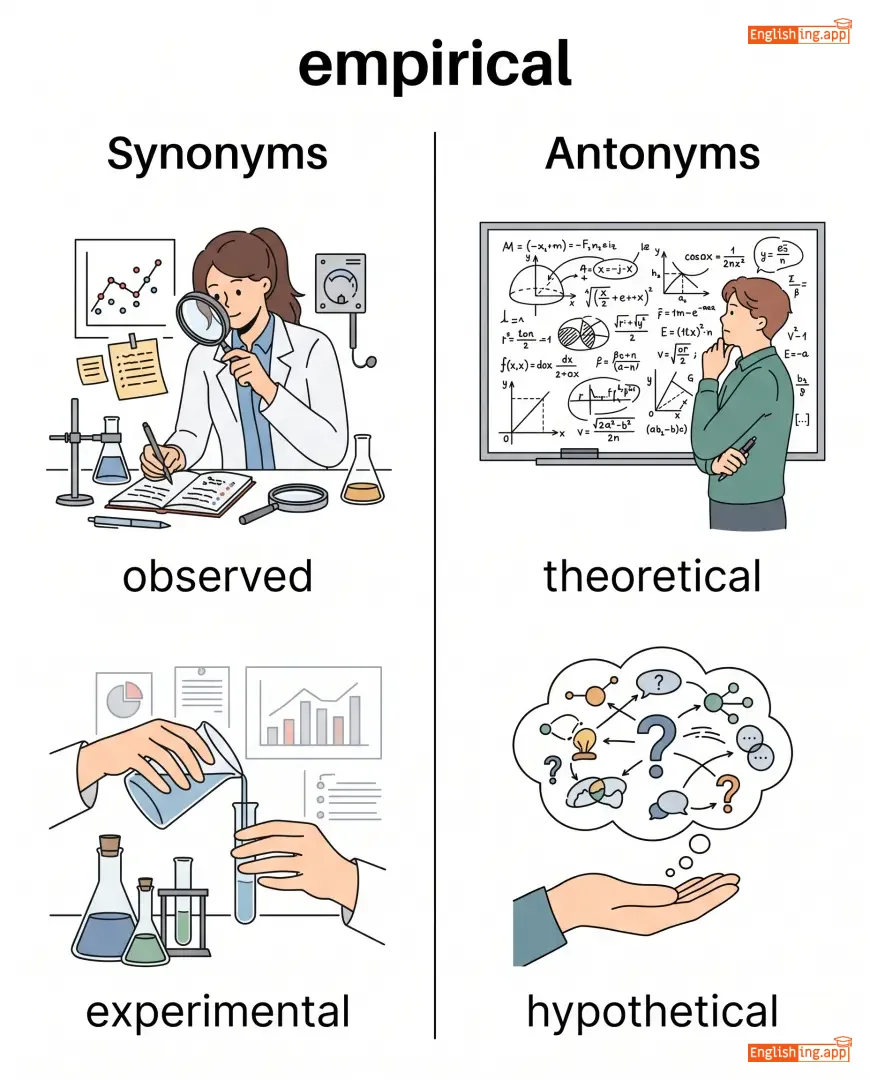
practical, observational, experimental
••••••
|
theoretical, hypothetical, speculative
••••••
|
経験的とは、経験や観察から得られた証拠に基づくものです。
••••••
|
|
#3981
🤔
|
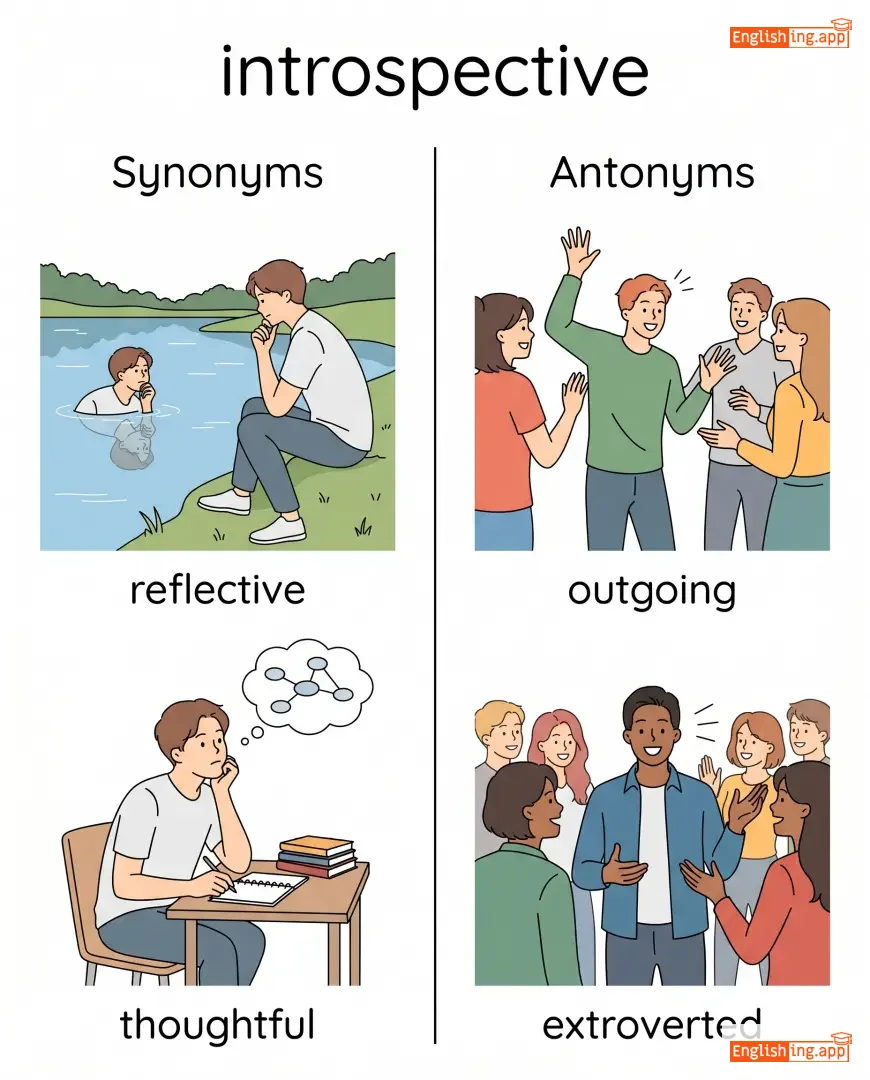
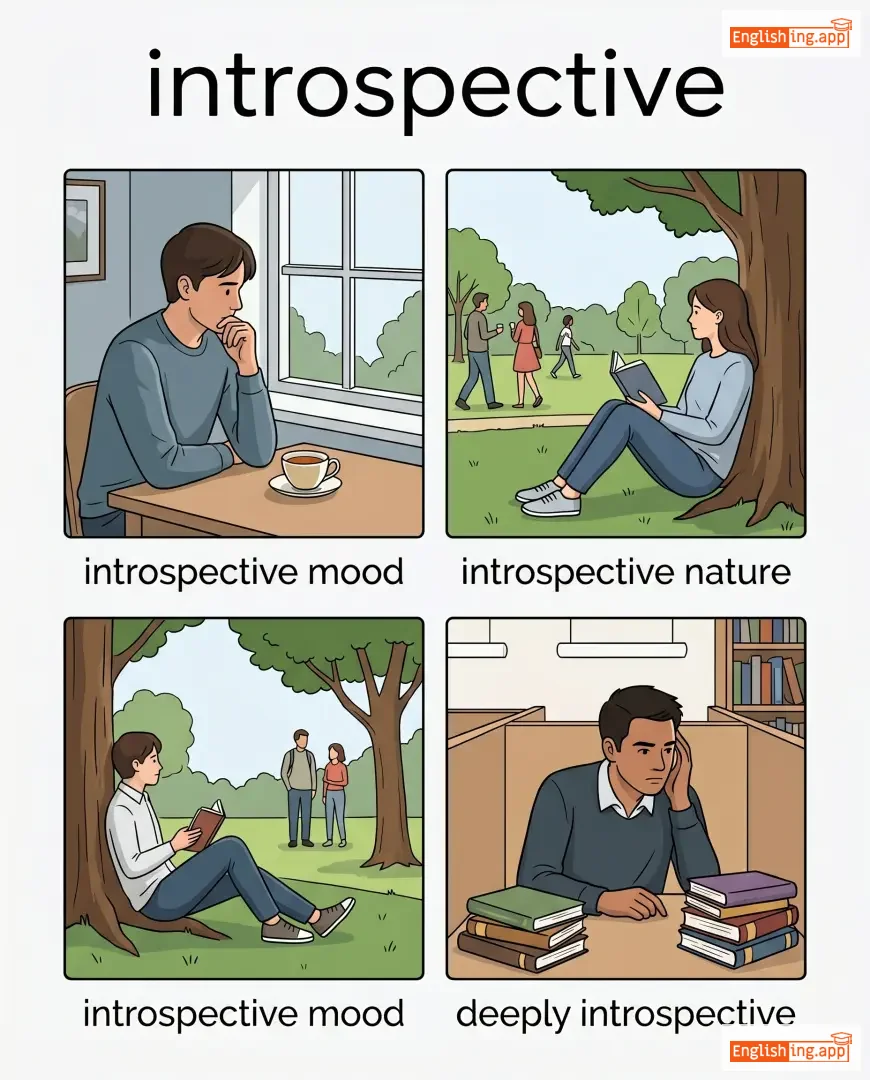
ˌɪn.trəˈspek.tɪv
adjective
(イントロスペクティブ)
••••••
|
|
内省的
naiseiteki
••••••
|
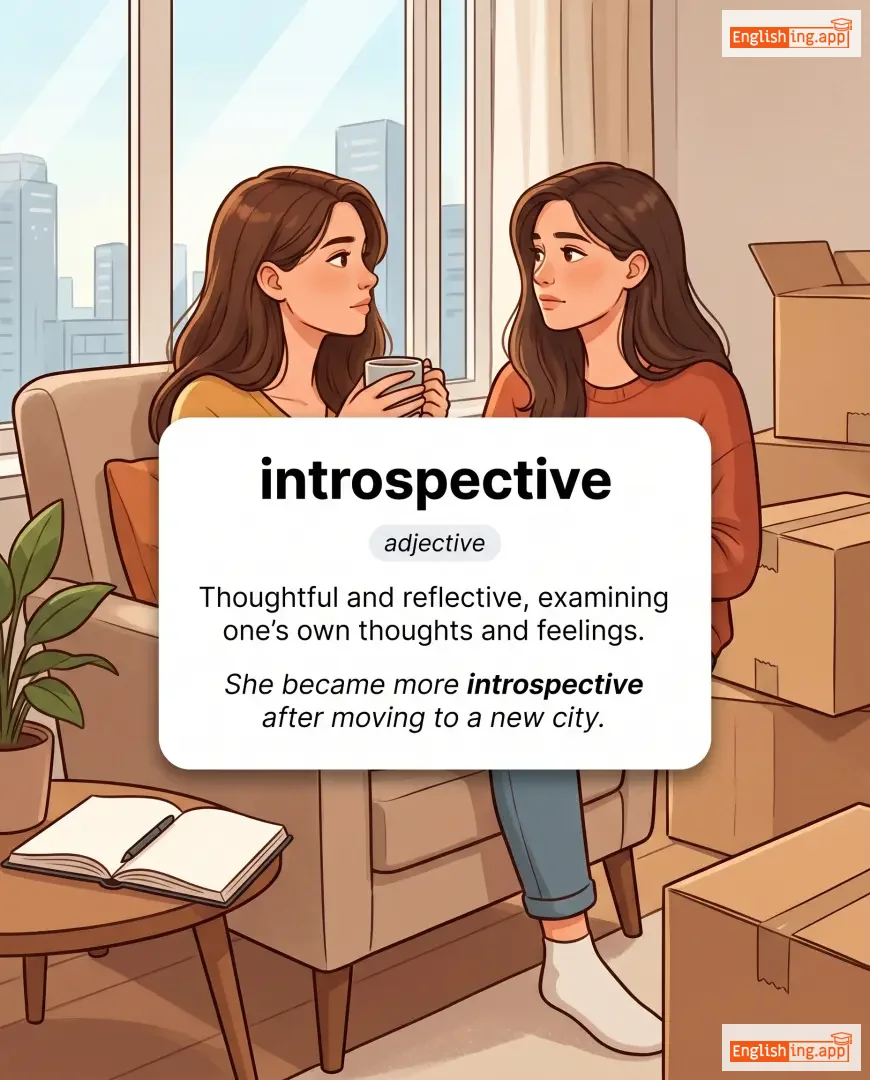
Characterized by or given to introspection; examining one's own thoughts and feelings.
••••••
|
Writers tend to be highly introspective individuals. |
作家はしばしば非常に内省的な人々である。
Sakka wa shibashiba hijō ni naiseiteki na hitobito de aru.
••••••
|
reflective, thoughtful, contemplative
••••••
|
shallow, unreflective, superficial
••••••
|
内省的 = 自分の感情を深く見つめる作家のような人物。
••••••
|
|
#3982
📚
|
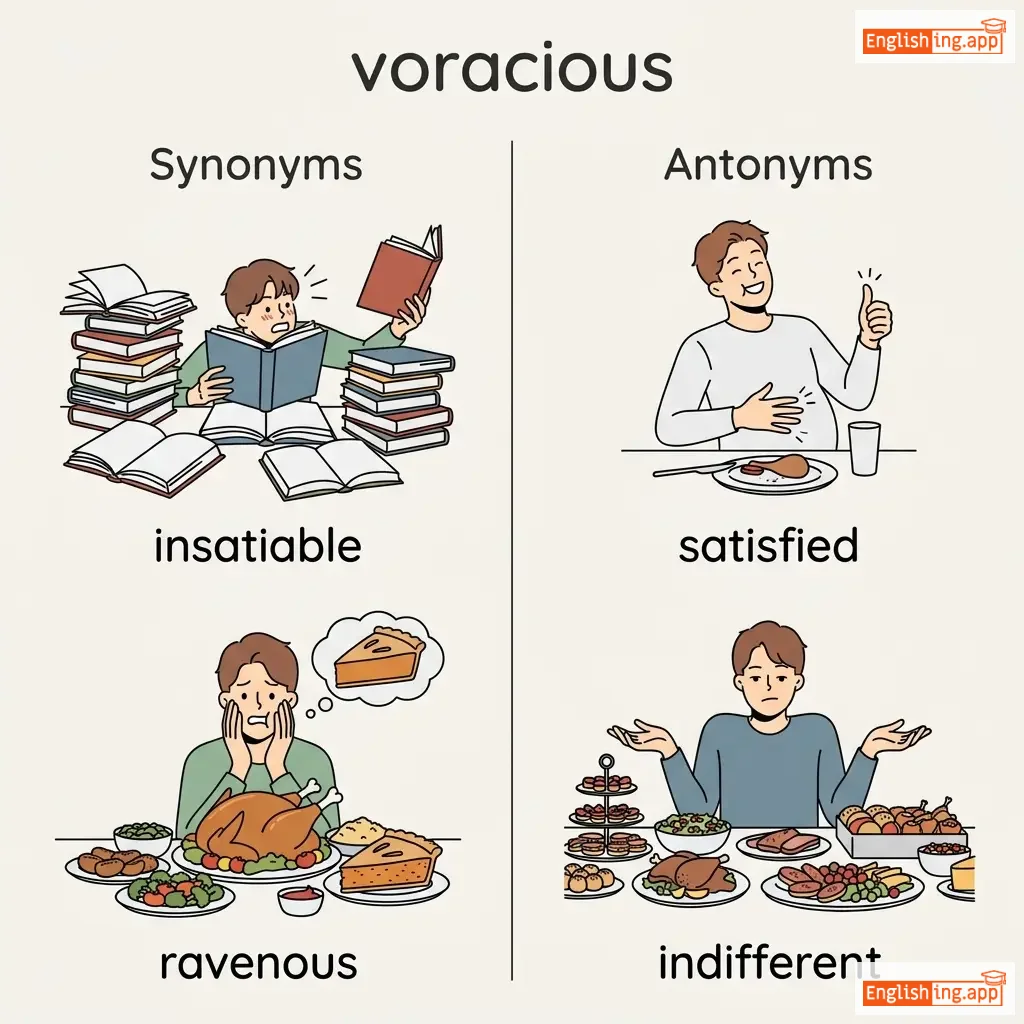
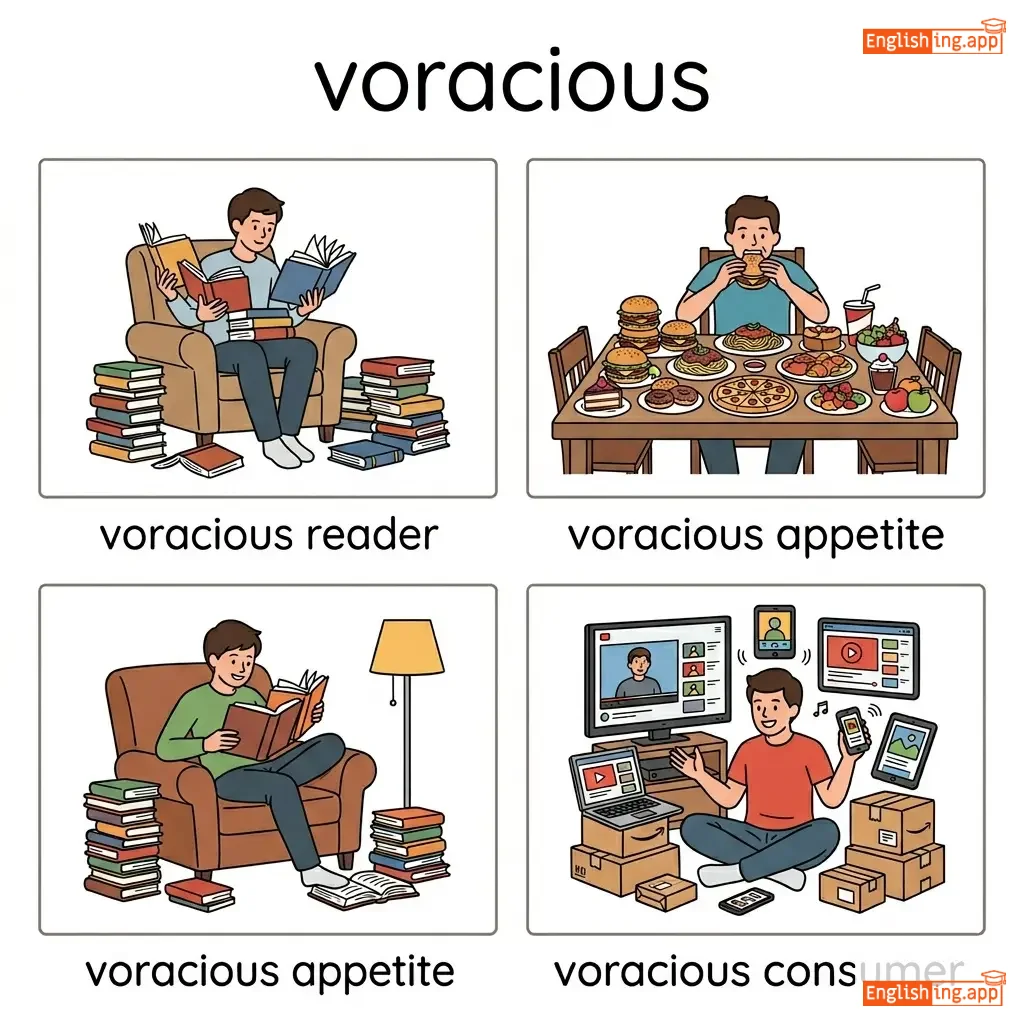
vəˈreɪ.ʃəs
adjective
(ヴォレイシャス)
••••••
|
|
貪欲な
danyokuna
••••••
|
Having a very eager approach to an activity; wanting or devouring great quantities of food or having an insatiable appetite.
••••••
|
He has a voracious appetite for knowledge. |
彼は知識に対して貪欲な食欲を持っている。
Kare wa chishiki ni taishite danyokuna shokuyoku o motte iru.
••••••
|
insatiable, ravenous, greedy
••••••
|
indifferent, apathetic, satisfied
••••••
|
Voracious in Japanese, '貪欲な,' is like an insatiable desire—whether for food or knowledge.
••••••
|
|
#3983
🎭
|
ˈrɛp.ə.twɑːr
noun
(レパートワール)
••••••
|
|
レパートリー
repātorī
••••••
|
A stock of plays, dances, or pieces that a company or a performer knows or is prepared to perform.
••••••
|
The actor's repertoire includes both comedy and drama. |
俳優のレパートリーにはコメディとドラマが含まれています。
Haiyū no repātorī ni wa komedi to dorama ga fukumareteimasu.
••••••
|
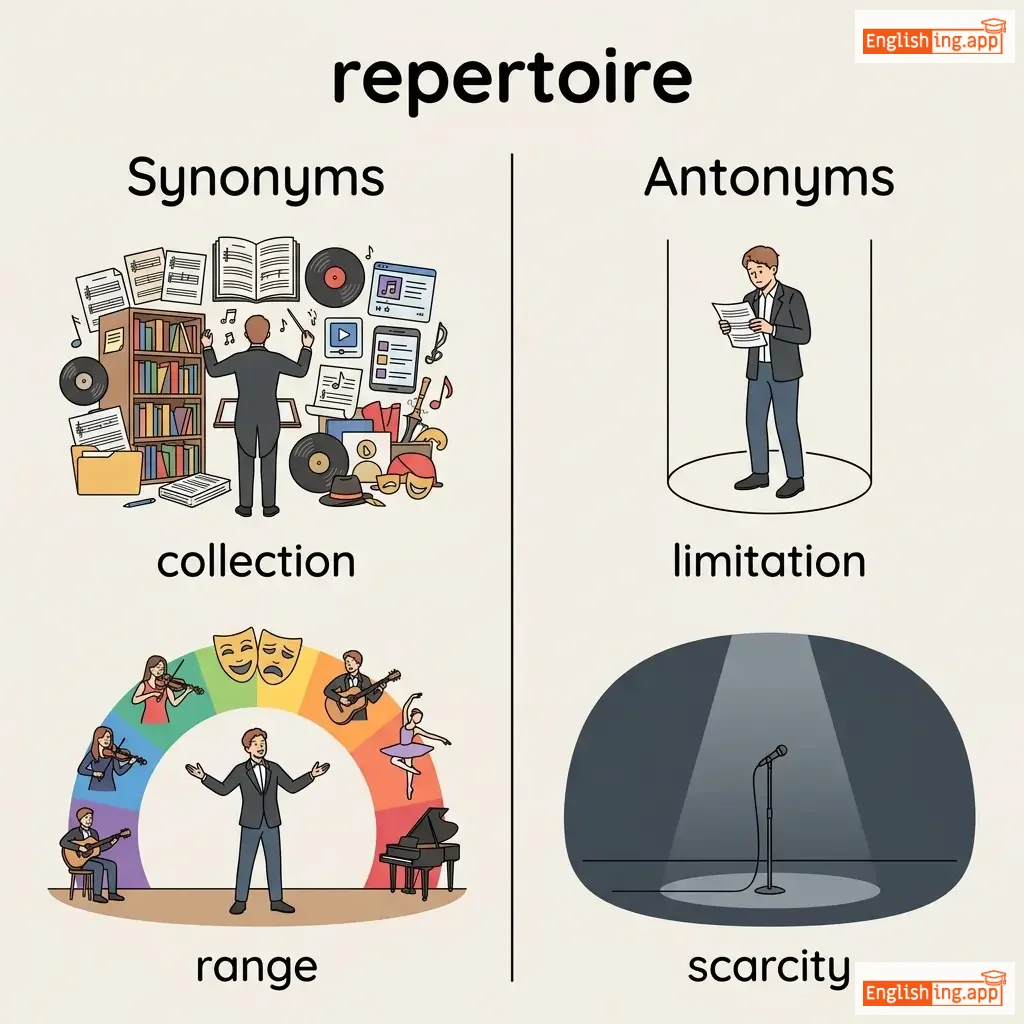
inventory, collection, range
••••••
|
incompetence, scarcity, limitation
••••••
|
レパートリー – 演技の宝箱。
••••••
|
|
#3984
🗣️
|
ˈɛl.ə.kwənt
adjective
(エロクエント)
••••••
|
|
雄弁
kyōben
••••••
|
Fluent or persuasive in speaking or writing; clearly expressing or indicating something.
••••••
|
Her eloquent speech inspired the entire audience. |
彼女の雄弁なスピーチは、聴衆全体にインスピレーションを与えました。
Kanojo no kyōben na supīchi wa, chōshū zentai ni insupirēshon o ataemashita.
••••••
|
articulate, expressive, persuasive
••••••
|
inarticulate, mute, tongue-tied
••••••
|
雄弁なスピーチは聞く人を感動させる。
••••••
|
|
#3985
🎨
|
ˈnuː.ɑːnst
adjective
(ニュアンスド)
••••••
|
- •••••• |
微妙な違いのある
bimyōna chigai no aru
••••••
|
Characterized by subtle shades of meaning or expression; having or characterized by subtle and often appealingly complex qualities.
••••••
|
His argument was nuanced and well-structured.
彼の議論はニュアンスがあり、構造がよく組み立てられていた。
••••••
|
彼の議論は微妙でよく組み立てられていた。
Kare no giron wa bimyō de yoku kumitaterarete ita.
••••••
|
subtle, refined, delicate
••••••
|
blunt, crude, simplistic
••••••
|
微妙なニュアンスを感じ取るのはまるで完璧なハーモニーのようだ。
••••••
|
|
#3986
🤷
|
kənˈdʒɛk.tʃər
noun/verb
(コンジェクチャー)
••••••
|
|
推測
suisoku
••••••
|
An opinion or conclusion formed on the basis of incomplete information; to form an opinion or supposition about something.
••••••
|
The scientist's conjecture was later proven true. |
科学者の推測は後に正しいことが証明された。
Kagakusha no suisoku wa ato ni tadashii koto ga shoumei sareta.
••••••
|
speculation, hypothesis, guesswork
••••••
|
fact, certainty, evidence
••••••
|
推測は少ない情報で予想することです。
••••••
|
|
#3987
⭐
|
ˌkwɪn.tɪˈsɛn.ʃəl
adjective
(kwin-te-sen-shiaru)
••••••
|
|
典型
tenkei
••••••
|
Representing the most perfect or typical example of a quality or class; the essence of something in its purest form.
••••••
|
Shakespeare is the quintessential English playwright.
シェイクスピアは英語の劇作家として典型的な例です。
••••••
|
シェイクスピアは英語の劇作家として典型的な例です。
Sheikusupia wa Eigo no gekisakka to shite tenkeiteki na rei desu.
••••••
|
ultimate, ideal, classic
••••••
|
atypical, inferior, uncharacteristic
••••••
|
シェイクスピアは英語の劇作家として典型的な例です。
••••••
|
|
#3988
🔍
|
məˈtɪk.jʊ.ləs
adjective
(メティキュラス)
••••••
|
|
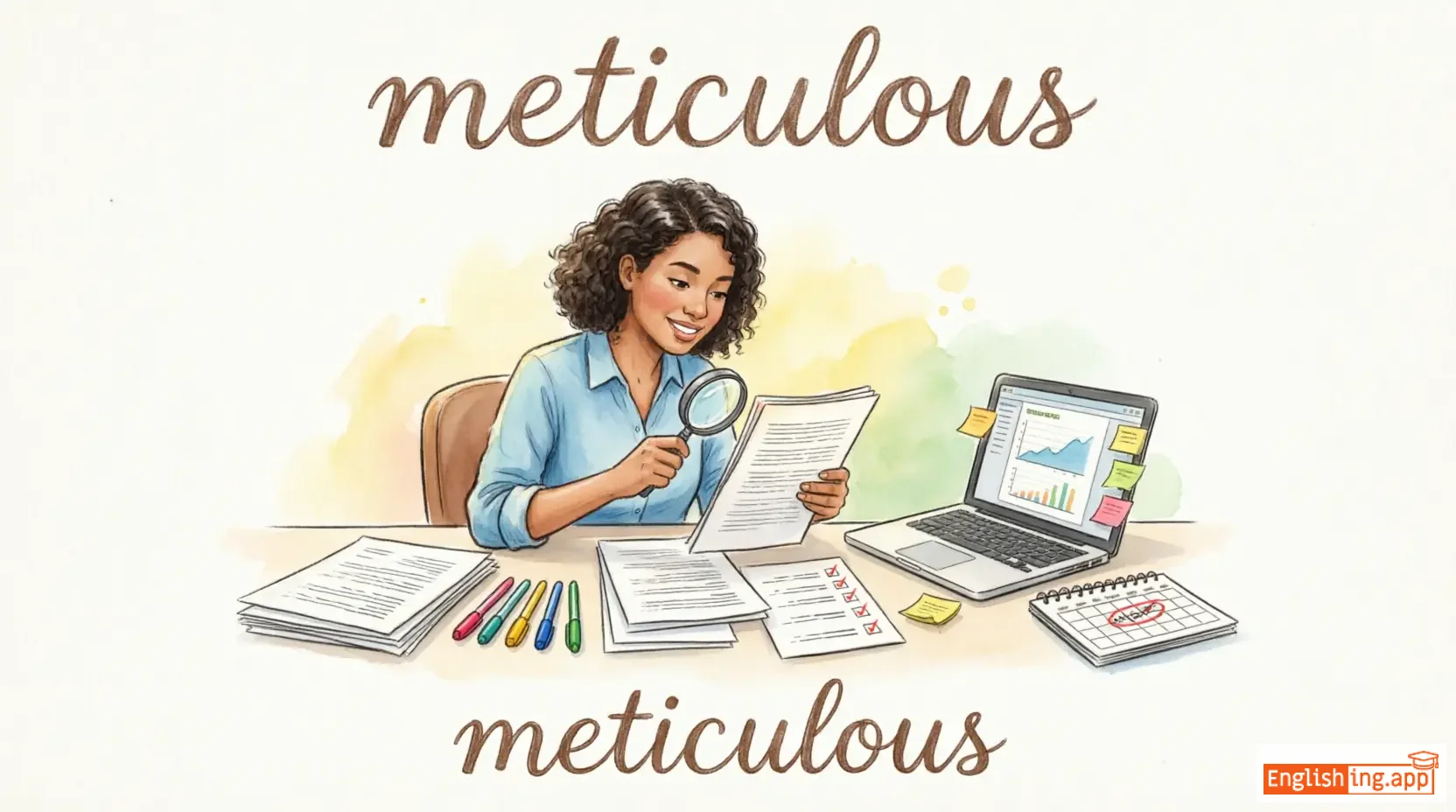
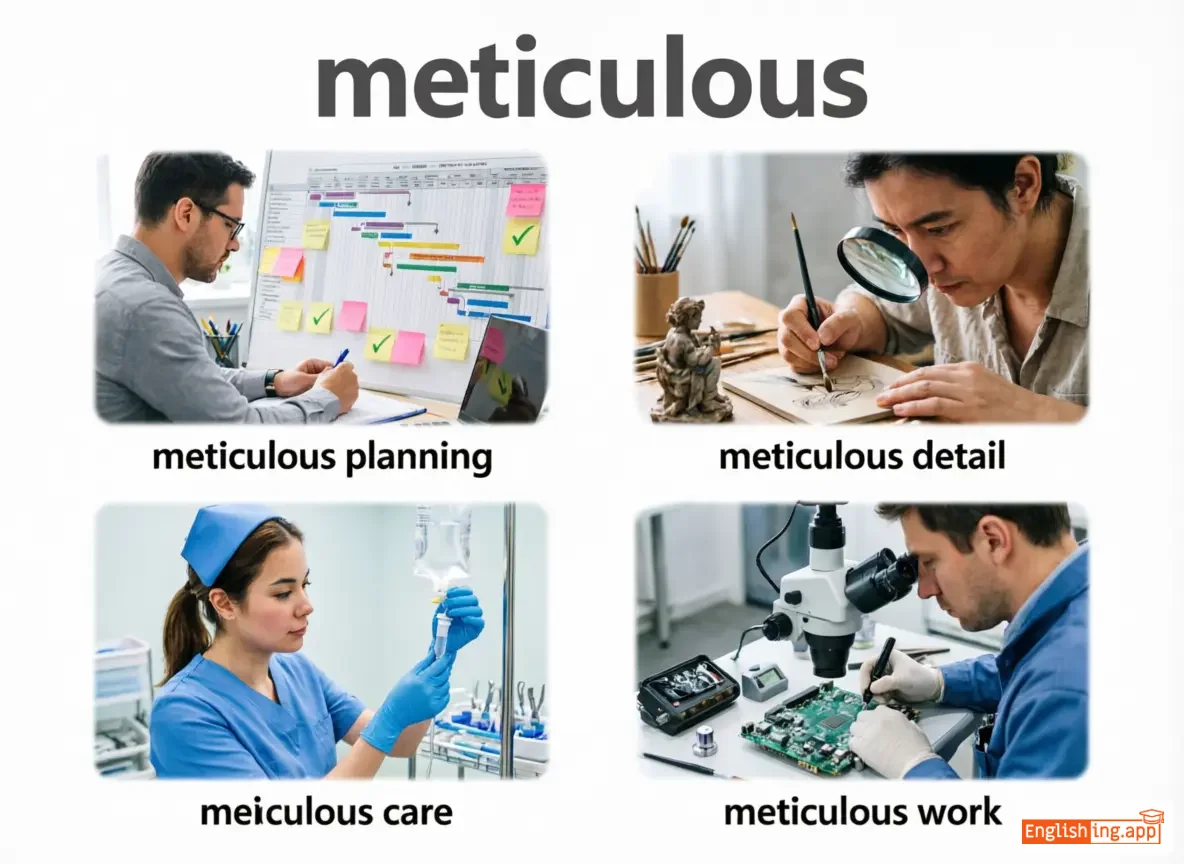
細心
saishin
••••••
|
Showing great attention to detail; very careful and precise; characterized by extreme care and attention to detail.
••••••
|
She is meticulous in her research and documentation.
彼女は研究と文書作成に非常に細心です。
••••••
|
彼女は研究と文書作成に非常に細心です。
Kanojo wa kenkyuu to bunsho sakusei ni hijou ni saishin desu.
••••••
|
precise, thorough, diligent
••••••
|
careless, negligent, sloppy
••••••
|
細心な人は、すべての詳細に目を向け、どんな小さな事でも見逃しません。
••••••
|
|
#3989
📊
|
ɪkˈstræp.ə.leɪt
verb
(エクストラポレート)
••••••
|
|
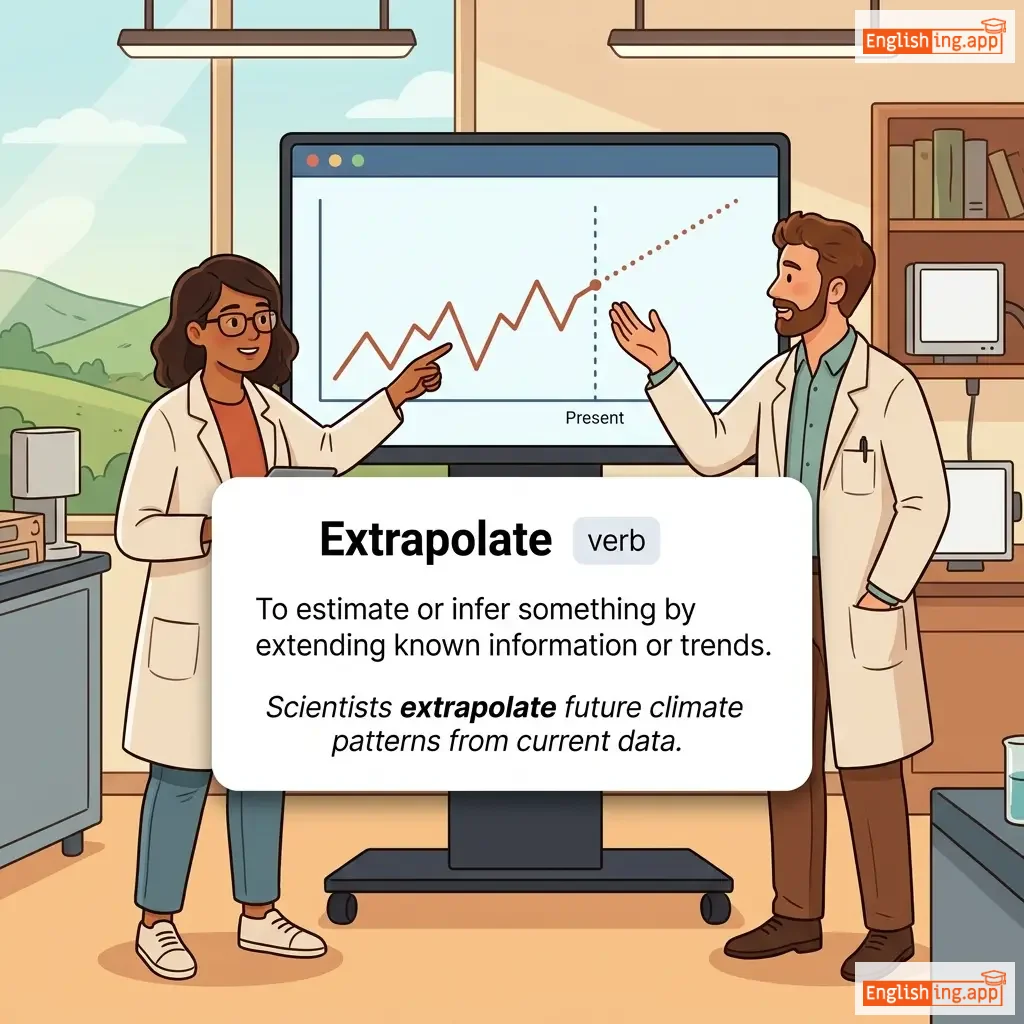
外挿する
gaizō suru
••••••
|
To extend the application of a method or conclusion to an unknown situation by assuming existing trends will continue.
••••••
|
Scientists extrapolate climate trends based on past data. |
科学者たちは過去のデータに基づいて気候の傾向を外挿します。
Kagakusha-tachi wa kako no dēta ni motozuite kikō no keikō o gaizō shimasu.
••••••
|
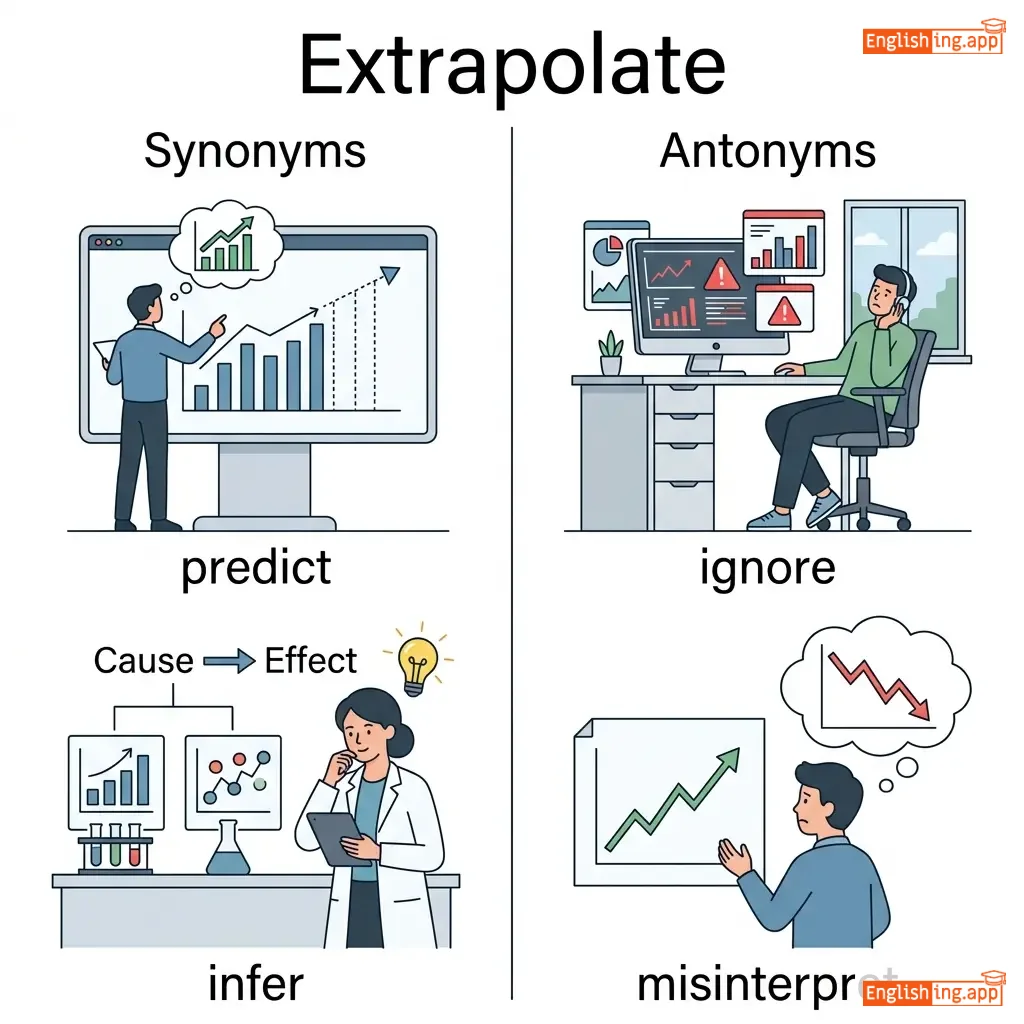
infer, deduce, predict
••••••
|
misinterpret, guess, miscalculate
••••••
|
Picture scientists stretching out data trends to predict the future, just like extrapolating them forward.
••••••
|
Vocabulary Quiz
Test your vocabulary by matching words with their translations or meanings.
Login to take the quiz
Comments (0)
Share your thoughts and join the discussion.
Join the discussion by logging in
Login to CommentNo comments yet
Be the first to share your thoughts!