

デジタル vs. ペーパーのタイムブロッキング方法
Digital vs. Paper Time-Blocking Methods
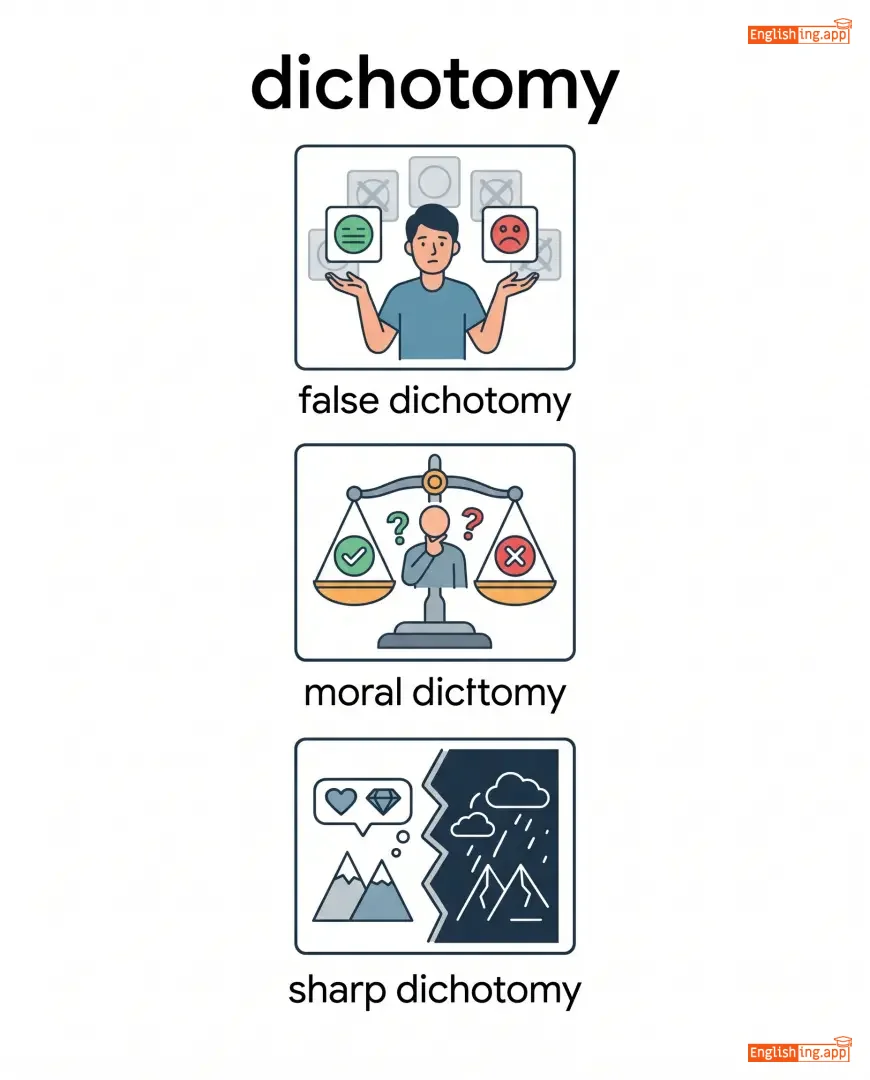
時間管理にはdichotomyが存在します—digitalとpaper time-blockingです。どちらの方法がより効果的かは、多くの人にとってconundrumとなっています。
Digitalな方法は、迅速な計画とoptimalな保存をfacilitateします。overarchingなタスクリストを維持するのに役立ちます。しかし、多くの人はそれをephemeralと感じ、長期記憶をhinderする可能性があります。
一方で、paper-basedな方法はよりpragmaticで戦略的です。時間のnuanceを理解する機会を提供し、meticulousな計画に効果的です。しかし、紙のviabilityや整理の問題がいくつかのdiscrepancyを生じさせます。
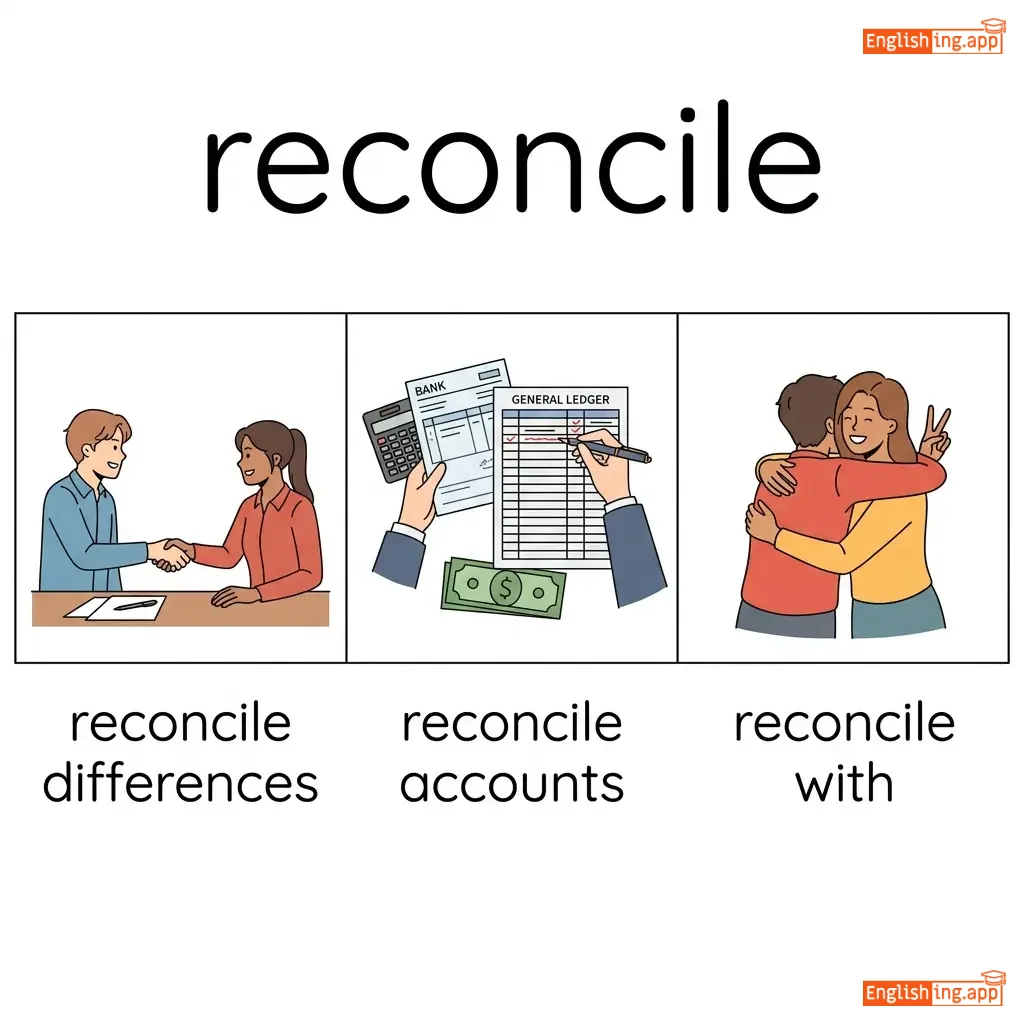
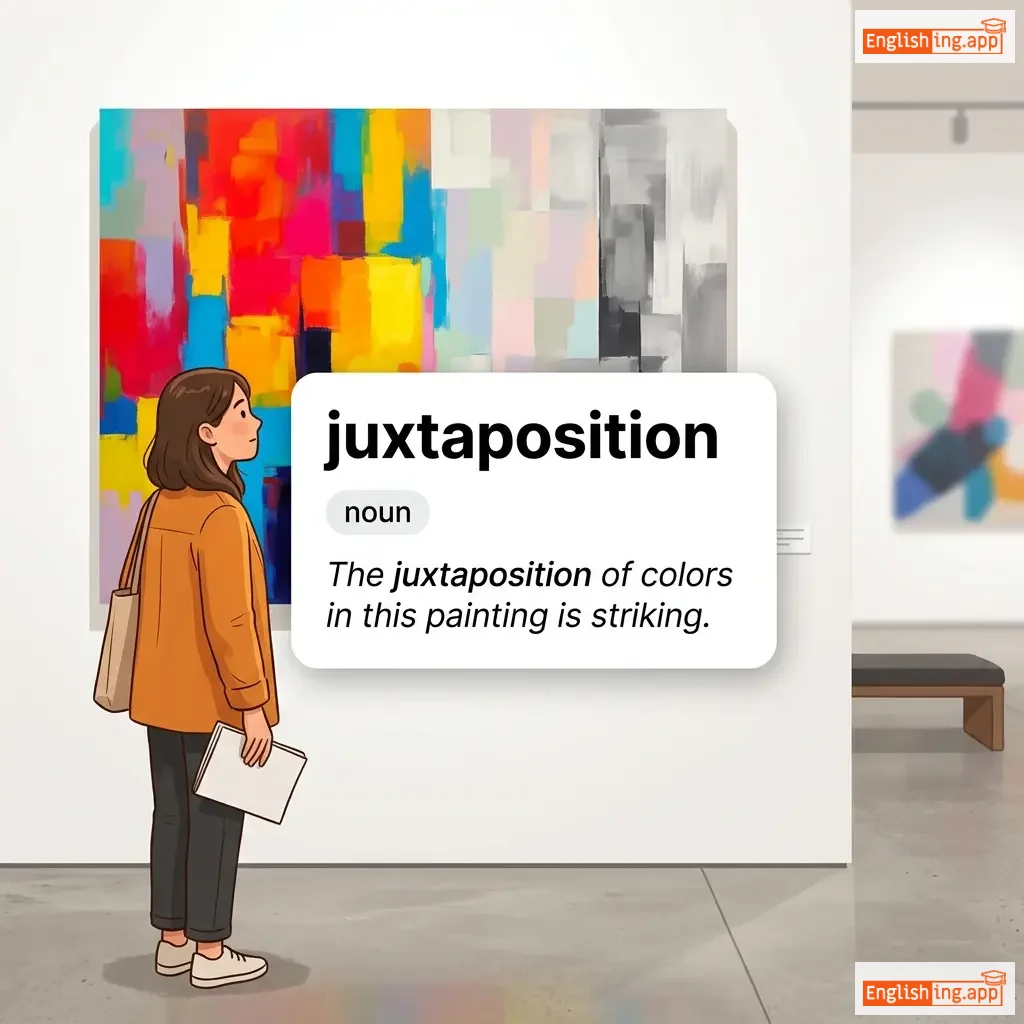
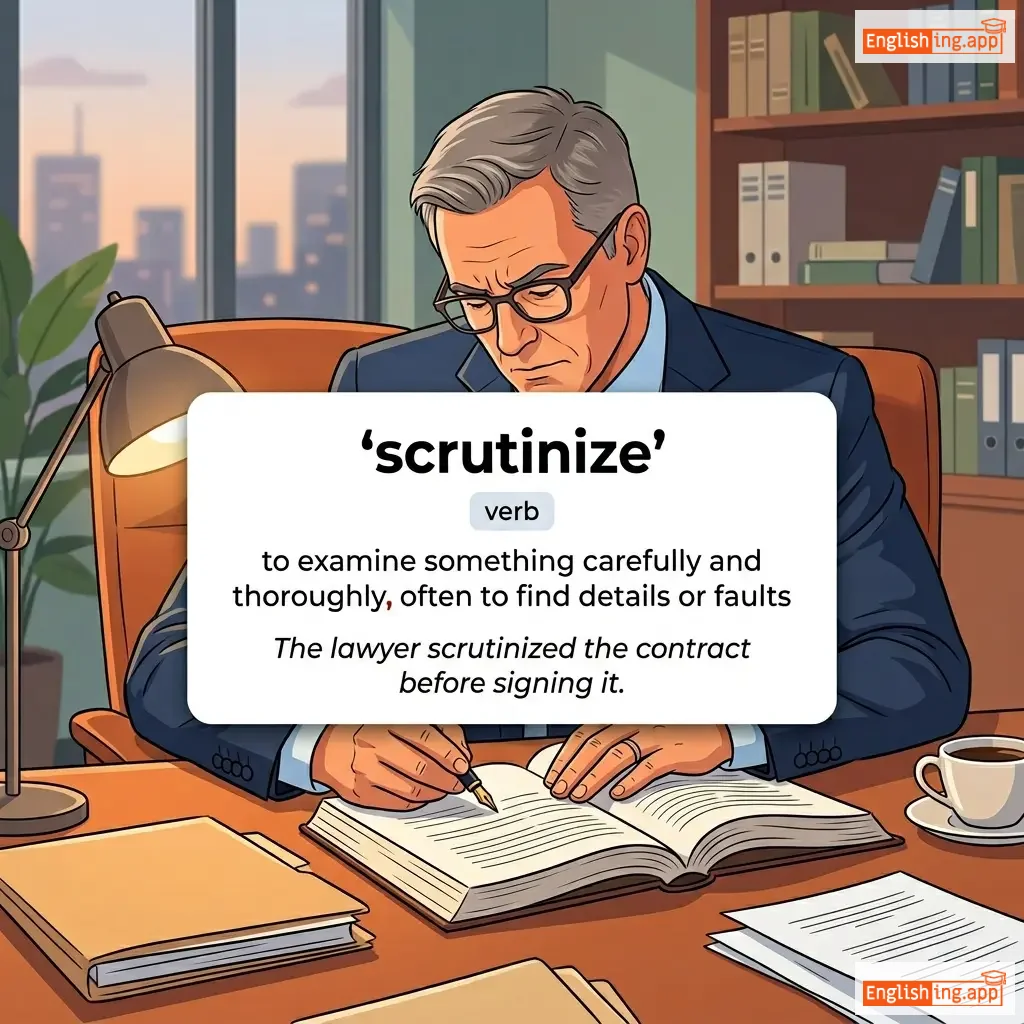
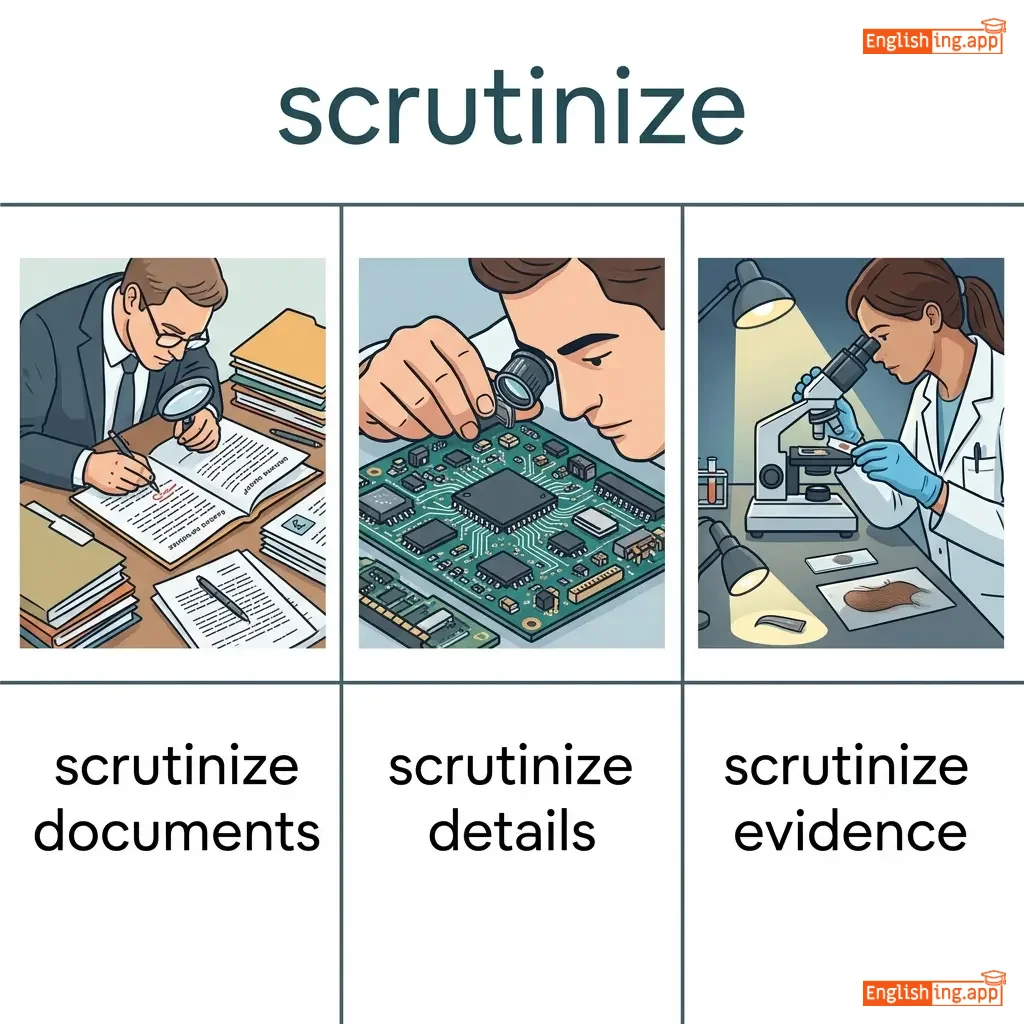
最適な解決策は、これら二つの方法の間にsynergyを作り、個々のニーズに基づいてreconcileすることです。どちらがより効果的かをjuxtapositionし、scrutinizingすることで、時間管理に効果的な変化をもたらすことができます。
翻訳
過去
過去分詞
三人称単数
動名詞
意味
例文
例文の翻訳
同義語
対義語
コロケーション
ニーモニック

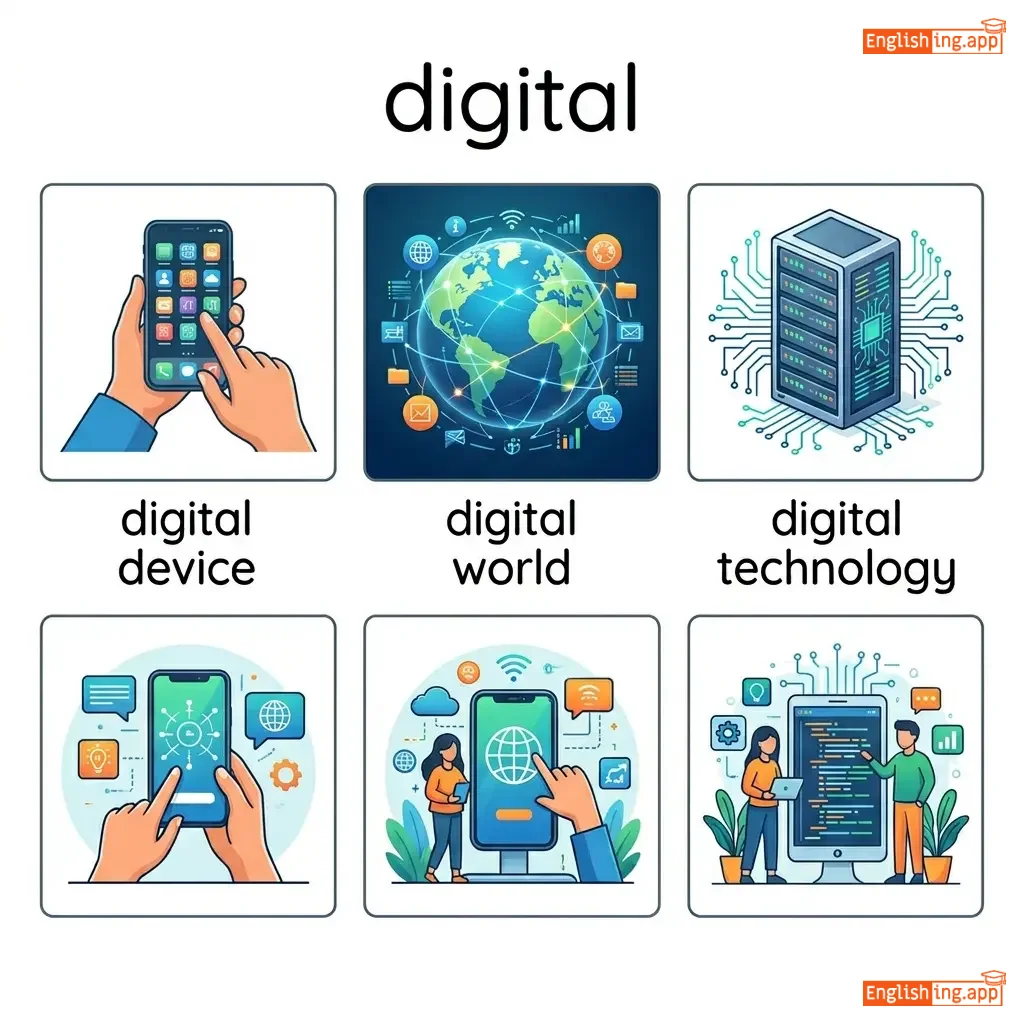
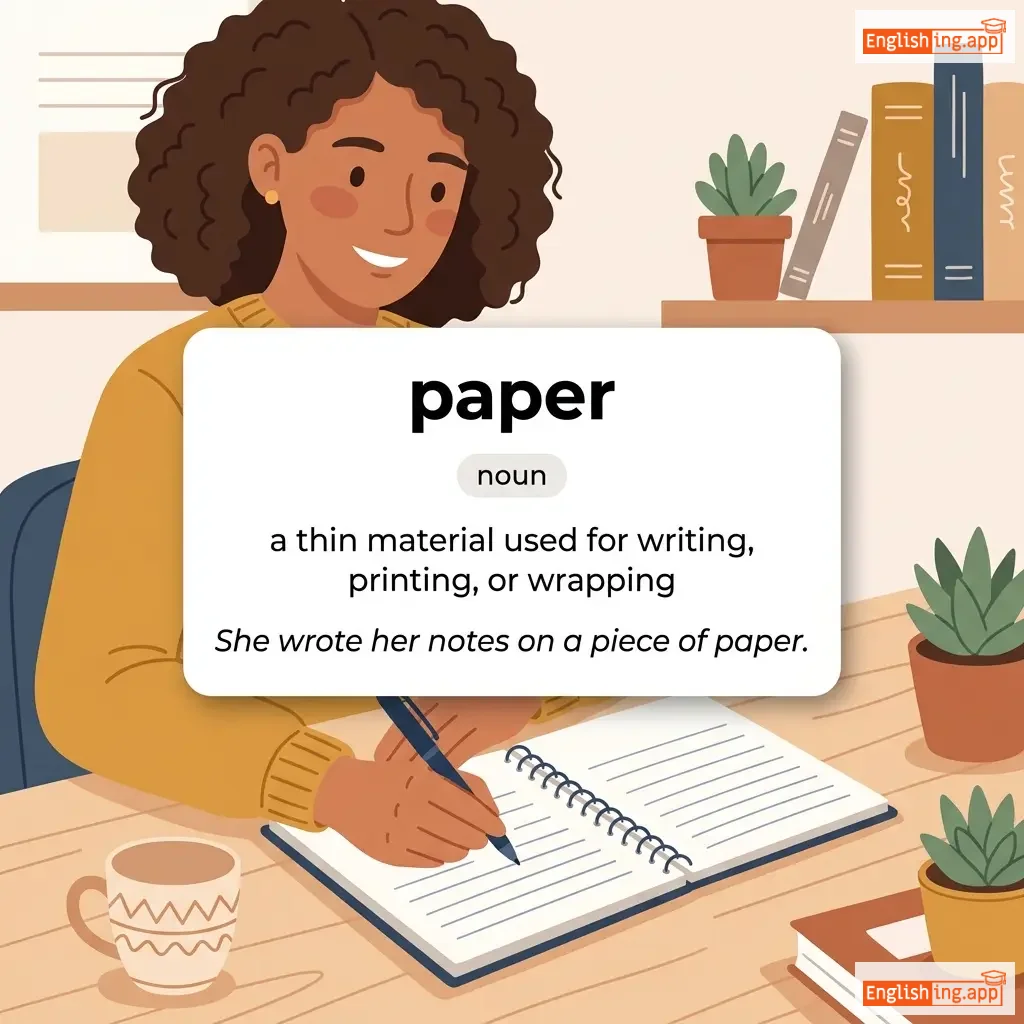
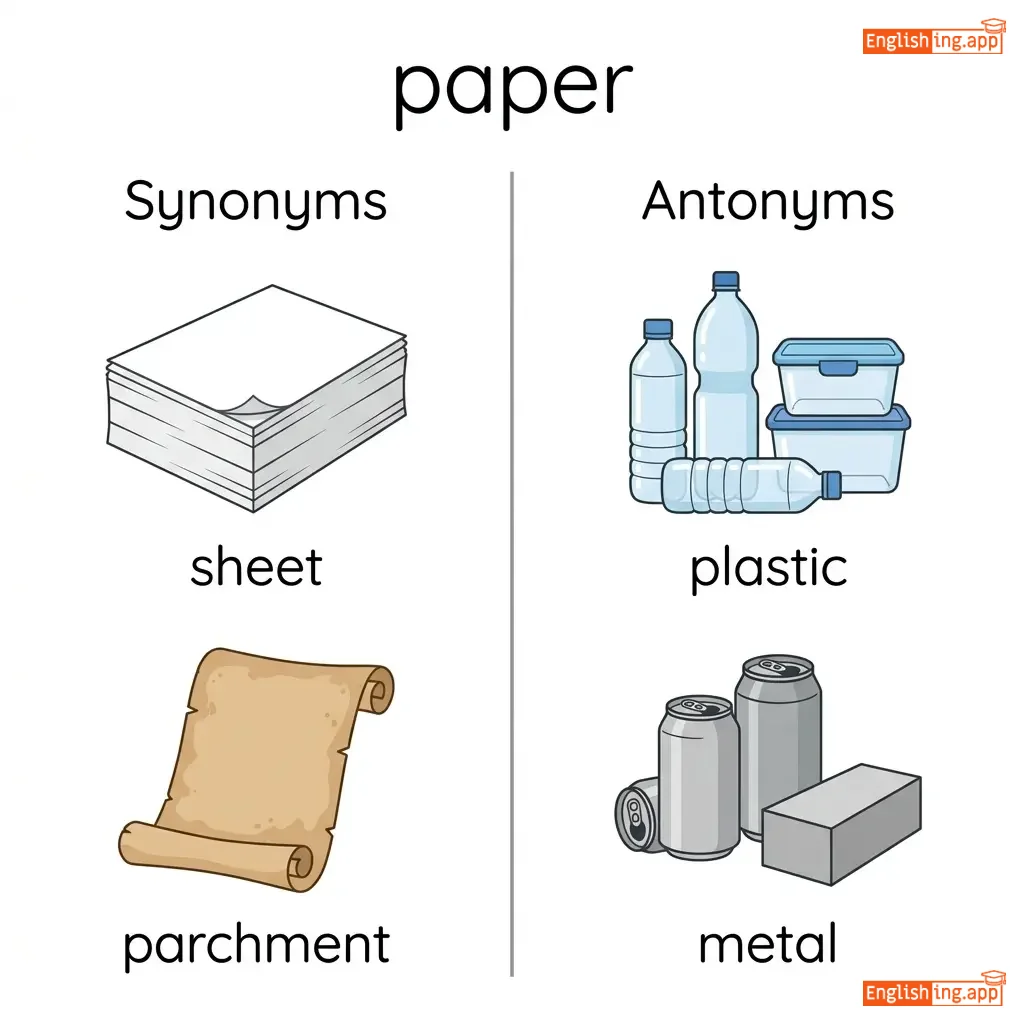
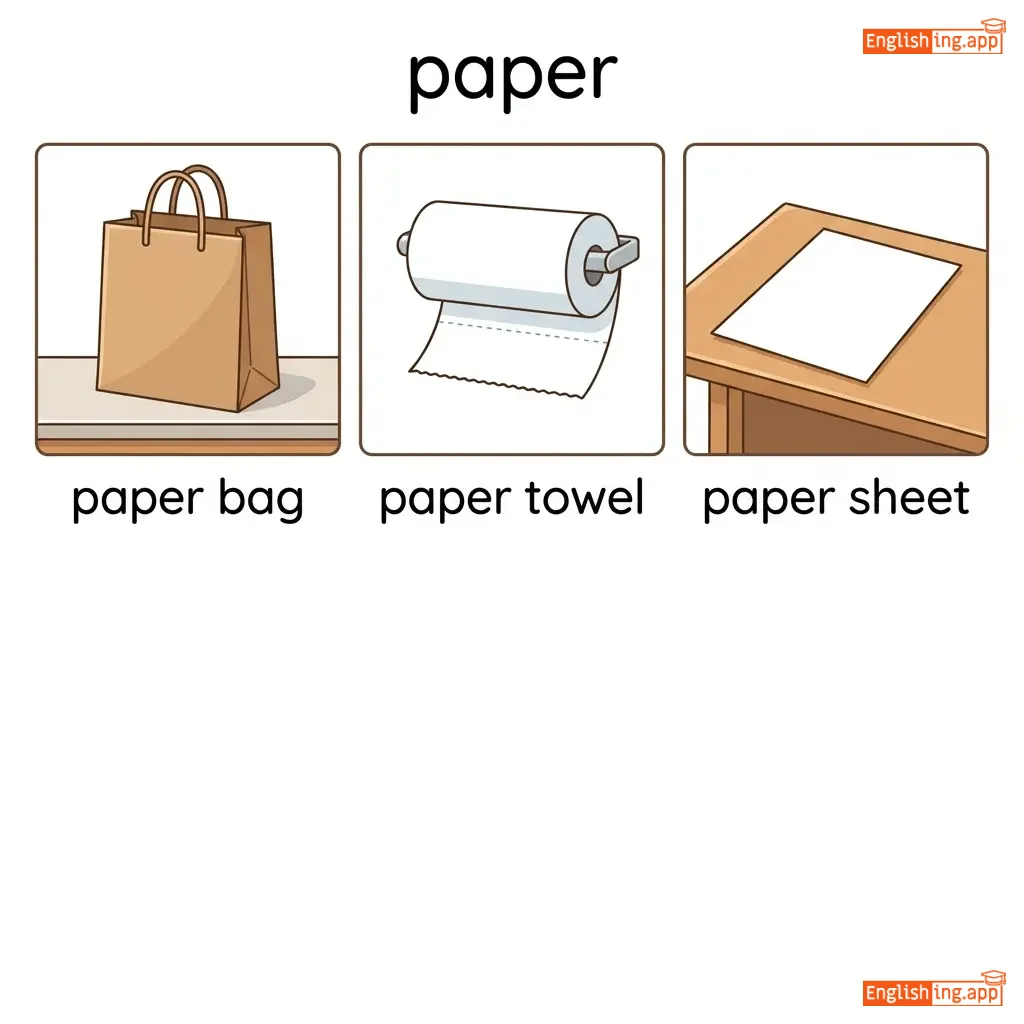


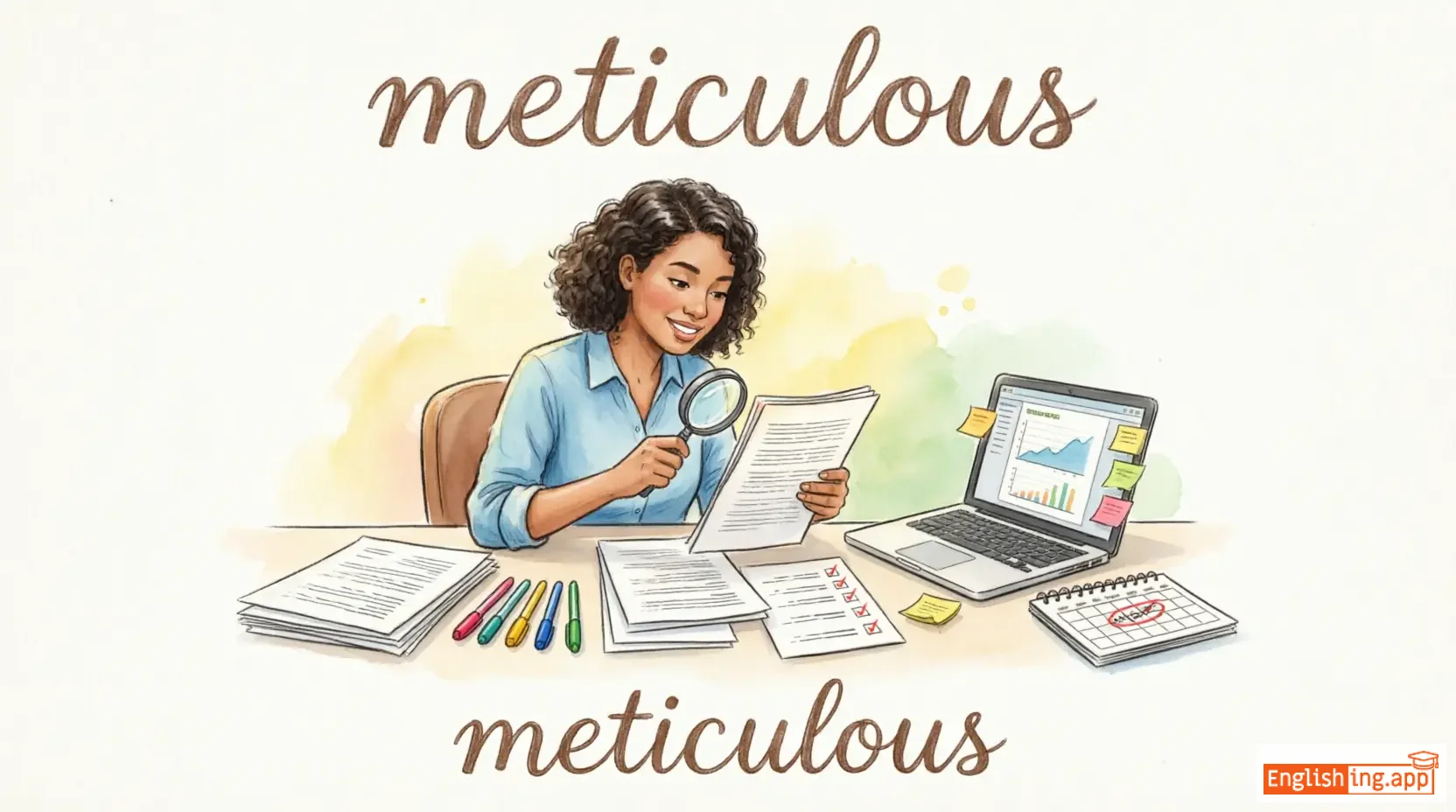
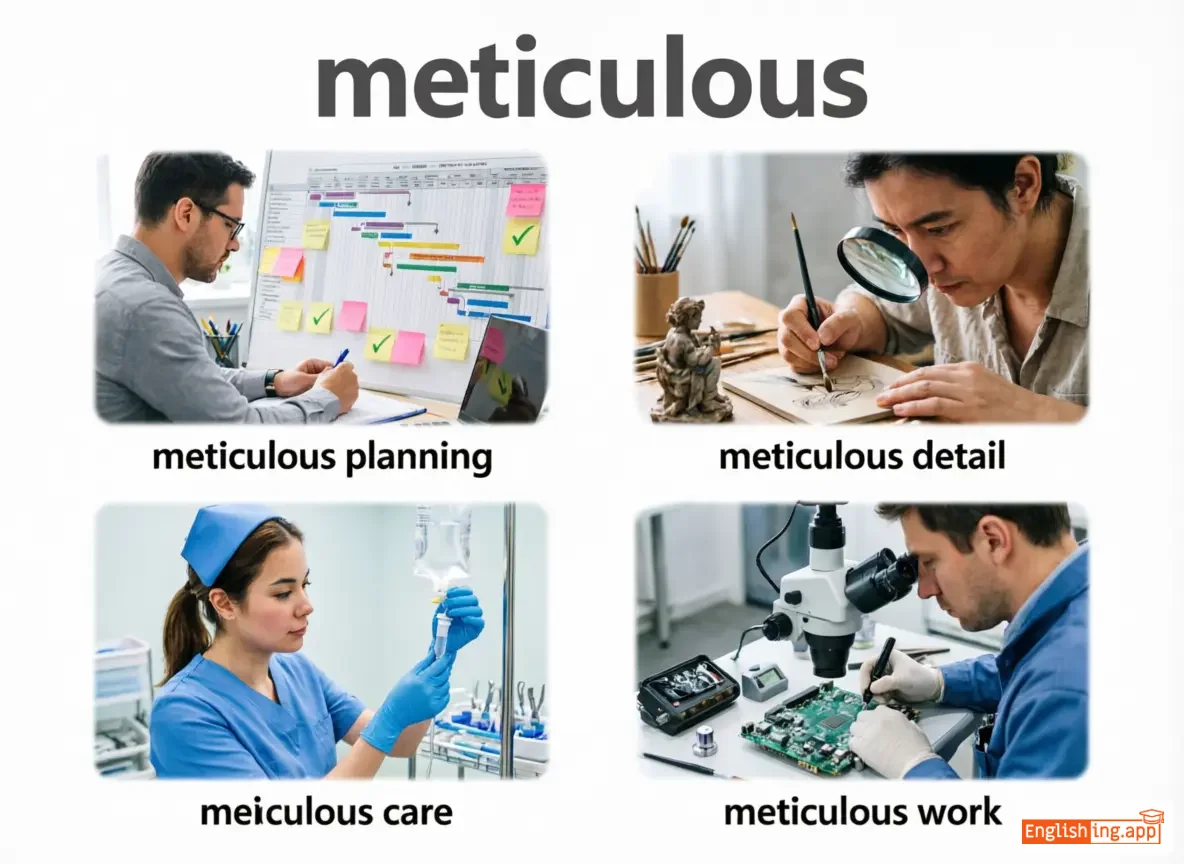
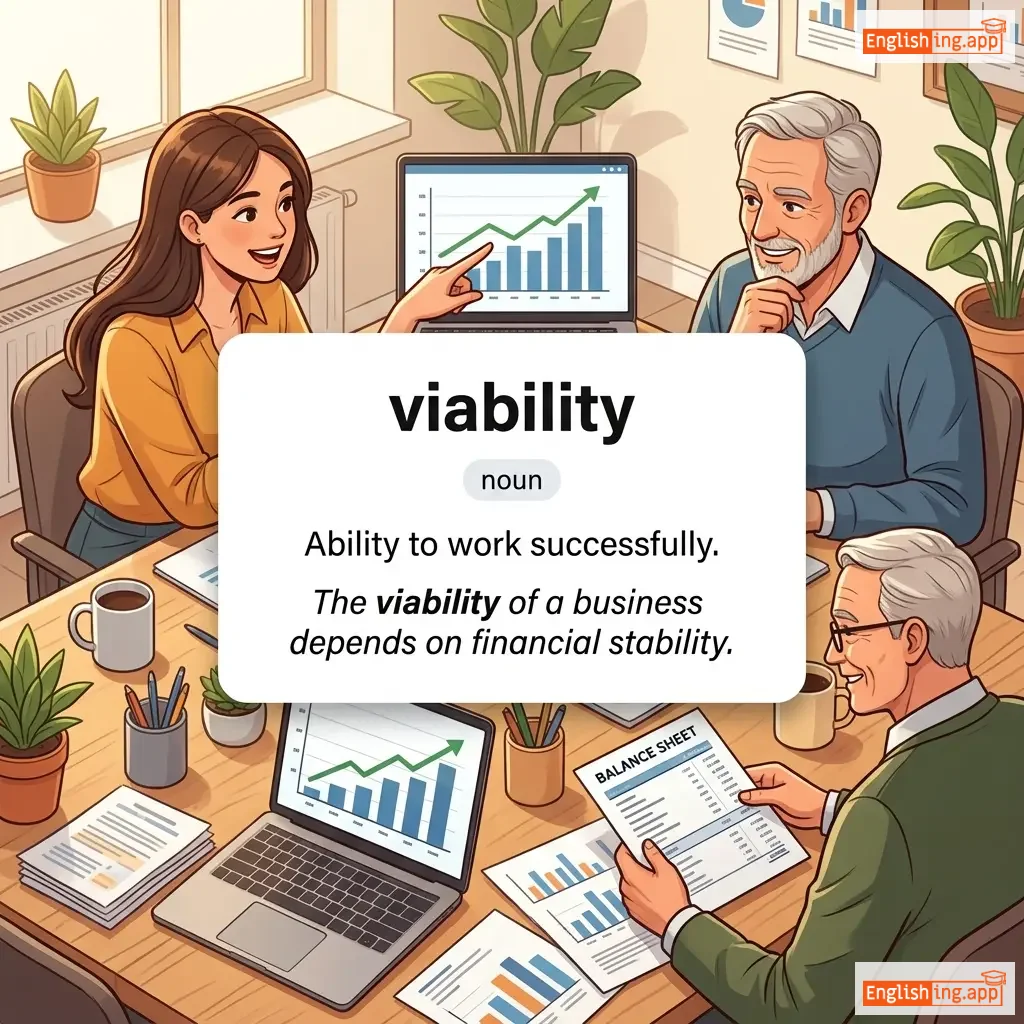
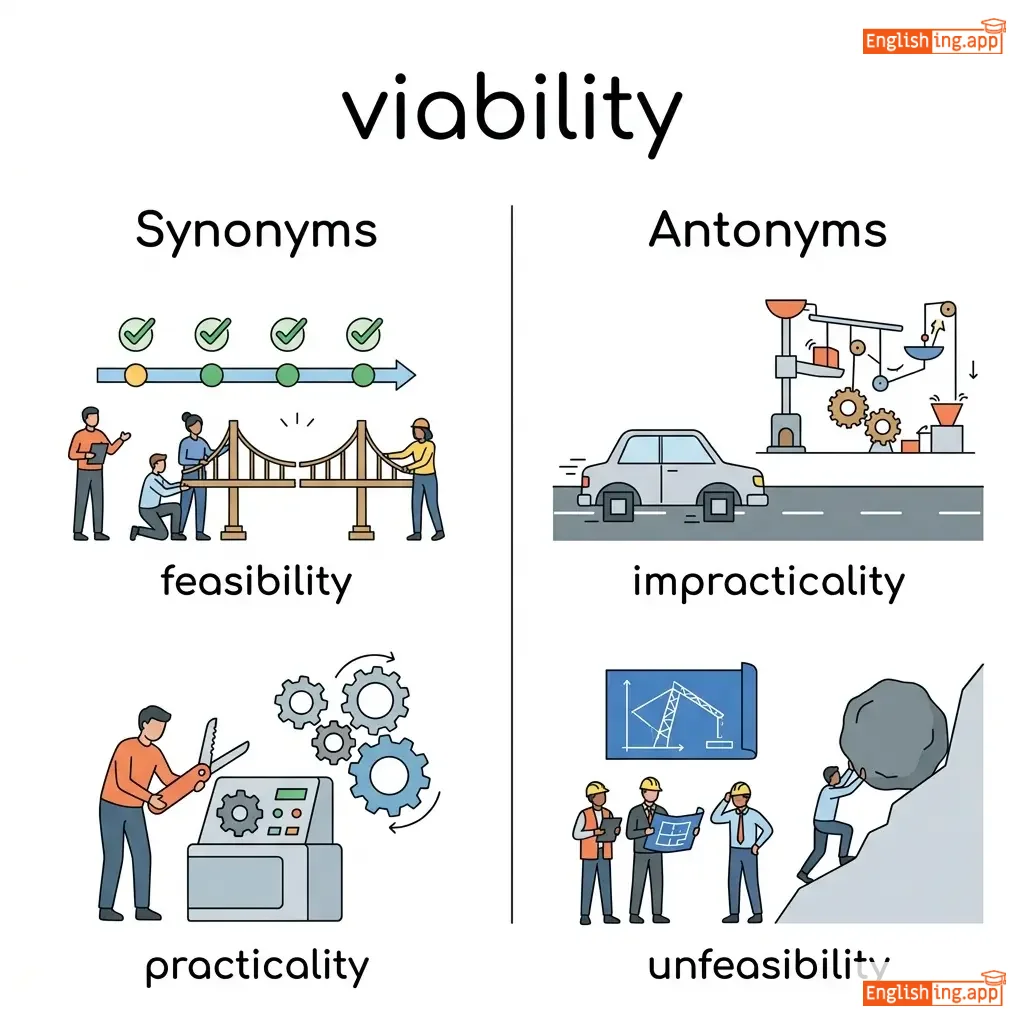
Swipe left or right, or use the buttons. Tap image to zoom.
例文の翻訳
単語
Digital vs. Paper Time-Blocking MethodsDigital vs. Paper Time-Blocking Methods - マスクトグル
|
絵文字
|
単語 | Images | 翻訳 | 意味 | 例文 | 例文の翻訳 | 同義語 | 対義語 | ニーモニック |
|---|---|---|---|---|---|---|---|---|---|
|
#1428
⚖️
|
/daɪˈkɒt.ə.mi/
noun
(ダイコトミー)
••••••
|
|
二項対立
nikō tairitsu
••••••
|
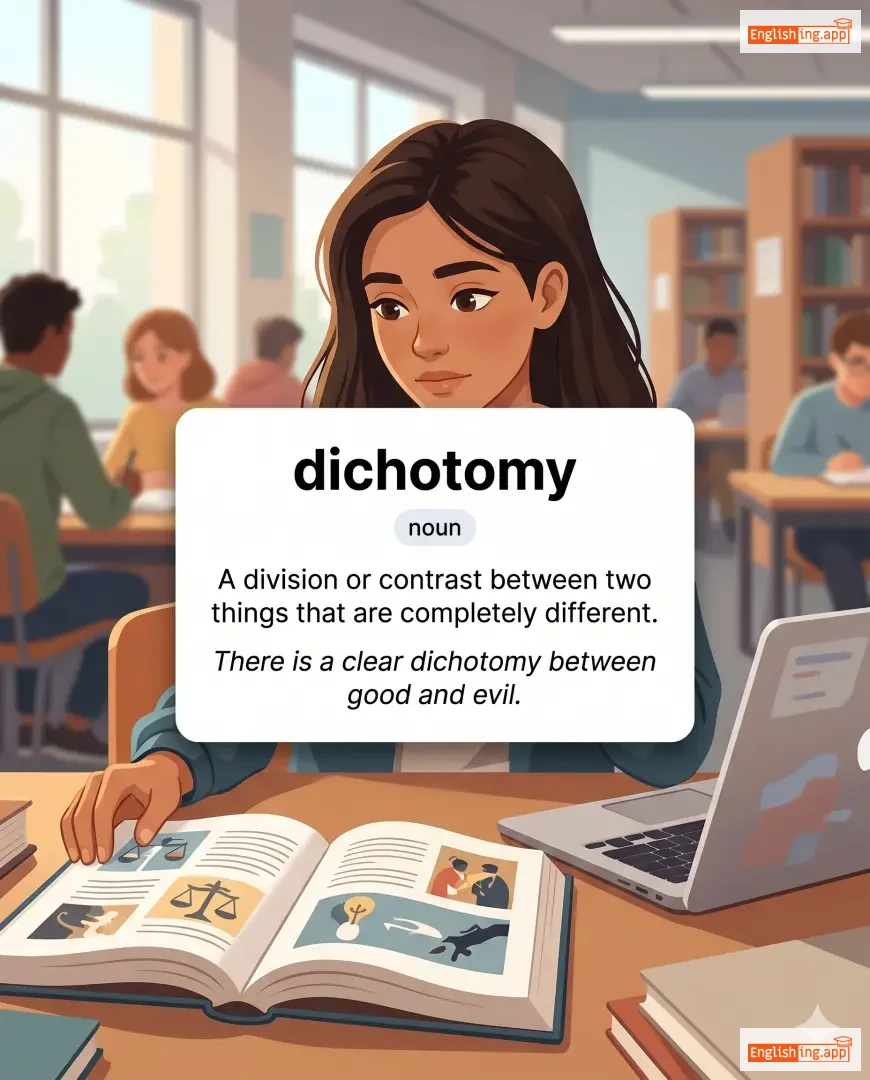
A division or contrast between two things that are or are represented as being opposed or entirely different.
••••••
|
The dichotomy between science and religion has been debated for centuries.
科学と宗教の間の二項対立は何世紀にもわたって議論されてきました。
••••••
|
科学と宗教の間の二項対立は何世紀にもわたって議論されてきました。
Kagaku to shūkyō no aida no nikō tairitsu wa nan seiki ni mo watatte giron sarete kimashita.
••••••
|
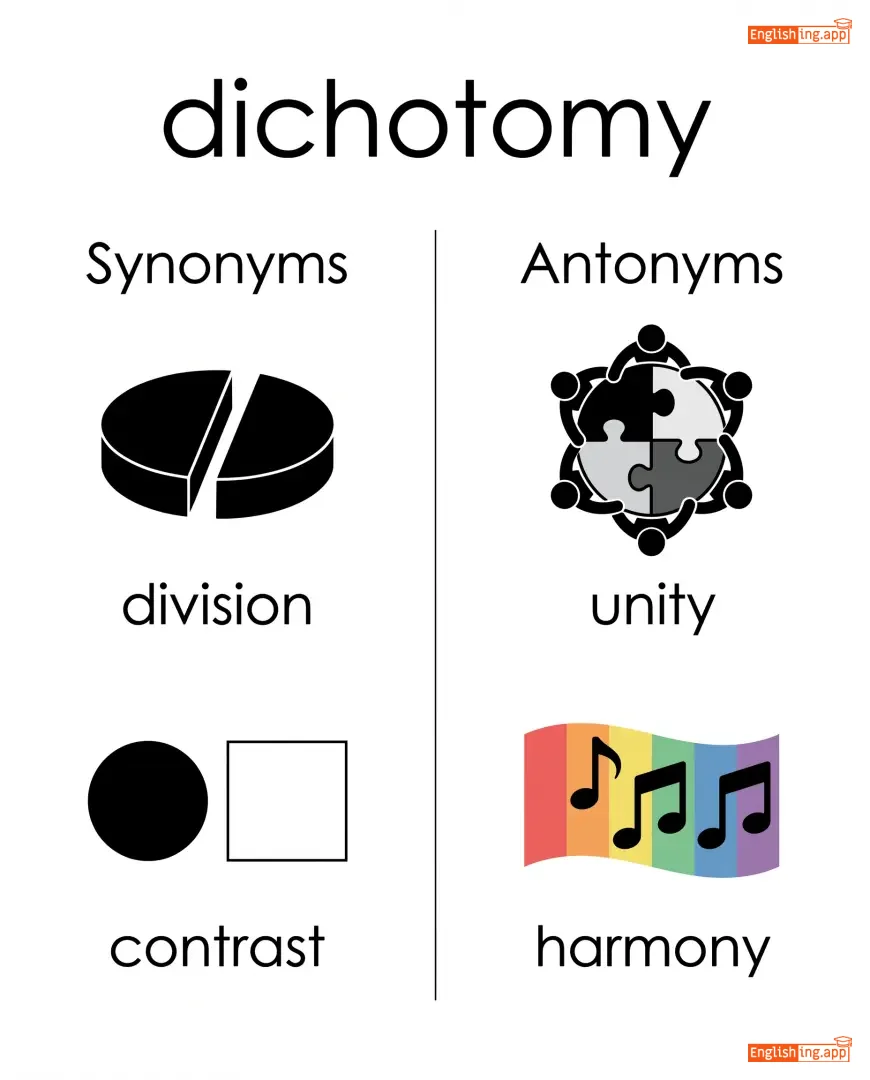
division, contrast, polarity
••••••
|
unity, similarity, harmony
••••••
|
二項対立: 科学と宗教の対立 (division between science and religion).
••••••
|
|
#1429
💻
|
/ˈdɪdʒ.ɪ.təl/
adjective
(デジタル)
••••••
|
|
デジタル
dejitaru
••••••
|
Relating to, using, or storing data or information in the form of digital signals; involving or relating to the use of computer technology.
••••••
|
The world is shifting towards a digital economy. |
世界はデジタル経済に向かっています。
Sekai wa dejitaru keizai ni mukatte imasu.
••••••
|
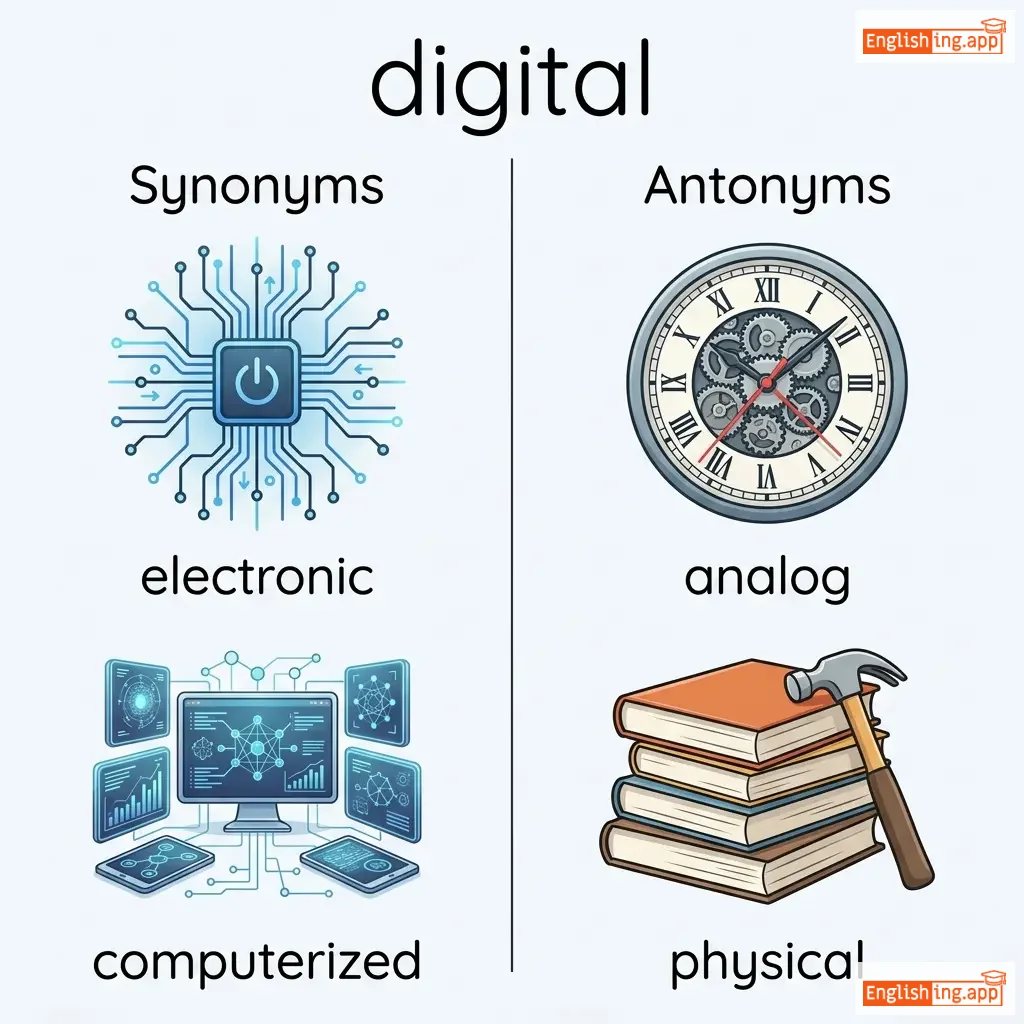
electronic, technological, computerized
••••••
|
analog, manual, physical
••••••
|
デジタル = コンピュータ技術の核心.
••••••
|
|
#1430
📄
|
/ˈpeɪ.pər/
noun
(ペーパー)
••••••
|
|
紙, ドキュメント, 研究論文
kami, dokyumento, kenkyu ronbun
••••••
|
A material manufactured in thin sheets from the pulp of wood or other fibrous substances, used for writing or printing on.
••••••
|
The student submitted his research paper on artificial intelligence.
学生は人工知能に関する研究論文を提出しました。
••••••
|
学生は人工知能に関する研究論文を提出しました。
Gakusei wa jinkō chinō ni kansuru kenkyū ronbun o teishutsu shimashita.
••••••
|
document, report, manuscript
••••••
|
digital file, virtual, online
••••••
|
日本語で '紙' は 'kami'、論文を印刷するためのもの、英語の 'paper' と同じ。
••••••
|
|
#1431
⏰
|
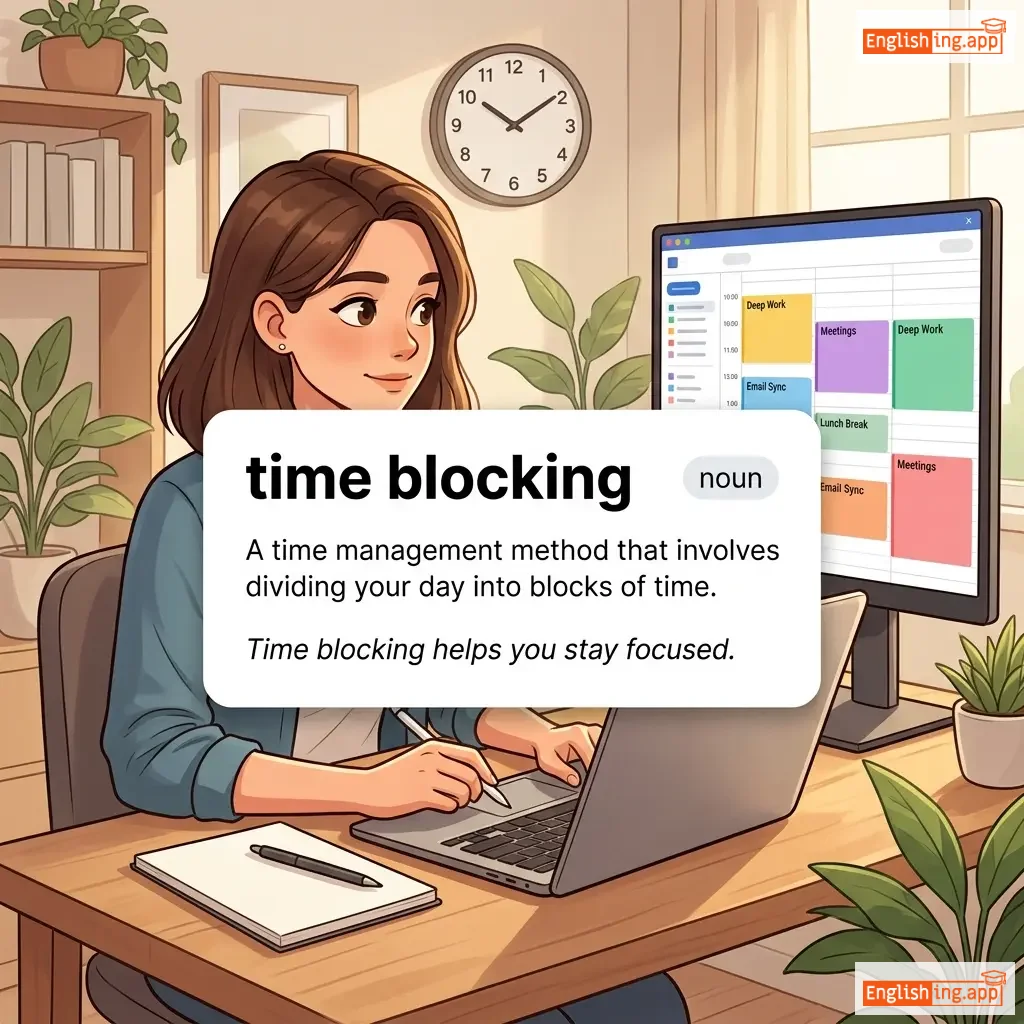
/taɪm ˈblɒk.ɪŋ/
noun
(タイムブロッキング)
••••••
|
|
時間ブロック法
jikan burokku-hō
••••••
|
A time management method where you divide your day into blocks of time and assign specific activities to each block.
••••••
|
Time-blocking helps in better productivity and efficiency.
タイムブロッキングは生産性と効率を向上させるのに役立ちます。
••••••
|
タイムブロッキングは生産性と効率を向上させるのに役立ちます。
Taimu burokkingu wa seisansei to kōritsu o kōjō saseru no ni yakudachimasu.
••••••
|
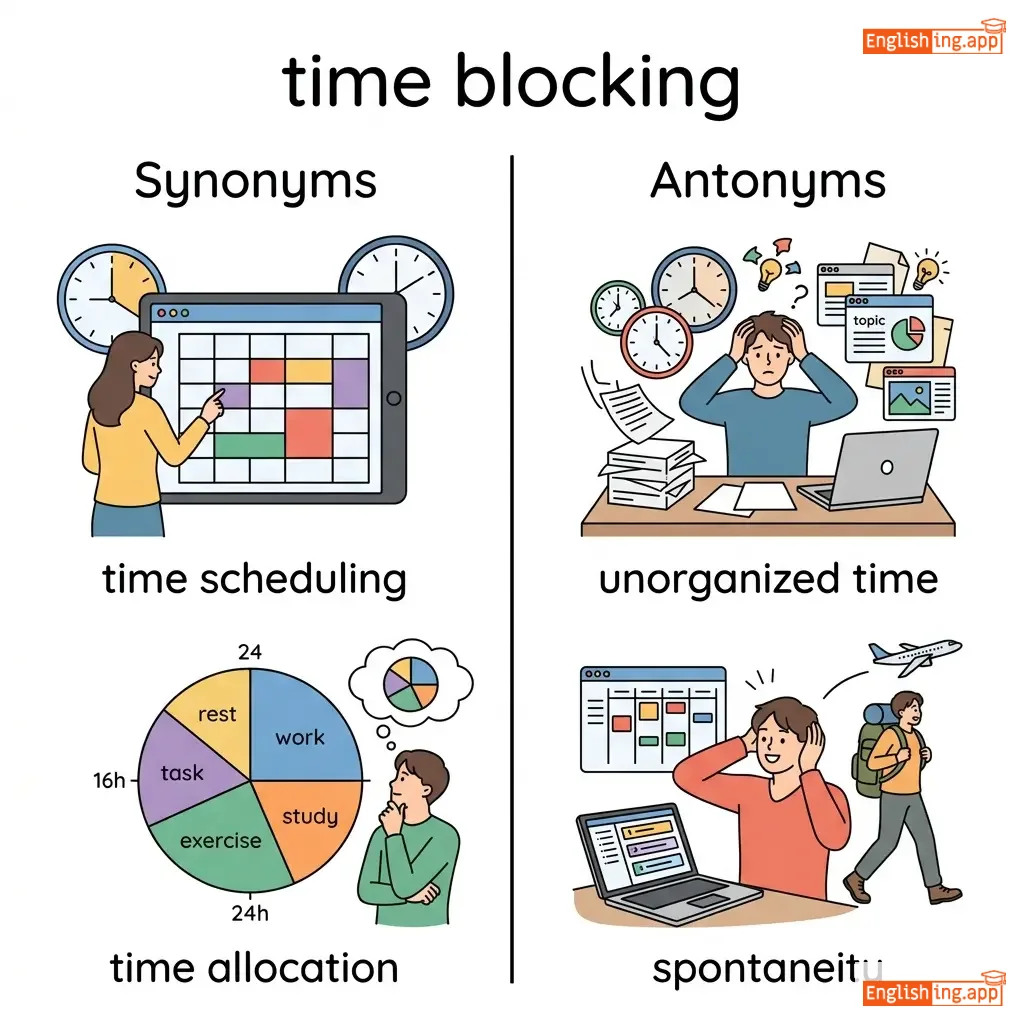
scheduling, planning, organizing
••••••
|
spontaneity, procrastination, disorganization
••••••
|
時間をブロックすることで、効率的に作業できる!
••••••
|
|
#1432
🤔
|
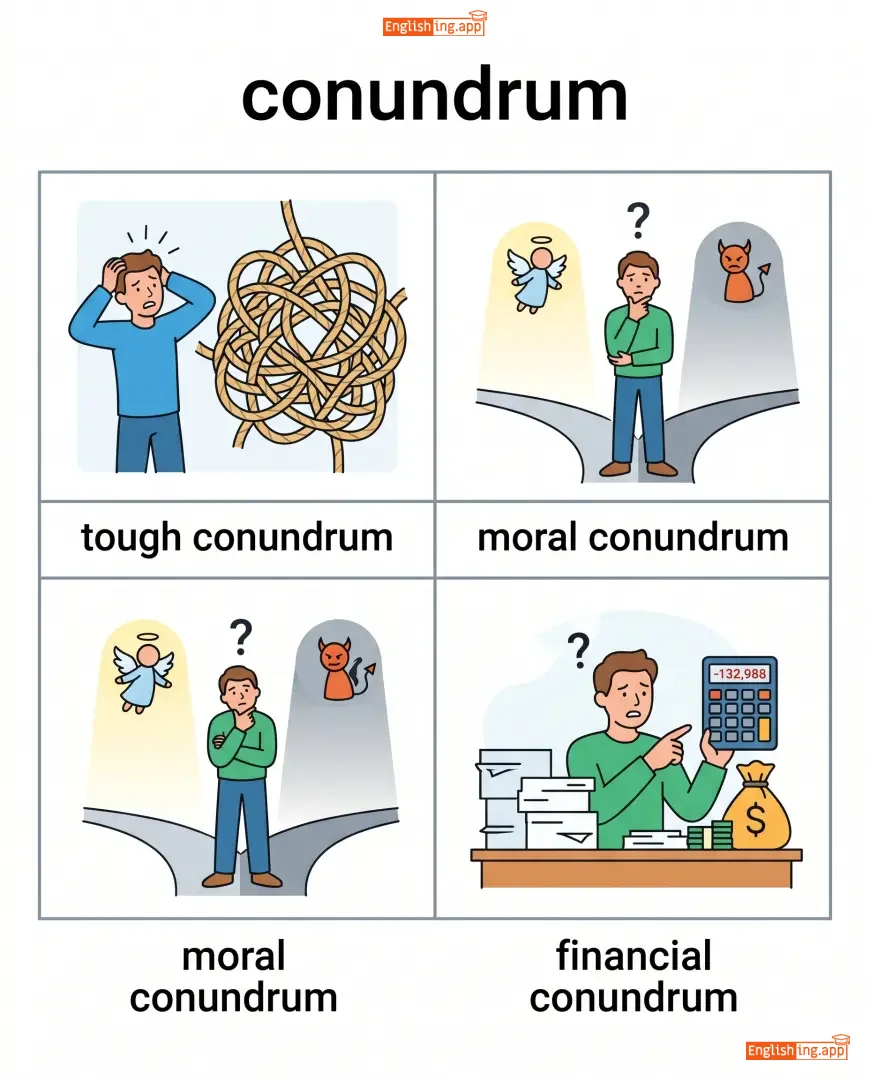
/kəˈnʌn.drəm/
noun
(コナンドラム)
••••••
|
|
難問、ジレンマ、謎
nanmon, jirenma, nazo
••••••
|
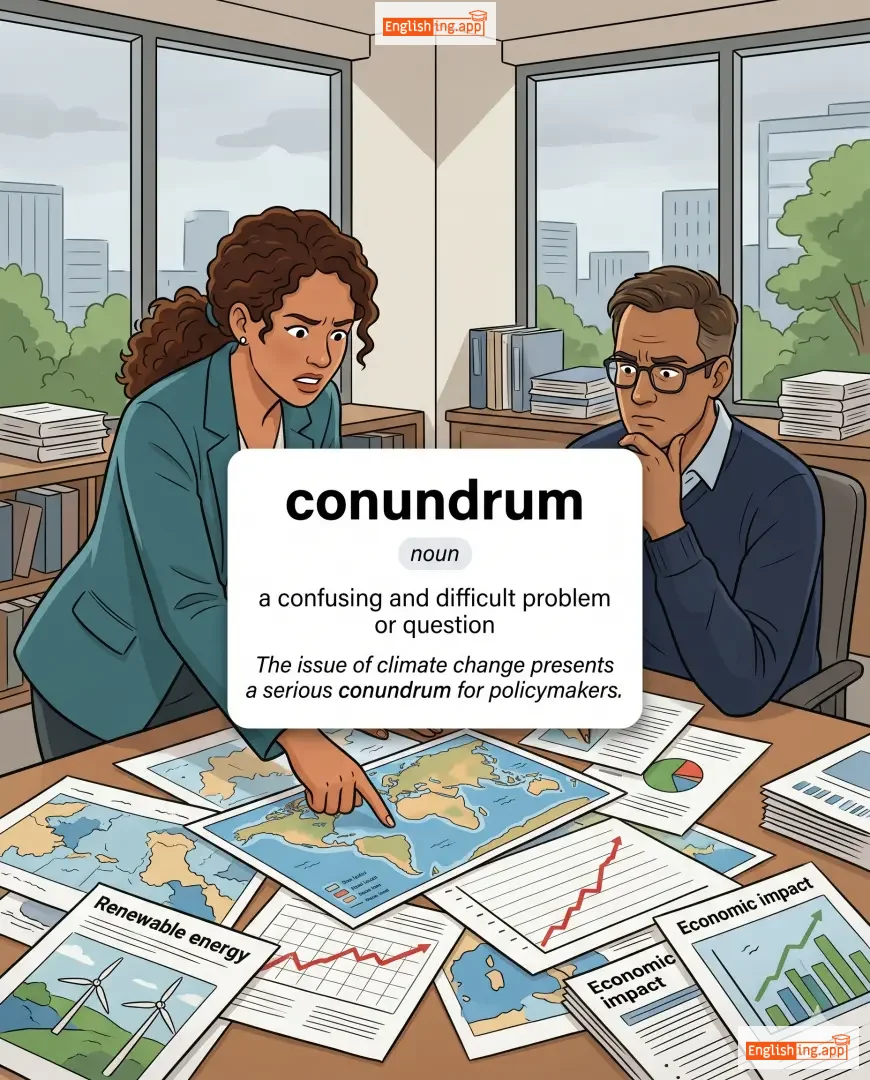
A confusing and difficult problem or question; a puzzle or riddle.
••••••
|
The budget crisis is a major conundrum for the government.
予算危機は政府にとって大きな難問です。
••••••
|
予算危機は政府にとって大きな難問です。
Yosan kiki wa seifu ni totte ookina nanmon desu.
••••••
|
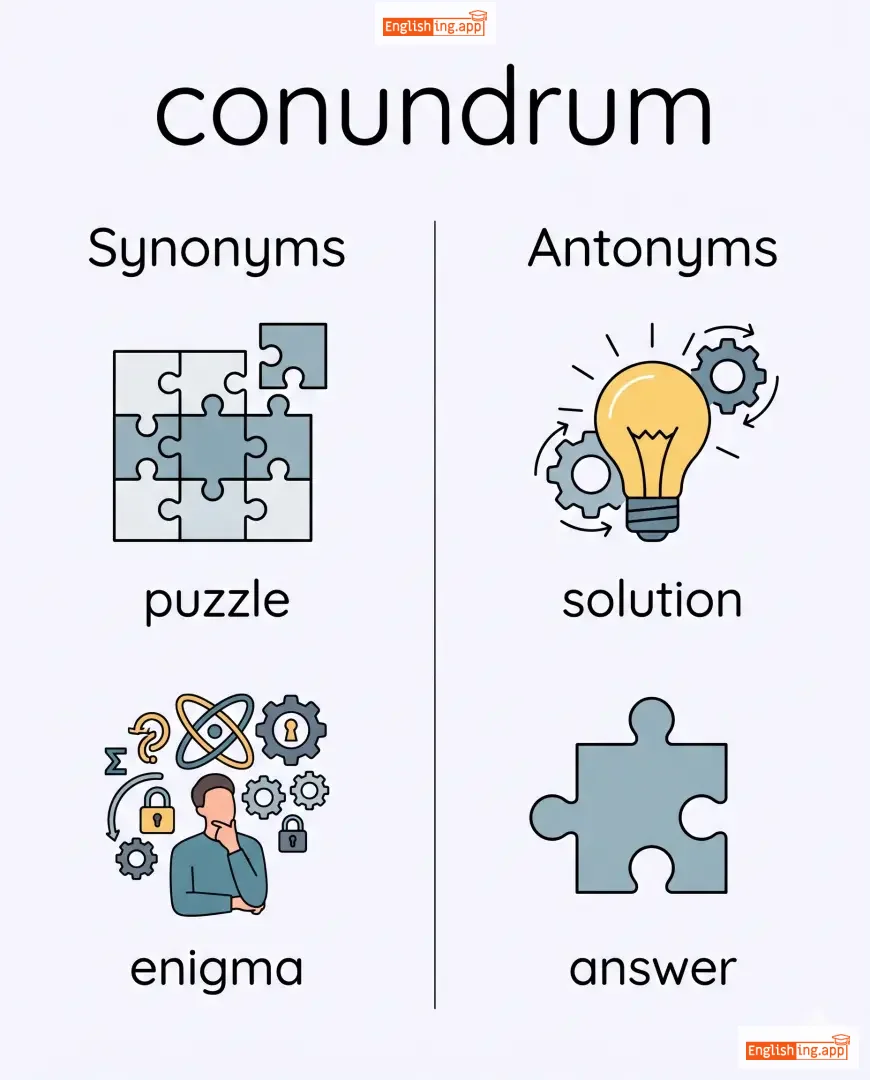
puzzle, dilemma, mystery
••••••
|
clarity, solution, simplicity
••••••
|
難問 (nanmon) という言葉はconundrumの意味です。
••••••
|
|
#1433
🔧
|
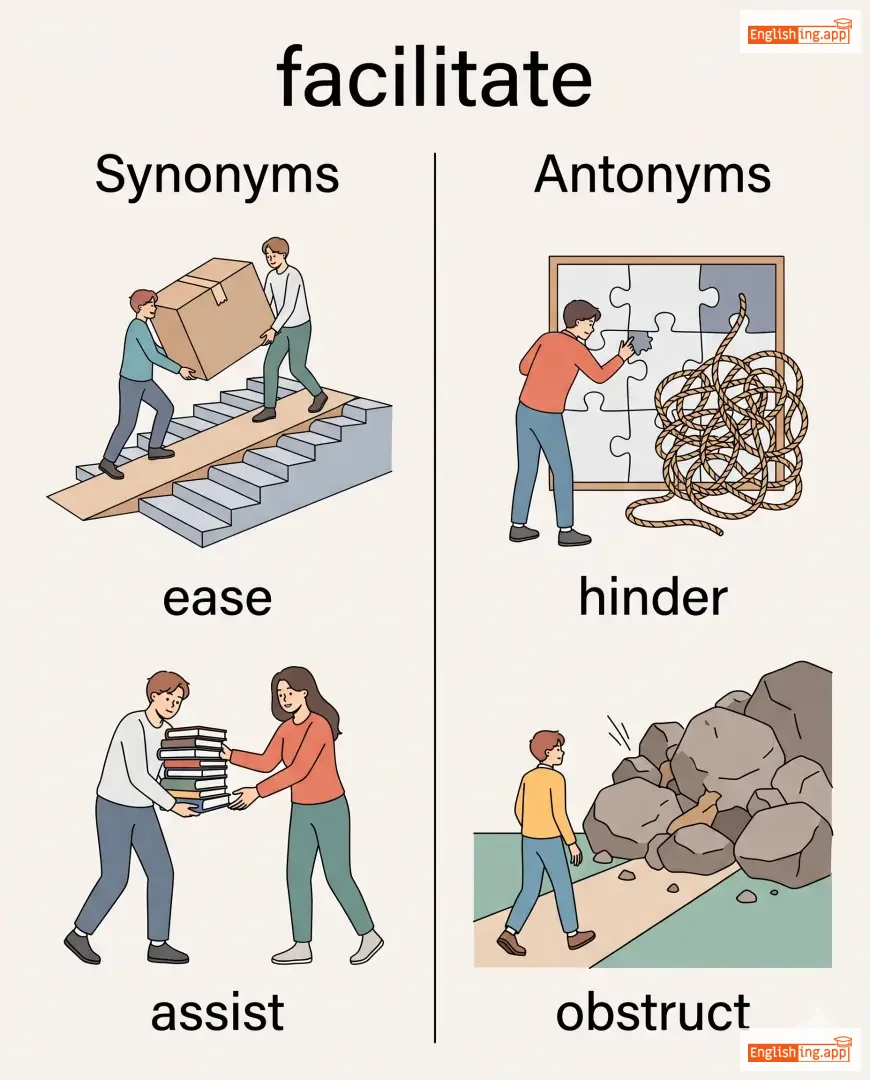
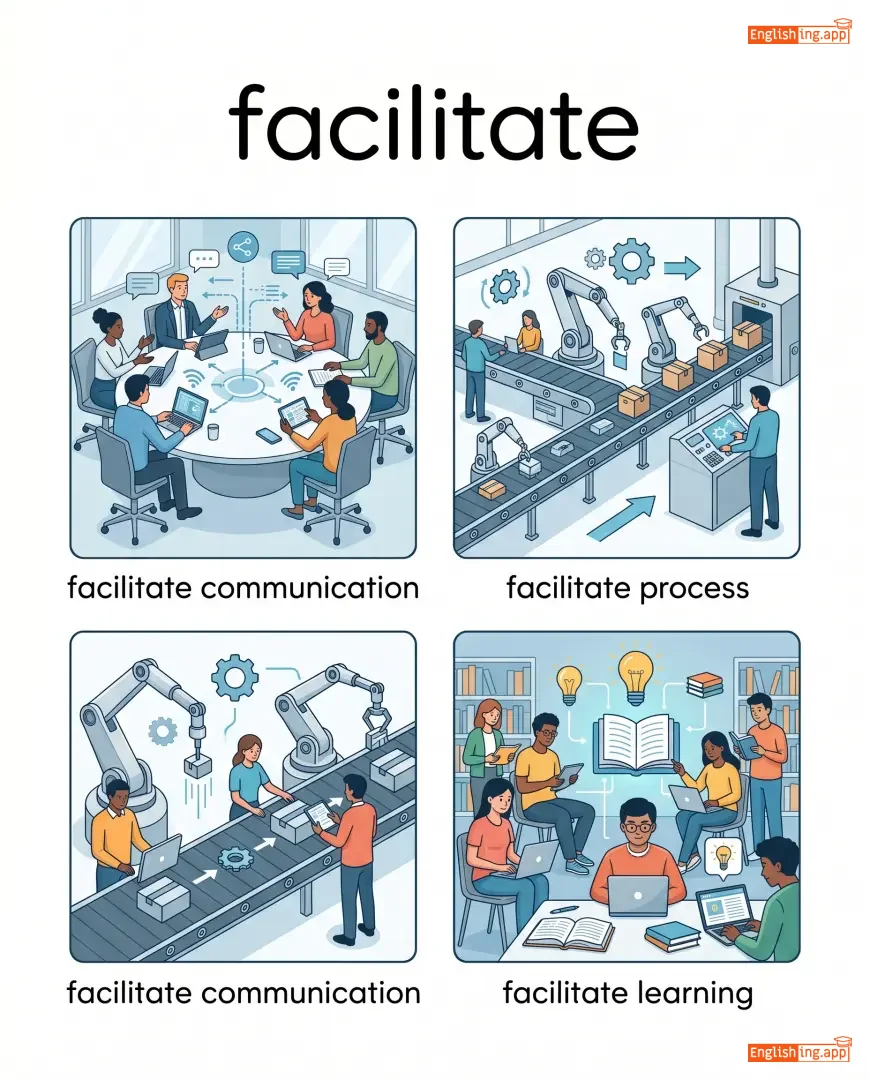
/fəˈsɪl.ɪ.teɪt/
verb
(ファシリテート)
••••••
|
|
容易にする, 手助けする, 促進する
yōjin ni suru, tedasuke suru, sokushin suru
••••••
|
Make an action or process easier or help bring about.
••••••
|
The new software will facilitate project management.
新しいソフトウェアはプロジェクト管理をファシリテートします。
••••••
|
新しいソフトウェアはプロジェクト管理をファシリテートします。
Atarashii sofutowea wa purojekuto kanri o fasilitēto shimasu.
••••••
|
assist, expedite, enable
••••••
|
hinder, obstruct, delay
••••••
|
Facilitate is like 'ファシリテート' in Japanese, making things easier.
••••••
|
|
#1434
⭐
|
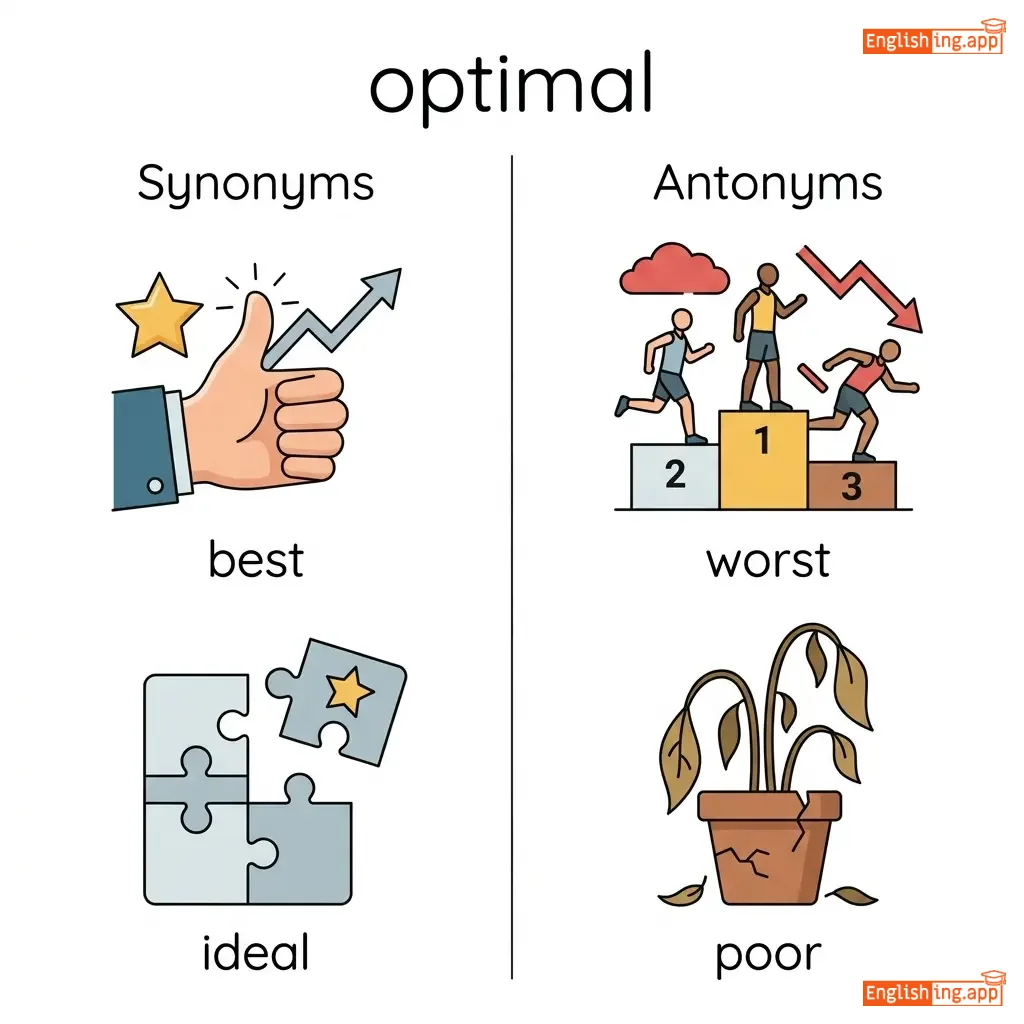
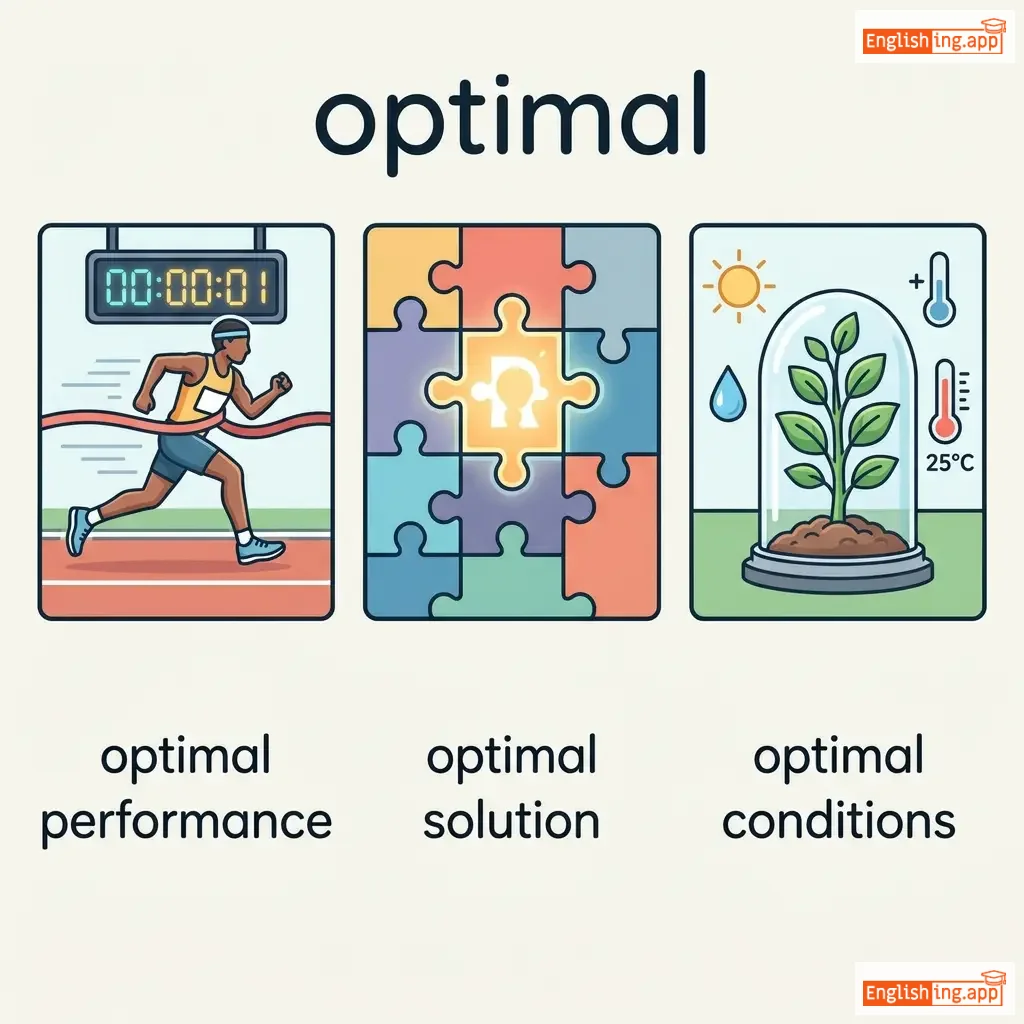
/ˈɒp.tɪ.məl/
adjective
(オプティマル)
••••••
|
|
最適、最良
saiteki, sairyō
••••••
|
Best or most favorable; the most effective under particular conditions.
••••••
|
The optimal temperature for plant growth is around 25°C. |
植物の成長に最適な温度は約25°Cです。
Shokubutsu no seichō ni saiteki na ondo wa yaku 25°C desu.
••••••
|
best, ideal, perfect
••••••
|
suboptimal, inefficient, inferior
••••••
|
植物に最適な温度、成長に最良
••••••
|
|
#1435
🌐
|
/ˌəʊ.vərˈɑː.tʃɪŋ/
adjective
(オーバーアーチング)
••••••
|
|
全体的な, 包括的な, 包み込む
zentai-teki na, hōkatsuteki na, tsutsumikomu
••••••
|
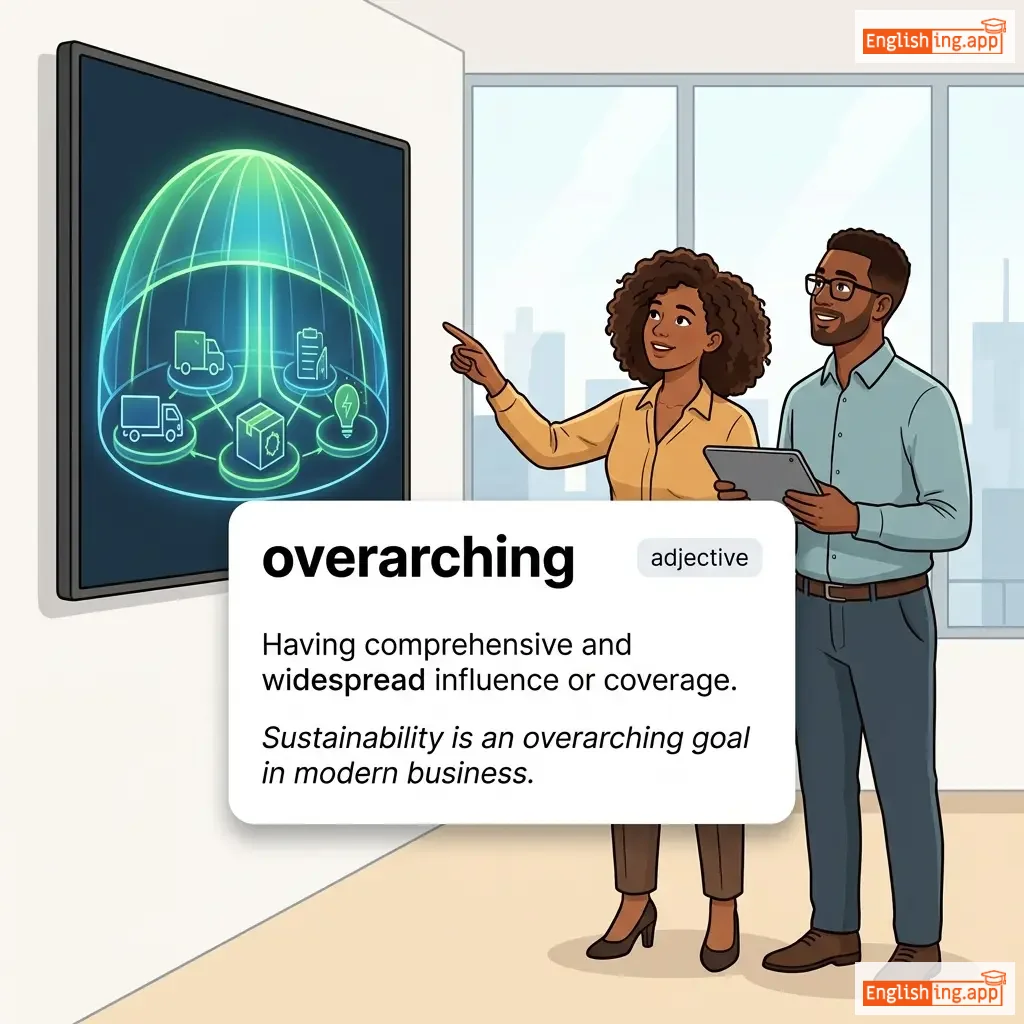
Comprehensive or all-embracing; forming an arch over something.
••••••
|
The overarching theme of the book is human resilience.
その本の大きなテーマは人間の回復力です。
••••••
|
その本の大きなテーマは人間の回復力です。
Sono hon no ōkina tēma wa ningen no kaifukuryoku desu.
••••••
|
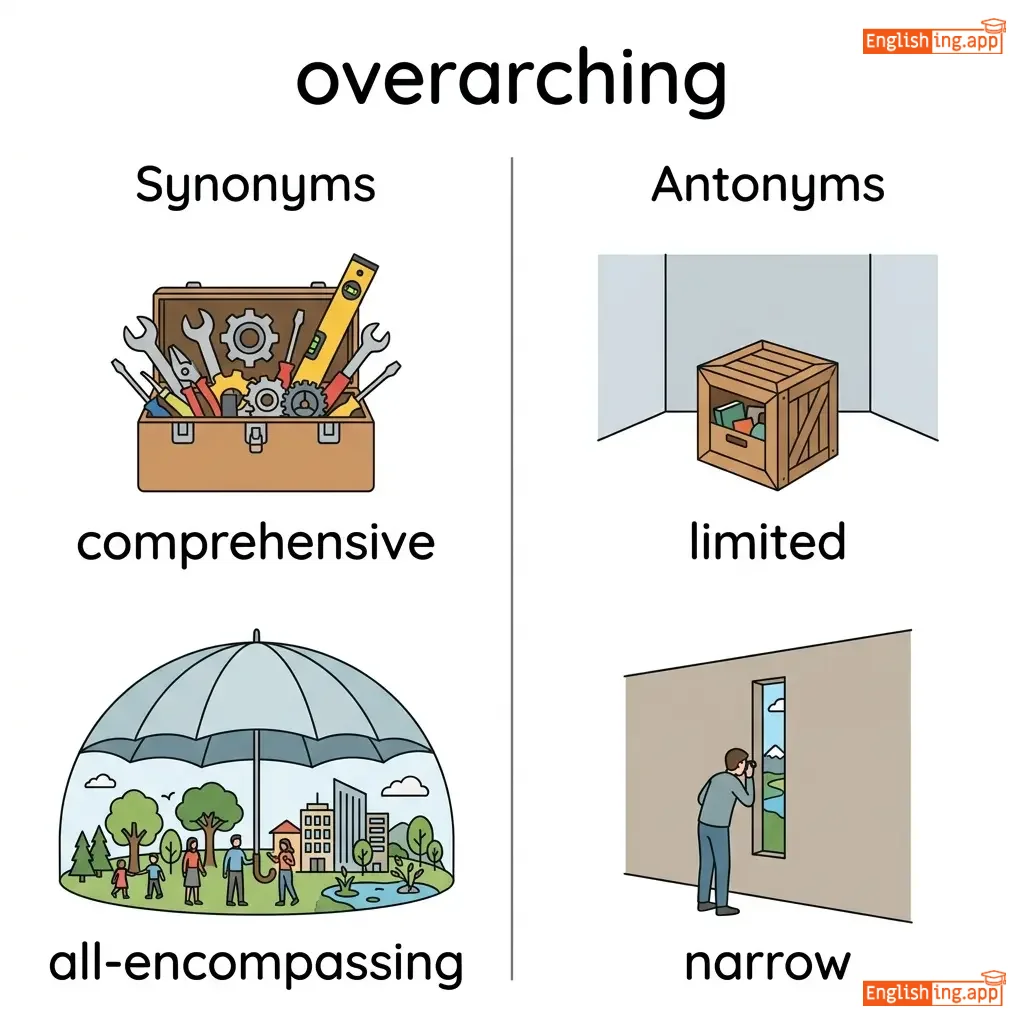
comprehensive, encompassing, dominant
••••••
|
insignificant, limited, minor
••••••
|
Overarching = 全体的な = 人間の回復力を含む大きなテーマ
••••••
|
|
#1436
💨
|
/ɪˈfem.ər.əl/
adjective
(エフェメラル)
••••••
|
|
儚い, 一瞬の
hakanai, isshun no
••••••
|
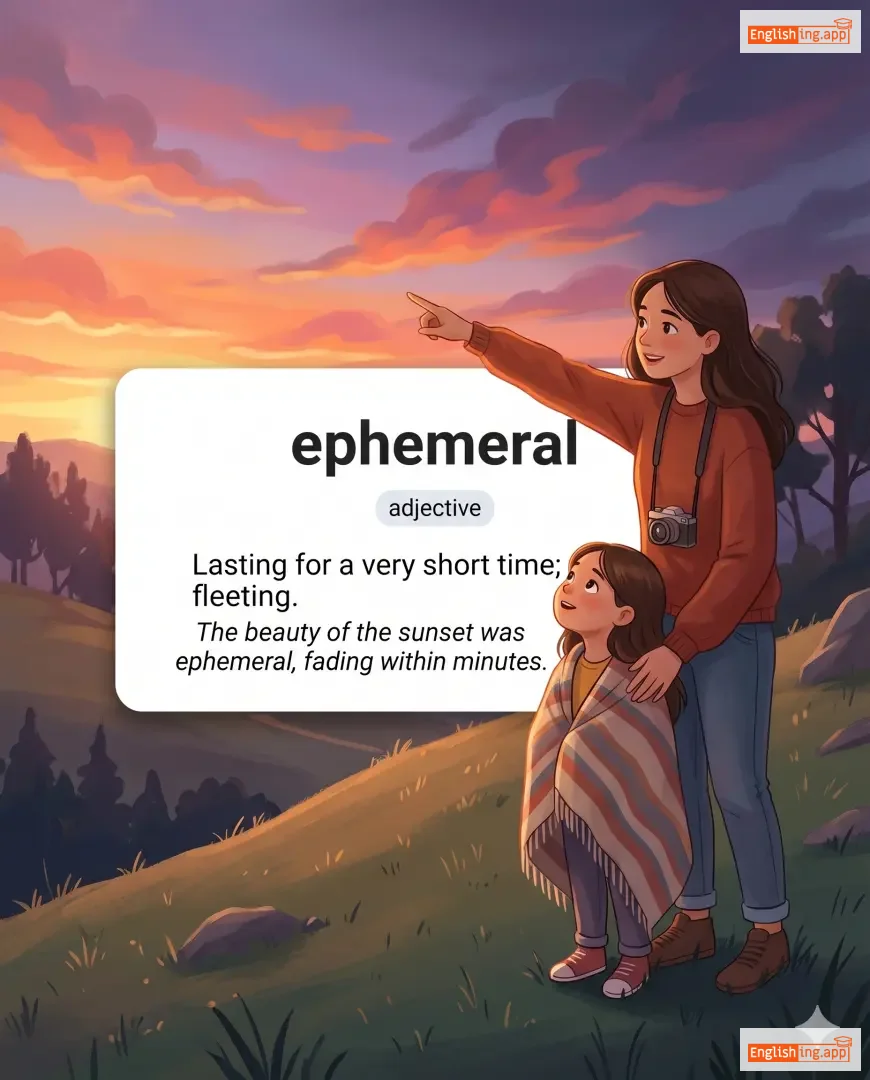
Lasting for a very short time; transitory.
••••••
|
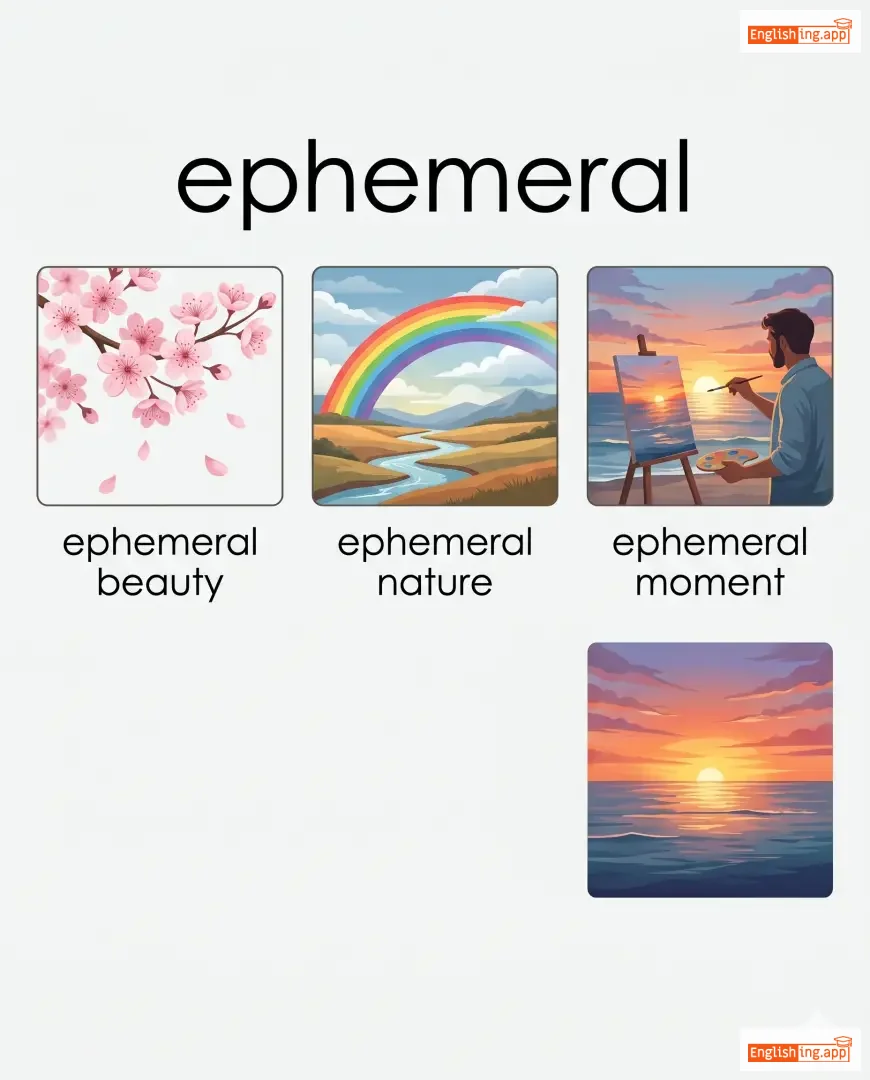
The beauty of a sunset is ephemeral but breathtaking.
夕日の美しさはエフェメラルだが、息を呑むほど美しい。
••••••
|
夕日の美しさは儚いが、息を呑むほど美しい。
Yūhi no utsukushisa wa hakanai ga, iki wo nomu hodo utsukushii.
••••••
|
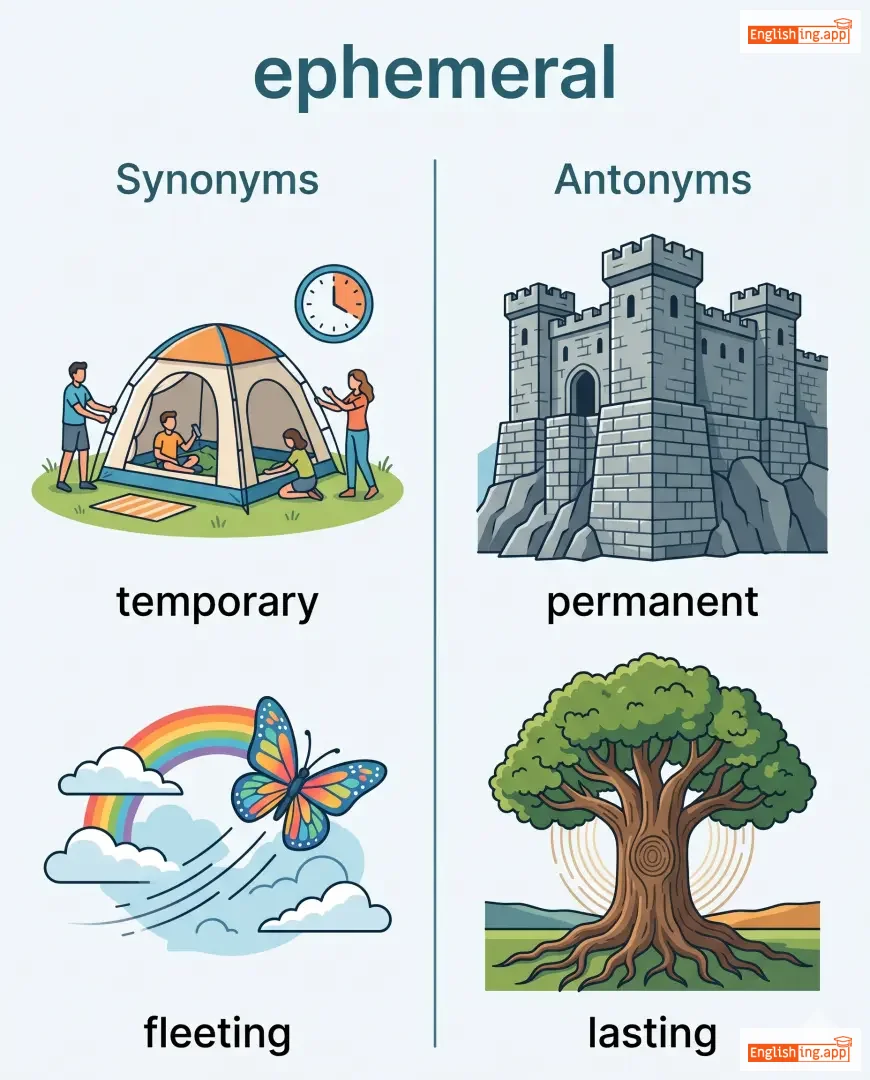
transient, fleeting, momentary
••••••
|
permanent, long-lasting, enduring
••••••
|
夕日の美しさは、儚くても心に残るものです。
••••••
|
|
#1437
🚧
|
/ˈhɪn.dər/
verb
(ヒンデル)
••••••
|
|
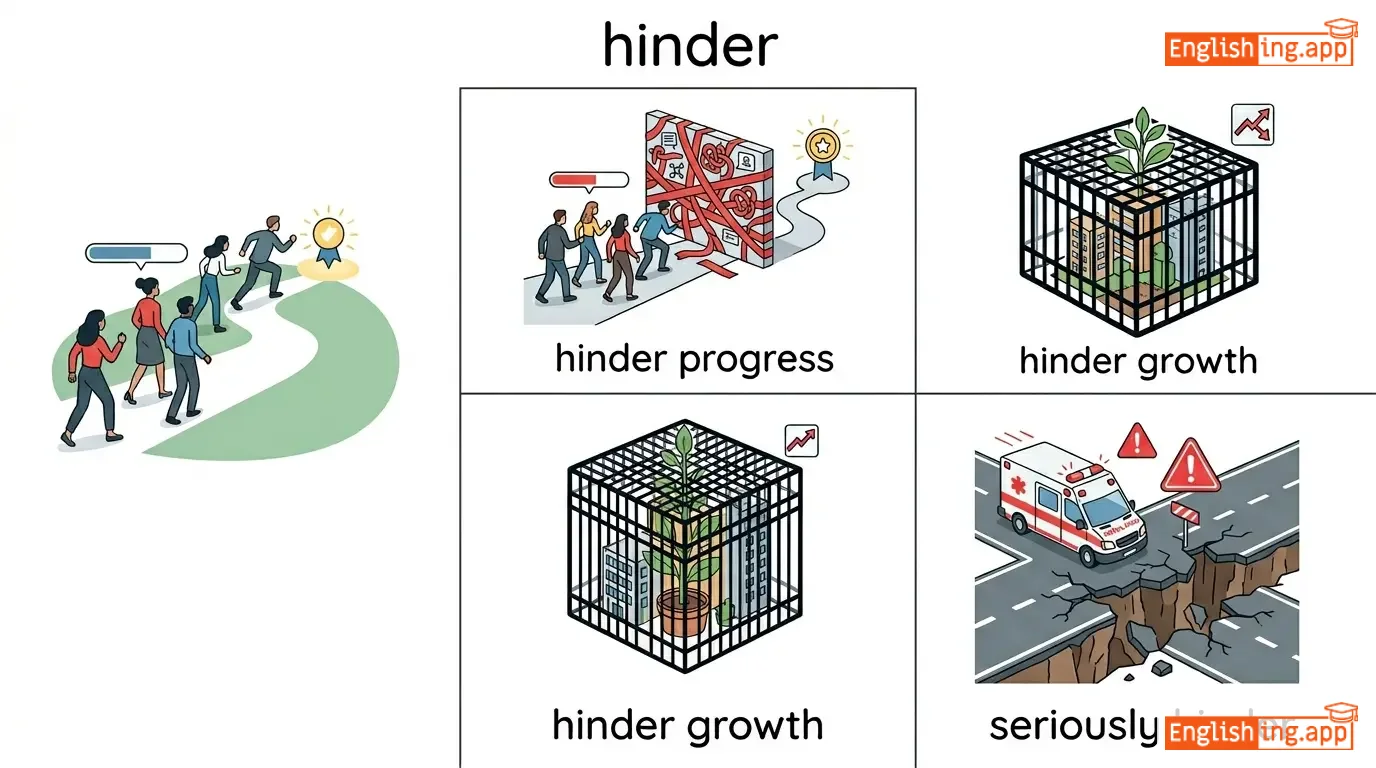
妨げる、遅らせる、阻止する
samatagiru, okuraseru, soshi suru
••••••
|
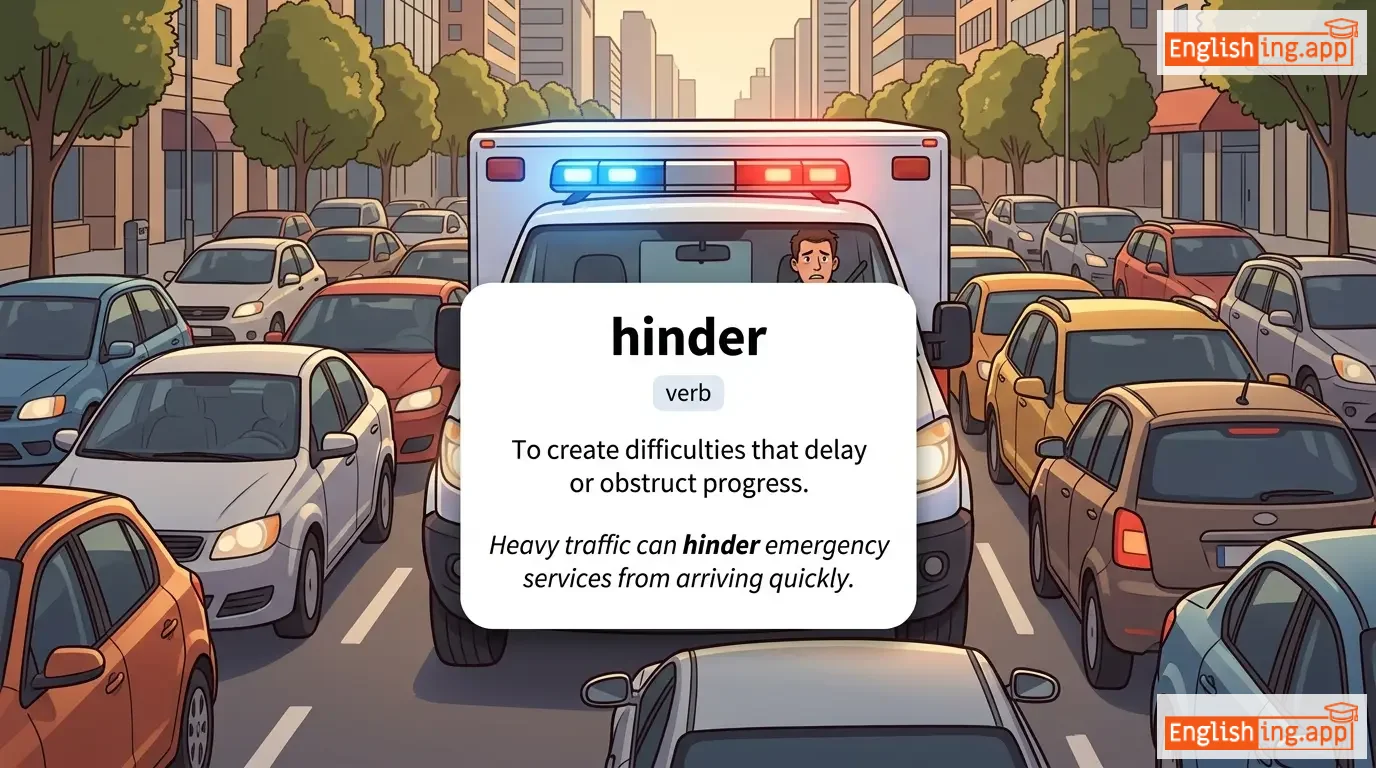
Obstruct or delay the progress of something.
••••••
|
Poor infrastructure can hinder economic growth.
貧弱なインフラは経済成長を妨げる可能性があります。
••••••
|
貧弱なインフラは経済成長を妨げる可能性があります。
Hinjakuna infura wa keizai seichō o samatageru kanōsei ga arimasu.
••••••
|
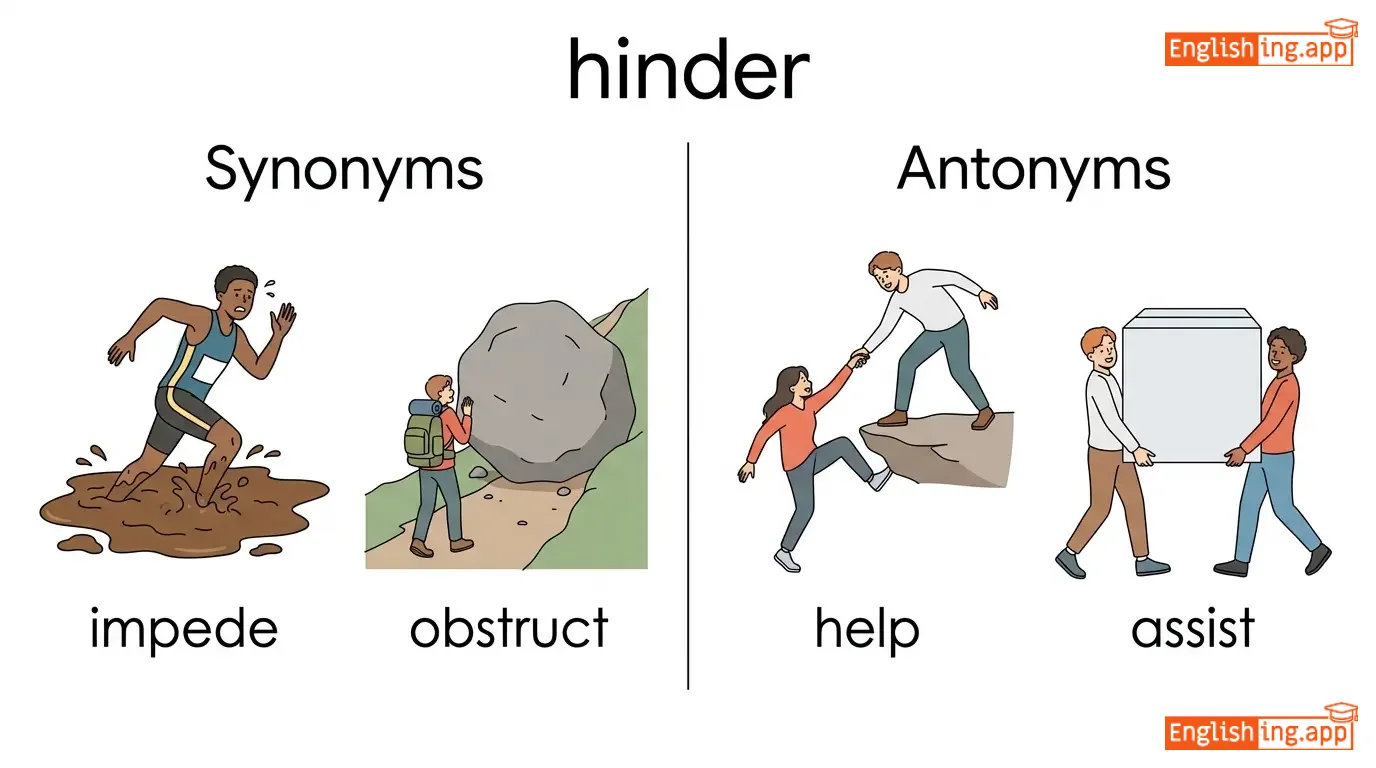
obstruct, impede, delay
••••••
|
facilitate, assist, promote
••••••
|
ヒンデル = 'ヒ'は'ひどい'、'デル'は'進行を妨げる'。
••••••
|
|
#1438
⚙️
|
/præɡˈmæt.ɪk/
adjective
(プラグマティック)
••••••
|
|
実用的
jitsuyouteki
••••••
|
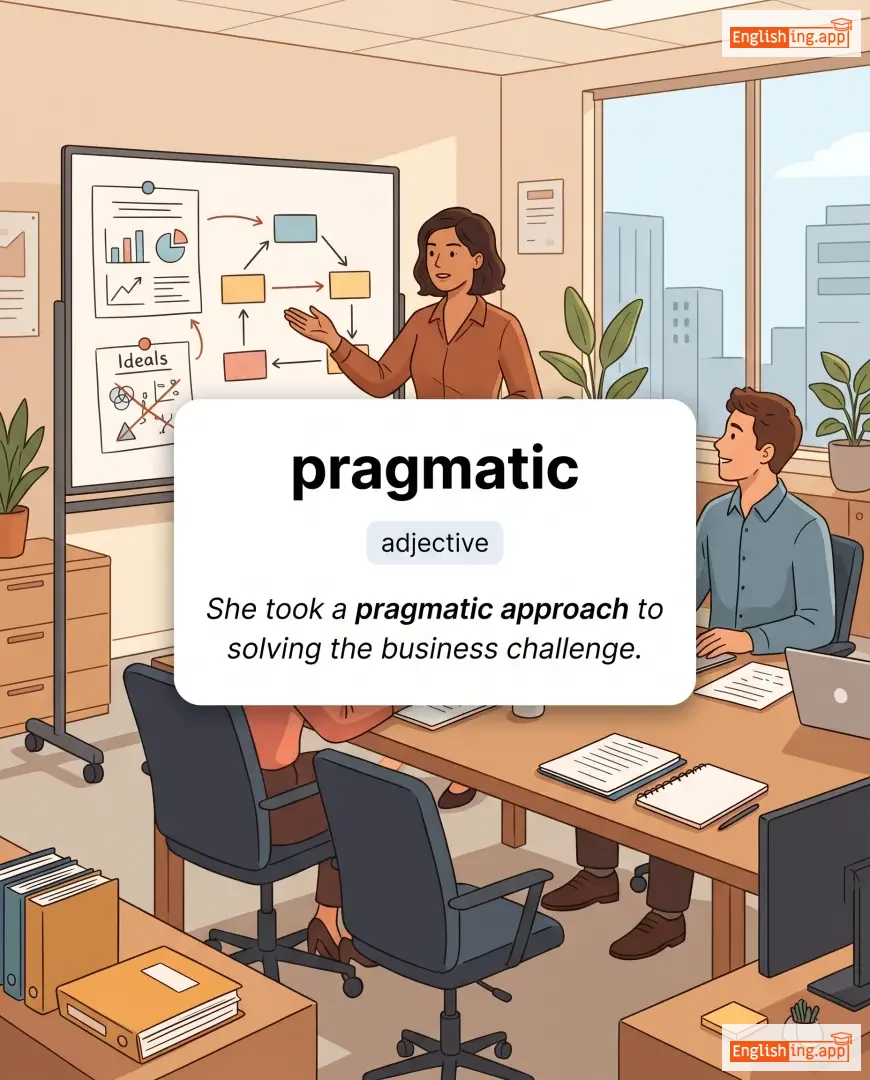
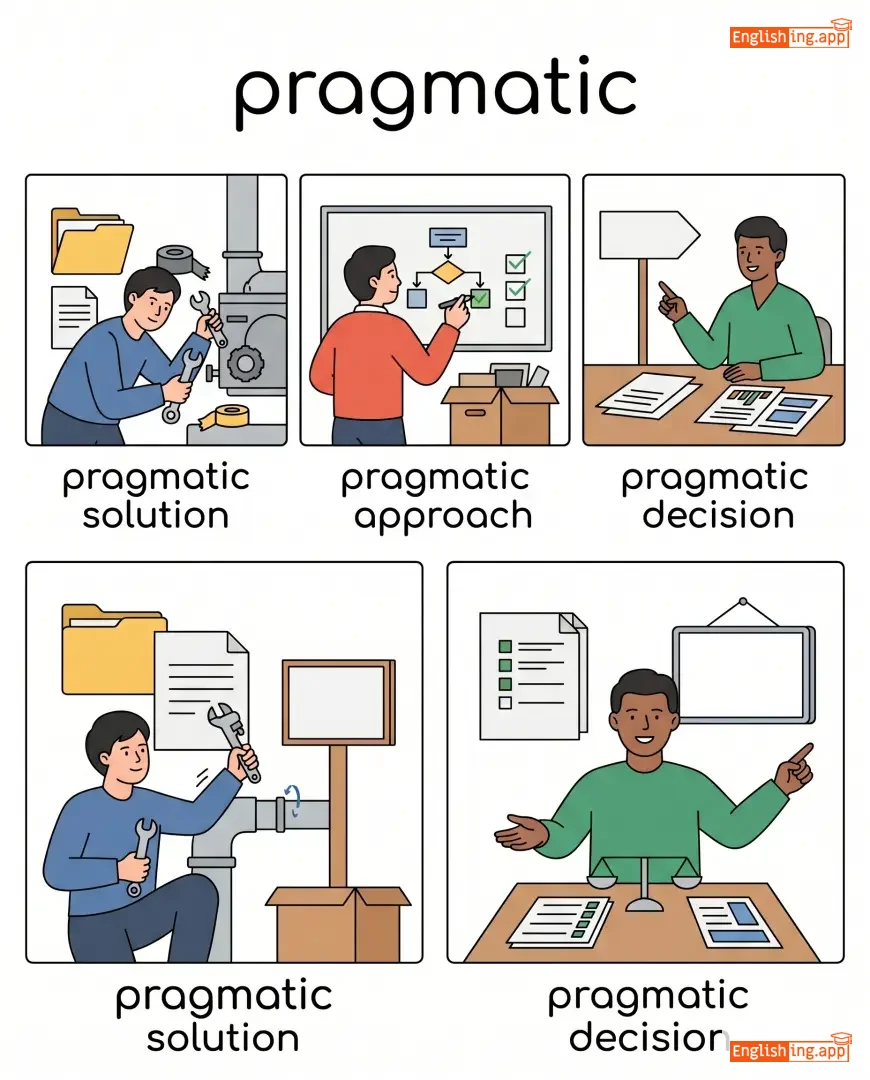
Dealing with things sensibly and realistically in a way that is based on practical rather than idealistic considerations.
••••••
|
He took a pragmatic approach to solving the financial crisis.
彼は財政危機を解決するために実用的なアプローチを採用しました。
••••••
|
彼は財政危機を解決するために実用的なアプローチを採用しました。
Kare wa zaisei kiki o kaiketsu suru tame ni jitsuyouteki na apurōchi o saiyou shimashita.
••••••
|
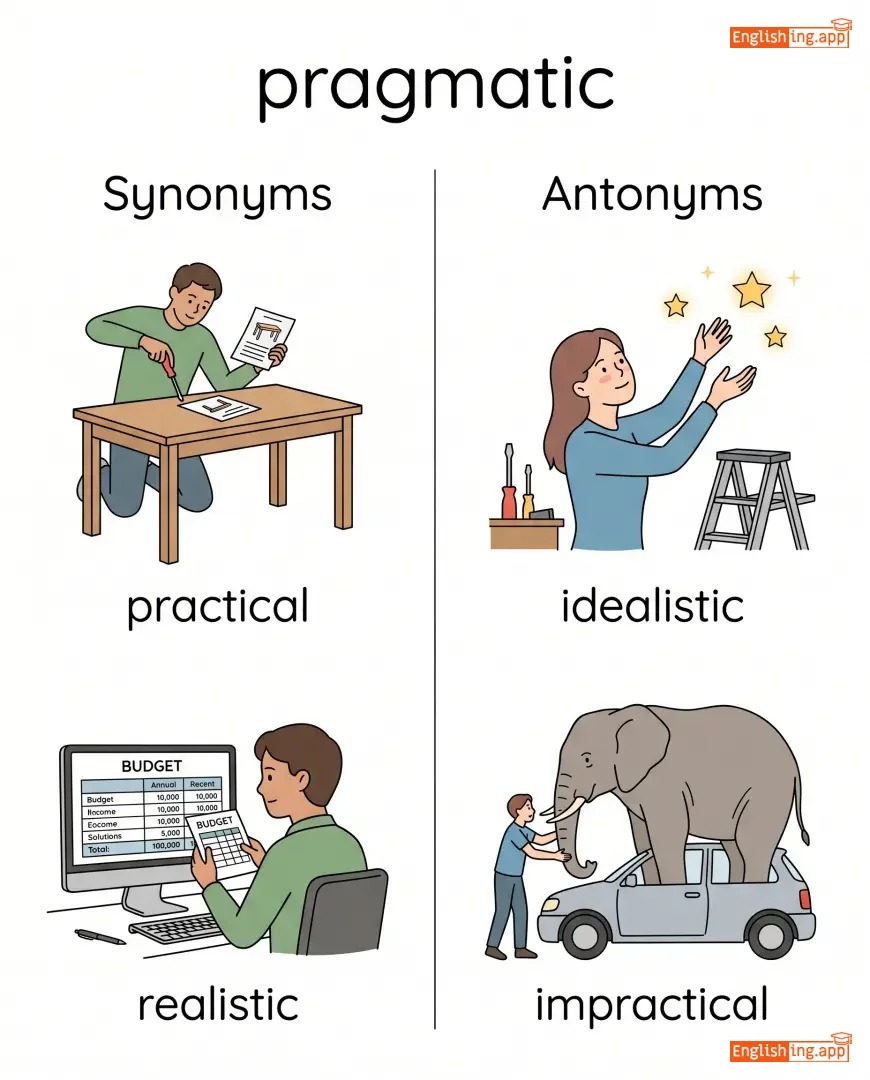
practical, realistic, logical
••••••
|
theoretical, idealistic, impractical
••••••
|
実用的: 実際の状況に基づいて行動する。
••••••
|
|
#1439
🎨
|
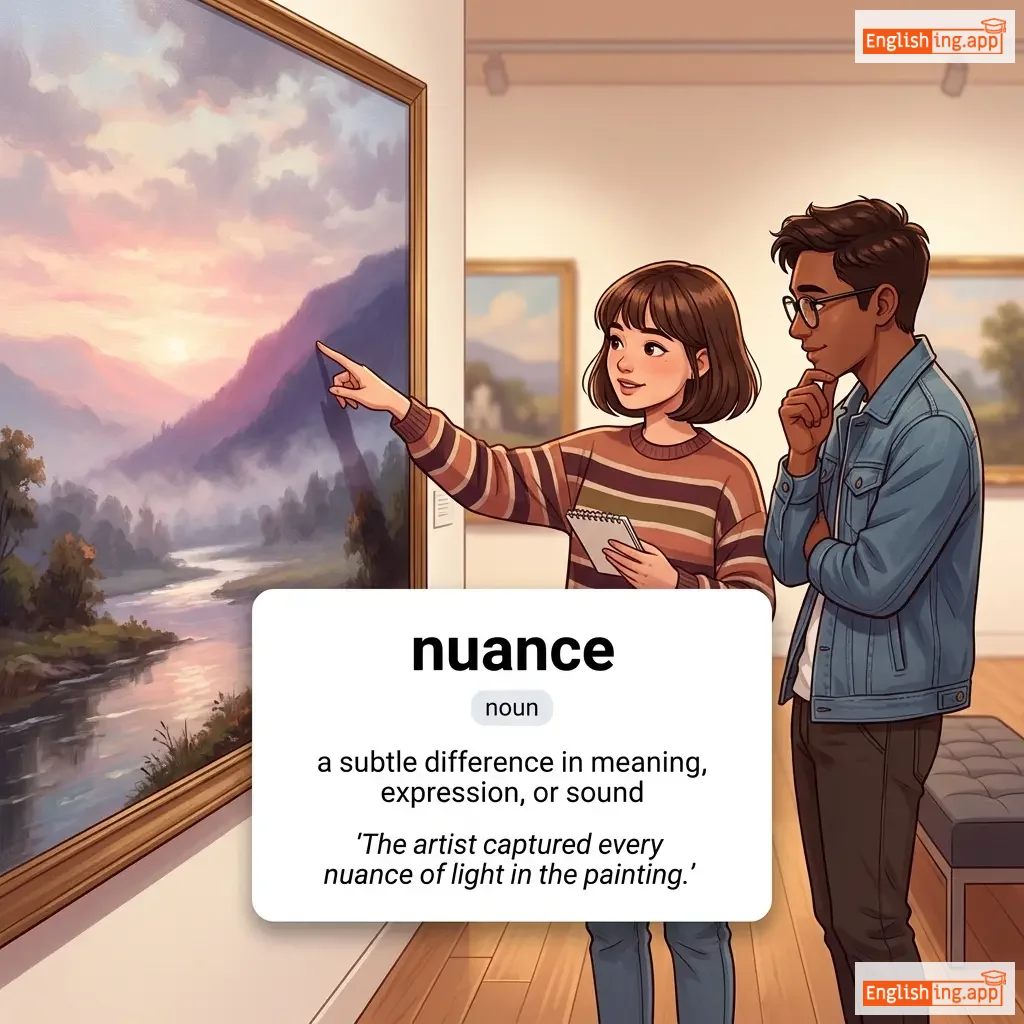
/ˈnjuː.ɑːns/
noun
(ニュアンス)
••••••
|
|
微妙な違い, ニュアンス
bimyou na chigai, nyuansu
••••••
|
A subtle difference in or shade of meaning, expression, or sound.
••••••
|
The artist captured every nuance of human emotion in his painting.
その芸術家は彼の絵画における人間の感情のすべてのニュアンスを捉えました。
••••••
|
その芸術家は彼の絵画における人間の感情のすべてのニュアンスを捉えました。
Sono geijutsuka wa kare no kaiga ni okeru ningen no kanjou no subete no nyuansu o toraemashita.
••••••
|
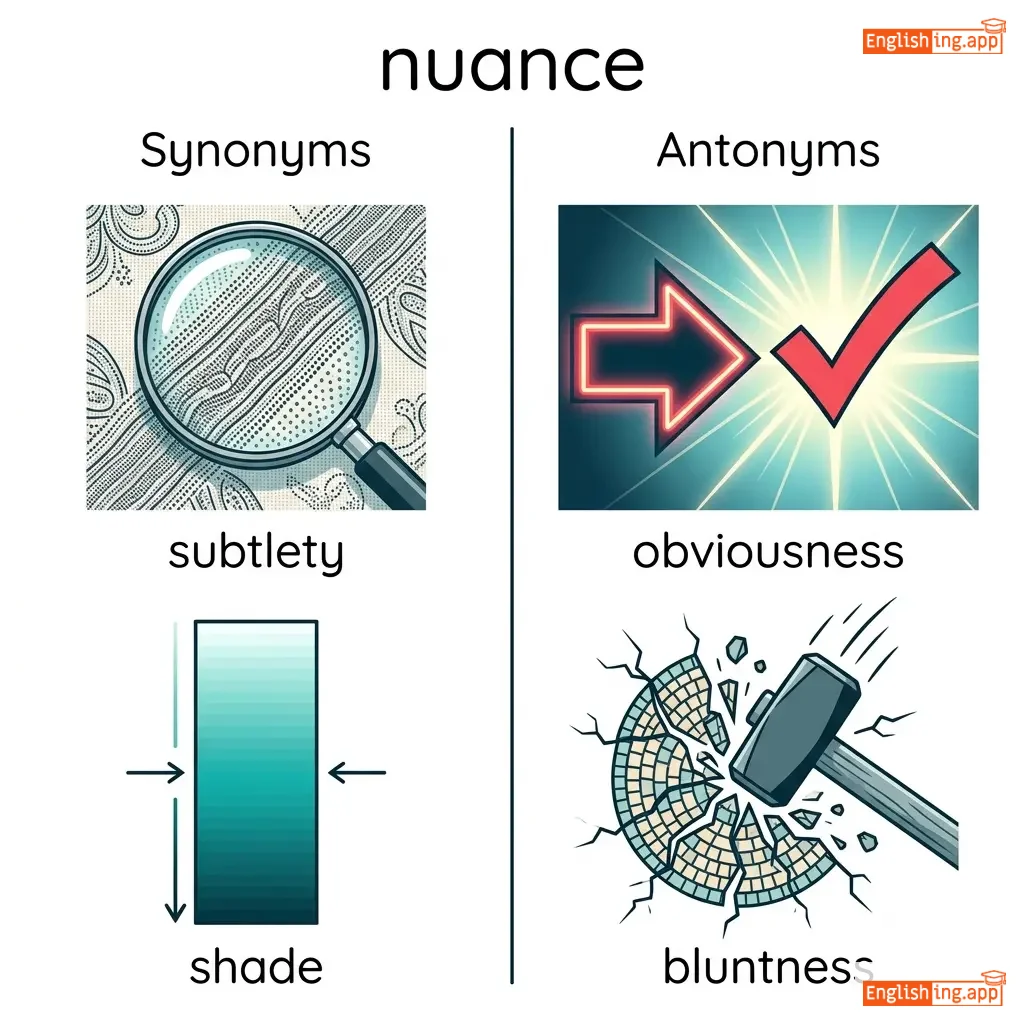
subtlety, distinction, variation
••••••
|
obviousness, simplicity, uniformity
••••••
|
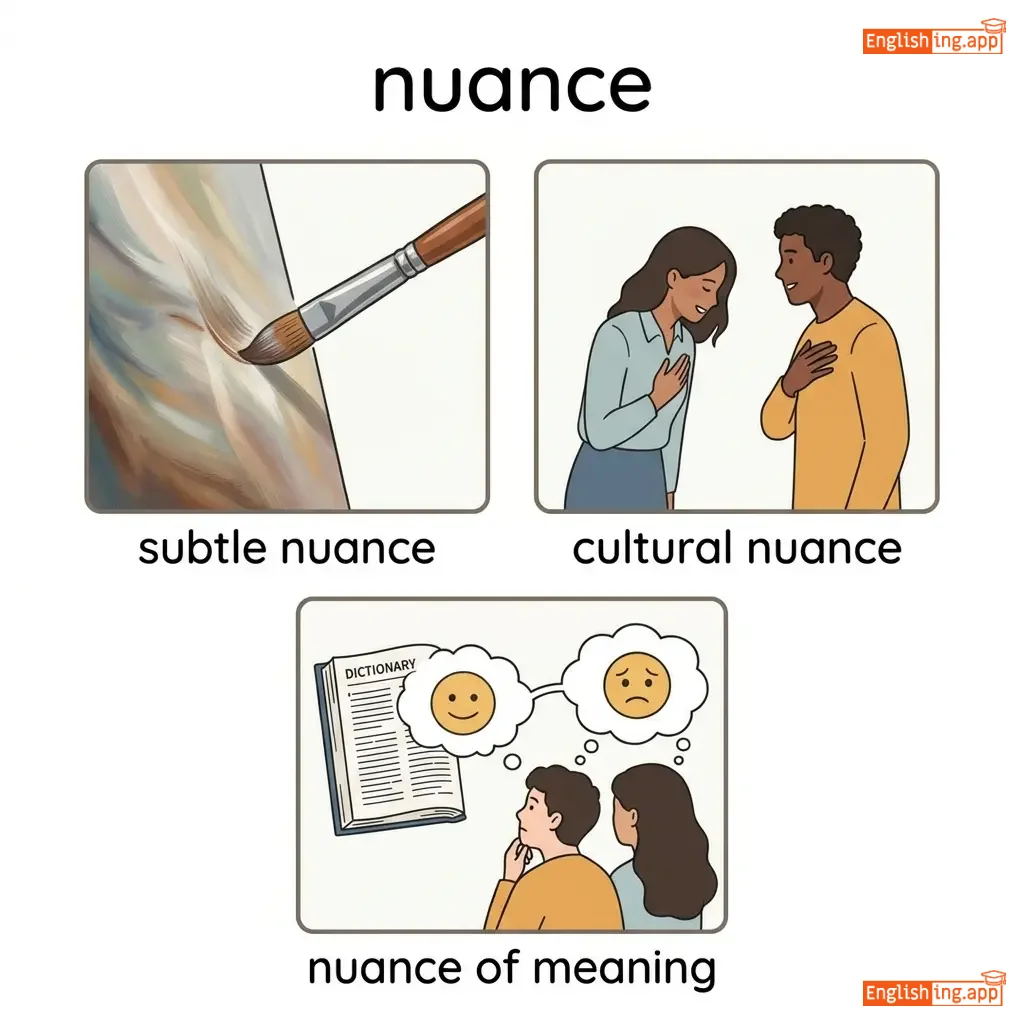
Nuance in Japanese captures subtle meanings, just like the little details in art.
••••••
|
|
#1440
🔍
|
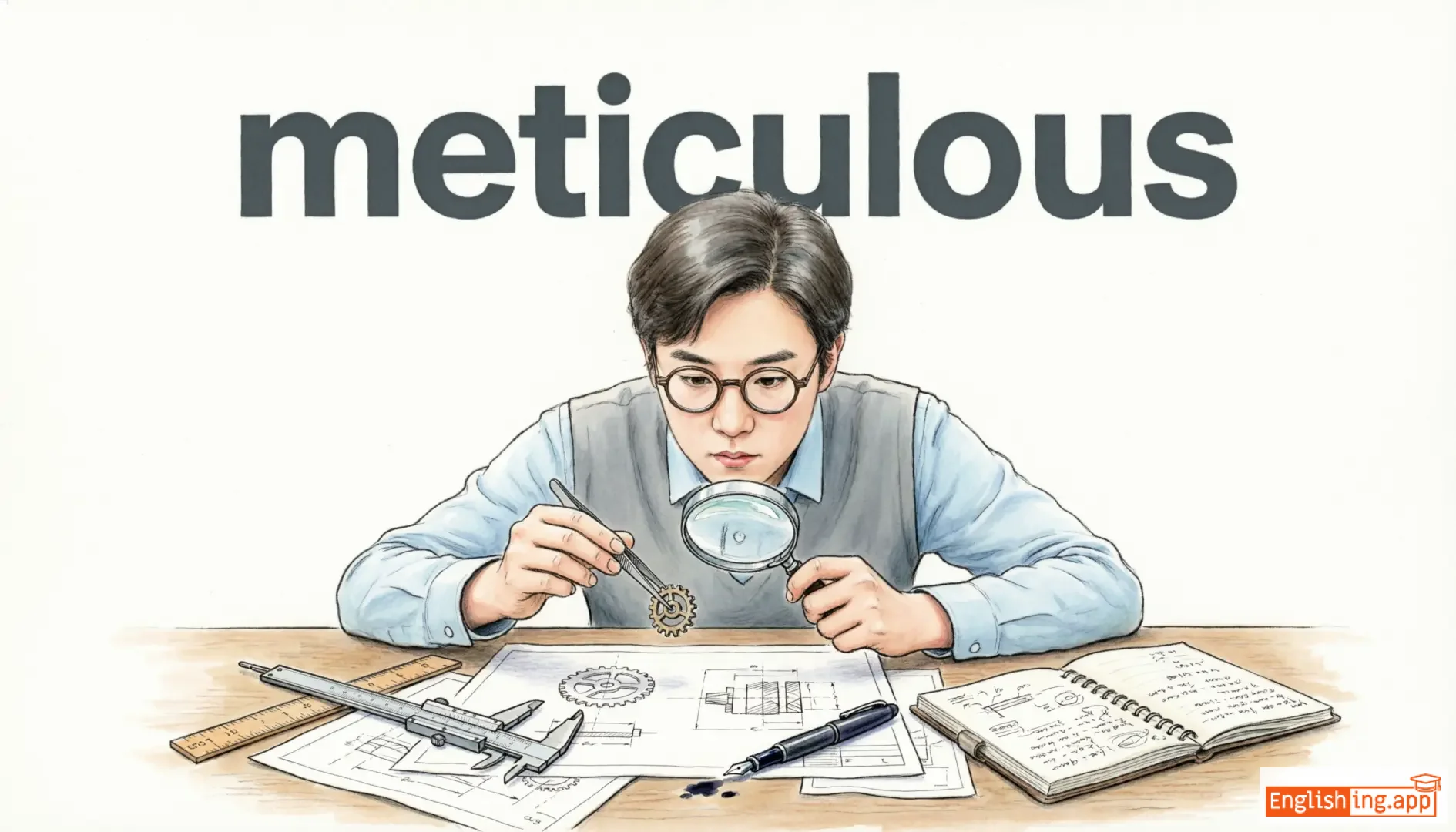
/məˈtɪk.jə.ləs/
adjective
(メティキュラス)
••••••
|
|
非常に慎重で、精密、詳細
hijō ni shinchō de, seimitsu, shōsai
••••••
|
Showing great attention to detail; very careful and precise.
••••••
|
She is meticulous about organizing her files. |
彼女はファイルの整理に非常にメティキュラスです。
Kanojo wa fairu no seiri ni hijō ni metikyurasu desu.
••••••
|
precise, thorough, detailed
••••••
|
careless, negligent, inaccurate
••••••
|
Japanese '非常に' means 'very', and '慎重' means 'careful'.
••••••
|
|
#1441
✅
|
/ˌvaɪ.əˈbɪl.ə.ti/
noun
(vaɪəˈbɪlɪti)
••••••
|
|
実現可能性
jitsugen kanousei
••••••
|
Ability to work successfully; feasibility.
••••••
|
The viability of the project depends on funding.
プロジェクトの実現可能性は資金に依存しています。
••••••
|
プロジェクトの実現可能性は資金に依存しています。
Purojekuto no jitsugen kanousei wa shikin ni izon shiteimasu.
••••••
|
feasibility, sustainability, workability
••••••
|
impracticality, fragility, infeasibility
••••••
|
実現可能性 = 成功するプロジェクト
••••••
|
|
#1442
⚠️
|
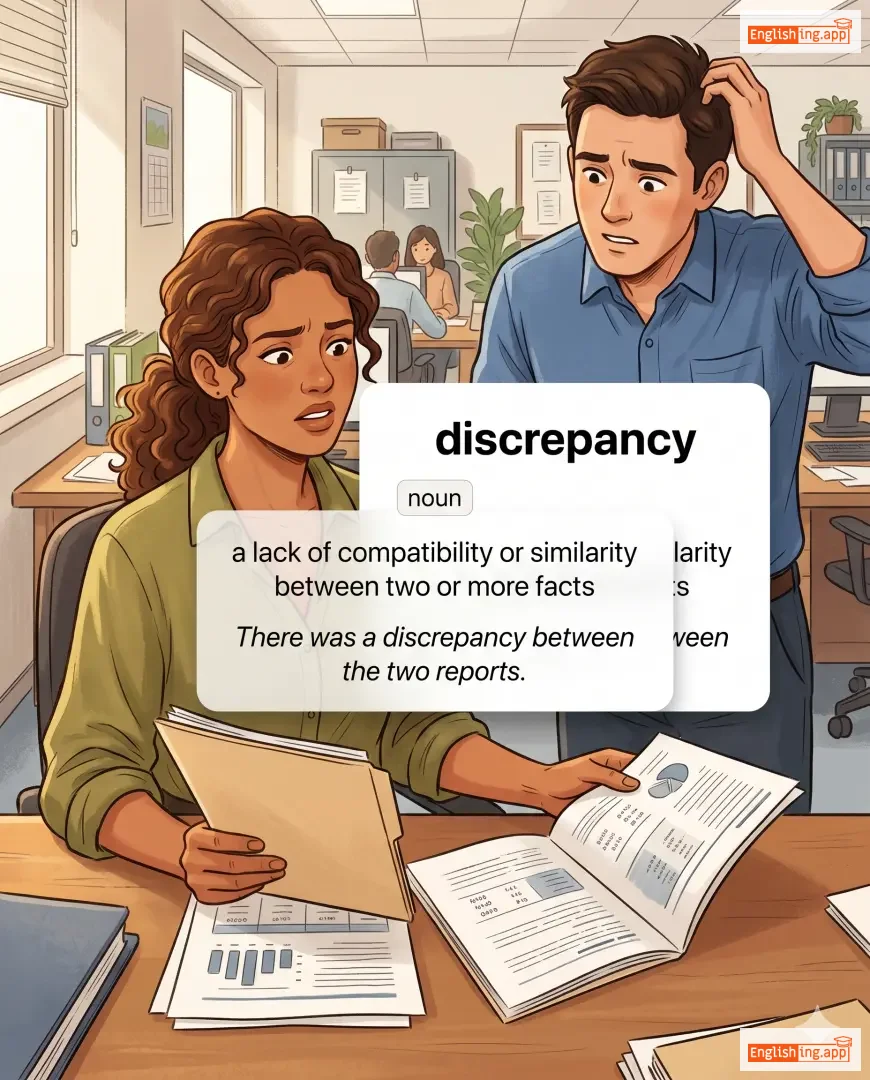
/dɪˈskrep.ən.si/
noun
(ディスクリパンシー)
••••••
|
|
不一致, 差異, 矛盾
fuchiitsu, sai, moudun
••••••
|
A lack of compatibility or similarity between two or more facts.
••••••
|
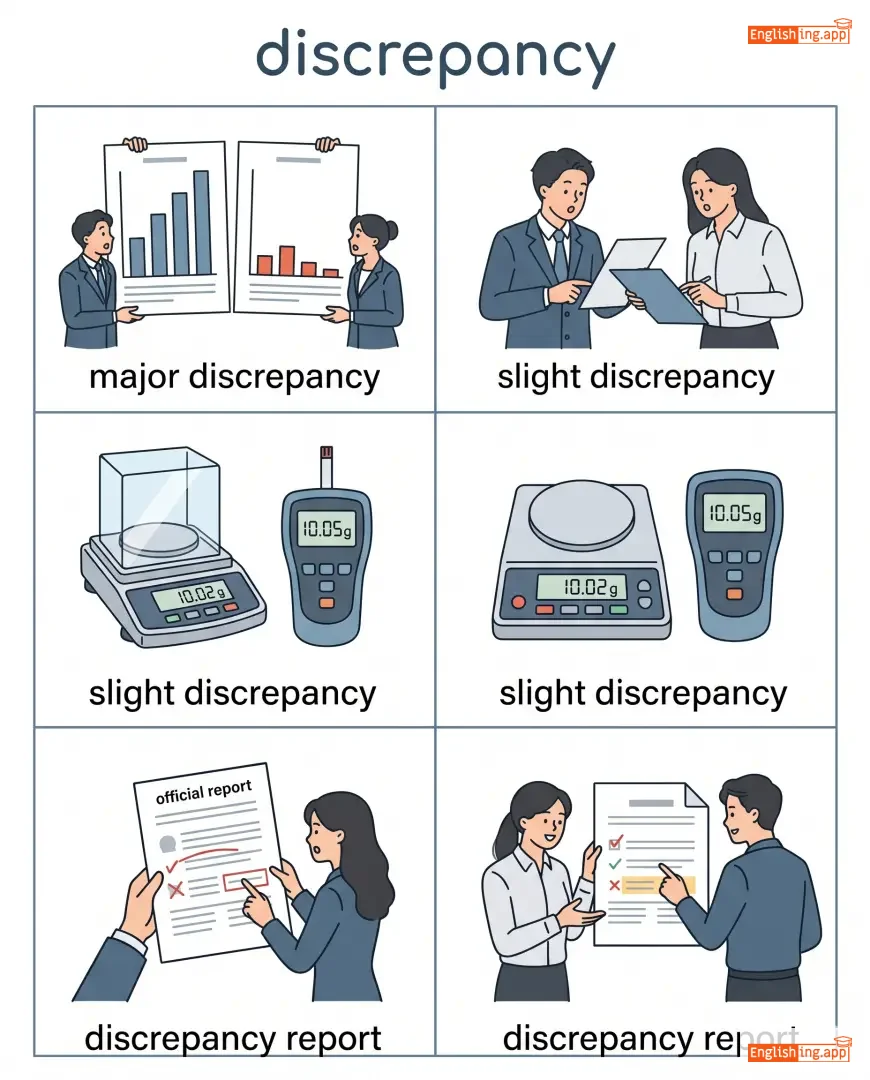
The audit revealed a discrepancy between the reported earnings and actual income. |
監査は報告された収入と実際の収入との間に不一致があることを明らかにしました。
Kansa wa hokoku sareta shuunyuu to jissai no shuunyuu tono aida ni fuchiitsu ga aru koto o akiraka ni shimashita.
••••••
|
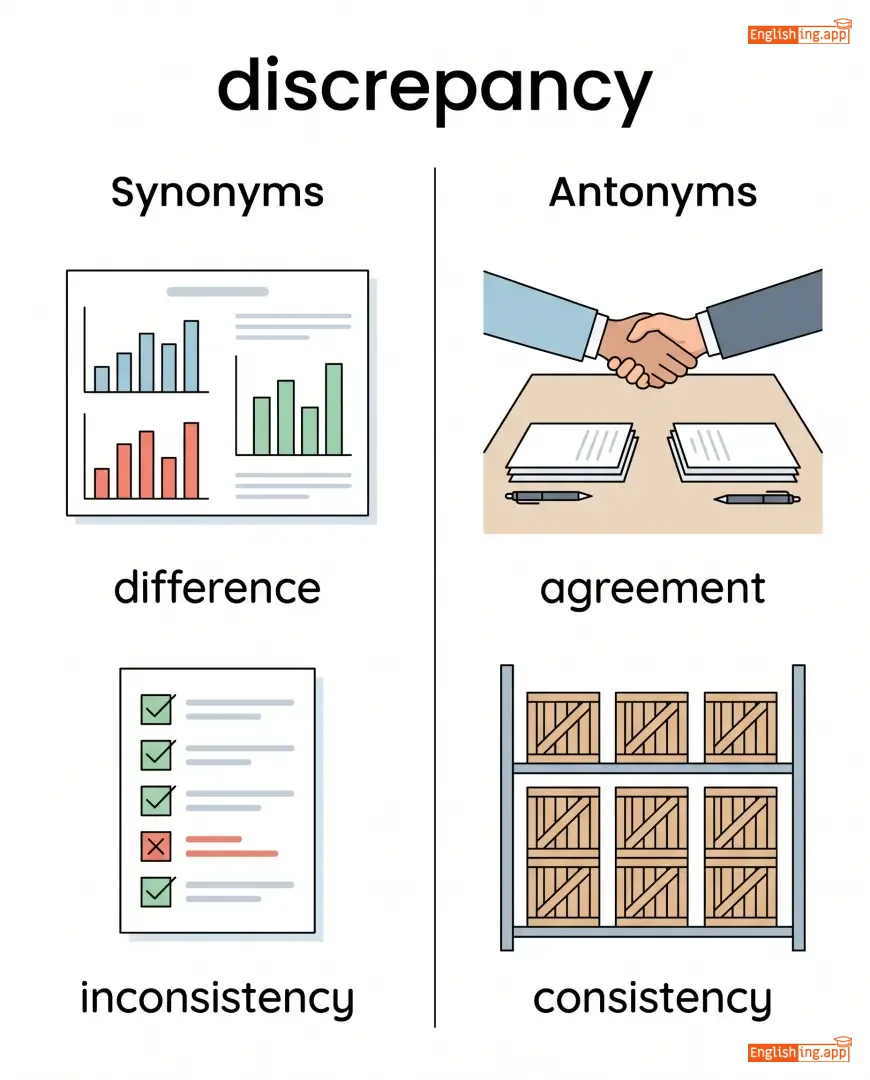
inconsistency, mismatch, variation
••••••
|
agreement, consistency, similarity
••••••
|
Japanese '不一致' means 'discrepancy' in English.
••••••
|
|
#1443
🤝
|
/ˈsɪn.ə.dʒi/
noun
(シナジー)
••••••
|
|
相乗効果
shinajii
••••••
|
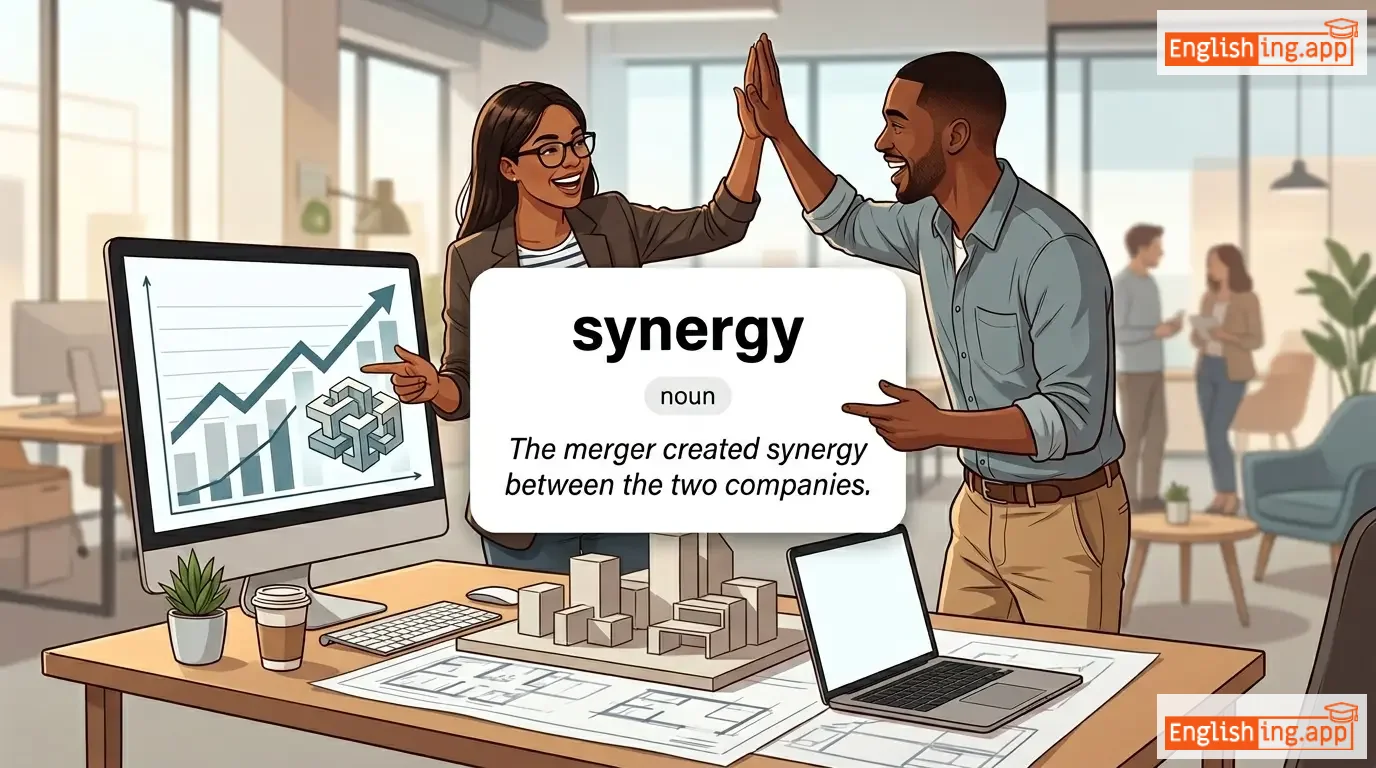
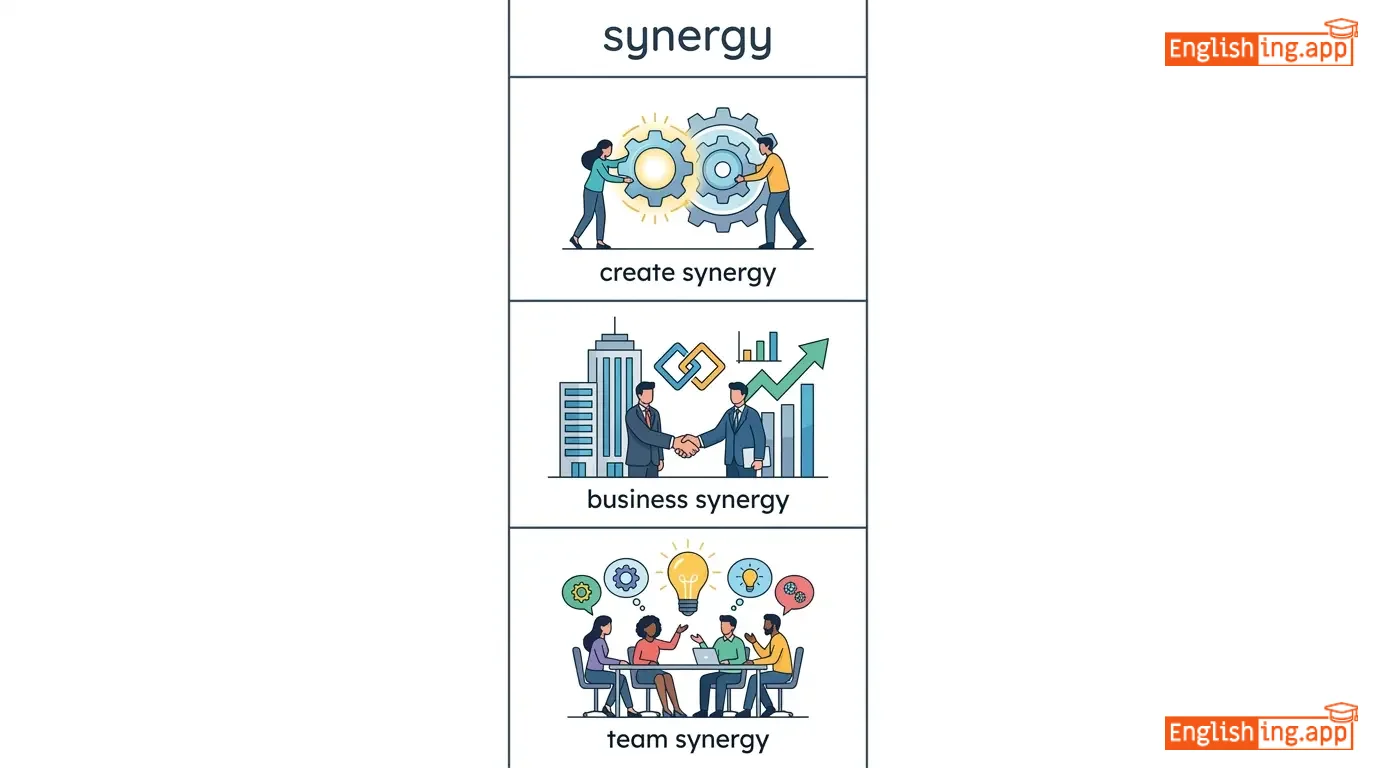
The interaction or cooperation of two or more organizations, substances, or other agents to produce a combined effect greater than the sum of their separate effects.
••••••
|
The synergy between the two companies led to increased profits.
両社の相乗効果により、利益が増加した。
••••••
|
両社の相乗効果により、利益が増加した。
ryousha no soujou kouka ni yori, rieki ga zouka shita
••••••
|
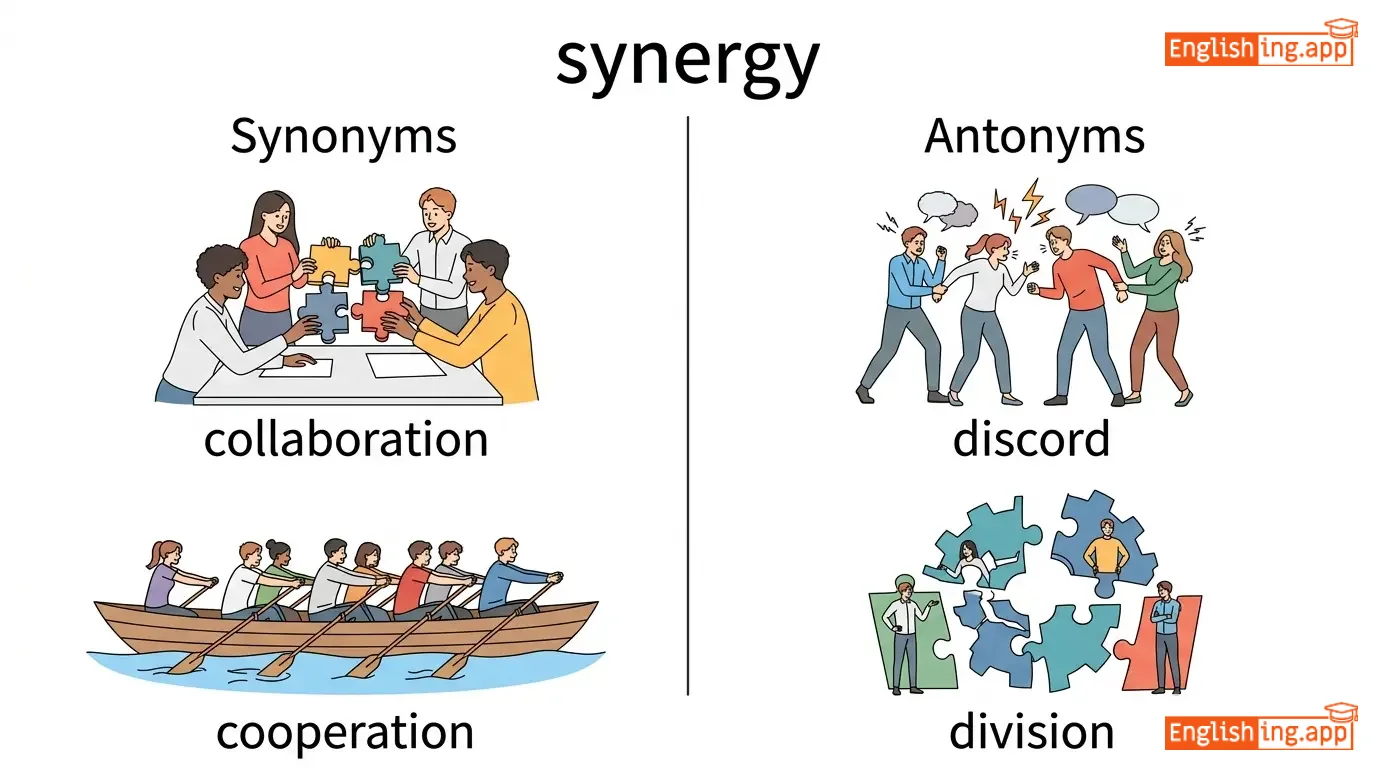
collaboration, integration, unification
••••••
|
isolation, division, weakness
••••••
|
Shina-ji: SHINE A JOINT IDEA, two teams join and a brighter result shines
••••••
|
|
#1444
🤲
|
/ˈrek.ən.saɪl/
verb
(re-kon-sail)
••••••
|
|
和解する, 調和する
wakai suru, chōwa suru
••••••
|
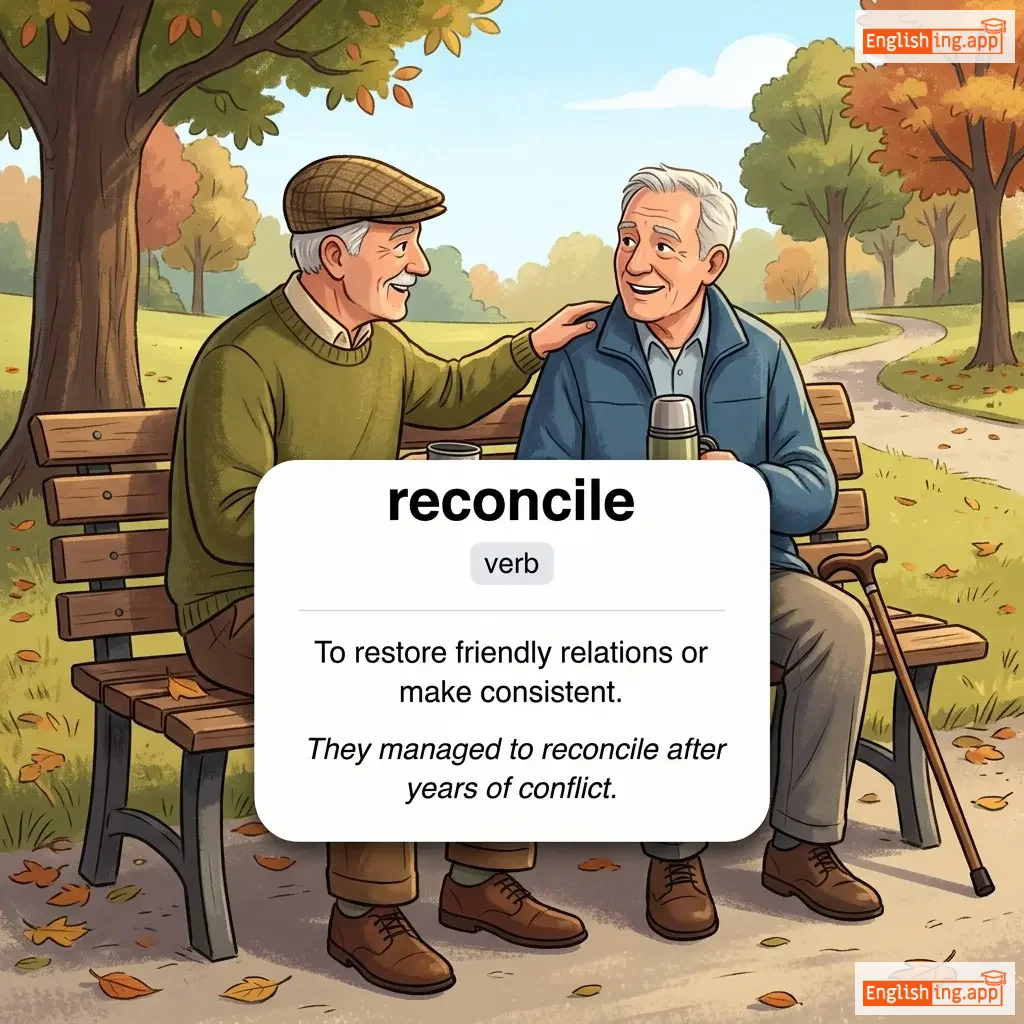
Restore friendly relations between; cause to coexist in harmony.
••••••
|
They tried to reconcile their differences through open communication.
彼らは開かれたコミュニケーションを通じて自分たちの違いを和解しようとしました。
••••••
|
彼らは開かれたコミュニケーションを通じて自分たちの違いを和解しようとしました。
Karera wa hirakareta komyunikeeshon o tōjite jibuntachi no chigai o wakai shiyou to shimashita.
••••••
|
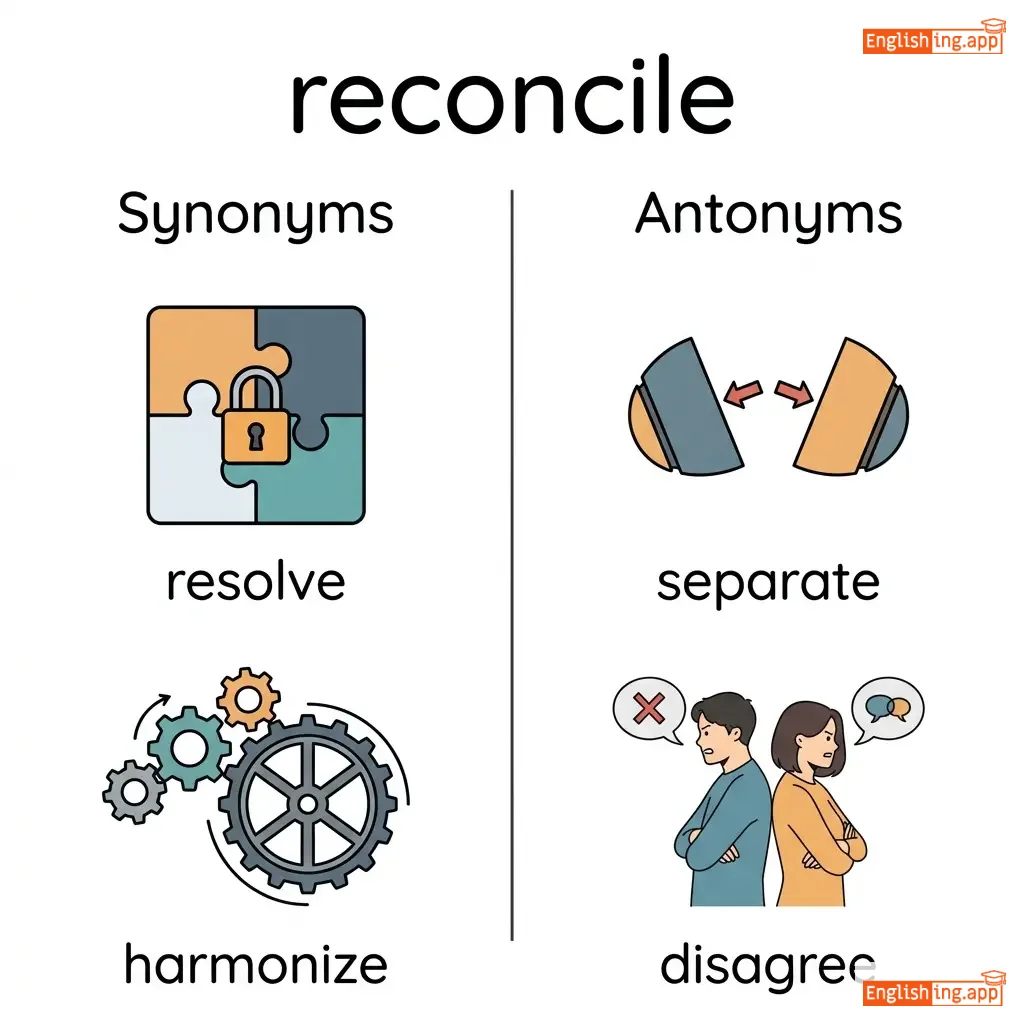
settle, harmonize, resolve
••••••
|
dispute, separate, estrange
••••••
|
和解する意味は、違いを解決して調和を生み出すこと。
••••••
|
|
#1445
⚖️
|
/ˌdʒʌk.stə.pəˈzɪʃ.ən/
noun
(ジャクスタポジション)
••••••
|
|
並置
へいち
••••••
|
The fact of two things being seen or placed close together with contrasting effect.
••••••
|
The juxtaposition of modern and traditional architecture in the city is fascinating.
都市の現代と伝統的な建築のジャクスタポジションは魅力的です。
••••••
|
都市の現代と伝統的な建築の並置は魅力的です。
Toshi no gendai to dentō-teki na kenchiku no heichi wa miryokuteki desu.
••••••
|
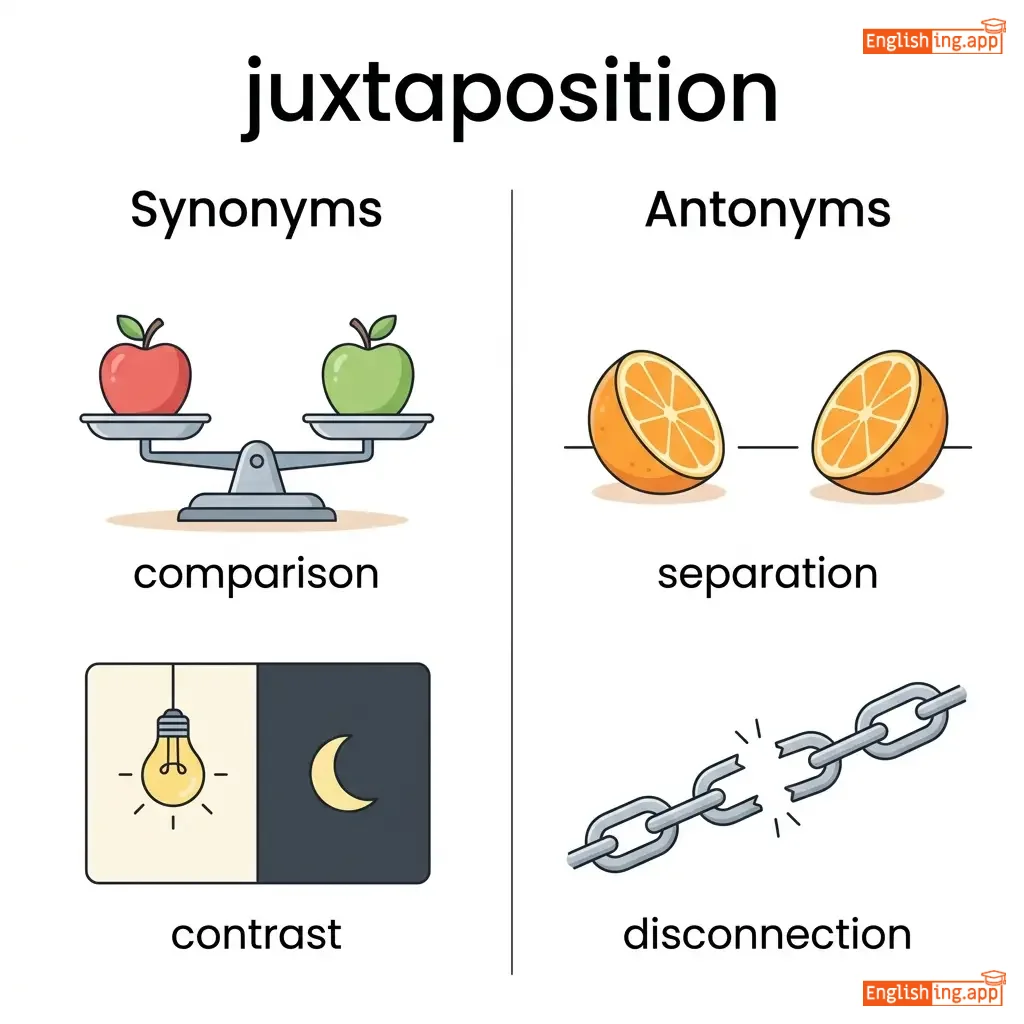
contrast, alignment, comparison
••••••
|
separation, isolation, division
••••••
|
In Japanese, juxtaposition is like placing two contrasting ideas next to each other.
••••••
|
|
#1446
🔍
|
/ˈskruː.tɪ.naɪz/
verb
(スクルティナイズ)
••••••
|
|
慎重に調べる
shinchou ni shiraberu
••••••
|
Examine or inspect closely and thoroughly.
••••••
|
The scientist scrutinized the data before publishing his findings. |
科学者は自分の発見を公開する前にデータを慎重に調べました。
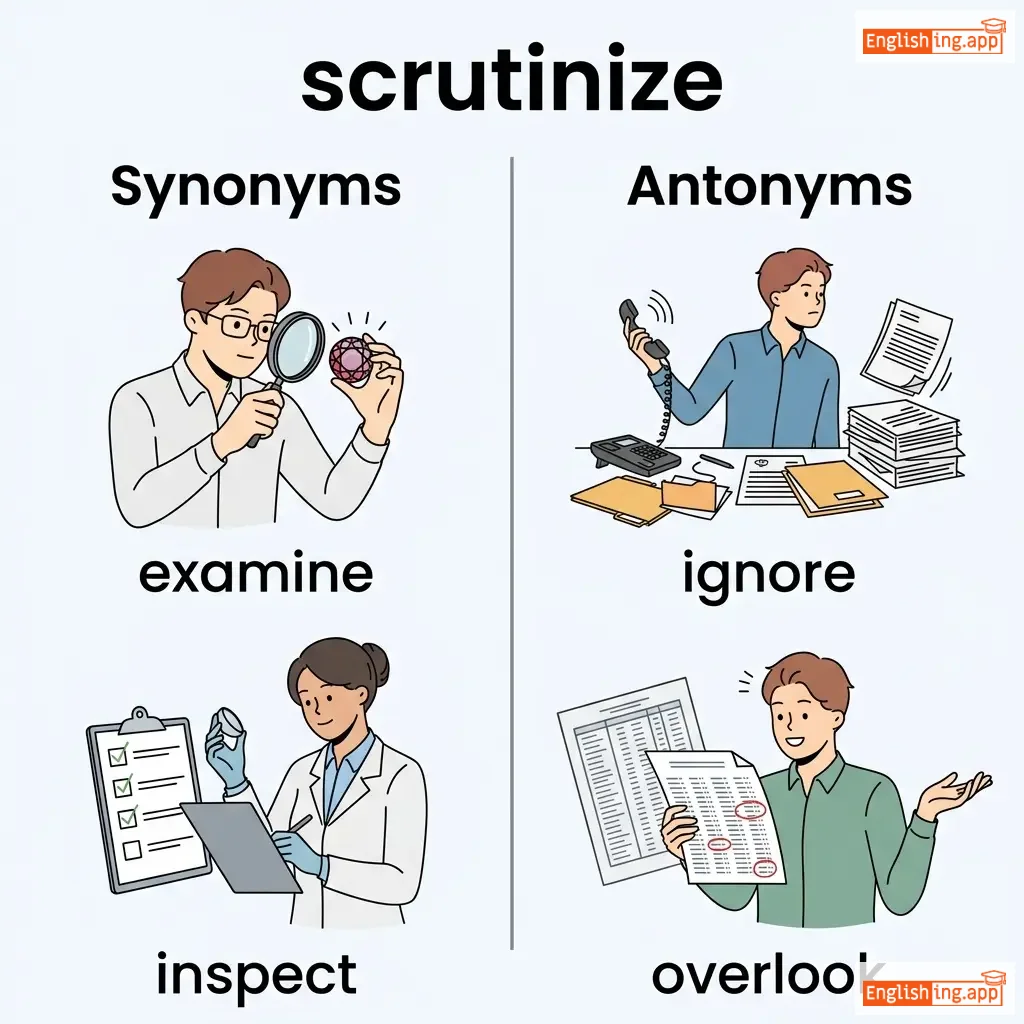
Kagakusha wa jibun no hakken o koukai suru mae ni dēta o shinchou ni shirabemashita.
••••••
|
examine, inspect, analyze
••••••
|
overlook, ignore, neglect
••••••
|
No •••••• |
Vocabulary Quiz
Test your vocabulary by matching words with their translations or meanings.
Login to take the quiz
Comments (0)
Share your thoughts and join the discussion.
Join the discussion by logging in
Login to CommentNo comments yet
Be the first to share your thoughts!