

子育てのスタイルとその影響
Parenting Styles and Their Impact
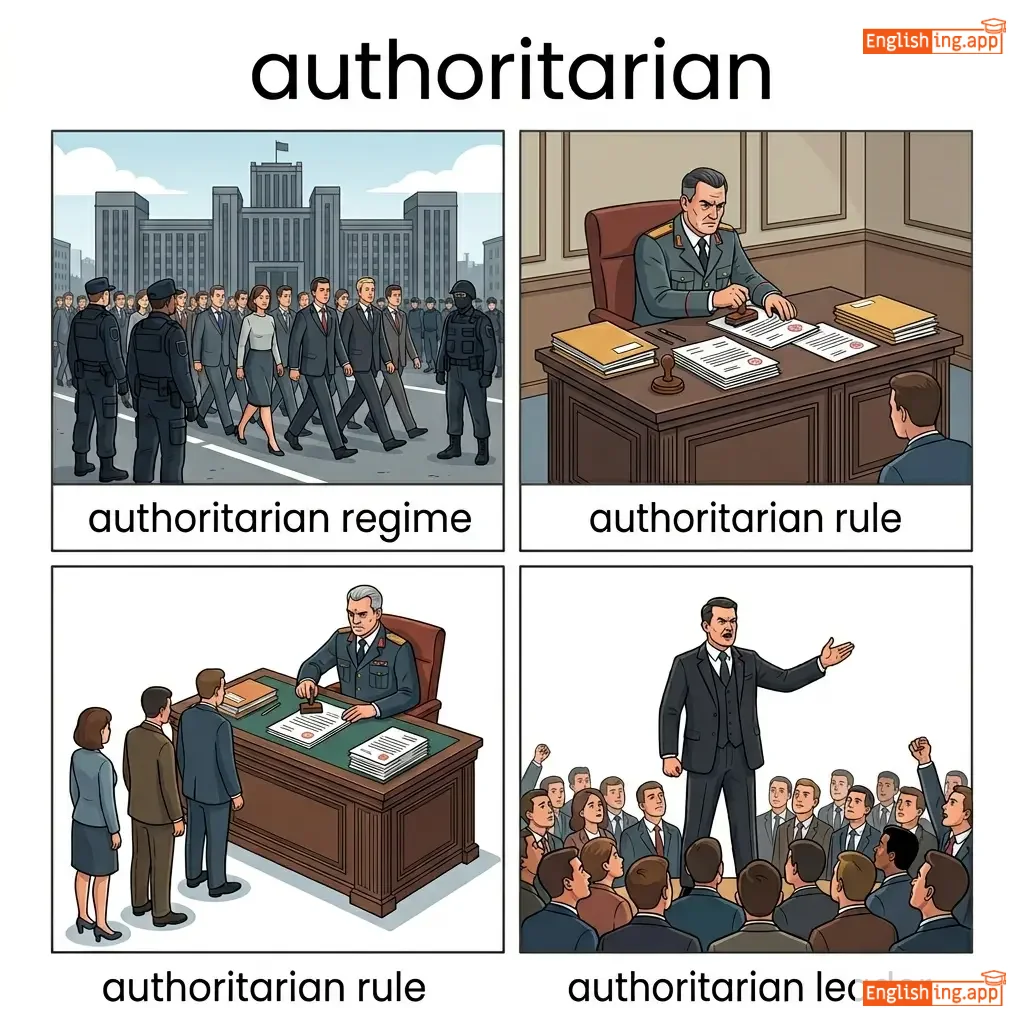
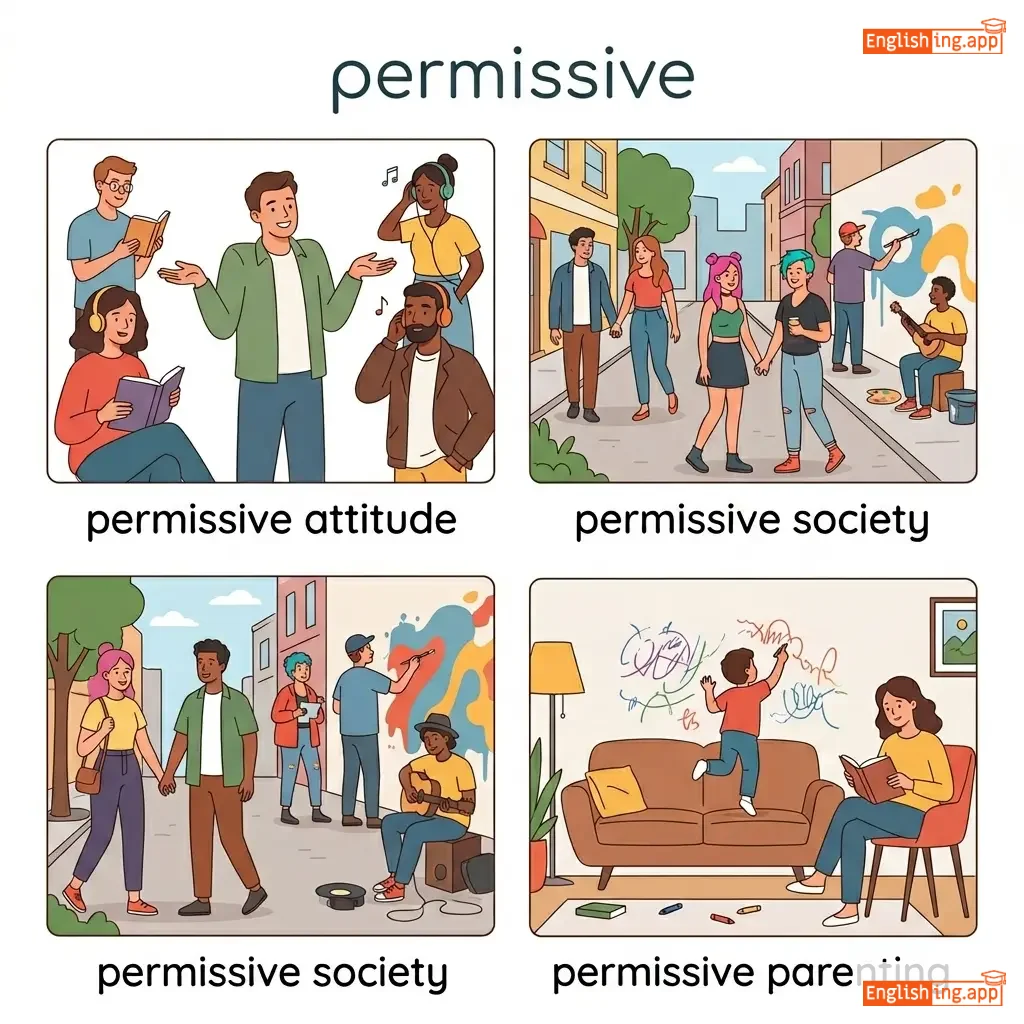
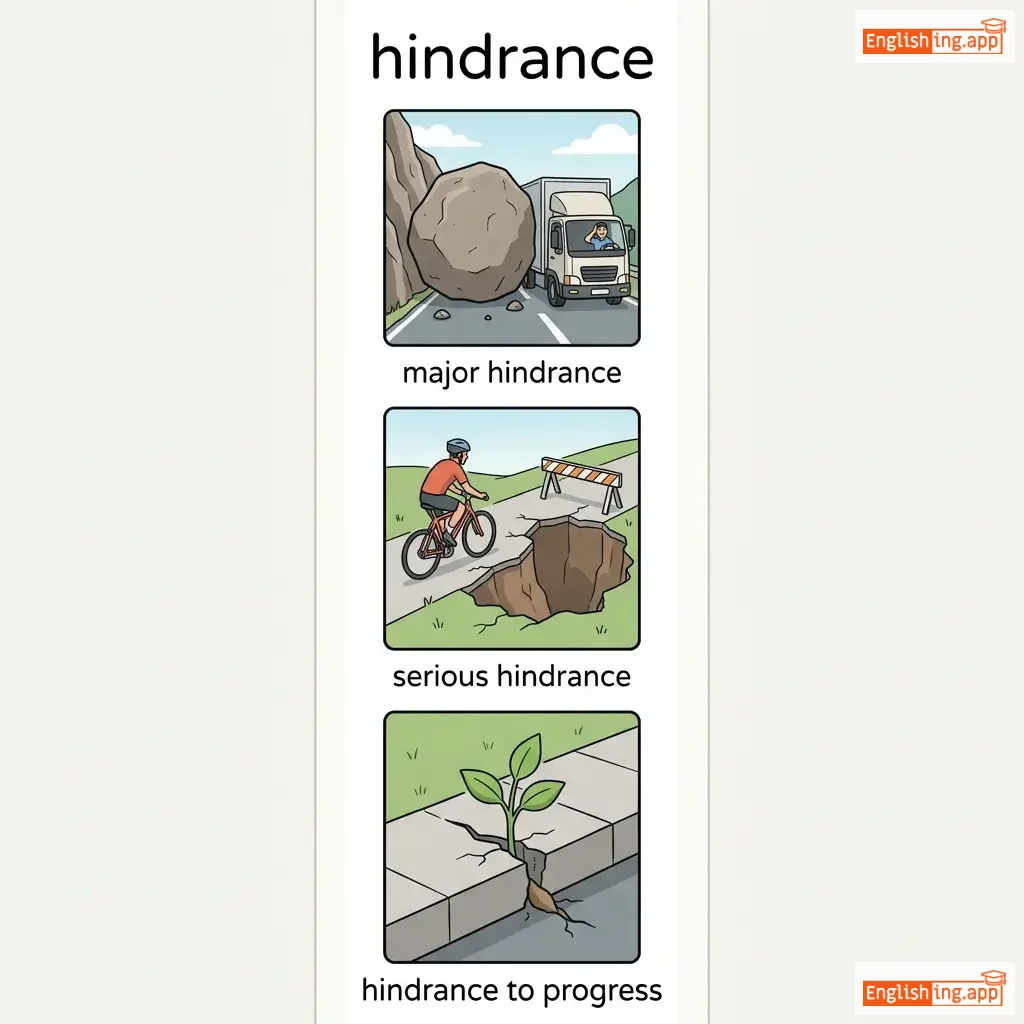
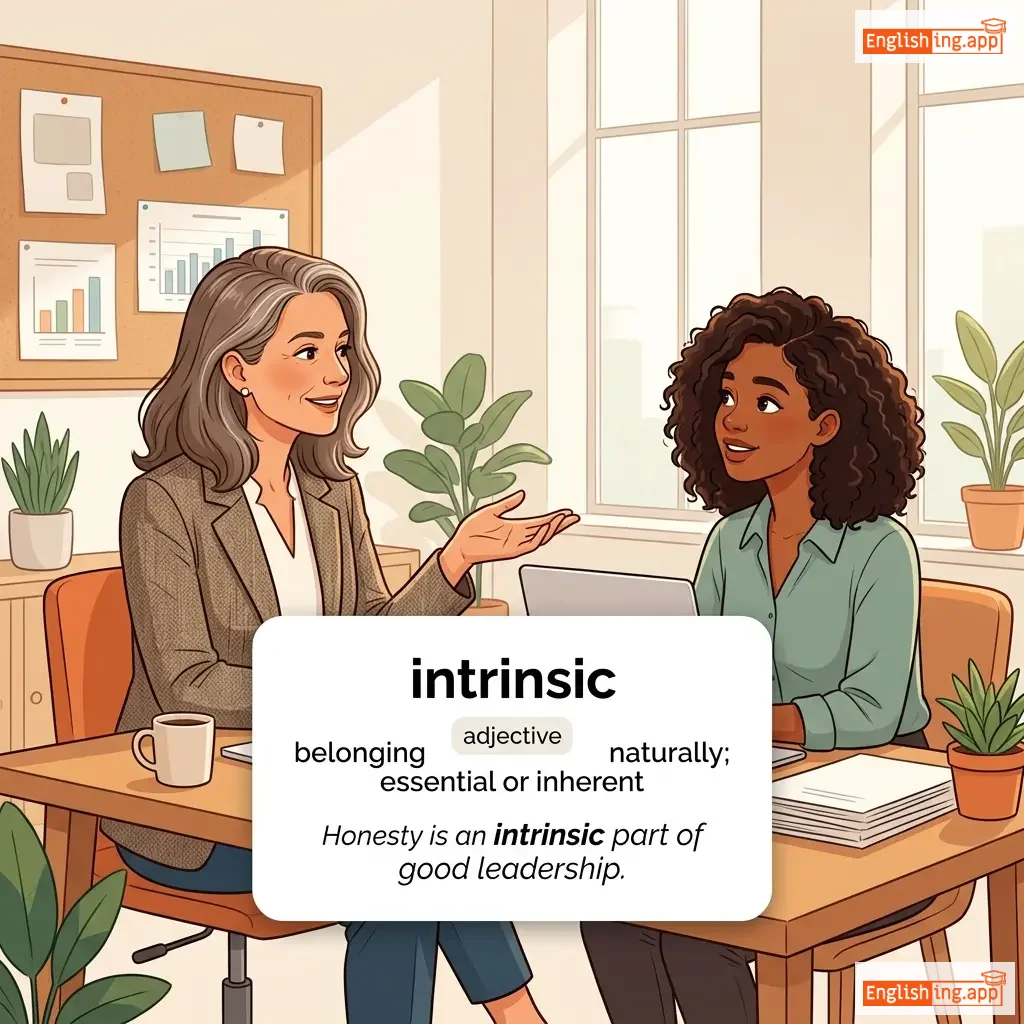
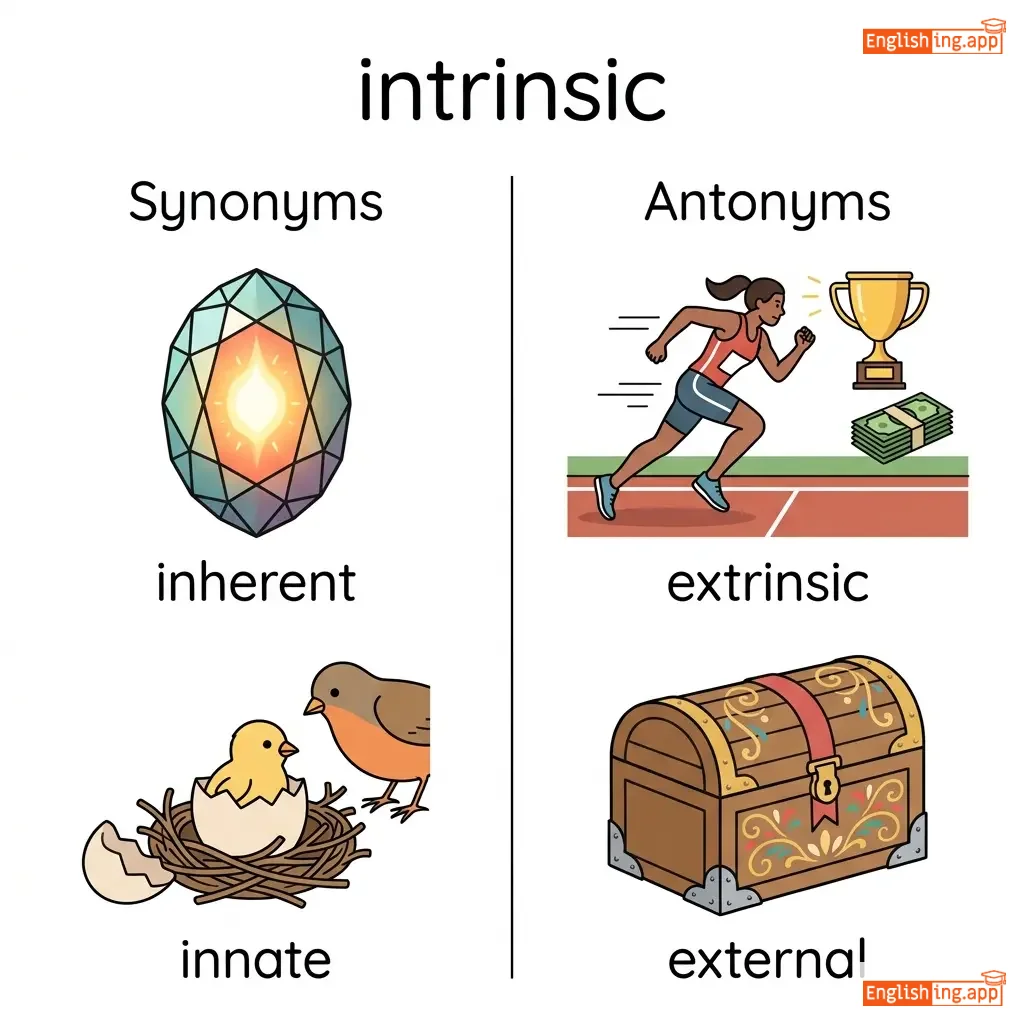
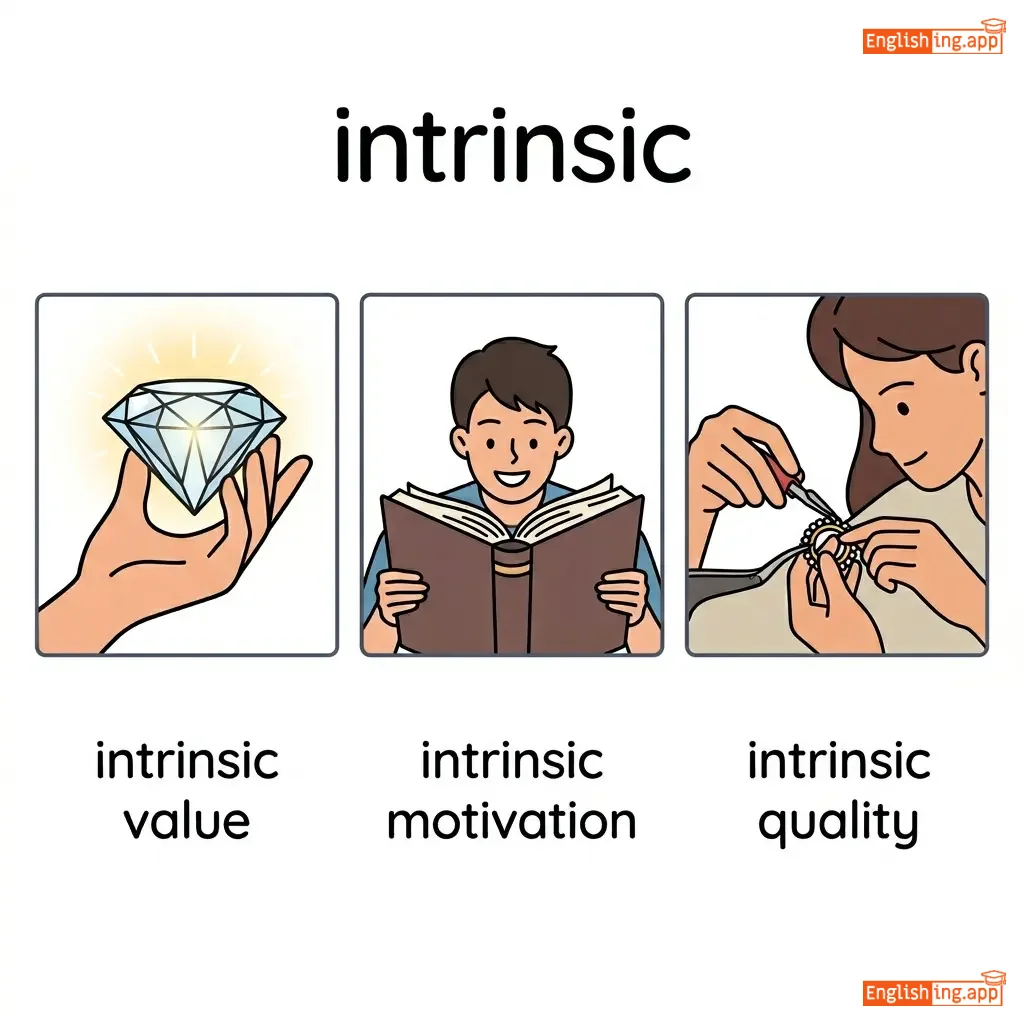
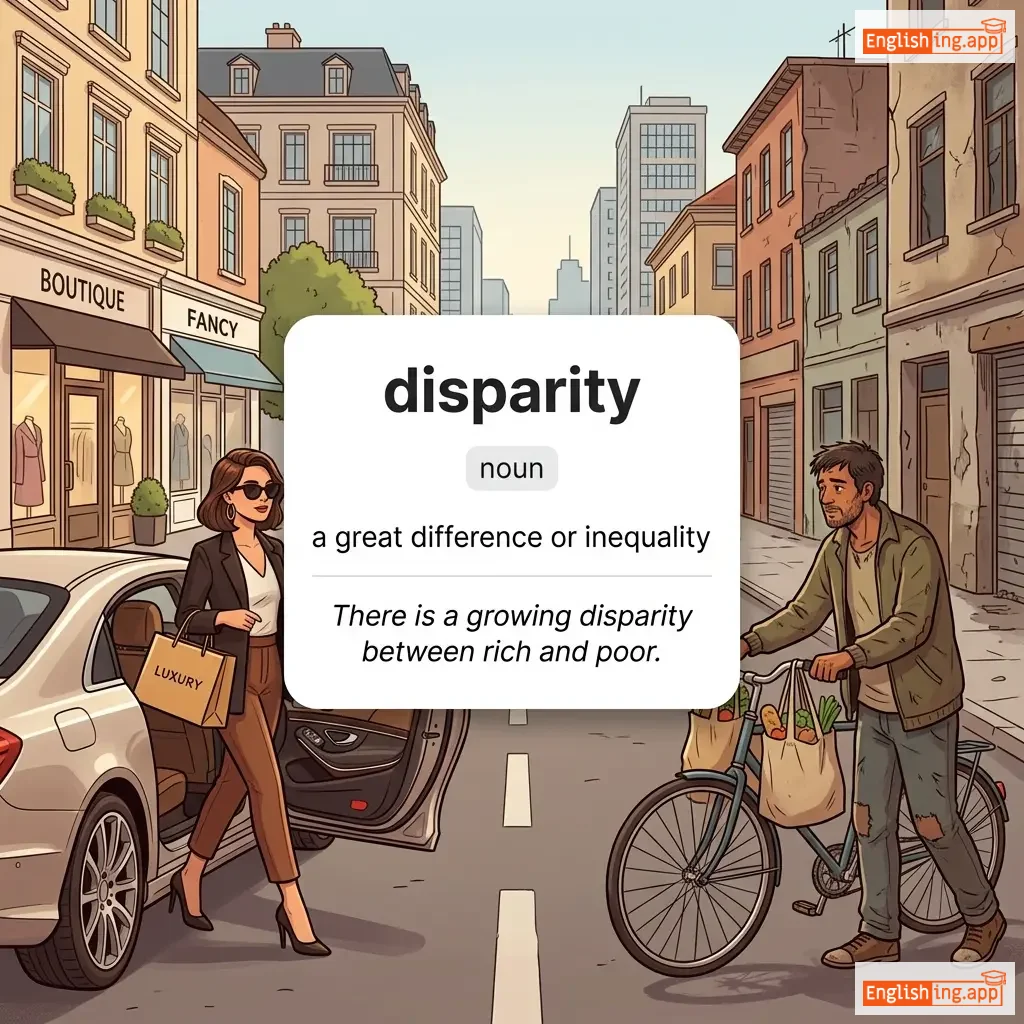
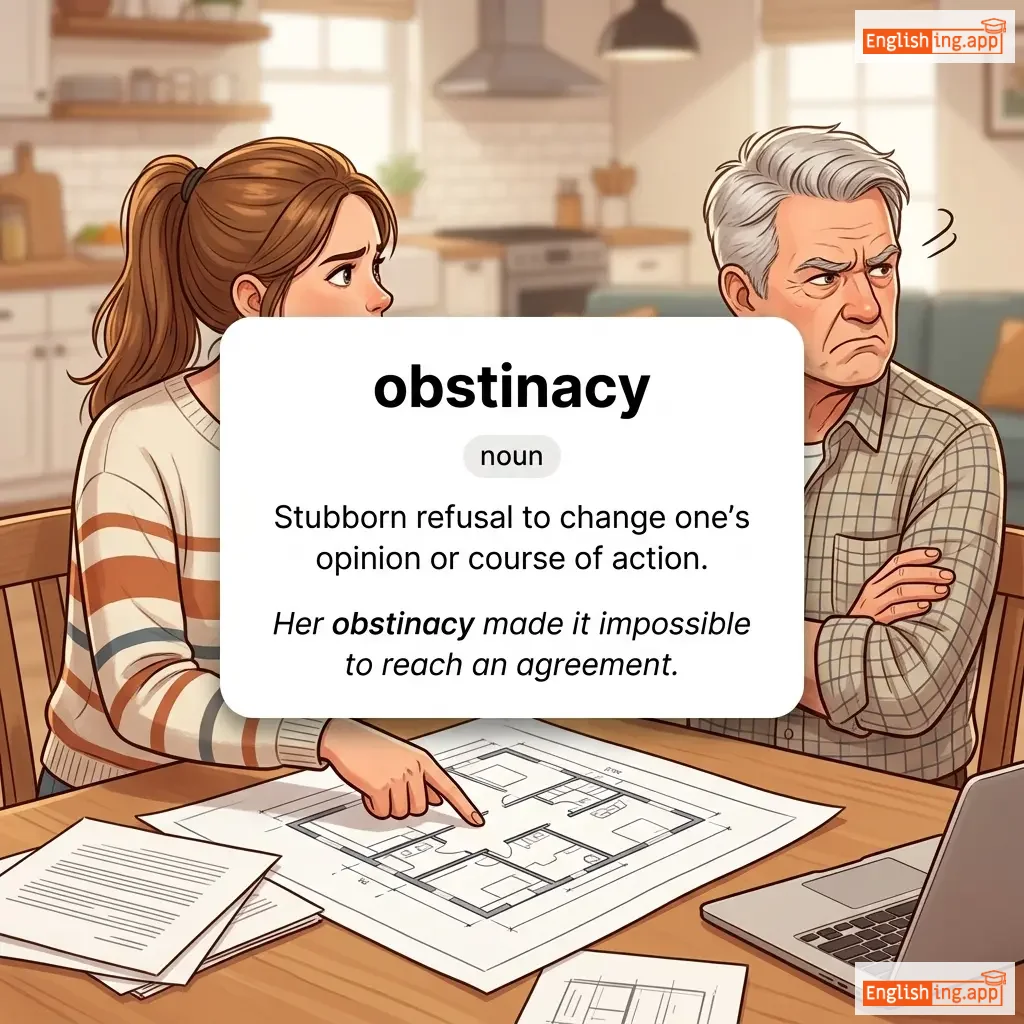
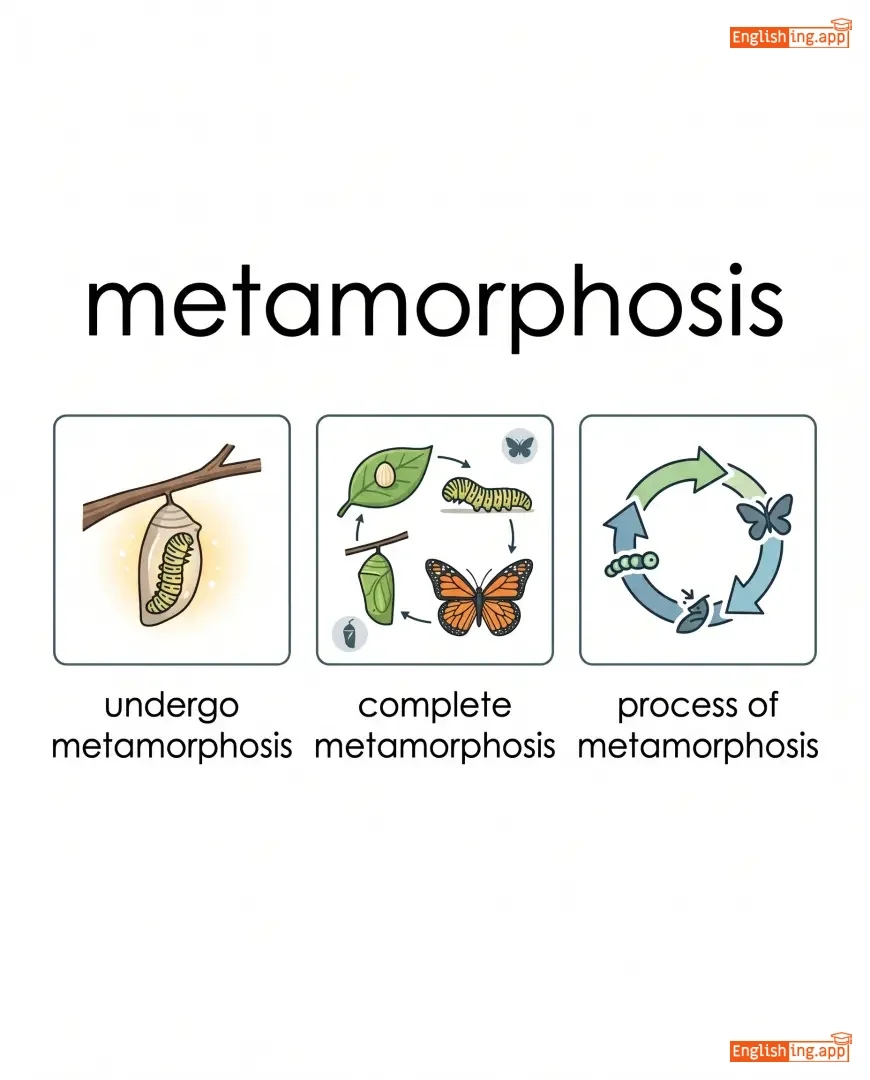
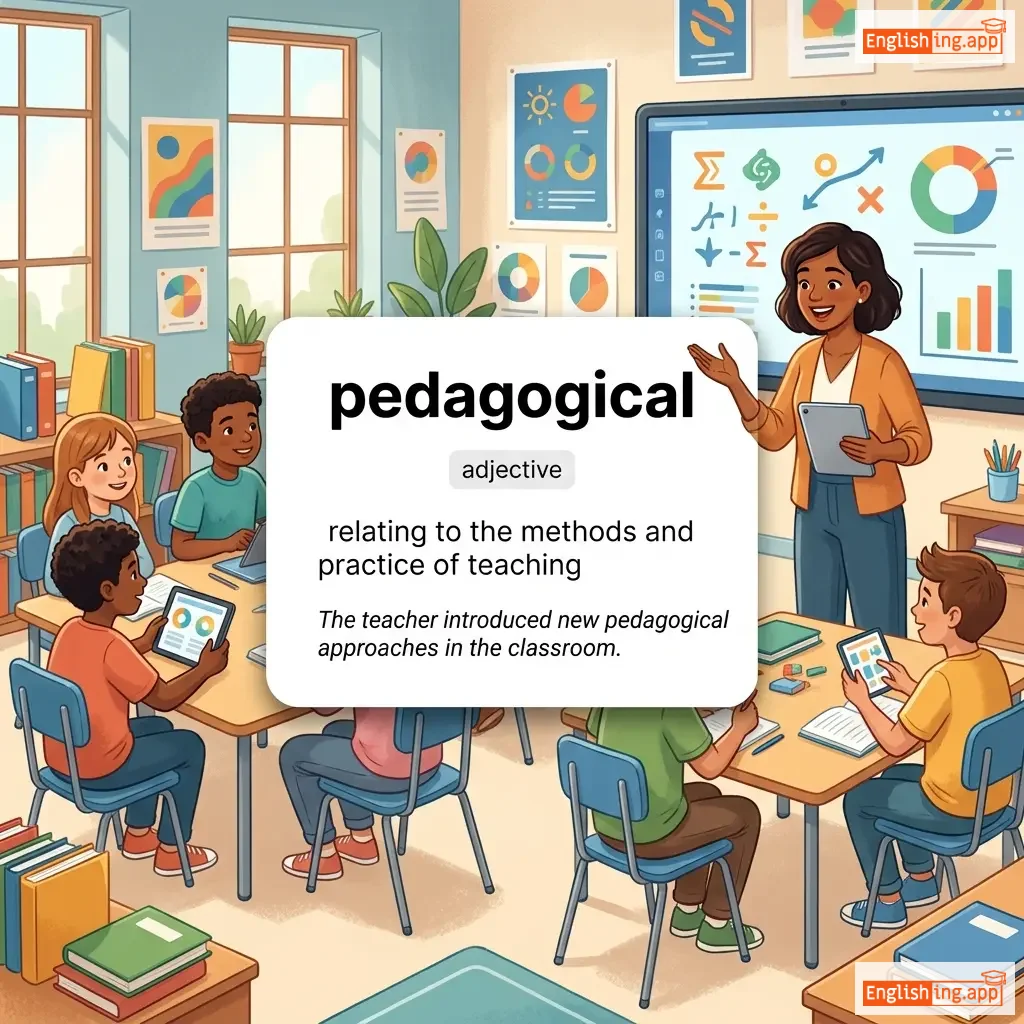
子どもの成長はその parenting スタイルに依存します。主に、parenting には3つのタイプがあります — authoritarian、permissive、そして equitable。Authoritarian の方法では、親は厳しいルールを持ち、子どもにはほとんど autonomy がありません。子どもは compliance を学ぶかもしれませんが、自分で判断する力を学ばず、それが将来の cognitive 発達に hindrance をもたらす可能性があります。一方、permissive の方法では、親はゆるいルールに従うため、子どもは intrinsic 規律を育てません。これにより disparity が生じ、一部の子どもは責任感を持つ一方で、他の子どもは obstinacy を示します。最も効果的な方法は equitable parenting であり、規律と nurturing の間に juxtaposition があります。この fostering は子どもの自信を育て、彼らの metamorphosis を保証し、将来の成功にとって重要です。したがって、正しい pedagogical アプローチを採用し、子どもの精神的発達に前向きな resonance を生み出すことで、彼らが自分の人生を築けるようにするべきです。
翻訳
過去
過去分詞
三人称単数
動名詞
意味
例文
例文の翻訳
同義語
対義語
コロケーション
ニーモニック


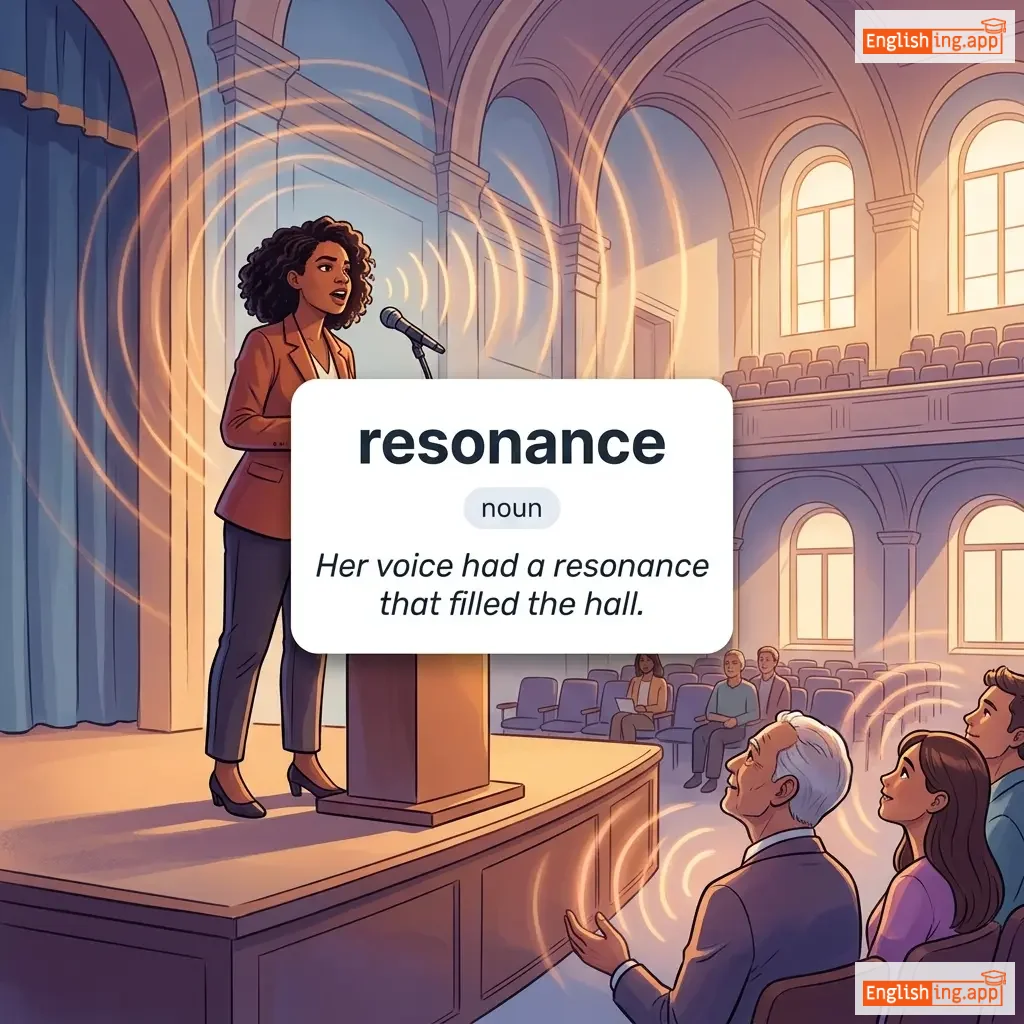
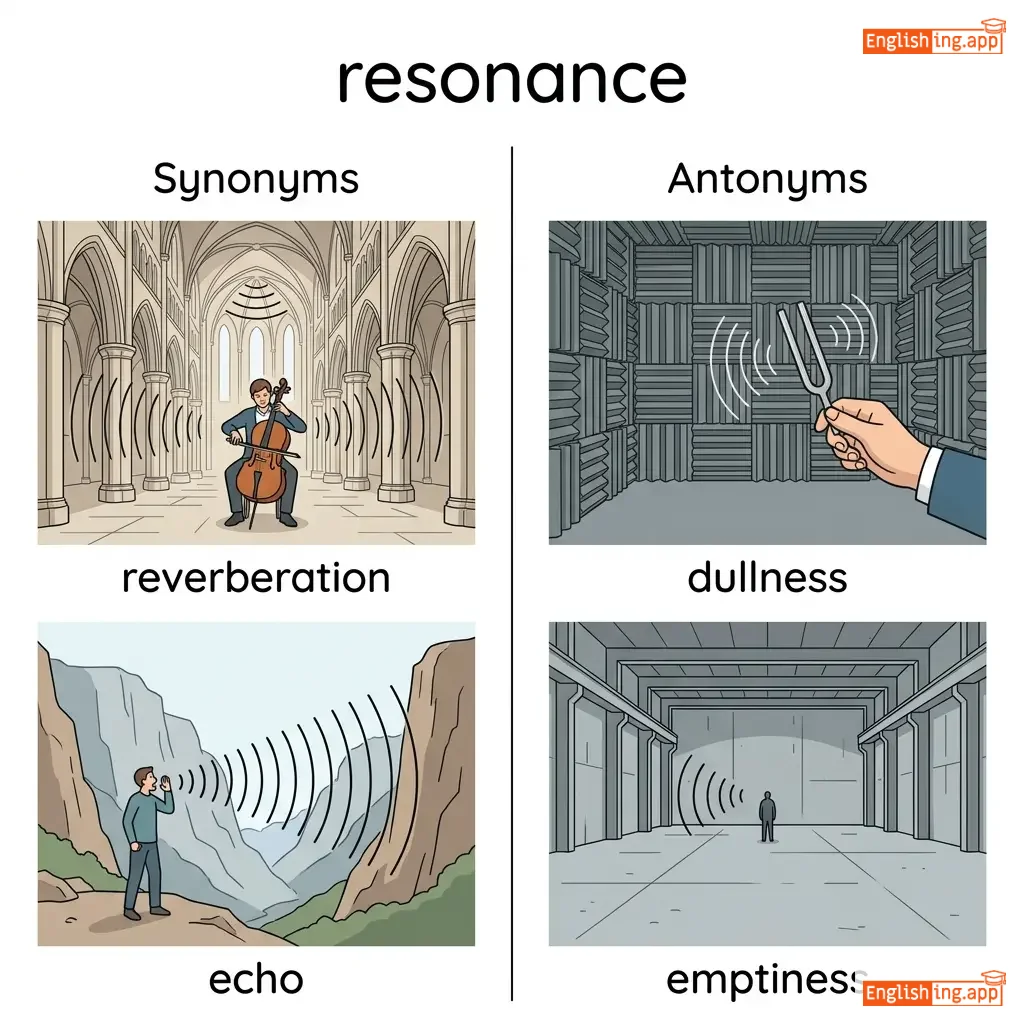
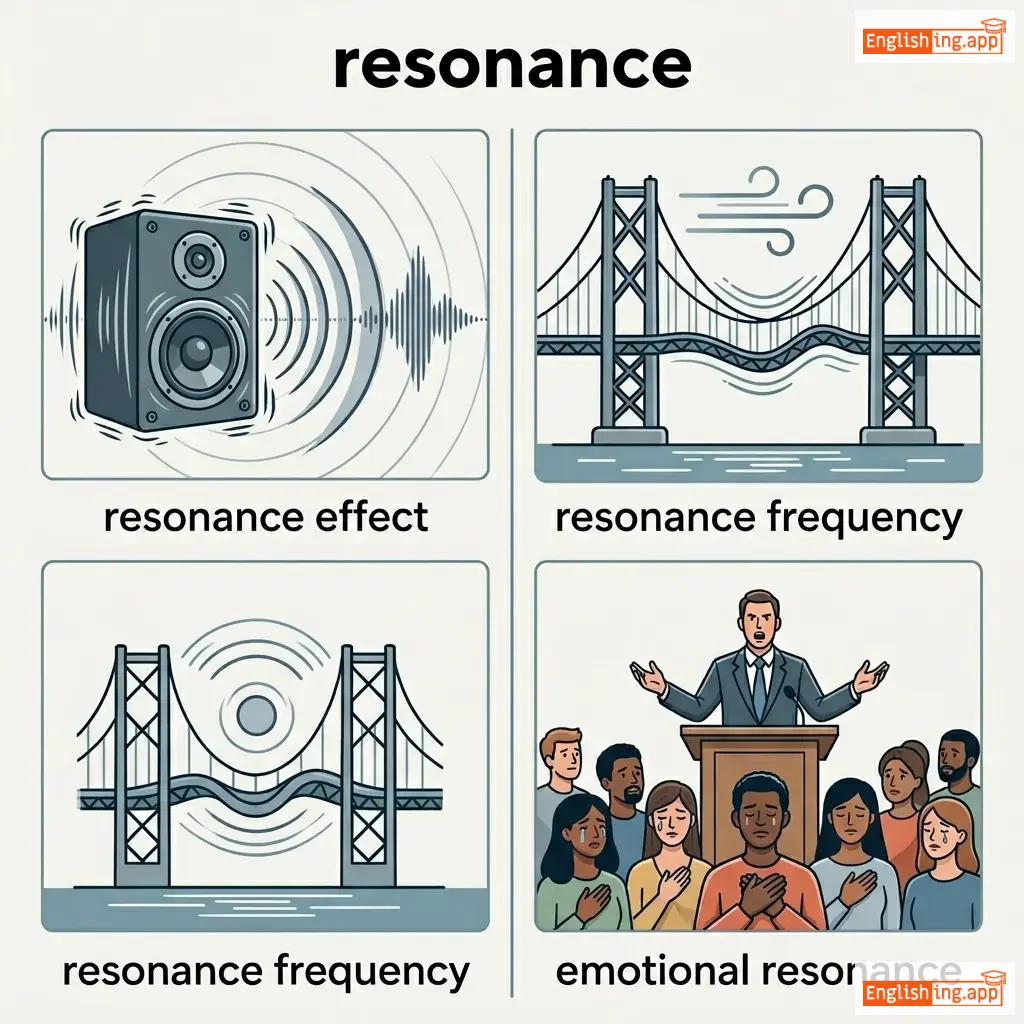
Swipe left or right, or use the buttons. Tap image to zoom.
例文の翻訳
単語
Parenting Styles and Their ImpactParenting Styles and Their Impact - マスクトグル
|
絵文字
|
単語 | Images | 翻訳 | 意味 | 例文 | 例文の翻訳 | 同義語 | 対義語 | ニーモニック |
|---|---|---|---|---|---|---|---|---|---|
|
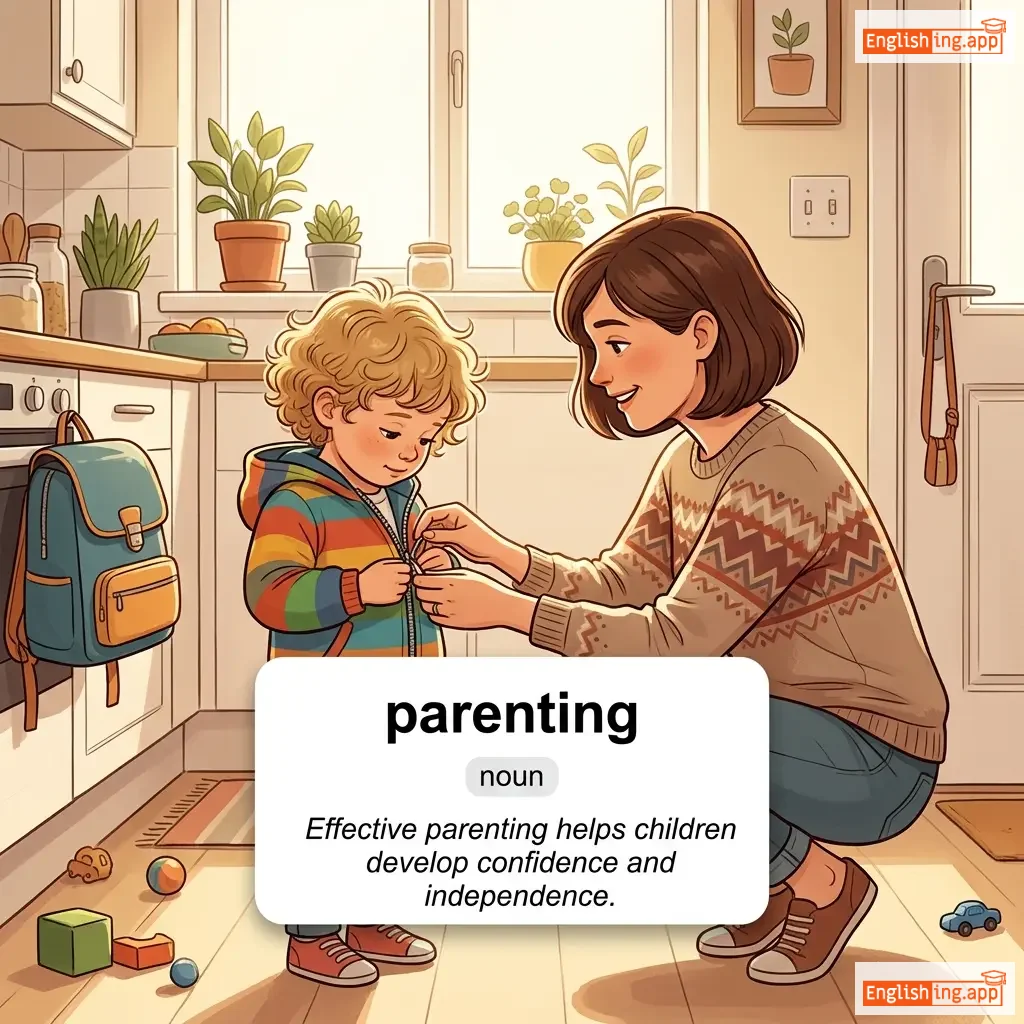
#2722
👨👩👧👦
|
/ˈpeə.rən.tɪŋ/
noun
(parenting)
••••••
|
|
育児
ikuji
••••••
|
The care and training a child receives while growing up, involving the development of their mental, physical, and social aspects.
••••••
|
Effective parenting helps children develop confidence and independence.
効果的な育児は、子供たちが自信と独立心を育むのを助けます。
••••••
|
効果的な育児は、子供たちが自信と独立心を育むのを助けます。
Kōkateki na ikuji wa, kodomotachi ga jishin to dokuritsushin o hagukumu no o tasukemasu.
••••••
|
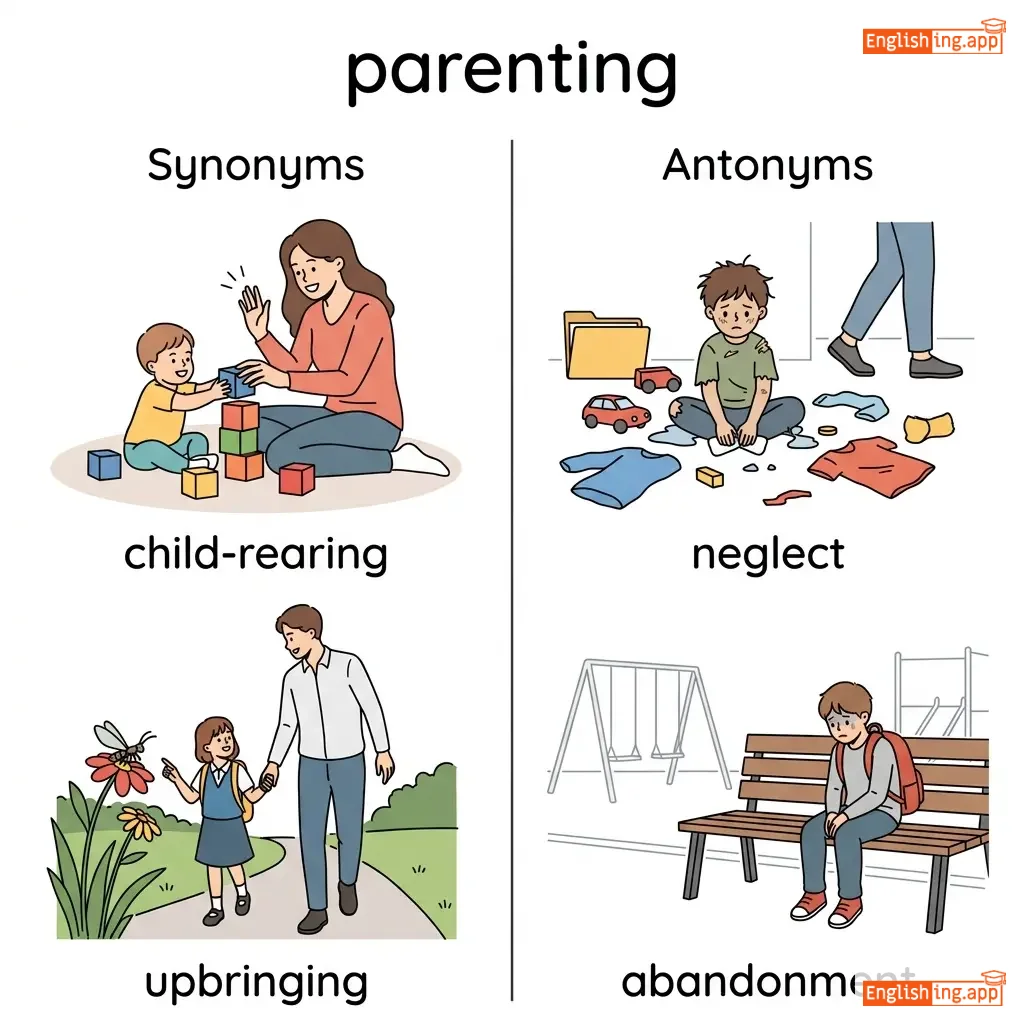
child-rearing, upbringing, nurturing
••••••
|
neglect, abandonment, indifference
••••••
|
育児は、子供が自立するための基礎を築くことです。
••••••
|
|
#2723
👮
|
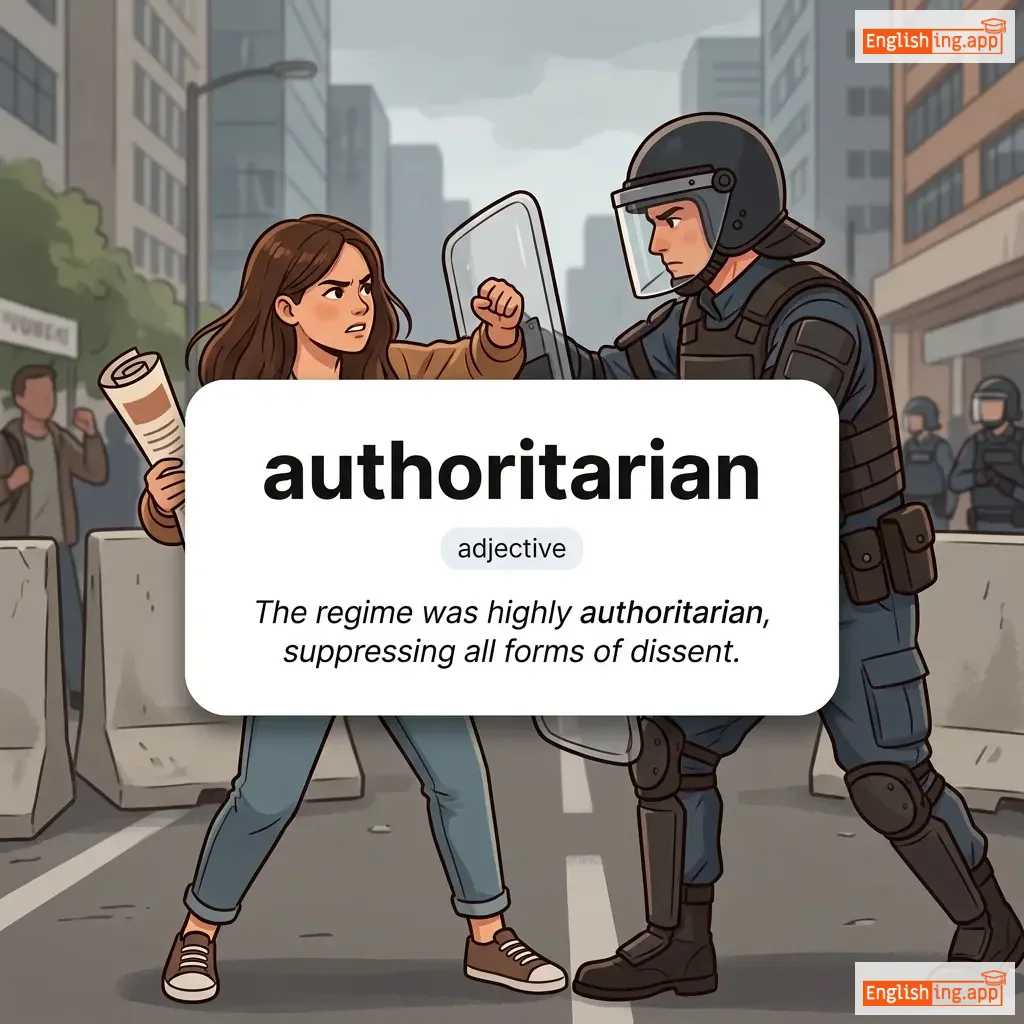
/ɔːˌθɒr.ɪˈteə.ri.ən/
adjective
(オーソリタリアン)
••••••
|
|
権威主義者
ken'ishugi-sha
••••••
|
Demanding absolute obedience to authority; excessively controlling or strict in governance.
••••••
|
Authoritarian parenting often limits a child's independence.
権威主義的な育児は、しばしば子供の独立性を制限します。
••••••
|
権威主義的な育児は、しばしば子供の独立性を制限します。
Ken'ishugi-teki na ikuji wa, shibashiba kodomo no dokuritsusei o seigen shimasu.
••••••
|
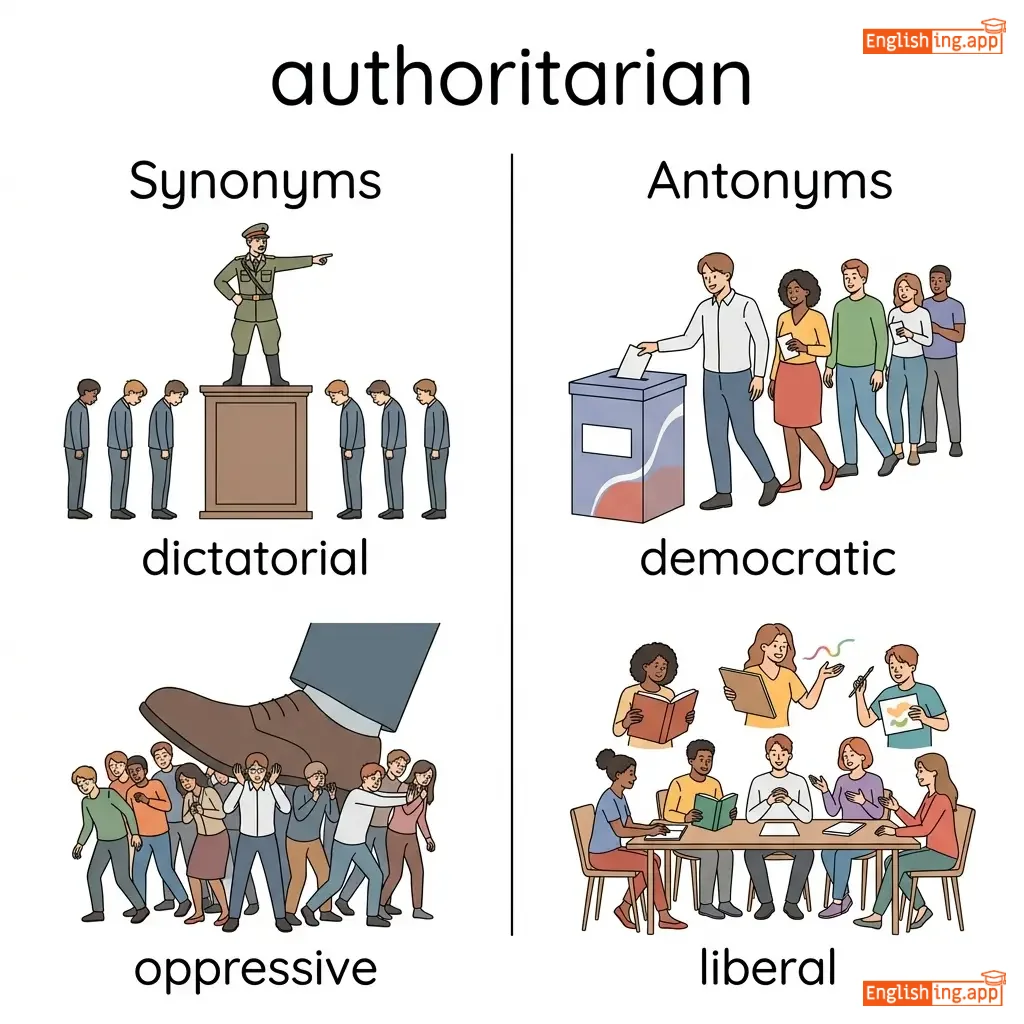
strict, controlling, dictatorial
••••••
|
lenient, democratic, permissive
••••••
|
権威主義者はすべてを支配し、子供を支配する親のような存在です。
••••••
|
|
#2724
🤷
|
/pəˈmɪs.ɪv/
adjective
(パーミッシブ)
••••••
|
|
寛容な
kan'yō na
••••••
|
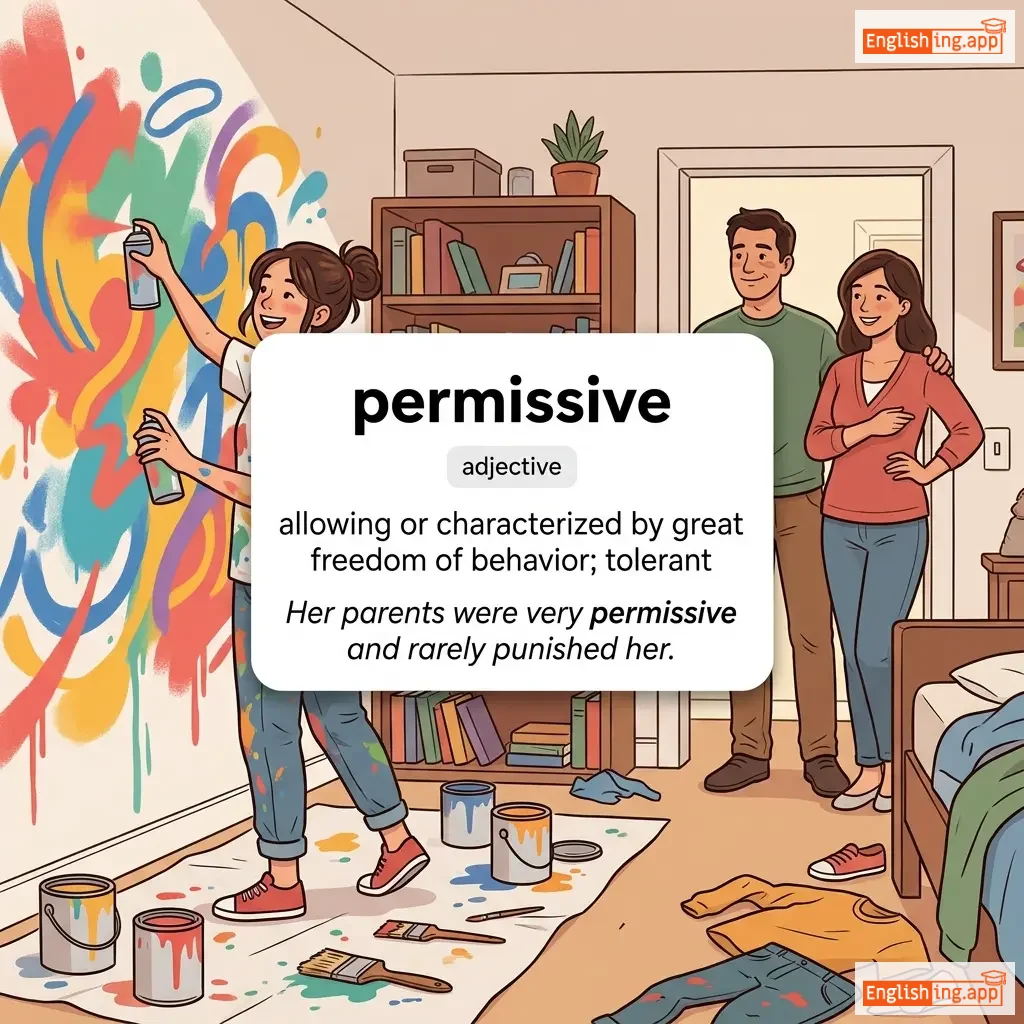
Allowing or characterized by great or excessive freedom of behavior; very lenient or indulgent.
••••••
|
Permissive parenting can sometimes lead to a lack of discipline in children.
許容的な子育ては、時には子どもの規律の欠如を引き起こすことがあります。
••••••
|
許容的な子育ては、時には子どもの規律の欠如を引き起こすことがあります。
Kyoyō-teki na kosodate wa, toki ni wa kodomo no kiritsu no ketsujo o hikiokosu koto ga arimasu.
••••••
|
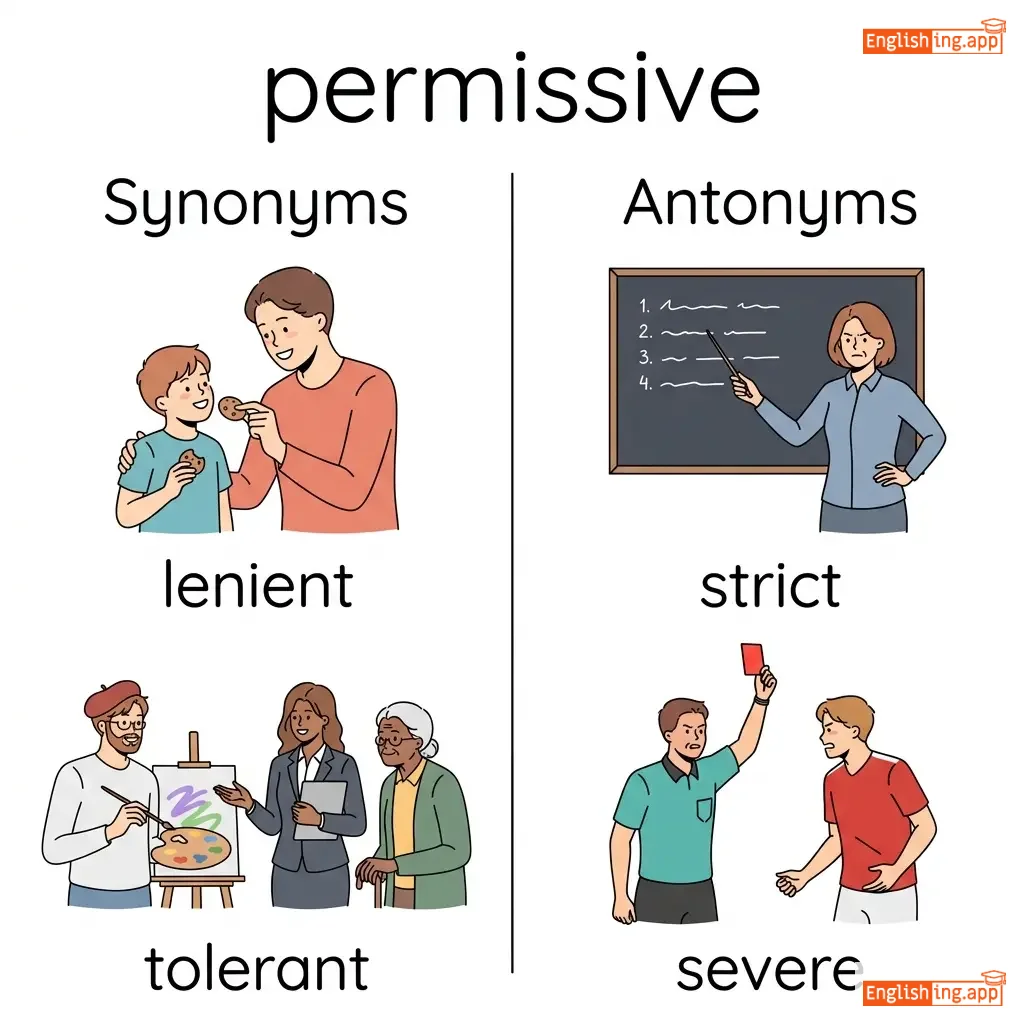
lenient, indulgent, relaxed
••••••
|
restrictive, strict, authoritarian
••••••
|
寛容な育児は子供に自由を与えるが、規律の欠如を引き起こすことがある。
••••••
|
|
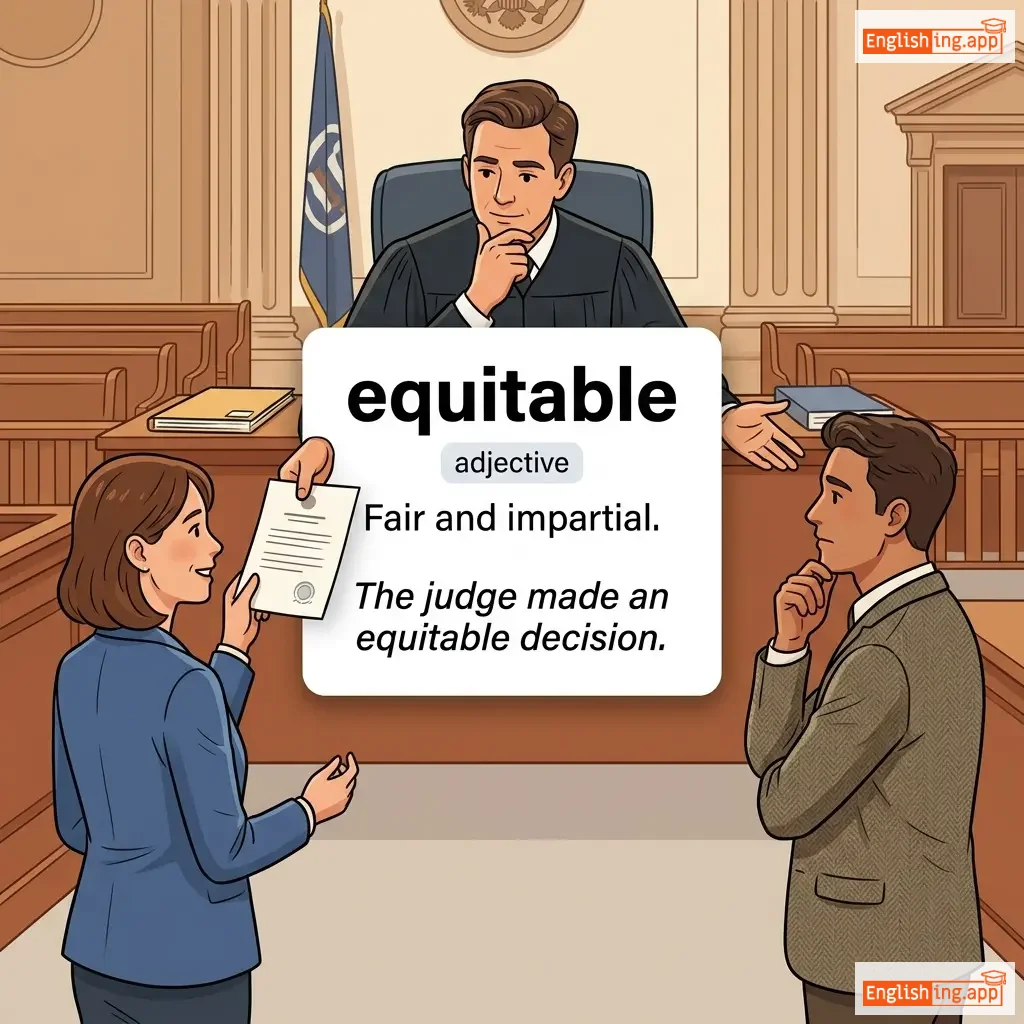
#2725
⚖️
|
/ˈɛk.wɪ.tə.bəl/
adjective
(エクイタブル)
••••••
|
|
公平な
kouhei na
••••••
|
Fair and impartial; treating all parties with justice and without bias.
••••••
|
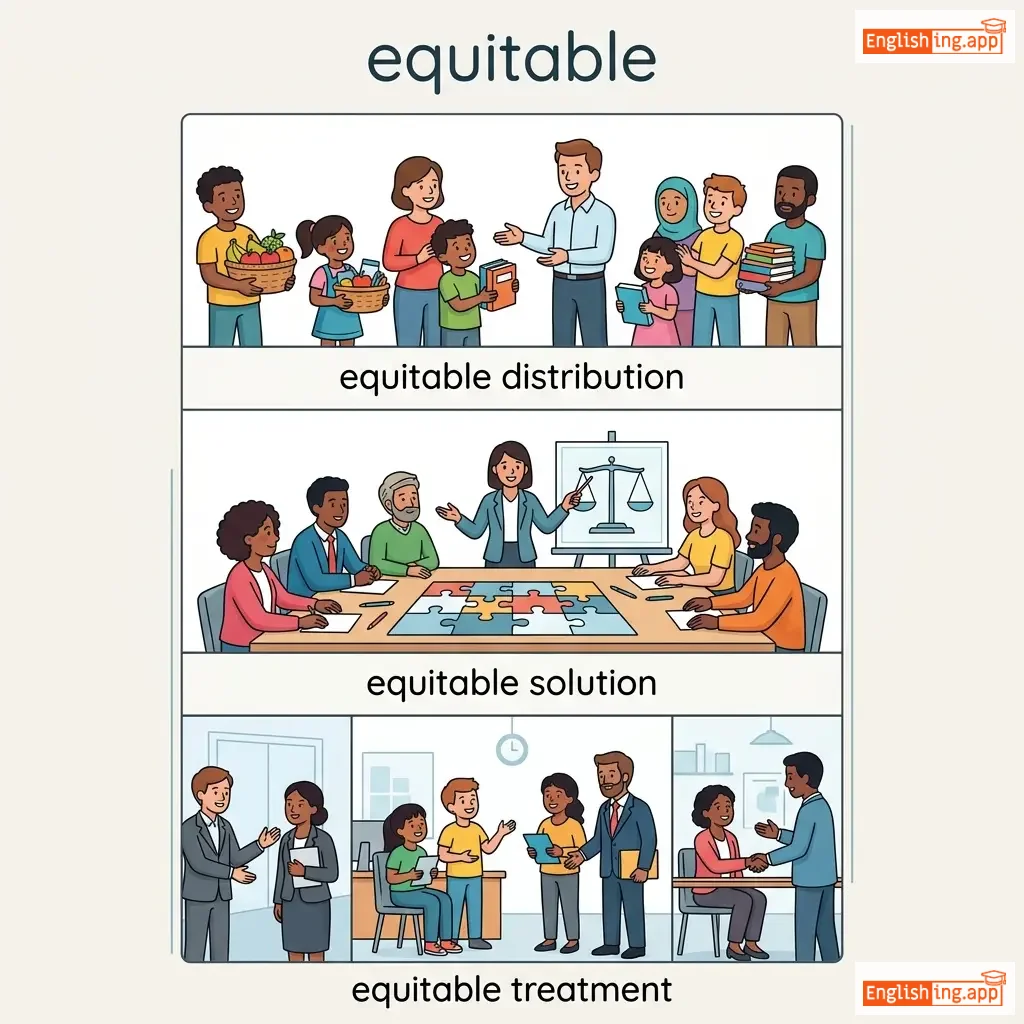
Equitable treatment in parenting fosters a healthy family environment.
親育てにおける公平な扱いは、健康的な家庭環境を育む。
••••••
|
親育てにおける公平な扱いは、健康的な家庭環境を育む。
Oya sodate ni okeru kouhei na atsukai wa, kenkou-teki na katei kankyou o hagukumu.
••••••
|
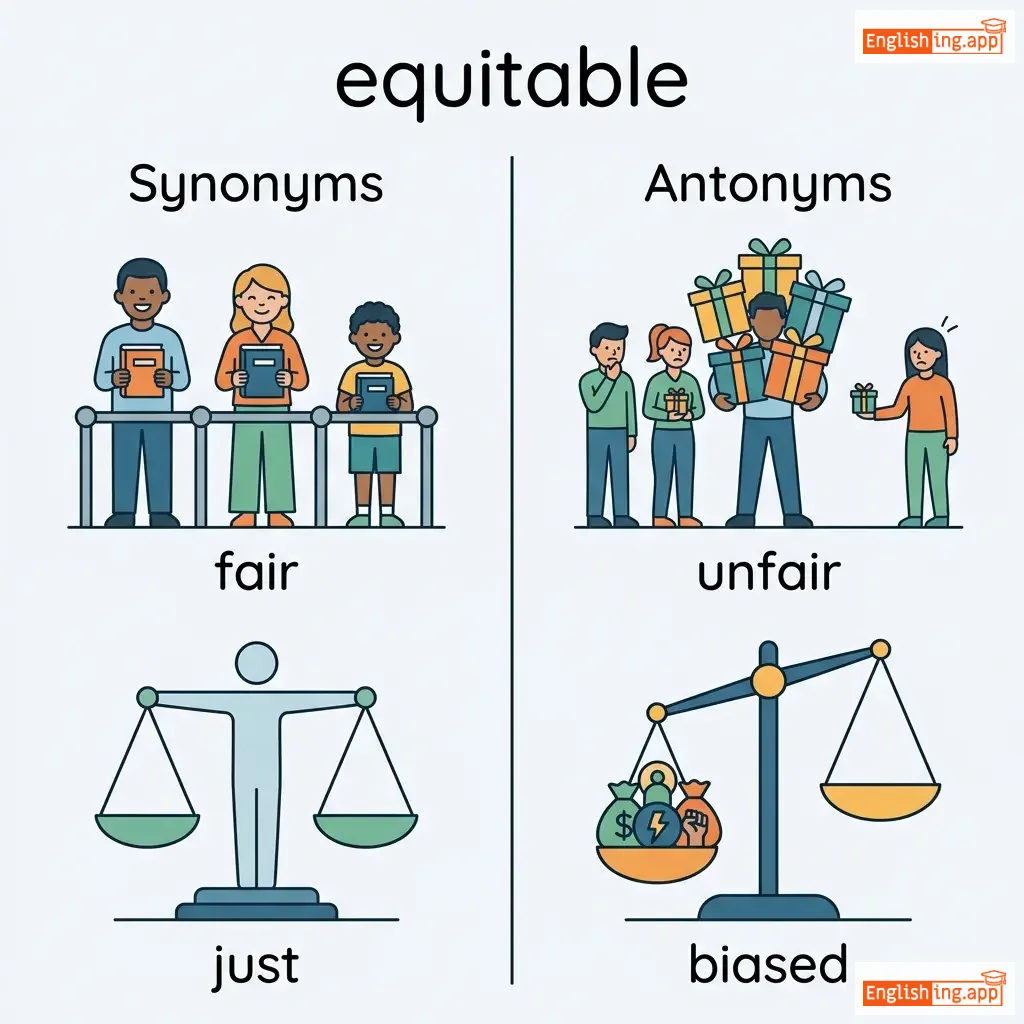
fair, just, impartial
••••••
|
unfair, biased, unequal
••••••
|
公平な家庭 = 健康的な家庭
••••••
|
|
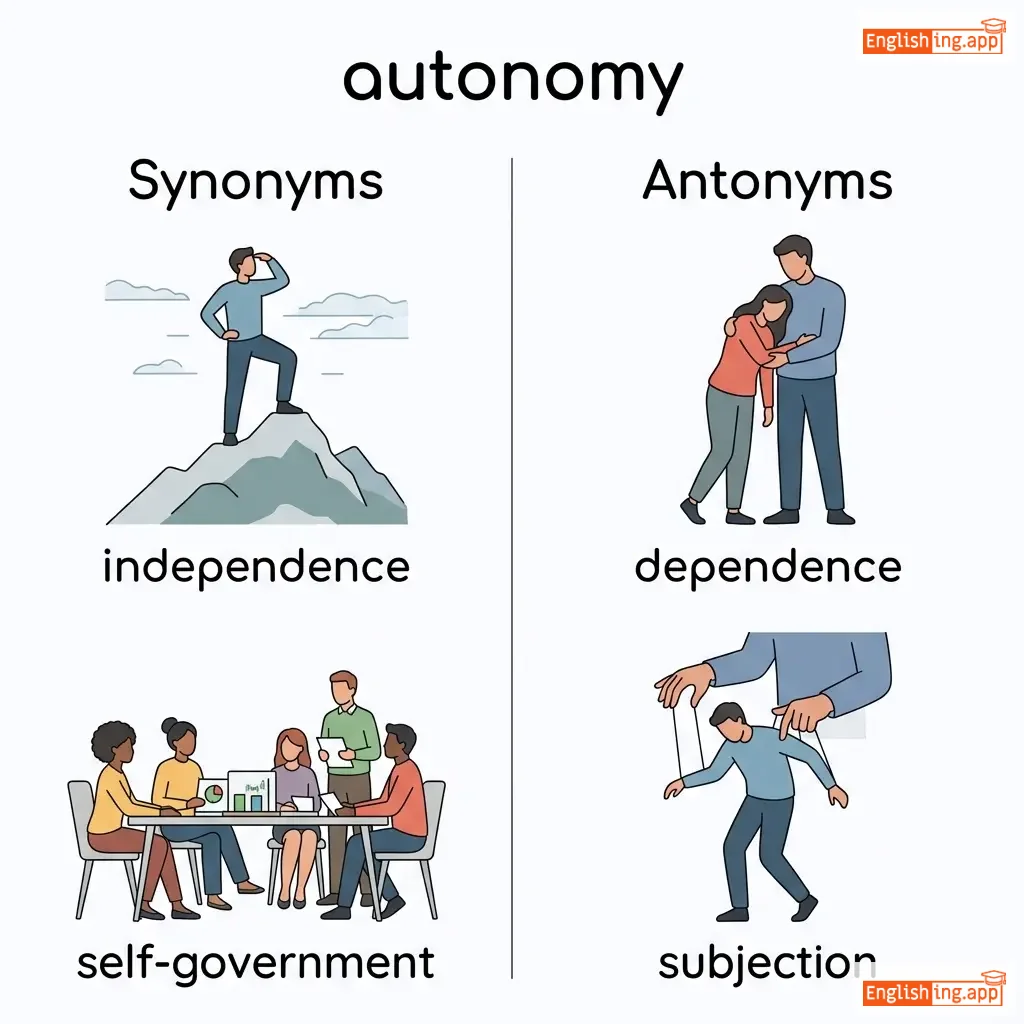
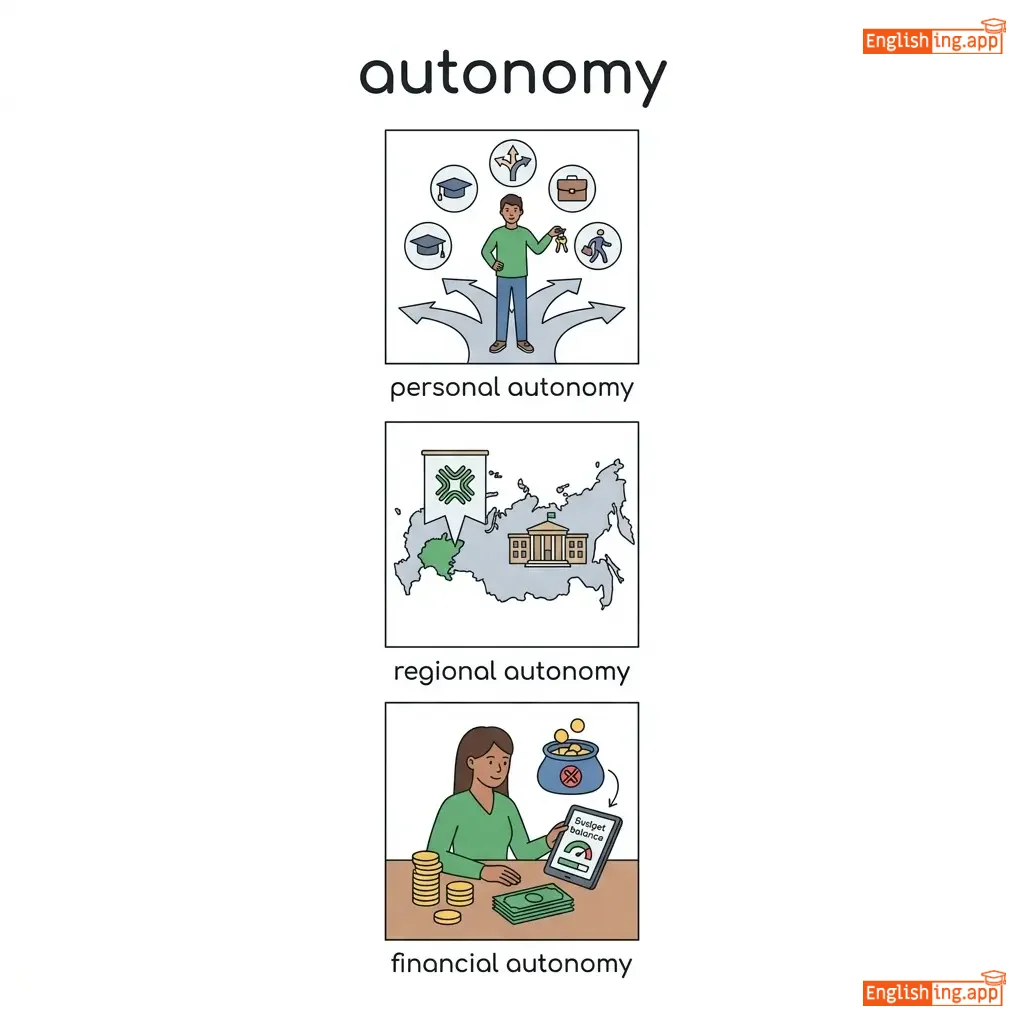
#2726
🗽
|
/ɔːˈtɒn.ə.mi/
noun
(オートノミー)
••••••
|
|
自律
jiritsu
••••••
|
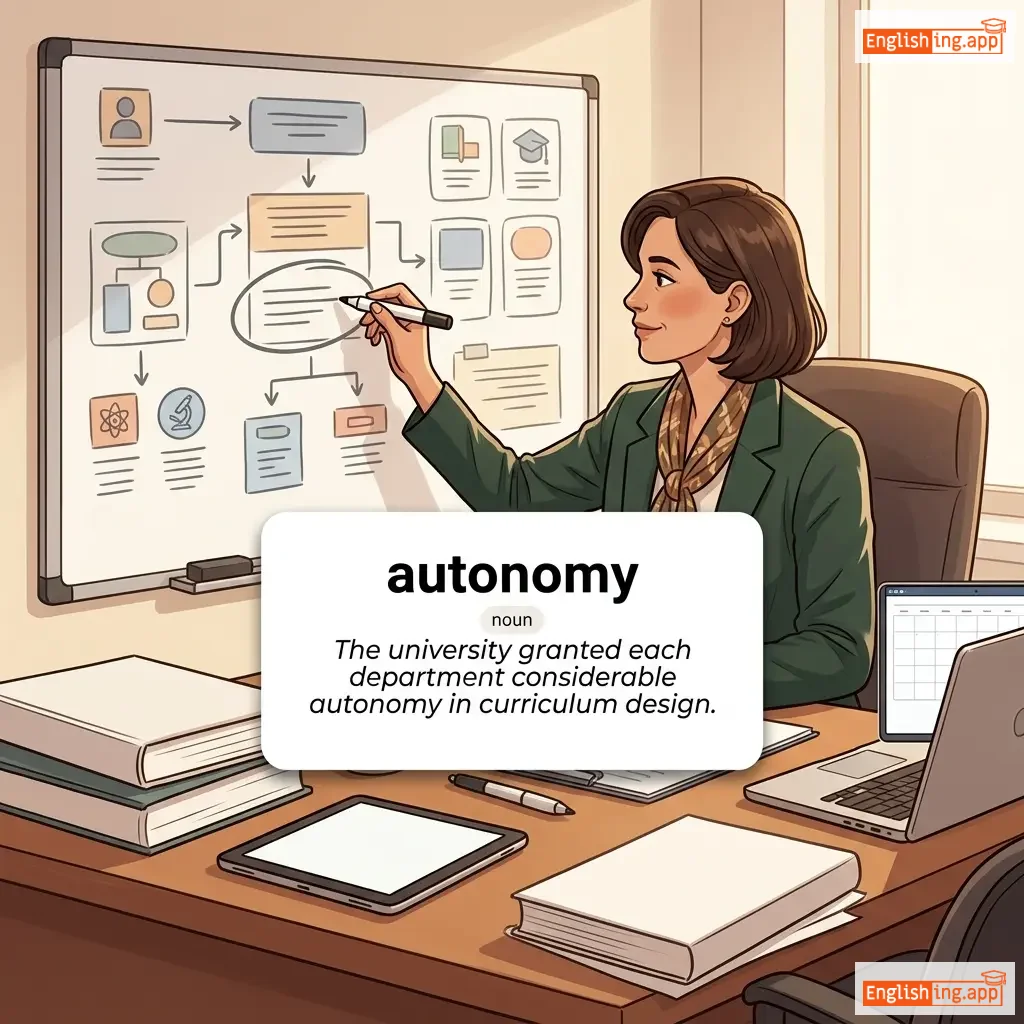
The right or condition of self-government; independence and the ability to make one's own decisions.
••••••
|
Encouraging autonomy in children helps them build confidence. |
子供たちに自律を奨励することは、彼らが自信を持つのを助けます。
Kodomotachi ni jiritsu o shourei suru koto wa, karera ga jishin o motsu no o tasukemasu.
••••••
|
independence, self-governance, freedom
••••••
|
dependence, subordination, restriction
••••••
|
自律は自分の決定をする能力、子供たちが自分で決めるように助けます。
••••••
|
|
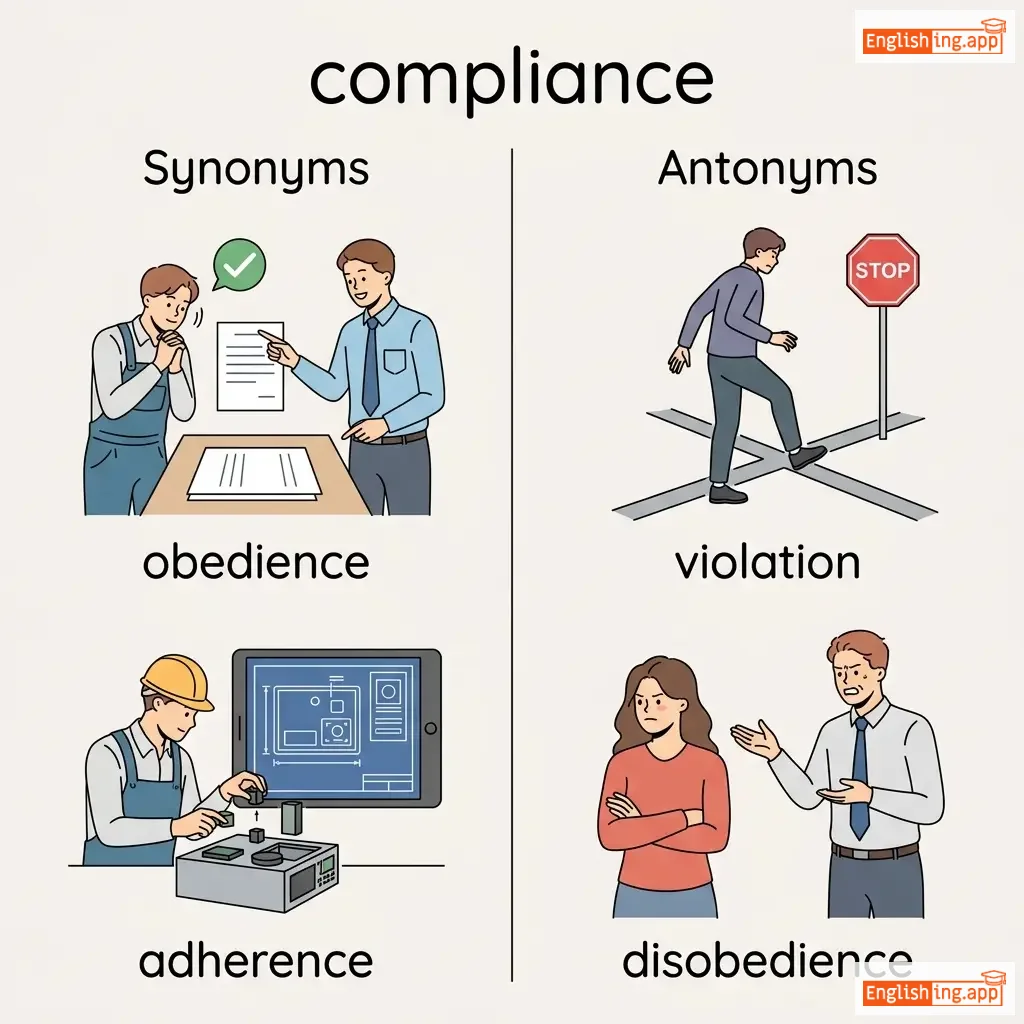
#2727
✅
|
/kəmˈplaɪ.əns/
noun
(コンプライアンス)
••••••
|
|
遵守
junshu
••••••
|
The practice of conforming to rules, regulations, or laws; obedience to orders or instructions.
••••••
|
Schools expect compliance with their rules and policies.
学校は彼らの規則と方針を遵守することを期待しています。
••••••
|
学校は彼らの規則と方針を遵守することを期待しています。
Gakkou wa karera no kisoku to houshin wo junshu suru koto wo kitai shiteimasu.
••••••
|
obedience, adherence, conformity
••••••
|
defiance, resistance, rebellion
••••••
|
遵守とcomplianceは日本語で同じ意味です。
••••••
|
|
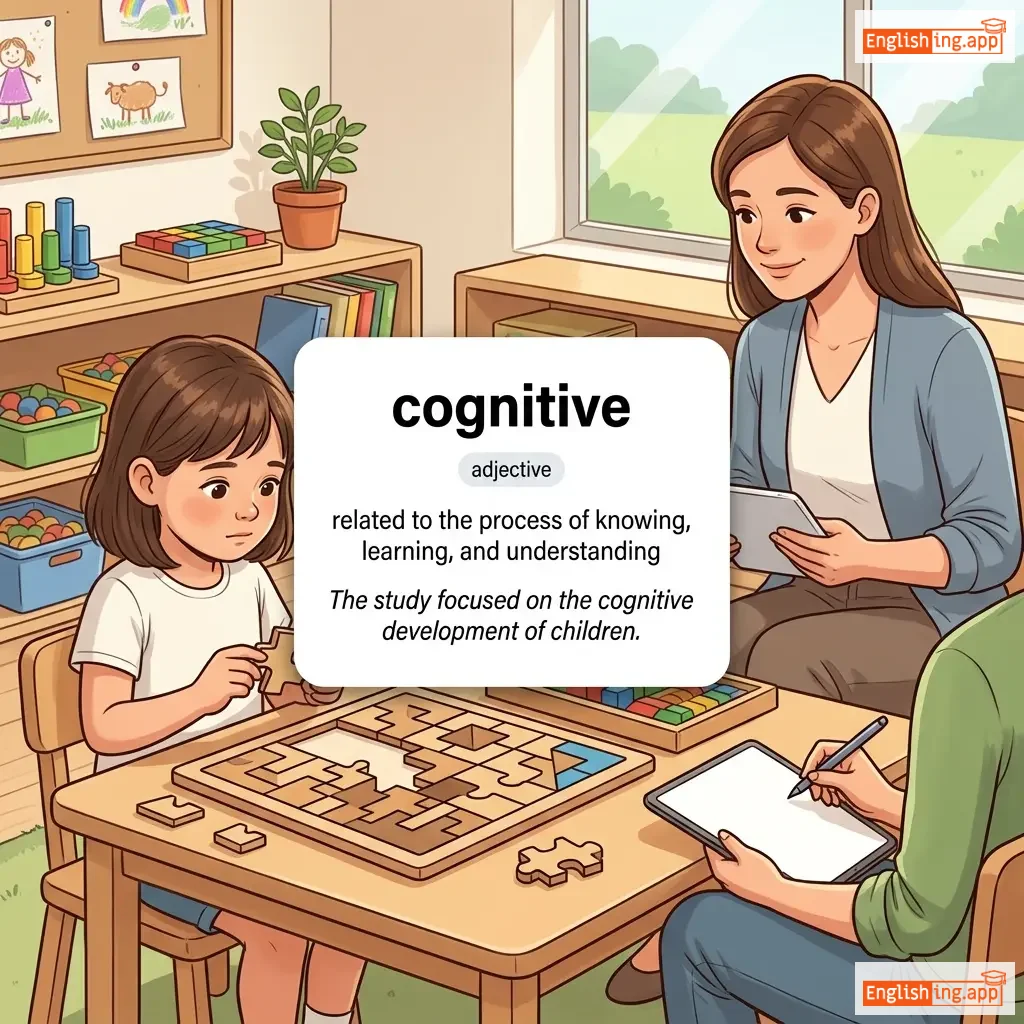
#2728
🧠
|
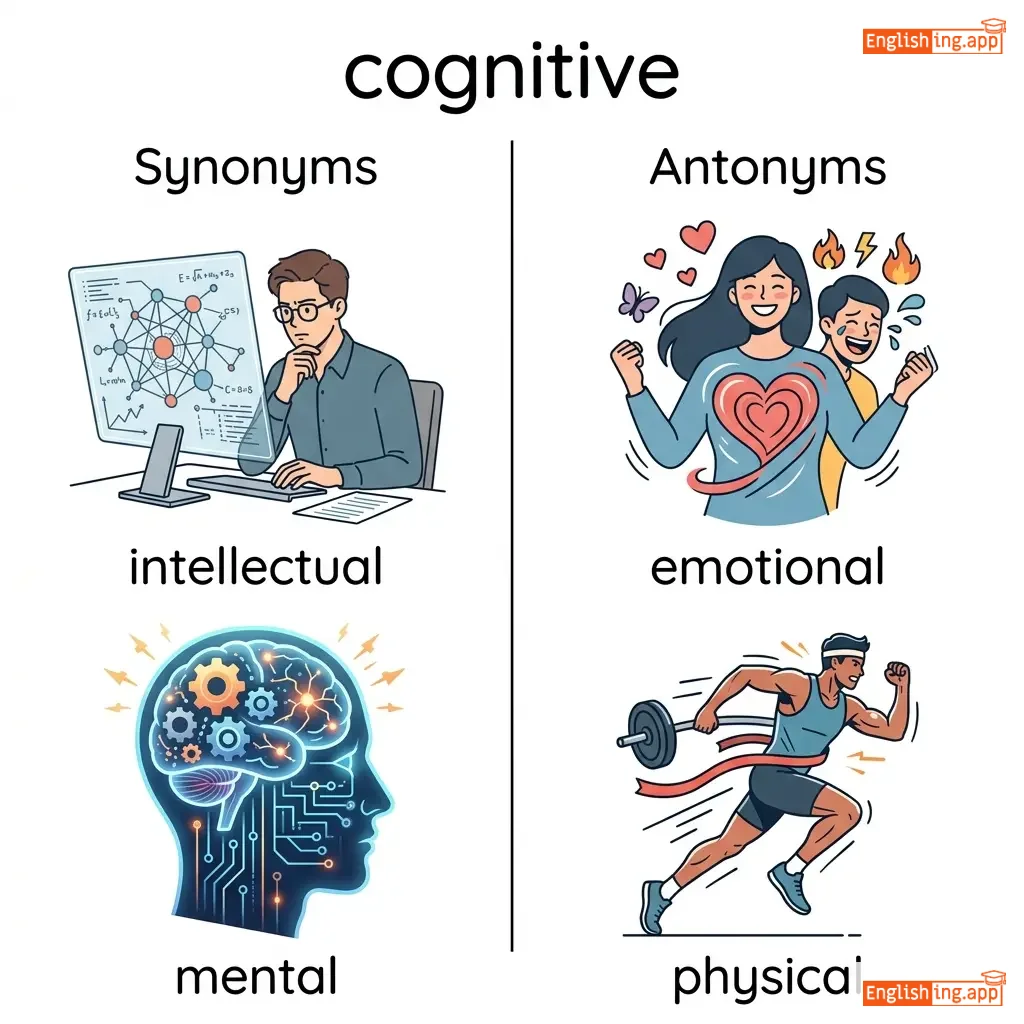
/ˈkɒɡ.nɪ.tɪv/
adjective
(コグニティブ)
••••••
|
|
認知的
ninchi-teki
••••••
|
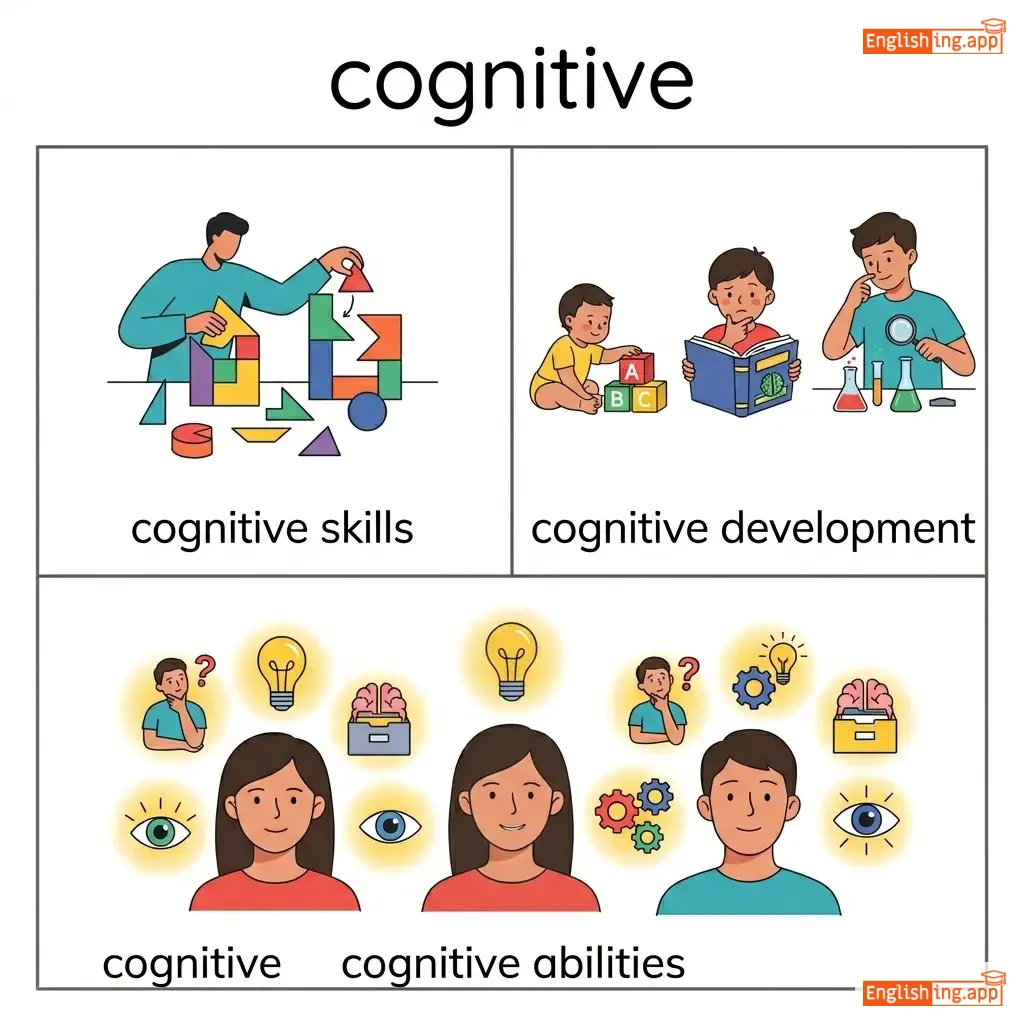
Related to the mental processes of perception, memory, judgment, and reasoning; concerning thinking and understanding.
••••••
|
Reading improves a child's cognitive skills.
読書は子供の認知的スキルを向上させる。
••••••
|
読書は子供の認知的スキルを向上させる。
Dokusho wa kodomo no ninchi-teki sukiru o kōjō saseru.
••••••
|
intellectual, mental, psychological
••••••
|
ignorant, unaware, uninformed
••••••
|
認知的は思考と理解に関連しているプロセスを指す。
••••••
|
|
#2729
🚧
|
/ˈhɪn.drəns/
noun
(hindurensu)
••••••
|
|
障害
shougai
••••••
|
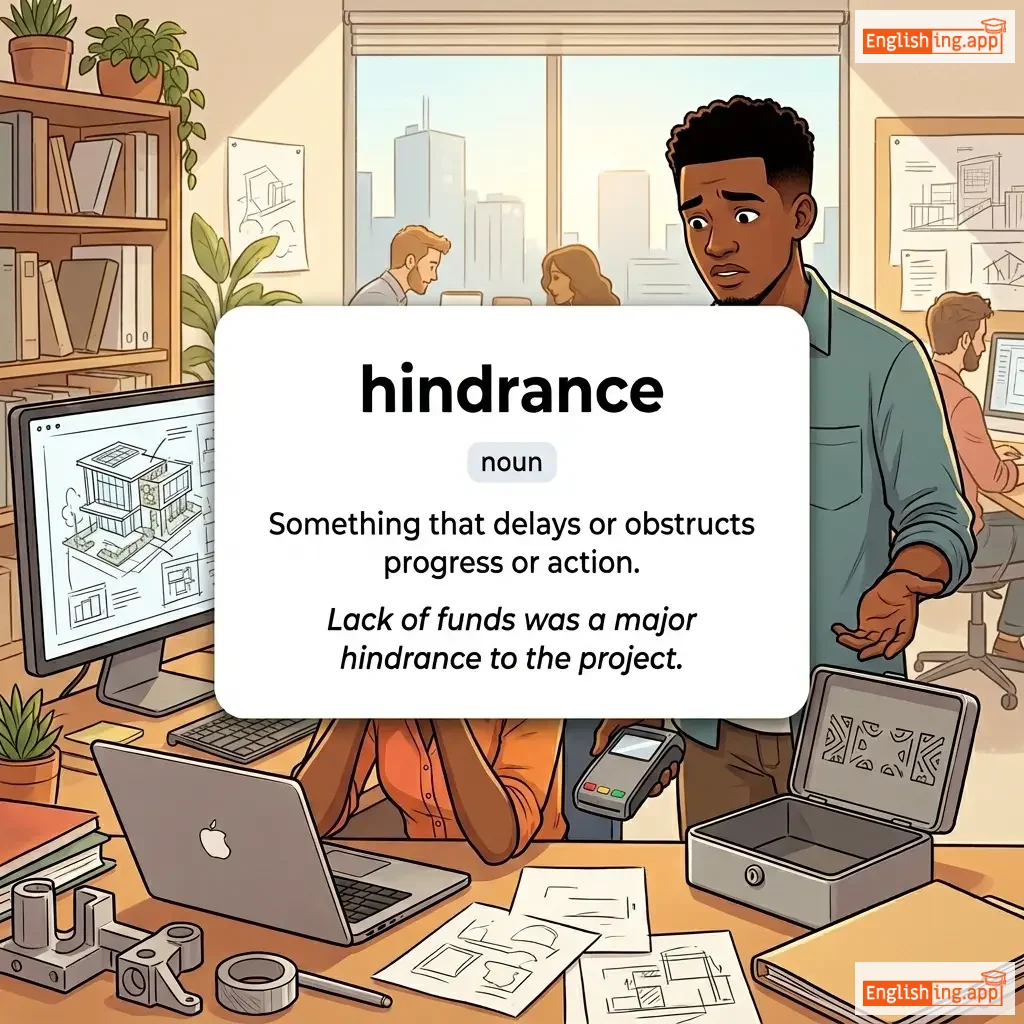
A thing that provides resistance, delay, or obstruction to something or someone; an impediment.
••••••
|
Lack of resources is a major hindrance to education. |
リソースの不足は教育に対する大きな障害です。
Risōsu no fusoku wa kyōiku ni taisuru ōkina shōgai desu.
••••••
|
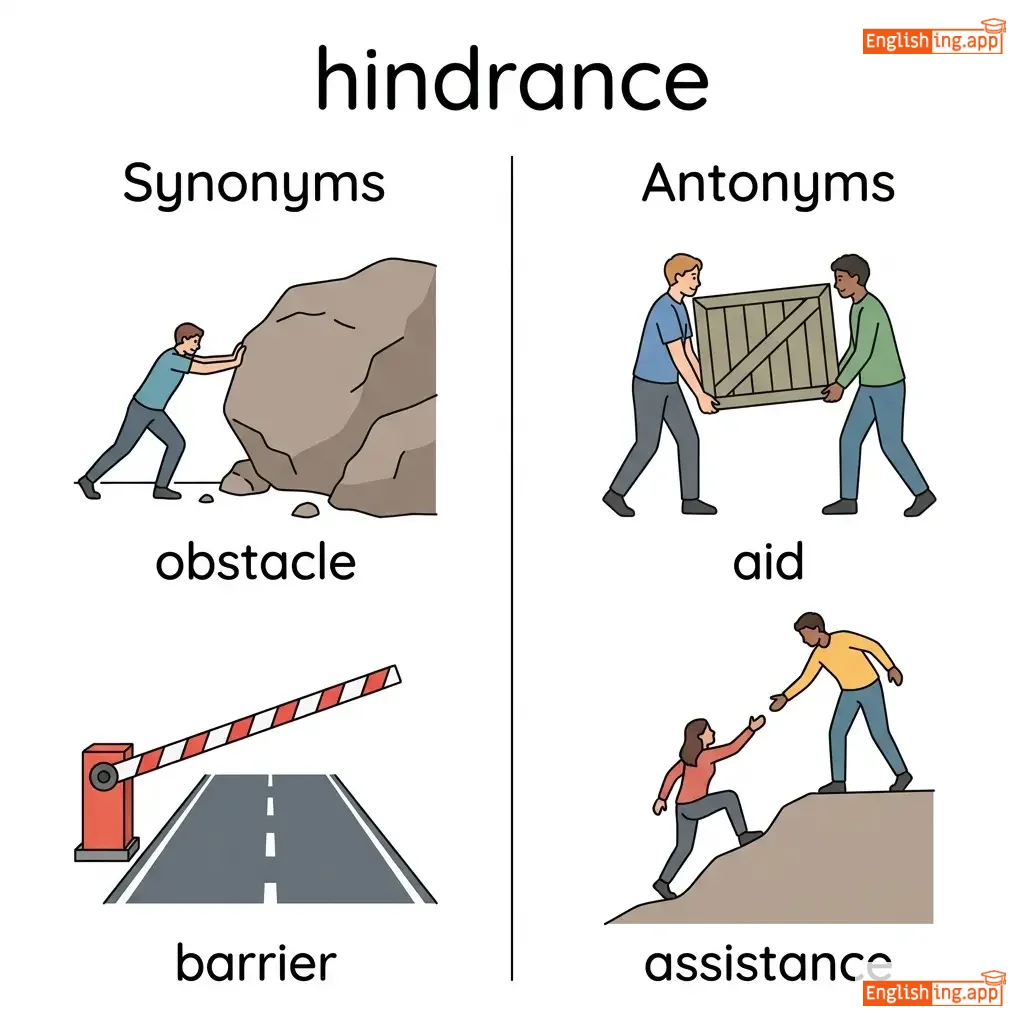
obstacle, impediment, barrier
••••••
|
aid, assistance, facilitation
••••••
|
障害 - 進行を妨げるもの、教育におけるリソース不足のように。
••••••
|
|
#2730
💎
|
/ɪnˈtrɪn.zɪk/
adjective
(イントリンシック)
••••••
|
|
内在的な
naizai teki na
••••••
|
Belonging naturally; essential; inherent in the nature of something rather than coming from external factors.
••••••
|
A child's intrinsic curiosity drives them to learn.
子供の内在的な好奇心が学ぶことに駆り立てます。
••••••
|
子供の内在的な好奇心が学ぶことに駆り立てます。
Kodomo no naizai teki na koukishin ga manabu koto ni karitate masu.
••••••
|
inherent, essential, fundamental
••••••
|
extrinsic, superficial, external
••••••
|
内在的な好奇心は内側から来る。
••••••
|
|
#2731
⚖️
|
/dɪˈspær.ə.ti/
noun
(ディスパリティ)
••••••
|
|
格差
kakusa
••••••
|
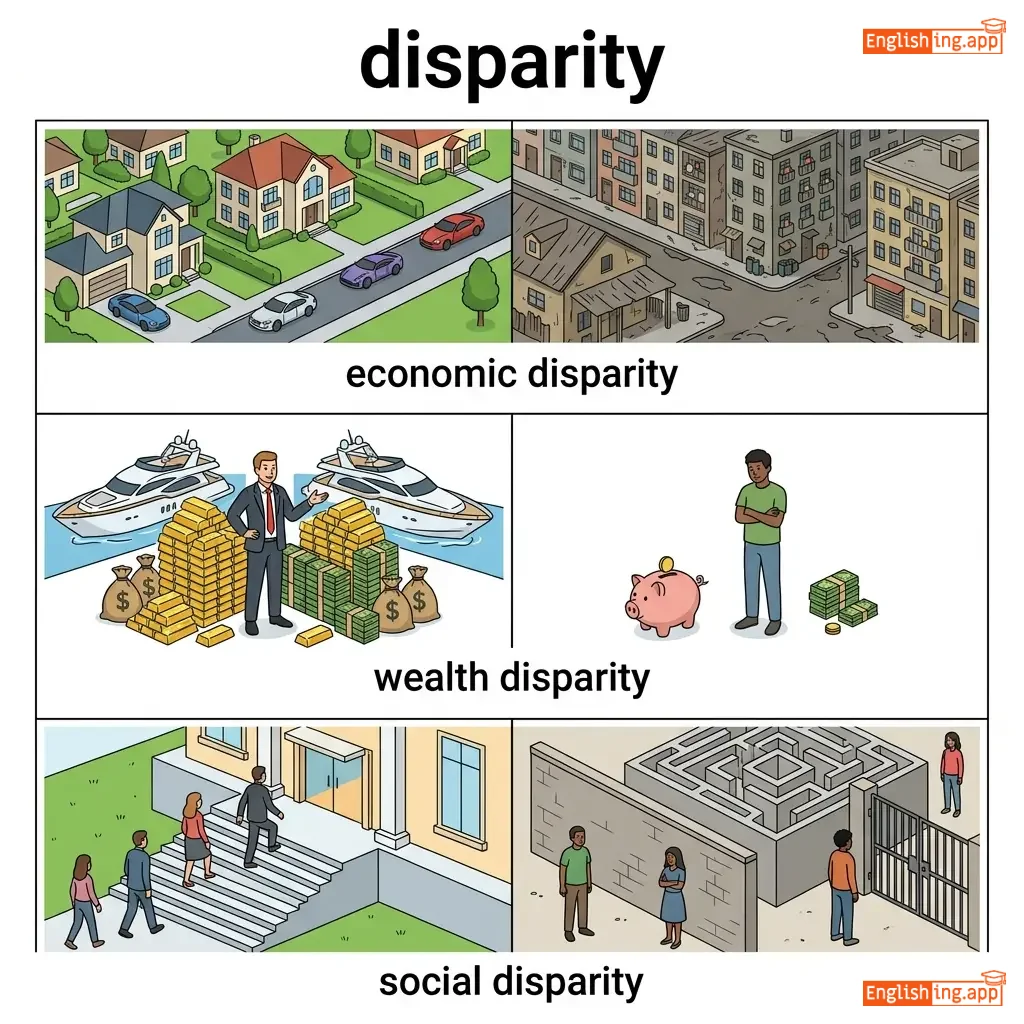
A great difference or inequality; lack of equality or similarity between things being compared.
••••••
|
The disparity in wealth distribution is a major global issue. |
富の分配における格差は重大な地球規模の問題です。
Tomi no bunpai ni okeru kakusa wa jūdaina chikyū-kibo no mondai desu.
••••••
|
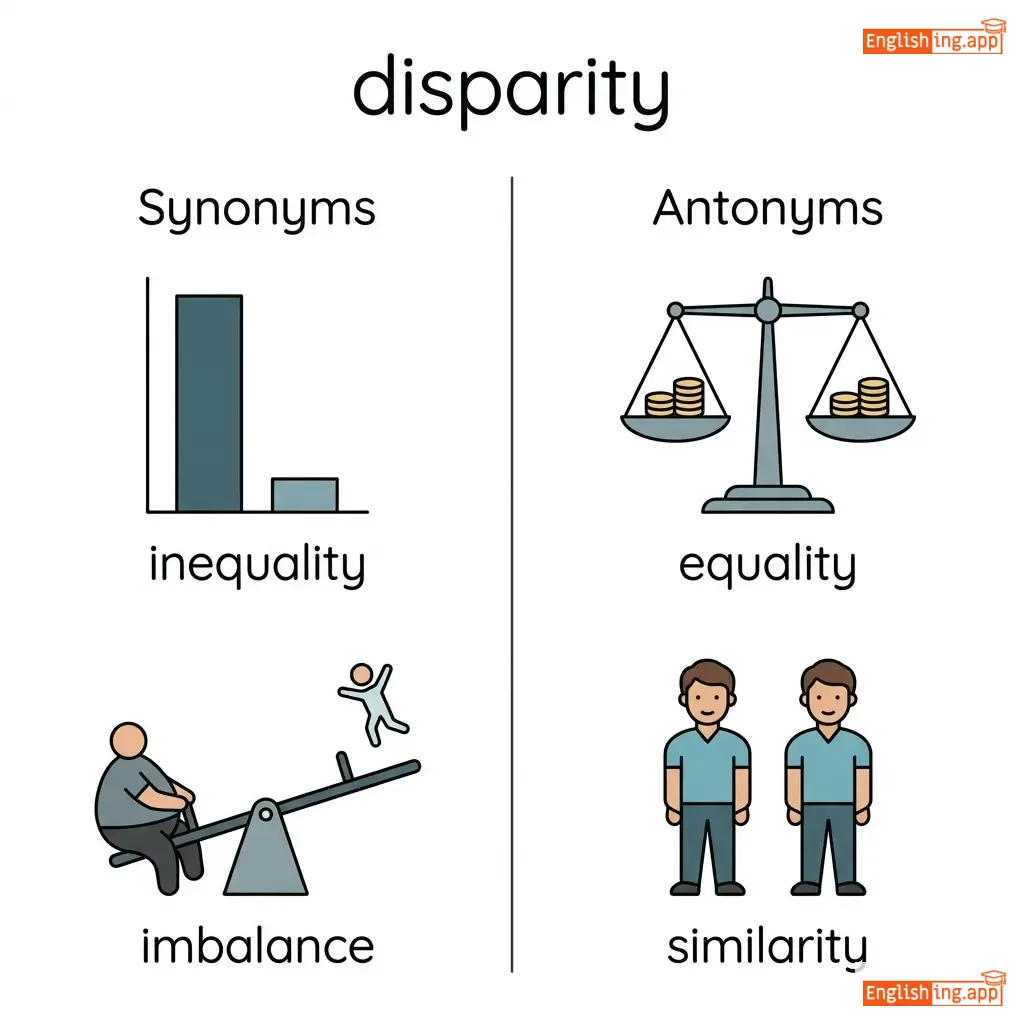
inequality, difference, imbalance
••••••
|
equality, similarity, parity
••••••
|
富の格差を埋めるには時間がかかる。
••••••
|
|
#2732
😤
|
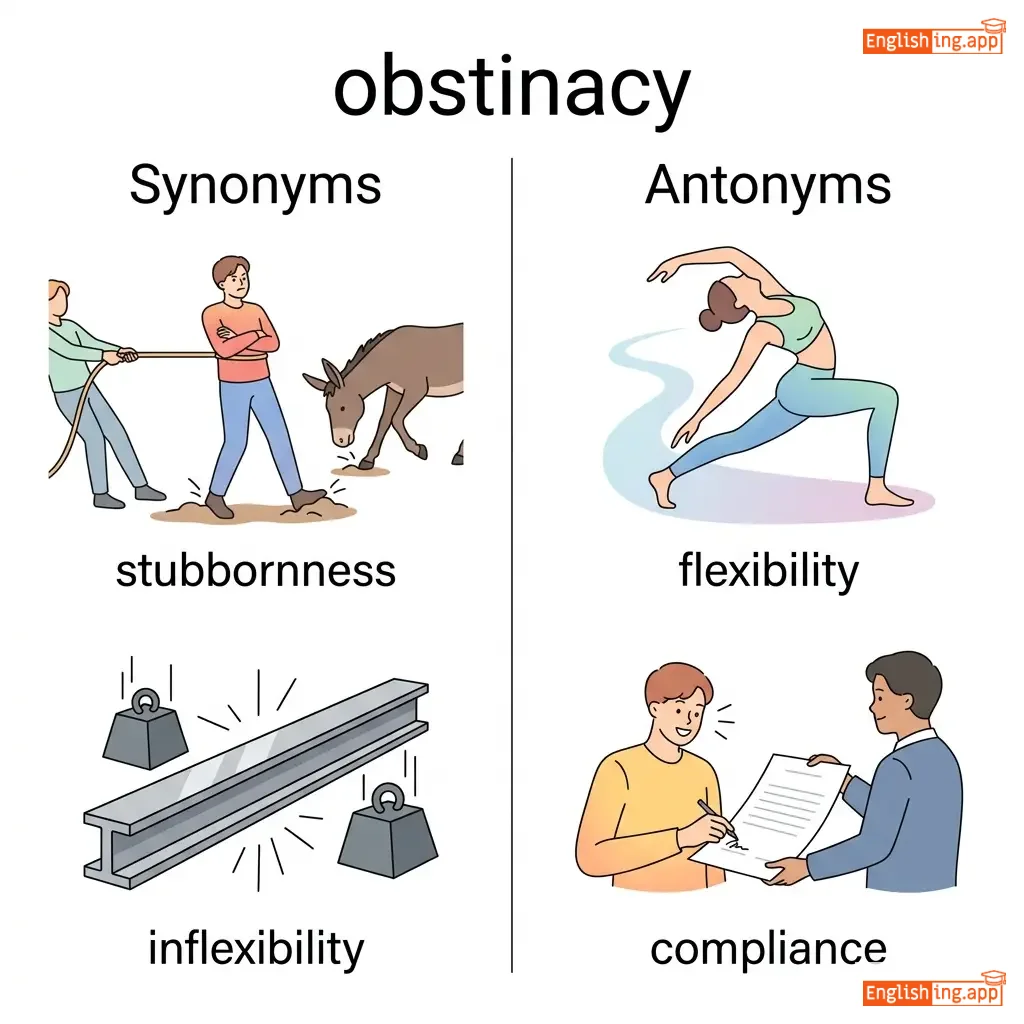
/ˈɒb.stɪ.nə.si/
noun
(obusutinet)
••••••
|
|
頑固
ganko
••••••
|
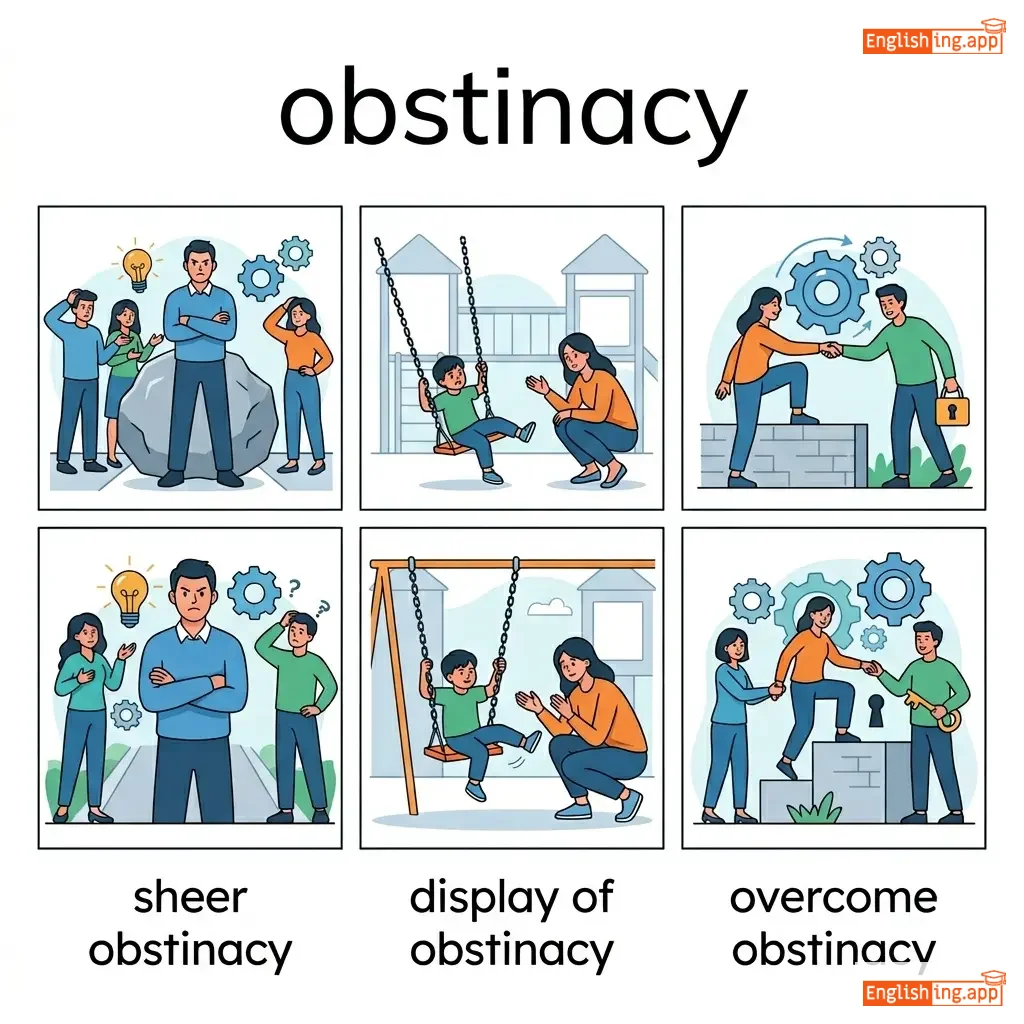
Stubborn refusal to change one's opinion or chosen course of action, despite attempts to persuade one to do so.
••••••
|
His obstinacy made negotiations difficult.
His obstinacy made negotiations difficult.
••••••
|
彼の頑固さは交渉を難しくしました。
Kare no ganko-sa wa kōshō o muzukashiku shimashita.
••••••
|
stubbornness, inflexibility, tenacity
••••••
|
flexibility, open-mindedness, compliance
••••••
|
頑固:頑固に自分の意見を貫く。
••••••
|
|
#2733
🔄
|
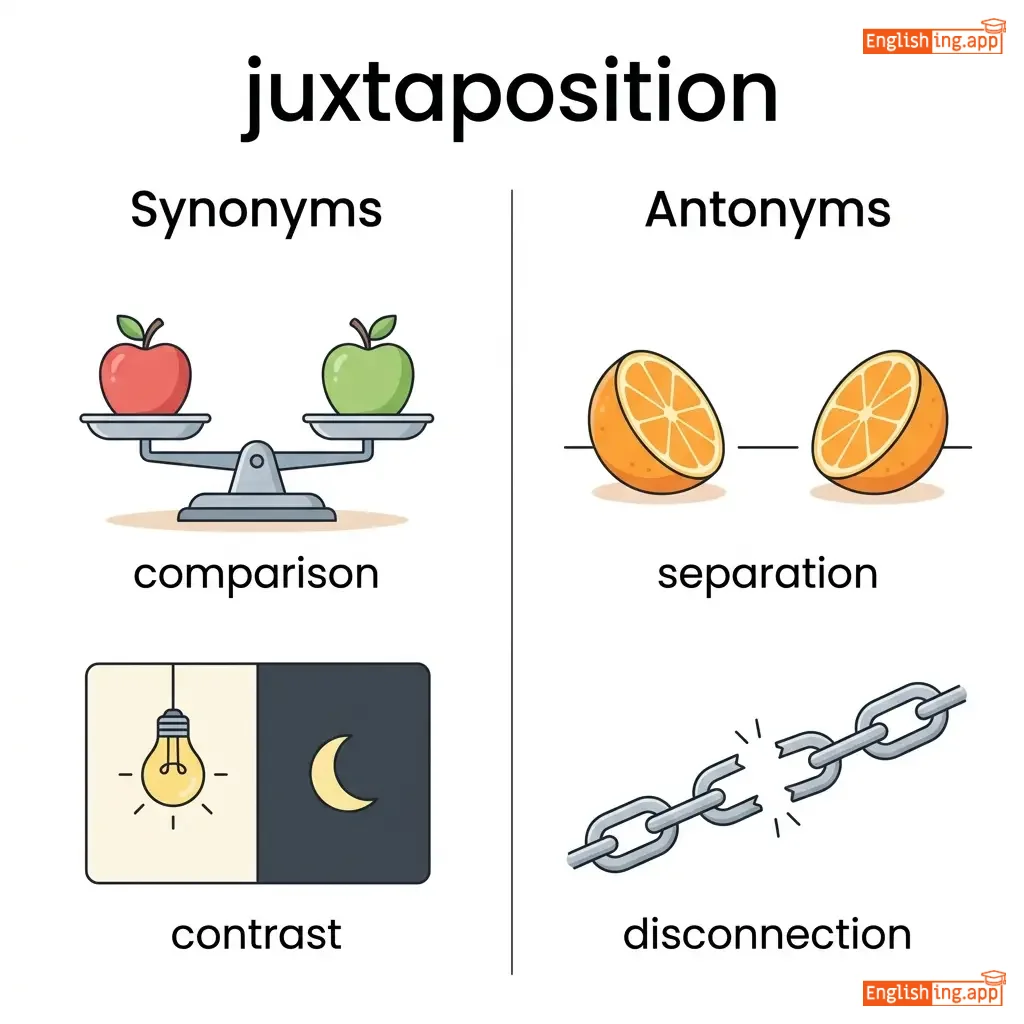
/ˌdʒʌk.stə.pəˈzɪʃ.ən/
noun
(ジャクスタポジション)
••••••
|
|
並列
ヘイレツ
••••••
|
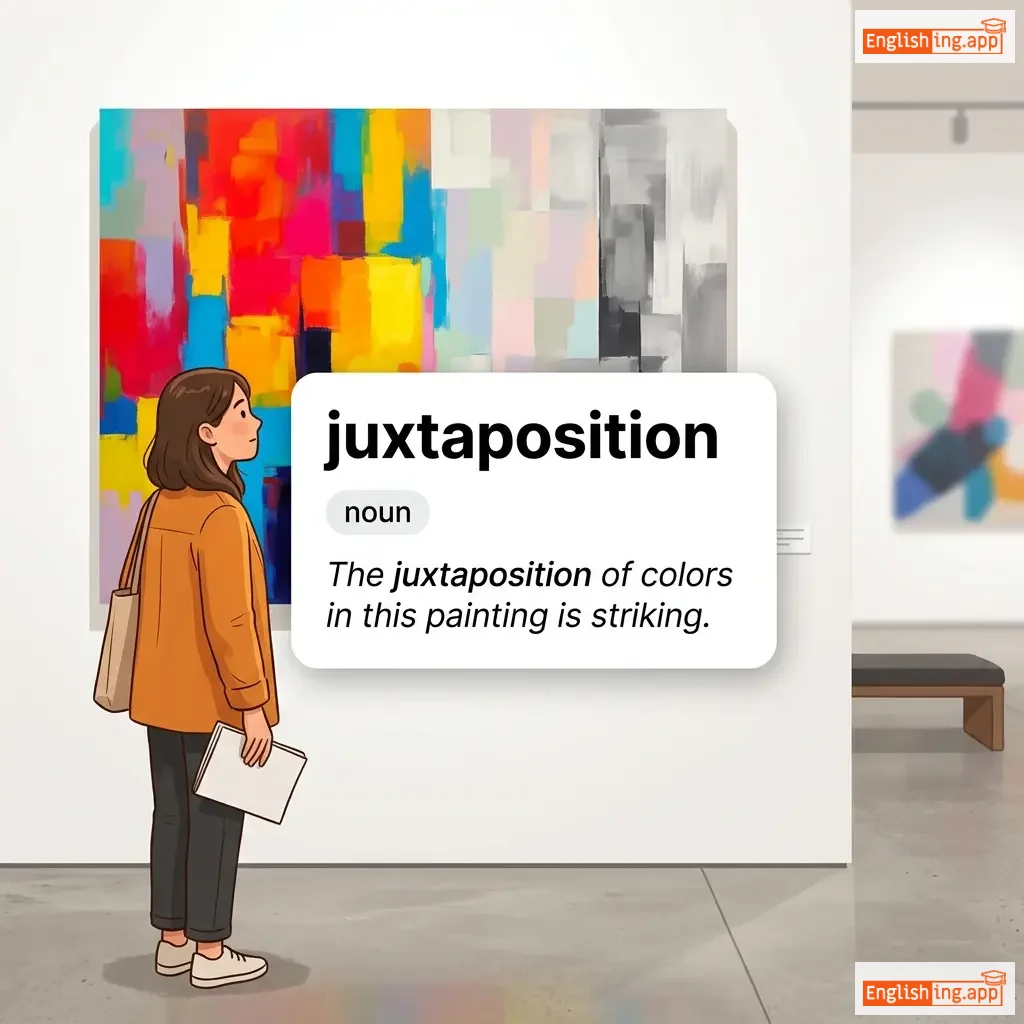
The fact of two things being seen or placed close together with contrasting effect; side-by-side comparison.
••••••
|
The juxtaposition of modern and traditional architecture was striking. |
現代的な建築と伝統的な建築の並列は衝撃的でした。
Gendai-tekina kenchiku to dentō-tekina kenchiku no heiretsu wa shōgeki-tekideshita.
••••••
|
comparison, contrast, alignment
••••••
|
separation, disconnection, isolation
••••••
|
並列は、異なる要素が一緒に並んでいることで、相対的に異なる特徴を引き出します。
••••••
|
|
#2734
🌱
|
/ˈfɒs.tər.ɪŋ/
noun/verb
(fostering)
••••••
|
|
育成
ikusei
••••••
|
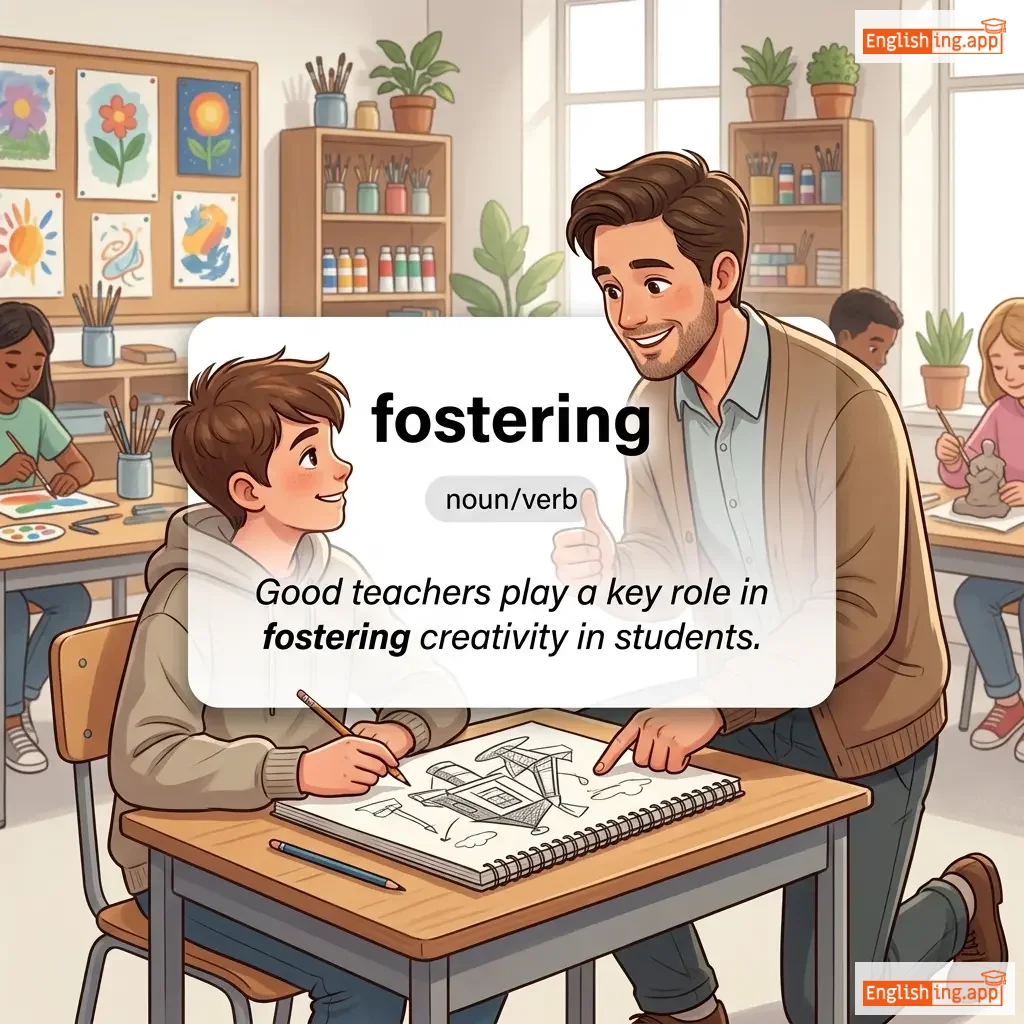
The process of encouraging or promoting the development or growth of something; nurturing and caring for.
••••••
|
Good teachers play a key role in fostering creativity in students.
良い教師は学生の創造性を育む上で重要な役割を果たします。
••••••
|
良い教師は学生の創造性を育む上で重要な役割を果たします。
Yoi kyoushi wa gakusei no souzousei o hagukumu ue de juuyou na yakuwari o hatashimasu.
••••••
|
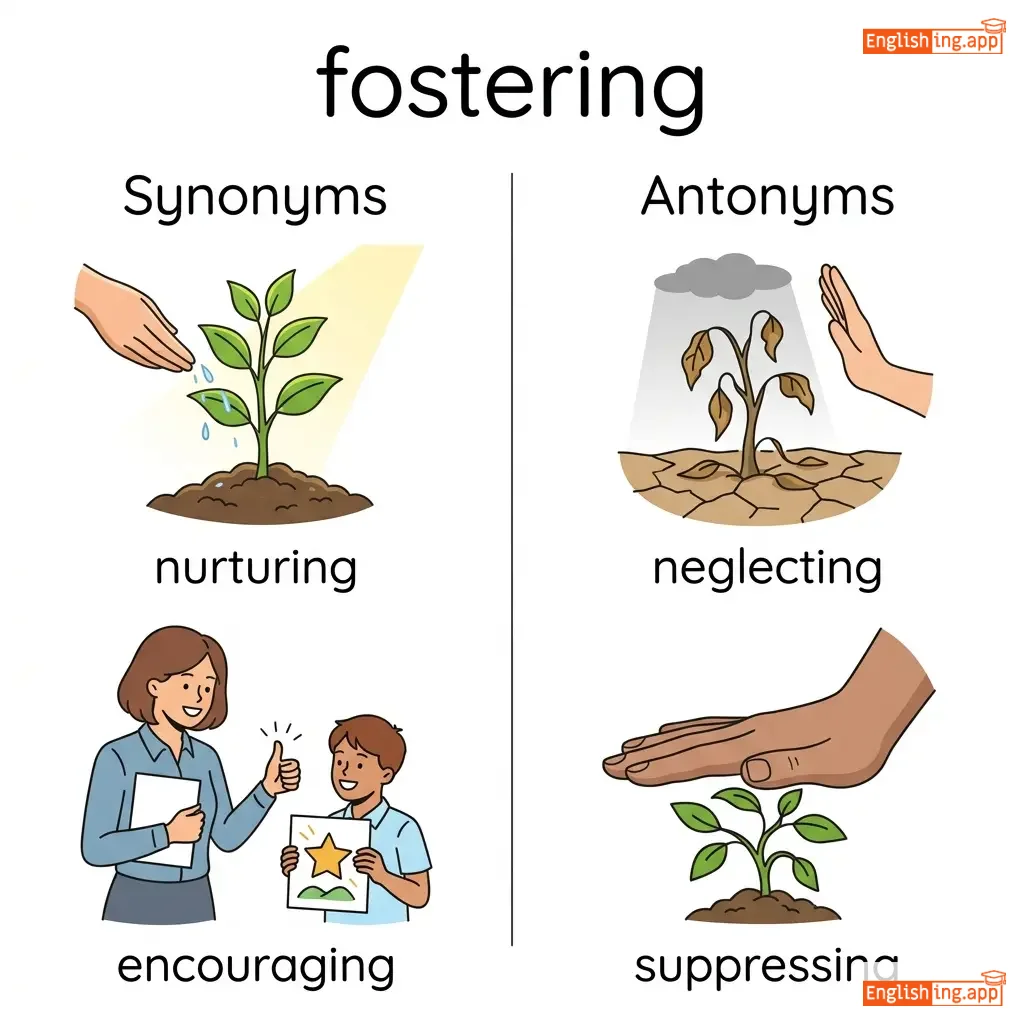
nurturing, encouraging, promoting
••••••
|
neglecting, suppressing, hindering
••••••
|
創造性を育むことは、成長を促進し育てることです。
••••••
|
|
#2735
🦋
|
/ˌmɛt.əˈmɔːr.fə.sɪs/
noun
(メタモルフォーシス)
••••••
|
|
変態
hentai
••••••
|
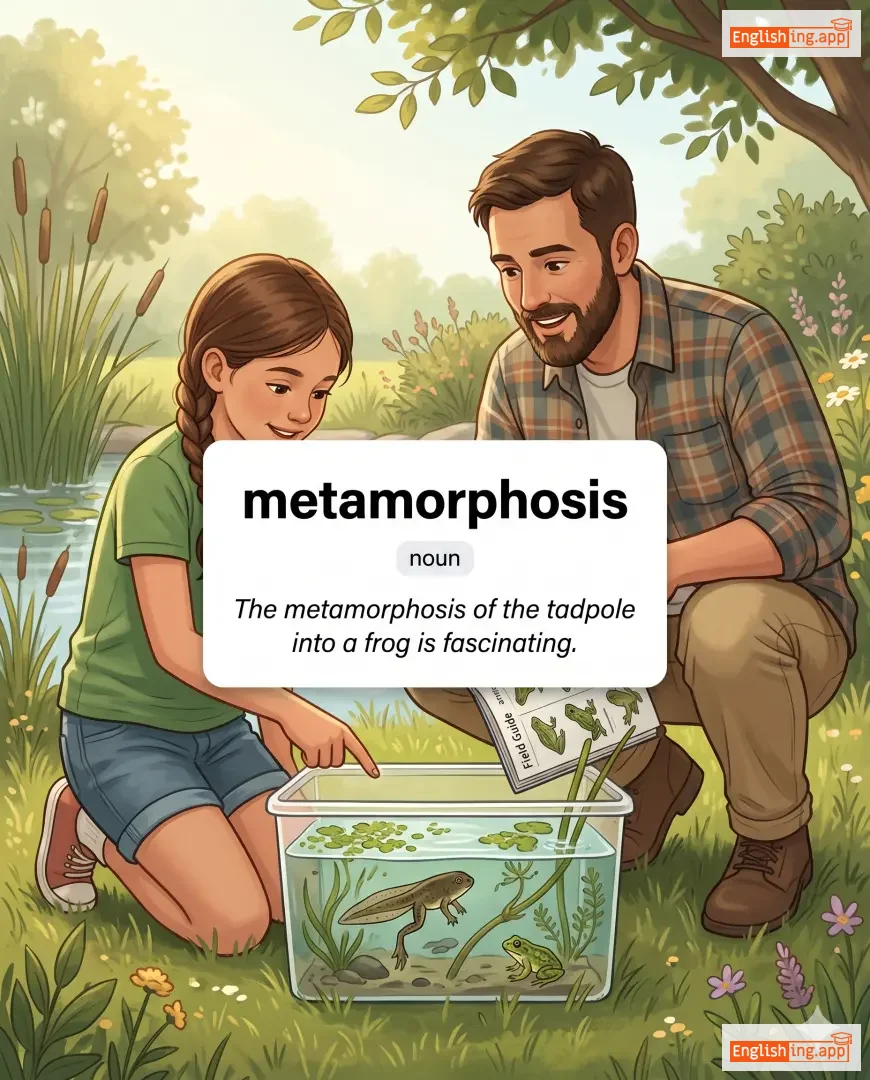
A change of the form or nature of a thing or person into a completely different one; transformation.
••••••
|
The caterpillar undergoes metamorphosis to become a butterfly.
イモムシはチョウになるためにメタモルフォーシスを経る。
••••••
|
イモムシはチョウになるために変態を経る。
imomushi wa chou ni naru tame ni hentai o heru
••••••
|
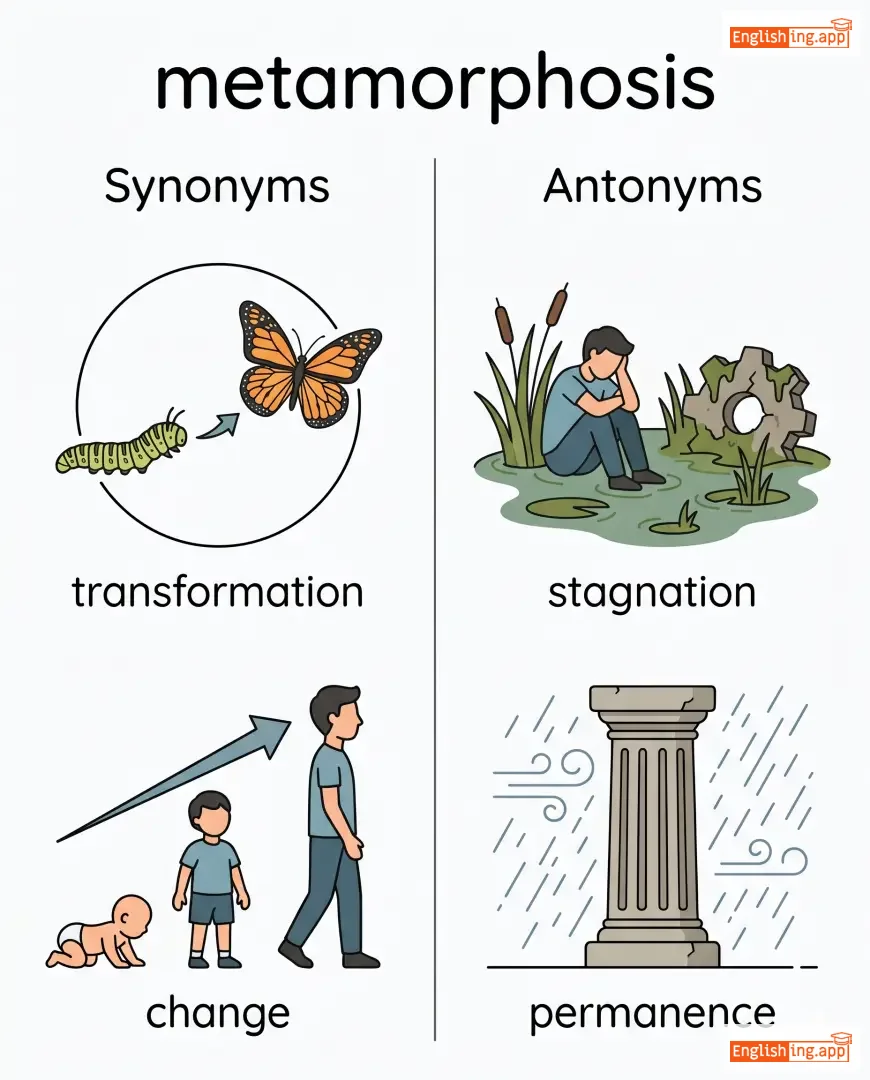
transformation, evolution, change
••••••
|
stagnation, stability, consistency
••••••
|
‘Hentai’ in biology means metamorphosis – a total transformation!
••••••
|
|
#2736
📚
|
/ˌpɛd.əˈɡɒdʒ.ɪ.kəl/
adjective
(教育的)
••••••
|
|
教育的
kyōikuteki
••••••
|
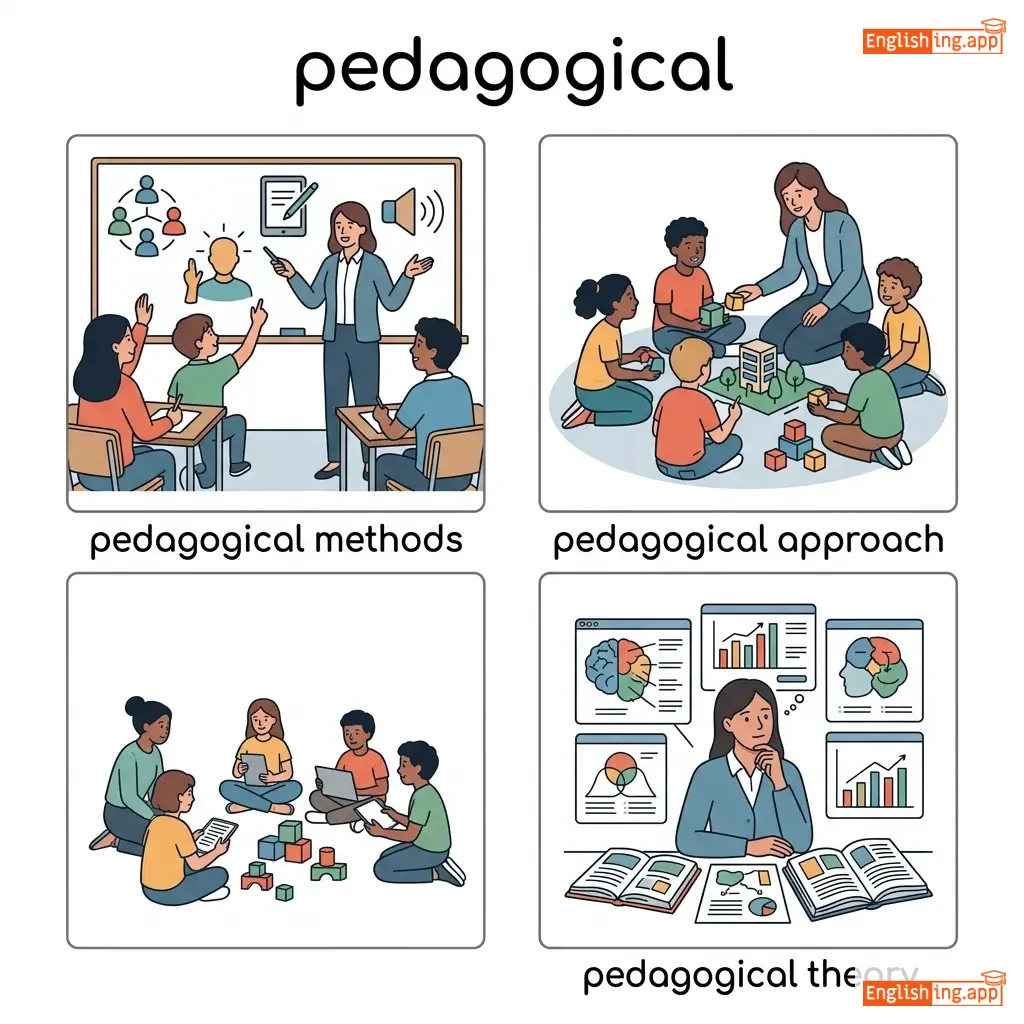
Relating to teaching and education; concerned with the methods and practice of teaching.
••••••
|
The school adopted new pedagogical techniques to improve learning. |
学校は学習を改善するために新しい教育的技術を採用しました。
Gakkō wa gakushū o kaizen suru tame ni atarashī kyōikuteki gijutsu o saiyō shimashita.
••••••
|
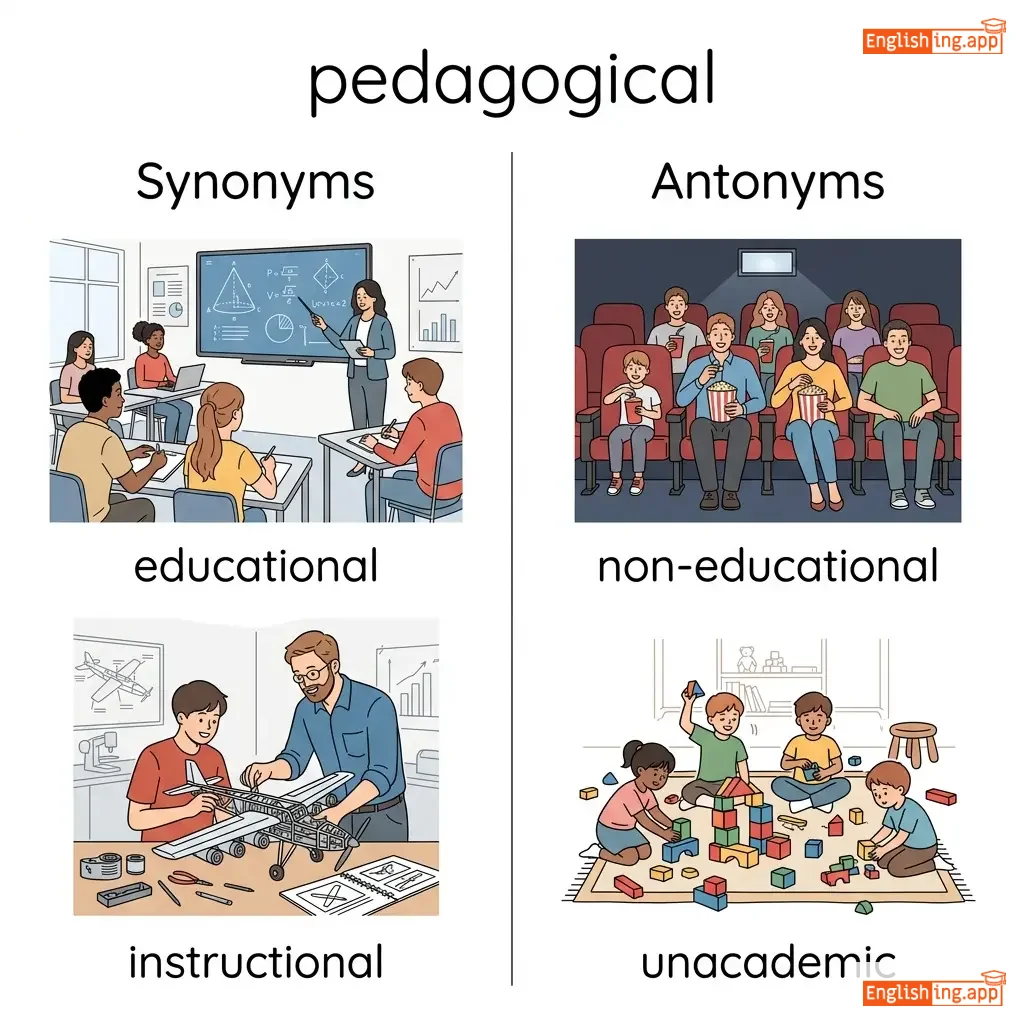
educational, instructional, teaching-related
••••••
|
uneducational, uninstructive, non-academic
••••••
|
教育的な方法で新しい技術を使って教えること。
••••••
|
|
#2737
🔊
|
/ˈrɛz.ə.nəns/
noun
(rezonansu)
••••••
|
|
共鳴
kyōmei
••••••
|
The quality of being deep, full, and reverberating; a deep and continuing impact or effect.
••••••
|
His speech had a strong resonance with the audience.
彼のスピーチは聴衆に強い共鳴を与えた。
••••••
|
彼のスピーチは聴衆に強い共鳴を与えた。
Kare no supīchi wa chōshū ni tsuyoi kyōmei o ataeta.
••••••
|
reverberation, echo, impact
••••••
|
dissonance, insignificance, weakness
••••••
|
共鳴は深い反響
••••••
|
Vocabulary Quiz
Test your vocabulary by matching words with their translations or meanings.
Login to take the quiz
Comments (0)
Share your thoughts and join the discussion.
Join the discussion by logging in
Login to CommentNo comments yet
Be the first to share your thoughts!