

キャンプ冒険のための安全のヒント
Safety Tips for Camping Adventures
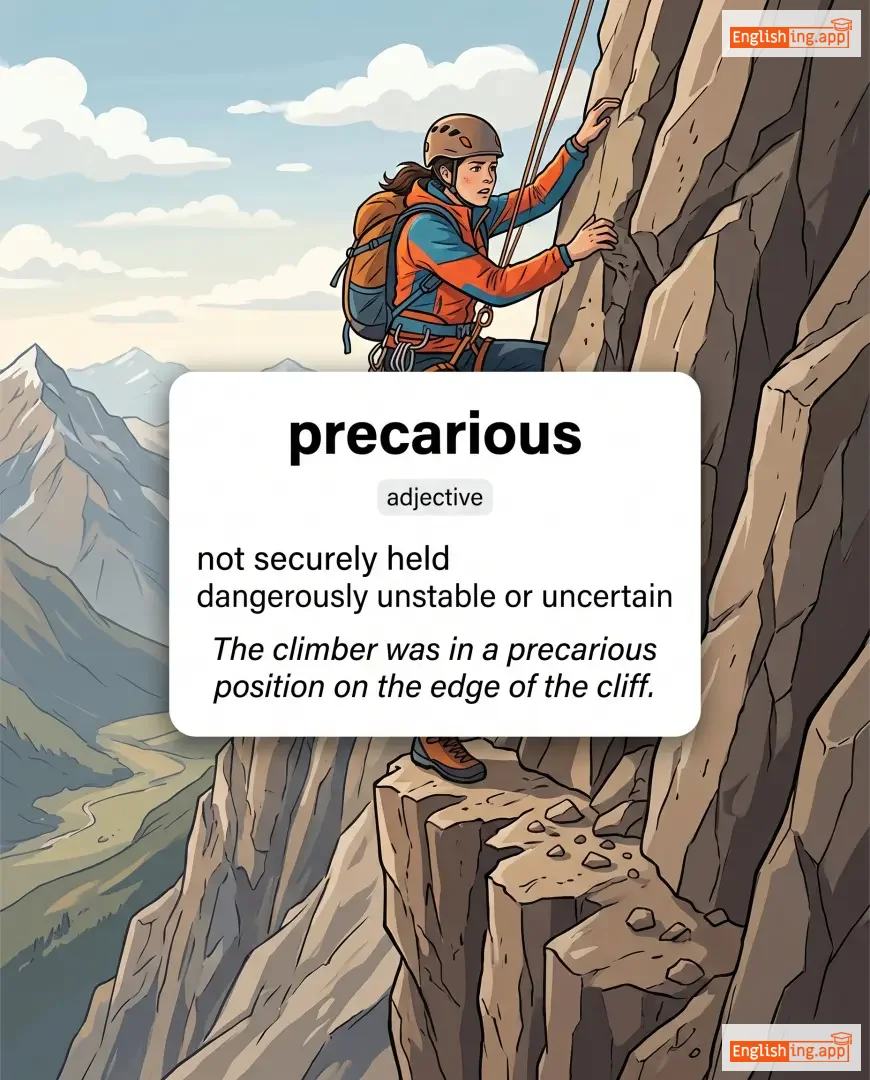
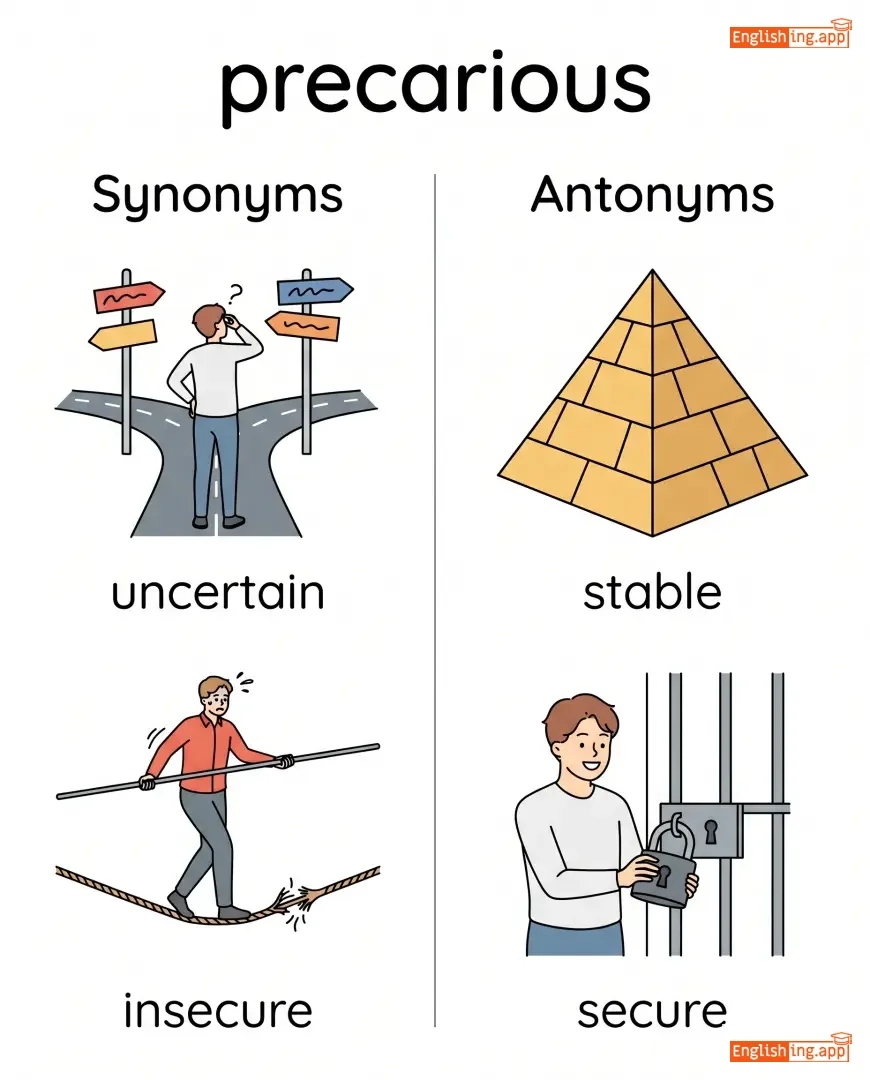
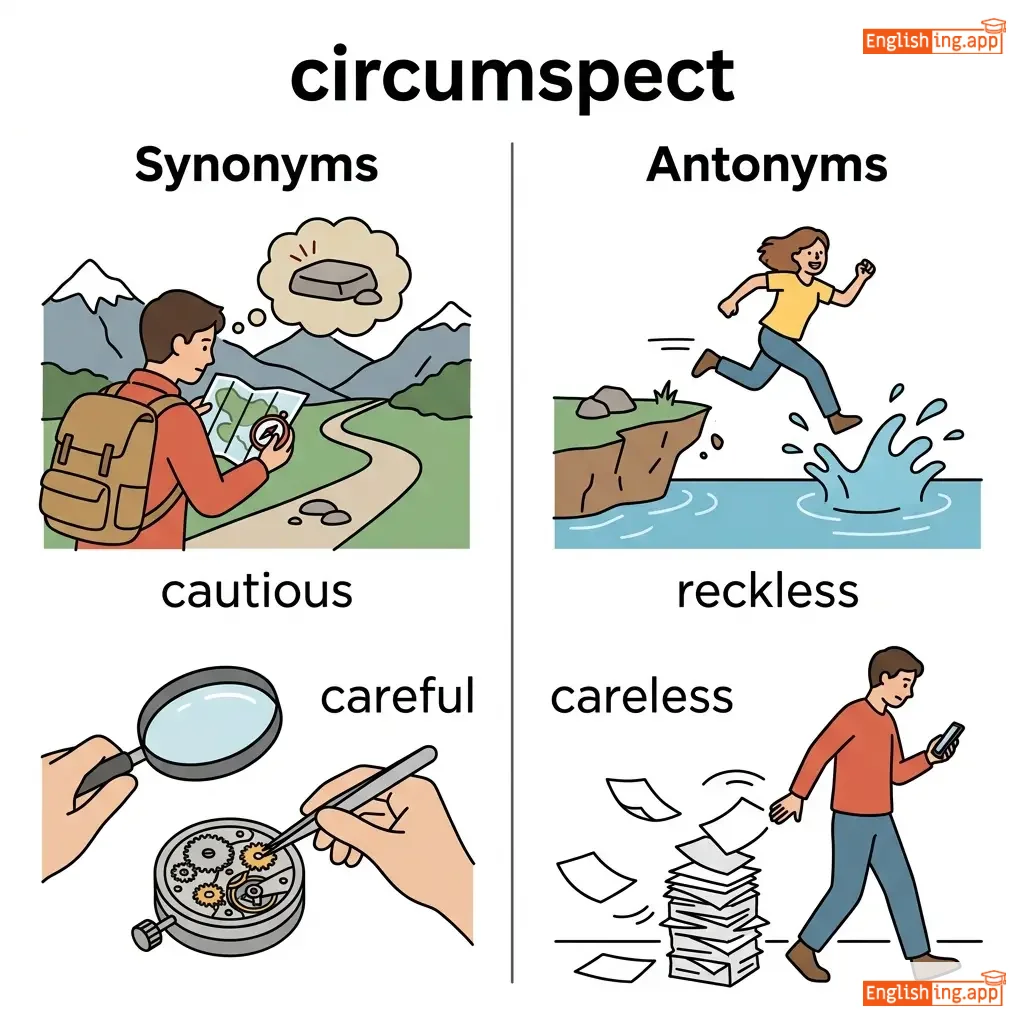
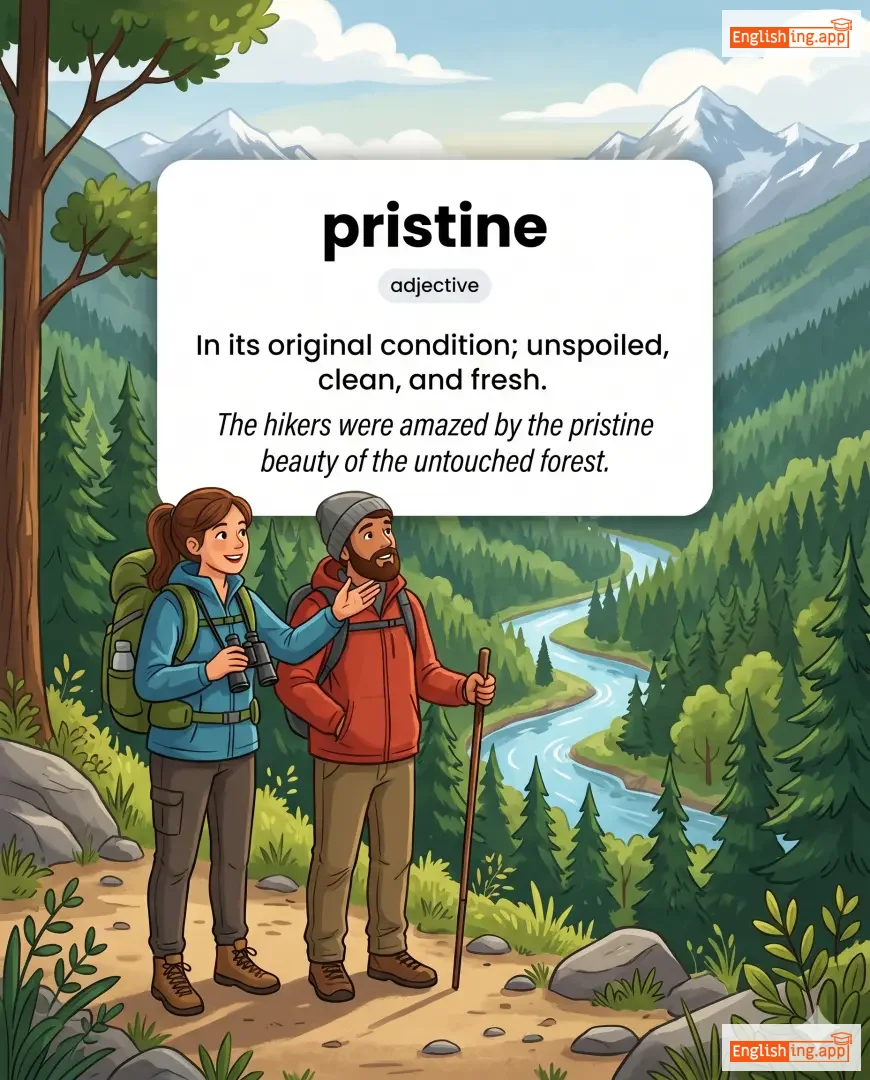
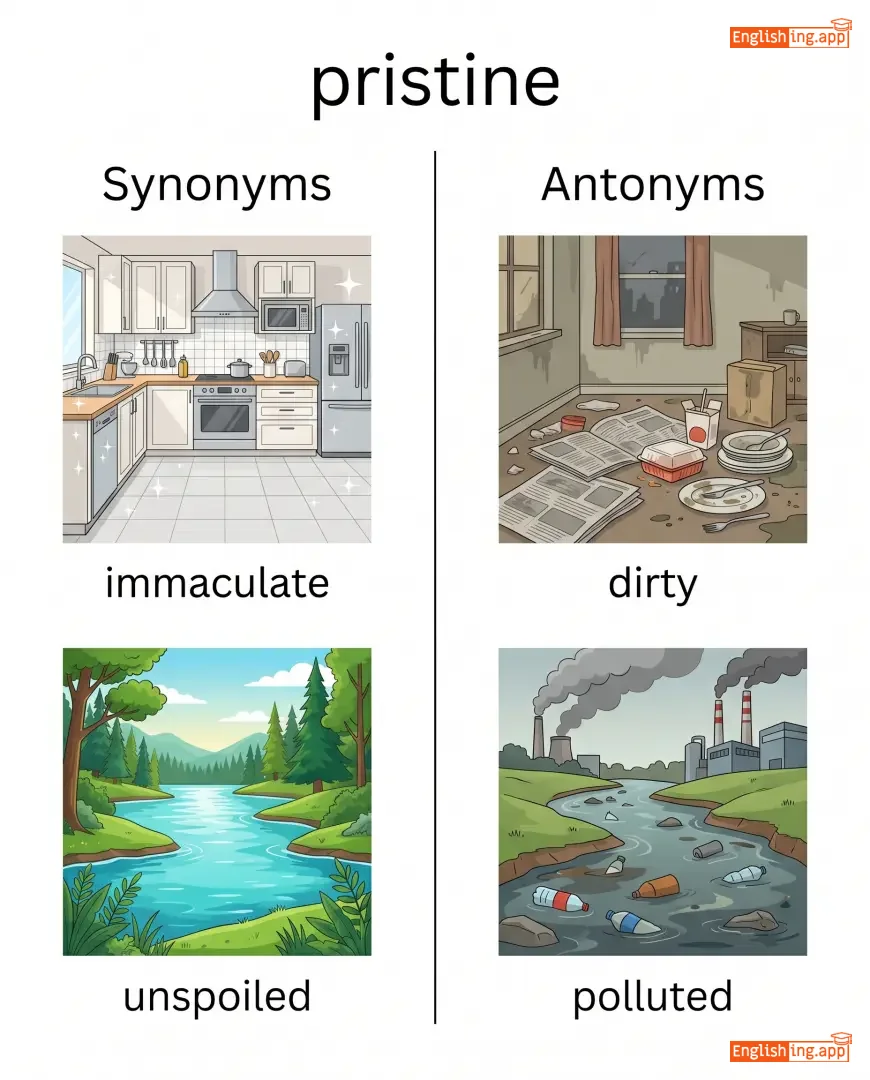
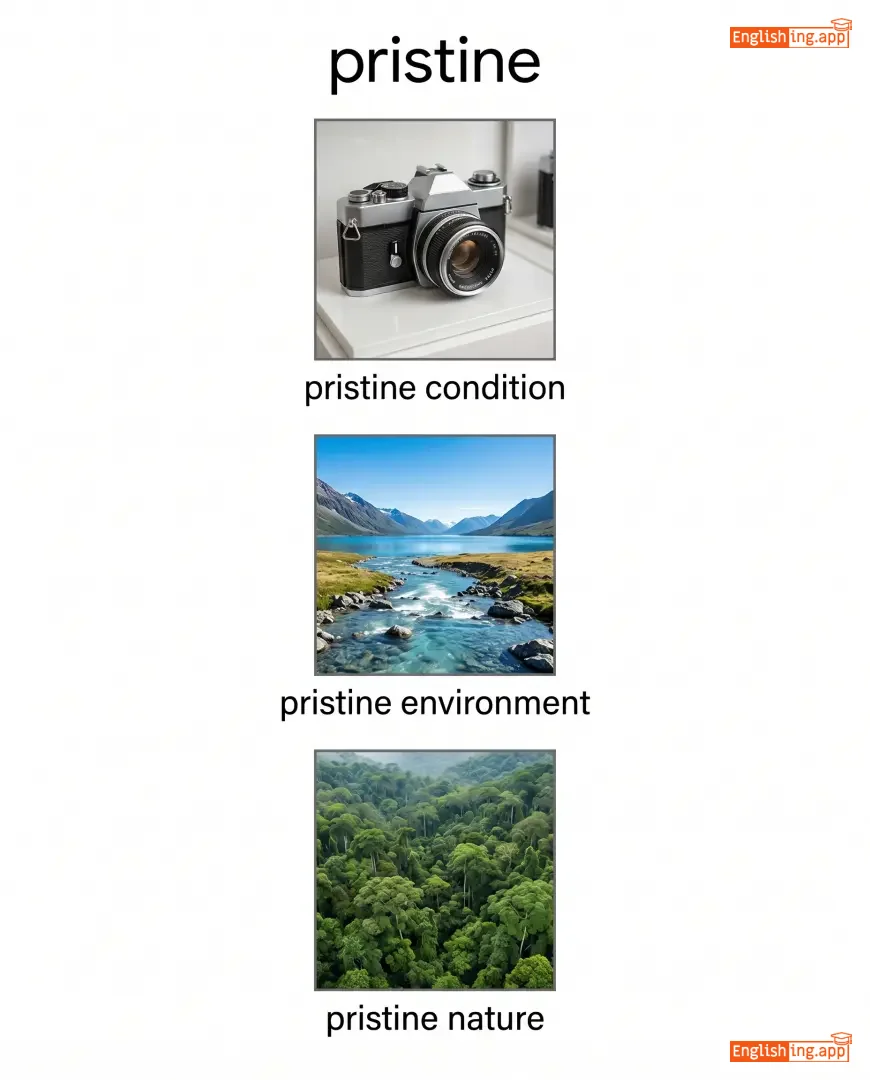
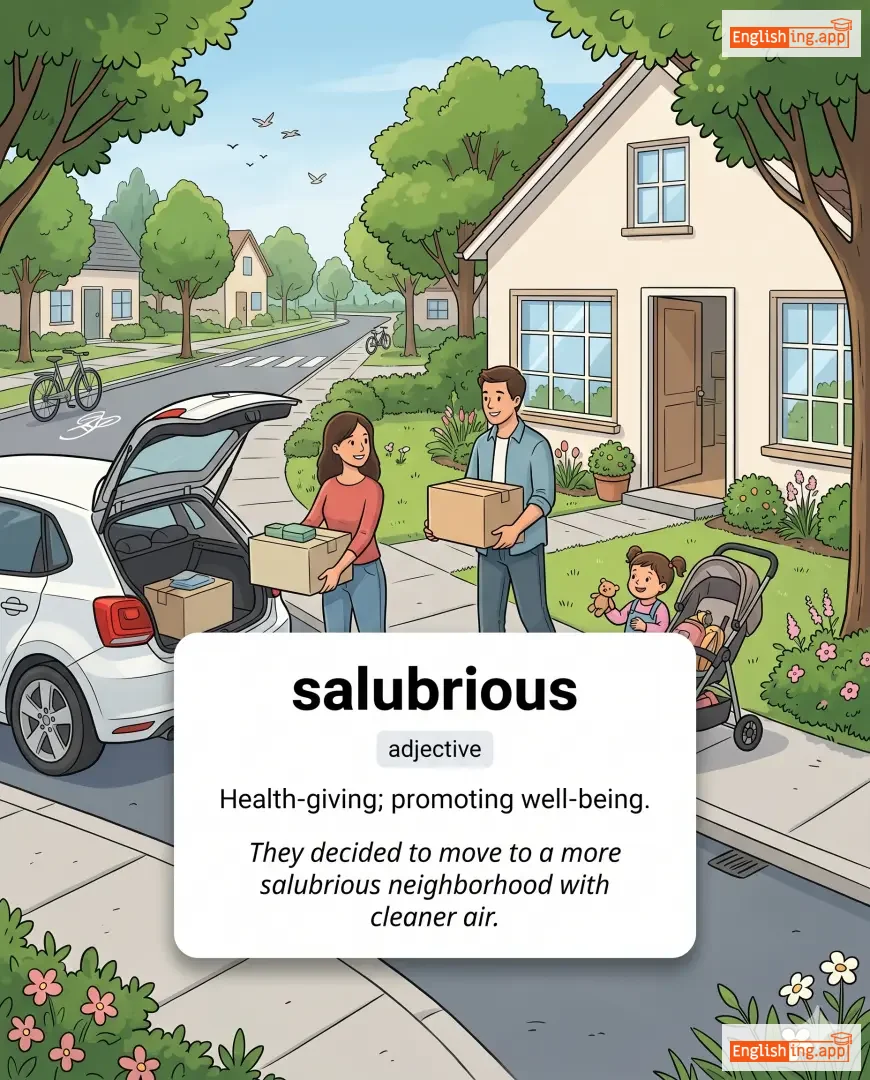
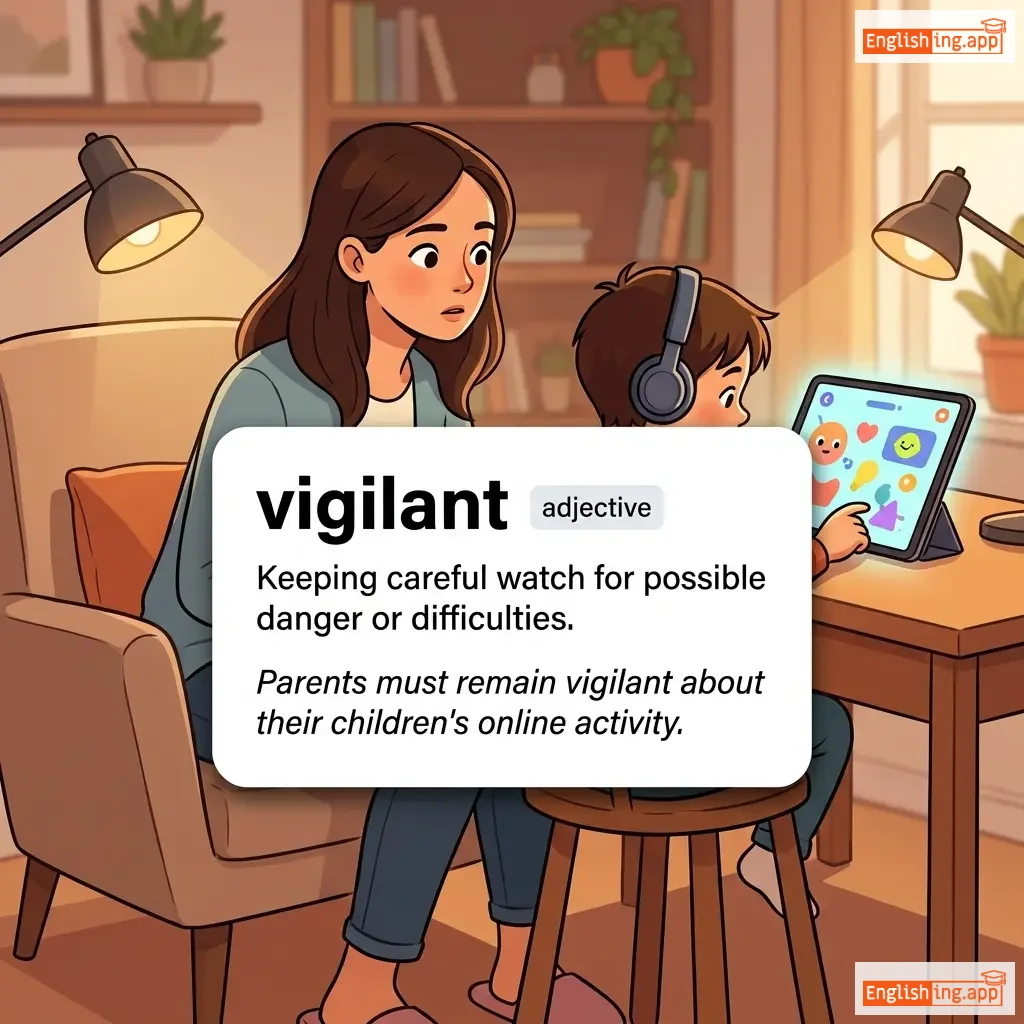
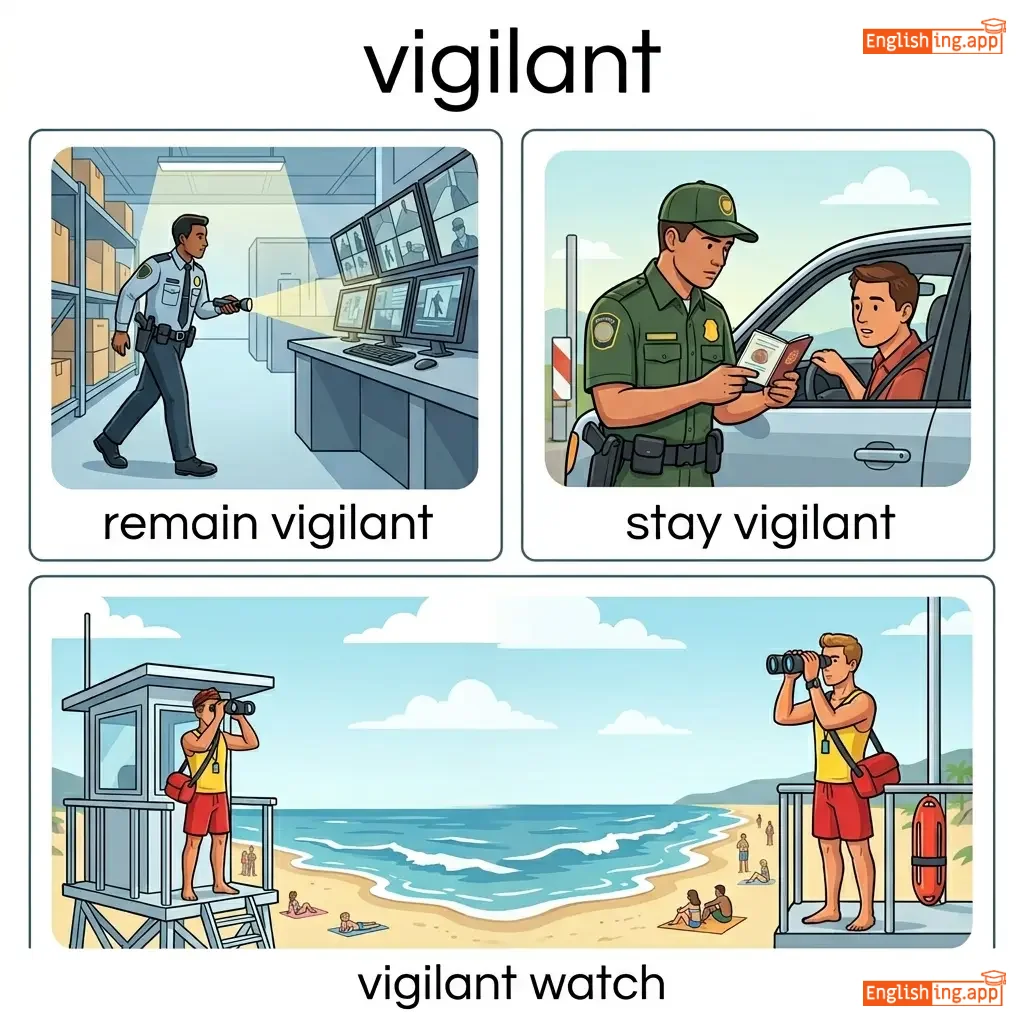
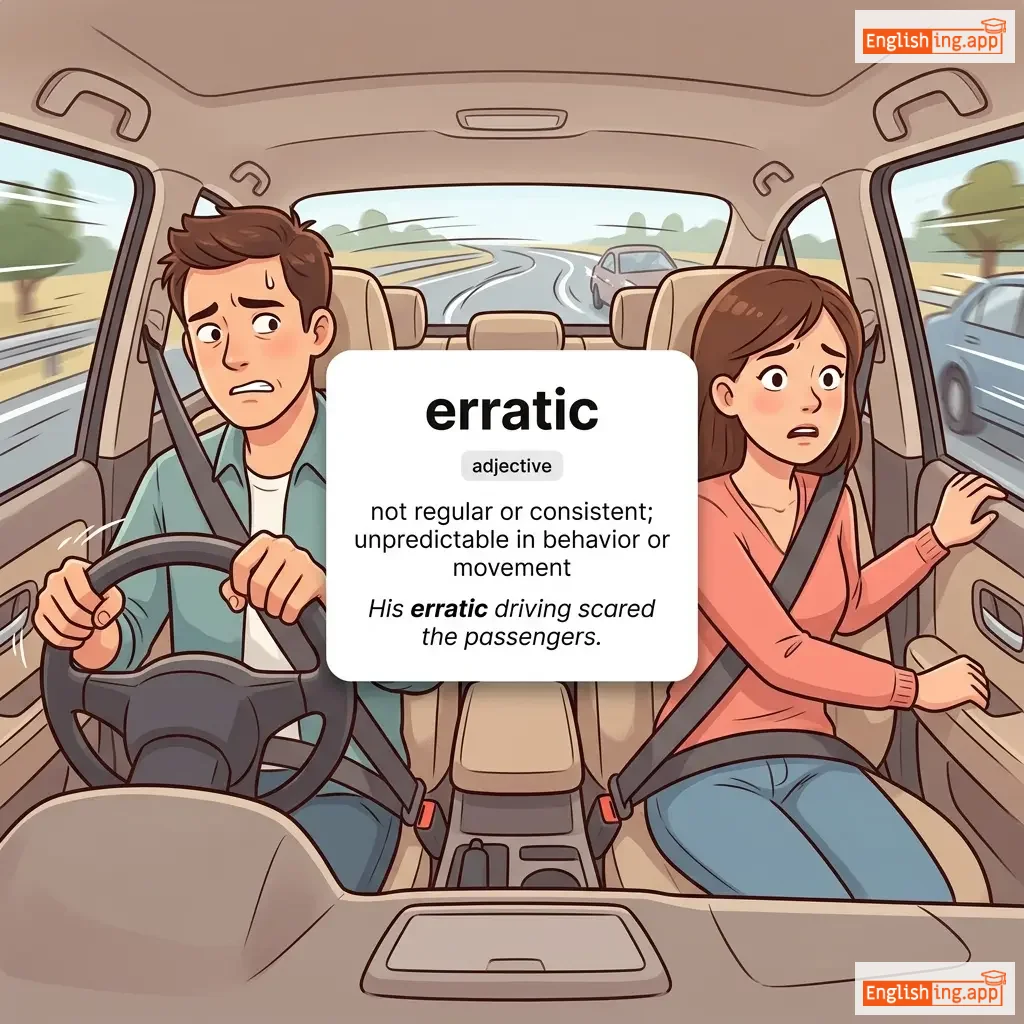
自然の美しさを camping を通して楽しむことは auspicious な経験ですが、適切な準備が非常に重要です。多くの人が oblivious にキャンプに行き、precarious な状況を生み出すことがあります。まず、キャンプ地は circumspect に選ぶべきで、pristine で salubrious な場所が望ましいです。キャンプサイトは labyrinthine であってはならず、迷う恐れを減らします。未知の環境では常に vigilant である必要があります。野生動物や悪天候が erratic に行動する可能性があるためです。食料や必要な装備は deft に計画し、redundant なものを避けて持参すべきです。もし突然の天候変化や他の fortuitous な危険が発生した場合、それを mitigate する準備が必要です。surreptitious なリスクを避けるためには、夜間の火や安全な場所での宿泊の手配が必要です。したがって、キャンプを安全にするためには、tenacious な心構えを持ち、状況を elude する適切な計画を立てることが重要です。
翻訳
過去
過去分詞
三人称単数
動名詞
意味
例文
例文の翻訳
同義語
対義語
コロケーション
ニーモニック


Swipe left or right, or use the buttons. Tap image to zoom.
例文の翻訳
単語
Safety Tips for Camping AdventuresSafety Tips for Camping Adventures - マスクトグル
|
絵文字
|
単語 | Images | 翻訳 | 意味 | 例文 | 例文の翻訳 | 同義語 | 対義語 | ニーモニック |
|---|---|---|---|---|---|---|---|---|---|
|
#2824
🏕️
|
ˈkæm.pɪŋ
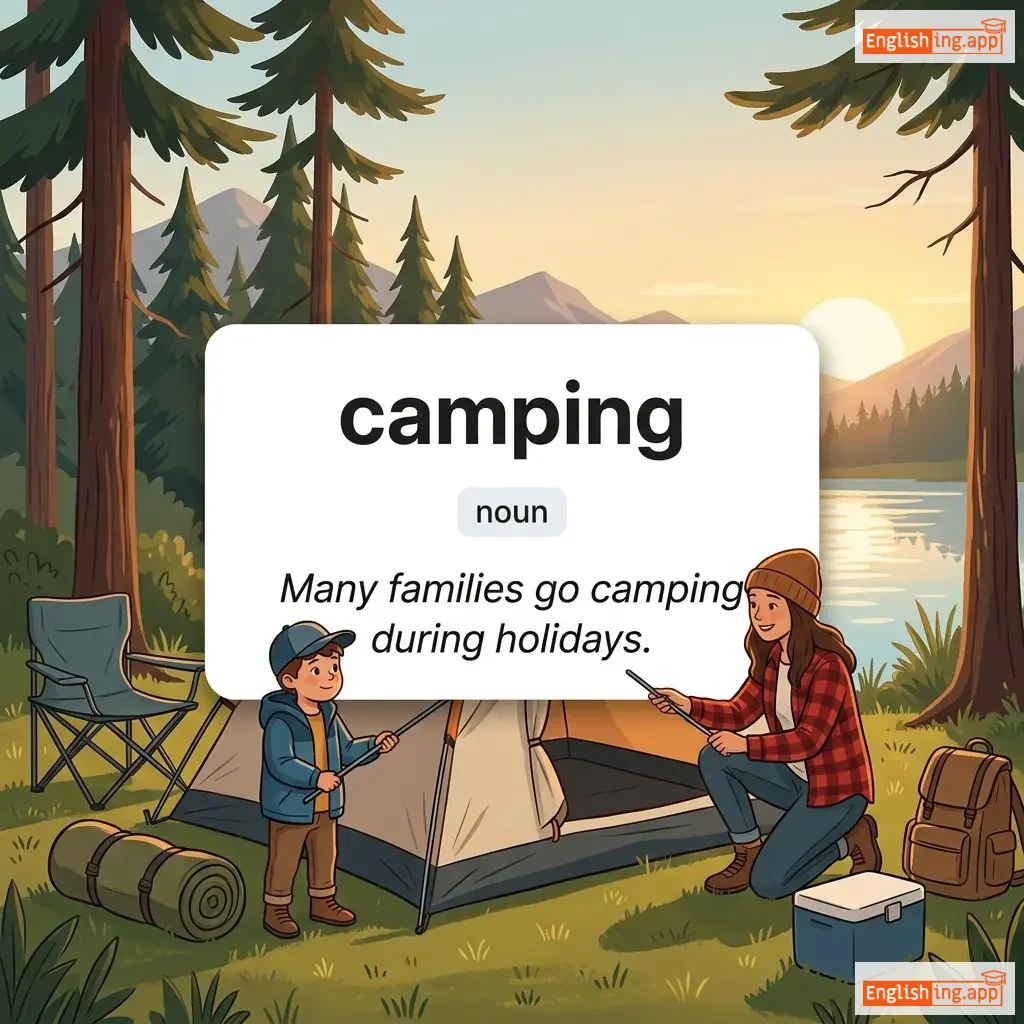
noun
(キャンピング)
••••••
|
|
キャンプ
kyanpu
••••••
|
Living outdoors temporarily, especially for recreation; staying in a tent or similar shelter.
••••••
|
Many families go camping during holidays.
多くの家族が休暇中にキャンプに行きます。
••••••
|
多くの家族が休暇中にキャンプに行きます。
Ōku no kazoku ga kyūka-chū ni kyanpu ni ikimasu.
••••••
|
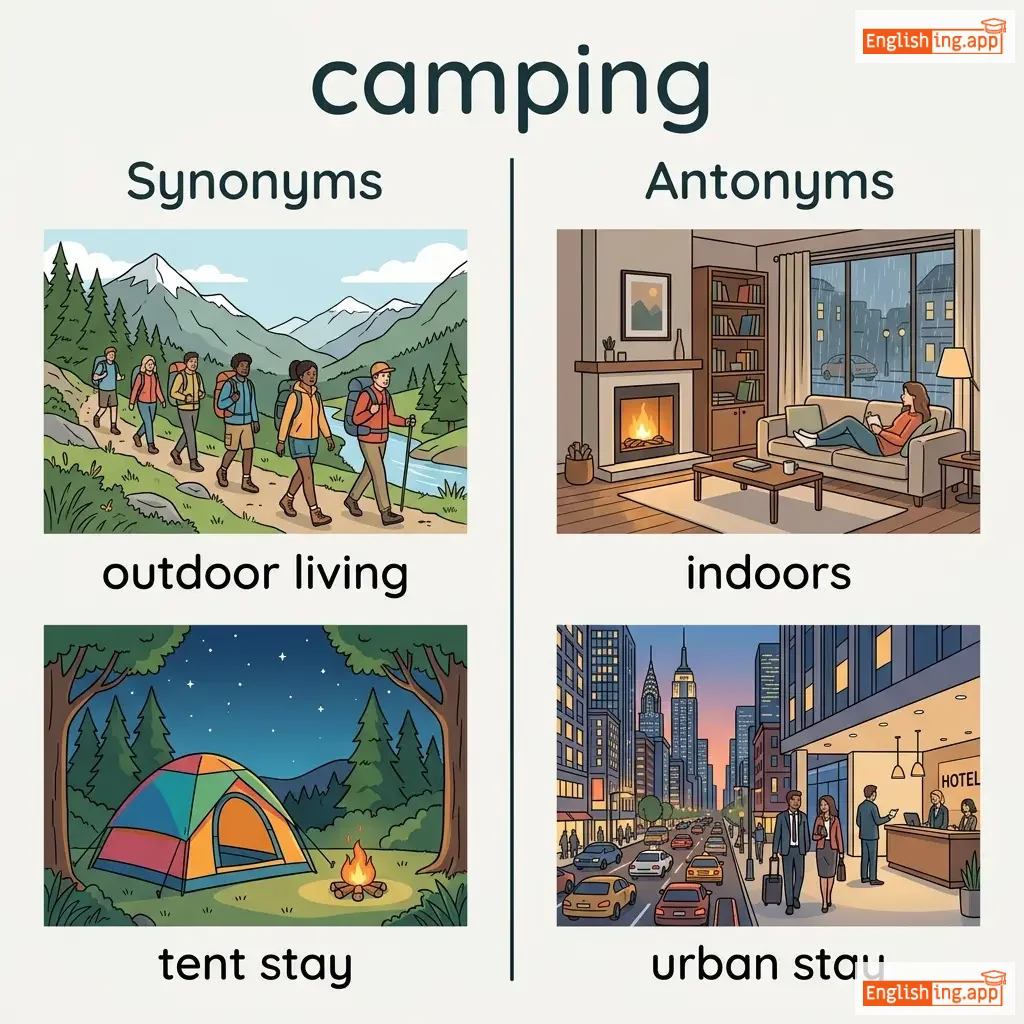
outdoor living, tent stay, expedition
••••••
|
indoors, urban stay, confinement
••••••
|
Camping - 自然の中でリラックスする最良の方法。
••••••
|
|
#2825
🌟
|
ɔːˈspɪʃ.əs
adjective
(オスピシャス)
••••••
|
|
縁起の良い
engi no yoi
••••••
|
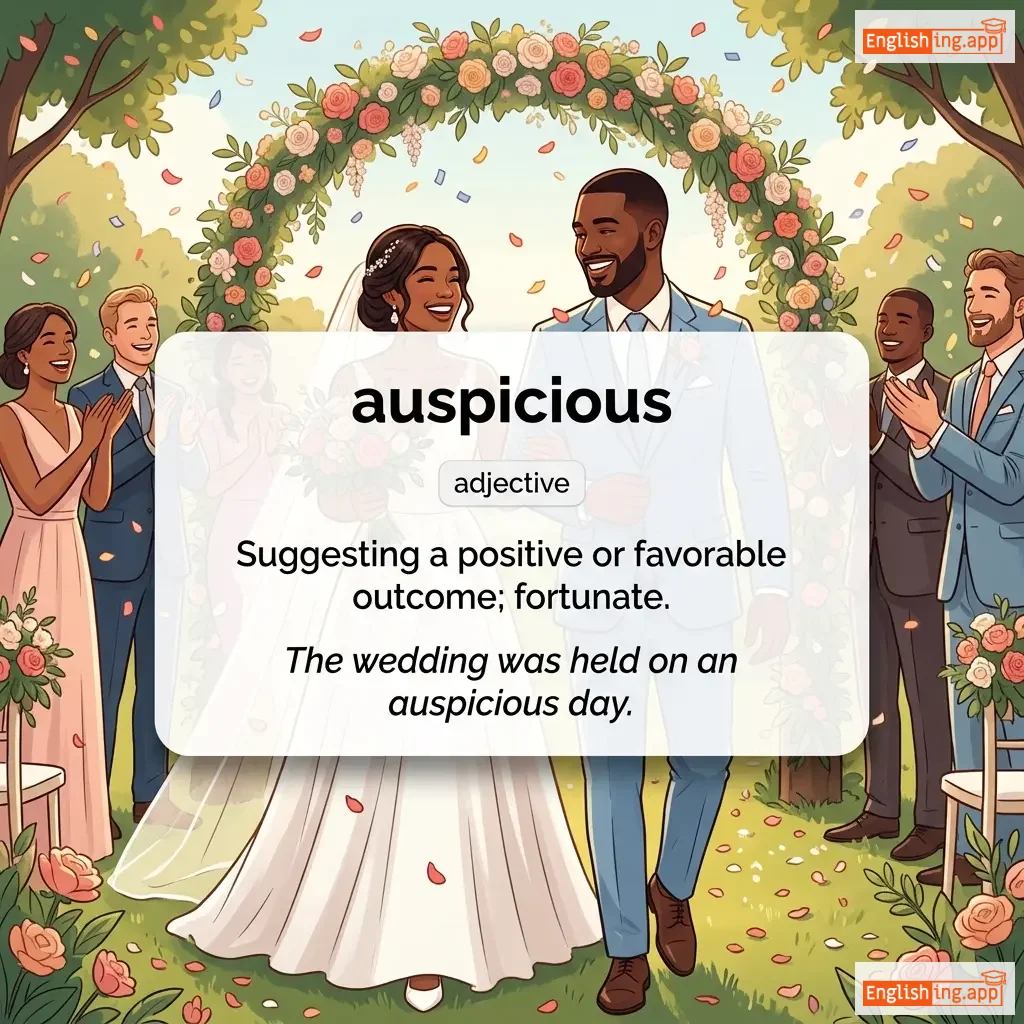
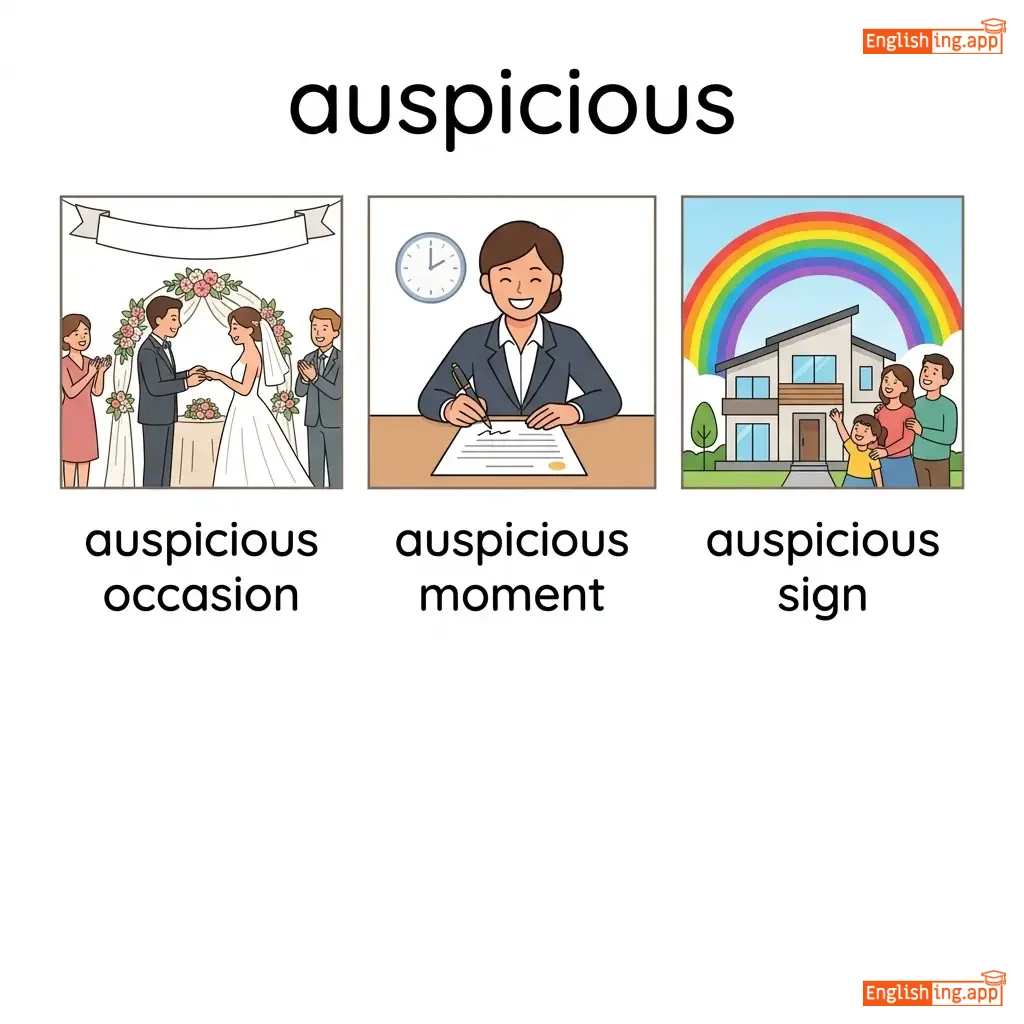
Showing or suggesting that future success is likely; favorable or promising.
••••••
|
The wedding took place on an auspicious day.
結婚式は縁起の良い日に行われました。
••••••
|
結婚式は縁起の良い日に行われました。
Kekkonshiki wa engi no yoi hi ni okonaware mashita.
••••••
|
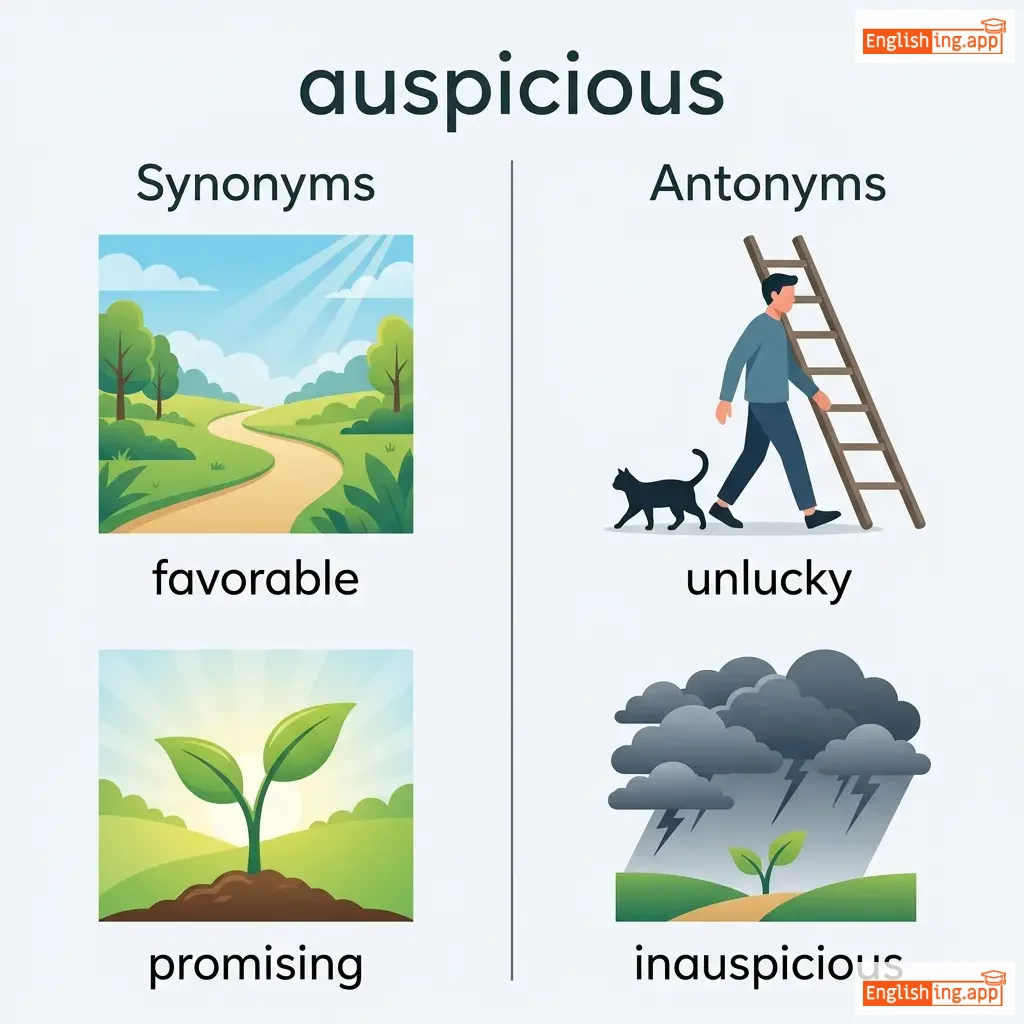
favorable, propitious, fortunate
••••••
|
inauspicious, ominous, unlucky
••••••
|
縁起の良い日は幸運をもたらす。
••••••
|
|
#2826
😴
|
əˈblɪv.i.əs
adjective
(オブリビアス)
••••••
|
|
無頓着
mutonchaku
••••••
|
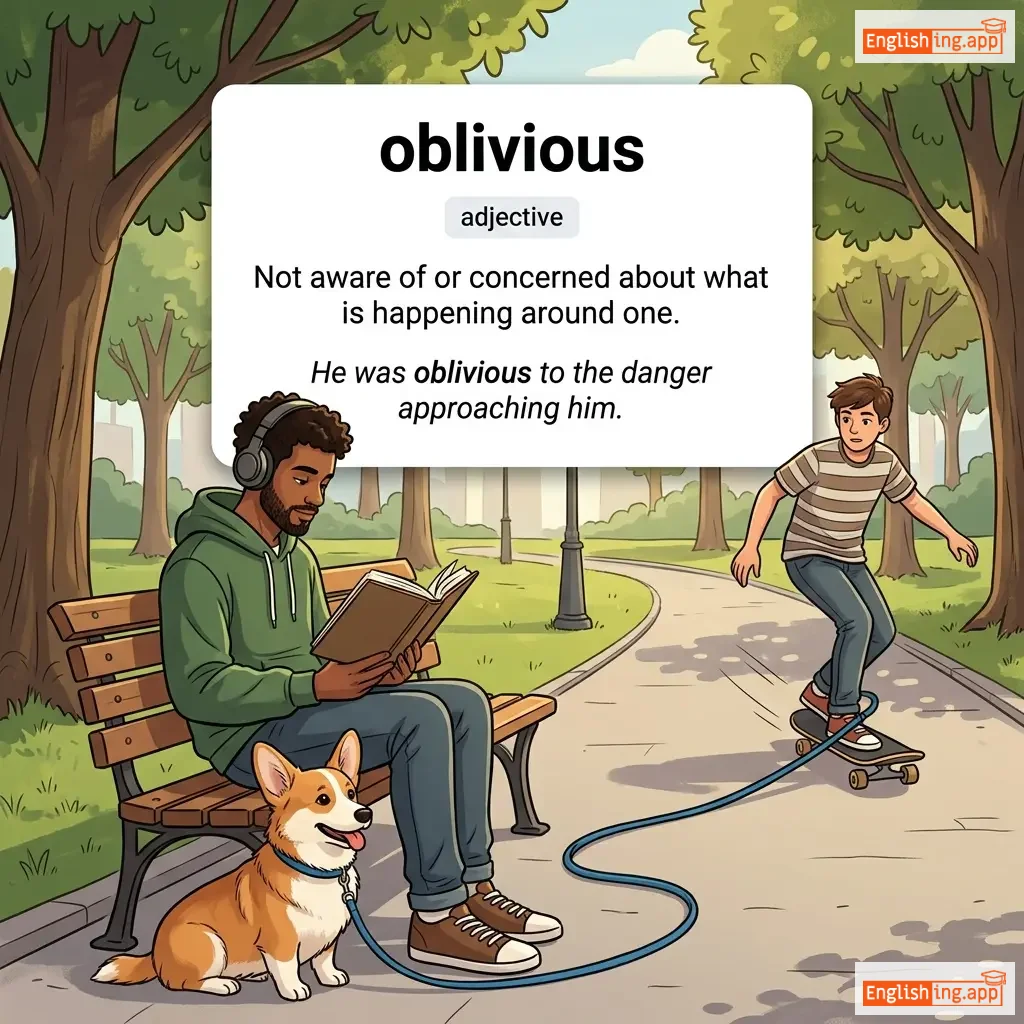
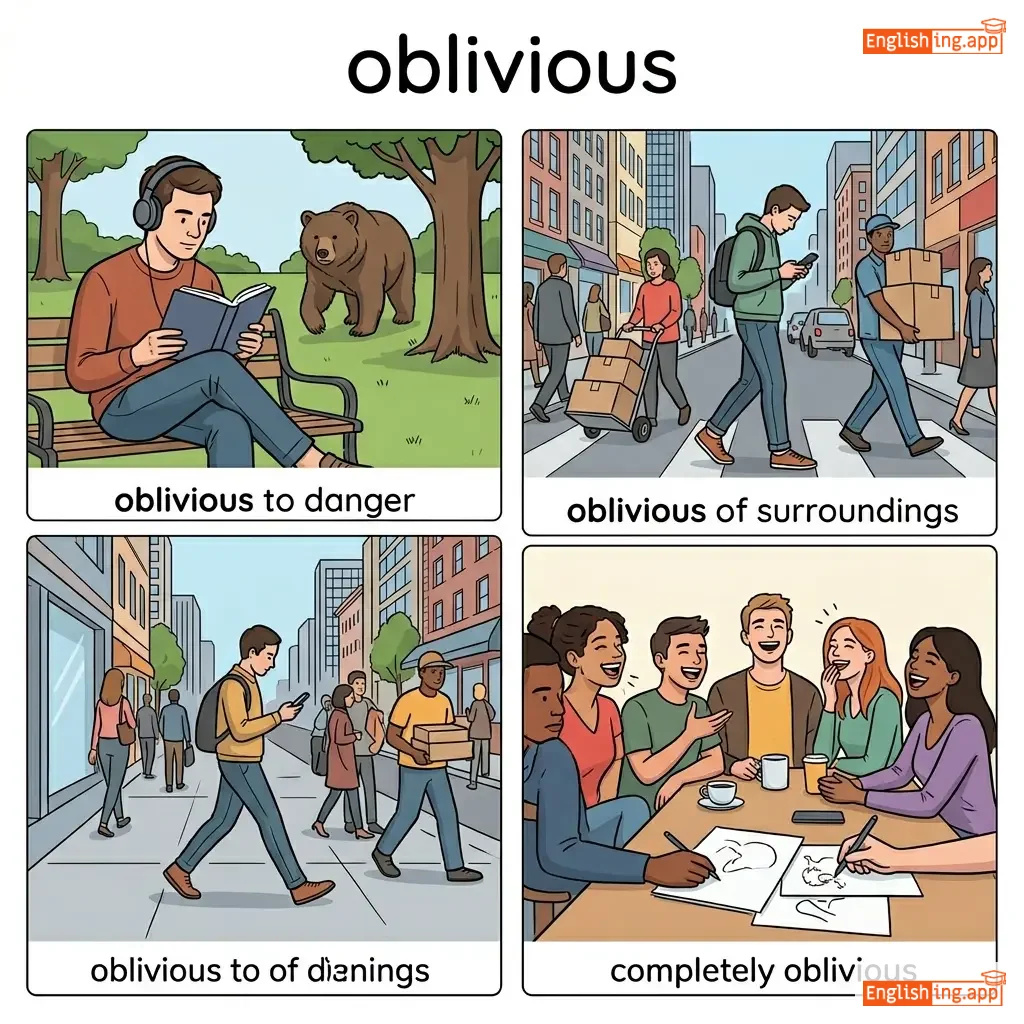
Not aware of or not concerned about what is happening around one; unmindful.
••••••
|
He was oblivious to the danger ahead.
彼は前方の危険に気づいていなかった。
••••••
|
彼は前方の危険に無頓着だった。
Kare wa zenpou no kiken ni mutonchaku datta.
••••••
|
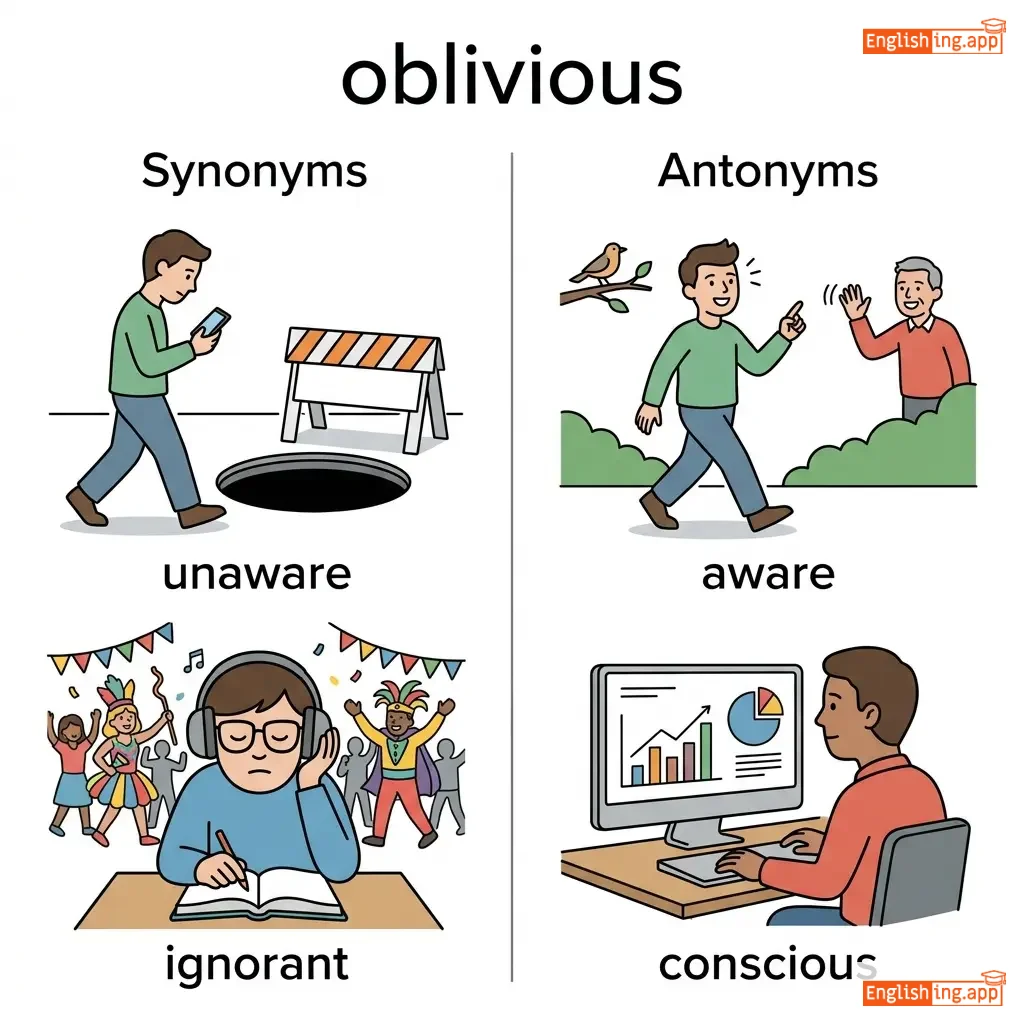
unaware, heedless, unmindful
••••••
|
aware, conscious, mindful
••••••
|
無頓着: 無 = 無関心, 頓 = 急ぐ、気をつけない。
••••••
|
|
#2827
⚠️
|
prɪˈkeə.ri.əs
adjective
(プレケリアス)
••••••
|
|
危険な
kiken na
••••••
|
Not securely held or in position; dependent on chance; uncertain.
••••••
|
His financial situation is precarious.
彼の財政状況はプレケリアスです。
••••••
|
彼の財政状況は危険な状態です。
Kare no zaisei jōkyō wa kiken na jōtai desu.
••••••
|
unstable, risky, hazardous
••••••
|
secure, safe, stable
••••••
|
危険な-不確かな状態、運に依存
••••••
|
|
#2828
🤔
|
ˈsɜː.kəm.spekt
adjective
(サーカムスペクト)
••••••
|
|
慎重な
shinchou na
••••••
|
Wary and unwilling to take risks; cautious and prudent.
••••••
|
He was circumspect while making the investment. |
彼は投資をする際に慎重でした。
Kare wa toshi wo suru sai ni shinchou deshita.
••••••
|
cautious, prudent, wary
••••••
|
reckless, careless, impulsive
••••••
|
慎重な投資家を想像し、リスクを避ける賢明さを持っています。
••••••
|
|
#2829
✨
|
ˈprɪs.tiːn
adjective
(プリスティン)
••••••
|
|
原始的
genshiteki
••••••
|
In its original condition; unspoiled; clean and fresh as if new.
••••••
|
The island remains pristine and unspoiled.
島は依然として手つかずで無傷のままだ。
••••••
|
島は依然として手つかずで無傷のままだ。
Shima wa izen toshite tetsukazu de mukizu no mamada.
••••••
|
pure, untouched, unspoiled
••••••
|
contaminated, polluted, corrupt
••••••
|
‘原始的’は、手が加わらず、新鮮で清潔な状態を意味する。
••••••
|
|
#2830
💚
|
səˈluː.bri.əs
adjective
(サルブリオス)
••••••
|
|
健康的
kenkō-teki
••••••
|
Health-giving; healthy; promoting health and well-being.
••••••
|
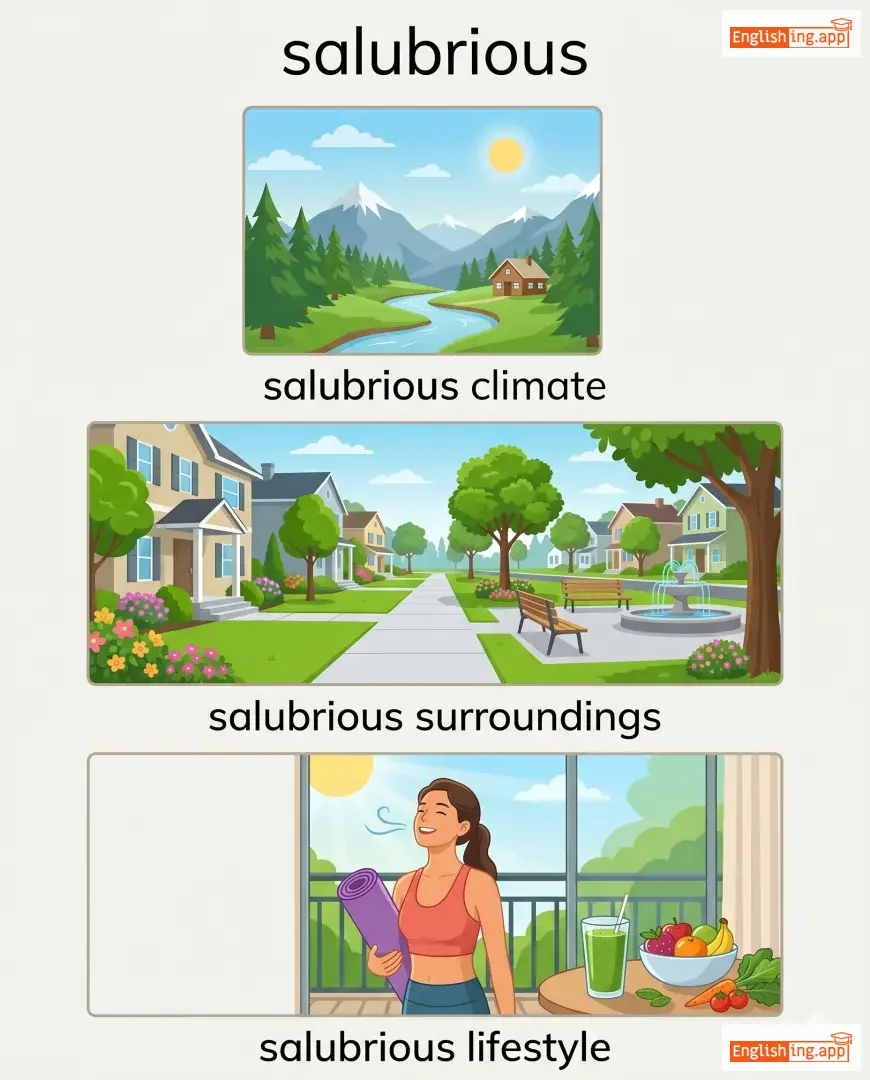
The mountain air is salubrious and refreshing.
山の空気はサルブリオスでさわやかです。
••••••
|
山の空気は健康的でさわやかです。
Yama no kūki wa kenkō-teki de sawayaka desu.
••••••
|
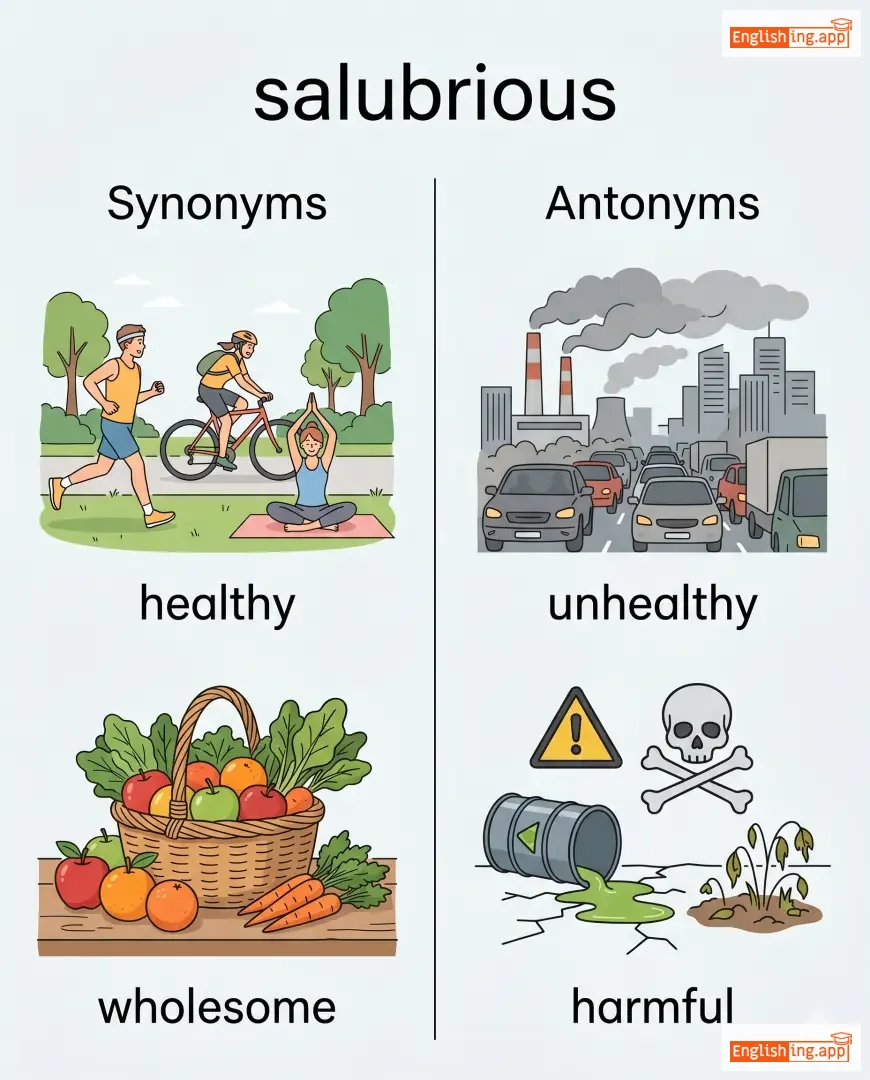
wholesome, healthy, hygienic
••••••
|
unhealthy, harmful, insalubrious
••••••
|
サルブリオス = 健康 + 清新
••••••
|
|
#2831
🌀
|
ˌlæb.əˈrɪn.θaɪn
adjective
(ラビリンス)
••••••
|
|
迷路のような
meiro no yō na
••••••
|
Like a labyrinth; complicated and confusing; having many interconnected paths or passages.
••••••
|
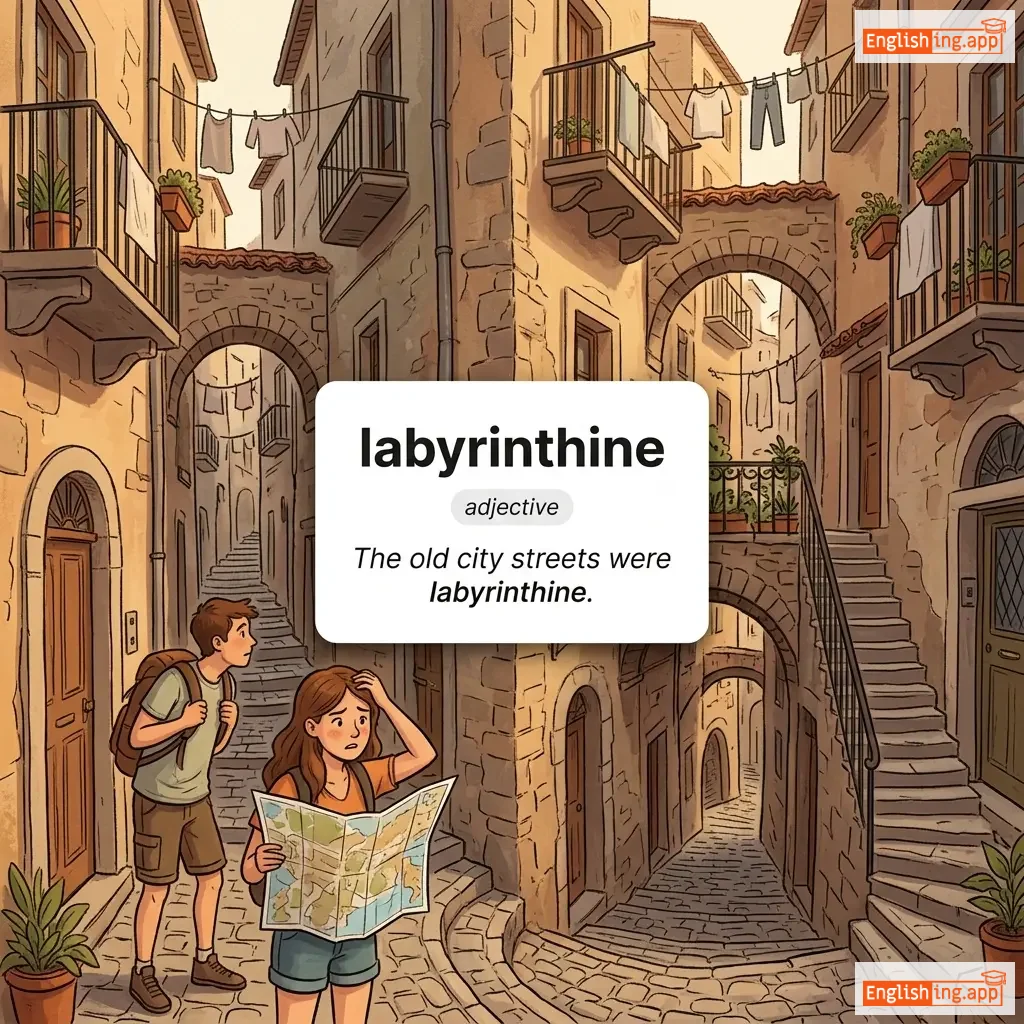
The old city streets were labyrinthine.
古い街の通りは迷路のようだった。
••••••
|
古い街の通りは迷路のようだった。
Furui machi no tōri wa meiro no yō datta.
••••••
|
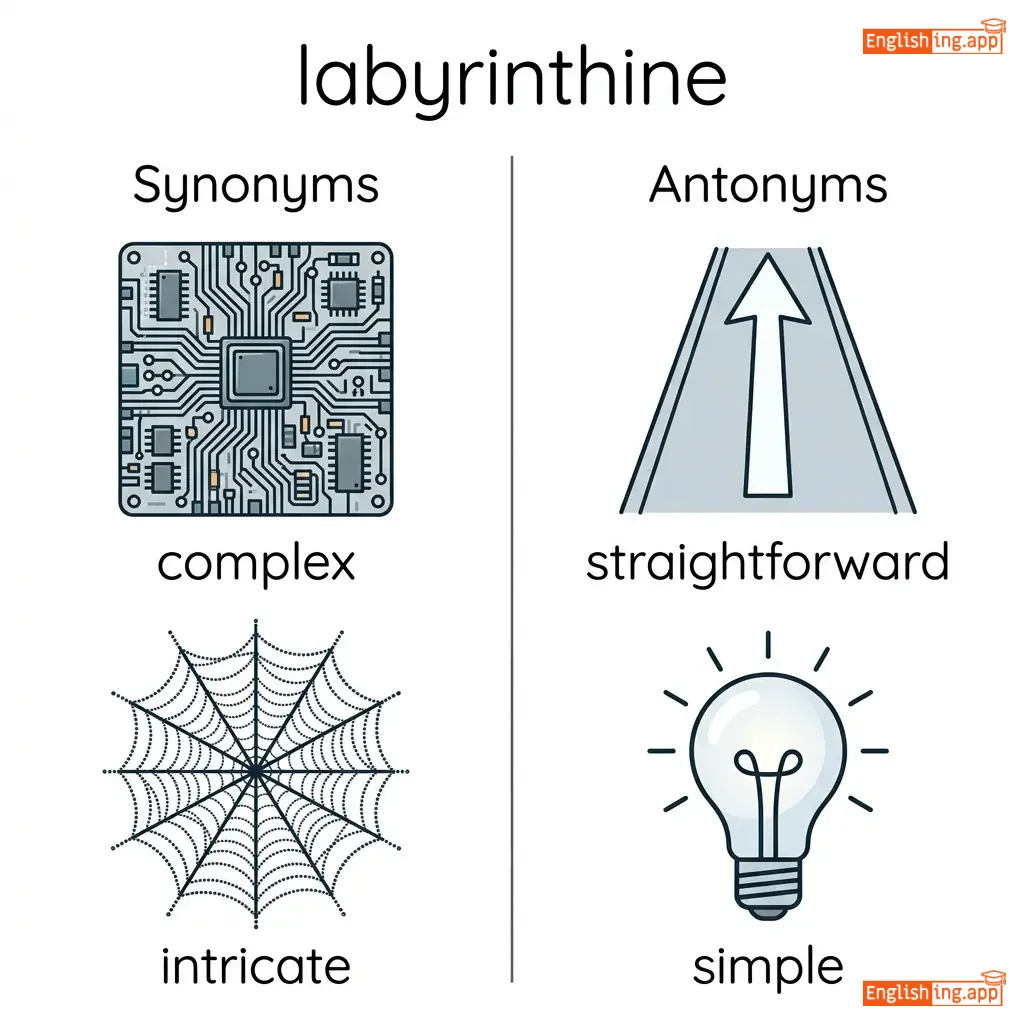
complex, intricate, twisting
••••••
|
straightforward, simple, uncomplicated
••••••
|
迷路のような街角
••••••
|
|
#2832
👁️
|
ˈvɪdʒ.ɪ.lənt
adjective
(ヴィジラント)
••••••
|
|
警戒
keikai
••••••
|
Keeping careful watch for possible danger or difficulties; alert and watchful.
••••••
|
The guards remained vigilant throughout the night.
警備員は一晩中警戒を保ち続けました。
••••••
|
警備員は一晩中警戒を保ち続けました。
Keibiin wa hitobanju keikai o tamochitsudzukemashita.
••••••
|
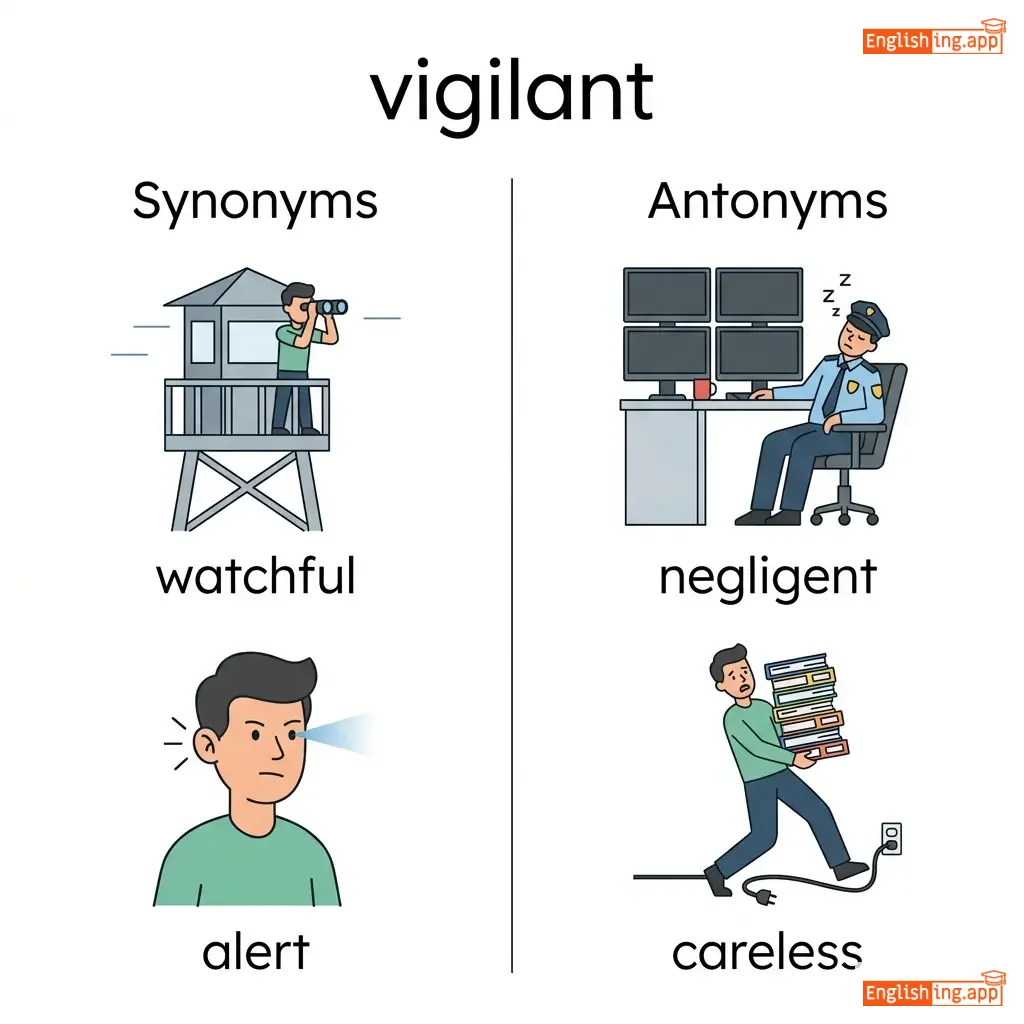
watchful, alert, attentive
••••••
|
negligent, careless, unaware
••••••
|
The Japanese word '警戒' (keikai) is closely related to the English 'vigilant'.
••••••
|
|
#2833
🔀
|
ɪˈræt.ɪk
adjective
(エラティック)
••••••
|
|
不規則
fukisoku
••••••
|
Unpredictable and inconsistent; not even or regular in pattern or movement.
••••••
|
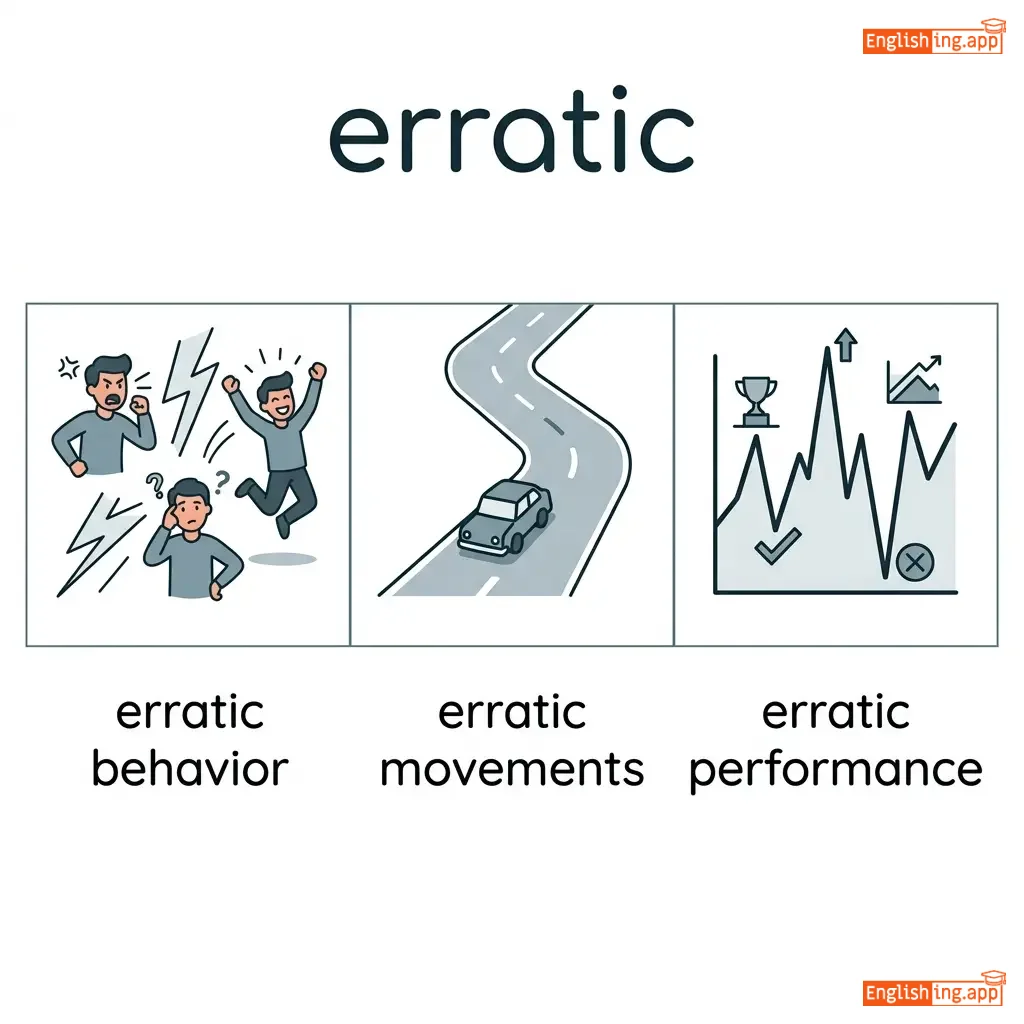
His erratic behavior confused his colleagues.
彼のエラティックな行動は、同僚たちを混乱させました。
••••••
|
彼のエラティックな行動は、同僚たちを混乱させました。
Kare no eratikku na kōdō wa, dōryō-tachi o konran sasemashita.
••••••
|
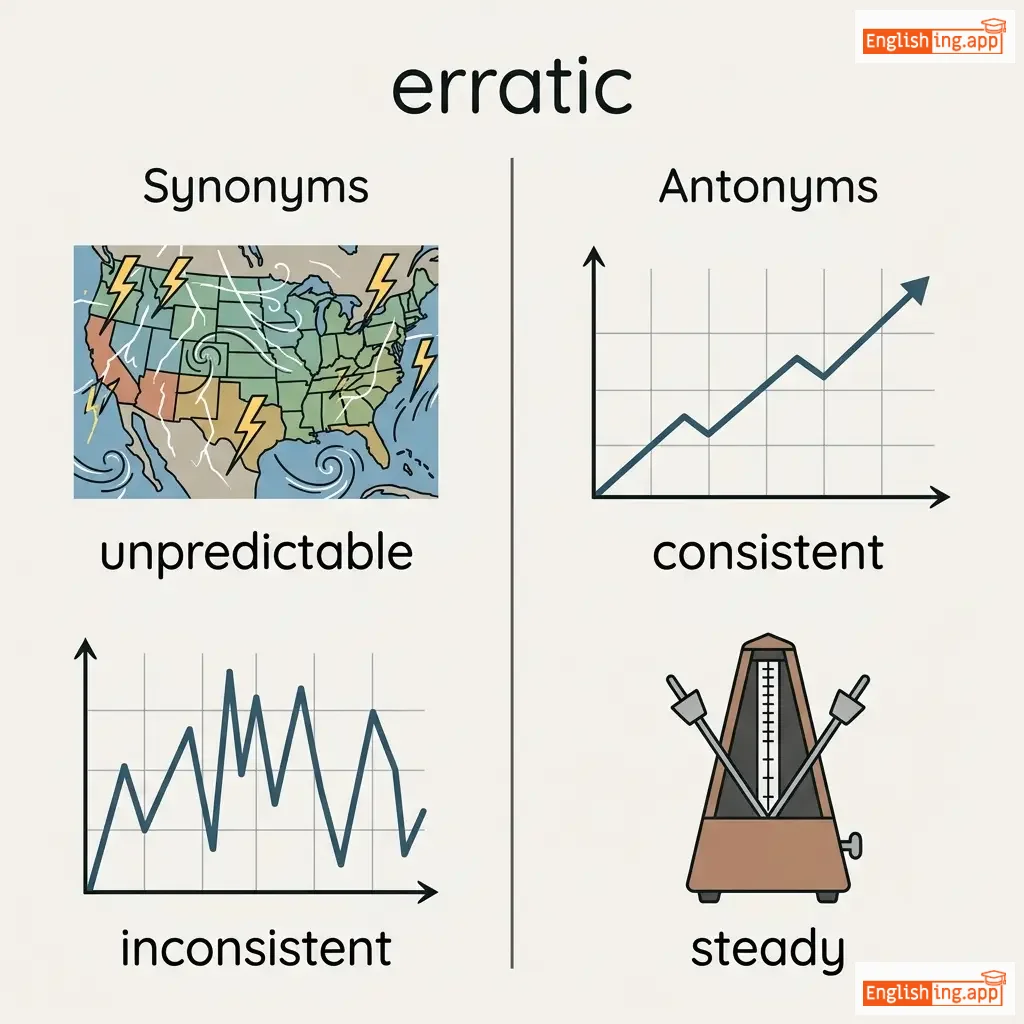
unpredictable, inconsistent, capricious
••••••
|
consistent, predictable, stable
••••••
|
Erratic behavior is like 'fukisoku' in Japanese—unpredictable and irregular.
••••••
|
|
#2834
🔄
|
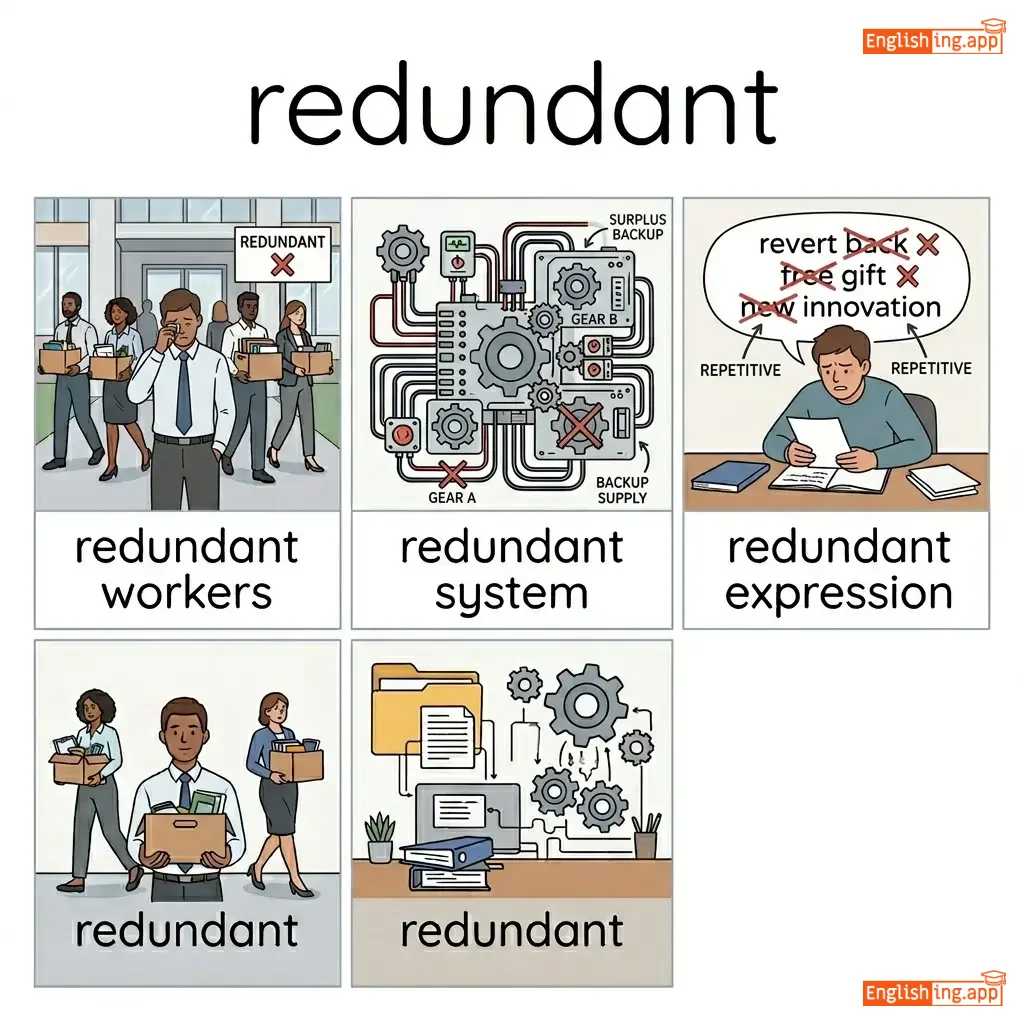
rɪˈdʌn.dənt
adjective
(リダンダント)
••••••
|
|
冗長
jouchou
••••••
|
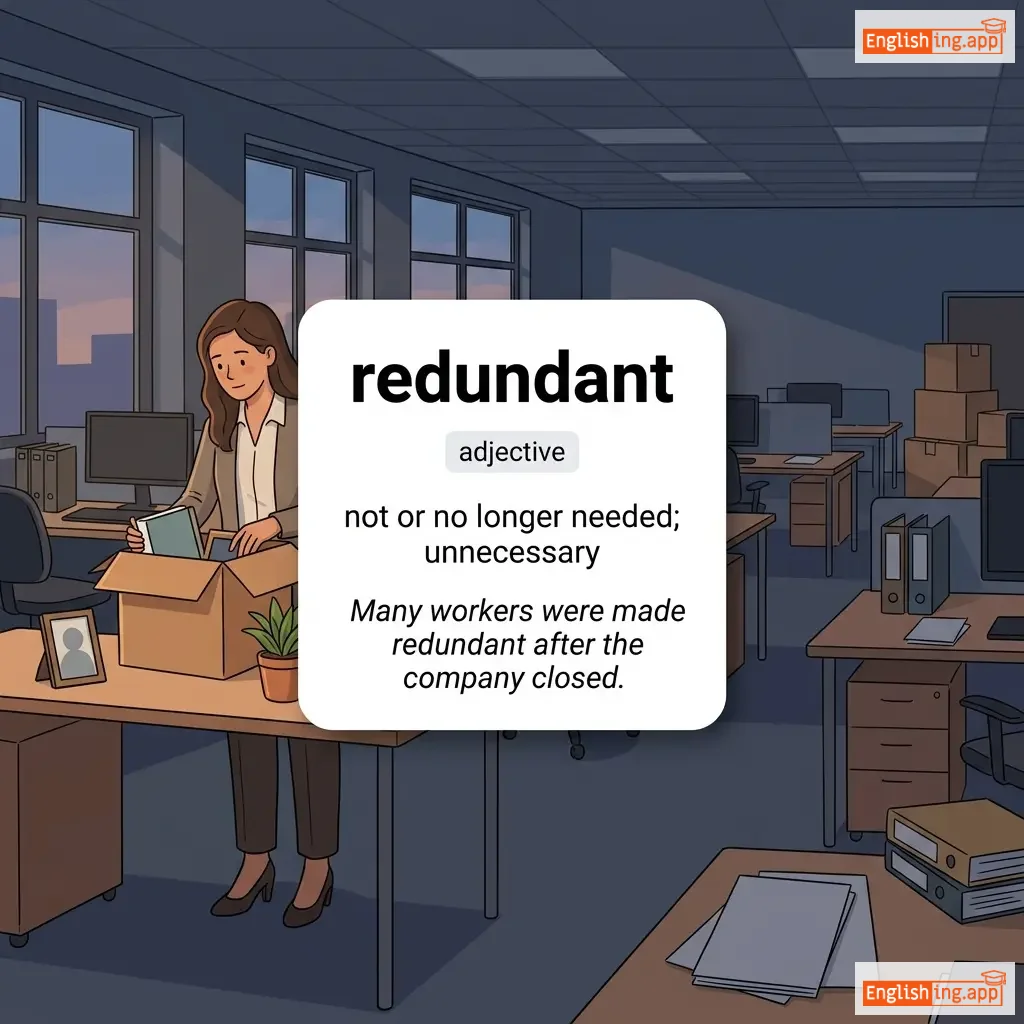
Not needed because of repetition or replacement; superfluous or excessive.
••••••
|
His explanation was redundant and repetitive.
彼の説明は冗長で繰り返しが多かった。
••••••
|
彼の説明は冗長で繰り返しが多かった。
Kare no setsumei wa jouchou de kurikaeshi ga ookatta.
••••••
|
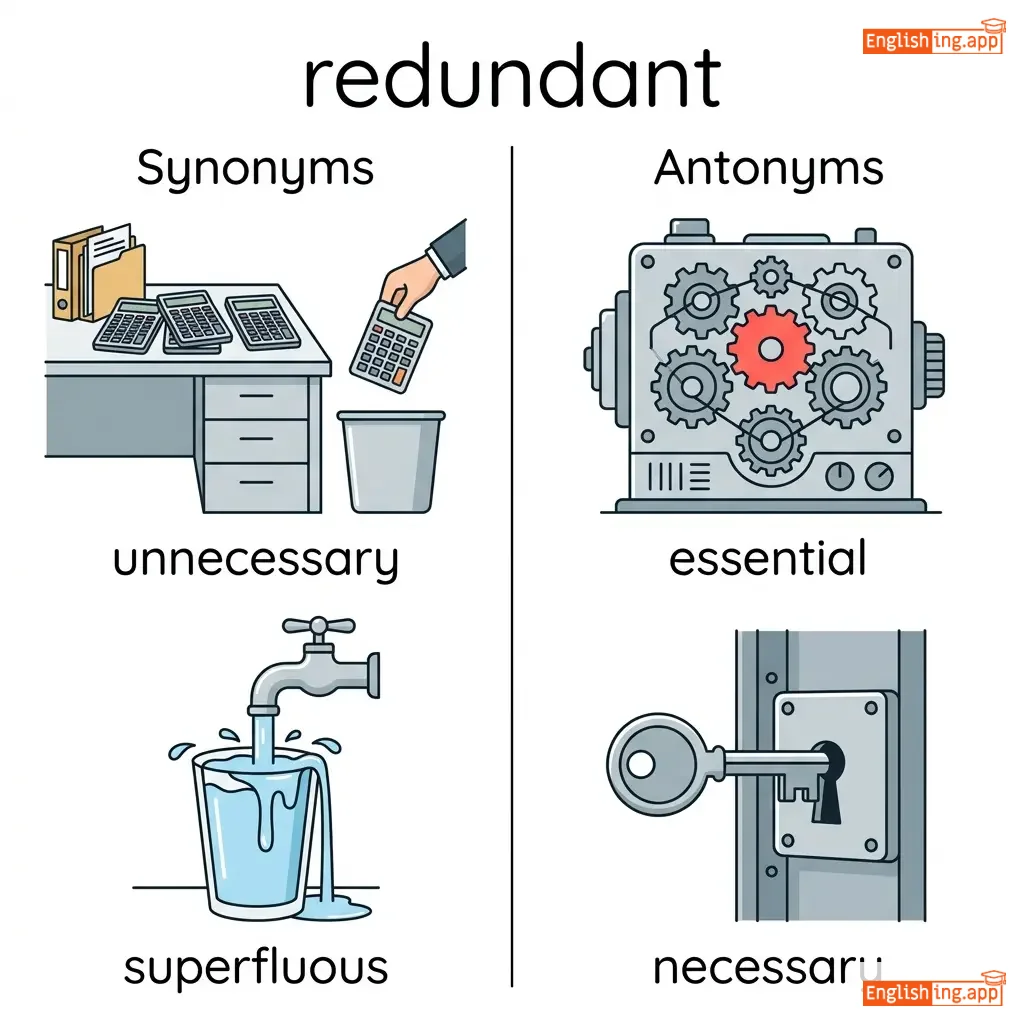
excessive, superfluous, unnecessary
••••••
|
essential, necessary, concise
••••••
|
日本語では、'冗長'が'redundant'を表す。
••••••
|
|
#2835
🎯
|
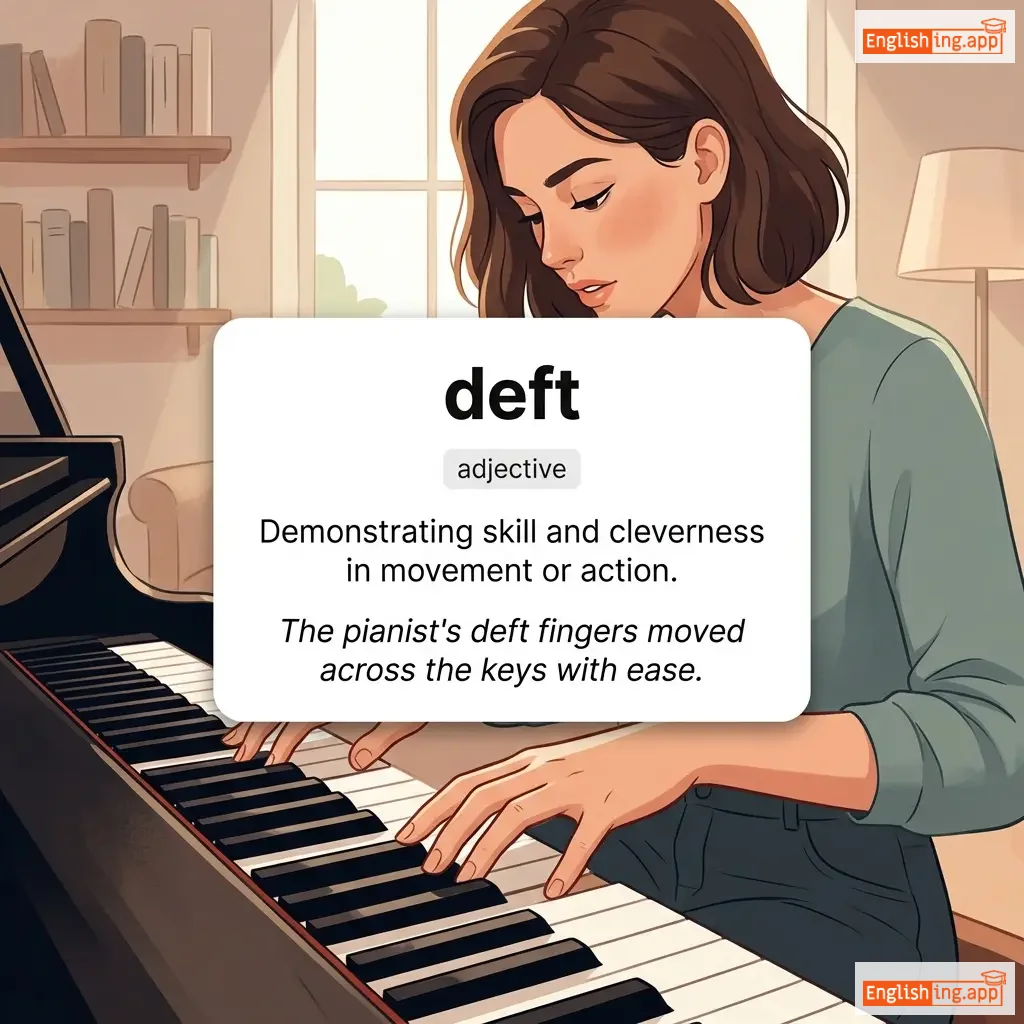
deft
adjective
(デフト)
••••••
|
|
器用
kiyou
••••••
|
Neatly skillful and quick in one's movements; dexterous and adroit.
••••••
|
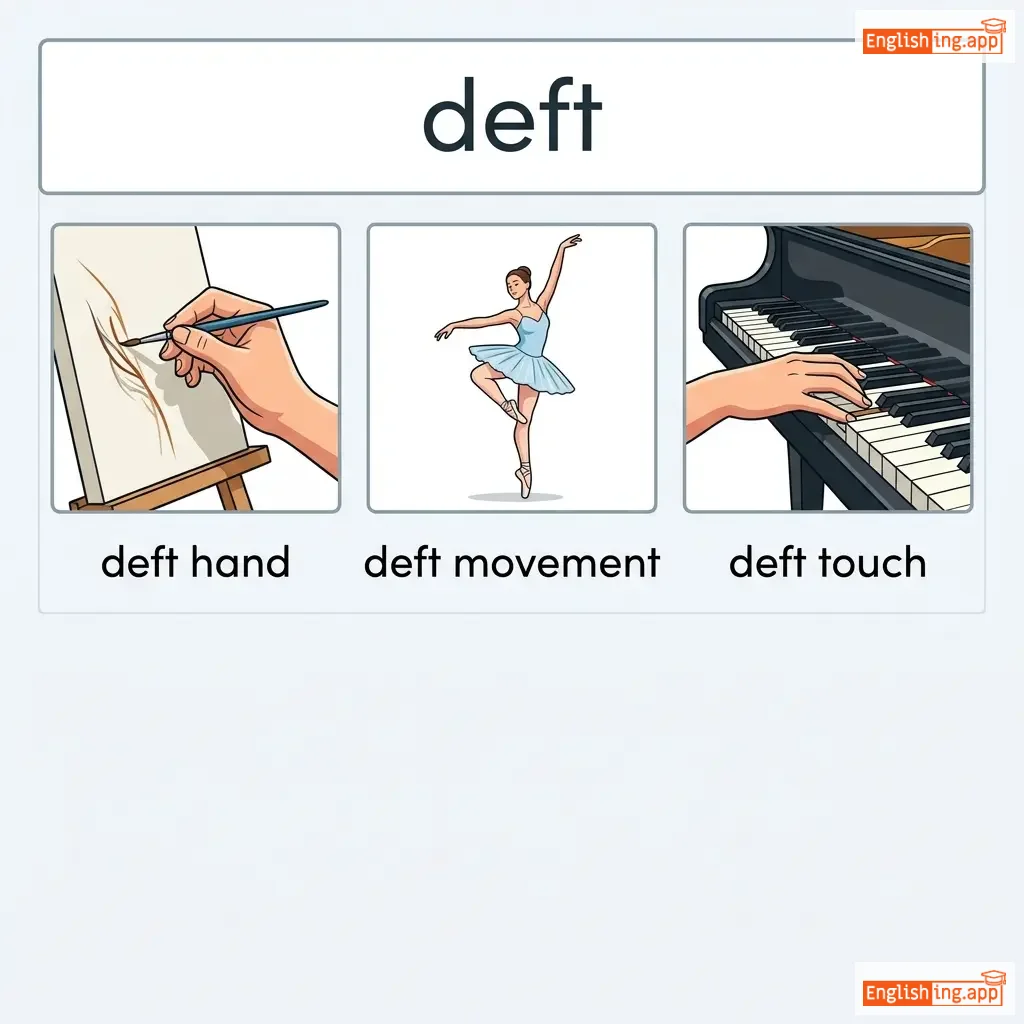
The artist's deft hands created a masterpiece.
アーティストの巧妙な手は傑作を作り出しました。
••••••
|
アーティストの器用な手は傑作を作り出しました。
Aatisuto no kiyou na te wa kessaku wo tsukuridashimashita.
••••••
|
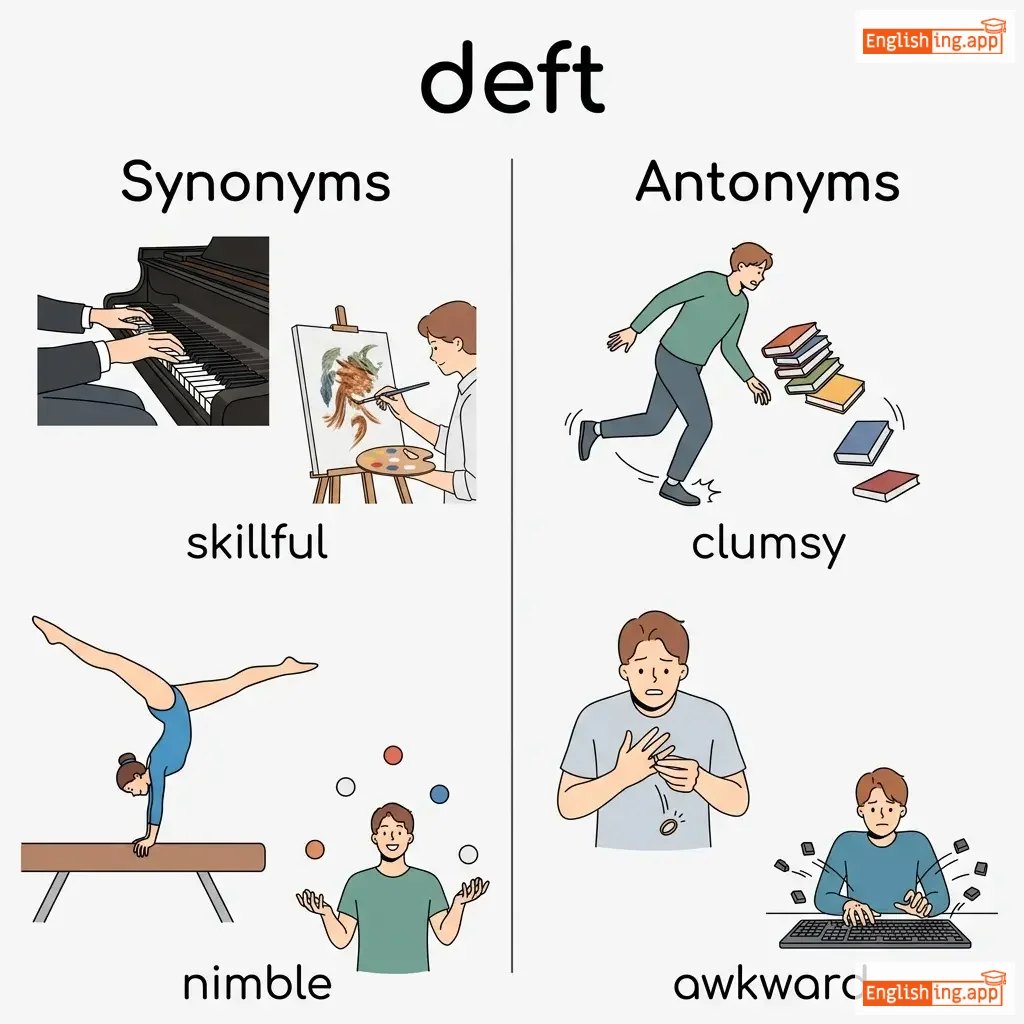
skillful, nimble, dexterous
••••••
|
clumsy, inept, awkward
••••••
|
‘Deft’ sounds like ‘器用’, meaning skillful and quick.
••••••
|
|
#2836
🎲
|
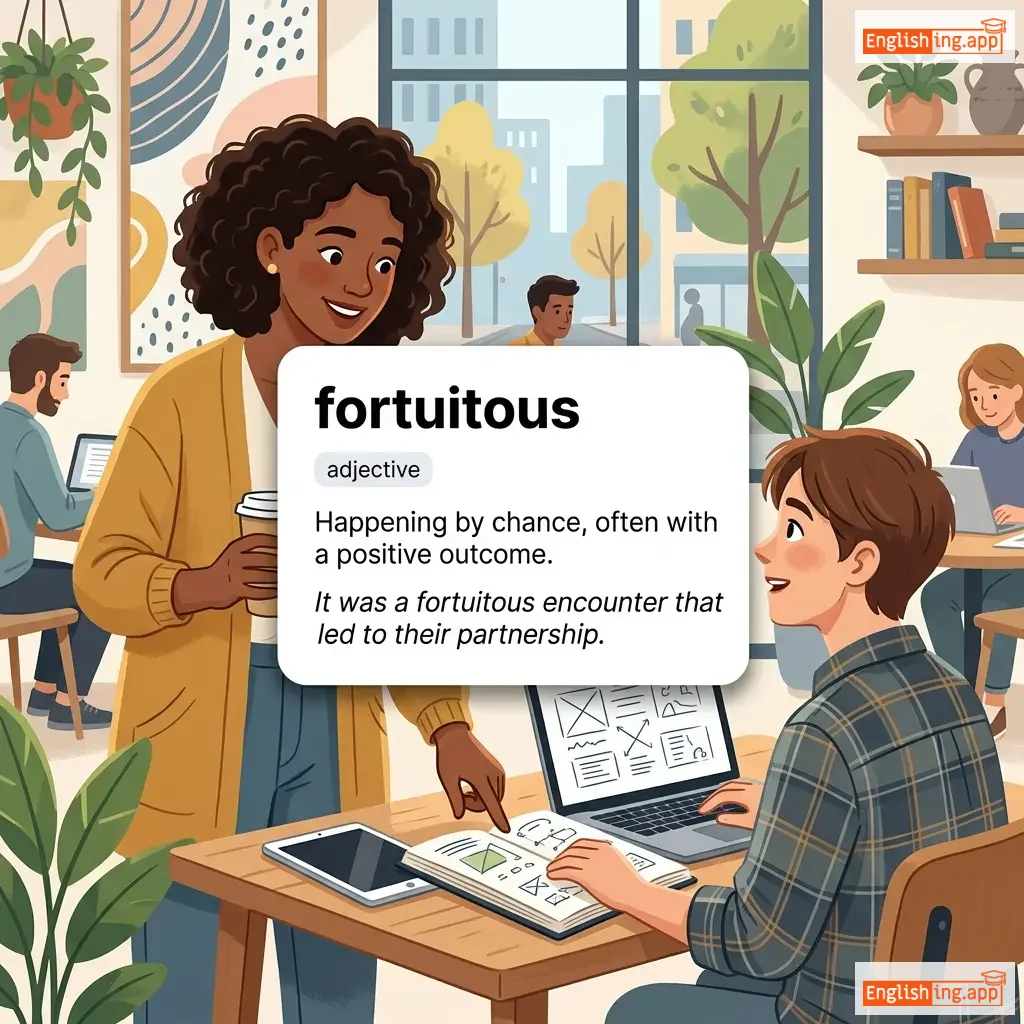
fɔːˈtjuː.ɪ.təs
adjective
(フォーチュイタス)
••••••
|
|
偶然の
gūzen no
••••••
|
Happening by accident or chance rather than design; lucky or fortunate.
••••••
|
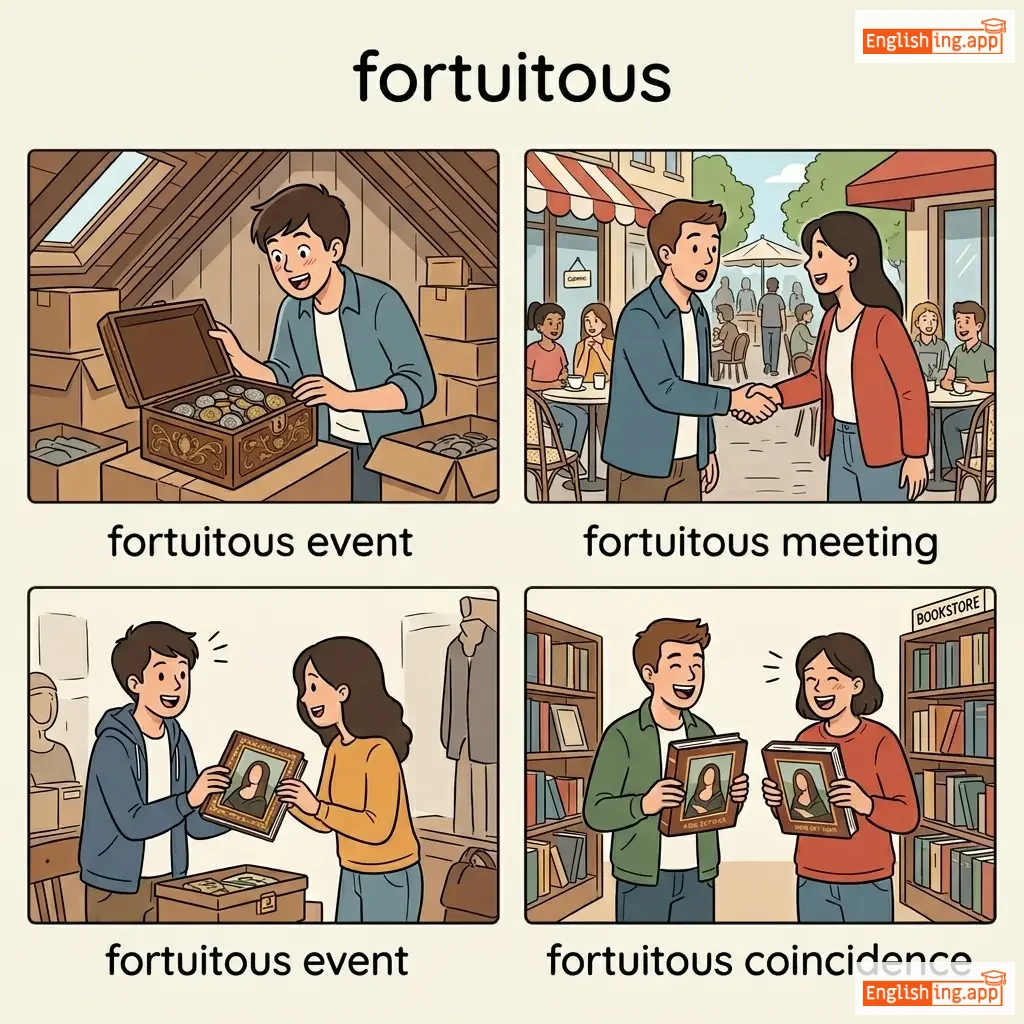
Their meeting was purely fortuitous.
彼らの出会いは完全に偶然でした。
••••••
|
彼らの出会いは完全に偶然でした。
Karera no deai wa kanzen ni gūzen deshita.
••••••
|
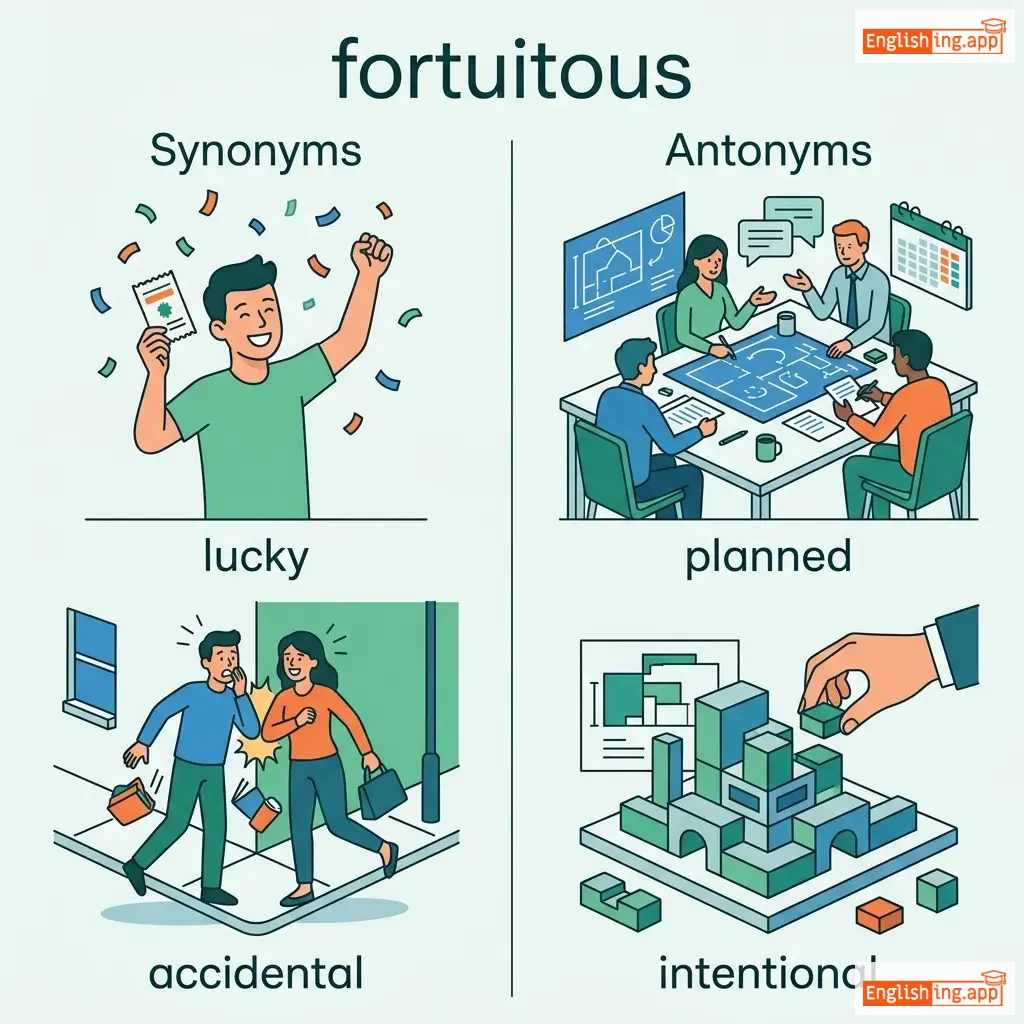
accidental, serendipitous, lucky
••••••
|
intentional, deliberate, planned
••••••
|
偶然の (gūzen no) events bring unexpected happiness.
••••••
|
|
#2837
🛡️
|
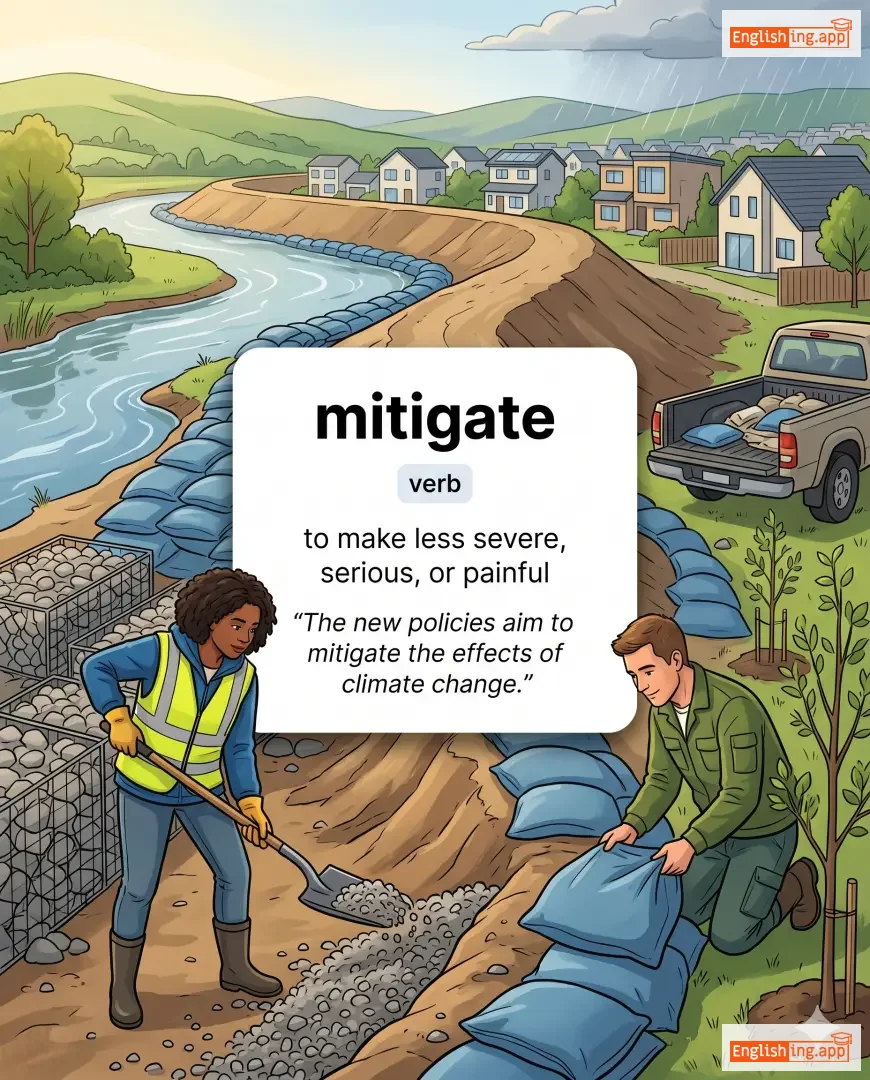
ˈmɪt.ɪ.ɡeɪt
verb
(ミティゲート)
••••••
|
|
軽減する
keigen suru
••••••
|
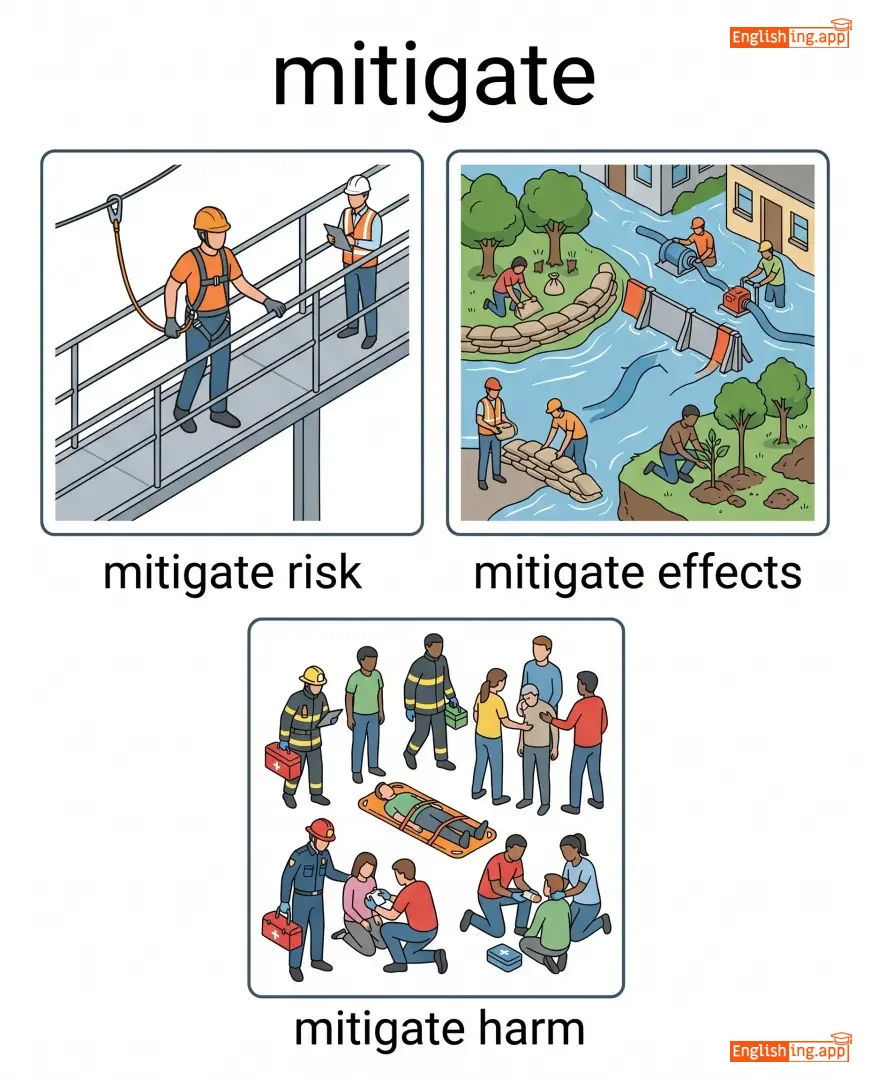
Make less severe, serious, or painful; to reduce or diminish the impact of something.
••••••
|
The government took steps to mitigate the crisis. |
政府は危機を軽減するために措置を講じました。
Seifu wa kiki o keigen suru tame ni sochi o kōjishimashita.
••••••
|
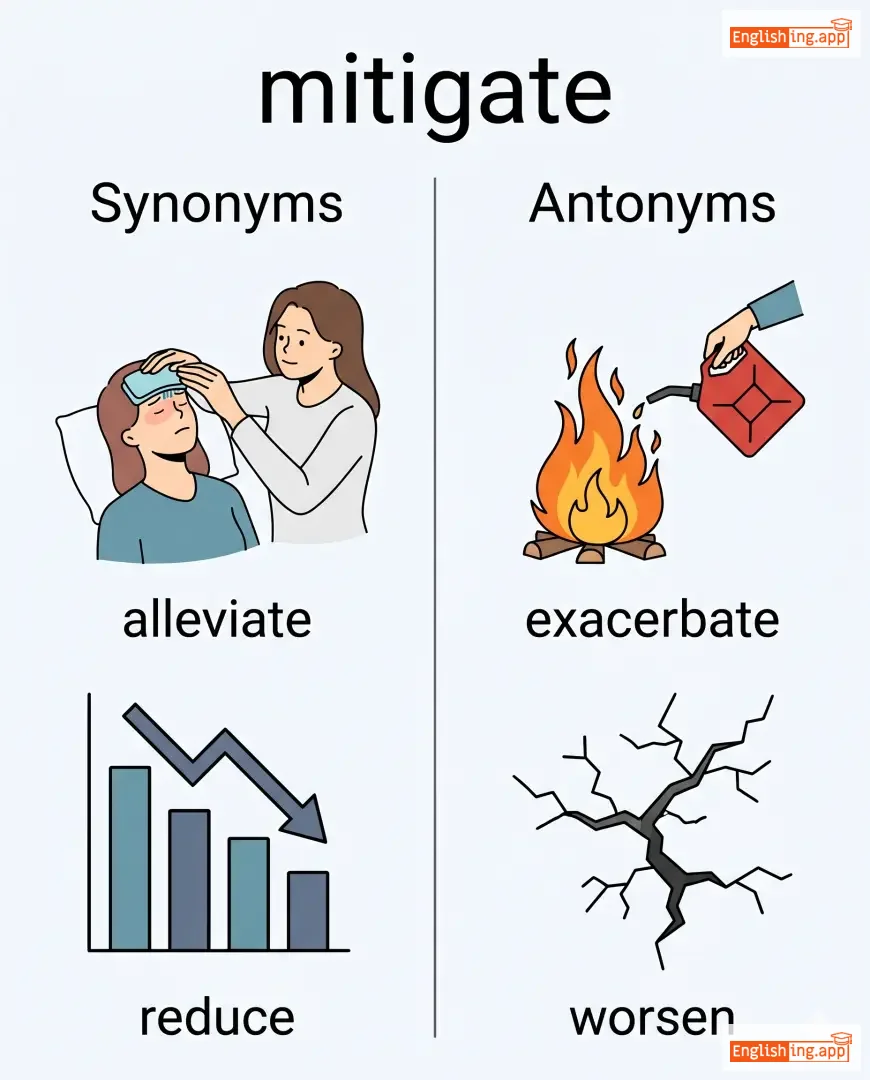
alleviate, reduce, lessen
••••••
|
aggravate, exacerbate, intensify
••••••
|
軽減するは深刻さを減らすこと。危機を軽減するのと同じように。
••••••
|
|
#2838
🕵️
|
ˌsʌr.əpˈtɪʃ.əs
adjective
(サーレプティシャス)
••••••
|
|
秘密の
himitsu no
••••••
|
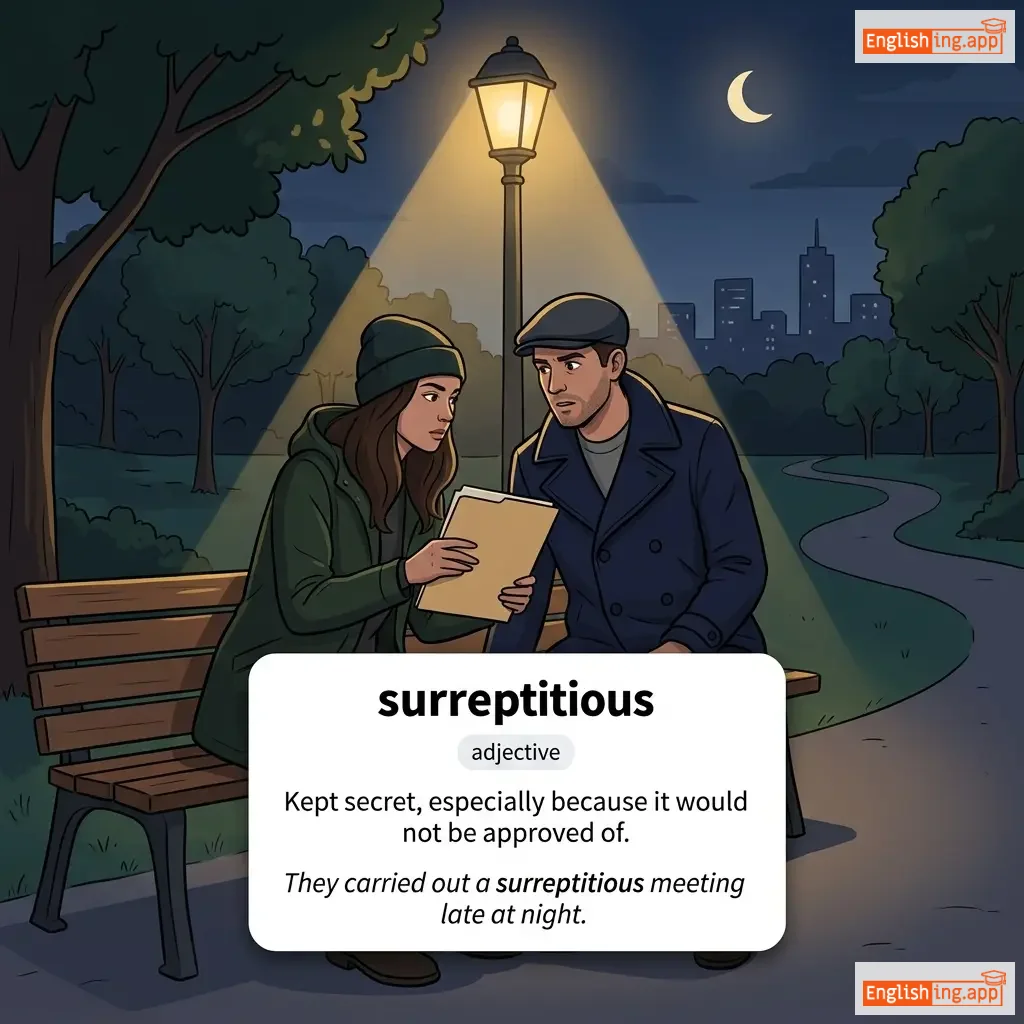
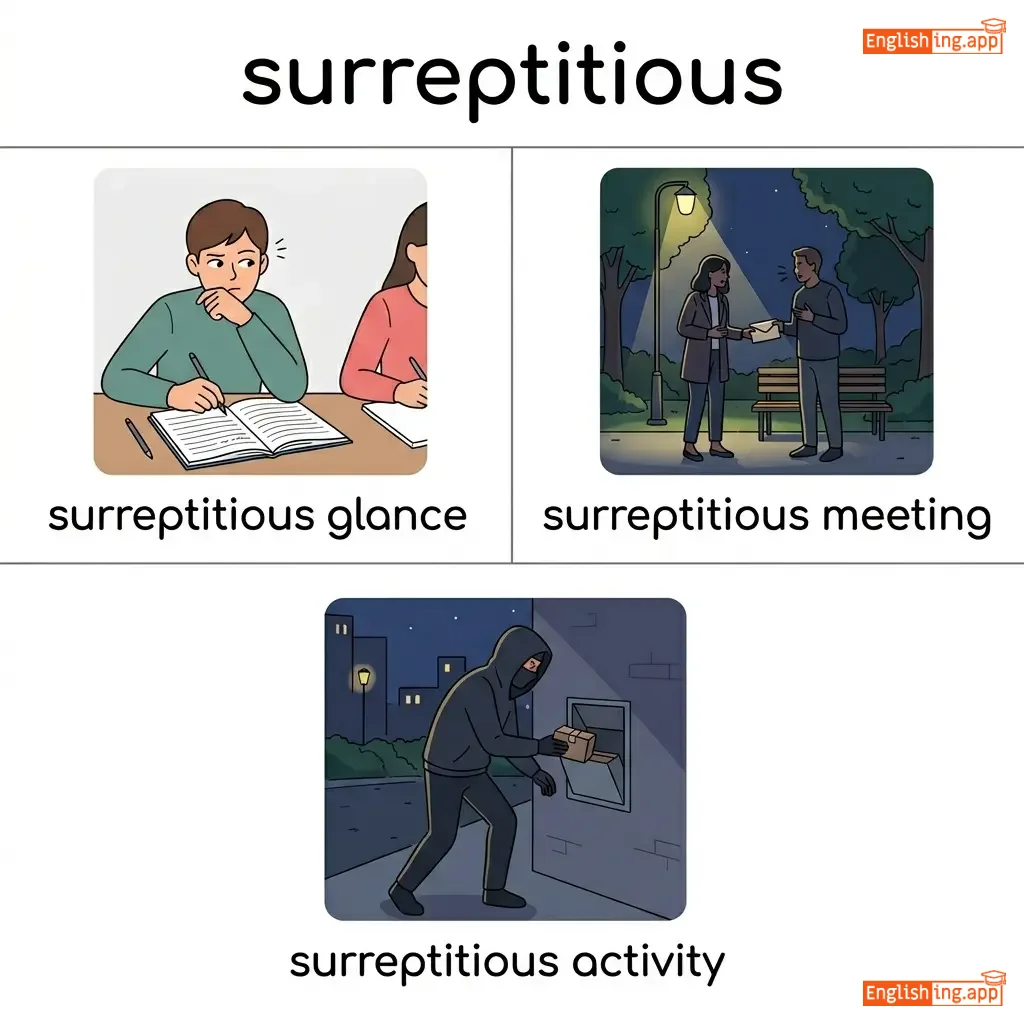
Kept secret, especially because it would not be approved of; done stealthily.
••••••
|
She took a surreptitious glance at his notes. |
彼女は彼のノートをひそかに覗き見た。
Kanojo wa kare no nōto o hisoka ni nozokimita.
••••••
|
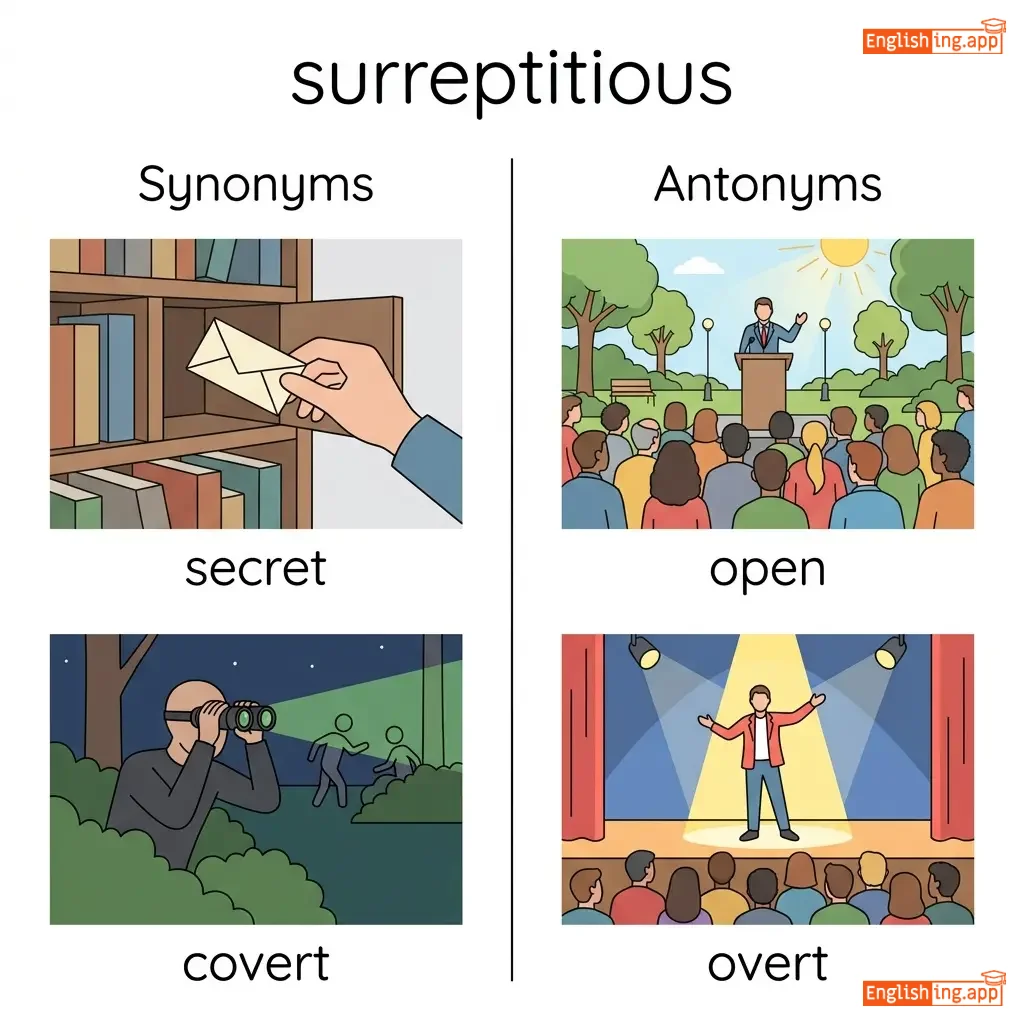
secretive, clandestine, stealthy
••••••
|
open, overt, transparent
••••••
|
秘密の行動は、誰にも気づかれずに行われる
••••••
|
|
#2839
💪
|
tɪˈneɪ.ʃəs
adjective
(テネイシャス)
••••••
|
|
粘り強い
nebarizuyoi
••••••
|
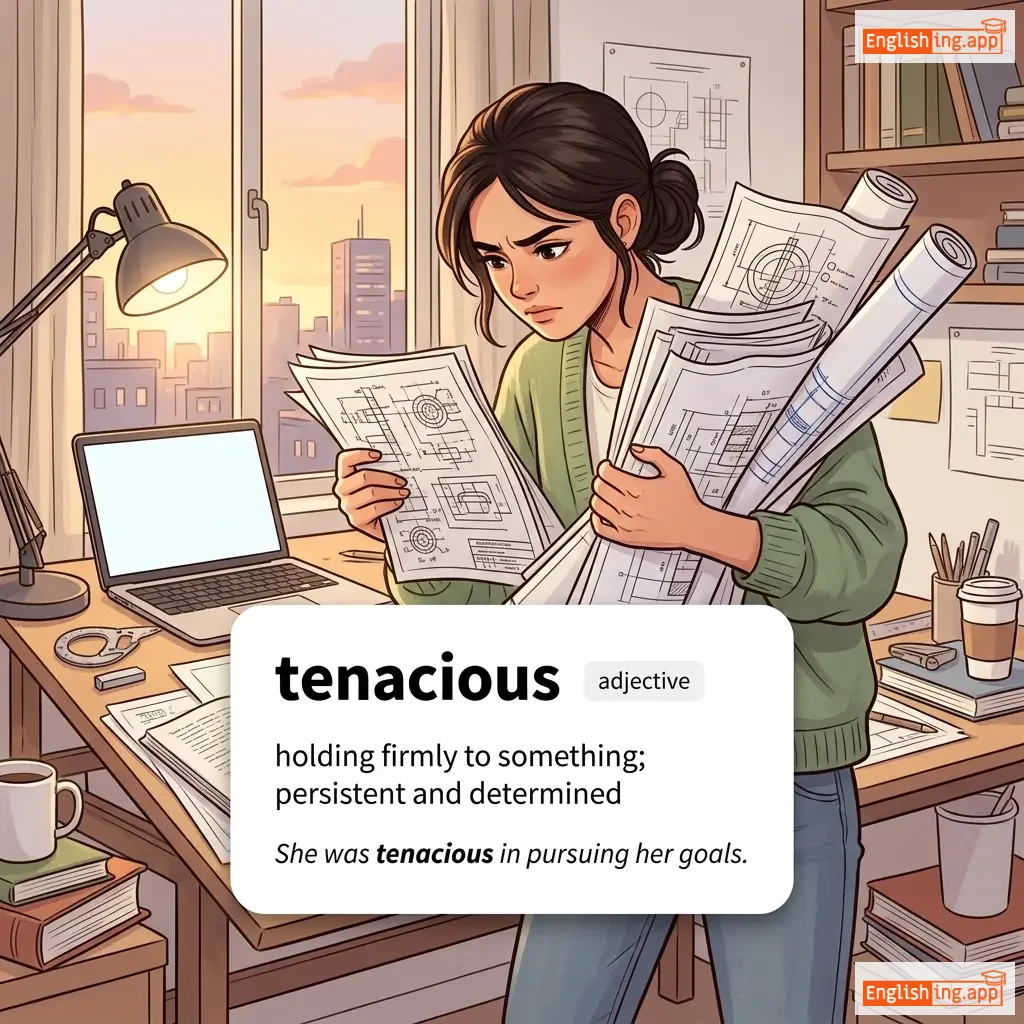
Not readily letting go of, giving up, or separated from an object that one holds, a position, or a principle; persistent.
••••••
|
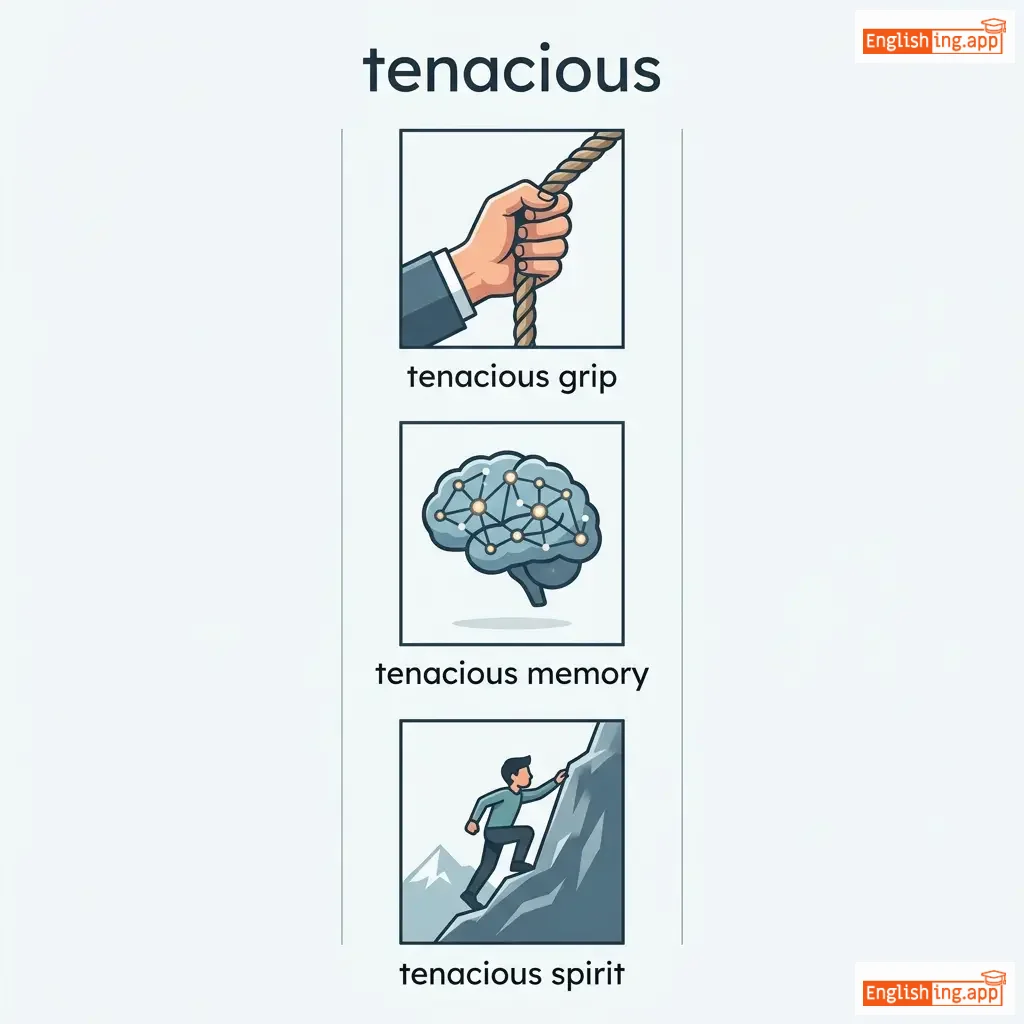
Her tenacious spirit helped her overcome hardships. |
彼女の粘り強い精神が困難を乗り越える助けとなった。
Kanojo no nebarizuyoi seishin ga konnan wo norikoeru tasuke to natta.
••••••
|
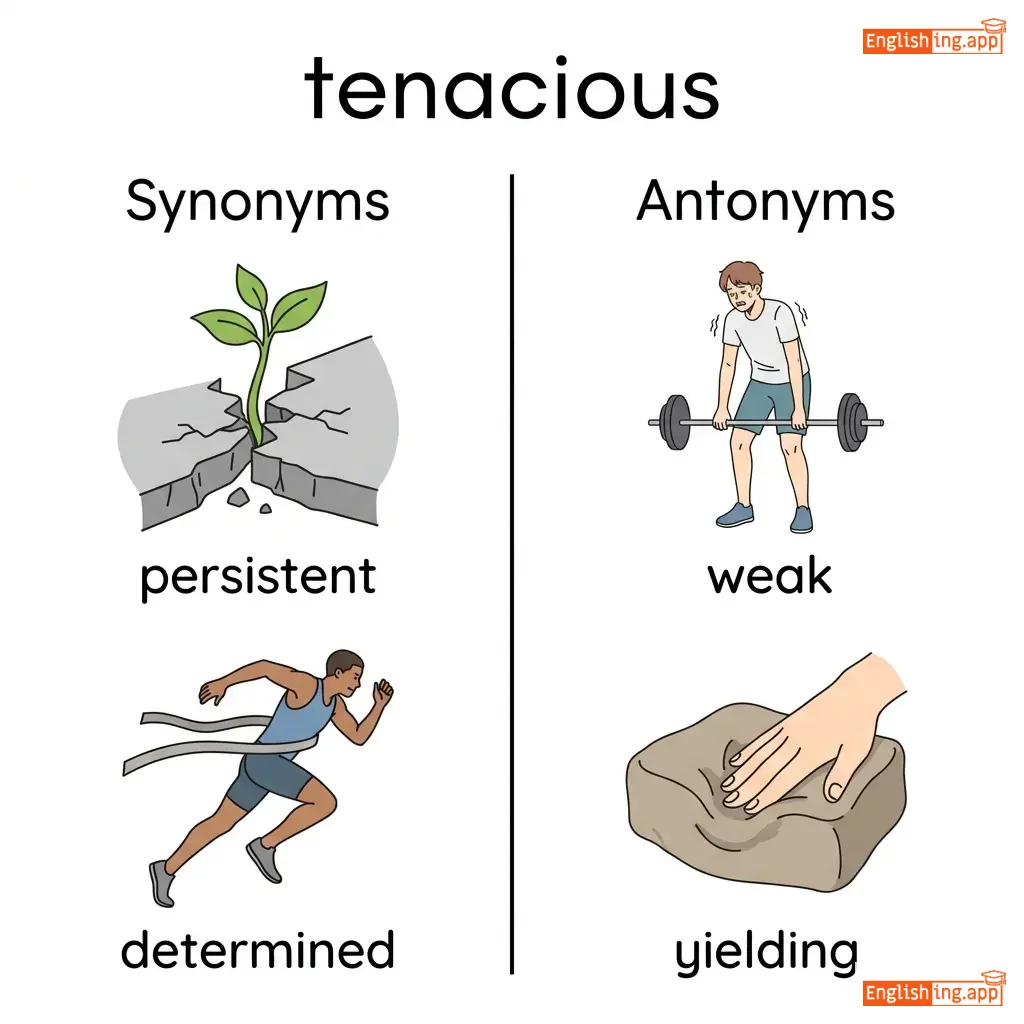
persistent, determined, unyielding
••••••
|
weak, indecisive, hesitant
••••••
|
粘り強く、困難を乗り越える精神を持つ!
••••••
|
|
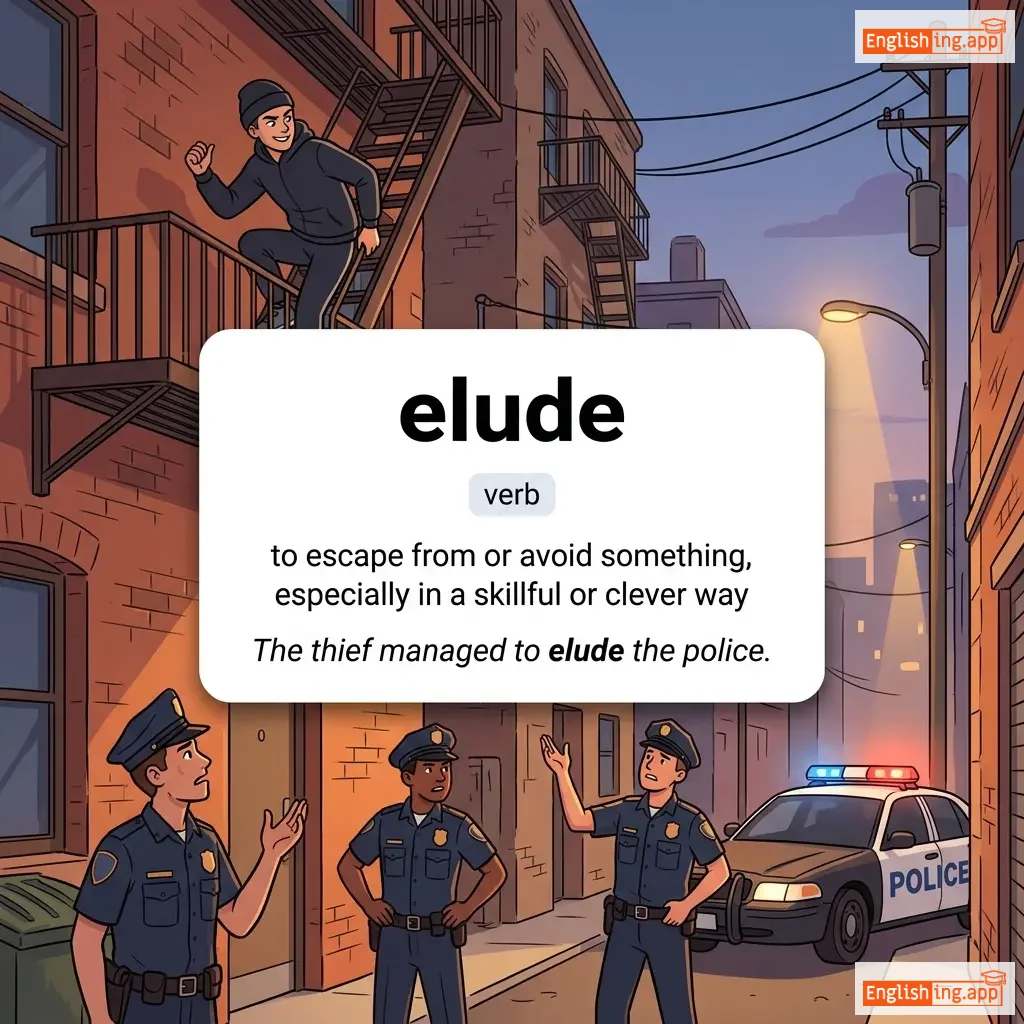
#2840
🏃
|
ɪˈluːd
verb
(イルード)
••••••
|
|
逃れる
nogareru
••••••
|
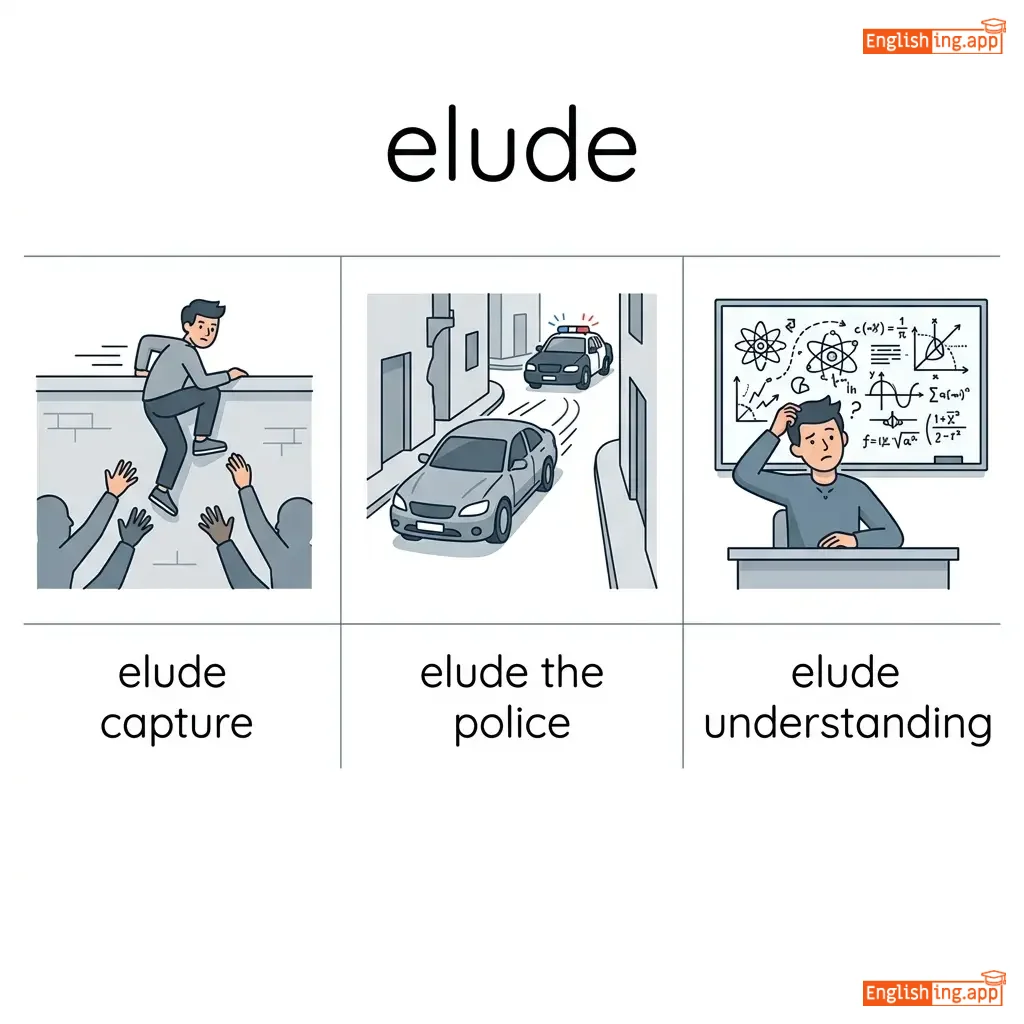
Evade or escape from, typically in a skillful or cunning way; avoid being caught.
••••••
|
The thief managed to elude the police.
泥棒は警察から逃げることに成功した。
••••••
|
泥棒は警察から逃げることに成功した。
Dorobou wa keisatsu kara nigeru koto ni seikou shita.
••••••
|
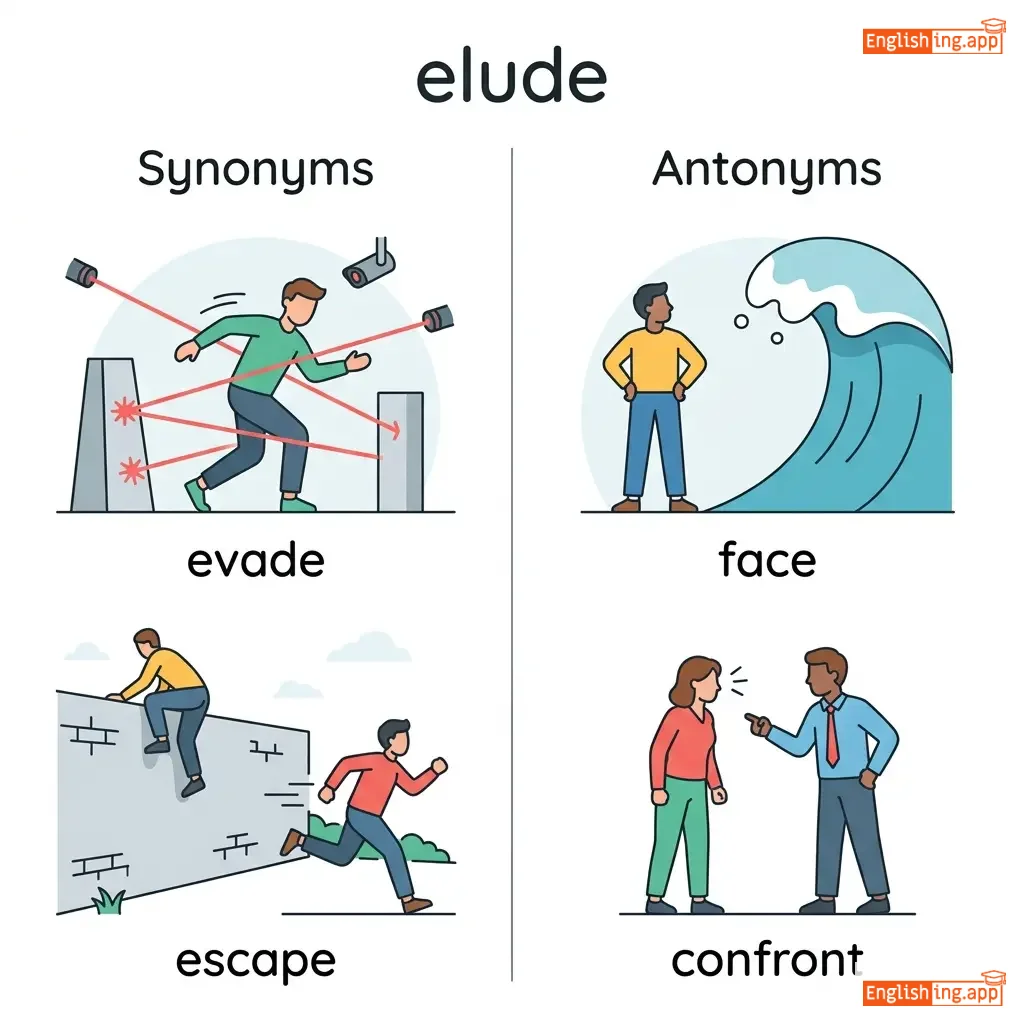
evade, escape, dodge
••••••
|
confront, capture, encounter
••••••
|
泥棒が警察をうまくかわす。
••••••
|
Vocabulary Quiz
Test your vocabulary by matching words with their translations or meanings.
Login to take the quiz
Comments (0)
Share your thoughts and join the discussion.
Join the discussion by logging in
Login to CommentNo comments yet
Be the first to share your thoughts!