

有機食品の栄養的利点
Nutritional Benefits of Organic Foods
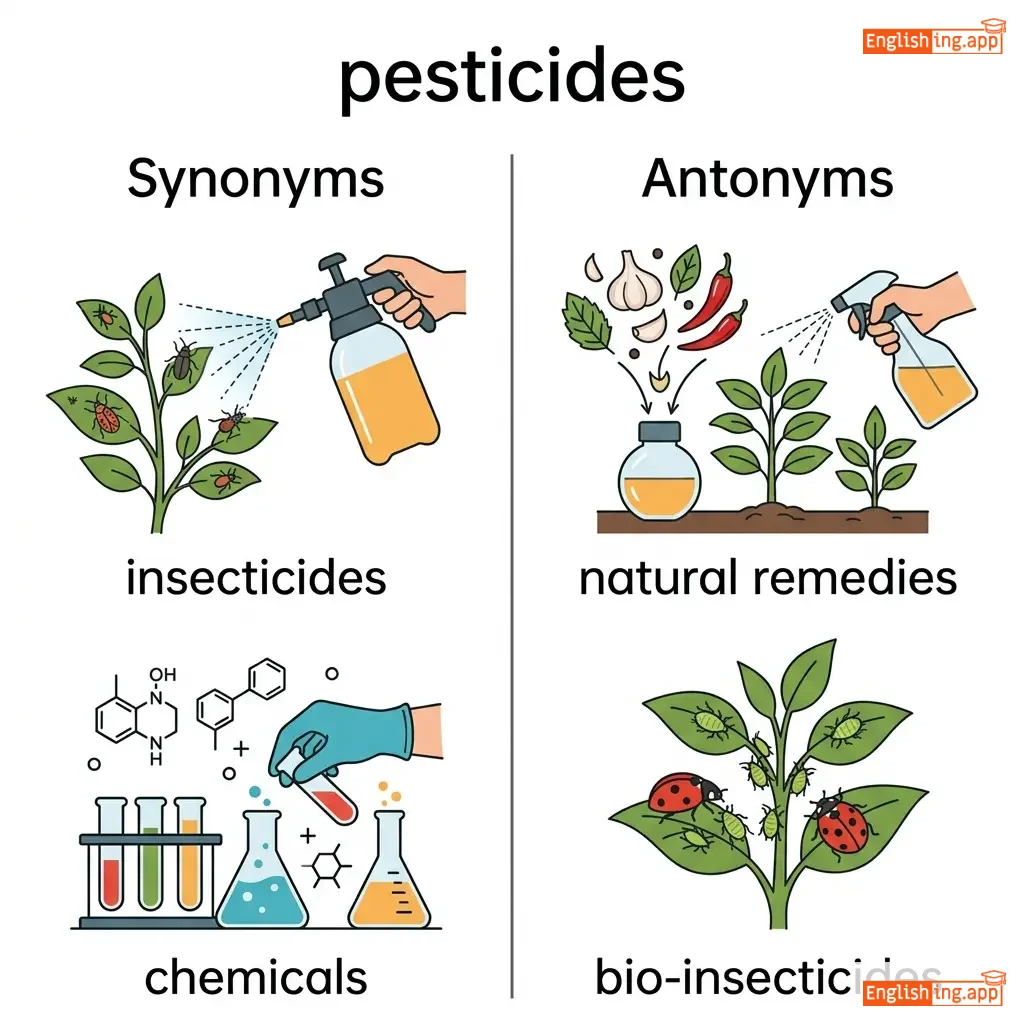
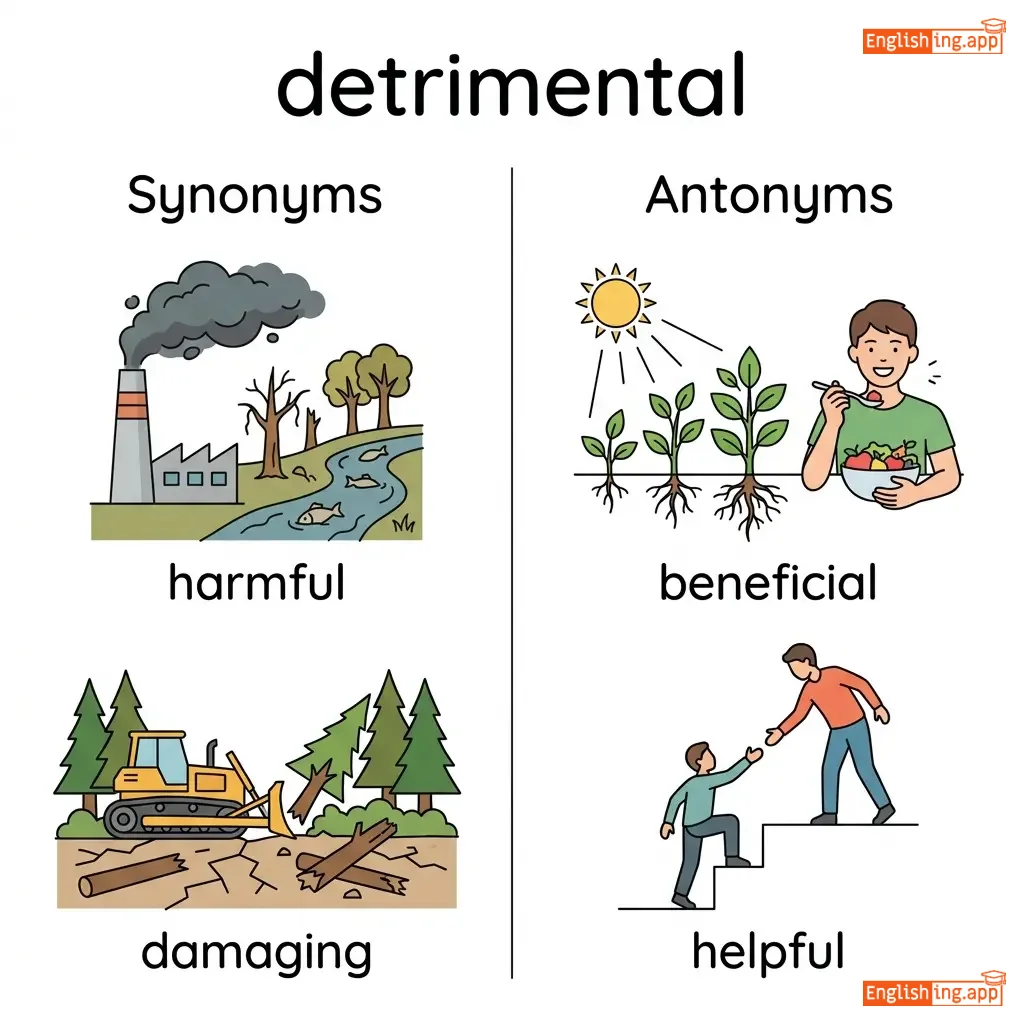
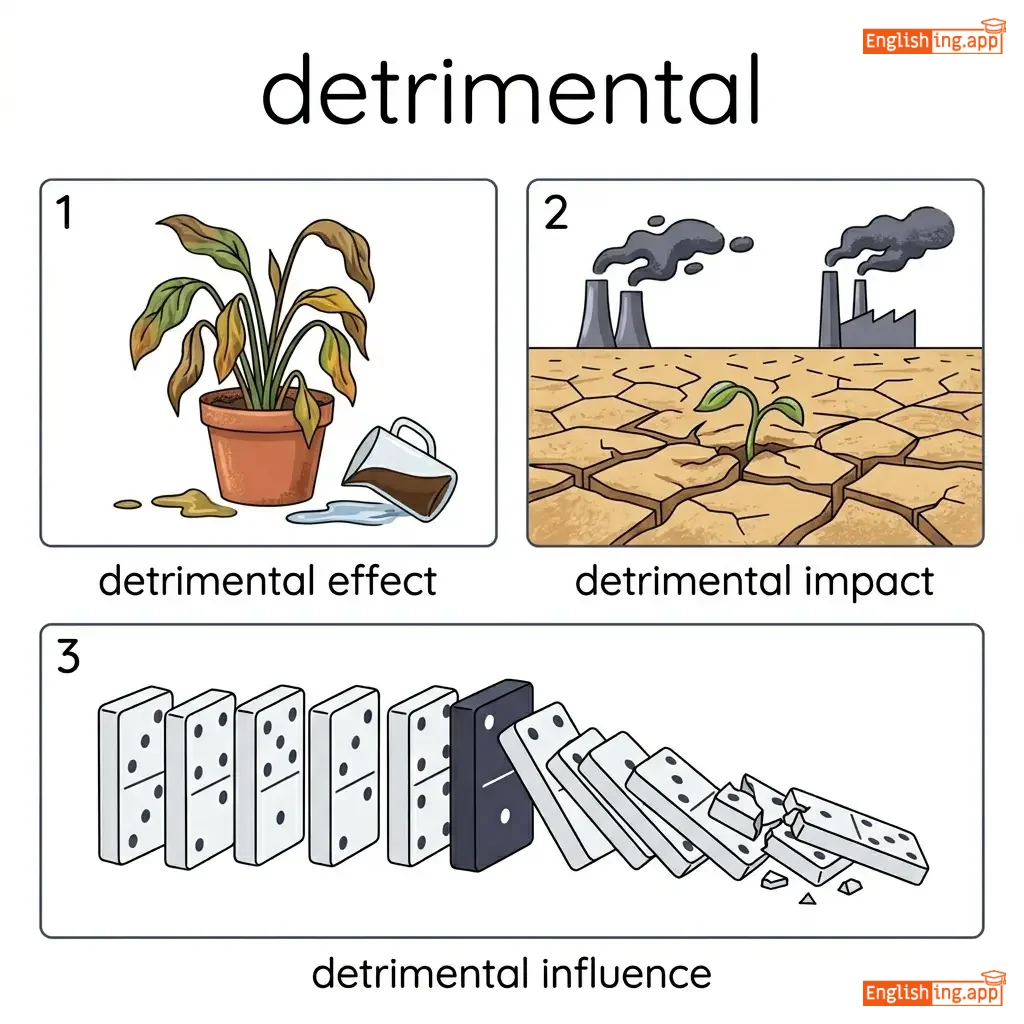
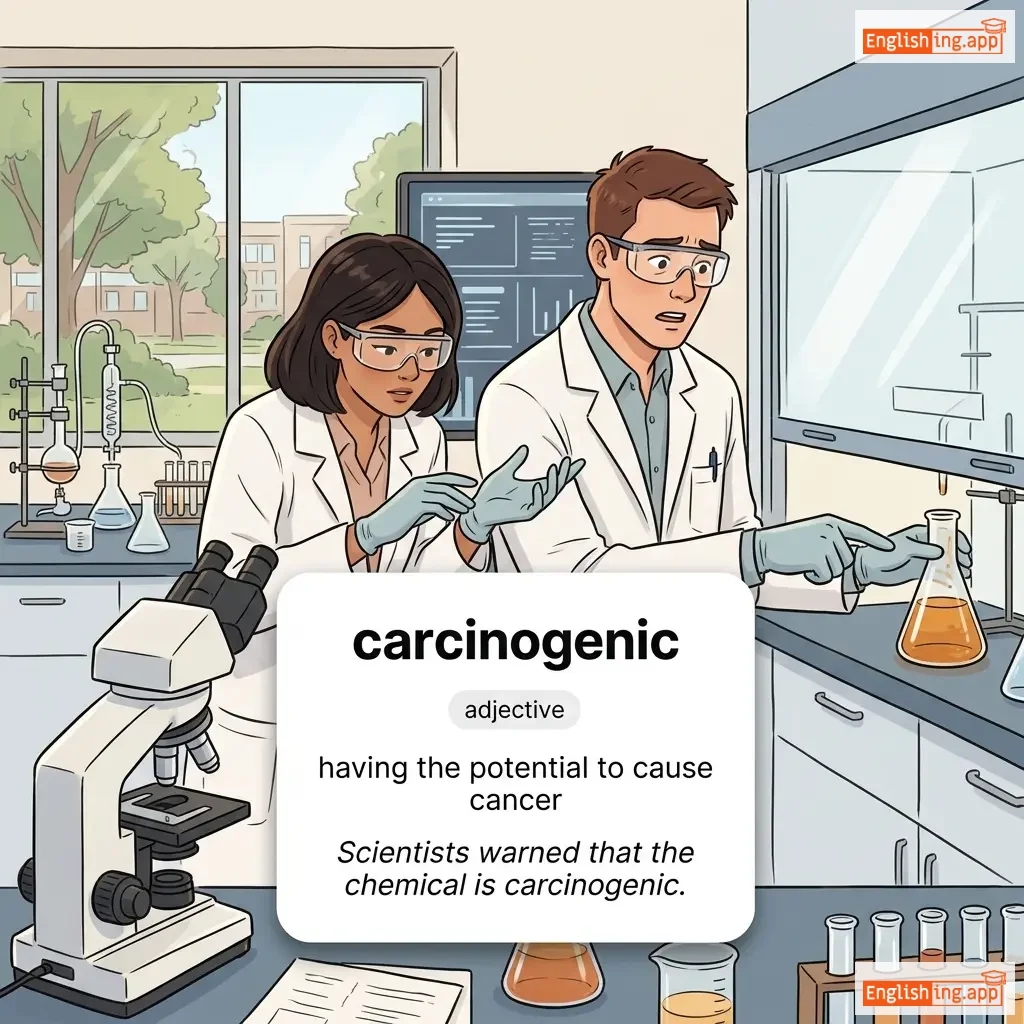
現代のconventional食品のadulterationや過度のpesticides使用は、人間の健康にdetrimentalな影響を与えています。これらの食品に含まれるcarcinogenic化学物質は、長期的にendocrine系や神経系に悪影響を及ぼします。一方、organic foodsは化学物質を使用しないcultivation方法で生産され、preservativesや人工成分は使用されません。含まれるantioxidantsやphytonutrientsは体のimmunityを高め、さまざまな病気への抵抗力を強化します。Organic foodsはbioavailabilityが高く、体はそれを容易にmetabolizeし、必要なmicronutrientsを吸収できます。さらに、fortificationなしで自然に栄養素を含んでいます。こうした食品のsustainabilityは、環境に優しい農法によって確保され、holisticな健康維持に役立ちます。したがって、長期的な健康的な生活のためにorganic foodsを選ぶことは賢明な選択です。
翻訳
過去
過去分詞
三人称単数
動名詞
意味
例文
例文の翻訳
同義語
対義語
コロケーション
ニーモニック



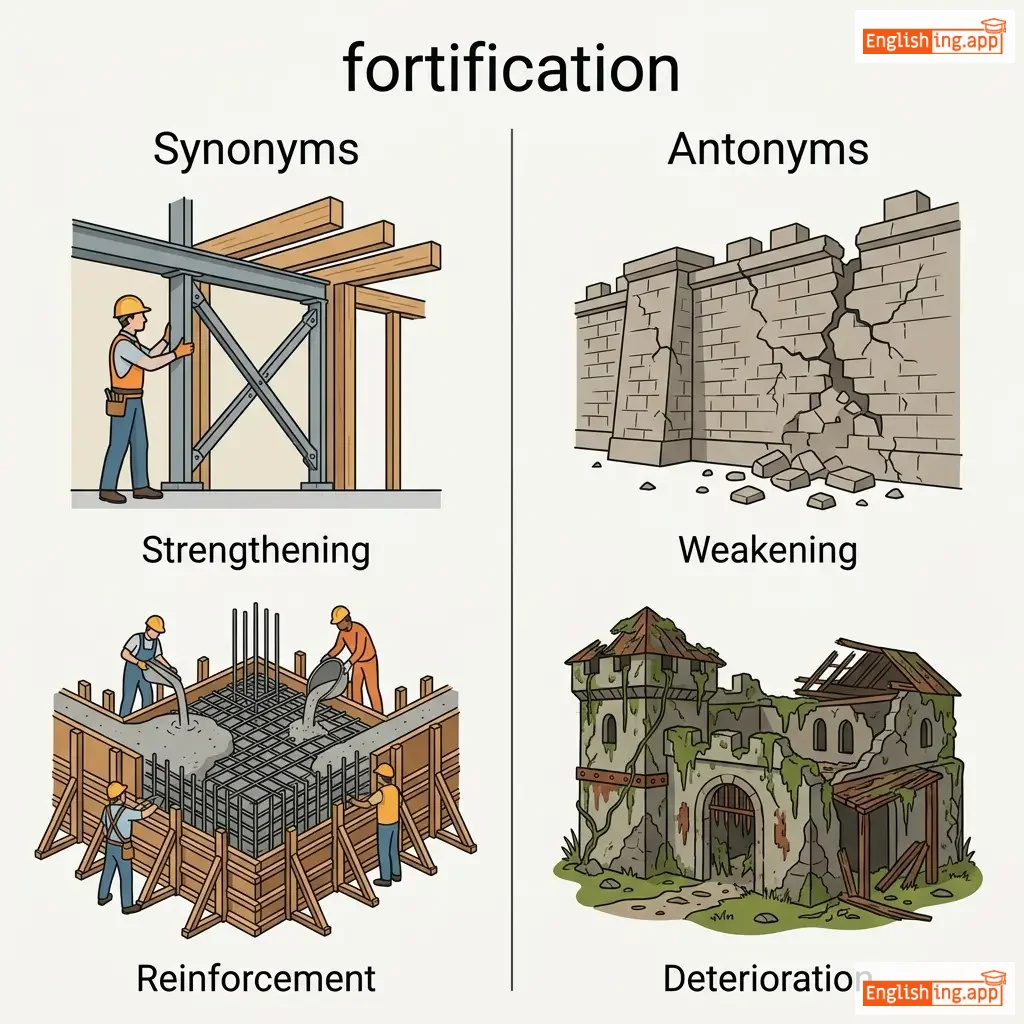

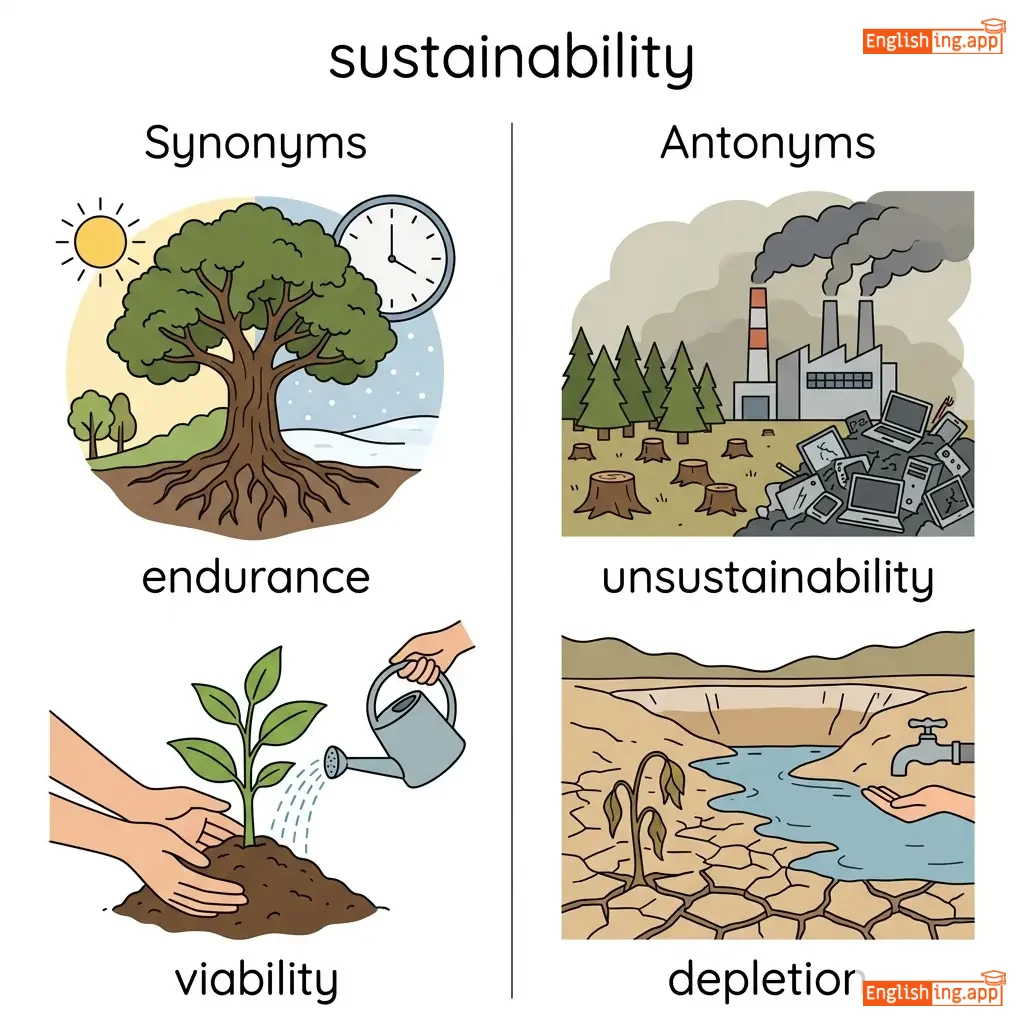

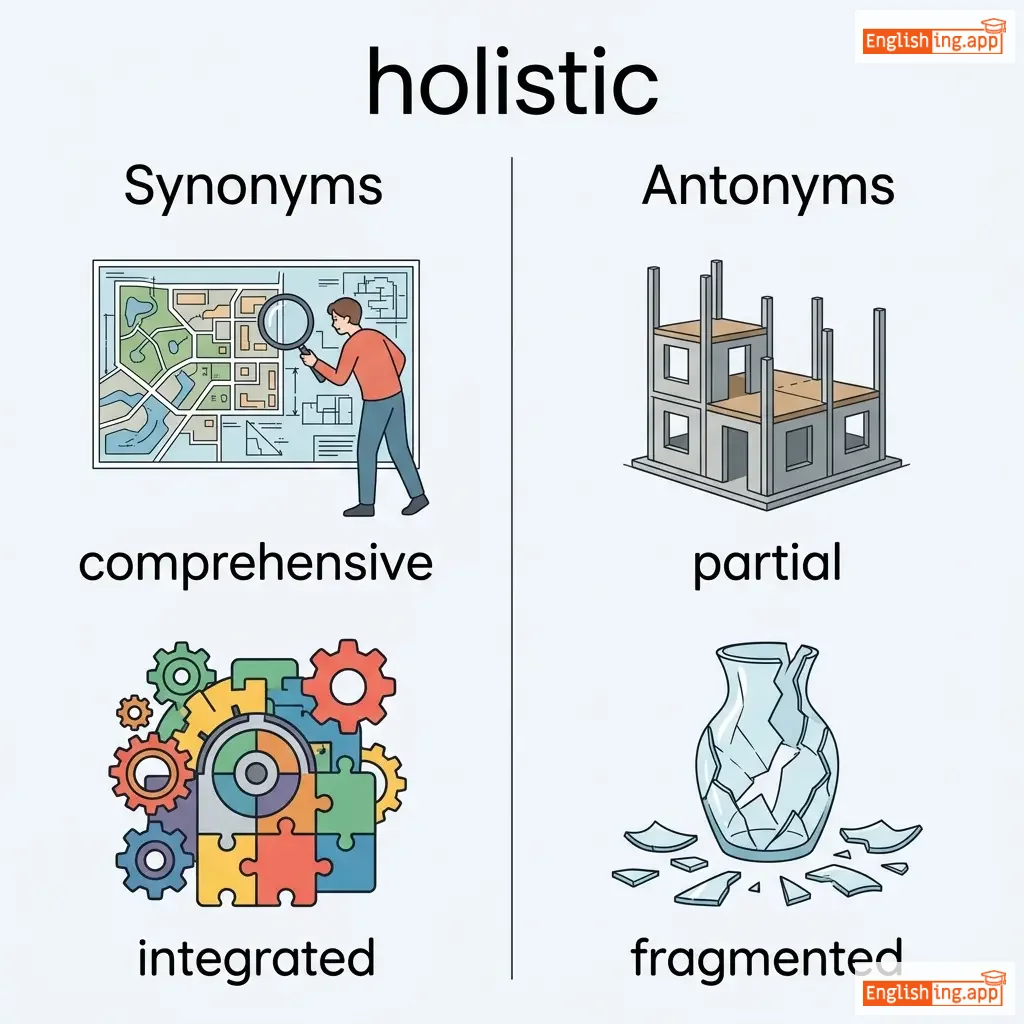
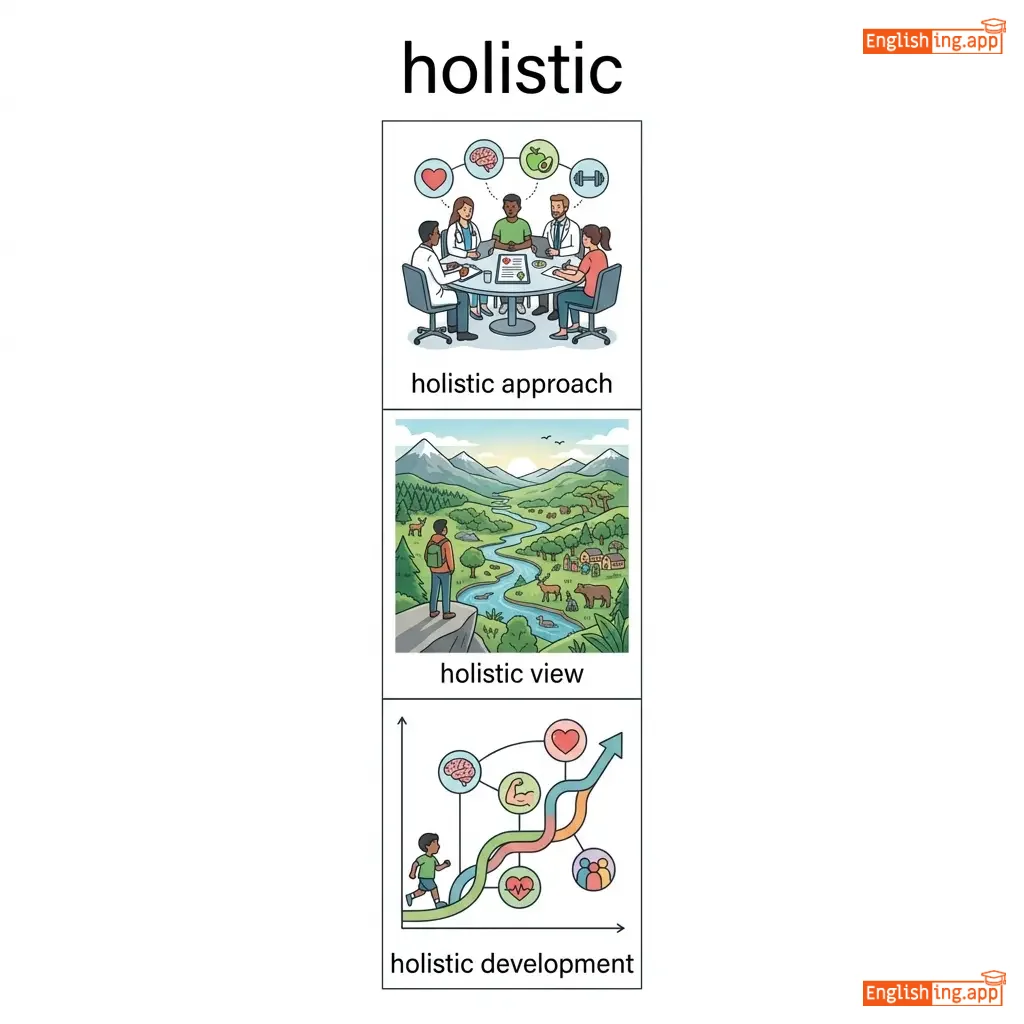
Swipe left or right, or use the buttons. Tap image to zoom.
例文の翻訳
単語
Nutritional Benefits of Organic FoodsNutritional Benefits of Organic Foods - マスクトグル
|
絵文字
|
単語 | Images | 翻訳 | 意味 | 例文 | 例文の翻訳 | 同義語 | 対義語 | ニーモニック |
|---|---|---|---|---|---|---|---|---|---|
|
#2628
🏛️
|
kənˈven.ʃən.əl
adjective
(カンベンショナル)
••••••
|
|
従来の
jūrai no
••••••
|
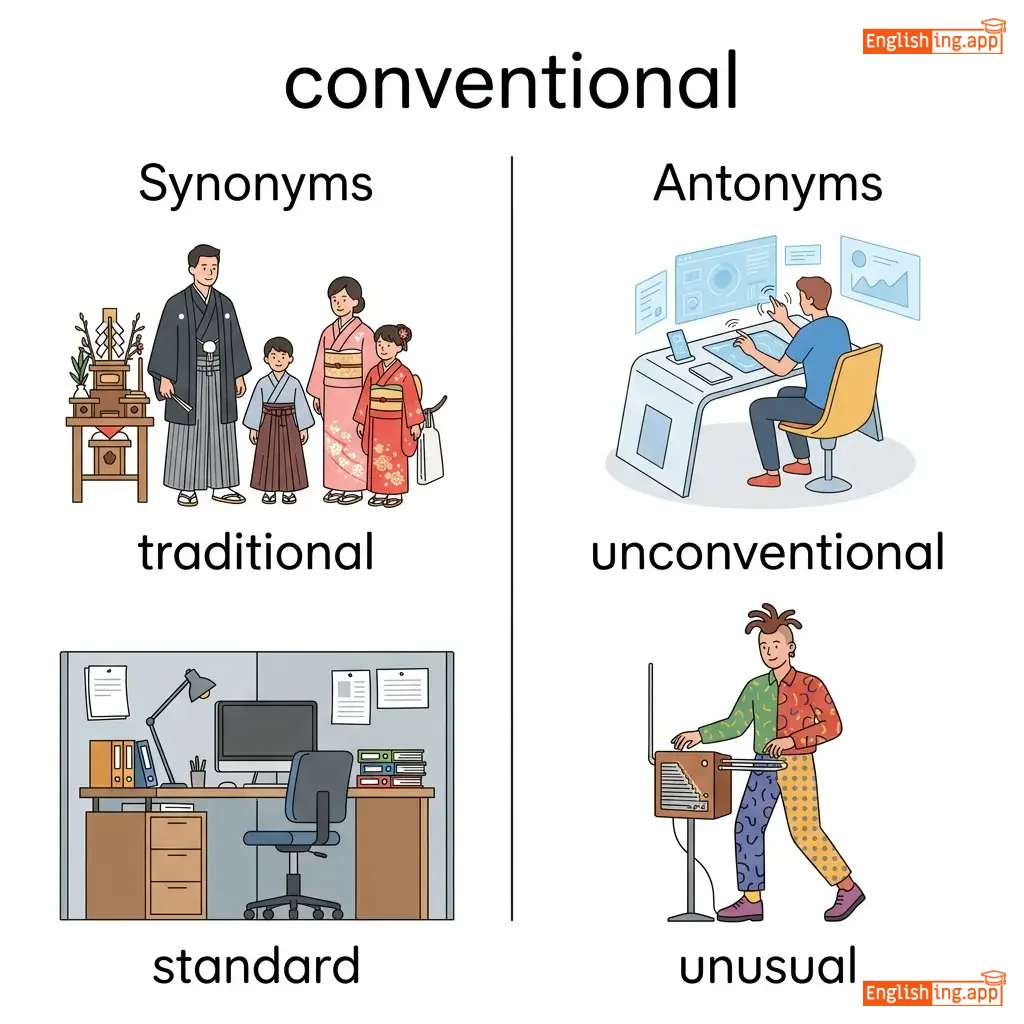
Based on or in accordance with what is generally done or believed; traditional, standard, customary.
••••••
|
Many farmers still use conventional farming methods.
多くの農家は今でも従来の農法を使用しています。
••••••
|
多くの農家は今でも従来の農法を使用しています。
Ōku no nōka wa ima demo jūrai no nōhō o shiyō shiteimasu.
••••••
|
traditional, standard, customary
••••••
|
unorthodox, innovative, unconventional
••••••
|
In Japanese, '従来の' corresponds to 'traditional' and represents conventional methods or practices.
••••••
|
|
#2629
☠️
|
əˌdʌl.təˈreɪ.ʃən
noun
(アダルテレーション)
••••••
|
|
不正混入
Fusei konnyū
••••••
|
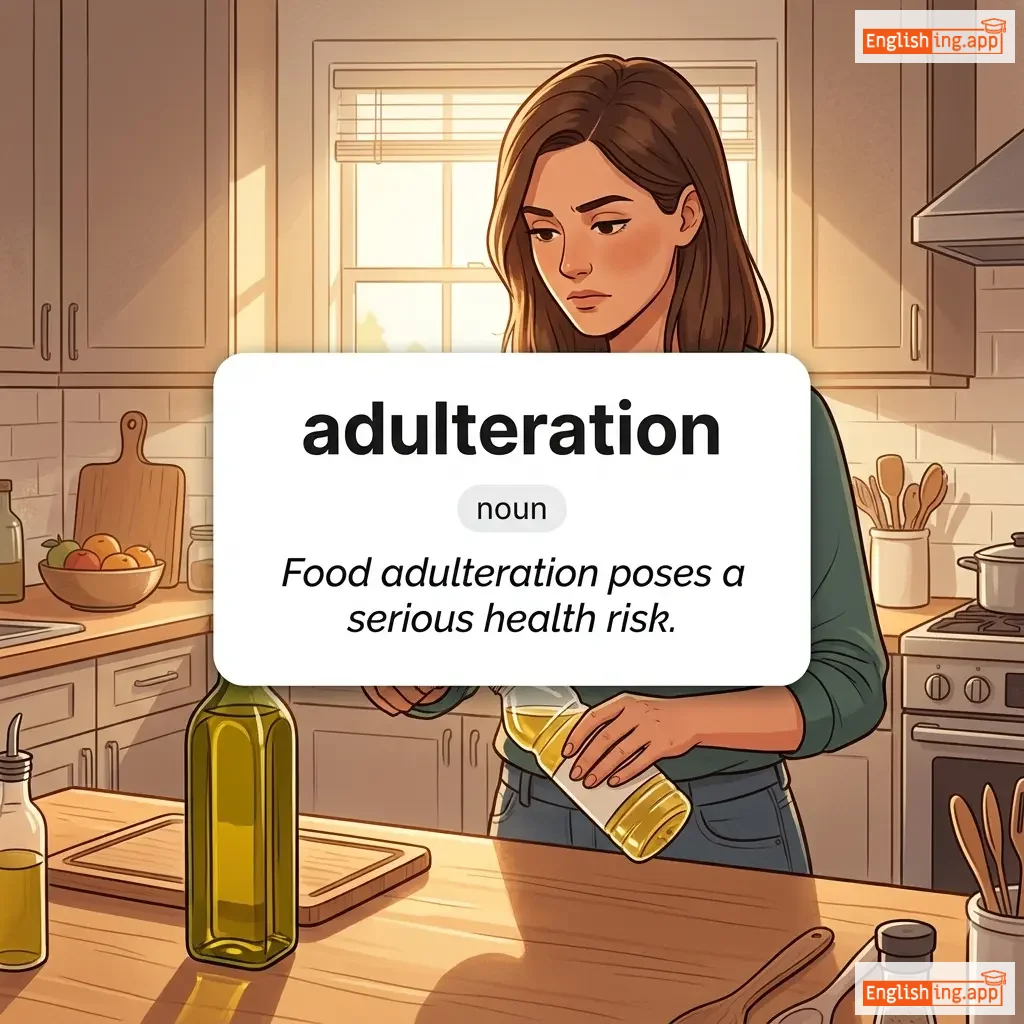
The action of making something poorer in quality by the addition of another substance.
••••••
|
Food adulteration poses a serious health risk.
食品のアダルテレーションは深刻な健康リスクを引き起こします。
••••••
|
食品の不正混入は深刻な健康リスクを引き起こします。
Shokuhin no fusei konnyū wa shinkoku na kenko risuku o hikiokoshimasu.
••••••
|
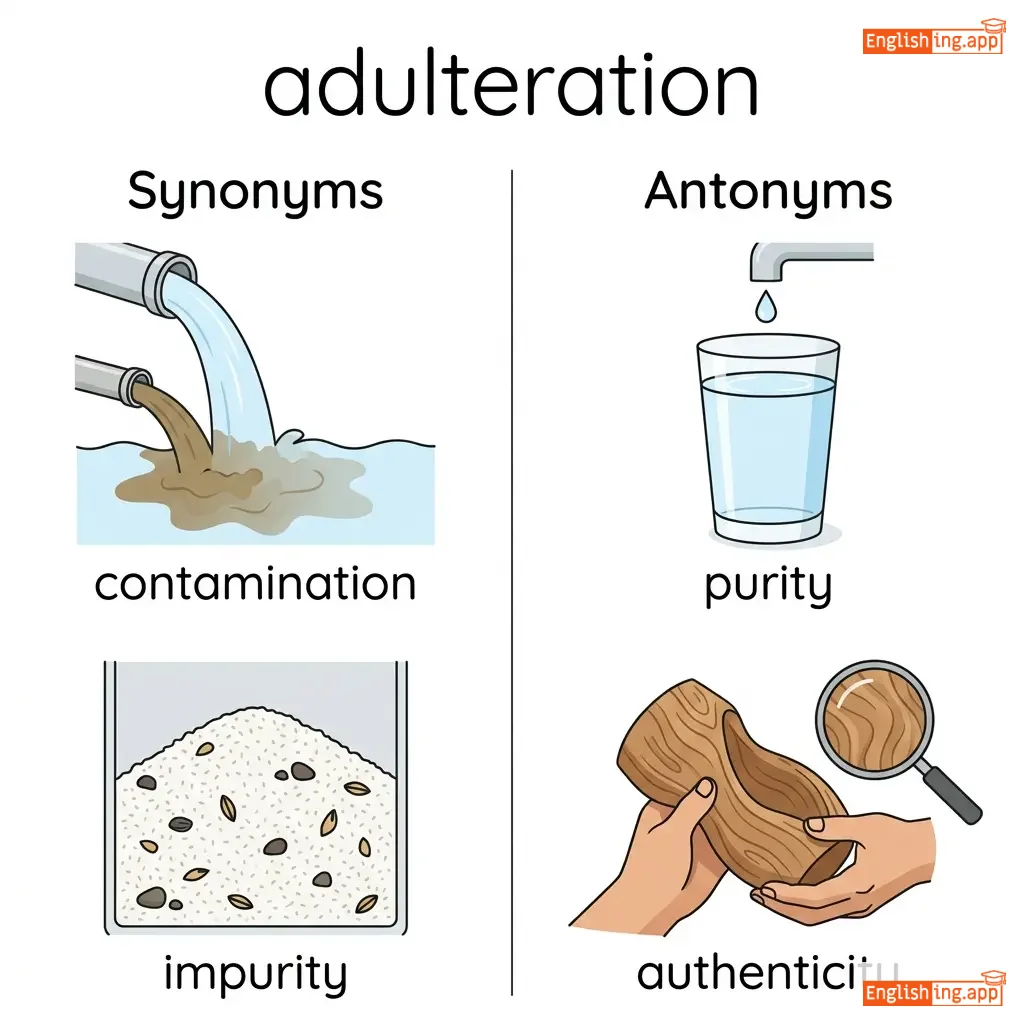
contamination, impurity, degradation
••••••
|
purity, authenticity, refinement
••••••
|
不正混入 - 食べ物が悪くなる原因。
••••••
|
|
#2630
🚫
|
ˈpɛs.tɪ.saɪdz
noun
(pesutisaidzu)
••••••
|
|
農薬
nōyaku
••••••
|
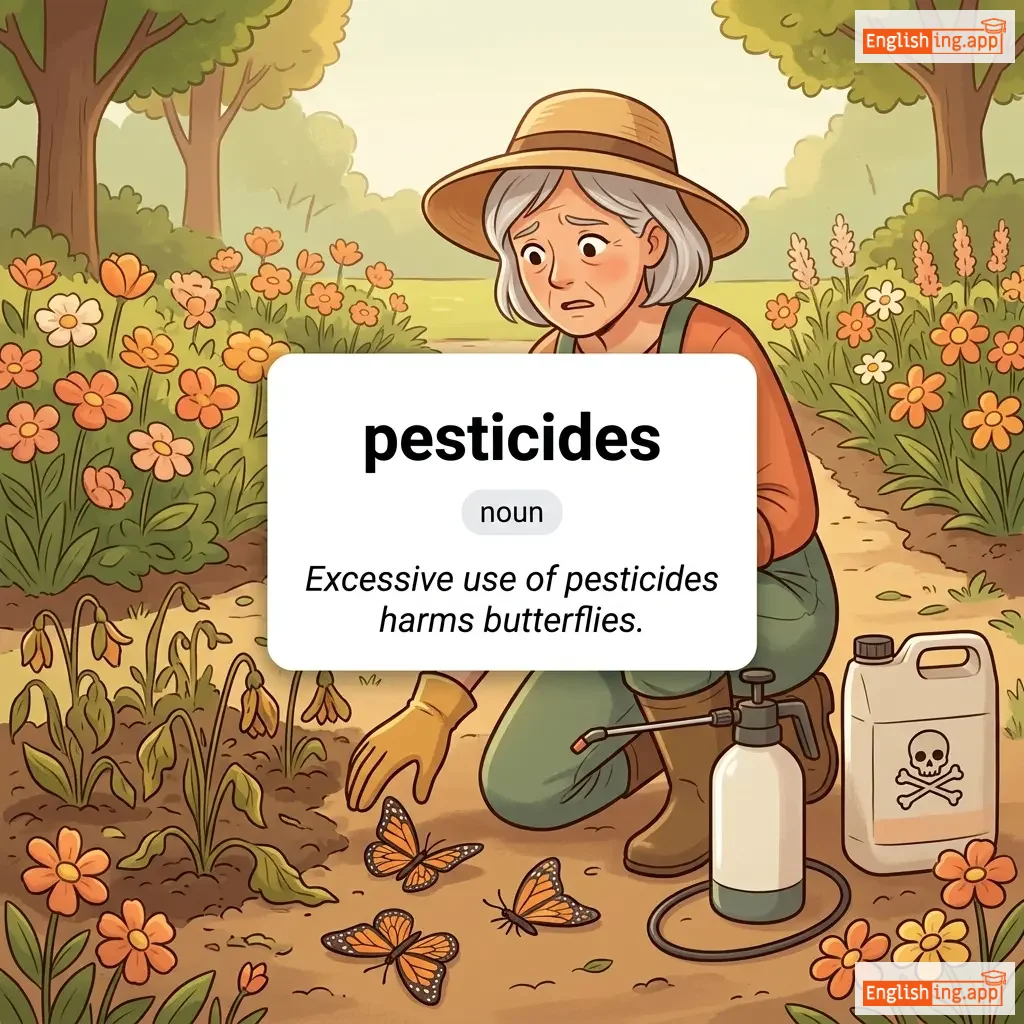
Substances used for destroying insects or other organisms harmful to cultivated plants or to animals.
••••••
|
Excessive pesticides use can harm the environment.
過剰な農薬の使用は環境に害を及ぼす可能性があります。
••••••
|
過剰な農薬の使用は環境に害を及ぼす可能性があります。
Kajō na nōyaku no shiyō wa kankyō ni gai o oyobosu kanōsei ga arimasu.
••••••
|
insecticide, herbicide, fungicide
••••••
|
organic treatment, natural repellent, biological control
••••••
|
農薬を使うと、害虫を倒せるけど環境に悪影響がある!
••••••
|
|
#2631
💥
|
ˌdɛtrɪˈmɛntəl
adjective
(デトリメンタル)
••••••
|
|
有害な
yūgaina
••••••
|
Tending to cause harm; harmful or damaging.
••••••
|
Smoking is detrimental to health. |
喫煙は健康に有害です。
Kitsuen wa kenkō ni yūgai desu.
••••••
|
harmful, destructive, injurious
••••••
|
beneficial, advantageous, favorable
••••••
|
有害な煙草が健康に害を及ぼす。
••••••
|
|
#2632
☢️
|
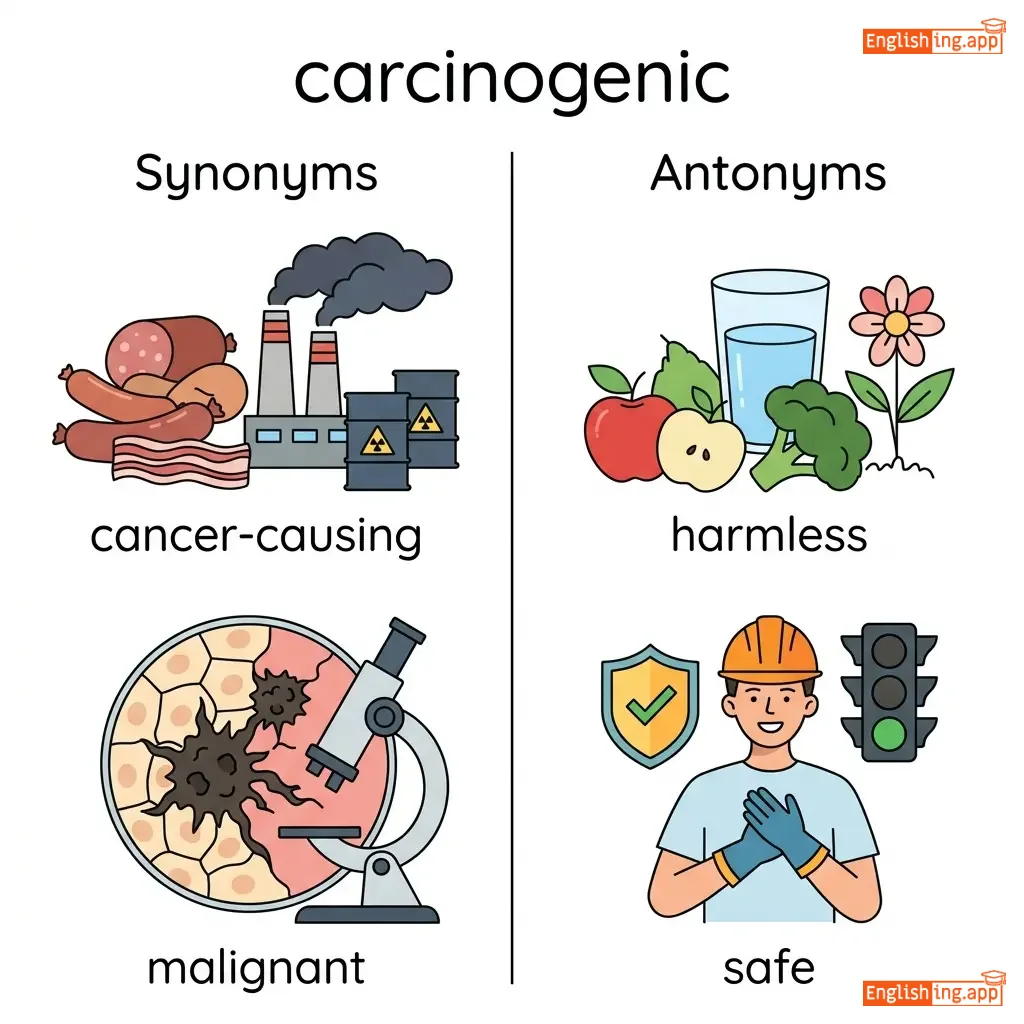
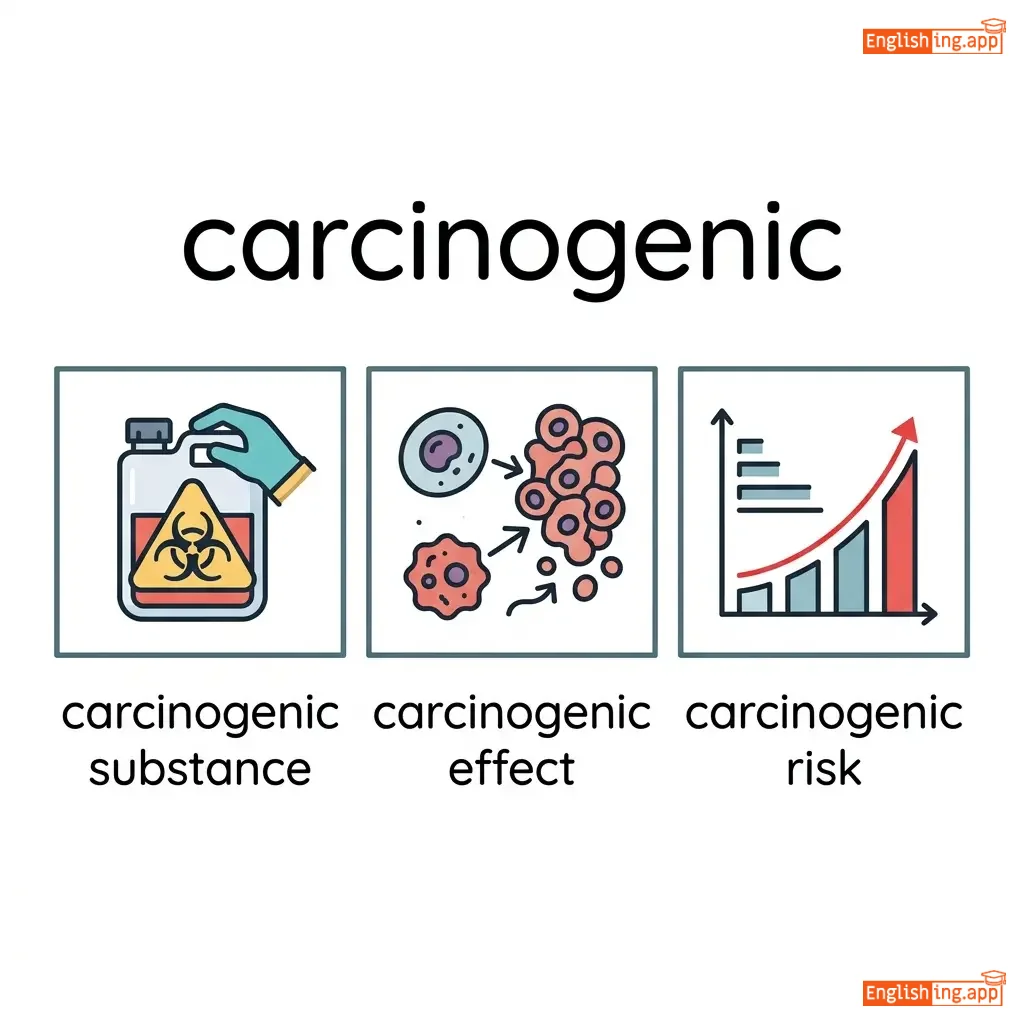
ˌkɑː.sɪ.nəˈdʒɛn.ɪk
adjective
(カーカシノジェニック)
••••••
|
|
発癌性の
hatsugansei no
••••••
|
Having the potential to cause cancer.
••••••
|
Processed foods often contain carcinogenic substances. |
加工食品にはしばしば発癌性物質が含まれています。
Kakou shokuhin ni wa shibashiba hatsugansei busshitsu ga fukuma reteimasu.
••••••
|
cancer-causing, toxic, malignant
••••••
|
non-toxic, safe, benign
••••••
|
発 (hatsu) + 癌 (gan) = 発癌性の
••••••
|
|
#2633
🧬
|
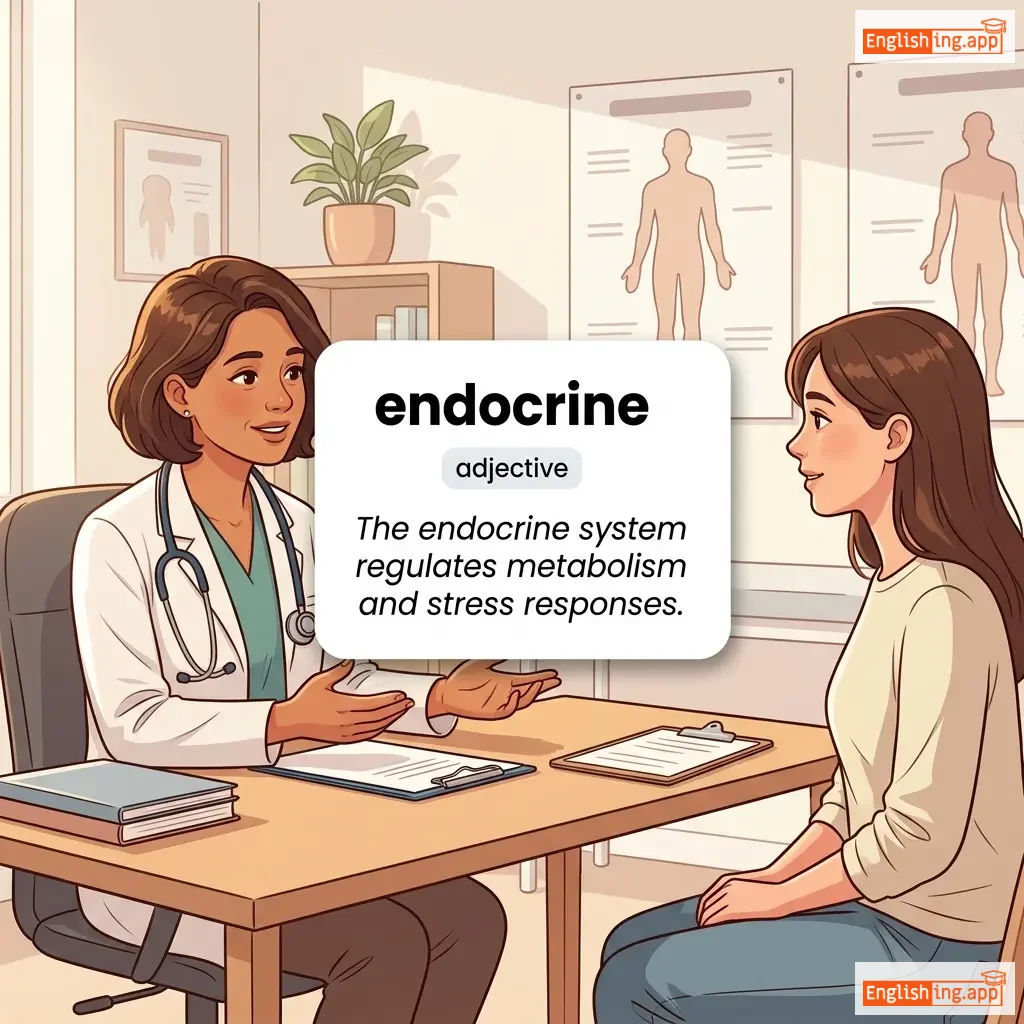
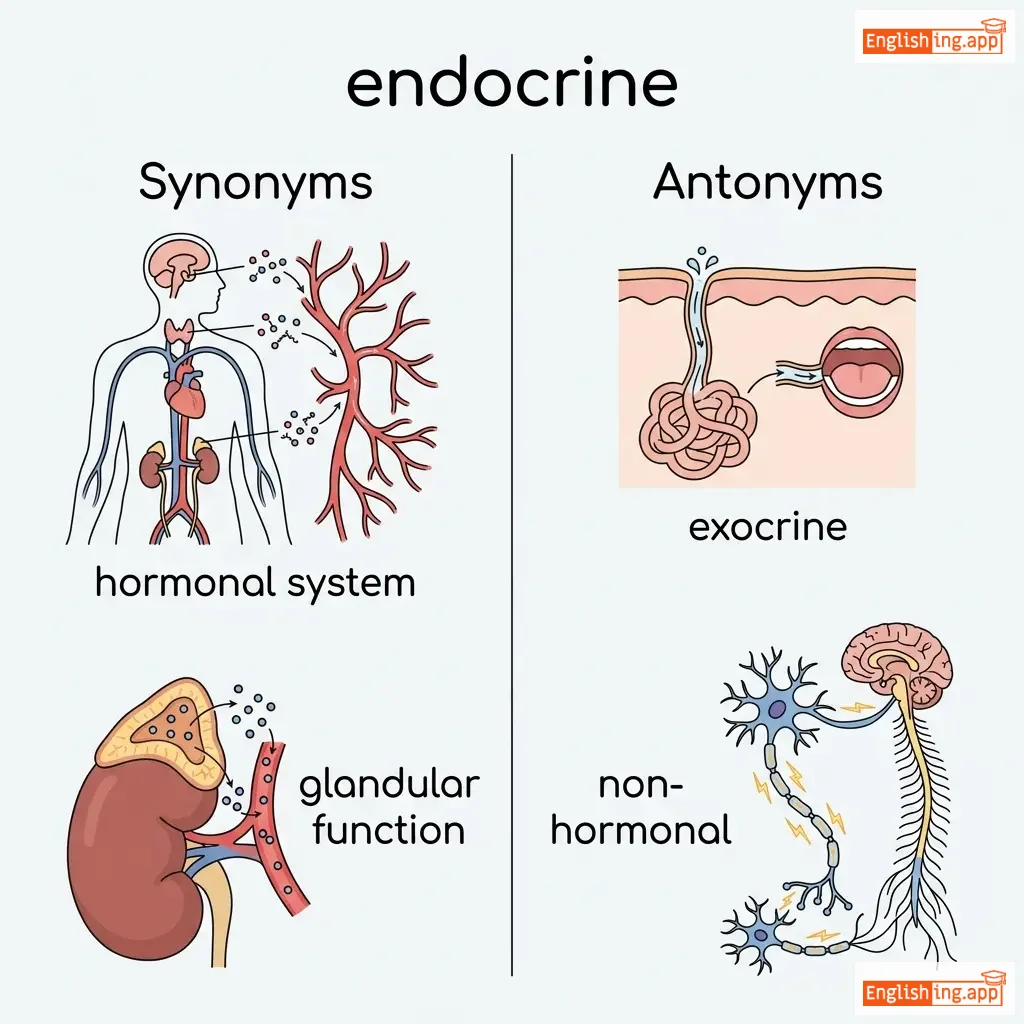
ˈɛn.də.krɪn
adjective
(endo kurain)
••••••
|
|
内分泌の
naibunpi no
••••••
|
Relating to or denoting glands which secrete hormones directly into the blood.
••••••
|
The endocrine system regulates metabolism.
内分泌系統は新陳代謝を調節します。
••••••
|
内分泌系統は新陳代謝を調節します。
Naibunpi keitō wa shinchin taisha o chōsetsu shimasu.
••••••
|
hormonal, glandular, physiological
••••••
|
non-hormonal, external, artificial
••••••
|
Endocrineは、体内のホルモンを調節します。
••••••
|
|
#2634
🥬
|
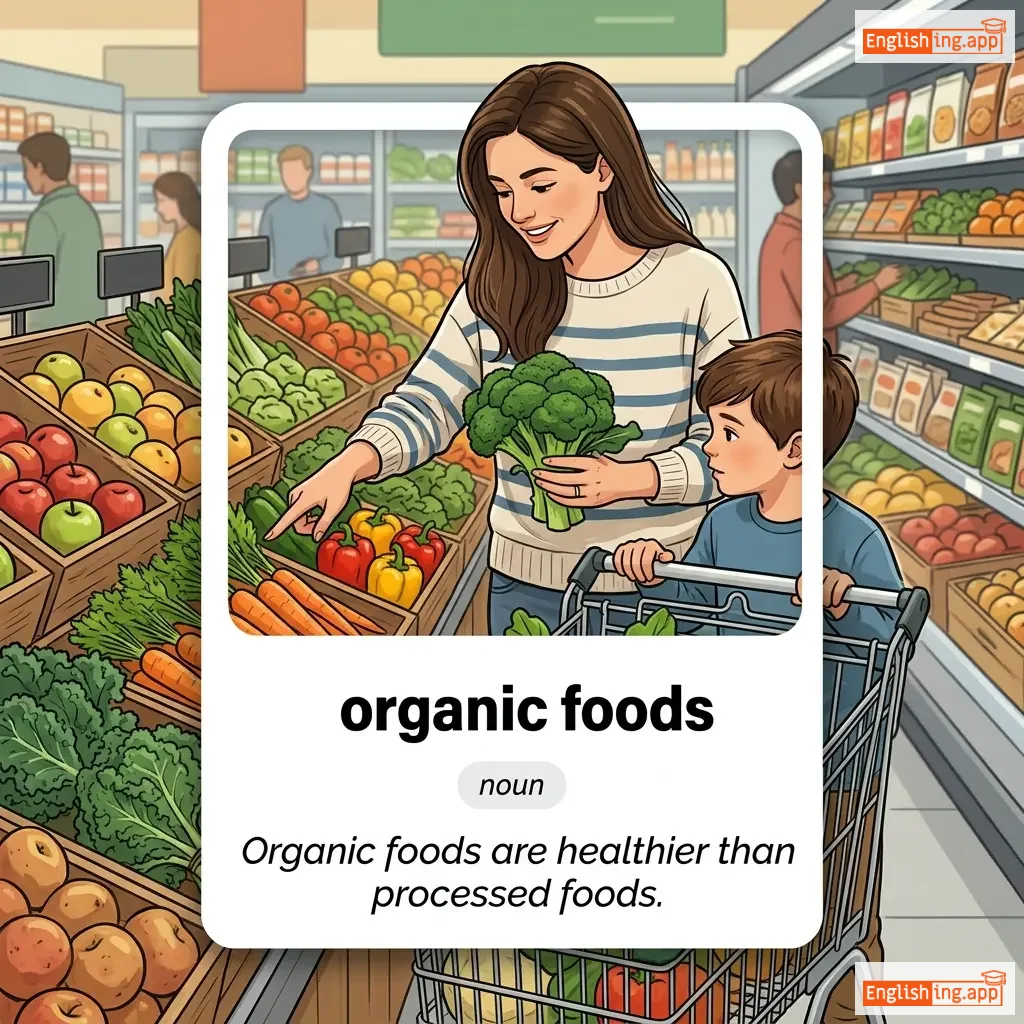
ɔːˈɡæn.ɪk fuːdz
noun
(オーガニックフーズ)
••••••
|
|
オーガニック食品
ooganikku shokuhin
••••••
|
Food produced without the use of chemicals such as artificial pesticides, fertilizers, or other artificial agents.
••••••
|
Organic foods are healthier than processed foods. |
オーガニック食品は加工食品よりも健康的です。
Ooganikku shokuhin wa kakou shokuhin yori mo kenkou teki desu.
••••••
|
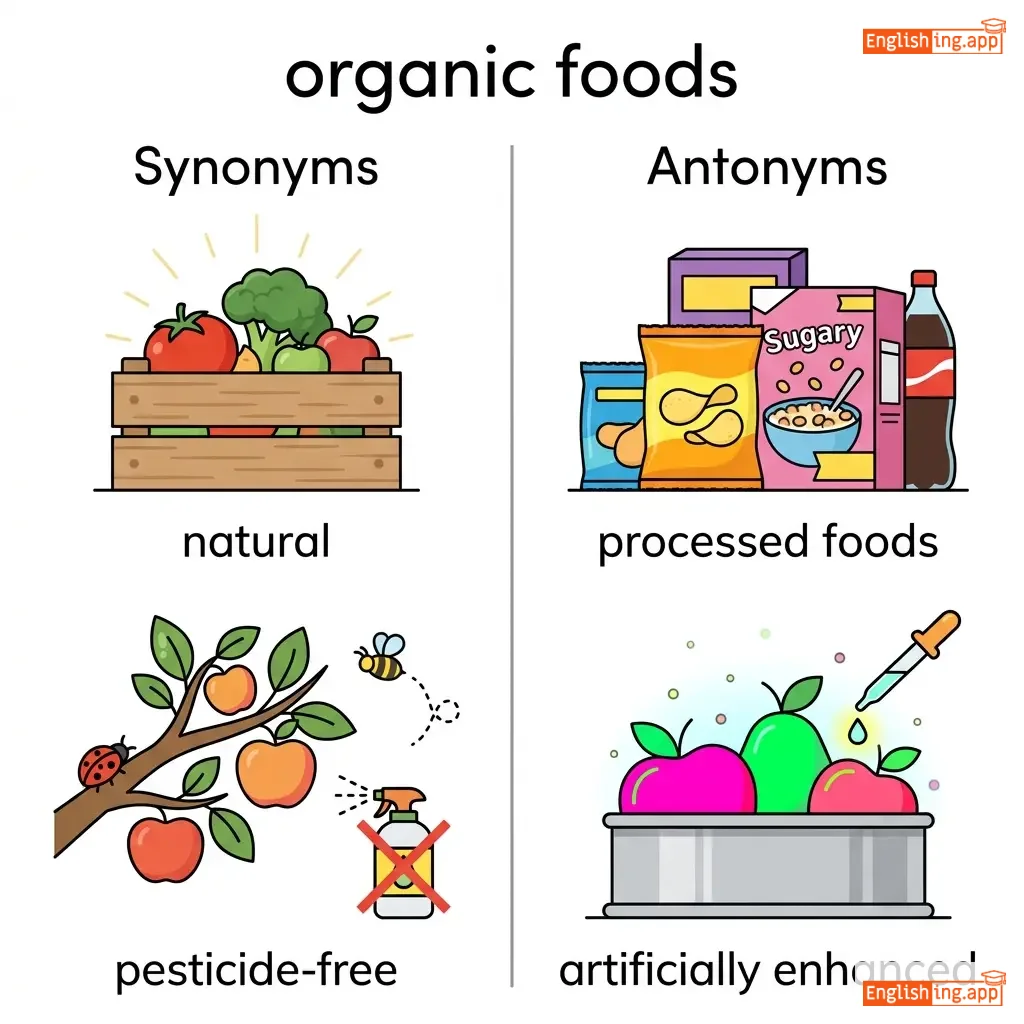
natural, pesticide-free, chemical-free
••••••
|
processed foods, artificially enhanced, genetically modified
••••••
|
オーガニック食品 (organic) と健康的 (kenkou teki) で覚えやすい。
••••••
|
|
#2635
🌱
|
ˌkʌl.tɪˈveɪ.ʃən
noun
(カルティベーション)
••••••
|
|
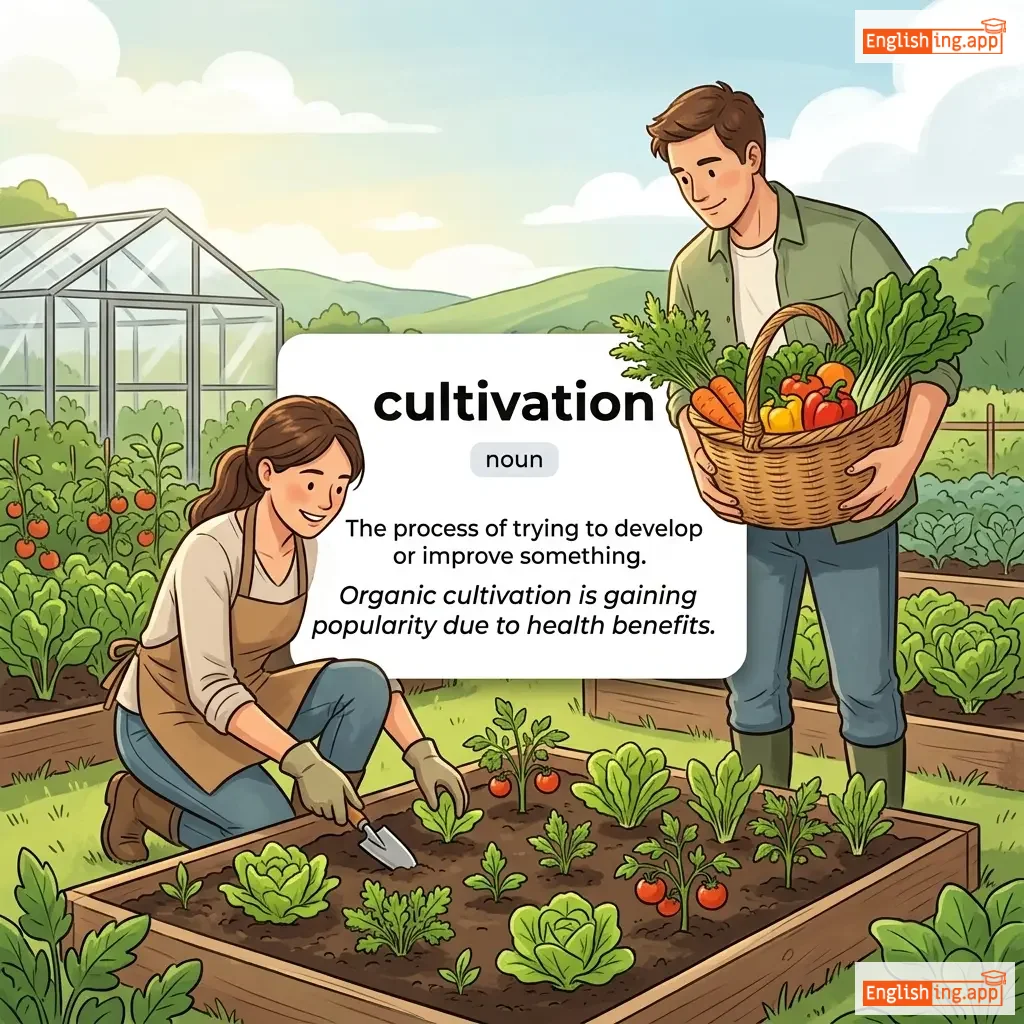
栽培
saibai
••••••
|
The action of cultivating land, or the state of being cultivated.
••••••
|
The cultivation of organic crops is increasing worldwide.
有機作物の栽培は世界中で増加しています。
••••••
|
有機作物の栽培は世界中で増加しています。
Yūki sakumotsu no saibai wa sekai jū de zōka shiteimasu.
••••••
|
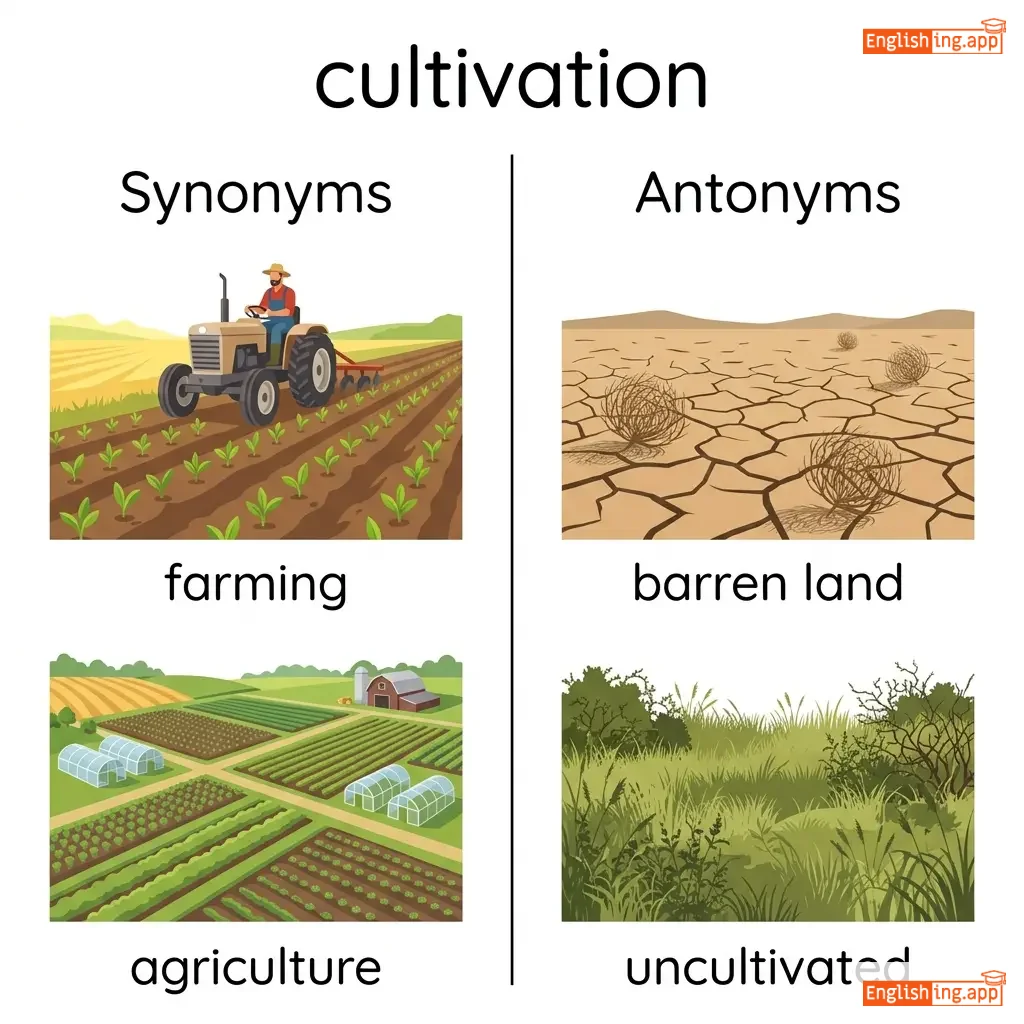
farming, agriculture, horticulture
••••••
|
abandonment, neglect, destruction
••••••
|
栽培は 'cultivation' と同じく土地を育てることです。
••••••
|
|
#2636
🧪
|
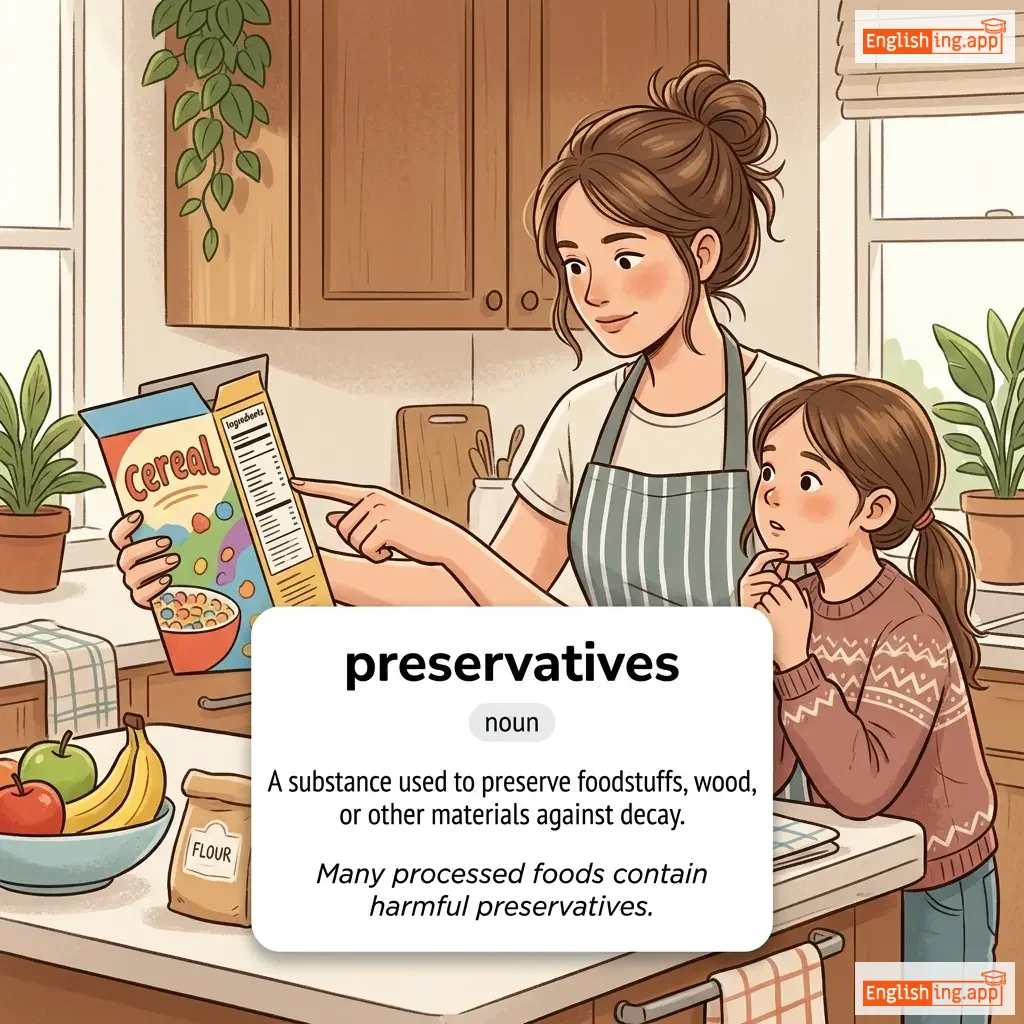
prɪˈzɜː.və.tɪvz
noun
(プリザーヴェティブス)
••••••
|
|
保存料
hozonryou
••••••
|
A substance used to preserve foodstuffs, wood, or other materials against decay.
••••••
|
Many processed foods contain harmful preservatives. |
多くの加工食品には有害な保存料が含まれています。
Ōku no kakō shokuhin ni wa yūgaina hozonryō ga fukumareteimasu.
••••••
|
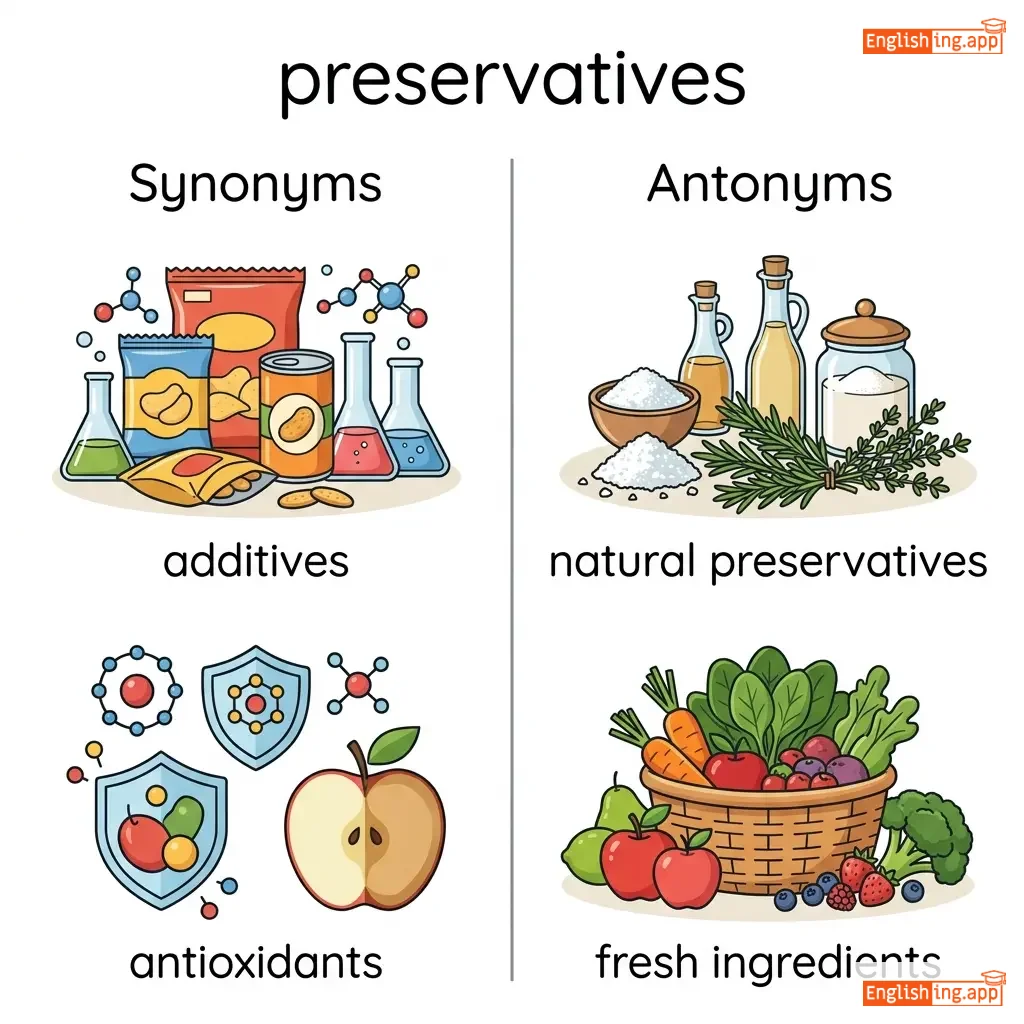
additives, antioxidants, stabilizers
••••••
|
natural preservatives, fresh ingredients, unprocessed
••••••
|
保存料を覚えるために「保存するための材料」と連想してください。
••••••
|
|
#2637
⚡
|
ˌæn.tiˈɒk.sɪ.dənts
noun
(アンチオキシダント)
••••••
|
|
抗酸化物質
kōsanka busshitsu
••••••
|
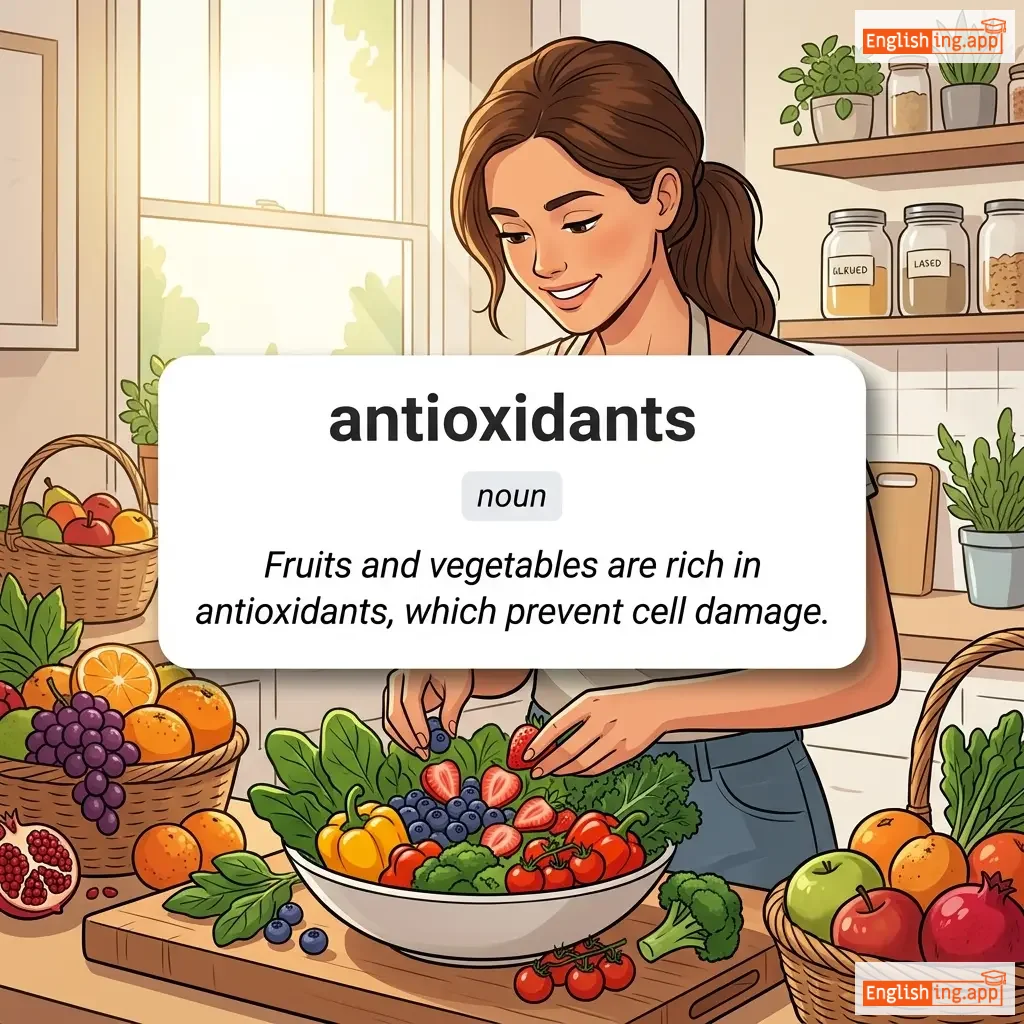
A substance that may prevent or delay some types of cell damage.
••••••
|
Fruits and vegetables are rich in antioxidants.
果物や野菜には抗酸化物質が豊富に含まれています。
••••••
|
果物や野菜には抗酸化物質が豊富に含まれています。
Kudamono ya yasai ni wa kōsanka busshitsu ga hōfu ni fukumaれています。
••••••
|
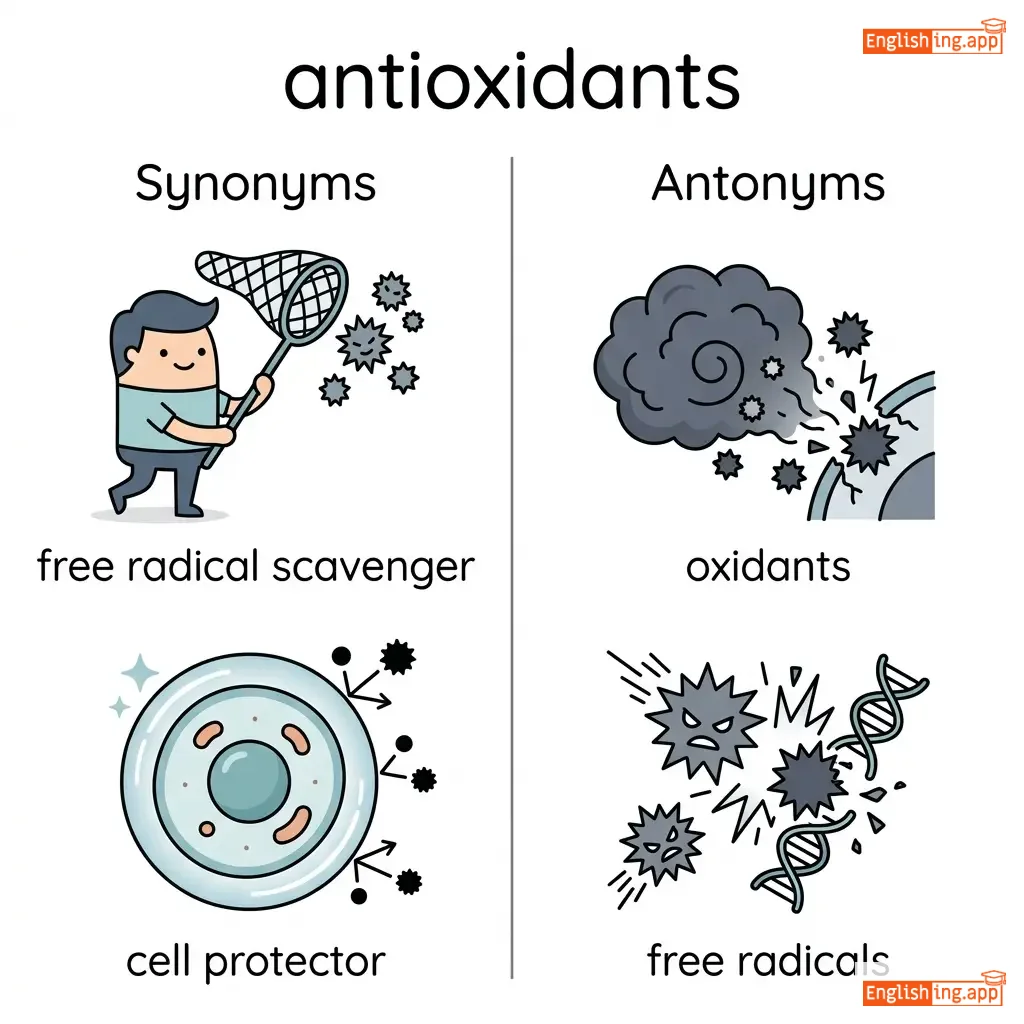
free-radical fighters, protective compounds, detoxifiers
••••••
|
oxidants, free radicals, toxins
••••••
|
抗酸化物質は、私たちの細胞を守るヒーローのようなものです。
••••••
|
|
#2638
🌿
|
ˈfaɪ.təʊˌnjuː.tri.ənts
noun
(faitoniyūtorientsu)
••••••
|
|
ファイトニュートリエント
faitonyūtoriento
••••••
|
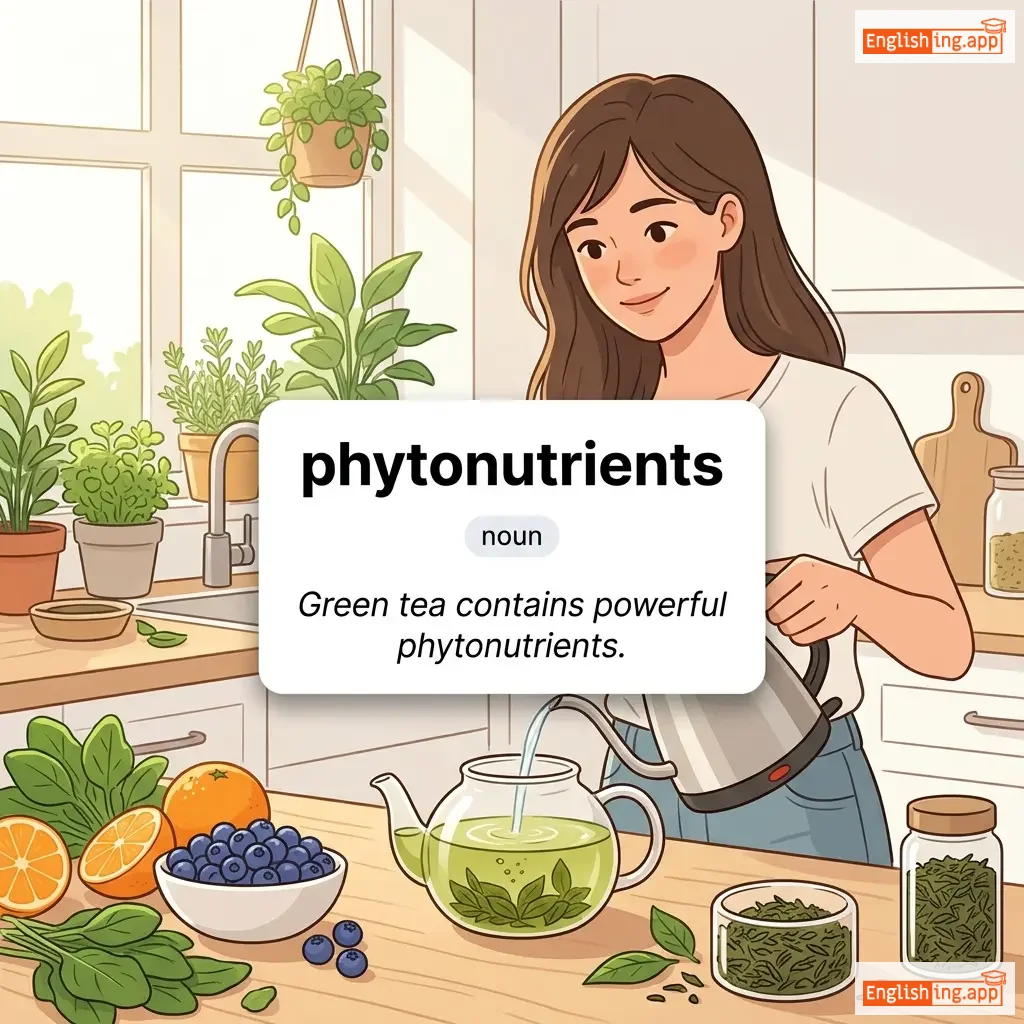
Bioactive compounds found in plants that have health benefits beyond basic nutrition.
••••••
|
Green tea contains powerful phytonutrients. |
緑茶には強力なファイトニュートリエントが含まれています。
Ryokucha ni wa kyōryoku na faitonyūtoriento ga fukumareteimasu.
••••••
|
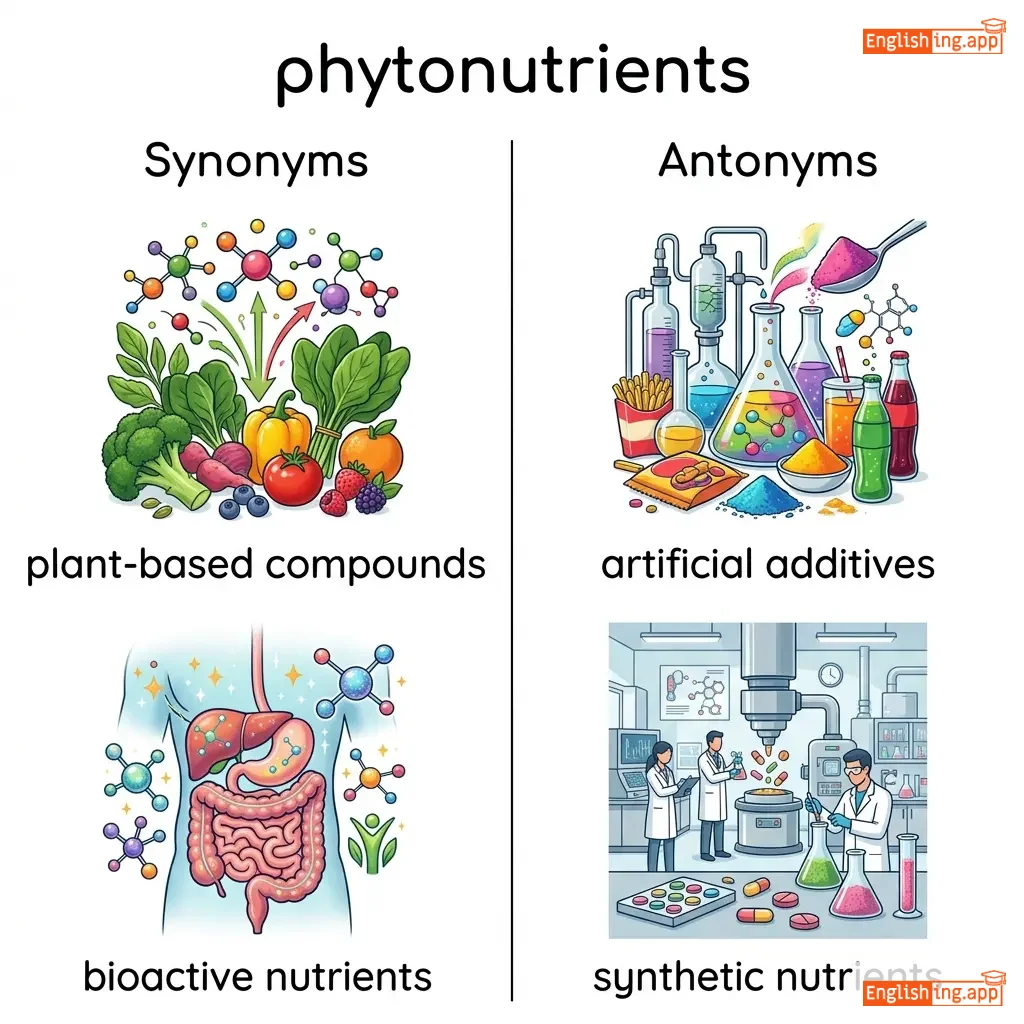
plant-based compounds, bioactive nutrients, natural extracts
••••••
|
artificial additives, synthetic nutrients, chemical enhancers
••••••
|
ファイトニュートリエント – 健康のために植物 (Plants for health)
••••••
|
|
#2639
🛡️
|
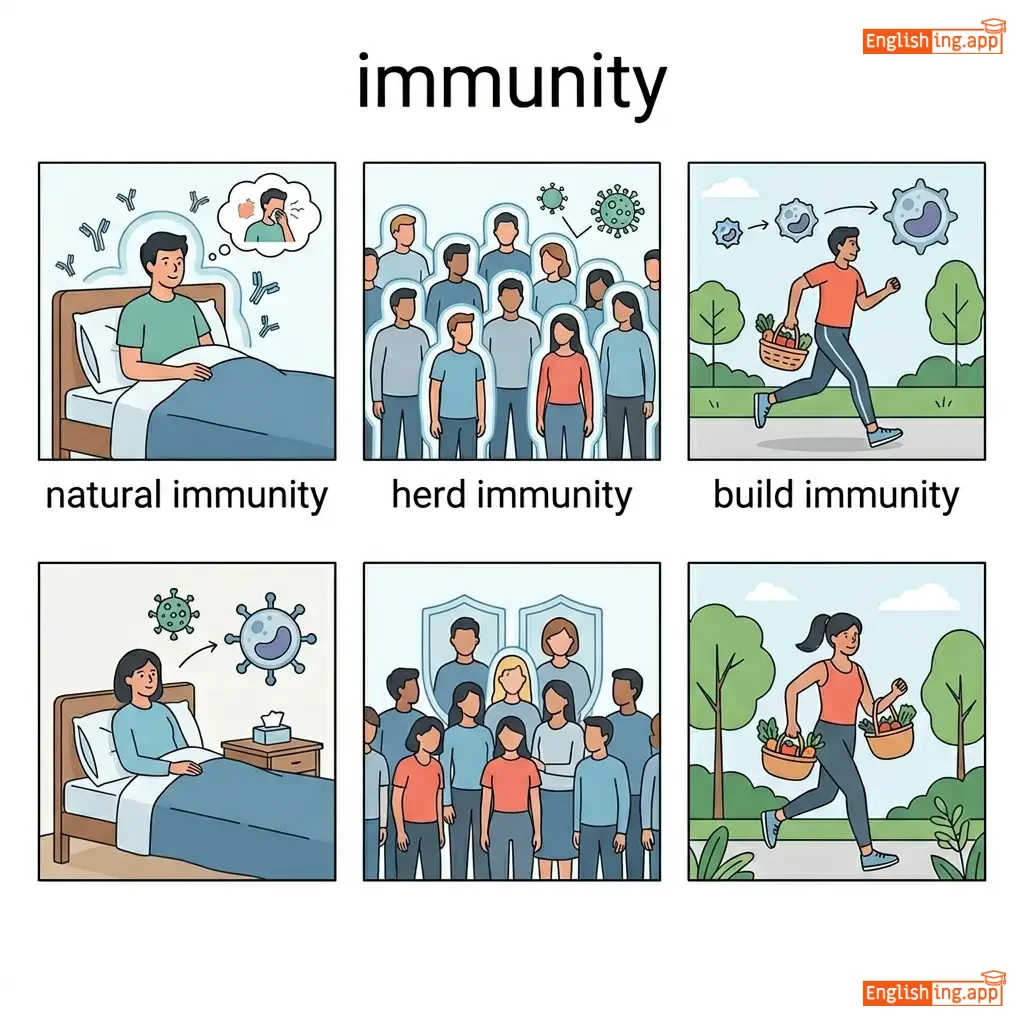
ɪˈmjuː.nɪ.ti
noun
(免疫力)
••••••
|
|
免疫力
men'eki-ryoku
••••••
|
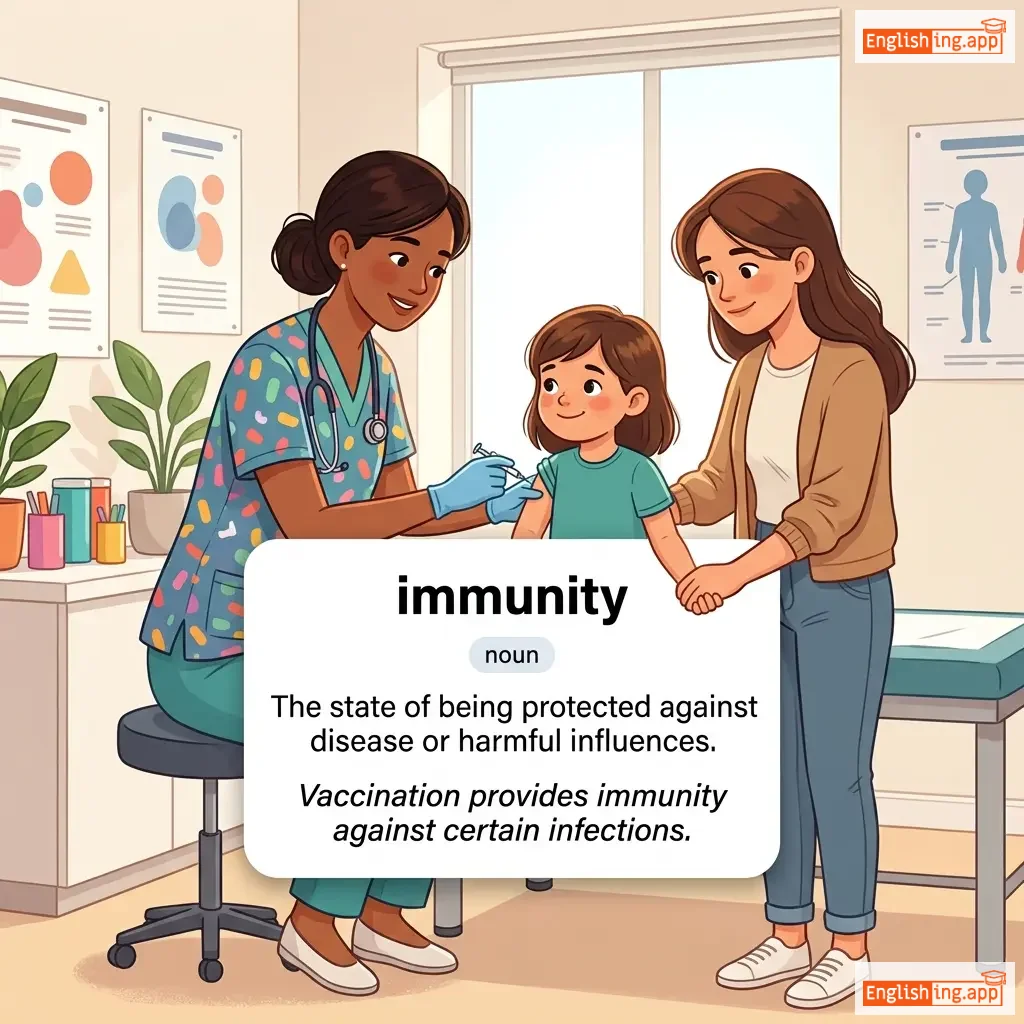
The ability of an organism to resist a particular infection or toxin by the action of specific antibodies or sensitized white blood cells.
••••••
|
A balanced diet improves immunity. |
バランスの取れた食事は免疫力を高めます。
Baransu no toreta shokuji wa men'eki-ryoku o takamemasu.
••••••
|
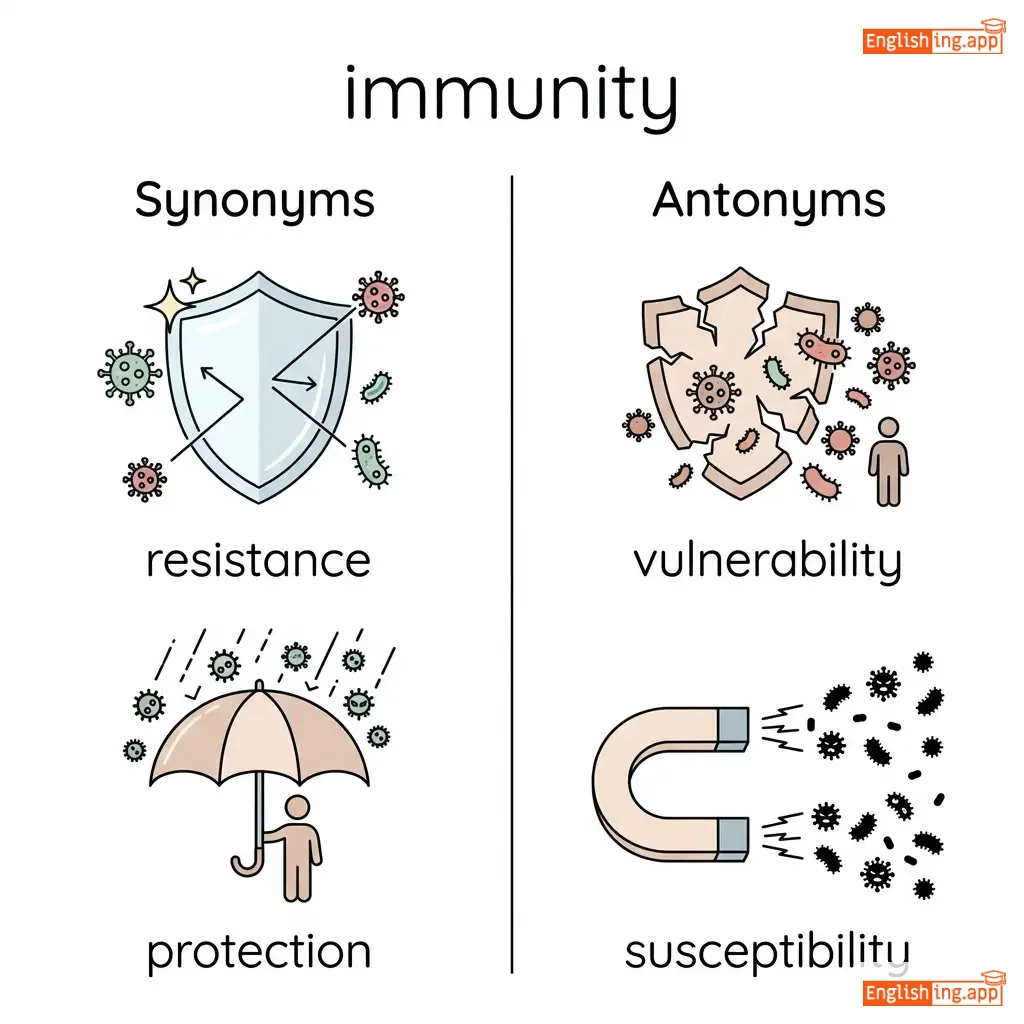
resistance, defensiveness, protection
••••••
|
susceptibility, vulnerability, weakness
••••••
|
免疫力 = 'Men'eki-ryoku' = 'Many eggs protect you!'
••••••
|
|
#2640
💊
|
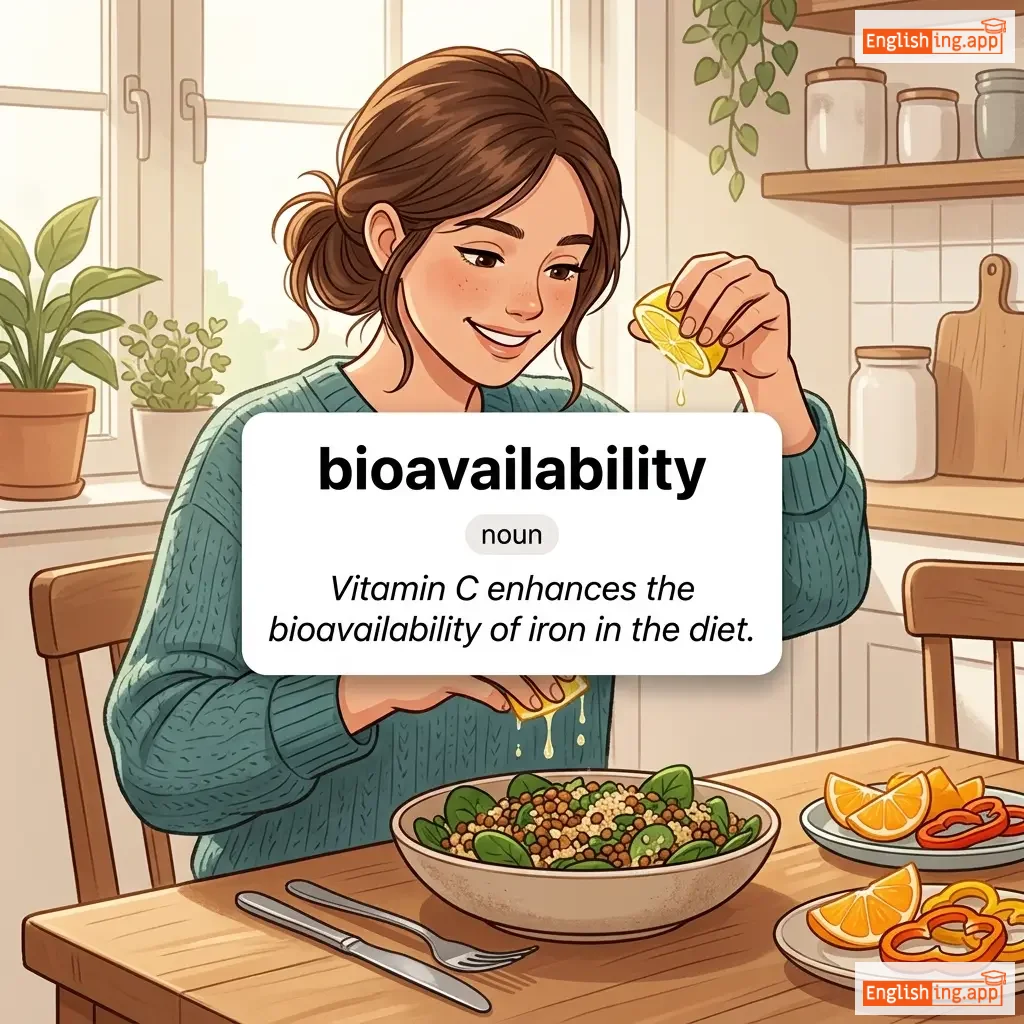
ˌbaɪ.oʊ.əˌveɪ.ləˈbɪl.ə.ti
noun
(バイオアベイラビリティ)
••••••
|
|
体内吸収率
tainai kyuushuuritsu
••••••
|
The degree and rate at which a substance is absorbed or becomes available at the site of physiological activity.
••••••
|
The bioavailability of vitamins varies from food to food. |
ビタミンのバイオアベイラビリティは食品によって異なります。
Bitamin no baioabeirabiriti wa shokuhin ni yotte kotonarimasu.
••••••
|
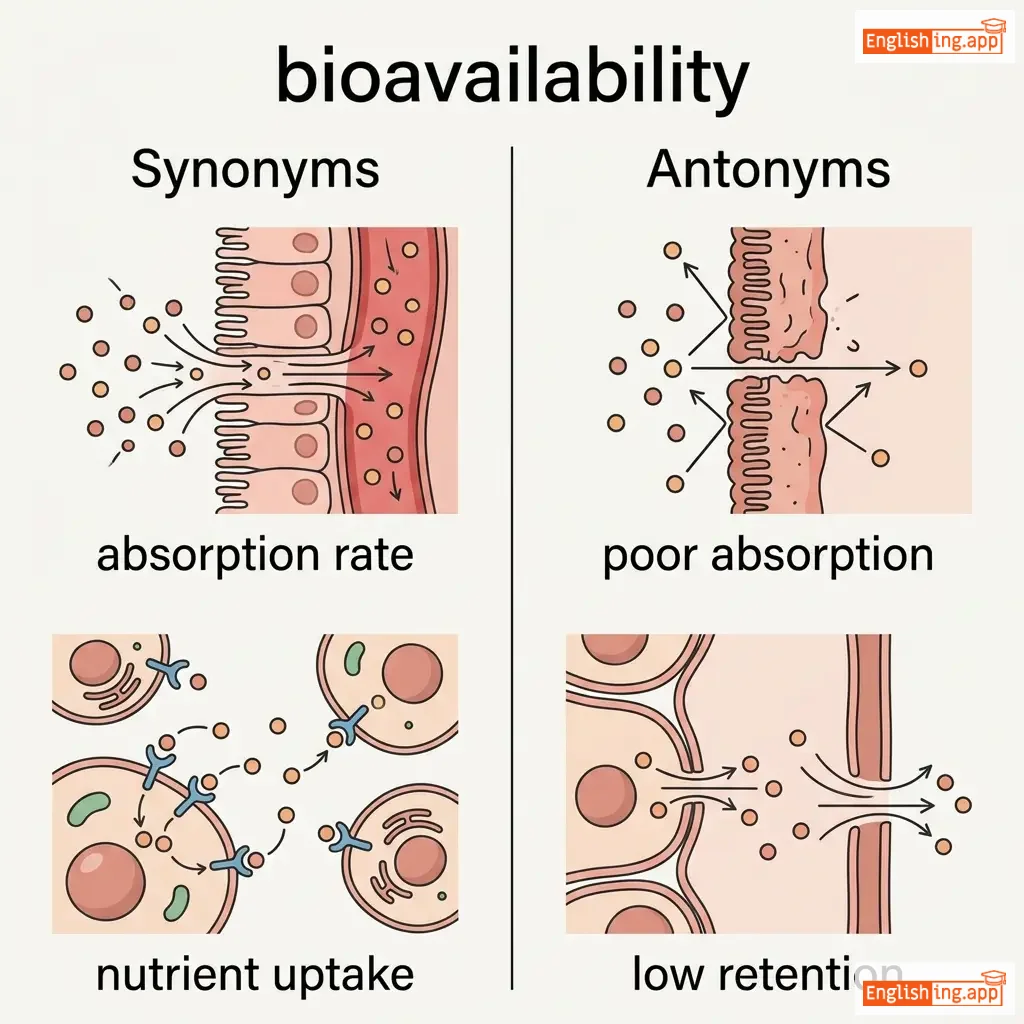
nutrient absorption, assimilation, utilization
••••••
|
poor absorption, malabsorption, inefficiency
••••••
|
Bioavailability = 体内で食品からビタミンを吸収
••••••
|
|
#2641
⚙️
|
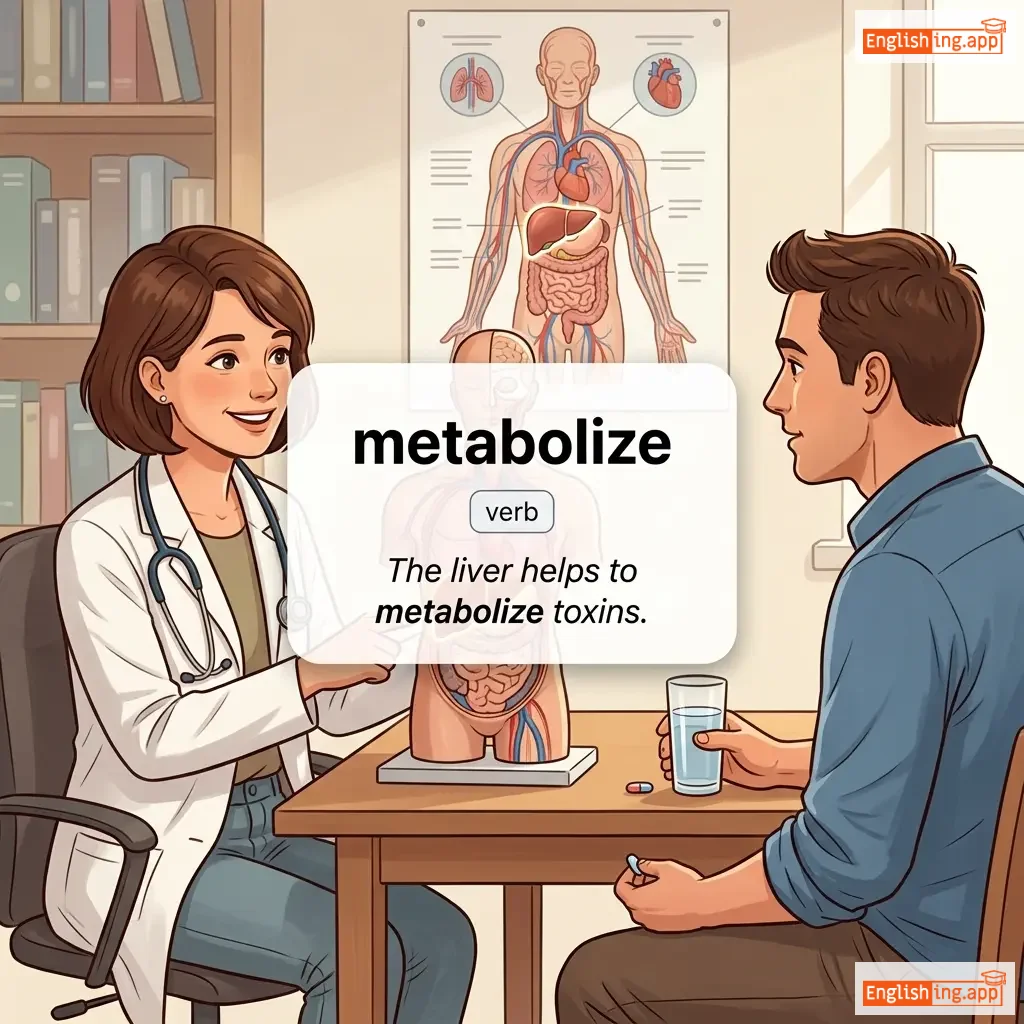
məˈtæb.ə.laɪz
verb
(メタボライズ)
••••••
|
|
成長のために食物を処理して利用する
seichou no tame ni shokumotsu o shori shite riyou suru
••••••
|
Process and use food for growth and to replace tissue, or process other substances in the body.
••••••
|
The liver helps to metabolize toxins.
肝臓は毒素をメタボライズするのを助けます。
••••••
|
肝臓は毒素をメタボライズするのを助けます。
Kanzou wa dokuso o metabolize suru no o tasukemasu.
••••••
|
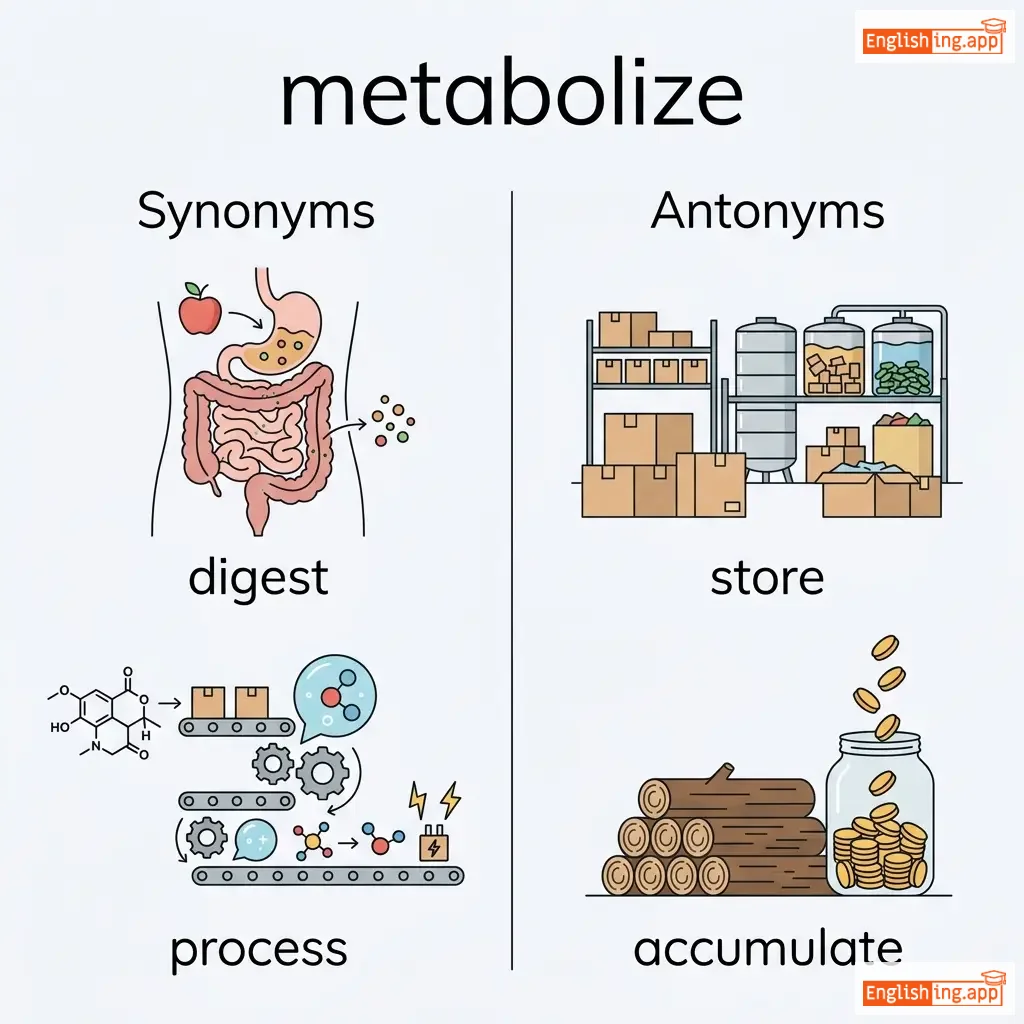
digest, process, convert
••••••
|
store, accumulate, preserve
••••••
|
Metabolize sounds like 'メディカル食物利用'
••••••
|
|
#2642
🔬
|
ˈmaɪ.krəʊˌnjuː.tri.ənts
noun
(マイクロニュートリエント)
••••••
|
|
微量栄養素
biryou eiyouso
••••••
|
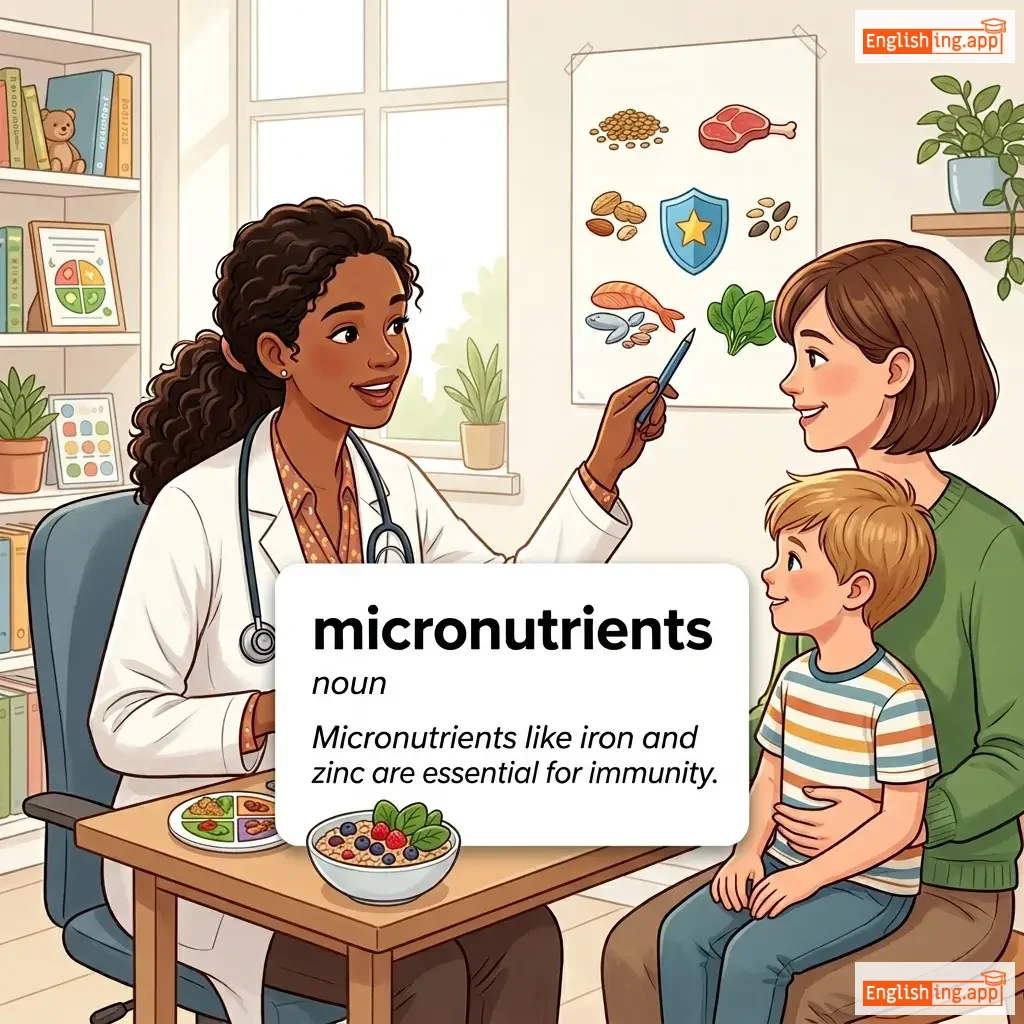
Essential nutrients required by organisms in small quantities throughout life to orchestrate a range of physiological functions.
••••••
|
Micronutrients are essential for cellular function. |
微量栄養素は細胞機能に不可欠です。
Biryou eiyouso wa saibou kinou ni fukaketsu desu.
••••••
|
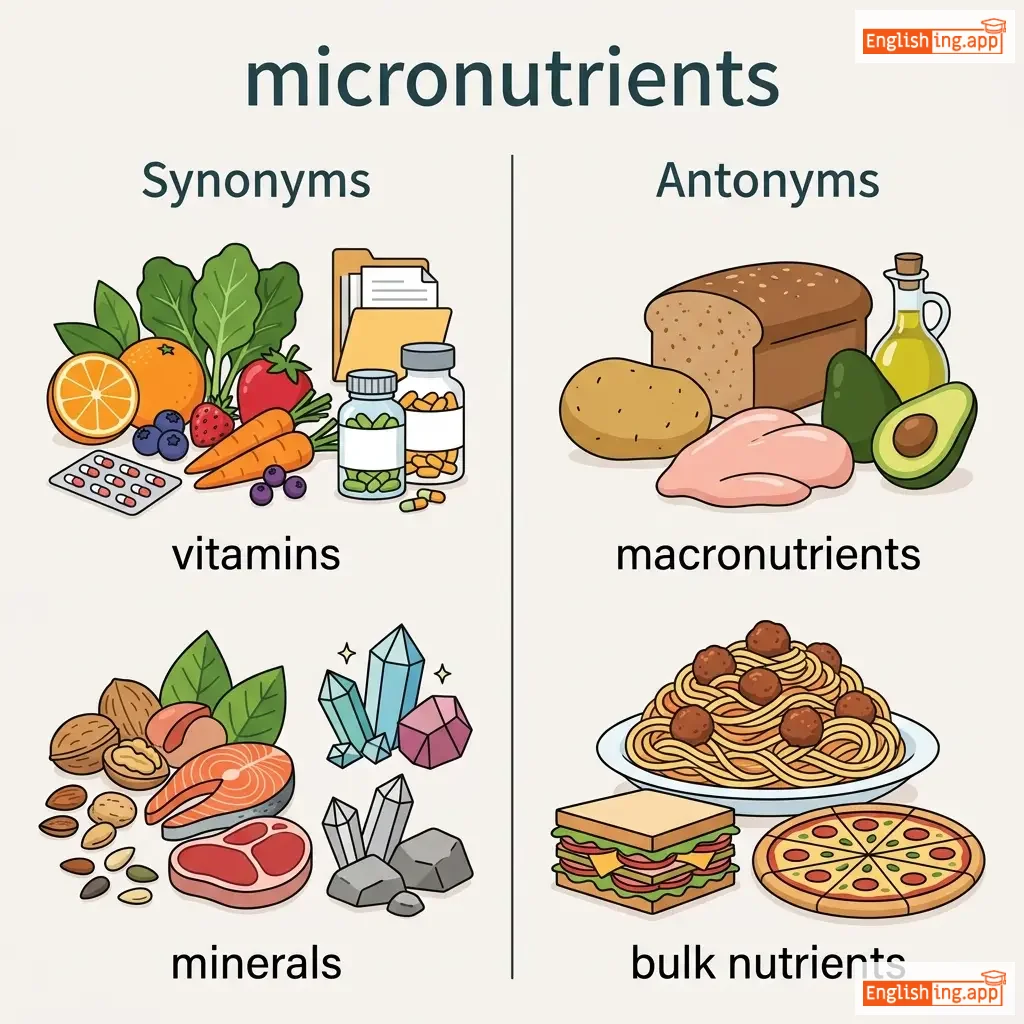
vitamins, minerals, essential nutrients
••••••
|
macronutrients, excessive nutrients, overconsumption
••••••
|
微量栄養素 - 微量 (small) + 栄養素 (nutrients)
••••••
|
|
#2643
💪
|
ˌfɔːr.tɪ.fɪˈkeɪ.ʃən
noun
(フォーティフィケーション)
••••••
|
|
栄養強化
eiyou kyouka
••••••
|
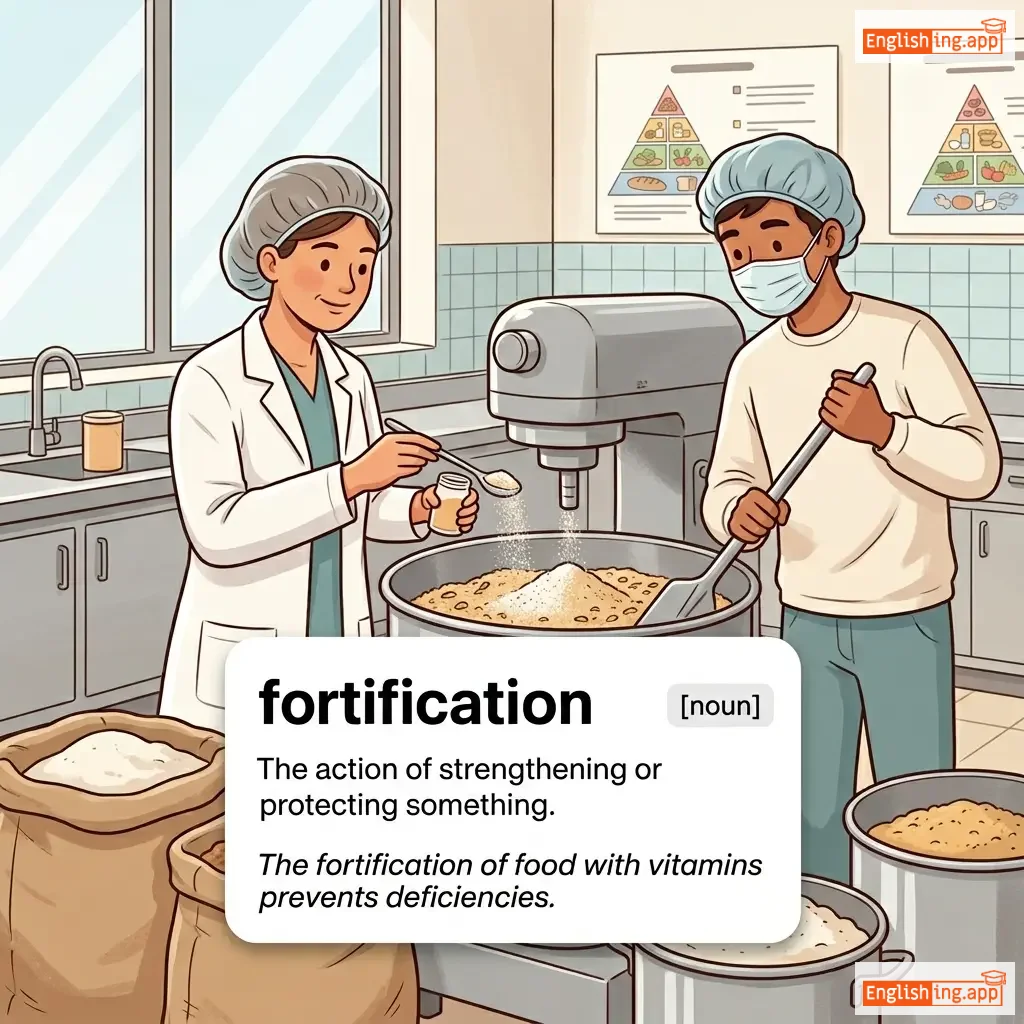
The action of adding vitamins or other nutrients to food, especially as a public health measure.
••••••
|
Milk fortification with Vitamin D is essential. |
ビタミンDを加えた牛乳の栄養強化は重要です。
Bitamin D o kuwaeta gyuunyuu no eiyou kyouka wa juuyou desu.
••••••
|
enrichment, strengthening, reinforcement
••••••
|
depletion, deficiency, weakening
••••••
|
栄養強化で健康をサポートしよう。
••••••
|
|
#2644
🌍
|
səˌsteɪ.nəˈbɪl.ə.ti
noun
(サステナビリティ)
••••••
|
|
持続可能性
jizoku kanousei
••••••
|
The ability to maintain or support a process continuously over time without depleting natural resources.
••••••
|
Sustainability is crucial for the environment. |
持続可能性は環境にとって重要です。
Jizoku kanousei wa kankyō ni totte jūyō desu.
••••••
|
longevity, stability, environmental balance
••••••
|
instability, unsustainable, short-term planning
••••••
|
持続可能性は未来のために自然を守ること
••••••
|
|
#2645
🔄
|
həʊˈlɪs.tɪk
adjective
(ホリスティック)
••••••
|
|
全体的
zentai-teki
••••••
|
Dealing with or treating the whole of something or someone and not just a part.
••••••
|
A holistic approach improves well-being. |
全体的なアプローチは福祉を改善します。
Zentaiteki na apurōchi wa fukushi o kaizen shimasu.
••••••
|
comprehensive, integrated, whole-system approach
••••••
|
fragmented, partial, narrow-minded
••••••
|
Japanese '全体的' aligns with the idea of treating the whole, like 'holistic'.
••••••
|
Vocabulary Quiz
Test your vocabulary by matching words with their translations or meanings.
Login to take the quiz
Comments (0)
Share your thoughts and join the discussion.
Join the discussion by logging in
Login to CommentNo comments yet
Be the first to share your thoughts!