Nutritional Benefits of Organic Foods
現代のconventional食品のadulterationや過度のpesticides使用は、人間の健康にdetrimentalな影響を与えています。これらの食品に含まれるcarcinogenic化学物質は、長期的にendocrine系や神経系に悪影響を及ぼします。一方、organic foodsは化学物質を使用しないcultivation方法で生産され、preservativesや人工成分は使用されません。含まれるantioxidantsやphytonutrientsは体のimmunityを高め、さまざまな病気への抵抗力を強化します。Organic foodsはbioavailabilityが高く、体はそれを容易にmetabolizeし、必要なmicronutrientsを吸収できます。さらに、fortificationなしで自然に栄養素を含んでいます。こうした食品のsustainabilityは、環境に優しい農法によって確保され、holisticな健康維持に役立ちます。したがって、長期的な健康的な生活のためにorganic foodsを選ぶことは賢明な選択です。
|
絵文字
|
単語 | Images | 意味 | 例文 | 同義語 | 対義語 |
|---|---|---|---|---|---|---|
|
#2628
🏛️
|
kənˈven.ʃən.əl
adjective
••••••
|
|
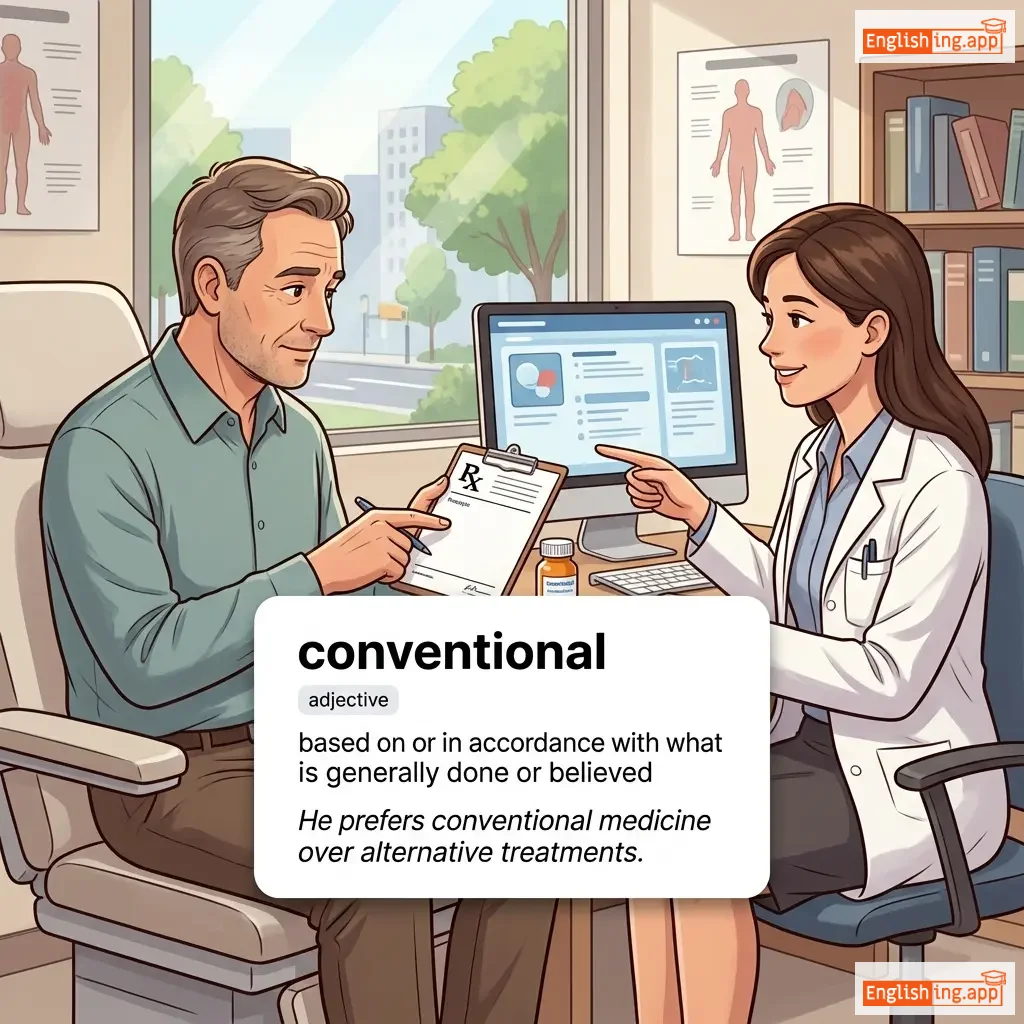
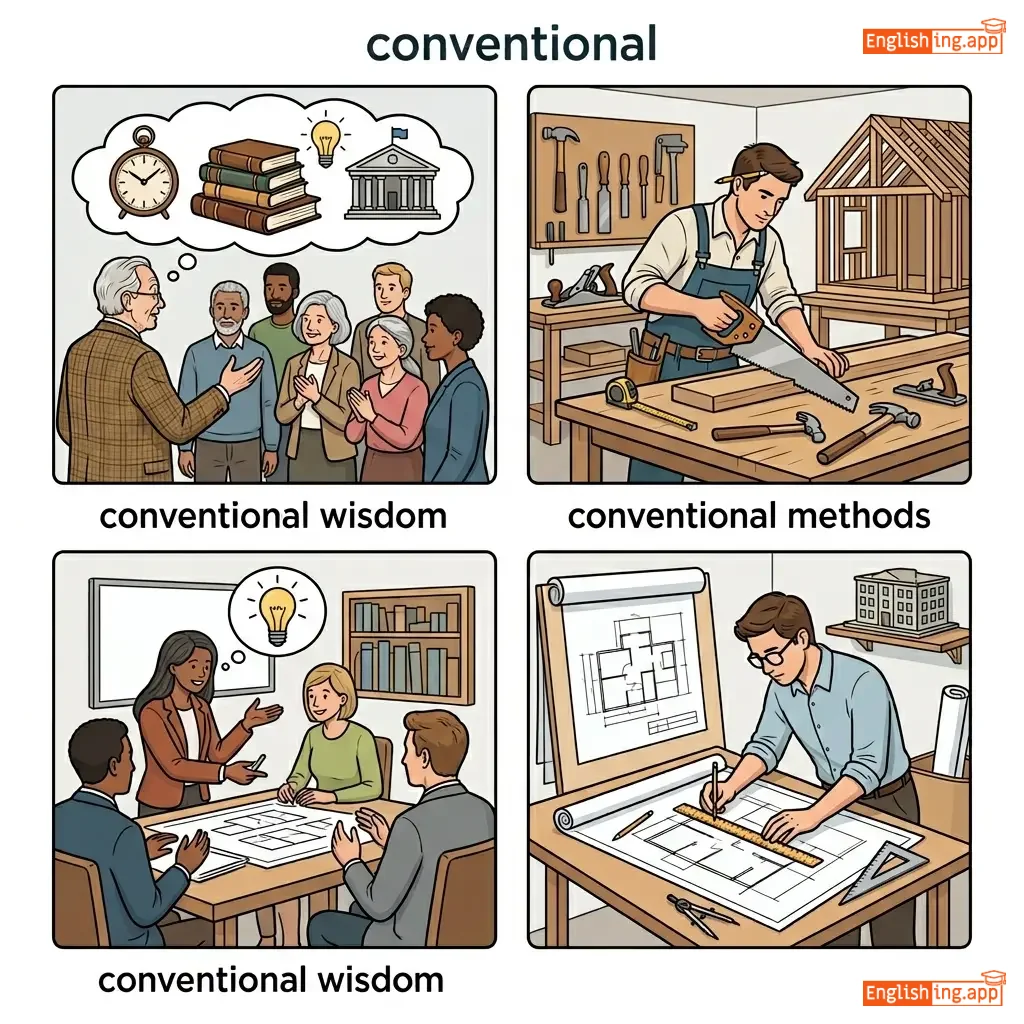
Based on or in accordance with what is generally done or believed; traditional, standard, customary.
••••••
|
Many farmers still use conventional farming methods. |
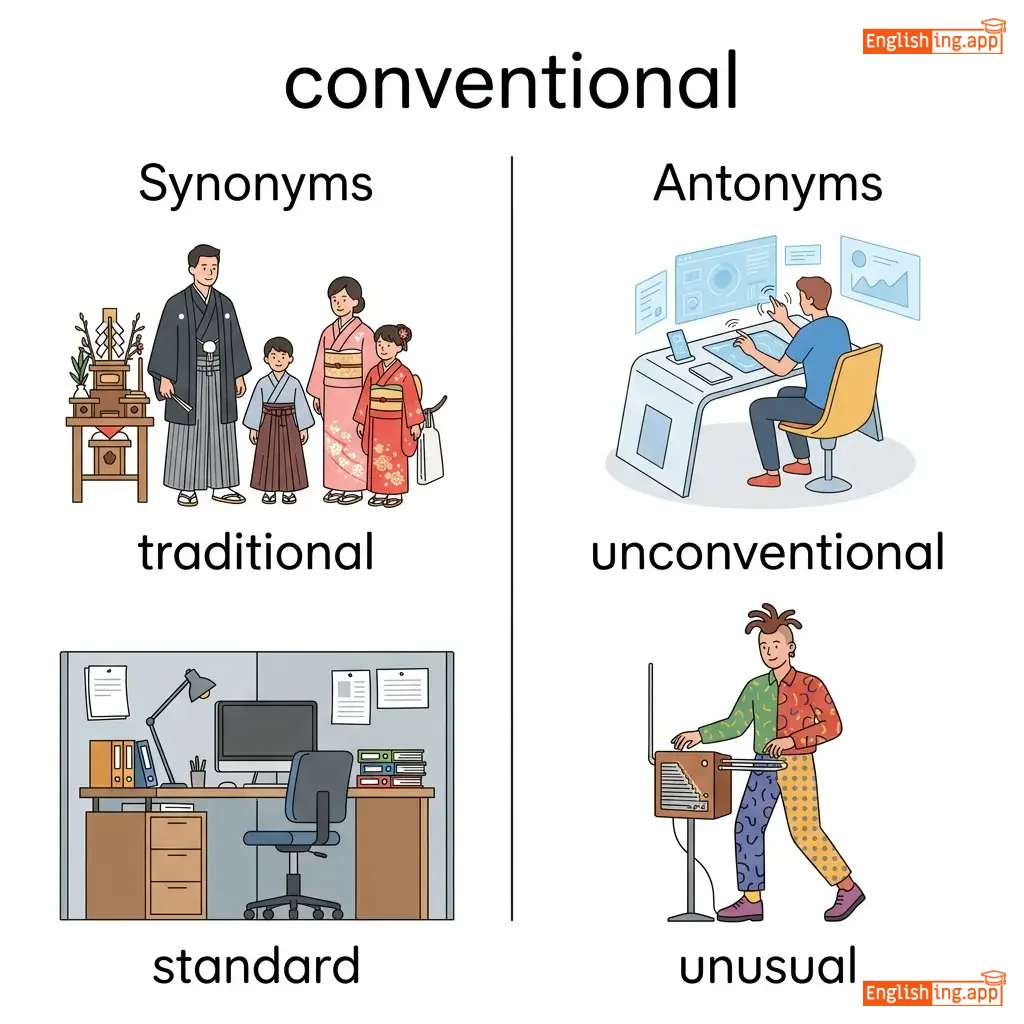
traditional, standard, customary
••••••
|
unorthodox, innovative, unconventional
••••••
|
|
#2629
☠️
|
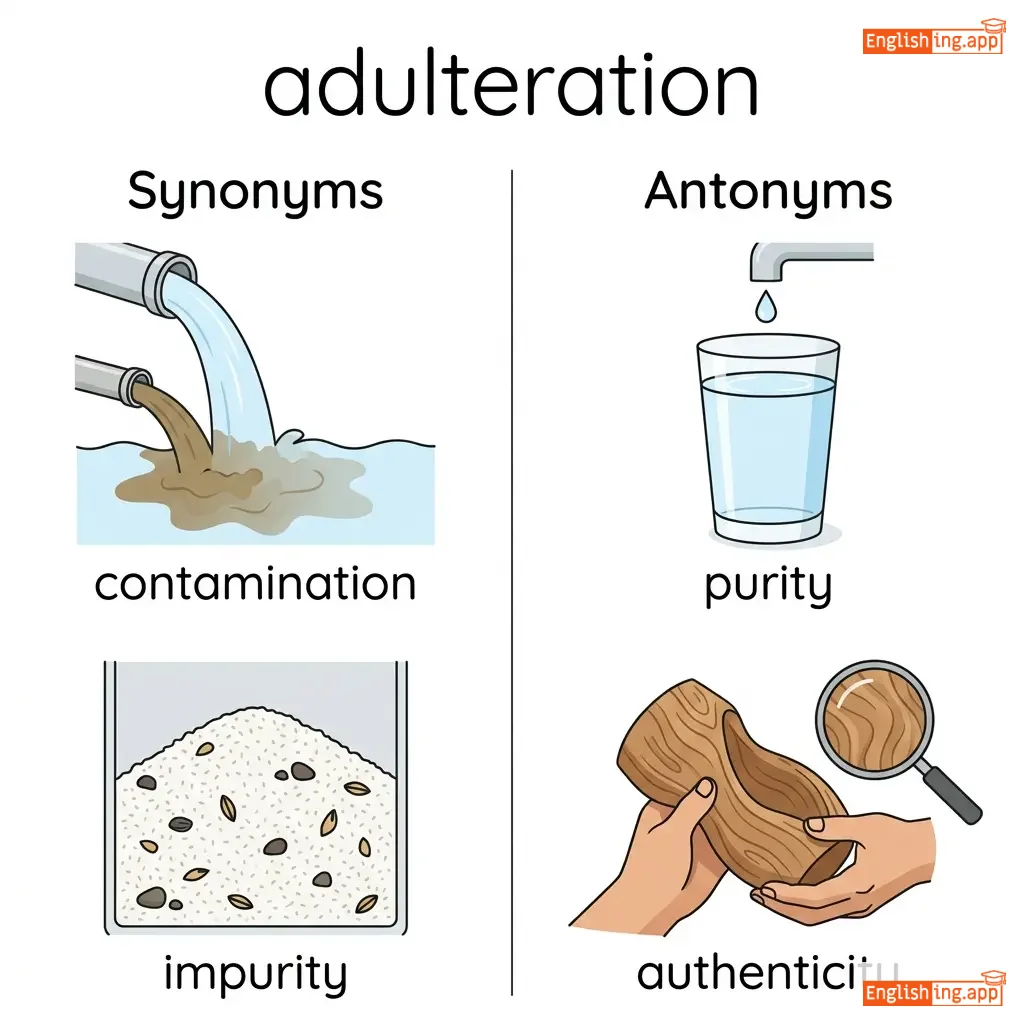
əˌdʌl.təˈreɪ.ʃən
noun
••••••
|
|
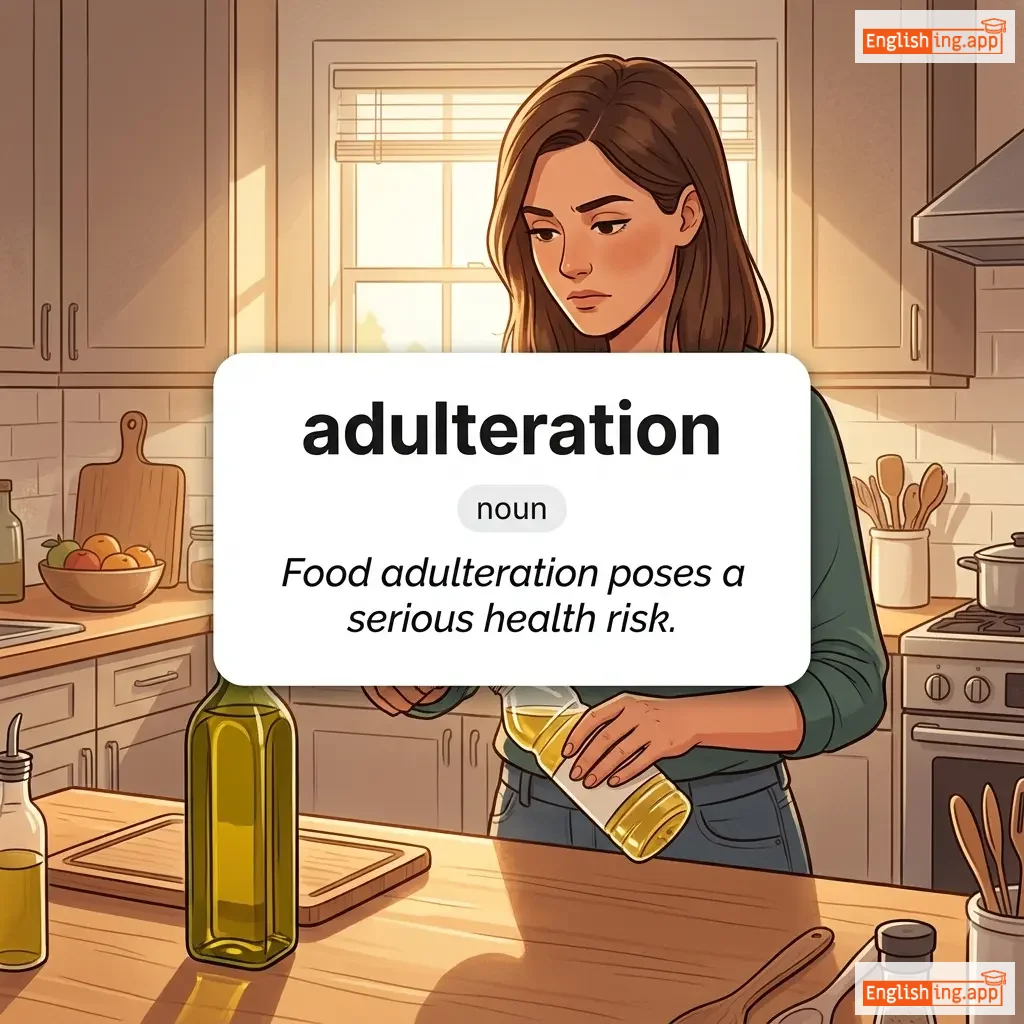
The action of making something poorer in quality by the addition of another substance.
••••••
|
Food adulteration poses a serious health risk. |
contamination, impurity, degradation
••••••
|
purity, authenticity, refinement
••••••
|
|
#2630
🚫
|
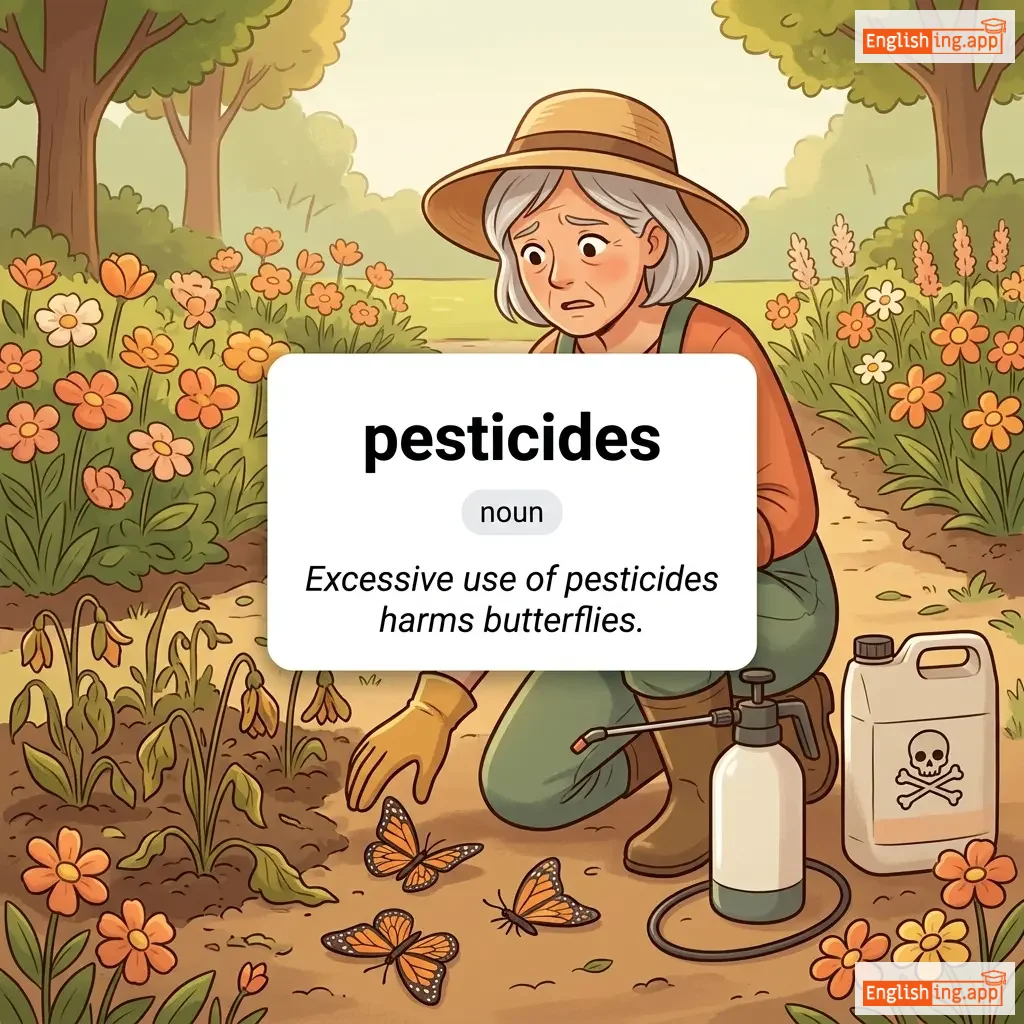
ˈpɛs.tɪ.saɪdz
noun
••••••
|
|
Substances used for destroying insects or other organisms harmful to cultivated plants or to animals.
••••••
|
Excessive pesticides use can harm the environment. |
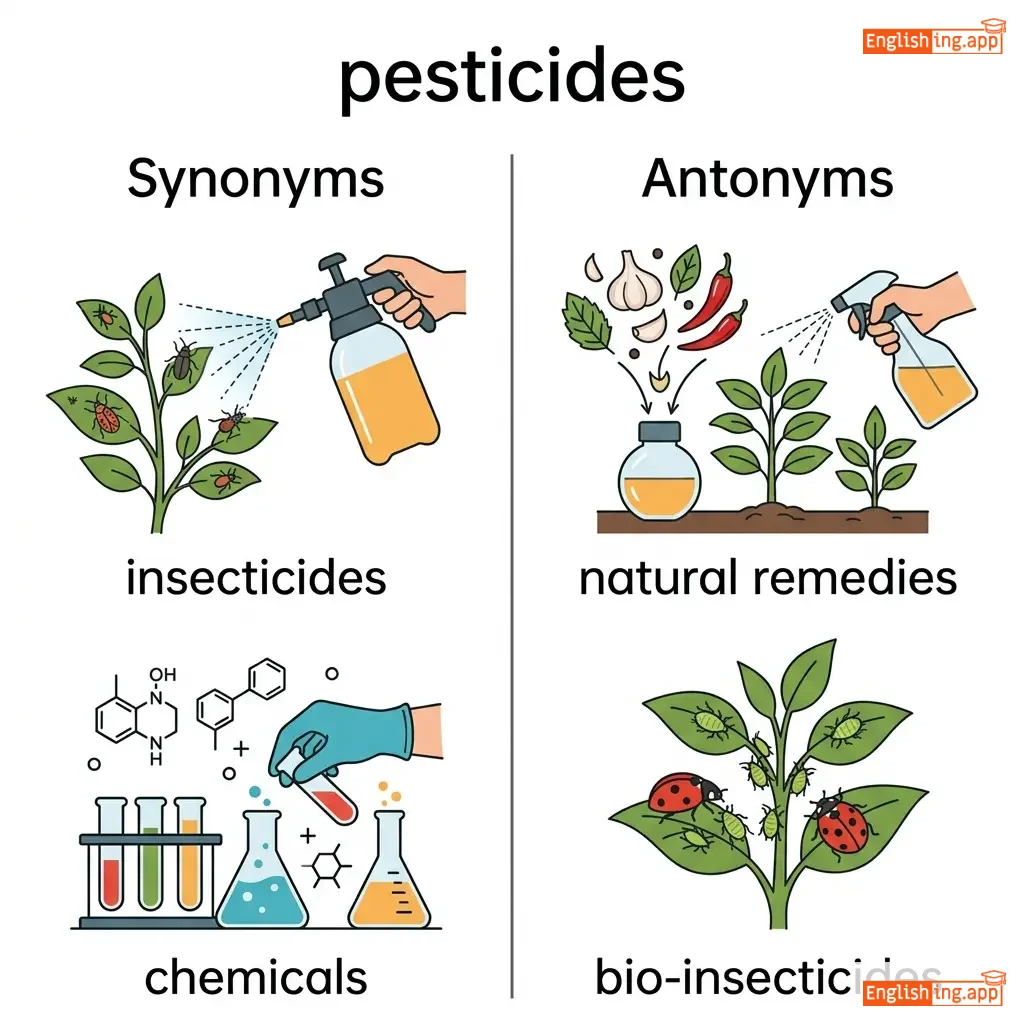
insecticide, herbicide, fungicide
••••••
|
organic treatment, natural repellent, biological control
••••••
|
|
#2631
💥
|
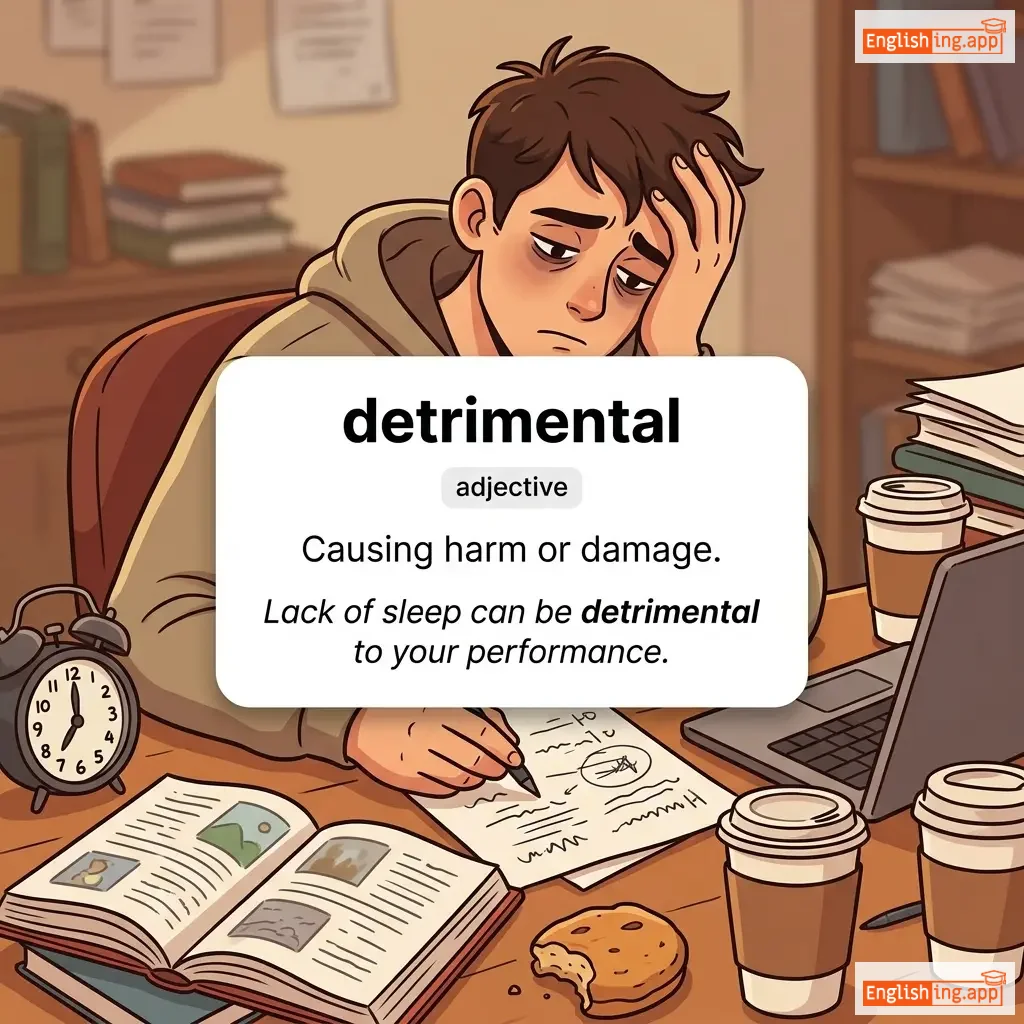
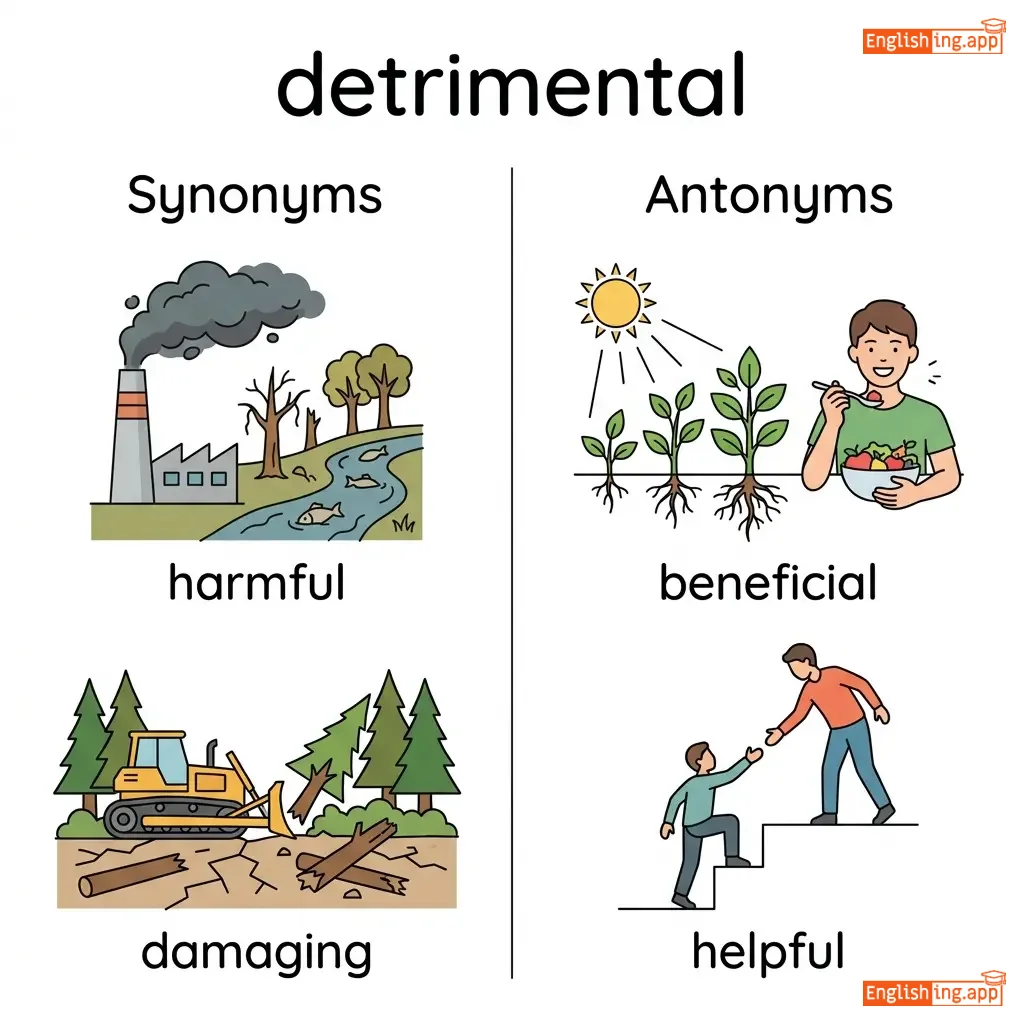
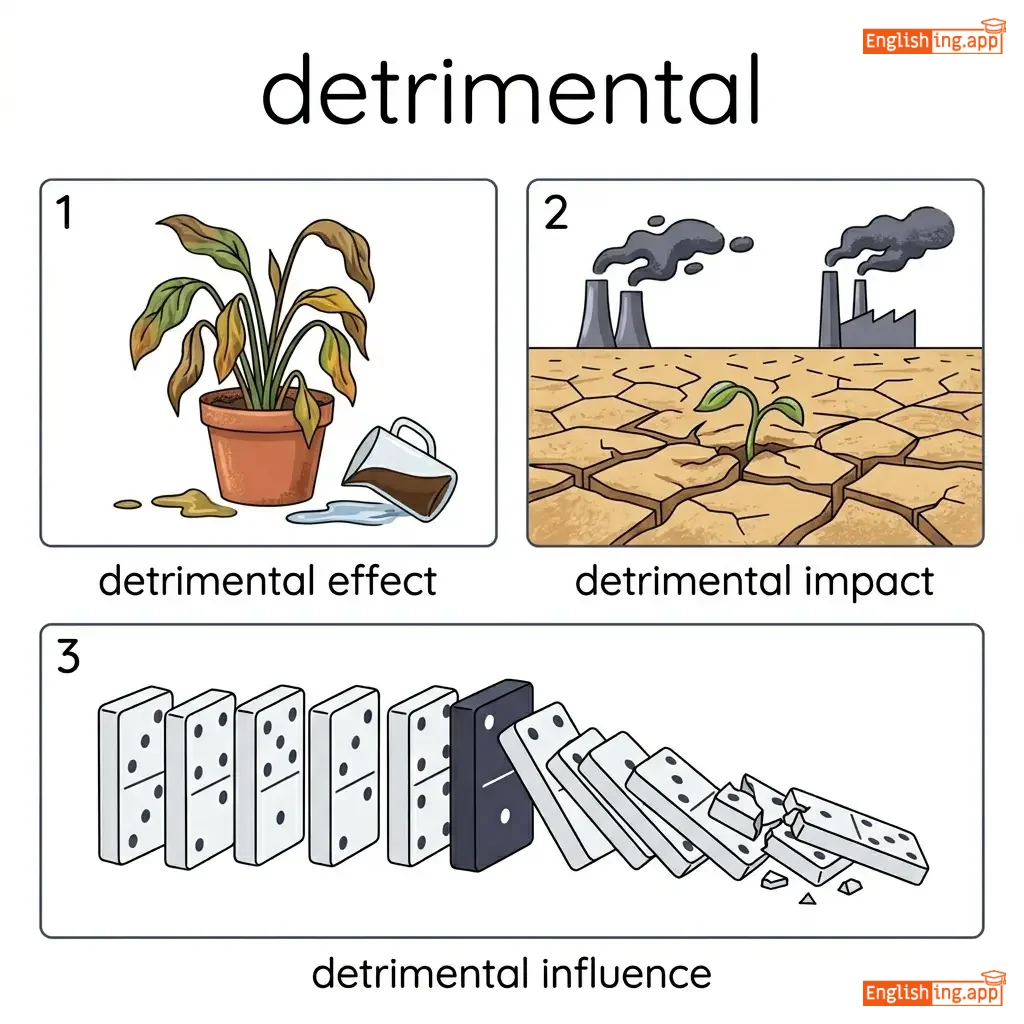
ˌdɛtrɪˈmɛntəl
adjective
••••••
|
|
Tending to cause harm; harmful or damaging.
••••••
|
Smoking is detrimental to health. |
harmful, destructive, injurious
••••••
|
beneficial, advantageous, favorable
••••••
|
|
#2632
☢️
|
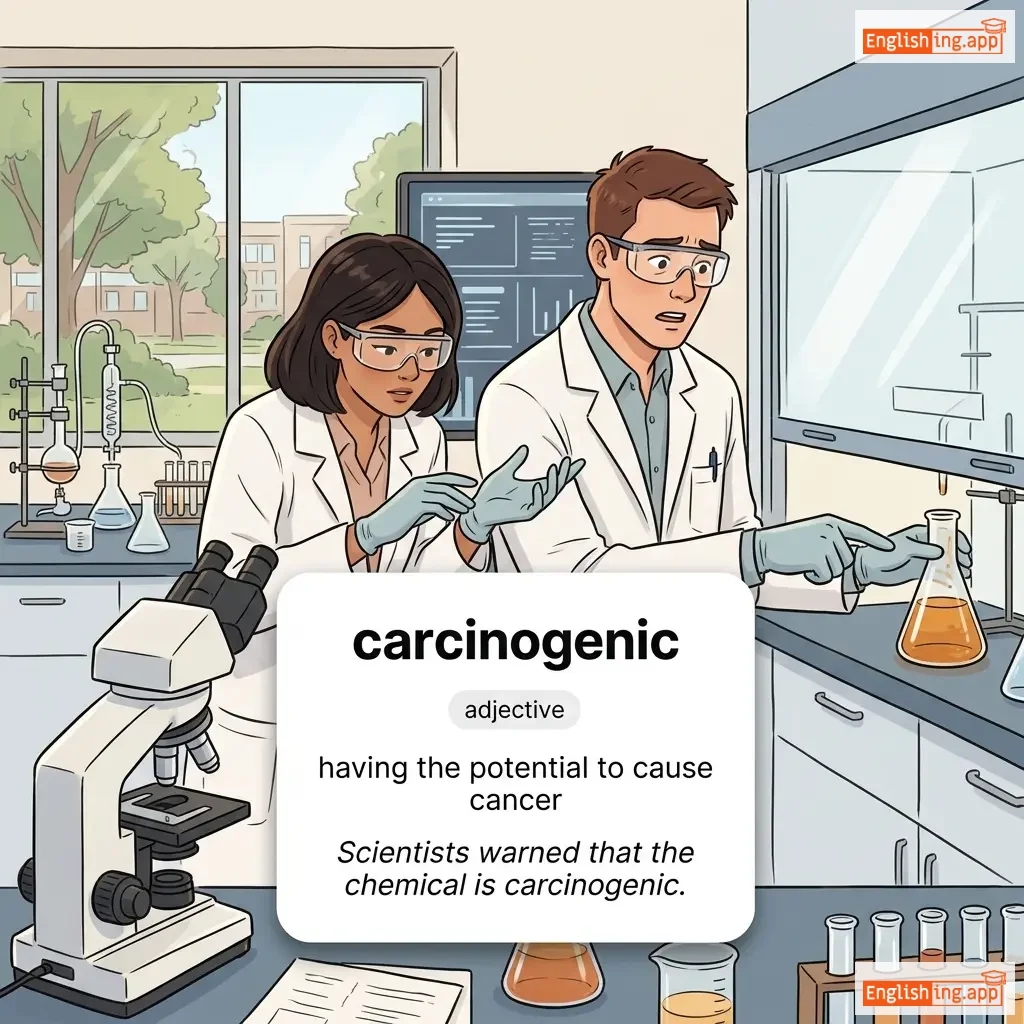
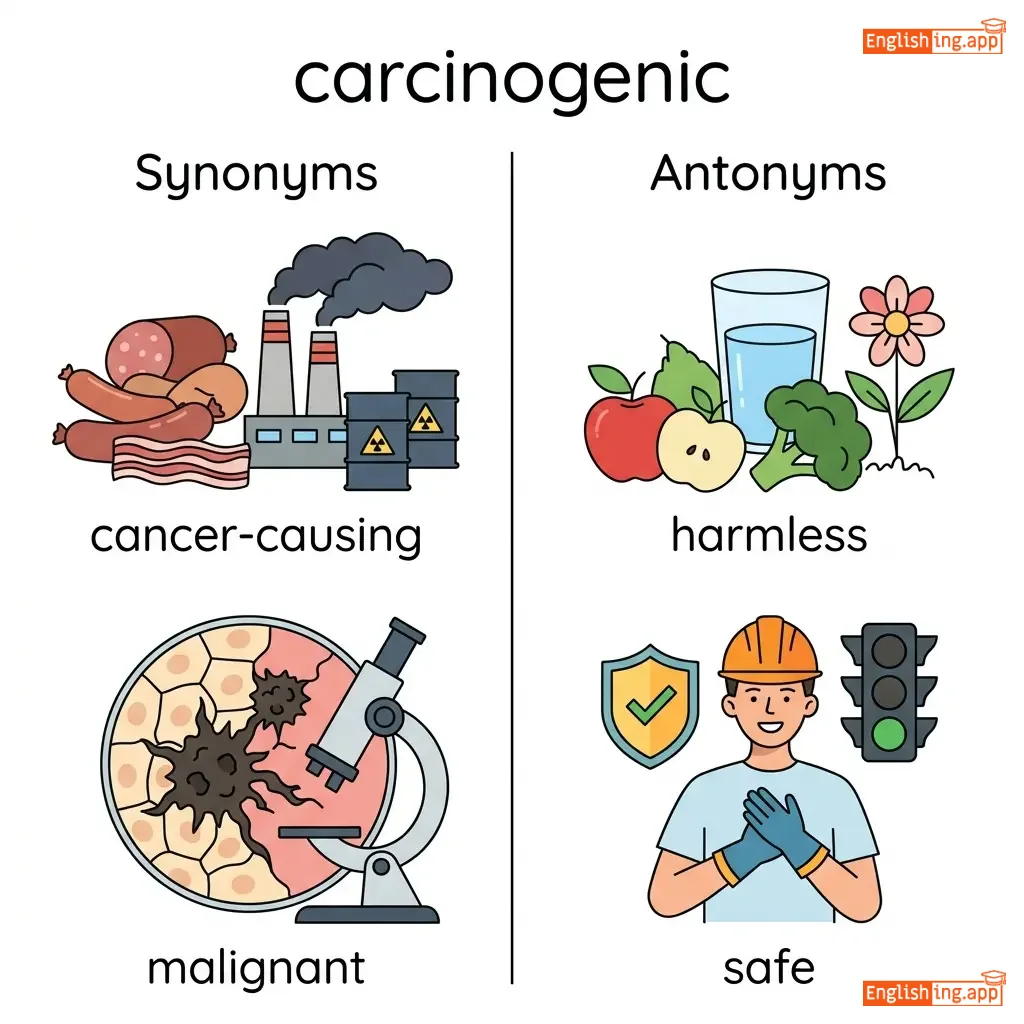
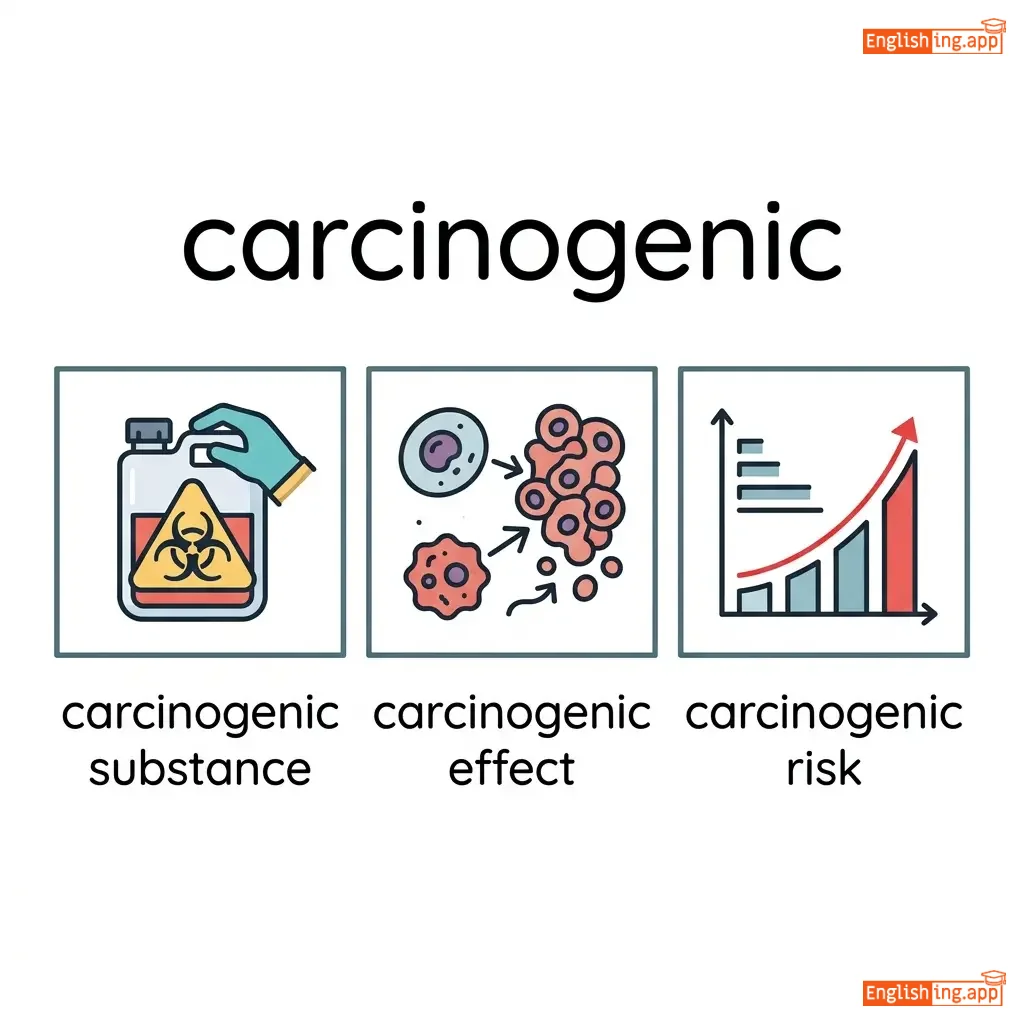
ˌkɑː.sɪ.nəˈdʒɛn.ɪk
adjective
••••••
|
|
Having the potential to cause cancer.
••••••
|
Processed foods often contain carcinogenic substances. |
cancer-causing, toxic, malignant
••••••
|
non-toxic, safe, benign
••••••
|
|
#2633
🧬
|
ˈɛn.də.krɪn
adjective
••••••
|
|
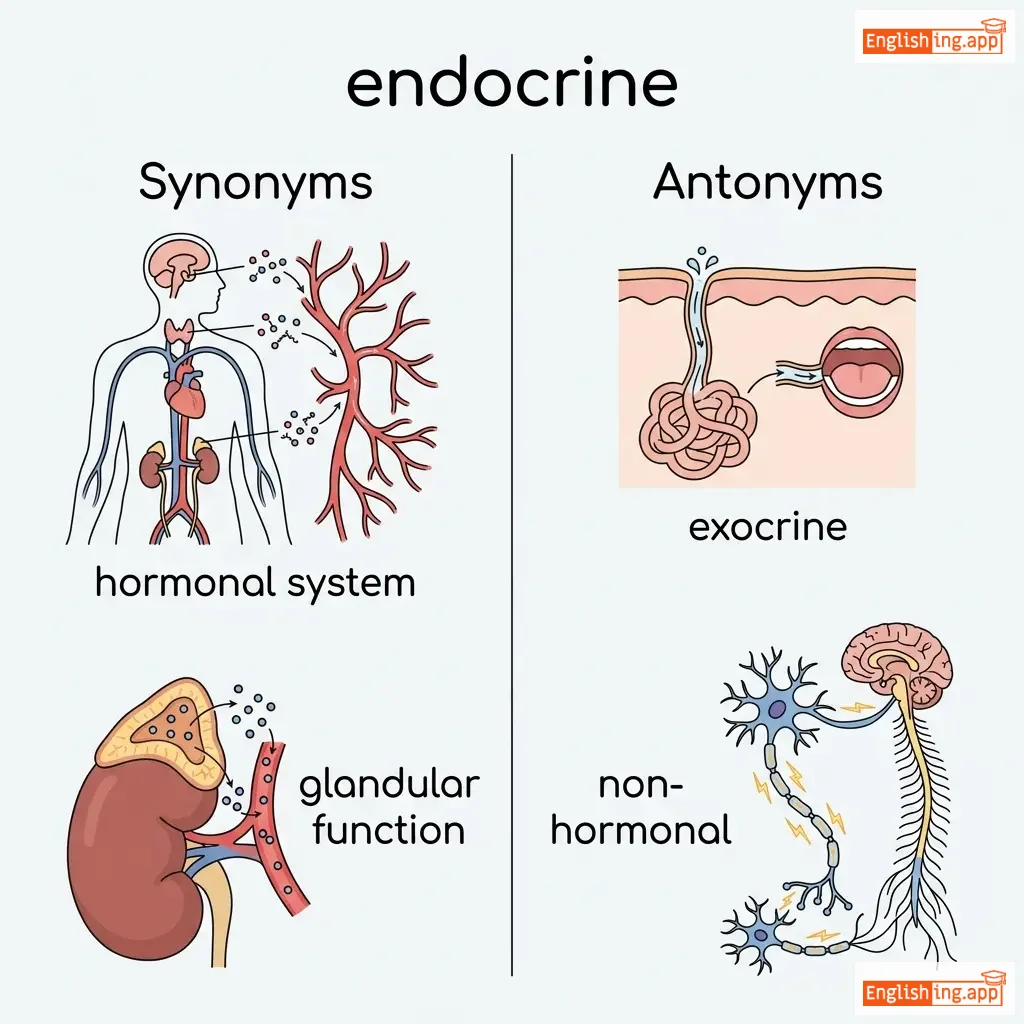
Relating to or denoting glands which secrete hormones directly into the blood.
••••••
|
The endocrine system regulates metabolism. |
hormonal, glandular, physiological
••••••
|
non-hormonal, external, artificial
••••••
|
|
#2634
🥬
|
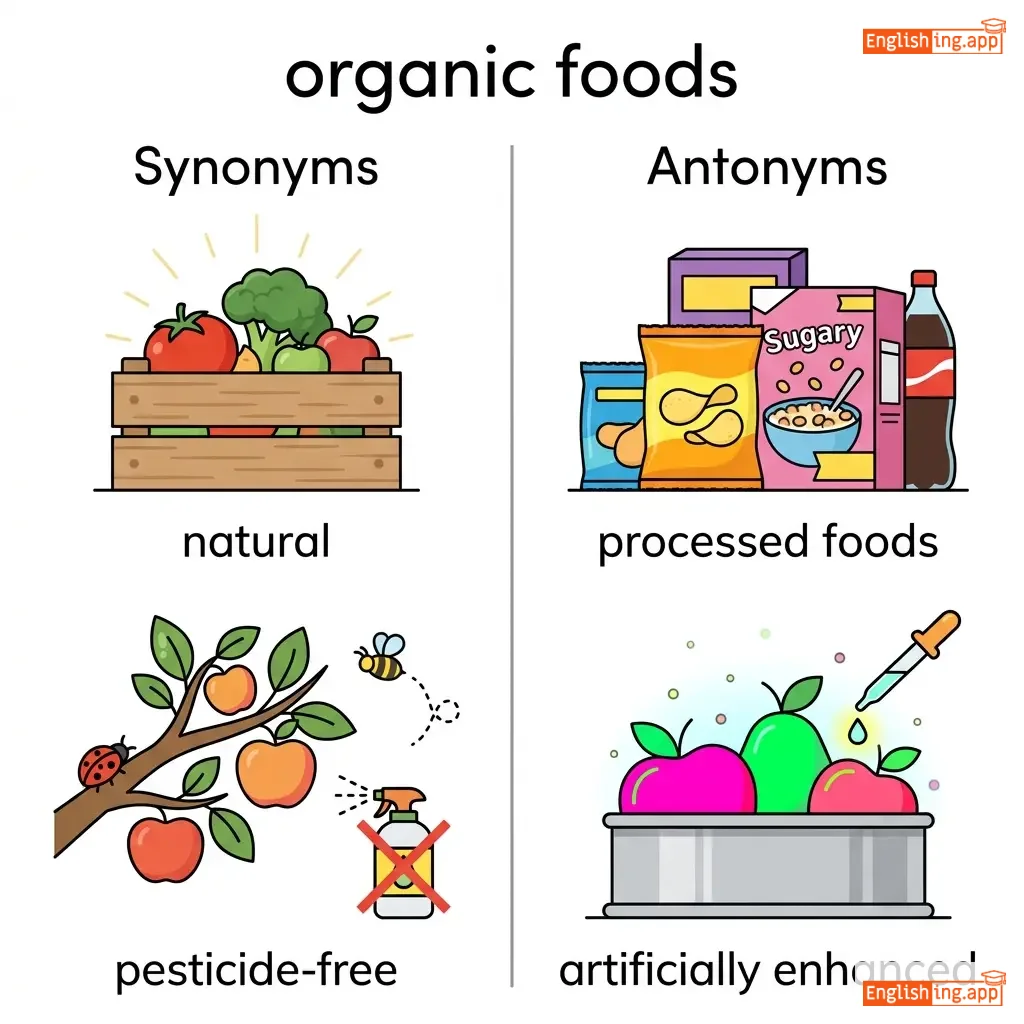
ɔːˈɡæn.ɪk fuːdz
noun
••••••
|
|
Food produced without the use of chemicals such as artificial pesticides, fertilizers, or other artificial agents.
••••••
|
Organic foods are healthier than processed foods. |
natural, pesticide-free, chemical-free
••••••
|
processed foods, artificially enhanced, genetically modified
••••••
|
|
#2635
🌱
|
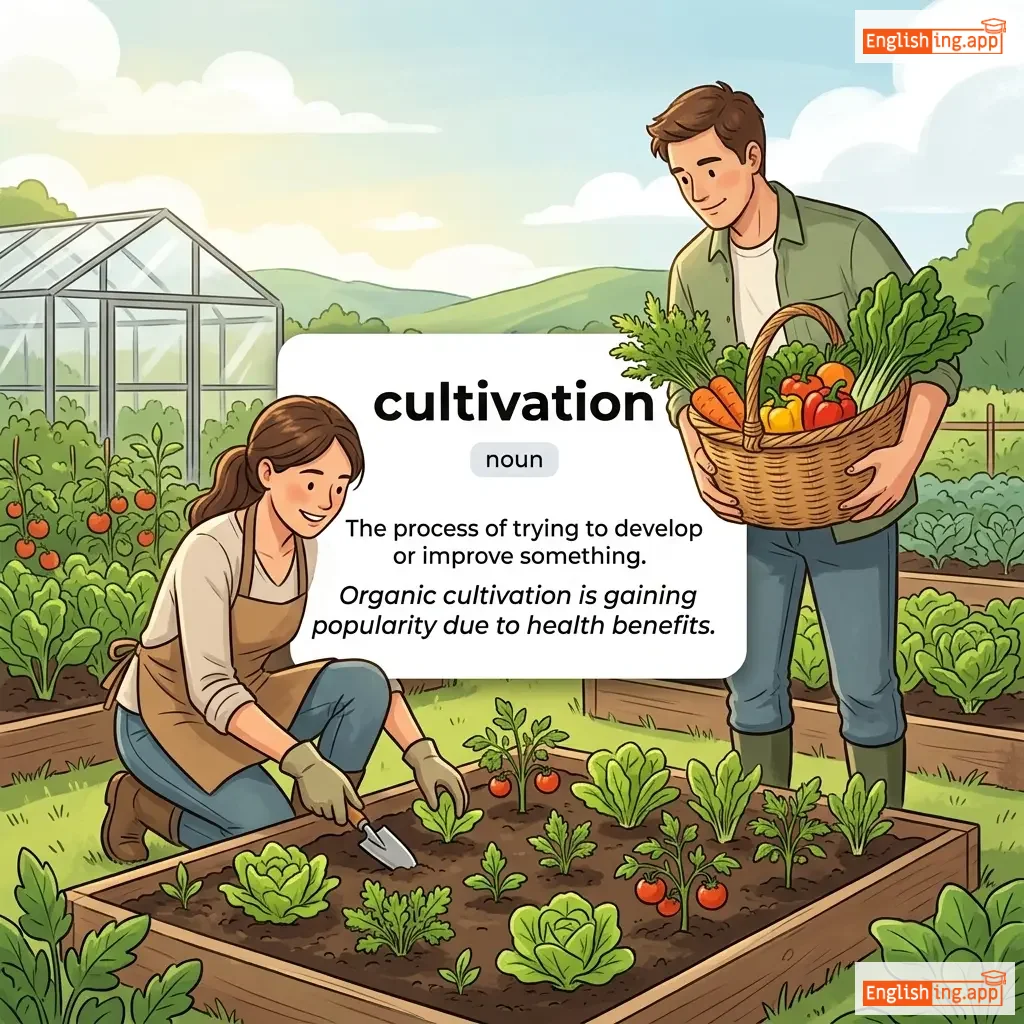
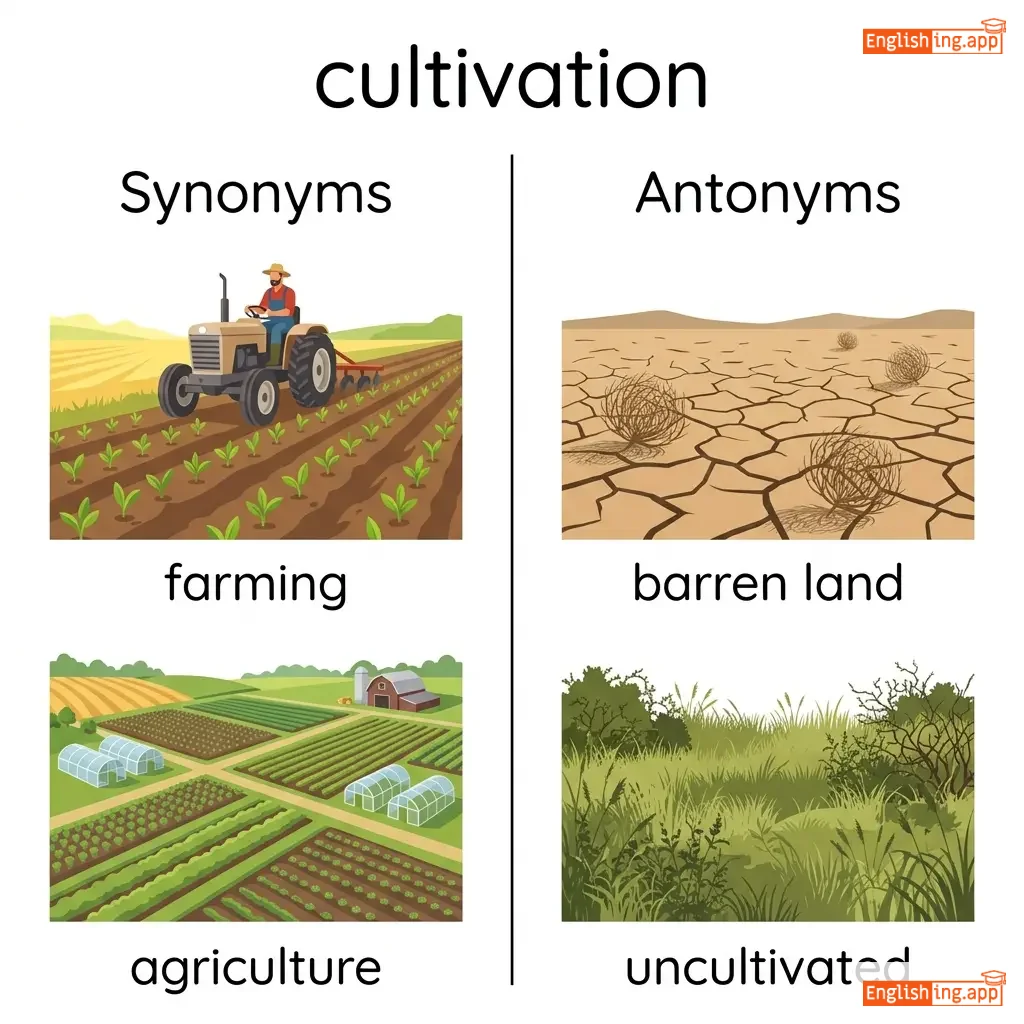
ˌkʌl.tɪˈveɪ.ʃən
noun
••••••
|
|
The action of cultivating land, or the state of being cultivated.
••••••
|
The cultivation of organic crops is increasing worldwide. |
farming, agriculture, horticulture
••••••
|
abandonment, neglect, destruction
••••••
|
|
#2636
🧪
|
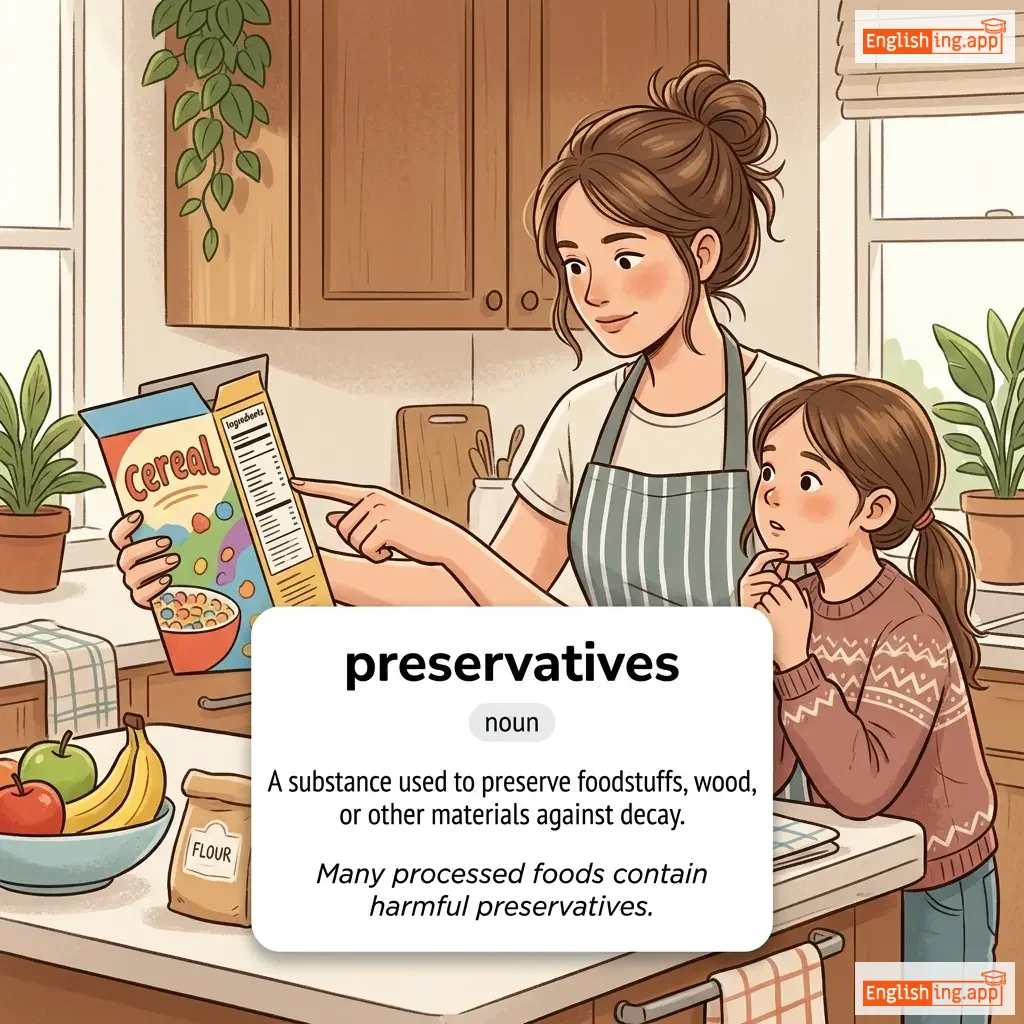
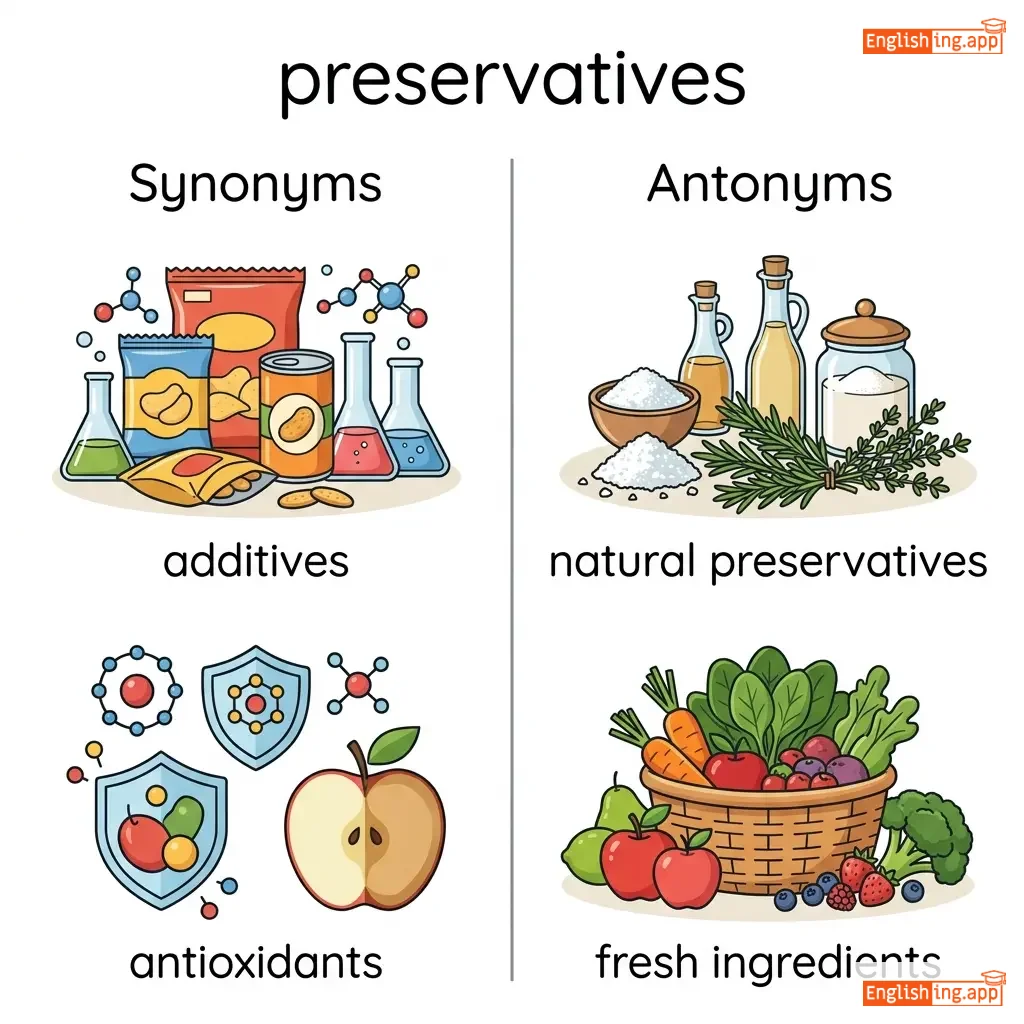
prɪˈzɜː.və.tɪvz
noun
••••••
|
|
A substance used to preserve foodstuffs, wood, or other materials against decay.
••••••
|
Many processed foods contain harmful preservatives. |
additives, antioxidants, stabilizers
••••••
|
natural preservatives, fresh ingredients, unprocessed
••••••
|
|
#2637
⚡
|
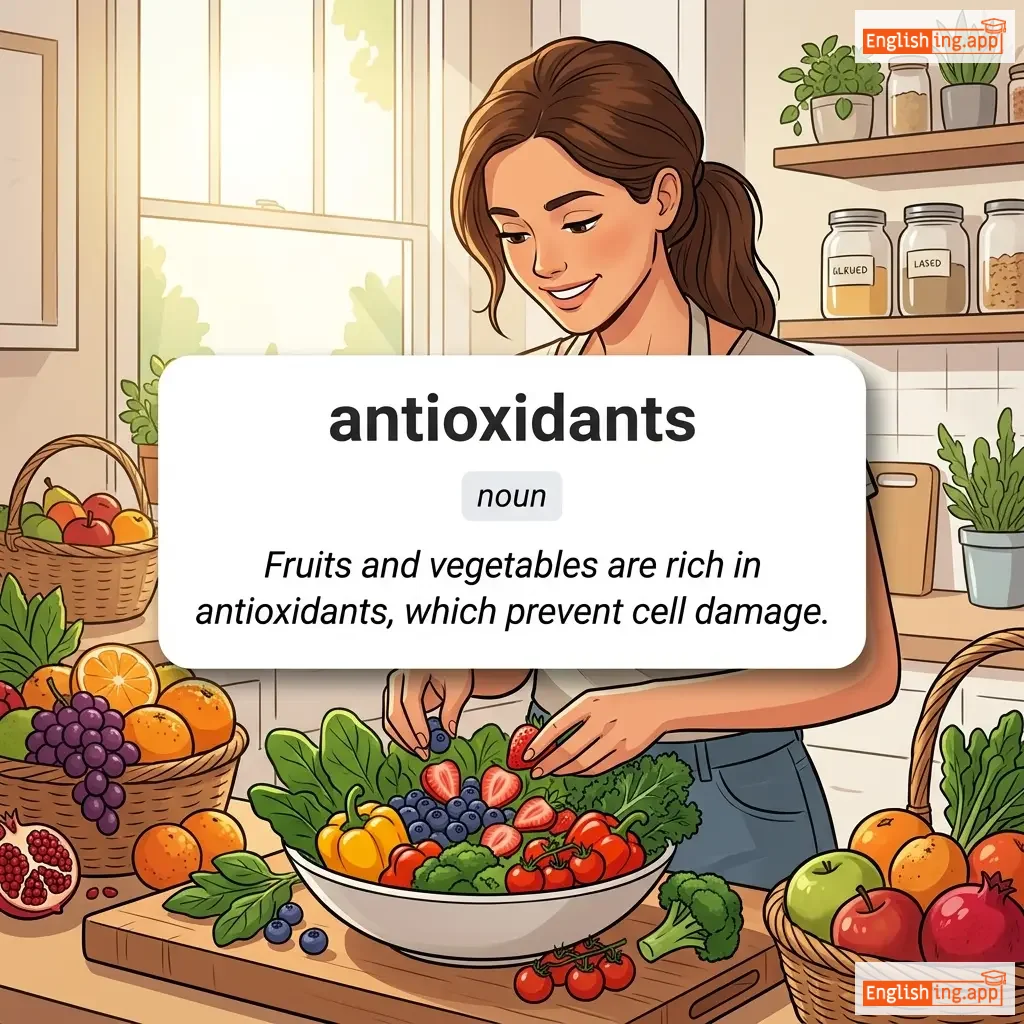
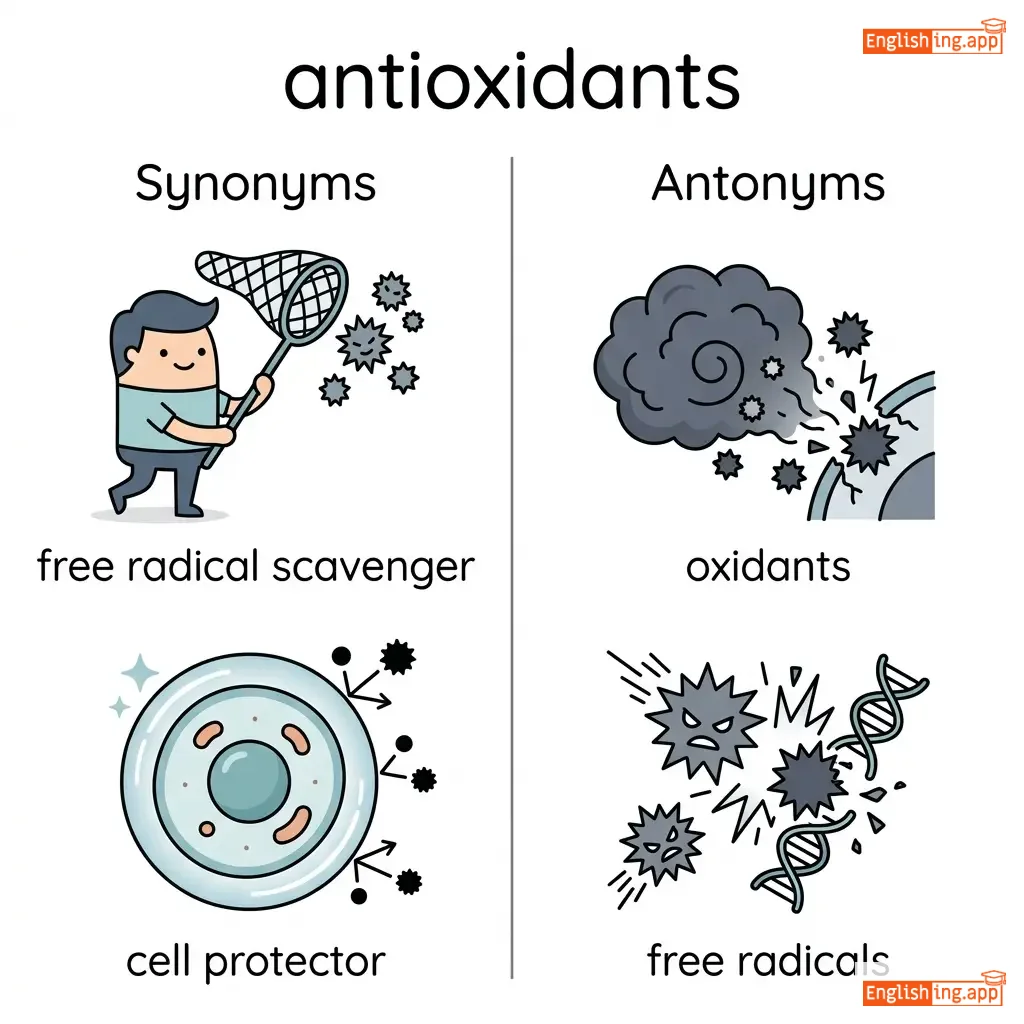
ˌæn.tiˈɒk.sɪ.dənts
noun
••••••
|
|
A substance that may prevent or delay some types of cell damage.
••••••
|
Fruits and vegetables are rich in antioxidants. |
free-radical fighters, protective compounds, detoxifiers
••••••
|
oxidants, free radicals, toxins
••••••
|
|
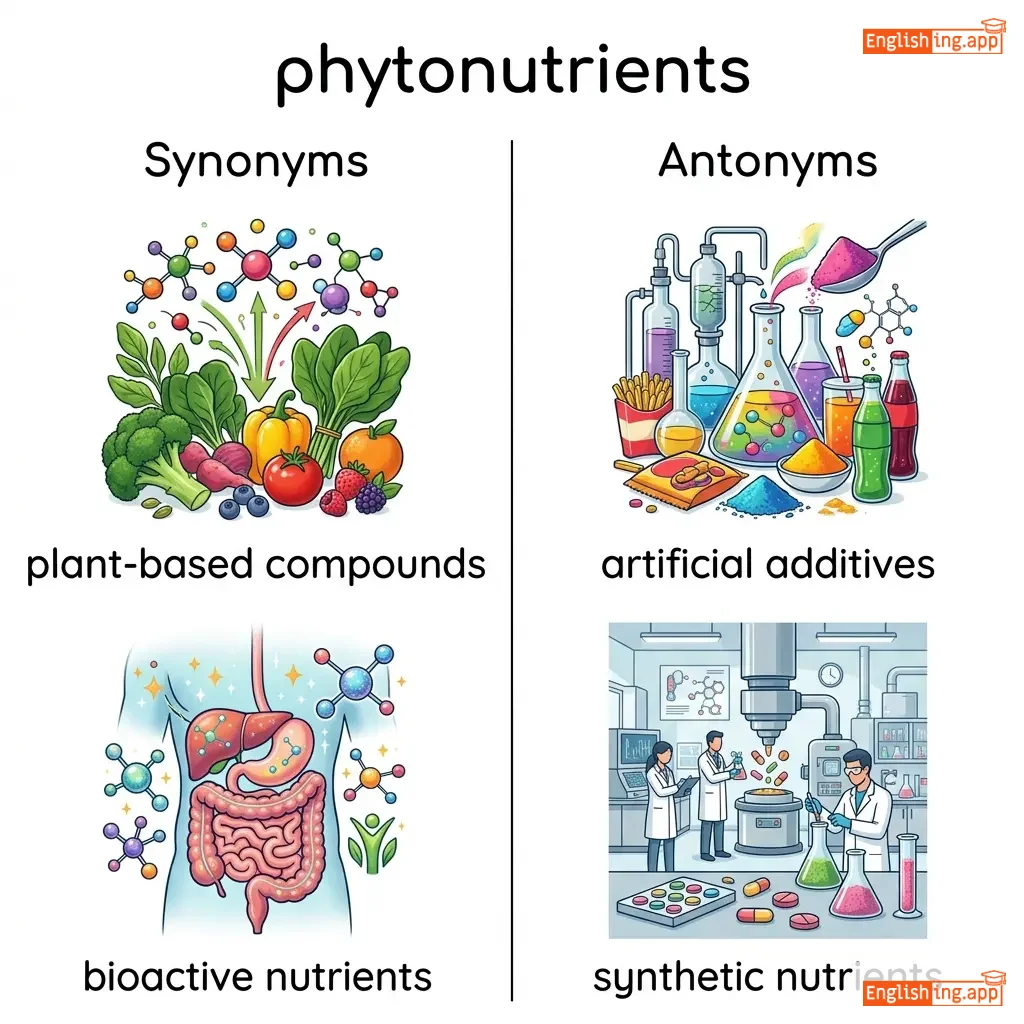
#2638
🌿
|
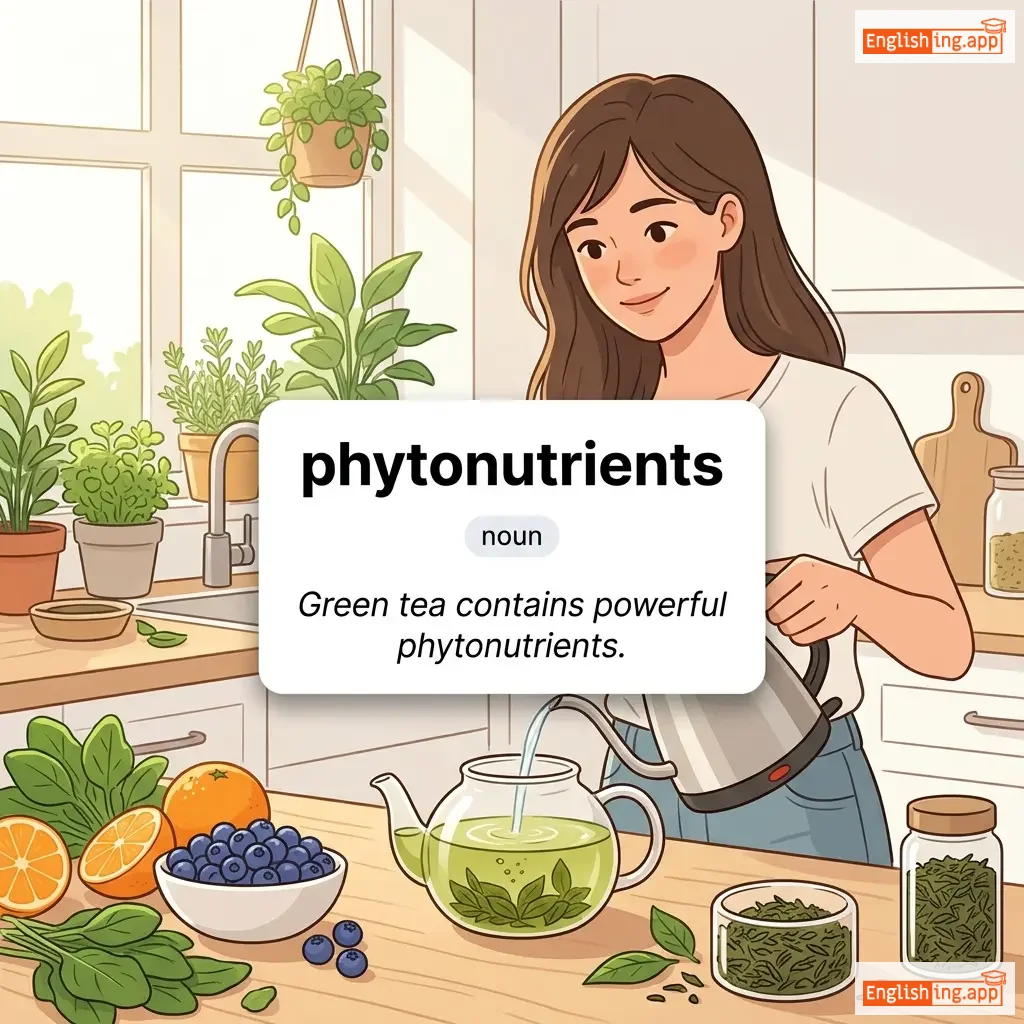
ˈfaɪ.təʊˌnjuː.tri.ənts
noun
••••••
|
|
Bioactive compounds found in plants that have health benefits beyond basic nutrition.
••••••
|
Green tea contains powerful phytonutrients. |
plant-based compounds, bioactive nutrients, natural extracts
••••••
|
artificial additives, synthetic nutrients, chemical enhancers
••••••
|
|
#2639
🛡️
|
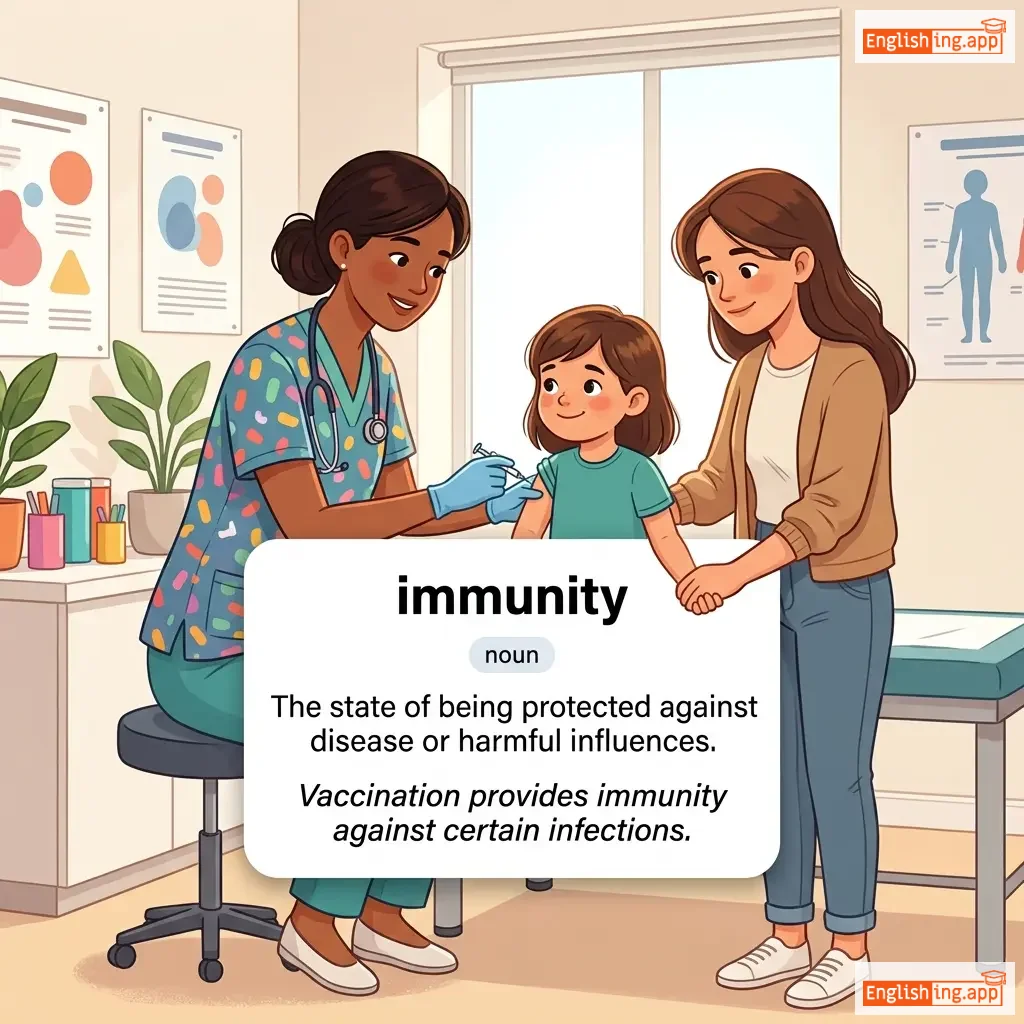
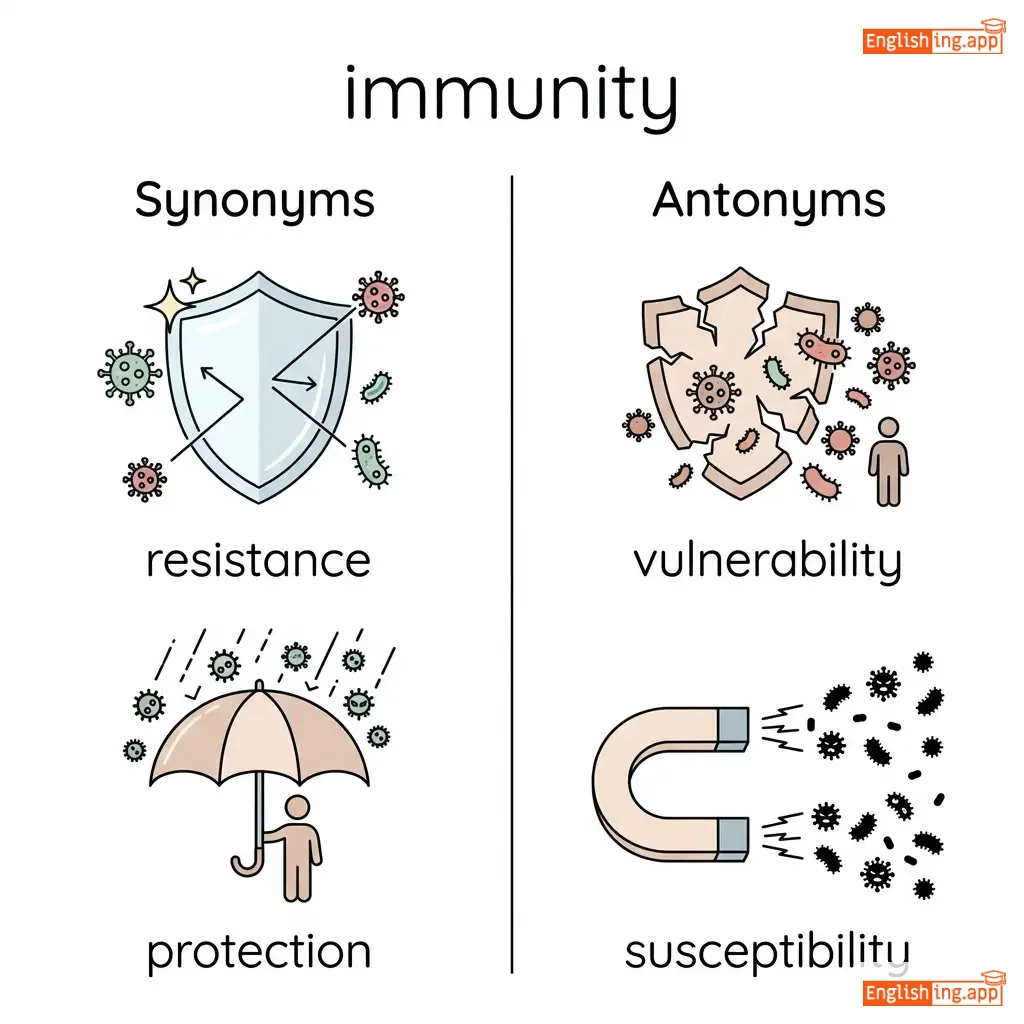
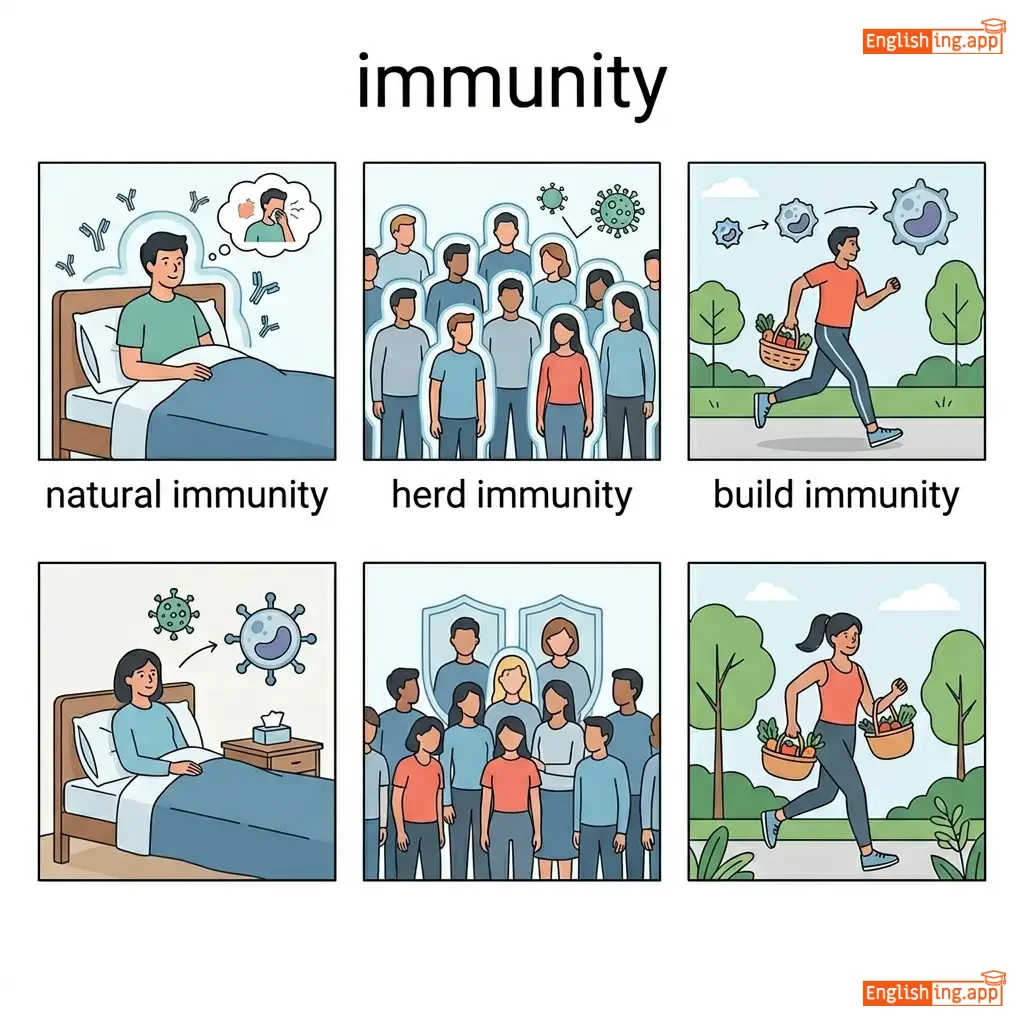
ɪˈmjuː.nɪ.ti
noun
••••••
|
|
The ability of an organism to resist a particular infection or toxin by the action of specific antibodies or sensitized white blood cells.
••••••
|
A balanced diet improves immunity. |
resistance, defensiveness, protection
••••••
|
susceptibility, vulnerability, weakness
••••••
|
|
#2640
💊
|
ˌbaɪ.oʊ.əˌveɪ.ləˈbɪl.ə.ti
noun
••••••
|
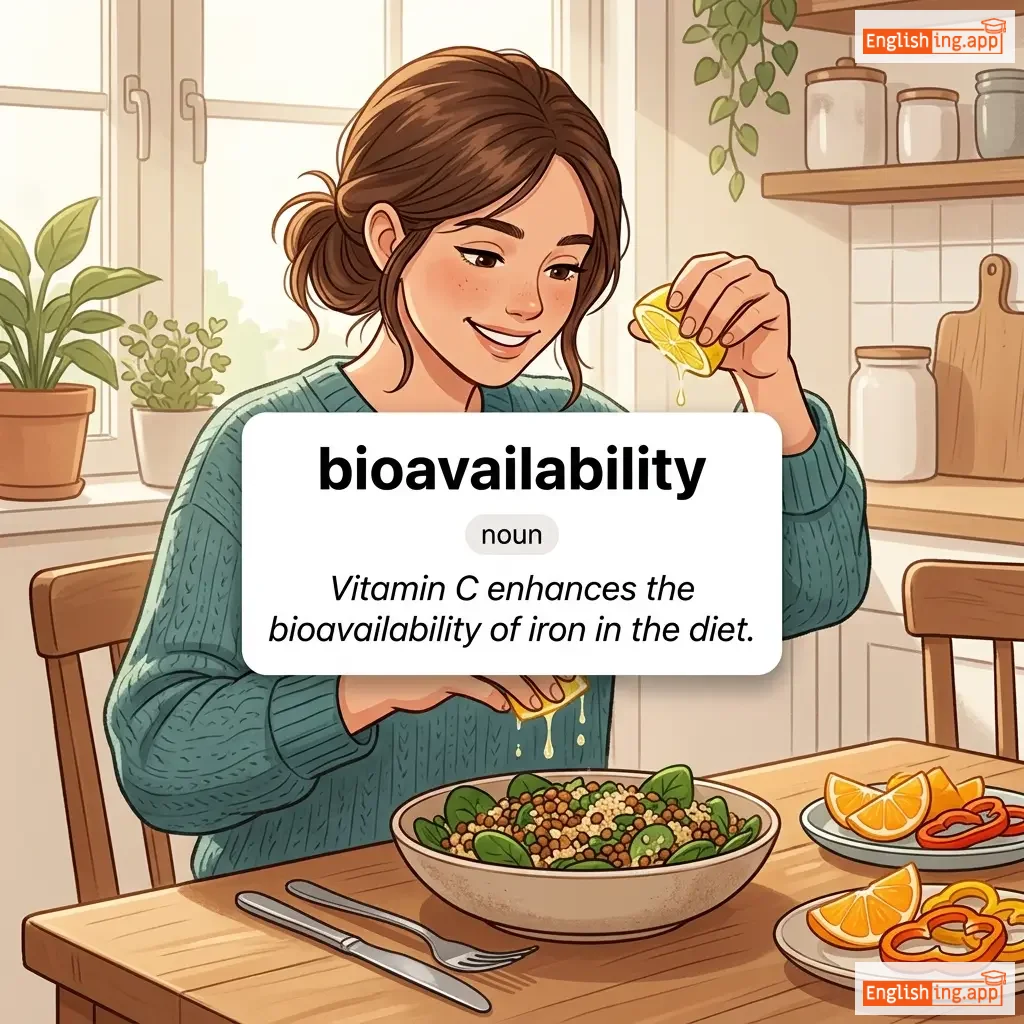
|
The degree and rate at which a substance is absorbed or becomes available at the site of physiological activity.
••••••
|
The bioavailability of vitamins varies from food to food. |
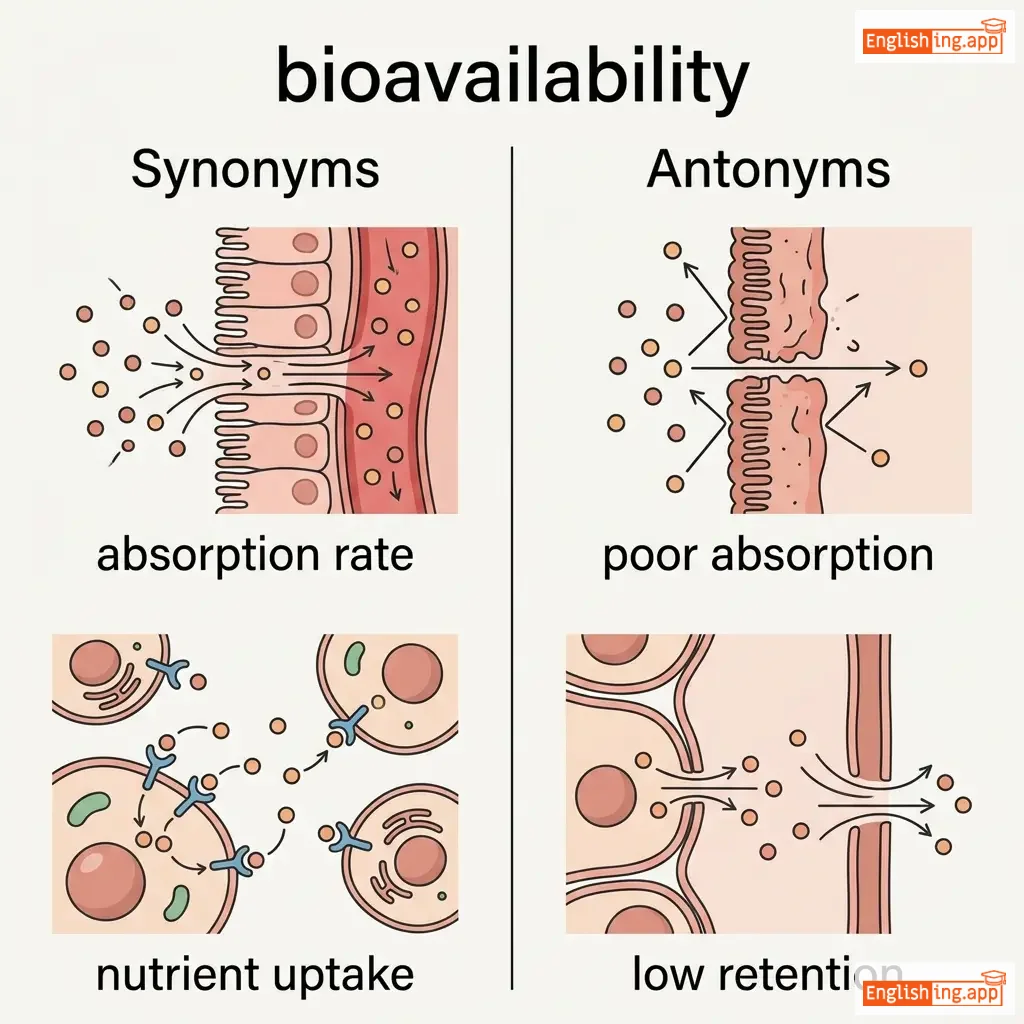
nutrient absorption, assimilation, utilization
••••••
|
poor absorption, malabsorption, inefficiency
••••••
|
|
#2641
⚙️
|
məˈtæb.ə.laɪz
verb
••••••
|
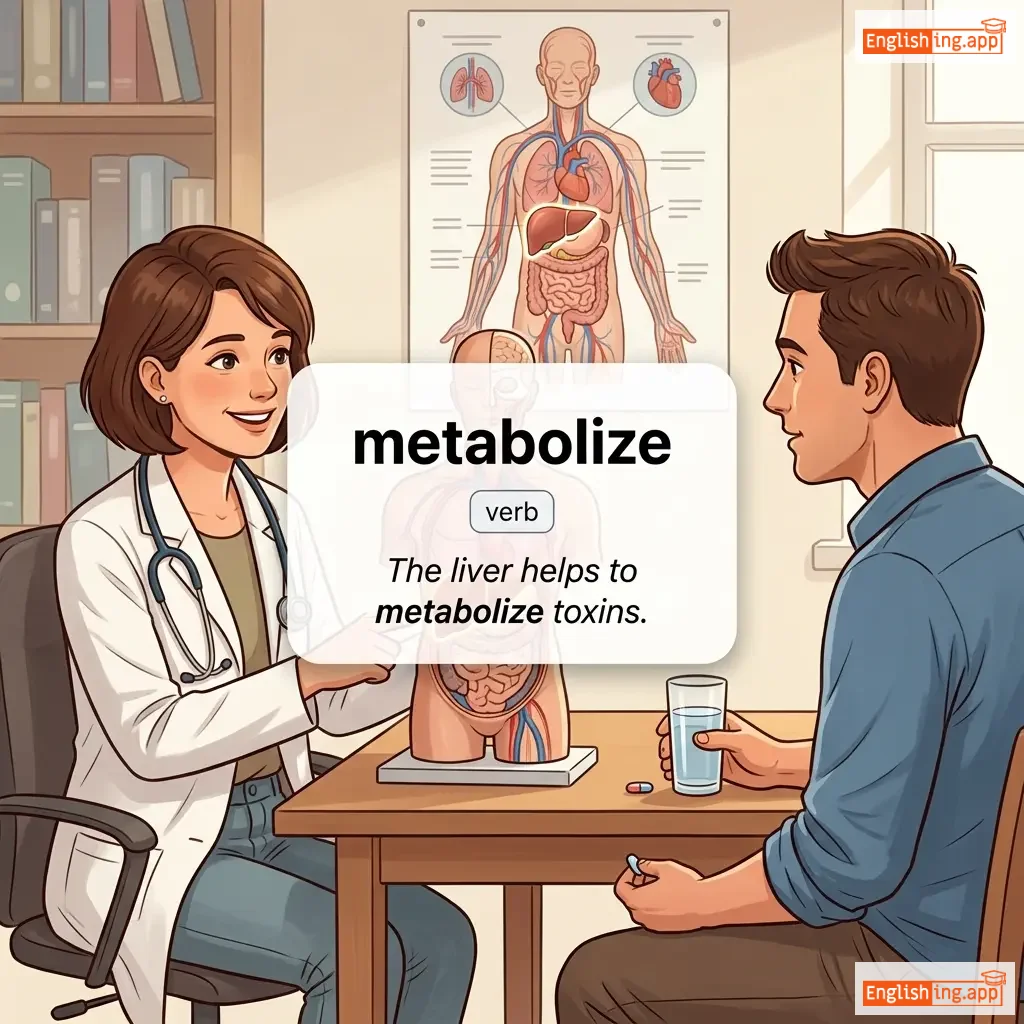
|
Process and use food for growth and to replace tissue, or process other substances in the body.
••••••
|
The liver helps to metabolize toxins. |
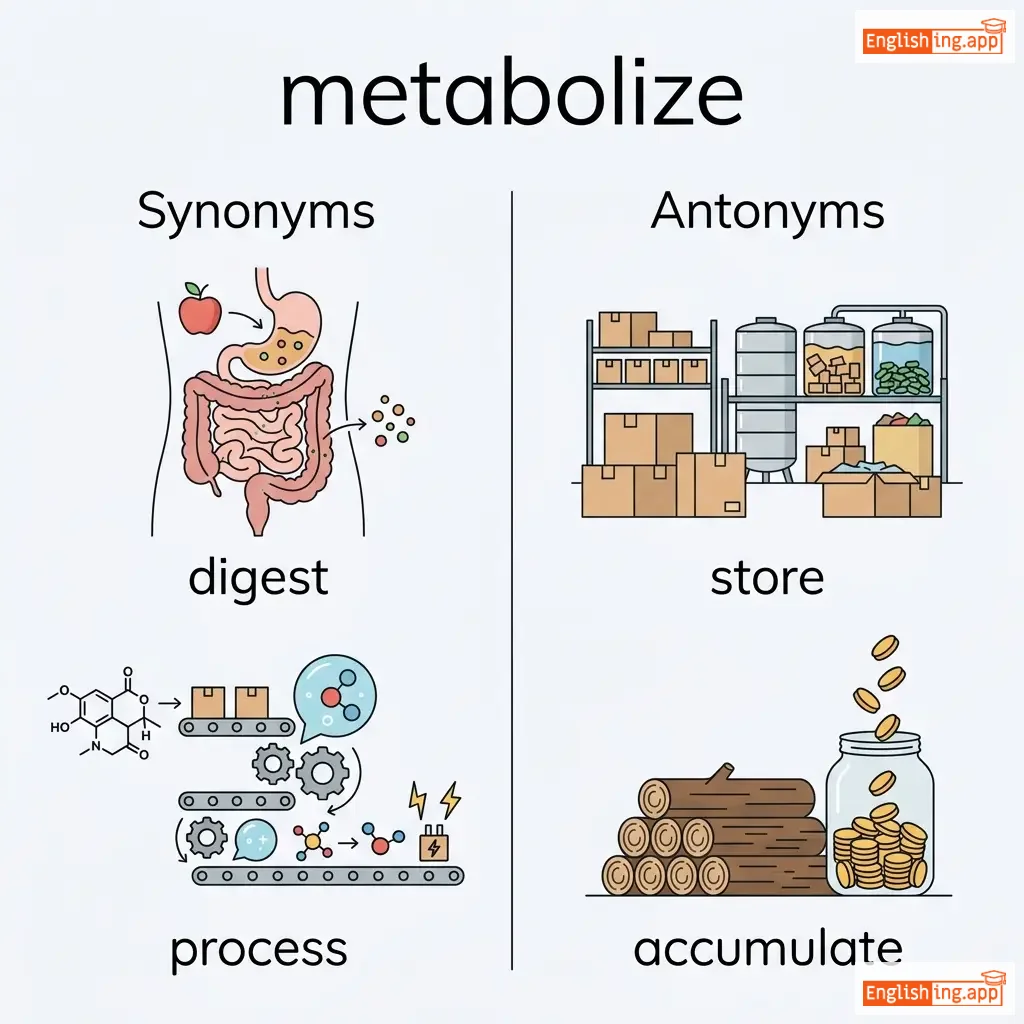
digest, process, convert
••••••
|
store, accumulate, preserve
••••••
|
|
#2642
🔬
|
ˈmaɪ.krəʊˌnjuː.tri.ənts
noun
••••••
|
|
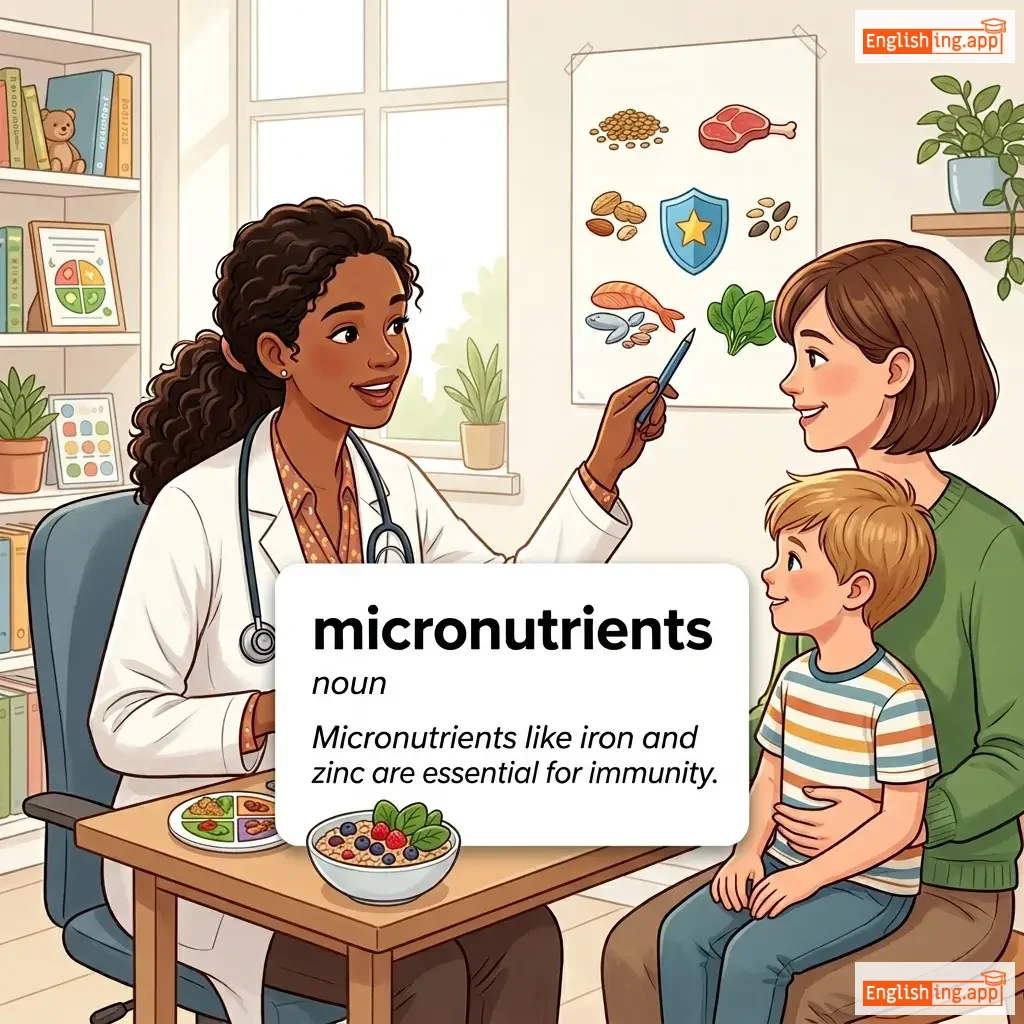
Essential nutrients required by organisms in small quantities throughout life to orchestrate a range of physiological functions.
••••••
|
Micronutrients are essential for cellular function. |
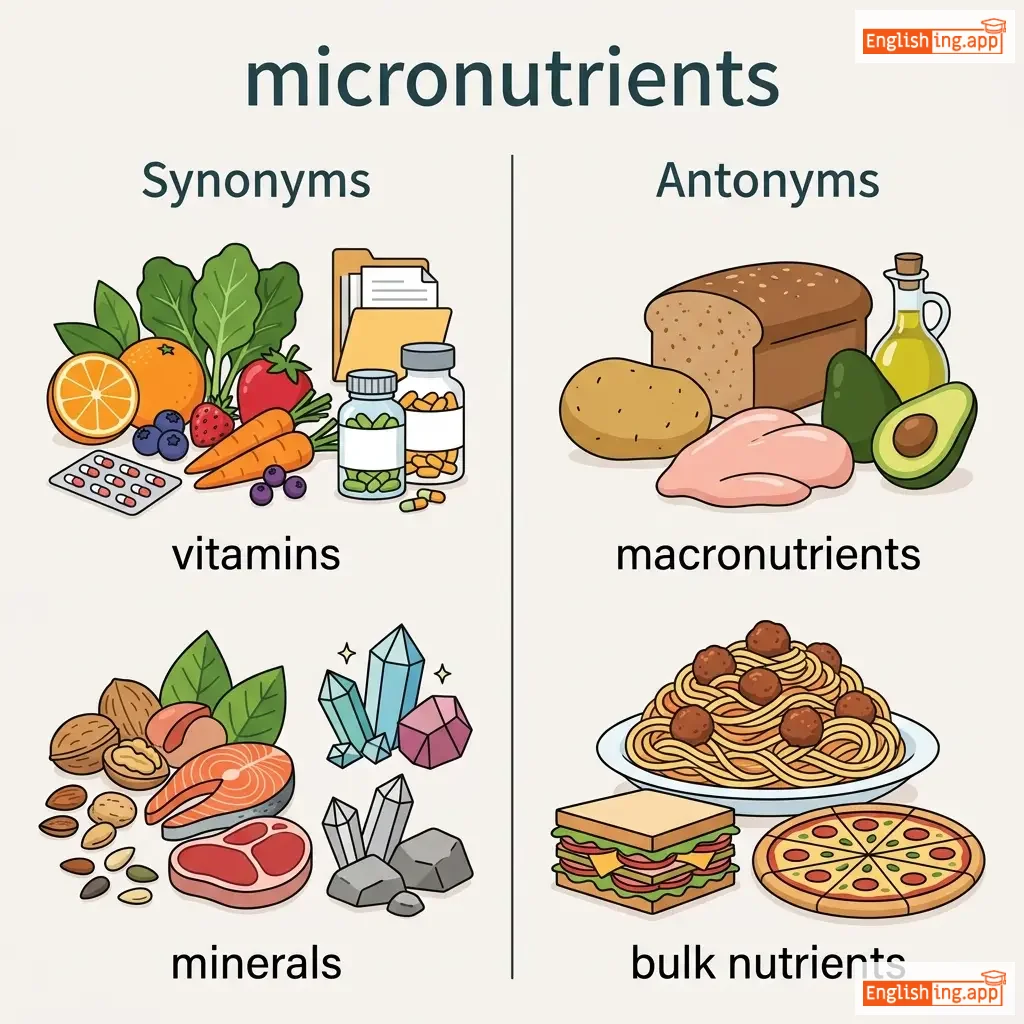
vitamins, minerals, essential nutrients
••••••
|
macronutrients, excessive nutrients, overconsumption
••••••
|
|
#2643
💪
|
ˌfɔːr.tɪ.fɪˈkeɪ.ʃən
noun
••••••
|
|
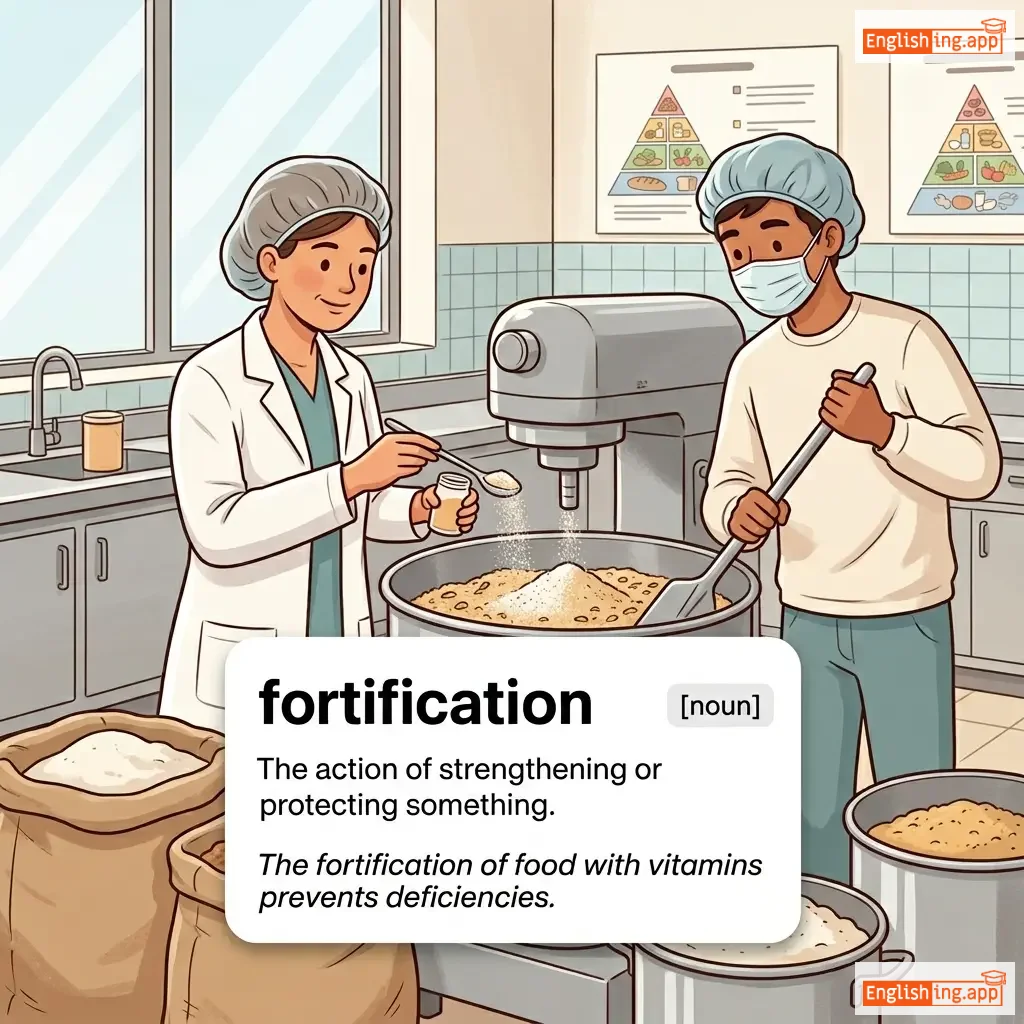
The action of adding vitamins or other nutrients to food, especially as a public health measure.
••••••
|
Milk fortification with Vitamin D is essential. |
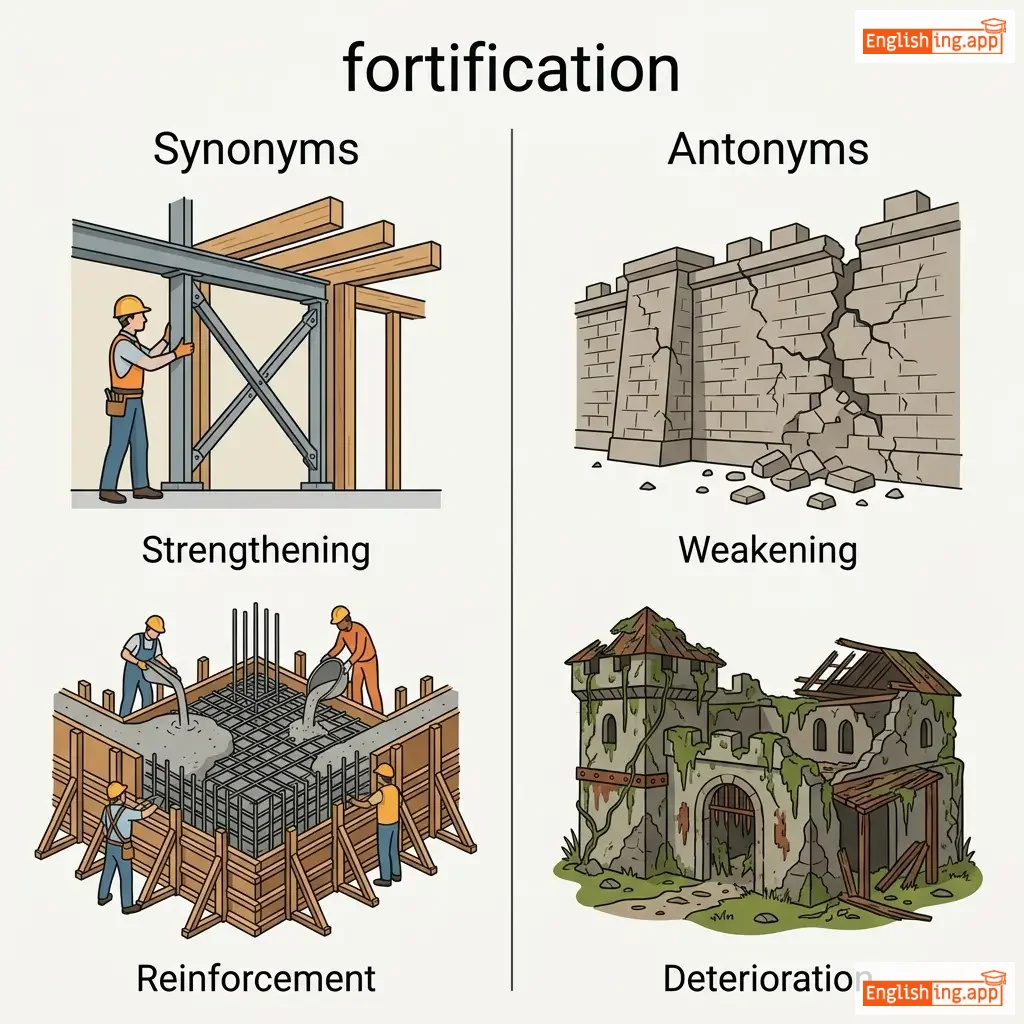
enrichment, strengthening, reinforcement
••••••
|
depletion, deficiency, weakening
••••••
|
|
#2644
🌍
|
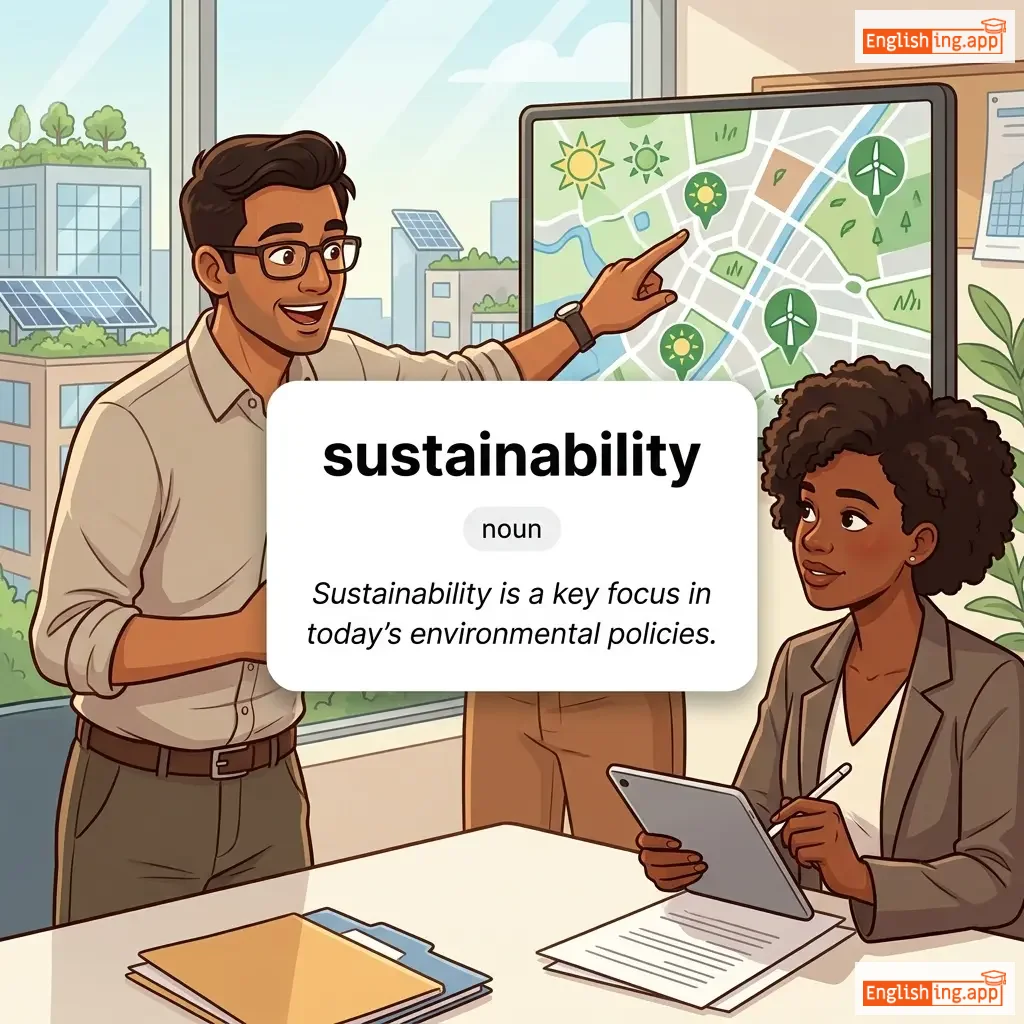
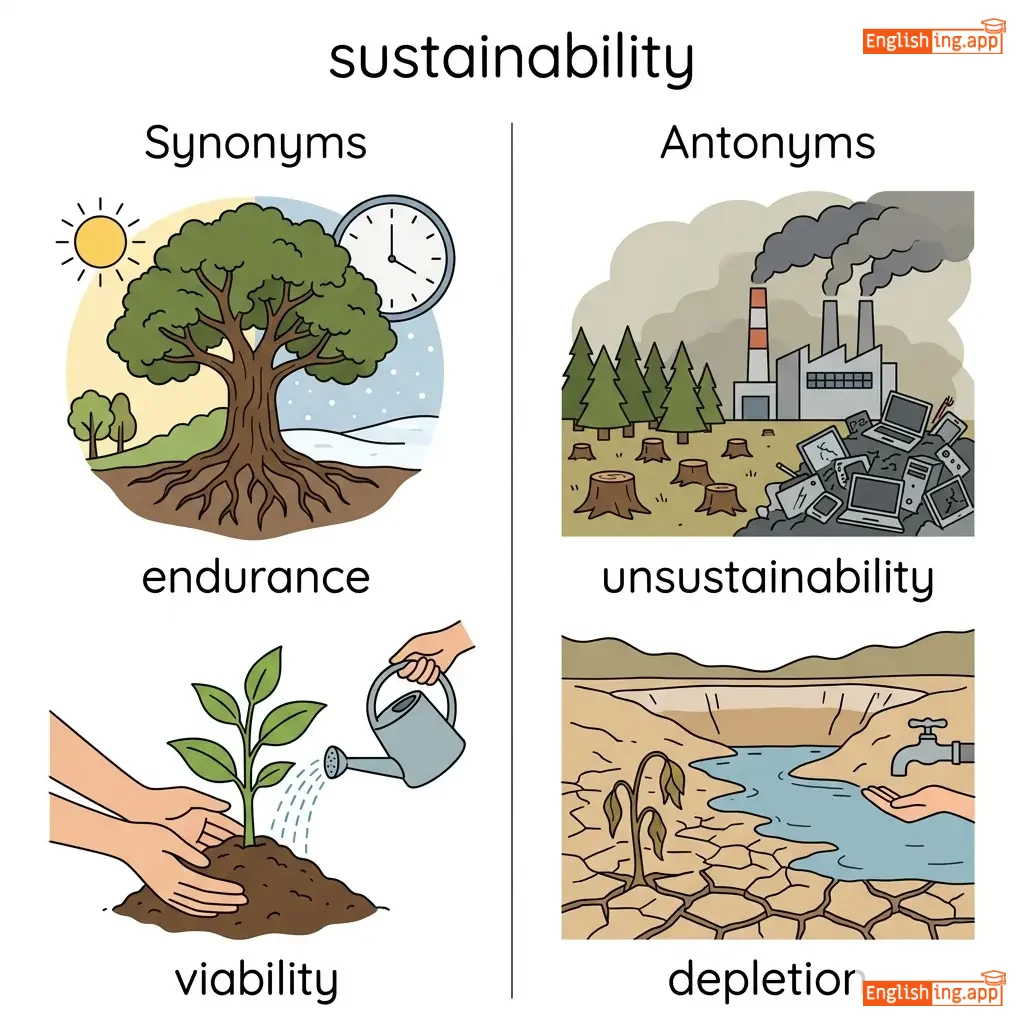
səˌsteɪ.nəˈbɪl.ə.ti
noun
••••••
|
|
The ability to maintain or support a process continuously over time without depleting natural resources.
••••••
|
Sustainability is crucial for the environment. |
longevity, stability, environmental balance
••••••
|
instability, unsustainable, short-term planning
••••••
|
|
#2645
🔄
|
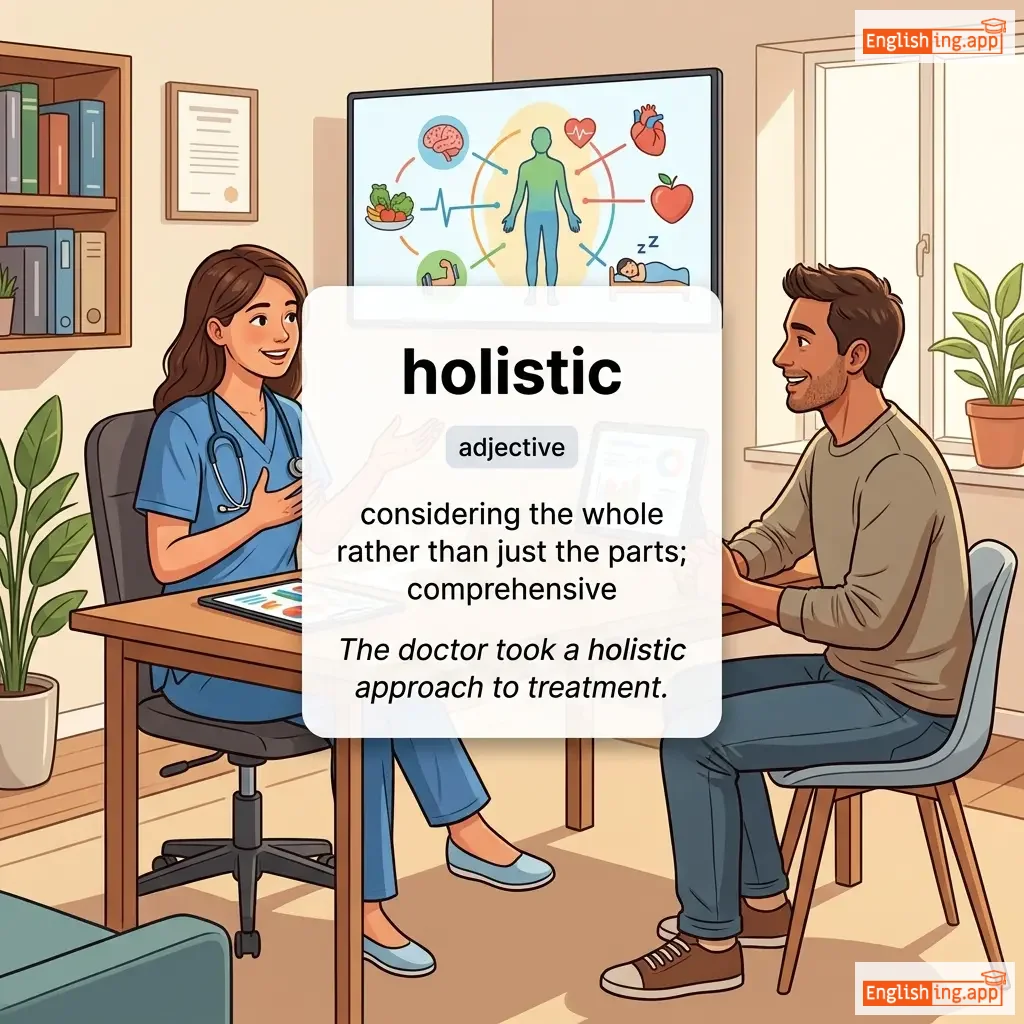
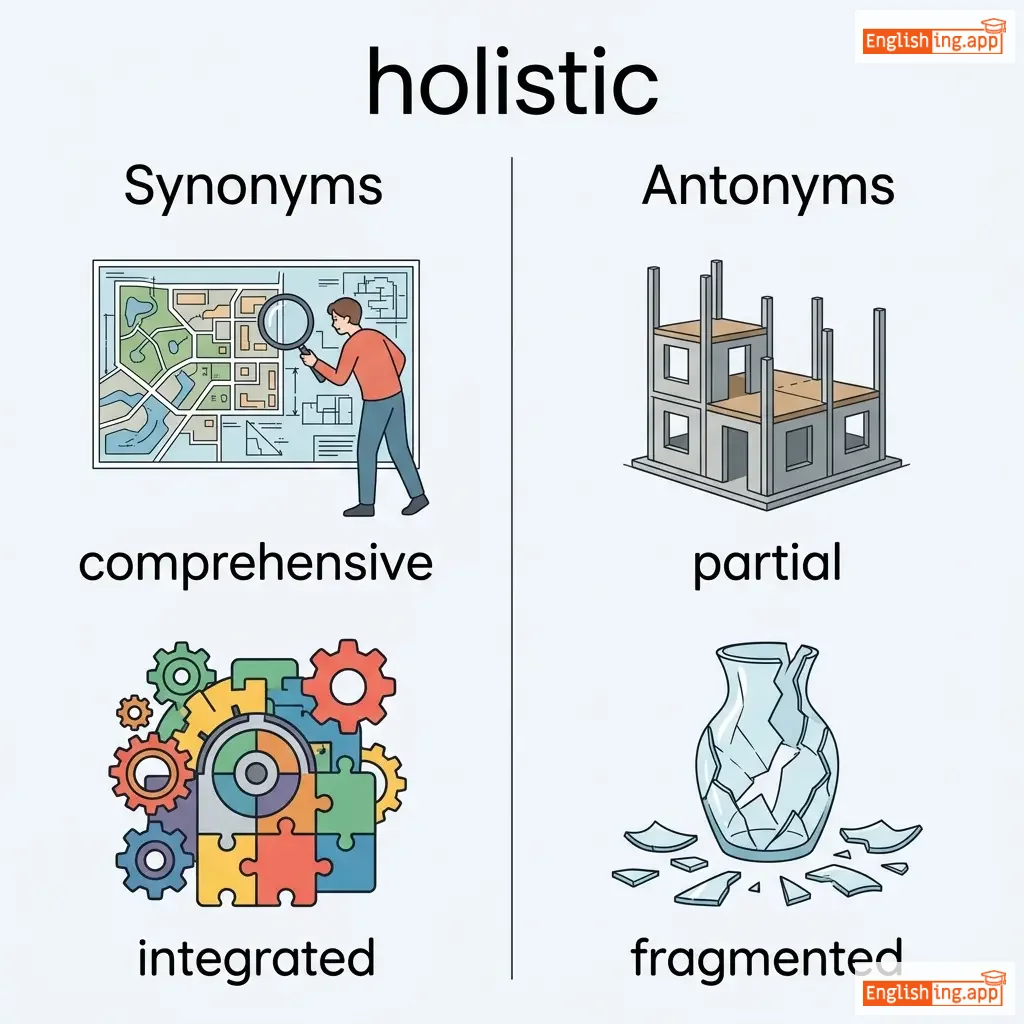
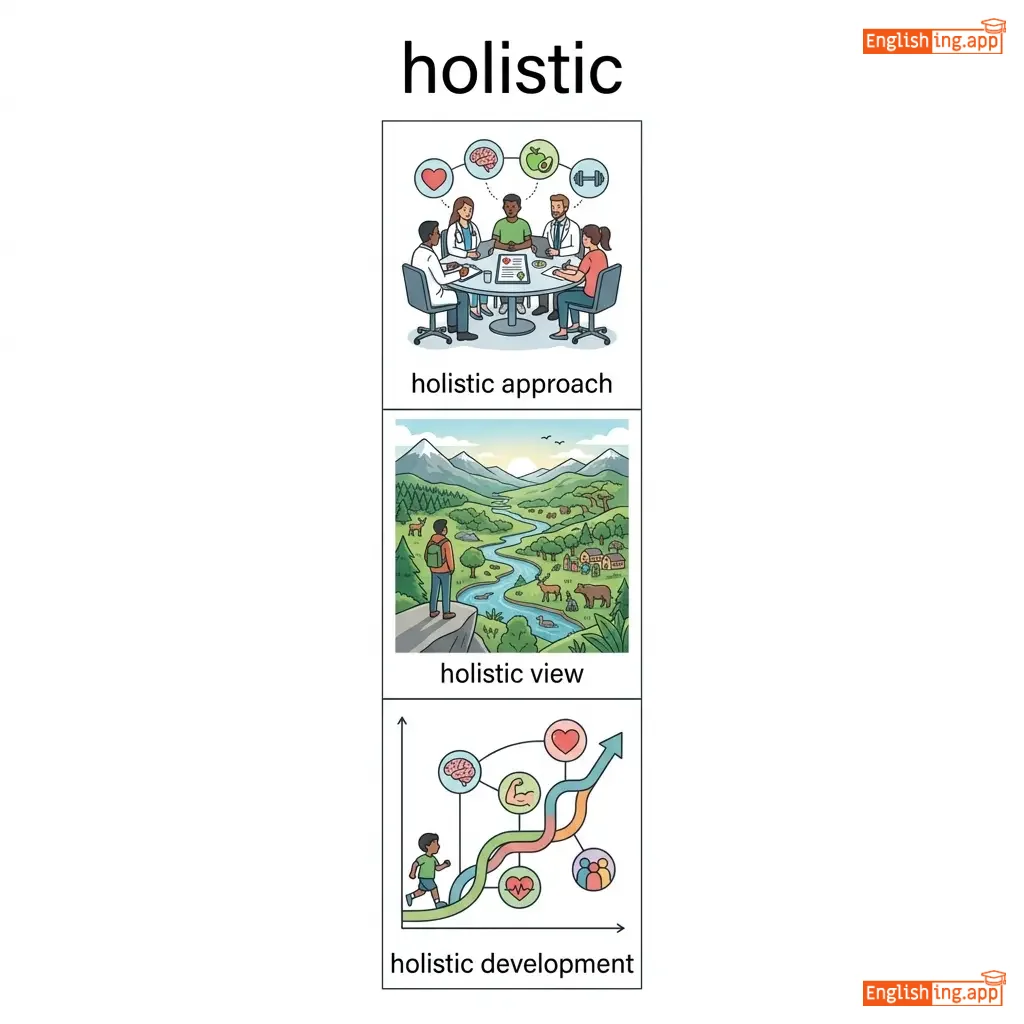
həʊˈlɪs.tɪk
adjective
••••••
|
|
Dealing with or treating the whole of something or someone and not just a part.
••••••
|
A holistic approach improves well-being. |
comprehensive, integrated, whole-system approach
••••••
|
fragmented, partial, narrow-minded
••••••
|

