Nutritional Benefits of Organic Foods
Conventional подделка продуктов питания и чрезмерное использование pesticides оказывают detrimental влияние на здоровье человека. Carcinogenic химикаты, содержащиеся в этих продуктах, наносят вред endocrine и нервной системам в долгосрочной перспективе. С другой стороны, organic foods производятся с использованием методов cultivation без химикатов, где не применяются preservatives и искусственные ингредиенты. Содержащиеся в них antioxidants и phytonutrients повышают immunity организма, обеспечивая защиту от различных заболеваний. Organic foods имеют более высокую bioavailability, поэтому организм может легко их metabolize и усваивать необходимые micronutrients. Кроме того, они естественным образом содержат питательные вещества без fortification. Sustainability таких продуктов обеспечивается благодаря экологически чистым методам земледелия, способствующим holistic охране здоровья. Таким образом, выбор organic foods для долгосрочного здорового образа жизни — разумное решение.
Получите неограниченный доступ ко всем словам с подпиской Pro
Обновить до ProПолучите неограниченный доступ ко всем предложениям с подпиской Pro
Обновить до Pro|
Эмодзи
|
Слово | Images | Значение | Пример предложения | Синонимы | Антонимы |
|---|---|---|---|---|---|---|
|
#2628
🏛️
|
kənˈven.ʃən.əl
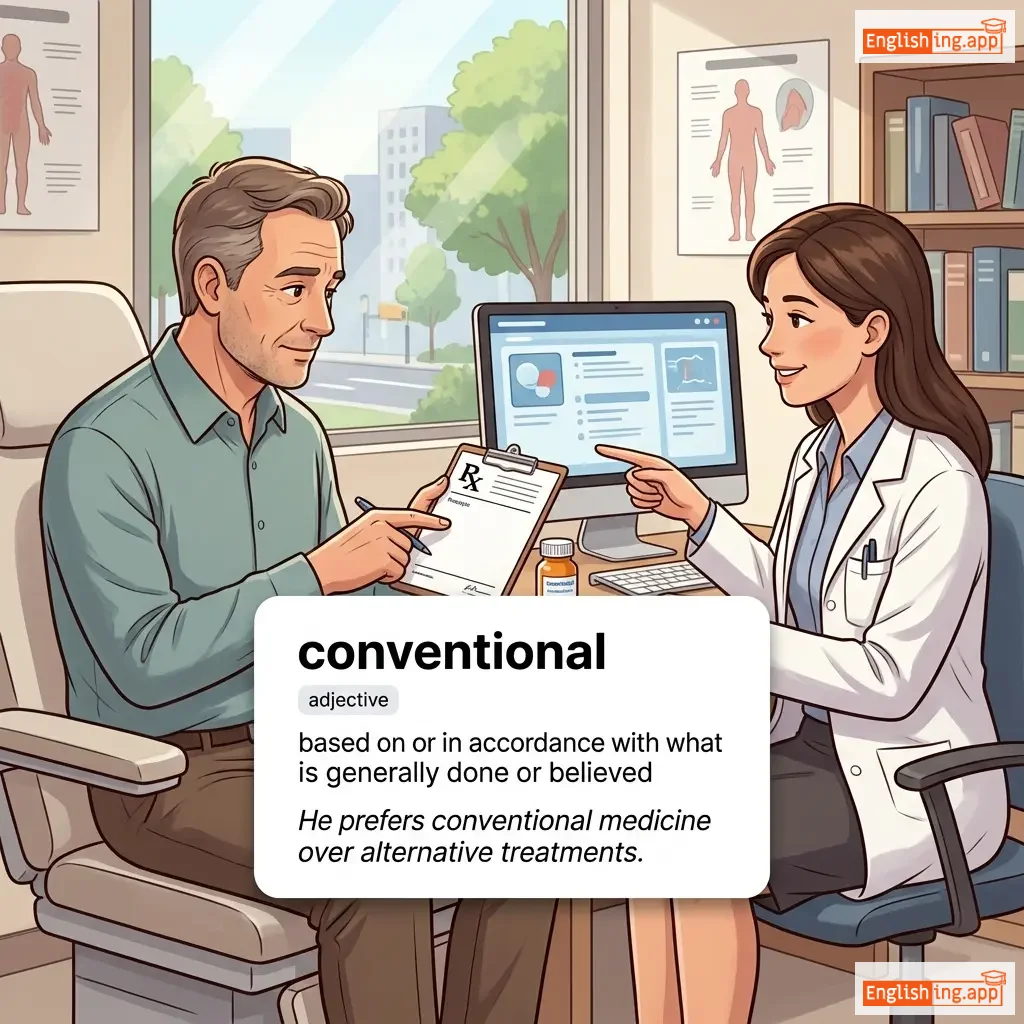
adjective
••••••
|
|
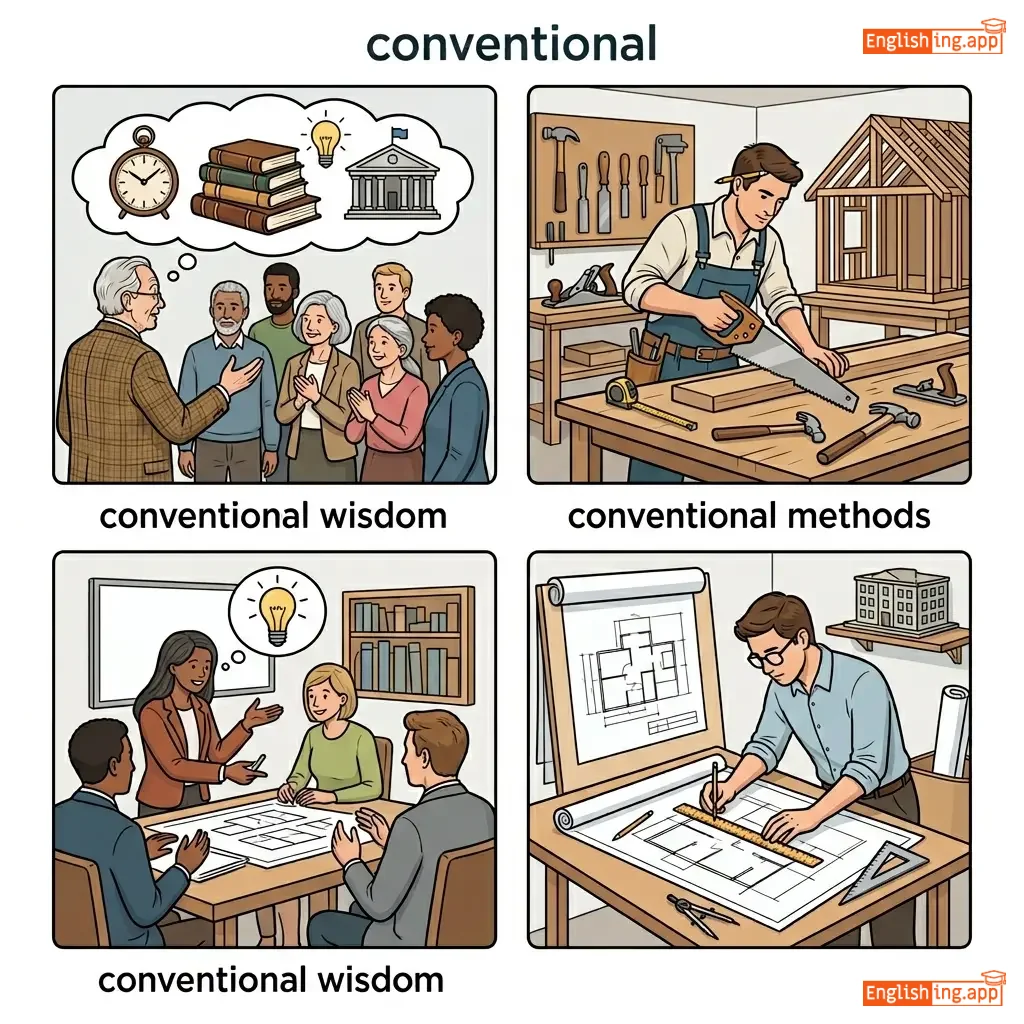
Based on or in accordance with what is generally done or believed; traditional, standard, customary.
••••••
|
Many farmers still use conventional farming methods. |
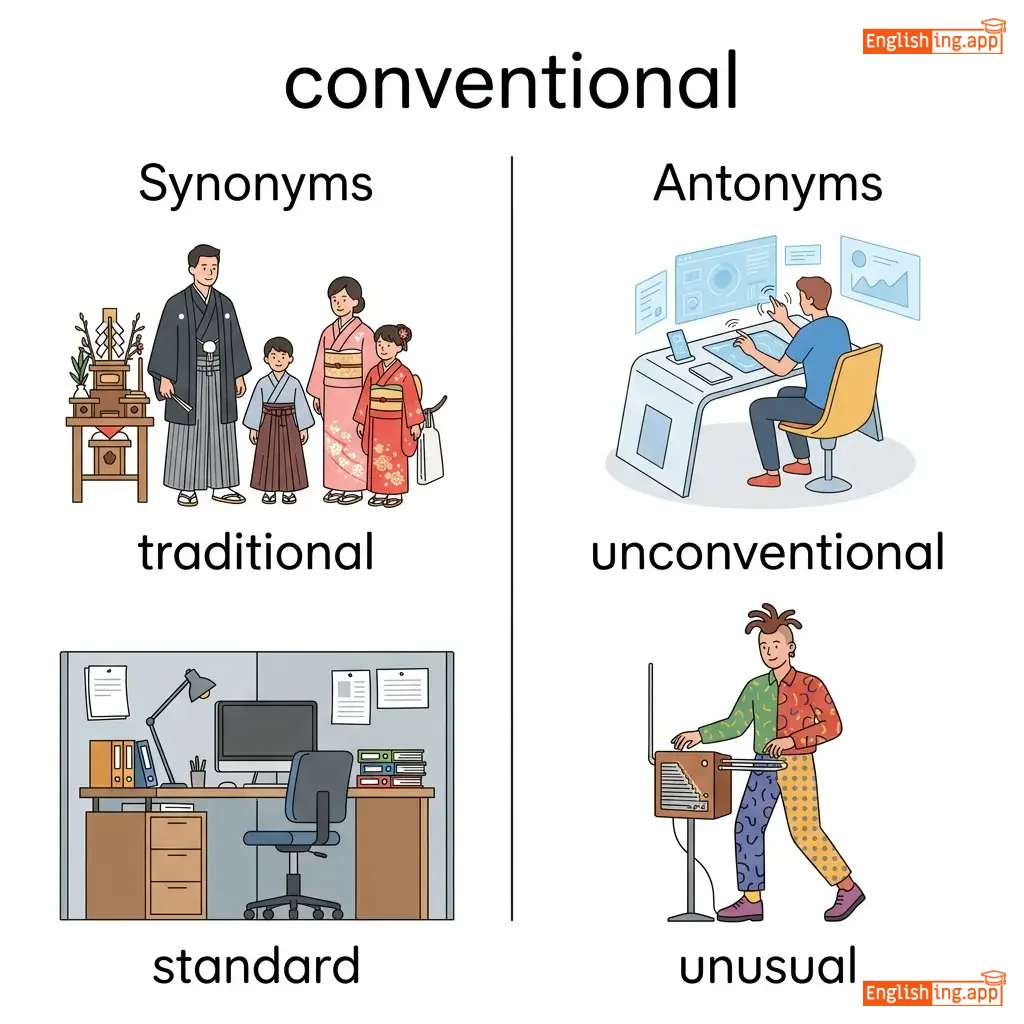
traditional, standard, customary
••••••
|
unorthodox, innovative, unconventional
••••••
|
|
#2629
☠️
|
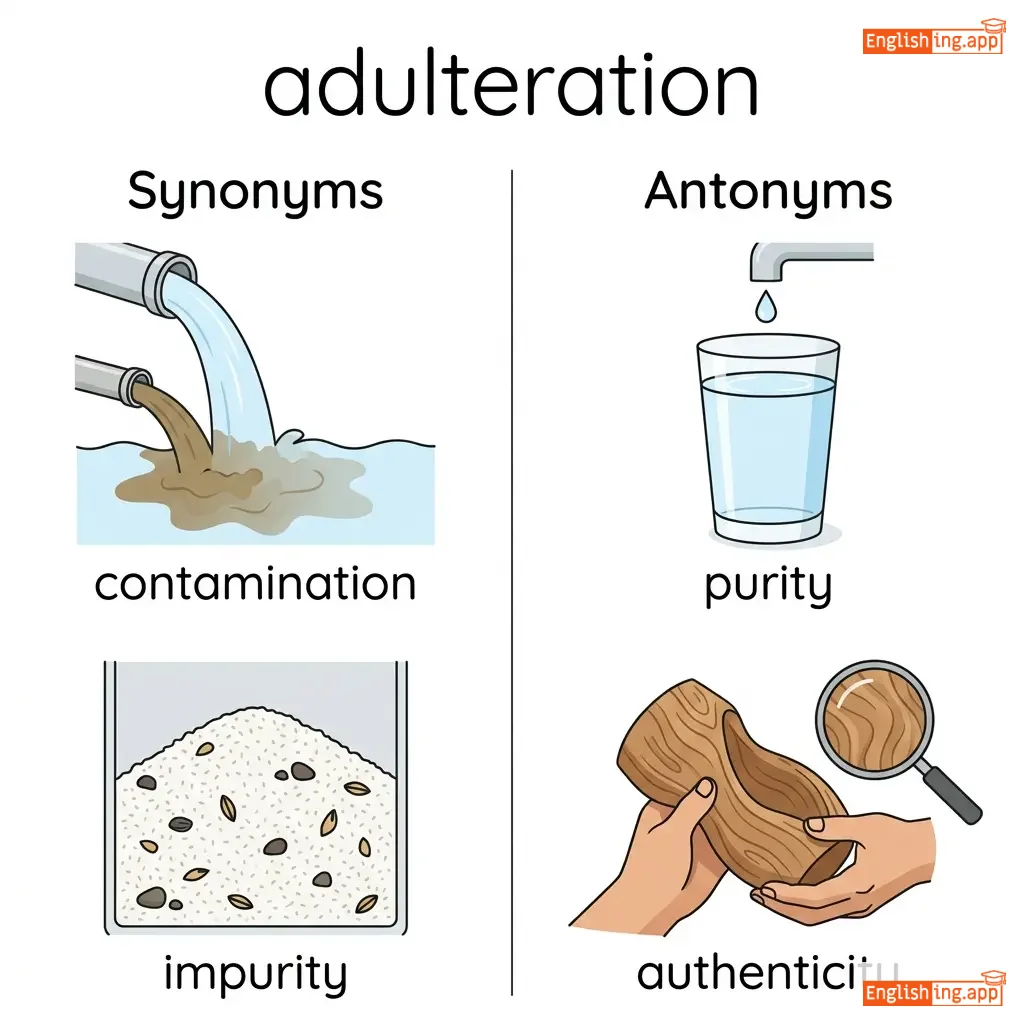
əˌdʌl.təˈreɪ.ʃən
noun
••••••
|
|
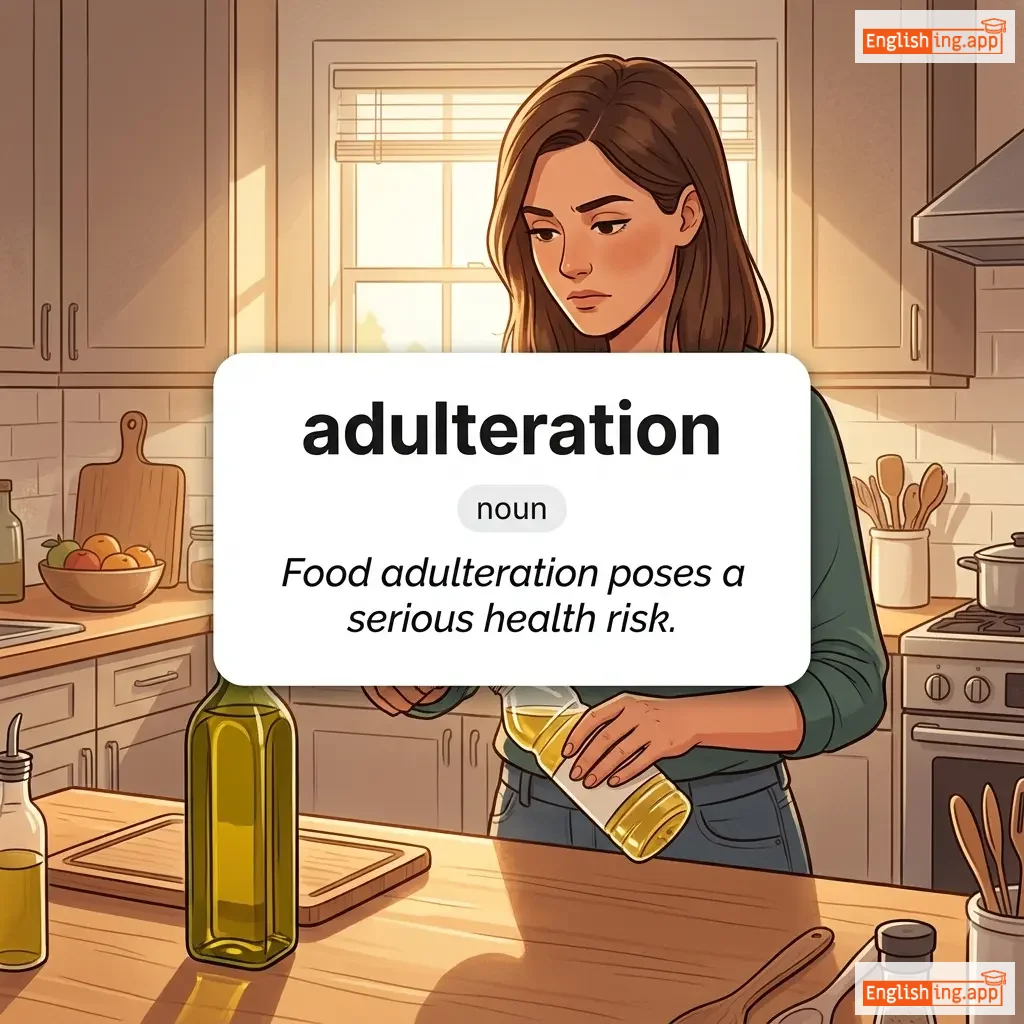
The action of making something poorer in quality by the addition of another substance.
••••••
|
Food adulteration poses a serious health risk. |
contamination, impurity, degradation
••••••
|
purity, authenticity, refinement
••••••
|
|
#2630
🚫
|
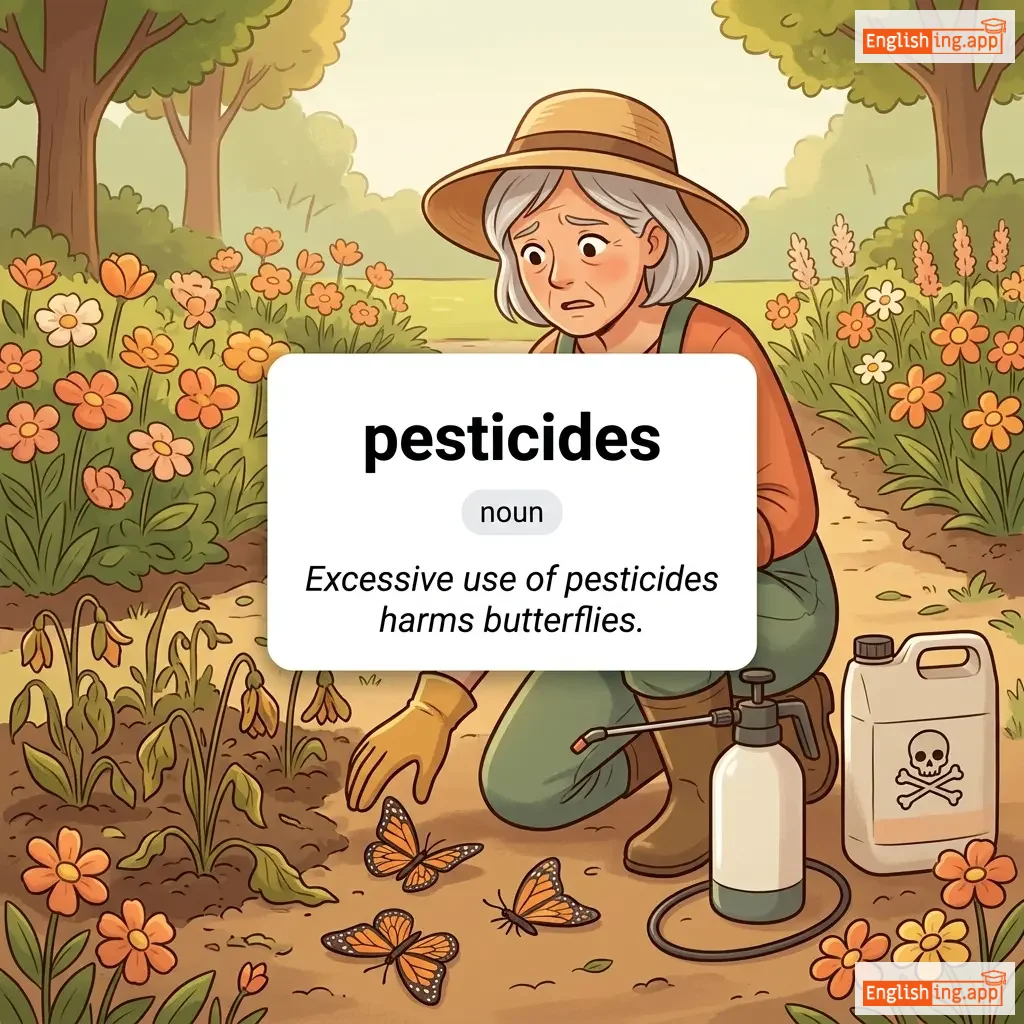
ˈpɛs.tɪ.saɪdz
noun
••••••
|
|
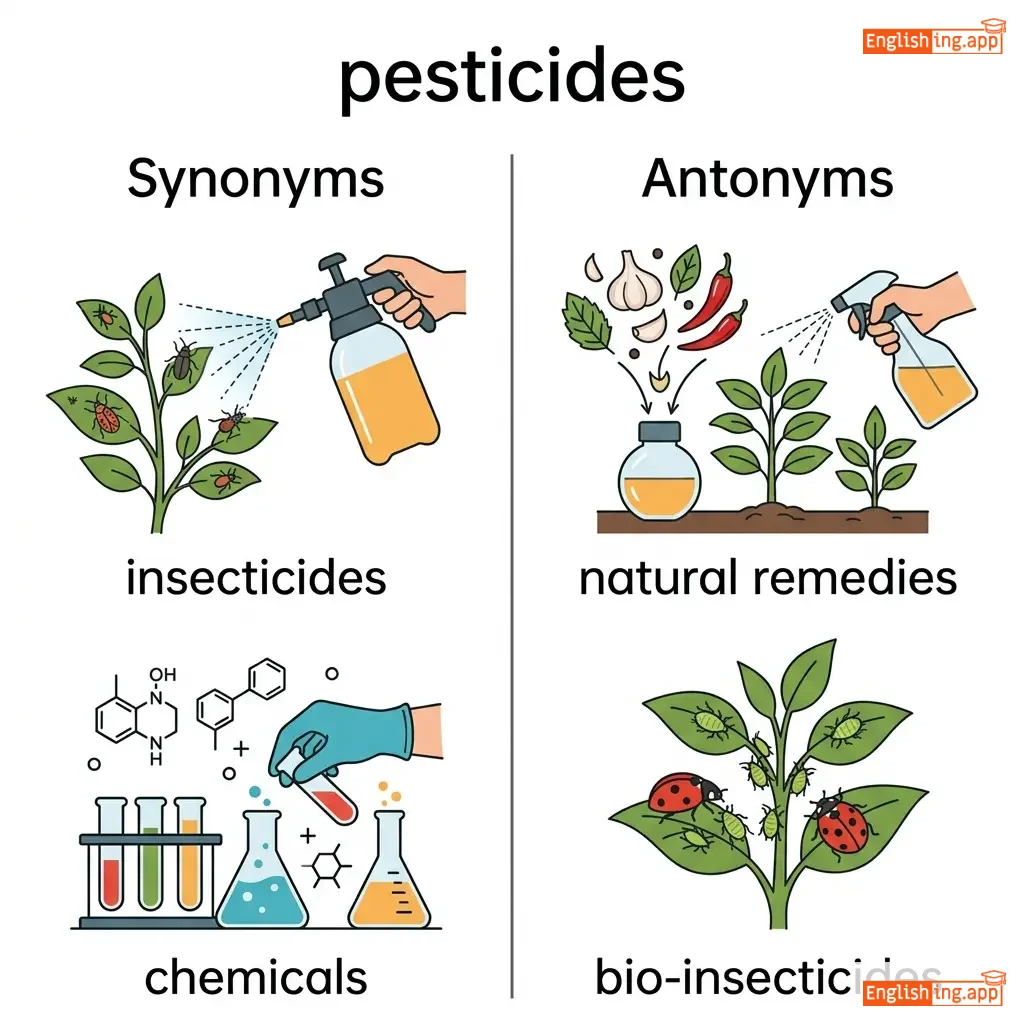
Substances used for destroying insects or other organisms harmful to cultivated plants or to animals.
••••••
|
Excessive pesticides use can harm the environment. |
insecticide, herbicide, fungicide
••••••
|
organic treatment, natural repellent, biological control
••••••
|
|
#2631
💥
|
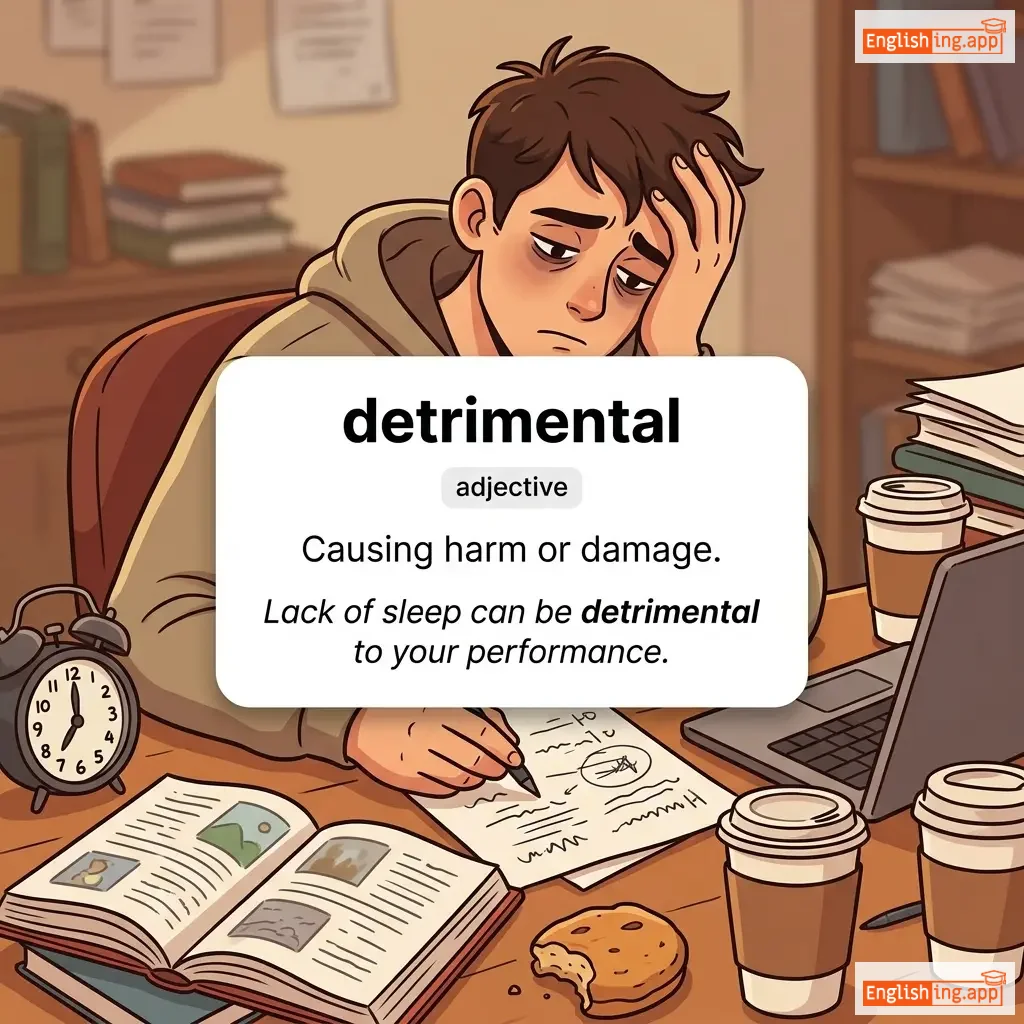
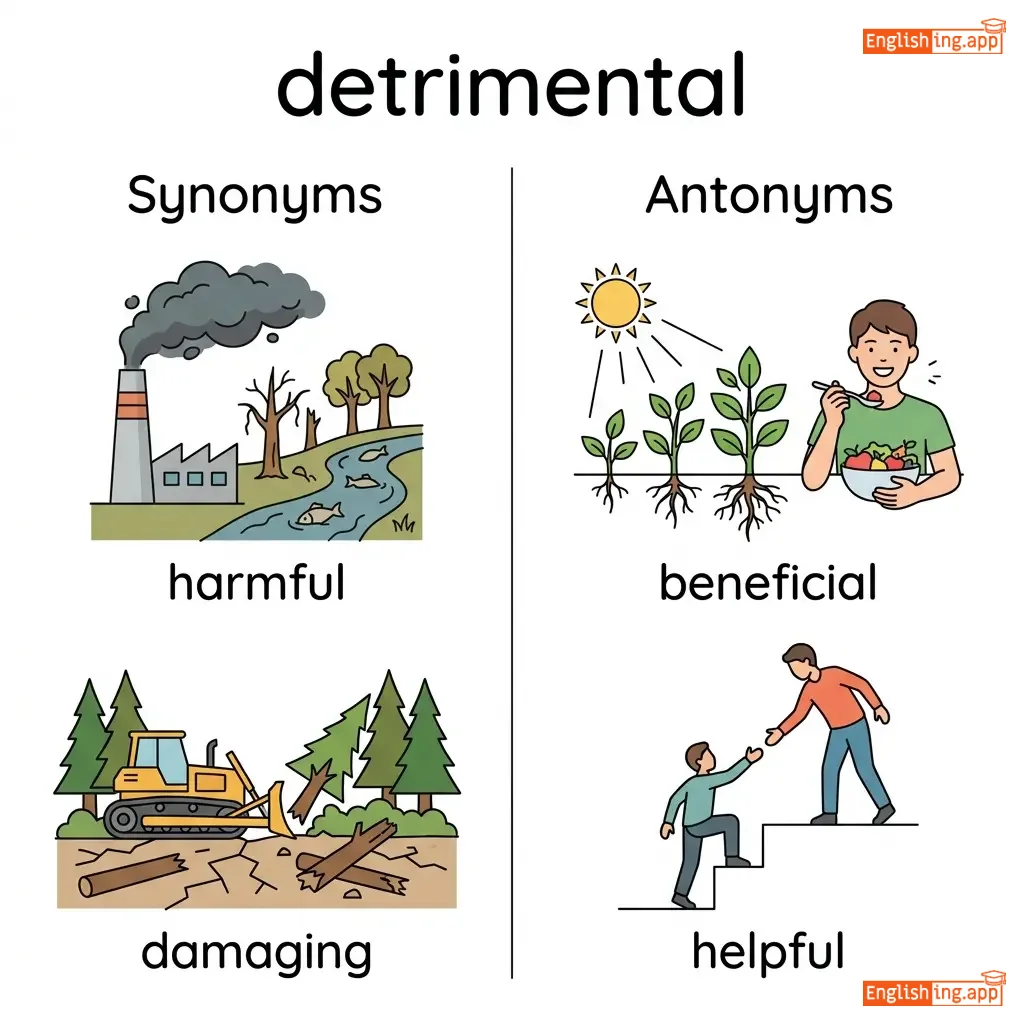
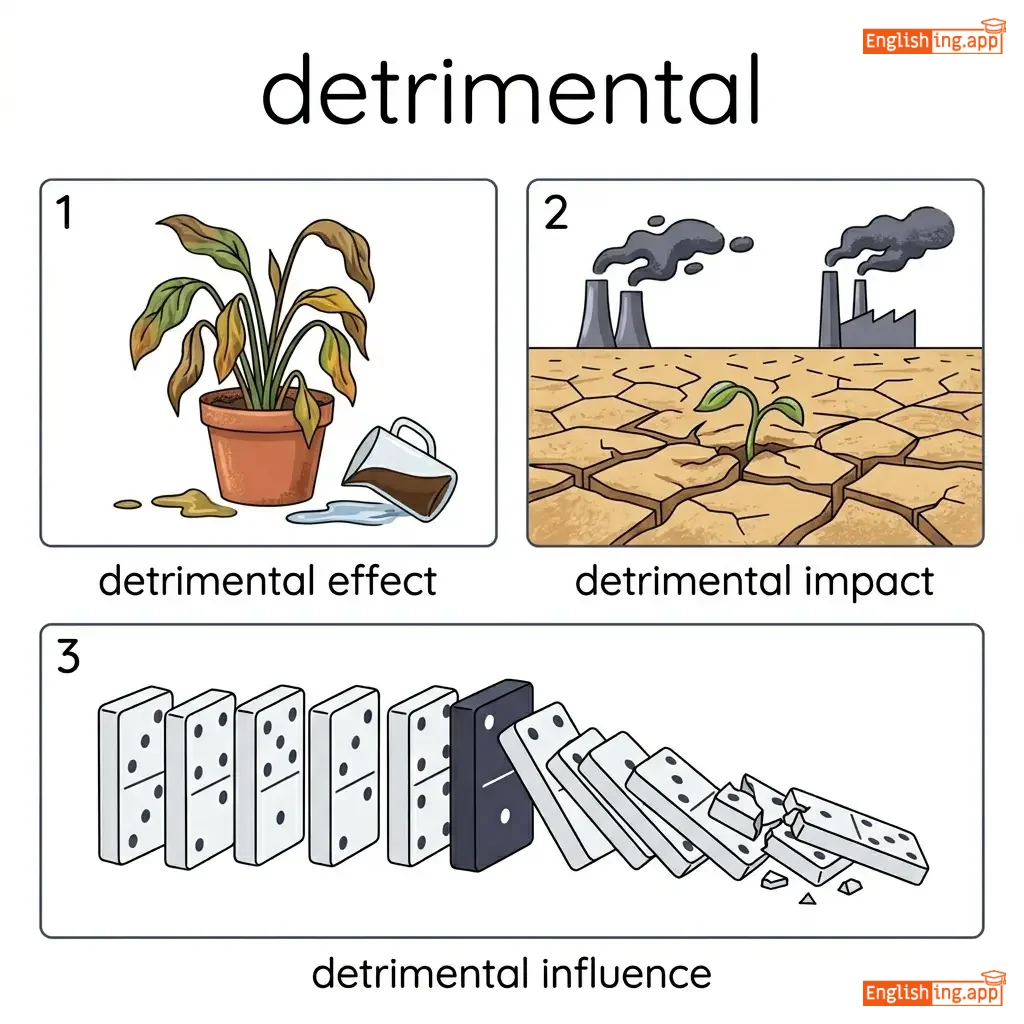
ˌdɛtrɪˈmɛntəl
adjective
••••••
|
|
Tending to cause harm; harmful or damaging.
••••••
|
Smoking is detrimental to health. |
harmful, destructive, injurious
••••••
|
beneficial, advantageous, favorable
••••••
|
|
#2632
☢️
|
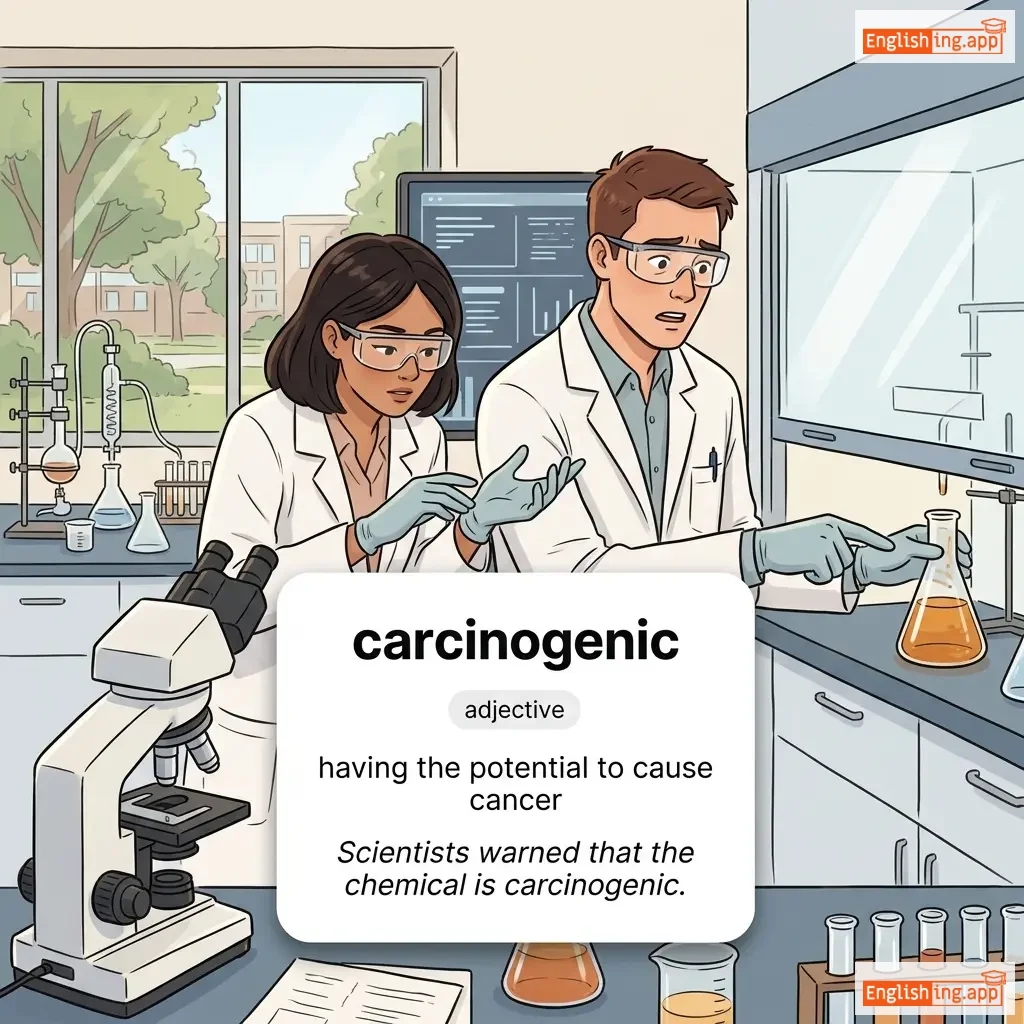
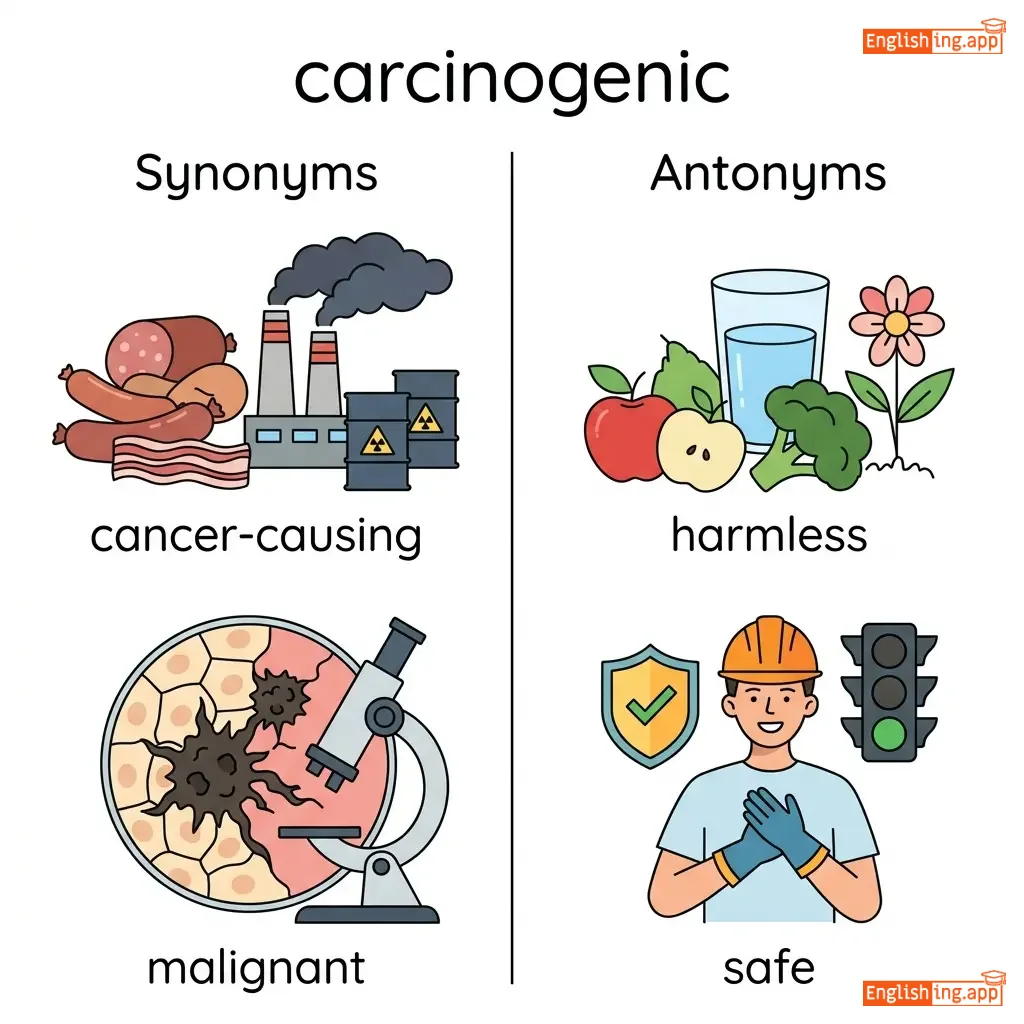
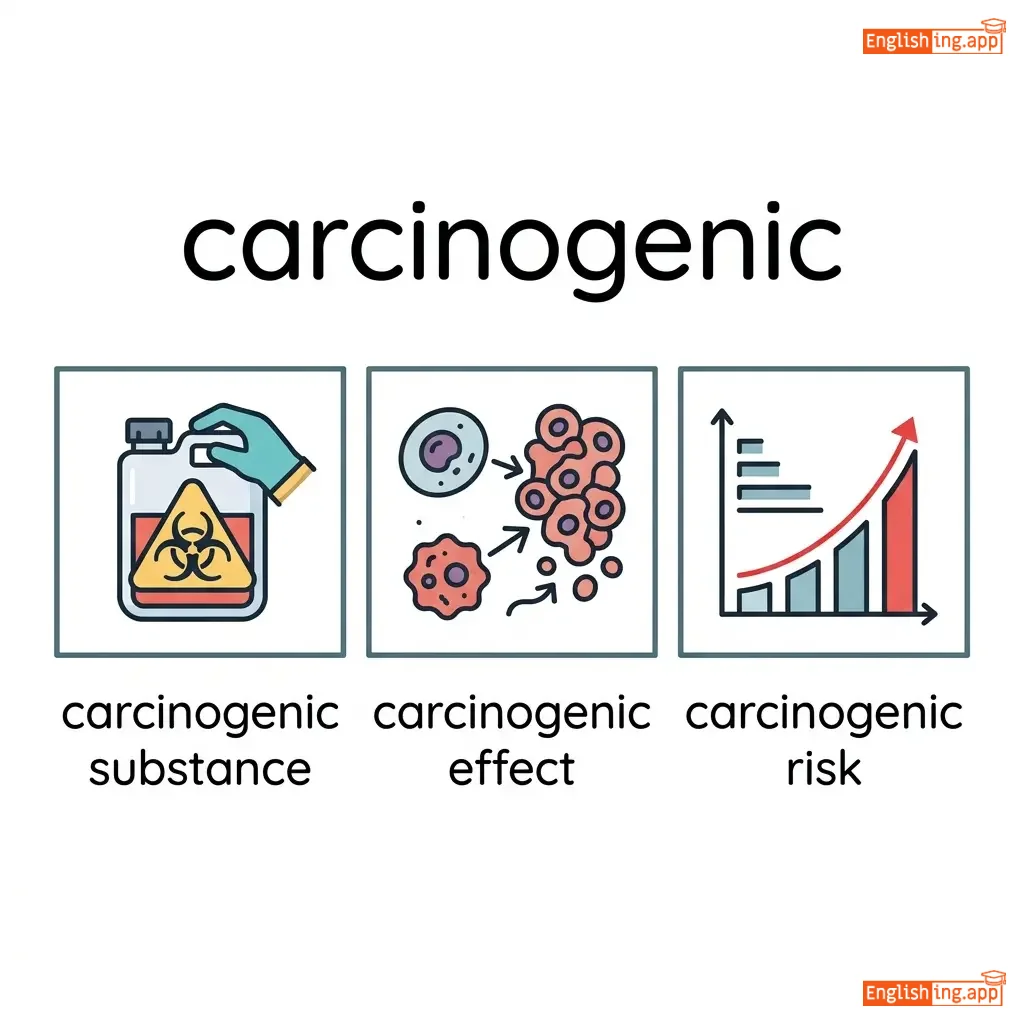
ˌkɑː.sɪ.nəˈdʒɛn.ɪk
adjective
••••••
|
|
Having the potential to cause cancer.
••••••
|
Processed foods often contain carcinogenic substances. |
cancer-causing, toxic, malignant
••••••
|
non-toxic, safe, benign
••••••
|
|
#2633
🧬
|
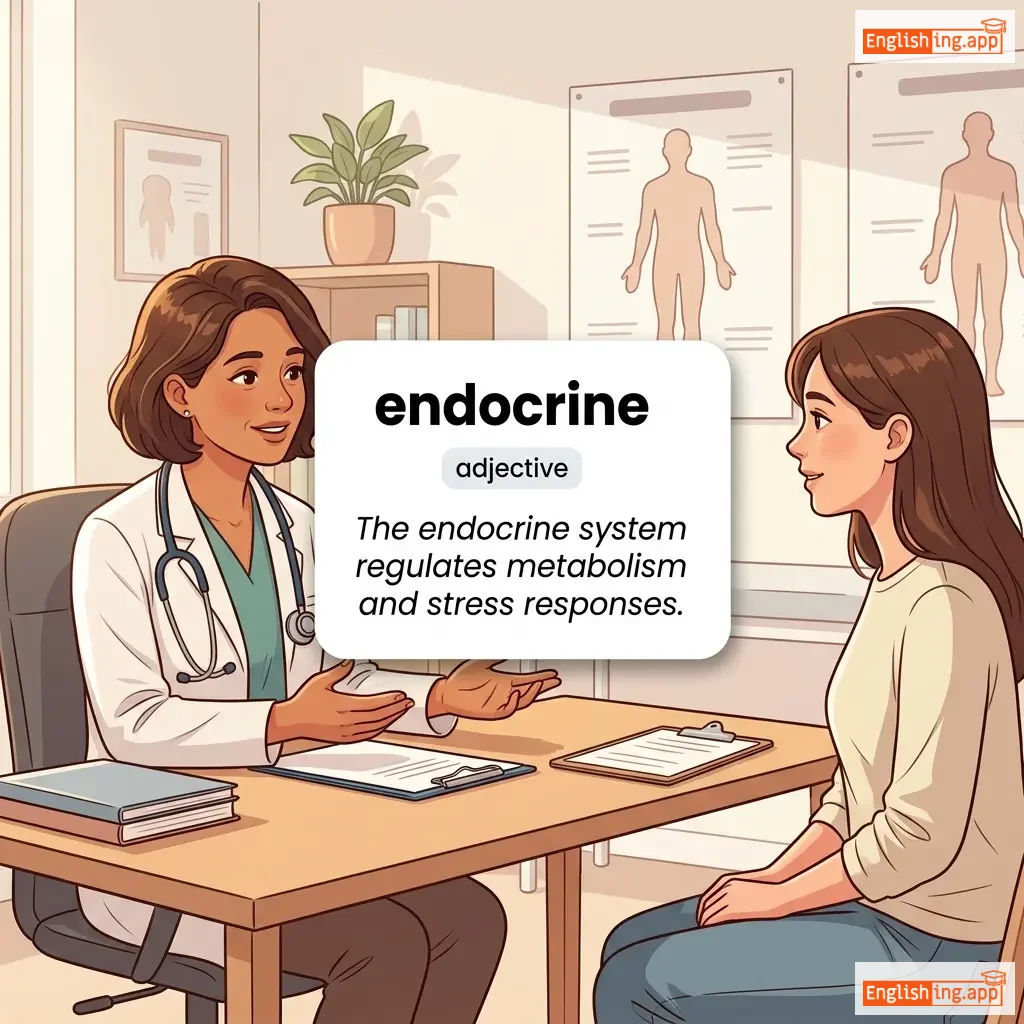
ˈɛn.də.krɪn
adjective
••••••
|
|
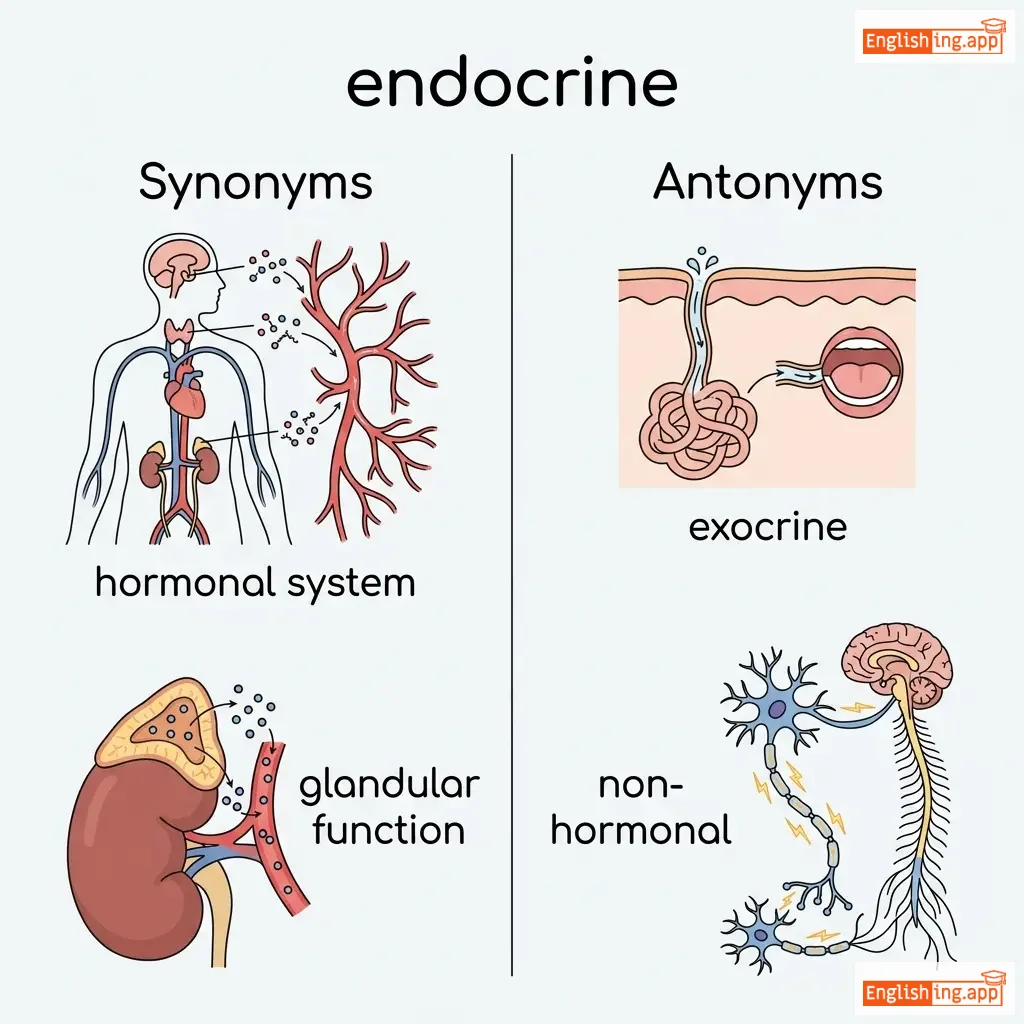
Relating to or denoting glands which secrete hormones directly into the blood.
••••••
|
The endocrine system regulates metabolism. |
hormonal, glandular, physiological
••••••
|
non-hormonal, external, artificial
••••••
|
|
#2634
🥬
|
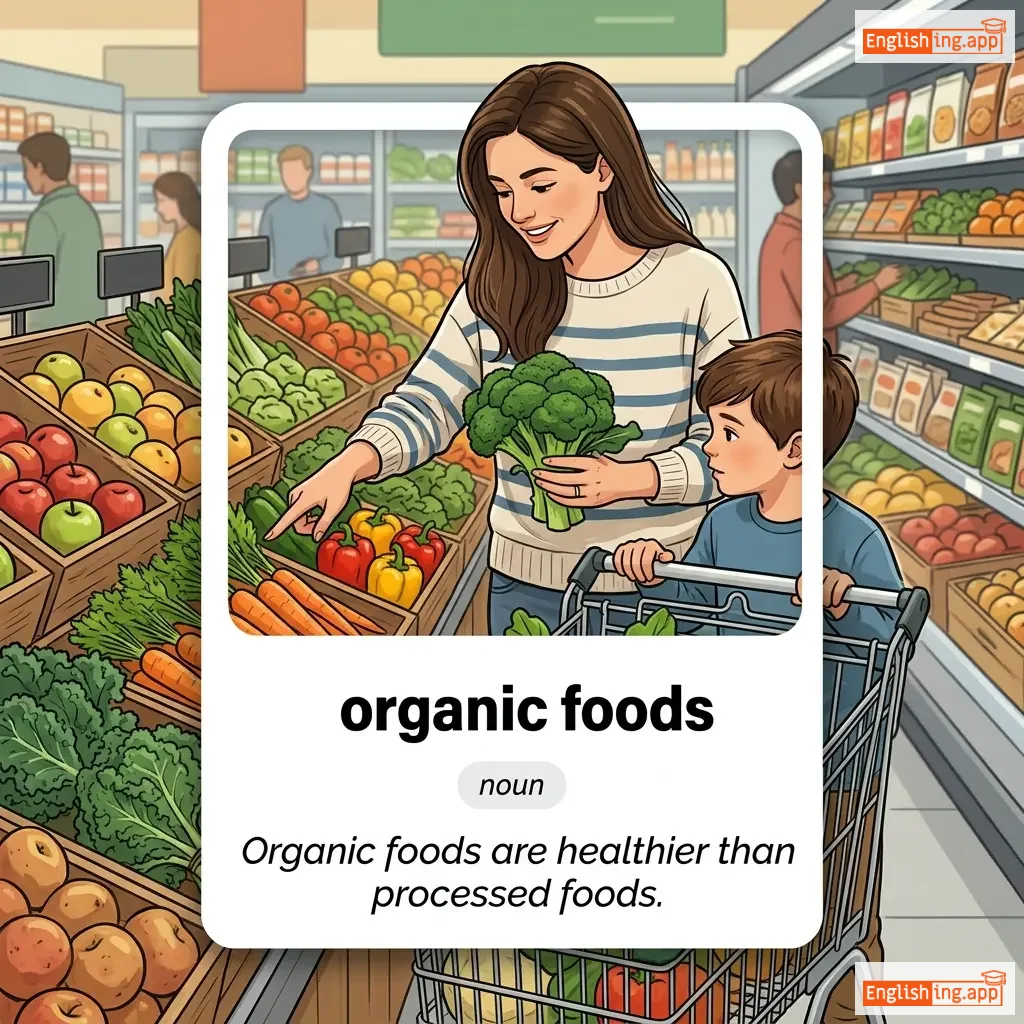
ɔːˈɡæn.ɪk fuːdz
noun
••••••
|
|
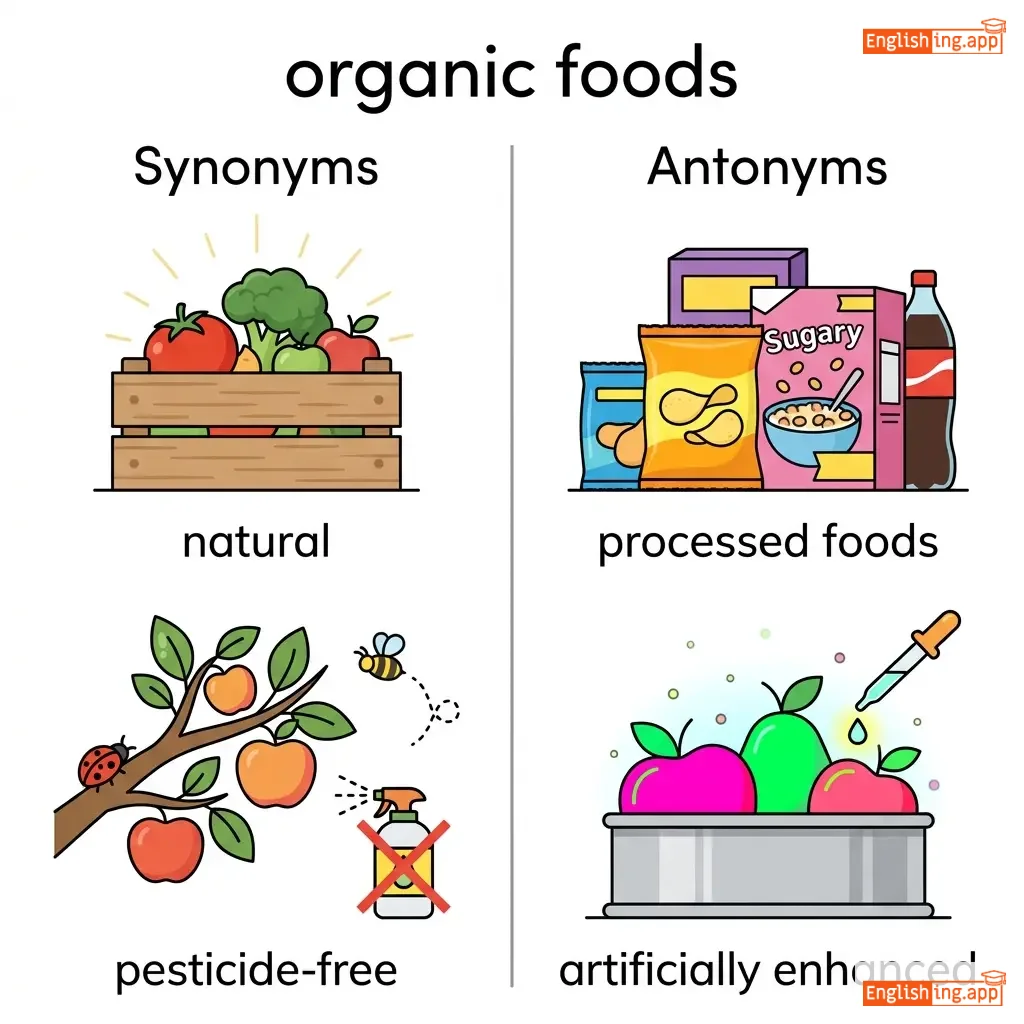
Food produced without the use of chemicals such as artificial pesticides, fertilizers, or other artificial agents.
••••••
|
Organic foods are healthier than processed foods. |
natural, pesticide-free, chemical-free
••••••
|
processed foods, artificially enhanced, genetically modified
••••••
|
|
#2635
🌱
|
ˌkʌl.tɪˈveɪ.ʃən
noun
••••••
|
|
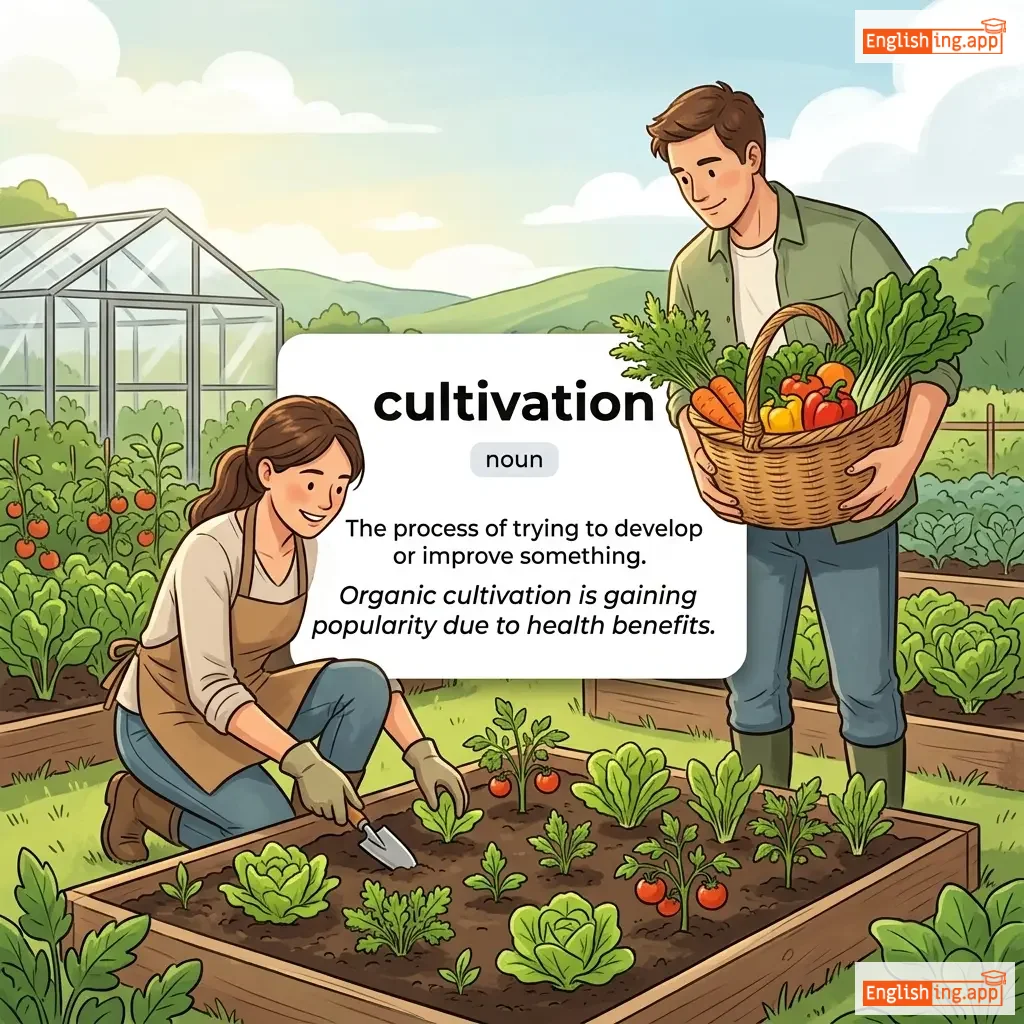
The action of cultivating land, or the state of being cultivated.
••••••
|
The cultivation of organic crops is increasing worldwide. |
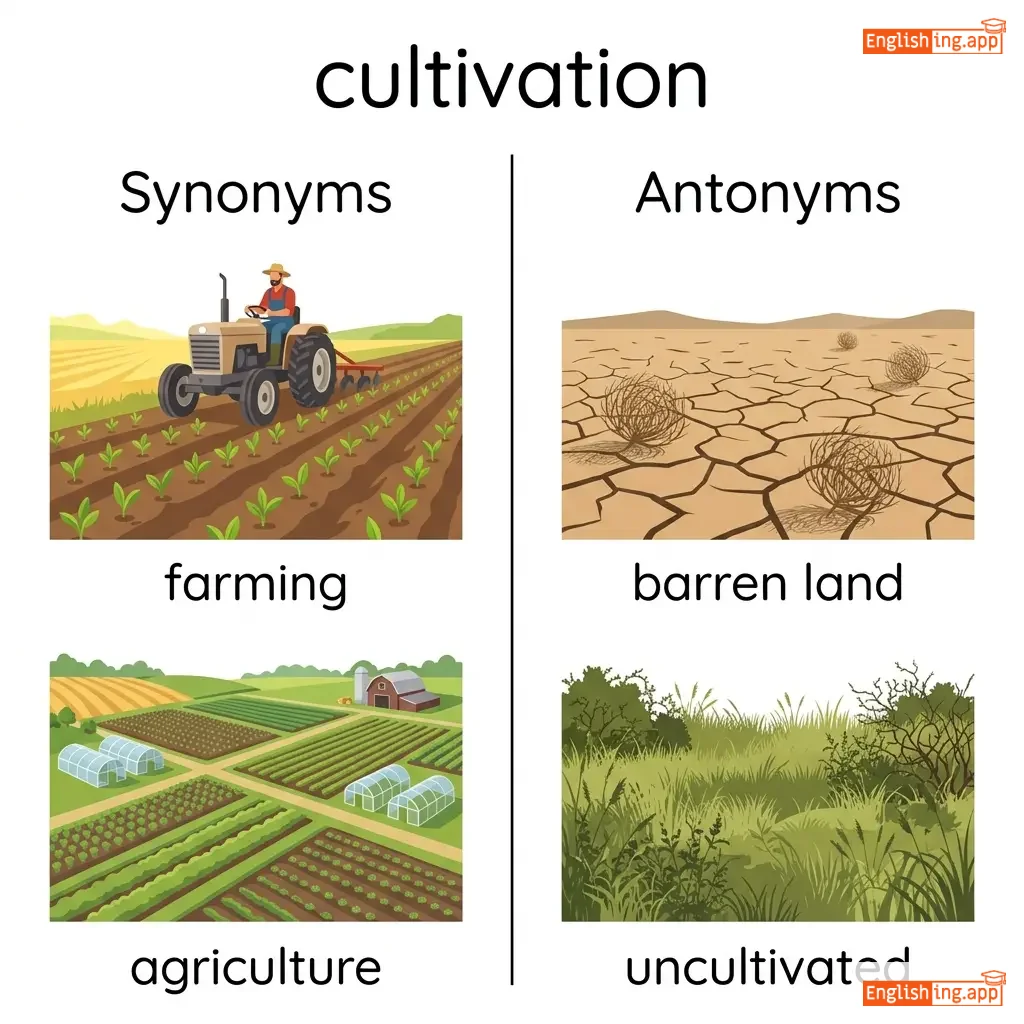
farming, agriculture, horticulture
••••••
|
abandonment, neglect, destruction
••••••
|
|
#2636
🧪
|
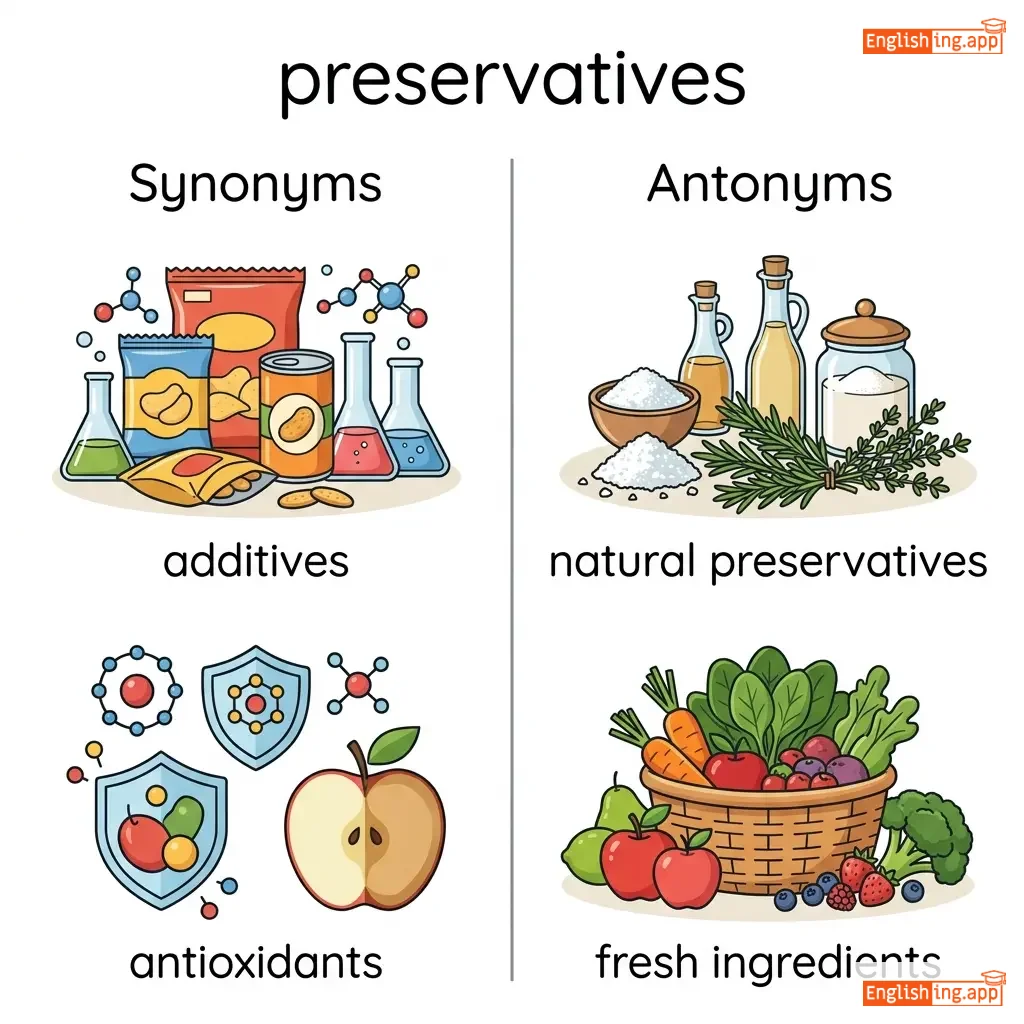
prɪˈzɜː.və.tɪvz
noun
••••••
|
|
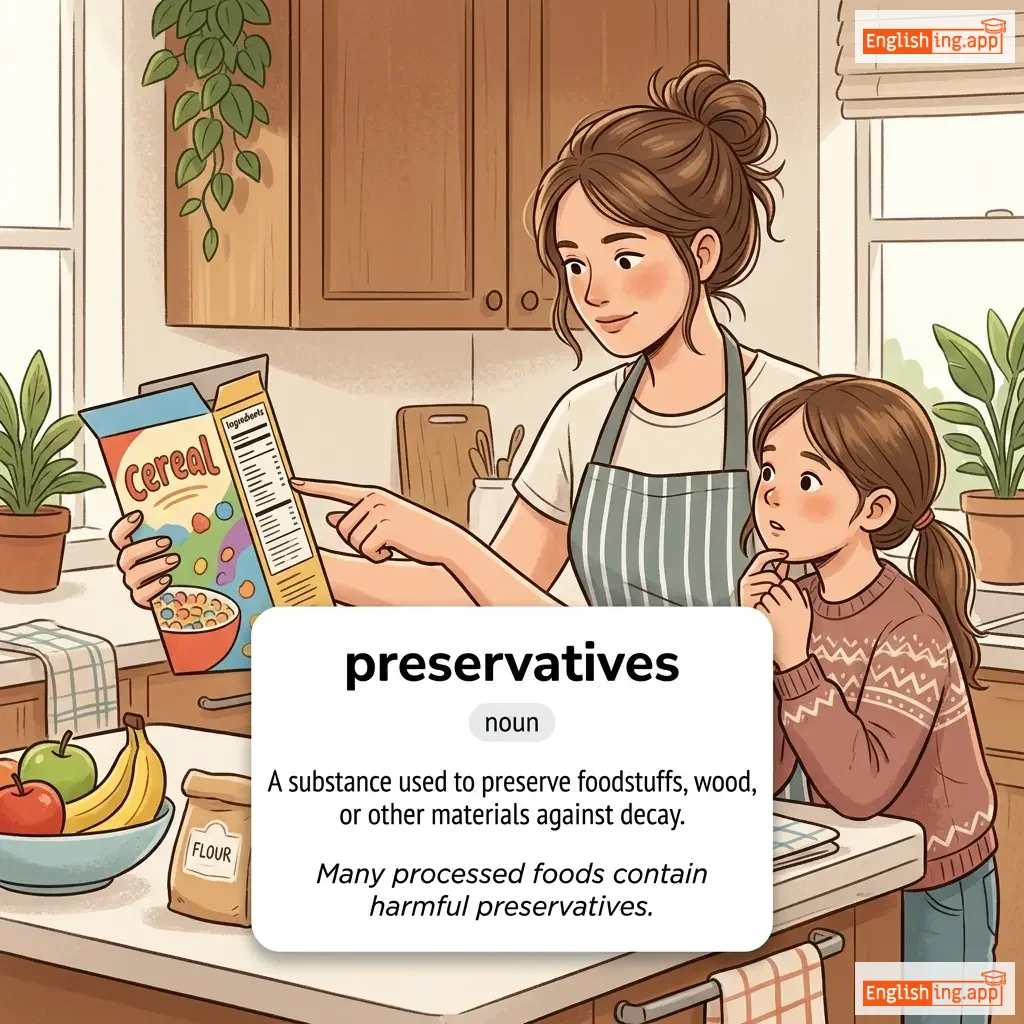
A substance used to preserve foodstuffs, wood, or other materials against decay.
••••••
|
Many processed foods contain harmful preservatives. |
additives, antioxidants, stabilizers
••••••
|
natural preservatives, fresh ingredients, unprocessed
••••••
|
|
#2637
⚡
|
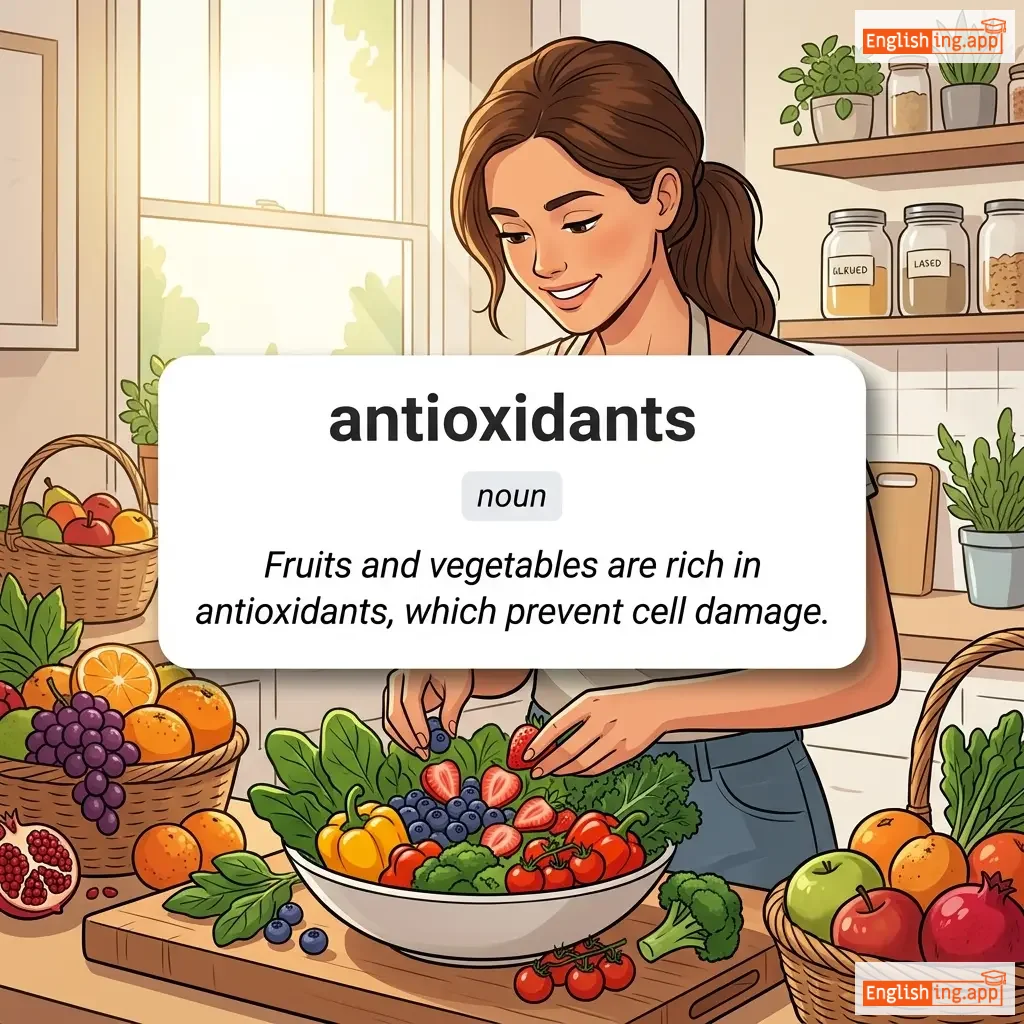
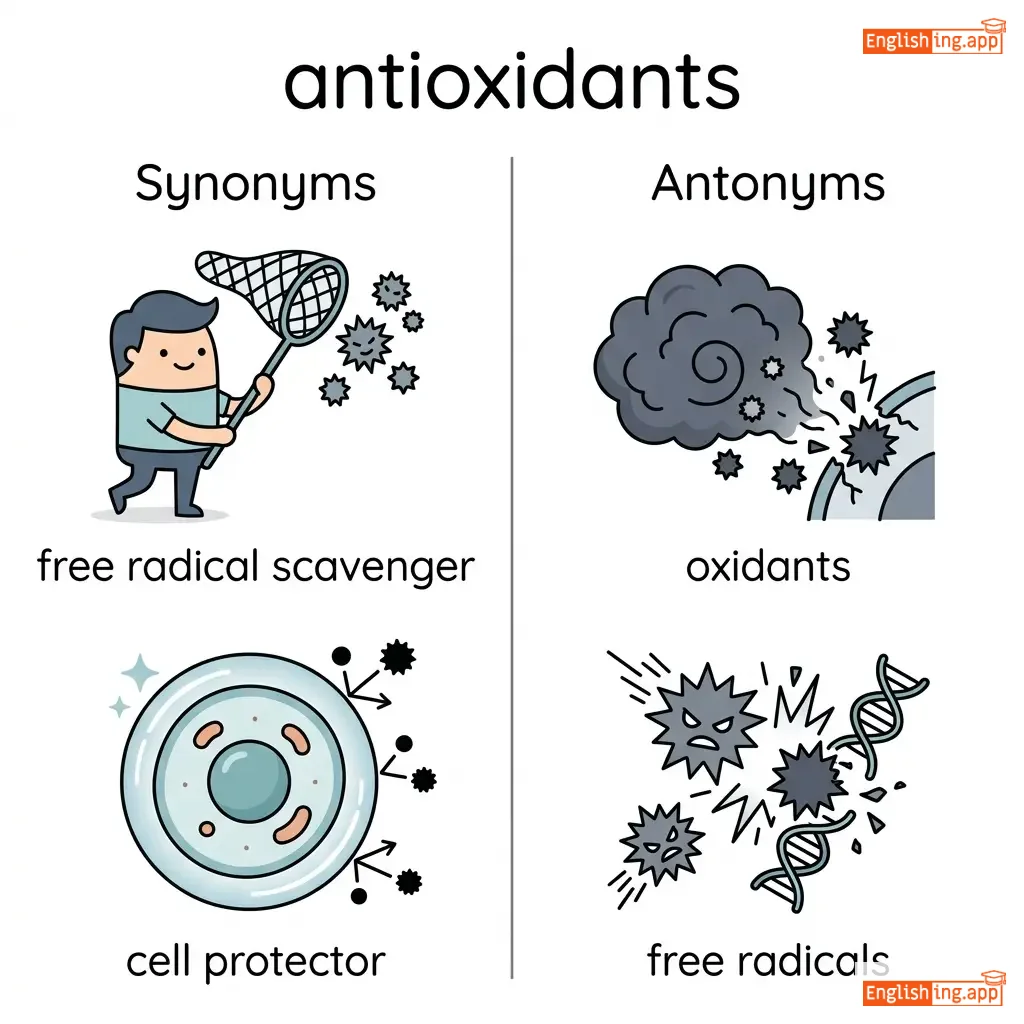
ˌæn.tiˈɒk.sɪ.dənts
noun
••••••
|
|
A substance that may prevent or delay some types of cell damage.
••••••
|
Fruits and vegetables are rich in antioxidants. |
free-radical fighters, protective compounds, detoxifiers
••••••
|
oxidants, free radicals, toxins
••••••
|
|
#2638
🌿
|
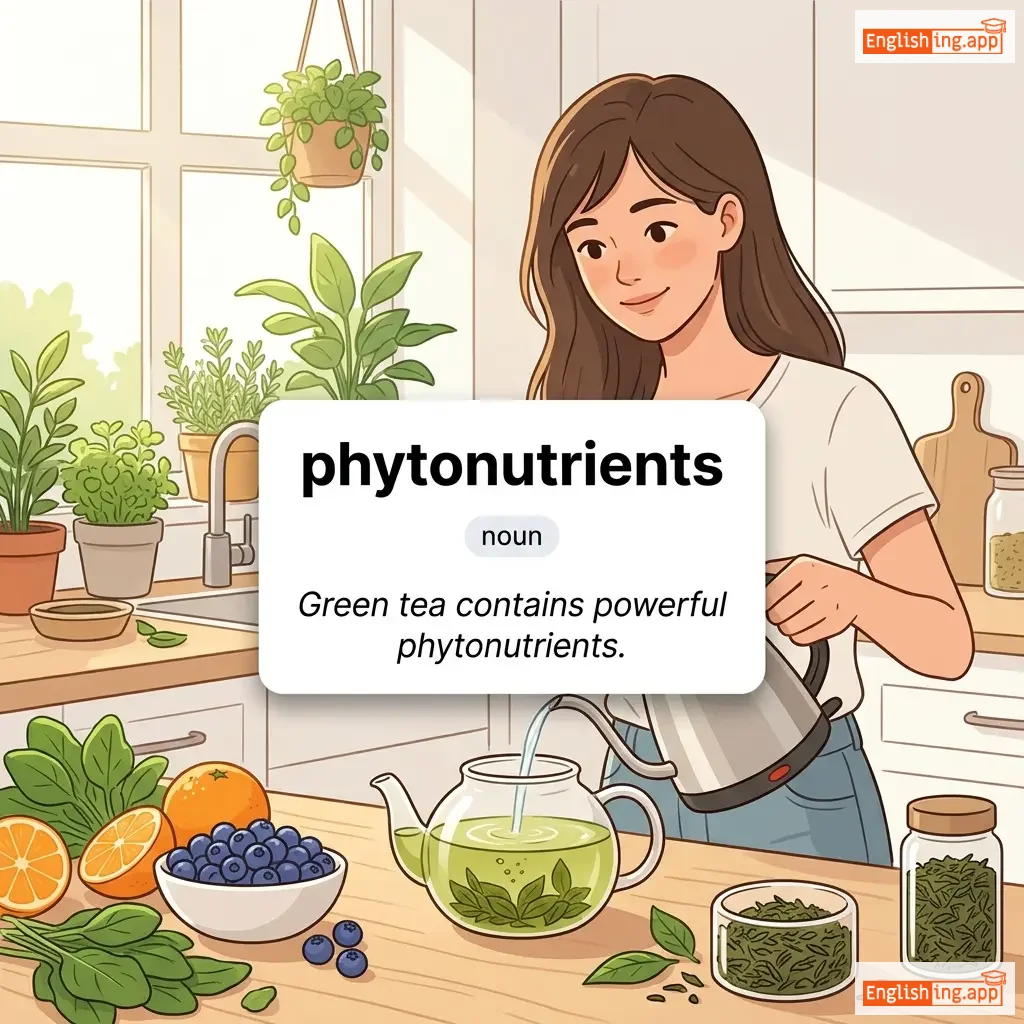
ˈfaɪ.təʊˌnjuː.tri.ənts
noun
••••••
|
|
Bioactive compounds found in plants that have health benefits beyond basic nutrition.
••••••
|
Green tea contains powerful phytonutrients. |
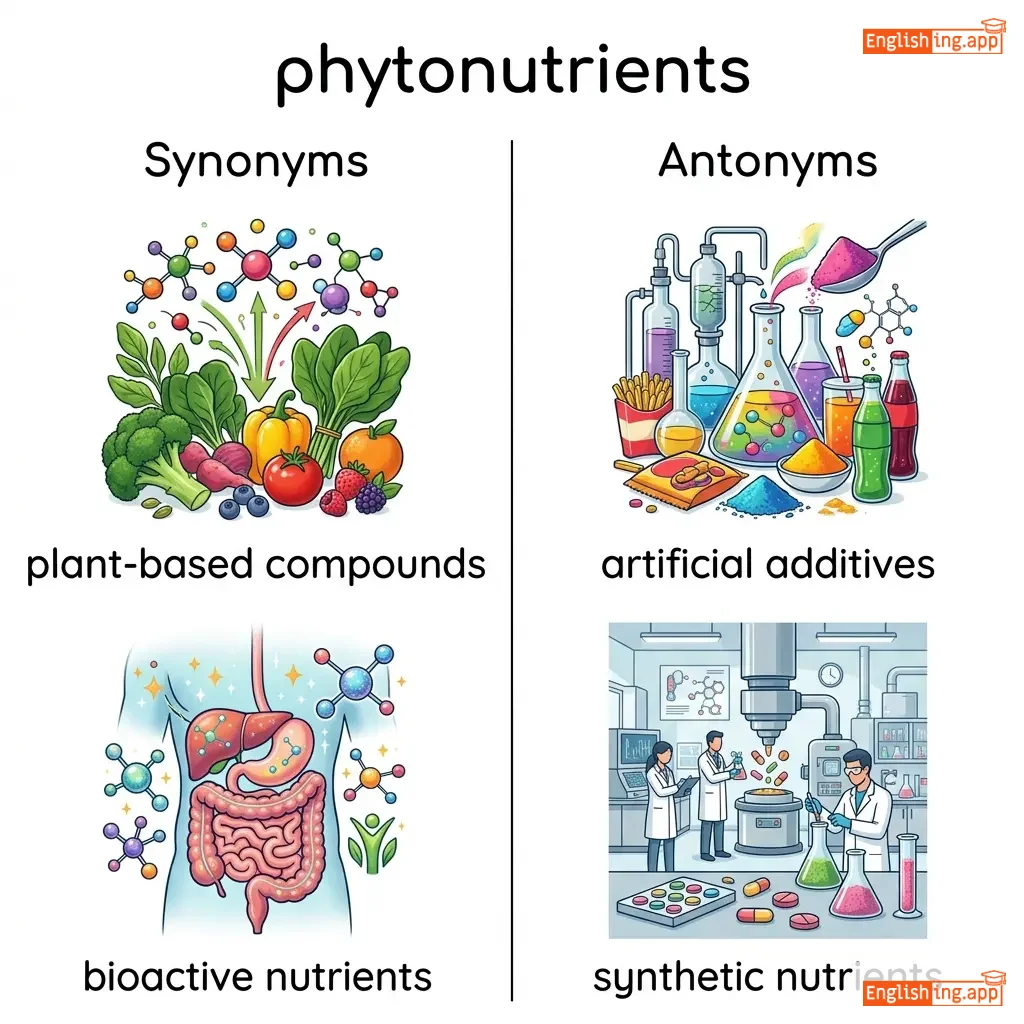
plant-based compounds, bioactive nutrients, natural extracts
••••••
|
artificial additives, synthetic nutrients, chemical enhancers
••••••
|
|
#2639
🛡️
|
ɪˈmjuː.nɪ.ti
noun
••••••
|
|
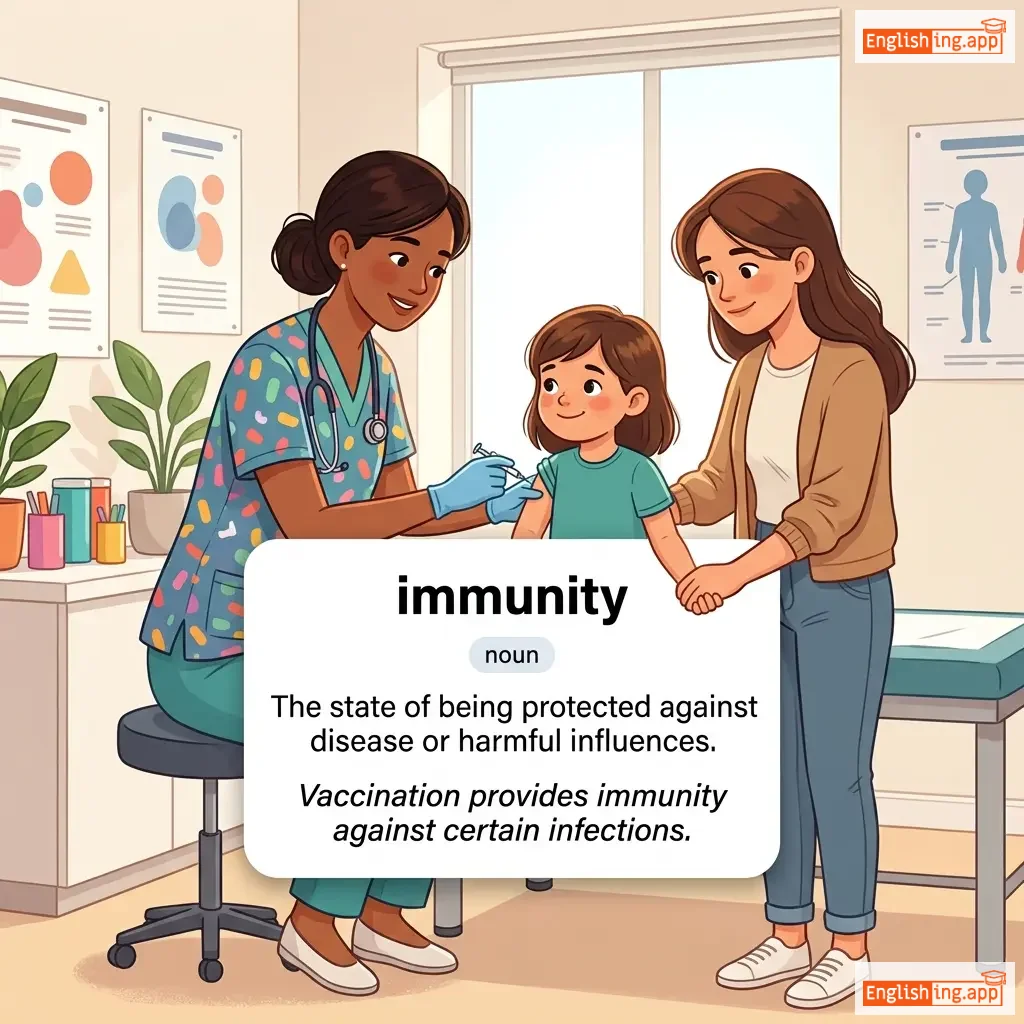
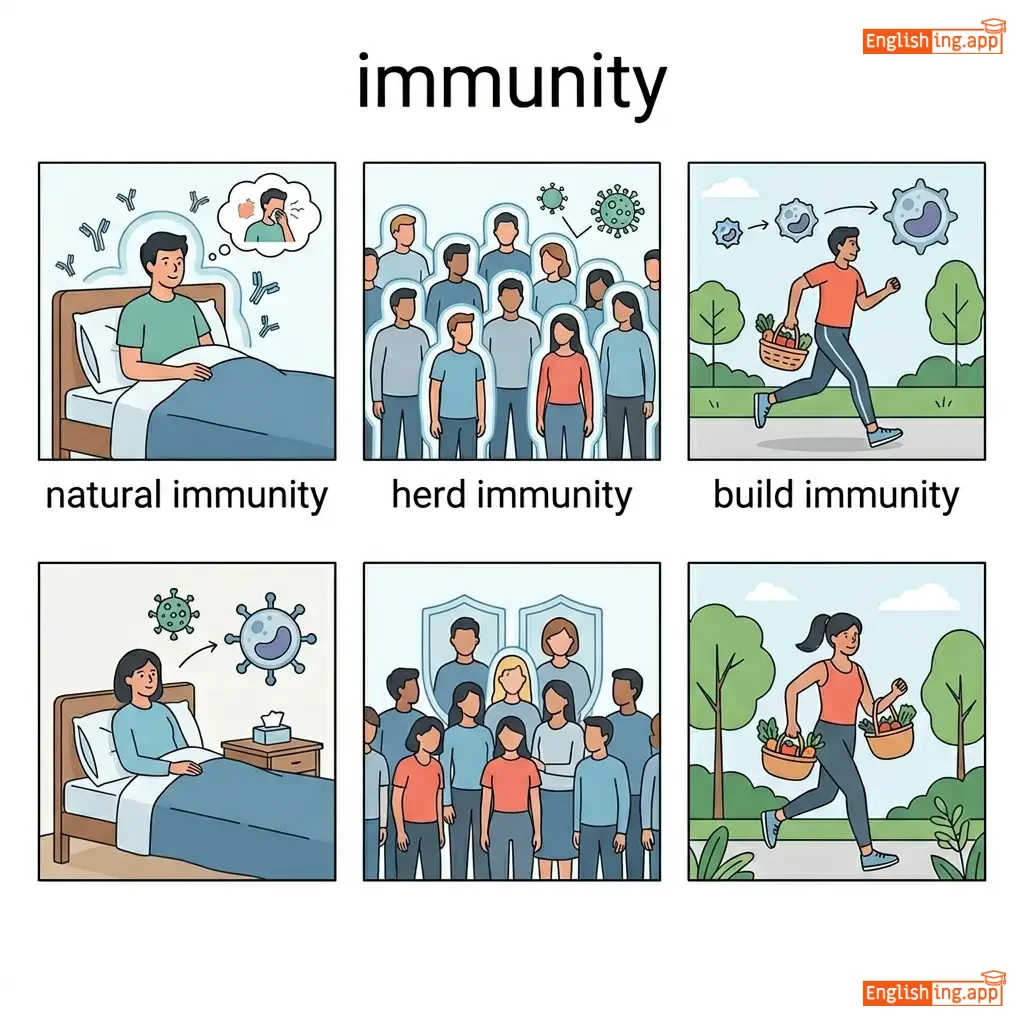
The ability of an organism to resist a particular infection or toxin by the action of specific antibodies or sensitized white blood cells.
••••••
|
A balanced diet improves immunity. |
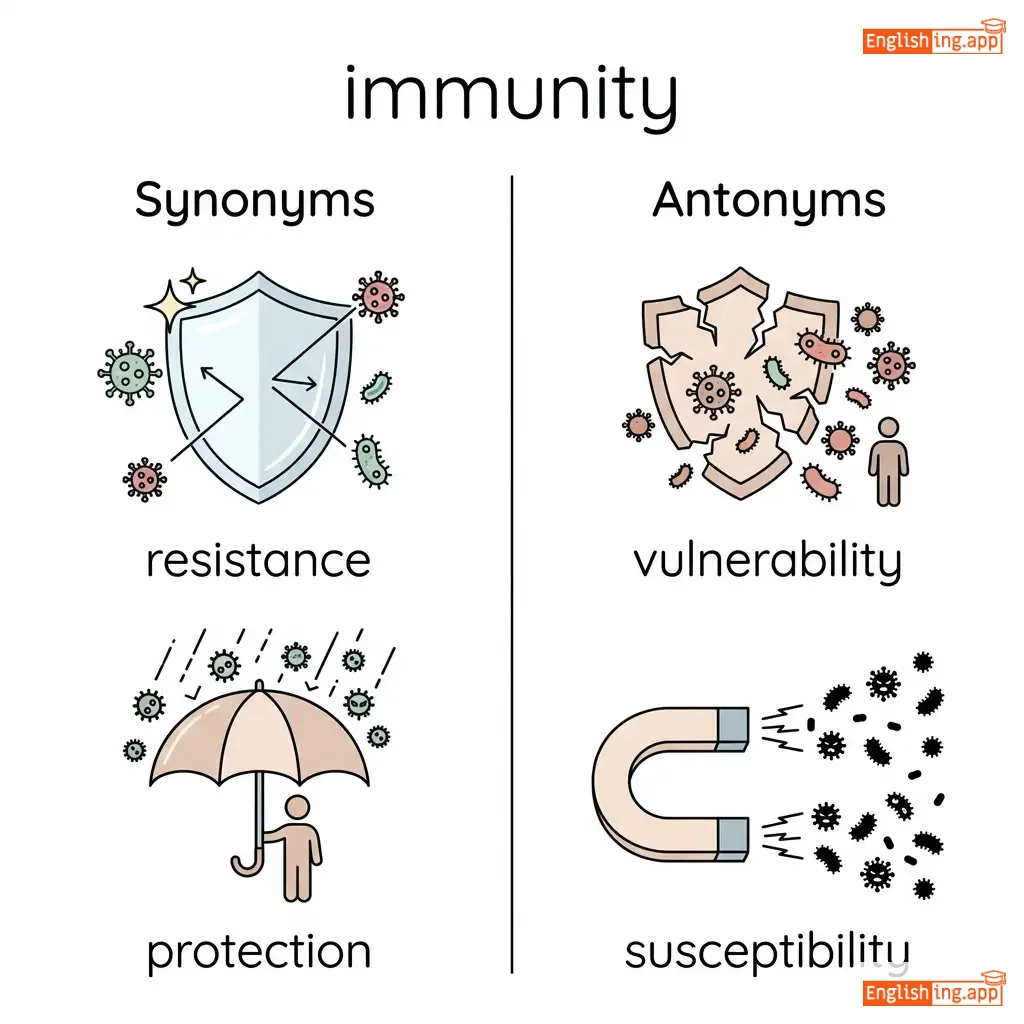
resistance, defensiveness, protection
••••••
|
susceptibility, vulnerability, weakness
••••••
|
|
#2640
💊
|
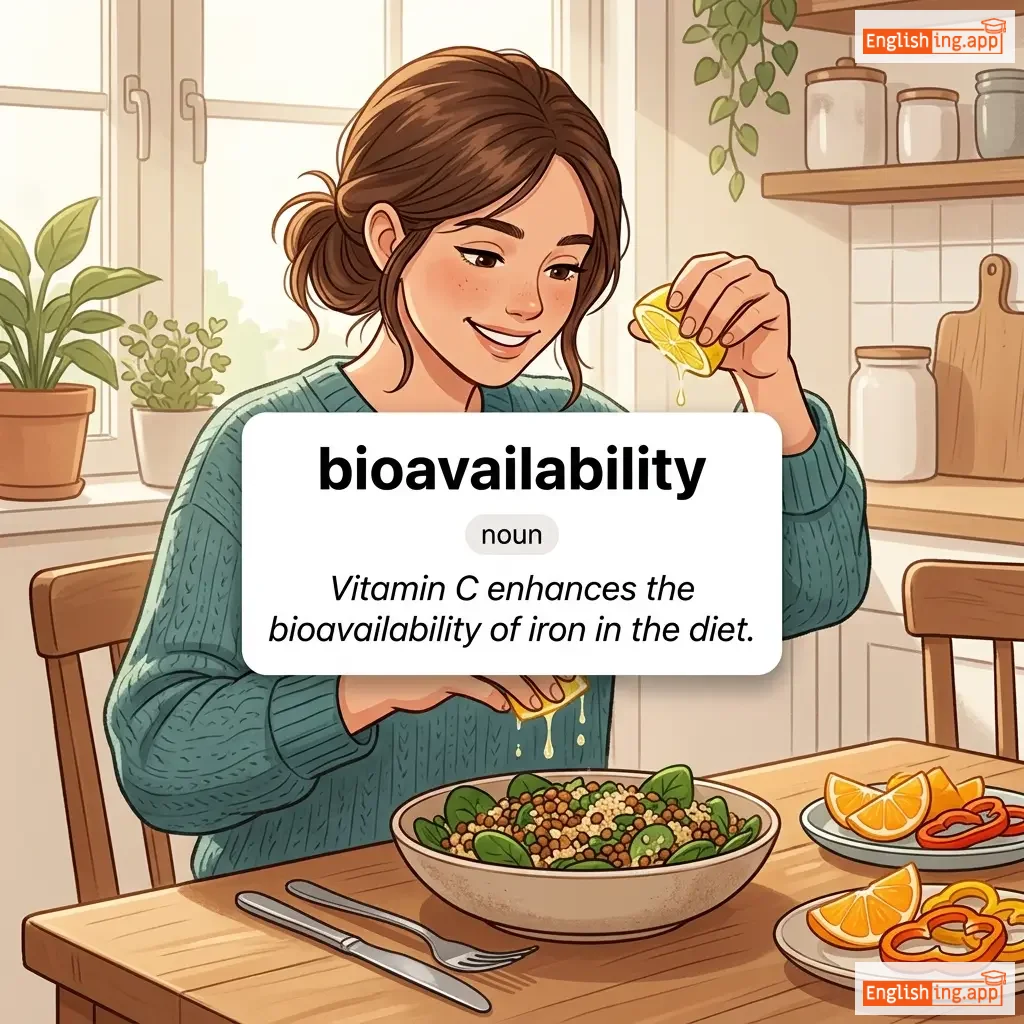
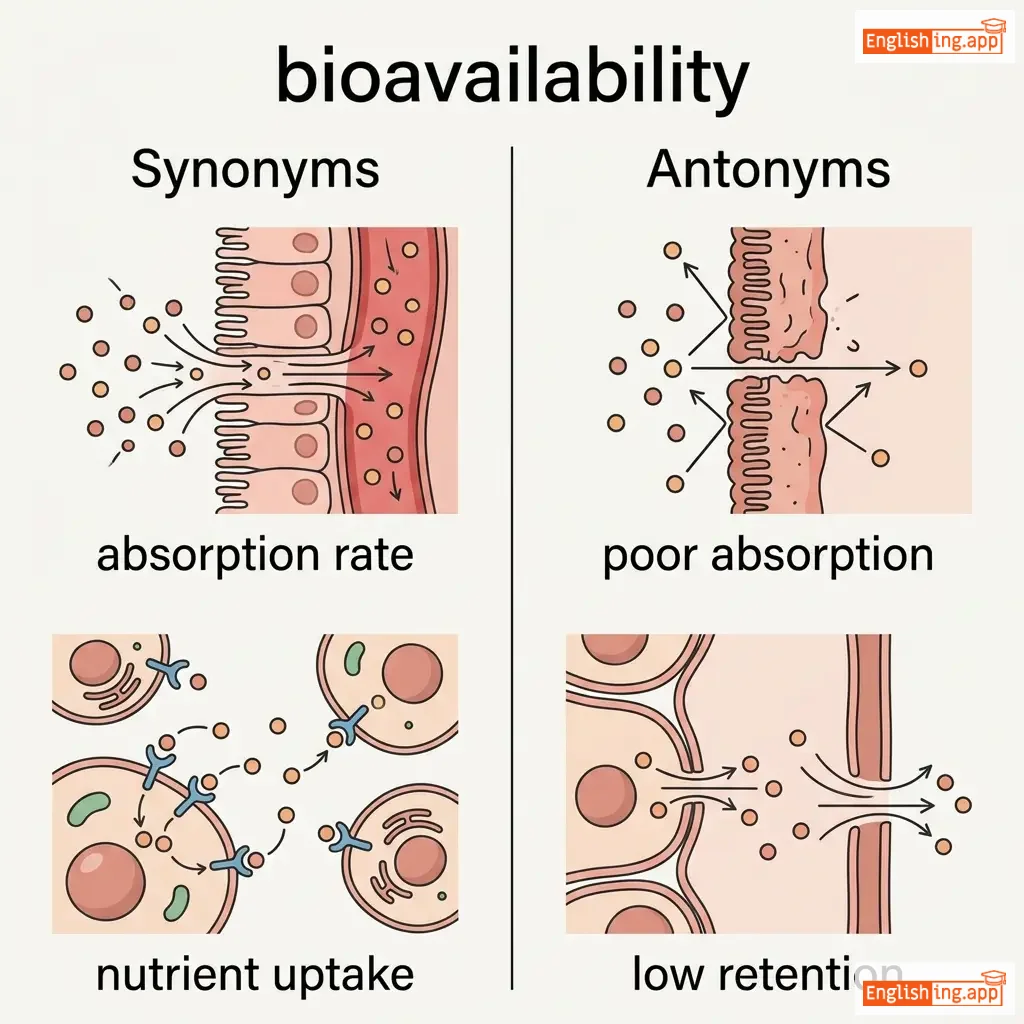
ˌbaɪ.oʊ.əˌveɪ.ləˈbɪl.ə.ti
noun
••••••
|
|
The degree and rate at which a substance is absorbed or becomes available at the site of physiological activity.
••••••
|
The bioavailability of vitamins varies from food to food. |
nutrient absorption, assimilation, utilization
••••••
|
poor absorption, malabsorption, inefficiency
••••••
|
|
#2641
⚙️
|
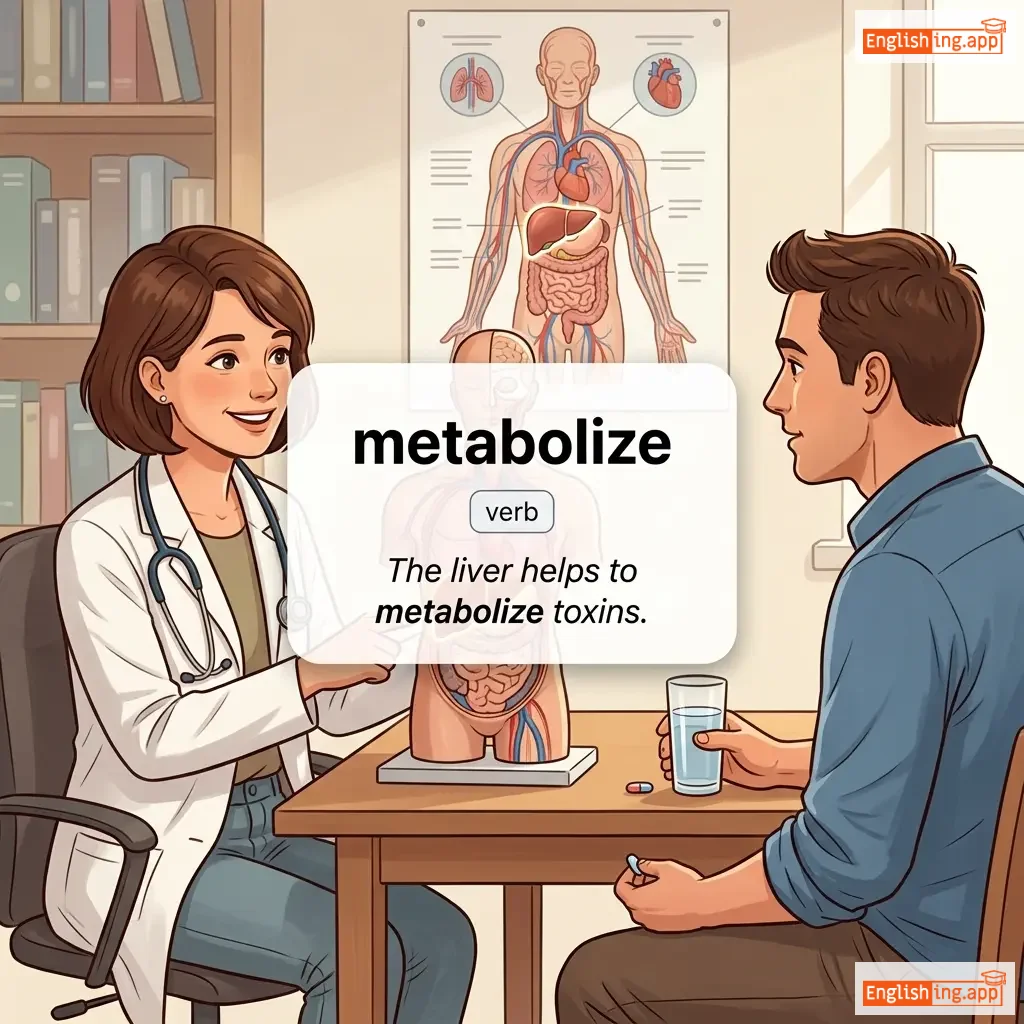
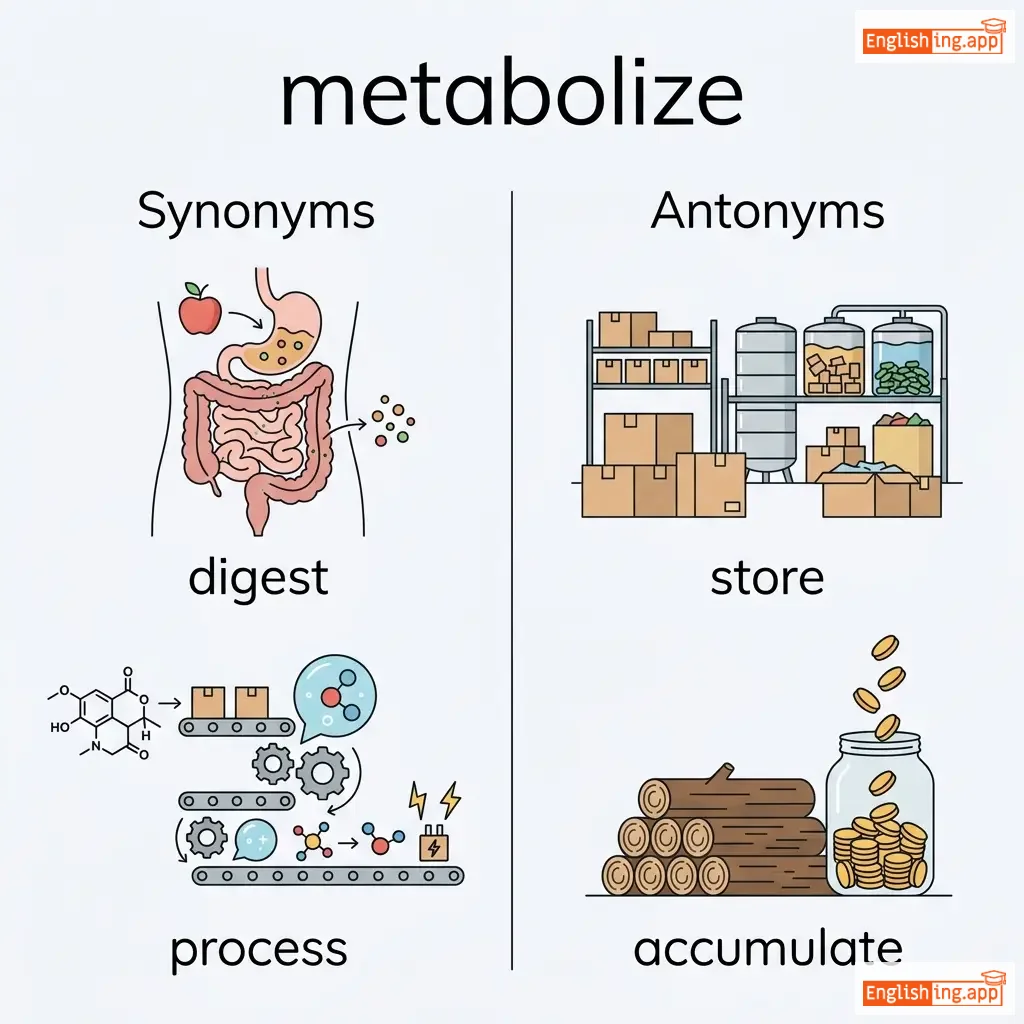
məˈtæb.ə.laɪz
verb
••••••
|
|
Process and use food for growth and to replace tissue, or process other substances in the body.
••••••
|
The liver helps to metabolize toxins. |
digest, process, convert
••••••
|
store, accumulate, preserve
••••••
|
|
#2642
🔬
|
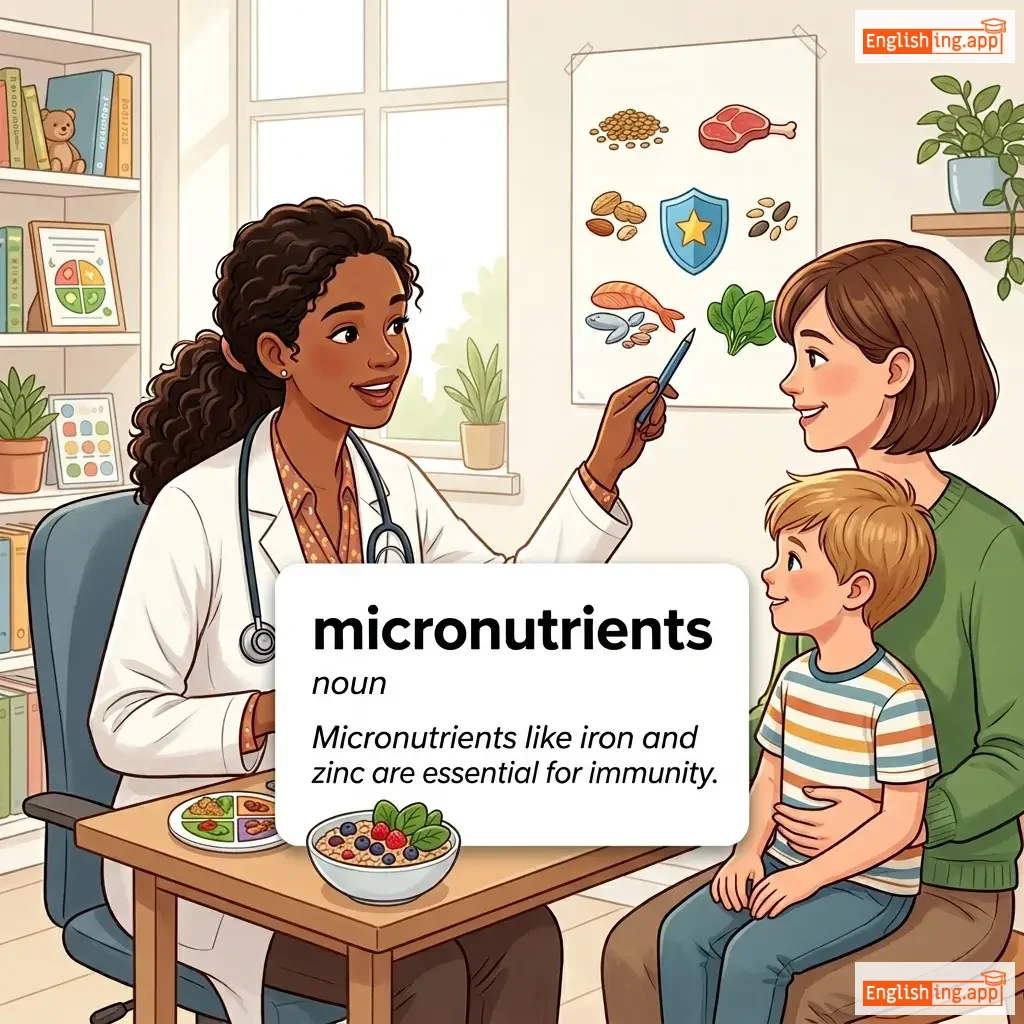
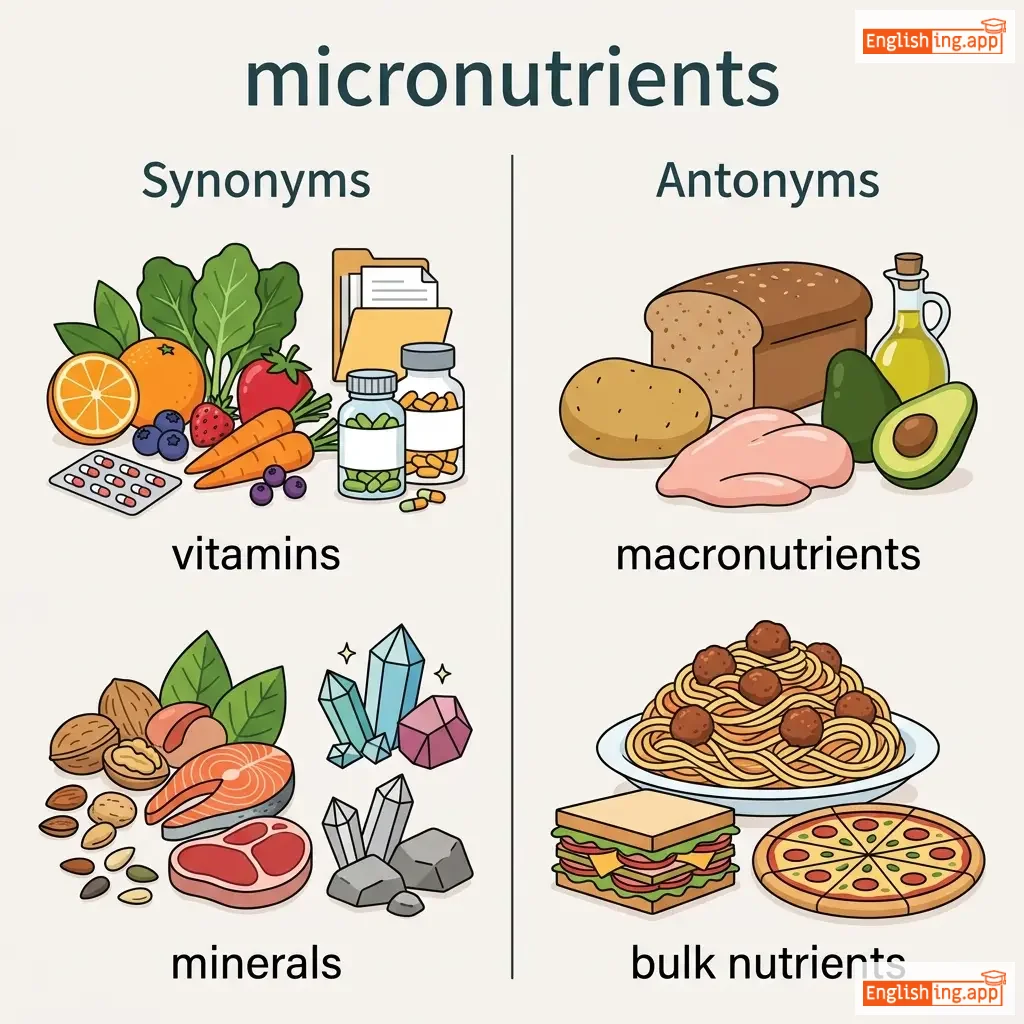
ˈmaɪ.krəʊˌnjuː.tri.ənts
noun
••••••
|
|
Essential nutrients required by organisms in small quantities throughout life to orchestrate a range of physiological functions.
••••••
|
Micronutrients are essential for cellular function. |
vitamins, minerals, essential nutrients
••••••
|
macronutrients, excessive nutrients, overconsumption
••••••
|
|
#2643
💪
|
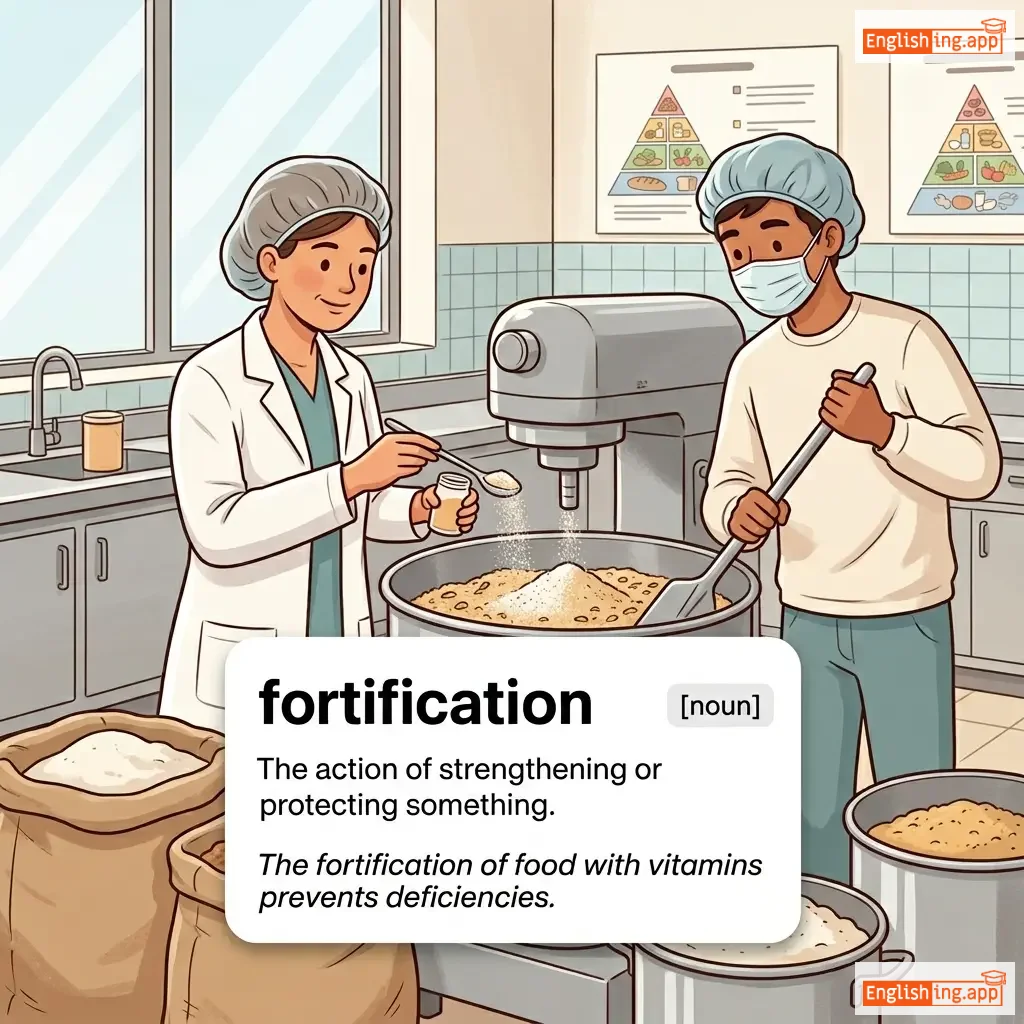
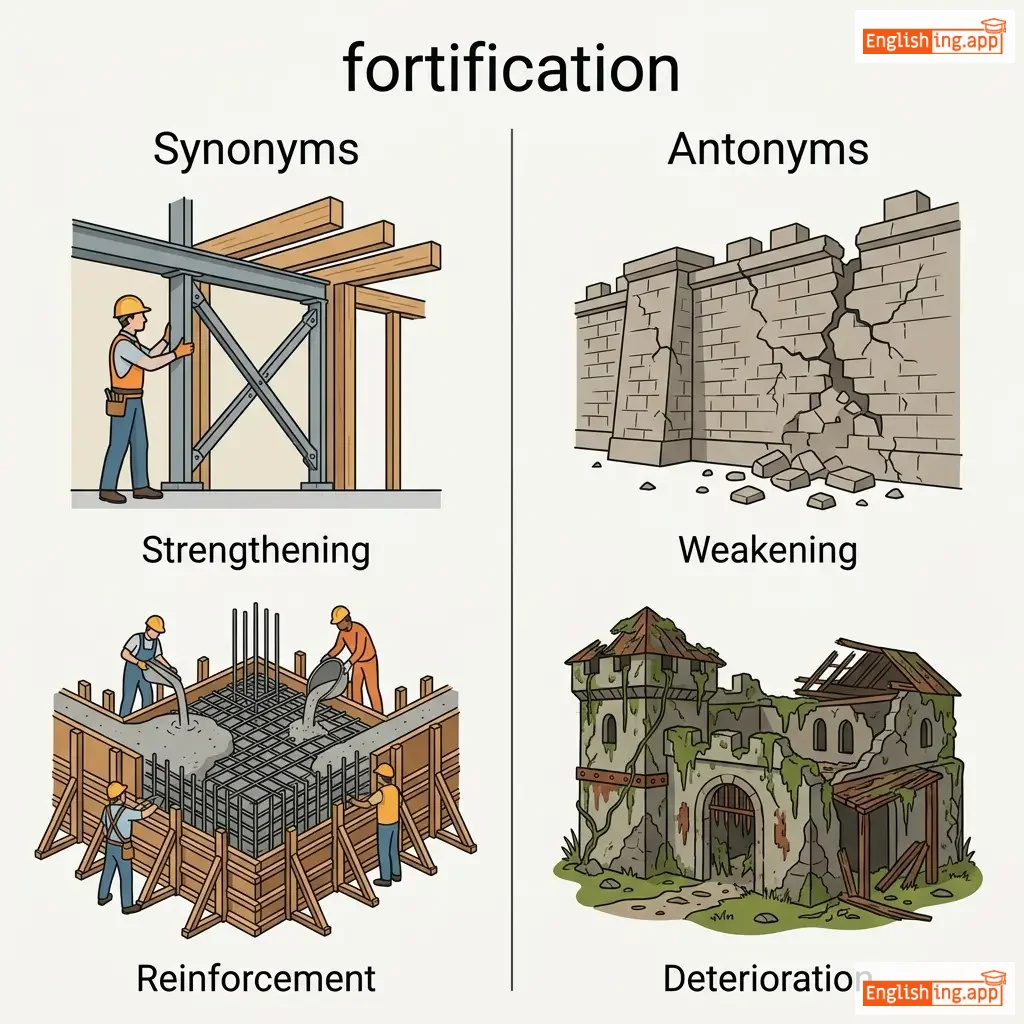
ˌfɔːr.tɪ.fɪˈkeɪ.ʃən
noun
••••••
|
|
The action of adding vitamins or other nutrients to food, especially as a public health measure.
••••••
|
Milk fortification with Vitamin D is essential. |
enrichment, strengthening, reinforcement
••••••
|
depletion, deficiency, weakening
••••••
|
|
#2644
🌍
|
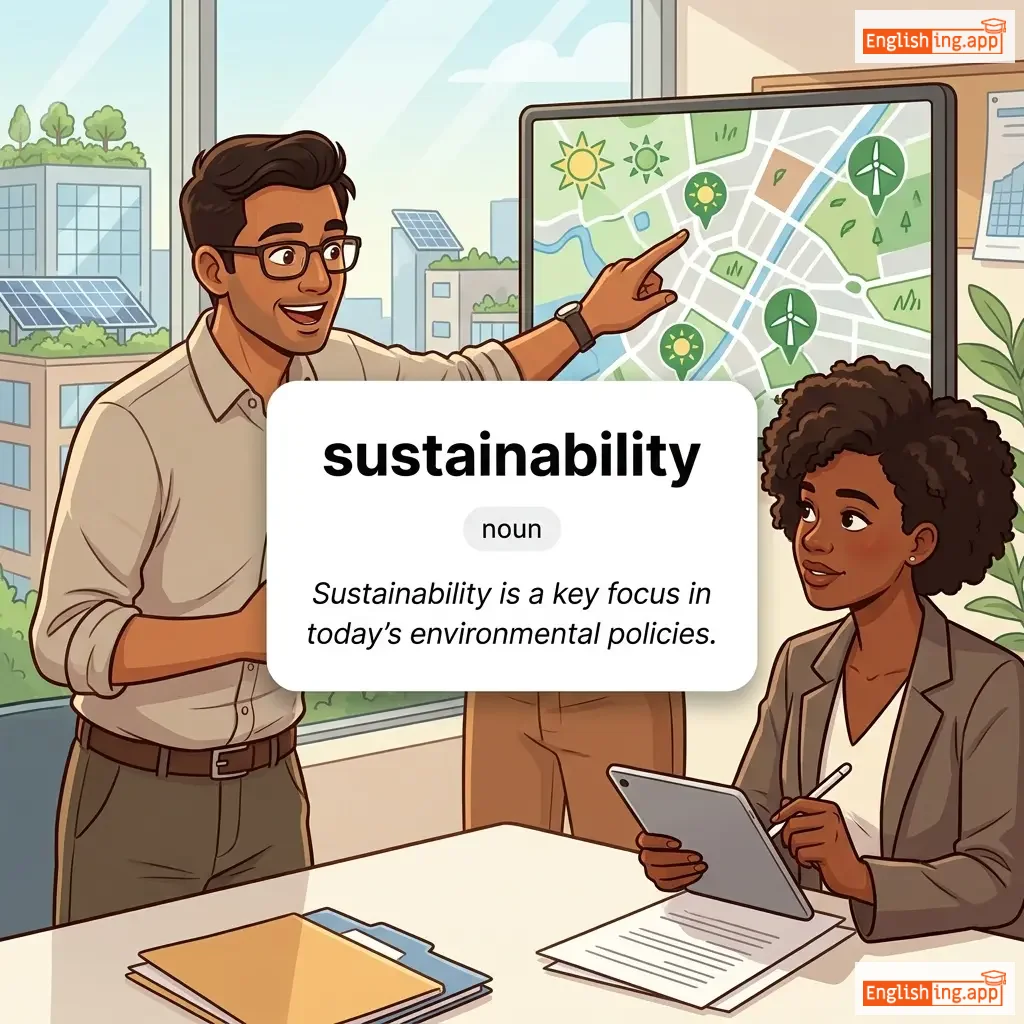
səˌsteɪ.nəˈbɪl.ə.ti
noun
••••••
|
|
The ability to maintain or support a process continuously over time without depleting natural resources.
••••••
|
Sustainability is crucial for the environment. |
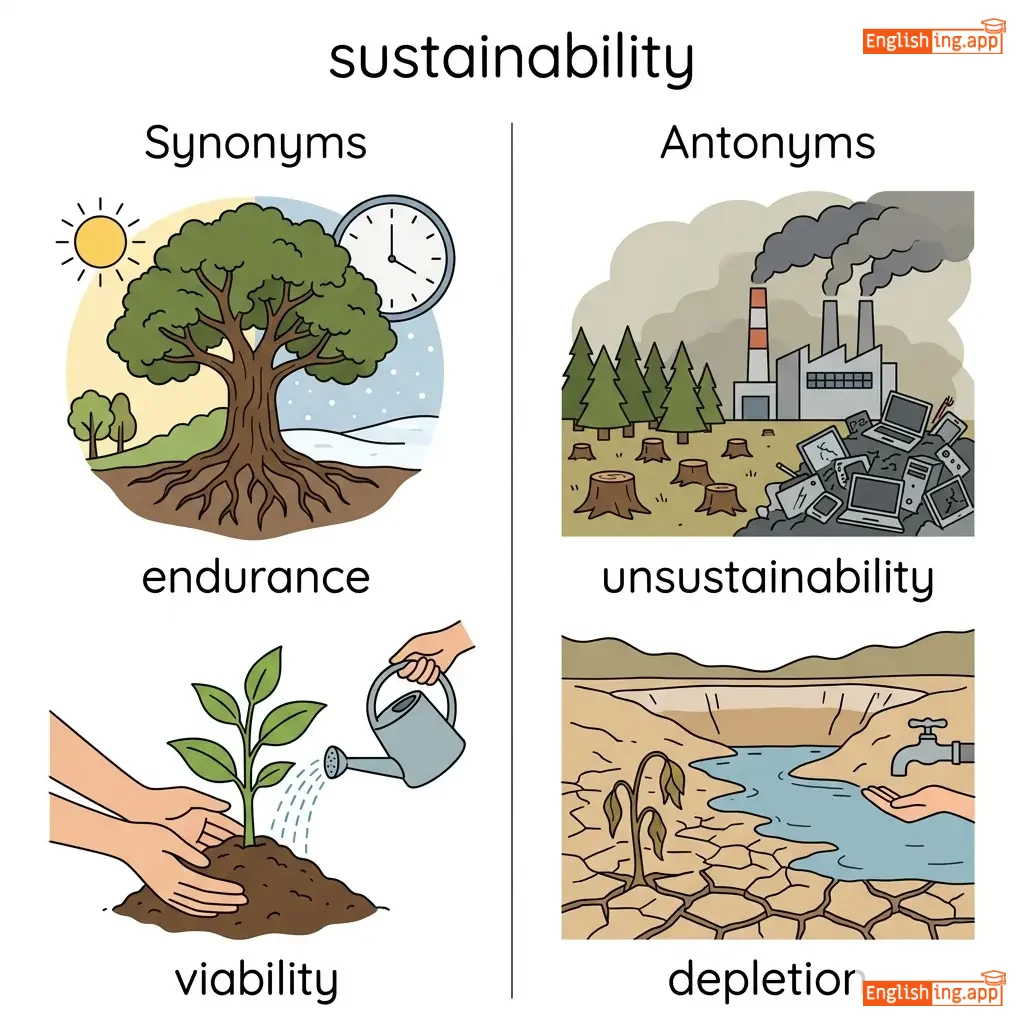
longevity, stability, environmental balance
••••••
|
instability, unsustainable, short-term planning
••••••
|
|
#2645
🔄
|
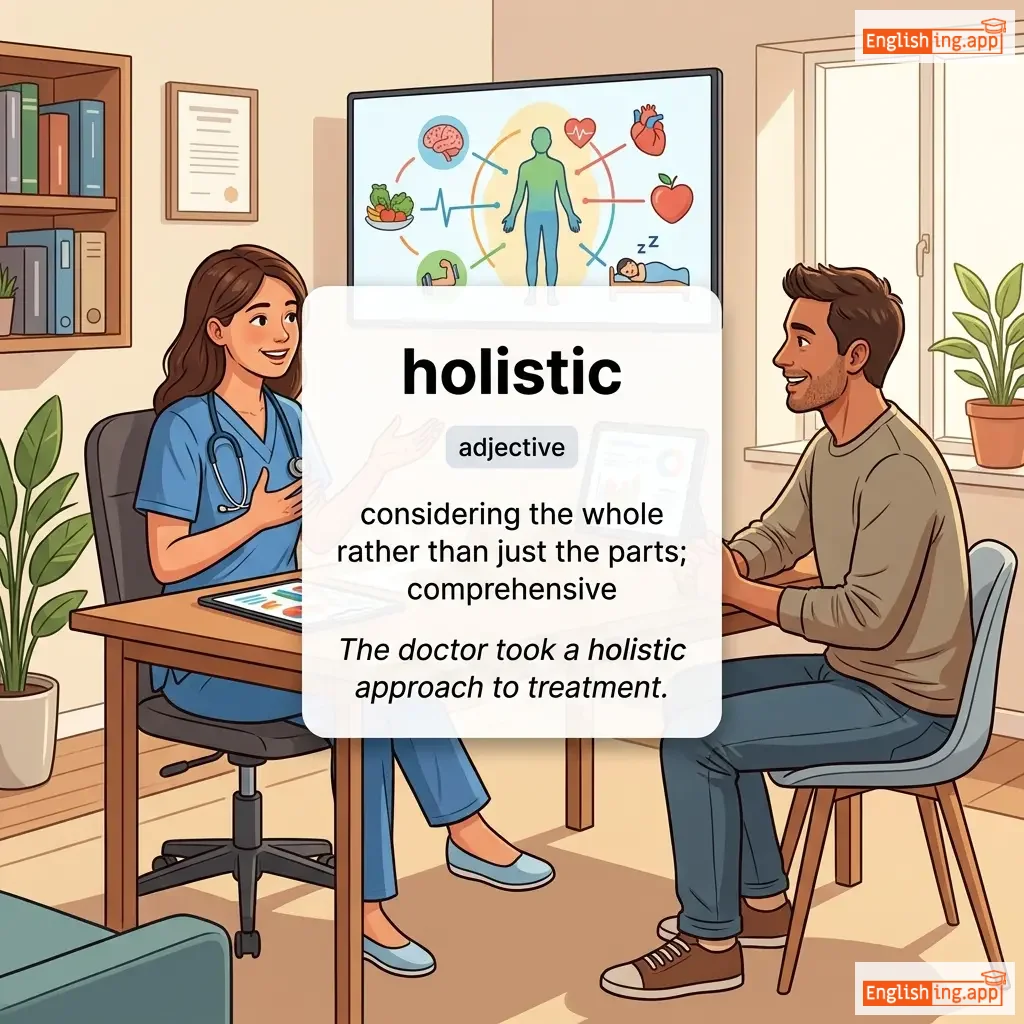
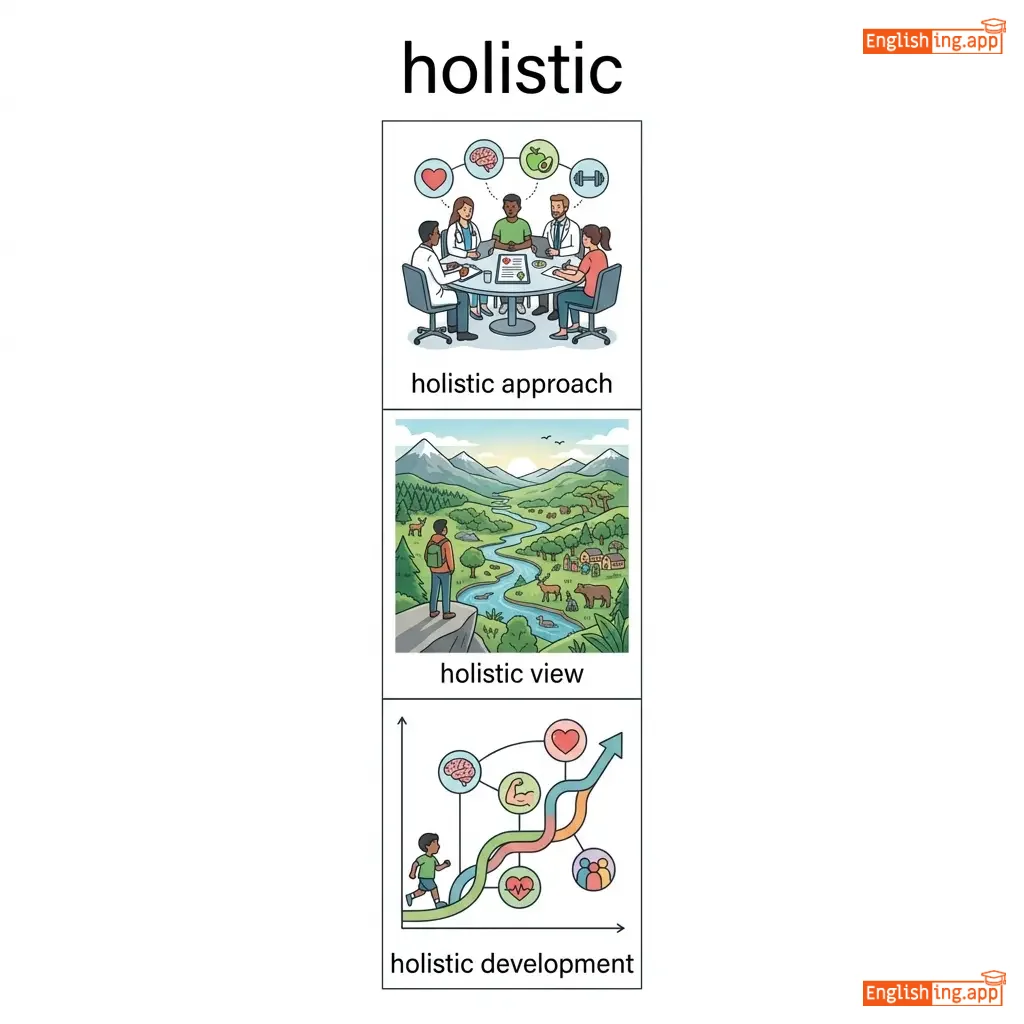
həʊˈlɪs.tɪk
adjective
••••••
|
|
Dealing with or treating the whole of something or someone and not just a part.
••••••
|
A holistic approach improves well-being. |
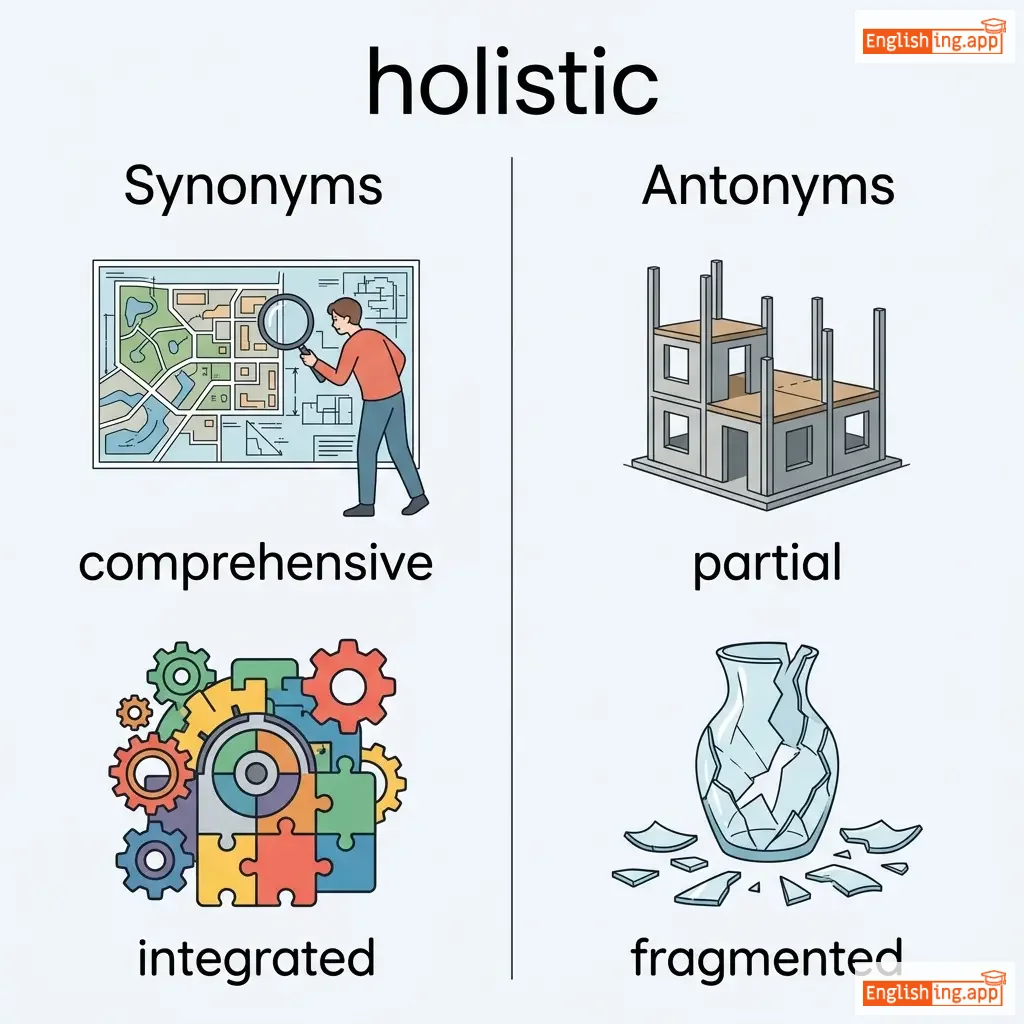
comprehensive, integrated, whole-system approach
••••••
|
fragmented, partial, narrow-minded
••••••
|

