

有机食品的营养益处
Nutritional Benefits of Organic Foods
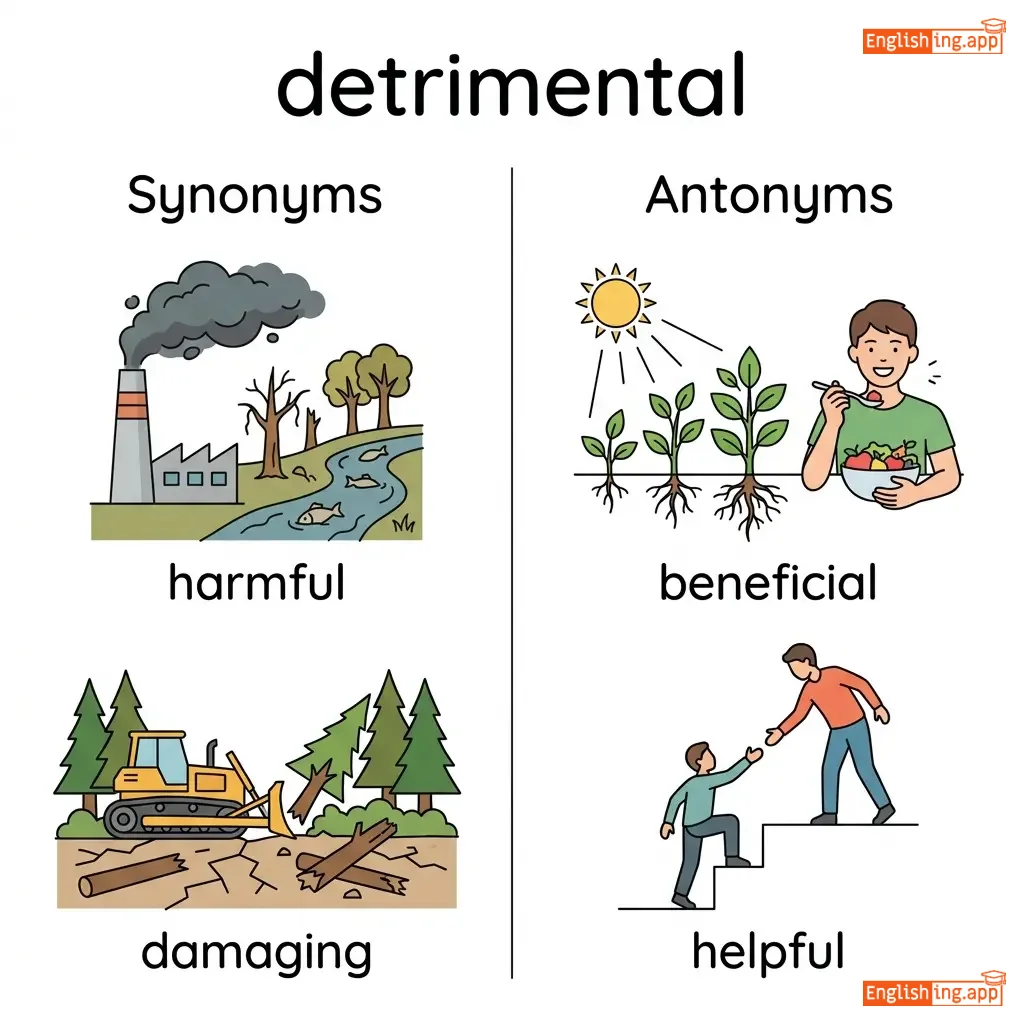
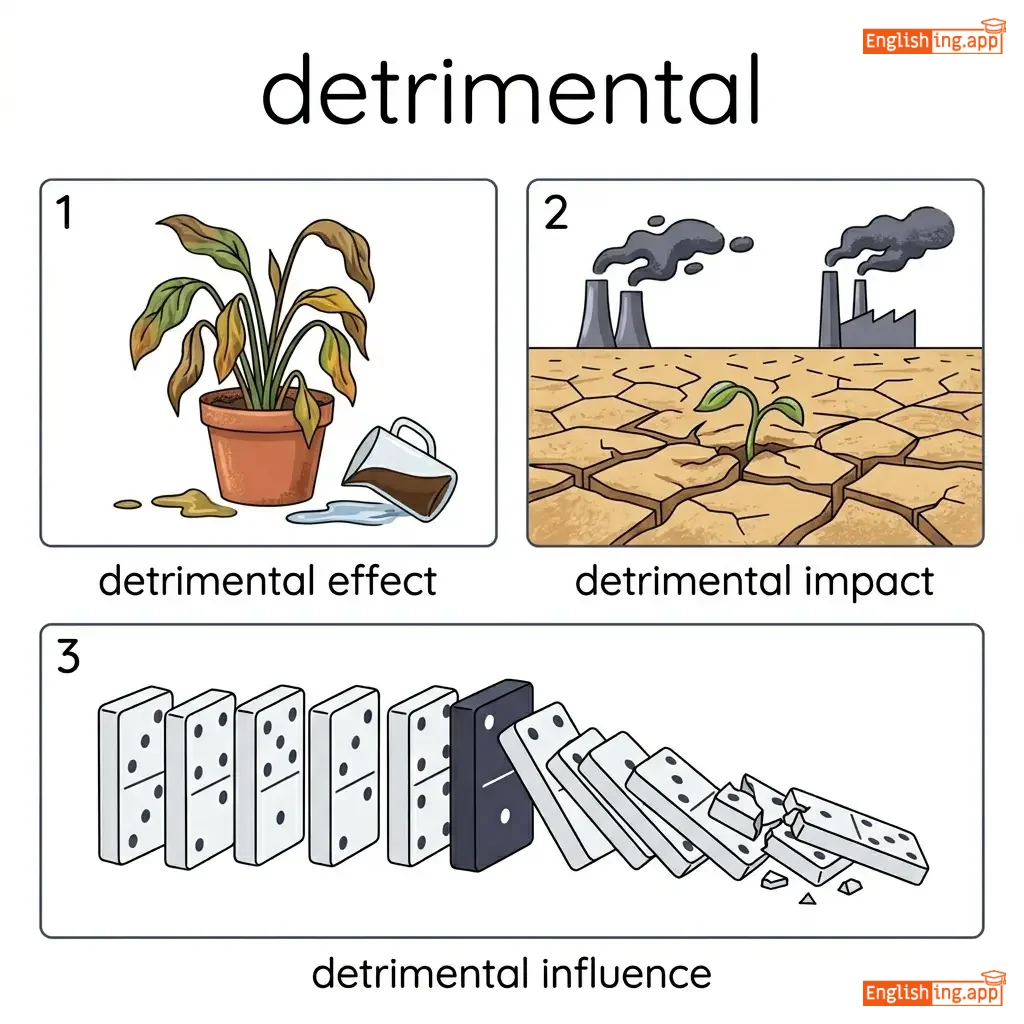
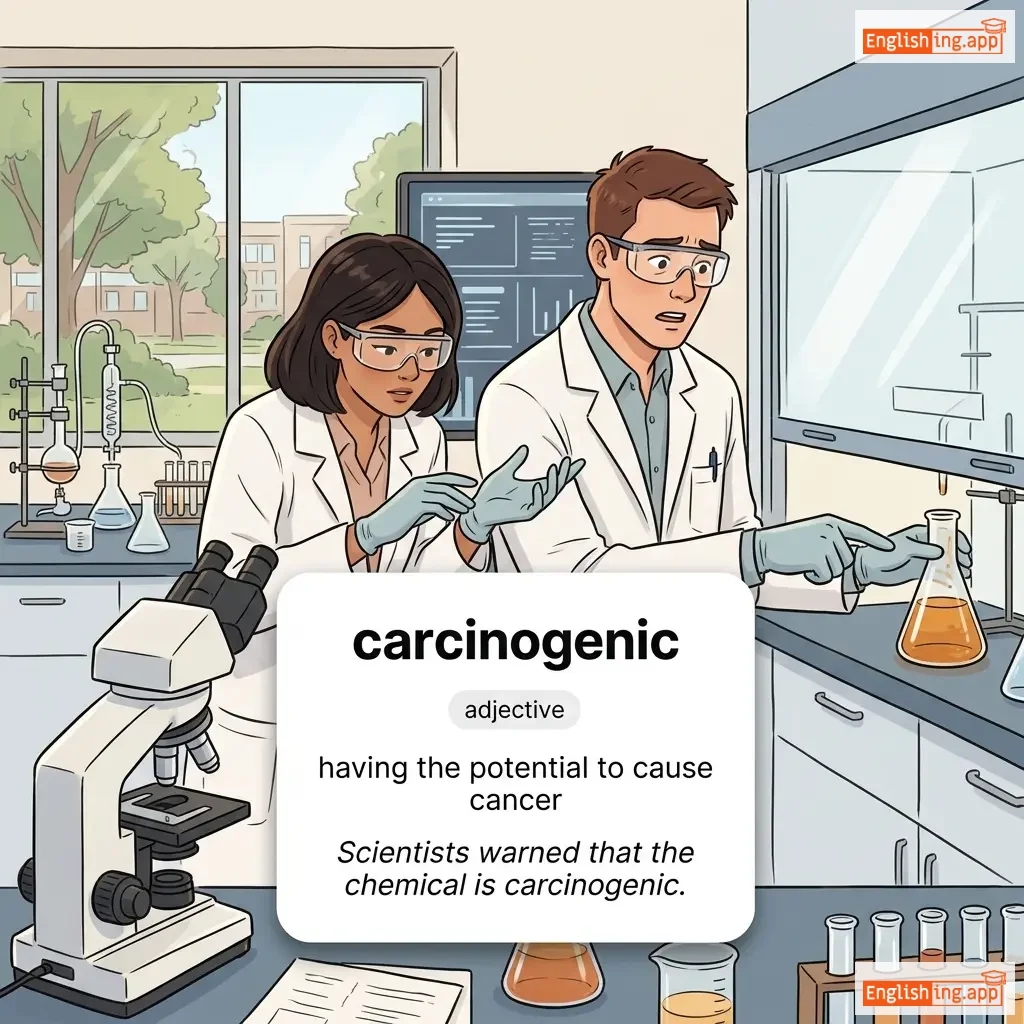
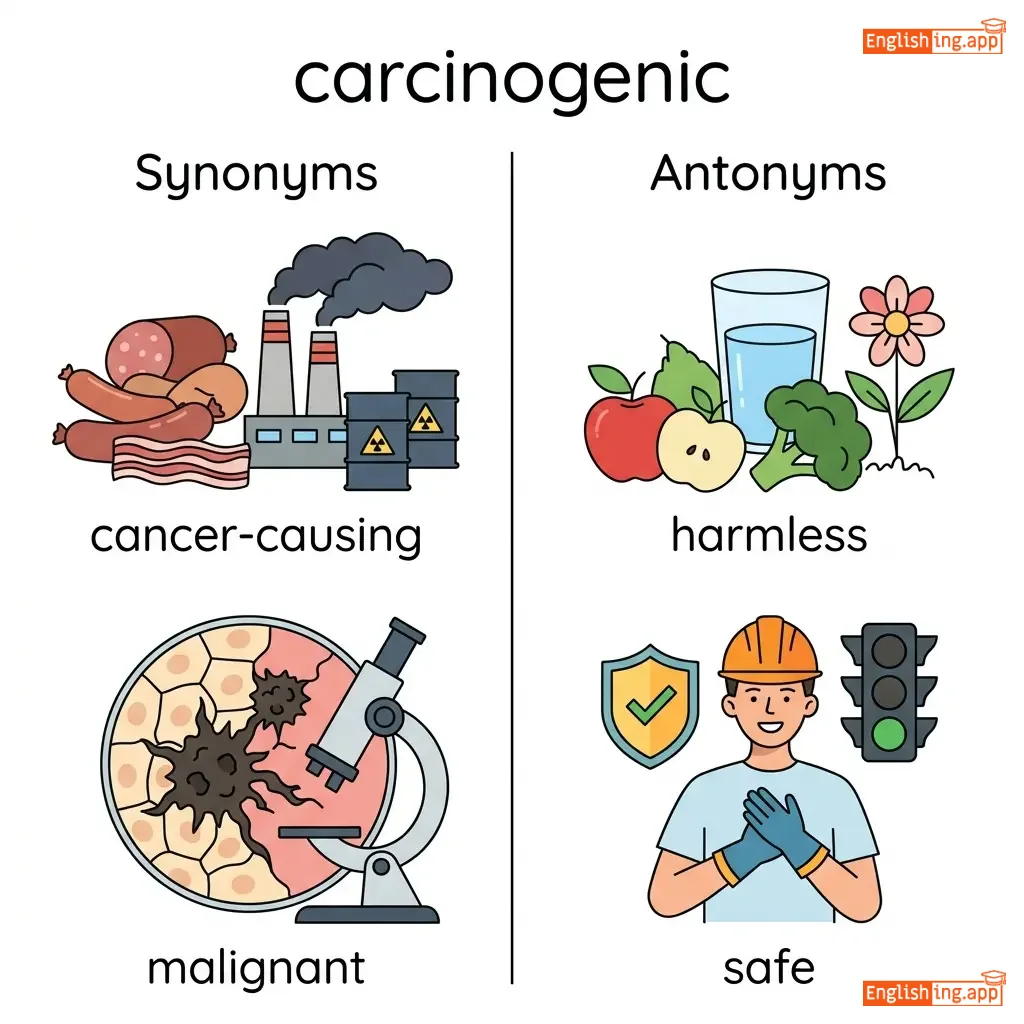
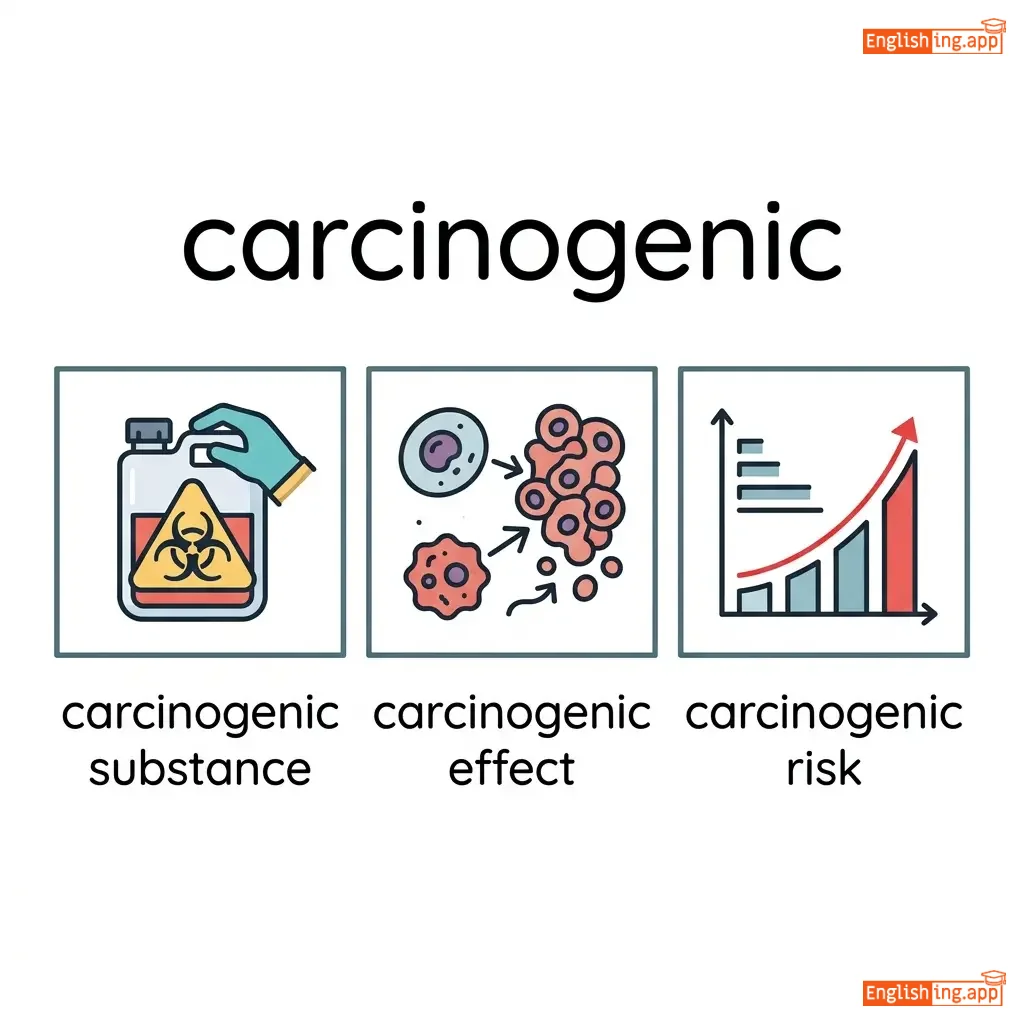
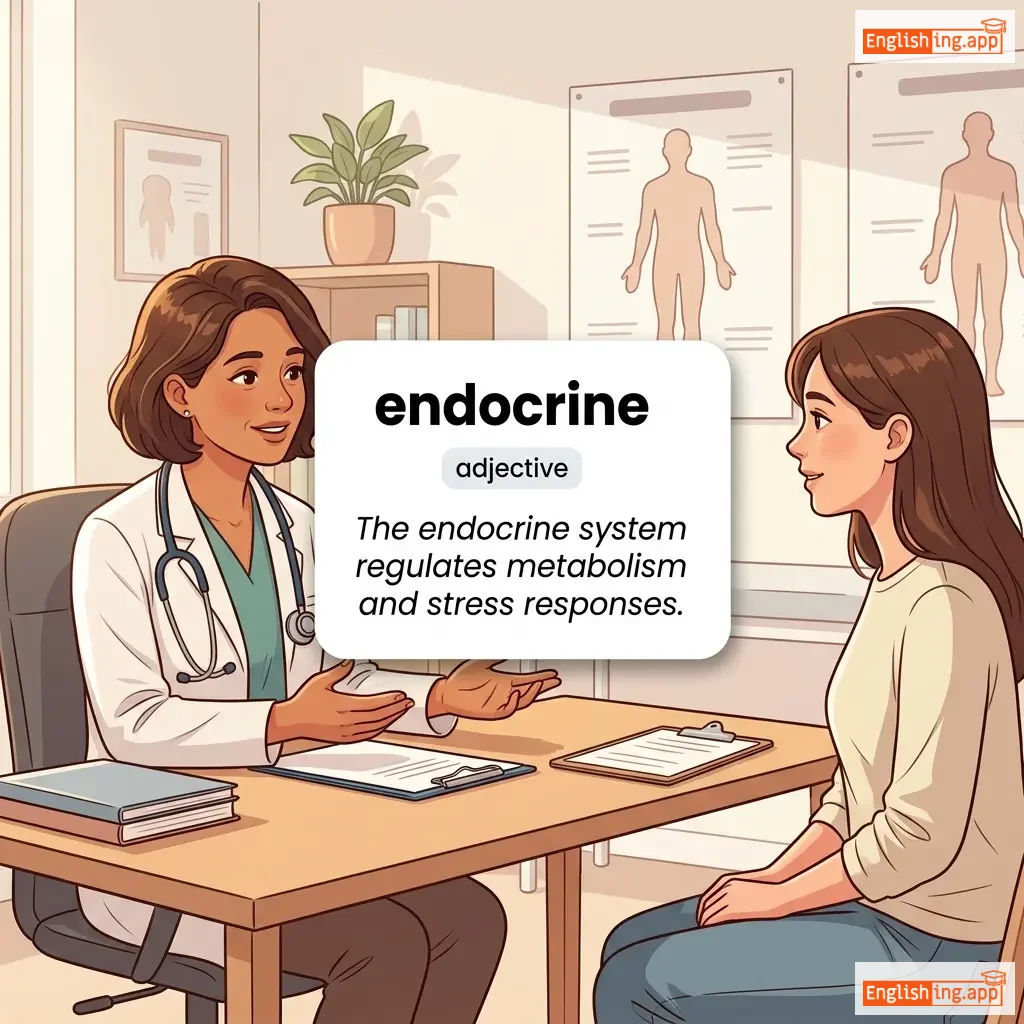
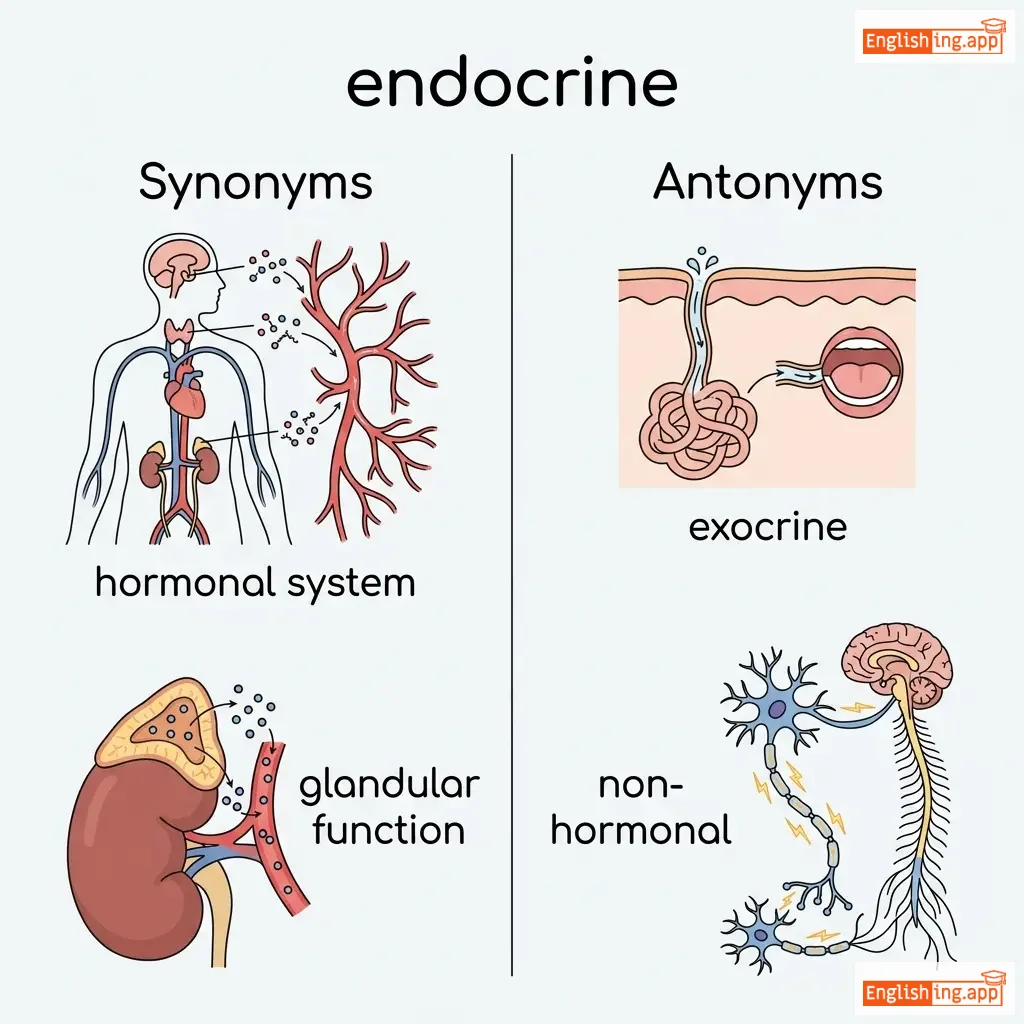
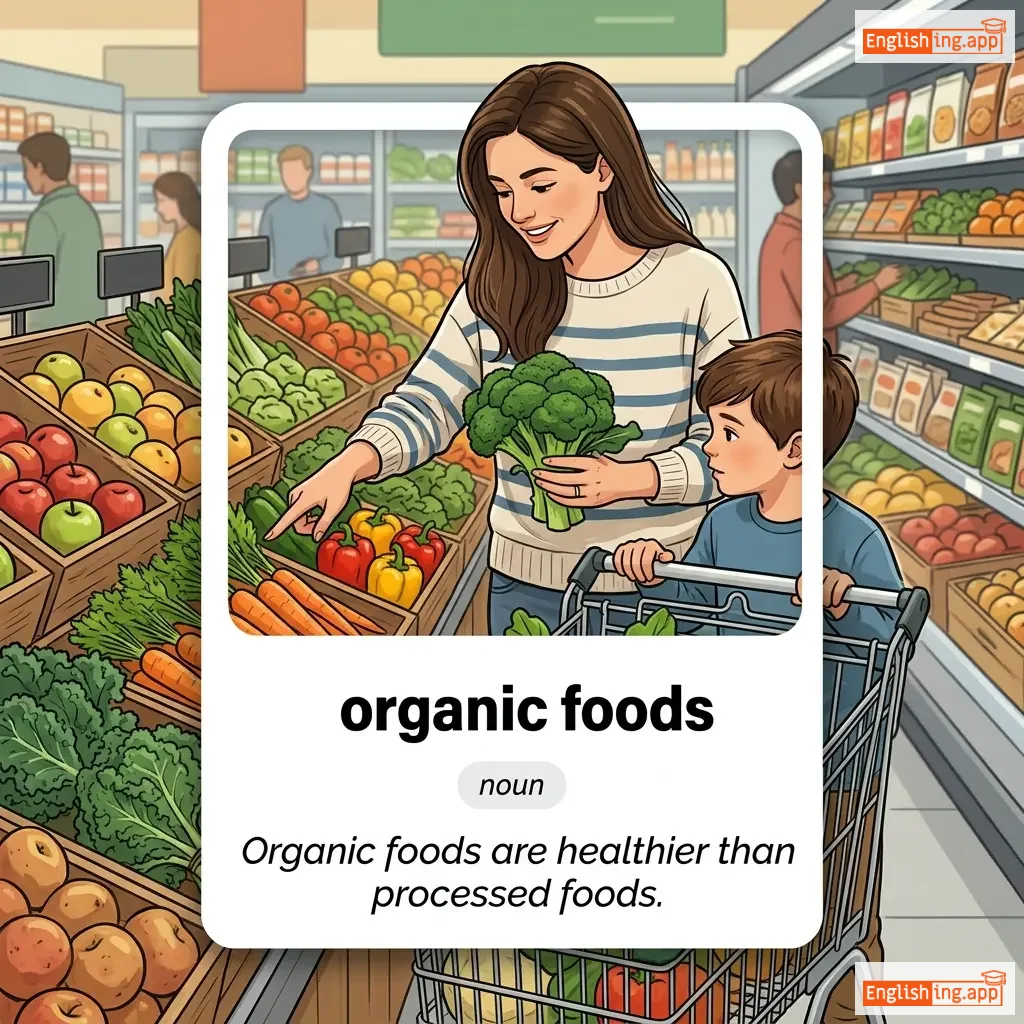
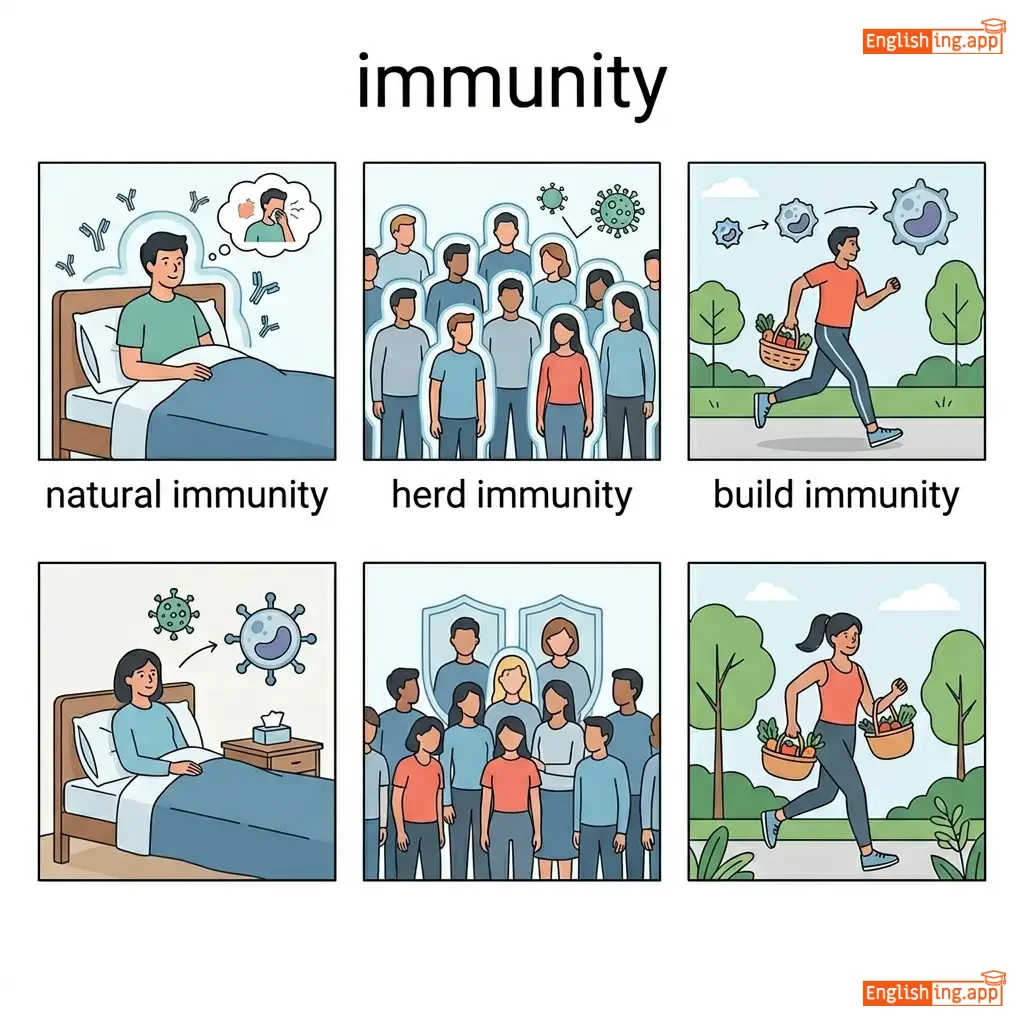
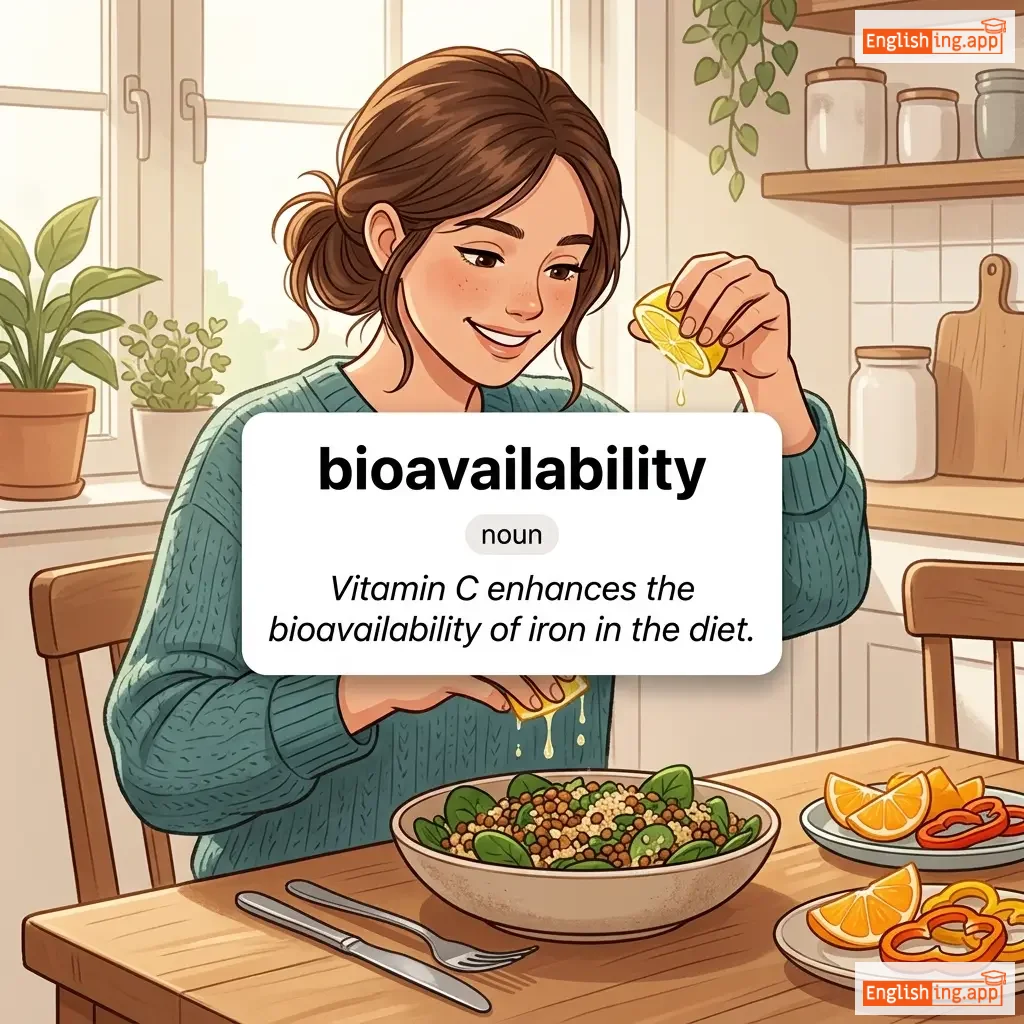
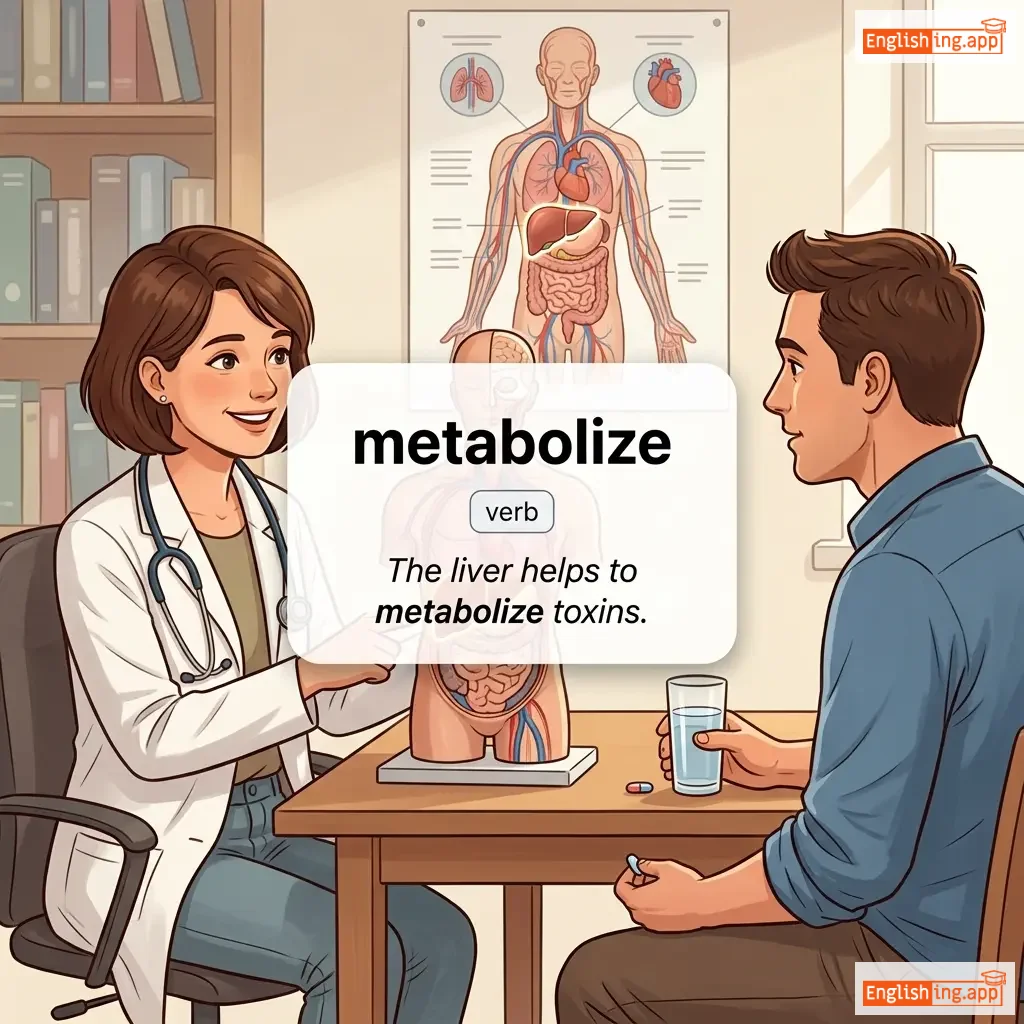
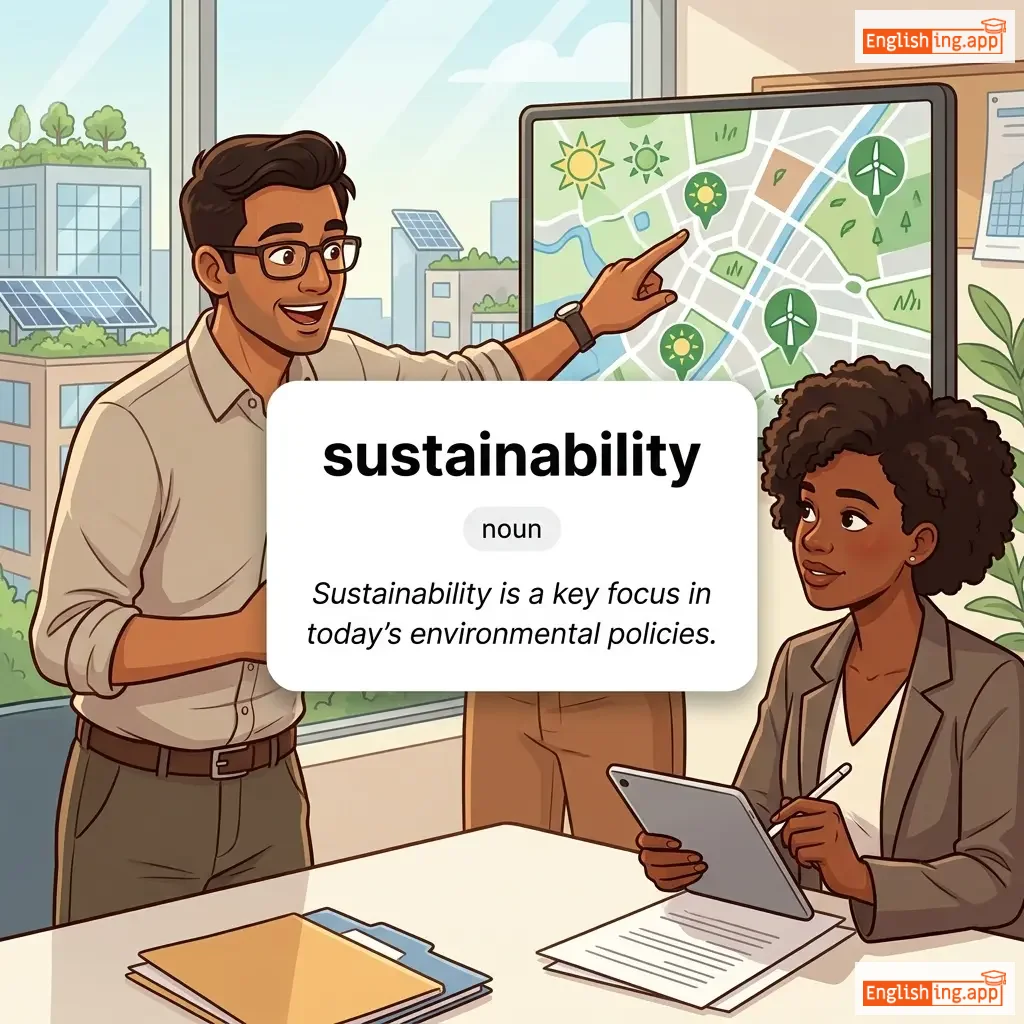
当今conventional食物的adulteration和过度使用pesticides对人类健康产生了detrimental影响。这些食物中含有的carcinogenic化学物质长期会损害endocrine系统和神经系统。另一方面,organic foods通过无化学物质的cultivation方法生产,不使用preservatives或人工成分。它们所含的antioxidants和phytonutrients能增强身体的immunity,从而抵抗各种疾病。Organic foods具有更高的bioavailability,因此身体可以轻松metabolize并吸收所需的micronutrients。此外,它们自然含有营养成分而无需fortification。这种食物的sustainability得到保证,因为它们采用环保的农业方法生产,有助于holistic的健康保护。因此,为了长期健康的生活,选择organic foods是明智的决定。





Swipe left or right, or use the buttons. Tap image to zoom.
例句翻译
单词
Nutritional Benefits of Organic FoodsNutritional Benefits of Organic Foods - 遮罩切换
|
表情符号
|
单词 | Images | 翻译 | 含义 | 例句 | 例句翻译 | 同义词 | 反义词 | 助记符 |
|---|---|---|---|---|---|---|---|---|---|
|
#2628
🏛️
|
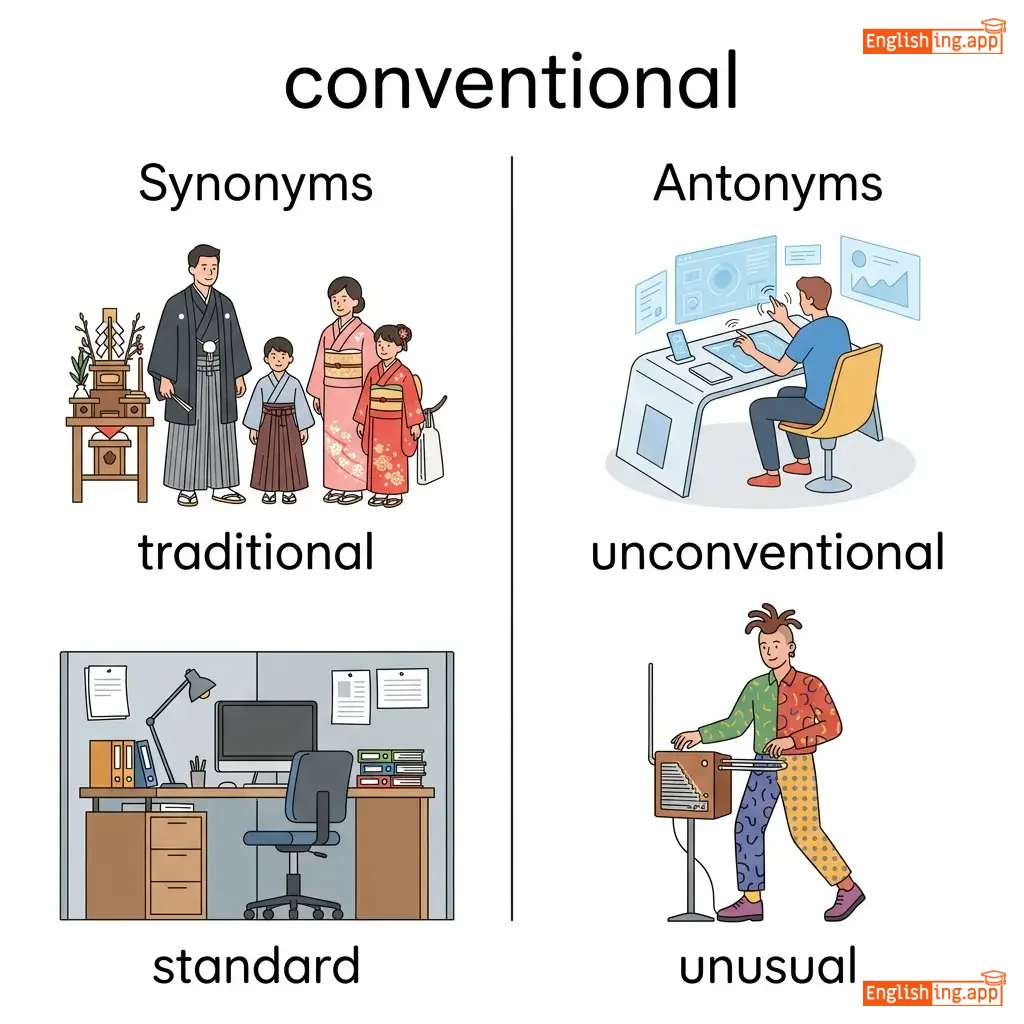
kənˈven.ʃən.əl
adjective
(kənvɛnʃənəl)
••••••
|
|
传统的
chuántǒng de
••••••
|
Based on or in accordance with what is generally done or believed; traditional, standard, customary.
••••••
|
Many farmers still use conventional farming methods.
许多农民仍然使用传统的农业方法。
••••••
|
许多农民仍然使用传统的农业方法。
Xǔduō nóngmín réngrán shǐyòng chuántǒng de nóngyè fāngfǎ.
••••••
|
traditional, standard, customary
••••••
|
unorthodox, innovative, unconventional
••••••
|
In Chinese, '传统的' directly relates to 'traditional' and expresses the idea of conventional practices.
••••••
|
|
#2629
☠️
|
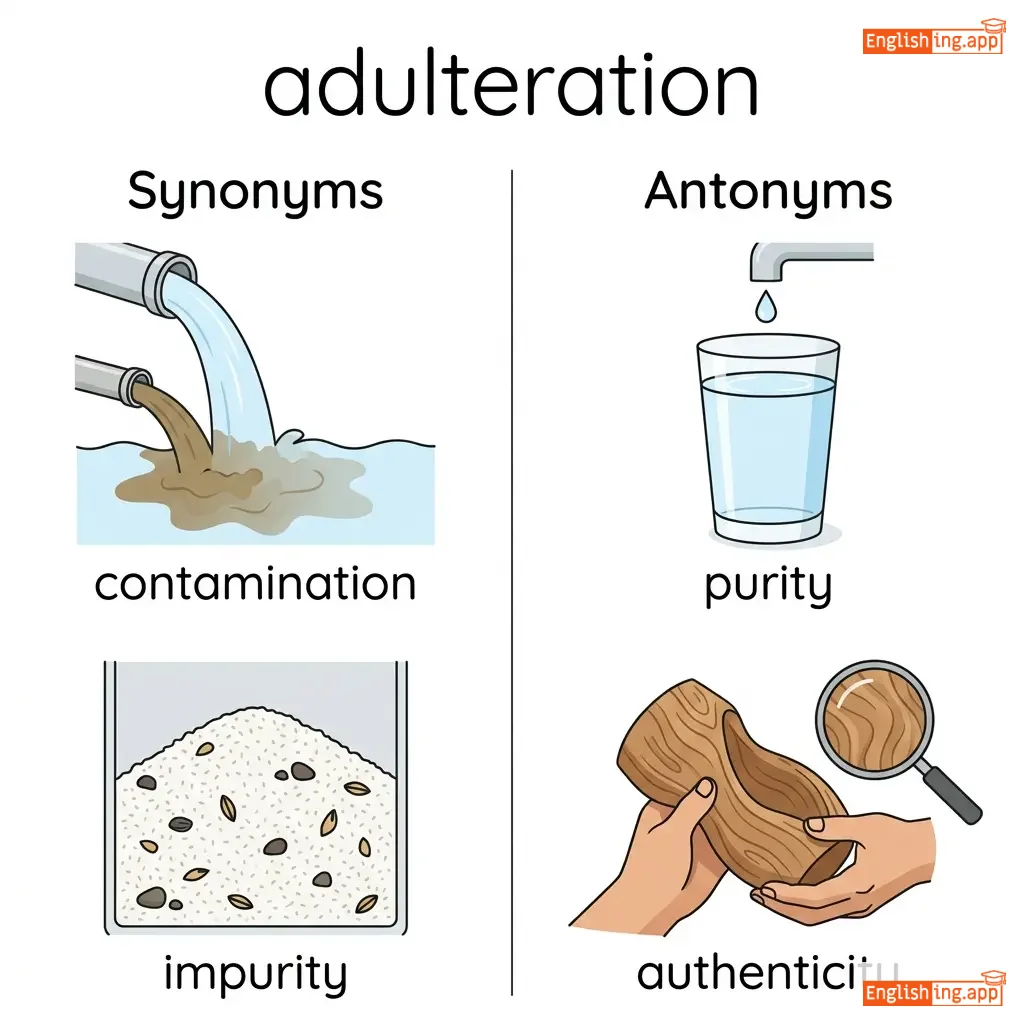
əˌdʌl.təˈreɪ.ʃən
noun
(掺假)
••••••
|
|
掺假
chānjiǎ
••••••
|
The action of making something poorer in quality by the addition of another substance.
••••••
|
Food adulteration poses a serious health risk.
食品掺假对健康构成严重风险。
••••••
|
食品掺假对健康构成严重风险。
Shípǐn chānjiǎ duì jiànkāng gòu chéng yánzhòng fēngxiǎn.
••••••
|
contamination, impurity, degradation
••••••
|
purity, authenticity, refinement
••••••
|
掺假 - 假的食物,健康会有问题。
••••••
|
|
#2630
🚫
|
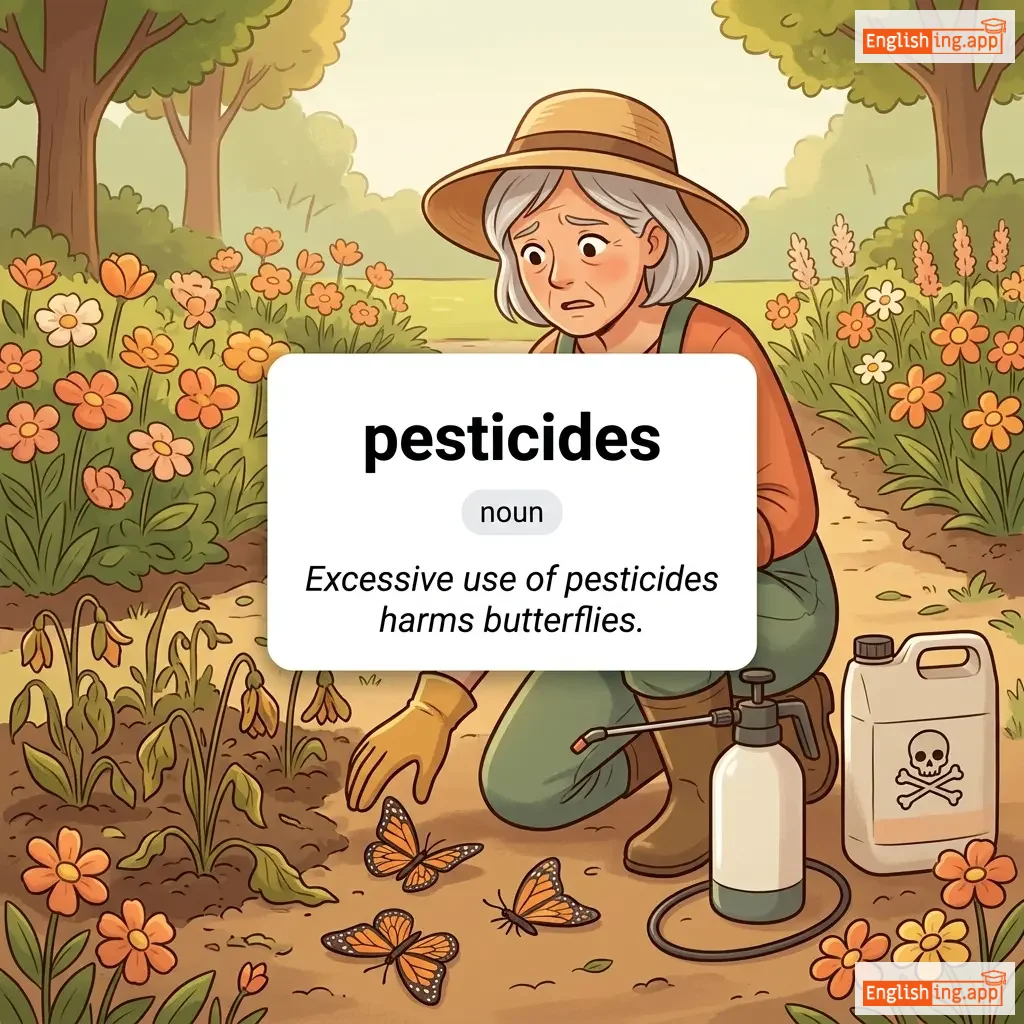
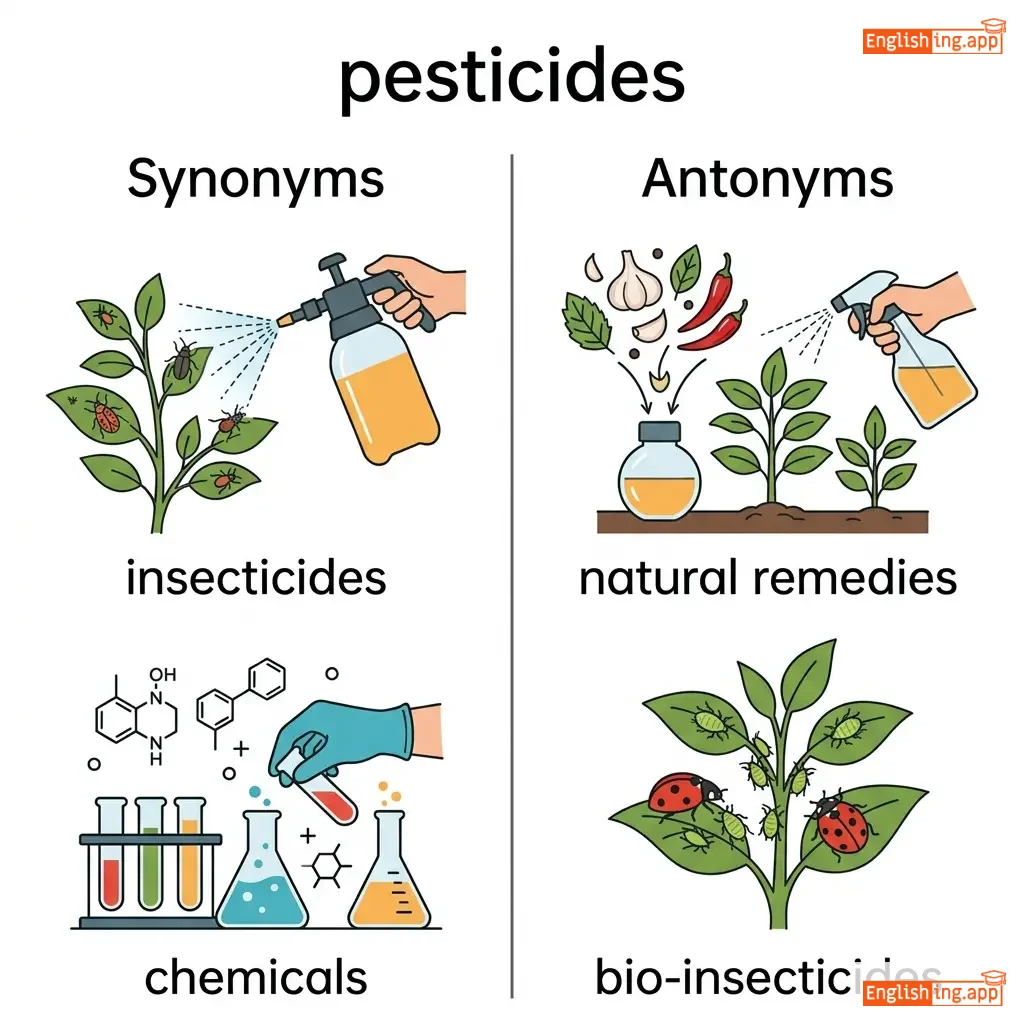
ˈpɛs.tɪ.saɪdz
noun
(pèstísàidí)
••••••
|
|
杀虫剂
shāchóngjì
••••••
|
Substances used for destroying insects or other organisms harmful to cultivated plants or to animals.
••••••
|
Excessive pesticides use can harm the environment.
过度使用农药可能会对环境造成伤害。
••••••
|
过度使用农药可能会对环境造成伤害。
Guòdù shǐyòng nóngyào kěnéng huì duì huánjìng zàochéng shānghài.
••••••
|
insecticide, herbicide, fungicide
••••••
|
organic treatment, natural repellent, biological control
••••••
|
记住,过度使用杀虫剂只会伤害环境!
••••••
|
|
#2631
💥
|
ˌdɛtrɪˈmɛntəl
adjective
(有害的)
••••••
|
|
有害的
youhai de
••••••
|
Tending to cause harm; harmful or damaging.
••••••
|
Smoking is detrimental to health. |
吸烟对健康有害。
Xīyān duì jiànkāng yǒuhài.
••••••
|
harmful, destructive, injurious
••••••
|
beneficial, advantageous, favorable
••••••
|
有害的像烟草对健康的危害。
••••••
|
|
#2632
☢️
|
ˌkɑː.sɪ.nəˈdʒɛn.ɪk
adjective
(ka-er-xi-nuo-jen-ik)
••••••
|
|
致癌的
zhì'ái de
••••••
|
Having the potential to cause cancer.
••••••
|
Processed foods often contain carcinogenic substances. |
加工食品中常含有致癌物质。
Jiāgōng shípǐn zhōng cháng hán yǒu zhì'ái wùzhì.
••••••
|
cancer-causing, toxic, malignant
••••••
|
non-toxic, safe, benign
••••••
|
致 (zhi) + 癌 (ai) = 致癌的
••••••
|
|
#2633
🧬
|
ˈɛn.də.krɪn
adjective
(endokrain)
••••••
|
|
内分泌的
nèi fēn mì de
••••••
|
Relating to or denoting glands which secrete hormones directly into the blood.
••••••
|
The endocrine system regulates metabolism.
内分泌系统调节新陈代谢。
••••••
|
内分泌系统调节新陈代谢。
Nèi fēn mì xì tǒng tiáo jié xīn chén dà xiè.
••••••
|
hormonal, glandular, physiological
••••••
|
non-hormonal, external, artificial
••••••
|
Endocrine, 内分泌调节,帮助血液中的激素流动。
••••••
|
|
#2634
🥬
|
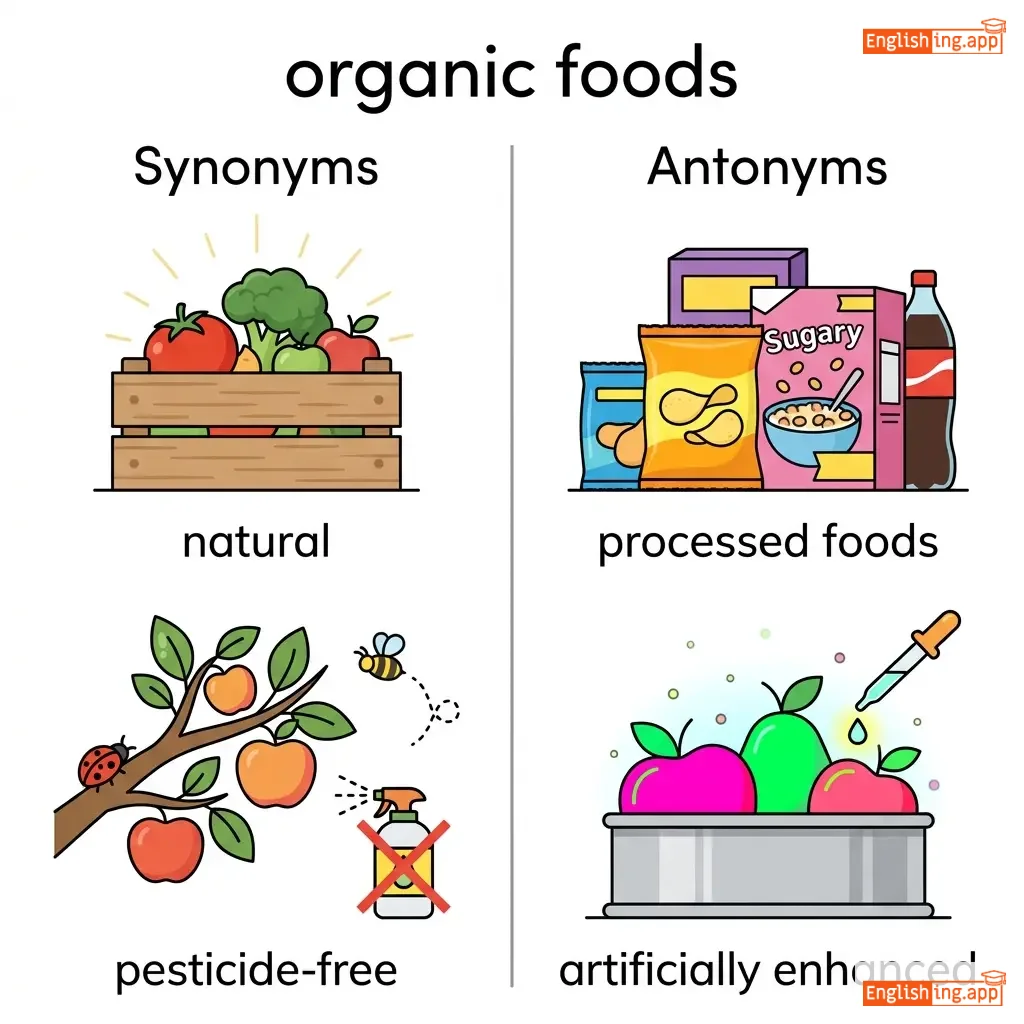
ɔːˈɡæn.ɪk fuːdz
noun
(ɔːˈɡænɪk fʊdz)
••••••
|
|
有机食品
youji shipin
••••••
|
Food produced without the use of chemicals such as artificial pesticides, fertilizers, or other artificial agents.
••••••
|
Organic foods are healthier than processed foods. |
有机食品比加工食品更健康。
Youji shipin bi jiangong shipin geng jiankang.
••••••
|
natural, pesticide-free, chemical-free
••••••
|
processed foods, artificially enhanced, genetically modified
••••••
|
有机食品 (youji) 和健康 (jiankang) 能帮助你记住这两个词。
••••••
|
|
#2635
🌱
|
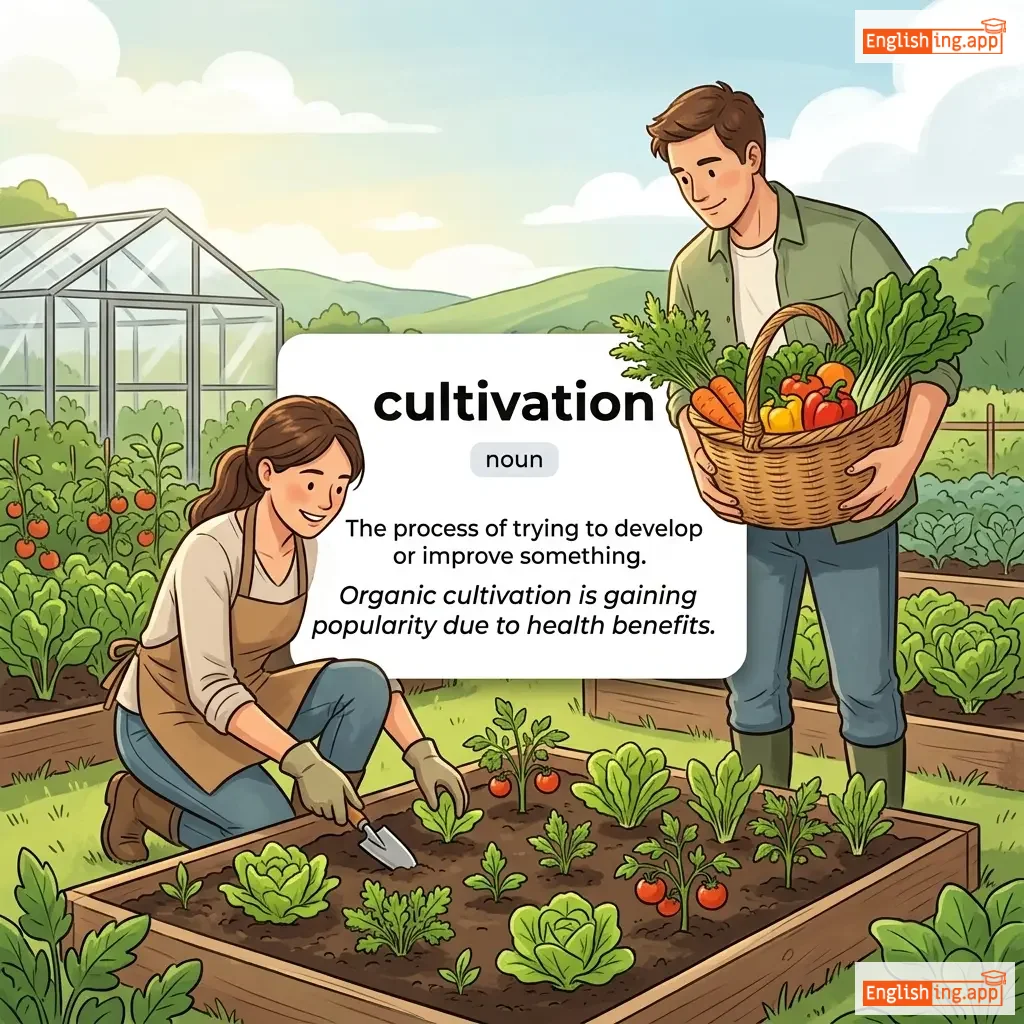
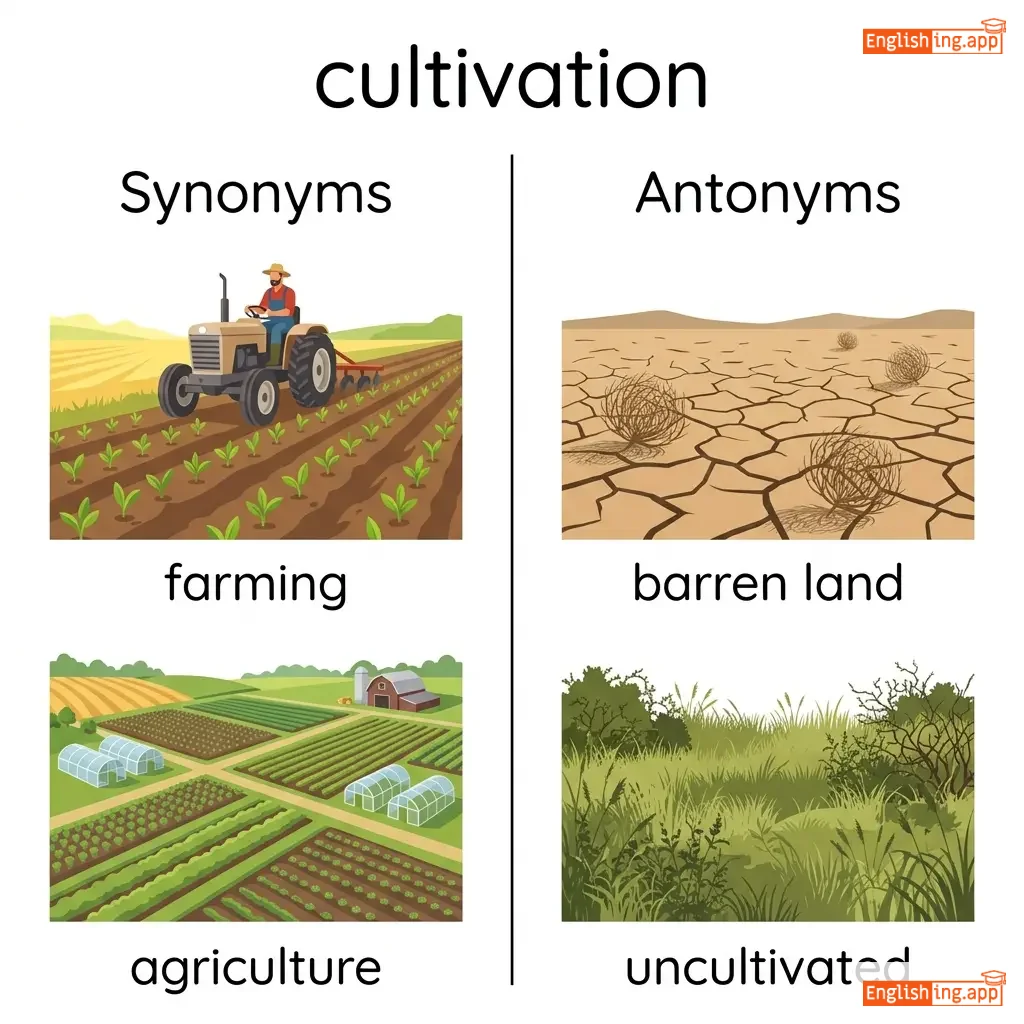
ˌkʌl.tɪˈveɪ.ʃən
noun
(kʌlti-veishon)
••••••
|
|
耕种
gēngzhòng
••••••
|
The action of cultivating land, or the state of being cultivated.
••••••
|
The cultivation of organic crops is increasing worldwide.
有机作物的耕种在全球范围内不断增加。
••••••
|
有机作物的耕种在全球范围内不断增加。
Yǒujī zuòwù de gēngzhòng zài quánqiú fànwéi nèi bùduàn zēngjiā.
••••••
|
farming, agriculture, horticulture
••••••
|
abandonment, neglect, destruction
••••••
|
耕种是种植作物的过程,与 'cultivation' 相关。
••••••
|
|
#2636
🧪
|
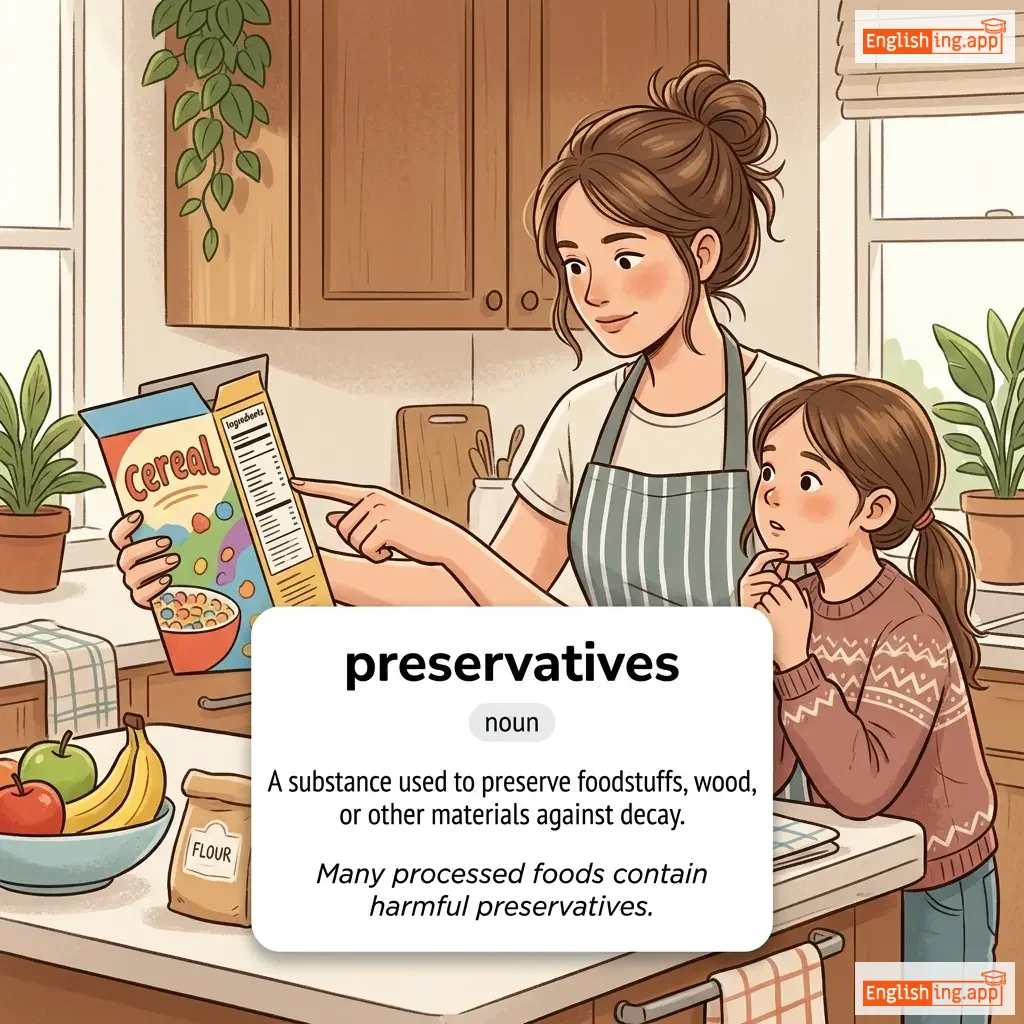
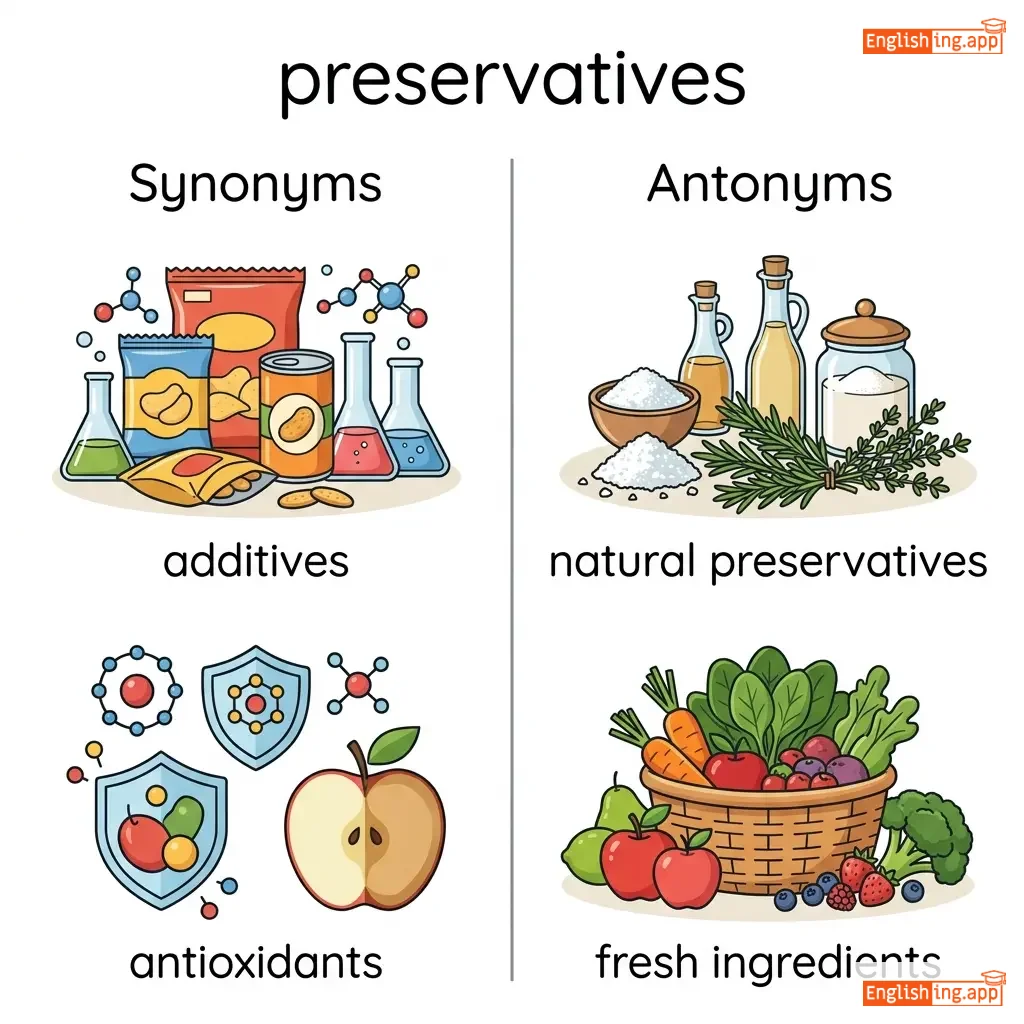
prɪˈzɜː.və.tɪvz
noun
(prɪˈzɜː.və.tɪvz)
••••••
|
|
防腐剂
fang fu ji
••••••
|
A substance used to preserve foodstuffs, wood, or other materials against decay.
••••••
|
Many processed foods contain harmful preservatives. |
许多加工食品含有有害的防腐剂。
Xǔduō jiāgōng shípǐn hán yǒu yǒuhài de fángfǔjì.
••••••
|
additives, antioxidants, stabilizers
••••••
|
natural preservatives, fresh ingredients, unprocessed
••••••
|
防腐剂保护食物就像防腐层一样,延长食物寿命。
••••••
|
|
#2637
⚡
|
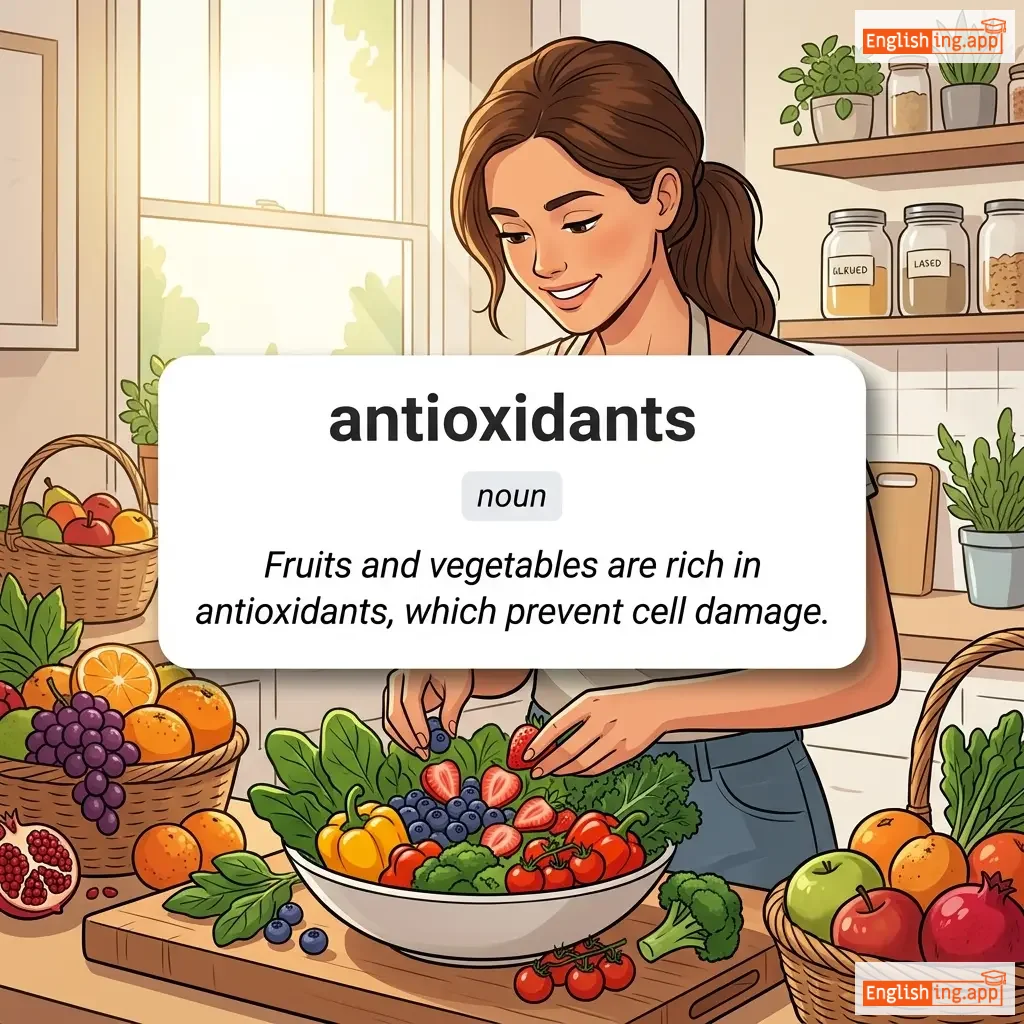
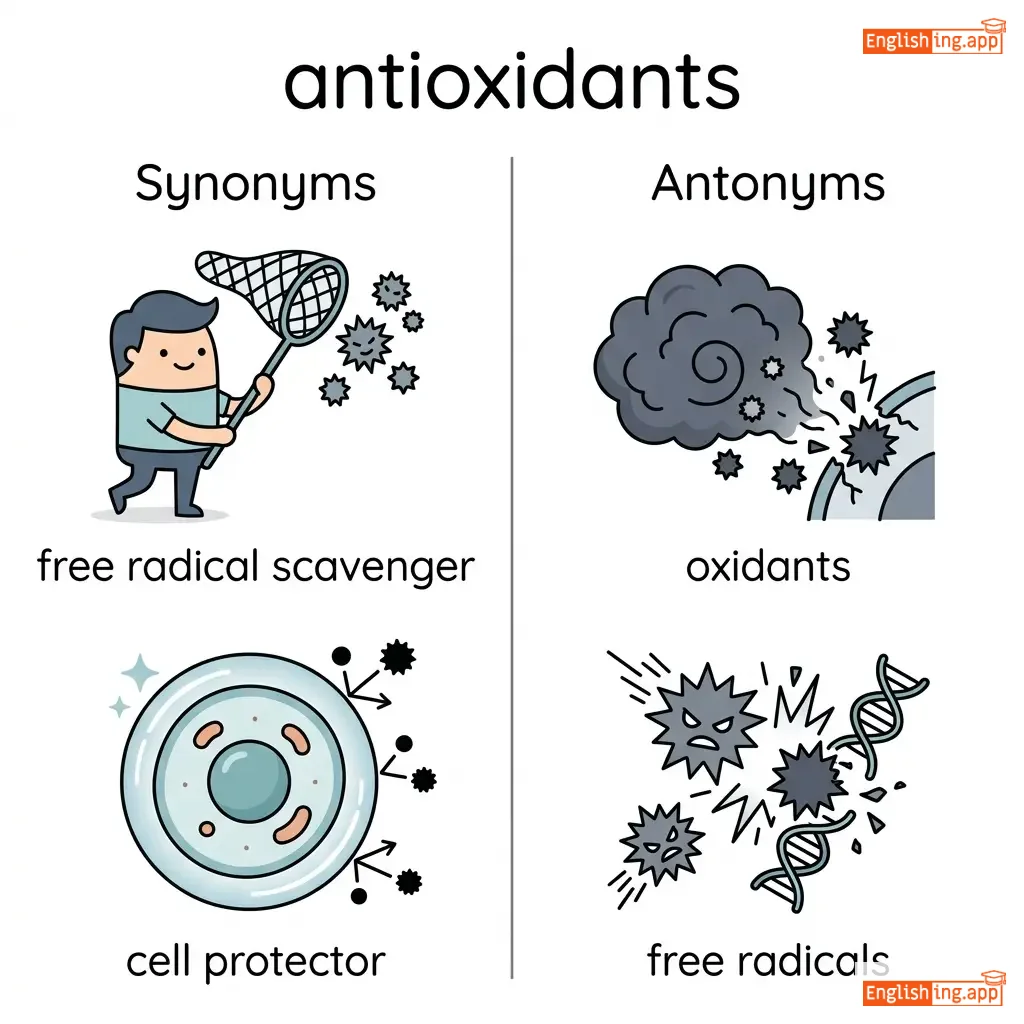
ˌæn.tiˈɒk.sɪ.dənts
noun
(抗氧化剂)
••••••
|
|
抗氧化剂
kàng yǎng huà jì
••••••
|
A substance that may prevent or delay some types of cell damage.
••••••
|
Fruits and vegetables are rich in antioxidants.
水果和蔬菜富含抗氧化剂。
••••••
|
水果和蔬菜富含抗氧化剂。
Shuǐguǒ hé shūcài fùhán kàng yǎng huà jì.
••••••
|
free-radical fighters, protective compounds, detoxifiers
••••••
|
oxidants, free radicals, toxins
••••••
|
抗氧化剂像防护盾一样保护我们的细胞。
••••••
|
|
#2638
🌿
|
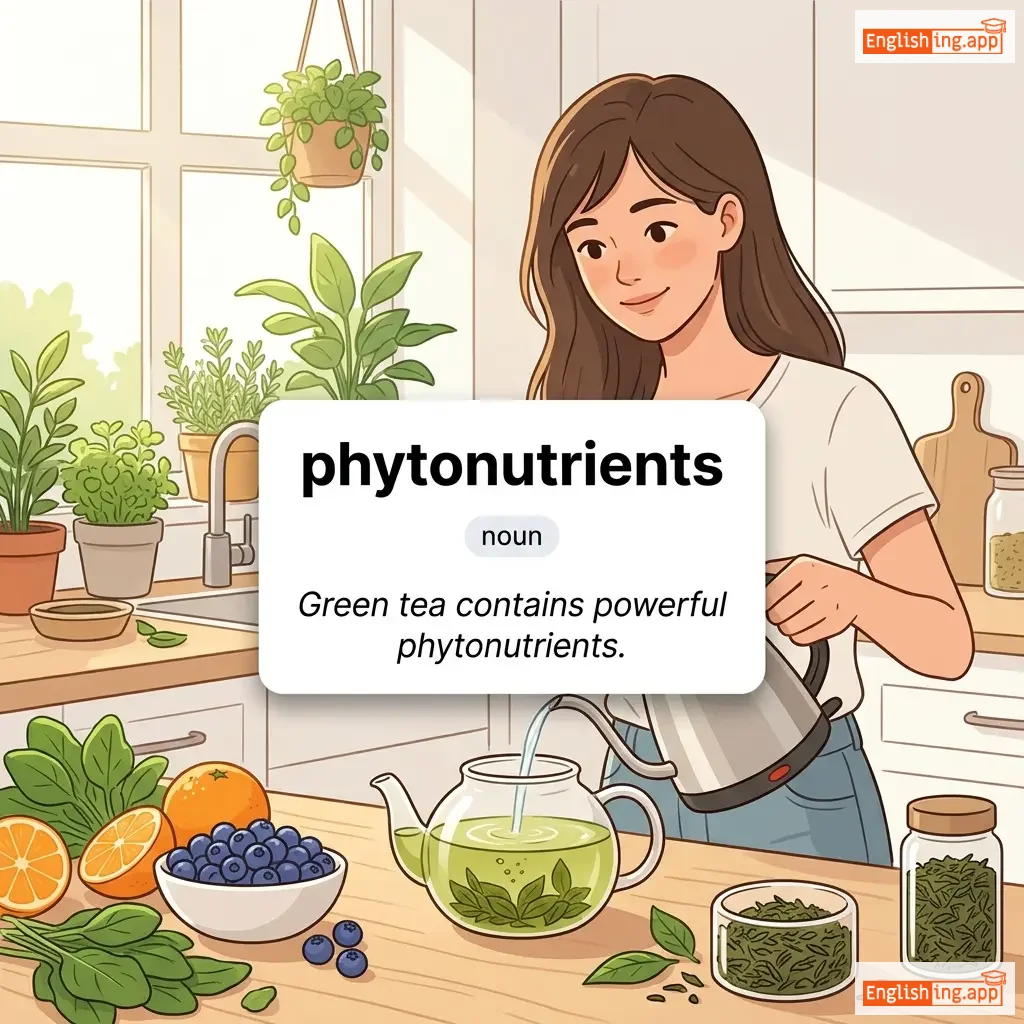
ˈfaɪ.təʊˌnjuː.tri.ənts
noun
(fàitóngyùlièntè)
••••••
|
|
植物营养素
zhíwù yíngyǎngsù
••••••
|
Bioactive compounds found in plants that have health benefits beyond basic nutrition.
••••••
|
Green tea contains powerful phytonutrients. |
绿茶含有强大的植物营养素。
Lǜchá hányǒu qiángdà de zhíwù yíngyǎngsù.
••••••
|
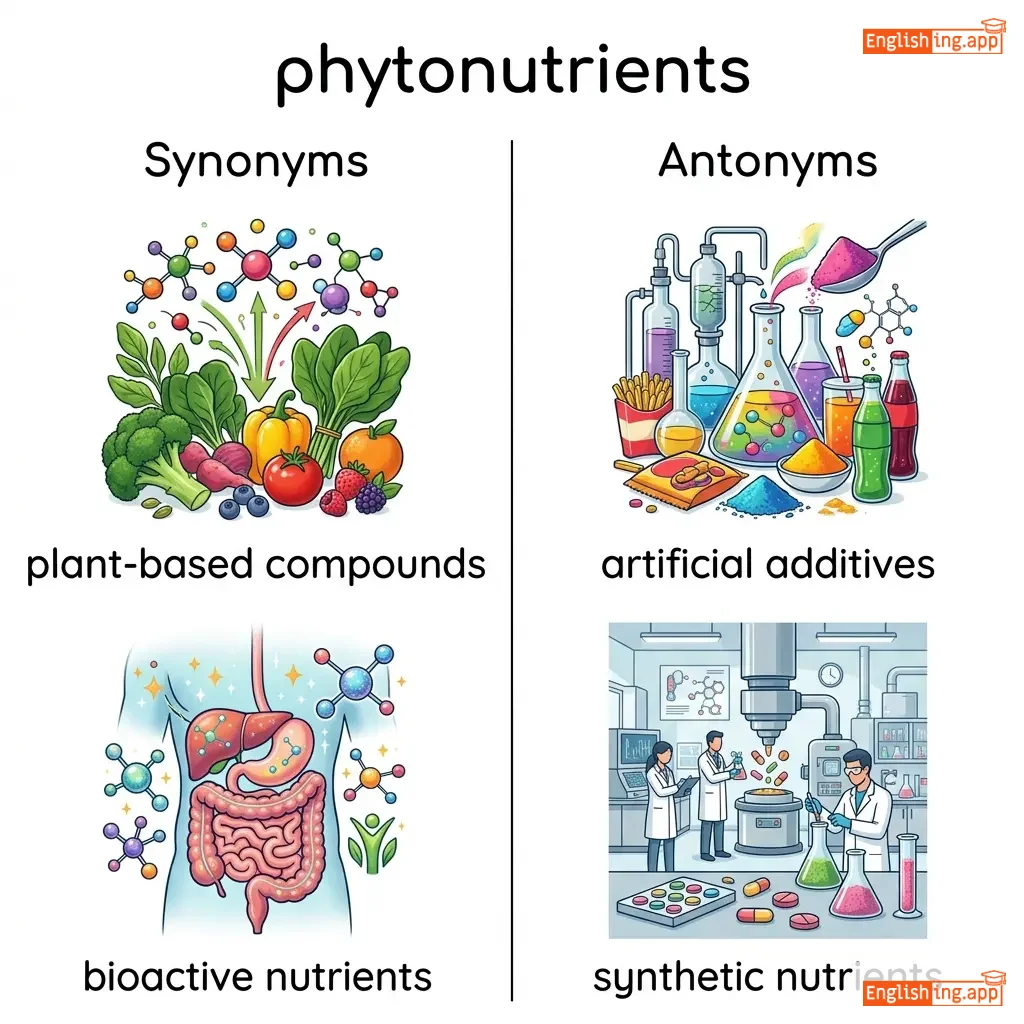
plant-based compounds, bioactive nutrients, natural extracts
••••••
|
artificial additives, synthetic nutrients, chemical enhancers
••••••
|
植物营养素 – 来自植物的健康 (Health from plants)
••••••
|
|
#2639
🛡️
|
ɪˈmjuː.nɪ.ti
noun
(免疫力)
••••••
|
|
免疫力
miǎn yì lì
••••••
|
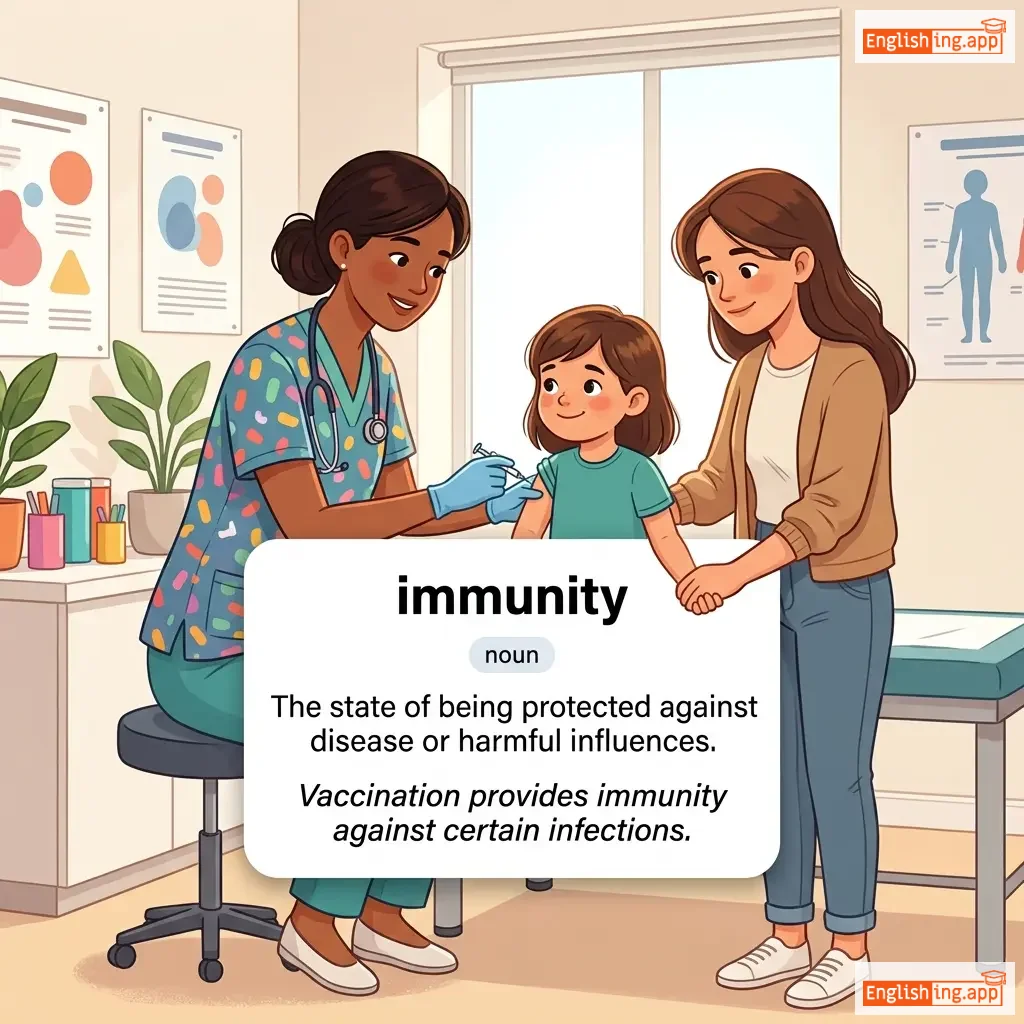
The ability of an organism to resist a particular infection or toxin by the action of specific antibodies or sensitized white blood cells.
••••••
|
A balanced diet improves immunity. |
均衡的饮食提高免疫力。
Jūnhéng de yǐnshí tígāo miǎn yì lì.
••••••
|
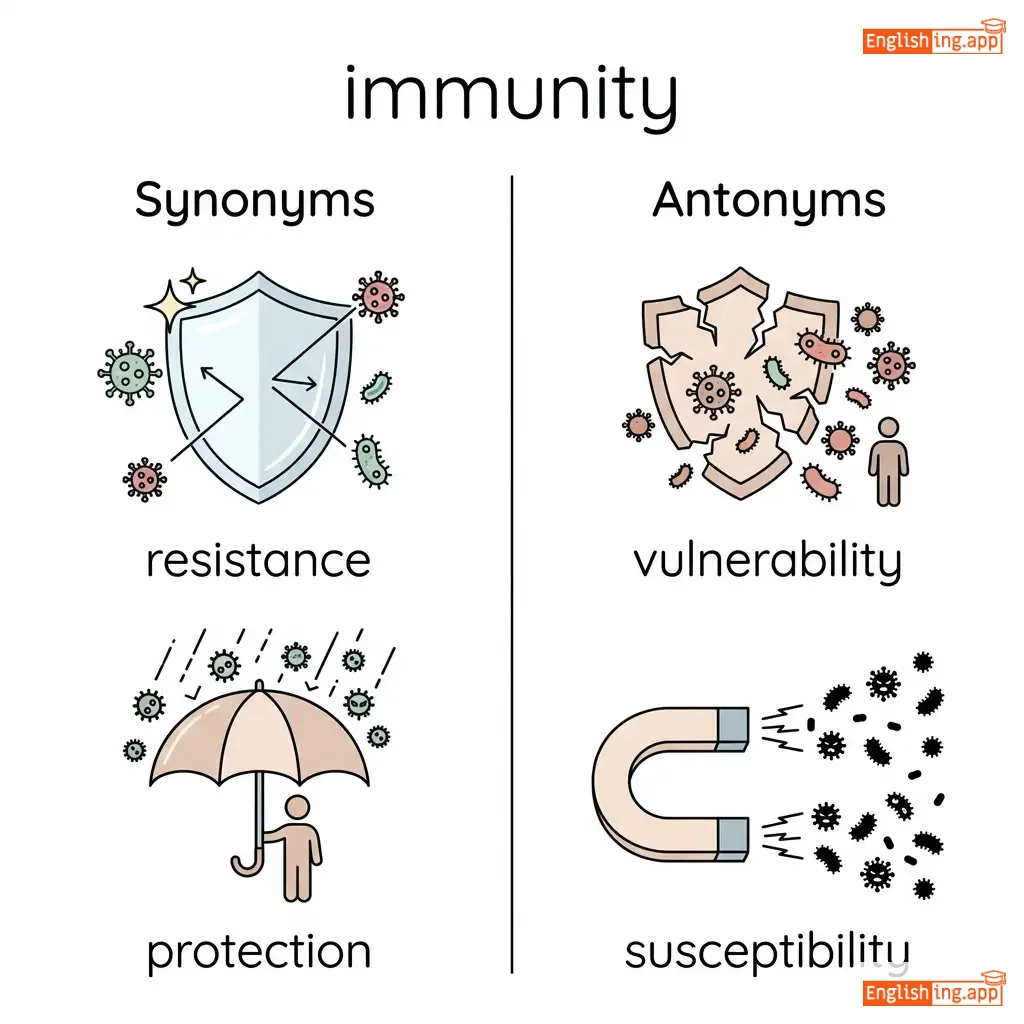
resistance, defensiveness, protection
••••••
|
susceptibility, vulnerability, weakness
••••••
|
免疫力 = 'Miǎn yì lì' = 'Mind your immunity!'
••••••
|
|
#2640
💊
|
ˌbaɪ.oʊ.əˌveɪ.ləˈbɪl.ə.ti
noun
(生物利用度)
••••••
|
|
身体对物质的吸收率
shen ti dui wu zhi de xi shou lv
••••••
|
The degree and rate at which a substance is absorbed or becomes available at the site of physiological activity.
••••••
|
The bioavailability of vitamins varies from food to food. |
维生素的生物利用度因食品而异。
Wei sheng su de sheng wu li yong du yin shi pin er yi.
••••••
|
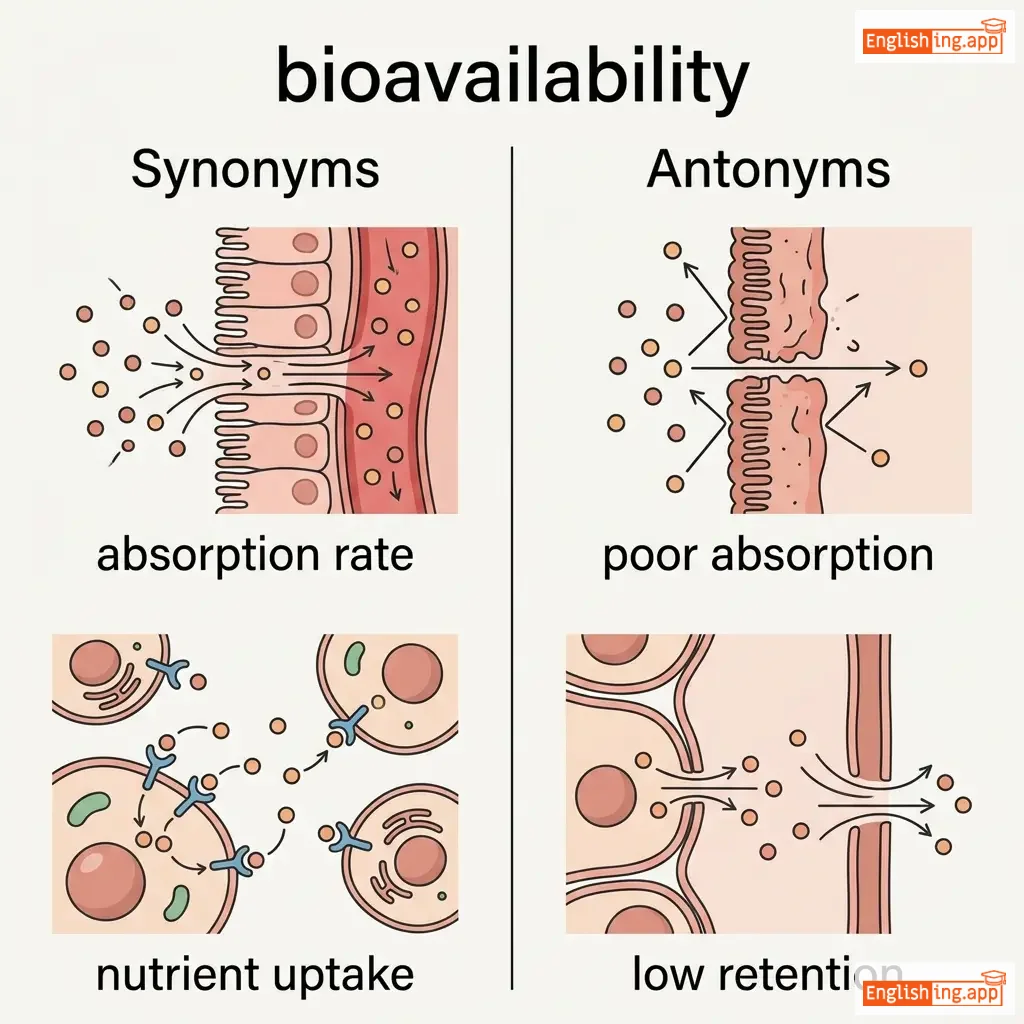
nutrient absorption, assimilation, utilization
••••••
|
poor absorption, malabsorption, inefficiency
••••••
|
Bioavailability = 体内吸收食物中的维生素
••••••
|
|
#2641
⚙️
|
məˈtæb.ə.laɪz
verb
(代谢)
••••••
|
|
处理和利用食物以促进生长
chǔlǐ hé lìyòng shíwù yǐ cùjìn shēngzhǎng
••••••
|
Process and use food for growth and to replace tissue, or process other substances in the body.
••••••
|
The liver helps to metabolize toxins.
肝脏帮助代谢毒素。
••••••
|
肝脏帮助代谢毒素。
Gānzàng bāngzhù dàixiè dú sù.
••••••
|
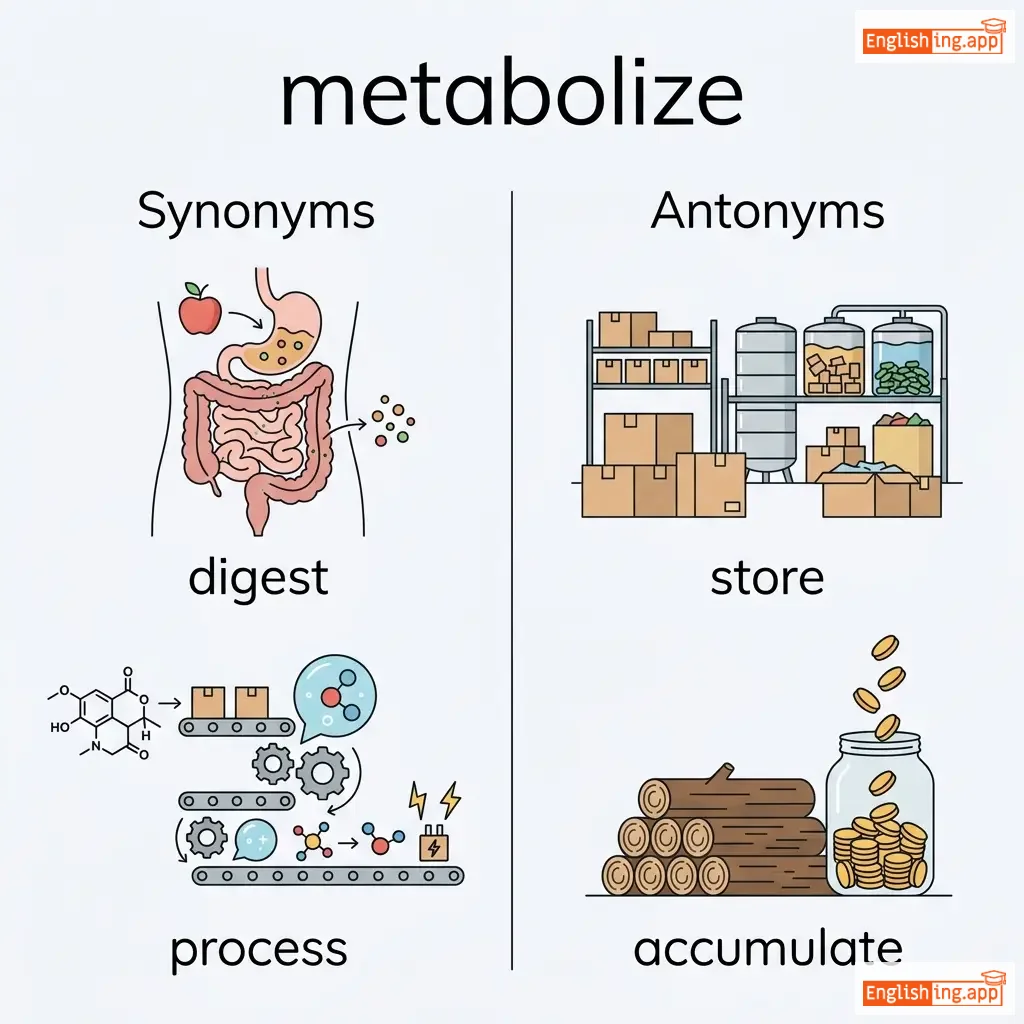
digest, process, convert
••••••
|
store, accumulate, preserve
••••••
|
Metabolize sounds like '处理食物'
••••••
|
|
#2642
🔬
|
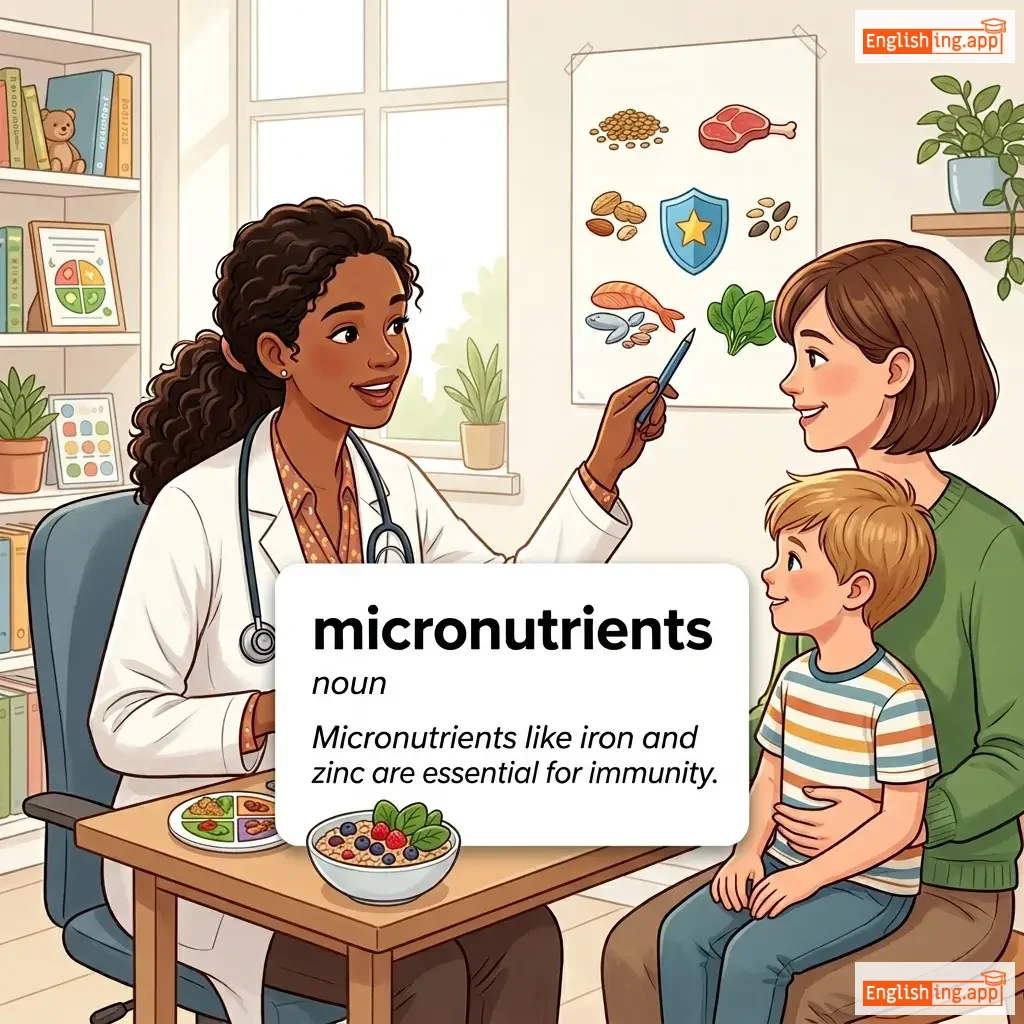
ˈmaɪ.krəʊˌnjuː.tri.ənts
noun
(麦克罗营养素)
••••••
|
|
微量营养素
weiliang yingyangsu
••••••
|
Essential nutrients required by organisms in small quantities throughout life to orchestrate a range of physiological functions.
••••••
|
Micronutrients are essential for cellular function. |
微量营养素对于细胞功能至关重要。
Weiliang yingyangsu duiyu xibaogongneng zhiguanzhongyao.
••••••
|
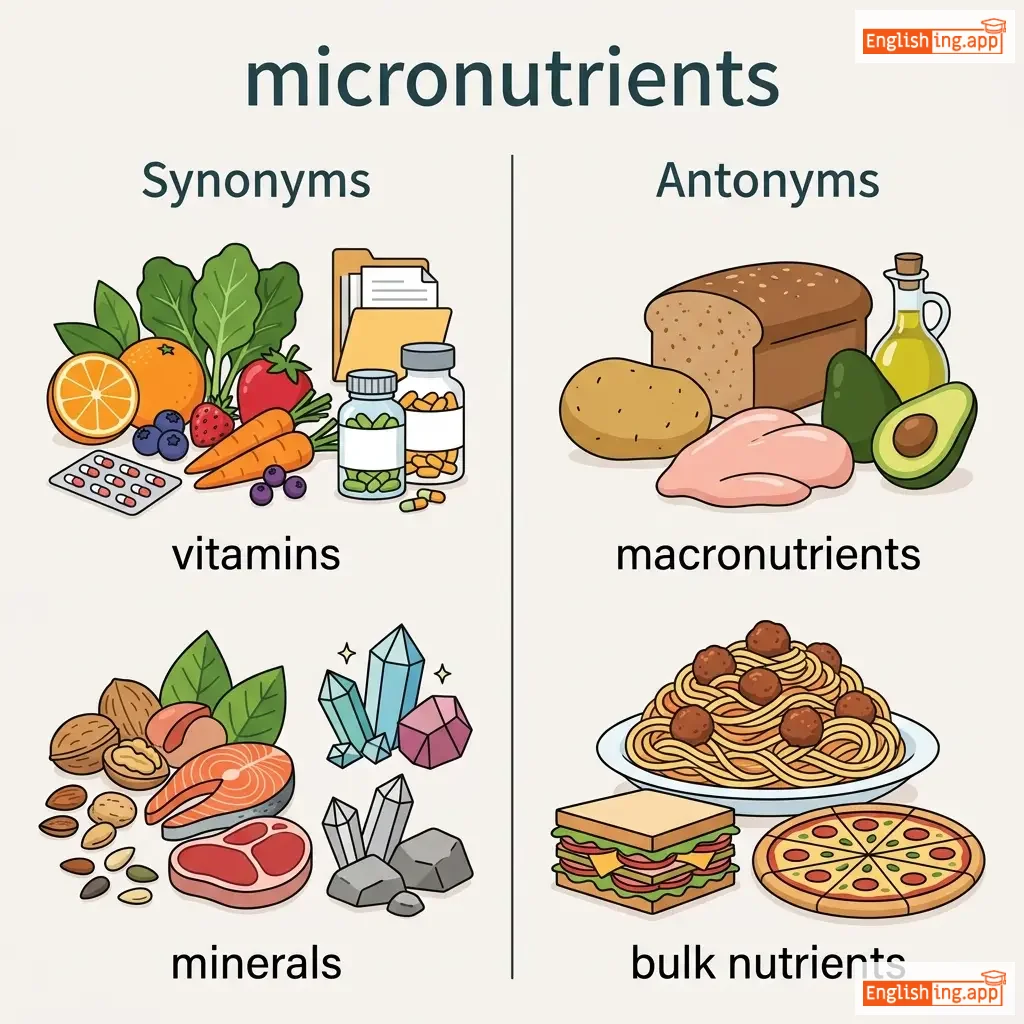
vitamins, minerals, essential nutrients
••••••
|
macronutrients, excessive nutrients, overconsumption
••••••
|
微量营养素 - 微量 (small) + 营养素 (nutrients)
••••••
|
|
#2643
💪
|
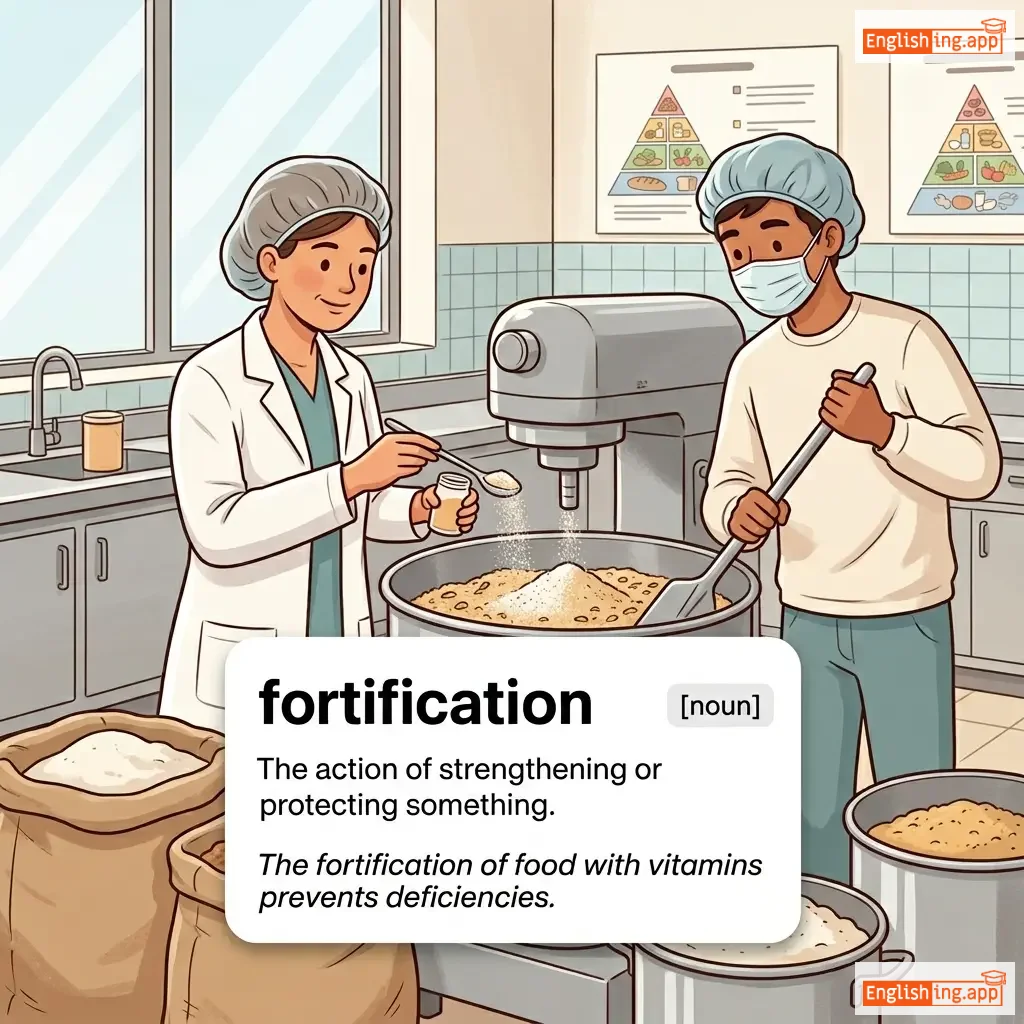
ˌfɔːr.tɪ.fɪˈkeɪ.ʃən
noun
(强化)
••••••
|
|
营养强化
yingyang qianghua
••••••
|
The action of adding vitamins or other nutrients to food, especially as a public health measure.
••••••
|
Milk fortification with Vitamin D is essential. |
用维生素D强化牛奶是必要的。
Yong weishengsu D qianghua niunai shi bixu de.
••••••
|
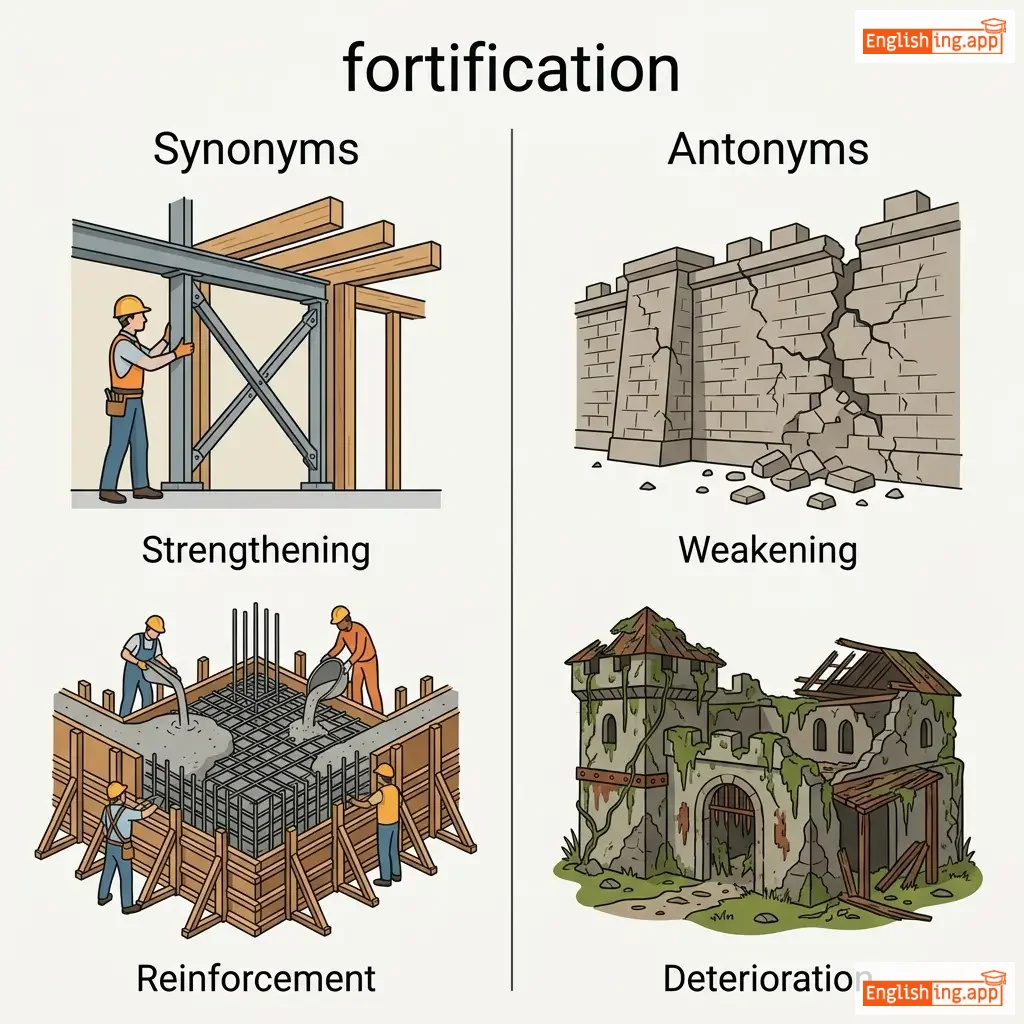
enrichment, strengthening, reinforcement
••••••
|
depletion, deficiency, weakening
••••••
|
强化饮食中的营养,提高健康水平。
••••••
|
|
#2644
🌍
|
səˌsteɪ.nəˈbɪl.ə.ti
noun
(可持续性)
••••••
|
|
可持续性
keshi zhixing
••••••
|
The ability to maintain or support a process continuously over time without depleting natural resources.
••••••
|
Sustainability is crucial for the environment. |
可持续性对环境至关重要。
Keshi zhixing dui huanjing zhiguang zhongyao.
••••••
|
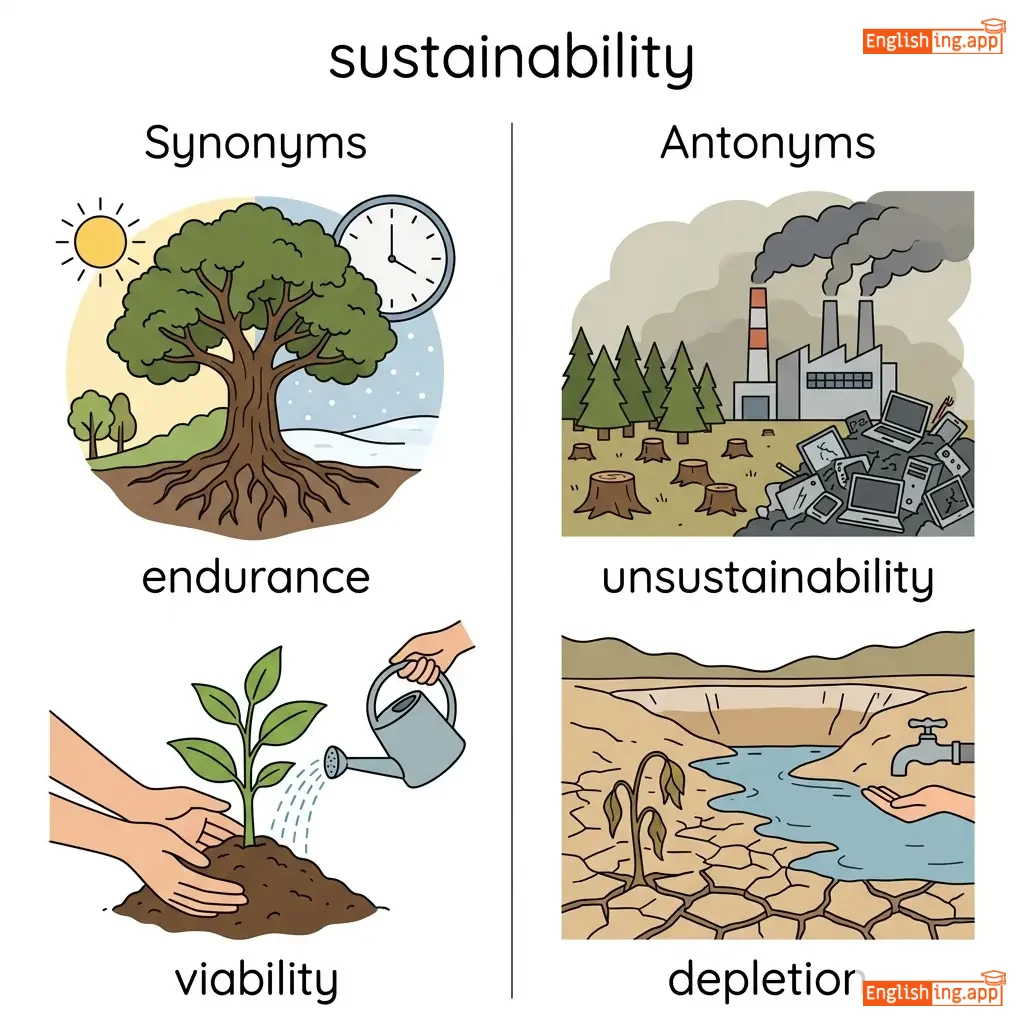
longevity, stability, environmental balance
••••••
|
instability, unsustainable, short-term planning
••••••
|
可持续性类似于不损害未来的可持续资源使用
••••••
|
|
#2645
🔄
|
həʊˈlɪs.tɪk
adjective
(整体)
••••••
|
|
整体的
zhěngtǐ de
••••••
|
Dealing with or treating the whole of something or someone and not just a part.
••••••
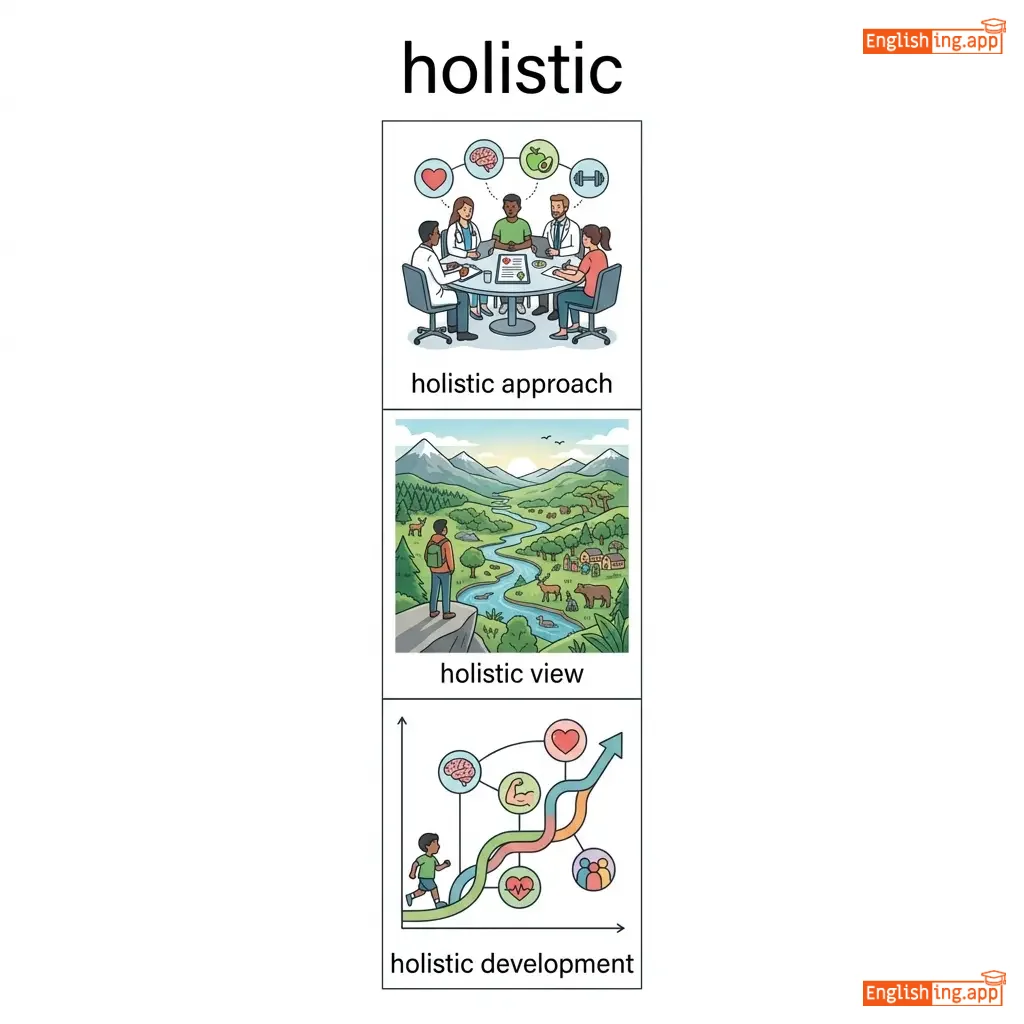
|
A holistic approach improves well-being. |
整体方法改善了福祉。
Zhěngtǐ fāngfǎ gǎishànle fúzhǐ.
••••••
|
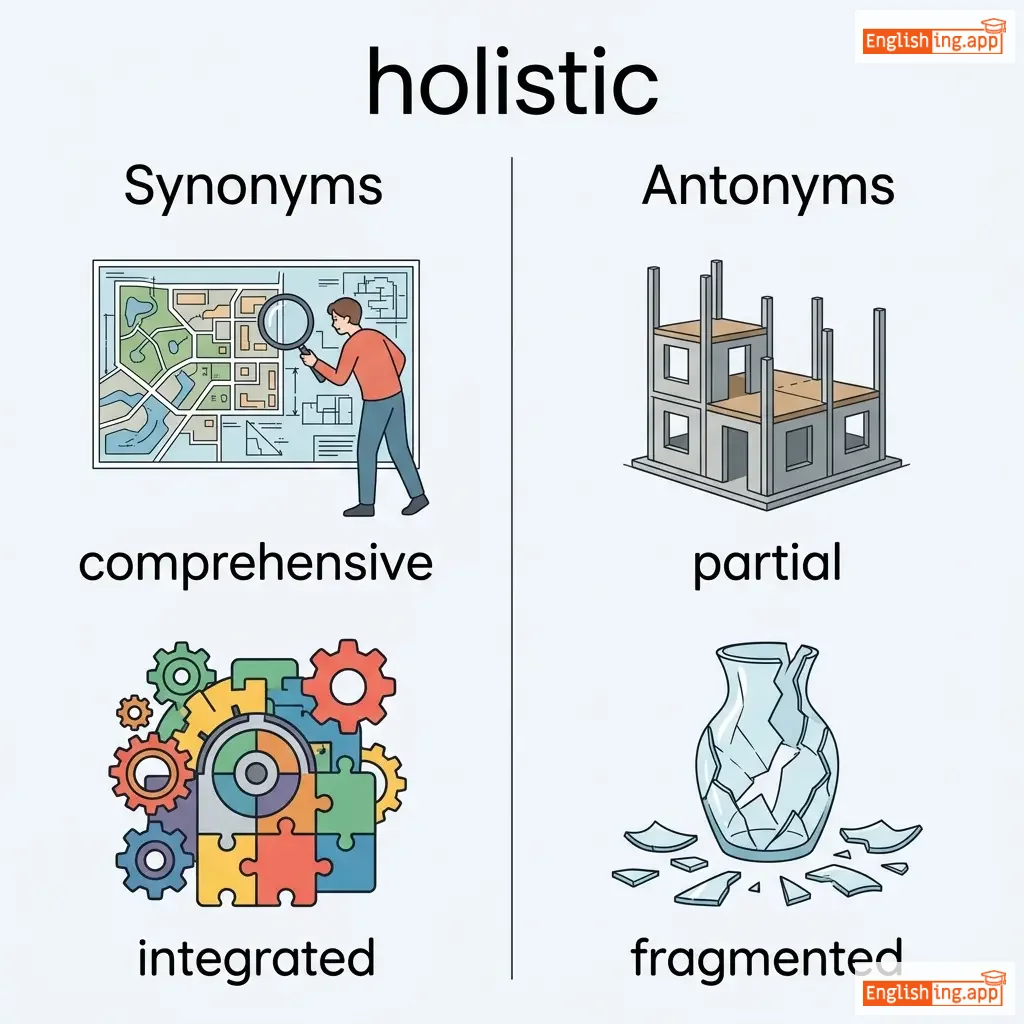
comprehensive, integrated, whole-system approach
••••••
|
fragmented, partial, narrow-minded
••••••
|
In Chinese, '整体' captures the holistic idea of treating the entire system.
••••••
|
Vocabulary Quiz
Test your vocabulary by matching words with their translations or meanings.
Login to take the quiz
Comments (0)
Share your thoughts and join the discussion.
Join the discussion by logging in
Login to CommentNo comments yet
Be the first to share your thoughts!