

决策心理学
The Psychology of Decision-Making
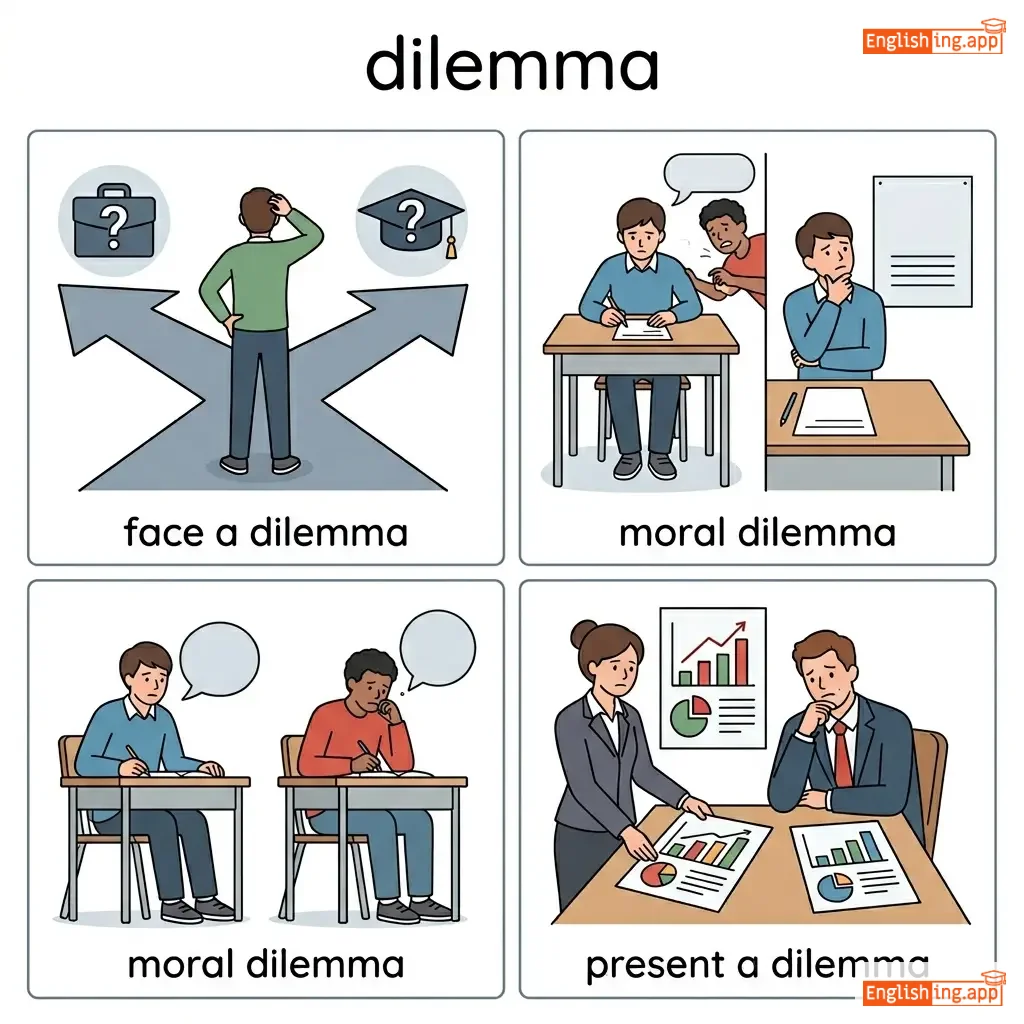
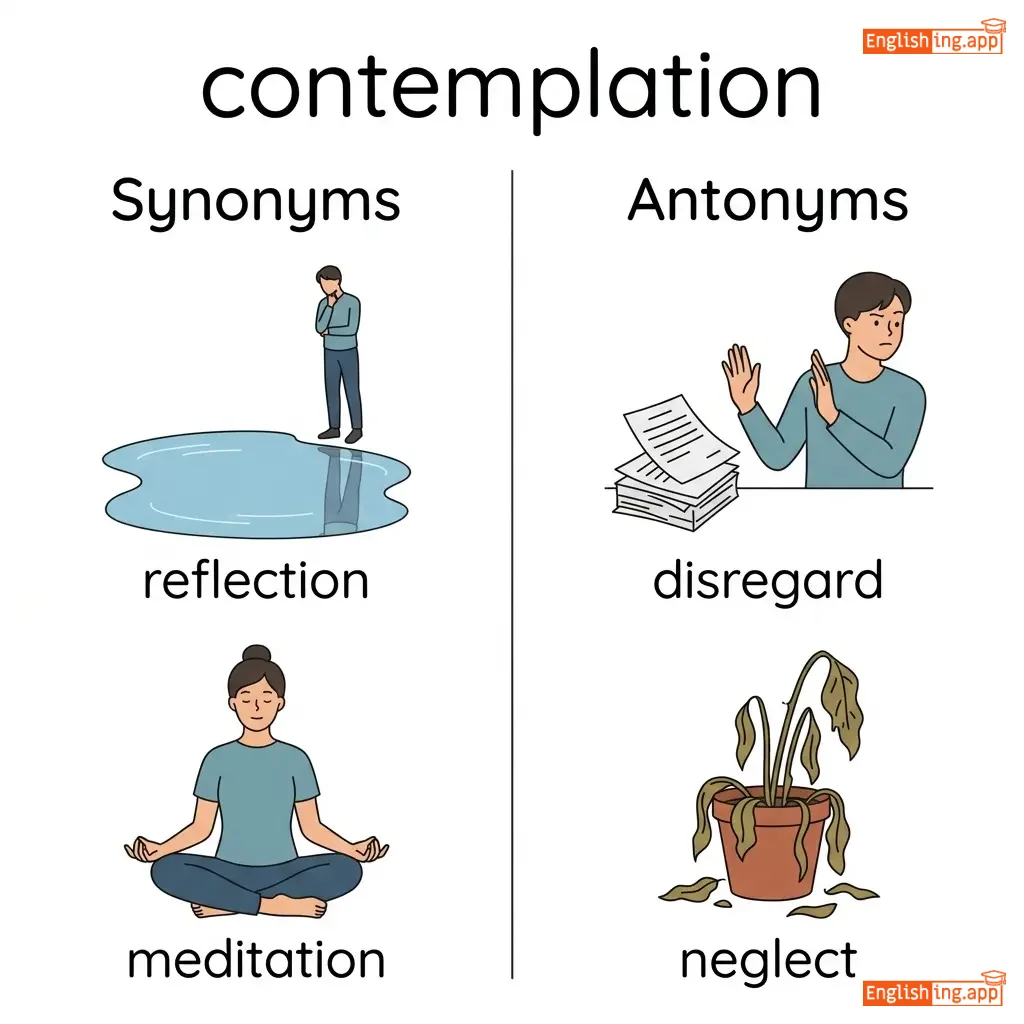
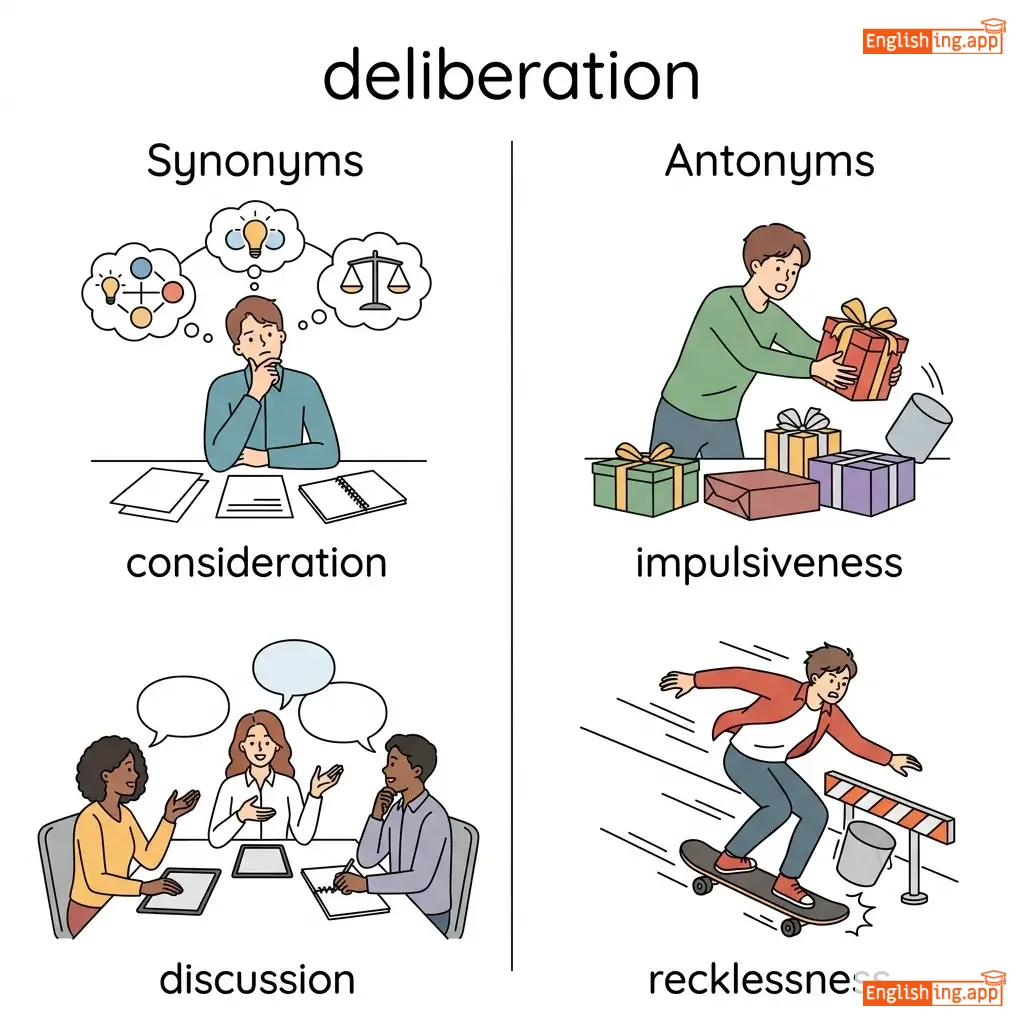
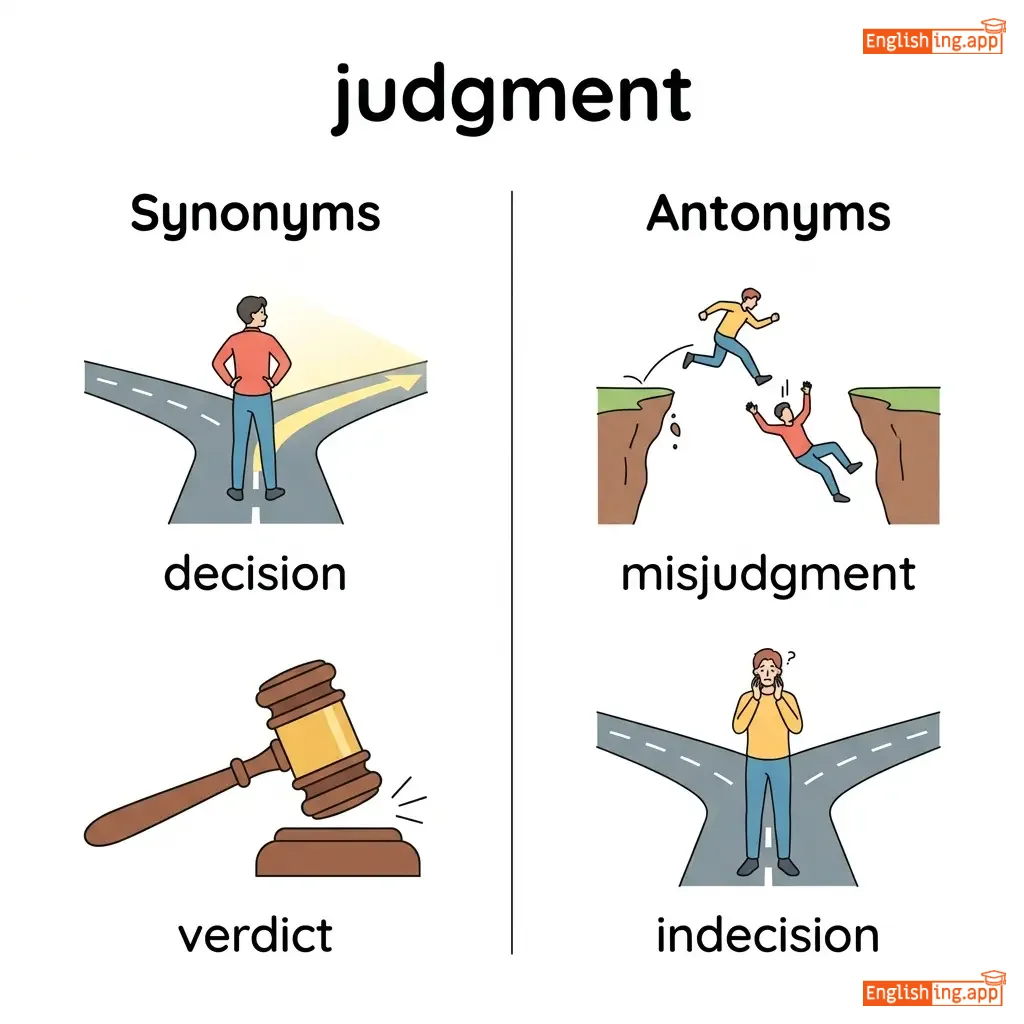
在生活的每一刻,我们都在做决策,但这些决策是如何形成的?Cognition 和 subconscious 思维共同作用,intuition 和 bias 常常影响决策。许多人认为决策是一个完全理性的过程,但实际上,emotionality 和 impulsivity 起着重要作用。经常会产生 dilemmas,这时需要 contemplation 和 deliberation。人类的 judgment 和 assessment 依赖于各种 heuristic 方法。然而,当存在 ambiguity 时,irrationality 往往会影响我们的 evaluation。为了做出正确的决策,我们需要了解我们的 predisposition 并思考 consequences。通过分析 determinant 因素,我们可以做出更好的决策,改善我们生活的质量。








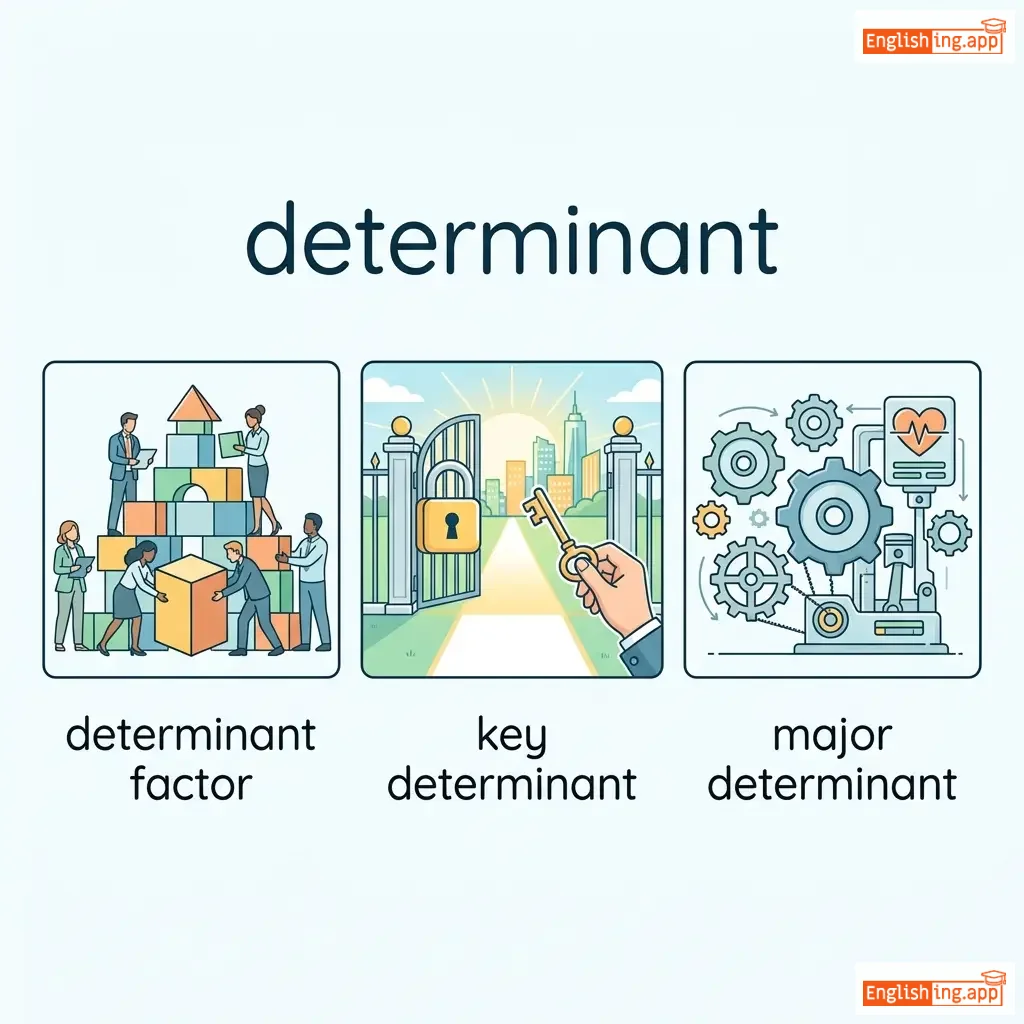
Swipe left or right, or use the buttons. Tap image to zoom.
例句翻译
单词
The Psychology of Decision-MakingThe Psychology of Decision-Making - 遮罩切换
|
表情符号
|
单词 | Images | 翻译 | 含义 | 例句 | 例句翻译 | 同义词 | 反义词 | 助记符 |
|---|---|---|---|---|---|---|---|---|---|
|
#3473
🧠
|
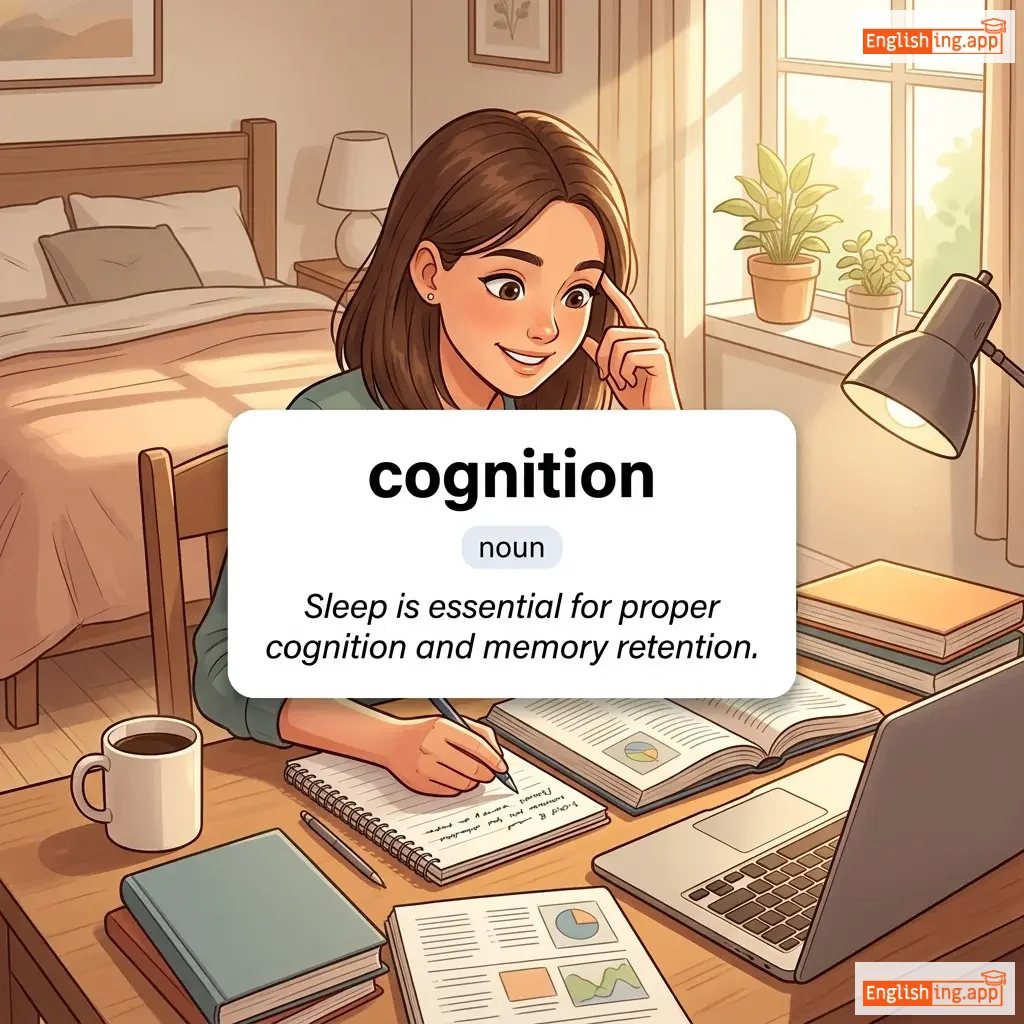
kɒɡˈnɪʃ.ən
noun
(认知)
••••••
|
|
知识,理解,智力过程
zhīshì, lǐjiě, zhìlì guòchéng
••••••
|
The mental process of acquiring knowledge and understanding through thought, experience, and the senses.
••••••
|
Cognition plays a crucial role in learning.
认知在学习中扮演着至关重要的角色。
••••••
|
认知在学习中扮演着至关重要的角色。
Rènzhī zài xuéxí zhōng bànyǎn zhe zhìguān zhòngyào de juésè.
••••••
|
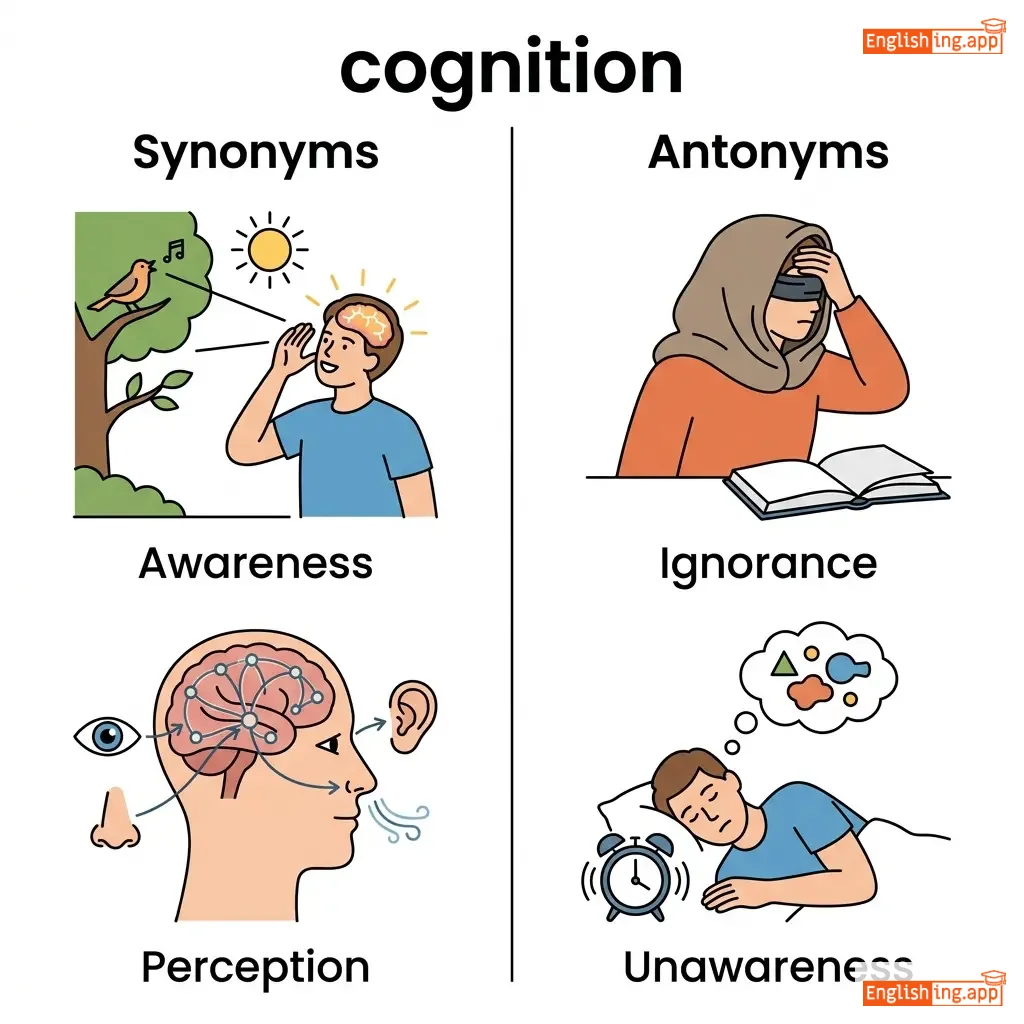
perception, awareness, understanding, knowledge
••••••
|
ignorance, unawareness, unconsciousness
••••••
|
Cognition = Knowledge acquisition process in the brain
••••••
|
|
#3474
🌙
|
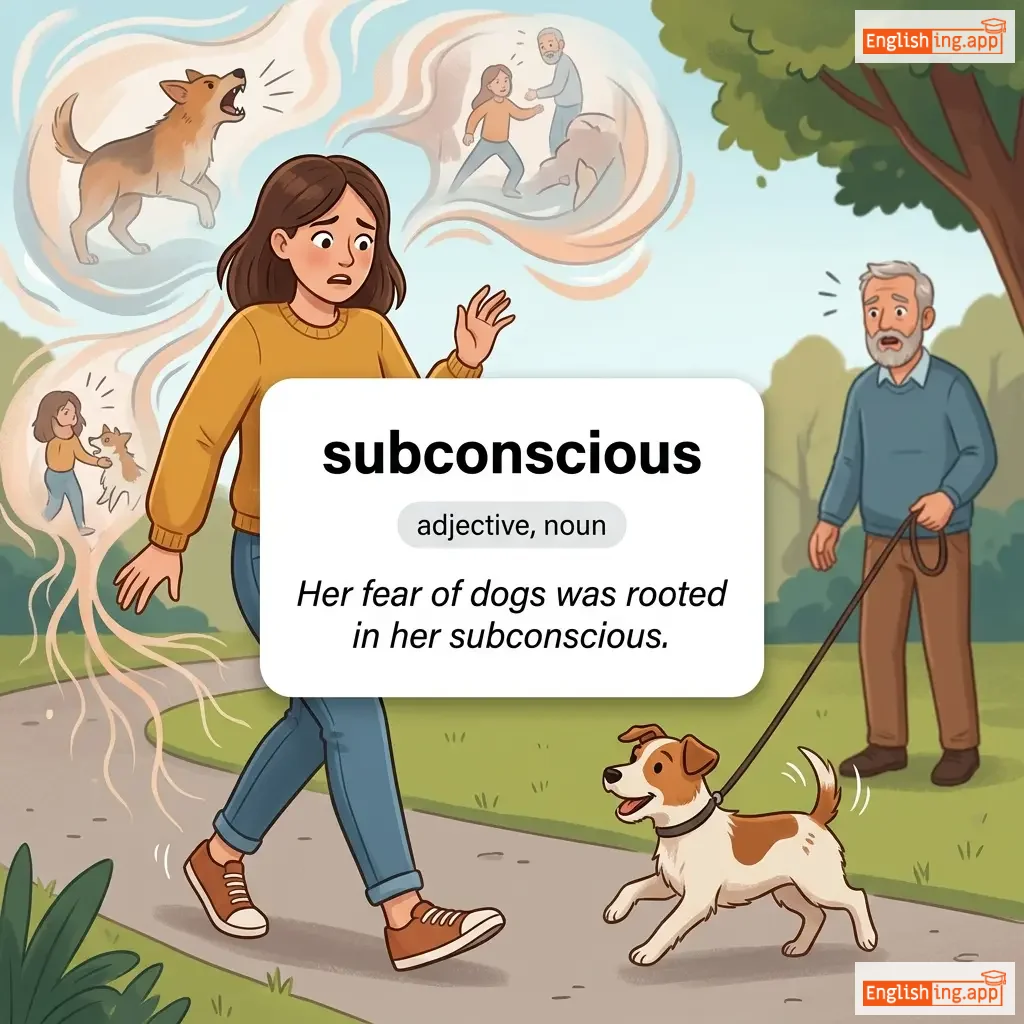
ˌsʌbˈkɒn.ʃəs
adjective
(ˌsʌbˈkɒn.ʃəs)
••••••
|
|
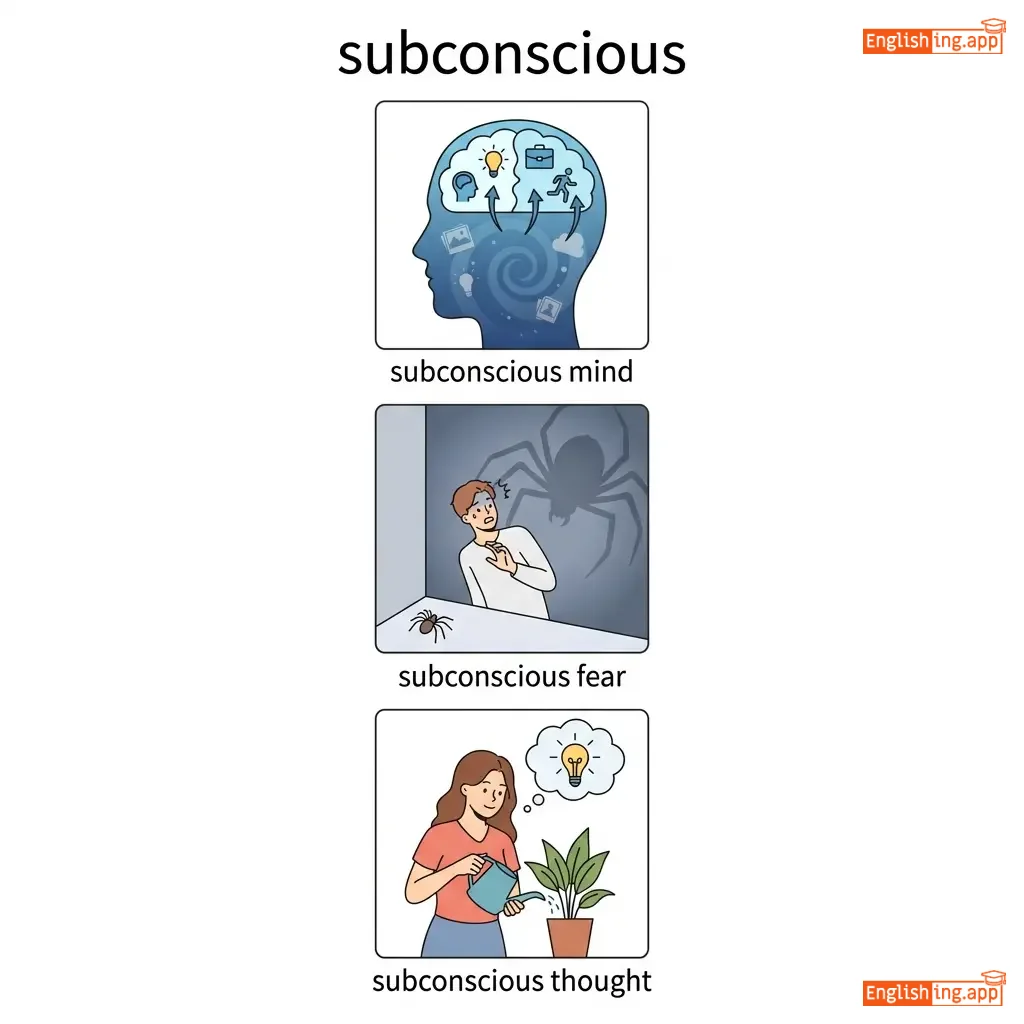
潜意识
qian yi shi
••••••
|
Concerning the part of the mind of which one is not fully aware but which influences one's actions and feelings.
••••••
|
His fears were rooted in his subconscious. |
他的恐惧源自他的潜意识。
Tā de kǒngjù yuánzì tā de qiányìshí.
••••••
|
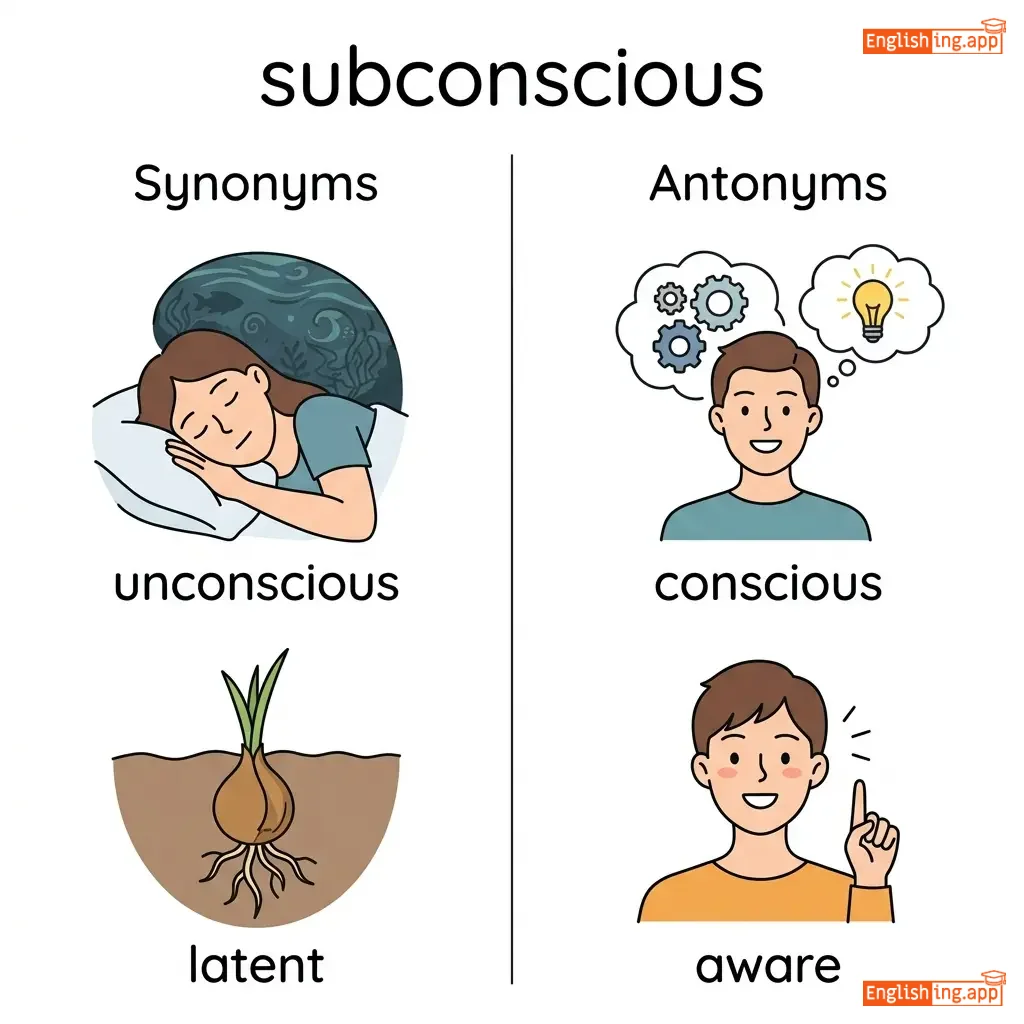
unconscious, latent, subliminal
••••••
|
conscious, aware, deliberate
••••••
|
潜意识 = 潜 (under) + 意识 (consciousness), 就是我们没有意识到的影响我们行为的部分。
••••••
|
|
#3475
💡
|
ˌɪn.tʃuˈɪʃ.ən
noun
(直觉)
••••••
|
|
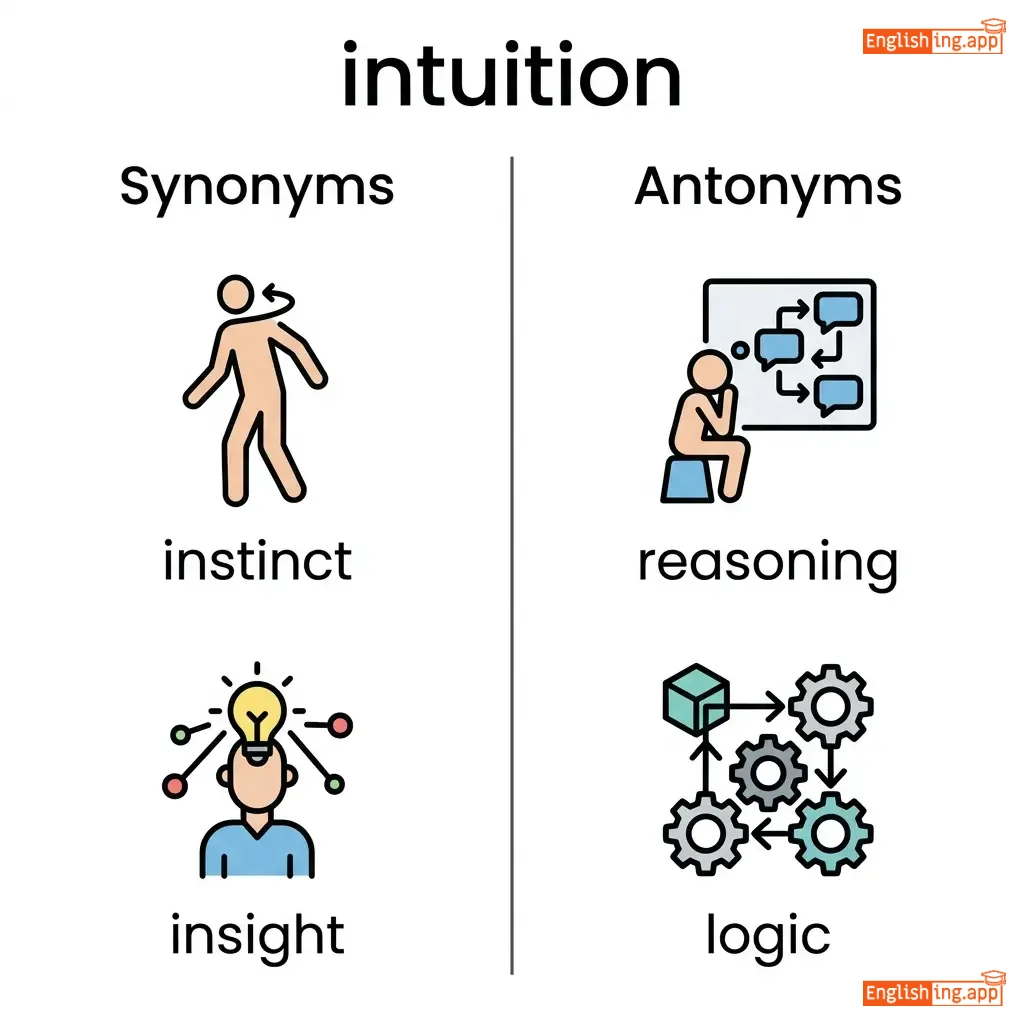
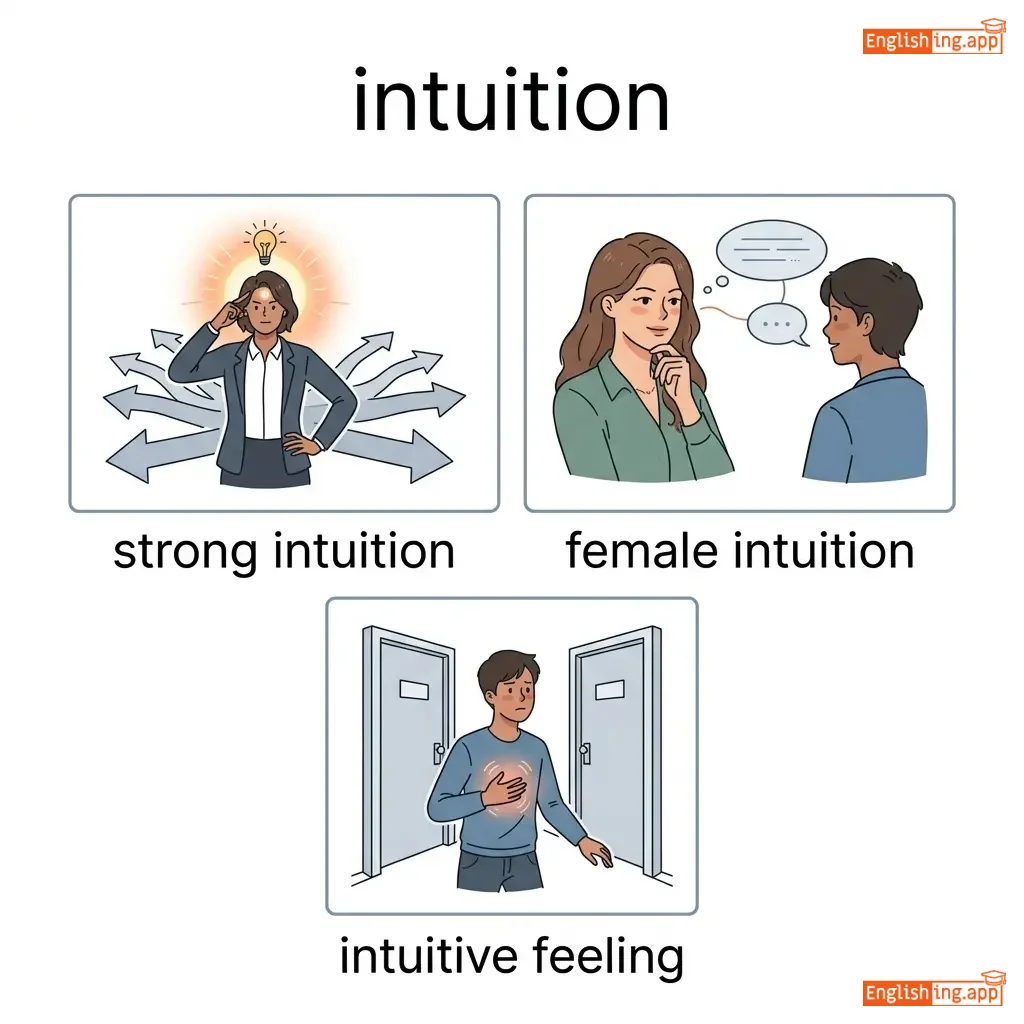
直觉, 直接理解
zhijue, zhijie liaojie
••••••
|
The ability to understand something immediately, without the need for conscious reasoning.
••••••
|
Her intuition helped her make the right choice.
她的直觉帮助她做出了正确的选择。
••••••
|
她的直觉帮助她做出了正确的选择。
Tā de zhíjué bāngzhù tā zuòchūle zhèngquè de xuǎnzé.
••••••
|
instinct, perception, insight, feeling
••••••
|
logic, analysis, reasoning
••••••
|
一种不需要思考就知道的能力
••••••
|
|
#3476
⚖️
|
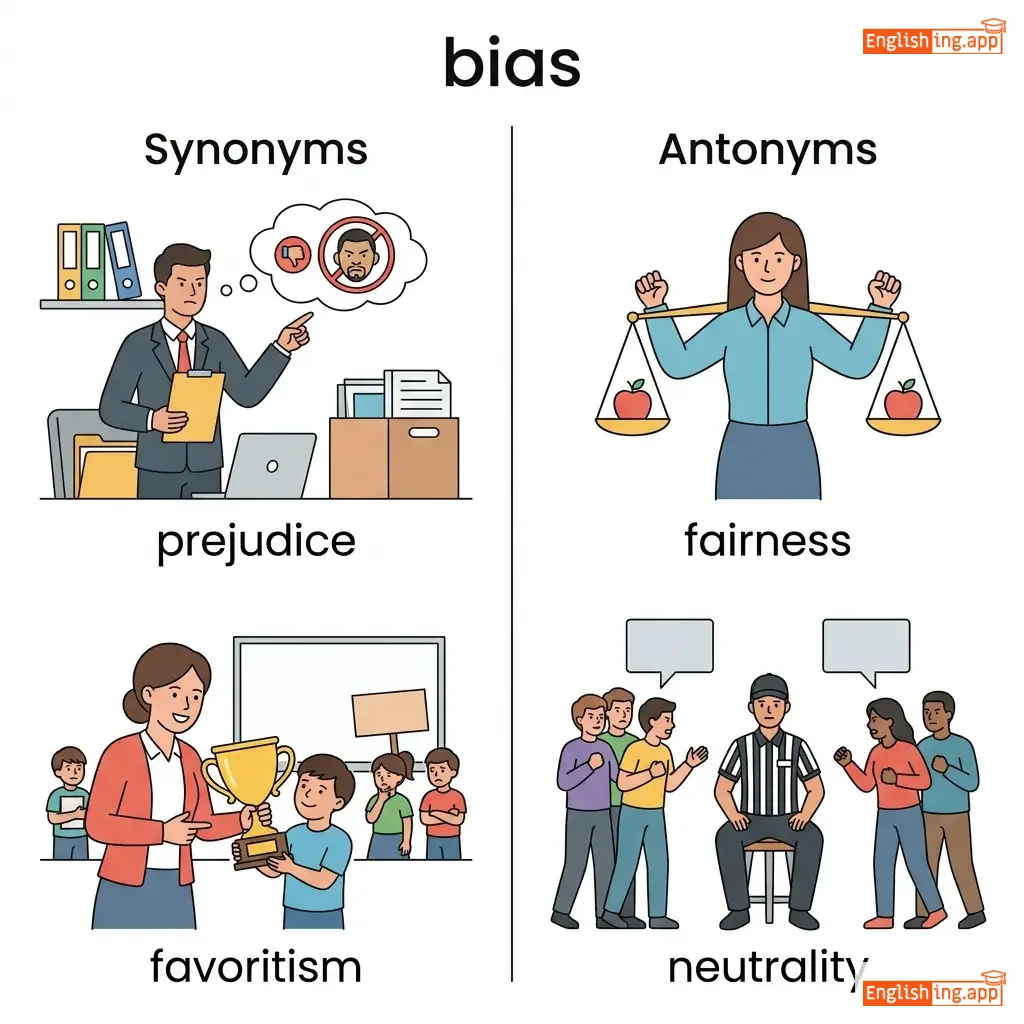
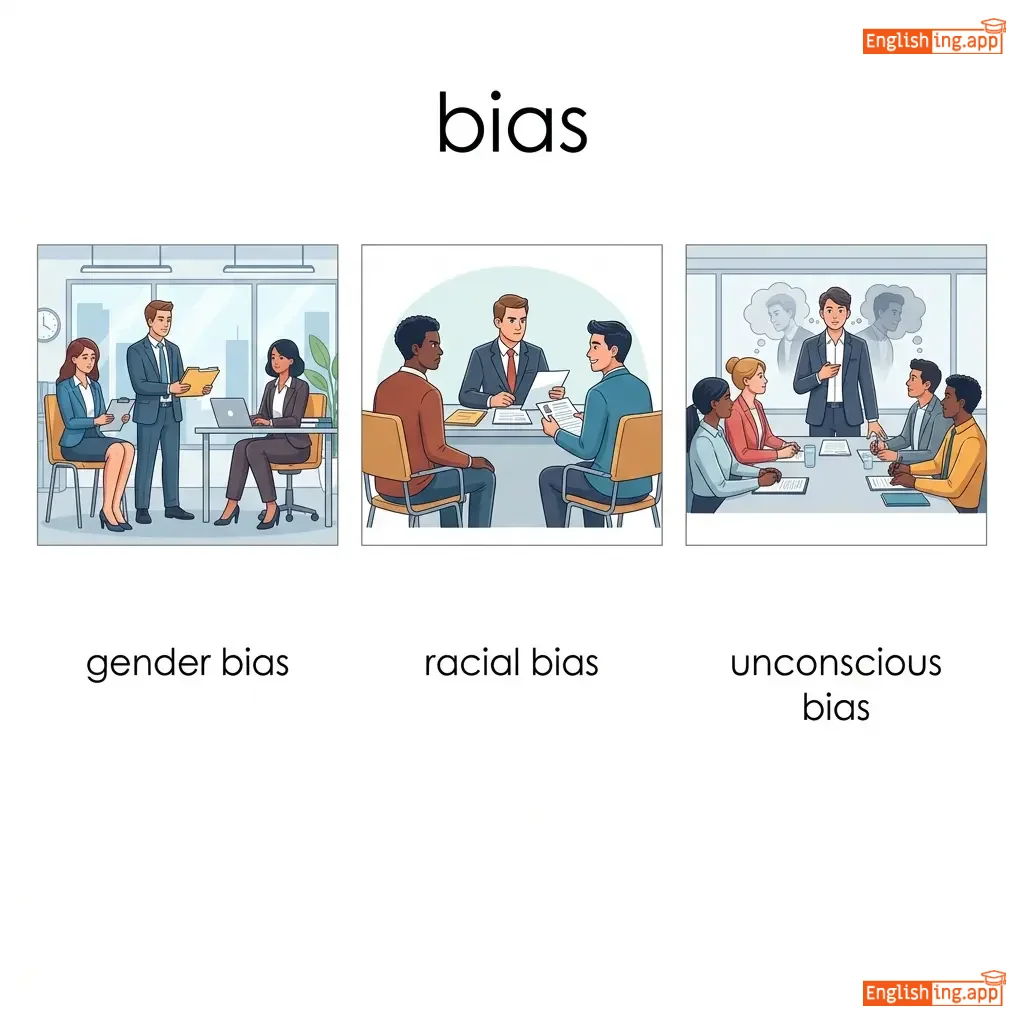
ˈbaɪ.əs
noun
(比亚斯)
••••••
|
|
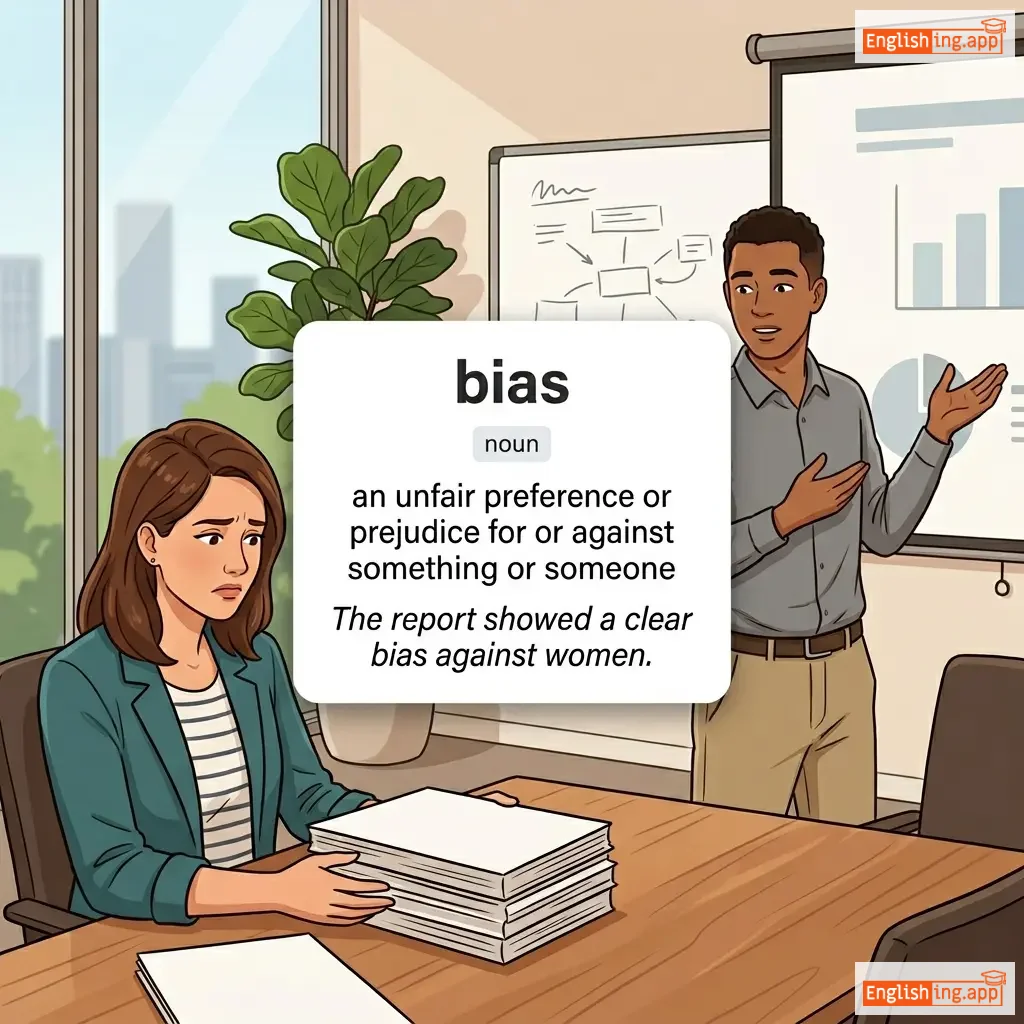
偏见, 偏袒
pianjian, piantan
••••••
|
Prejudice in favor of or against one thing, person, or group compared with another, usually in a way considered to be unfair.
••••••
|
The judge must remain free from bias.
法官必须保持公正。
••••••
|
法官必须保持公正。
Faguang bixu baochi gongzheng.
••••••
|
prejudice, partiality, favoritism
••••••
|
impartiality, neutrality, fairness
••••••
|
Bias – 法官不能偏袒任何一方。
••••••
|
|
#3477
🔍
|
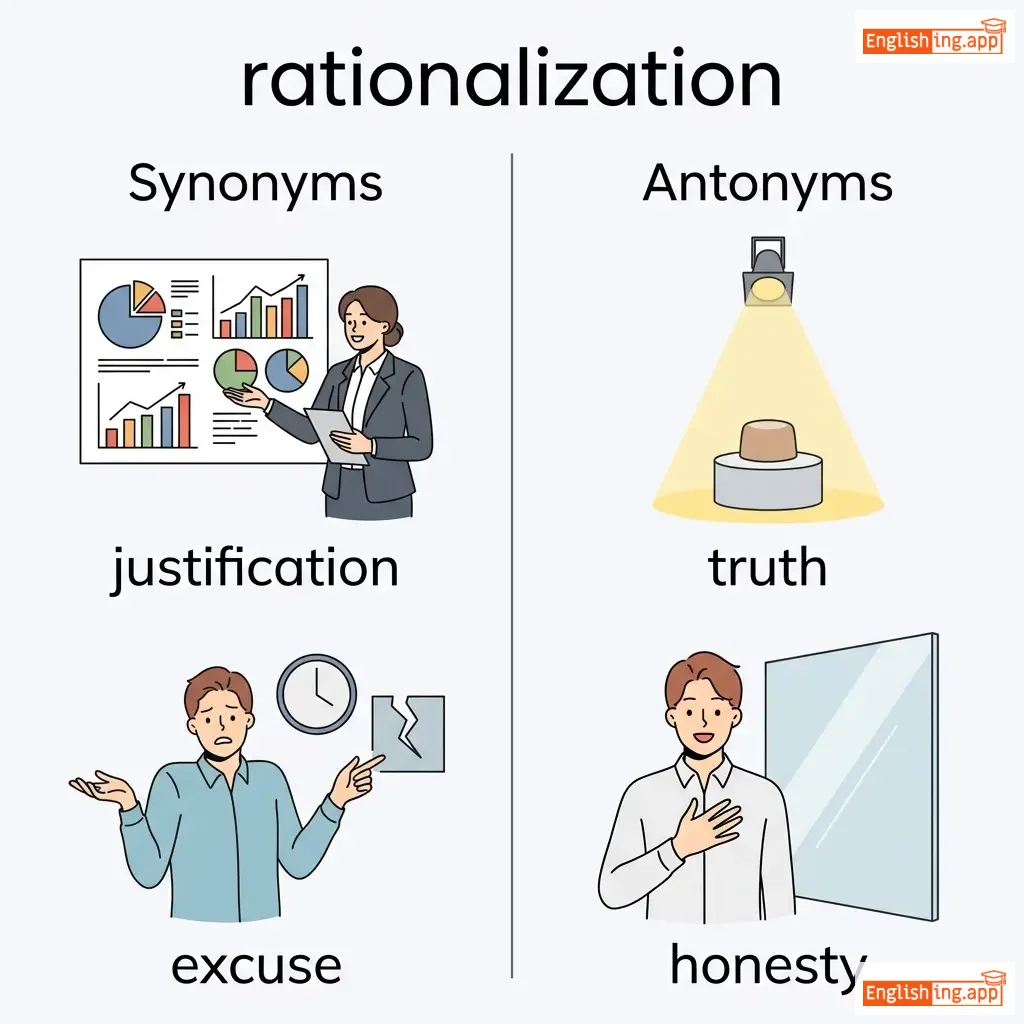
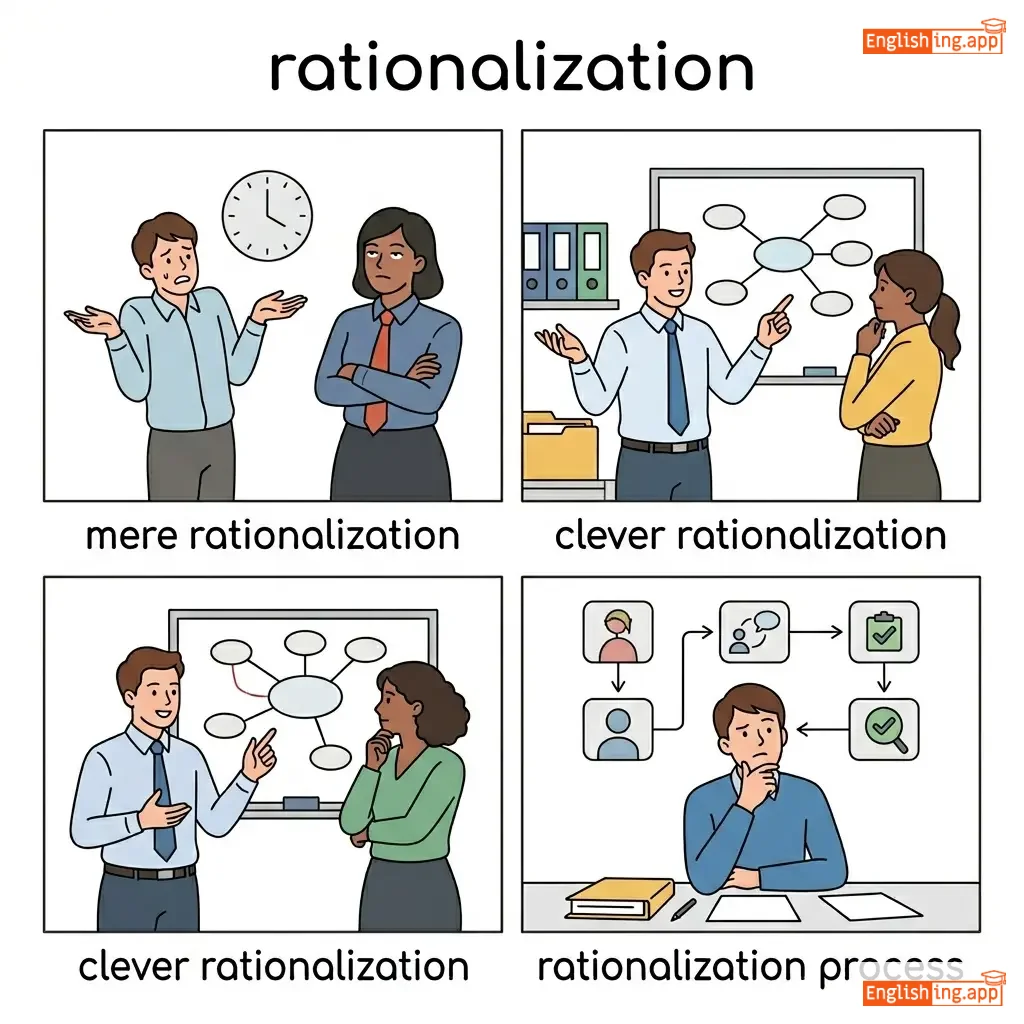
ˌræʃ.ən.əl.aɪˈzeɪ.ʃən
noun
(理性化)
••••••
|
|
合理化
helihua
••••••
|
The process of creating logical explanations for behavior or beliefs that are actually based on other motives.
••••••
|
His rationalization for being late was unconvincing. |
他迟到的合理化解释并不令人信服。
Ta chidao de helihua jieshi bing bu lingren xinfu.
••••••
|
justification, explanation, reasoning
••••••
|
misinterpretation, misjudgment
••••••
|
合理化 = 找理由解释不合理的行为
••••••
|
|
#3478
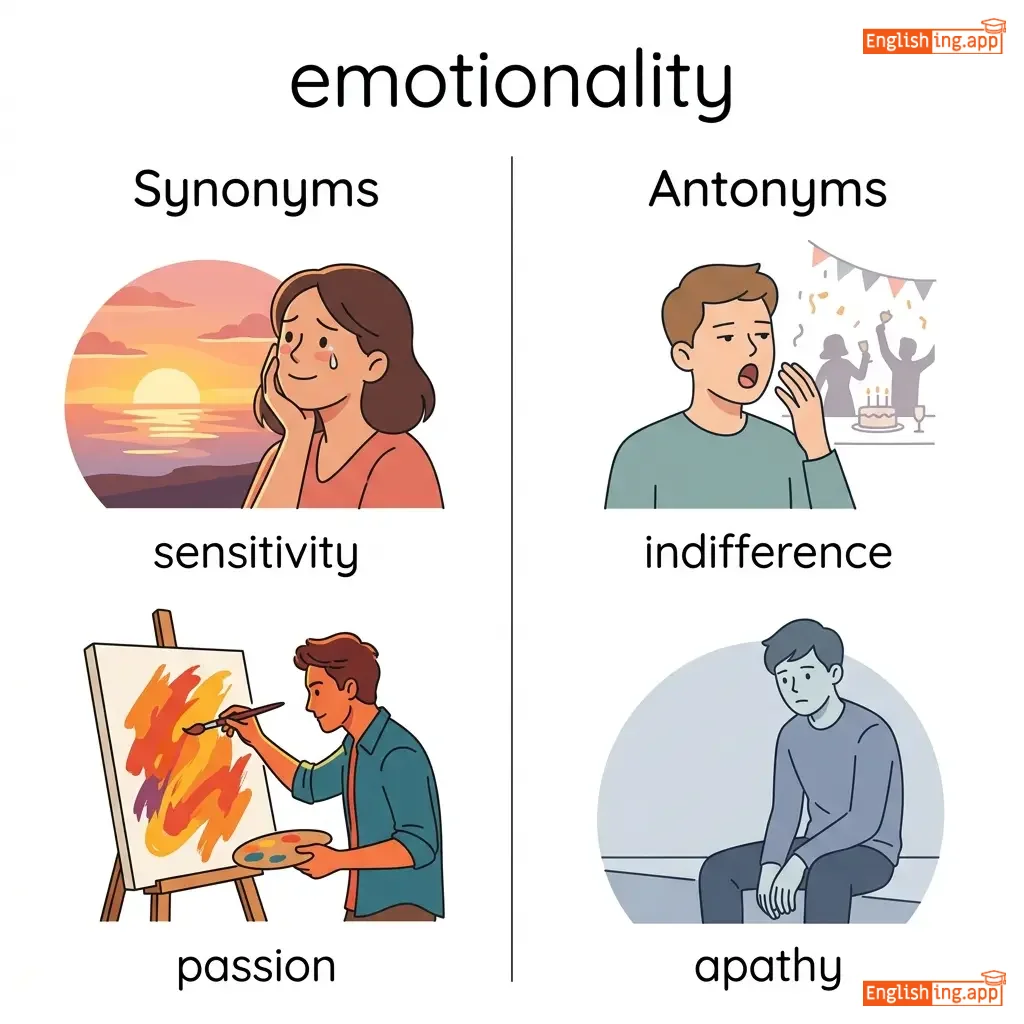
💭
|
ɪˌməʊ.ʃəˈnæl.ɪ.ti
noun
(情感性)
••••••
|
|
情感性
qínggǎn xìng
••••••
|
The quality of being driven by emotions rather than reason; emotional responsiveness.
••••••
|
His emotionality often influenced his decisions.
他的情感性常常影响他的决策。
••••••
|
他的情感性常常影响他的决策。
Tā de qínggǎn xìng chángcháng yǐngxiǎng tā de juécè.
••••••
|
sensitivity, passion, feeling
••••••
|
indifference, apathy, coldness
••••••
|
情感性意味着情感主导决策。
••••••
|
|
#3479
⚡
|
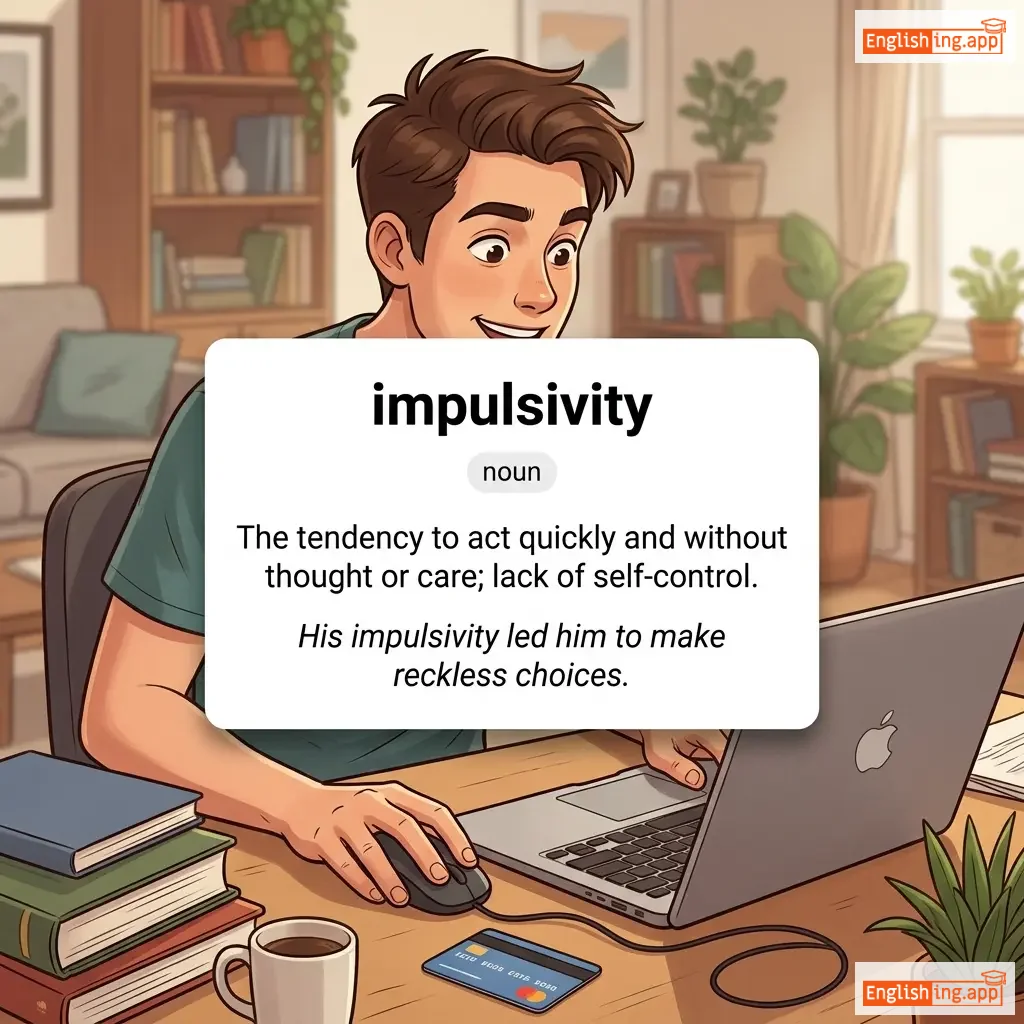
ˌɪm.pʌlˈsɪv.ɪ.ti
noun
(冲动性)
••••••
|
|
冲动性
chōngdòngxìng
••••••
|
The tendency to act quickly and without thought or care; lack of self-control.
••••••
|
His impulsivity led him to make reckless choices.
his 冲动性 led him to make reckless choices.
••••••
|
他的冲动性让他做出了鲁莽的决定。
Tā de chōngdòngxìng ràng tā zuò chūle lǔmáng de juédìng.
••••••
|
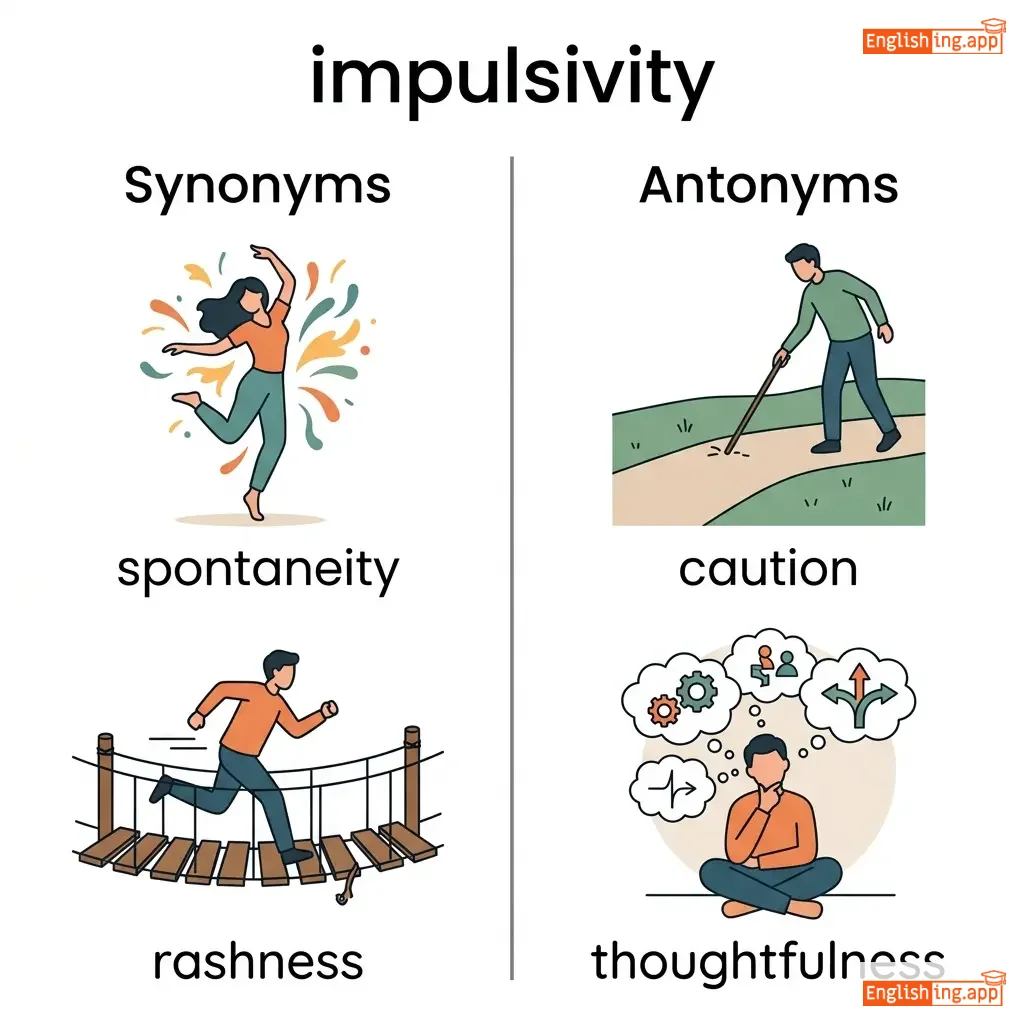
spontaneity, rashness, hastiness
••••••
|
caution, thoughtfulness, deliberation
••••••
|
Impulsivity makes you act without thinking first.
••••••
|
|
#3480
🤔
|
daɪˈlem.ə
noun
(dilemma)
••••••
|
|
困境, 难题
kùnjìng, nán tí
••••••
|
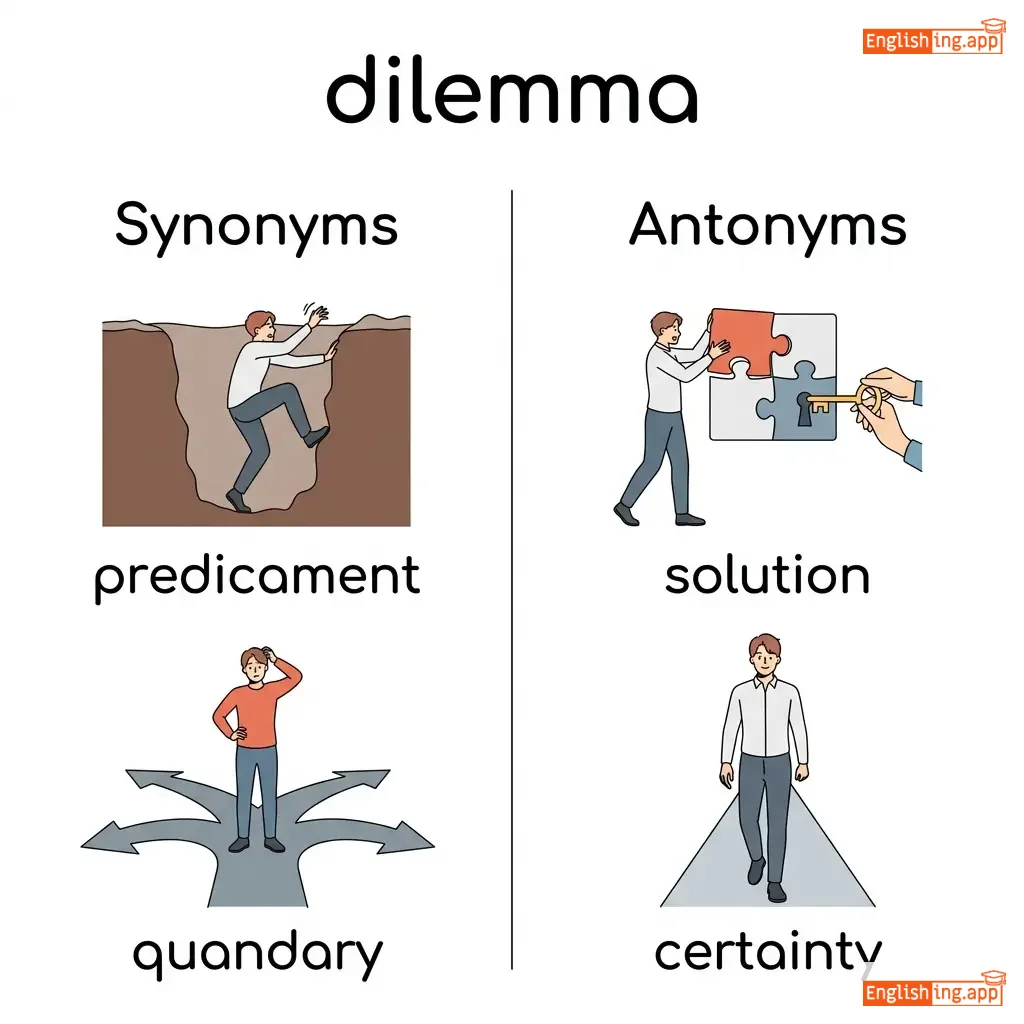
A situation in which a difficult choice has to be made between two or more alternatives.
••••••
|
She faced a moral dilemma at work. |
她在工作中面临道德困境。
Tā zài gōngzuò zhōng miànlín dàodé kùnjìng.
••••••
|
predicament, quandary, problem
••••••
|
solution, certainty, clarity
••••••
|
想想'困境'的拼音就像是'困'加上'问题',所以它表达了做出艰难选择的情况。
••••••
|
|
#3481
🧘
|
ˌkɒn.təmˈpleɪ.ʃən
noun
(kənˈtɛmplɛʃən)
••••••
|
|
沉思, 深思熟虑
chénsī, shēnsī shúlǜ
••••••
|
The action of looking thoughtfully at something for a long time; deep reflective thought.
••••••
|
He spent hours in contemplation about his future. |
他花了几个小时在思考他的未来。
Tā huāle jǐ gè xiǎoshí zài sīkǎo tā de wèilái.
••••••
|
reflection, meditation, thought
••••••
|
disregard, neglect, inattention
••••••
|
沉思,像深夜思考未来的那样。
••••••
|
|
#3482
⚖️
|
dɪˌlɪb.əˈreɪ.ʃən
noun
(深思熟虑)
••••••
|
|
深思熟虑
shensi shulv
••••••
|
Long and careful consideration or discussion of a matter.
••••••
|
The committee engaged in thorough deliberation.
委员会参与了深入的讨论。
••••••
|
委员会参与了深入的讨论。
Wei yuan hui can yu le shen ru de tao lun.
••••••
|
consideration, discussion, consultation
••••••
|
impulsiveness, recklessness, haste
••••••
|
Chinese speakers can link '深思熟虑' (deep thought and careful consideration) to deliberation.
••••••
|
|
#3483
⚖️
|
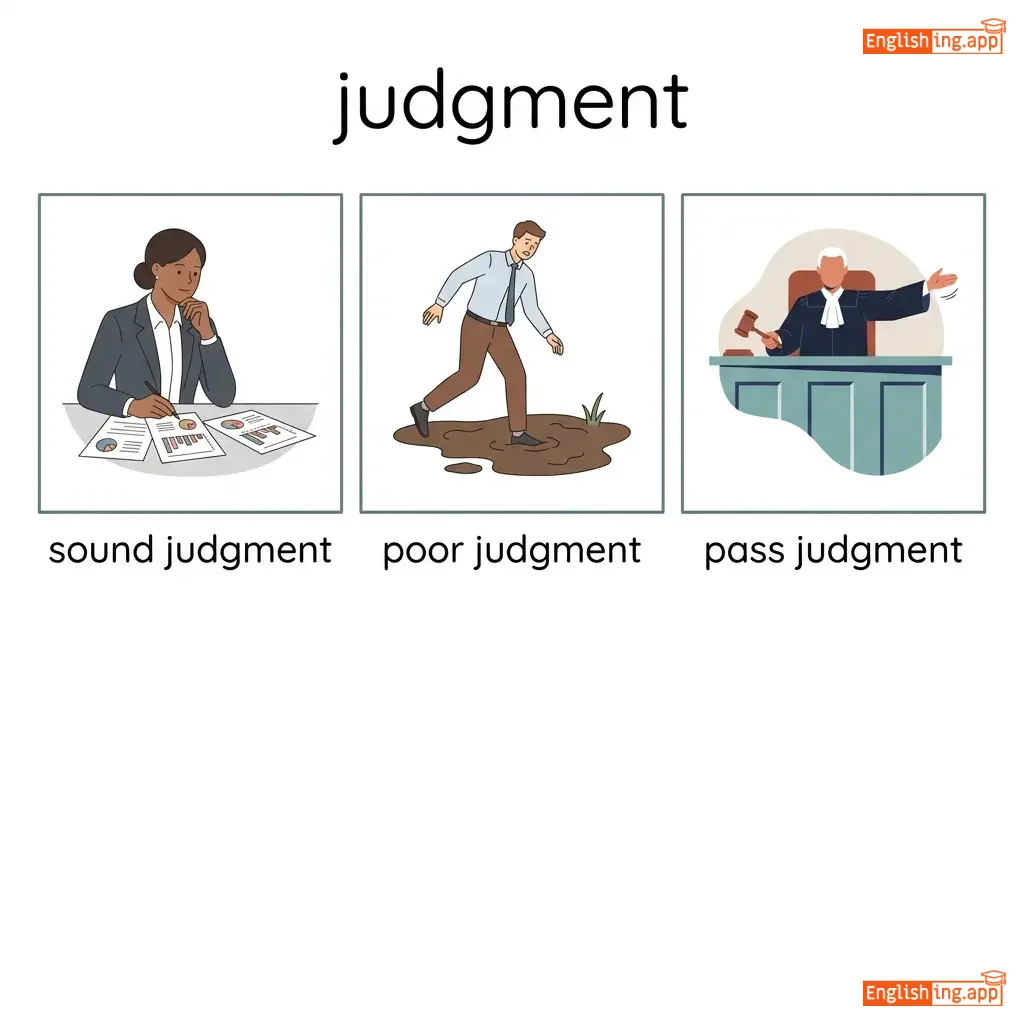
ˈdʒʌdʒ.mənt
noun
(判决)
••••••
|
|
判决,判断,裁决
pànjué, pánduàn, cáijué
••••••
|
The ability to make considered decisions or come to sensible conclusions.
••••••
|
The judge's judgment was fair and just. |
法官的判决公正而公正。
Fǎguān de pànjué gōngzhèng ér gōngzhèng.
••••••
|
decision, verdict, ruling
••••••
|
indecision, misjudgment, bias
••••••
|
判决时法官做出公正的判断。
••••••
|
|
#3484
📊
|
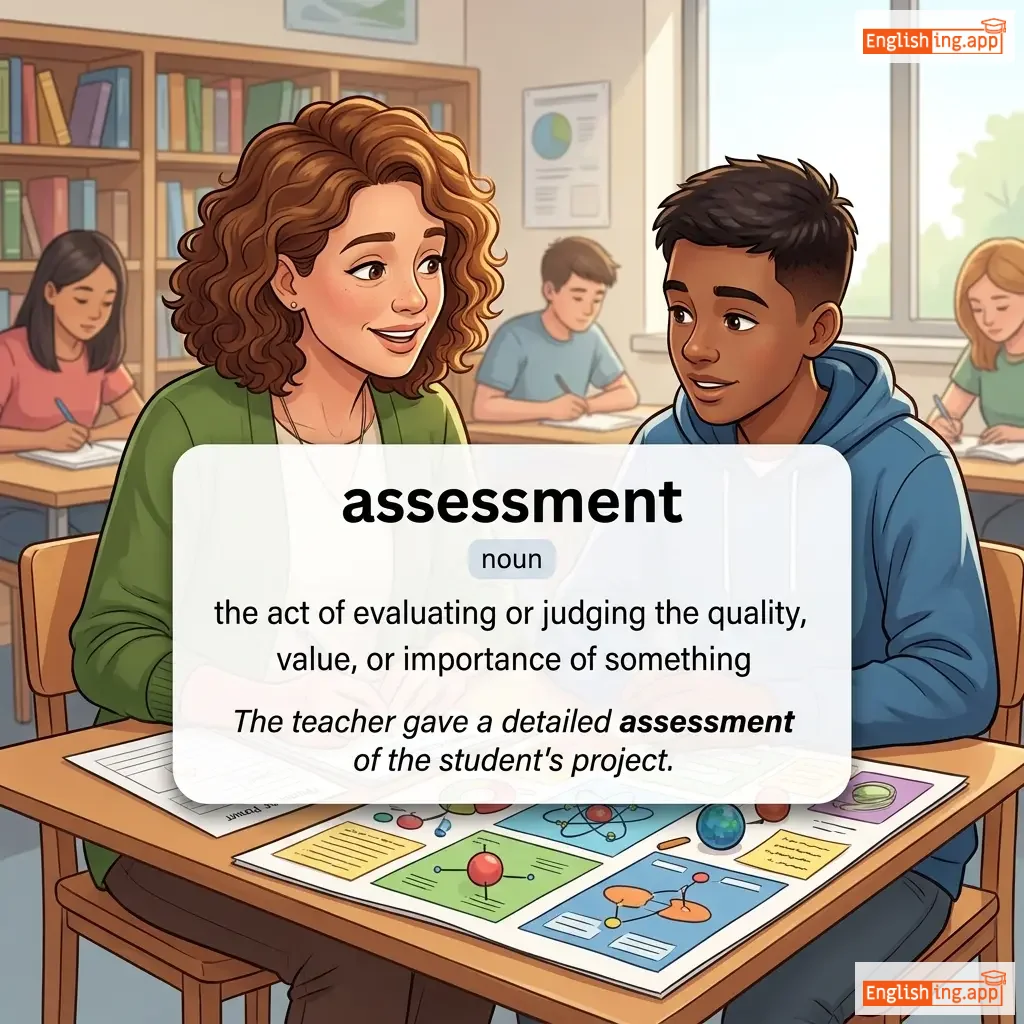
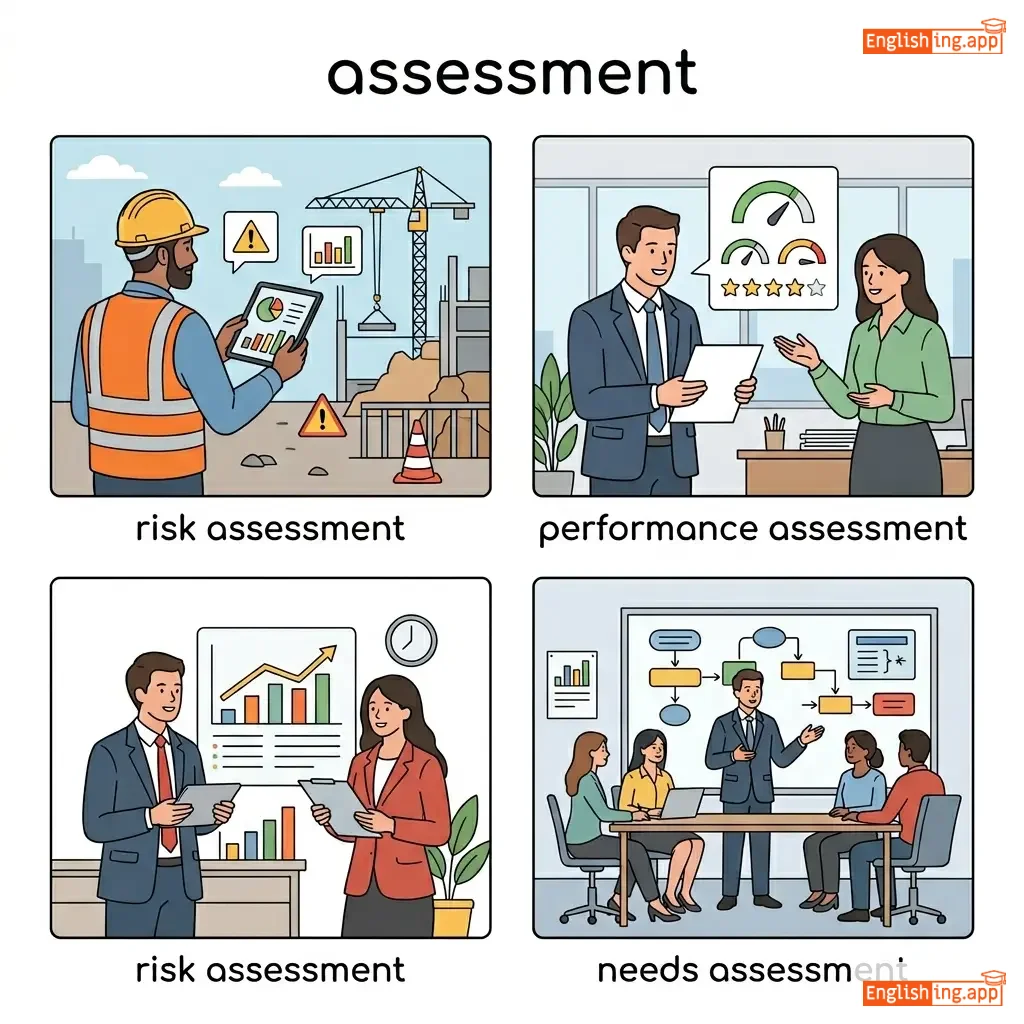
əˈses.mənt
noun
(èssēmènt)
••••••
|
|
评估, 估计, 鉴定
pinggu, guji, jianding
••••••
|
The evaluation or estimation of the nature, quality, or ability of someone or something.
••••••
|
His assessment of the situation was accurate. |
他对情况的评估是准确的。
Ta dui qingkuang de pinggu shi zhunque de.
••••••
|
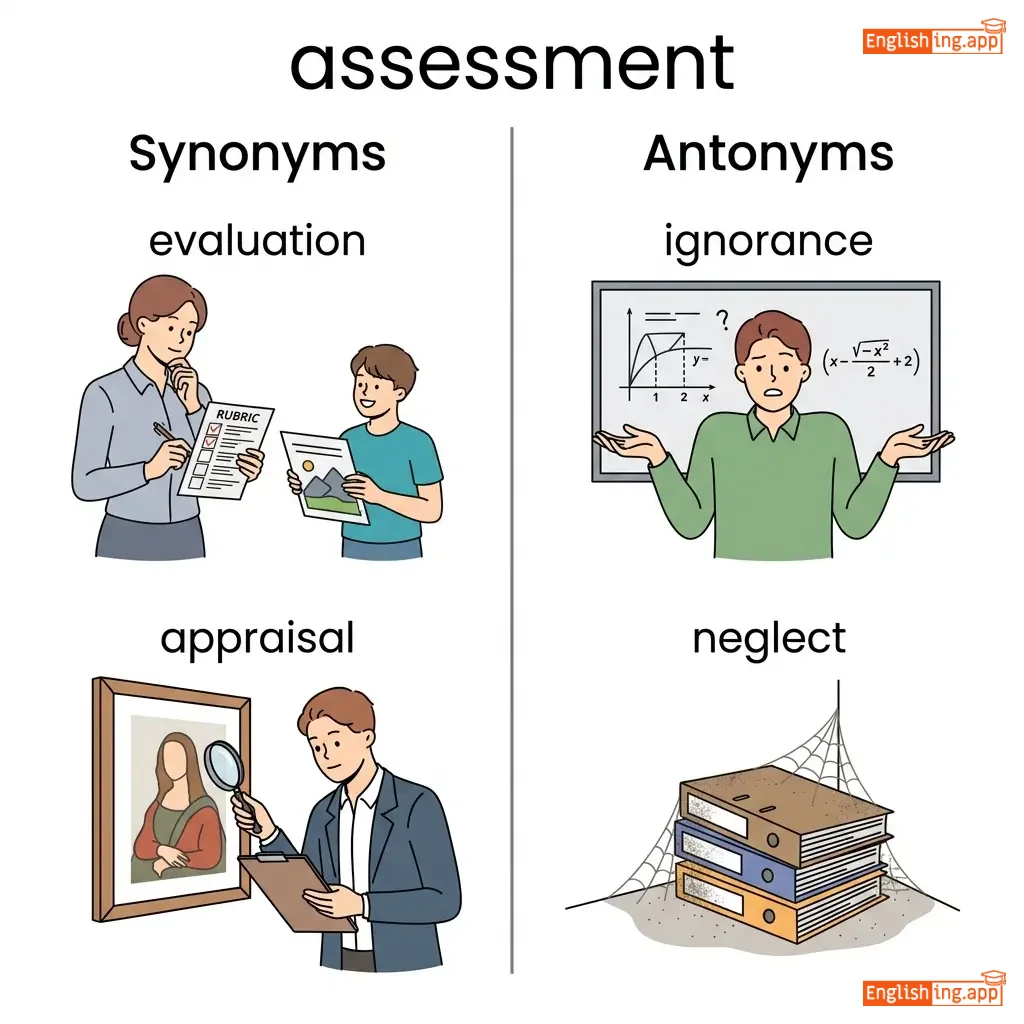
evaluation, appraisal, analysis
••••••
|
misjudgment, inaccuracy, misestimation
••••••
|
No •••••• |
|
#3485
🔍
|
hjʊəˈrɪs.tɪk
adjective
(hjuːˈrɪstɪk)
••••••
|
|
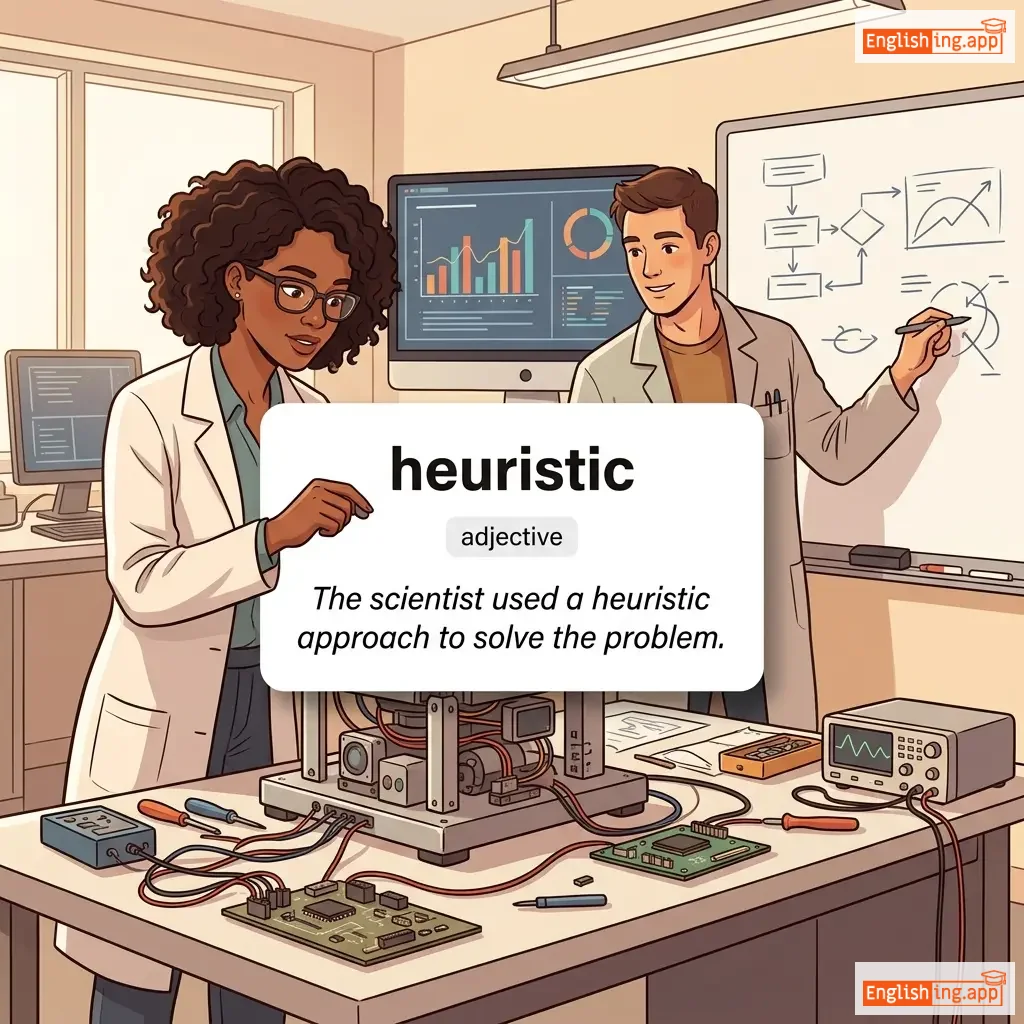
启发式
qǐfā shì
••••••
|
Enabling a person to discover or learn something for themselves; using practical experience rather than theory.
••••••
|
The scientist used a heuristic approach to solve the problem. |
科学家使用启发式方法来解决这个问题。
Kēxuéjiā shǐyòng qǐfā shì fāngfǎ lái jiějué zhège wèntí.
••••••
|
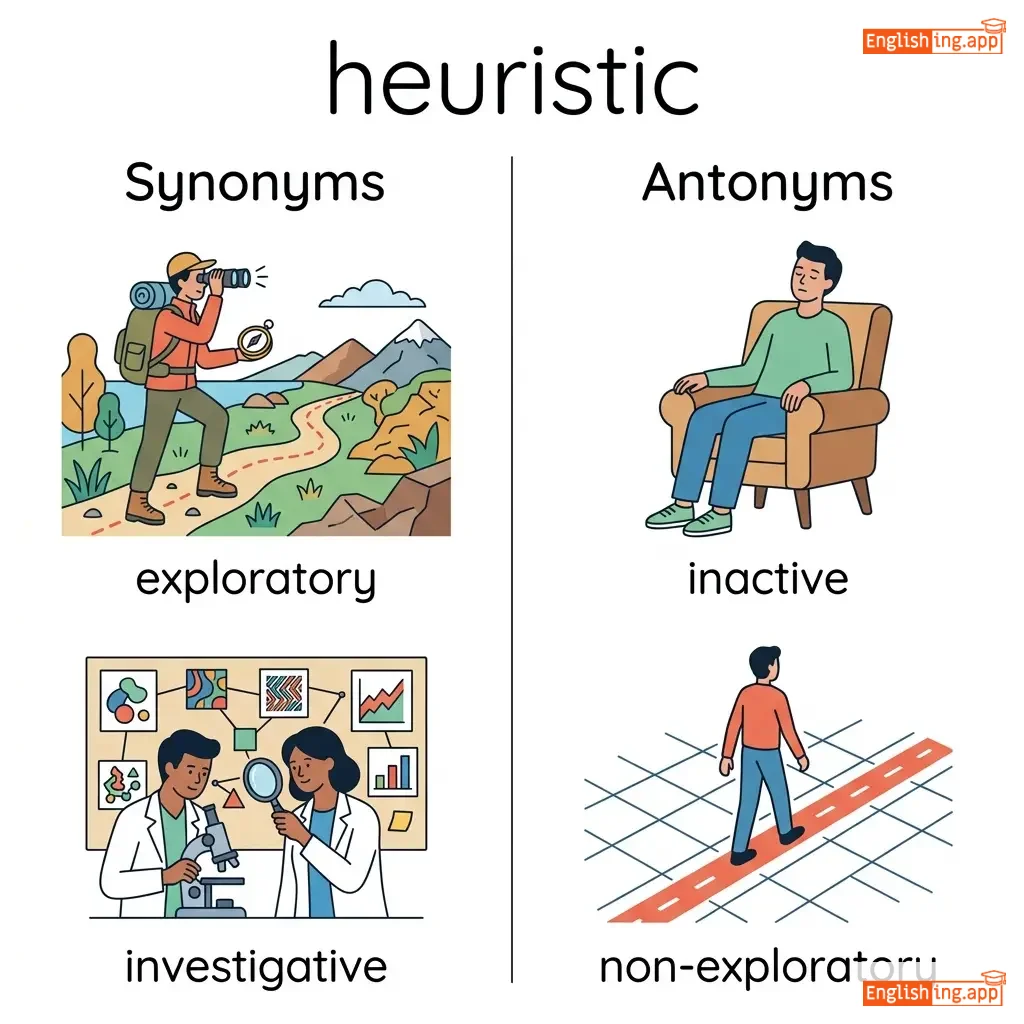
exploratory, investigative, experimental
••••••
|
inactive, non-exploratory, theoretical
••••••
|
启发式 = 实践中的发现
••••••
|
|
#3486
❓
|
ˌæm.bɪˈɡjuː.ɪ.ti
noun
(模棱两可)
••••••
|
|
模糊性, 歧义
mohu xing, qiyi
••••••
|
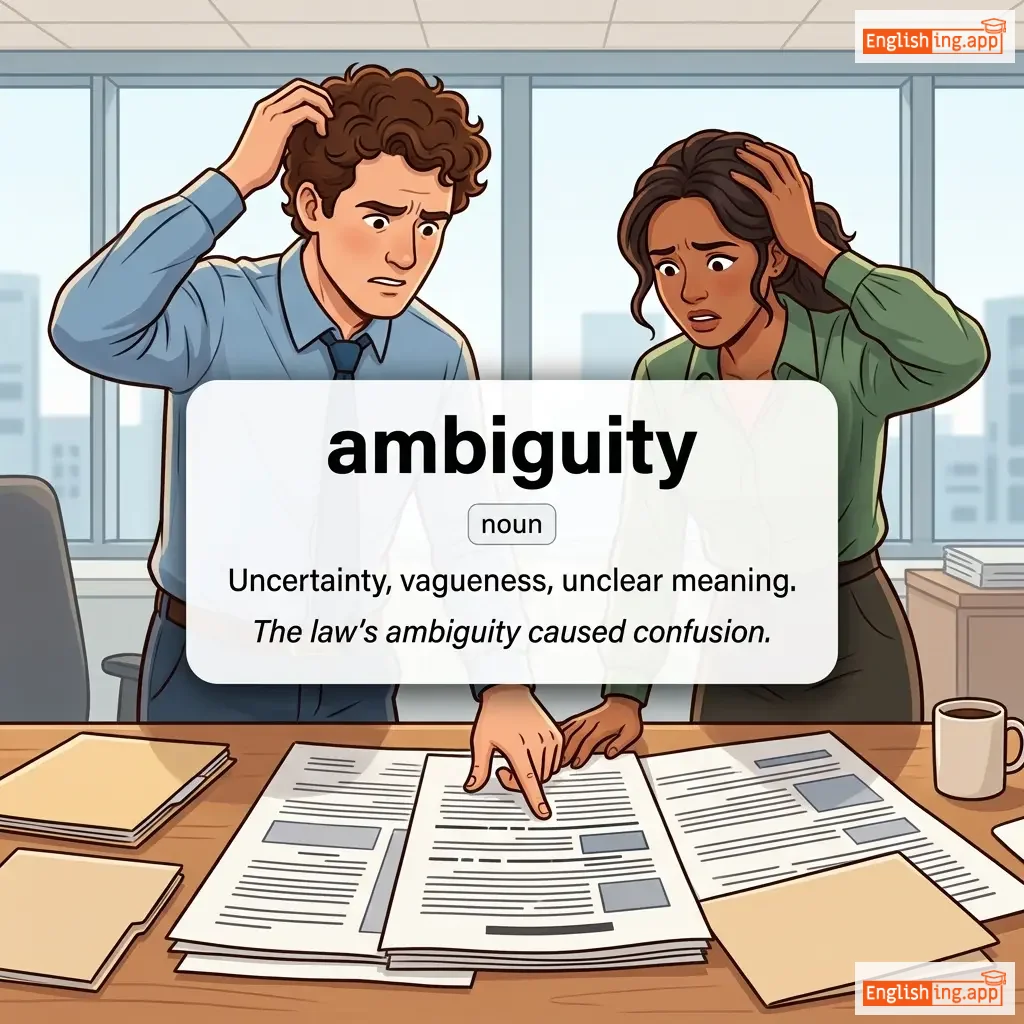
The quality of being open to more than one interpretation; inexactness.
••••••
|
The ambiguity in his speech confused the audience. |
他讲话中的模糊性让听众感到困惑。
Ta jianghua zhong de mohu xing rang tingzhong gandao kunhuo.
••••••
|
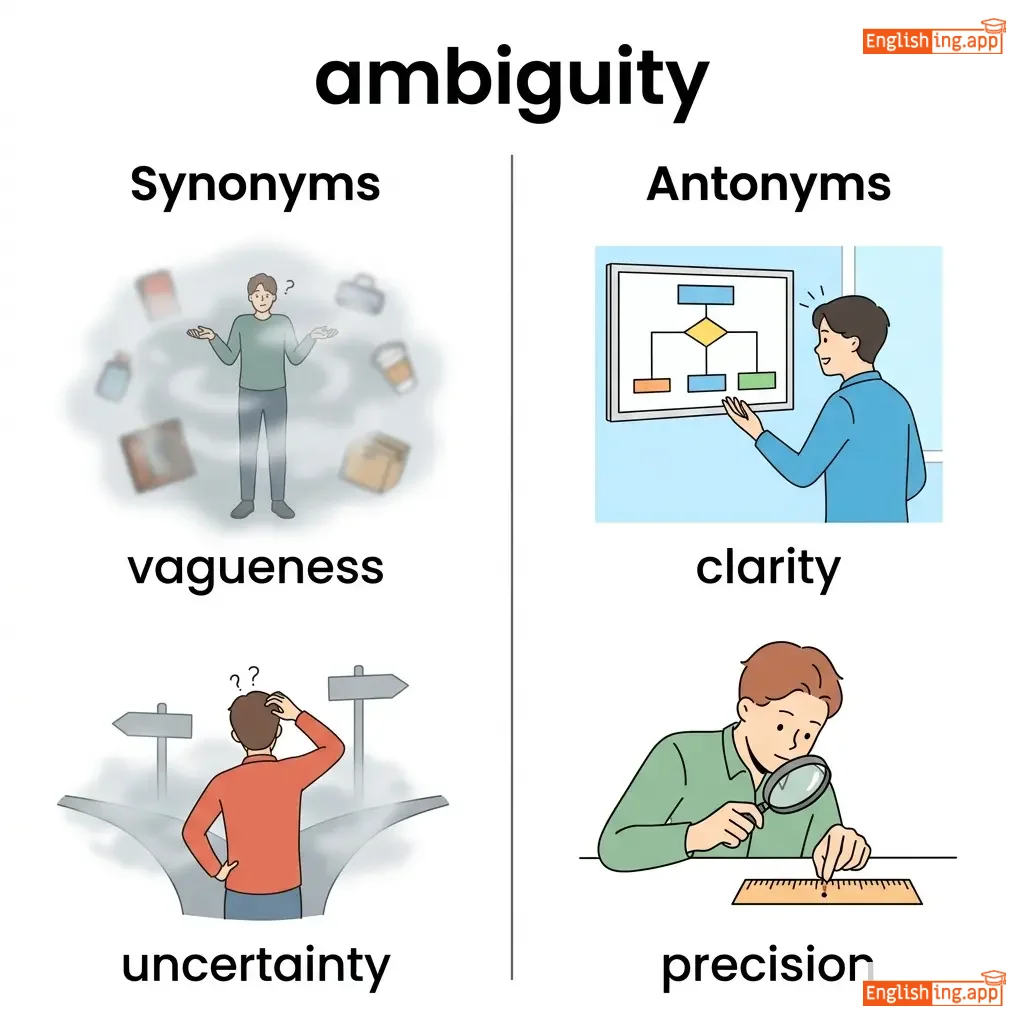
vagueness, uncertainty, confusion
••••••
|
clarity, precision, certainty
••••••
|
中文'模糊性'就像英语的'ambiguity',帮你记住意思。
••••••
|
|
#3487
🌀
|
ɪˌræʃ.ənˈæl.ɪ.ti
noun
(yi-lai-shi-na-li-ti)
••••••
|
|
非理性, 不合理, 荒谬
fei-lixing, bu-he-li, huang-miu
••••••
|
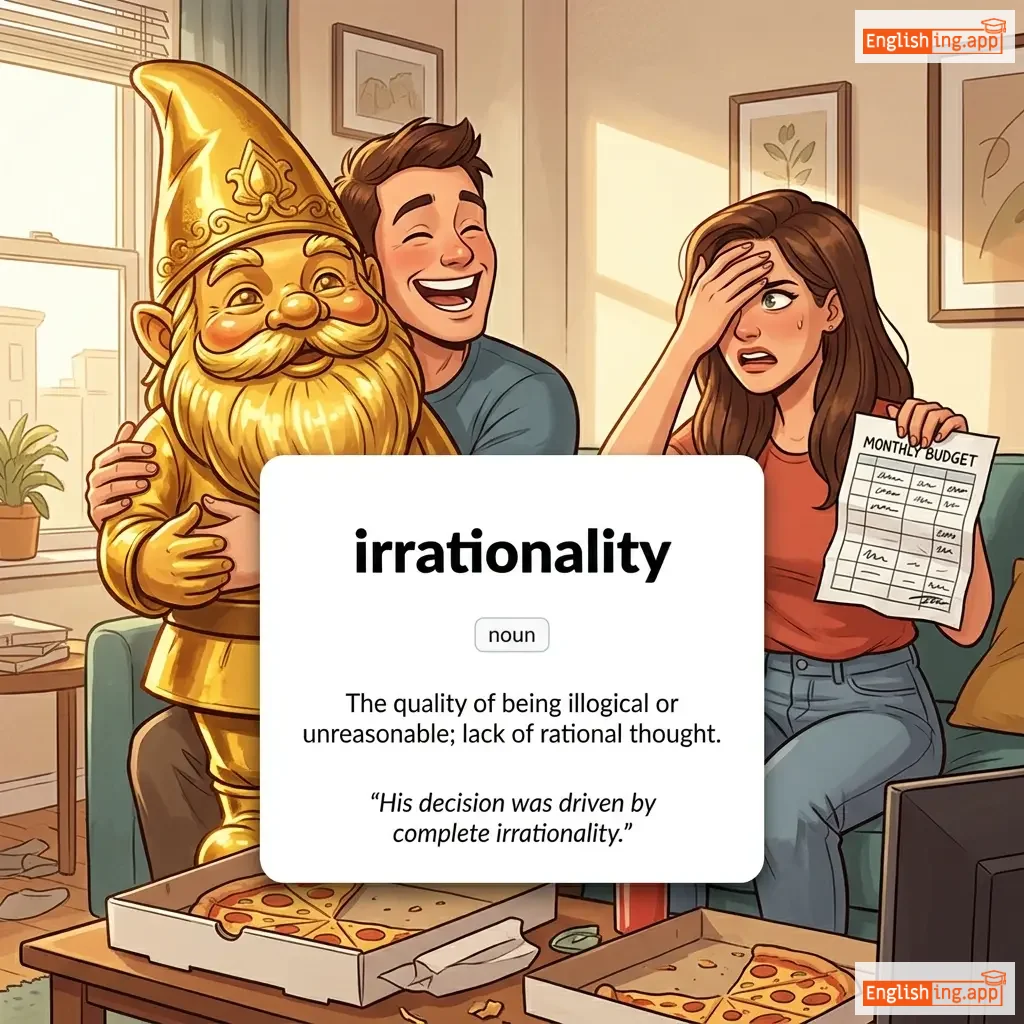
The quality of being illogical or unreasonable; lack of rational thought.
••••••
|
His decision was driven by complete irrationality.
他的决定完全是基于非理性。
••••••
|
他的决定完全是基于非理性。
Ta de jue ding wanquan shi jiyu fei lixing.
••••••
|
illogicality, foolishness, unreasonableness
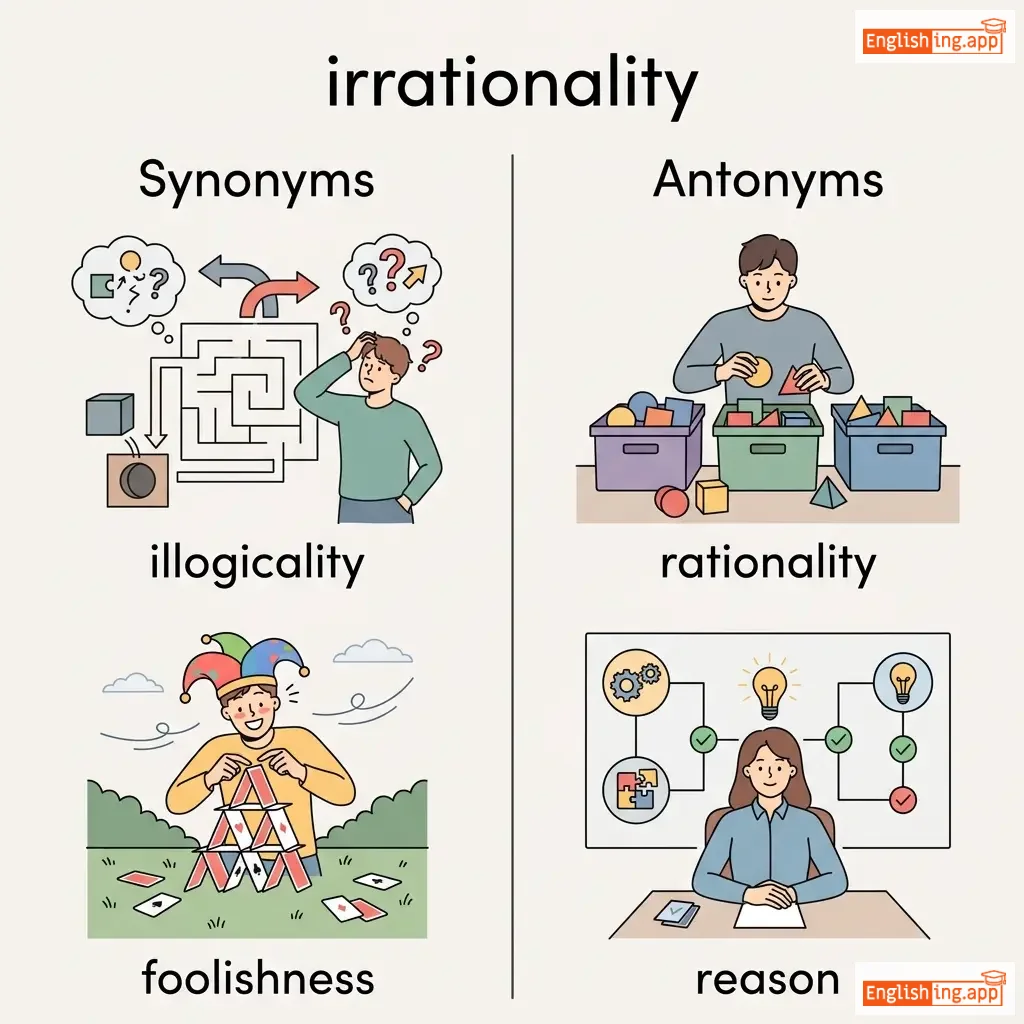
••••••
|
rationality, reason, logic
••••••
|
用‘非理性’记住中文里的irrationality.
••••••
|
|
#3488
📋
|
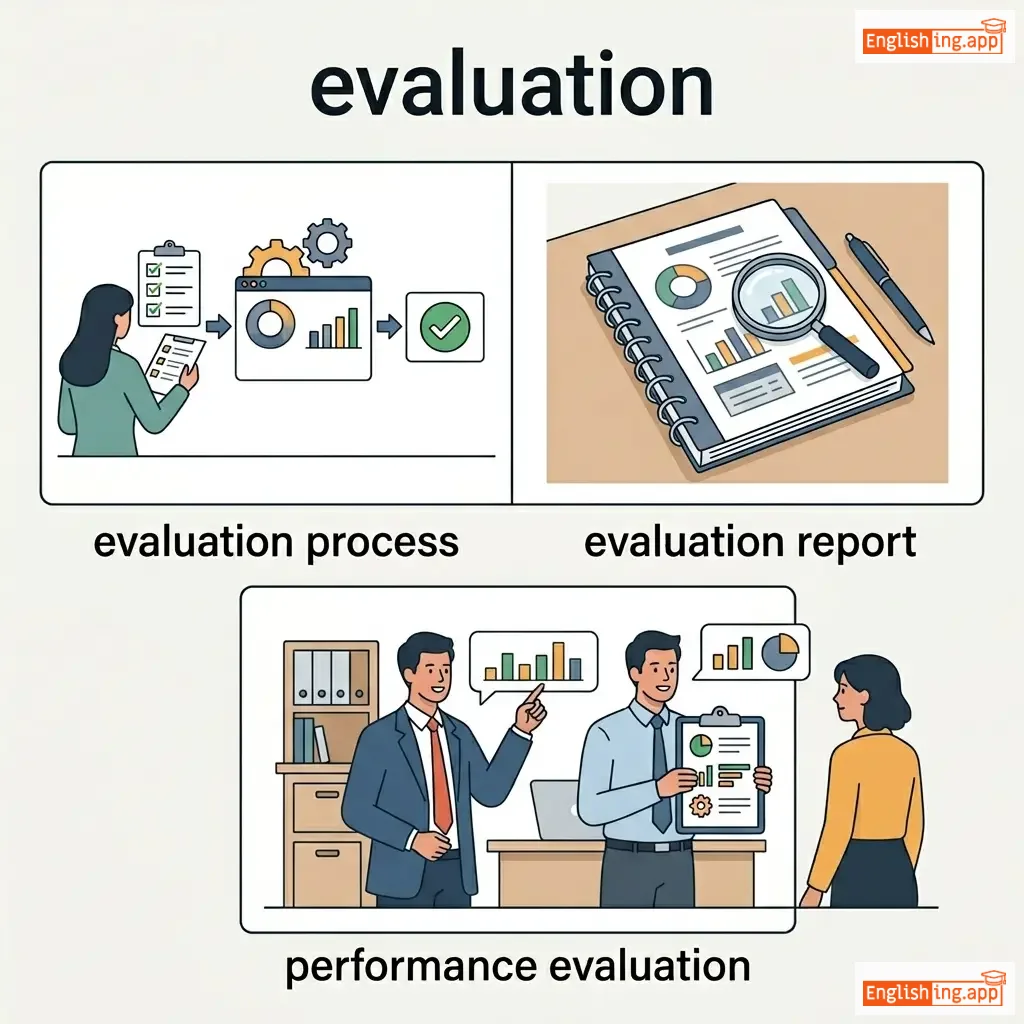
ɪˌvæl.juˈeɪ.ʃən
noun
(yìngpíng)
••••••
|
|
评估, 评价, 鉴定
pinggu, pingjia, jianding
••••••
|
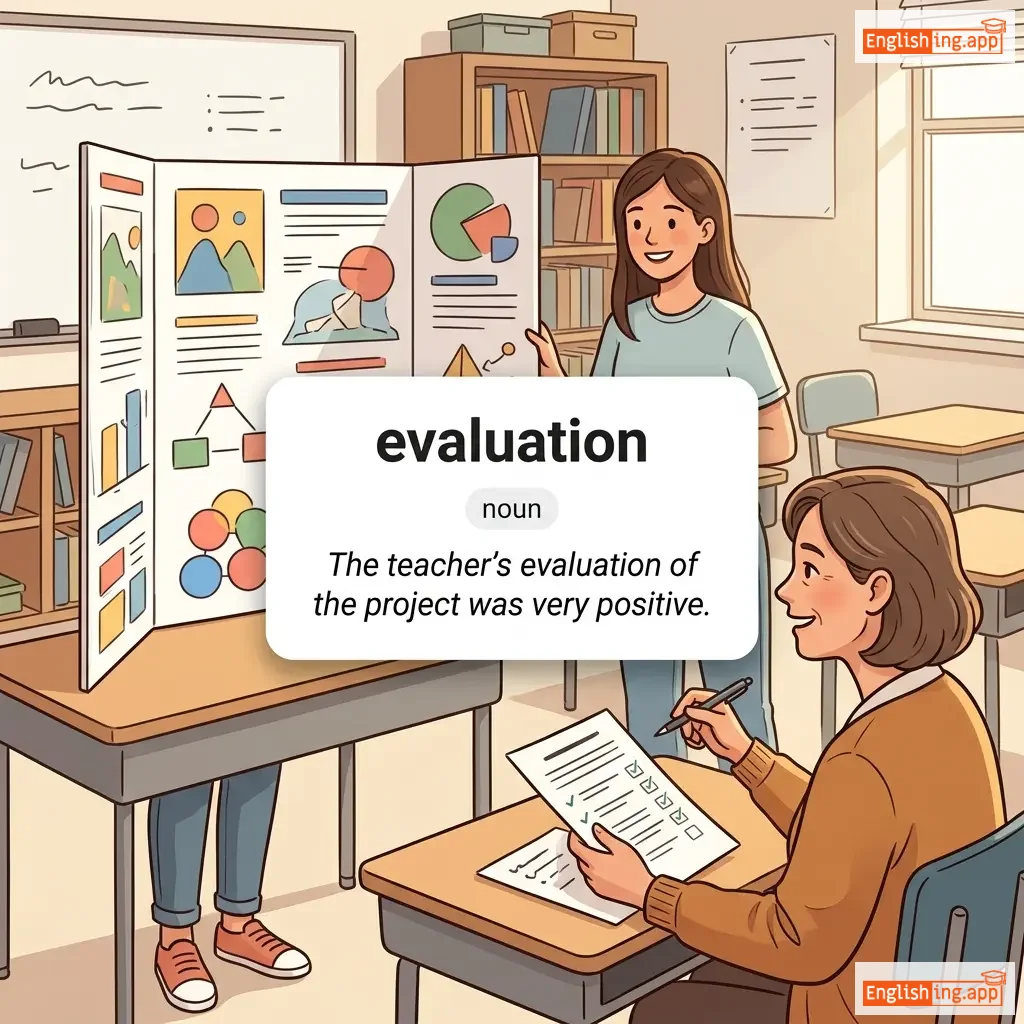
The making of a judgment about the amount, number, or value of something; assessment.
••••••
|
The teacher conducted a fair evaluation of students. |
老师对学生进行了公正的评估。
Laoshi dui xuesheng jinxingle gongzheng de pinggu.
••••••
|
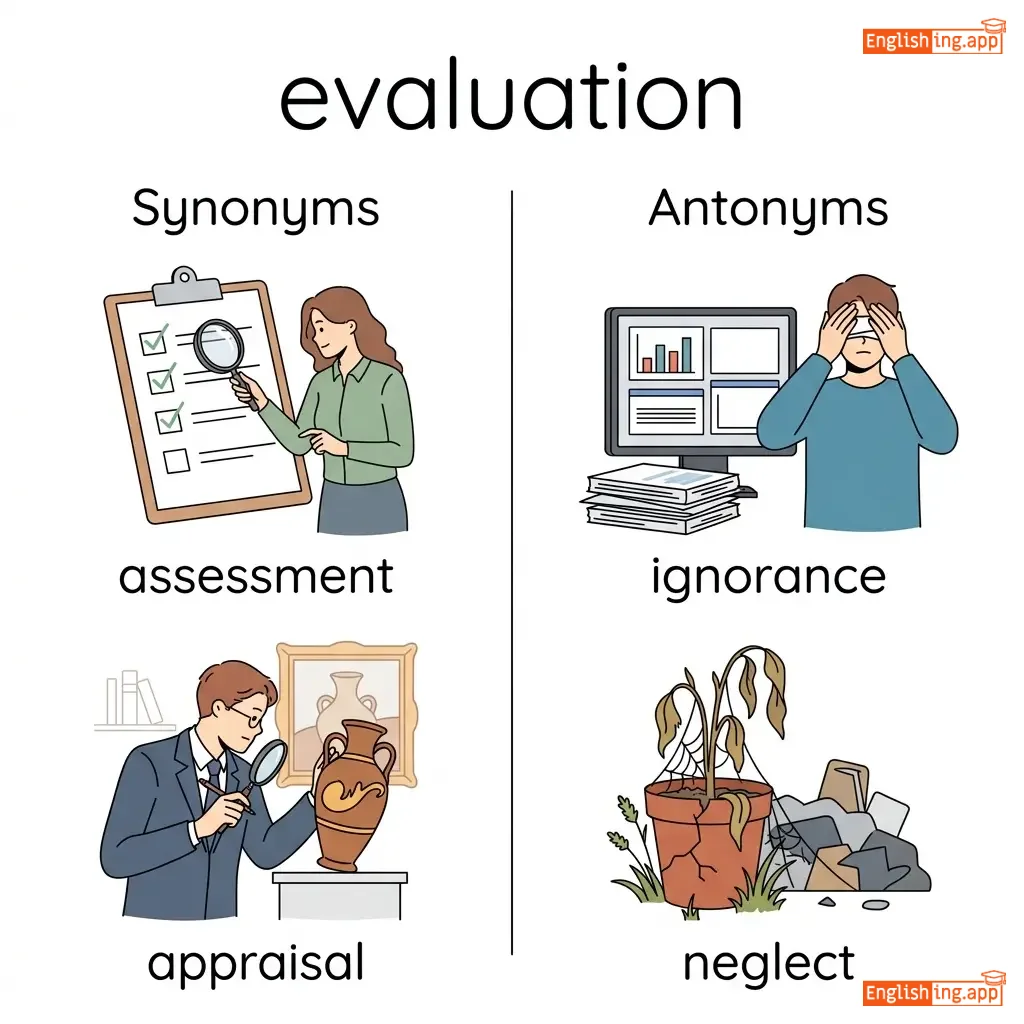
assessment, appraisal, review
••••••
|
misjudgment, neglect, disregard
••••••
|
评估帮助我们做出明智决策
••••••
|
|
#3489
🧬
|
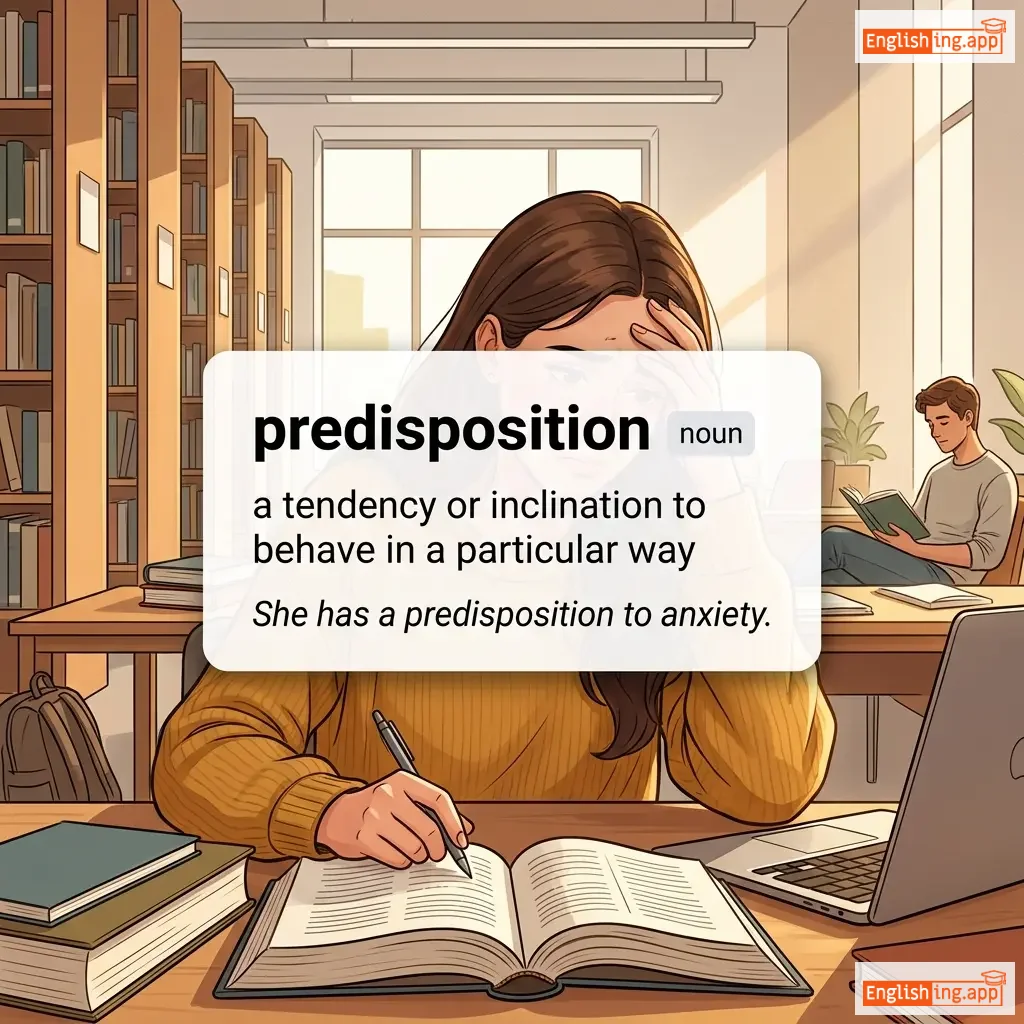
ˌpriː.dɪs.pəˈzɪʃ.ən
noun
(倾向性)
••••••
|
|
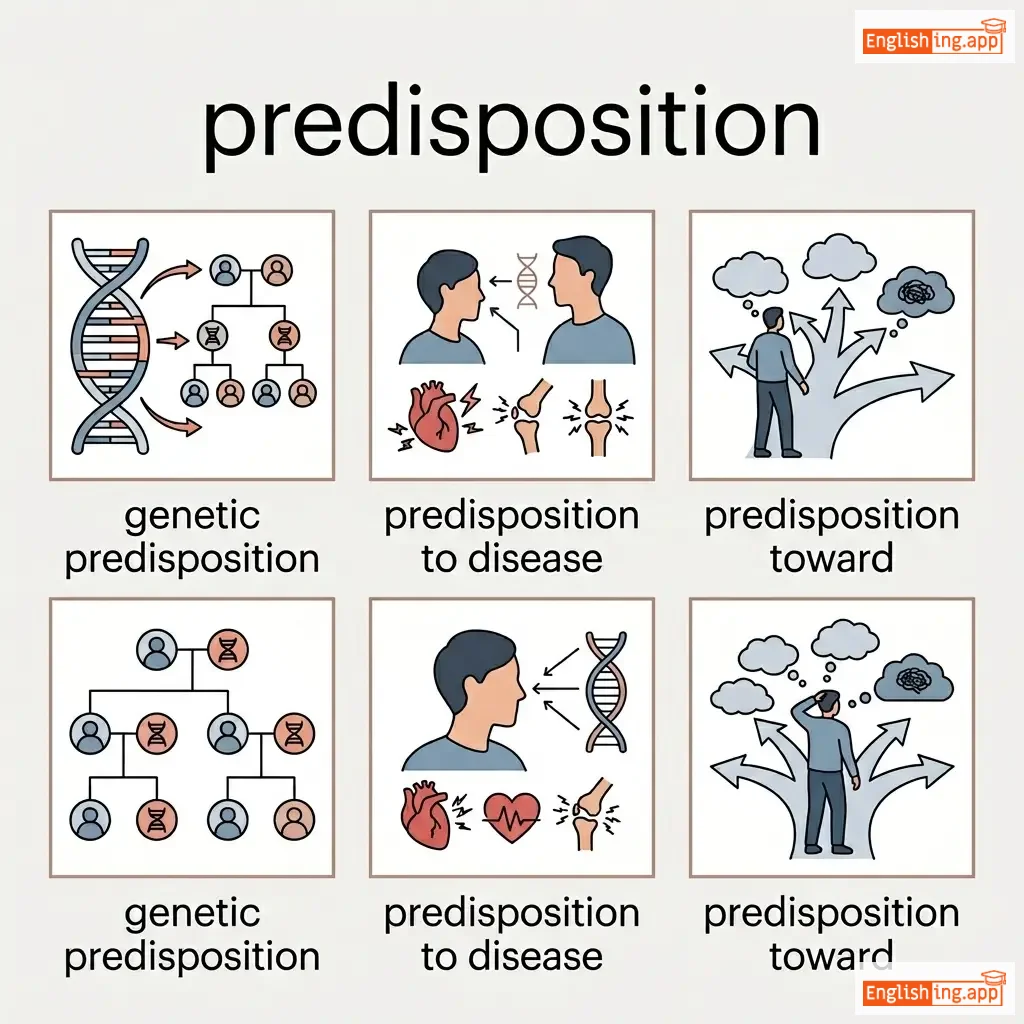
倾向, 偏向, 易患性
qingxiang, pianxiang, yihuanxing
••••••
|
A liability or tendency to suffer from a particular condition, hold a particular attitude, or act in a particular way.
••••••
|
His genetic predisposition made him more susceptible to diabetes. |
他的基因倾向让他更容易患上糖尿病。
Tade jiyin qingxiang rang ta geng rongyi huan shang tangniaobing.
••••••
|
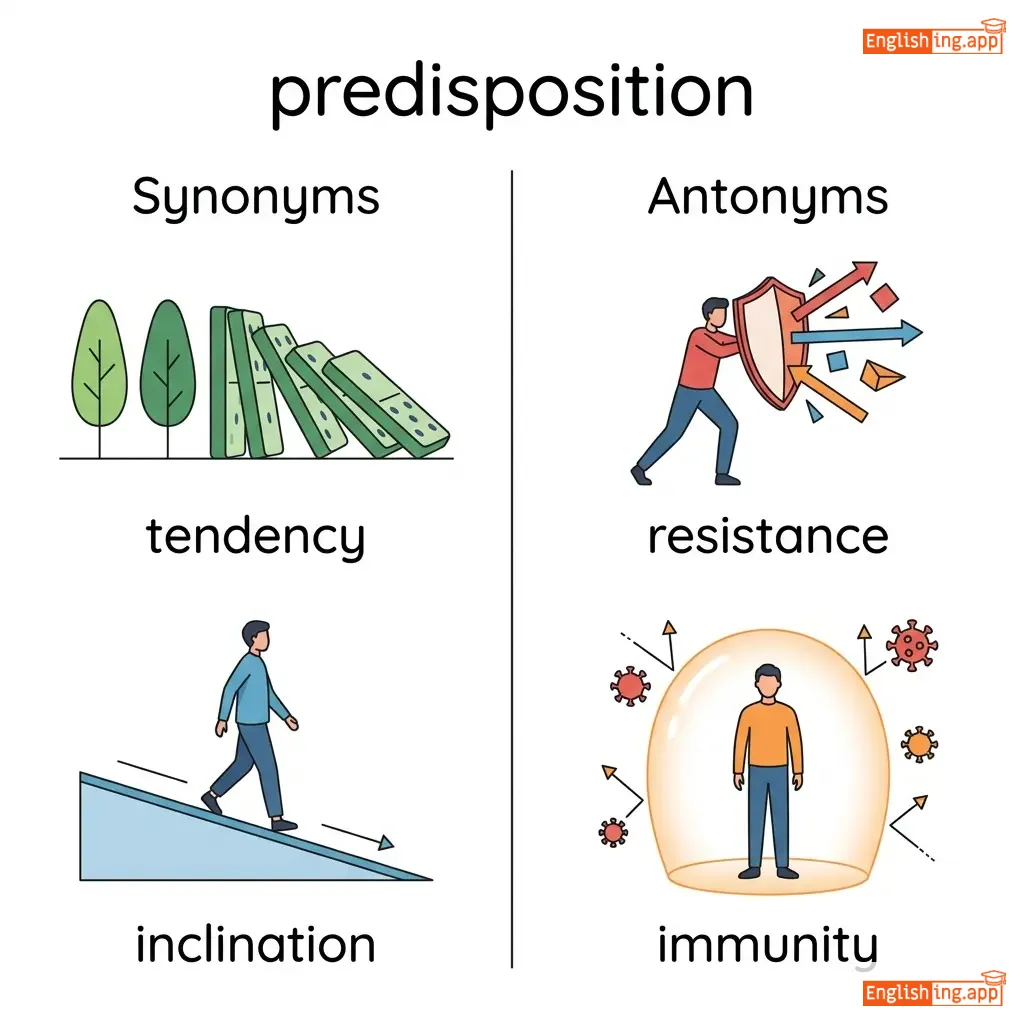
inclination, propensity, tendency
••••••
|
disinclination, neutrality, resistance
••••••
|
中文: 倾向性 = 自然的倾斜, 让你无意识地倾向于某种事情。
••••••
|
|
#3490
🎯
|
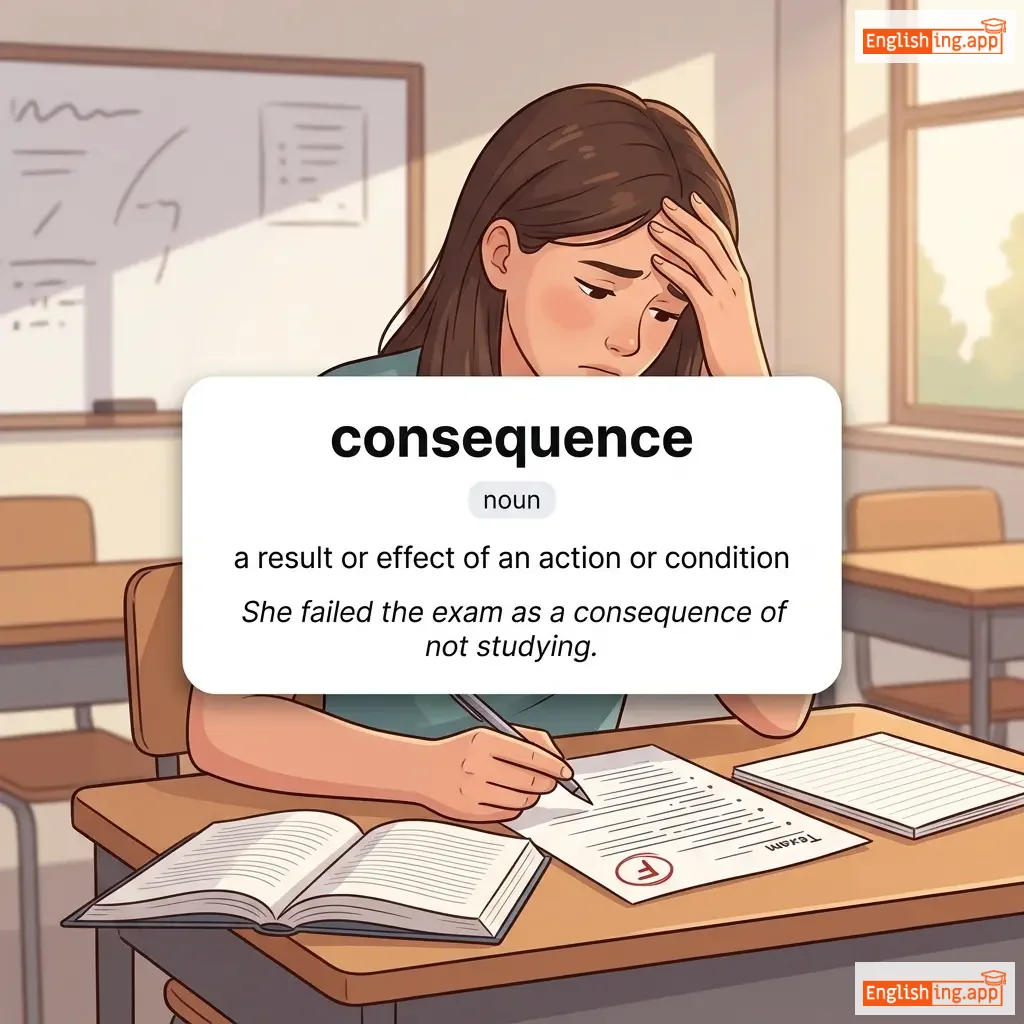
ˈkɒn.sɪ.kwəns
noun
(kāngsīkèwénsī)
••••••
|
|
后果
houguo
••••••
|
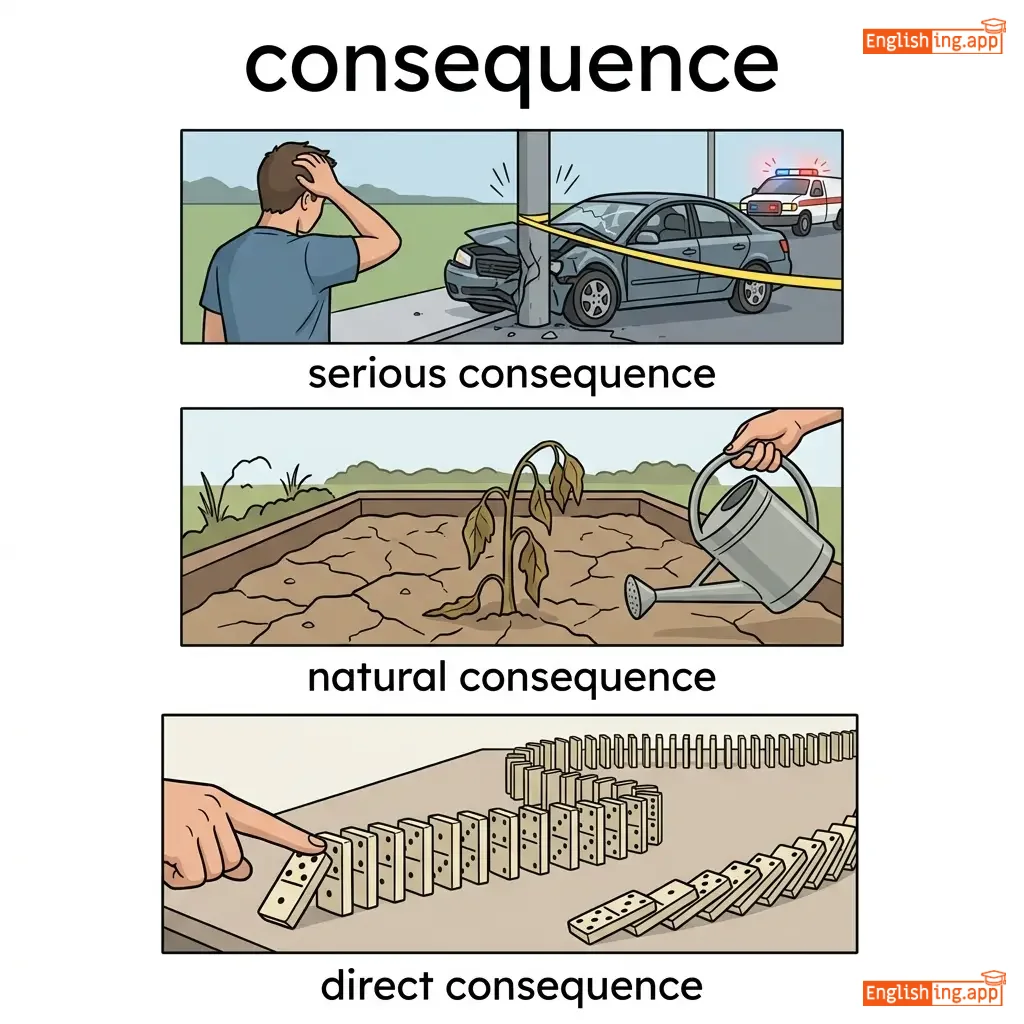
A result or effect of an action or condition.
••••••
|
Every action has a consequence. |
每个行为都有后果。
Měi gè xíngwéi dōu yǒu hòuguǒ.
••••••
|
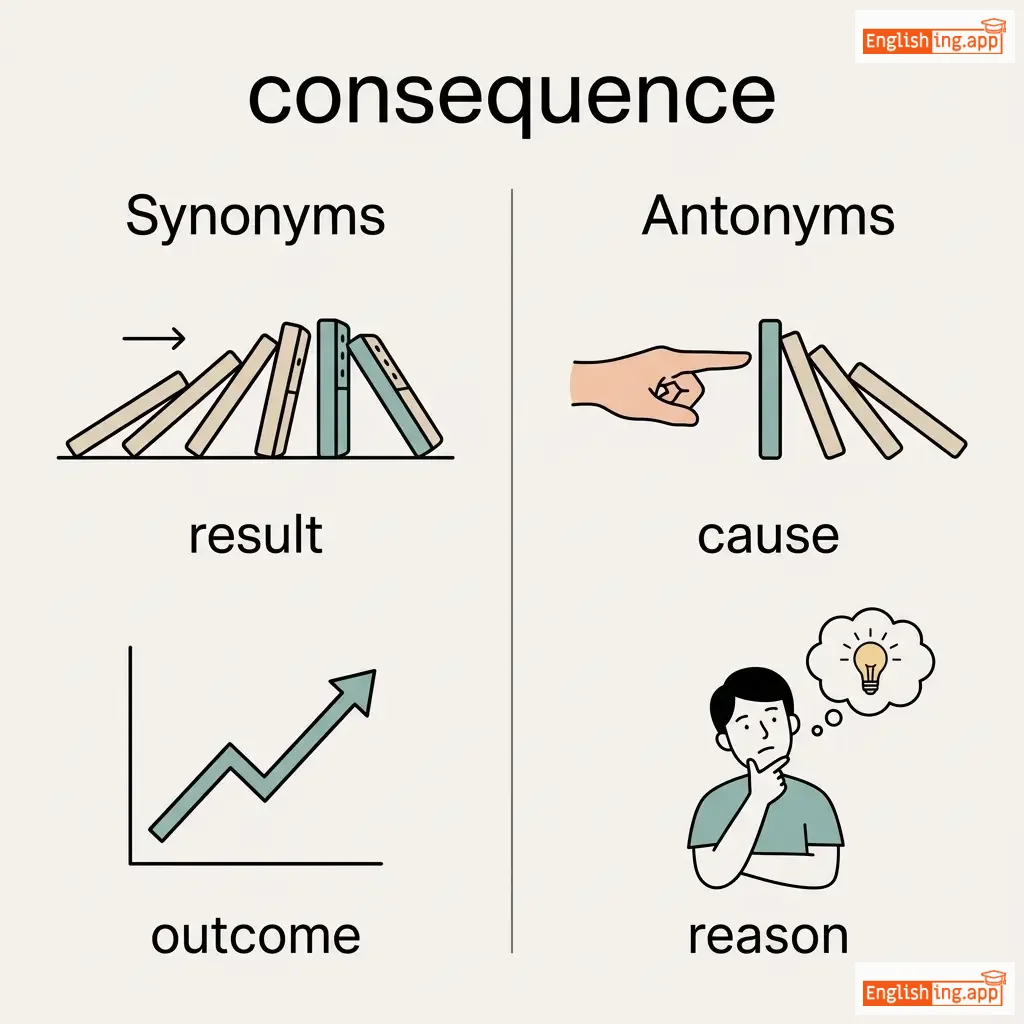
outcome, ramification, result
••••••
|
cause, insignificance, origin
••••••
|
Chinese: 每个行为都有后果 = Every action has a consequence
••••••
|
|
#3491
🔑
|
dɪˈtɜː.mɪ.nənt
noun
(决定性因素)
••••••
|
|
决定性因素
juédìngxìng yīnsù
••••••
|
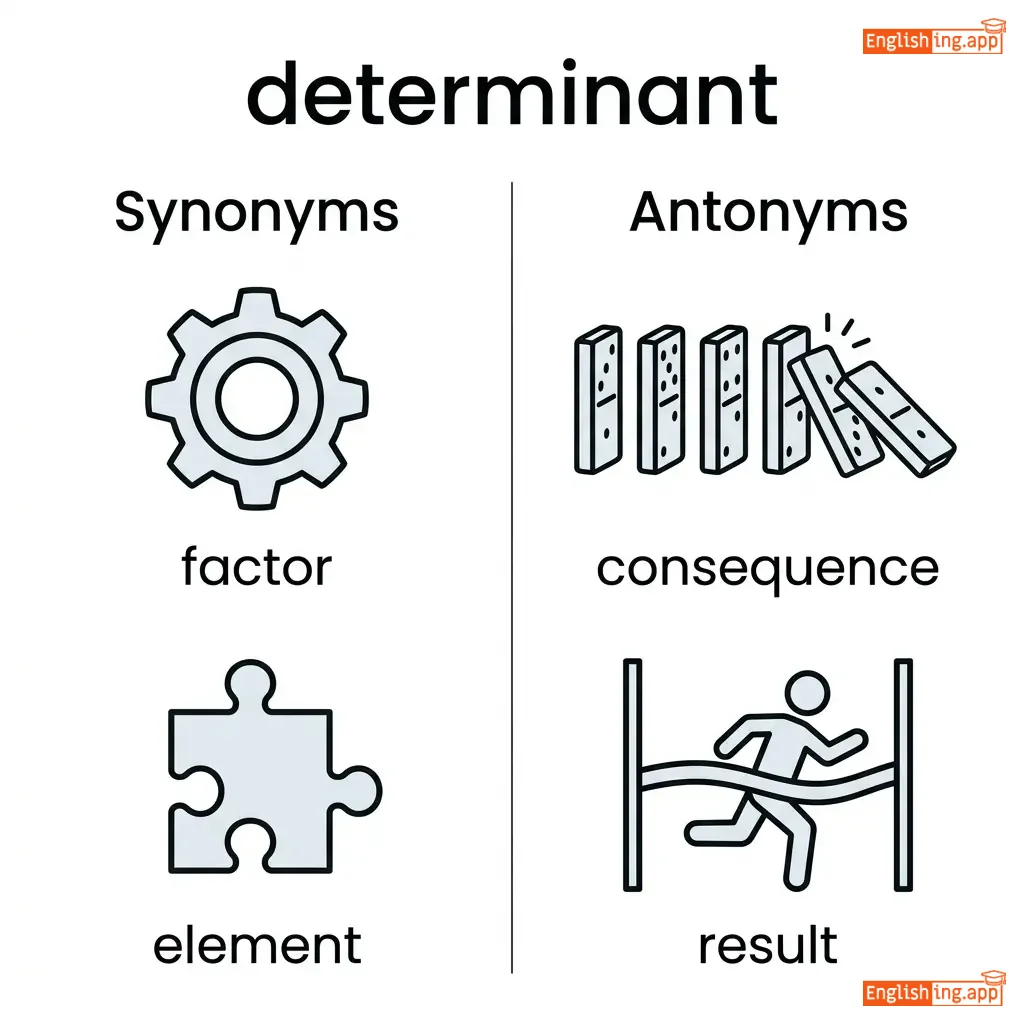
A factor that decisively affects the nature or outcome of something.
••••••
|
Education is a key determinant of success. |
教育是成功的一个关键决定性因素。
Jiàoyù shì chénggōng de yīgè guānjiàn juédìngxìng yīnsù.
••••••
|
factor, influencer, element
••••••
|
insignificance, nonfactor, irrelevance
••••••
|
决定性因素是影响结果的关键因素,就像教育对成功一样。
••••••
|
Vocabulary Quiz
Test your vocabulary by matching words with their translations or meanings.
Login to take the quiz
Comments (0)
Share your thoughts and join the discussion.
Join the discussion by logging in
Login to CommentNo comments yet
Be the first to share your thoughts!